Browse NASA Astronomy Picture of the Day archive by date and media: Archive Discoveries
Browse the NASA APOD archive without needing the exact date first. Filter by media type and keep moving deeper into older images and videos.
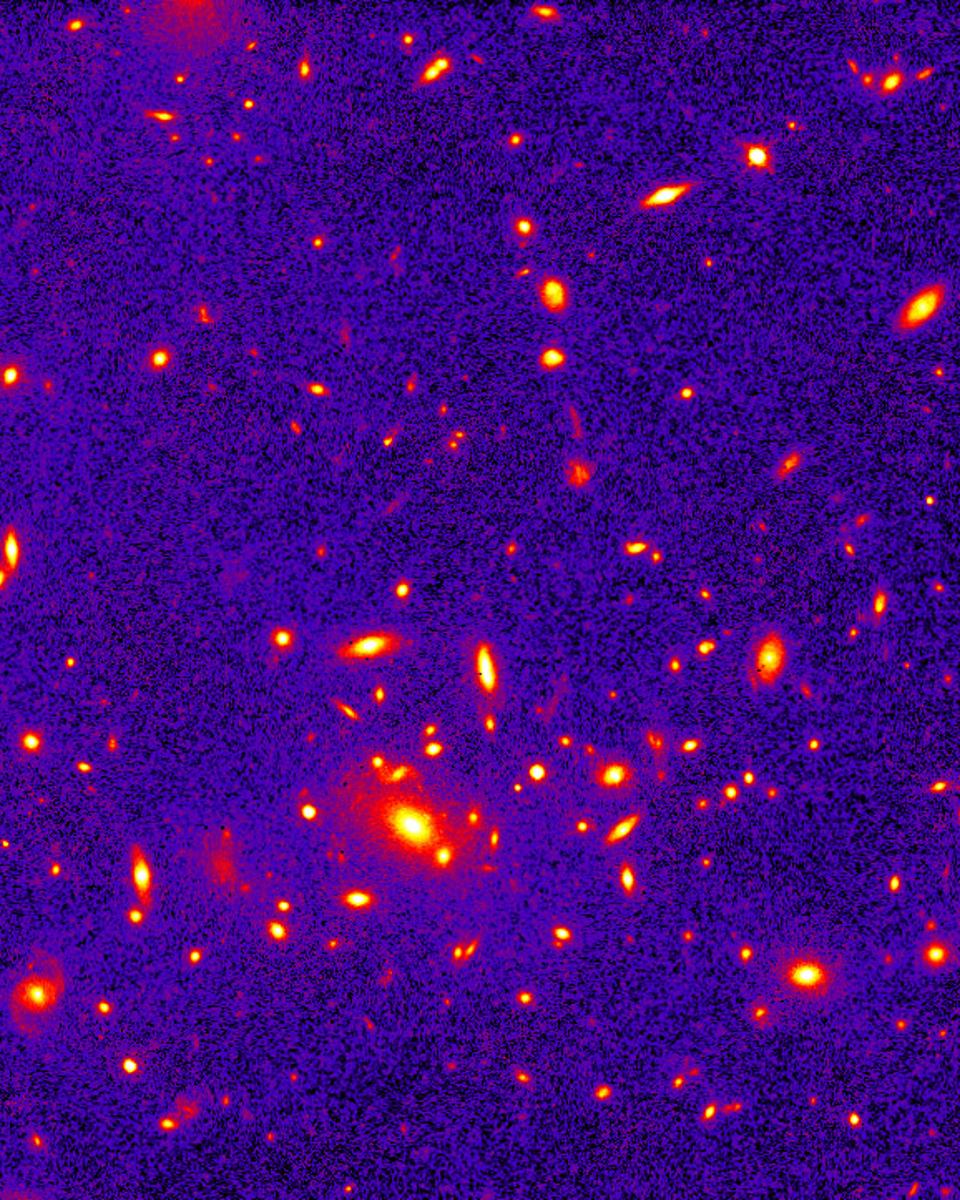
A Massive Cluster In A Young Universe
Conventional theories suggest that this cluster of galaxies should not exist . Each fuzzy spot in this false-color Hubble Space Telescope image of the central regions of a newly…
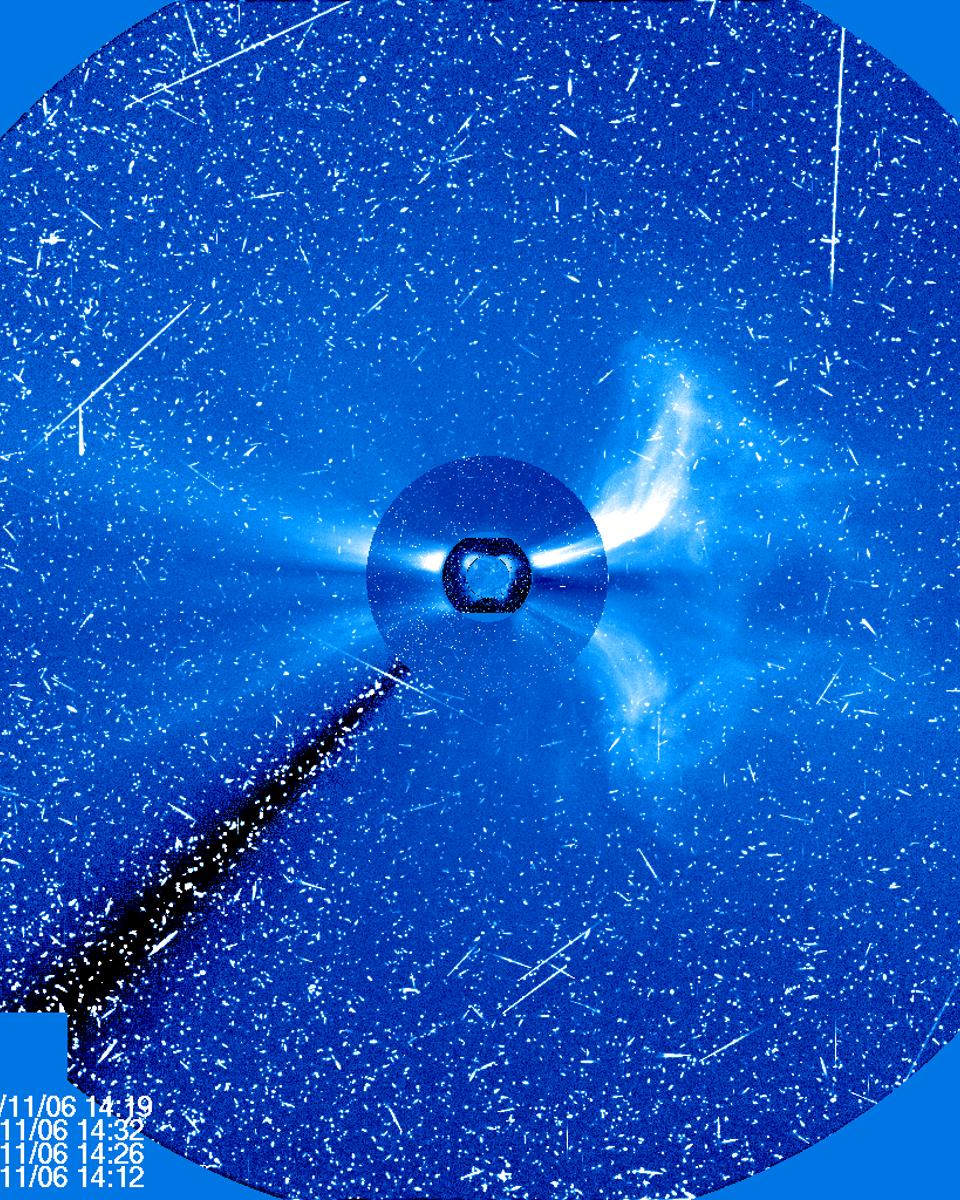
SOHO Composite: Coronal Mass Ejection
This complex composite image of an ominous and spectacular event - an expanding storm of energetic particles from the Sun - was constructed using data recorded by the SOHO…
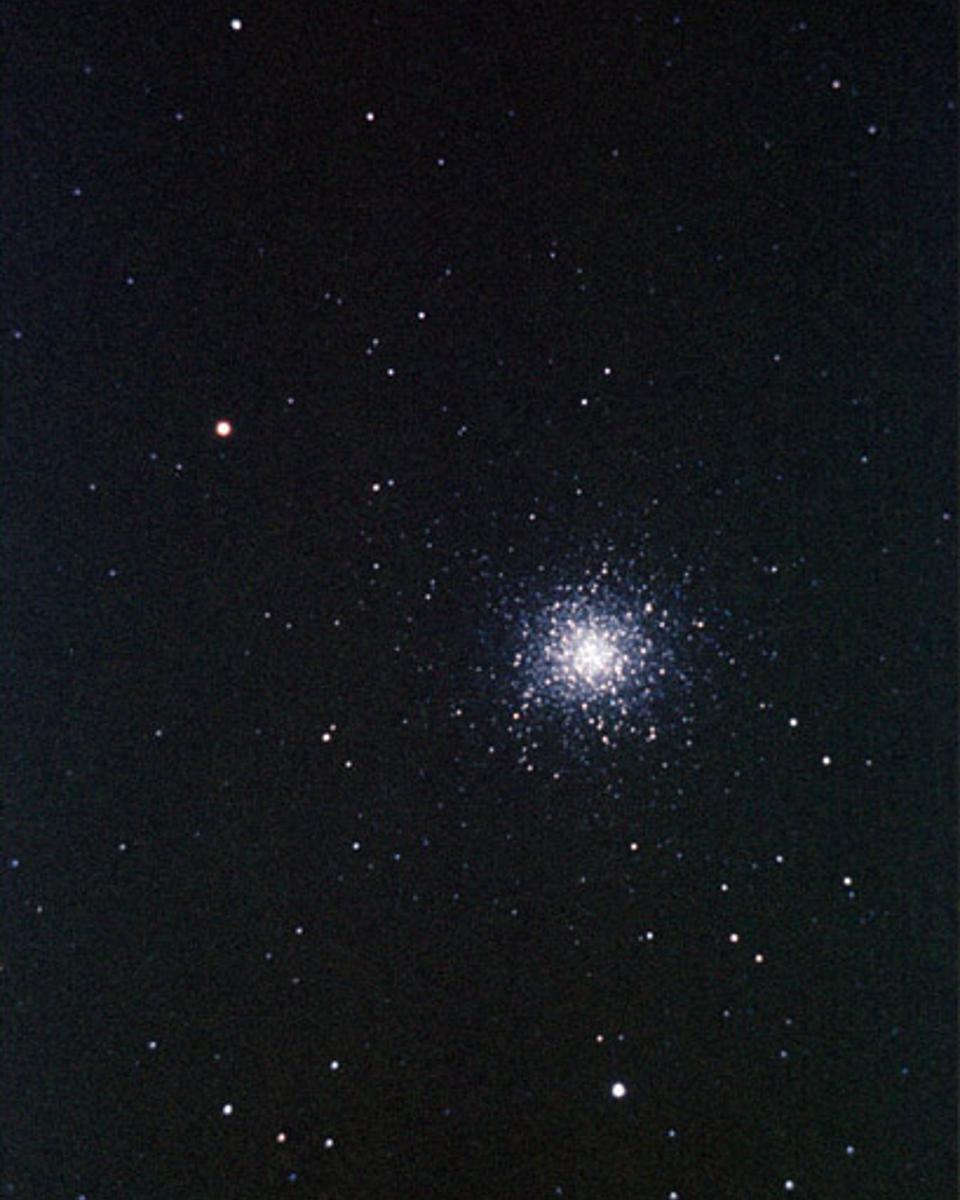
M13: The Great Globular Cluster in Hercules
M13 is one of the most prominent and best known globular clusters . Visible with binoculars in the constellation of Hercules , M13 is frequently one of the first steps beyond the…
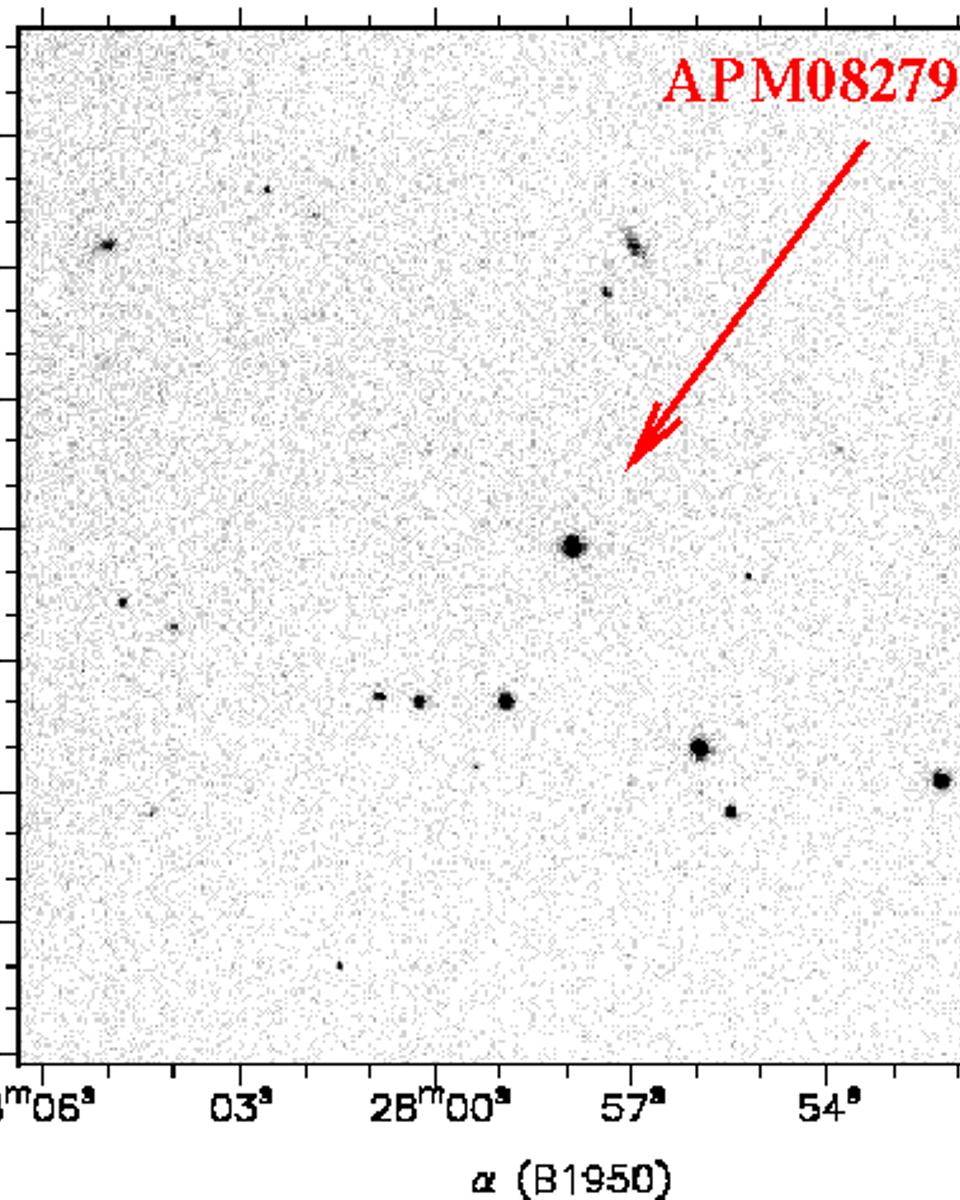
APM 08279+5255: The Brightest Object Yet Known
It shines with the brightness of 100 billion Suns. Is it a mirage? The recently discovered quasar labeled APM 08279+5255 has set a new record as being the brightest continuously…
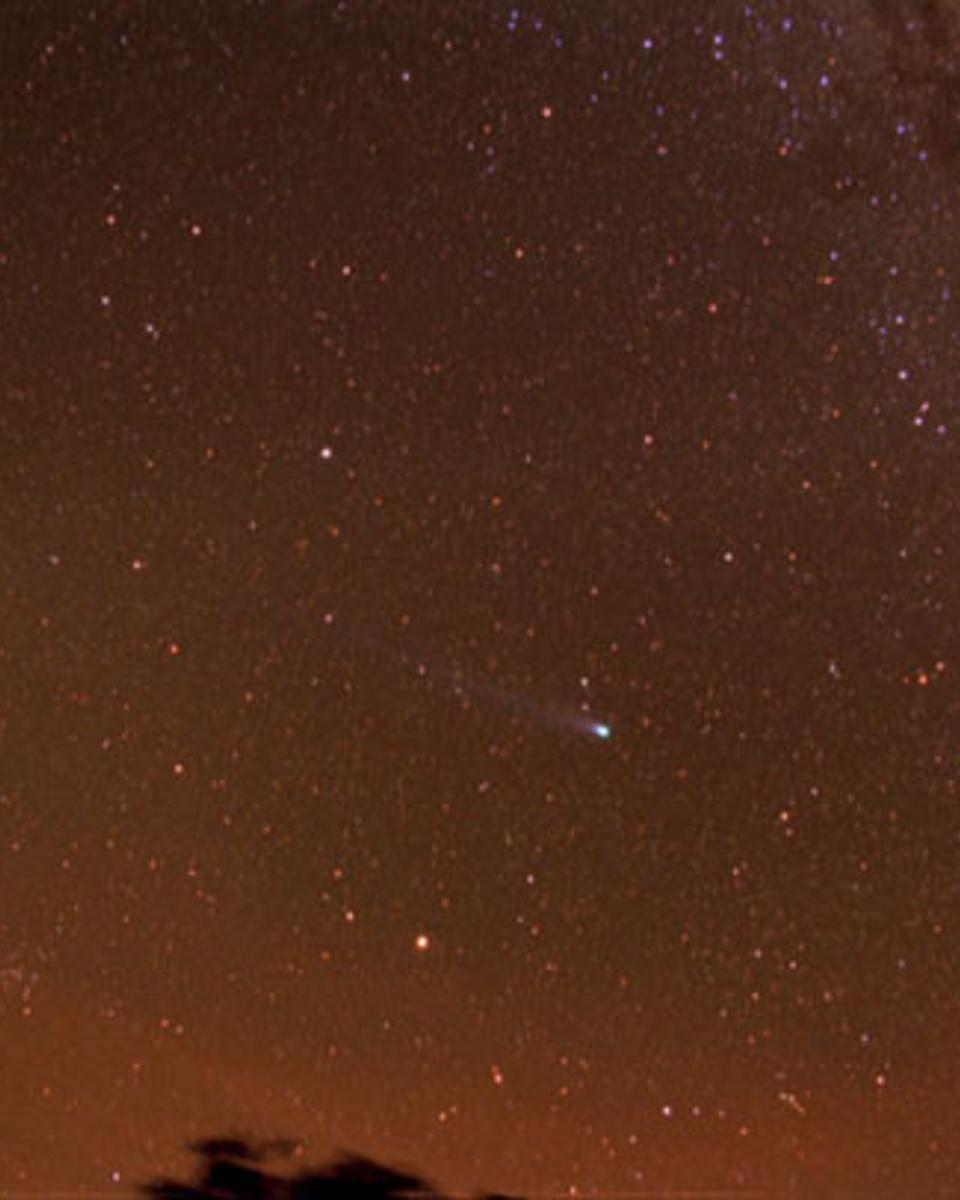
Comet Hyakutake and the Milky Way
Two years ago, the Great Comet of 1996 , Comet Hyakutake , inched across our northern sky during its long orbit around the Sun . Visible above as the bright spot with the faint…
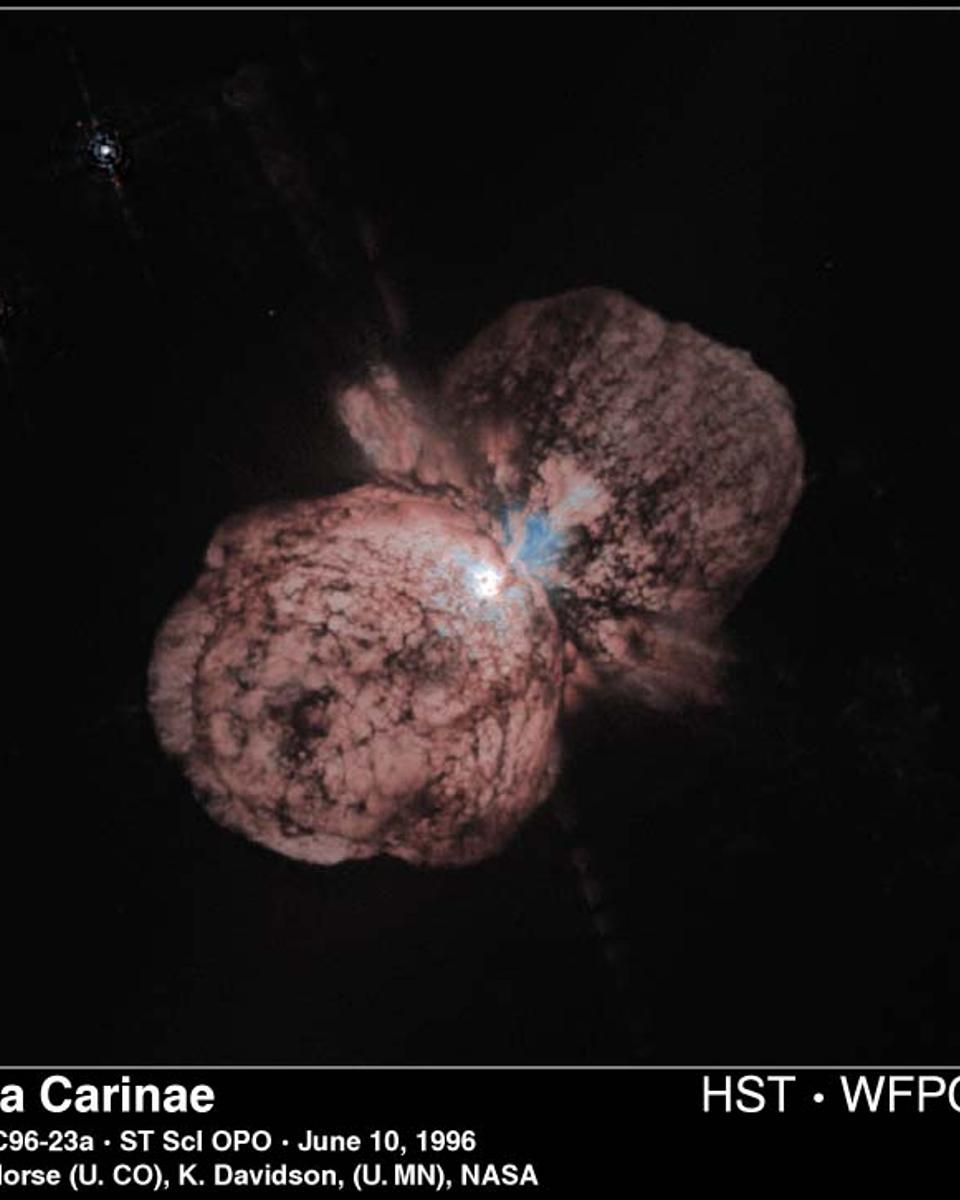
Doomed Star Eta Carinae
Eta Carinae may be about to explode. But no one knows when - it may be next year, it may be one million years from now. Eta Carinae 's mass - about 100 times greater than our Sun…
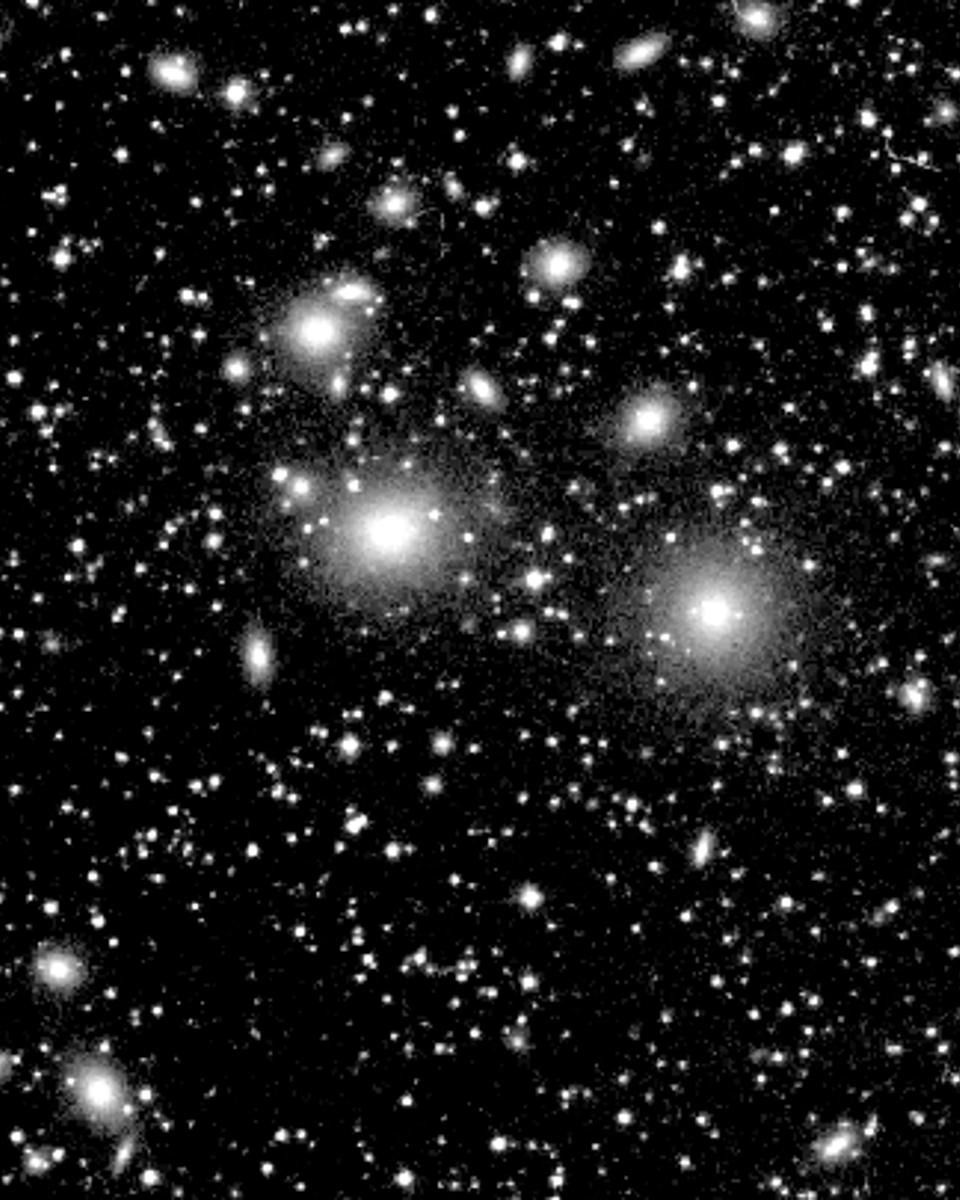
The Perseus Cluster of Galaxies
Here is one of the largest objects that anyone will ever see on the sky. Each of the fuzzy blobs in the above picture is a galaxy, together making up the Perseus Cluster, one of…
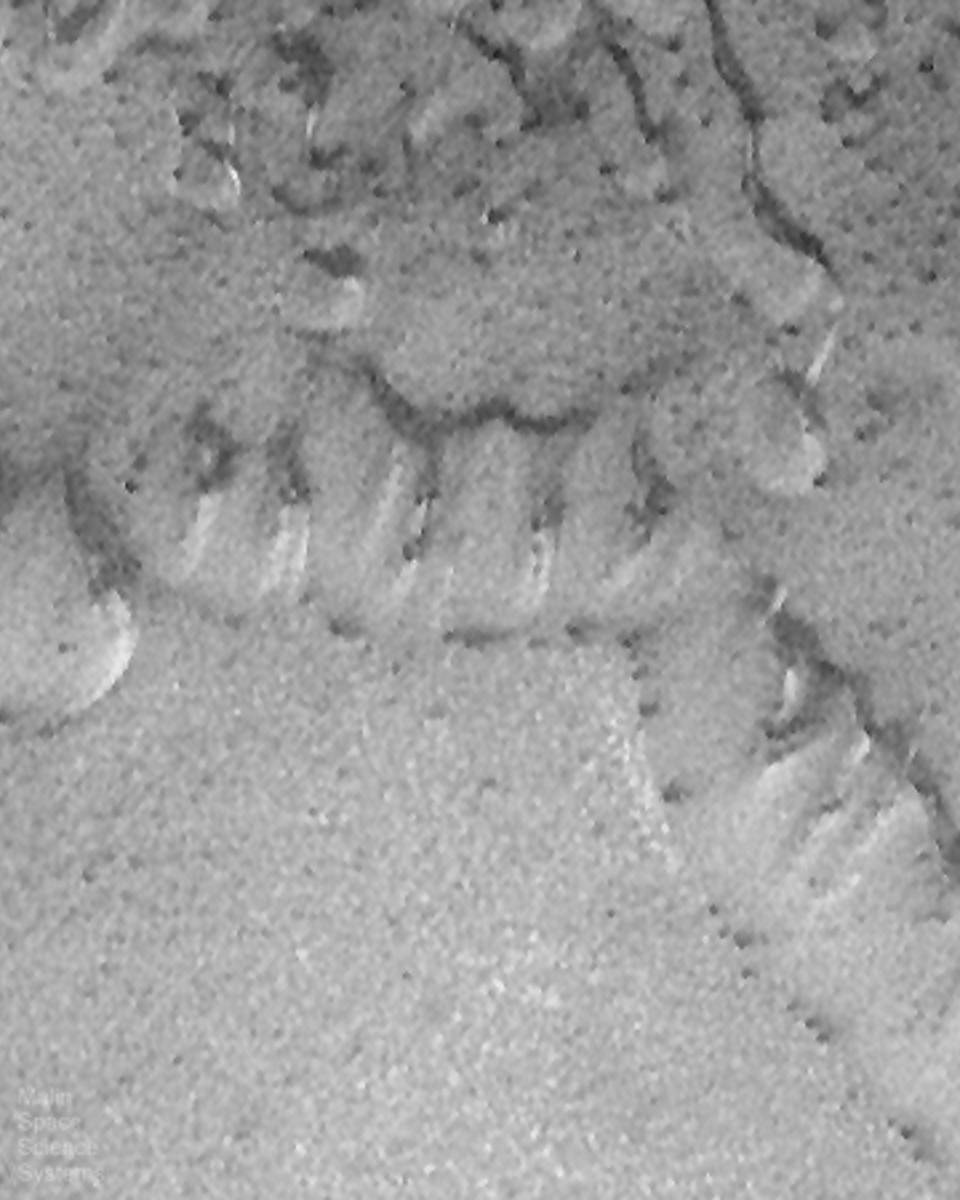
The Dunes Of Mars
The North Pole of Mars is ringed by a “sea of sand dunes”. For Mars' Northern Hemisphere, Spring began in mid July and increased sunlight is now shrinking the polar cap revealing…
The Moons Of Earth
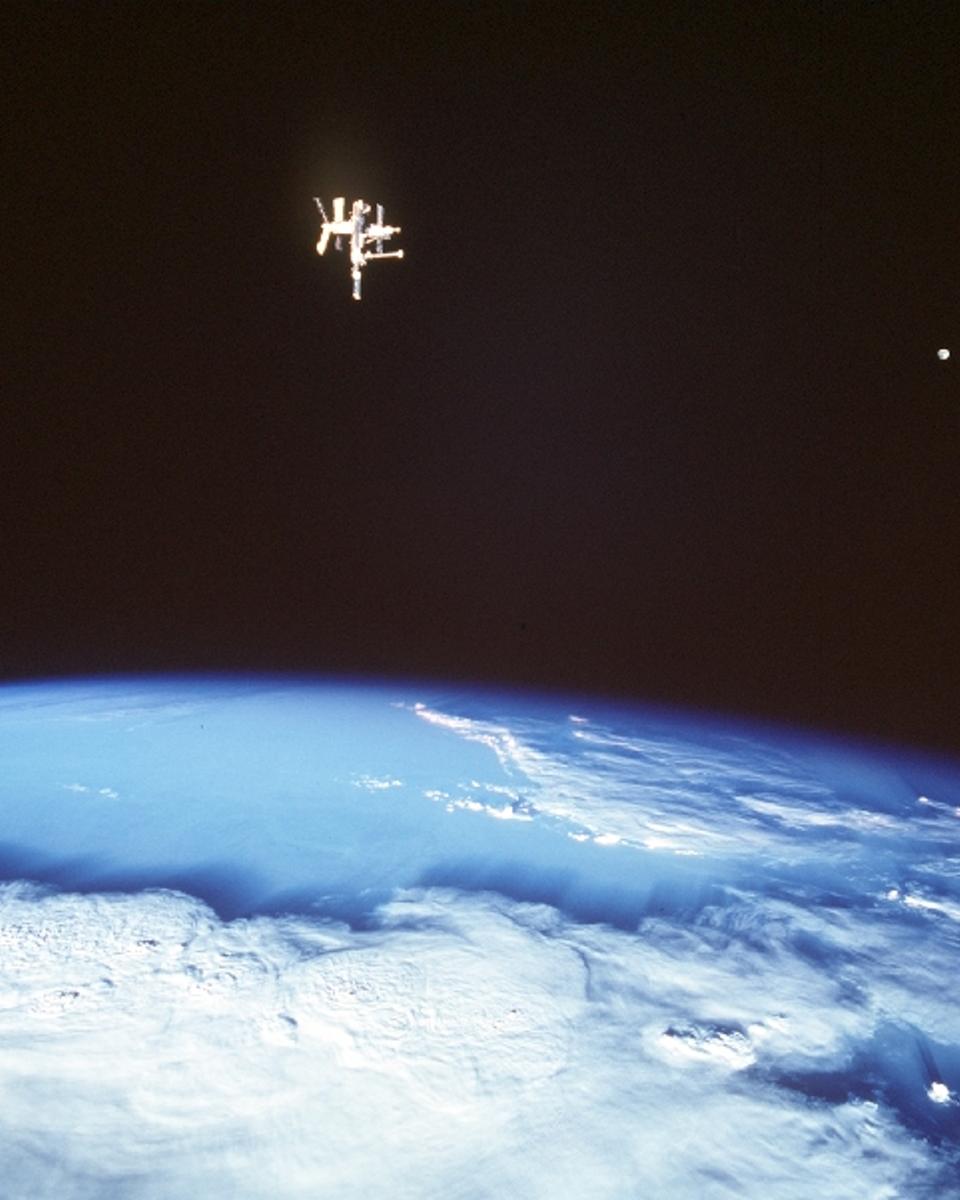
While orbiting the planet during their June 1998 mission , the crew of the Space Shuttle Discovery photographed this view of two moons of Earth. Thick storm clouds are visible in…

ERAST Pathfinder-Plus: Daedalus Defied
Daedalus warned Icarus that if he flew too high, the Sun would melt his wings. Apparently, nobody gave the ERAST Pathfinder-Plus aircraft a similar warning. Earlier this month,…
Sun Dance
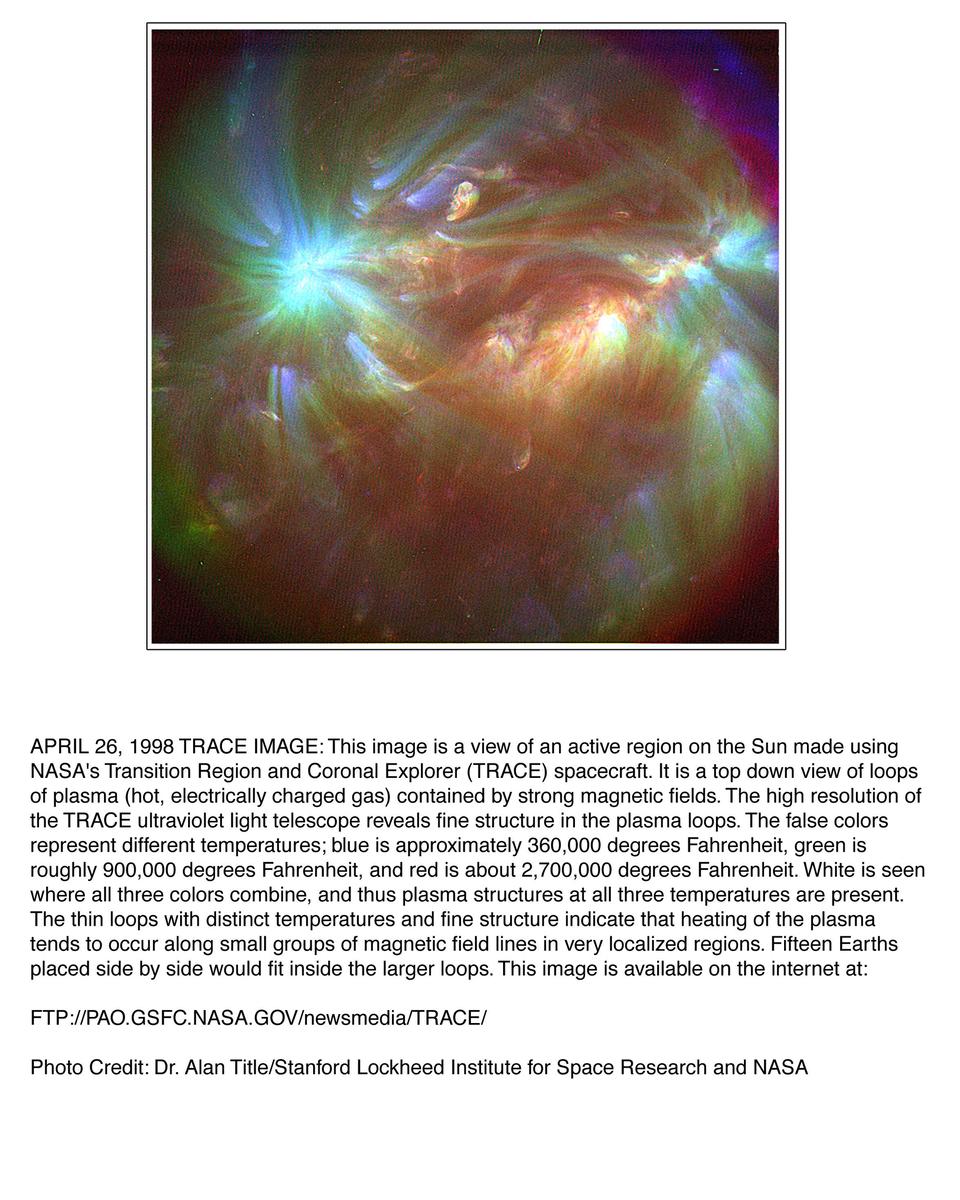
Hot gas dances across the surface of the Sun in this picture from the orbiting TRACE satellite . The temperature of the gas is color coded so that blue represents hundreds of…
Meteors Now and Again
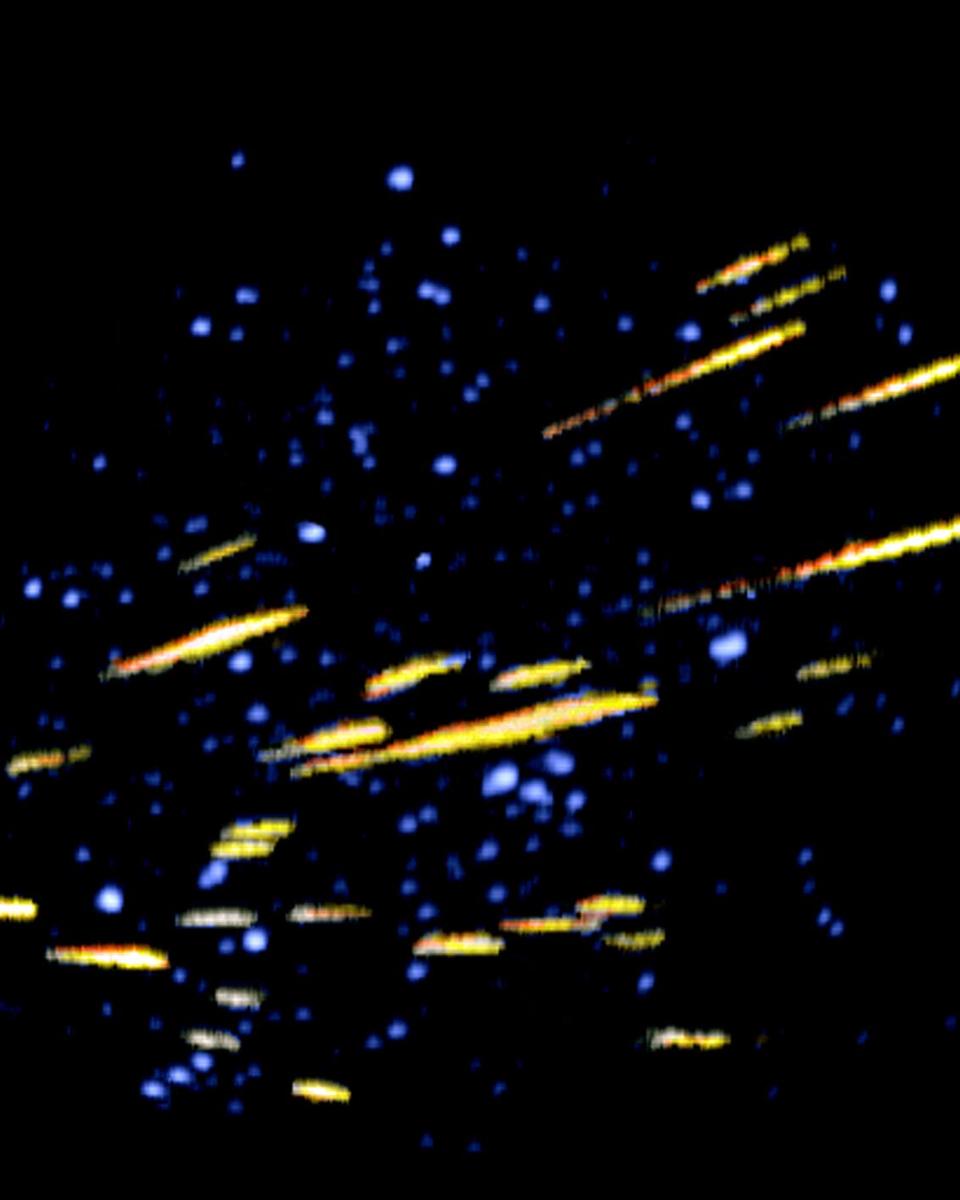
The Perseid Meteor Shower , usually the best meteor shower of the year, will peak over the next two nights. Over the course of an hour, a person watching a clear sky from a dark…
Shapley 1: An Annular Planetary Nebula
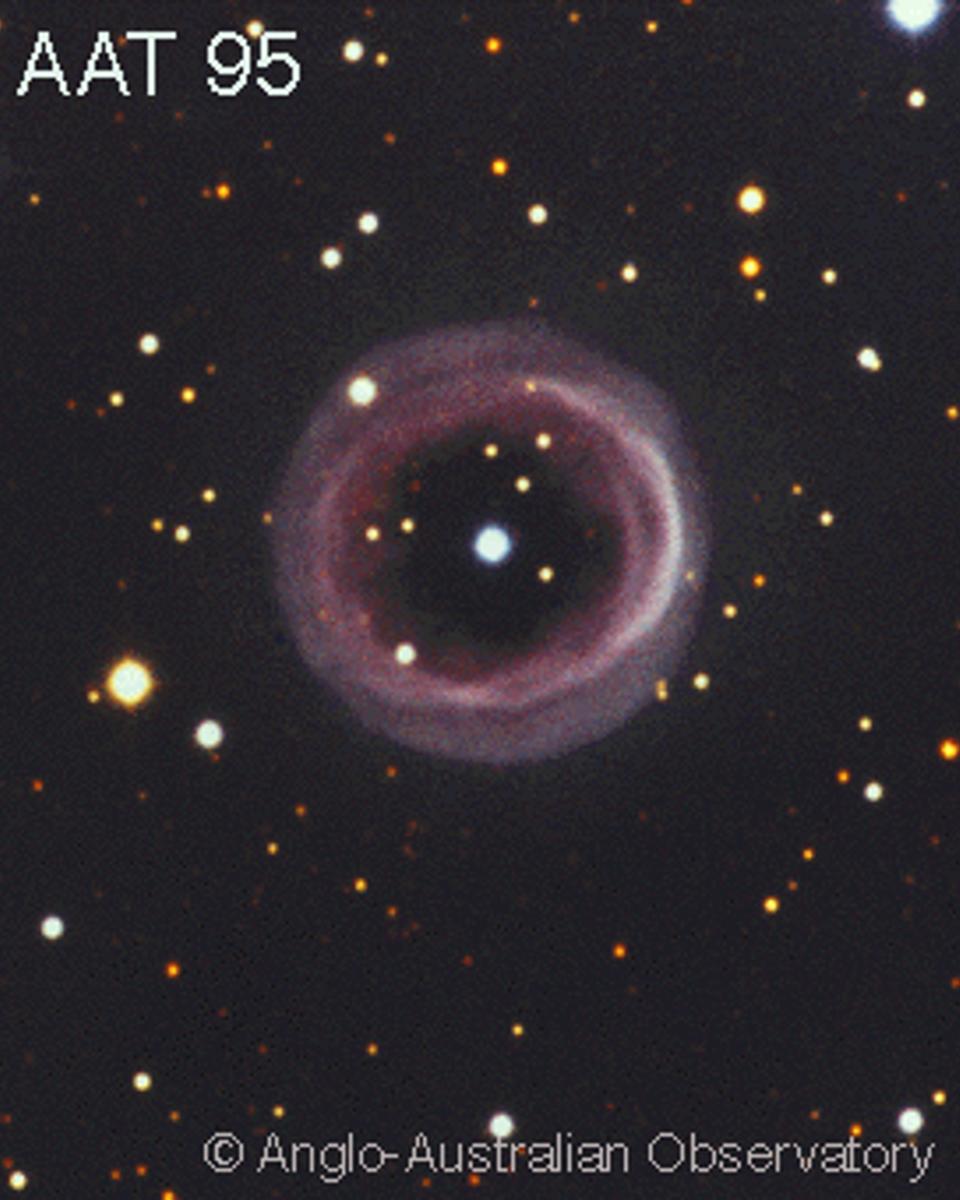
What happens when a star runs out of nuclear fuel ? The center condenses into a white dwarf while the outer atmospheric layers are expelled into space and appear as a planetary…
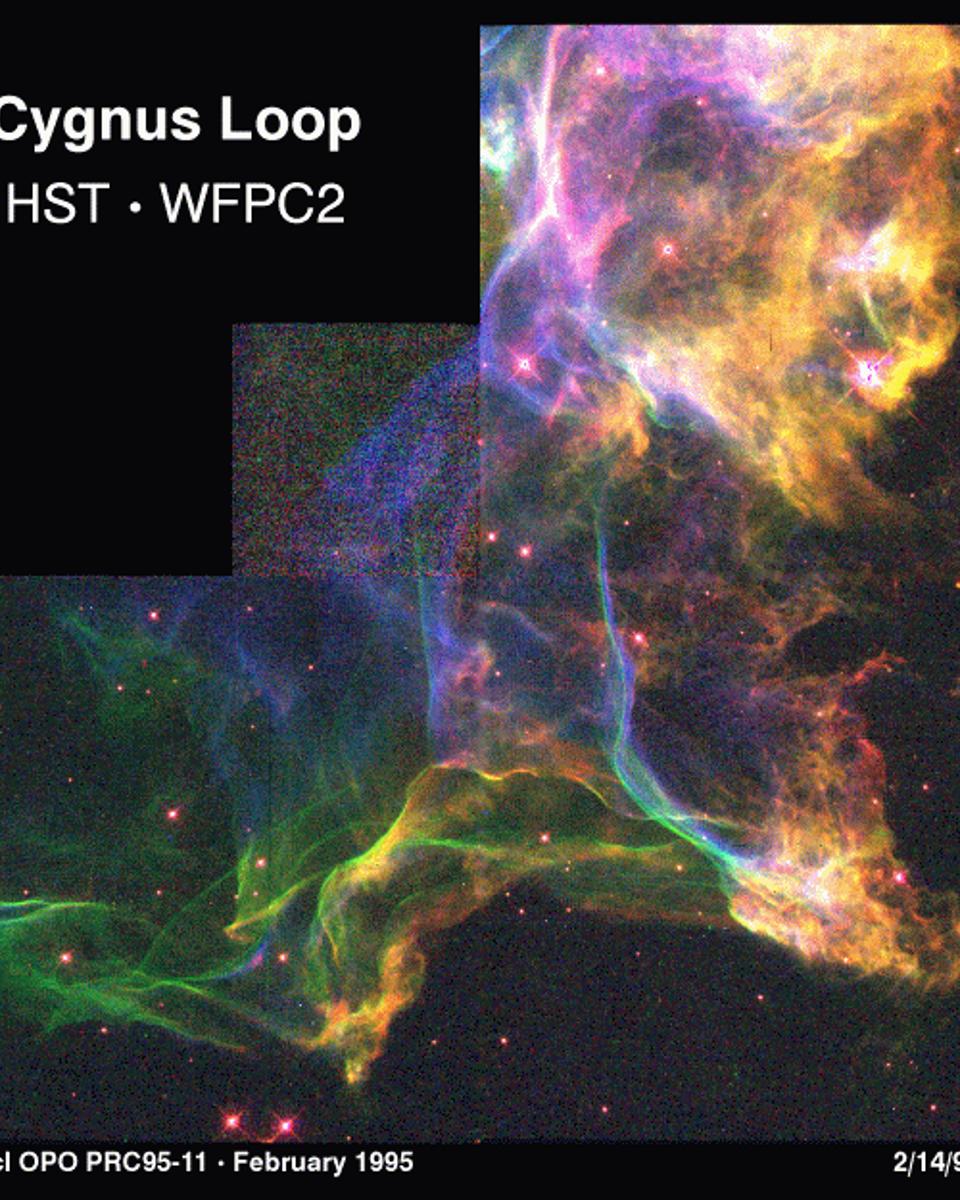
The Cygnus Loop
15,000 years ago a star in the constellation of Cygnus exploded -- the shockwave from this supernova explosion is still expanding into interstellar space! The collision of this…
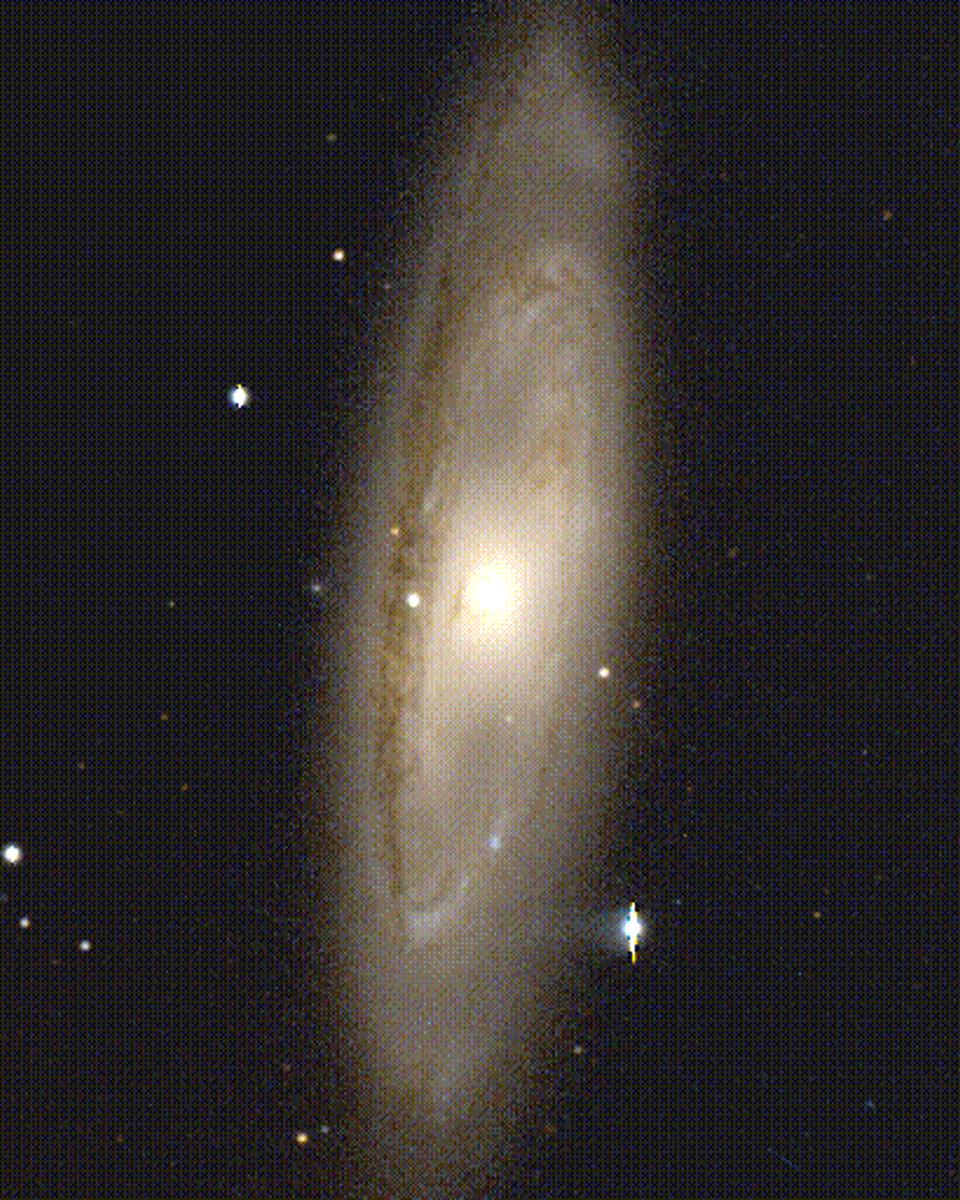
M65 Without Moth
Messier 65 ( M65 ) is a bright spiral galaxy of stars only 35 million light-years away in the constellation Leo . With very tightly wound spiral arms , a large central bulge, and…
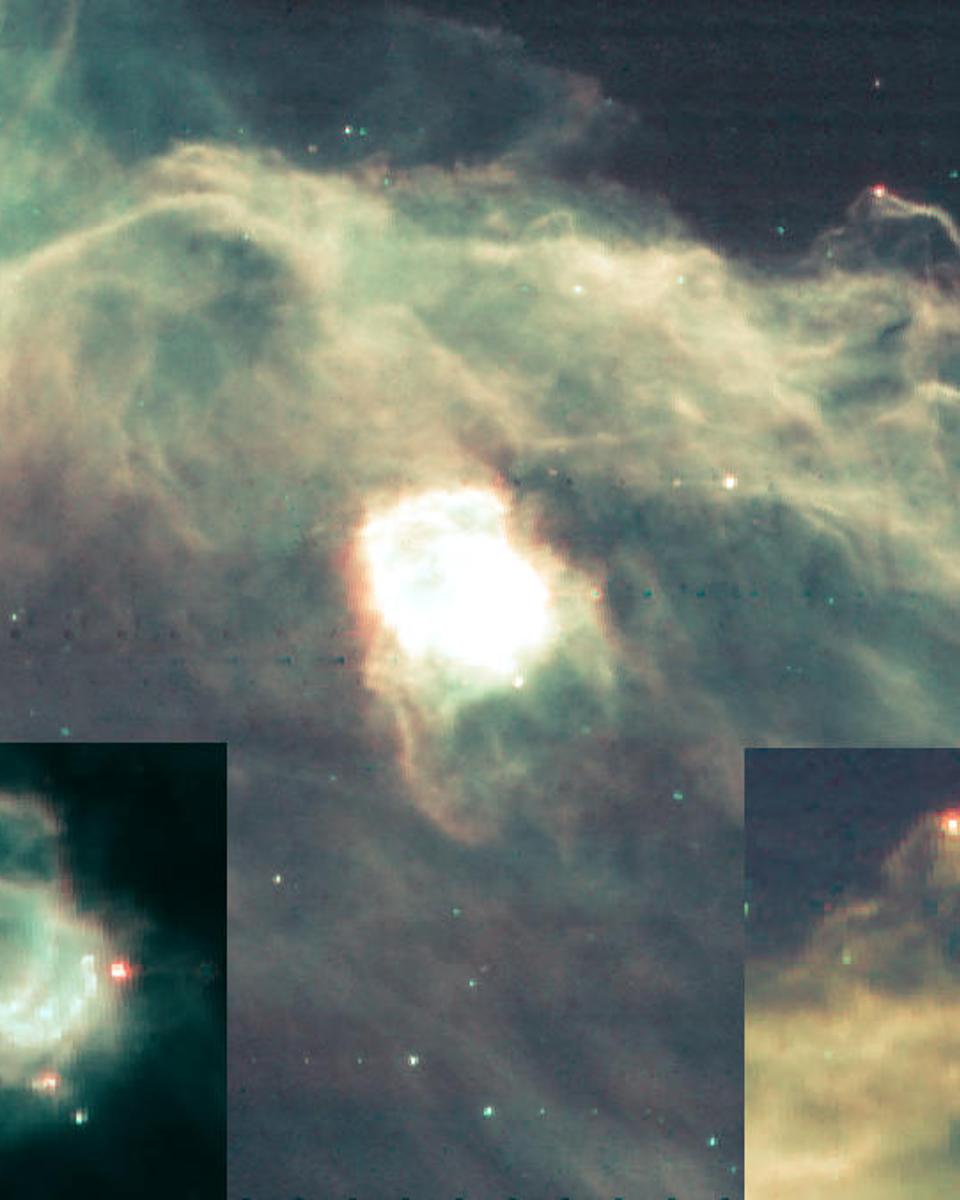
Infrared Horsehead
This famous cosmic dust cloud was imaged in infrared light by the European Space Agency's Infrared Space Observatory (ISO) satellite. The false-color picture shows the bright…
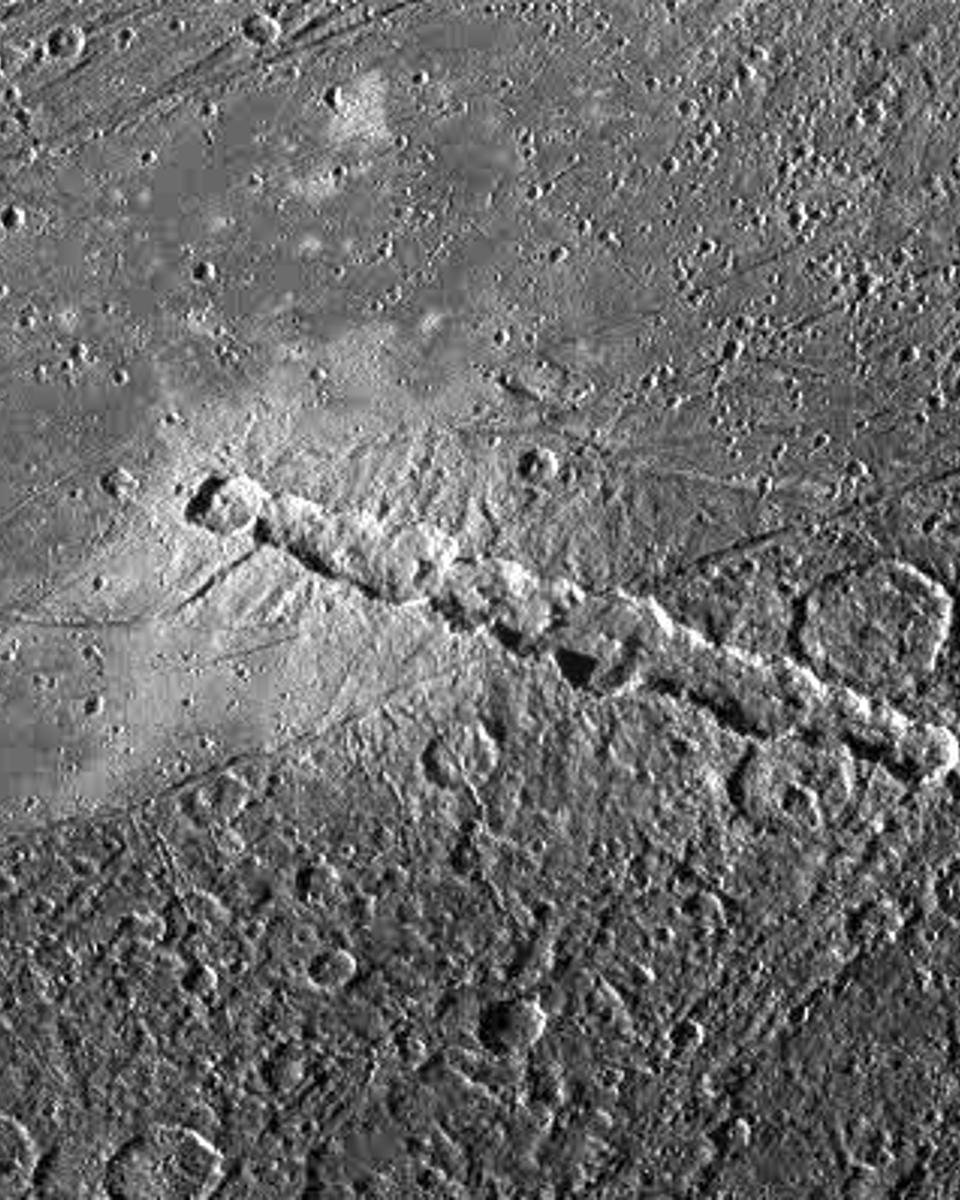
Ganymede: Torn Comet - Crater Chain
This remarkable line of 13 closely spaced craters on Jupiter's moon Ganymede was photographed by the Galileo spacecraft in 1997. The picture covers an area about 120 miles wide…
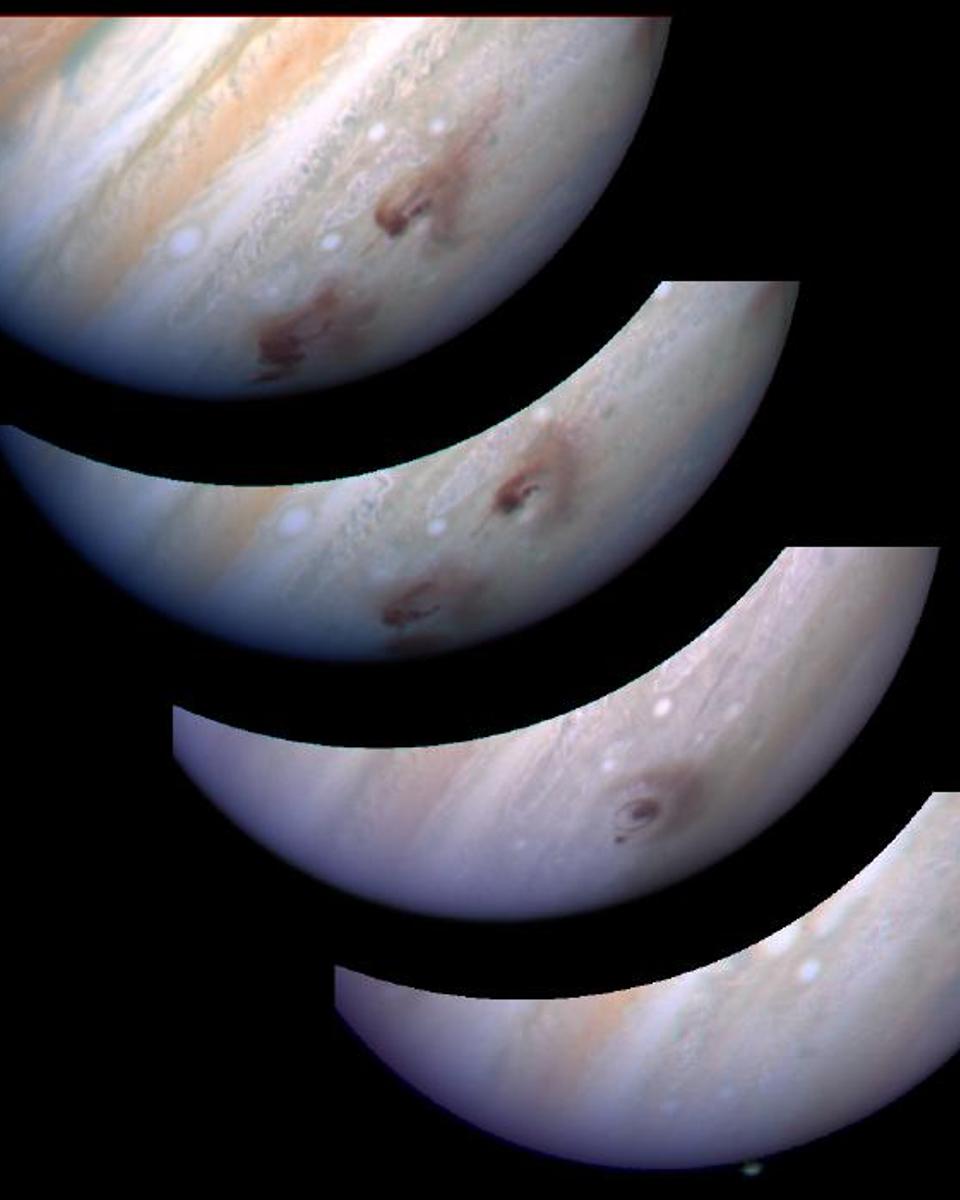
Jupiter Swallows Comet Shoemaker Levy 9
What happens when a comet encounters a planet? If the planet has a rocky surface, a huge impact feature will form. A giant planet like Jupiter , however, is mostly gas . When…
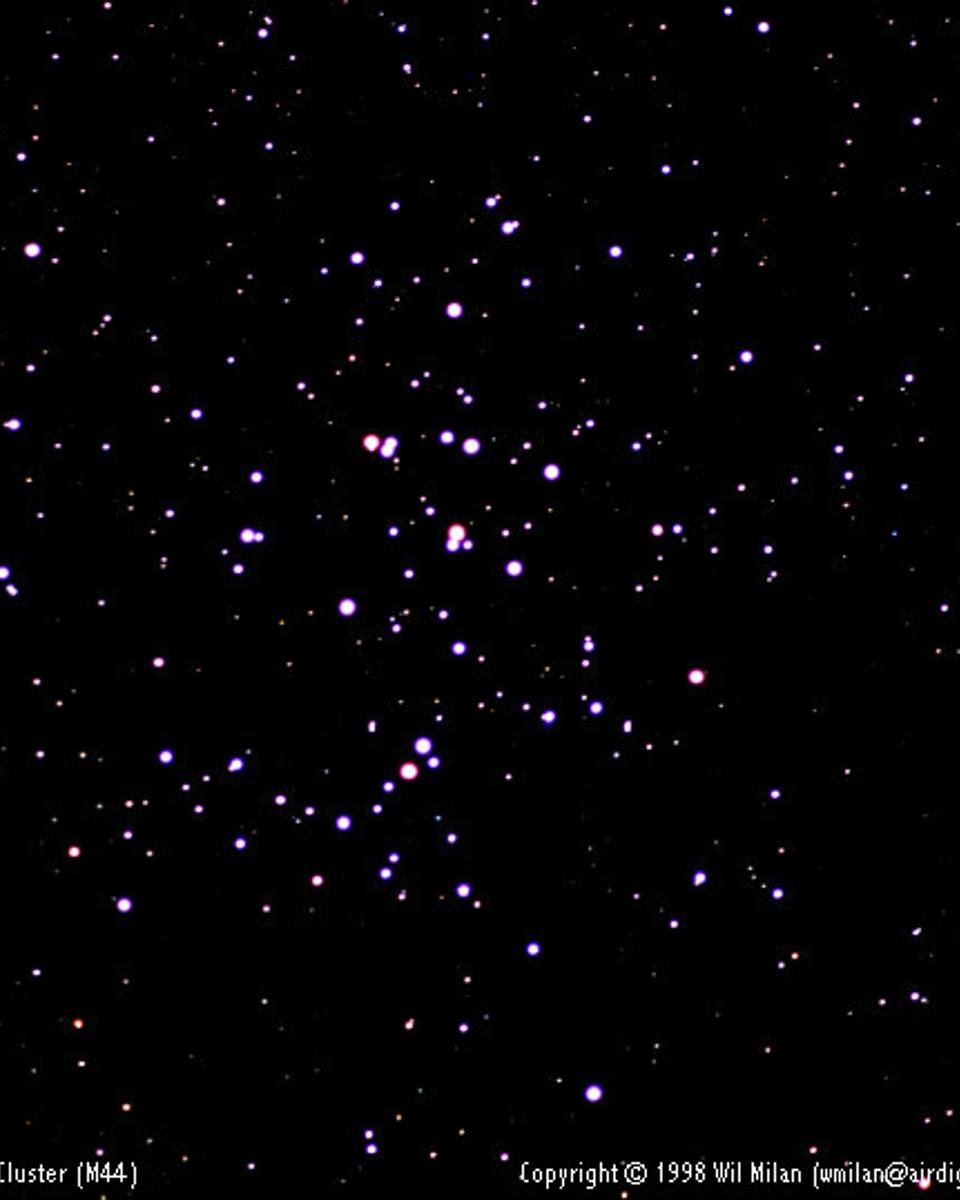
M44: A Beehive of Stars
M44 is a prominent open cluster of stars. Nicknamed Praesepe and “The Beehive”, it is one of the few open clusters visible to the unaided eye. M44 was thought to be a nebula until…
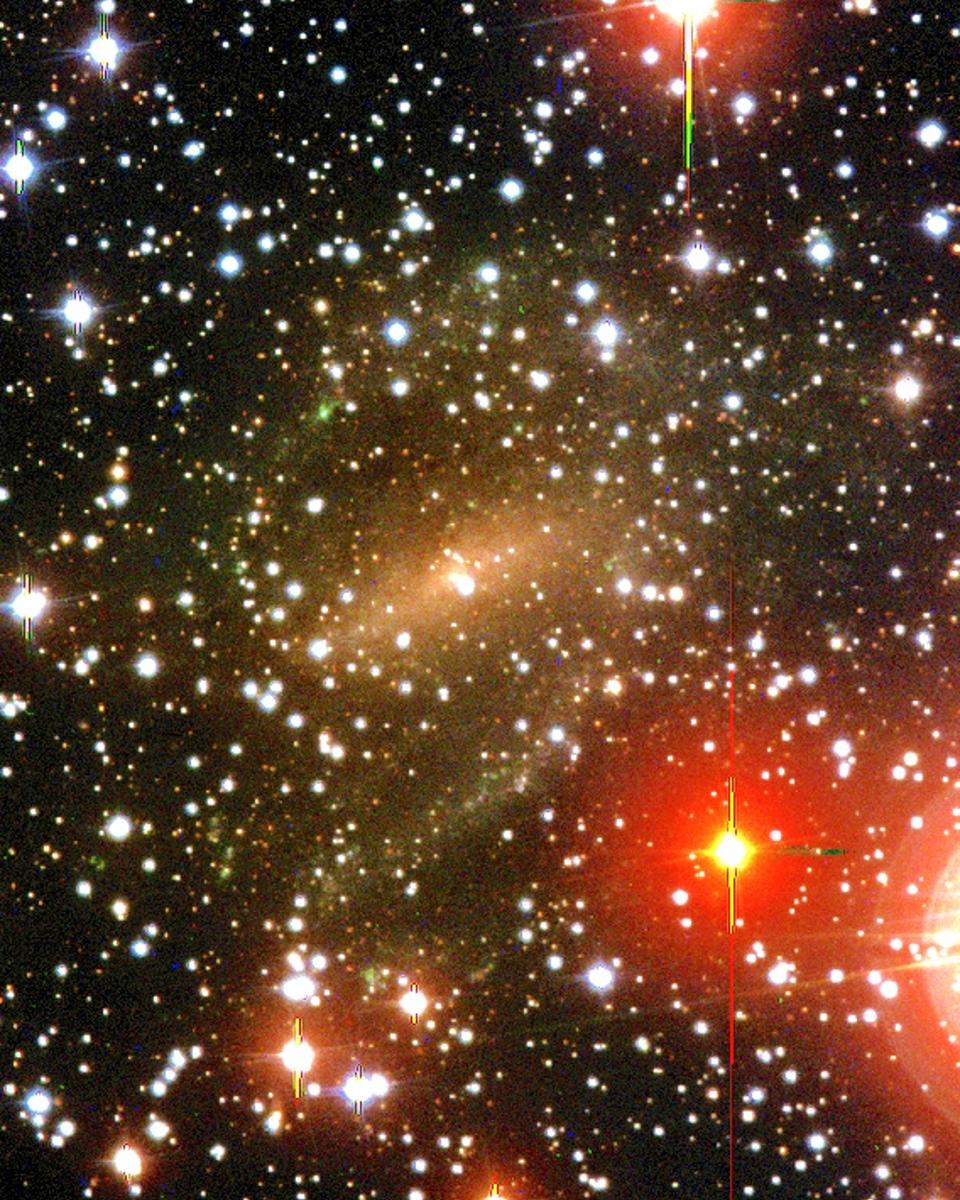
Galaxy Dwingeloo 1 Emerges
Sometimes you can't see the forest for the trees. But if you look closely at the center of the above photograph , you will see a whole spiral galaxy behind the field of stars.…
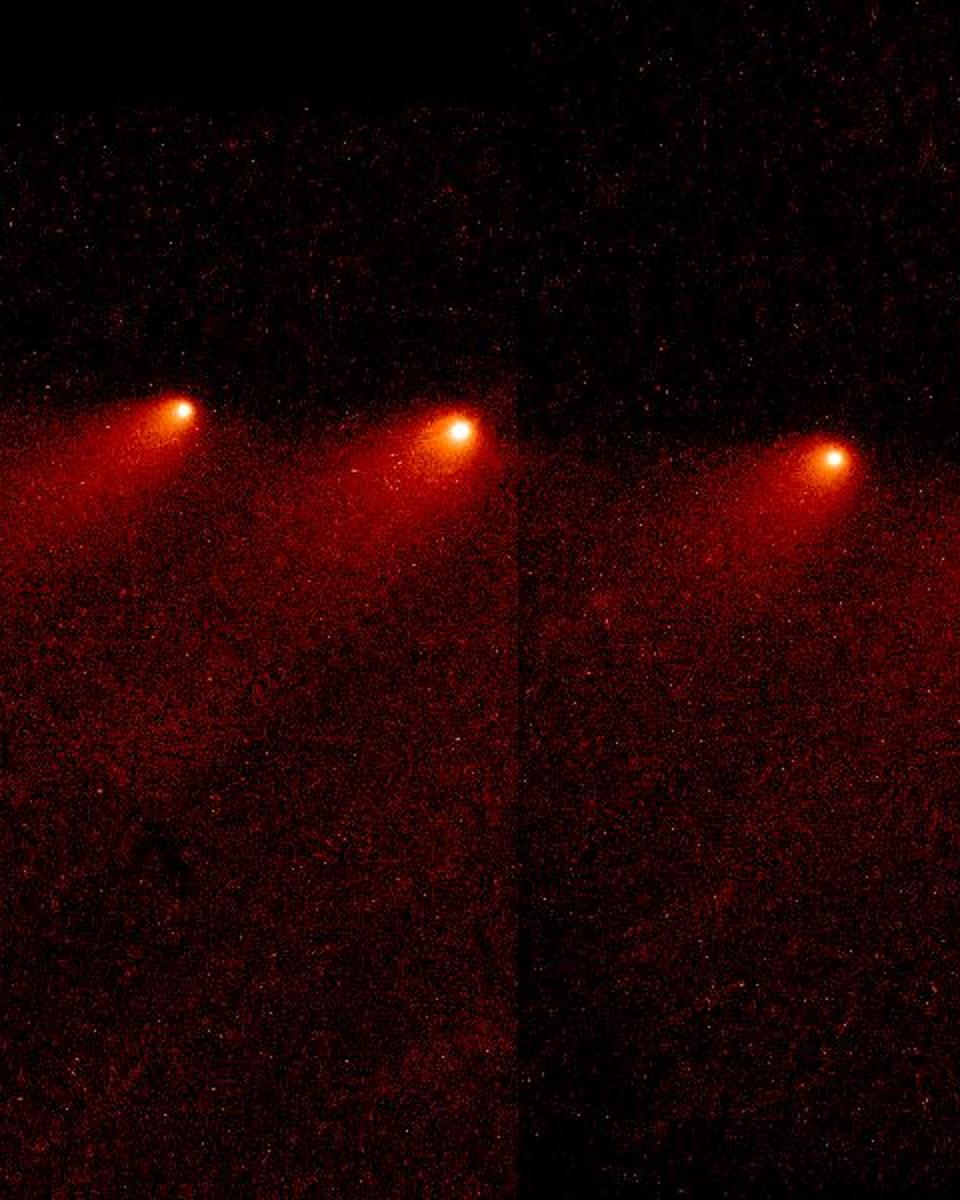
A String Of Pearls
Comet Shoemaker-Levy 9 , named after its co-discoverers , was often referred to as the “string of pearls” comet. It is famous for its suggestive appearance as well as its…
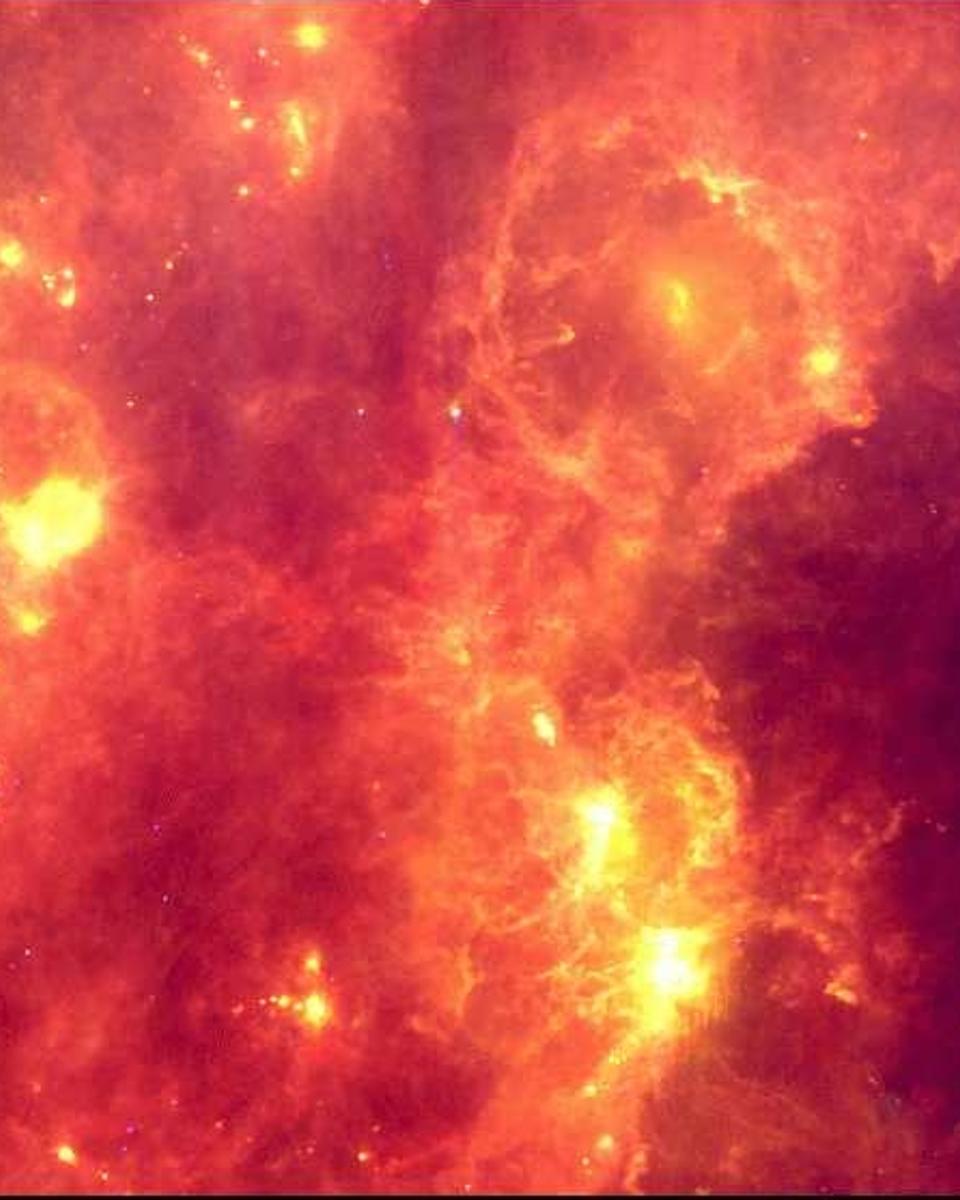
IRAS Orion
Do you recognize the constellation Orion ? This striking but unfamiliar looking picture of the familiar Orion region of the sky was produced using survey data from the InfraRed…
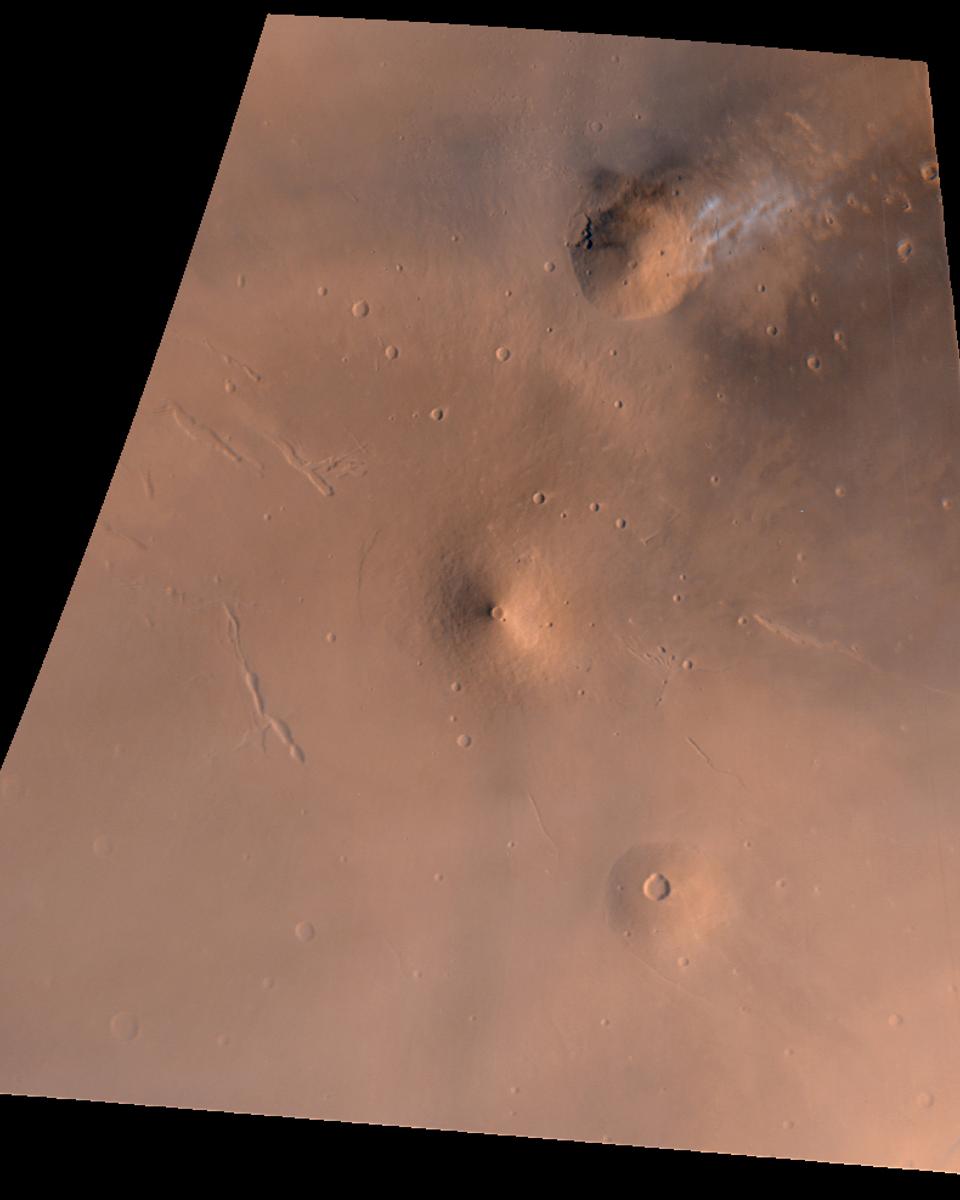
Volcanos on Mars: Elysium Region
This “synthetic color” image swath of the Elysium Volcanic Region of Mars was recorded by Mars Global Surveyor's wide angle camera on July 2. North is up and the sun illuminates…
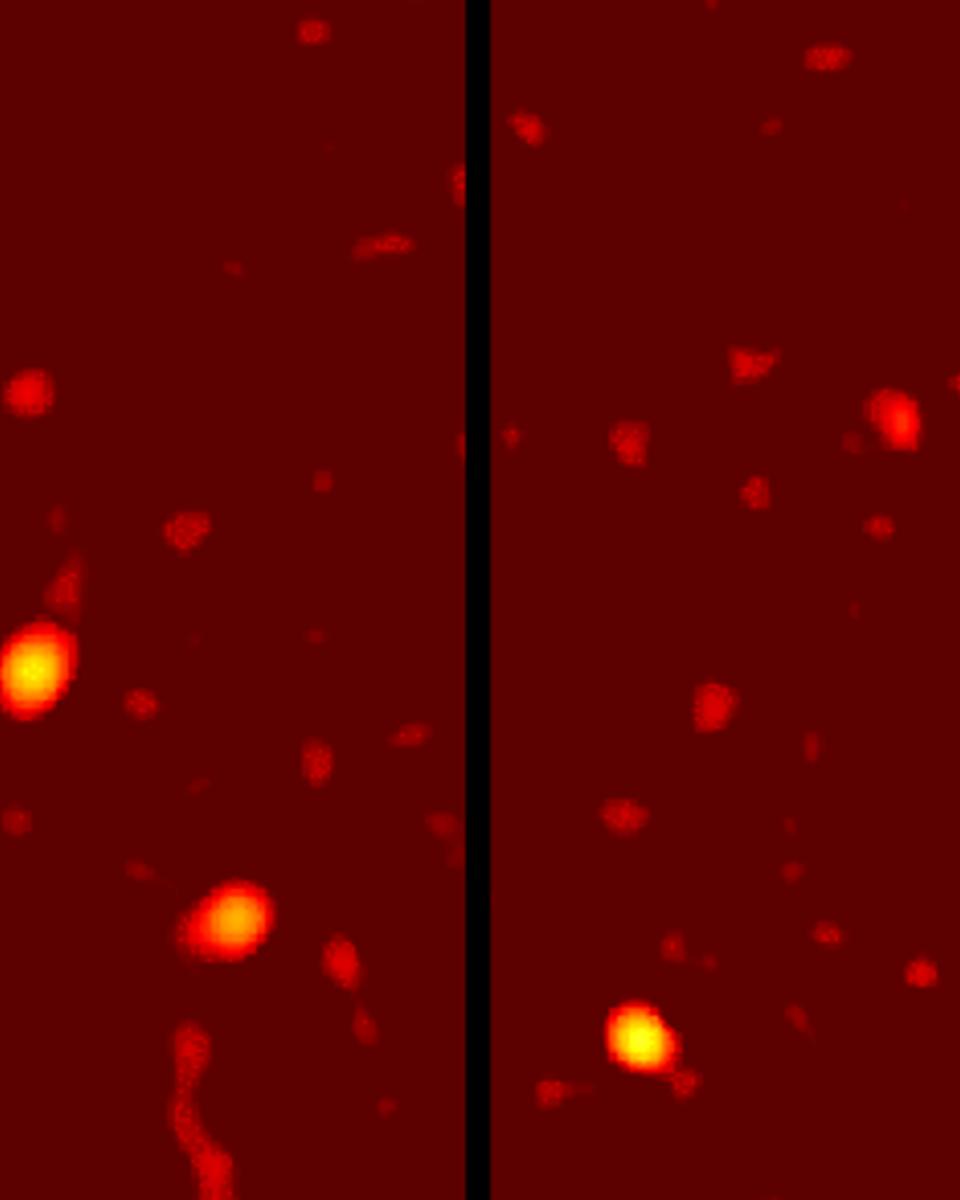
The High Energy Heart Of The Milky Way
These high resolution false color pictures of the Galactic center region in high energy X-ray and gamma-ray light result from a very long exposure of roughly 3,000 hours performed…
Viewing discoveries from 21 August 1998 through 29 July 1998.