Browse NASA Astronomy Picture of the Day archive by date and media: Archive Discoveries
Browse the NASA APOD archive without needing the exact date first. Filter by media type and keep moving deeper into older images and videos.
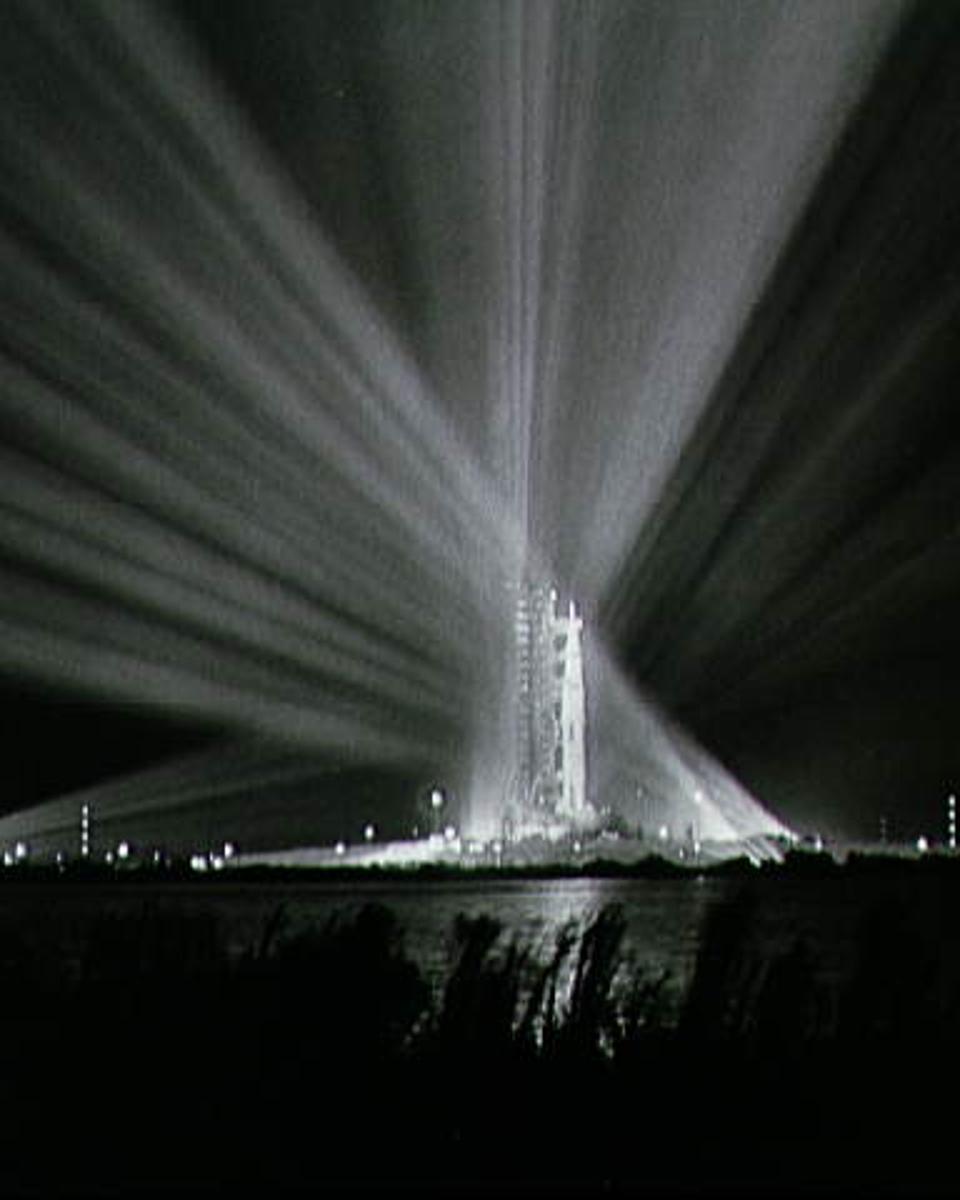
Happy Birthday Jules Verne
Sunday marks the 170th anniversary of the birth of Jules Verne (born in Nantes, France on the 8th of February, 1828). Inspired by a lifelong fascination with machines, Verne wrote…
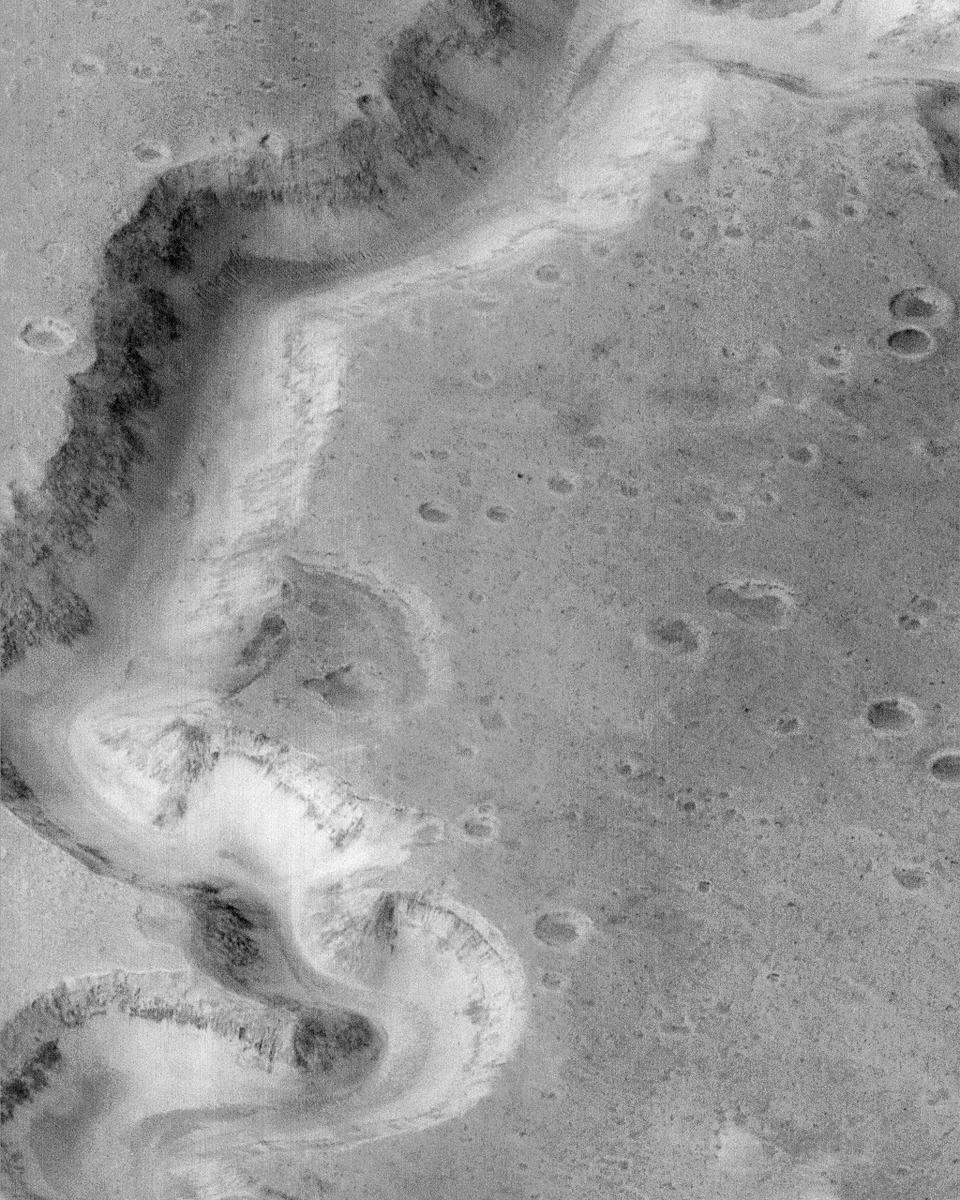
A Martian River Bed?
This canyon on the surface of Mars appears to have been carved by flowing water. Known as Nanedi Vallis, the terraces and channels visible within the canyon strongly suggest that…
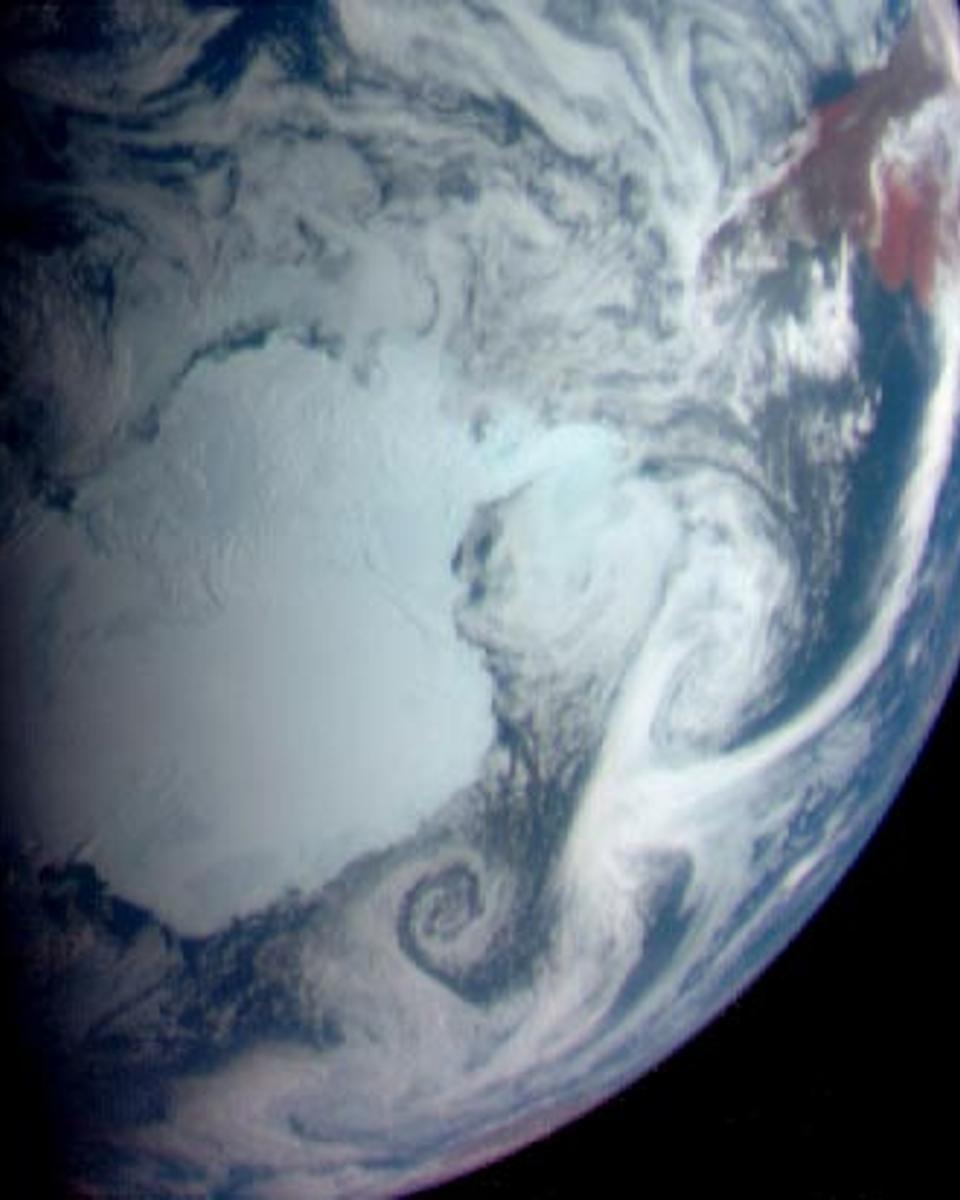
A Passing Spaceship Views Earth
This is how Earth appeared to the passing spacecraft NEAR. The Near Earth Asteroid Rendezvous (NEAR) spacecraft was launched from Florida, USA, planet Earth in 1996. After a quick…
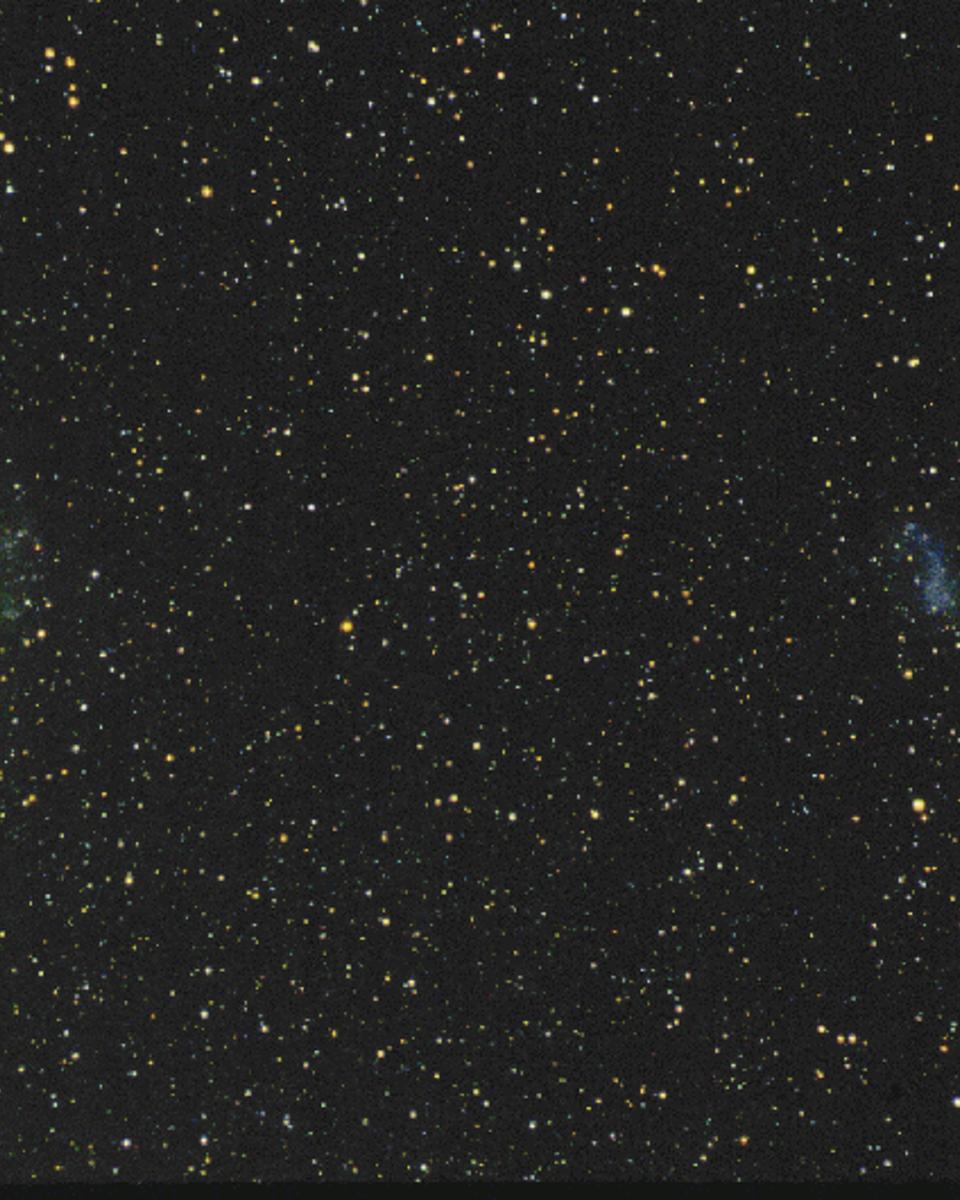
A Magellanic Mural
Two galaxies stand out to casual observers in Earth's Southern Hemisphere : the Large Magellanic Cloud (LMC) and the Small Magellanic Cloud (SMC). These irregular galaxies are two…
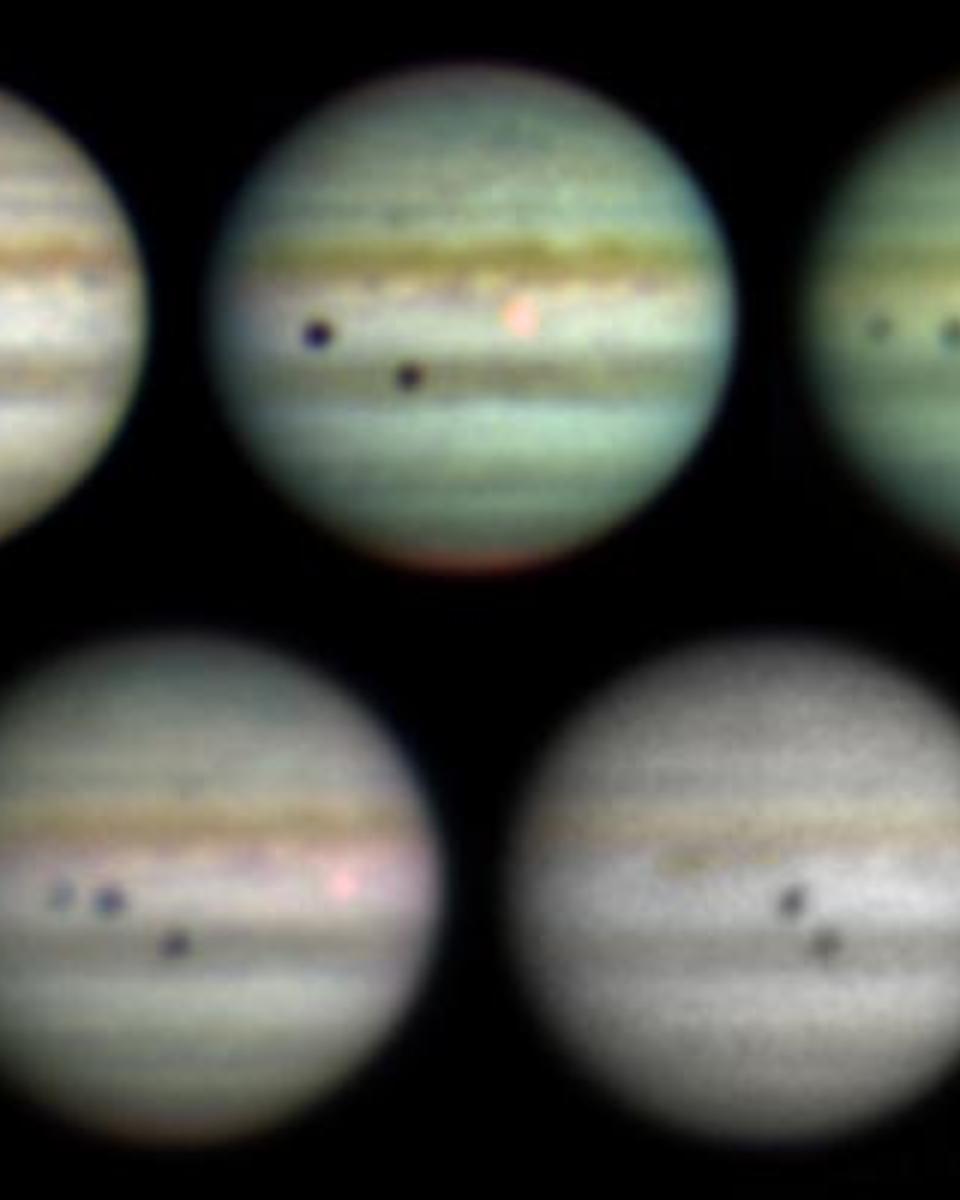
A Triple Eclipse on Jupiter
Part of Jupiter is missing. Actually, three parts appear to be missing. In reality though, the three dark spots seen in the above photograph are only shadows. The unusual…
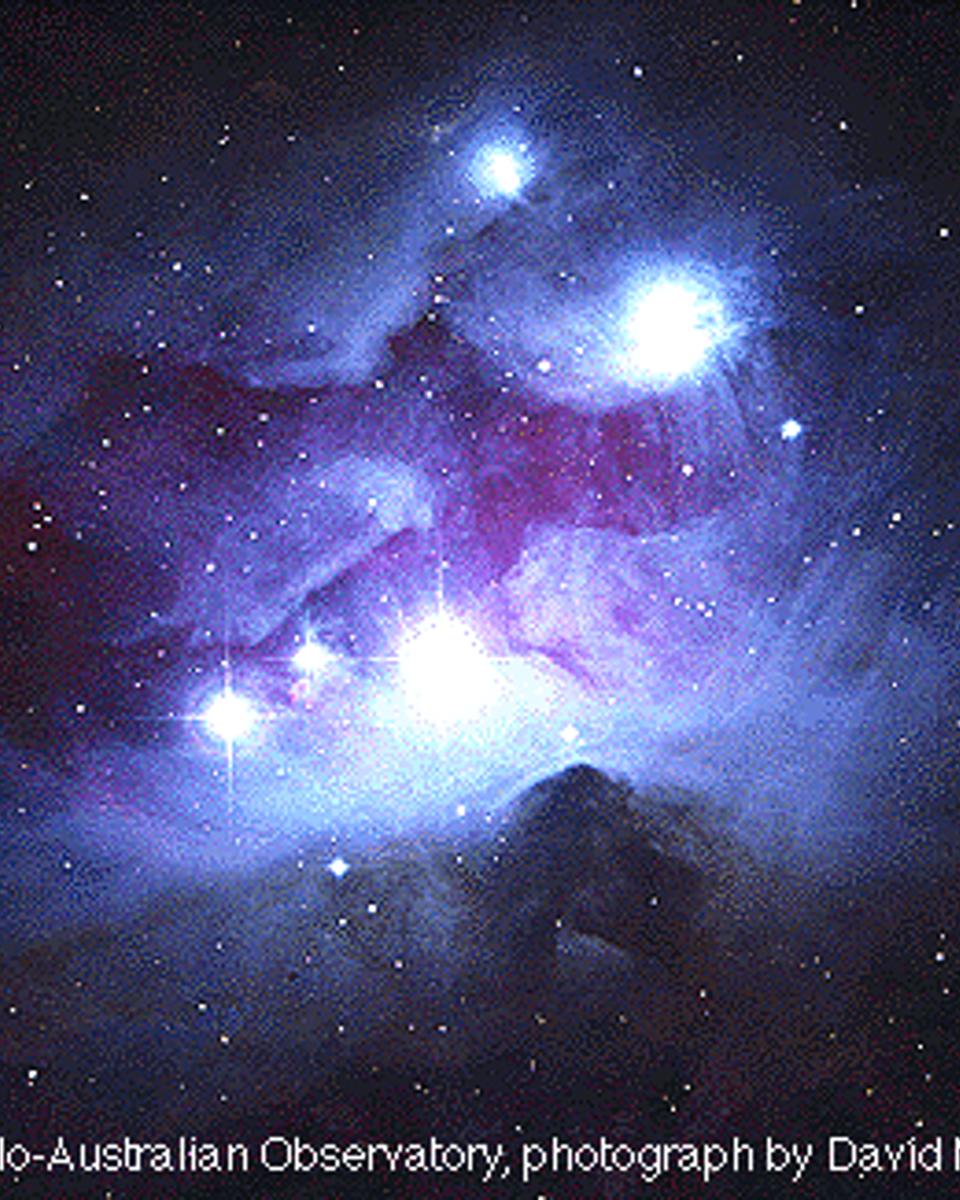
NGC 1977: Blue Reflection Nebula in Orion
The Orion Nebula is visible to the unaided eye as a fuzzy patch near the famous belt of three stars in the constellation Orion . The above picture captures a part of the Orion…
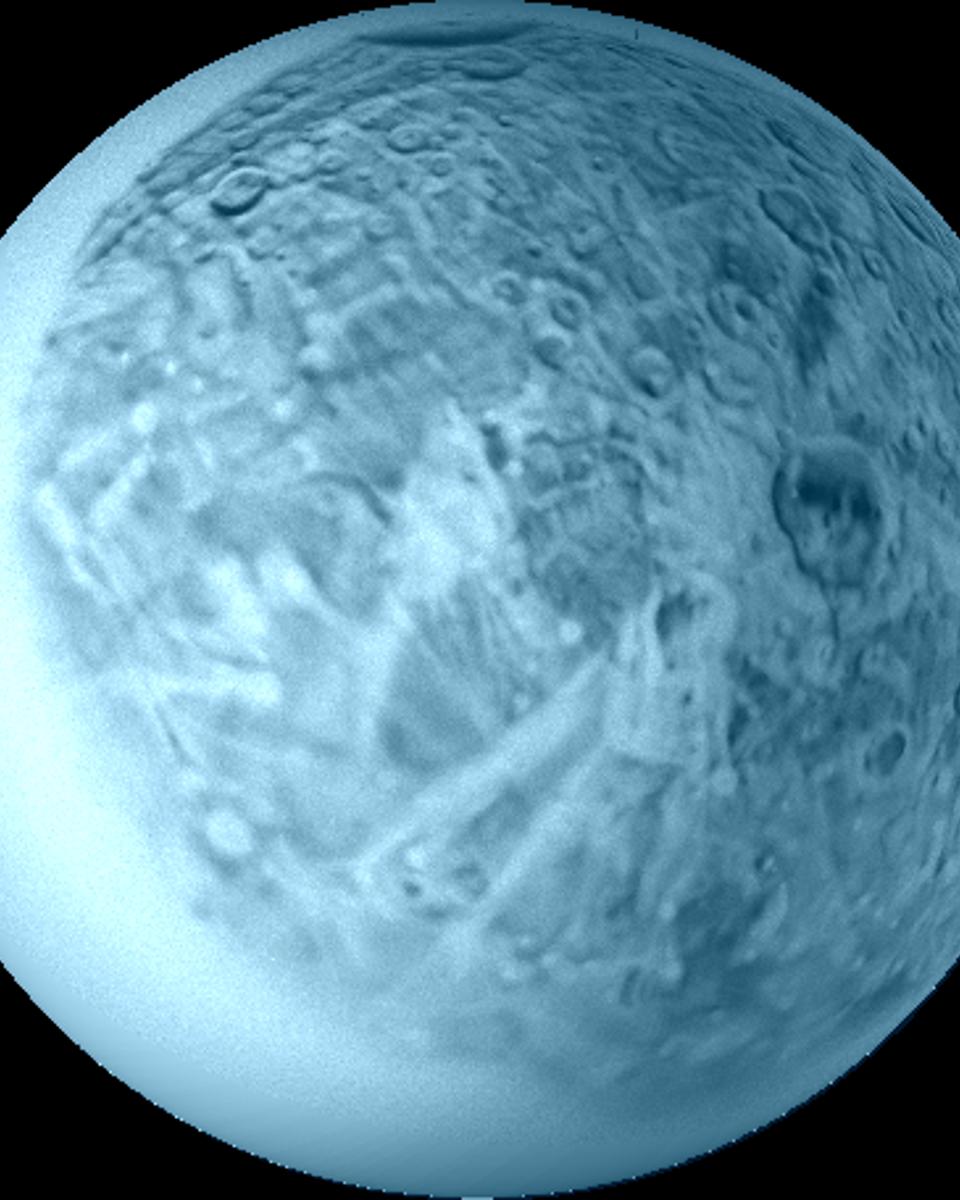
Hamlet of Oberon
What's in a name? Since 1919, the International Astronomical Union has been charged with the task of establishing “conventional” nomenclature for planets, satellites, and surface…
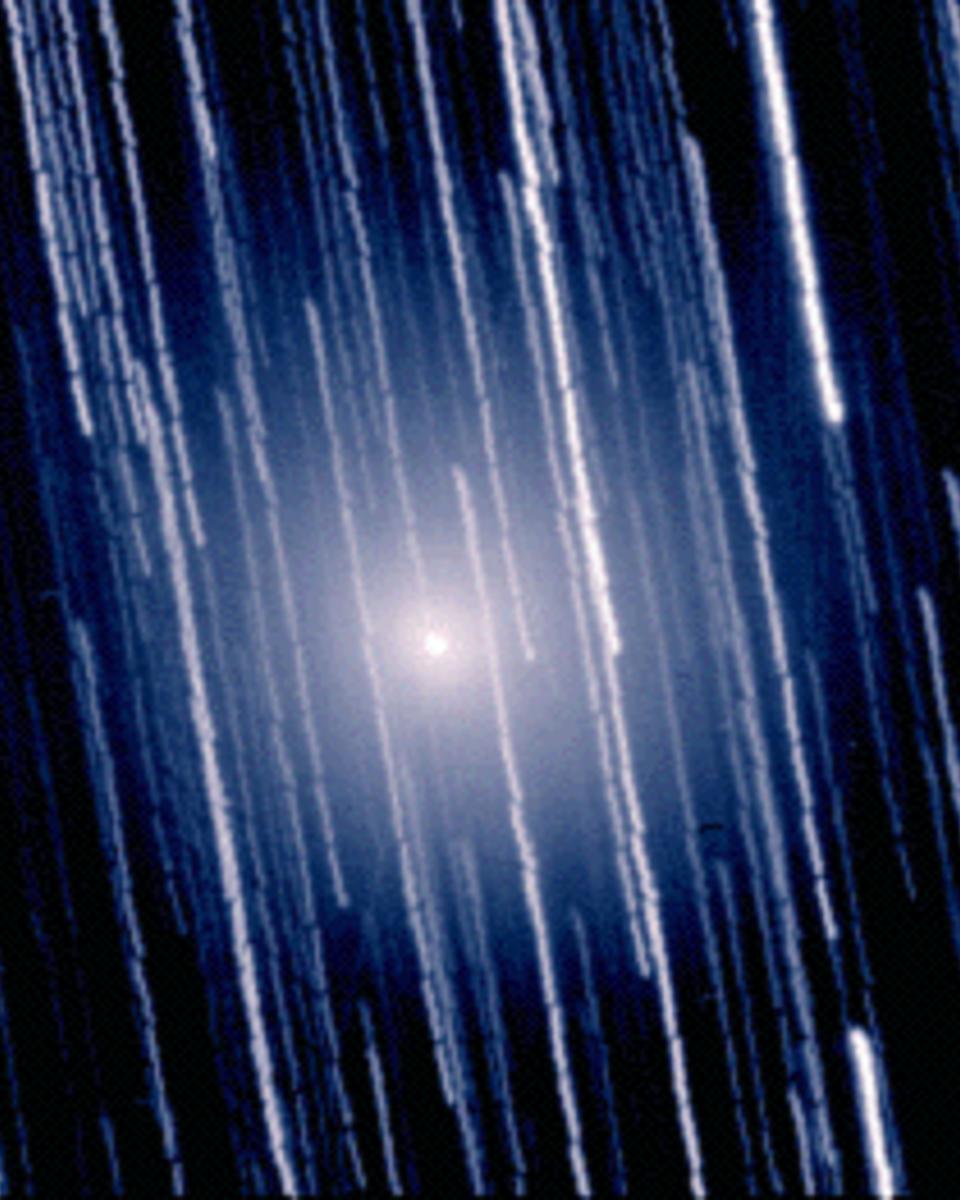
Tempel-Tuttle: The Leonid Comet
Star trails streak this composite time exposure of Comet Tempel-Tuttle recorded by T. Puckett on January 26. Presently passing through the inner solar system on its 33 year orbit…
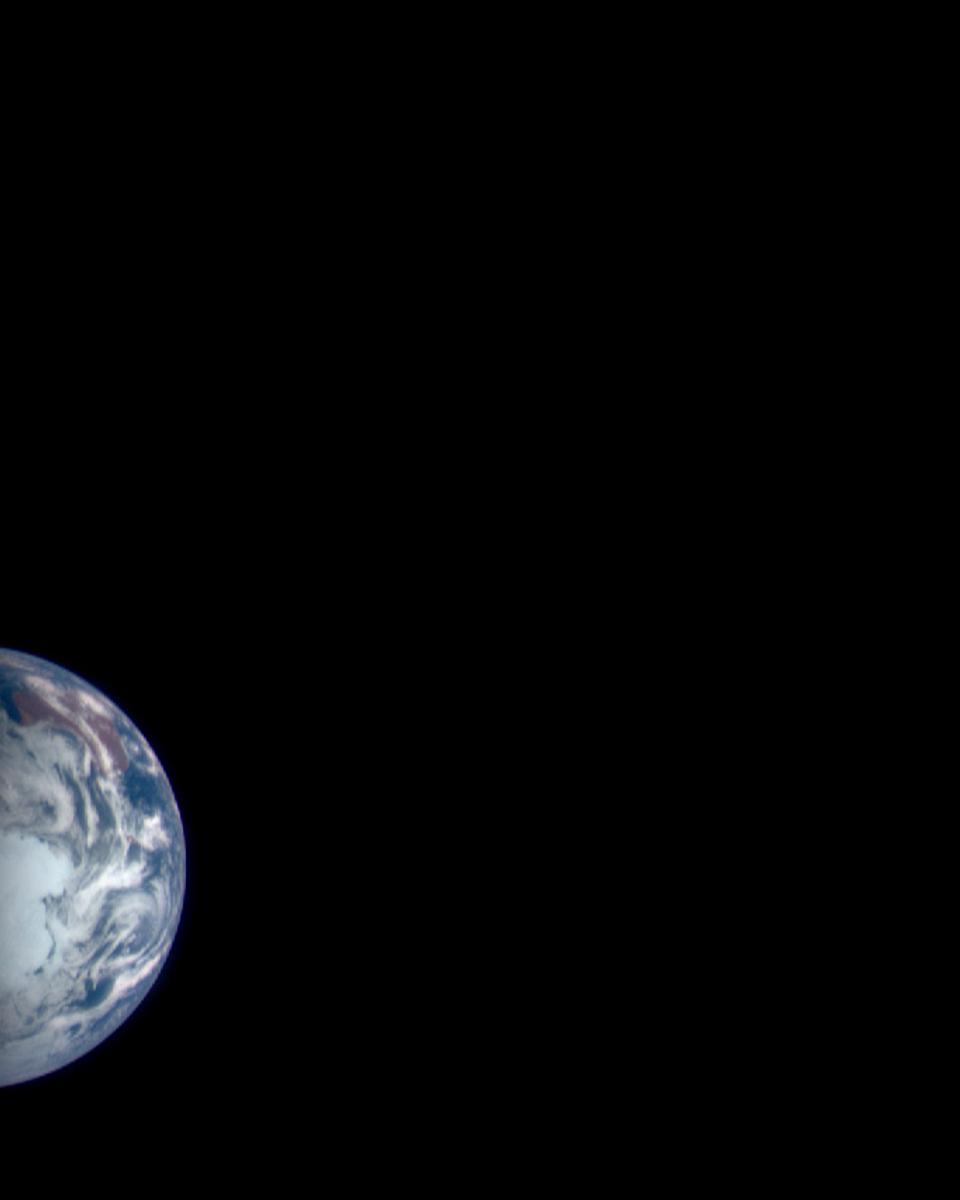
The Earth-Moon System
This evocative mosaic image of the Earth-Moon system was recorded by NASA's Near Earth Asteroid Rendezvous (NEAR) spacecraft earlier this month. The relative sizes shown are…
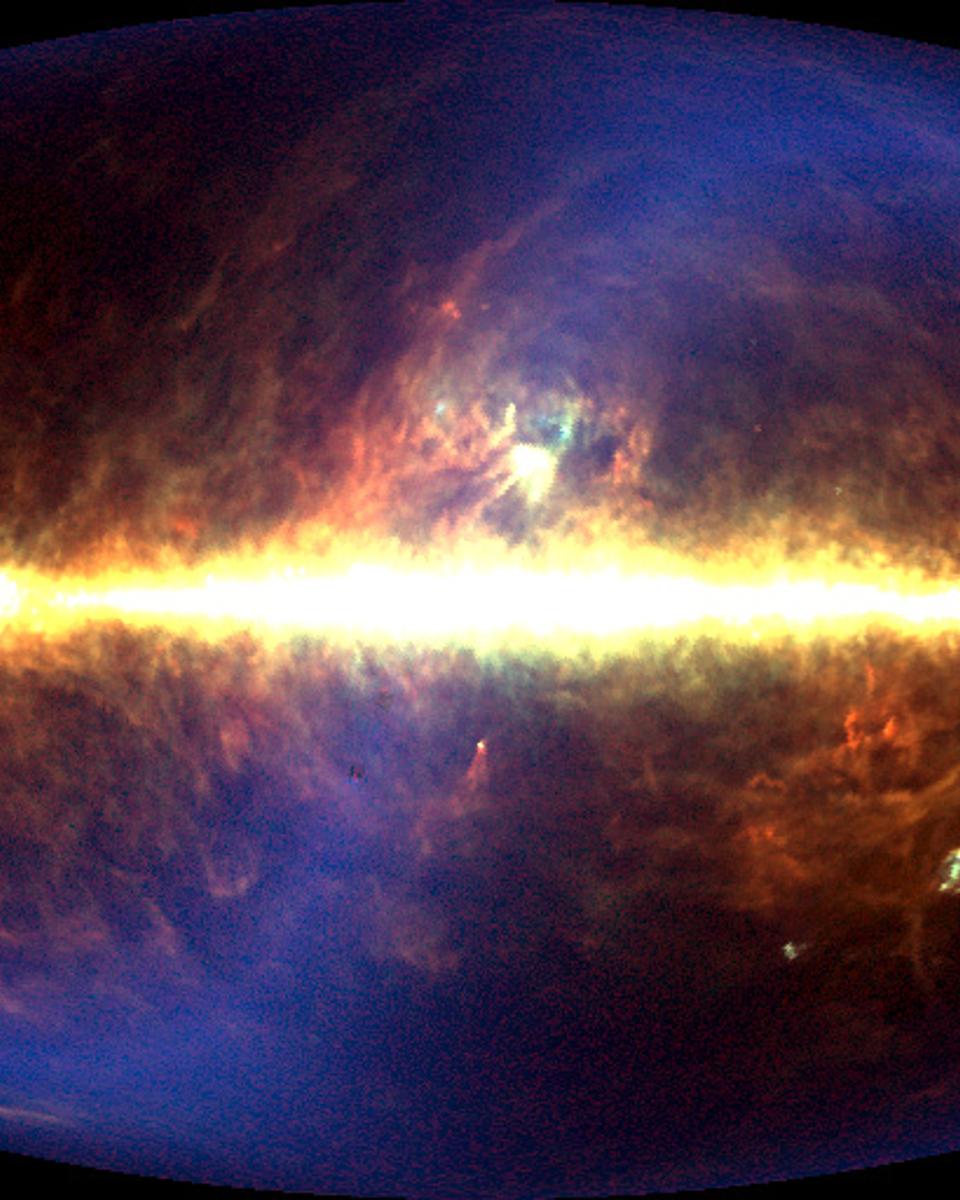
The Infrared Sky
Three major sources contribute to the far- infrared sky: our Solar System , our Galaxy , and our Universe . The above image, in representative colors, is a projection of the…
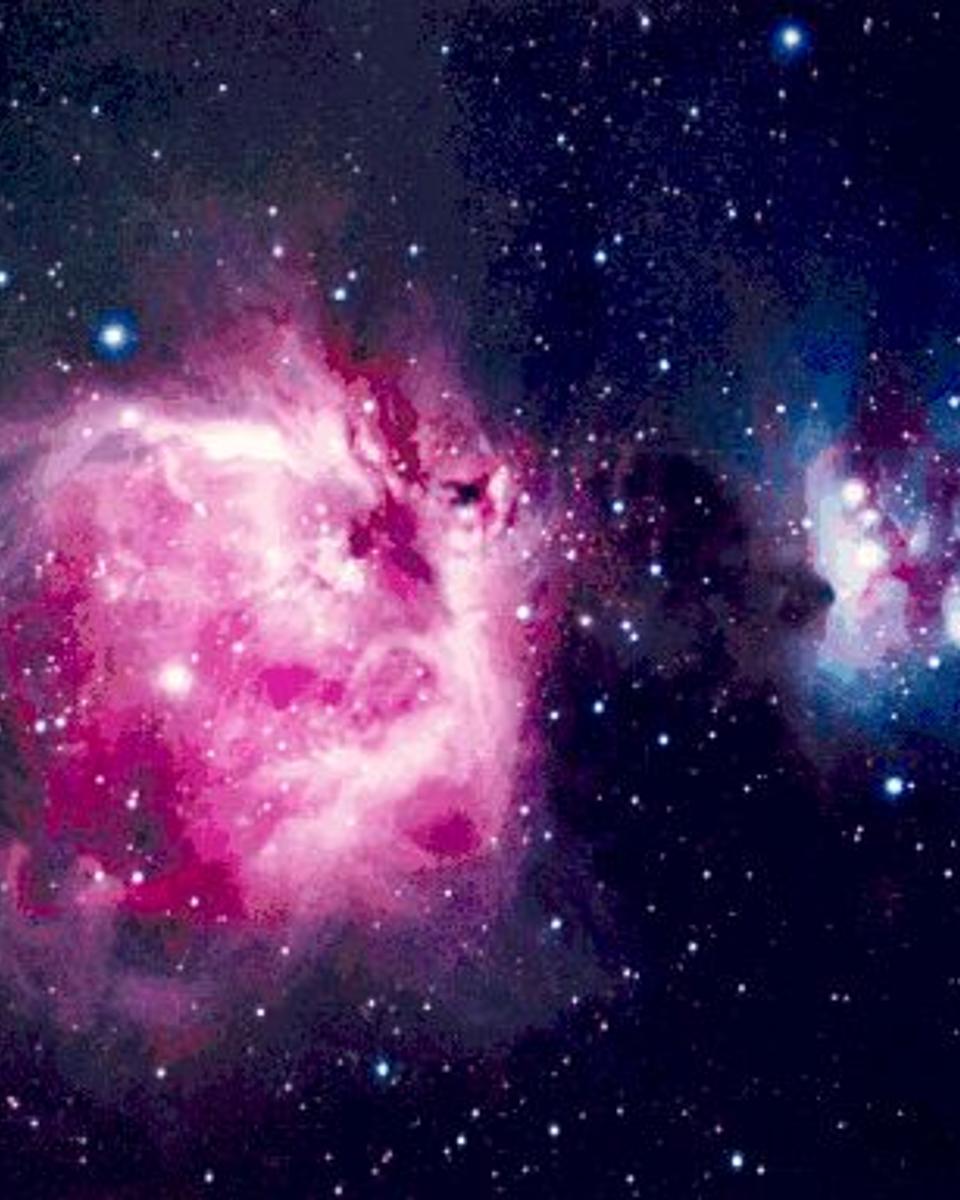
The Great Nebula in Orion
The Great Nebula in Orion can be found just below and to the left of the easily identifiable belt of three stars in the popular constellation Orion . This fuzzy patch contains one…
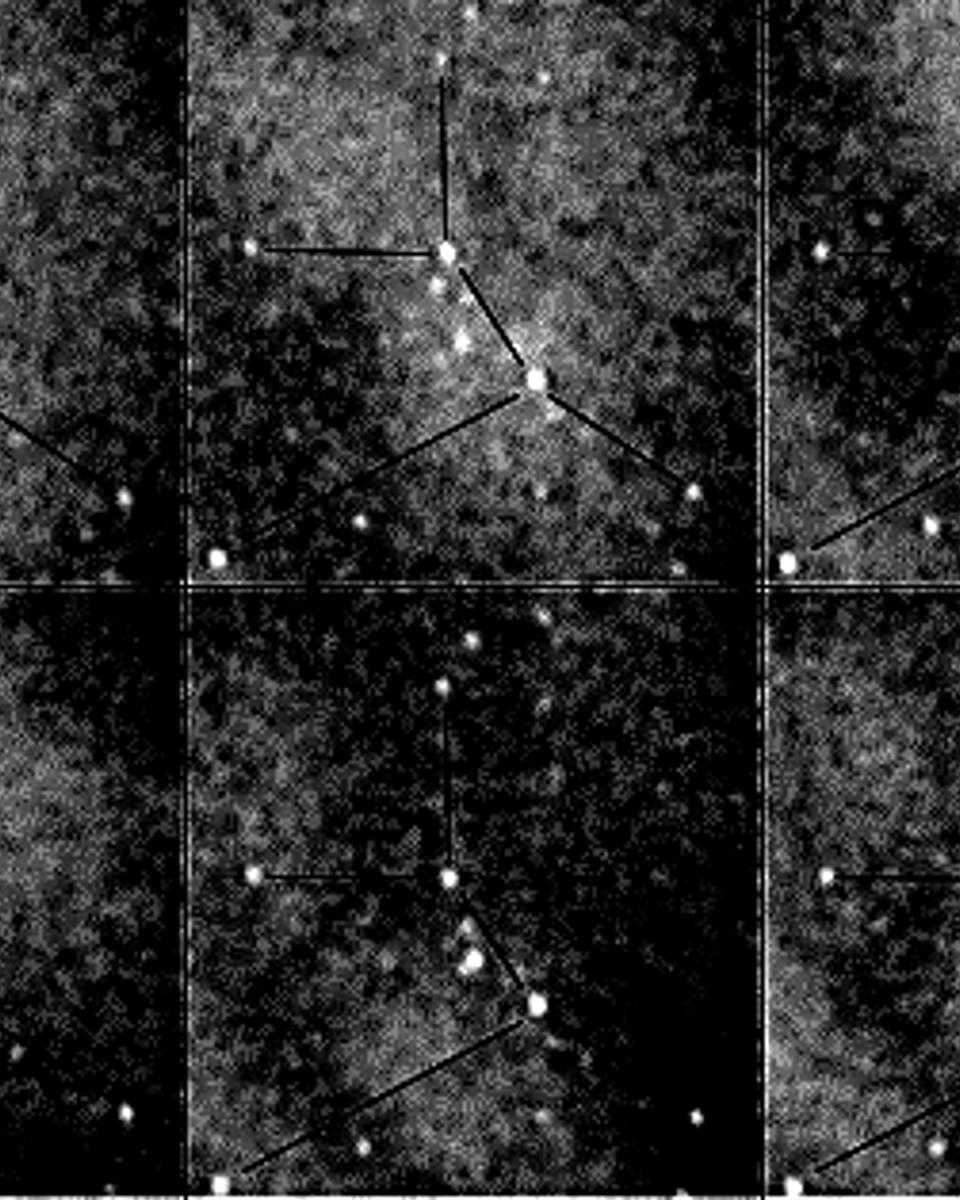
Interplanetary Spacecraft Passes Earth
Last Thursday an interplanetary spacecraft flew right past the Earth. The above images show sunlight momentarily reflected from this spacecraft's solar panels. No aliens were…
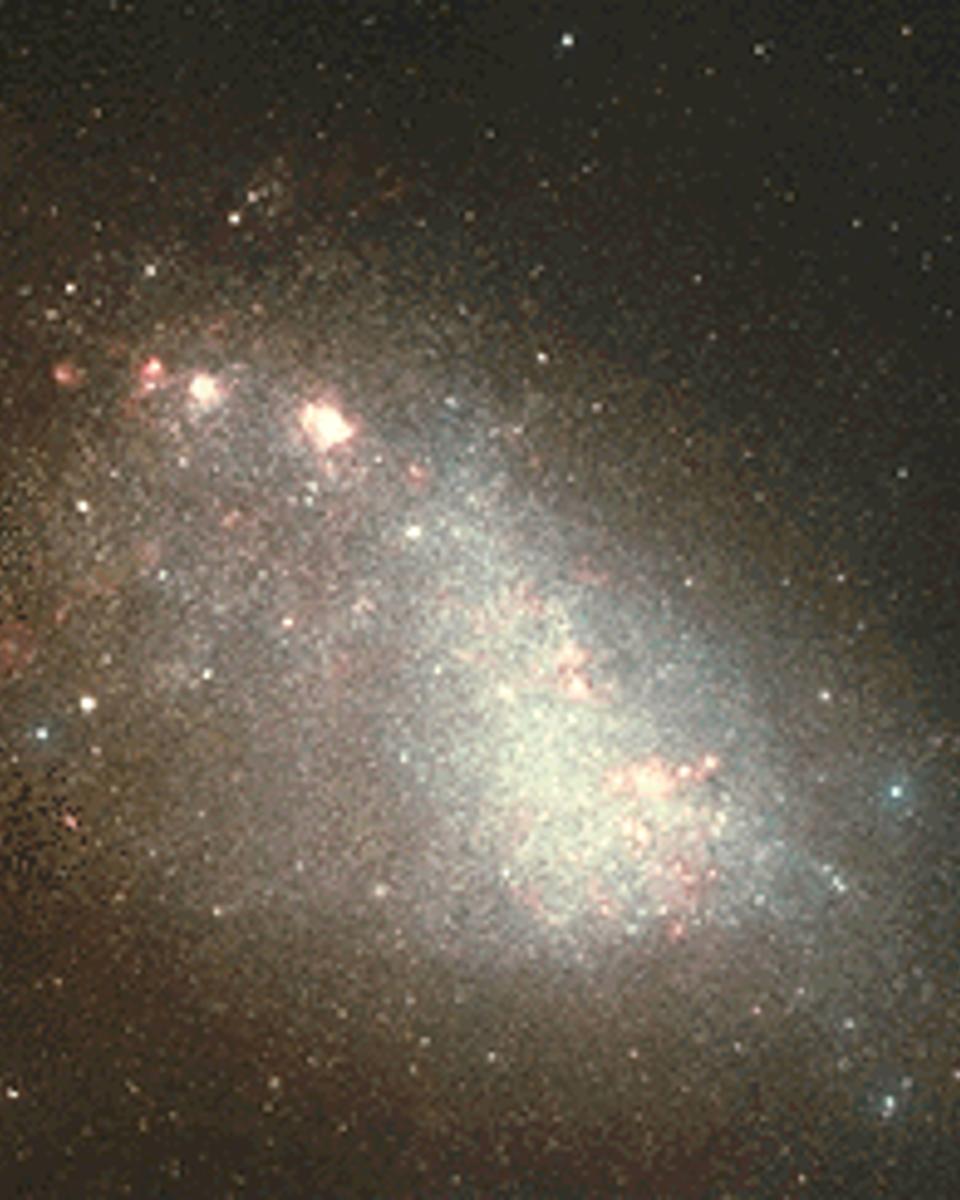
The Small Cloud of Magellan (SMC)
Almost unknown to casual observers in the northern hemisphere , the southern sky contains two diffuse wonders known as the Magellanic Clouds . The Magellanic Clouds are small…
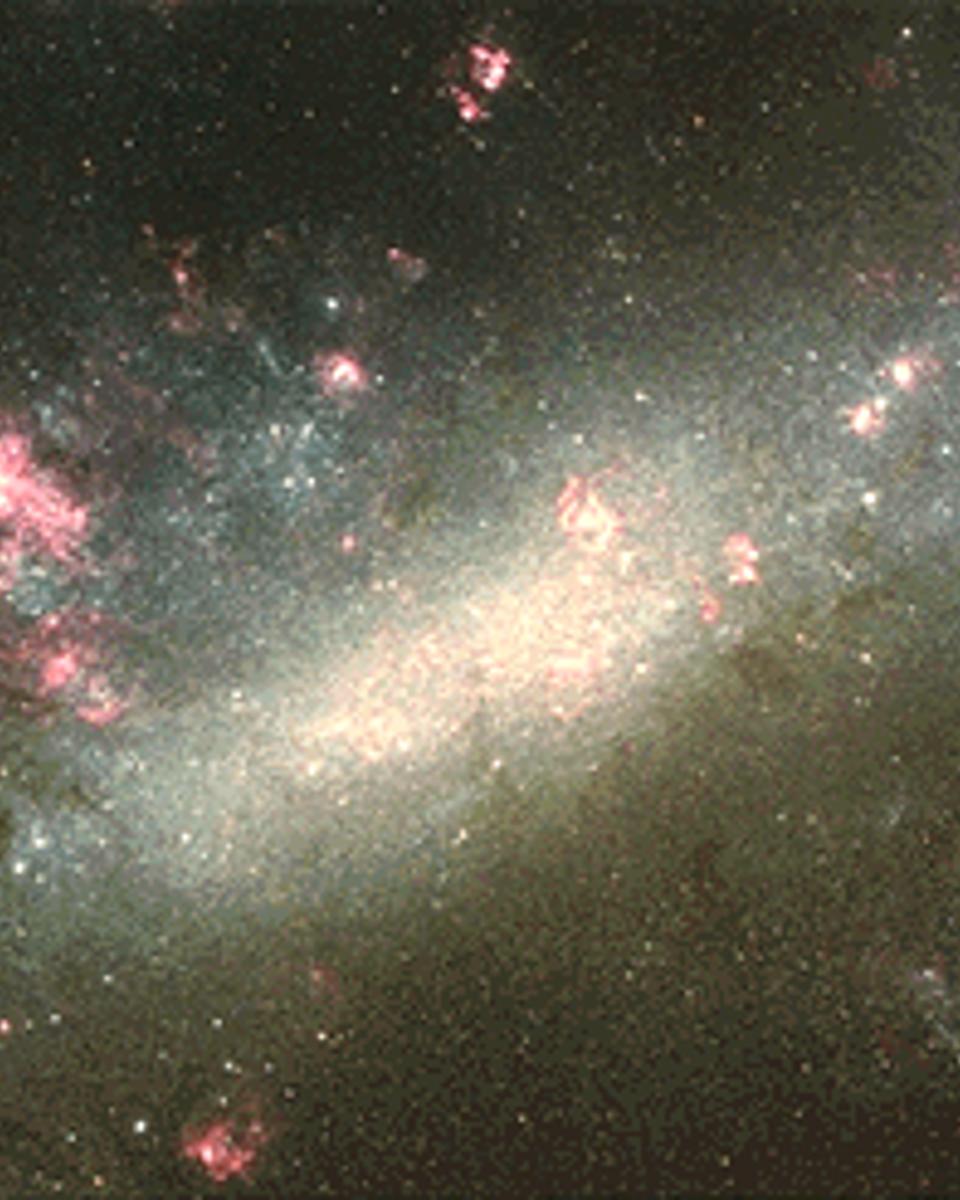
The Large Cloud Of Magellan (LMC)
Ferdinand Magellan and his crew had plenty of time to study the southern sky during their famous voyage around the world. As a result, two fuzzy cloud-like objects, not visible to…
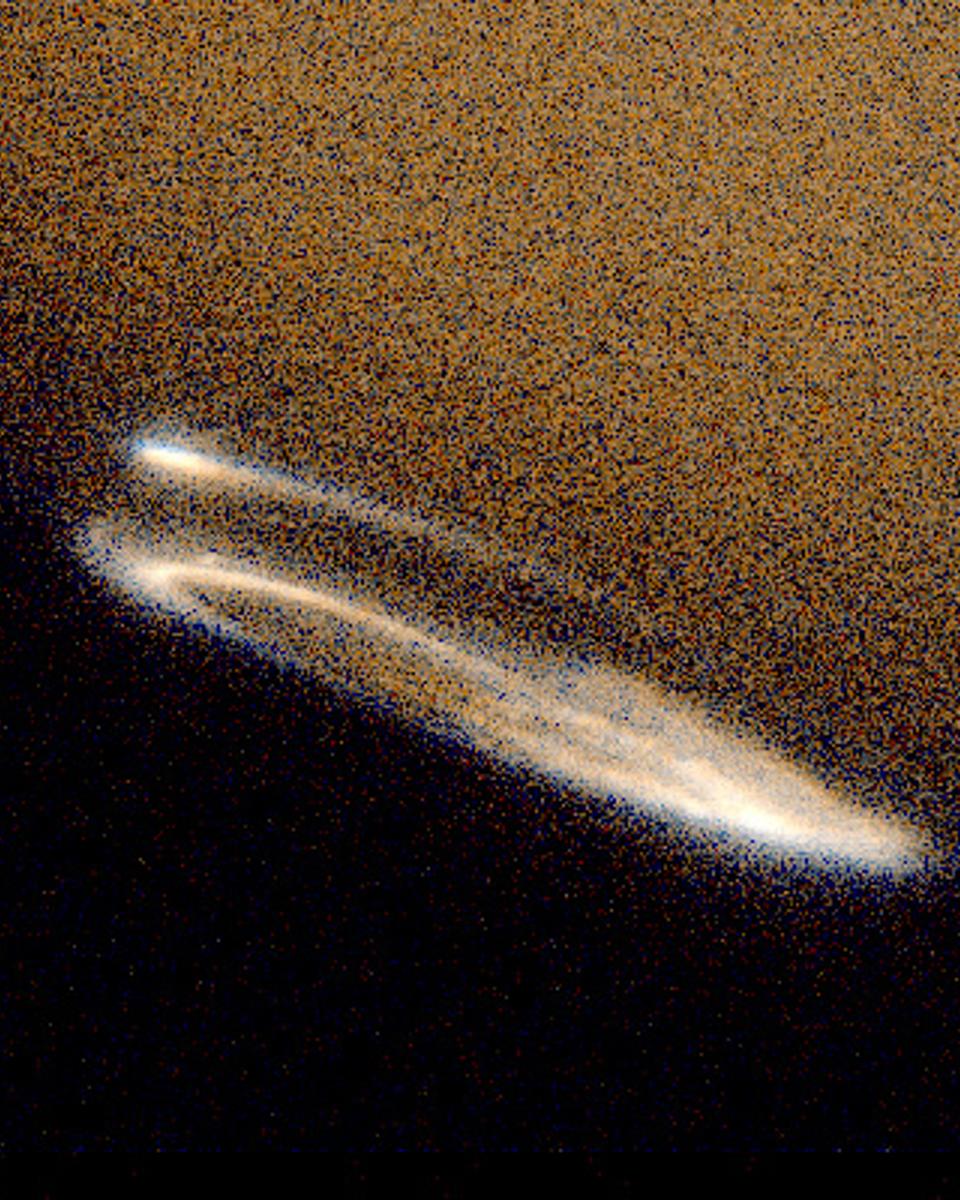
Jovian Aurora
These two recently released Hubble Space Telescope close-ups show the Northern and Southern lights ... on Jupiter . Like aurora on Earth , these Jovian aurora are caused by…
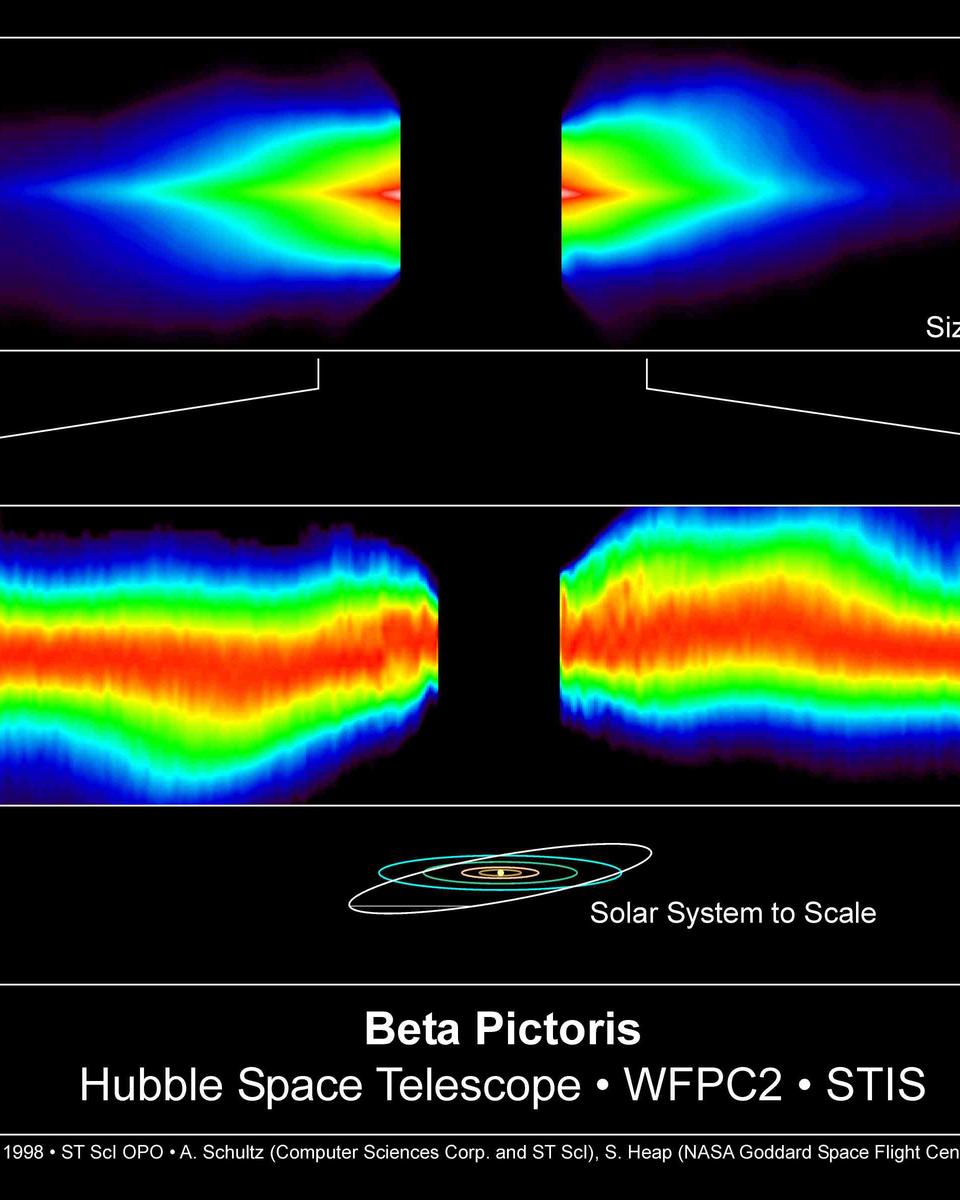
Closer To Beta Pic
What did our Solar System look like as the planets were forming ? Since the 1980s, astronomers have been pointing toward Beta Pictoris , a young, sun-like star a mere 50…
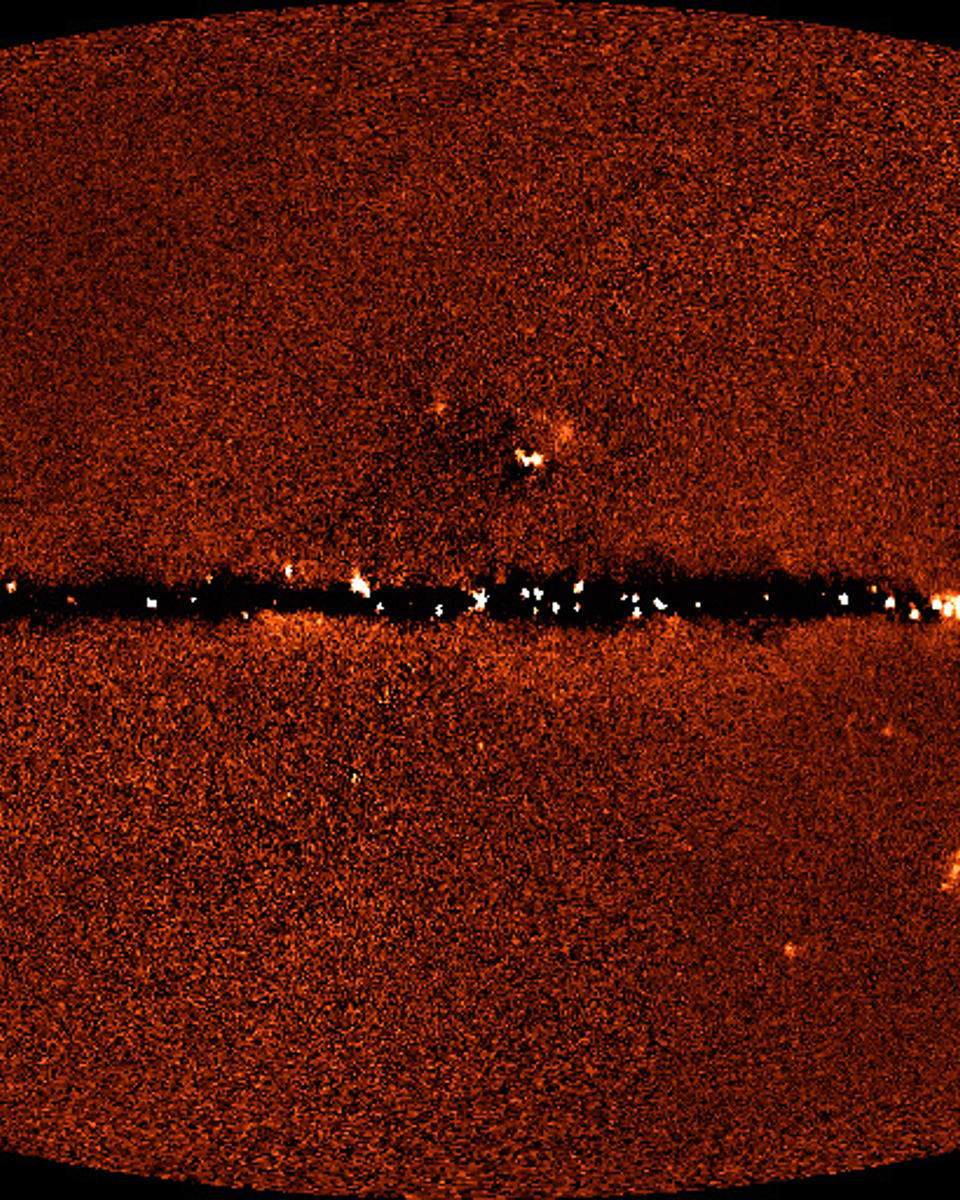
Our Dusty Universe
What's black & white and red all over? Add our universe to this list. Adrift in a vast sea of darkness are not only familiar bright stars but dust that glows predominantly in far-…
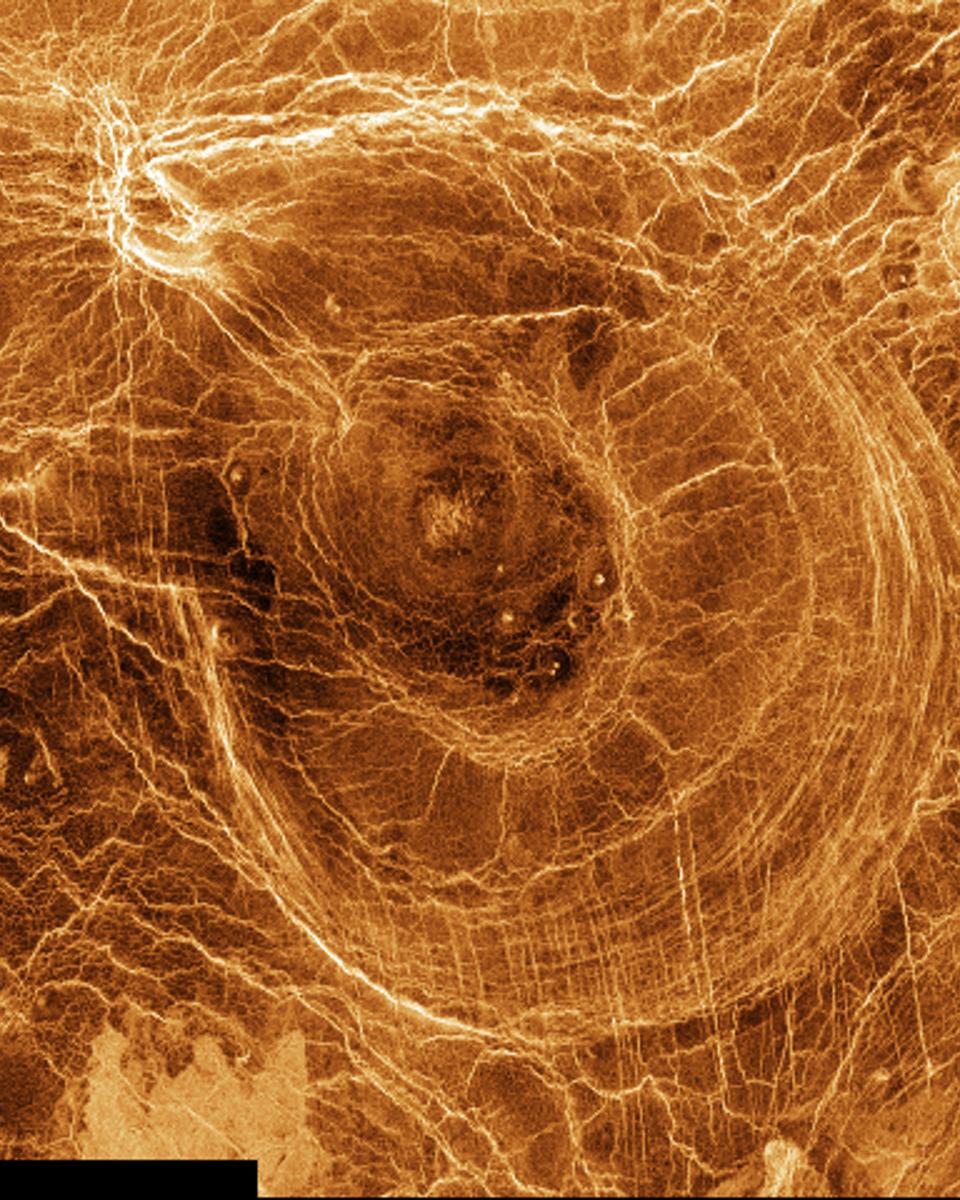
Arachnoids on Venus
Arachnoids are large structures of unknown origin that have been found only on the surface of Venus . Arachnoids get their name from their resemblance to spider -webs. They appear…
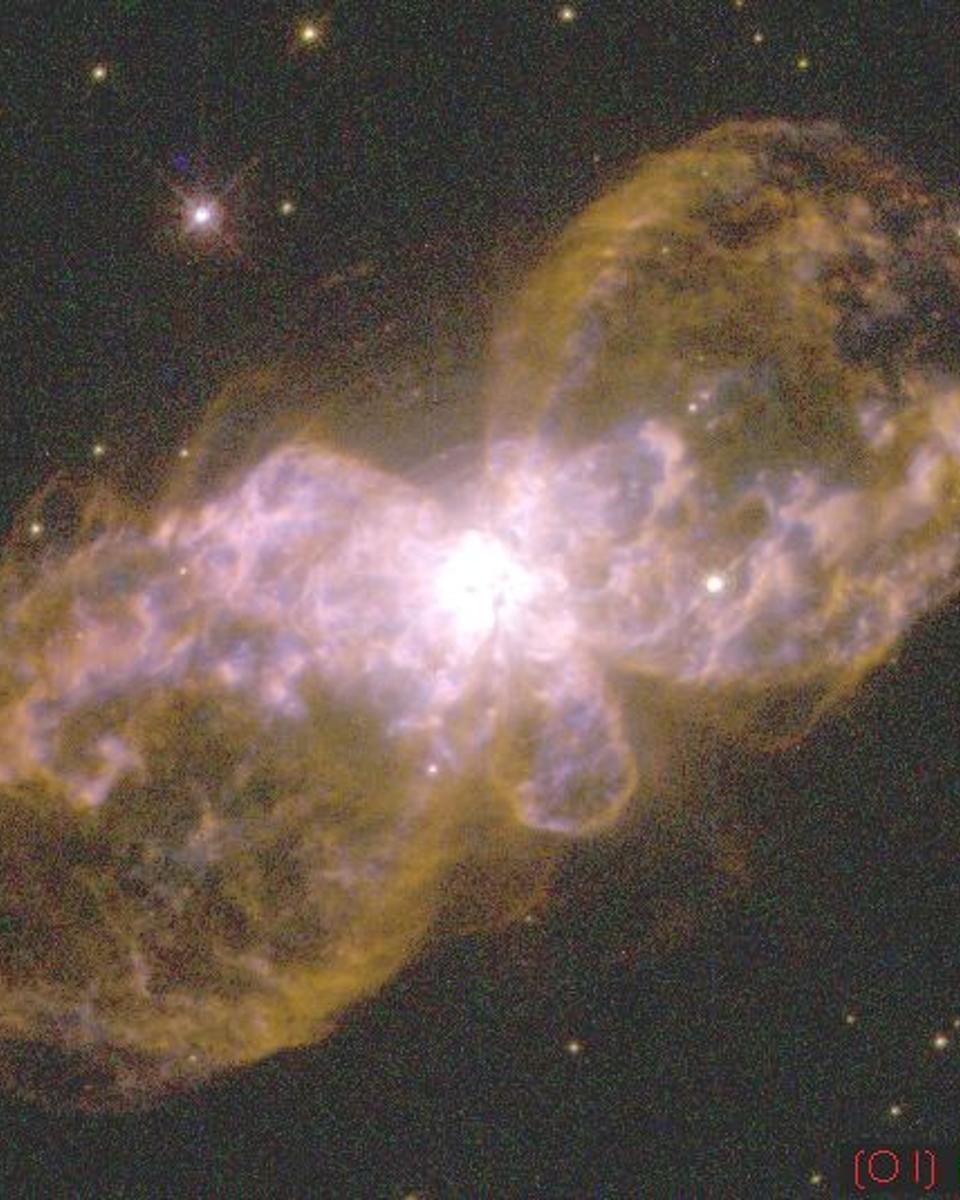
The Hubble 5 Planetary Nebula
The Hubble Double Bubble Planetary Nebula is bubbling over with excitement. More mundanely known as Hubble 5 , this bipolar planetary nebula is being created by a hot wind of…
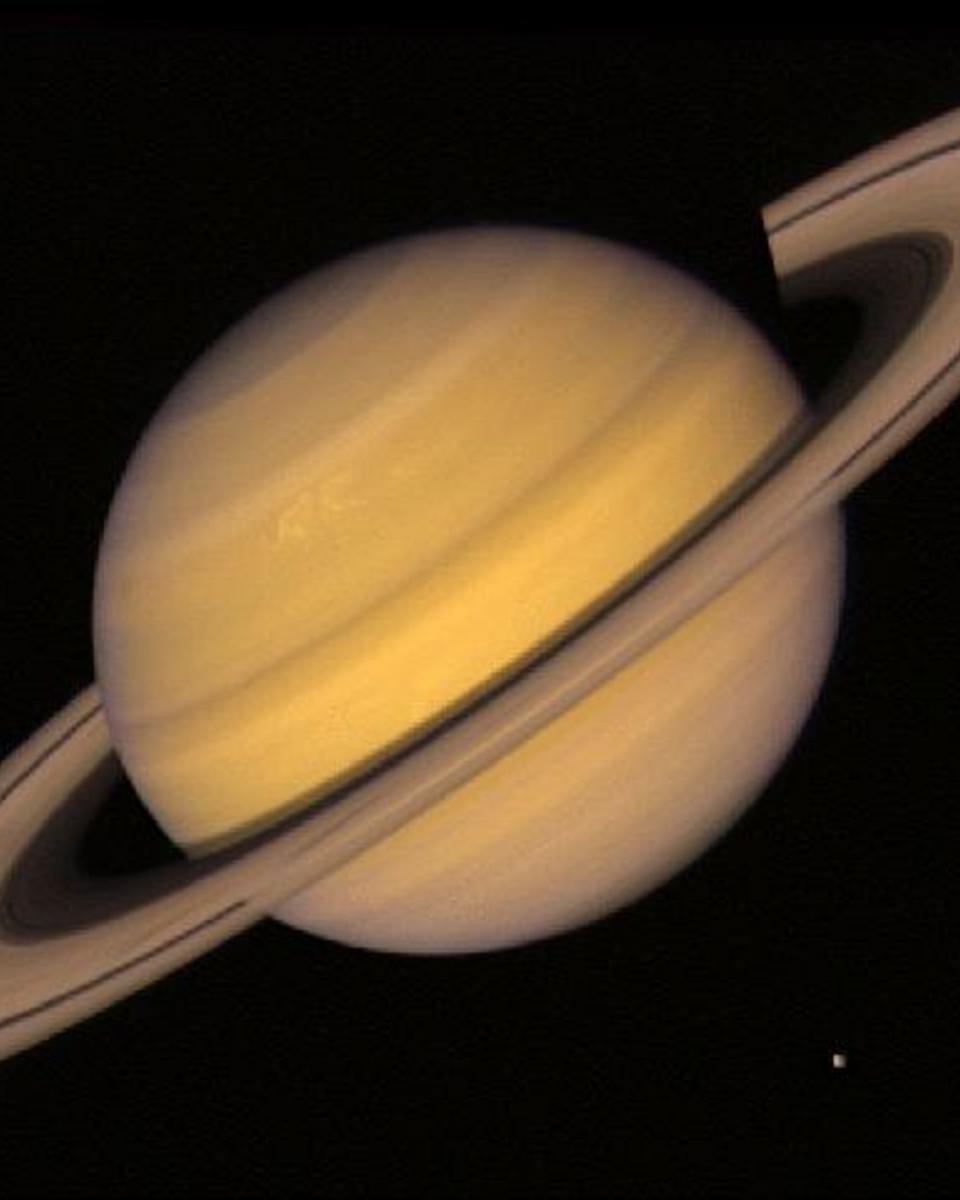
Saturn, Rings, and Two Moons
NASA's robot spacecraft Voyager 2 made this image of Saturn as it began to explore the Saturn system in 1981. Saturn's famous rings are visible along with two of its moons, Rhea…
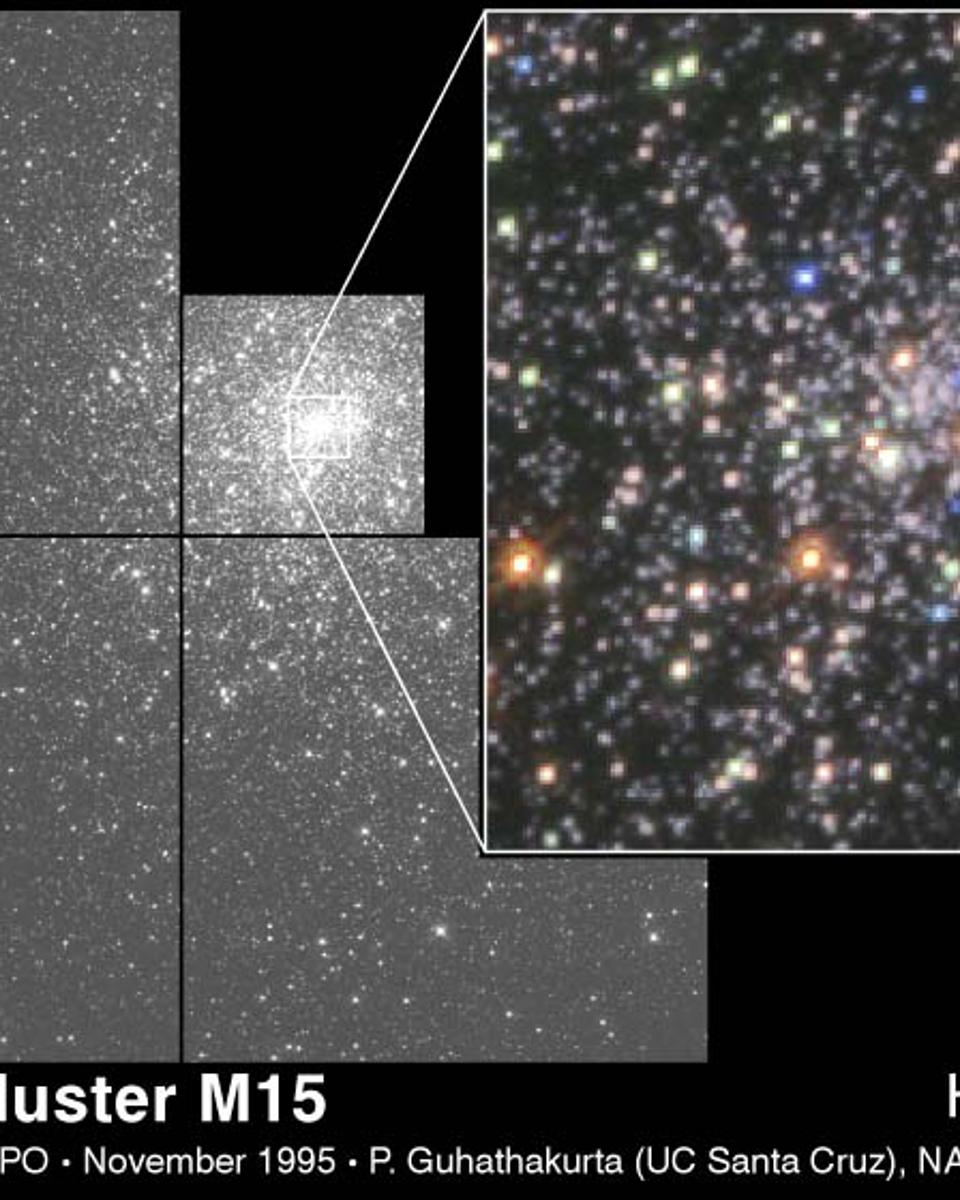
At The Core Of M15
Densely packed stars in the core of the globular cluster M15 are shown in this Hubble Space Telescope (HST) image. The star colors roughly indicate their temperatures - hot stars…
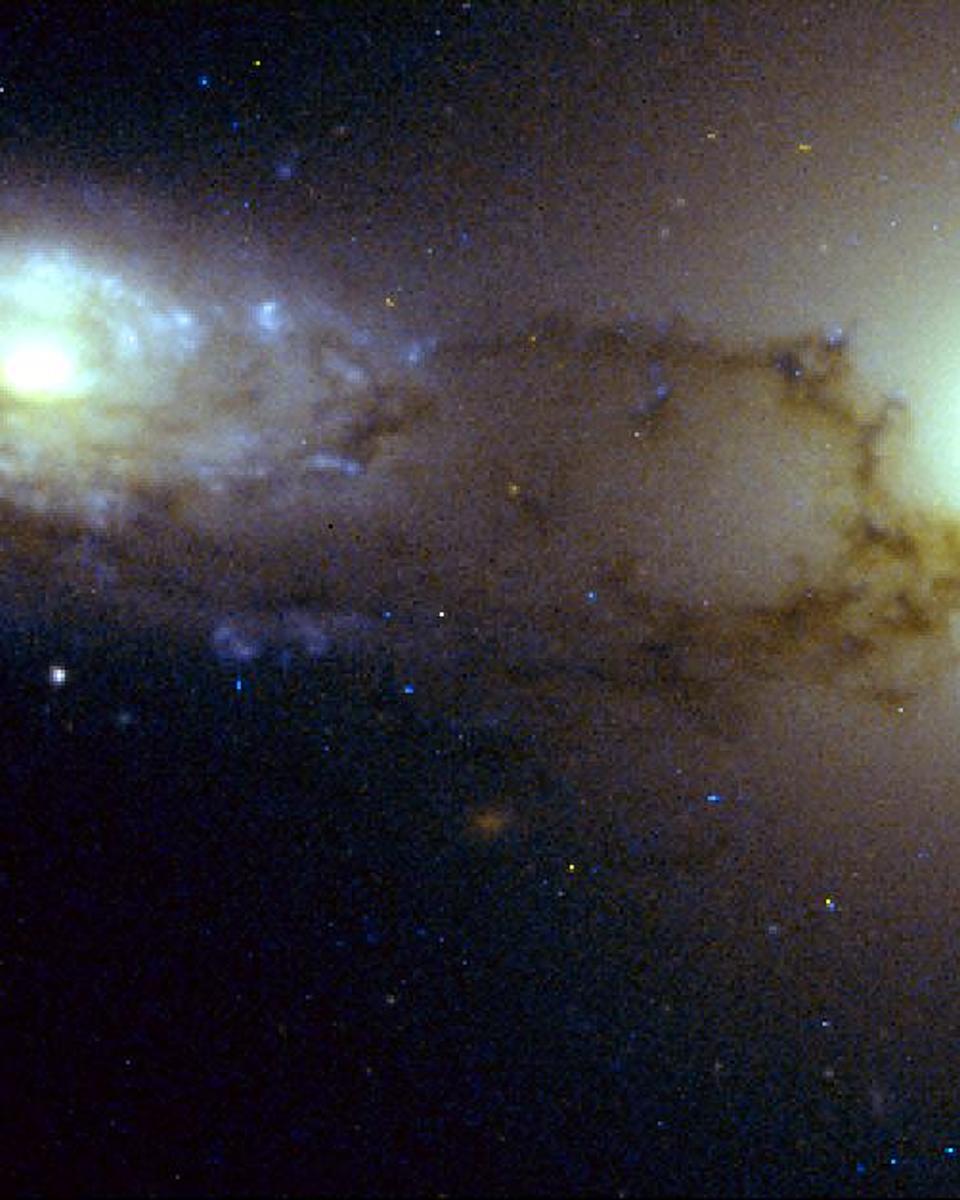
Dusting Spiral Galaxies
How much dust is in spiral galaxies? Does it block out much of the starlight? Because astronomers rely on an accurate knowledge of galaxy properties to investigate a wide range of…
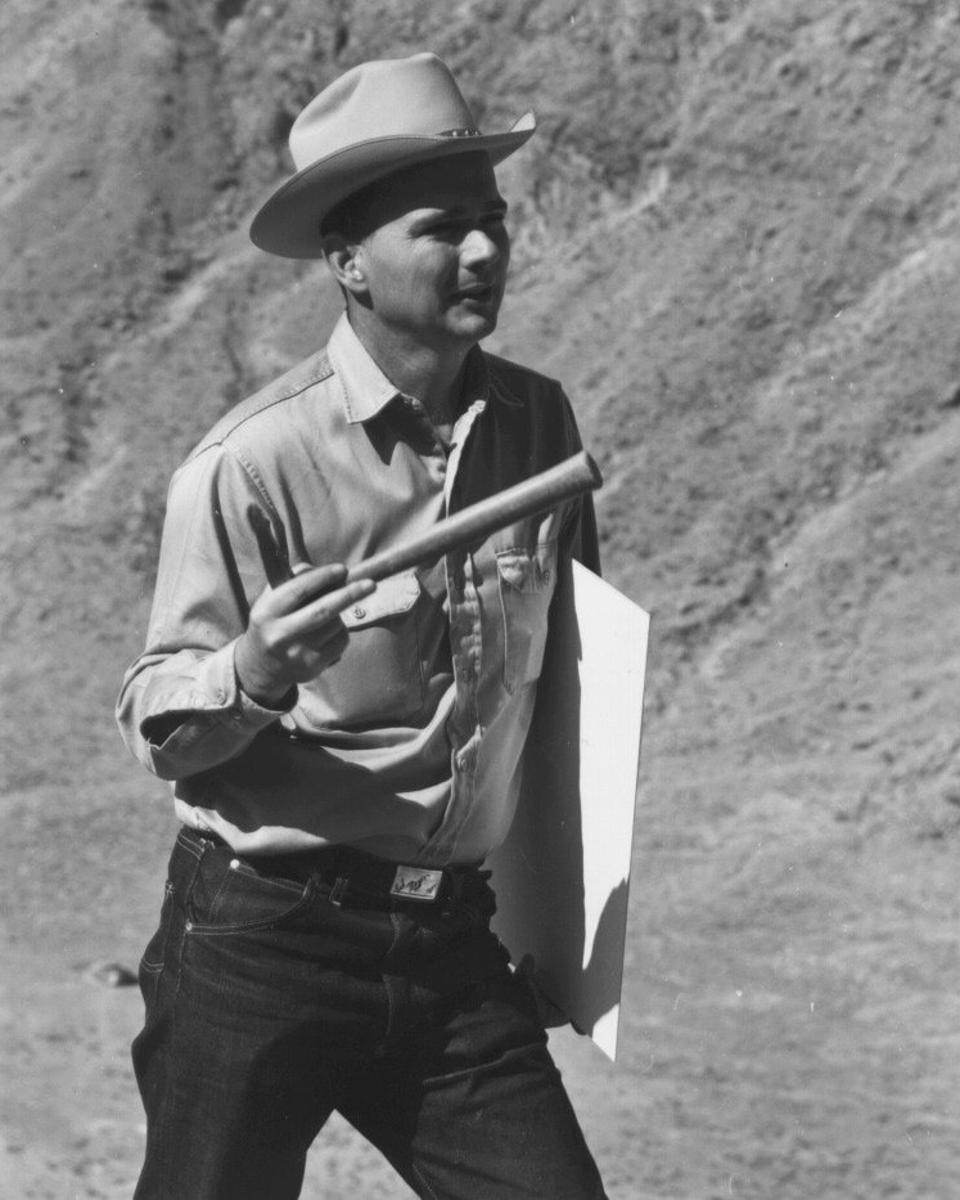
Eugene Shoemaker: 1928-1997
Eugene Shoemaker's passion was Astrogeology . He dreamed of going to the Moon . Credited with inventing the branch of Astrogeology within the U.S. Geological Survey , his…
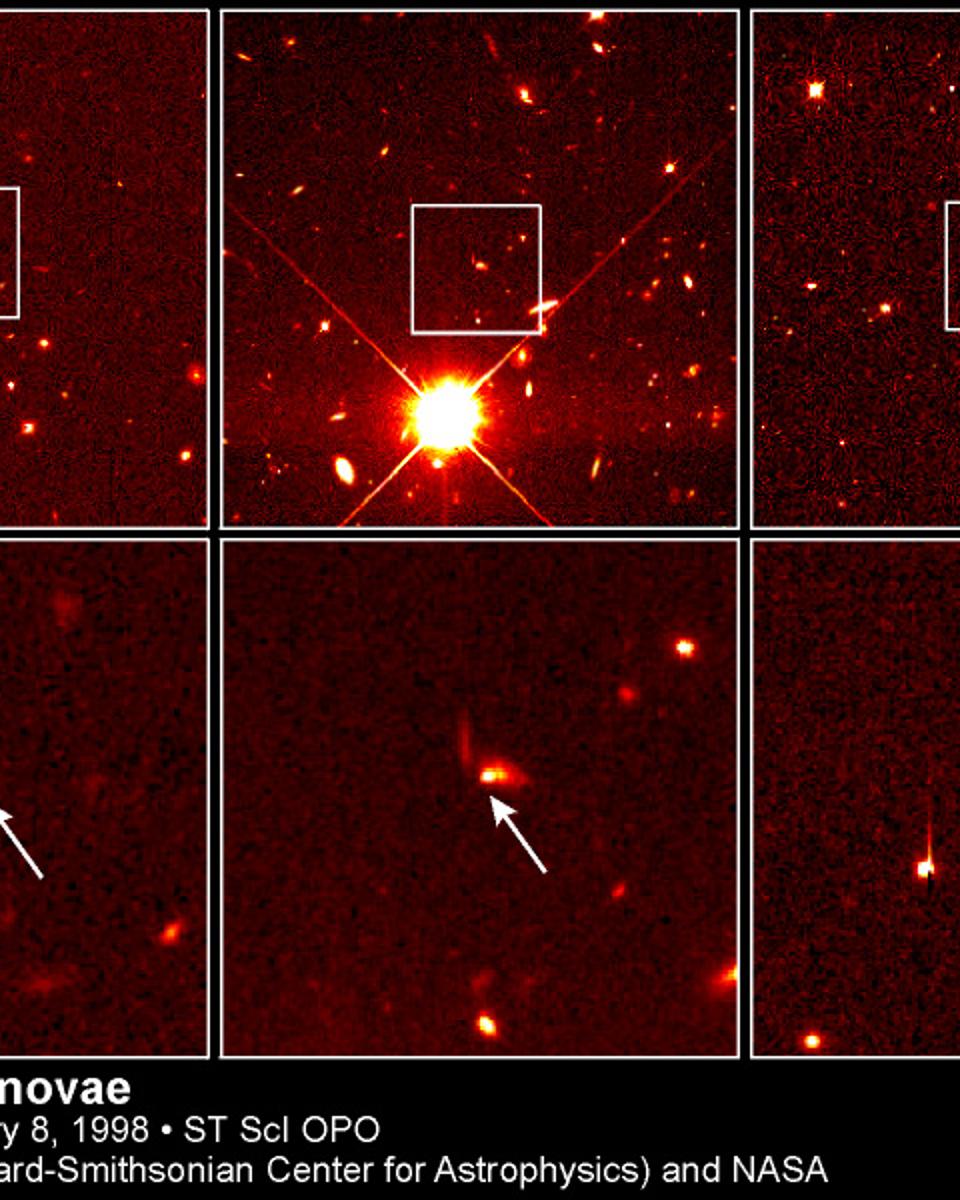
A Distant Destiny
Watching galaxies recede , observational astronomers of the 20th century discovered an astounding fact - the Universe is expanding. Will it continue to expand forever ? The speed…
Viewing discoveries from 6 February 1998 through 14 January 1998.