Browse NASA Astronomy Picture of the Day archive by date and media: Archive Discoveries
Browse the NASA APOD archive without needing the exact date first. Filter by media type and keep moving deeper into older images and videos.
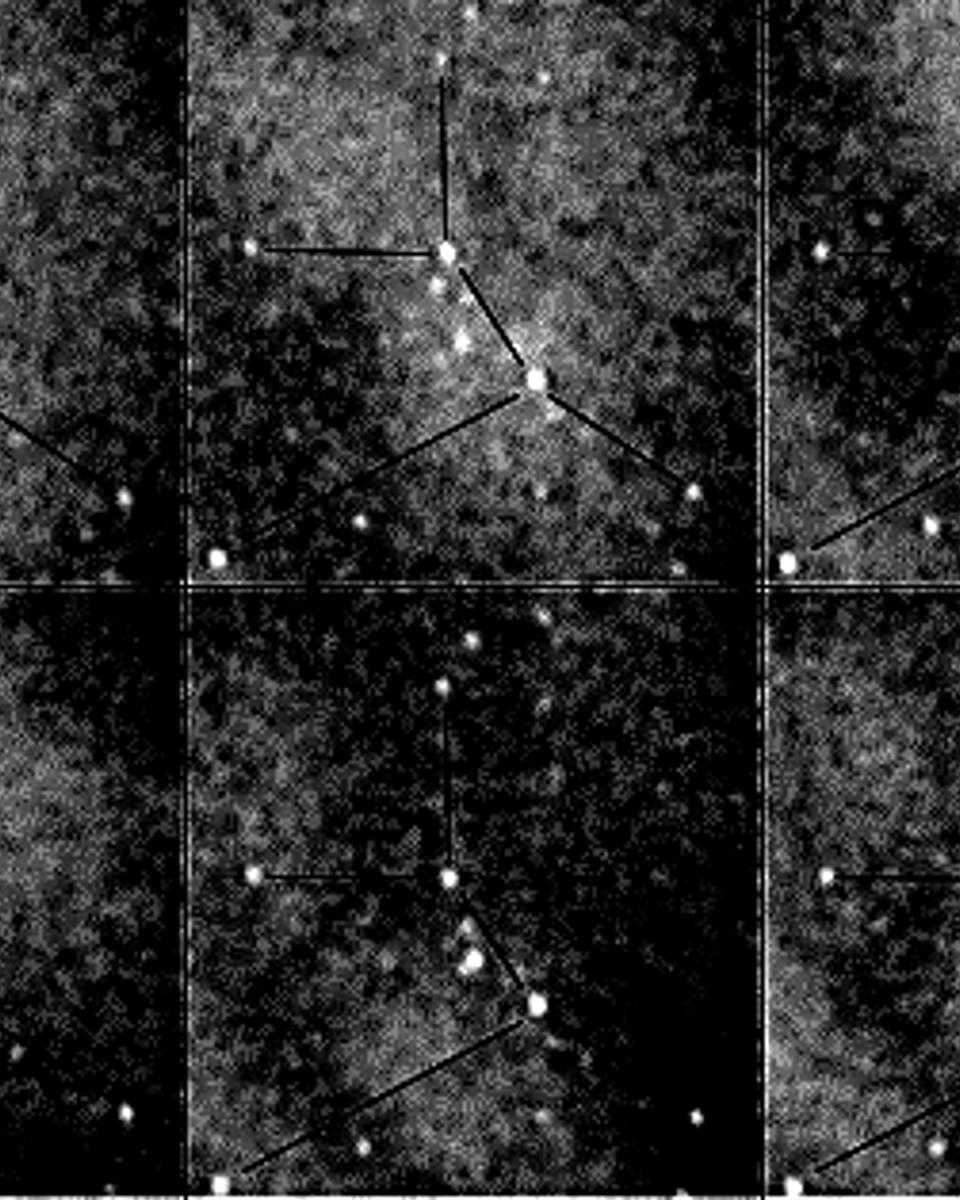
Interplanetary Spacecraft Passes Earth
Last Thursday an interplanetary spacecraft flew right past the Earth. The above images show sunlight momentarily reflected from this spacecraft's solar panels. No aliens were…
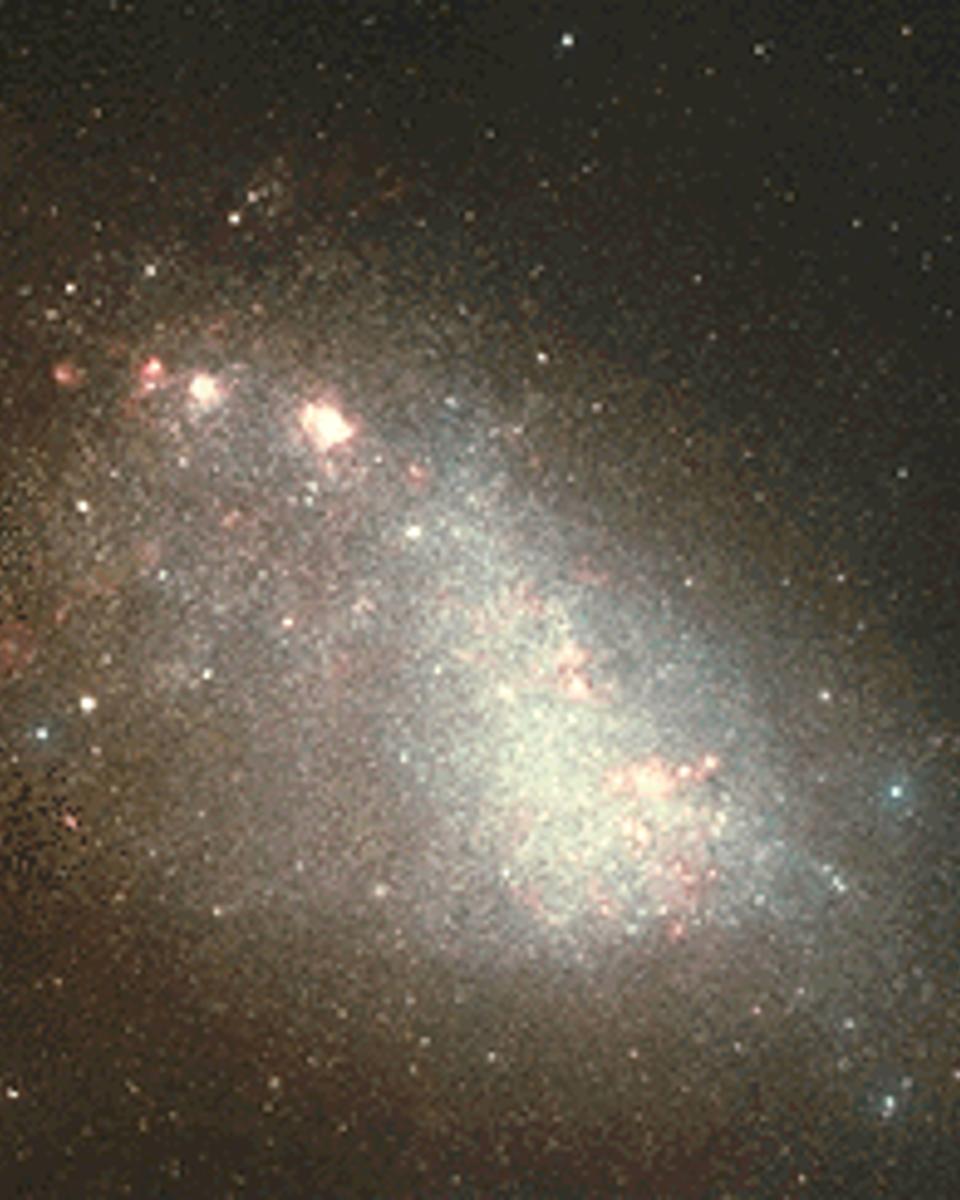
The Small Cloud of Magellan (SMC)
Almost unknown to casual observers in the northern hemisphere , the southern sky contains two diffuse wonders known as the Magellanic Clouds . The Magellanic Clouds are small…
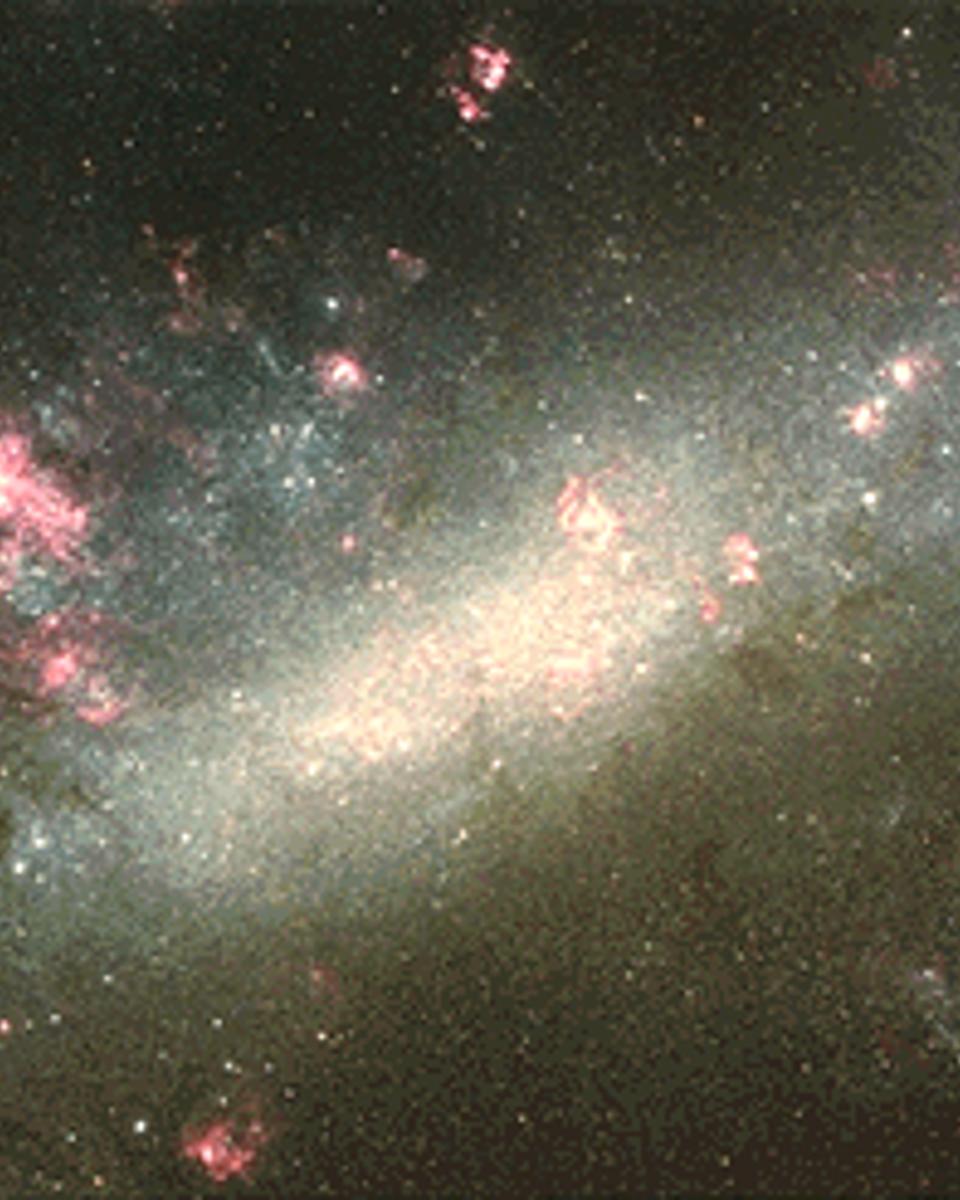
The Large Cloud Of Magellan (LMC)
Ferdinand Magellan and his crew had plenty of time to study the southern sky during their famous voyage around the world. As a result, two fuzzy cloud-like objects, not visible to…
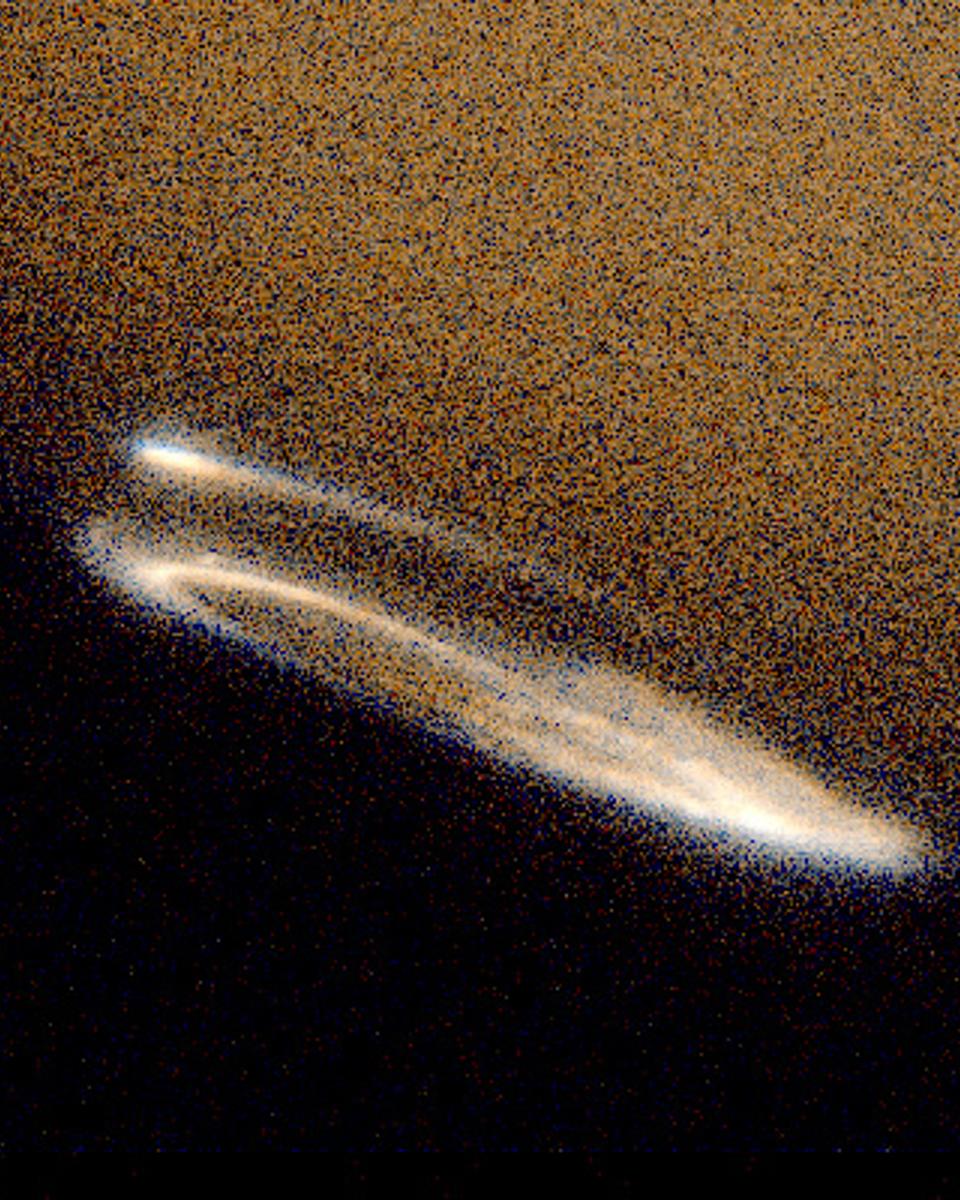
Jovian Aurora
These two recently released Hubble Space Telescope close-ups show the Northern and Southern lights ... on Jupiter . Like aurora on Earth , these Jovian aurora are caused by…
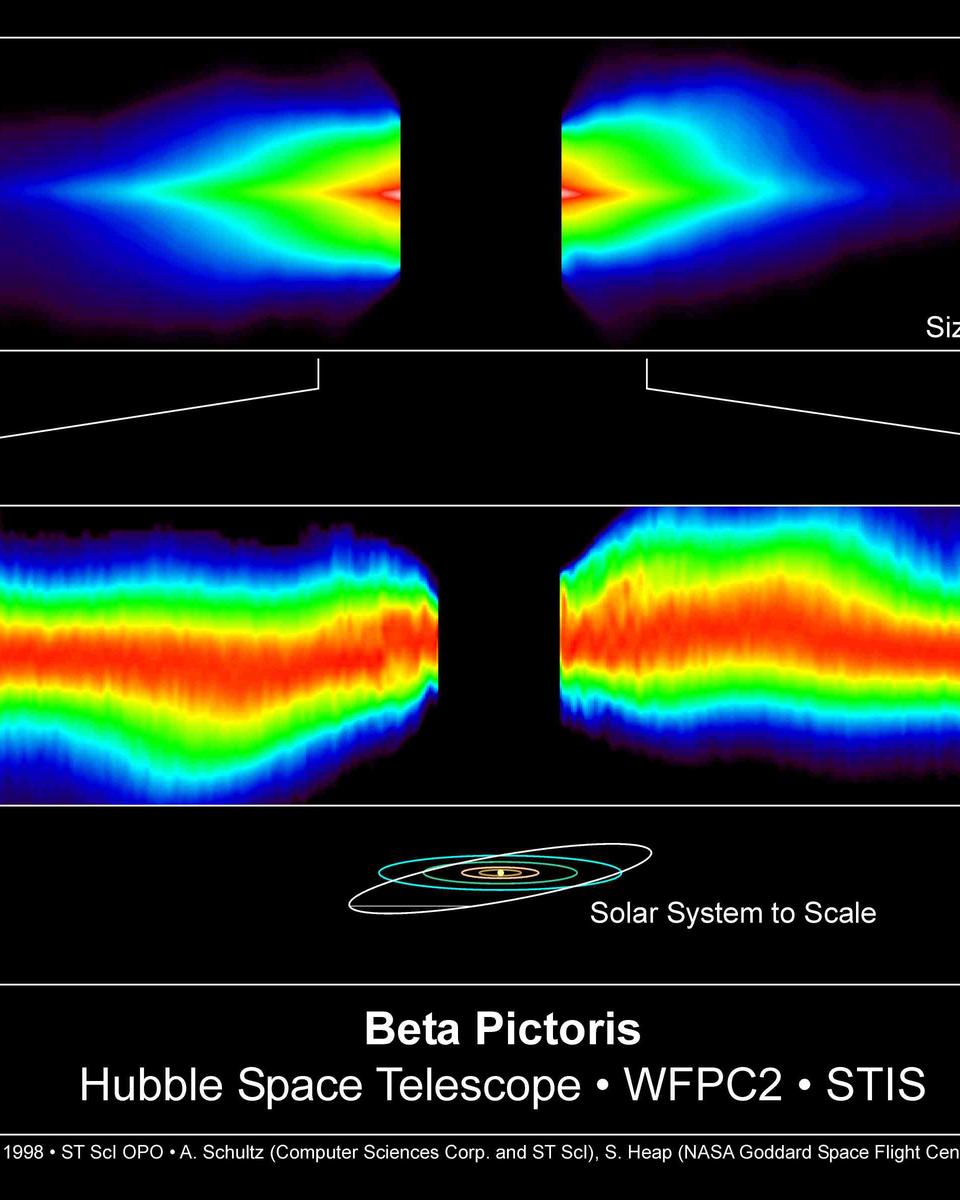
Closer To Beta Pic
What did our Solar System look like as the planets were forming ? Since the 1980s, astronomers have been pointing toward Beta Pictoris , a young, sun-like star a mere 50…
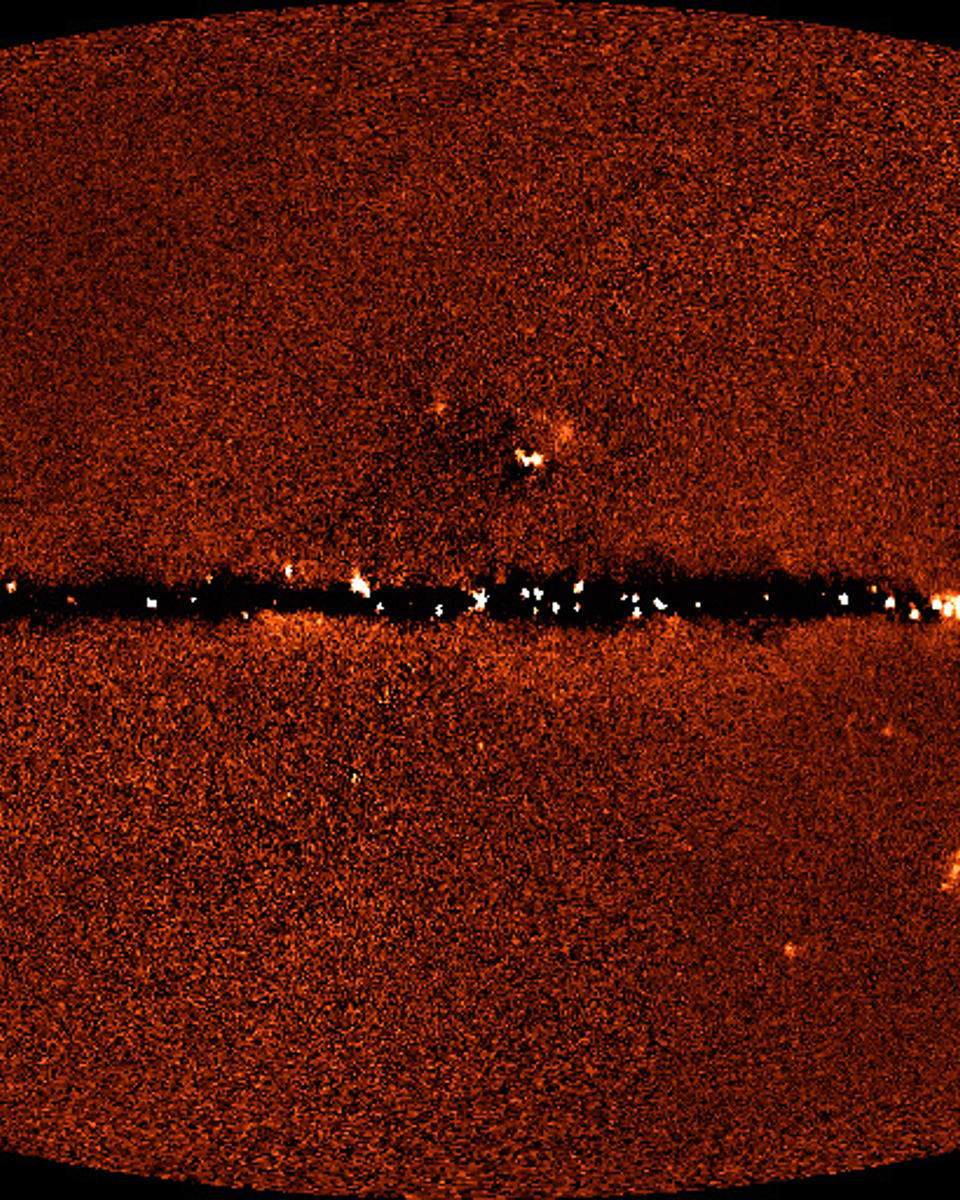
Our Dusty Universe
What's black & white and red all over? Add our universe to this list. Adrift in a vast sea of darkness are not only familiar bright stars but dust that glows predominantly in far-…
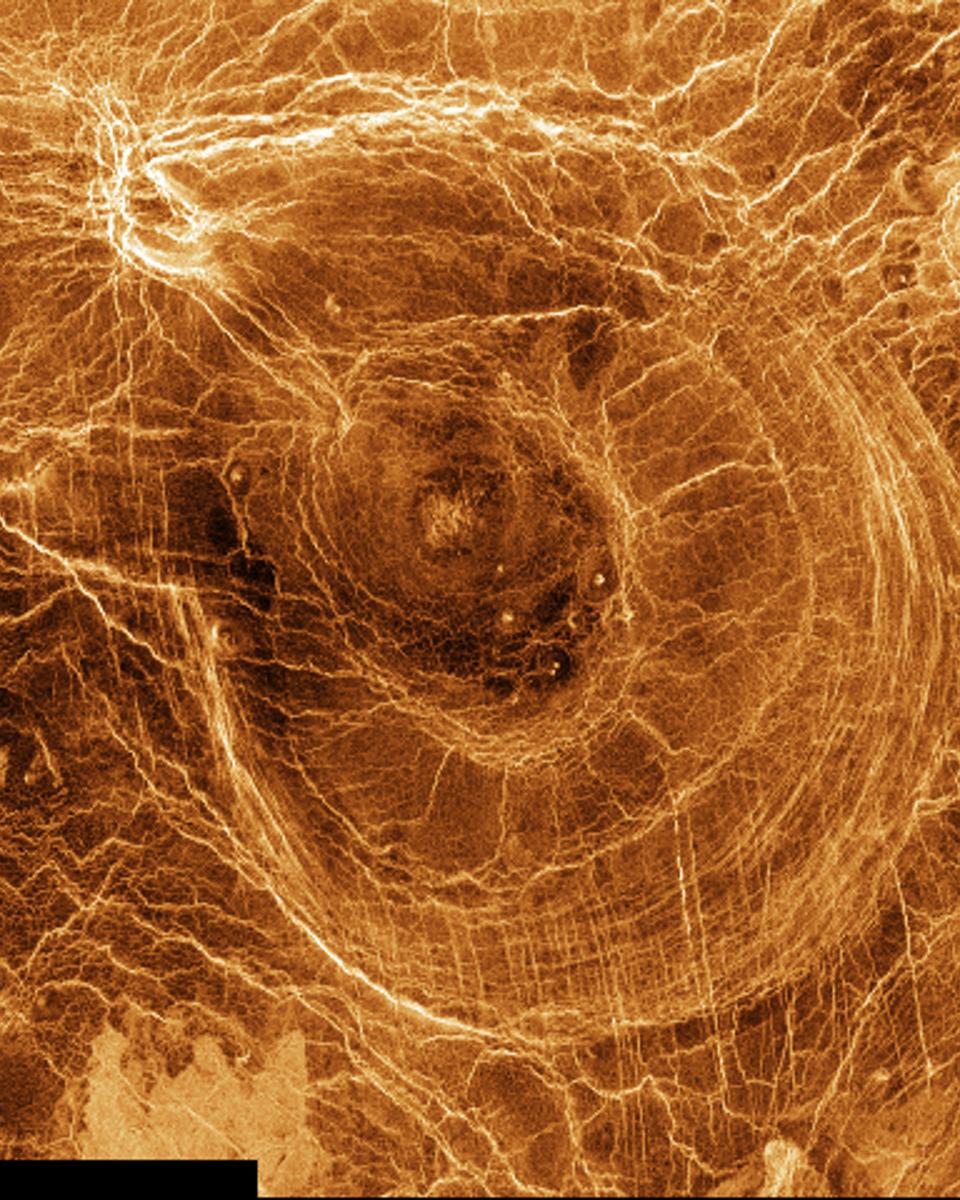
Arachnoids on Venus
Arachnoids are large structures of unknown origin that have been found only on the surface of Venus . Arachnoids get their name from their resemblance to spider -webs. They appear…
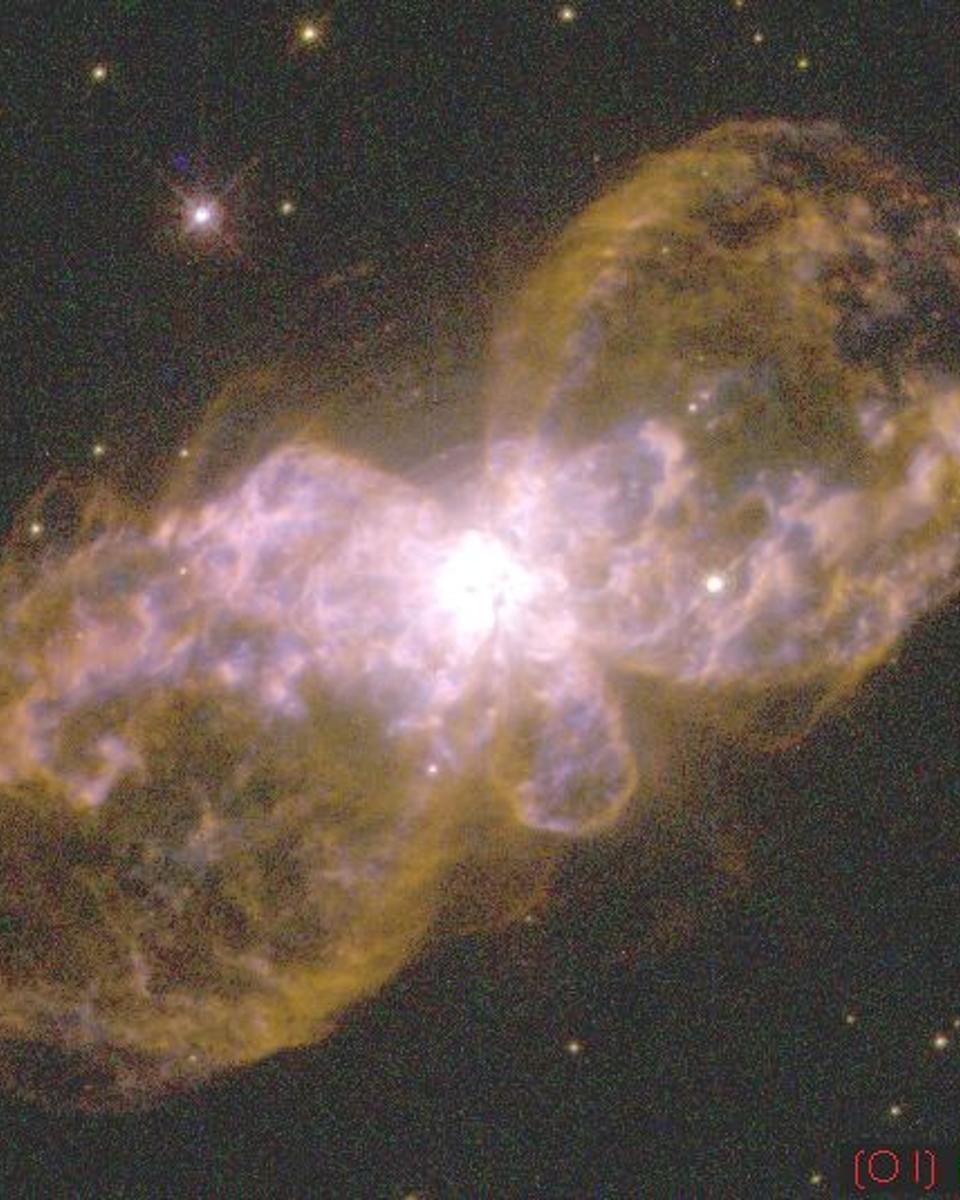
The Hubble 5 Planetary Nebula
The Hubble Double Bubble Planetary Nebula is bubbling over with excitement. More mundanely known as Hubble 5 , this bipolar planetary nebula is being created by a hot wind of…
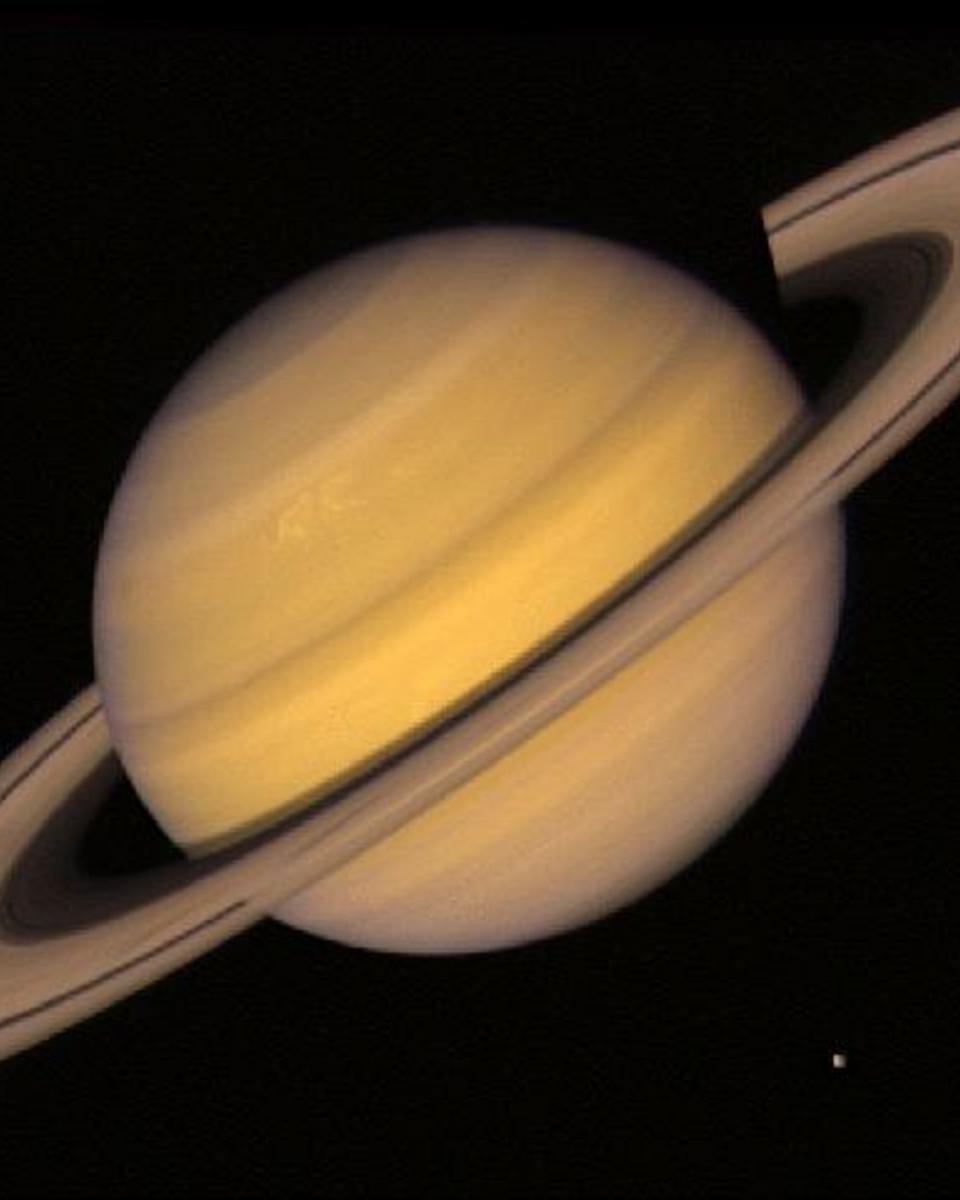
Saturn, Rings, and Two Moons
NASA's robot spacecraft Voyager 2 made this image of Saturn as it began to explore the Saturn system in 1981. Saturn's famous rings are visible along with two of its moons, Rhea…
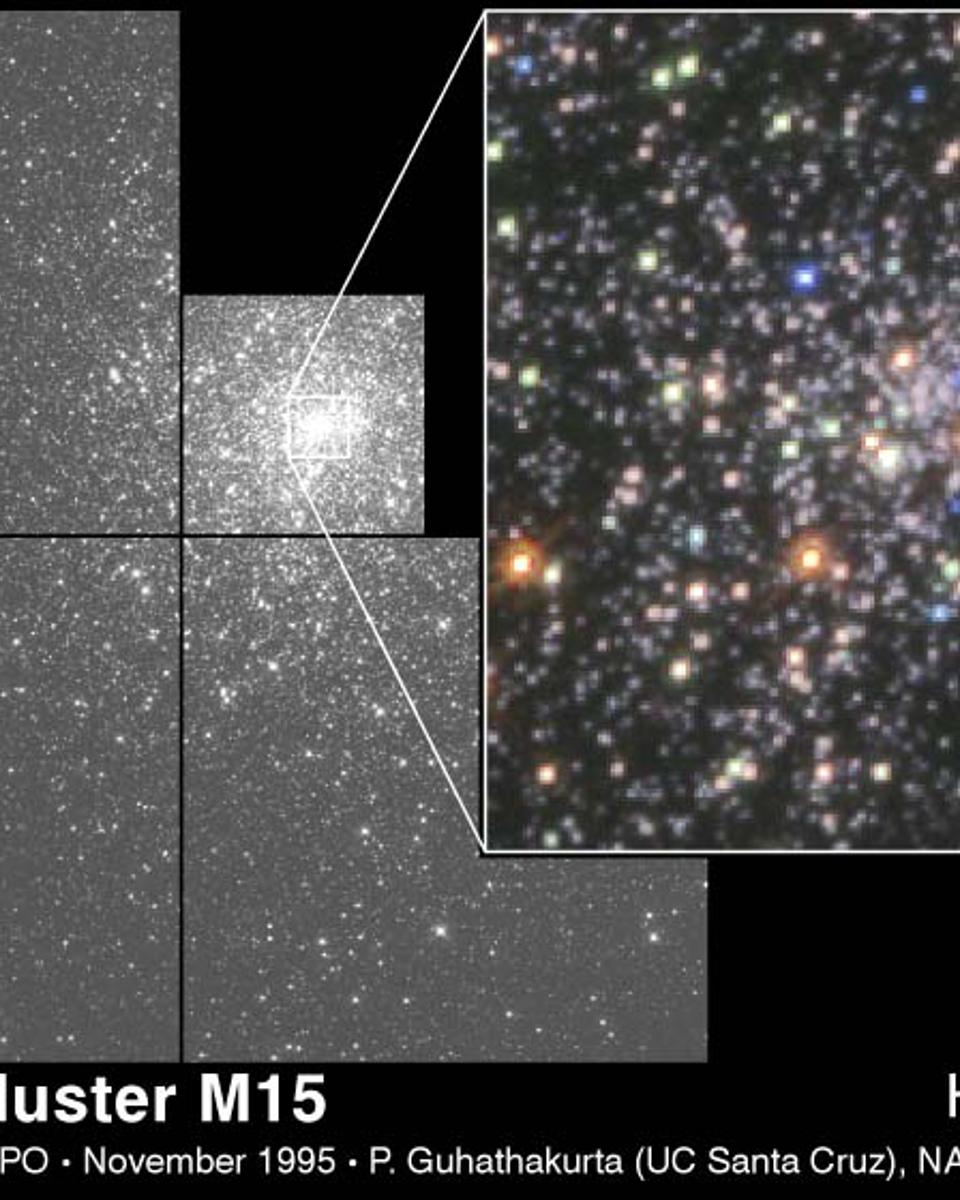
At The Core Of M15
Densely packed stars in the core of the globular cluster M15 are shown in this Hubble Space Telescope (HST) image. The star colors roughly indicate their temperatures - hot stars…
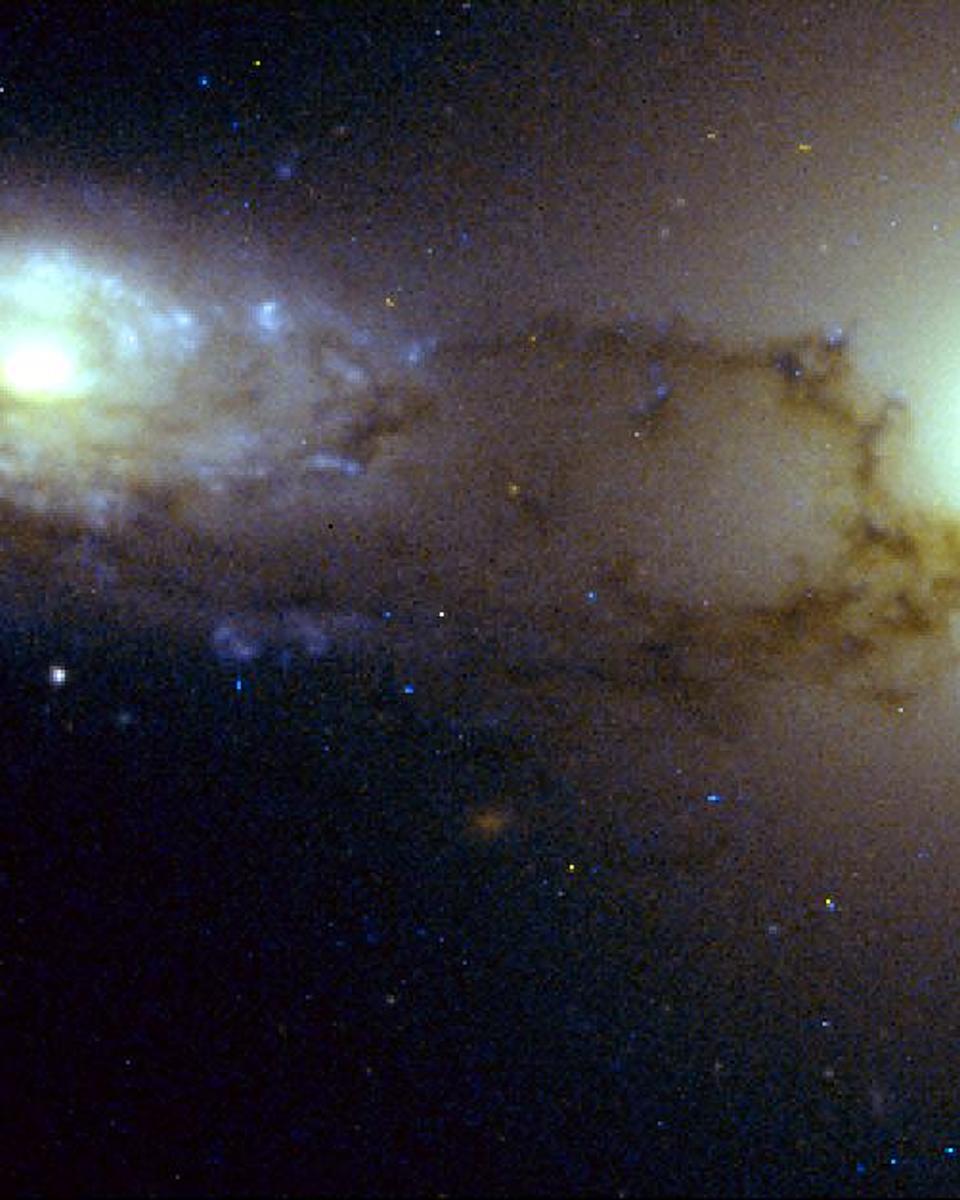
Dusting Spiral Galaxies
How much dust is in spiral galaxies? Does it block out much of the starlight? Because astronomers rely on an accurate knowledge of galaxy properties to investigate a wide range of…
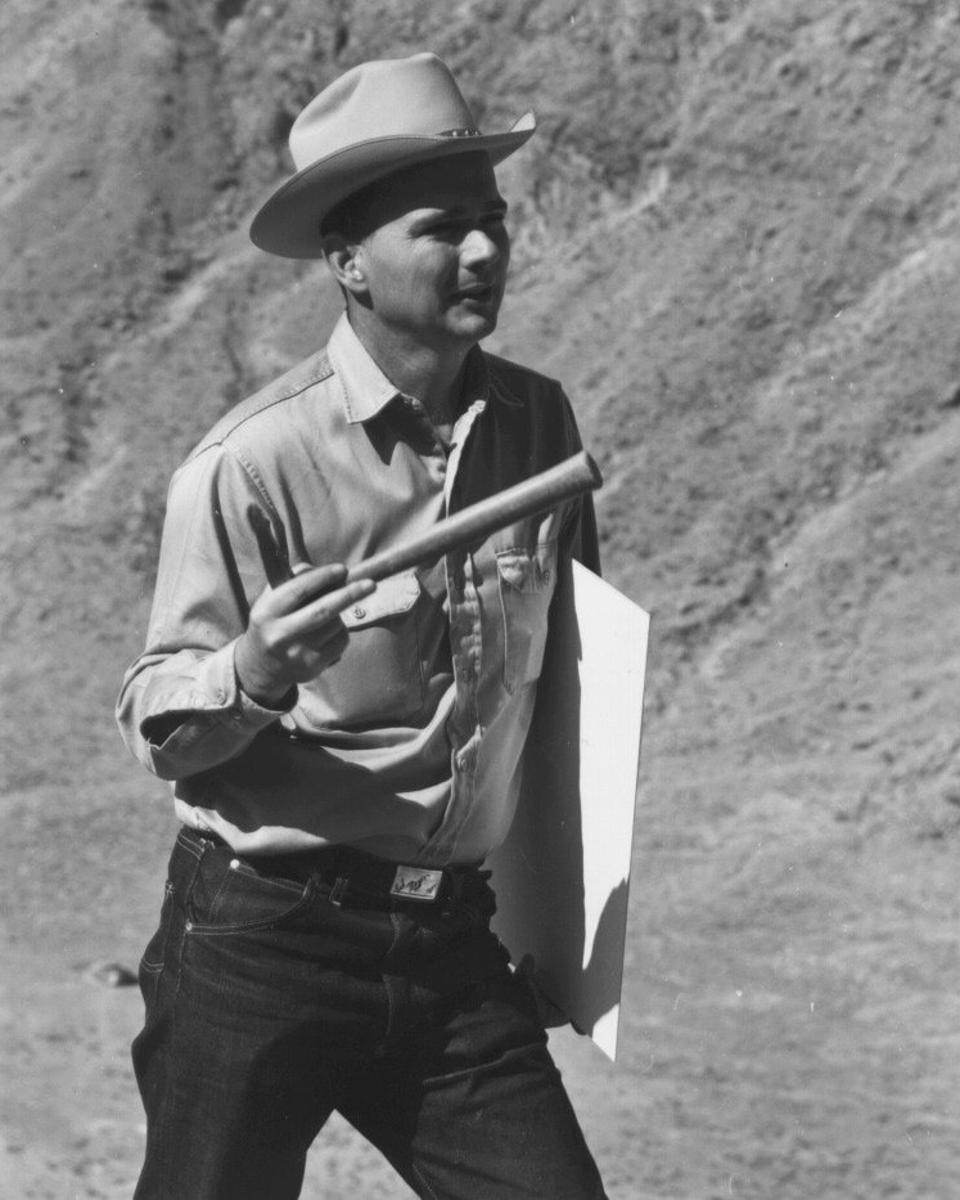
Eugene Shoemaker: 1928-1997
Eugene Shoemaker's passion was Astrogeology . He dreamed of going to the Moon . Credited with inventing the branch of Astrogeology within the U.S. Geological Survey , his…
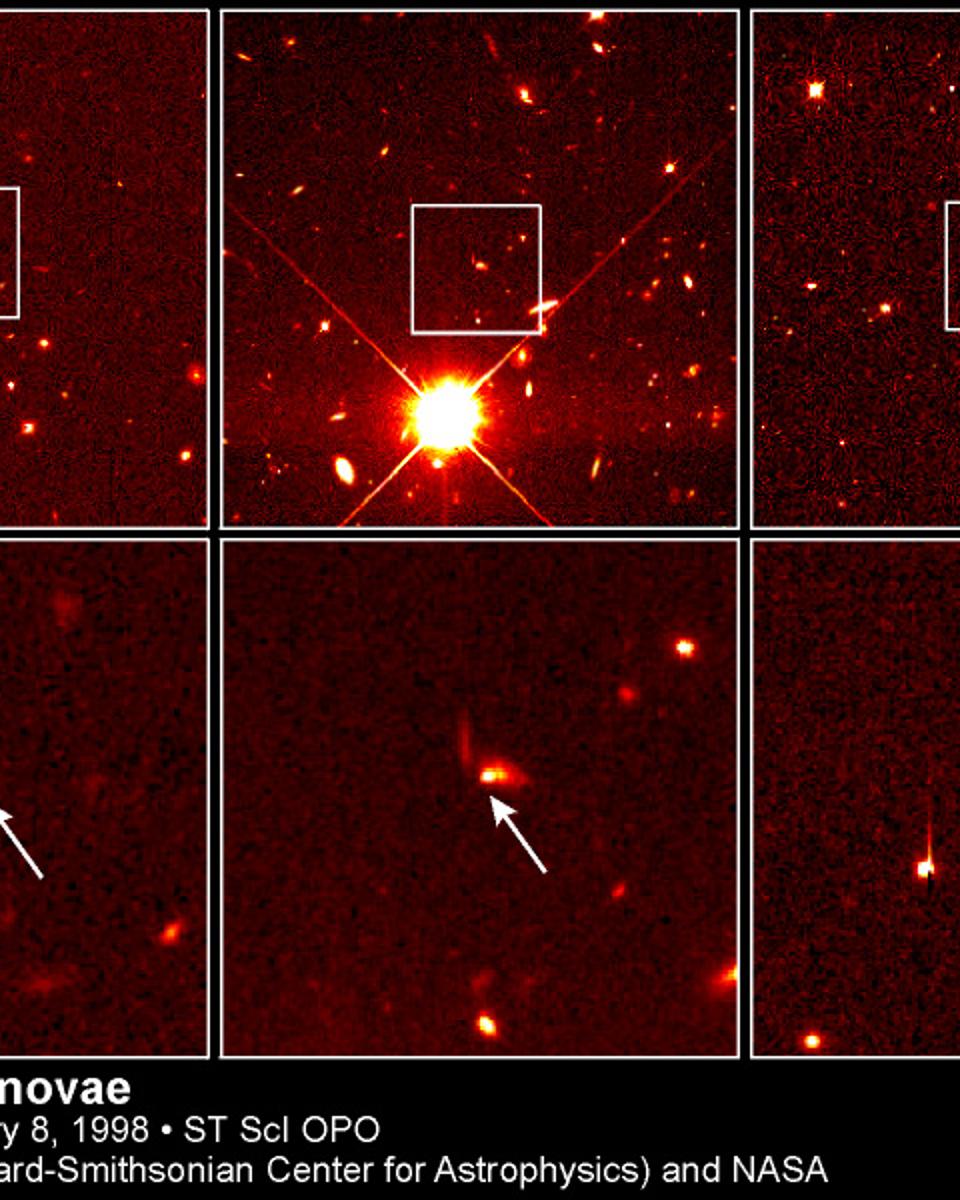
A Distant Destiny
Watching galaxies recede , observational astronomers of the 20th century discovered an astounding fact - the Universe is expanding. Will it continue to expand forever ? The speed…
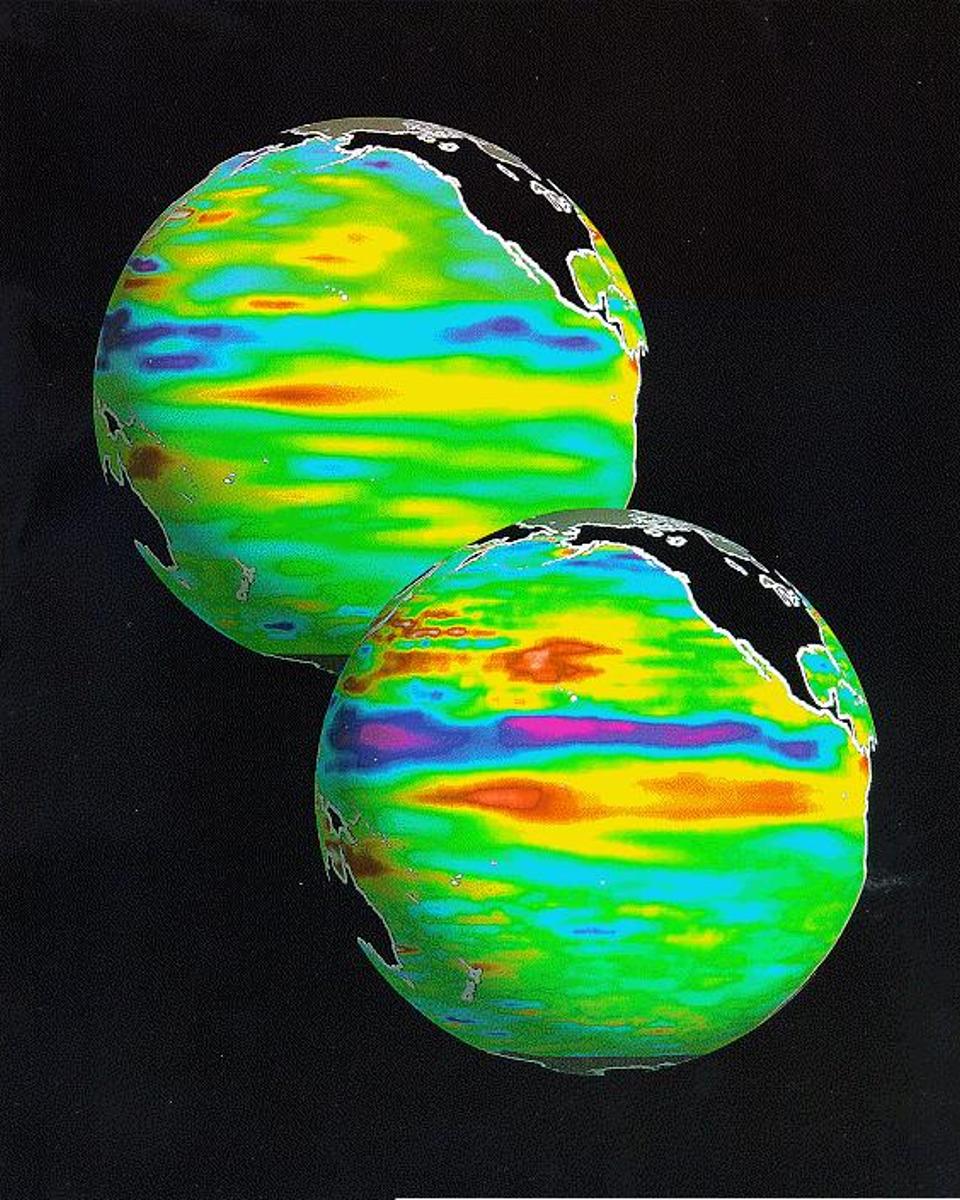
El Niño Water Rhythm
This year's El Niño is the strongest ever recorded. The large amount of warm water in the Pacific Ocean near the equator is causing unusual weather all over planet Earth . The…
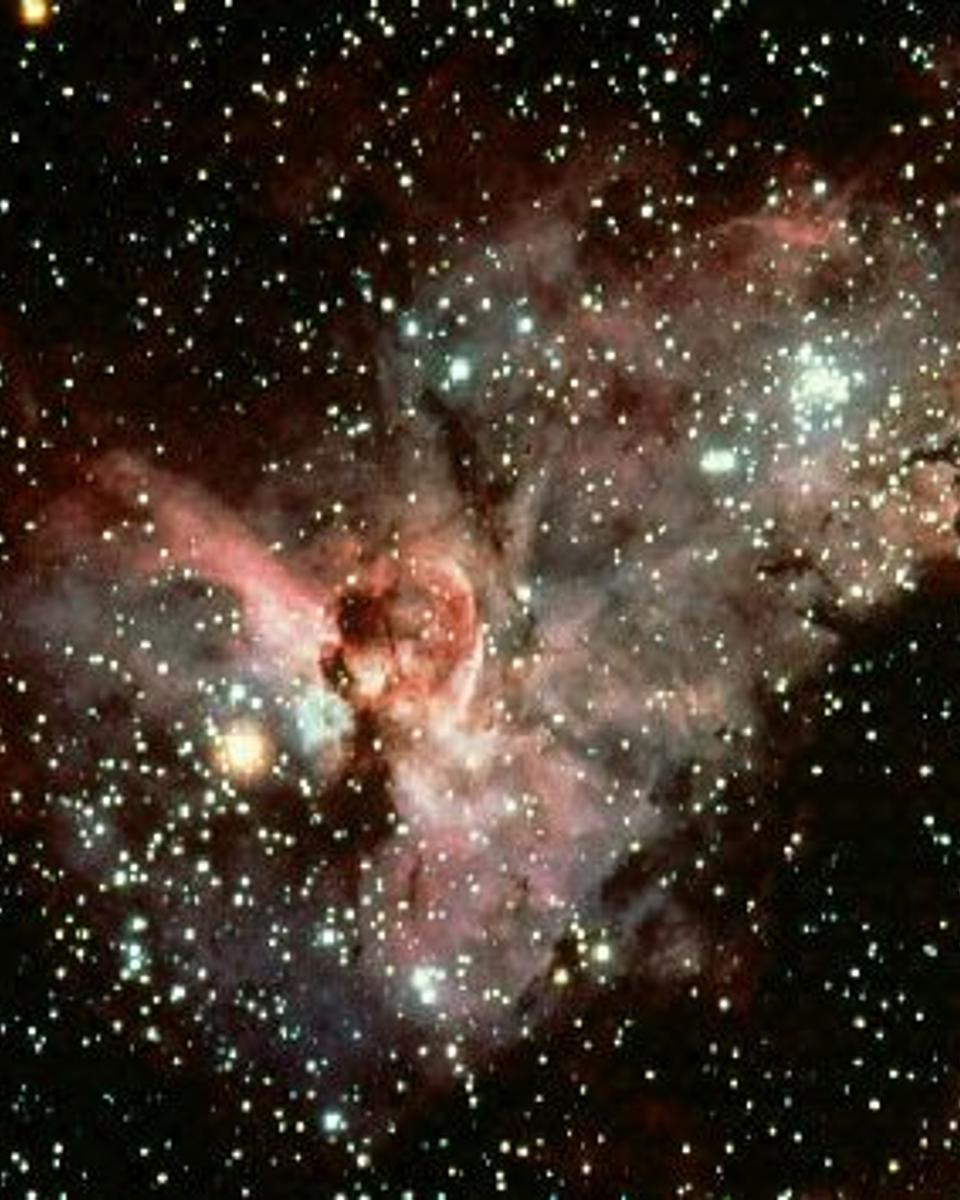
The Keyhole Nebula
The dark dusty Keyhole Nebula gets its name from its unusual shape. Officially designated NGC 3324, the Keyhole Nebula is a smaller region superposed on the larger Eta Carina…
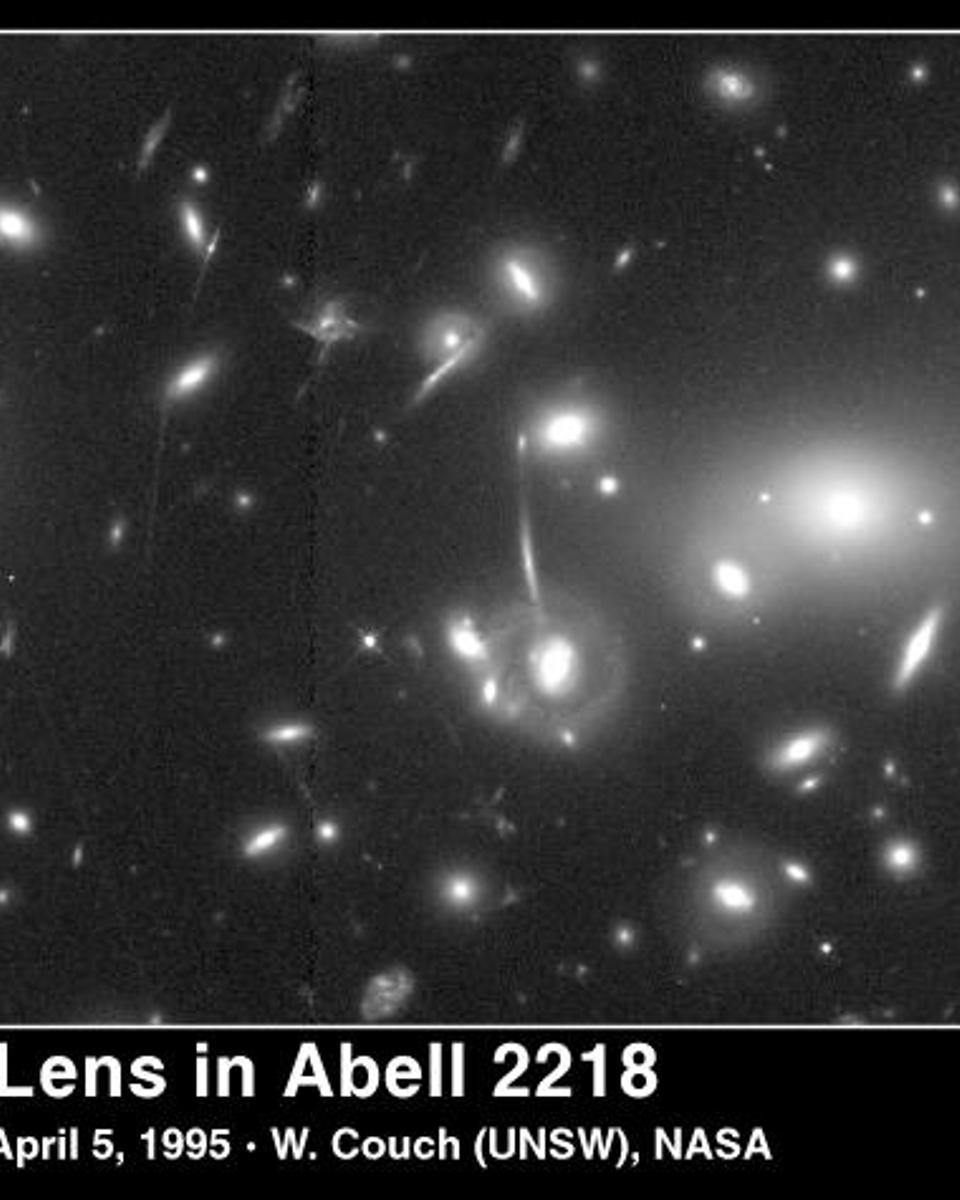
Abell 2218: A Galaxy Cluster Lens
Gravity can bend light . Almost all of the bright objects in this Hubble Space Telescope image are galaxies in the cluster known as Abell 2218. The cluster is so massive and so…
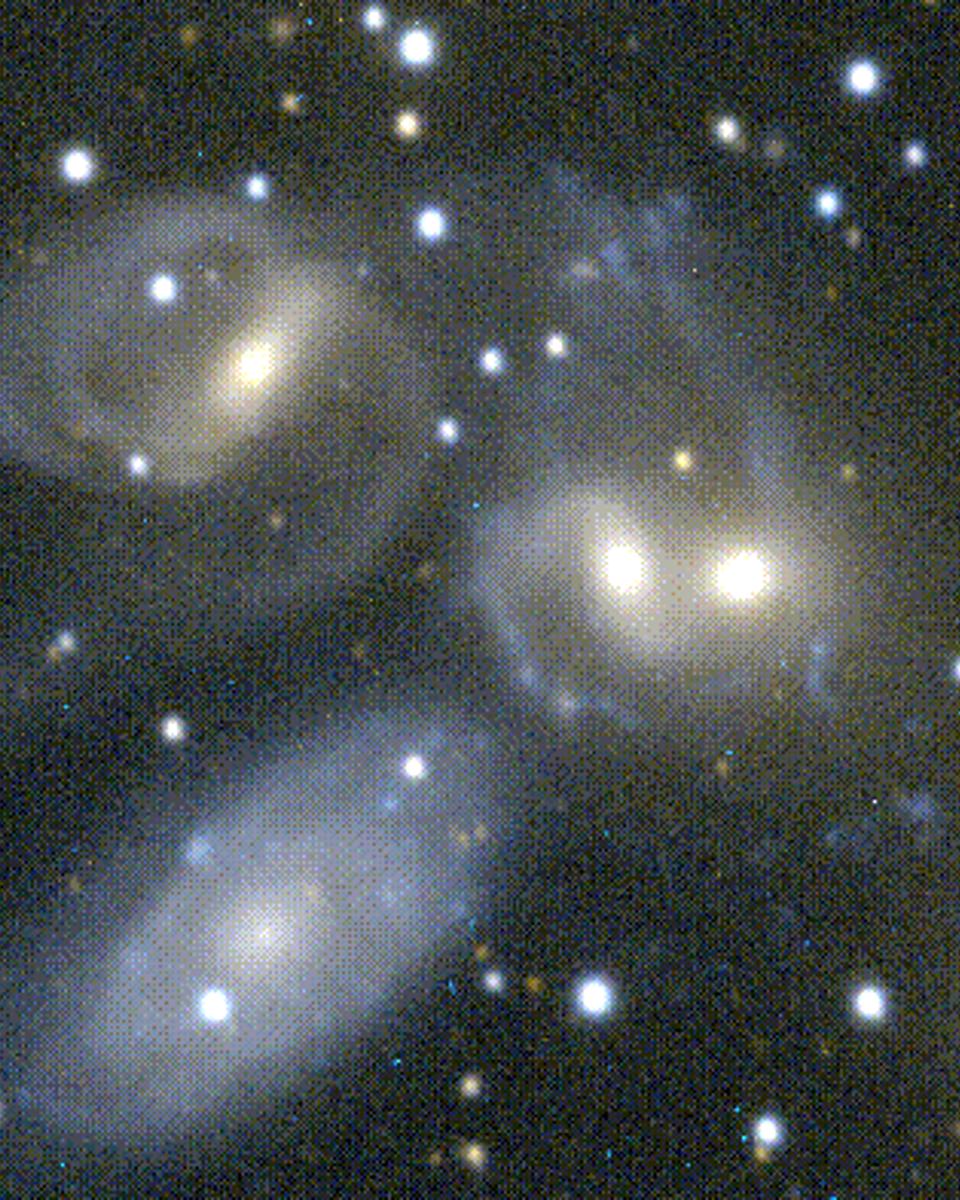
Disorder in Stephan's Quintet
What are five closely grouped galaxies doing in this image ? The grouping is commonly known as Stephan's Quintet. Four of the galaxies show essentially the same redshift…
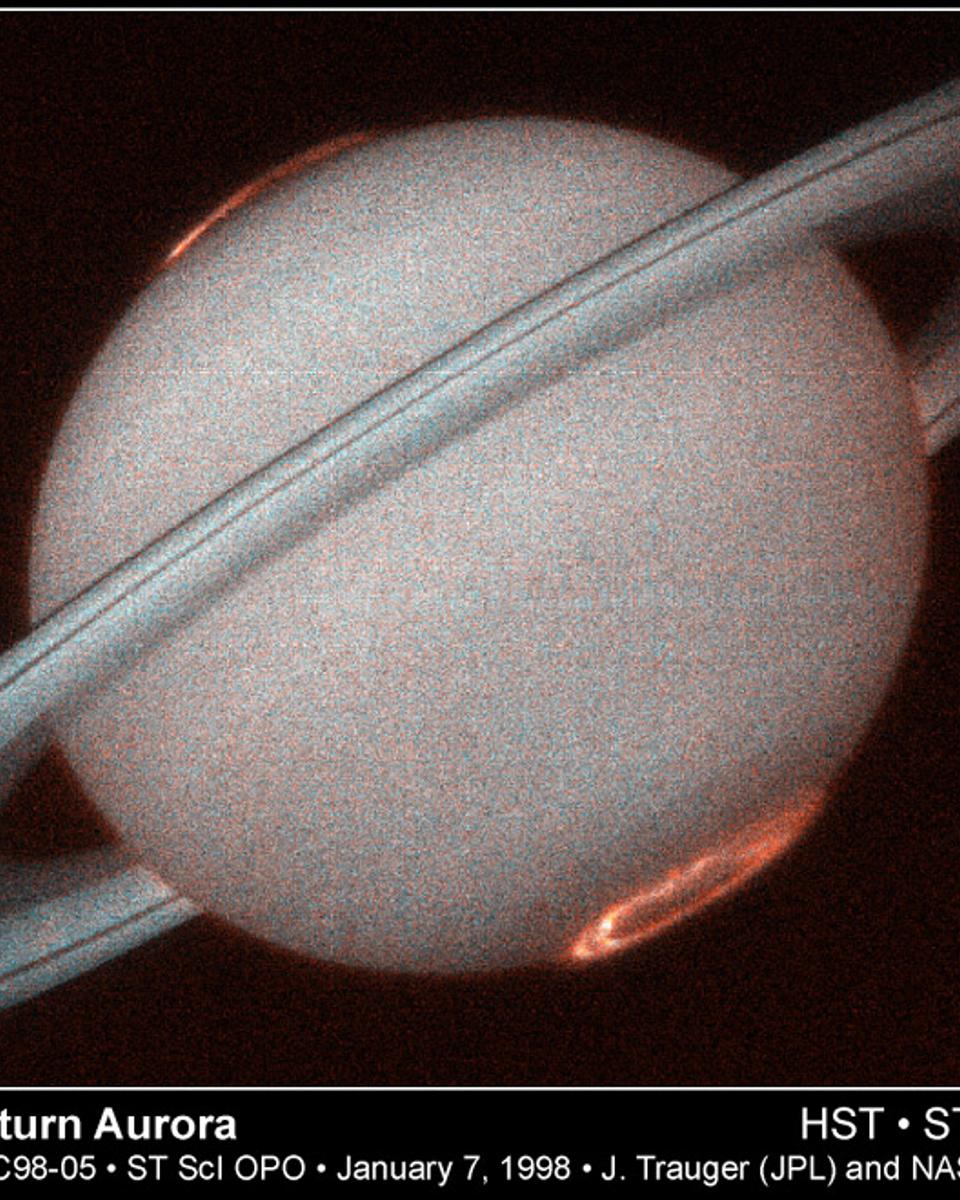
Saturnian Aurora
Girdling the second largest planet in the Solar System, Saturn's Rings are one of the most spectacular sights for earthbound telescopes. This recently released image , from the…
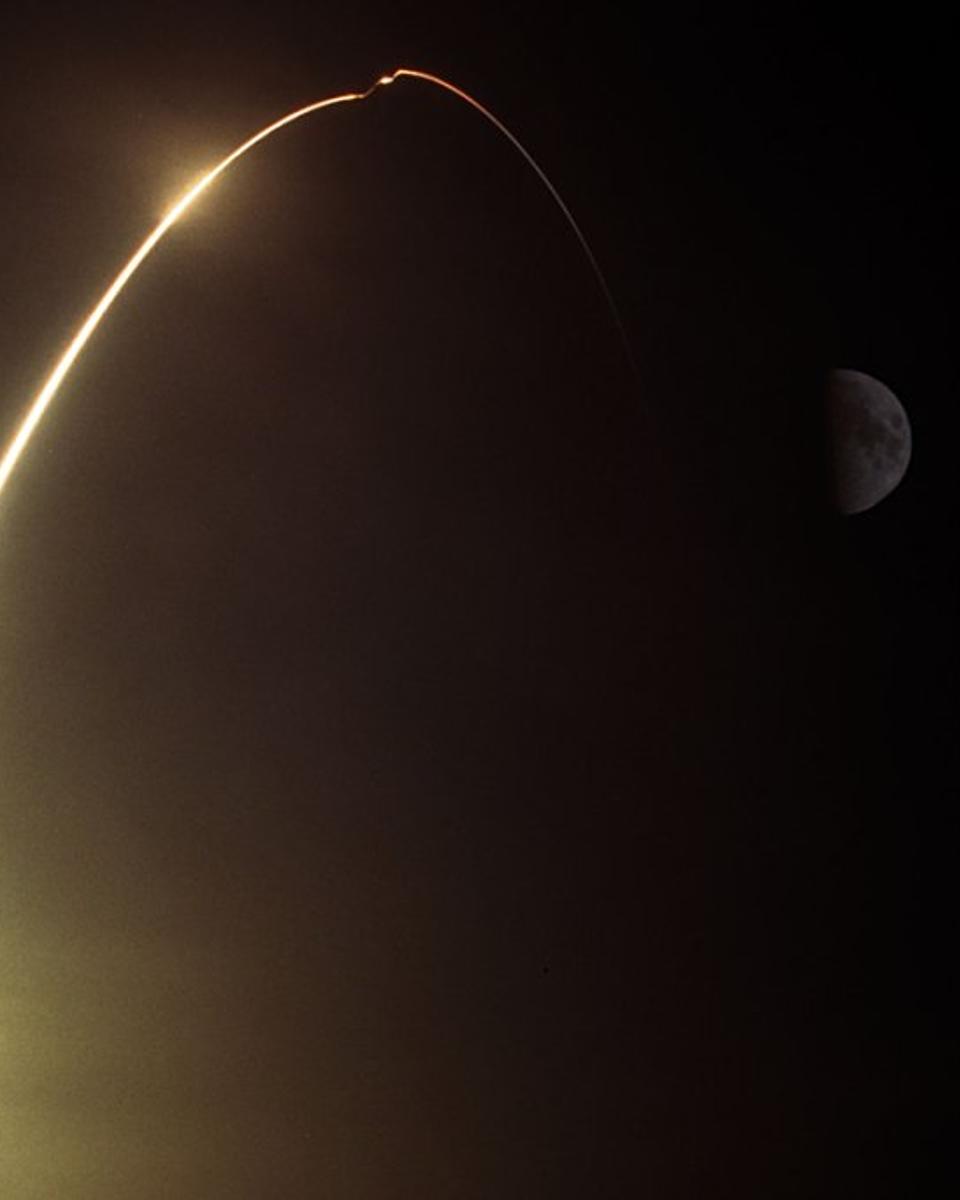
Destination: Moon
Tuesday, January 6, at 9:28 p.m. EST, NASA's Lunar Prospector spacecraft climbed into the sky above Cape Canaveral Air Station riding an Athena II rocket . Representing NASA's…
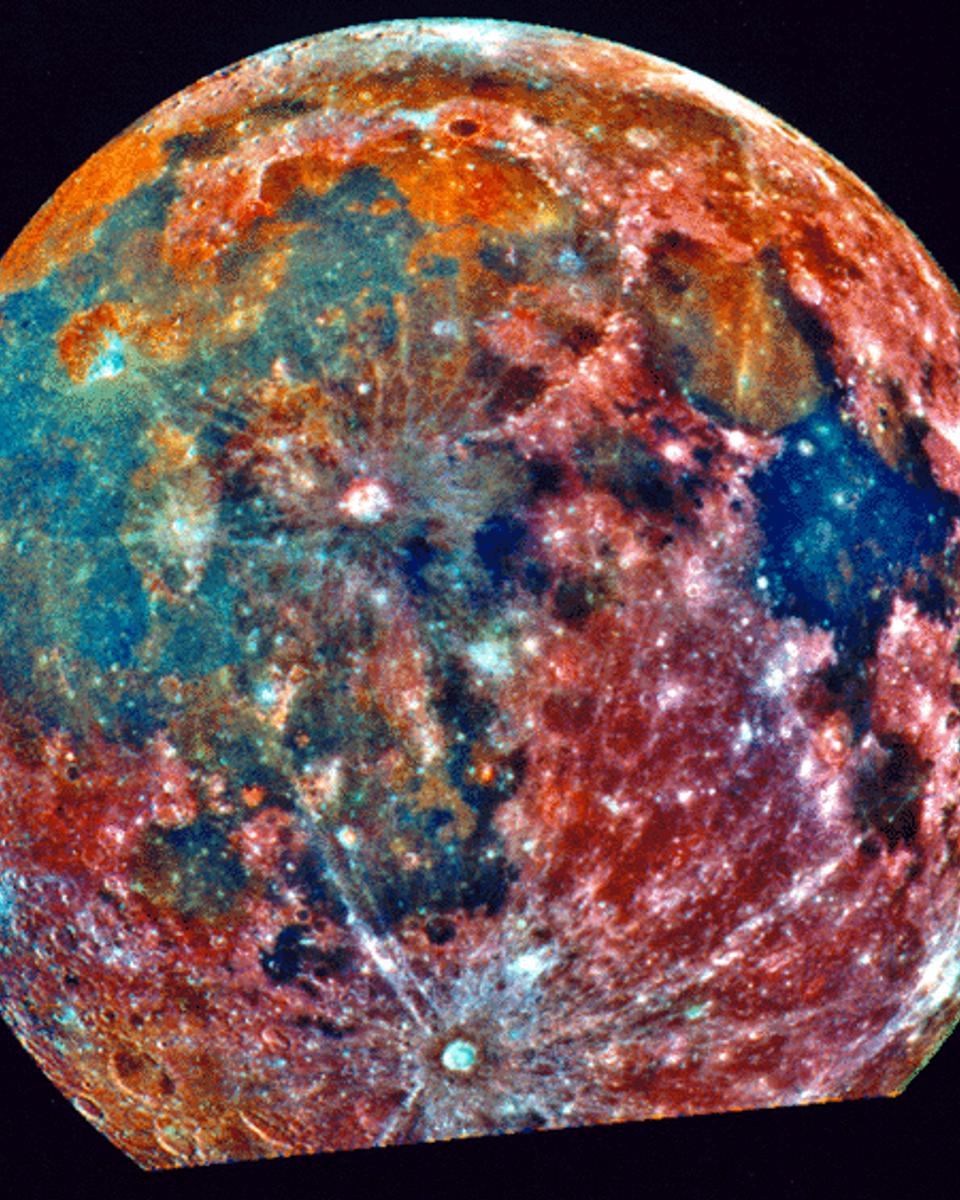
The Colorful Moon
Do you recognize the Earth's Moon when you see it ? The crazy, patchwork appearance of this false color image makes this nearly full view of our Moon's familiar nearside look very…
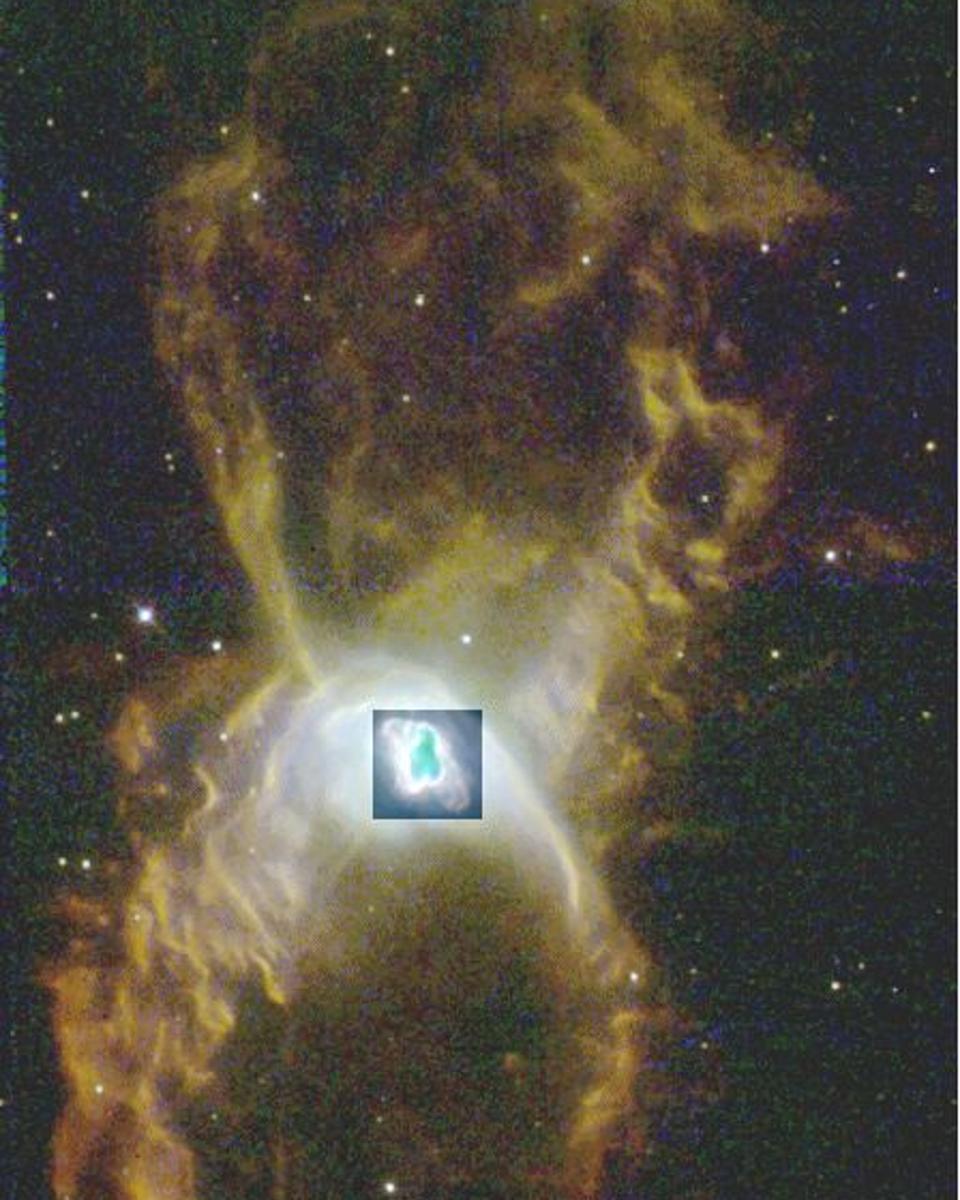
The Red Spider Planetary Nebula
Oh what a tangled web a planetary nebula can weave. The Red Spider Planetary Nebula shows the complex structure that can result when a normal star ejects its outer gases and…
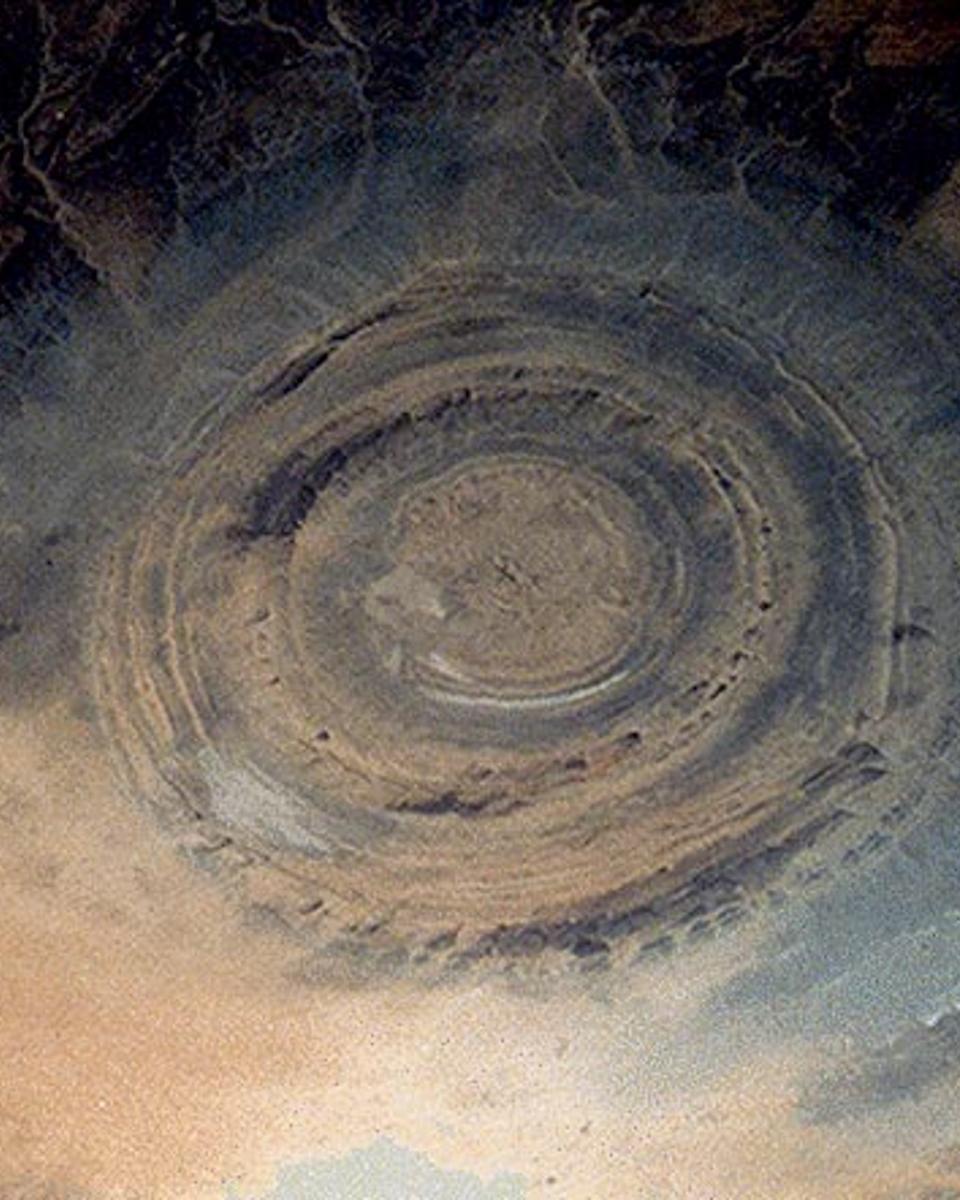
Earth's Richat Structure
What on Earth is that? The Richat Structure in the Sahara Desert of Mauritania is easily visible from space because it is nearly 50 kilometers across. Once thought to be an impact…

Fractal Interstellar Dust Up-Close
Our universe is a very dusty place. Dust usually shows its presence by blocking out light emitted from stars or nebulae behind it, sometimes creating the illusion of a horse's…
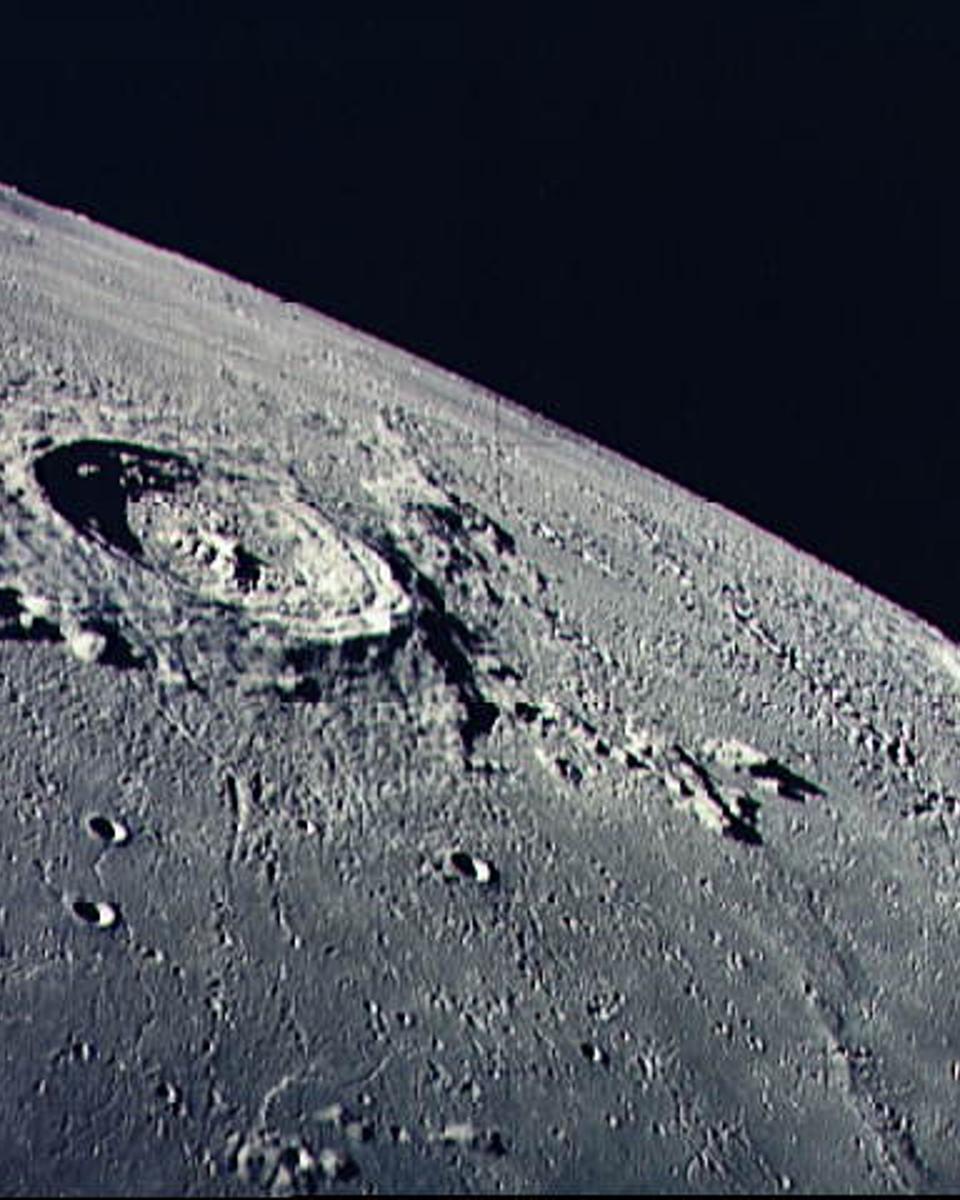
The Barren Moon
The above photo , taken as the Apollo 17 astronauts orbited the Moon in 1972, depicts the stark lunar surface around the Eratosthenes and Copernicus craters. Many similar images…
Viewing discoveries from 26 January 1998 through 3 January 1998.