Browse NASA Astronomy Picture of the Day archive by date and media: Archive Discoveries
Browse the NASA APOD archive without needing the exact date first. Filter by media type and keep moving deeper into older images and videos.
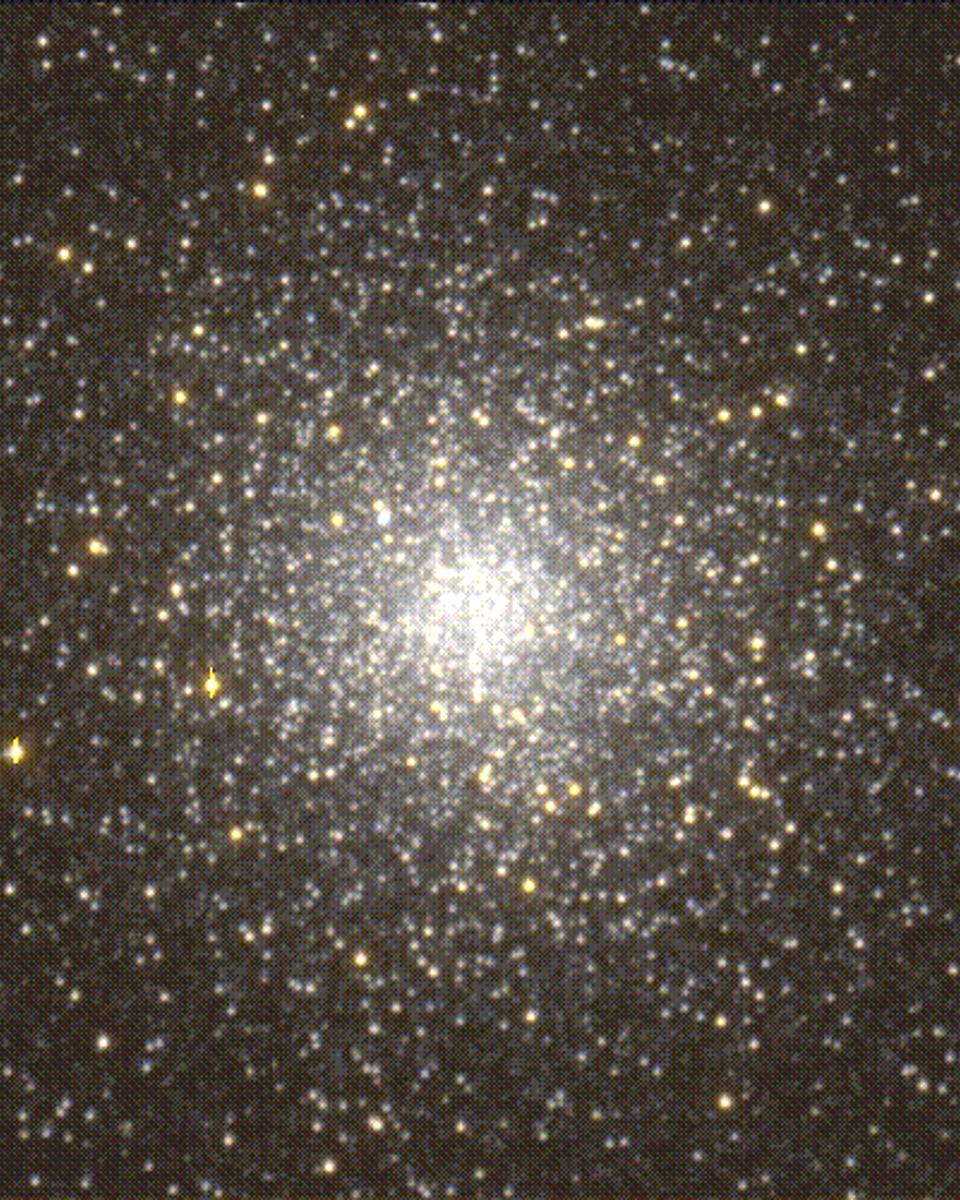
Globular Cluster 47 Tucanae
Stars come in bunches. Of the over 200 globular star clusters that orbit the center of our Milky Way Galaxy , 47 Tucanae is the second brightest globular cluster (behind Omega…
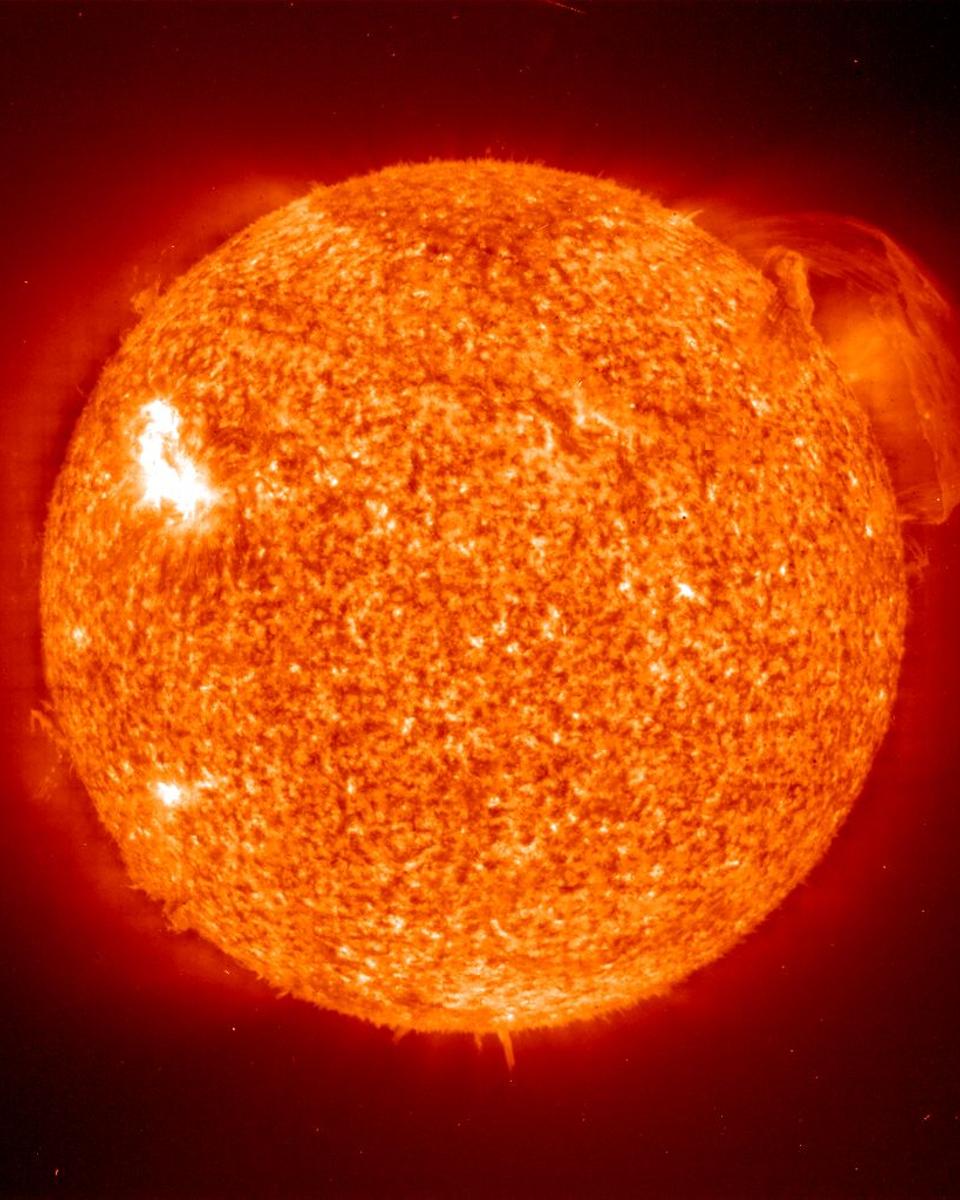
Erupting Sun
On August 27th twisting magnetic fields propelled this huge eruptive prominence a hundred thousand miles above the Sun's surface. The seething plasma of ionized gases is at a…
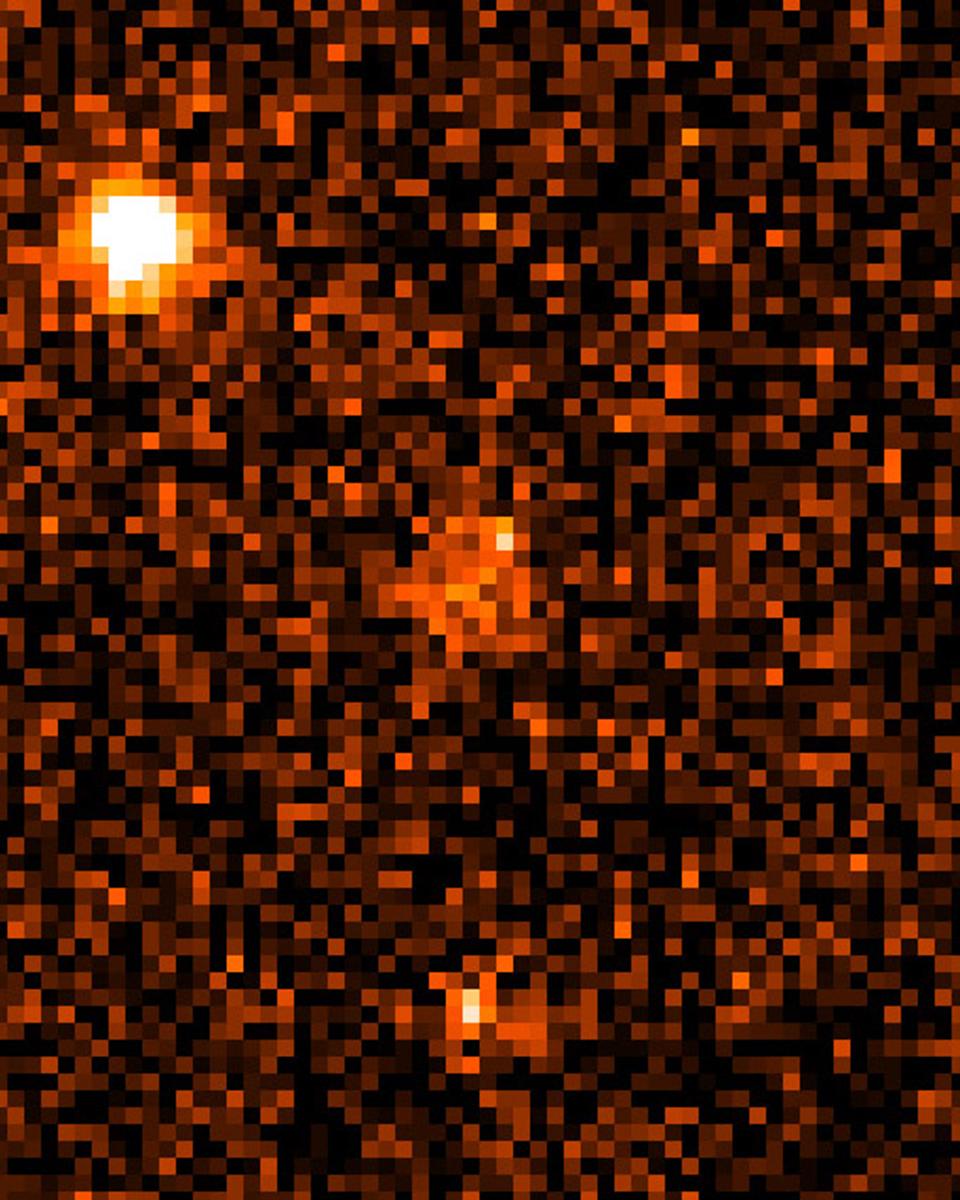
GRB Fireball Persists
It's still there. The optical counterpart to the instantly famous gamma-ray burst (GRB) that occurred last February 28th has faded - but not completely. The astronomical community…
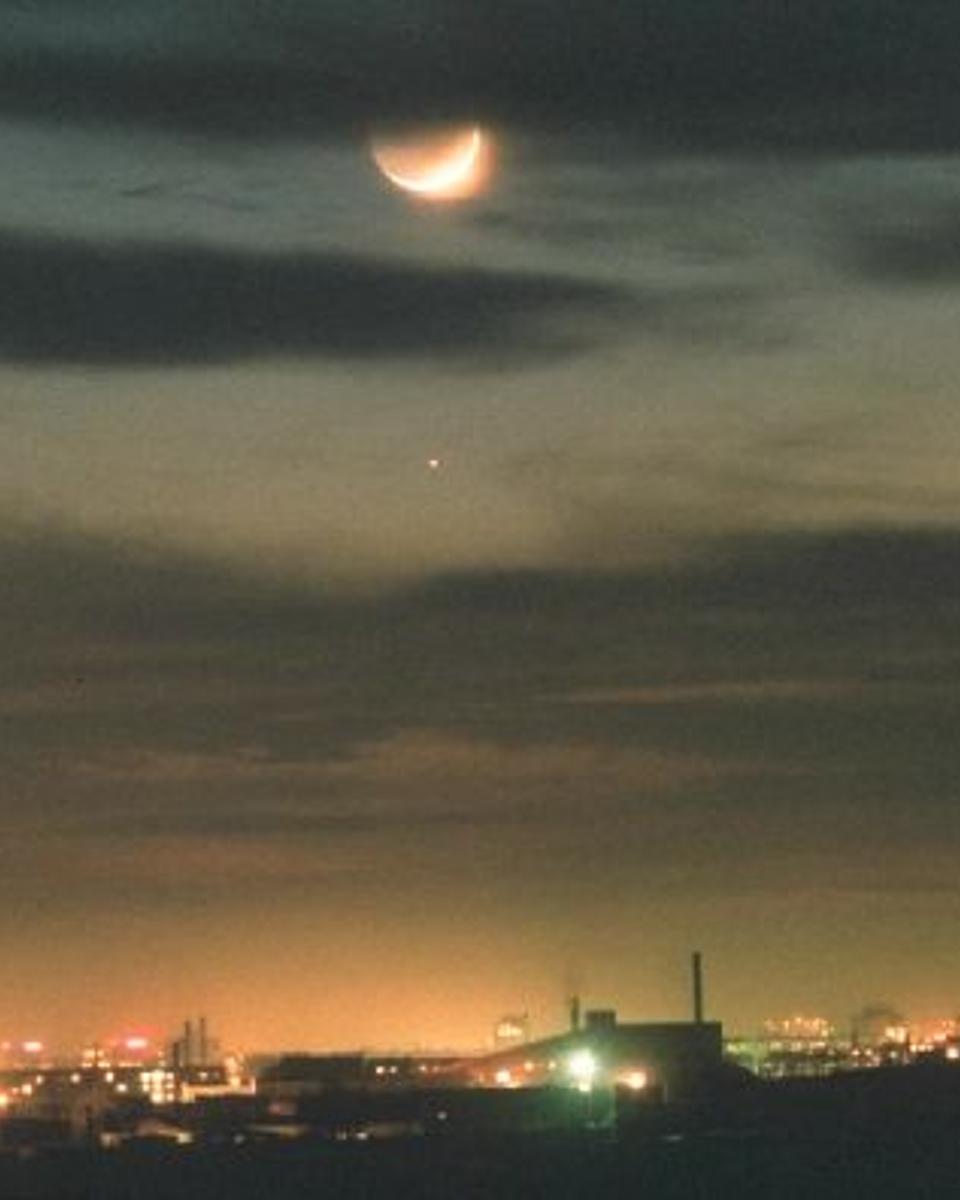
Moon Over Mongolia
Fighting clouds and the glow of city lights, a young Moon shines over the western horizon of Mongolia's capital Ulaan-Baatar. The thin sunlit crescent is 1.5 days old and strongly…
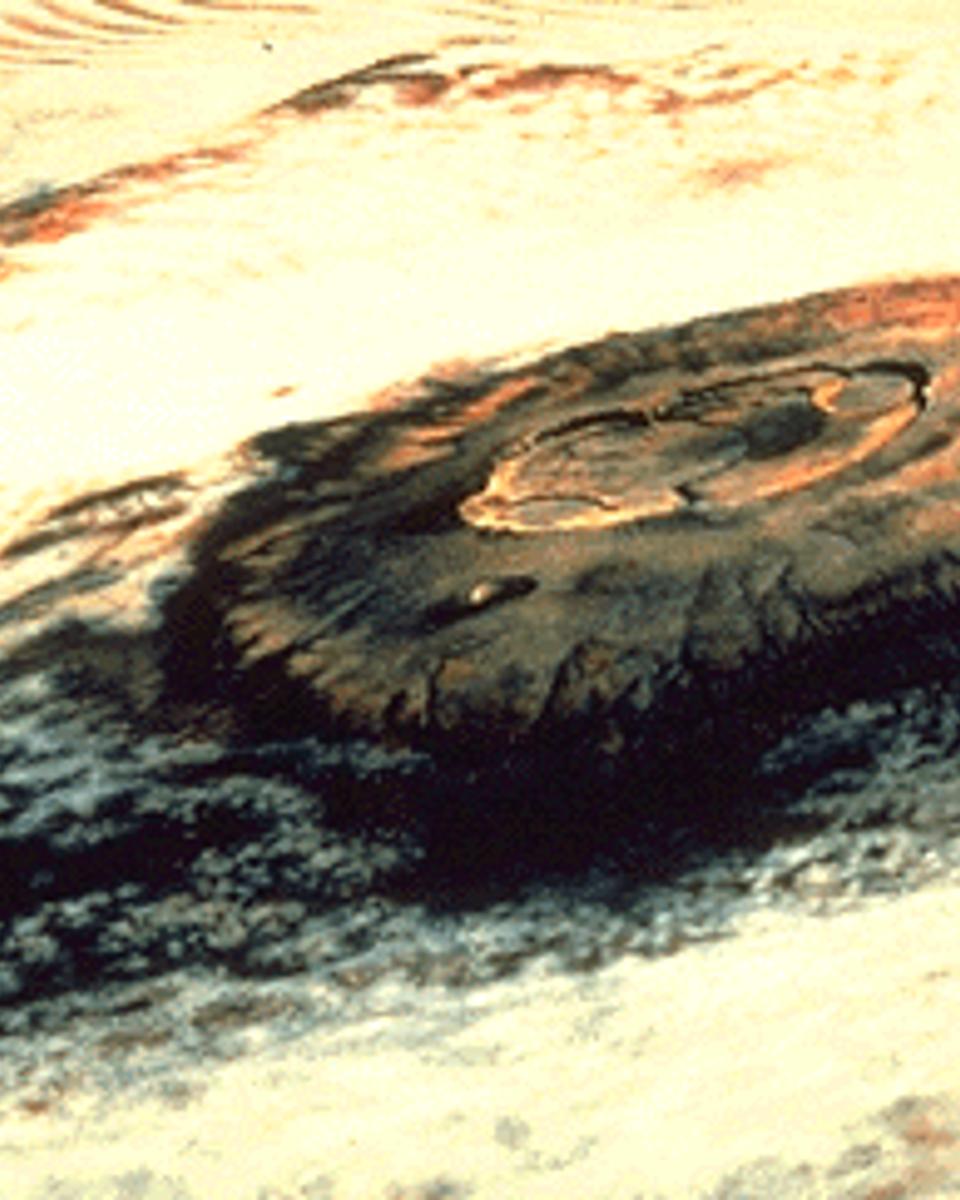
Olympus Mons on Mars: The Largest Volcano
The largest volcano in the Solar System is on Mars. Olympus Mons rises 24 kilometers high and measures 550 km across. By comparison, Earth' s largest volcano, Mauna Loa in Hawaii…
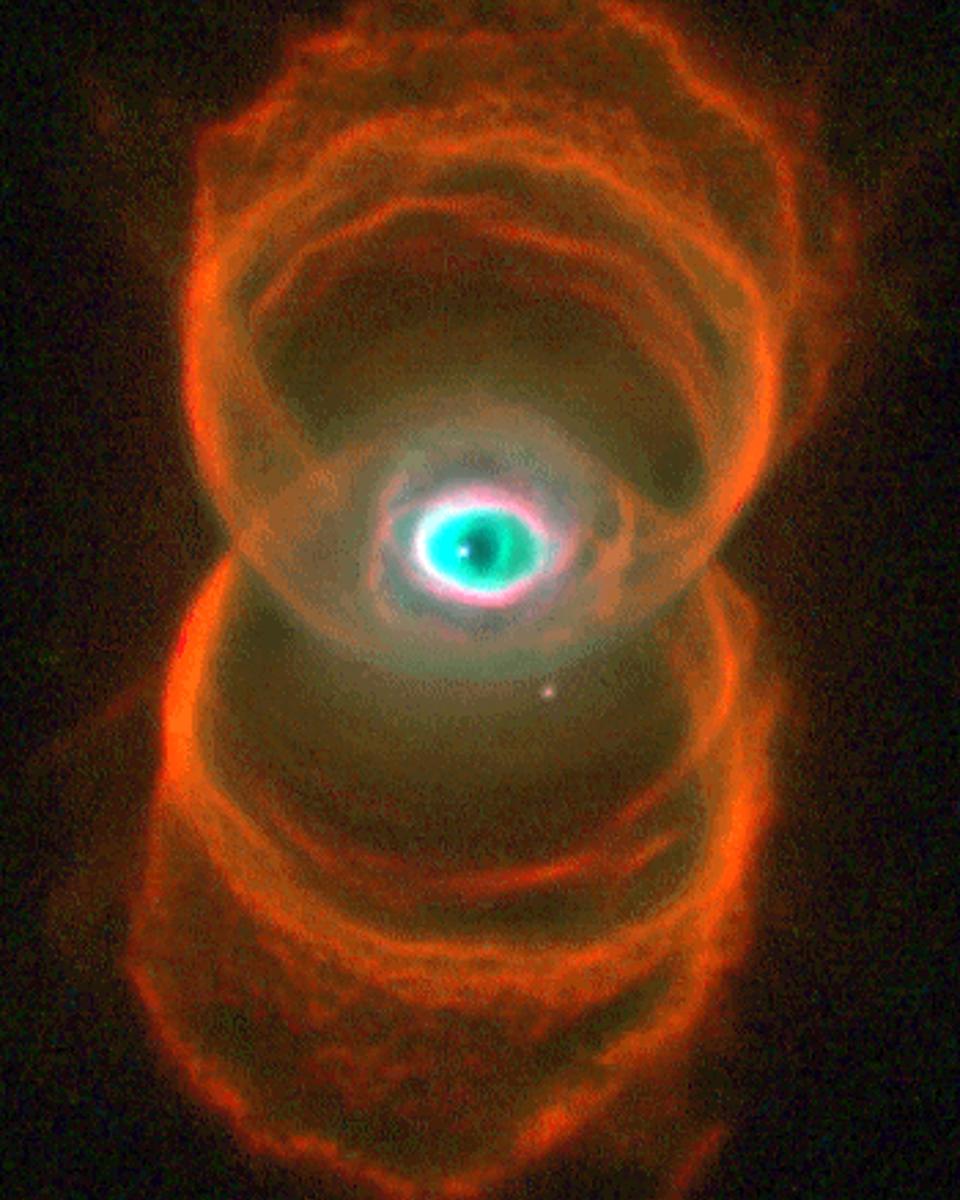
MyCn18: An Hourglass Nebula
The sands of time are running out for the central star of this hourglass-shaped planetary nebula . With its nuclear fuel exhausted, this brief, spectacular, closing phase of a…

Kepler Discovers How Planets Move
Johannes Kepler used simple mathematics to describe how planets move. Kepler was an assistant to the most accurate astronomical observer of the time, Tycho Brahe . Kepler was able…
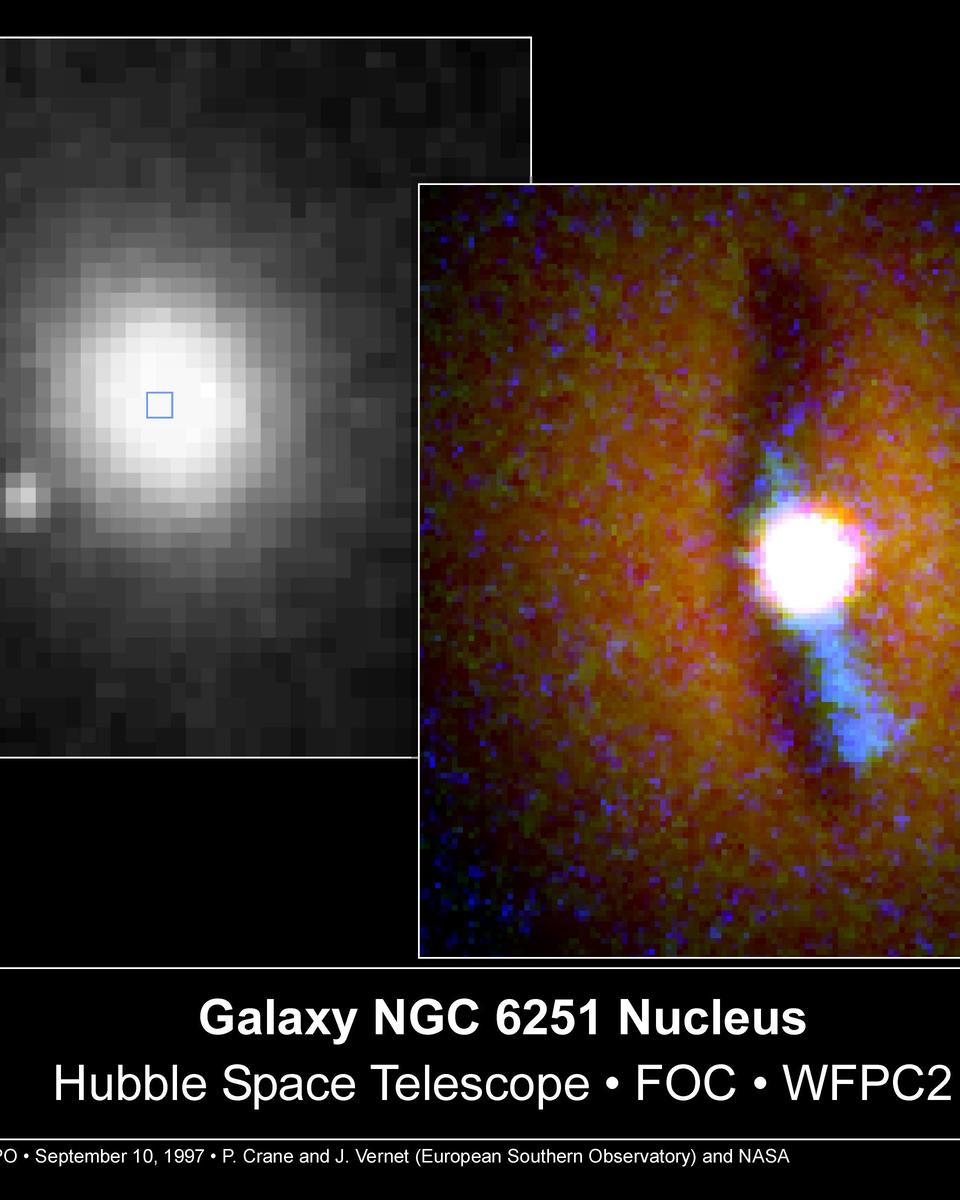
The Center of NGC 6251 is Glowing
Something is lighting up the center of galaxy NGC 6251. Leading speculation holds that it is a large black hole not shrouded by gas and dust typically found near the center of a…
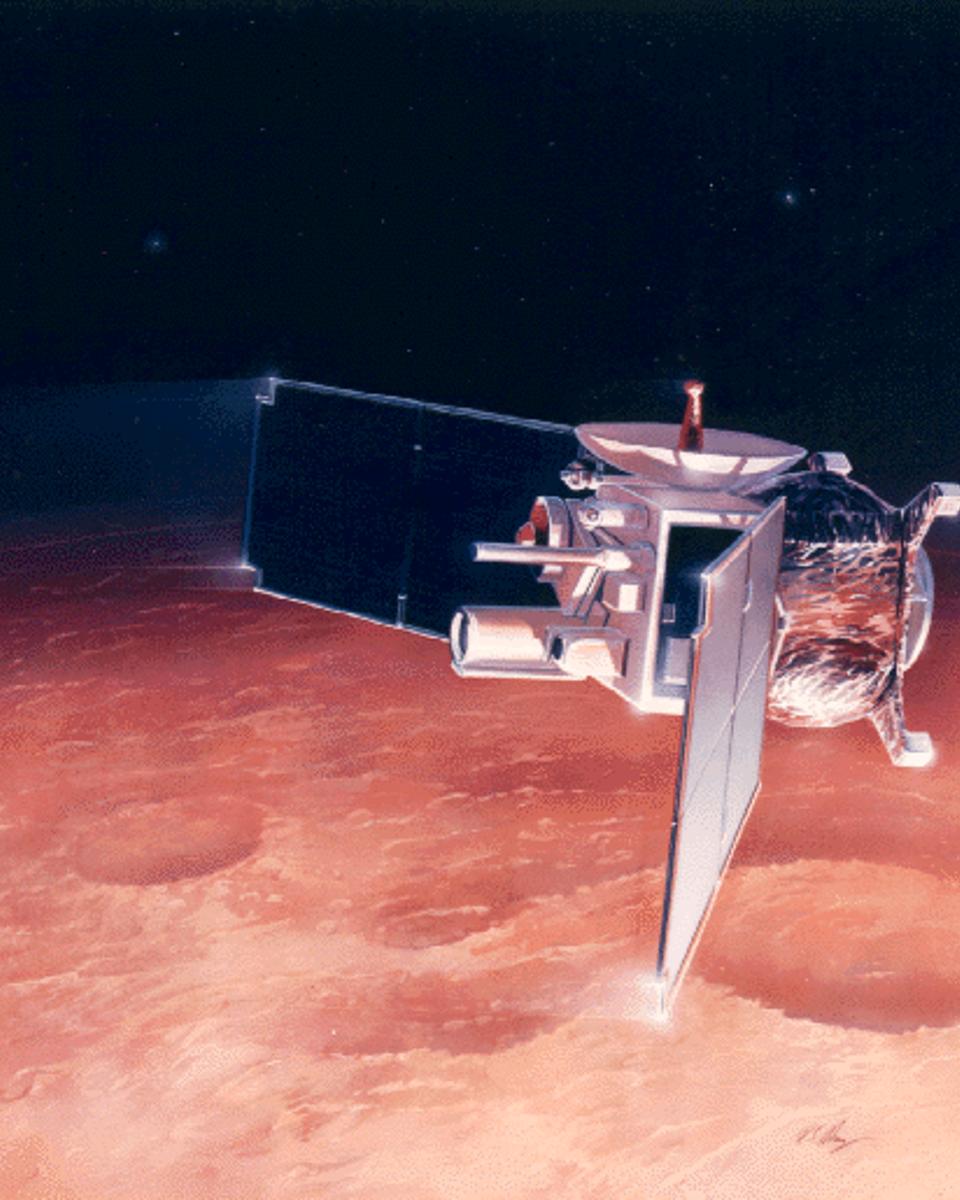
Mars Global Surveyor: Aerobraking
Completing a 10 month journey, another spacecraft from Earth arrives at Mars today . The Mars Global Surveyor (MGS) is scheduled to fire its main rocket engine for 22 minutes at…
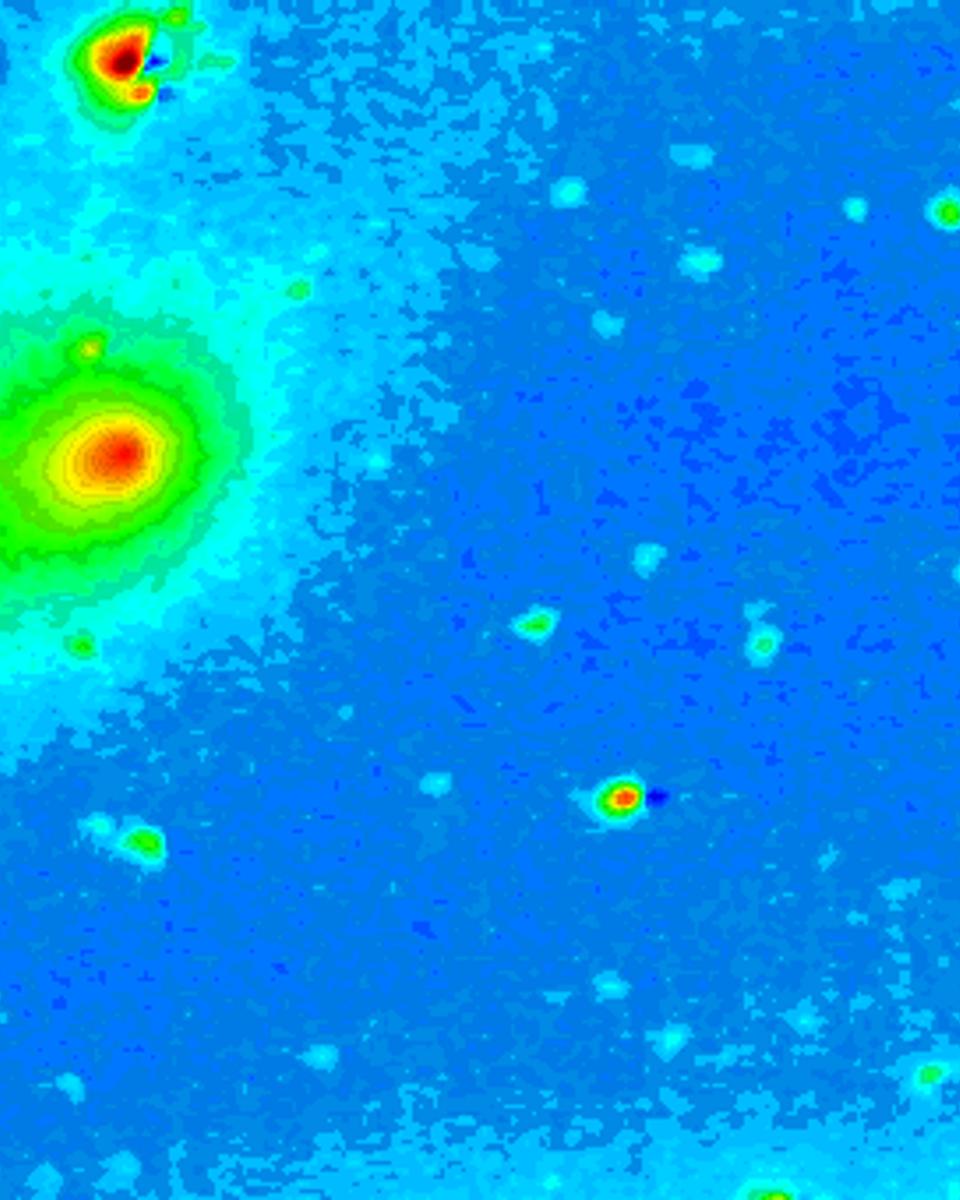
Comet Hale-Bopp Outbound
Hale-Bopp , the Comet of the Century , is leaving the inner Solar System. Outbound at about 12 miles per second it is presently nearing the main asteroid belt between Mars and…
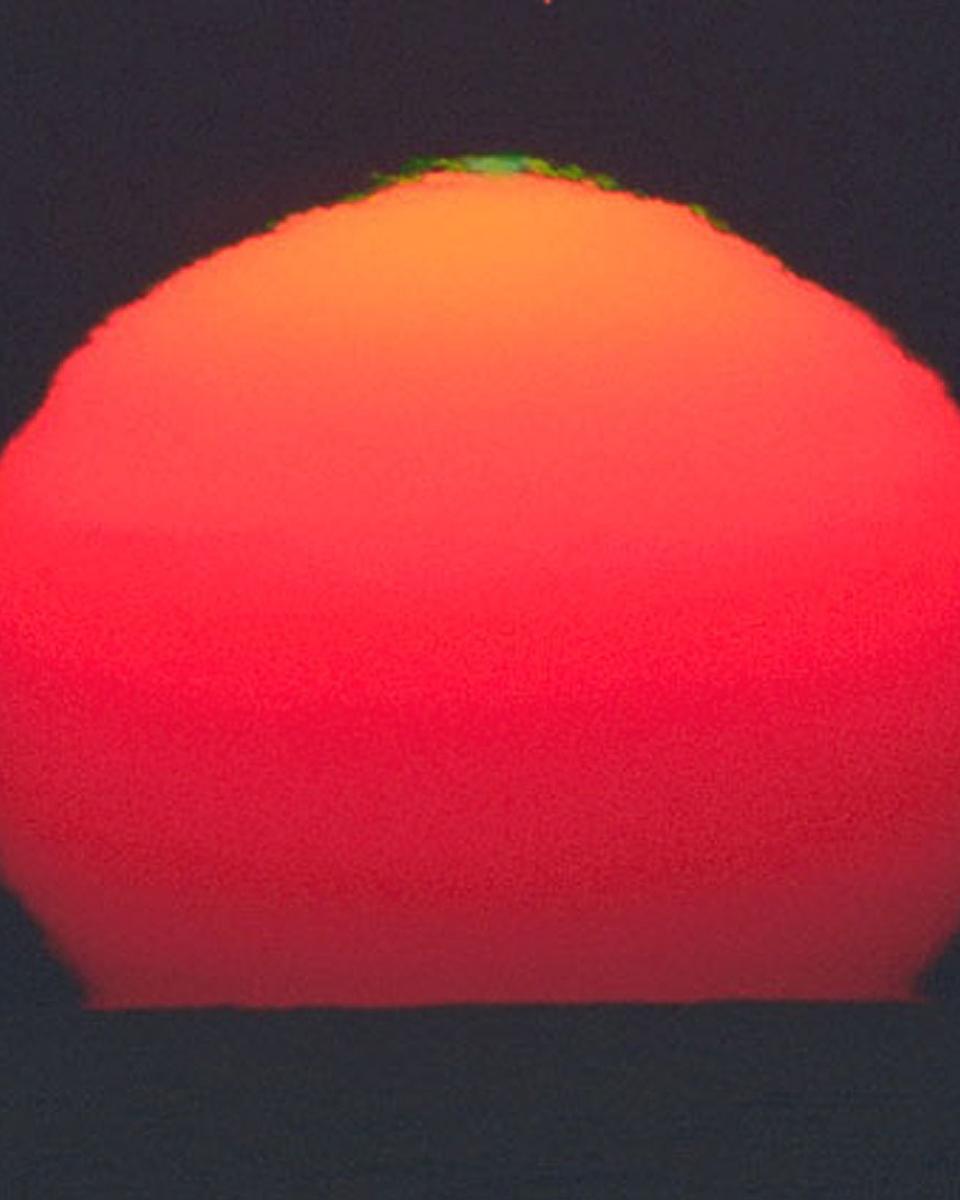
A Green Flash from the Sun
Many think it is just a myth. Others think it is true but its cause isn't known. Adventurers pride themselves on having seen it. It's a green flash from the Sun . The truth is the…
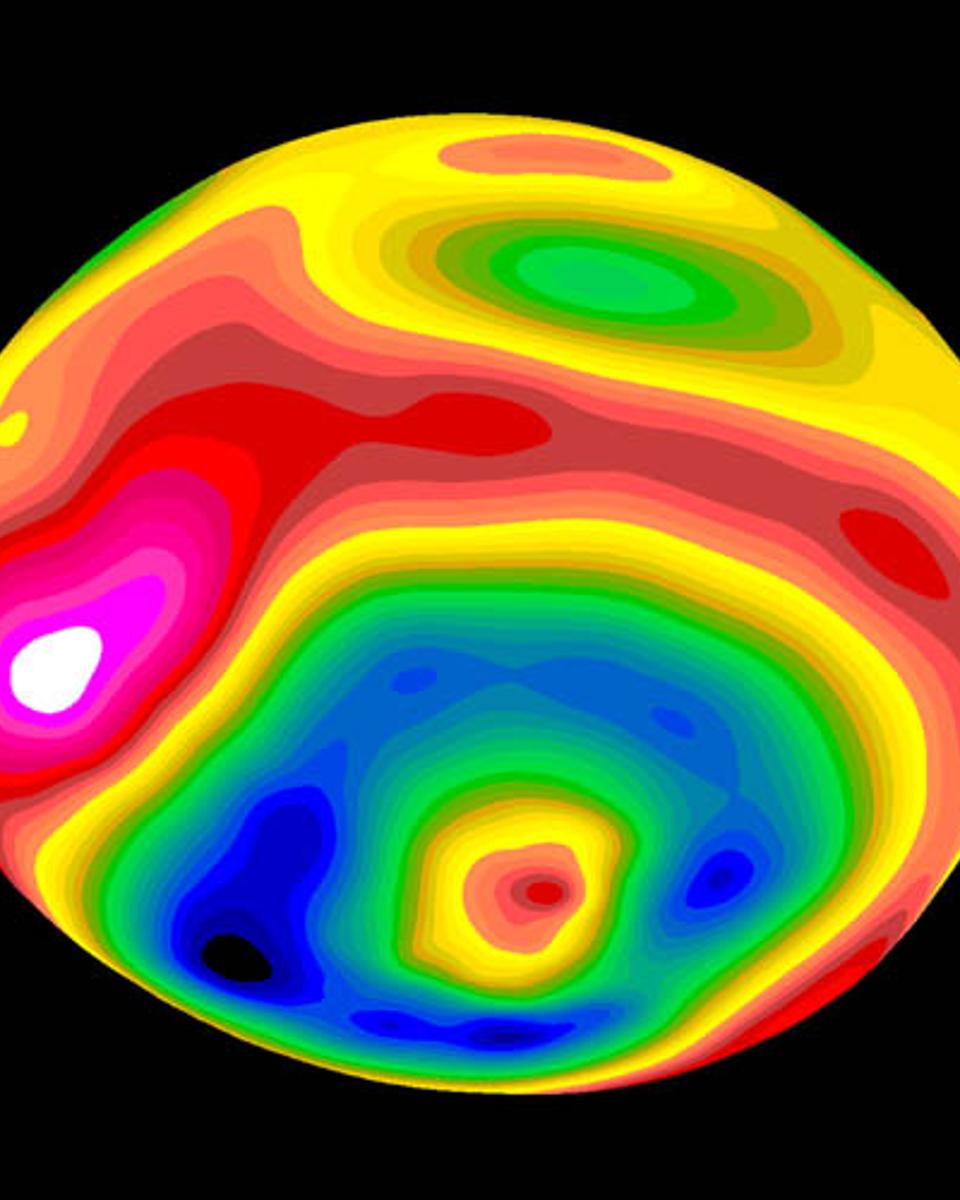
A Map of Asteroid Vesta
Vesta is a huge rock 500 kilometers across that orbits out past Mars . Last week, the above map of Vesta created using the Hubble Space Telescope was released showing a rugged…
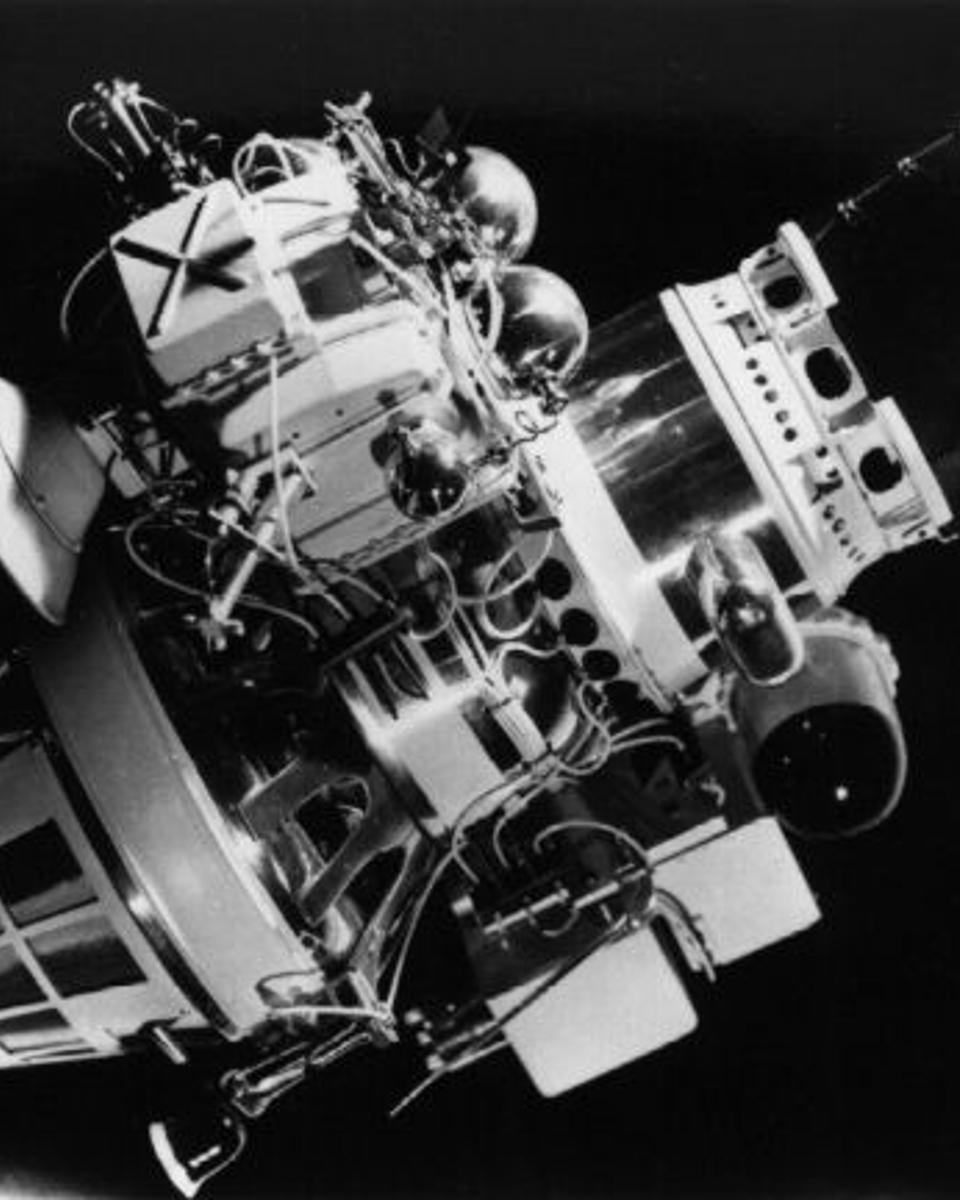
Luna 9: First Soft Lander
The Luna 9 spacecraft above performed the first soft landing on another planetary body. Following a series of failures, the Soviet probe touched down in the Moon's Oceanus…

Isaac Newton Explains the Solar System
Sir Isaac Newton changed the world. Born in 1643, Newton was only an above-average student. But he went home from Cambridge one summer in 1665, thought a lot about the physical…
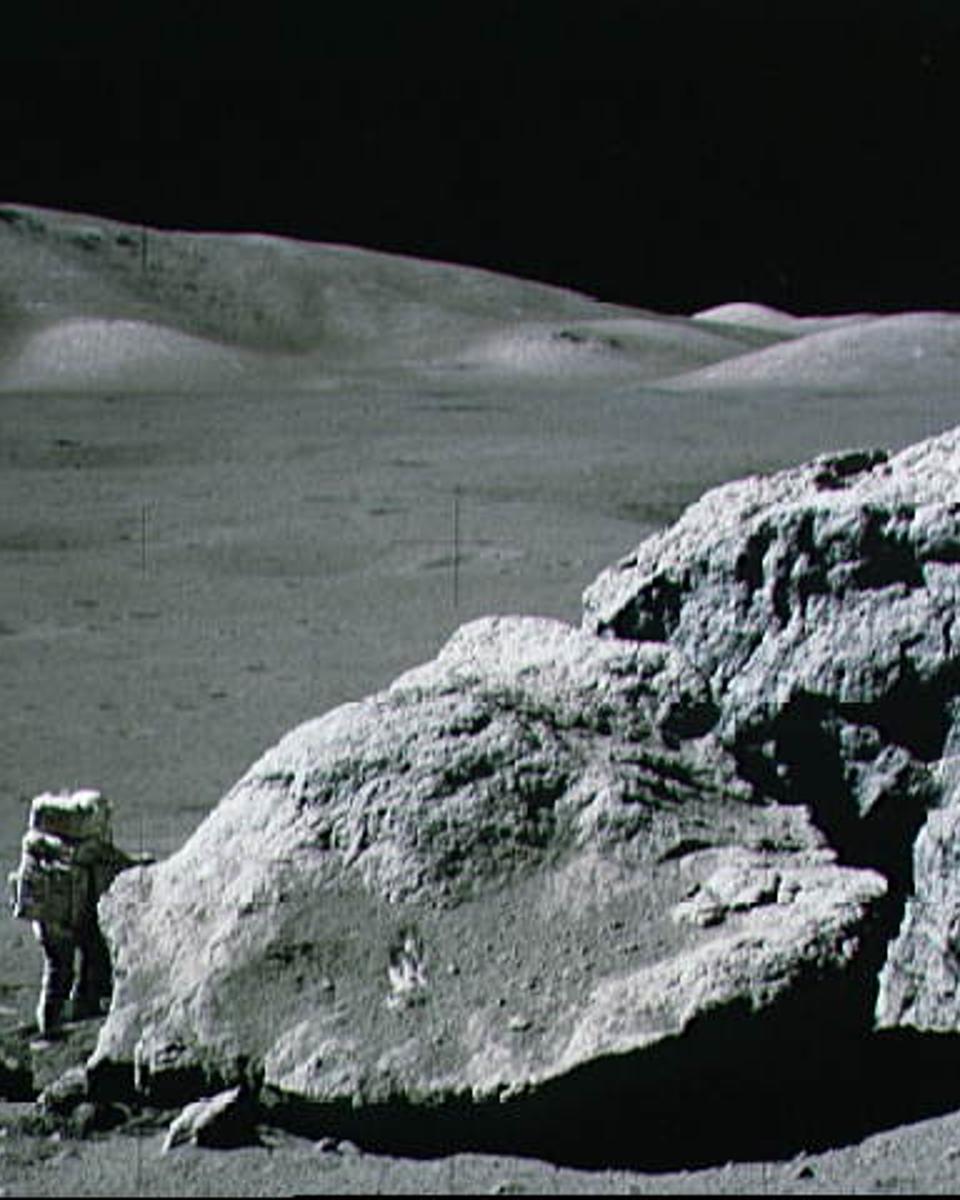
Apollo 17: Boulder on the Moon
Twenty five years ago humans roamed the Moon . Pictured here during the last moon landing , scientist-astronaut Harrison Schmitt was photographed standing next to a huge, split…
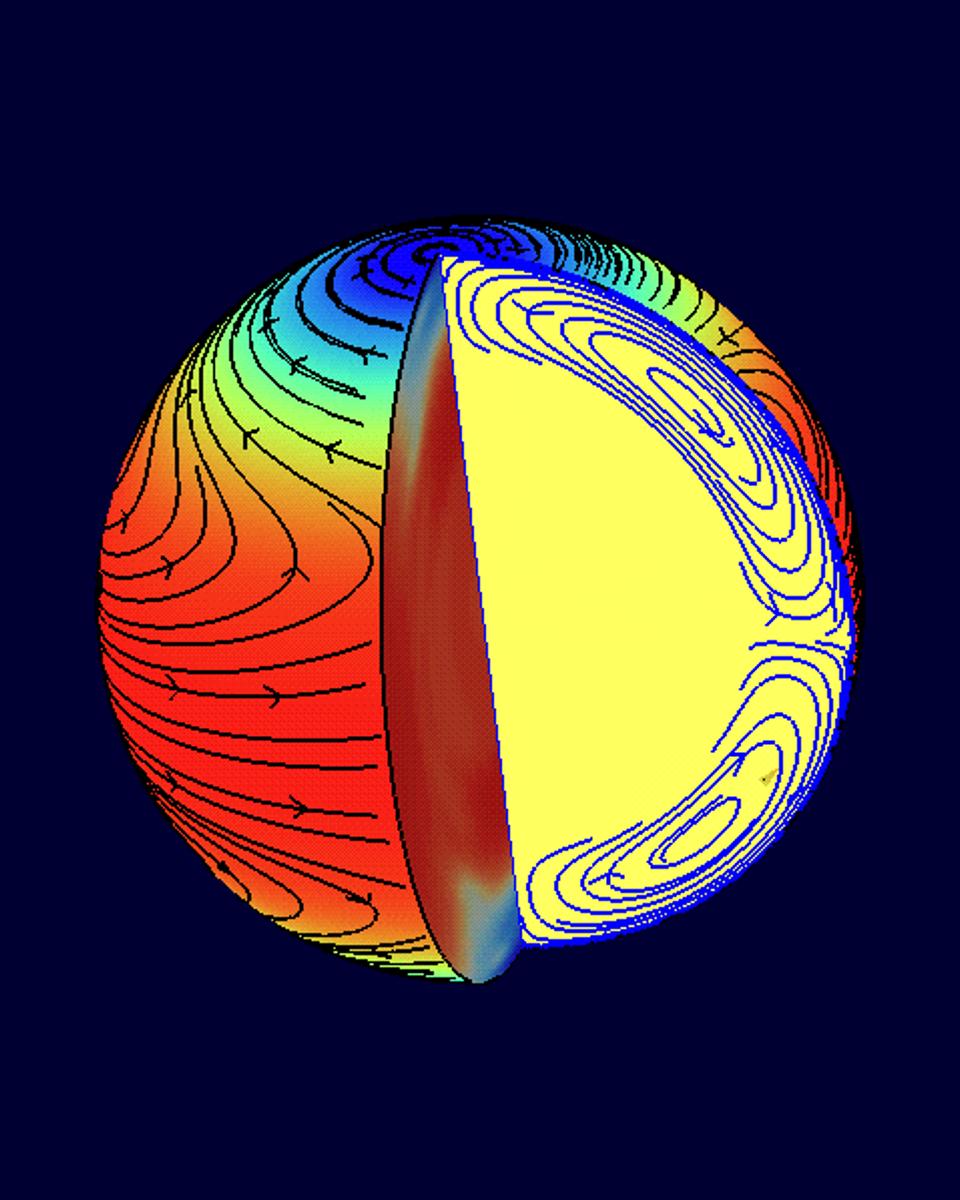
Rivers in the Sun
The surface of the Sun is shifting. By watching sunspots , it has long been known that our Sun rotates. It was also known that the center of the Sun rotates faster than the poles.…
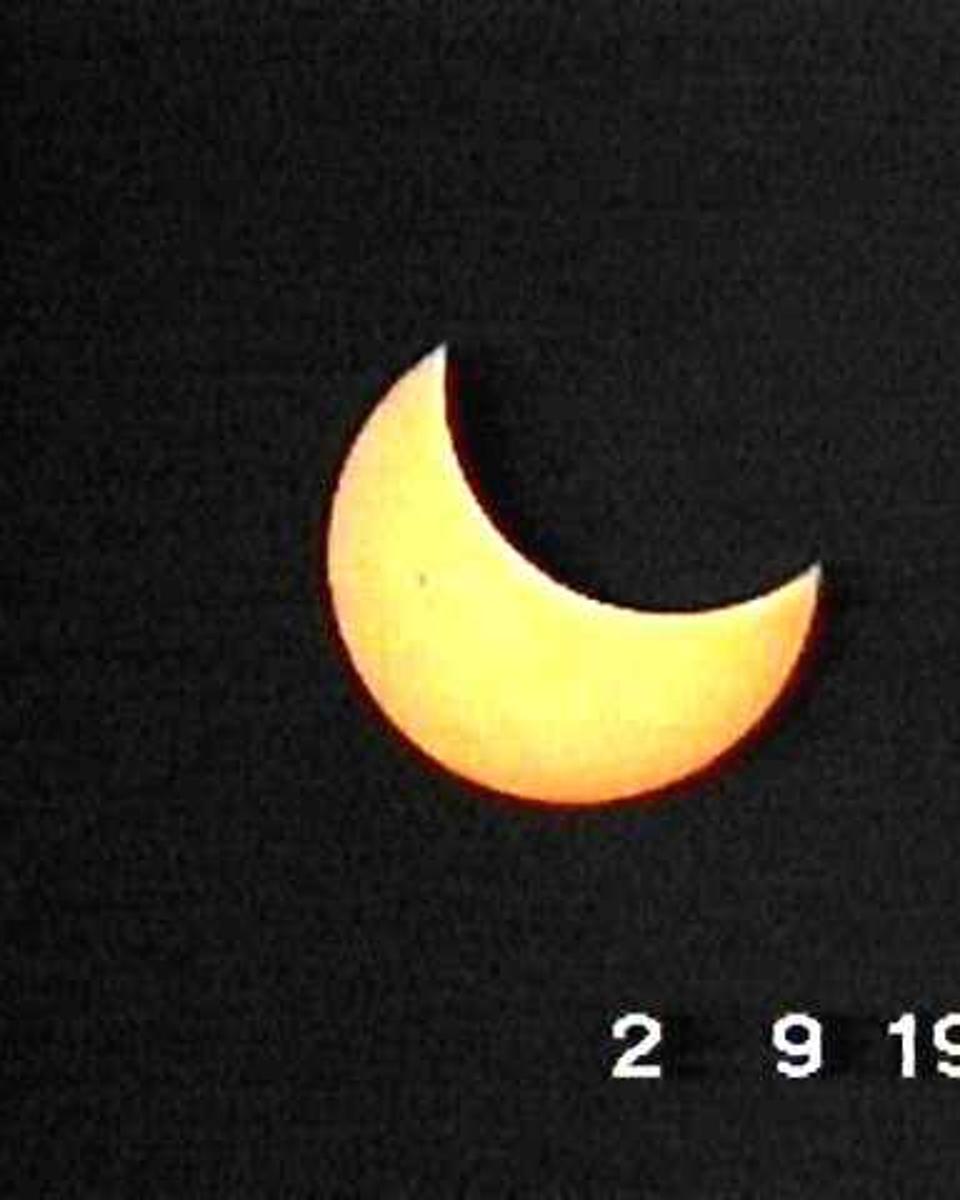
A Partial Eclipse in Southern Skies
Location is everything, especially if you want to see a Solar Eclipse . These fleeting events are only visible to those in the path of the Moon's shadow as it races across the…
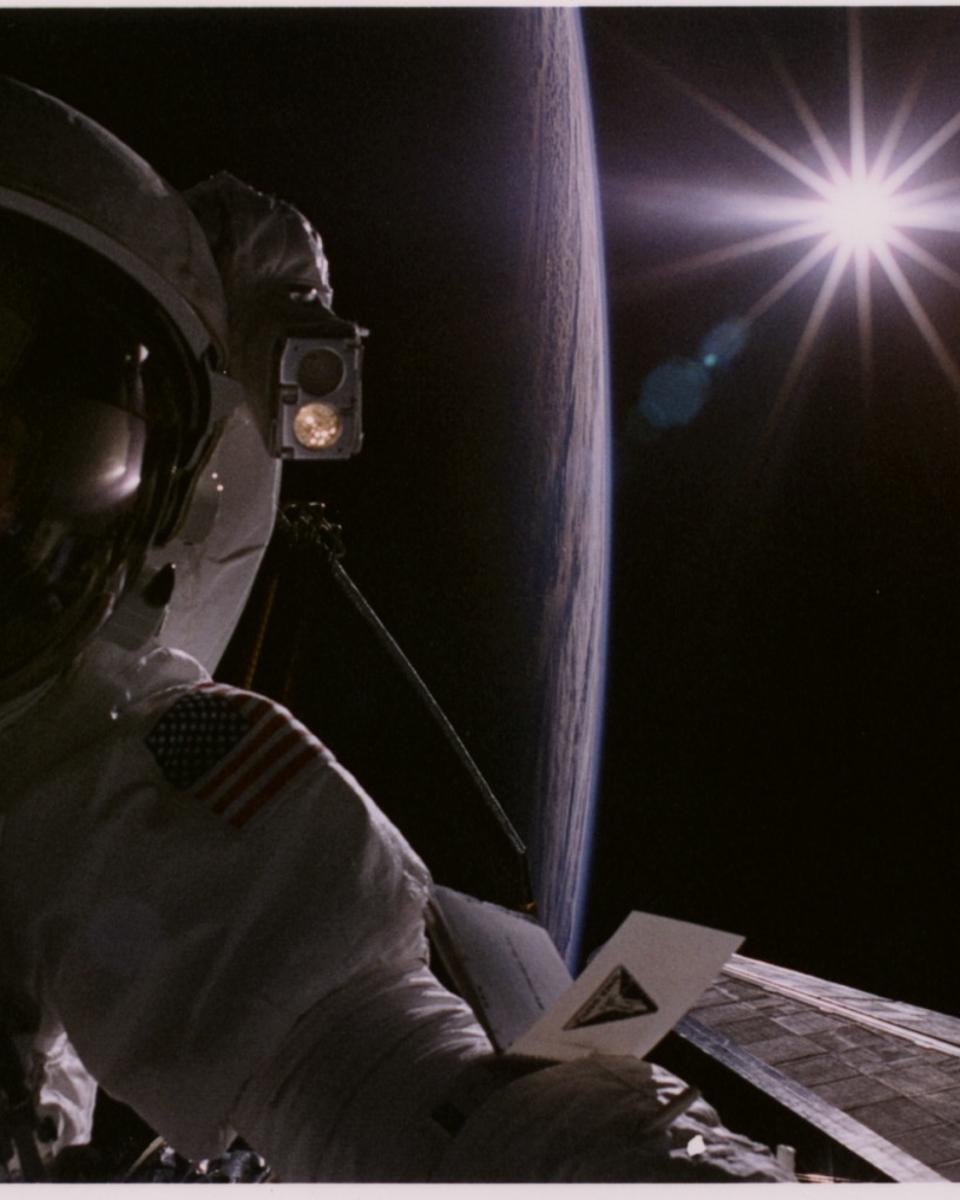
Dark Sky, Bright Sun
In low Earth orbit there is not enough atmosphere to diffuse and scatter sunlight, so shadows are black and the sky is dark - even when the Sun shines. The harsh lighting produced…
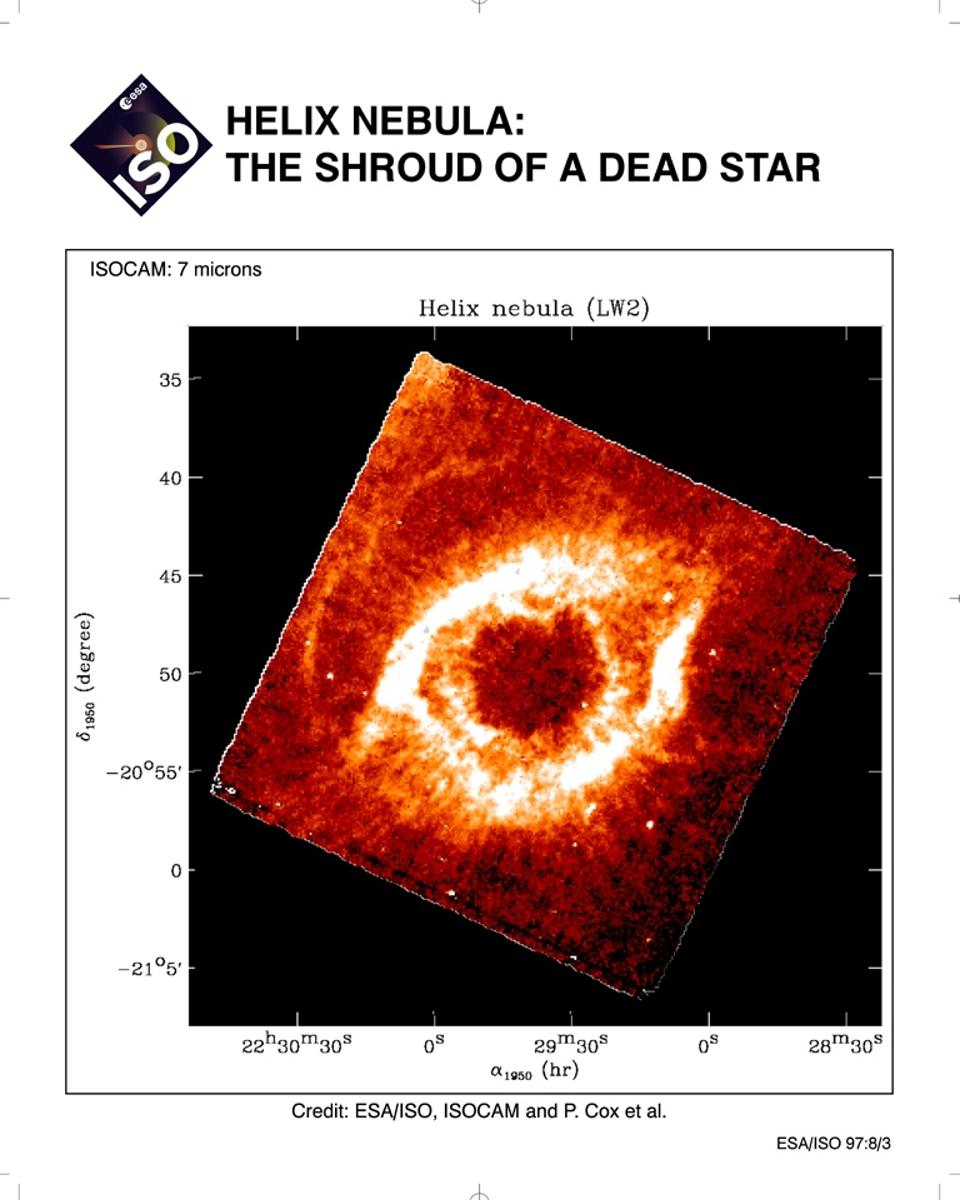
Infrared Helix
Five hundred light years from Earth, in the constellation Aquarius , a sun-like star is dying. Its last few thousand years have produced the Helix , a well studied and nearby…
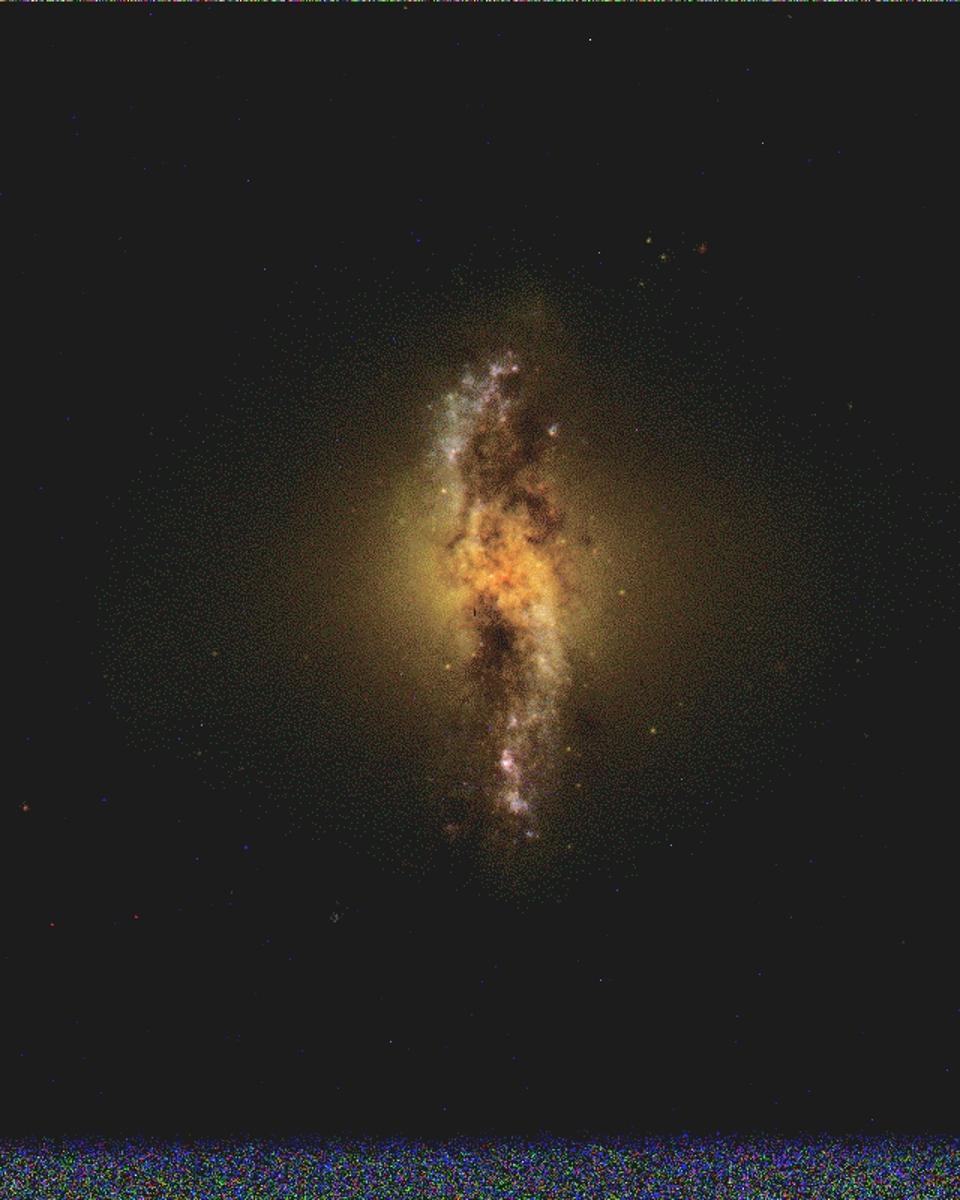
Arp 230: Two Spirals in One?
Is this one galaxy or two? Analysis of Arp 230 has shown evidence that this seemingly single spiral galaxy is actually the result of the recent collision of two spiral galaxies.…
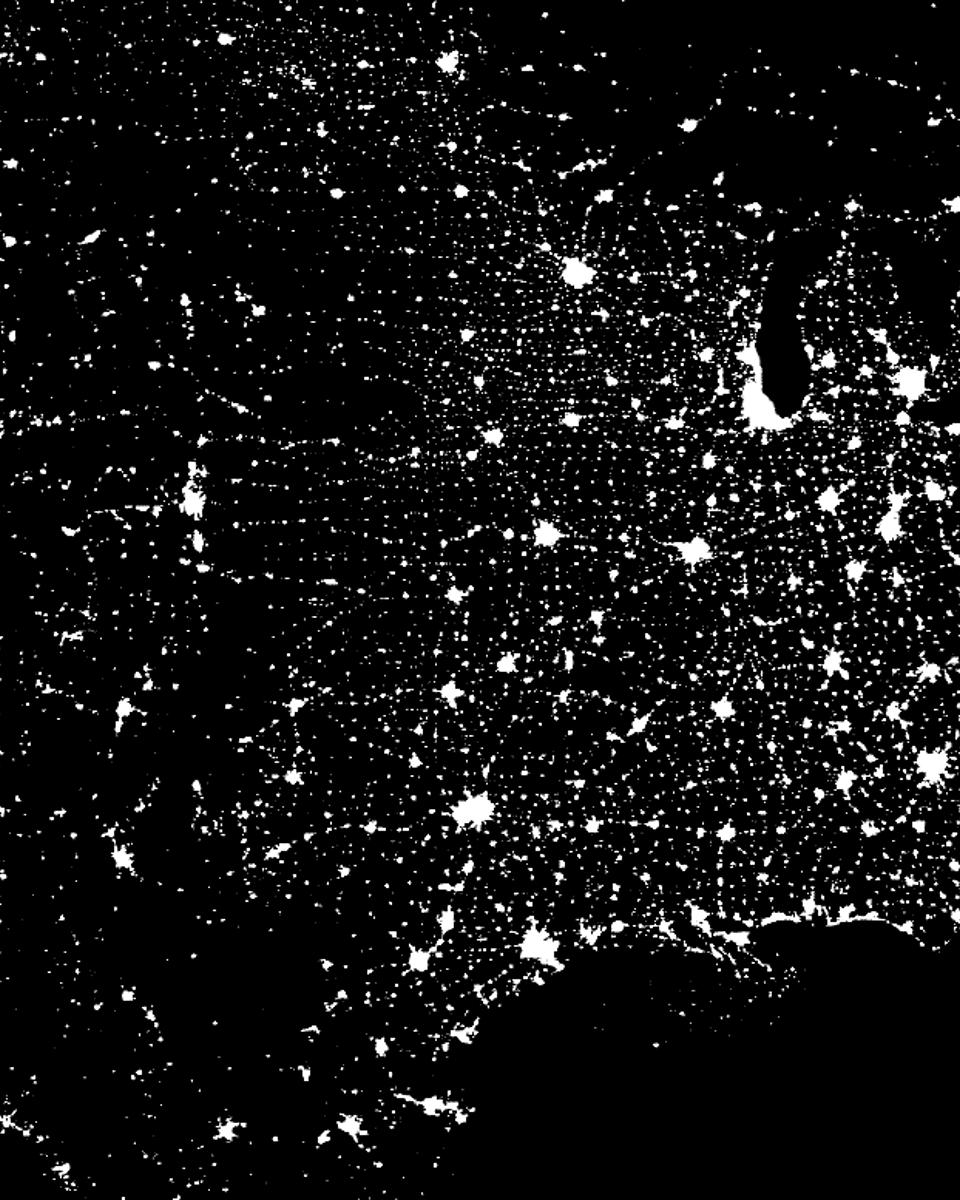
The United States at Night
This is what the United States of America looks like at night! Can you find your favorite US city on this image? Surprisingly, city lights make this task quite possible. The above…
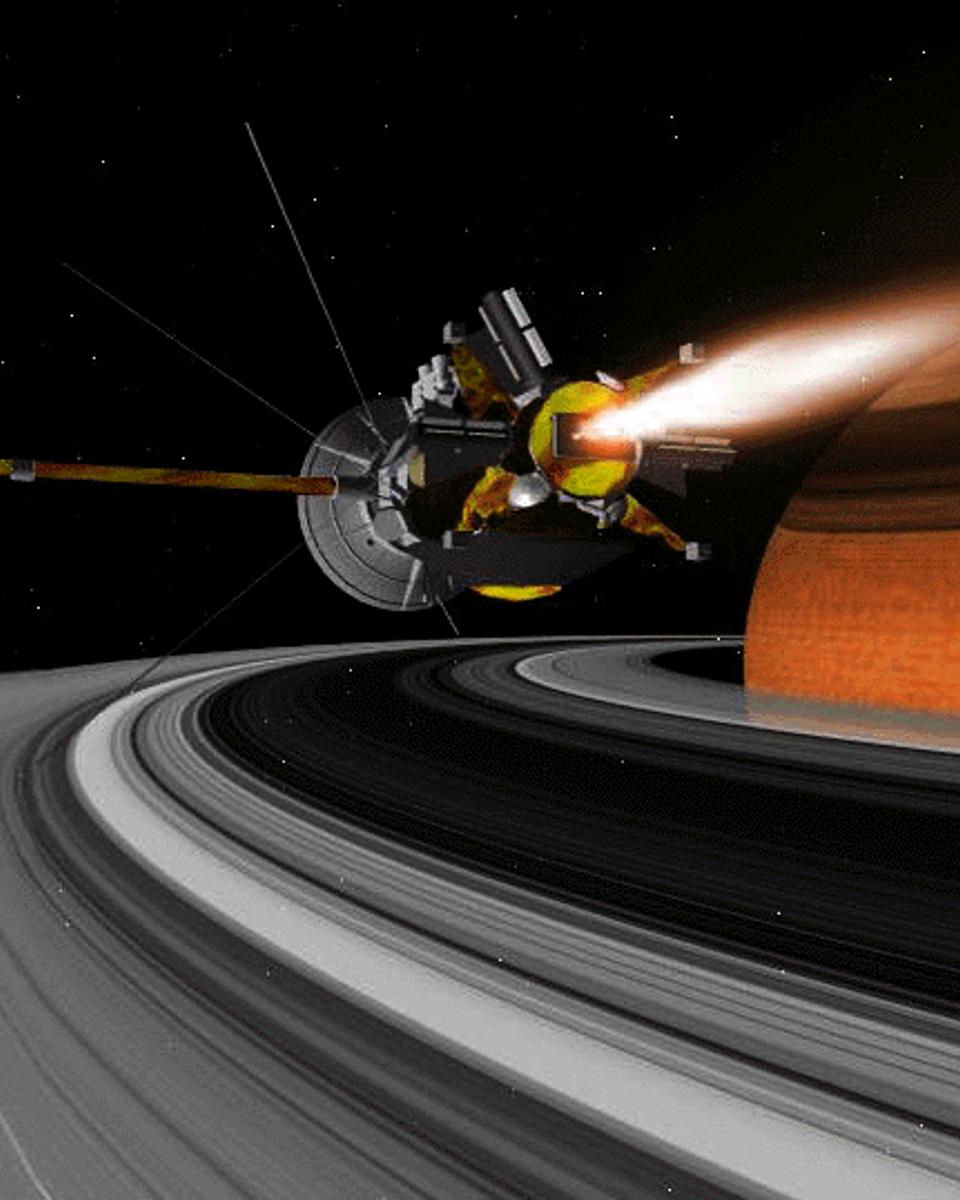
Cassini To Saturn
Scheduled for launch in October, the Cassini spacecraft will spend seven years traveling through the Solar System -- its destination, Saturn . On arrival Cassini will begin an…
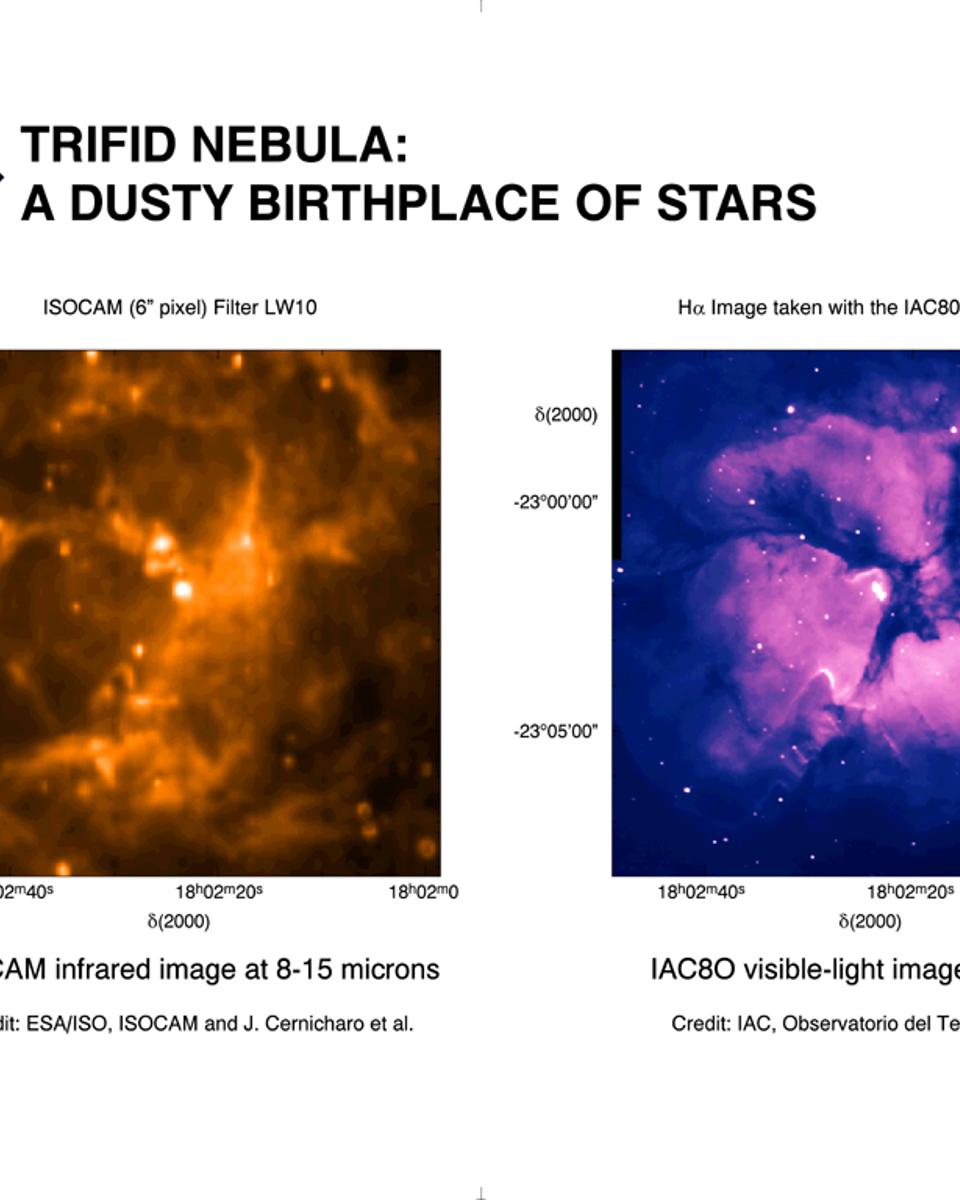
Infrared Trifid
The Trifid nebula (M20) is a bright star forming region in Sagittarius , 5000 light years from Earth. In visible light , the interstellar gas cloud is crossed by dark, obscuring…
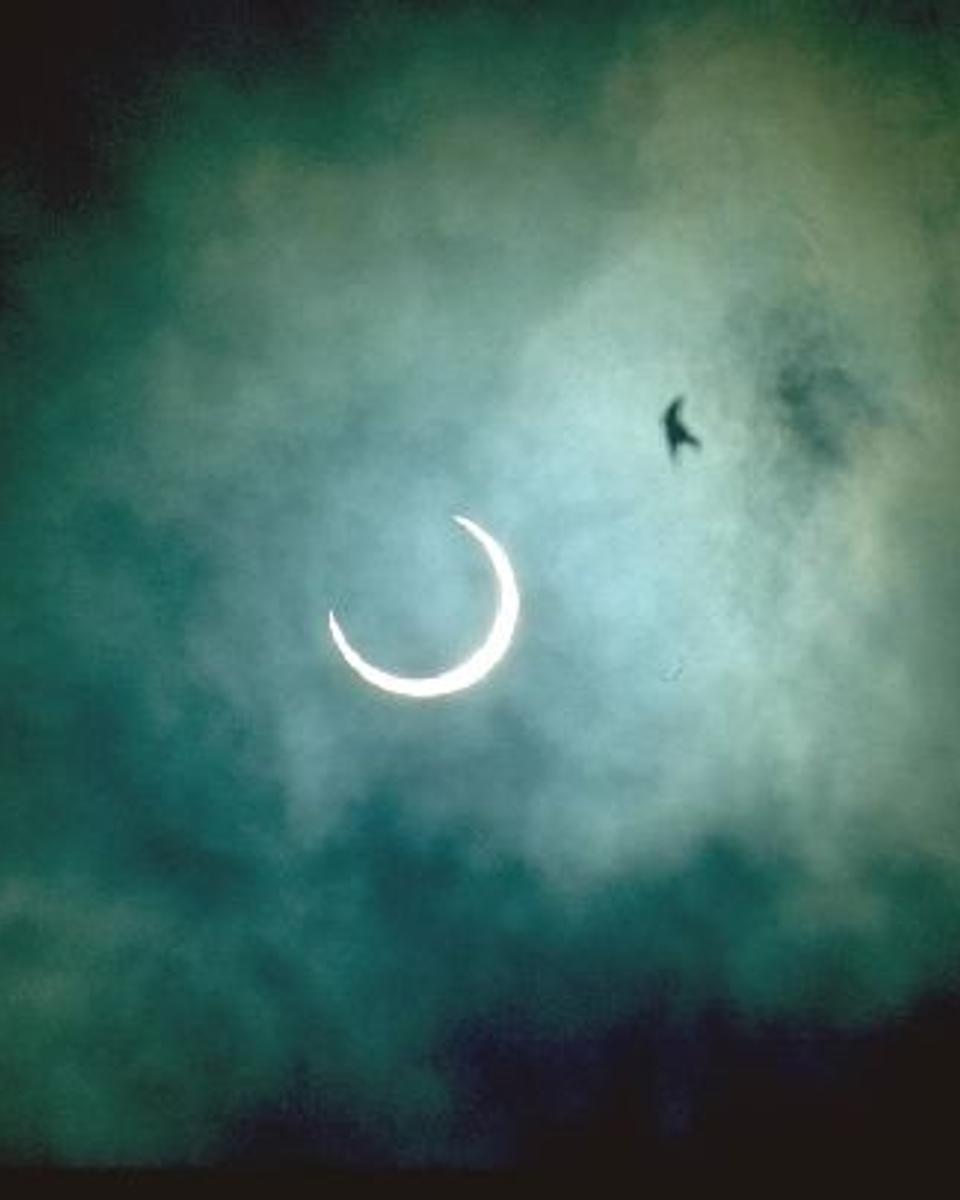
A Fleeting Eclipse
A lunar eclipse can be viewed in a leisurely fashion. Visible to anyone on the night side of planet Earth (weather permitting), totality often lasts an hour or so as the moon…
Viewing discoveries from 19 September 1997 through 27 August 1997.