Browse NASA Astronomy Picture of the Day archive by date and media: Archive Discoveries
Browse the NASA APOD archive without needing the exact date first. Filter by media type and keep moving deeper into older images and videos.
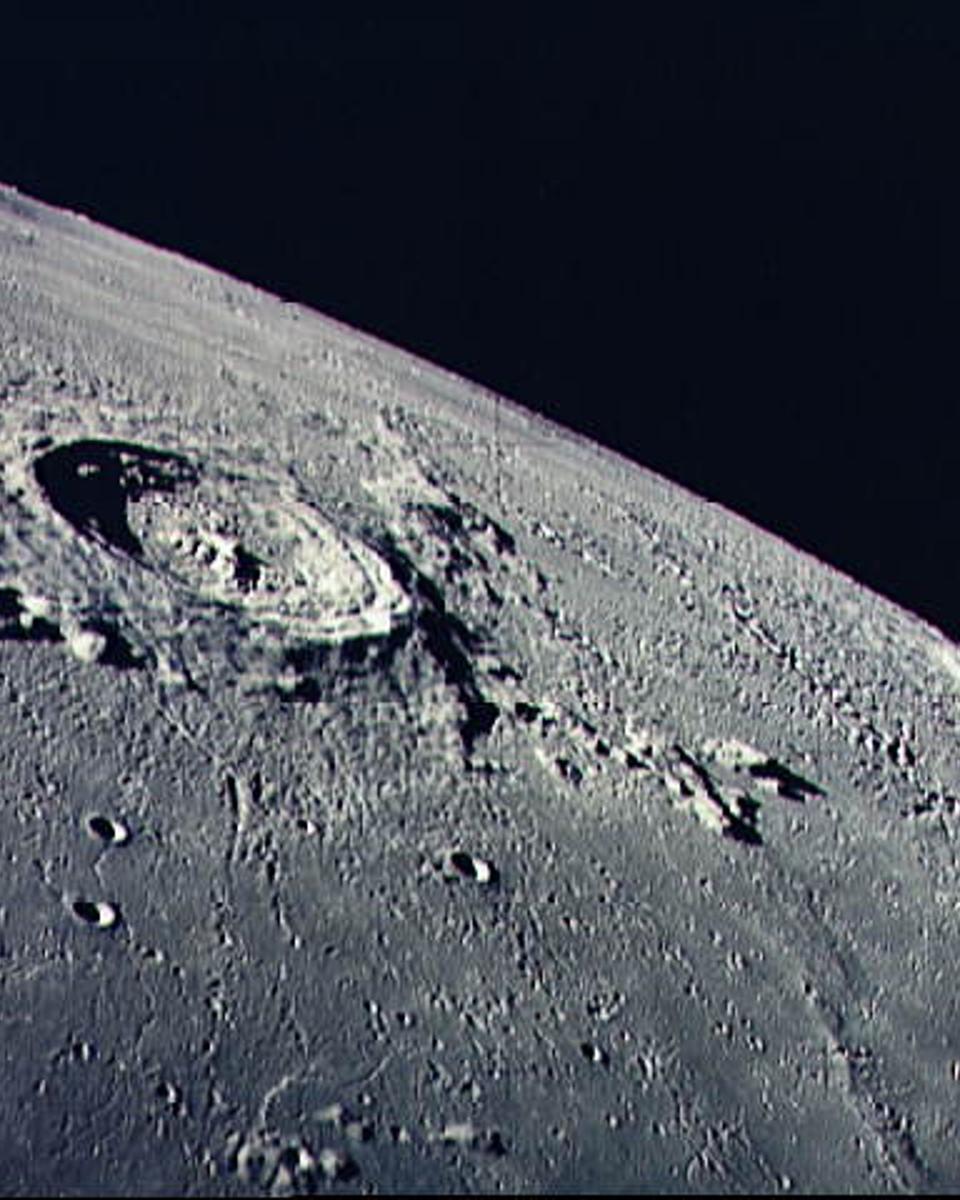
The Barren Moon
Explanation : The above photo , taken as the Apollo 17 astronauts orbited the Moon in 1972, depicts the stark lunar surface around the Eratosthenes and Copernicus craters. Many…
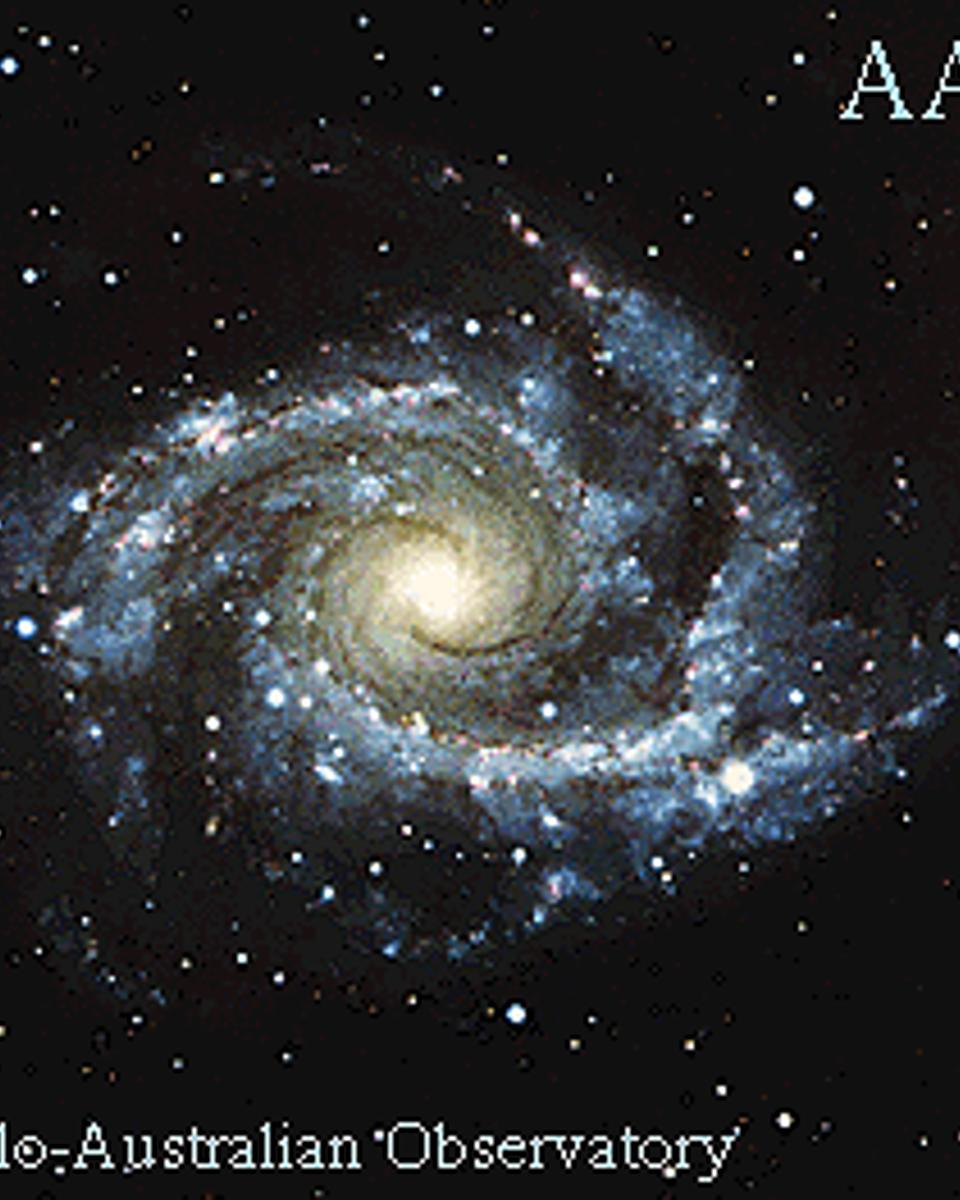
Grand Design Spiral Galaxy NGC 2997
Explanation : NGC 2997 is a grand design spiral galaxy. Its small nucleus and sprawling spiral arms give it a type “Sc” designation. NGC 2997 is speeding away from us at about…
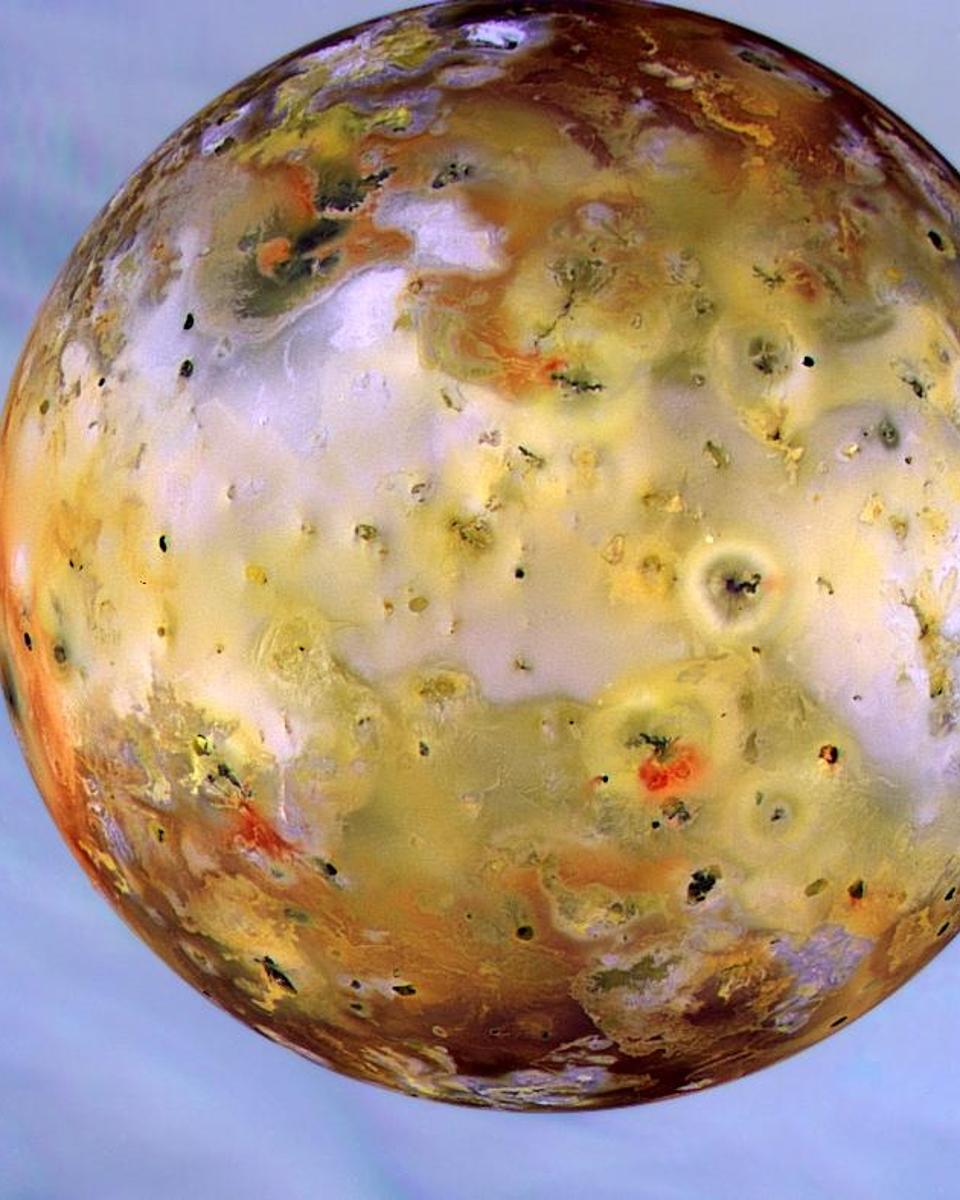
Io Full Face
Explanation : Io is a colorful place. The closest large moon of Jupiter , Io is the most volcanic moon in the Solar System with its surface being completely buried in volcanic…
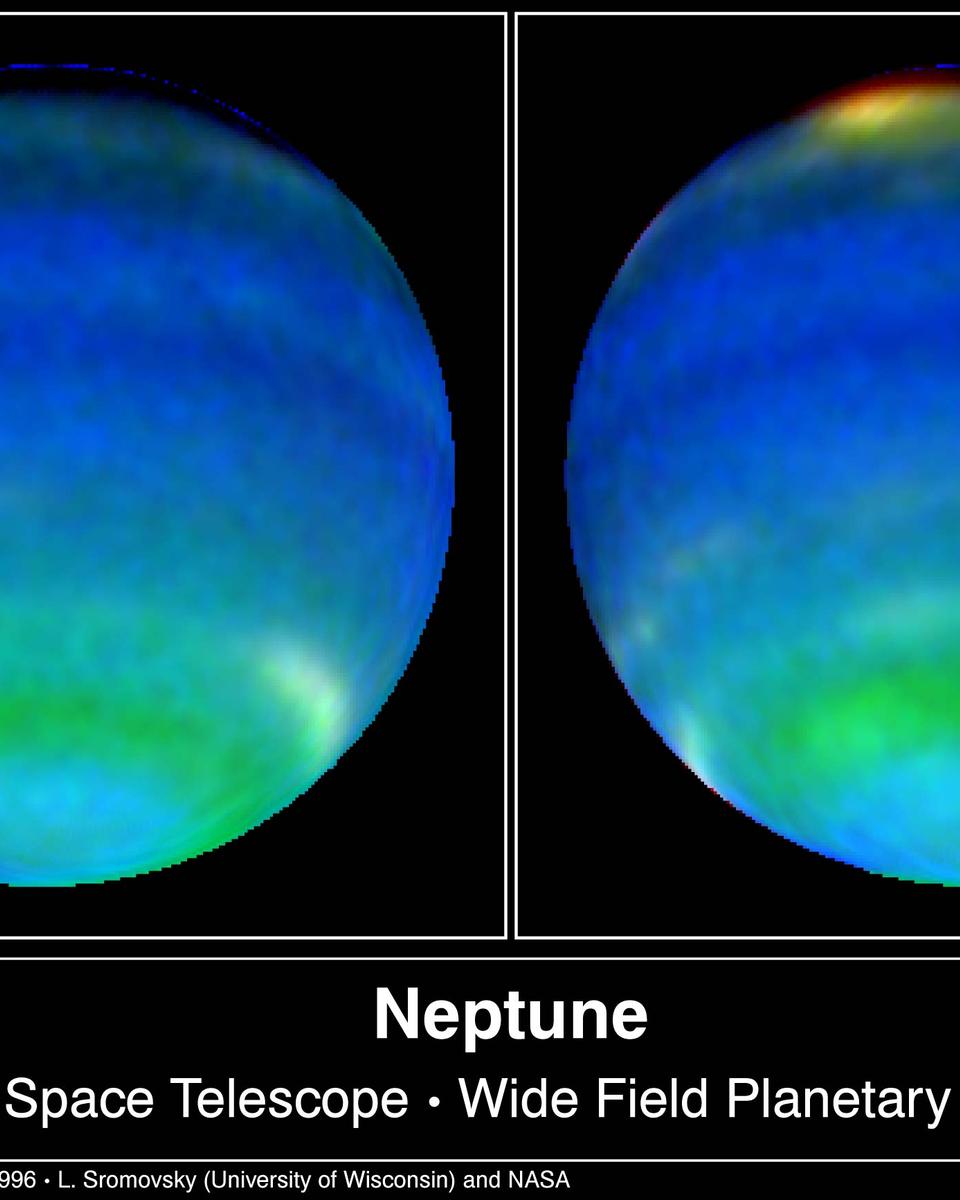
The Weather on Neptune
Explanation : Today's weather on Neptune will be typical. Highs in the upper atmosphere will be about -150 Centigrade , with winds ranging about 900 miles per hour near the…
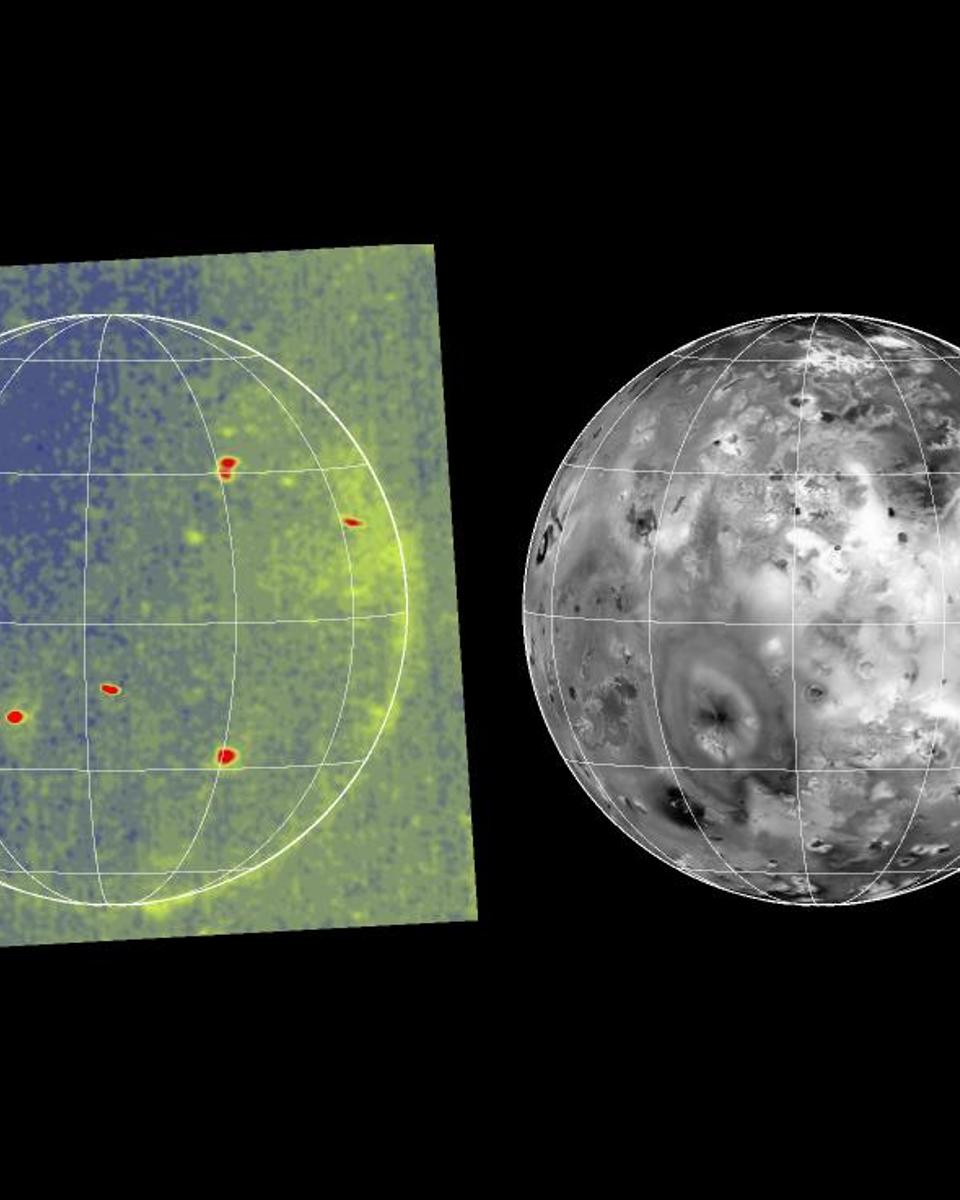
Io's Active Volcanoes
Explanation : Why is Io green at night? In this just-released nighttime picture of Jupiter 's moon Io , the red spots clearly show Io 's current volcanically active regions . But…
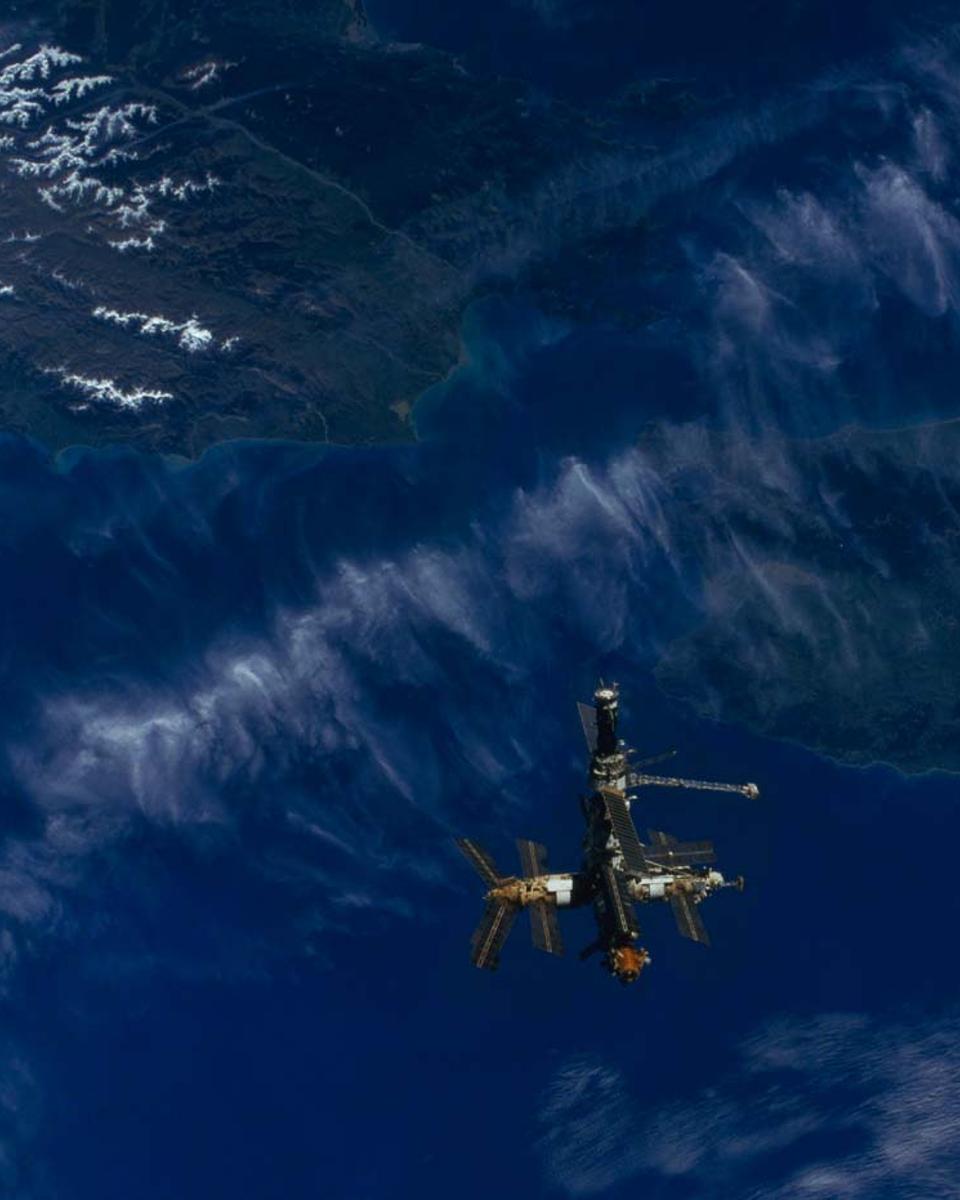
Mir Over New Zealand
Explanation : The Russian space station Mir was photographed last month high above New Zealand . Before returning with record-breaking astronaut Shannon Lucid , the space shuttle…
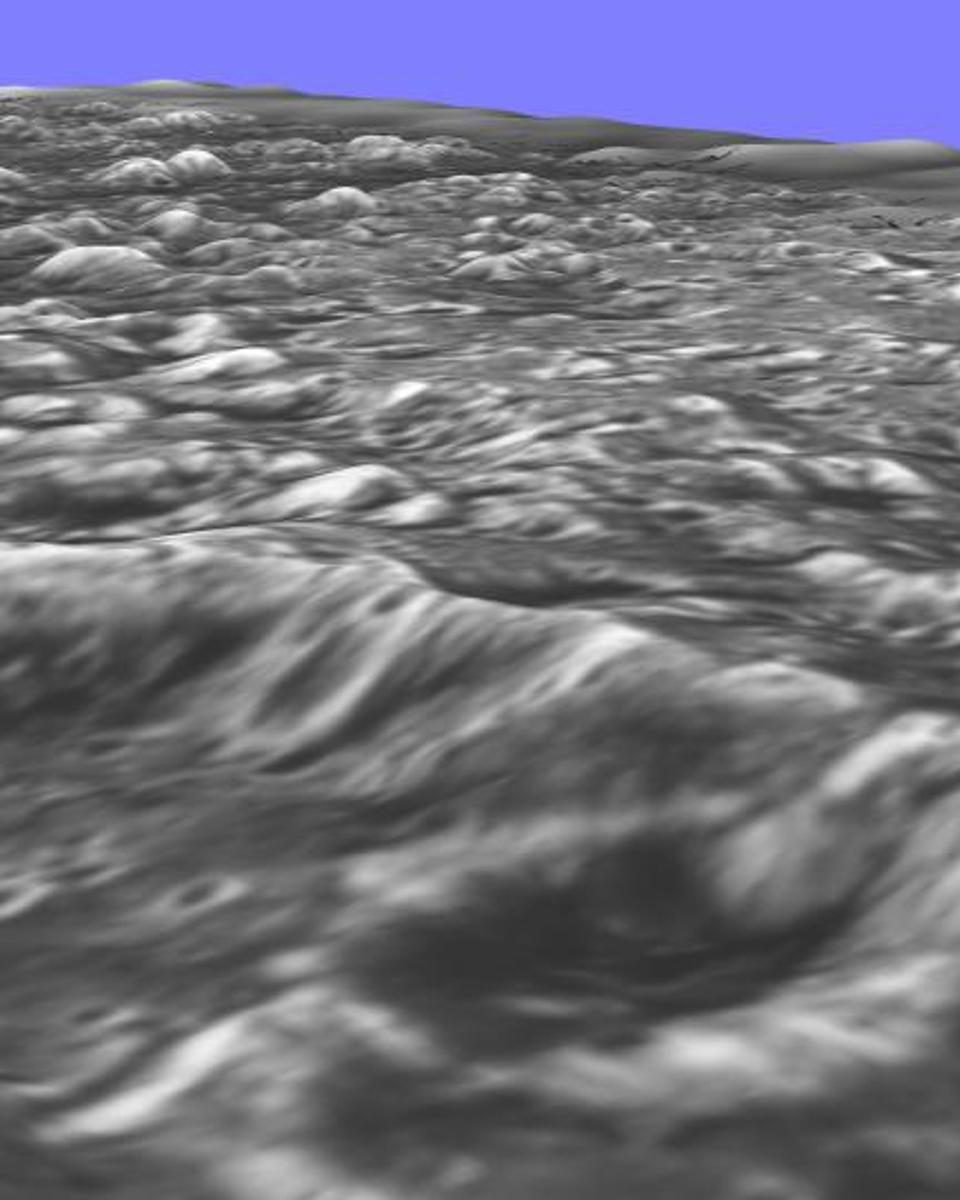
A Flyby View of Ganymede
Explanation : This is what it would look like to fly over the surface of Jupiter's moon Ganymede. NASA's robot spacecraft Galileo recently approached only 6000 miles from this…
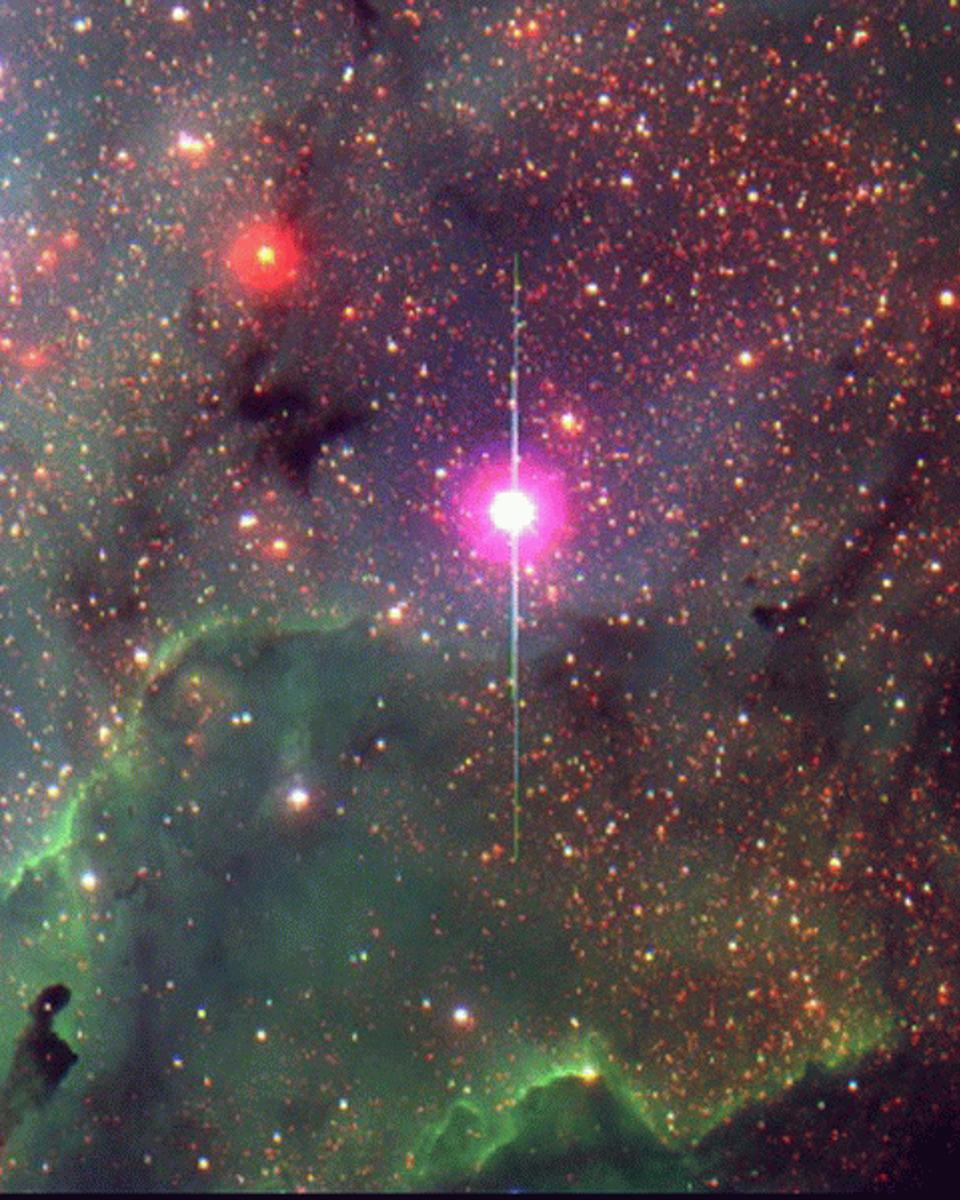
Starbirth in the Lagoon Nebula
Explanation : Stars are forming even today in the Lagoon Nebula. This bright nebula is visible in the constellation of Sagittarius with binoculars. The above photo is the result…
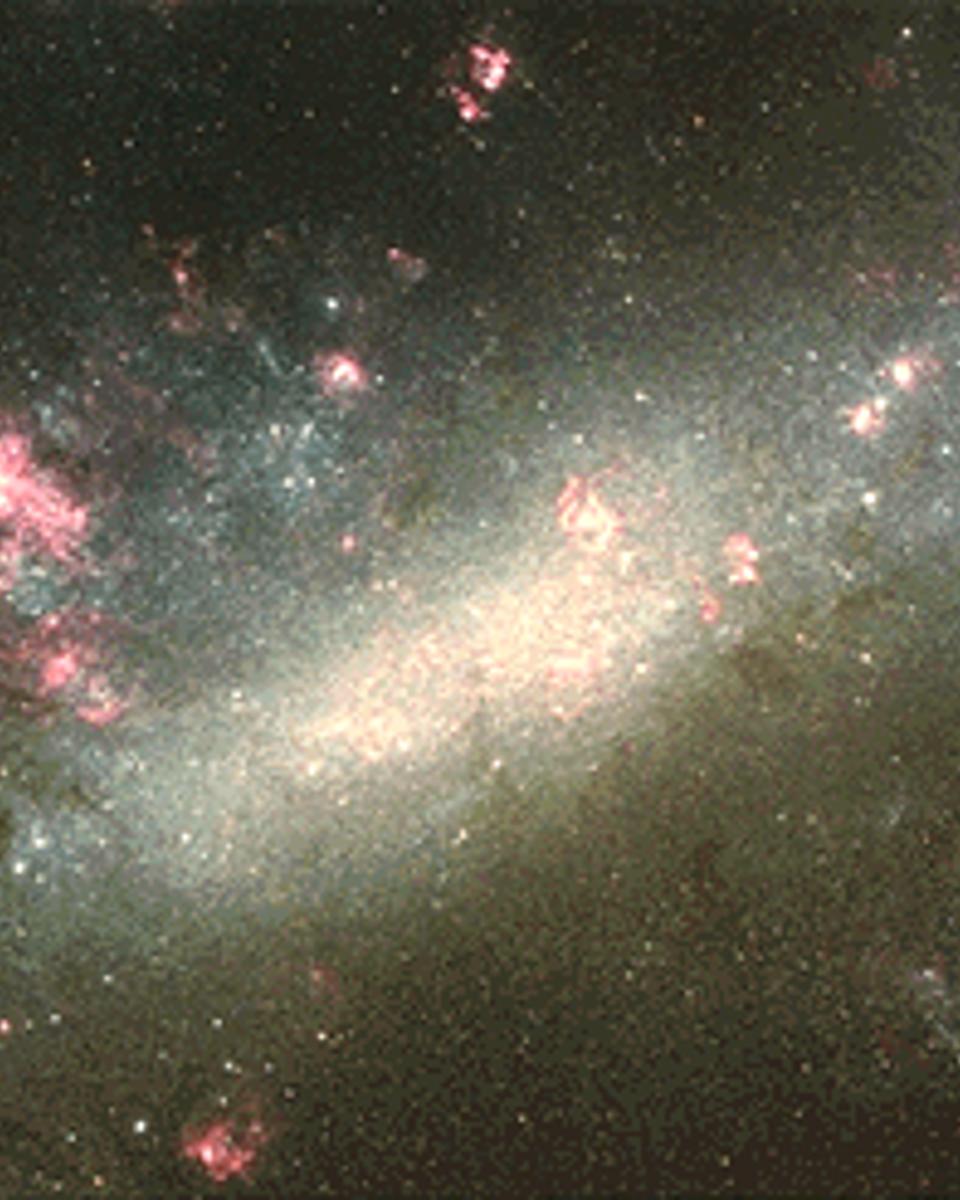
The Large Cloud of Magellan (LMC)
Explanation : Magellan and his crew had plenty of time to study the southern sky during their famous voyage around the world. As a result, two fuzzy cloud like objects in the…
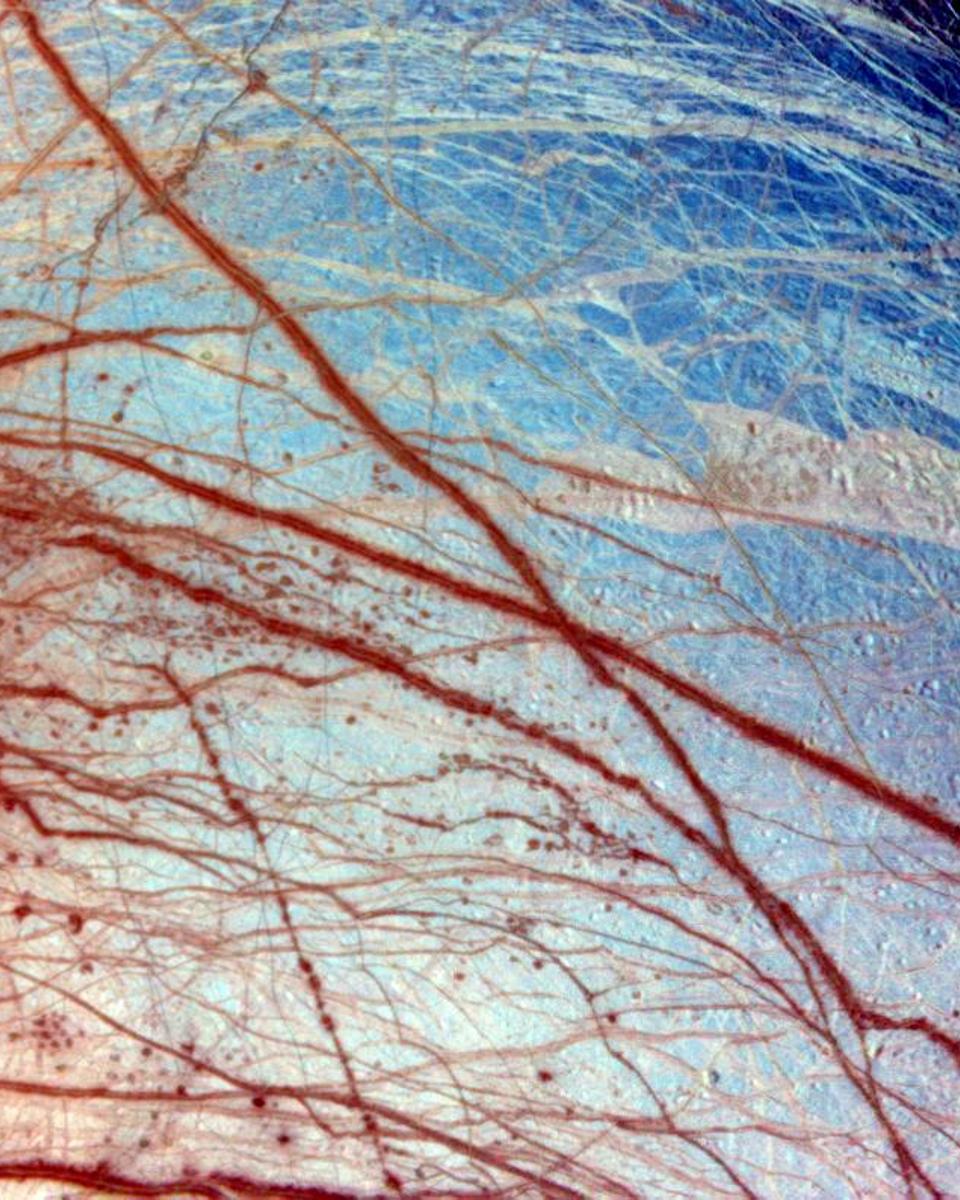
The Cracked Ice Plains of Europa
What caused the cracks in this giant ice-ball? Jupiter 's moon Europa has smoothest surface in the solar system and is composed mostly of cracked water-ice. In the above…
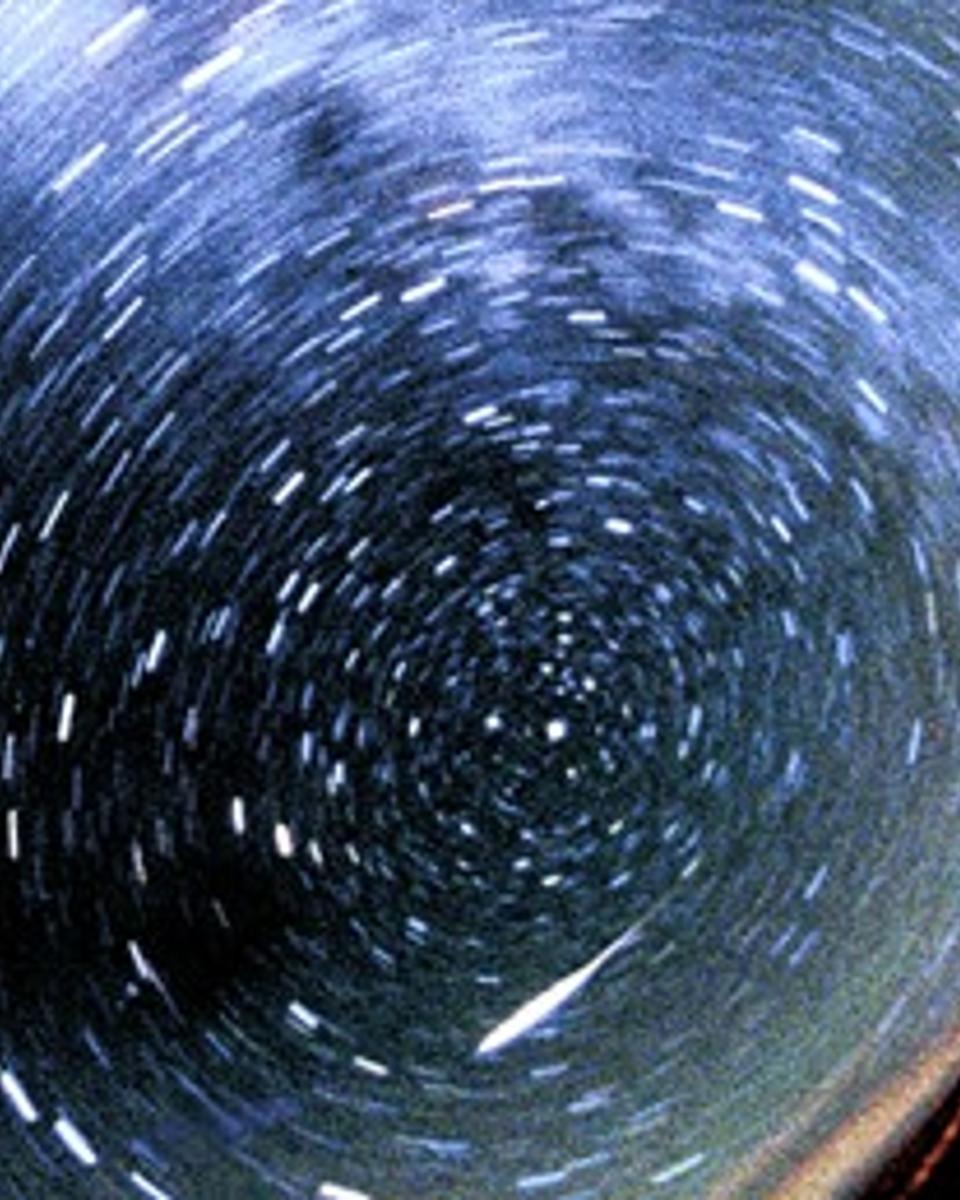
Orionids Meteor Shower to Peak Tonight
Tonight you might be able to see Halley's Comet again - or at least some pieces of it. It is widely thought that that the meteors from the Orionids meteor shower , which peaks…
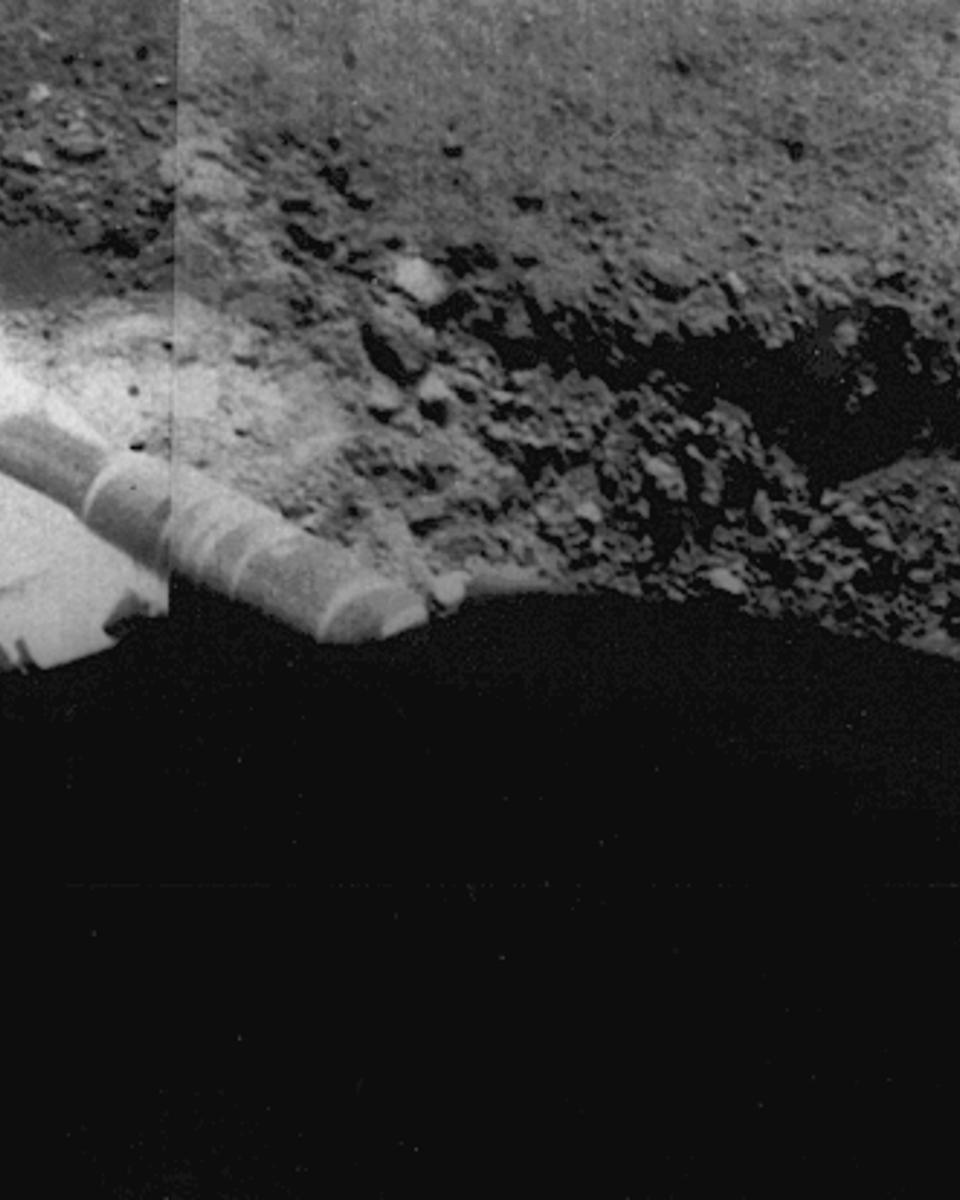
Surveyor Slides
“Safe!” -- In September 1967 ( during regular season play ), while making a successful soft landing on the Moon's Mare Tranquillitatis, the Surveyor 5 lander actually slid several…
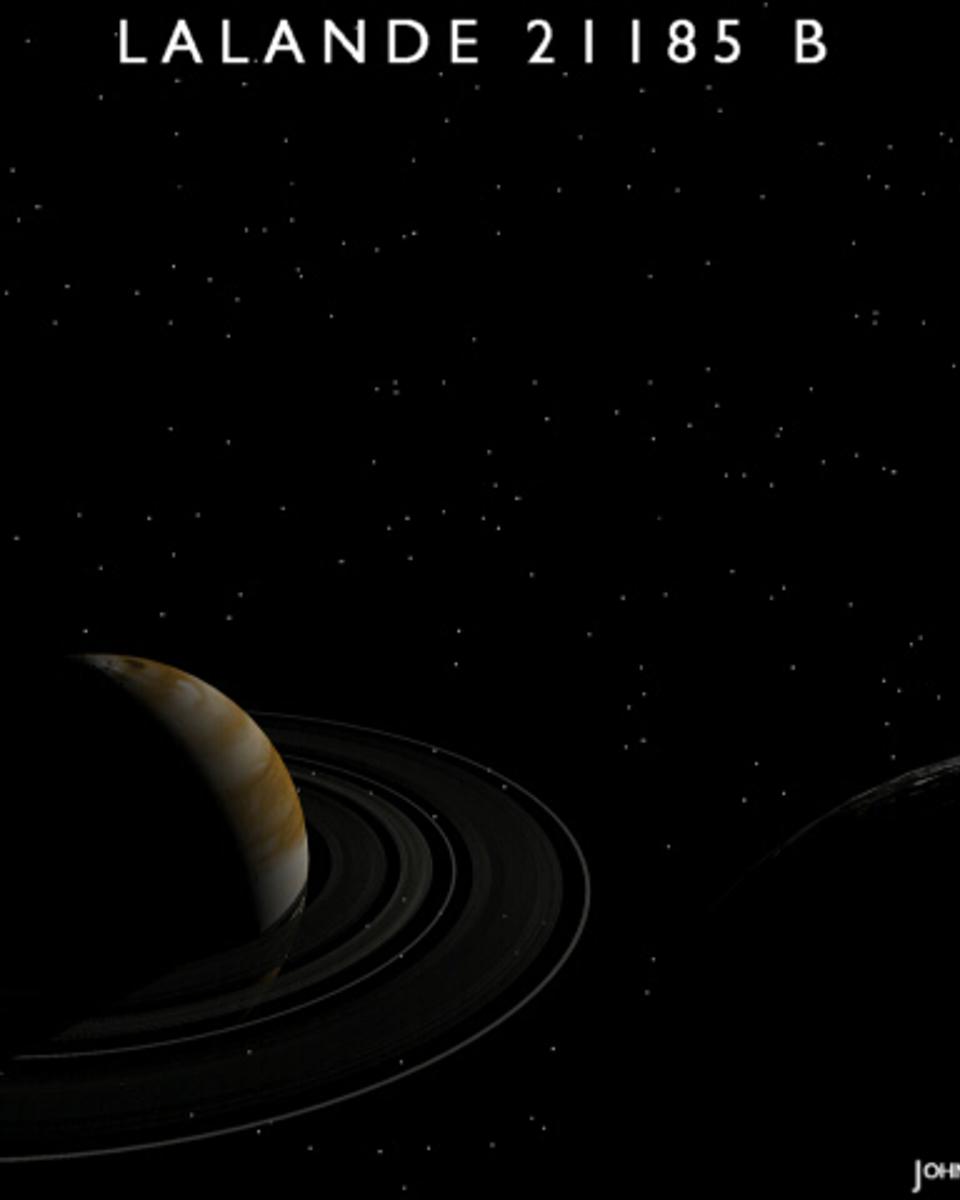
Lalande 21185: The Nearest Planetary System?
What's the closest extrasolar planetary system ? It may well be planets of the dim red dwarf star cataloged as Lalande 21185 -- a mere 8 light years distant. This star is too…
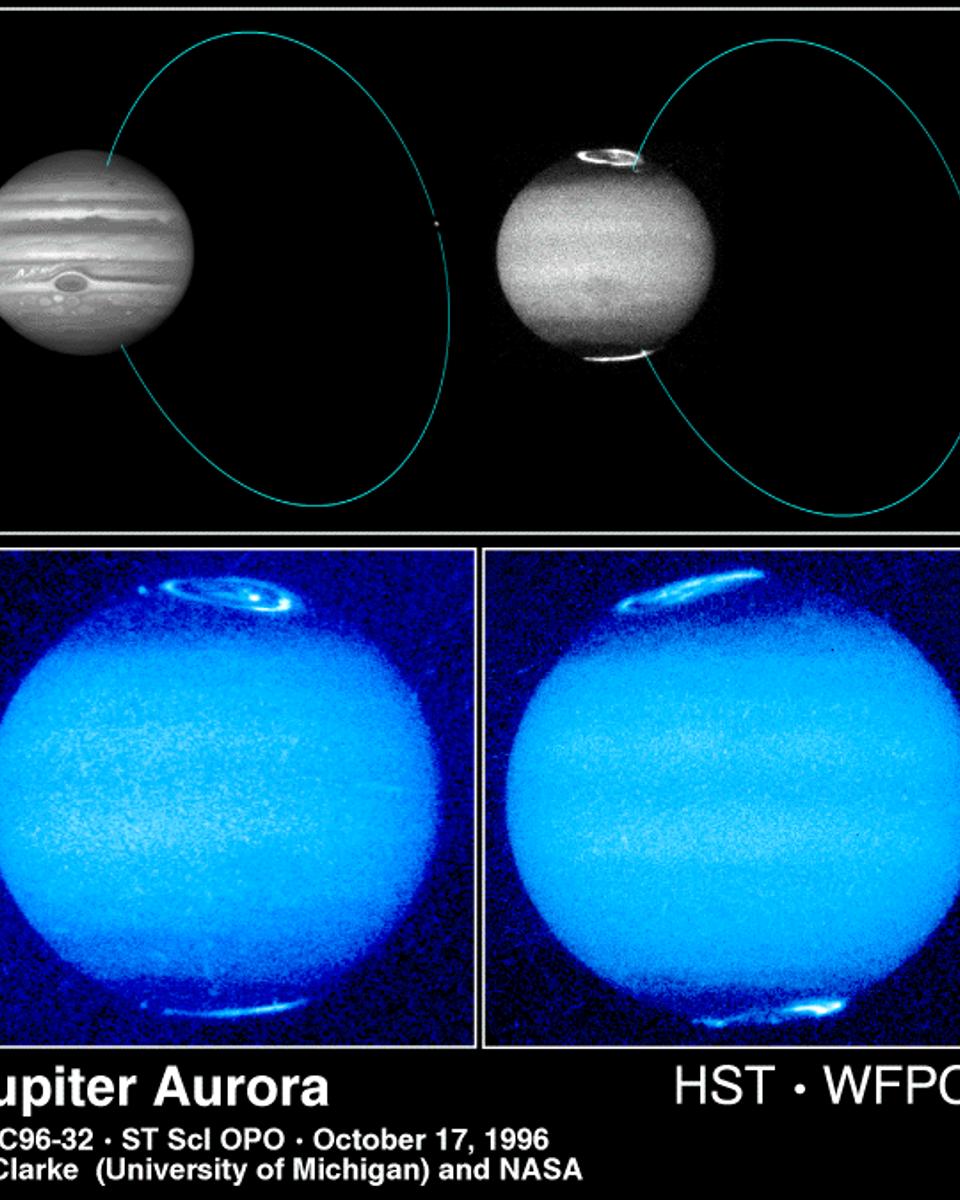
Jupiter's Auroras
Auroras are especially large on Jupiter. In pictures released yesterday, the Hubble Space Telescope imaged these unusual light displays in more detail than ever before. Jupiter 's…
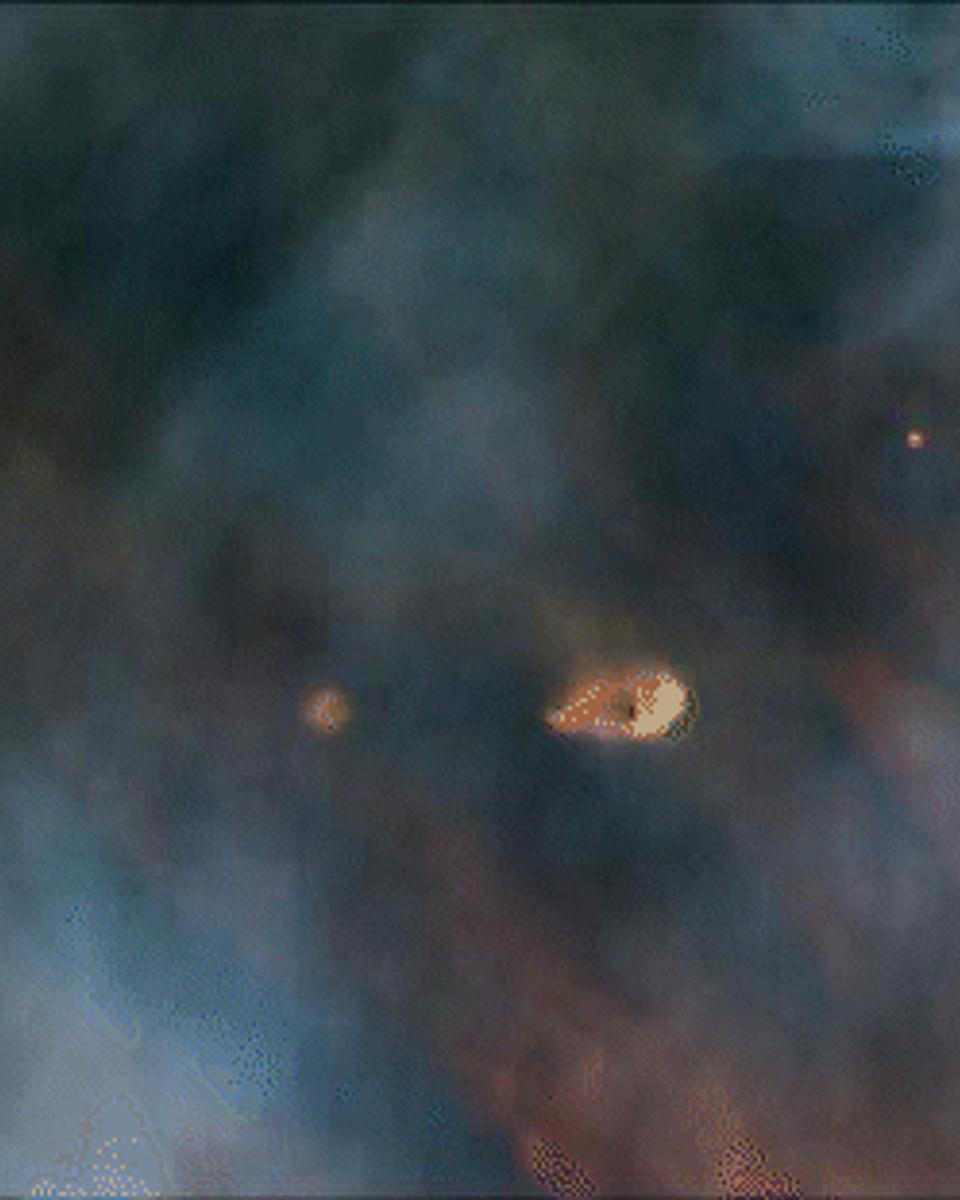
Proplyds: Infant Solar Systems?
Are planets common in our galaxy? Strong evidence that the answer is “yes” was provided in this 1994 image made by the Hubble Space Telescope . A close-up of the Orion Nebulae ,…
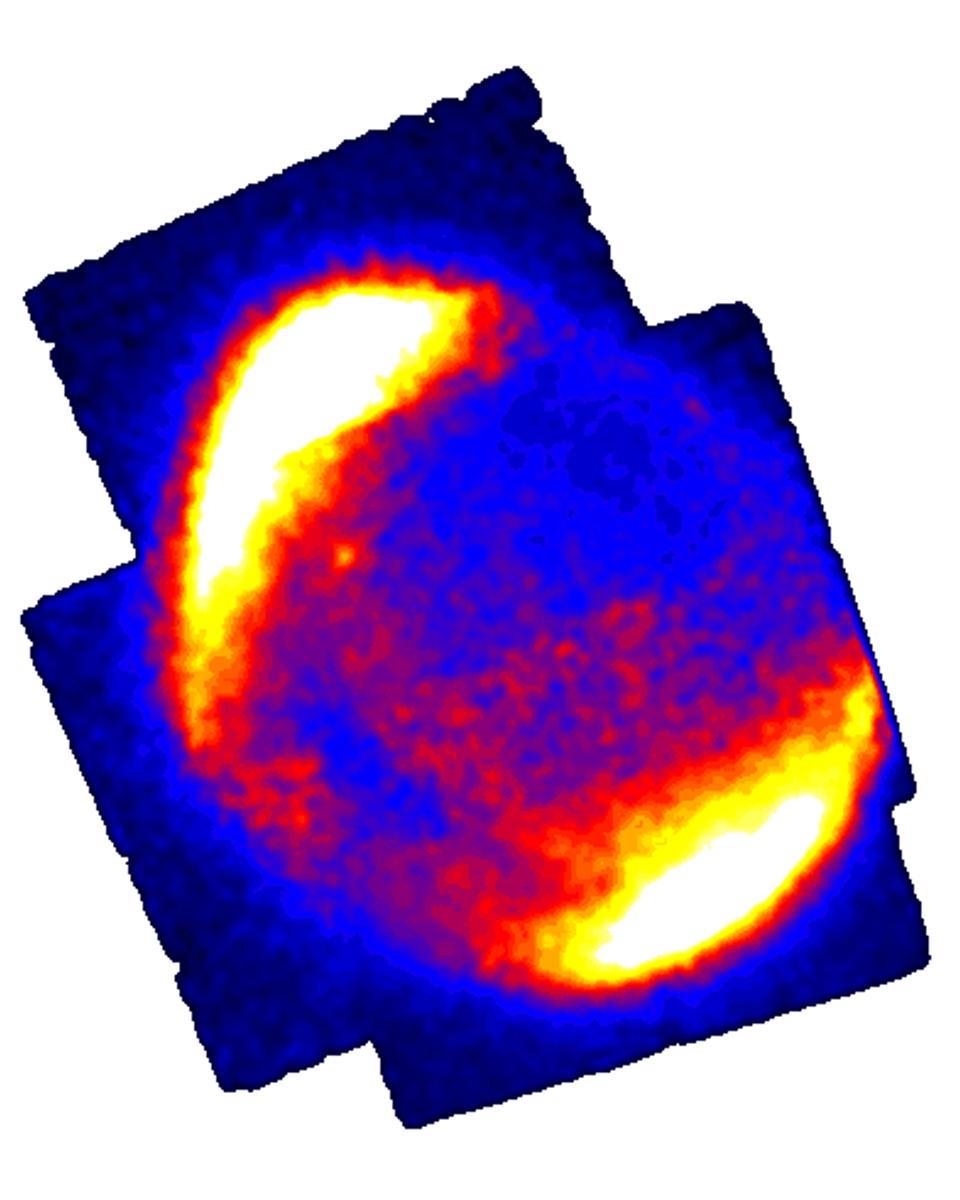
SN 1006: Pieces of the Cosmic Ray Puzzle
Research balloon flights conducted in 1912 by Austrian physicist Victor Hess revealed that the Earth was constantly bombarded by high energy radiation from space - which came to…
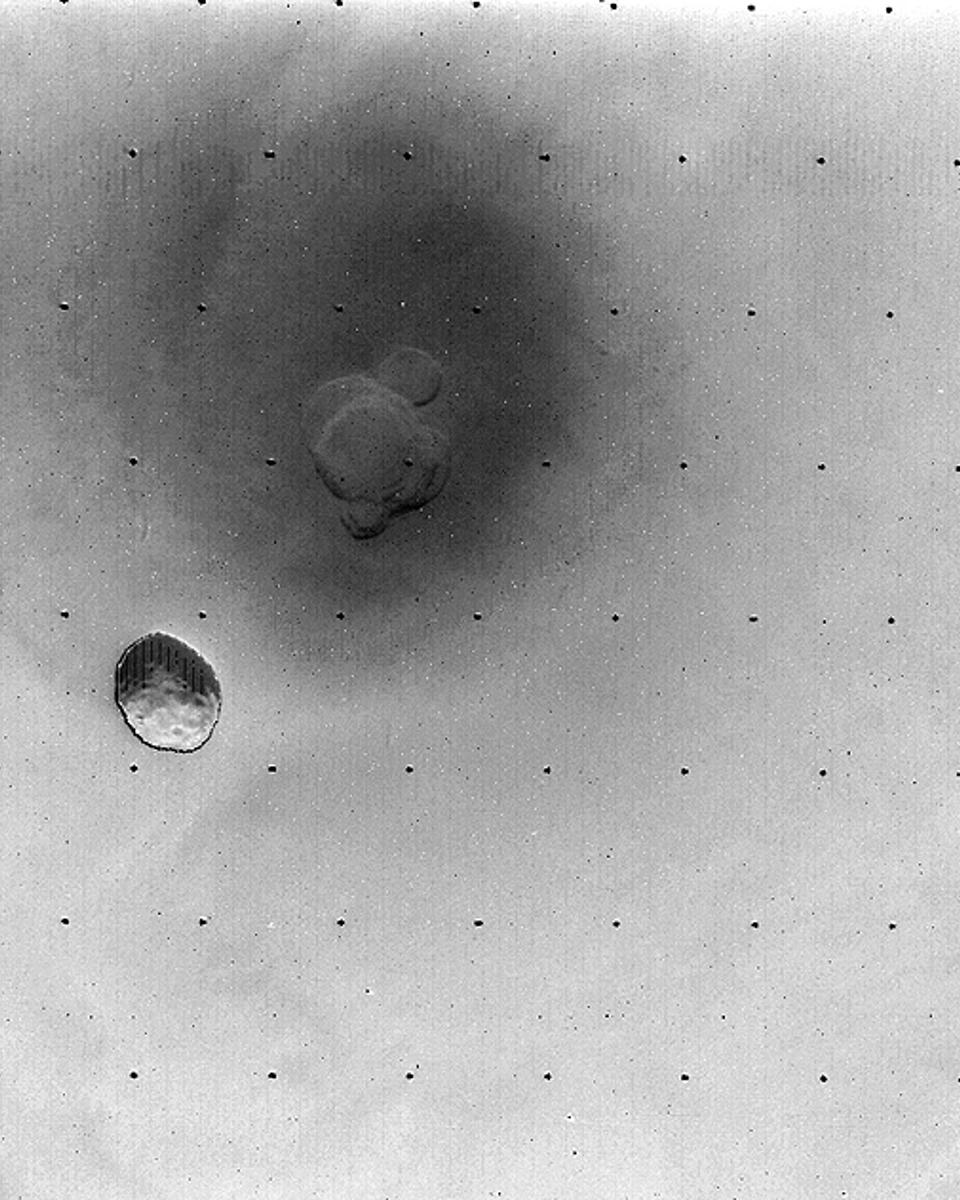
Phobos Over Mars
Hurtling through space a mere 3,000 miles above the Martian surface , the diminutive moon Phobos (below and left of center) was imaged against the backdrop of a large shield…
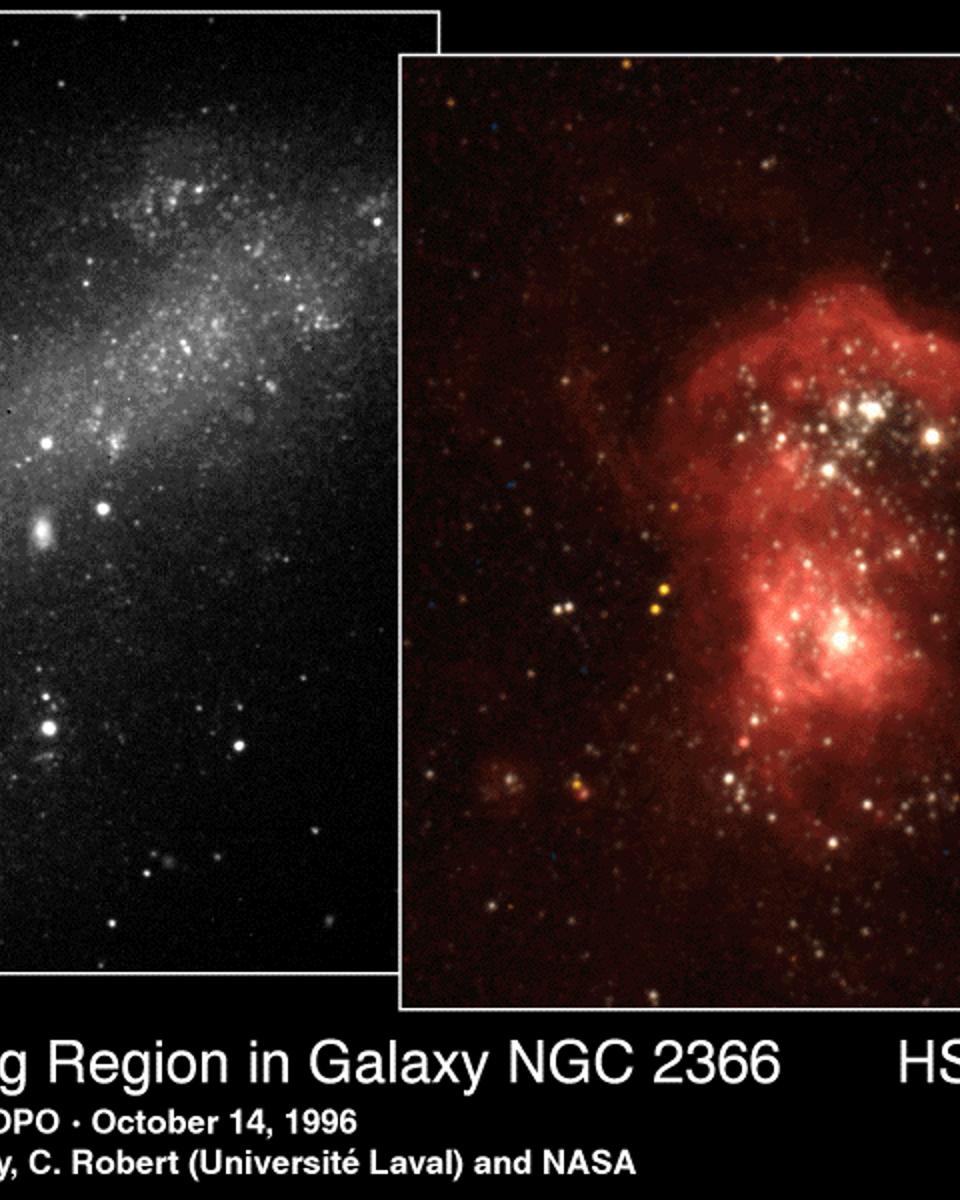
Bright Stars, Dim Galaxy
These two clusters of bright, newly formed stars surrounded by a glowing nebula lie 10 million light years away in the dim, irregular galaxy cataloged as NGC 2366. The Hubble…
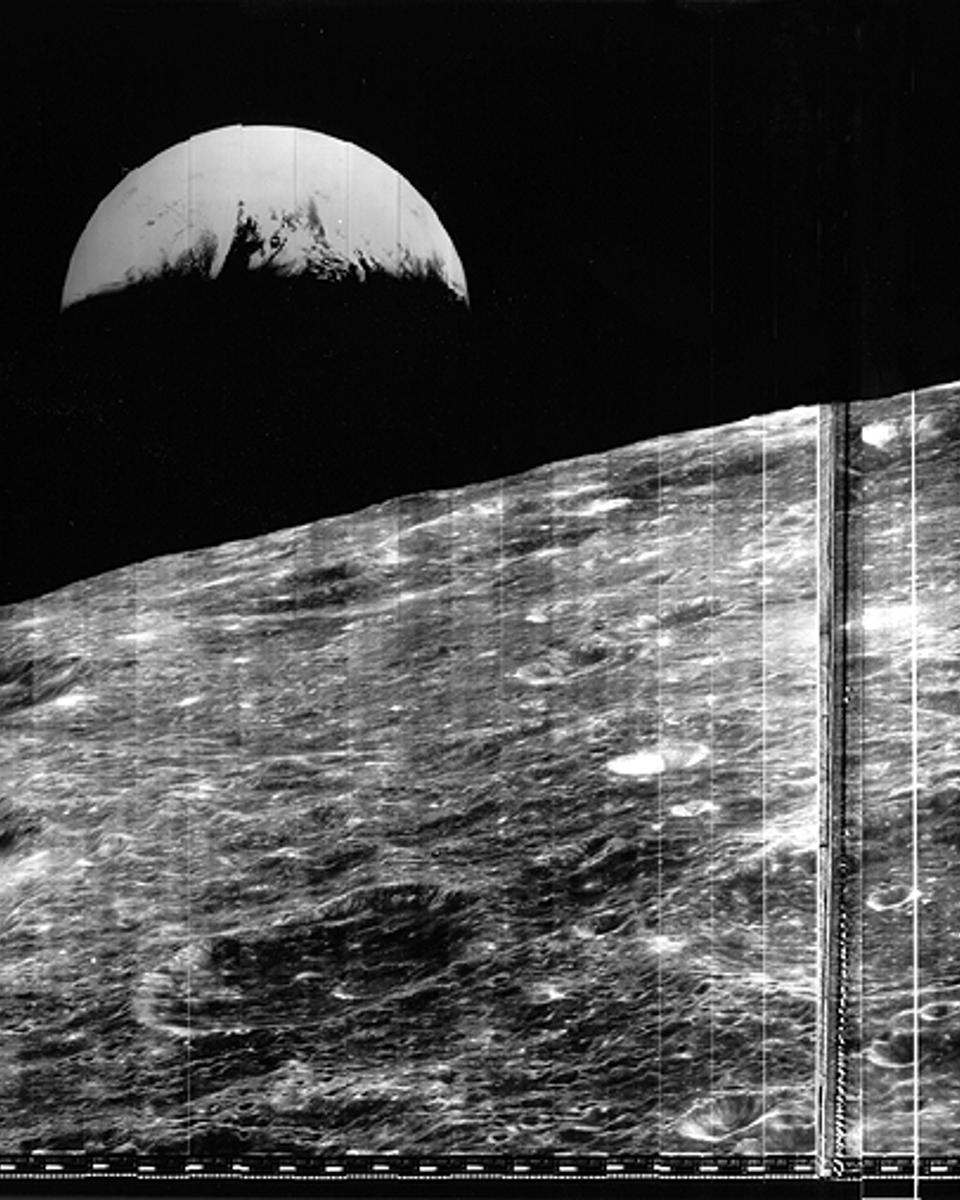
The Earth Also Rises
The Lunar Orbiter 1 spacecraft was launched in 1966 to map the lunar surface in preparation for the Apollo moon landings . NASA's plucky robotic explorer performed its job well…
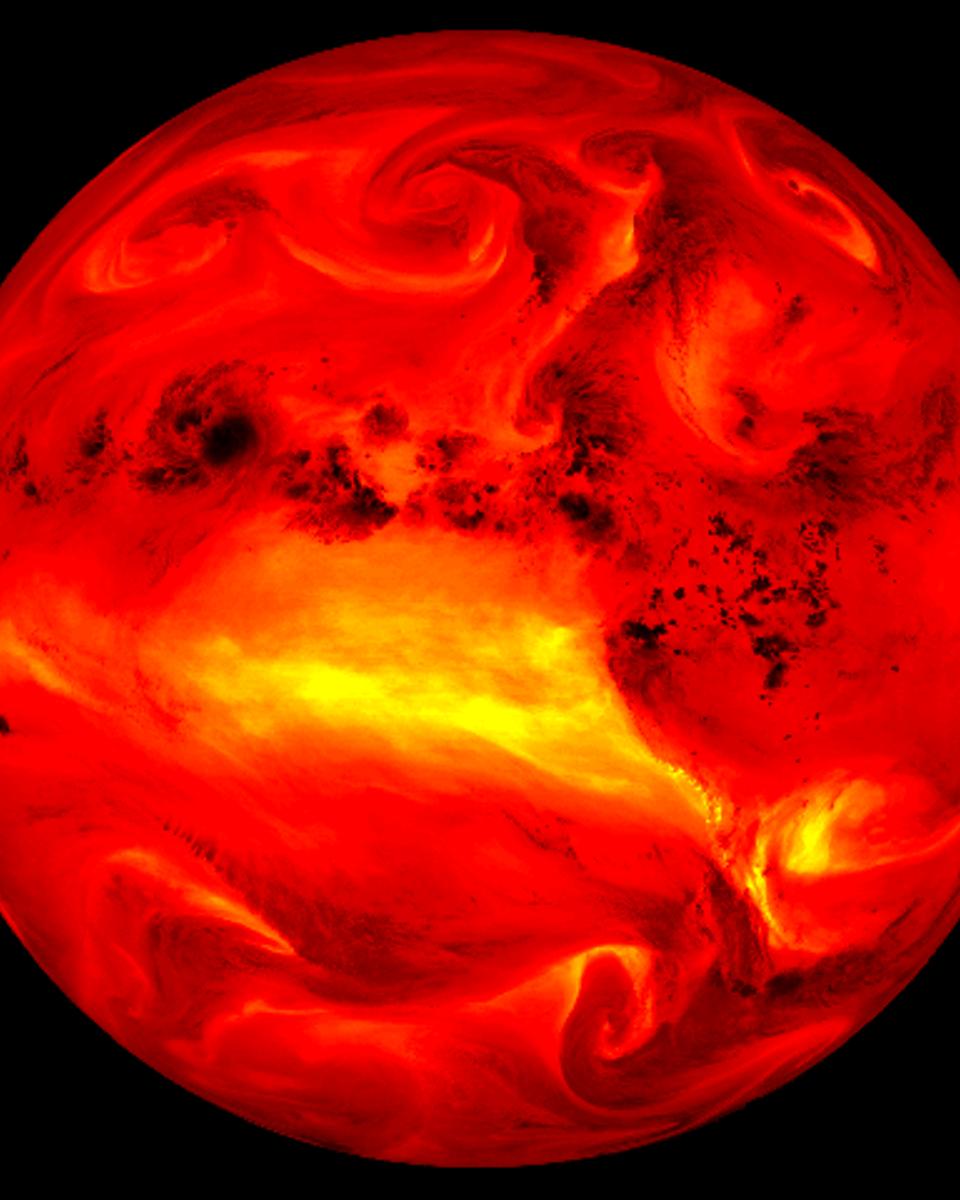
The Water Vapor Channel
What alien planet's bizarre landscape lurks below these fiery-looking clouds? It's only Planet Earth , of course -- as seen on the Water Vapor Channel. Hourly, images like this…
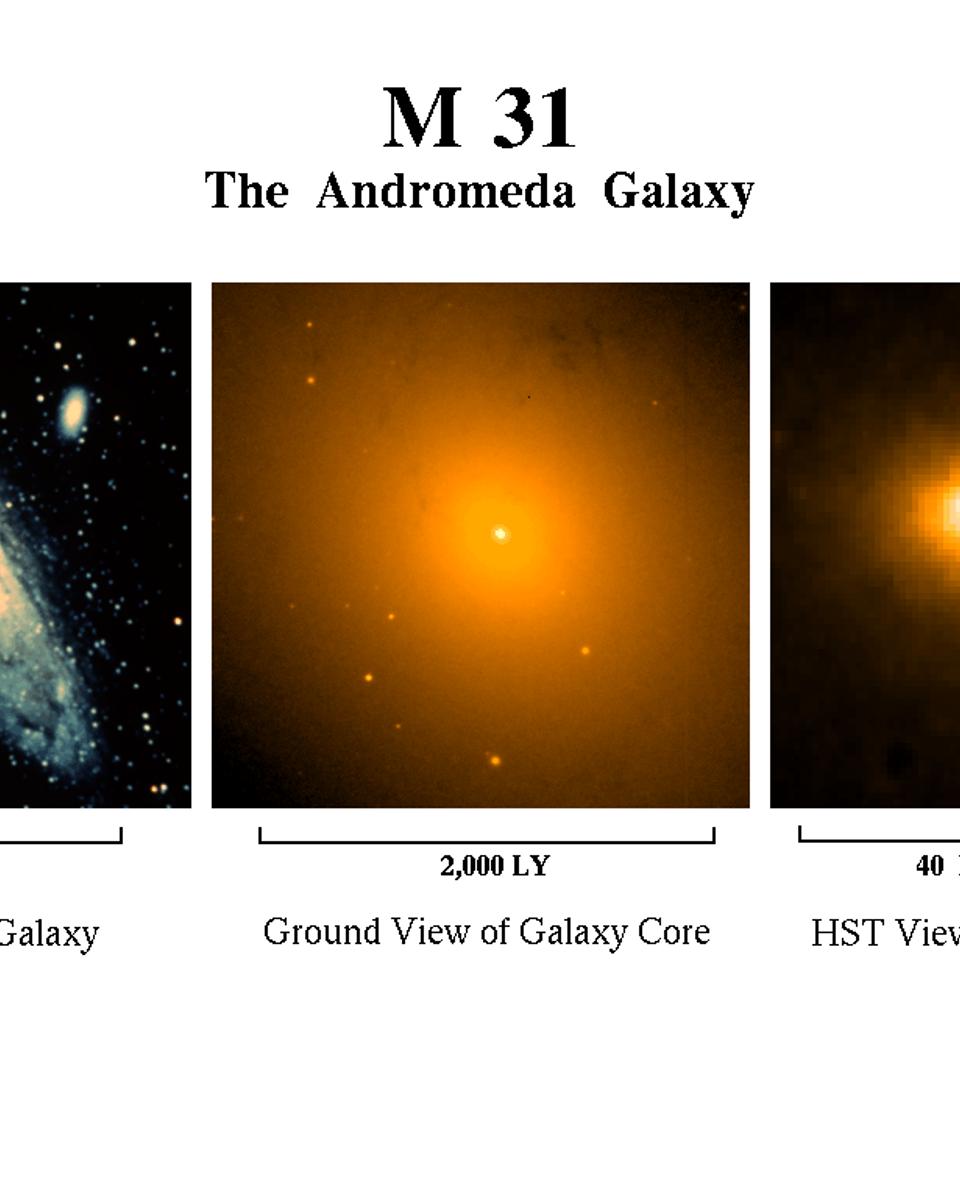
The Double Nucleus of M31
The center of M31 is twice as unusual as previously thought. In 1991 the Planetary Camera then onboard the Hubble Space Telescope pointed toward the center of our Milky Way 's…
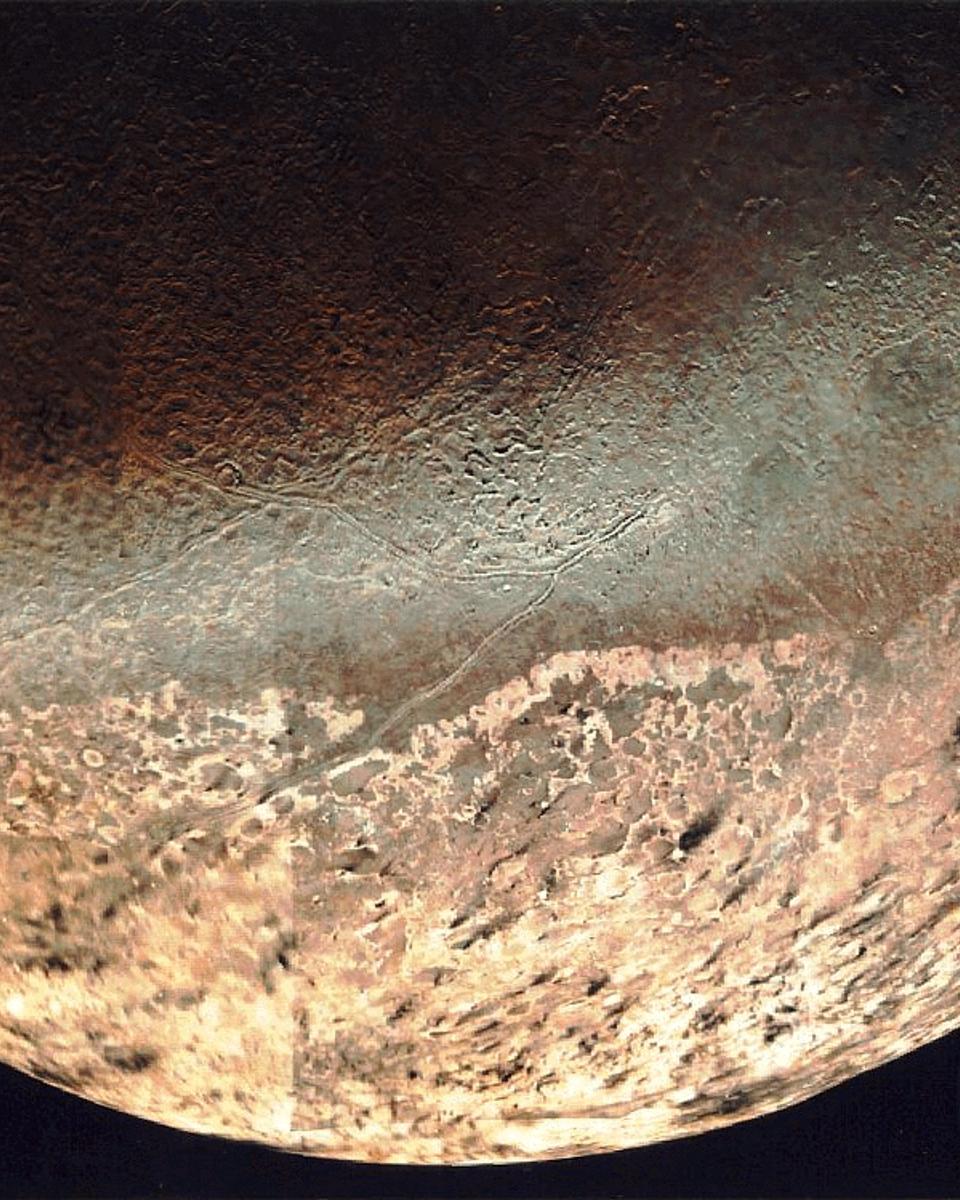
Triton: Neptune's Largest Moon
Today marks the 150 th anniversary of the discovery of Triton. On October 10 1846, William Lassell was observing the newly discovered planet Neptune . He was attempting to confirm…
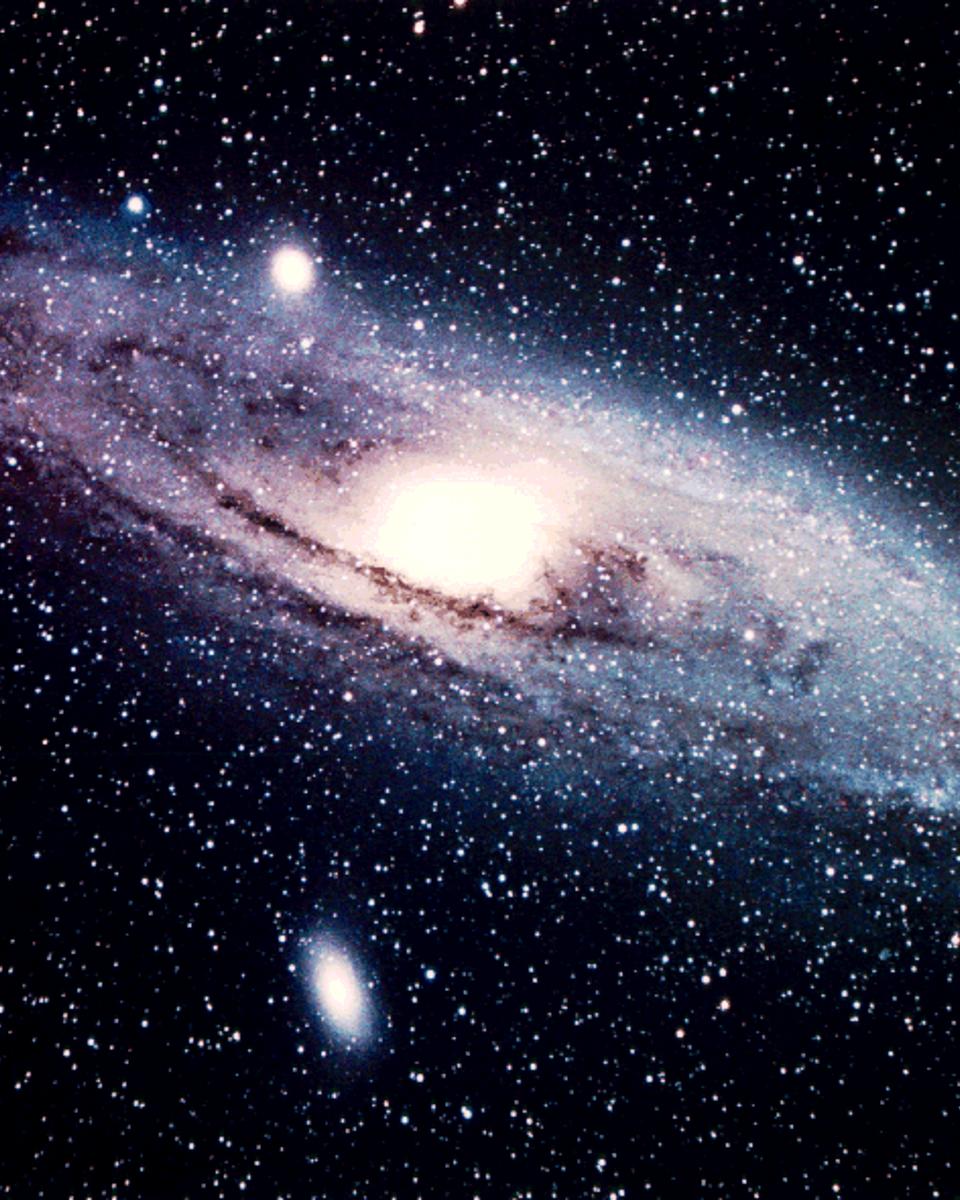
M31: The Andromeda Galaxy
Andromeda is the nearest major galaxy to our own Milky Way Galaxy . Our Galaxy is thought to look much like Andromeda . Together these two galaxies dominate the Local Group of…
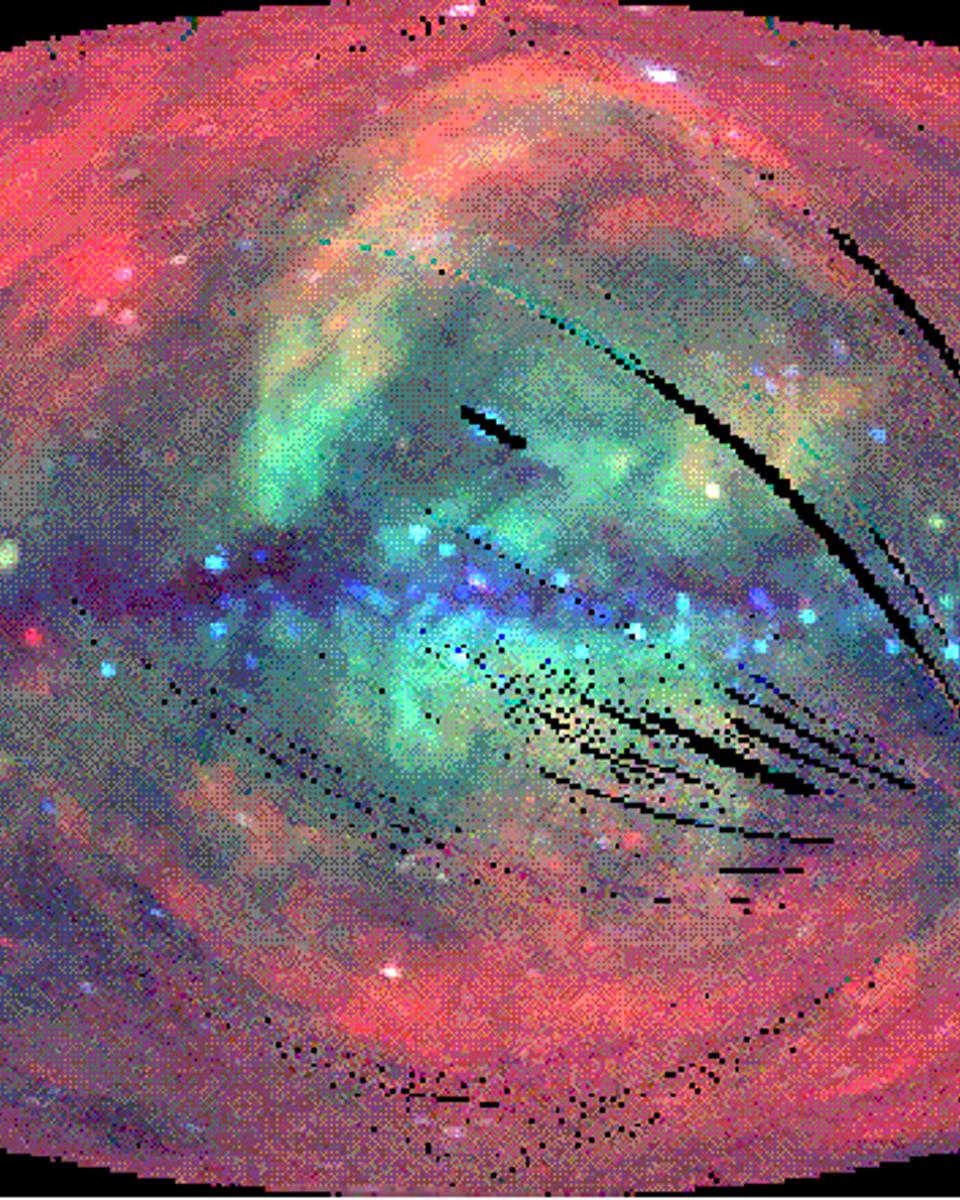
ROSAT Explores the X-Ray Sky
Launched in 1990, the orbiting ROSAT observatory explored the Universe by viewing the entire sky in x-rays - photons with about 1,000 times more energy than visible light . This…
Viewing discoveries from 31 October 1996 through 8 October 1996.