Browse NASA Astronomy Picture of the Day archive by date and media: Archive Discoveries
Browse the NASA APOD archive without needing the exact date first. Filter by media type and keep moving deeper into older images and videos.
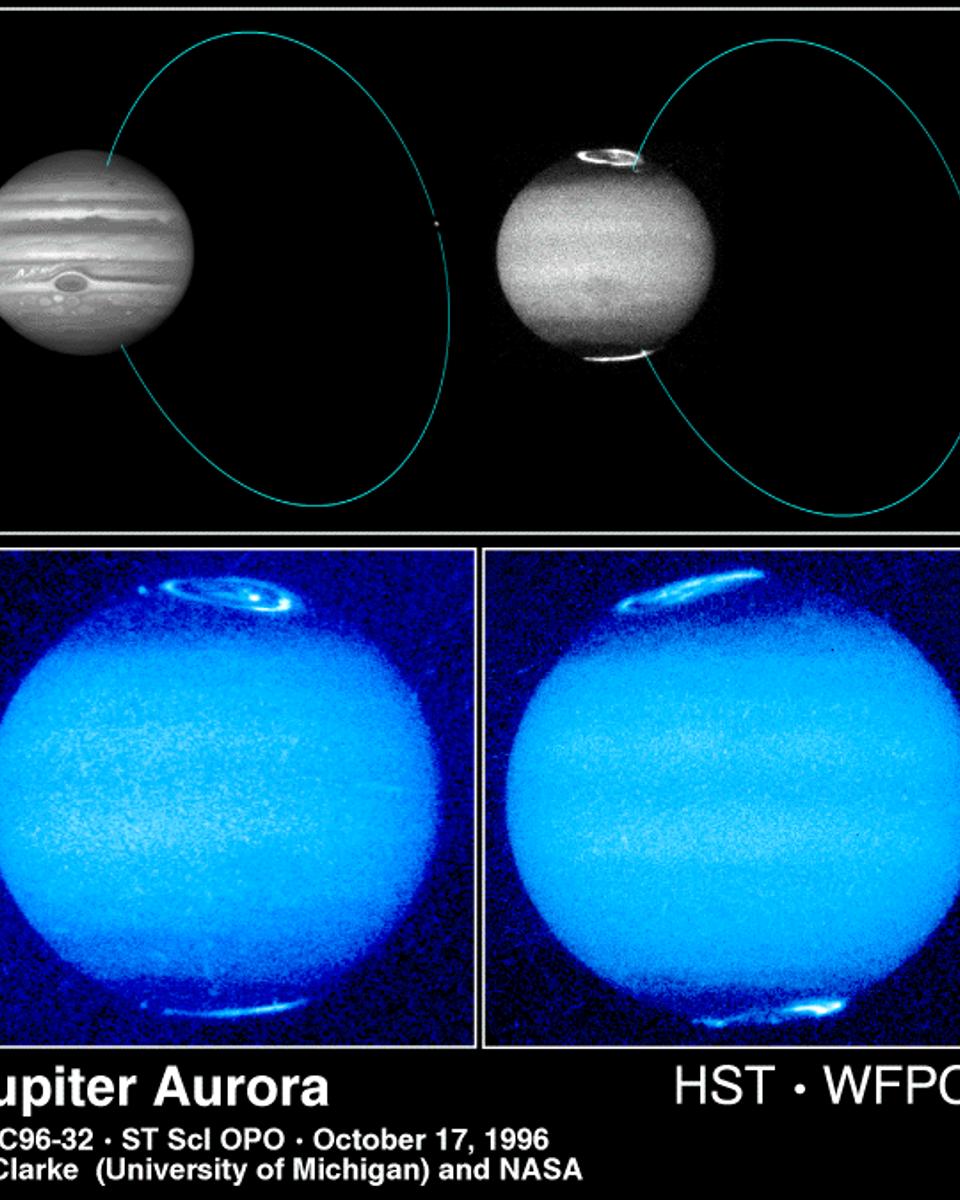
Jupiter's Auroras
Auroras are especially large on Jupiter. In pictures released yesterday, the Hubble Space Telescope imaged these unusual light displays in more detail than ever before. Jupiter 's…
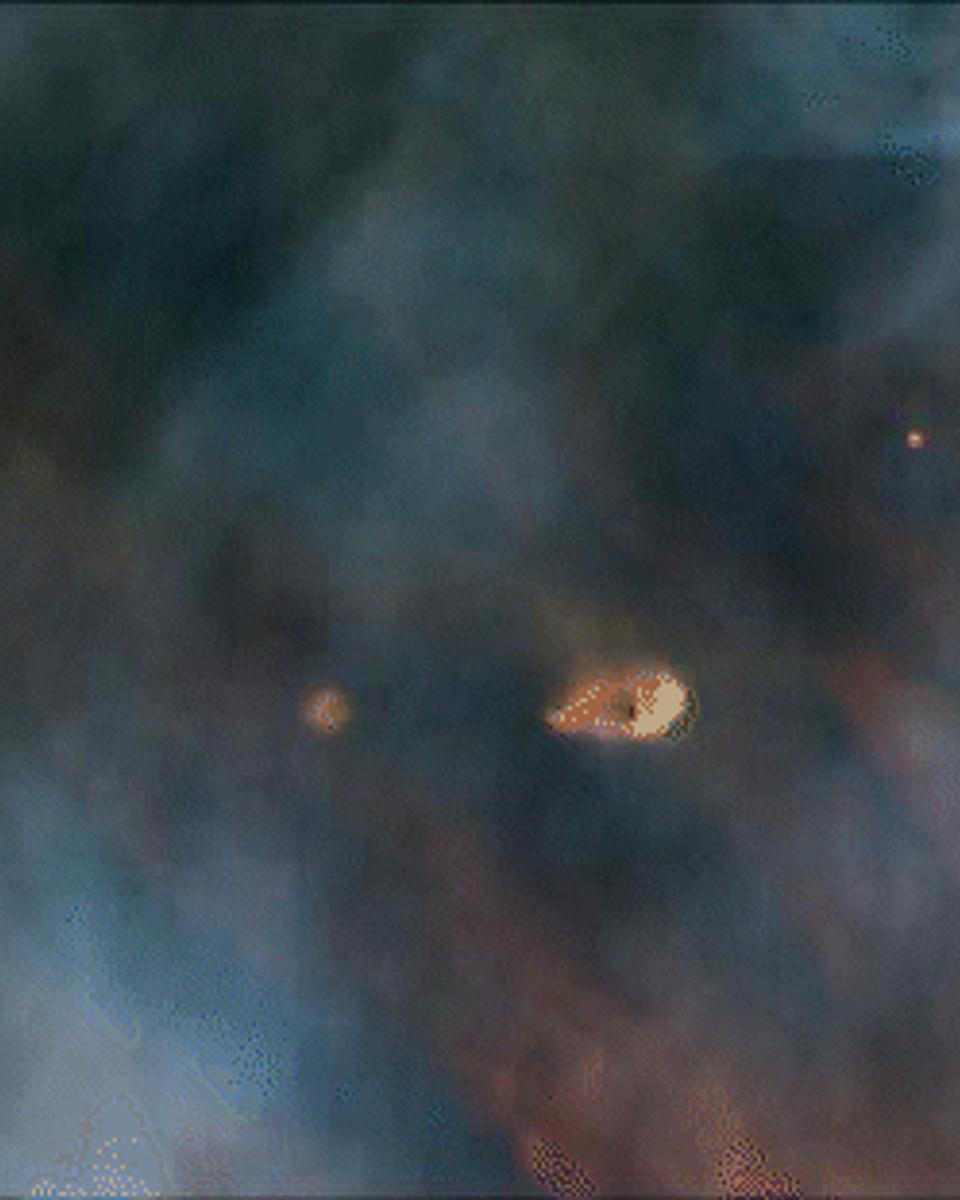
Proplyds: Infant Solar Systems?
Are planets common in our galaxy? Strong evidence that the answer is “yes” was provided in this 1994 image made by the Hubble Space Telescope . A close-up of the Orion Nebulae ,…
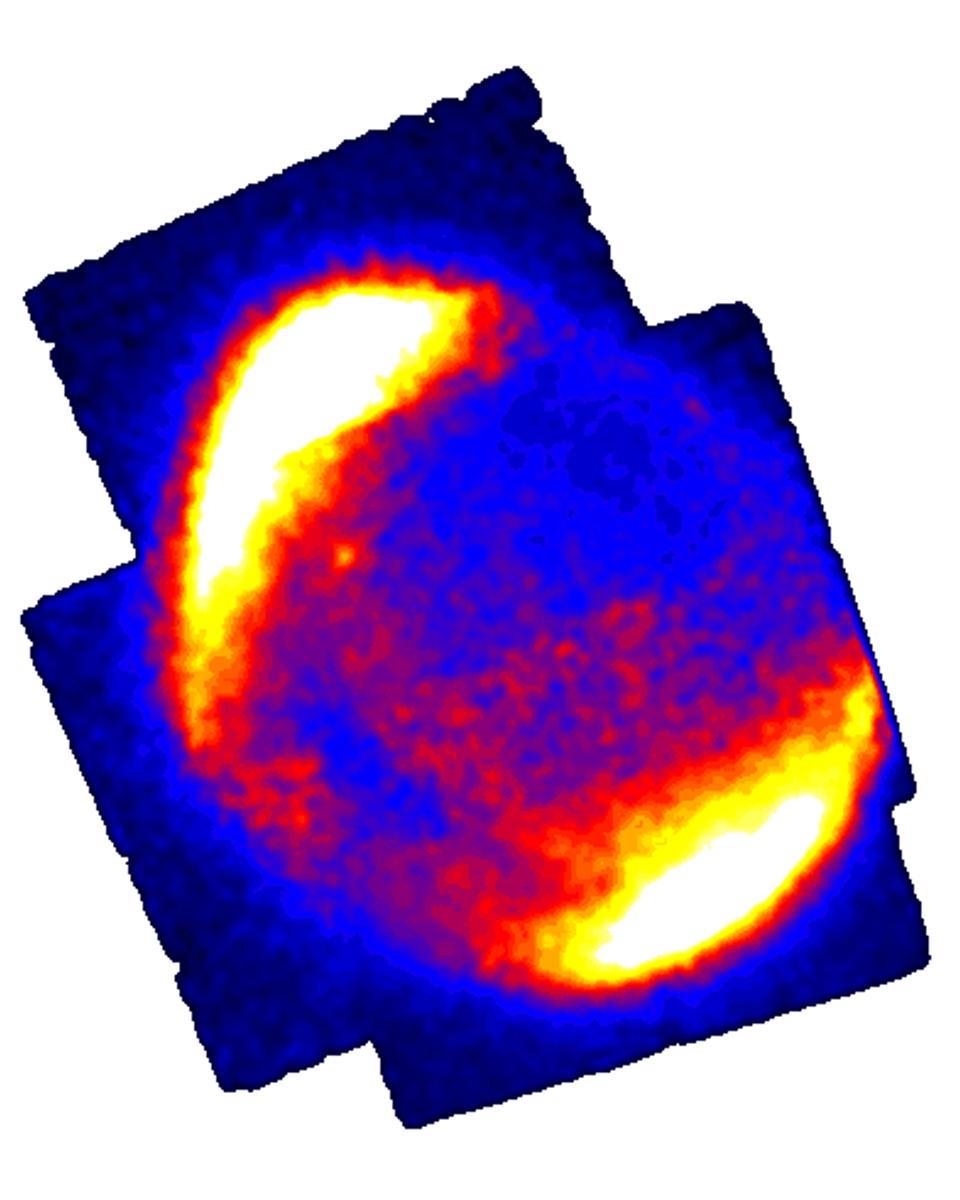
SN 1006: Pieces of the Cosmic Ray Puzzle
Research balloon flights conducted in 1912 by Austrian physicist Victor Hess revealed that the Earth was constantly bombarded by high energy radiation from space - which came to…
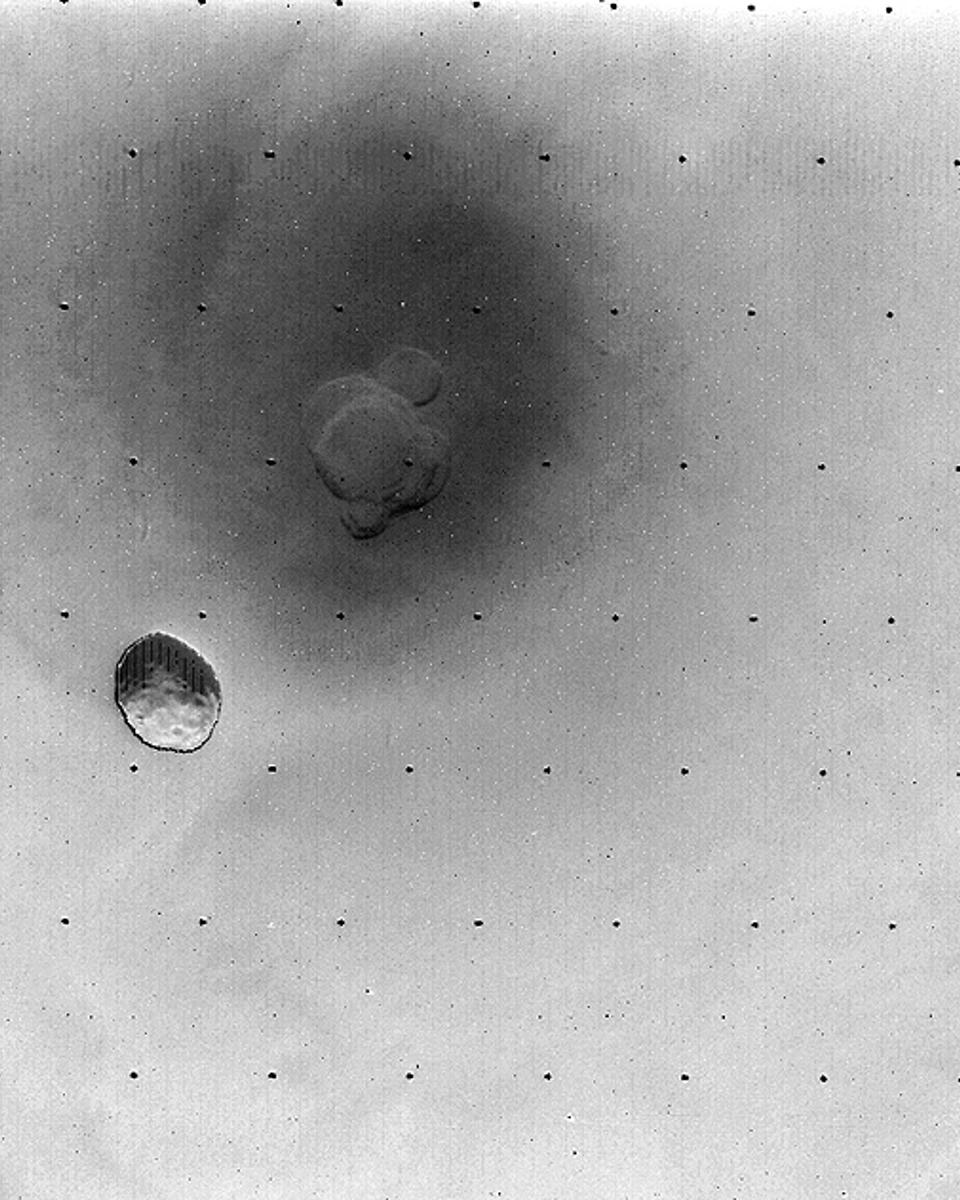
Phobos Over Mars
Hurtling through space a mere 3,000 miles above the Martian surface , the diminutive moon Phobos (below and left of center) was imaged against the backdrop of a large shield…
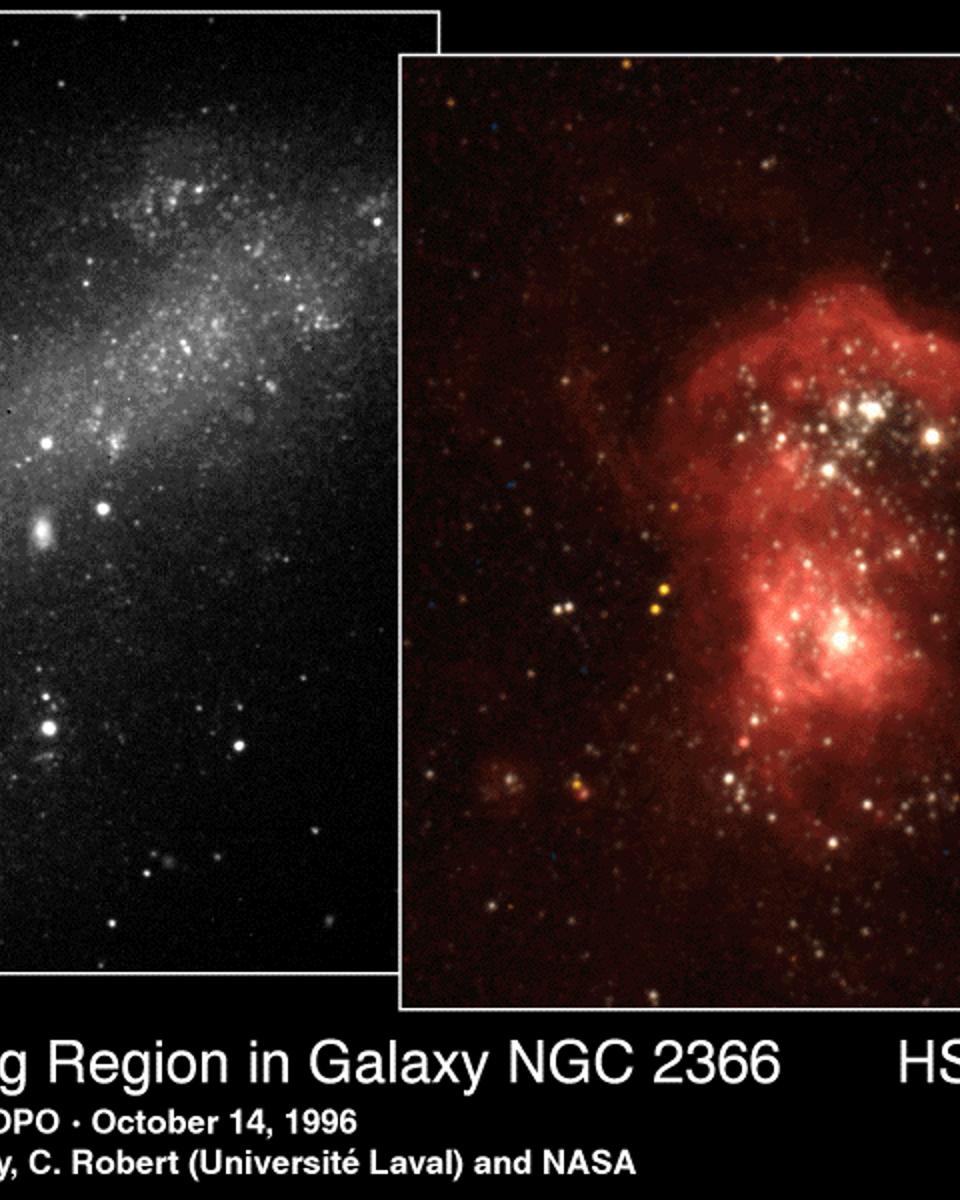
Bright Stars, Dim Galaxy
These two clusters of bright, newly formed stars surrounded by a glowing nebula lie 10 million light years away in the dim, irregular galaxy cataloged as NGC 2366. The Hubble…
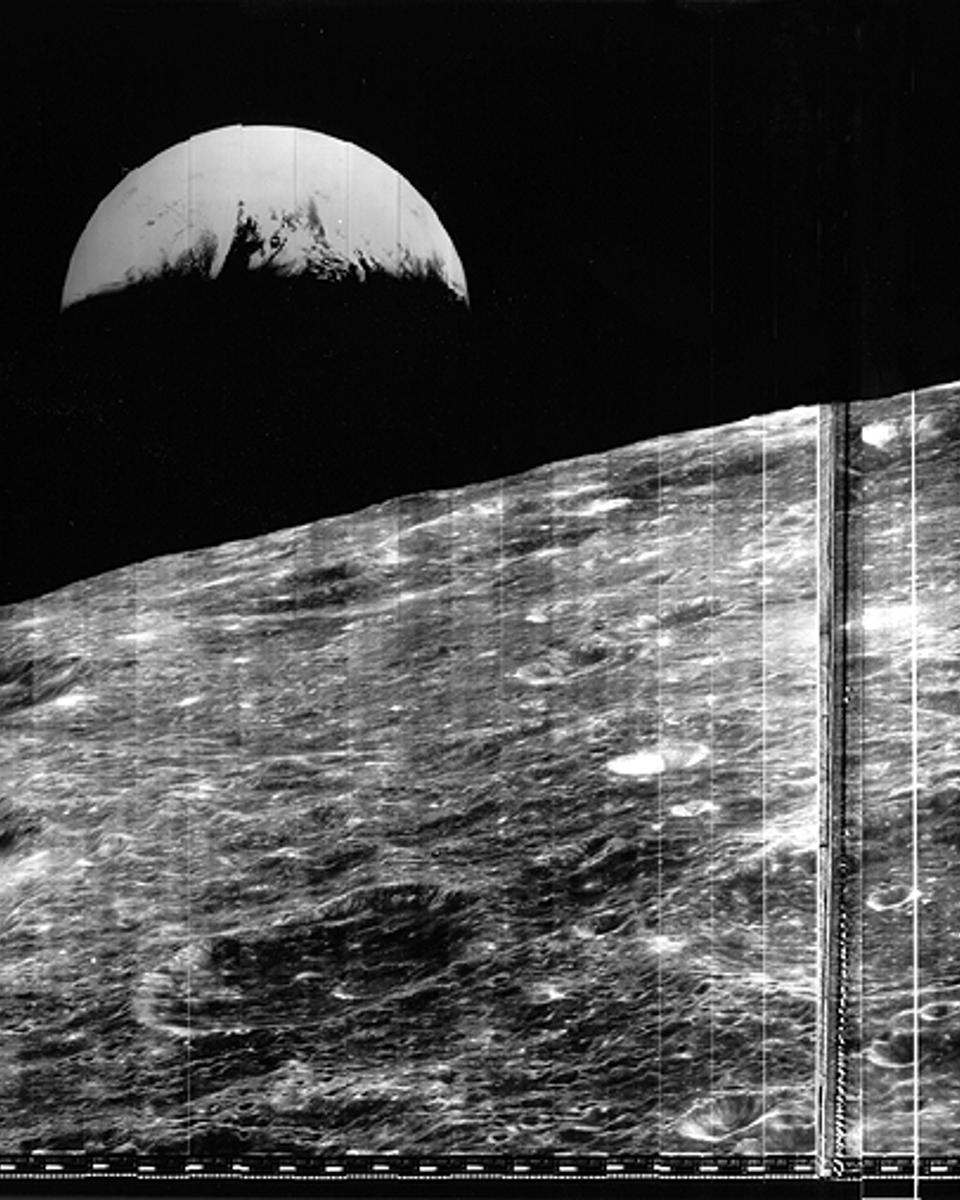
The Earth Also Rises
The Lunar Orbiter 1 spacecraft was launched in 1966 to map the lunar surface in preparation for the Apollo moon landings . NASA's plucky robotic explorer performed its job well…
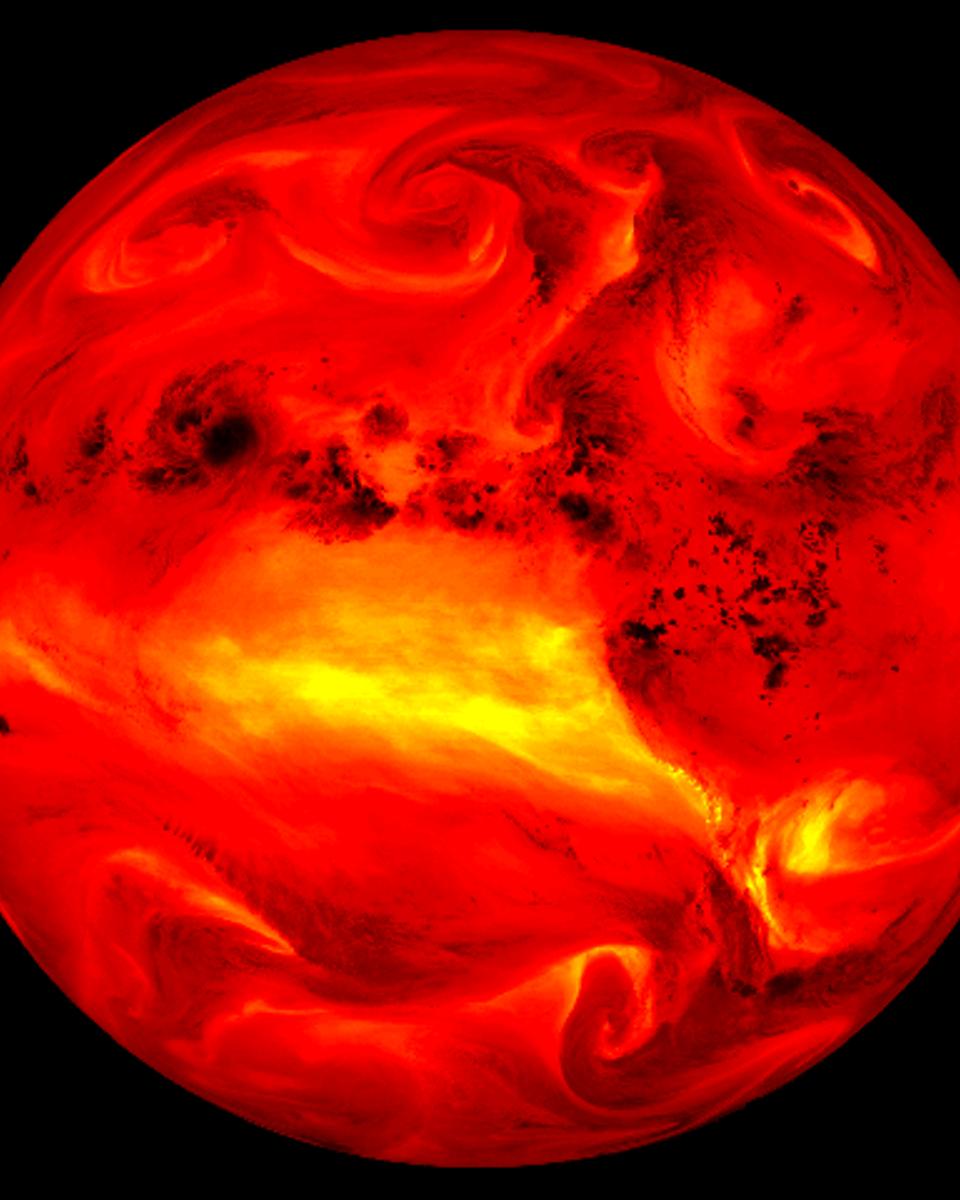
The Water Vapor Channel
What alien planet's bizarre landscape lurks below these fiery-looking clouds? It's only Planet Earth , of course -- as seen on the Water Vapor Channel. Hourly, images like this…
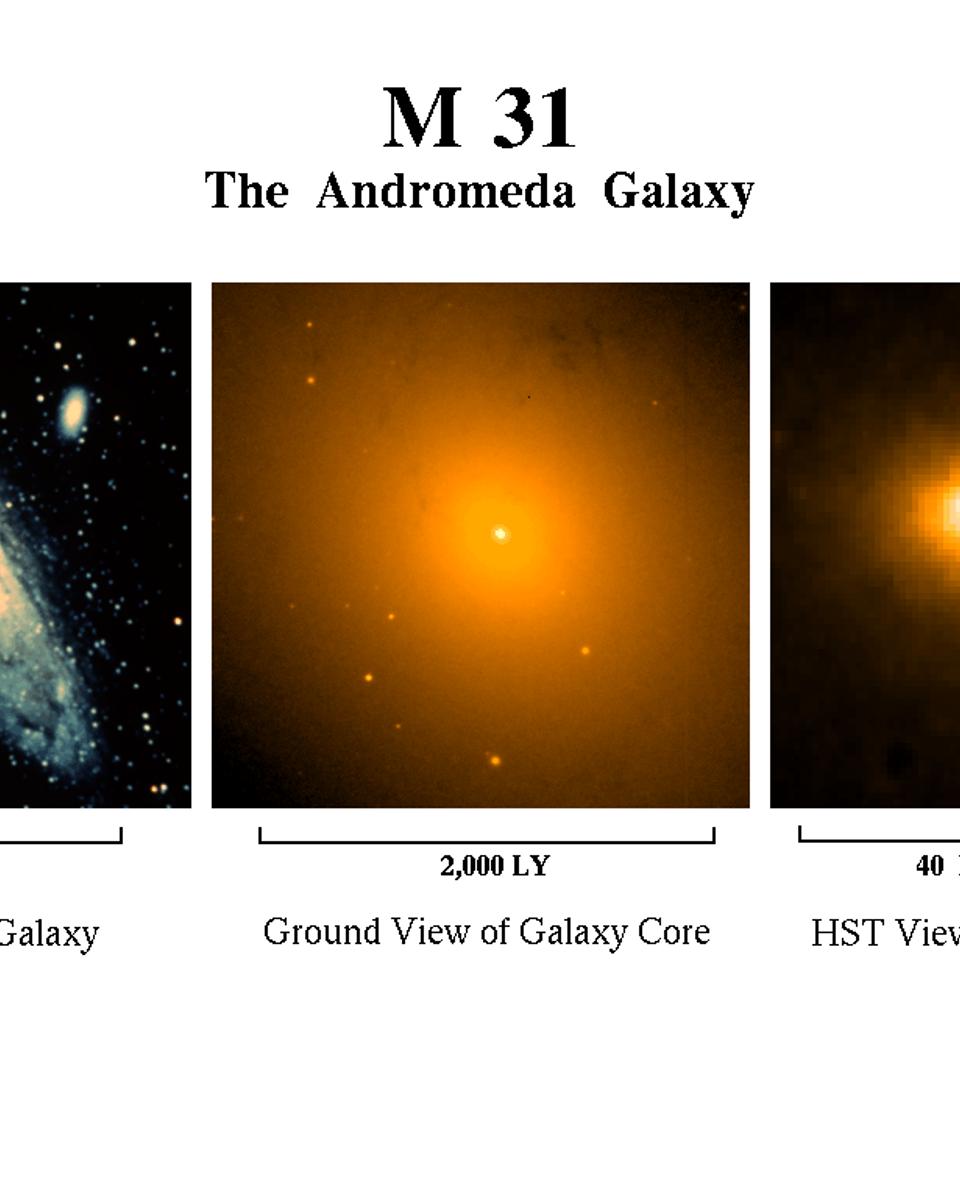
The Double Nucleus of M31
The center of M31 is twice as unusual as previously thought. In 1991 the Planetary Camera then onboard the Hubble Space Telescope pointed toward the center of our Milky Way 's…
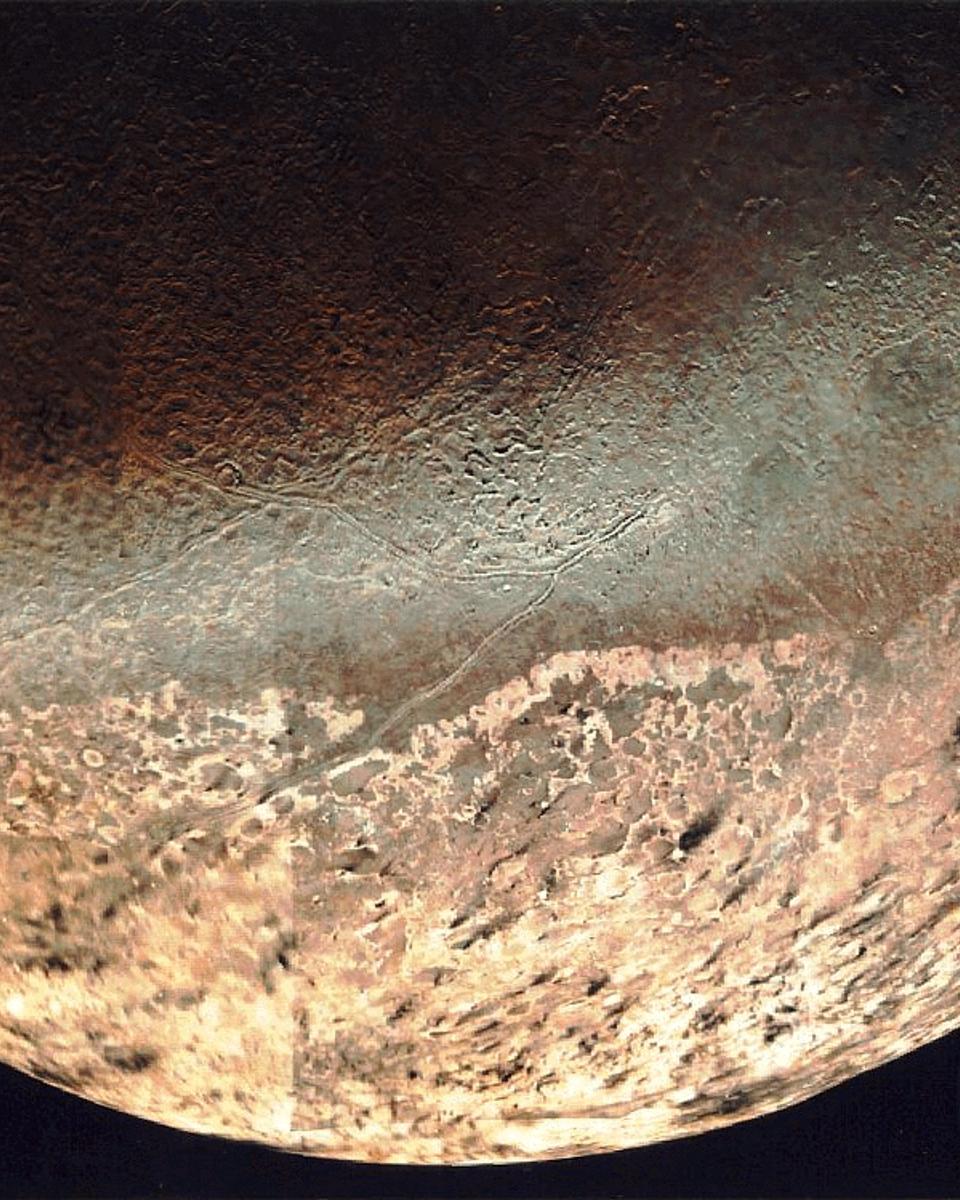
Triton: Neptune's Largest Moon
Today marks the 150 th anniversary of the discovery of Triton. On October 10 1846, William Lassell was observing the newly discovered planet Neptune . He was attempting to confirm…
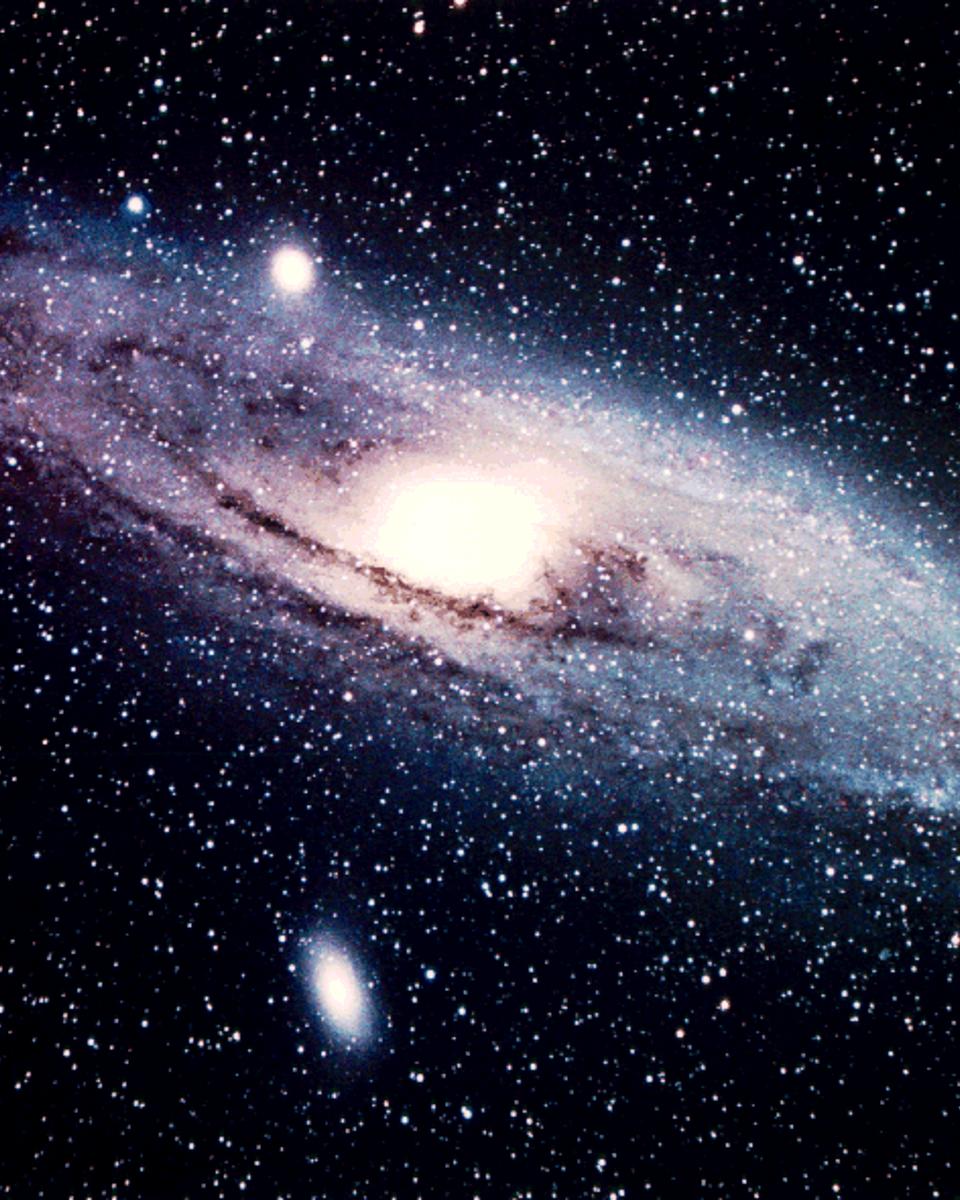
M31: The Andromeda Galaxy
Andromeda is the nearest major galaxy to our own Milky Way Galaxy . Our Galaxy is thought to look much like Andromeda . Together these two galaxies dominate the Local Group of…
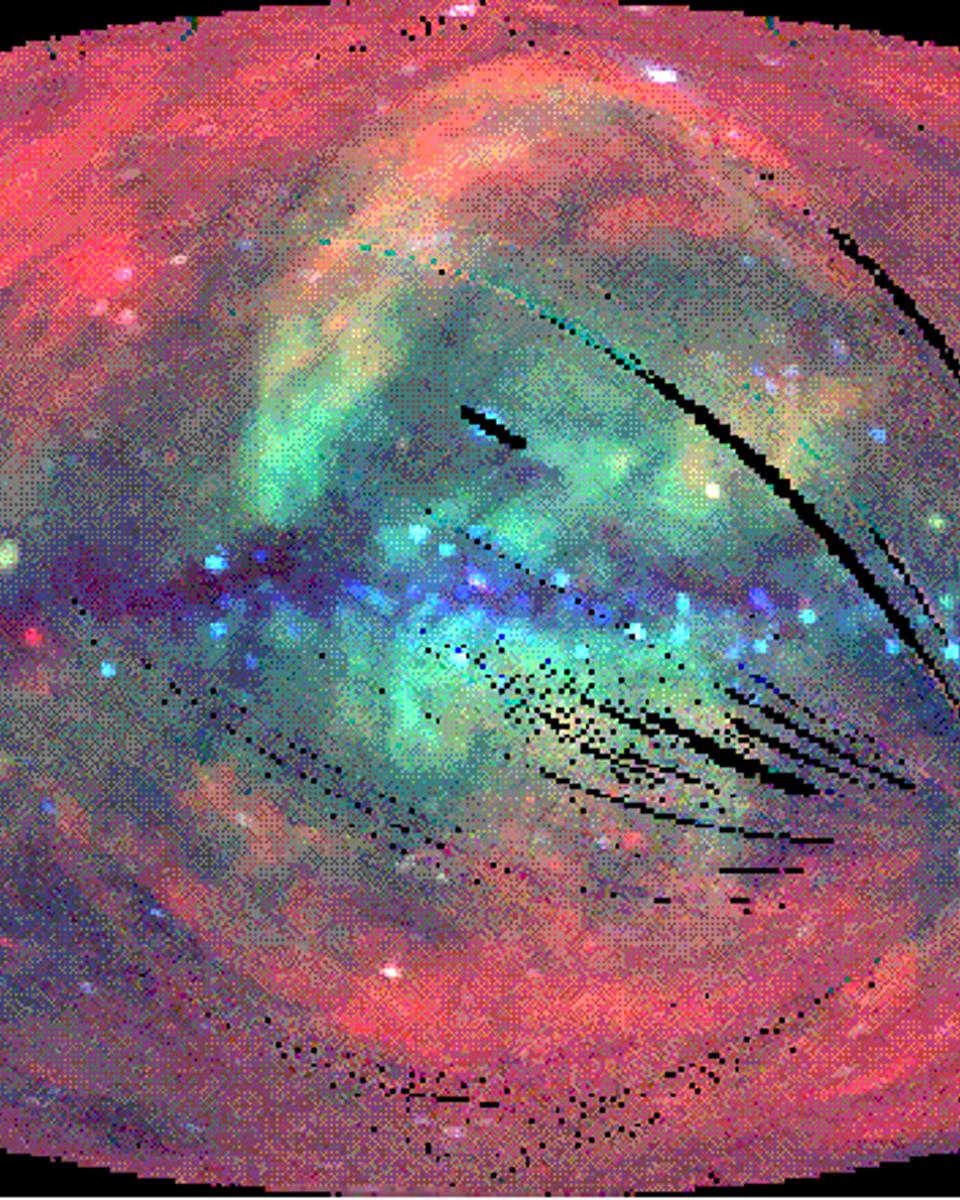
ROSAT Explores the X-Ray Sky
Launched in 1990, the orbiting ROSAT observatory explored the Universe by viewing the entire sky in x-rays - photons with about 1,000 times more energy than visible light . This…
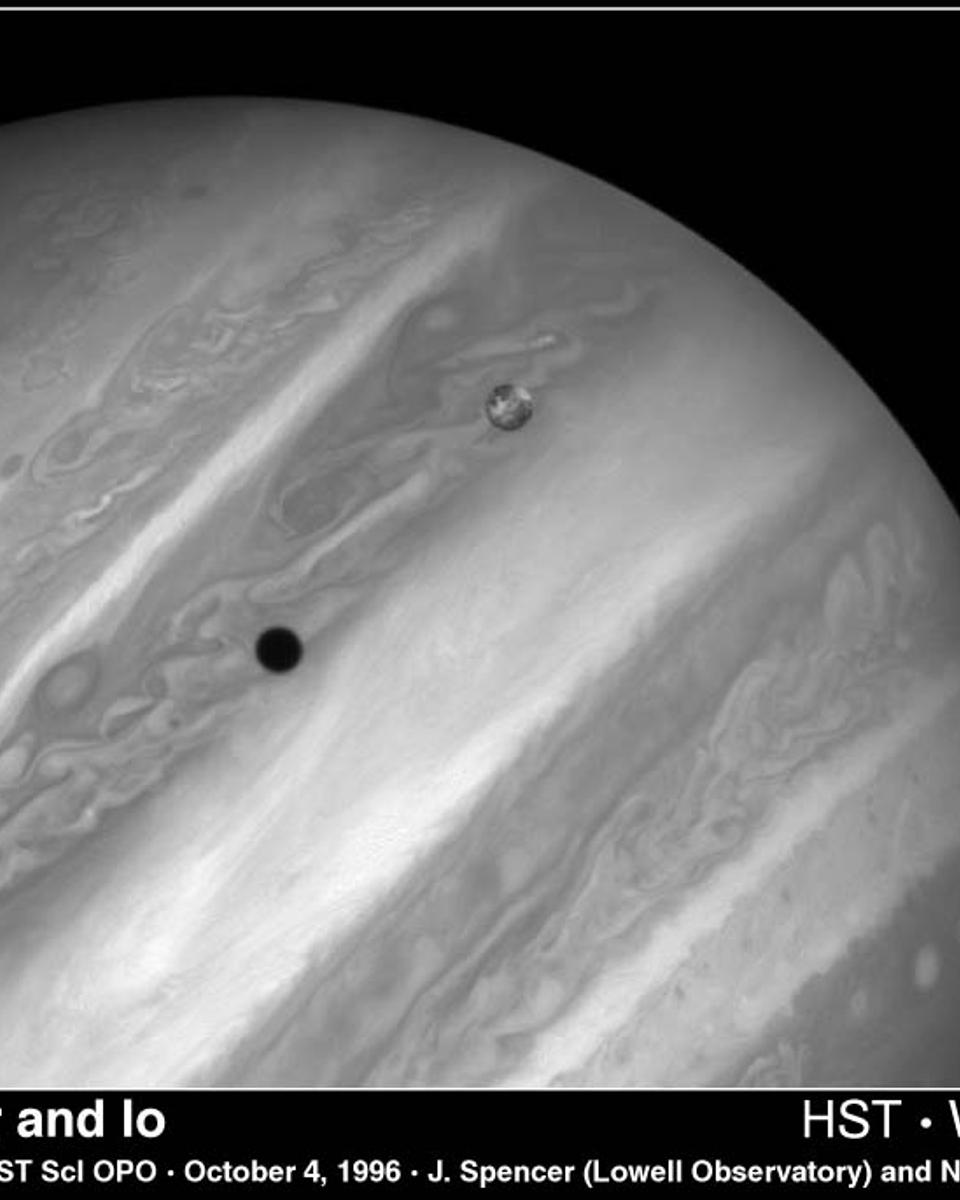
Io's Shadow
Explanation : Caught in the act earlier this summer by the Hubble Space Telescope, the volcanic moon Io (above and right of center) and its shadow (black dot) are seen here…
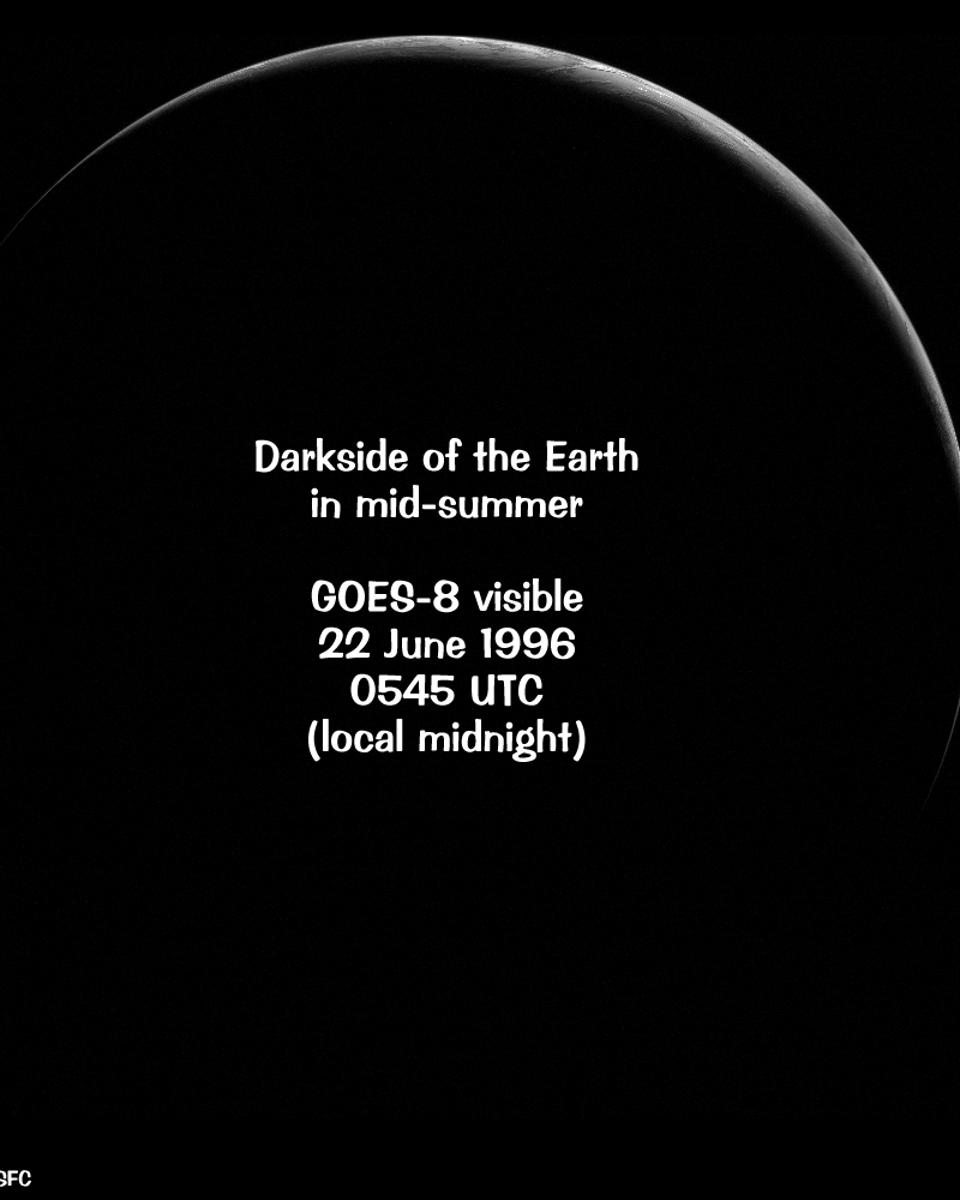
A Crescent Earth At Midnight
Explanation : The Earth's northern hemisphere appears outlined as a sunlit crescent in this dramatic view from the GOES 8 satellite. The image was made near midnight for the G…
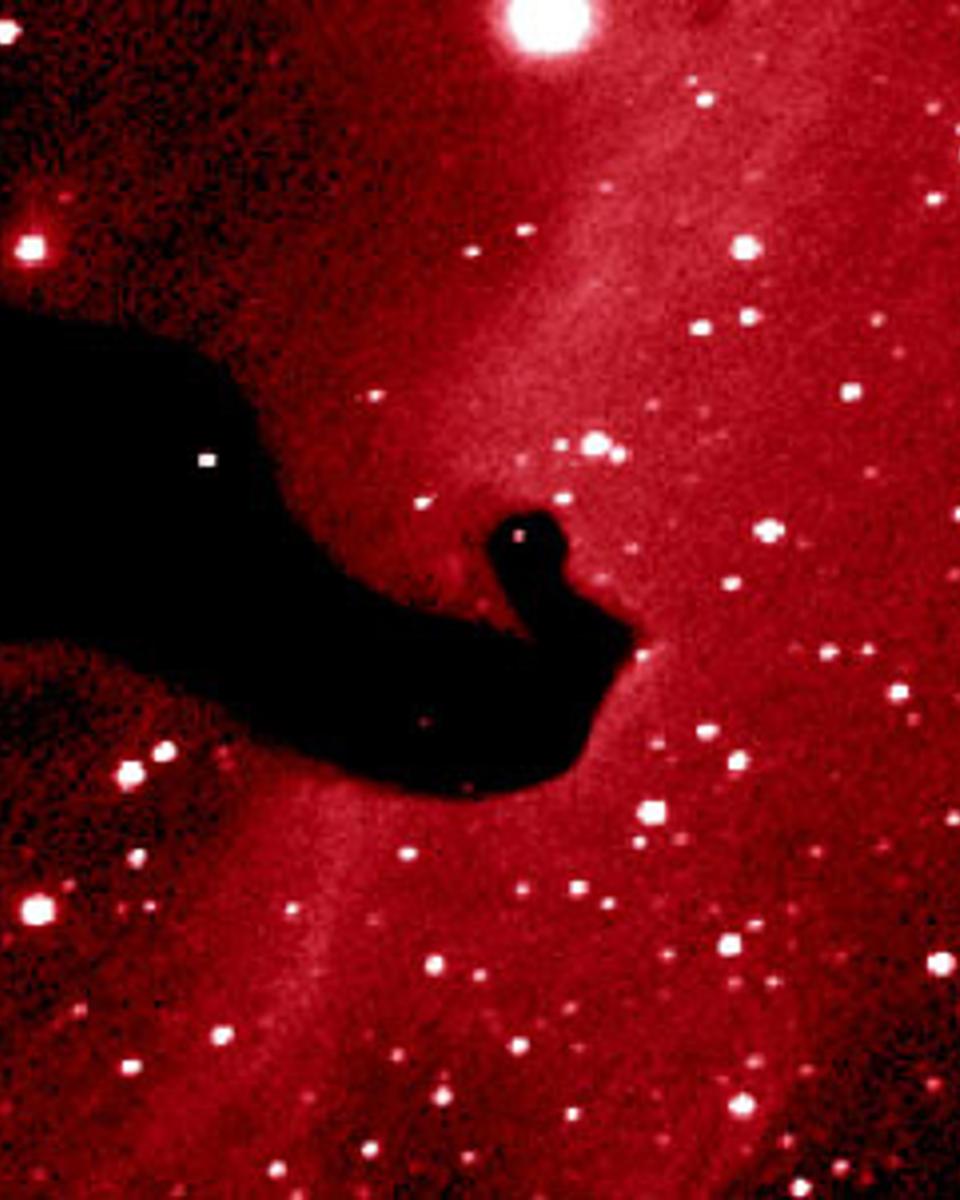
A Close-Up of the Horsehead Nebula
Explanation : 1500 light years away lies a nebula of quite peculiar shape. How did the dark dust cloud shown above come to be shaped like a horse's head? Nobody knows ! Barnard 33…
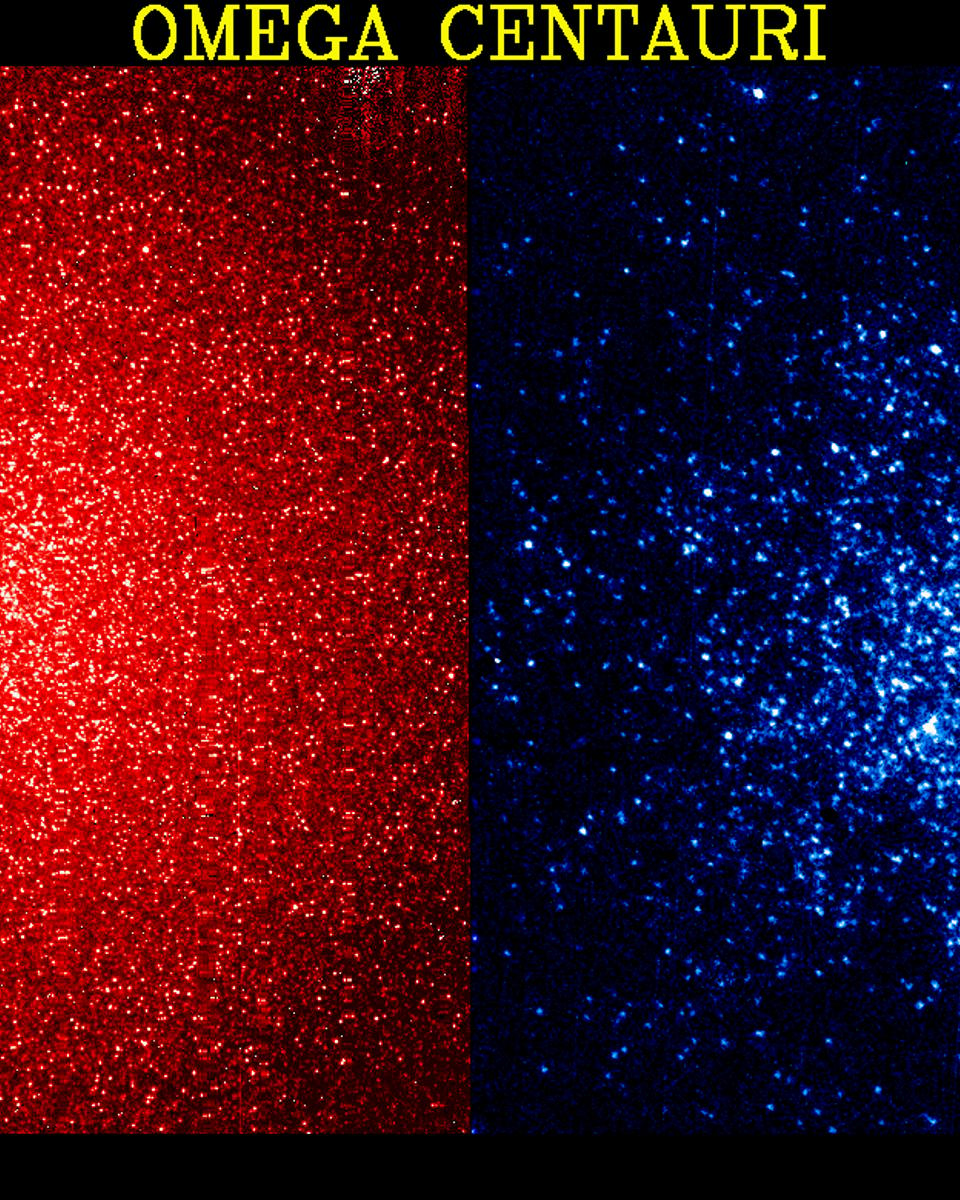
Globular Cluster Omega Centauri
Explanation : Does an old, red globular cluster have any hot, blue stars? The rightmost picture, taken by the Ultraviolet Imaging Telescope in ultraviolet light, shows that indeed…
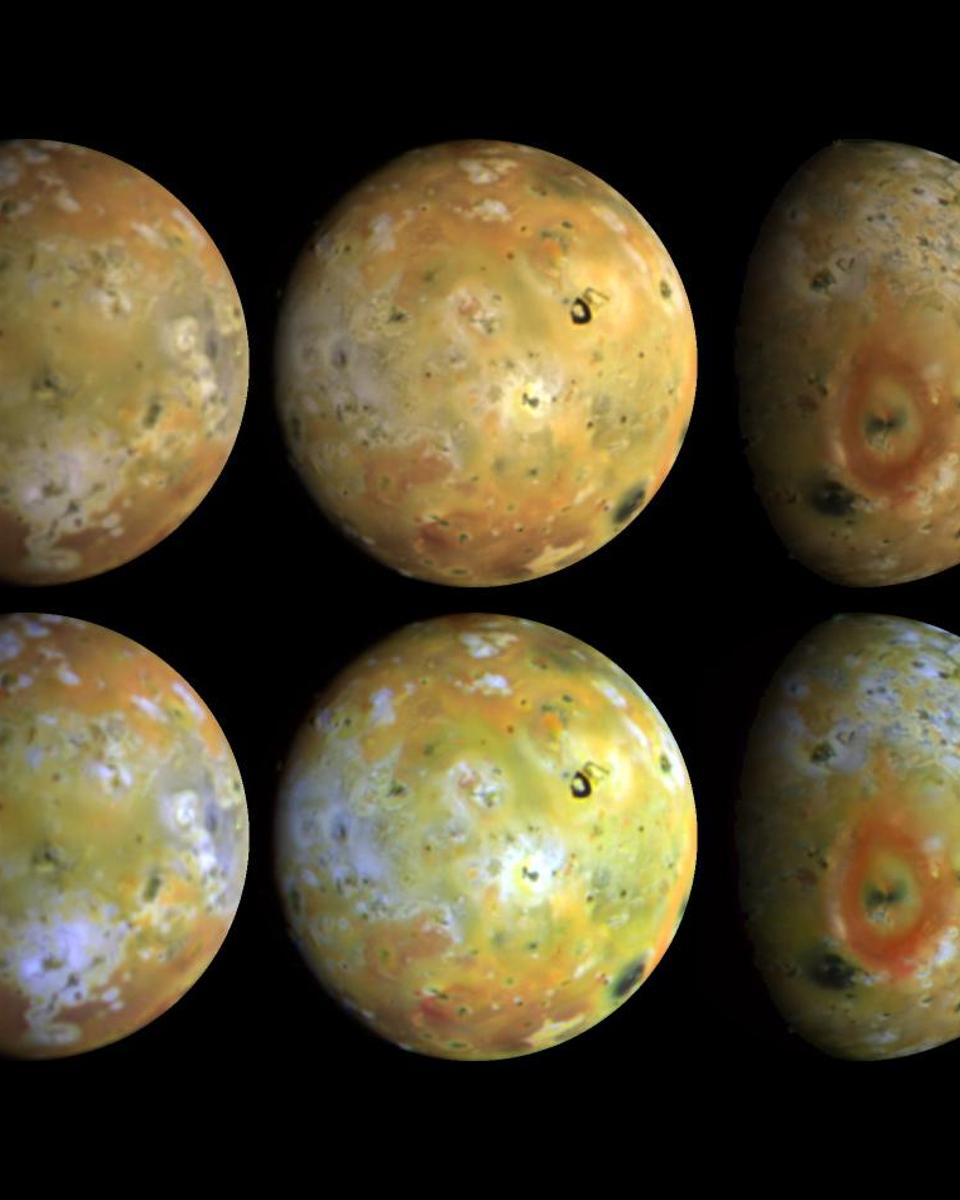
Three Views of Jupiter's Io
Explanation : The Galileo spacecraft orbiting Jupiter continues to return impressive results. The Galileo team has just released three more photographs of Jupiter 's volcanic moon…
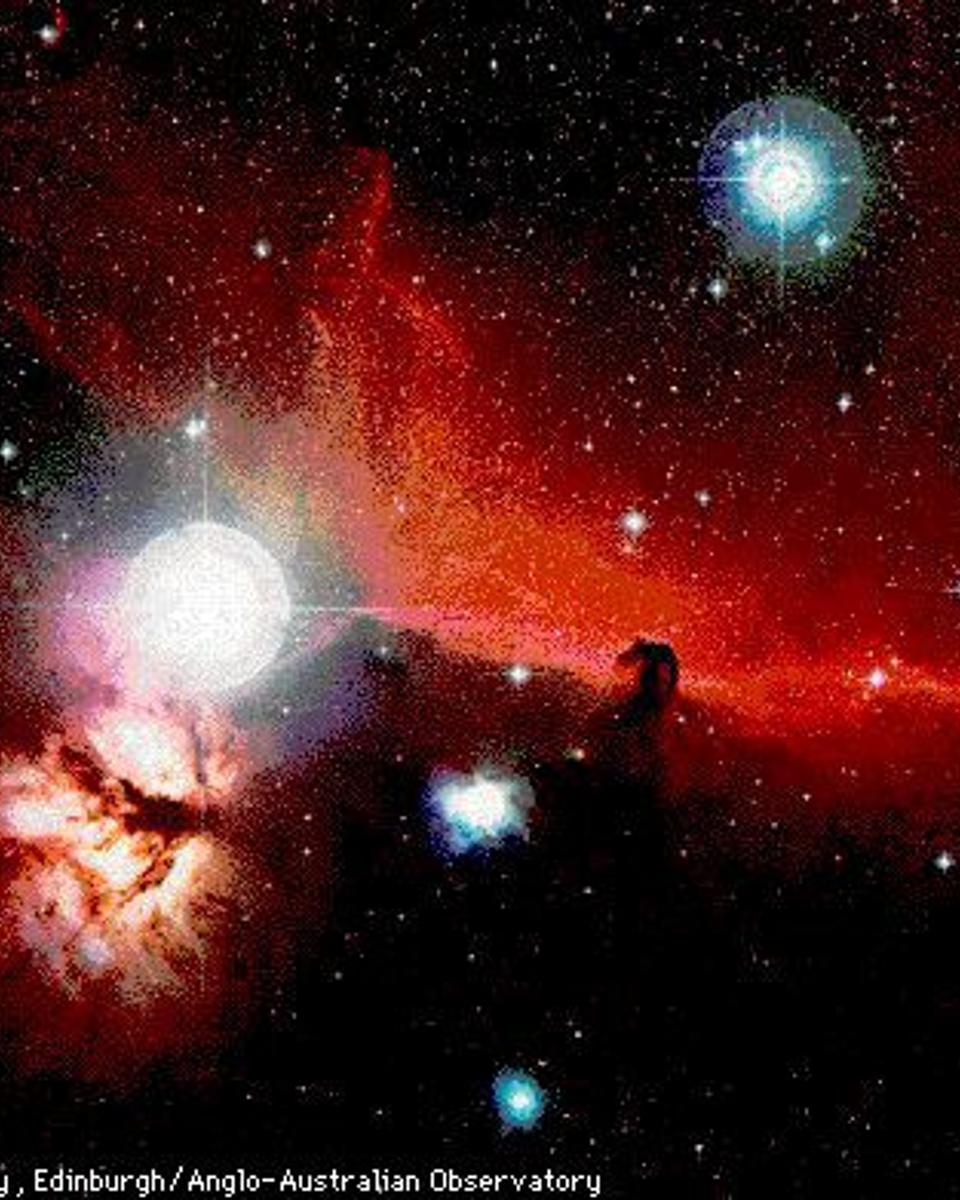
Orion's Horsehead Nebula
Explanation : The Horsehead Nebula is arguably the most famous nebula on the sky. It is visible as the black indentation to the red emission nebula seen just to the right of…
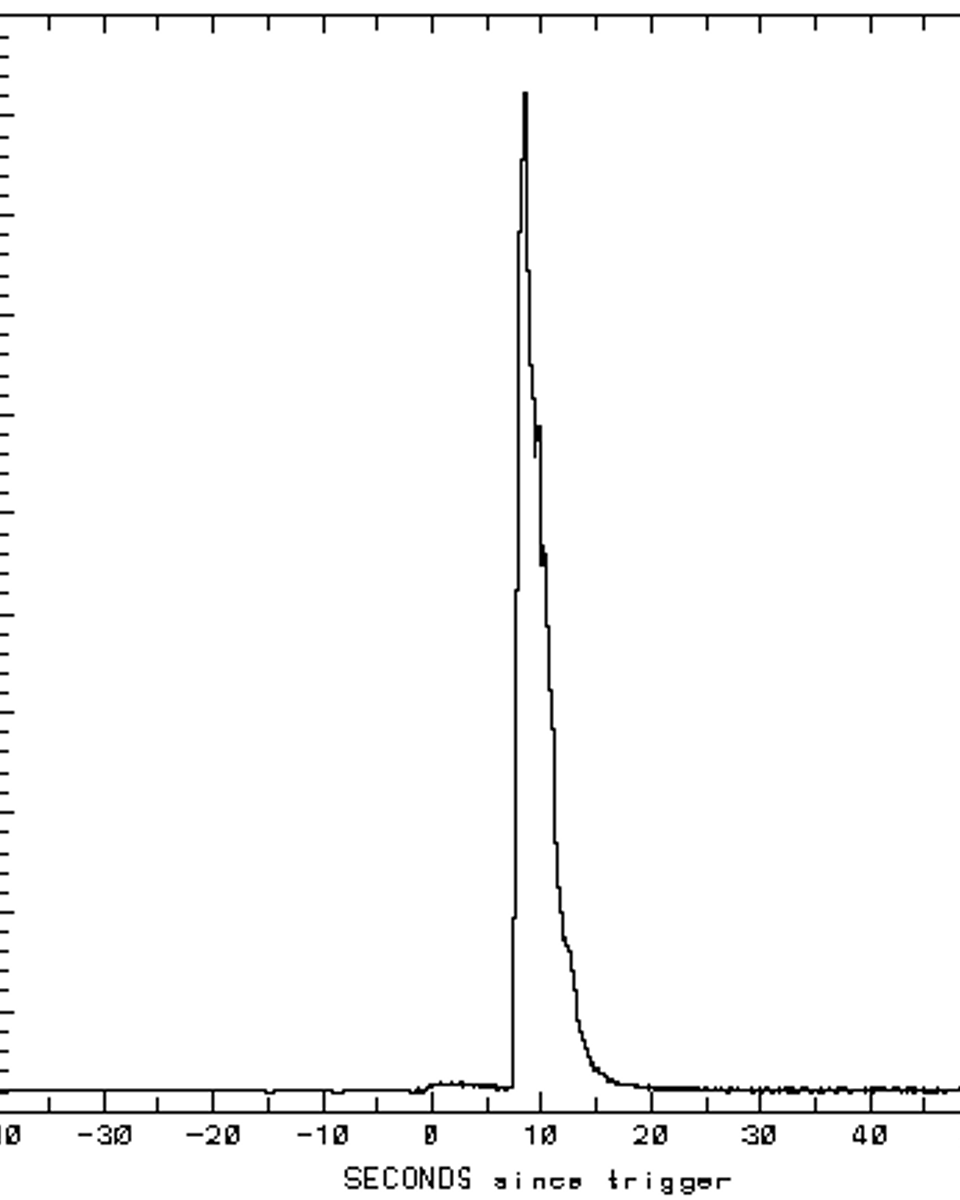
BATSE's Biggest Gamma Ray Burst (Yet)
Explanation : Something big exploded but astronomers have no idea what. On September 24 th , the Burst and Transient Source Experiment (BATSE) onboard the orbiting Compton Gamma…
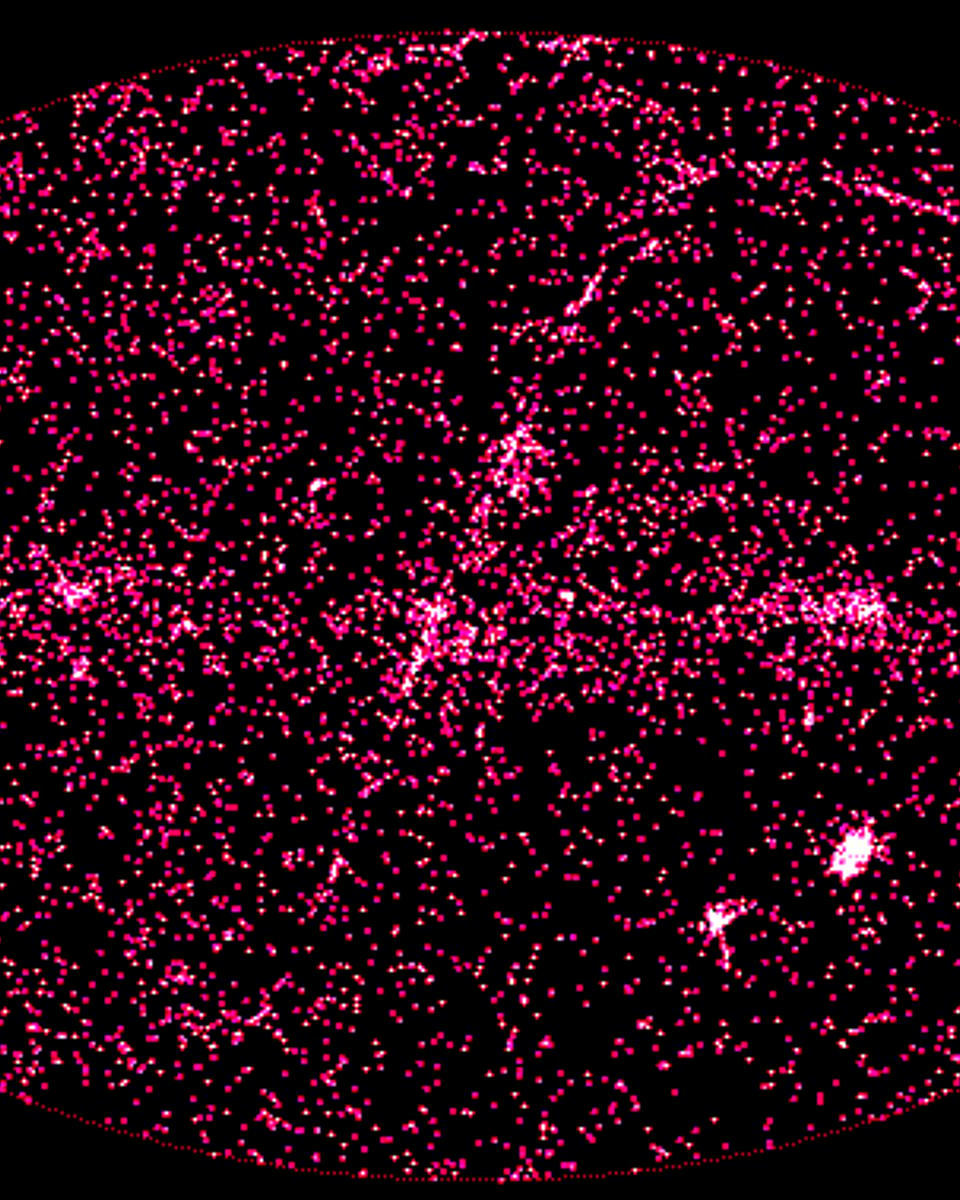
Exploring The Universe With IUE (1978-1996)
Explanation : How do planets, stars, and galaxies form? How do they evolve? The International Ultraviolet Explorer (IUE) satellite was launched in 1978 and operated by NASA / ESA…
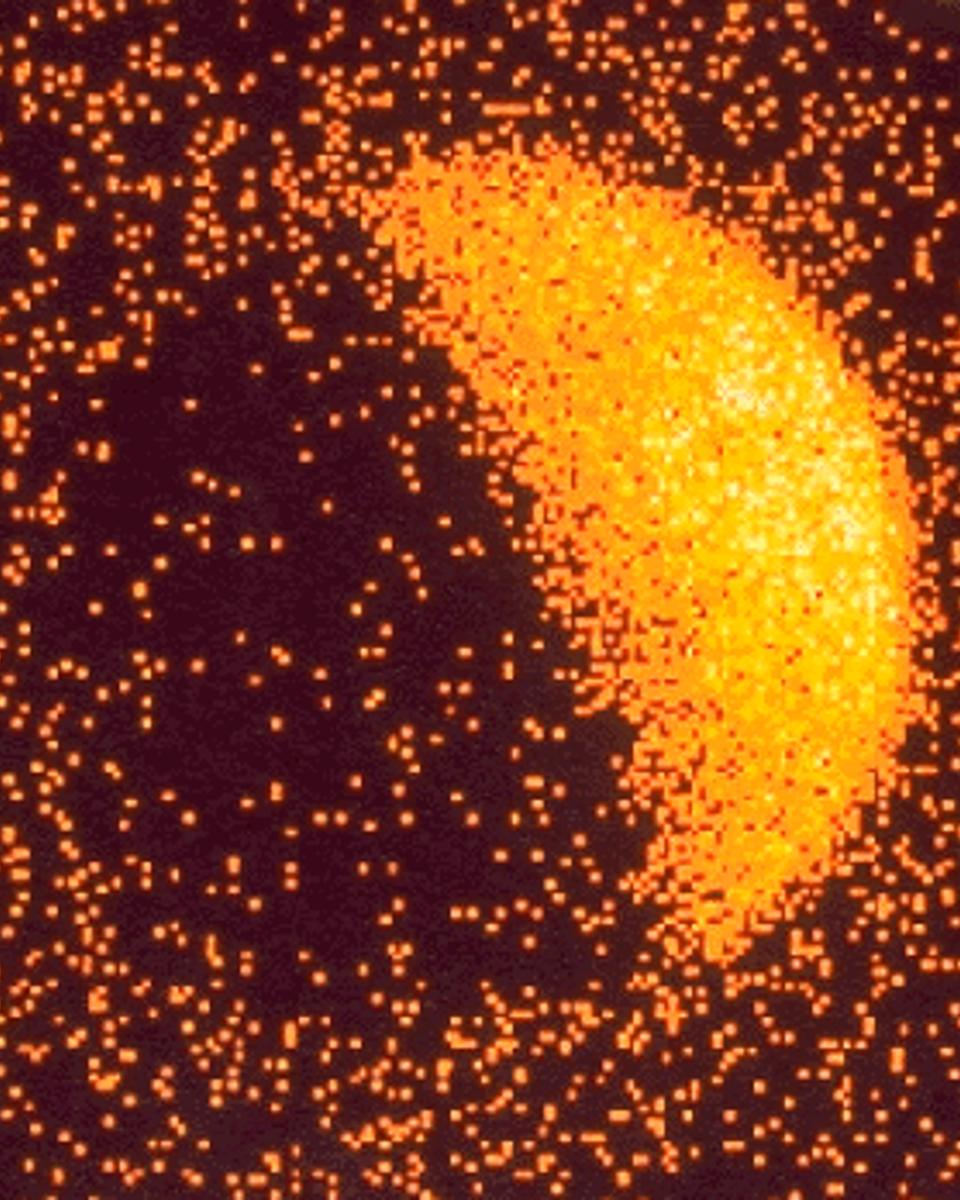
The X-Ray Moon
Explanation : This X-Ray image of the Moon was made by the orbiting Roentgen Observatory Satellite ( ROSAT ) in 1990. It shows three distinct regions: a bright X-ray sky, a bright…
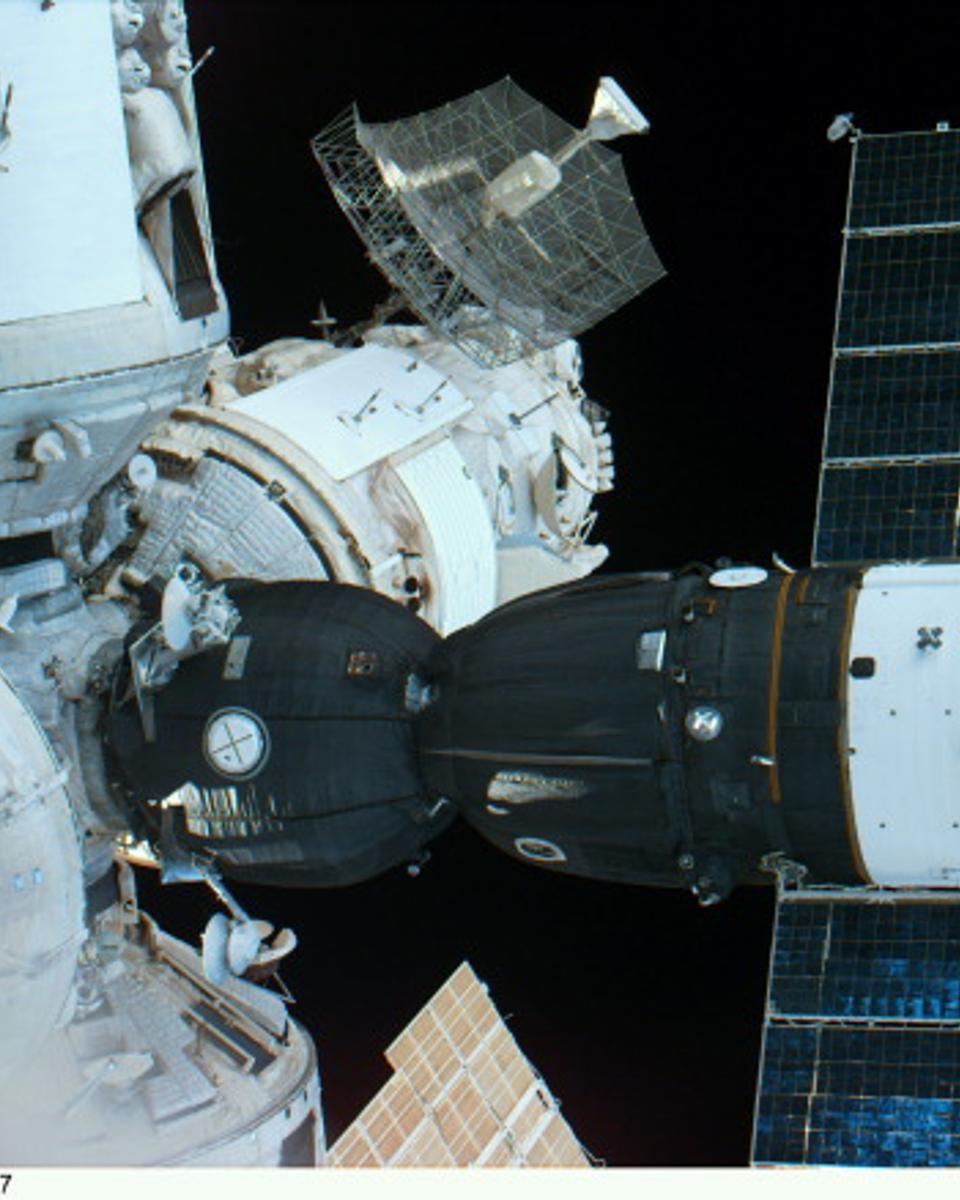
A Soyuz at Mir
Explanation : Pictured above is a three person Russian Soyuz capsule with wing-like solar panels extended, joined to the Mir space station . In Russian soyuz means “union” and…
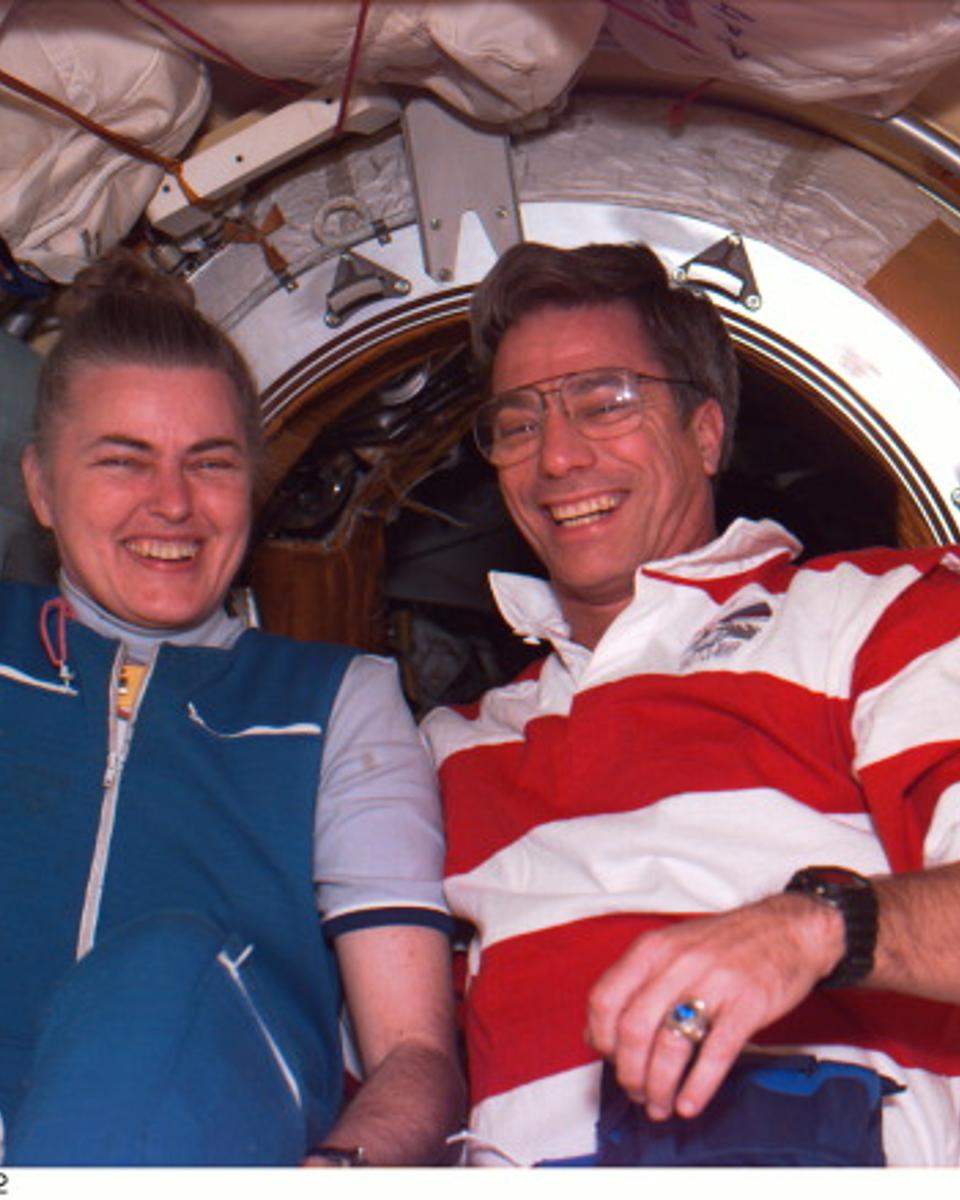
Welcome Home Shannon Lucid
Explanation : Today is Shannon Lucid's first day on Planet Earth in six months. Her stay aboard Russia's Mir Space Station was of record length - the longest stay of any American…
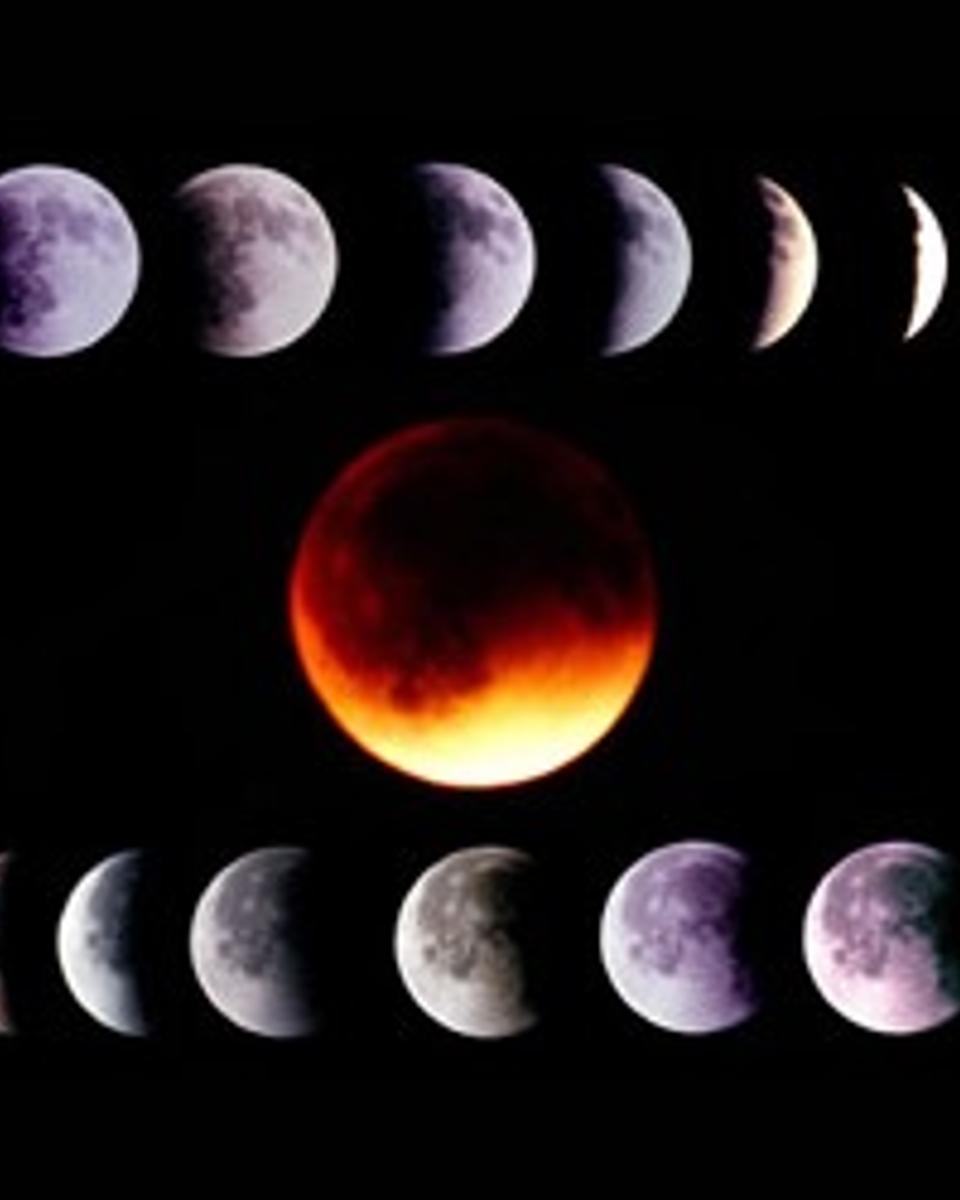
Tonight: A Total Lunar Eclipse
Explanation : Tonight brings the last total lunar eclipse visible from North America until the year 2000 - with the Moon becoming completely immersed in Earth's shadow. The above…
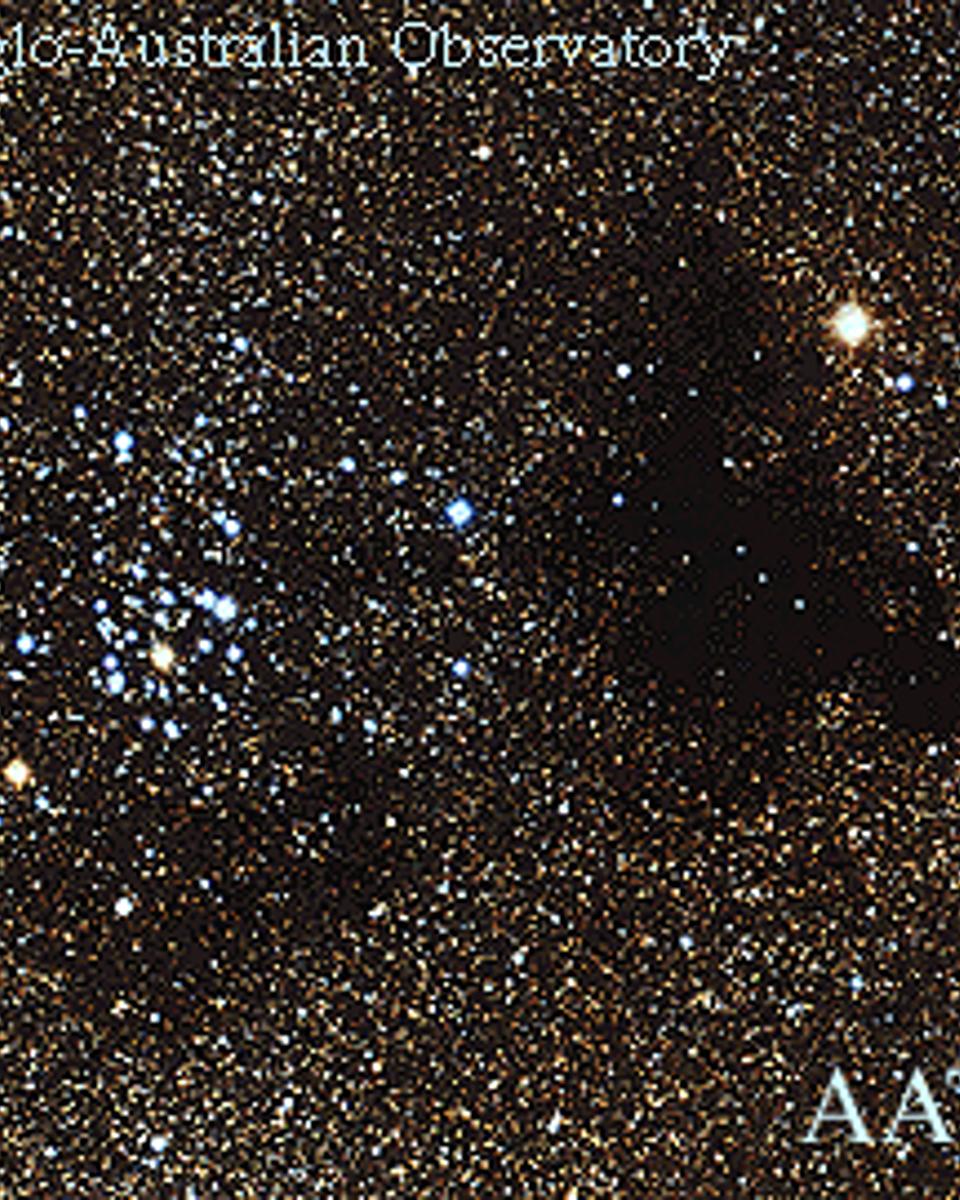
Bright Stars and Dark Clouds
Explanation : Did you ever feel like a black cloud was following you around? Well don't feel bad - this even happened to the bright young stars of the open cluster NGC 6520. On…
Viewing discoveries from 18 October 1996 through 25 September 1996.