Browse NASA Astronomy Picture of the Day archive by date and media: Archive Discoveries
Browse the NASA APOD archive without needing the exact date first. Filter by media type and keep moving deeper into older images and videos.

Kepler Discovers How Planets Move
Johannes Kepler used simple mathematics to describe how planets move. Kepler was an assistant to the most accurate astronomical observer of the time, Tycho Brahe . Kepler was able…
Galileo Demonstrates the Telescope
Galileo Galilei made a good discovery great. Upon hearing at age 40 that a Dutch optician had invented a glass that made distant objects appear larger, Galileo crafted his own…
M17: The Majestic Swan Nebula
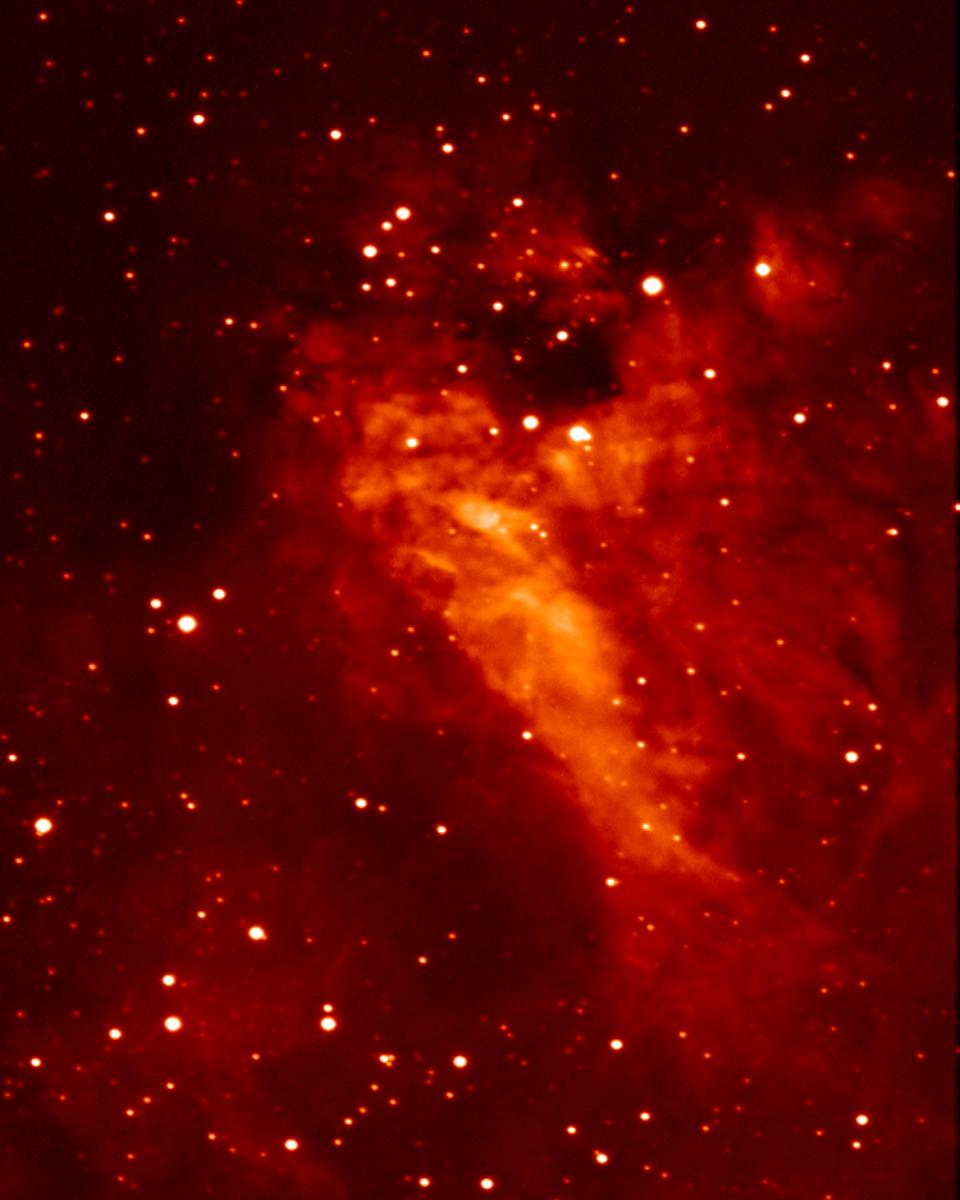
What unusual eggs have been laid by this majestic swan ? The star forming region above, known as Swan Nebula , is the home of hot red-glowing gas , dark lanes of dust , bright…
NGC 5882: A Small Planetary Nebula
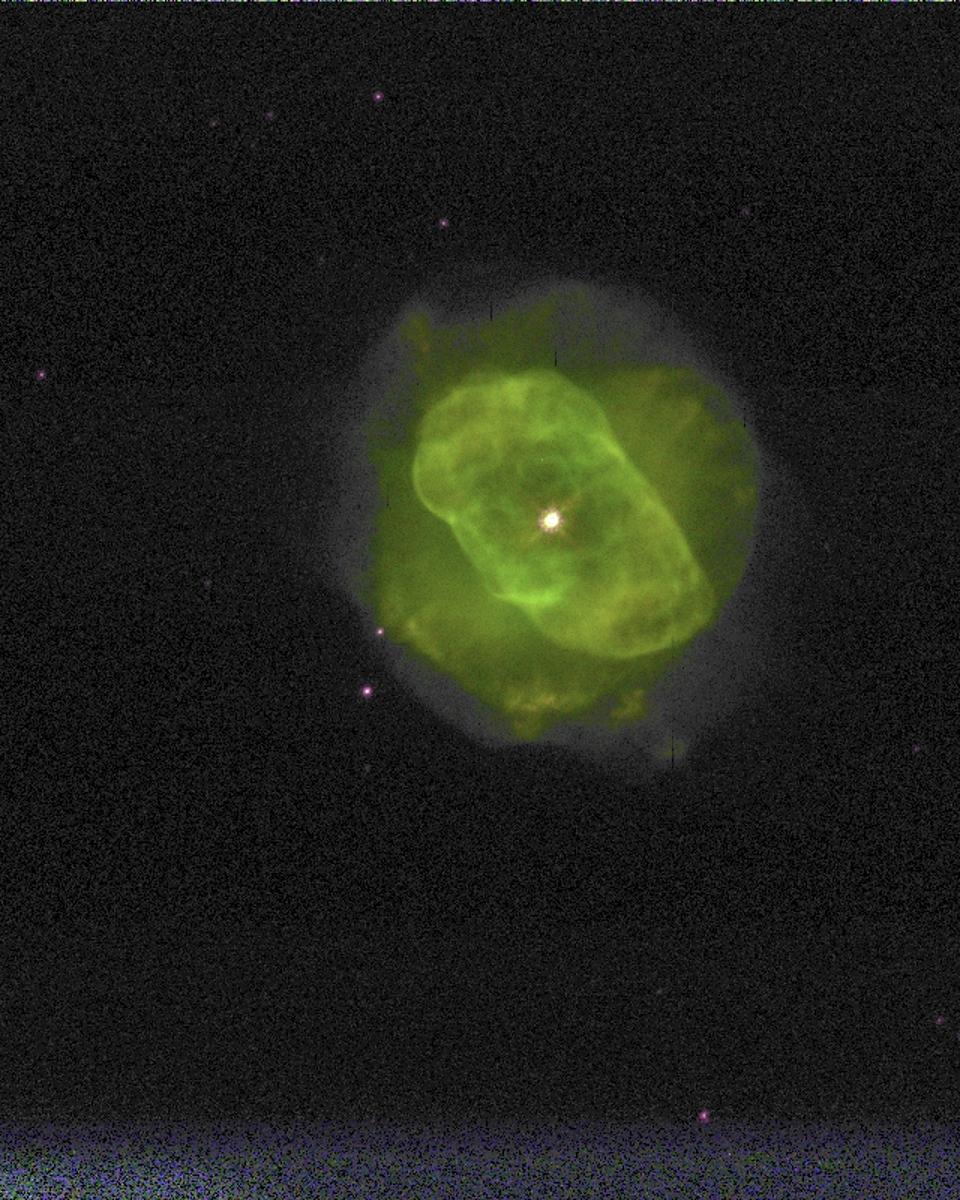
Will most stars one day look like this? Pictured above is the planetary nebula NGC 5882, captured by the Hubble Space Telescope . Although planetary nebulae can appear similar to…
Galileo Zooms in on Jupiter's Red Spot
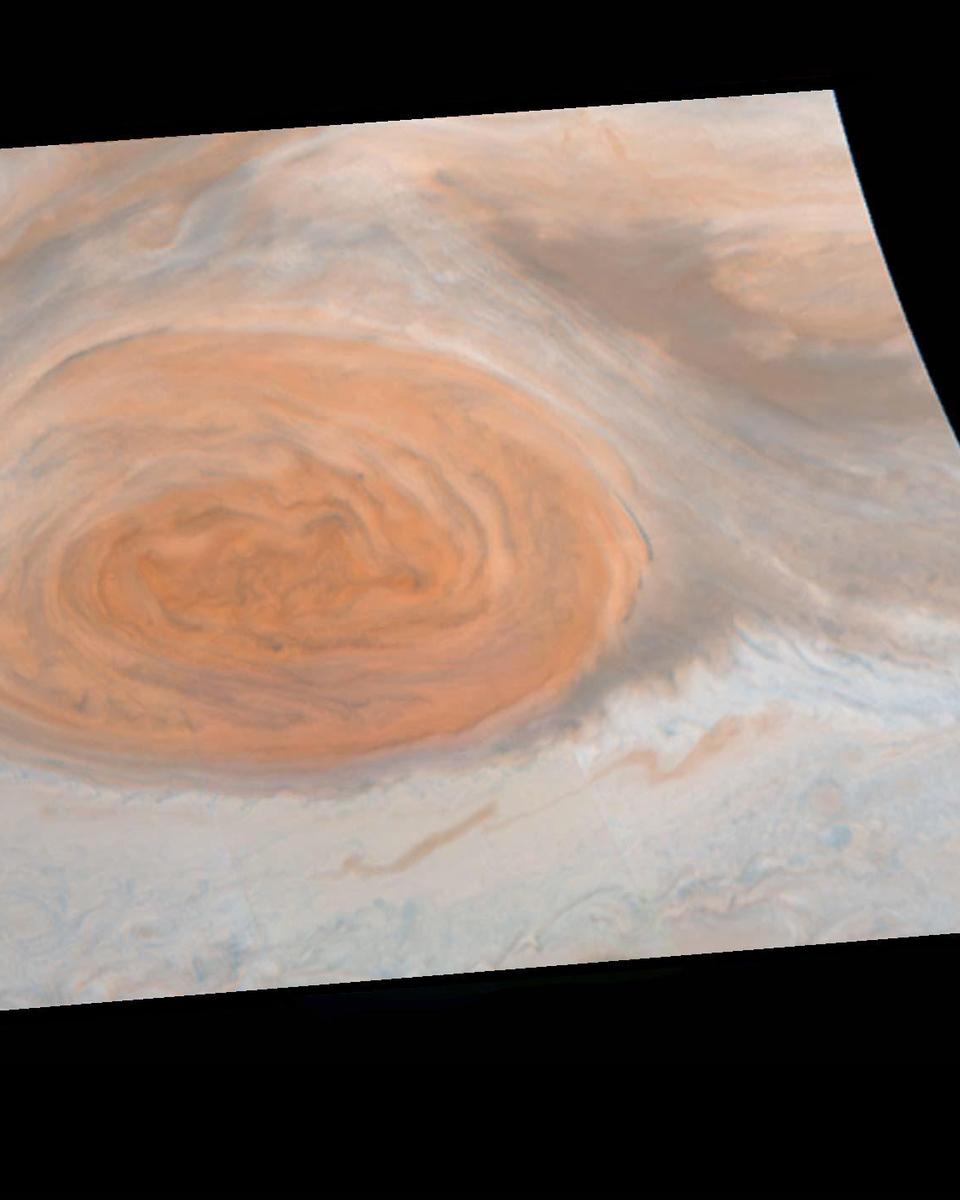
What does the largest storm system ever recorded look like close-up? This storm system is Jupiter 's Great Red Spot and it was captured recently in detail by the robot spacecraft…
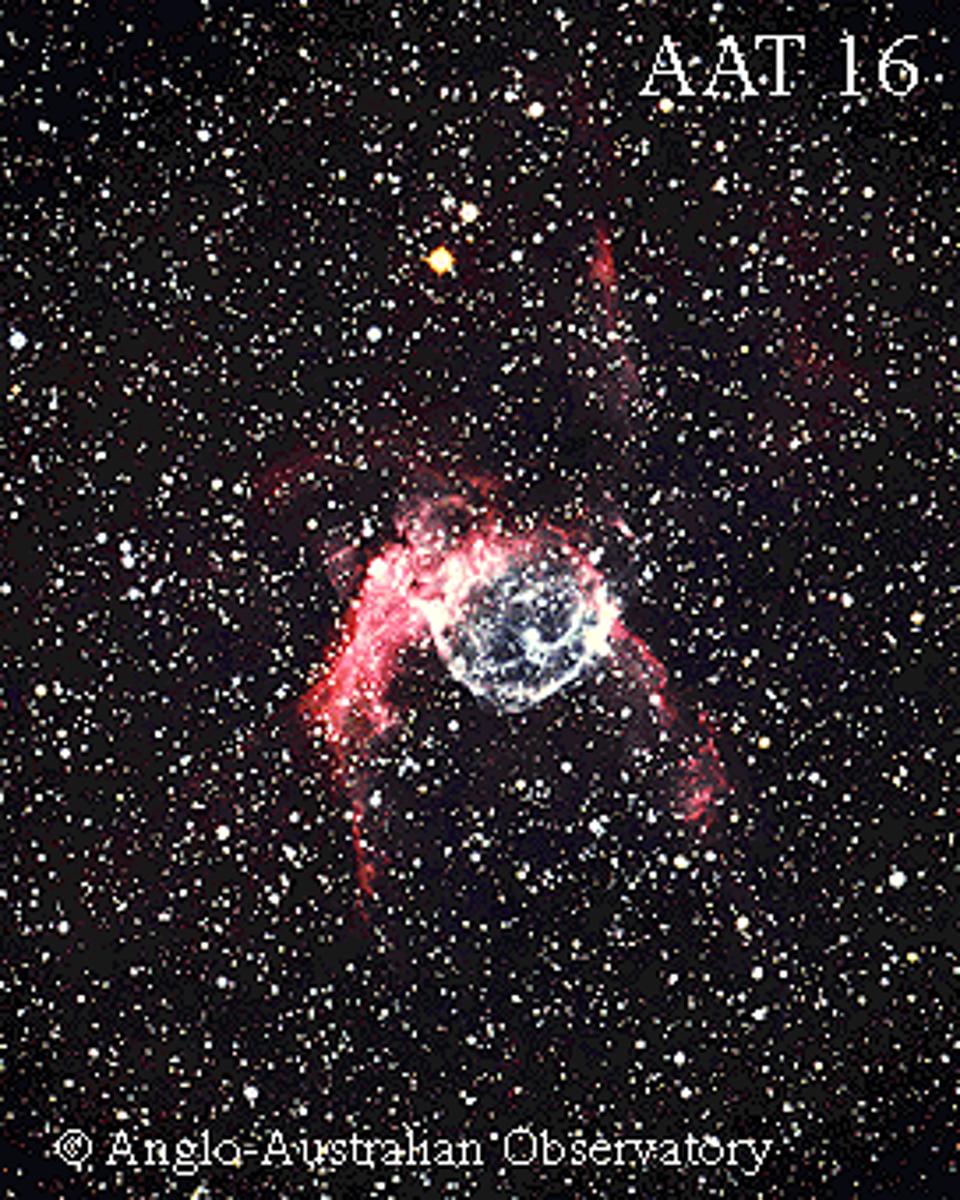
A Wolf-Rayet Star Bubble
What's a Wolf-Rayet star, and how did it create that spherical bubble and sweeping arc? A Wolf-Rayet star is a star that originated with a mass over 40 times that of our Sun . An…
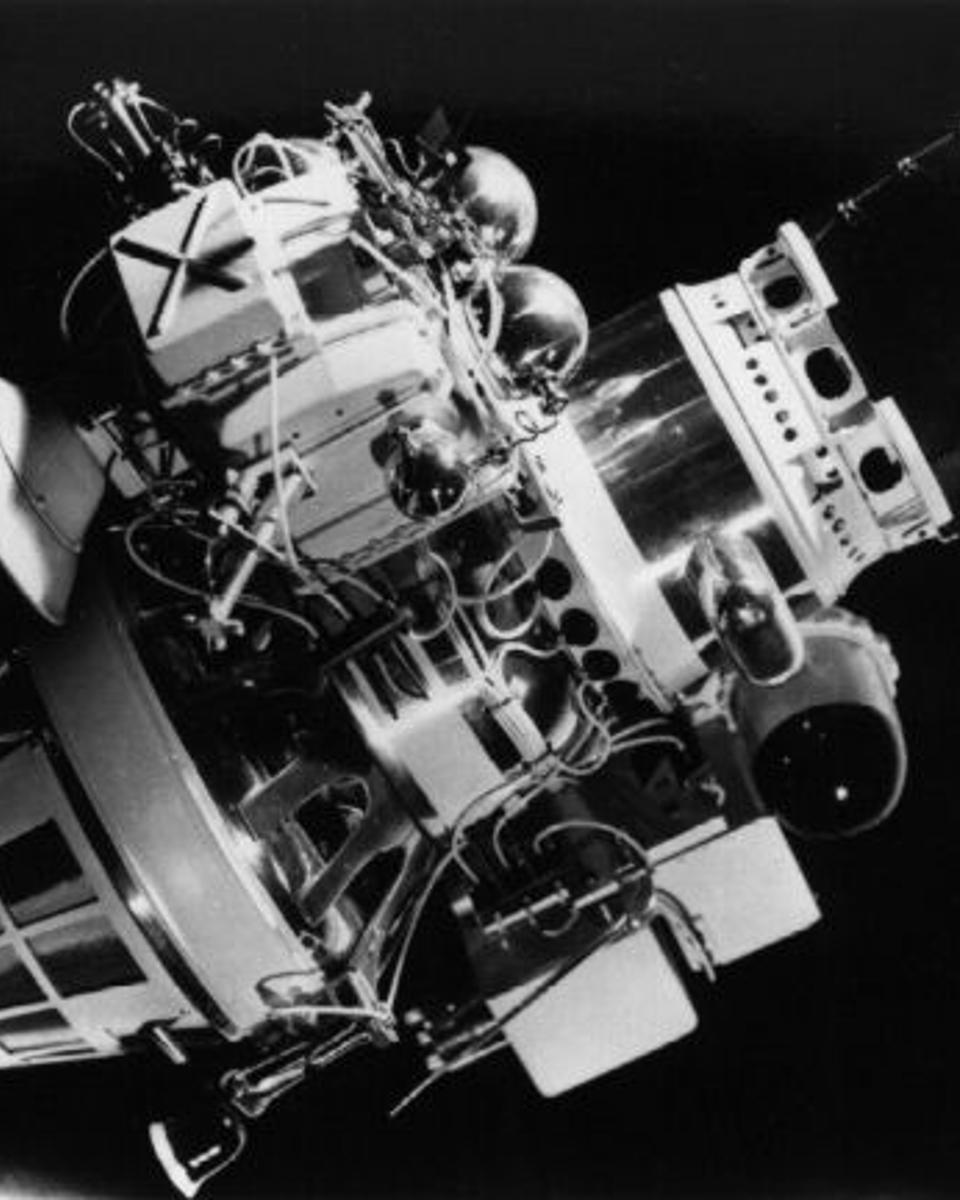
Luna 9: First Soft Lander
The Luna 9 spacecraft above performed the first soft landing on another planetary body. Following a series of failures, the Soviet probe touched down in the Moon's Oceanus…
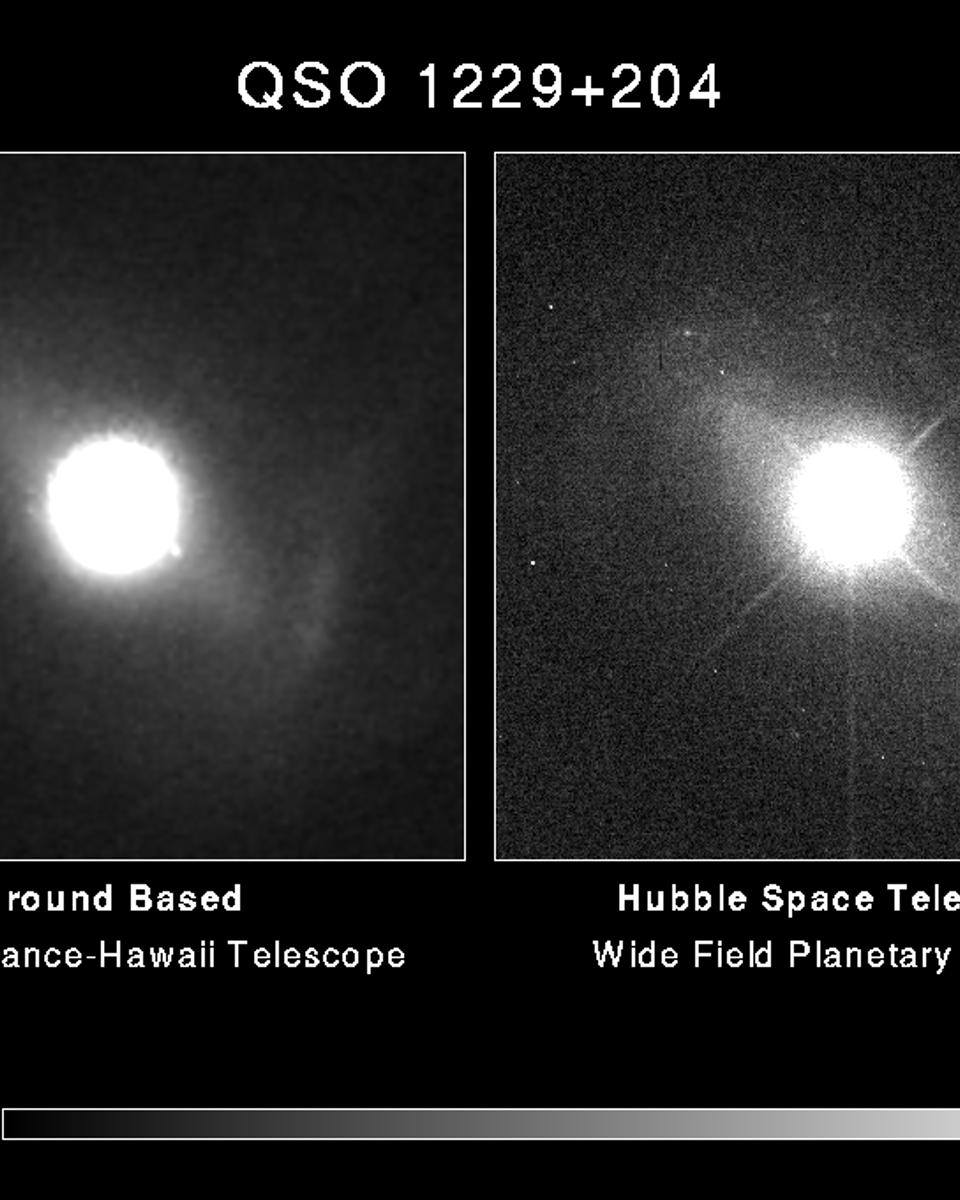
Why is QSO 1229+204 so Bright?
What causes the center of this barred spiral galaxy to light up brighter than almost anything in the universe? The quasar there is a good fraction of the way across our observable…
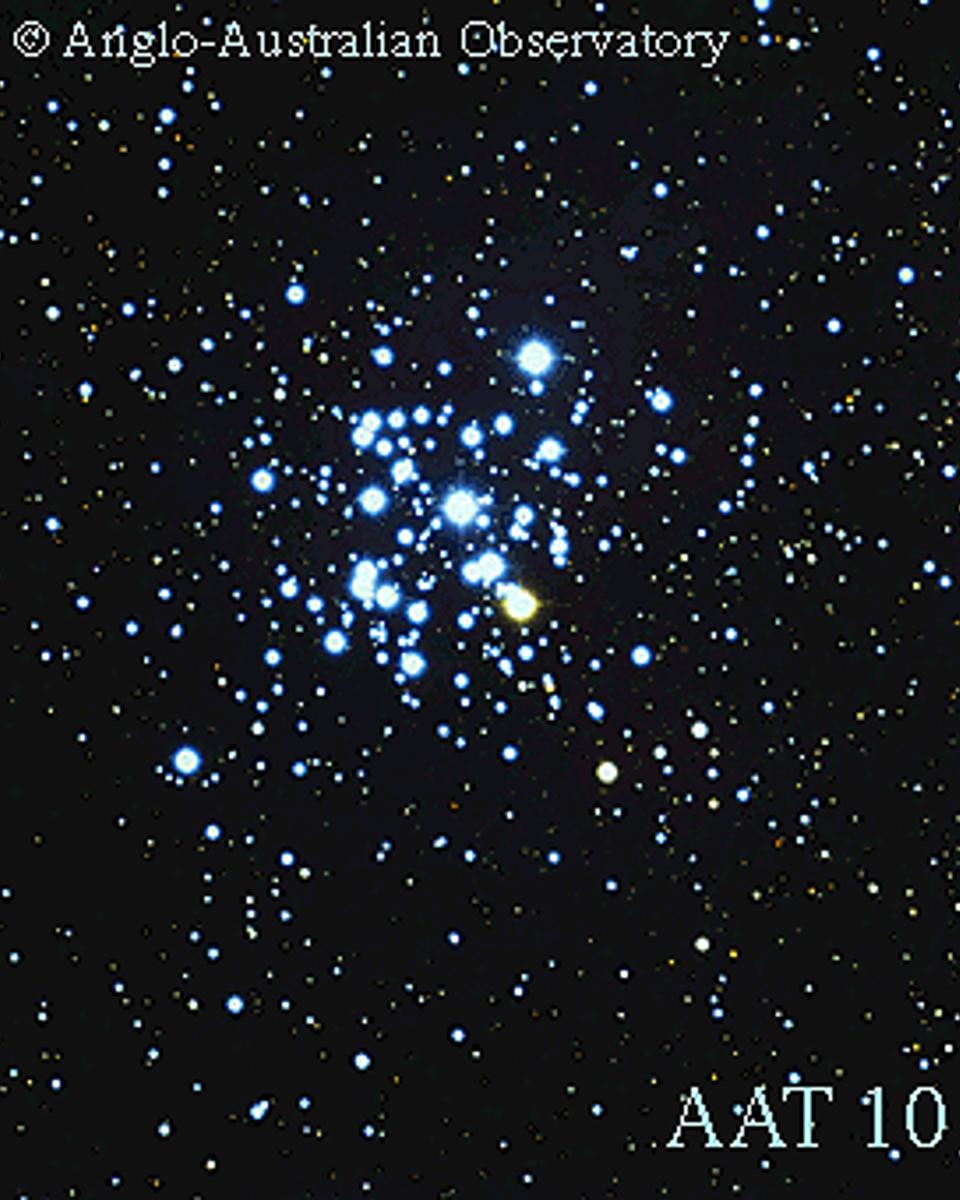
NGC 3293: A Bright Young Open Cluster
Hot Blue stars shine brightly in this beautiful, recently formed galactic or “open” star cluster. Open cluster NGC 3293 is located in the constellation Carina , lies at a distance…
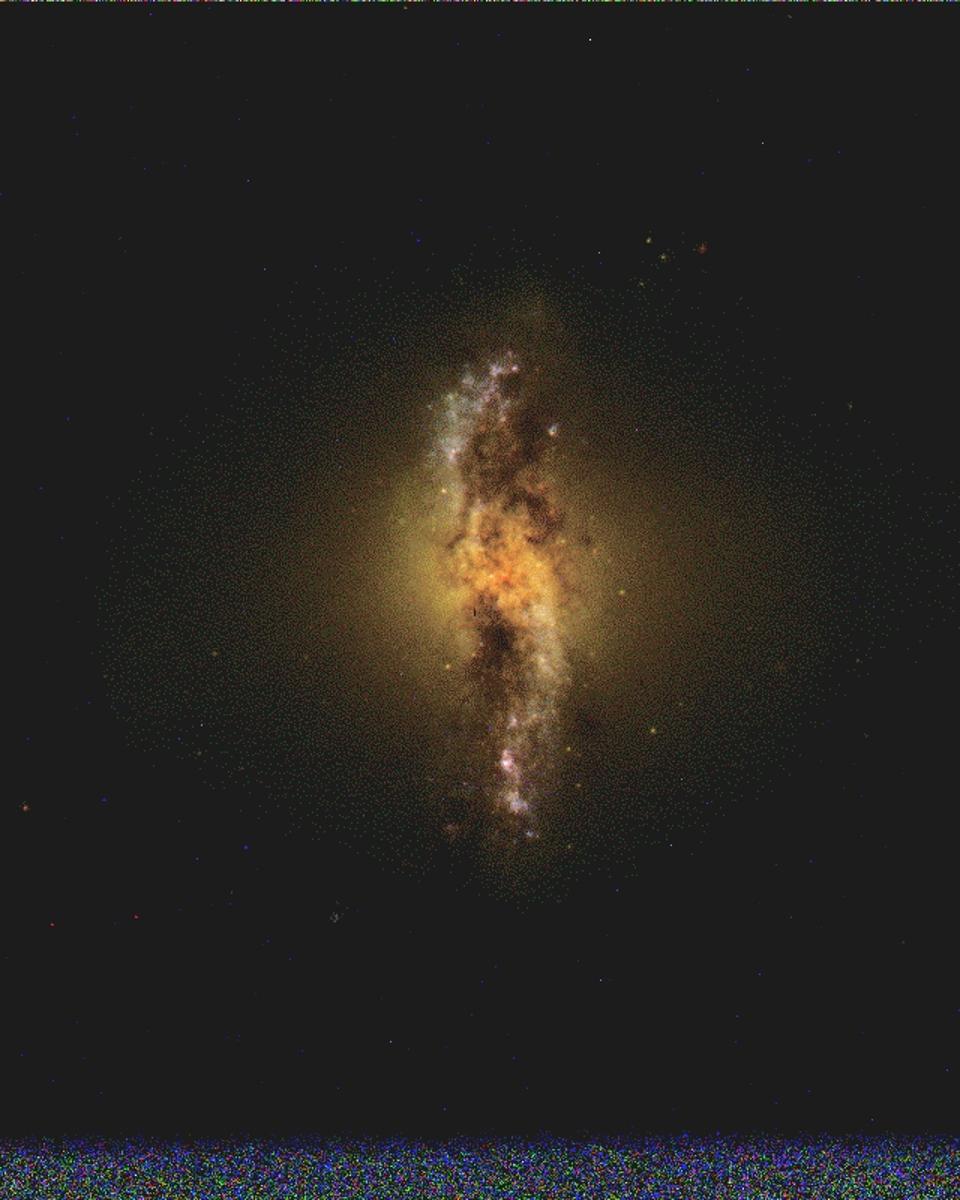
Arp 230: Two Spirals in One?
Is this one galaxy or two? Analysis of Arp 230 has shown evidence that this seemingly single spiral galaxy is actually the result of the recent collision of two spiral galaxies .…
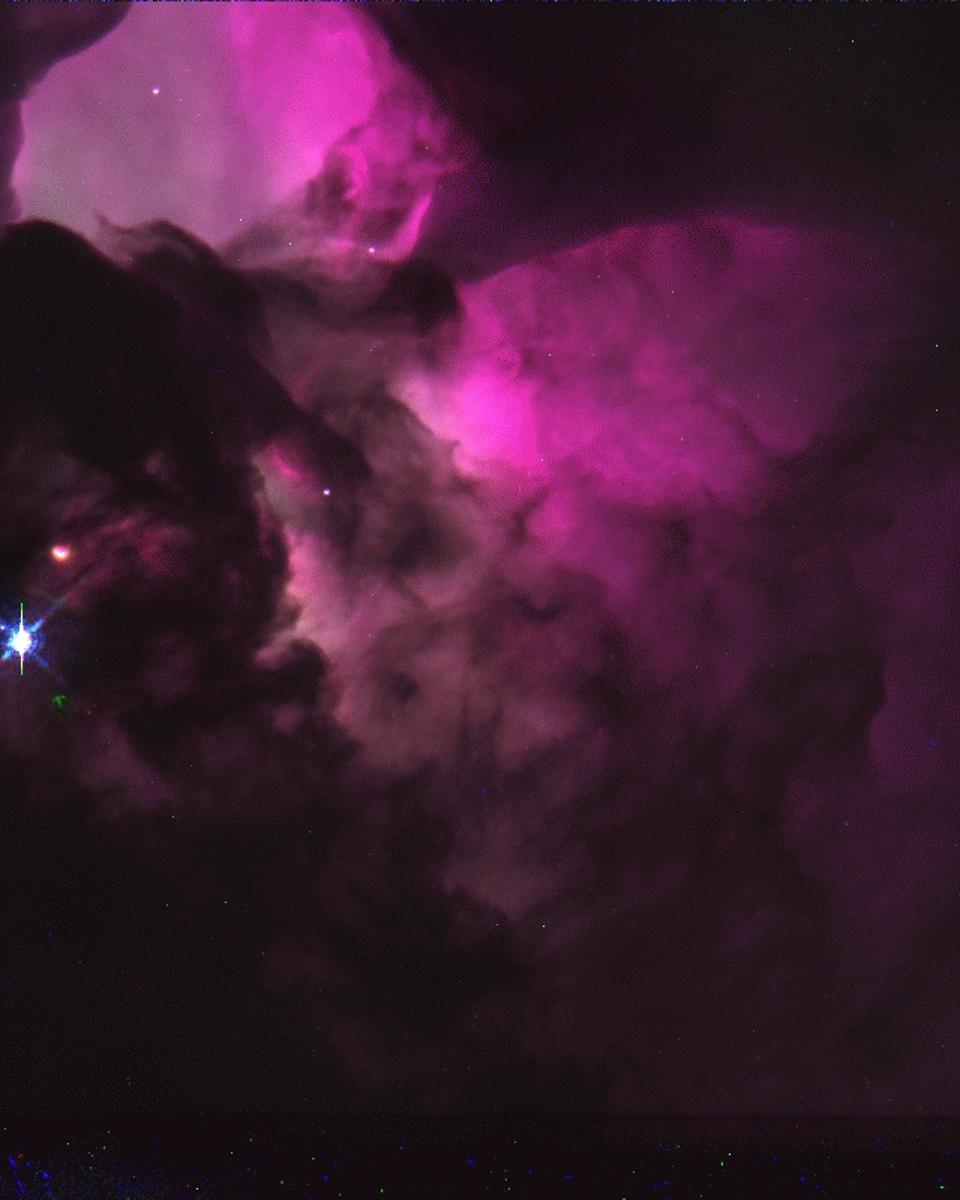
A Close-Up of the Lagoon's Hourglass
In the central part of the Lagoon Nebula lies the above pictured Hourglass Nebula . In this region of recent star formation, obscuring dark lanes of dust permeate the red-glowing…
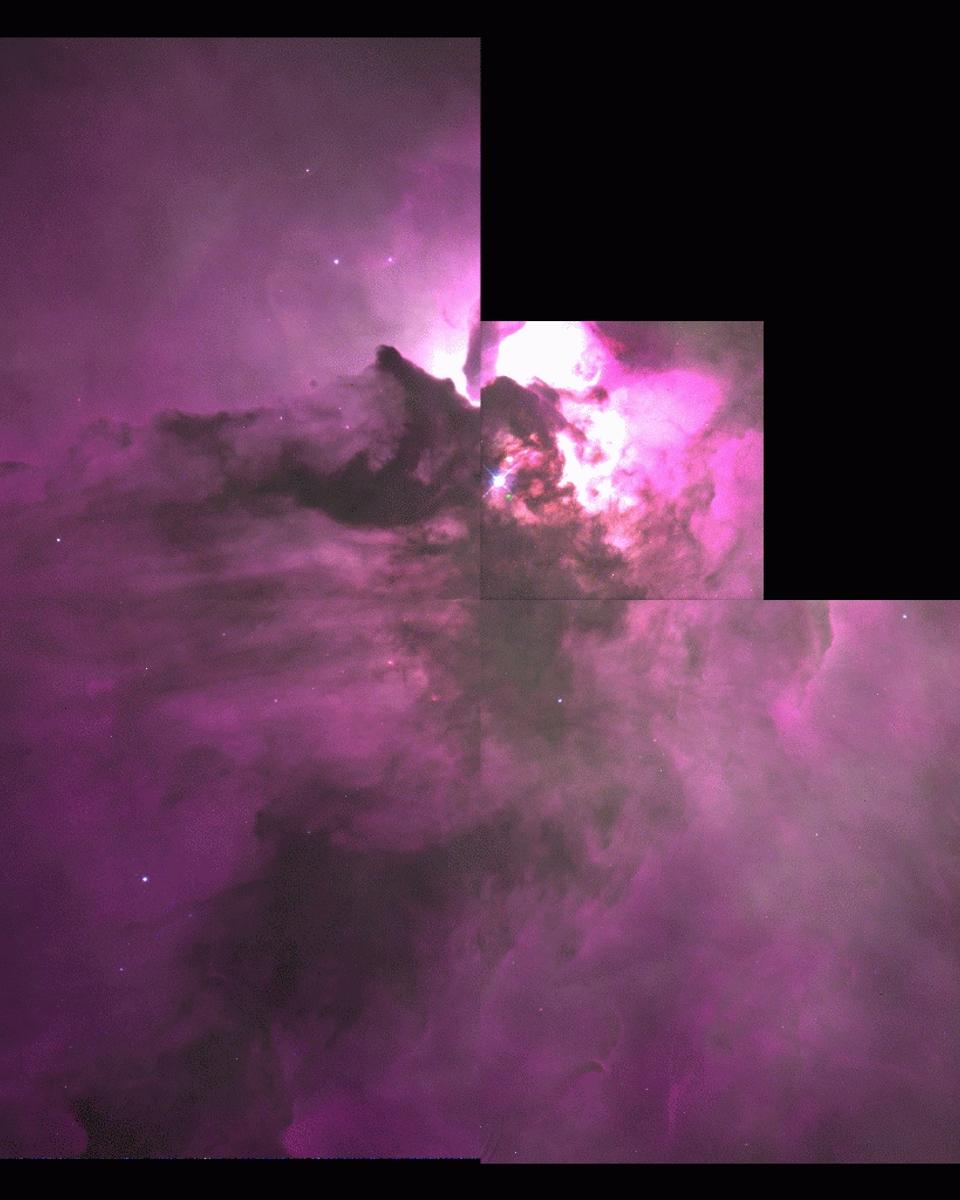
A Close-Up of the Lagoon Nebula
Ribbons of red-glowing gas and dark dust surround massive young stars in this close-up of the Lagoon Nebula taken by the Hubble Space Telescope . The Lagoon Nebula is relatively…
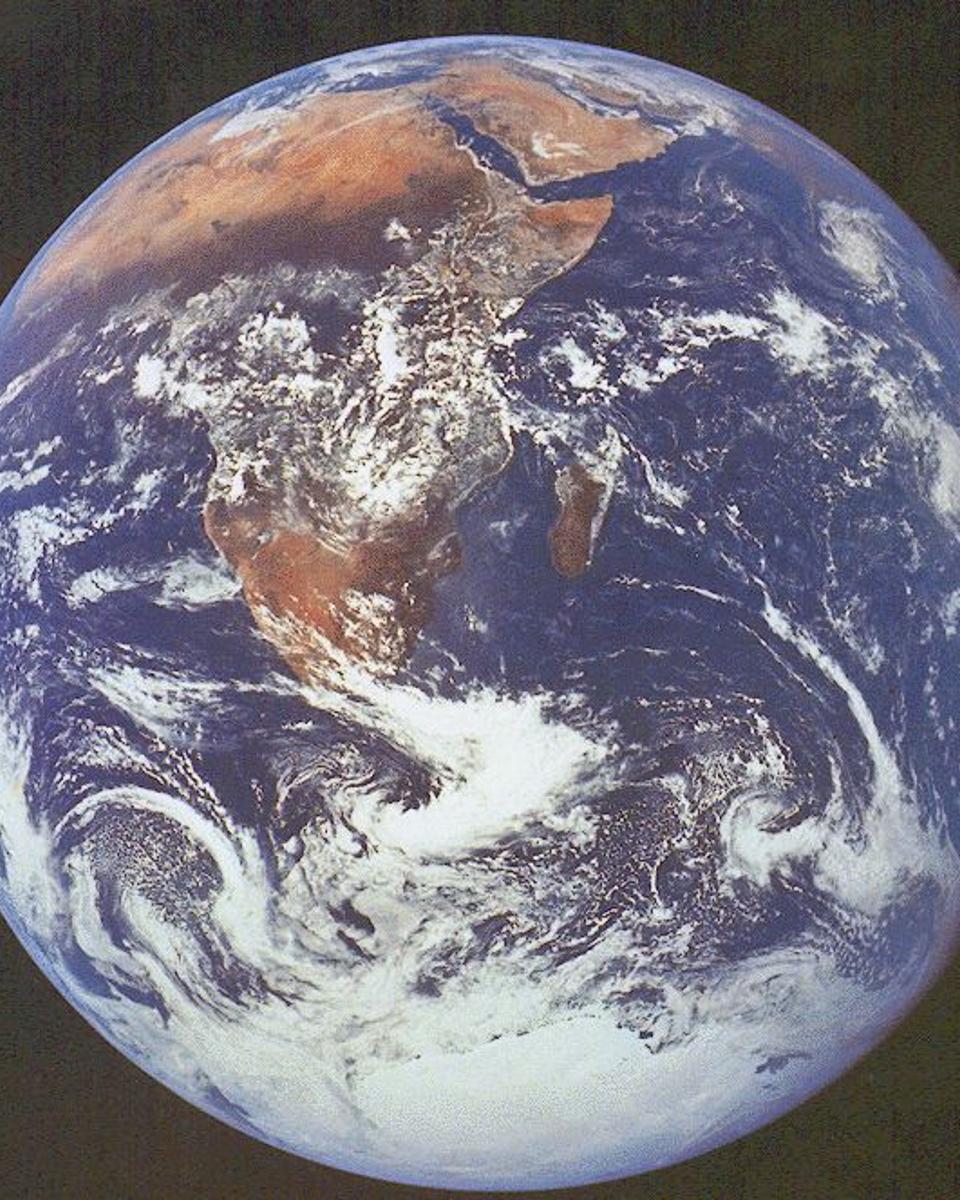
Welcome to Planet Earth
Welcome to Planet Earth , the third planet from a star named the Sun . The Earth is shaped like a sphere and composed mostly of rock . Over 70 percent of the Earth's surface is…
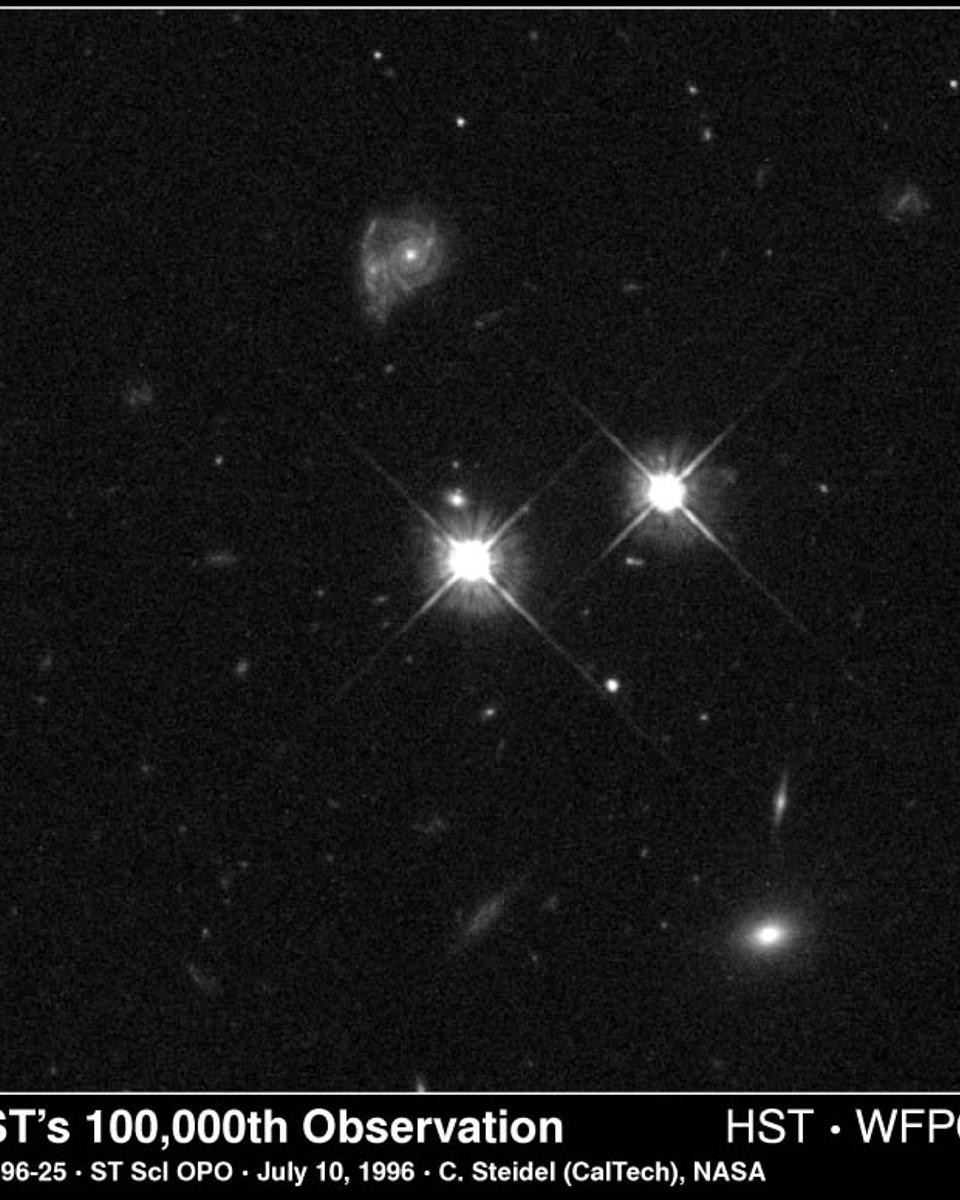
A Milestone Quasar
Here is a rather typical quasar. But since quasars are so unusual it is quite atypical of most familiar objects. Of the two bright objects in the center of this photo , the quasar…
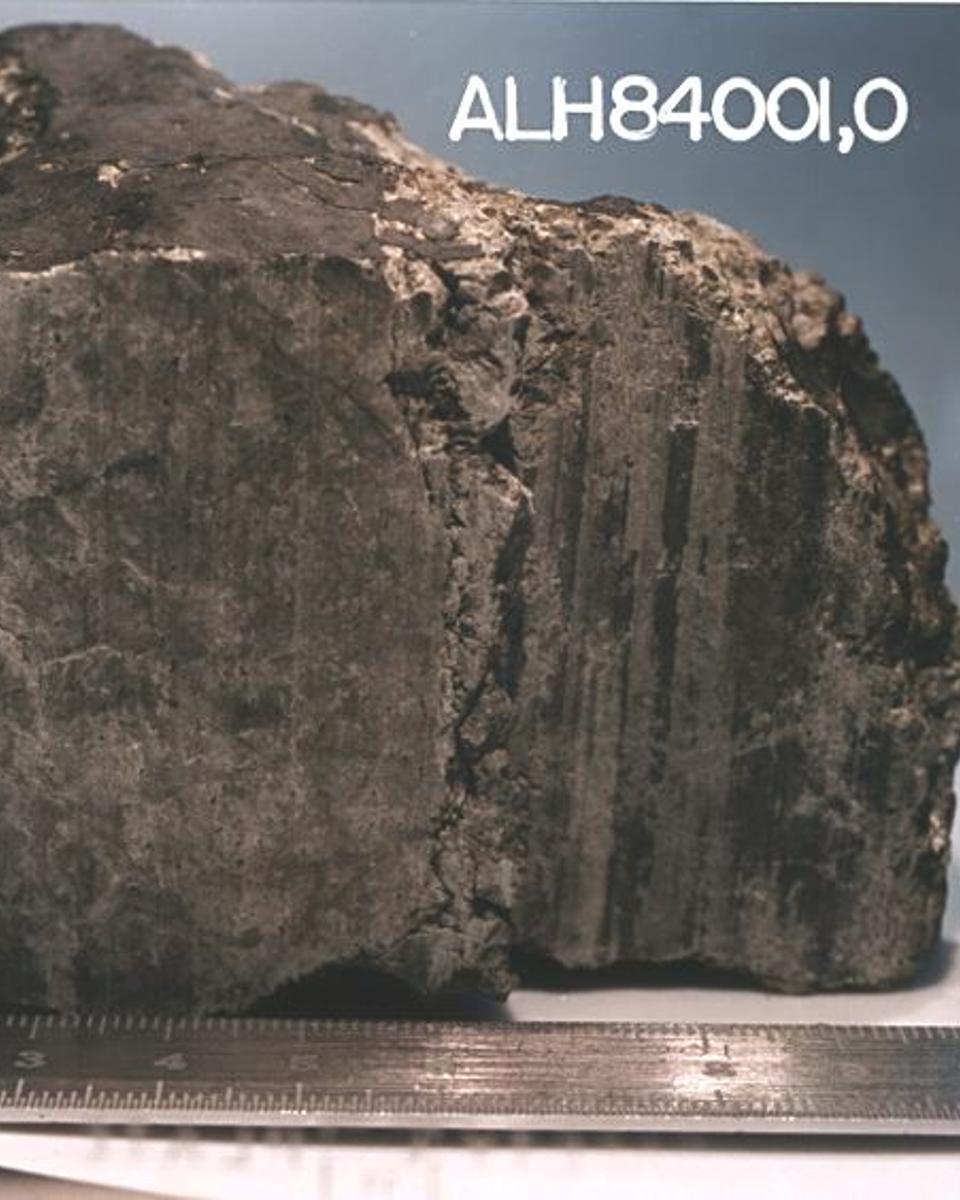
A Meteorite From Mars
The famous Martian meteorite pictured above houses microscopic structures interpreted by many as fossils of ancient Martian life . How do you find a meteorite from Mars here on…
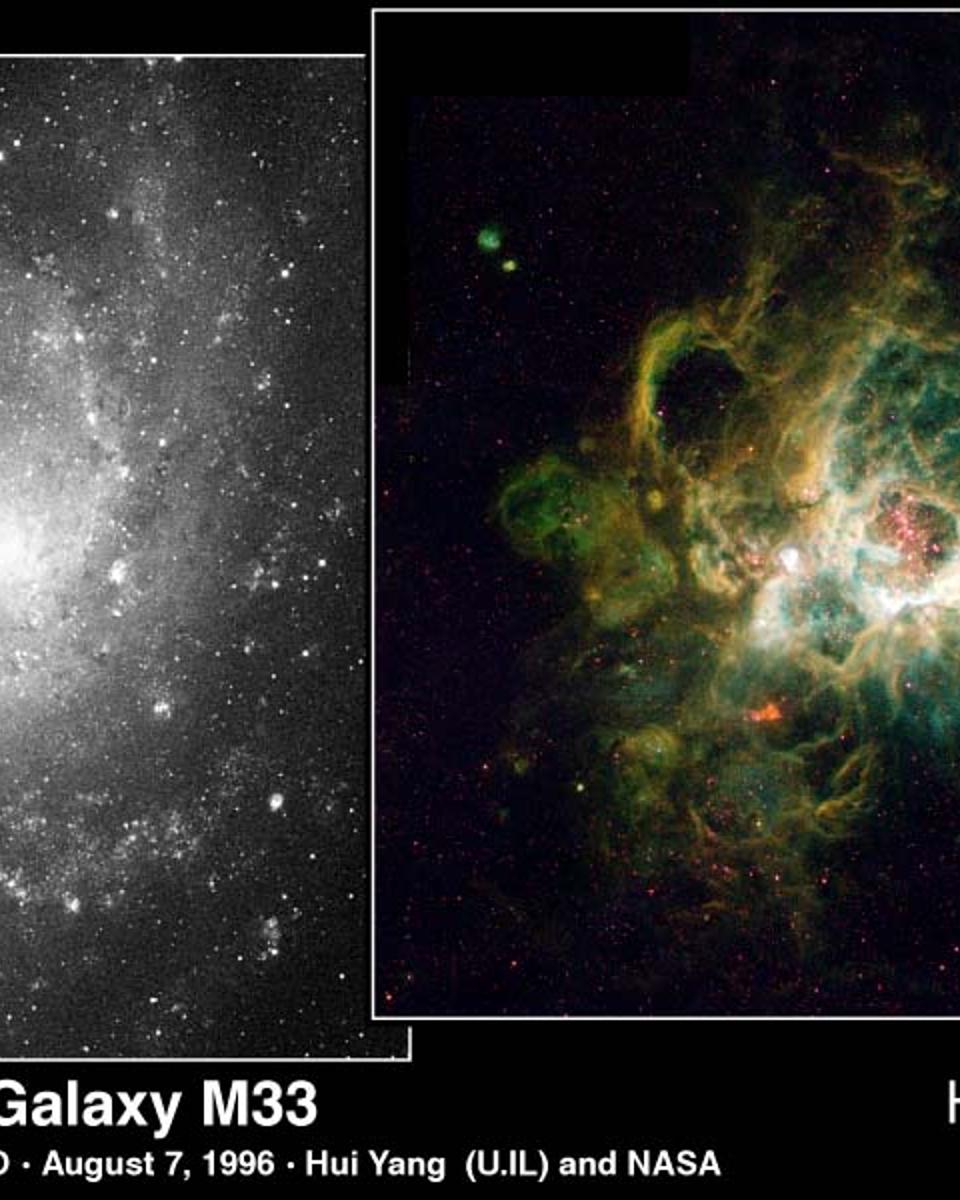
NGC 604: Giant Stellar Nursery in M33
The nebula cataloged as NGC 604 is a giant star forming region, 1500 light years across, in the nearby spiral galaxy, M33 . Seen here in a snapshot by the Hubble Space Telescope,…
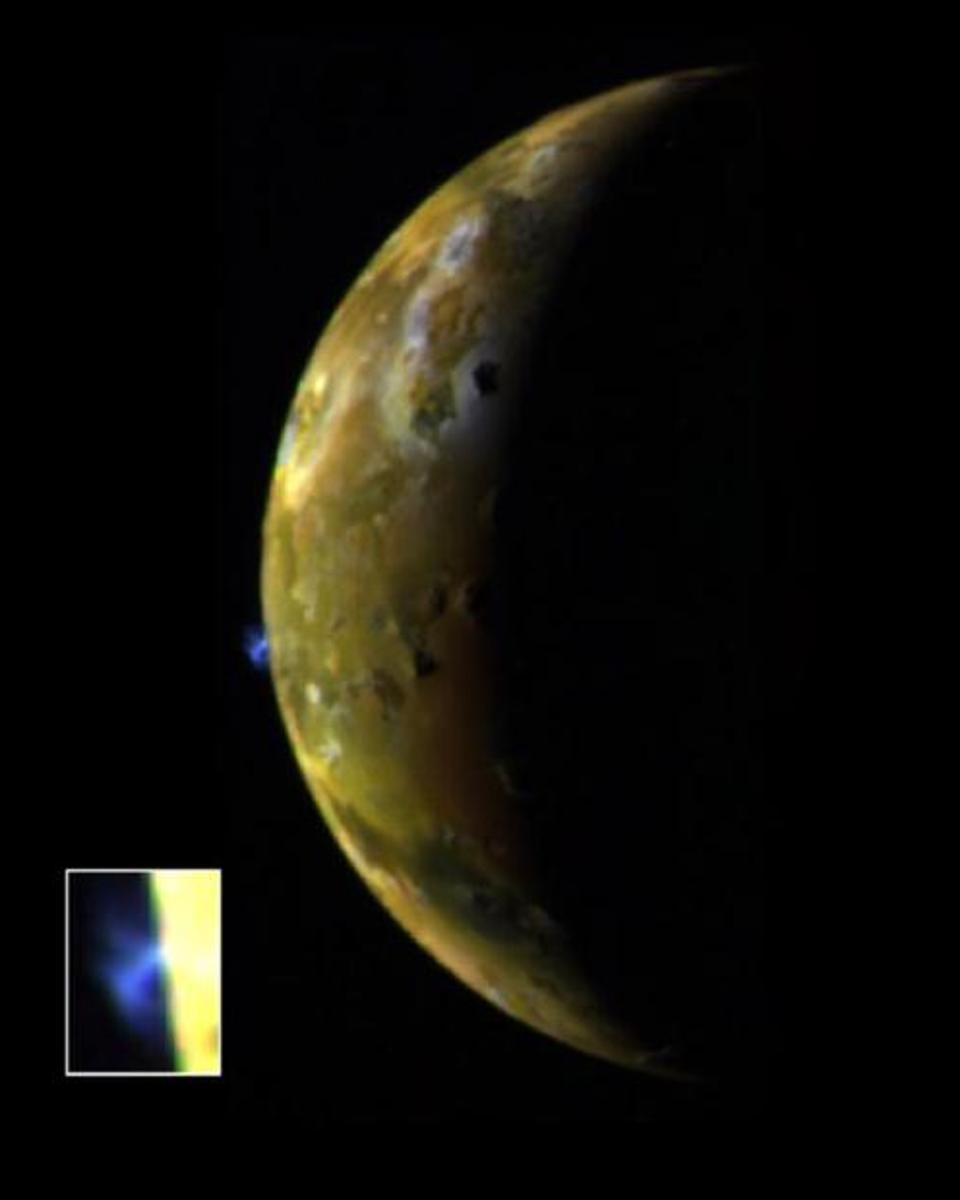
Galileo Views Io Eruption
Io's surface is active . Geyser-like eruptions from volcanoes on this Jovian moon were seen by both Voyager spacecraft in 1979 and were also spotted this year in late June by…
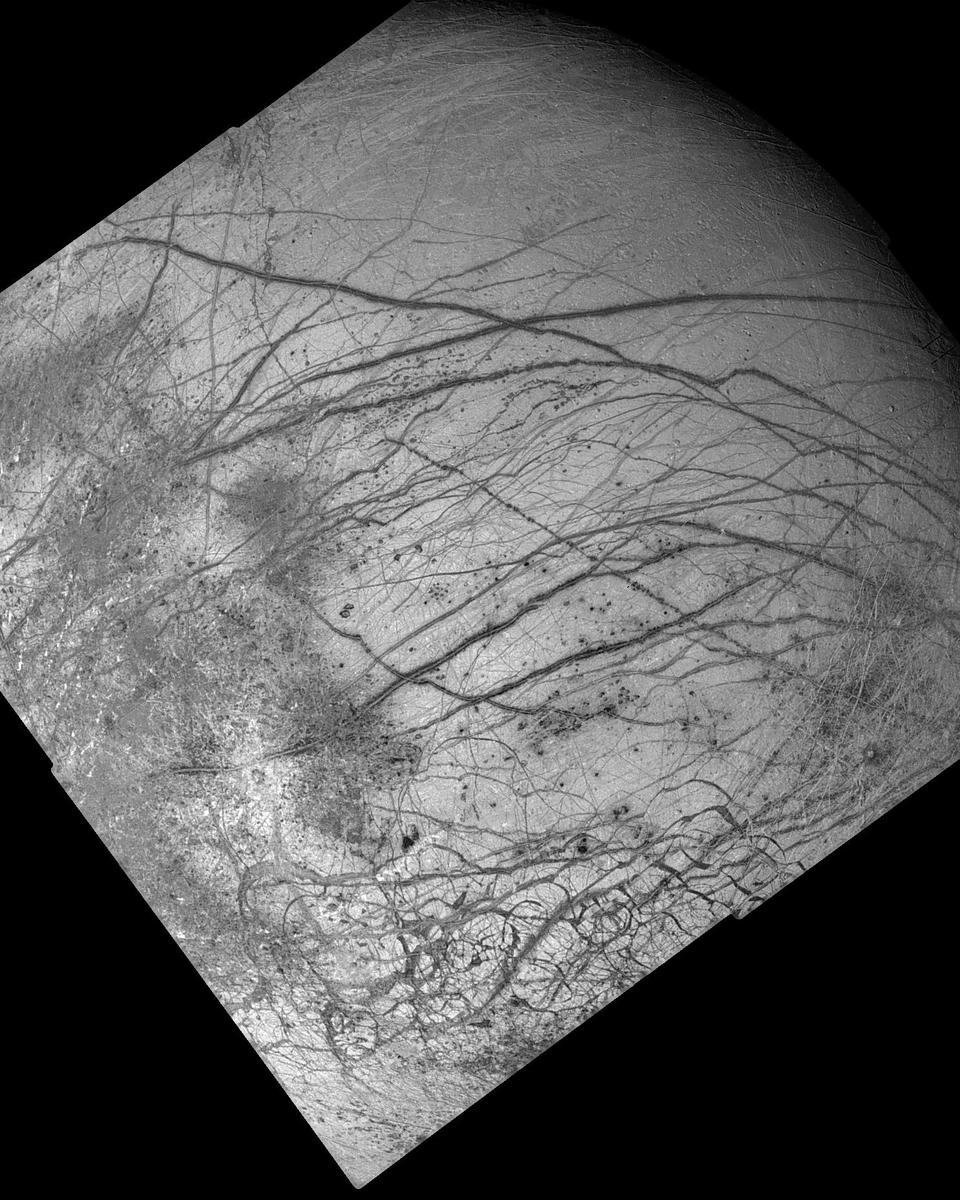
Galileo Explores Europa
Details of the crazed cracks criss-crossing Europa's frozen surface are apparent in this mosaic of the Galileo spacecraft's latest images of Jupiter's ice-covered moon. Curious…
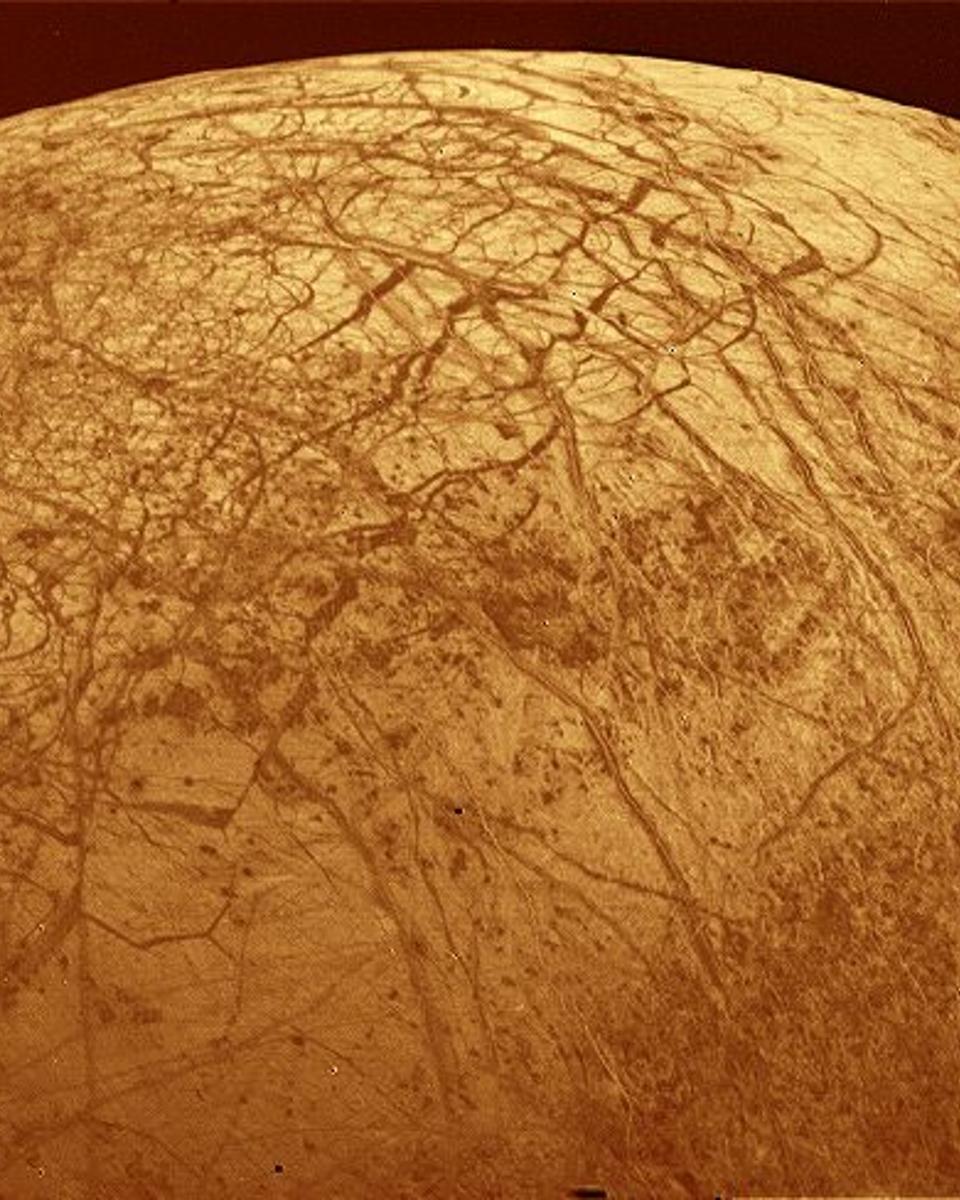
Europa's Surface
Voyager spacecraft images of Europa's surface , like the one above, are suggestive of sea ice on Earth . The criss-crossing dark streaks may indeed be cracks in its ice-covered…
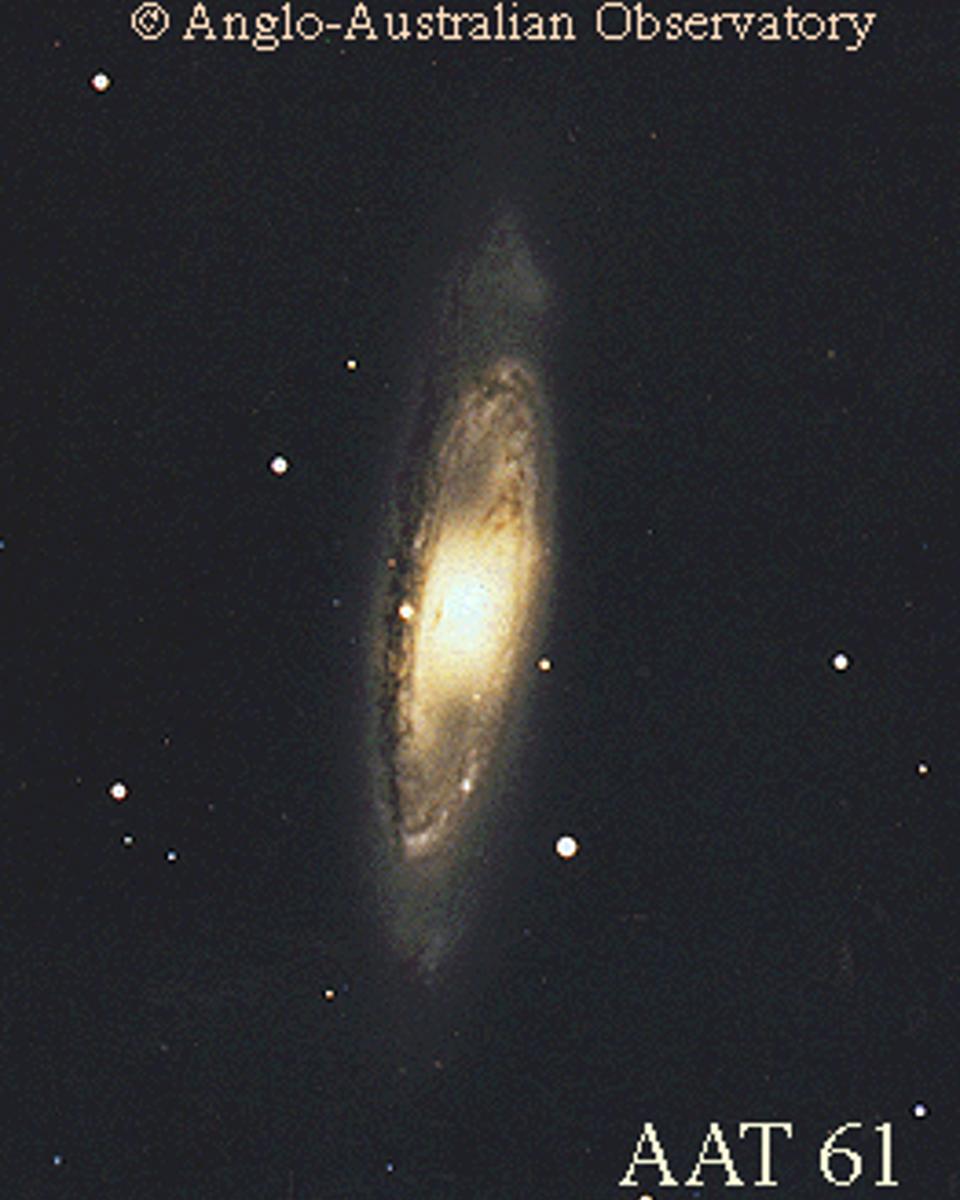
Leo Triplet Spiral Galaxy M65
Spiral galaxy M65 is a normal spiral galaxy not unlike our own Milky Way. In fact, M65 is a typical spiral galaxy of a type that could be found anywhere in the local universe.…
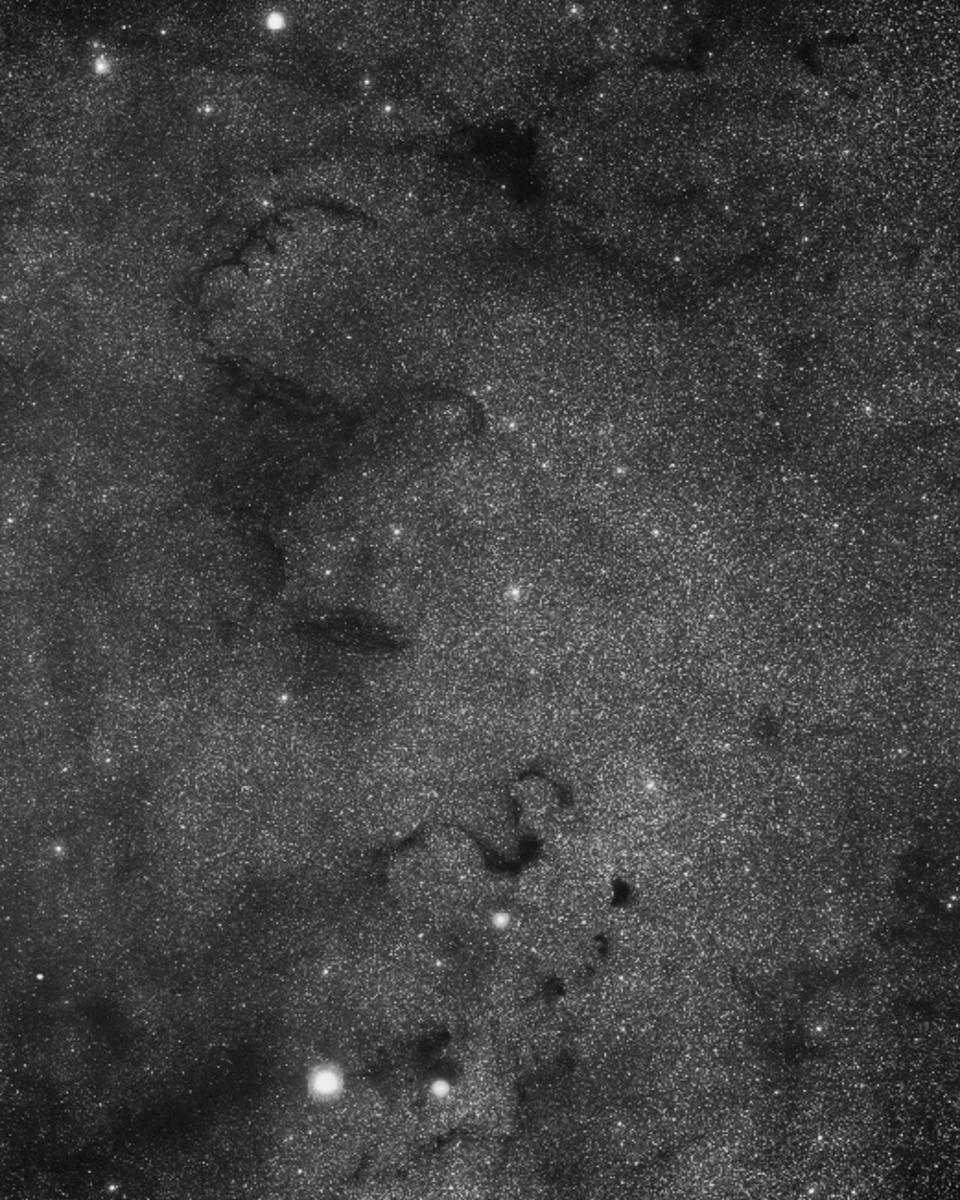
The Snake Nebula in Ophiuchus
What slithers there? The dark curly lanes visible in part of the constellation Ophiuchus belong to the Snake Nebula. The Snake Nebula is a series of dark absorption clouds .…
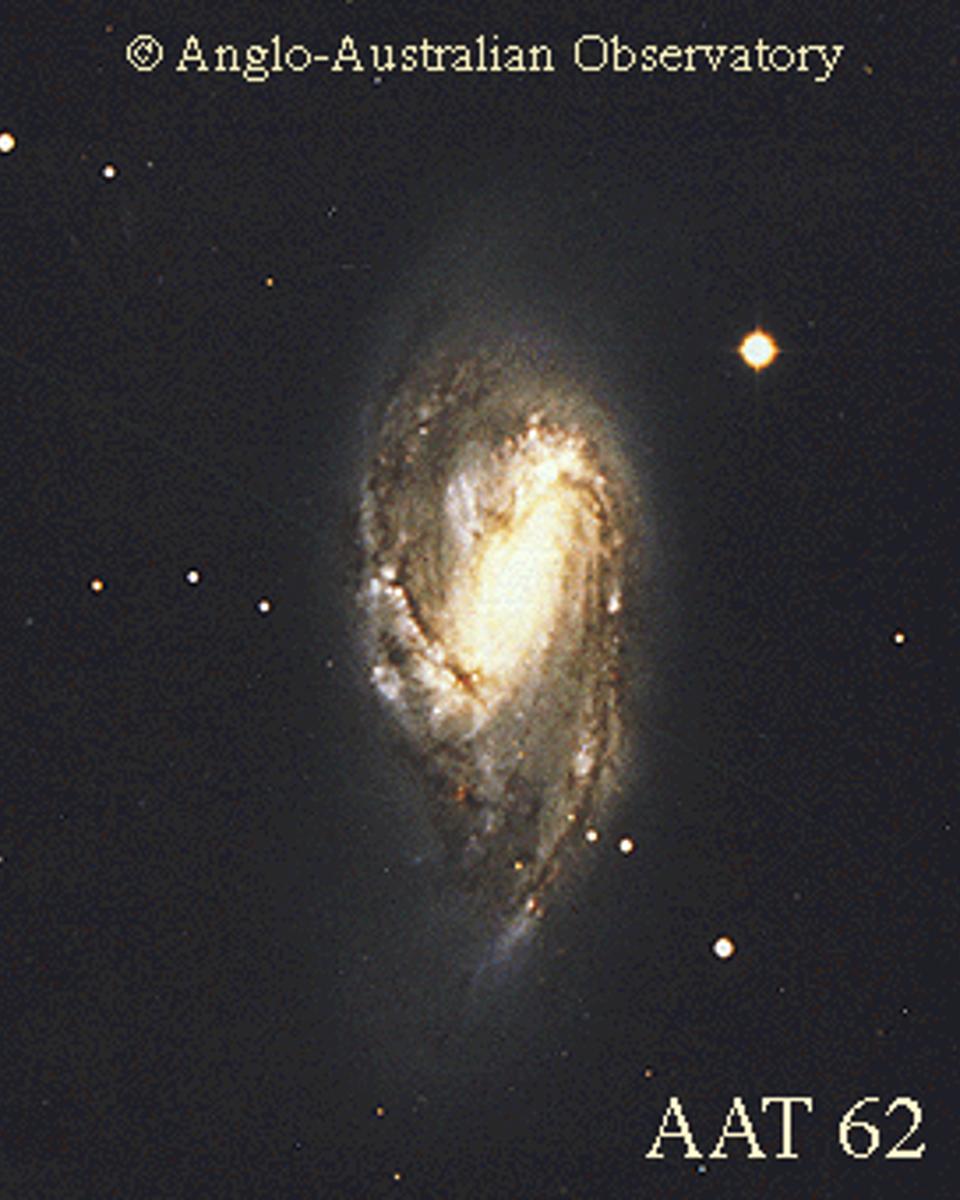
Unusual Spiral Galaxy M66
Spiral galaxy M66 is largest galaxy in the a group known as the Leo Triplet. M66 is somewhat peculiar because of its asymmetric spiral arms. Usually dense waves of gas, dust, and…
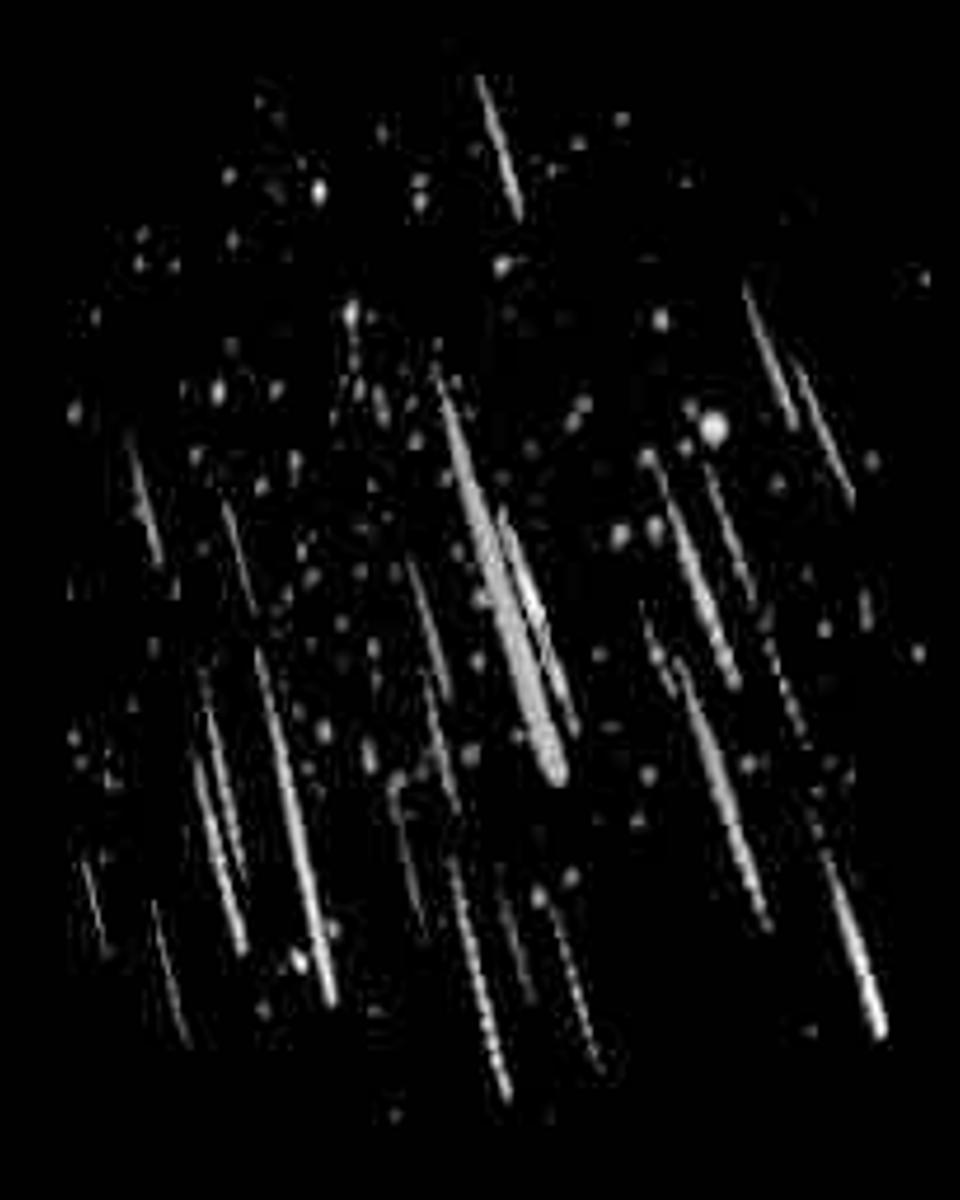
The Perseid Meteor Shower
From a radiant point in the constellation of Perseus, Comet Swift-Tuttle presents -- The Perseid Meteor Shower -- coming to your night sky this weekend! A bookish E. C. Herrick of…
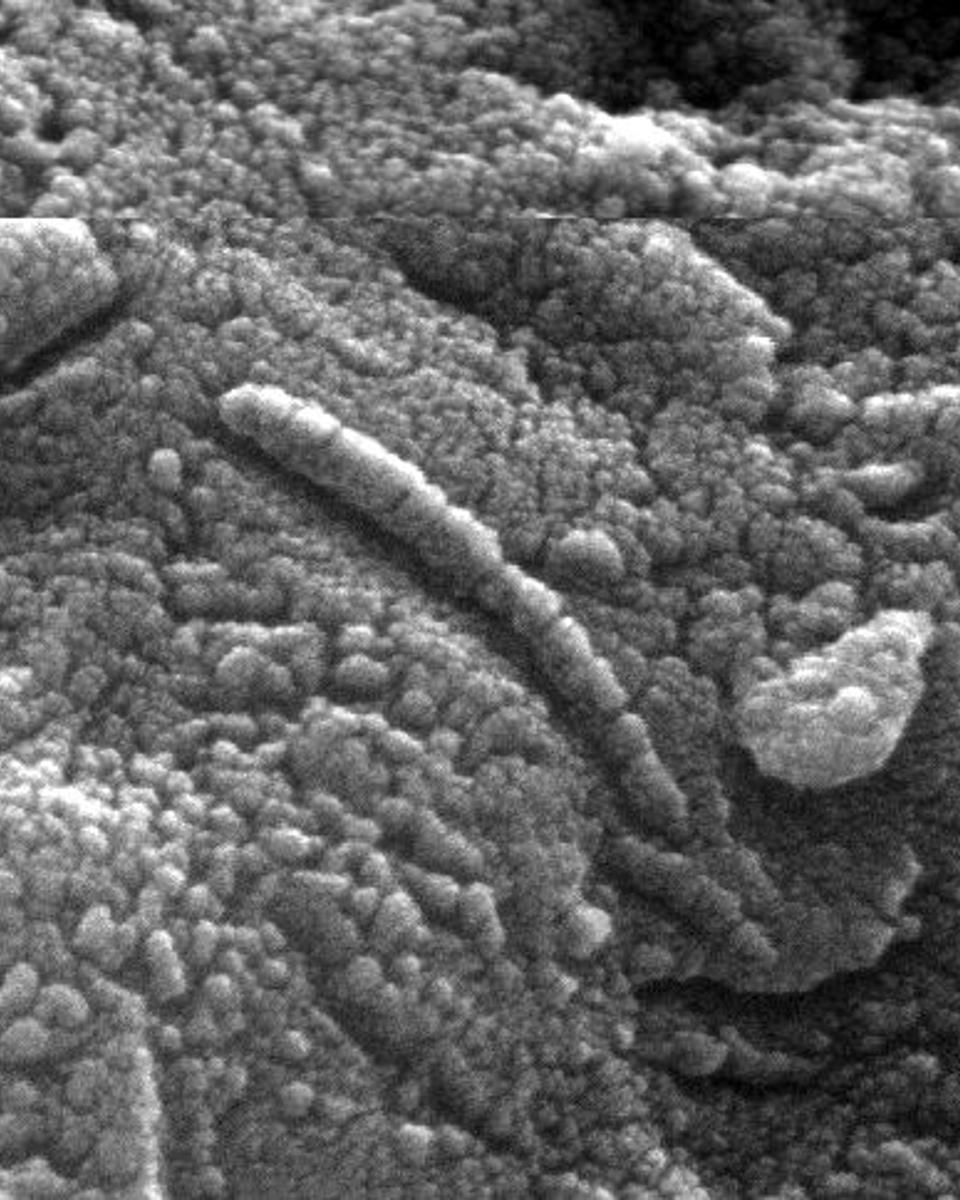
Pictured: An Ancient Martian?
Alien! Alien? Is this what an ancient Martian looked like? The tube-like form on the above highly magnified image is now believed by many to be a fossil of a simple Martian…
Viewing discoveries from 31 August 1996 through 8 August 1996.