Browse NASA Astronomy Picture of the Day archive by date and media: Archive Discoveries
Browse the NASA APOD archive without needing the exact date first. Filter by media type and keep moving deeper into older images and videos.
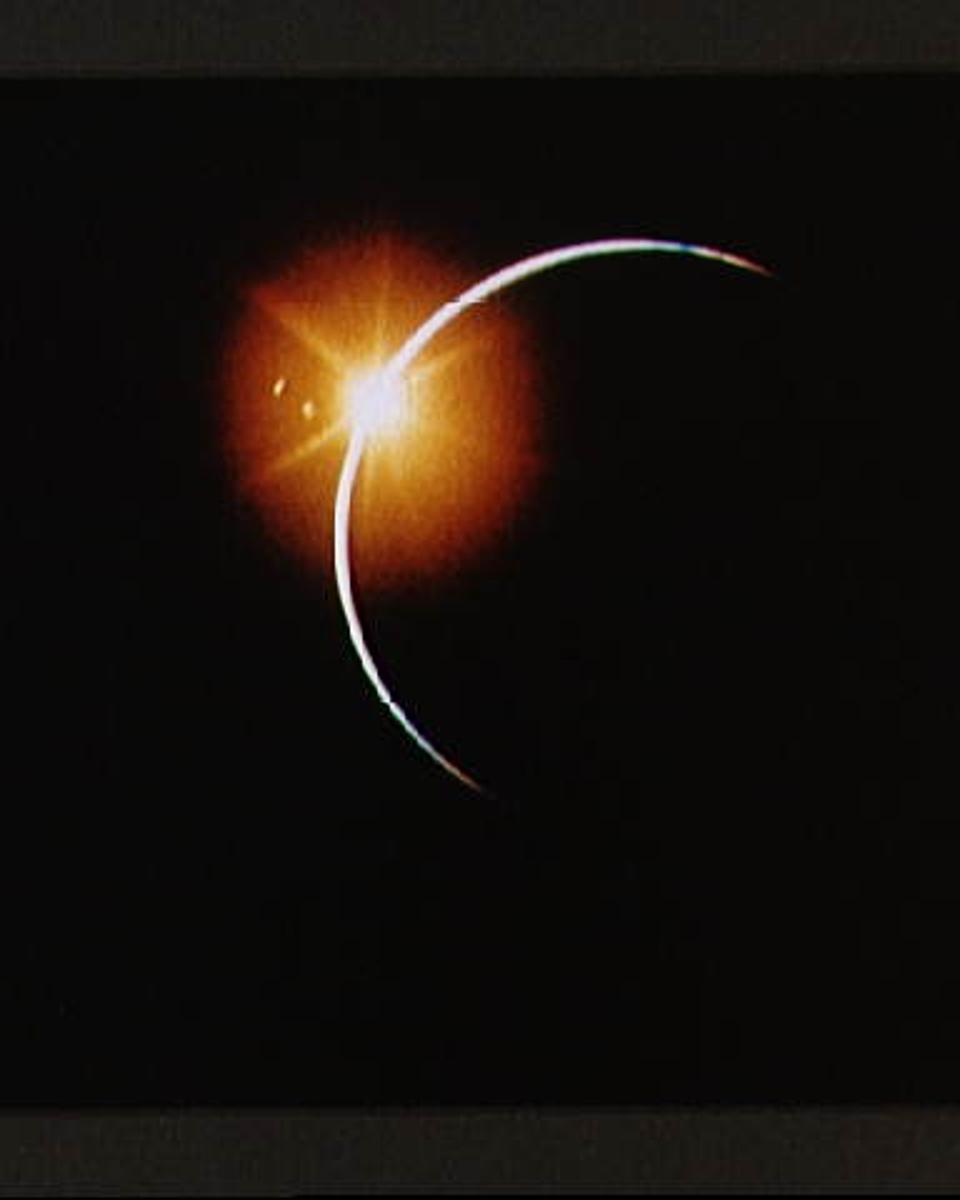
Apollo Sunrise
In November of 1969, homeward bound aboard the “Yankee Clipper” command module, the Apollo 12 astronauts took this dramatic photograph of the Sun emerging from behind the Earth.…
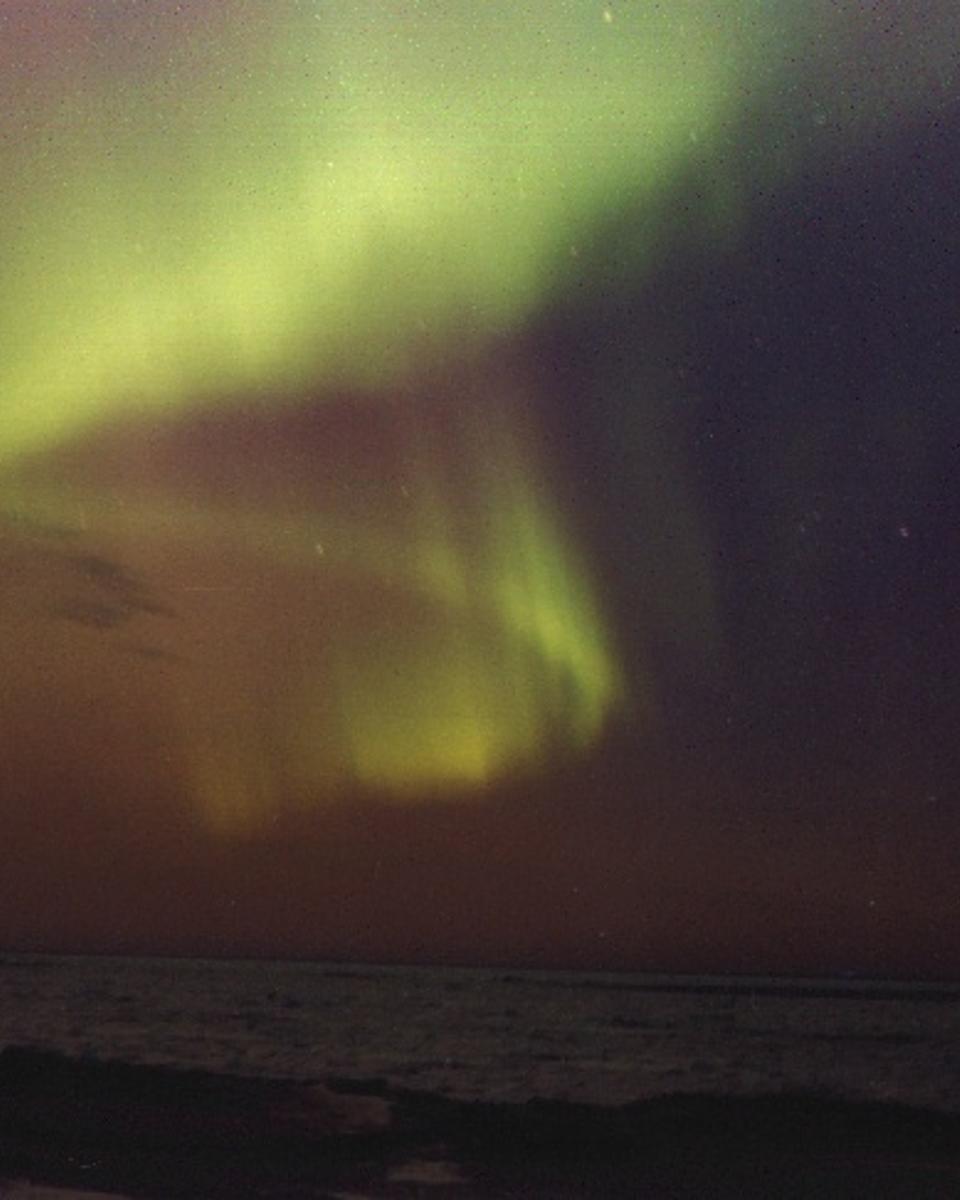
Aurora: Curtains in the Sky
Looking out over Lake Superior at dusk you see Venus (lower left) and ... curtains? Like an ant looking up at window curtains , aurora frequently appear as huge flowing light…
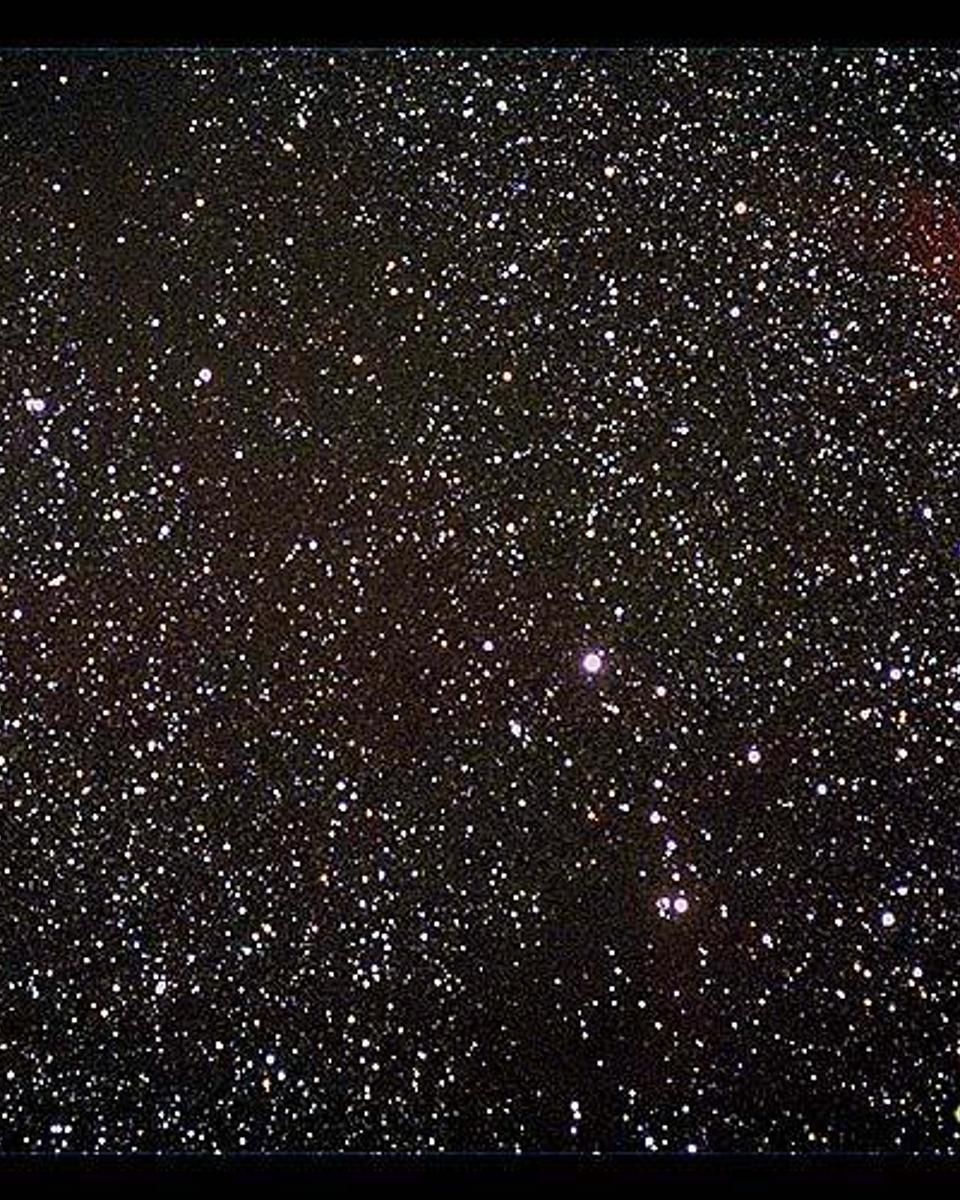
Seven Sisters Versus California
In the lower left corner, dressed in blue, is the Pleiades . Also known as the Seven Sisters and M45 , the Pleiades is one of the brightest and most easily visible open clusters…
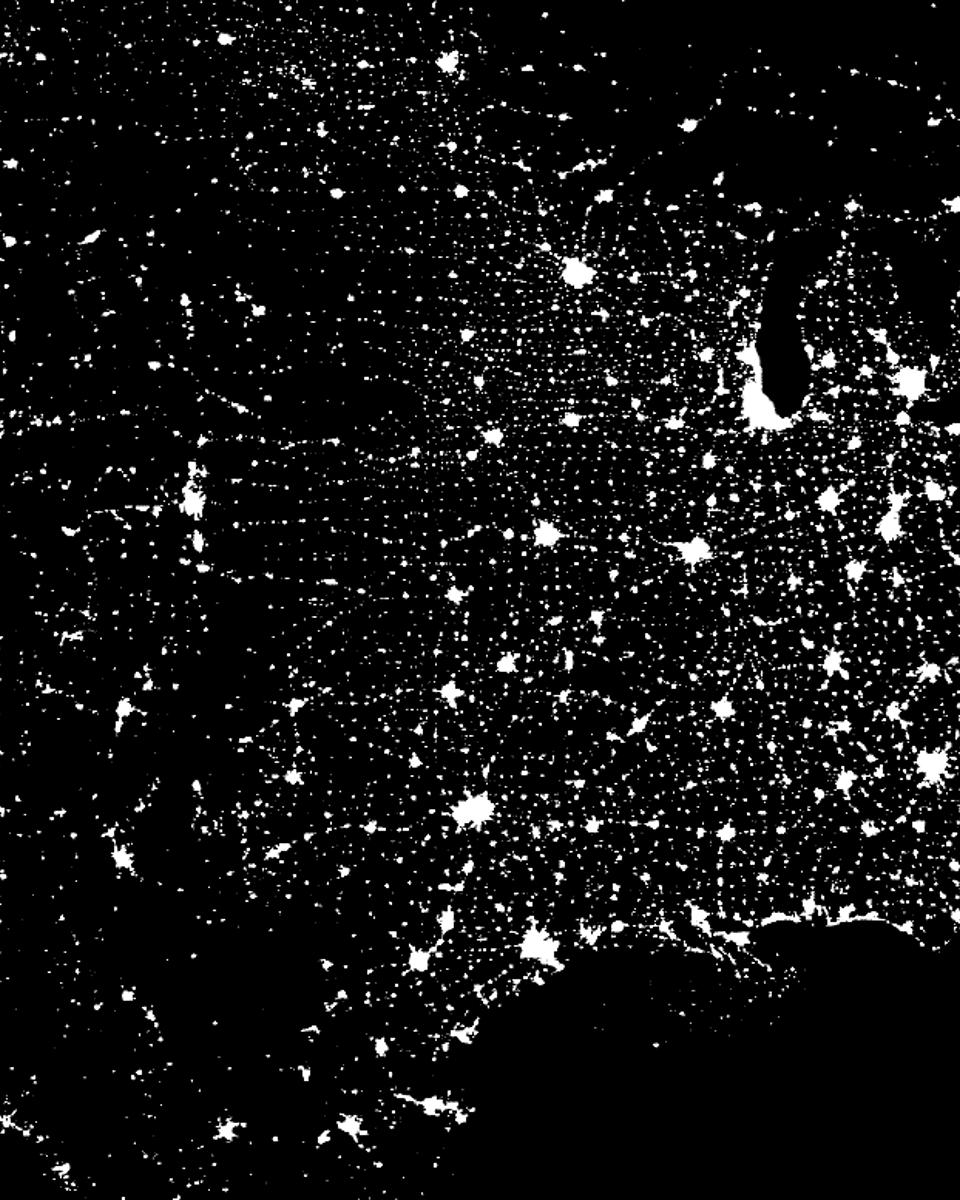
The United States at Night
This is what the United States of America looks like at night! Can you find your favorite US city on this image? Surprisingly, city lights make this task quite possible. The above…
APOD is One Year Old Today
The first Astronomy Picture of the Day (APOD) appeared one year ago today. Pictured above are Robert Nemiroff (left) and Jerry Bonnell (right), engaged in creating the APOD web…
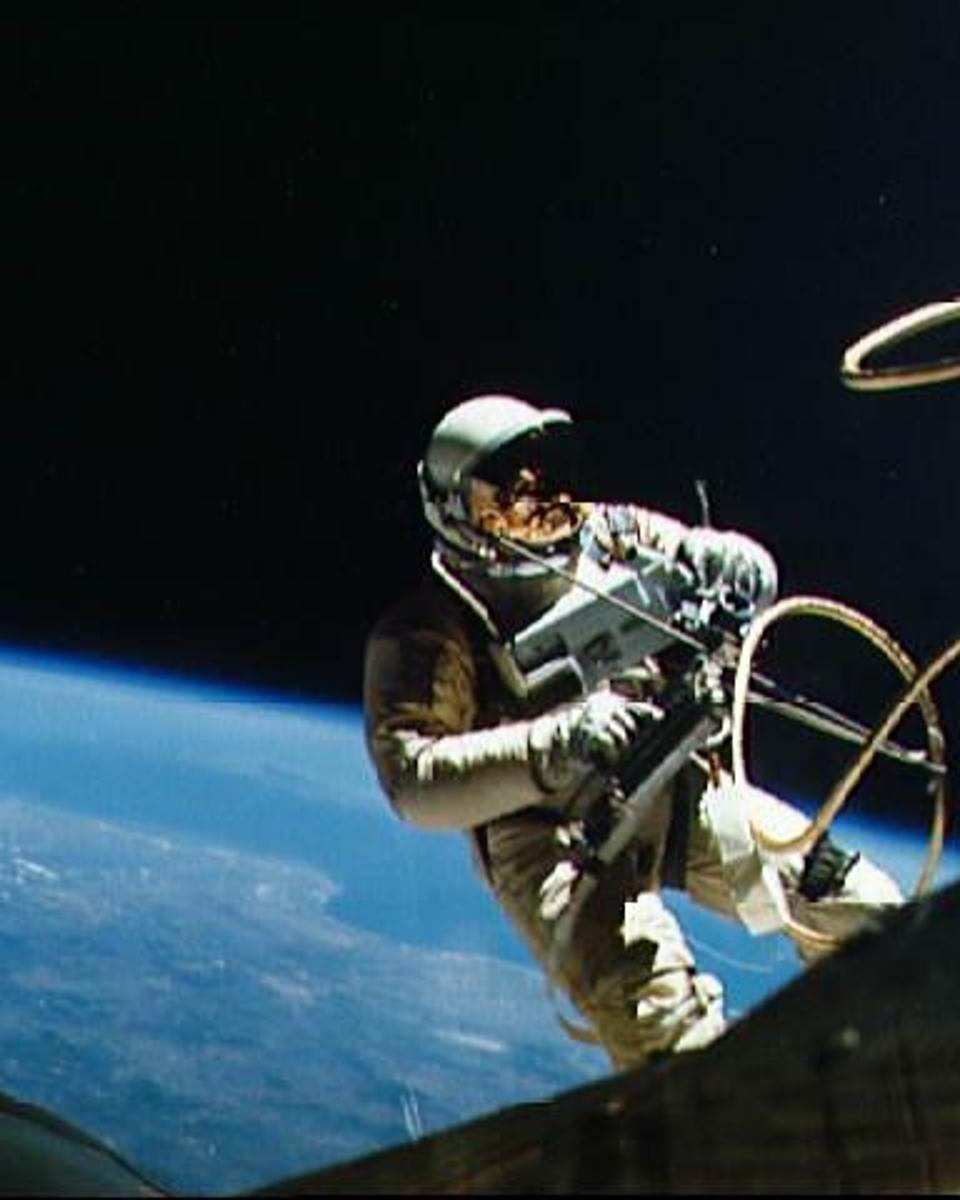
Walking in Space
Pictured above is the first american astronaut to walk in space: Edward White . White is seen floating outside the Gemini 4 capsule in 1965. The term “spacewalk” is deceiving…
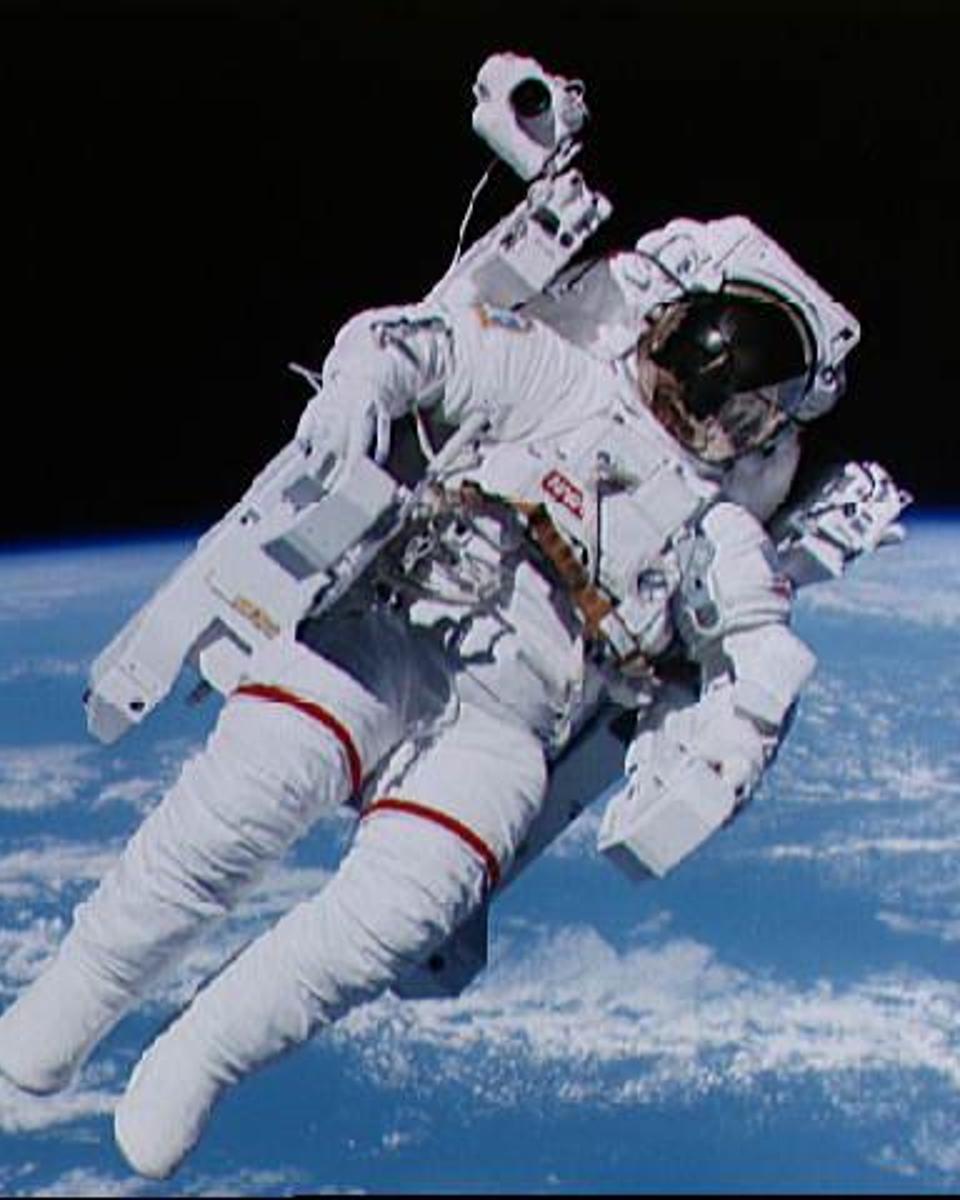
Floating Free in Space
NASA astronauts can float free in space without any connection to a spaceship. Here astronaut Bruce McCandless maneuvers outside the Space Shuttle Challenger by firing nitrogen…
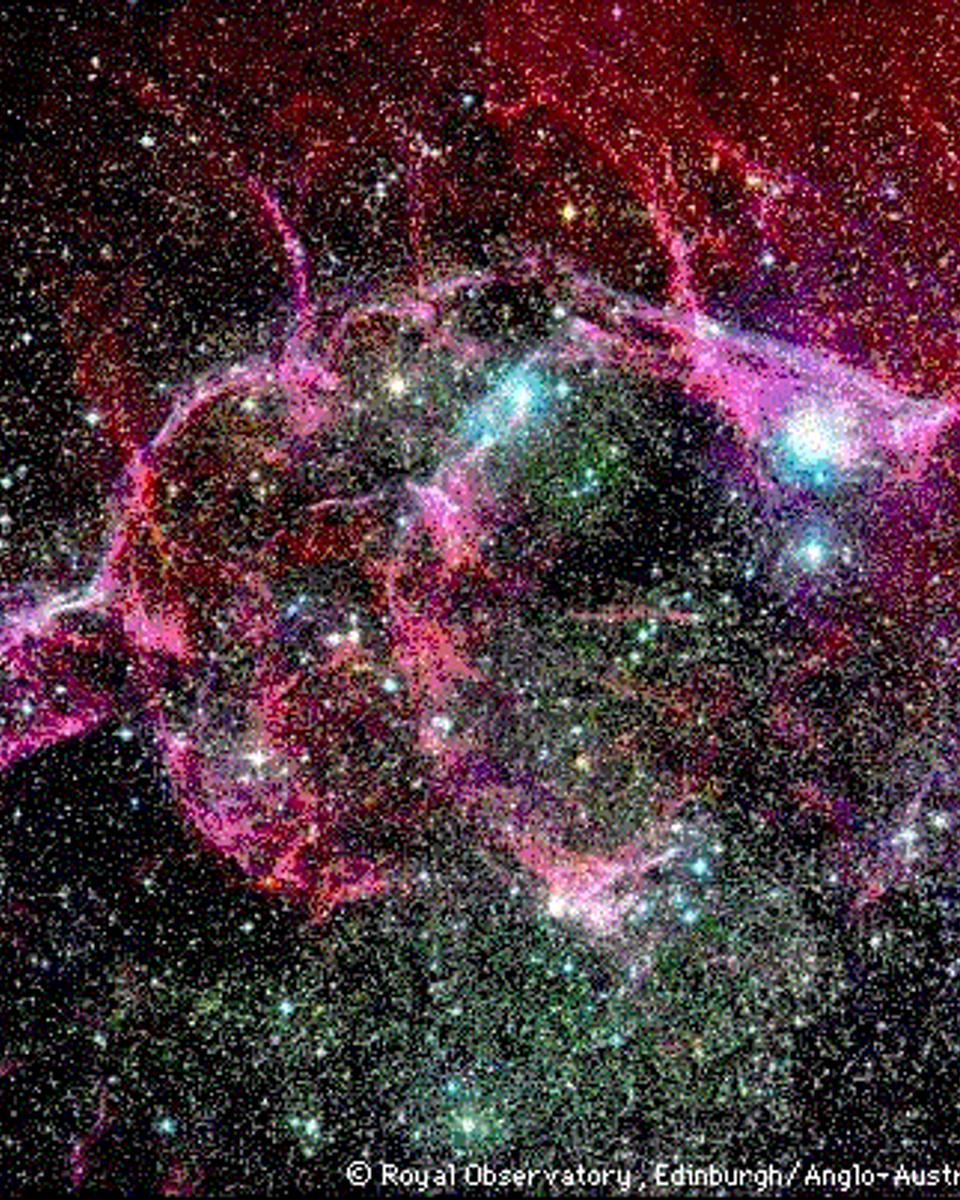
Vela Supernova Remnant in Optical
About 11,000 years ago a star in the constellation of Vela exploded. This bright supernova may have been visible to the first human farmers . Today the Vela supernova remnant…
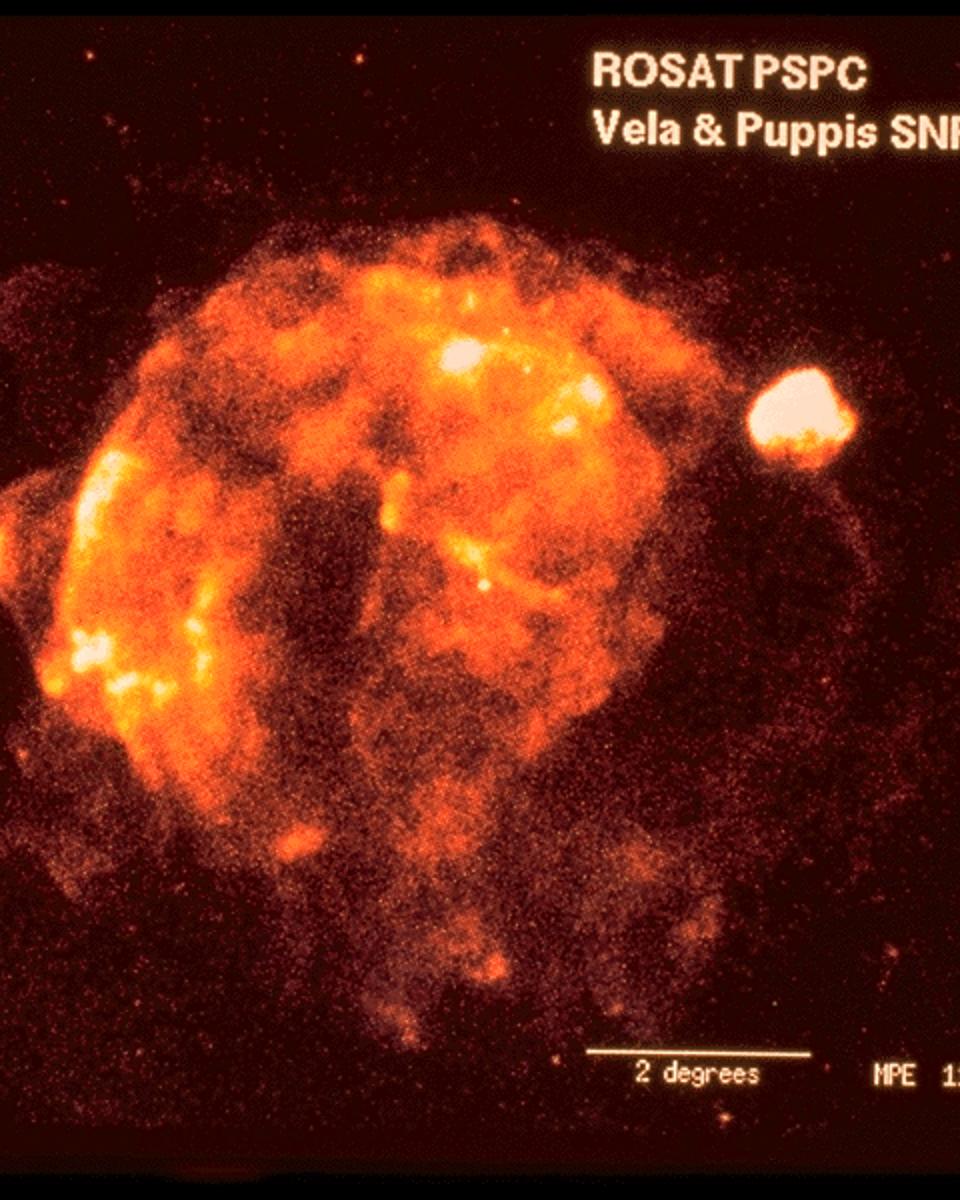
Vela Supernova Remnant in X-ray
What happens when a star explodes? A huge fireball of hot gas shoots out in all directions. When this gas slams into the existing interstellar medium , it heats up so much it…
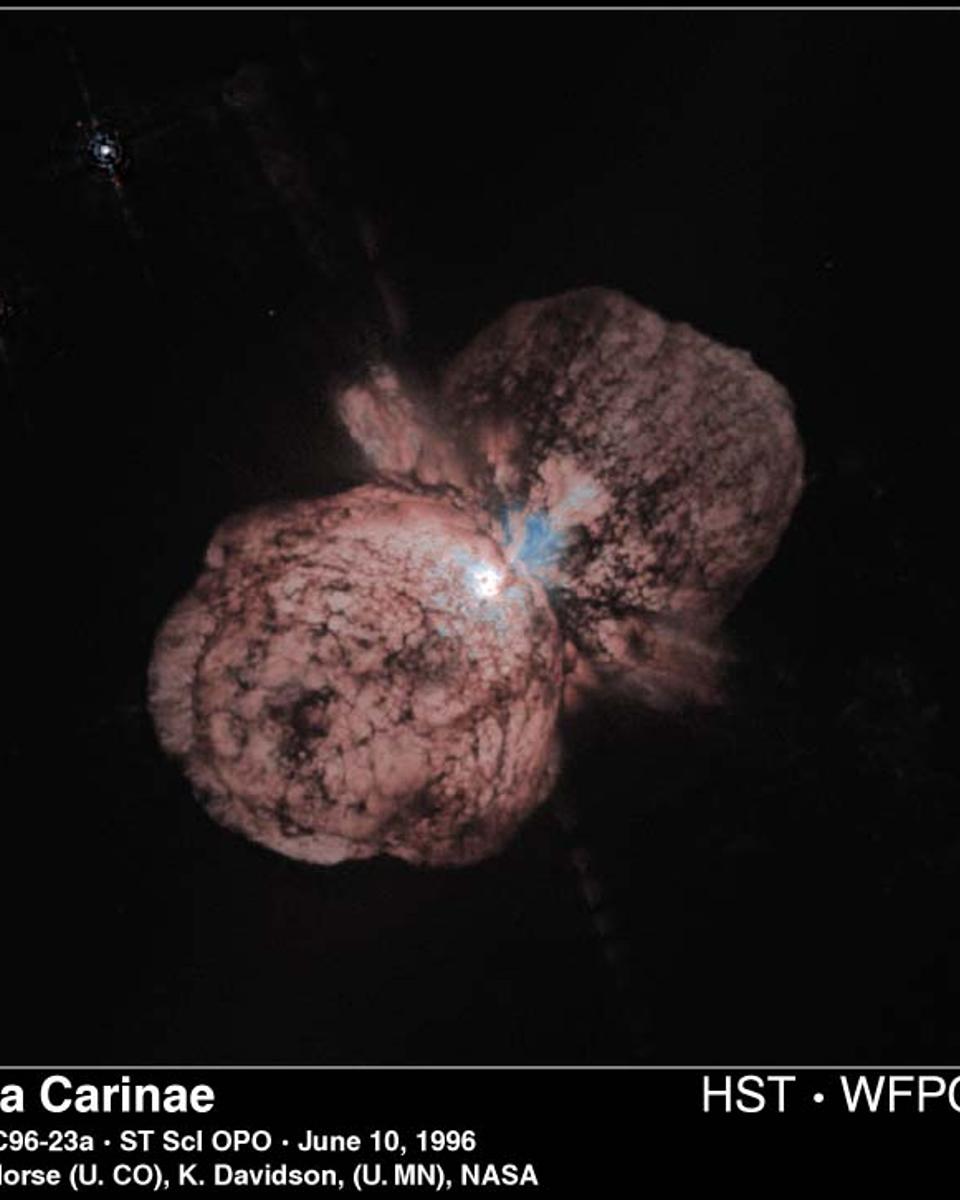
Doomed Star Eta Carinae
Eta Carinae may be about to explode. But no one knows when - it may be next year, it may be one million years from now. Eta Carinae 's mass - about 100 times greater than our Sun…
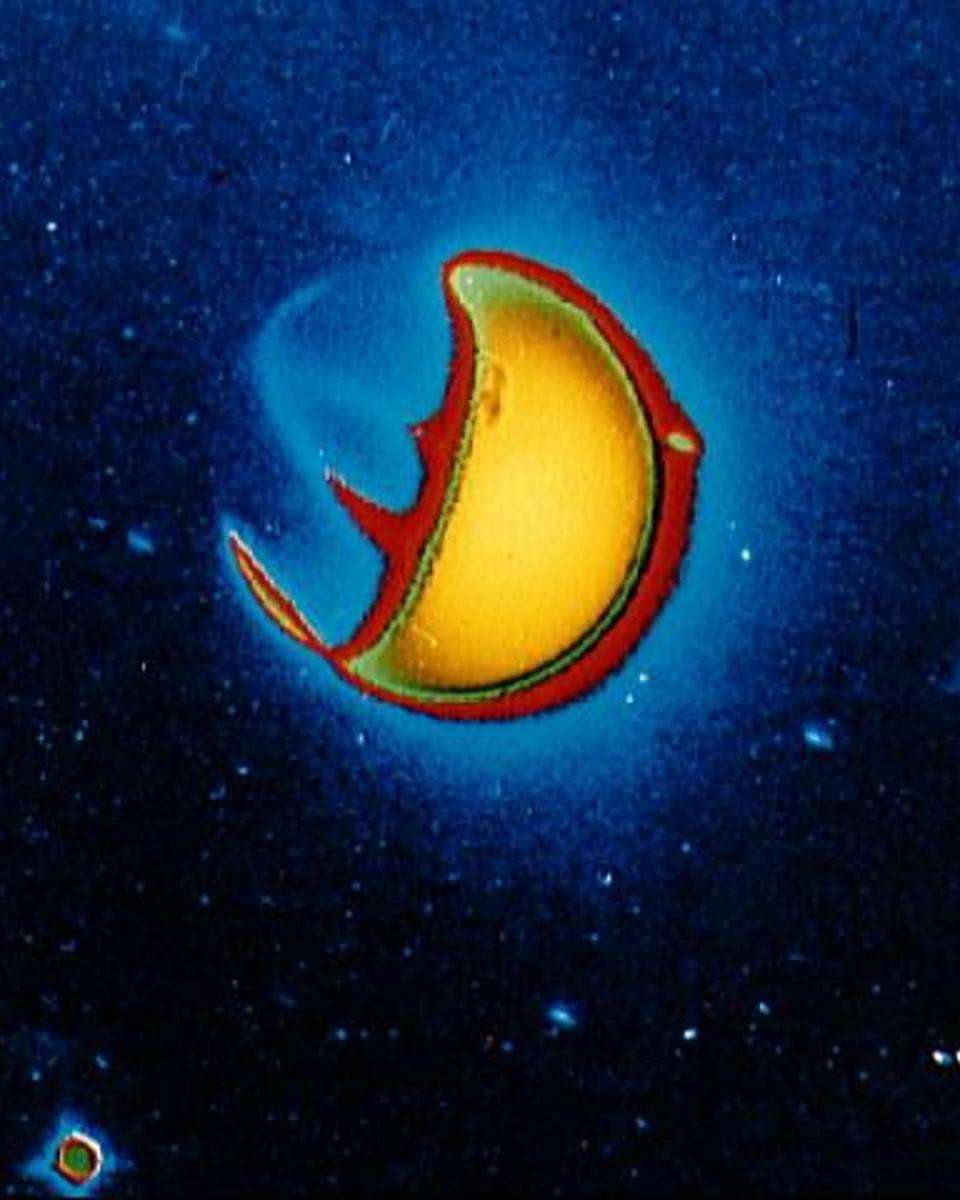
Ultraviolet Earth
Here's a switch: the above picture is of the Earth taken from a lunar observatory! This false color picture shows how the Earth glows in ultraviolet (UV) light. UV light is so…
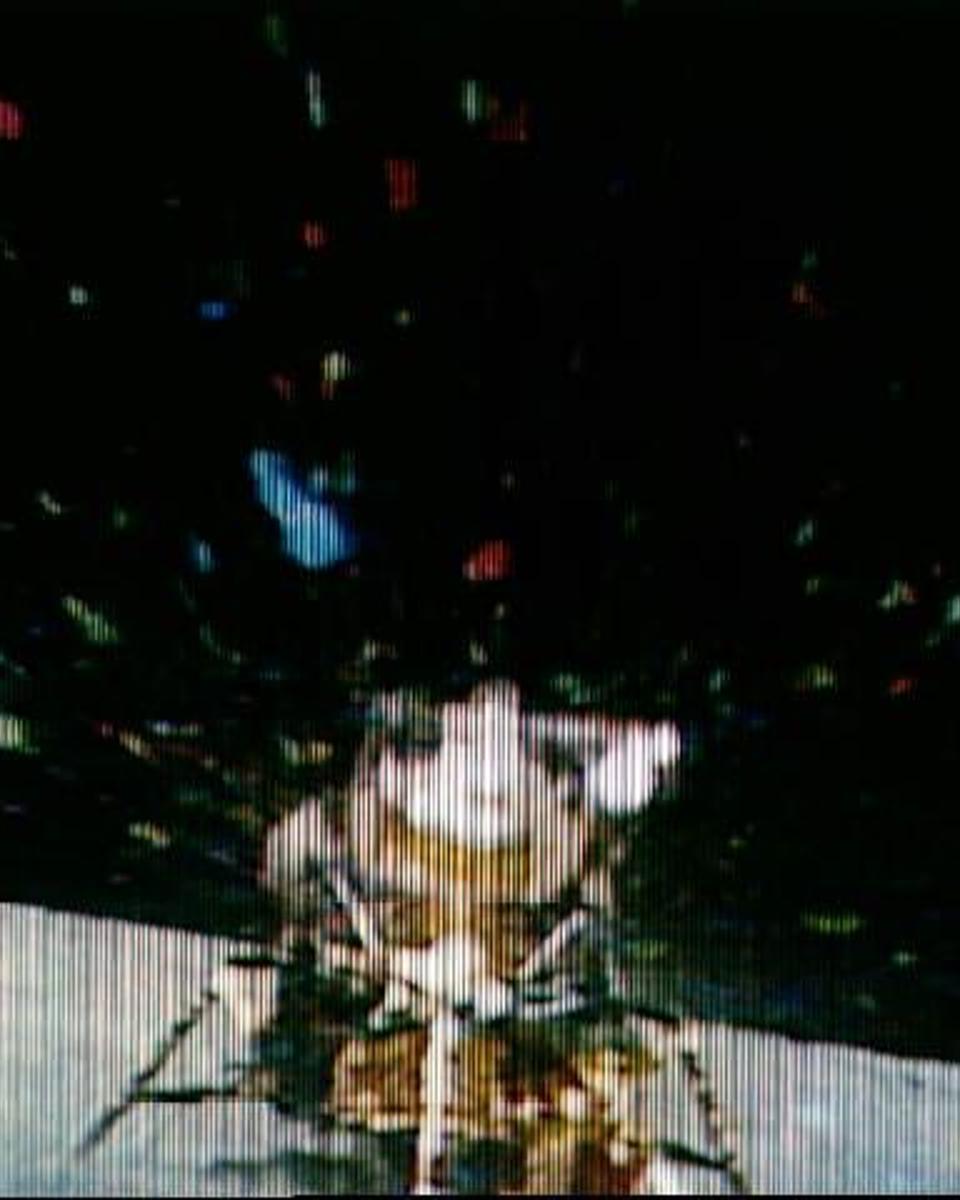
Blasting Off From the Moon
How did the astronauts get back from the Moon ? The Lunar Module that landed two astronauts on the Moon actually came apart. The top part containing the astronauts carried…
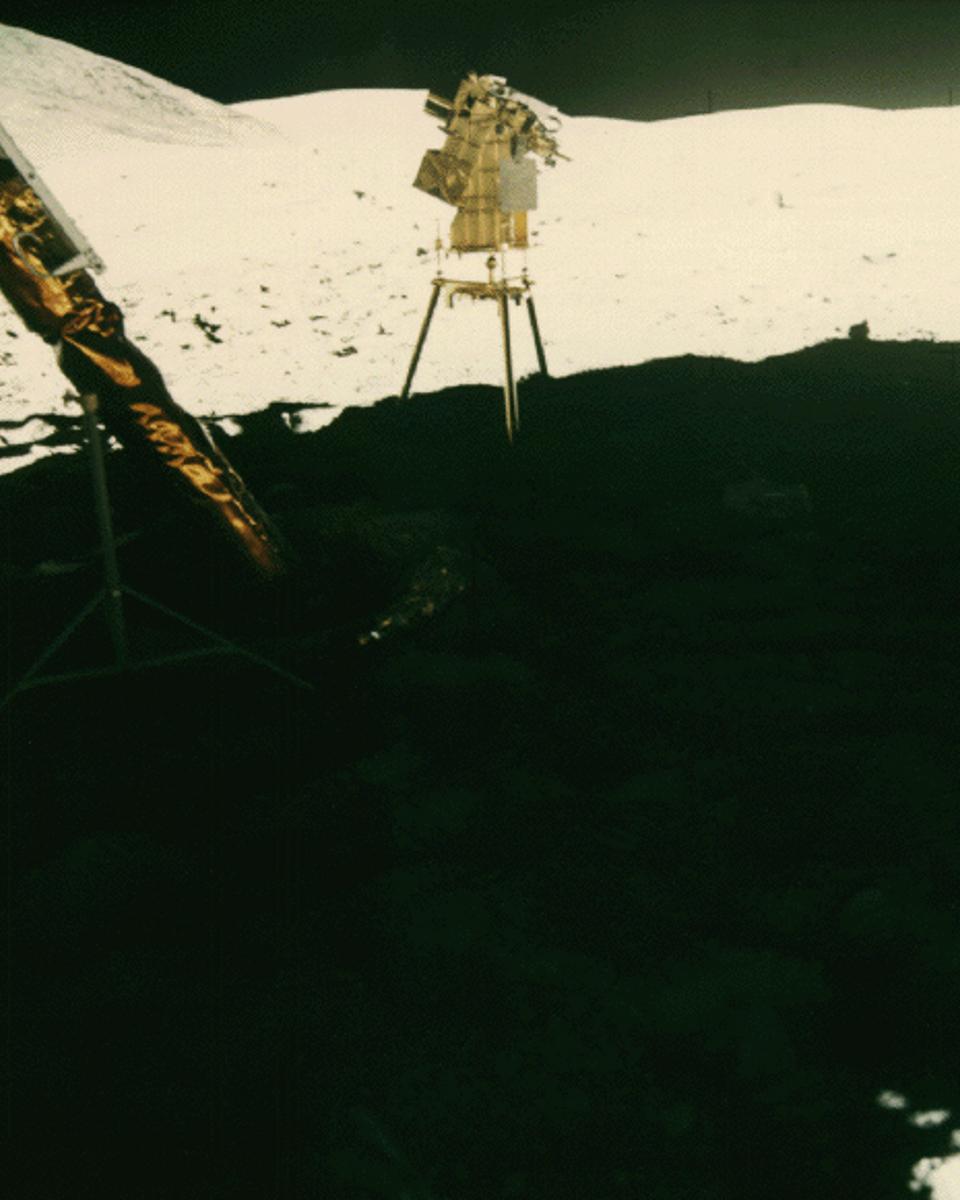
The First Lunar Observatory
The first and only lunar astronomical observatory was deployed by the Apollo 16 crew in 1972. The Far Ultraviolet Camera / Spectrograph used a 3-inch diameter telescope to…
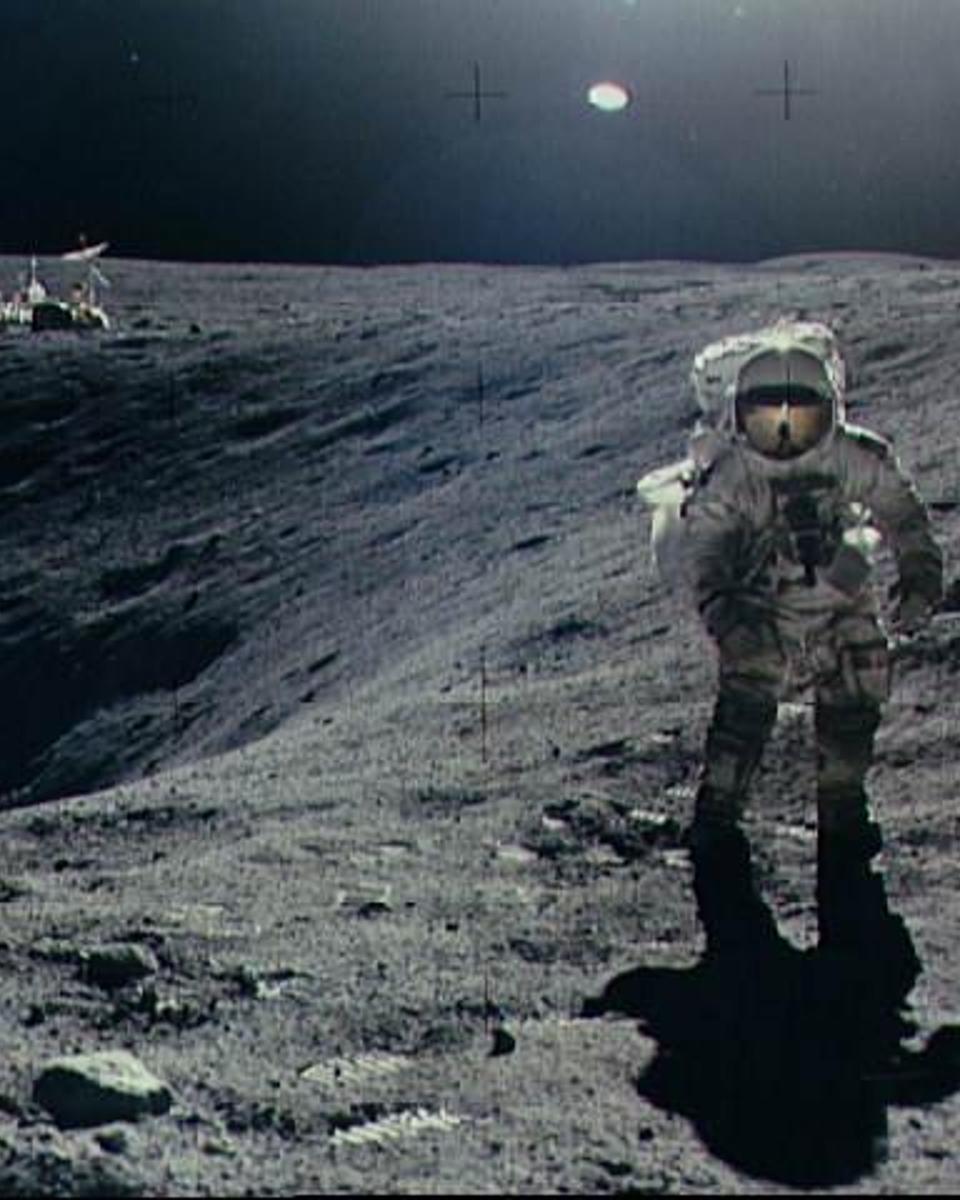
Apollo 16: Exploring Plum Crater
Apollo 16 spent three days on Earth's Moon in April 1972. The fifth lunar landing mission out of six, Apollo 16 was famous for deploying and using an ultraviolet telescope as the…
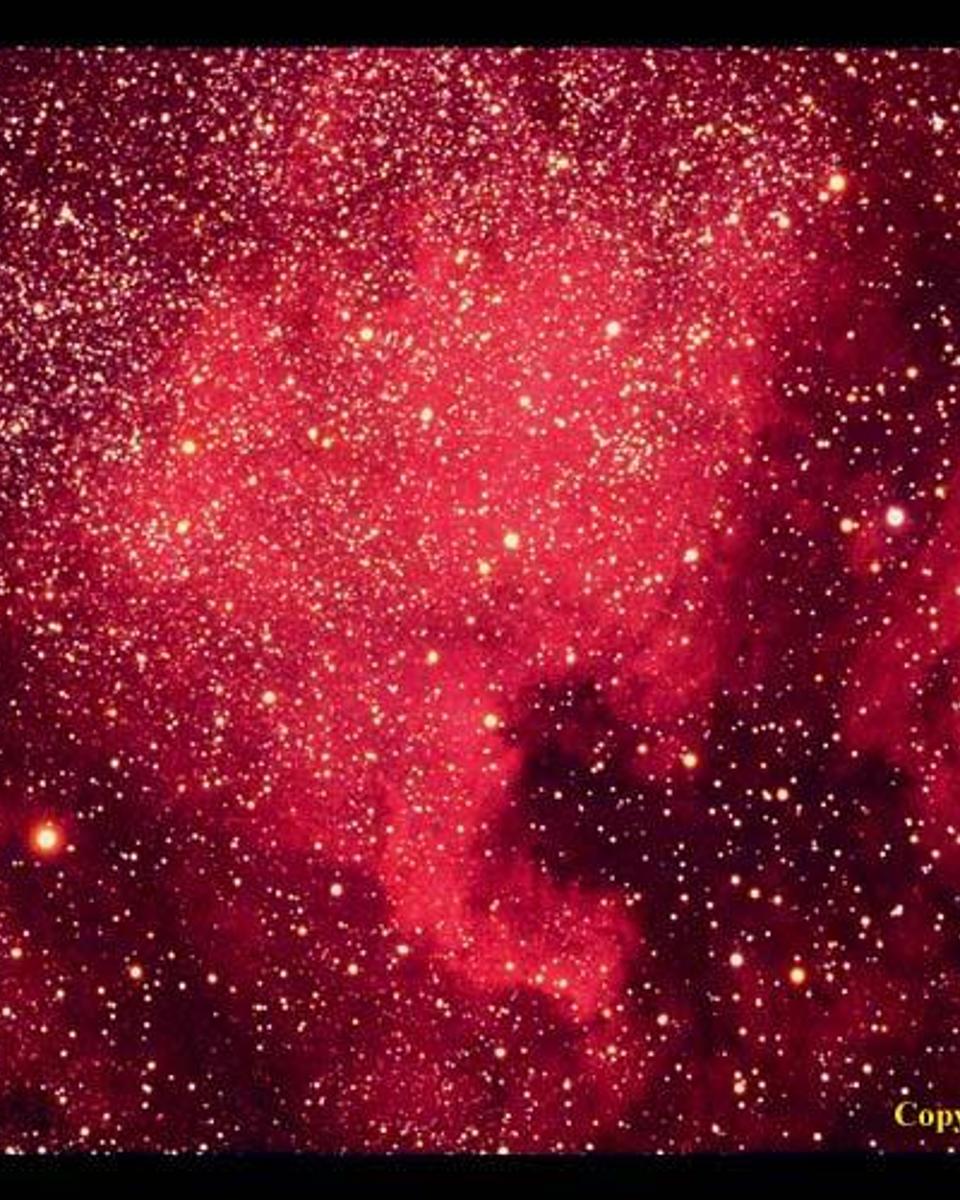
The North America Nebula
Here's a familiar shape in an unfamiliar location! This emission nebula is famous partly because it resembles Earth 's North American Continent . To the right of the North America…
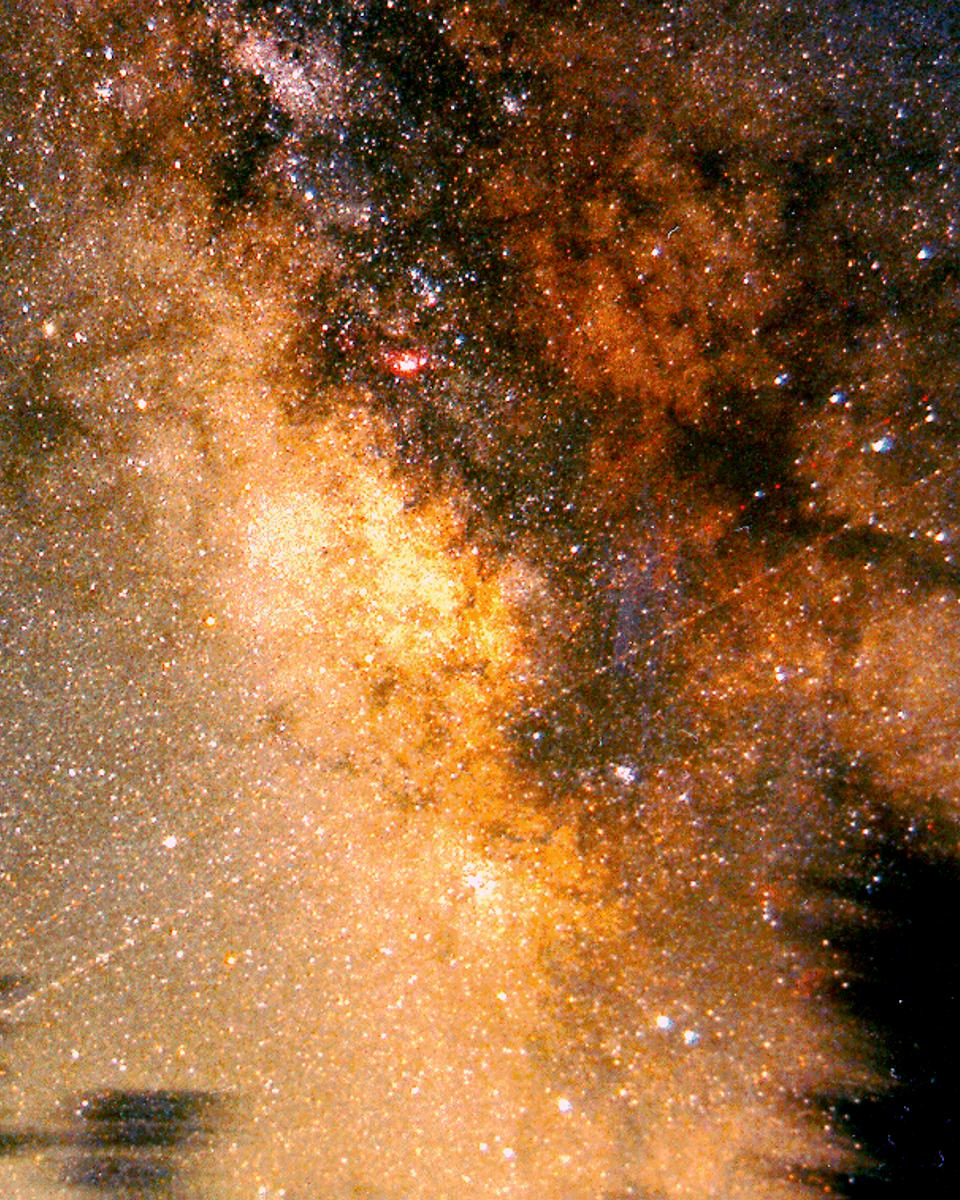
Sagittarius and the Central Milky Way
What does the center of our Milky Way Galaxy look like? No one knows! It is not possible to see the Galactic center in light our eyes are sensitive to because the thick dust in…
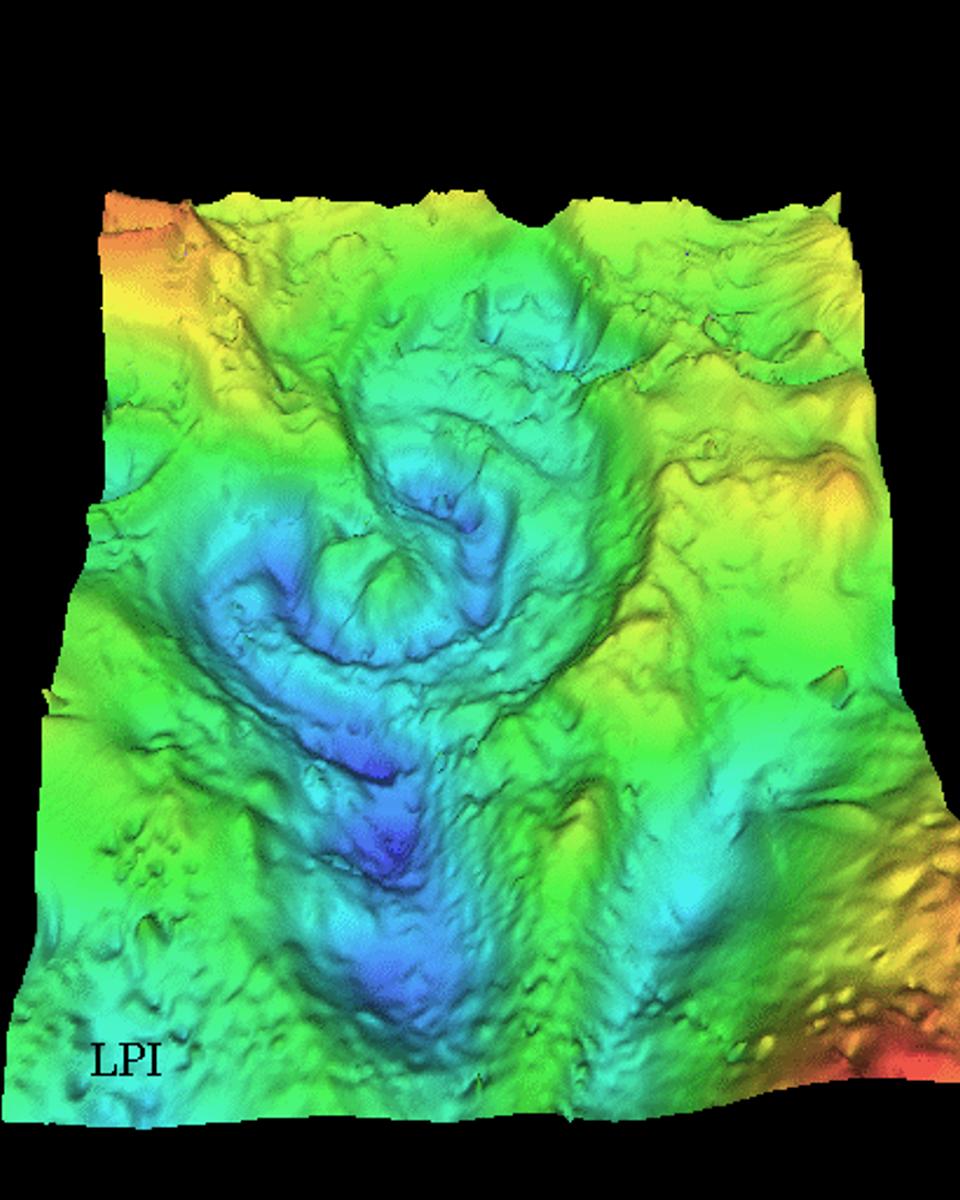
Impact! 65 Million Years Ago
What killed the dinosaurs? Their sudden disappearance 65 million years ago, along with about 70 percent of all species then living on Earth, is known as the K-T event…
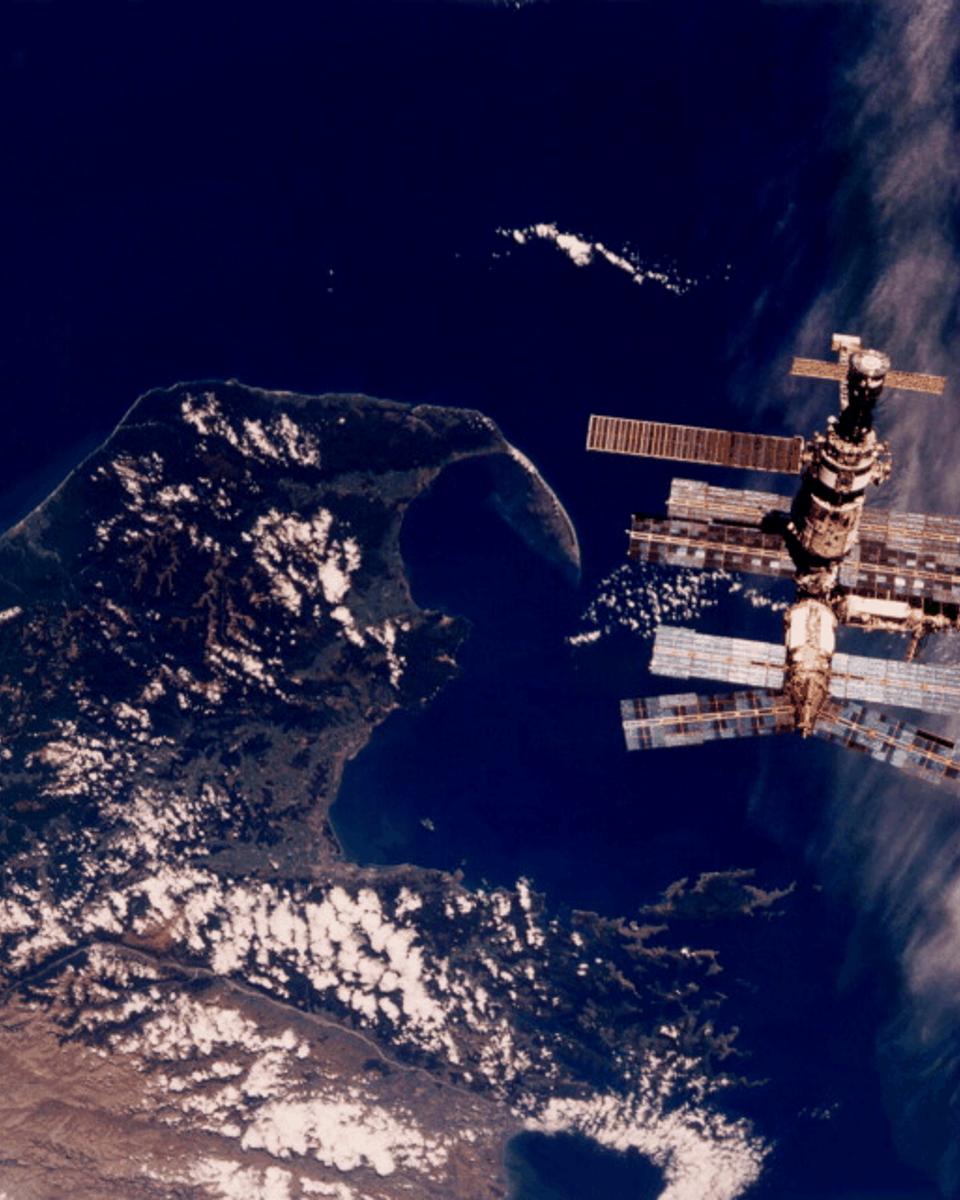
Mir Dreams
This dream-like image of Mir was recorded by astronauts as the Space Shuttle Atlantis approached the Russian Space Station prior to docking during the STS-76 mission . Sporting…
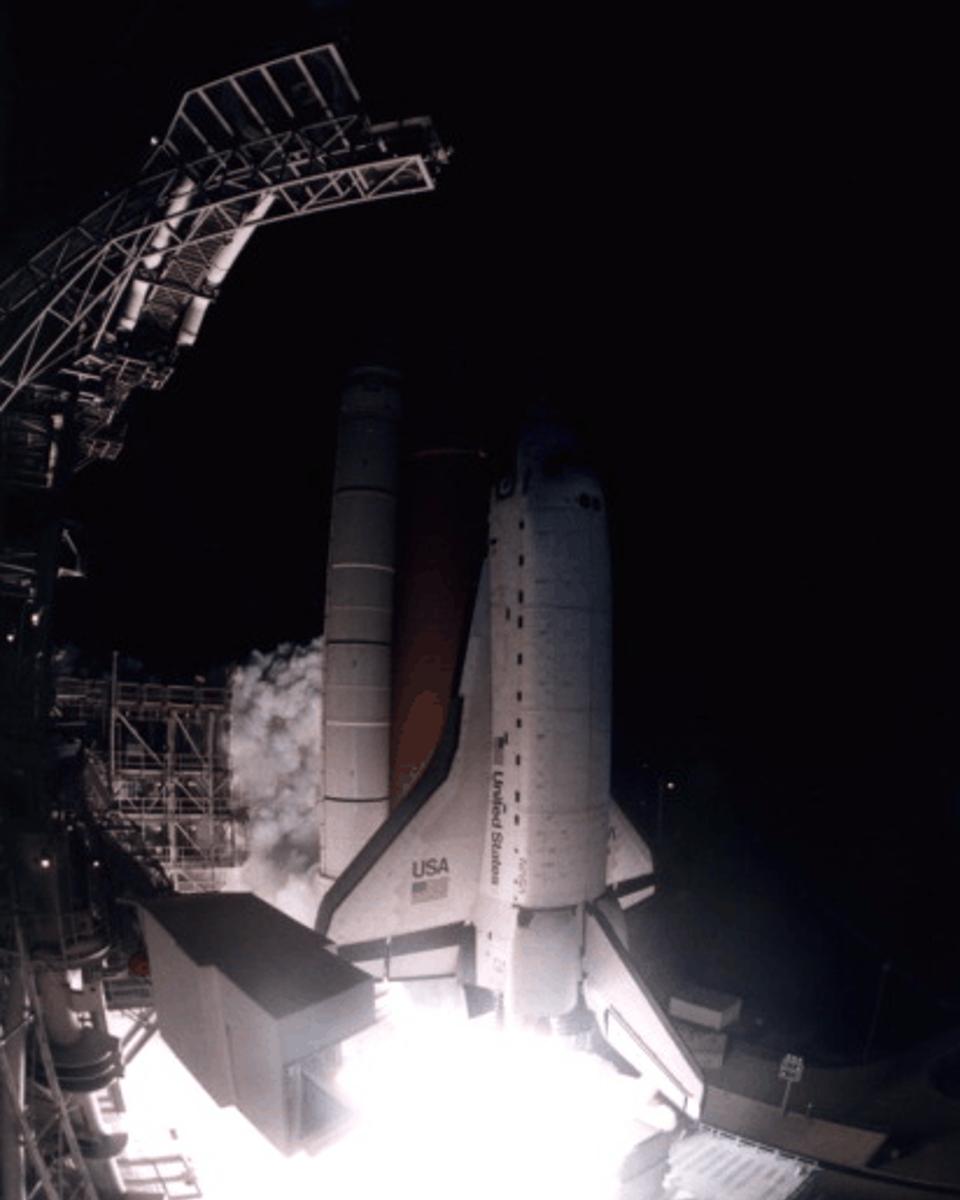
6 Up 5 Down
This fish-eye view of a dramatic night launch of the Shuttle Atlantis on mission STS-76 was recorded on March 22, 1996. The mission carried 6 astronauts aloft , and returned with…
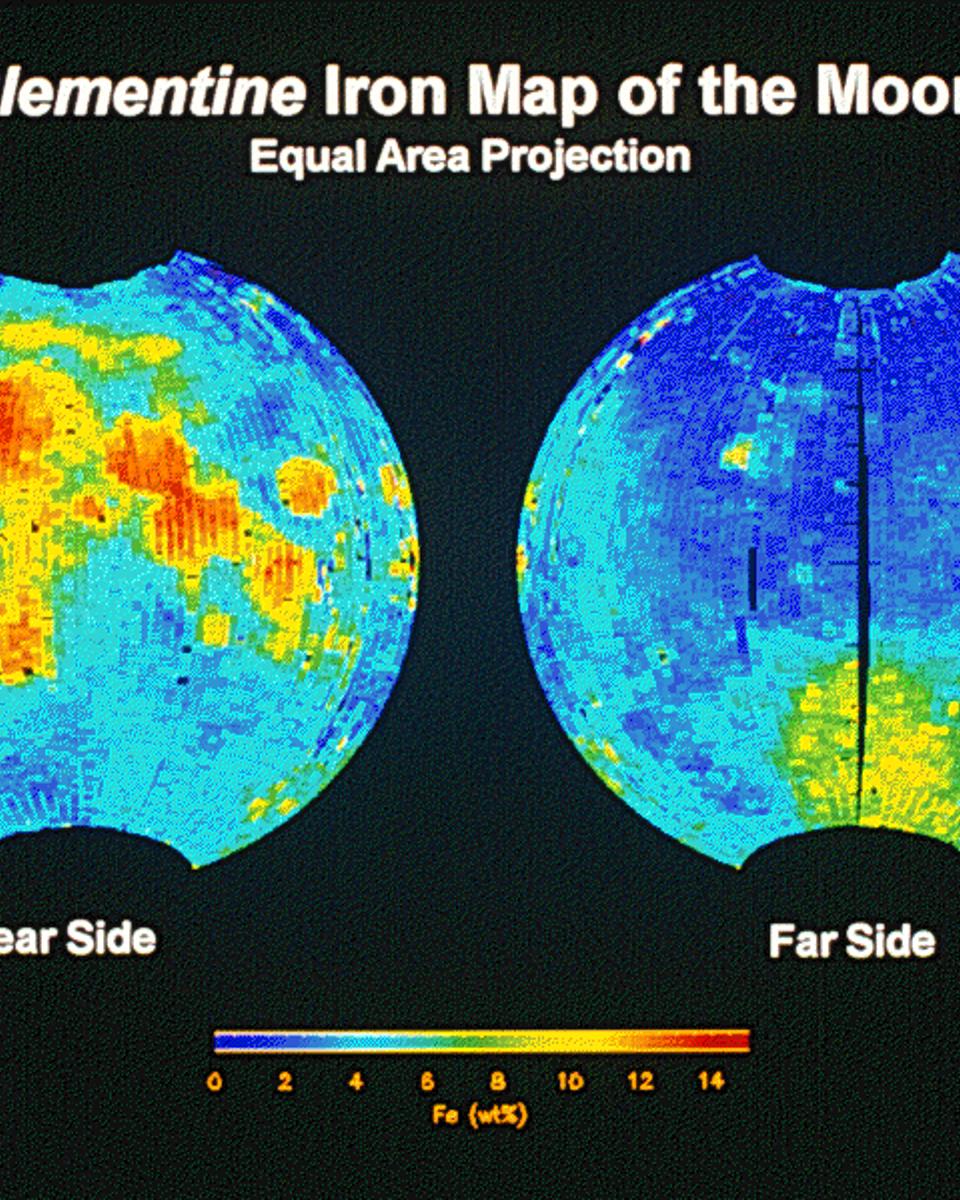
The Iron Moon
In March and April of 1994 the unmanned Clementine spacecraft demonstrated the technique of prospecting on the Moon from lunar orbit. To accomplish this, Clementine turned an…
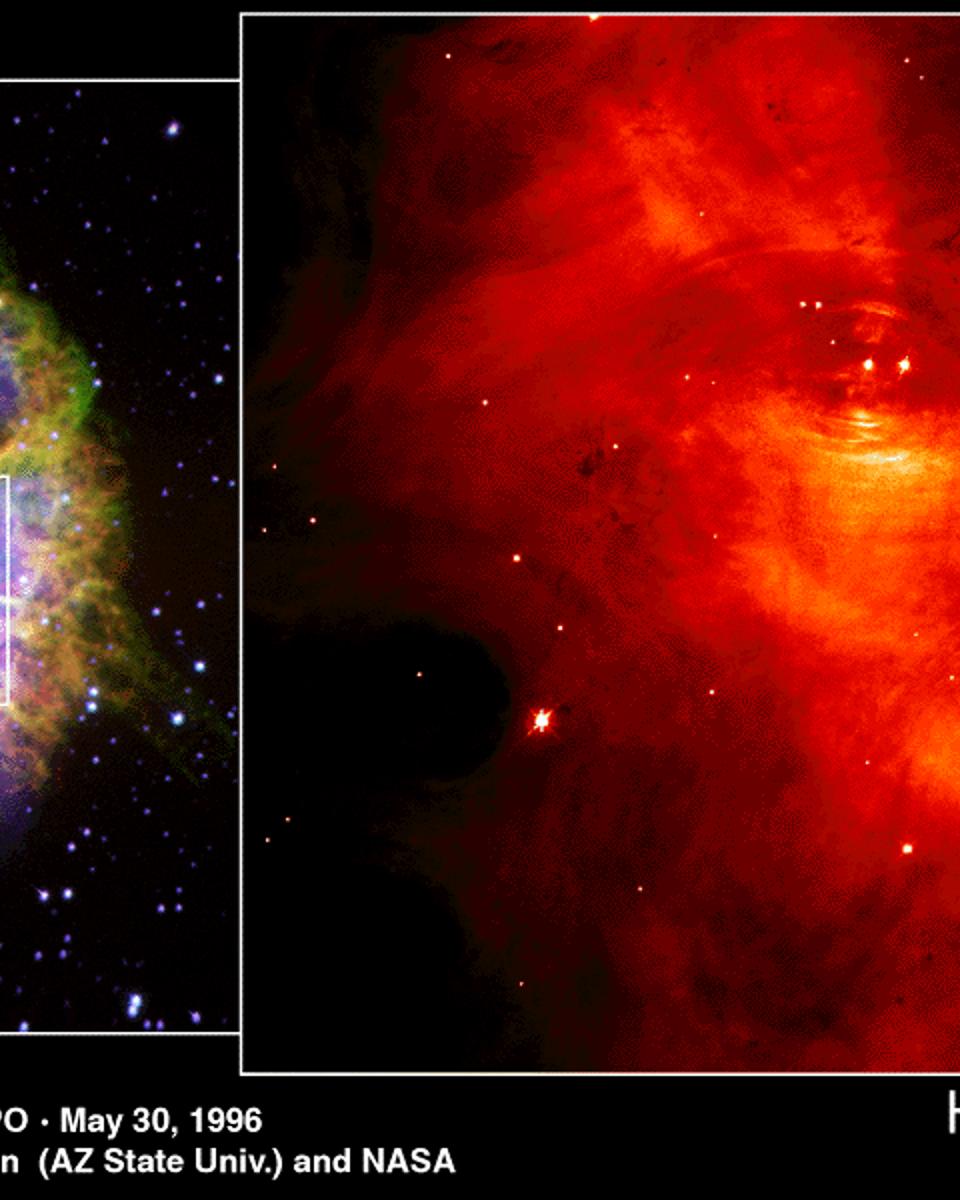
The Pulsar Powered Crab
In the Summer of 1054 A.D. Chinese astronomers reported that a star in the constellation of Taurus suddenly became as bright as the full Moon. Fading slowly, it remained visible…
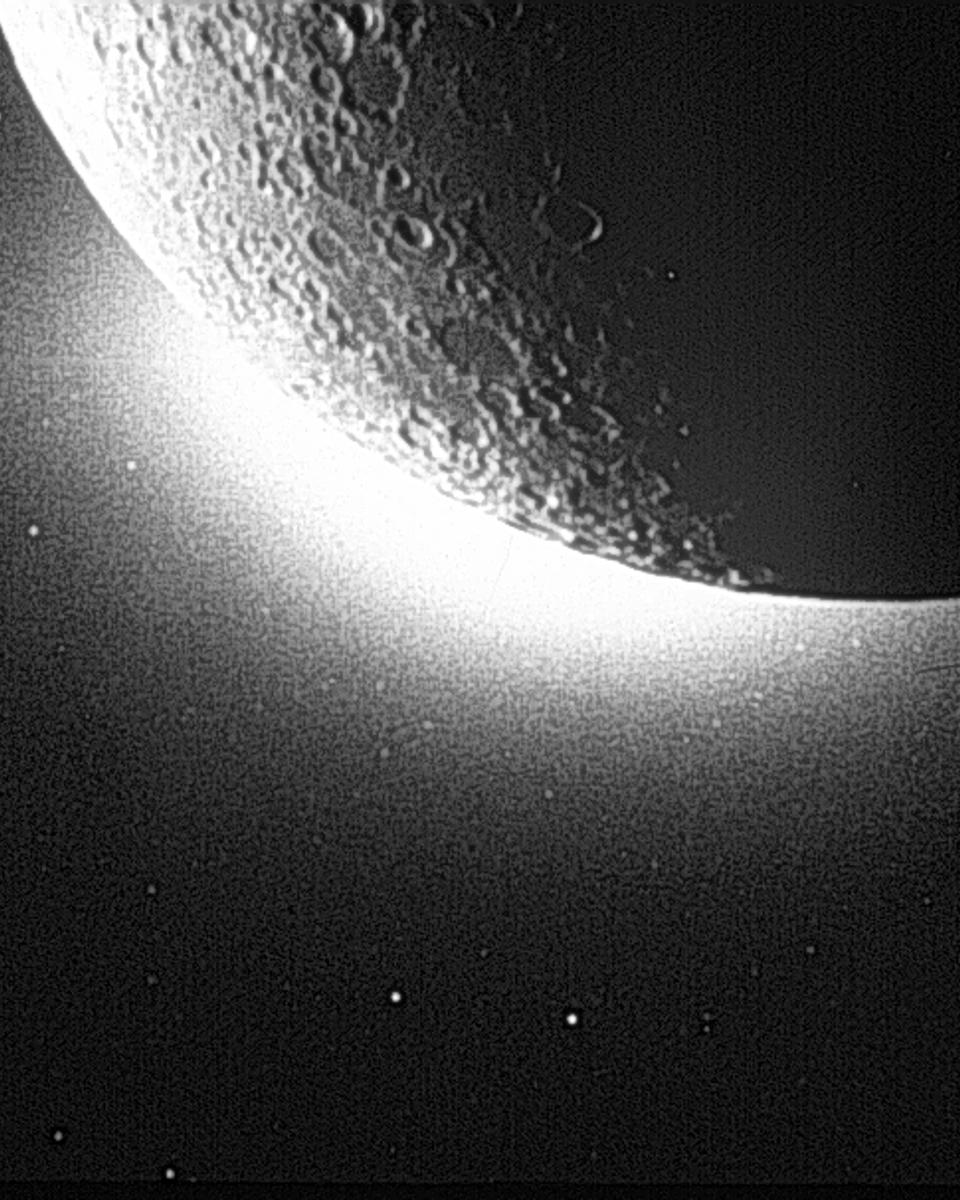
Sunshine, Earthshine at the Lunar Limb
This dramatic image of the Moon's edge against a background of distant stars is from a perspective impossible for groundbased telescopes. It was taken by a star tracker camera…
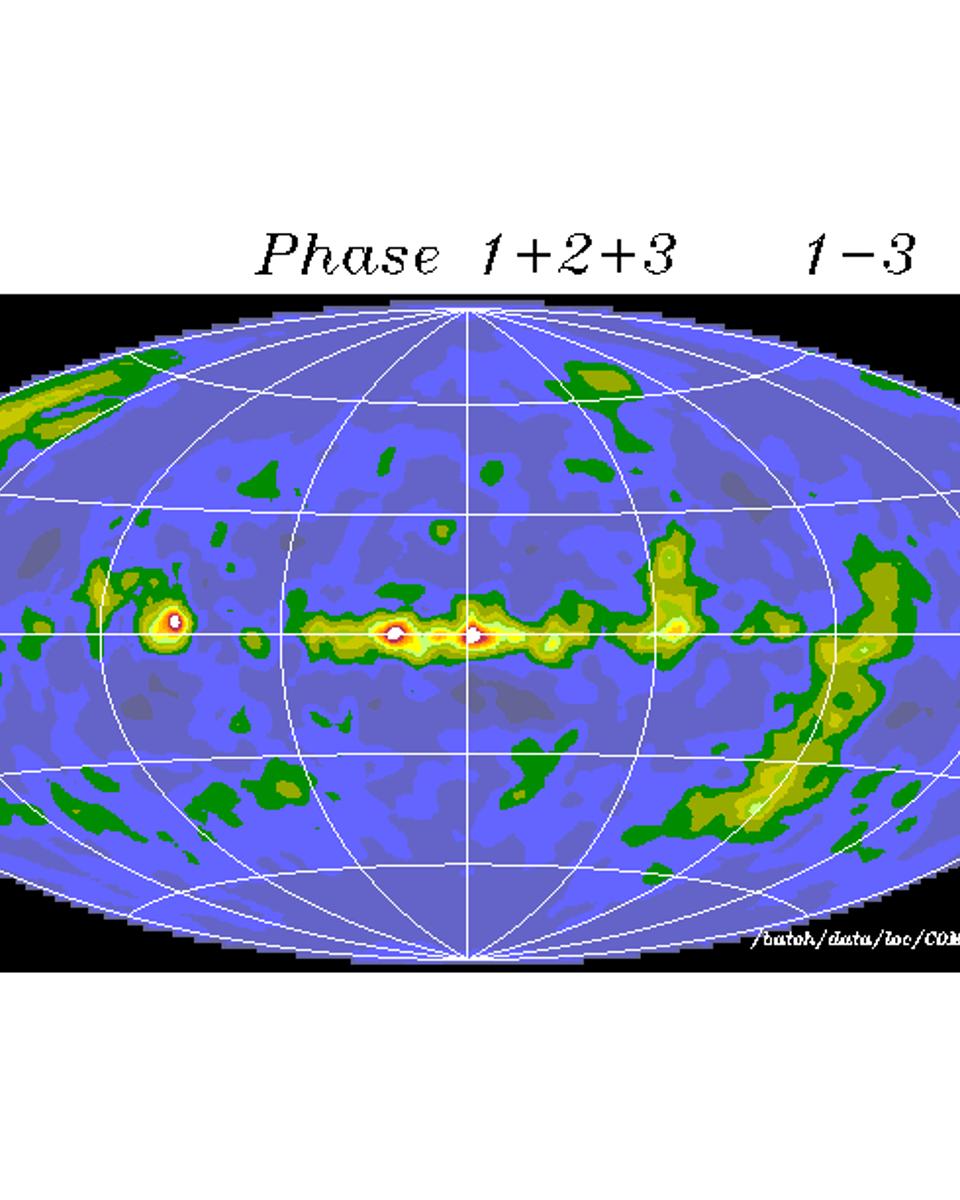
The COMPTEL Gamma-Ray Sky
This premier gamma-ray view of the sky was produced by the COMPTEL instrument onboard NASA's orbiting Compton Gamma Ray Observatory . The entire sky is seen projected on a…
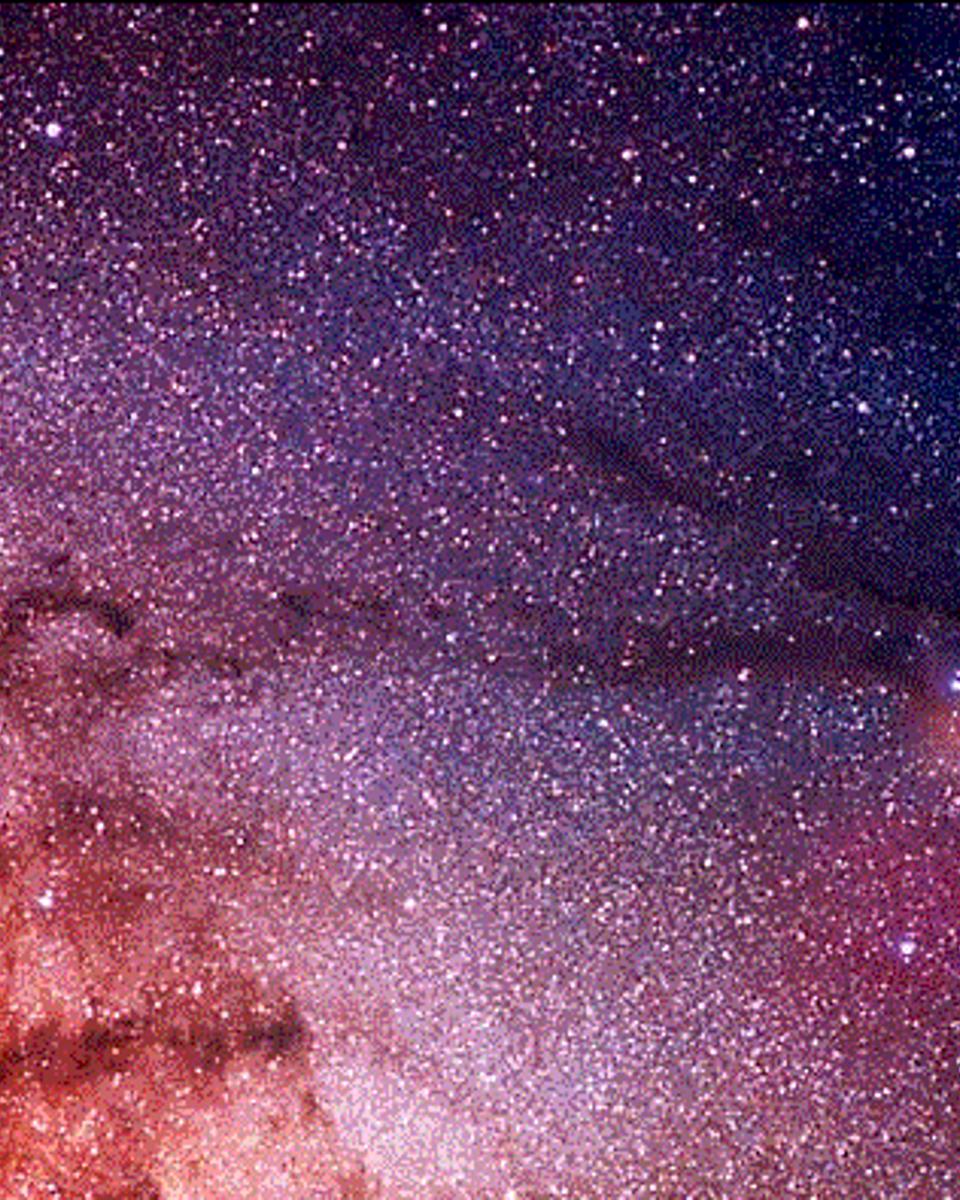
The Pipe Dark Nebula
The dark nebula predominant at the lower left of the above photograph is known as the Pipe Nebula . The dark clouds, suggestively shaped like smoke rising from a pipe, are caused…
Viewing discoveries from 20 June 1996 through 28 May 1996.