Browse NASA Astronomy Picture of the Day archive by date and media: Archive Discoveries
Browse the NASA APOD archive without needing the exact date first. Filter by media type and keep moving deeper into older images and videos.
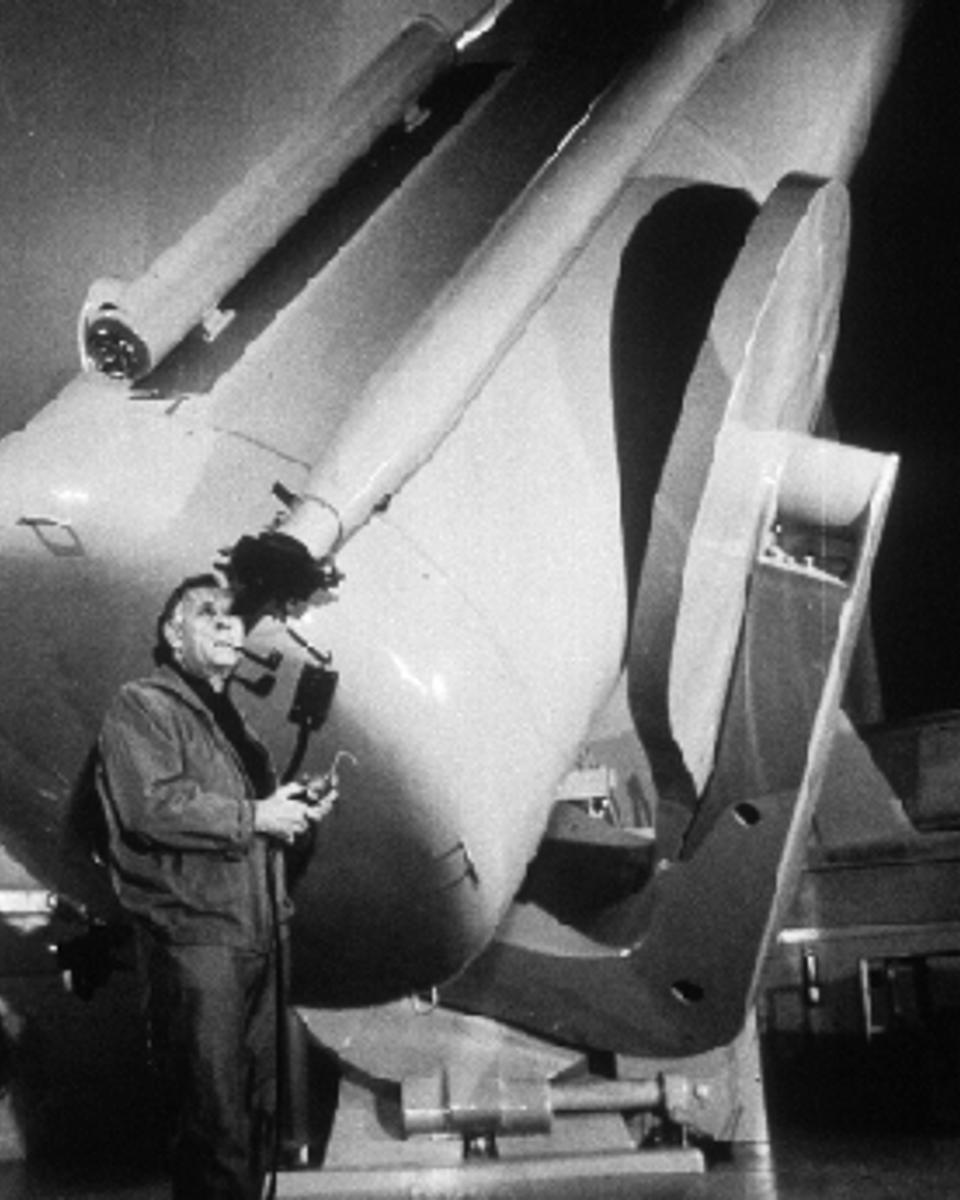
Edwin Hubble Discovers the Universe
No person in history has had greater impact in determining the extent of our universe than Edwin Hubble . From proving that other galaxies existed to proving that galaxies move…
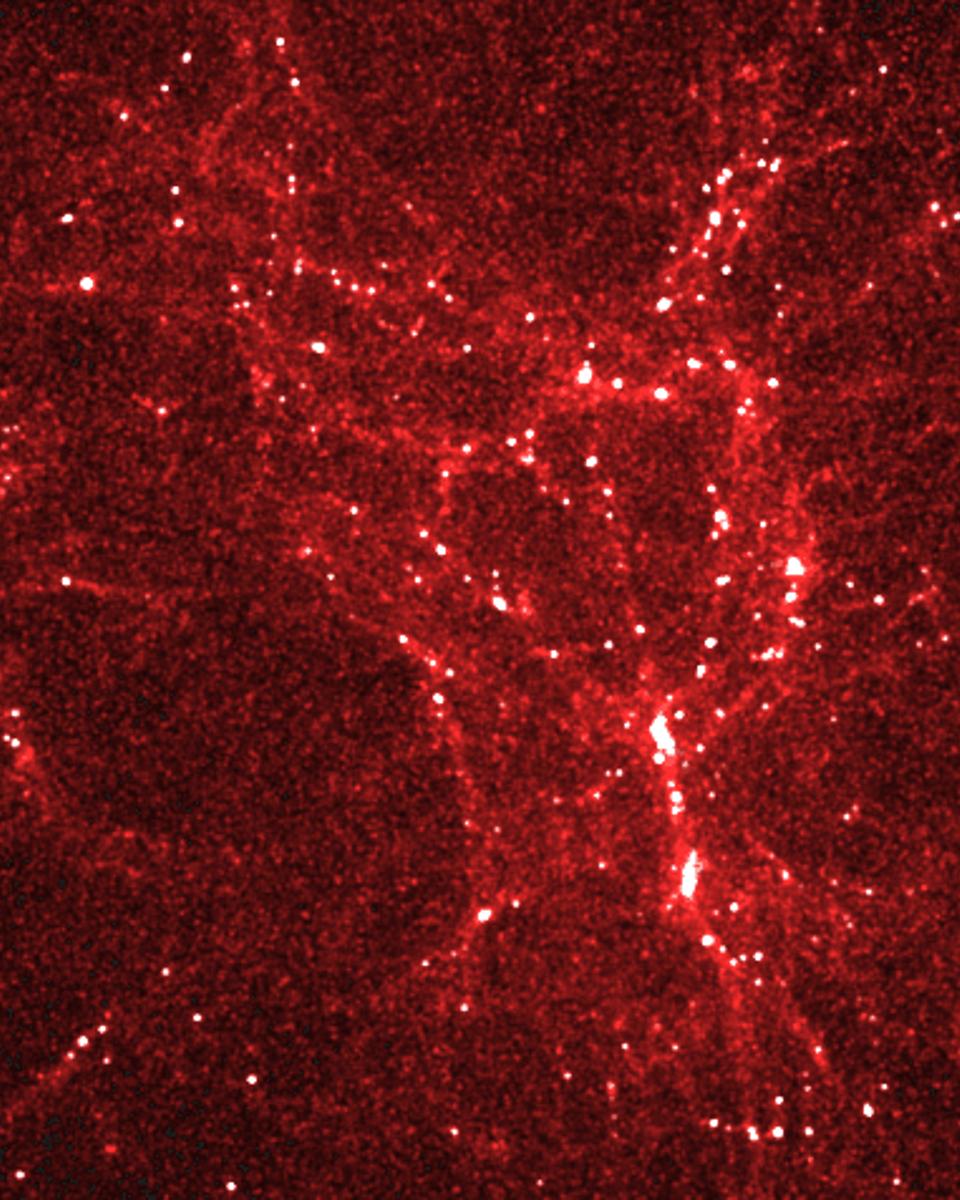
The Early Universe
What did our universe look like when it was young? To answer this, cosmologists run sophisticated computer programs tracking the locations of millions of particles. The above…
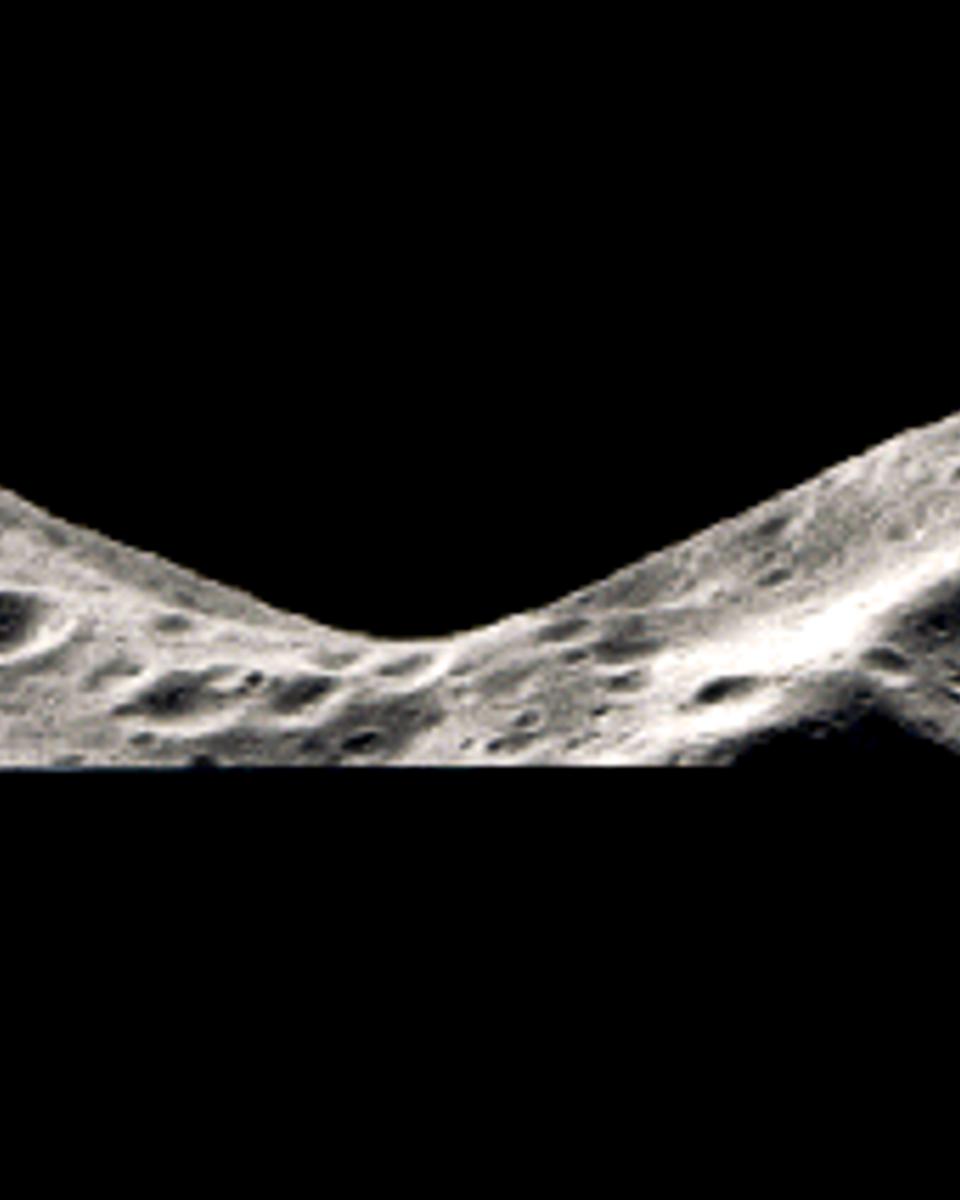
NEAR to an Asteroid
Excitement mounts as NASA's Near Earth Asteroid Rendezvous (NEAR) spacecraft nears launch - currently scheduled for 3:53 ET on February 16. NEAR's mission is to become the first…
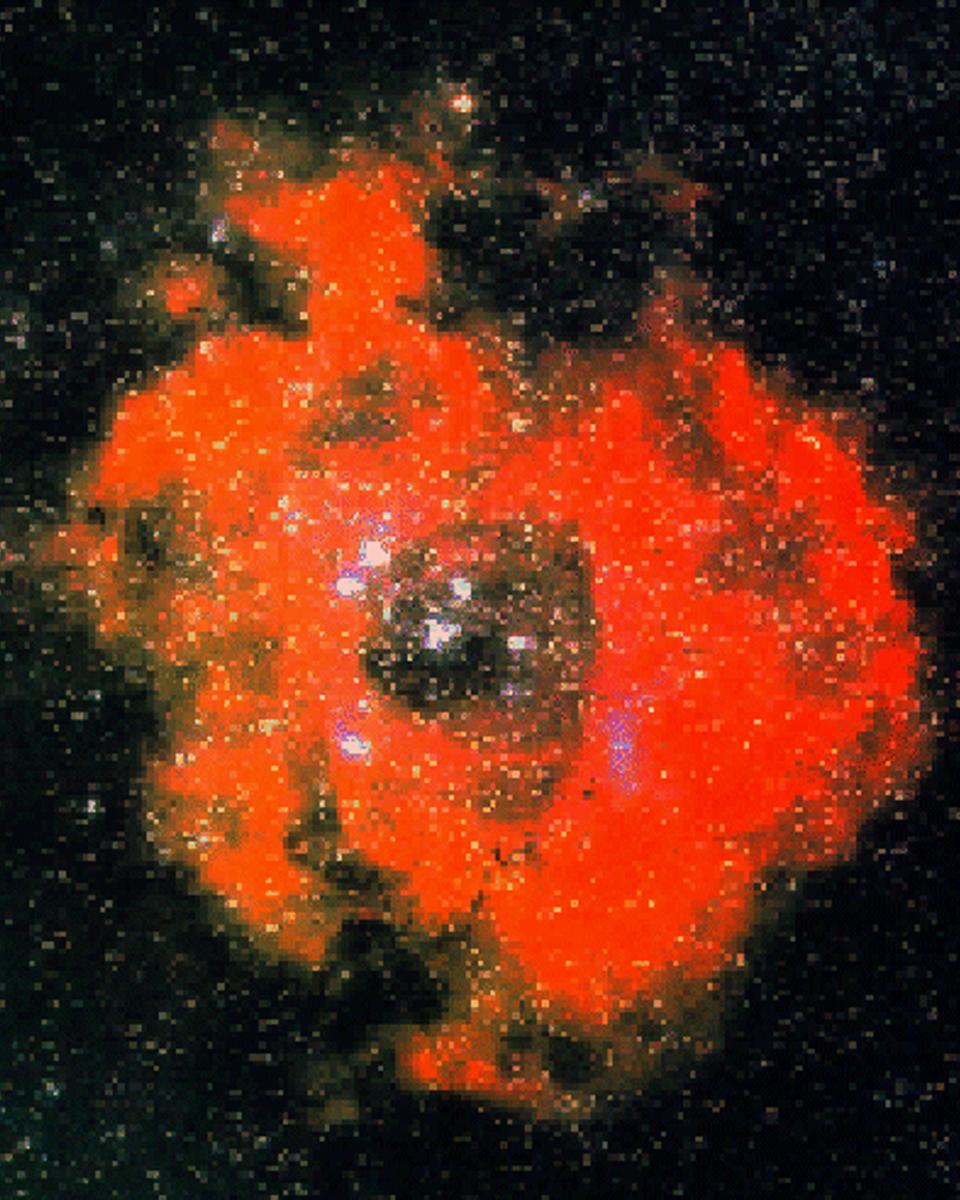
NGC 2237: The Rosette Nebula
Would the Rosette nebula by any other name look as sweet ? The bland New General Catalog designation of NGC 2237 doesn't appear to diminish the appearance of the this flowery…
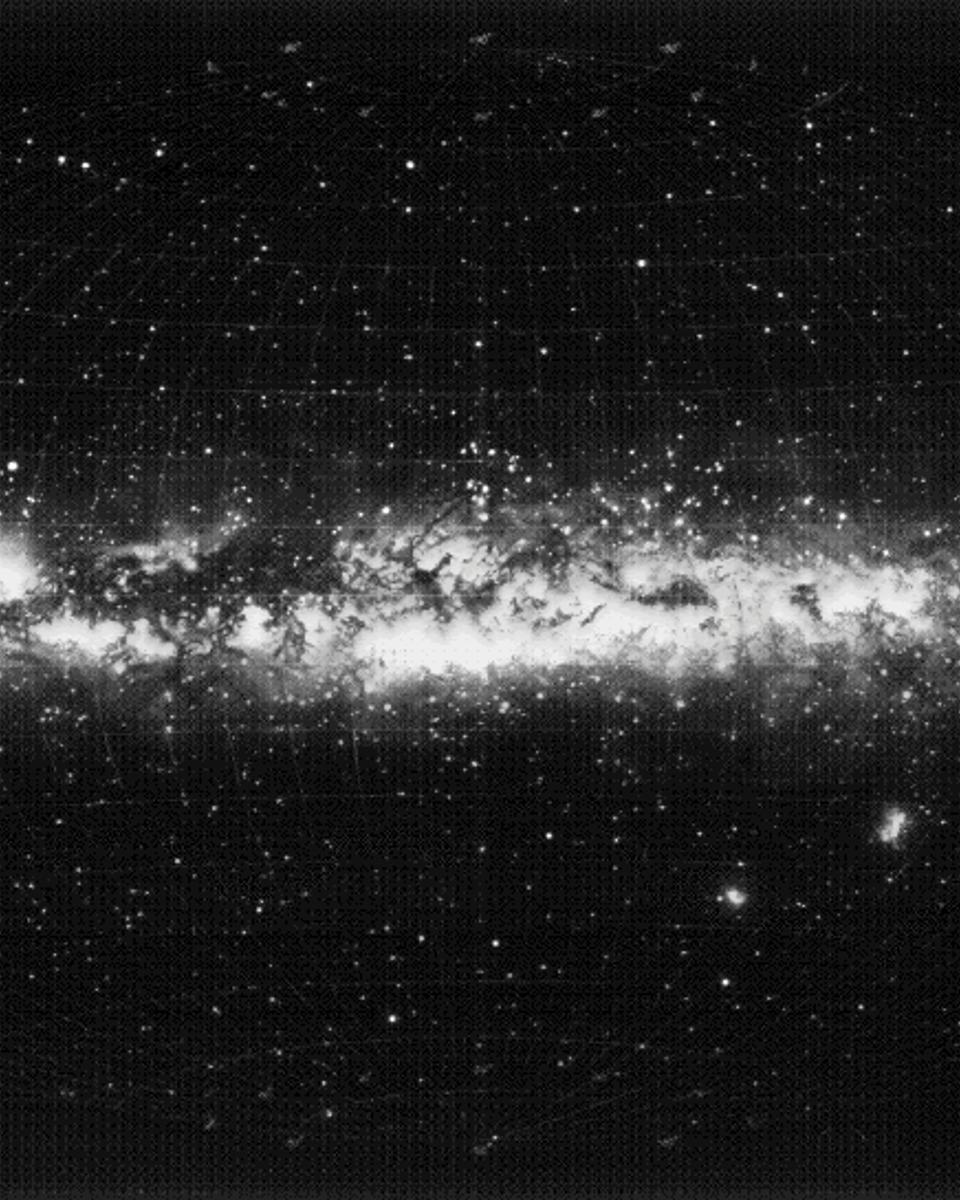
7,000 Stars And The Milky Way
This panorama view of the sky is really a drawing. It was made in the 1940s under the supervision of astronomer Knut Lundmark at the Lund Observatory in Sweden. To create the…
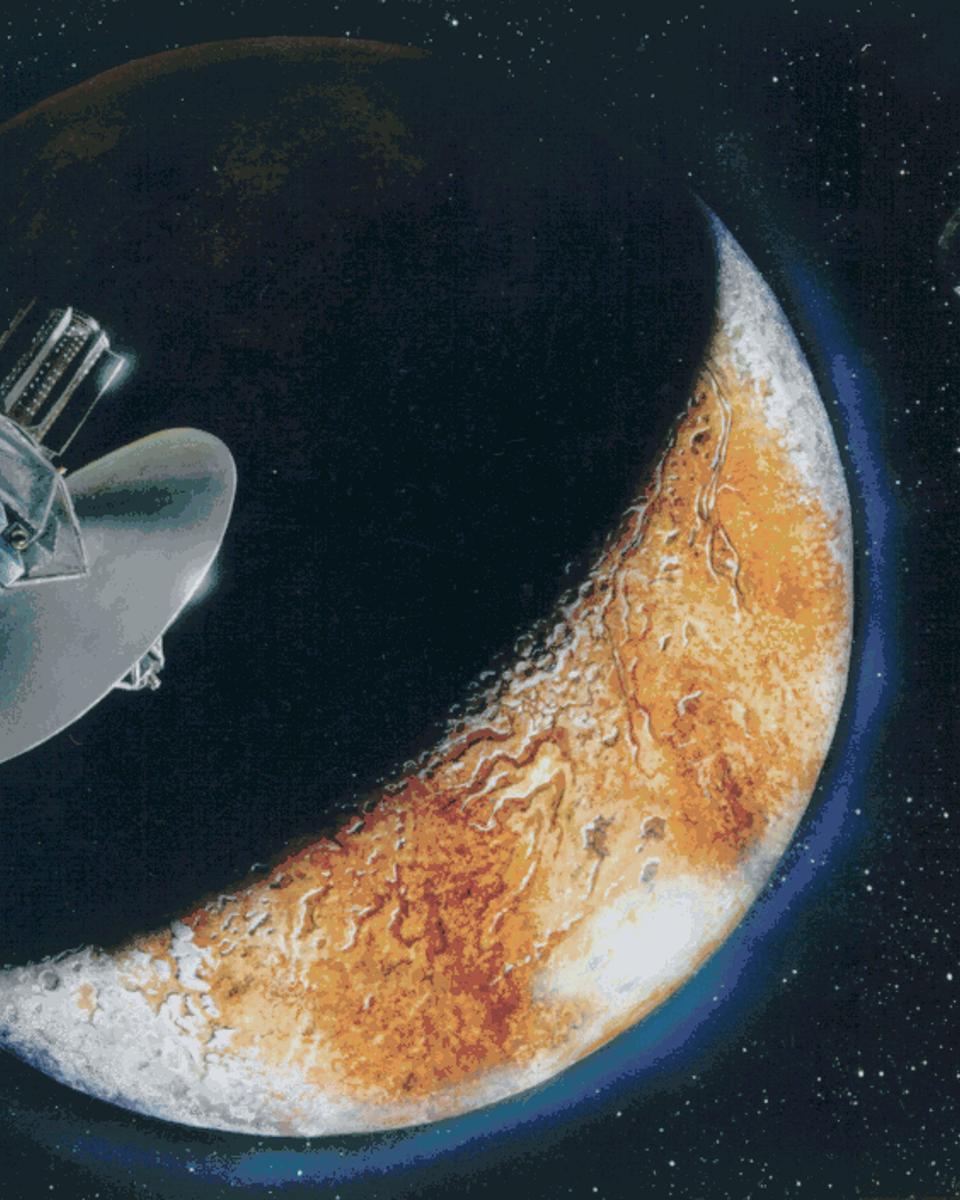
Pluto Not Yet Explored
Cold, distant, Pluto is the only planet in our Solar System which has not been visited by a spacecraft from Earth. The story goes that the legend “ Pluto Not Yet Explored” on a US…
Sputnik: The Traveling Companion
Sputnik means “traveling companion”. In stark contrast to this innocent sounding name, the launch of the Earth's first “artificial moon”, Sputnik 1 , by the Soviets on October 4,…
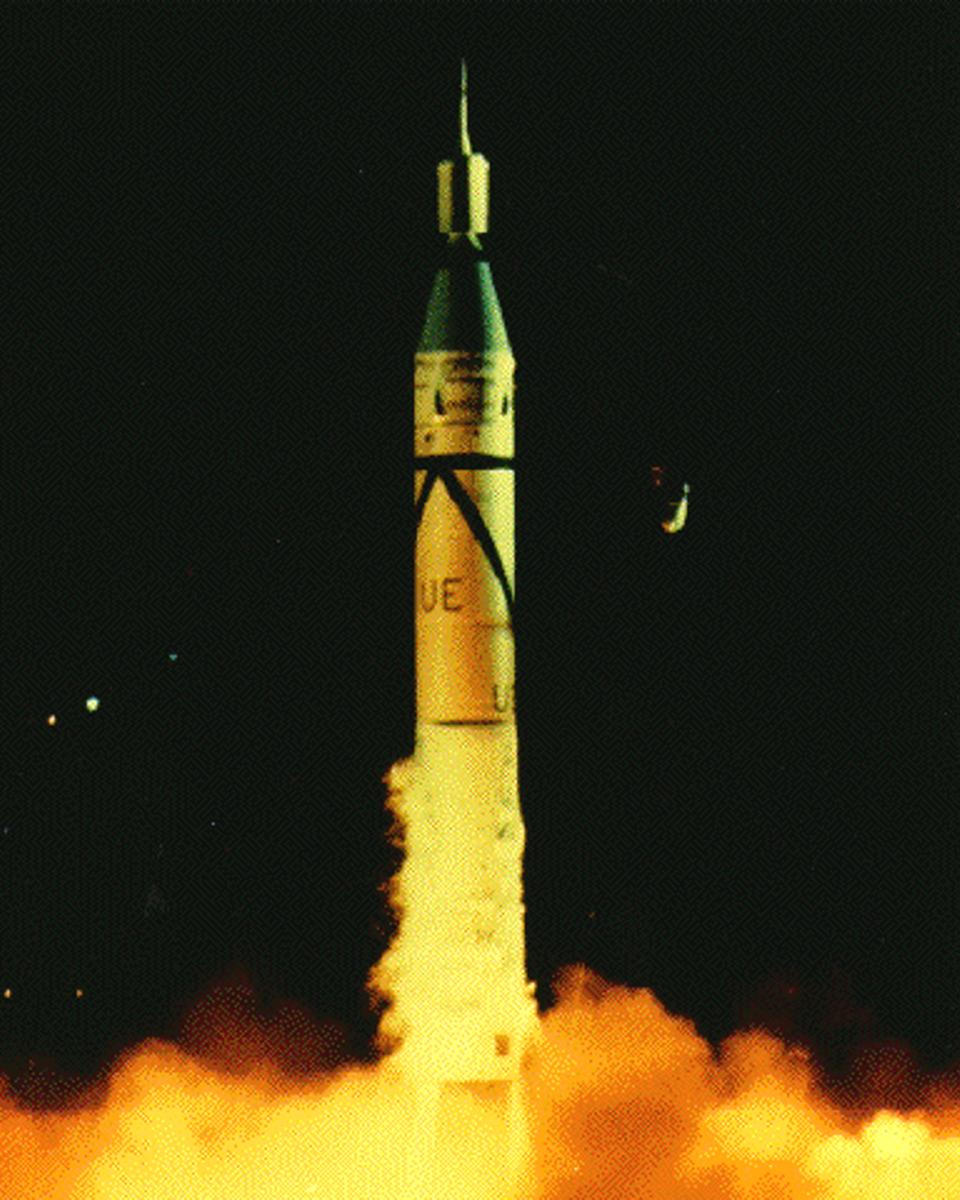
The First Explorer
The first US spacecraft was Explorer 1 . The cylindrical 30 pound satellite was launched (above) as the fourth stage of a Jupiter-C rocket (a modified US Army Redstone ballistic…
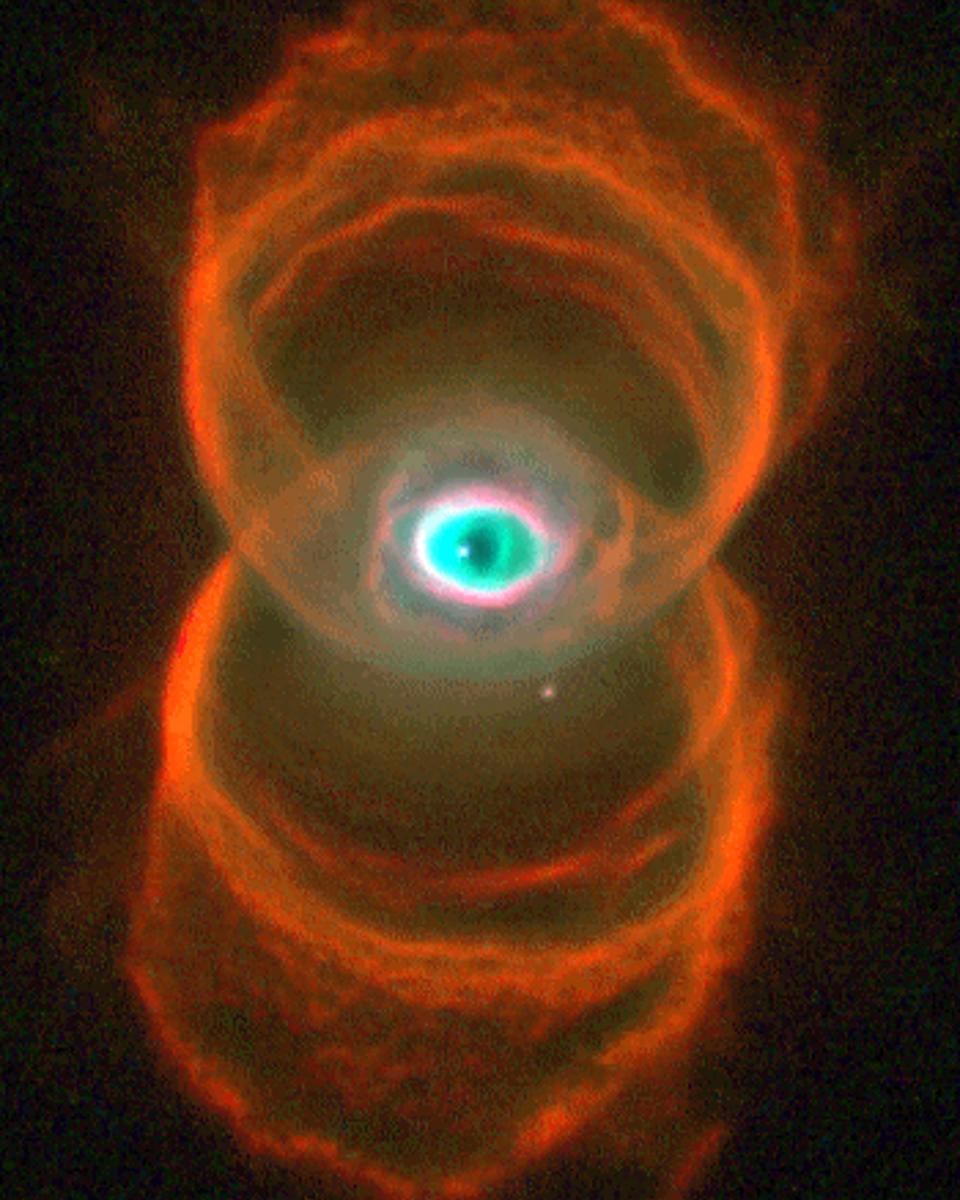
The Eye of an Hourglass Nebula
What's happening in the eye-like center of this planetary nebula? The geometry revealed in this Hubble Space Telescope view of the central part of an “ etched hourglass nebula ”…
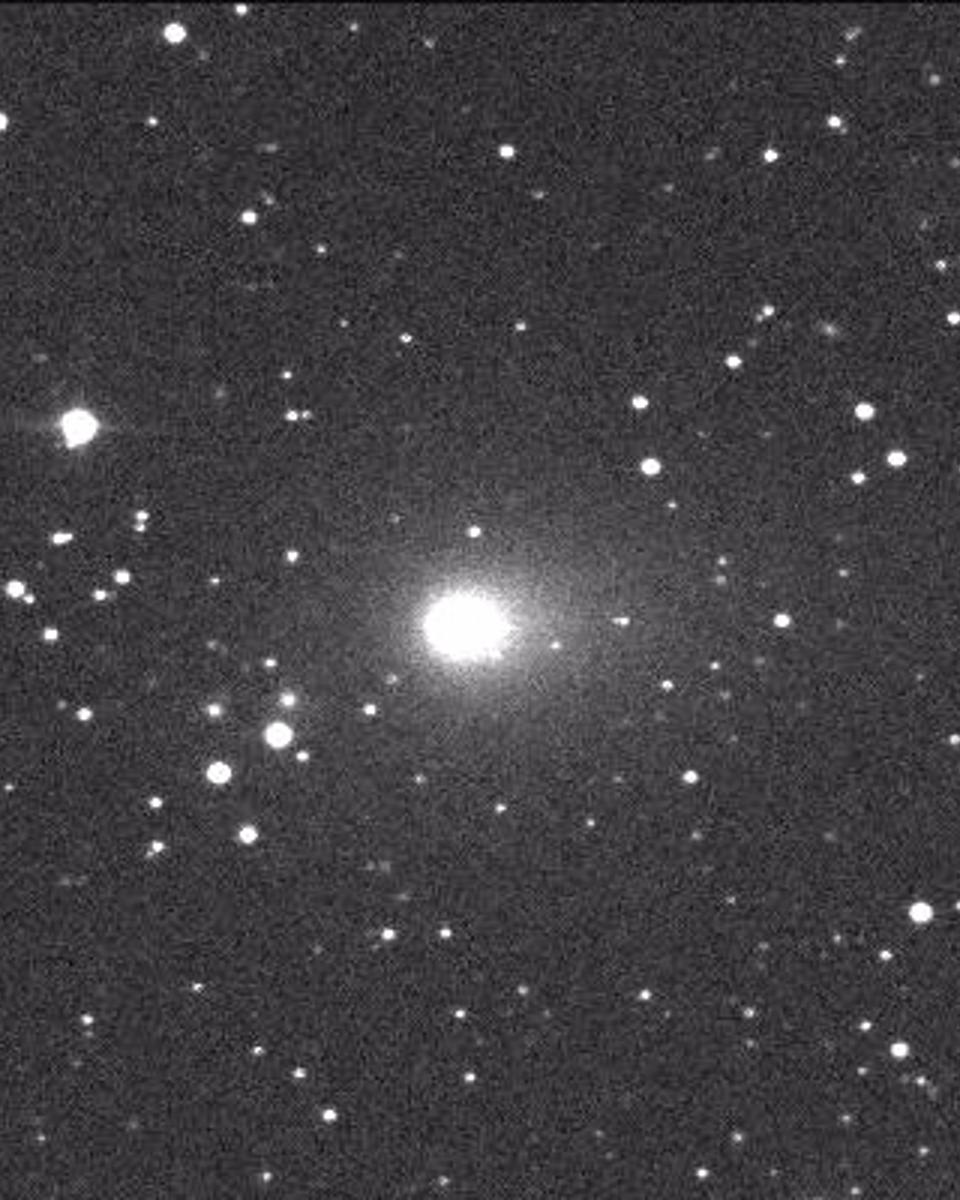
Hyakutake: The Great Comet of 1996?
Get ready for one of the most impressive but least anticipated light shows in modern astronomical history. Next month, newly discovered Comet Hyakutake will pass closer to the…
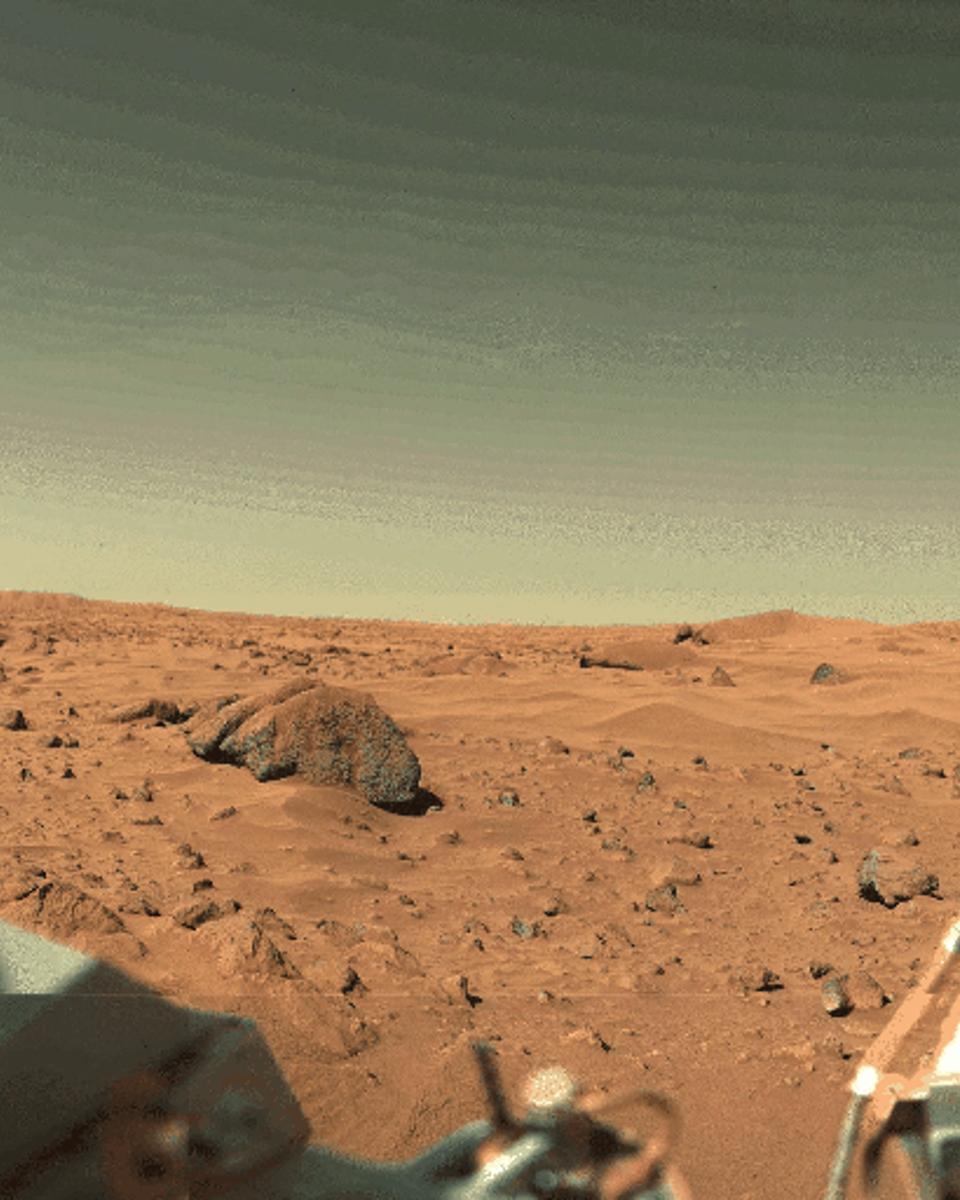
If You Could Stand on Mars
If you could stand on Mars - what would you see? Viking 1 robot landers answered this question in 1976 with pictures like the one shown above. The dark rocks, red soil, and…
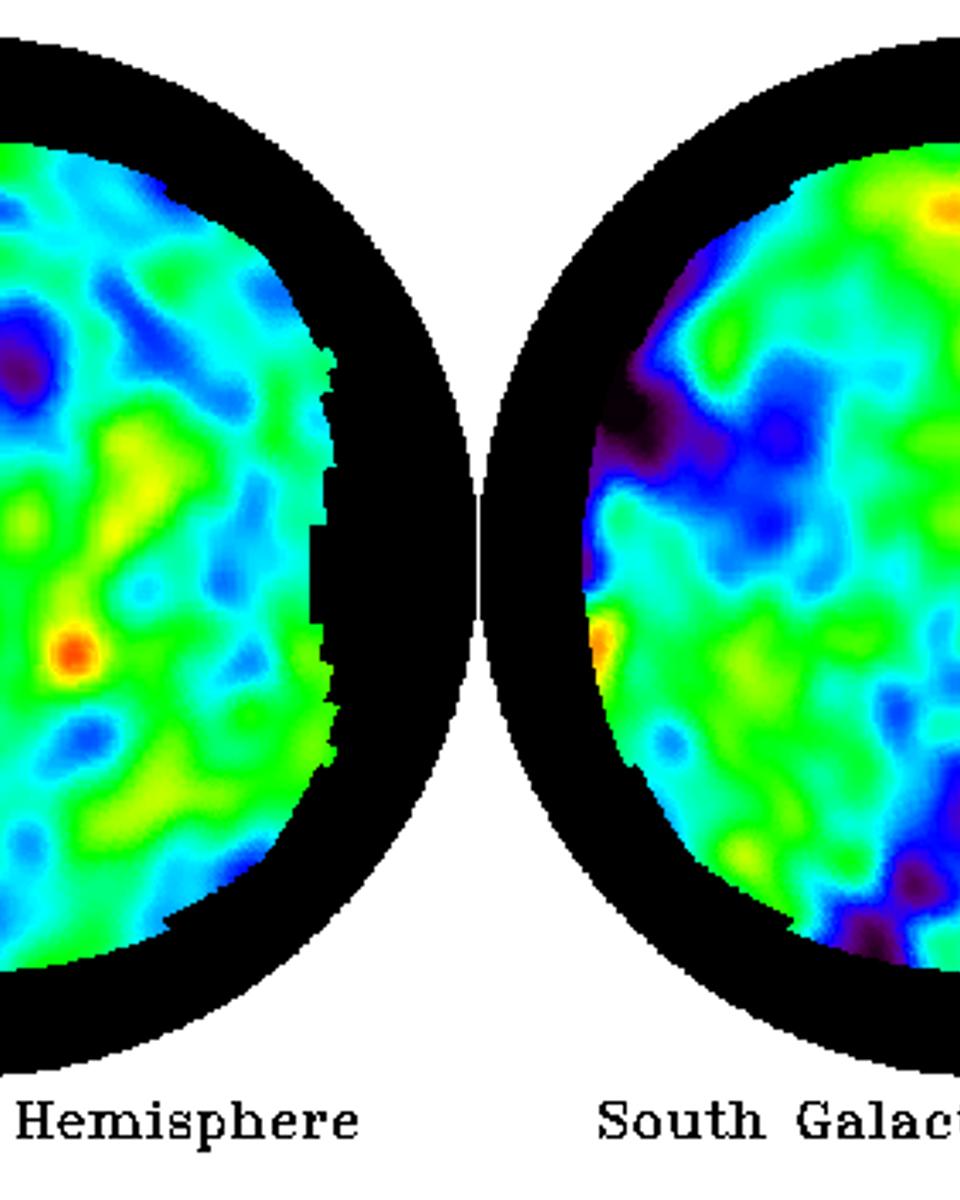
COBE Hotspots: The Oldest Structures Known
Above are two microwave images of the sky, looking north and south of our galaxy 's equator, based on data from NASA's COBE satellite. After computer processing to remove…
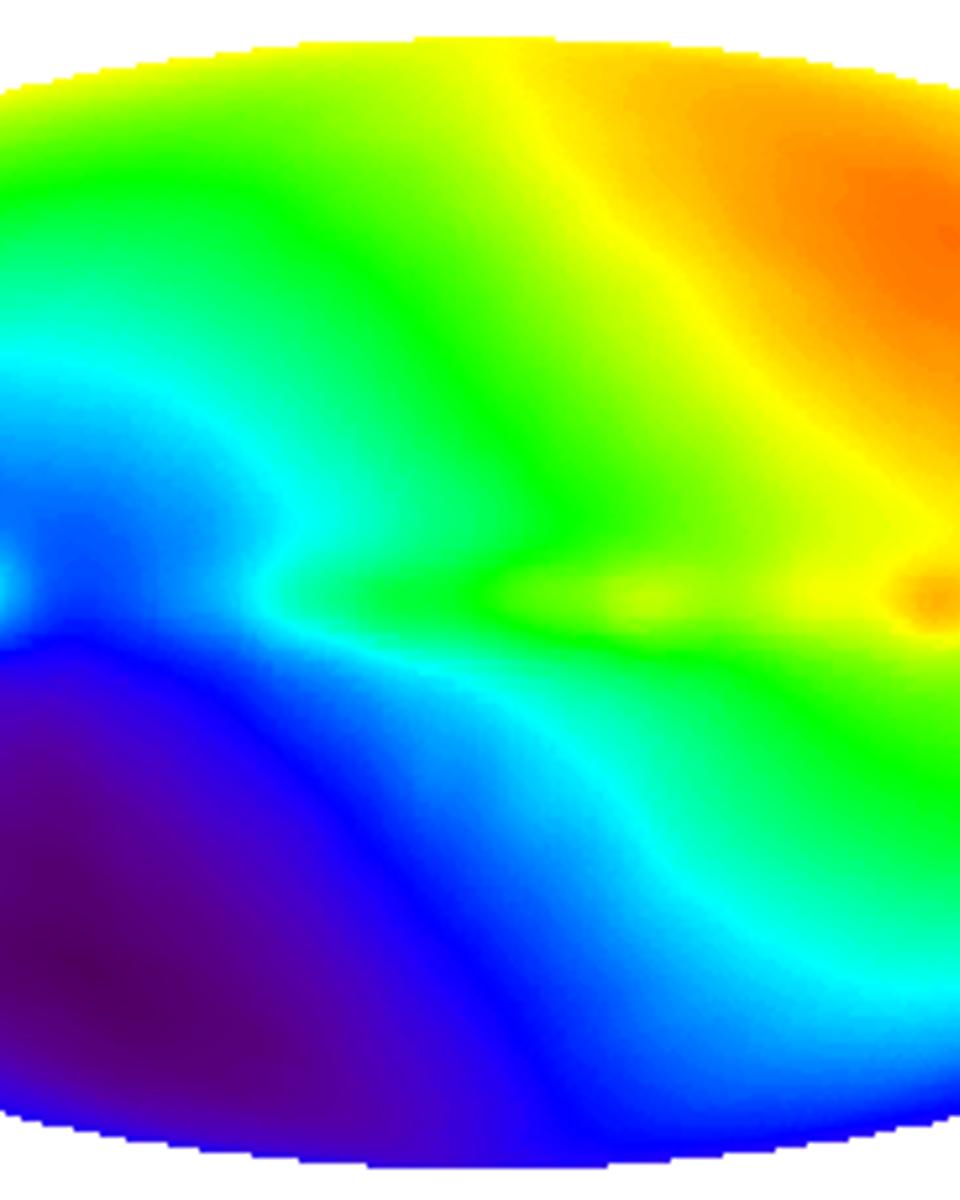
COBE Dipole: Speeding Through the Universe
Our Earth is not at rest. The Earth moves around the Sun . The Sun orbits the center of the Milky Way Galaxy . The Milky Way Galaxy orbits in the Local Group . The Local Group…
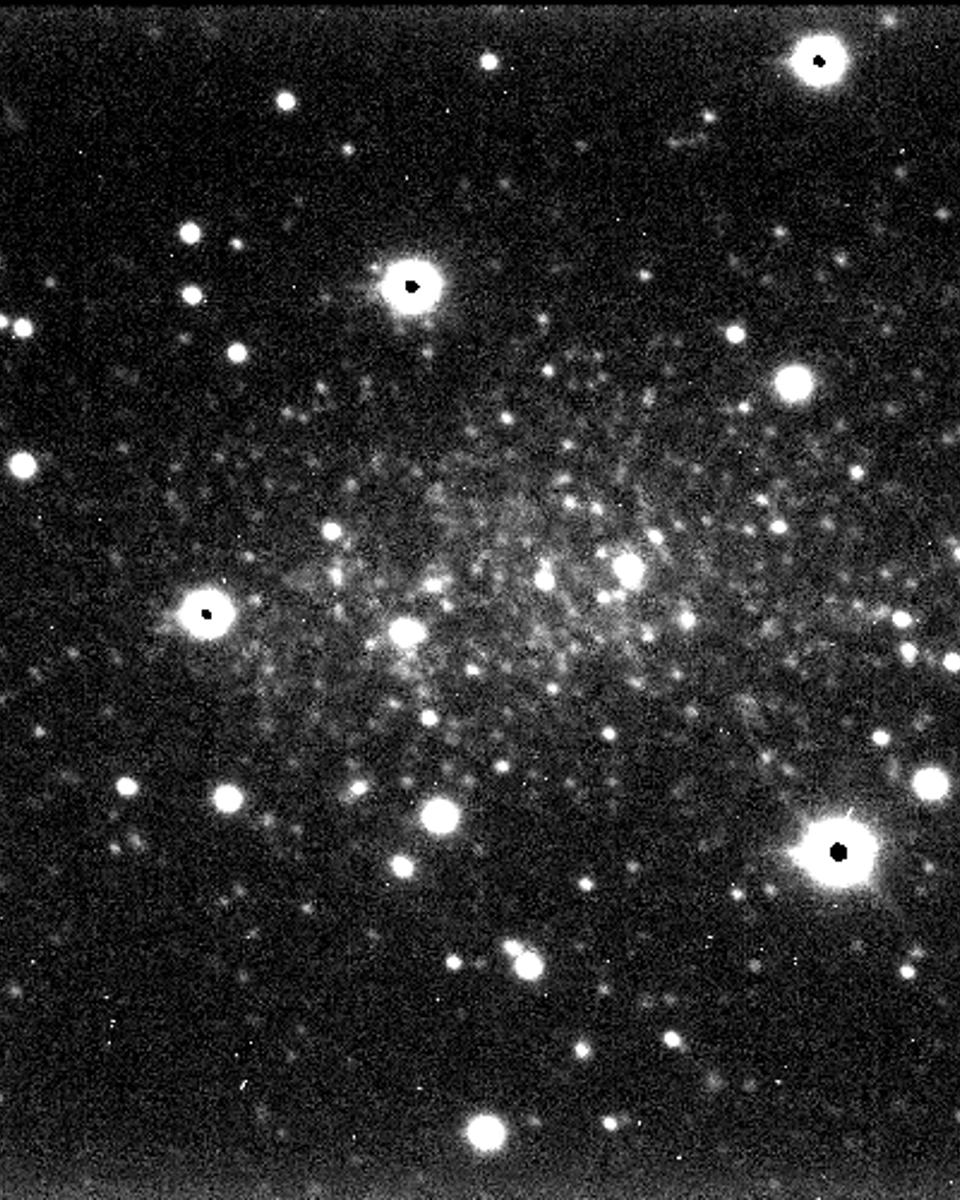
The Closest Galaxy: The Sagittarius Dwarf
What's the closest galaxy to our Milky Way? For many years astronomers thought it was the Large Magellanic Cloud (LMC). But the seemingly insignificant fuzzy patch shown above…
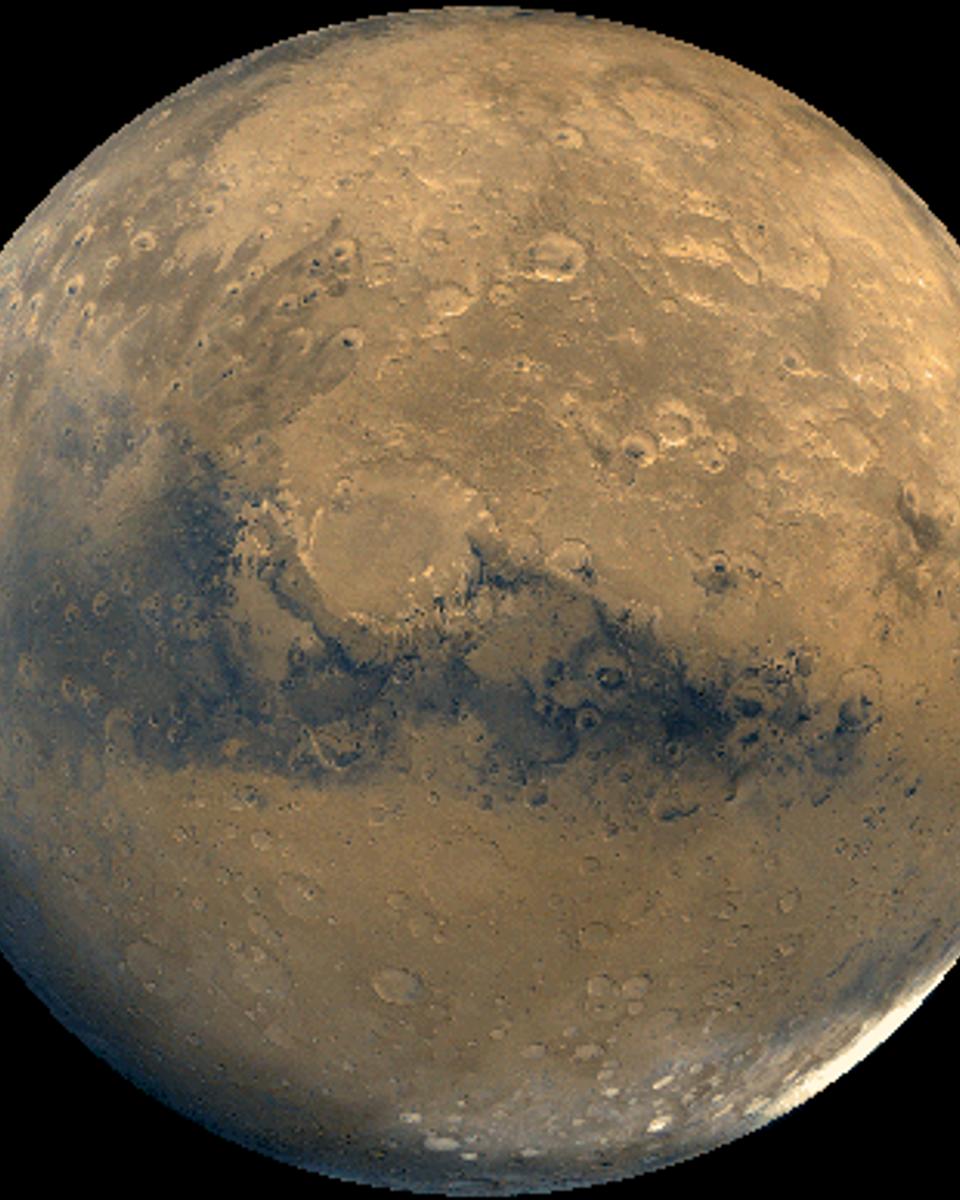
A Huge Impact Crater on Mars
What hit Mars ? The impact crater Schiparelli near the center of the above image was likely caused by a collision with an object the size of an asteroid . Also evident in this…
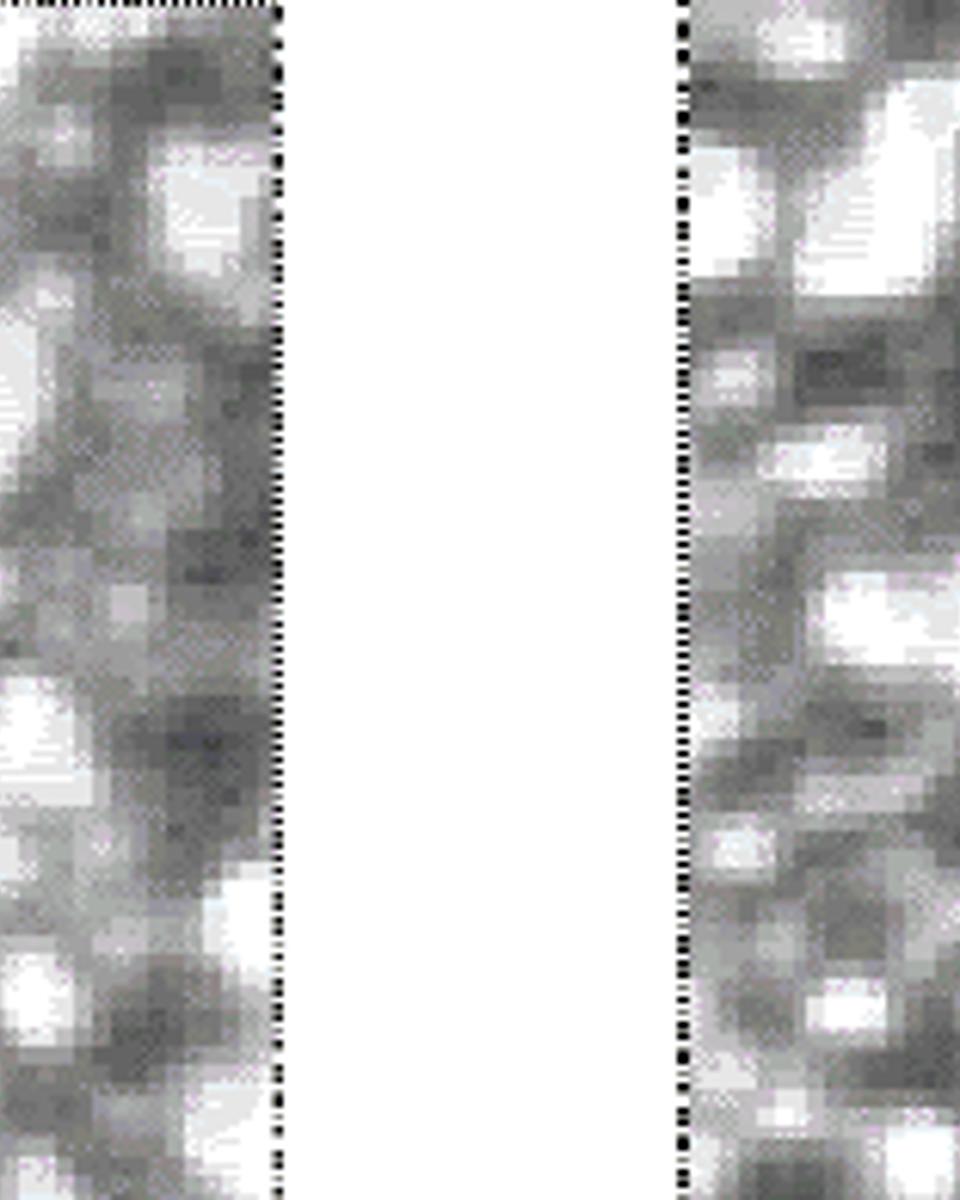
A MACHO View of Galactic Dark Matter
What is our Galaxy made of? Stellar motions indicate there is much more mass than just stars and gas . Photographs like the two shown above may be yielding a clue about the dark…
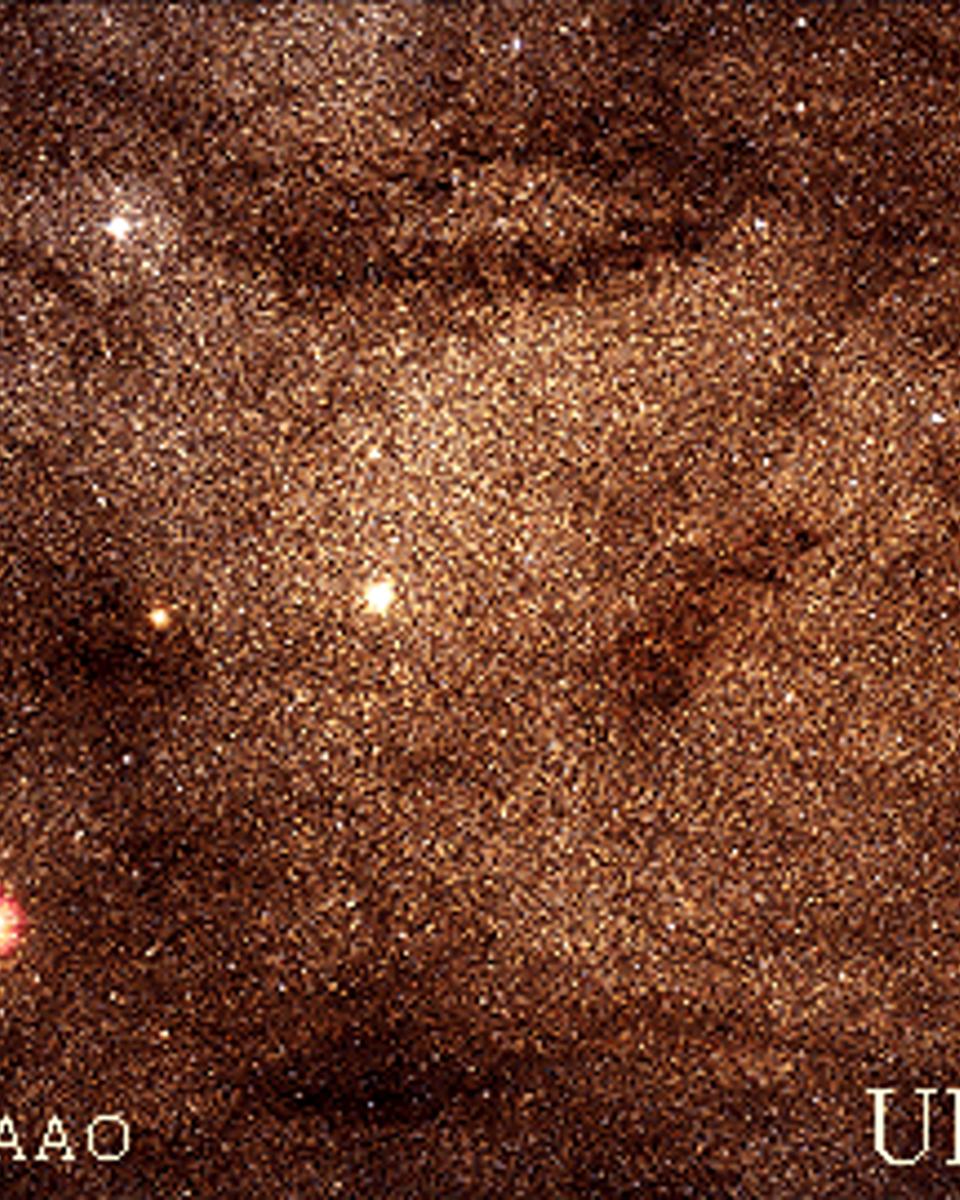
Lensing through Baade's Window
What is the shape and composition of our Milky Way Galaxy ? This question would be easier to answer if there wasn't so much obscuring dust ! In the 1940s, however, astronomer…
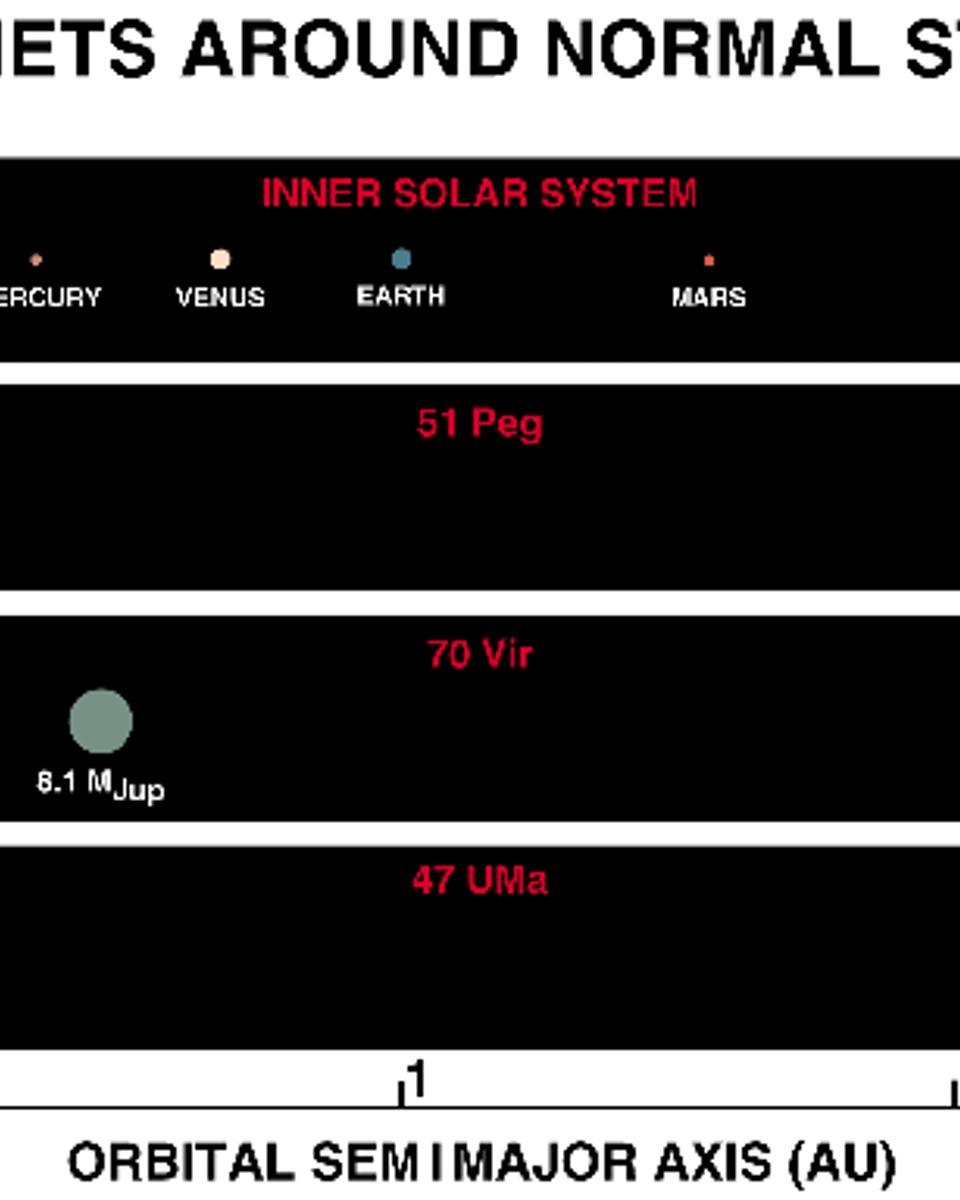
Planets Around Sun-Like Stars
Do many Sun -like stars have planets? Speculation on this point has been ongoing since humanity's realization that other stars existed . Only in the past year, however, have…
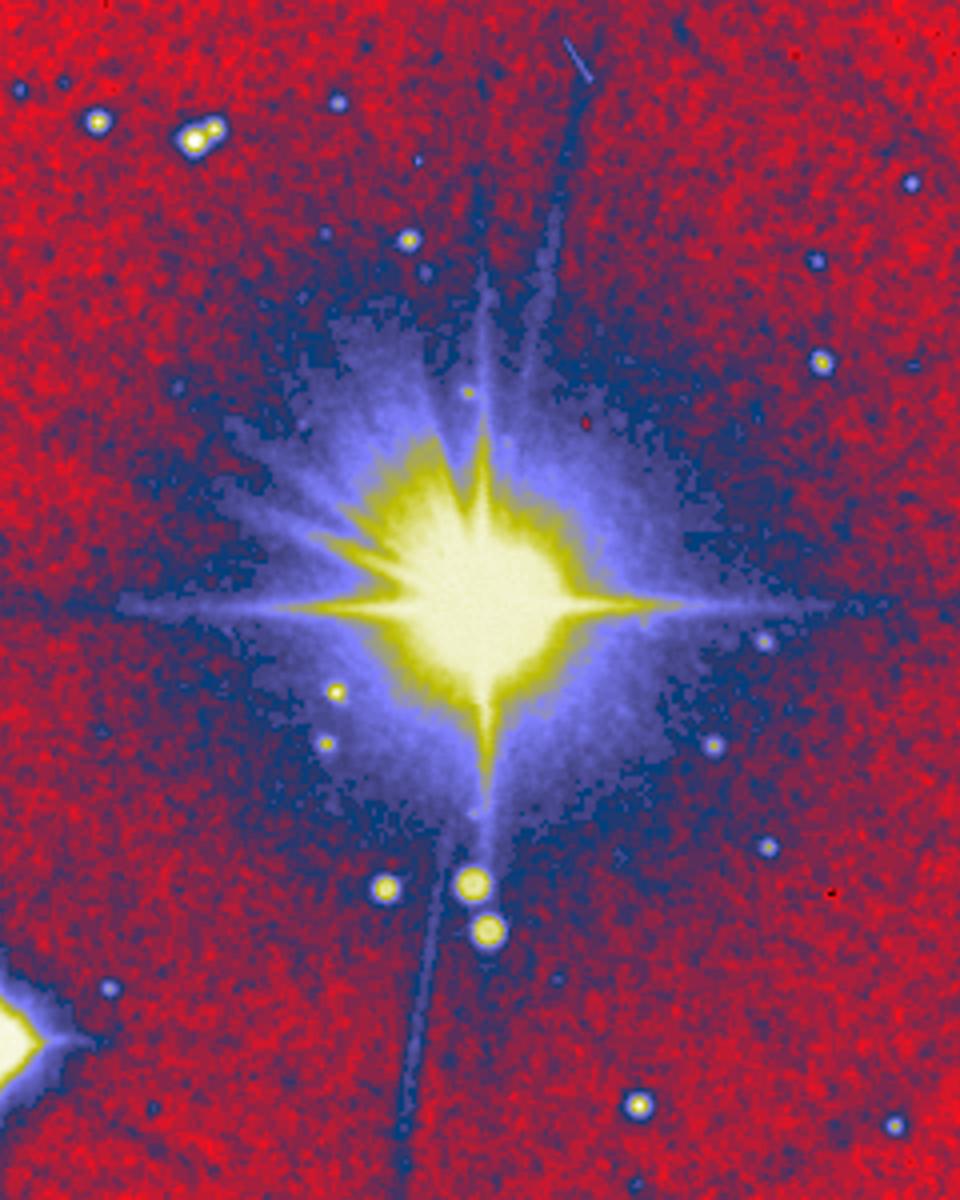
70 Virginis b: A New Water Planet?
The star 70 Virginis has a planet. This recent discovery is the second known case of a planet orbiting a normal star other than our Sun itself. The first case involved 51 Pegasi…
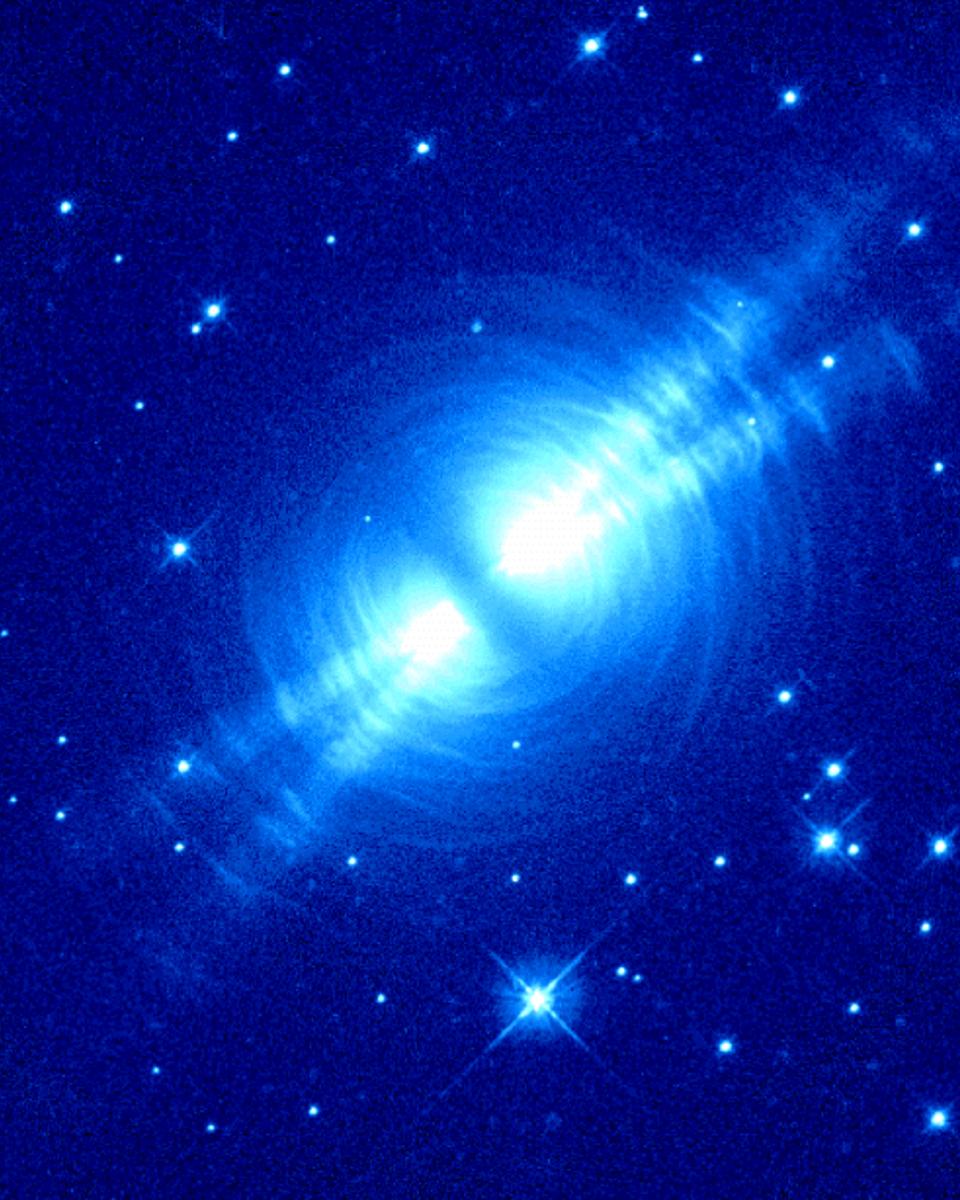
Searchlight Beams from the Egg Nebula
The dramatic and mysterious looking object revealed in this Hubble Space Telescope image is known as the Egg Nebula . It is an aging star about 3,000 lightyears distant, entering…
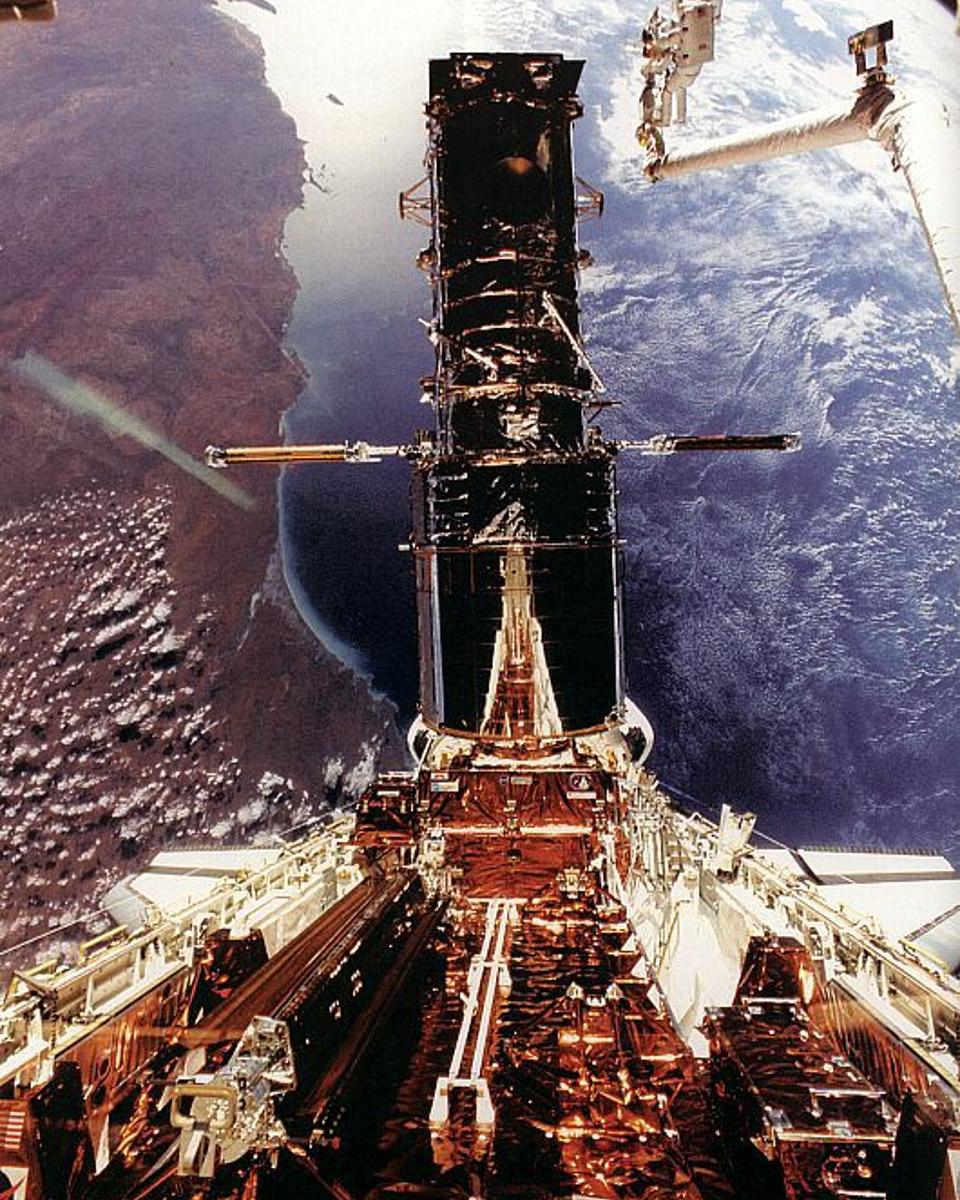
Orbiting Repairmen
In December of 1993 astronauts Story Musgrave and Jeffrey Hoffman performed the orbiting repairmans' ballet 400 miles above the Earth. They are seen in this photo perched at the…
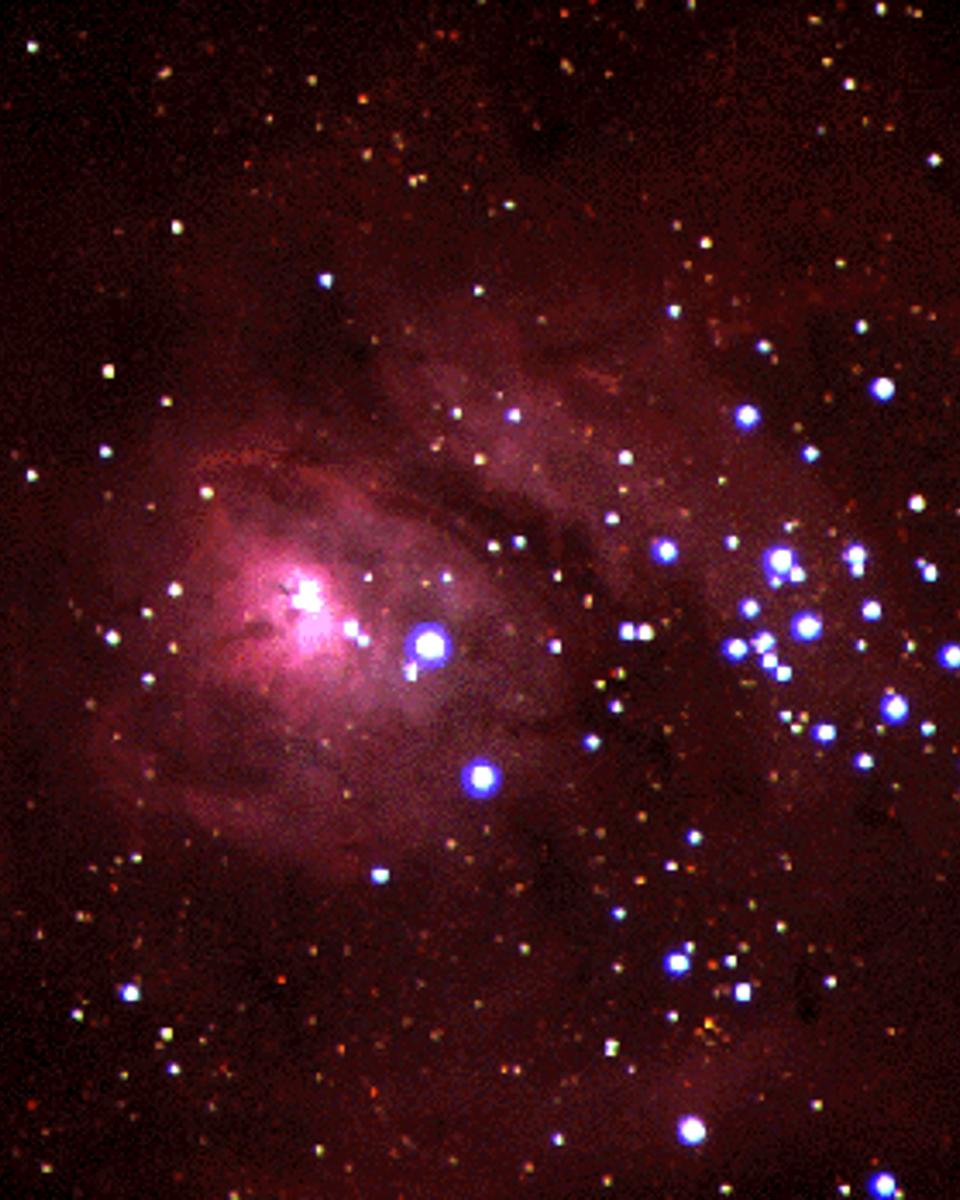
M8: An Open Cluster in the Lagoon
The large majestic Lagoon Nebula is home for many young stars and hot gas . The Lagoon Nebulae is so large and bright it can be seen without a telescope. Formed only several…
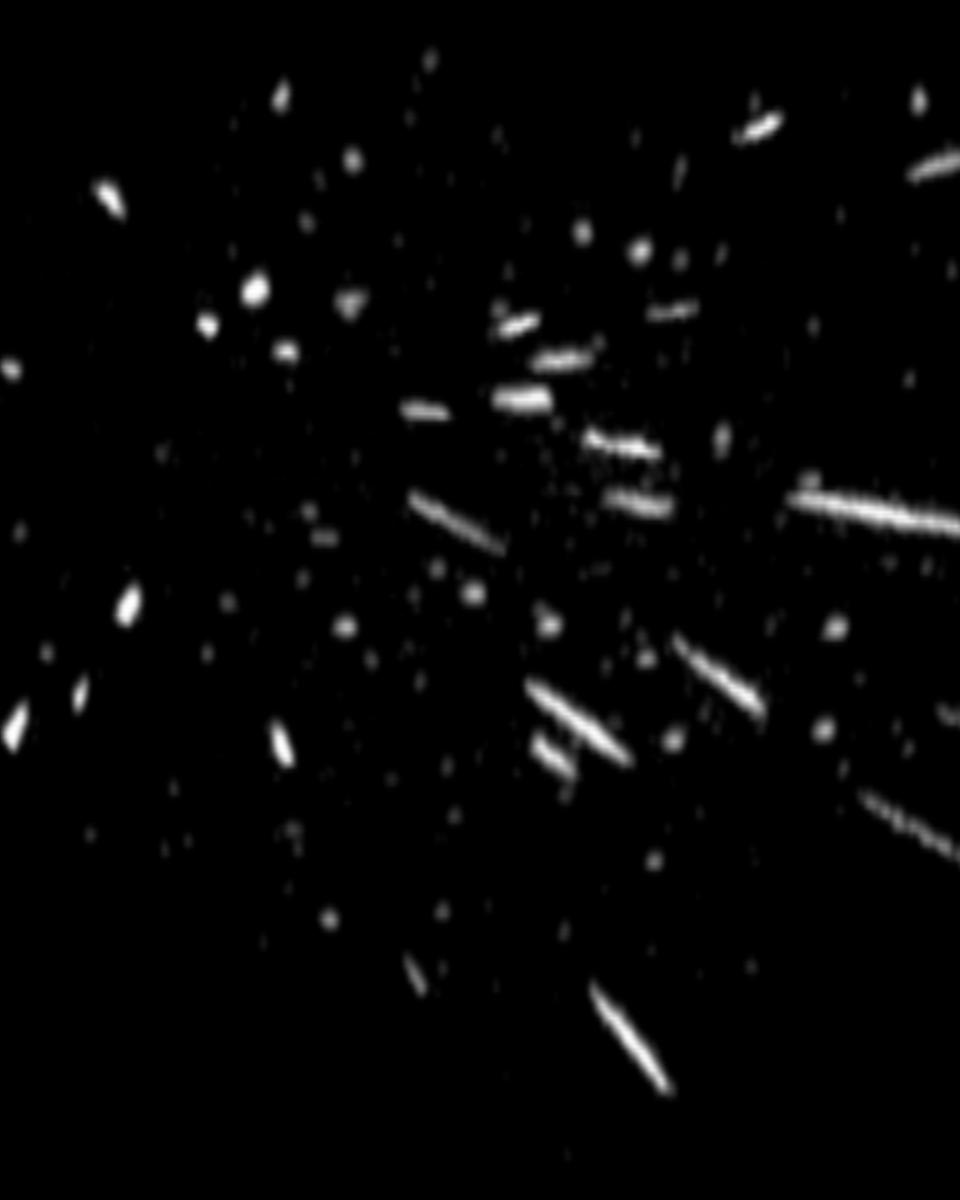
Quadrantids: Meteors in Perspective
Meteor showers are caused by streams of solid particles, dust size and larger, moving as a group through space. In many cases, the orbits of these meteor streams can be identified…
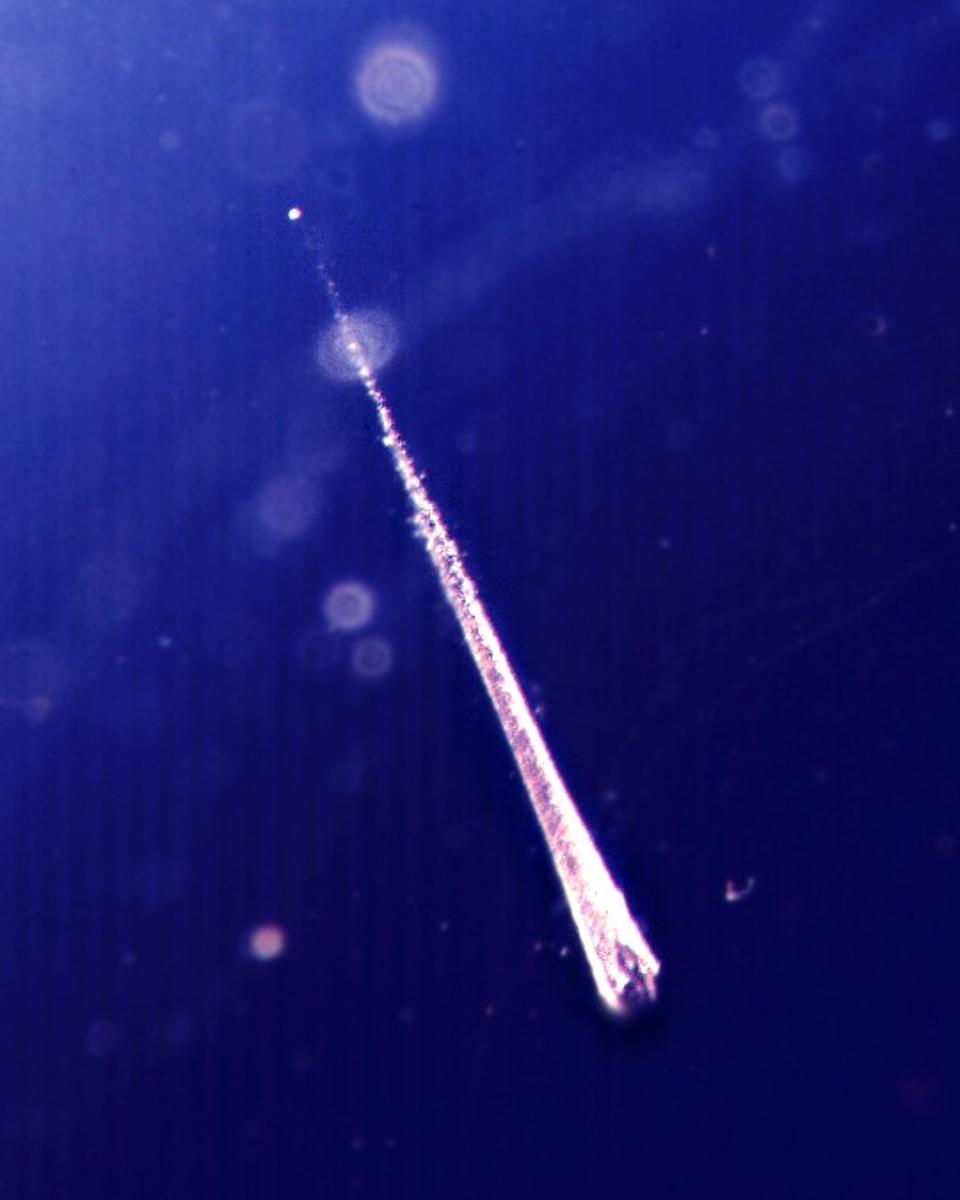
Catching Falling Stardust
This carrot shaped track is actually little more than 5 hundredths of an inch long. It is the trail of a meteroid through a gel exposed to space in low earth orbit by the shuttle…
Viewing discoveries from 17 February 1996 through 25 January 1996.