Browse NASA Astronomy Picture of the Day archive by date and media: Archive Discoveries
Browse the NASA APOD archive without needing the exact date first. Filter by media type and keep moving deeper into older images and videos.
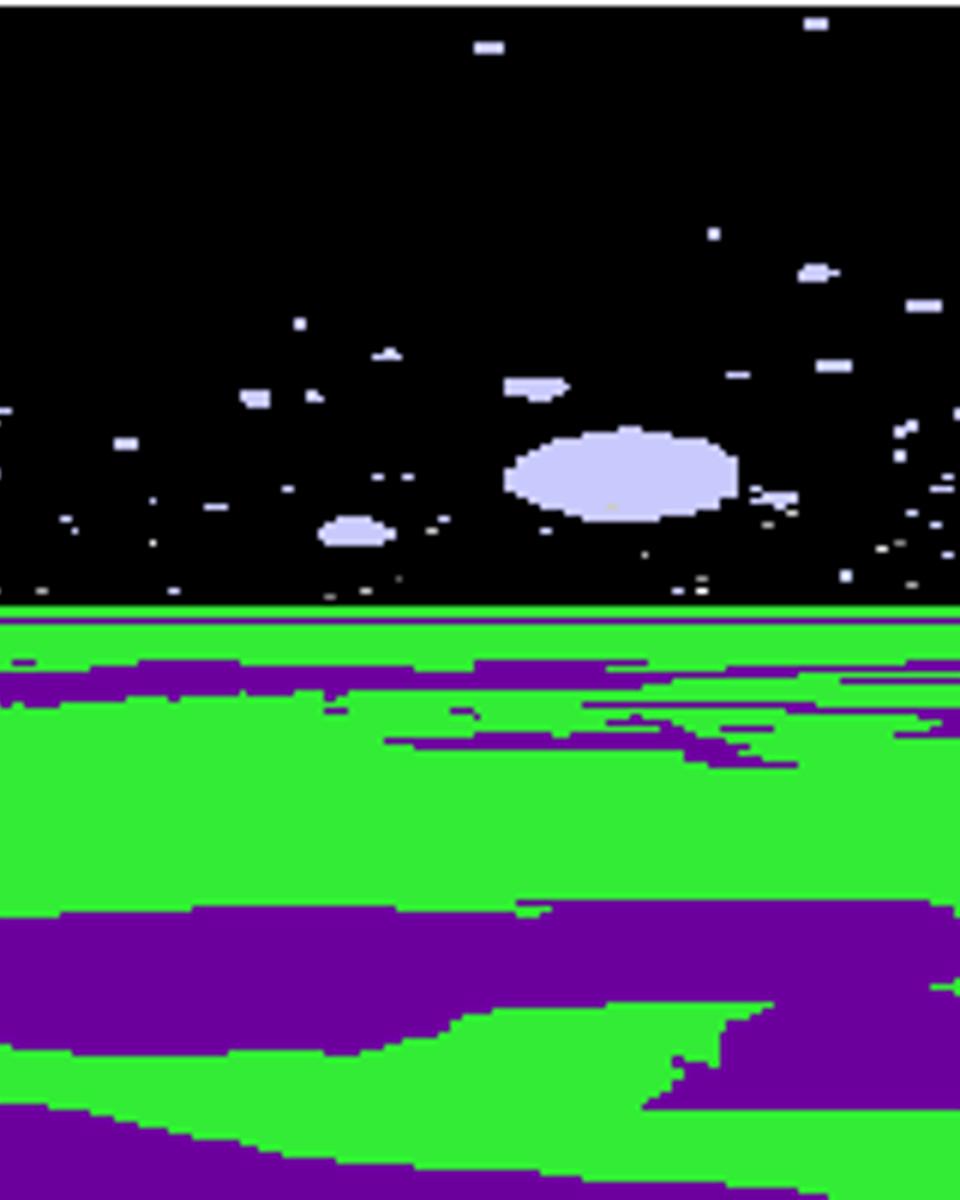
A Star Where Photons Orbit
The above computer animated picture depicts how a very compact star would look to a nearby observer. The star pictured is actually more compact that any known except a black hole…
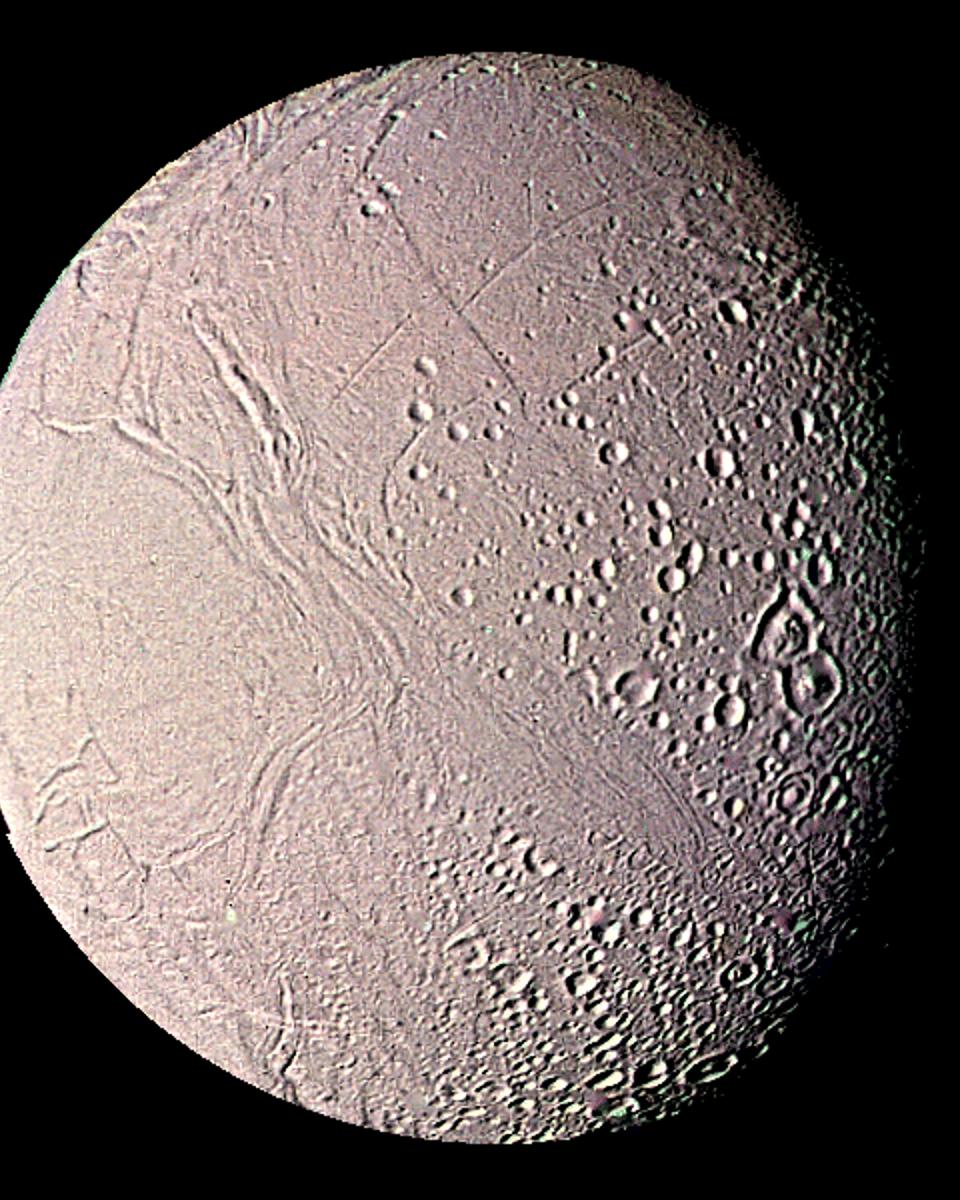
Saturn's Cleanest Moon: Enceladus
Enceladus orbits Saturn between the smaller Mimas and the larger Tethys . Enceladus is composed mostly of water ice and has the cleanest and purest ice surface in the Solar System…
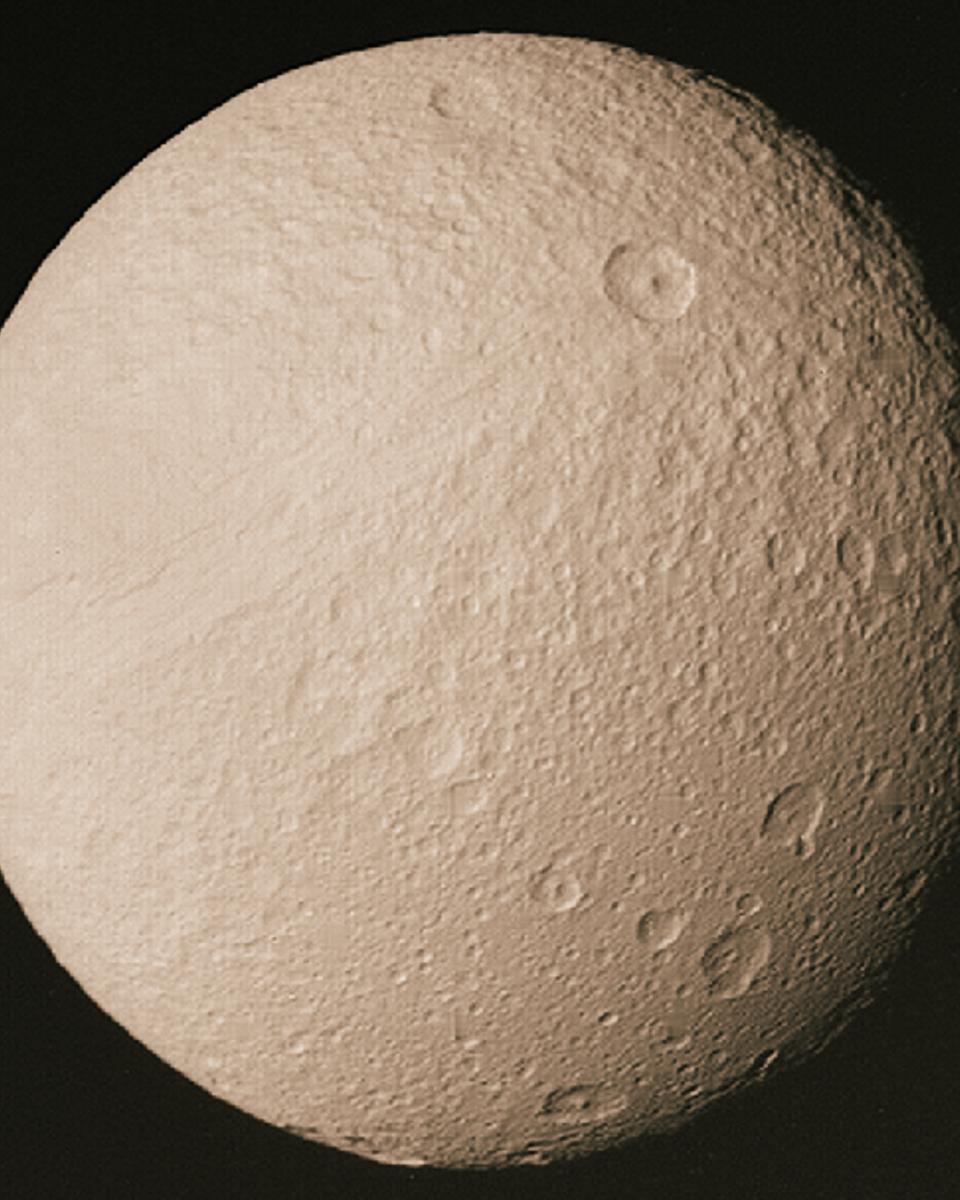
Saturn's Moon Tethys
Tethys is one of the larger and closer moons of Saturn . It was visited by both Voyager spacecraft - Voyager 1 in November 1980 and by Voyager 2 in August 1981. Tethys is now…
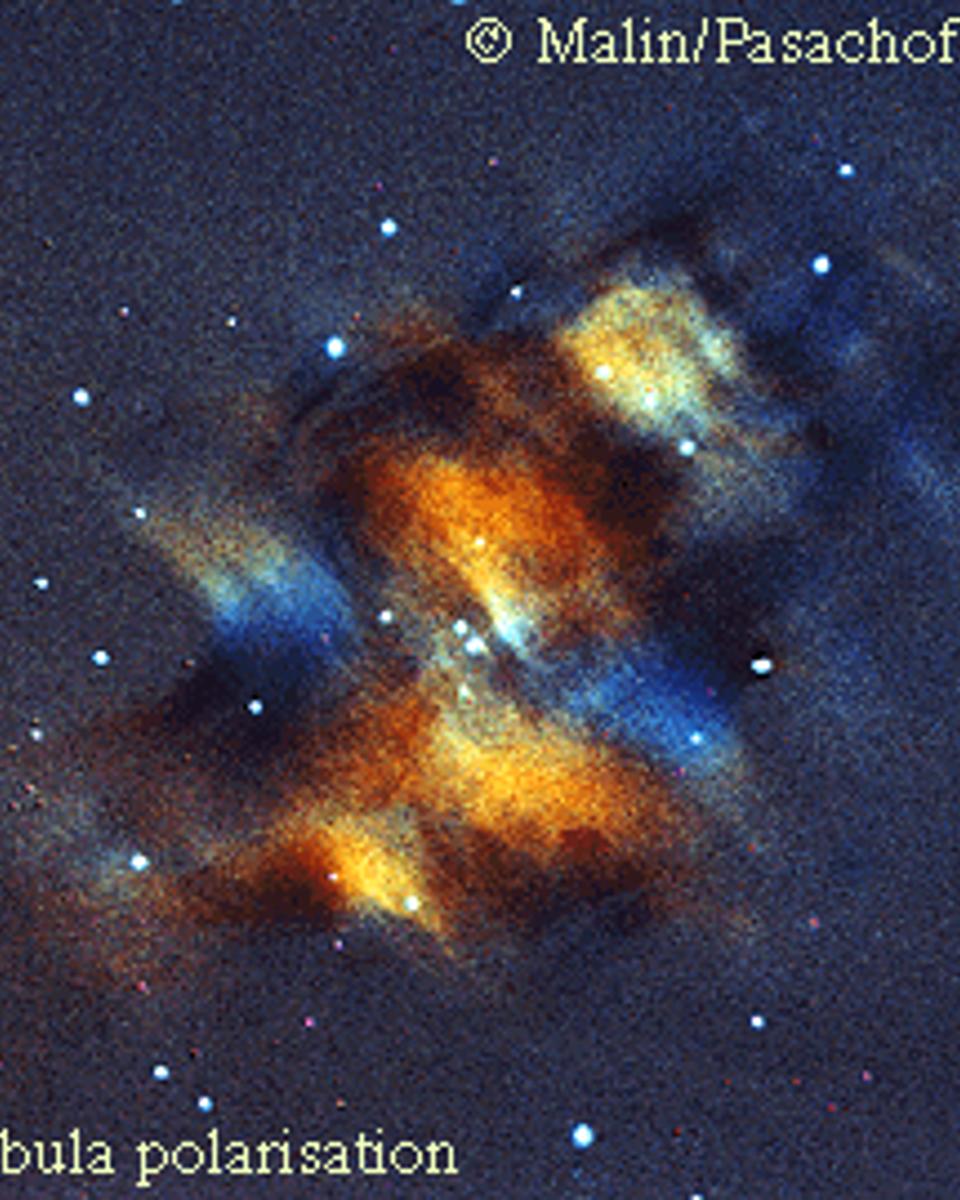
M1: Polarization of the Crab
The Crab Nebula resulted from a star that exploded - a supernova . Although the stellar explosion that caused the Crab Nebula was seen over 900 years ago, the nebula itself still…
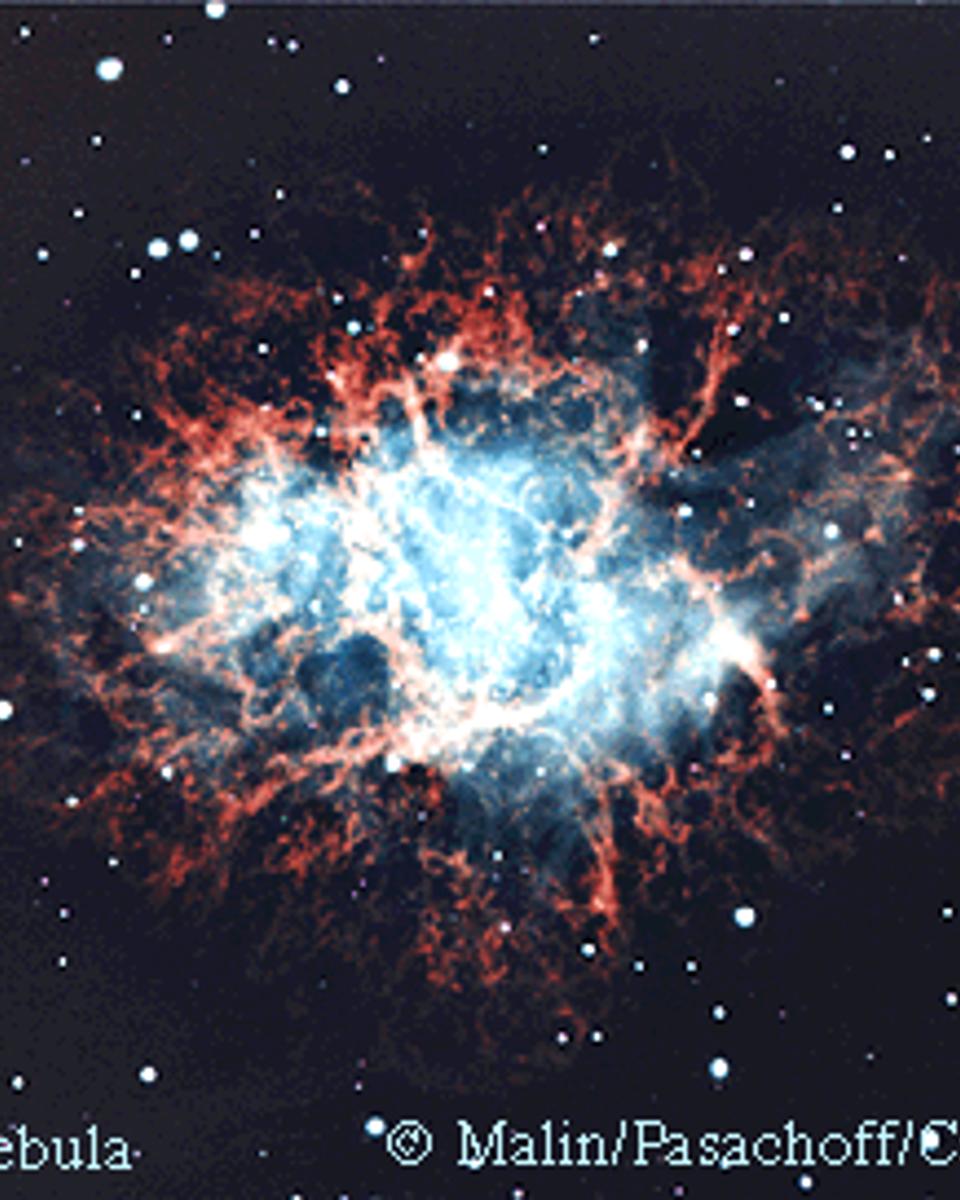
M1: The Exploding Crab Nebula
The Crab Nebula resulted from a star that exploded - a supernova . The outer layers of the star were thrown violently into space, while the inner core collapsed to form a neutron…
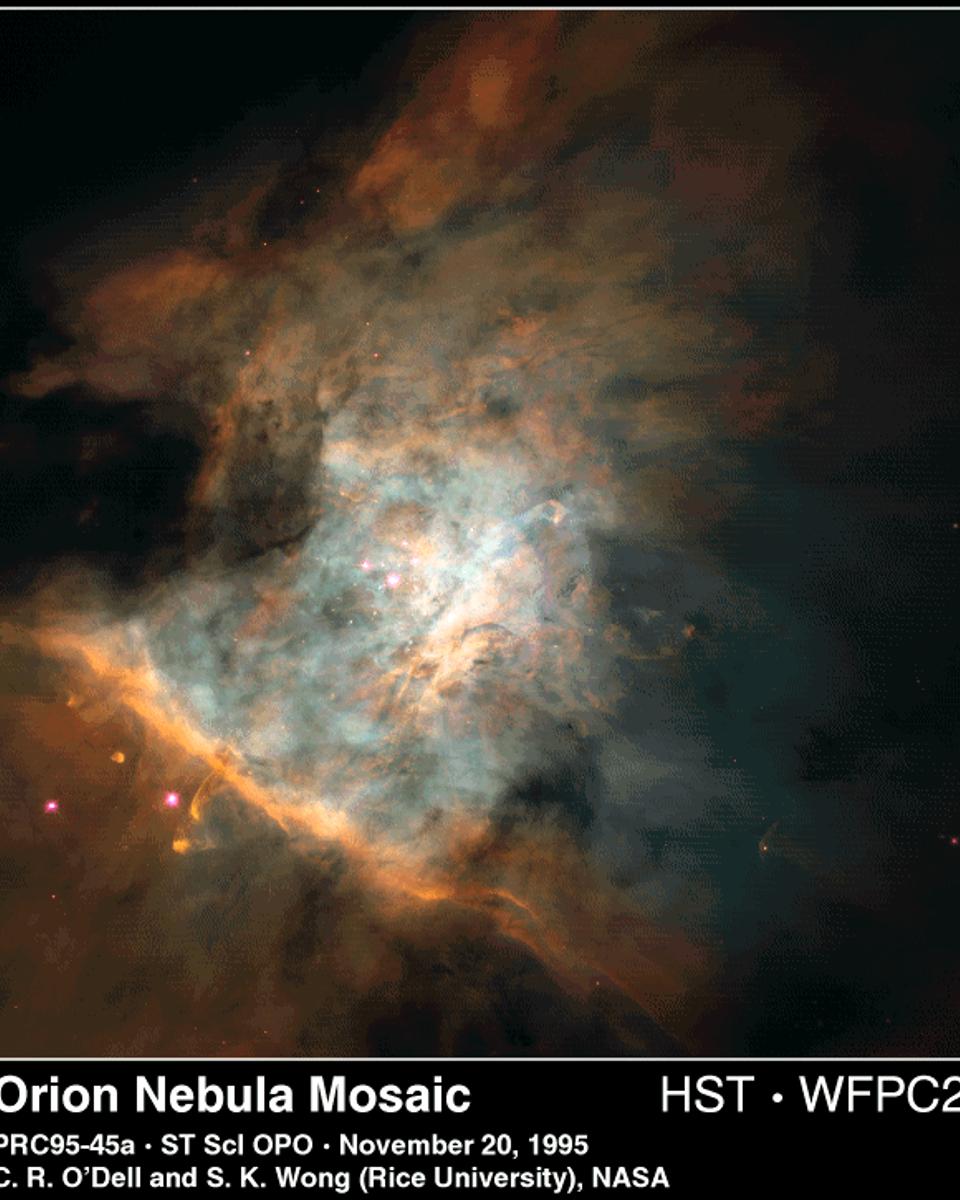
M42: Orion Nebula Mosaic
The Great Nebula in Orion is one of the most interesting of all astronomical nebulae known. Here fifteen pictures from the Hubble Space Telescope have been merged to show the…
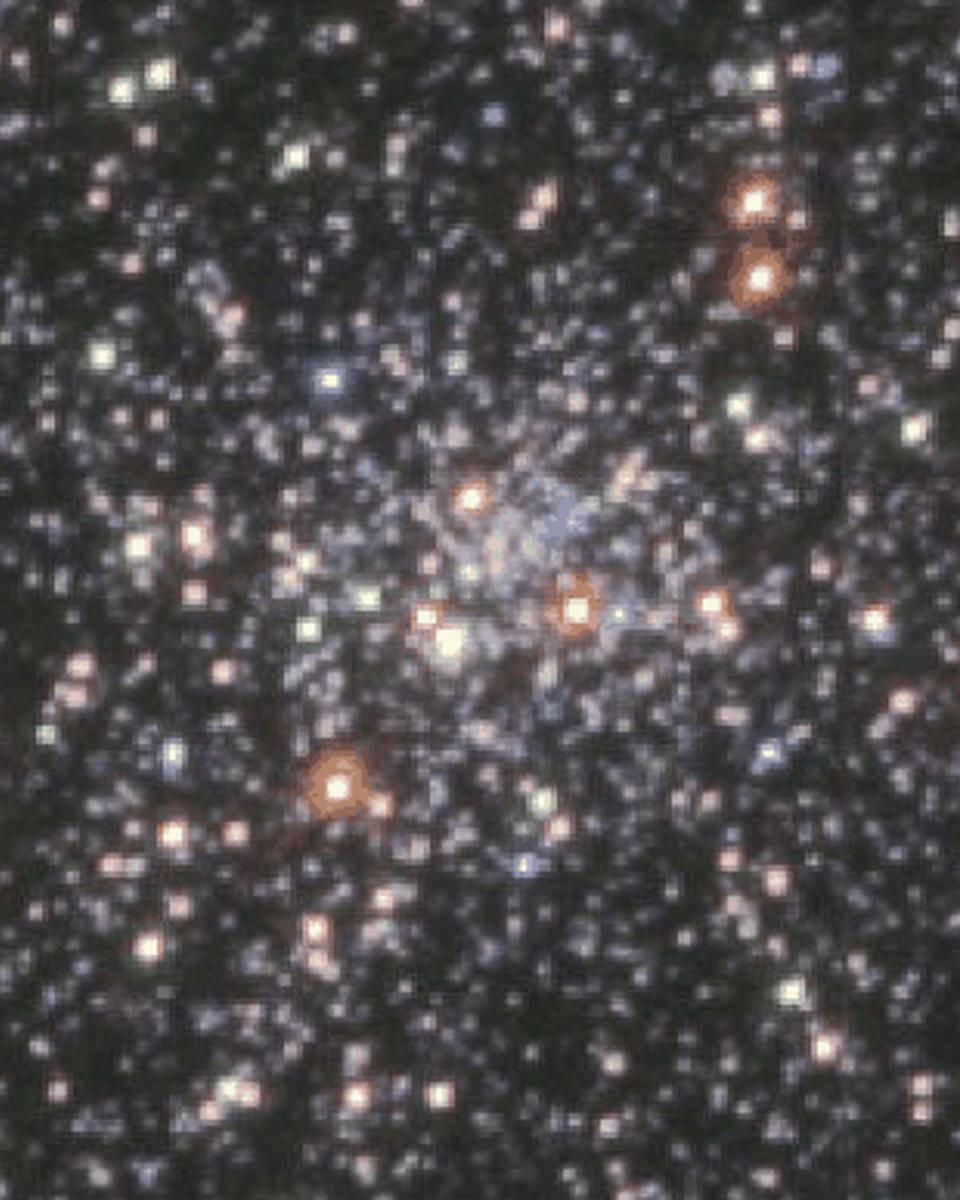
At the Core of M15
Densely packed stars in the core of the globular cluster M15 are shown in this Hubble Space Telescope (HST) image taken in April of 1994. The stars revealed are contained in an…
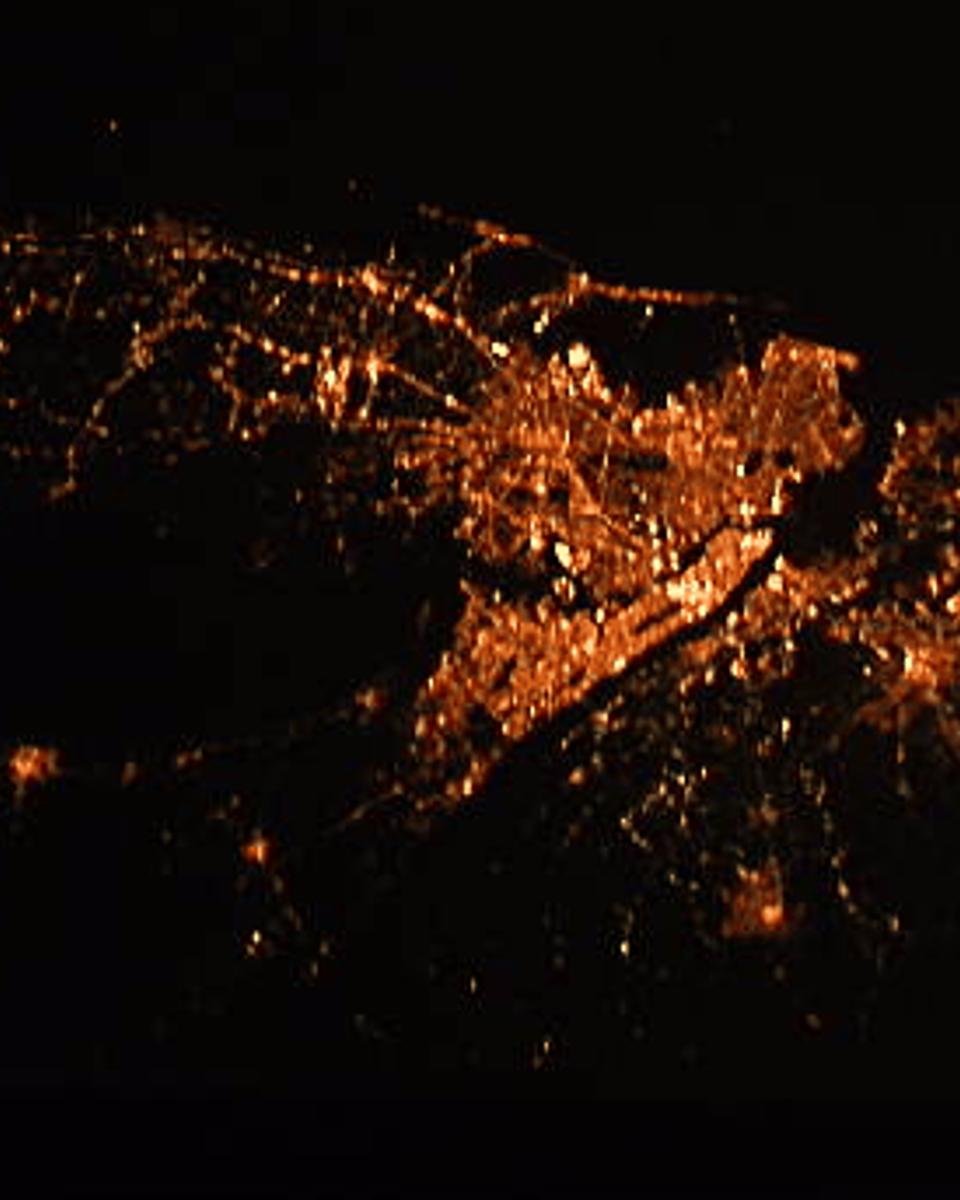
New York at Night
This tantalizingly clear photo of New York City at night was taken by the astronauts during the Space Radar Laboratory mission of the Space Shuttle Endeavor in March of 1990. In…
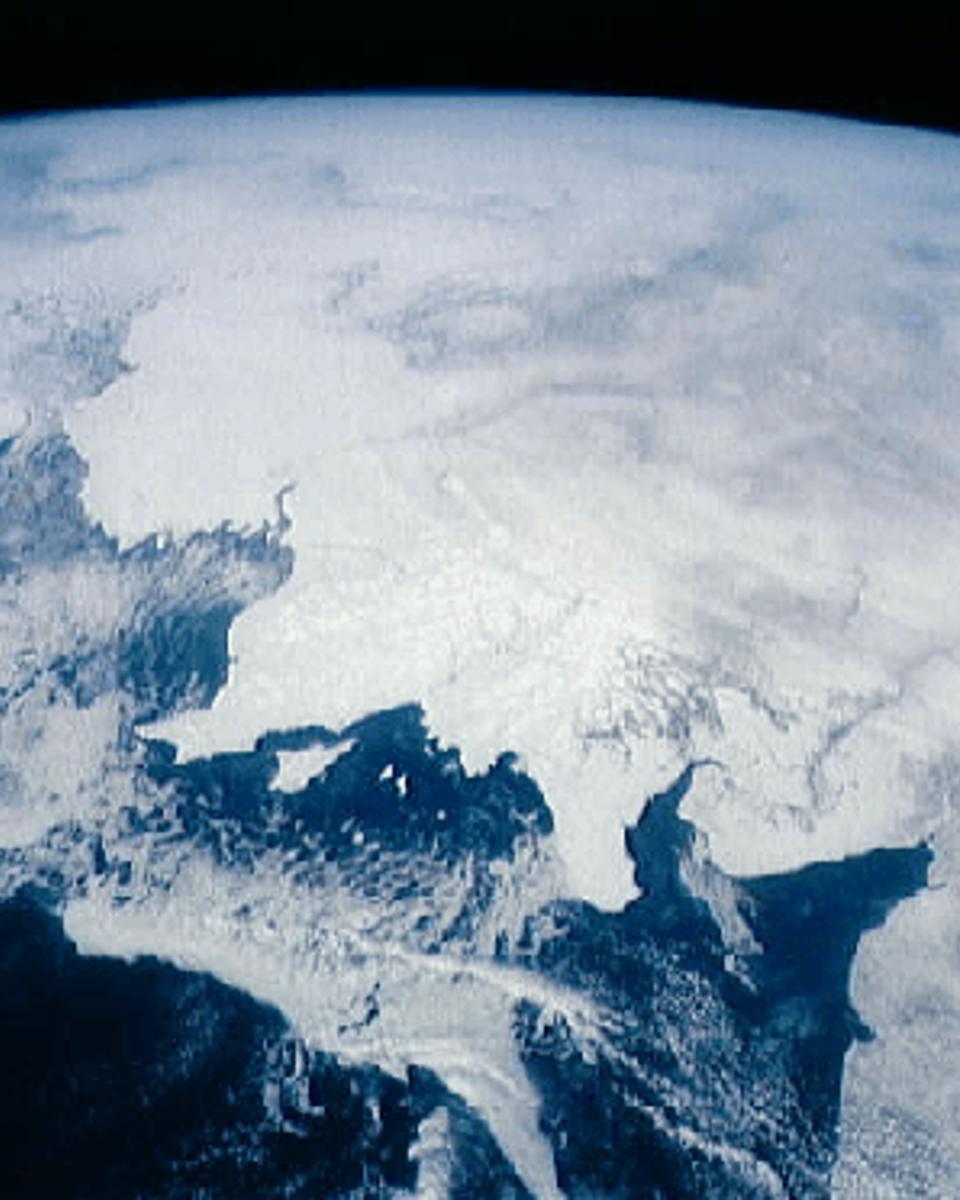
Water World
Water (Dihydrogen Oxide, H2O) is a truly remarkable chemical compound and is fundamental to life on Earth . Earth is the only planet in the Solar System where the surface…
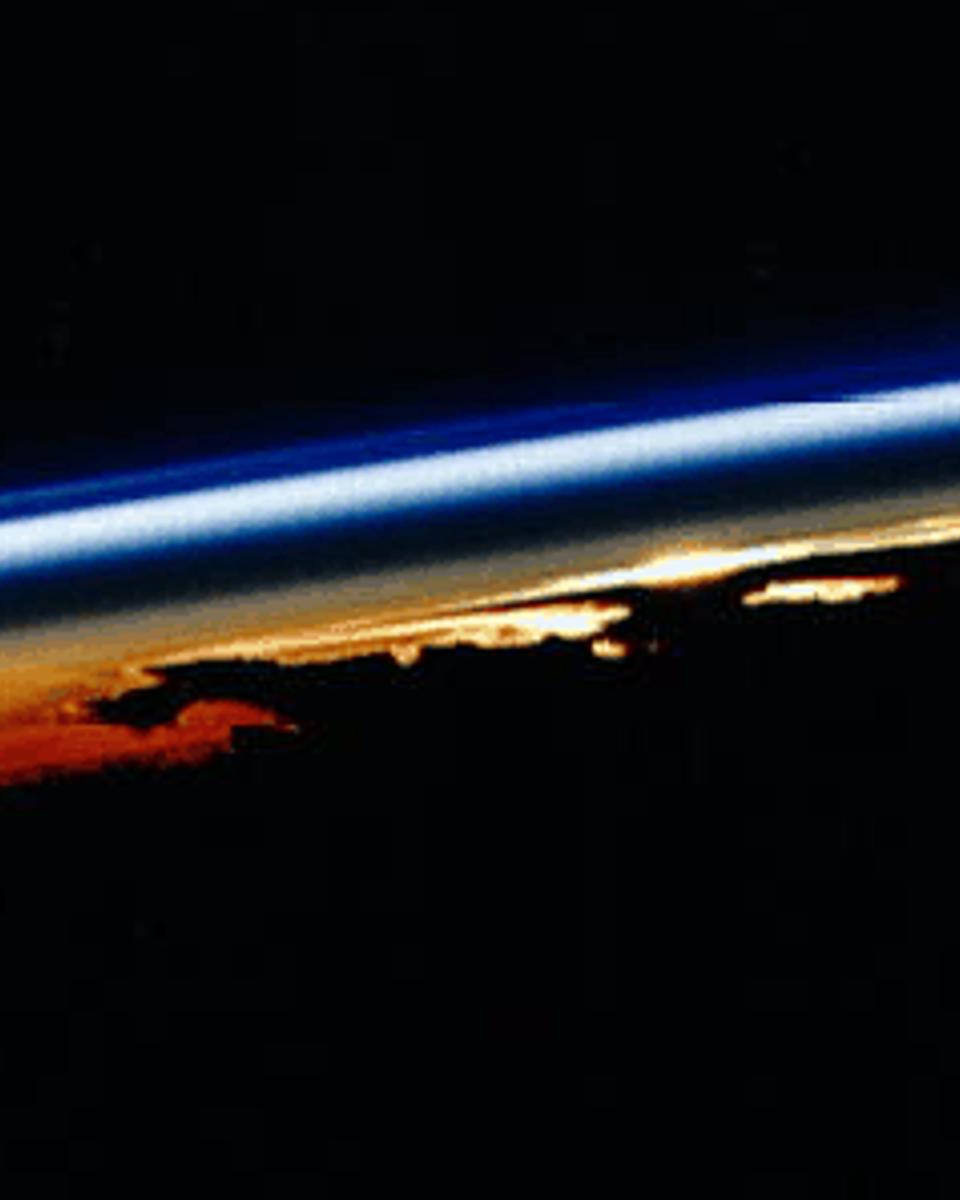
The Sun Also Rises
Sunrise seen from low Earth orbit by the shuttle astronauts can be very dramatic indeed (and the authors apologize to Hemingway for using his title!). In this breathtaking view,…
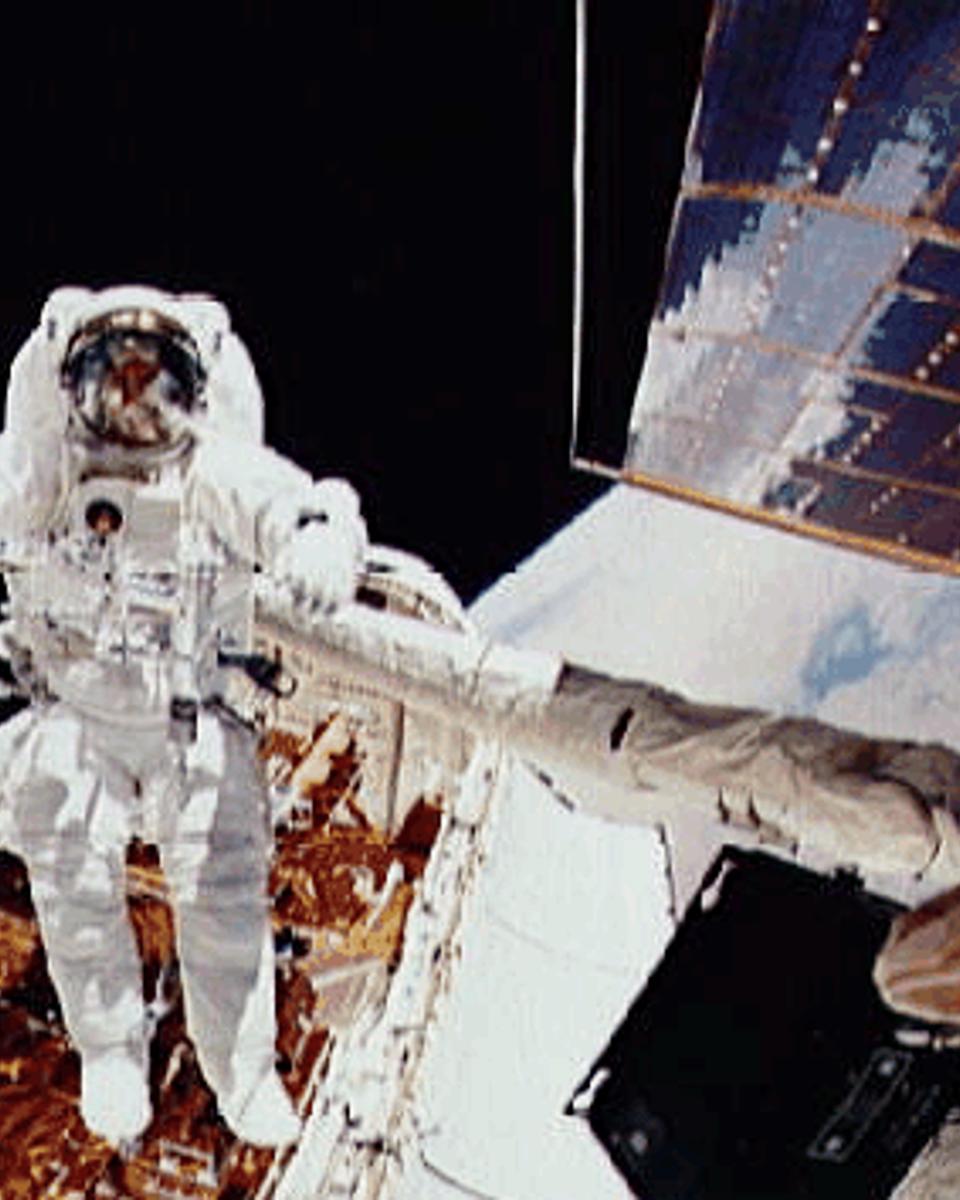
Repairing Hubble
The first Hubble Space Telescope (HST) servicing mission, STS-61, was one of the most complicated shuttle missions ever planned. Launched on December 2, 1993 in the Space Shuttle…
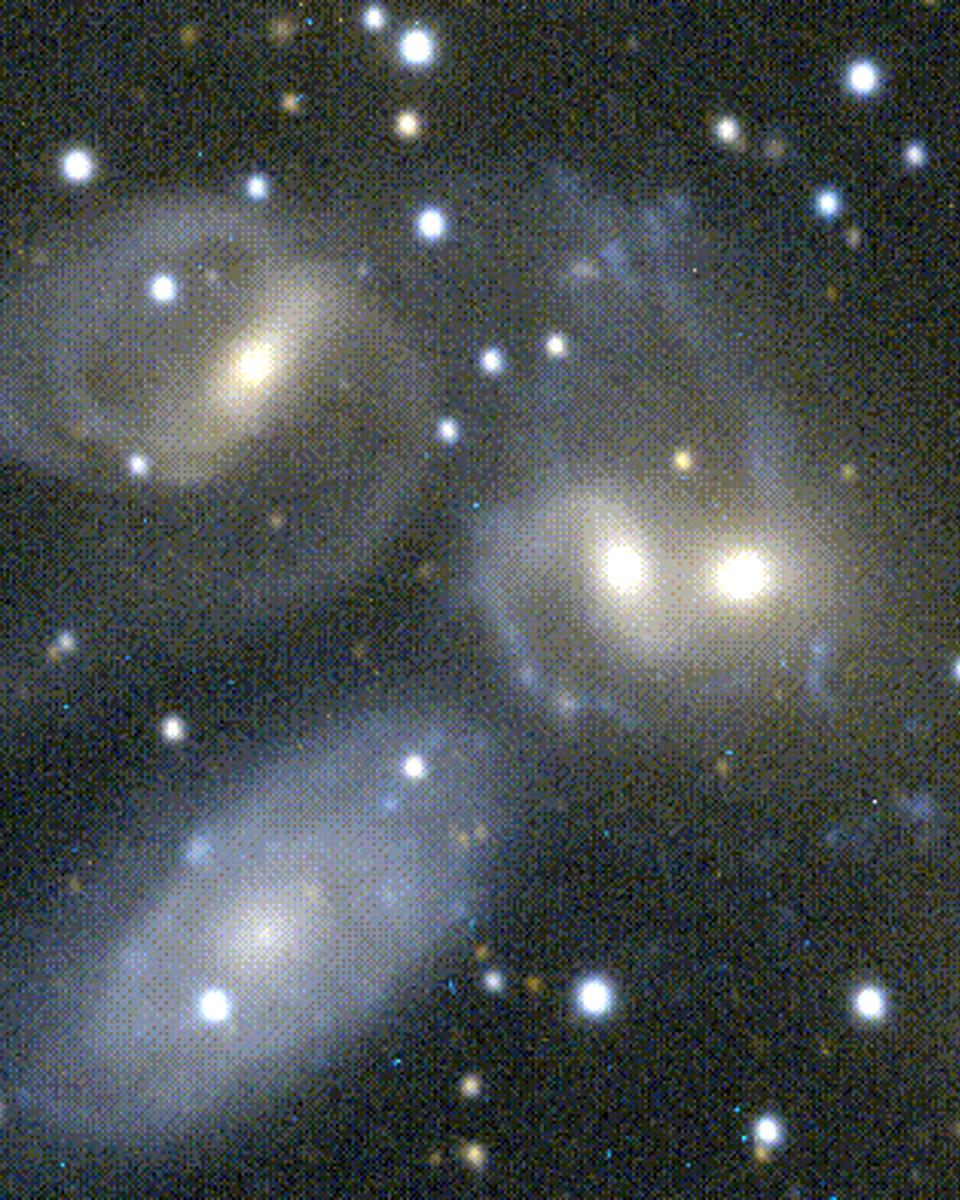
A Quintet of Galaxies
Five closely grouped galaxies are visible in this image made using the Kitt Peak National Observatory 2.1 meter telescope. The grouping is commonly known as Stephan's Quintet .…
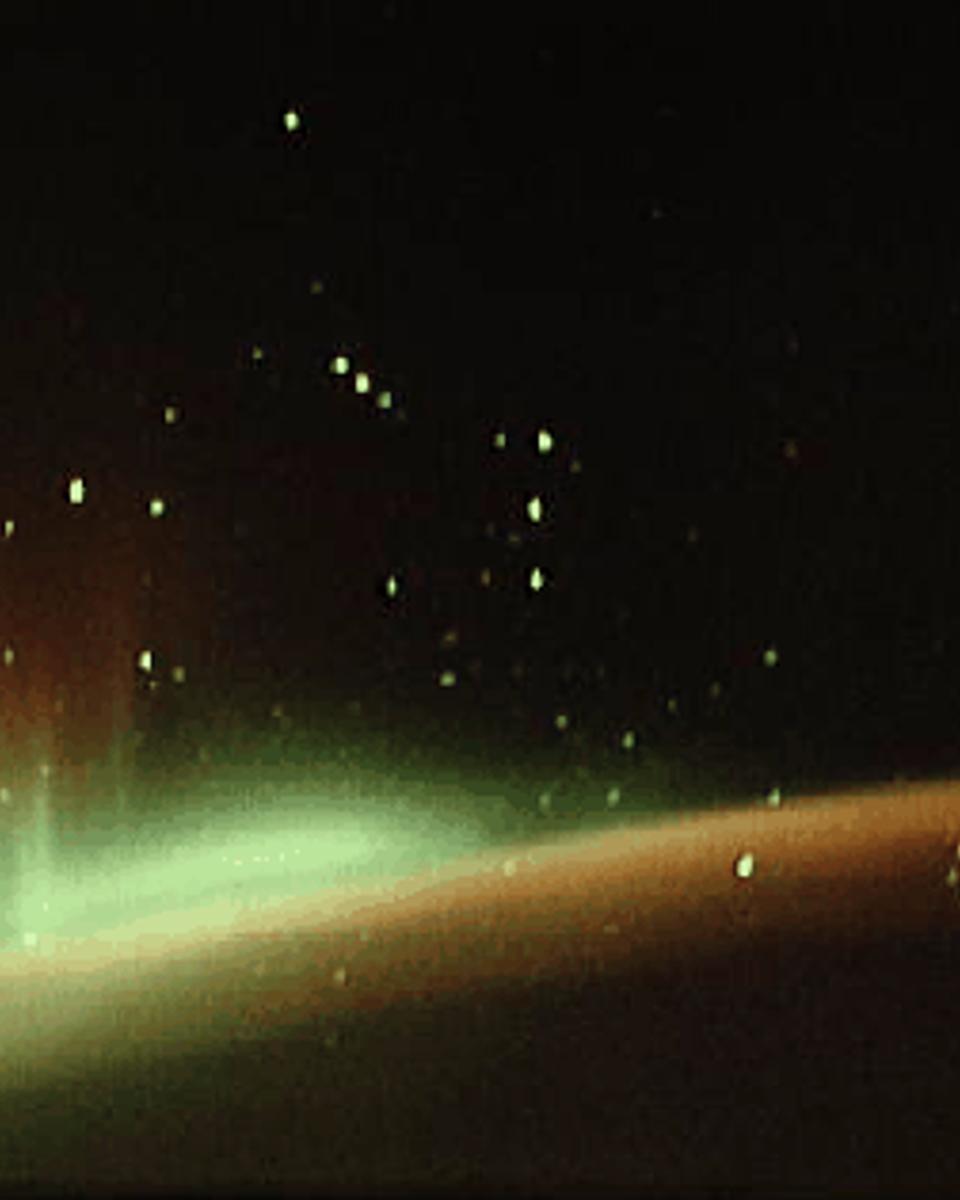
Aurora and Orion
Looking toward the south from low Earth orbit, the crew of the Space Shuttle Endeavor made this stunning time exposure of the Aurora Australis (southern lights) in April of 1994.…
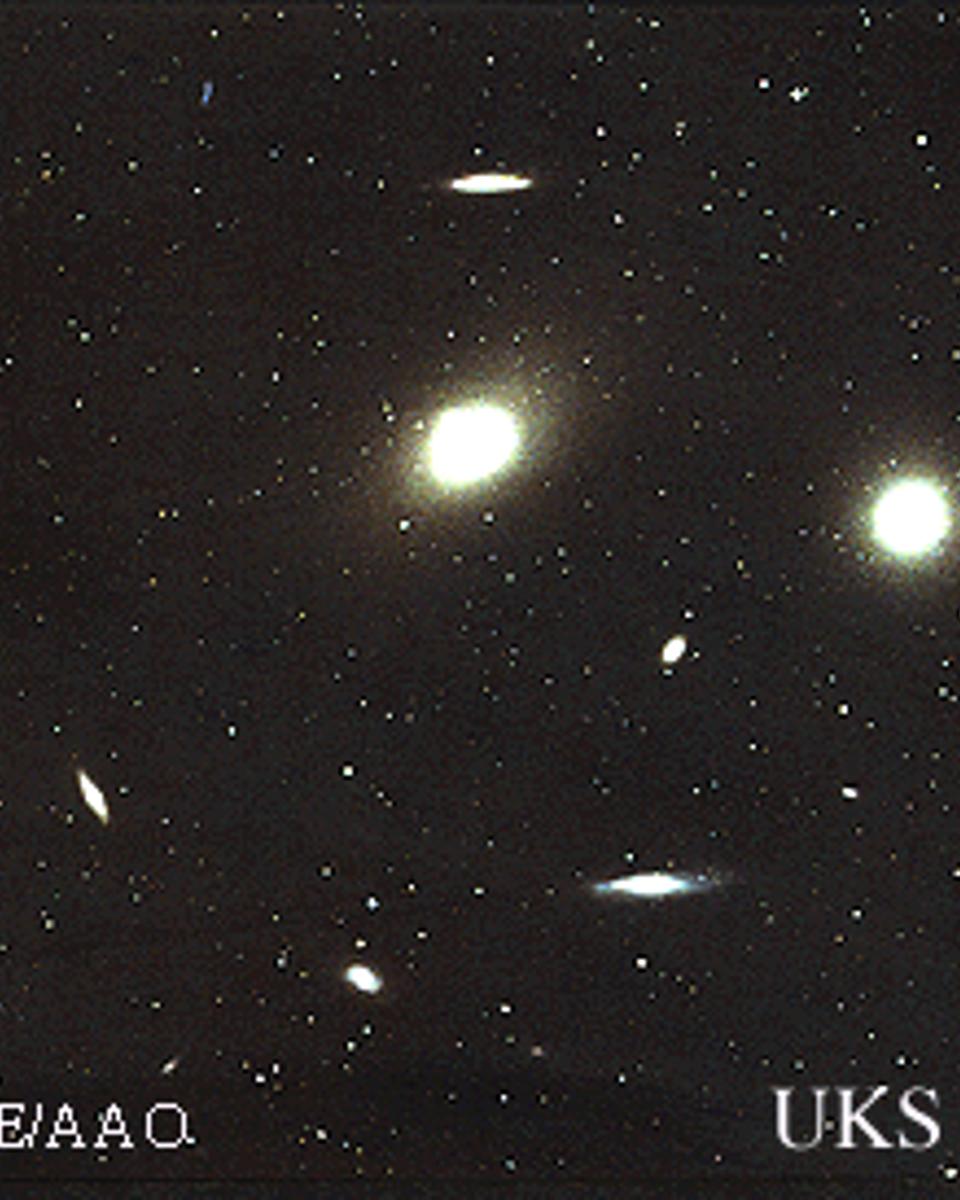
Virgo Cluster Galaxies
Pictured are several galaxies of the Virgo Cluster, the closest cluster of galaxies to the Milky Way . The Virgo Cluster spans more than 5 degrees on the sky - about 10 times the…
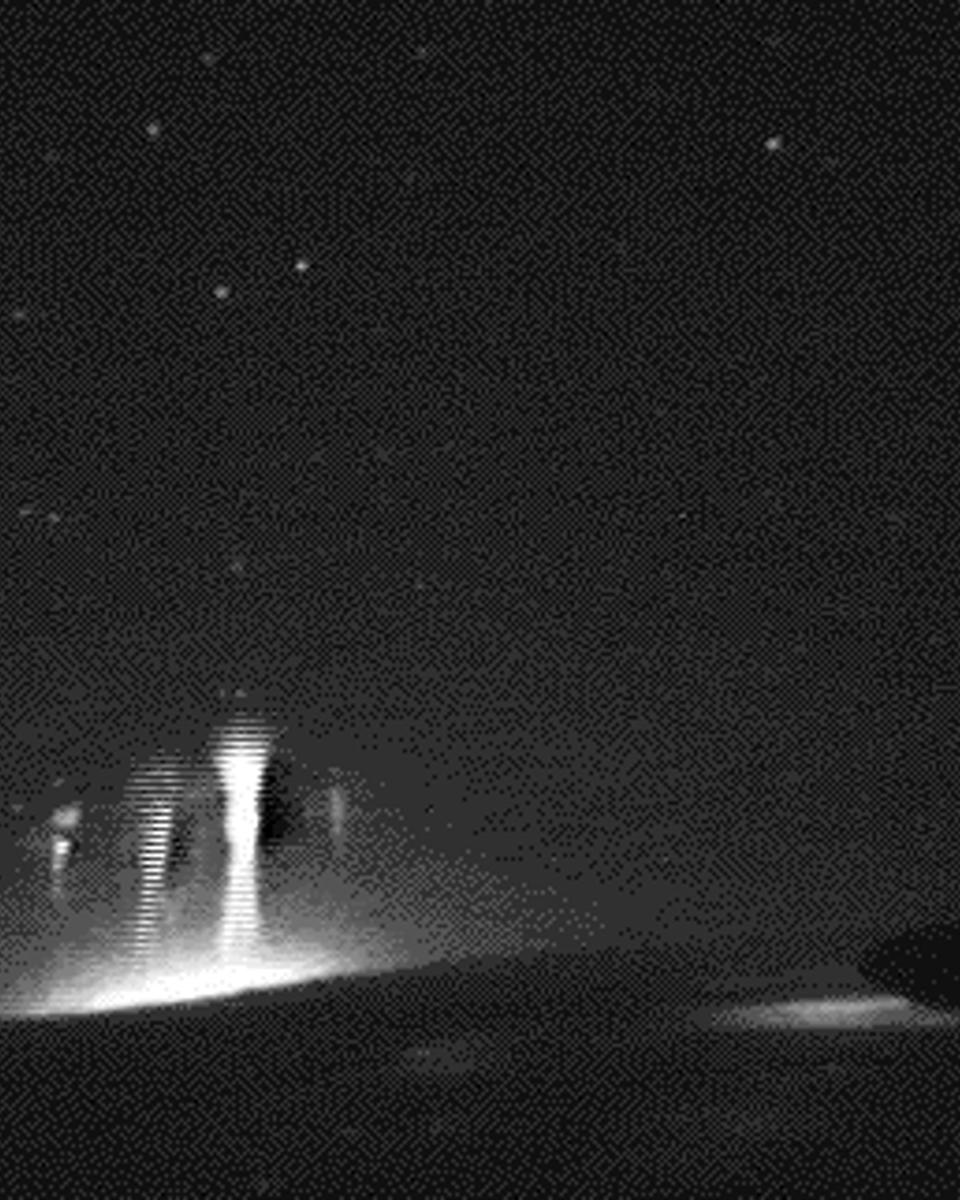
Blue Jet Lightning
Recently two new types of lightning have been verified: red sprites and blue jets . These atmospheric discharges occur very high in the Earth 's atmosphere - much higher than the…

Red Sprite Lightning
Recently two new types of lightning have been verified: red sprites and blue jets . These atmospheric discharges occur very high in the Earth 's atmosphere - much higher than the…
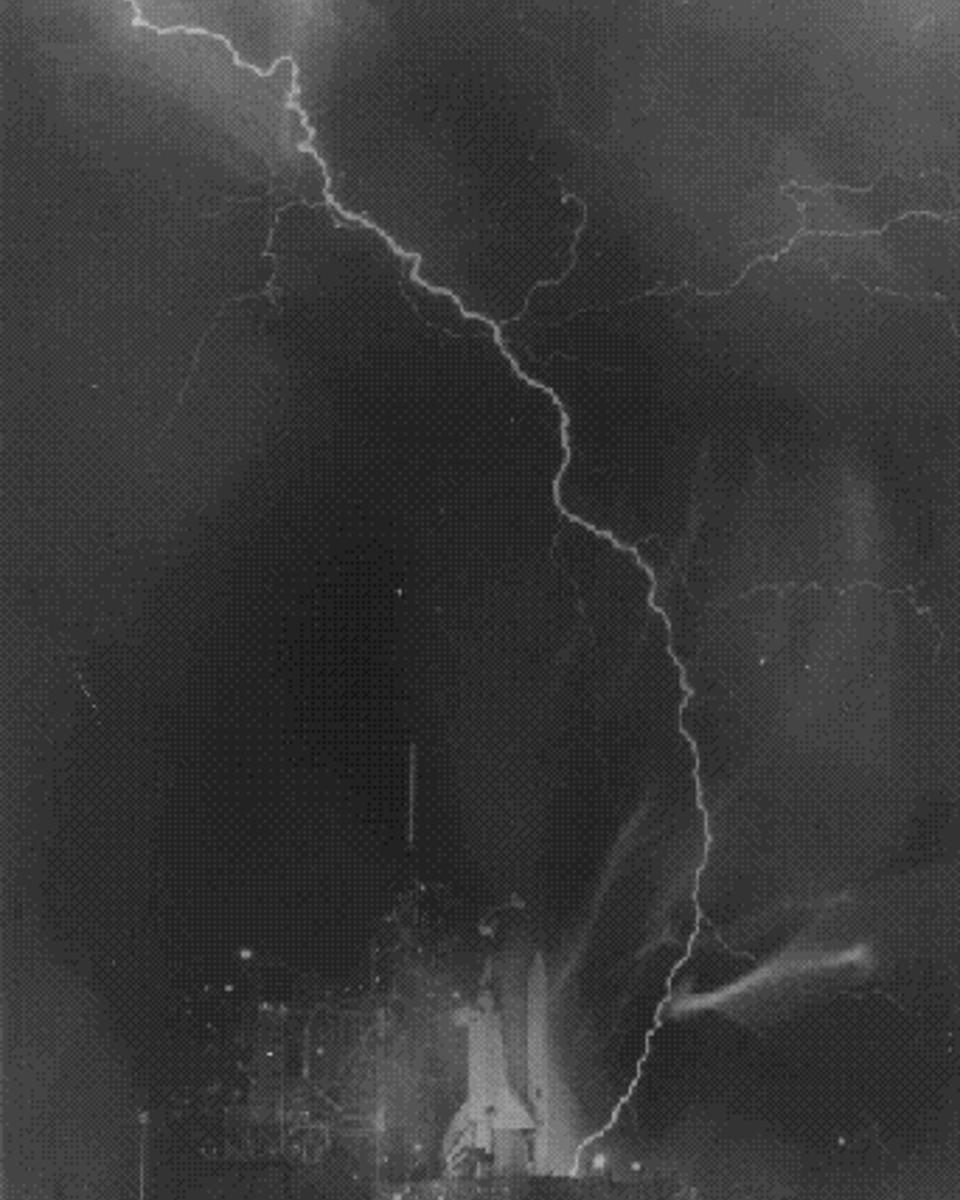
Lightning and the Space Shuttle
There are many things about lightning that are not understood. Lightning has been seen in the atmospheres of Venus , Earth , Jupiter , and Saturn . A leading theory is that…
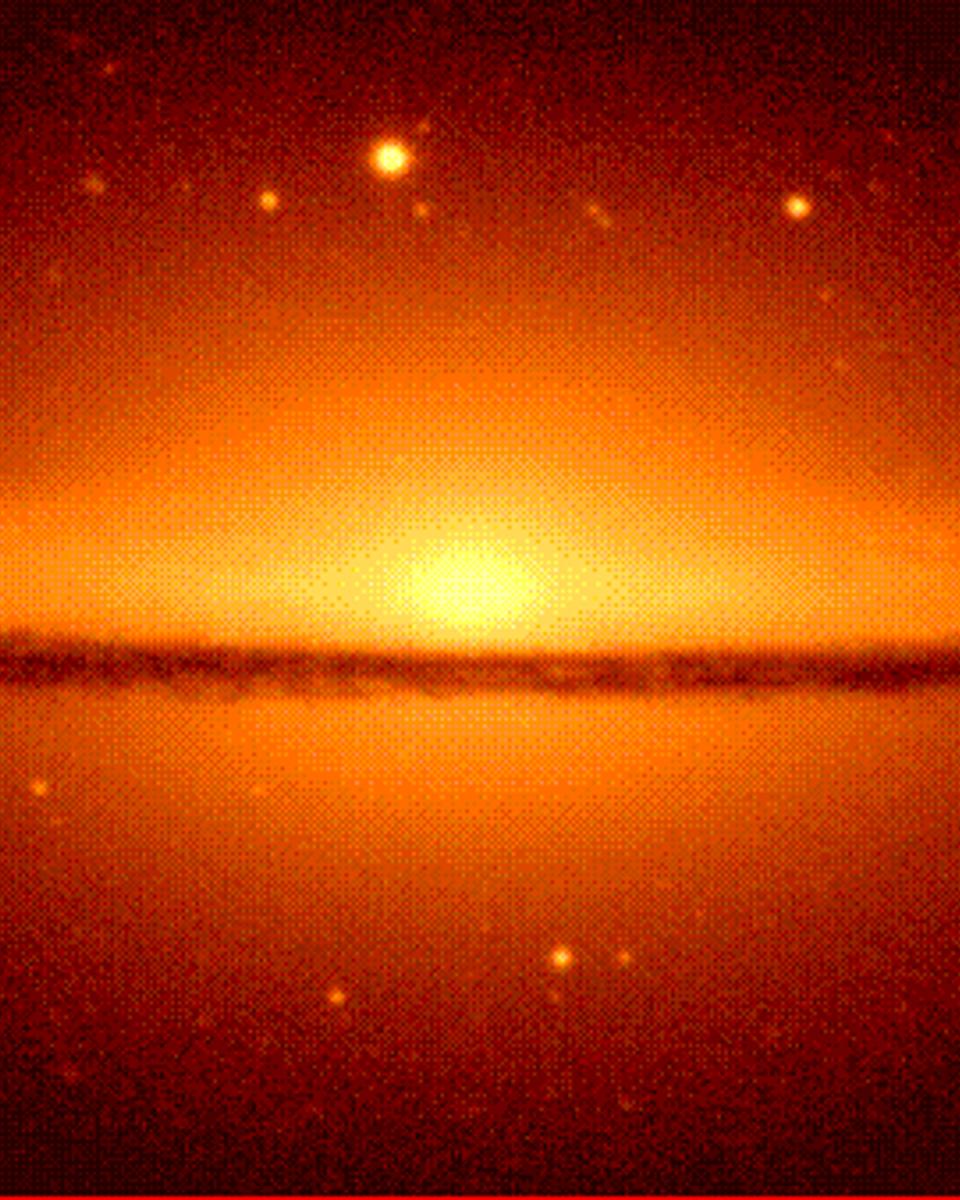
M104: The Sombrero Galaxy
The famous Sombrero galaxy (M104) is a bright nearby spiral galaxy . The prominent dust lane and halo of stars and globular clusters give this galaxy its name. Something very…
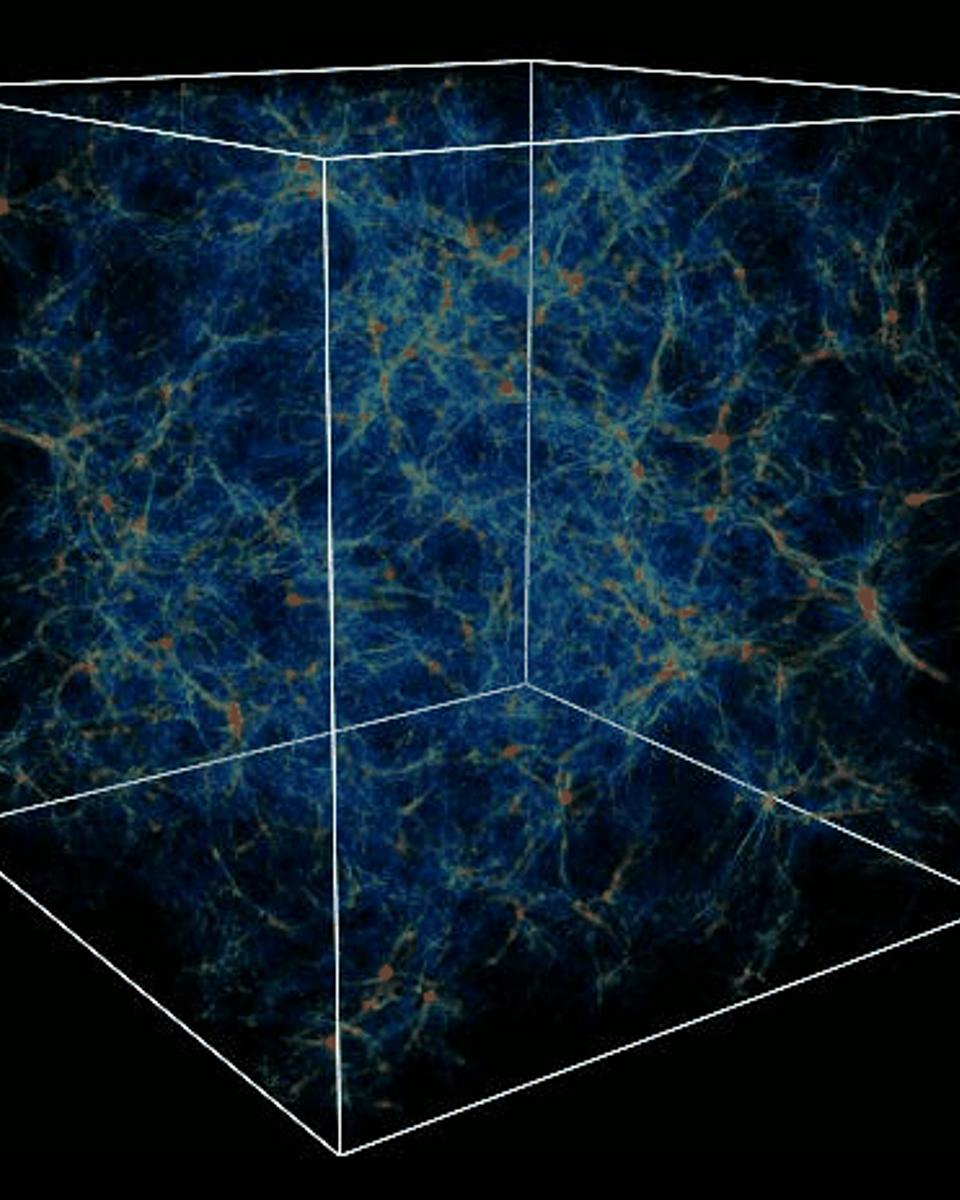
Simulating the Universe
The above cube represents a chunk of our universe as simulated by the Grand Challenge Cosmology Consortium (GC3). The cube is huge - it would take light 500 million years to cross…
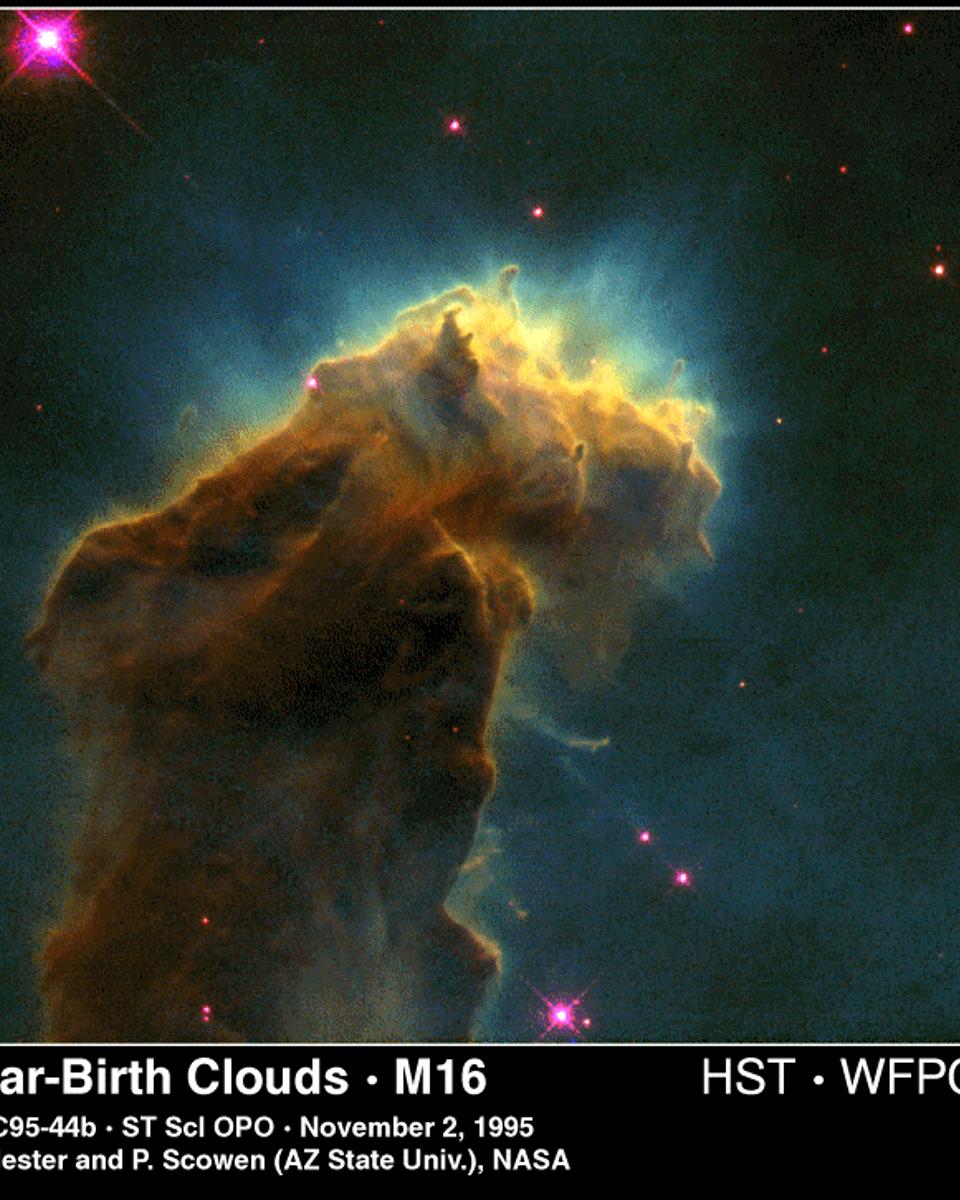
Eagle EGGs in M16
Star forming regions known as “EGGs” are uncovered at the end of this giant pillar of gas and dust in the Eagle Nebula ( M 16). EGGs, short for evaporating gaseous globules , are…
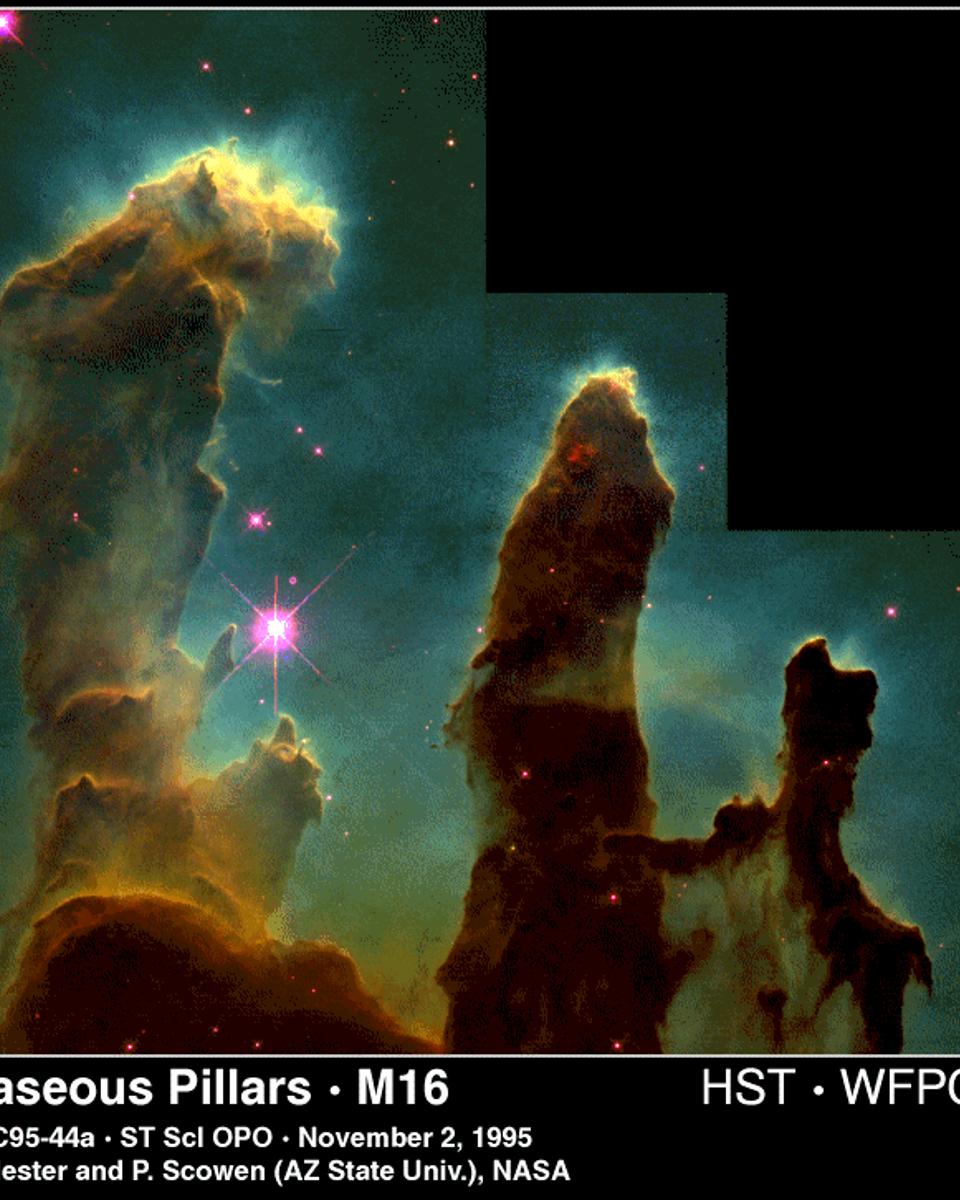
M16: Stars Upon Pillars
How do stars form? This stunning picture taken recently by the Hubble Space Telescope gives us a first hand glimpse. Here evaporating gaseous globules (EGGs) are captured emerging…
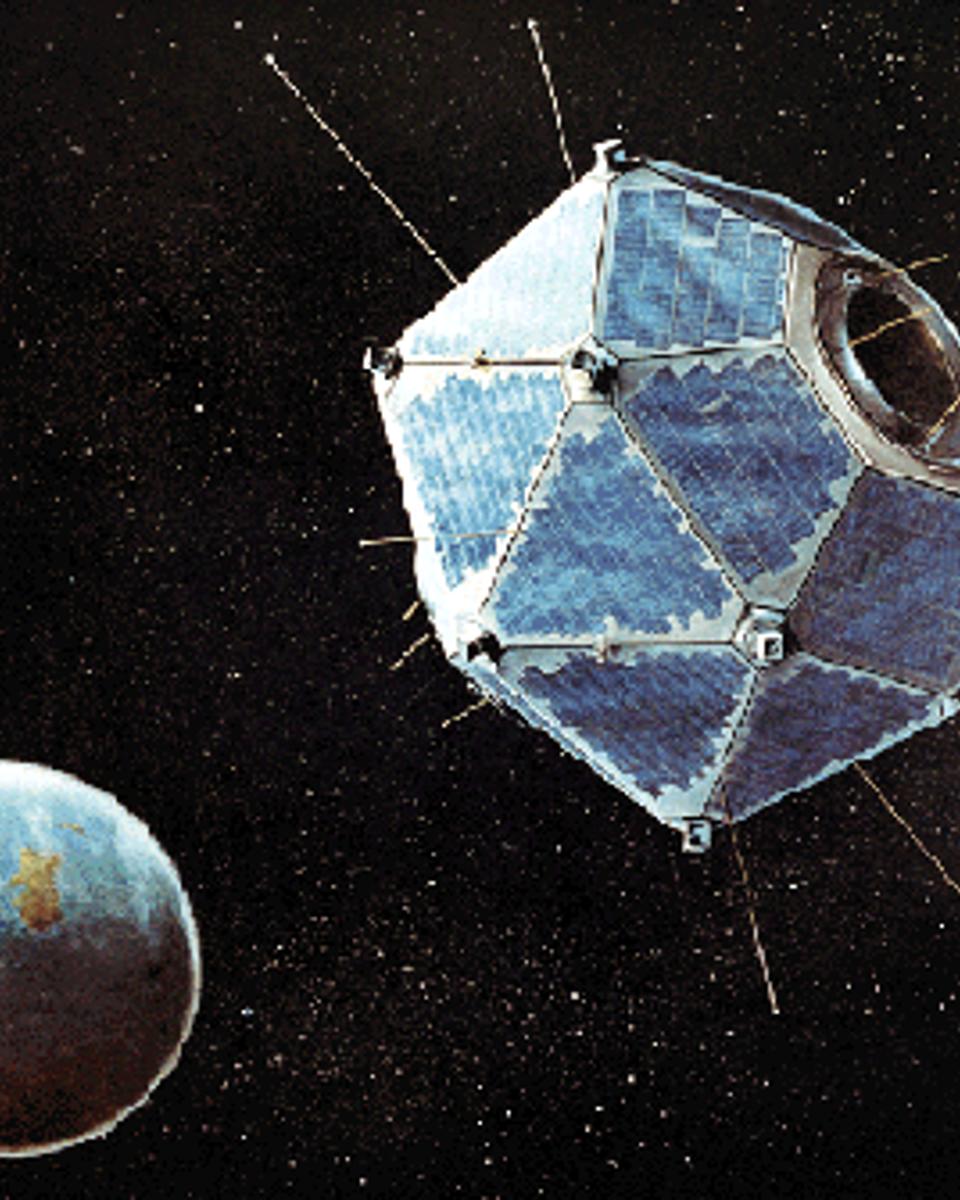
Vela Satellites: The Watchers
In October of 1963 the US Air Force launched the first in a series of satellites inspired by a recently signed nuclear test ban treaty . Signatories of this treaty agreed not to…
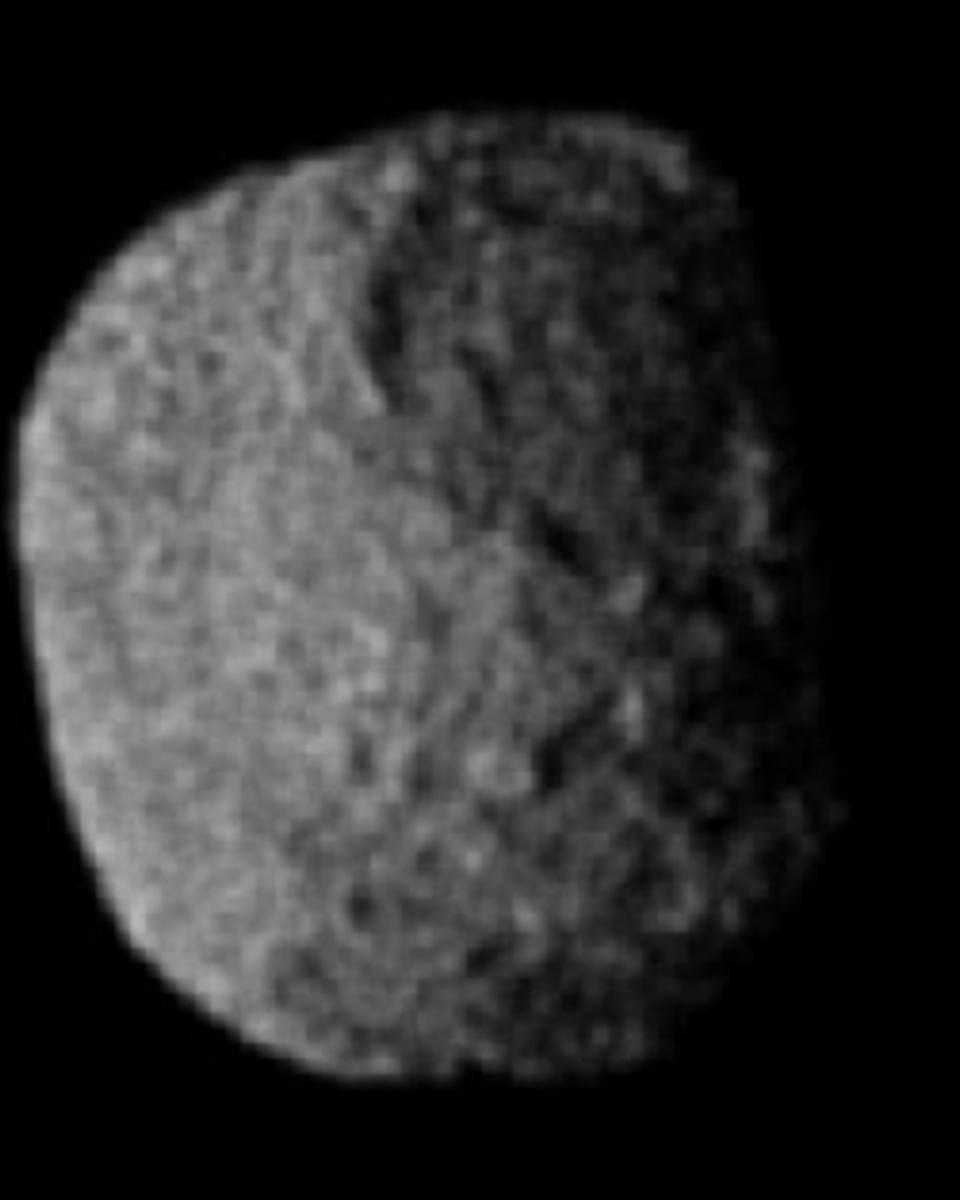
Neptune's Moon Proteus
Proteus is the second largest moon of Neptune behind the mysterious Triton . Proteus was discovered only in 1982 by the Voyager 2 spacecraft. This is unusual since Neptune has a…
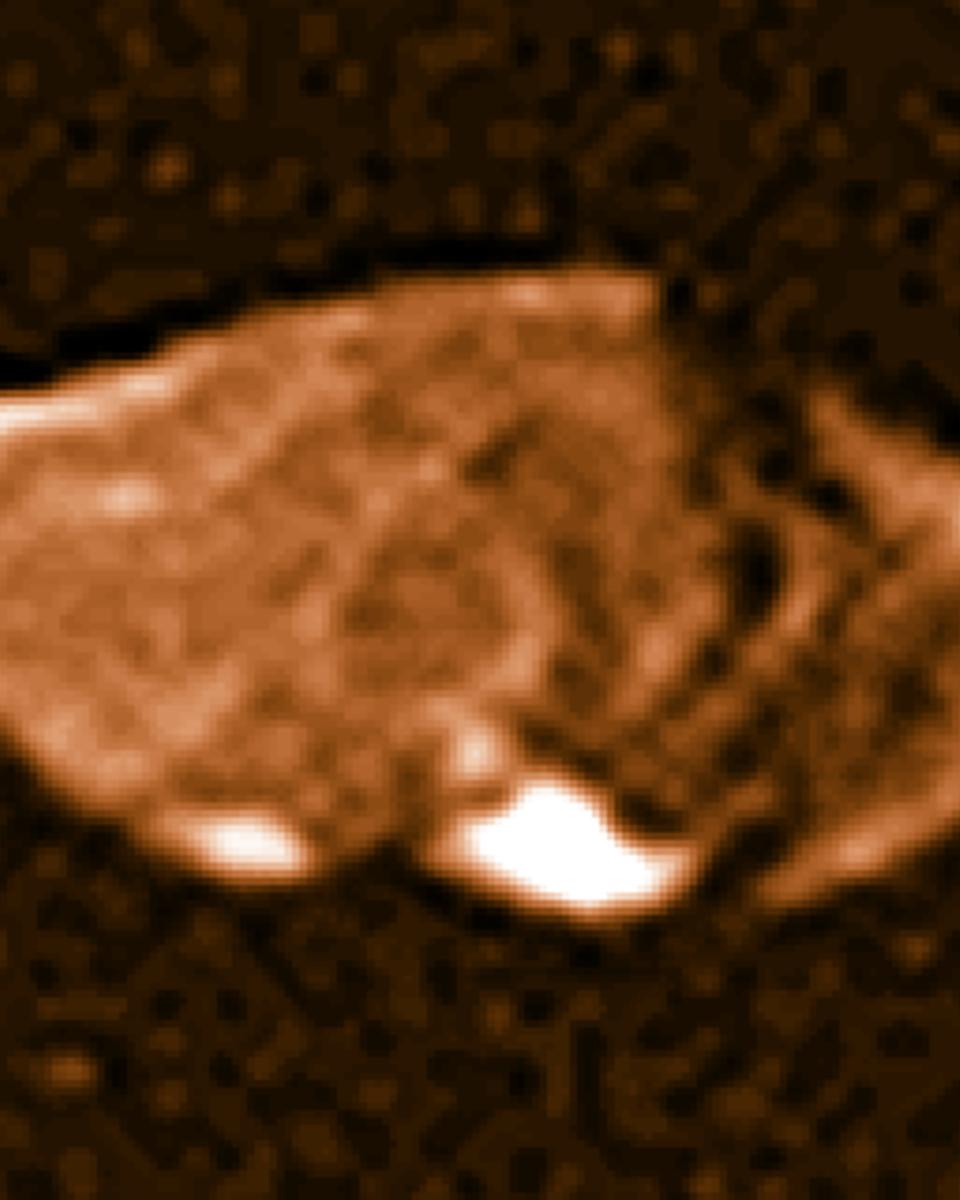
Jupiter's Moon Amalthea
Amalthea is Jupiter 's fifth largest moon, much smaller than the four Galilean satellites Io , Europa , Ganymede , and Callisto . The orbit of Amalthea is inside of these moons,…
Viewing discoveries from 26 November 1995 through 3 November 1995.