Browse NASA Astronomy Picture of the Day archive by date and media: Archive Discoveries
Browse the NASA APOD archive without needing the exact date first. Filter by media type and keep moving deeper into older images and videos.
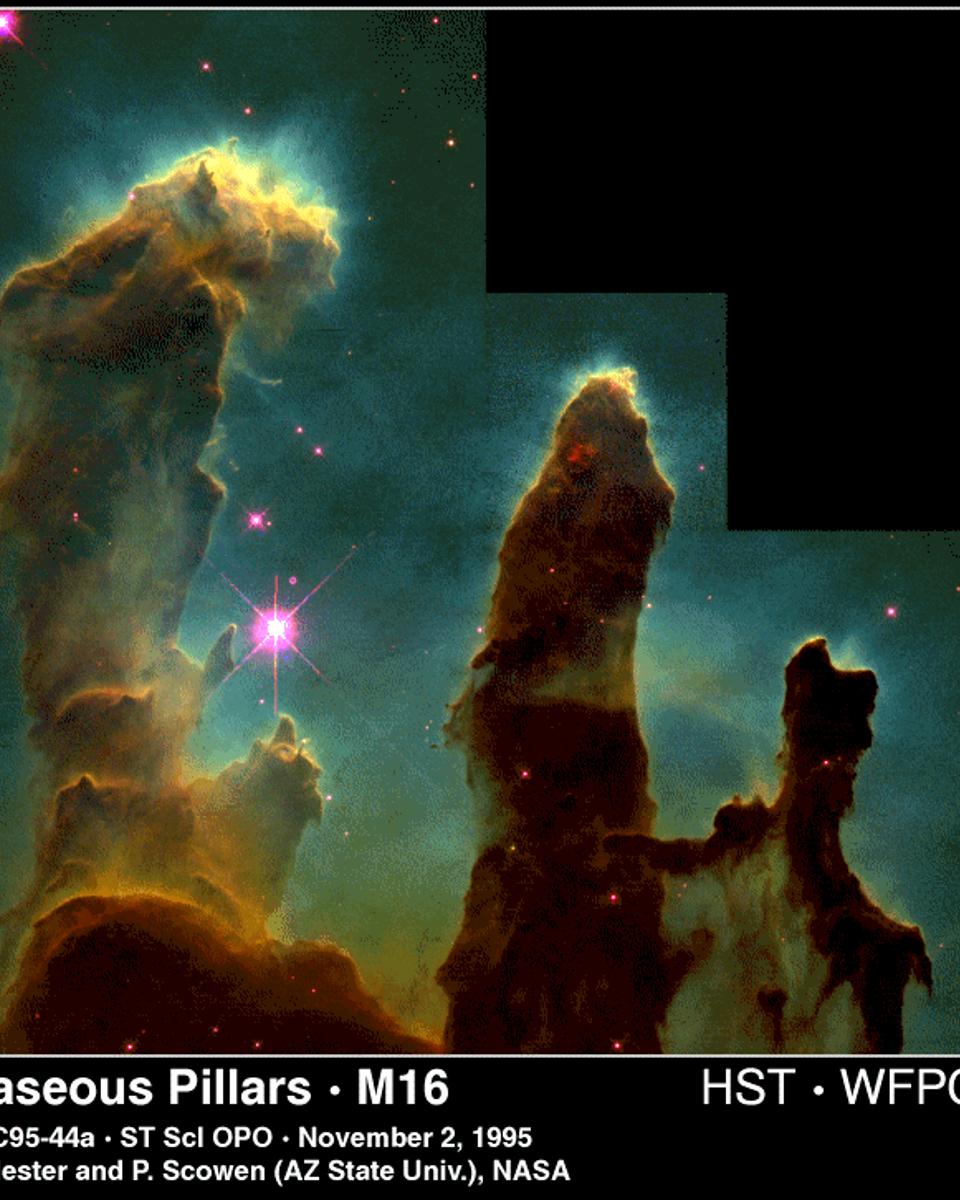
M16: Stars Upon Pillars
How do stars form? This stunning picture taken recently by the Hubble Space Telescope gives us a first hand glimpse. Here evaporating gaseous globules (EGGs) are captured emerging…
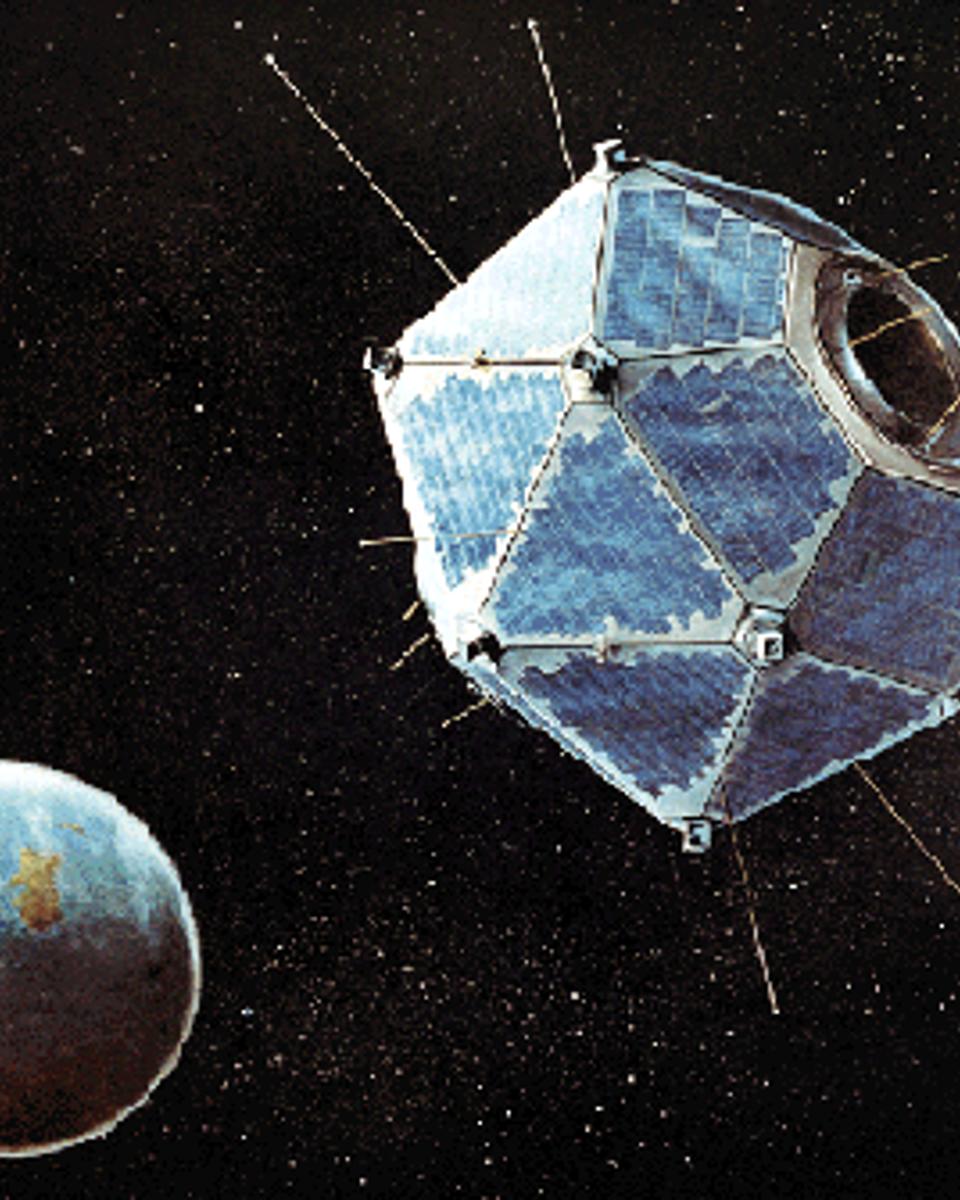
Vela Satellites: The Watchers
In October of 1963 the US Air Force launched the first in a series of satellites inspired by a recently signed nuclear test ban treaty . Signatories of this treaty agreed not to…
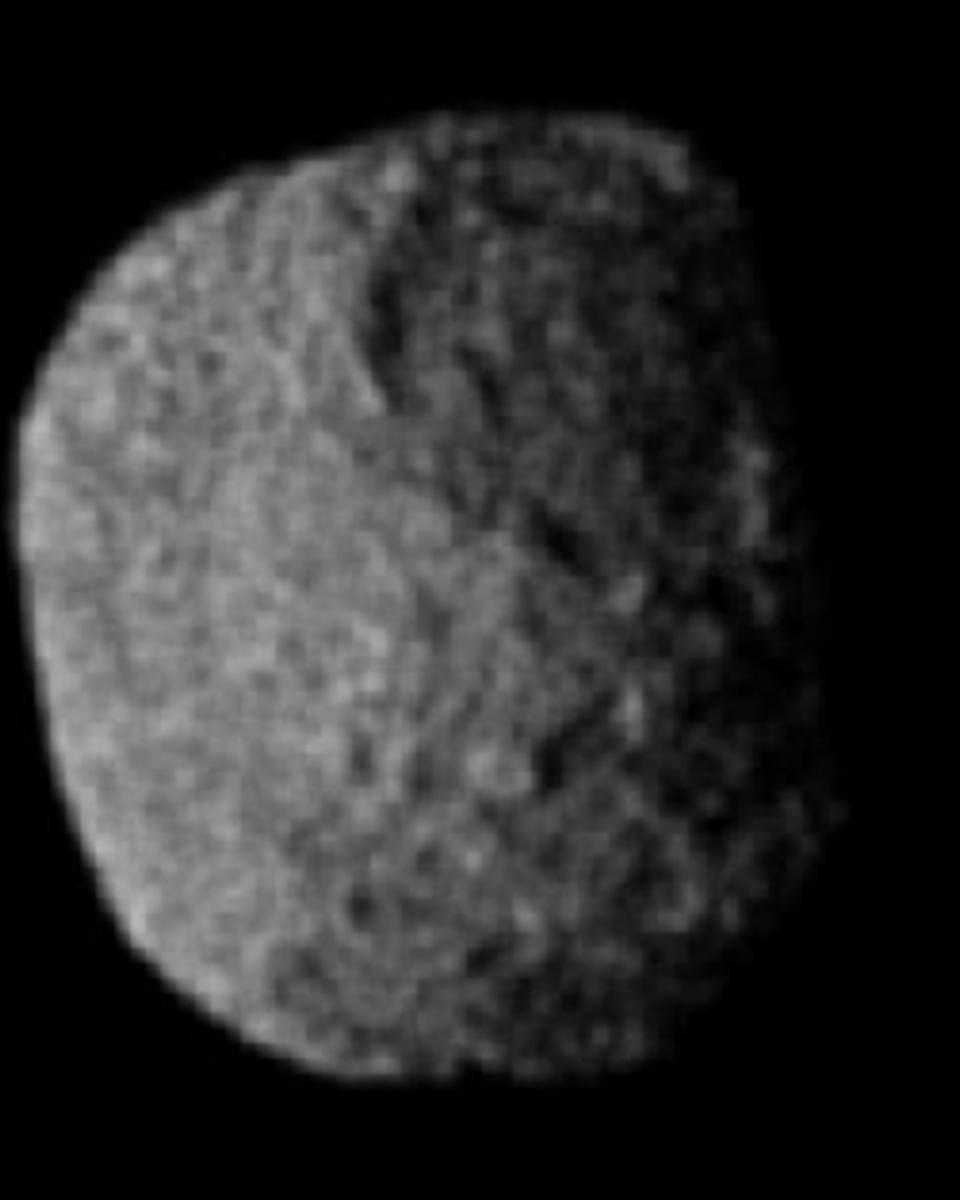
Neptune's Moon Proteus
Proteus is the second largest moon of Neptune behind the mysterious Triton . Proteus was discovered only in 1982 by the Voyager 2 spacecraft. This is unusual since Neptune has a…
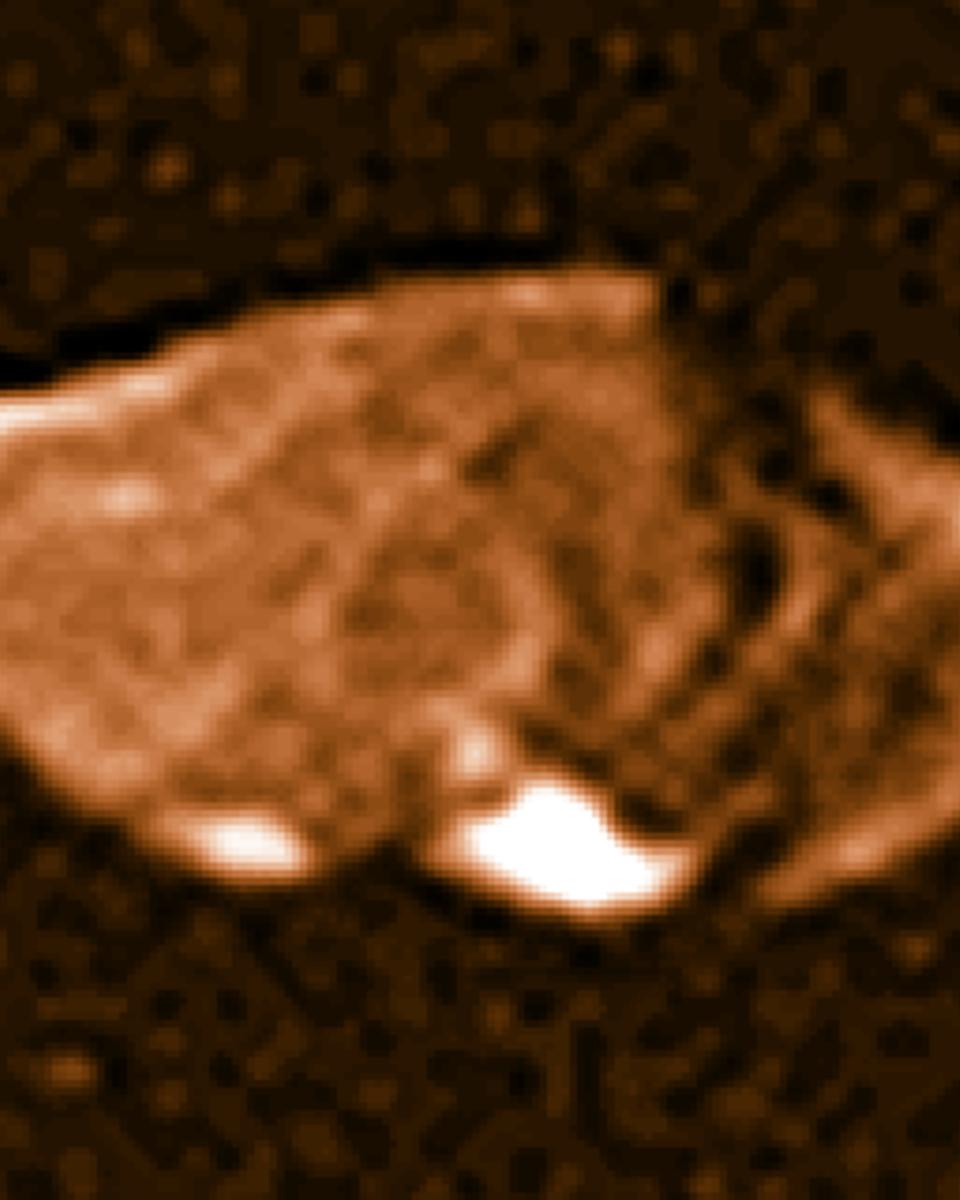
Jupiter's Moon Amalthea
Amalthea is Jupiter 's fifth largest moon, much smaller than the four Galilean satellites Io , Europa , Ganymede , and Callisto . The orbit of Amalthea is inside of these moons,…
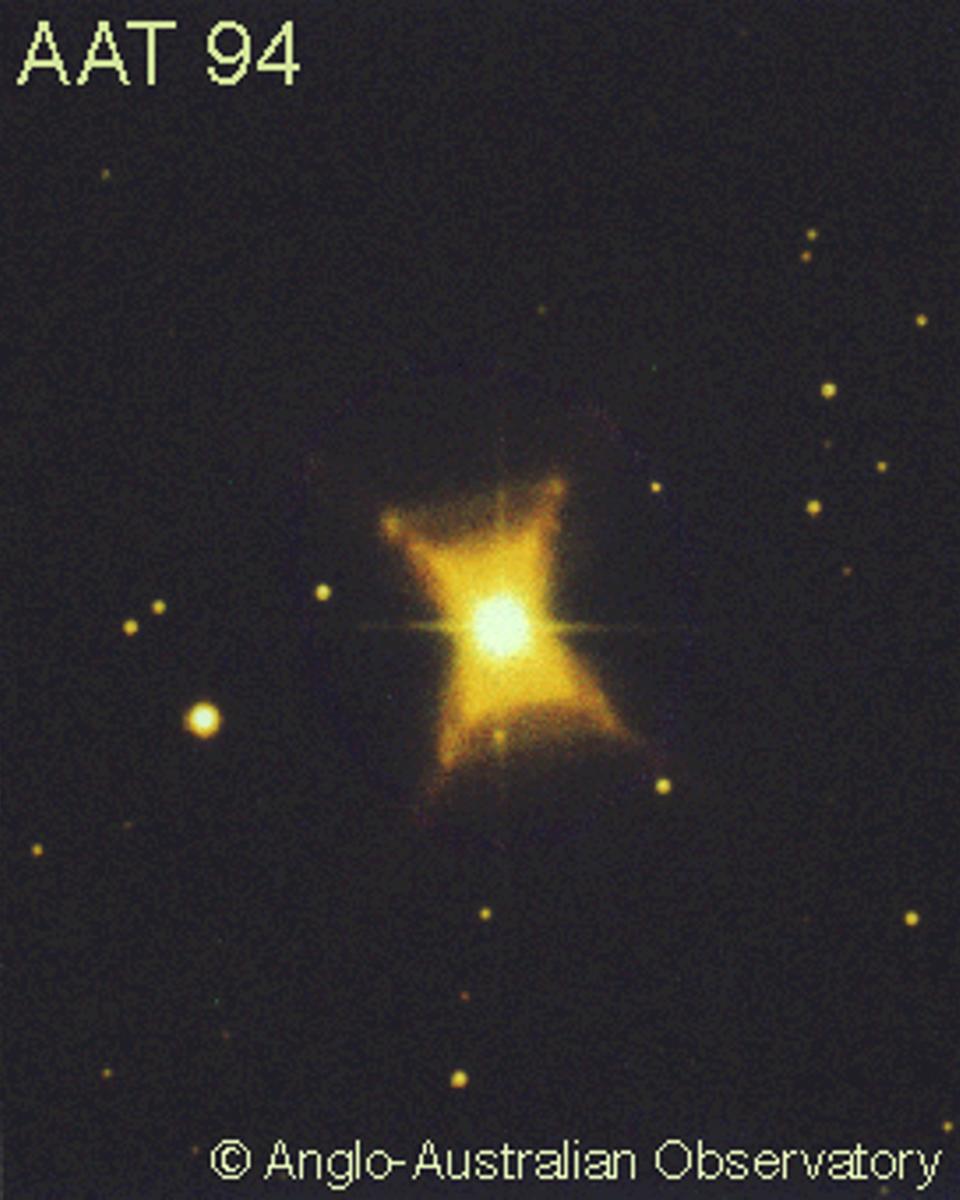
The Red Rectangle
The unusual geometry of this stellar nebula creates somewhat of a mystery. At the nebula's center is a young binary star system that probably created the nebula, but how? This…
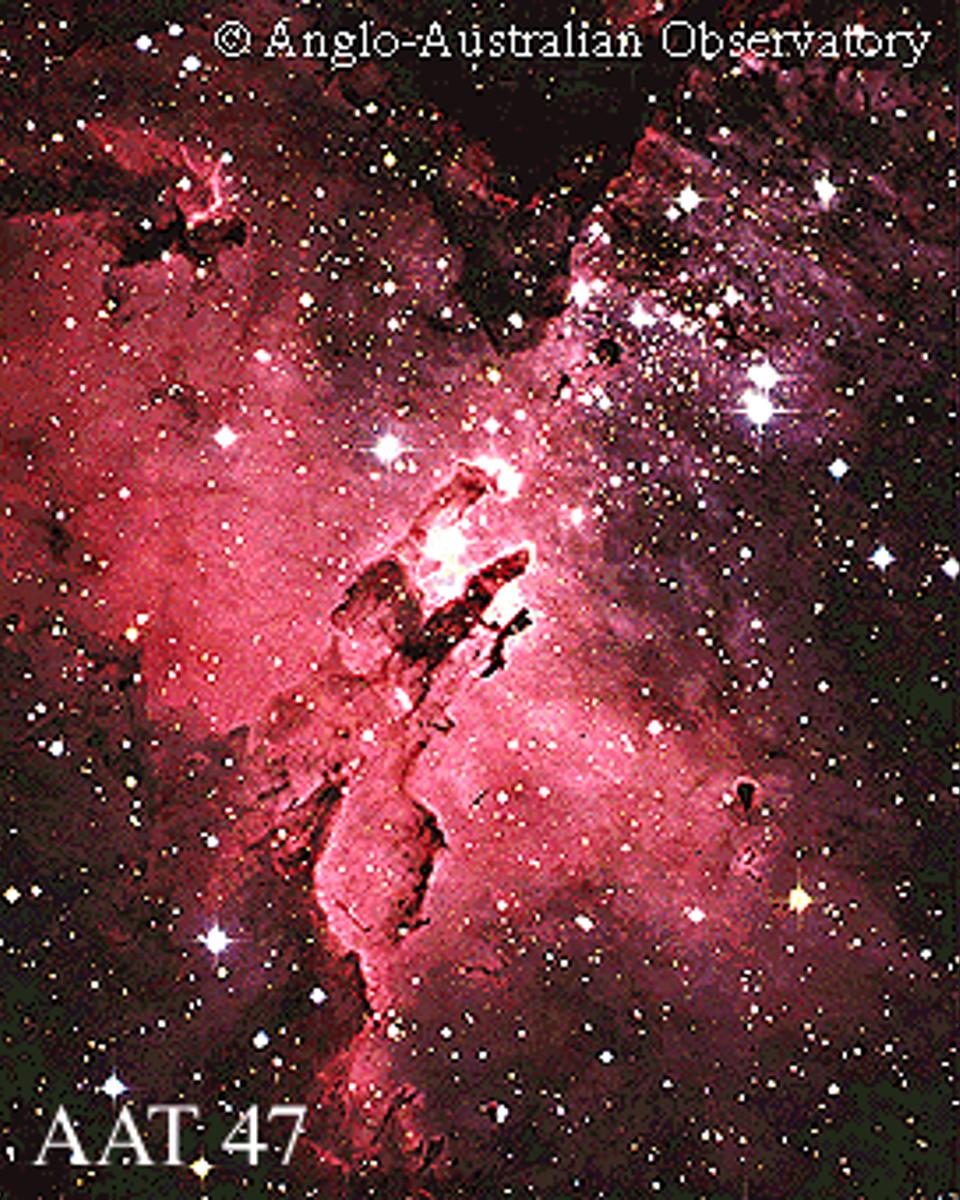
M16: Dust and an Open Cluster
The photogenic M 16 shown above is composed of a young star cluster and a spectacular emission nebulae lined with distinct regions of interstellar dust . Most of the stars in the…
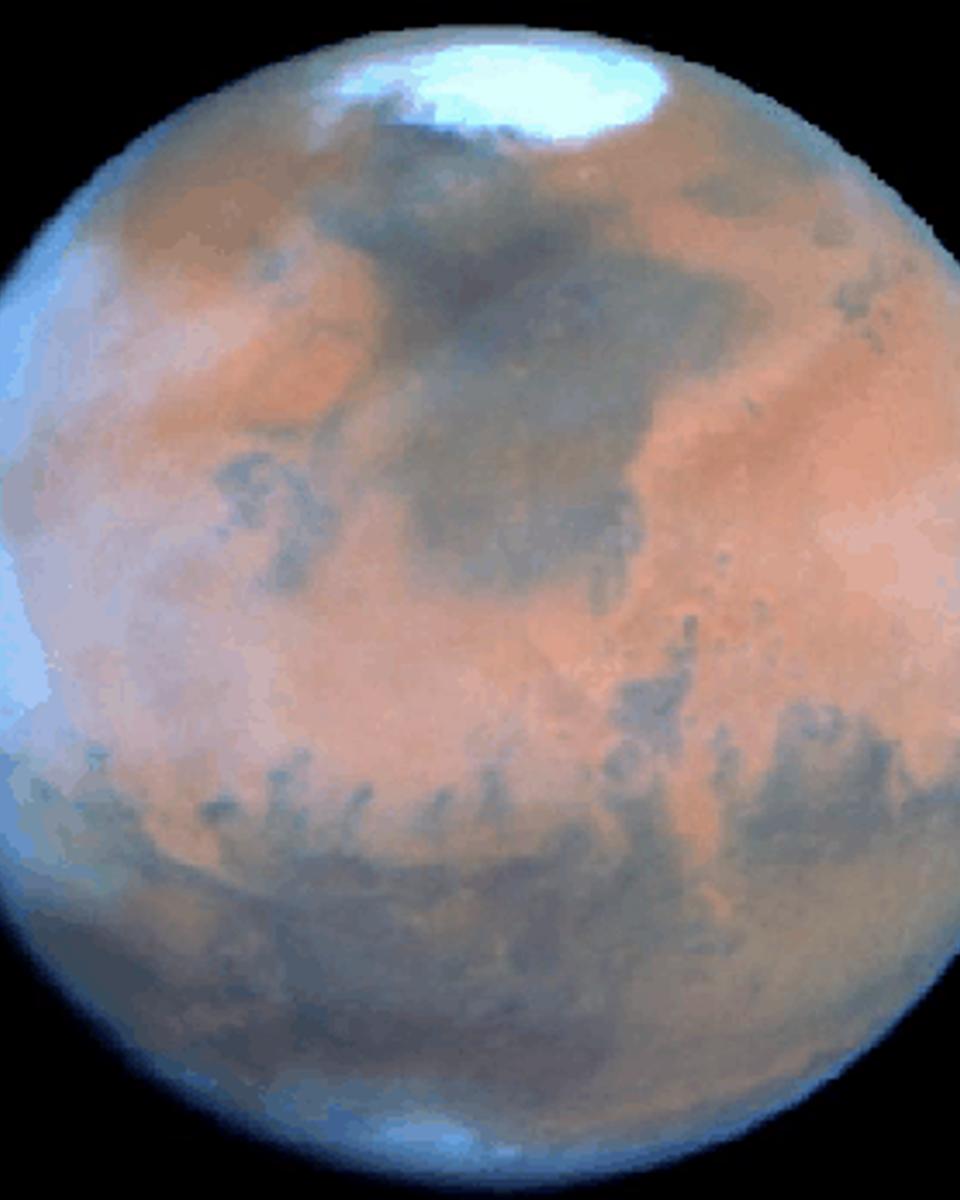
A Halloween Invasion from Mars
Orson Welles became an instant legend on Halloween in 1938 for his radio dramatization of H.G. Wells' “War of the Worlds” . Some listeners who did not realize it was a theatrical…
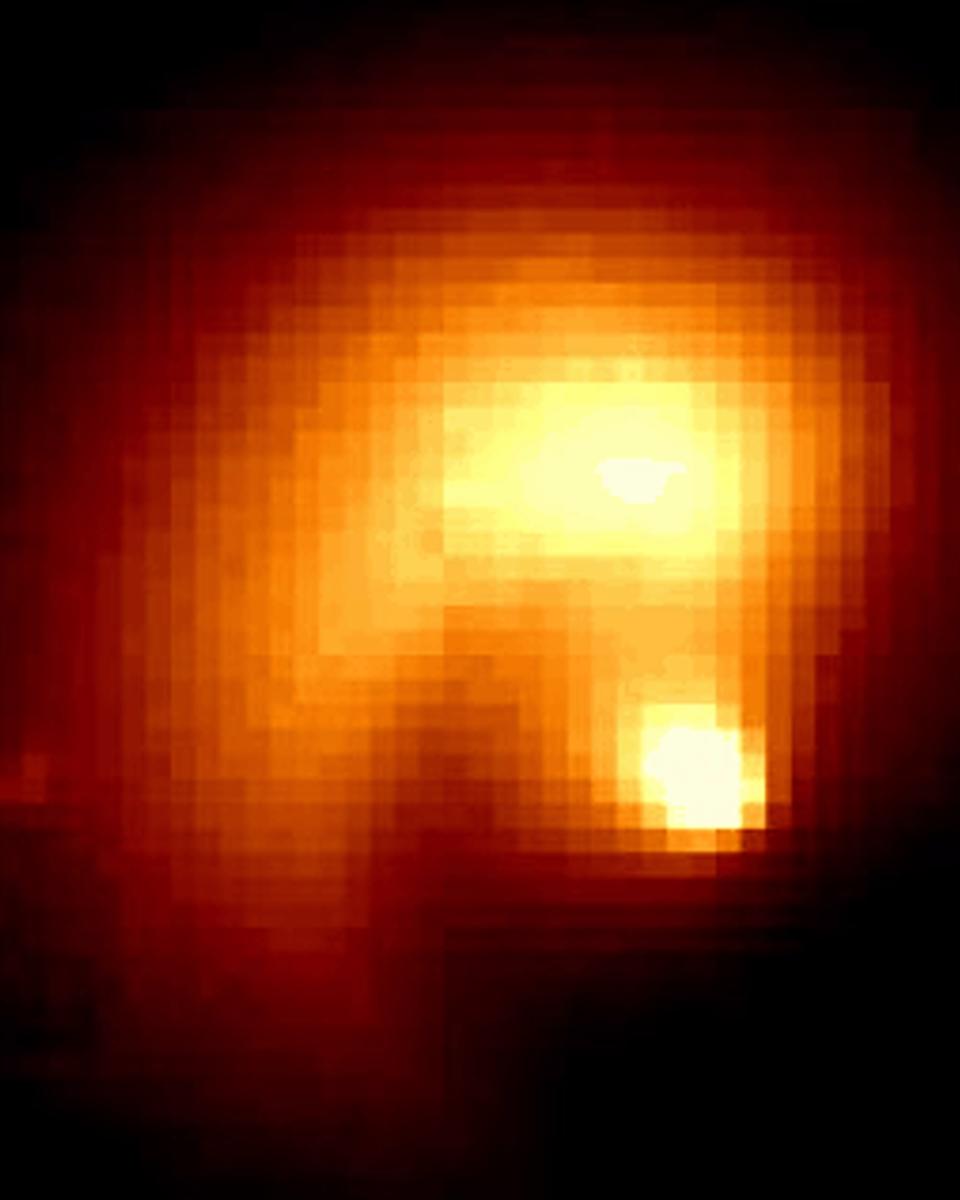
Comet Hale-Bopp Update
Will comet Hale-Bopp become the brightest comet of the Century in early 1997? Since its discovery in July this year, Hale-Bopp has caused much speculation. Even though it is still…
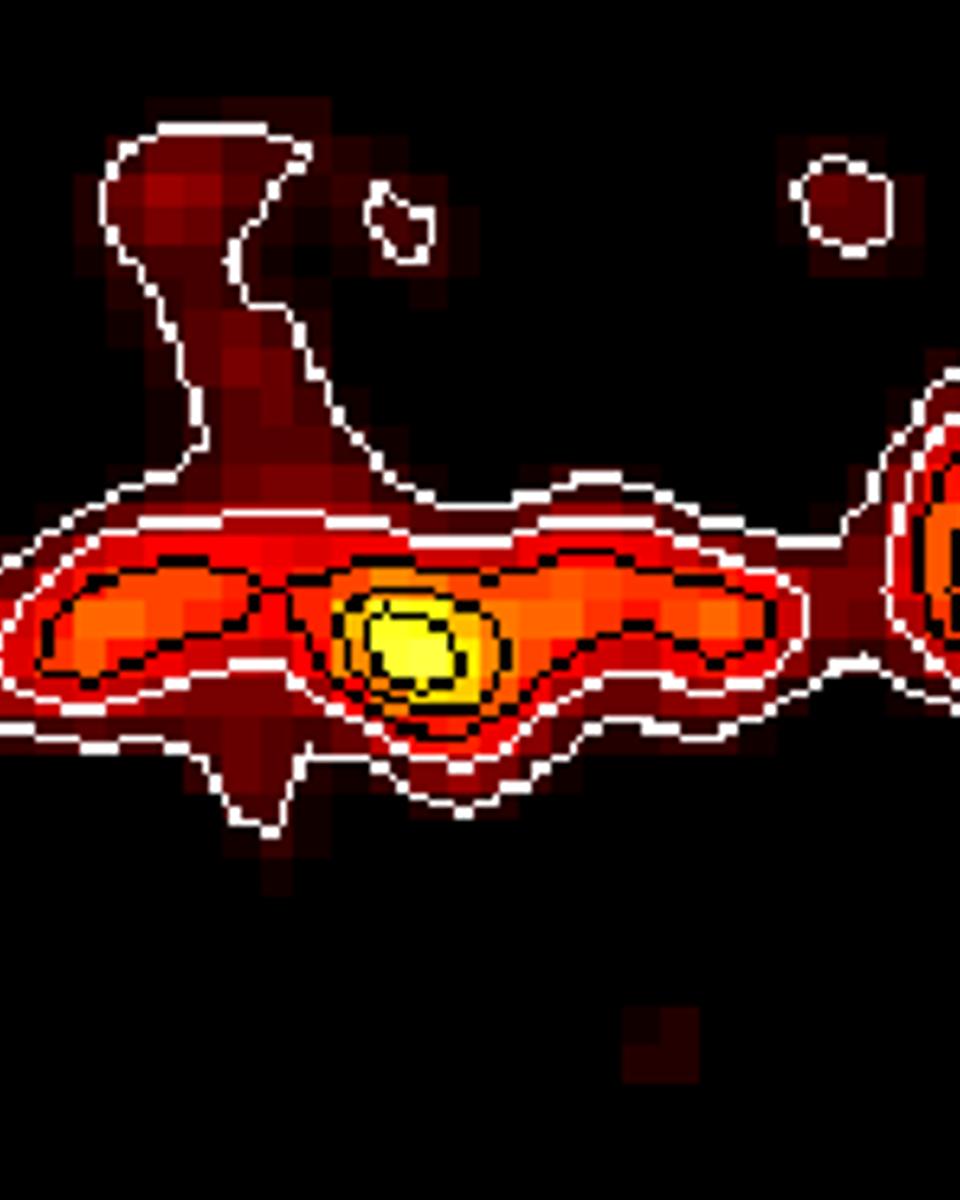
Radioactive Clouds in the Milky Way
When massive stars explode they create large radioactive blast clouds which expand into interstellar space. As the radioactive elements decay, they produce gamma-rays. Possible…
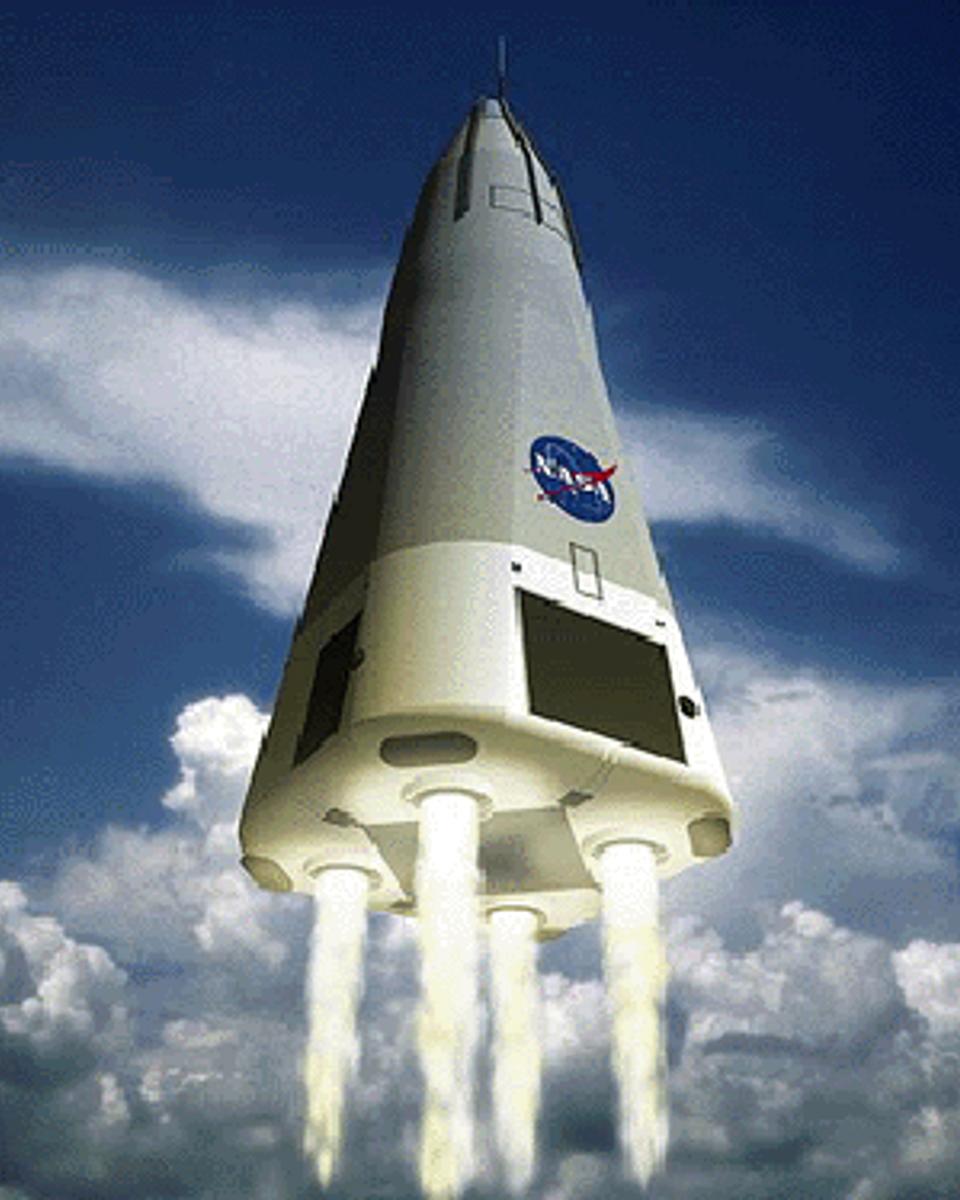
The Delta Clipper
The Delta Clipper experimental rocket or DC-X is intended as a development vehicle to pave the way for a reusable single stage to orbit rocket. Shown here, in an artists…
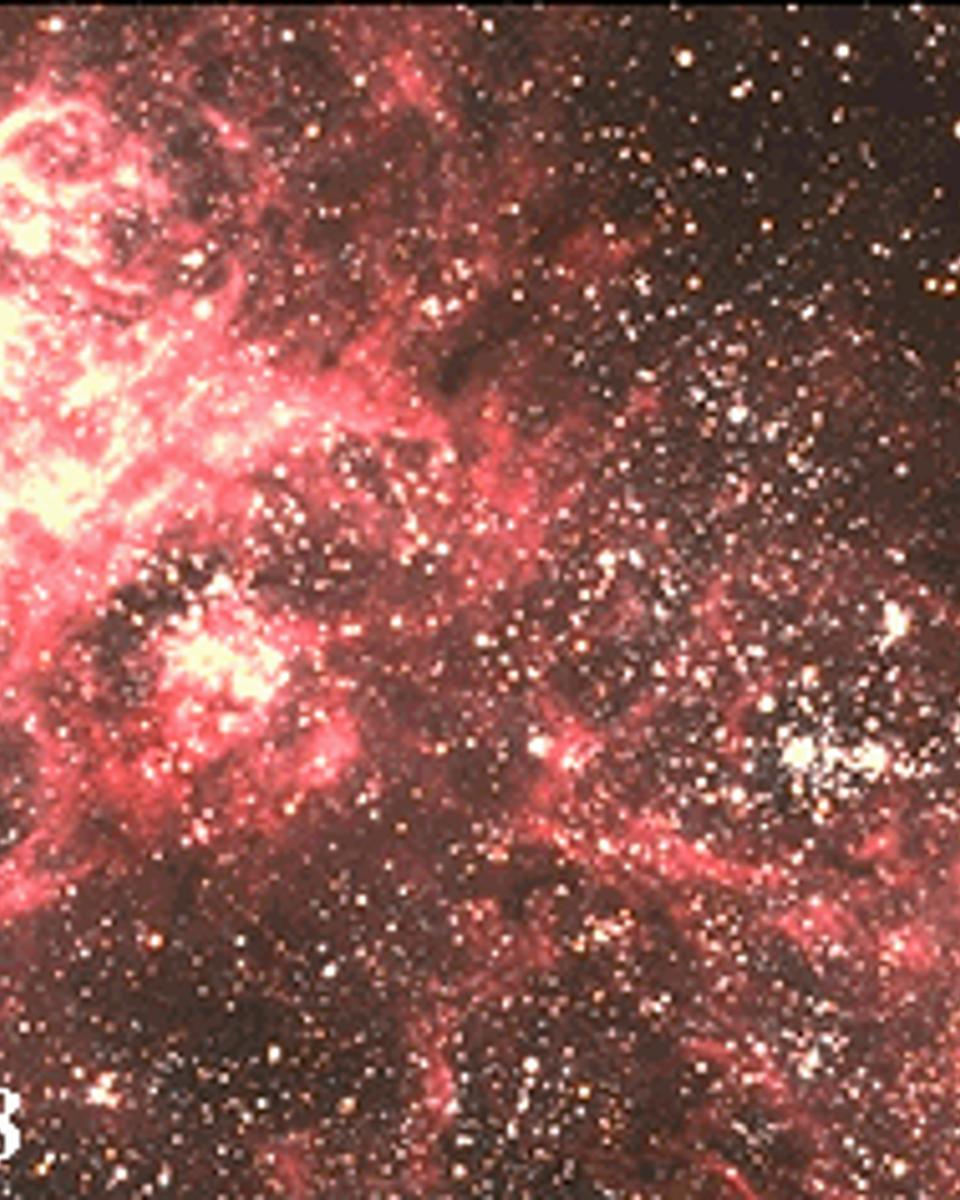
The Tarantula and the Supernova
In this close-up of the Large Magellanic Cloud , the spidery looking nebula on the left is fittingly known as as the Tarantula nebula. It is an emission nebula surrounding a…
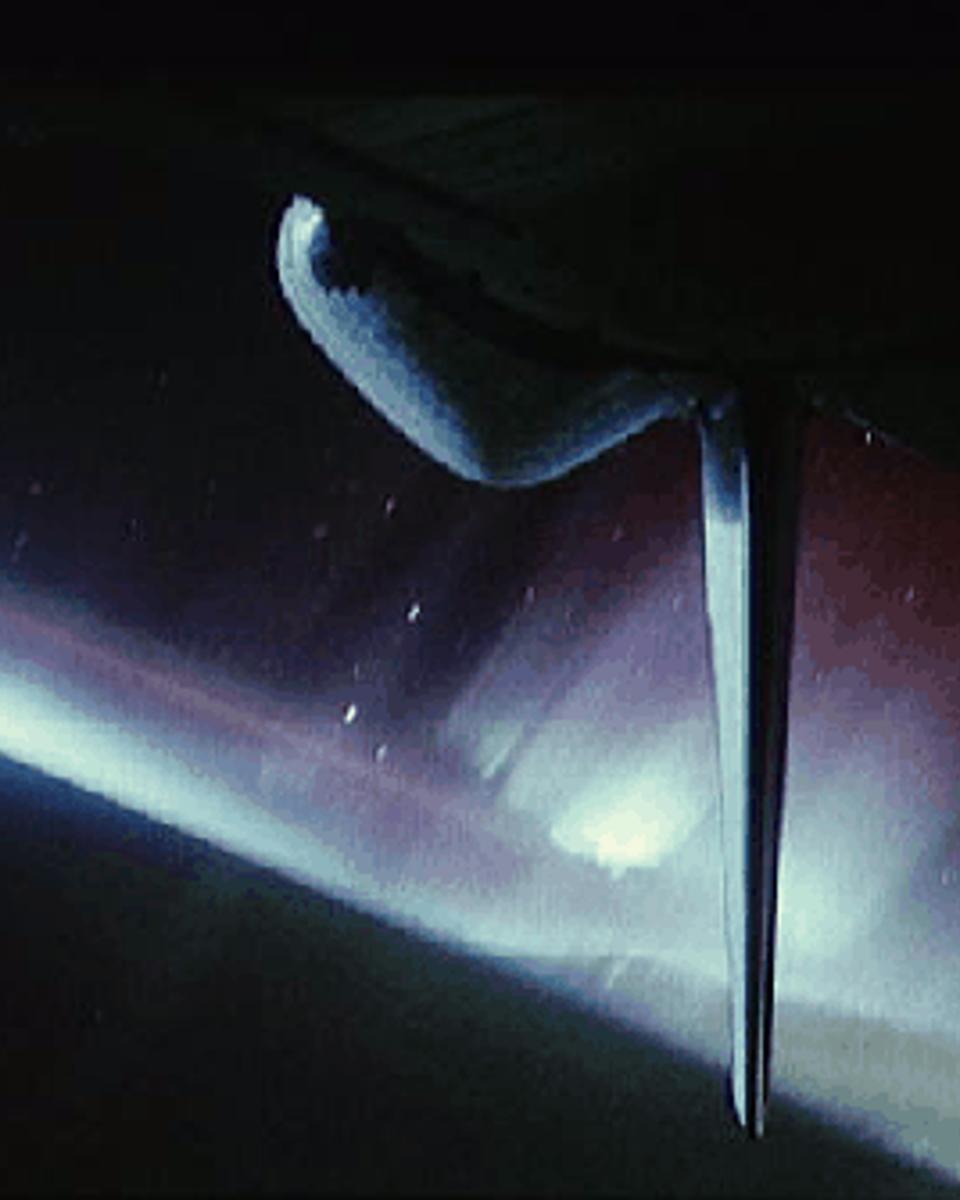
Aurora Astern
Sailing upside down, 115 nautical miles above Earth, the crew of the Space Shuttle Endeavour made this spectacular time exposure of the southern aurora (aurora australis) in…
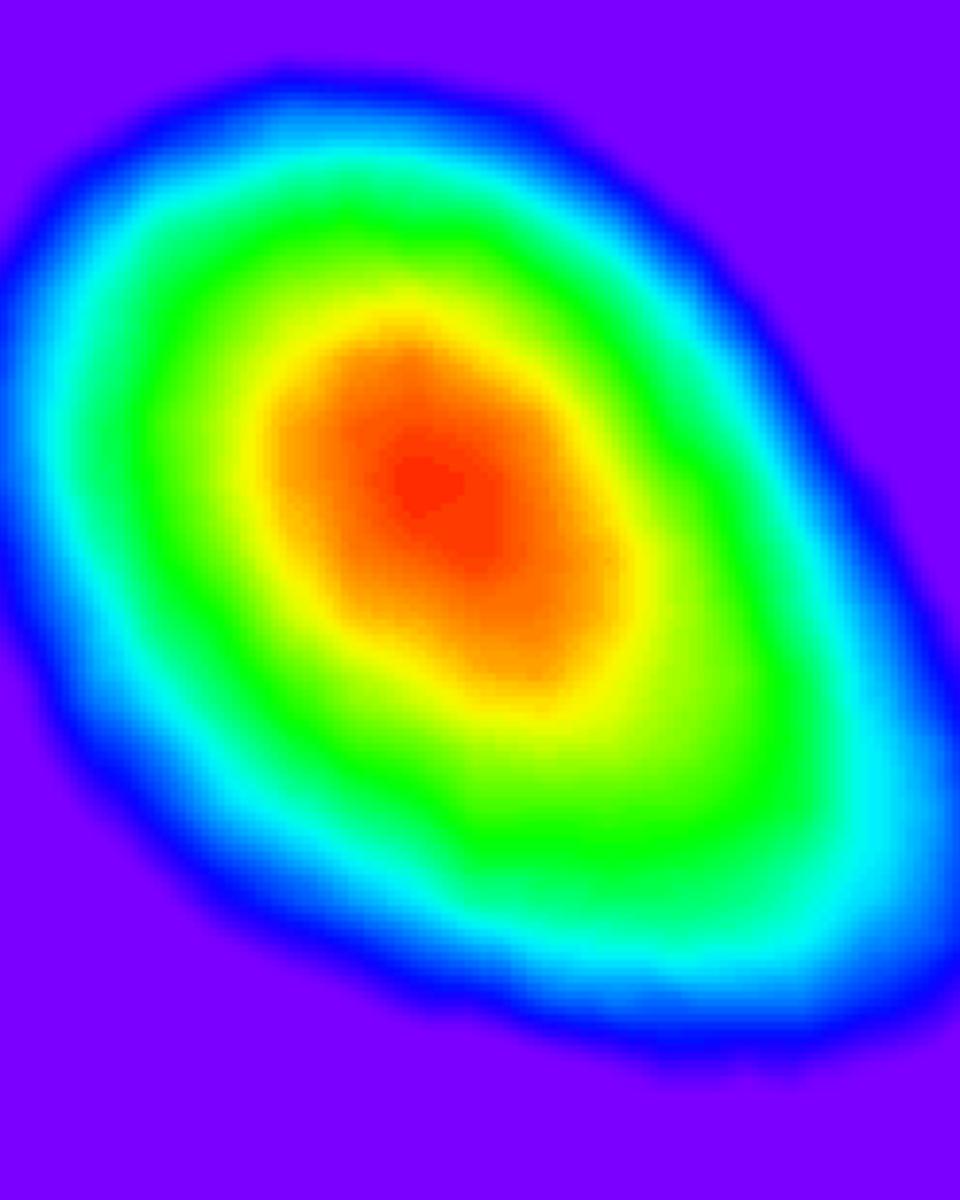
Painting with Solar Neutrons
Solar flares are propelled high above the Sun's surface by powerful, twisted magnetic fields. The flares spew high energy atomic and subatomic particles into space. During an…
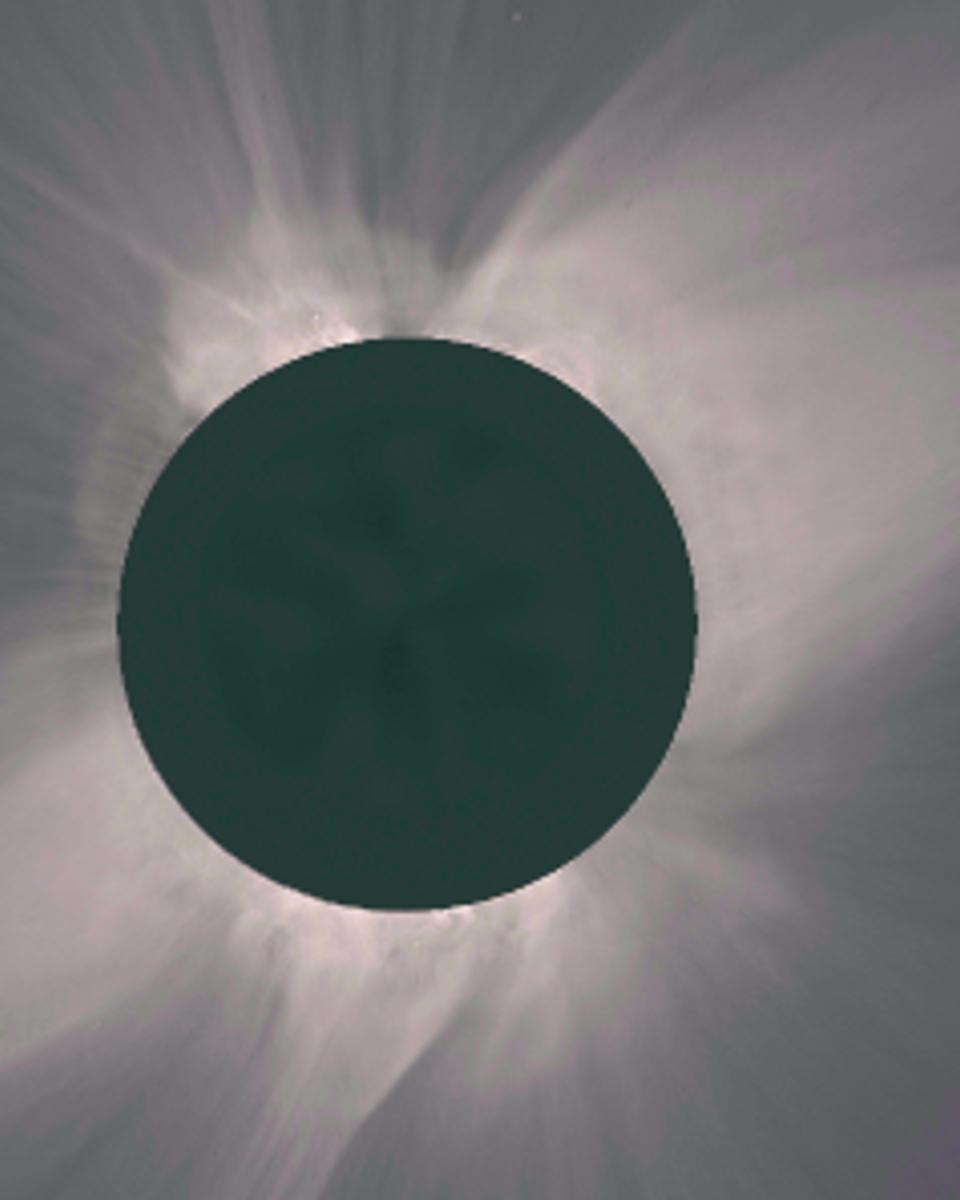
A Total Solar Eclipse
Pictured above is a total solar eclipse, with the Sun 's corona , clearly visible surrounding the Moon . This picture is a composite of differently exposed photos of an eclipse…
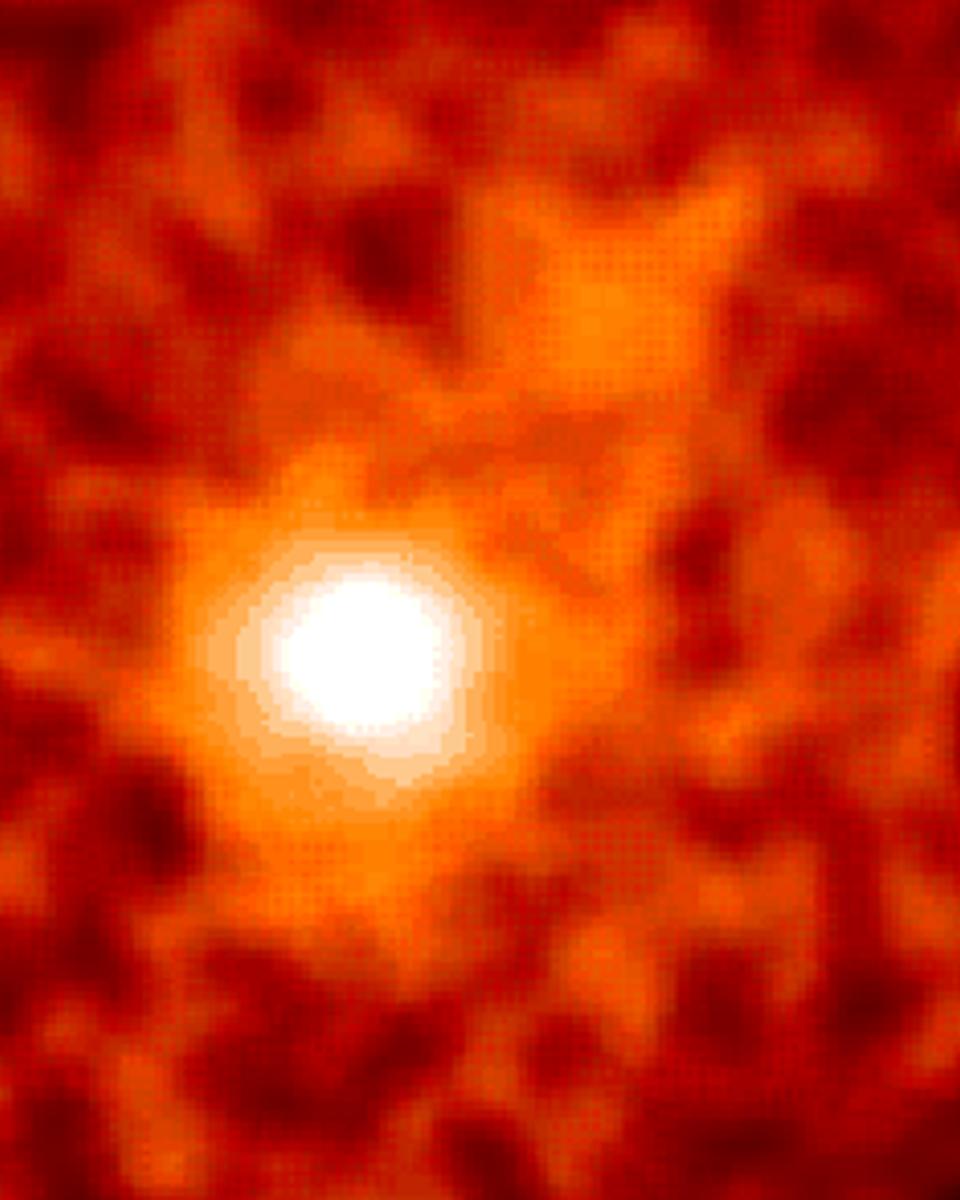
Gamma-Ray Quasars
Gamma rays are more than 10,000 times more energetic than visible light. If you could “see” gamma rays , the night sky would seem very different indeed. The bright object in the…
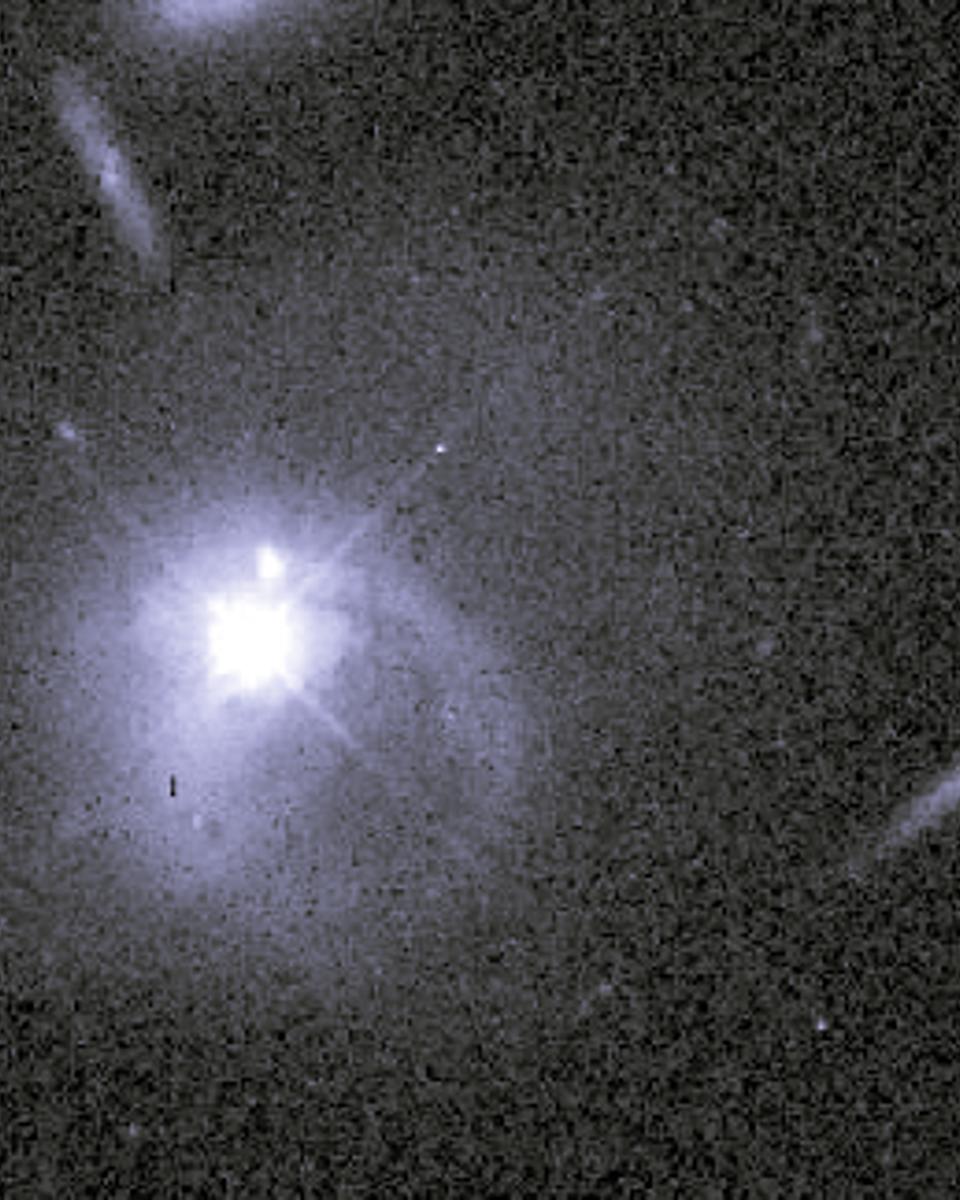
A Quasar - Galaxy Collision?
In 1963 astronomers were astounded to discover that certain faint, star-like objects have very large redshifts . The large redshifts imply that these objects, now known as quasars…
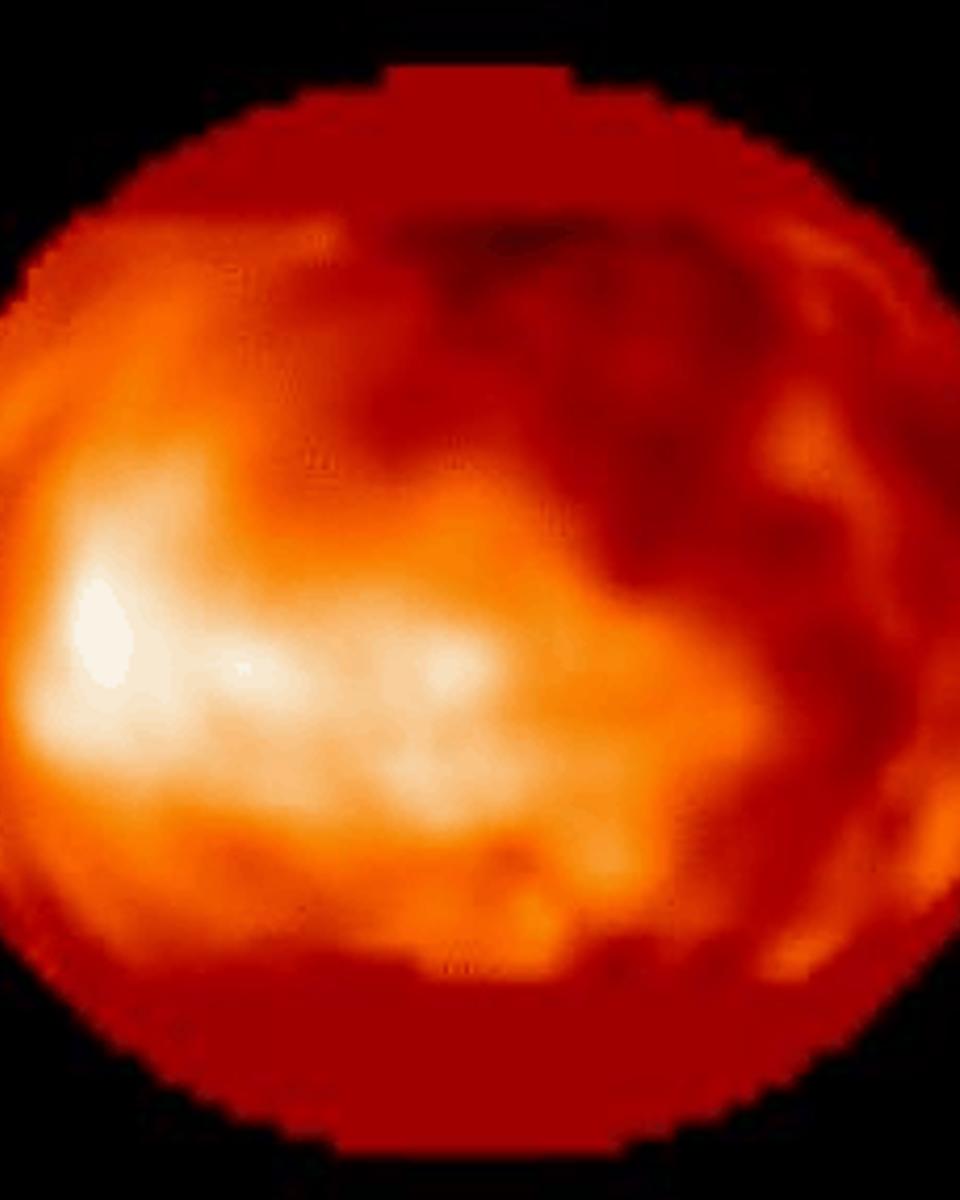
A Glimpse of Titan's Surface
The surface of Titan , Saturn's largest moon, is normally hidden from view by its thick, hazy atmosphere. However, for the first time astronomers have been able to see surface…
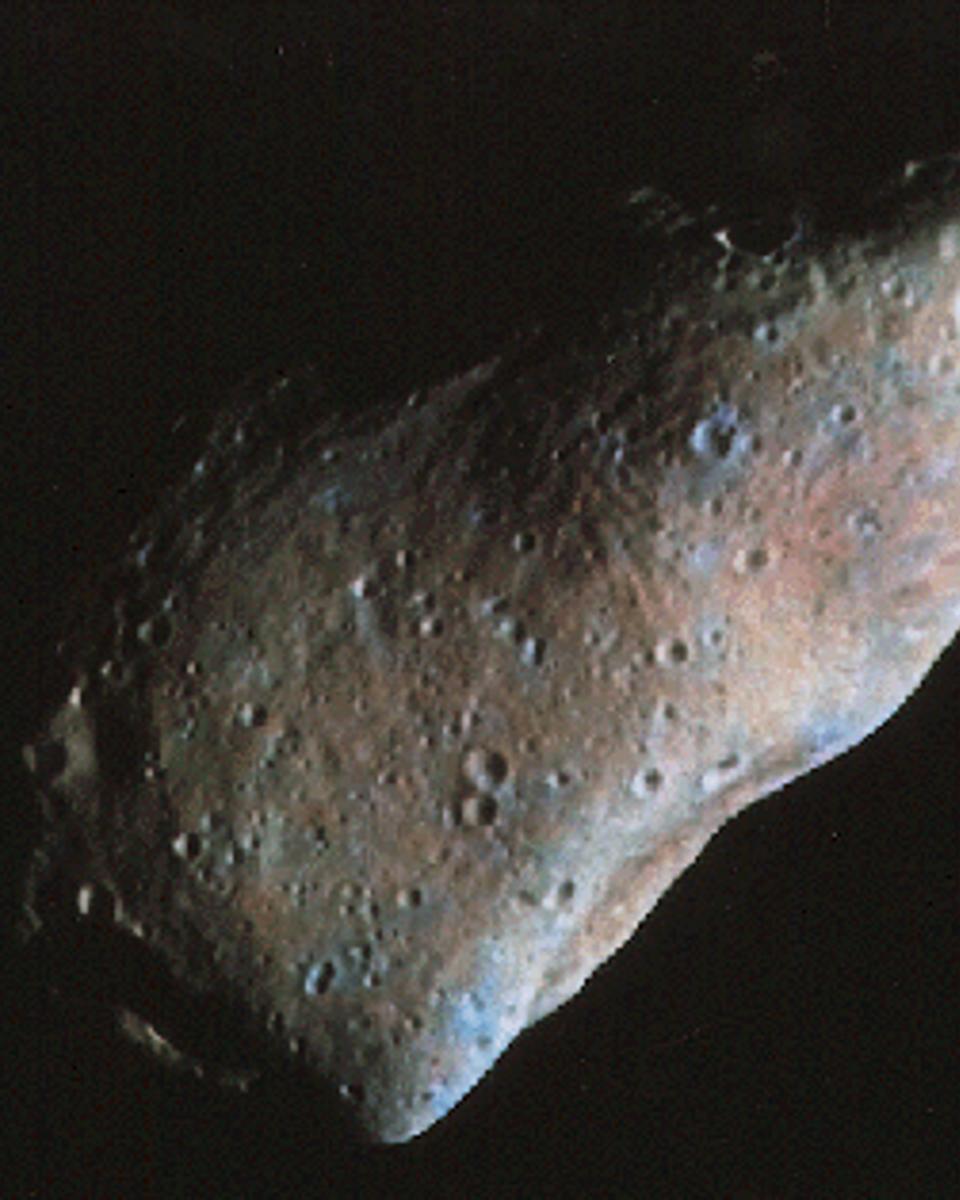
Asteroid Gaspra's Best Face
Above is the best yet color image of the asteroid Gaspra based on data returned by NASA's Galileo spacecraft. Color variations have been added to high resolution images and…
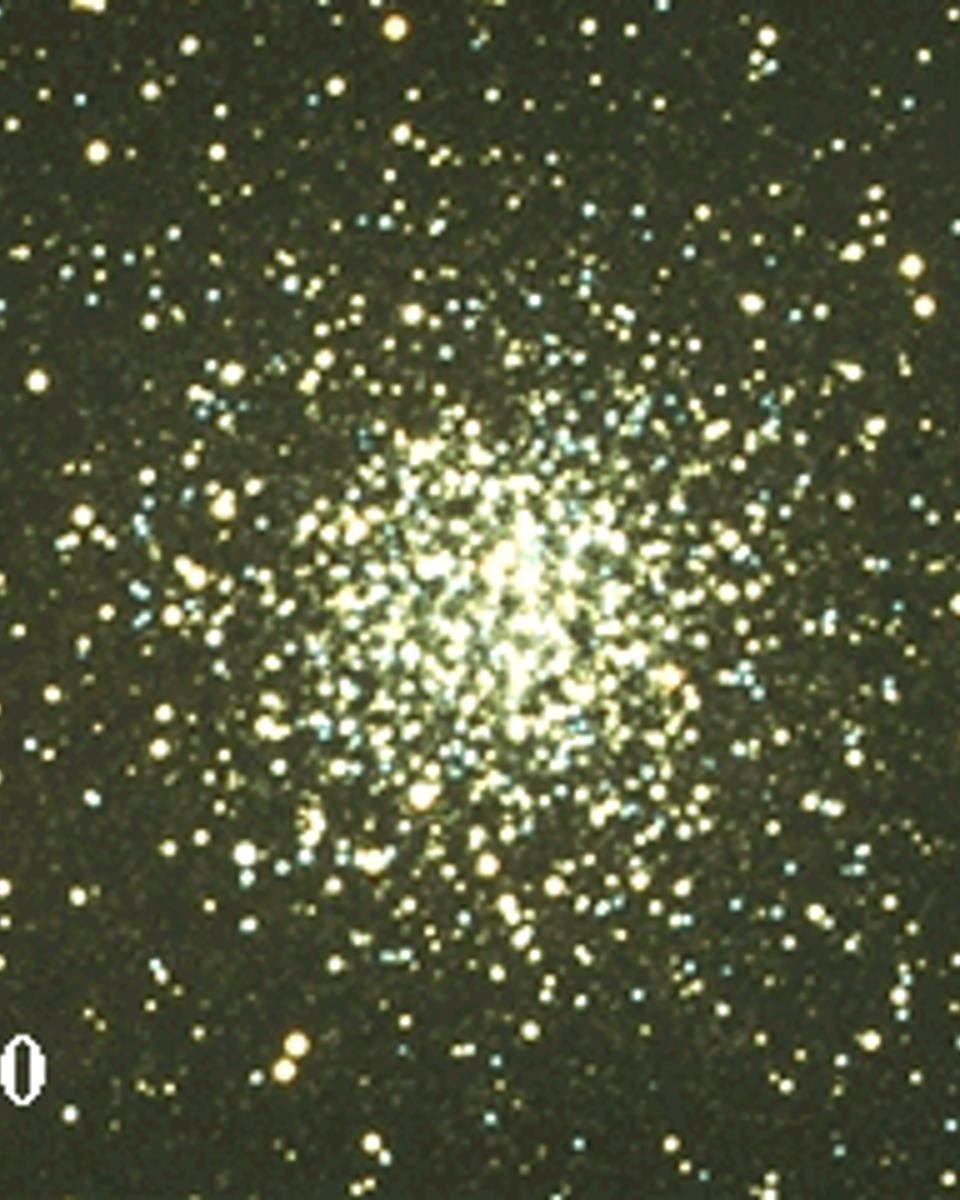
Globular Cluster M5
The globular cluster M 5, pictured above, contains roughly 100,000 stars. These stars formed together and are gravitationally bound. Stars orbit the center of the cluster, and the…
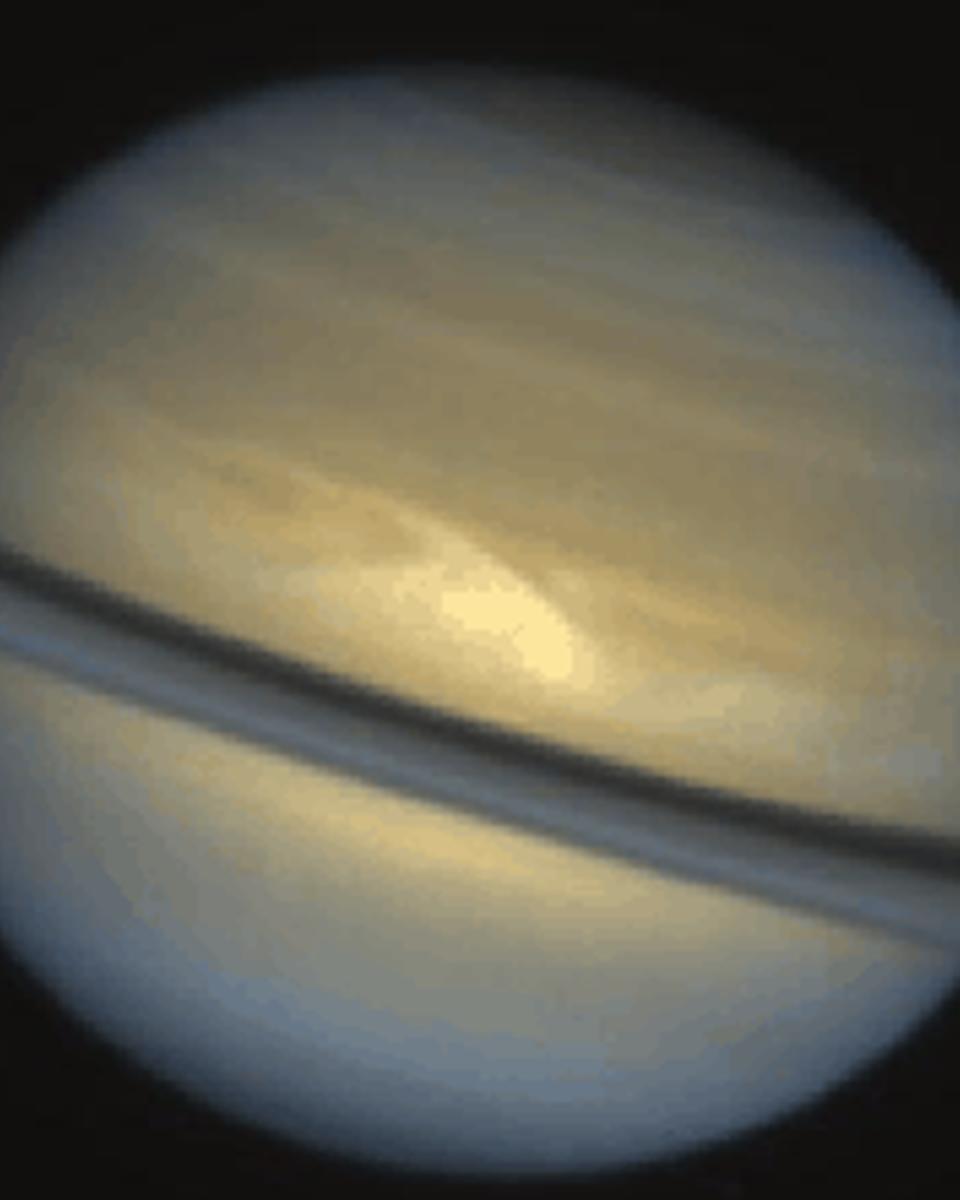
A Storm on Saturn
The white wisp shown on Saturn 's cloud tops is actually a major storm system only discovered in December of 1994. Saturn 's clouds are composed of primarily hydrogen and helium ,…
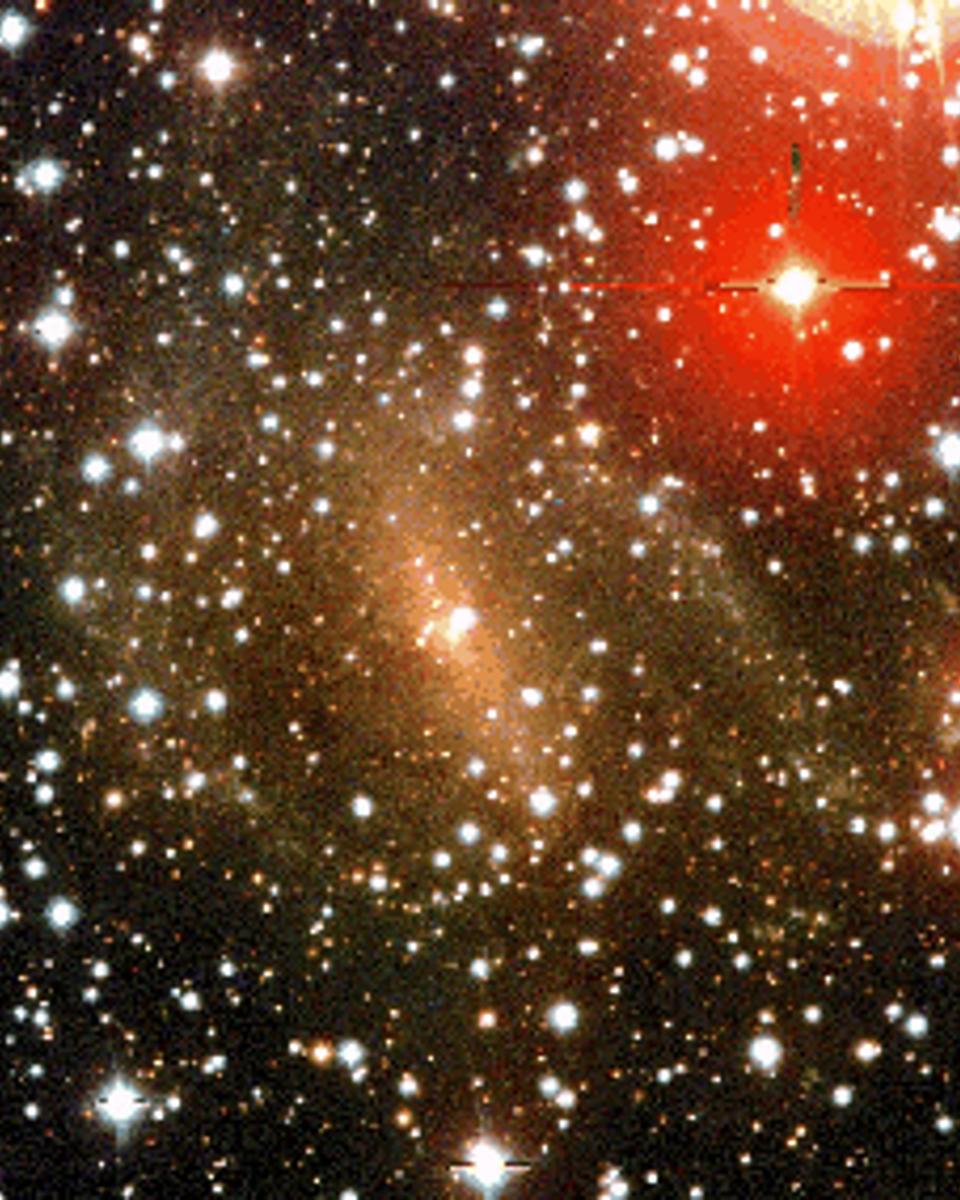
Galaxy Dwingeloo 1 Emerges
If you look closely at the center of the above photograph, you will see a spiral galaxy behind the field of stars. Named Dwingeloo 1 , this nearby galaxy was only discovered…
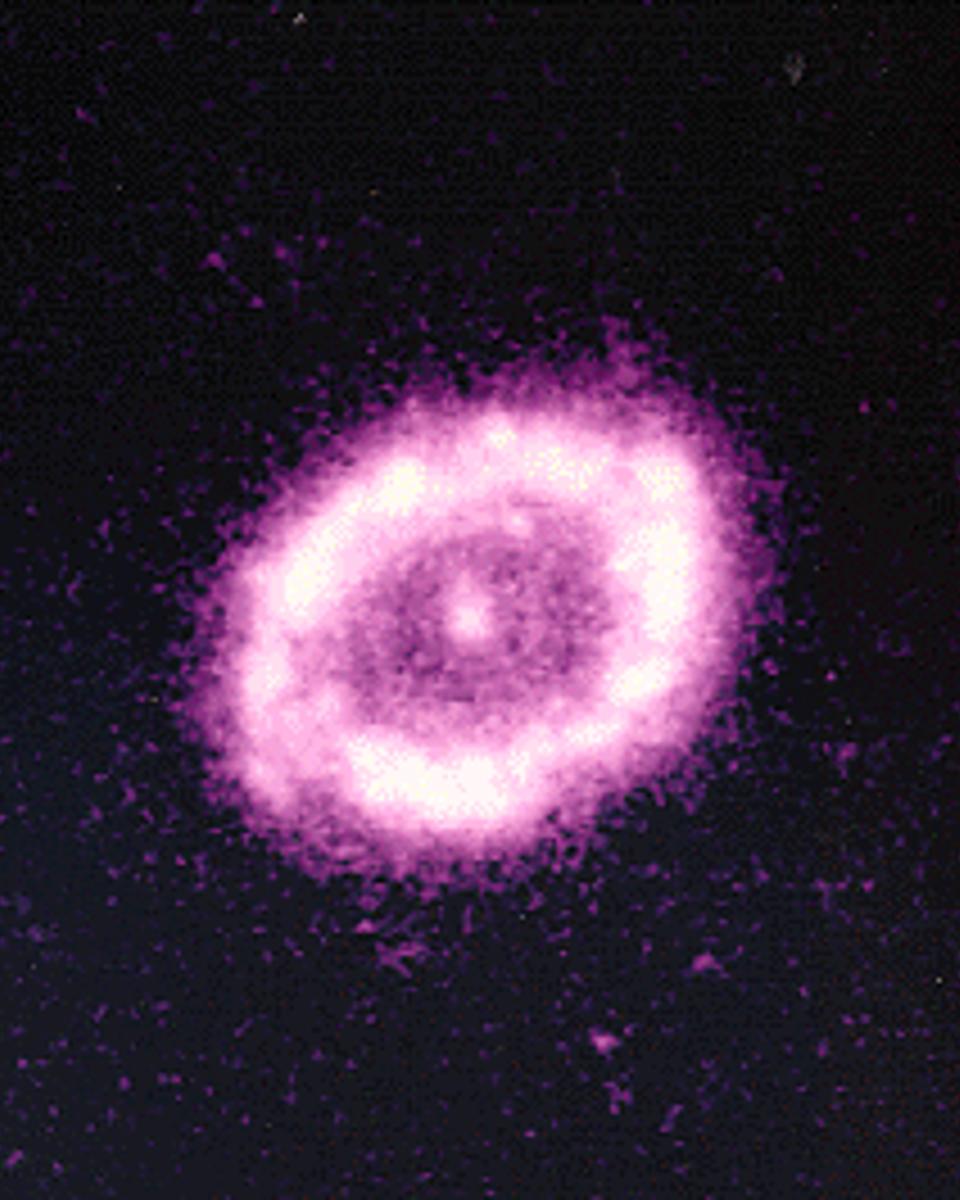
Starburst Galaxy M94
The spiral galaxy M94 is somewhat unusual in that it shows a great ring of bright young stars particularly apparent when observed in ultraviolet light , as shown above. Such a…
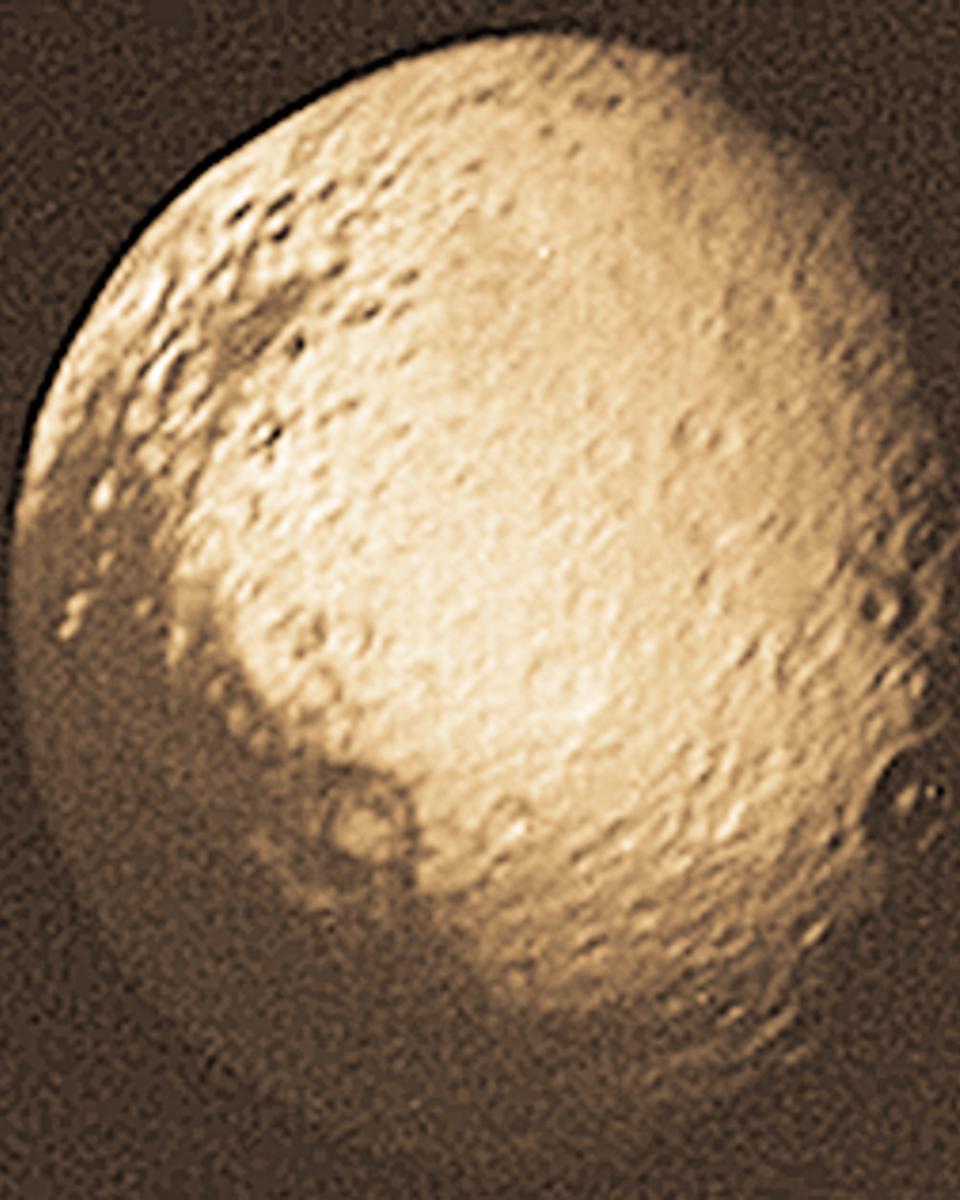
Iapetus: Saturn's Disappearing Moon
Iapetus has an unusual surface, one half of which is very dark, the other half very light. This caused it's discoverer Cassini to remark that Iapetus could only be seen when on…
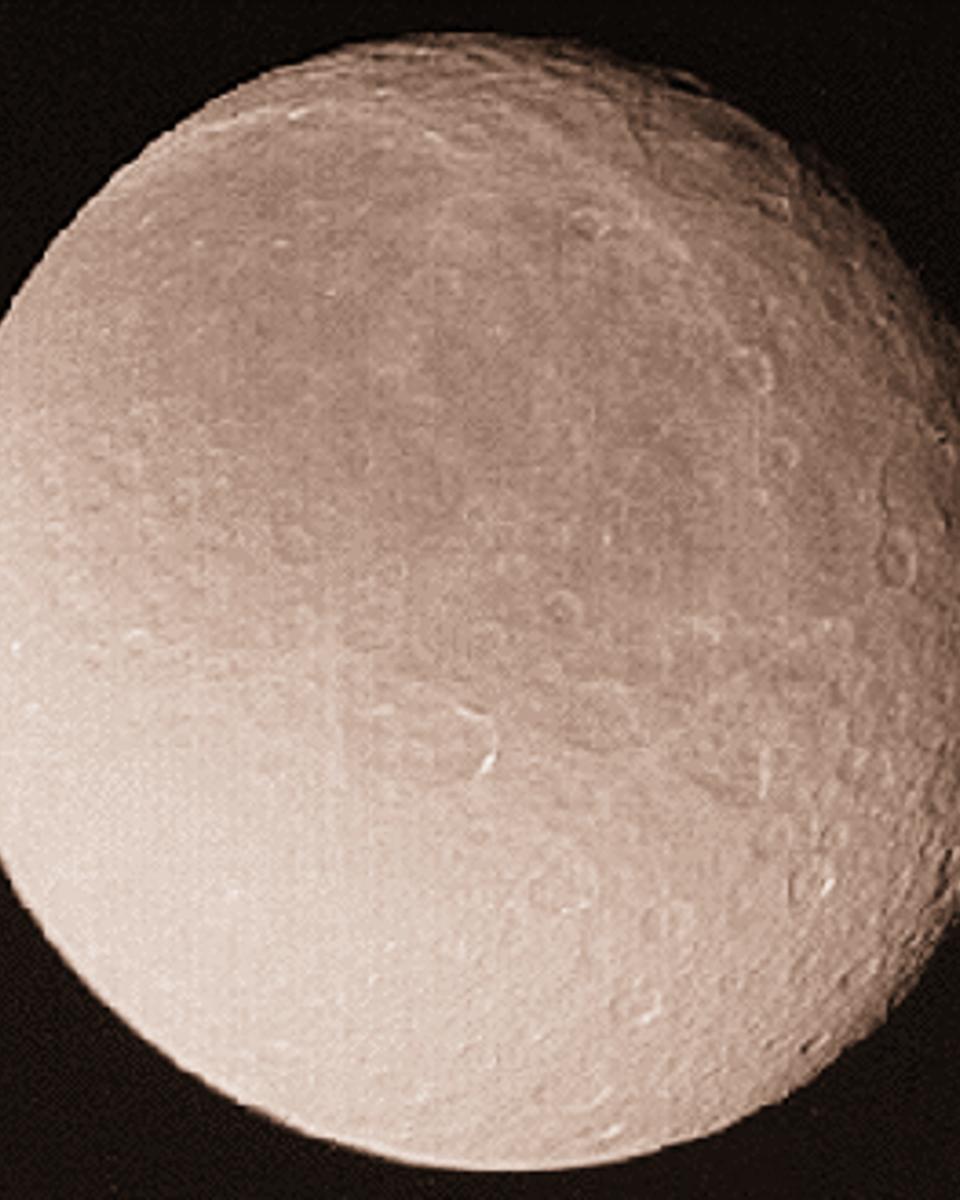
Rhea: Saturn's Second Largest Moon
Rhea is the second largest moon of Saturn , behind Titan , and the largest without an atmosphere. It is composed mostly of water ice, but has a small rocky core. Rhea 's rotation…
Viewing discoveries from 6 November 1995 through 14 October 1995.