Browse NASA Astronomy Picture of the Day archive by date and media: Archive Discoveries
Browse the NASA APOD archive without needing the exact date first. Filter by media type and keep moving deeper into older images and videos.
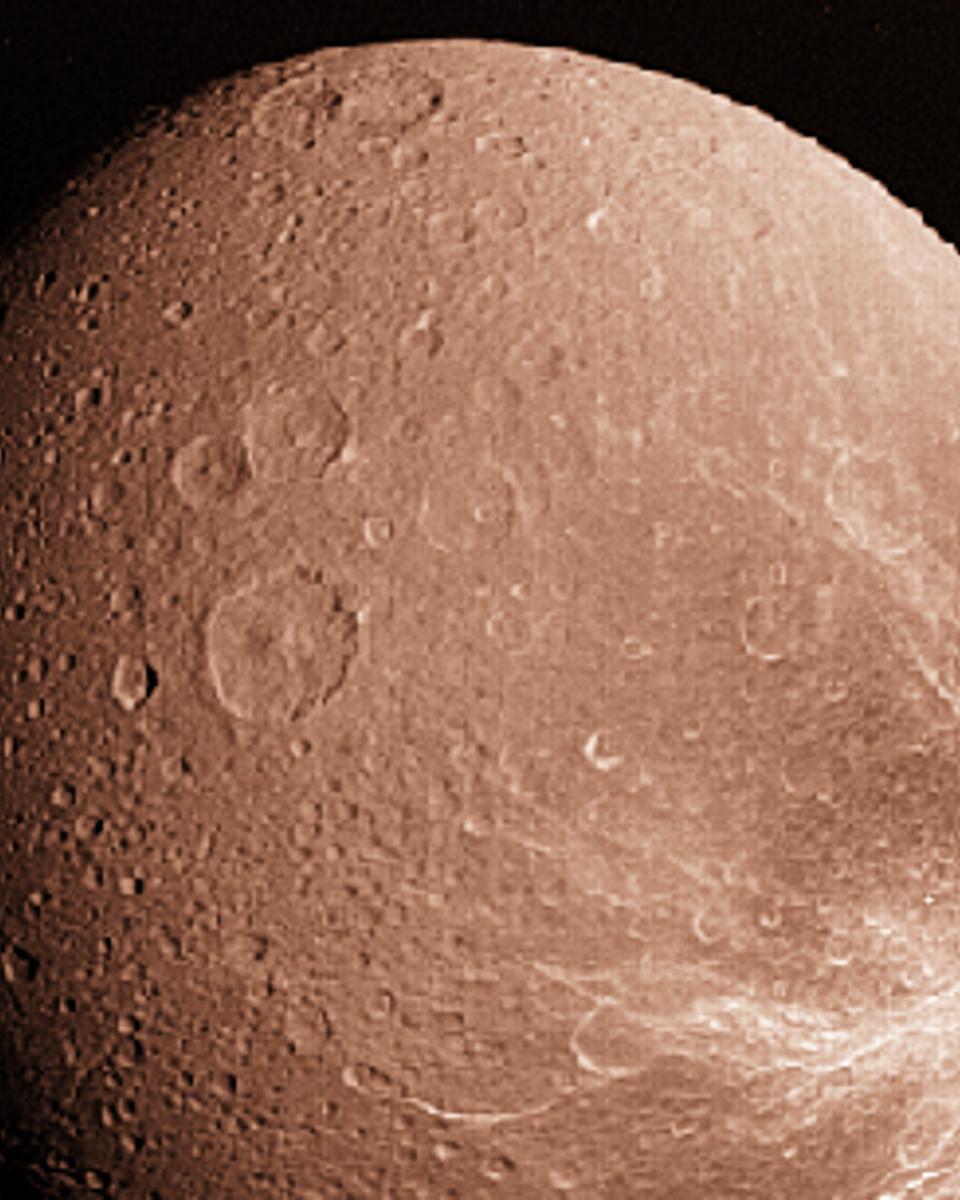
Saturn's Moon Dione
Dione , one of Saturn 's larger moons, is remarkable for its bright surface streaks. These streaks run across some of Dione's many craters, which indicate that the process which…
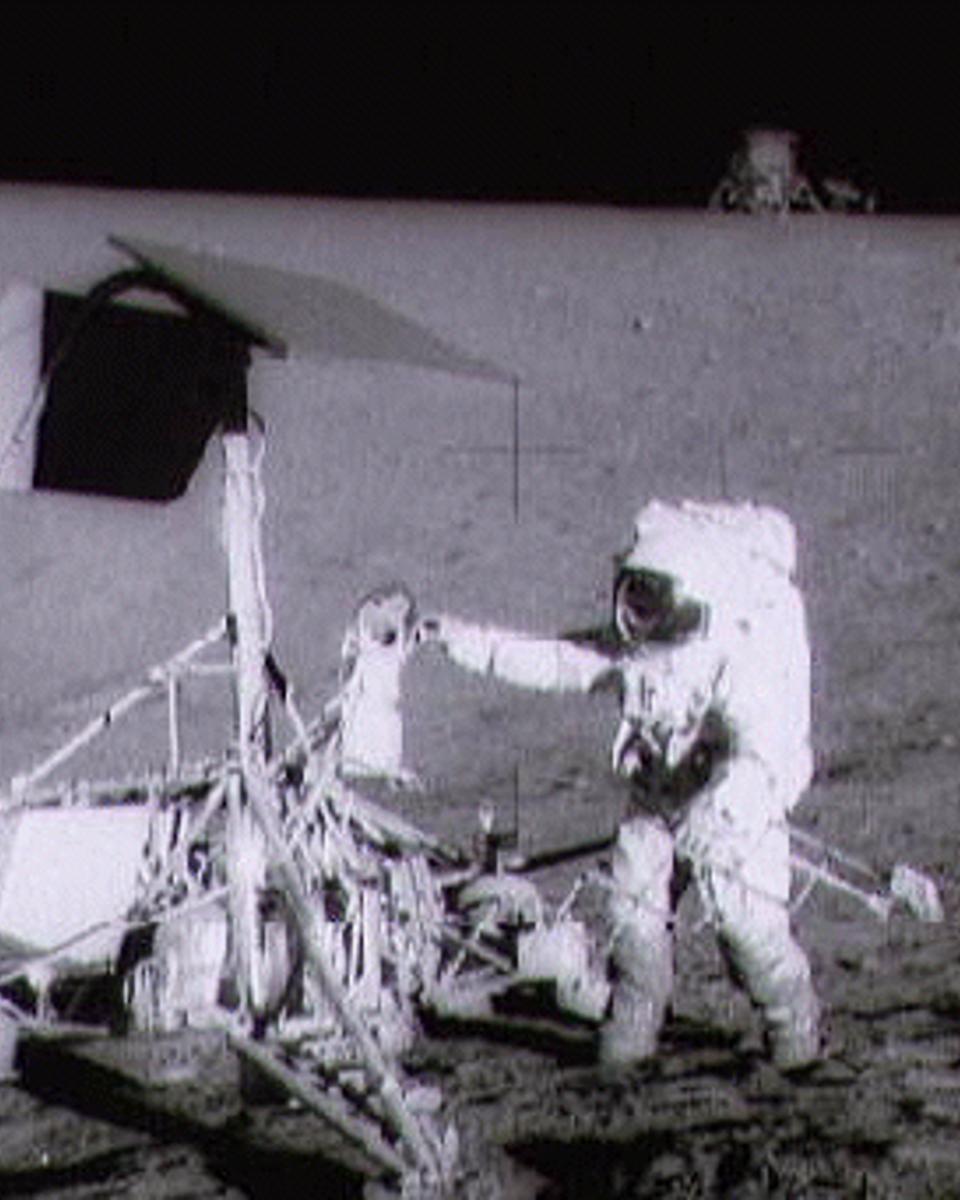
Apollo 12 Visits Surveyor 3
Apollo 12 was the second mission to land humans on the Moon . The landing site was picked to be near the location of Surveyor 3, a robot spacecraft that had landed on the moon…
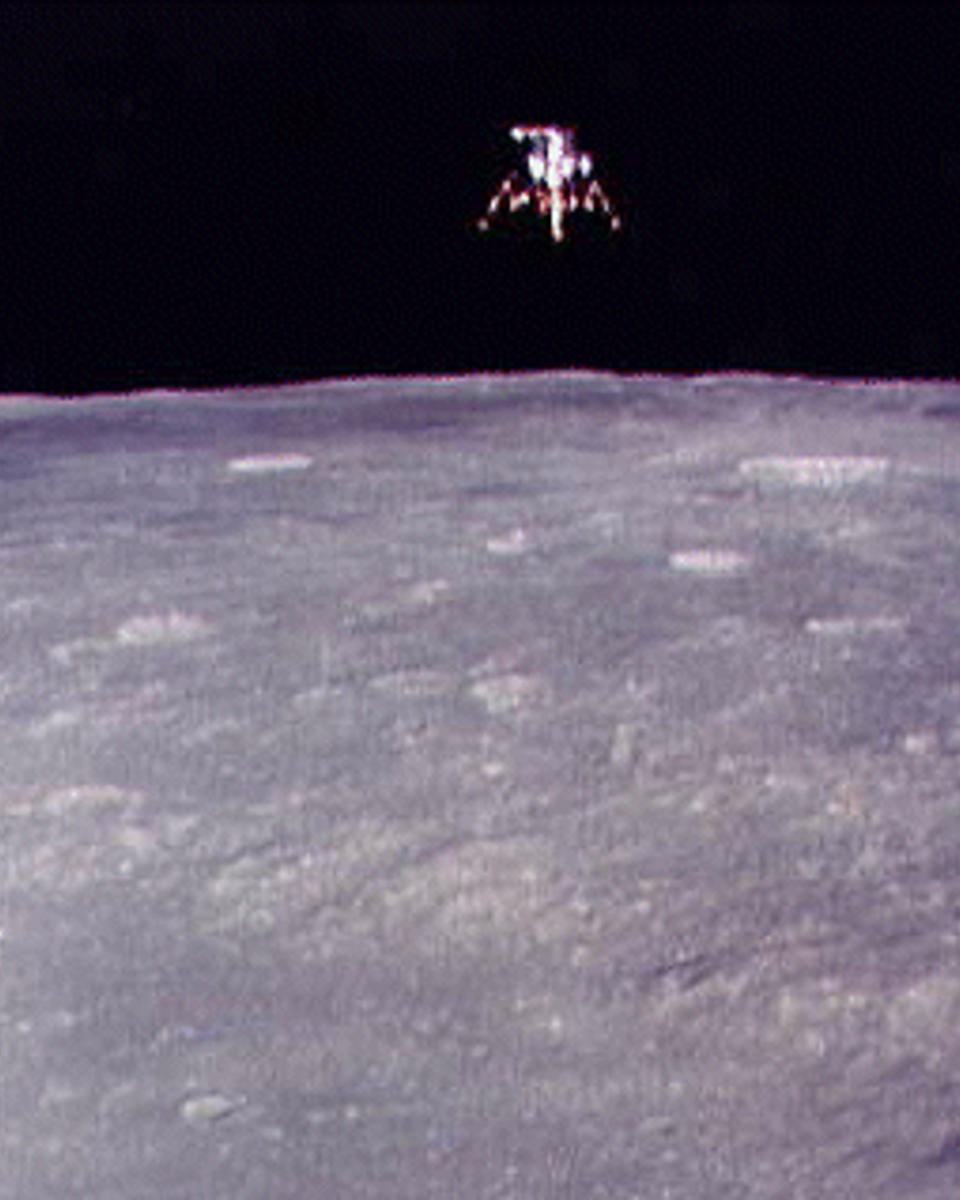
Apollo 12's Lunar Module Descends
A few months after Apollo 11 's historic Moon landing , Apollo 12 with commander Charles Conrad Jr., Command Module pilot Richard Gordan, and Lunar Module pilot Alan Bean returned…
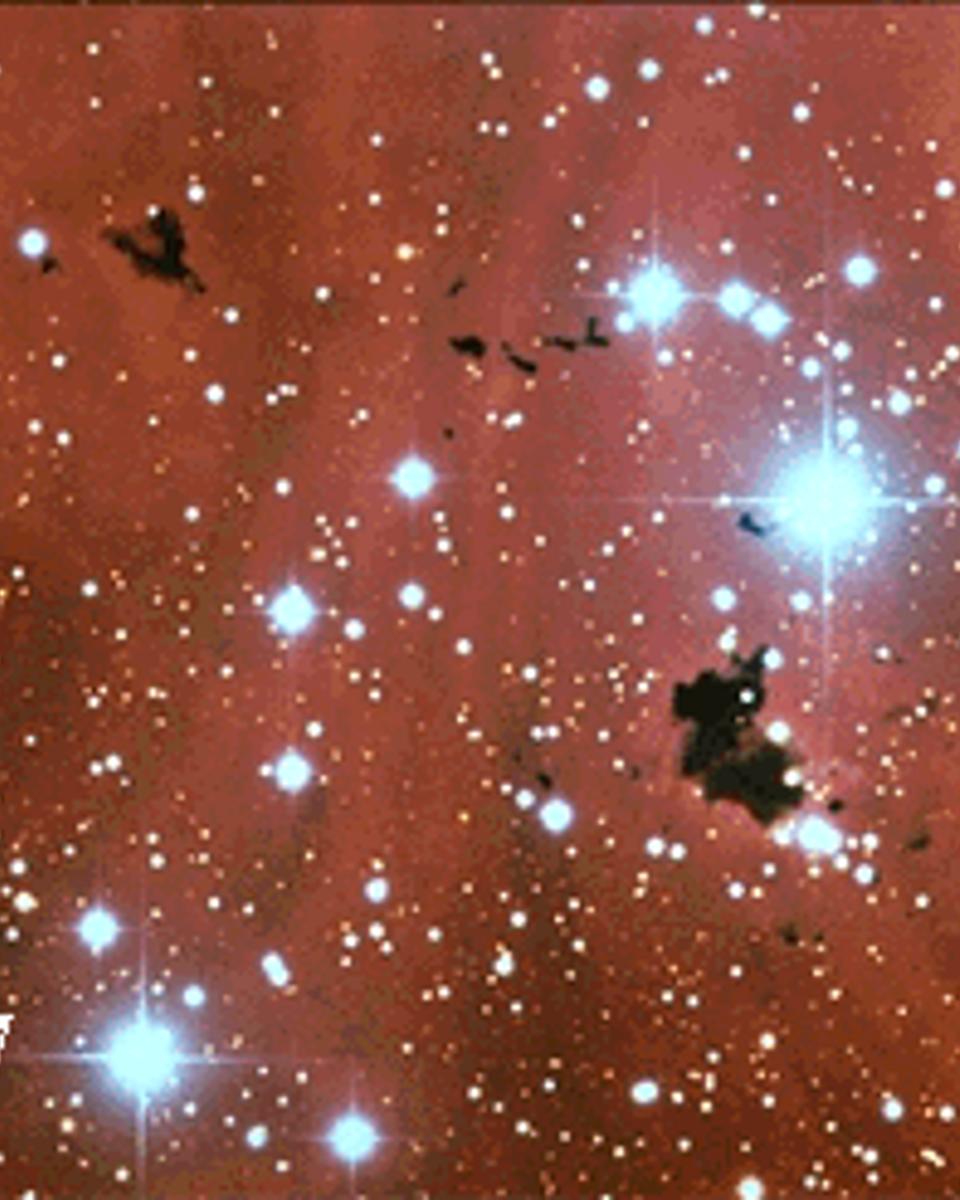
Dark Bok Globules in IC 2944
The dark spots in the above picture are not photographic defects but an unusual type of interstellar cloud known as a Bok globule. Bok globules, named after astronomer Bart Bok…
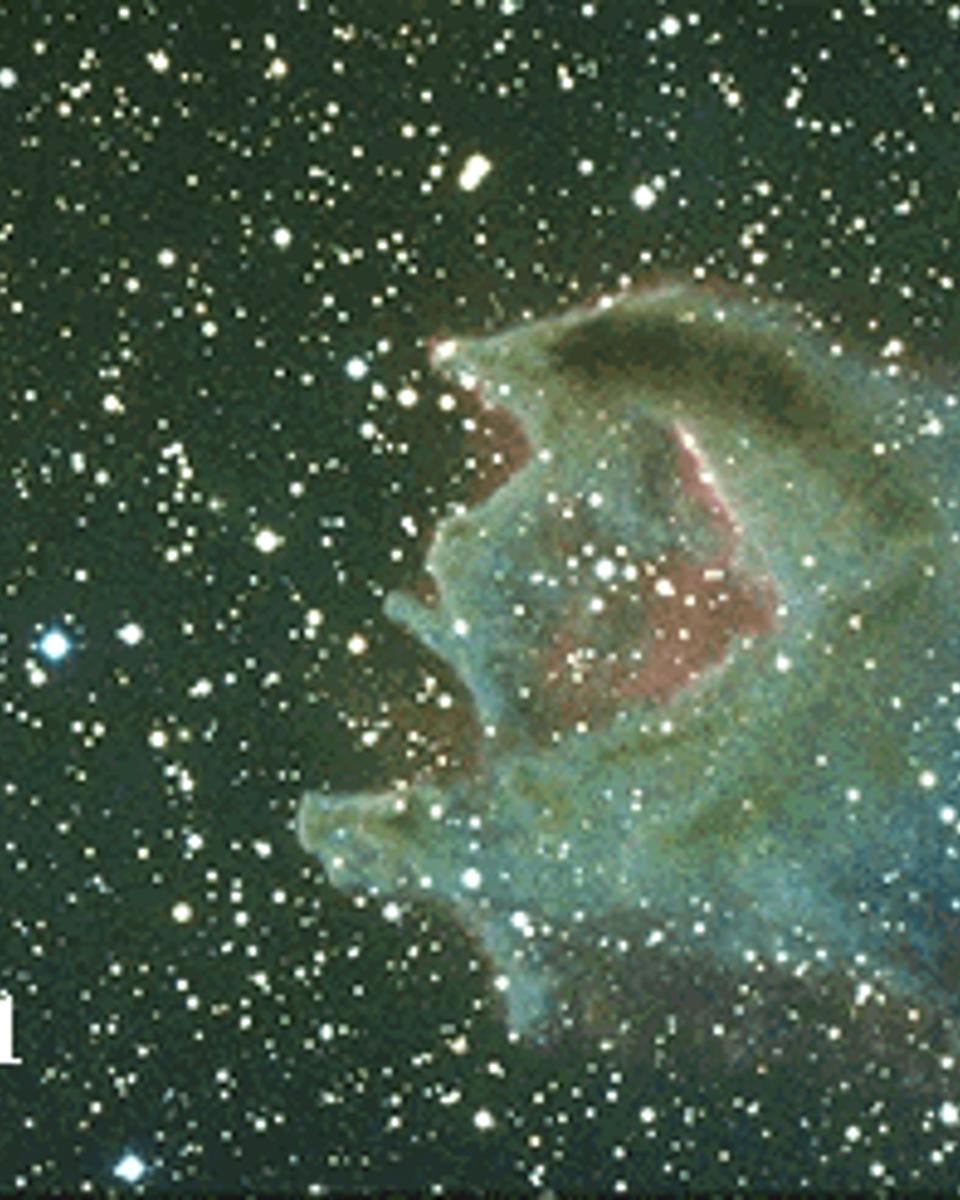
CG4: A Ruptured Cometary Globule
The odd looking “creature” to the right of center in the above photo is a gas cloud known as a cometary globule. This globule, however, has ruptured. Cometary globules are…
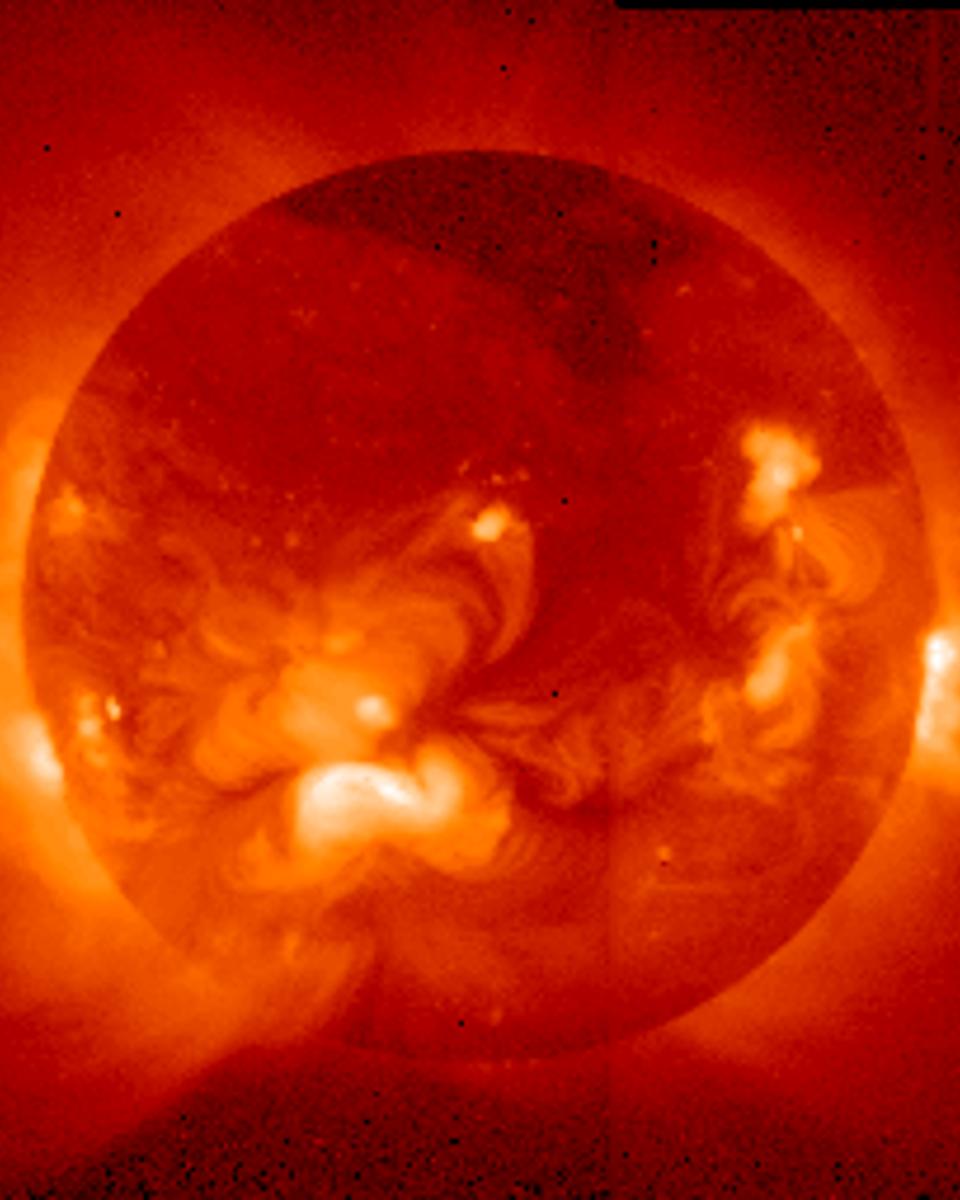
The Sun Spews X-rays
Our Sun is really very hot. The Sun's outer atmosphere is so hot that it emits much light in the X-ray band, which was unexpected. X-rays are usually emitted from objects having a…
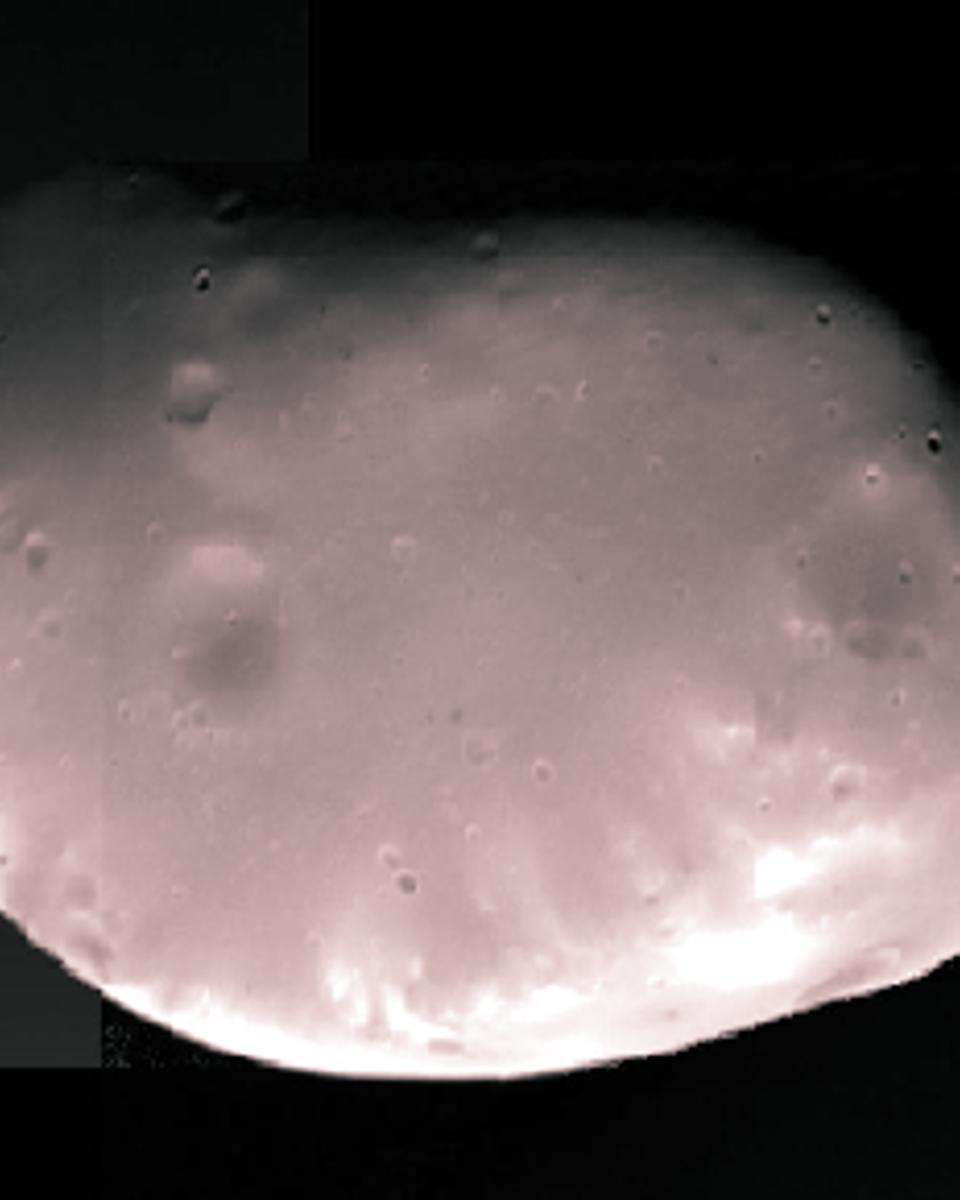
Deimos: A Small Martian Moon
Mars has two tiny moons, Phobos and Deimos. Pictured above is Deimos , the smallest moon of Mars . In fact, Deimos is the smallest known moon in the Solar System measuring only 9…
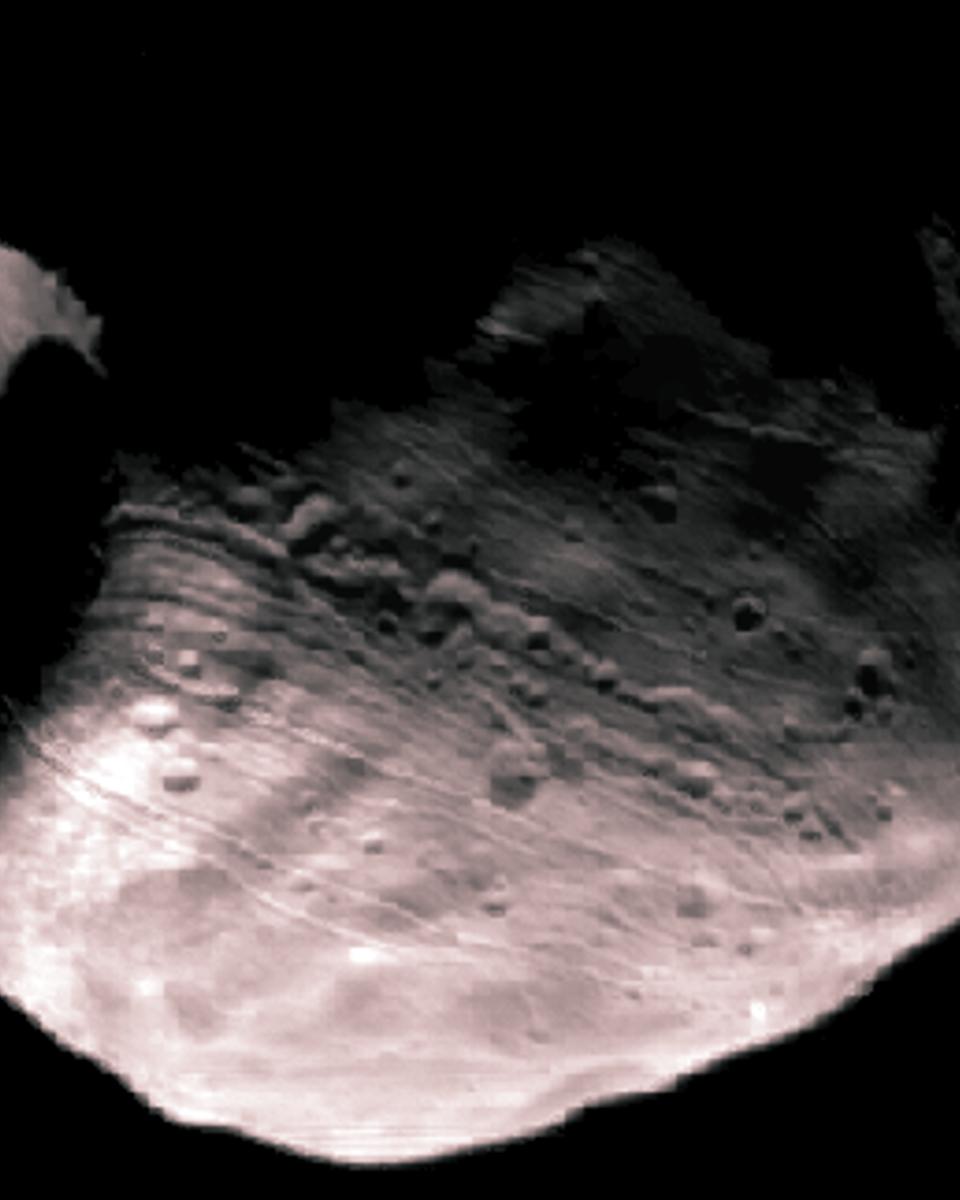
Phobos: Doomed Moon of Mars
Mars , the red planet named for the Roman god of war, has two tiny moons, Phobos and Deimos , whose names are derived from the Greek for Fear and Panic. These Martian moons may…
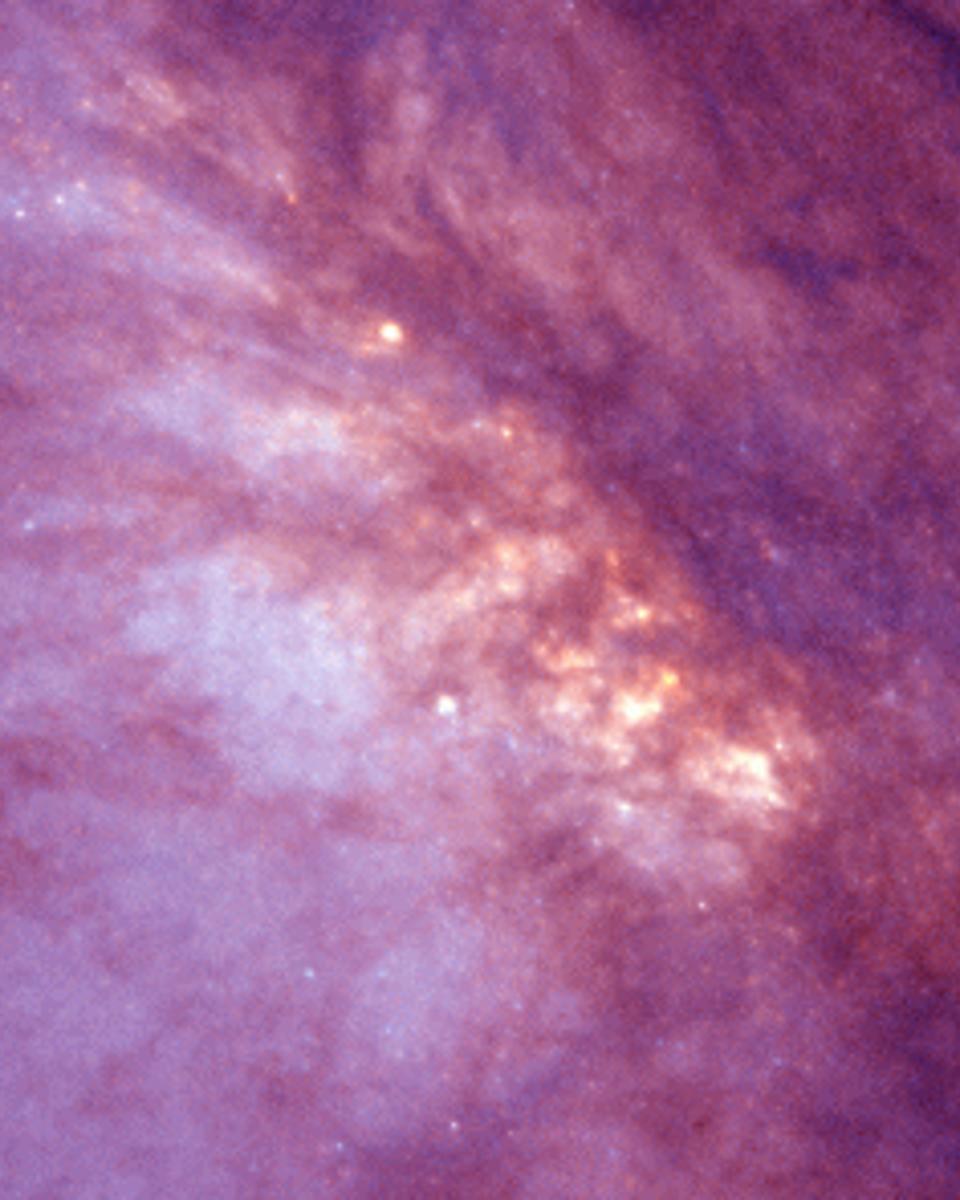
Central Galactic Star Bursts
The pictured core of the galaxy NGC 253 shows an exceptionally high rate of star formation. In the center are some of the densest knots of stars ever found, surrounded by glowing…
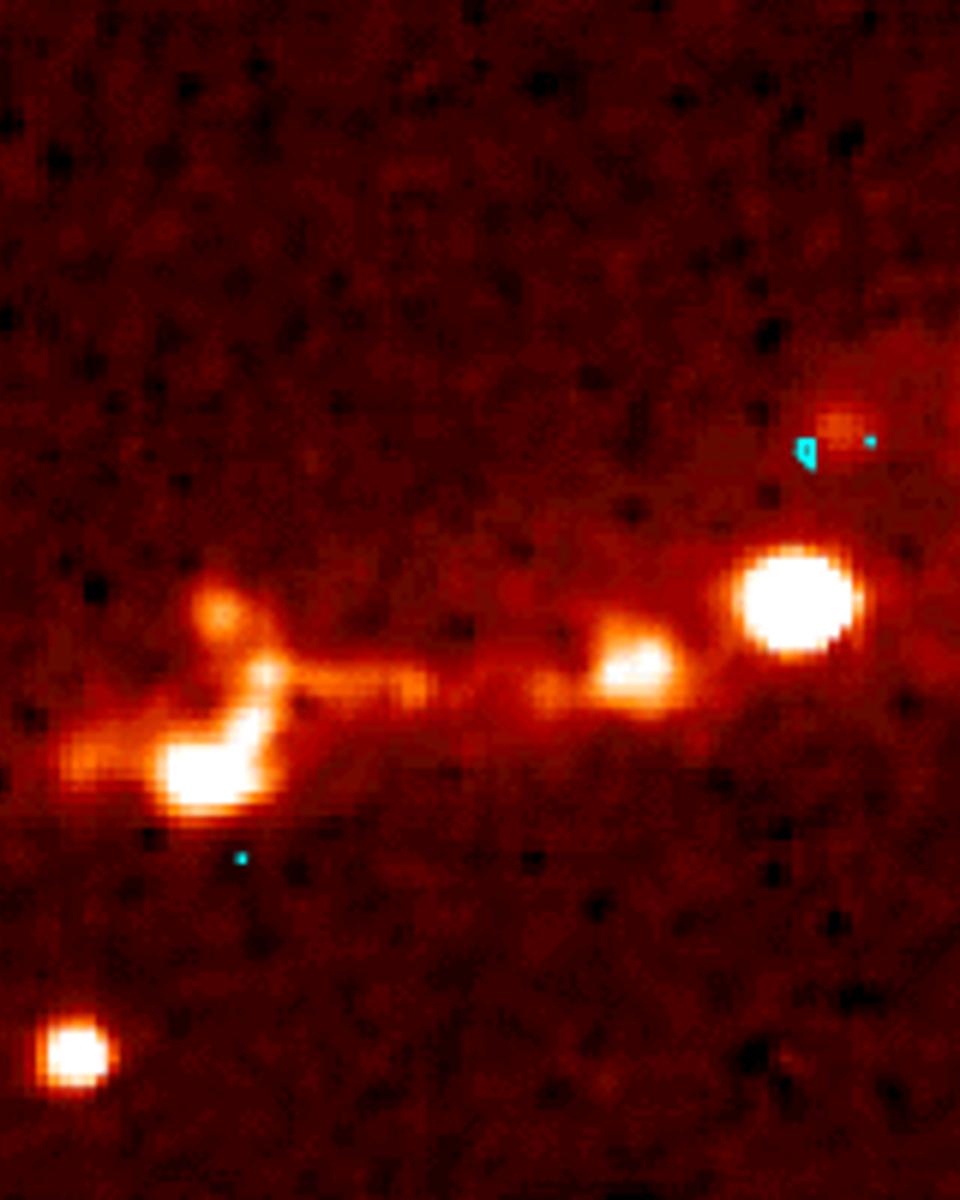
An Energetic Radio Galaxy
The radio and optical emission seen in the above superposed images of the radio galaxy 3C368 indicate that energetic processes are at work. A radio galaxy is a galaxy that is…
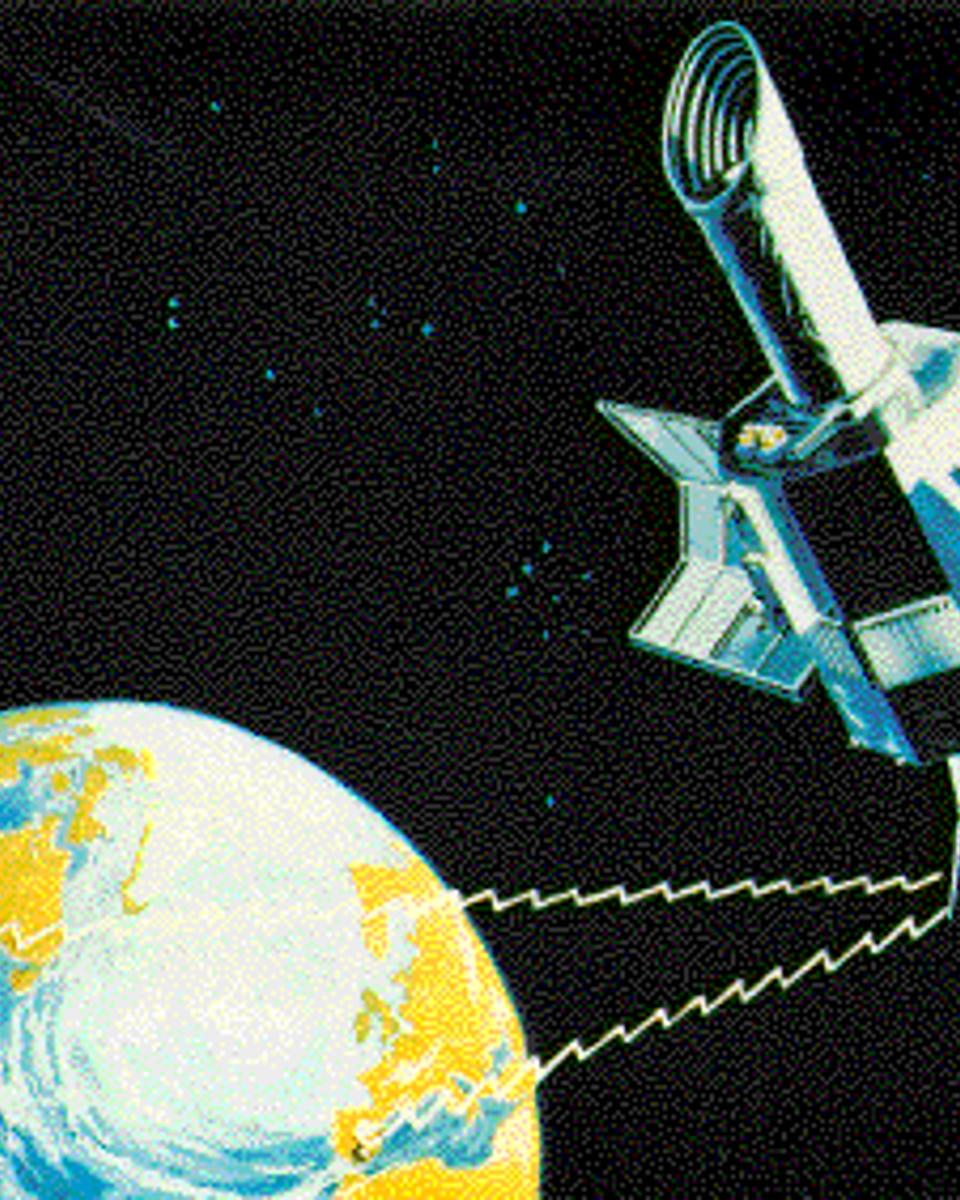
The International Ultraviolet Explorer
The International Ultraviolet Explorer (IUE) was launched by a NASA Delta rocket in 1978 to provide a space telescope for ultraviolet astronomy. A collaborative project among…
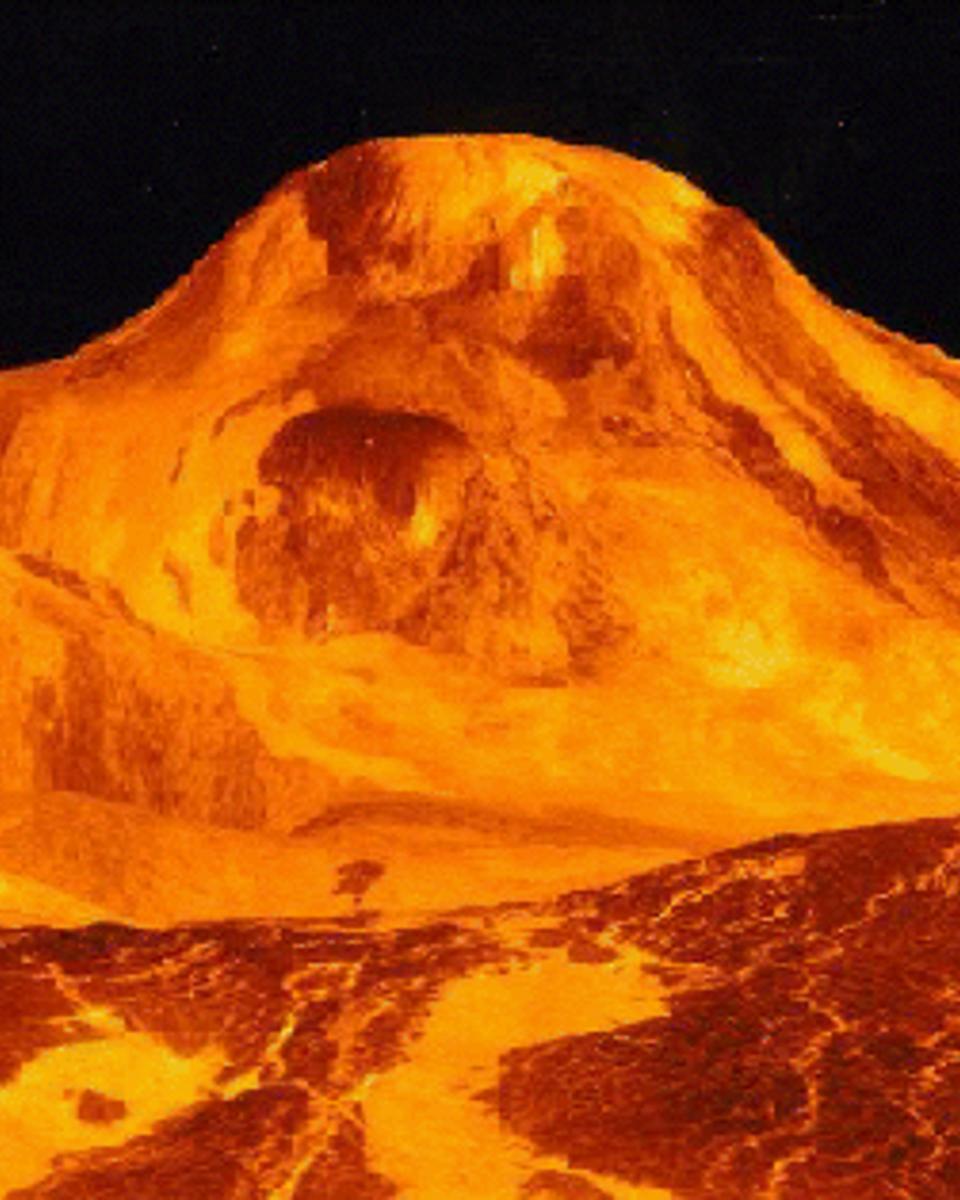
A Venusian Landscape
This computer generated view of a Venusian volcano was created using data from NASA's Magellan spacecraft . Magellan used its onboard radar to map the surface of Venus which is…
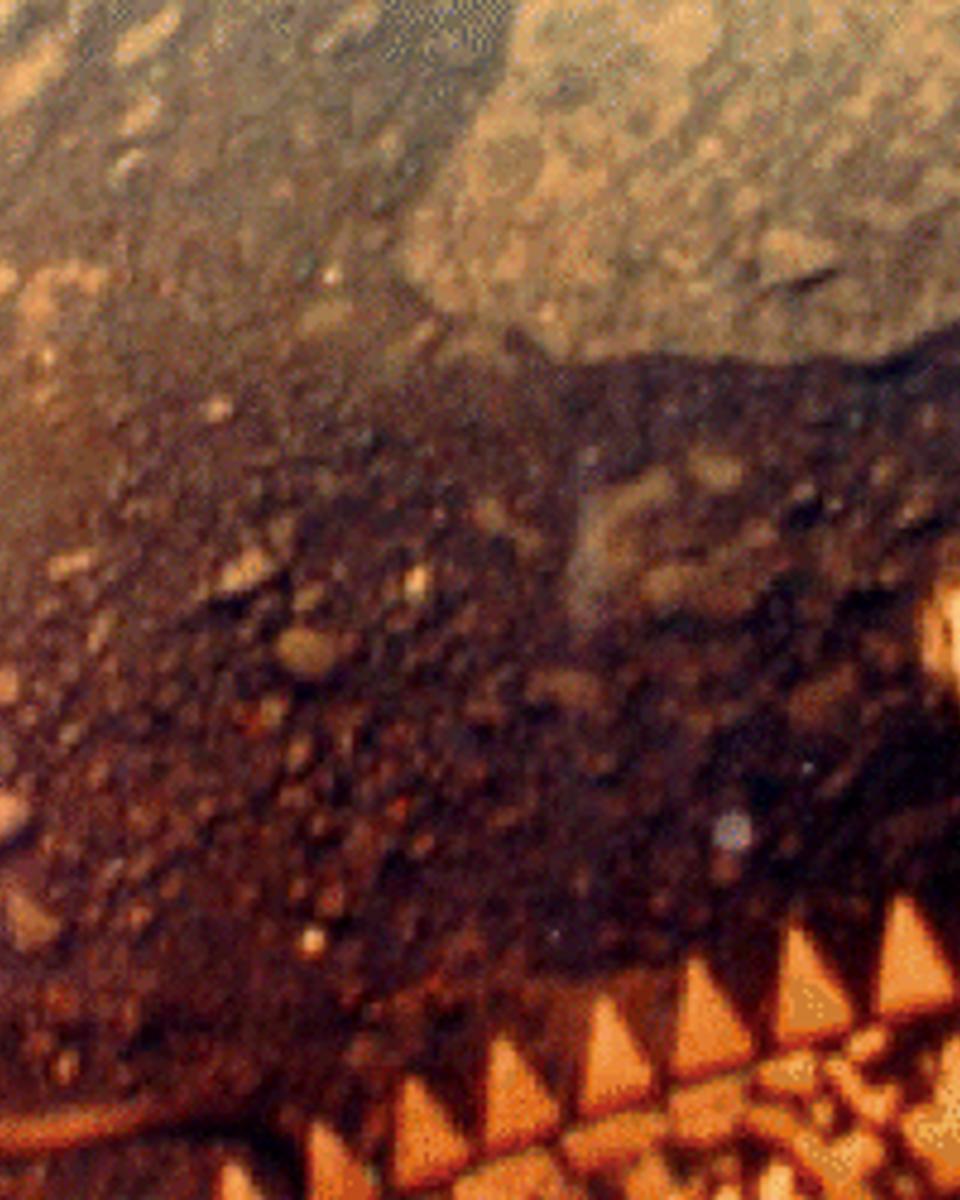
A Venus Landing
This image is part of the first color panoramic view from Venus . It was transmitted by a TV camera on the Soviet Venera 13 lander which parachuted to the surface on March 1,…
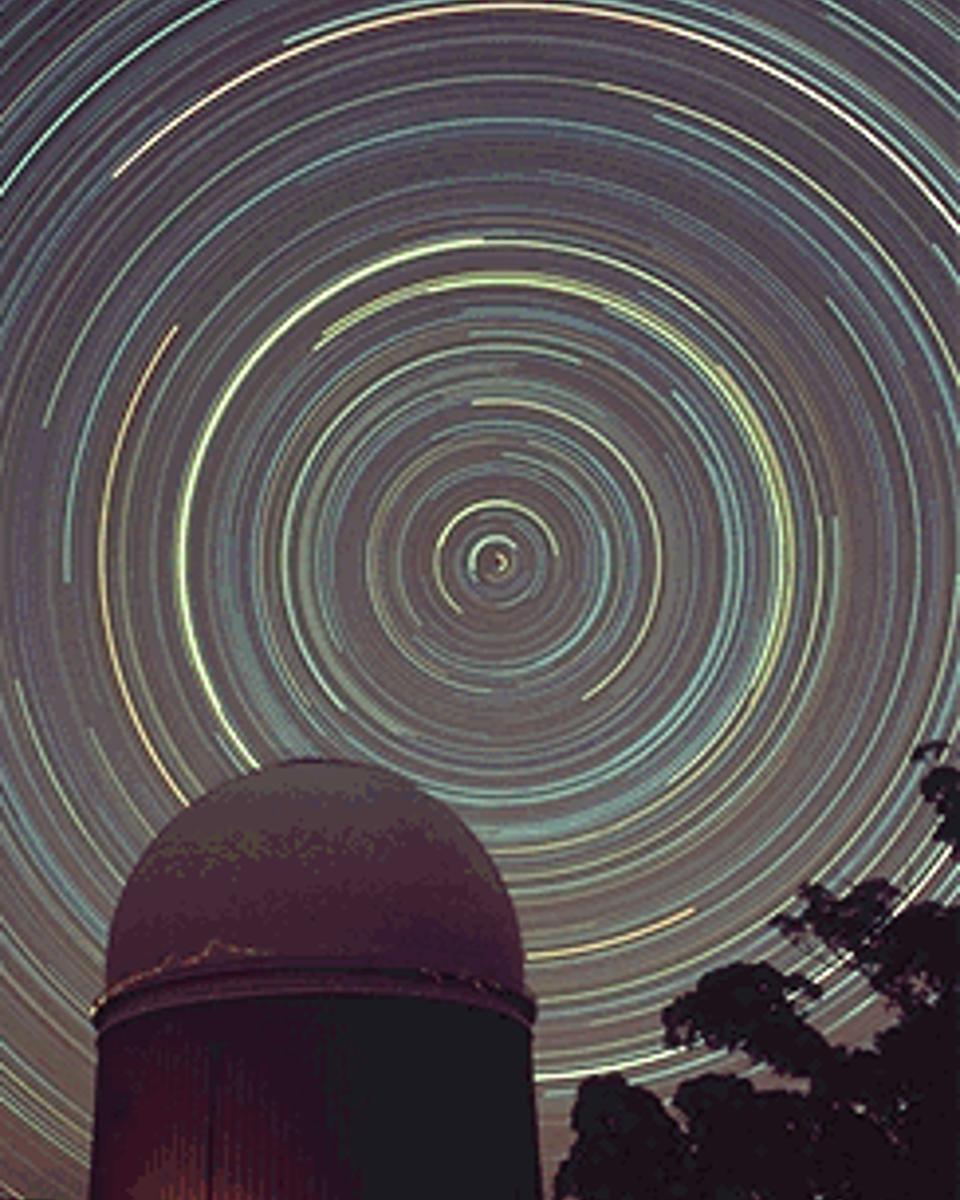
Star Trails in Southern Skies
As the Earth spins on its axis, the sky seems to rotate around us. This motion produces the beautiful concentric arcs traced out by the stars in this time exposure of the night…
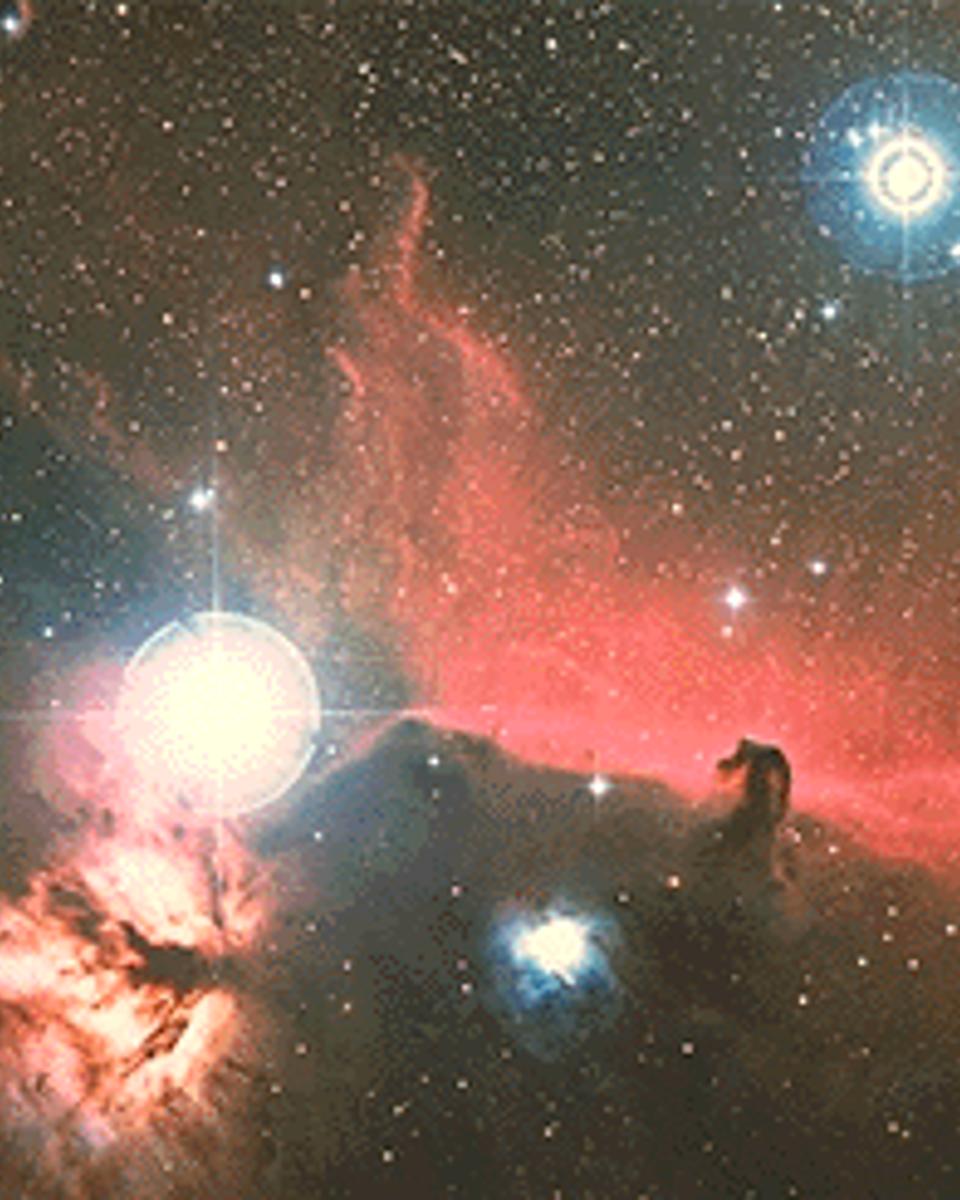
Orion's Horsehead Nebula
The black indentation to the red emission nebula seen just to the right of center of the above photograph is one of the most famous features in any nebulae on the sky. Because of…
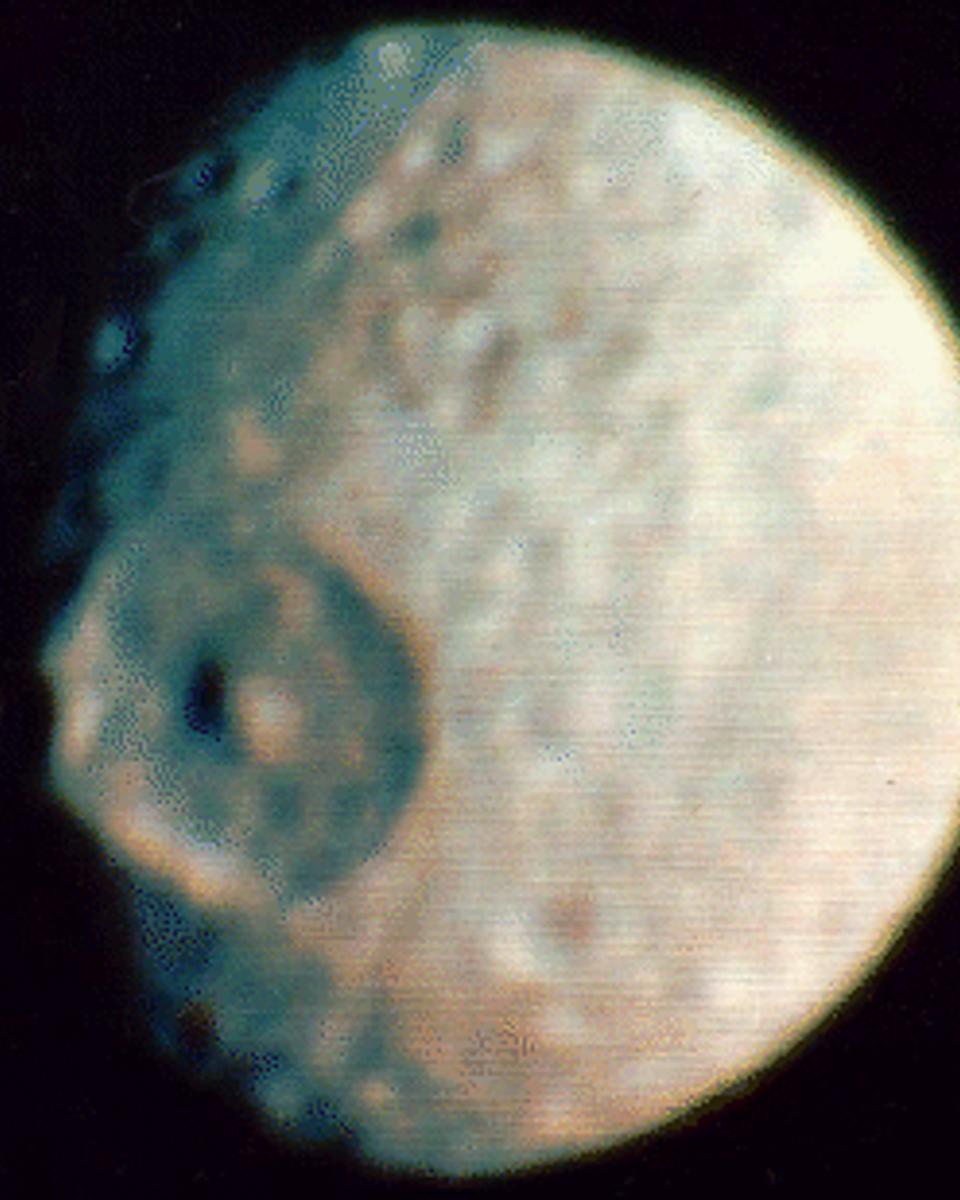
Mimas: Small Moon with A Big Crater
Mimas is one of the smaller moons of Saturn but shows one of the largest impact craters! In fact, if the impact had been much greater, it would have disrupted the entire…
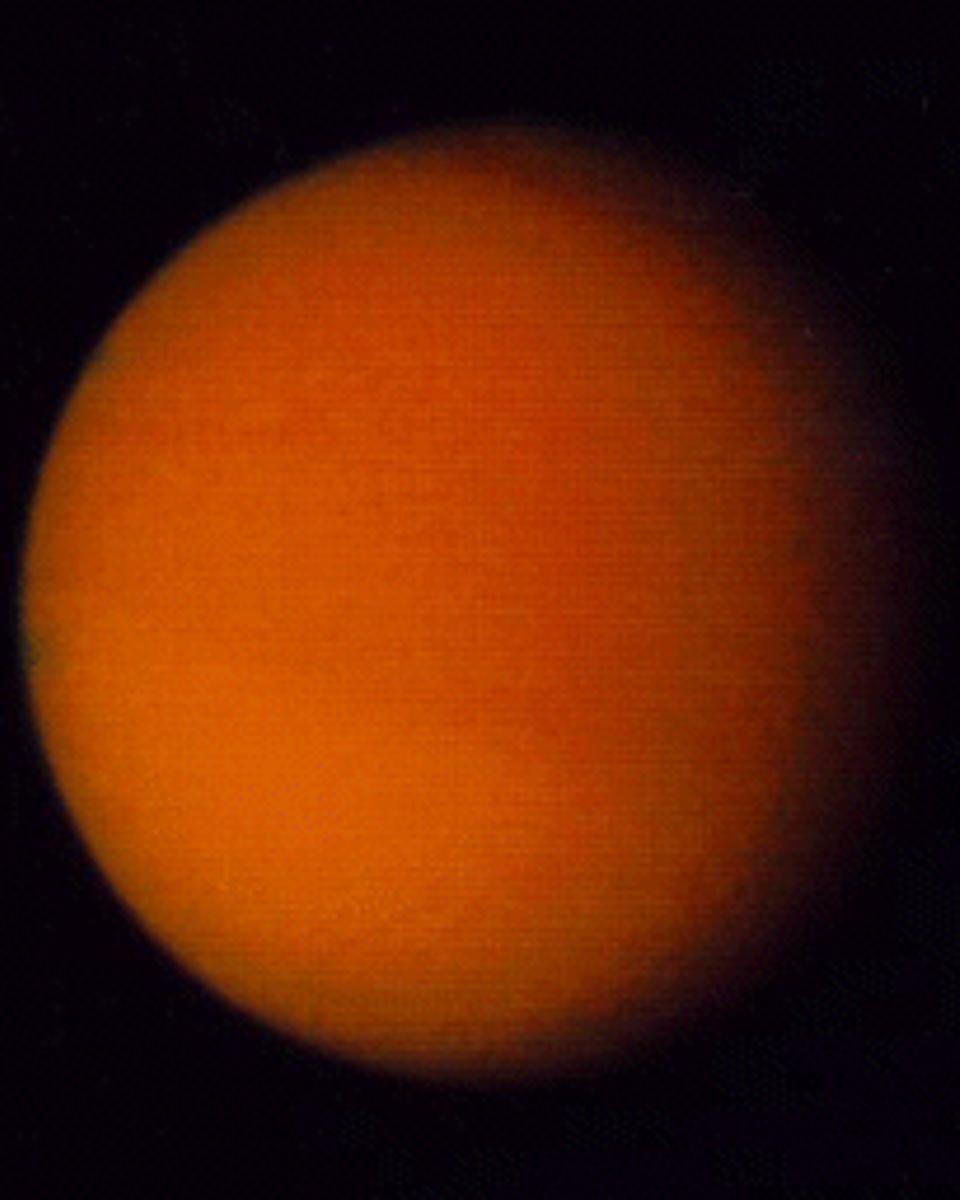
Titan: Saturn's Smog Moon
The largest moon of Saturn is a rare wonder. Titan is the only one of Saturn 's moons with an atmosphere, and one of only two moons in the Solar System with this distinction (…
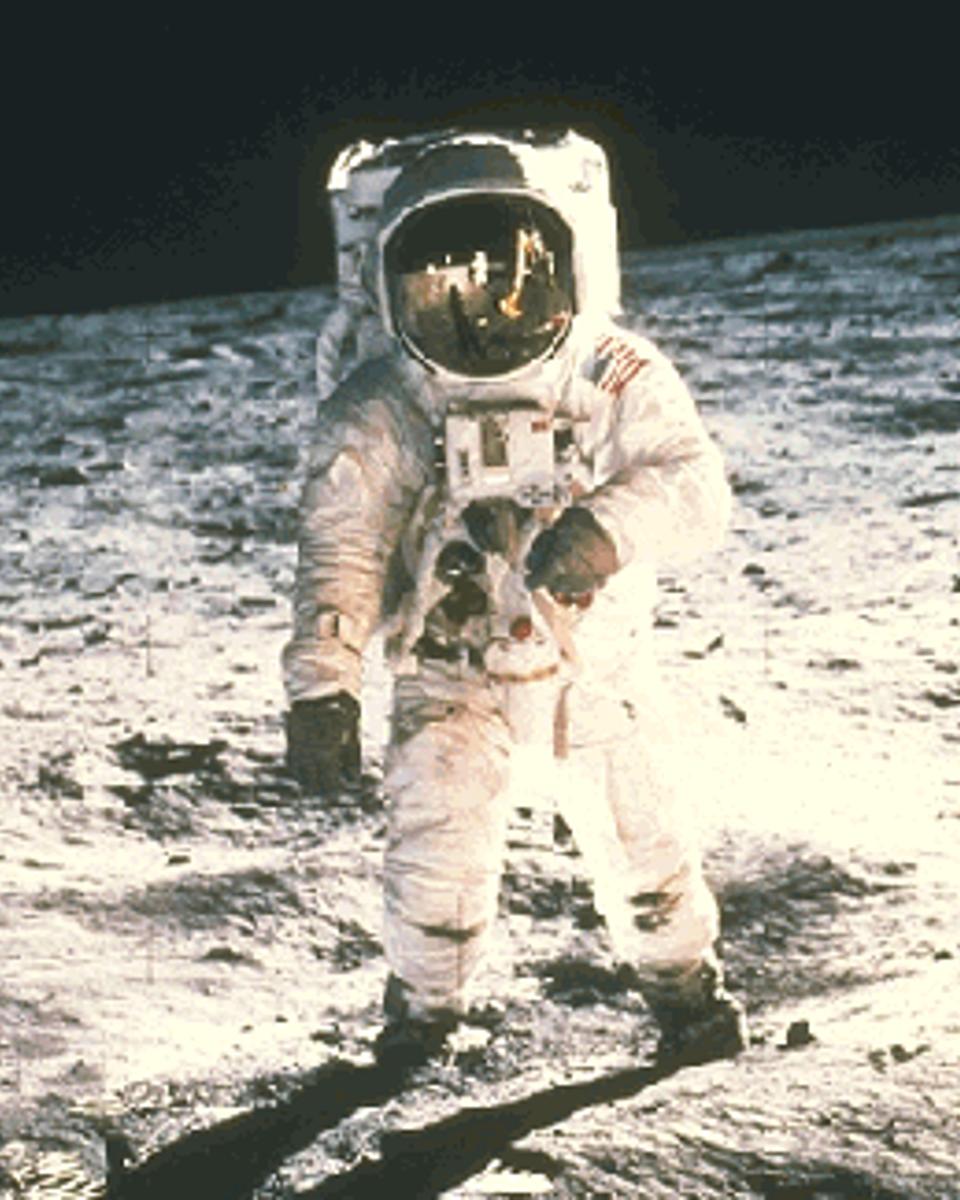
Standing on the Moon
Pictured, the second person to walk on the Moon : Edwin “Buzz” Aldrin. During this Apollo 11 mission, Neil Armstrong and Buzz Aldrin landed on the Moon while Michael Collins…
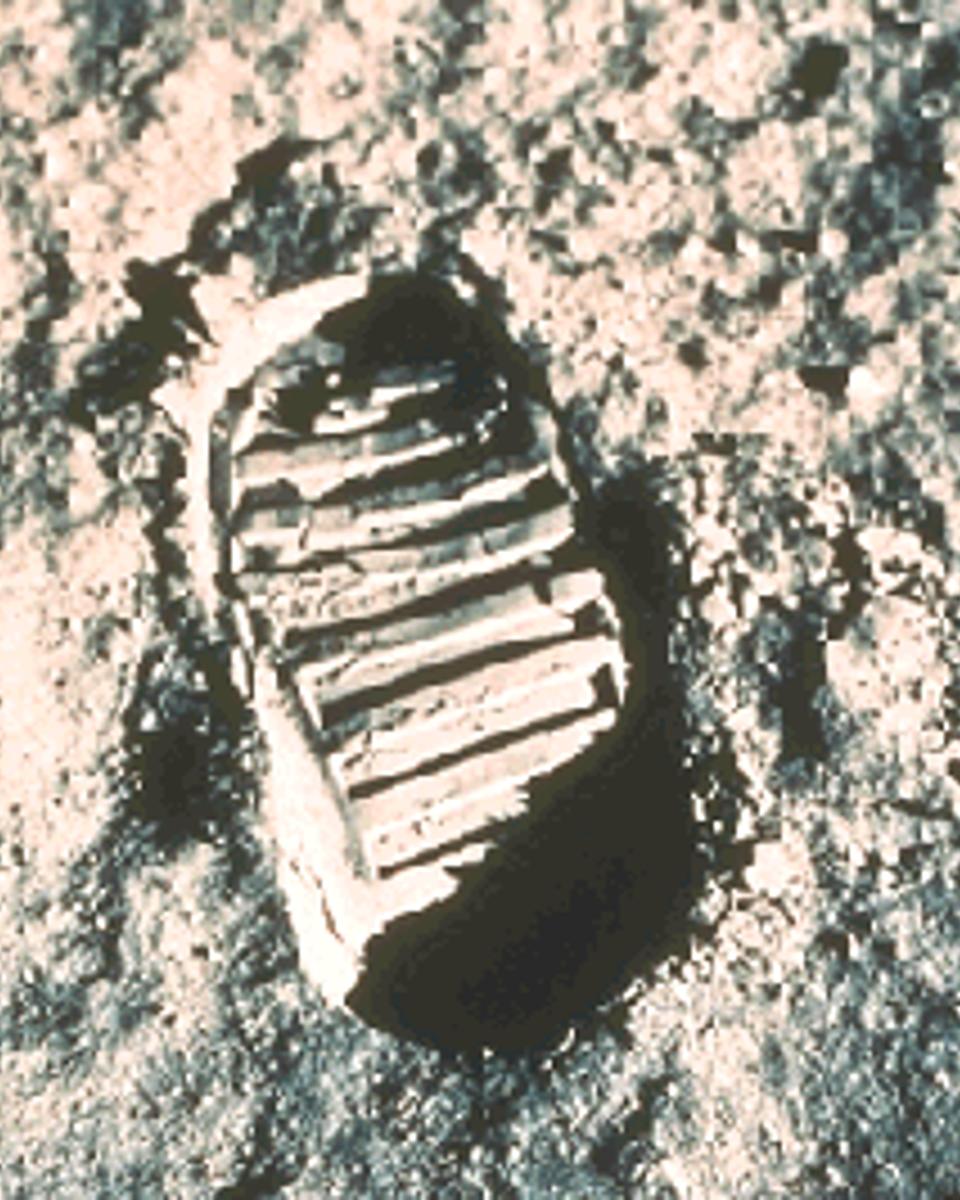
One Small Step
On July 20th, 1969, a human first set foot on the Moon . Pictured above is the first lunar footprint. The footprint and distinction of the first person to walk on the Moon belong…
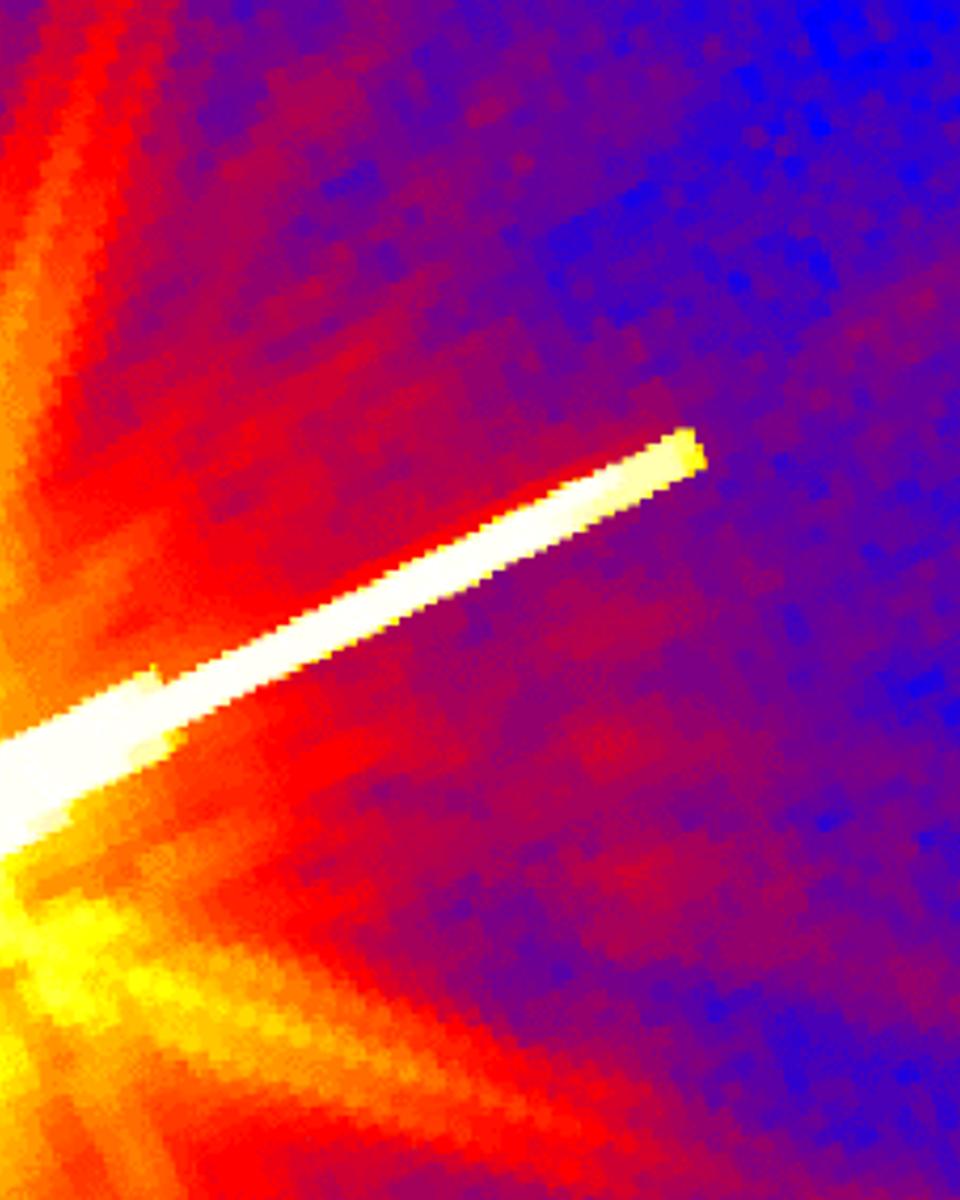
GL 105C: The Coolest Star?
Is the dim star to the upper right of this false-color picture the coolest possible normal star? From this recent picture by the Hubble Space Telescope , astronomers have…
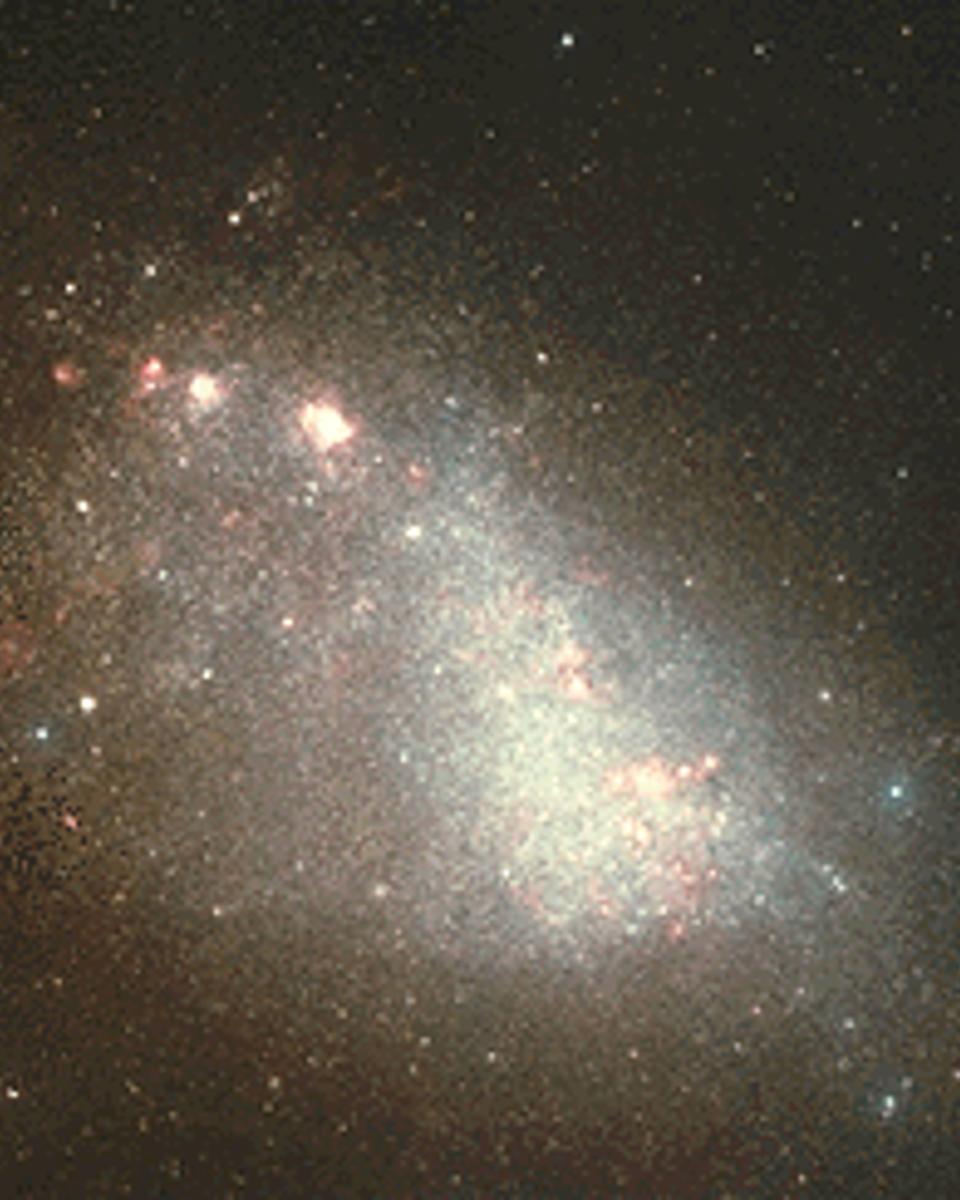
The Small Cloud of Magellan
Almost unknown to casual observers in the northern hemisphere, the southern sky contains two diffuse wonders known as the Magellanic Clouds . The Magellanic Clouds are small…
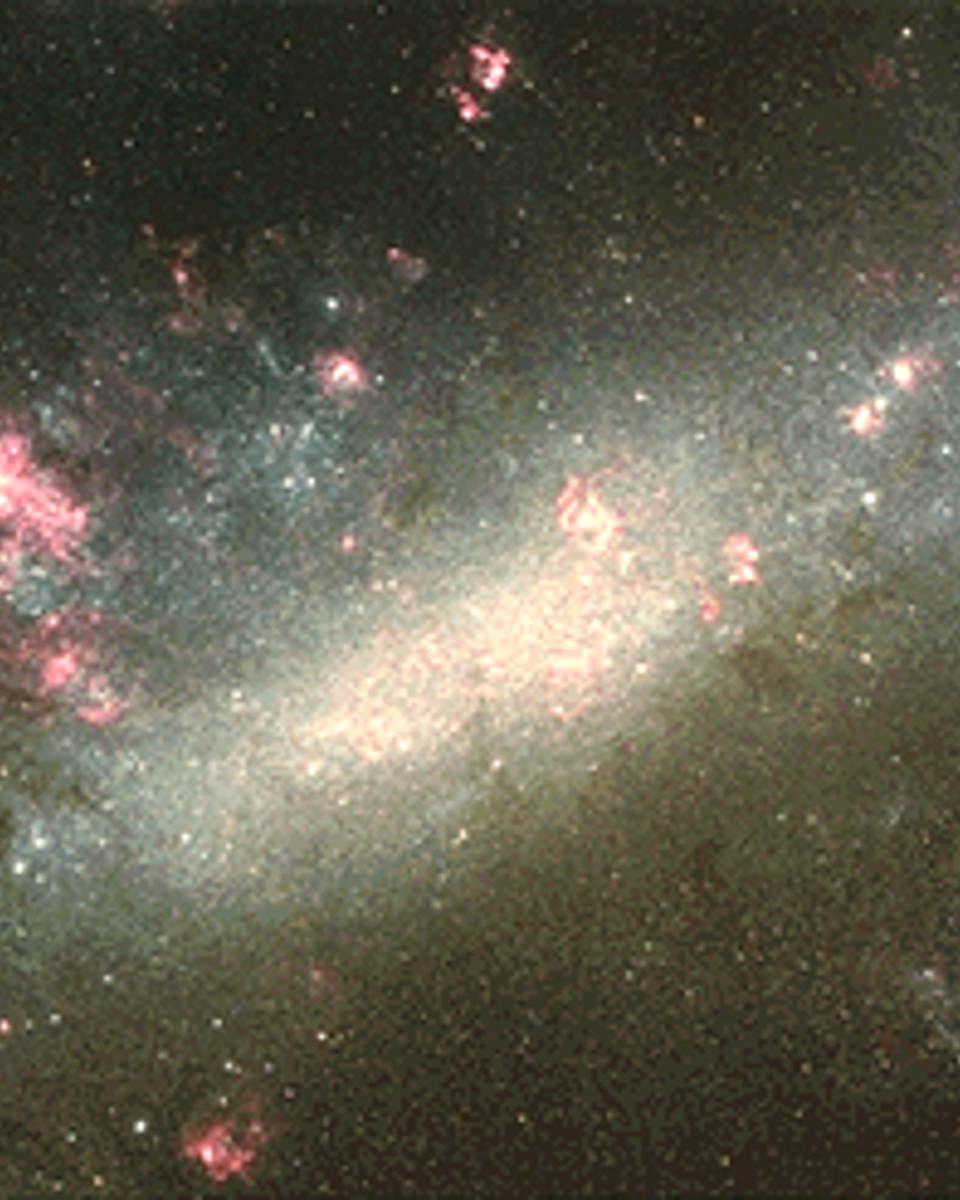
The Large Cloud of Magellan
Magellan and his crew had plenty of time to study the southern sky during their famous voyage around the world. As a result, two fuzzy cloud like objects, nestled among the…
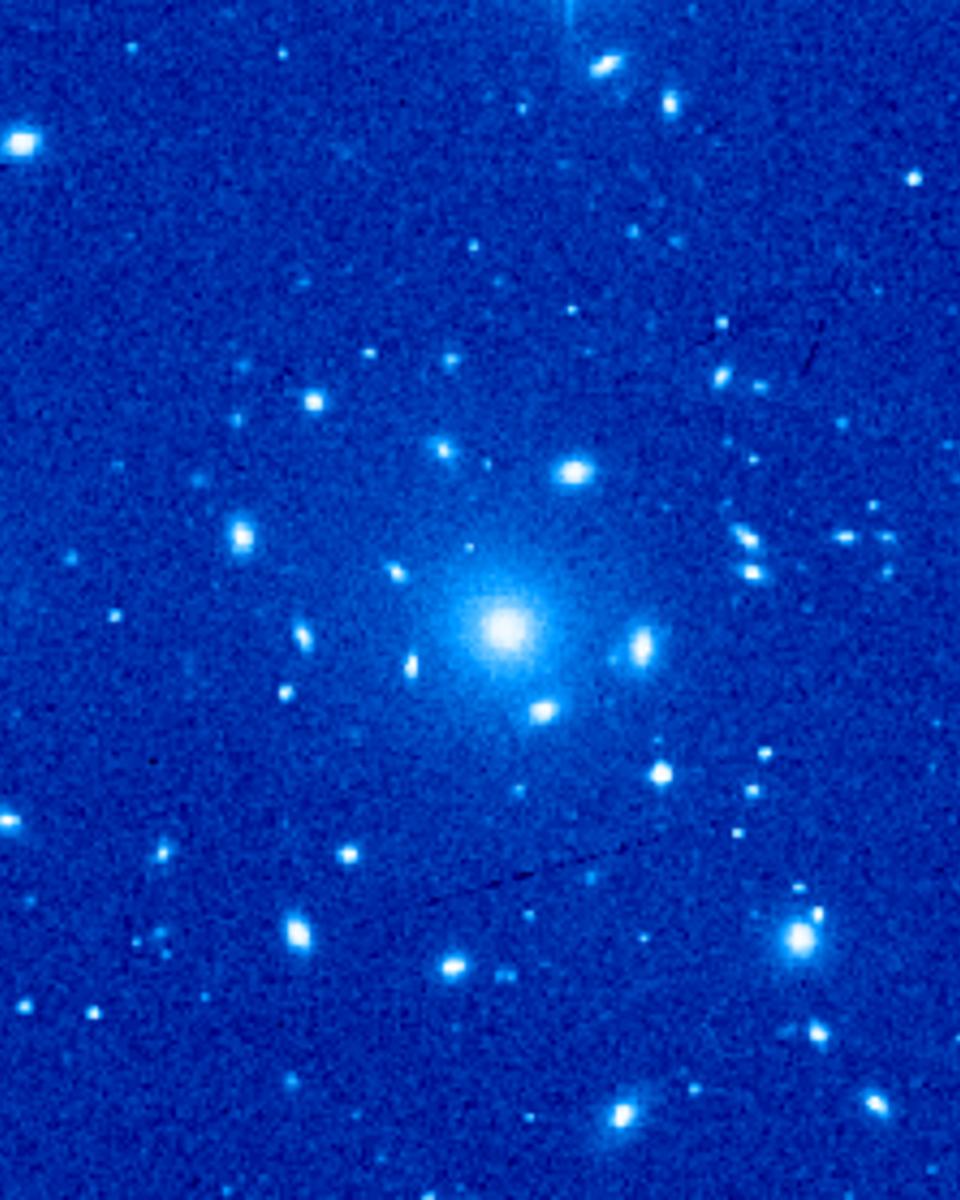
Thousands of Coma Cluster Galaxies
Almost every object in the above photograph is a galaxy . The Coma Cluster of galaxies pictured is a dense cluster containing many thousands of galaxies . Many of these galaxies…
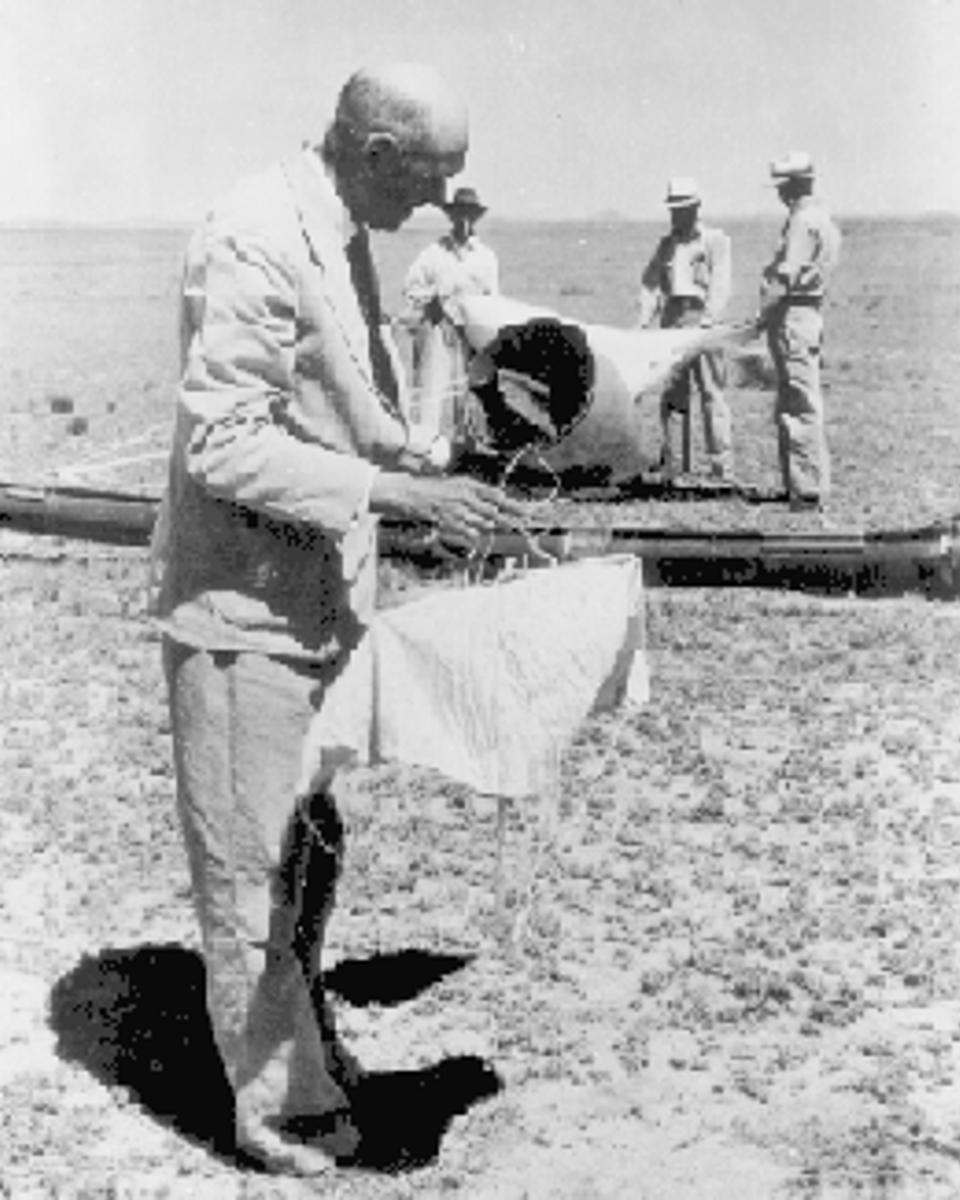
Rockets and Robert Goddard
Robert H. Goddard , one of the founding fathers of modern rocketry, was born in Worcester Massachusetts in 1882. As a 16 year old, Goddard read H.G. Wells' science fiction classic…
Viewing discoveries from 9 October 1995 through 16 September 1995.