Browse NASA Astronomy Picture of the Day archive by date and media: Archive Discoveries
Browse the NASA APOD archive without needing the exact date first. Filter by media type and keep moving deeper into older images and videos.
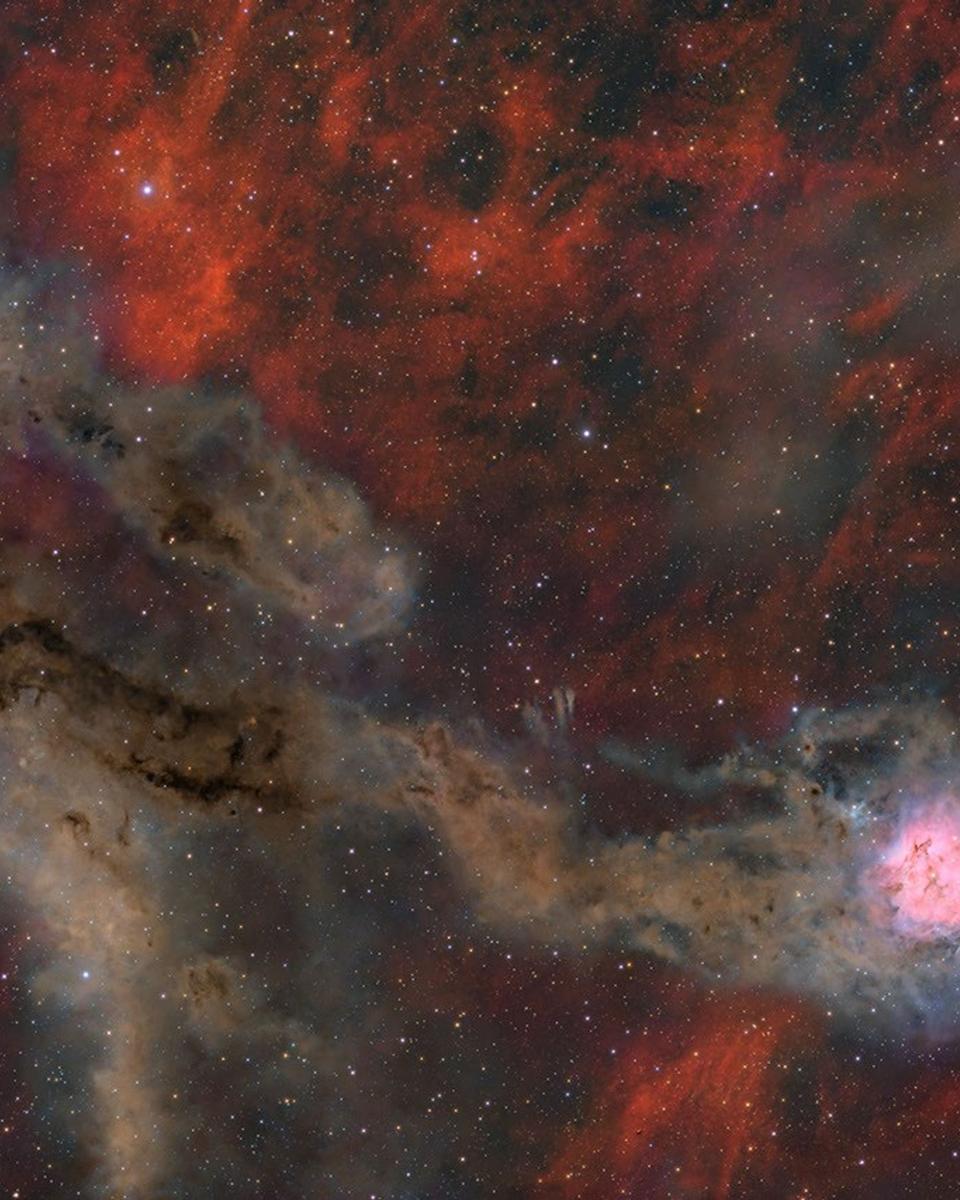
Cocoon Nebula Wide Field
When does a nebula look like a comet? In this crowded starfield covering over two degrees within the high-flying constellation of the Swan (Cygnus), the eye is drawn to the Cocoon…
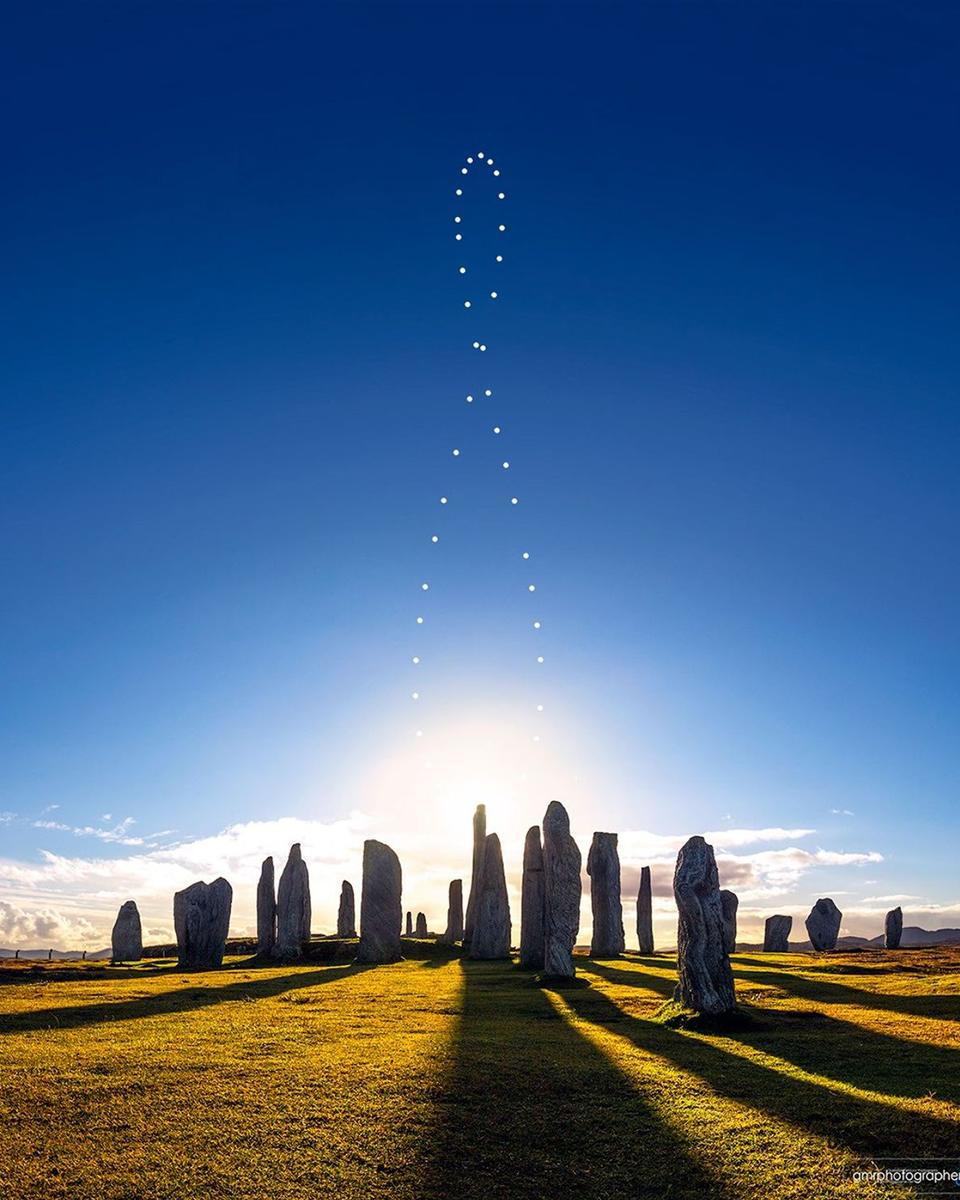
Analemma over the Callanish Stones
If you went outside at the same time every day and took a picture that included the Sun, how would the Sun's position change? A visual answer to that question is an analemma, a…
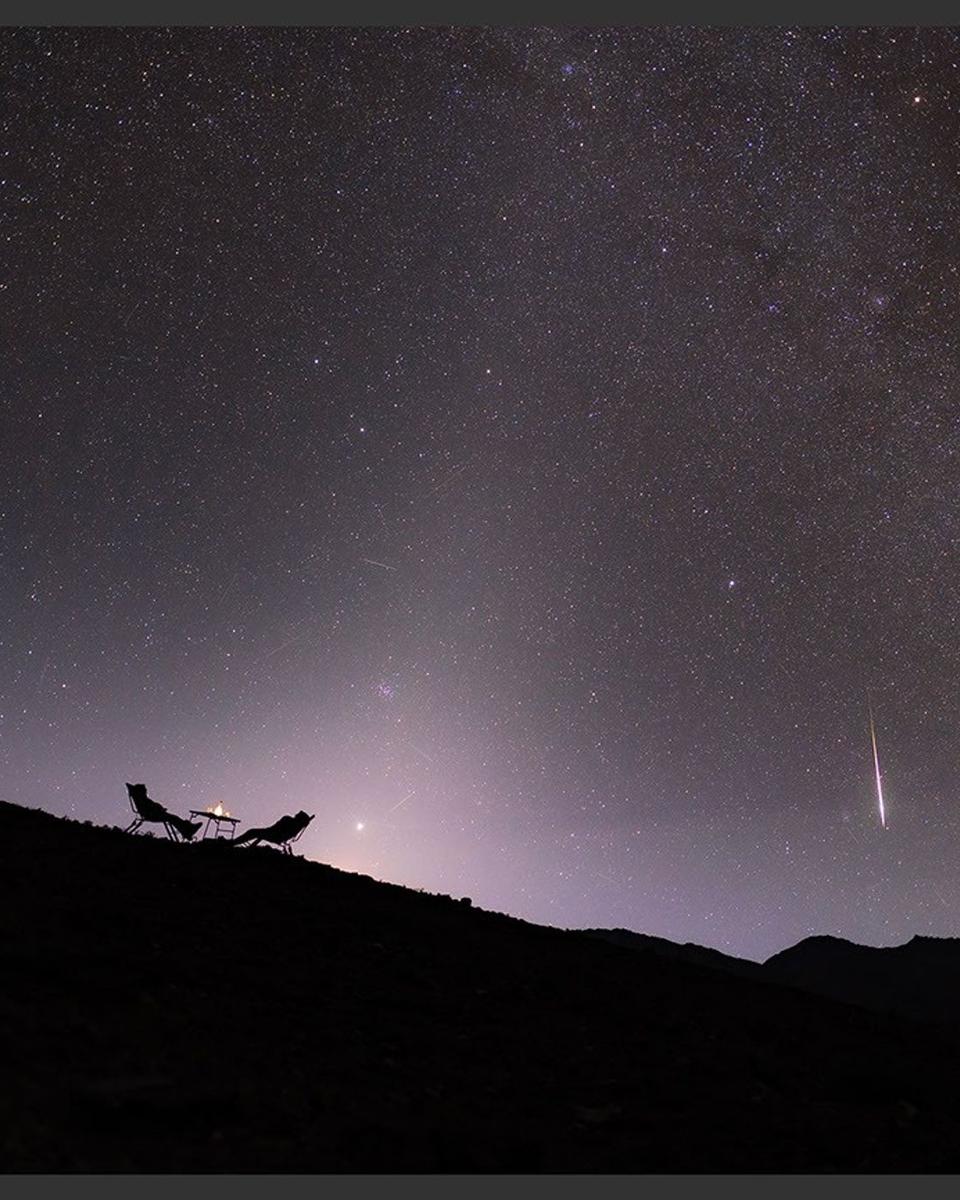
A Zodiacal Night
Also known as the false dawn, a luminous band of zodiacal light is captured in this dark night skyscape. The serene view was recorded just before the beginning of astronomical…
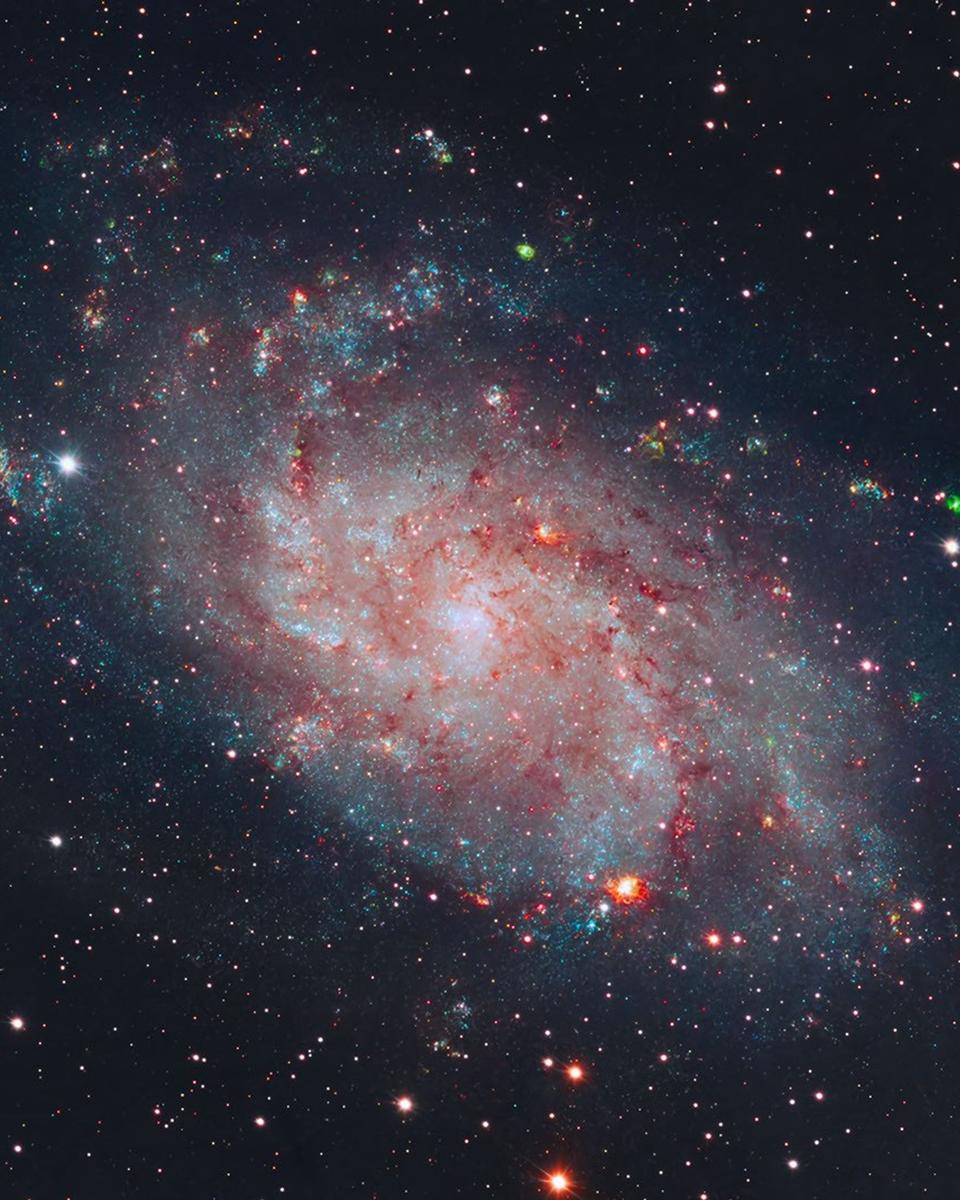
Messier 33: The Triangulum Galaxy
The small, northern constellation Triangulum harbors this magnificent face-on spiral galaxy, Messier 33. Its popular names include the Pinwheel Galaxy or just the Triangulum…
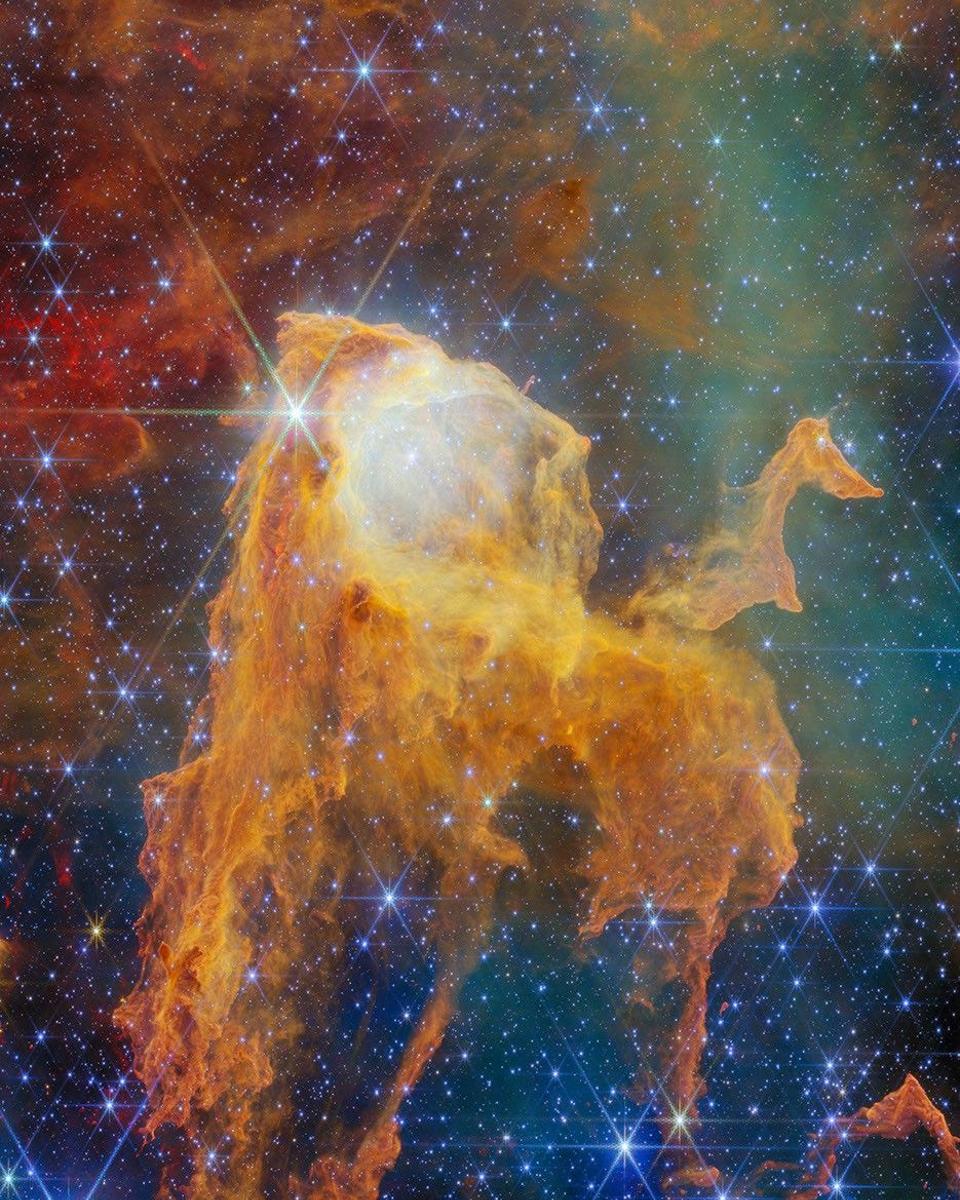
A Treasure Chest in the Carina Nebula
This treasure chest is full of stars. The featured image was obtained with NASA's James Webb Space Telescope and shows a dust pillar in the Carina Nebula inside our Galaxy,…
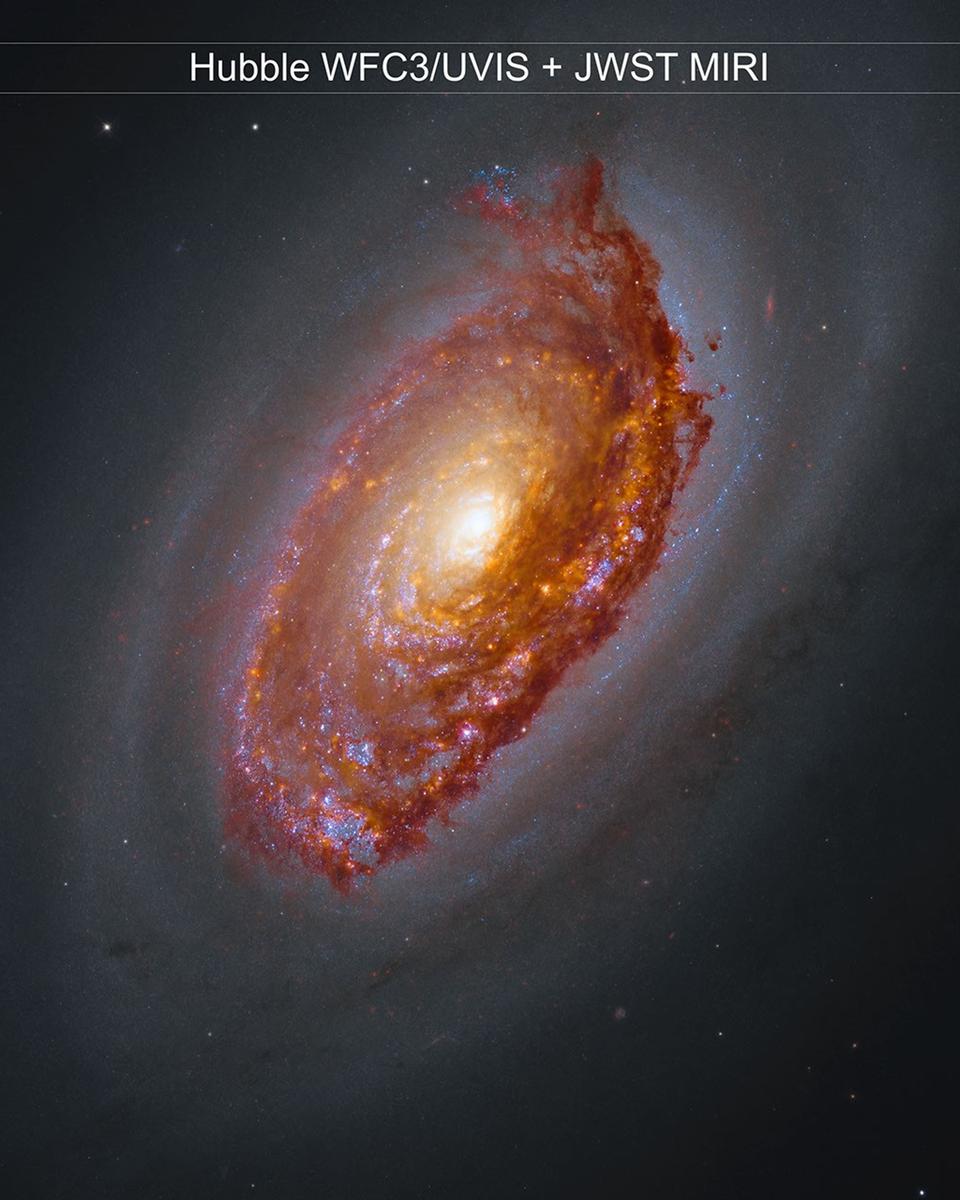
Webb's View of M64
Sometimes where Hubble finds darkness, Webb sees light. An example is today’s composite images of Messier 64 (M64), a nearby spiral galaxy of many names. The dark band of dust…
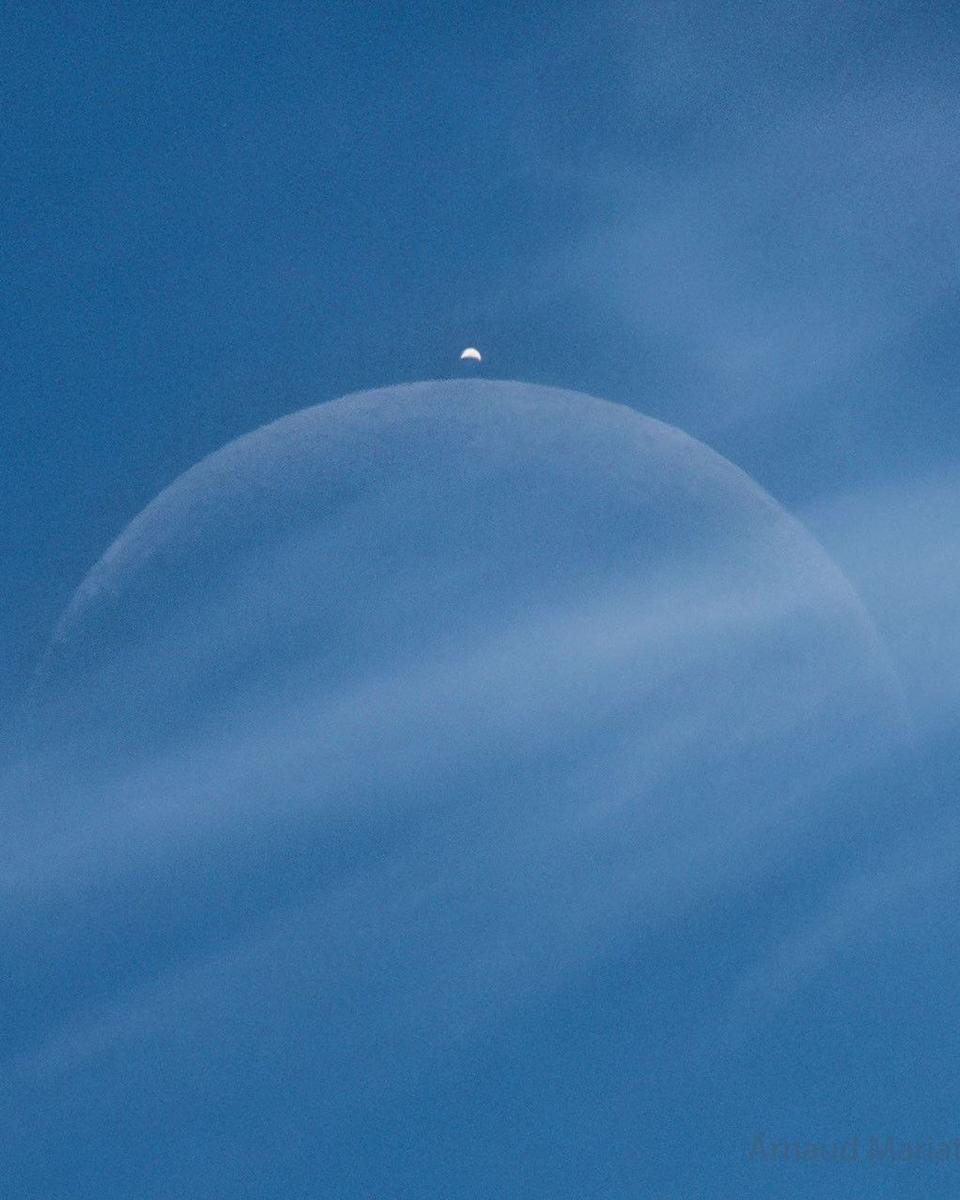
A Daytime Eclipse: Moon Occults Venus
There was something behind the clouds. Upon close inspection, it was the Moon, which was hard to see yesterday around noon above the small village of Cessy, France. But soon, it…
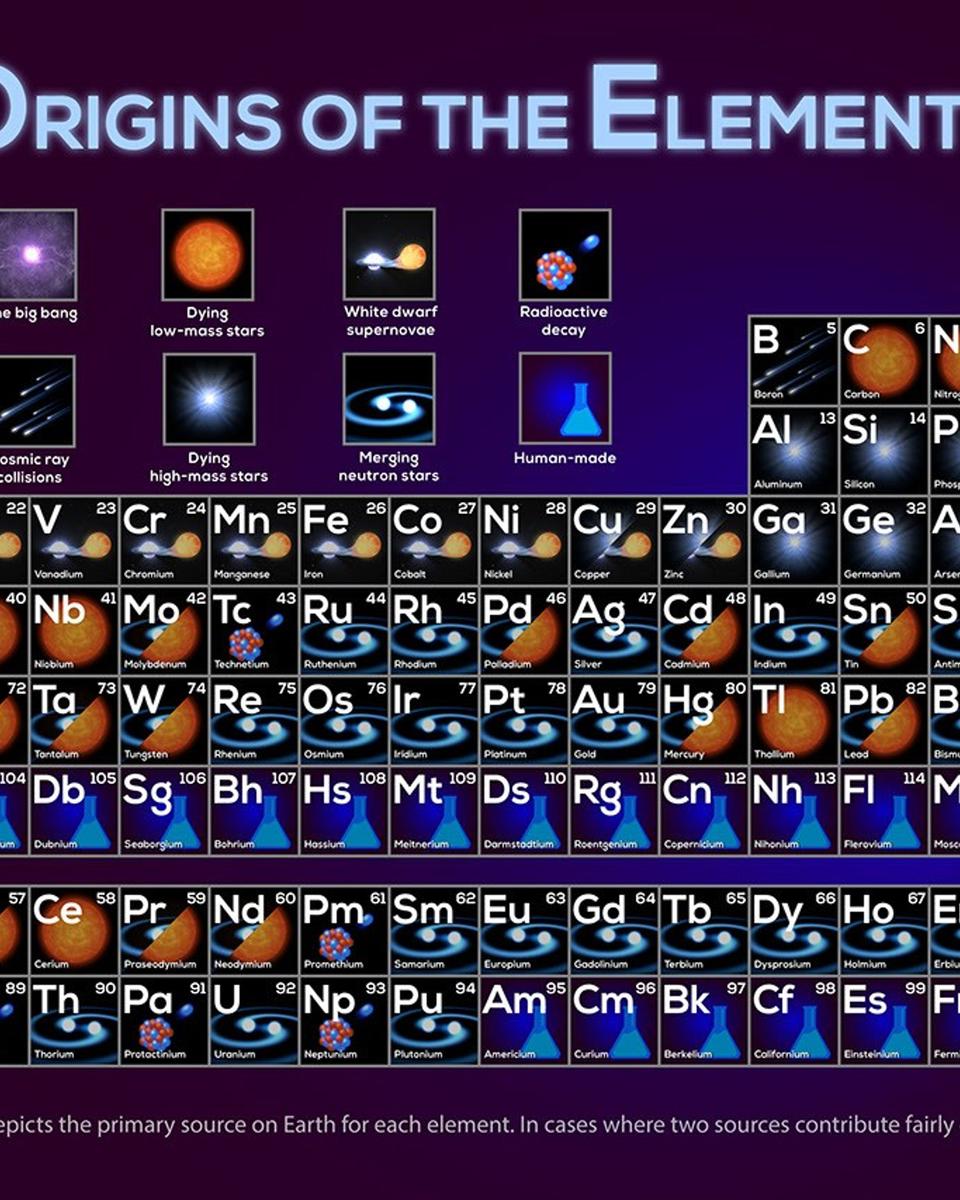
Where Your Elements Came From
The hydrogen in your body and present in every molecule of water came from the Big Bang. There are no other appreciable sources of hydrogen in the universe. The carbon in your…
Preview unavailable
Open the archive entry to view the source media.
Comet NEOWISE Rising Over the Adriatic Sea
This sight was worth getting out of bed early. Just over four years ago, Comet C/2020 F3 (NEOWISE) rose before dawn to the delight of northern sky enthusiasts awake that early. Up…
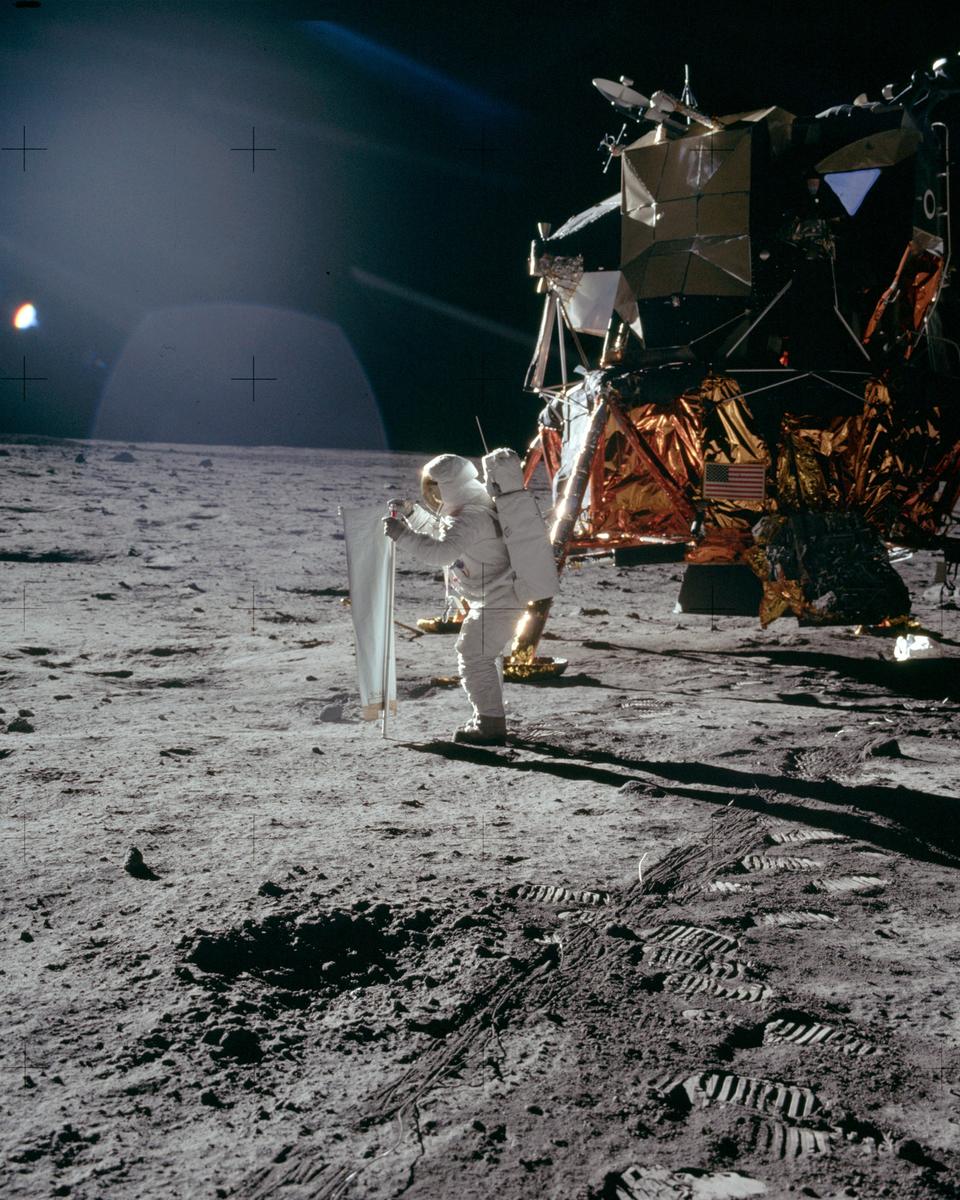
Apollo 11: Catching Some Sun
Bright sunlight glints as long dark shadows mark this image of the surface of the Moon. It was taken on July 20, 1969, by Apollo 11 astronaut Neil Armstrong, the first to walk on…
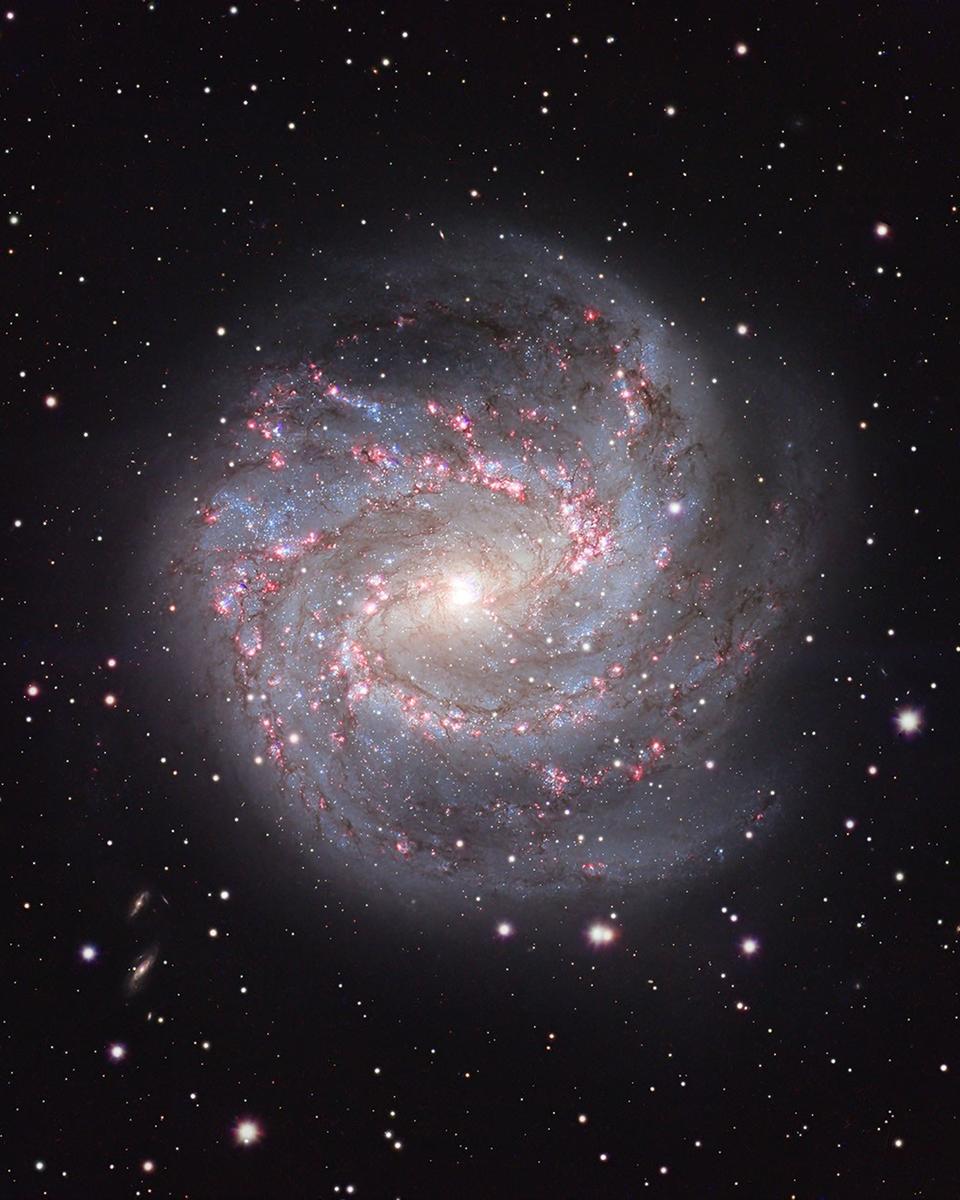
M83: The Southern Pinwheel
Beautiful and bright spiral galaxy M83 lies some twelve million light-years away, near the southeastern tip of the very long constellation Hydra. Prominent spiral arms traced by…
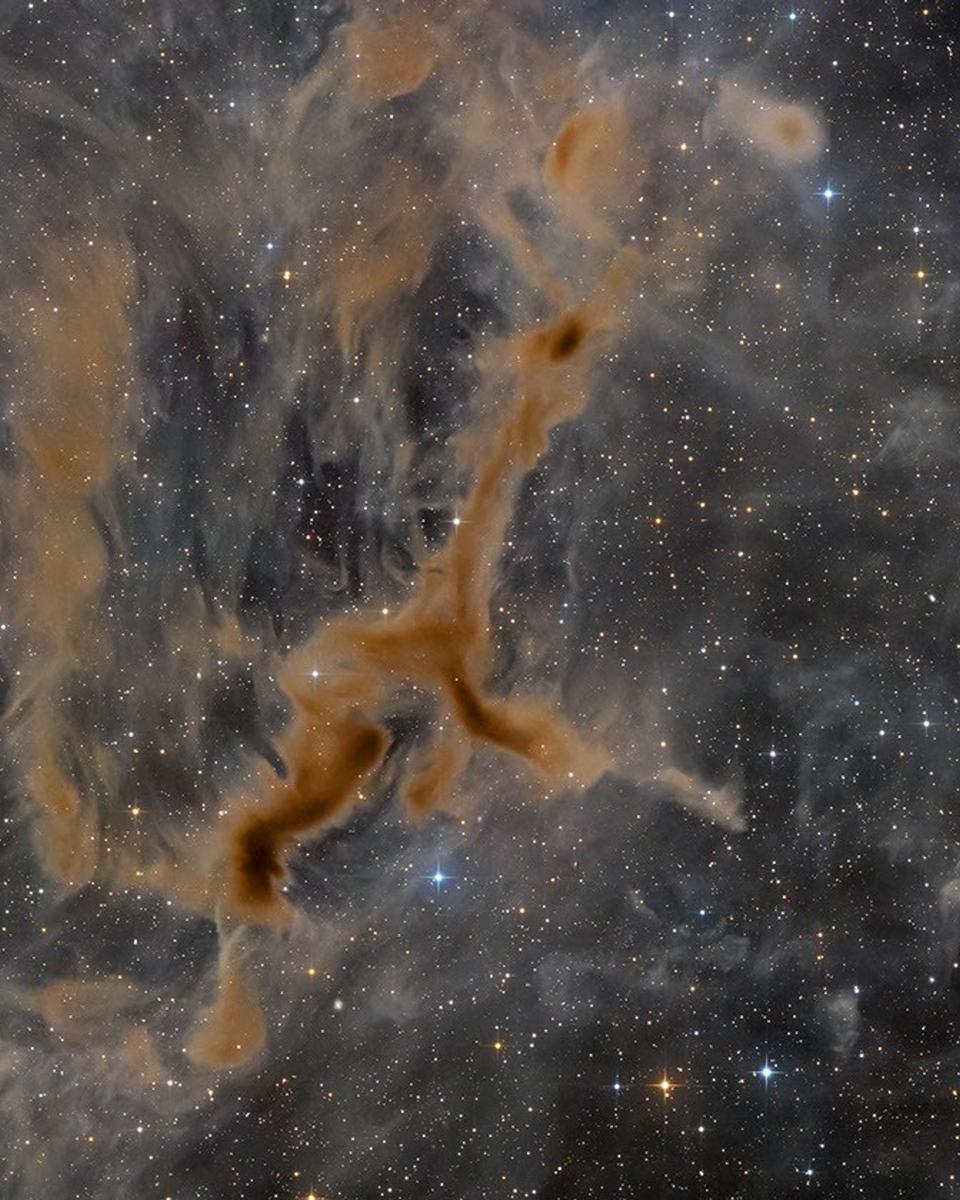
LDN 1295: The Giraffe Nebula
What does this image look like to you? Many see a giraffe facing right, with neck stretched high and long legs mid-stride (but some may see a squirrel instead). The featured image…
Preview unavailable
Open the archive entry to view the source media.
Witness XZ Andromedae Wink
Is this star winking at us? The central object in today’s animation is not one but two stars. XZ Andromedae, indicated by the bold lines, is an Algol-type eclipsing binary with a…
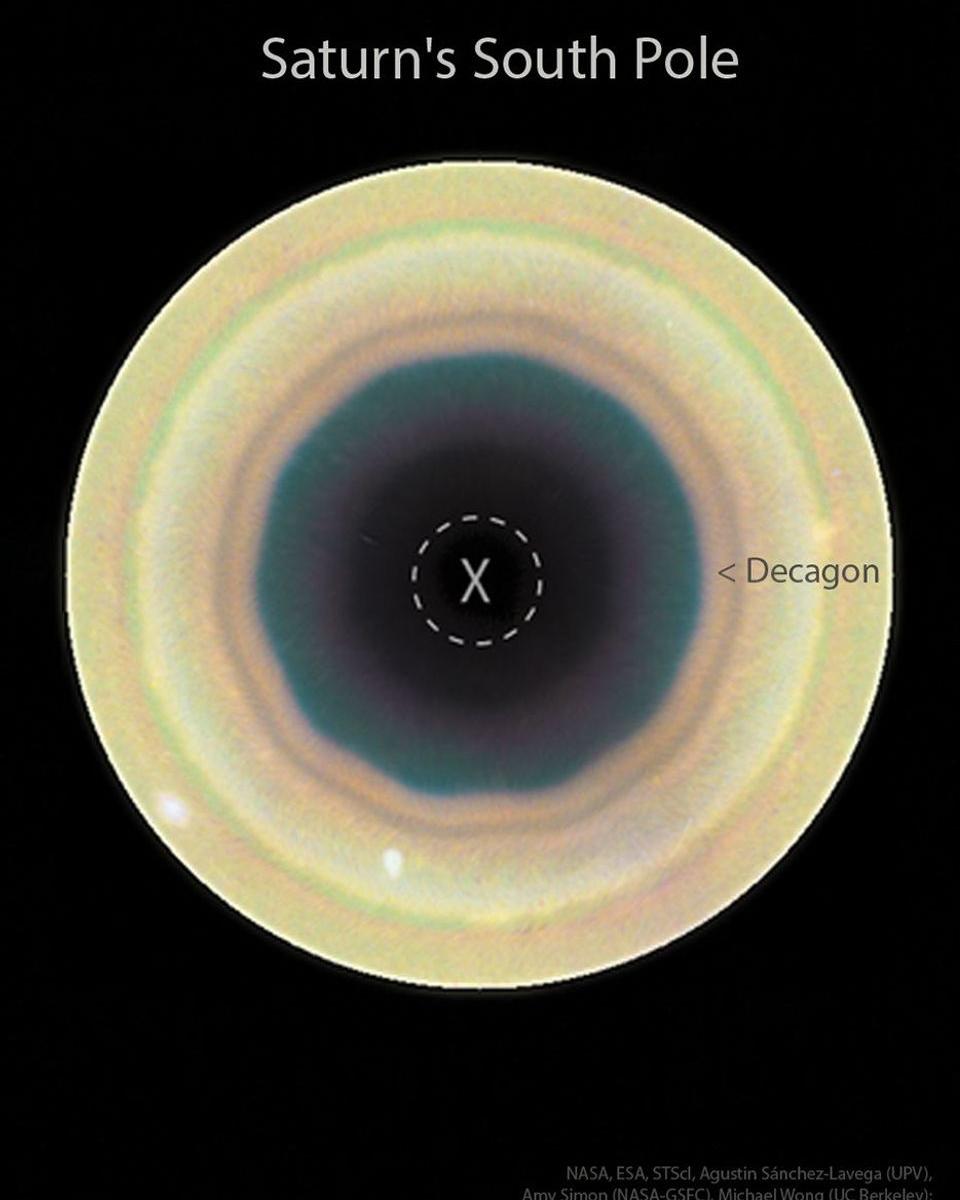
Hubble: Decagon Around Saturn's South Pole
Why are Saturn’s poles geometric? Saturn’s North Pole has been known to be surrounded by a hexagonal (6 sides) cloud since discovery in 1987 in data taken by NASA’s Voyager…
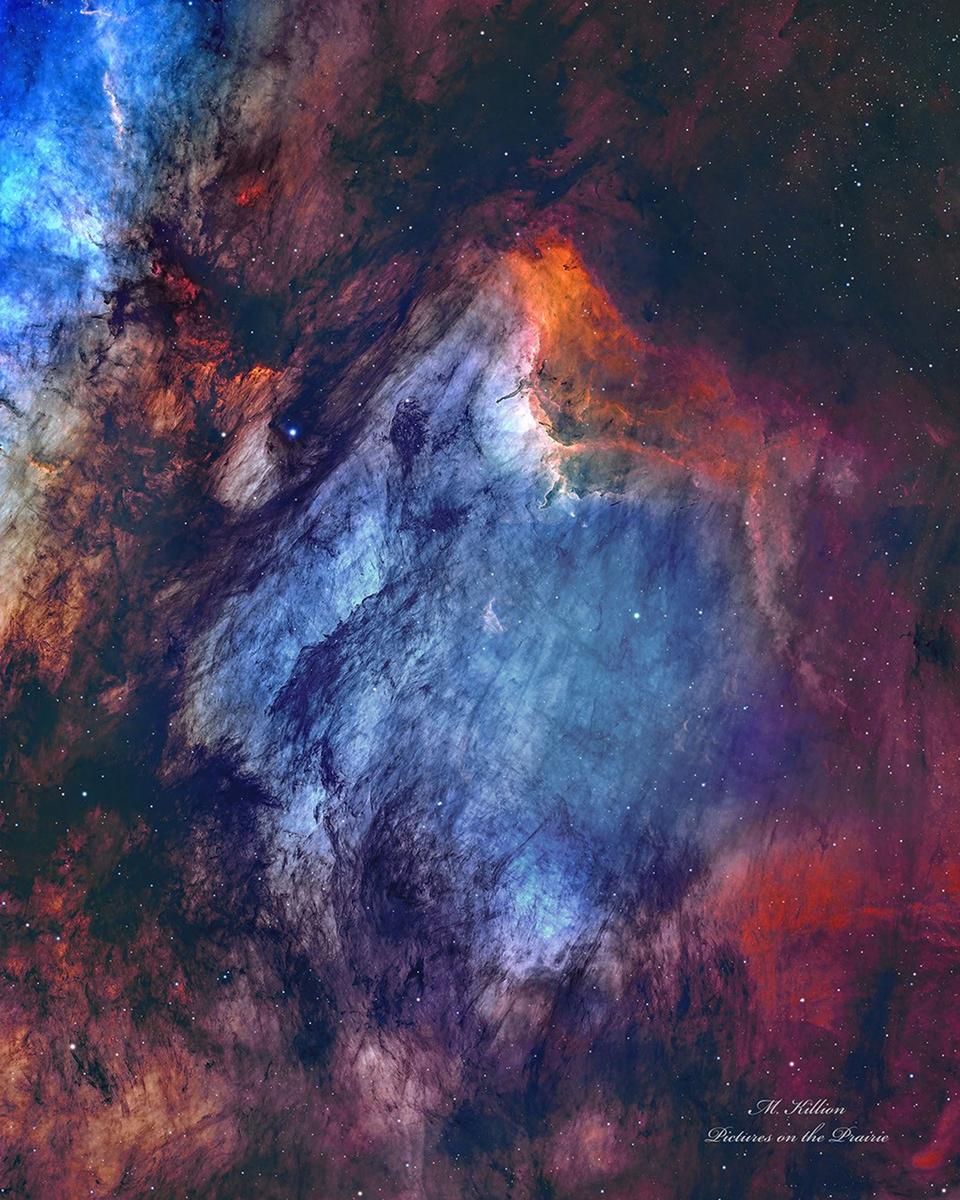
The Pelican Nebula in Gas, Dust, and Stars
The Pelican Nebula is slowly being transformed. IC 5070 (an official designation) is divided from the larger North America Nebula by a molecular cloud filled with dark dust. The…
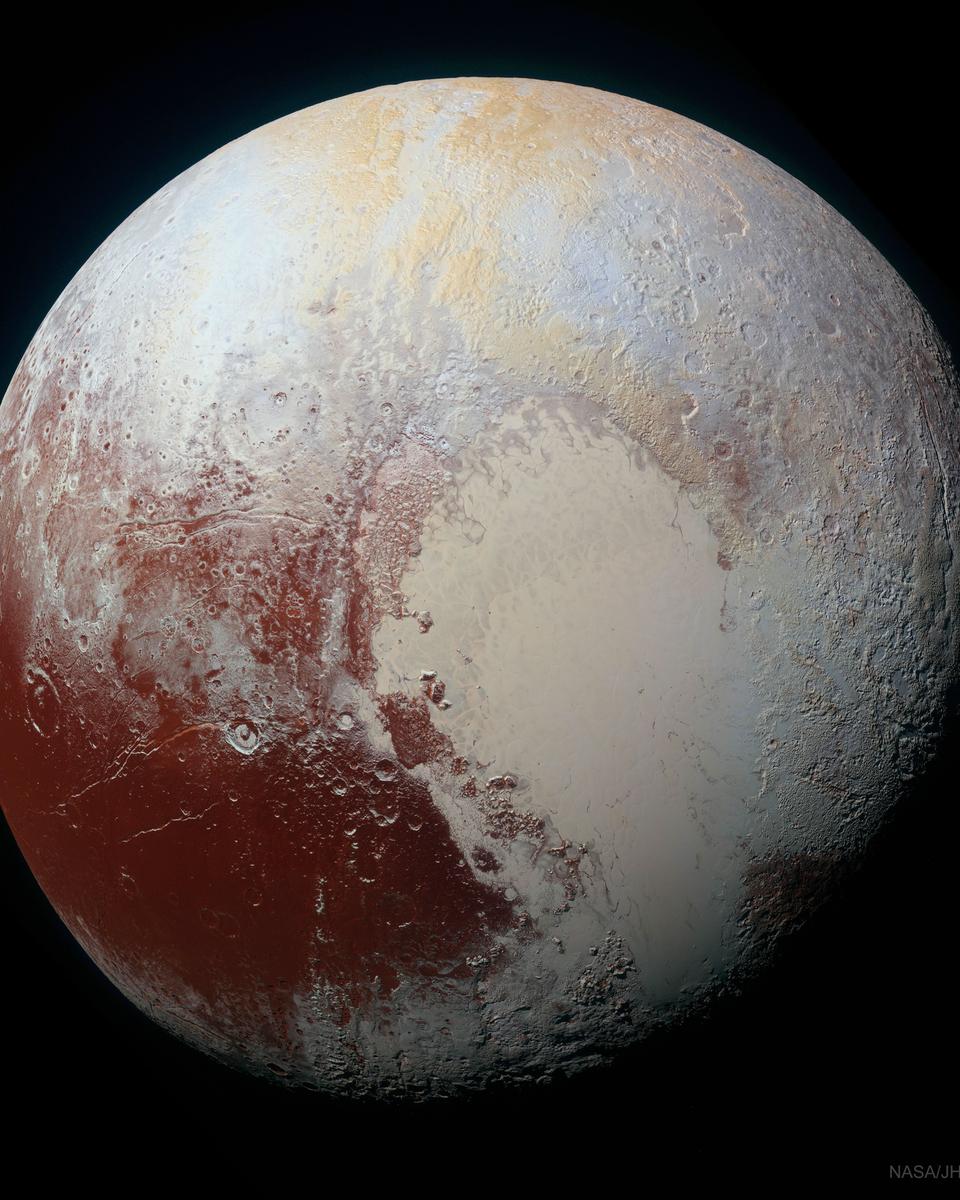
Pluto in Enhanced Color
Pluto is more colorful than we can see. Color data and high-resolution images of our Solar System's most famous dwarf planet, taken by the robotic New Horizons spacecraft during…
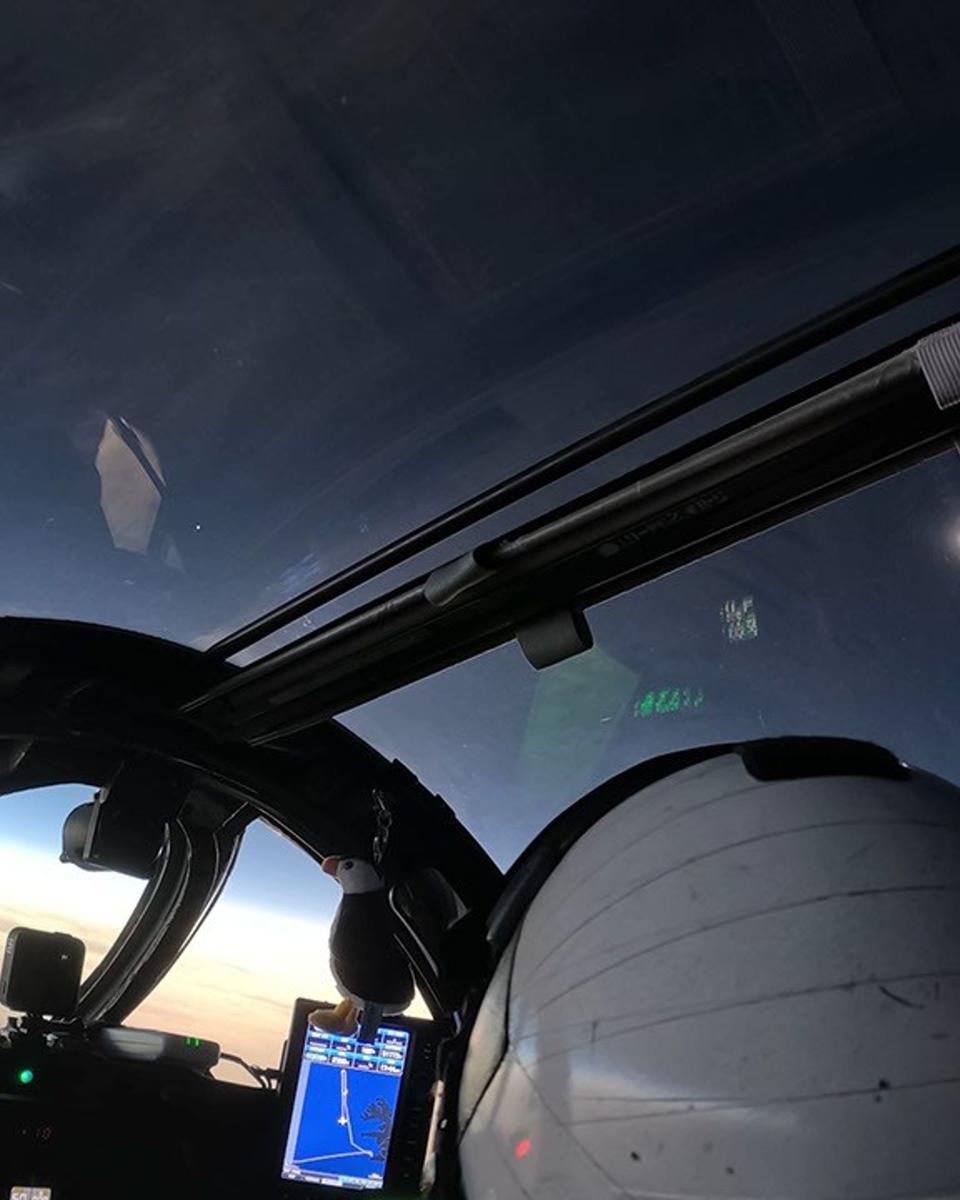
Chasing the Moon's Shadow
Chasing the shadow of a New Moon, NASA’s WB-57F high altitude research aircraft took to the skies off the coast of Iceland on August 12 to observe a total solar eclipse. At 50,000…
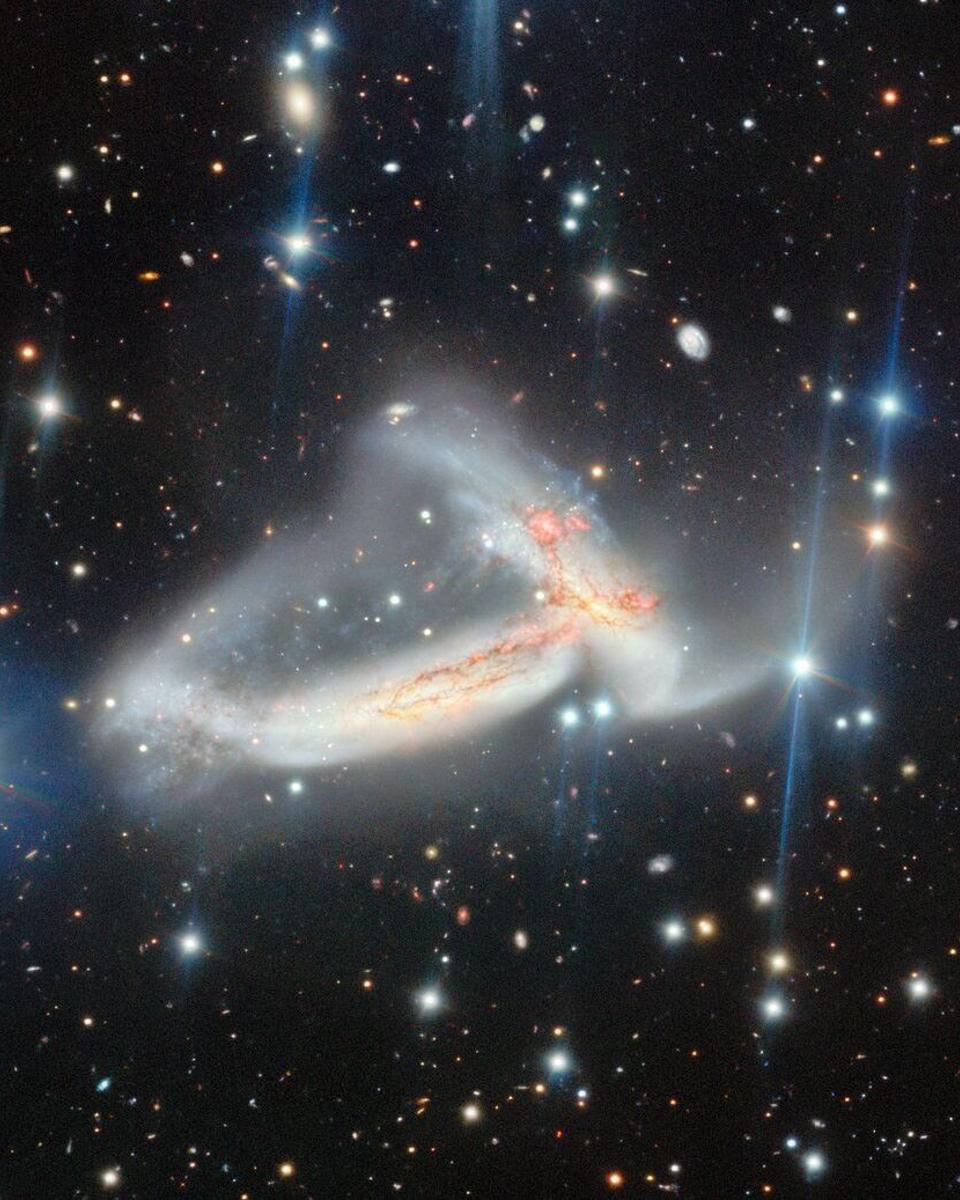
Nā ʻUhane Māhoe Huki Pū i ke Ola
Nā ʻUhane Māhoe Huki Pū i ke Ola, is the Hawaiian name given to this image of a pair of spiral galaxies locked in a mutual gravitational embrace. Some 200 million light-years…
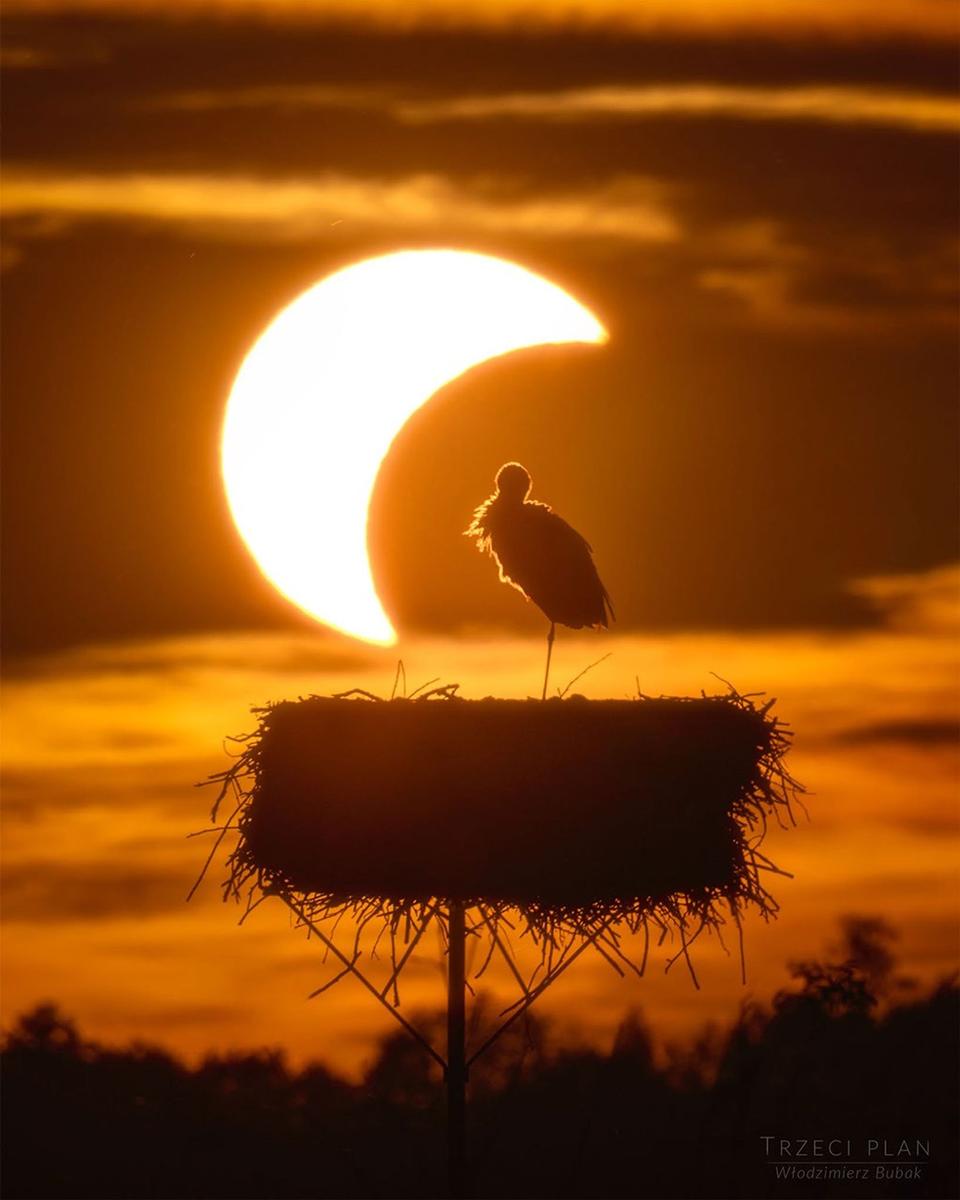
The Eclipse and the Stork
How do animals react to a total solar eclipse? The featured image shows a stork roosting on her nest in Poland at a partial phase of the recent total solar eclipse. If you are…
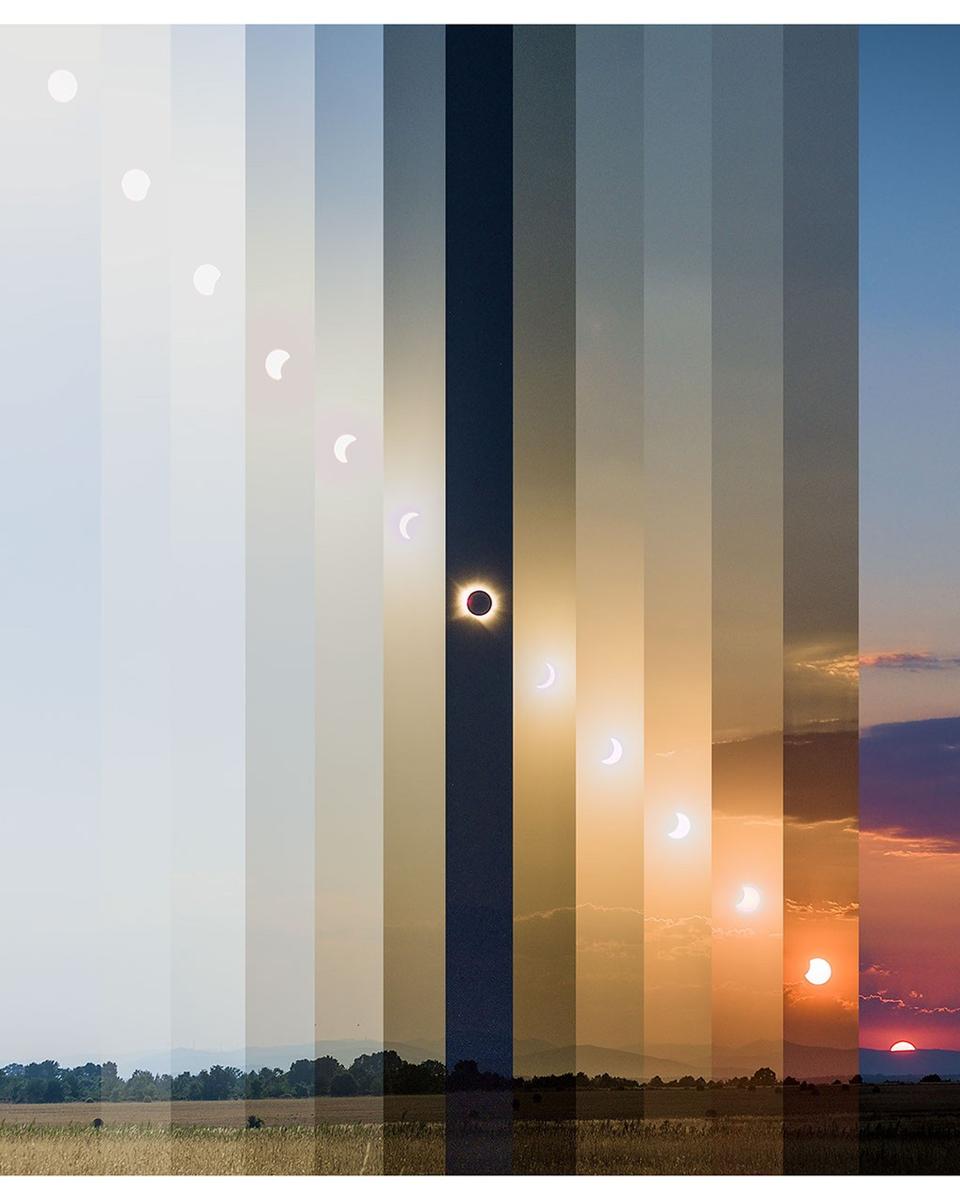
Solar Eclipses and Culture
Pretend you have never heard of a solar eclipse. The Sun’s behavior has been predictable your whole life. One day, you witness the sky transform as it does in today’s spliced…
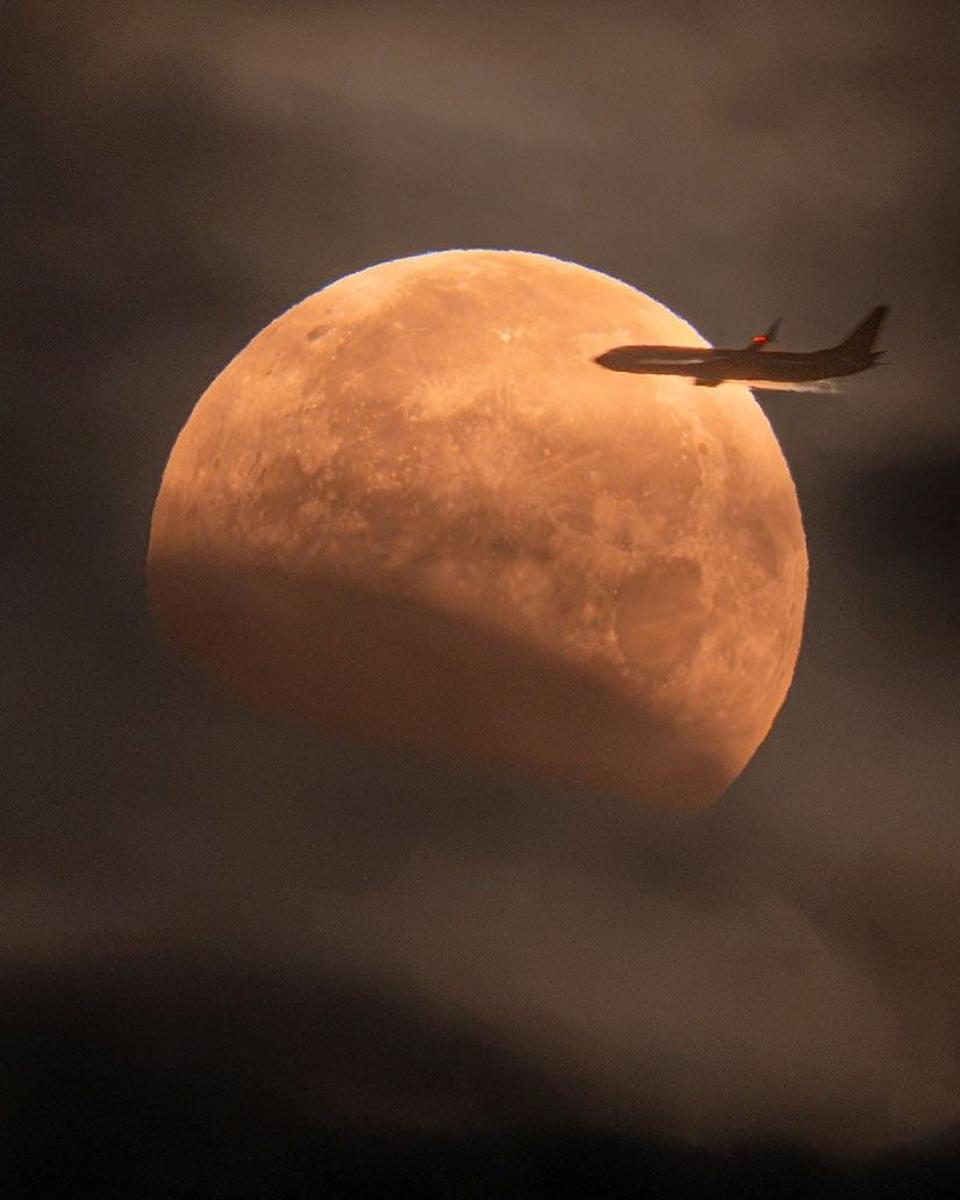
A Plane Lunar Eclipse
Did you need to be on the right side of this airplane to see this eclipse? No. Lunar eclipses are routinely seen from the half of the Earth facing the Moon when the eclipse…
Preview unavailable
Open the archive entry to view the source media.
Launch of the Roman Space Telescope
A new telescope has been launched into space to study the universe. The Nancy Grace Roman Space Telescope (RST) has the same size main mirror as the Hubble Space Telescope (HST)…
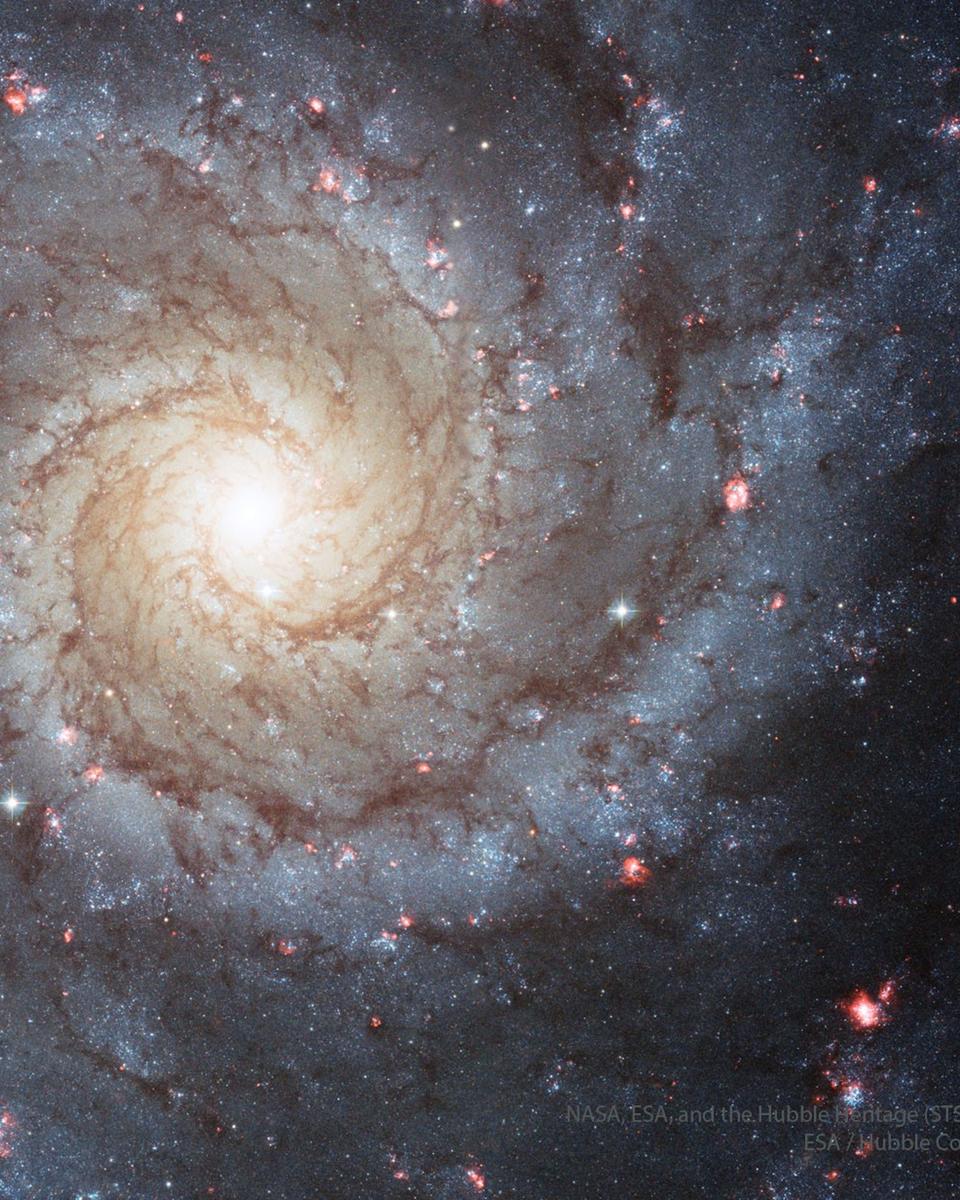
M74: A Grand Design Spiral
If not the most grand, then this spiral galaxy is at least one of the most photogenic. An island universe of about 100 billion stars, 32 million light-years away toward the…
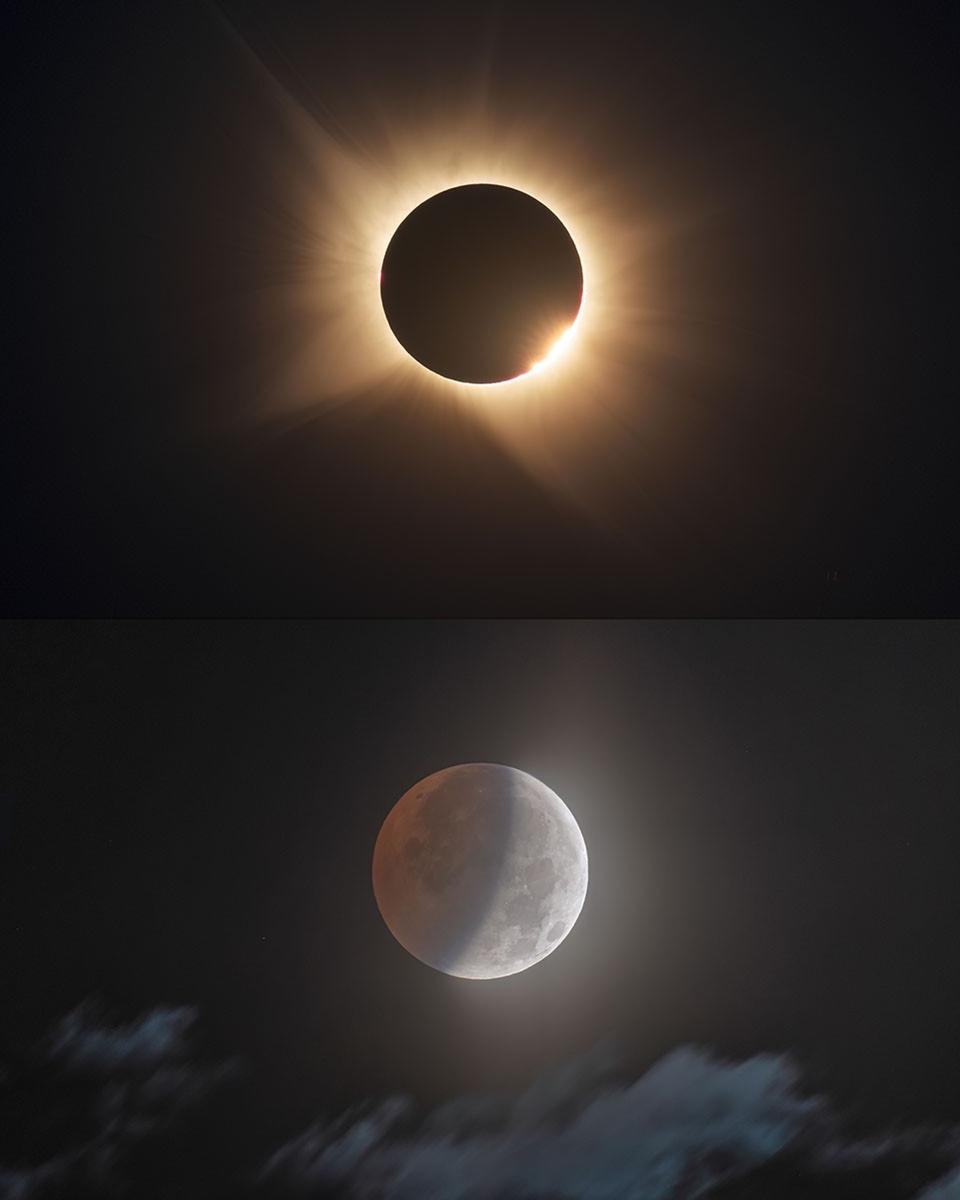
Eclipse Pair
Eclipses tend to come in pairs. Twice a year, during an eclipse season that lasts about 34 days, Sun, Moon, and Earth can nearly align. Then the new and full phases of the Moon,…
Viewing discoveries from 21 September 2026 through 29 August 2026.