Browse NASA Astronomy Picture of the Day archive by date and media: Archive Discoveries
Browse the NASA APOD archive without needing the exact date first. Filter by media type and keep moving deeper into older images and videos.
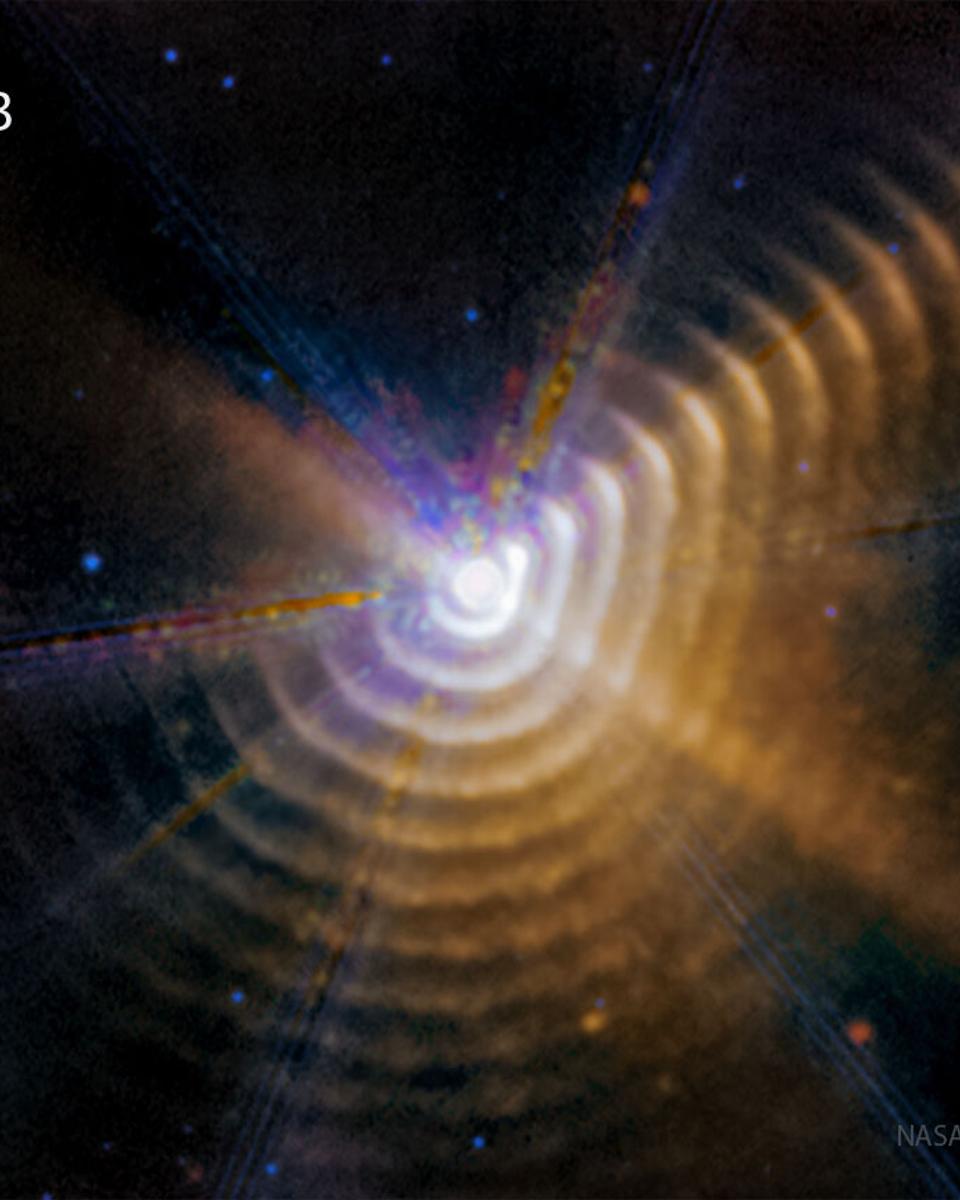
Dust Shells around WR 140 from Webb
What are those strange rings? Rich in dust, the rings are likely 3D shells -- but how they were created remains a topic of research . Where they were created is well known: in a…
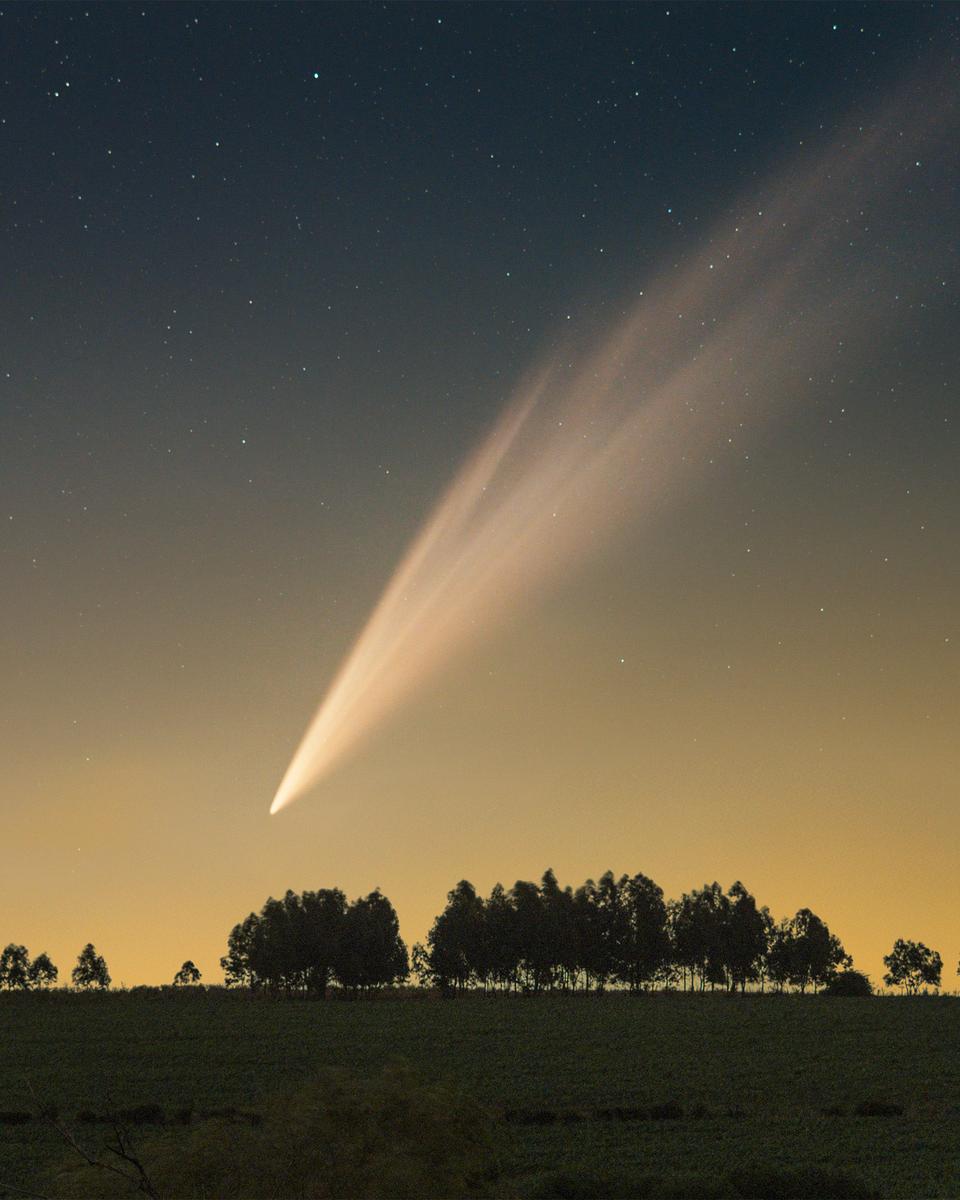
Comet G3 ATLAS over Uruguay
Comets can be huge. When far from the Sun, a comet's size usually refers to its hard nucleus of ice and rock, which typically spans a few kilometers -- smaller than even a small…
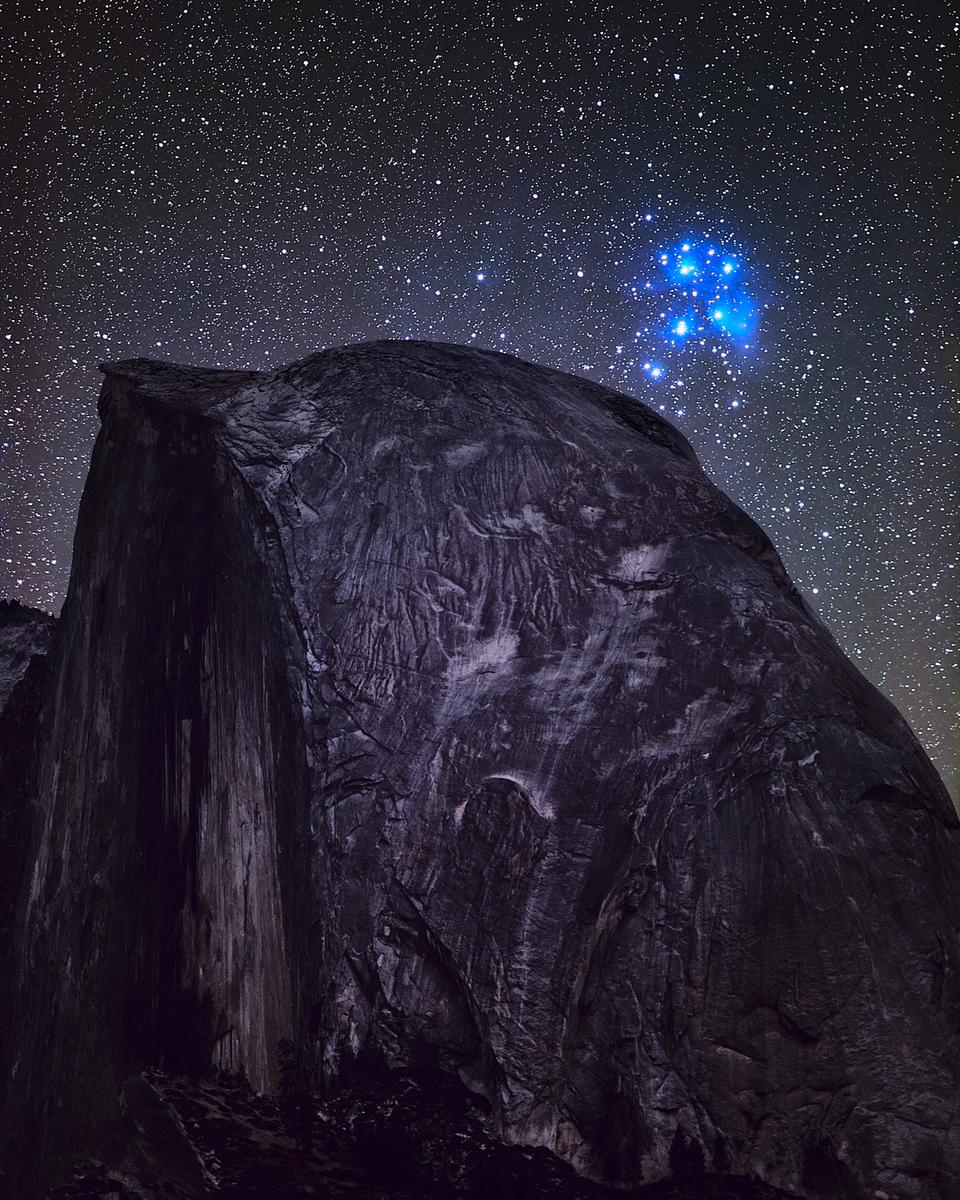
Pleiades over Half Dome
Stars come in bunches. The most famous bunch of stars on the sky is the Pleiades , a bright cluster that can be easily seen with the unaided eye . The Pleiades lies only about 450…
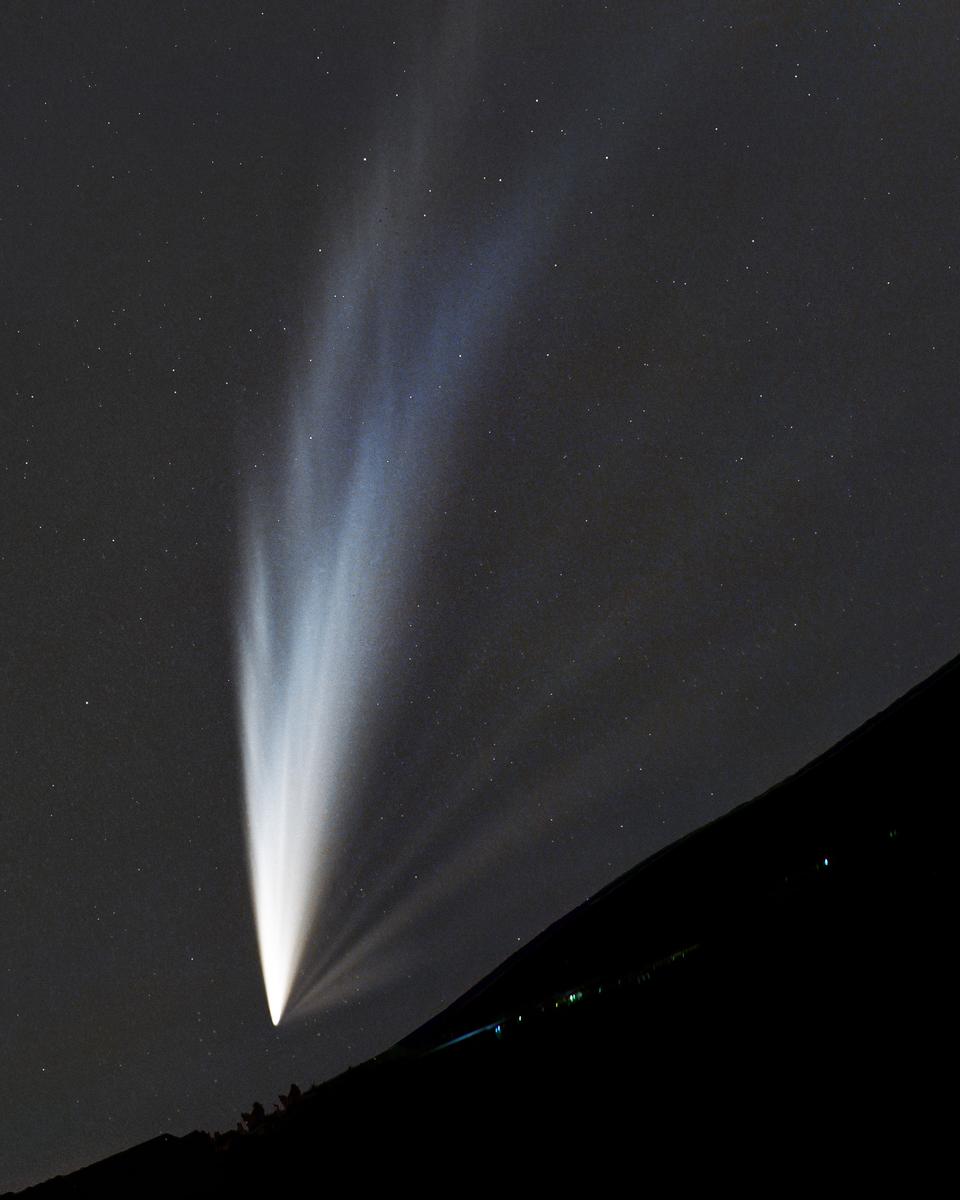
The Many Tails of Comet G3 ATLAS
Why does this comet have so many tails? C/2024 G3 (ATLAS) has developed several long and intricate tails visible from Earth's southern hemisphere over the past two weeks. Many…
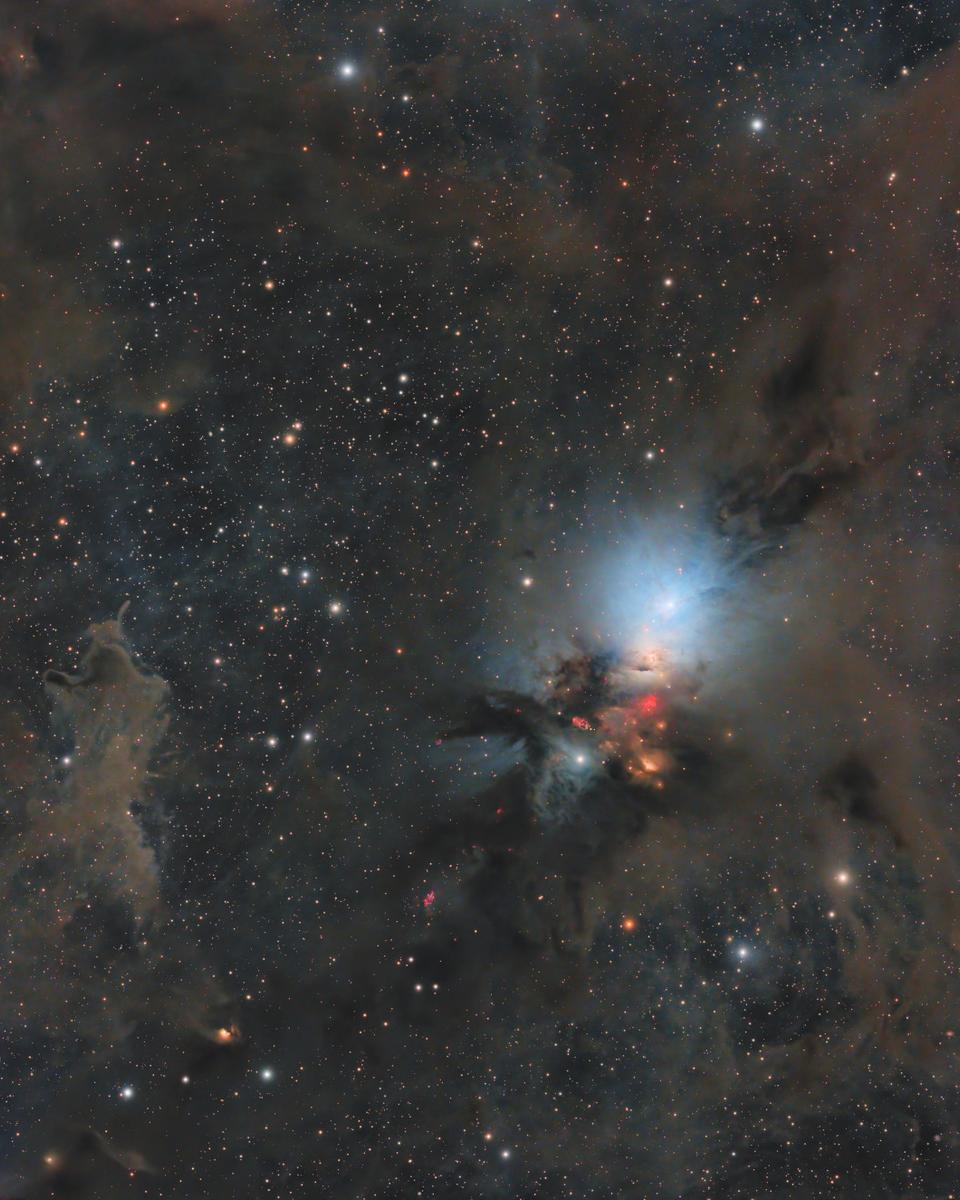
Stardust in the Perseus Molecular Cloud
Clouds of stardust drift through this deep skyscape , across the Perseus molecular cloud some 850 light-years away. Dusty nebulae reflecting light from embedded young stars stand…
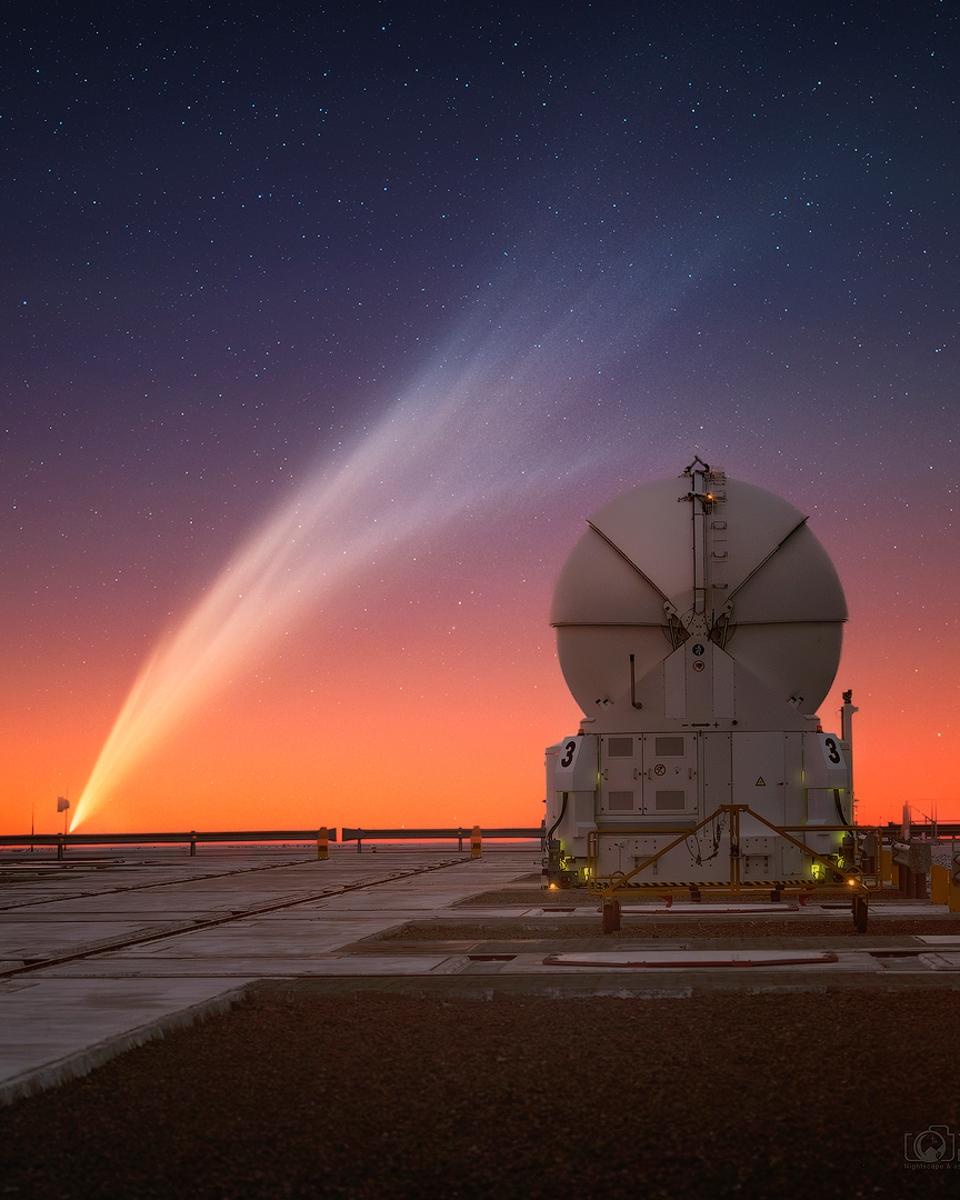
Comet G3 ATLAS: a Tail and a Telescope
Comet C/2024 G3 ATLAS has made a dramatic appearance in planet Earth's skies. A visitor from the distant Oort Cloud , the comet reached its perihelion on January 13. On January…
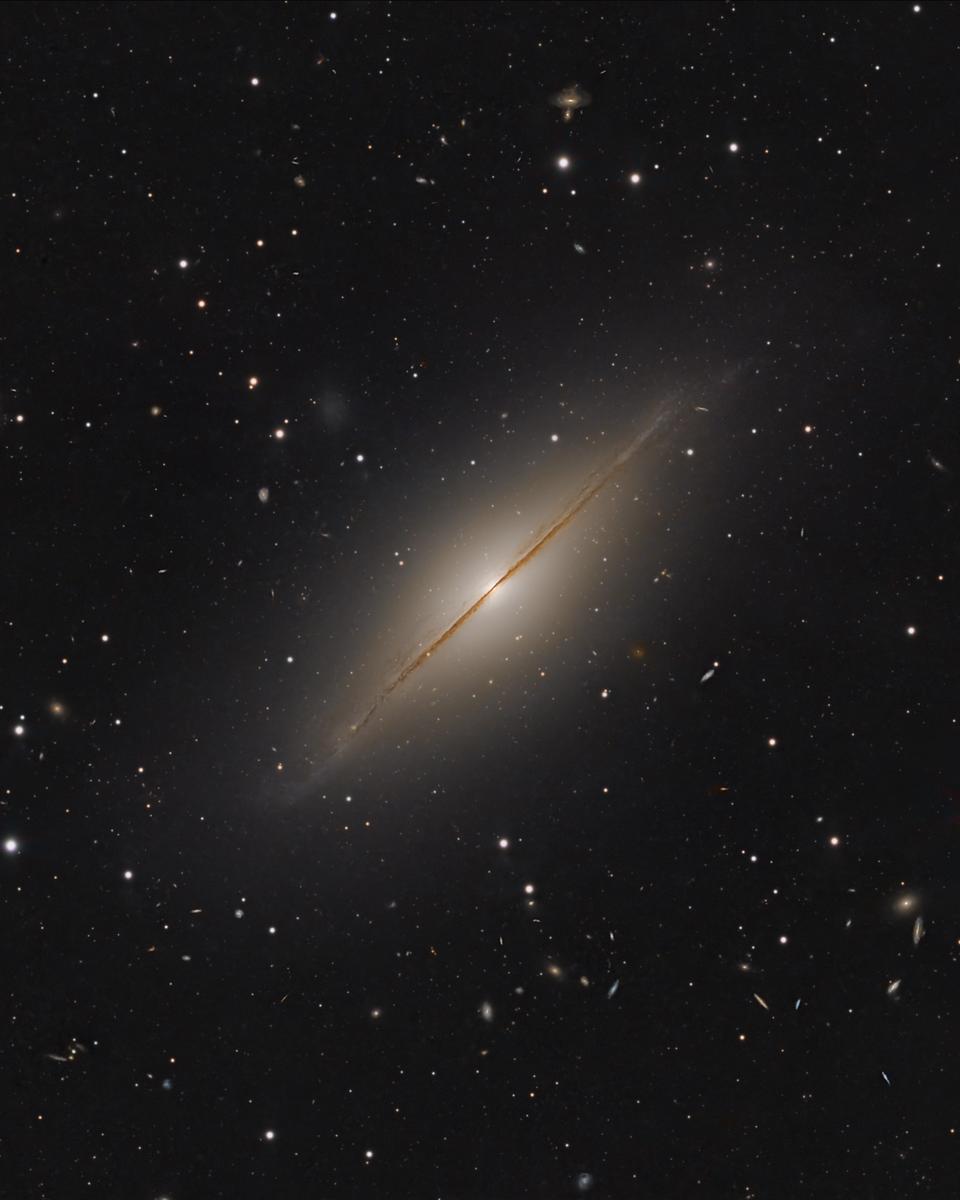
NGC 7814: Little Sombrero
Point your telescope toward the high flying constellation Pegasus and you can find this cosmic expanse of Milky Way stars and distant galaxies . NGC 7814 is centered in the sharp…
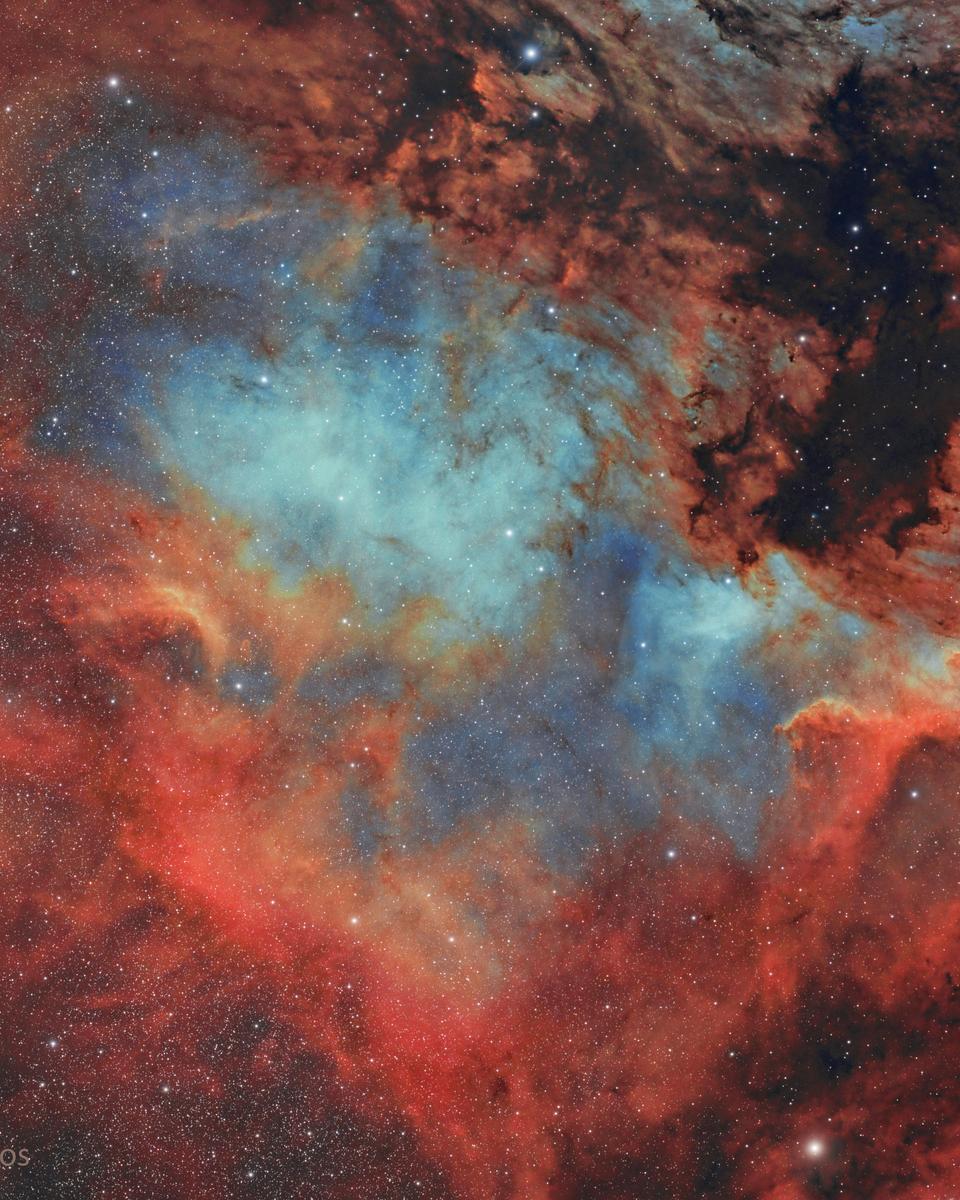
The North America Nebula
The North America nebula on the sky can do what the North America continent on Earth cannot -- form stars. Specifically, in analogy to the Earth-confined continent, the bright…
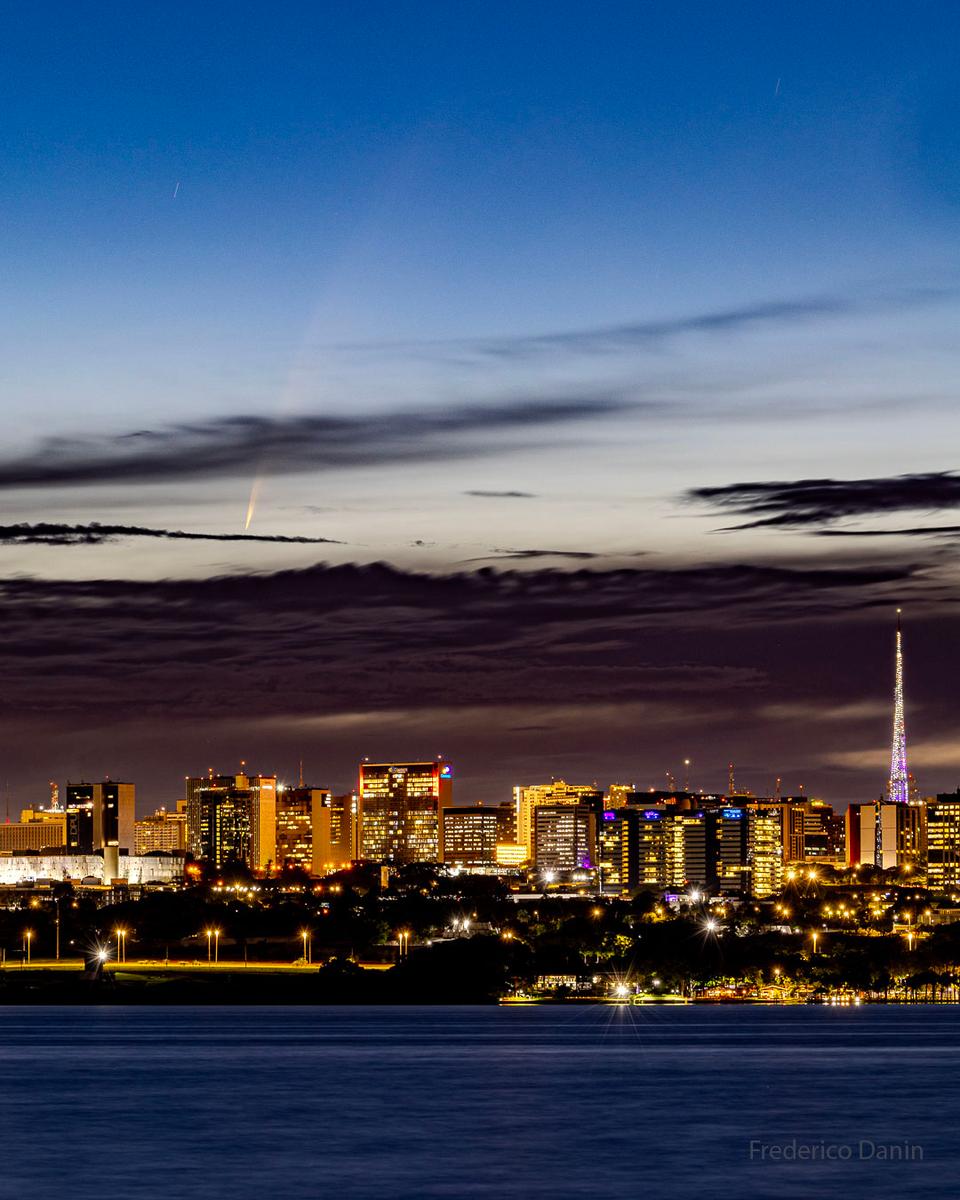
Comet ATLAS over Brasília
What's that in the sky? Above the city, above most clouds, far in the distance: it's a comet. Pictured , the impressive tail of Comet C/2024 G3 (ATLAS) was imaged from Brasília ,…
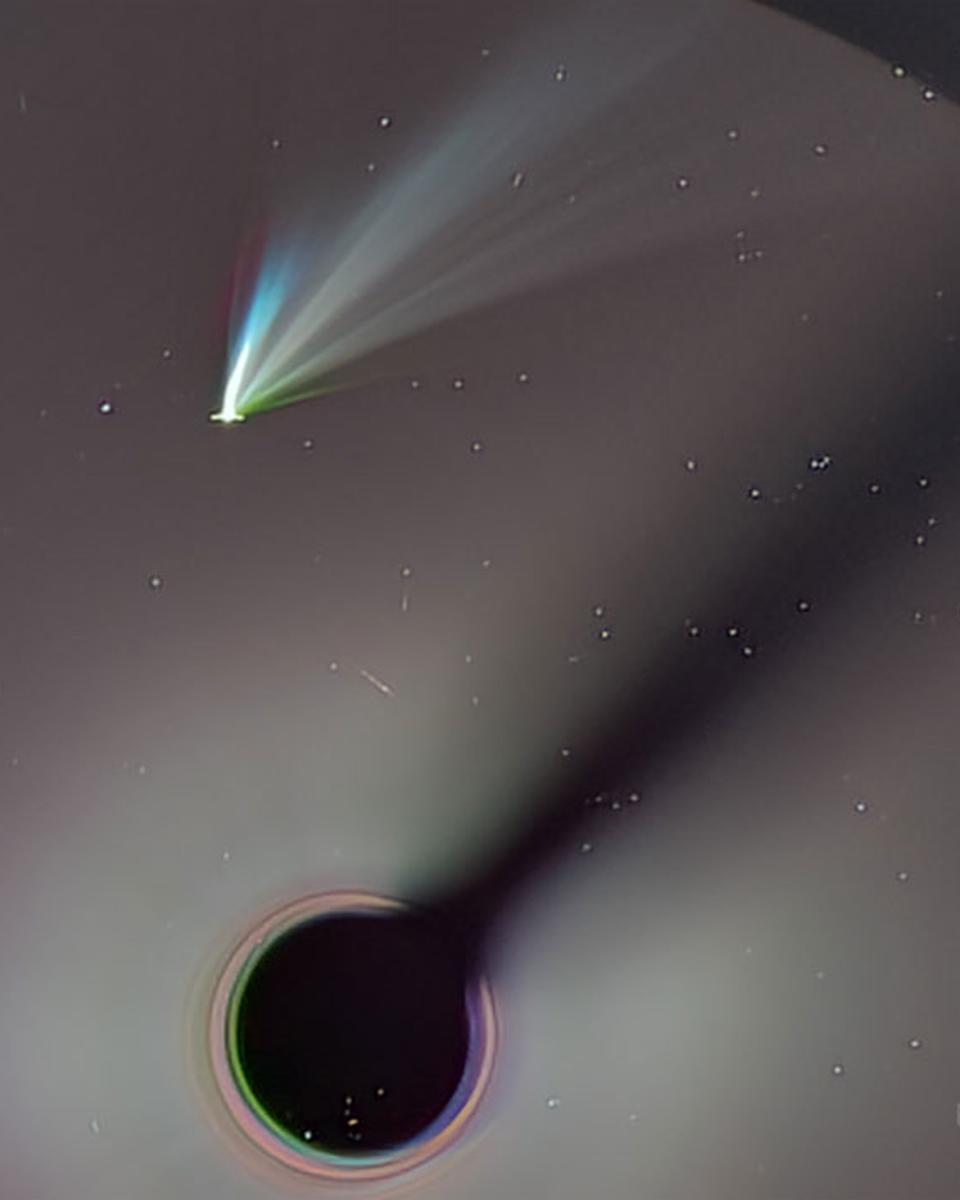
Comet ATLAS Rounds the Sun
Why does Comet ATLAS have such colorful tails? Last week Comet C/2024 G3 (ATLAS) passed its closest to the Sun -- well inside the orbit of Mercury -- and brightened dramatically .…
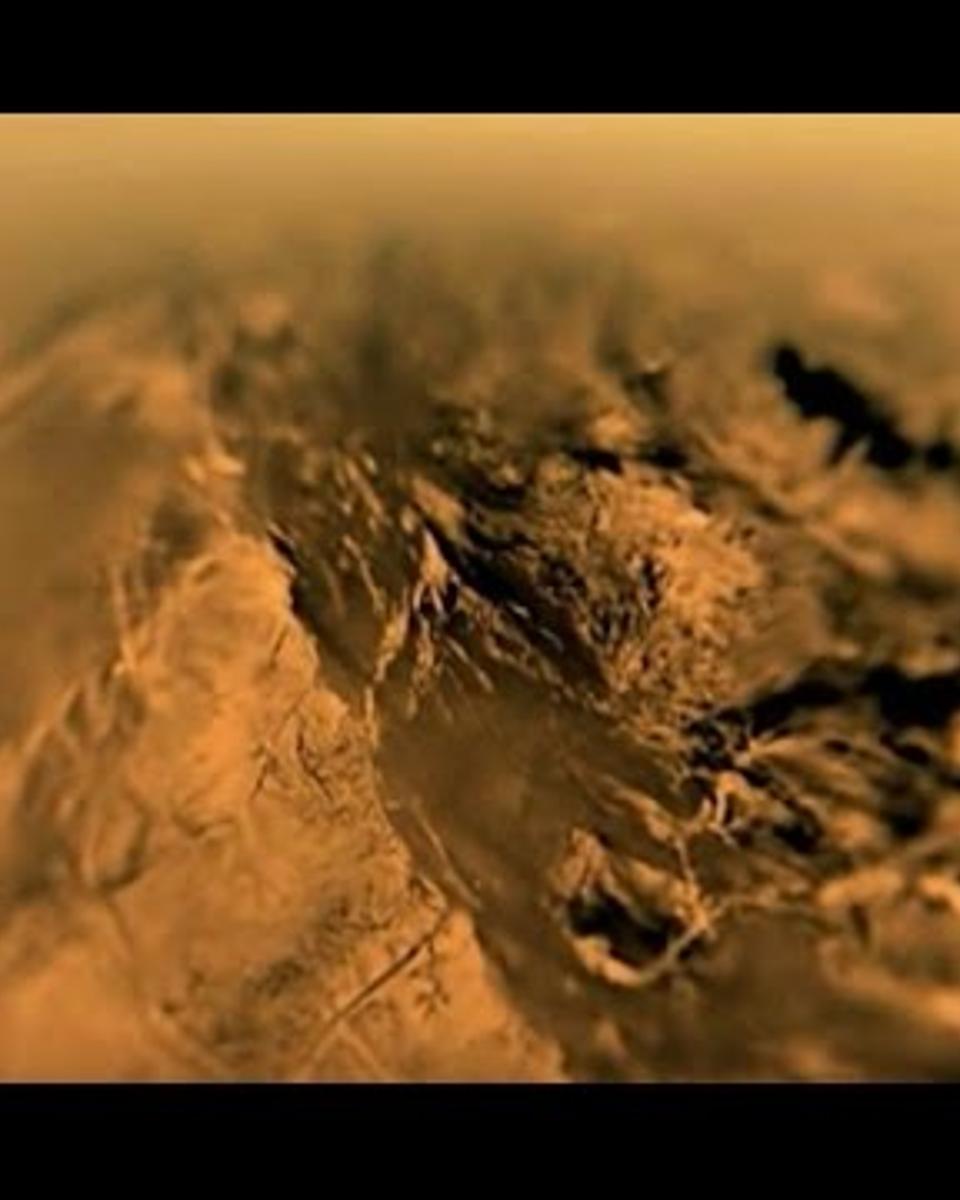
Titan Touchdown: Huygens Descent Movie
What would it look like to land on Saturn's moon Titan? The European Space Agency's Huygens probe set down on the Solar System's cloudiest moon in 2005, and a time-lapse video of…
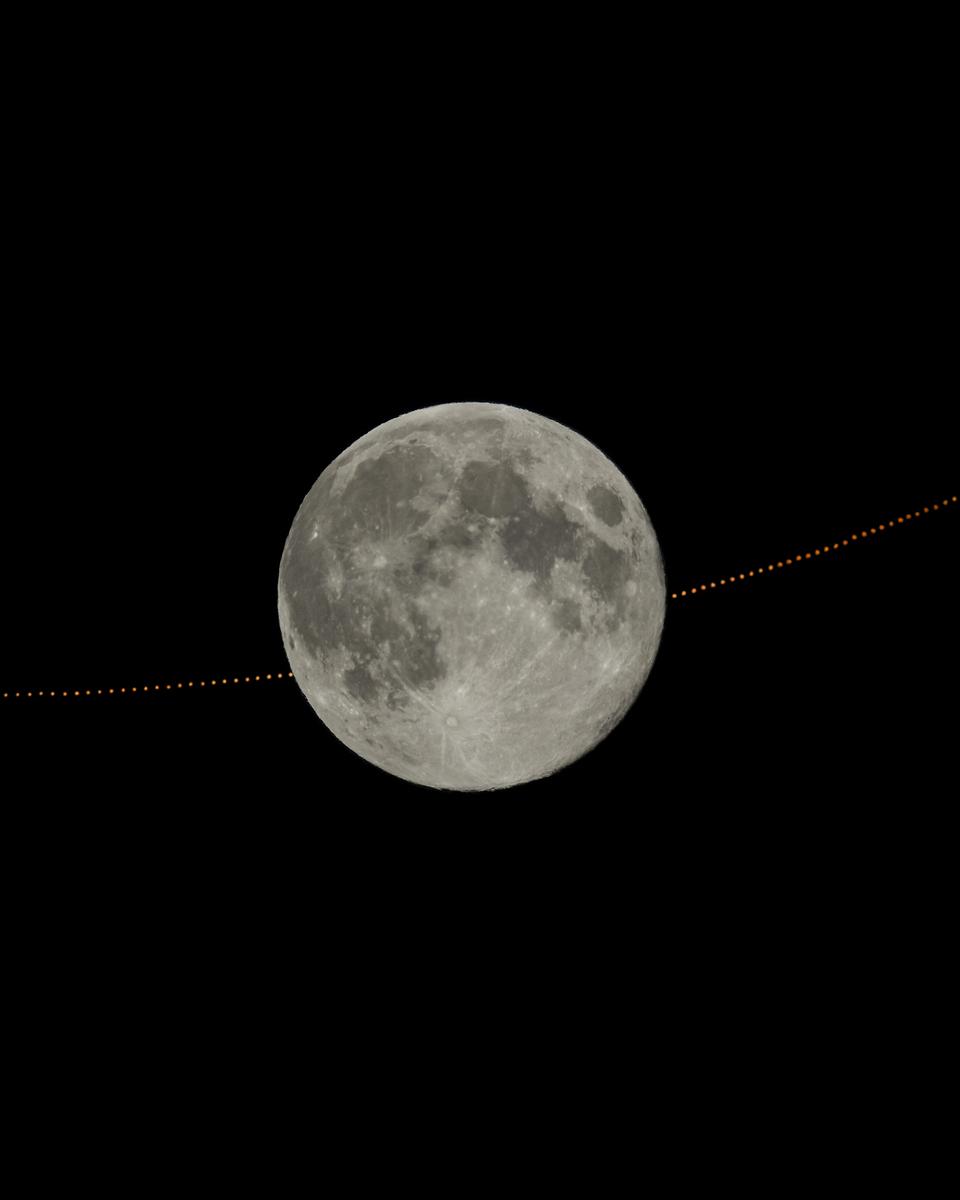
Full Moon, Full Mars
On January 13 a Full Moon and a Full Mars were close, both bright and opposite the Sun in planet Earth's sky. In fact Mars was occulted, passing behind the Moon, when viewed from…
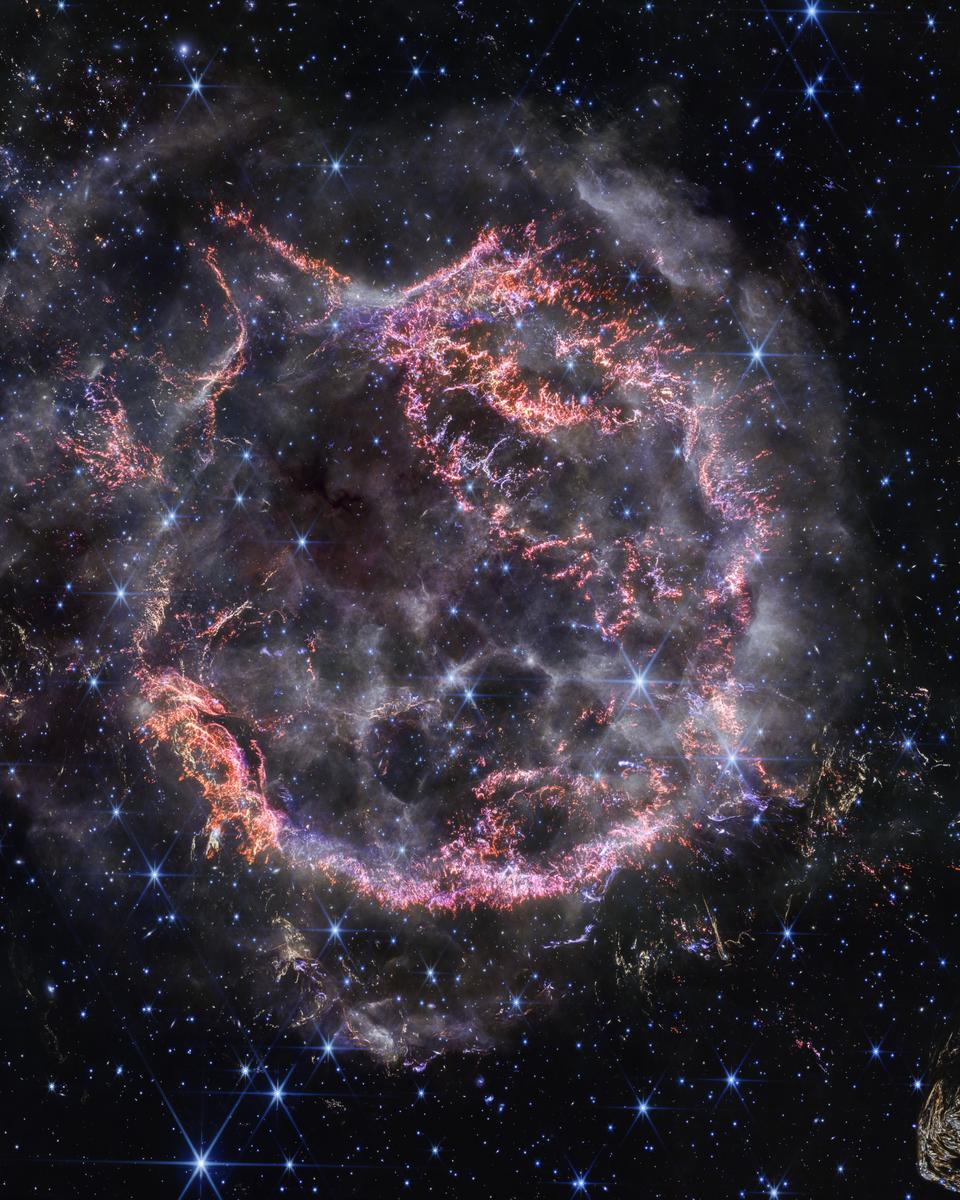
Supernova Remnant Cassiopeia A
Massive stars in our Milky Way Galaxy live spectacular lives. Collapsing from vast cosmic clouds, their nuclear furnaces ignite and create heavy elements in their cores. After…
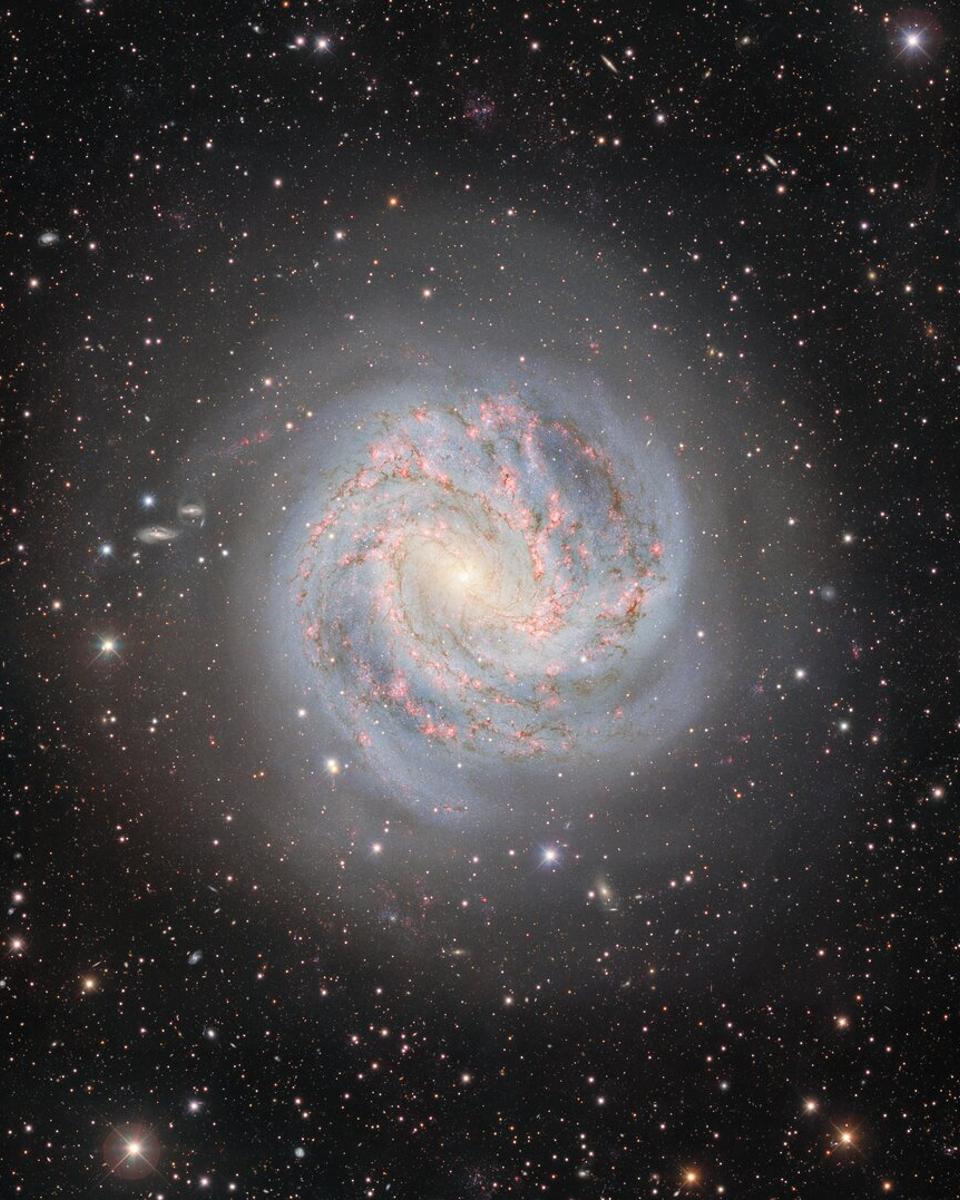
M83: The Southern Pinwheel
Beautiful and bright spiral galaxy M83 lies a some twelve million light-years away, near the southeastern tip of the very long constellation Hydra . Prominent spiral arms traced…
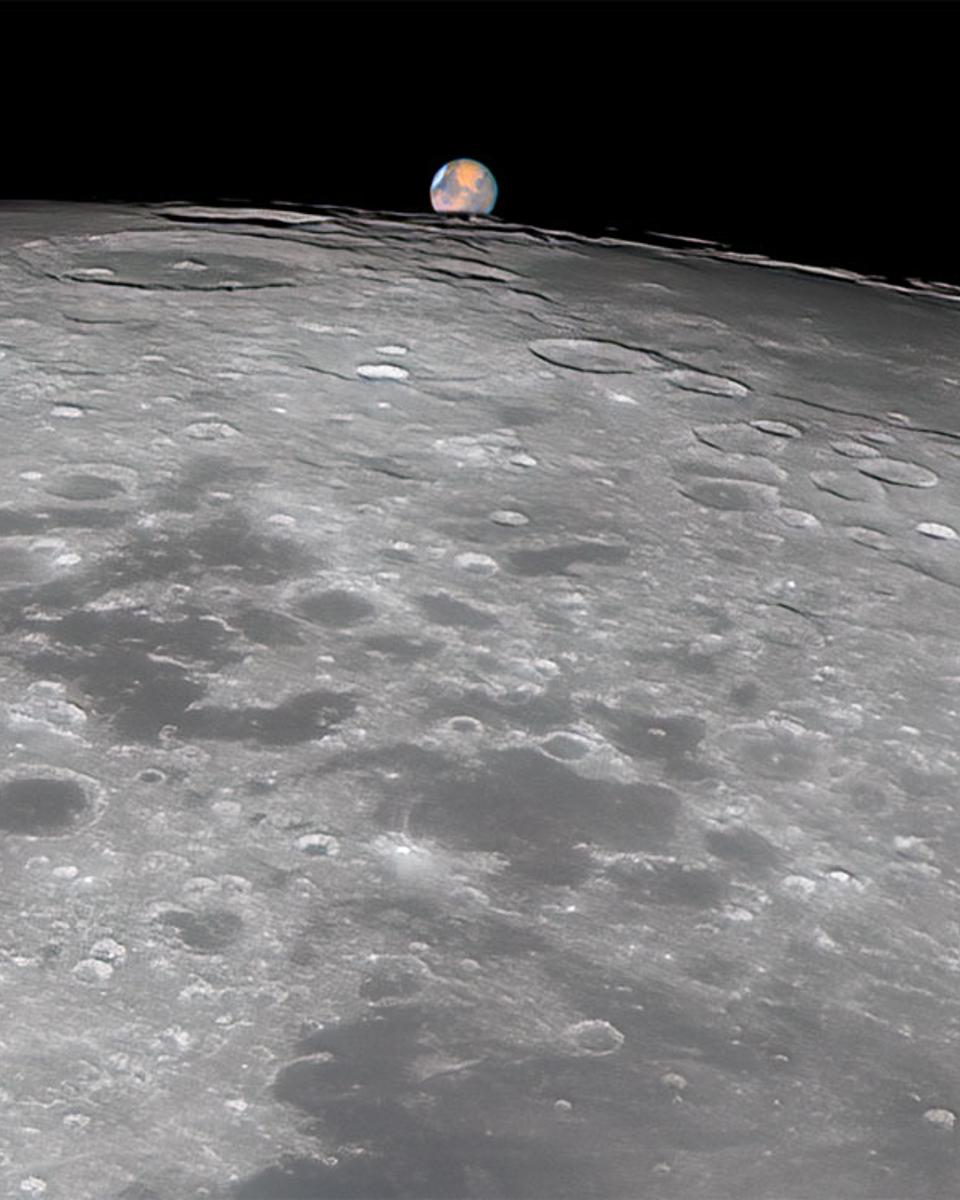
Wolf Moon Engulfs Mars
Does the Moon ever engulf Mars? Yes, but only in the sense that it moves in front, which happens on rare occasions . This happened just yesterday, though, as seen from some…
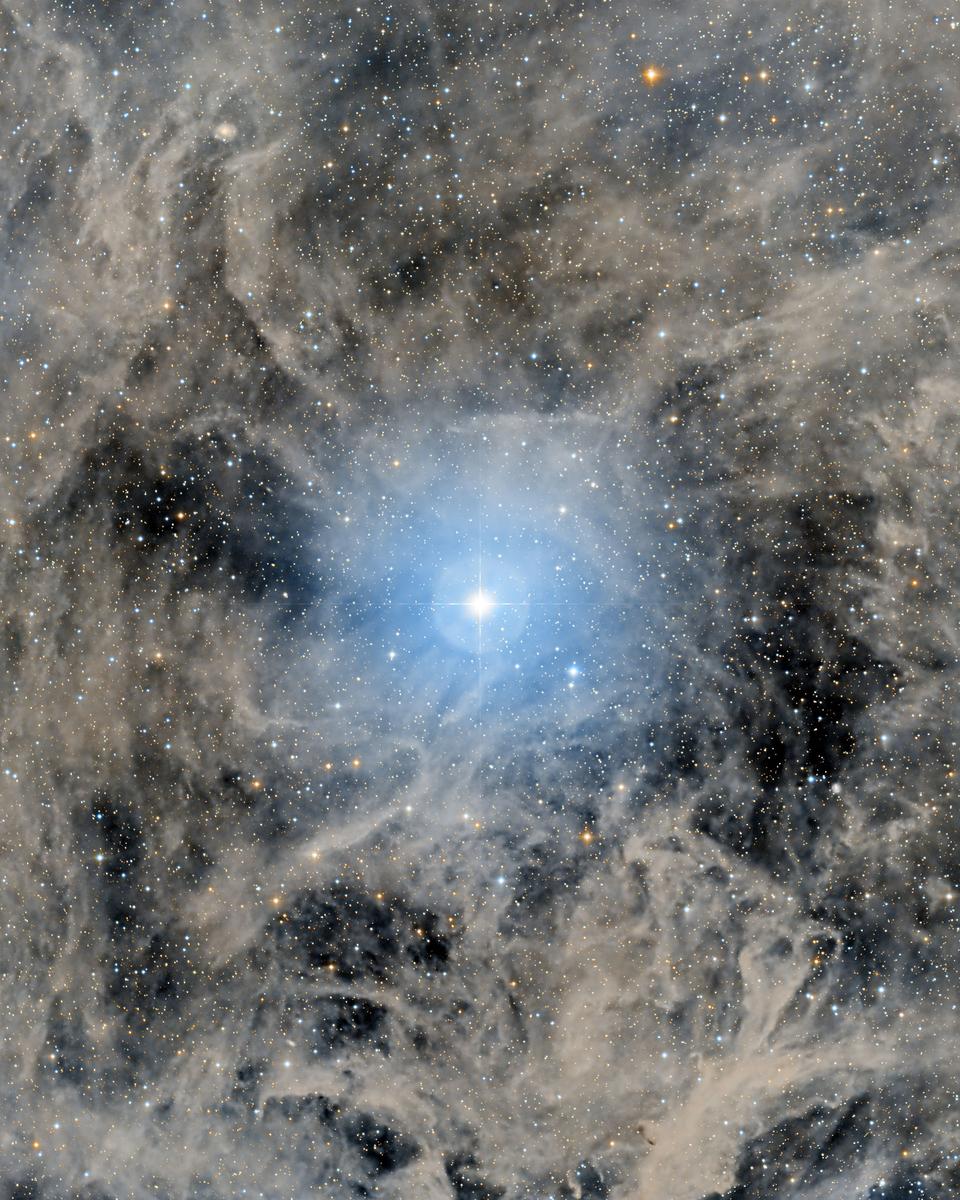
North Star: Polaris and Surrounding Dust
Why is Polaris called the North Star? First, Polaris is the nearest bright star toward the north spin axis of the Earth. Therefore, as the Earth turns, stars appear to revolve…
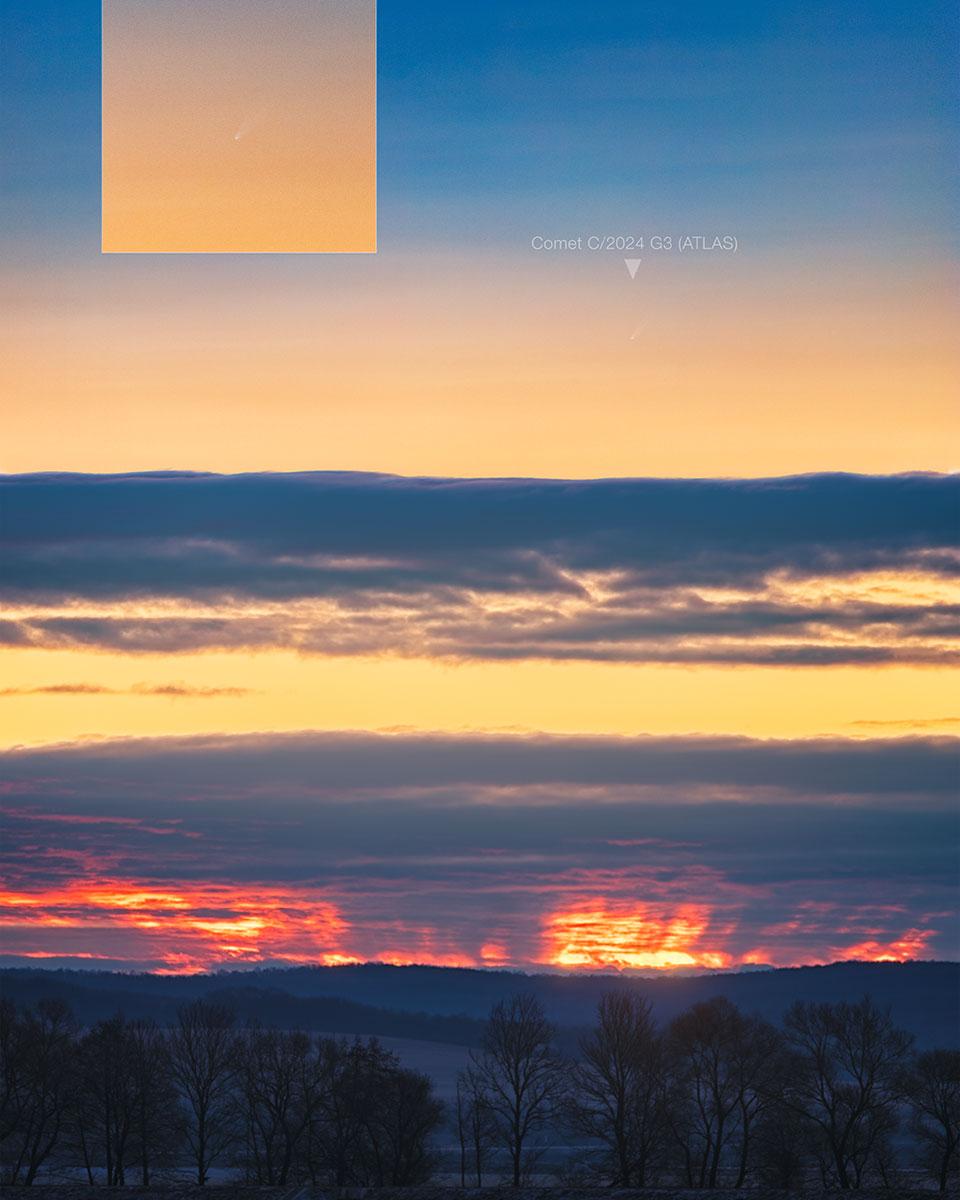
Comet ATLAS Before Sunrise
Comet ATLAS is really bright now, but also really close to the Sun. Outside the glow of the Sun, Comet C/2024 G3 (ATLAS) would be one of the more remarkable comet sights of recent…
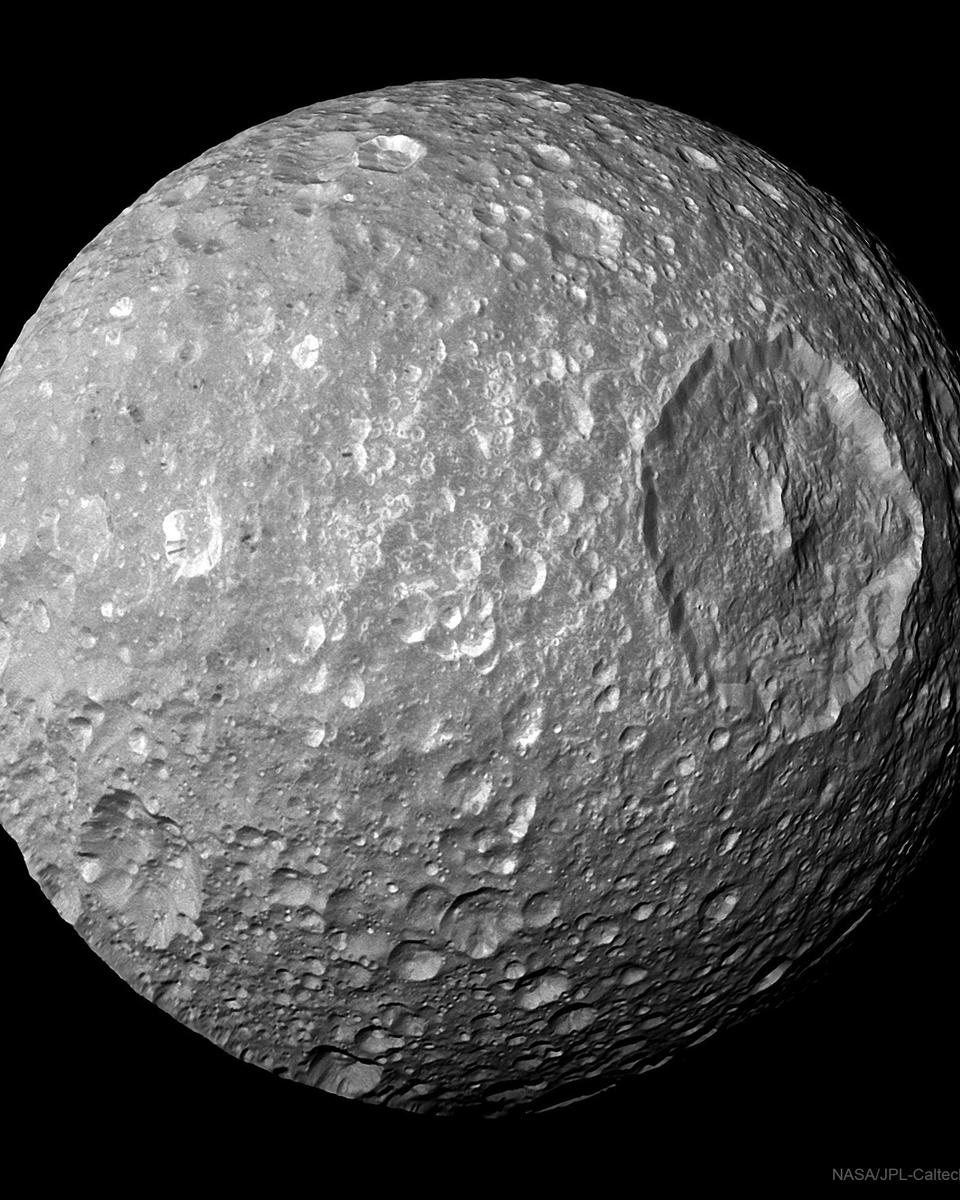
Mimas: Small Moon with a Big Crater
Whatever hit Mimas nearly destroyed it. What remains is one of the largest impact craters on one of Saturn 's smallest round moons. Analysis indicates that a slightly larger…
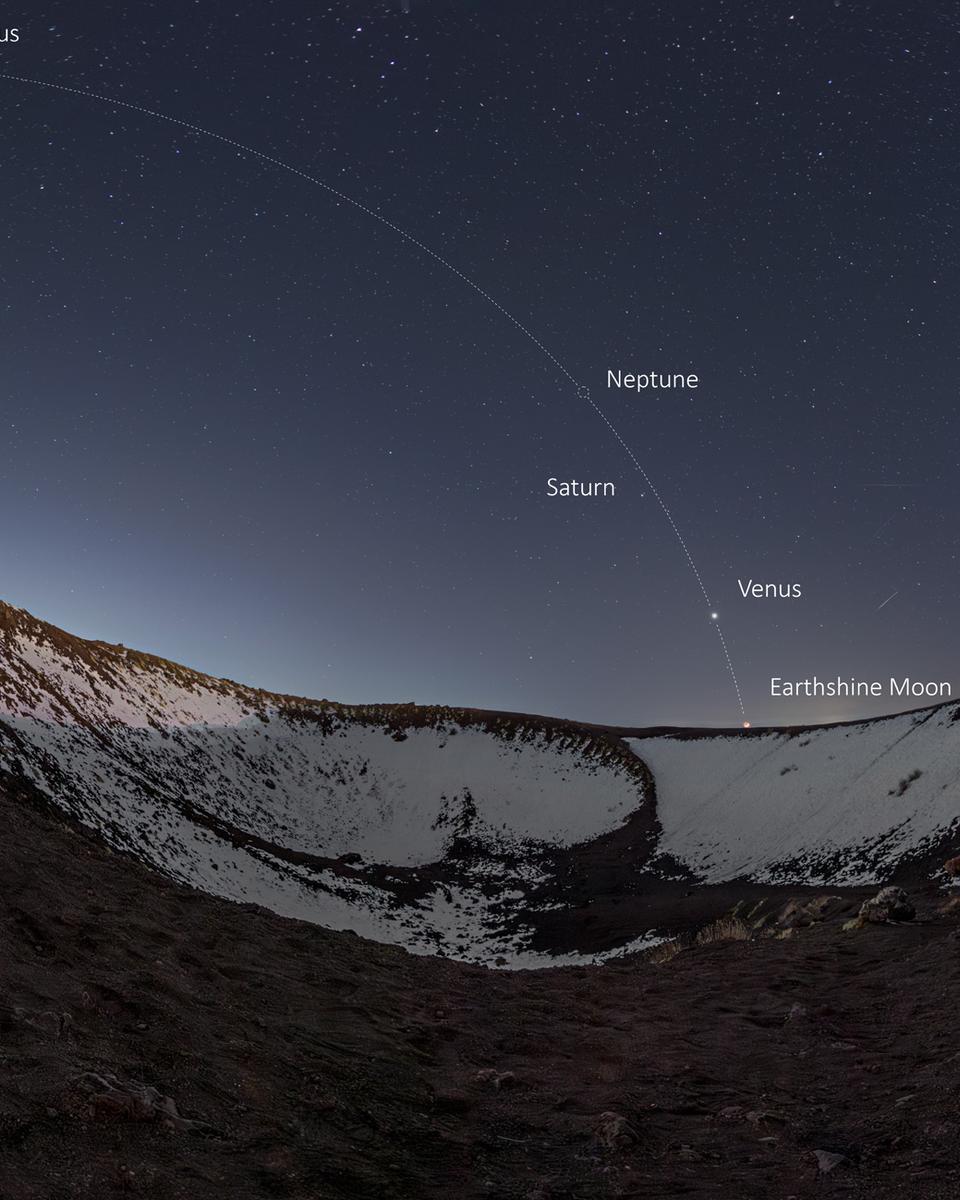
An Evening Sky Full of Planets
Only Mercury is missing from a Solar System parade of planets in this early evening skyscape . Rising nearly opposite the Sun, bright Mars is at the far left. The other naked-eye…
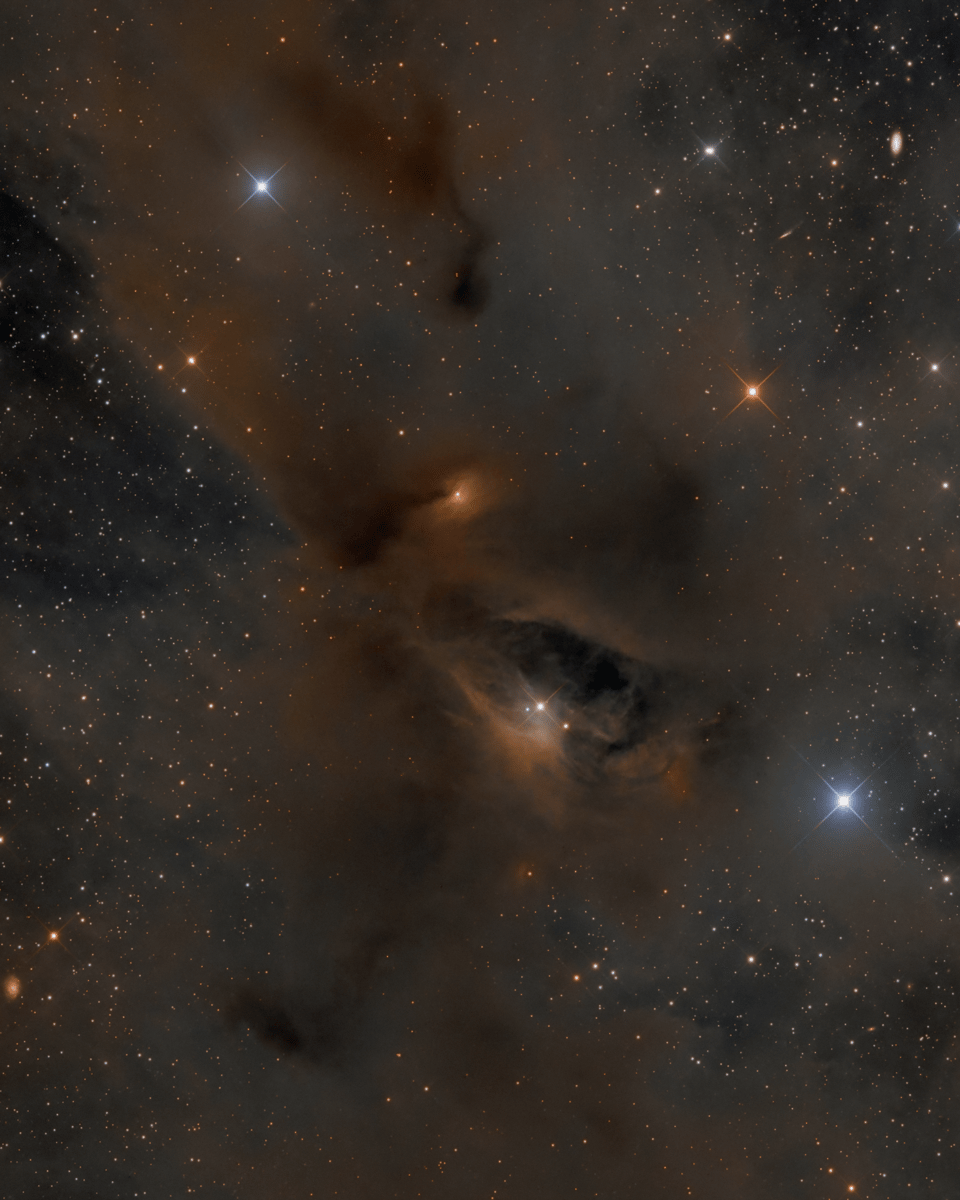
Young Stars, Dark Nebulae
An unassuming region in the constellation Taurus holds these dark and dusty nebulae. Scattered through the scene, stars in multiple star systems are forming within their natal…
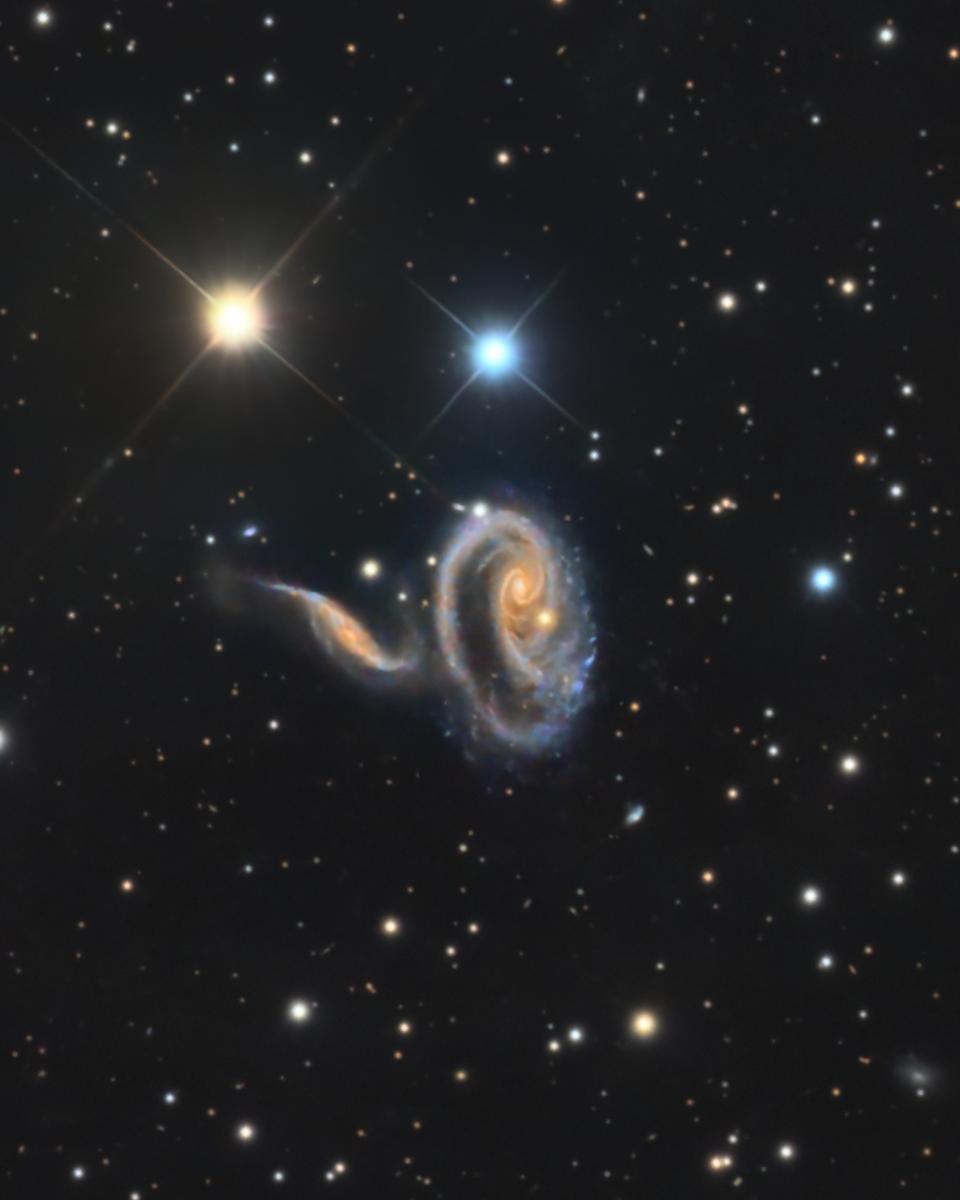
Peculiar Galaxies of Arp 273
The colorful, spiky stars are in the foreground of this image taken with a small telescope on planet Earth . They lie well within our own Milky Way Galaxy . But the two…
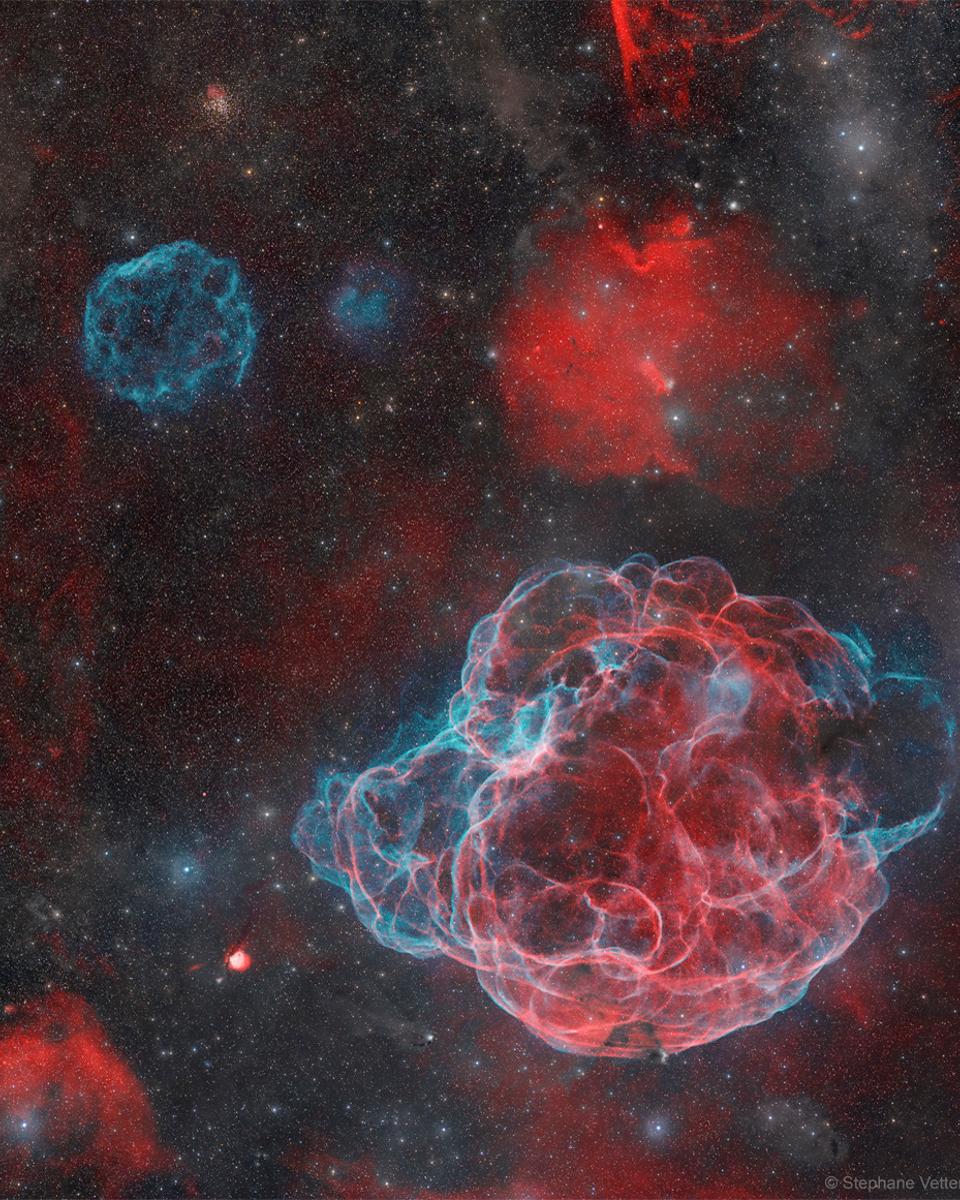
Supernova Remnants Big and Small
What happens after a star explodes? A huge fireball of hot gas shoots out in all directions. When this gas slams into the existing interstellar medium , it heats up so much it…

A New Year's Aurora and SAR Arc
It was a new year, and the sky was doubly red. The new year meant that the Earth had returned to its usual place in its orbit on January 1, a place a few days before its closest…
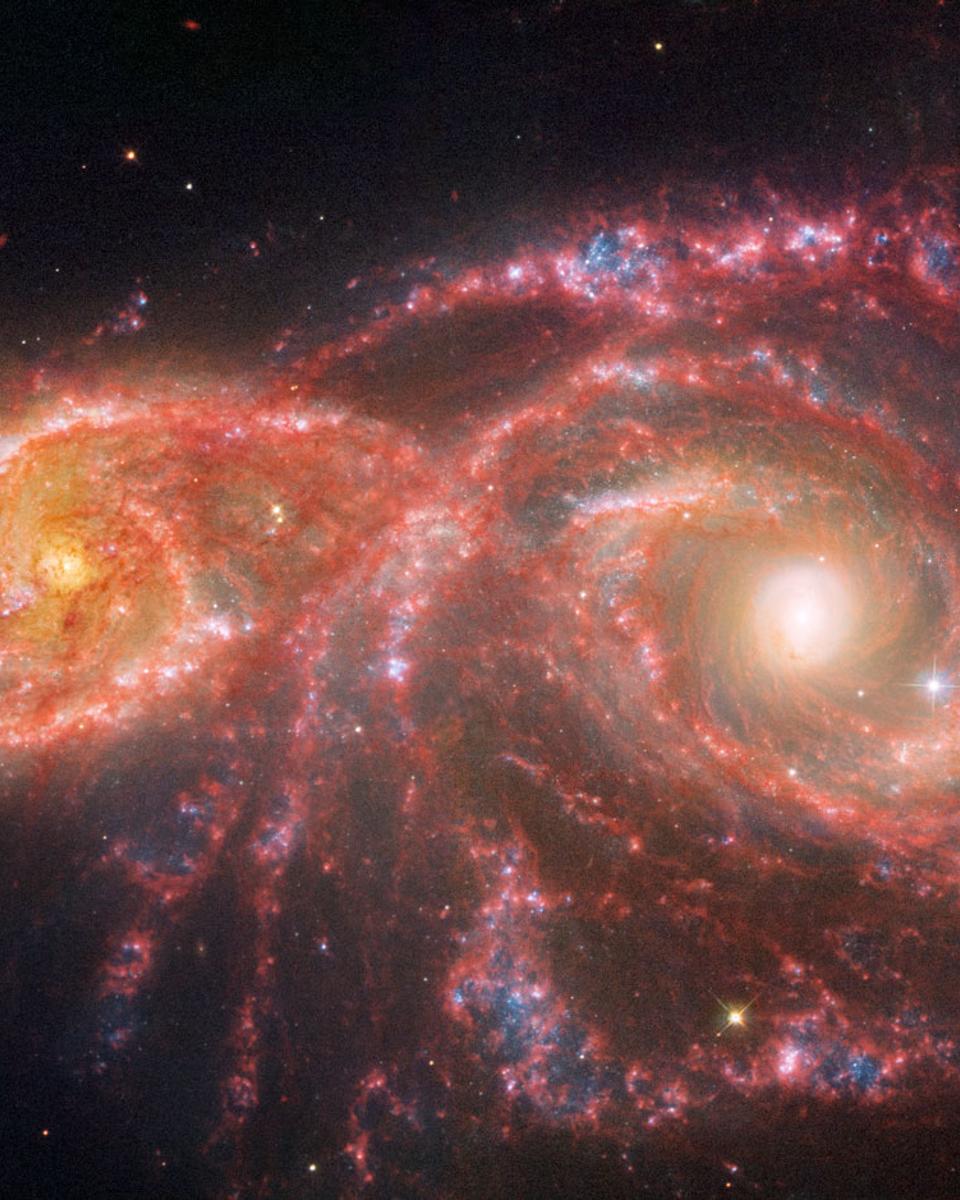
Colliding Spiral Galaxies from Webb and Hubble
Billions of years from now, only one of these two galaxies will remain. Until then, spiral galaxies NGC 2207 and IC 2163 will slowly pull each other apart, creating tides of…
Viewing discoveries from 29 January 2025 through 6 January 2025.