Browse NASA Astronomy Picture of the Day archive by date and media: Archive Discoveries
Browse the NASA APOD archive without needing the exact date first. Filter by media type and keep moving deeper into older images and videos.
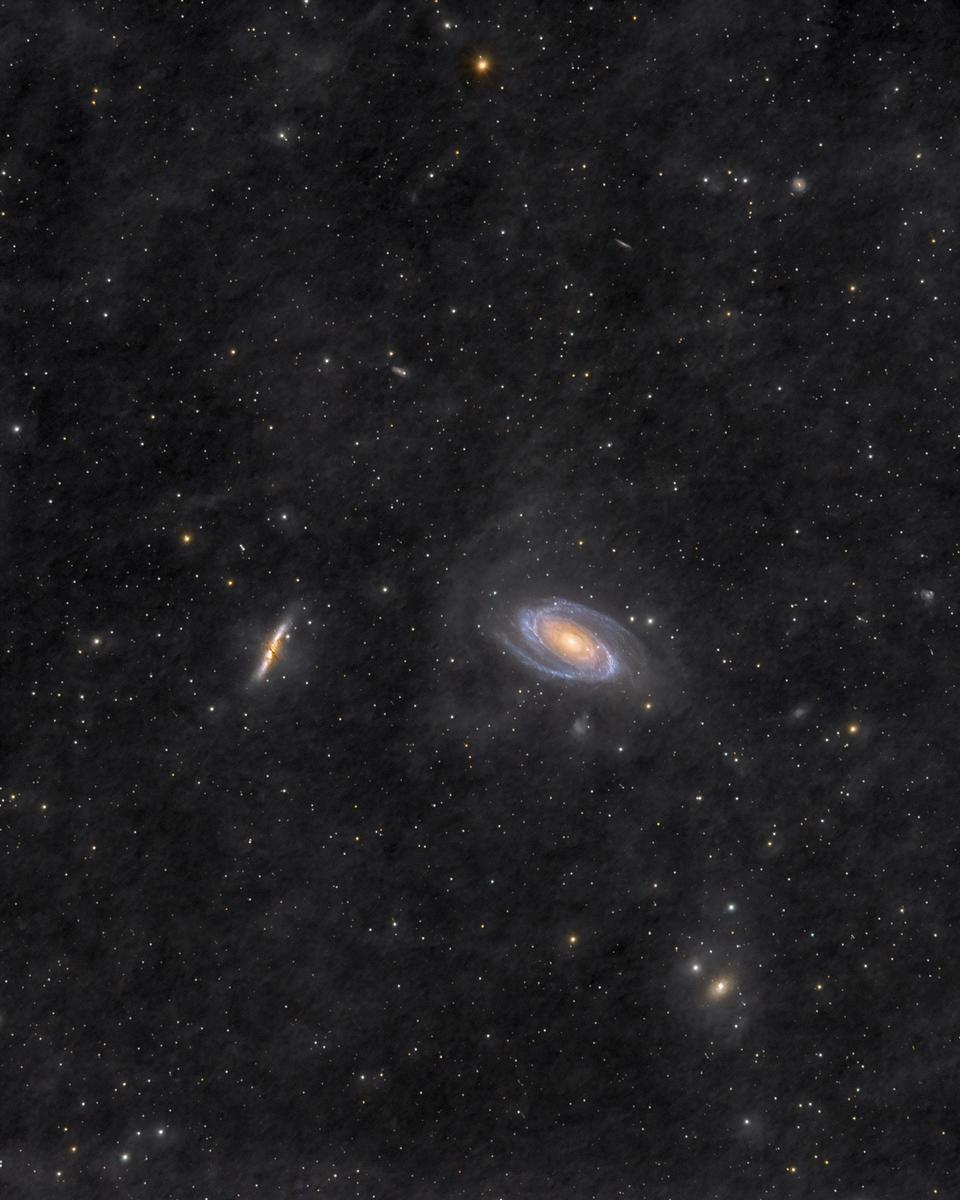
Galaxy Wars: M81 and M82
The two dominant galaxies near center are far far away, 12 million light-years distant toward the northern constellation of the Great Bear. On the right, with grand spiral arms…
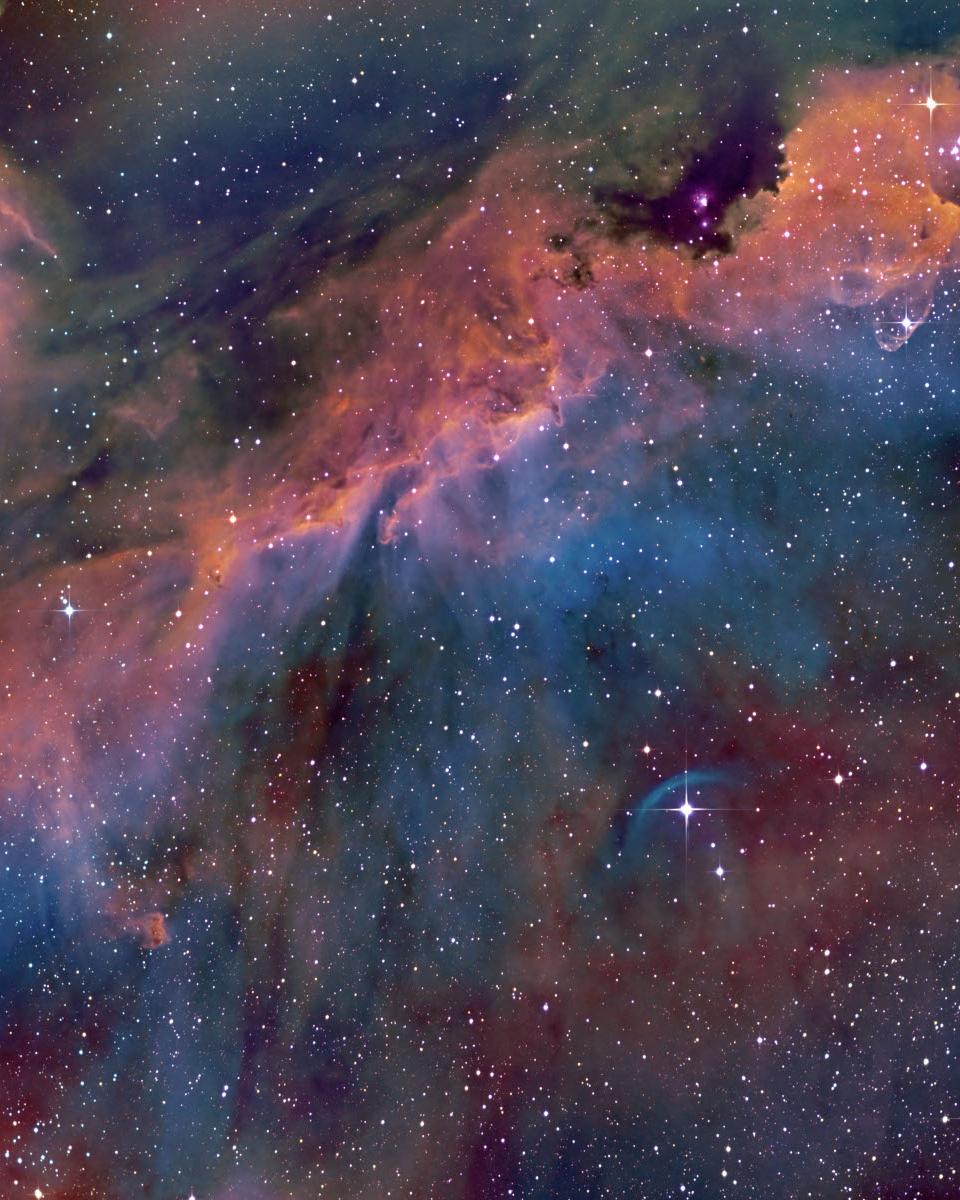
The Seagull Nebula
A broad expanse of glowing gas and dust presents a bird-like visage to astronomers from planet Earth , suggesting its popular moniker - The Seagull Nebula. Using narrowband image…
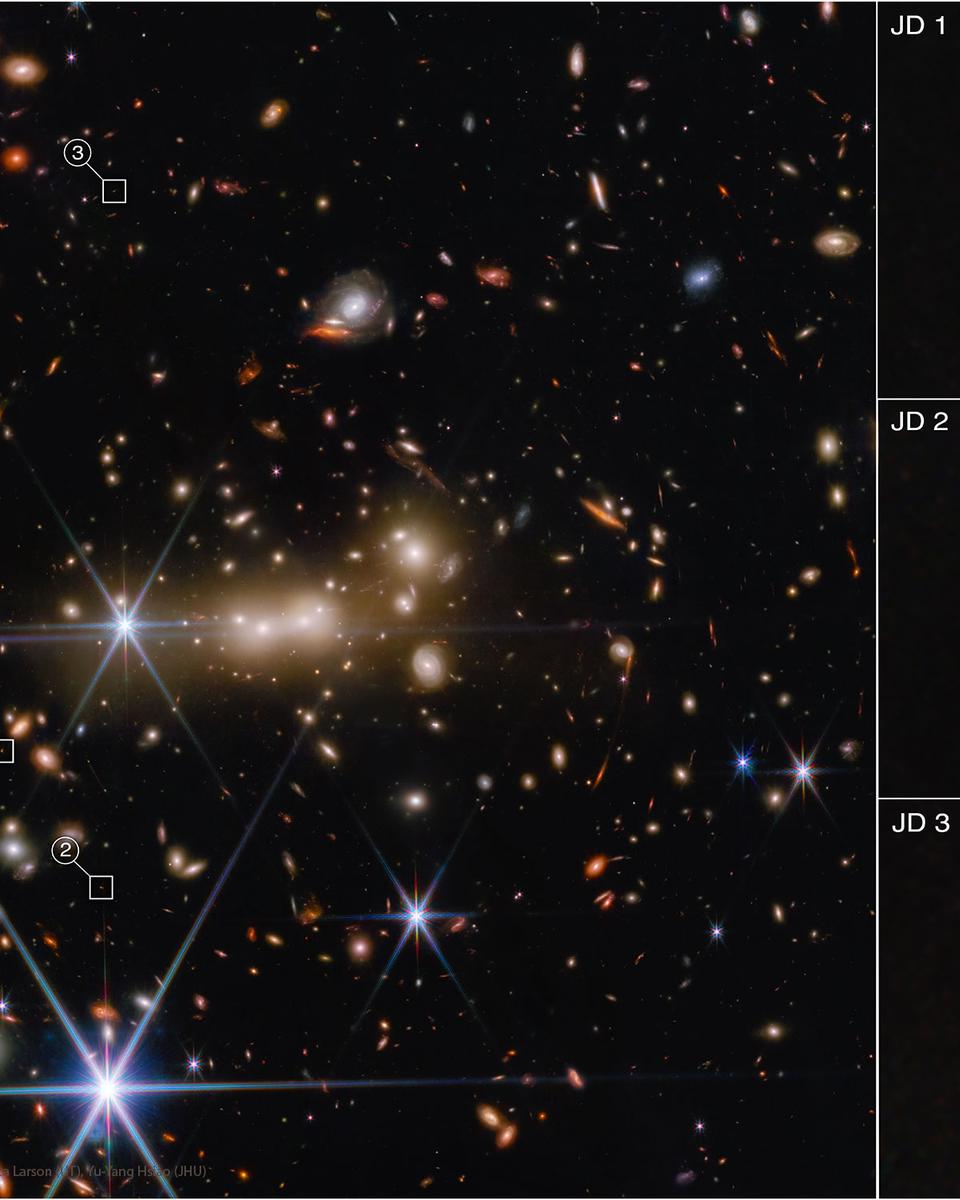
MACS0647: Gravitational Lensing of the Early Universe by Webb
Gravitational lensing by the galaxy cluster MACS0647 -- in which the massive foreground cluster distorts and lenses the light emitted by distant background galaxies along the line…
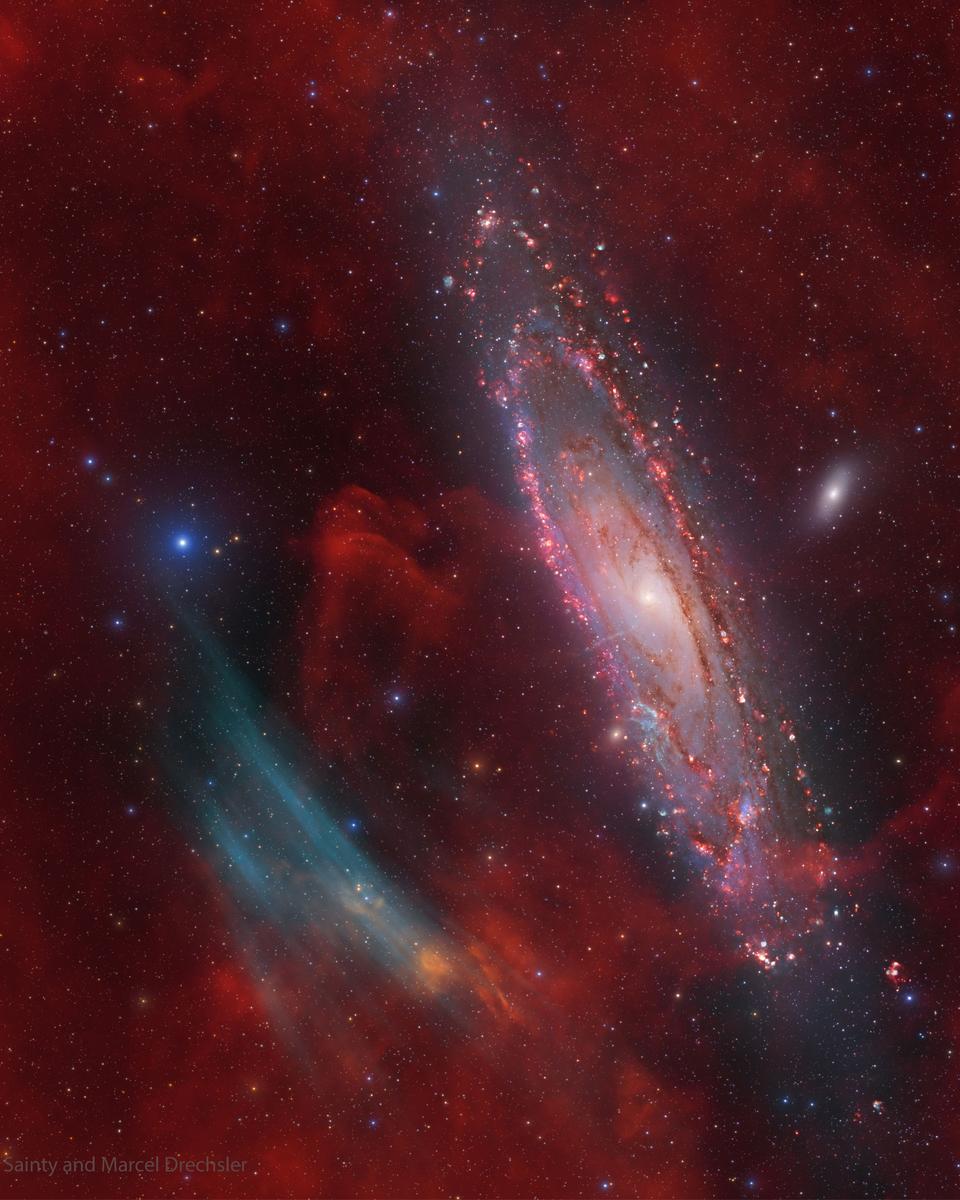
Unexpected Clouds Toward the Andromeda Galaxy
Why are there oxygen-emitting arcs near the direction of the Andromeda galaxy? No one is sure. The gas arcs, shown in blue, were discovered and first confirmed by amateur…
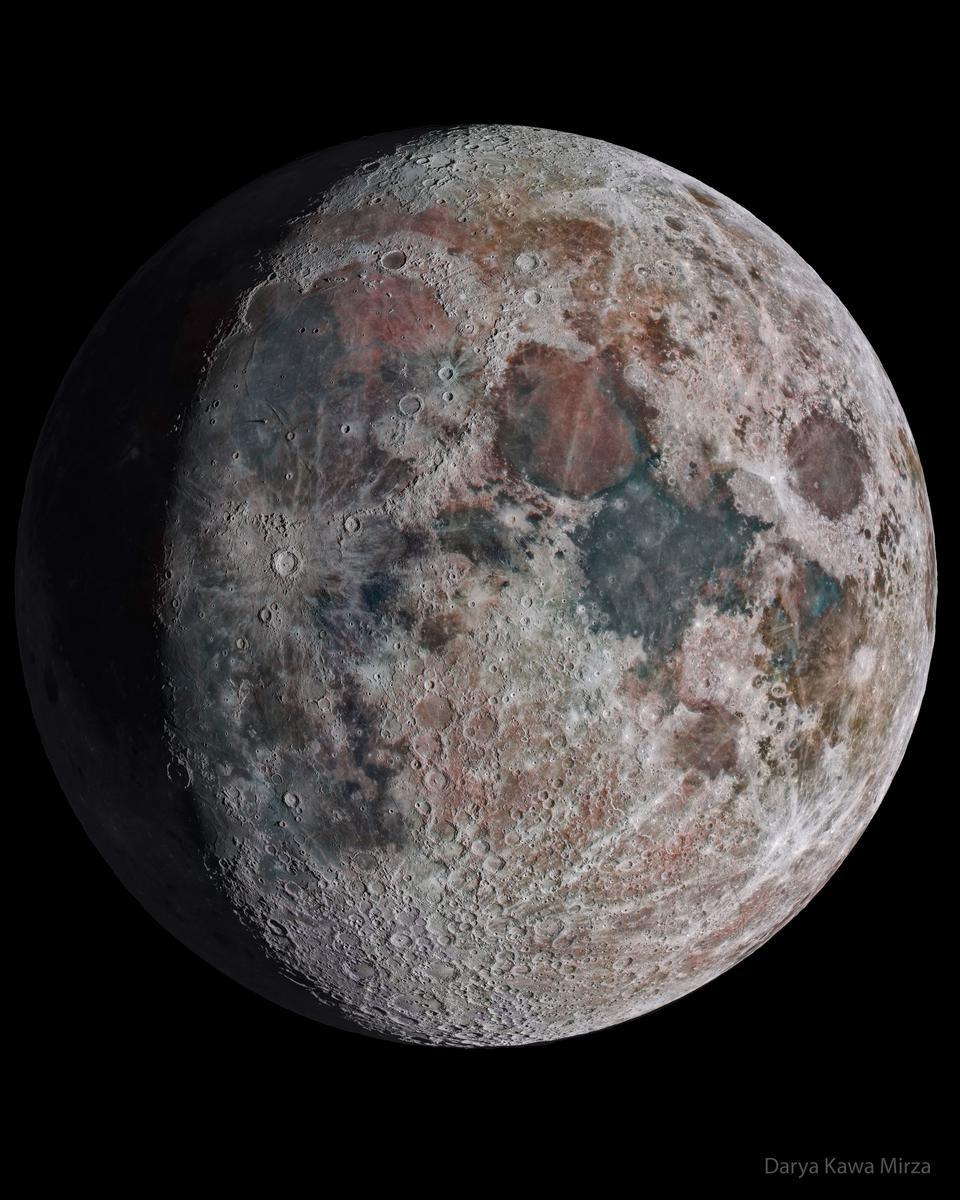
Moon Enhanced
Our Moon doesn't really look like this. Earth's Moon , Luna, doesn't naturally show this rich texture, and its colors are more subtle. But this digital creation is based on…
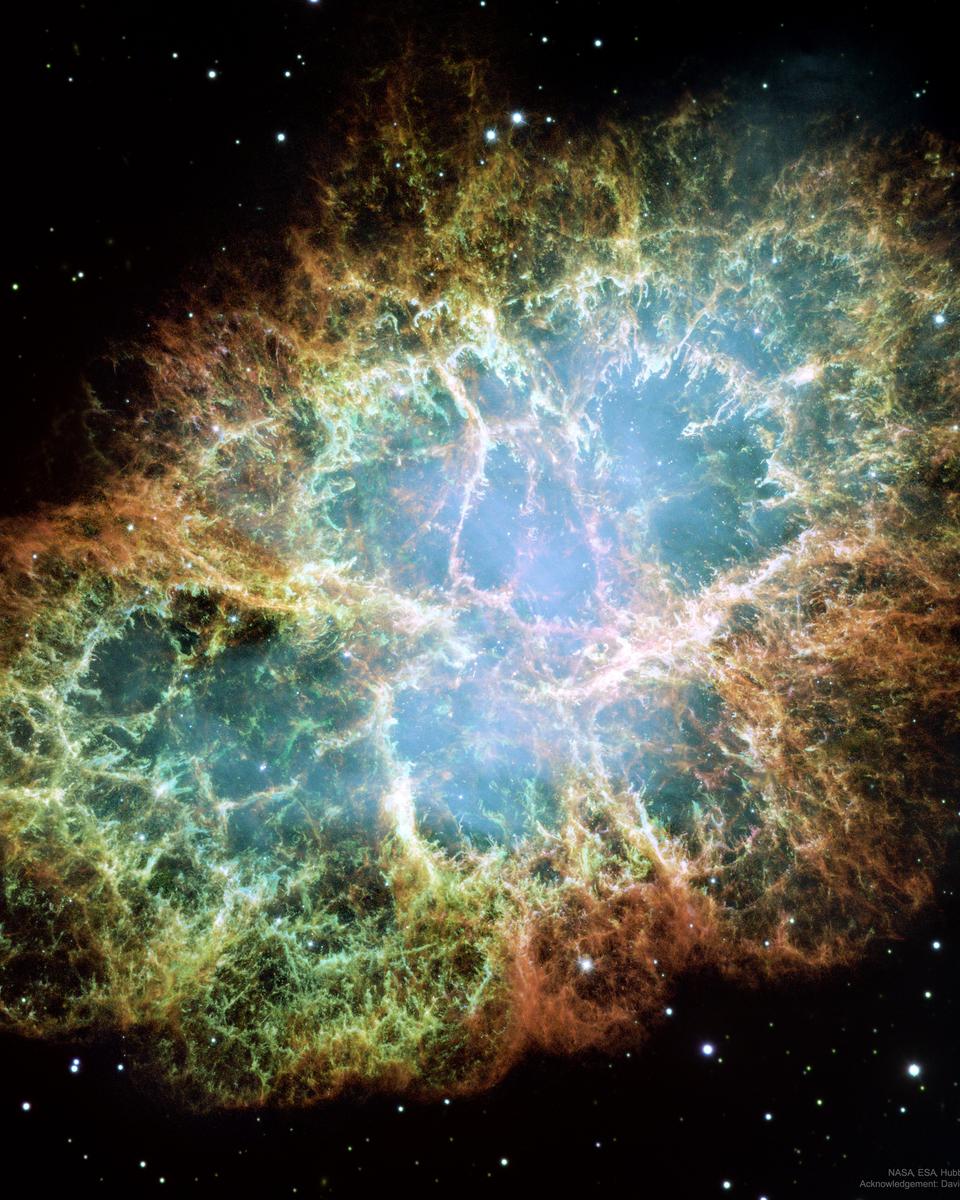
M1: The Crab Nebula from Hubble
This is the mess that is left when a star explodes. The Crab Nebula , the result of a supernova seen in 1054 AD , is filled with mysterious filaments. The filaments are not only…
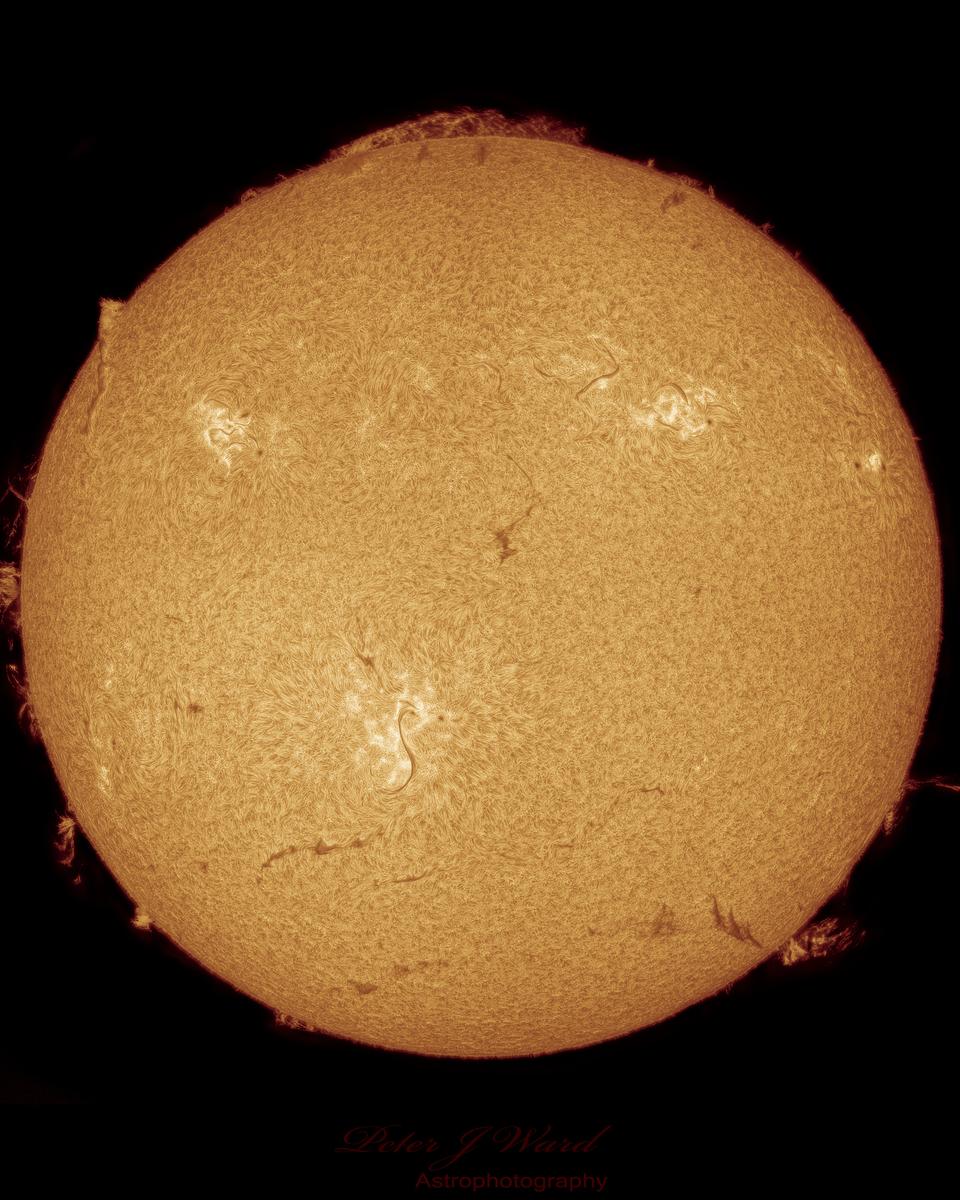
Perihelion Sun 2023
Perihelion for 2023 , Earth's closest approach to the Sun, was on January 4 at 16:17 UTC. That was less than 24 hours after this sharp image of the Sun's disk was recorded with…
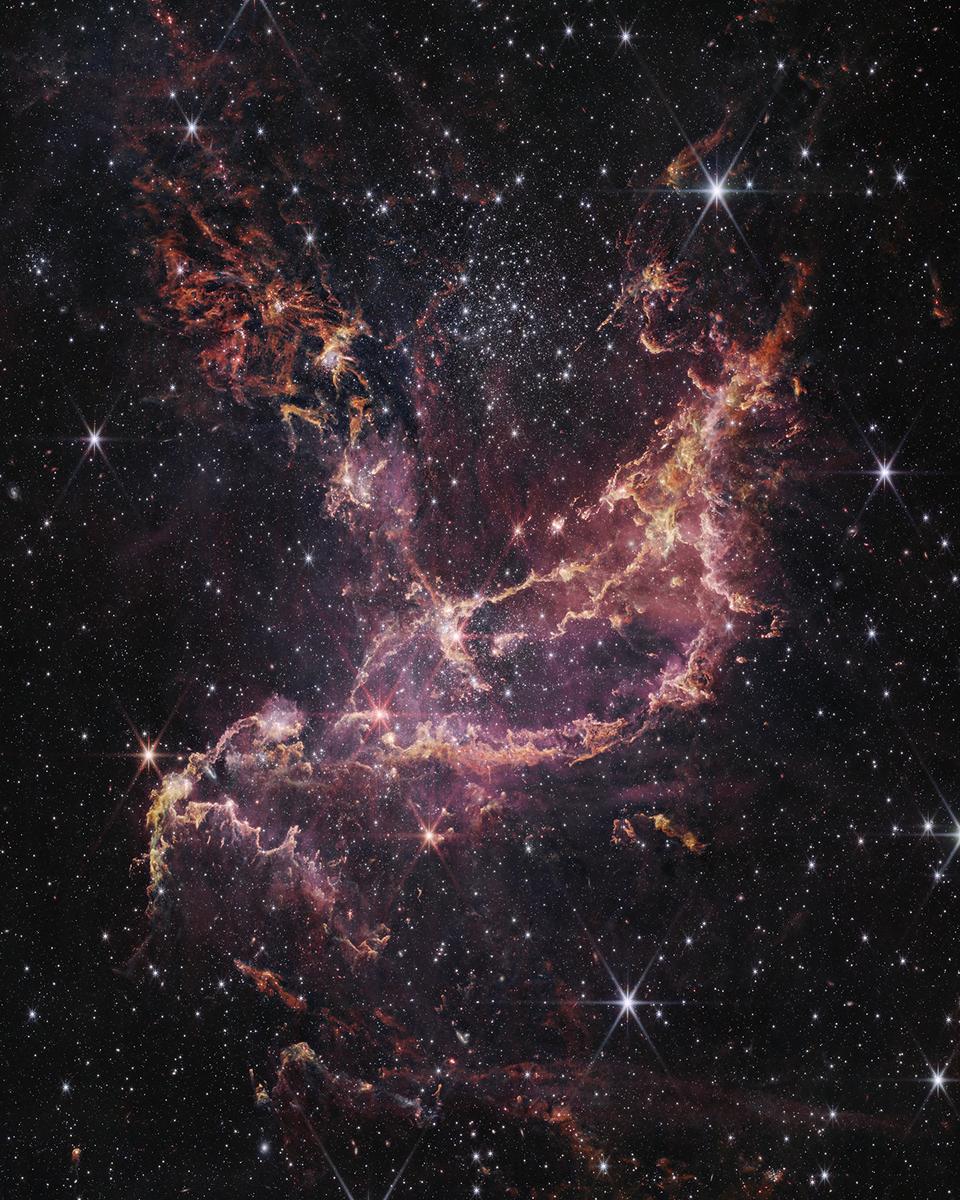
Young Star Cluster NGC 346
The most massive young star cluster in the Small Magellanic Cloud is NGC 346, embedded in our small satellite galaxy's largest star forming region some 210,000 light-years…
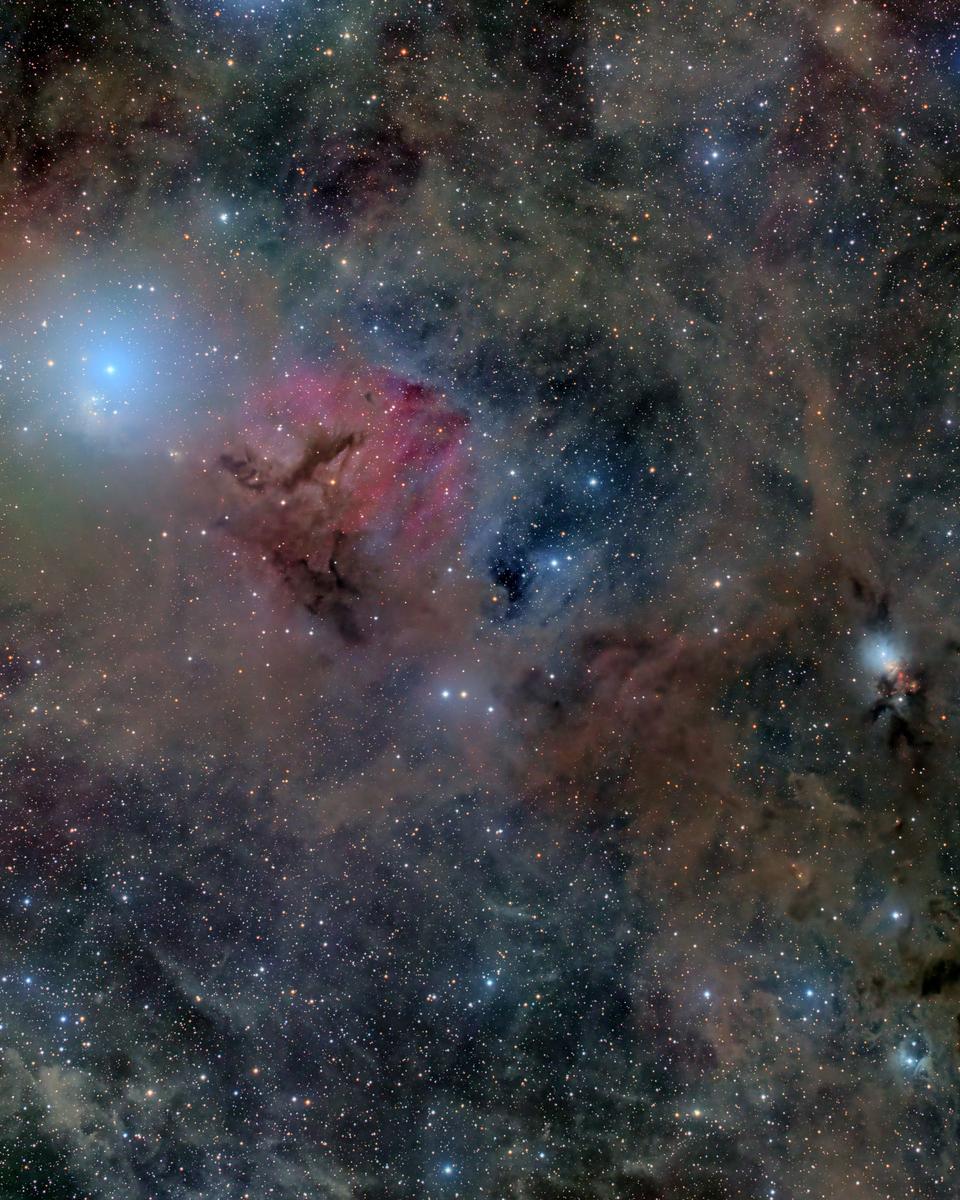
Stardust in Perseus
This cosmic expanse of dust, gas, and stars covers some 6 degrees on the sky in the heroic constellation Perseus. At upper left in the gorgeous skyscape is the intriguing young…
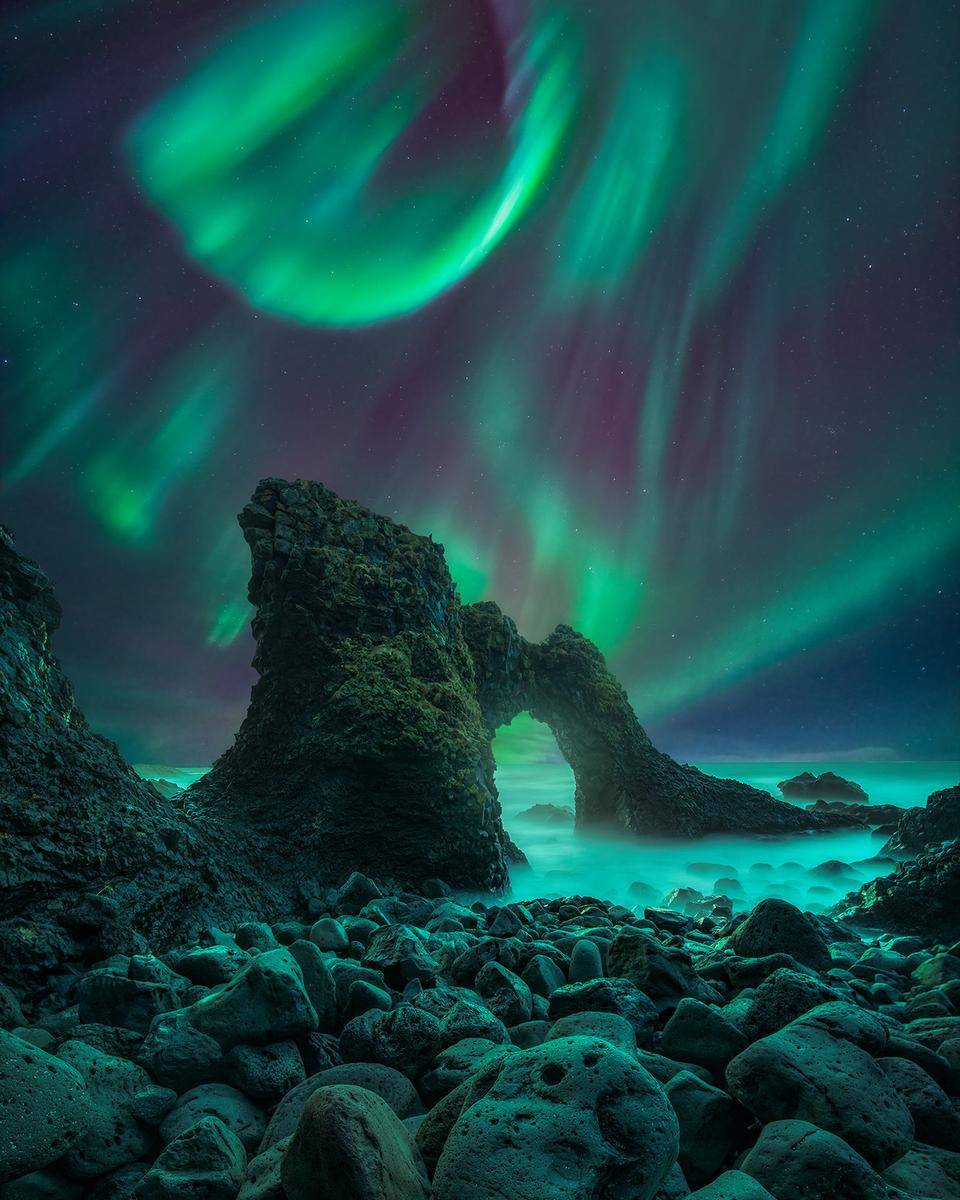
Spiral Aurora over Iceland
The scene may look like a fantasy, but it's really Iceland . The rock arch is named Gatklettur and located on the island's northwest coast. Some of the larger rocks in the…
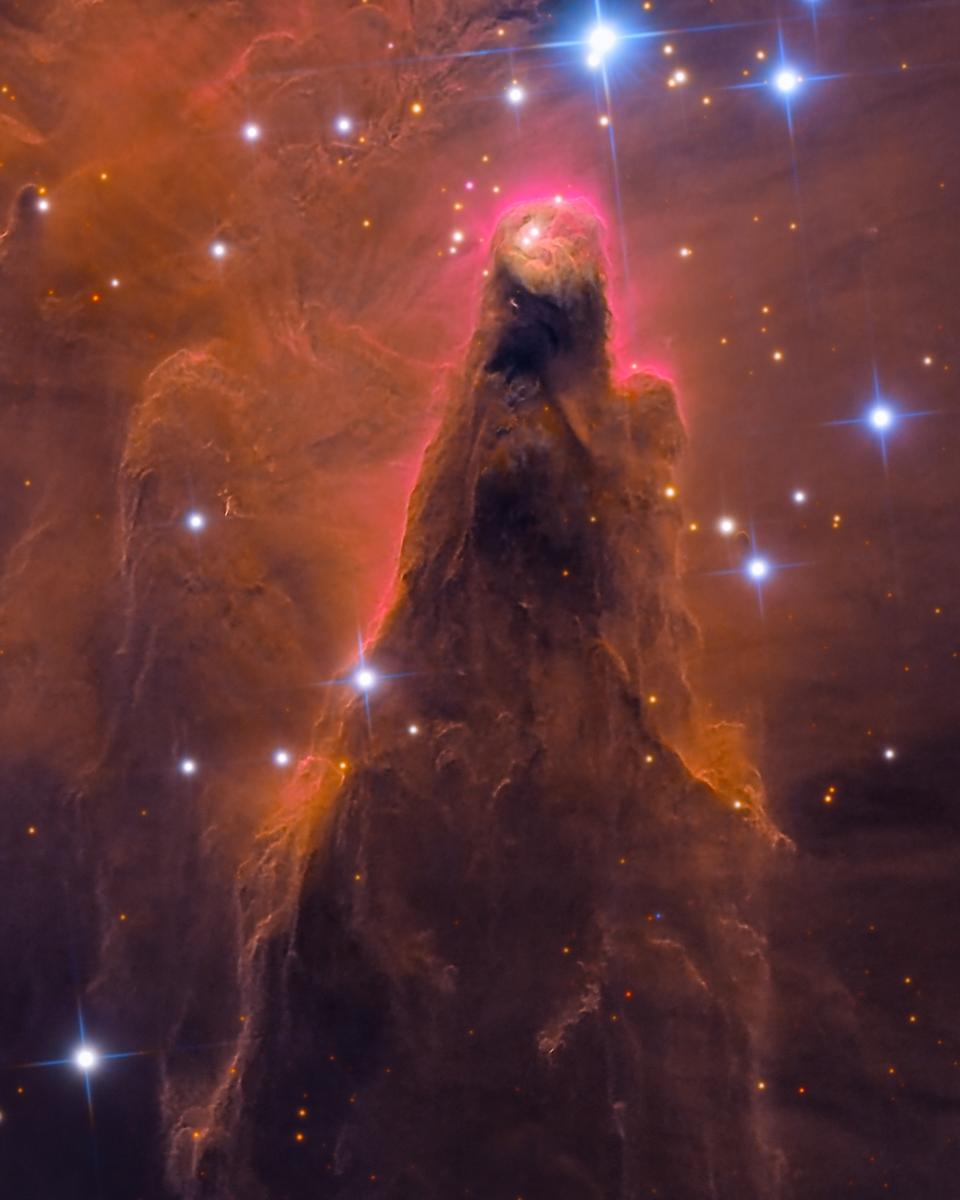
NGC 2264: The Cone Nebula
Stars are forming in the gigantic dust pillar called the Cone Nebula. Cones, pillars , and majestic flowing shapes abound in stellar nurseries where clouds of gas and dust are…
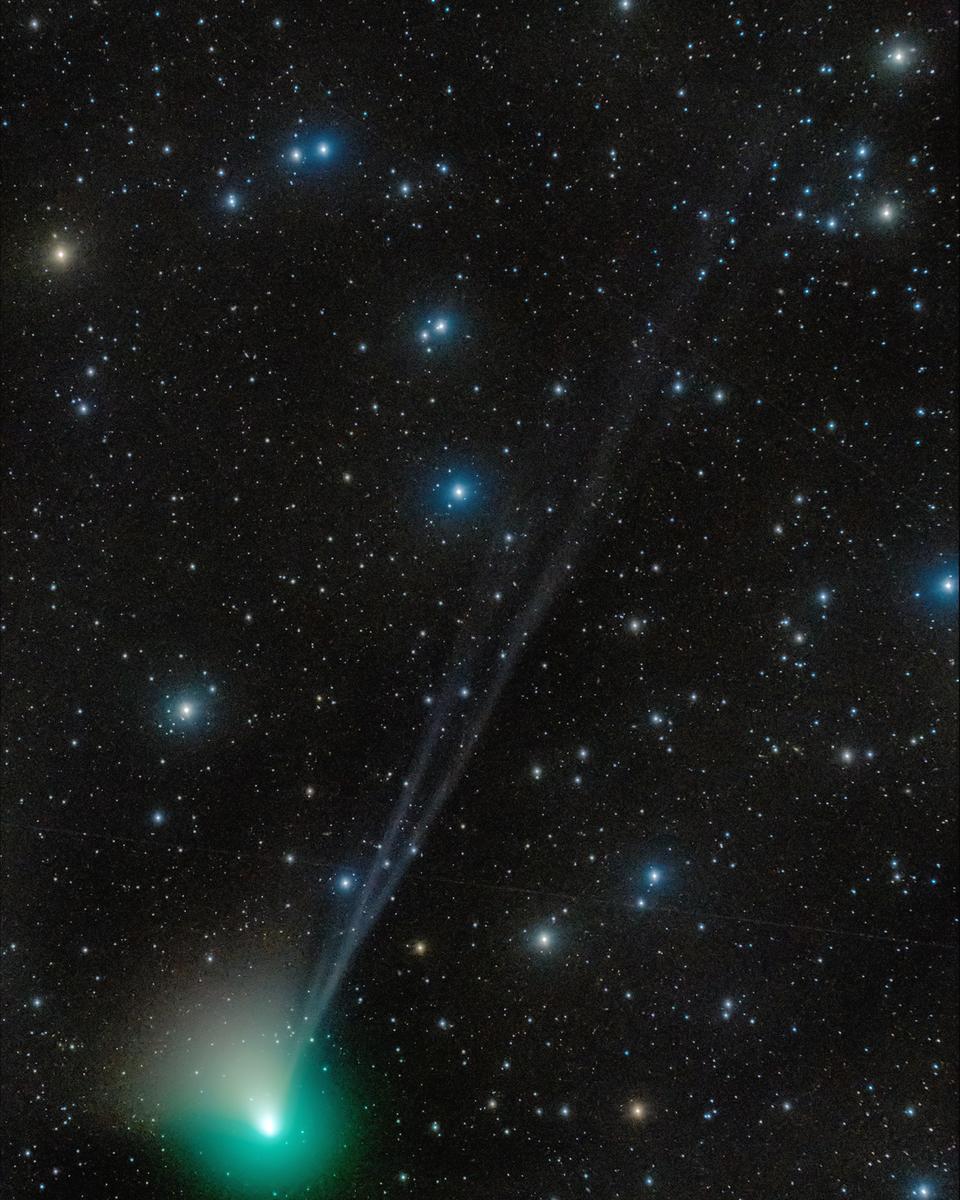
Tails of Comet ZTF
Comet ZTF may become visible to the unaided eye. Discovered early last year, this massive snowball has been brightening as it approaches the Sun and the Earth. C/2022 E3 (ZTF)…
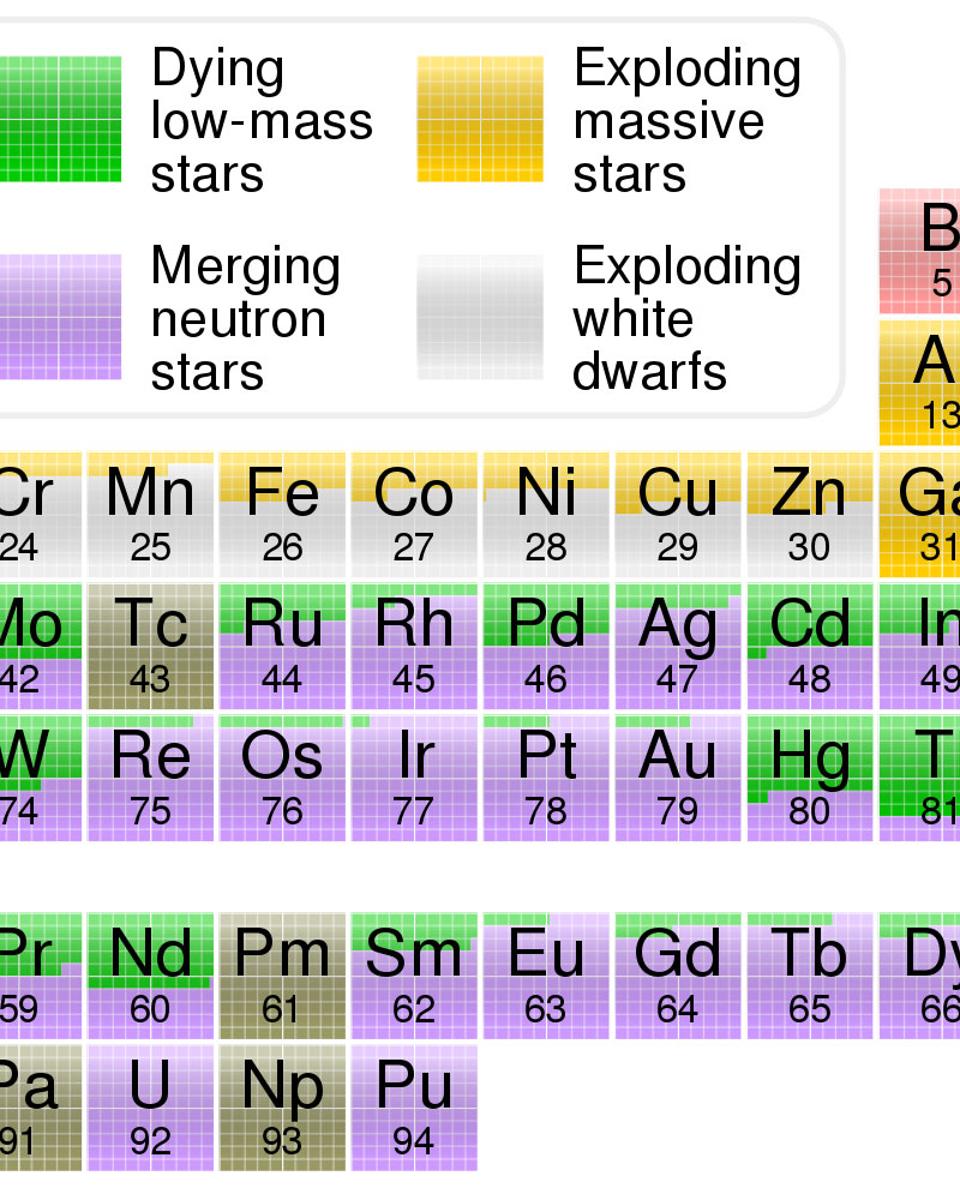
Where Your Elements Came From
The hydrogen in your body, present in every molecule of water, came from the Big Bang . There are no other appreciable sources of hydrogen in the universe. The carbon in your body…
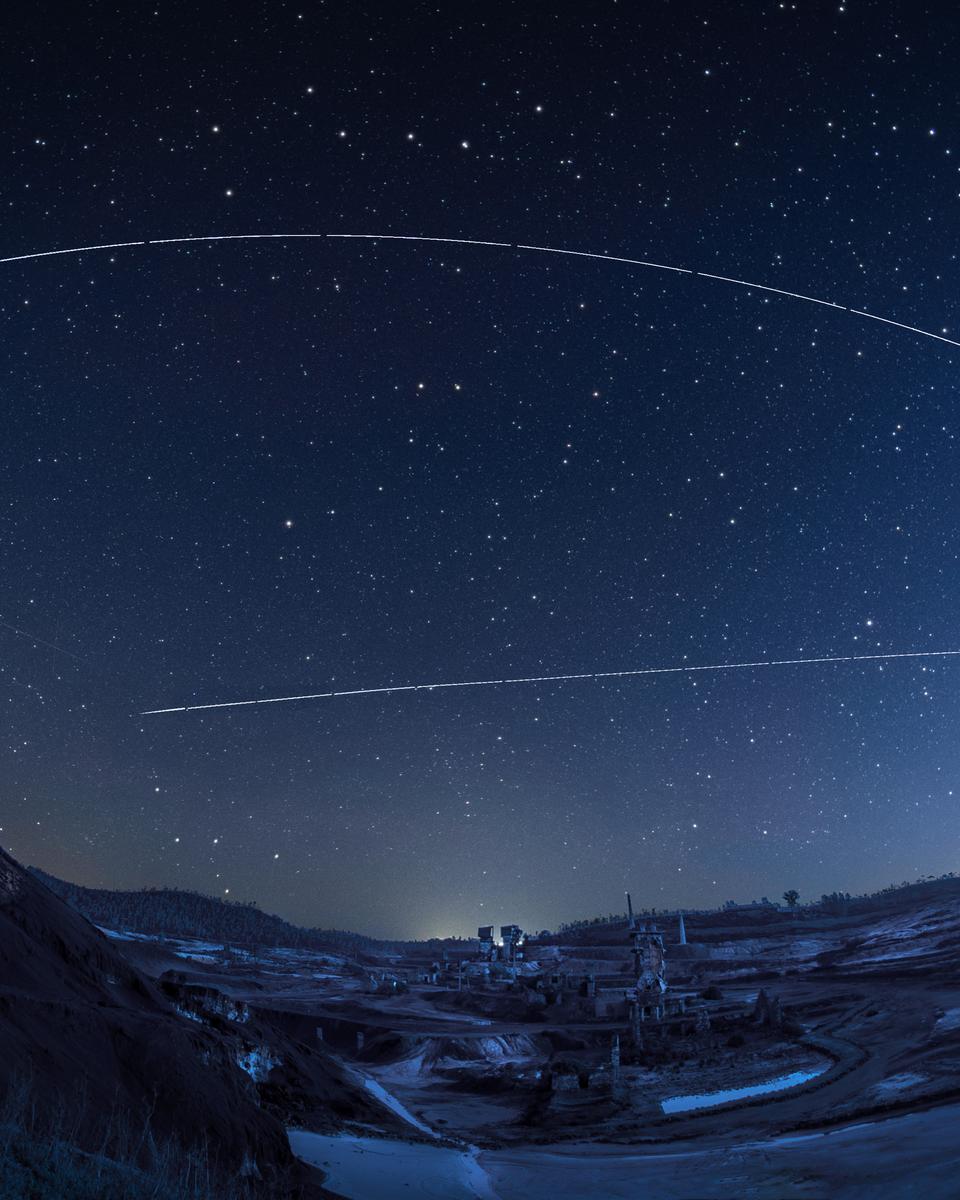
Space Stations in Low Earth Orbit
On January 3, two space stations already illuminated by sunlight in low Earth orbit crossed this dark predawn sky. Moving west to east (left to right) across the composited…
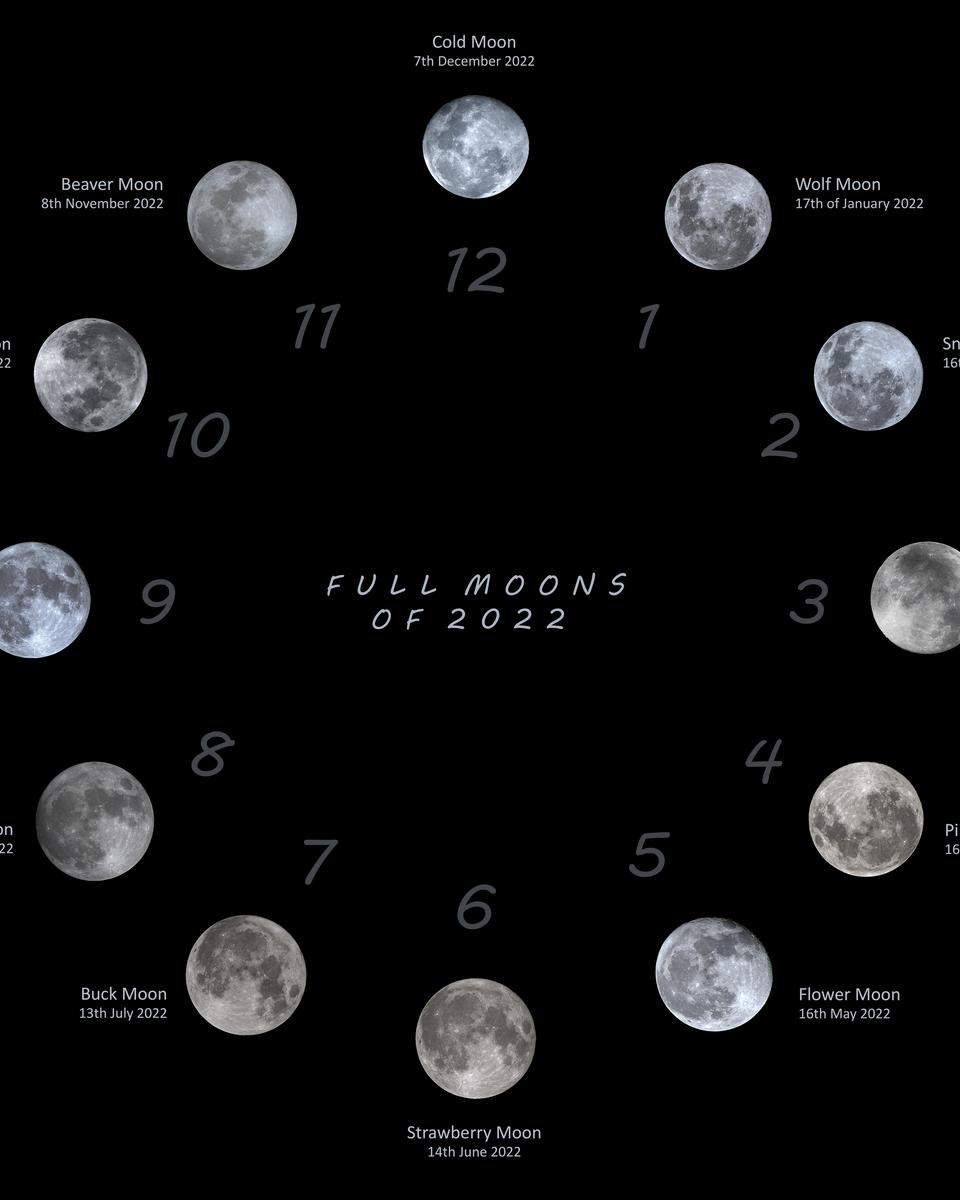
Moon O'Clock 2022
The first Full Moon of 2023 is in the sky tonight opposite the Sun at 23:08 UTC . Big and beautiful, the Moon at its brightest phase should be easy to spot. Still, for quick…
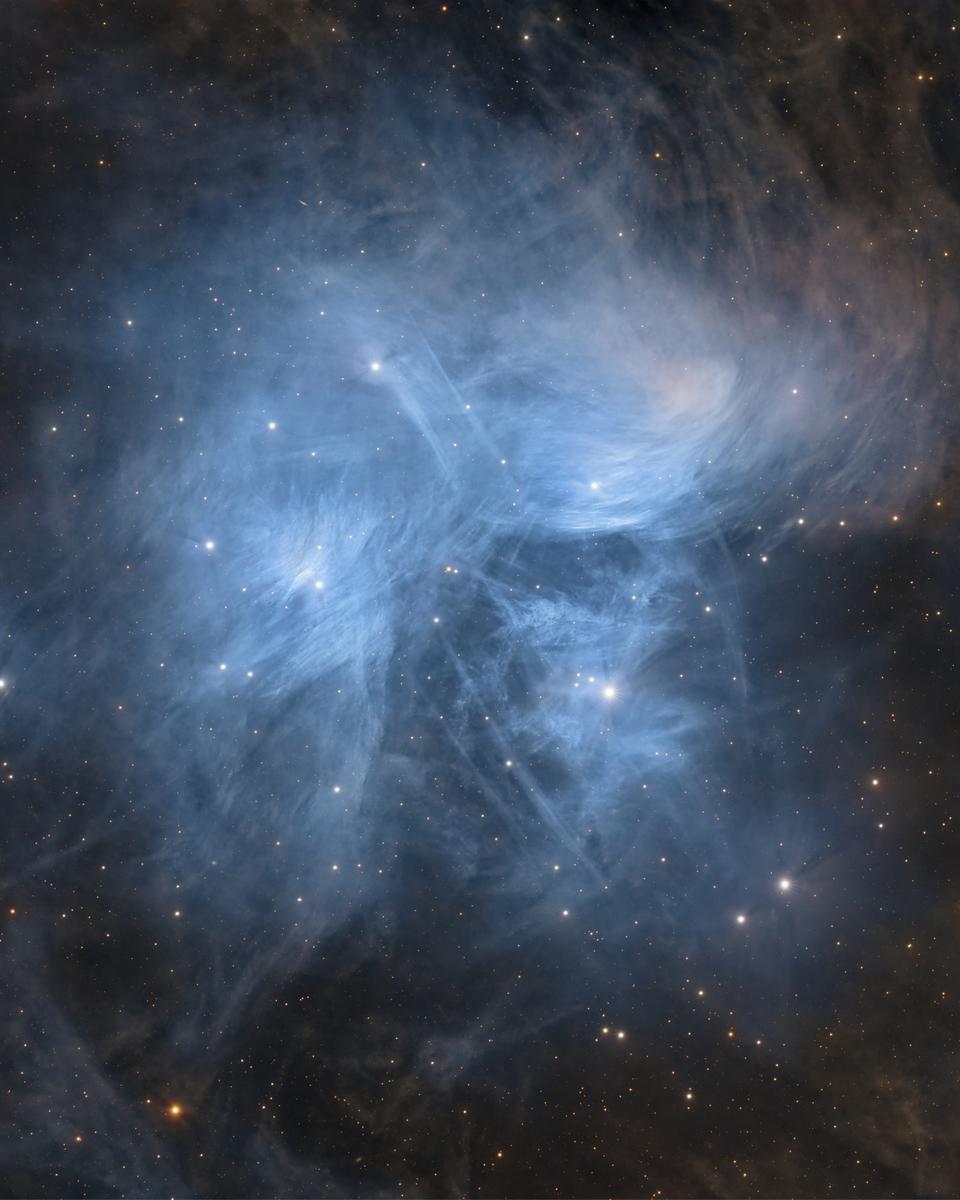
Messier 45: The Daughters of Atlas and Pleione
Hurtling through a cosmic dust cloud a mere 400 light-years away, the lovely Pleiades or Seven Sisters open star cluster is well-known for its striking blue reflection nebulae .…
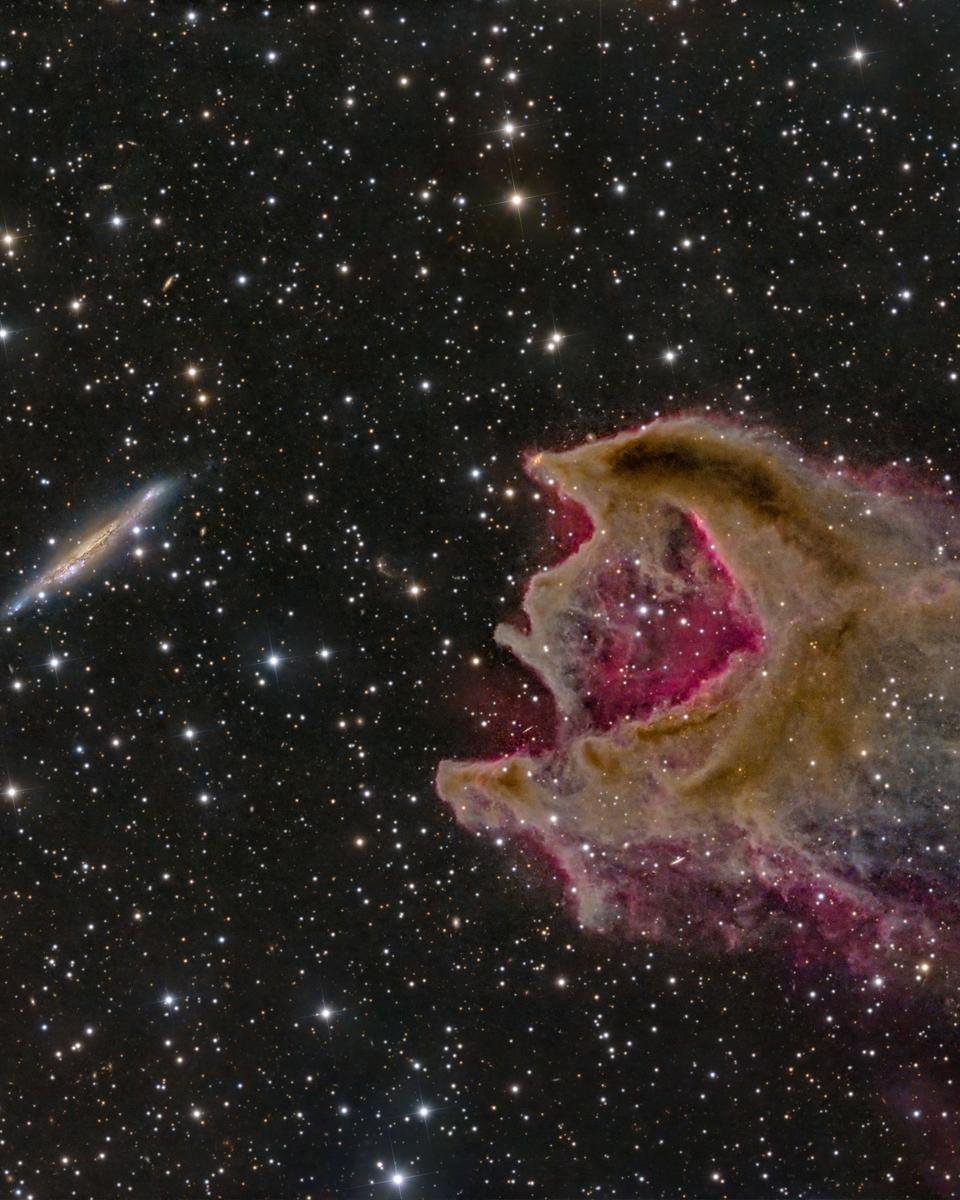
CG4: The Globule and the Galaxy
Can a gas cloud eat a galaxy? It's not even close. The “claw” of this odd looking “creature” in the featured photo is a gas cloud known as a cometary globule . This globule,…
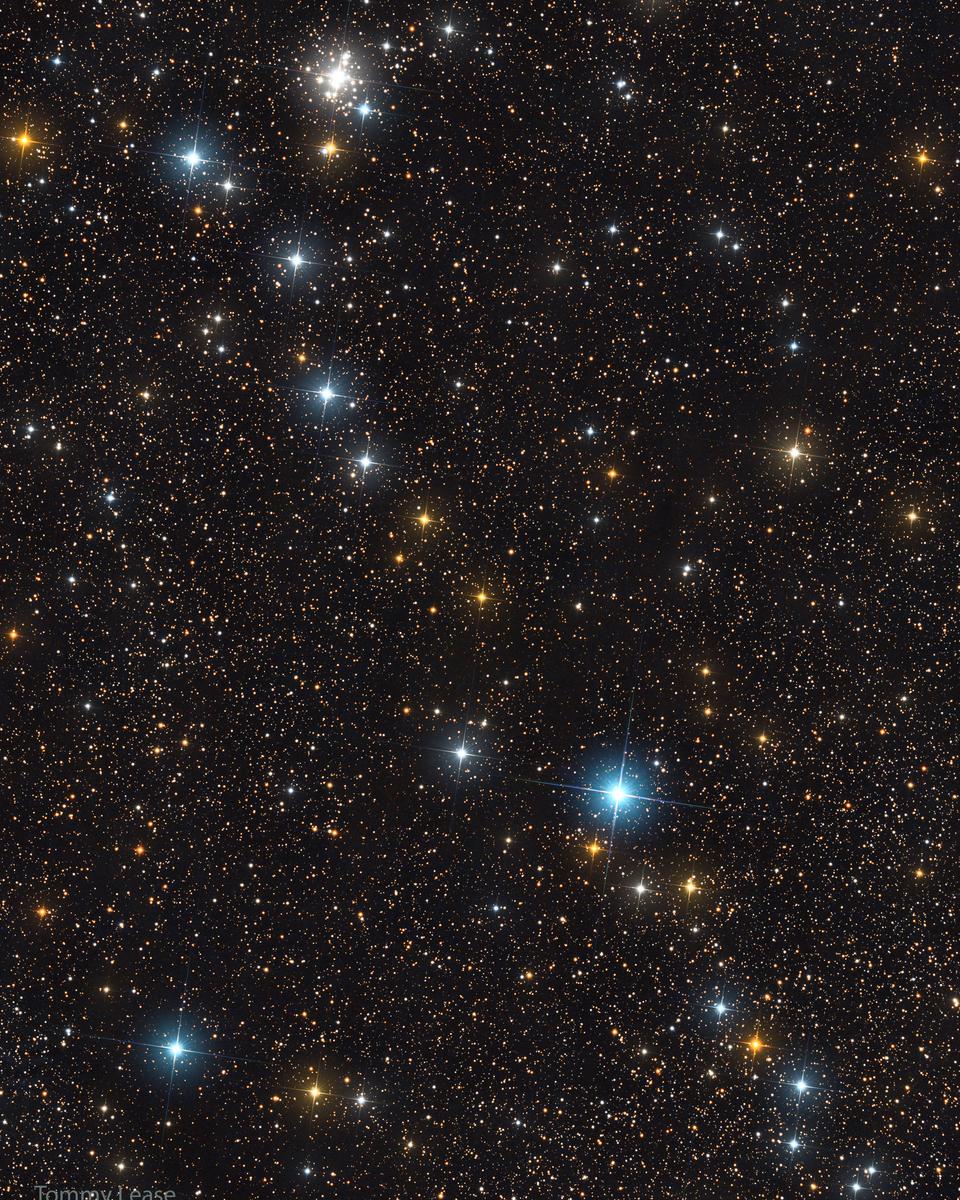
Kemble's Cascade of Stars
This line of stars is real. A little too faint to see with the unaided eye, Kemble's Cascade of stars inspires awe when seen with binoculars. Like the Big Dipper though, Kemble's…
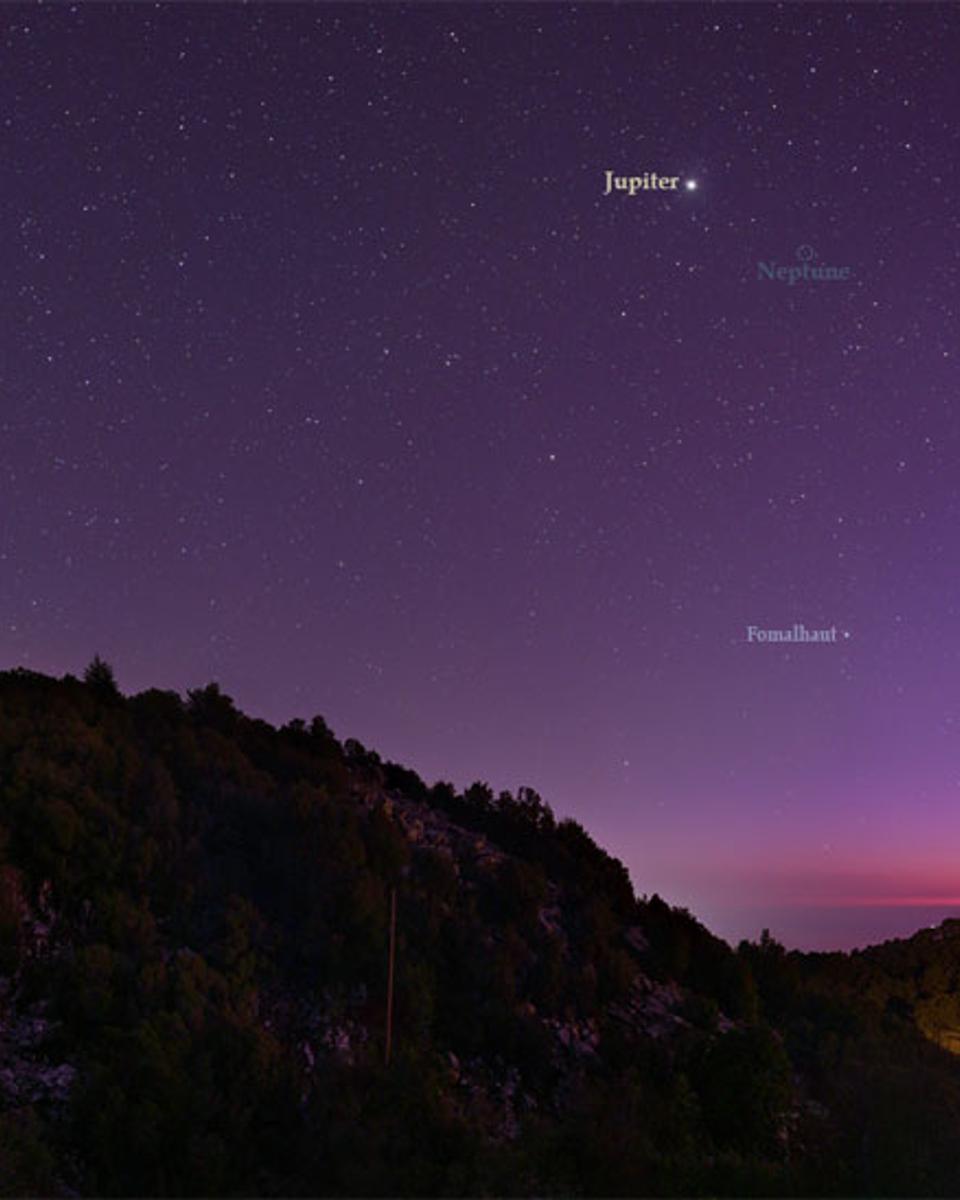
After Sunset Planet Parade
Look up tonight and see a whole bunch of planets. Just after sunset, looking west, planets Venus , Saturn , Jupiter and Mars will all be simultaneously visible . Listed west to…
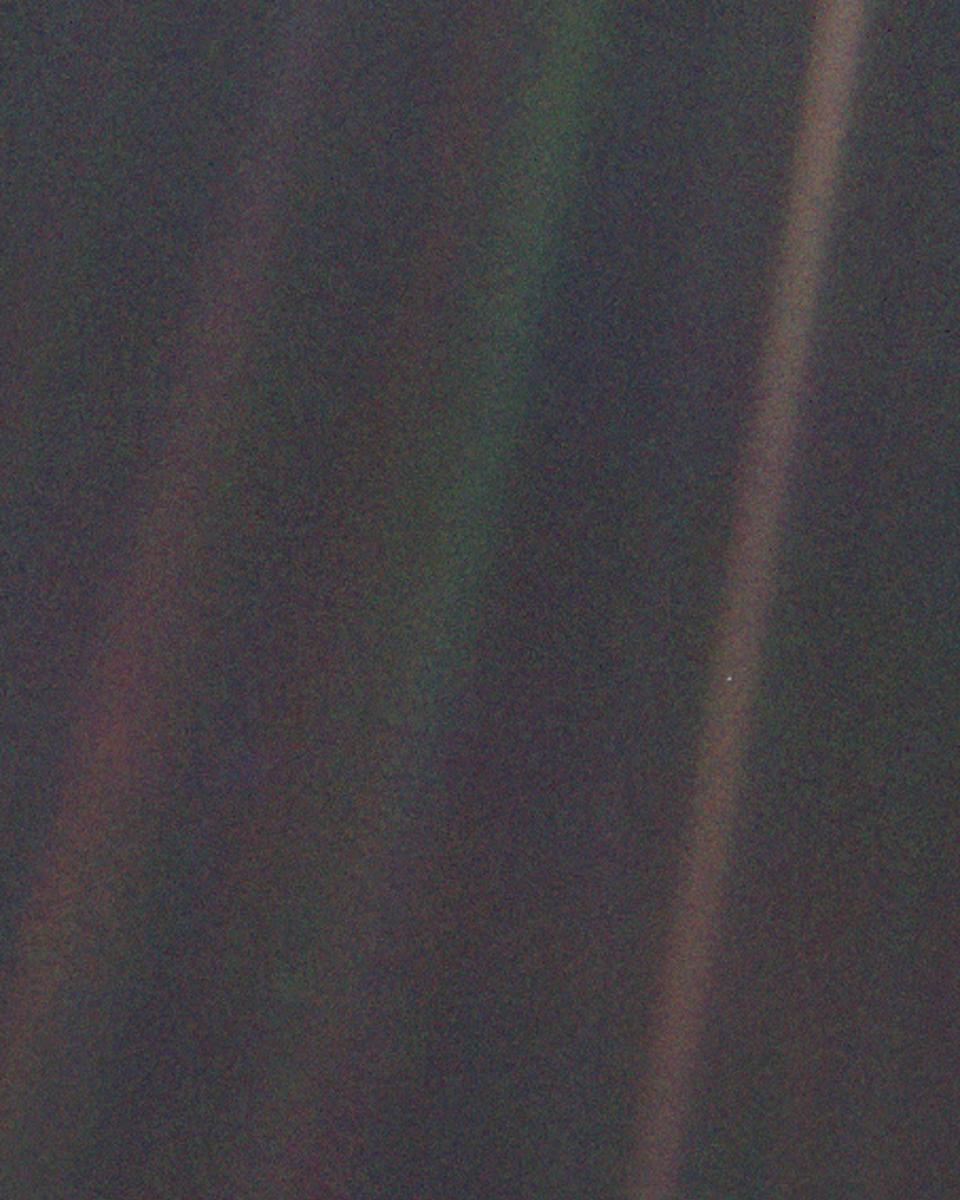
The Largest Rock in our Solar System
There, that dot on the right, that's the largest rock known in our Solar System . It is larger than every known asteroid , moon , and comet nucleus . It is larger than any other…
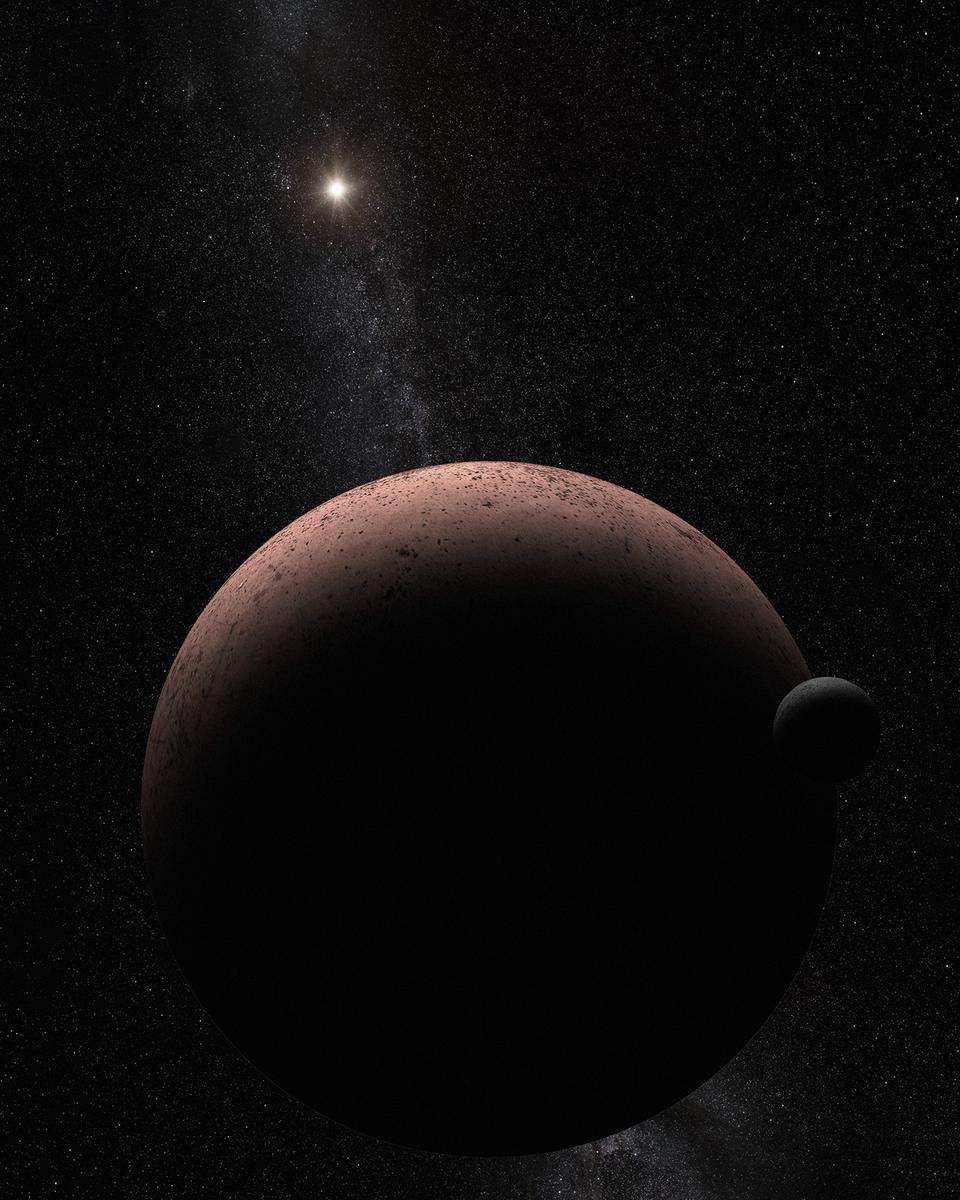
Moon over Makemake
Makemake (sounds like MAH-kay MAH-kay), second brightest dwarf planet of the Kuiper belt , has a moon. Nicknamed MK2, Makemake's moon reflects sunlight with a charcoal-dark…
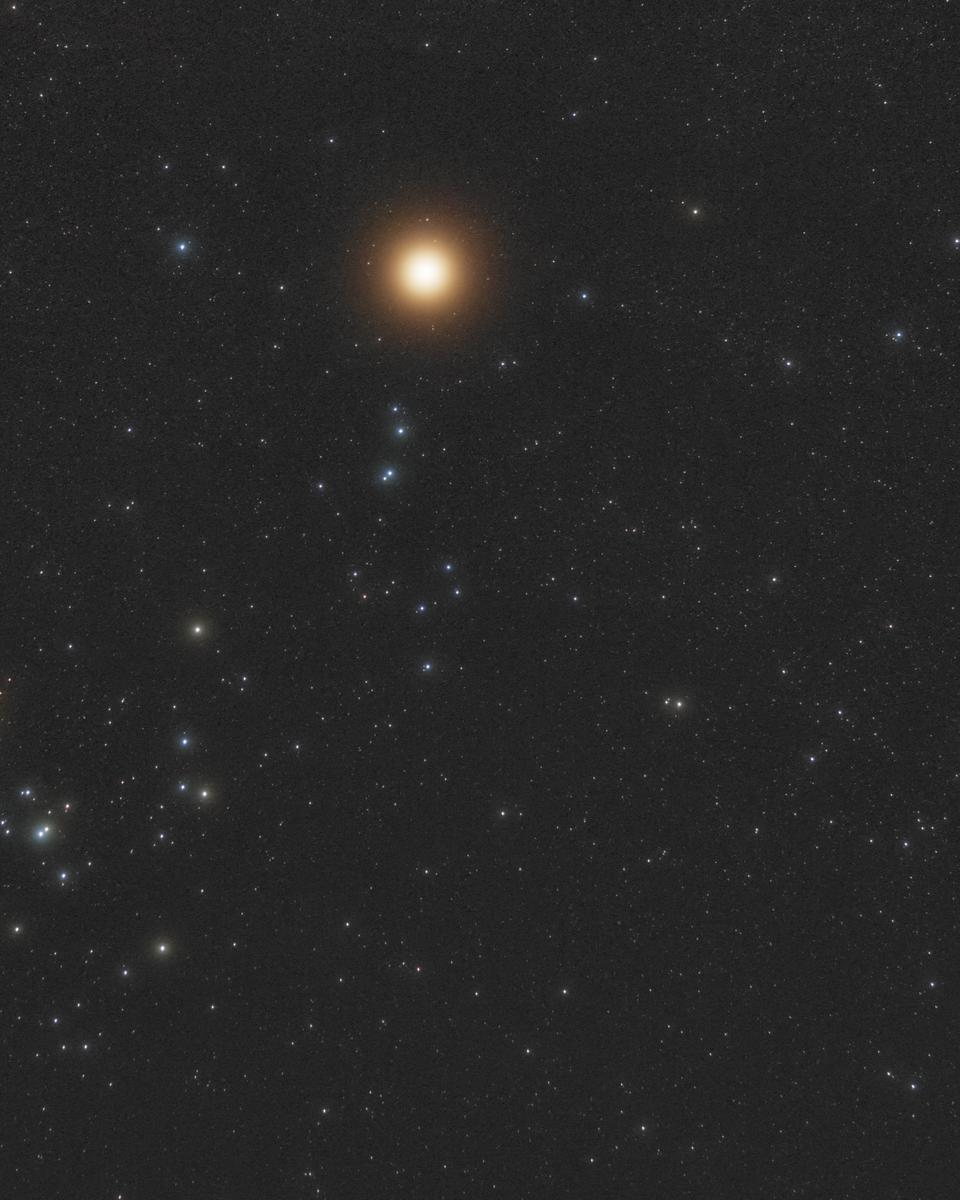
Mars and the Star Clusters
At this year's end Mars still shines brightly in planet Earth's night as it wanders through the head-strong constellation Taurus. Its bright yellowish hue dominates this starry…
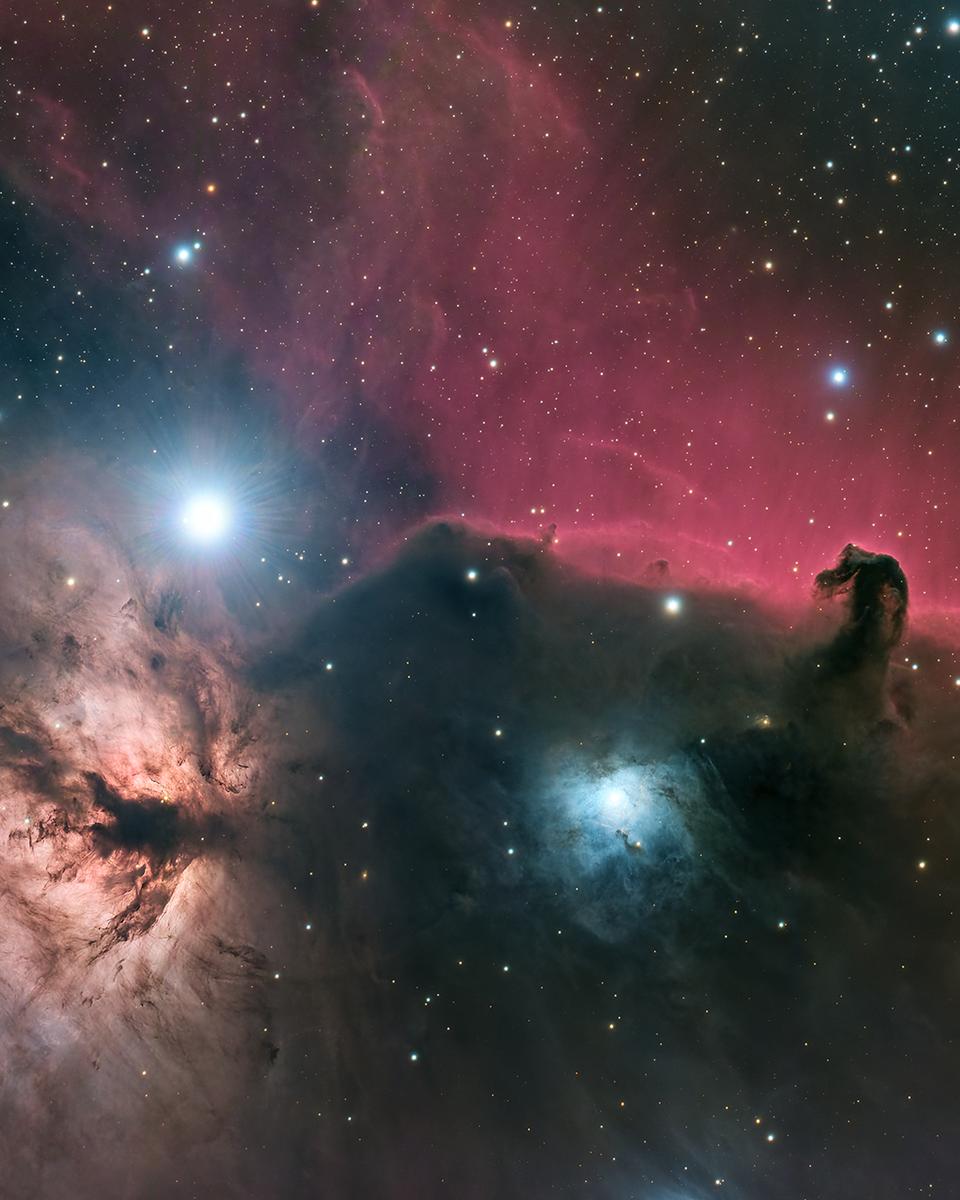
Horsehead and Flame
The Horsehead Nebula , famous celestial dark marking also known as Barnard 33, is notched against a background glow of emission nebulae in this sharp cosmic skyscape . About five…
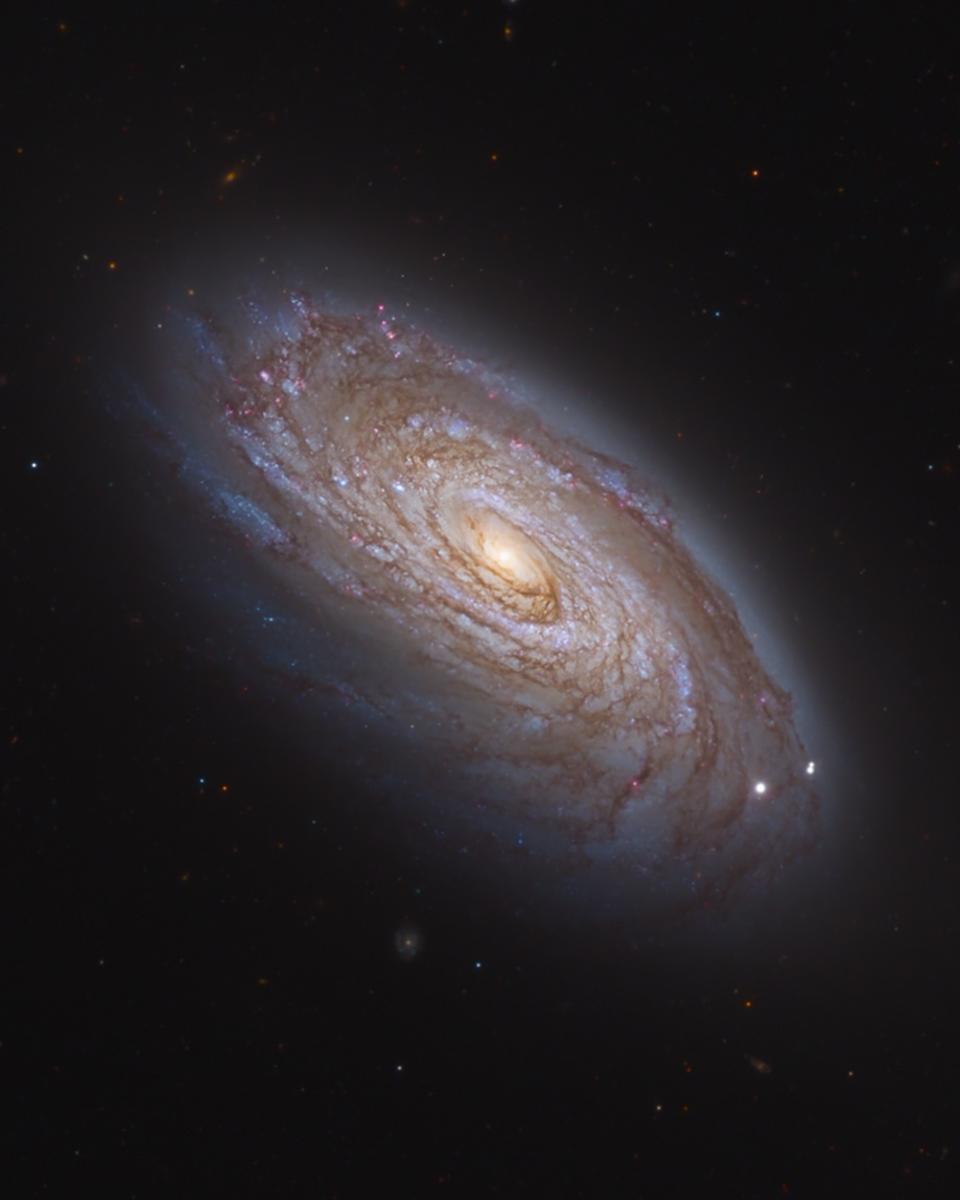
Messier 88
Charles Messier described the 88th entry in his 18th century catalog of Nebulae and Star Clusters as a nebula without stars. Of course the gorgeous M88 is now understood to be a…
Viewing discoveries from 20 January 2023 through 28 December 2022.