Browse NASA Astronomy Picture of the Day archive by date and media: Archive Discoveries
Browse the NASA APOD archive without needing the exact date first. Filter by media type and keep moving deeper into older images and videos.
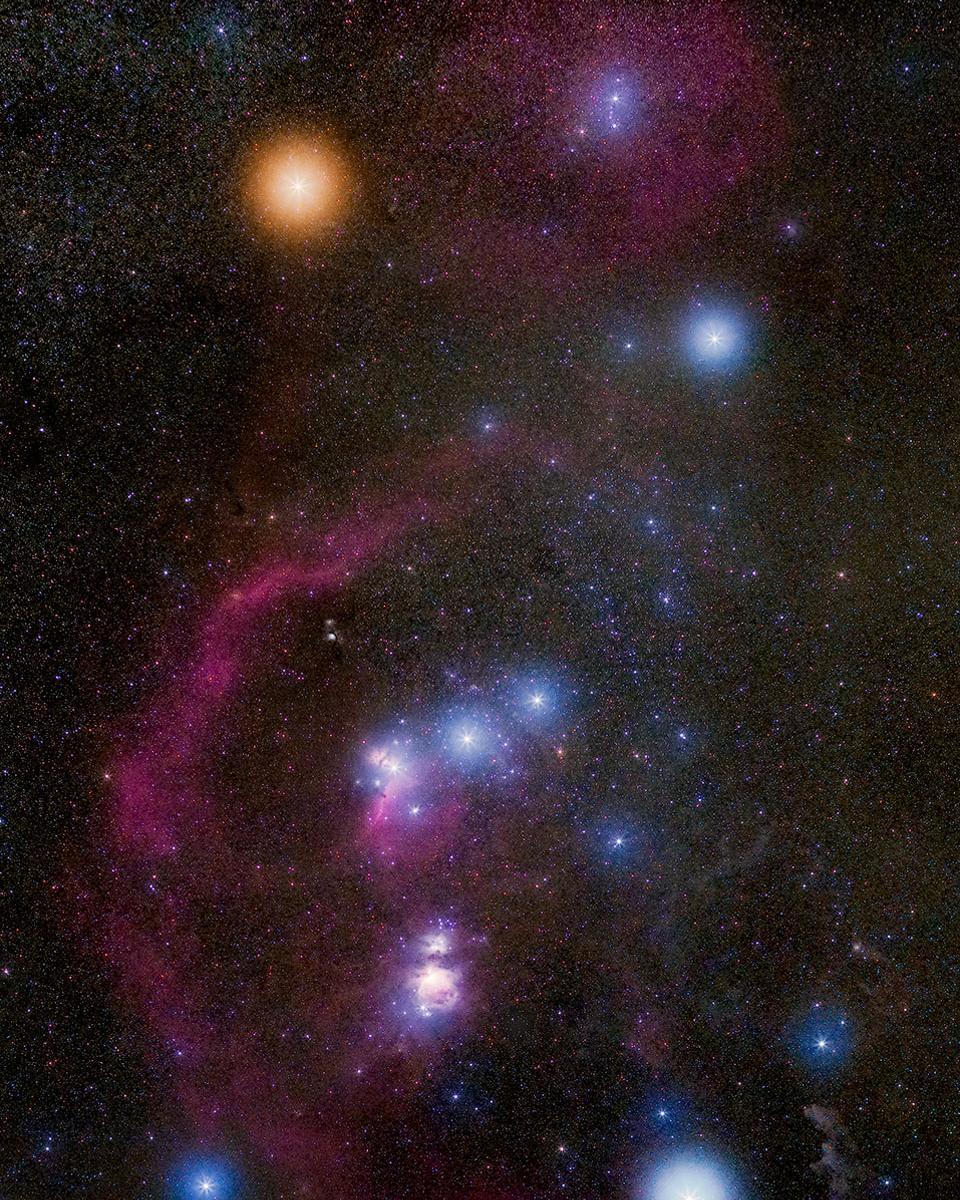
Camera Orion
Do you recognize this constellation? Although it is one of the most recognizable star groupings on the sky, Orion's icons don't look quite as colorful to the eye as they do to a…
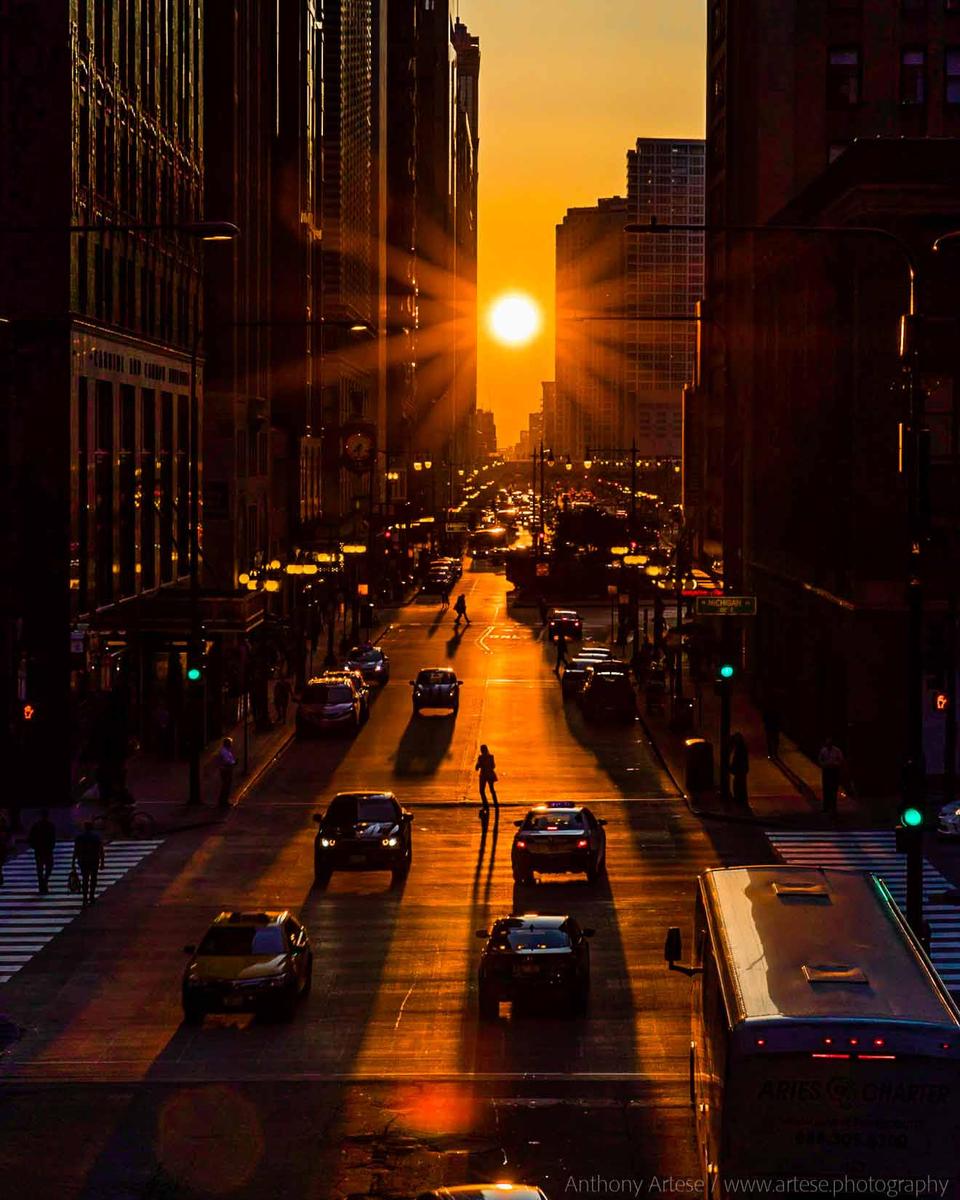
Chicagohenge: Equinox in an Aligned City
Sometimes, in a way, Chicago is like a modern Stonehenge . The way is east to west, and the time is today. Today, and every equinox , the Sun will set exactly to the west,…
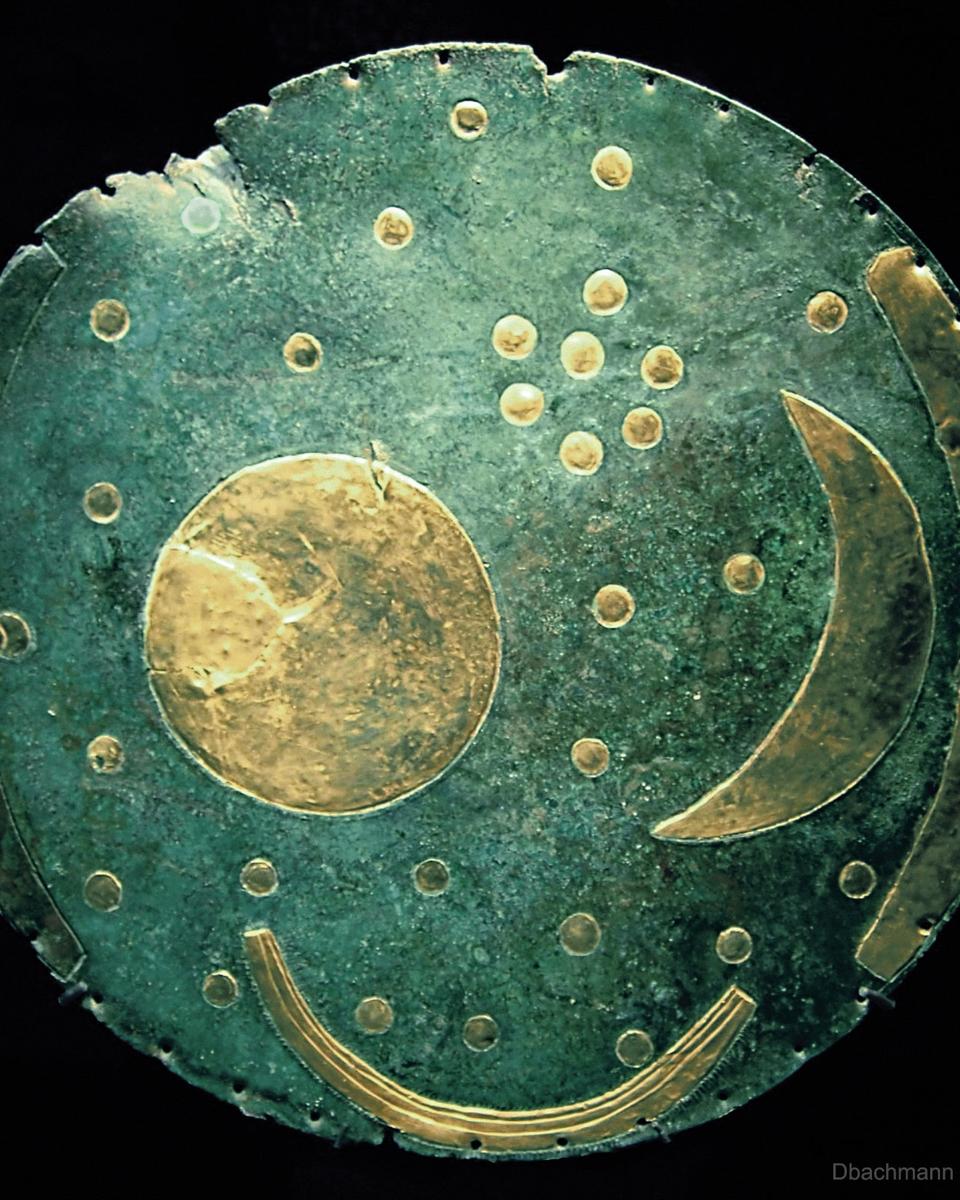
The Nebra Sky Disk
Some consider it the oldest known illustration of the night sky. But what, exactly, does it depict, and why was it made? The Nebra sky disk was found with a metal detector in 1999…

Rotating Moon from LRO
No one, presently, sees the Moon rotate like this. That's because the Earth's moon is tidally locked to the Earth, showing us only one side. Given modern digital technology,…
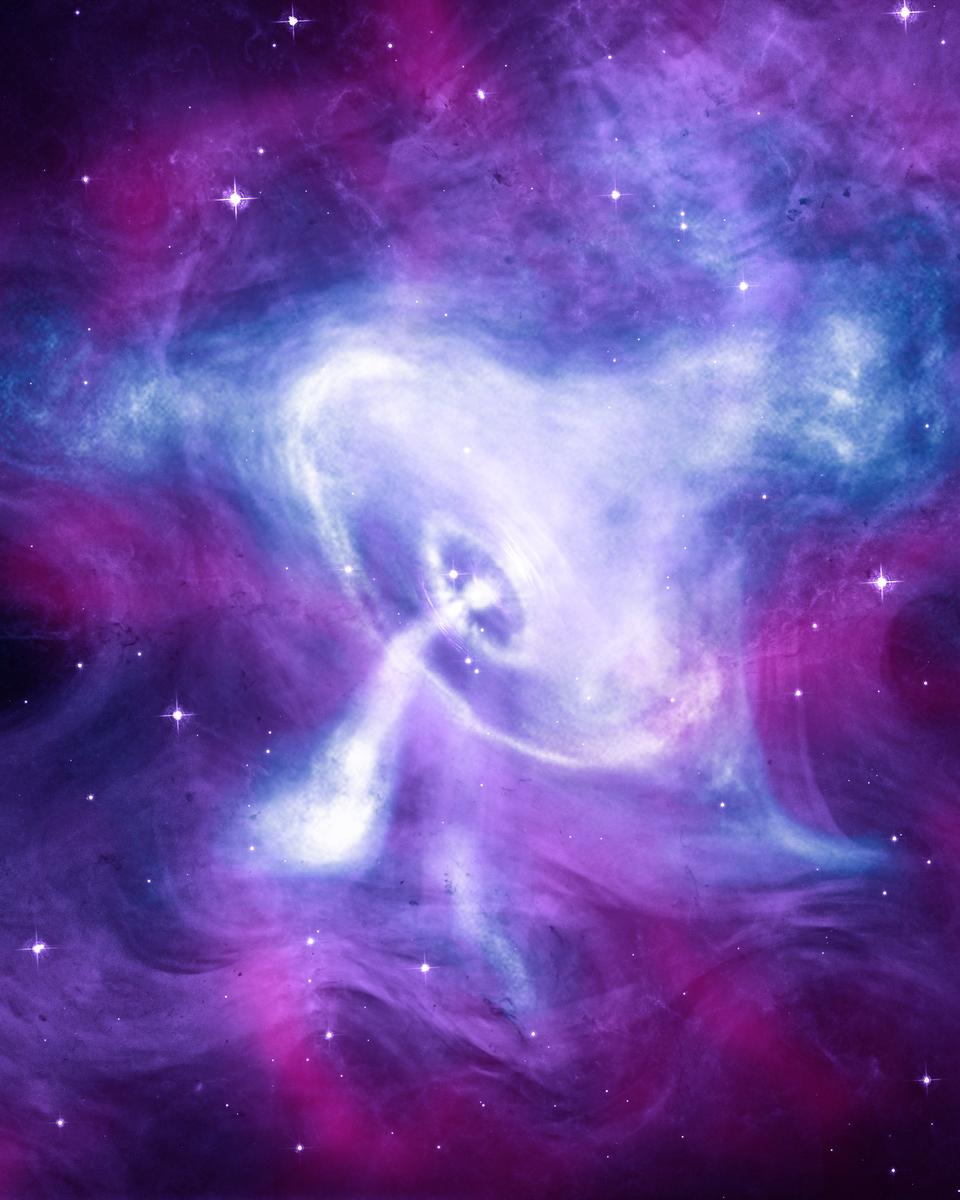
The Crab from Space
The Crab Nebula is cataloged as M1, the first object on Charles Messier's famous list of things which are not comets. In fact, the Crab is now known to be a supernova remnant ,…
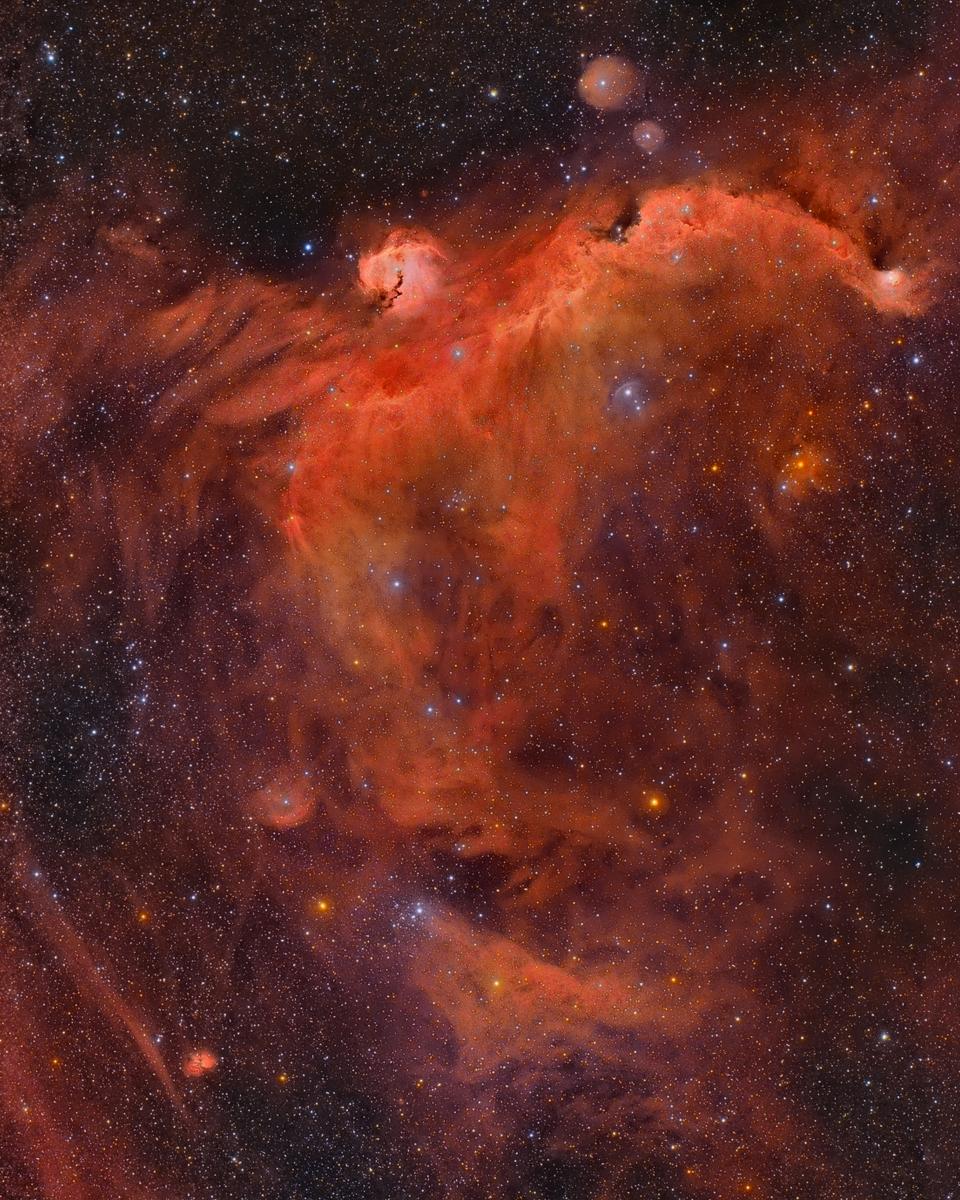
The Seagull and the Duck
Seen as a seagull and a duck, these nebulae are not the only cosmic clouds to evoke images of flight. But both are winging their way across this broad celestial landscape,…
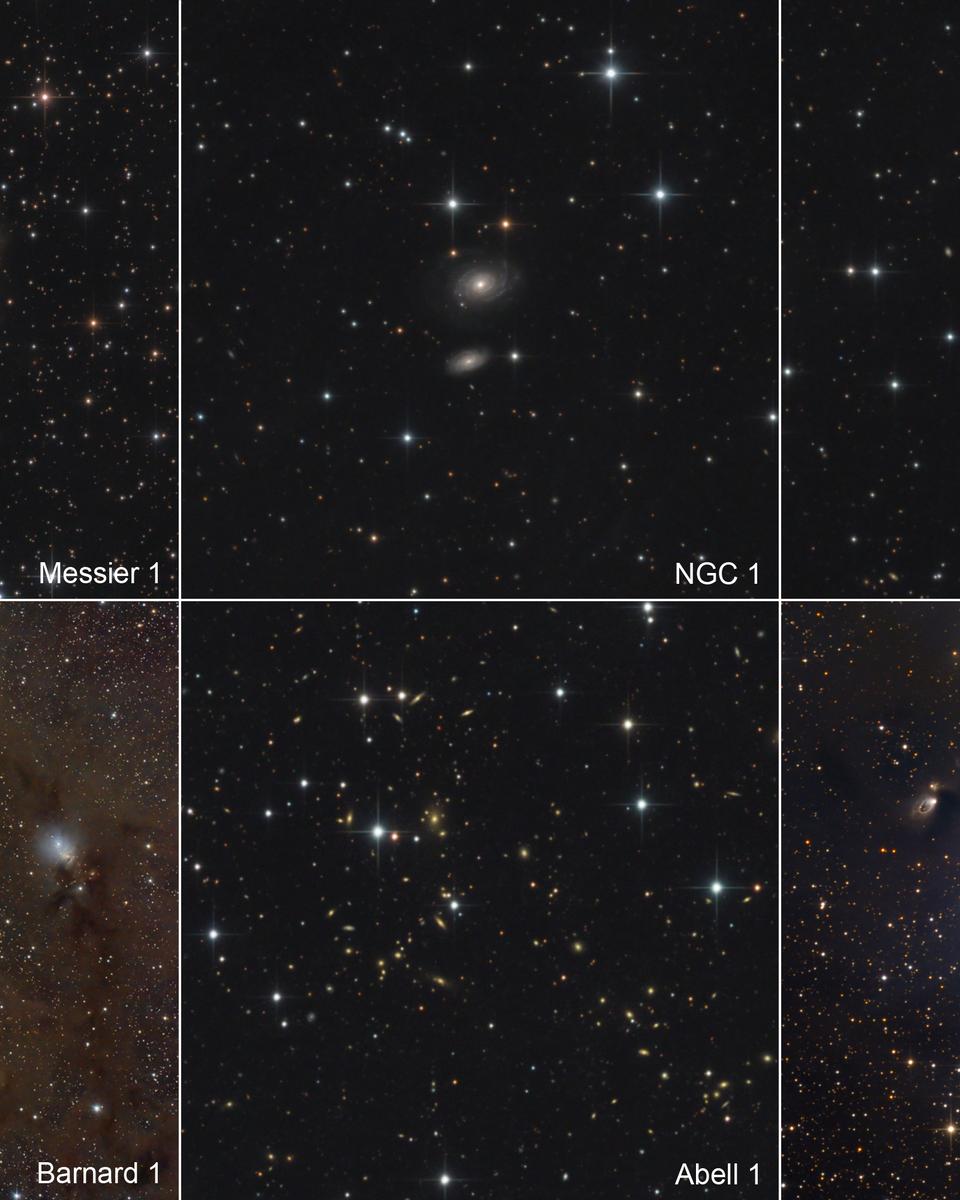
Catalog Entry Number 1
Every journey has a first step and every catalog a first entry . First entries in six well-known deep sky catalogs appear in these panels, from upper left to lower right in…
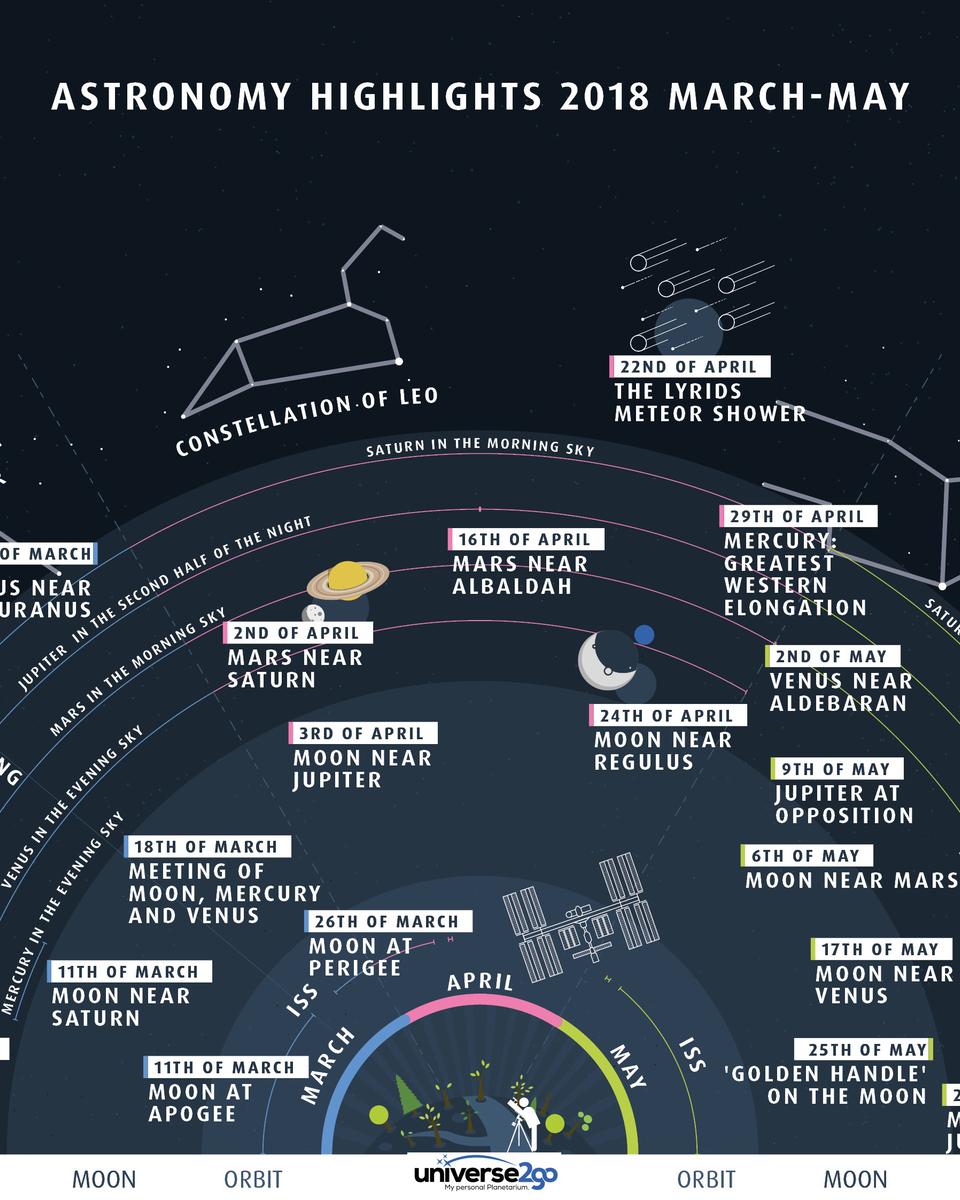
Night Sky Highlights: March to May
What might you see in the night sky over the next few months? The featured graphic gives a few highlights. Viewed as a clock face centered at the bottom, sky events in March fan…
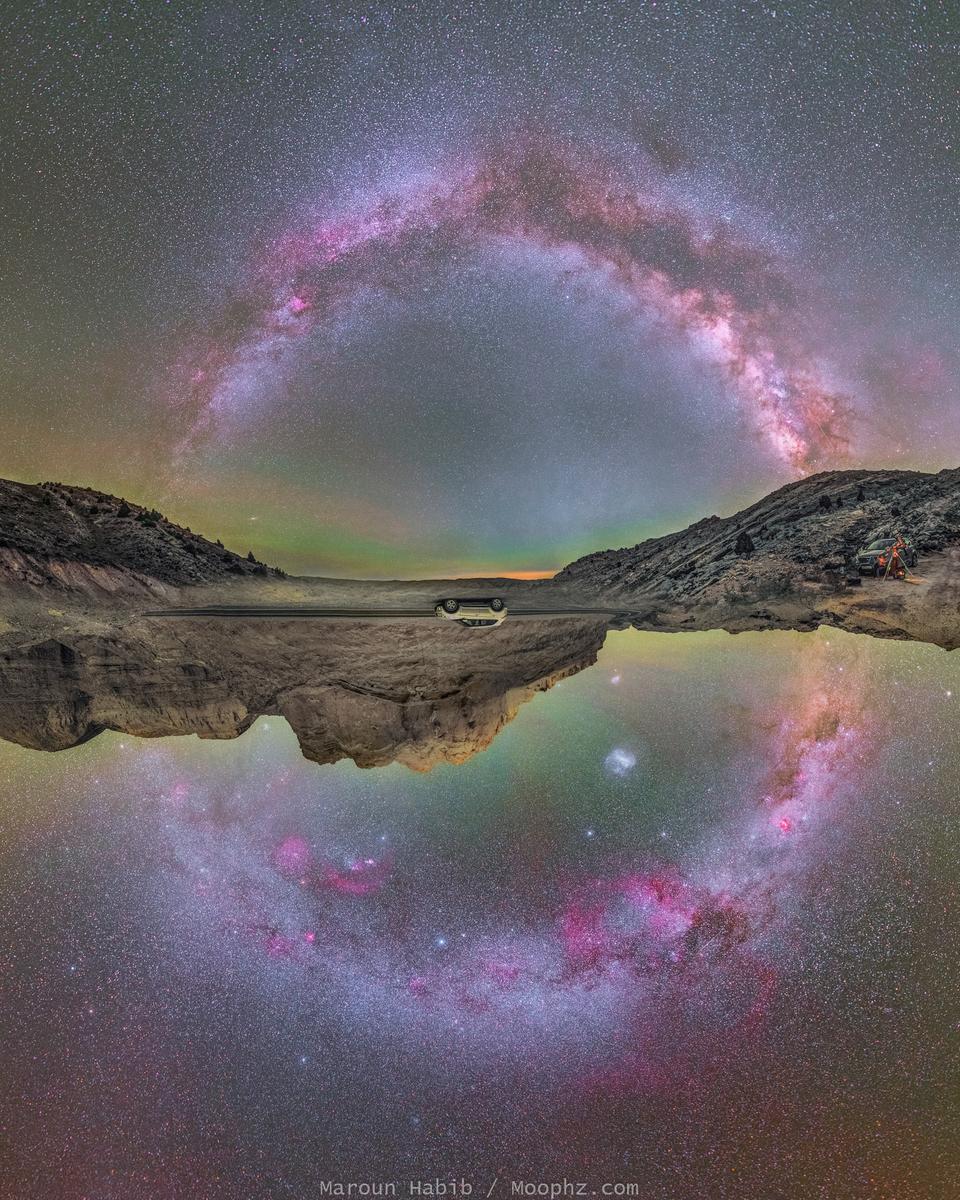
The Complete Galactic Plane: Up and Down
Is it possible to capture the entire plane of our galaxy in a single image? Yes, but not in one exposure -- and it took some planning to do it in two. The top part of the featured…

Flying over the Earth at Night II
What would it be like to orbit the Earth? The International Space Station (ISS) does this every 90 minutes, and sometimes the astronauts on board take image sequences that are…
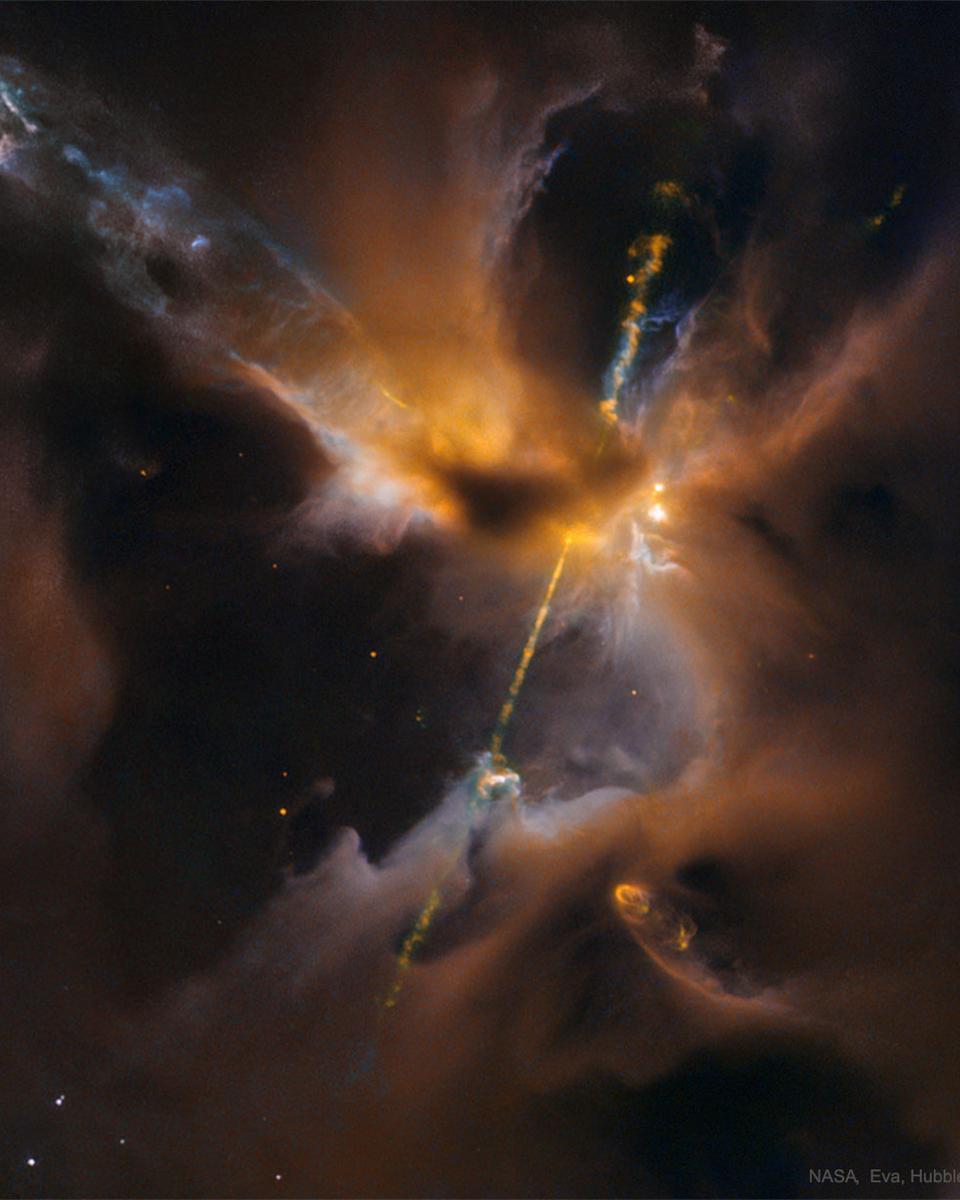
Dual Particle Beams in Herbig-Haro 24
This might look like a double-bladed lightsaber, but these two cosmic jets actually beam outward from a newborn star in a galaxy near you . Constructed from Hubble Space Telescope…
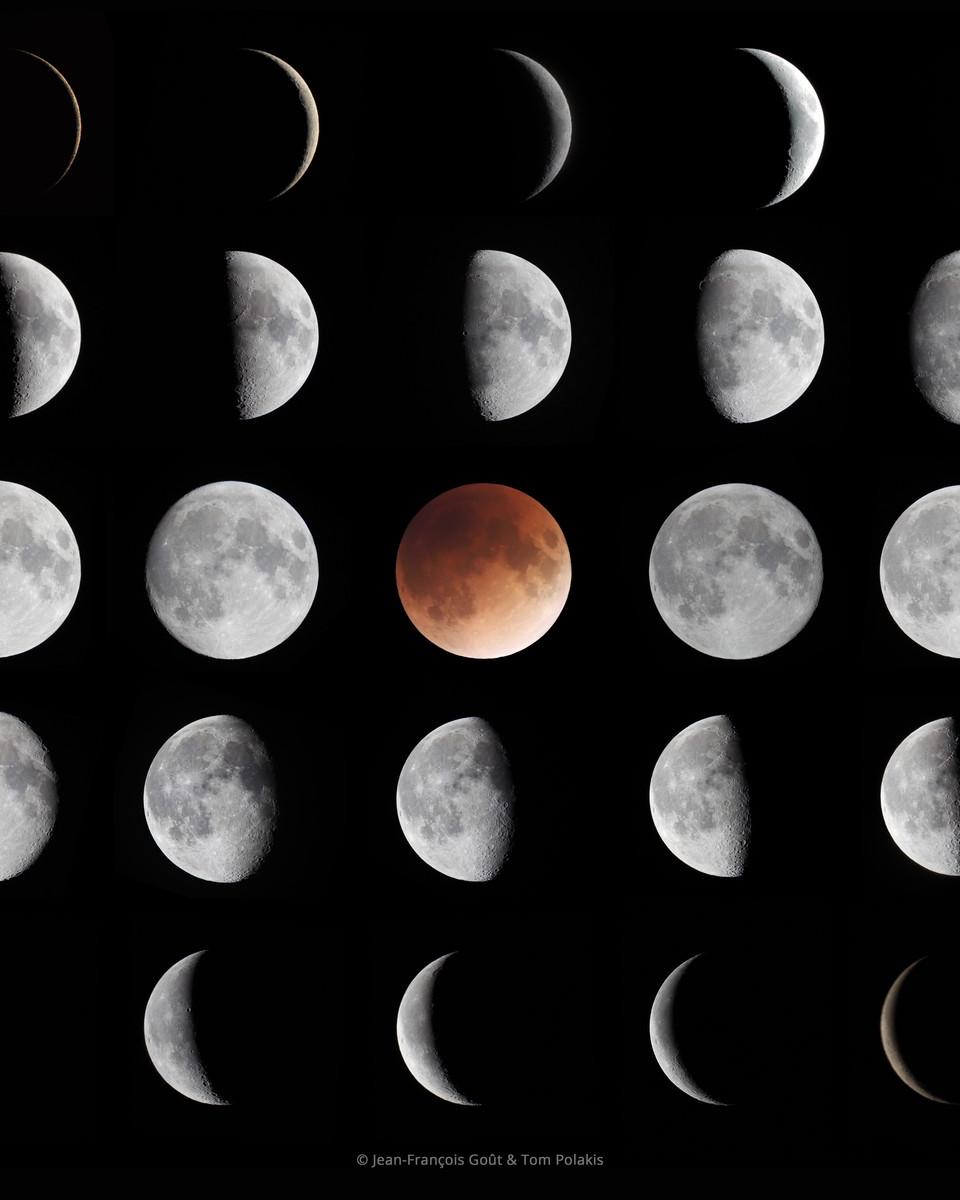
Phases of the Moon
Look at the Moon every night and its visible sunlit portion gradually changes. In phases progressing from New Moon to Full Moon to New Moon again, a lunar cycle or lunation is…
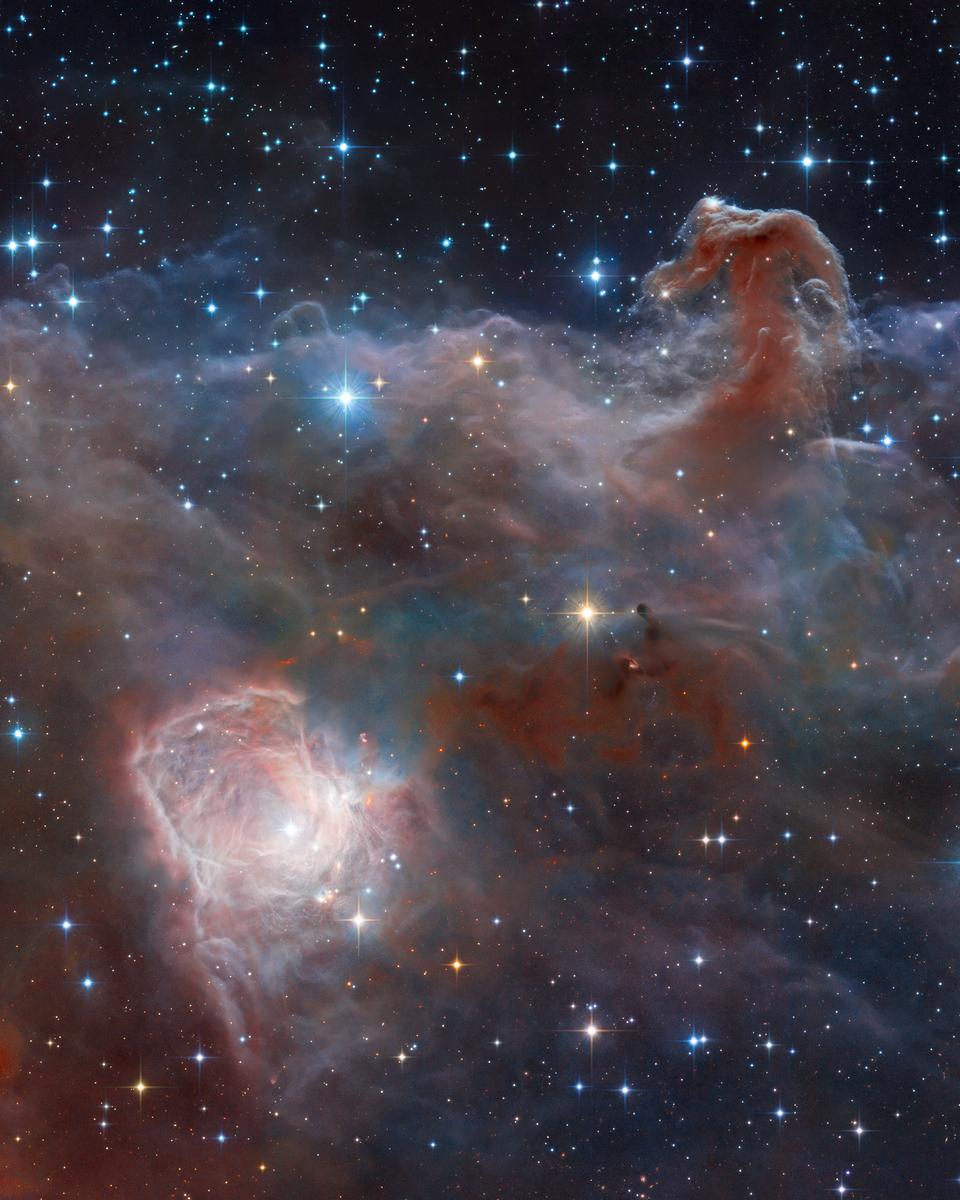
Horsehead: A Wider View
Combined image data from the massive, ground-based VISTA telescope and the Hubble Space Telescope was used to create this wide perspective of the interstellar landscape…
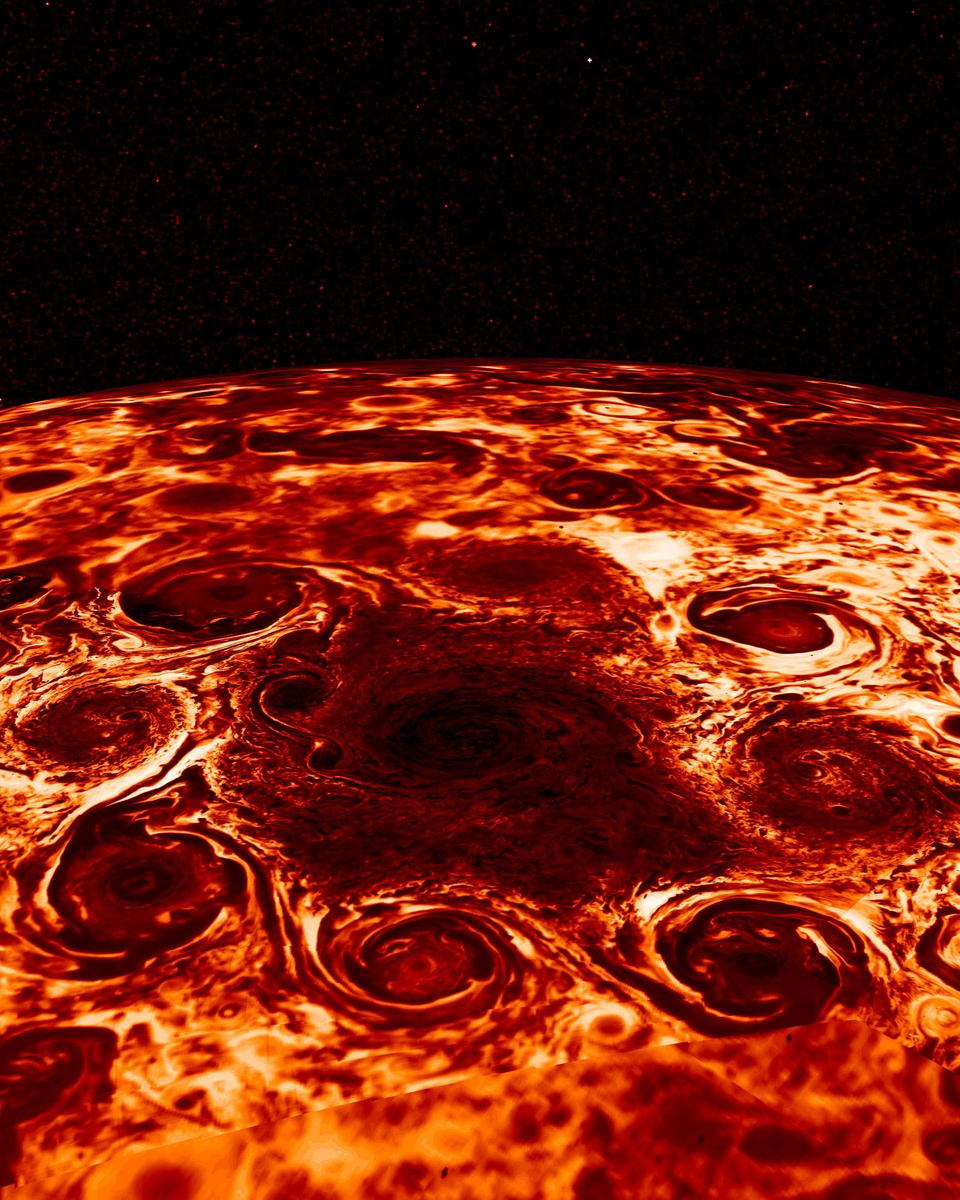
Cyclones at Jupiter's North Pole
Juno's Jovian Infrared Auroral Mapper data was used to construct this stunning view of cyclones at Jupiter's North Pole . Measuring the thermal emission from Jovian cloud tops,…
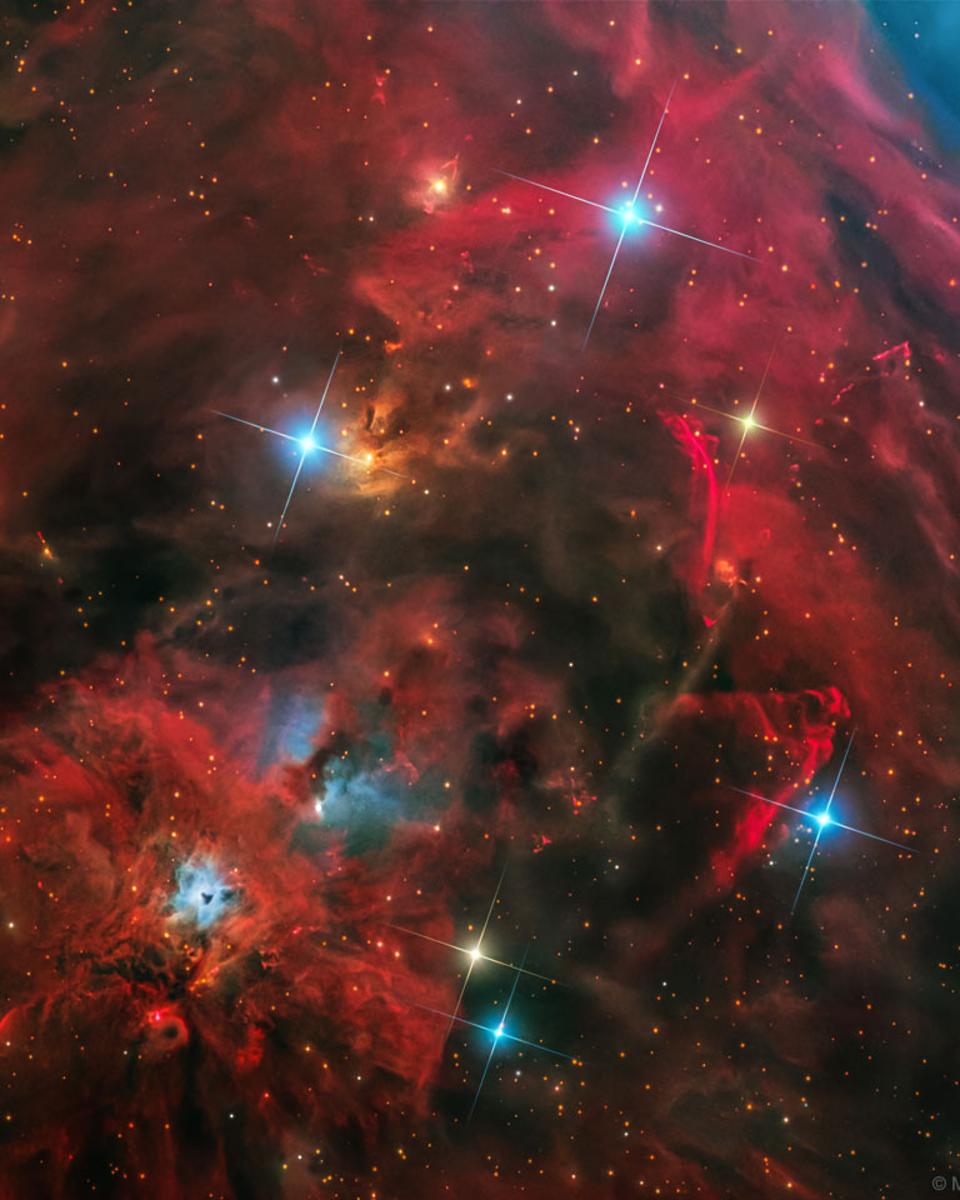
Arcs, Jets, and Shocks near NGC 1999
This tantalizing array of nebulas and stars can be found about two degrees south of the famous star-forming Orion Nebula. The region abounds with energetic young stars producing…
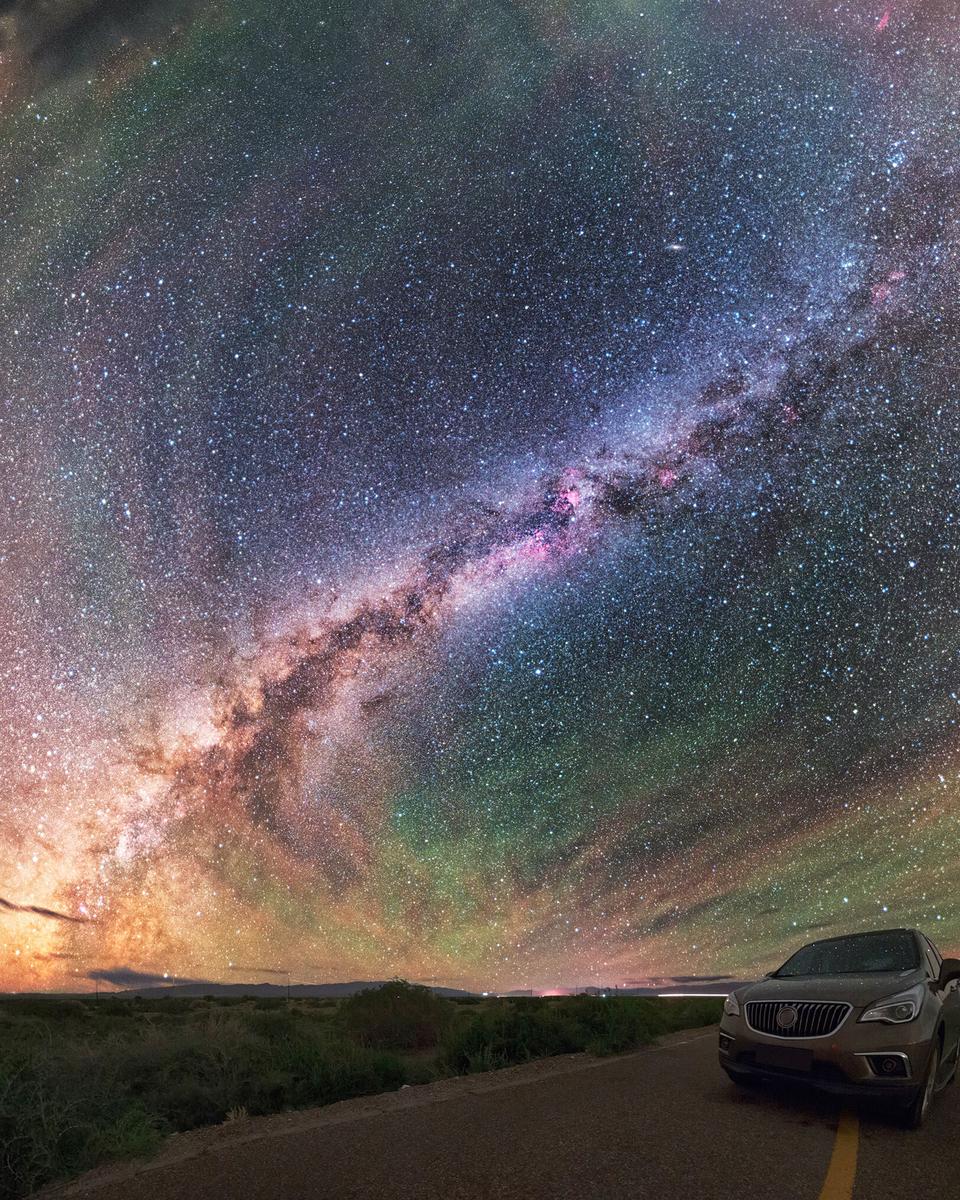
Colorful Airglow Bands Surround Milky Way
Why would the sky glow like a giant repeating rainbow? Airglow . Now air glows all of the time, but it is usually hard to see. A disturbance however -- like an approaching storm…
Preview unavailable
Open the archive entry to view the source media.
The Hubble Ultra-Deep Field in Light and Sound
Have you heard about the Hubble Ultra-Deep Field? Either way, you've likely not heard about it like this -- please run your pointer over the featured image and listen! The Hubble…
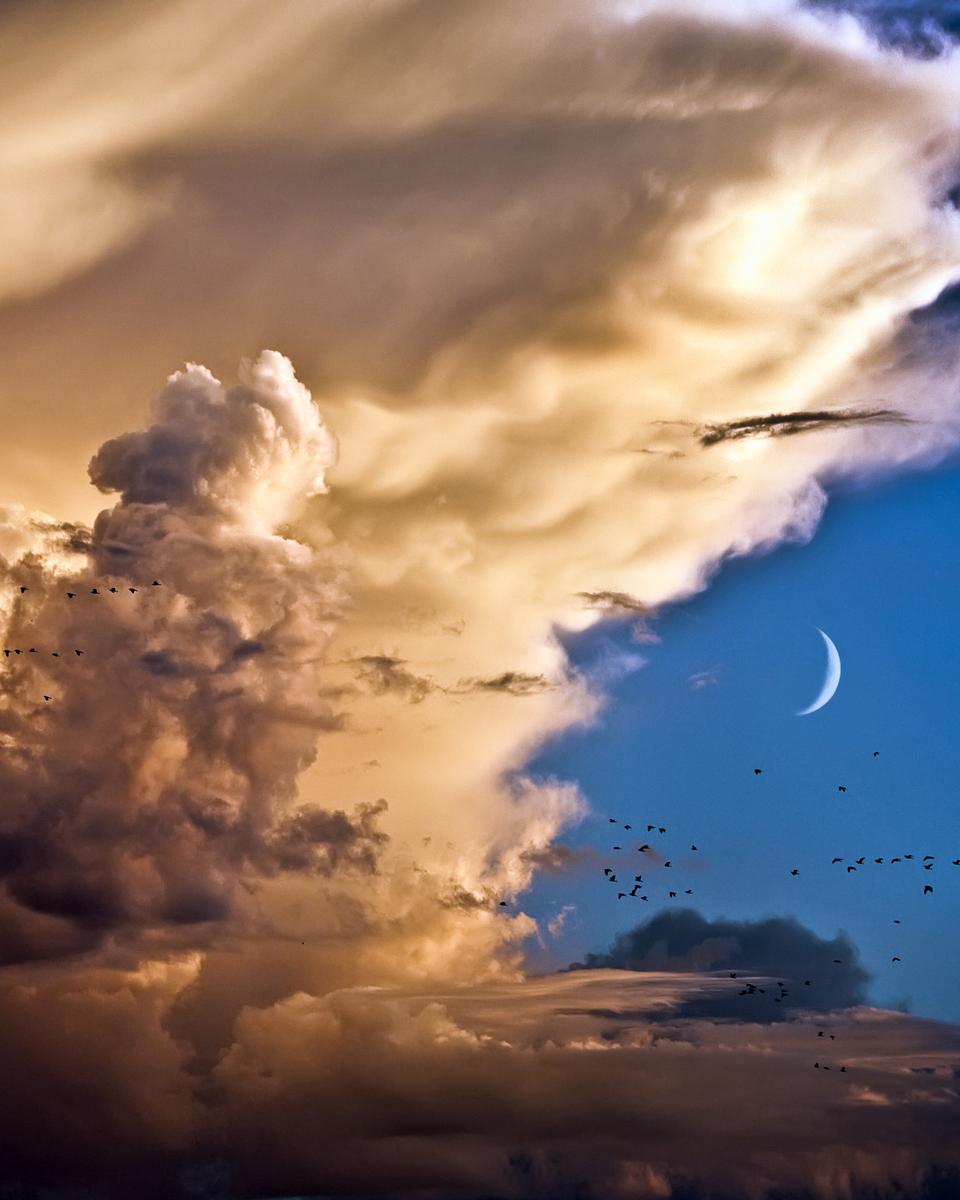
Clouds, Birds, Moon, Venus
Sometimes the sky above can become quite a show. In early September of 2010, for example, the Moon and Venus converged , creating quite a sight by itself for sky enthusiasts…
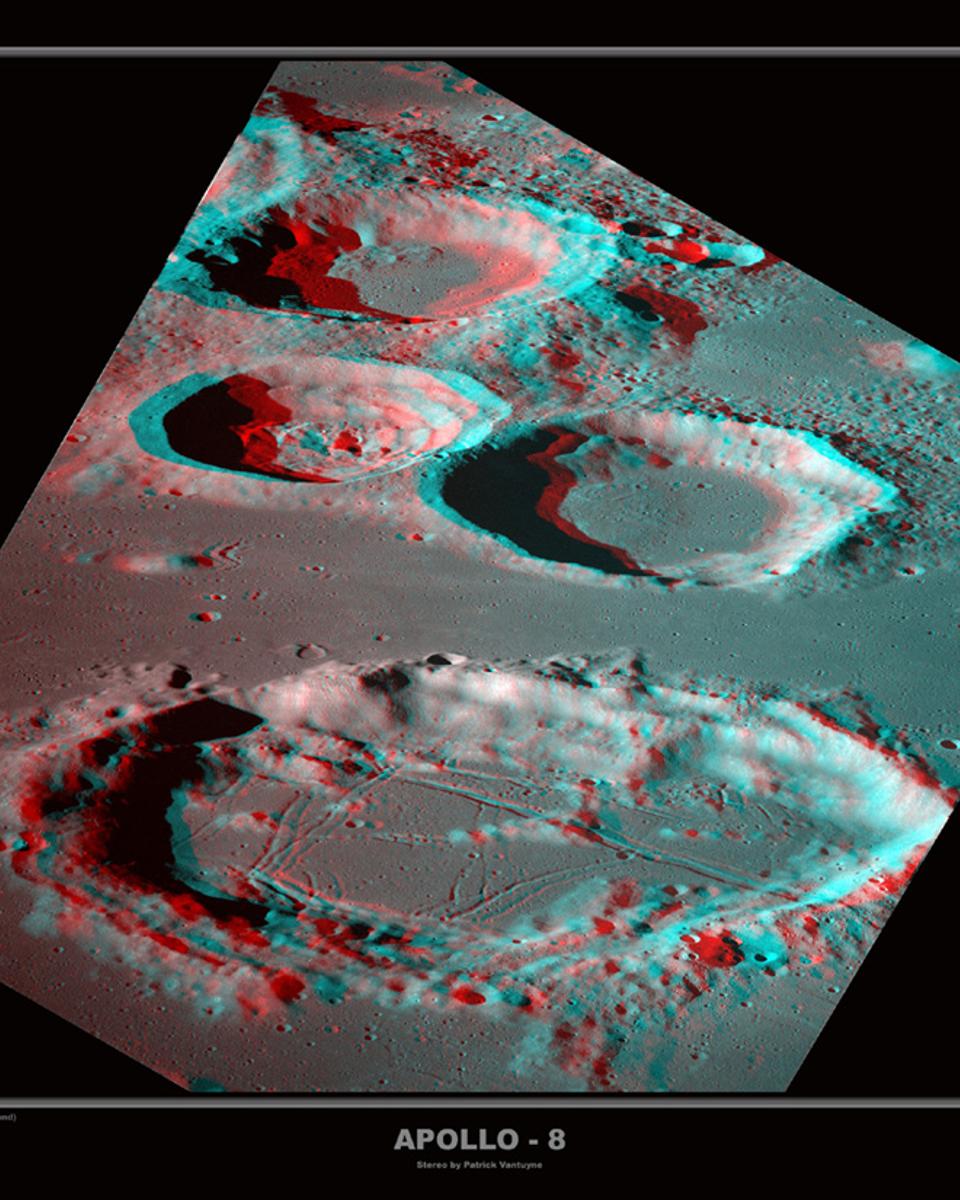
Southwest Mare Fecunditatis
Frank Borman, James Lovell, and William Anders journeyed from Earth to the Moon and back again in December of 1968. From lunar orbit , their view of craters in southwest Mare…
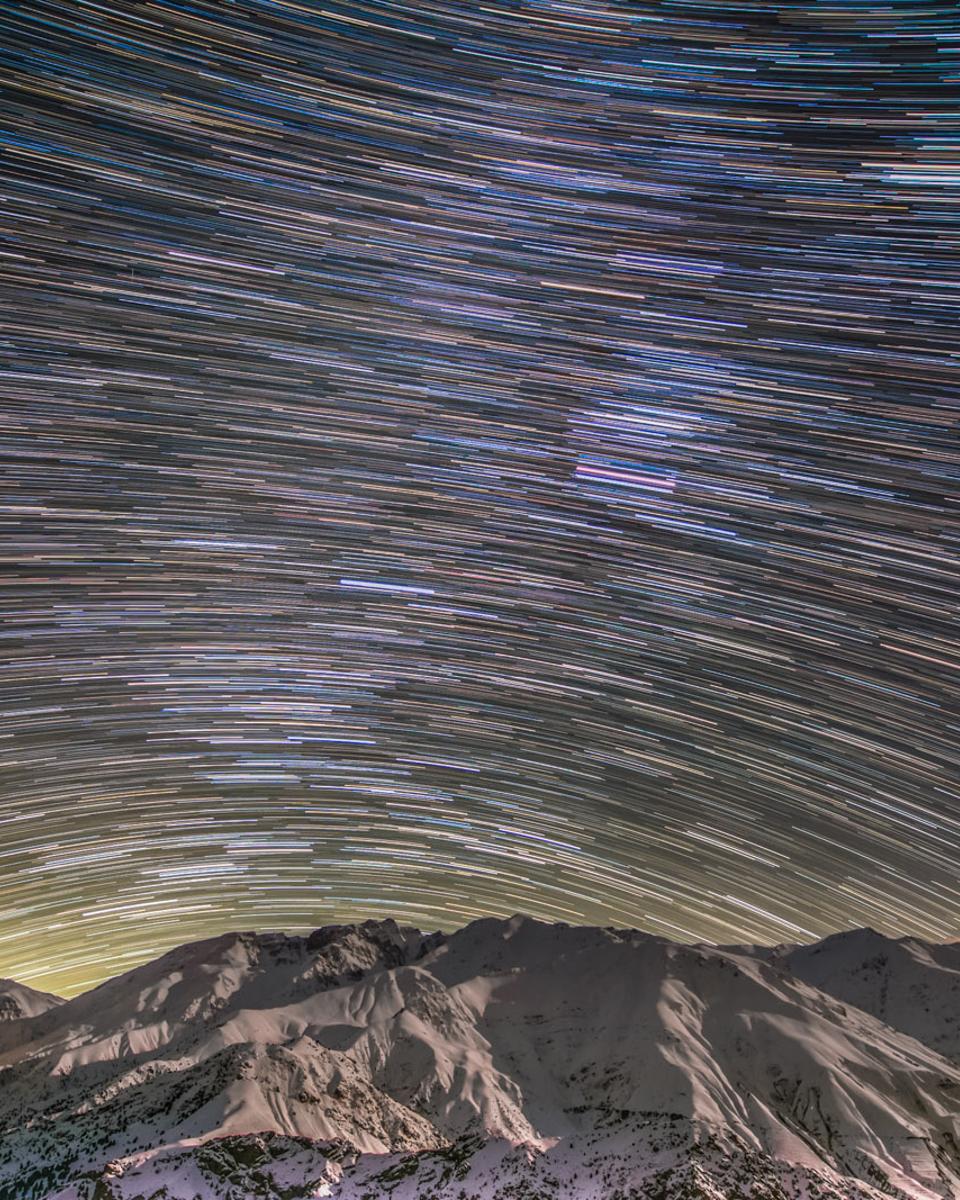
Alborz Mountain Star Trails
Colourful star trails arc through the night in this wide-angle mountain and skyscape. From a rotating planet , the digitally added consecutive exposures were made with a camera…
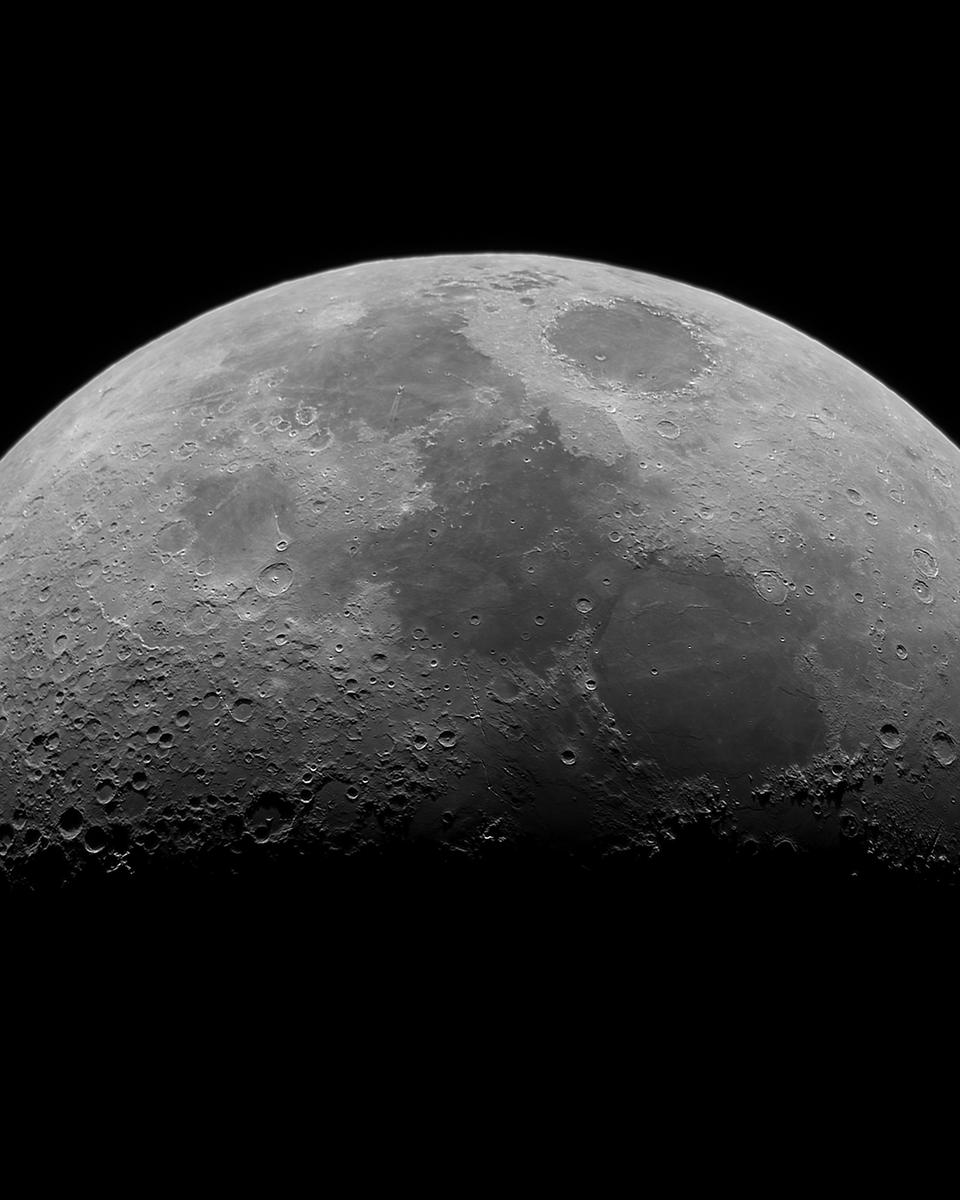
The Lunar X (V)
The striking X in this lunarscape is easily visible in binoculars or a small telescope, but not too many have seen it. The catch is, this lunar X is fleeting and only apparent in…
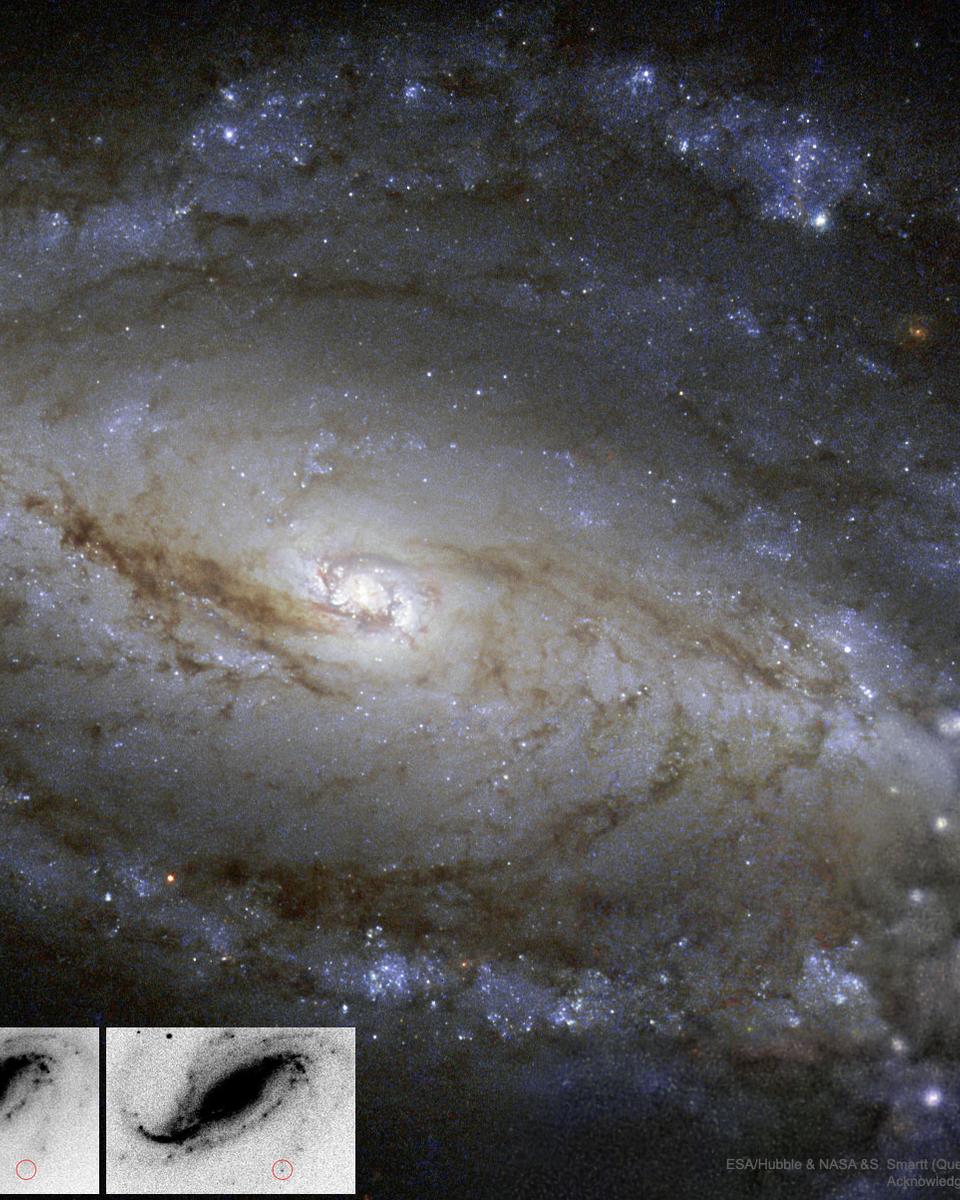
NGC 613 in Dust, Stars, and a Supernova
Where did that spot come from? Amateur astronomer Victor Buso was testing out a new camera on his telescope in 2016 when he noticed a curious spot of light appear -- and remain.…
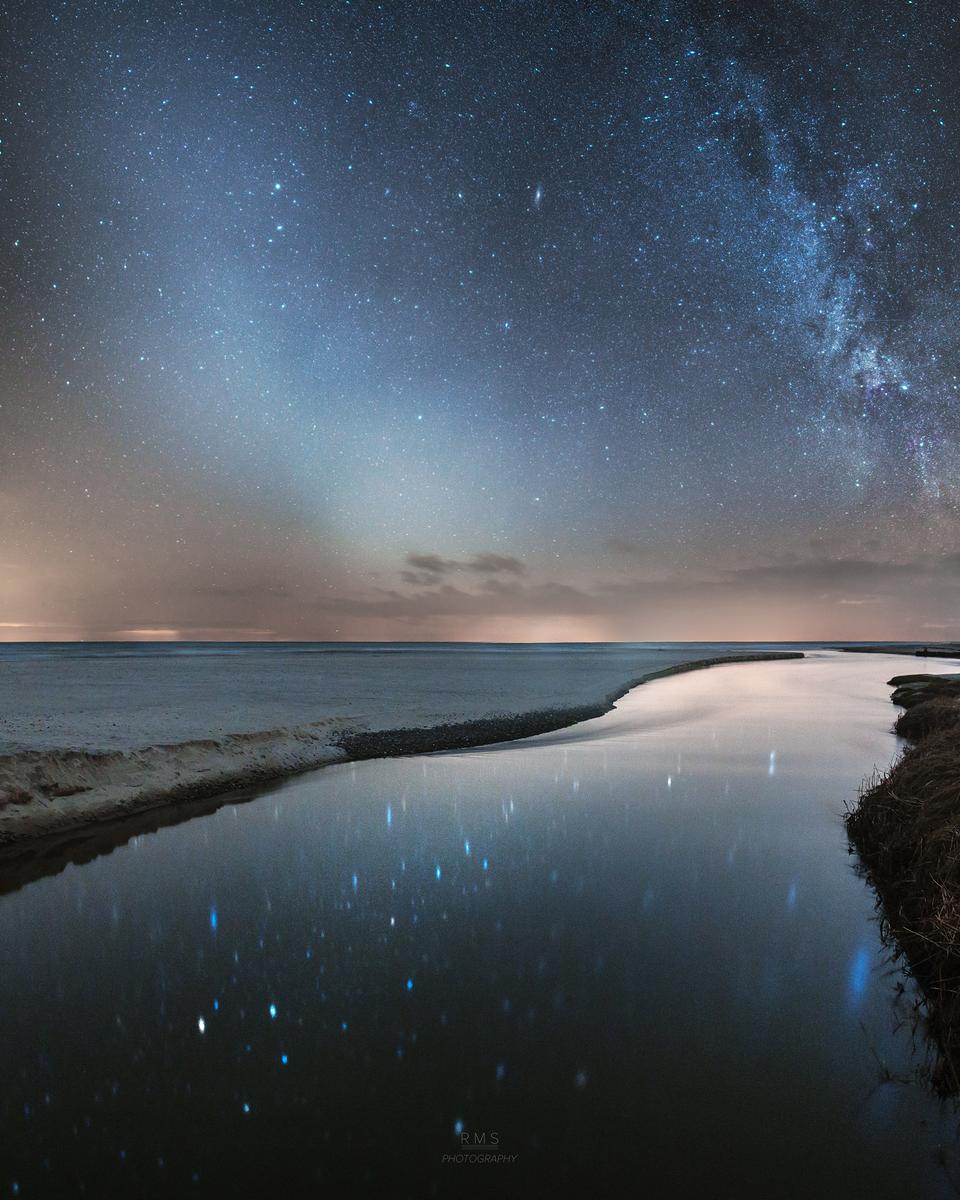
Dueling Bands in the Night
What are these two bands in the sky? The more commonly seen band is the one on the right and is the central band of our Milky Way galaxy . Our Sun orbits in the disk of this…

Passing Jupiter
Here comes Jupiter! NASA's robotic spacecraft Juno is continuing on its 53-day, highly-elongated orbits around our Solar System's largest planet. The featured video is from…
Viewing discoveries from 21 March 2018 through 26 February 2018.