Browse NASA Astronomy Picture of the Day archive by date and media: Archive Discoveries
Browse the NASA APOD archive without needing the exact date first. Filter by media type and keep moving deeper into older images and videos.
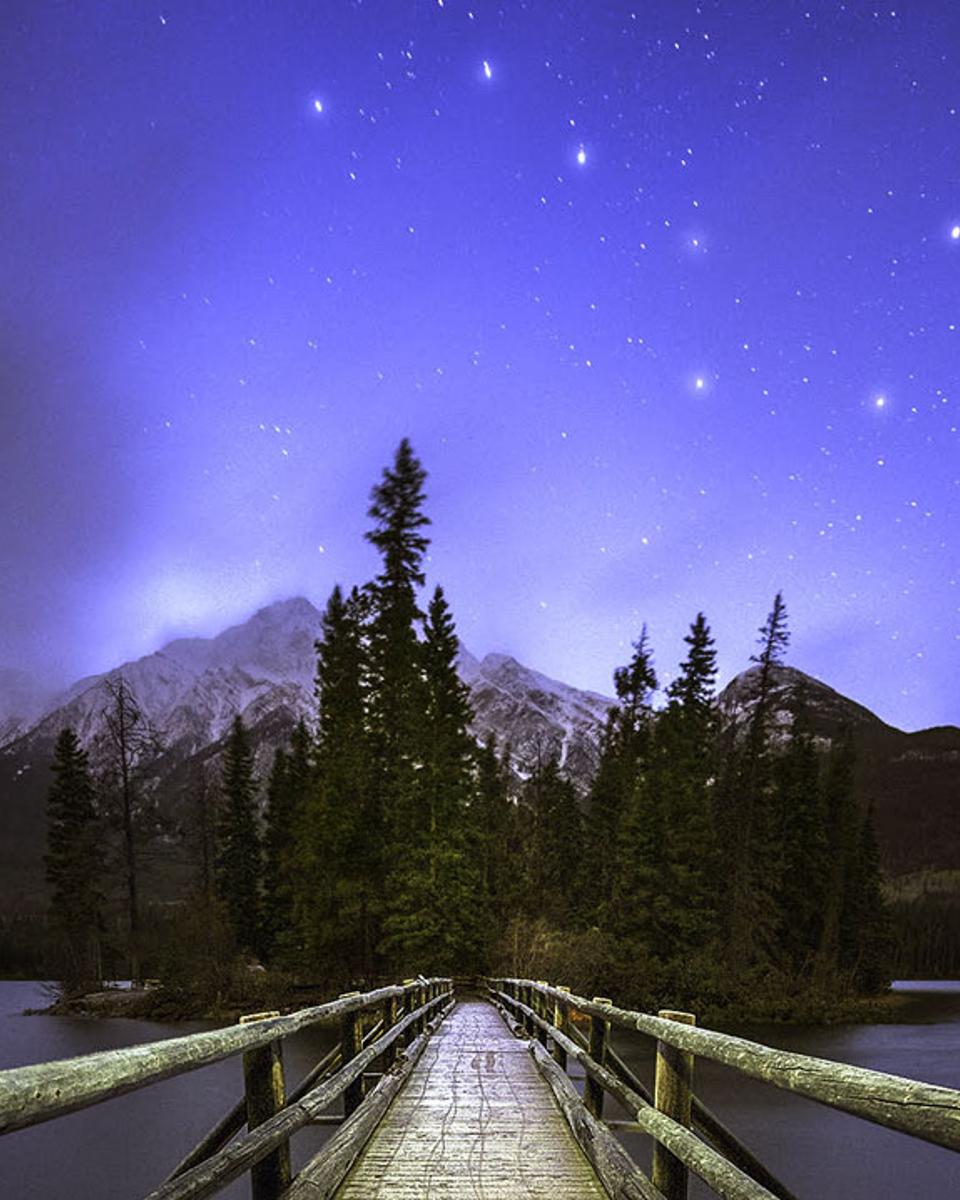
Big Dipper over Pyramid Mountain
When did you first learn to identify this group of stars? Although they are familiar to many people around the world, different cultures have associated this asterism with…
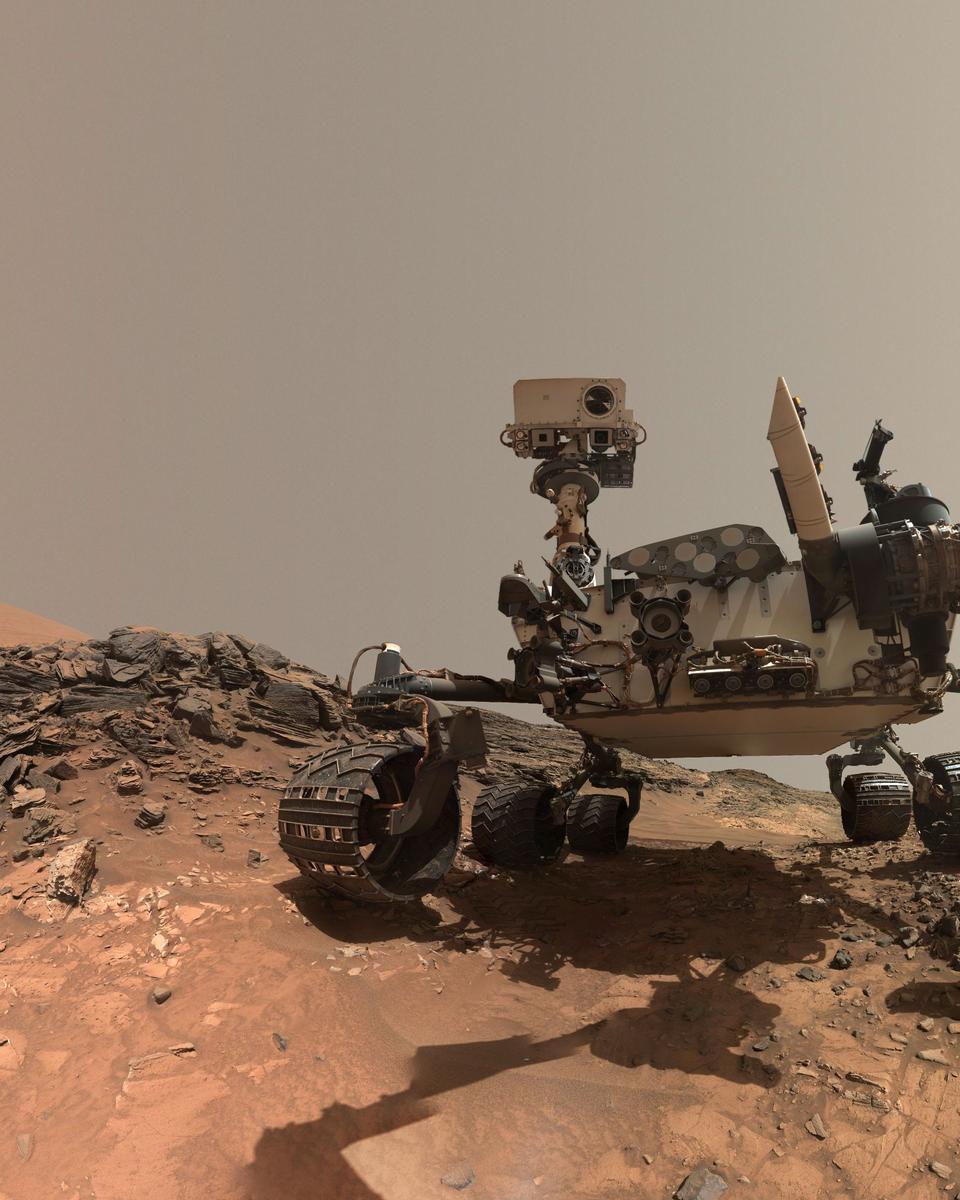
Curiosity Rover Takes Selfie on Mars
Yes, but have you ever taken a selfie on Mars ? The Curiosity rover on Mars has. This selfie was compiled from many smaller images -- which is why the mechanical arm holding the…
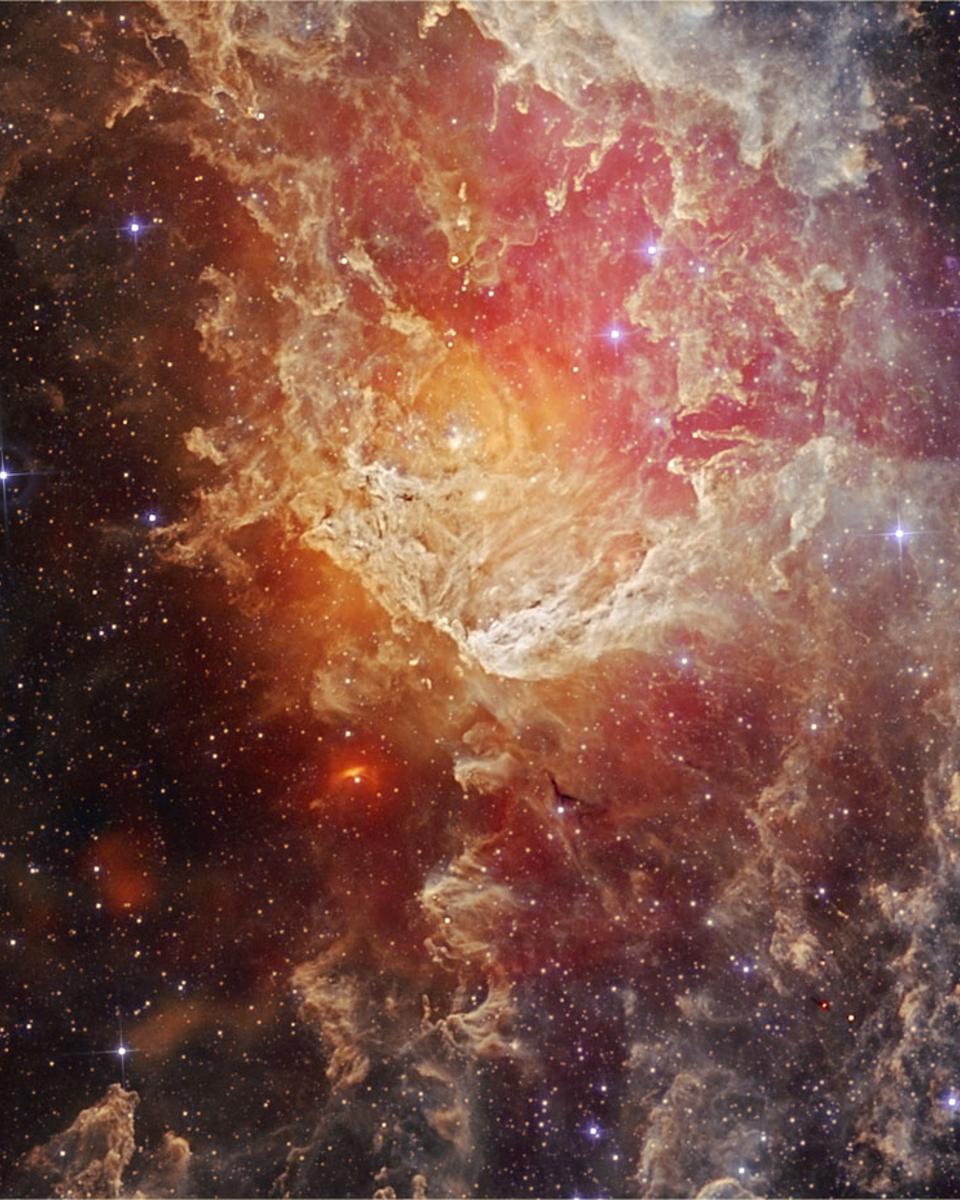
NGC 7822: Stars and Dust Pillars in Infrared
Young stars themselves are clearing out their nursery in NGC 7822. Within the nebula , bright edges and complex dust sculptures dominate this detailed skyscape taken in infrared…
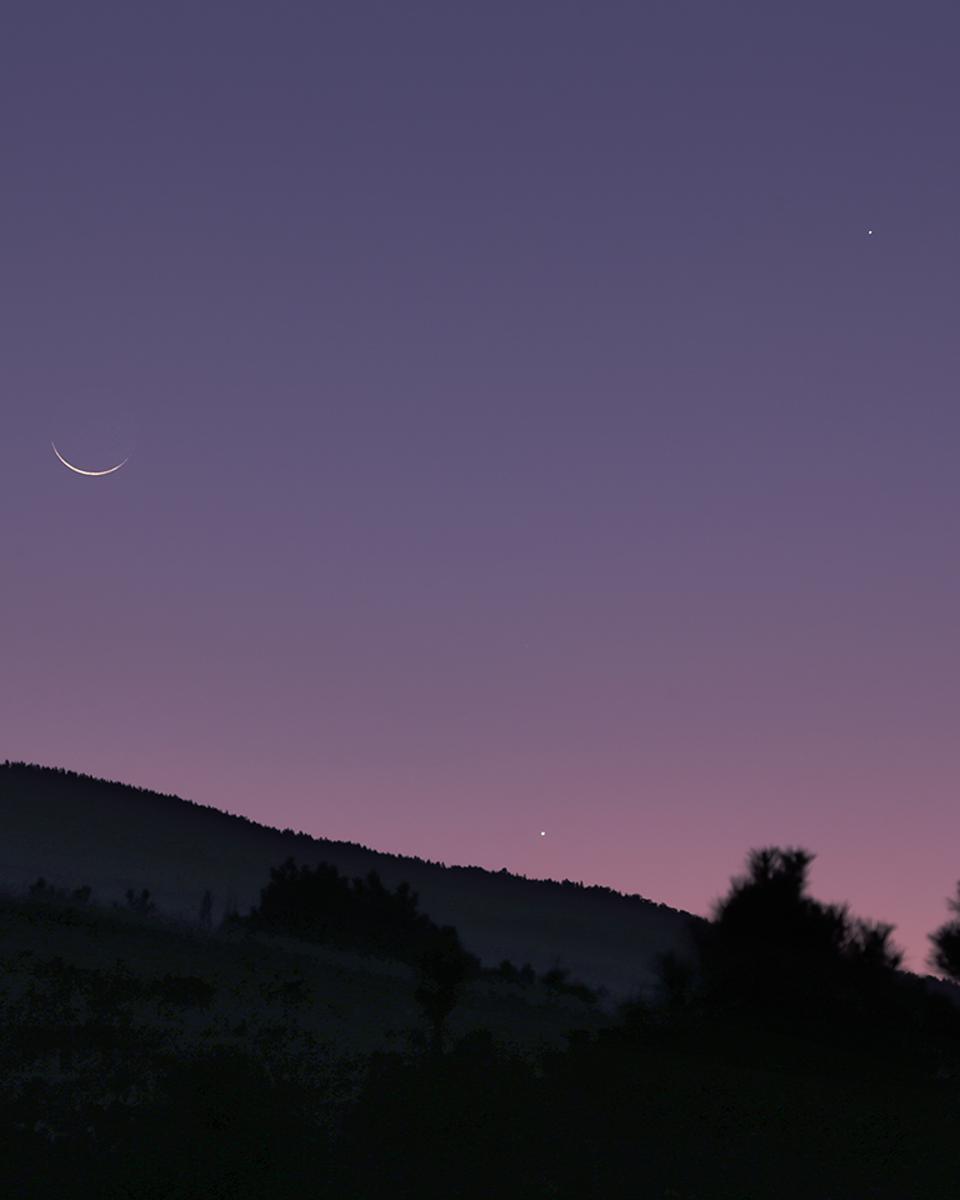
Friday, the Moon Smiled
Friday, an old Moon smiled for early morning risers. Its waning sunlit crescent is captured in this atmospheric scene from clear skies near Bursa, Turkey, planet Earth . In the…
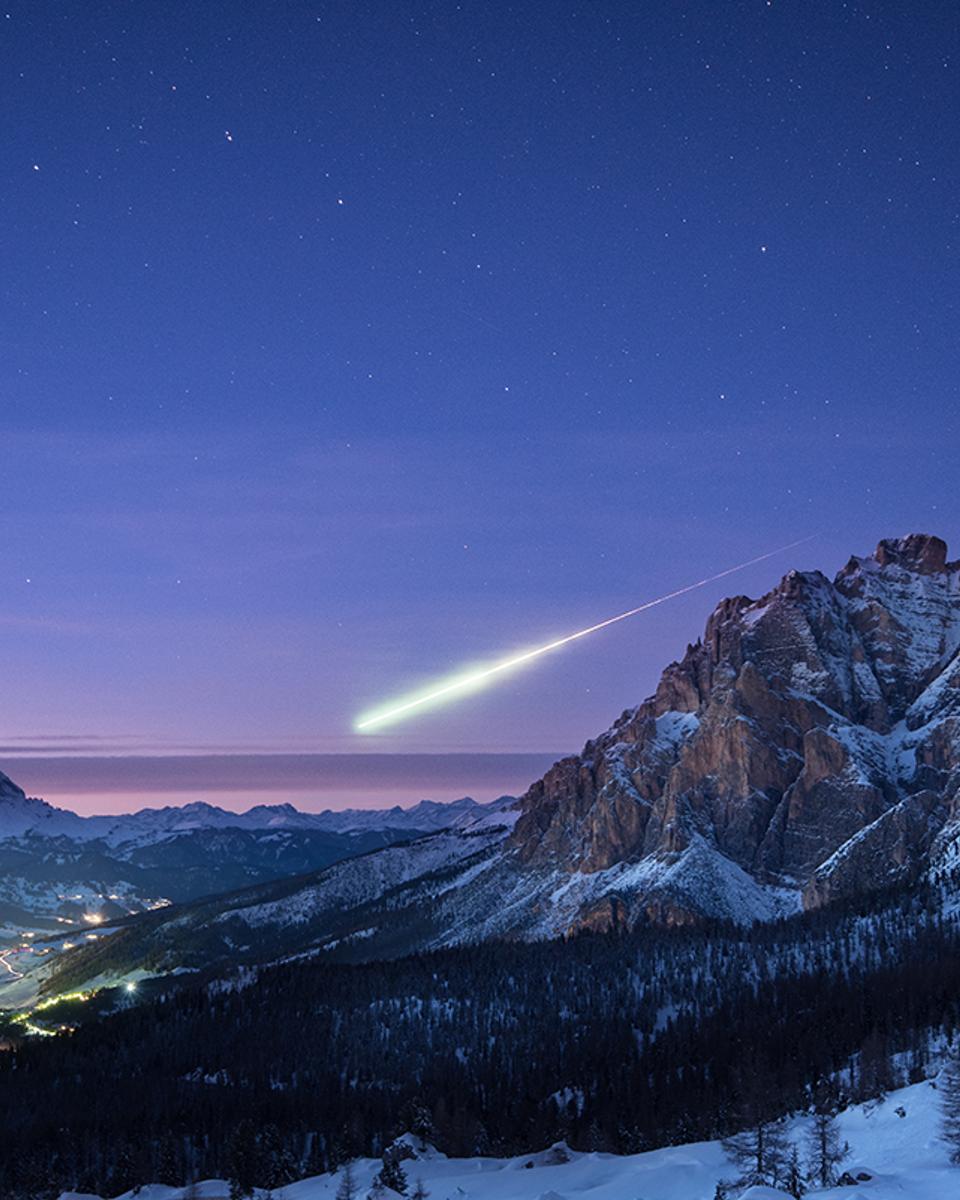
Major Fireball Meteor
The sky glows with soft pinkish colors of fading twilight in this serendipitous mountaintop vista. Taken in subfreezing temperatures, the thoughtfully composed photo shows snowy,…
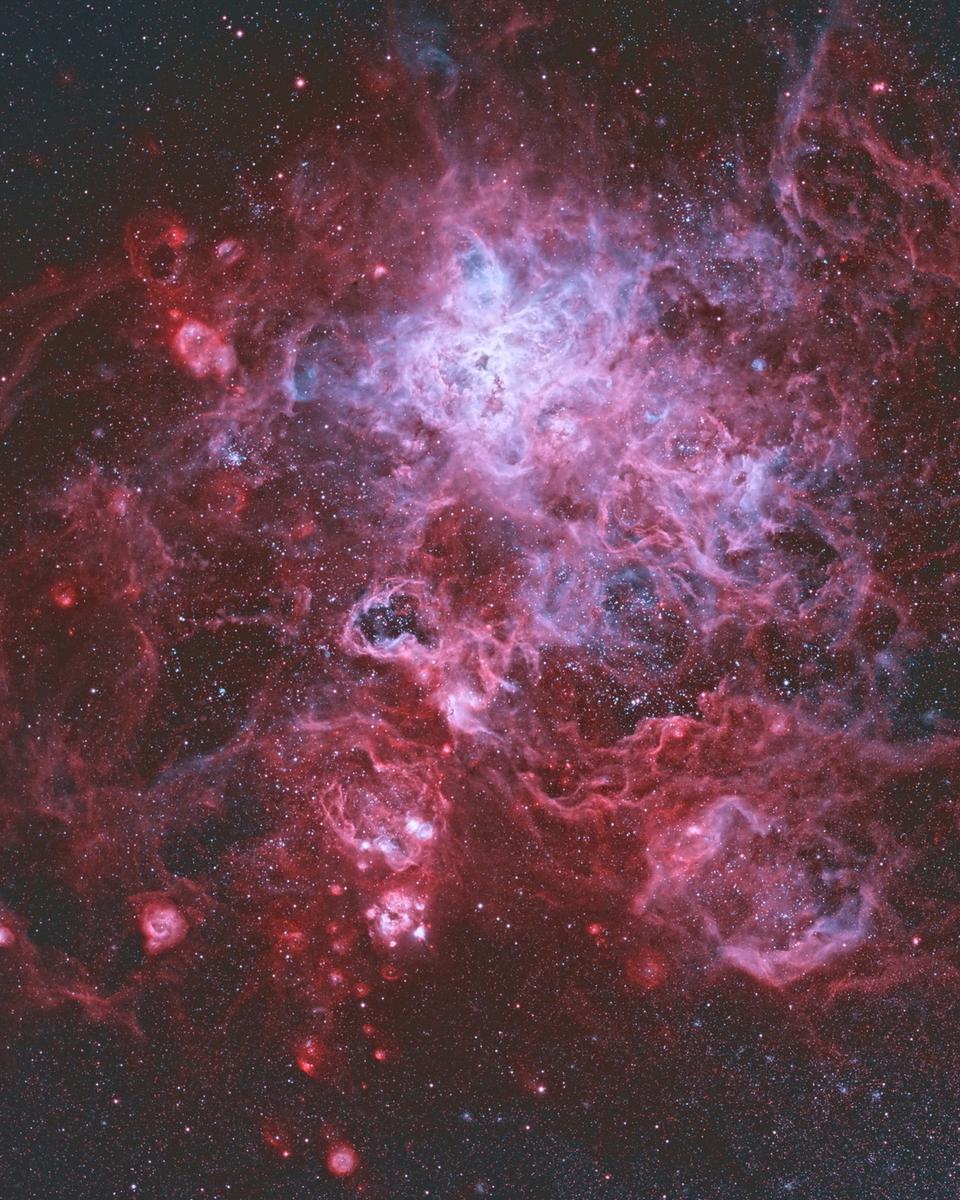
The Tarantula Nebula
The Tarantula Nebula is more than a thousand light-years in diameter, a giant star forming region within nearby satellite galaxy the Large Magellanic Cloud , about 180 thousand…
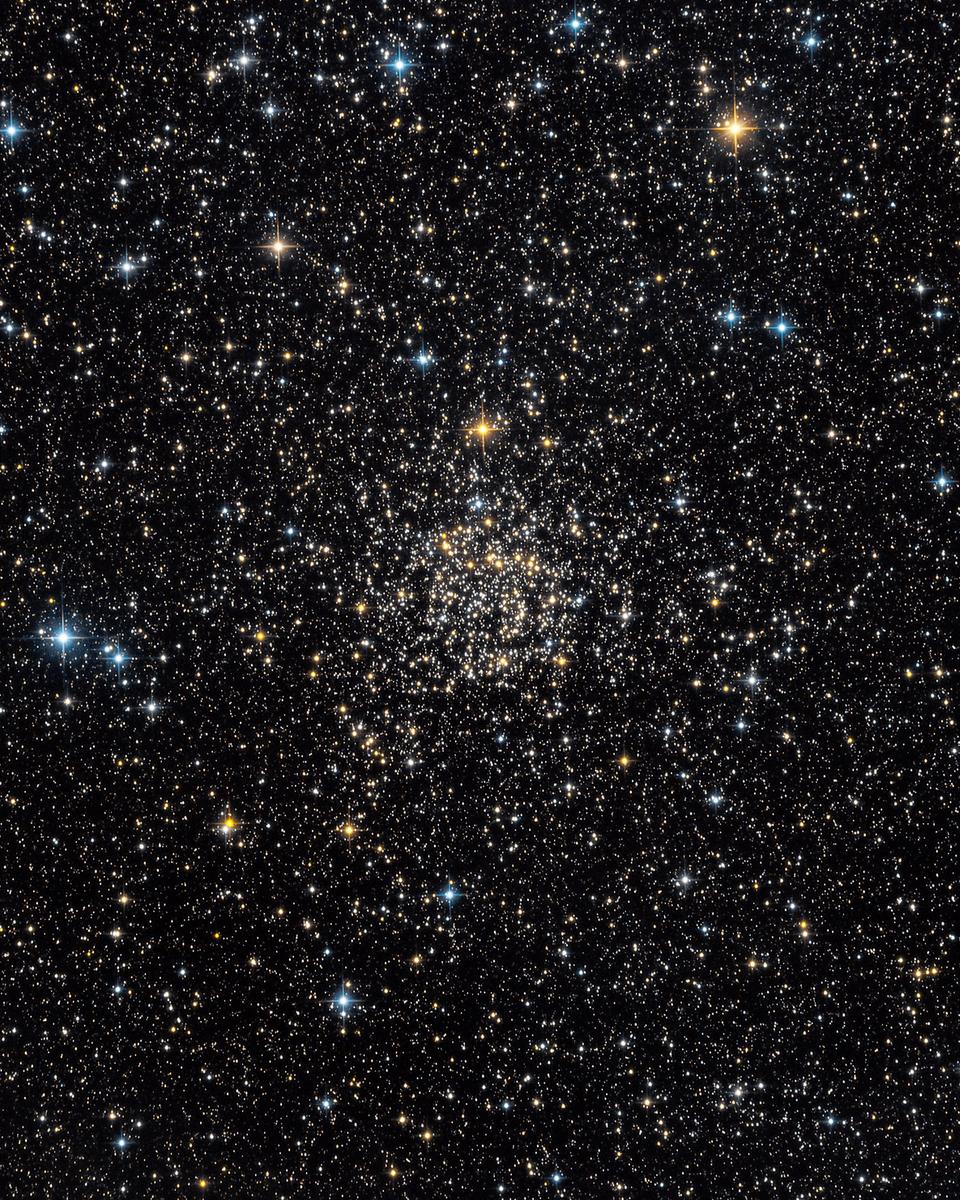
NGC 7789: Caroline's Rose
Found among the rich starfields of the Milky Way, star cluster NGC 7789 lies about 8,000 light-years away toward the constellation Cassiopeia. A late 18th century deep sky…
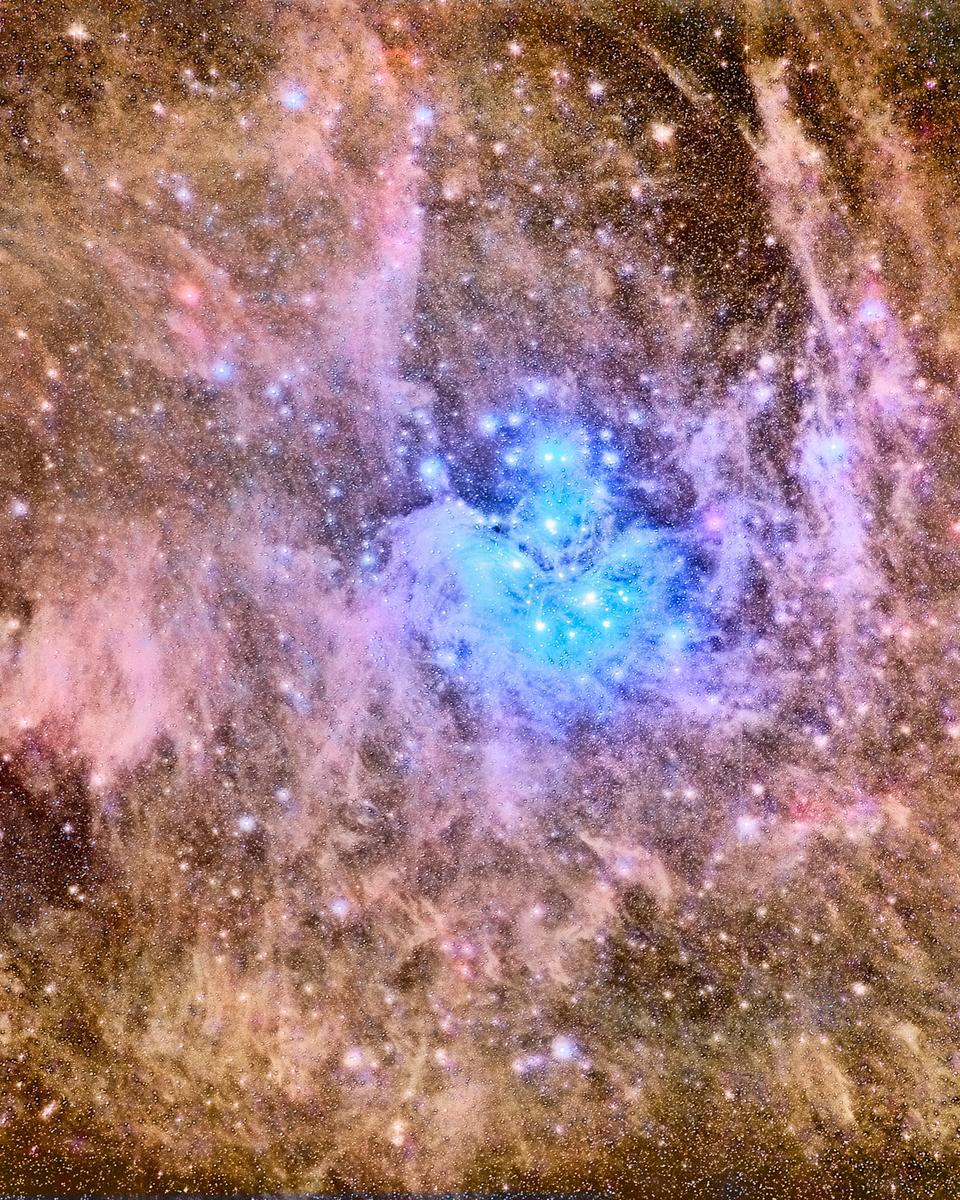
The Pleiades Deep and Dusty
The well-known Pleiades star cluster is slowly destroying part of a passing cloud of gas and dust. The Pleiades is the brightest open cluster of stars on Earth's sky and can be…
Preview unavailable
Open the archive entry to view the source media.
Comet Machholz Approaches the Sun
Why is Comet Maccholz so depleted of carbon-containing chemicals? Comet 96P/Machholz 's original fame derives from its getting closer to the Sun than any other short period comet…
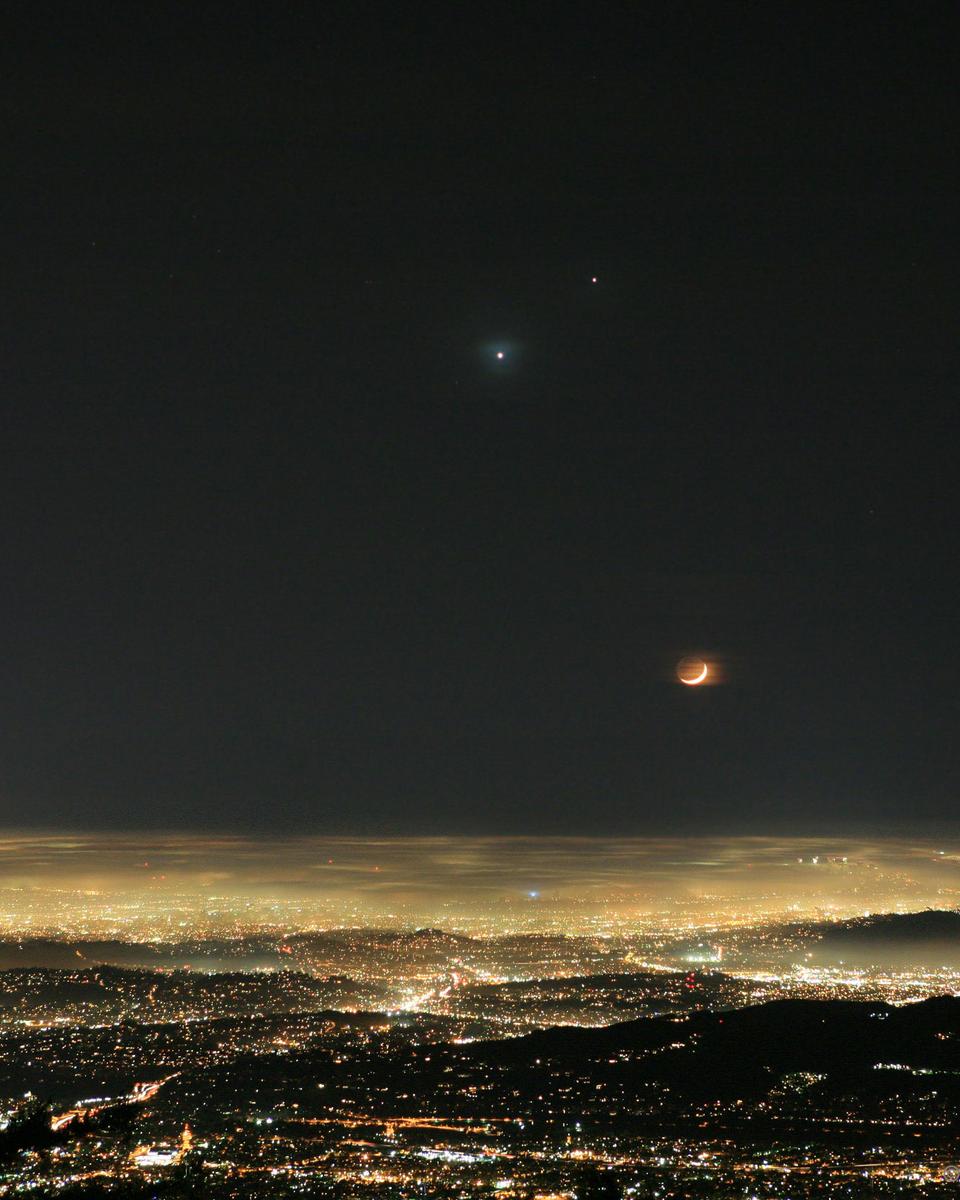
A Happy Sky over Los Angeles
Sometimes, the sky may seem to smile over much of planet Earth. On this day in 2008, visible the world over, was an unusual superposition of our Moon and the planets Venus and…
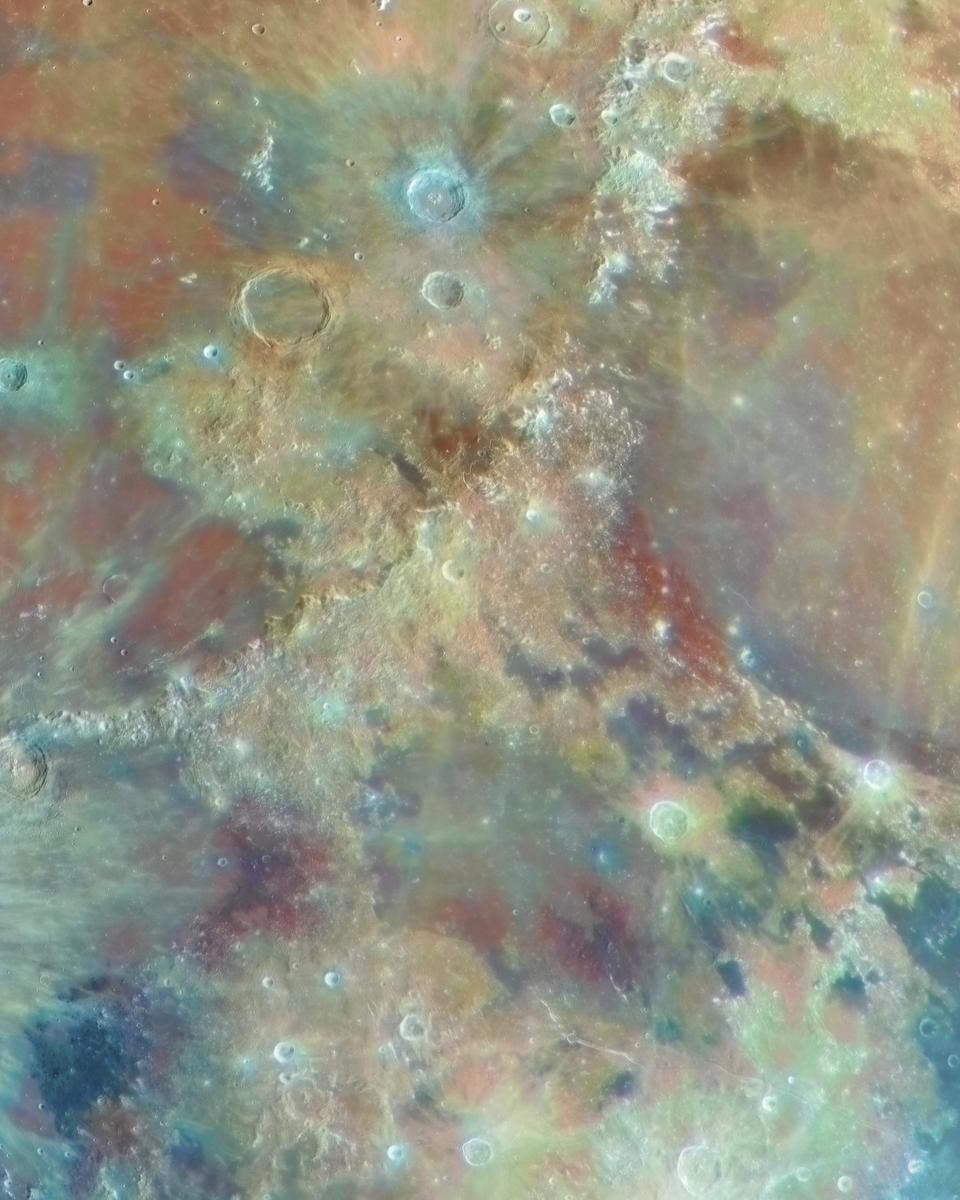
A Colourful Moon
The Moon is normally seen in subtle shades of grey. But small, measurable color differences have been greatly exaggerated in this mosaic of high-resolution images captured near…
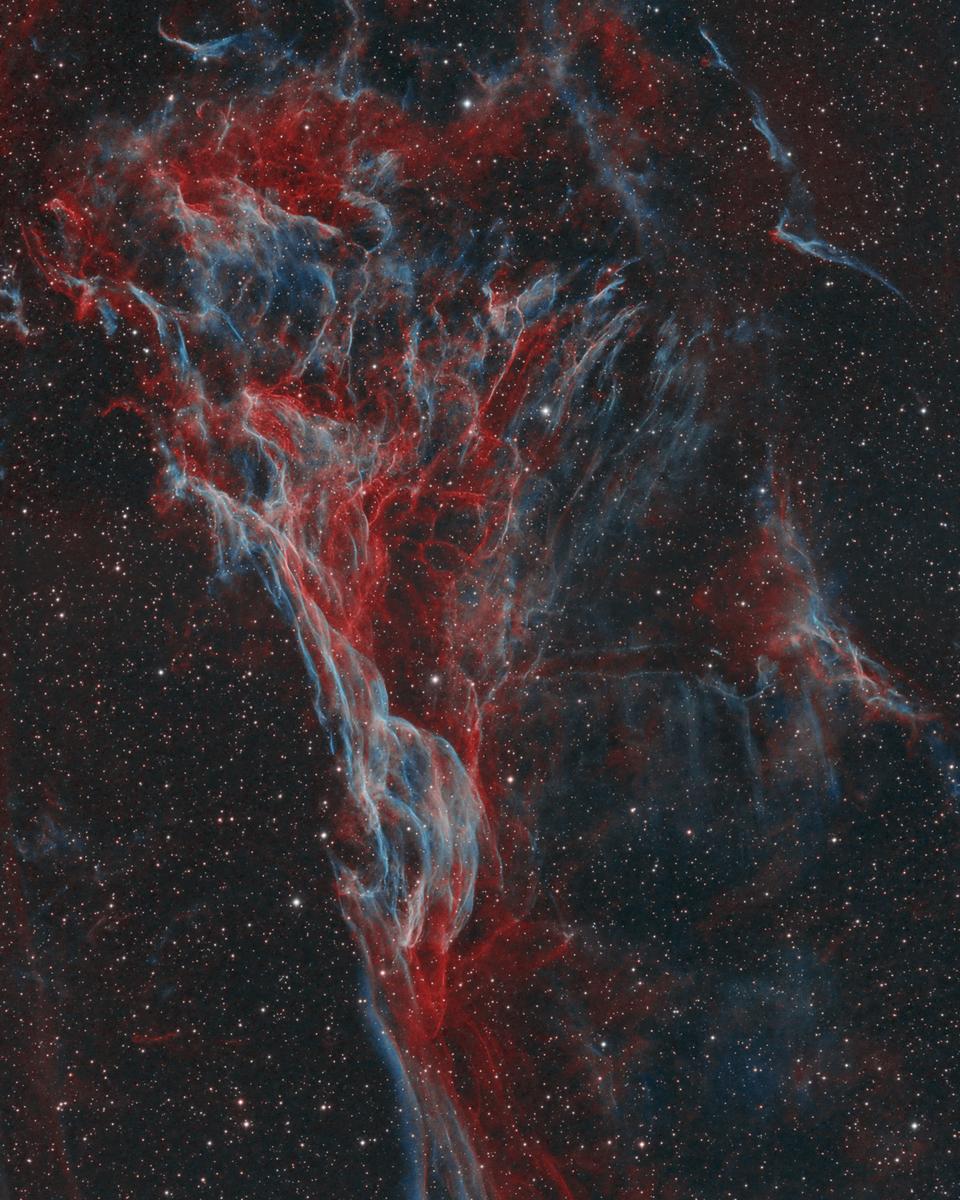
Williamina Fleming's Triangular Wisp
Chaotic in appearance , these tangled filaments of shocked, glowing gas are spread across planet Earth's sky toward the constellation of Cygnus as part of the Veil Nebula . The…
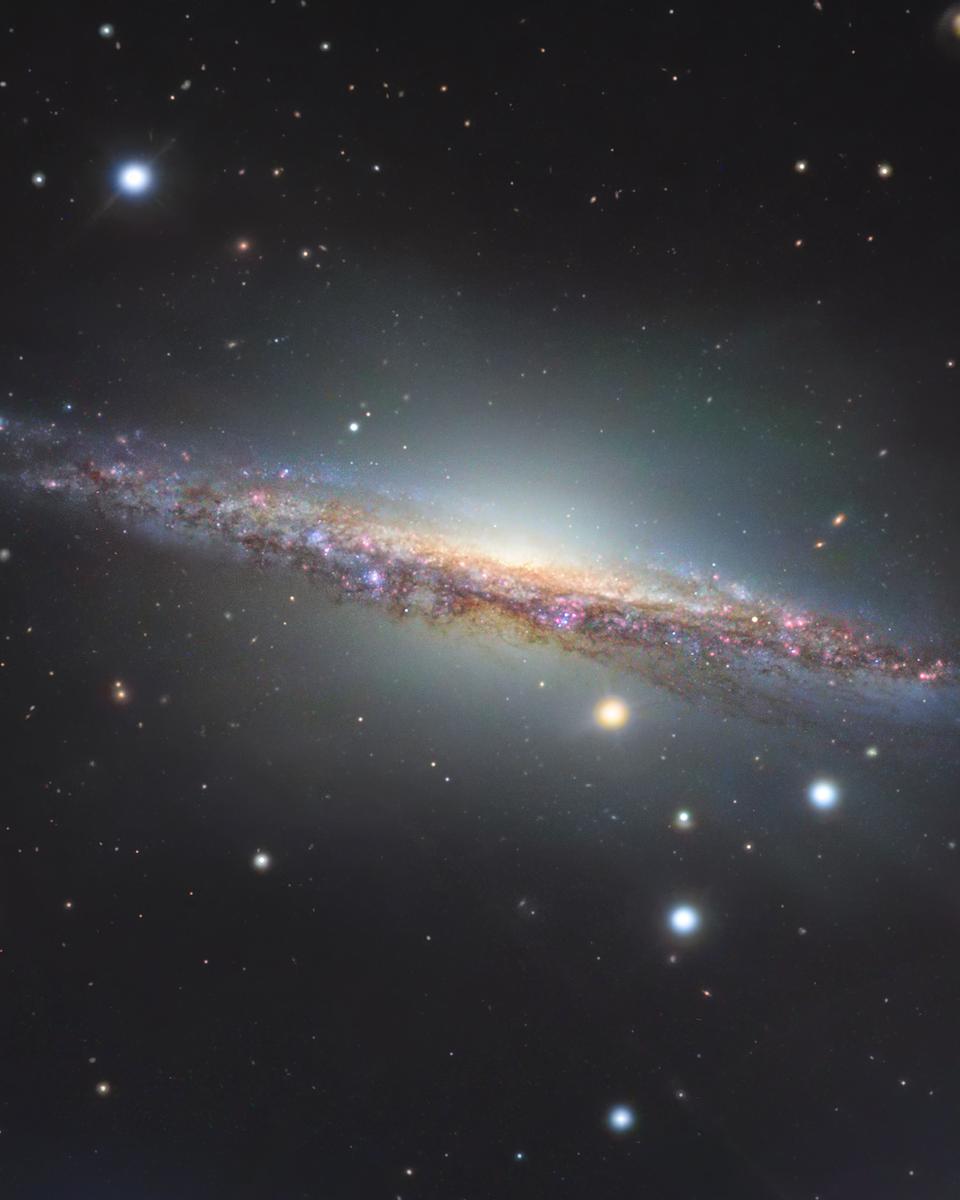
NGC 1055 Close-up
Big, beautiful spiral galaxy NGC 1055 is a dominant member of a small galaxy group a mere 60 million light-years away toward the aquatically intimidating constellation Cetus .…
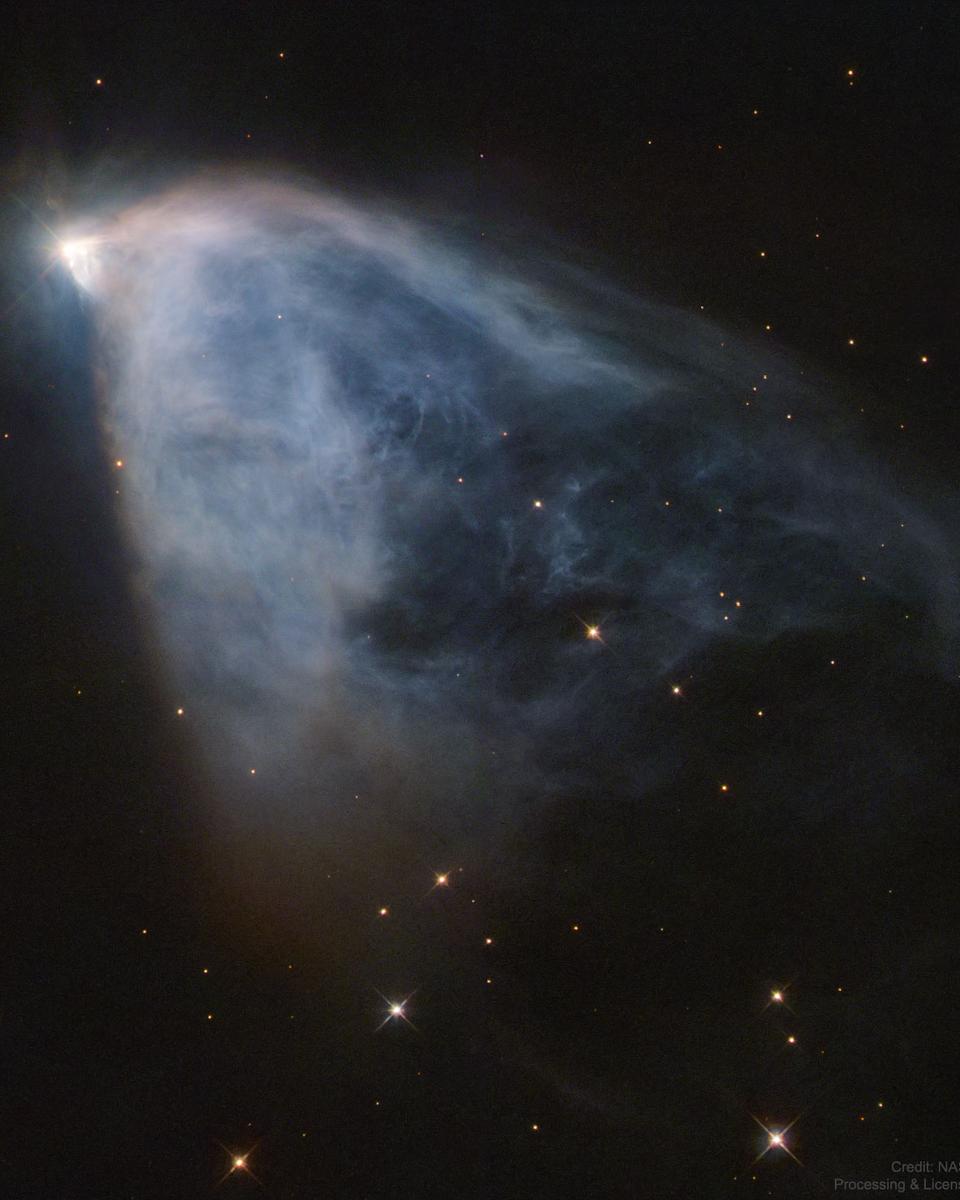
NGC 2261: Hubble's Variable Nebula
What causes Hubble's Variable Nebula to vary? The unusual nebula featured here changes its appearance noticeably in just a few weeks. Discovered over 200 years ago and…

The Prague Astronomical Clock
In the center of Prague there's a clock the size of a building. During the day, crowds gather to watch the show when it chimes in a new hour. The Prague Astronomical Clock 's face…
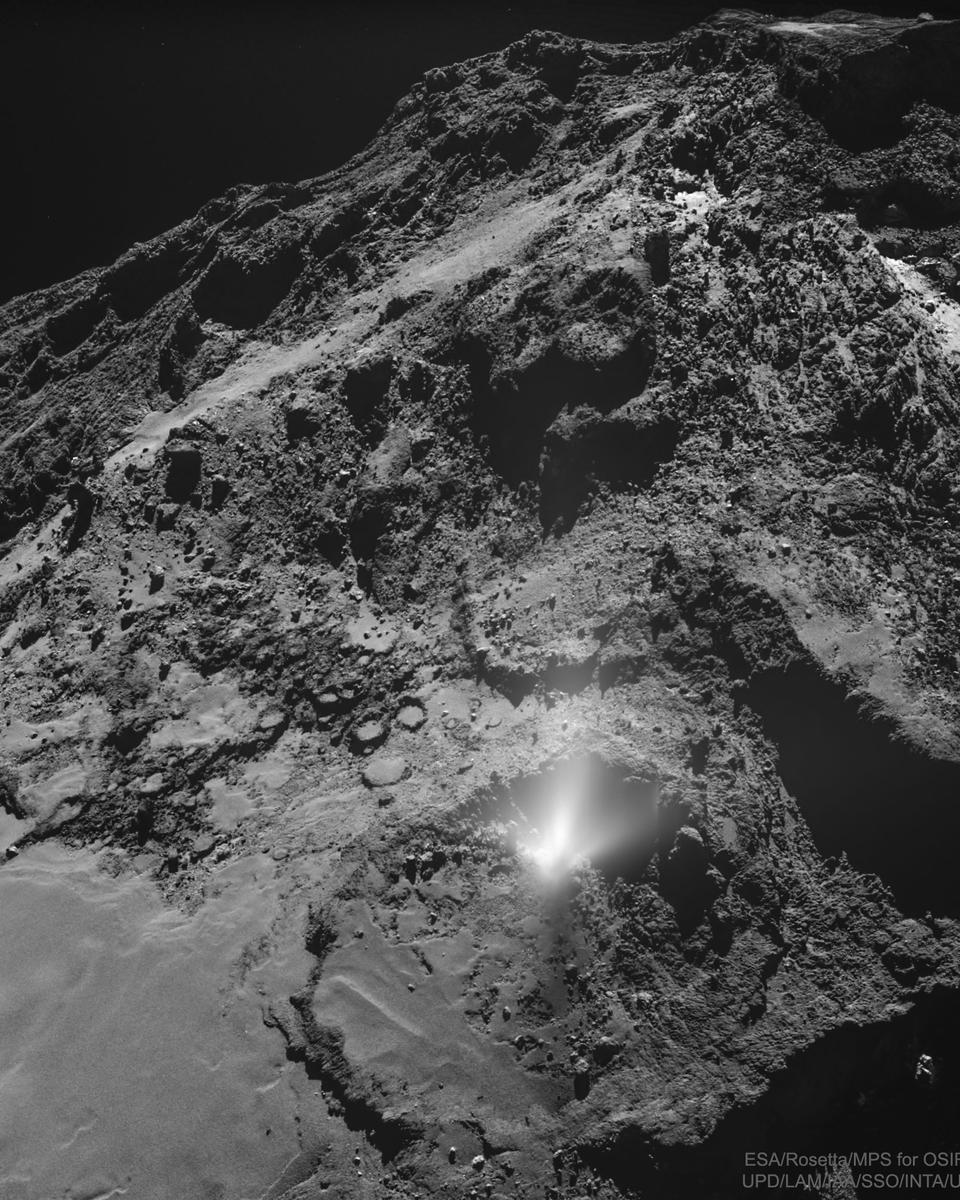
A Dust Jet from the Surface of Comet 67P
Where do comet tails come from? There are no obvious places on the nuclei of comets from which the jets that create comet tails emanate. Last year, though, ESA's Rosetta…
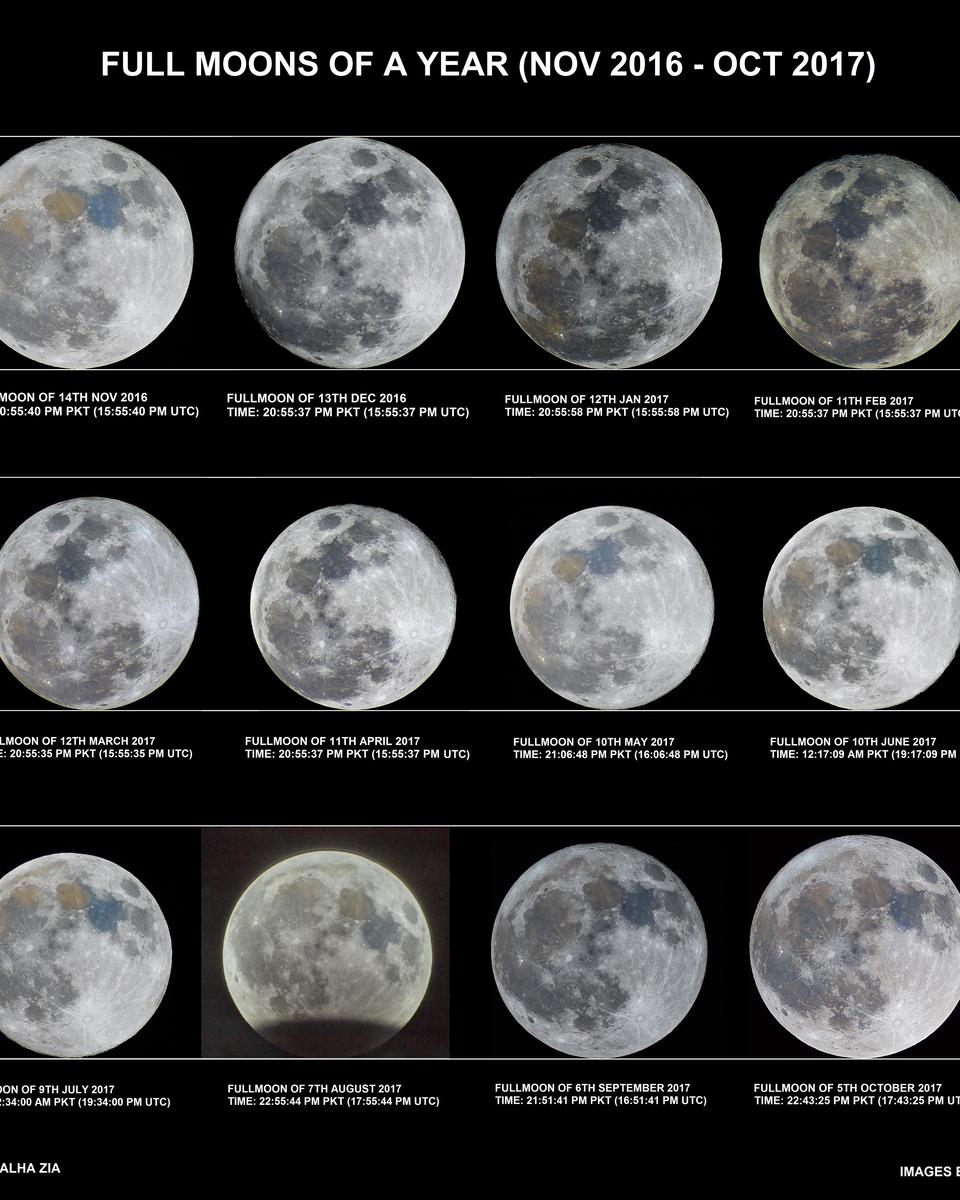
A Year of Full Moons
Do all full moons look the same? No. To see the slight differences, consider this grid of twelve full moons. From upper left to lower right, the images represent every lunation…
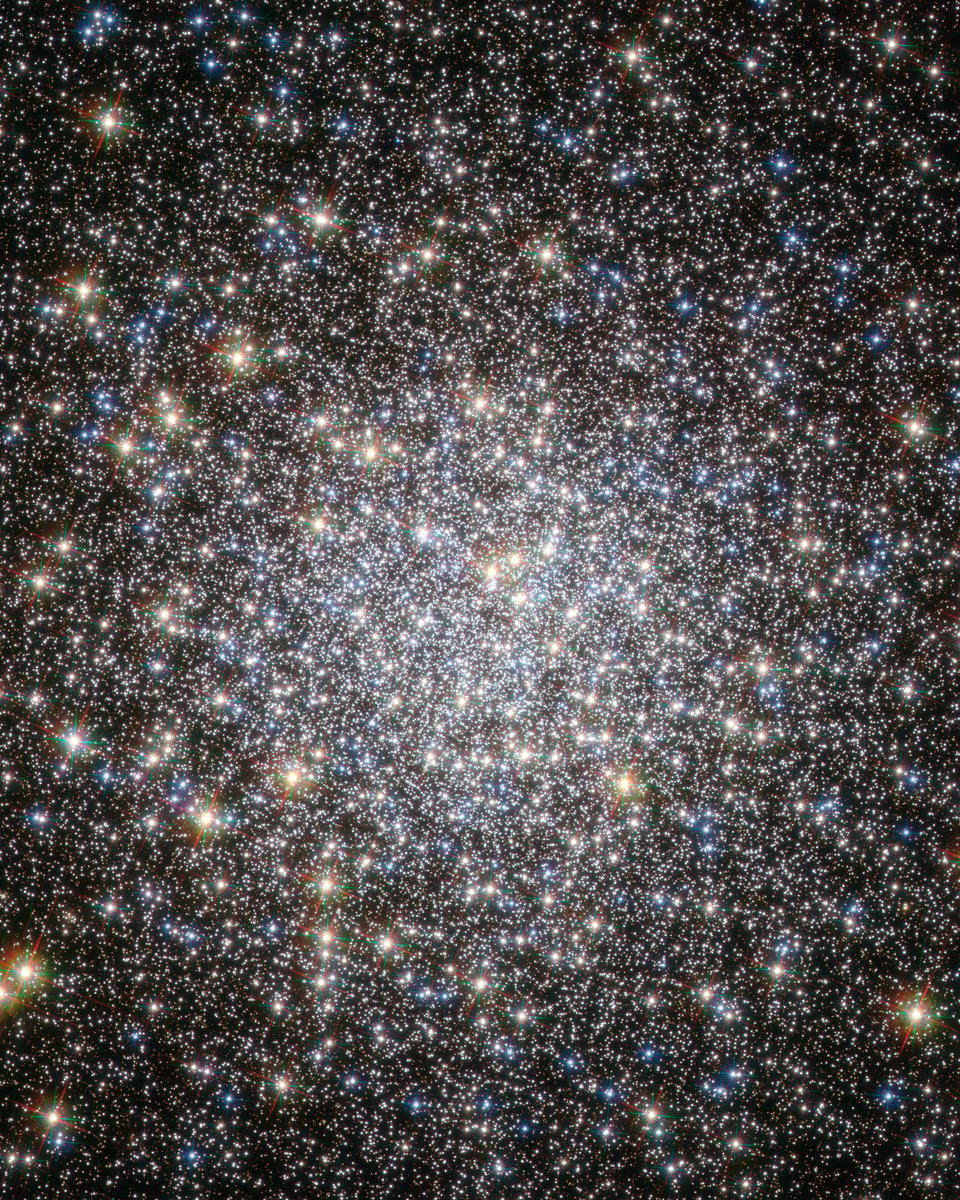
Hubble's Messier 5
“Beautiful Nebula discovered between the Balance [Libra] & the Serpent [Serpens] ...” begins the description of the 5th entry in 18th century astronomer Charles Messier's famous…
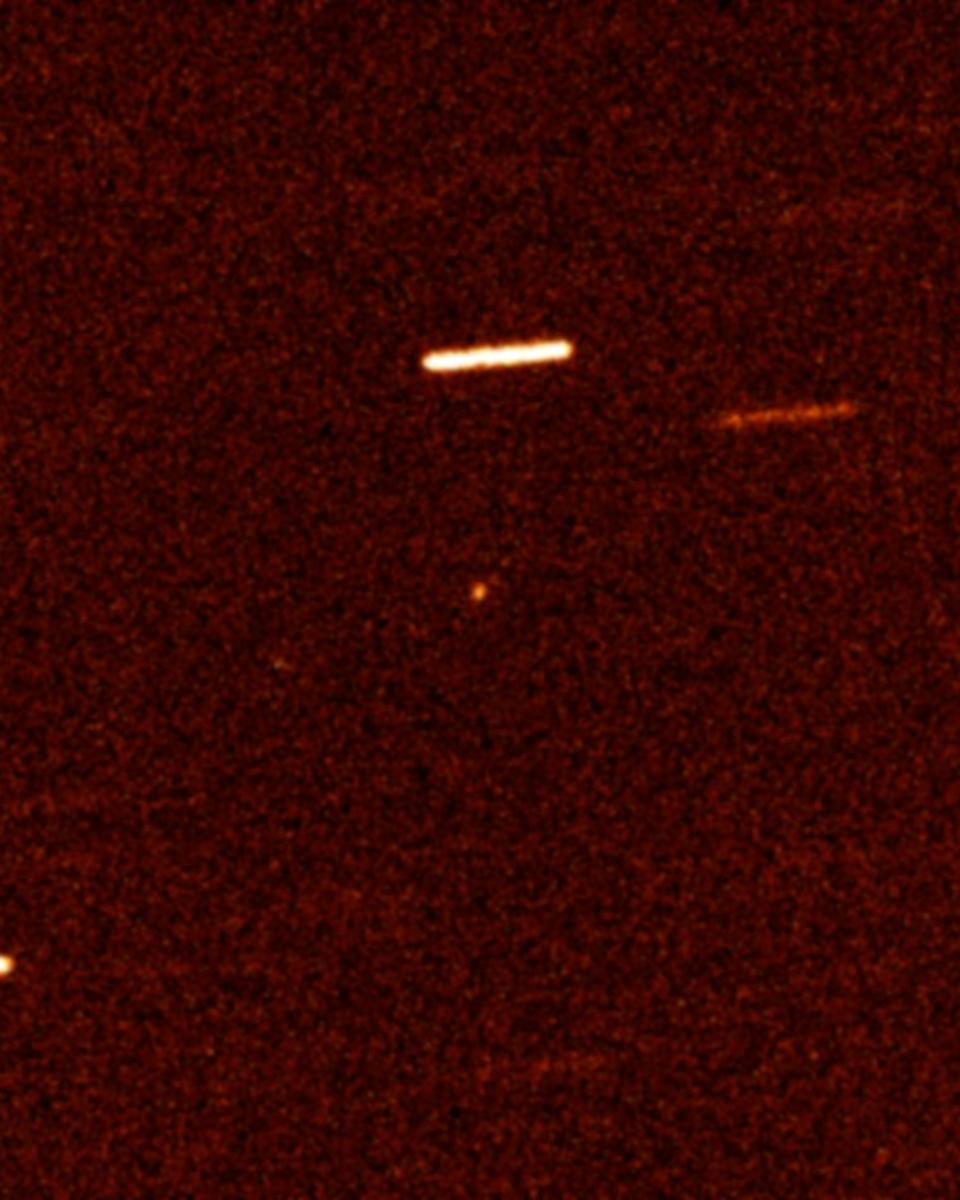
A/2017 U1: An Interstellar Visitor
Traveling at high velocity along an extreme hyperbolic orbit and making a hairpin turn as it swung past the Sun, the now designated A/2017 U1 is the first known small body from…
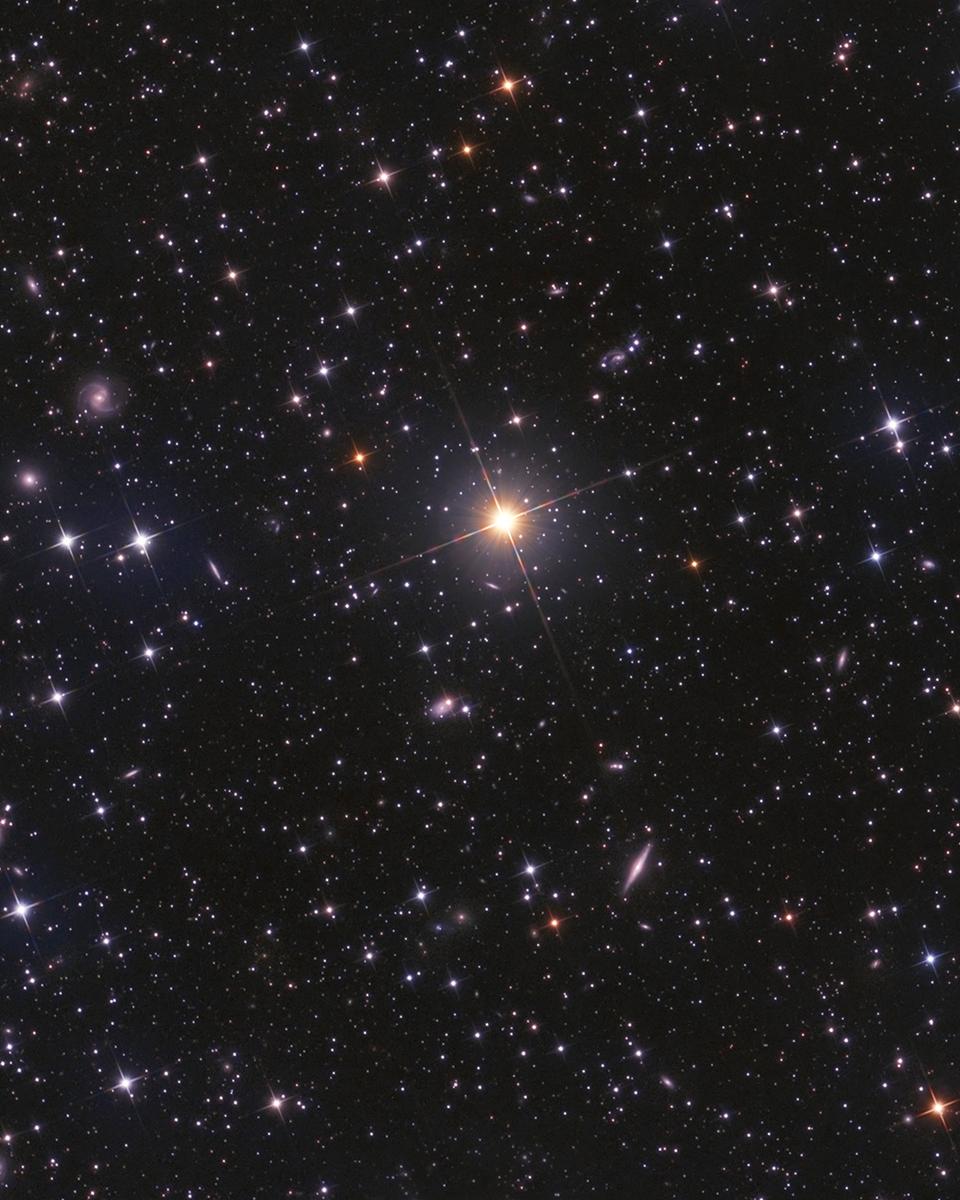
NGC 891 vs Abell 347
Distant galaxies lie beyond a foreground of spiky Milky Way stars in this telescopic field of view . Centered on yellowish star HD 14771, the scene spans about 1 degree on the sky…
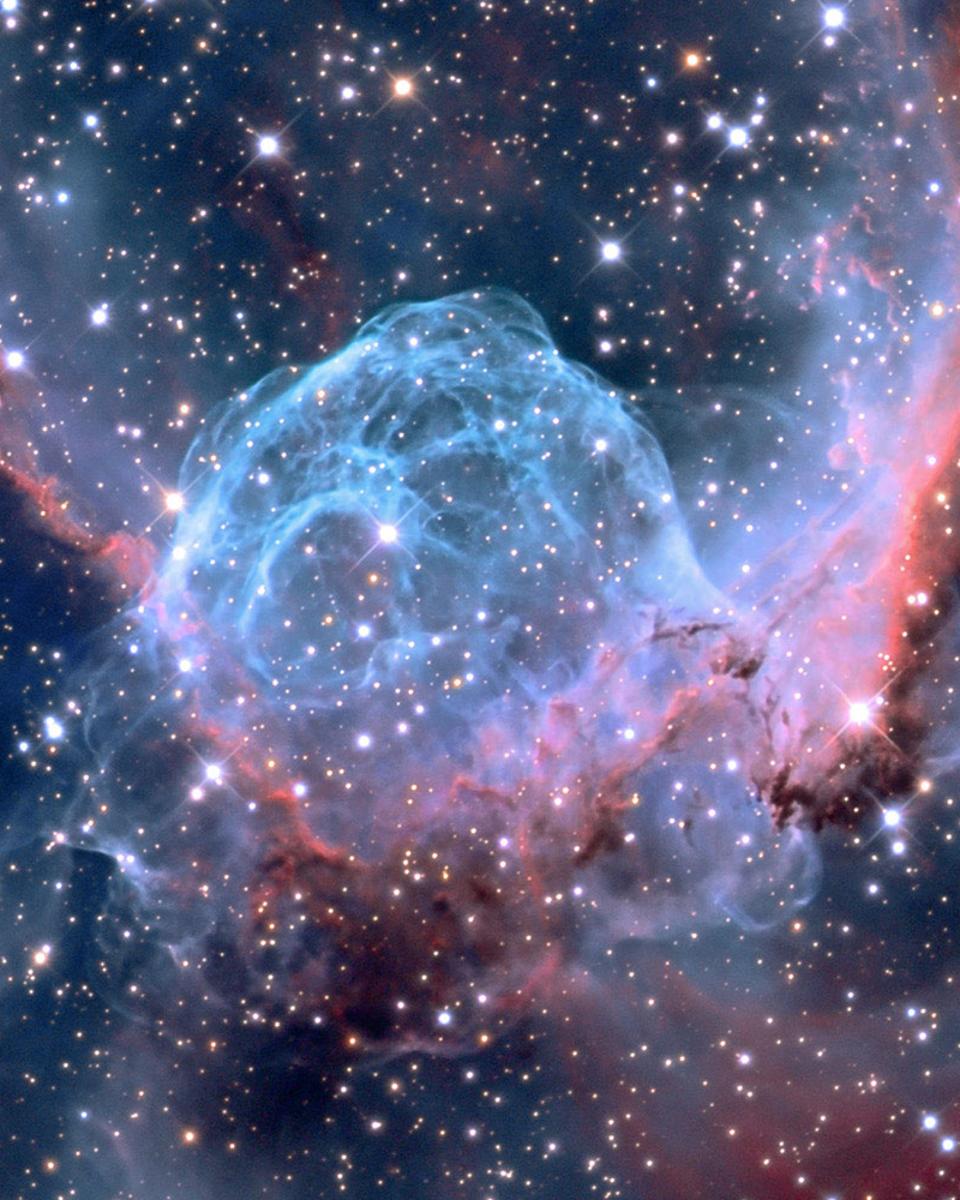
Thor's Helmet Emission Nebula
This helmet-shaped cosmic cloud with wing-like appendages is popularly called Thor 's Helmet. Heroically sized even for a Norse god , Thor's Helmet spans about 30 light-years…
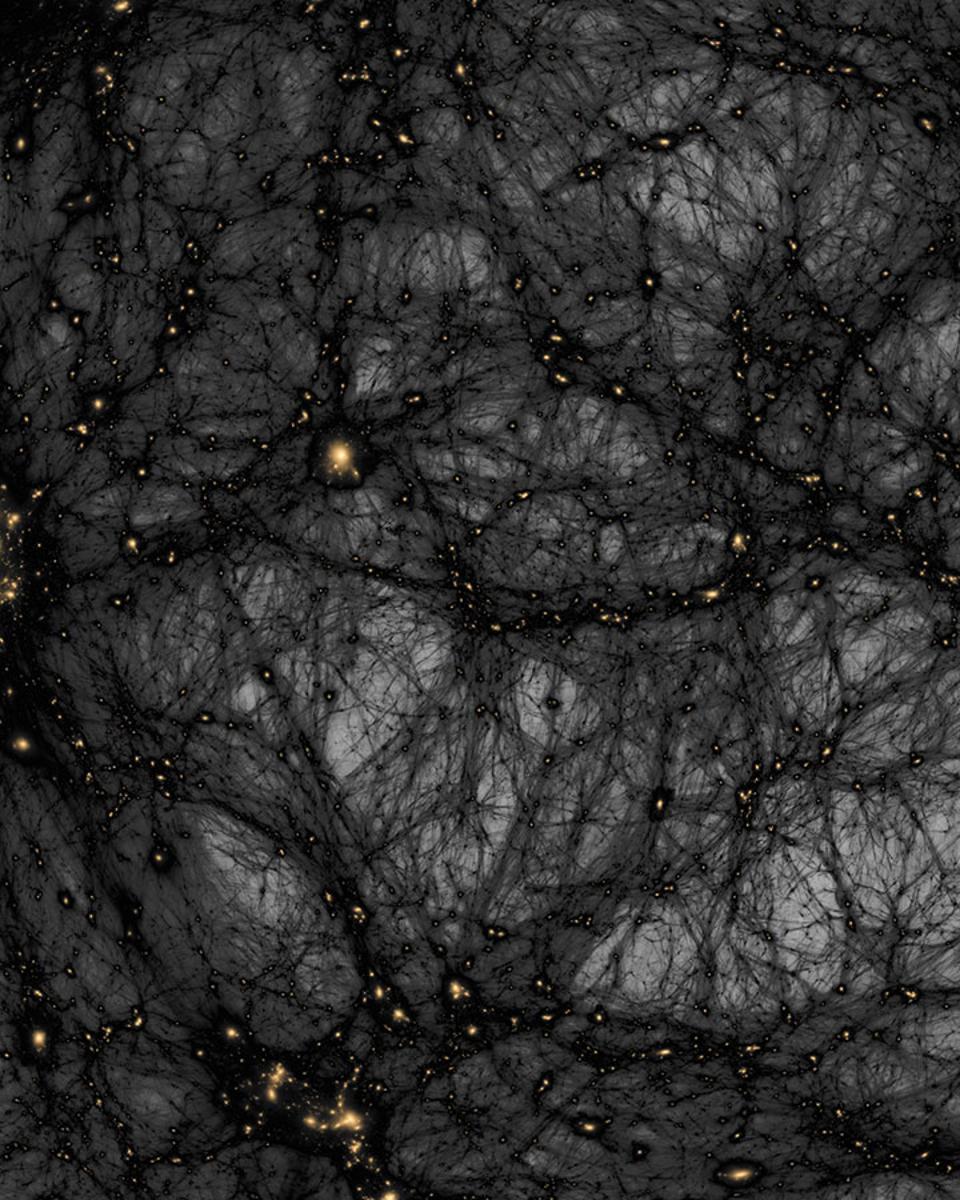
Dark Matter in a Simulated Universe
Is our universe haunted? It might look that way on this dark matter map. The gravity of unseen dark matter is the leading explanation for why galaxies rotate so fast , why…
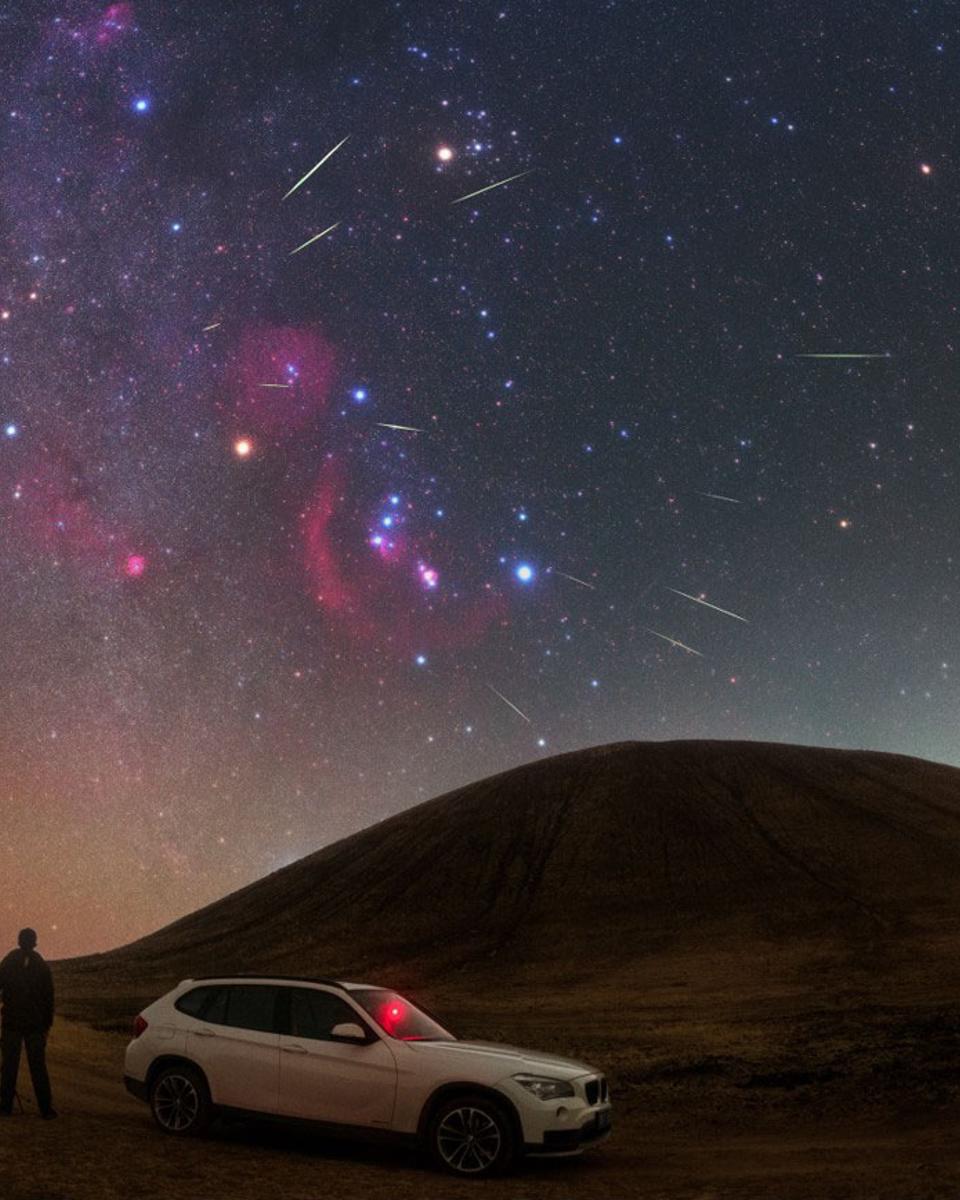
Orionid Meteors from Orion
Meteors have been shooting out from the constellation of Orion. This was expected, as October is the time of year for the Orionids Meteor Shower . Pictured here, over a dozen…
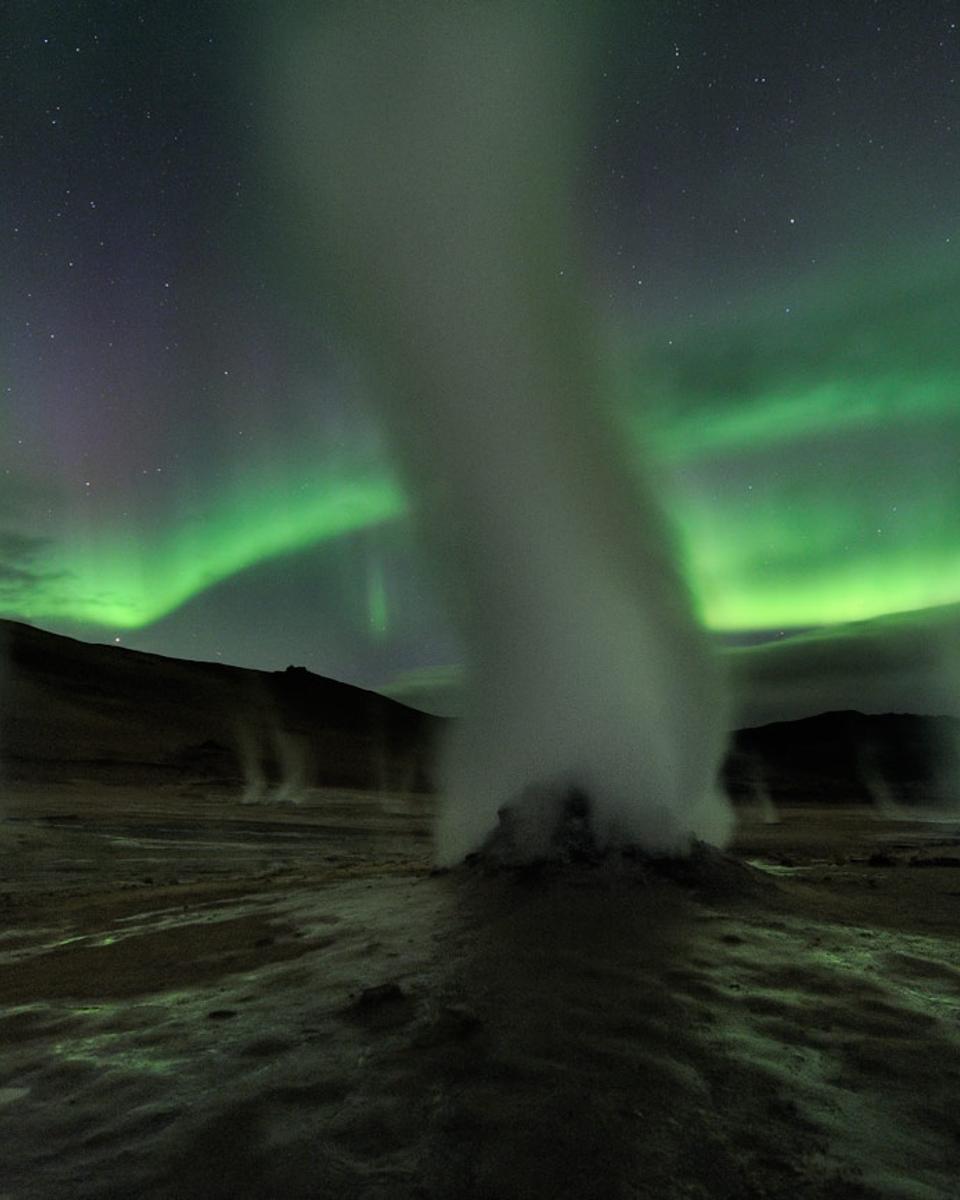
Night on a Spooky Planet
What spooky planet is this? Planet Earth of course, on a dark and stormy night in 2013 at Hverir , a geothermally active area along the volcanic landscape in northeastern Iceland…
Viewing discoveries from 21 November 2017 through 29 October 2017.