Browse NASA Astronomy Picture of the Day archive by date and media: Archive Discoveries
Browse the NASA APOD archive without needing the exact date first. Filter by media type and keep moving deeper into older images and videos.
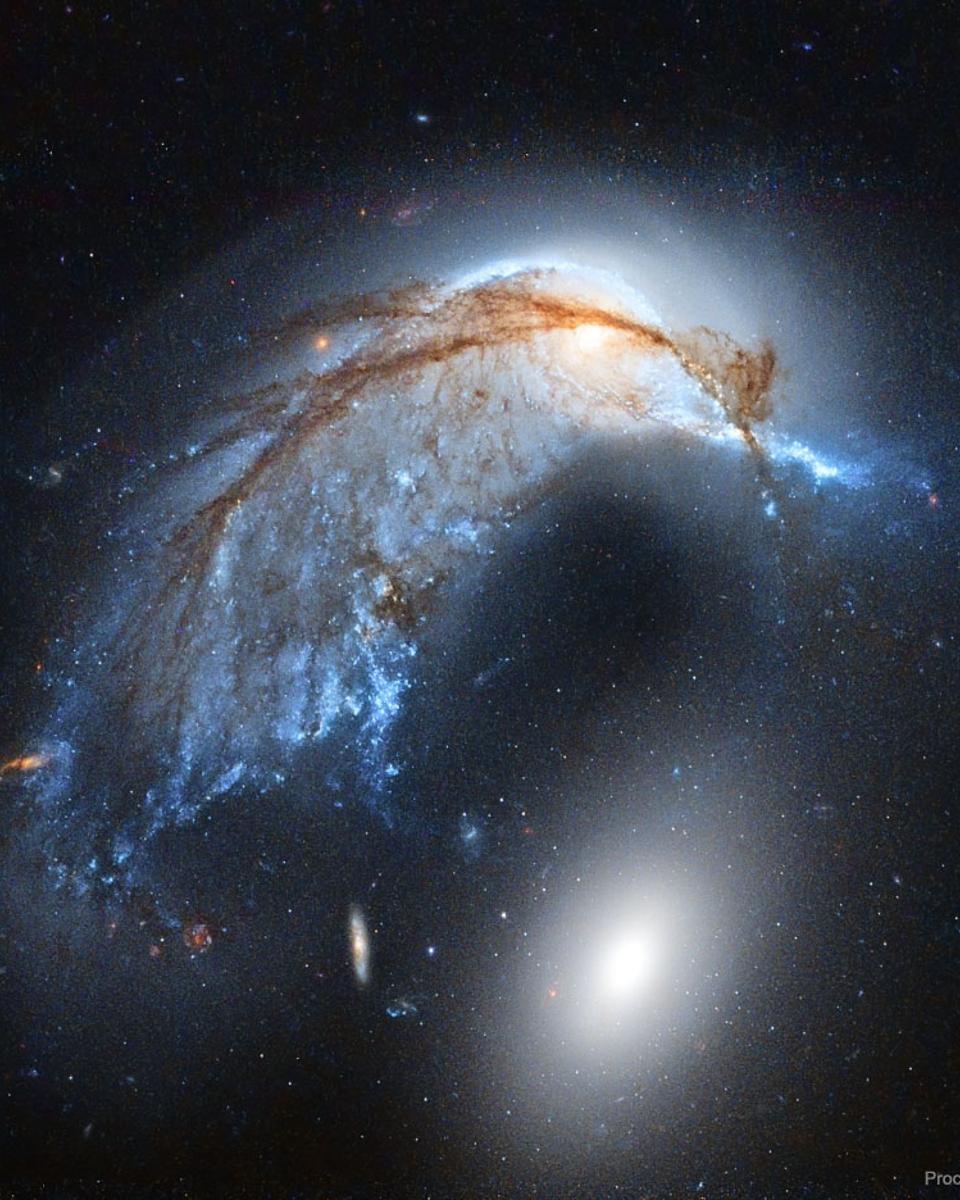
The Porpoise Galaxy from Hubble
What's happening to this spiral galaxy? Just a few hundred million years ago, NGC 2936, the upper of the two large galaxies shown , was likely a normal spiral galaxy -- spinning,…
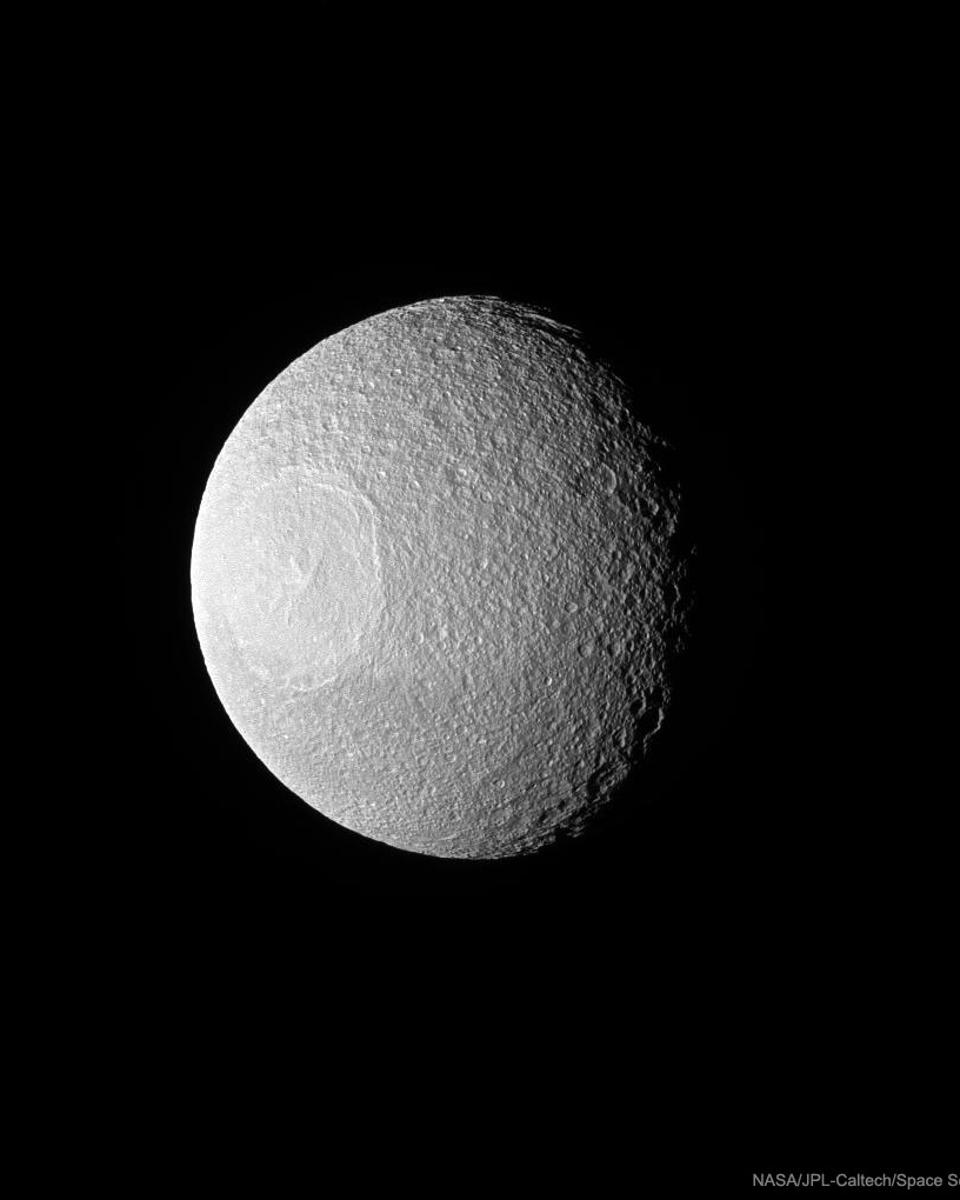
Odysseus Crater on Tethys
Some moons wouldn't survive the collision. Tethys , one of Saturn's larger moons at about 1000 kilometers in diameter, survived the collision, but today exhibits the resulting…
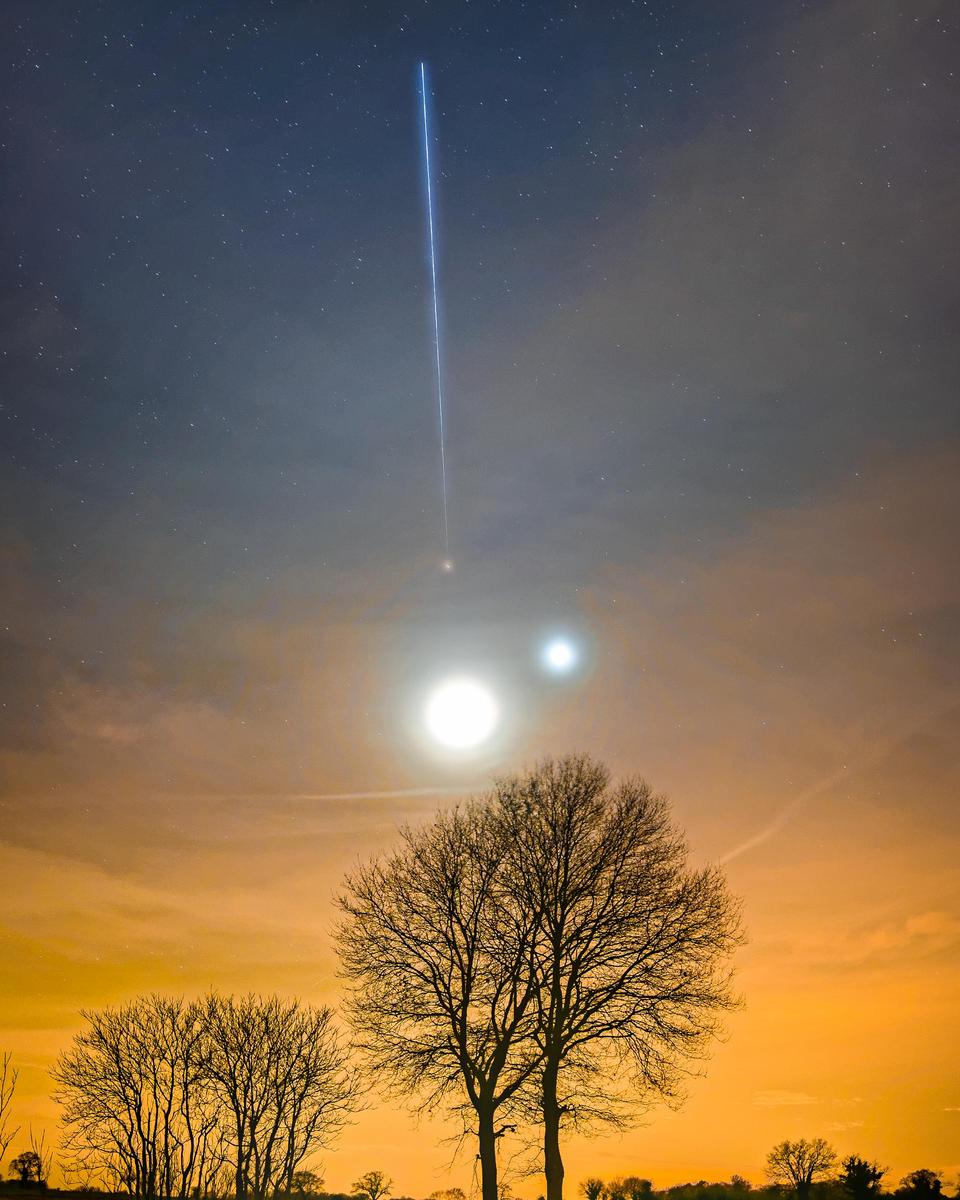
Conjunction of Four
On January 31, a waxing crescent Moon, brilliant Venus, and fainter Mars gathered in the fading twilight, hanging above the western horizon just after sunset on planet Earth . In…
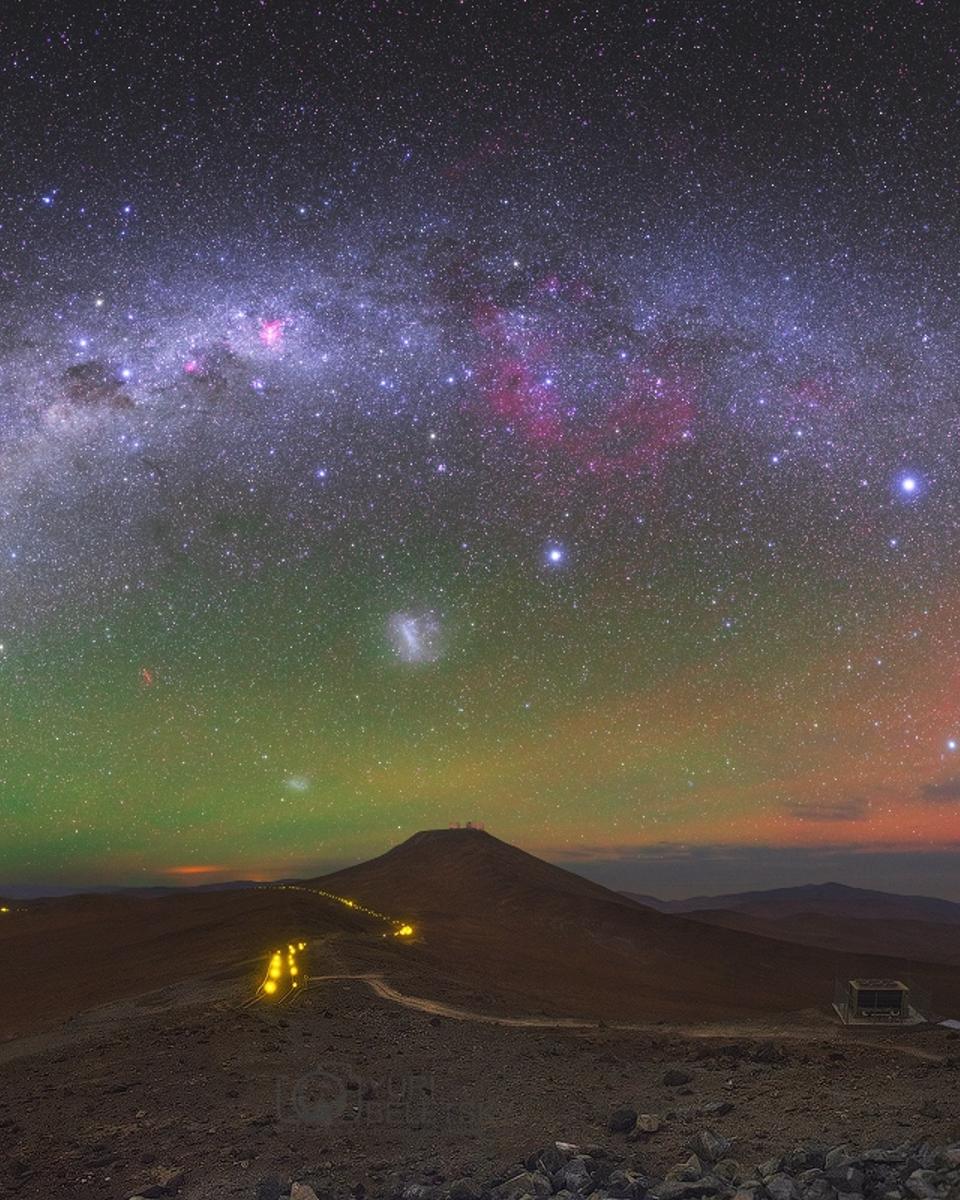
Milky Way with Airglow Australis
Captured last April after sunset on a Chilean autumn night an exceptionally intense airglow flooded this scene. The panoramic skyscape is also filled with stars, clusters, and…
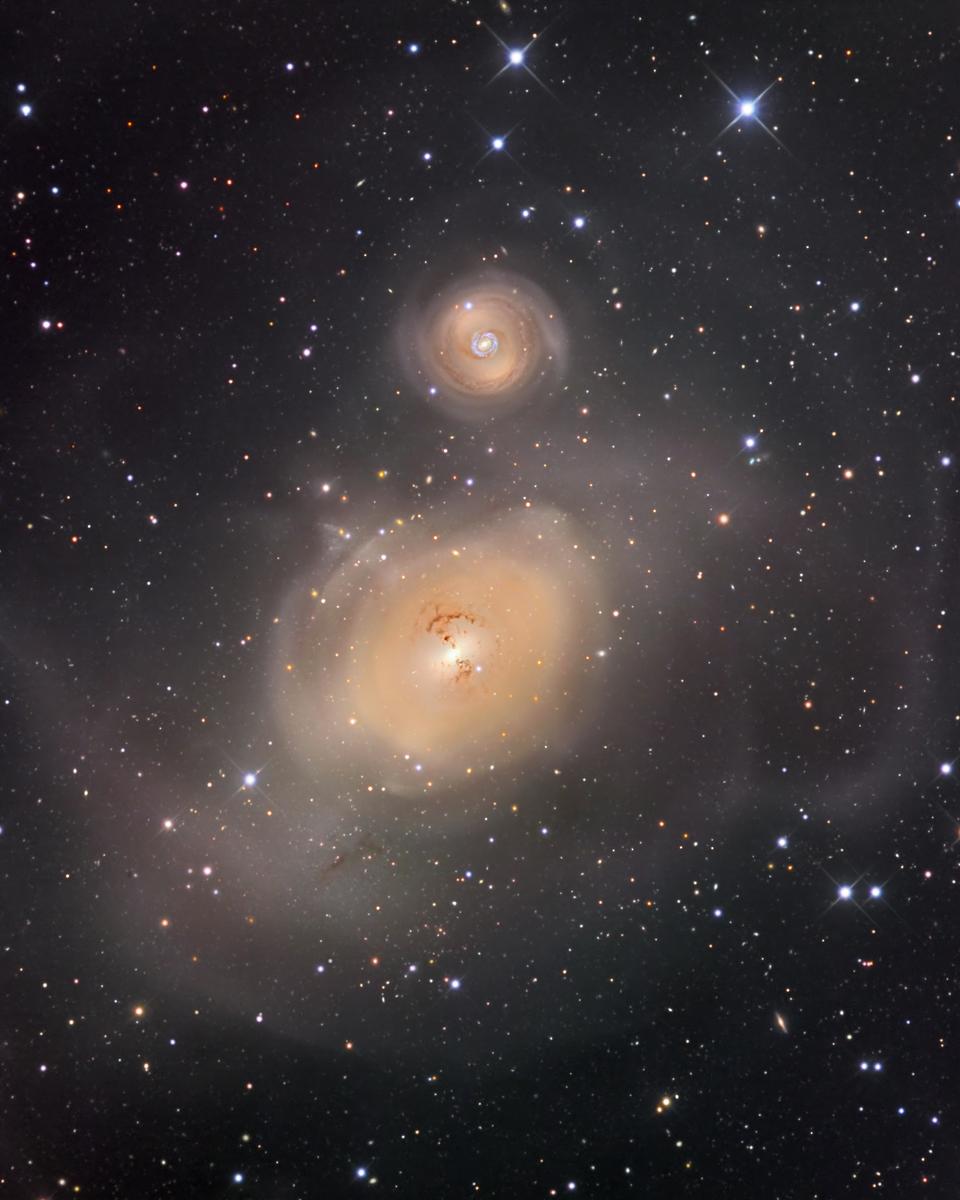
NGC 1316: After Galaxies Collide
An example of violence on a cosmic scale, enormous elliptical galaxy NGC 1316 lies about 75 million light-years away toward Fornax , the southern constellation of the Furnace.…

Four Planets Orbiting Star HR 8799
Does life exist outside our Solar System? To help find out, NASA has created the Nexus for Exoplanet System Science (NExSS) to better locate and study distant star systems that…
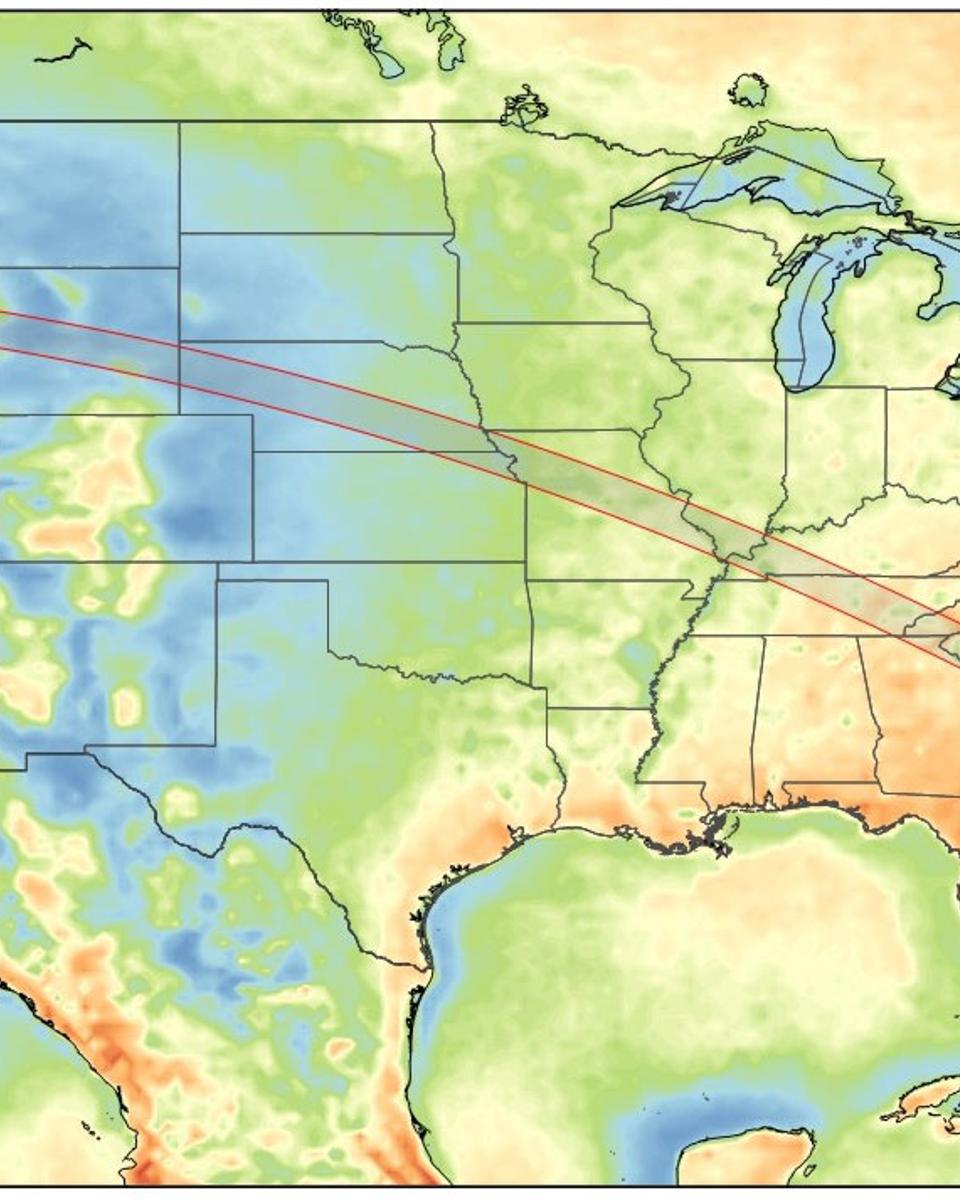
Where to See the American Eclipse
Are you planning to see the American Eclipse on August 21? A few hours after sunrise, a rare total eclipse of the Sun will be visible along a narrow path across the USA . Those…
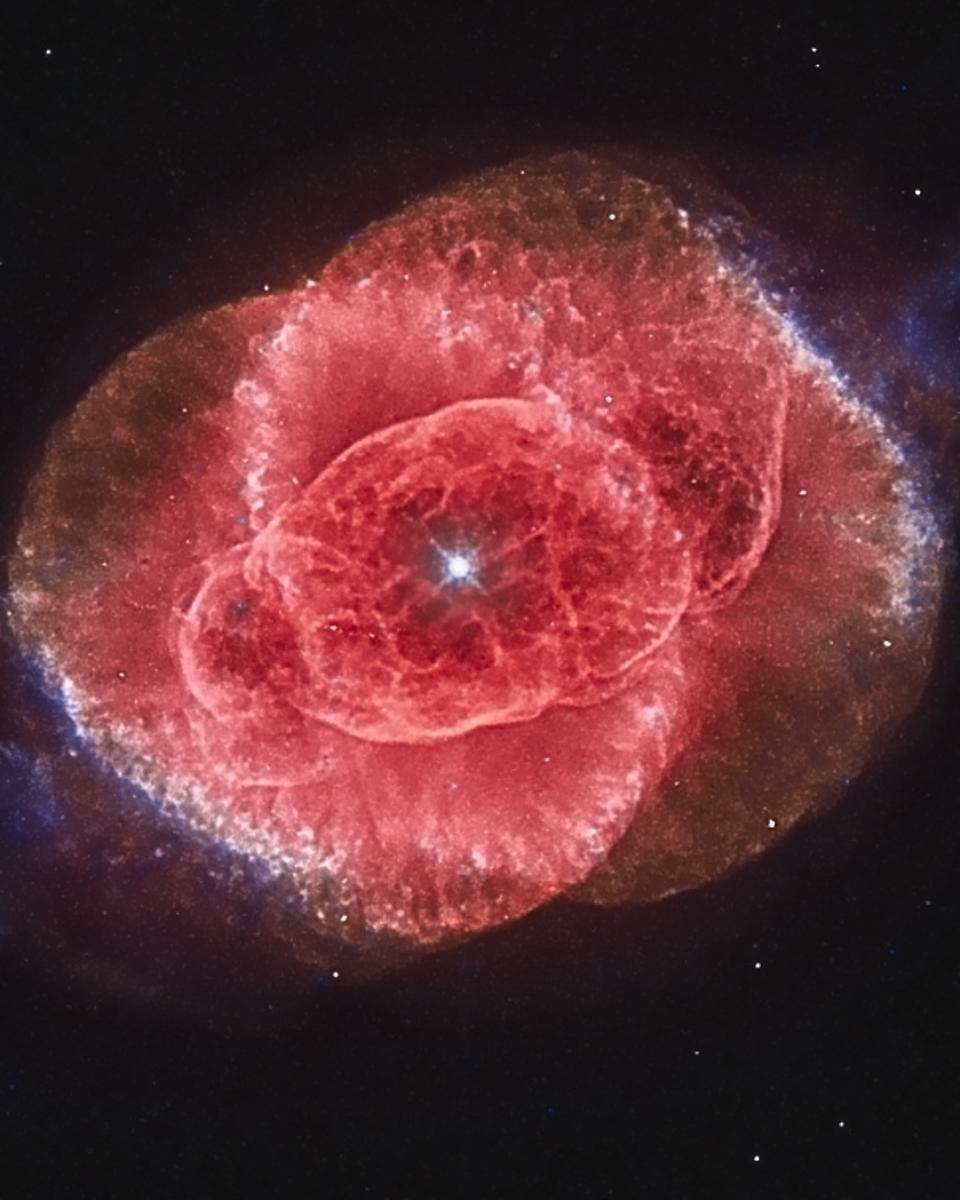
The Cat's Eye Nebula from Hubble
To some, it may look like a cat's eye. The alluring Cat's Eye nebula, however, lies three thousand light-years from Earth across interstellar space. A classic planetary nebula ,…
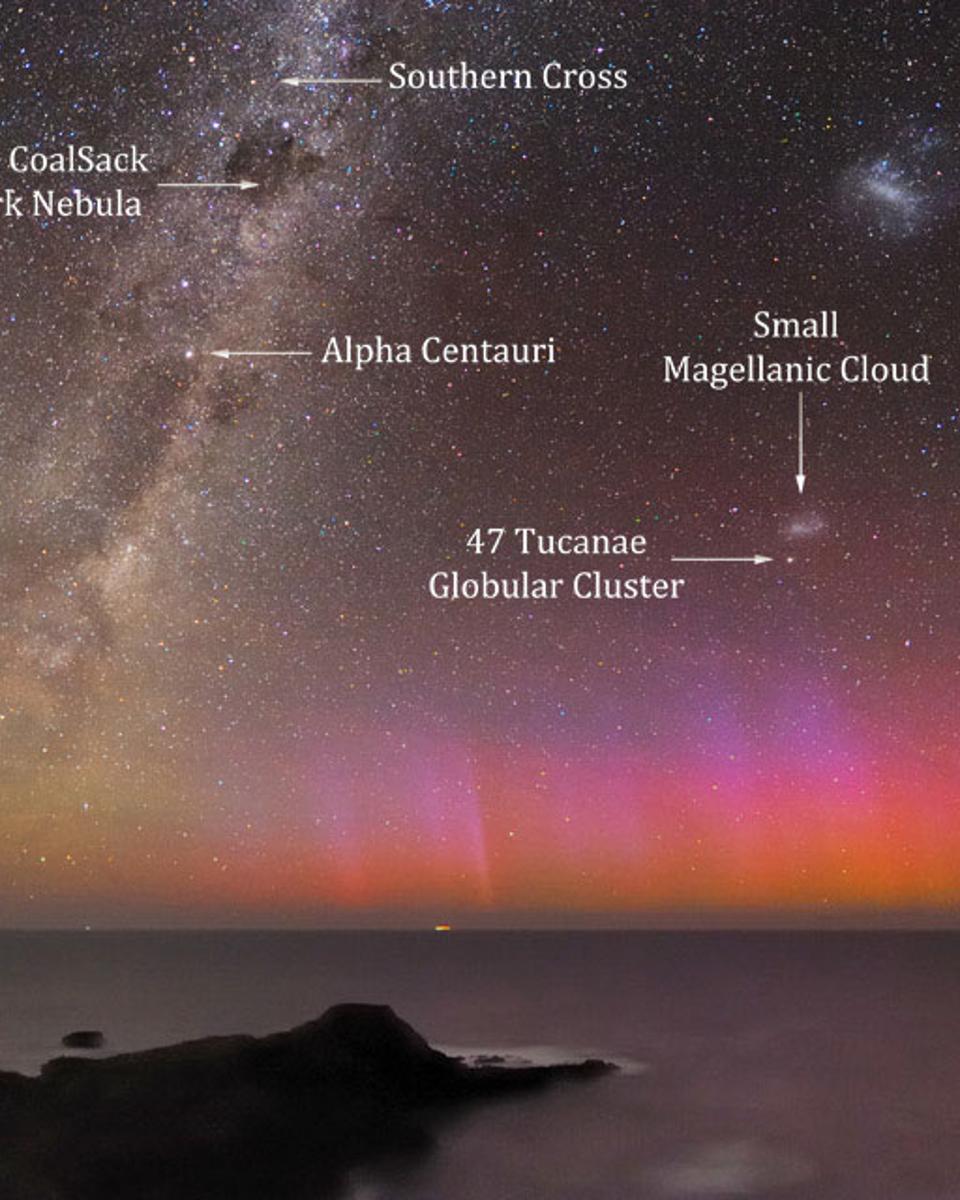
Red Aurora Over Australia
Why would the sky glow red? Aurora . A solar storm in 2012, emanating mostly from active sunspot region 1402 , showered particles on the Earth that excited oxygen atoms high in…
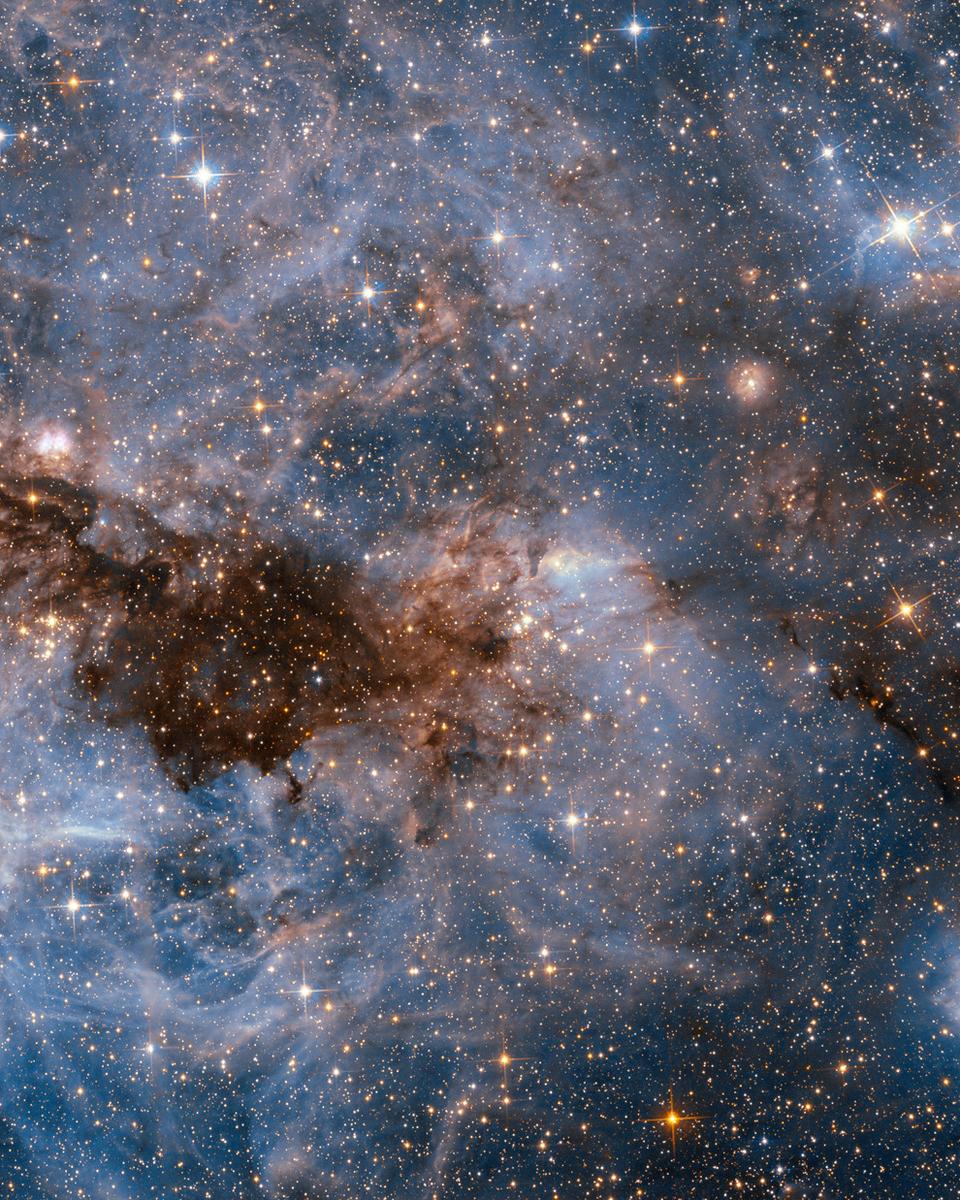
N159 in the Large Magellanic Cloud
Over 150 light-years across, this cosmic maelstrom of gas and dust is not too far away. It lies south of the Tarantula Nebula in our satellite galaxy the Large Magellanic Cloud a…
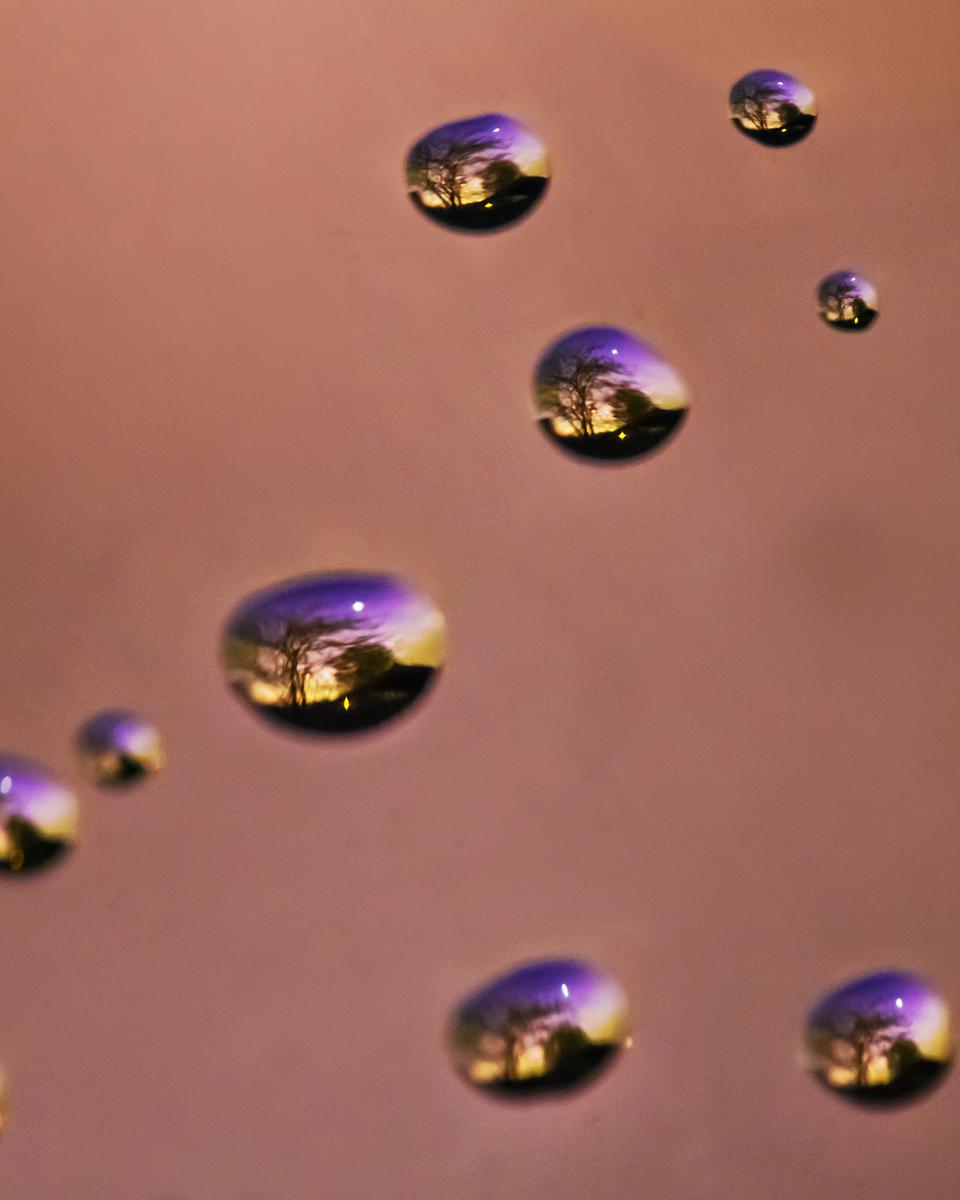
Venus Through Water Drops
Now the brilliant “star” in planet Earth's evening skies, Venus is captured in this creative astrophotograph. Taken with a close-focusing lens on January 18 from Milton Keynes,…
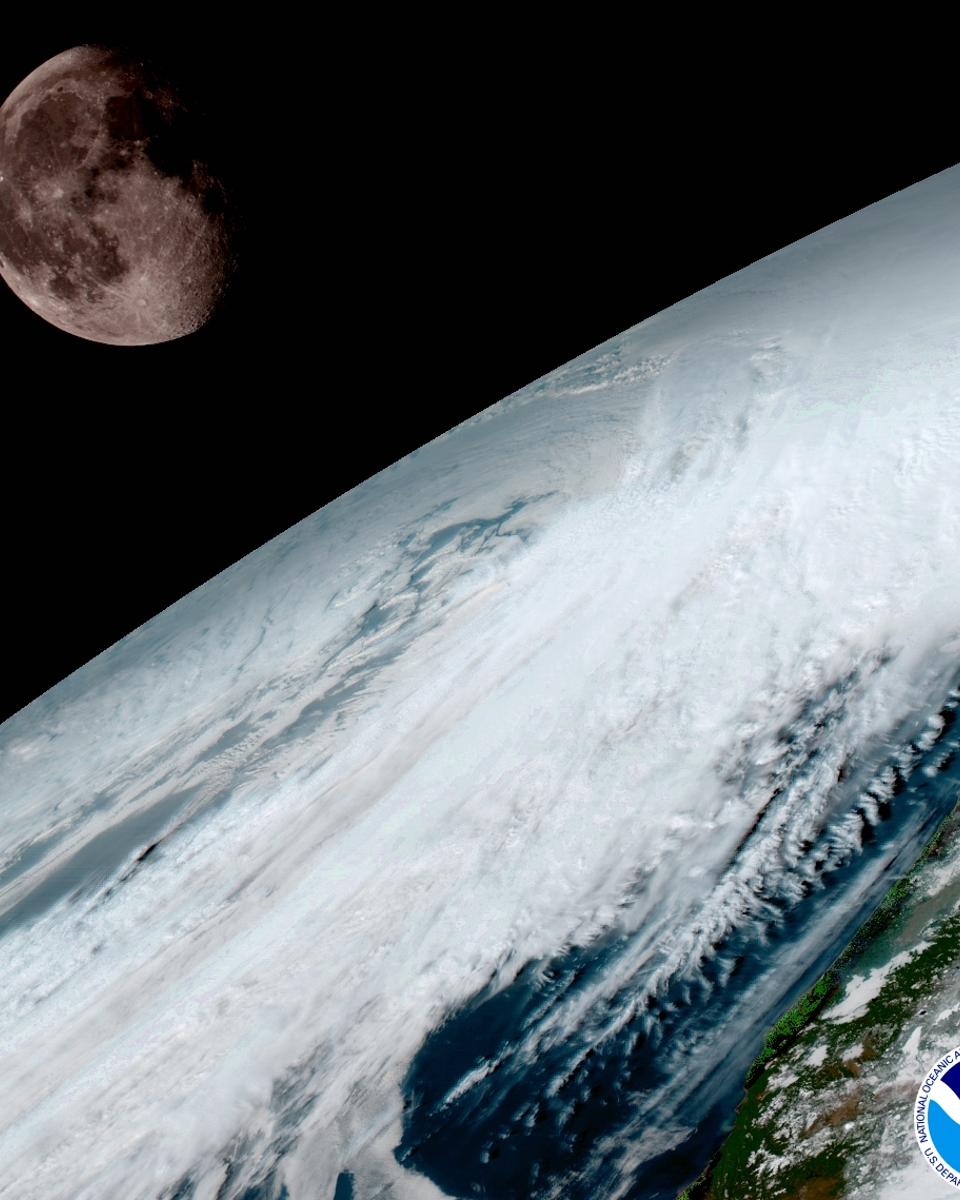
GOES-16: Moon over Planet Earth
Launched last November 19 from Cape Canaveral Air Force Station, the satellite now known as GOES-16 can now observe planet Earth from a geostationary orbit 22,300 miles above the…
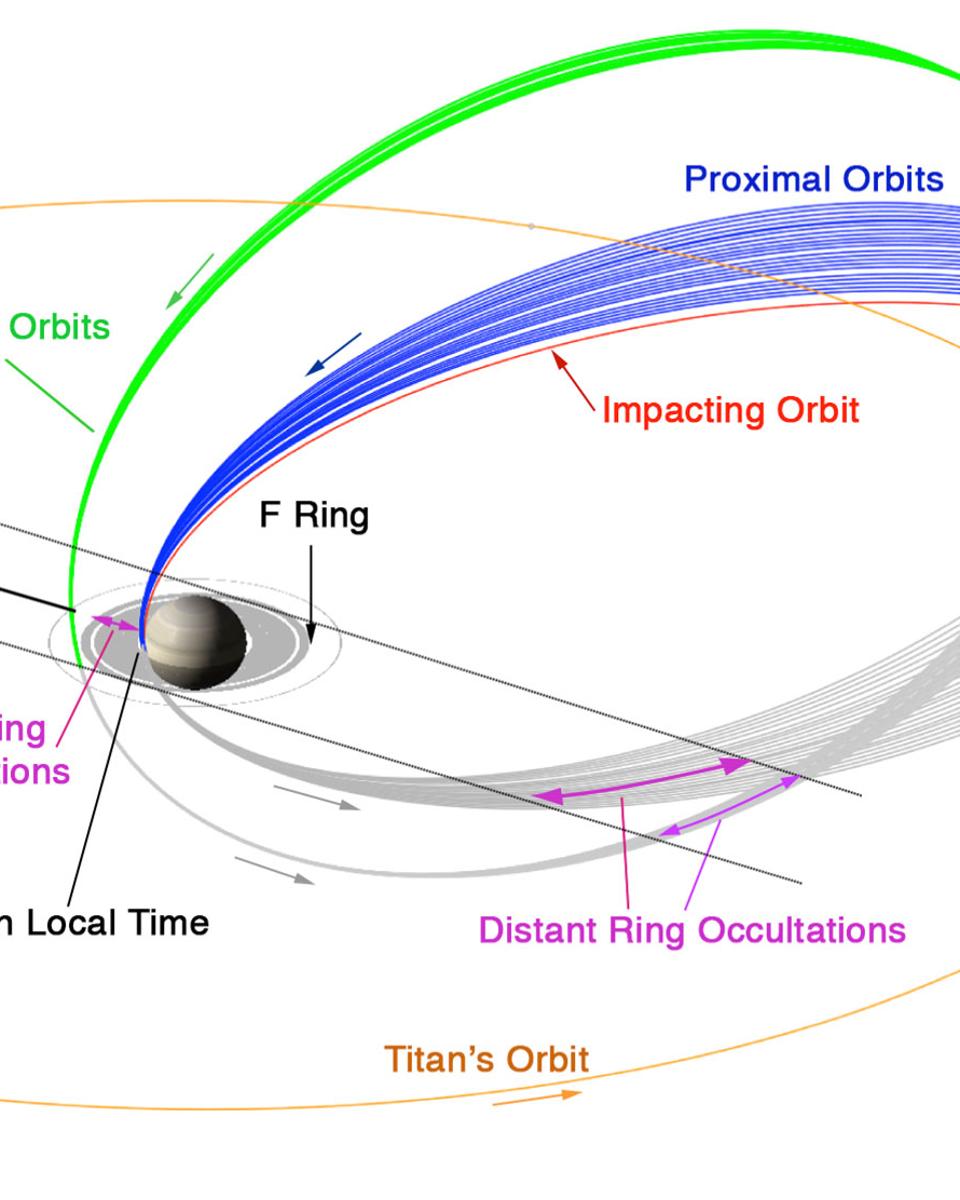
Cassini's Grand Finale Tour at Saturn
Cassini is being prepared to dive into Saturn. The robotic spacecraft that has been orbiting and exploring Saturn for over a decade will end its mission in September with a…
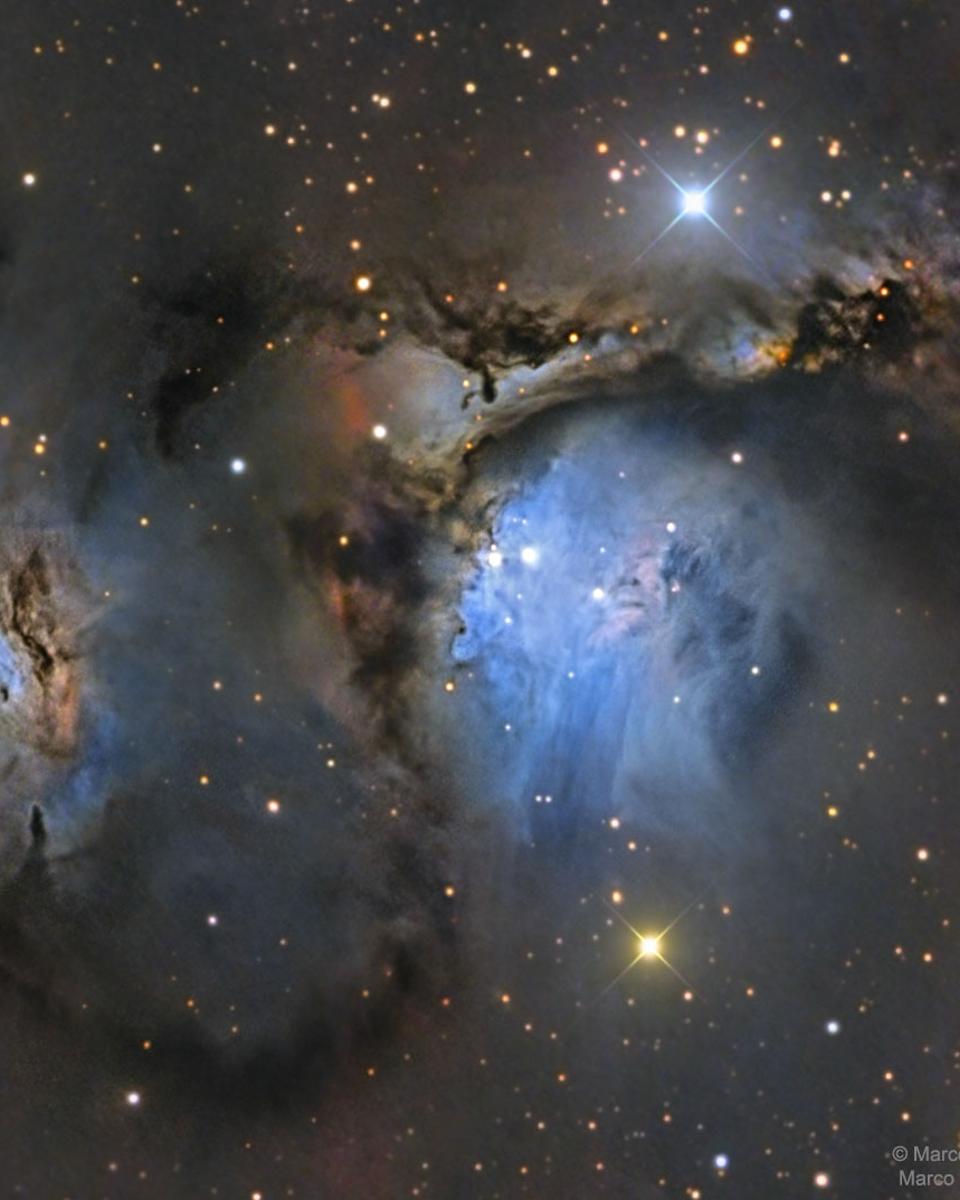
M78 and Orion Dust Reflections
In the vast Orion Molecular Cloud complex, several bright blue nebulas are particularly apparent. Pictured here are two of the most prominent reflection nebulas - dust clouds lit…
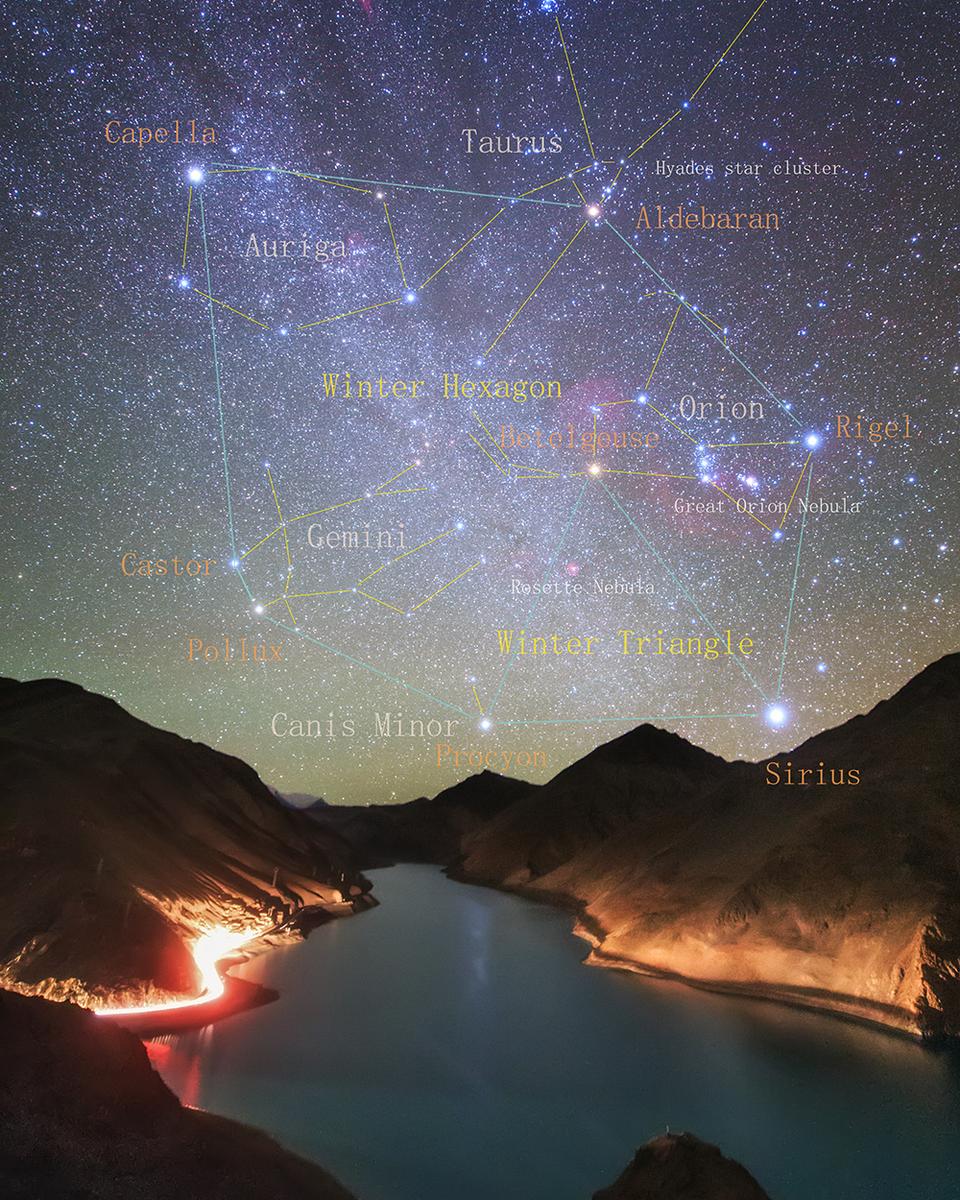
Winter Hexagon over Manla Reservoir
If you can find Orion, you might be able to find the Winter Hexagon. The Winter Hexagon involves some of the brightest stars visible, together forming a large and easily found…
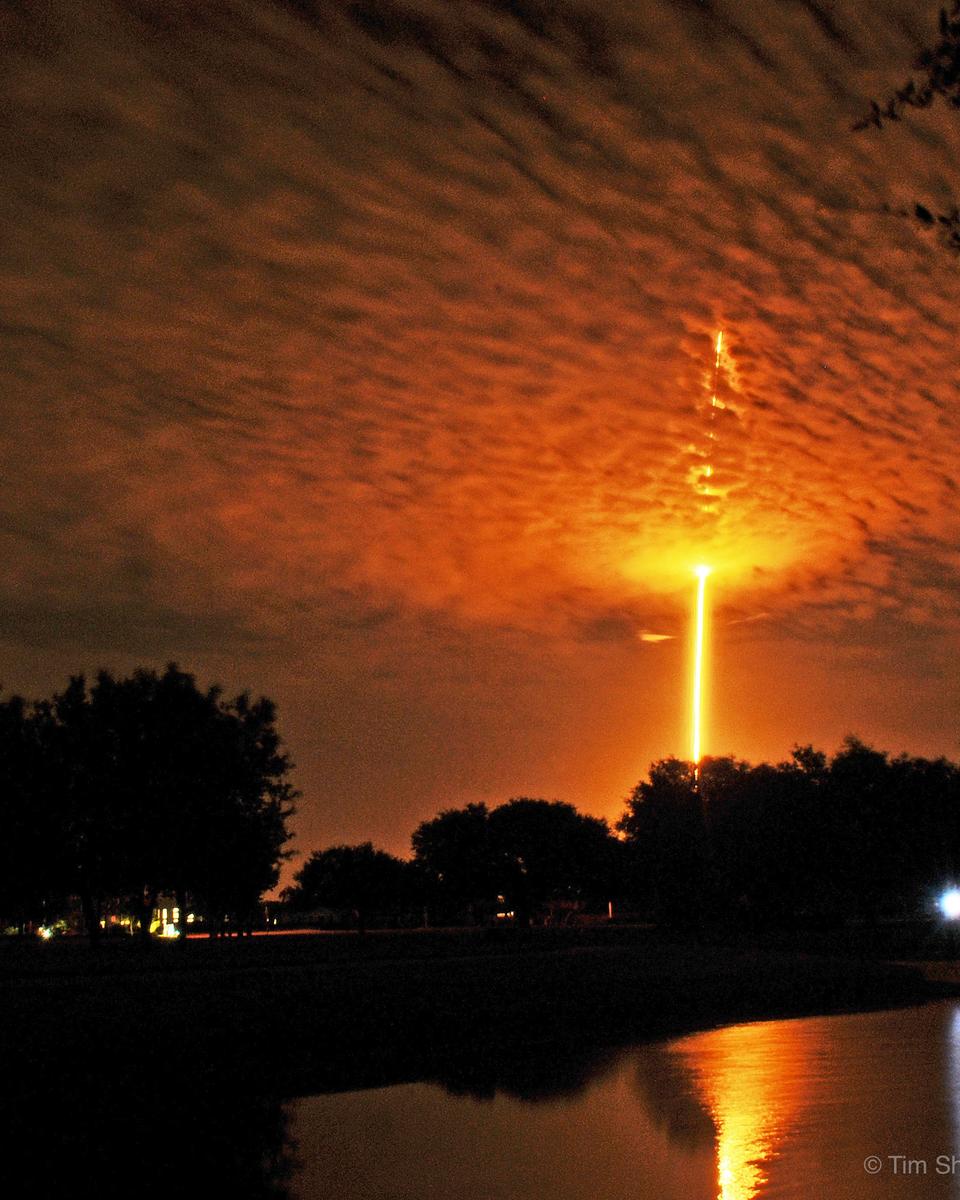
SpaceX Falcon 9 to Orbit
Birds don't fly this high. Airplanes don't go this fast. The Statue of Liberty weighs less. No species other than human can even comprehend what is going on , nor could any human…
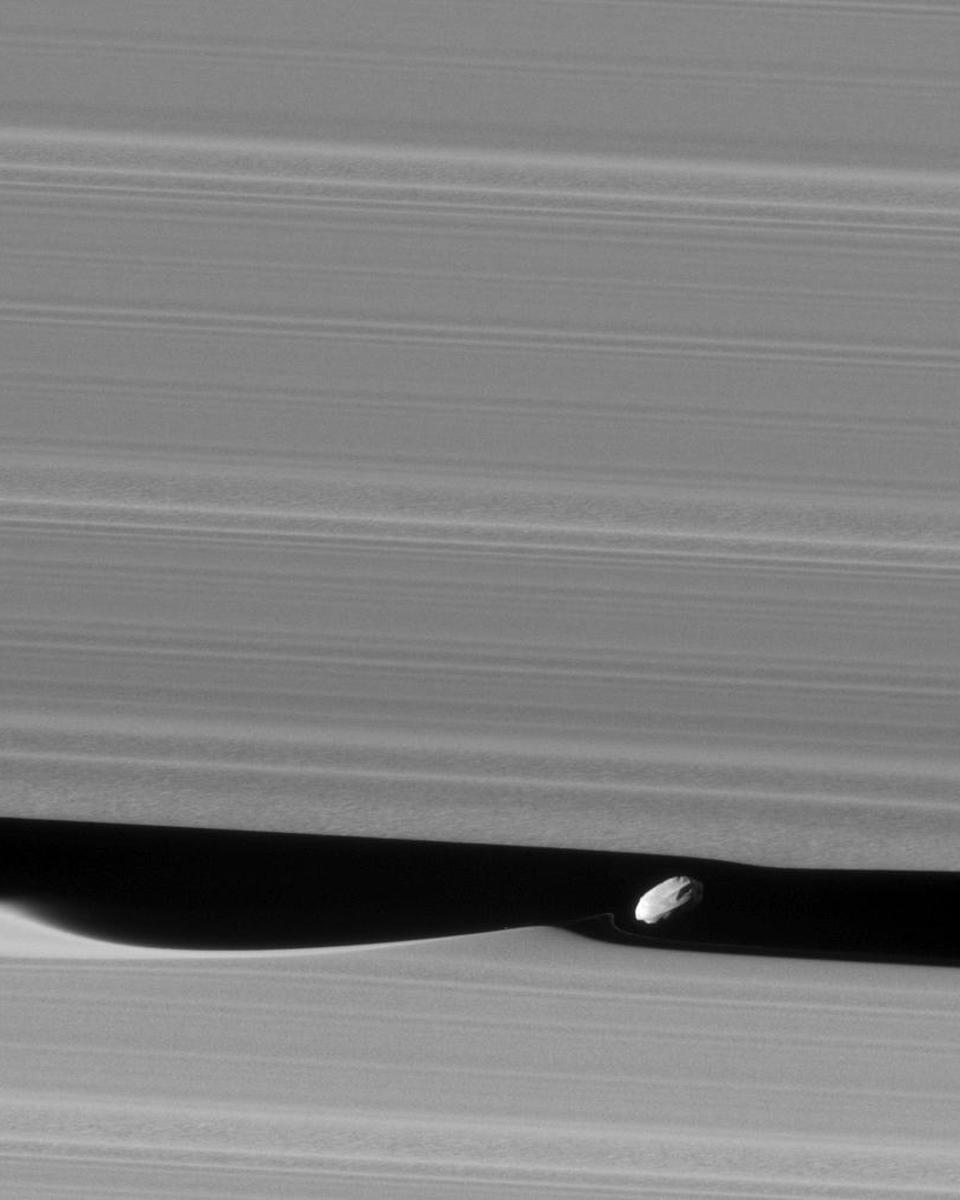
Daphnis the Wavemaker
Plunging close to the outer edges of Saturn's rings, on January 16 the Cassini spacecraft captured this closest yet view of Daphnis . About 8 kilometers across and orbiting within…
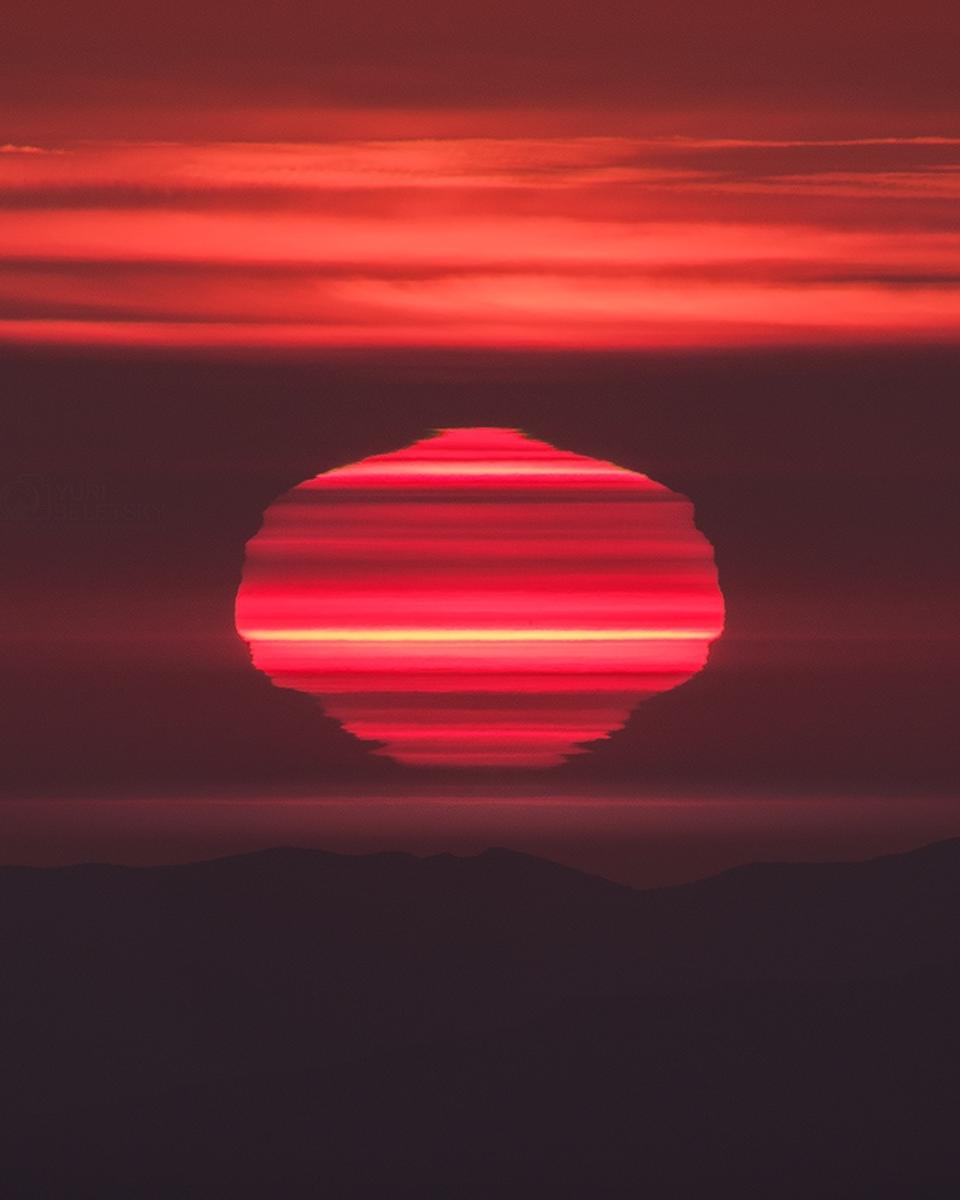
Layer Cake Sunset
On January 18 a tantalizing sunset was captured in this snapshot. Seemingly sliced into many horizontal layers the Sun shimmered moments before it touched the horizon, setting…
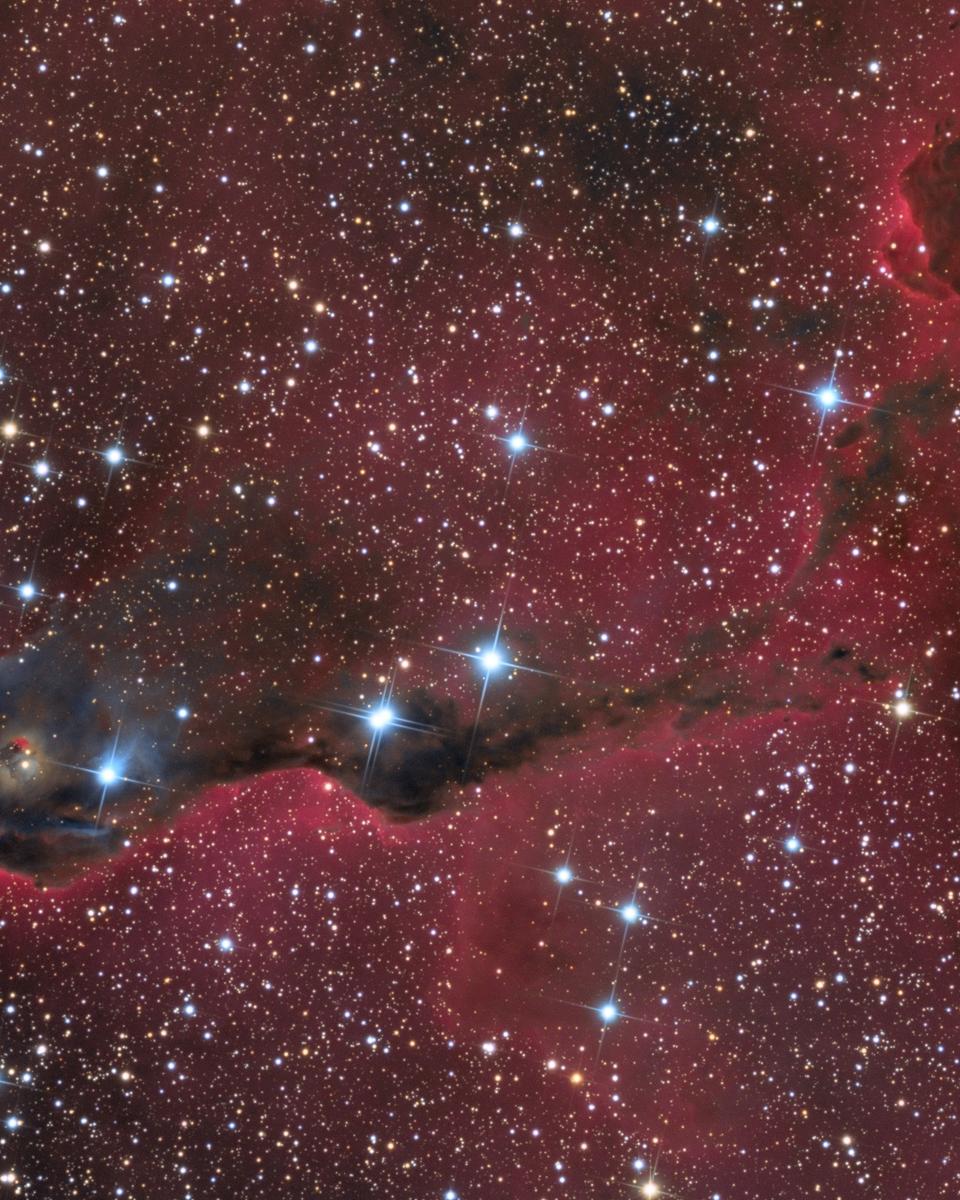
The Elephant's Trunk Nebula in Cepheus
Like an illustration in a galactic Just So Story , the Elephant's Trunk Nebula winds through the emission nebula and young star cluster complex IC 1396 , in the high and far off…
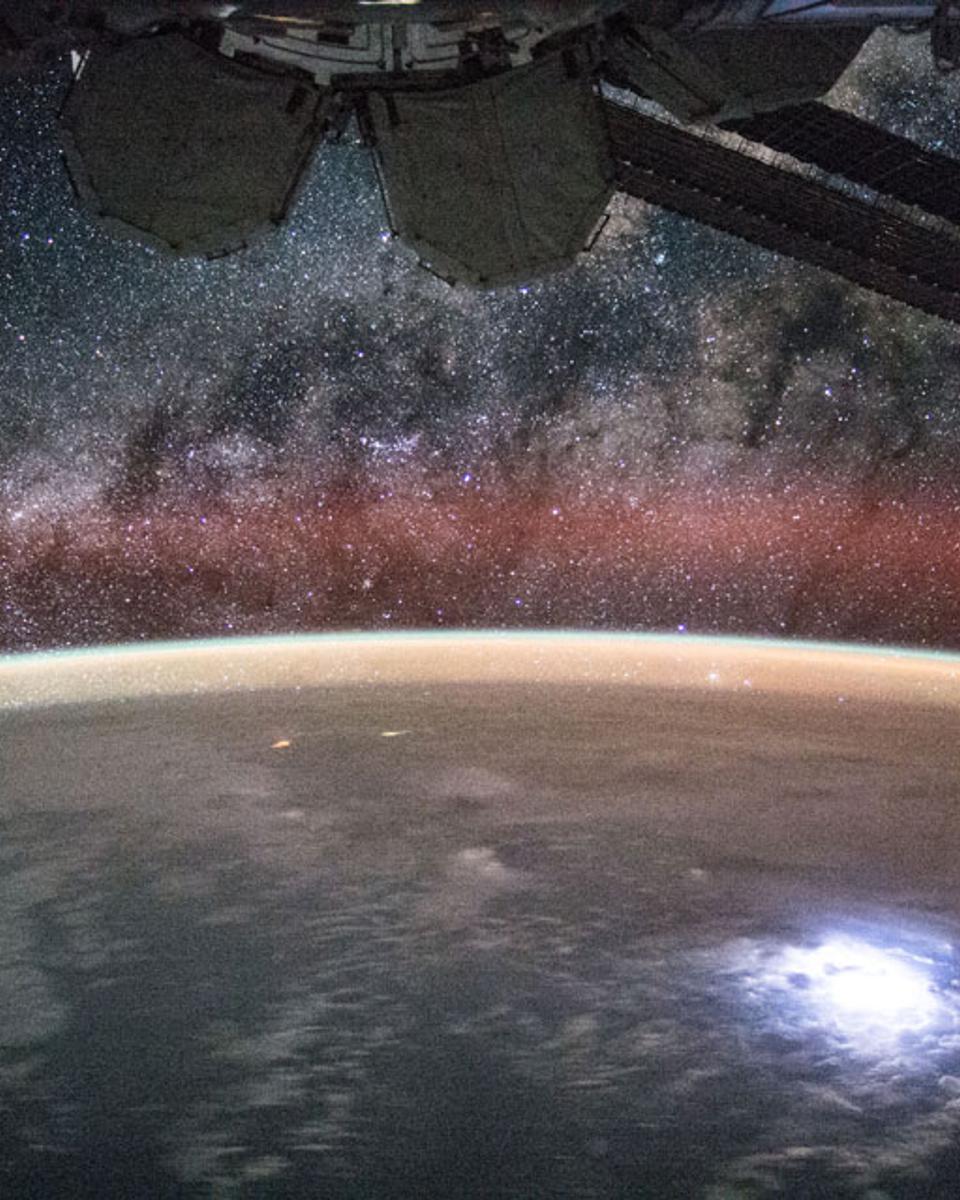
Space Station Vista: Planet and Galaxy
If you could circle the Earth aboard the International Space Station, what might you see? Some amazing vistas, one of which was captured in this breathtaking picture in mid-2015.…
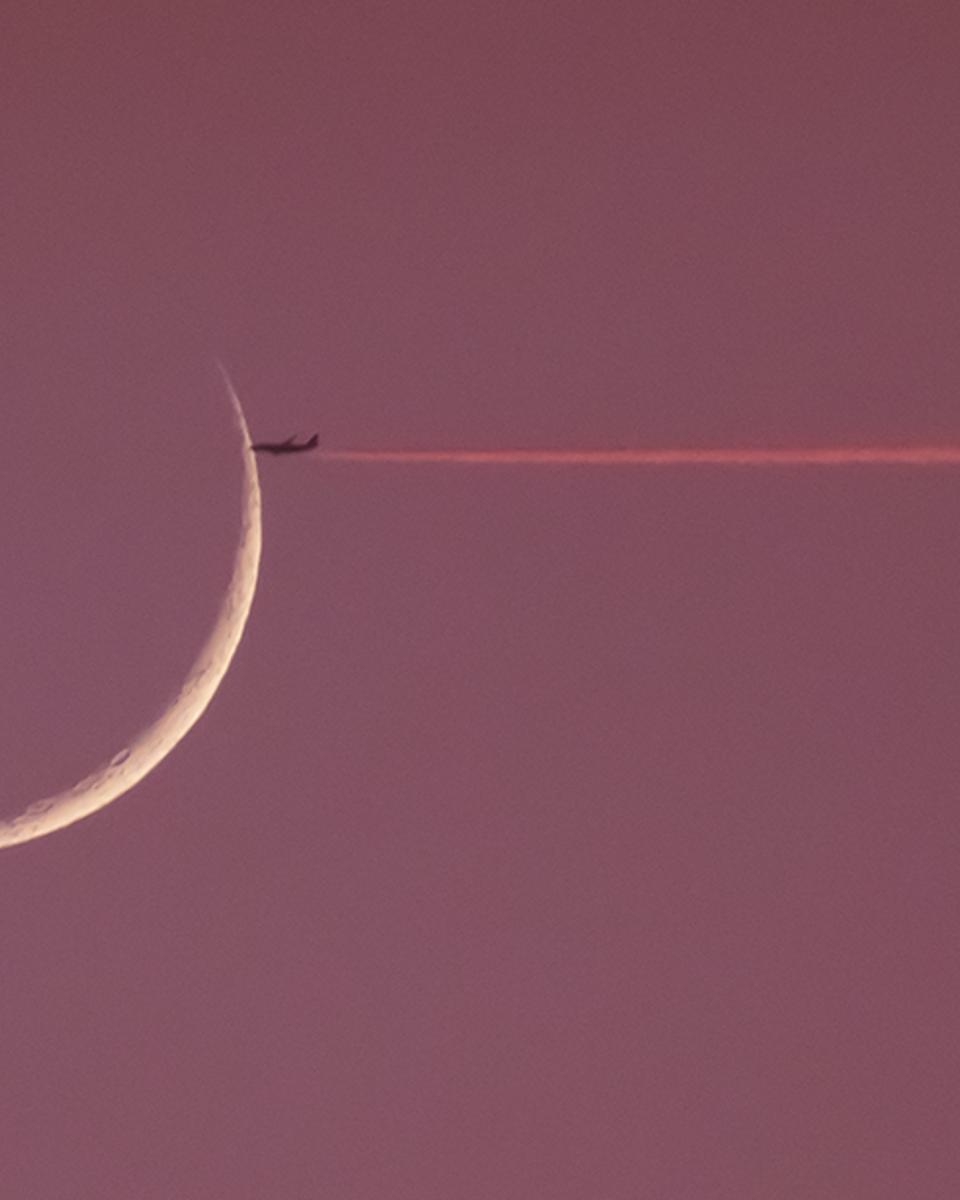
Fly Me to the Moon
No, this is not a good way to get to the Moon . What is pictured is a chance superposition of an airplane and the Moon. The contrail would normally appear white, but the large…

Geostationary Highway through Orion
Put a satellite in a circular orbit about 42,000 kilometers from the center of the Earth and it will orbit once in 24 hours. Because that matches Earth's rotation period, it is…
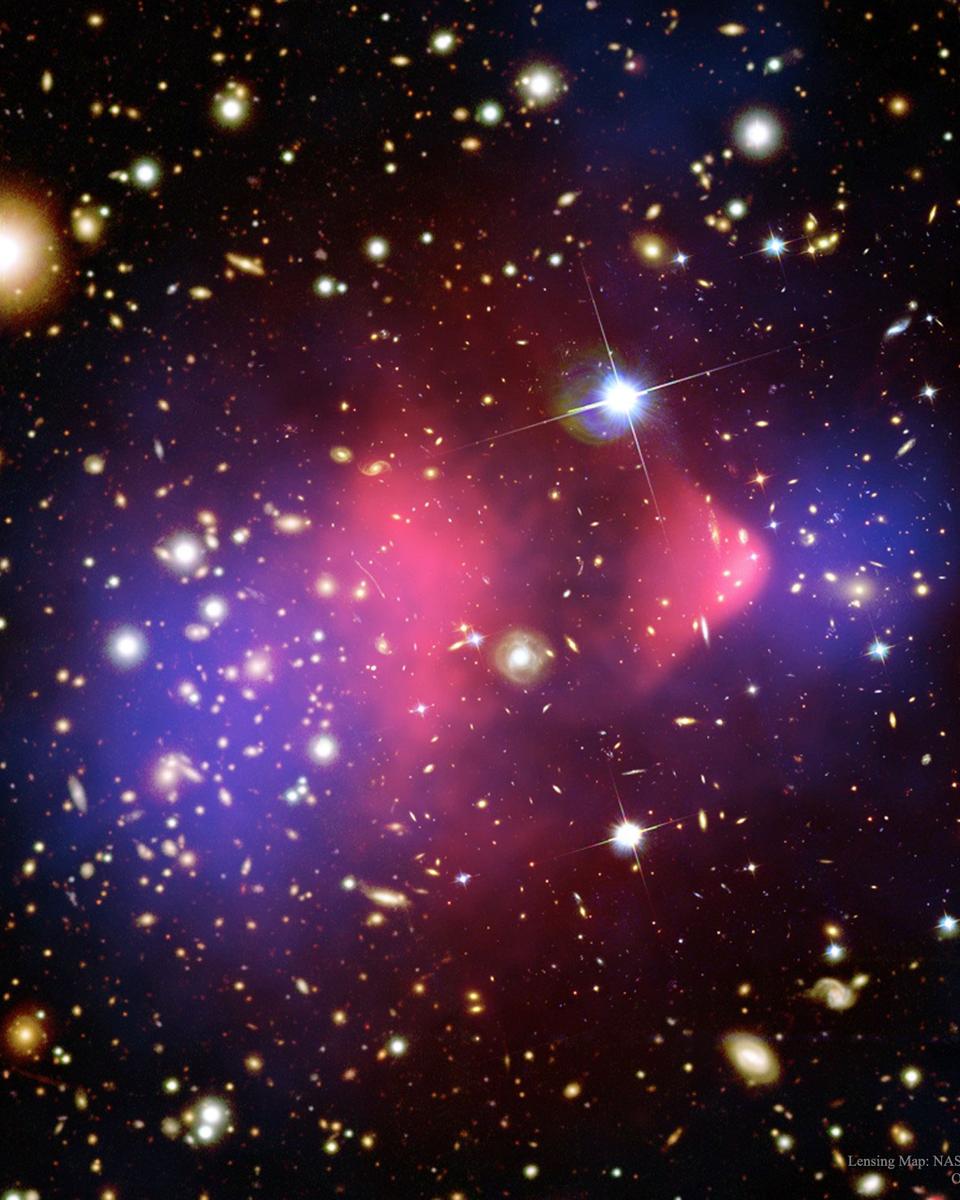
The Matter of the Bullet Cluster
What's the matter with the Bullet Cluster? This massive cluster of galaxies ( 1E 0657-558 ) creates gravitational lens distortions of background galaxies in a way that has been…
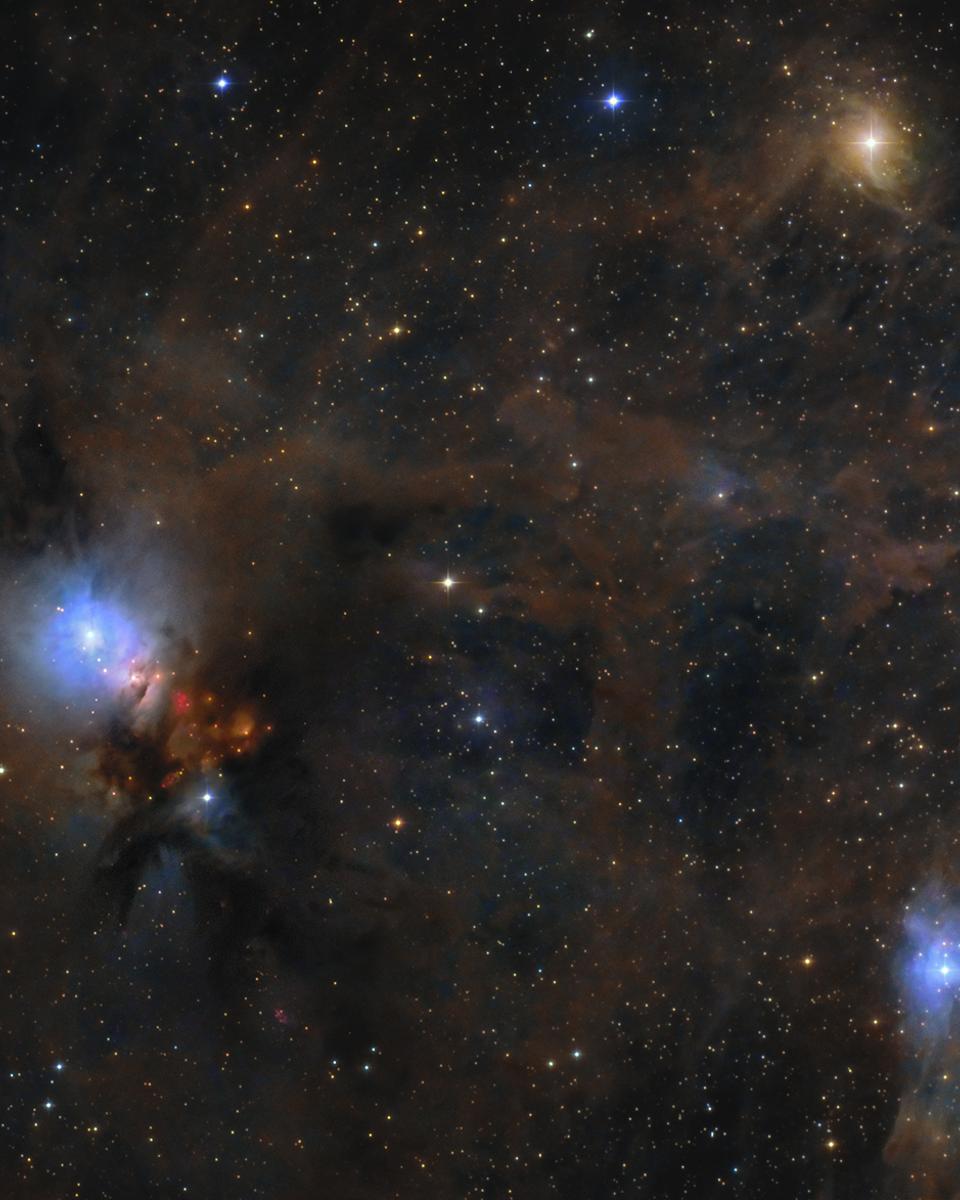
Stardust in the Perseus Molecular Cloud
Clouds of stardust drift through this deep skyscape. The cosmic scene spans nearly 2 degrees across the Perseus molecular cloud some 850 light-years away. A triangle of dusty…
Viewing discoveries from 6 February 2017 through 14 January 2017.