Browse NASA Astronomy Picture of the Day archive by date and media: Archive Discoveries
Browse the NASA APOD archive without needing the exact date first. Filter by media type and keep moving deeper into older images and videos.
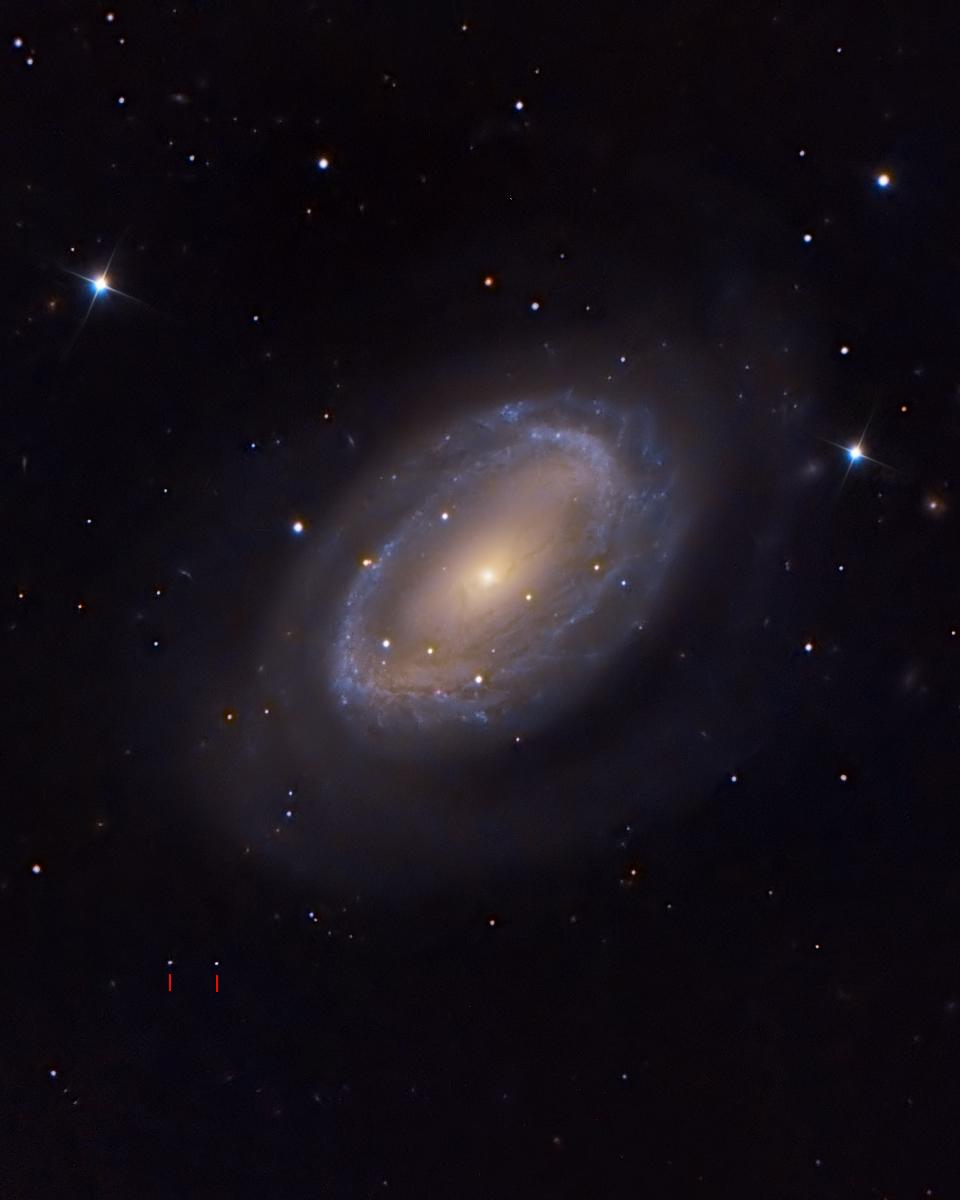
The Easterbunny Comes to NGC 4725
At first called “Easterbunny” by its discovery team, officially named Makemake is the second brightest dwarf planet of the Kuiper belt . The icy world appears twice in this…
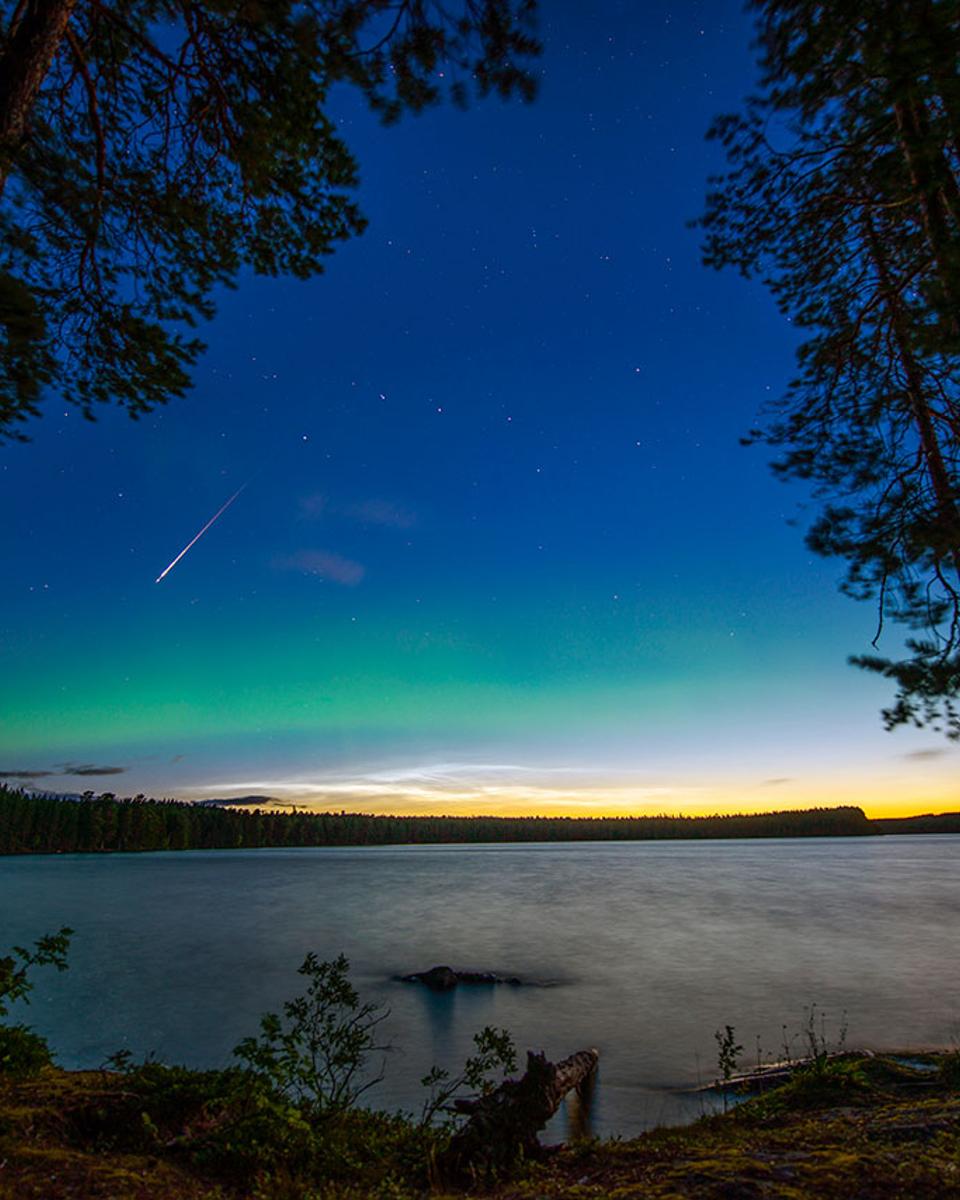
Perseid, Aurora, and Noctilucent Clouds
Night skies over northern Sweden can hold some tantalizing sights in August. Gazing toward the Big Dipper, this beautiful skyscape captures three of them in a single frame taken…
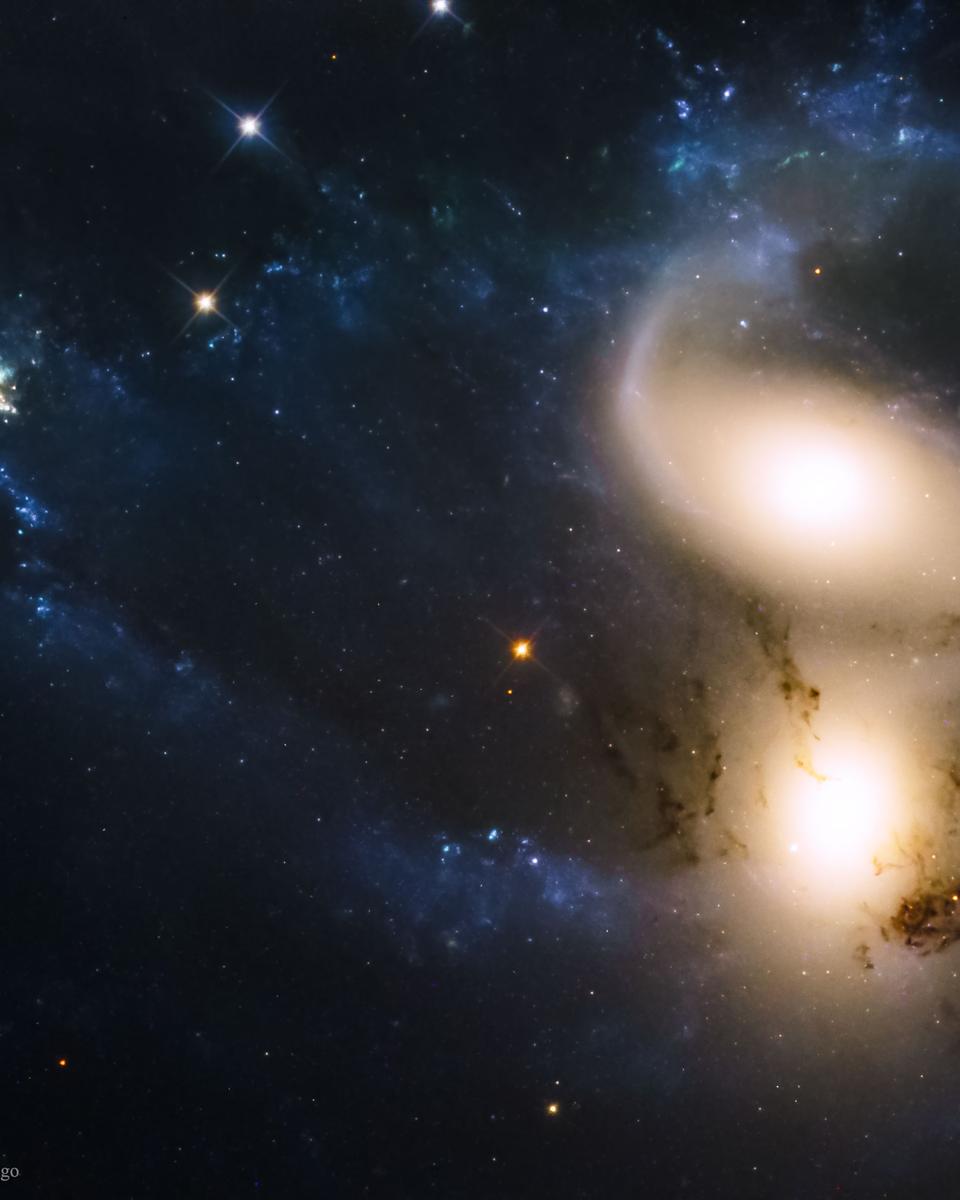
Colliding Galaxies in Stephan's Quintet
Will either of these galaxies survive? In what might be dubbed as a semi-final round in a galactic elimination tournament, the two spirals of NGC 7318 are colliding. The featured…
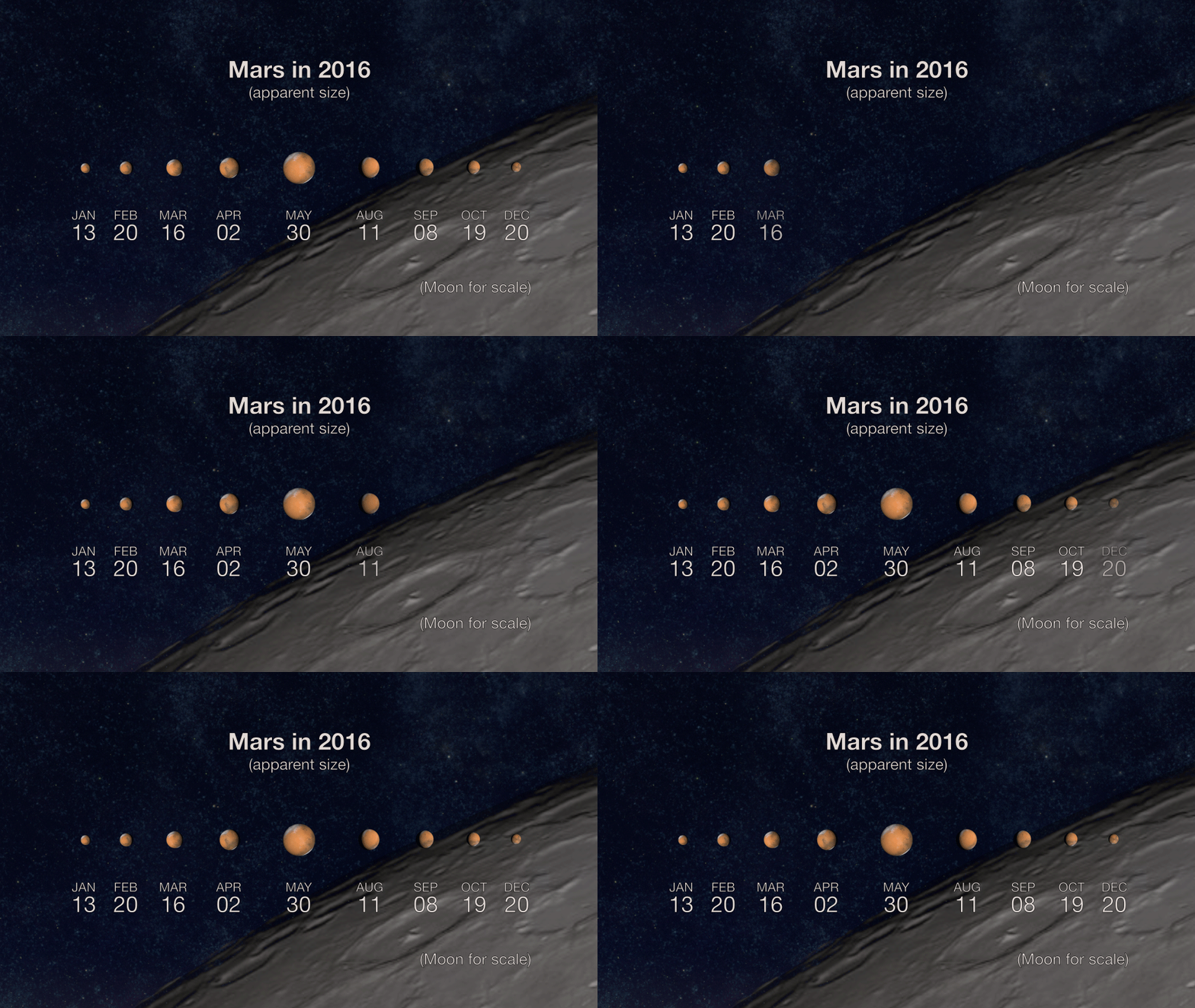
Mars at Closest Approach
When does Mars appear the largest? This occurs when Earth sweeps past Mars in their respective orbits around the Sun, creating a momentary Sun-Earth-Mars alignment called…
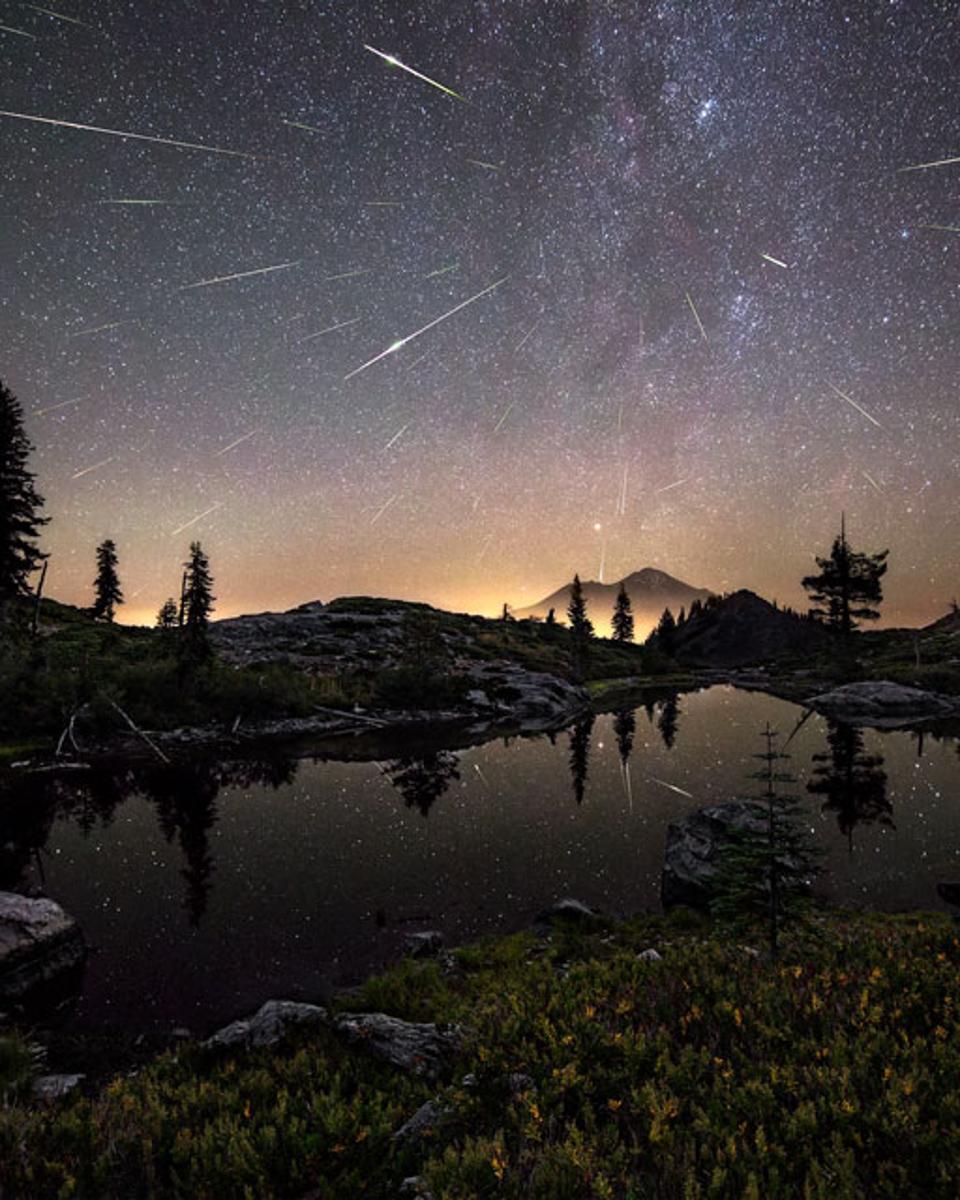
Perseid Meteors over Mount Shasta
Where are all of these meteors coming from? In terms of direction on the sky, the pointed answer is the constellation of Perseus. That is why the meteor shower that peaks later…
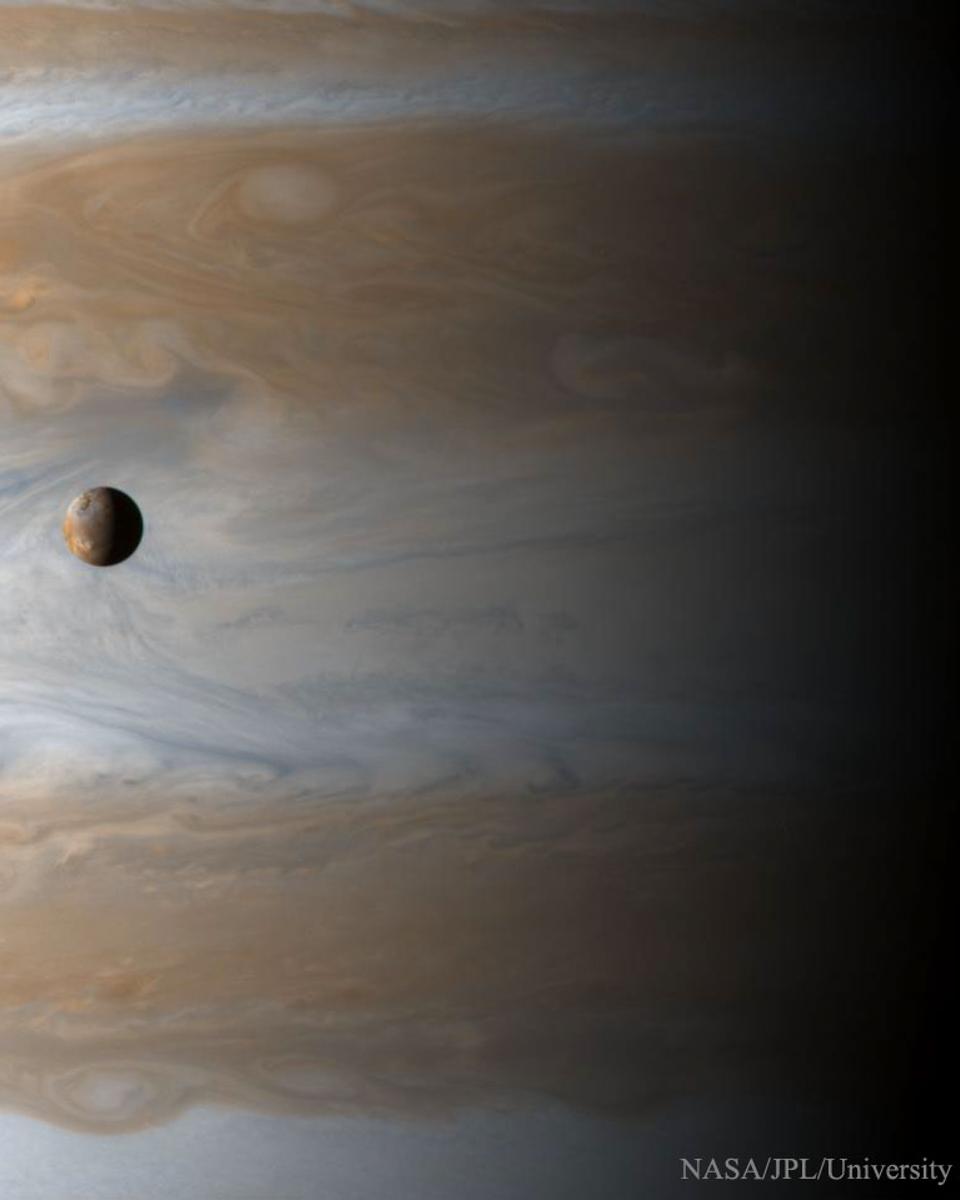
Io: Moon over Jupiter
How big is Jupiter's moon Io ? The most volcanic body in the Solar System, Io (usually pronounced “EYE-oh”) is 3,600 kilometers in diameter, about the size of planet Earth's…
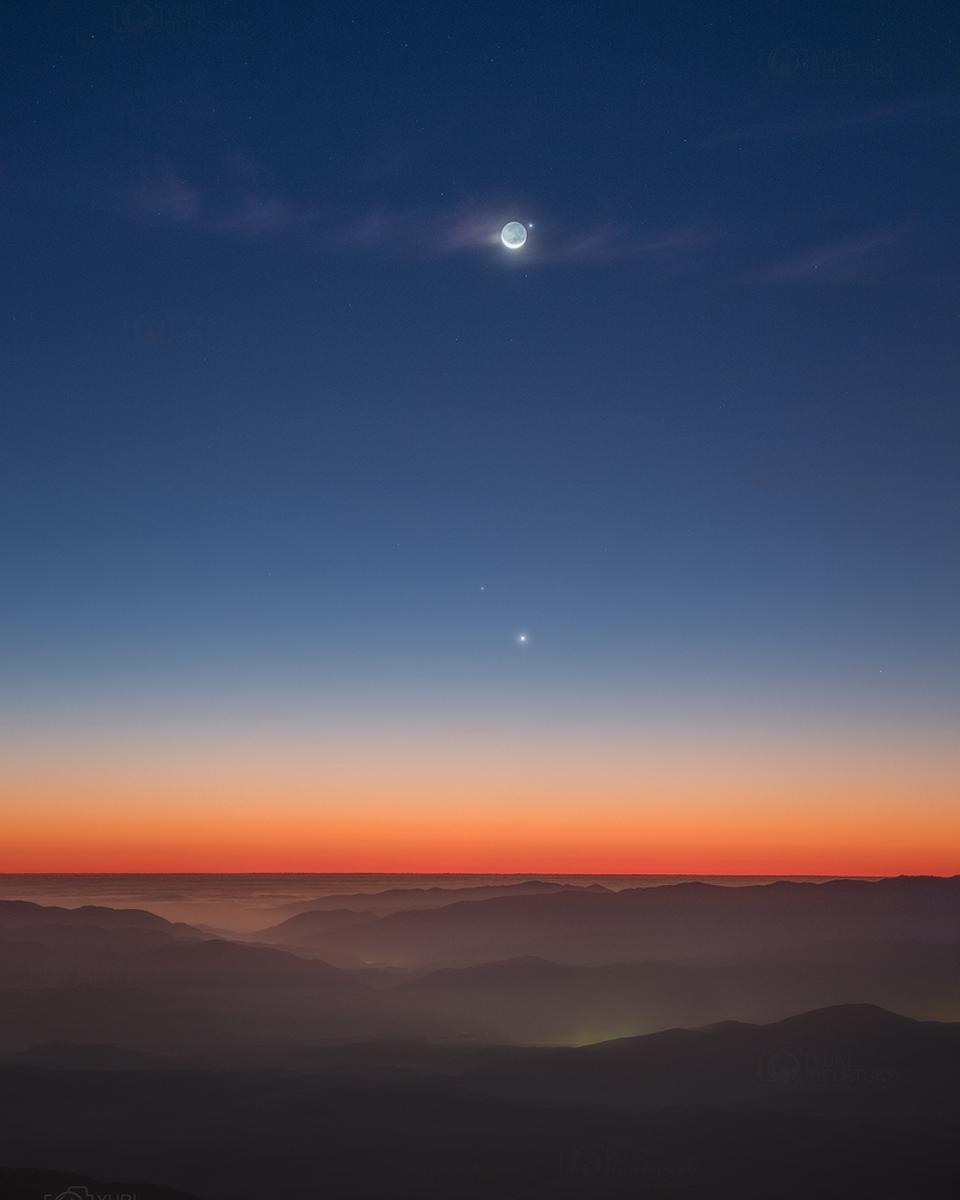
Las Campanas Moon and Mercury
Last Thursday the view toward sunset from the 2.5 kilometer summit of Cerro Las Campanas in the remote Chilean Andes was amazing. Bright but fading Mercury stood very close to a…
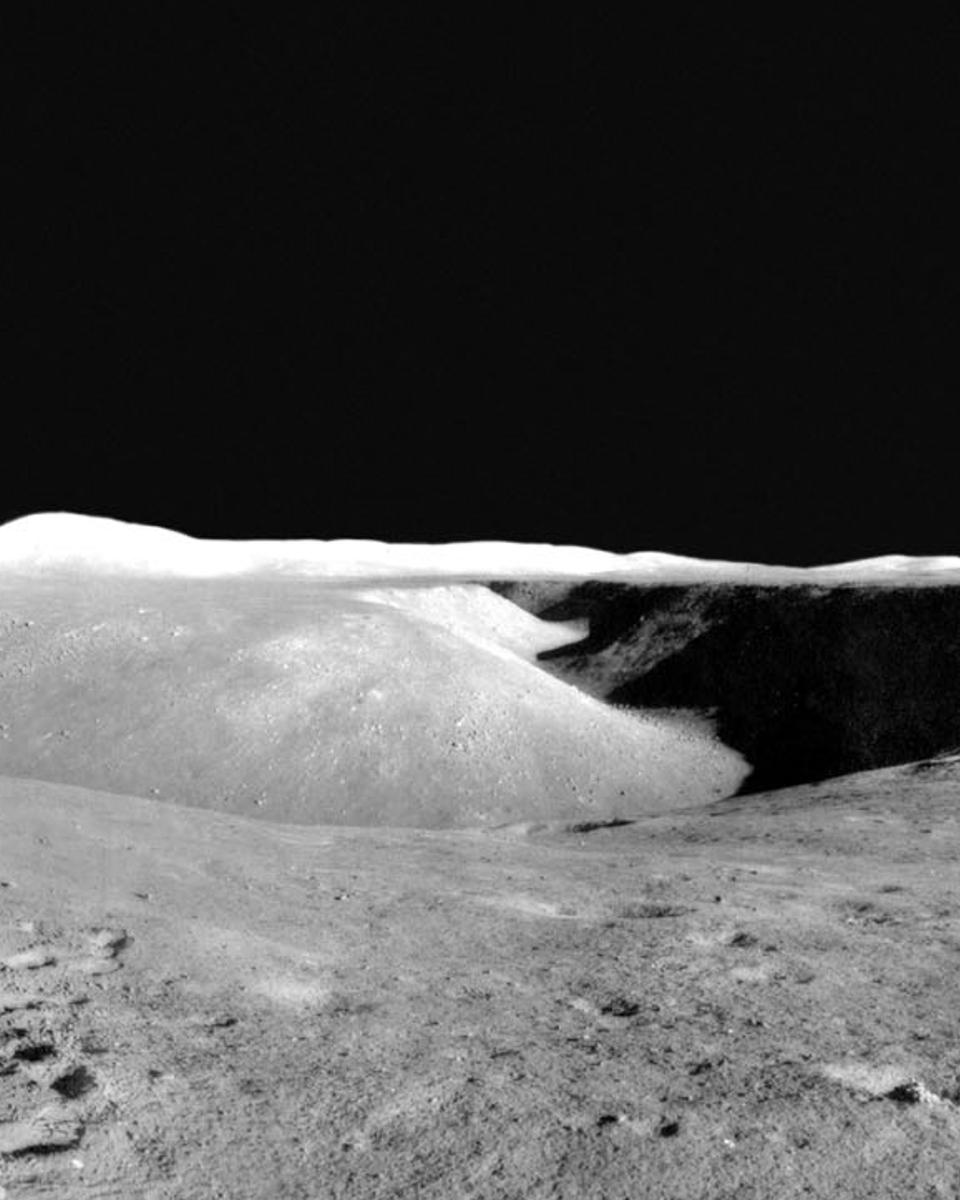
Apollo 15 Panorama
On July 31, 1971 , Apollo 15 astronauts Jim Irwin and Dave Scott deployed the first Lunar Roving Vehicle on the Moon. Using it to explore their Hadley-Apennine landing site they…
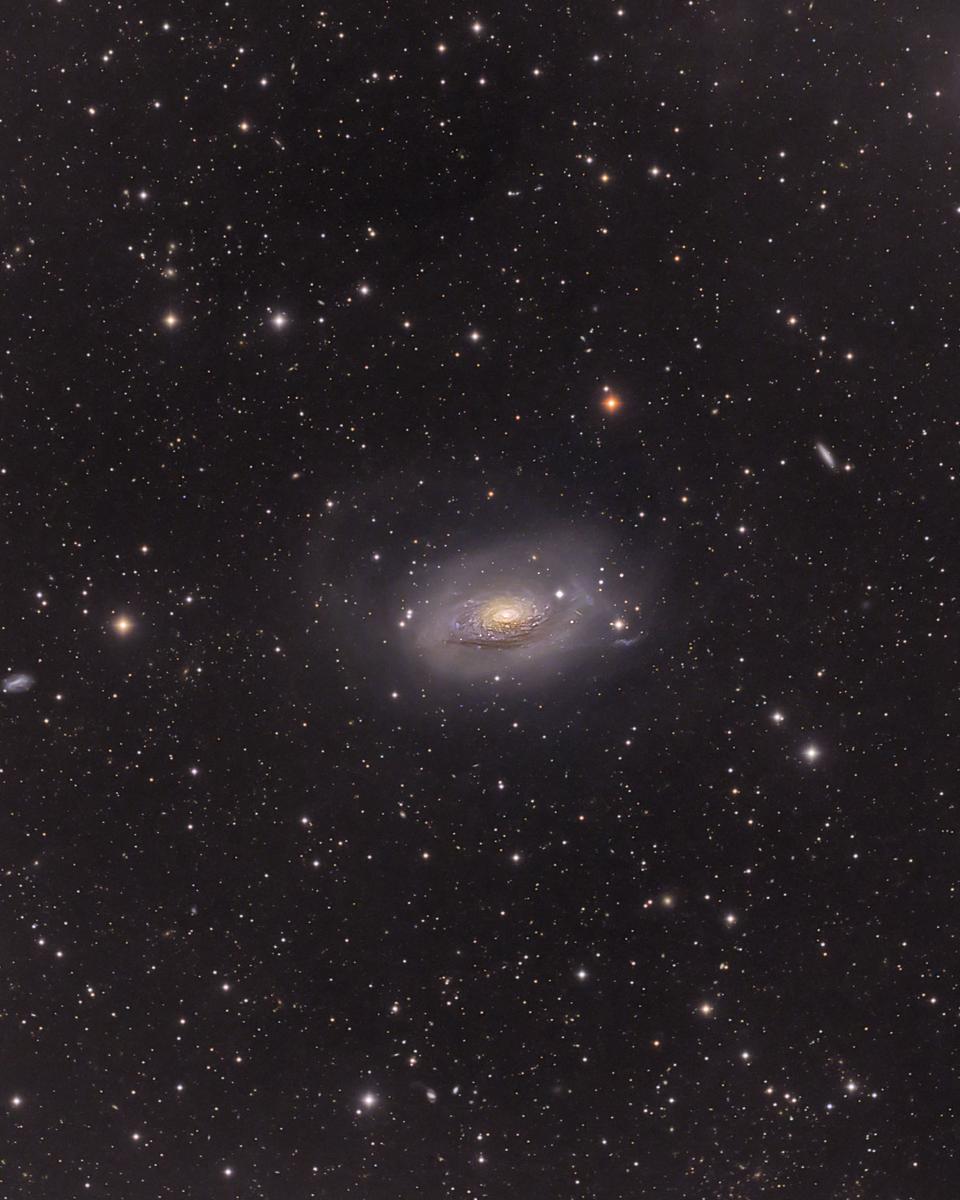
M63: Sunflower Galaxy Wide Field
The Sunflower Galaxy blooms near the center of this wide field telescopic view . The scene spans about 2 degrees or 4 full moons on the sky toward the loyal constellation Canes…
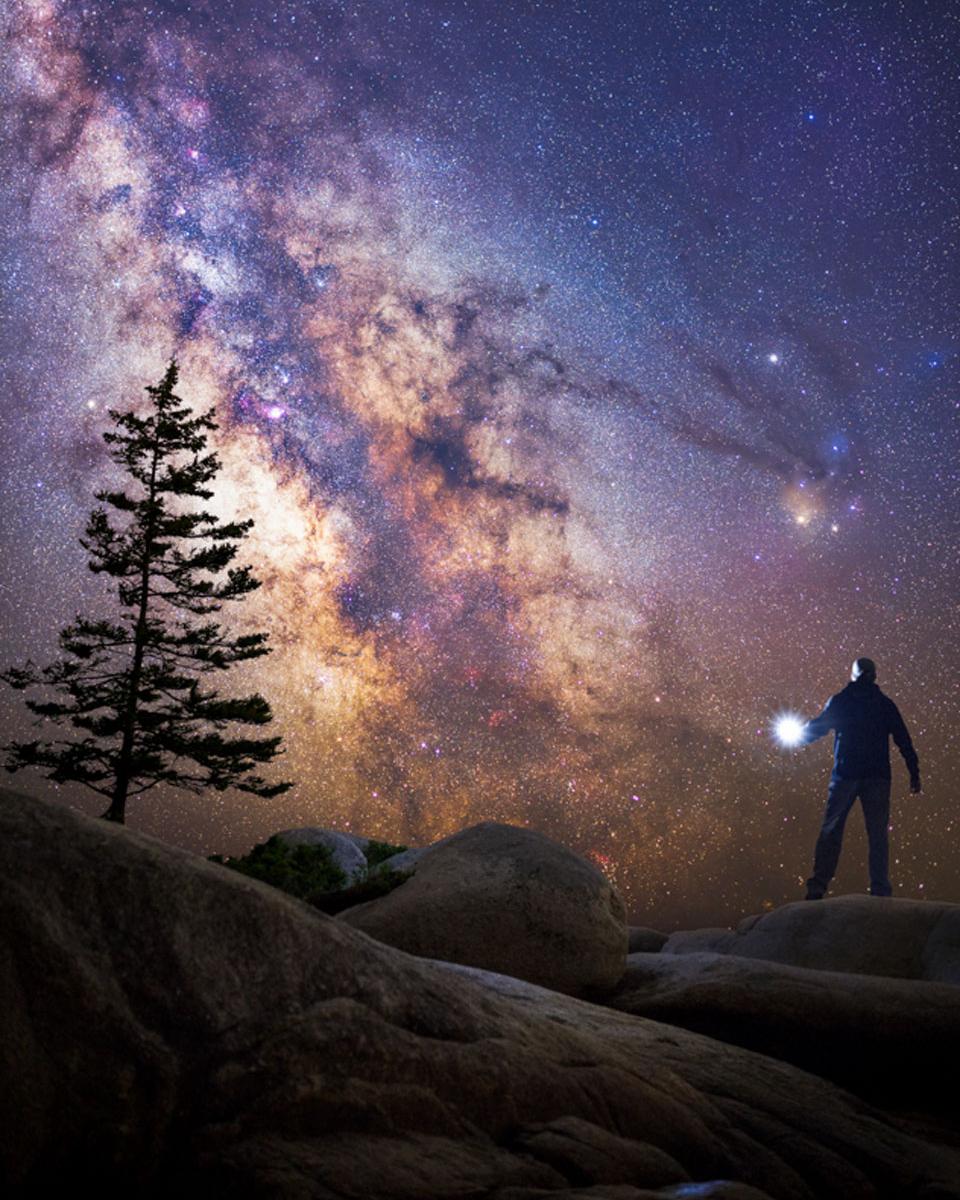
Behold the Universe
What if you climbed up on a rock and discovered the Universe? You can. Although others have noted much of it before, you can locate for yourself stars , planets , and even the…
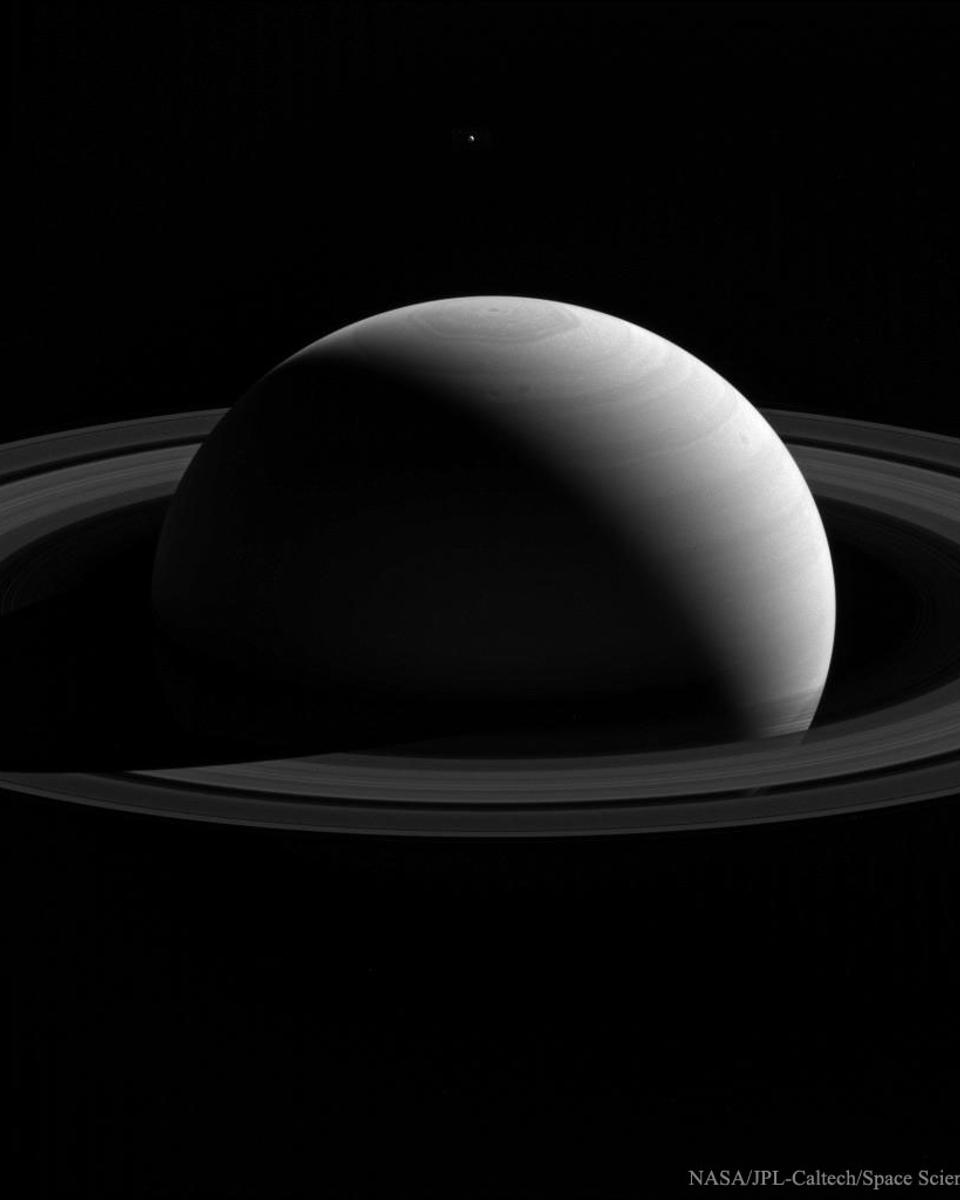
Behind Saturn
What's behind Saturn? The first answer is the camera itself, perched on the Cassini spacecraft currently orbiting behind the planet with the most grand ring system in our Solar…
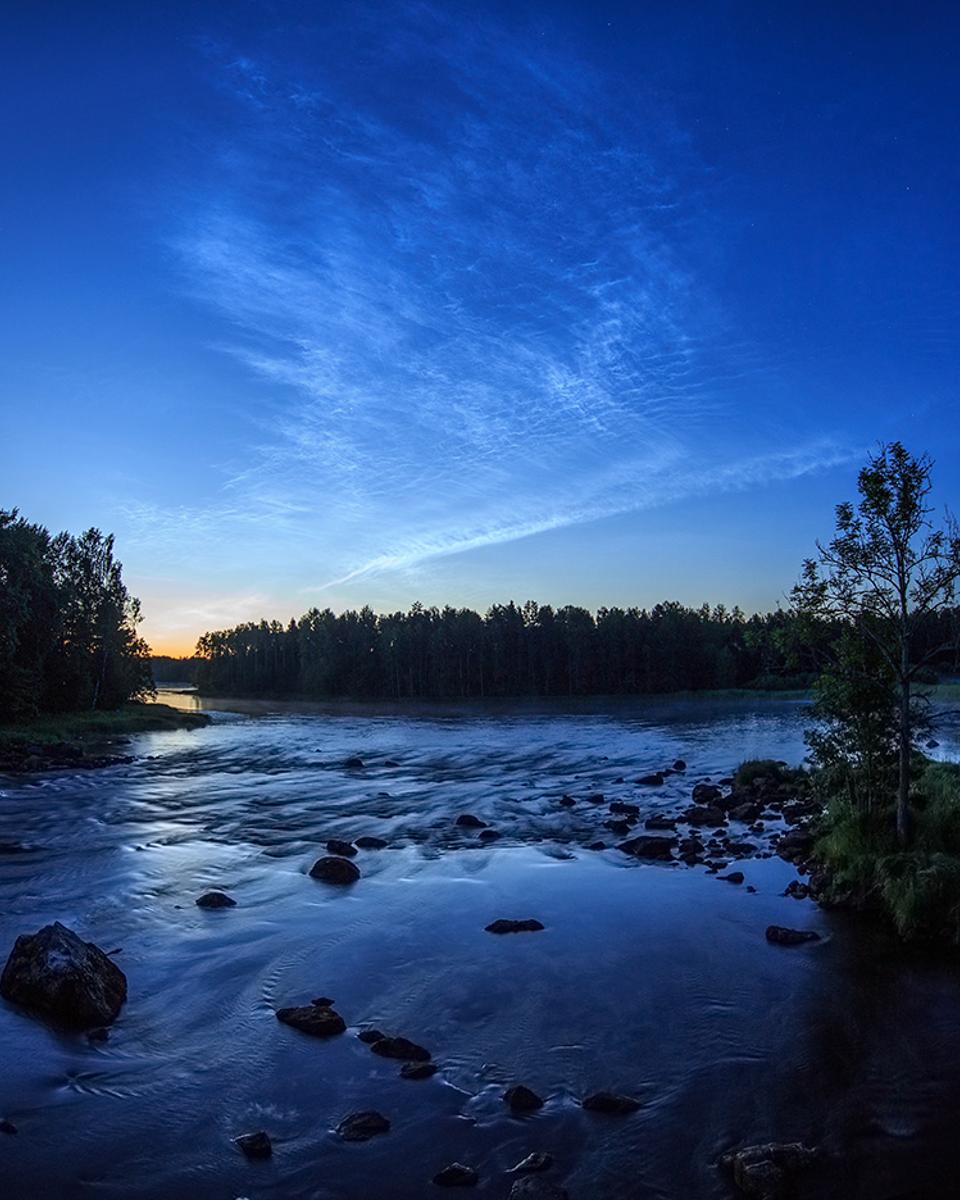
Ripples Through a Dark Sky
Sunlight ripples through a dark sky on this Swedish summer midnight as noctilucent or night shining clouds seem to imitate the river below. In fact, the seasonal clouds often…
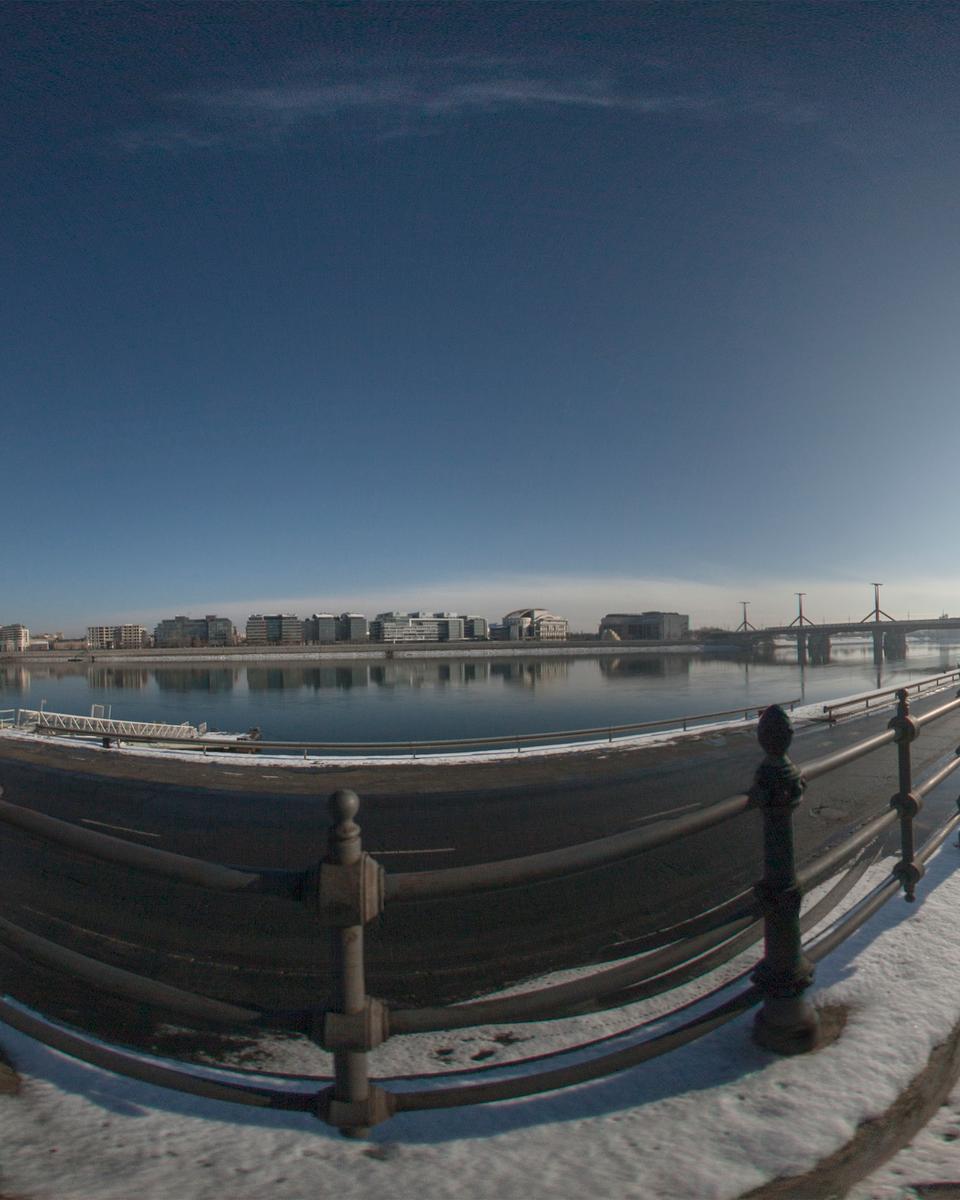
Blue Danube Analemma
The Sun's annual waltz through planet Earth's sky forms a graceful curve known as an analemma. The analemma's figure 8 shape is tipped vertically at far right in this…
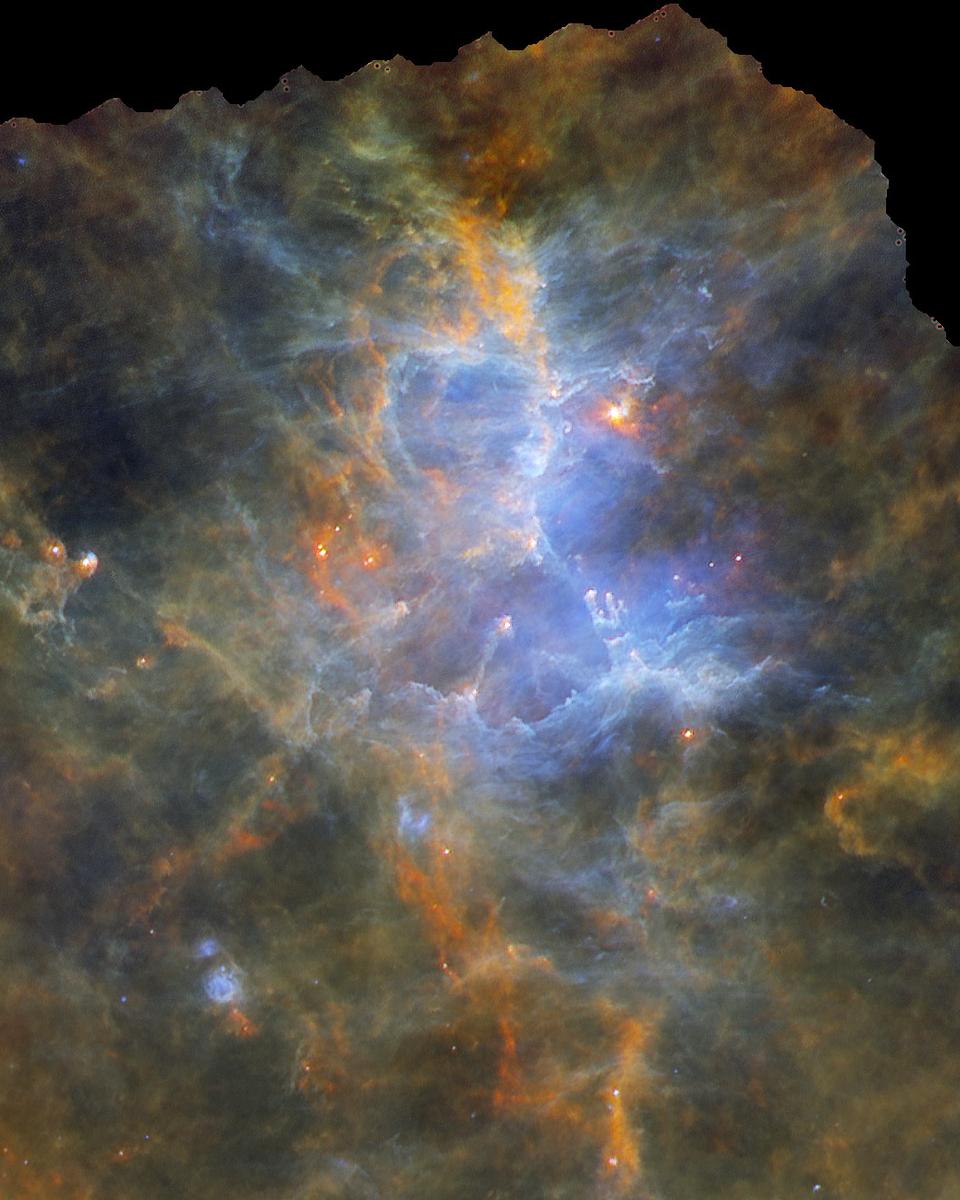
Herschel's Eagle Nebula
A now famous picture from the Hubble Space Telescope featured Pillars of Creation, star forming columns of cold gas and dust light-years long inside M16, the Eagle Nebula. This…
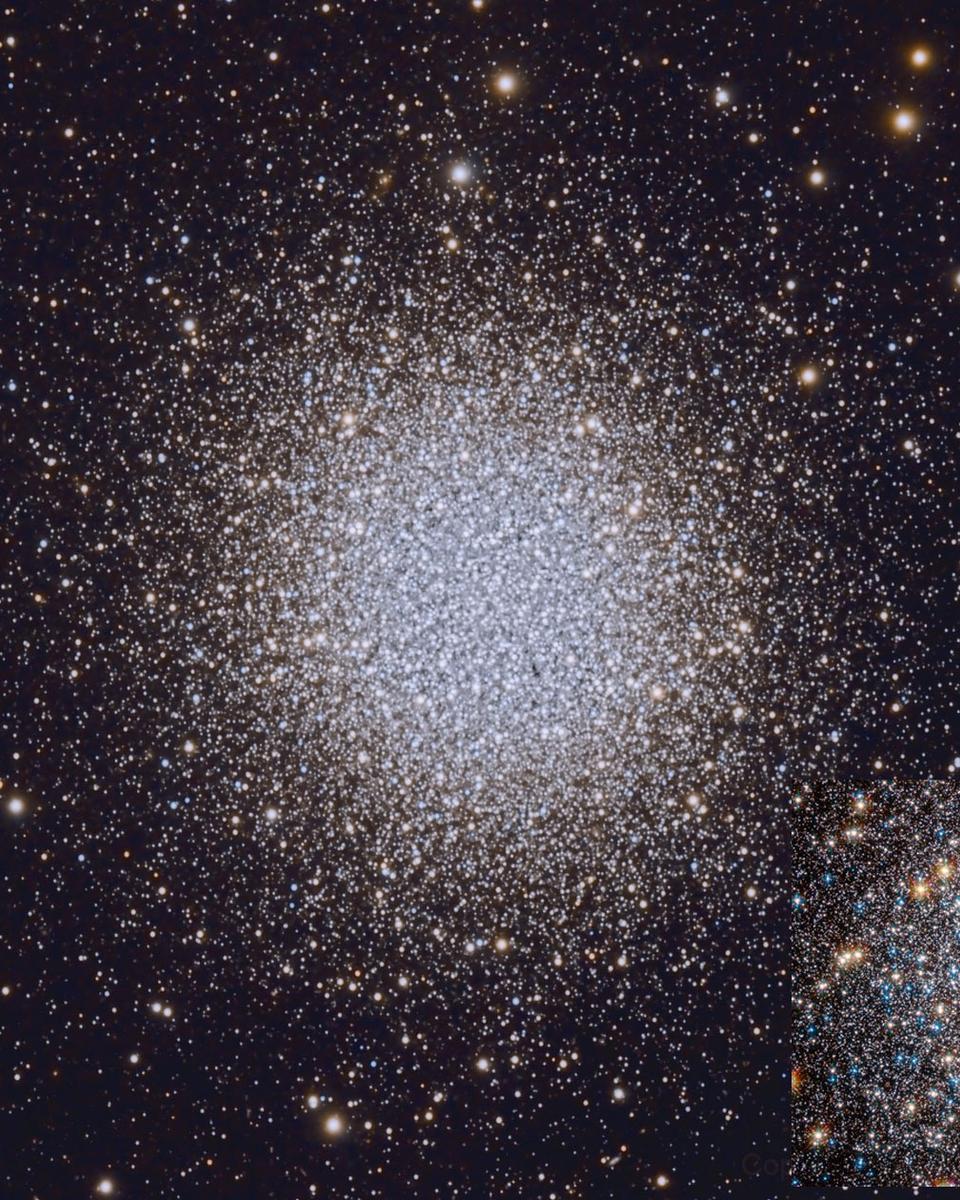
M13: A Great Globular Cluster of Stars
M13 is one of the most prominent and best known globular clusters . Visible with binoculars in the constellation of Hercules , M13 is frequently one of the first objects found by…
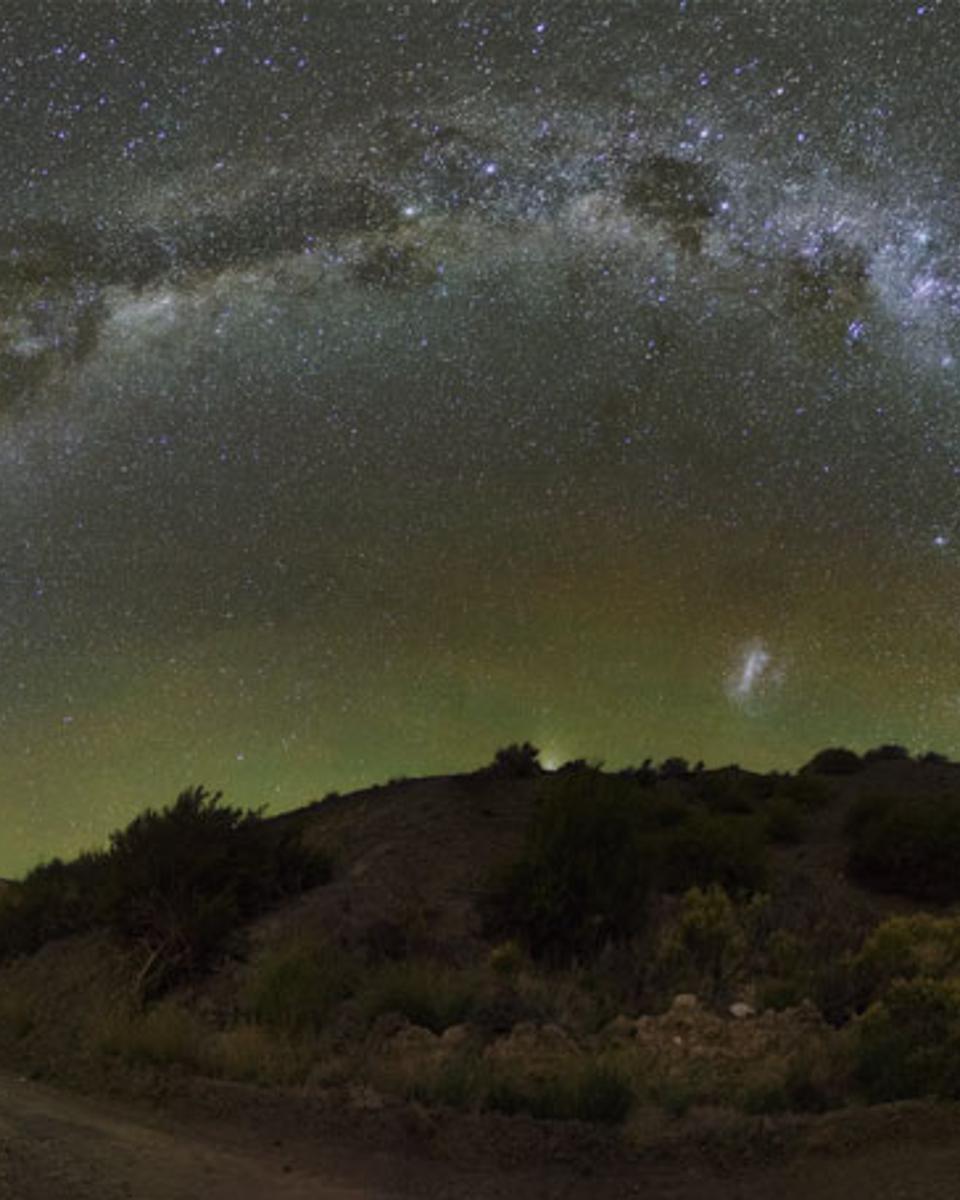
Puzzling a Sky over Argentina
Can you find the comet? True, a careful eye can find thousands of stars , tens of constellations, four planets, three galaxies , and the central band of our Milky Way Galaxy --…
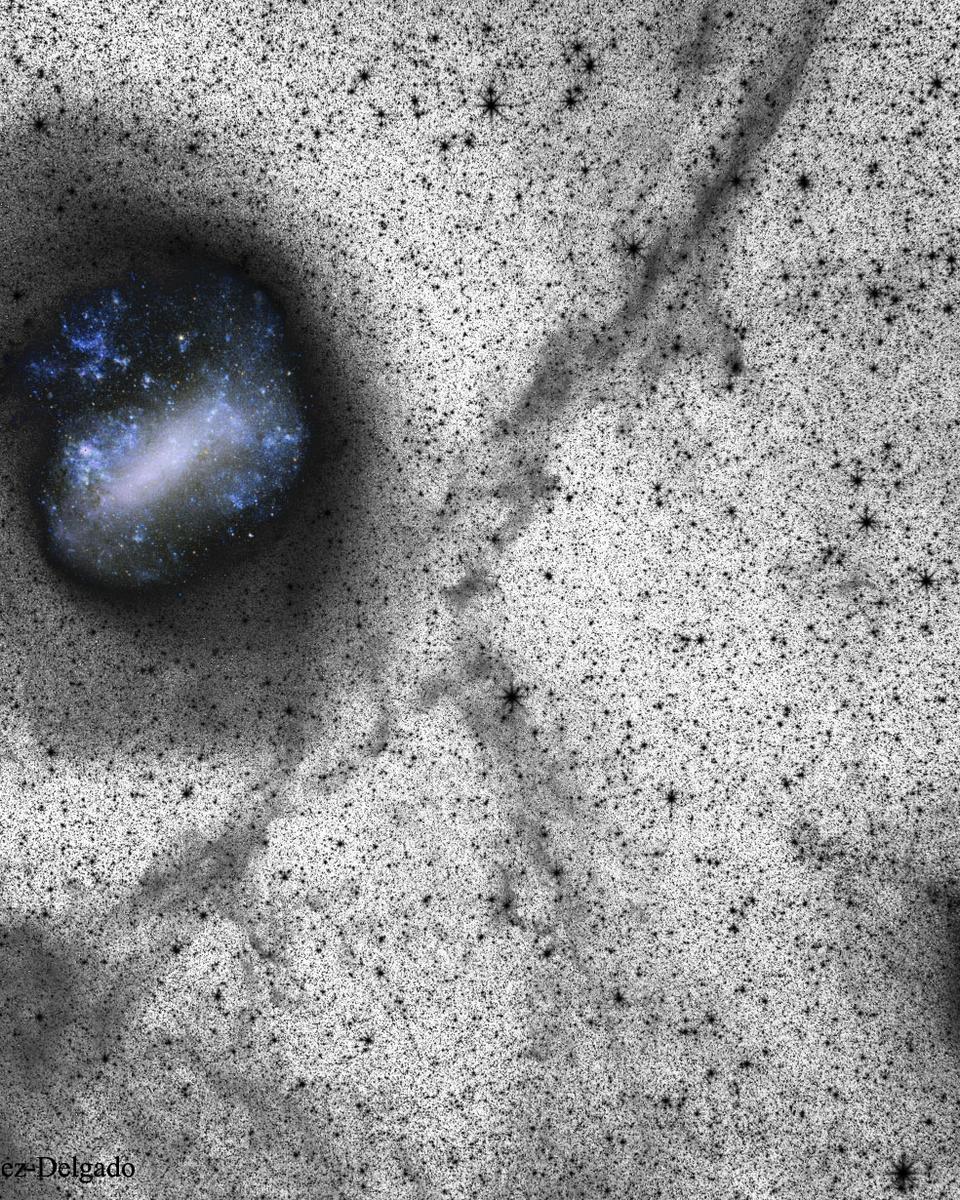
Deep Magellanic Clouds Image Indicates Collisions
Did the two most famous satellite galaxies of our Milky Way Galaxy once collide? No one knows for sure, but a detailed inspection of deep images like that featured here give an…
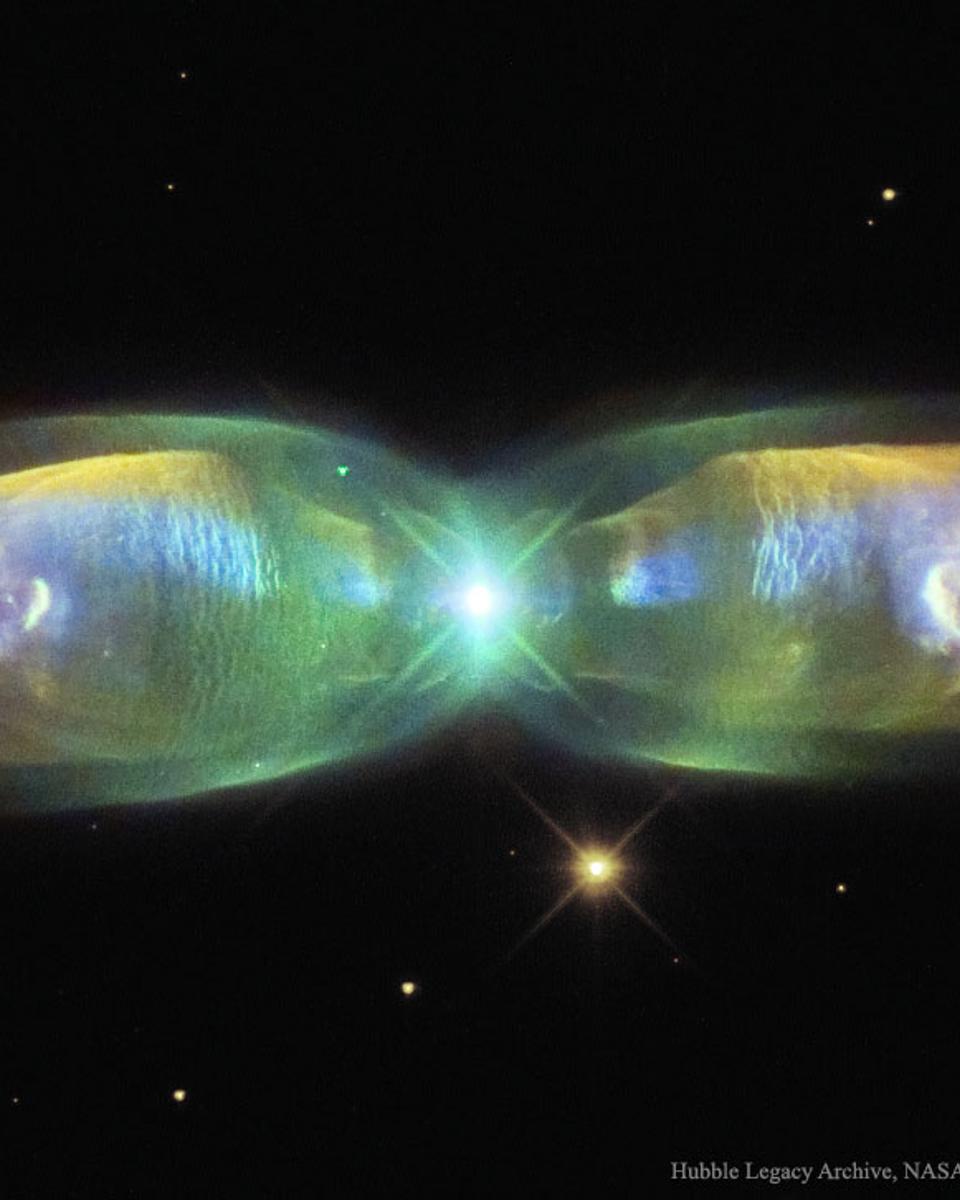
M2-9: Wings of a Butterfly Nebula
Are stars better appreciated for their art after they die? Actually, stars usually create their most artistic displays as they die. In the case of low-mass stars like our Sun and…
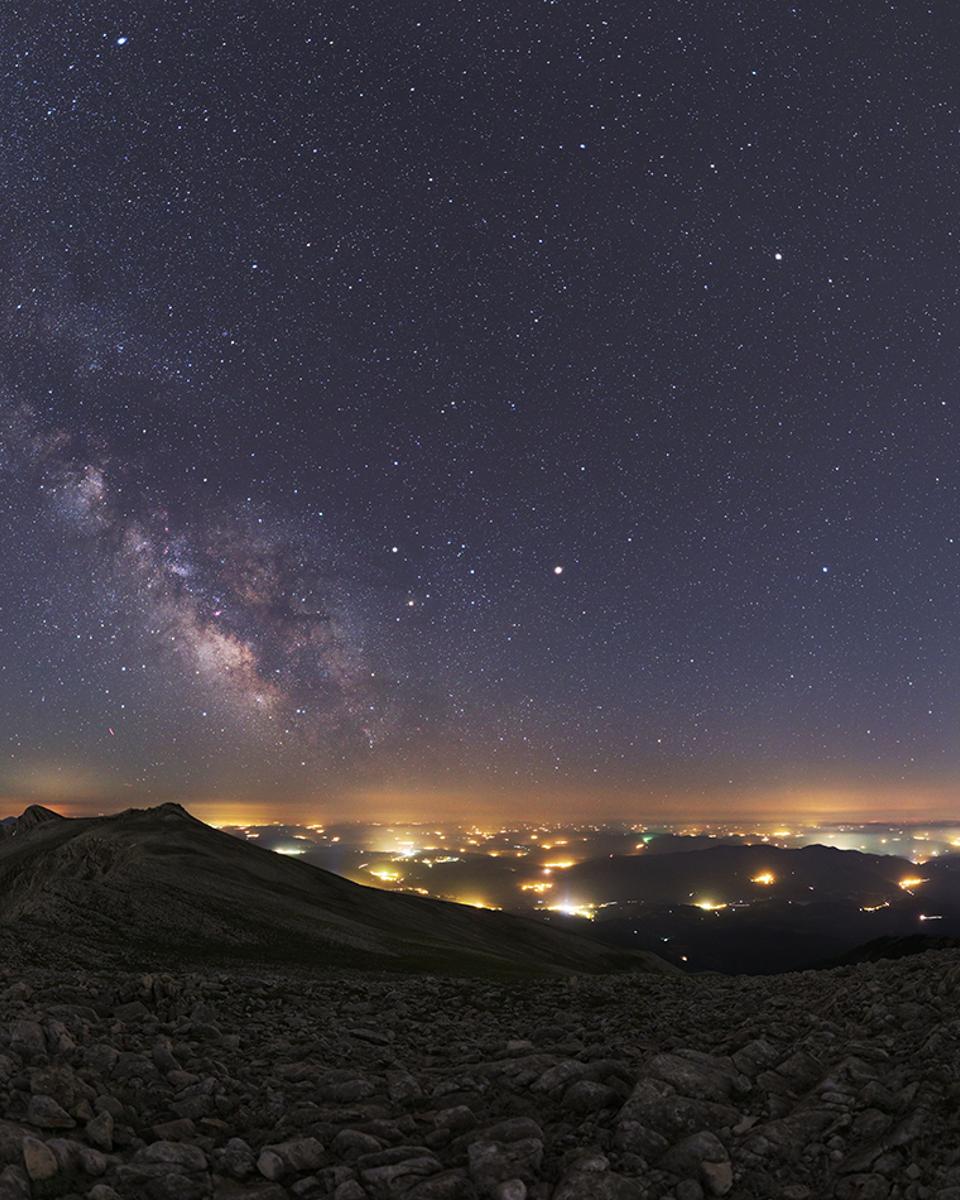
Summer Planets and Milky Way
Lights sprawl toward the horizon in this night skyscape from Uludag National Park, Bursa Province, Turkey, planet Earth . The stars and nebulae of the Milky Way are still visible…
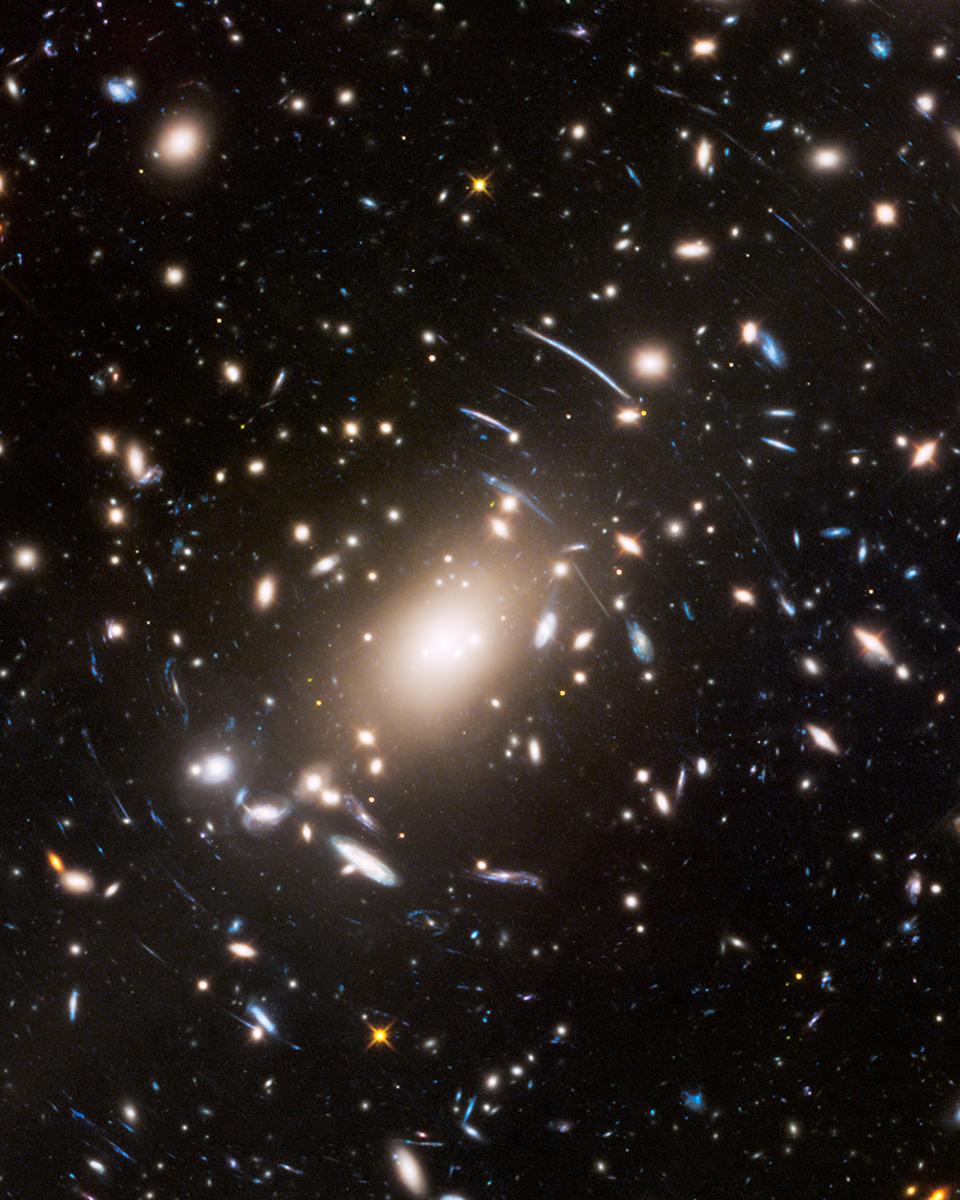
Galaxy Cluster Abell S1063 and Beyond
Some 4 billion light-years away, galaxies of massive Abell S1063 cluster near the center of this sharp Hubble Space Telescope snapshot . But the fainter bluish arcs are magnified…
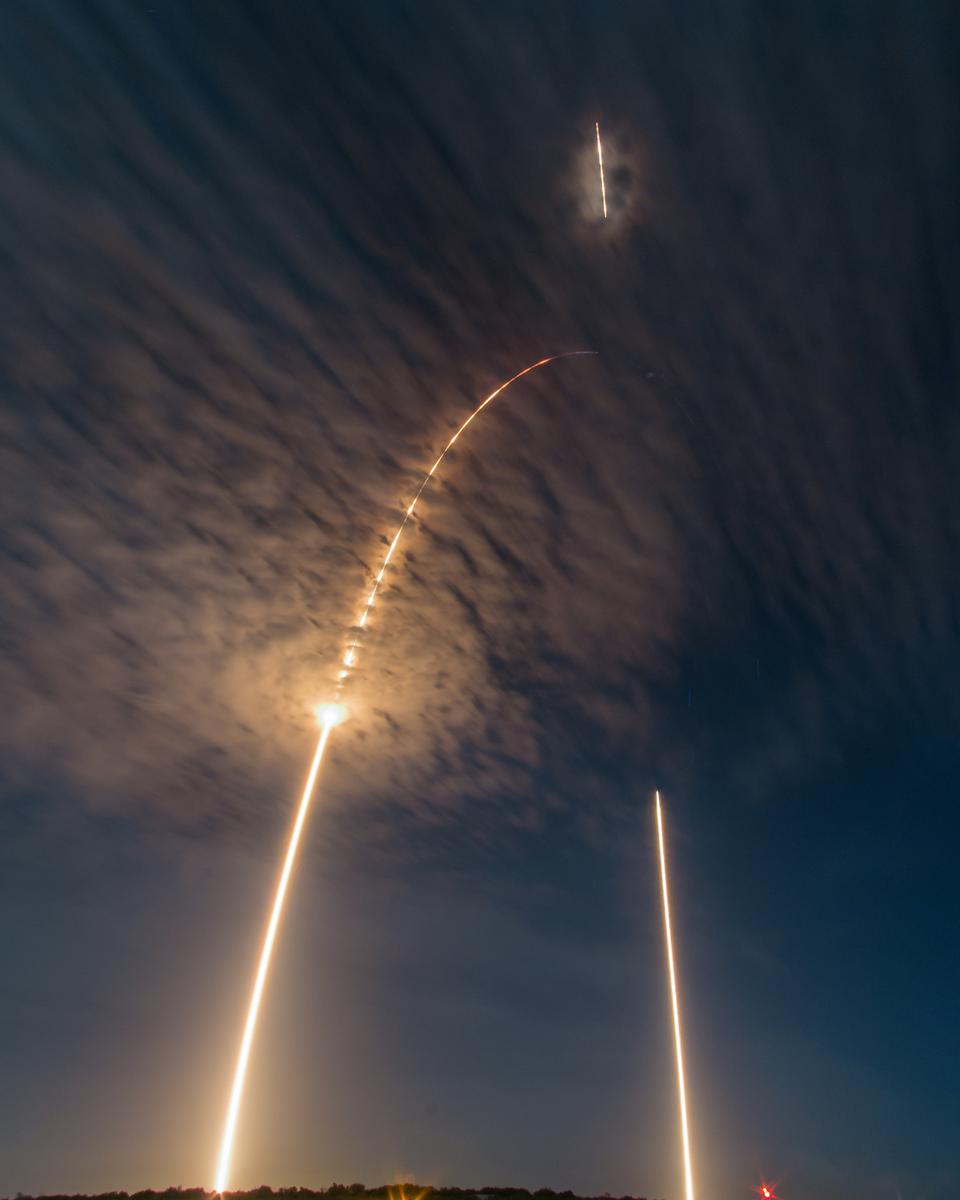
Falcon 9: Launch and Landing
Shortly after midnight on July 18 a SpaceX Falcon 9 rocket launched from Space Launch Complex 40 at Cape Canaveral Air Force Station, Florida, planet Earth. About 9 minutes later,…
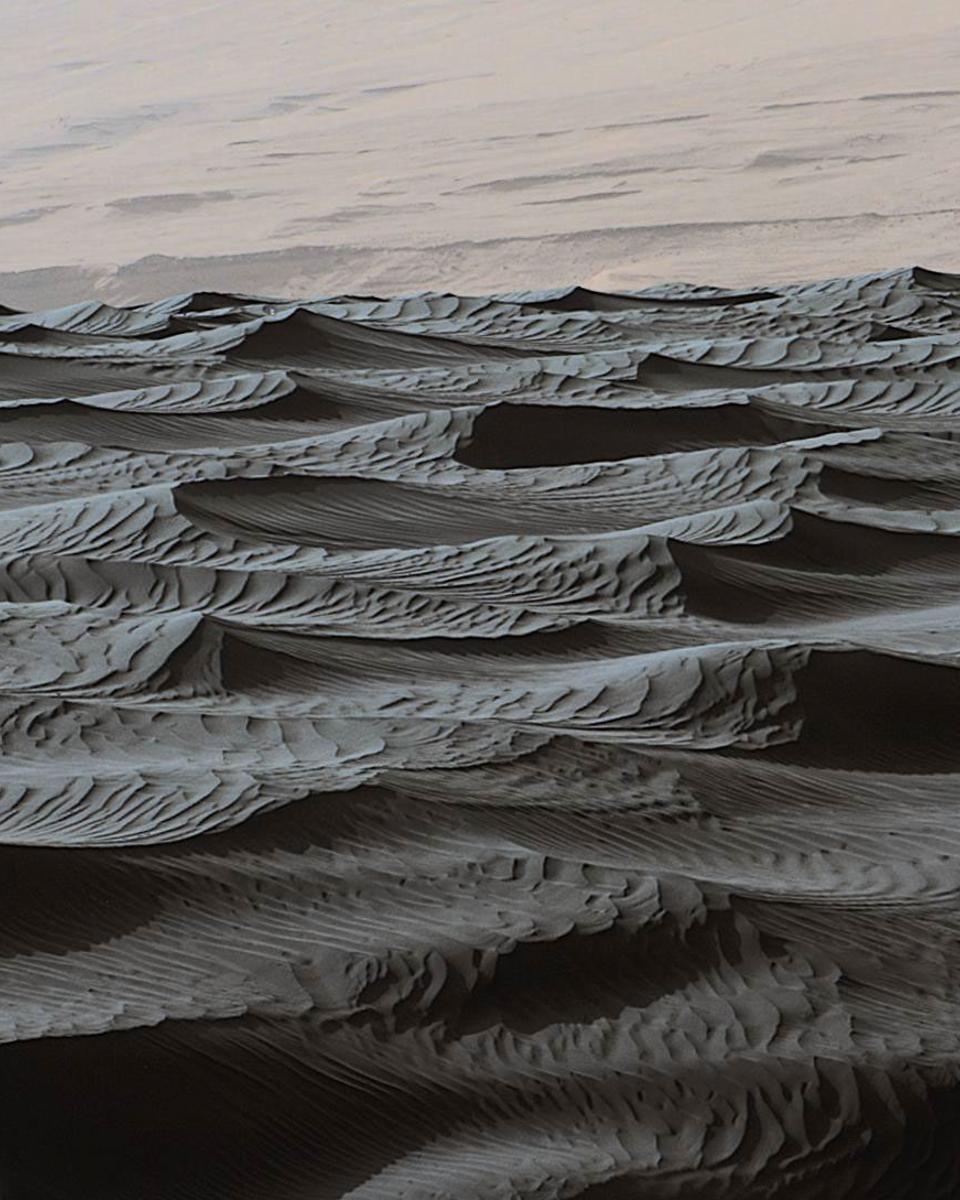
Dark Dunes on Mars (Horizontally Compressed)
How does wind affect sand on Mars? To help find out if it differs significantly from Earth, the robotic Curiosity rover on Mars was directed to investigate the dark Namib Dune in…
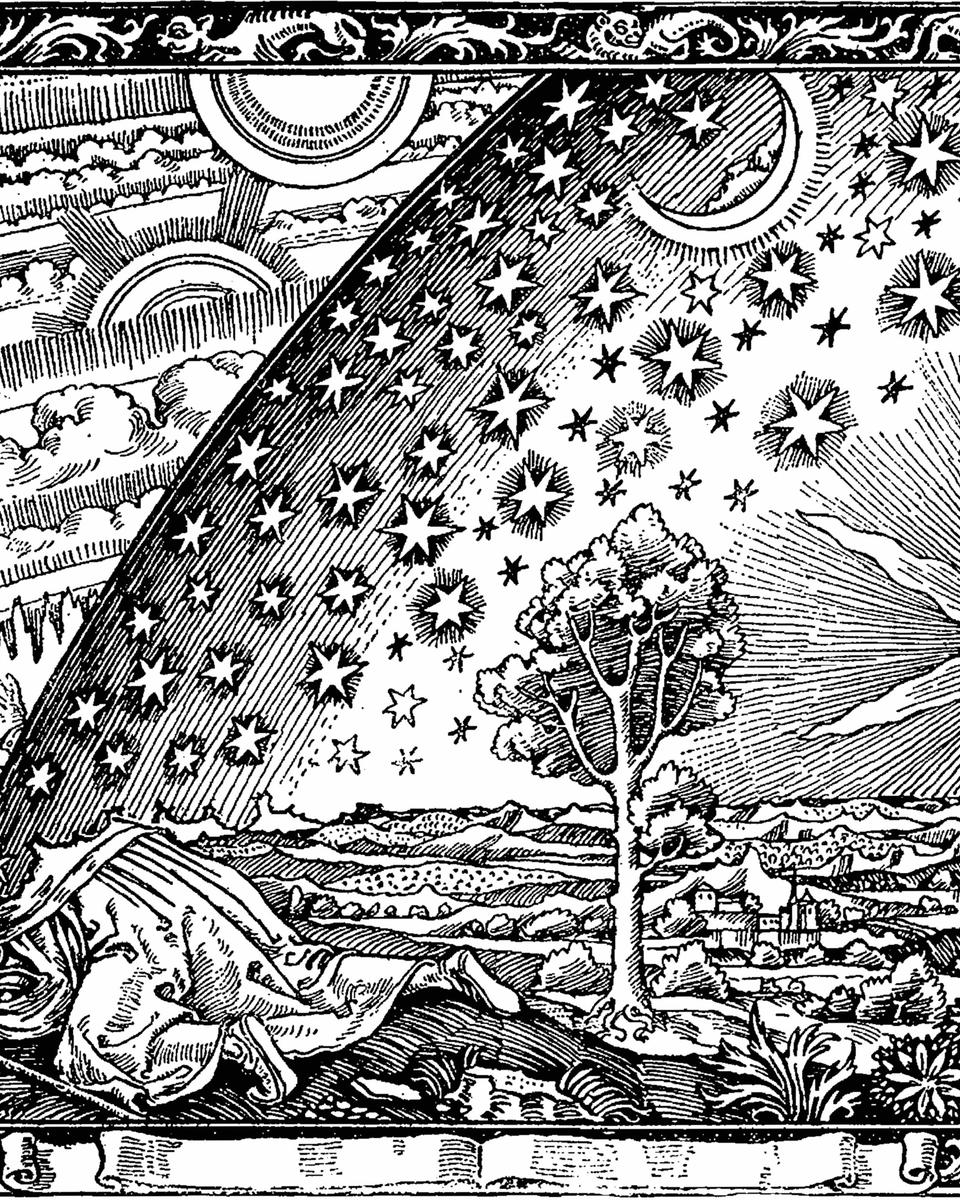
Color the Universe
Wouldn't it be fun to color in the universe? If you think so, please accept this famous astronomical illustration as a preliminary substitute. You, your friends , your parents or…
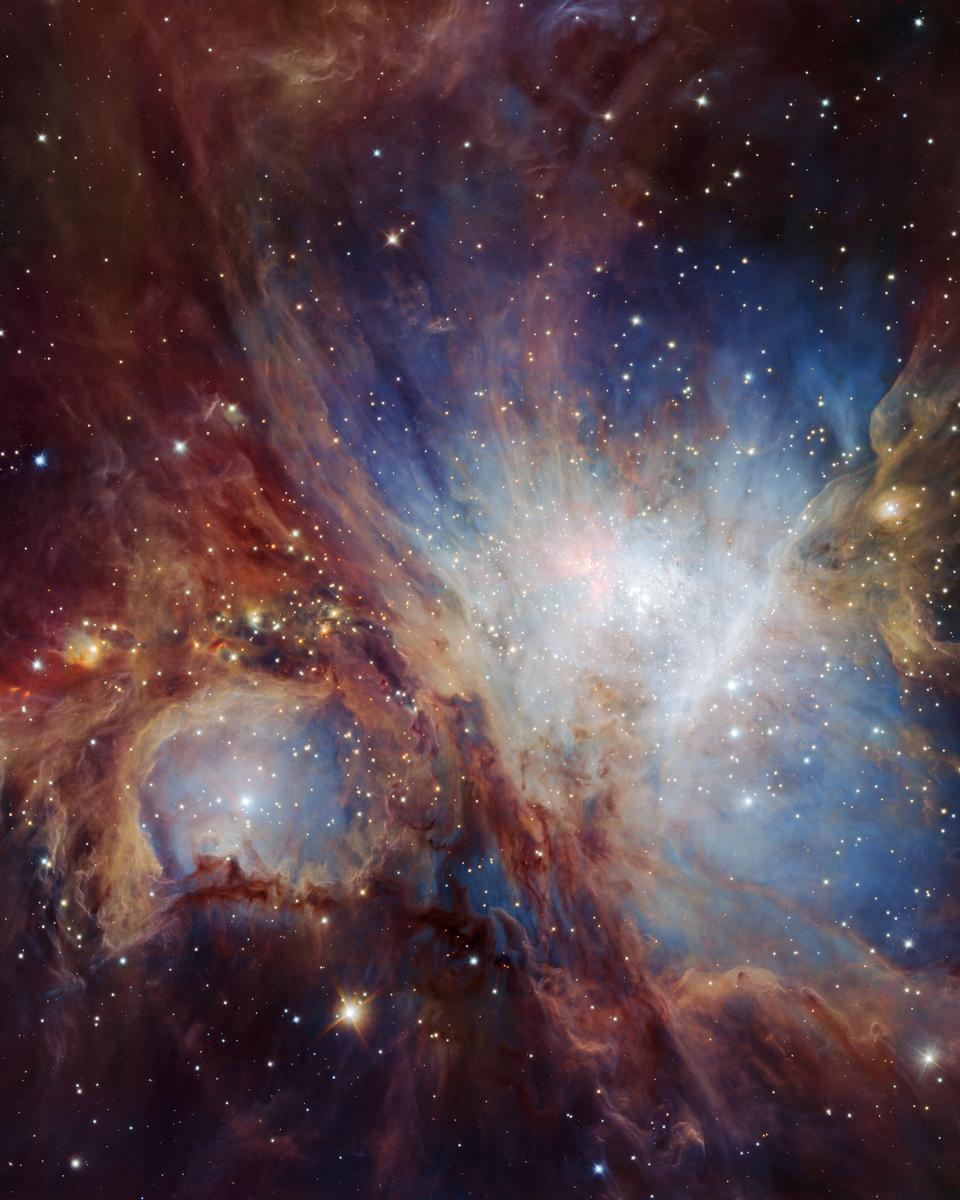
The Orion Nebula in Infrared from HAWK-I
The deepest infrared image of the Orion Nebula has uncovered a bonanza of previously unknown low-mass stars and -- quite possibly -- free floating planets. The picturesque nebula…
Viewing discoveries from 12 August 2016 through 18 July 2016.