Browse NASA Astronomy Picture of the Day archive by date and media: Archive Discoveries
Browse the NASA APOD archive without needing the exact date first. Filter by media type and keep moving deeper into older images and videos.
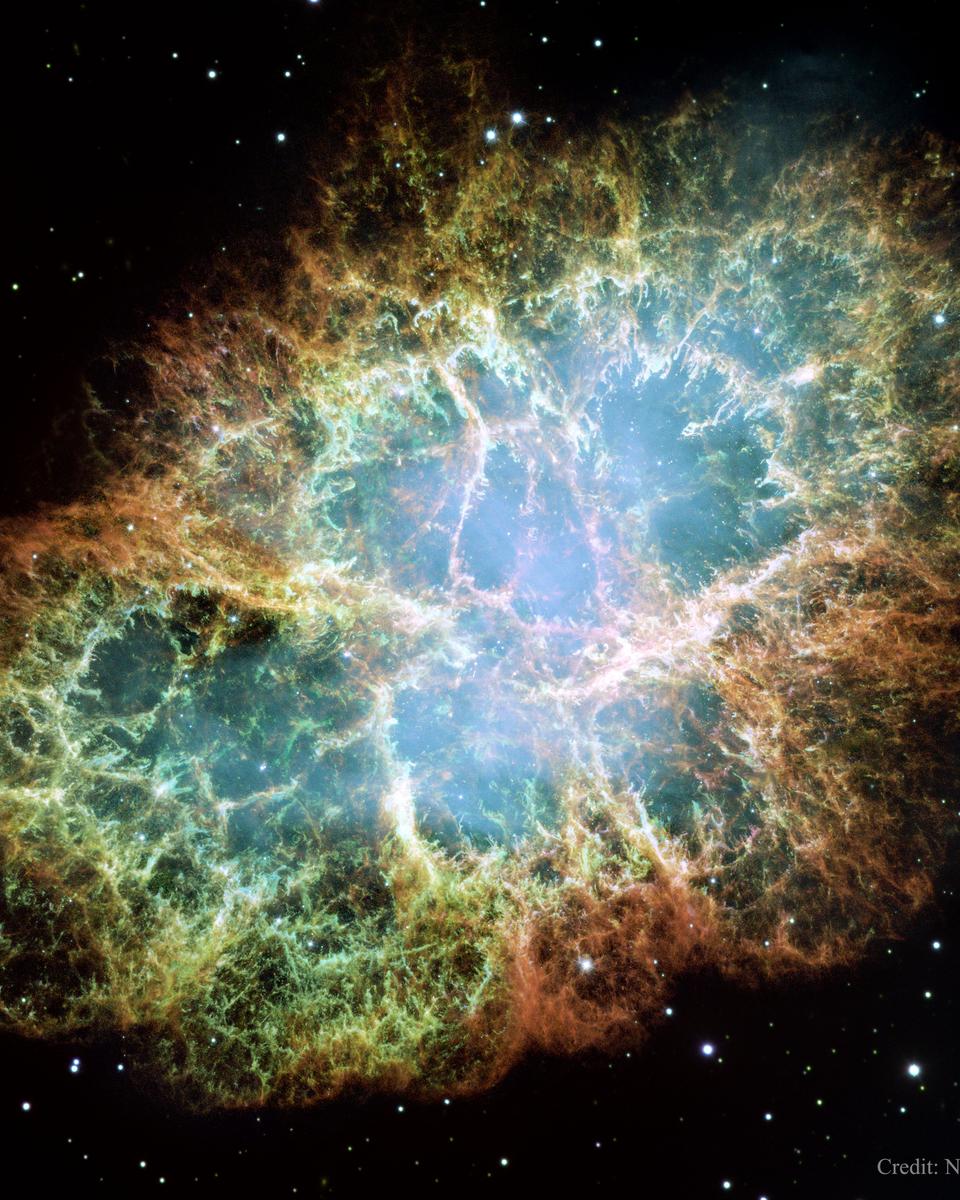
M1: The Crab Nebula from Hubble
This is the mess that is left when a star explodes. The Crab Nebula , the result of a supernova seen in 1054 AD , is filled with mysterious filaments. The filaments are not only…
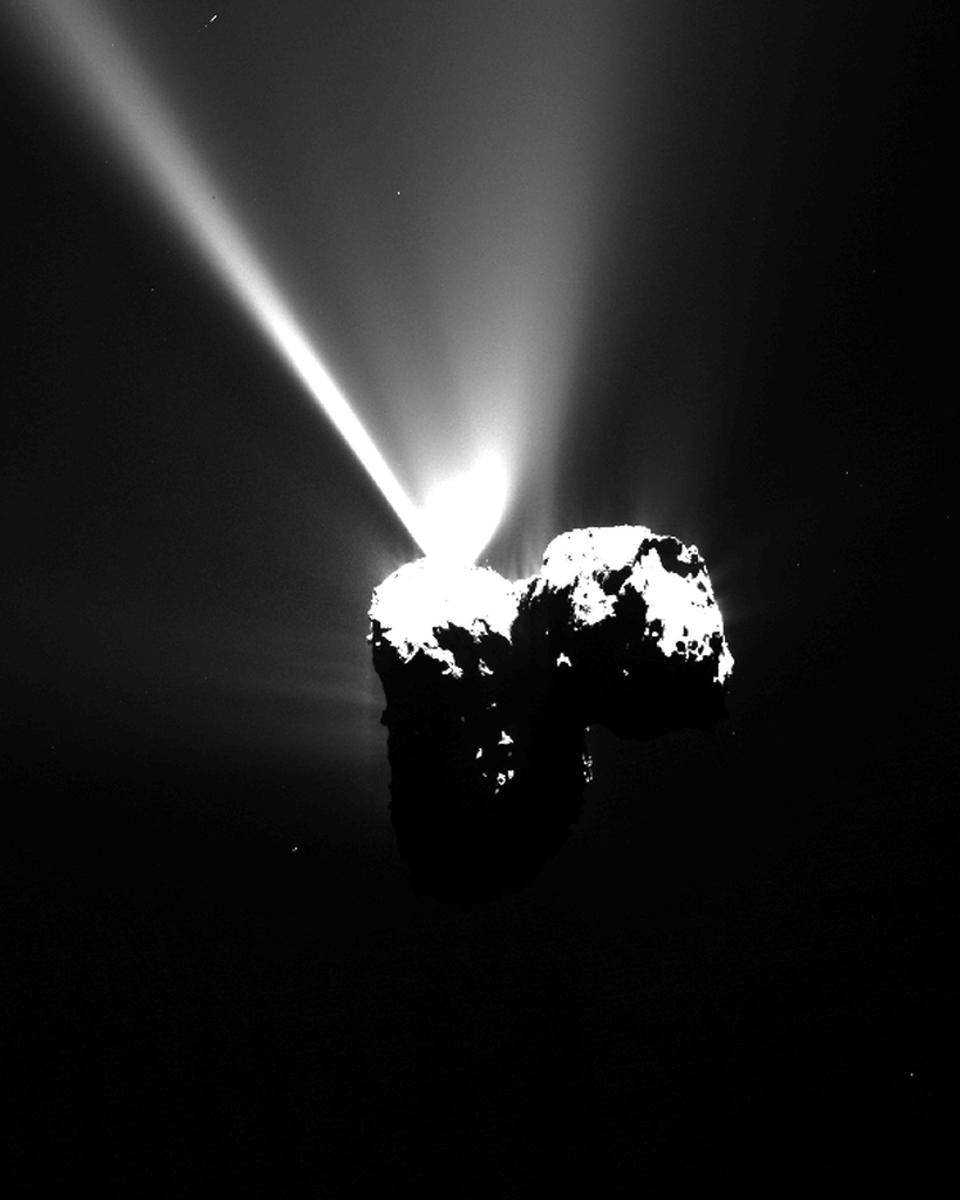
Perihelion Approaches
This dramatic outburst from the nucleus of Comet 67P/Churyumov-Gerasimenko occured on August 12, just hours before perihelion, its closest approach to the Sun . Completing an…
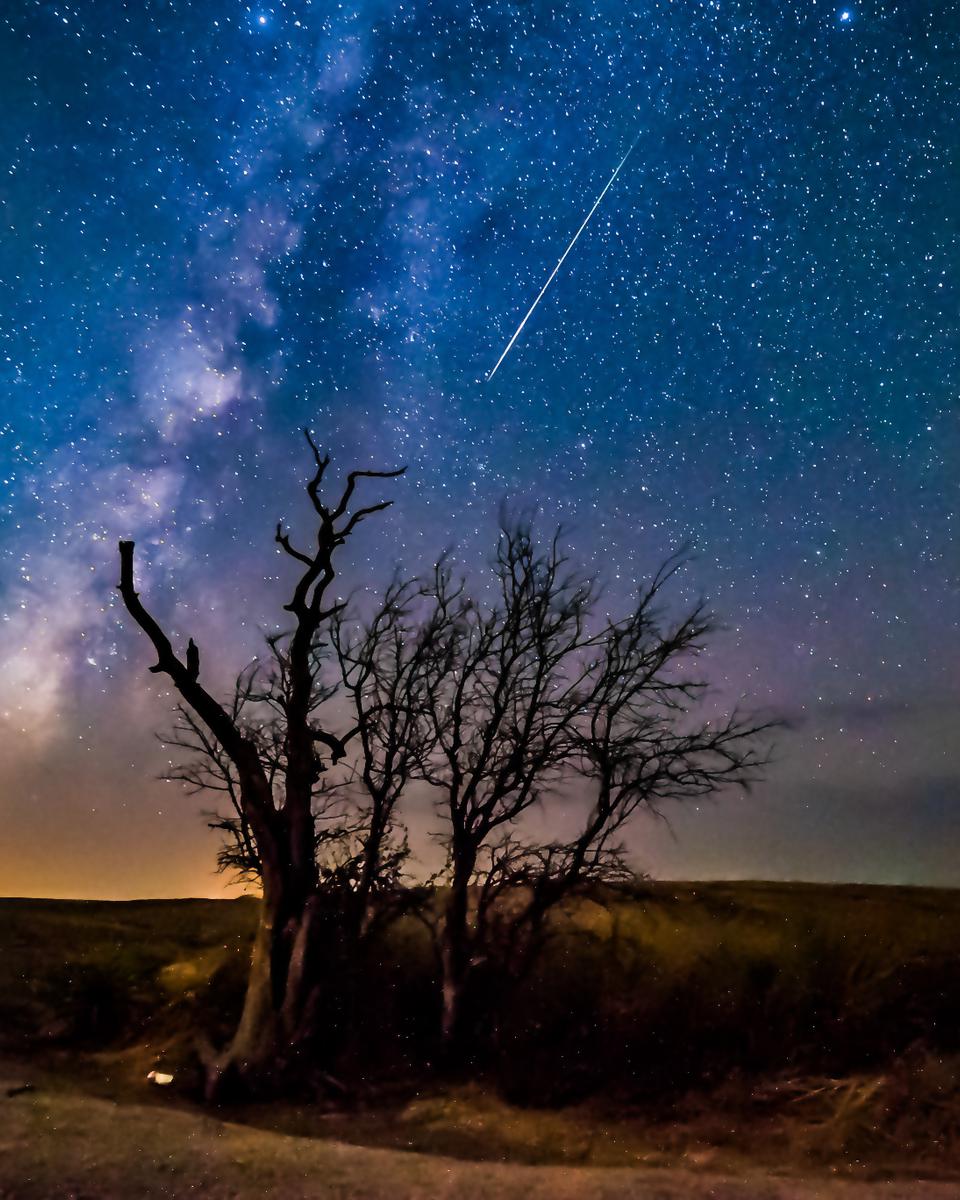
Comet Dust over Enchanted Rock
Dusty debris from periodic Comet Swift-Tuttle was swept up by planet Earth this week. Vaporized by their passage through the dense atmosphere at 59 kilometers per second, the tiny…
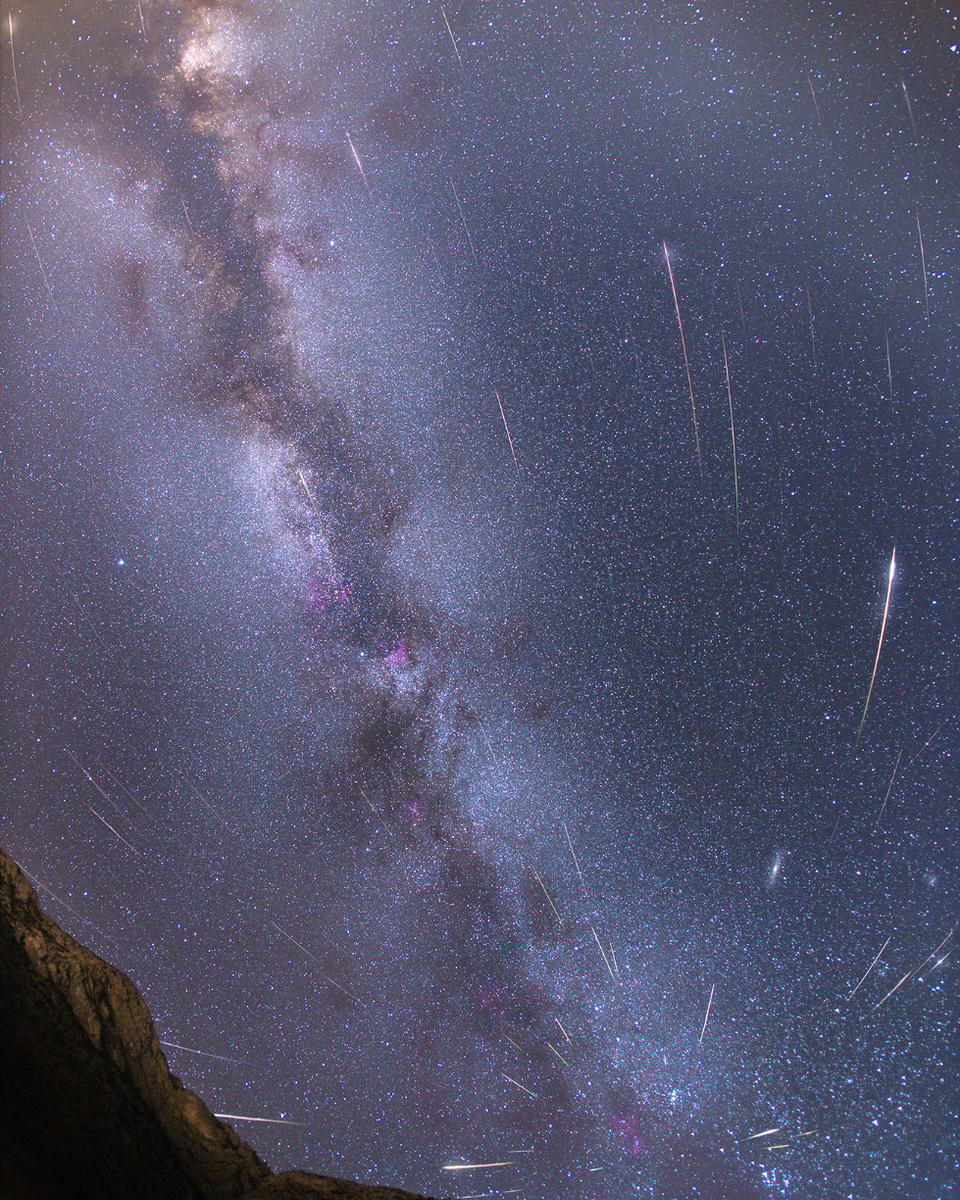
Moonless Meteors and the Milky Way
Have you watched the Perseid meteor shower ? Though the annual shower's predicted peak was last night, meteor activity should continue tonight (August 13/14), best enjoyed by just…
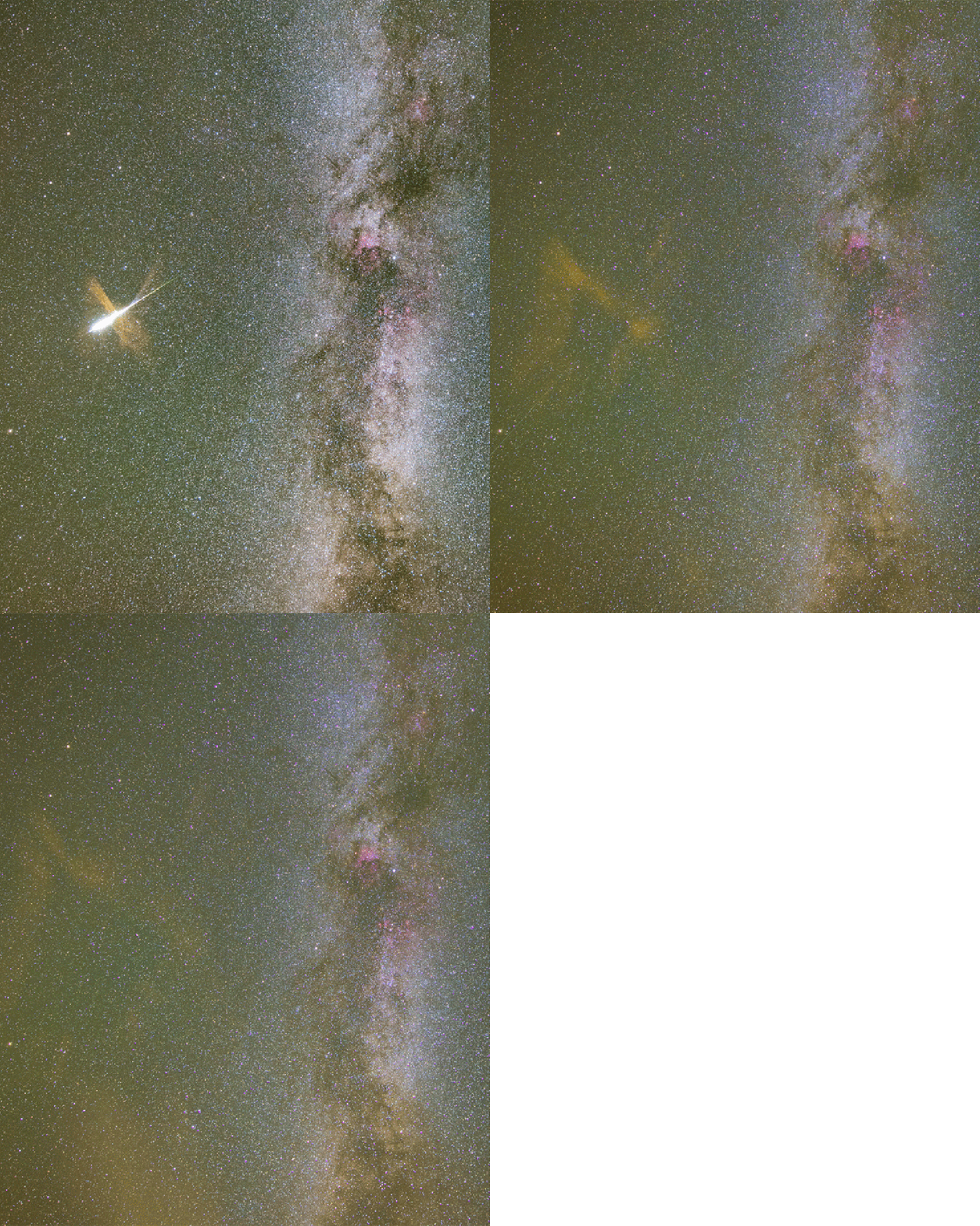
Milky Way and Exploding Meteor
Tonight the Perseid Meteor Shower reaches its maximum. Grains of icy rock will streak across the sky as they evaporate during entry into Earth's atmosphere. These grains were shed…
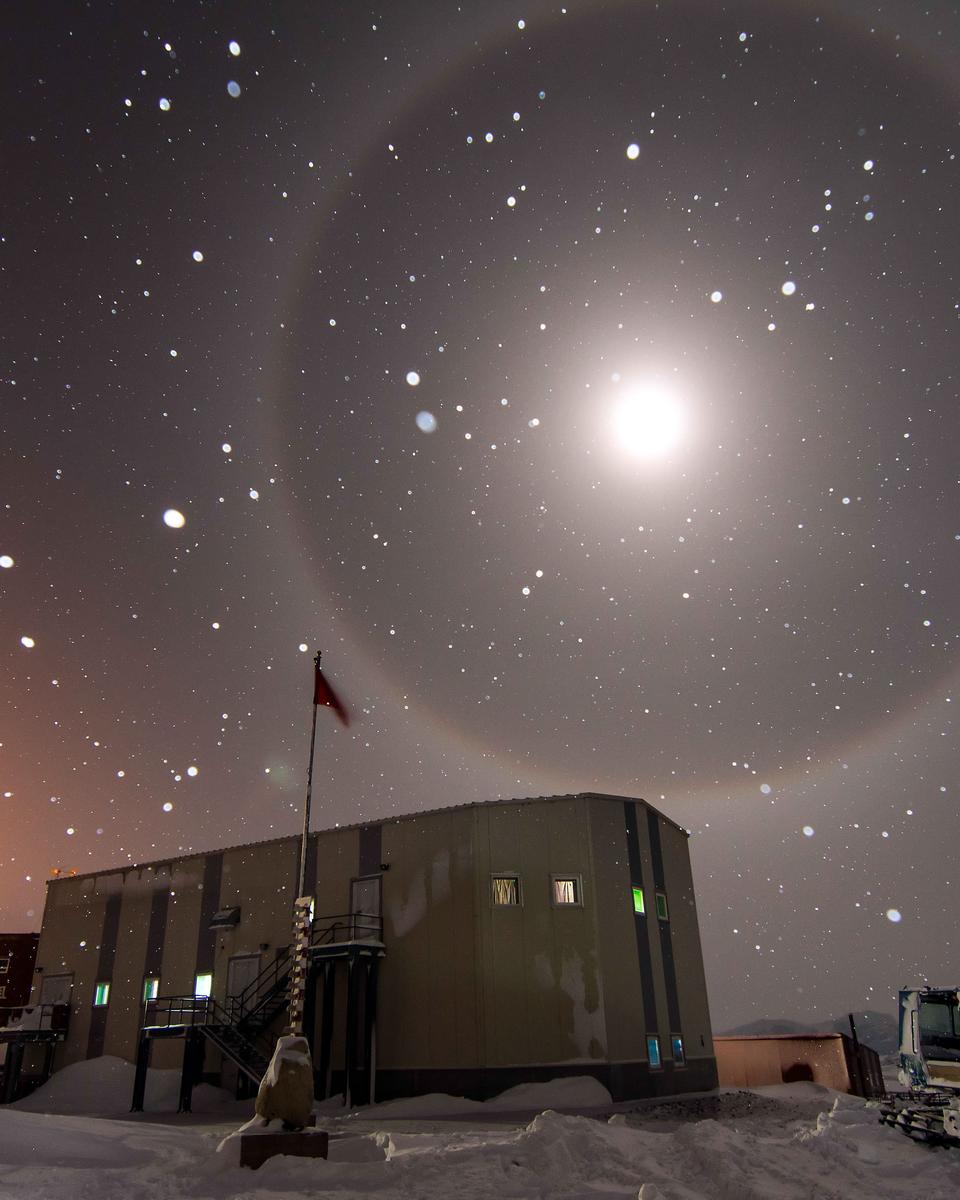
A Blue Moon Halo over Antarctica
Have you ever seen a halo around the Moon? Such 22 degree rings around the Moon -- caused by ice crystals falling in the Earth's atmosphere -- are somewhat rare . OK, but have you…
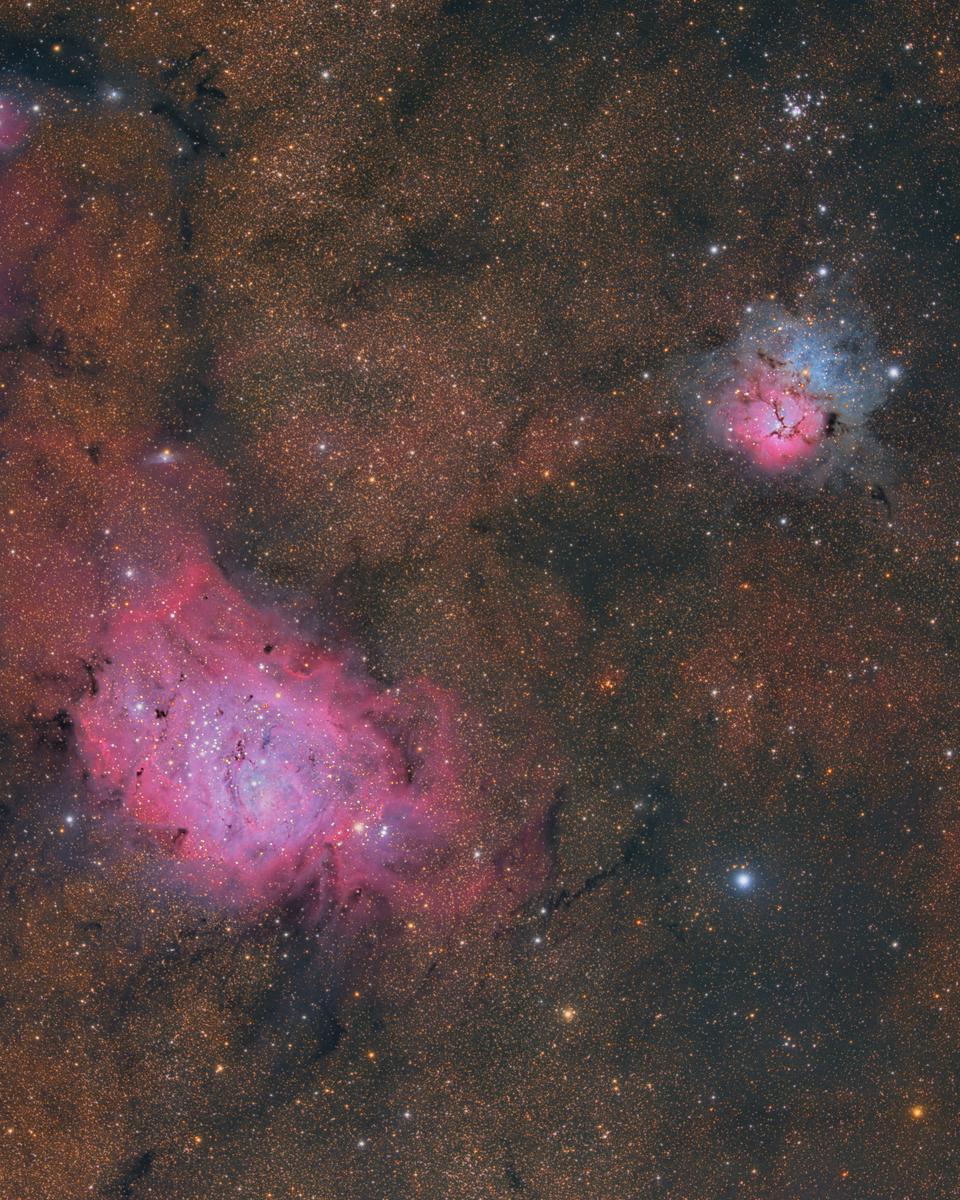
A Sagittarius Triplet
These three bright nebulae are often featured in telescopic tours of the constellation Sagittarius and the crowded starfields of the central Milky Way . In fact, 18th century…
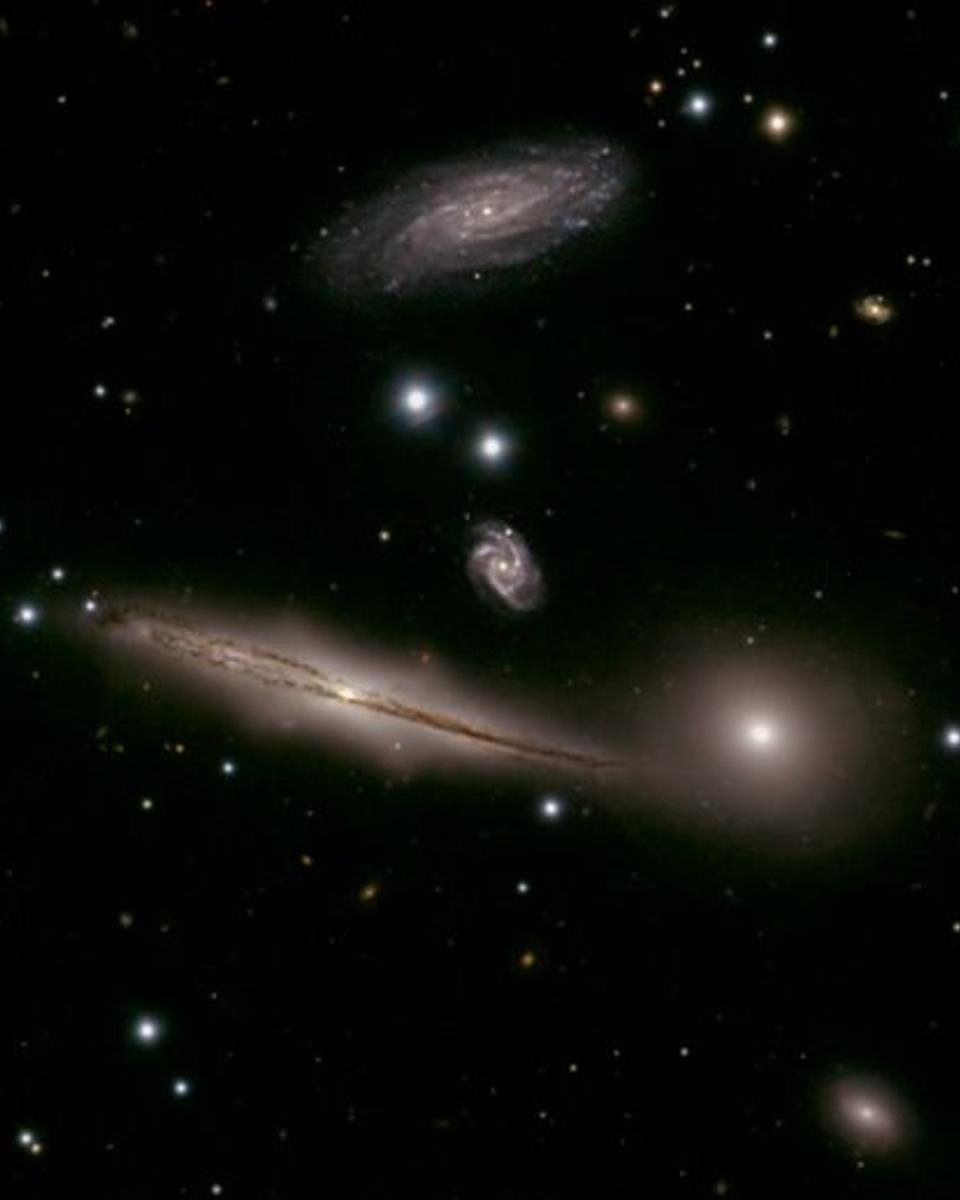
HCG 87: A Small Group of Galaxies
Sometimes galaxies form groups. For example, our own Milky Way Galaxy is part of the Local Group of Galaxies . Small, compact groups, like Hickson Compact Group 87 ( HCG 87 )…

Curiosity's View
By planet Earth's calendar, the Curiosity Mars Rover reached its 3rd anniversary on the surface of the Red Planet on August 6. To celebrate, gaze across this dramatic panoramic…
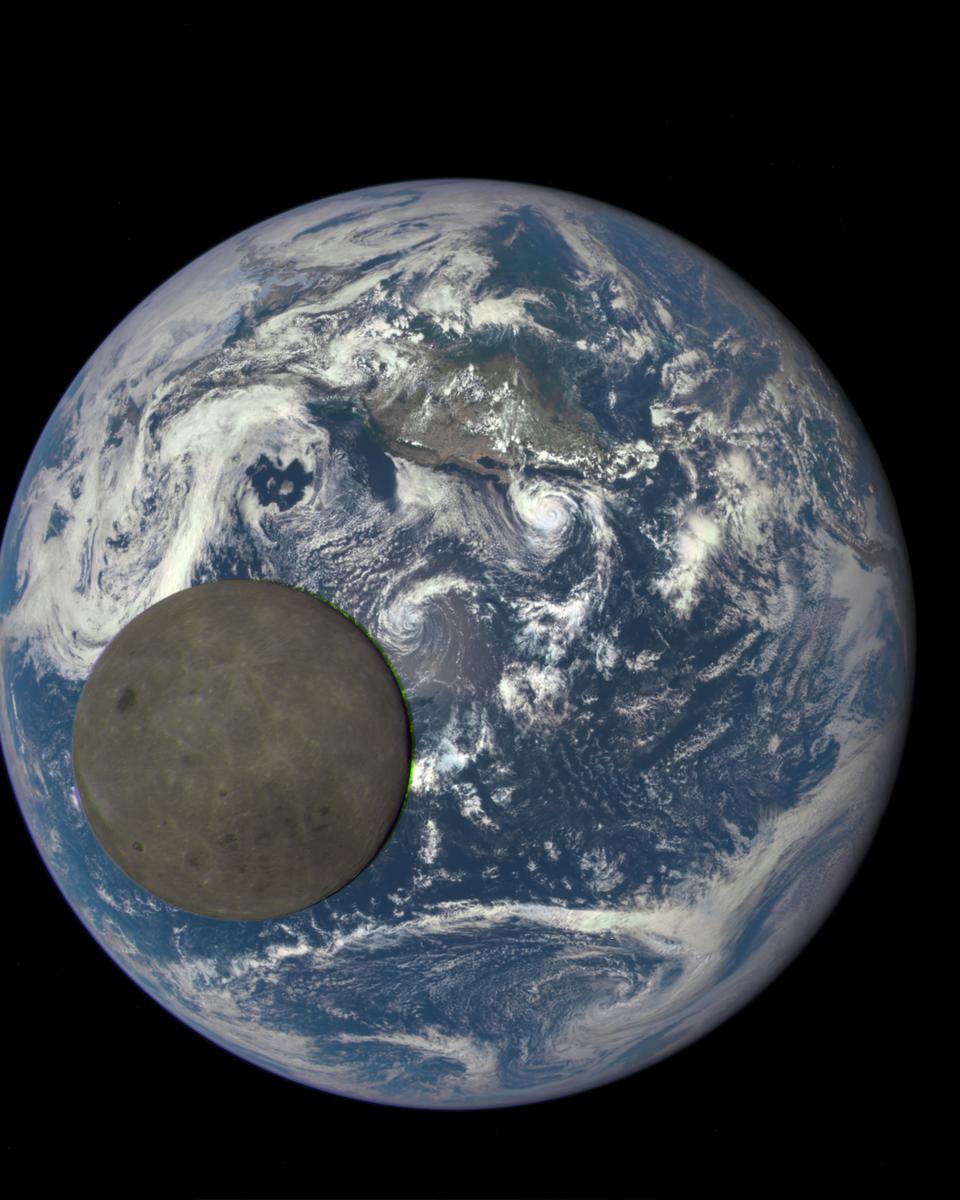
Full Moon, Full Earth
The Moon was new on July 16. Its familiar nearside facing the surface of planet Earth was in shadow. But on that date a million miles away , the Deep Space Climate Observatory…
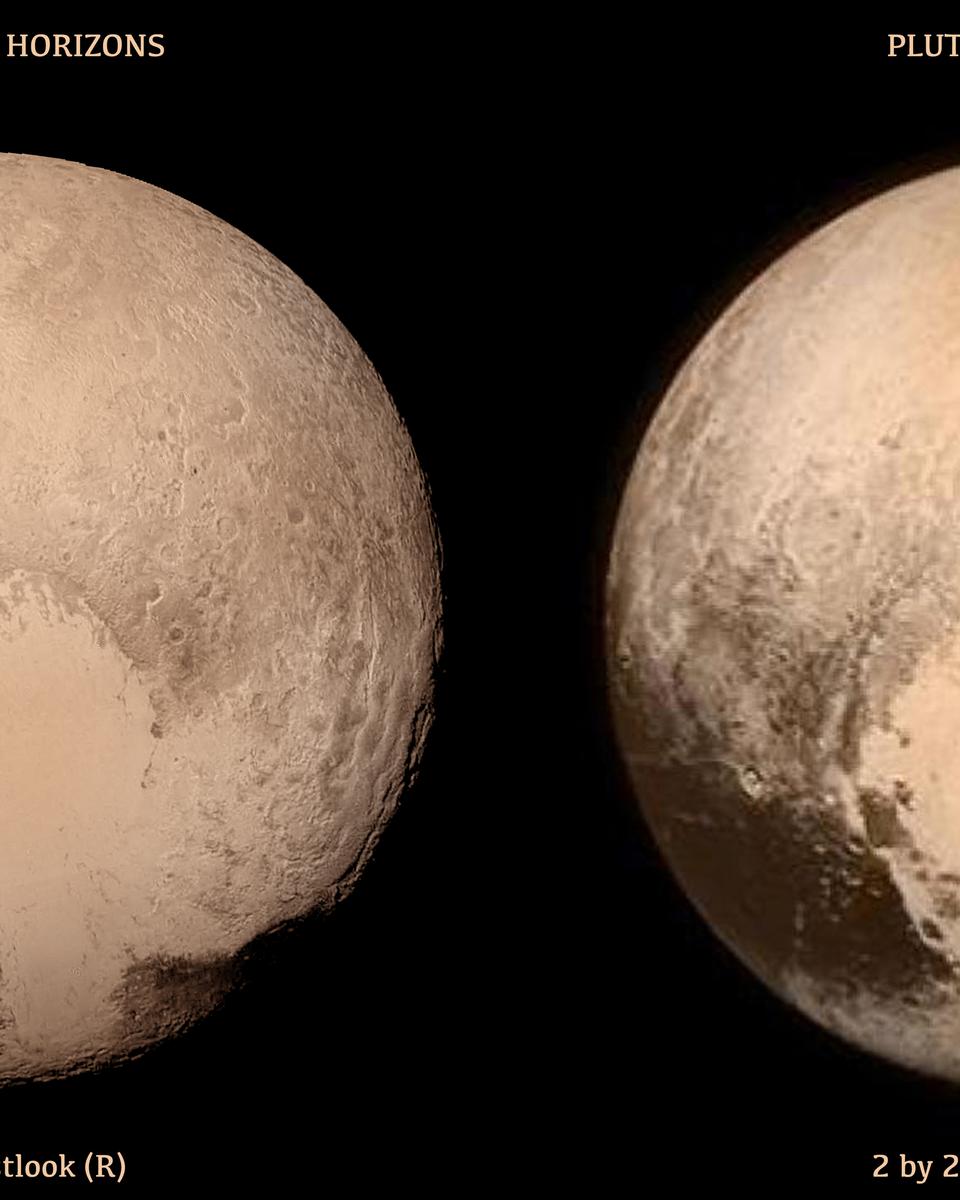
Stereo Pluto
These two detailed, true color images of Pluto were captured during the historic New Horizons flyby last month. With slightly different perspectives on the now recognizeable…
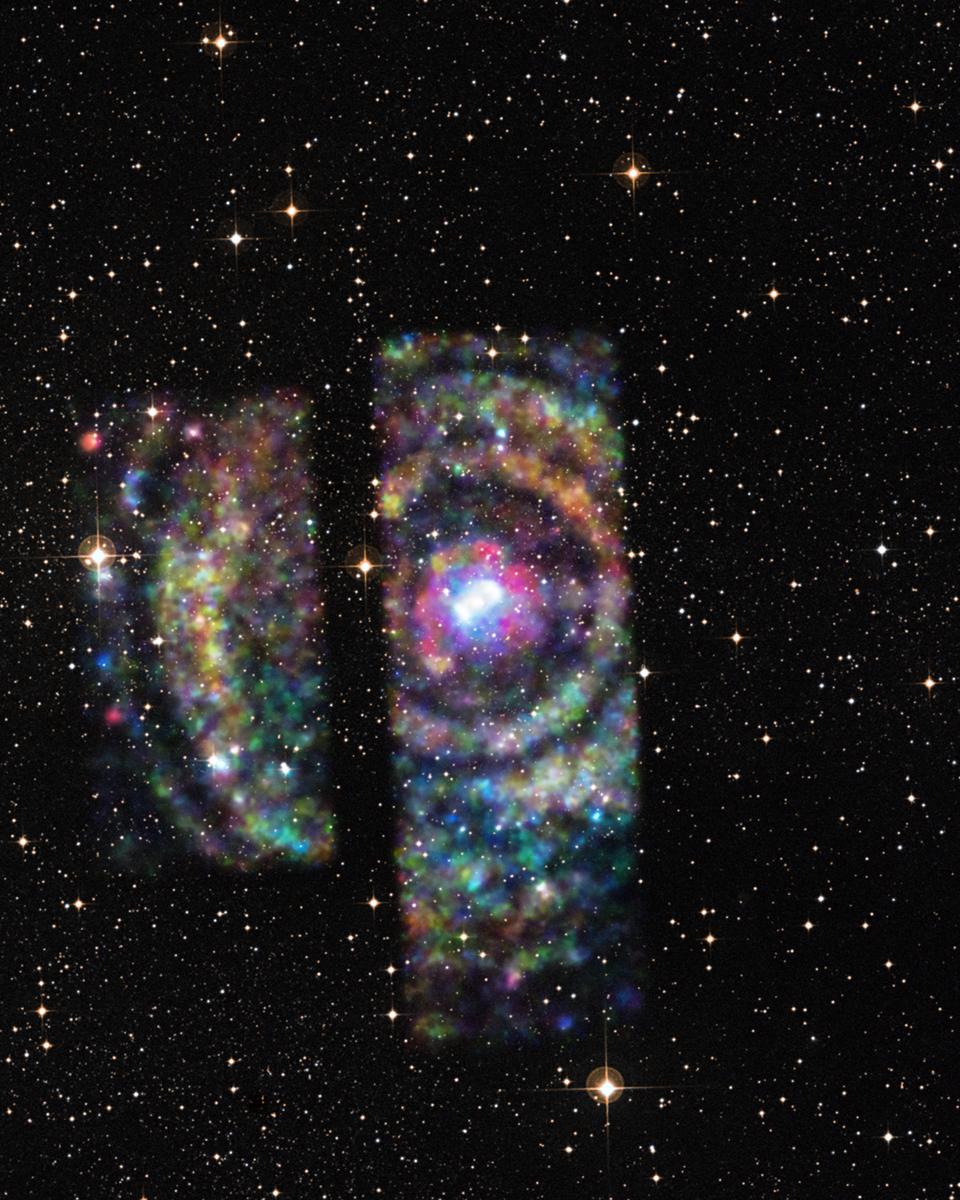
X-ray Echoes from Circinus X-1
Circinus X-1 is an X-ray binary star known for its erratic variability. In the bizarre Circinus X-1 system , a dense neutron star, the collapsed remnant of a supernova explosion,…
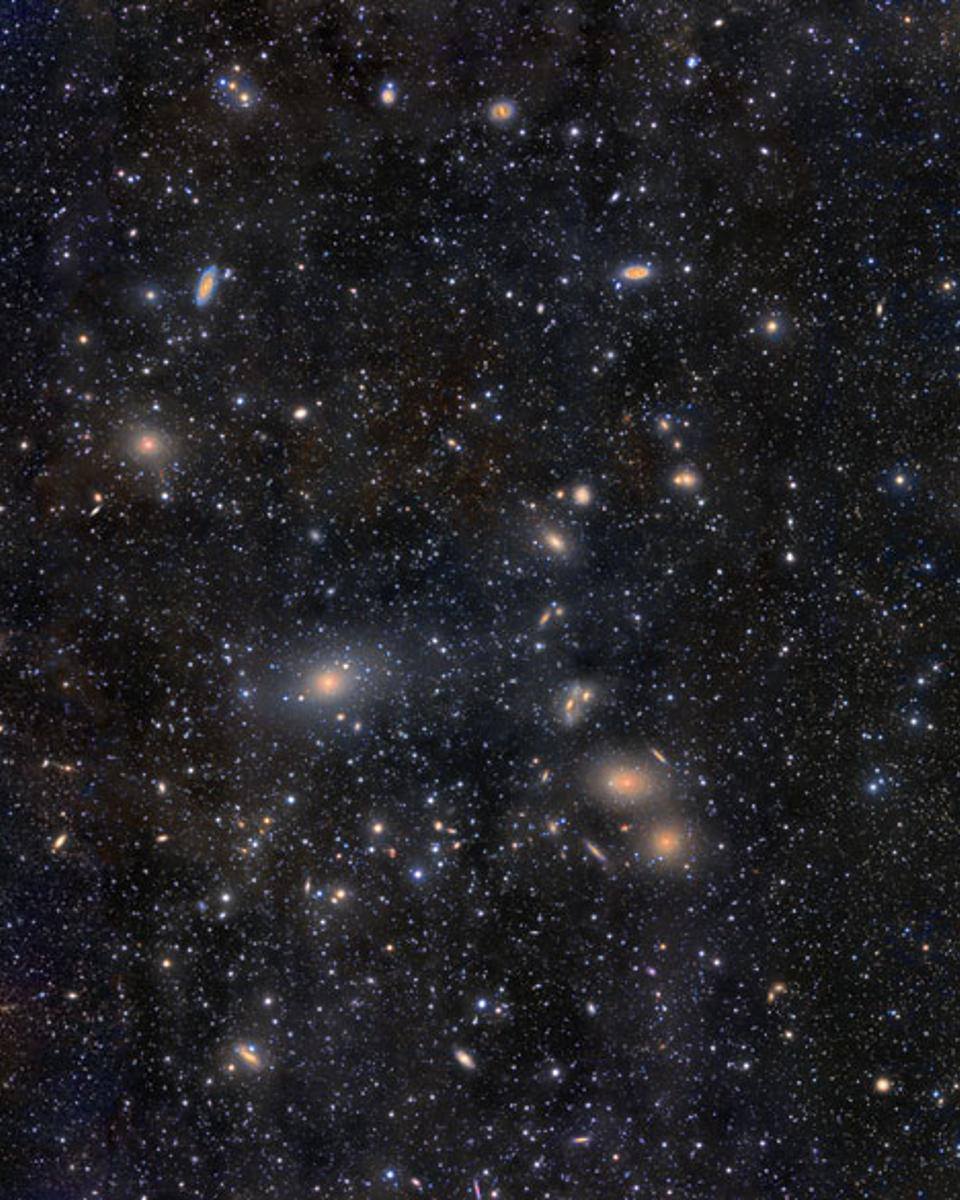
Virgo Cluster Galaxies
Well over a thousand galaxies are known members of the Virgo Cluster , the closest large cluster of galaxies to our own local group . In fact, the galaxy cluster is difficult to…
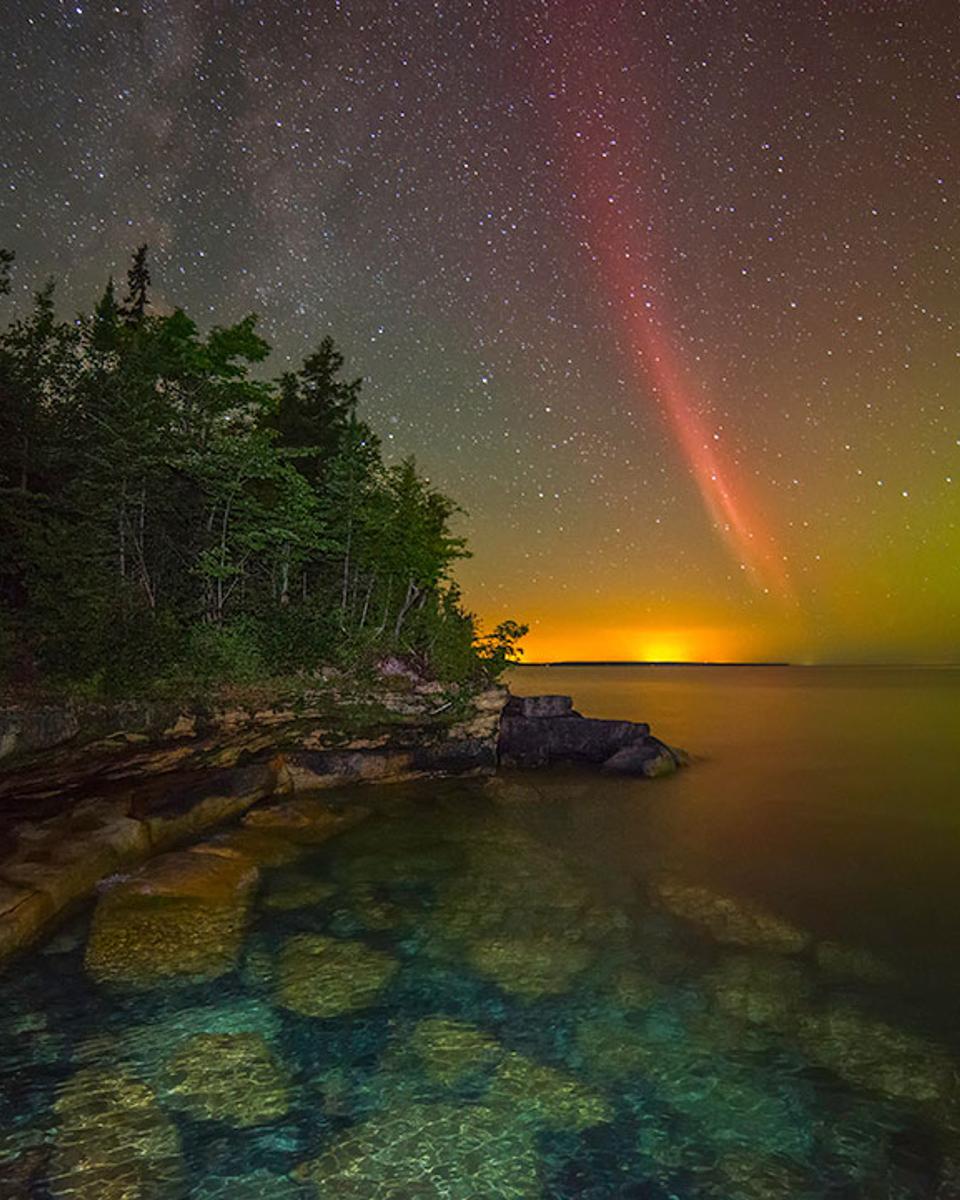
A Proton Arc Over Lake Superior
The setting had been picked out -- all that was needed was an aurora. And late last August, forecasts predicted that an otherwise beautiful night sky would be lit up with auroral…
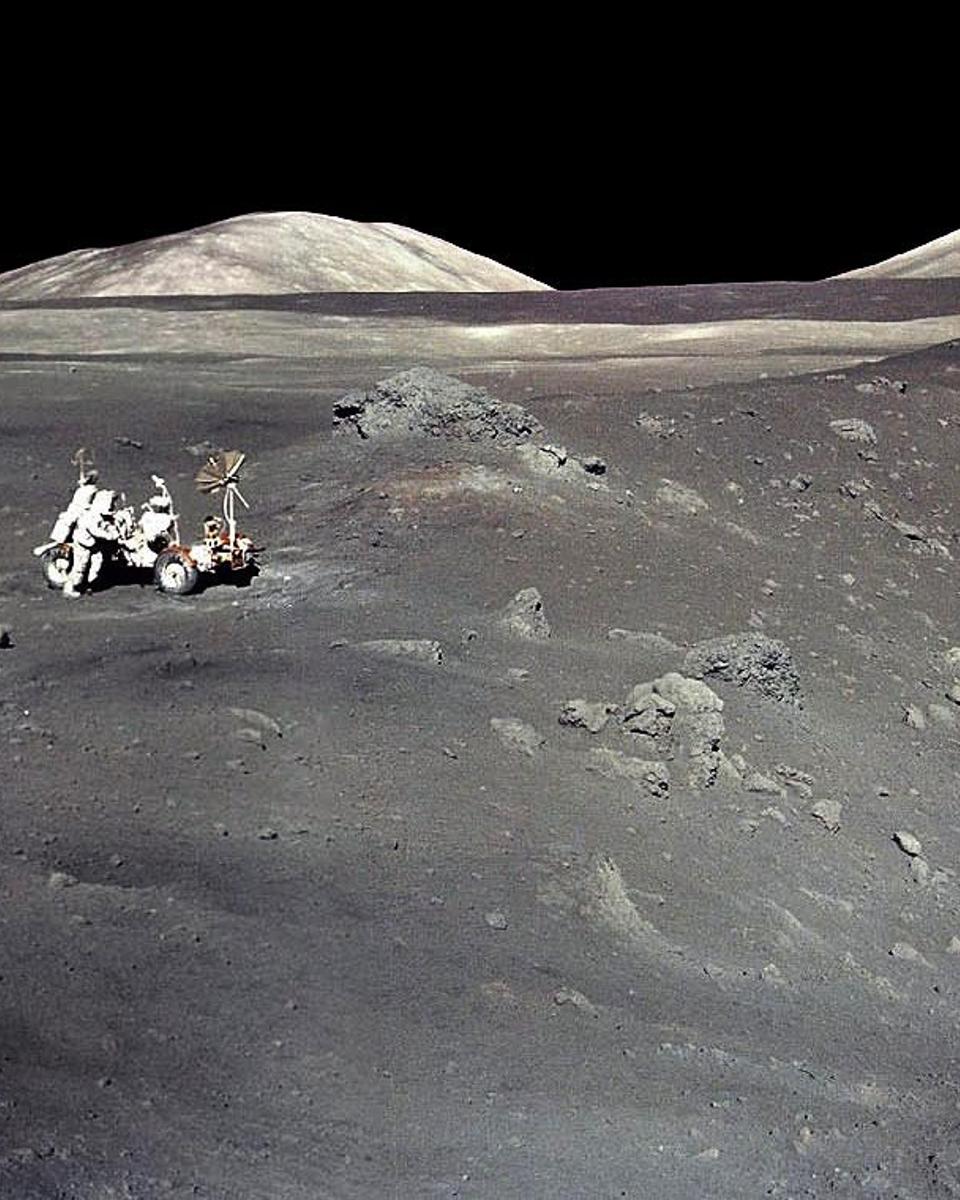
Apollo 17 at Shorty Crater
On the Moon, it is easy to remember where you parked. In December of 1972, Apollo 17 astronauts Eugene Cernan and Harrison Schmitt spent about 75 hours on the Moon in the…
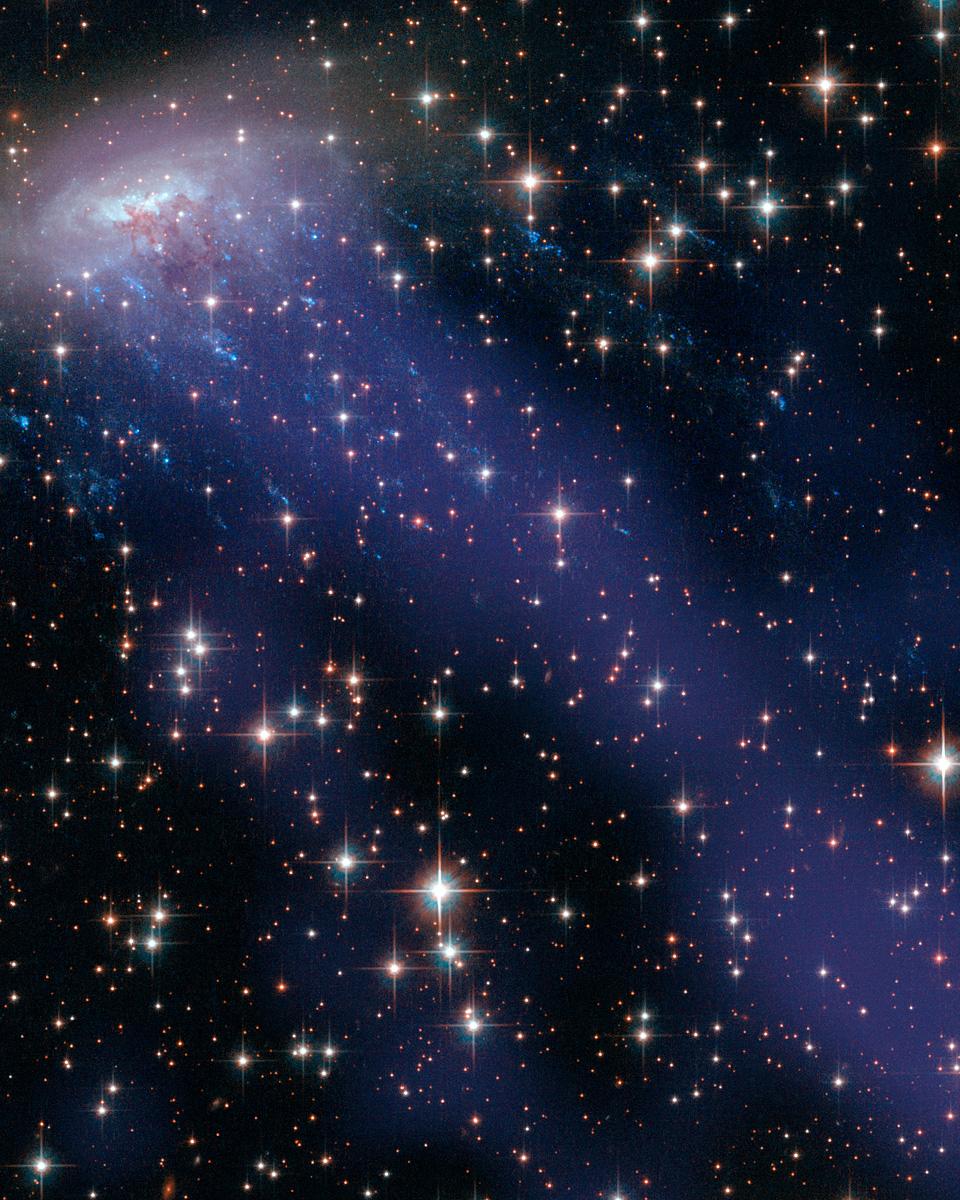
Stripping ESO 137-001
Spiral galaxy ESO 137-001 hurtles through massive galaxy cluster Abell 3627 some 220 million light years away. The distant galaxy is seen in this colorful Hubble/Chandra composite…
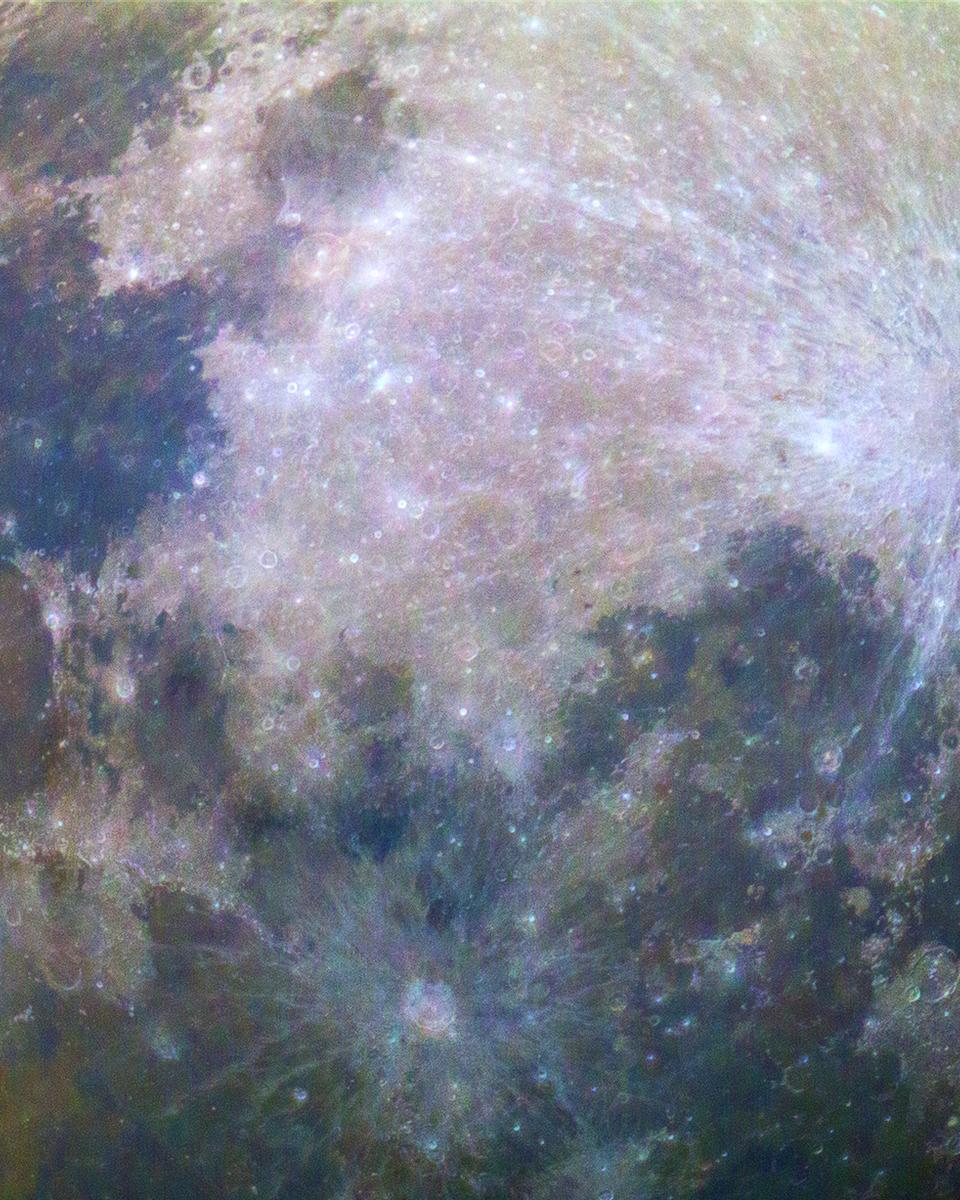
The ISS and a Colorful Moon
Tonight's Full Moon, the second Full Moon in July, could be called a blue moon according to modern folklore . But this sharp and detailed mosaic, recorded with telescope and…
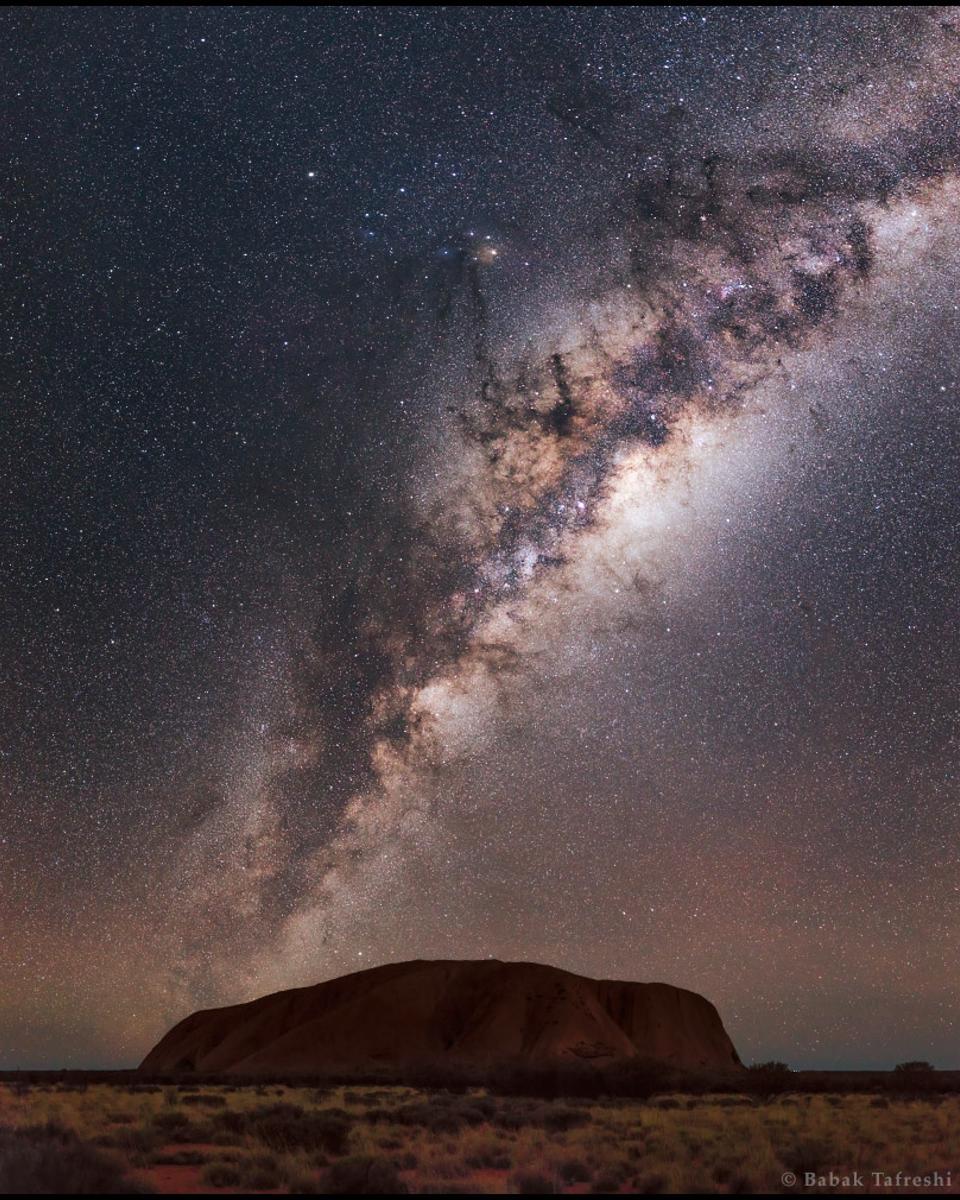
Milky Way over Uluru
The central regions of our Milky Way Galaxy rise above Uluru/Ayers Rock in this striking night skyscape . Recorded on July 13, a faint airglow along the horizon shows off central…
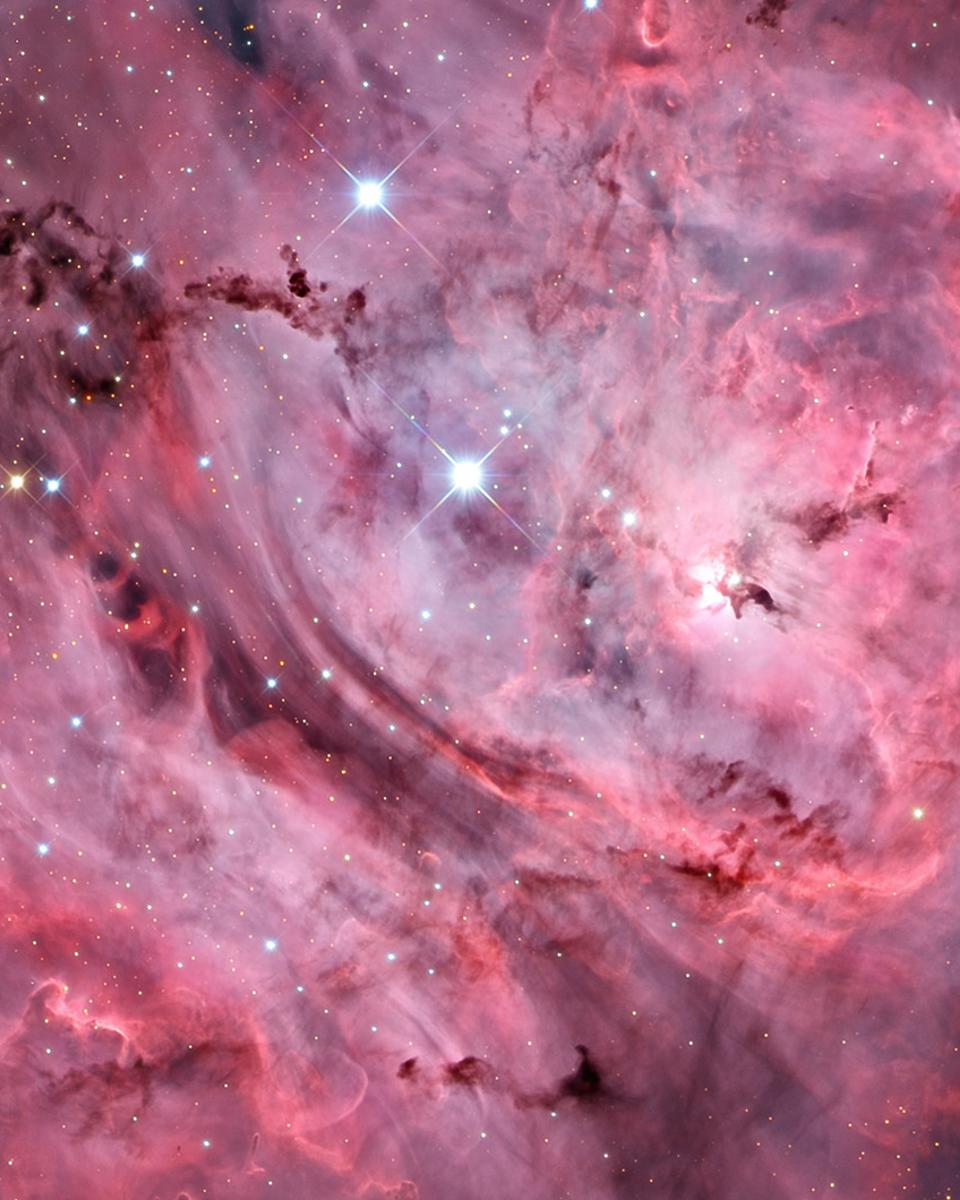
The Deep Lagoon
Ridges of glowing interstellar gas and dark dust clouds inhabit the turbulent, cosmic depths of the Lagoon Nebula. Also known as M8, The bright star forming region is about 5,000…
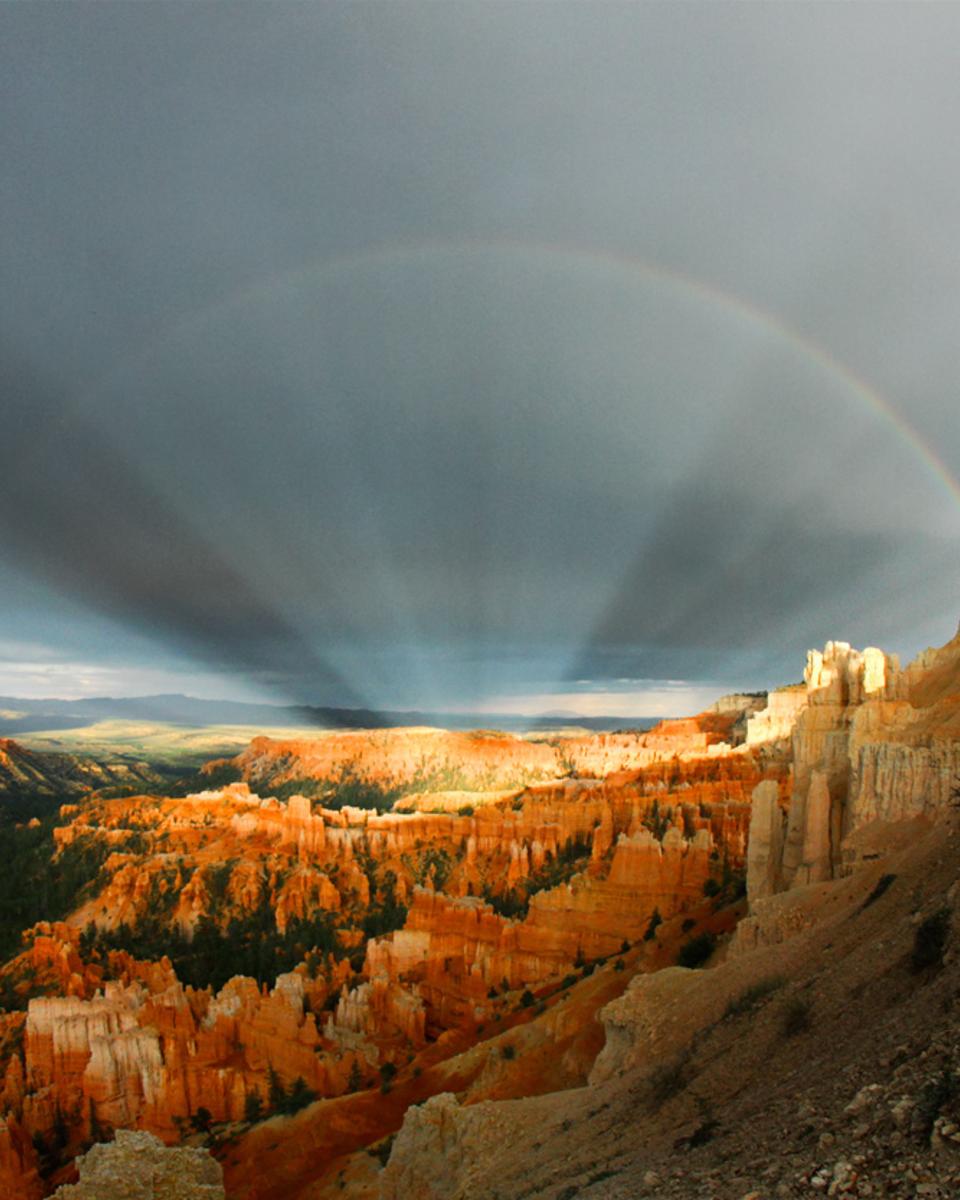
Rainbows and Rays over Bryce Canyon
What's happening over Bryce Canyon? Two different optical effects that were captured in one image taken earlier this month. Both effects needed to have the Sun situated directly…
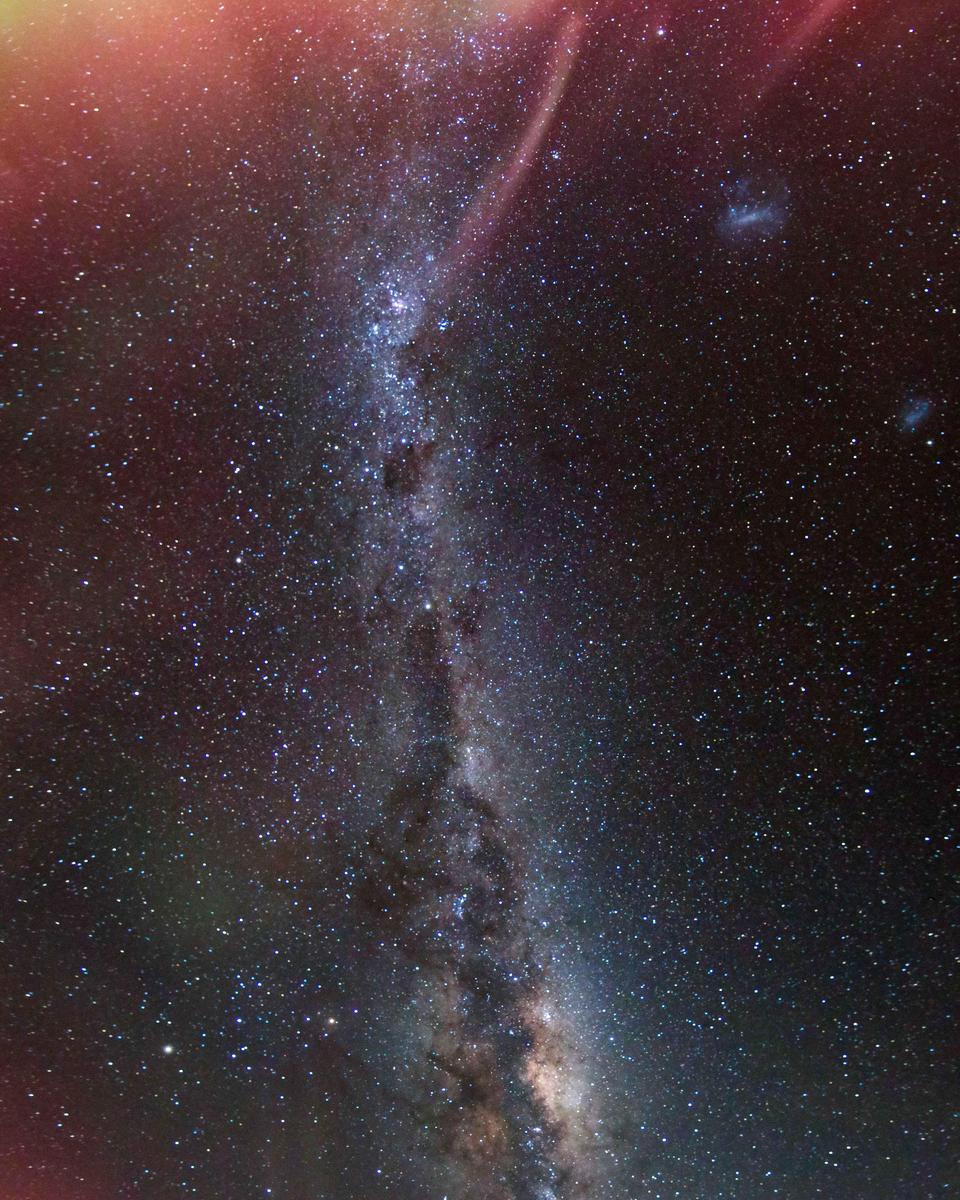
Milky Way and Aurora over Antarctica
It has been one of the better skies of this long night. In parts of Antarctica , not only is it winter, but the Sun can spend weeks below the horizon. At China's Zhongshan Station…
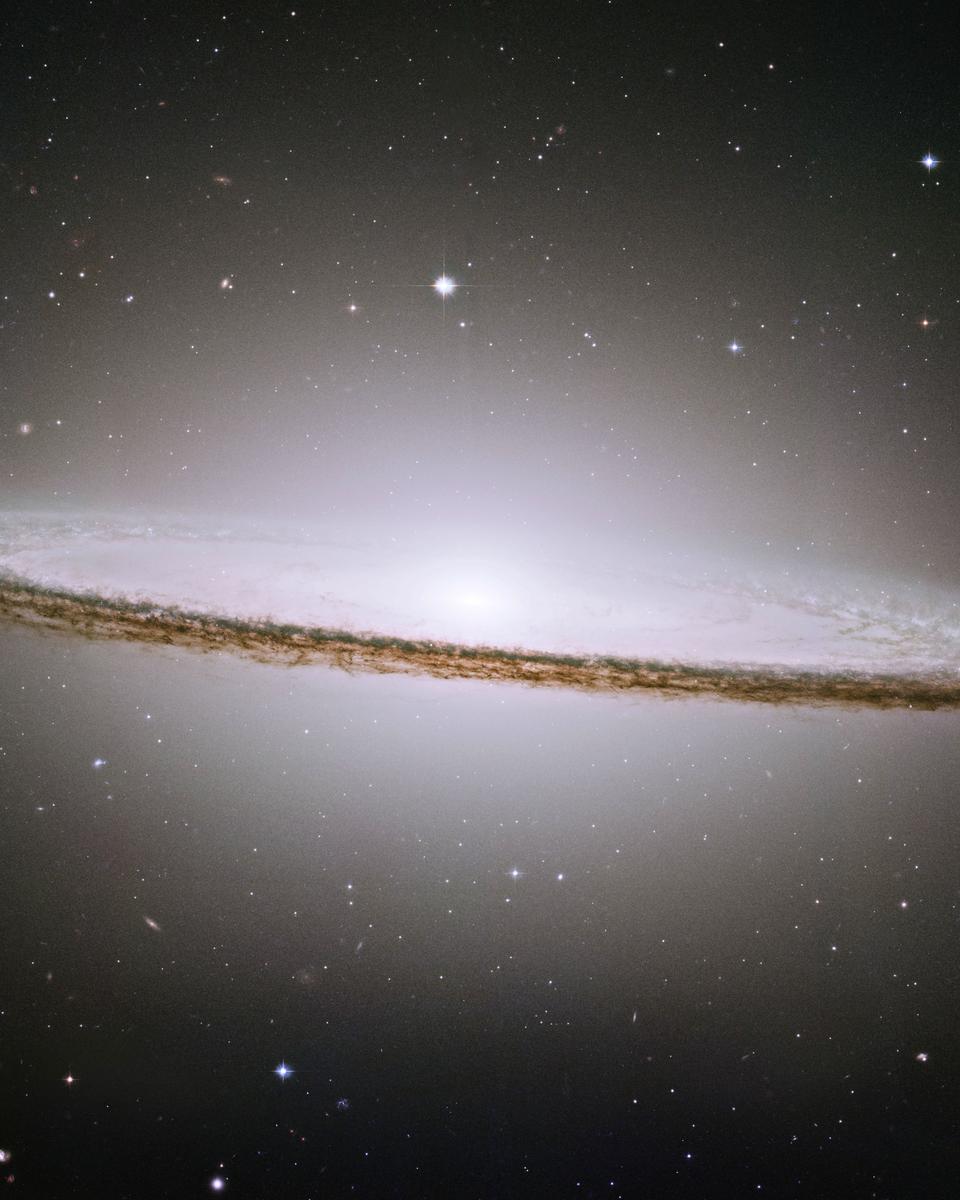
The Sombrero Galaxy from Hubble
Why does the Sombrero Galaxy look like a hat? Reasons include the Sombrero 's unusually large and extended central bulge of stars, and dark prominent dust lanes that appear in a…
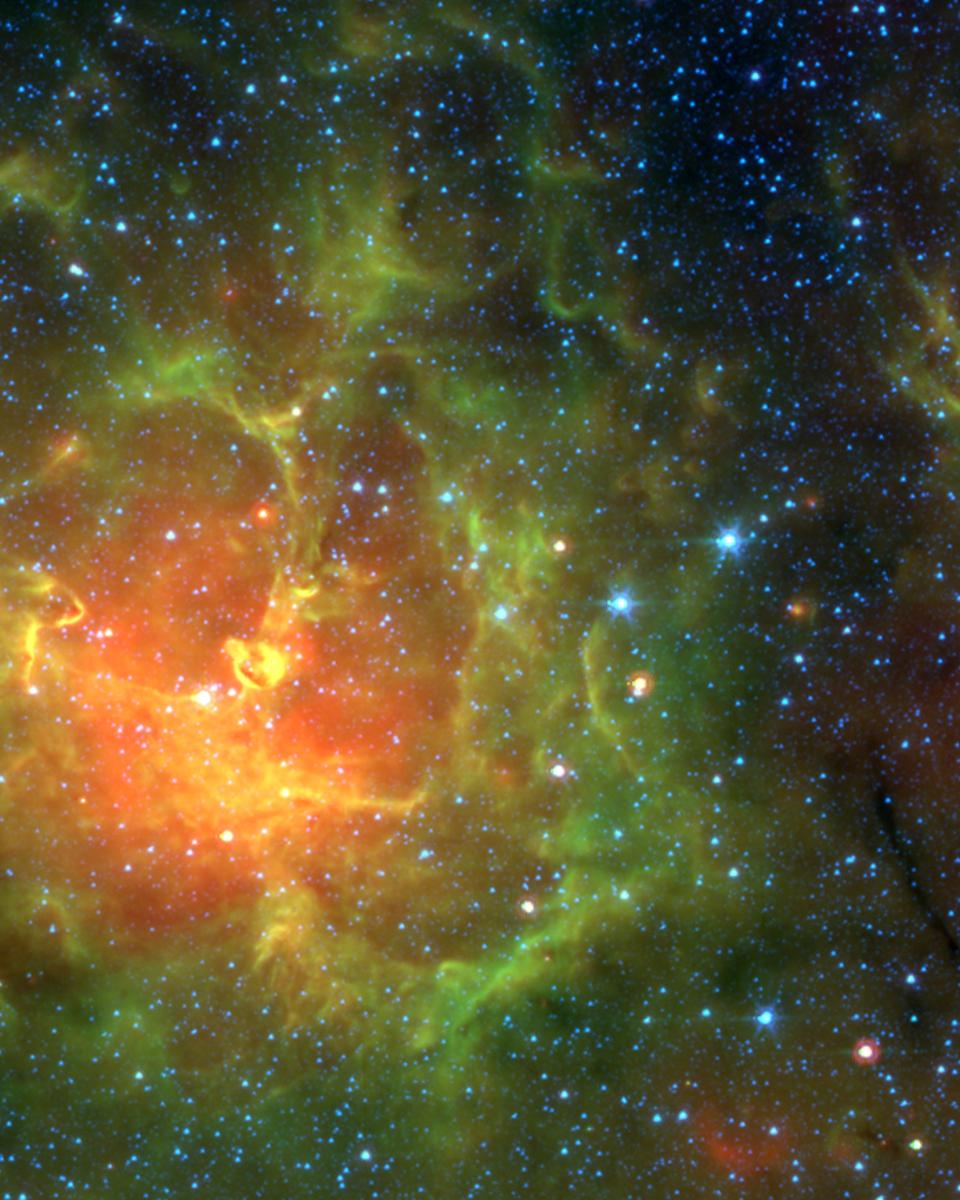
Infrared Trifid
The Trifid Nebula, also known as Messier 20 , is easy to find with a small telescope, a well known stop in the nebula rich constellation Sagittarius . But where visible light…
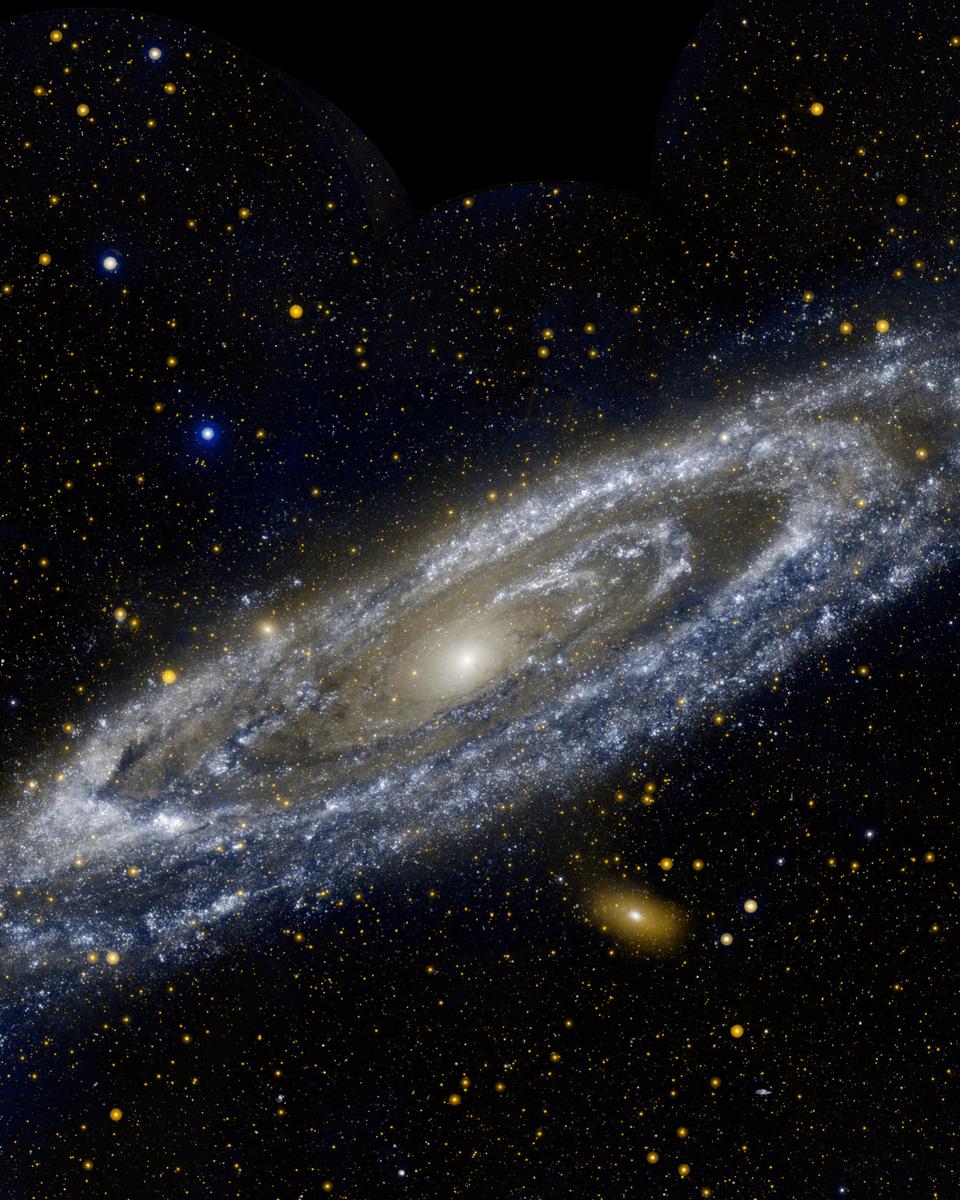
Ultraviolet Rings of M31
A mere 2.5 million light-years away the Andromeda Galaxy, also known as M31, really is just next door as large galaxies go. So close and spanning some 260,000 light-years, it took…
Viewing discoveries from 16 August 2015 through 24 July 2015.