Browse NASA Astronomy Picture of the Day archive by date and media: Archive Discoveries
Browse the NASA APOD archive without needing the exact date first. Filter by media type and keep moving deeper into older images and videos.
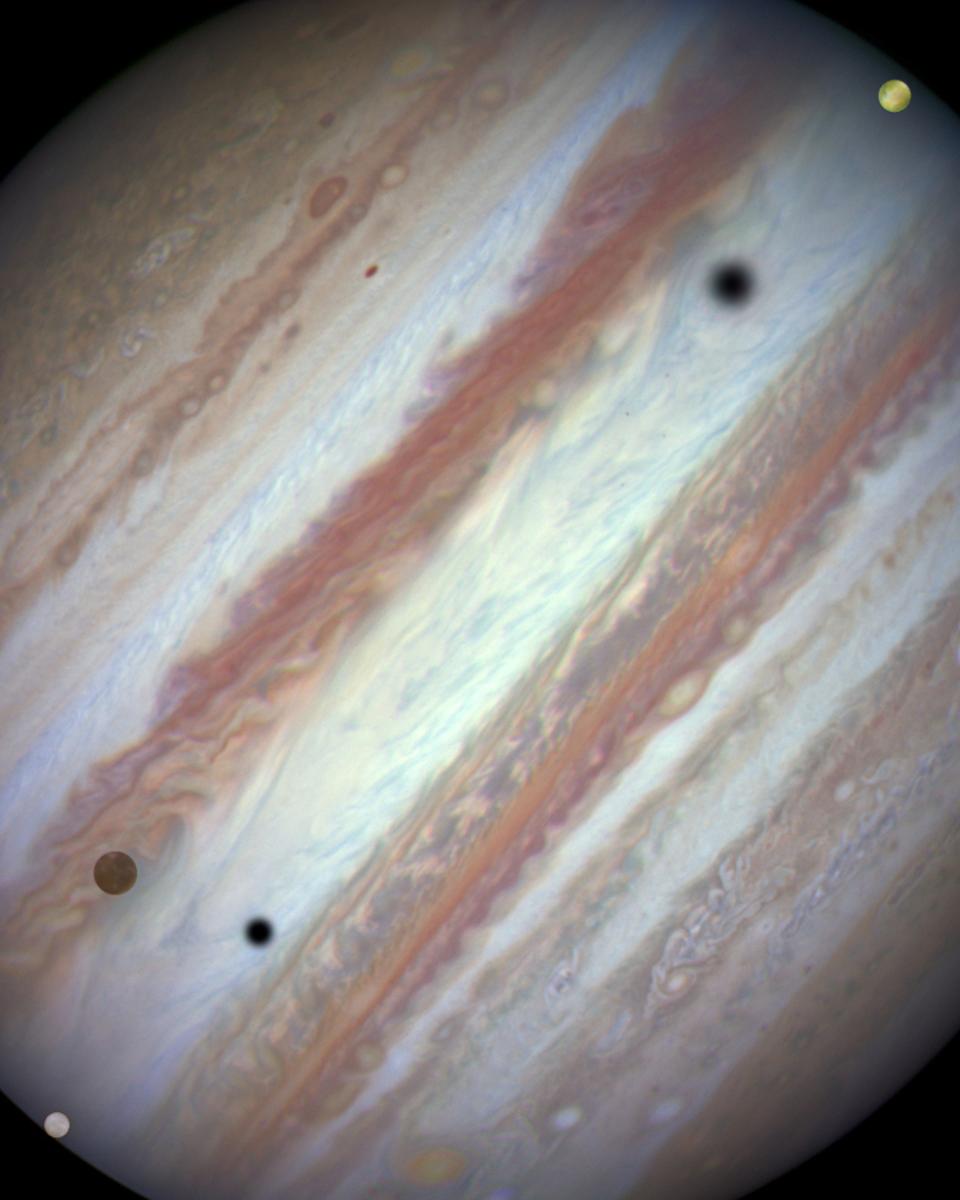
Jupiter Triple-Moon Conjunction
Our solar system's ruling giant planet Jupiter and 3 of its 4 large Galilean moons are captured in this single Hubble snapshot from January 24 . Crossing in front of Jupiter's…
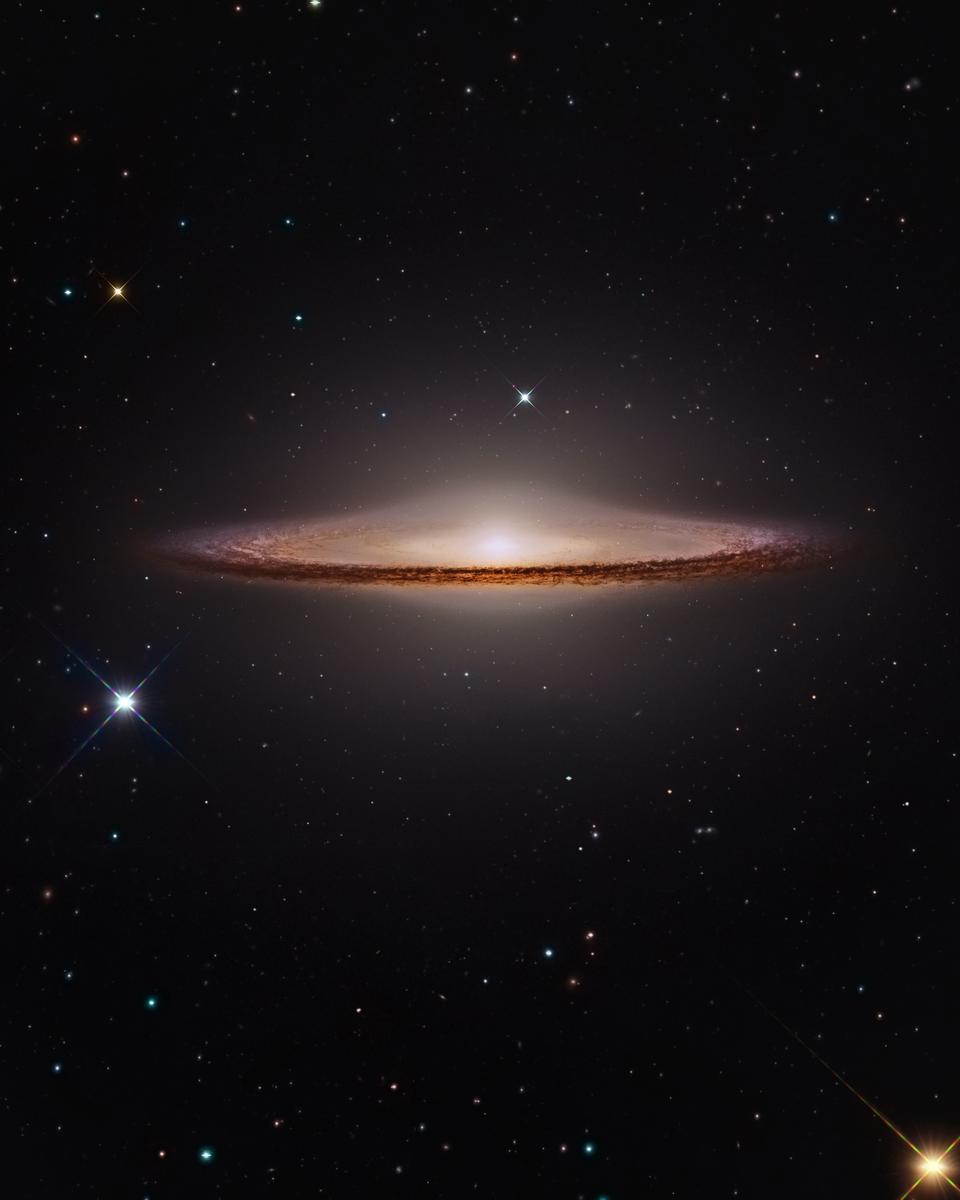
M104: The Sombrero Galaxy
The striking spiral galaxy M104 is famous for its nearly edge-on profile featuring a broad ring of obscuring dust lanes. Seen in silhouette against an extensive bulge of stars,…

Stars, Sprites, Clouds, Auroras
What are those red streaks in the sky? While photographing unexpected auroras over a distant thunderstorm, something extraordinary happened: red sprites . This brief instance of…
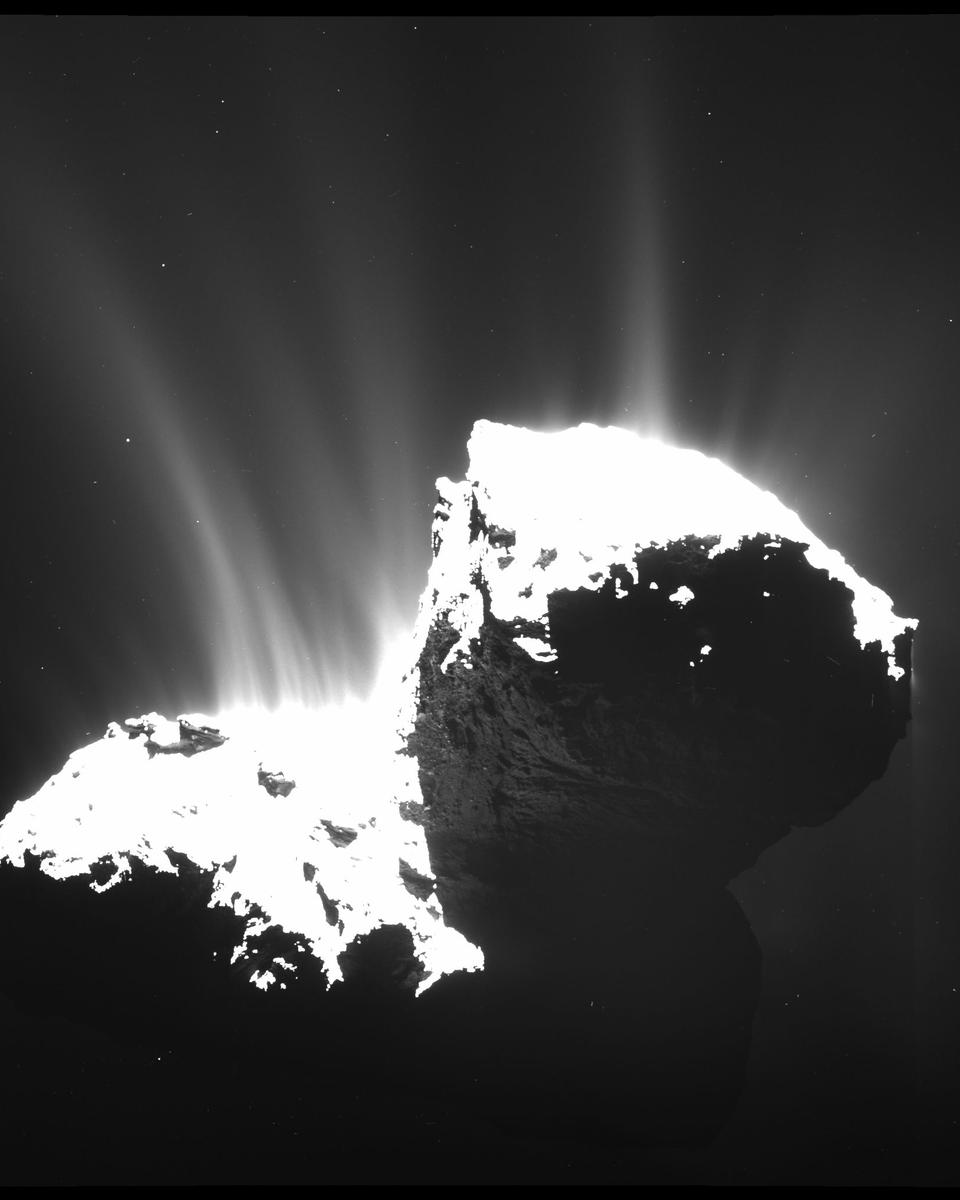
Jets from Comet Churyumov-Gerasimenko
Where do comet tails come from? Although it is common knowledge that comet tails and comas originate from comet nuclei, exactly how that happens is an active topic of research .…
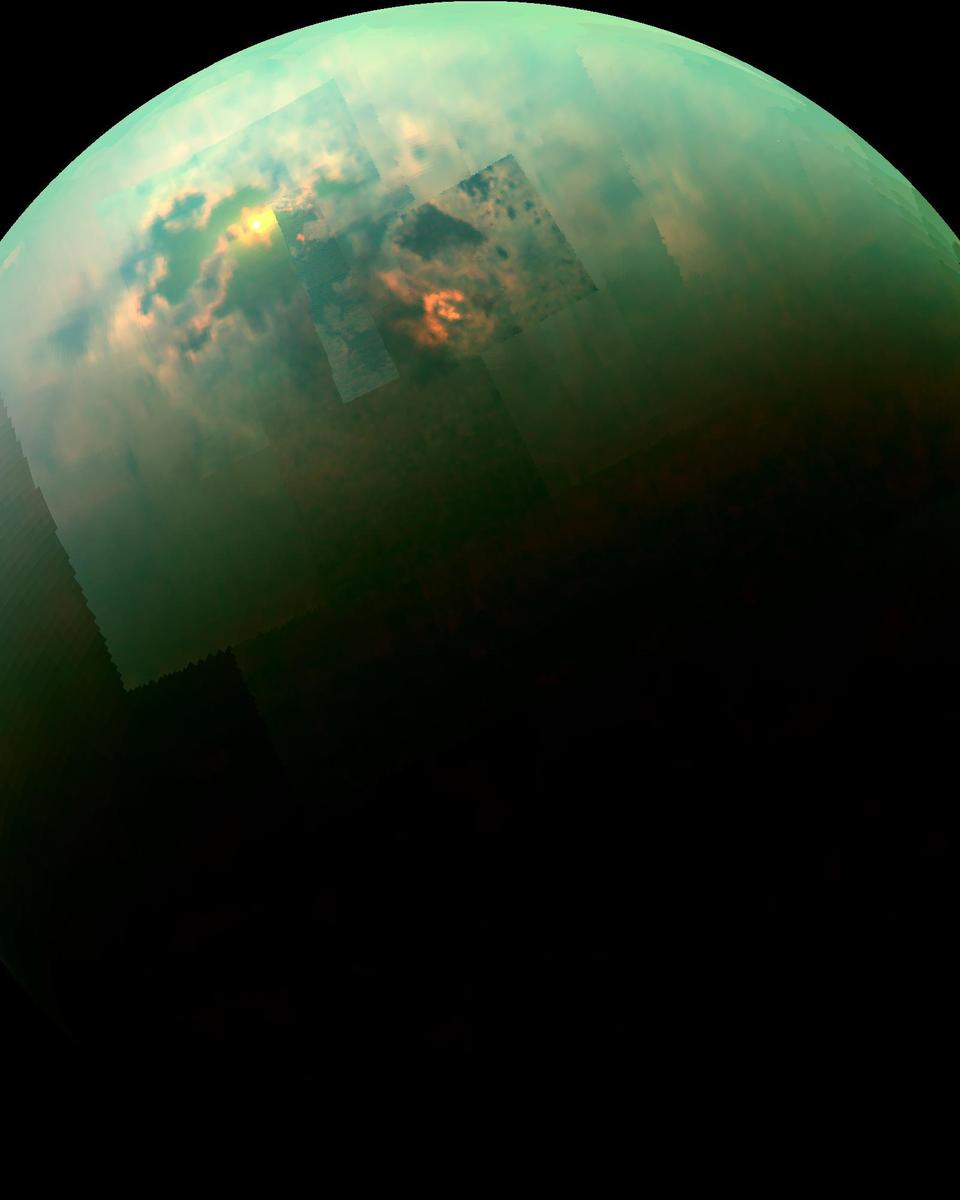
Titan Seas Reflect Sunlight
Why would the surface of Titan light up with a blinding flash? The reason: a sunglint from liquid seas. Saturn's moon Titan has numerous smooth lakes of methane that, when the…
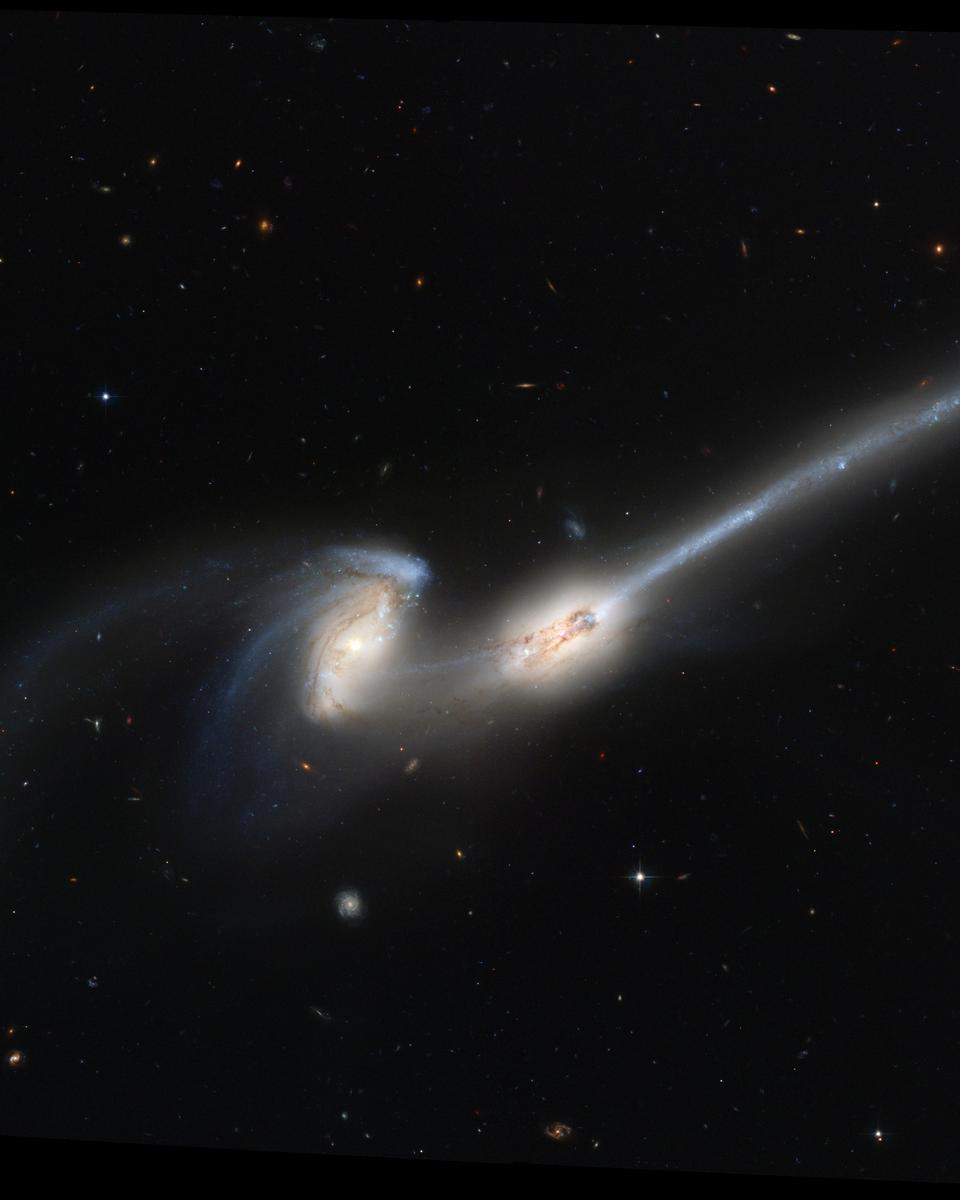
NGC 4676: When Mice Collide
These two mighty galaxies are pulling each other apart. Known as the “ Mice ” because they have such long tails, each spiral galaxy has likely already passed through the other.…
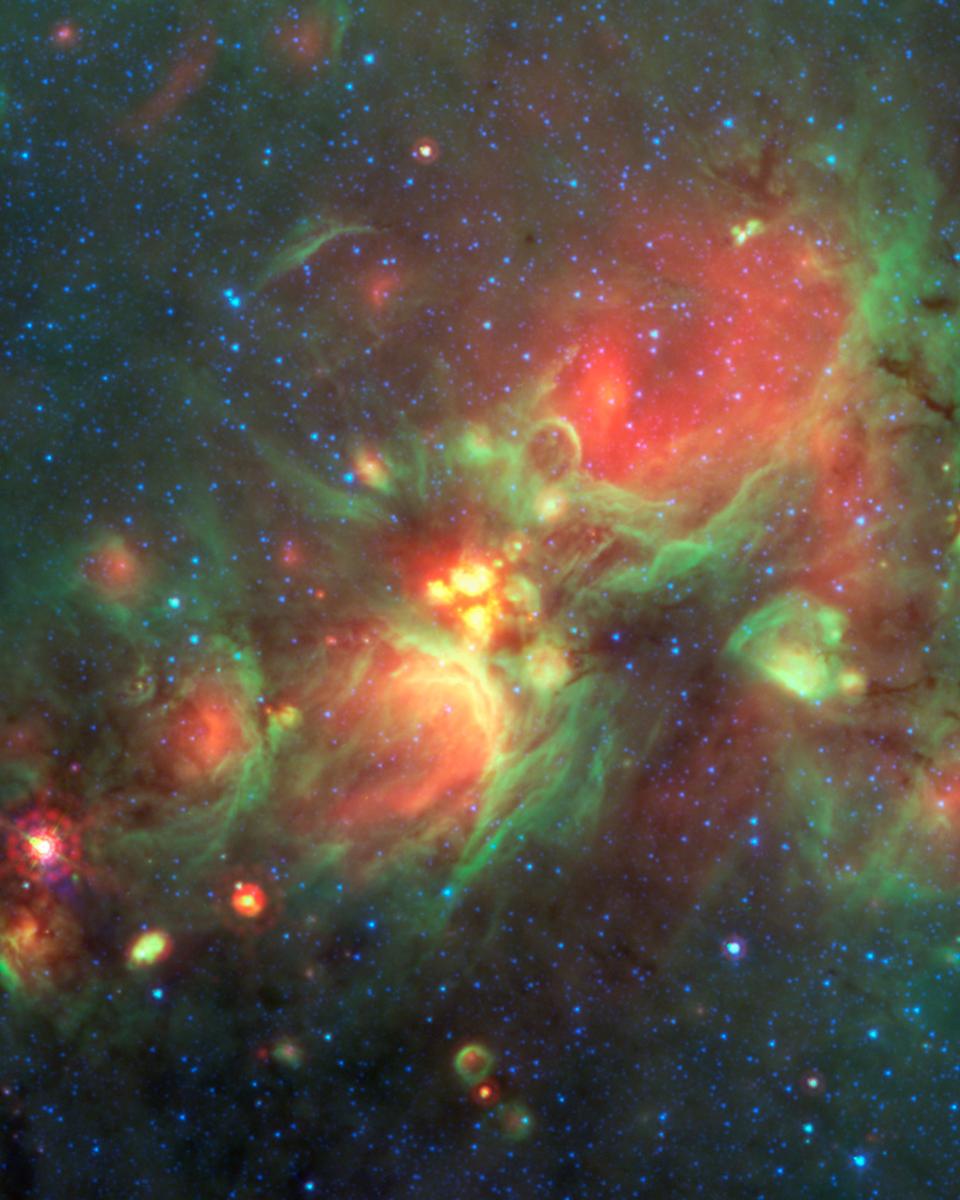
Yellow Balls in W33
Infrared wavelengths of 3.6, 8.0, and 24.0 microns observed by the Spitzer Space Telescope are mapped into visible colors red, green, and blue in this striking image. The cosmic…
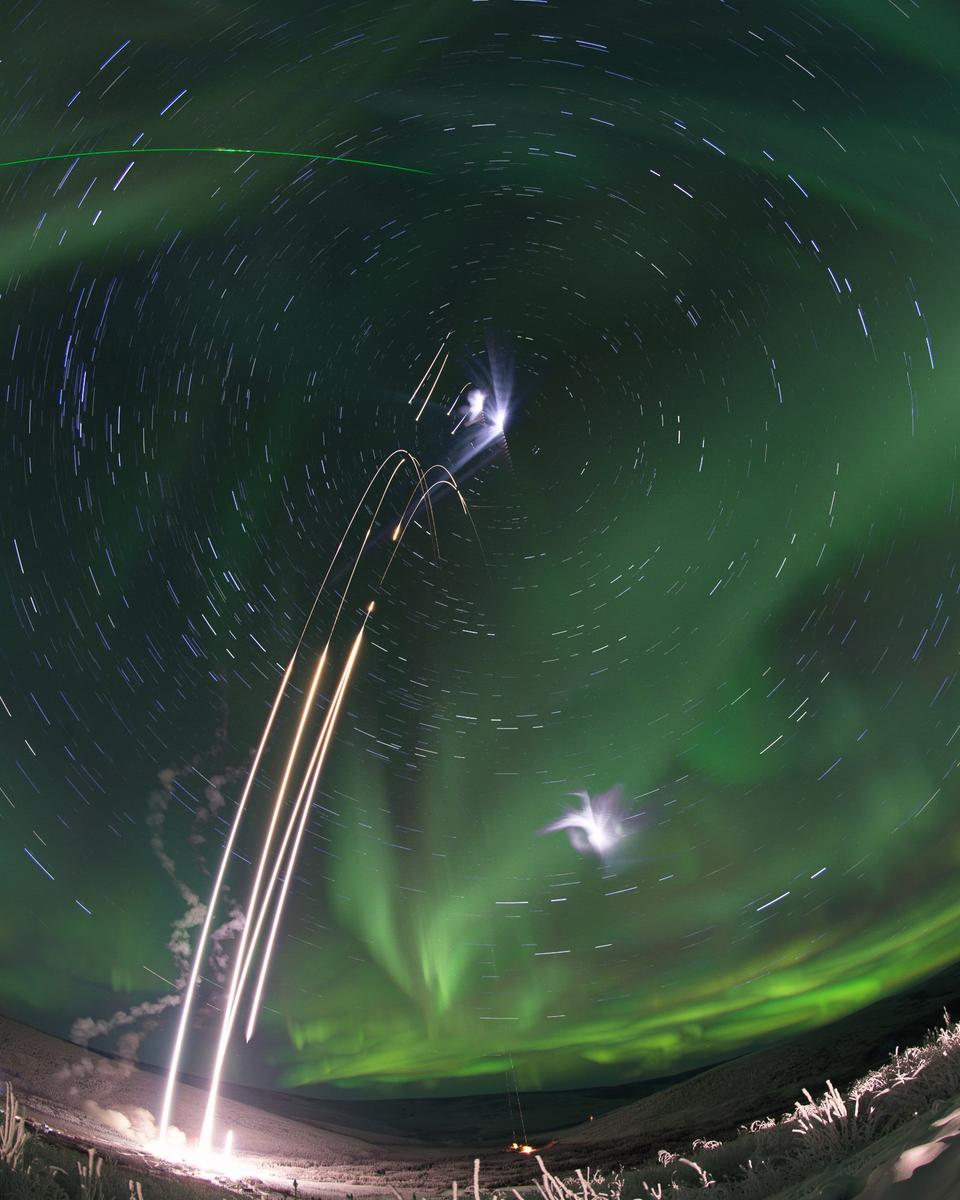
A Night at Poker Flat
Four NASA suborbital sounding rockets leapt into the night on January 26, from the University of Alaska's Poker Flat Research Range . This time lapse composite image follows all…
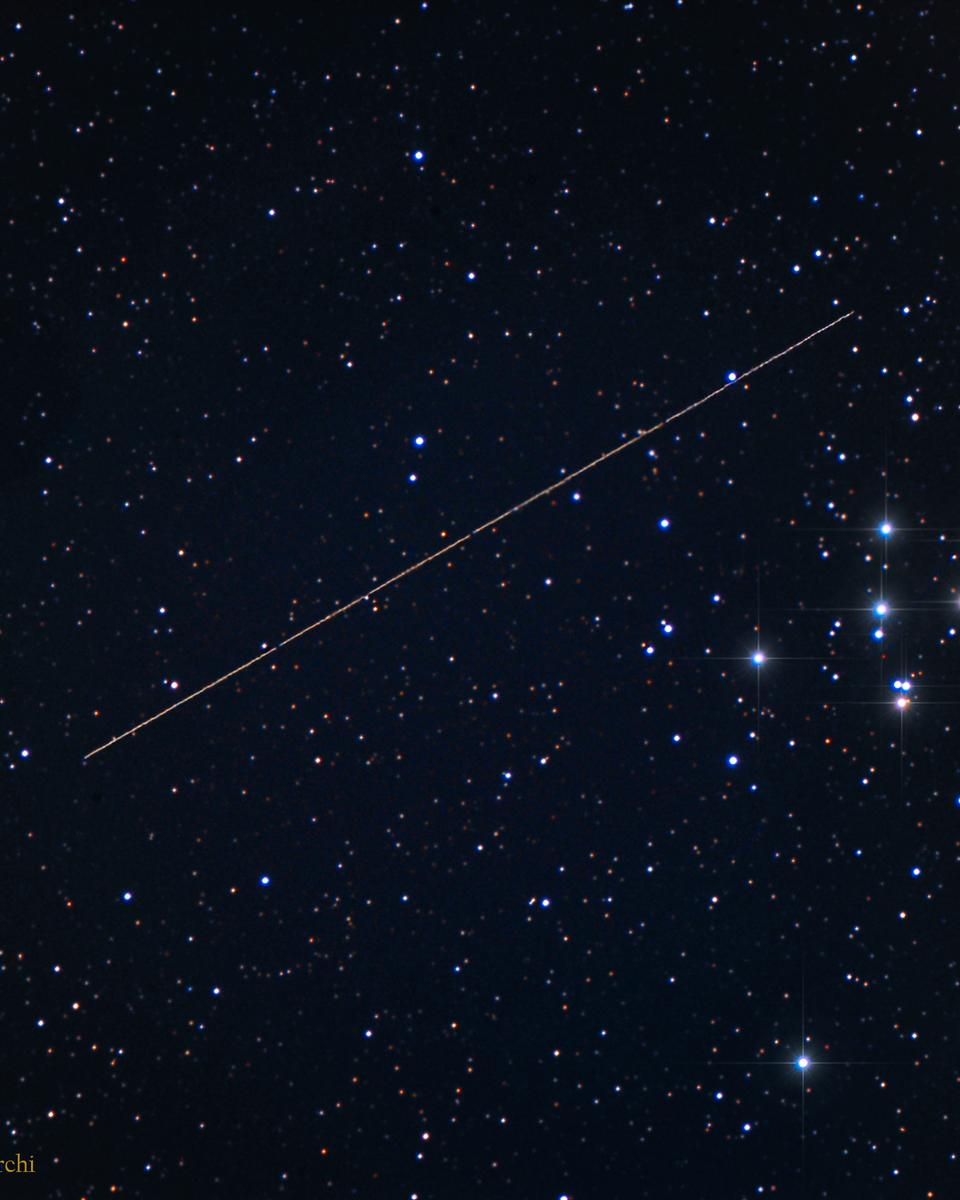
Close Encounter with M44
On Monday, January 26, well-tracked asteroid 2004 BL86 made its closest approach, a mere 1.2 million kilometers from our fair planet. That's about 3.1 times the Earth-Moon…
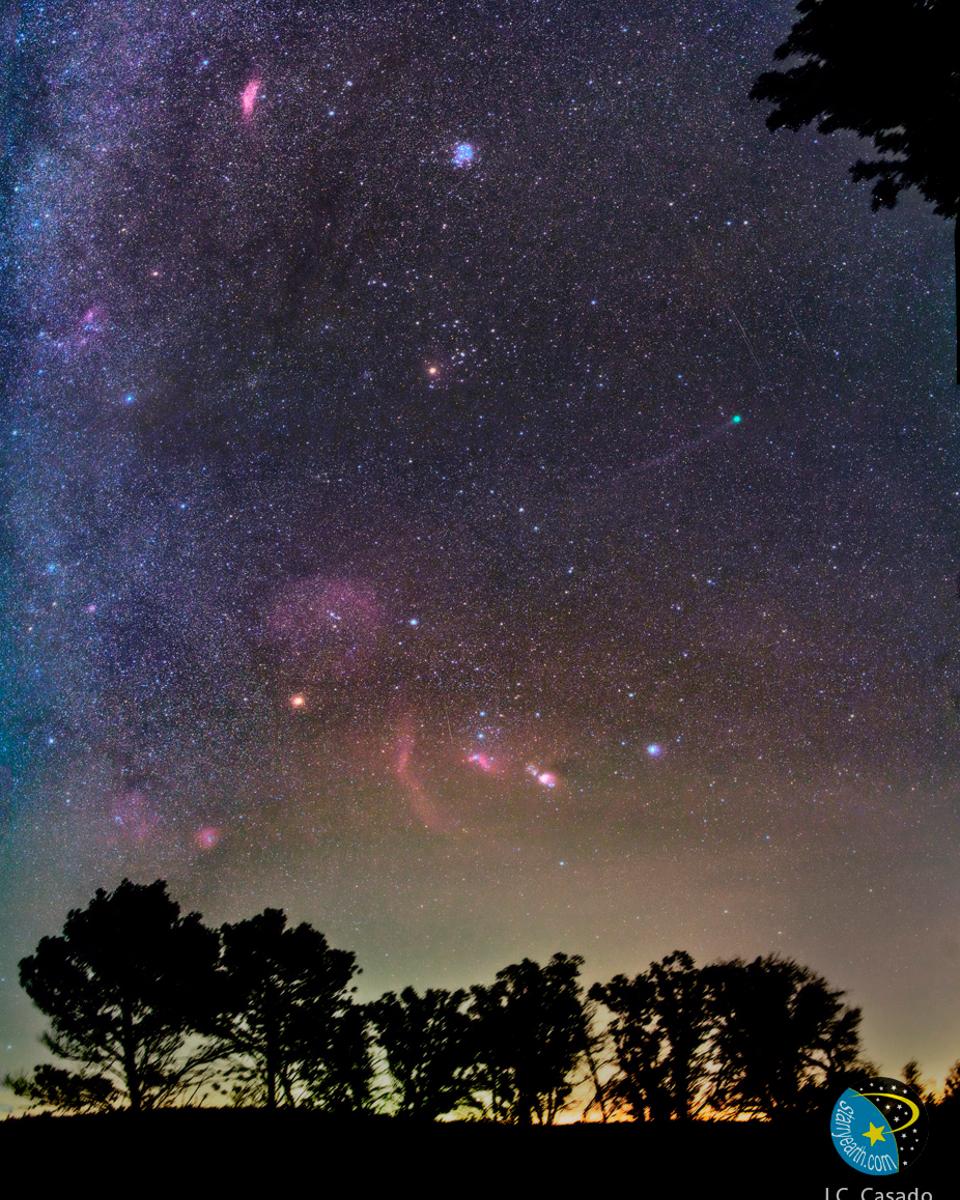
Comet Lovejoy in a Winter Sky
Which of these night sky icons can you find in this beautiful and deep exposure of the northern winter sky? Skylights include the stars in Orion 's belt , the Orion Nebula , the…
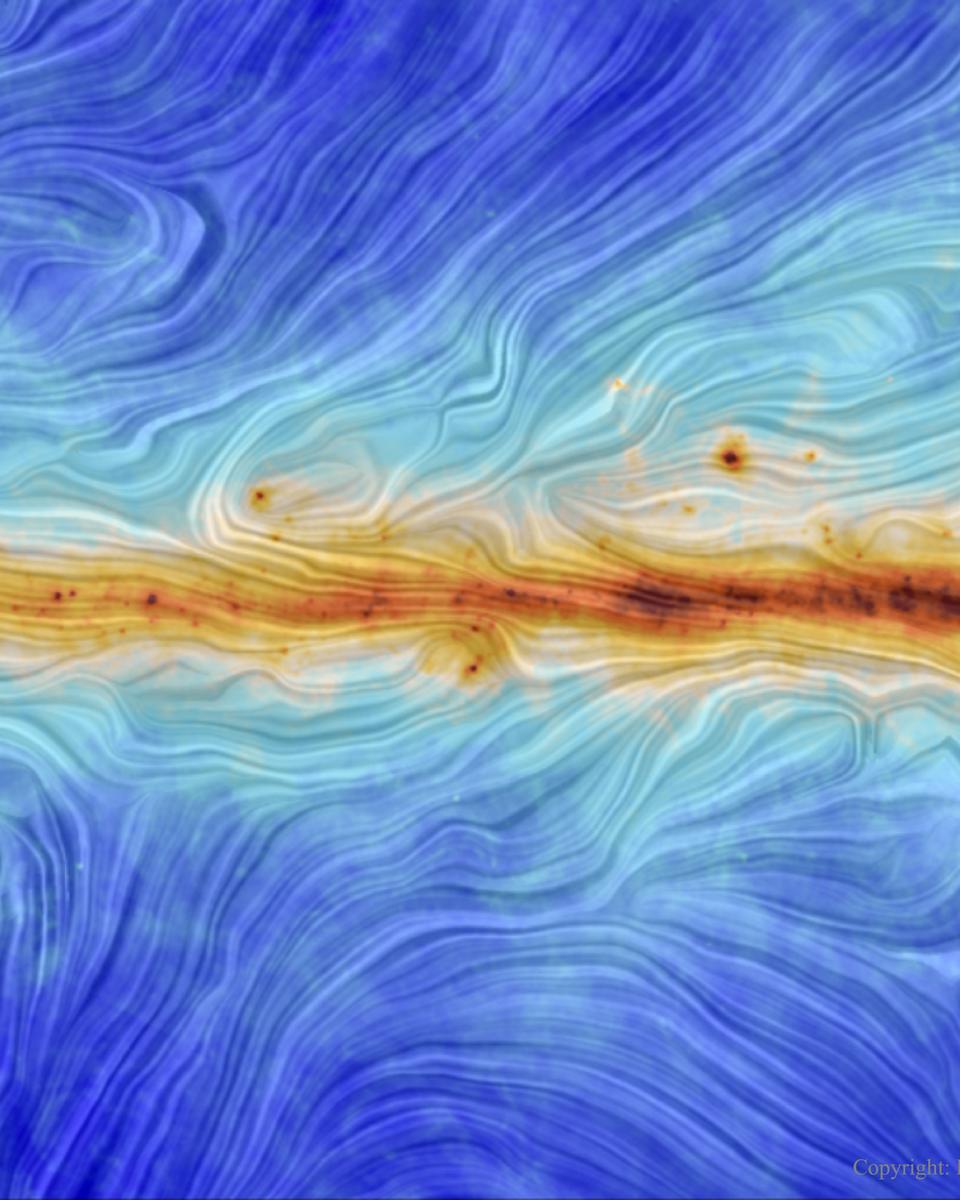
Our Galaxy's Magnetic Field from Planck
What does the magnetic field of our Galaxy look like? It has long been known that a modest magnetic field pervades our Milky Way Galaxy because it is seen to align small dust…
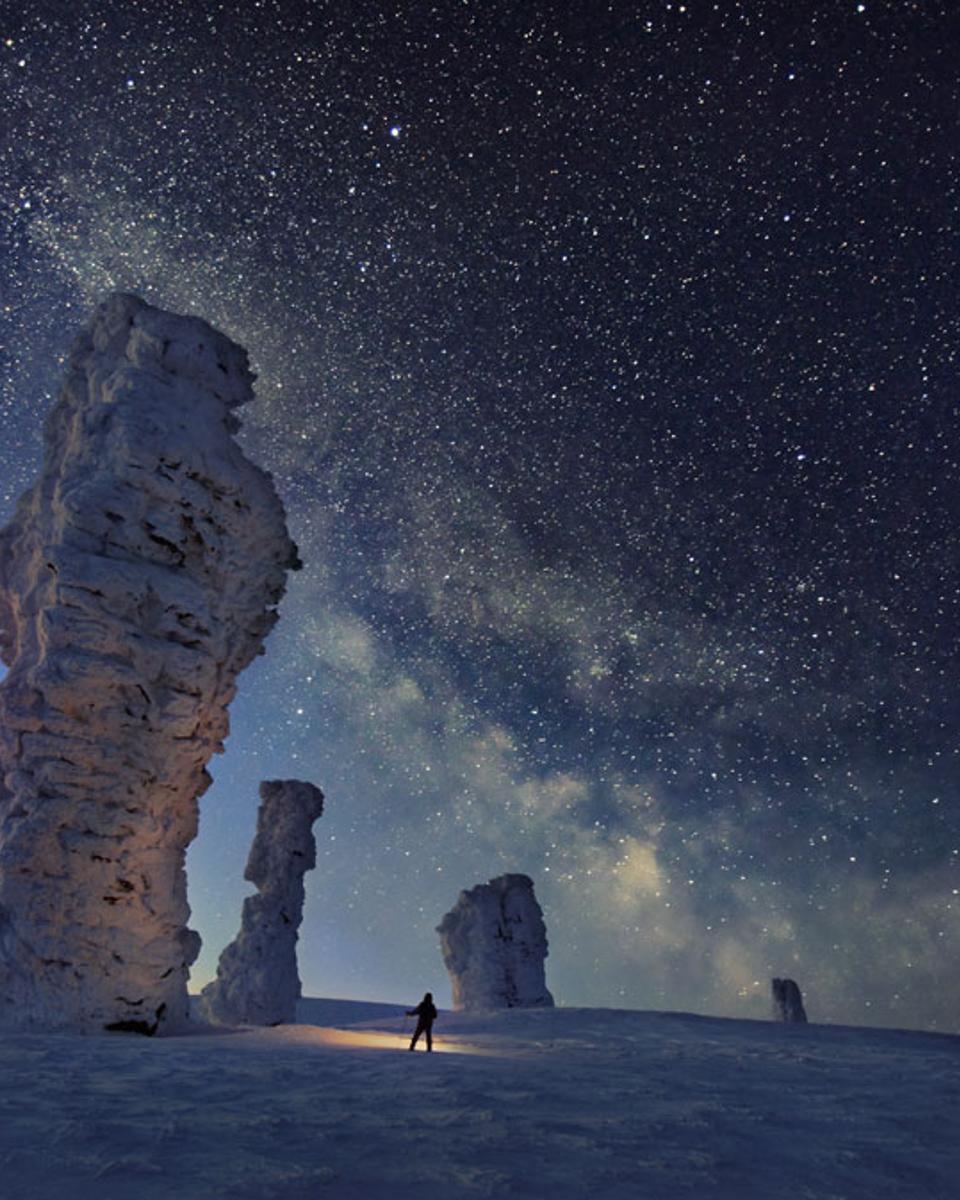
The Milky Way over the Seven Strong Men Rock Formations
You may have heard of the Seven Sisters in the sky, but have you heard about the Seven Strong Men on the ground? Located just west of the Ural Mountains , the unusual Manpupuner…
Preview unavailable
Open the archive entry to view the source media.
A Twisted Solar Eruptive Prominence
Ten Earths could easily fit in the “claw” of this seemingly solar monster. The monster, actually a huge eruptive prominence, is seen moving out from our Sun in this condensed…
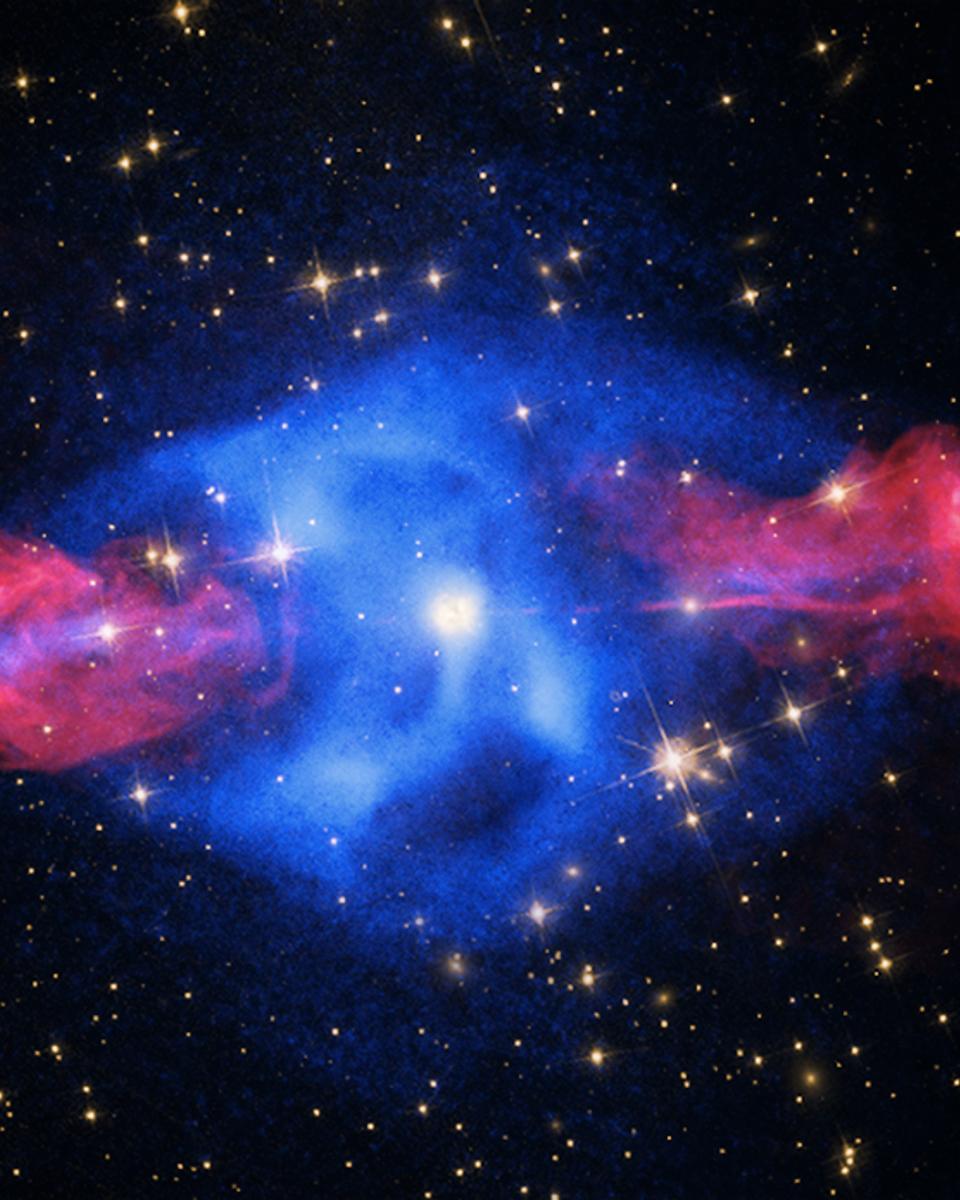
Light from Cygnus A
Celebrating astronomy in this International Year of Light , the detailed image reveals spectacular active galaxy Cygnus A in light across the electromagnetic spectrum.…
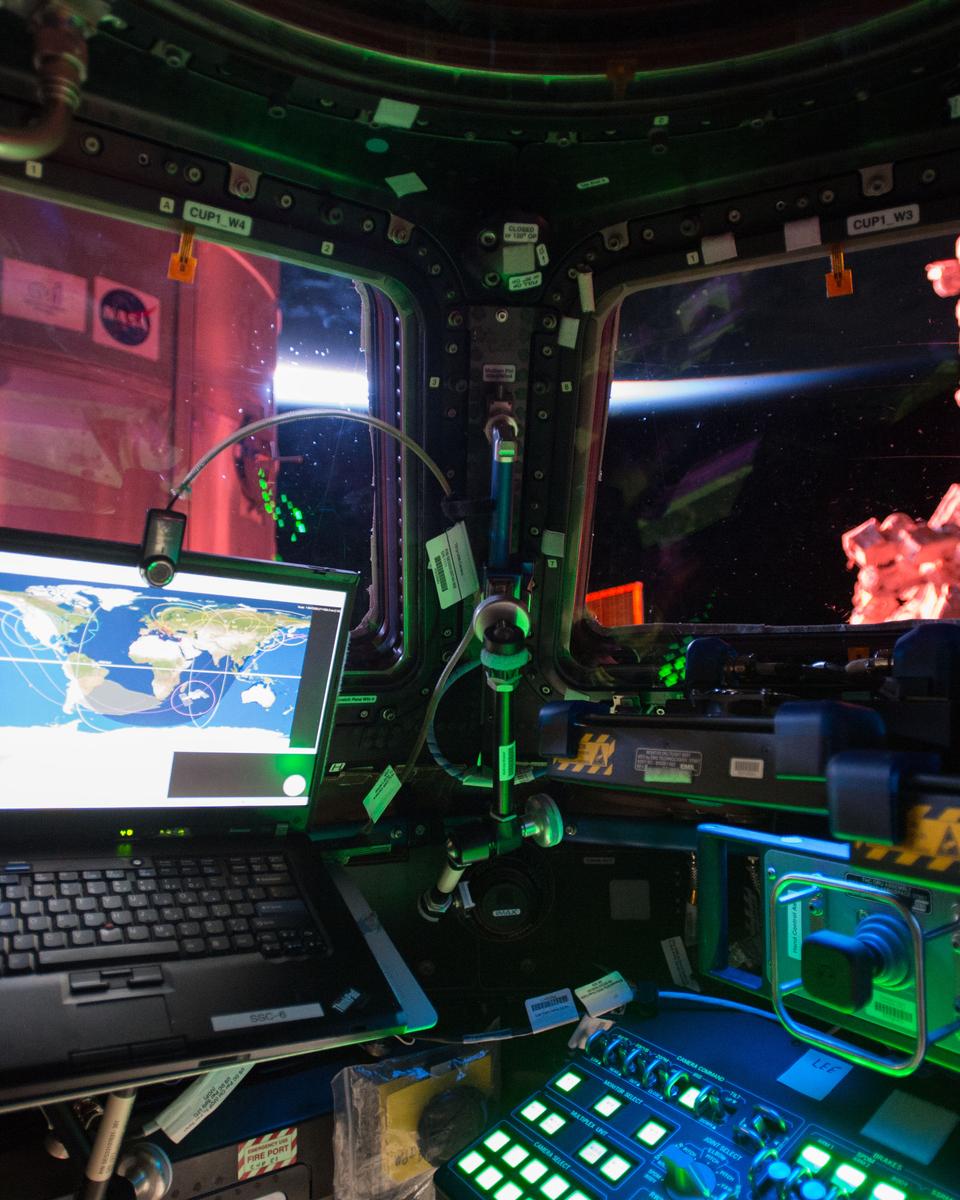
Interior View
Some prefer windows , and these are the best available on board the International Space Station. Taken on January 4, this snapshot from inside the station's large, seven-window…
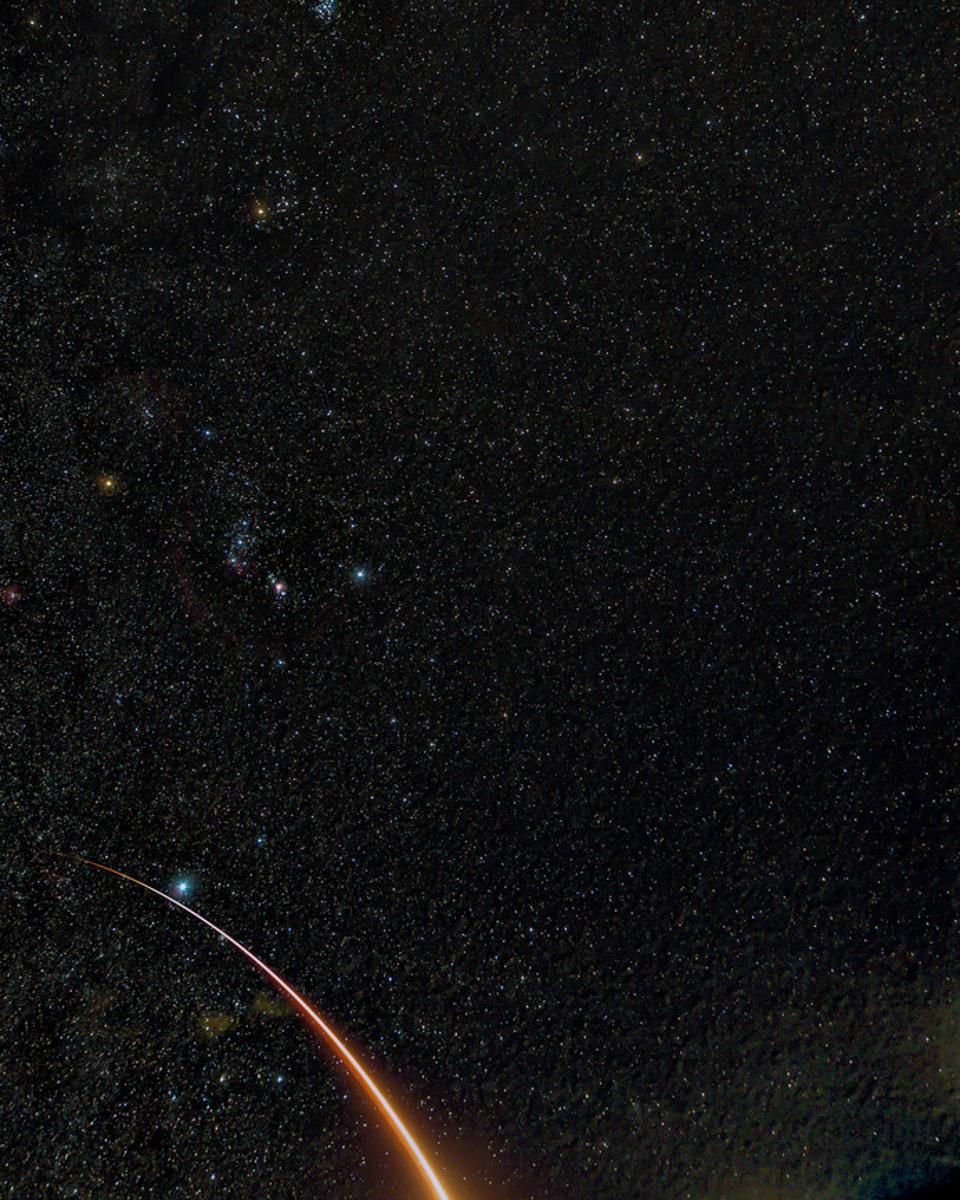
Launch to Lovejoy
Blasting skyward an Atlas V rocket carrying a U.S. Navy satellite pierces a cloud bank in this starry night scene captured on January 20. On its way to orbit from Space Launch…
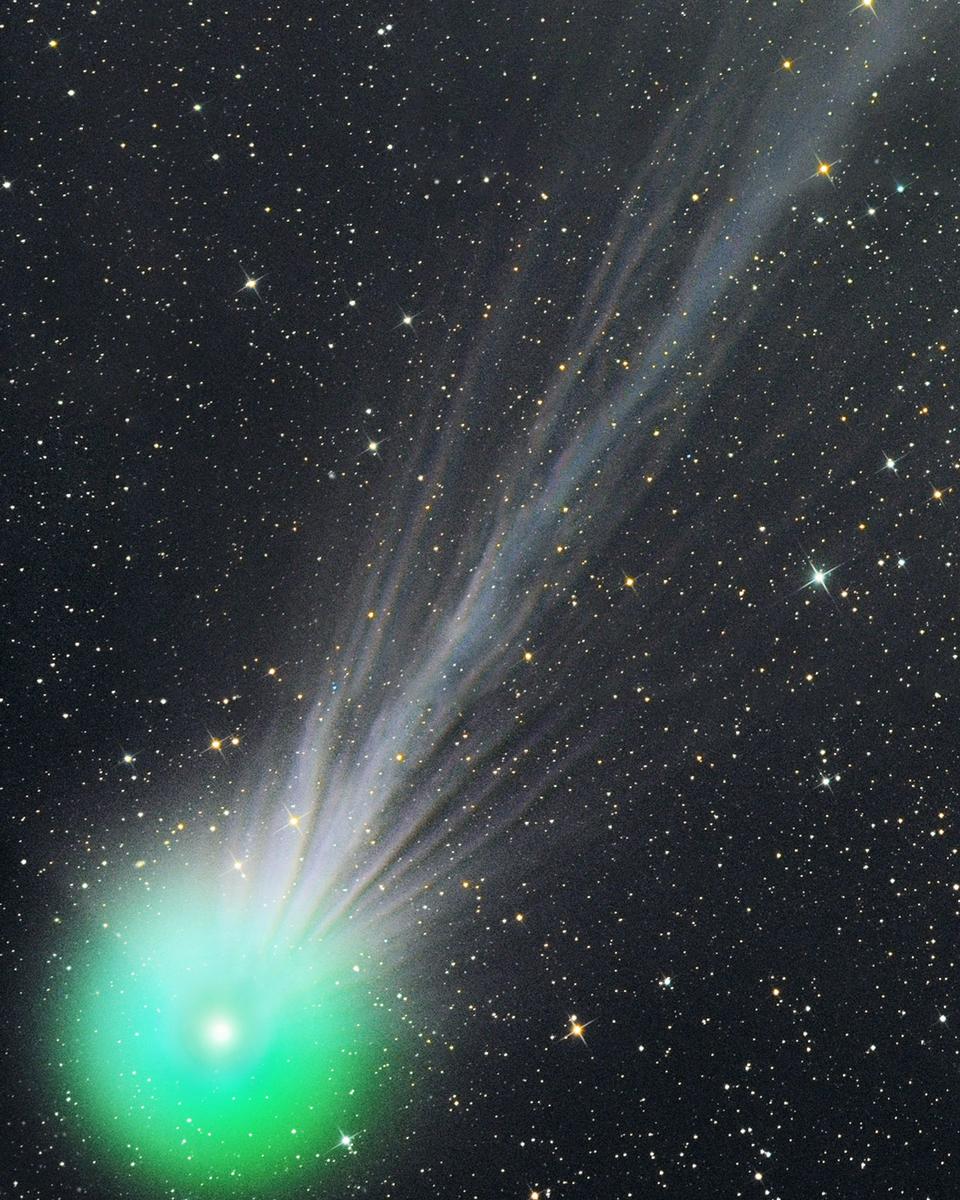
The Complex Ion Tail of Comet Lovejoy
What causes the structure in Comet Lovejoy's tail? Comet C/2014 Q2 (Lovejoy) , which is currently at naked-eye brightness and near its brightest , has been showing an exquisitely…
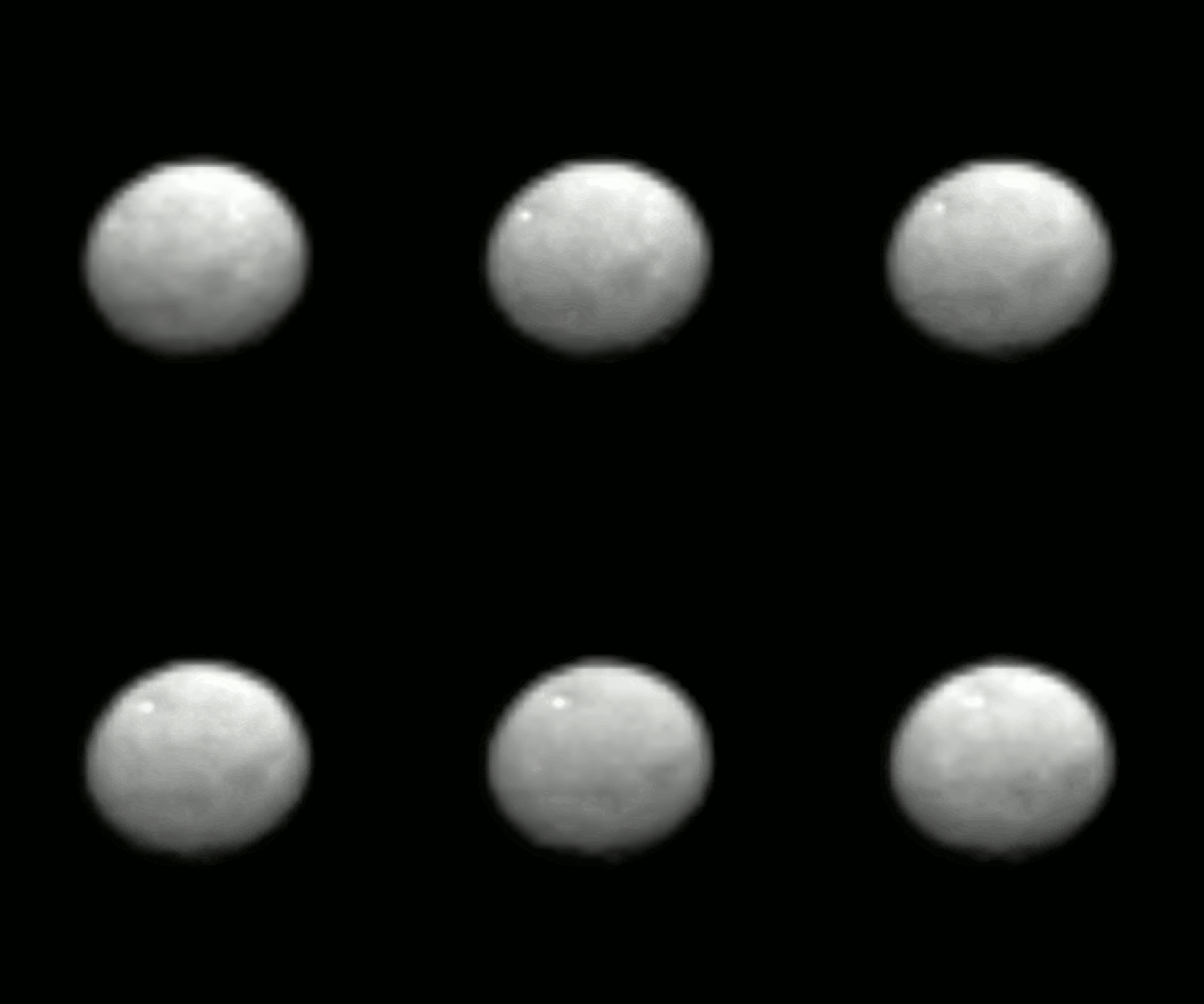
Approaching Asteroid Ceres
It is the largest asteroid in the asteroid belt -- what secrets does it hold? To find out, NASA has sent the robotic Dawn spacecraft to explore and map this cryptic…
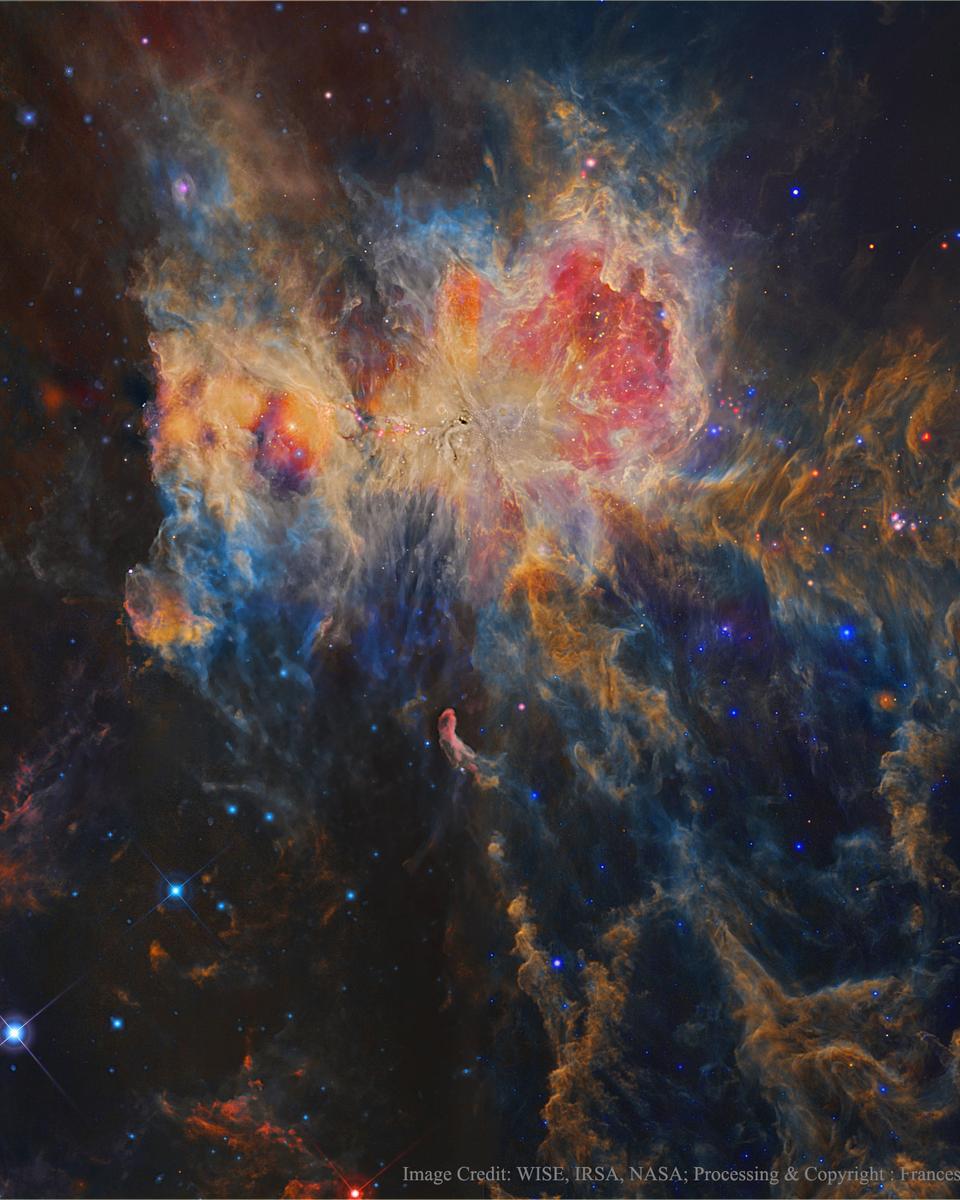
Infrared Orion from WISE
The Great Nebula in Orion is an intriguing place. Visible to the unaided eye, it appears as a small fuzzy patch in the constellation of Orion . But this image , an illusory-color…
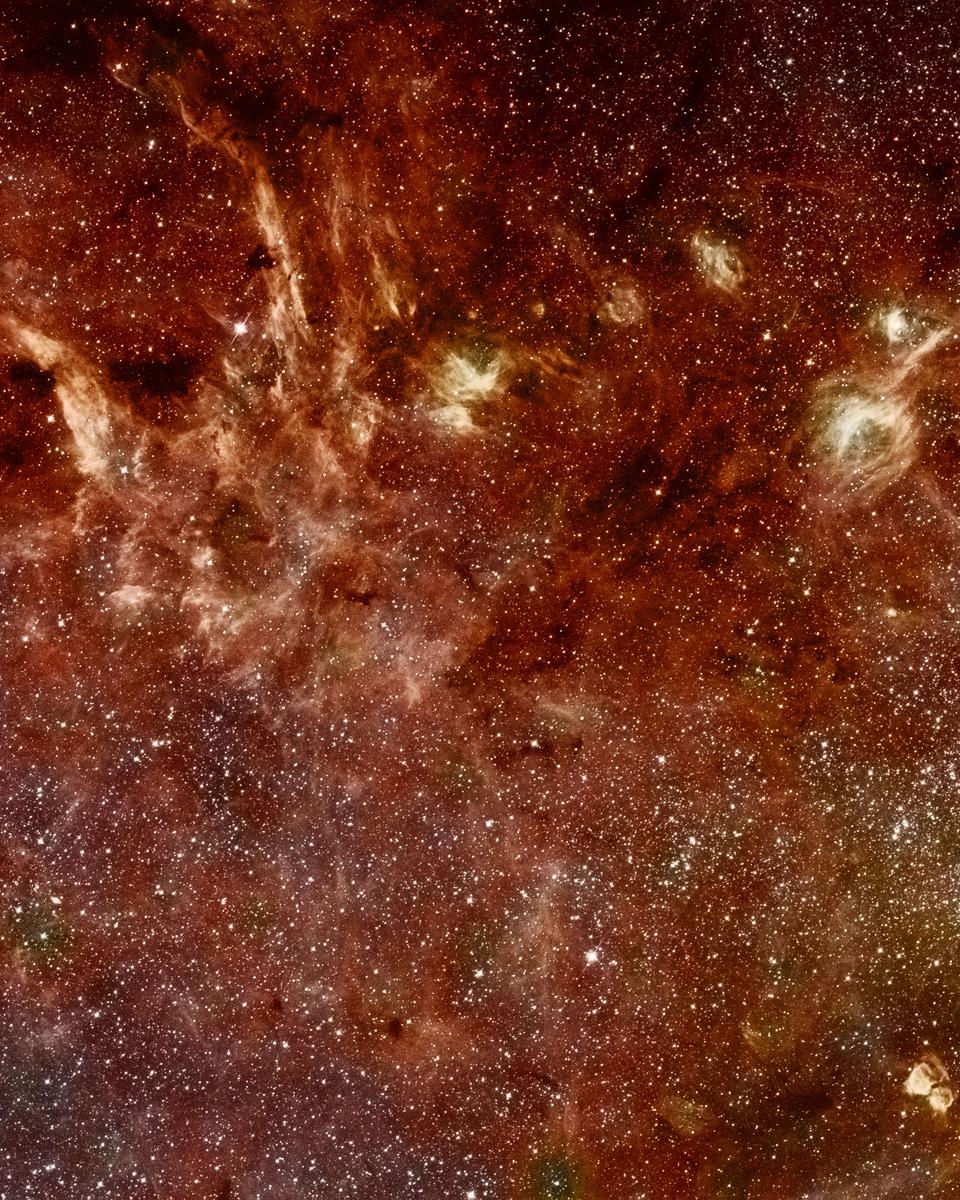
The Galactic Core in Infrared
What's happening at the center of our Milky Way Galaxy? To help find out, the orbiting Hubble and Spitzer space telescopes have combined their efforts to survey the region in…
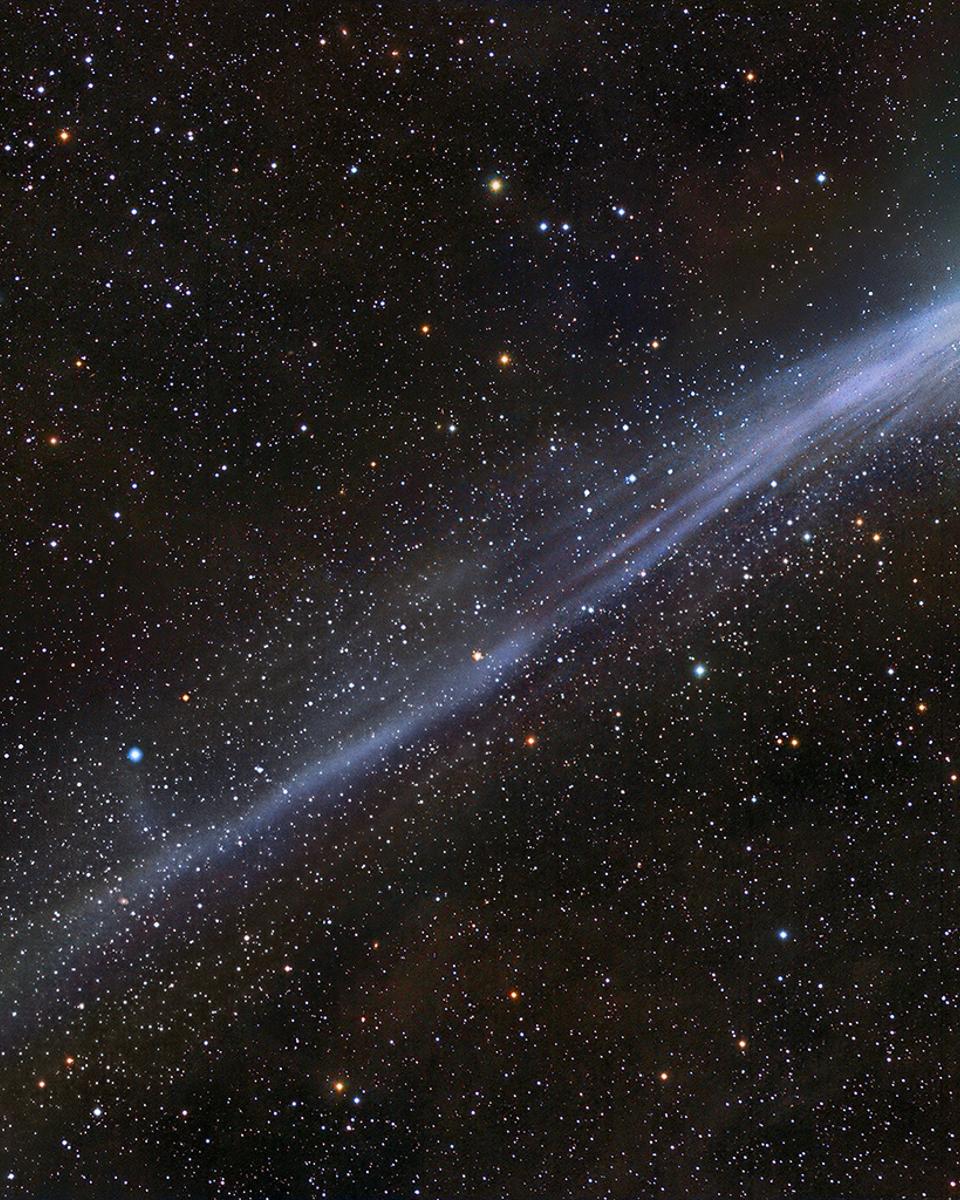
Comet Lovejoy's Tail
Sweeping north in planet Earth's sky, Comet Lovejoy's greenish coma and blue tinted ion tail stretched across this field of stars in the constellation Taurus on January 13. The…
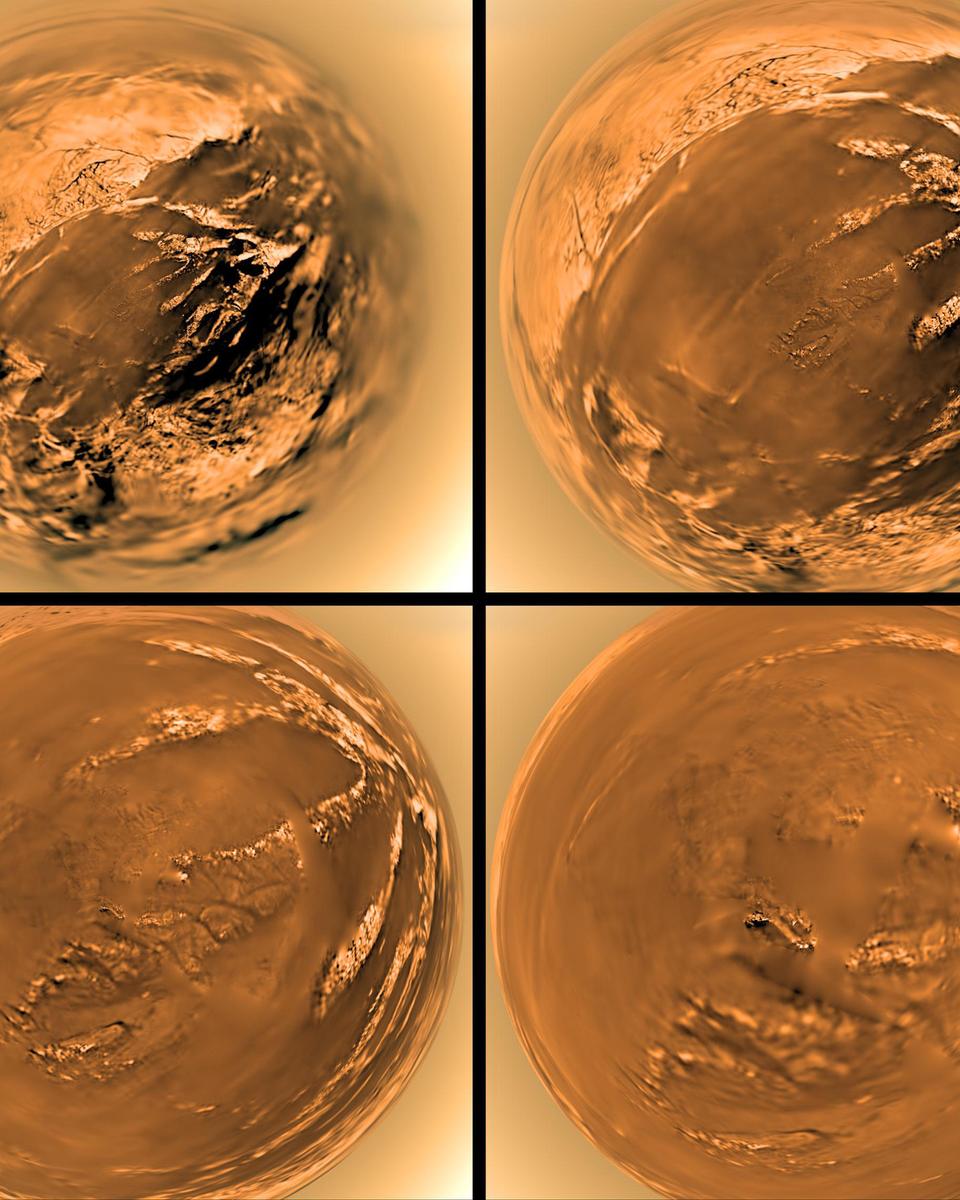
Huygens Lands on Titan
Delivered by Saturn-bound Cassini, ESA's Huygens probe touched down on the ringed planet's largest moon Titan, ten years ago on January 14, 2005. These panels show fisheye images…
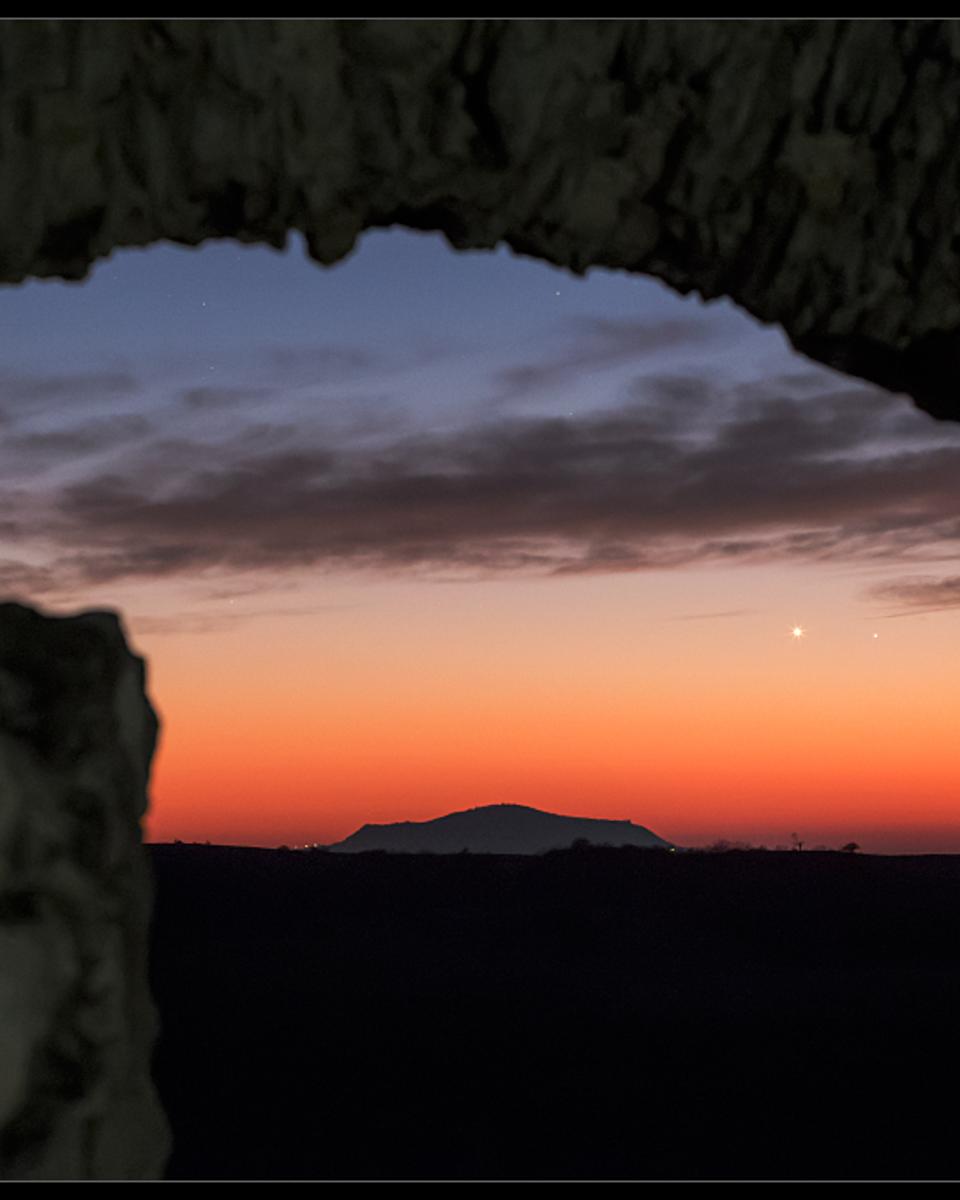
Venus and Mercury at Sunset
Inner planets Venus and Mercury can never wander far from the Sun in Earth's sky. This week you've probably seen them both gathered near the western horizon just after sunset , a…
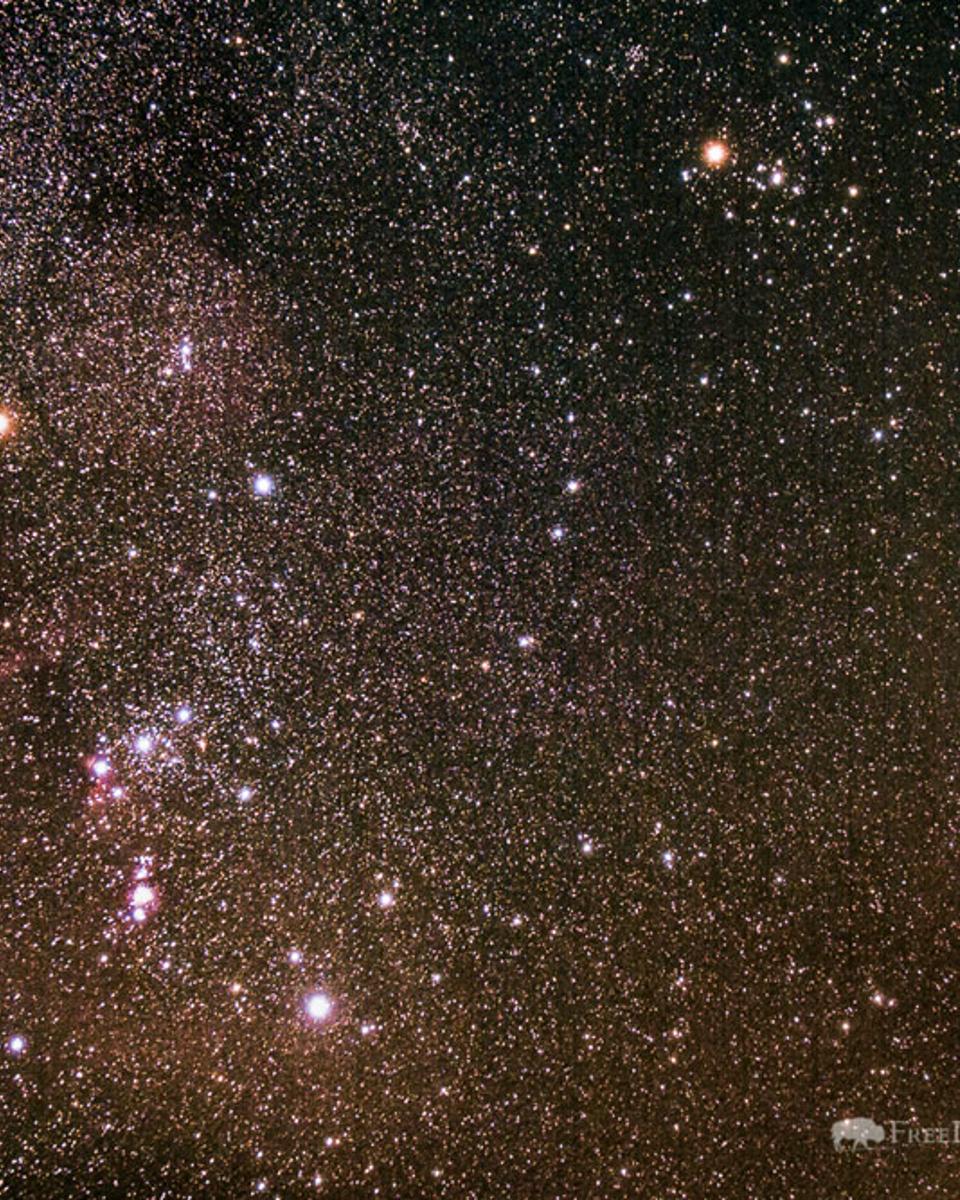
The Hunter, the Bull, and Lovejoy
Heading north, Comet Lovejoy (C/2014 Q2) is putting on its best show for comet watchers now , with moonlight absent from mid-January's early evening skies . An easy binocular…
Viewing discoveries from 6 February 2015 through 14 January 2015.