Browse NASA Astronomy Picture of the Day archive by date and media: Archive Discoveries
Browse the NASA APOD archive without needing the exact date first. Filter by media type and keep moving deeper into older images and videos.

Sutter's Mill Meteorite
Last Sunday's bright fireball meteor falling through skies over California and Nevada produced sonic booms over a broad area around 7:51 am. Estimates indicate the meteor was…
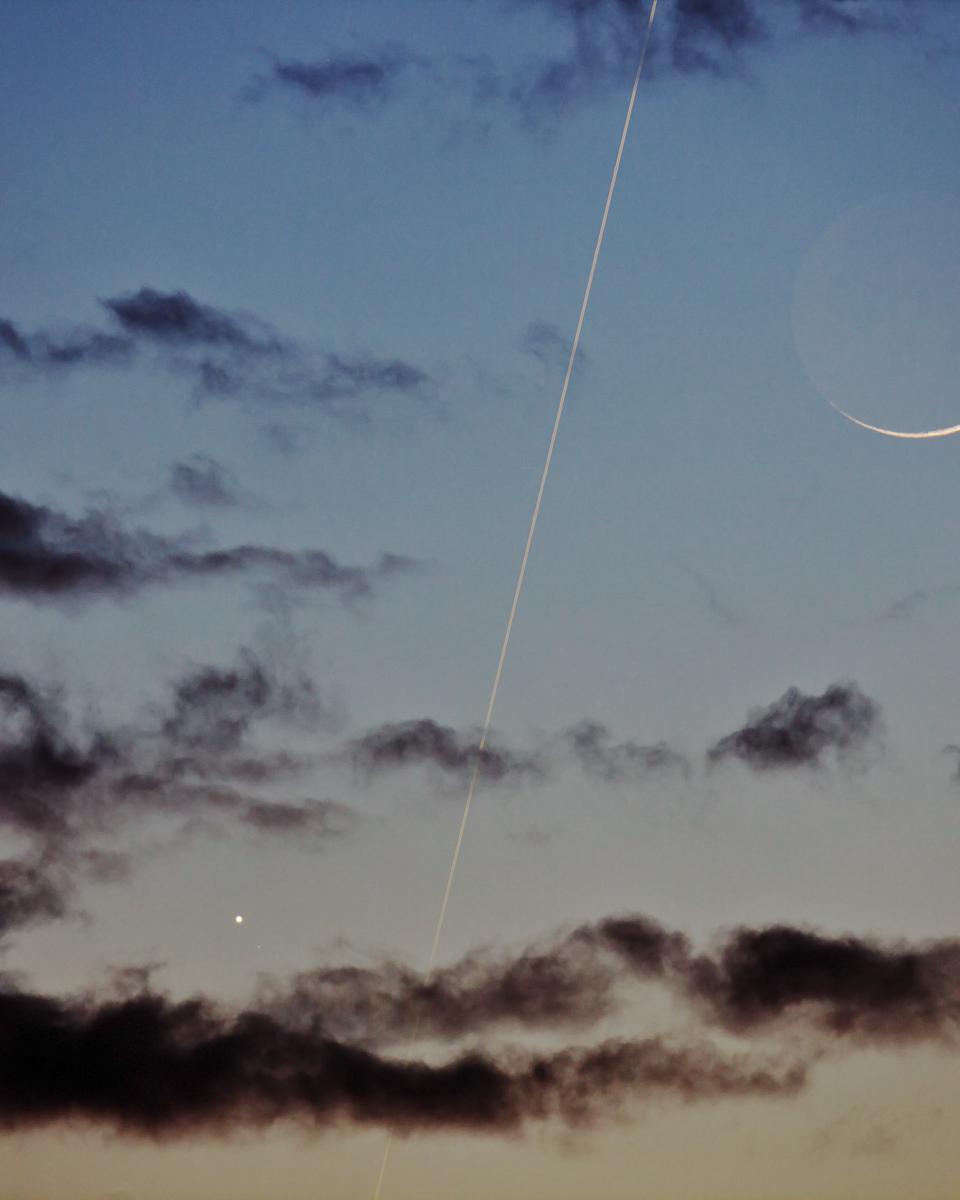
Jupiter and the Moons of Earth
Planet Earth has many moons . Its largest artifical moon, the International Space Station , streaks through this lovely skyview with clouds in silhouette against the fading light…
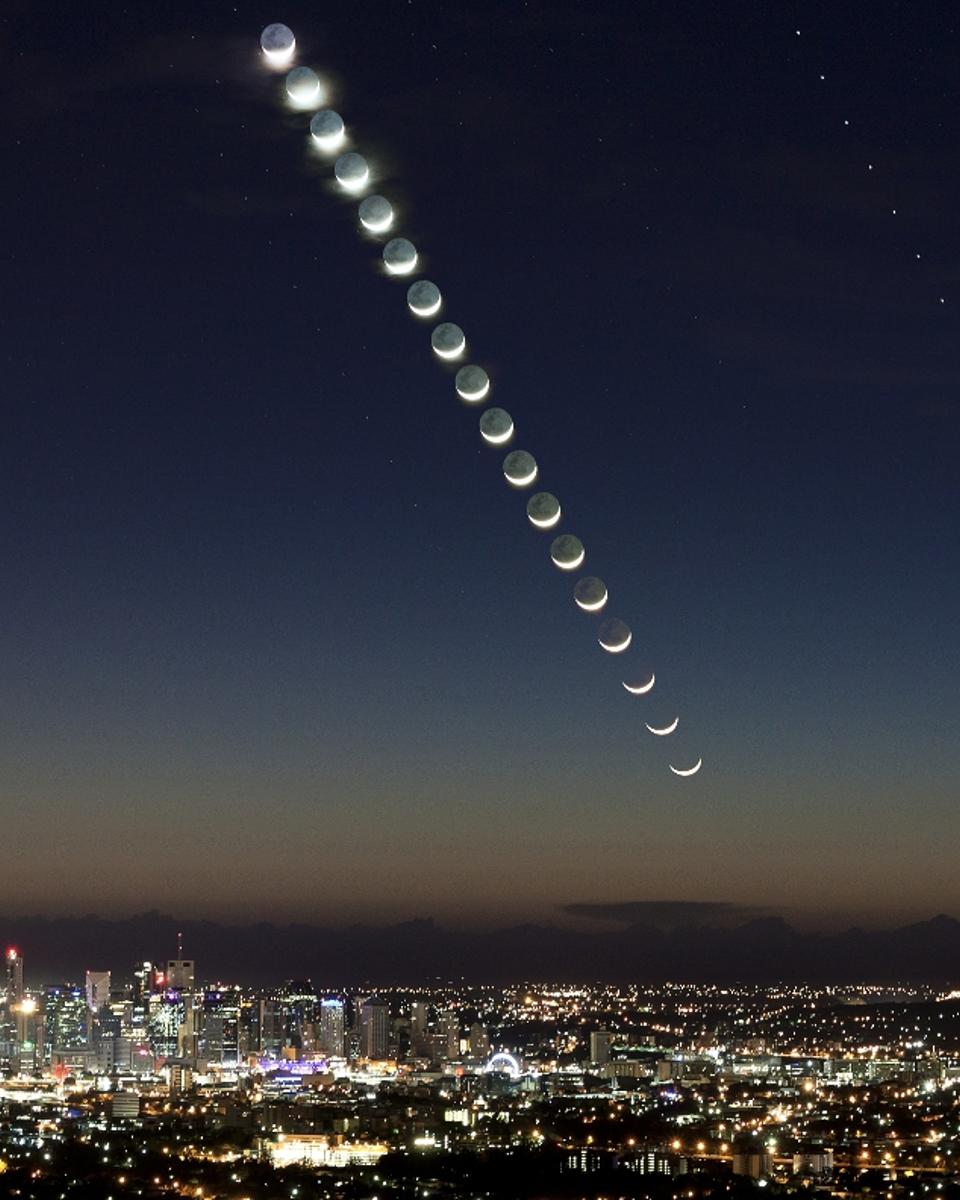
Morning, Moon, and Mercury
Last week Mercury wandered far to the west of the Sun. As the solar system's innermost planet neared its greatest elongation or greatest angle from the Sun (for this apparition…
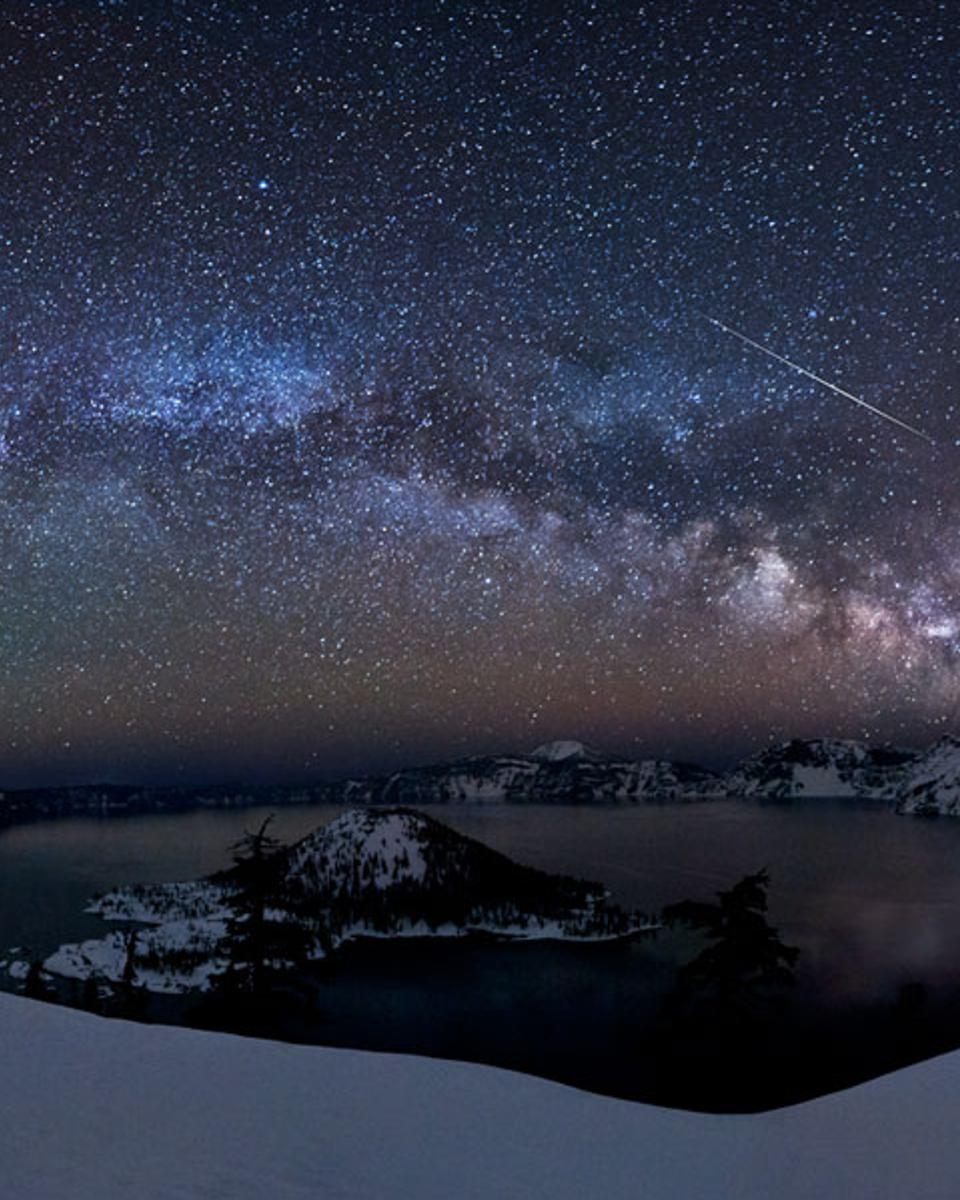
Meteor Over Crater Lake
Did you see it? One of the more common questions during a meteor shower occurs because the time it takes for a meteor to flash is typically less than the time it takes for a head…
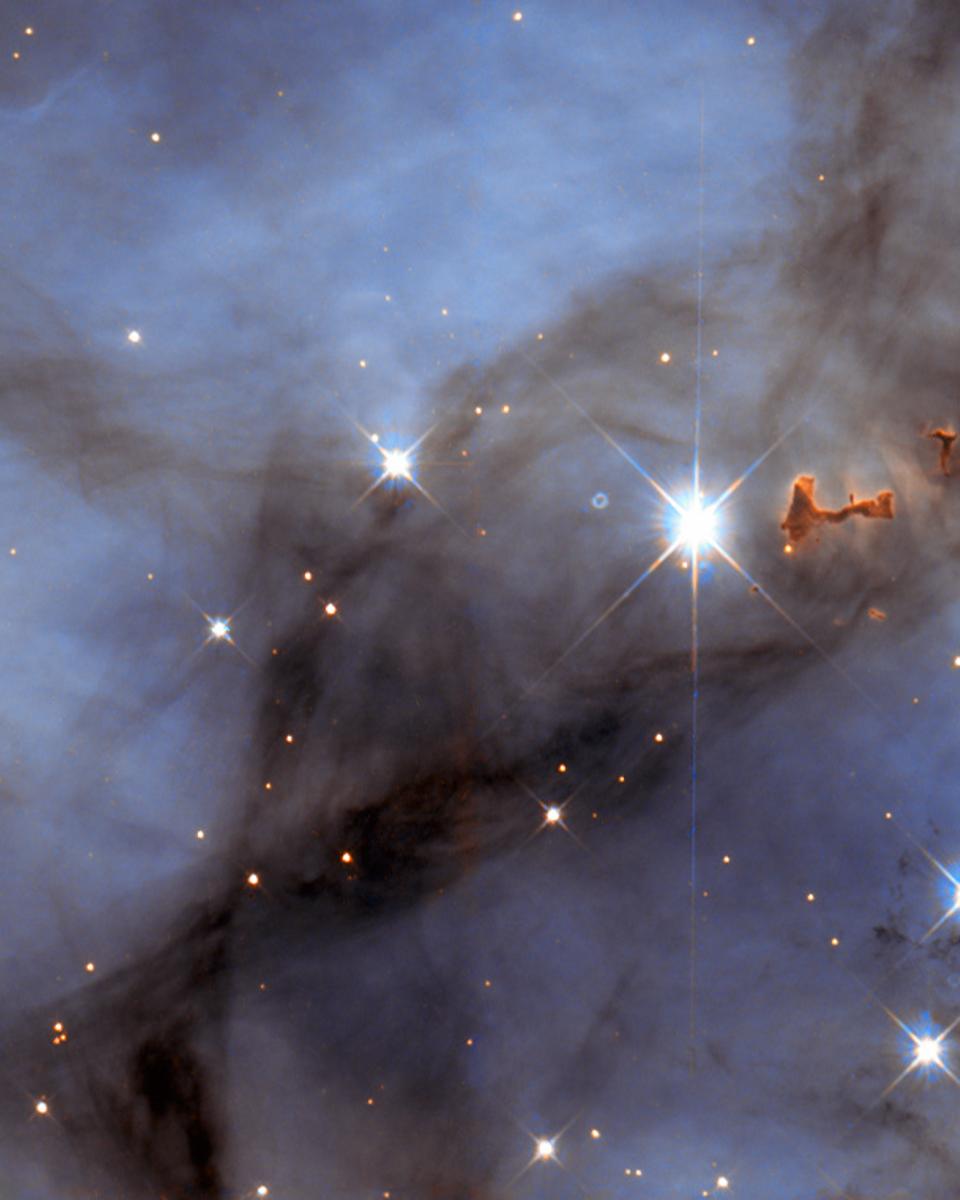
Evaporating Blobs of the Carina Nebula
No, they are not alive -- but they are dying. The unusual blobs found in the Carina nebula , some of which are seen floating on the upper right, might best be described as…
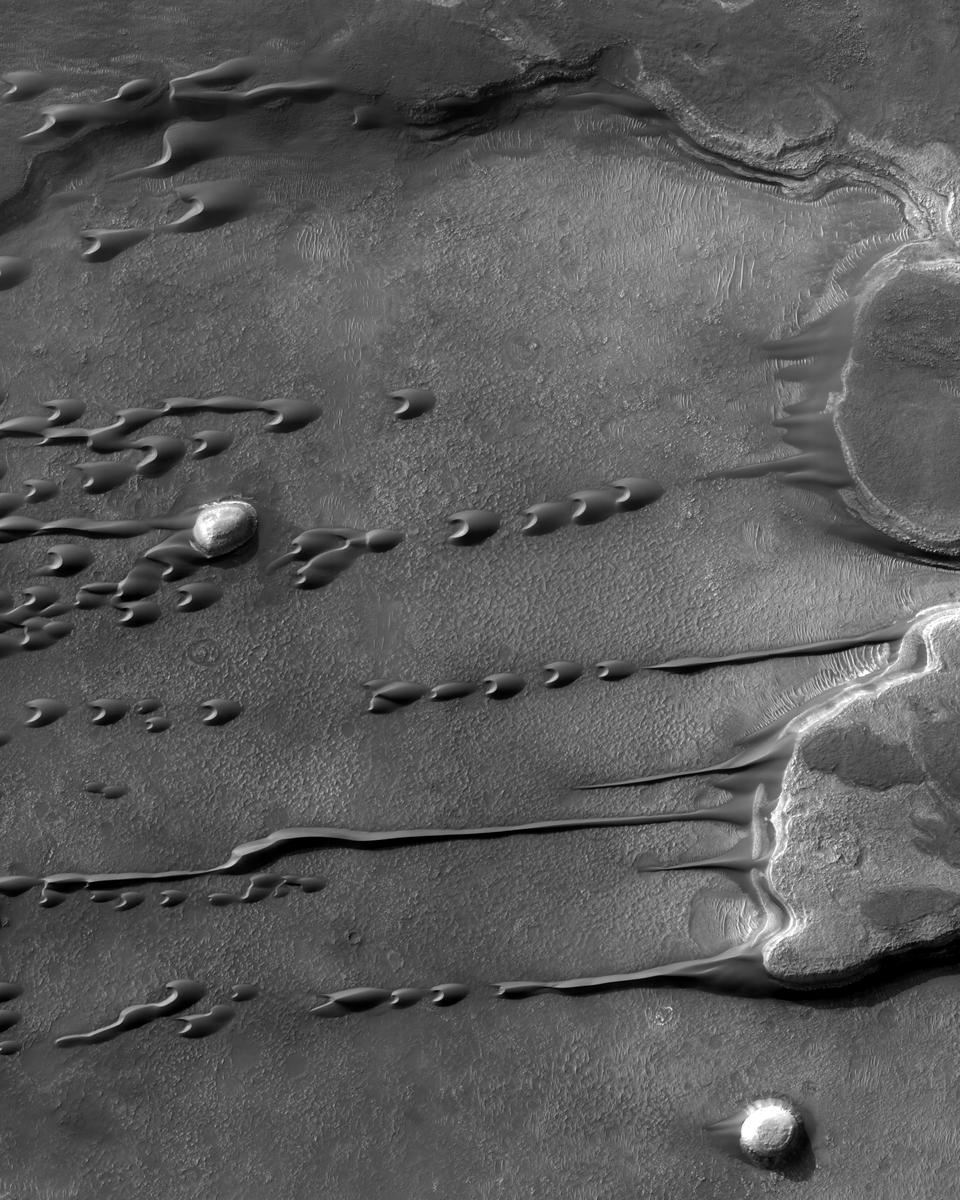
Flowing Barchan Sand Dunes on Mars
When does Mars act like a liquid? Although liquids freeze and evaporate quickly into the thin atmosphere of Mars, persistent winds may make large sand dunes appear to flow and…
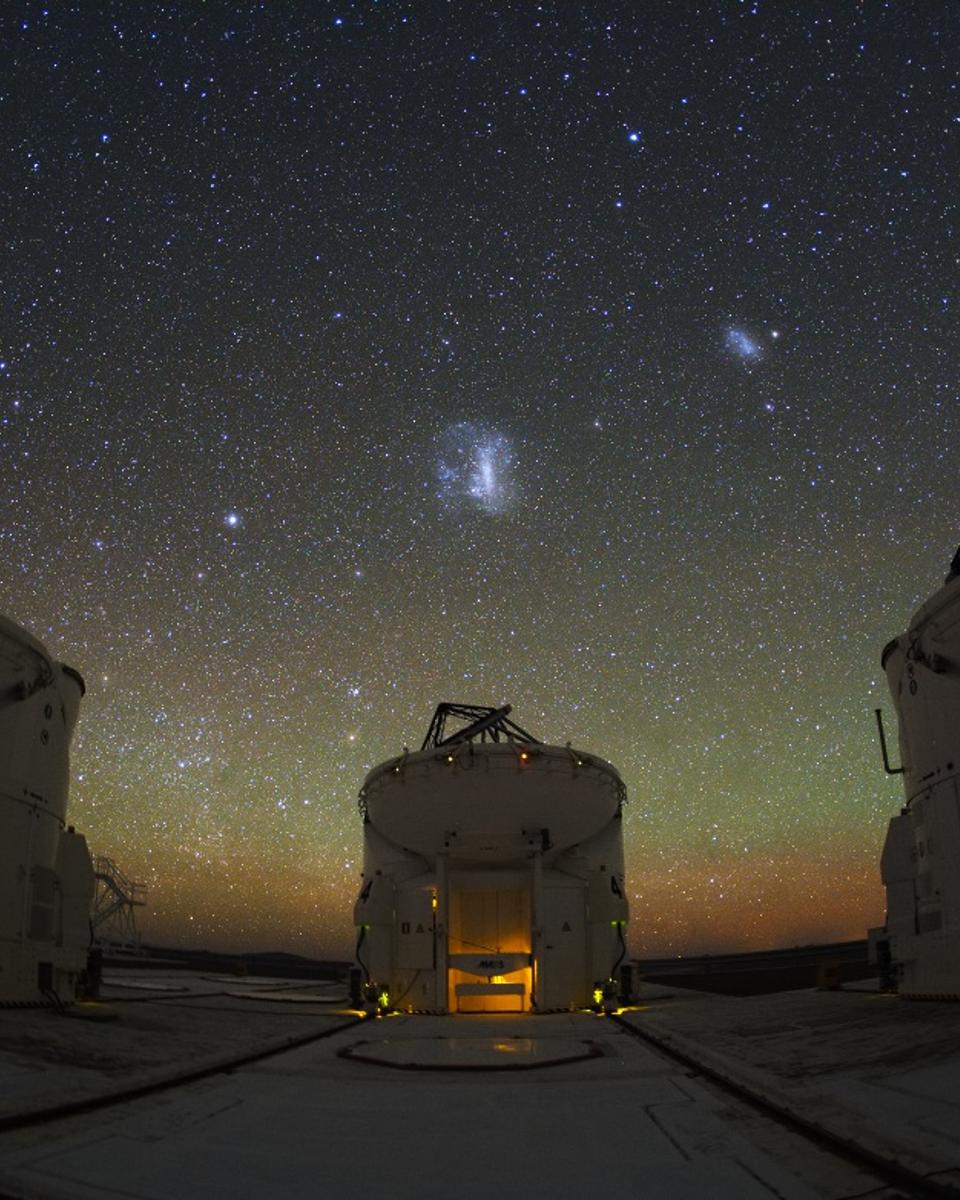
3 ATs
Despite their resemblance to R2D2 , these three are not the droids you're looking for. Instead, the enclosures house 1.8 meter Auxiliary Telescopes (ATs) at Paranal Observatory in…
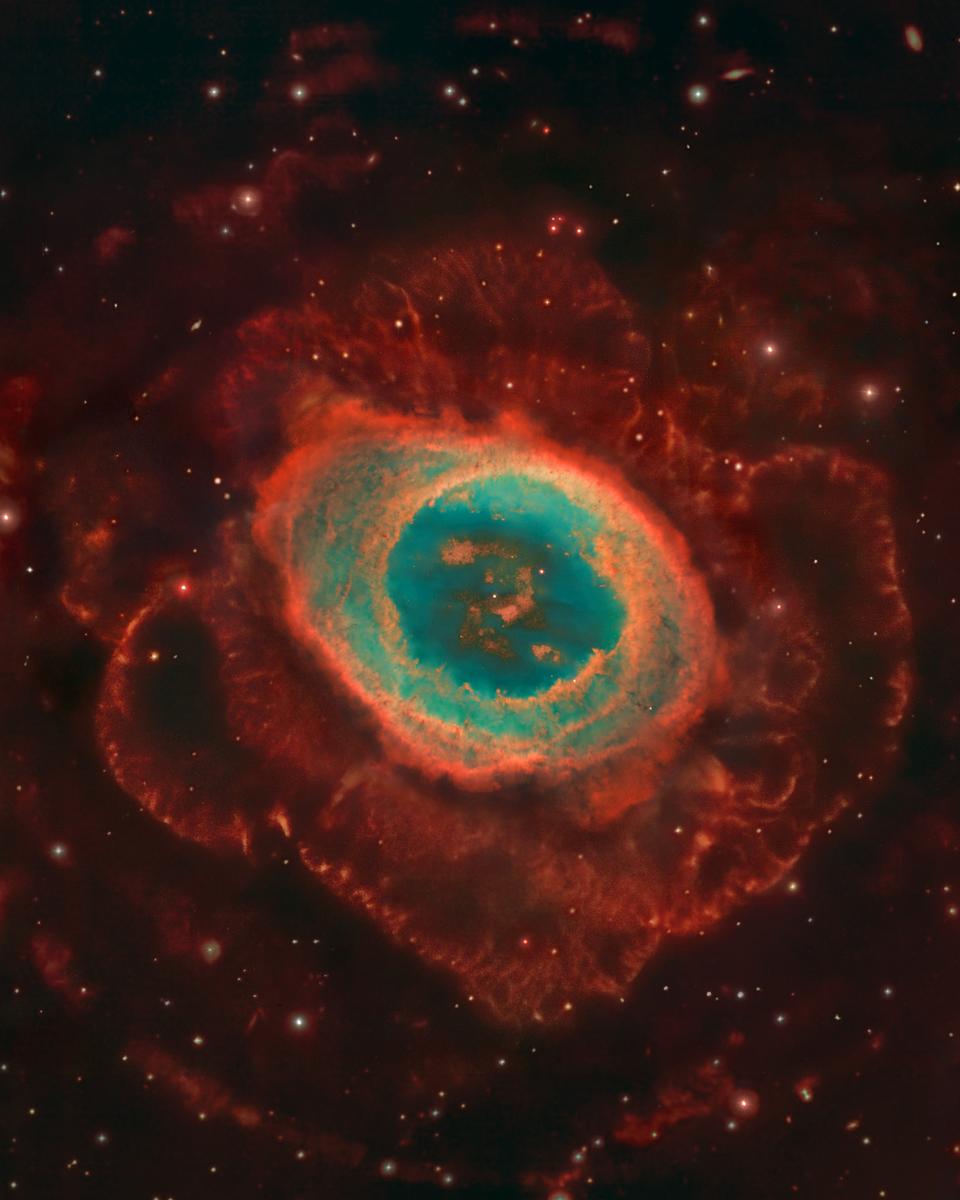
M57: The Ring Nebula
Except for the rings of Saturn , the Ring Nebula (M57) is probably the most famous celestial band. Its classic appearance is understood to be due to perspective - our view from…
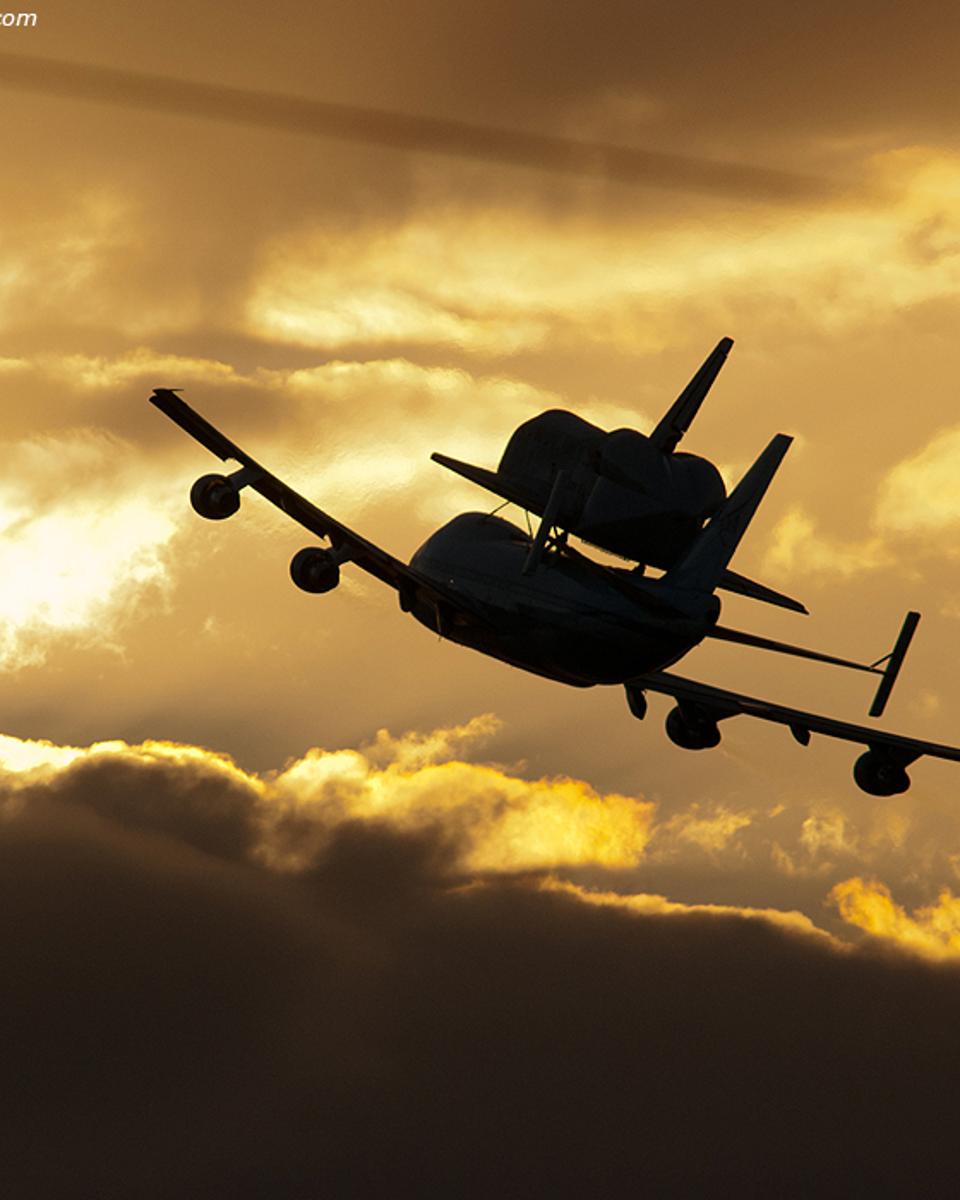
Discovery Departs
Climbing into cloudy skies, the Space Shuttle Orbiter Discovery (OV-103) took off from Kennedy Space Center Tuesday at 7 am local time. This time , its final departure from KSC,…
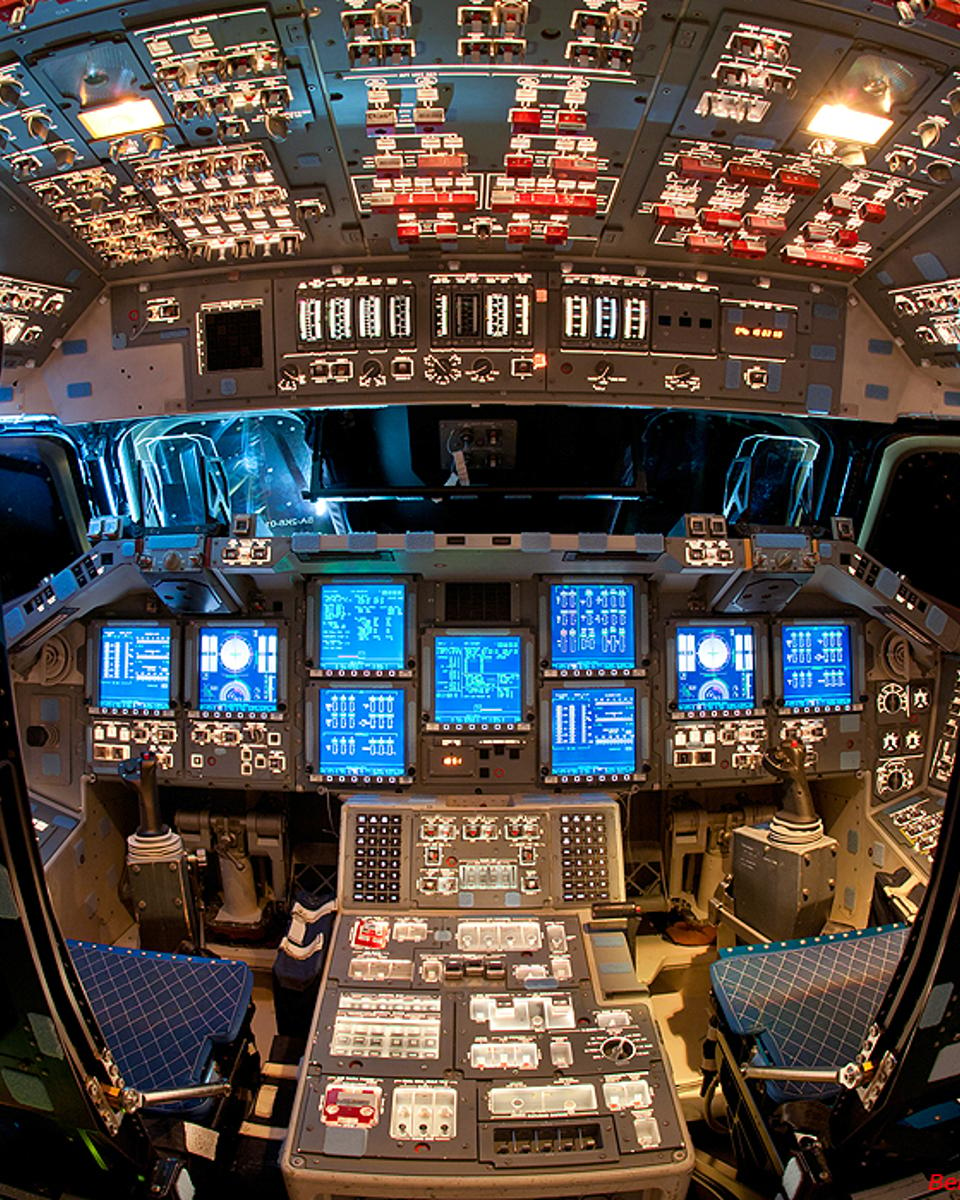
The Flight Deck of Space Shuttle Endeavour
What would it be like to fly a space shuttle? Although the last of NASA's space shuttles has now been retired, it is still fun to contemplate sitting at the controls of one of the…
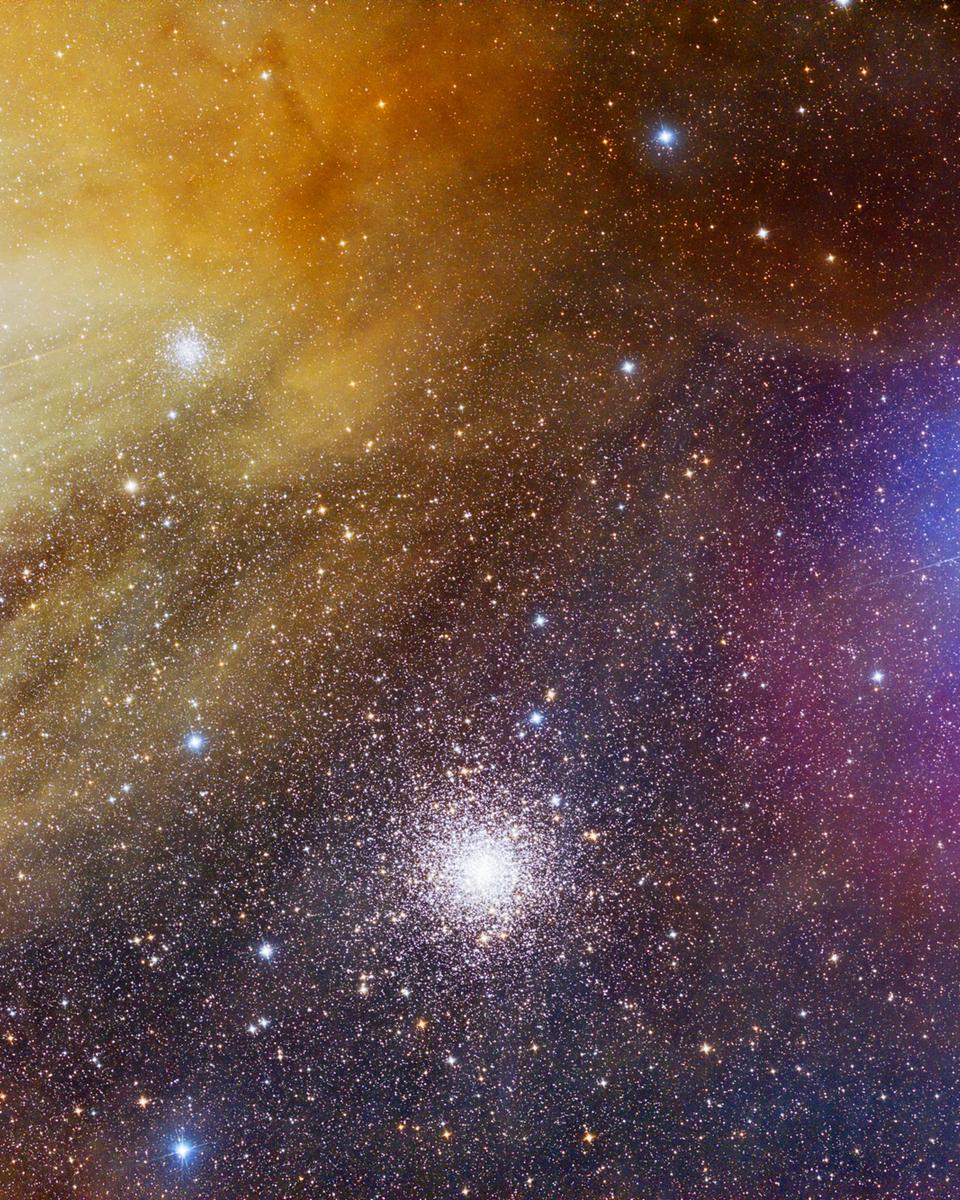
Antares and Clouds
Antares is a huge star. In a class called red supergiant, Antares is about 850 times the diameter of our own Sun, 15 times more massive, and 10,000 times brighter. Antares is the…
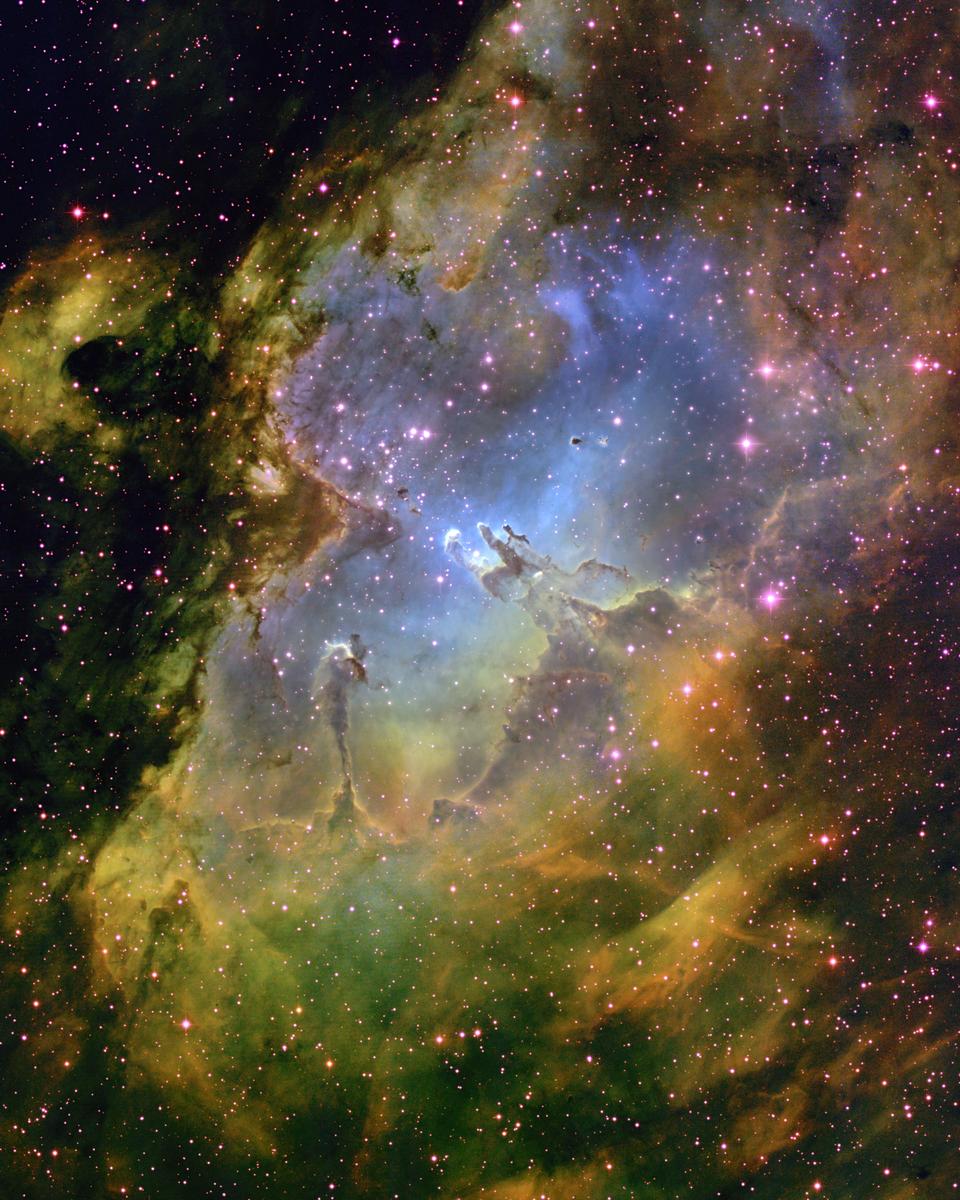
The Eagle Nebula from Kitt Peak
From afar, the whole thing looks like an Eagle . A closer look at the Eagle Nebula , however, shows the bright region is actually a window into the center of a larger dark shell…

Fata Morgana: A Possibly Titanic Mirage
Did this mirage help sink the Titanic? The optical phenomenon called Fata Morgana can make strange shapes or a false wall of water appear above a watery horizon. When conditions…
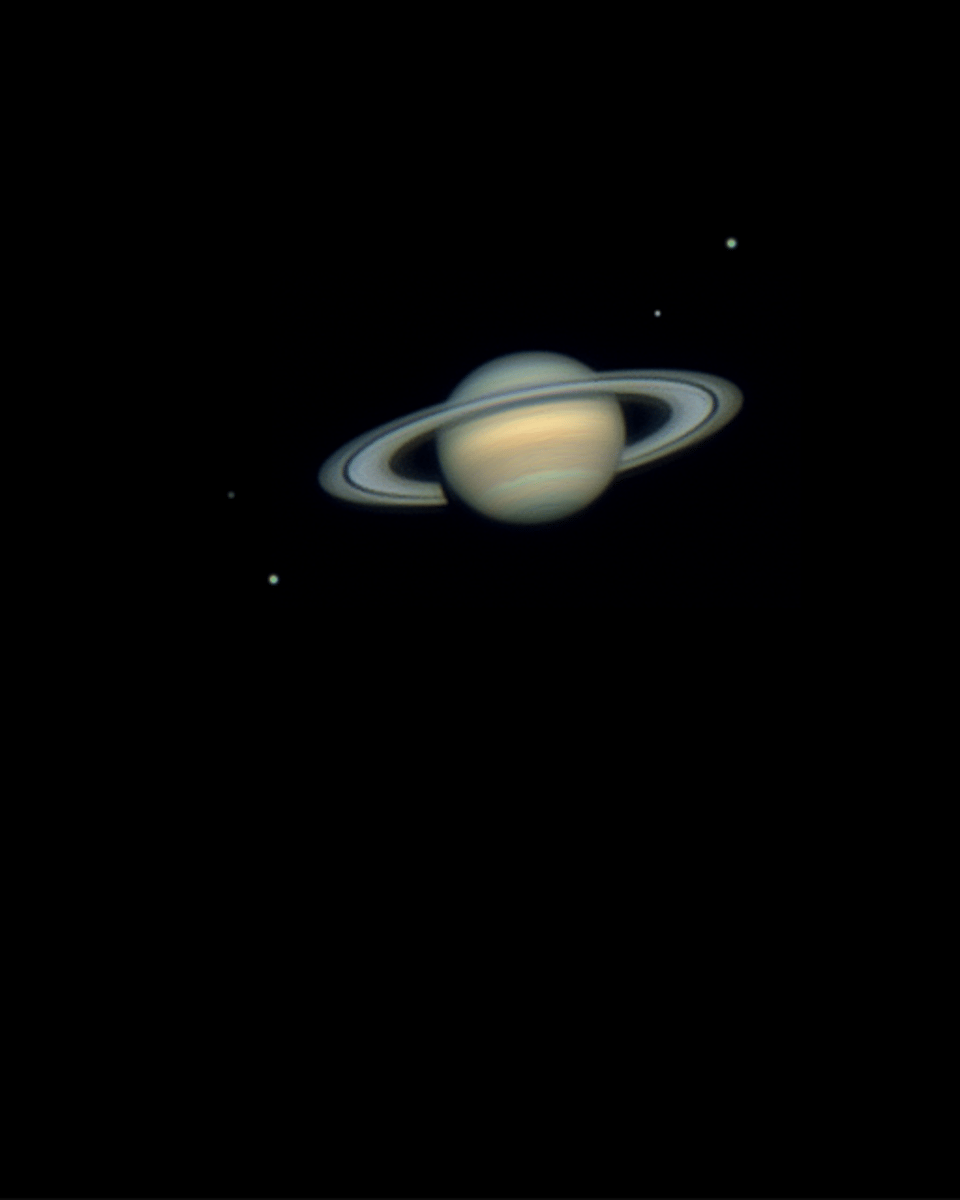
Six Moons of Saturn
How many moons does Saturn have? So far 62 have been discovered , the smallest only a fraction of a kilometer across. Six of its largest satellites can be seen here, though, in a…
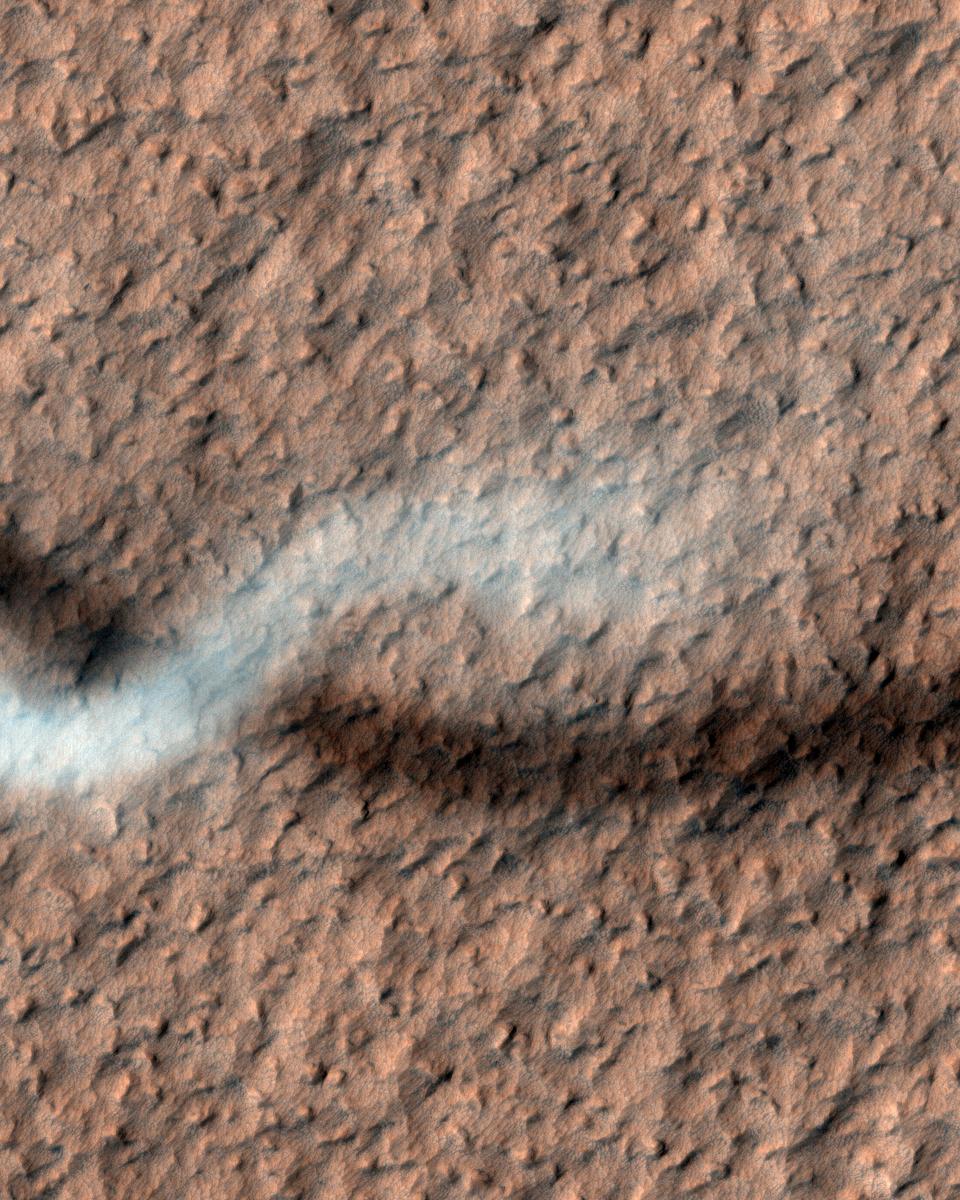
A Dust Devil of Mars
It was late in the northern martian spring when the HiRISE camera onboard the Mars Reconnaissance Orbiter spied this local denizen . Tracking south and east (down and right)…
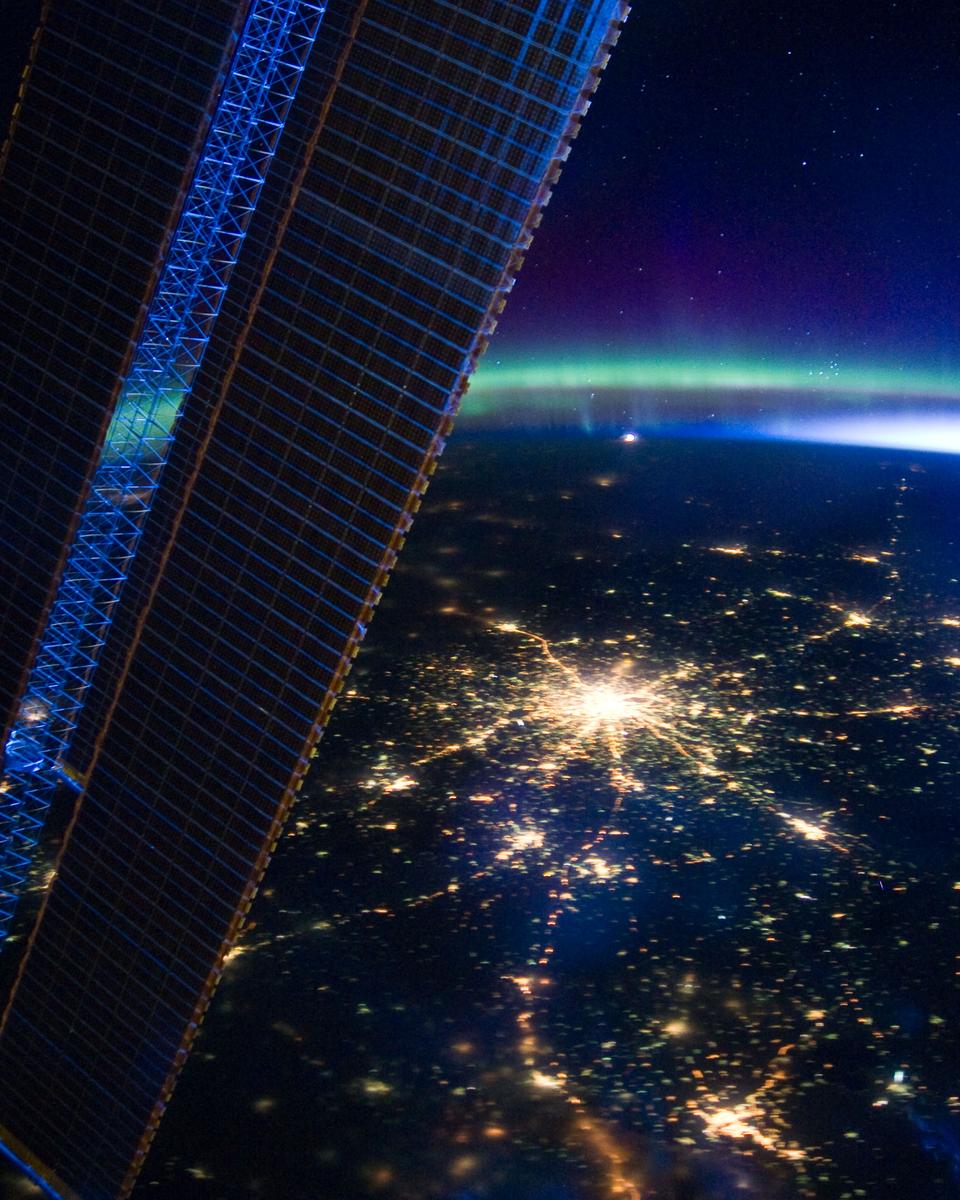
Yuri's Planet
On another April 12th , in 1961, Soviet cosmonaut Yuri Alexseyevich Gagarin became the first human to see planet Earth from space. Commenting on his view from orbit he reported,…
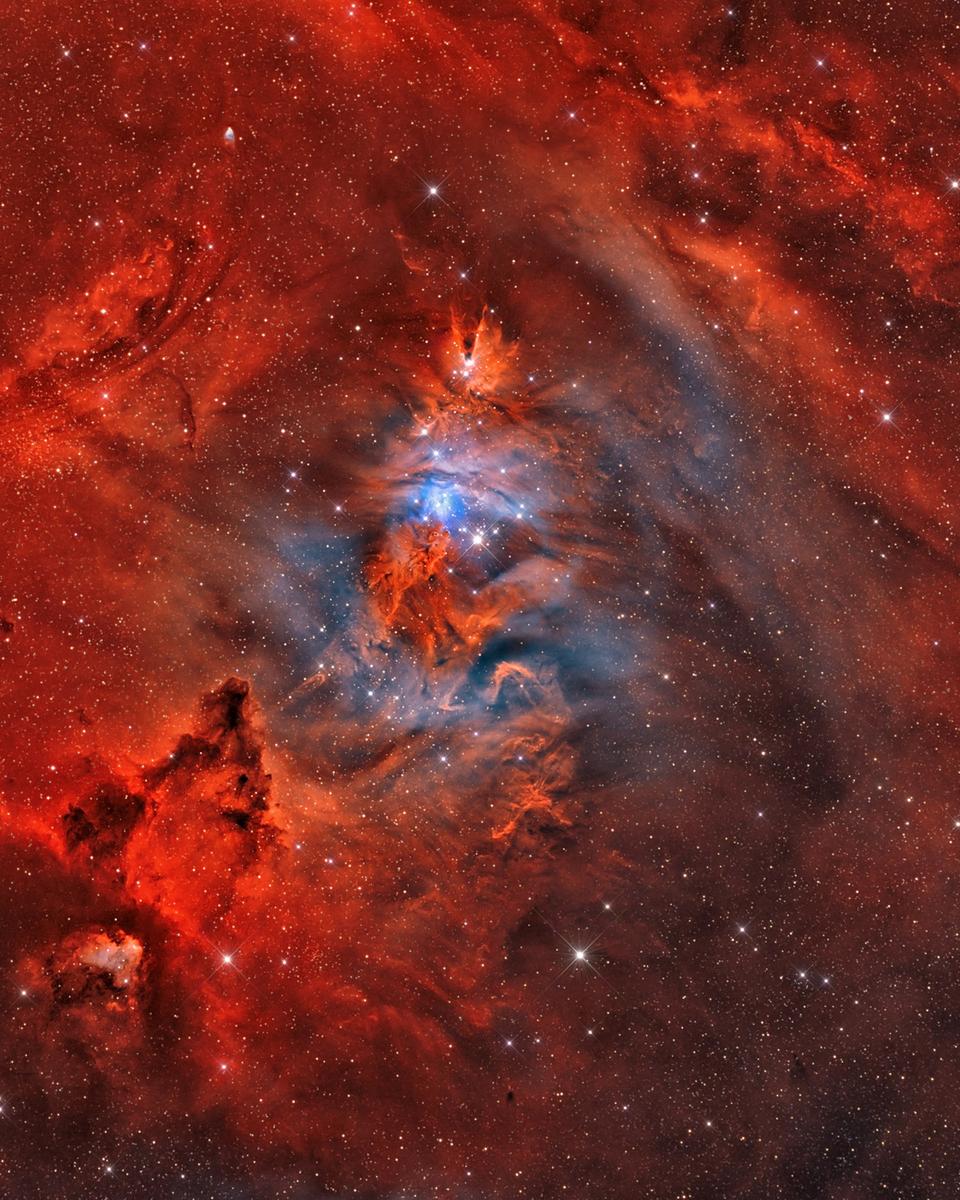
A Fox Fur, a Unicorn, and a Christmas Tree
What do the following things have in common: a cone, the fur of a fox, and a Christmas tree? Answer: they all occur in the constellation of the unicorn ( Monoceros ). Pictured as…
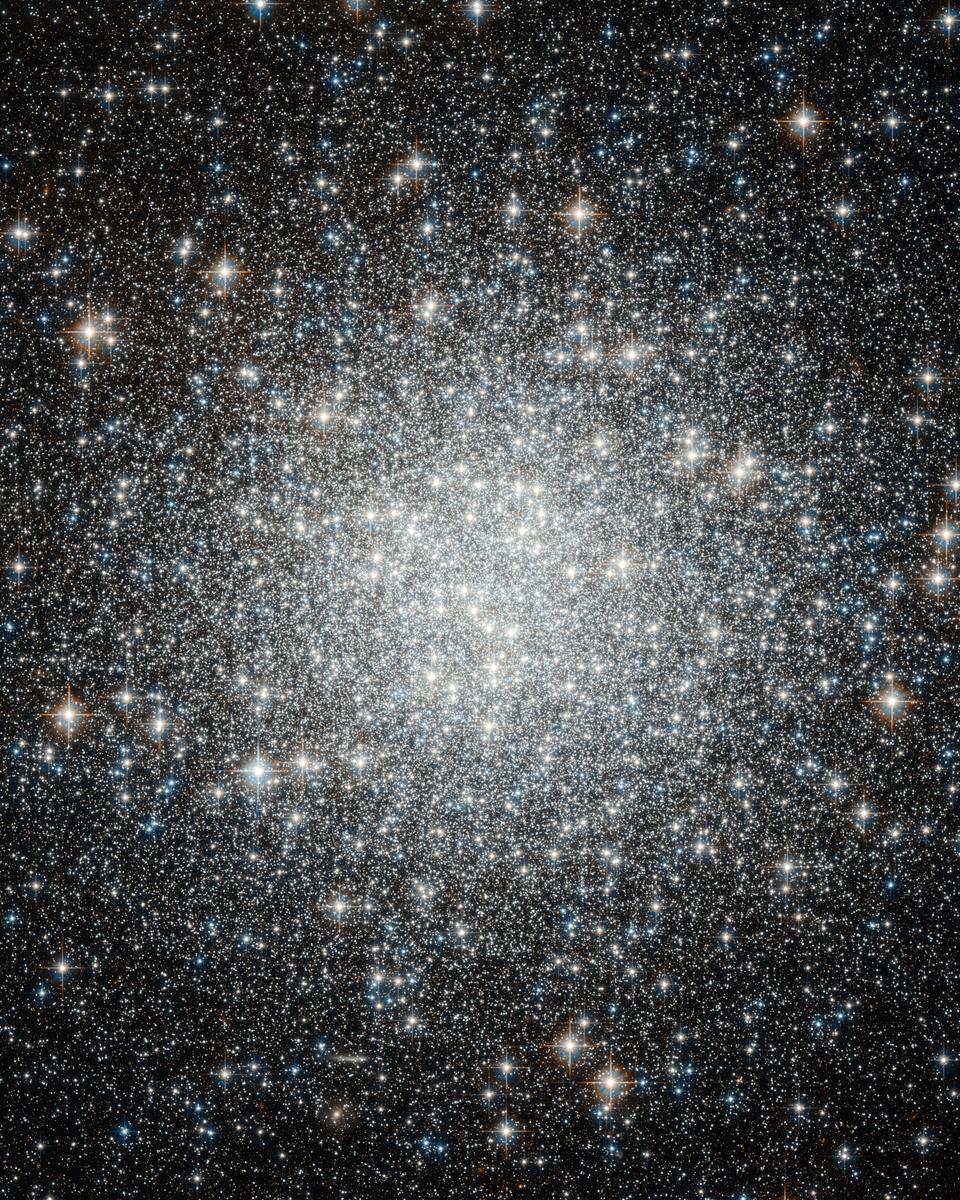
Blue Straggler Stars in Globular Cluster M53
If our Sun were part of M53, the night sky would glow like a jewel box of bright stars. M53 , also known as NGC 5024, is one of about 250 globular clusters that survive in our…
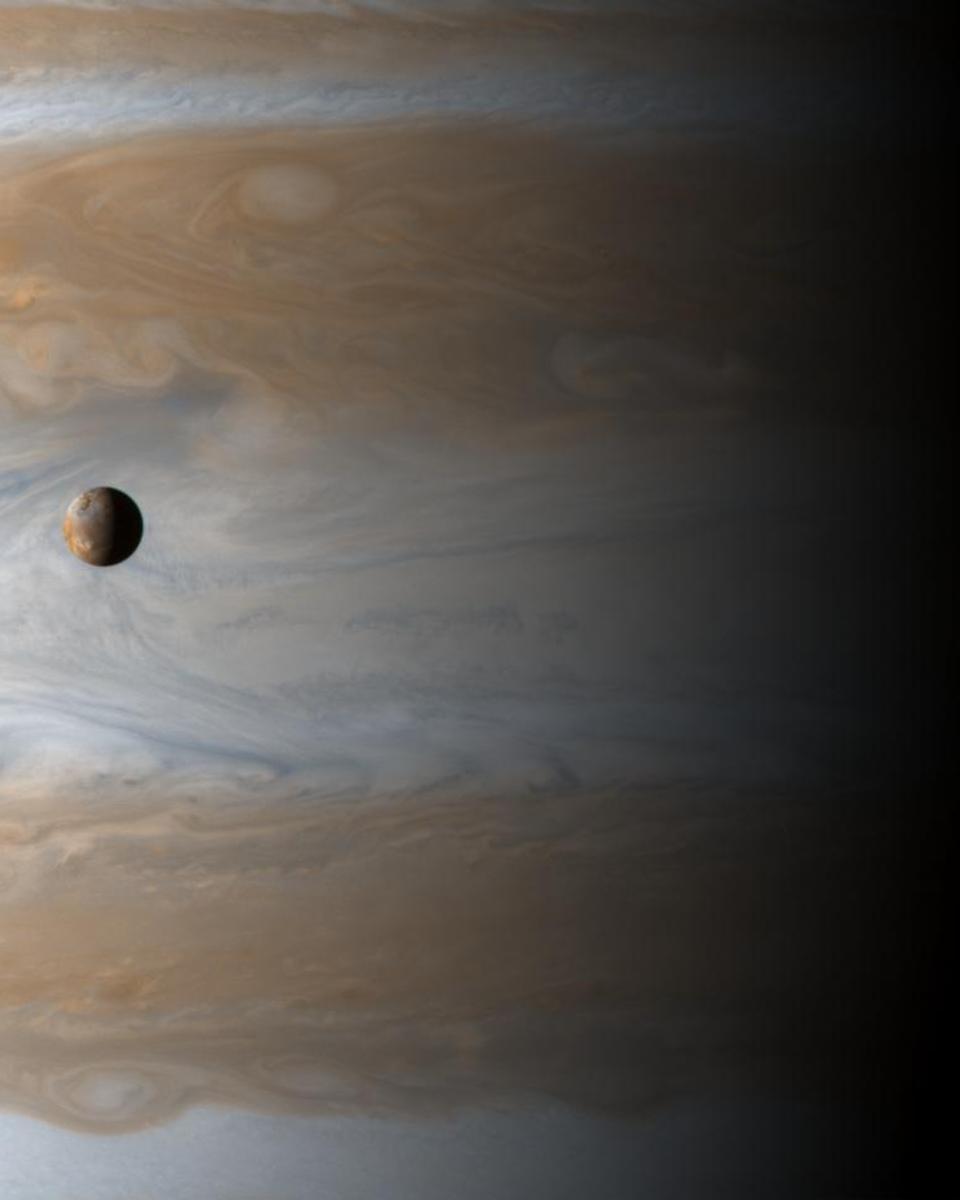
Io: Moon Over Jupiter
How big is Jupiter's moon Io ? The most volcanic body in the Solar System, Io (usually pronounced “EYE-oh”) is 3,600 kilometers in diameter, about the size of planet Earth's…
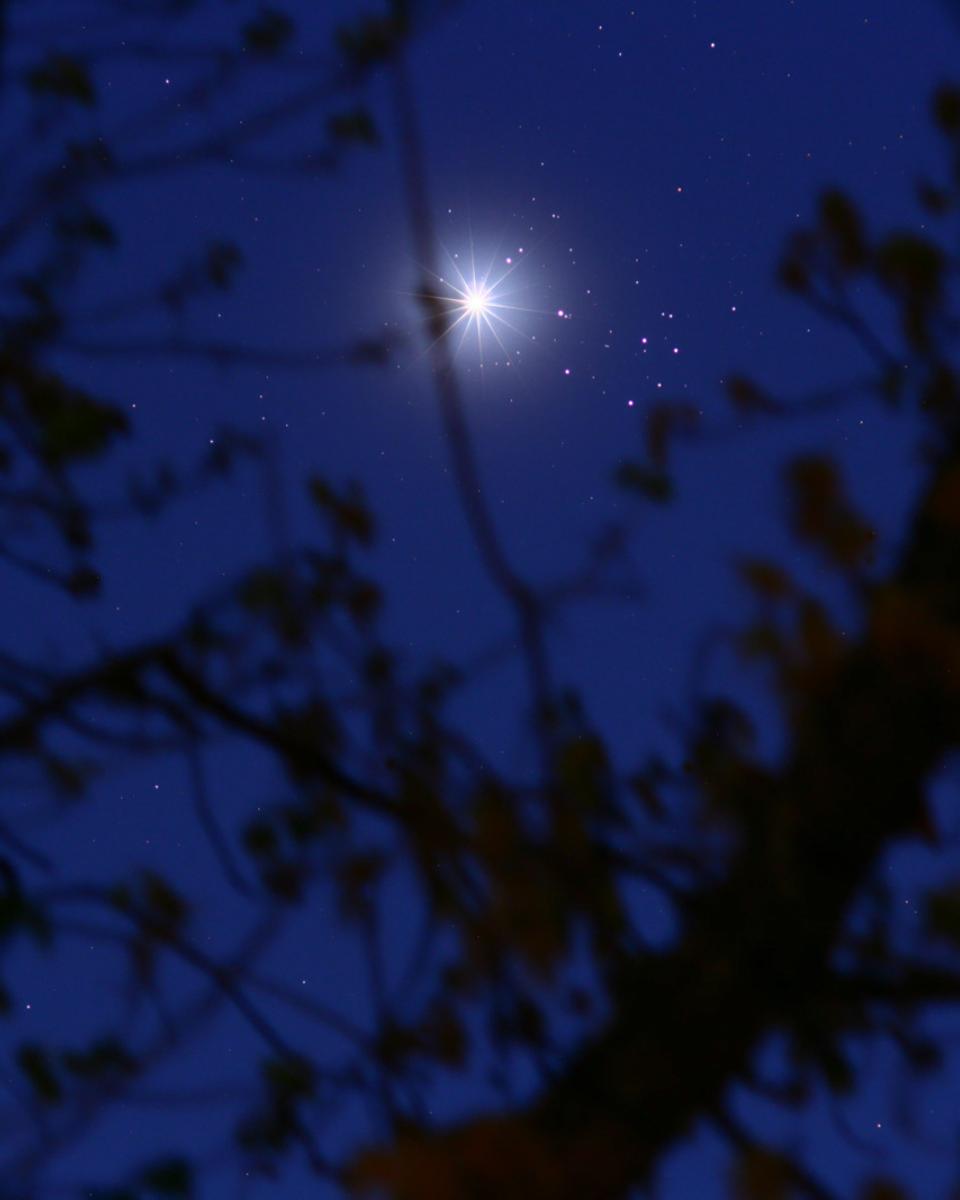
ConjunctionHaiku
Sister planet stands together with sister stars. Celebrate the sky.
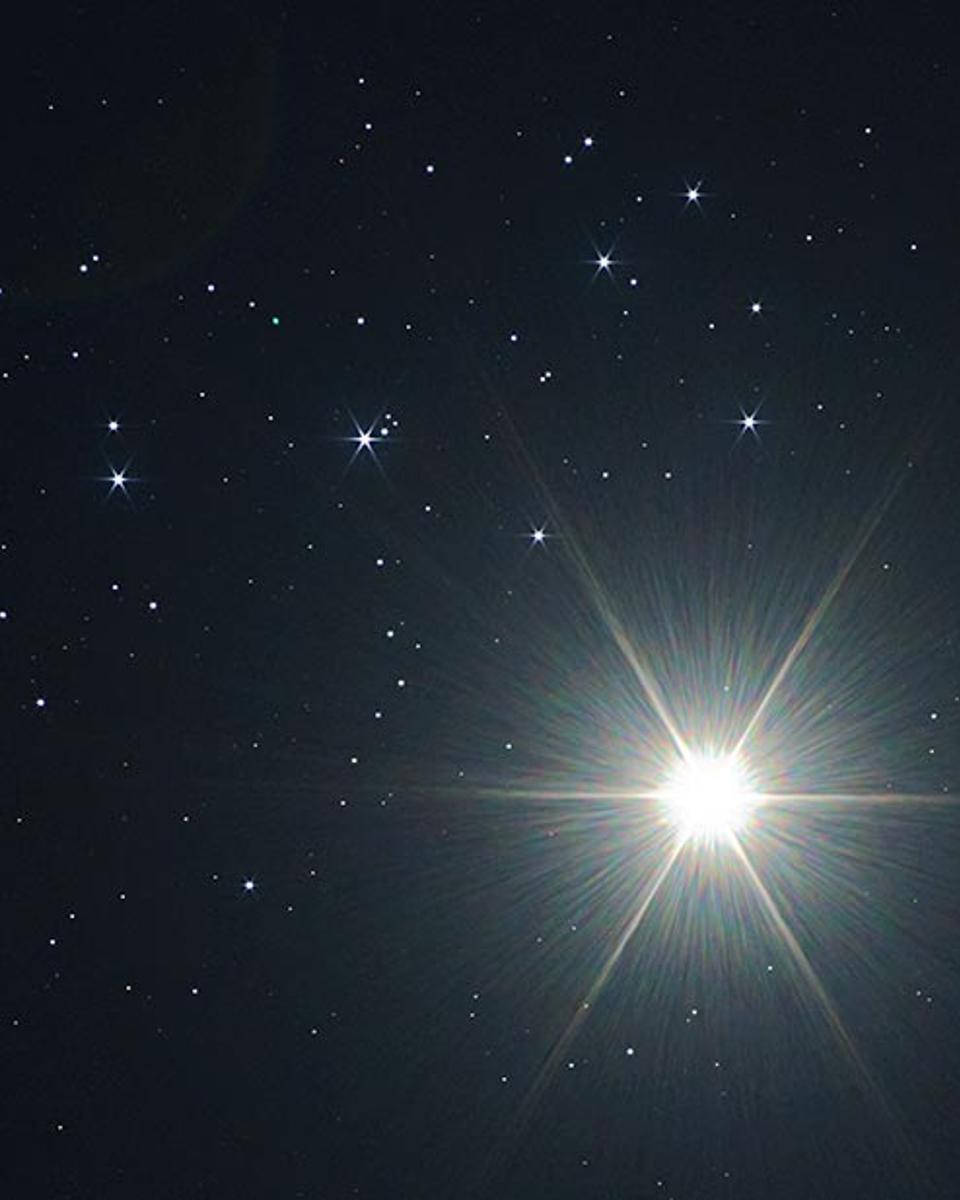
Venus and the Sisters
After wandering about as far from the Sun on the sky as Venus can get, the brilliant evening star crossed paths with the Pleiades star cluster earlier this week. The beautiful…
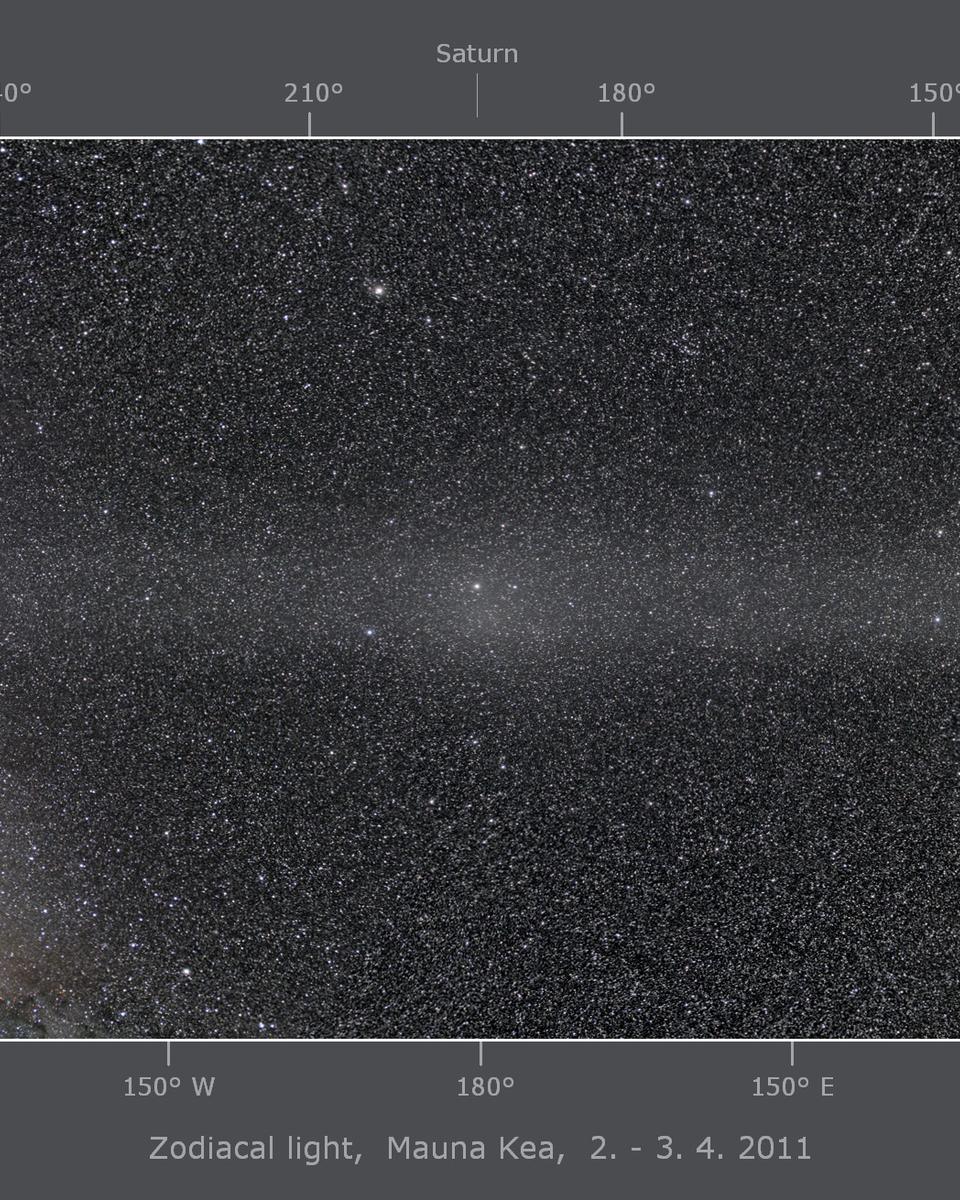
Zodiacal Light Panorama
Sweeping from the eastern to western horizon, this 360 degree panorama follows the band of zodiacal light along the solar system's ecliptic plane . Dust scattering sunlight…
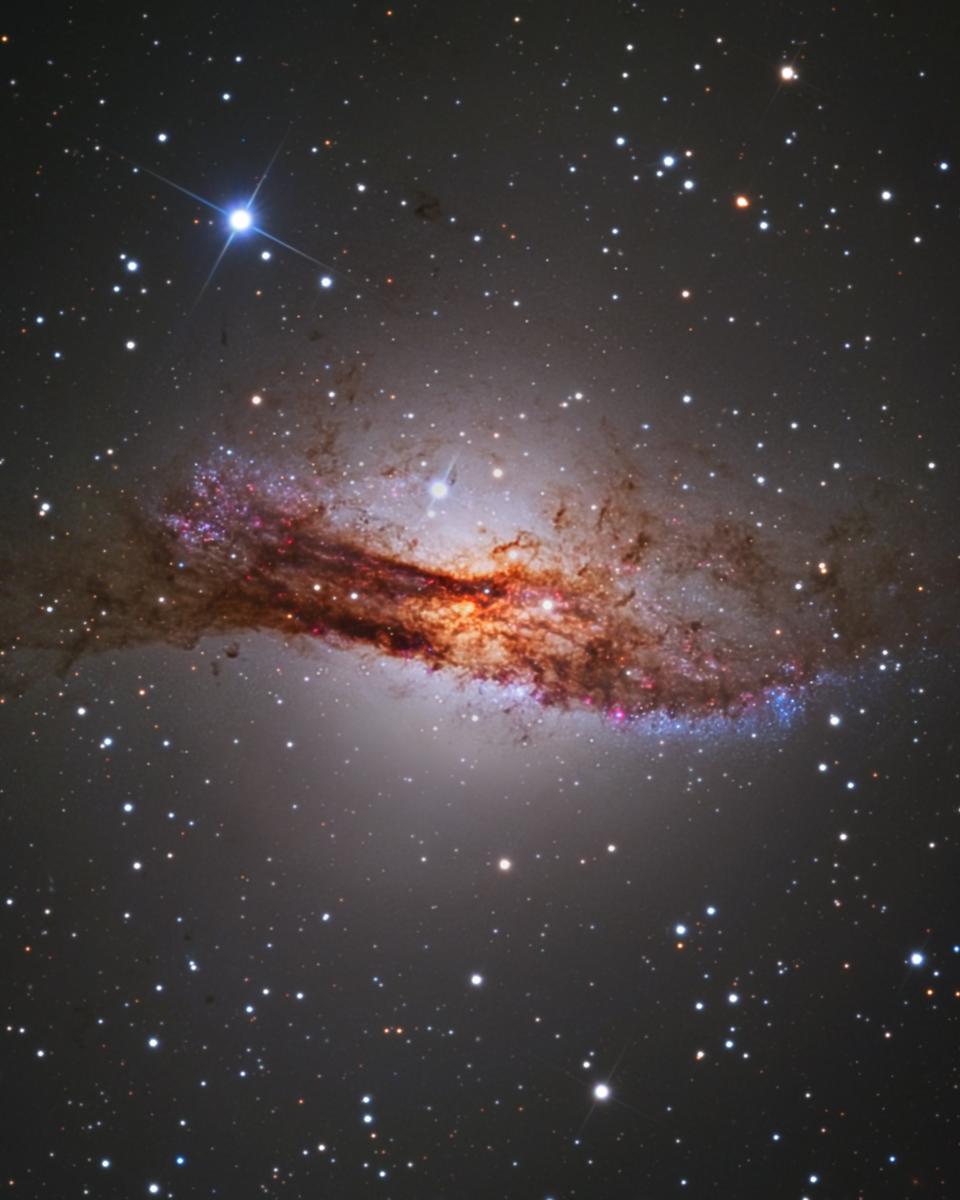
Centaurus A
What's the closest active galaxy to planet Earth? That would be Centaurus A, only 11 million light-years distant. Spanning over 60,000 light-years, the peculiar elliptical galaxy…
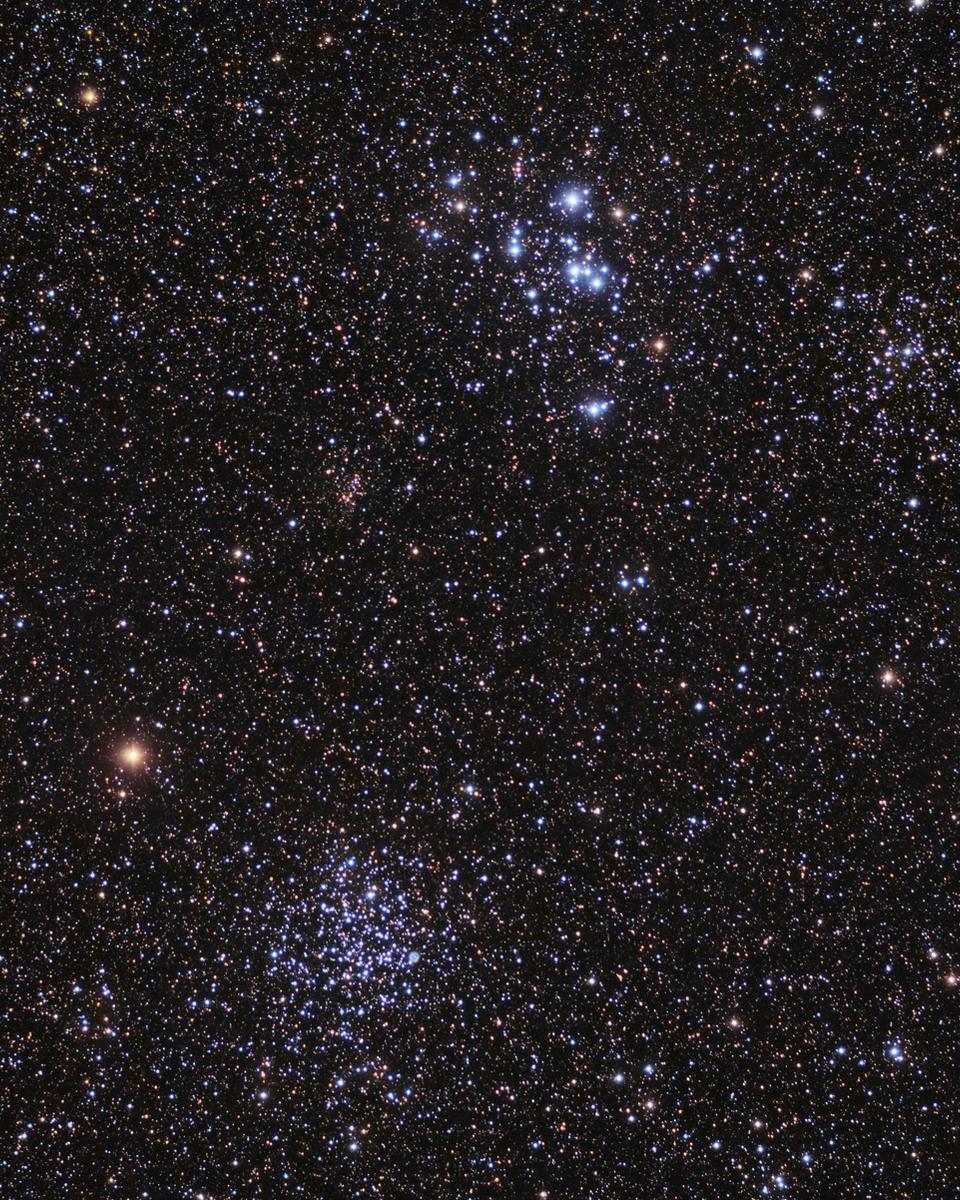
M46 & M47: Star Clusters Young and Old
Many stars form in clusters . Galactic or open star clusters are relatively young swarms of bright stars born together near the plane of our Milky Way Galaxy. Separated by about a…
Viewing discoveries from 28 April 2012 through 3 April 2012.