Browse NASA Astronomy Picture of the Day archive by date and media: Archive Discoveries
Browse the NASA APOD archive without needing the exact date first. Filter by media type and keep moving deeper into older images and videos.
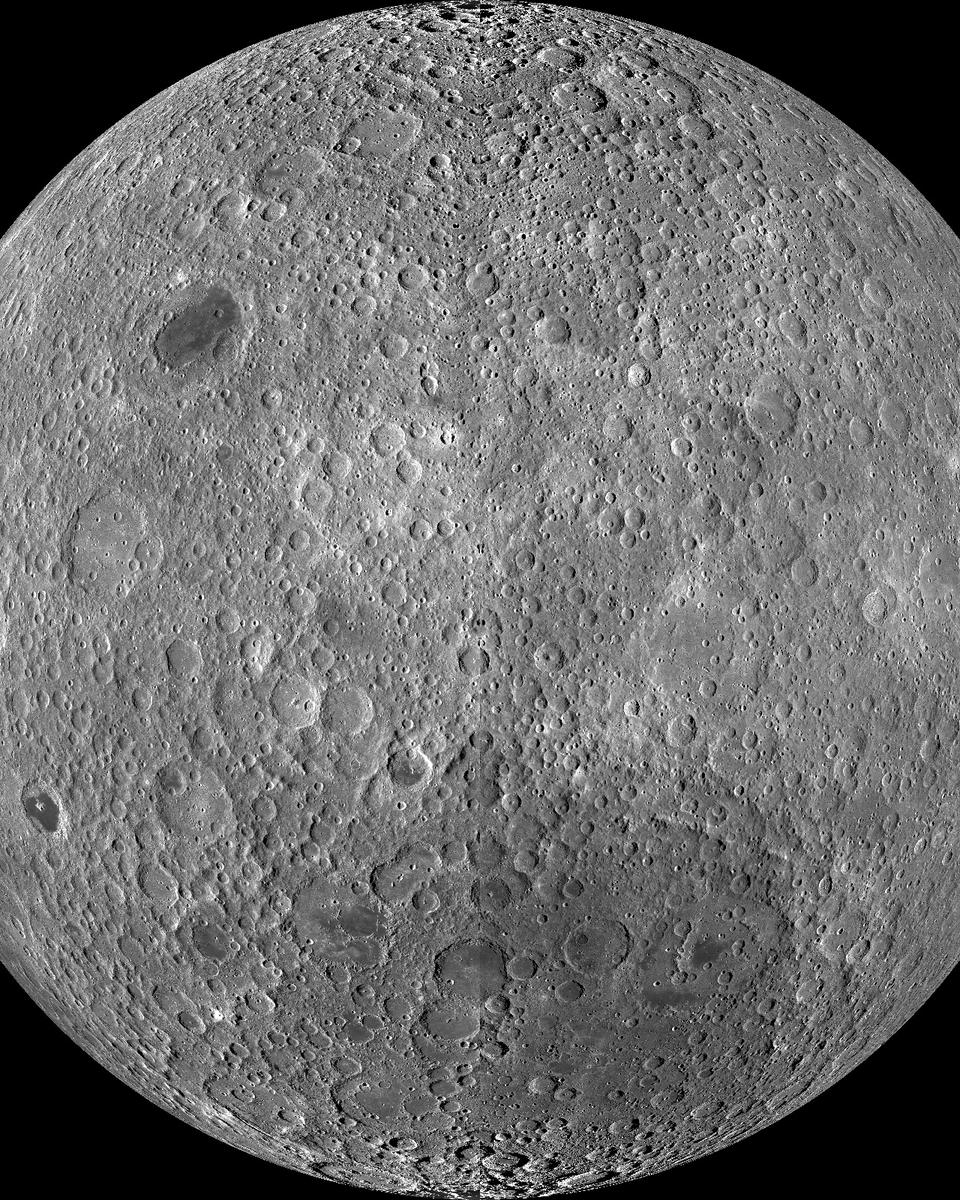
Lunar Farside
Tidally locked in synchronous rotation , the Moon always presents its familiar nearside to denizens of planet Earth . From lunar orbit , the Moon's farside can become familiar,…
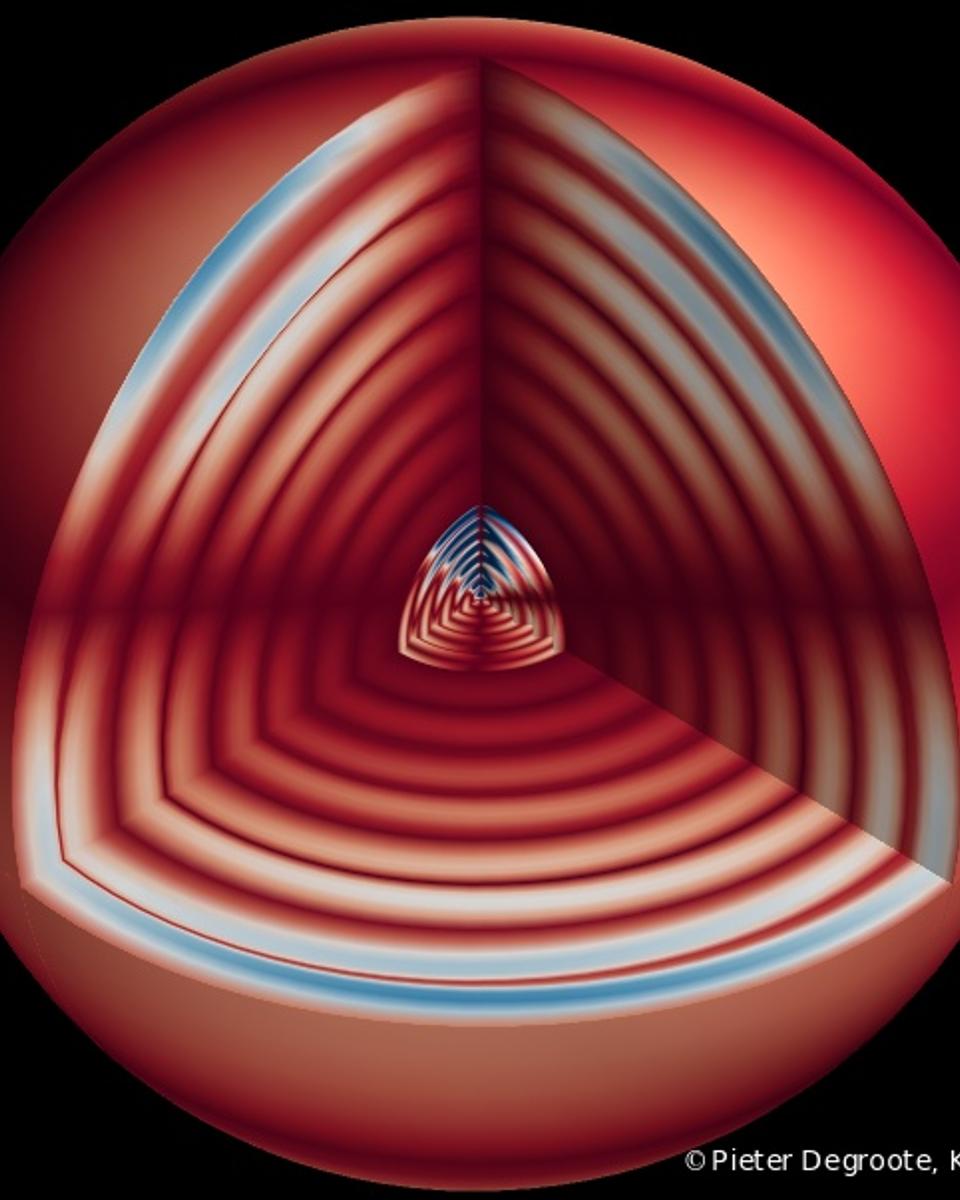
Echoes from the Depths of a Red Giant Star
A journey to the center of a red giant star is very firmly in the realm of science fiction . But the science of asteroseismology can explore the conditions there. The technique is…
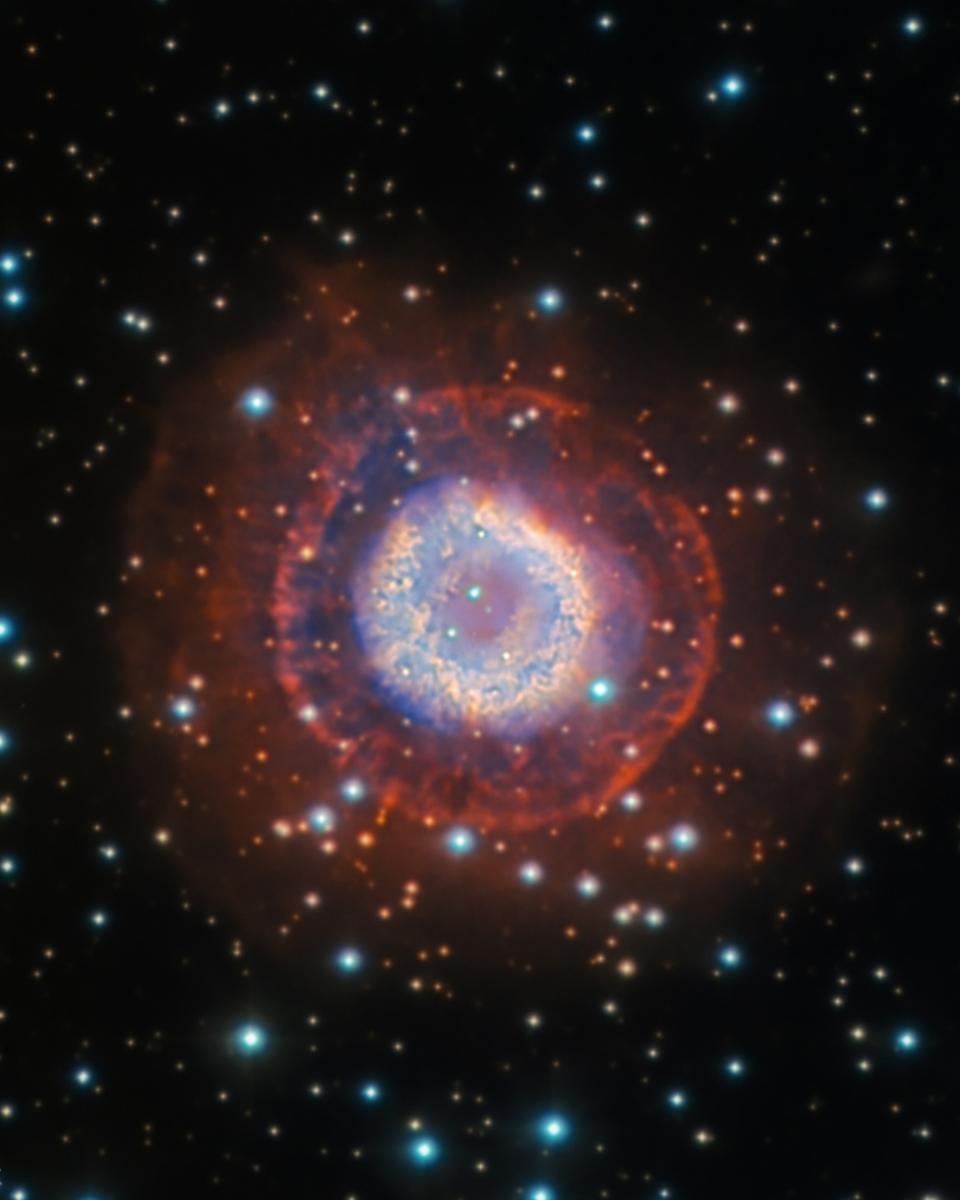
Planetary Nebula NGC 2438
NGC 2438 is a planetary nebula , the gaseous shroud cast off by a dying sunlike star billions of years old whose central reservoir of hydrogen fuel has been exhausted. About 3,000…
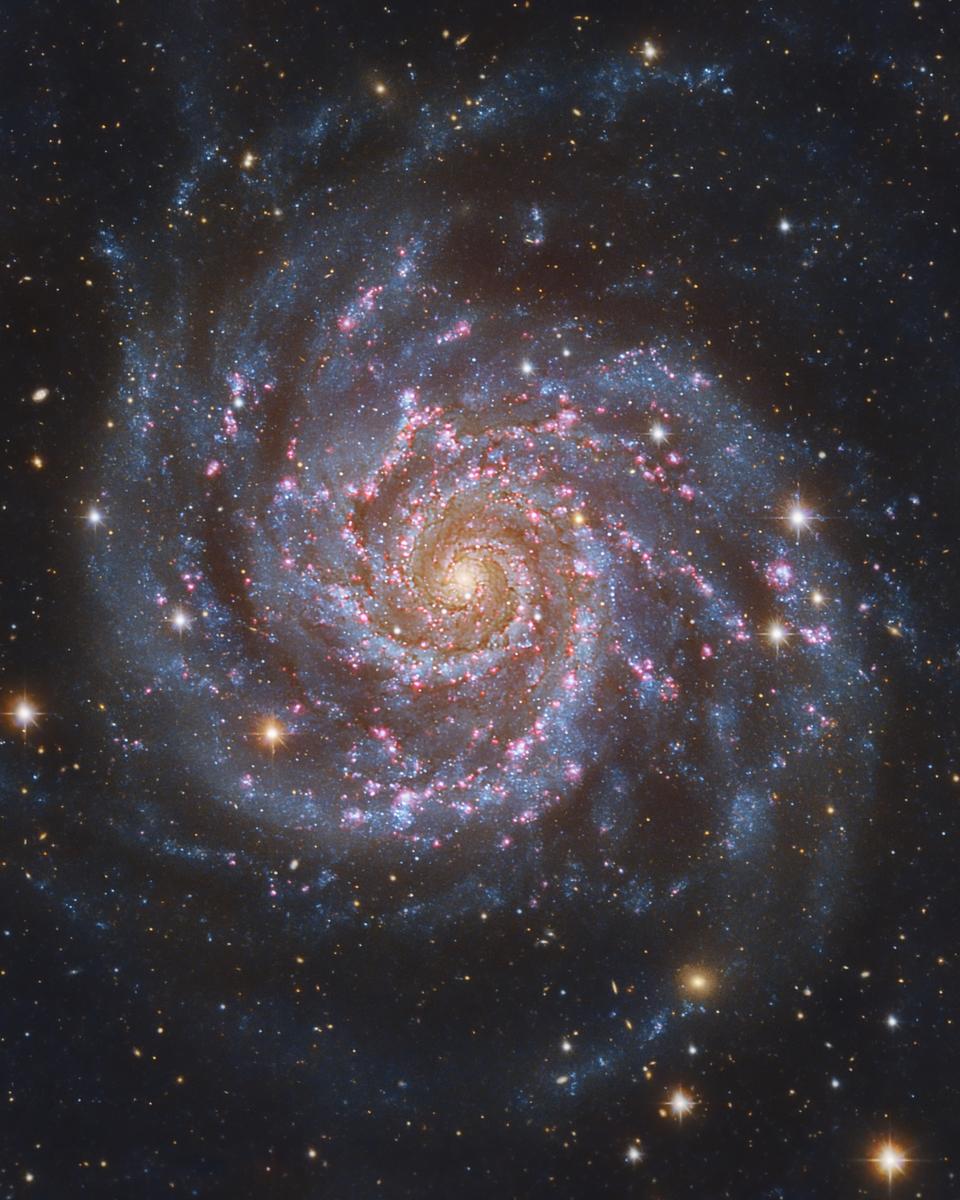
M74: The Perfect Spiral
If not perfect, then this spiral galaxy is at least one of the most photogenic. An island universe of about 100 billion stars, 32 million light-years away toward the constellation…
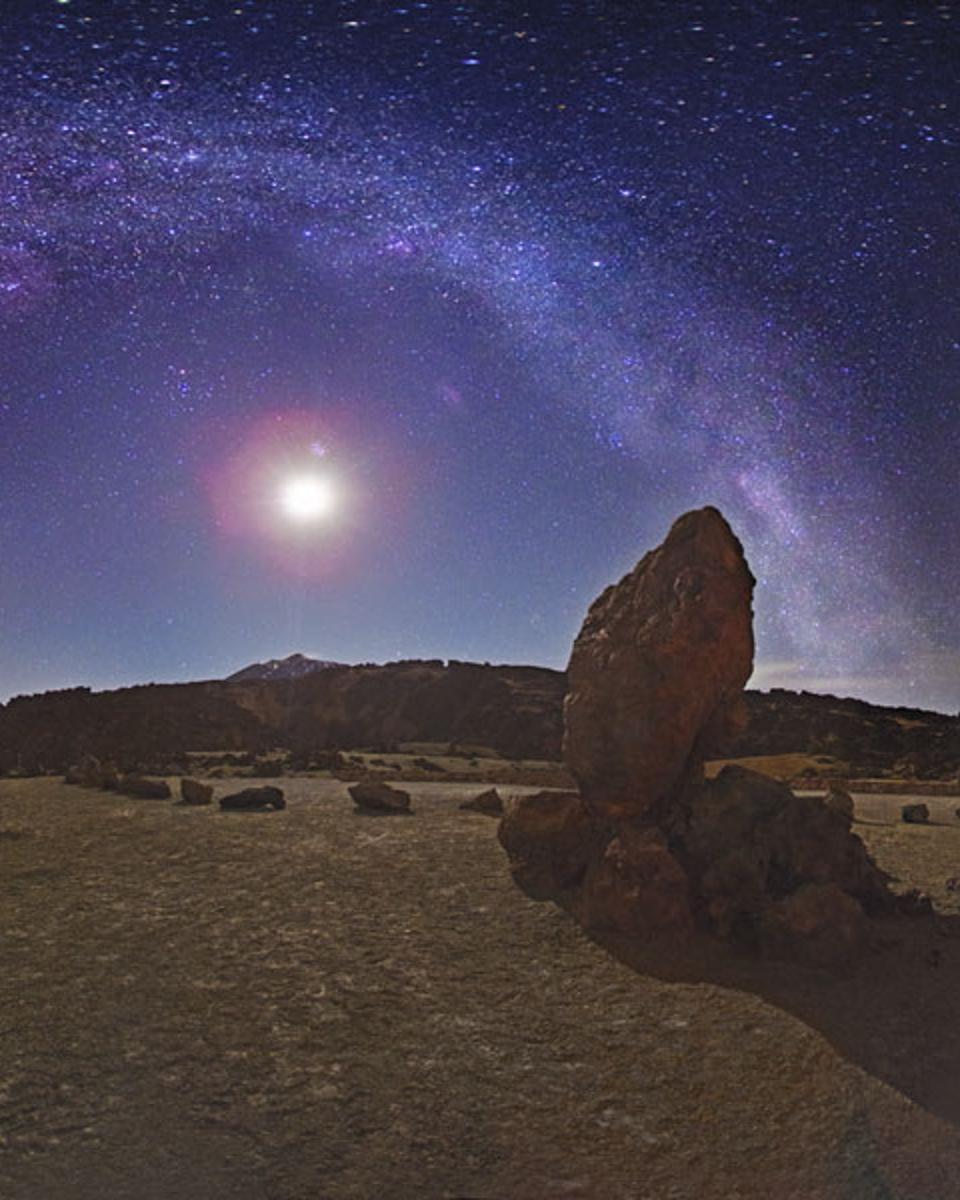
The Milky Way Over Tenerife
Have you ever seen the band of our Milky Way Galaxy ? Chances are you have never seen it like this -- nor could you. In a clear sky from a dark location at the right time, a faint…
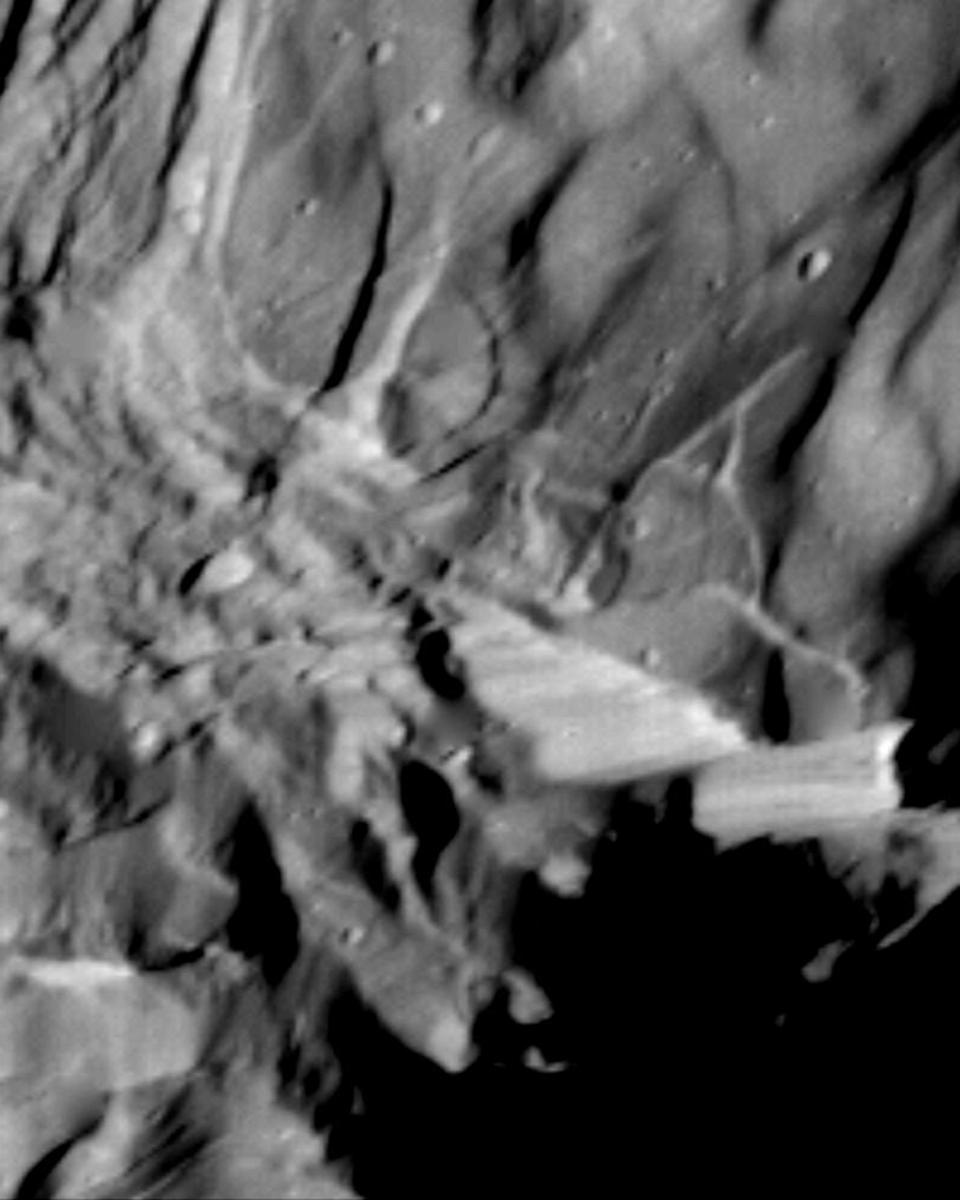
Verona Rupes: Tallest Known Cliff in the Solar System
Could you survive a jump off the tallest cliff in the Solar System? Quite possibly. Verona Rupes on Uranus ' moon Miranda is estimated to be 20 kilometers deep -- ten times the…
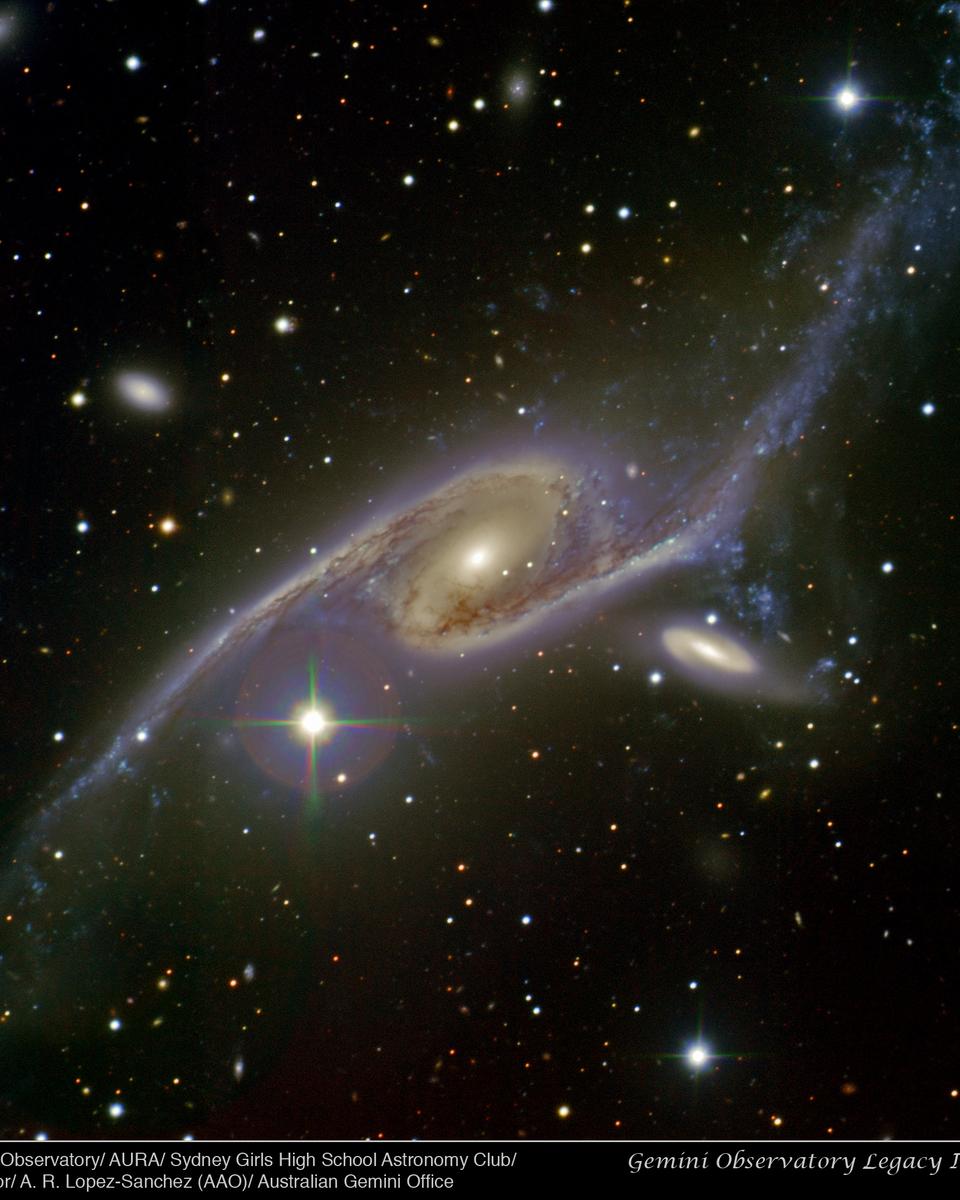
Giant Galaxy NGC 6872
Over 400,000 light years across NGC 6872 is an enormous spiral galaxy , at least 4 times the size of our own very large Milky Way. About 200 million light-years distant, toward…
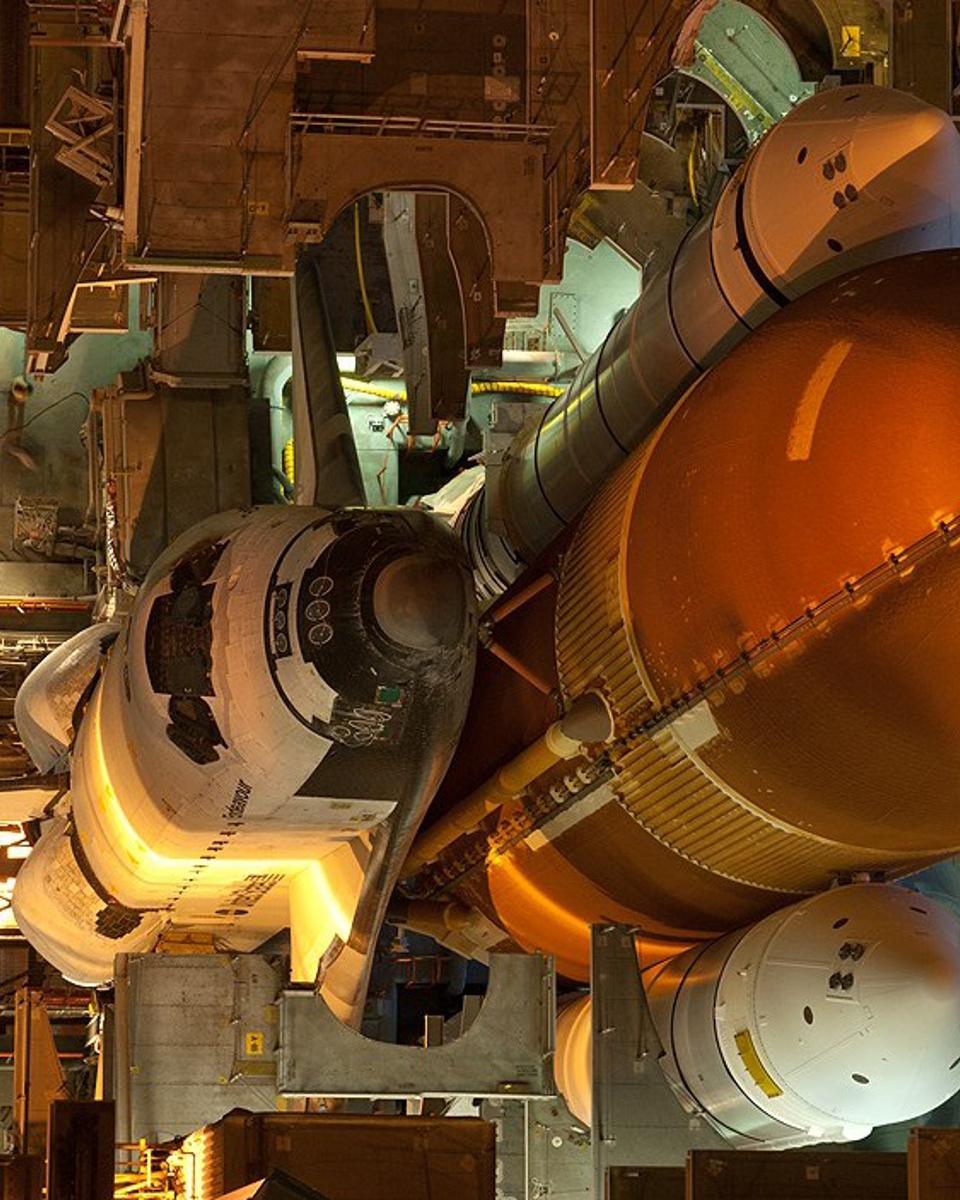
Endeavour Looking Up
First flown in 1992, Endeavour, the youngest space shuttle orbiter, is being prepared for its 25th and final trip to low Earth orbit . Seen here from an exciting perspective 400…
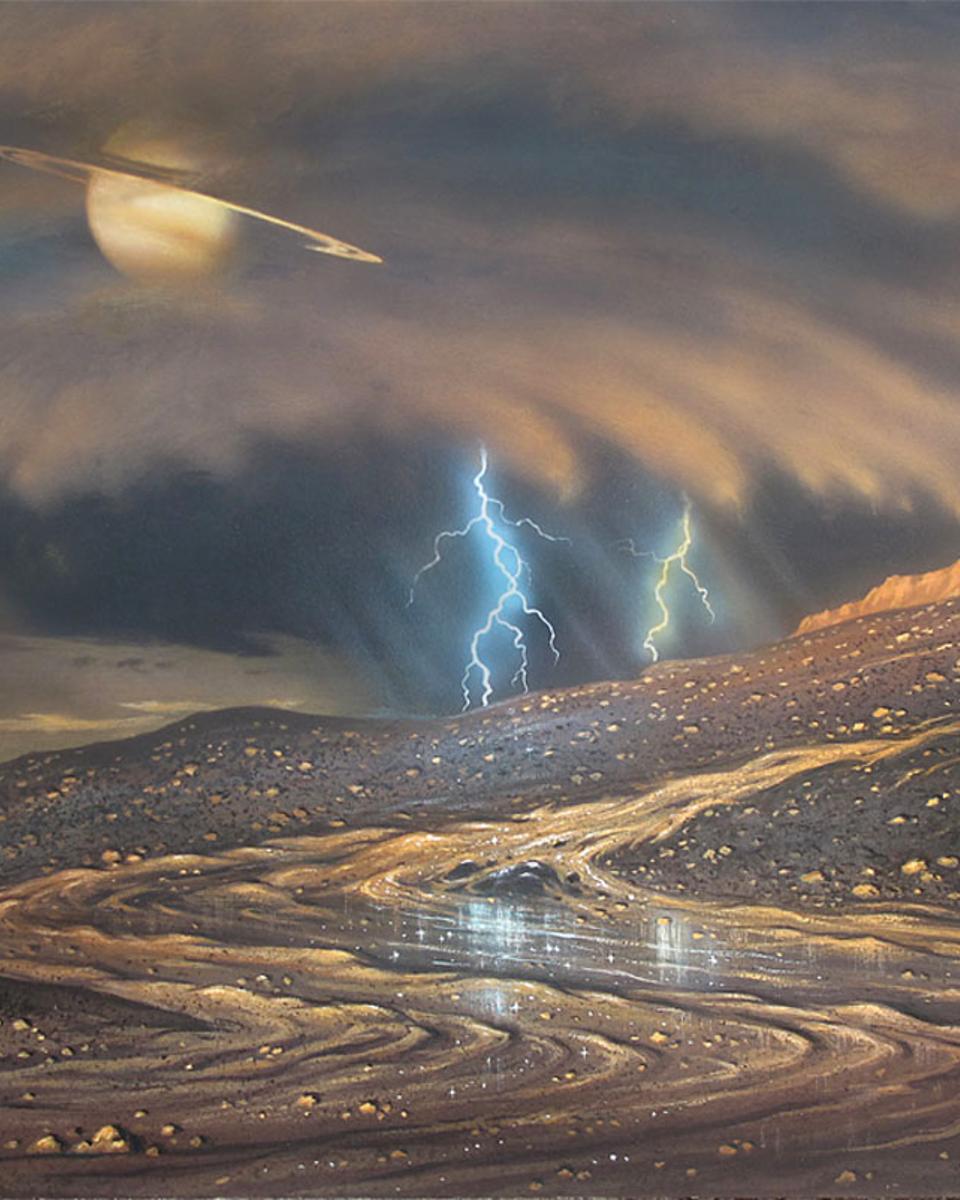
It's Raining on Titan
It's been raining on Titan . In fact, it's likely been raining methane on Titan and that's not an April Fools' joke . The almost familiar scene depicted in this artist's vision of…
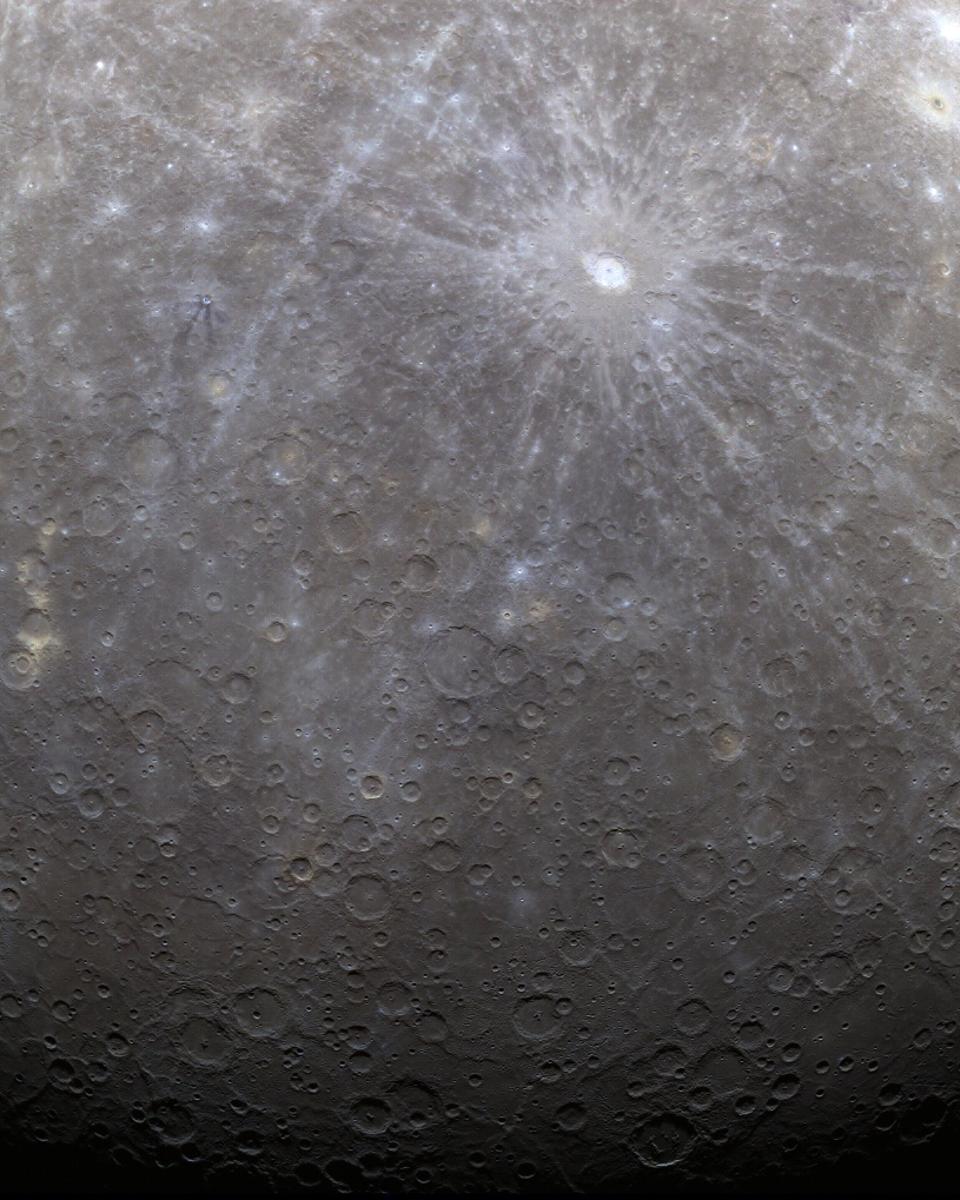
MESSENGER at Mercury
On March 17, the MESSENGER spacecraft became the first to orbit Mercury, the solar system's innermost planet . This is its first processed color image since entering Mercury…
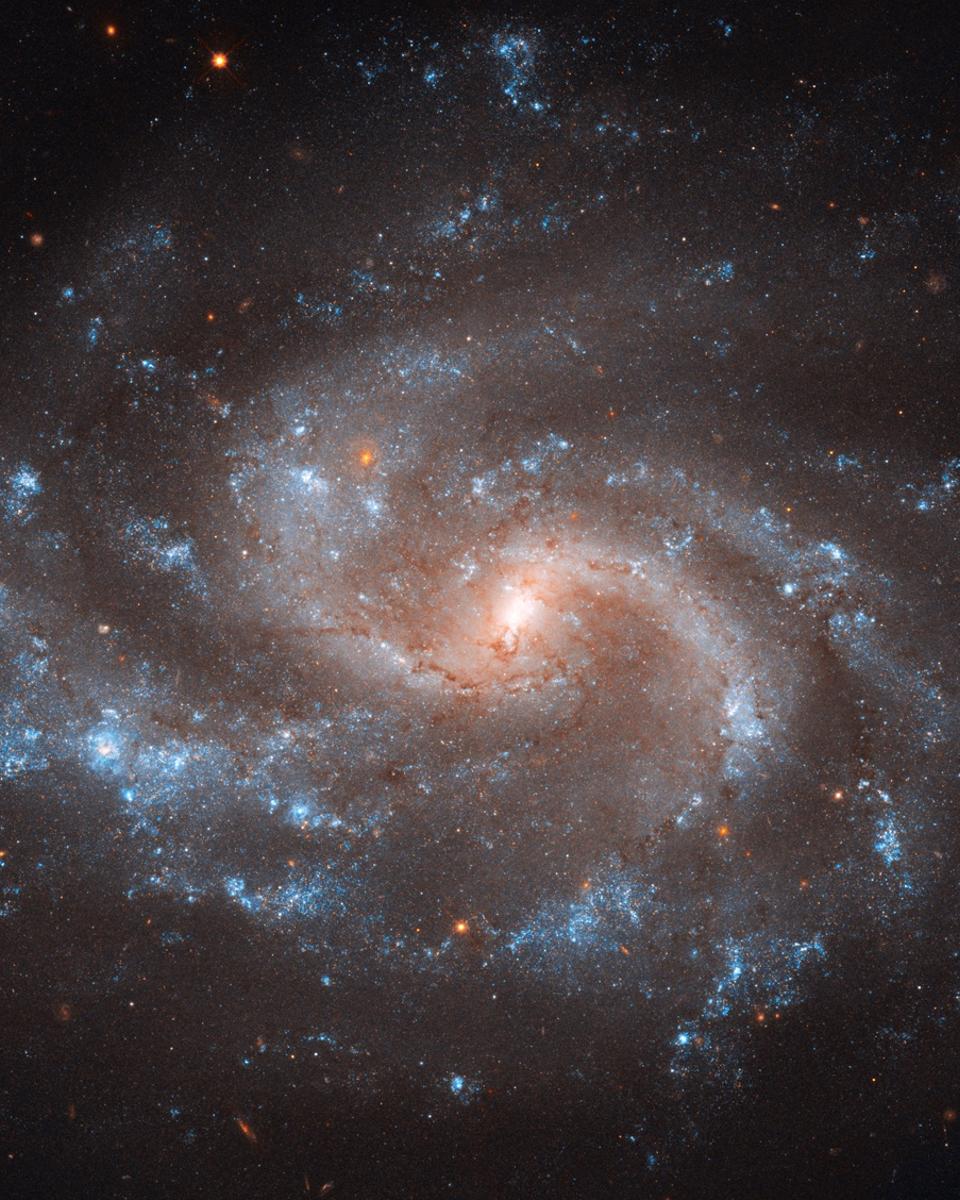
NGC 5584: Expanding the Universe
Big, beautiful NGC 5584 is more that 50,000 light-years across and lies 72 million light-years away toward the constellation Virgo. The winding spiral arms of this gorgeous island…
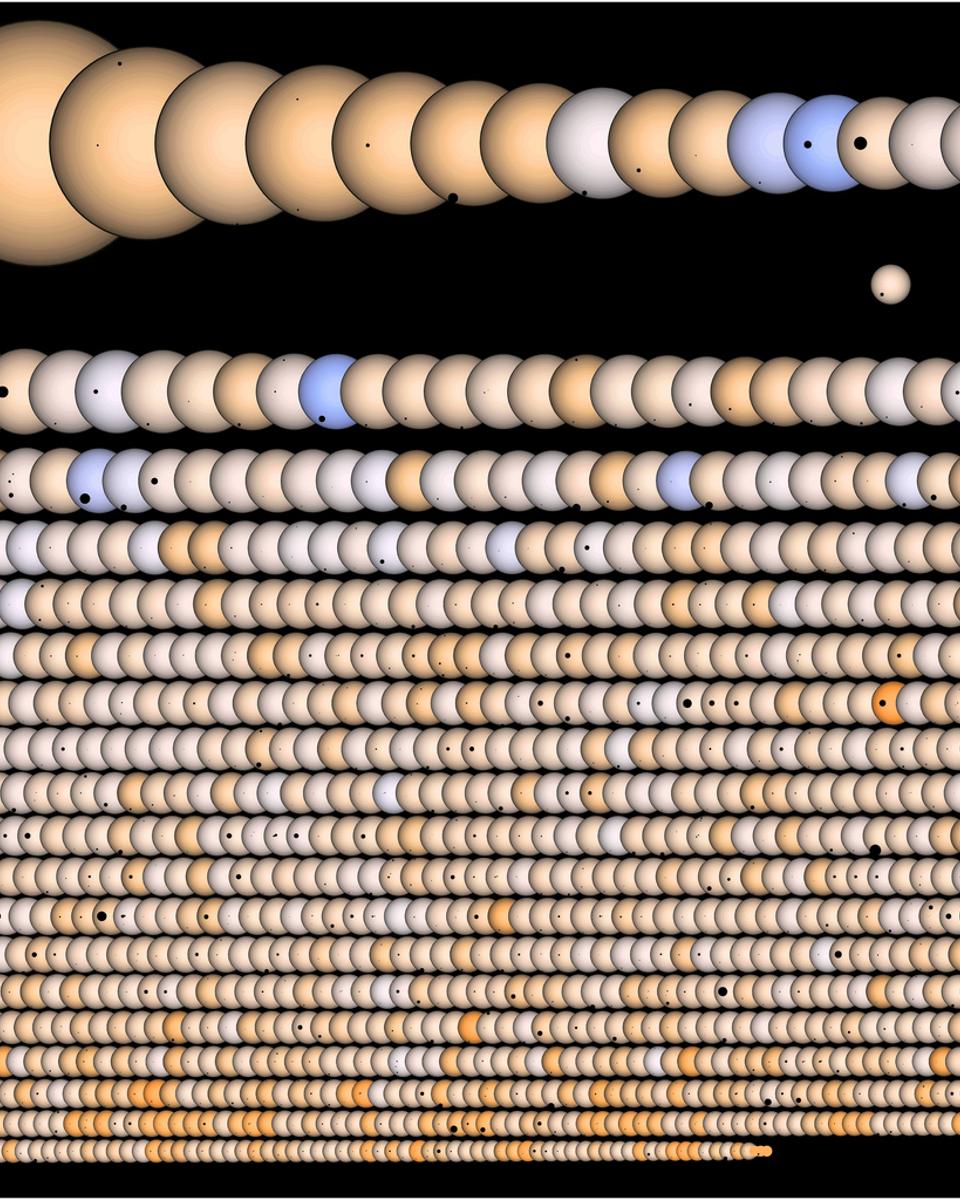
Kepler's Suns and Planets
Using the prolific planet hunting Kepler spacecraft, astronomers have discovered 1,235 candidate planets orbiting other suns since the Kepler mission's search for Earth-like…
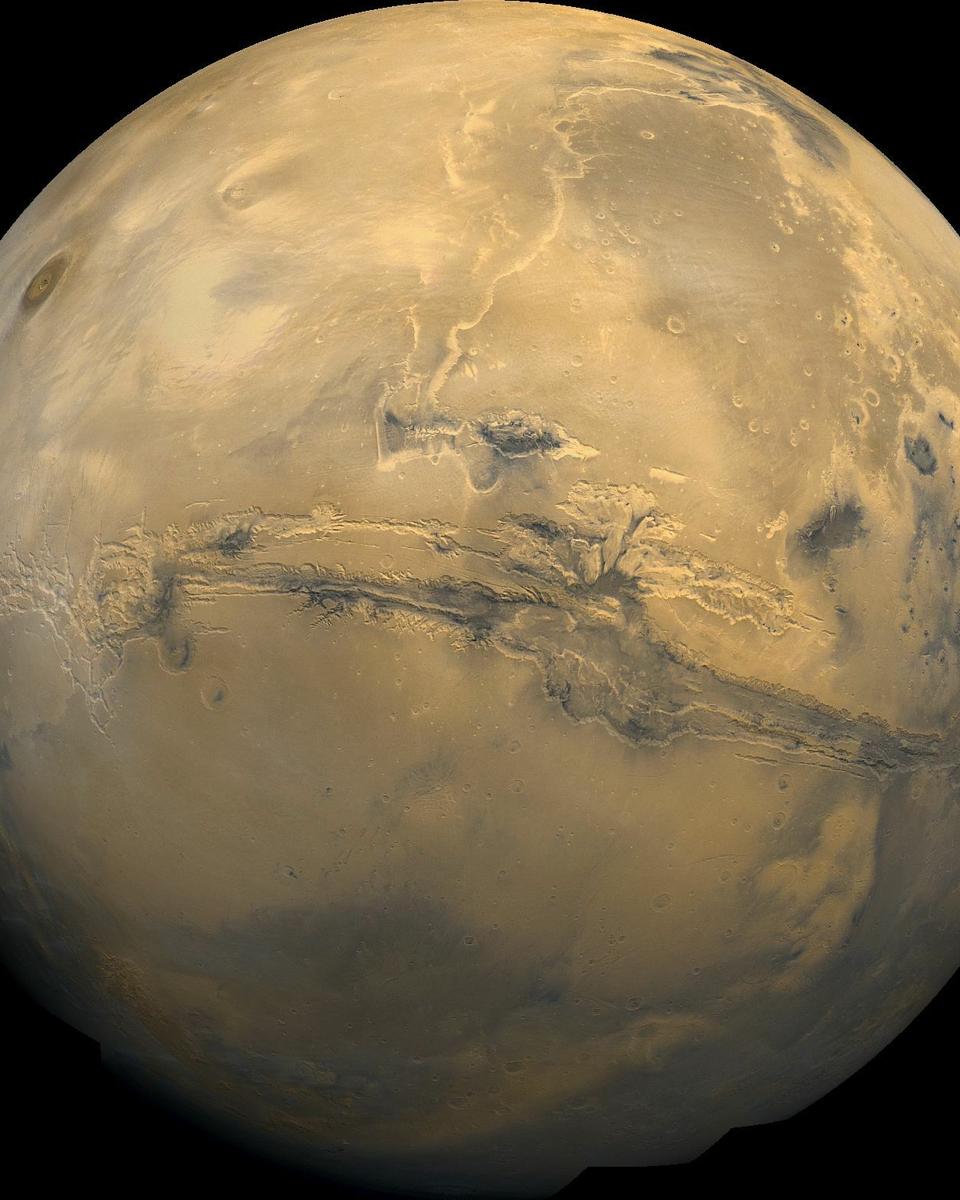
Valles Marineris: The Grand Canyon of Mars
The largest canyon in the Solar System cuts a wide swath across the face of Mars . Named Valles Marineris , the grand valley extends over 3,000 kilometers long, spans as much as…
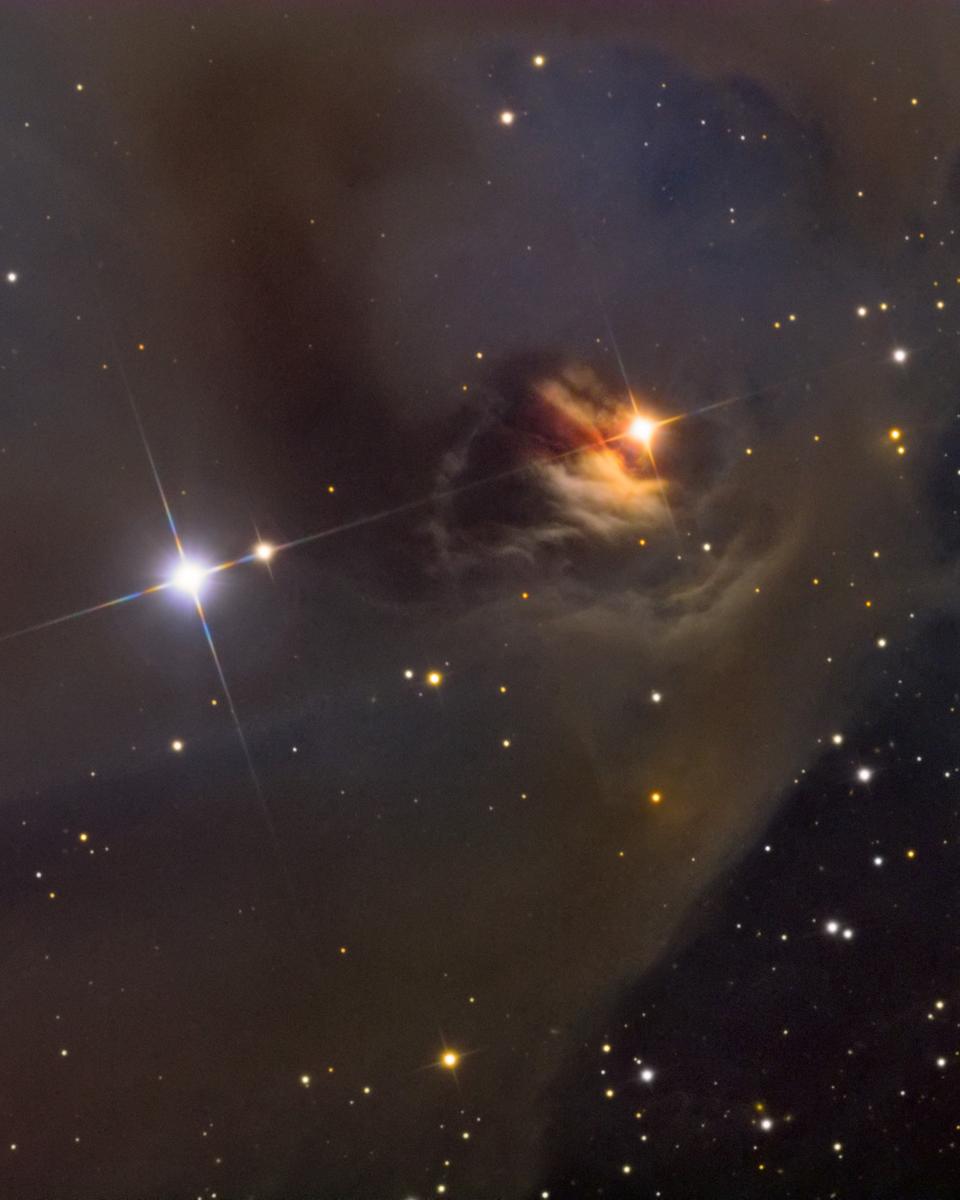
T Tauri and Hind's Variable Nebula
The yellowish star near center in this remarkable telescopic skyview is T Tauri, prototype of the class of T Tauri variable stars. Nearby it is a dusty yellow cosmic cloud…
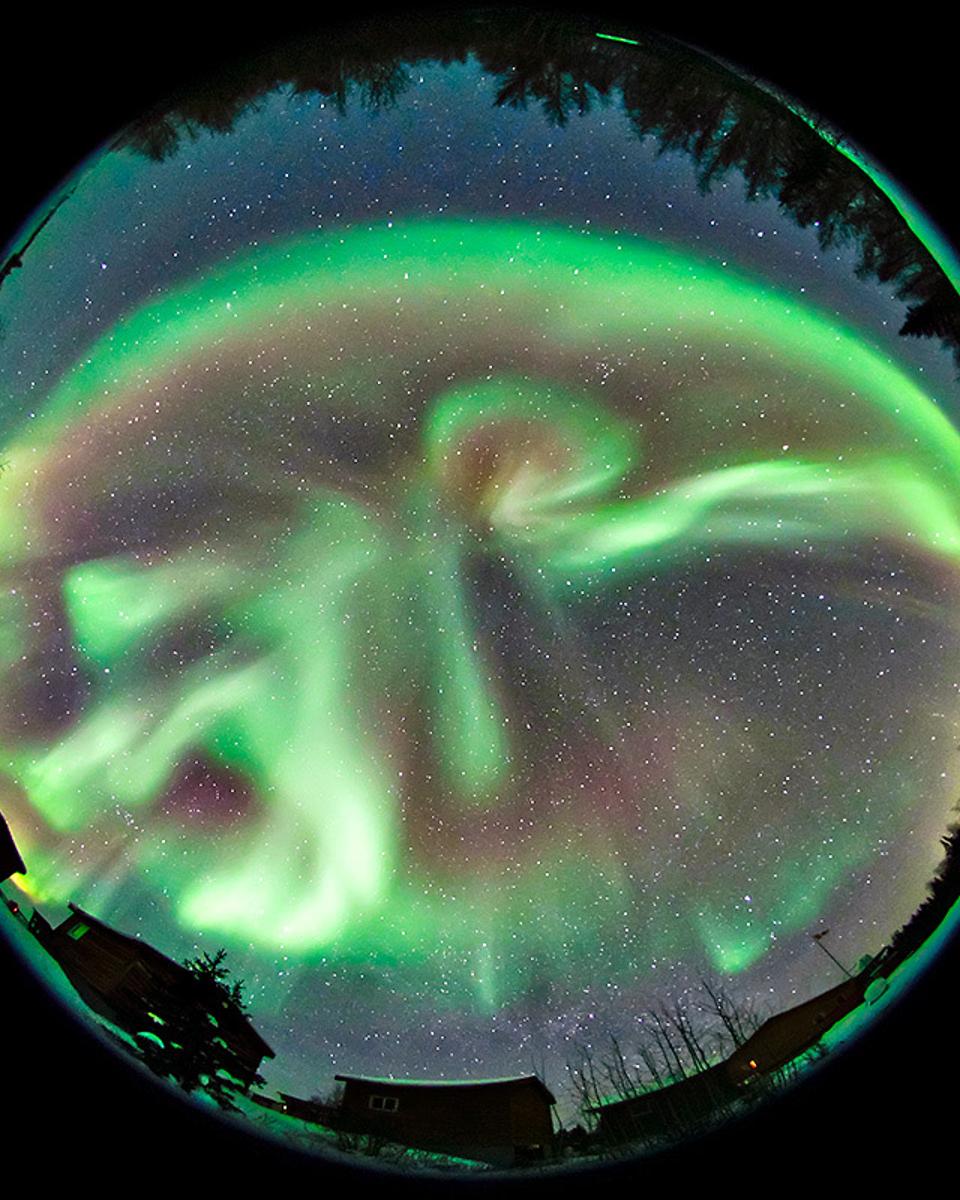
Auroral Substorm over Yellowknife
Intense auroral activity flooded the night with shimmering colors on February 24, captured here from a lodge near the city of Yellowknife in northern Canada. The stunning sequence…
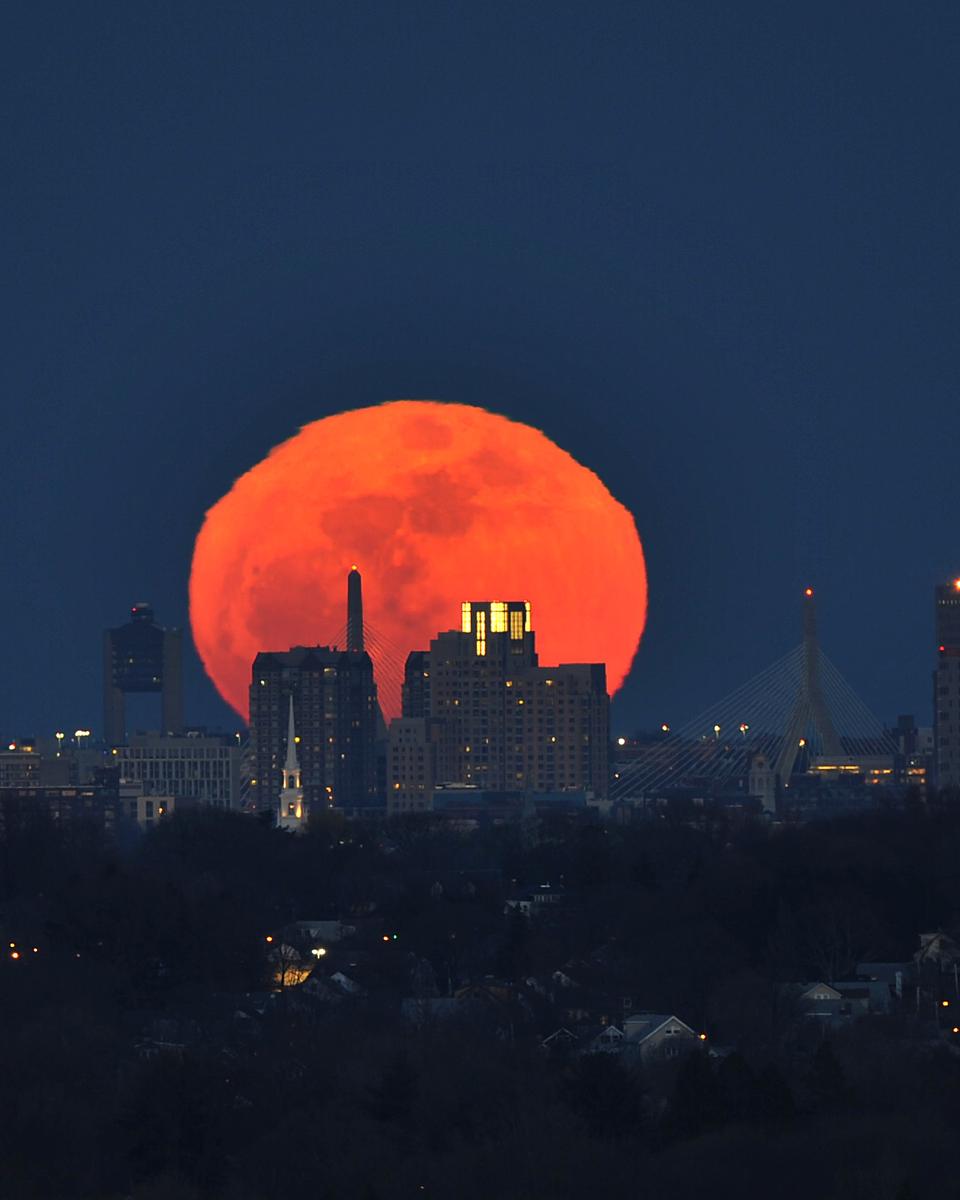
Boston Moonrise
Last week's Full Moon was hard to miss . Rising on March 19, its exact full phase occurred within an hour of perigee, the closest point in the Moon's orbit to Earth. As a result…
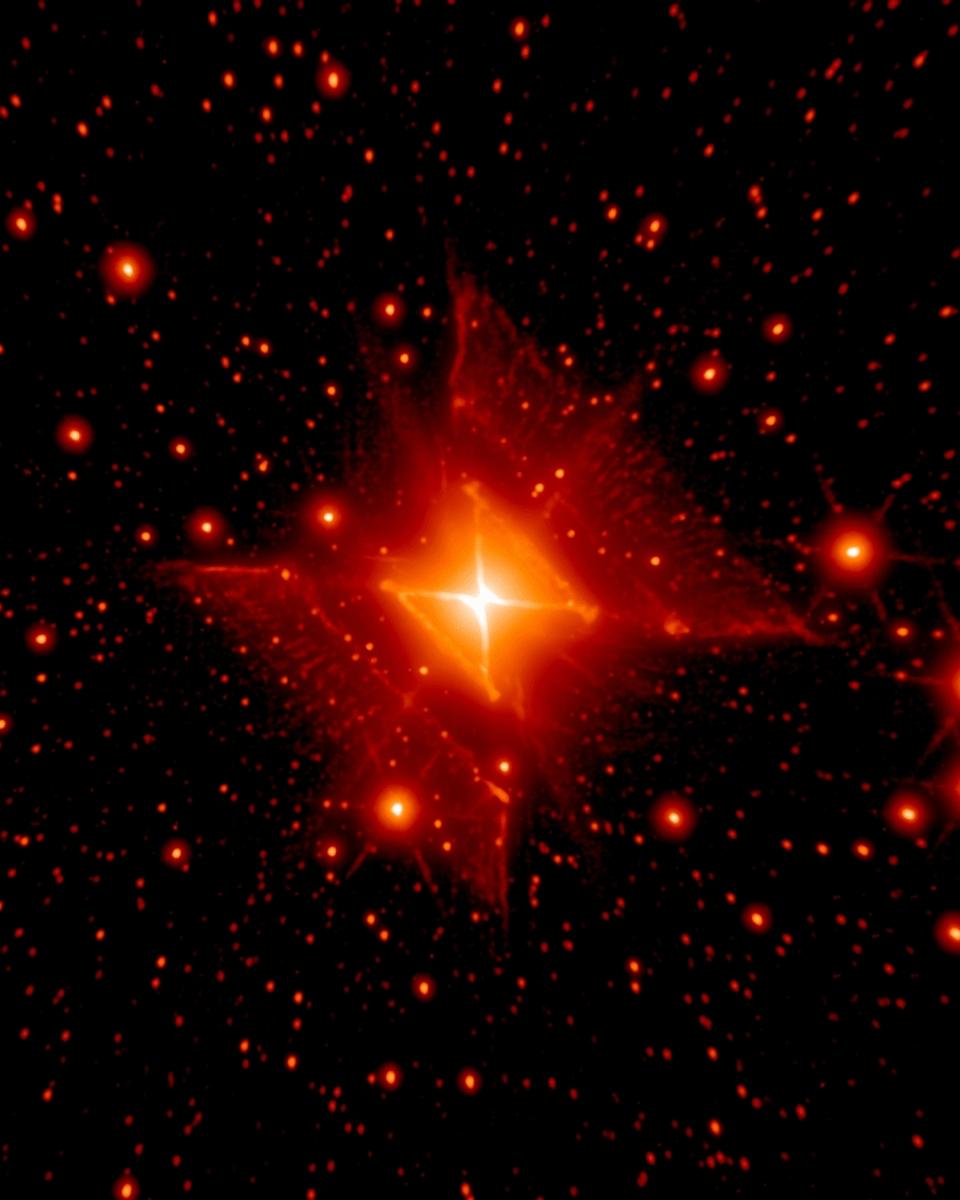
MWC 922: The Red Square Nebula
What could cause a nebula to appear square? No one is quite sure. The hot star system known as MWC 922 , however, appears to be embedded in a nebula with just such a shape. The…
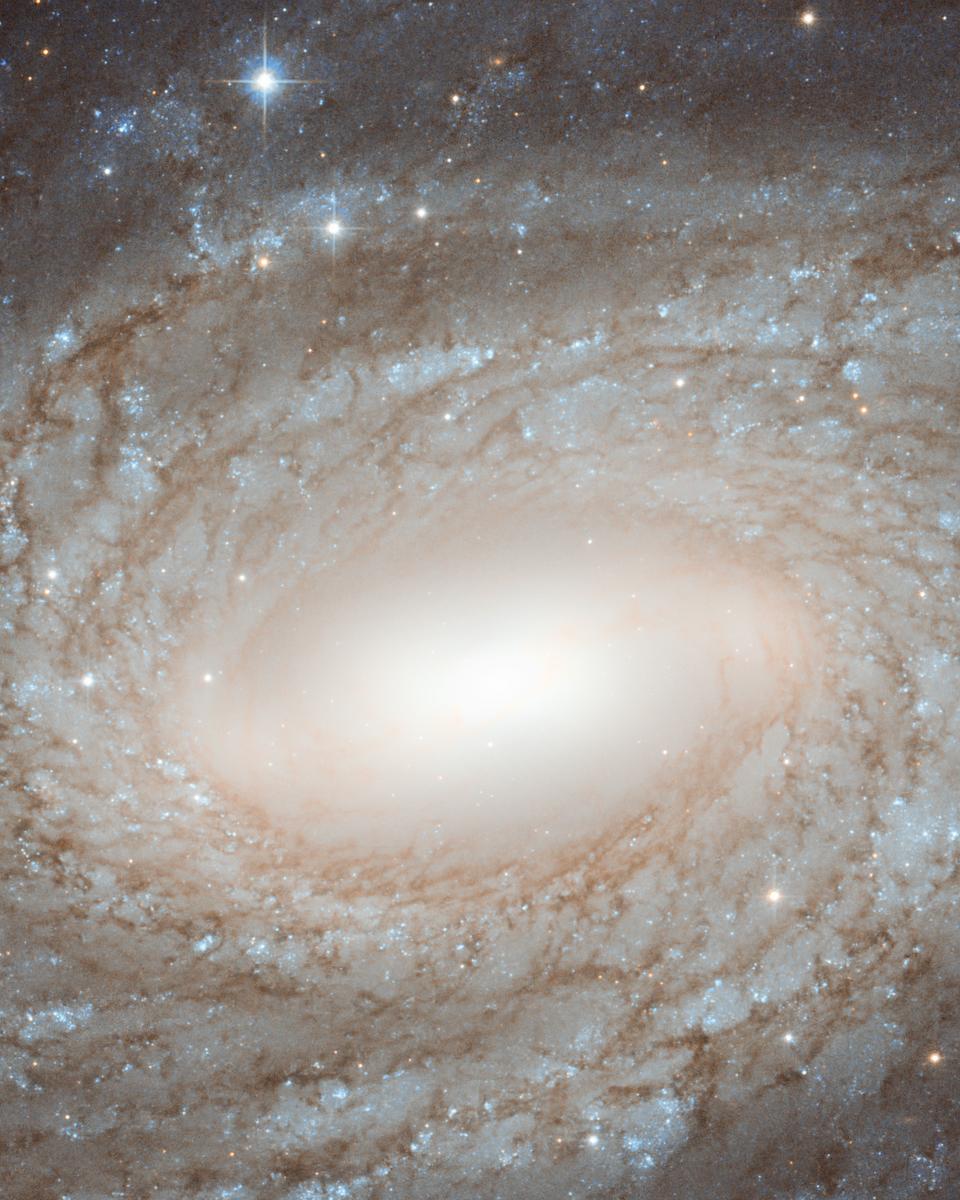
NGC 6384: Spiral Beyond the Stars
The universe is filled with galaxies . But to see them astronomers must look out beyond the stars of our galaxy, the Milky Way . For example, consider this colorful telescopic…
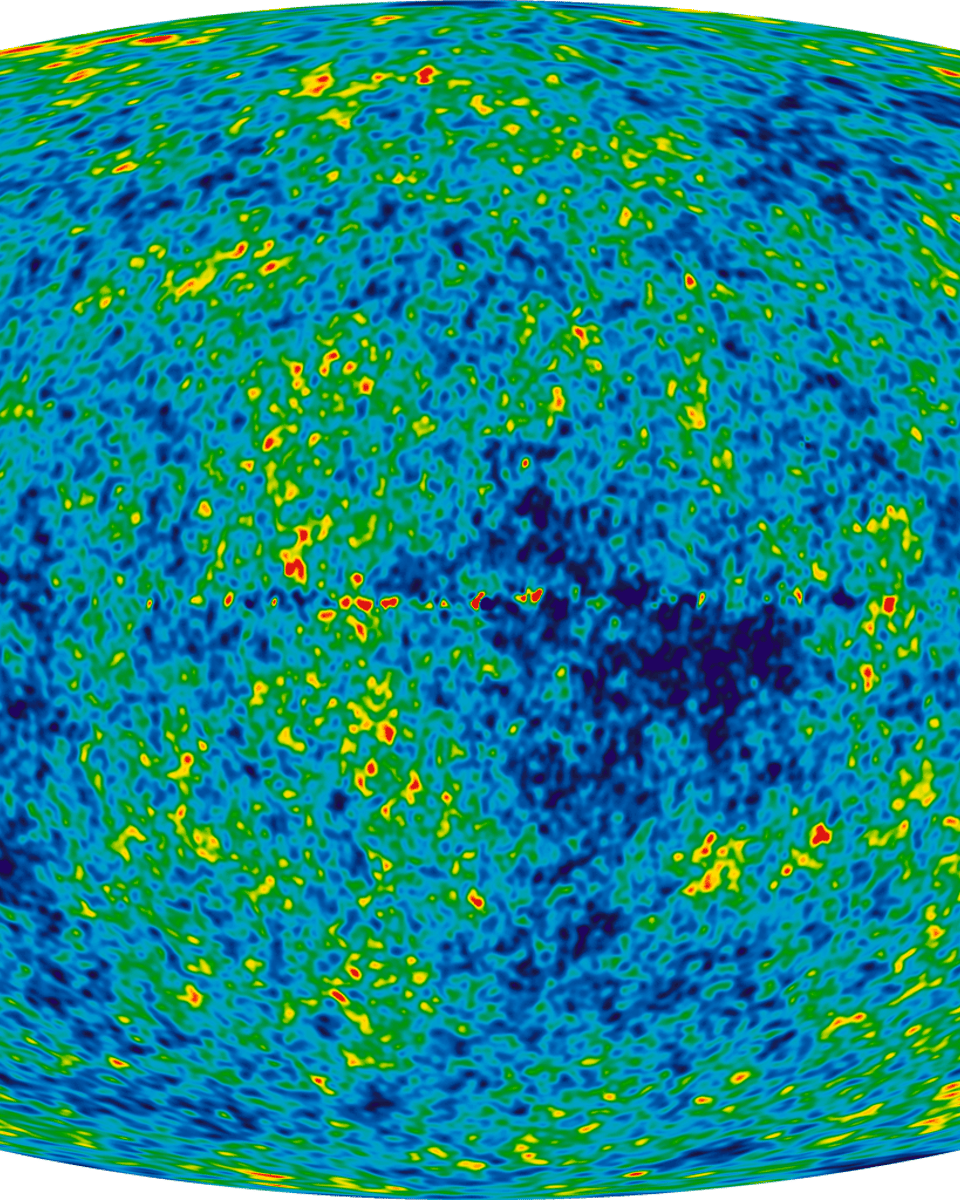
The CMB Cold Spot
How could part of the early universe be so cold? No one is sure, and many astronomers now think that the CMB Cold Spot on the cosmic microwave background (CMB) radiation is not…
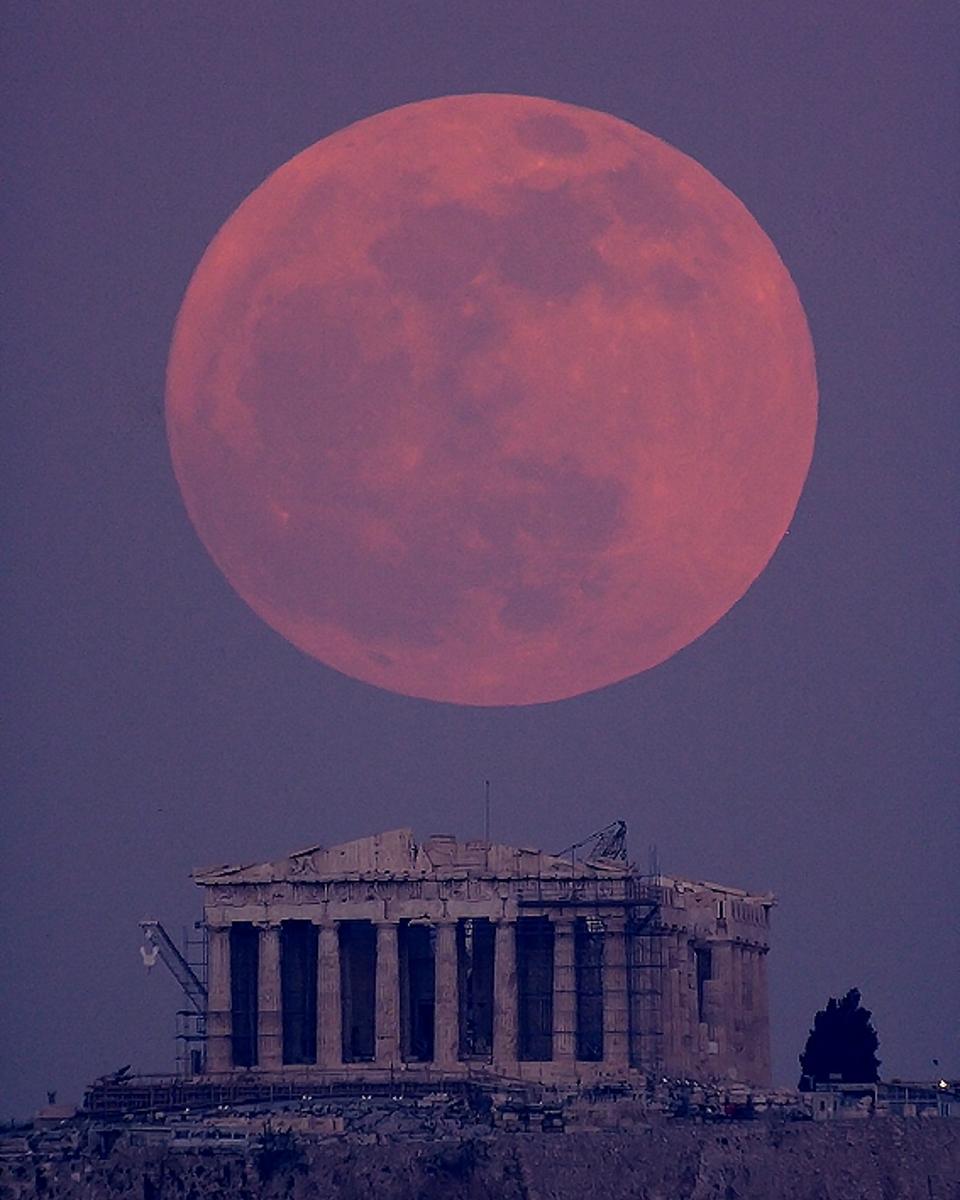
Parthenon Moon
Did you see the Full Moon last night? Near the horizon , the lunar orb may have seemed to loom large, swollen in appearance by the famous Moon illusion . But the Full Moon really…
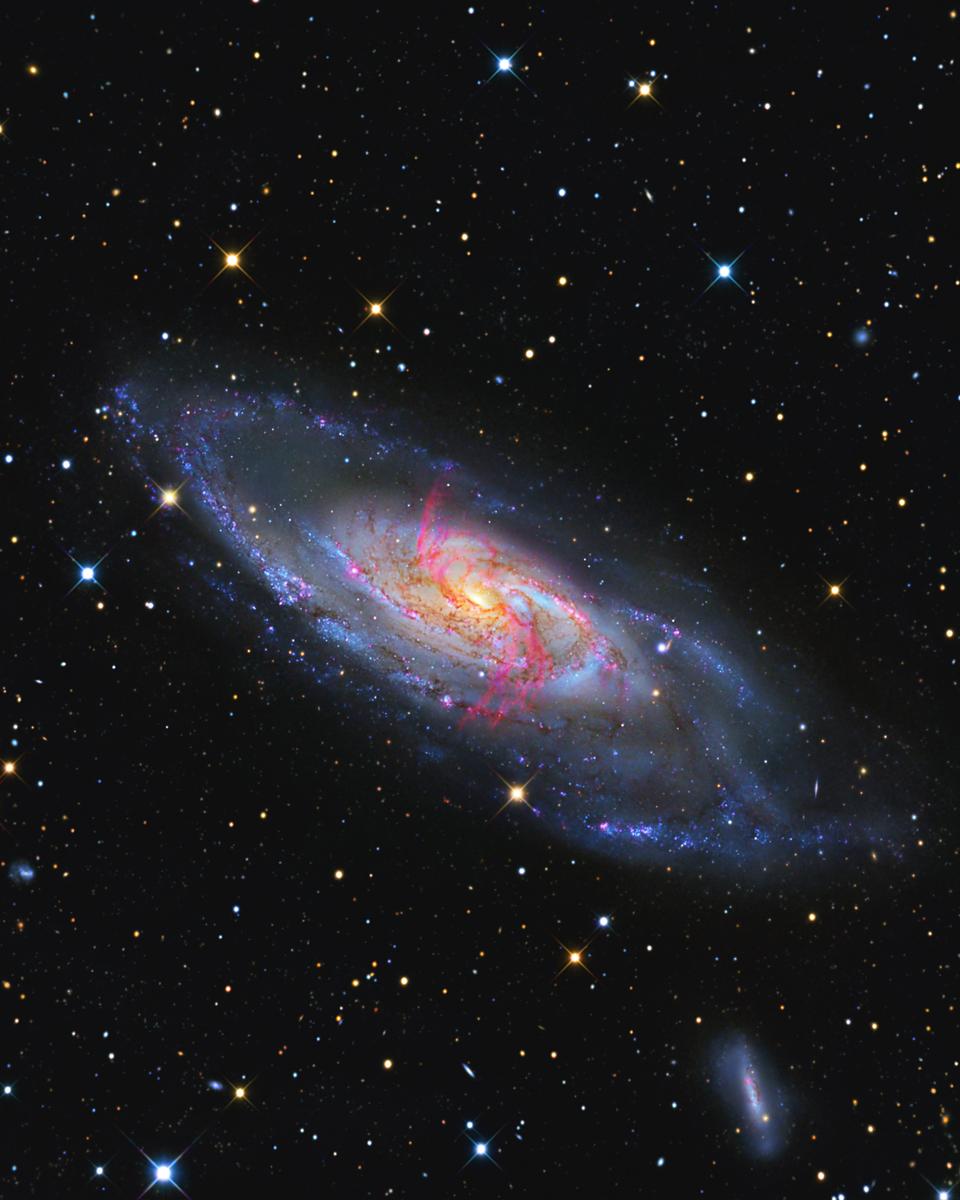
Messier 106
Close to the Great Bear (Ursa Major) and surrounded by the stars of the Hunting Dogs (Canes Venatici), this celestial wonder was discovered in 1781 by the metric French astronomer…
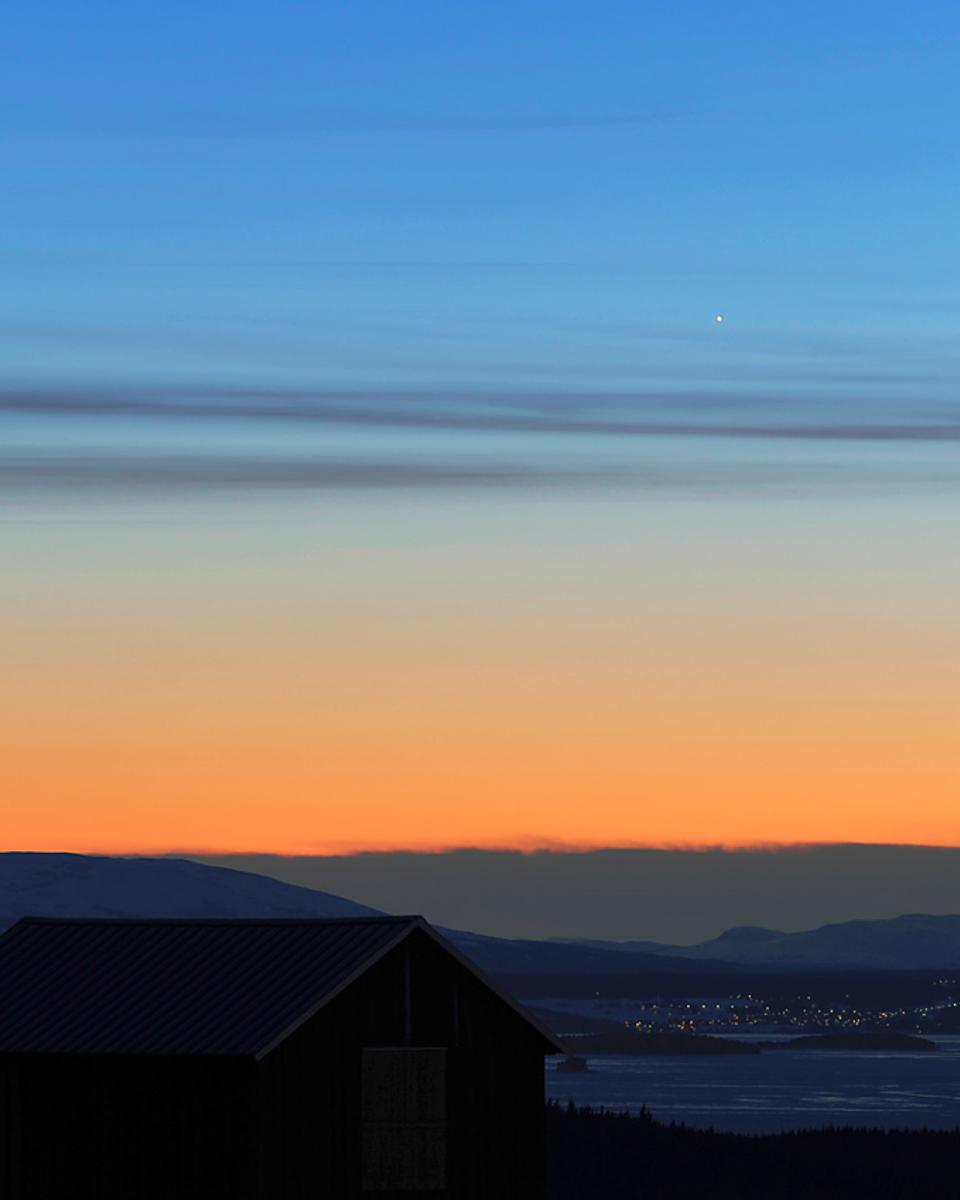
Mercury and Jupiter at Sunset
When warm sunset hues begin to fade, two celestial beacons now shine in the evening twilight, Mercury and Jupiter. Wandering away from the Sun in planet Earth's sky, Mercury will…
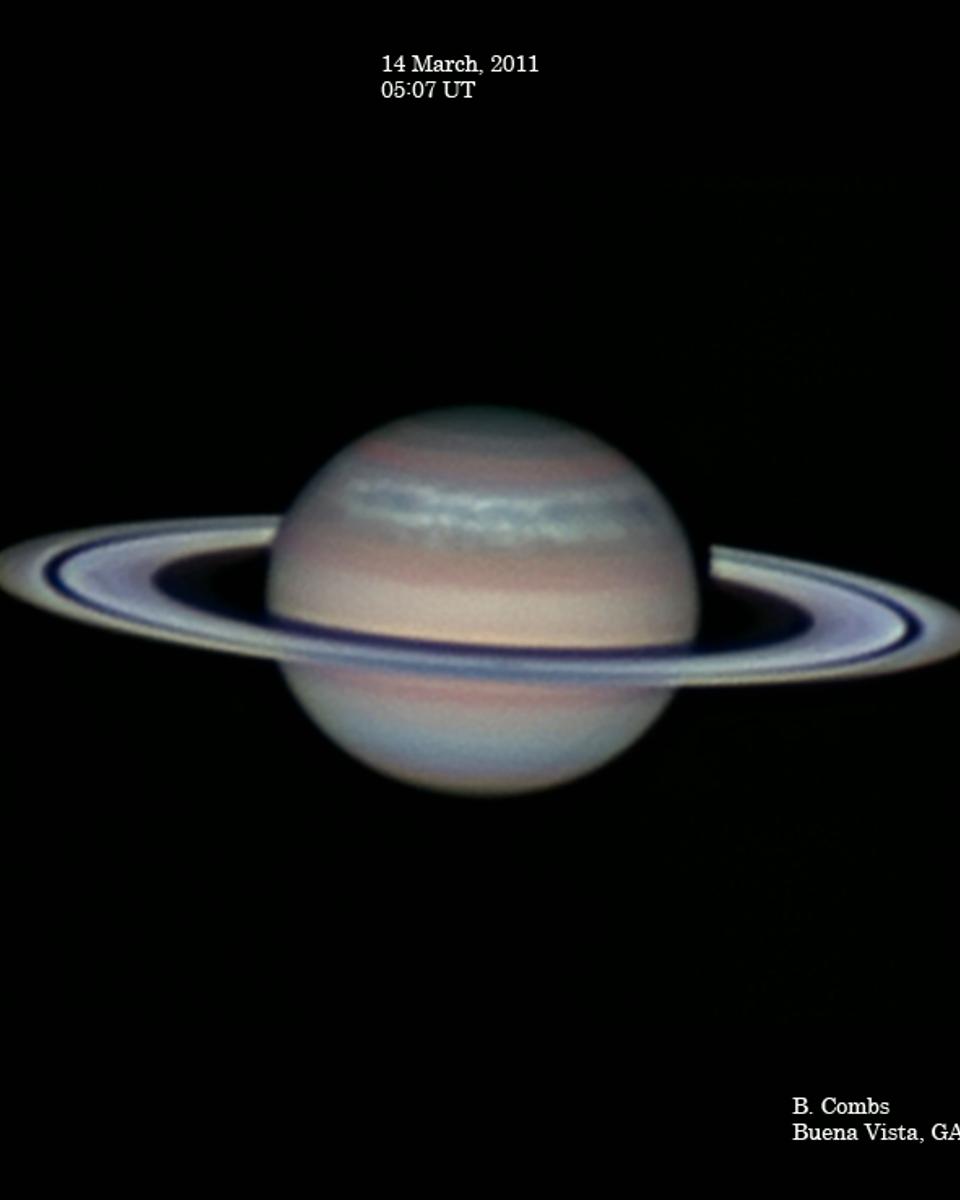
Saturn's Serpent Storm
Late last year, a new, remarkably bright storm erupted in Saturn's northern hemisphere. Nicknamed “the Serpent Storm”, the northern hemisphere disturbance is still going strong…
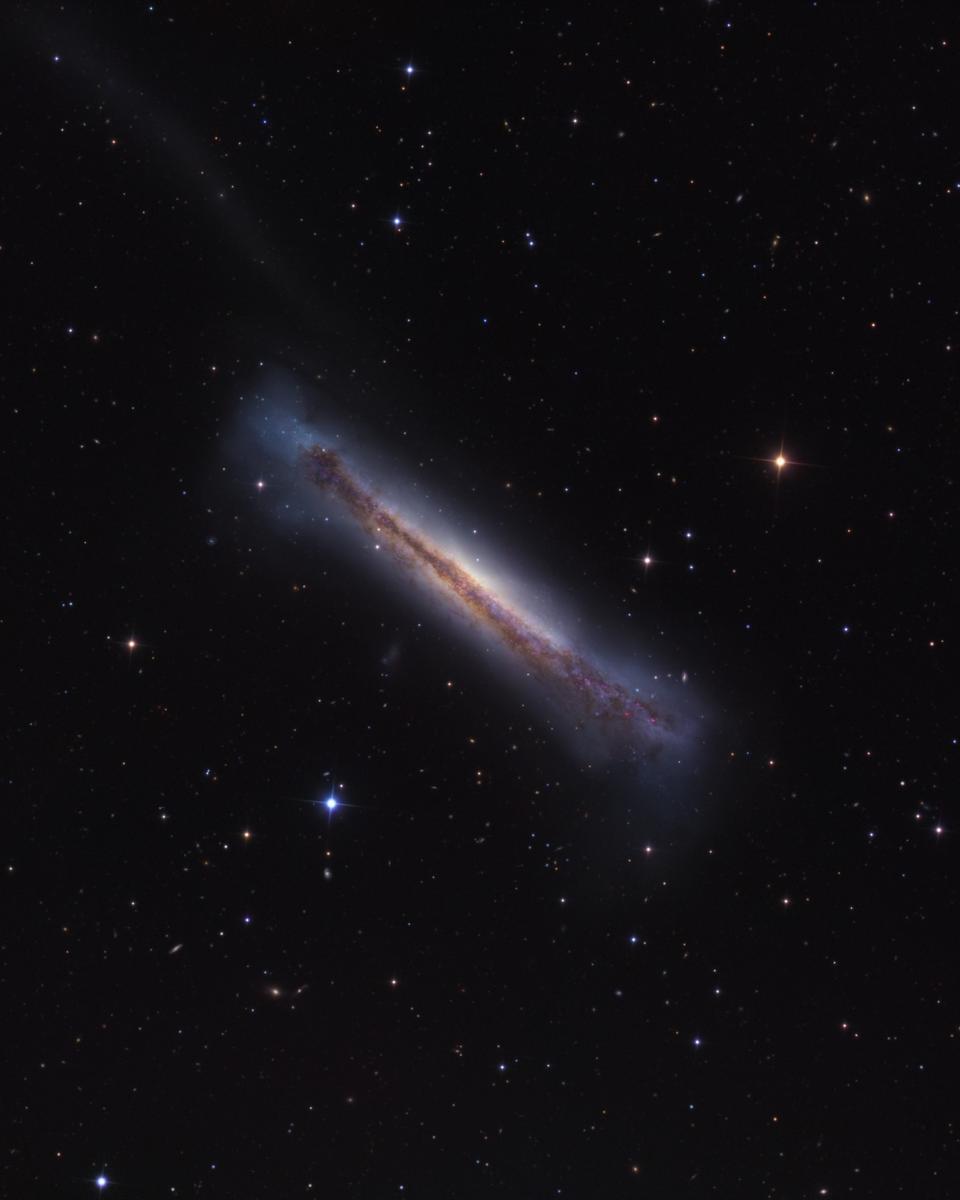
Sideways Galaxy NGC 3628
Dark dust lanes cut across the middle of this gorgeous island universe , a strong hint that NGC 3628 is a spiral galaxy seen sideways . About 35 million light-years away in the…
Viewing discoveries from 9 April 2011 through 16 March 2011.