Browse NASA Astronomy Picture of the Day archive by date and media: Archive Discoveries
Browse the NASA APOD archive without needing the exact date first. Filter by media type and keep moving deeper into older images and videos.

Morning Glory Clouds Over Australia
What causes these long, strange clouds? No one is sure. A rare type of cloud known as a Morning Glory cloud can stretch 1,000 kilometers long and occur at altitudes up to two…
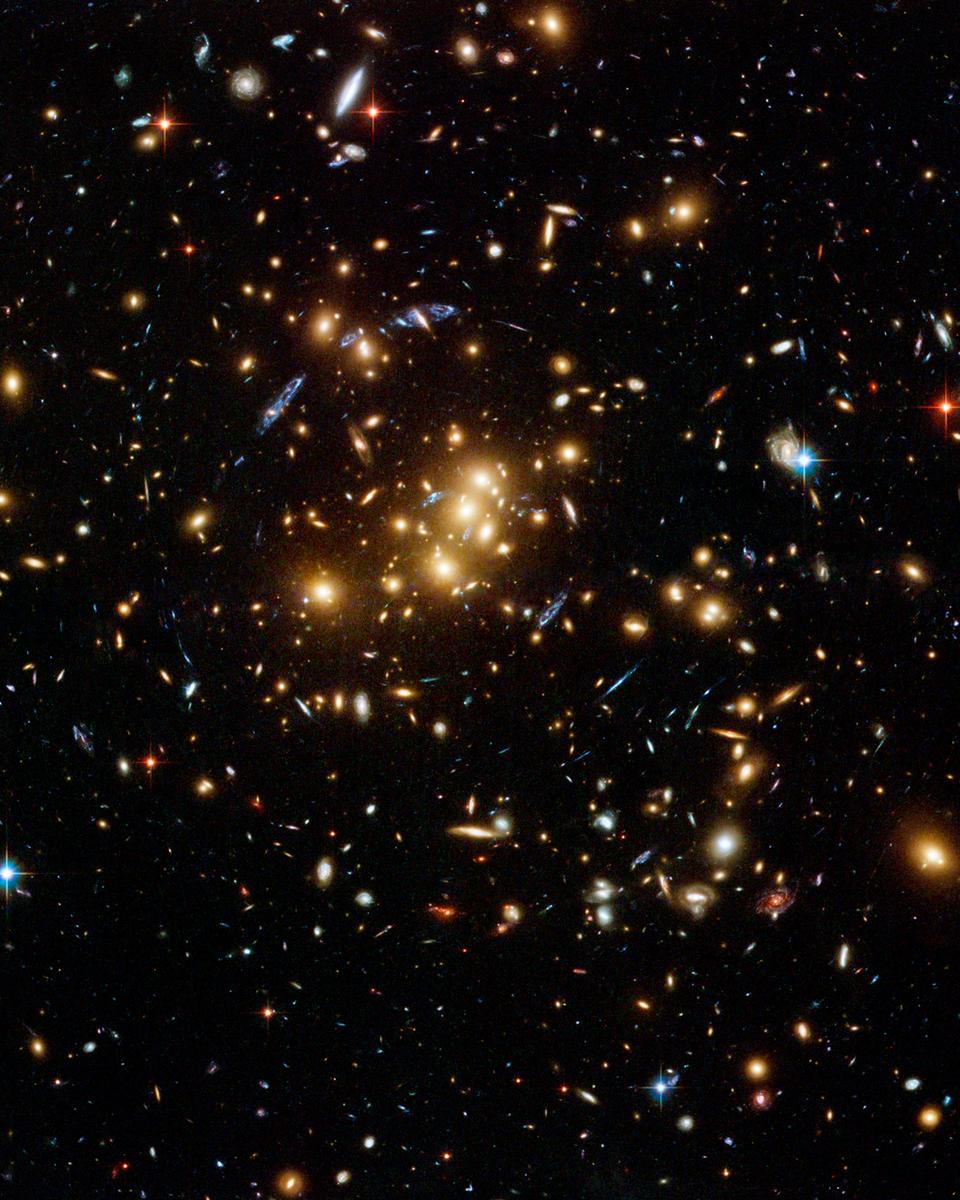
Giant Cluster Bends, Breaks Images
What are those strange blue objects? Many of the brightest blue images are of a single, unusual, beaded, blue, ring-like galaxy which just happens to line-up behind a giant…
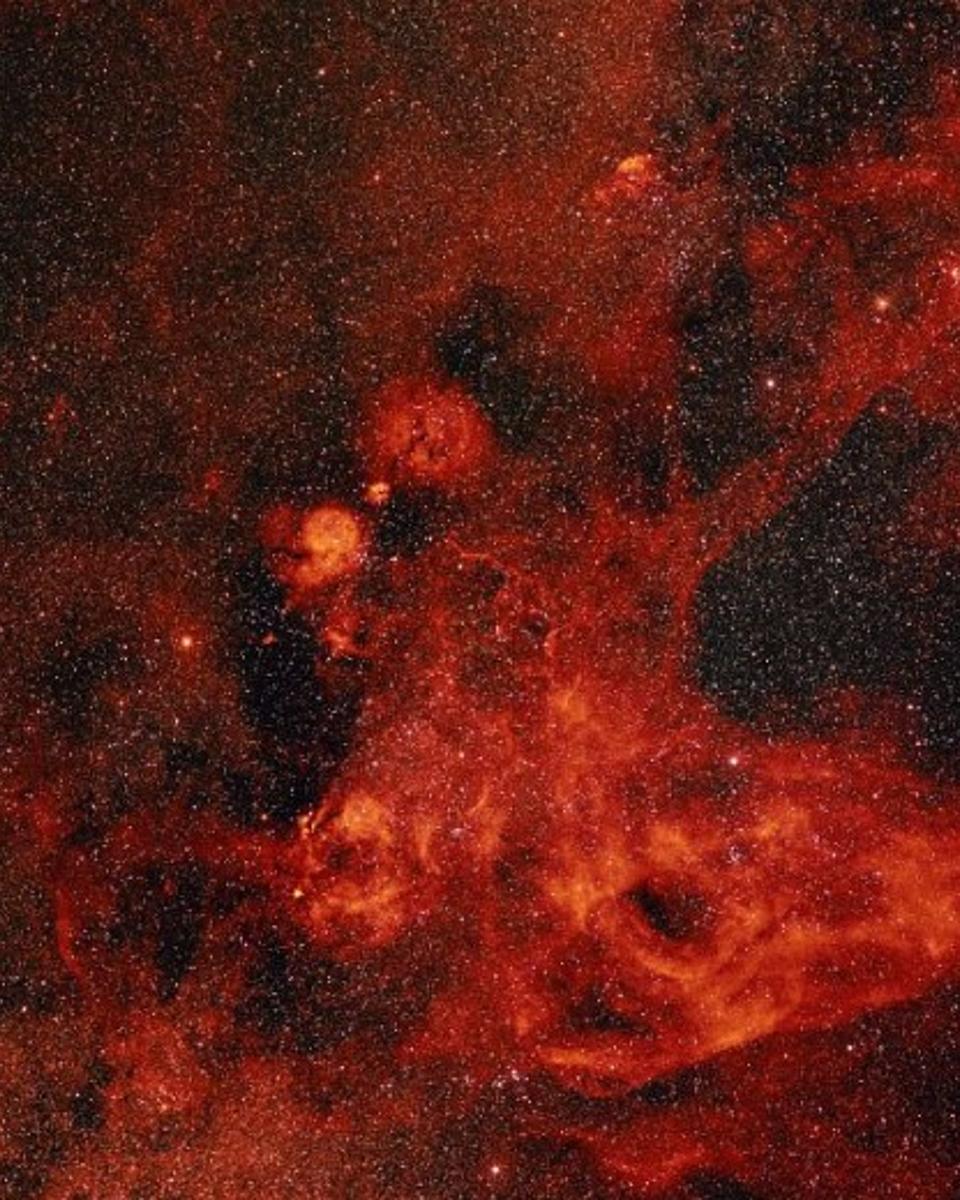
The Gum Nebula
Named for Australian astronomer Colin Stanley Gum (1924-1960), The Gum Nebula is so large and close it is actually hard to see. In fact , we are only about 450 light-years from…
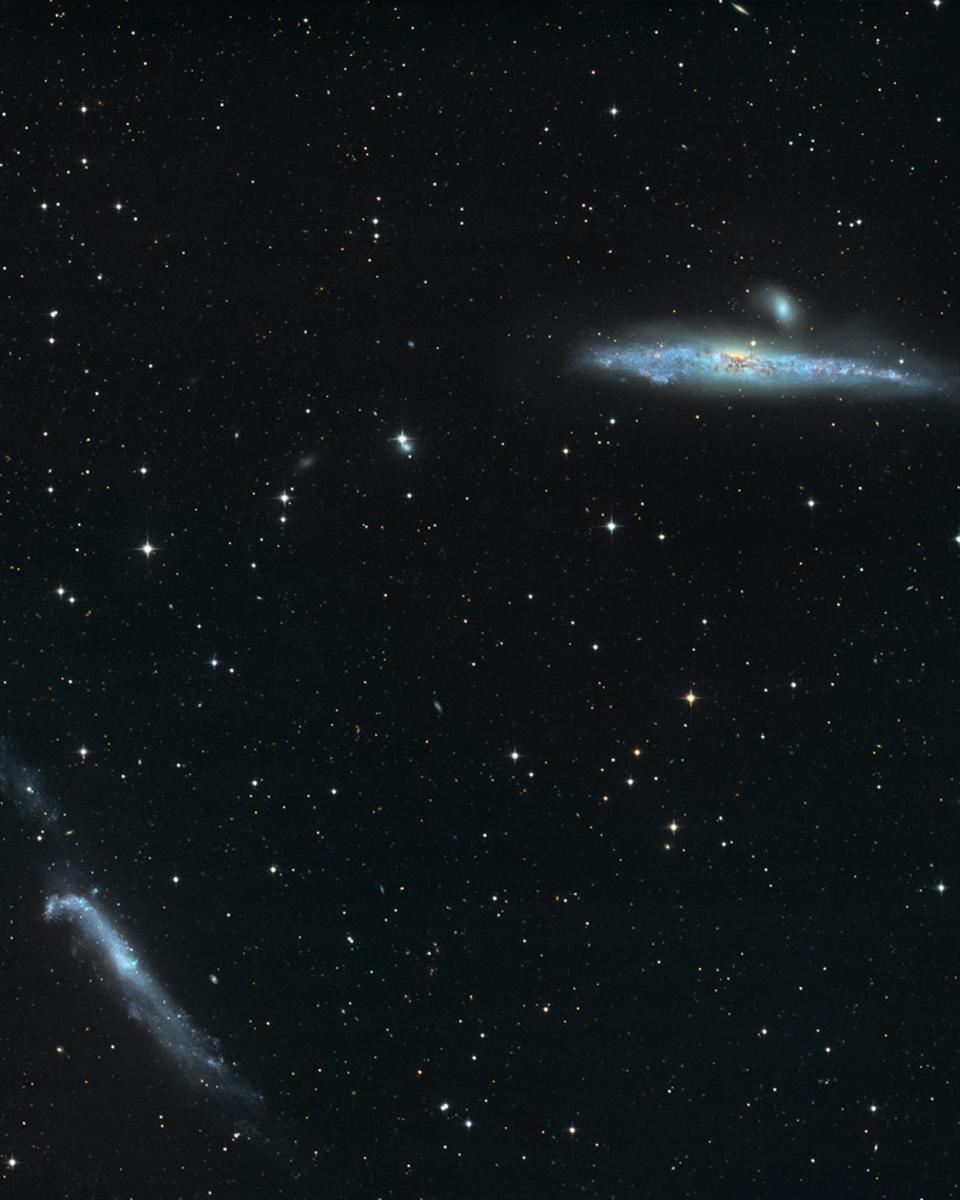
The Whale and the Hockey Stick
NGC 4631 is a big beautiful spiral galaxy seen edge-on (top right) only 25 million light-years away towards the small northern constellation Canes Venatici . This galaxy's…

Eclipse City
During July 22nd's solar eclipse, the Moon's dark shadow traced a narrow path as it raced eastward across India and China and on into the Pacific . Hong Kong was south of the…
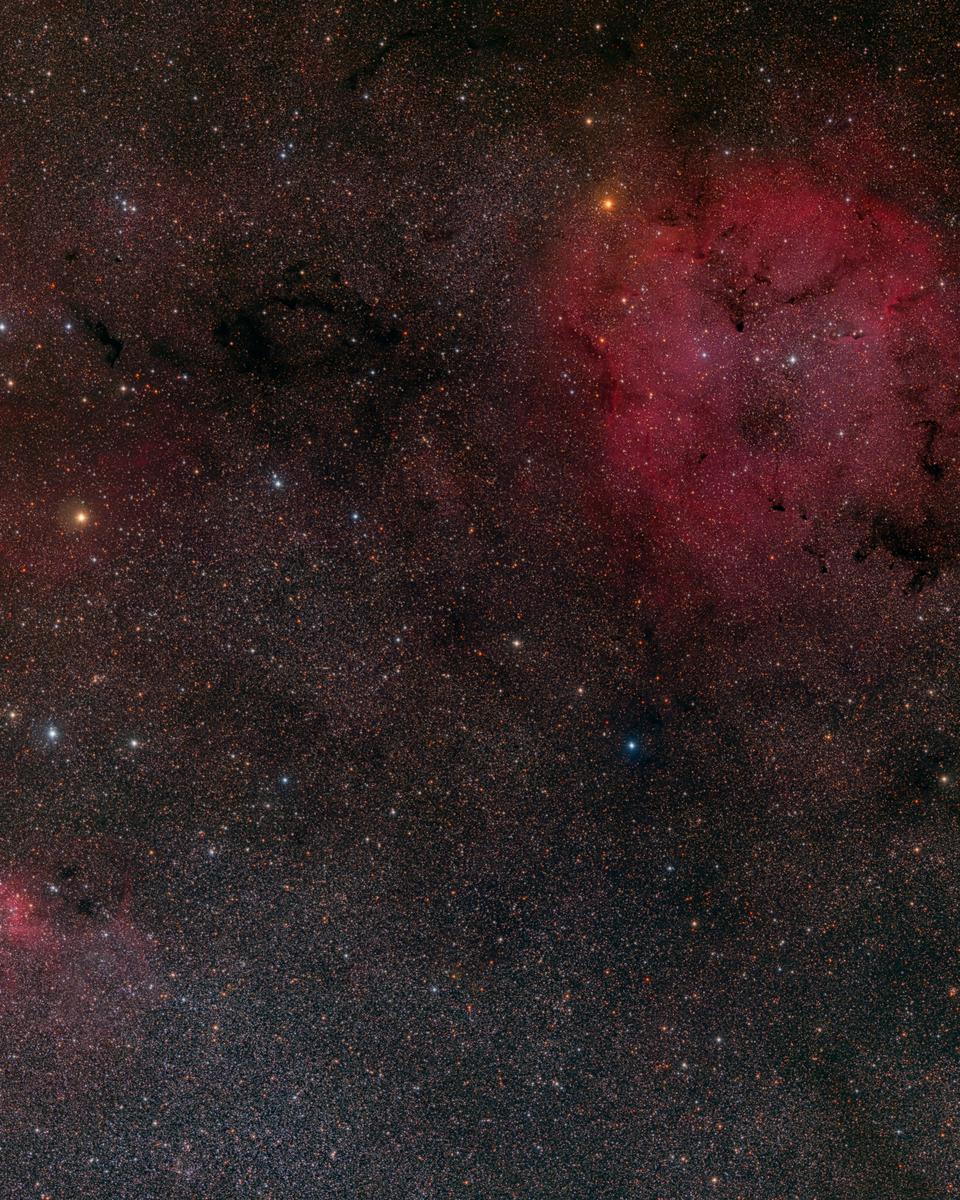
IC 1396 and Surrounding Starfield
Sprawling across hundreds of light-years, emission nebula IC 1396, visible on the upper right, mixes glowing cosmic gas and dark dust clouds . Stars are forming in this area, only…
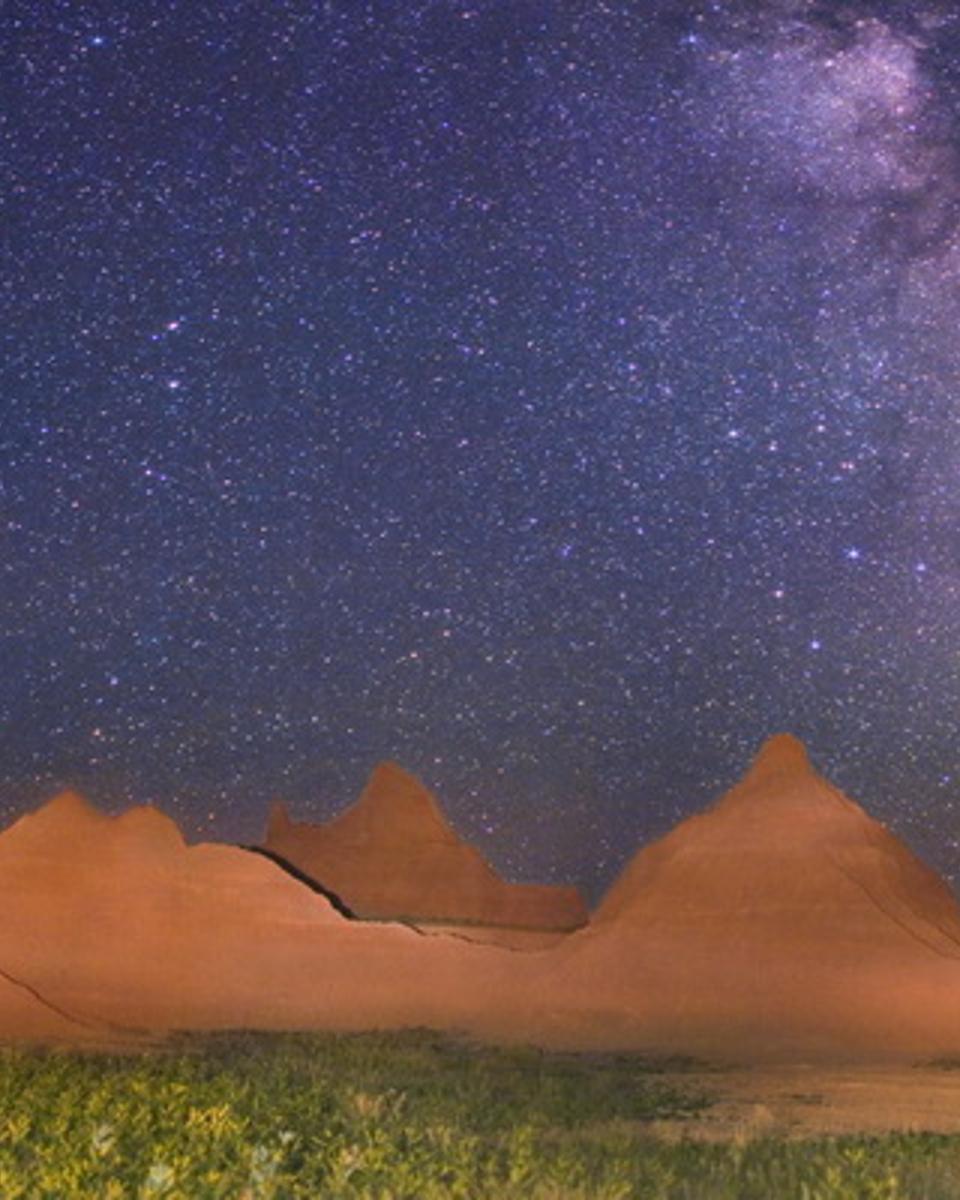
The Milky Way Over the Badlands
Why take a picture of just the Badlands when you can take one that also shows the spectacular sky above it? Just such a picture , actually a digital stitched panorama of four…
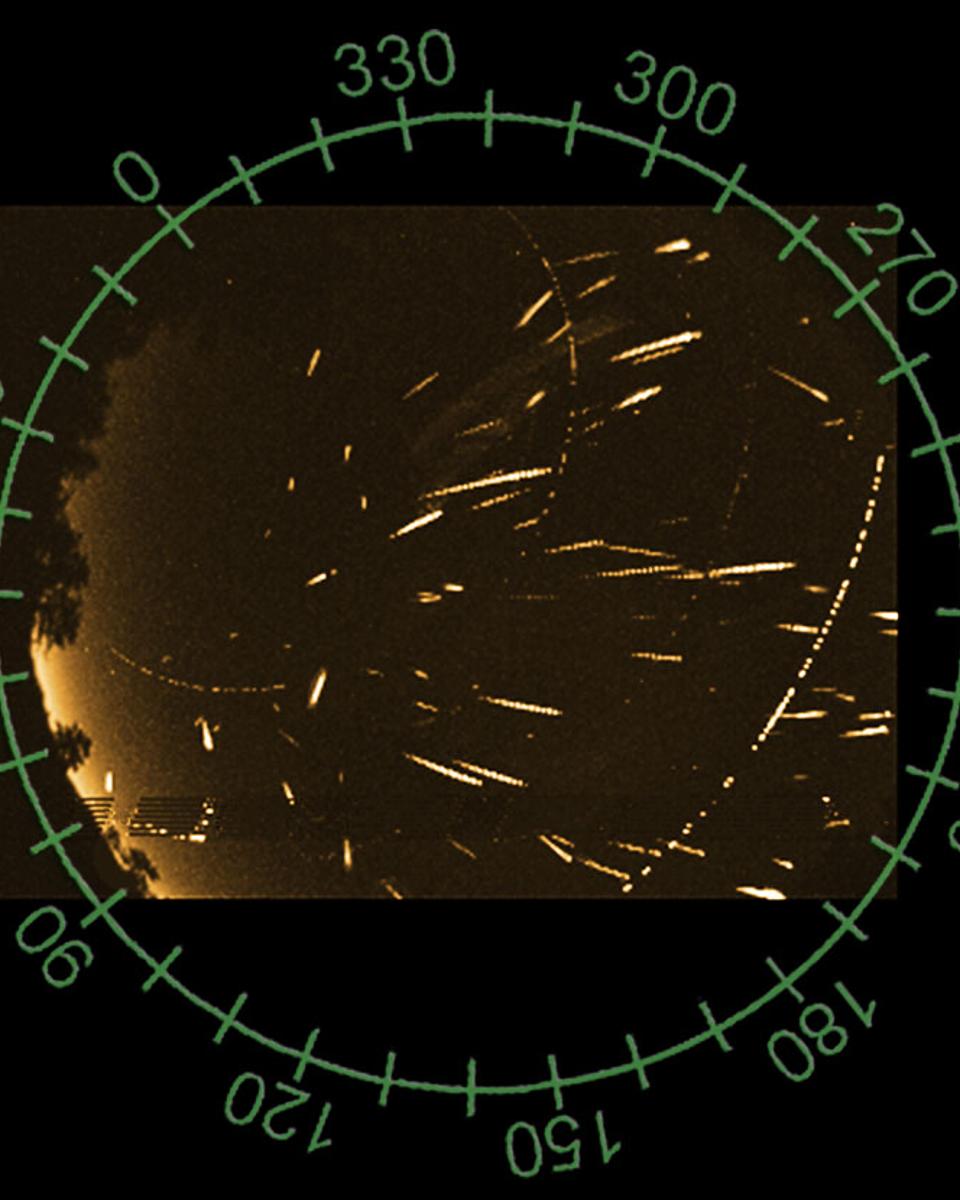
Perseids from Perseus
Where are all of these meteors coming from? In terms of direction on the sky, the pointed answer is the constellation of Perseus. That is why the last week's meteor shower was…
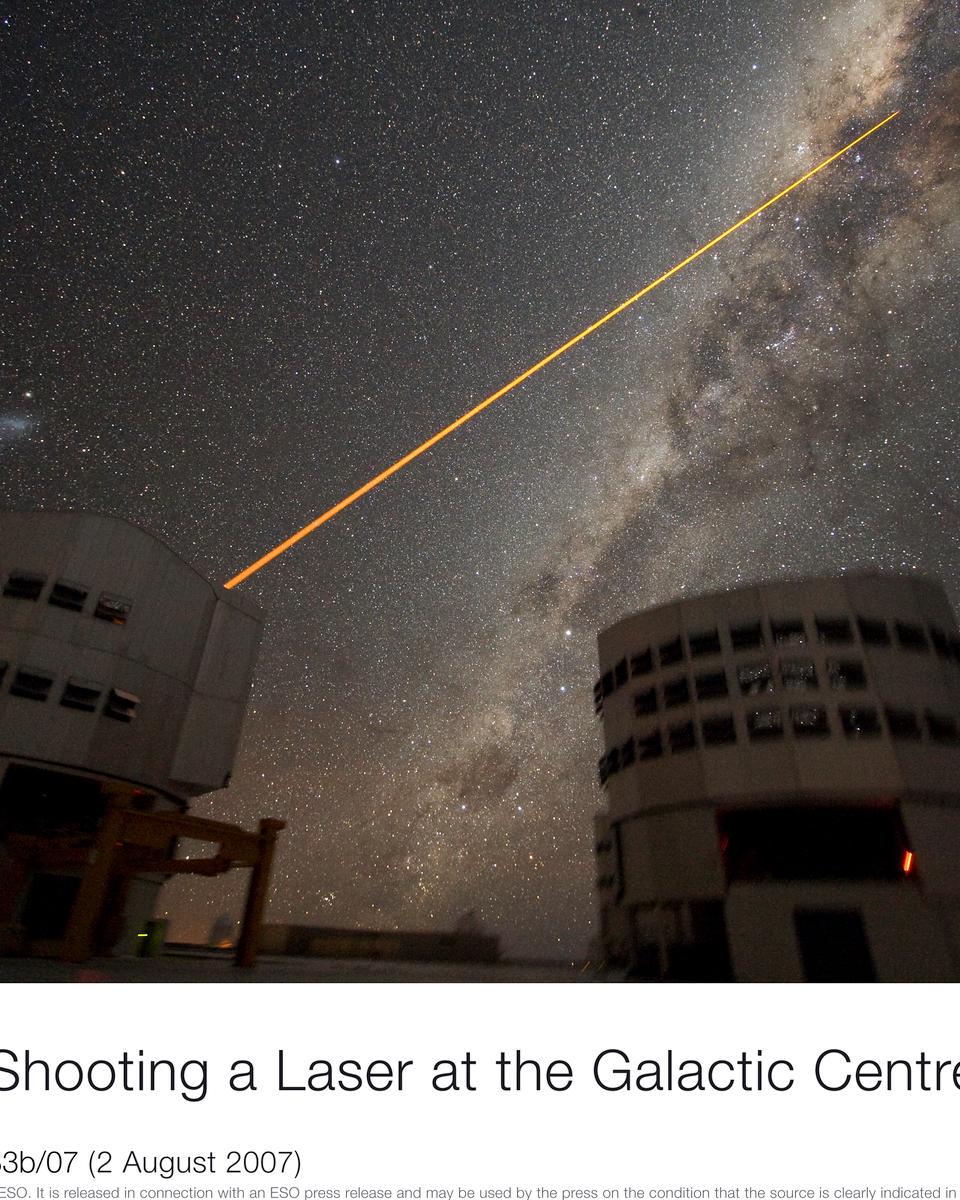
A Laser Strike at the Galactic Center
Why are these people shooting a powerful laser into the center of our Galaxy? Fortunately, this is not meant to be the first step in a Galactic war . Rather, astronomers at the…
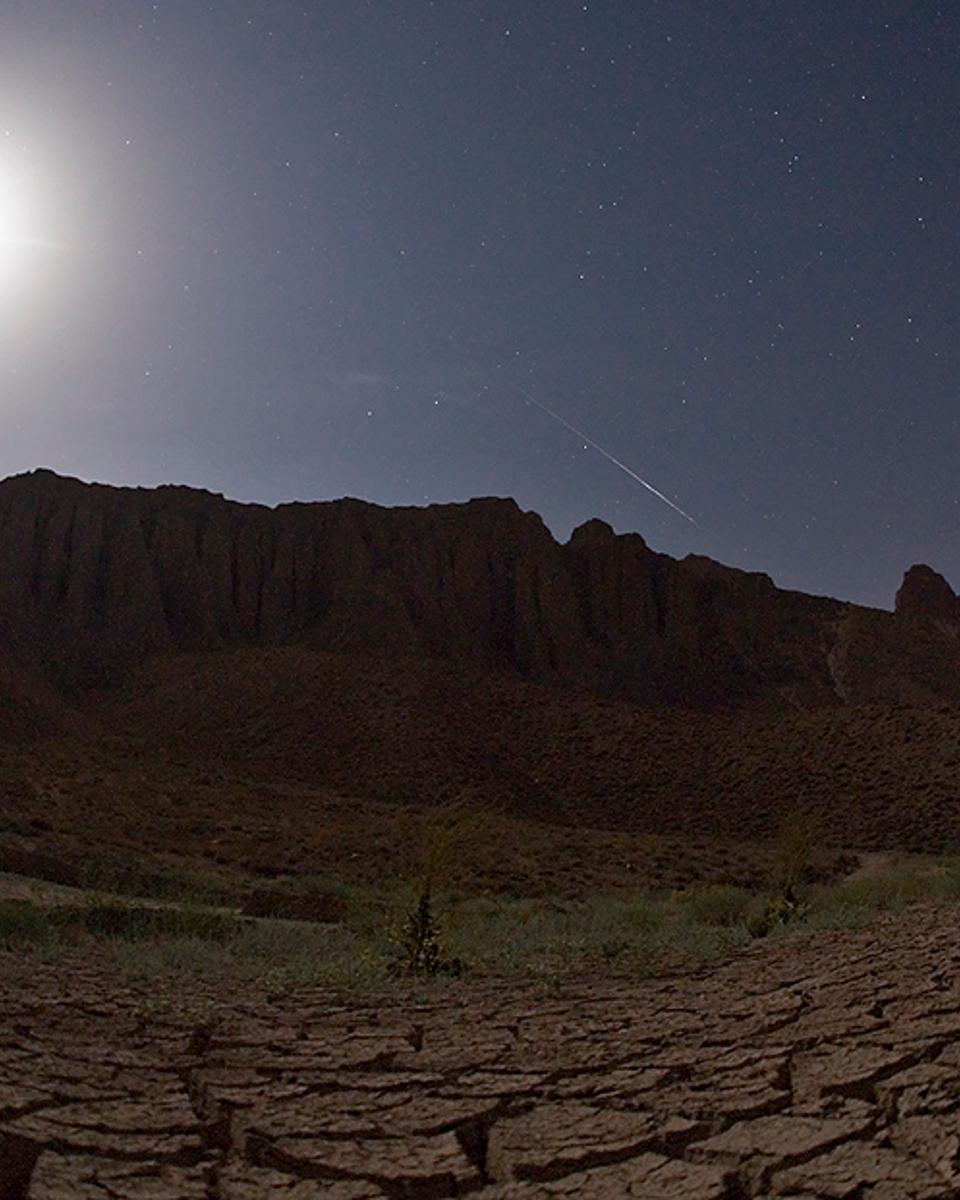
Meteor by Moonlight
Dark skies are favored for viewing meteor showers. But the annual Perseid Meteor Shower still entertained skygazers around the world this week even though the Moon brightened the…
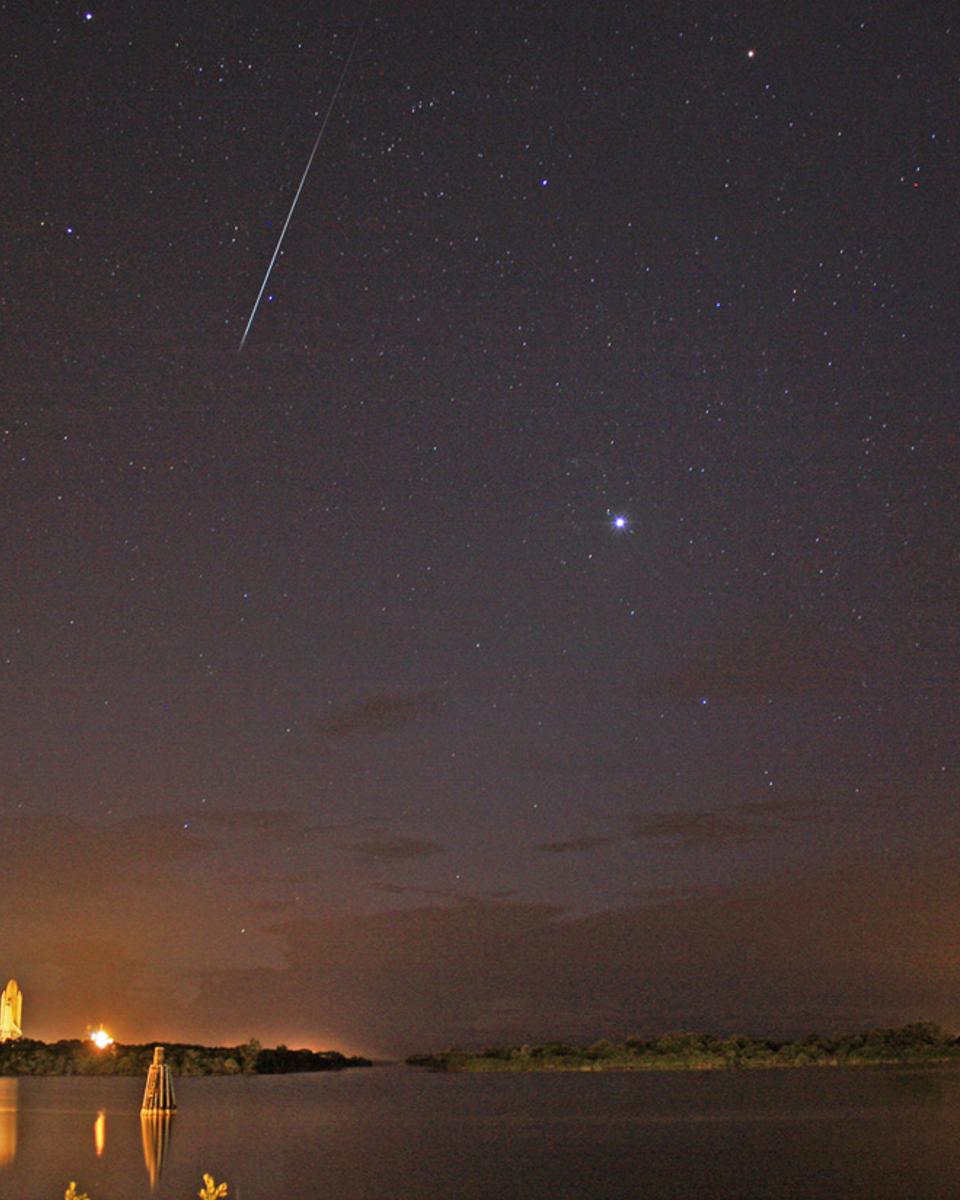
Shuttle and Meteor
This early morning skyscape was captured last week on August 4th, looking northeast across calm waters in the Turn Basin at NASA's Kennedy Space Center. In a striking contrast in…

Block Island Meteorite on Mars
What is this strange rock on Mars? Sitting on a smooth plane, the rock stands out for its isolation, odd shape, large size and unusual texture. The rock was discovered by the…
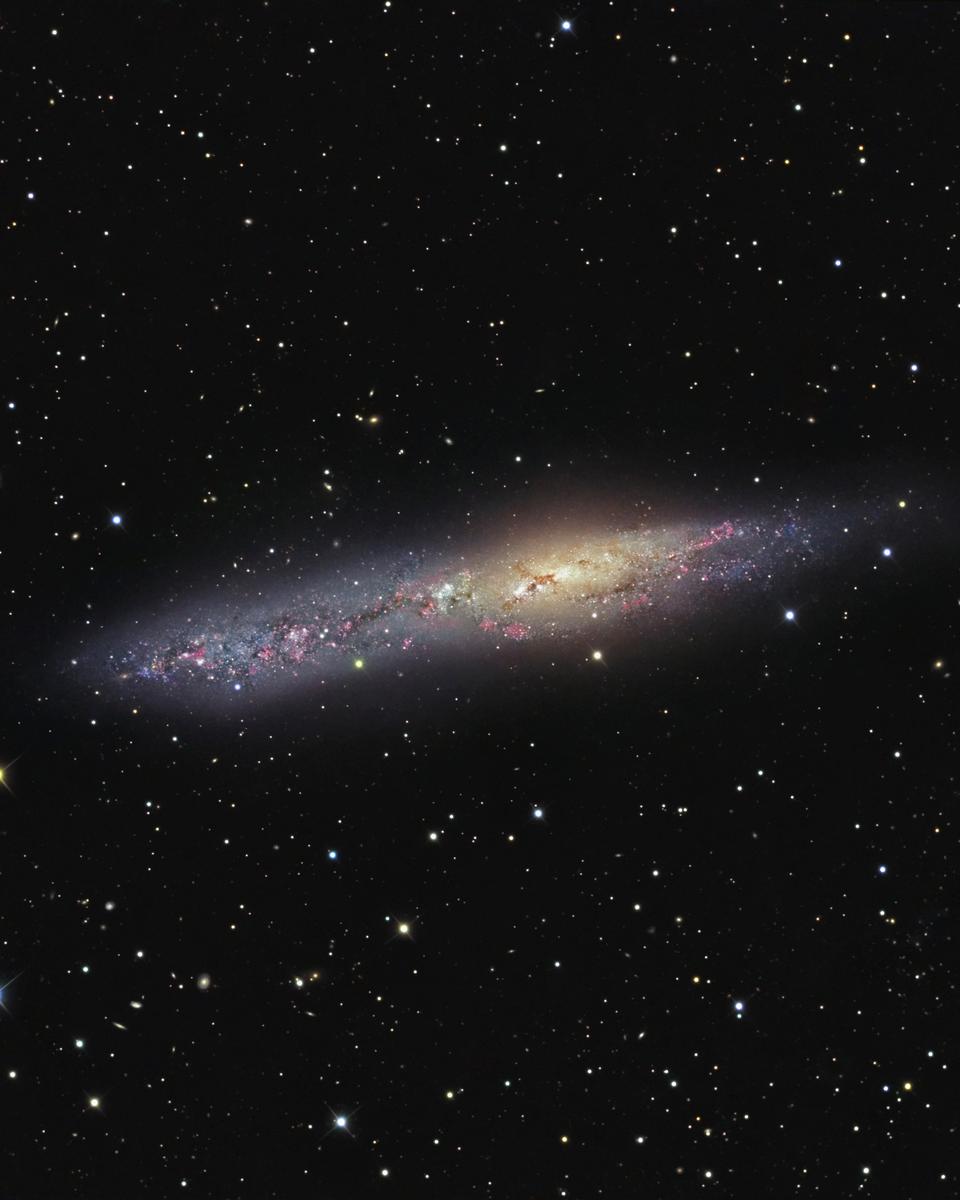
Irregular Galaxy NGC 55
Irregular galaxy NGC 55 is thought to be similar to the Large Magellanic Cloud (LMC). But while the LMC is about 180,000 light-years away and is a well known satellite of our own…
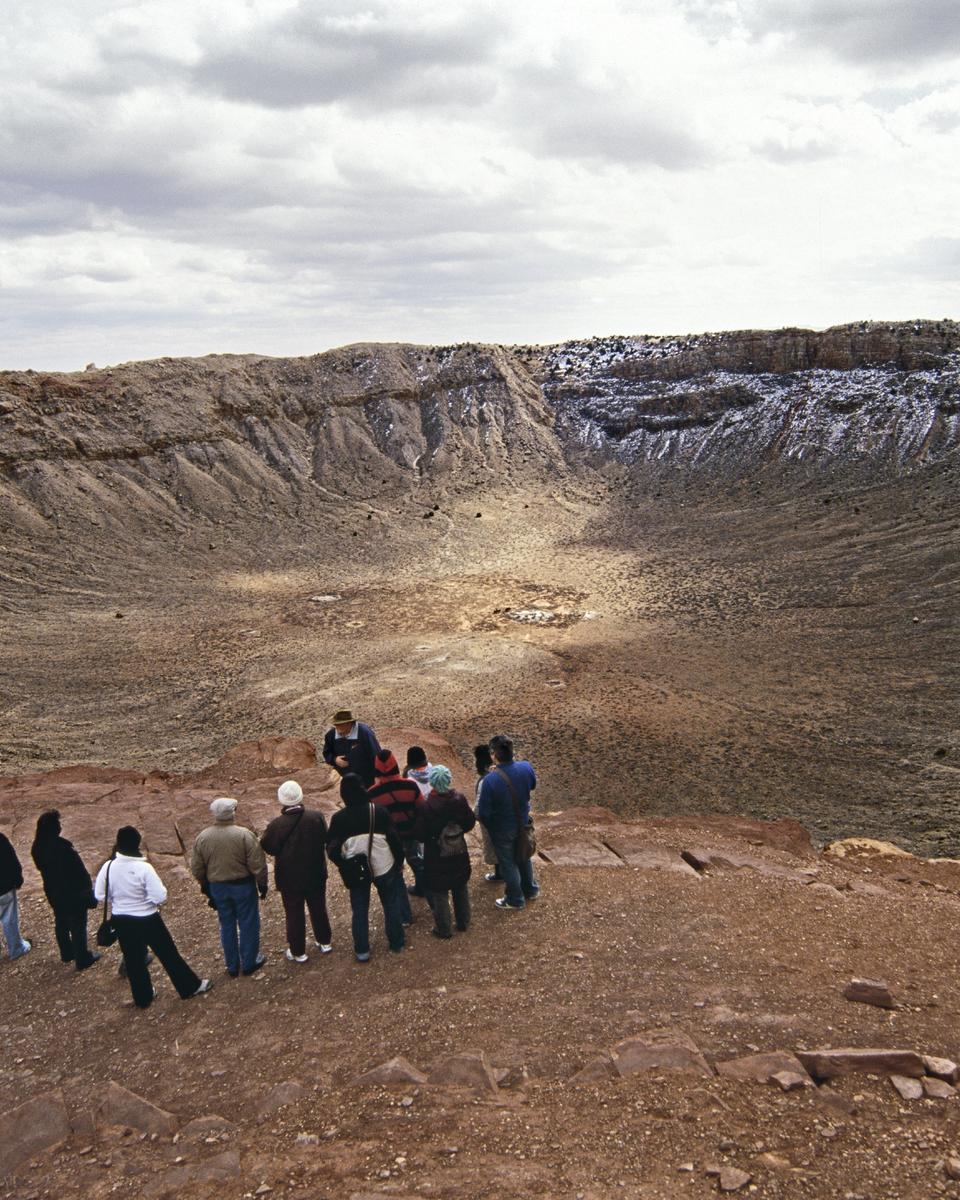
Inside Barringer Meteor Crater
What happens when a meteor hits the ground? Usually nothing much, as most meteors are small, and indentations they make are soon eroded away. About 50,000 years ago, however, a…

Moonbow and Rainbows Over Patagonia
Have you ever seen a moonbow? Just as rainbows are lit by the Sun, moonbows are lit by the Moon. Since the Sun is so much brighter than the Moon, sunlit rainbows are much brighter…
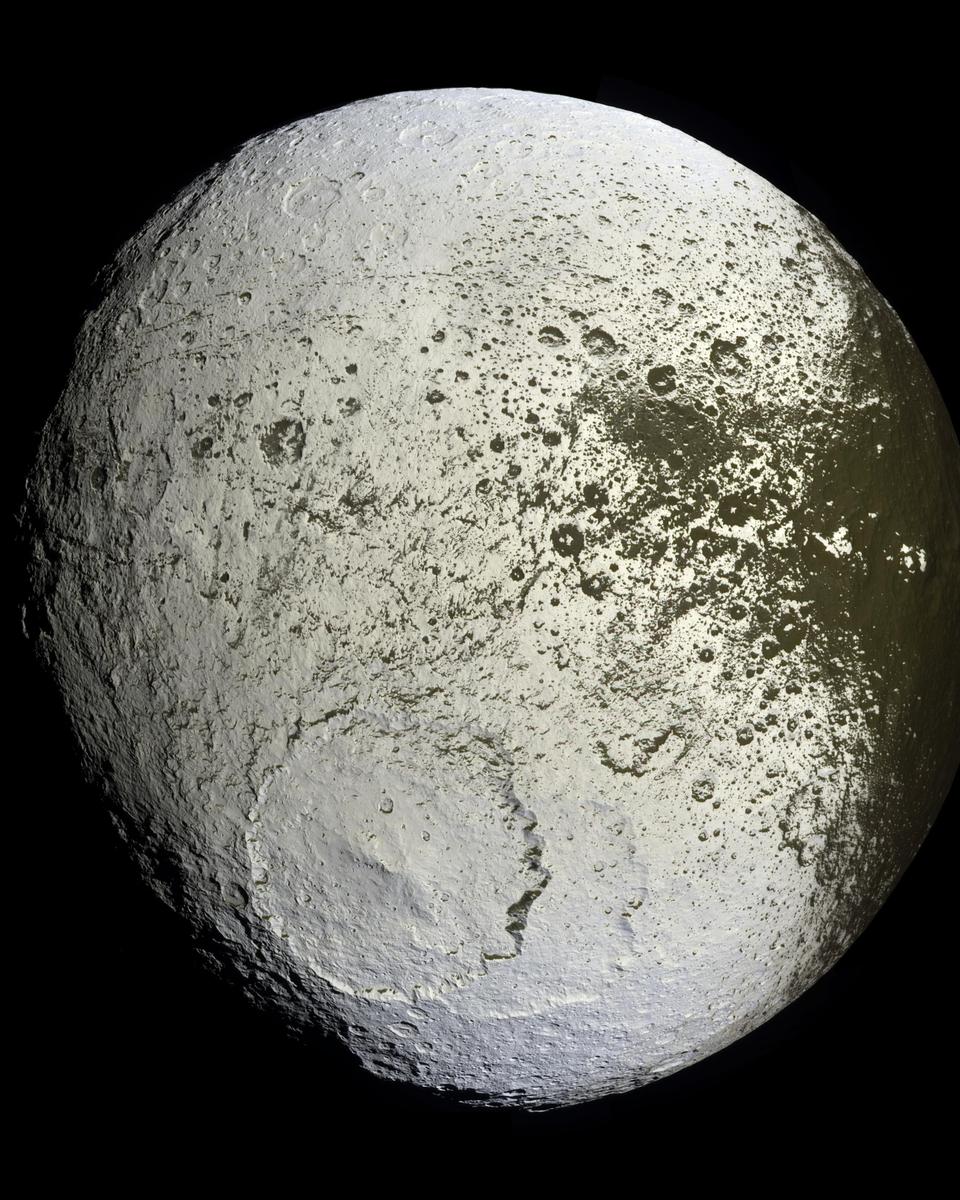
Saturn's Iapetus: Painted Moon
What has happened to Saturn's moon Iapetus? Vast sections of this strange world are dark as coal , while others are as bright as ice. The composition of the dark material is…
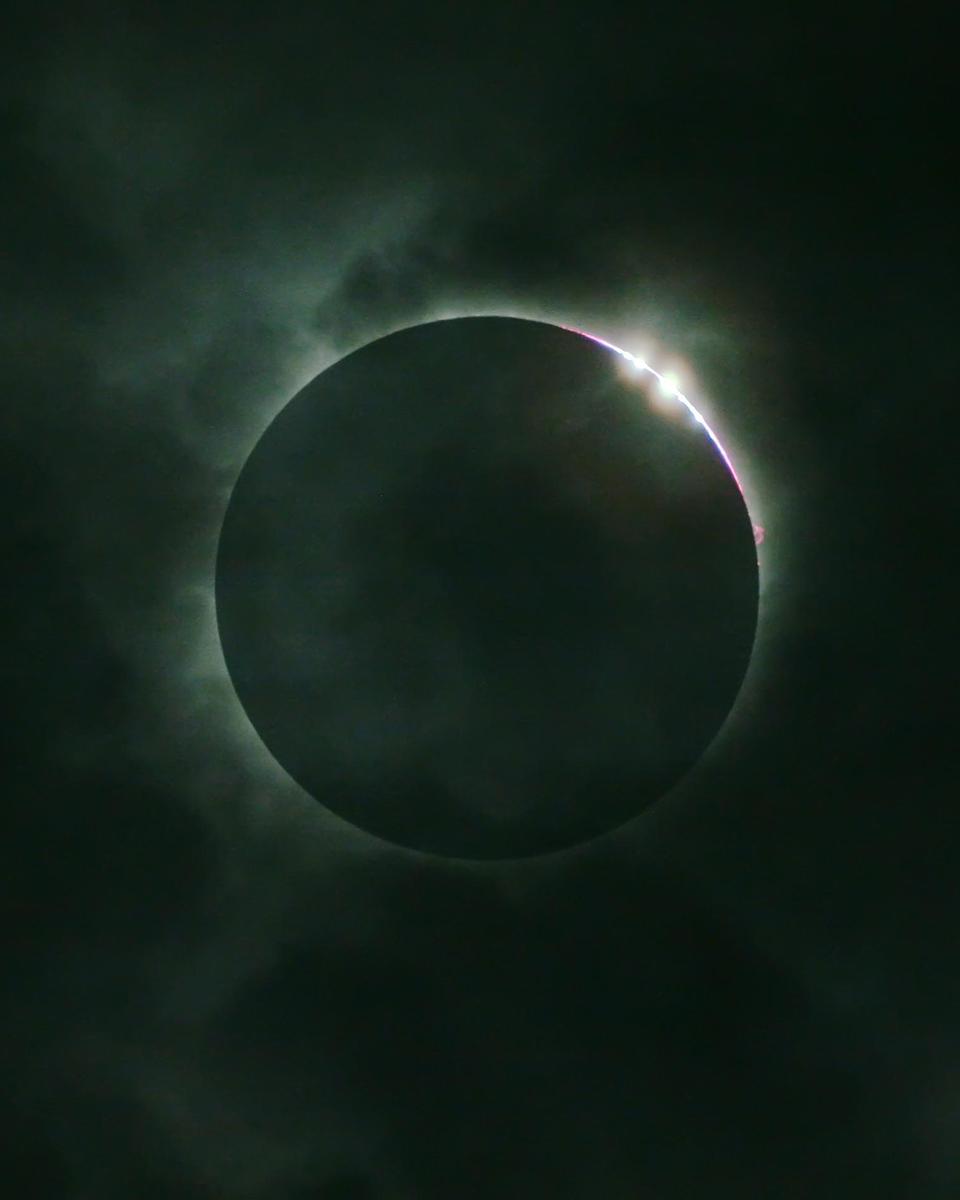
Diamonds in a Cloudy Sky
Cloudy skies over Wuhan, China hid the delicate solar corona during July's total eclipse of the Sun . Still, the Moon's silhouette was highlighted by these glistening diamonds as…
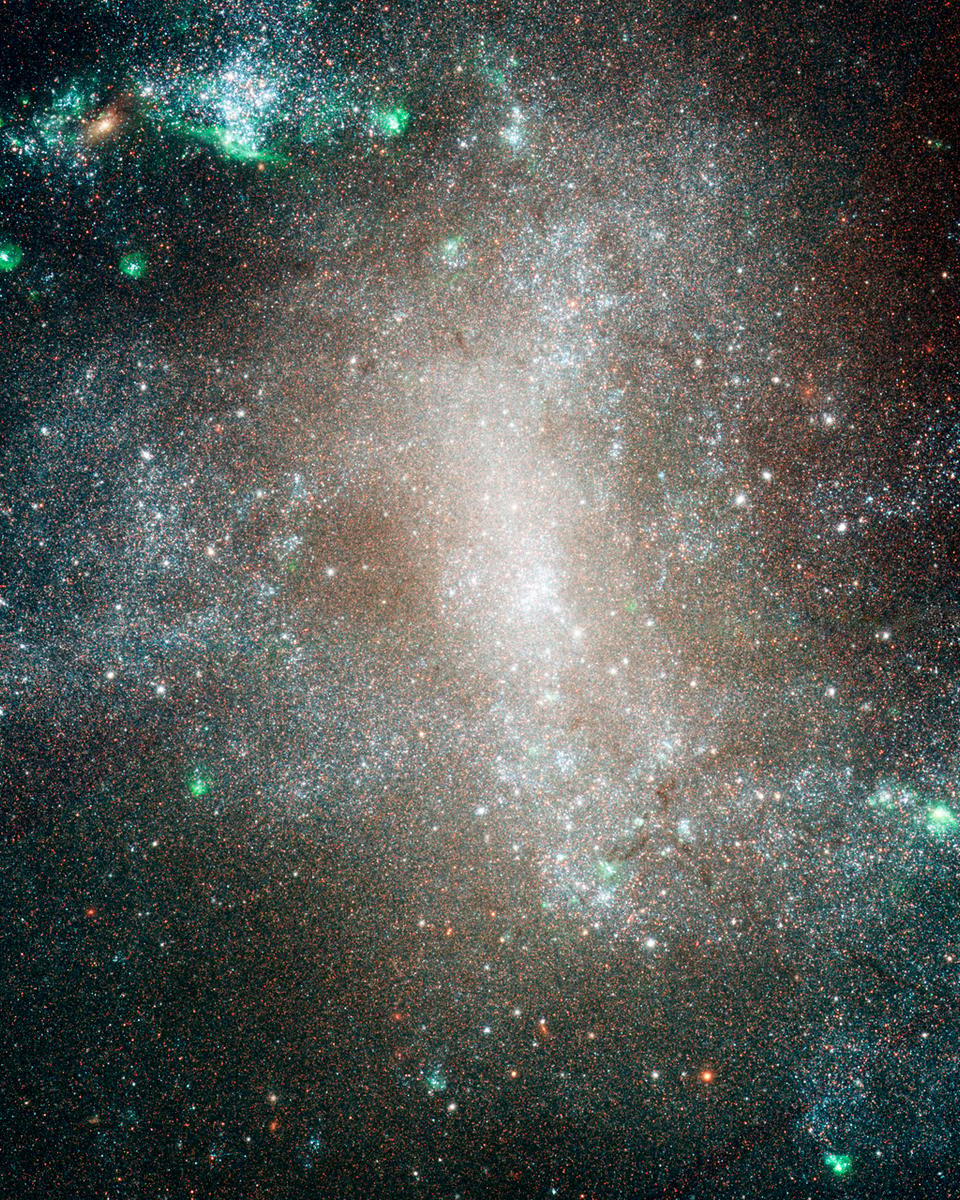
The Star Clusters of NGC 1313
Like grains of sand on a cosmic beach, individual stars of barred spiral galaxy NGC 1313 are resolved in this sharp composite from the Hubble Space Telescope's Advanced Camera for…
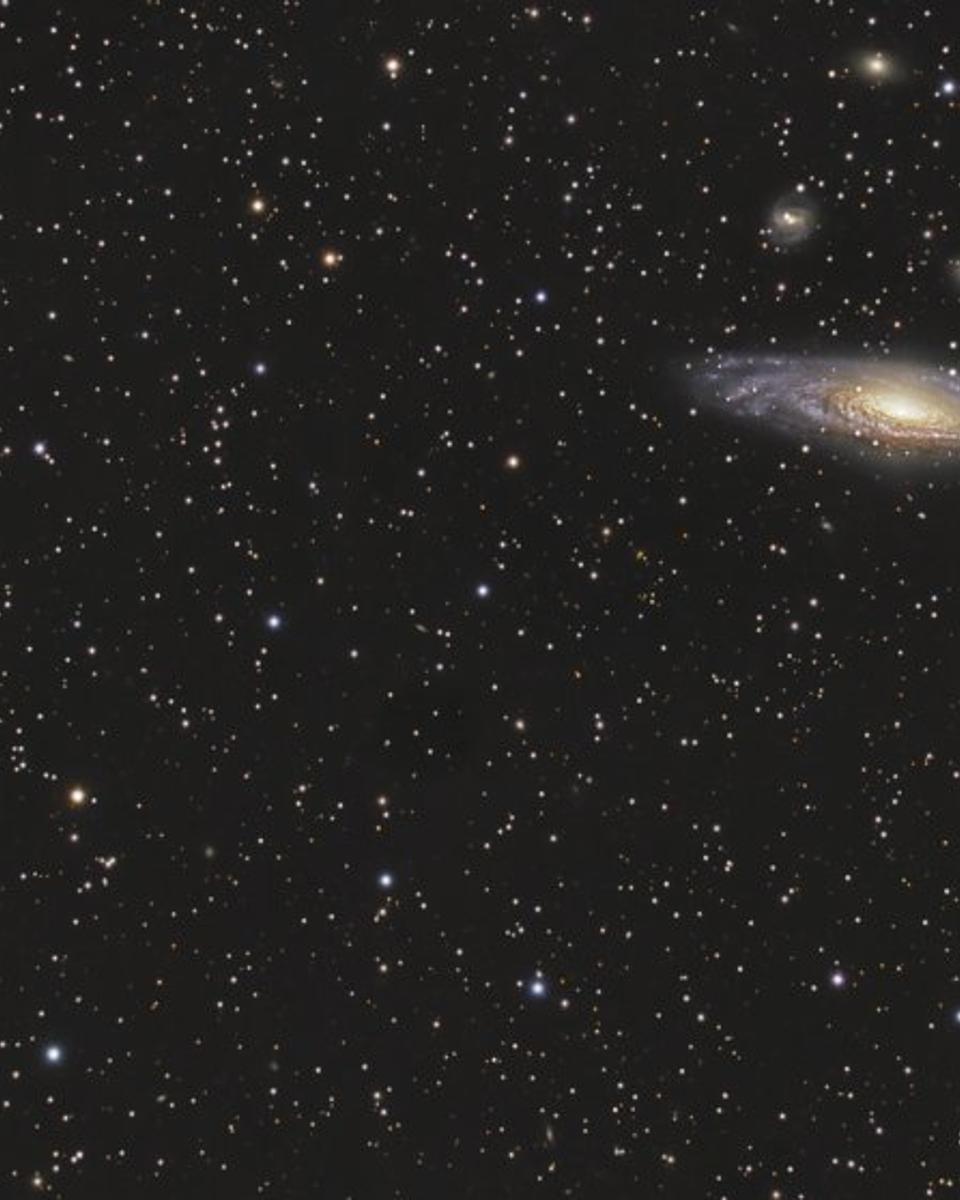
Galaxies in Pegasus
This wide, sharp telescopic view reveals galaxies scattered beyond the stars at the northern boundary of the high-flying constellation Pegasus. Prominent at the upper right is NGC…
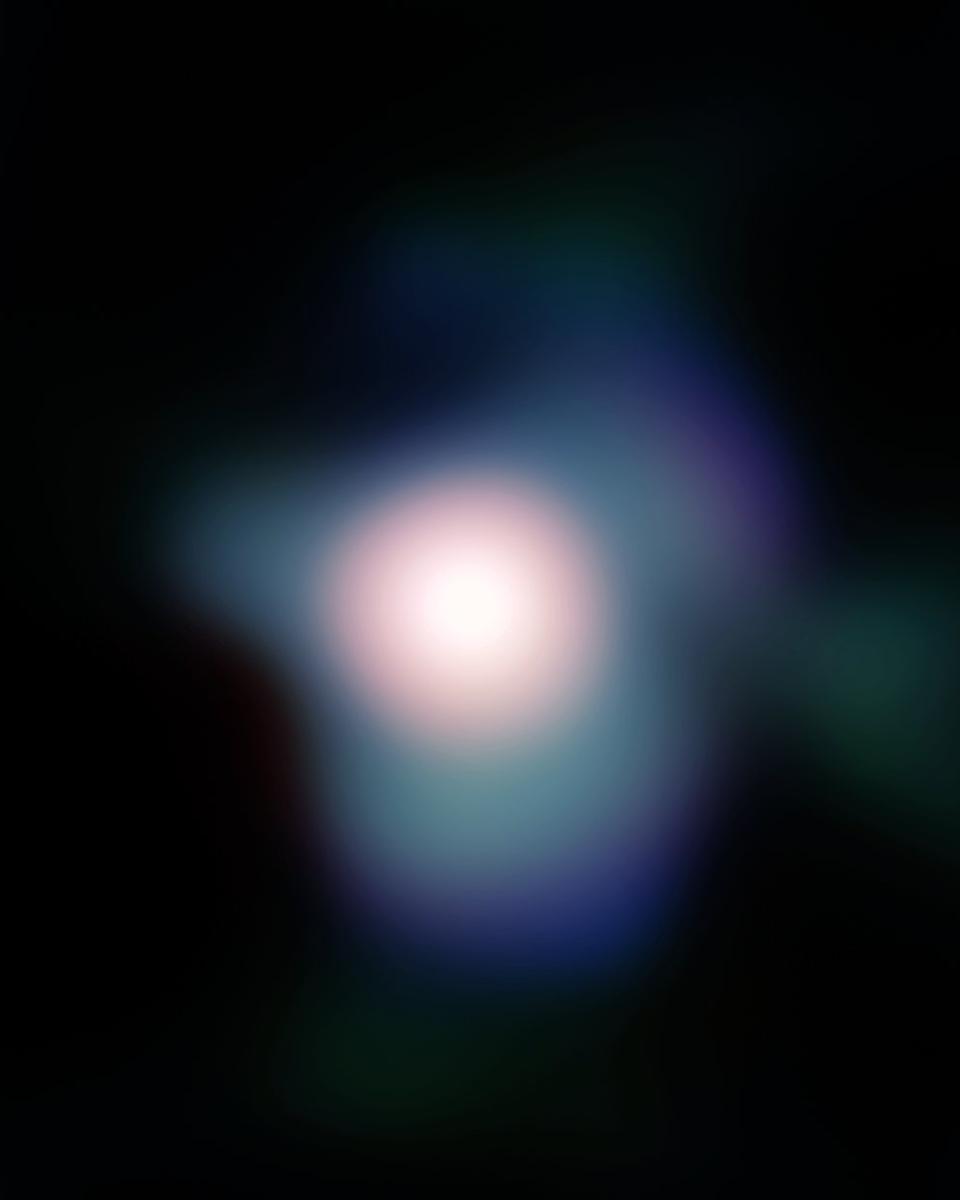
Betelgeuse Resolved
The sharpest image ever of Betelgeuse shows a mammoth star that is slowly evaporating. Betelgeuse (sounds a lot like “beetle juice”), also known as Alpha Orionis , is one of the…
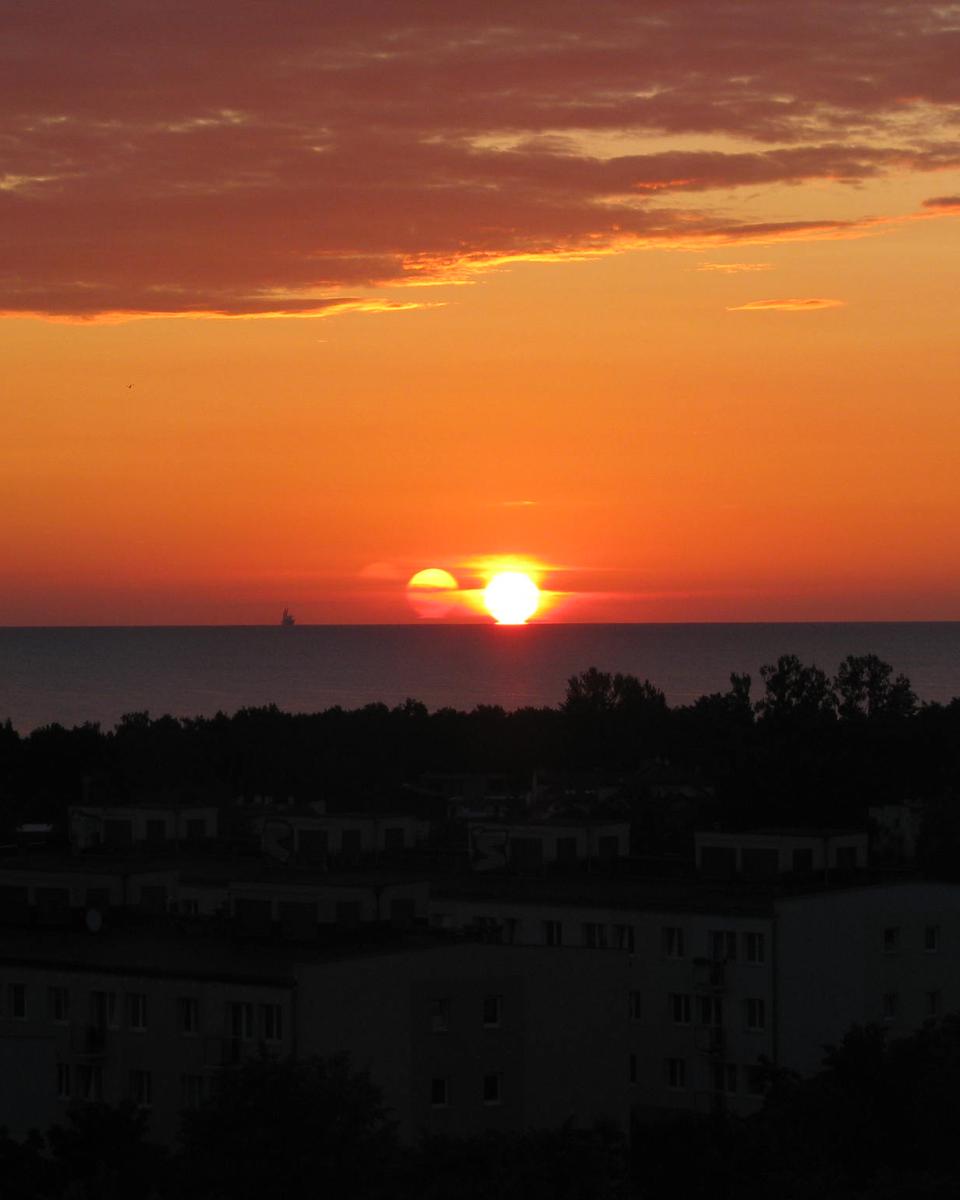
A Triple Sunrise Over Gdansk Bay
How can the same Sun rise three times? Last month on Friday, 2009 July 10, a spectacular triple sunrise was photographed at about 4:30 am over Gdansk Bay in Gdansk , Poland .…
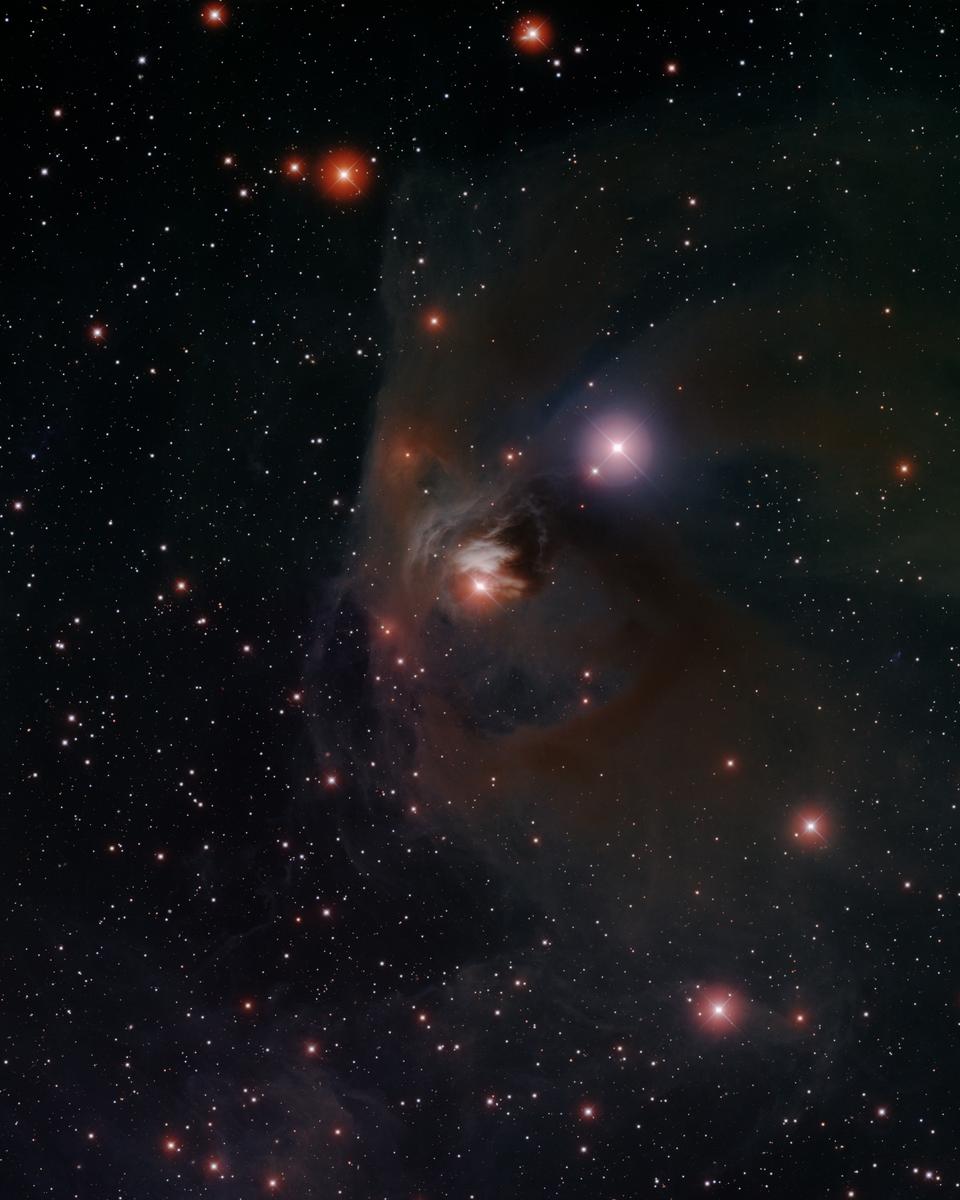
T Tauri: A Star is Formed
What does a star look like when it is forming? The prototypical example is the variable star T Tauri , visible as the bright orange star near the image center. The orange star…
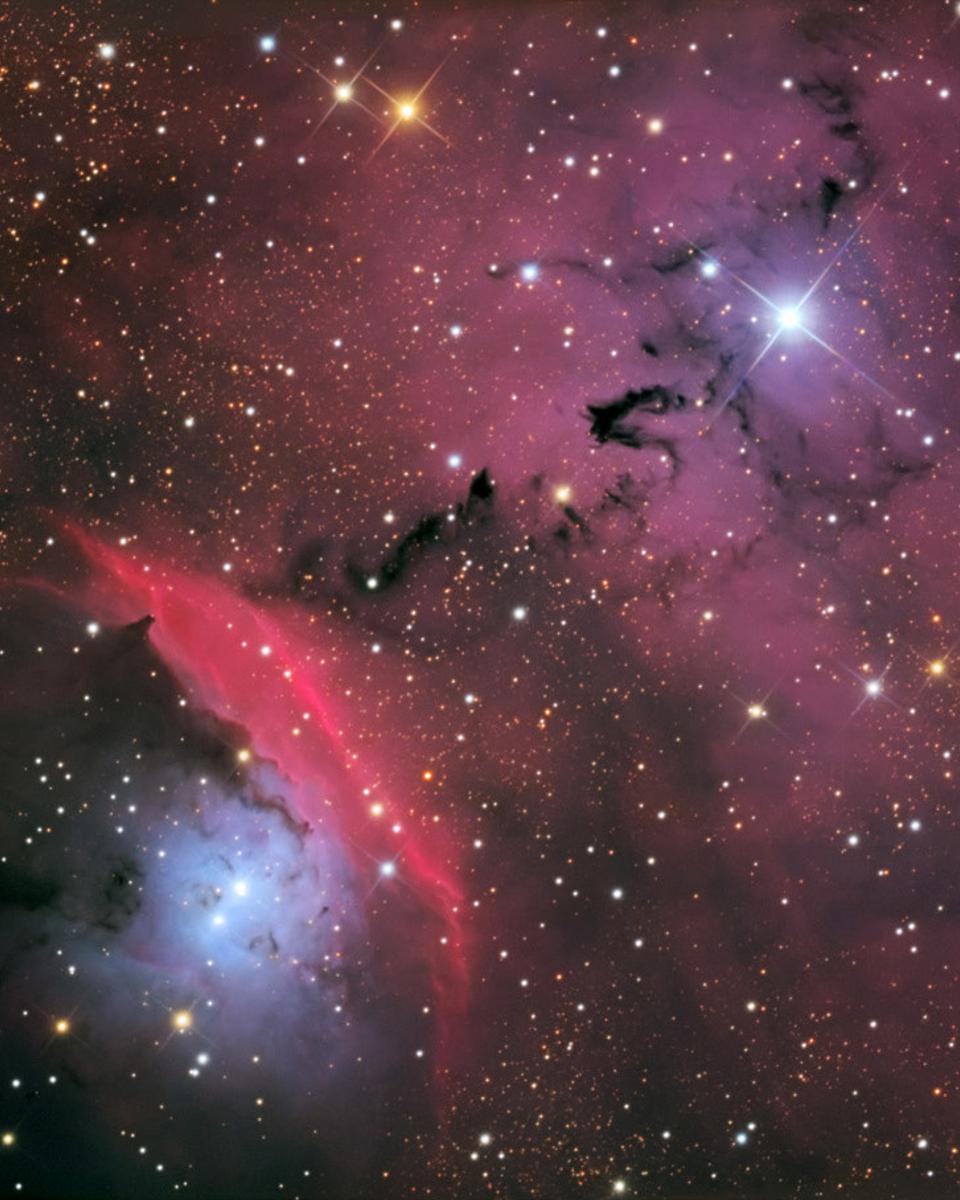
Stars, Dust and Nebula in NGC 6559
When stars form, pandemonium reigns. A textbook case is the star forming region NGC 6559 . Visible above are red glowing emission nebulas of hydrogen , blue reflection nebulas of…
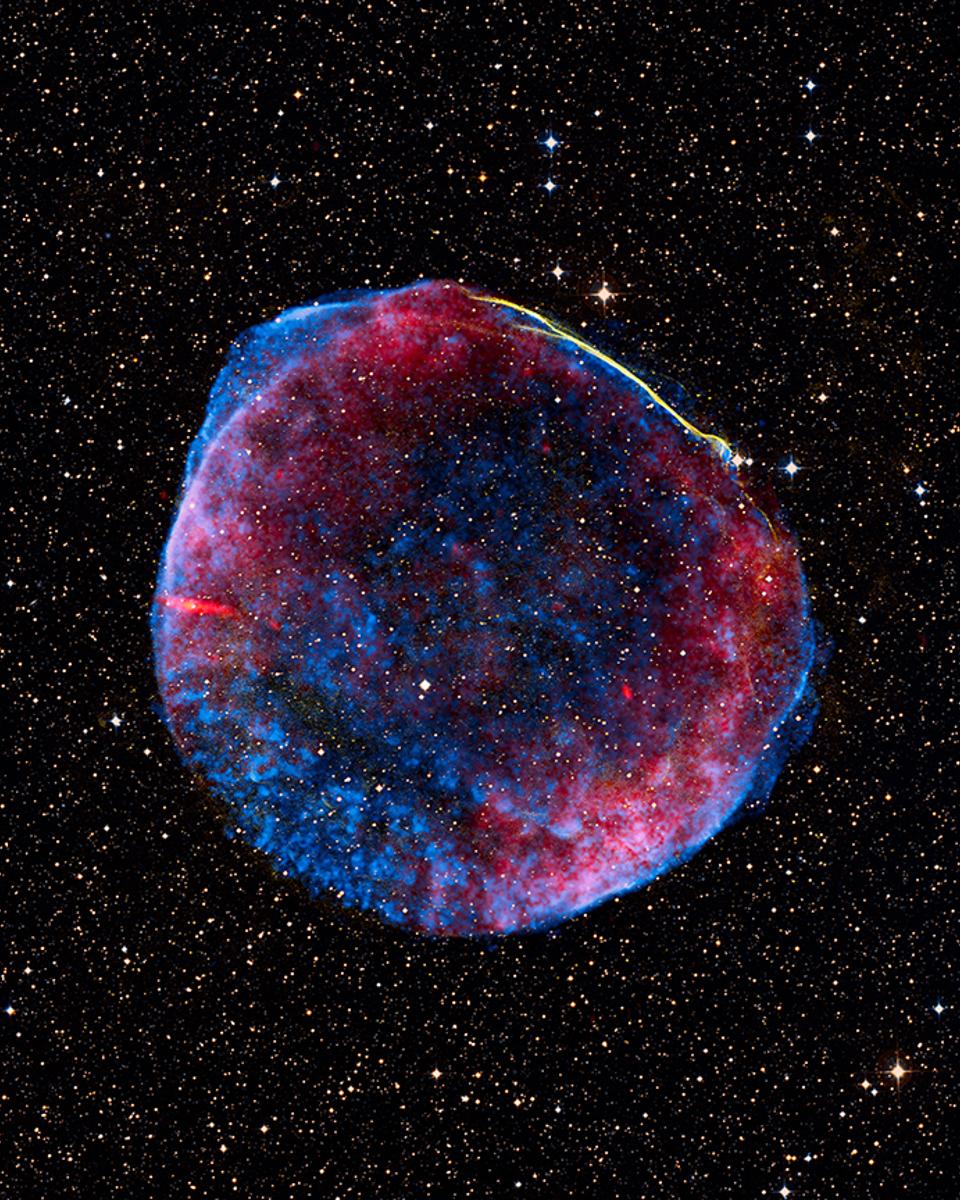
SN 1006 Supernova Remnant
A new star, likely the brightest supernova in recorded human history, lit up planet Earth's sky in the year 1006 AD. The expanding debris cloud from the stellar explosion, found…
Viewing discoveries from 24 August 2009 through 1 August 2009.