Browse NASA Astronomy Picture of the Day archive by date and media: Archive Discoveries
Browse the NASA APOD archive without needing the exact date first. Filter by media type and keep moving deeper into older images and videos.
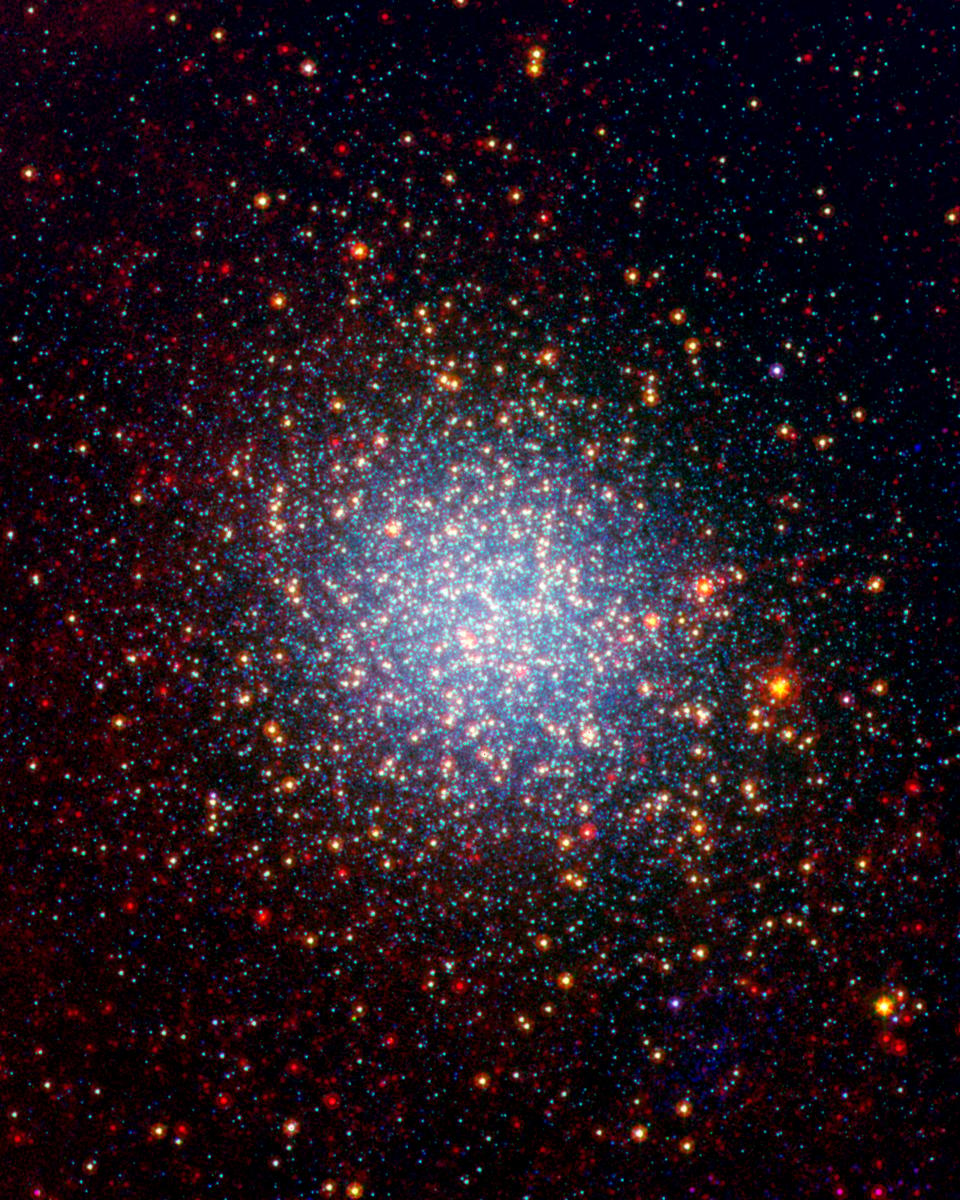
The Giants of Omega Centauri
Globular star cluster Omega Centauri is some 15,000 light-years away and 150 light-years in diameter. Packed with about 10 million stars, Omega Cen is the largest of 200 or so…
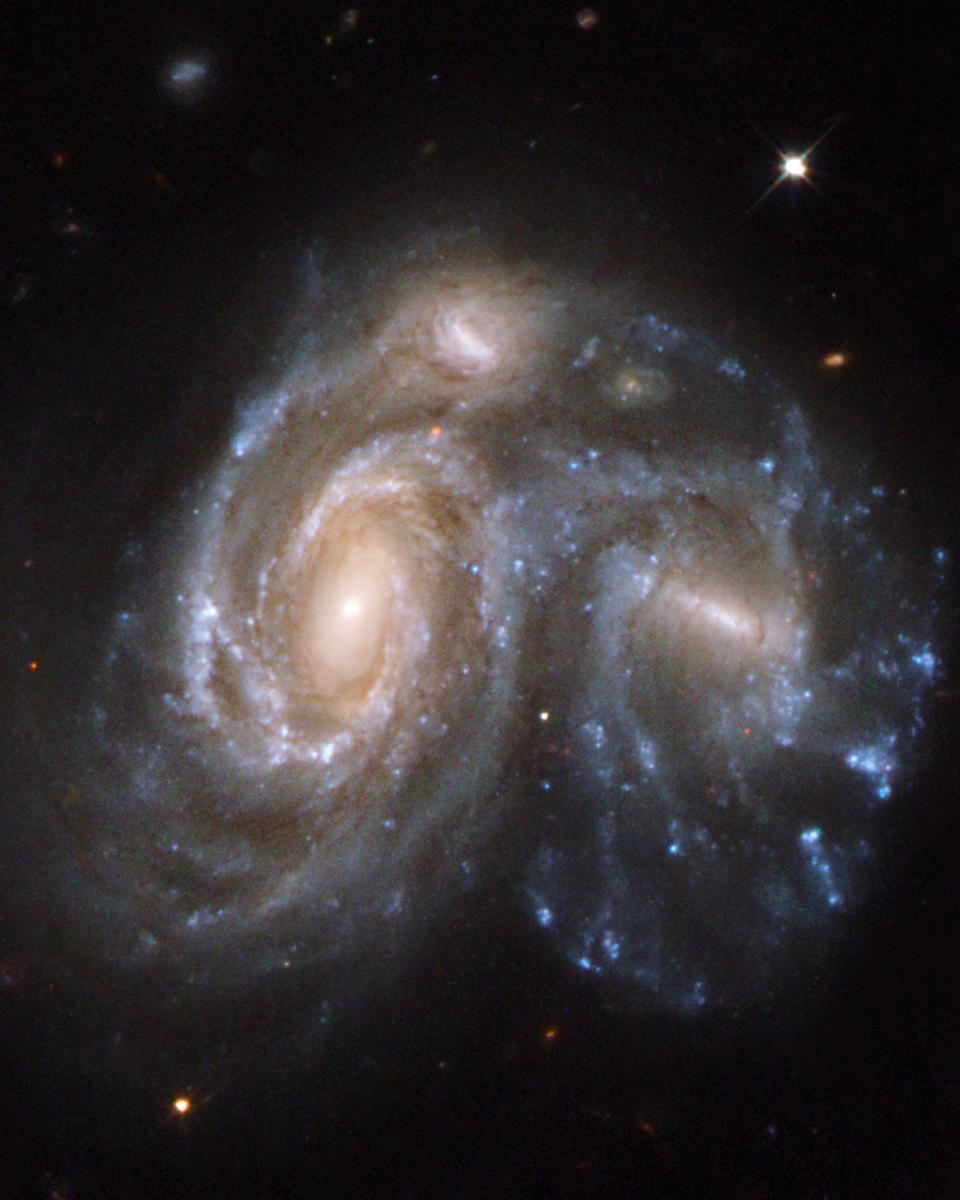
Arp 272
Linking spiral arms, two large colliding galaxies are featured in this Hubble Space Telescope view, part of a series of cosmic snapshots released to celebrate the Hubble's 18th…
Preview unavailable
Open the archive entry to view the source media.
Airplane Flight Patterns over the USA
What are these Earthlings going? Millions of people move about planet Earth by airplane every day. Hundreds of thousands of airplane flights take place over the US every day. A…
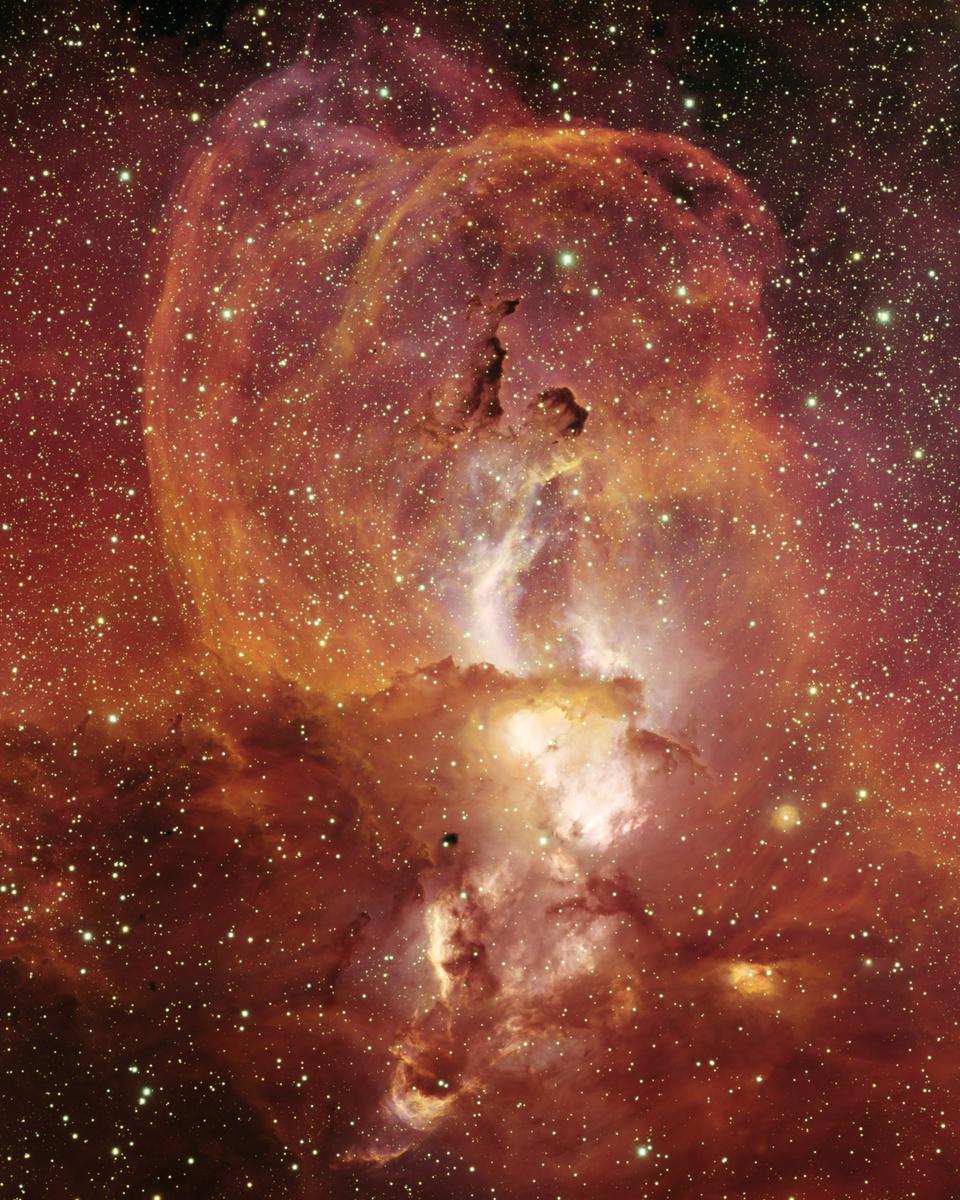
Star Forming Region NGC 3582
What's happening in the NGC 3582 nebula? Bright stars and interesting molecules are forming. The complex nebula resides in the star forming region called RCW 57. Visible in this…
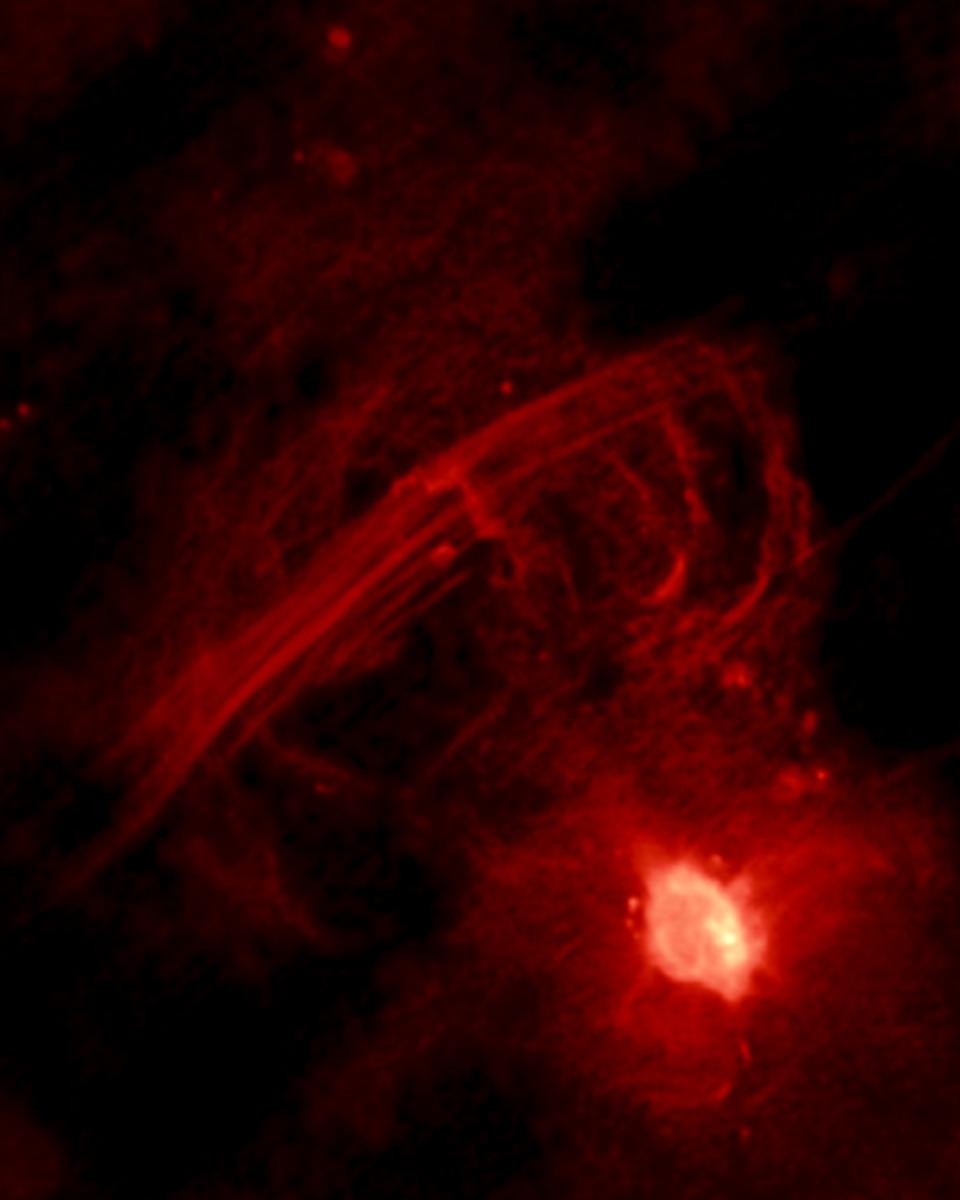
The Galactic Center Radio Arc
What causes this unusual structure near the center of our Galaxy? The long parallel rays slanting across the top of the above radio image are known collectively as the Galactic…
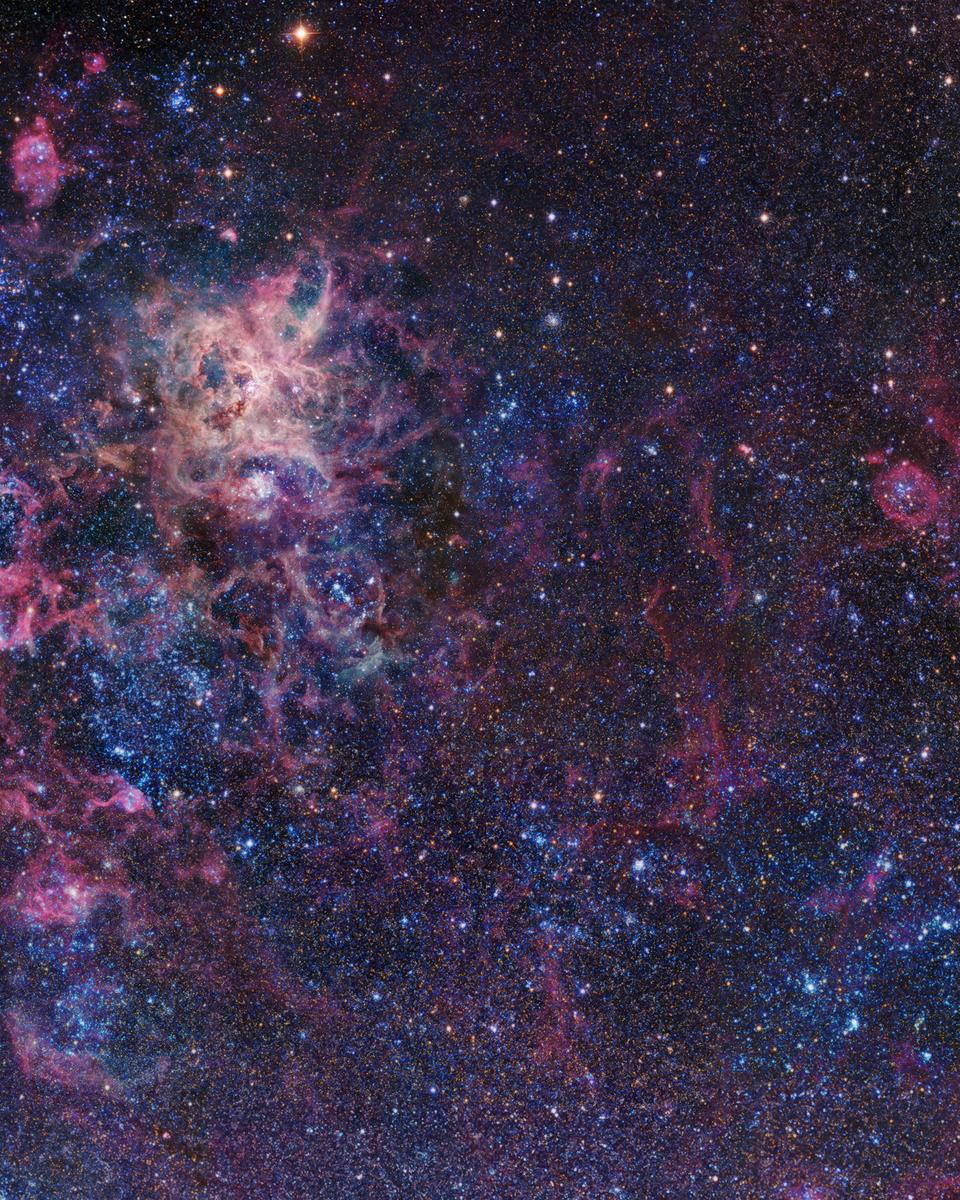
The Tarantula Zone
The Tarantula Nebula is more than 1,000 light-years in diameter -- a giant star forming region within our neighboring galaxy the Large Magellanic Cloud (LMC). That cosmic arachnid…
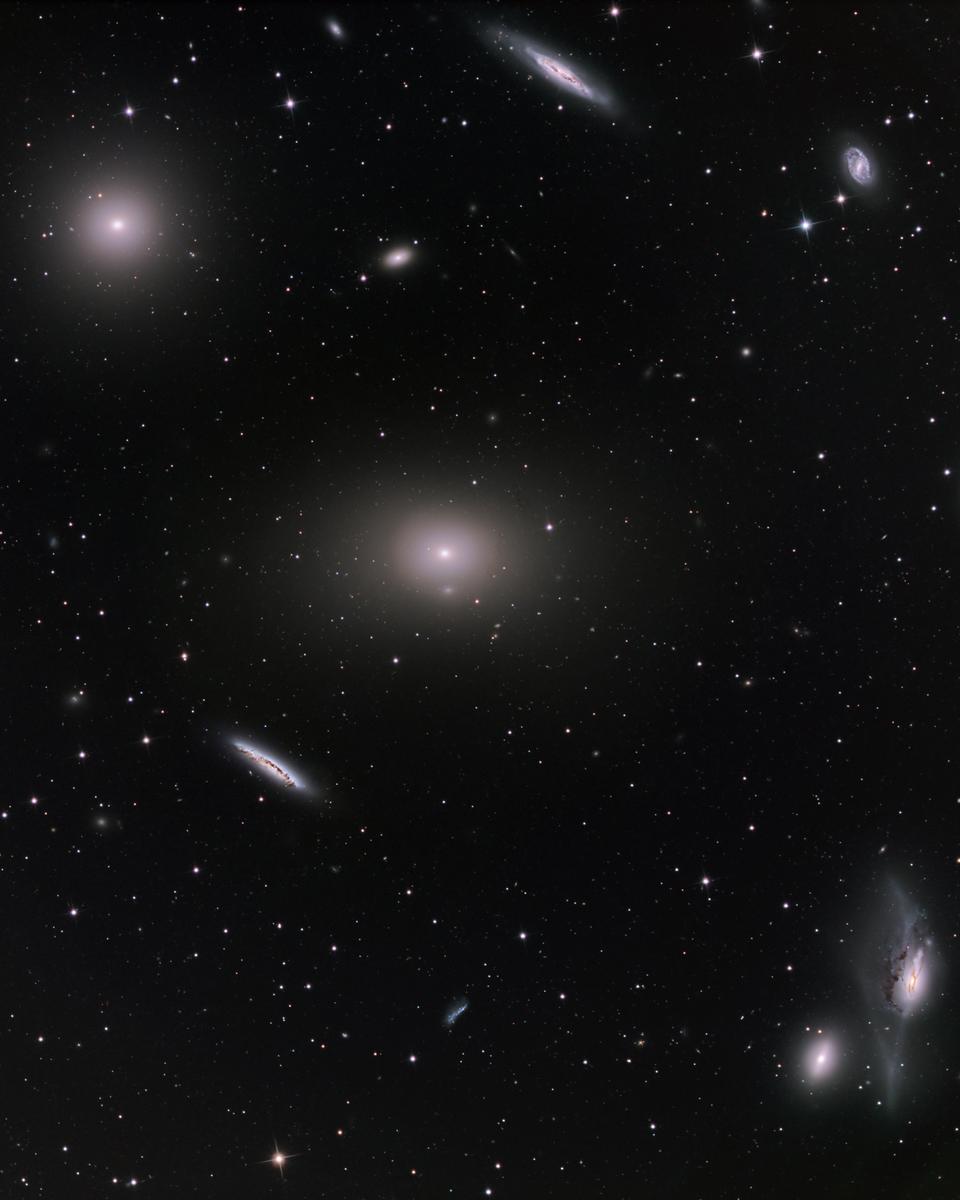
M86 in the Virgo Cluster
Bright lenticular galaxy M86 is near center of this cosmic view, at the heart of the Virgo Galaxy Cluster . Other bright galaxies in the neighborhood include M84 at the upper…
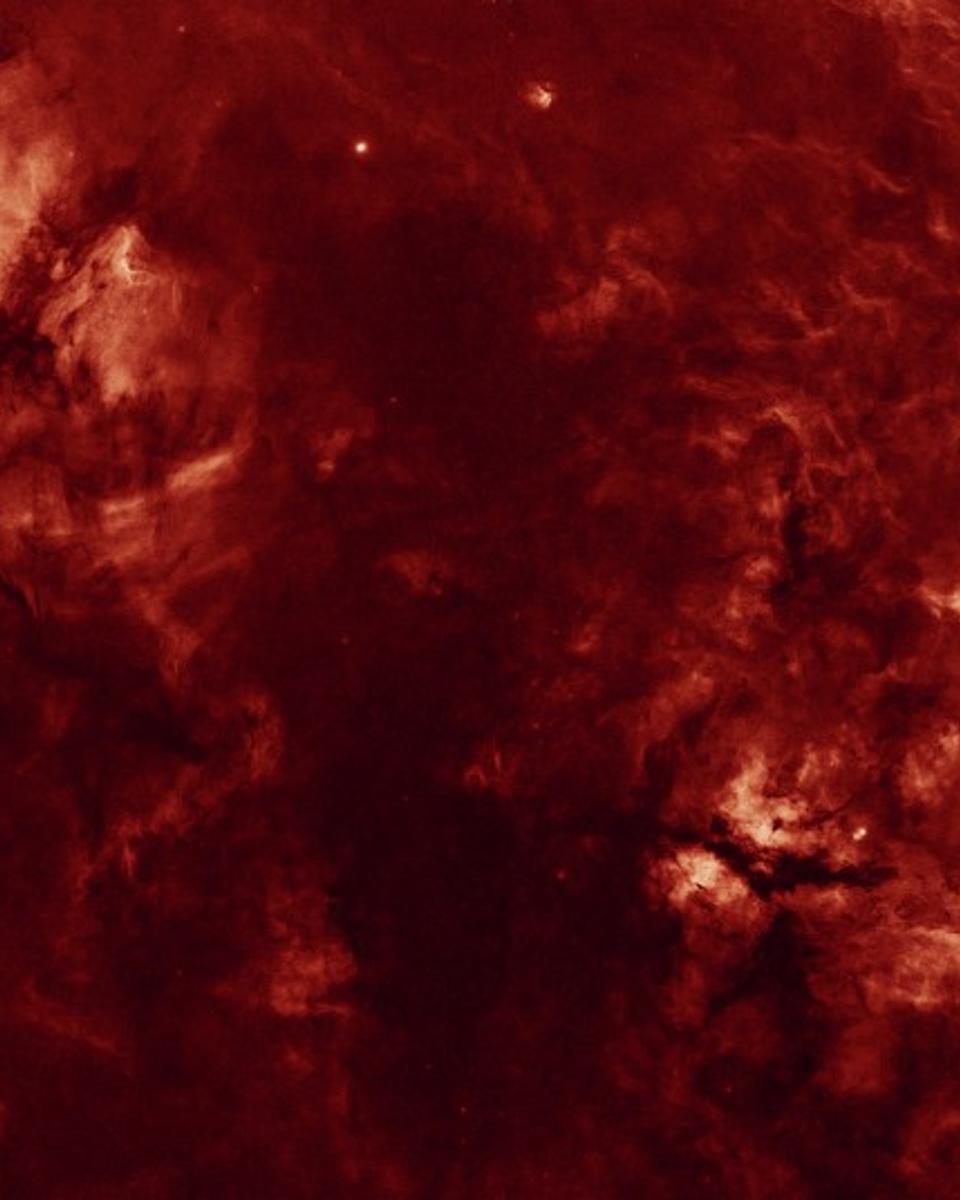
Cygnus Without Stars
The sky is full of hydrogen, though it can take a sensitive camera and telescope to see it. For example, this twelve-degree-wide view of the northern part of the constellation…
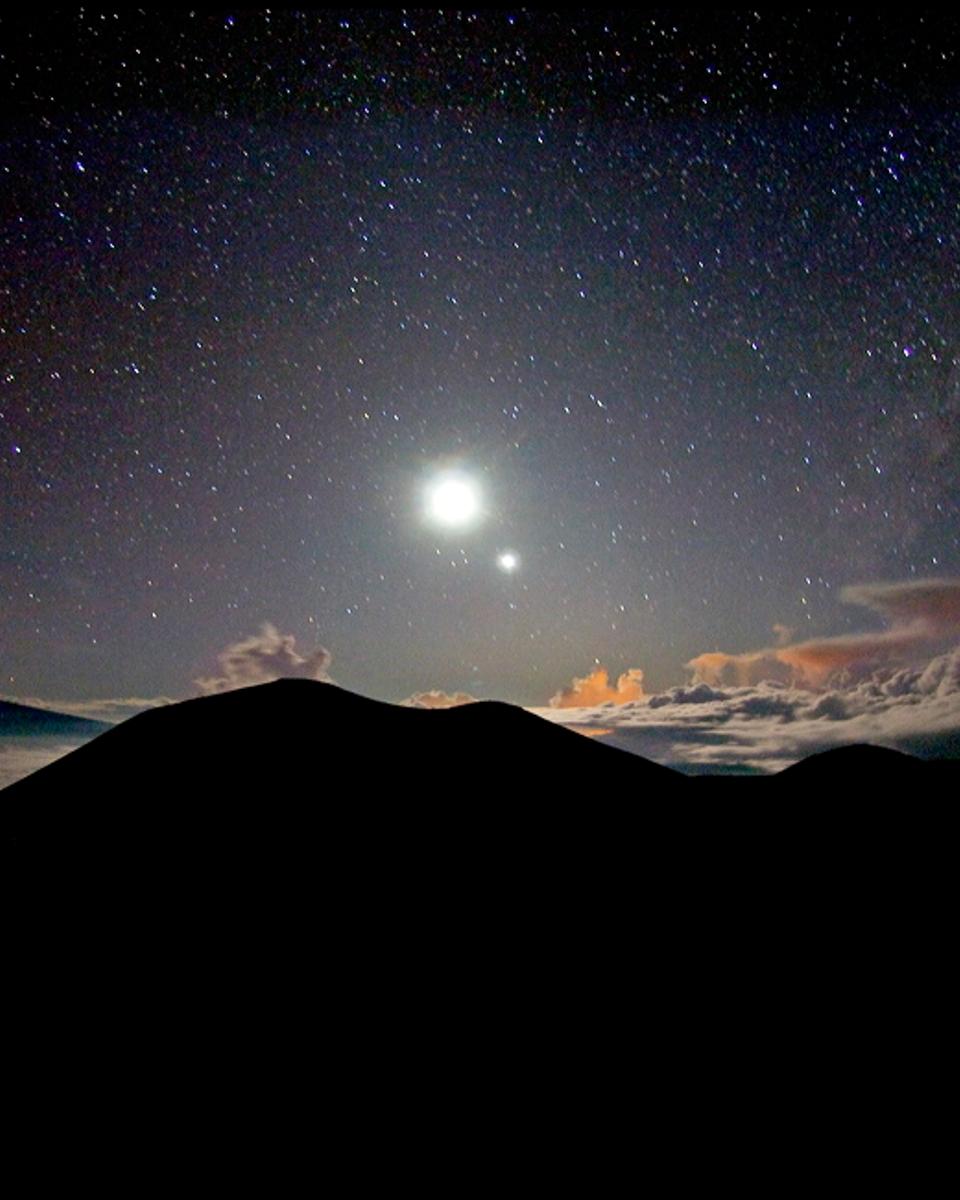
Above the Clouds
From the windswept peak of Mauna Kea , on the Big Island of Hawaii, your view of the world at night could look like this. At an altitude of about 13,500 feet, the mountain top is…
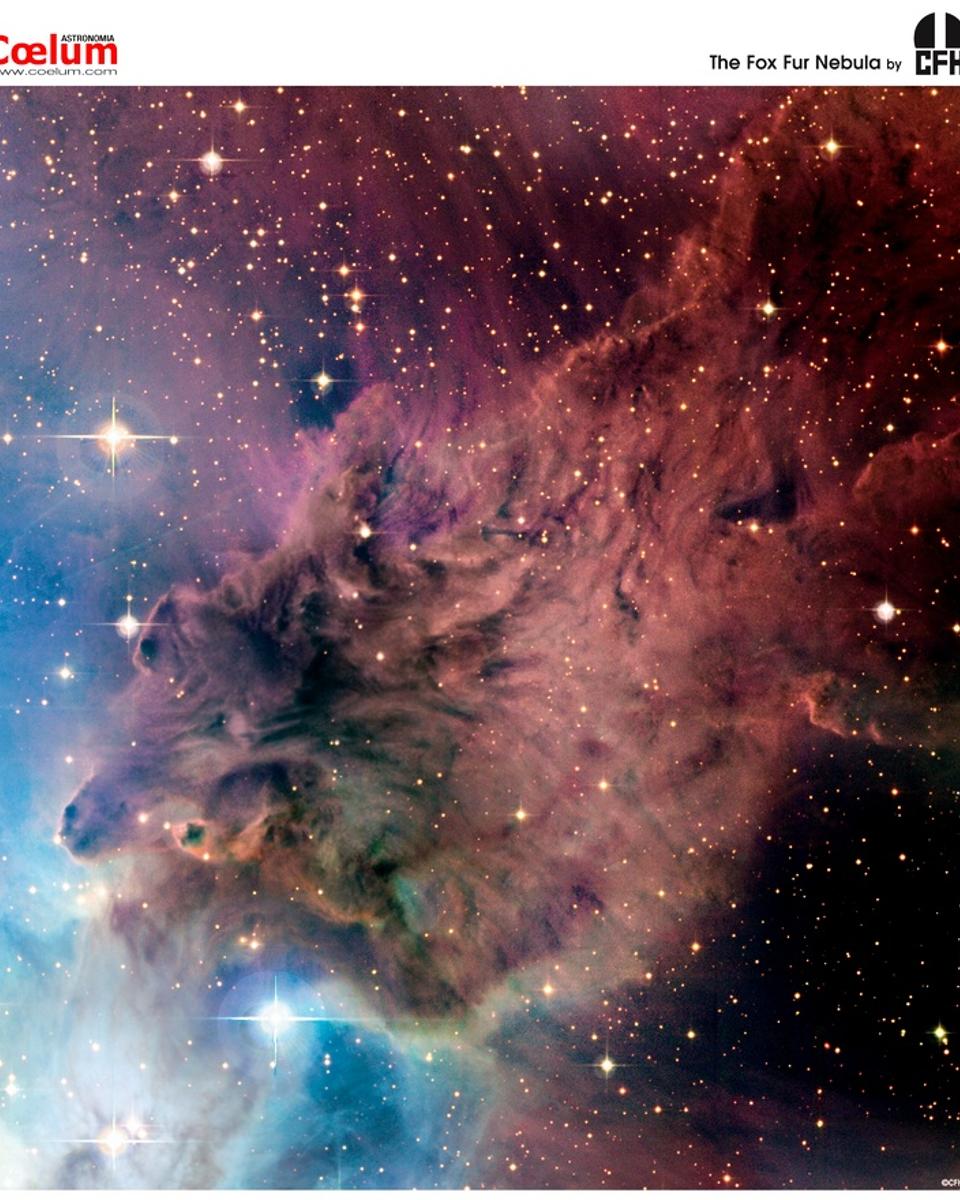
The Fox Fur Nebula from CFHT
This interstellar beast is formed of cosmic dust and gas interacting with the energetic light and winds from hot young stars. The shape, visual texture, and color, combine to give…
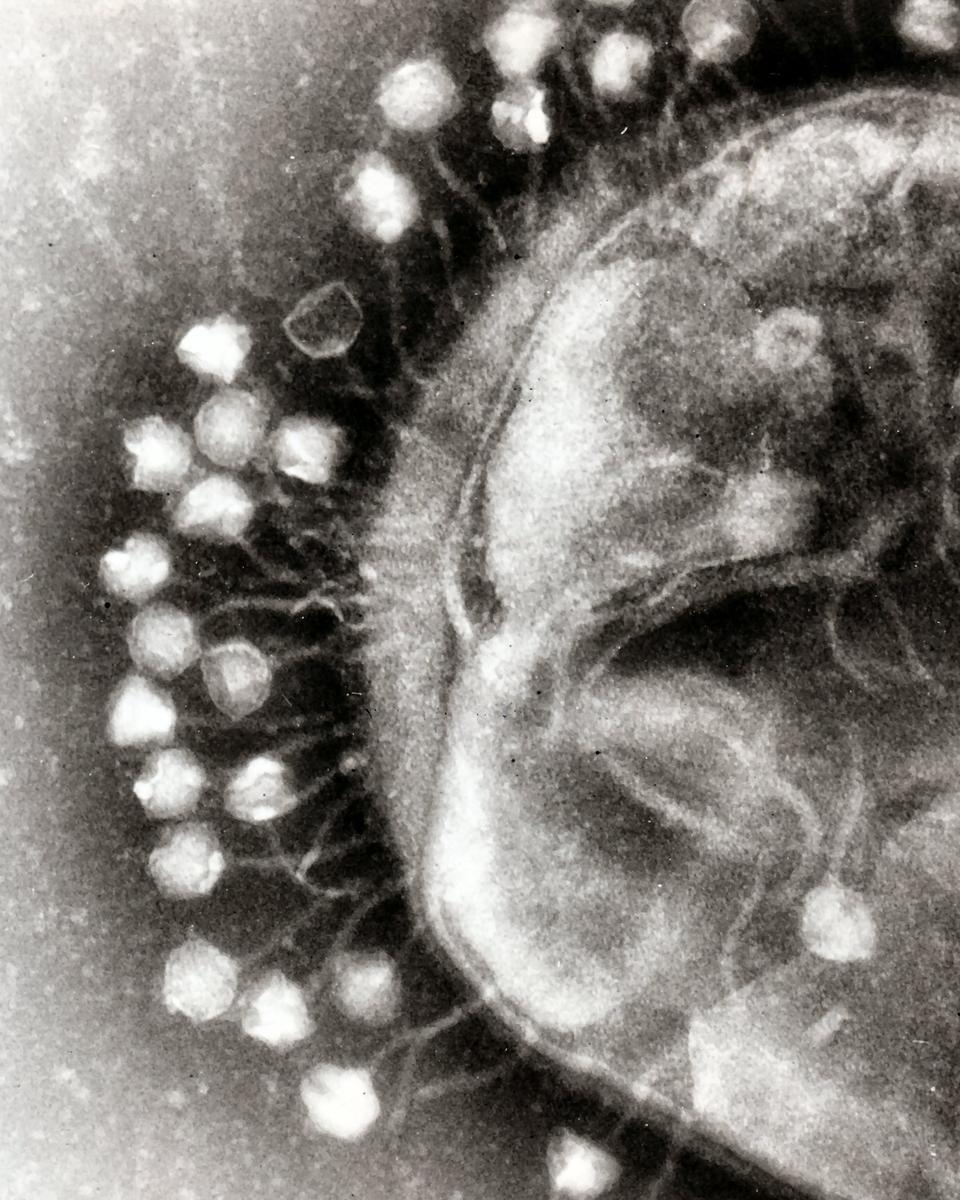
Bacteriophages: The Most Common Life-Like Form on Earth
There are more bacteriophages on Earth than any other life-like form. These small viruses are not clearly a form of life , since when not attached to bacteria they are completely…
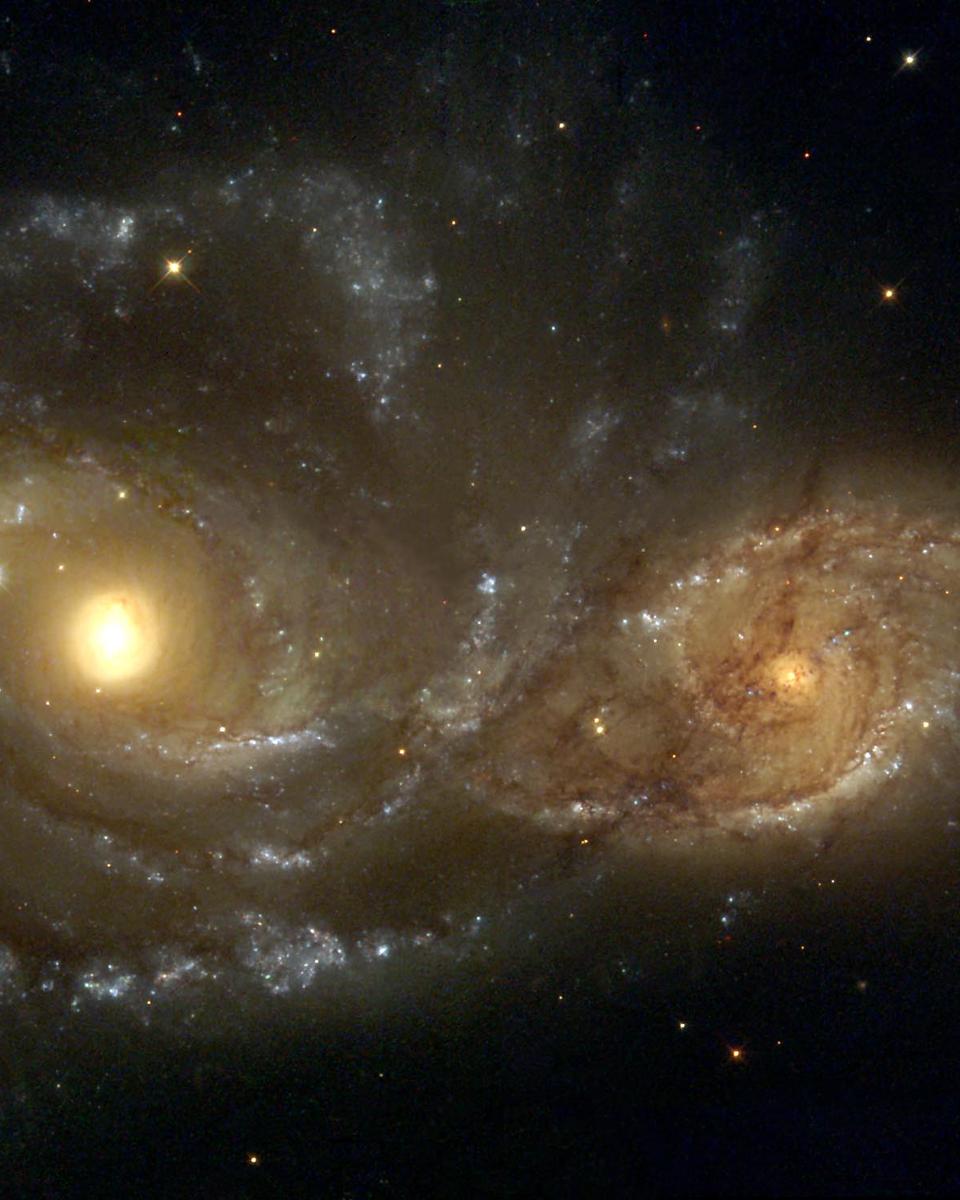
Spiral Galaxies in Collision
Billions of years from now, only one of these two galaxies will remain. Until then, spiral galaxies NGC 2207 and IC 2163 will slowly pull each other apart, creating tides of…
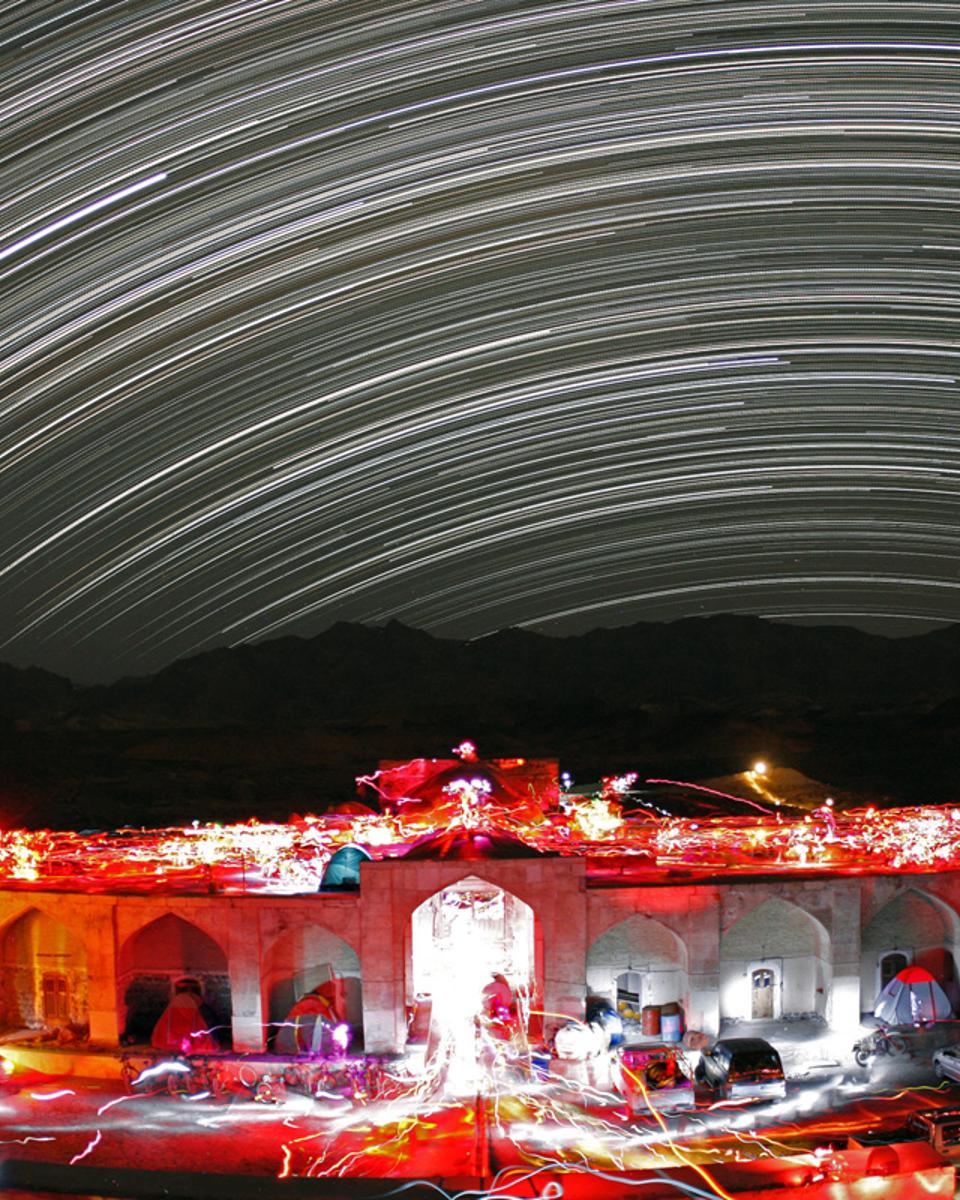
Running Messier's Marathon
Gripped by an astronomical spring fever, many northern hemisphere stargazers embark on a Messier Marathon . Completing the marathon requires viewing all 110 objects in 18th…
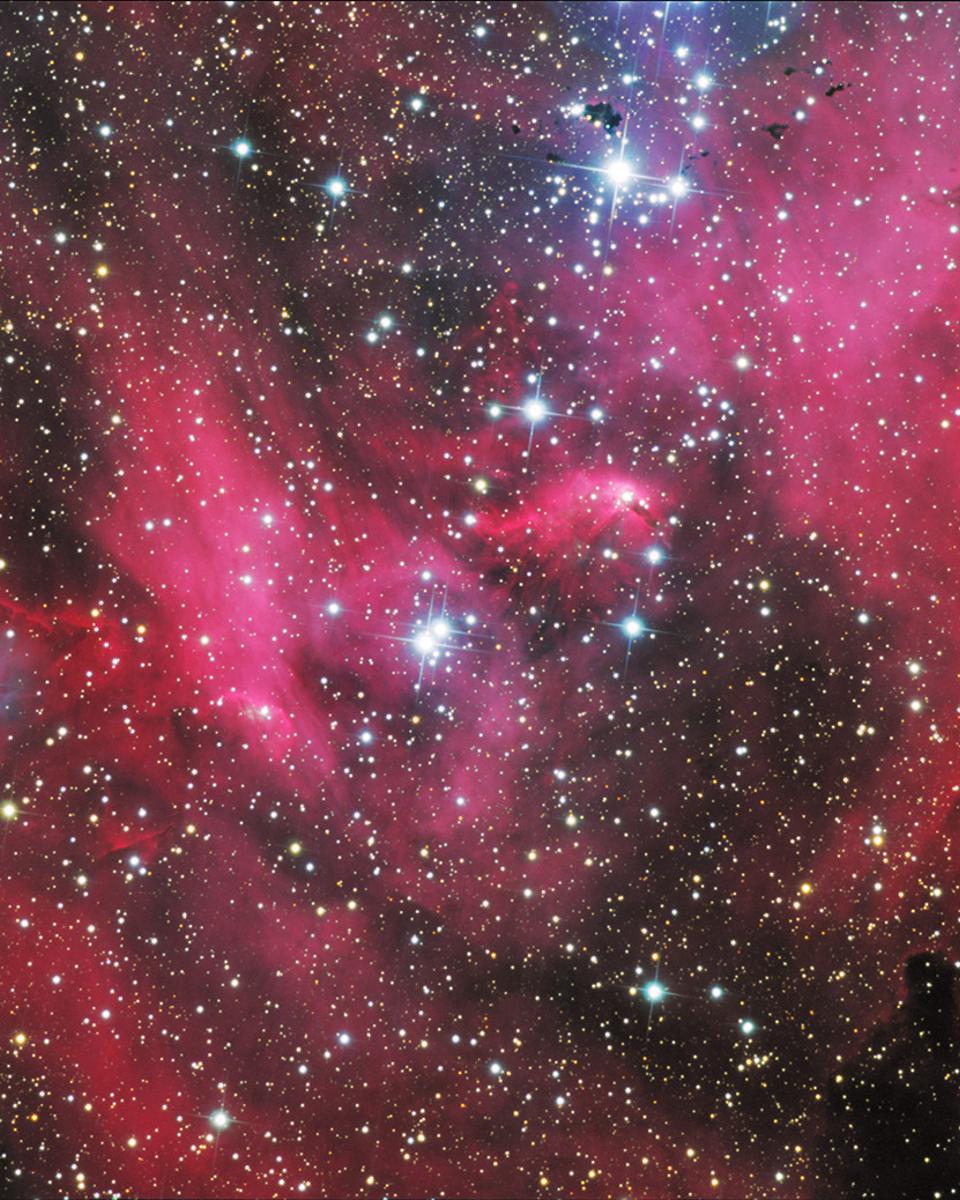
IC 2948: The Running Chicken Nebula
Bright nebulae abound in and around the expansive southern constellation of Centaurus . This one, cataloged as IC 2948/2944 is near the star Lambda Centauri (just off the top of…
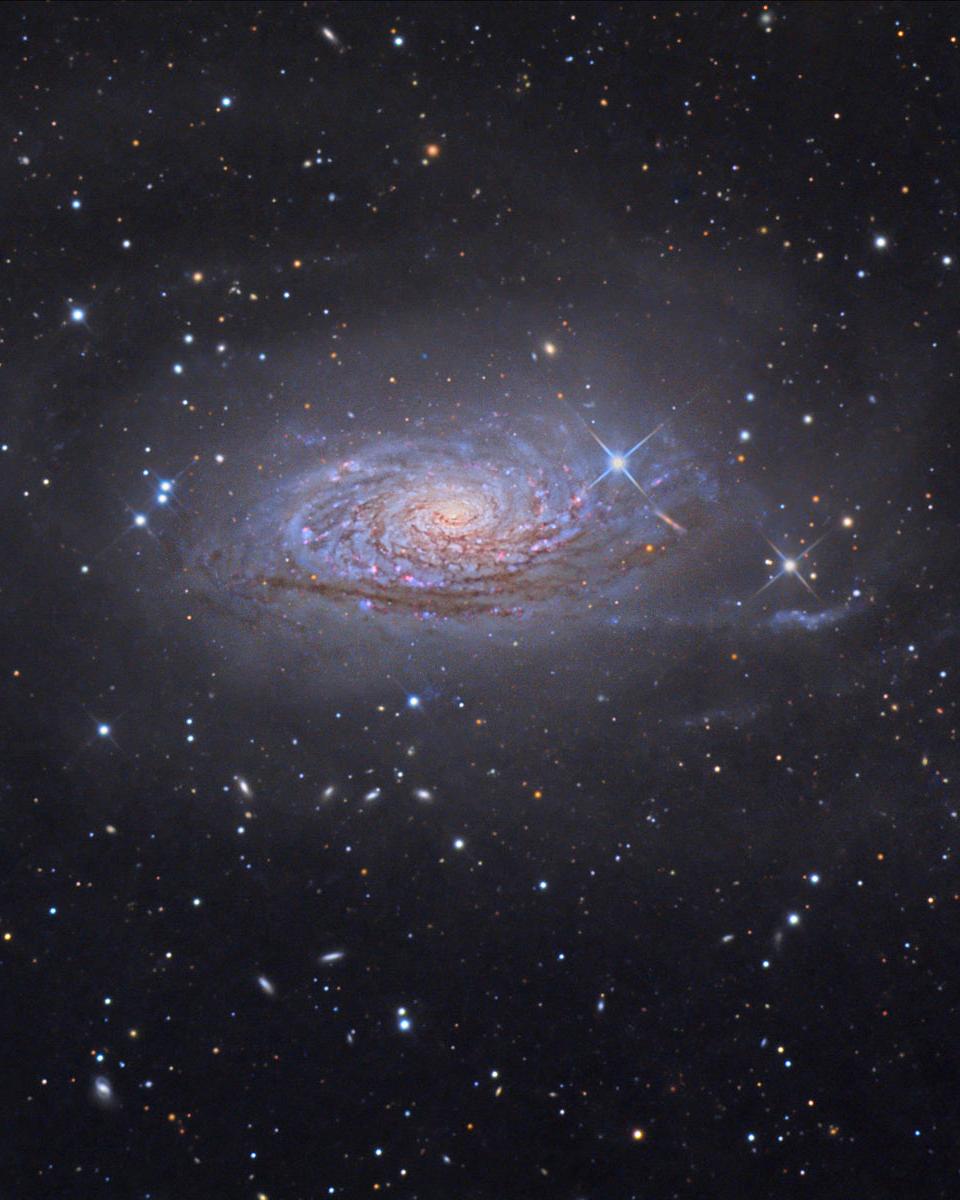
Messier 63: The Sunflower Galaxy
A bright spiral galaxy of the northern sky, Messier 63 is about 25 million light-years distant in the loyal constellation Canes Venatici . Also cataloged as NGC 5055, the majestic…
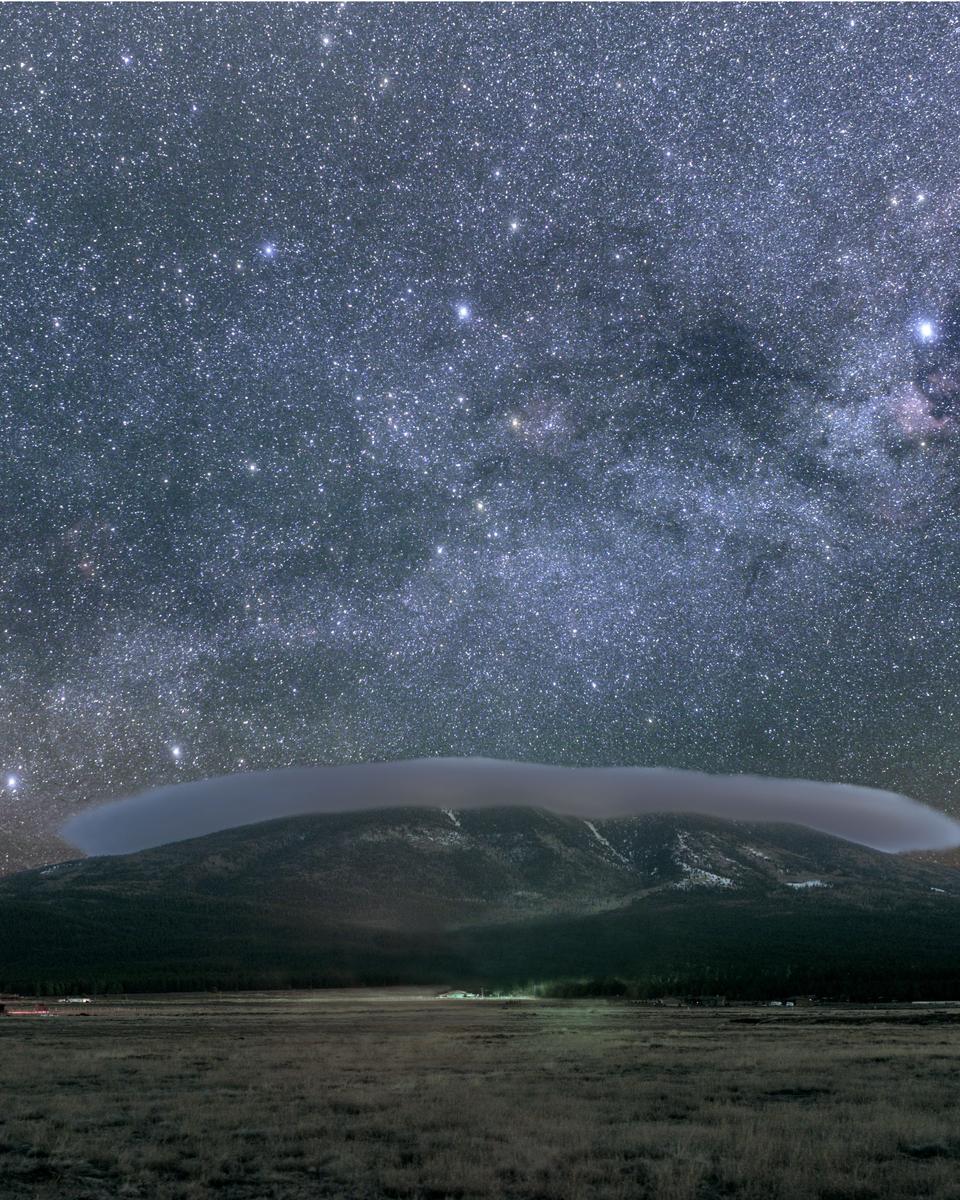
A Protected Night Sky Over Flagstaff
This sky is protected. Yesterday marked the 50 year anniversary of the first lighting ordinance ever enacted, which restricted searchlight advertisements from sweeping the night…
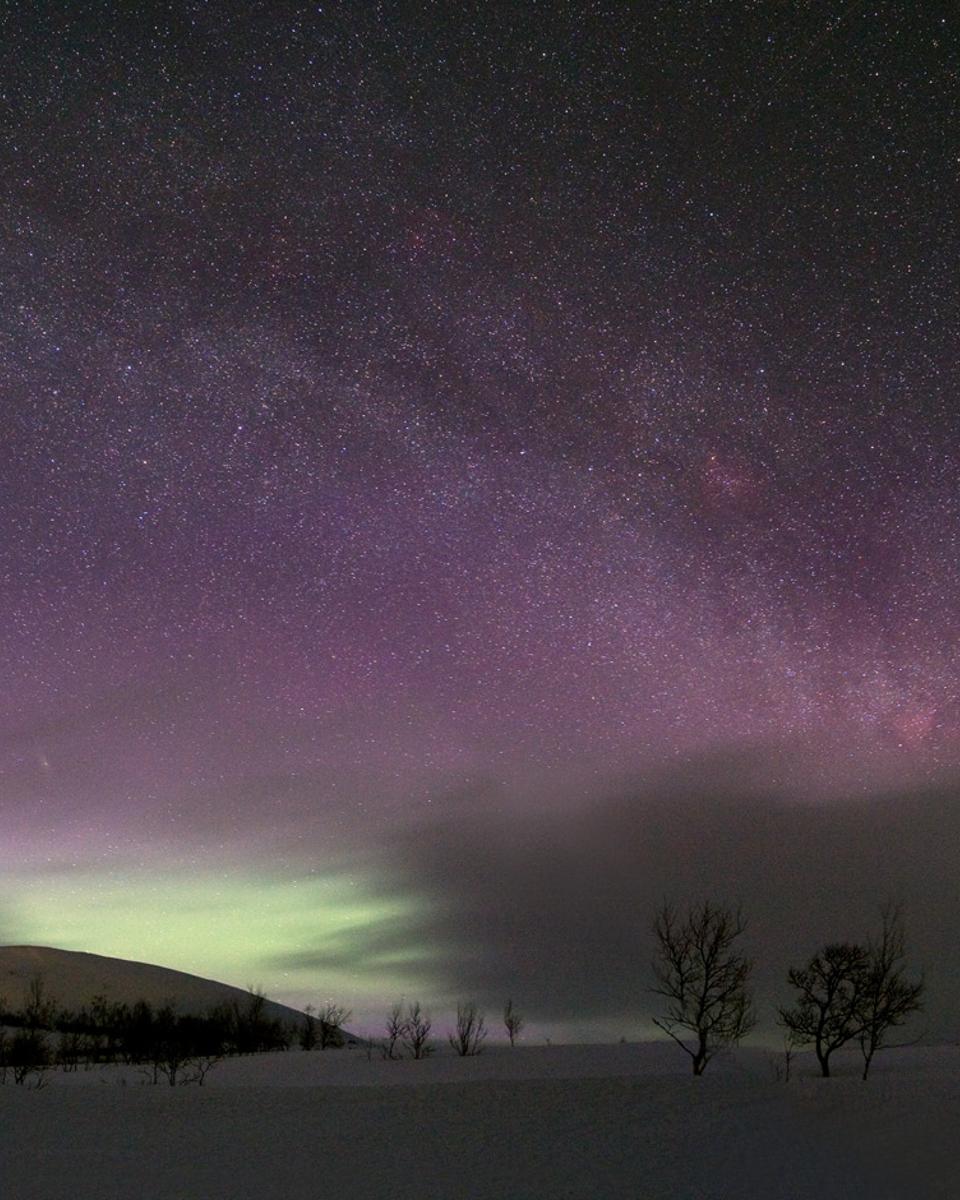
Sky Delights Over Sweden
This night was a sky enthusiast 's delight. While relaxing in Sweden last week, many a cosmic wonder was captured with a single snapshot. They are described here from near to far.…
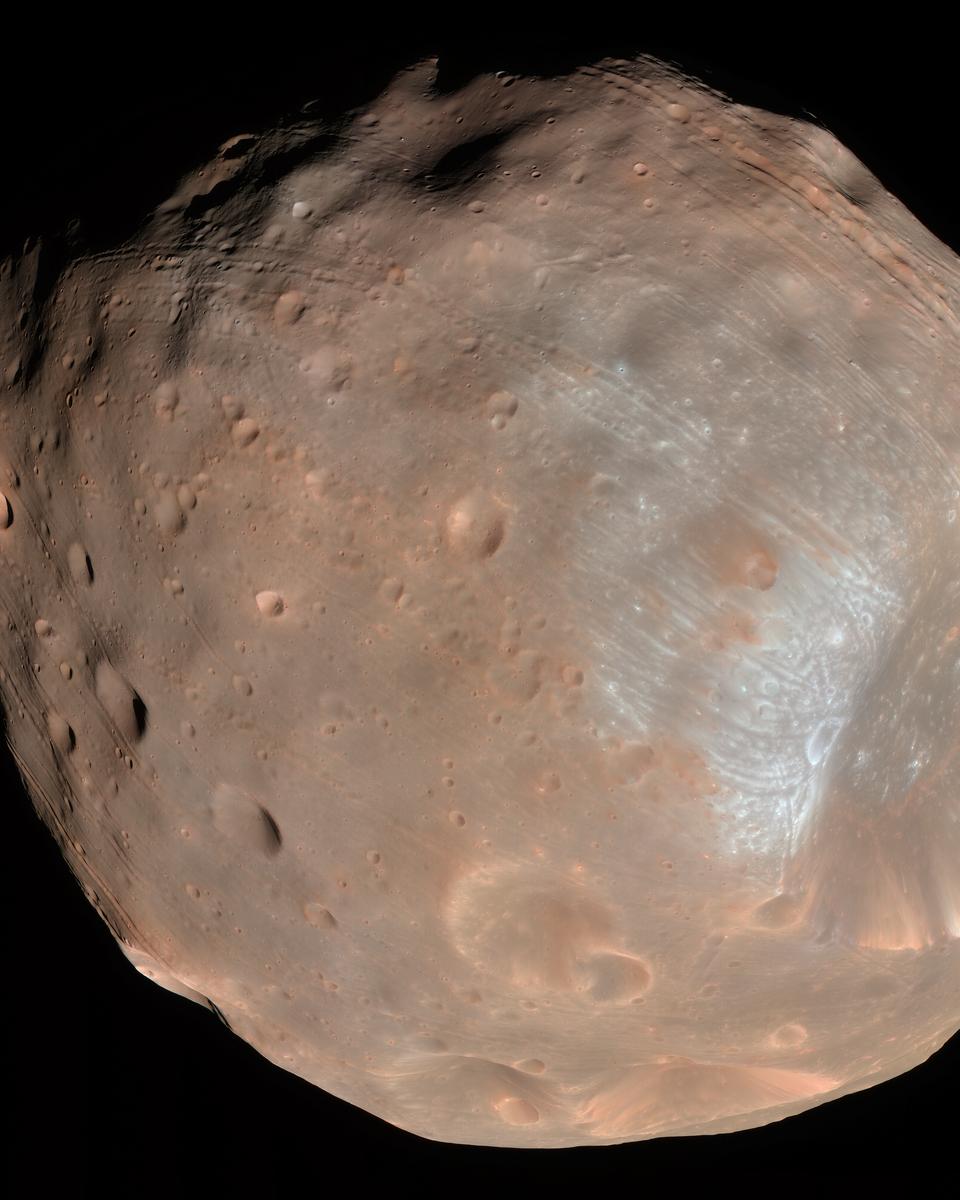
Phobos: Doomed Moon of Mars
This moon is doomed. Mars , the red planet named for the Roman god of war , has two tiny moons, Phobos and Deimos , whose names are derived from the Greek for Fear and Panic .…
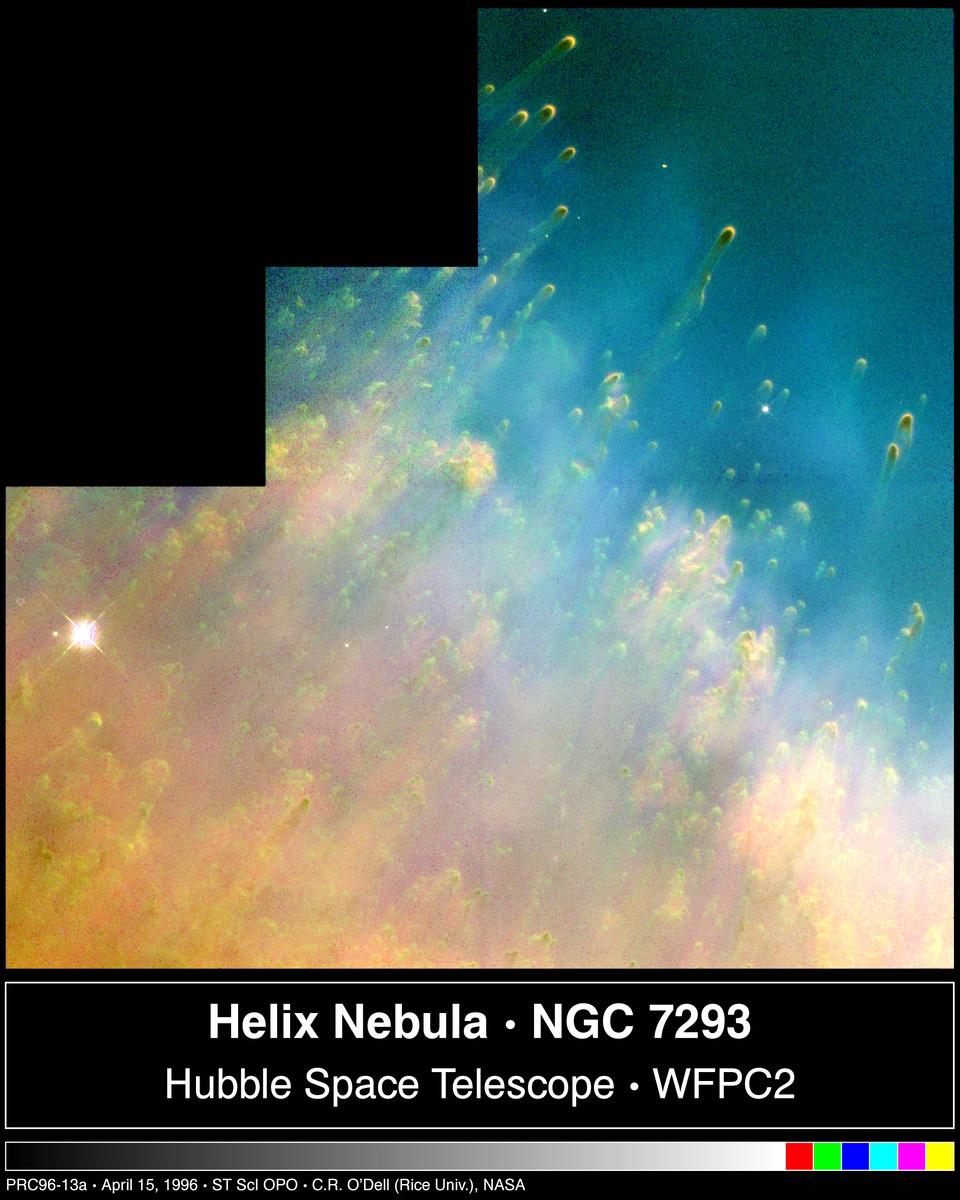
Curious Cometary Knots in the Helix Nebula
What causes unusual knots of gas and dust in planetary nebulas ? Seen also in the Ring Nebula , the Dumbbell Nebula and NGC 2392 , the knots' existence was not initially predicted…
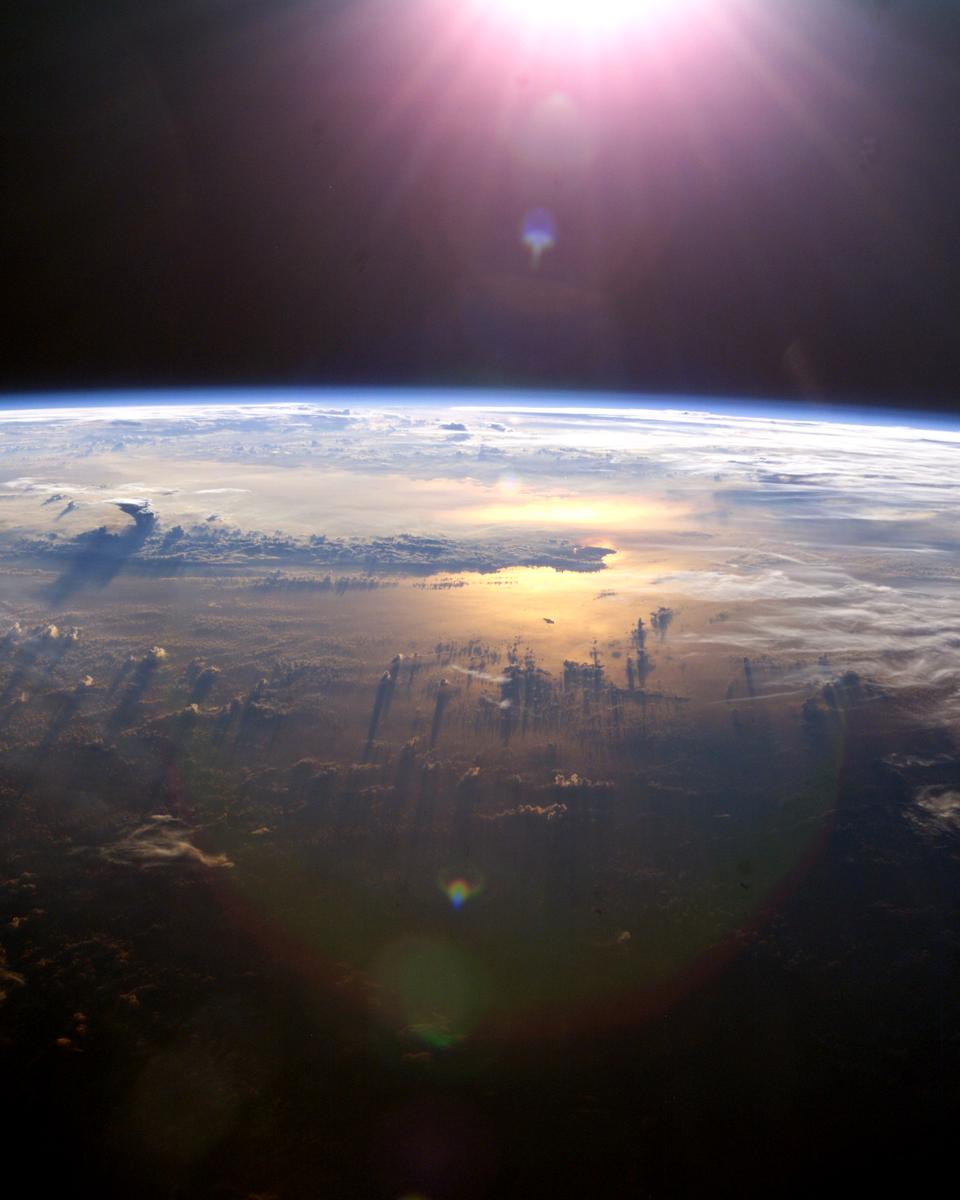
Yuri's Planet
On April 12th, 1961, Soviet cosmonaut Yuri Alexseyevich Gagarin became the first human in space. His remotely controlled Vostok 1 spacecraft lofted him to an altitude of 200 miles…
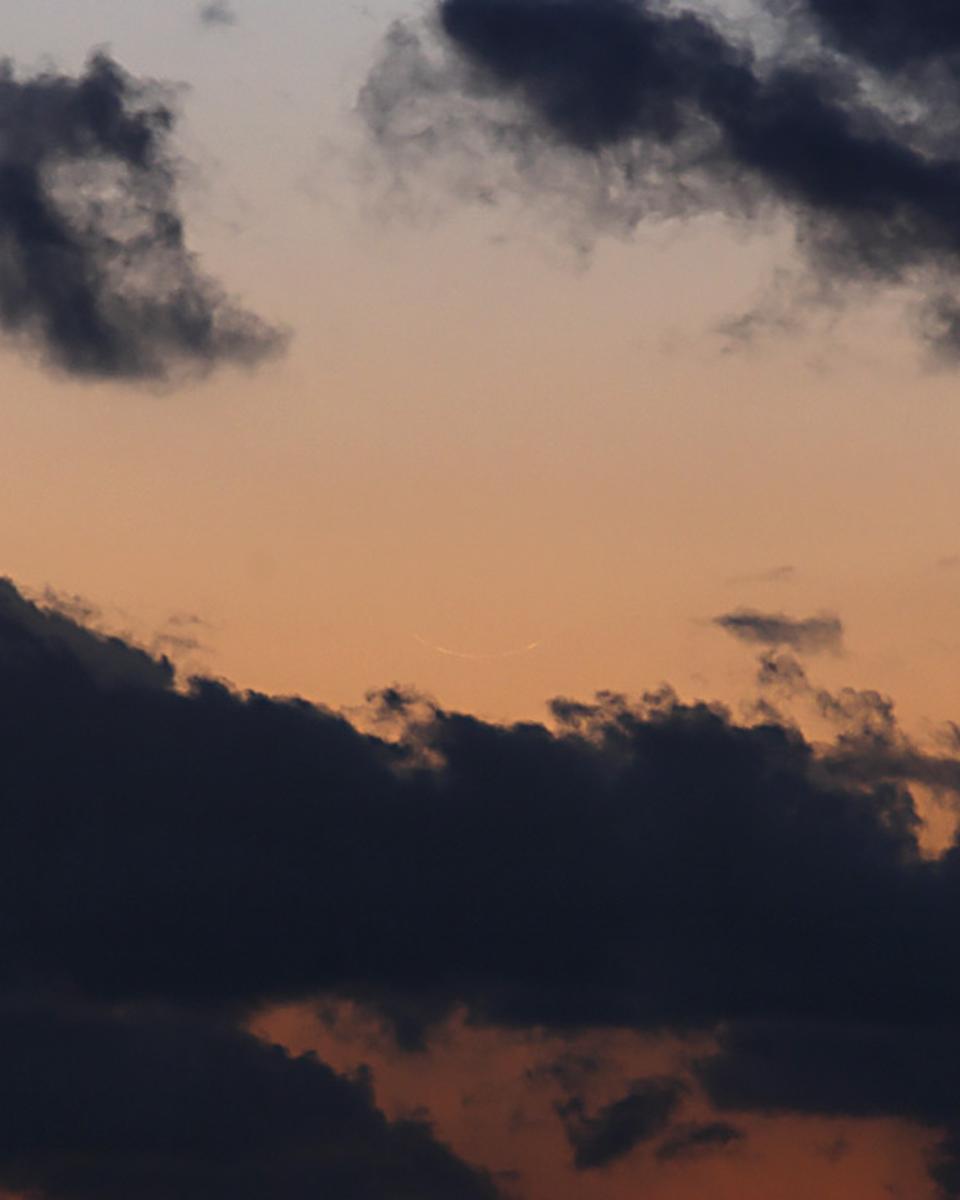
At first, he couldn't see the Moon
At first, he couldn't see it, but searching with binoculars along a cloudy western horizon near sunset, photographer Laurent Laveder finally spotted a delicate lunar crescent.…
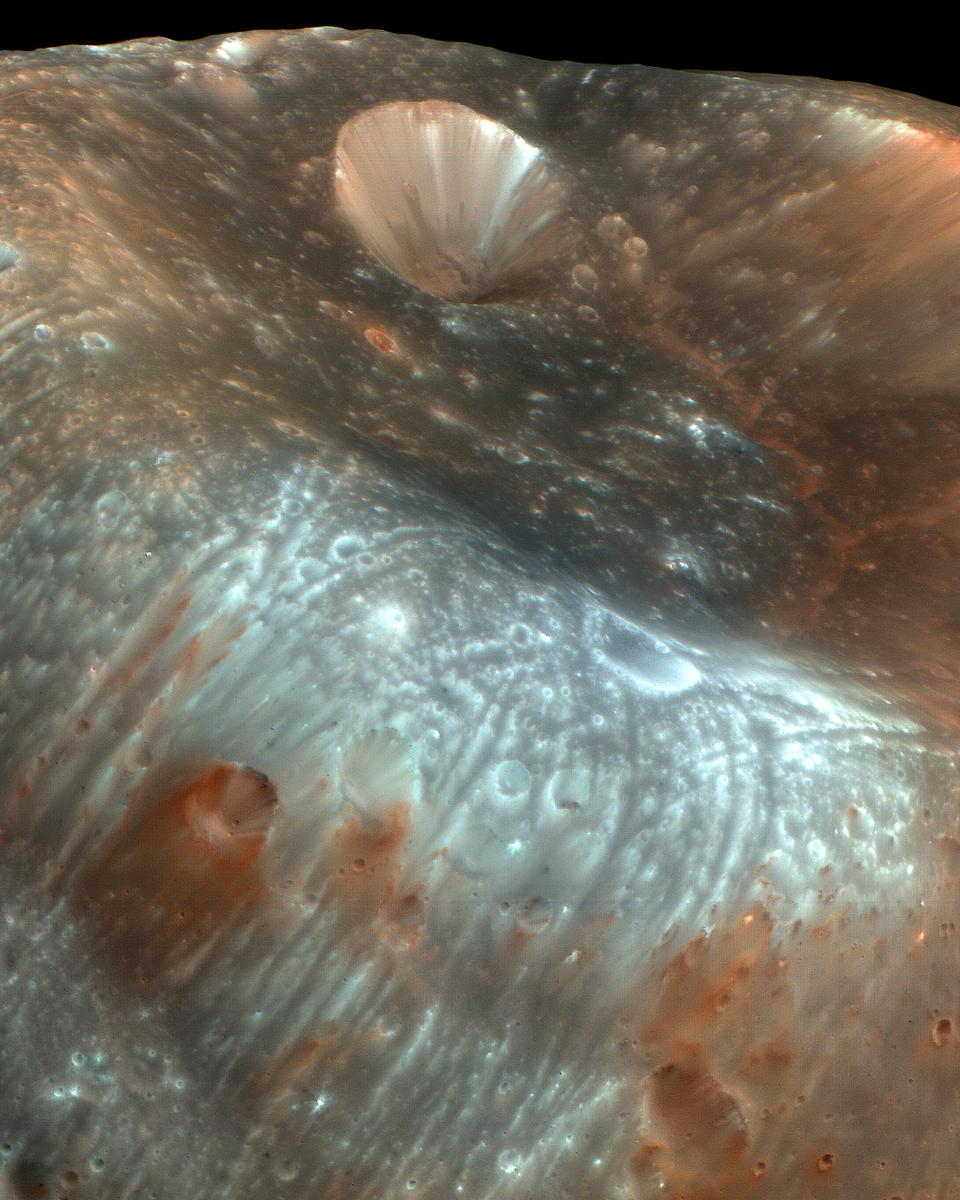
Stickney Crater
Stickney Crater, the largest crater on the martian moon Phobos, is named for Chloe Angeline Stickney Hall, mathematician and wife of astronomer Asaph Hall. Asaph Hall discovered…
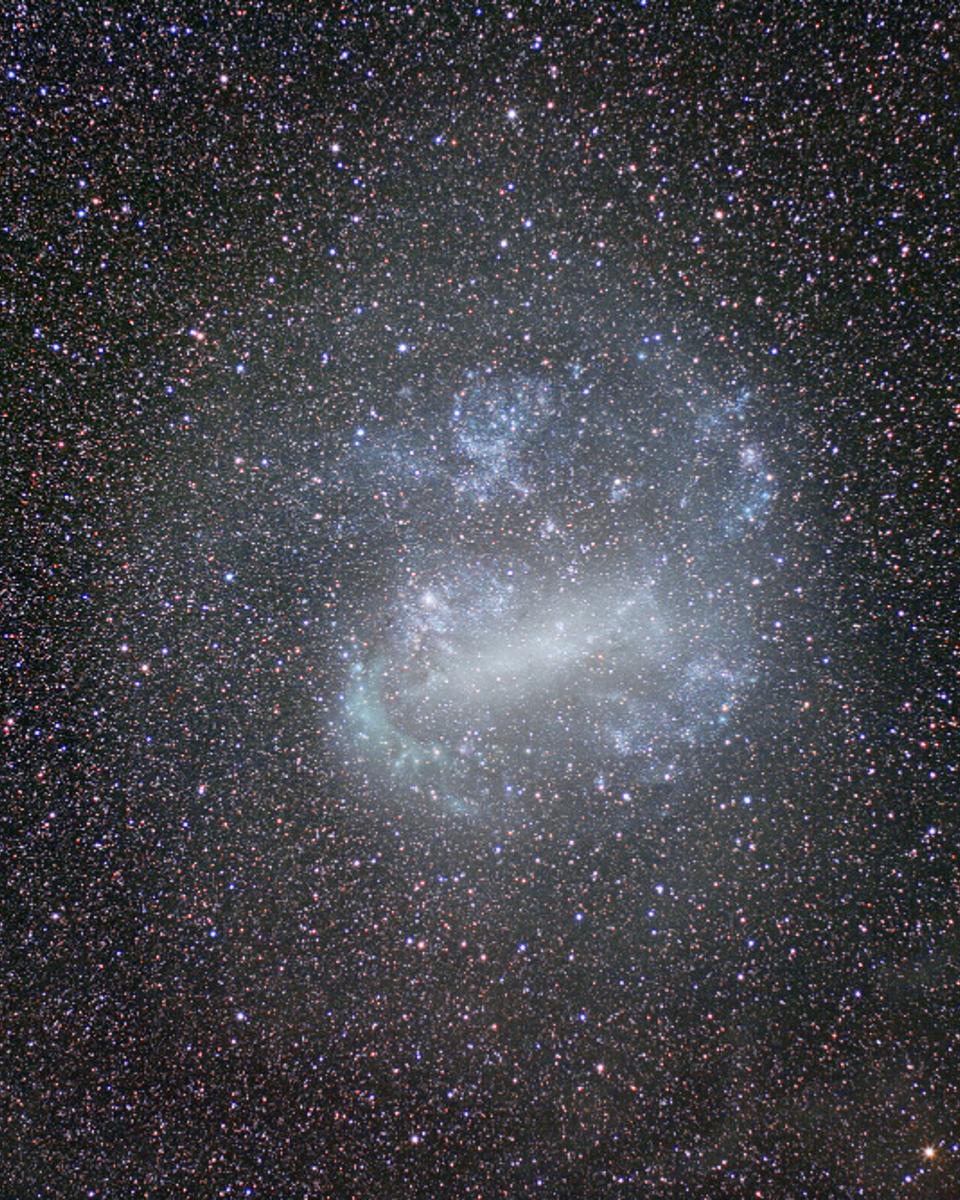
A Large Magellanic Cloud Deep Field
Is this a spiral galaxy? No. Actually, it is the Large Magellanic Cloud (LMC), the largest satellite galaxy of our own Milky Way Galaxy . The LMC is classified as a dwarf…
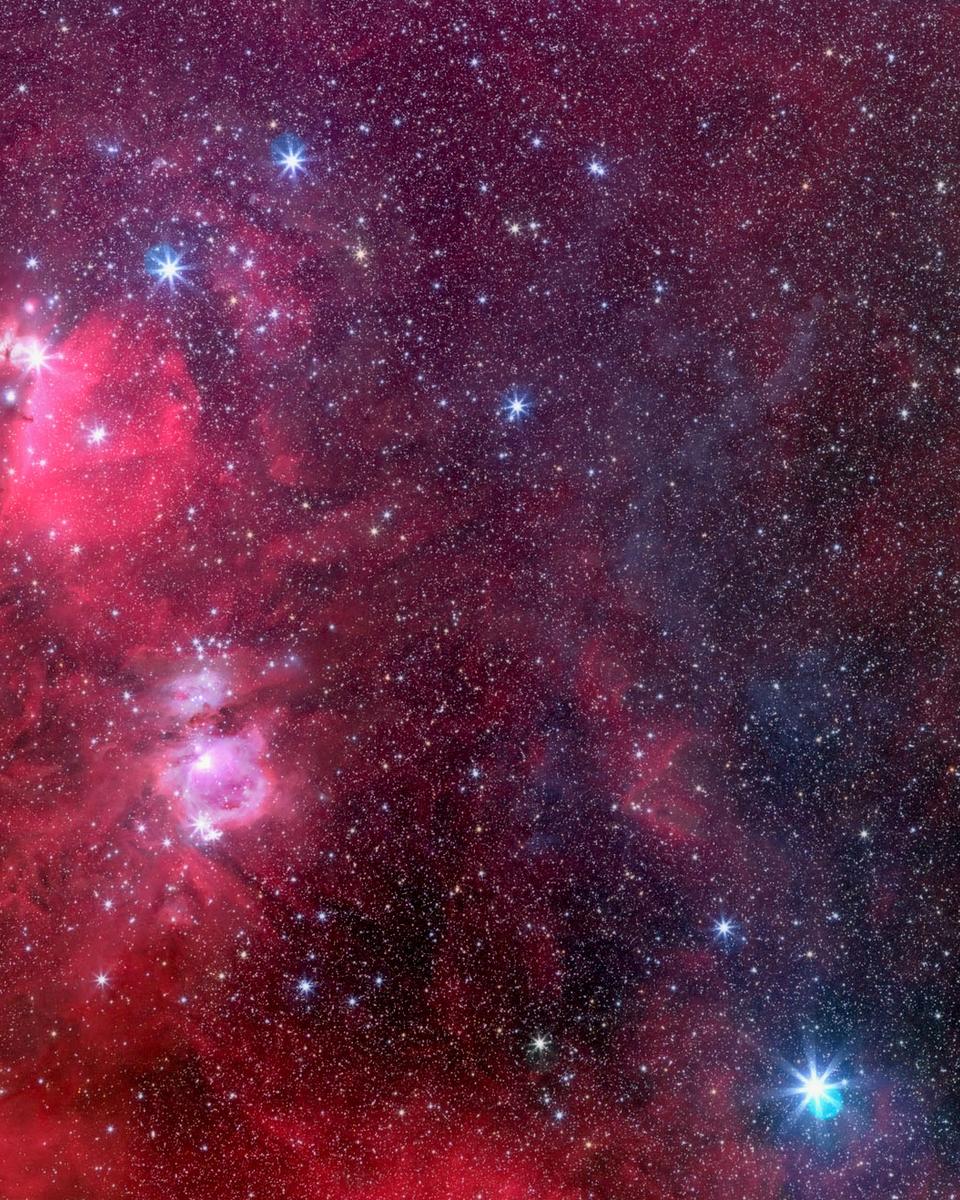
Southern Orion: From Belt to Witch
Do you recognize the belt of Orion in this image? The familiar trio of stars , visible to the unaided eye, can be found across the upper left. Otherwise, the southern part of the…
Viewing discoveries from 1 May 2008 through 8 April 2008.