Browse NASA Astronomy Picture of the Day archive by date and media: Archive Discoveries
Browse the NASA APOD archive without needing the exact date first. Filter by media type and keep moving deeper into older images and videos.
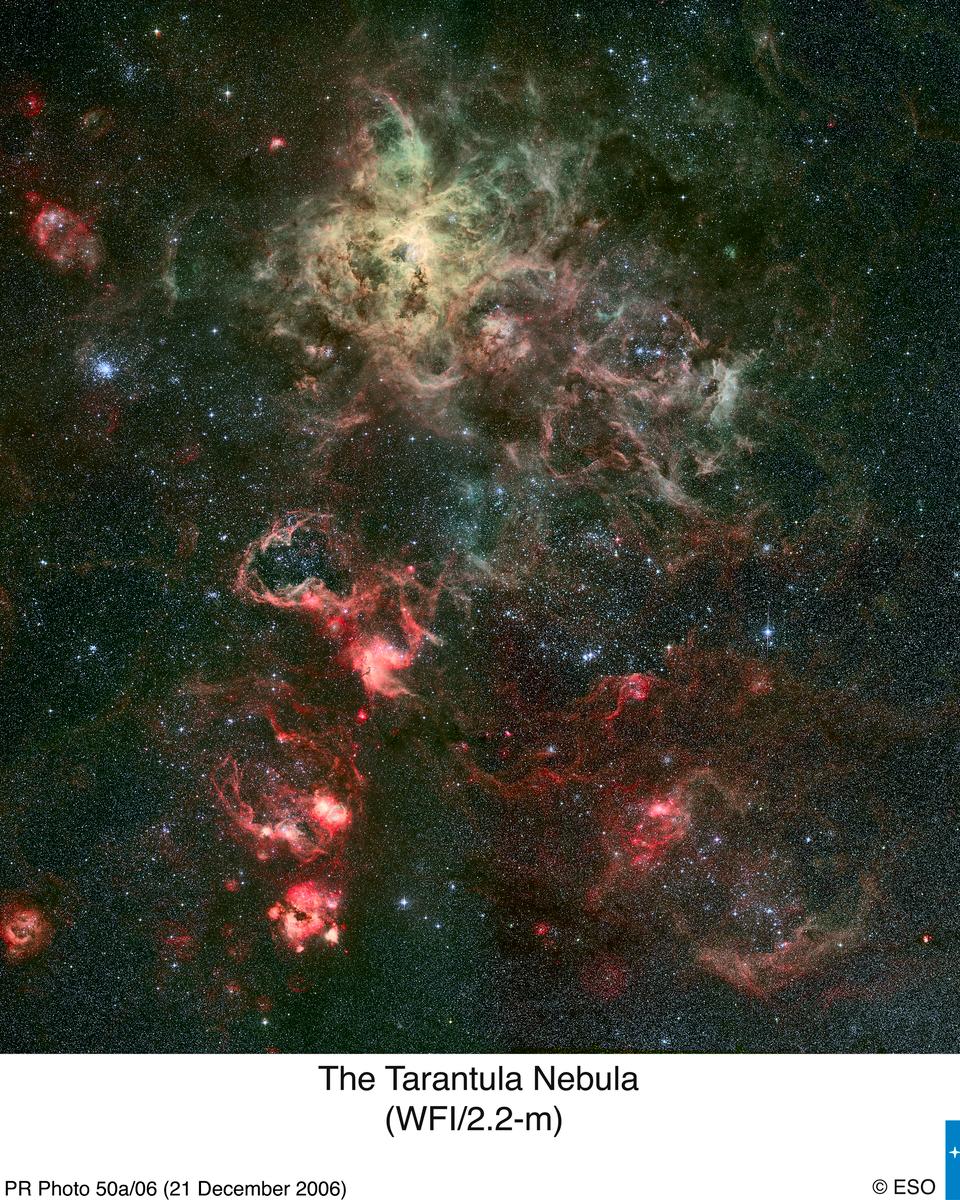
Tentacles of the Tarantula Nebula
The largest, most violent star forming region known in the whole Local Group of galaxies lies in our neighboring galaxy the Large Magellanic Cloud (LMC). Were the Tarantula Nebula…
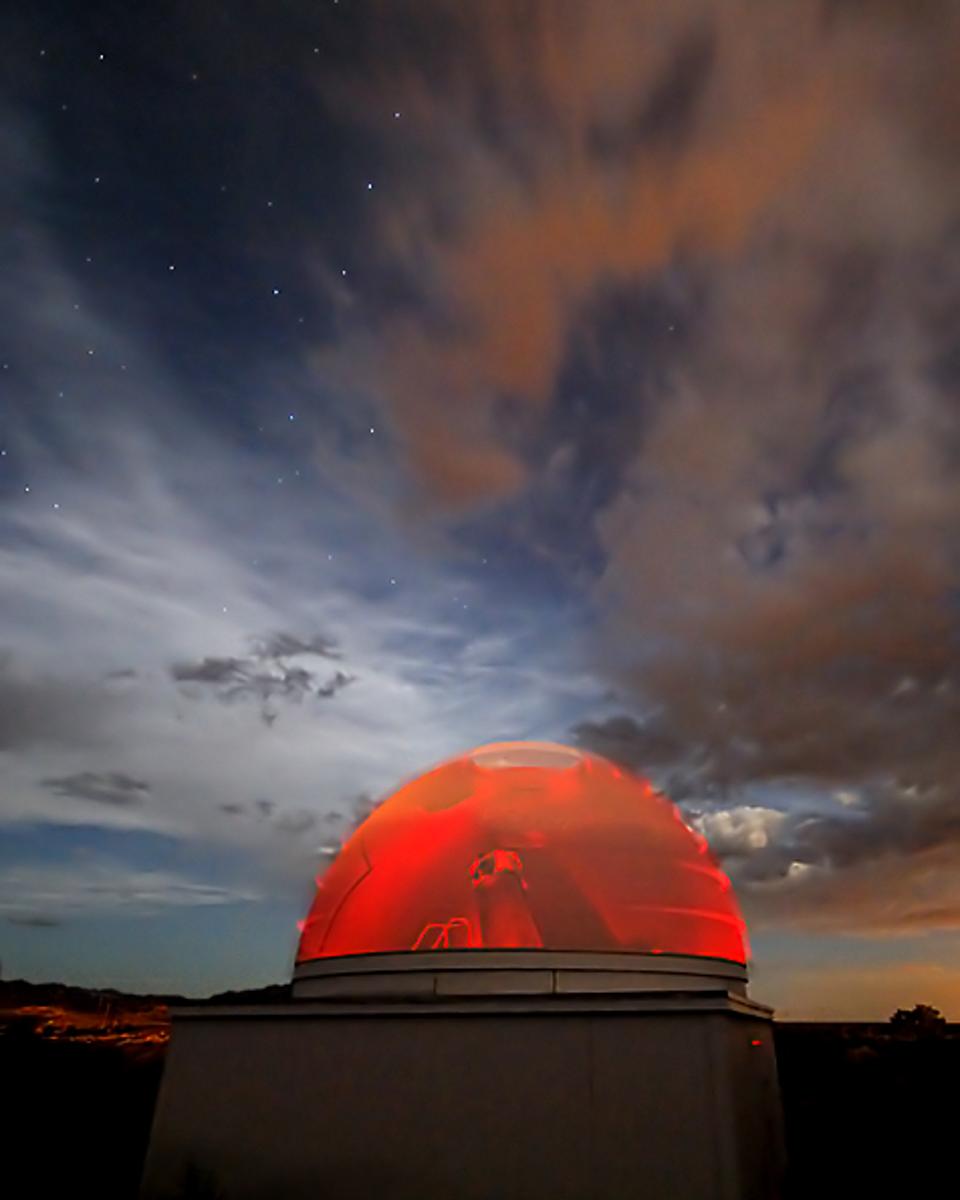
A Red Dome Under the Big Dipper
Why would the dome of a telescopic observatory appear translucent red? As one of the telescopes of the Etscorn Observatory of New Mexico Tech waited to inspect small portions of…
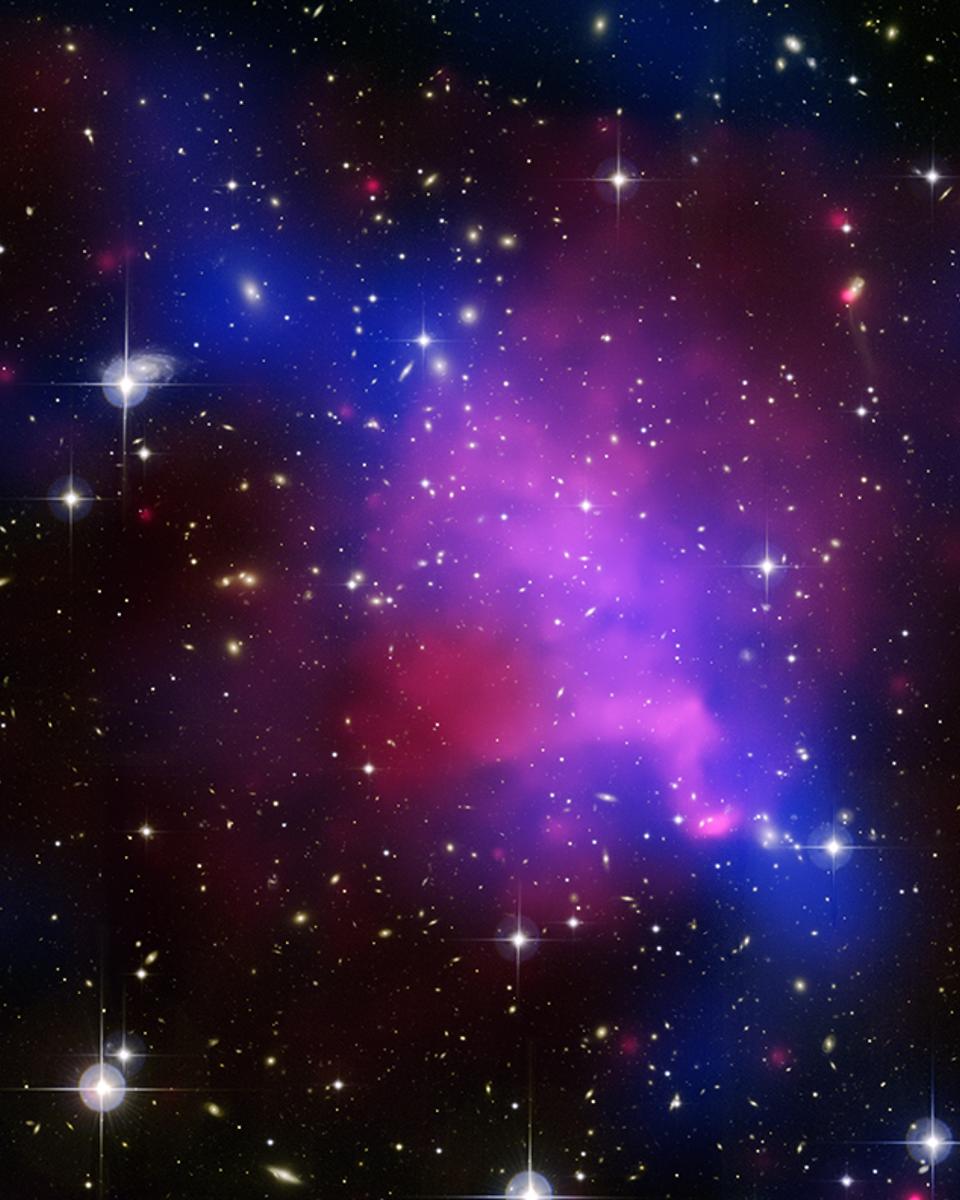
Cluster Crash Illuminates Dark Matter Conundrum
Huge clusters of galaxies are surely colliding in Abell 520 but astrophysicists aren't sure why the dark matter is becoming separated from the normal matter. The dark matter in…

A Sonic Boom
Is this what a sonic boom looks like? When an airplane travels at a speed faster than sound, density waves of sound emitted by the plane cannot precede the plane, and so…
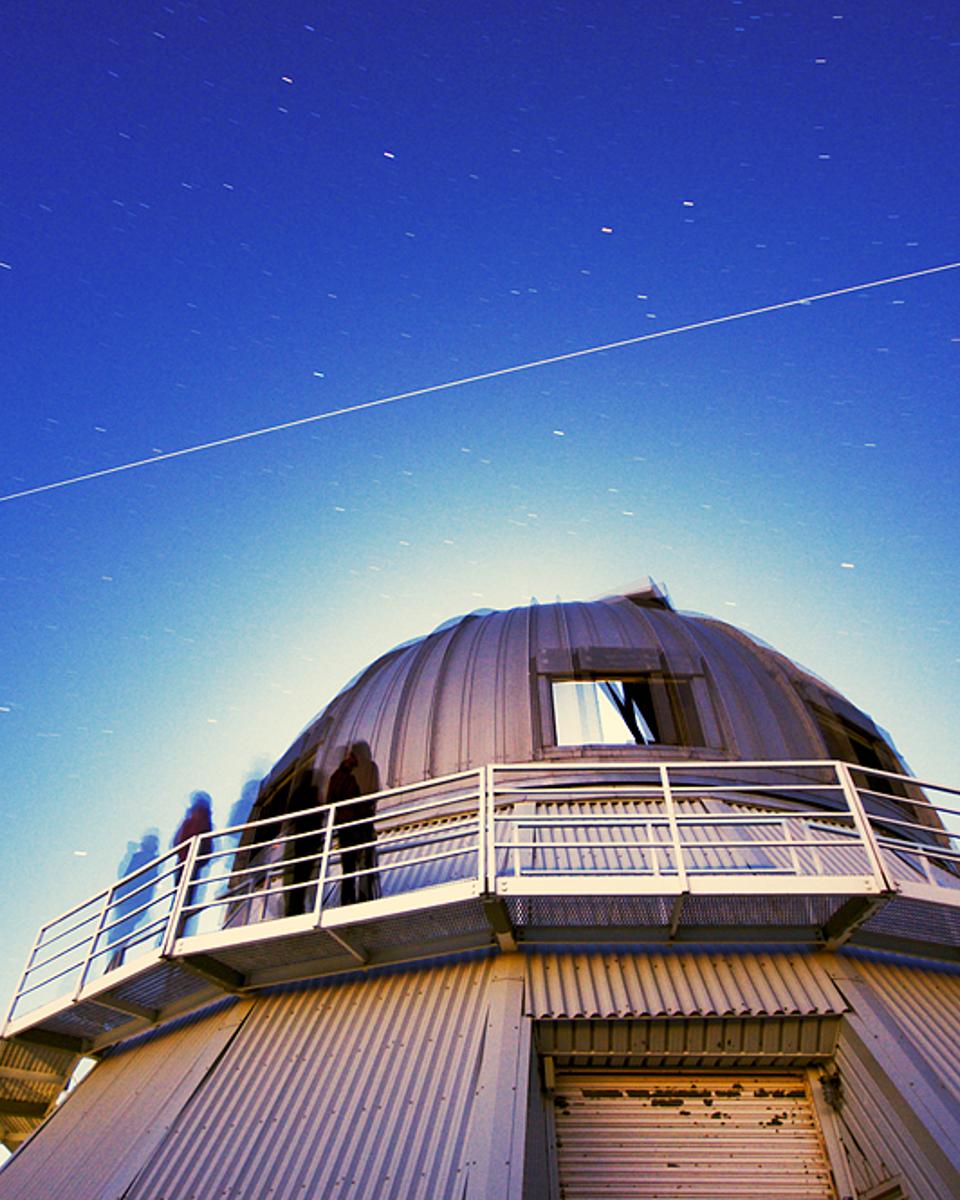
ISS Over Mont-Megantic Observatory
On August 1st, a time exposure created this surreal view that looks up into the early morning sky over southern Quebec. Only the light from a nearly Full Moon brightens the sky…
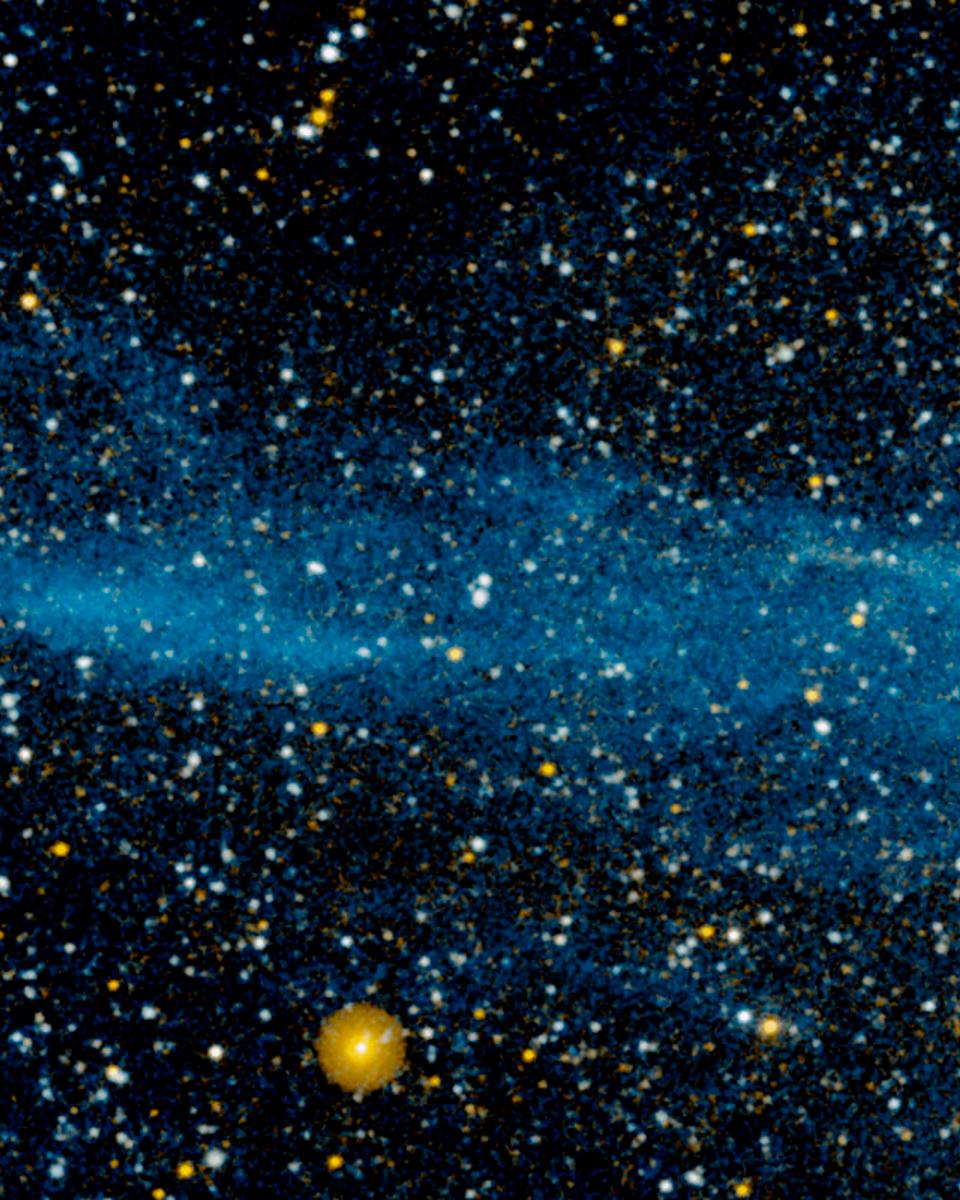
The Tail of a Wonderful Star
To seventeenth century astronomers, Omicron Ceti or Mira was known as a wonderful star, a star whose brightness could change dramatically in the course of about 11 months. Mira is…
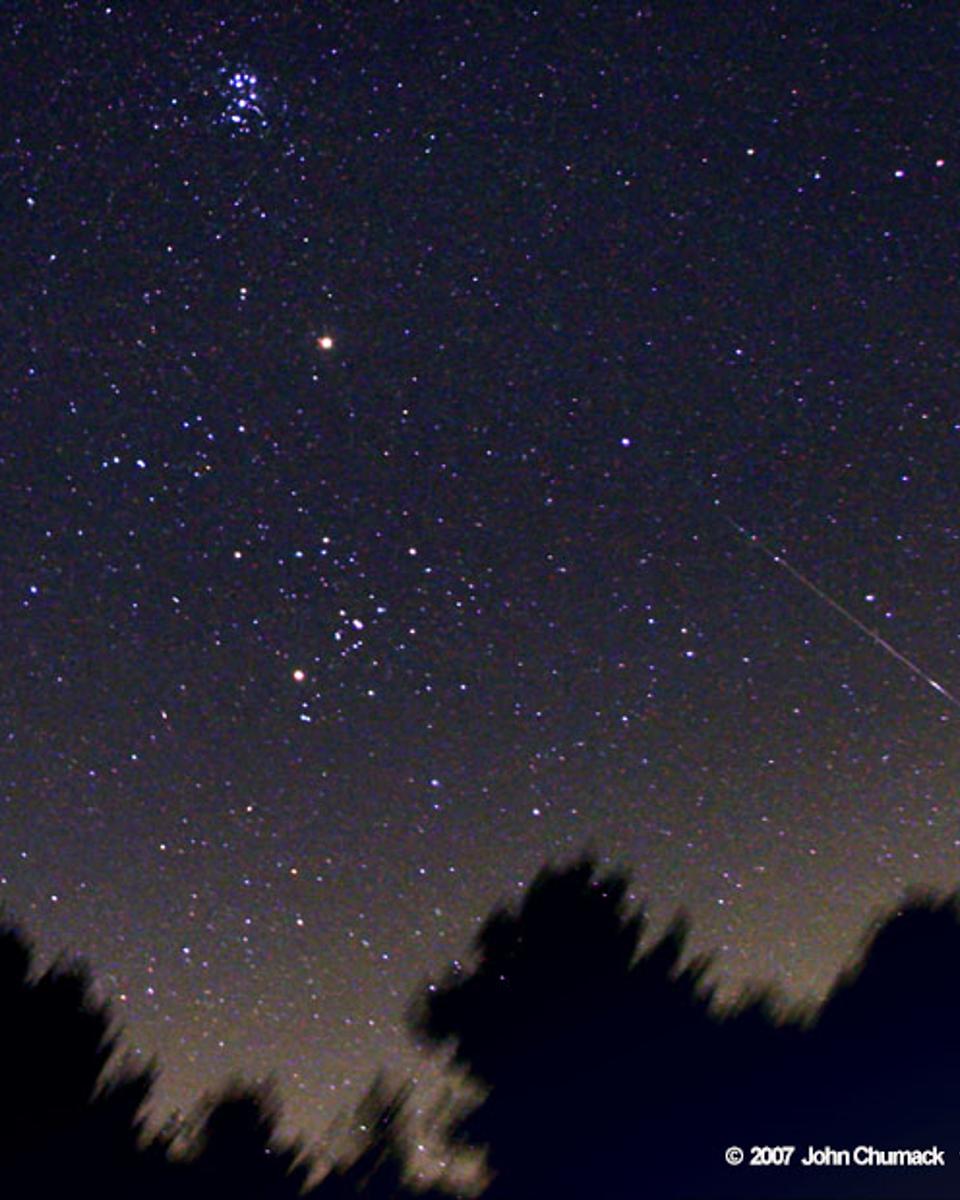
Moonless Perseid Sky
Last weekend, dark, moonless night skies brought many sightings of Perseid meteors to skygazers all over planet Earth. Early Sunday morning astronomer John Chumack's camera…
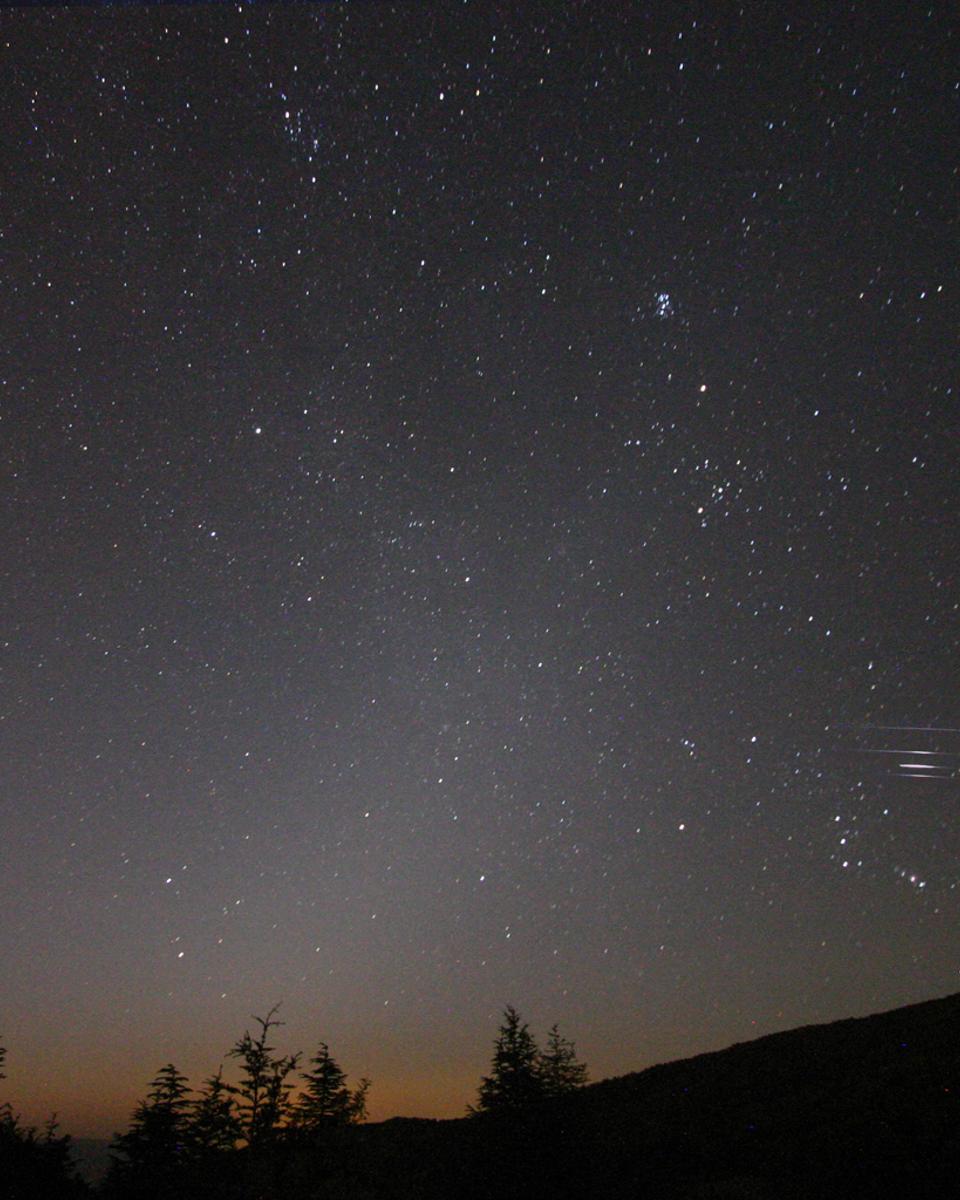
Mysterious Streaks Over Turkey
What are they? Five streaks near the bottom of the above image taken near Ankara , Turkey on Sunday would be identified at first glance as meteors from the Perseids meteor shower…
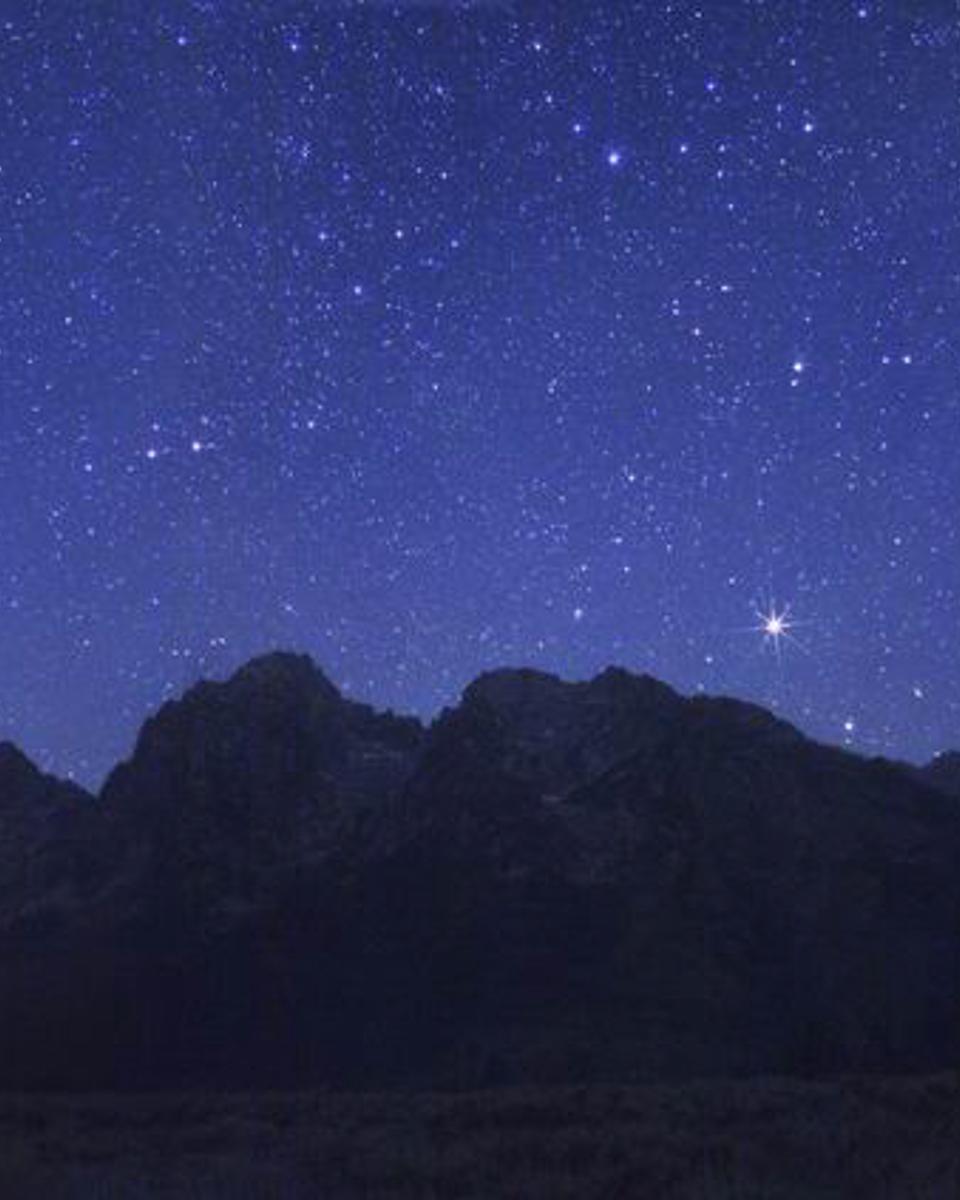
A Spectacular Sky Over the Grand Tetons
Behold the breathtaking beauty of Earth and sky together. In the foreground is the Teton Mountain Range of Wyoming , USA . The Grand Tetons are a relatively isolated set of high…
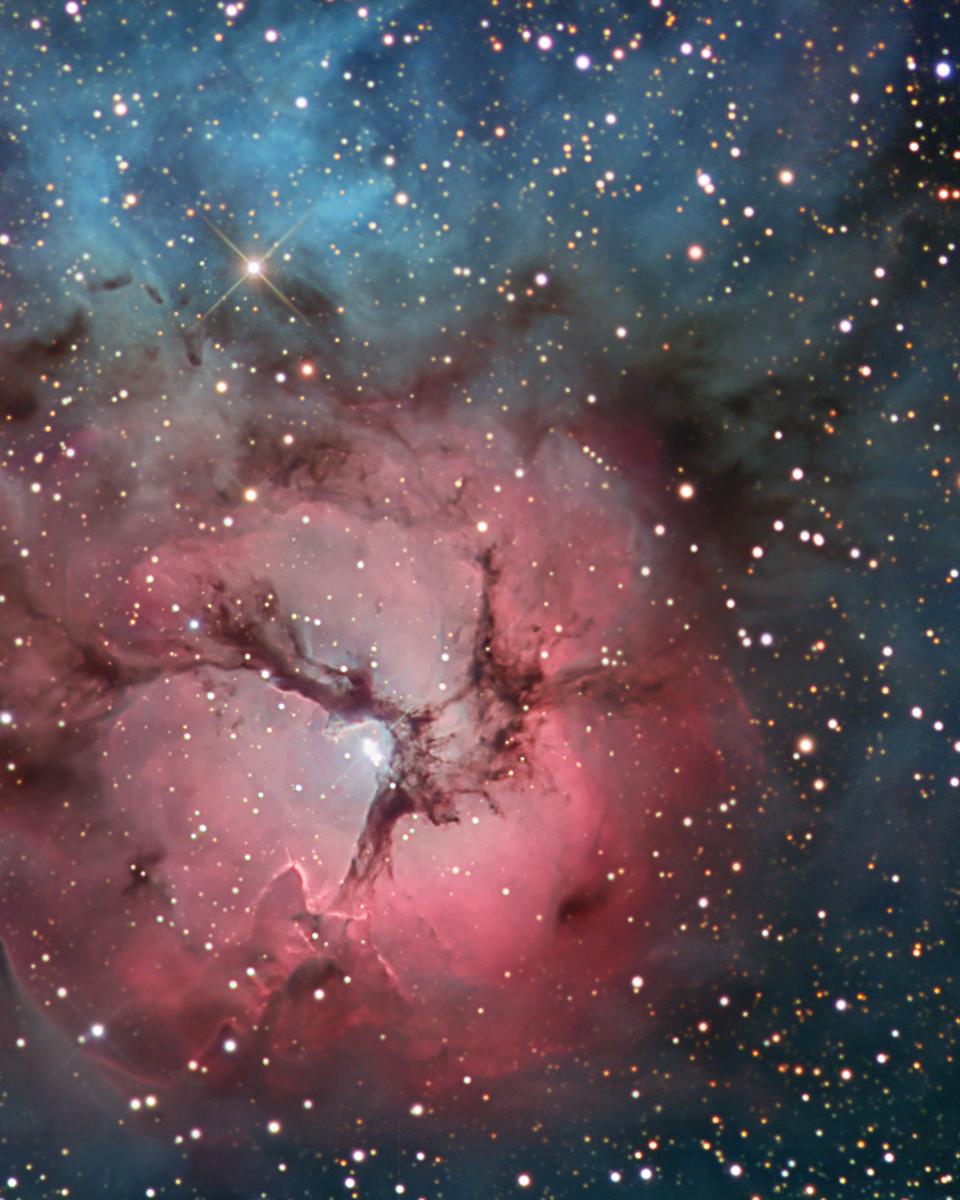
The Trifid Nebula in Stars and Dust
Unspeakable beauty and unimaginable bedlam can be found together in the Trifid Nebula . Also known as M20, this photogenic nebula is visible with good binoculars towards the…
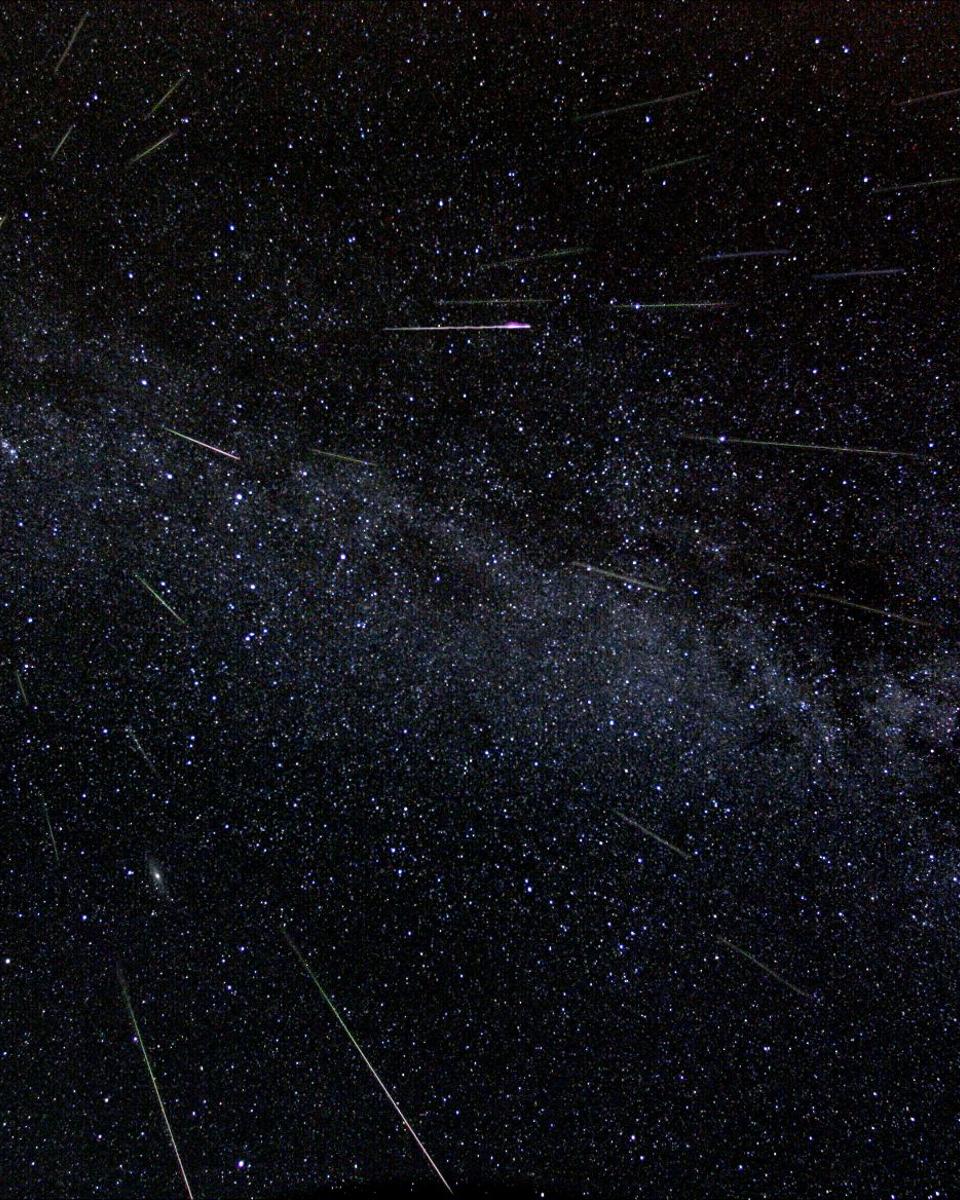
Raining Perseids
Tonight is a good night to see meteors. Comet dust will rain down on planet Earth, streaking through dark skies in the annual Perseid meteor shower . While enjoying the…
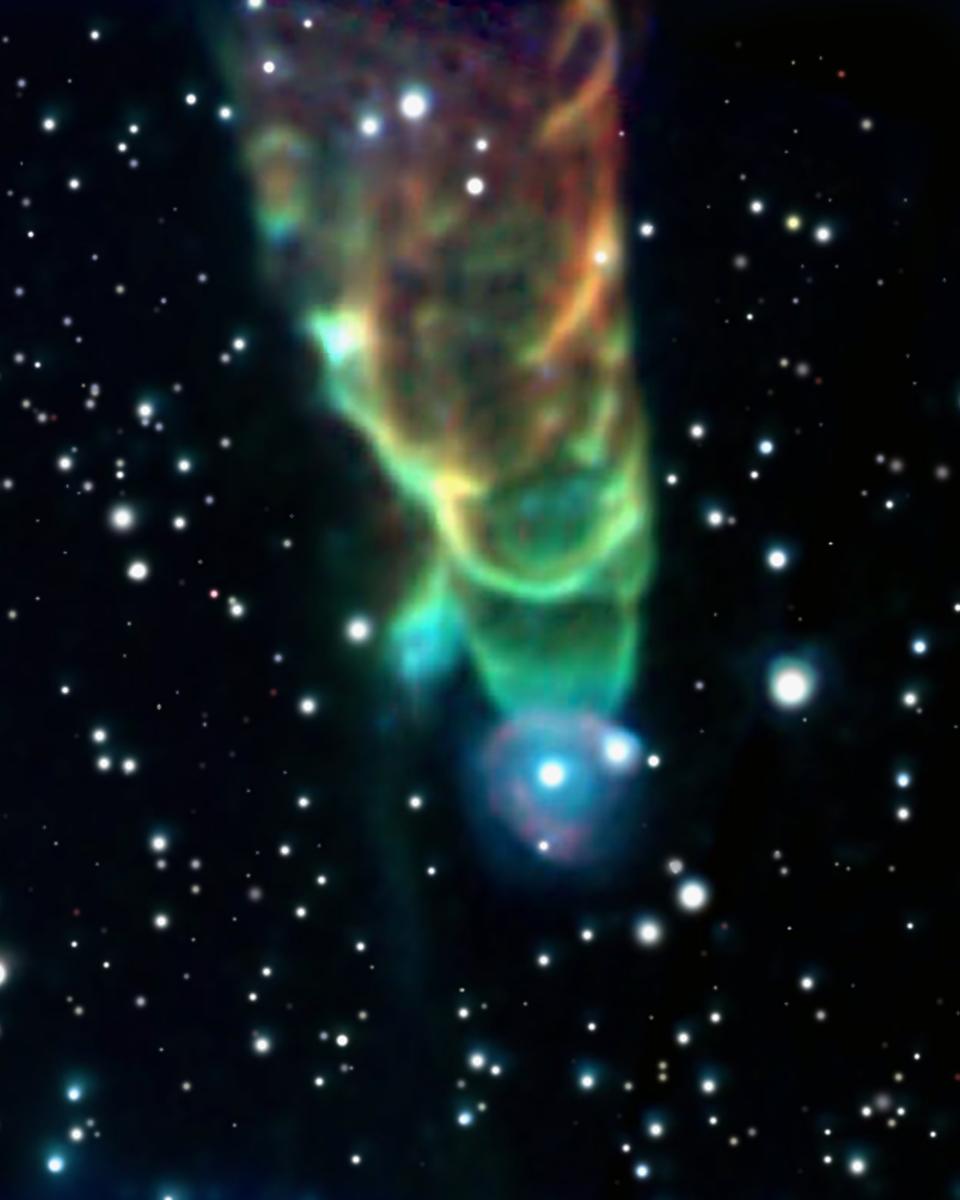
Cosmic Tornado HH49/50
Light-years in length, this cosmic tornado is actually a powerful jet cataloged as HH (Herbig-Haro) 49/50 blasting down from the top of a Spitzer Space Telescope view . Though…
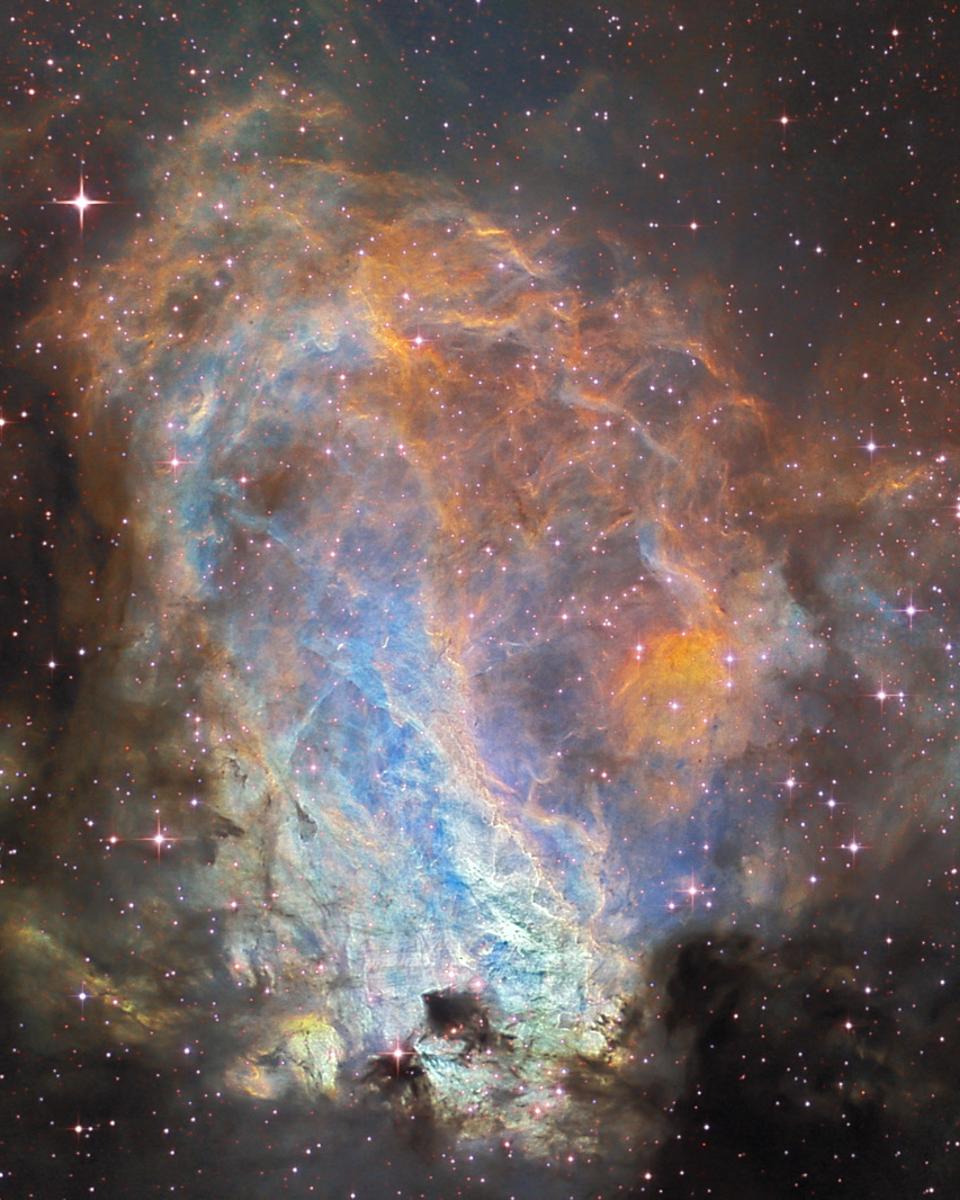
Star Factory Messier 17
Sculpted by stellar winds and radiation, the star factory known as Messier 17 lies some 5,500 light-years away in the nebula-rich constellation Sagittarius . At that distance,…
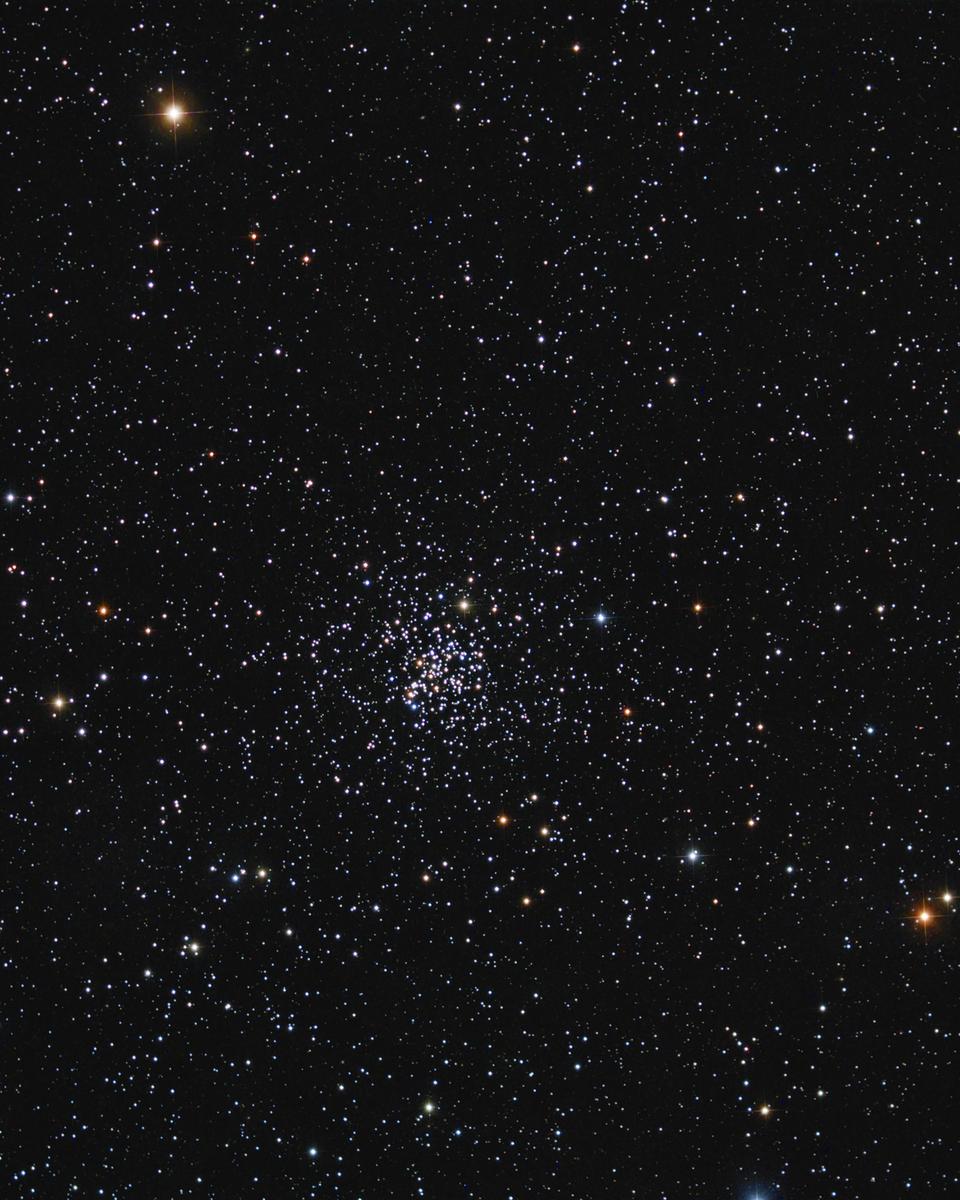
Star Cluster Messier 67
Gathered at the center of this sharp skyview are the stars of Messier 67 , one of the oldest known open star clusters . In fact, though open star clusters are usually much…
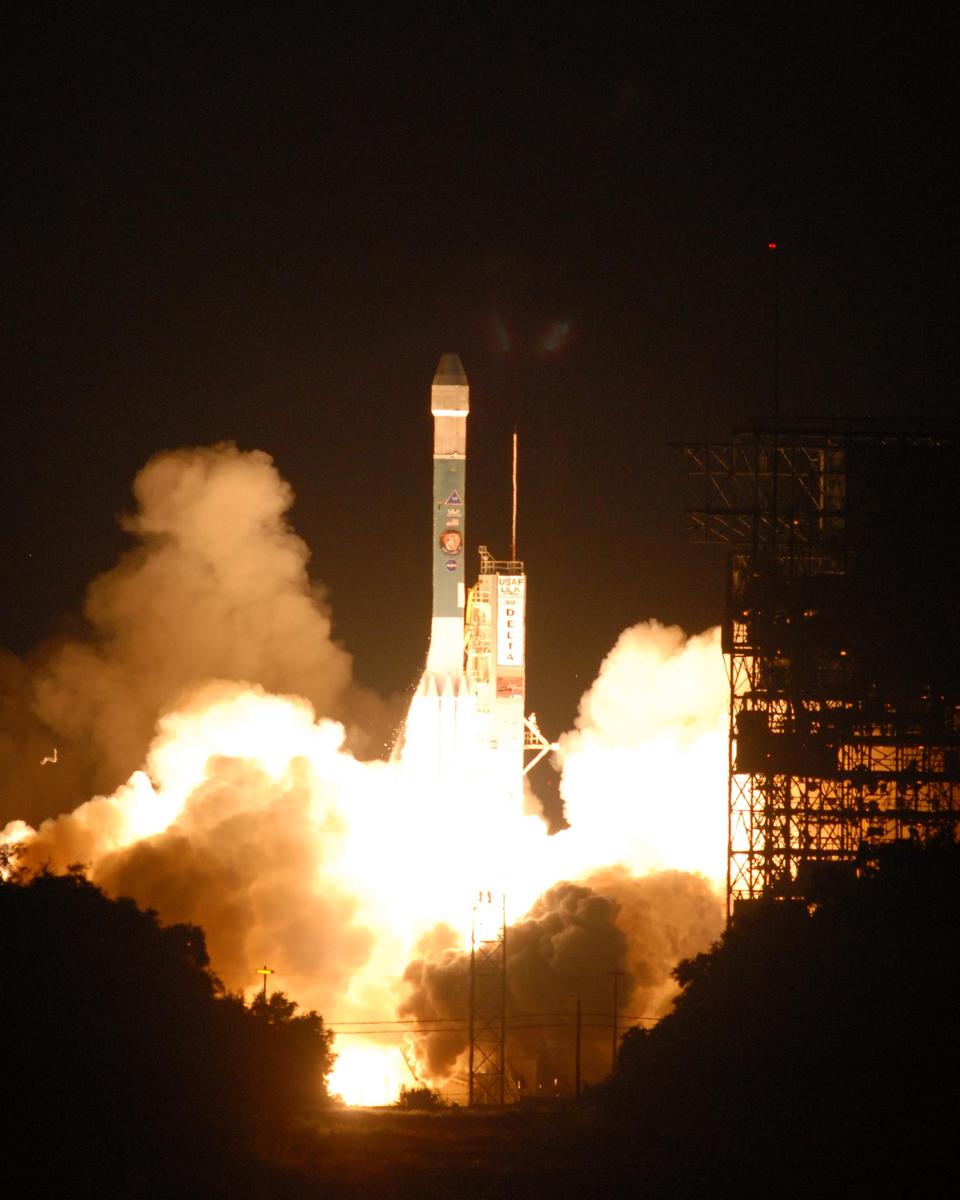
Phoenix Rises Toward Mars
Can Mars sustain life? To help answer this question, last week NASA launched the Phoenix mission to Mars. In May 2008, Phoenix is expected to land in an unexplored north polar…
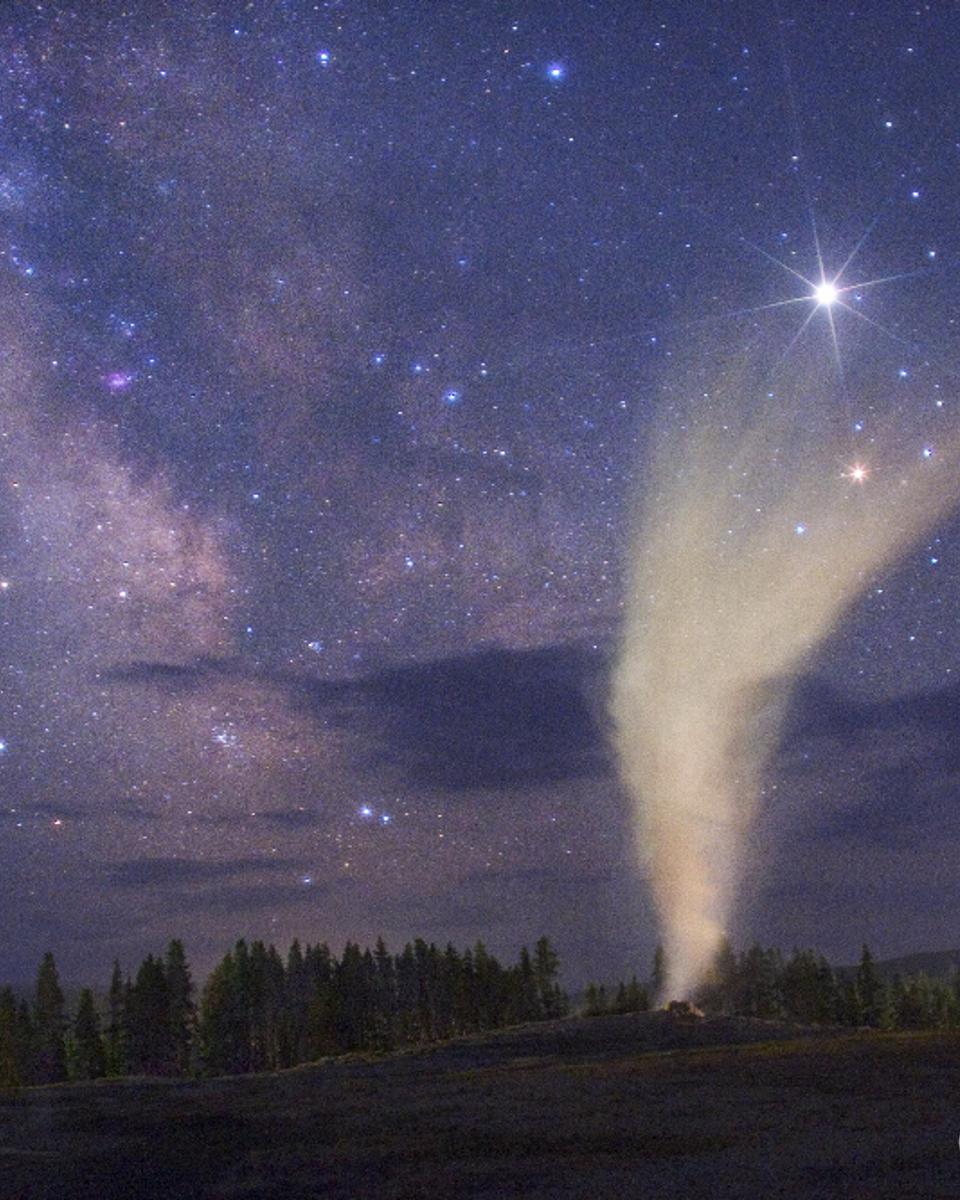
Old Faithful Below a Yellowstone Sky
You don't have to be at Yellowstone to see a sky this beautiful, but it helps. Only at Yellowstone National Park in Wyoming , USA , would you see the picturesque foreground of the…
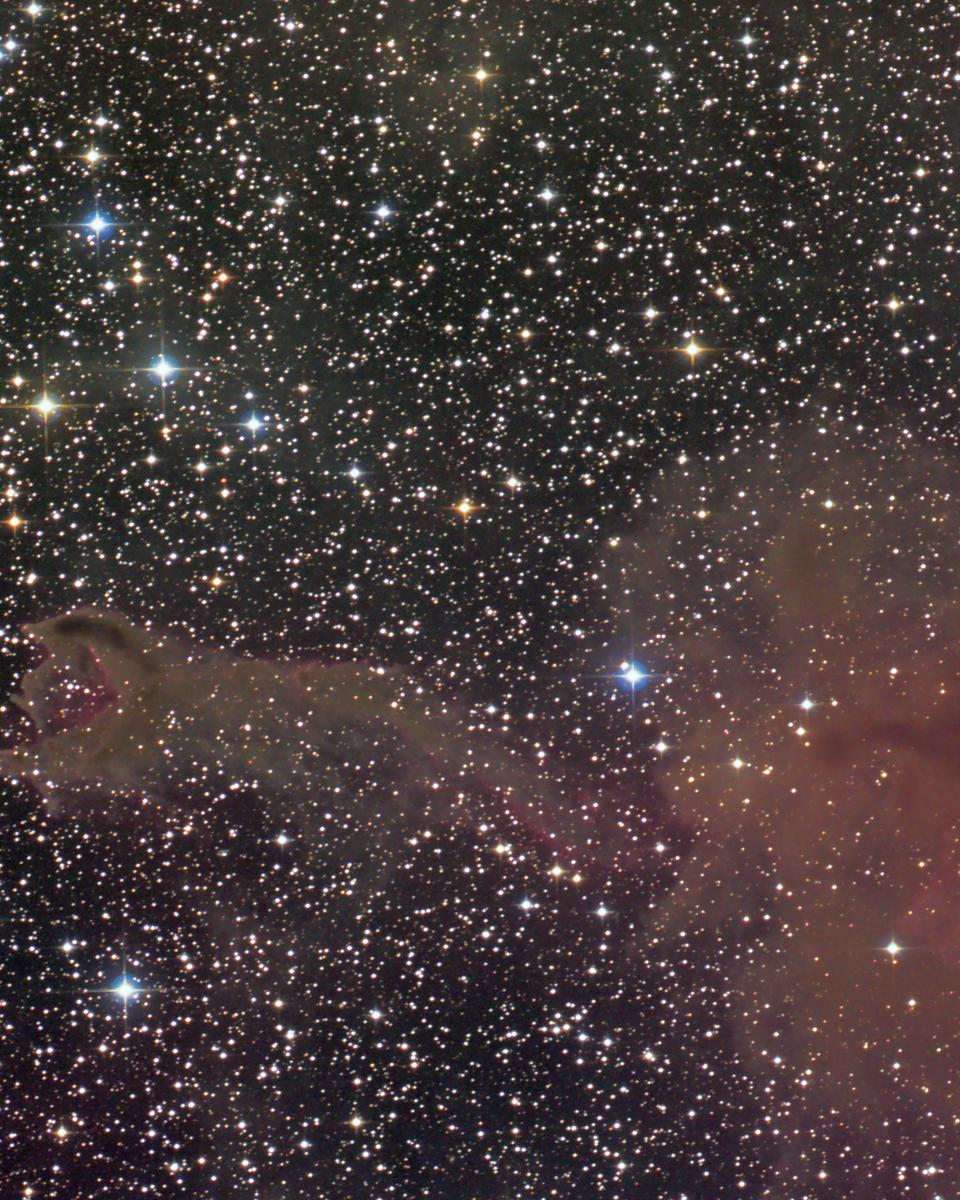
CG4: A Ruptured Cometary Globule
Can a gas cloud eat a galaxy? It's not even close. The odd looking “creature” or “hand” extending down from the top of the above photo is a gas cloud known as a cometary globule .…
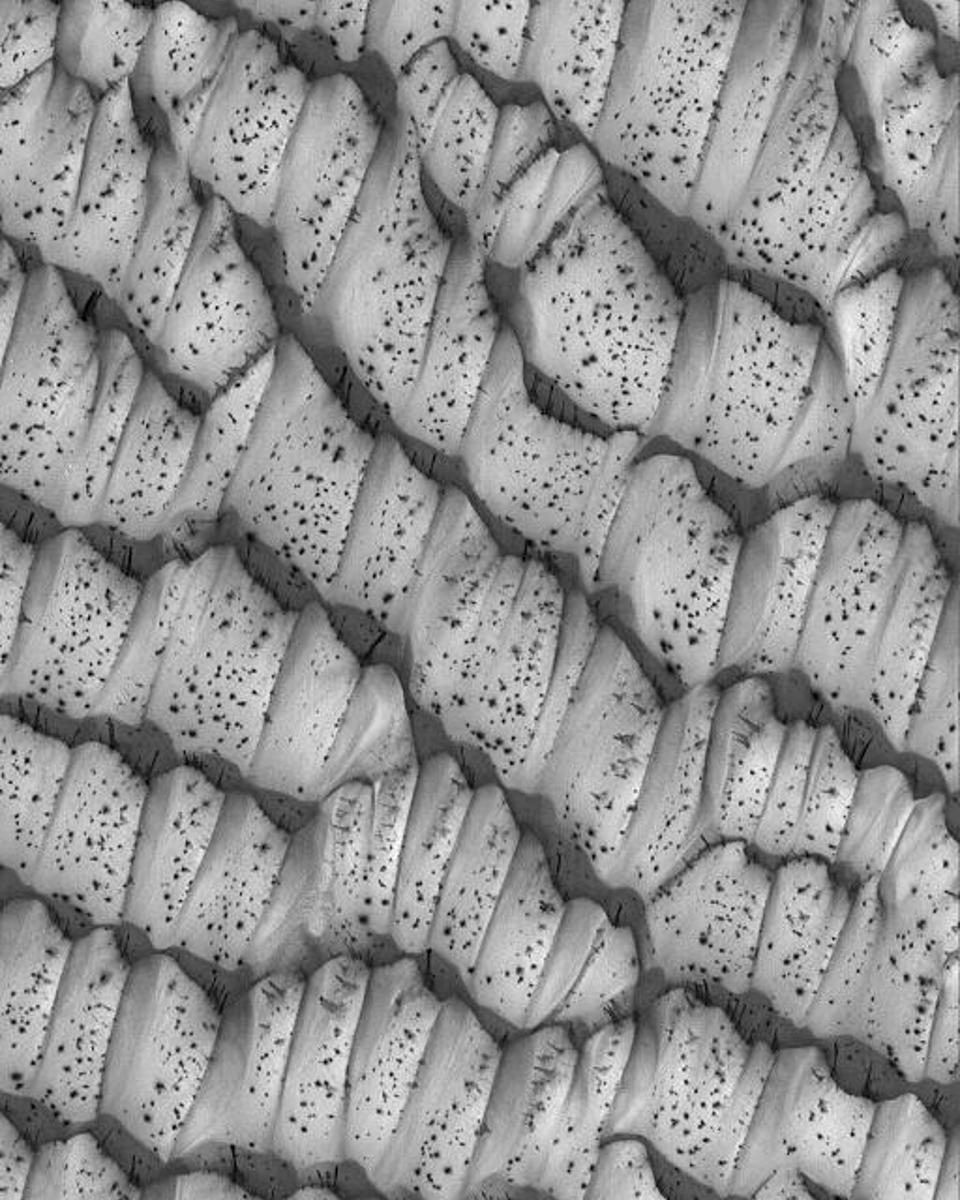
The Dotted Dunes of Mars
What causes the black dots on dunes on Mars? As spring dawned on the Northern Hemisphere of Mars in 2004, dunes of sand near the poles begin to defrost. Thinner regions of ice…
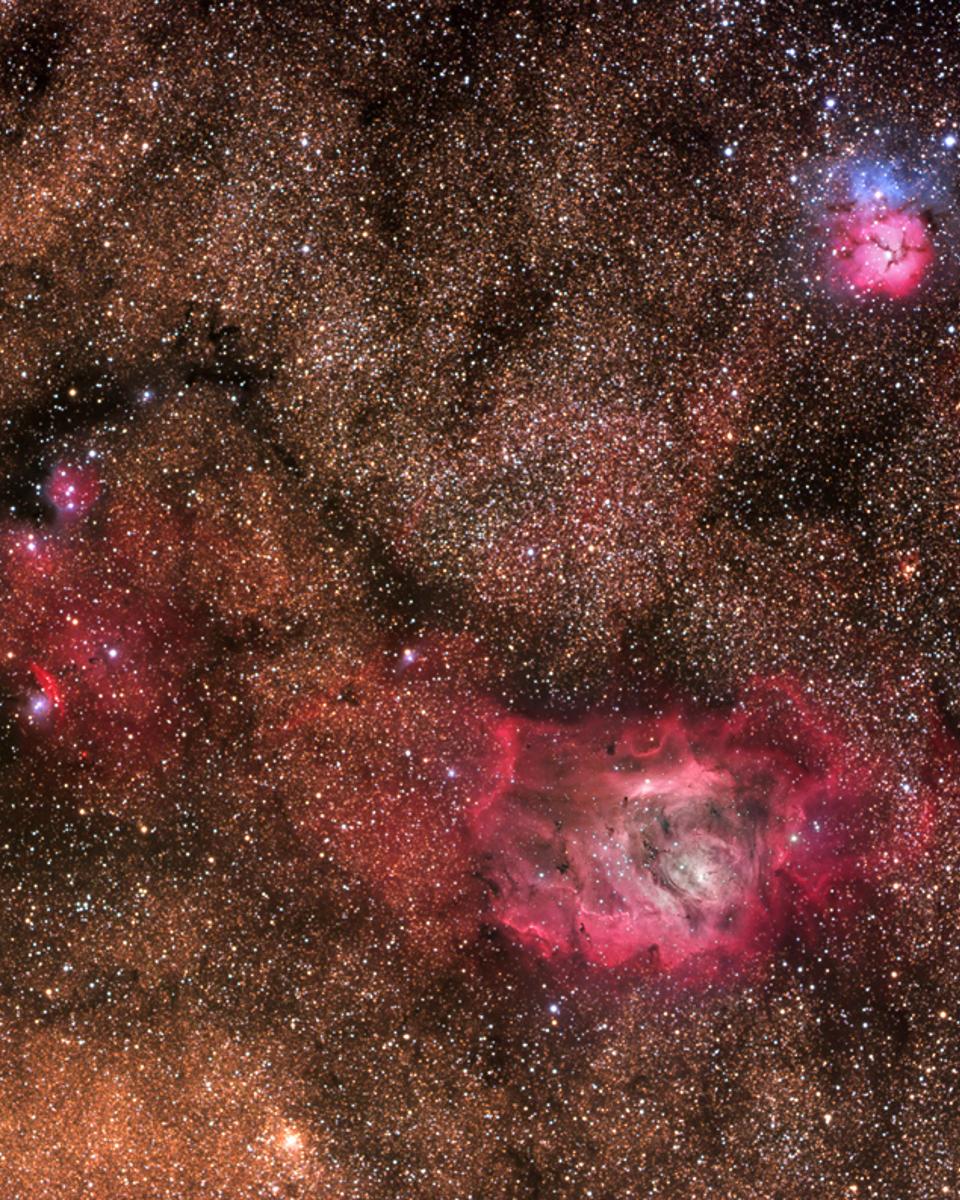
Sagittarius Triplet
These three bright nebulae are often featured in telescopic tours of the constellation Sagittarius and the crowded starfields of the central Milky Way . In fact, 18th century…
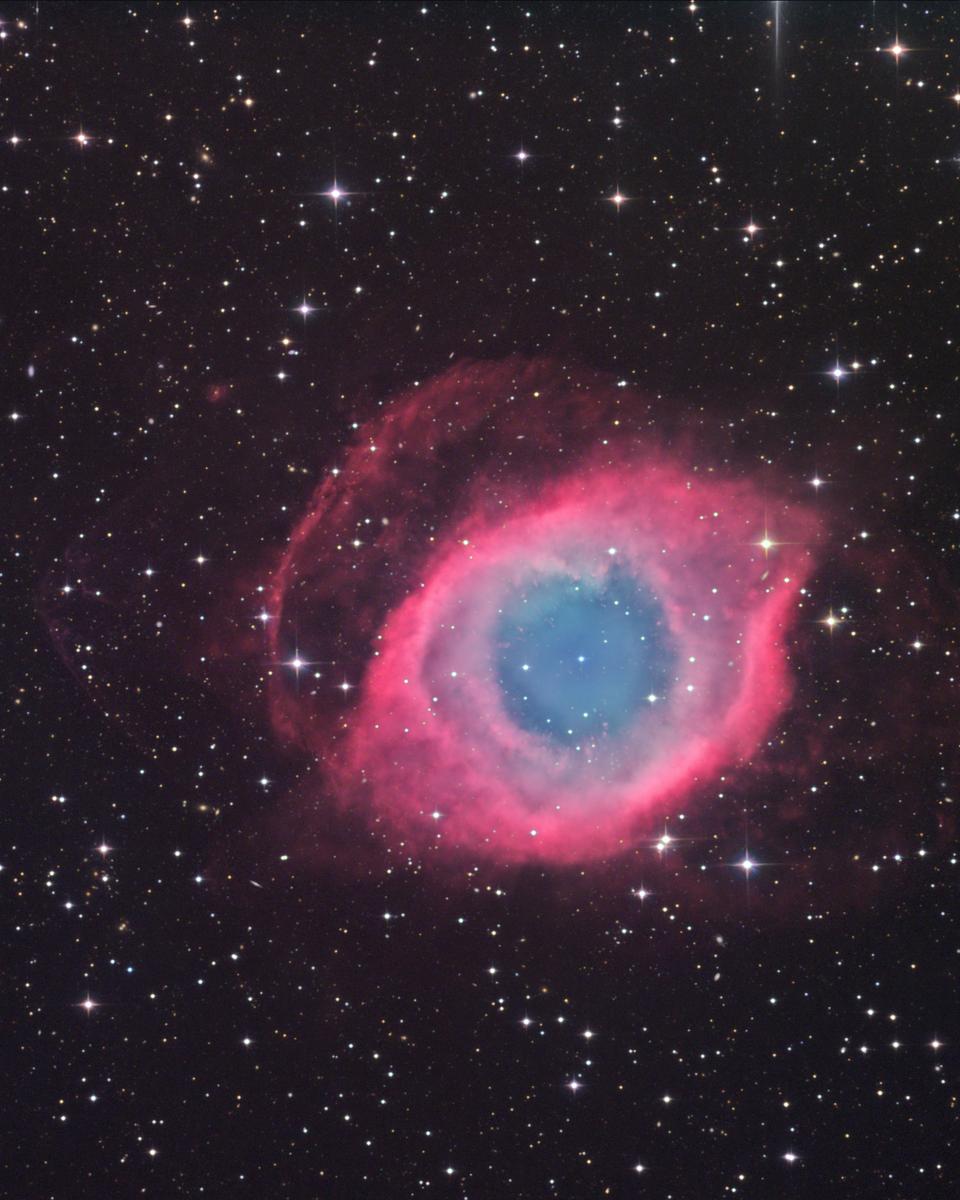
NGC 7293: The Helix Nebula
A mere seven hundred light years from Earth, in the constellation Aquarius , a sun-like star is dying. Its last few thousand years have produced the Helix Nebula (NGC 7293), a…
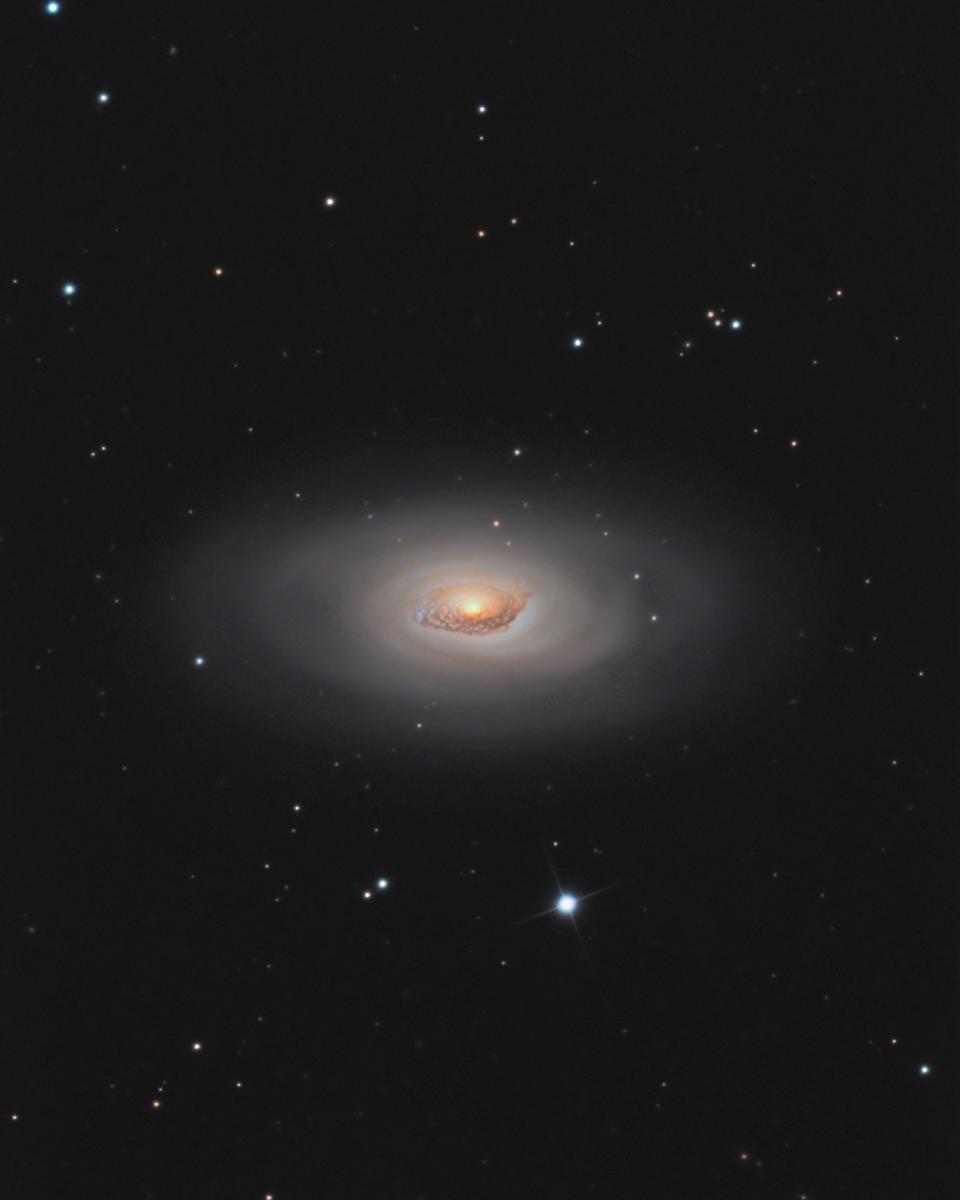
M64: The Black Eye Galaxy
This bright, beautiful spiral galaxy is Messier 64 , sometimes known as the Black Eye Galaxy. M64 lies about 17 million light-years distant in the otherwise well-groomed northern…
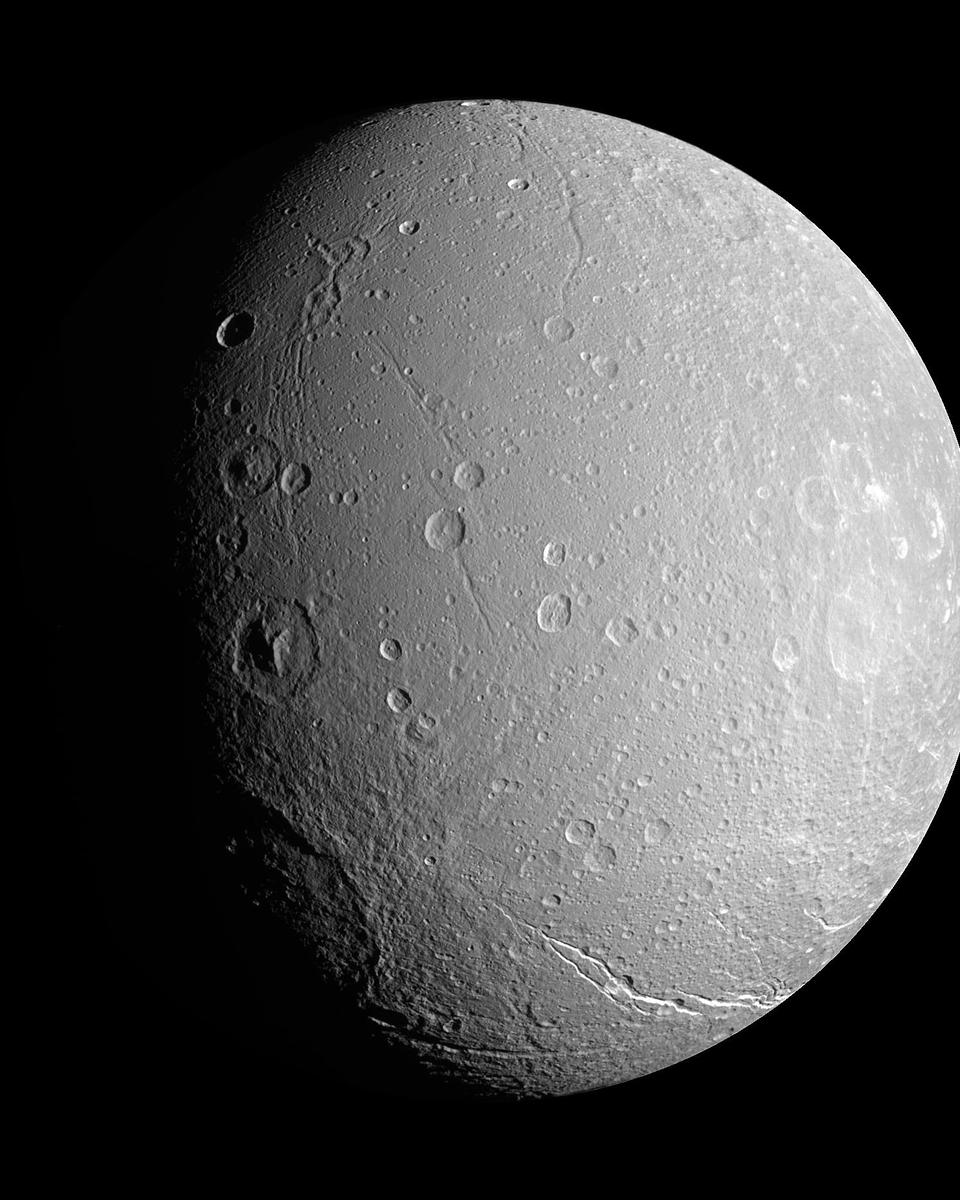
Unusual Cratering on Saturn's Dione
Why does one half of Dione have more craters than the other? Start with the fact that Saturn 's moon Dione always has one side that faces Saturn, and always has one side that…
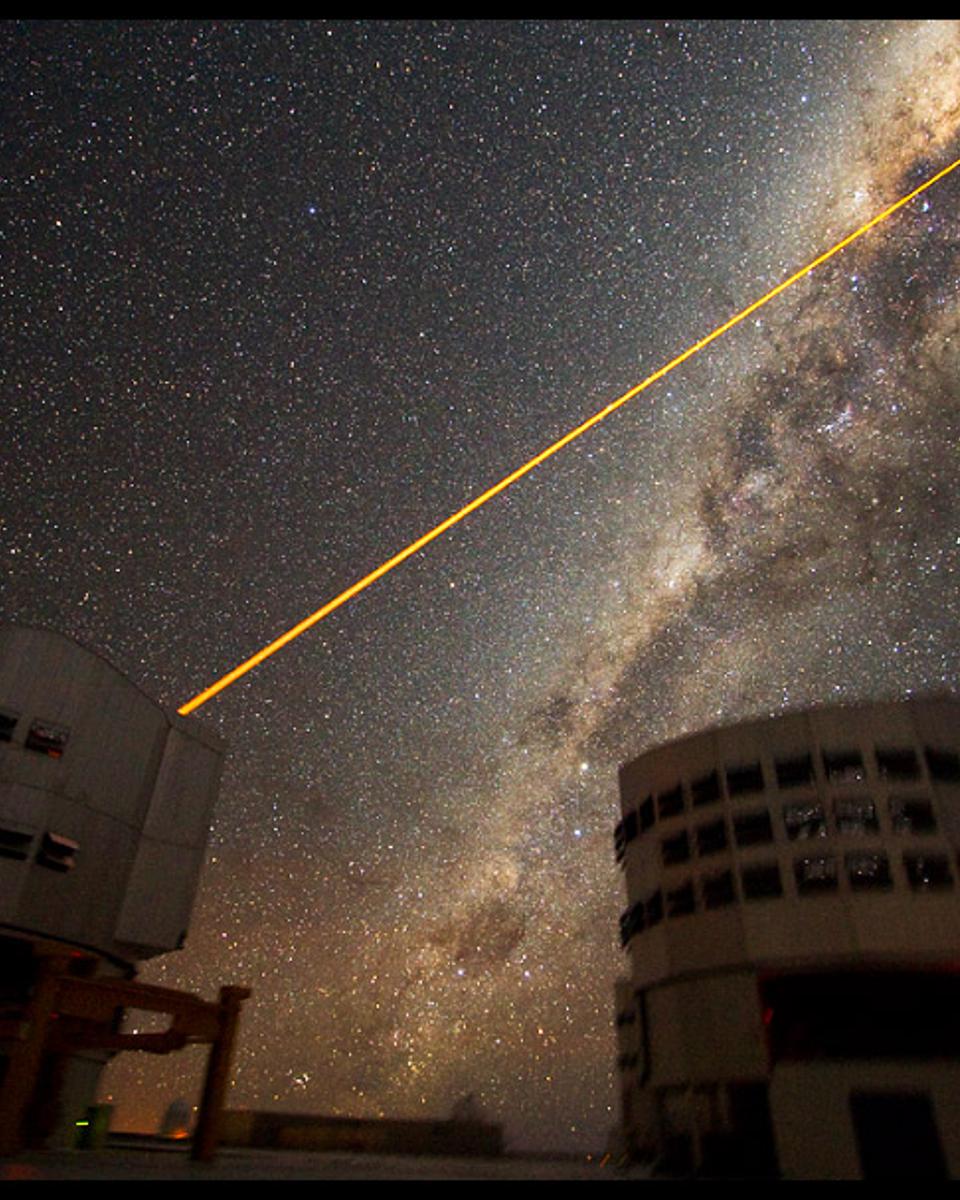
A Laser Strike at the Galactic Center
Why are these people shooting a powerful laser into the center of our Galaxy? Fortunately, this is not meant to be the first step in a Galactic war . Rather, astronomers at the…
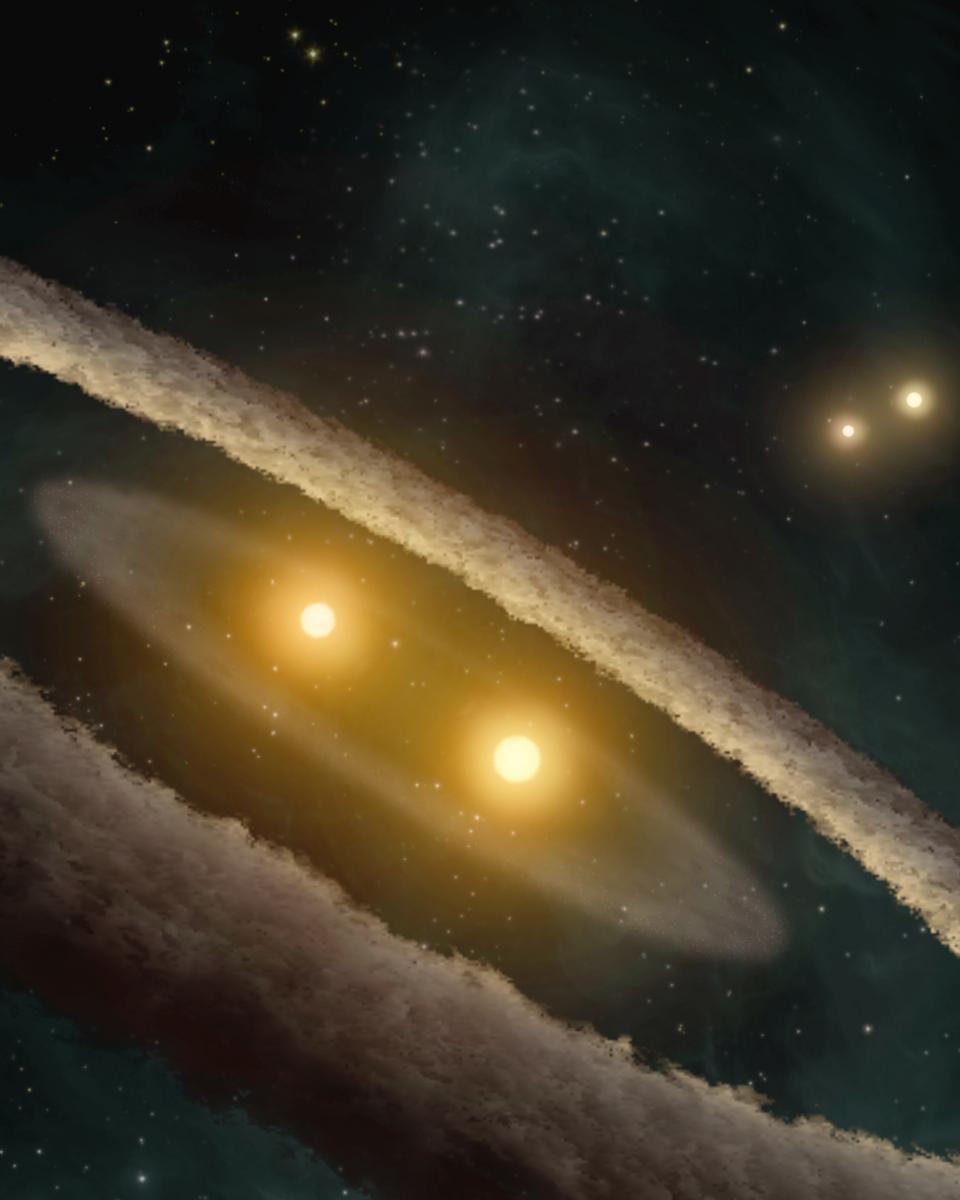
The Four Suns of HD 98800
How would it look to have four suns in the sky? Planets of the HD 98800 system , if they exist, would experience such a view. HD 98800 is a multiple star system about 150 light…
Viewing discoveries from 22 August 2007 through 30 July 2007.