Browse NASA Astronomy Picture of the Day archive by date and media: Archive Discoveries
Browse the NASA APOD archive without needing the exact date first. Filter by media type and keep moving deeper into older images and videos.
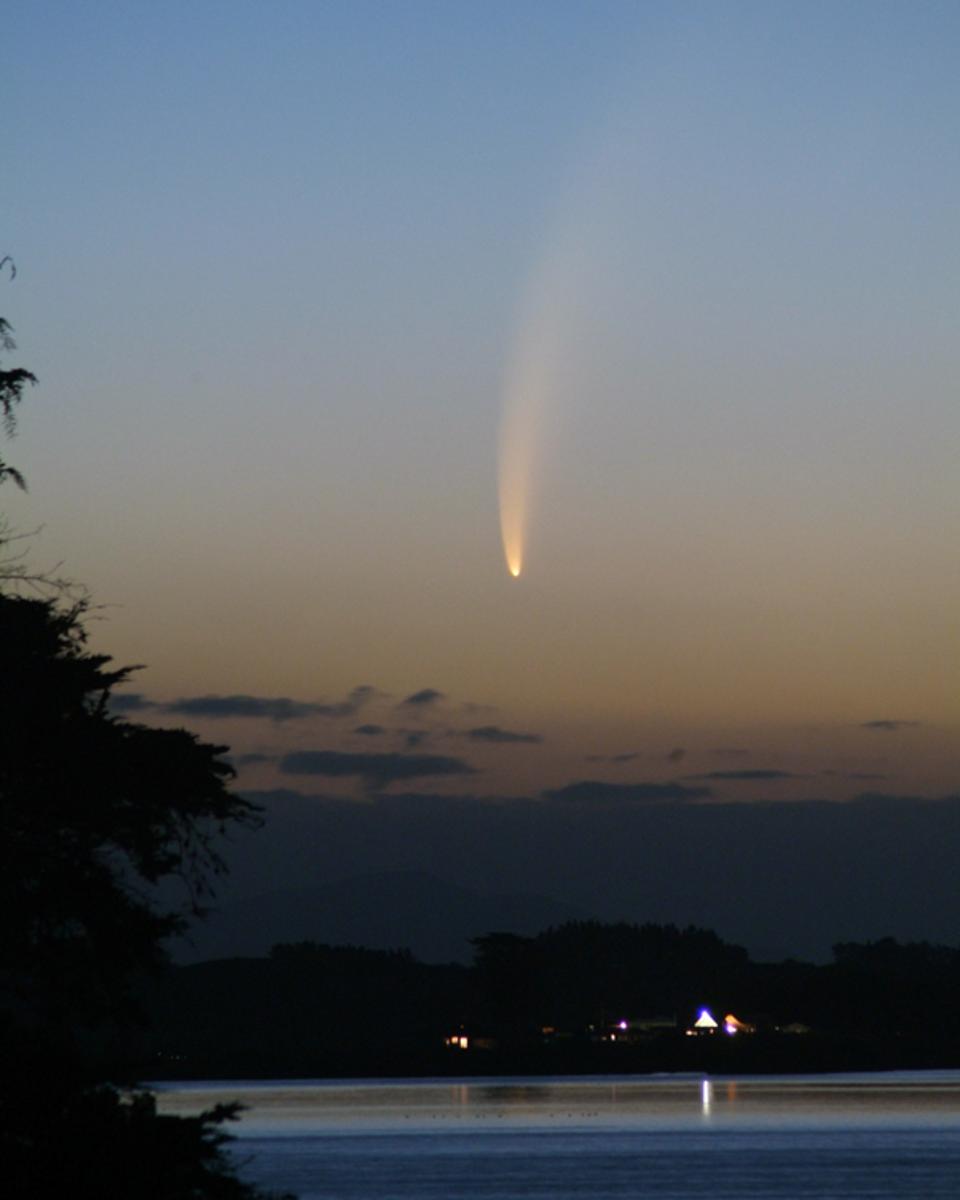
Southern Comet
After a remarkable performance in the northern hemisphere, the brightest comet in decades is now showing off in the south . Recorded during evening twilight on January 17, this…
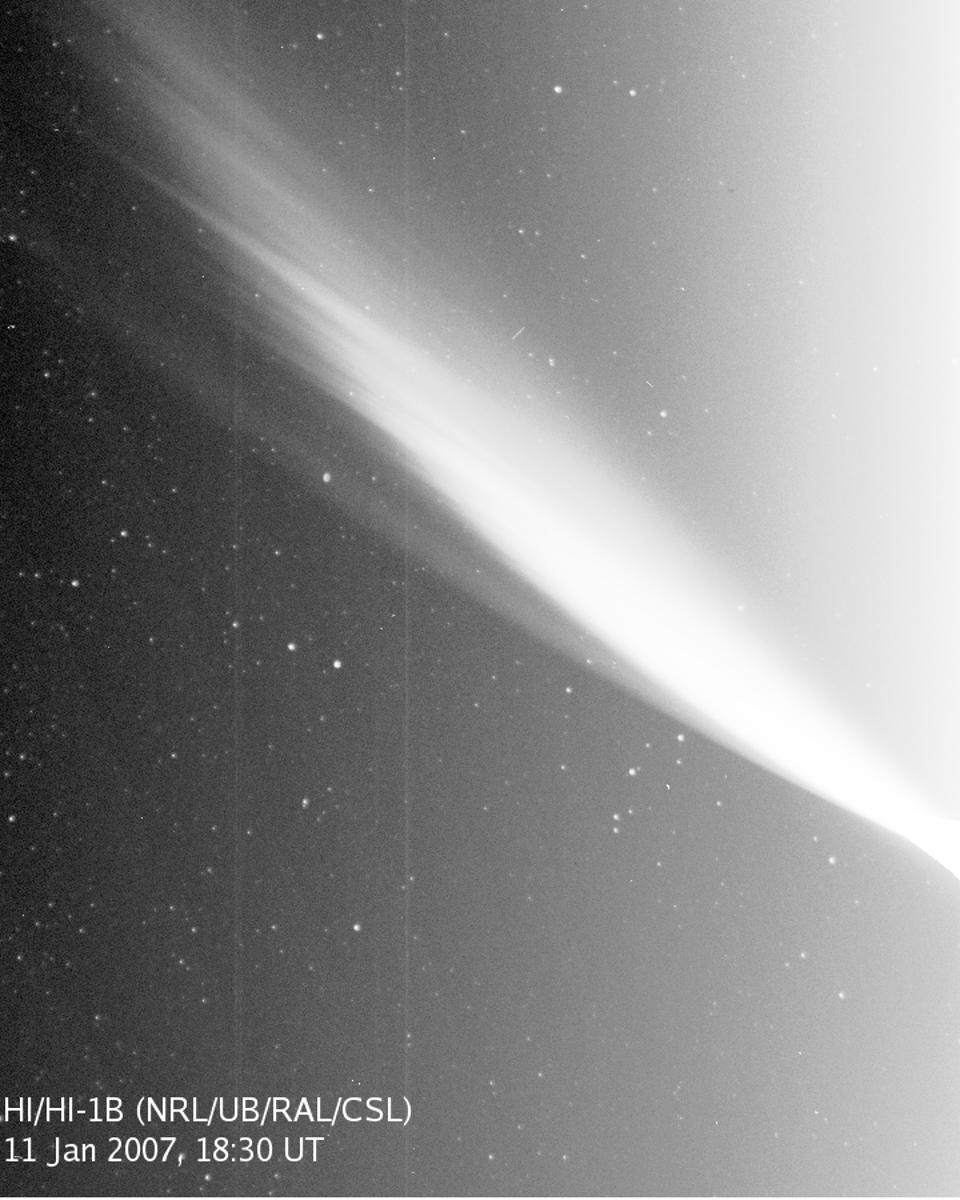
Comet McNaught from New STEREO Satellite
The brightest comet of recent decades was a surprising first sight for a new camera in space. The Sun Earth Connection Coronal and Heliospheric Investigation (SECCHI) instrument…
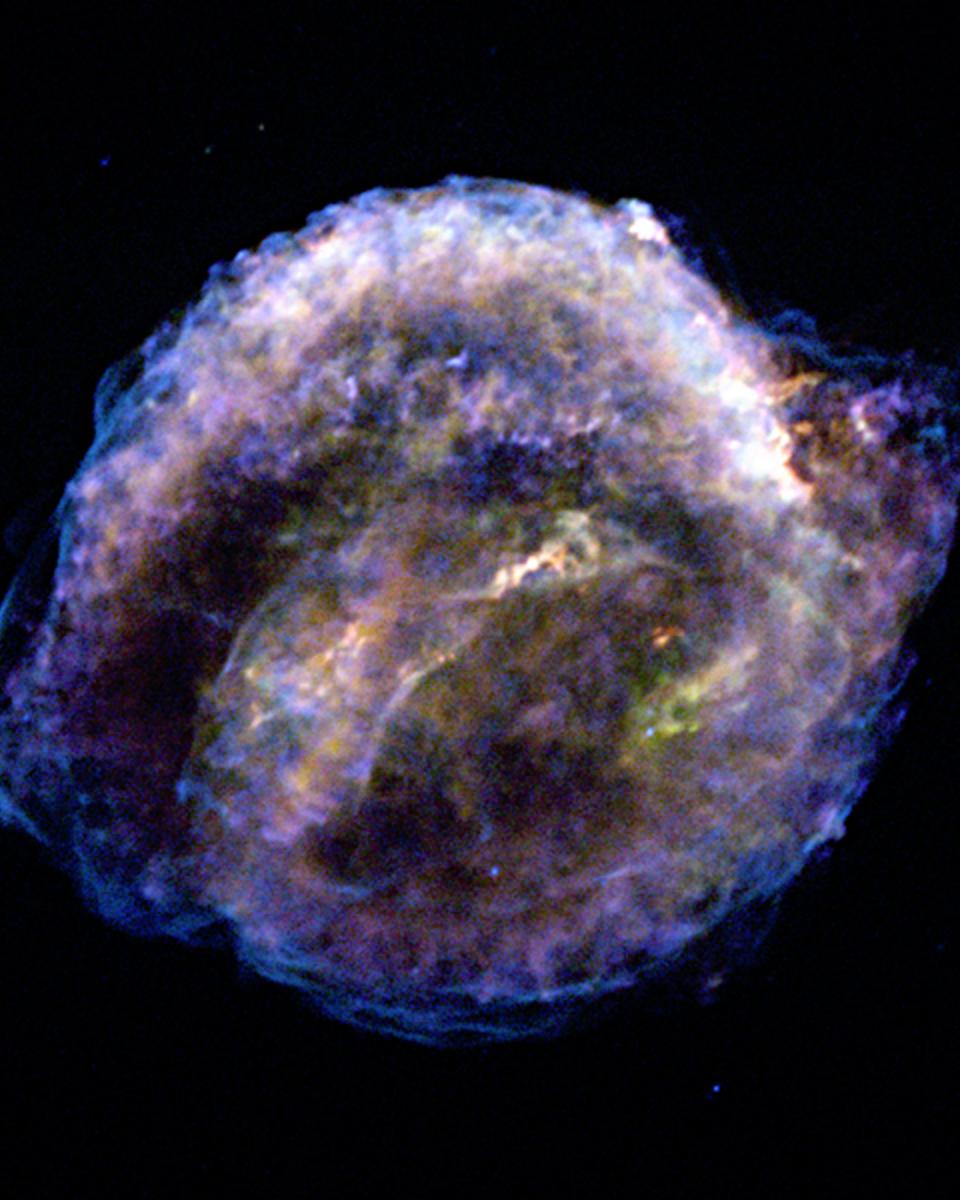
Kepler's Supernova Remnant in X-Rays
What caused this mess? Some type of star exploded to create the unusually shaped nebula known as Kepler's supernova remnant , but which type? Light from the stellar explosion that…
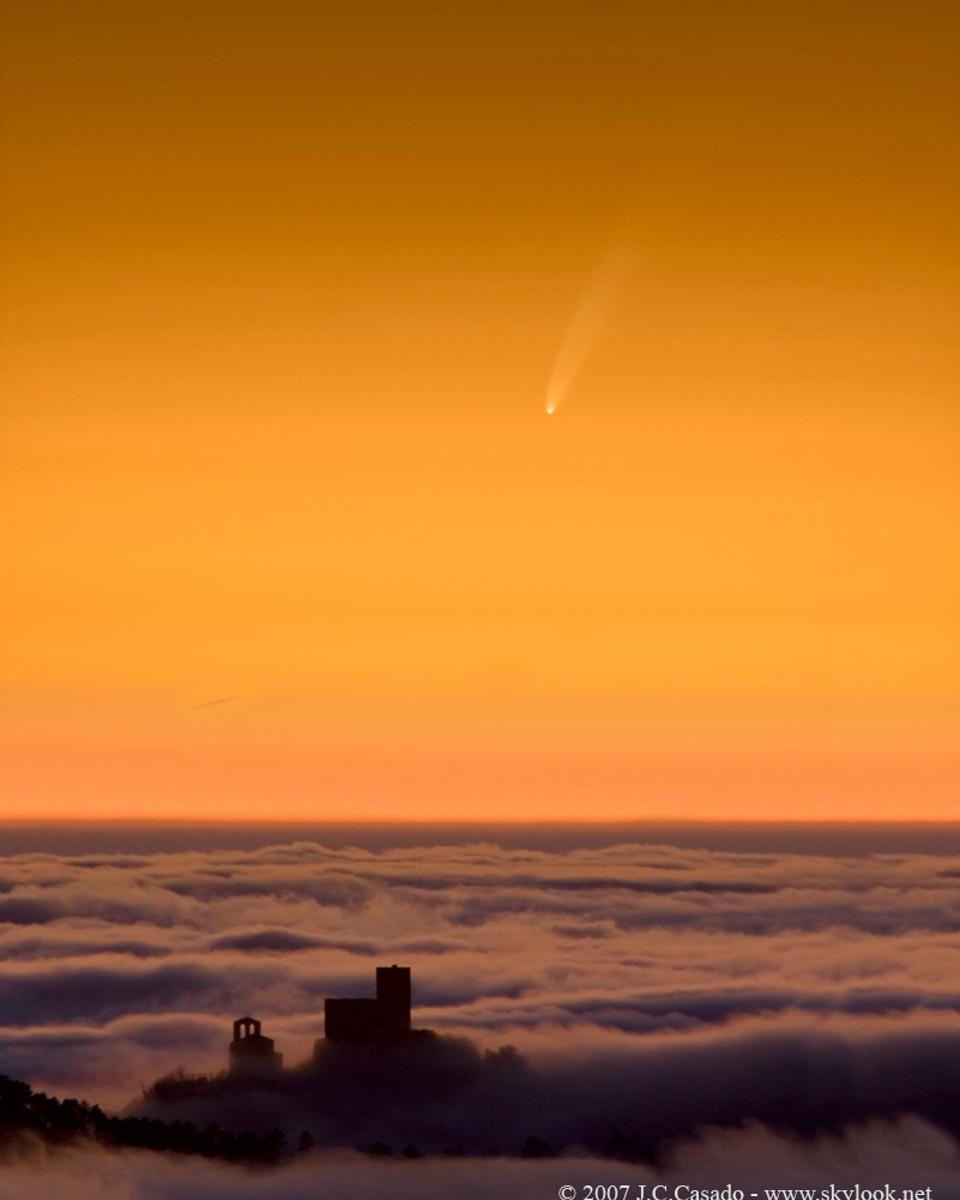
Comet McNaught Over Catalonia
This past weekend Comet McNaught peaked at a brightness that surpassed even Venus. Fascinated sky enthusiasts in the Earth's northern hemisphere were treated to an instantly…
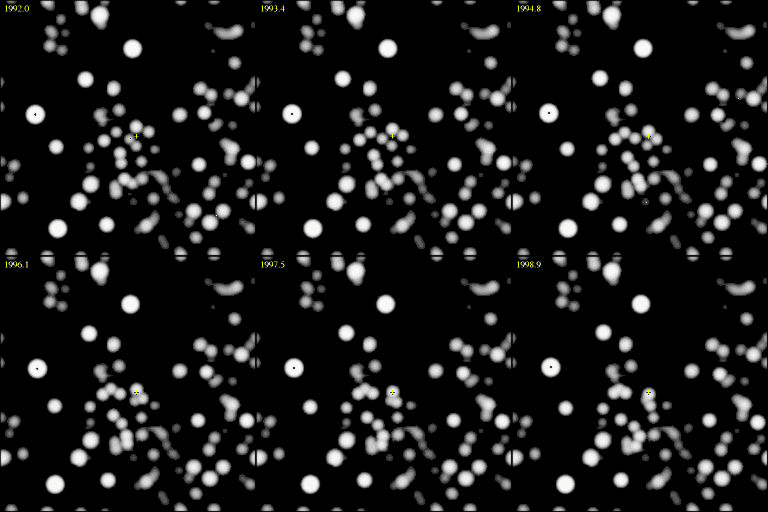
Sgr A*: Fast Stars Near the Galactic Center
Why are these stars moving so fast? Shown above is a time-lapse movie in infrared light detailing how stars in the central light-year of our Galaxy have moved over the past eight…
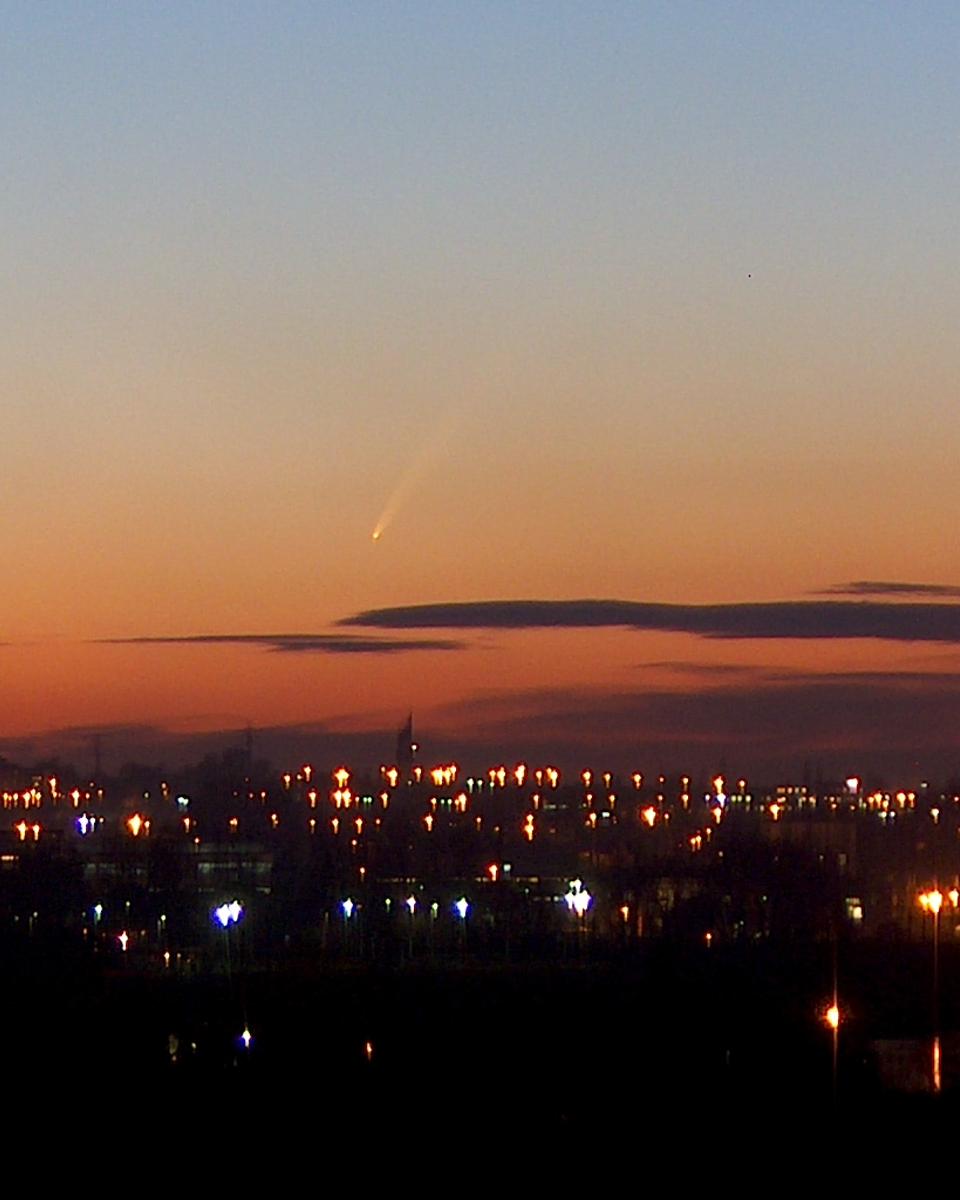
Comet Over Krakow
Bright Comet McNaught (C/2006 P1) graced the twilight this week, seen by many and often described with superlatives. Watching the skies over Krakow , Poland, Andrzej Sawow…
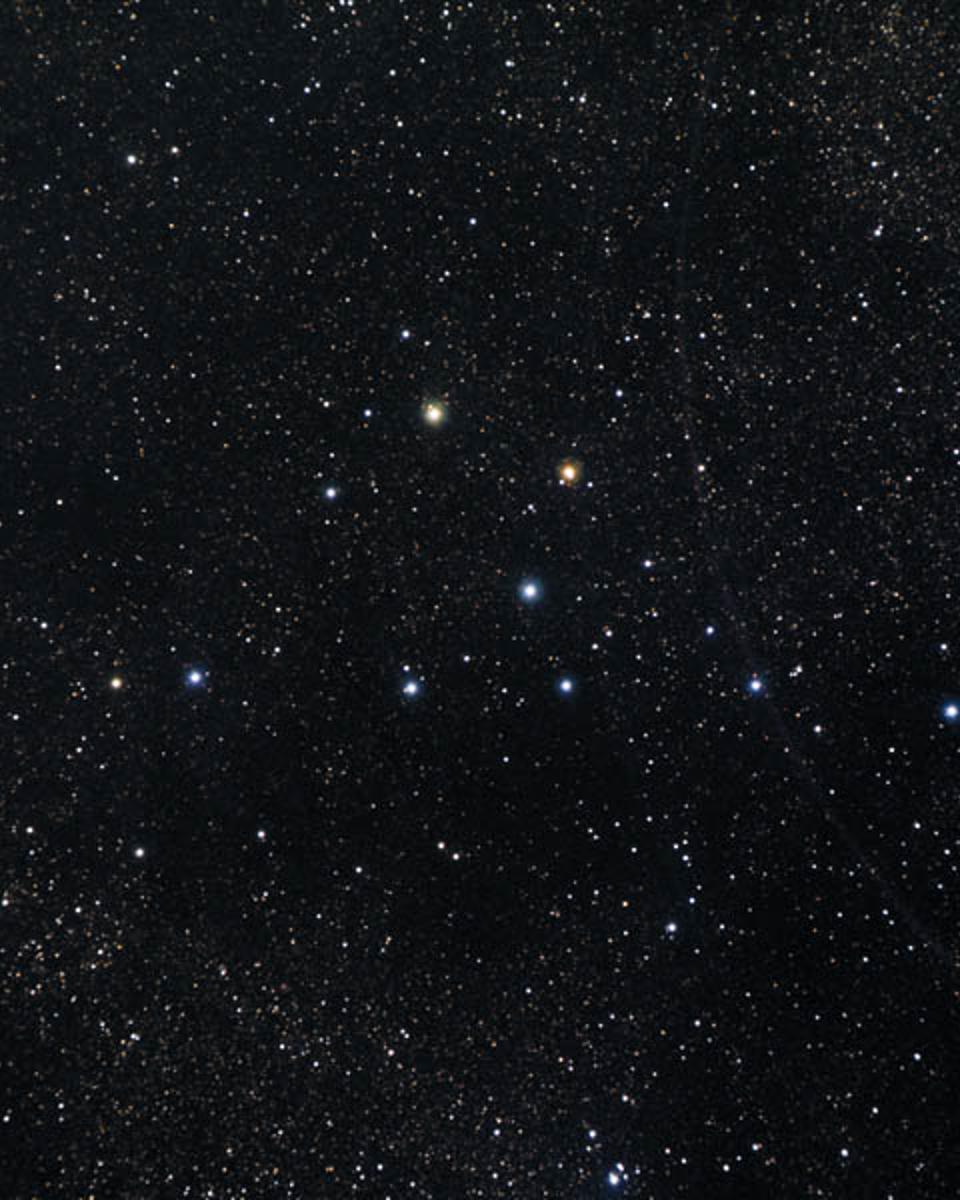
Collinder 399: The Coat Hanger
Is this coat hanger a star cluster or an asterism? This cosmic hang-up has been debated over much of last century, as astronomers wondered whether this binocular-visible object is…
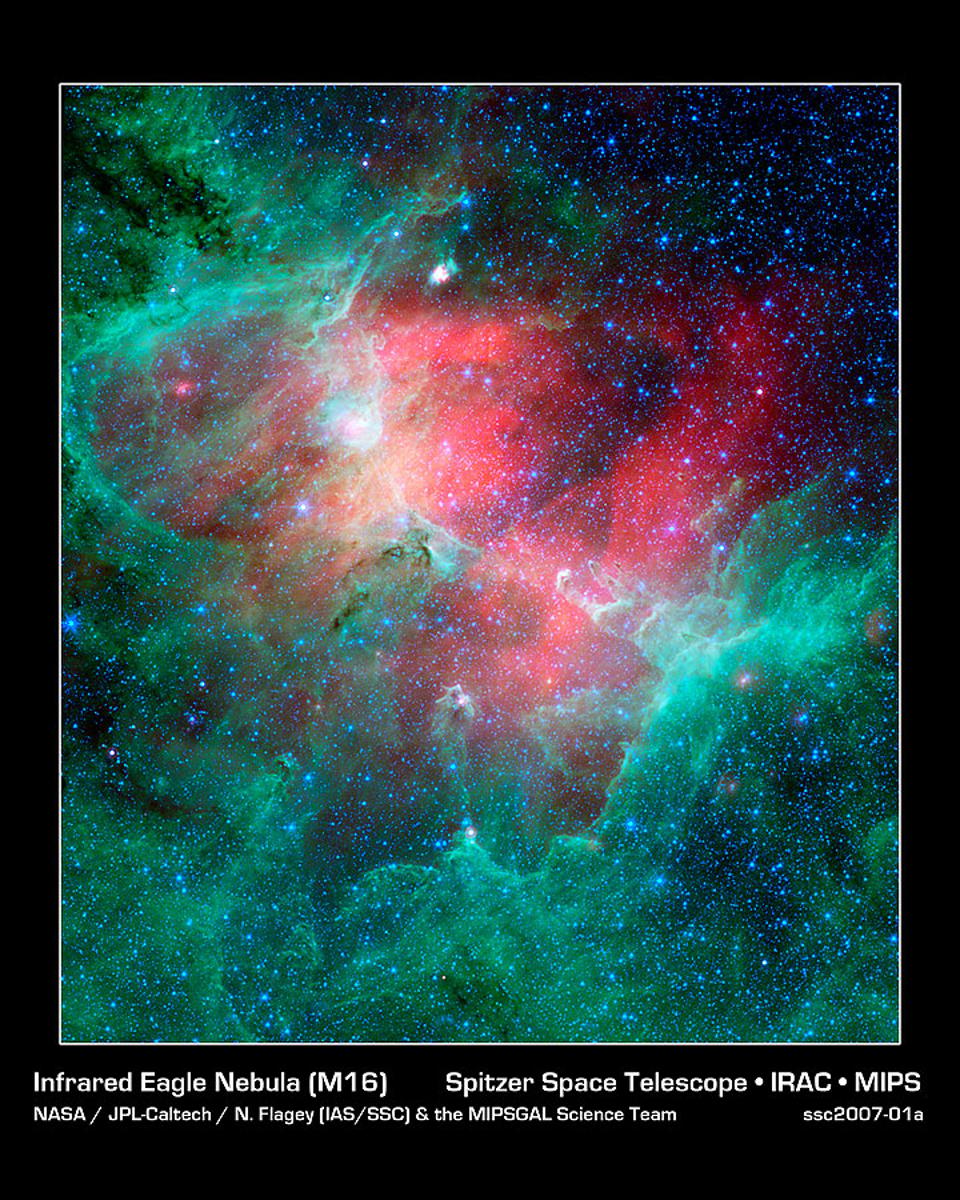
The Eagle Nebula in Infrared
In visible light, the whole thing looks like an eagle . The region was captured recently in unprecedented detail in infrared light by the robotic orbiting Spitzer Space Telescope…
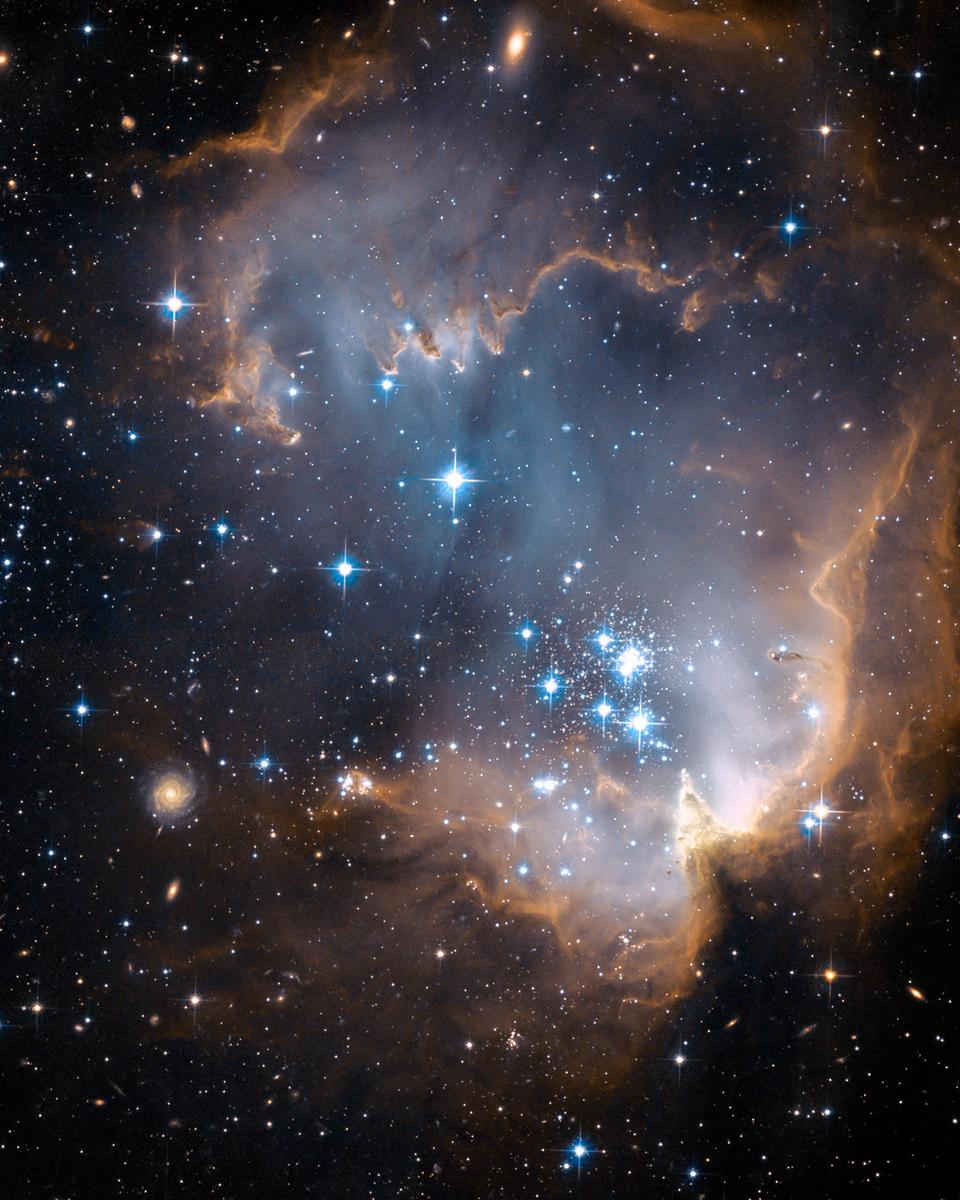
NGC 602 and Beyond
Near the outskirts of the Small Magellanic Cloud , a satellite galaxy some 200 thousand light-years distant, lies 5 million year young star cluster NGC 602. Surrounded by natal…
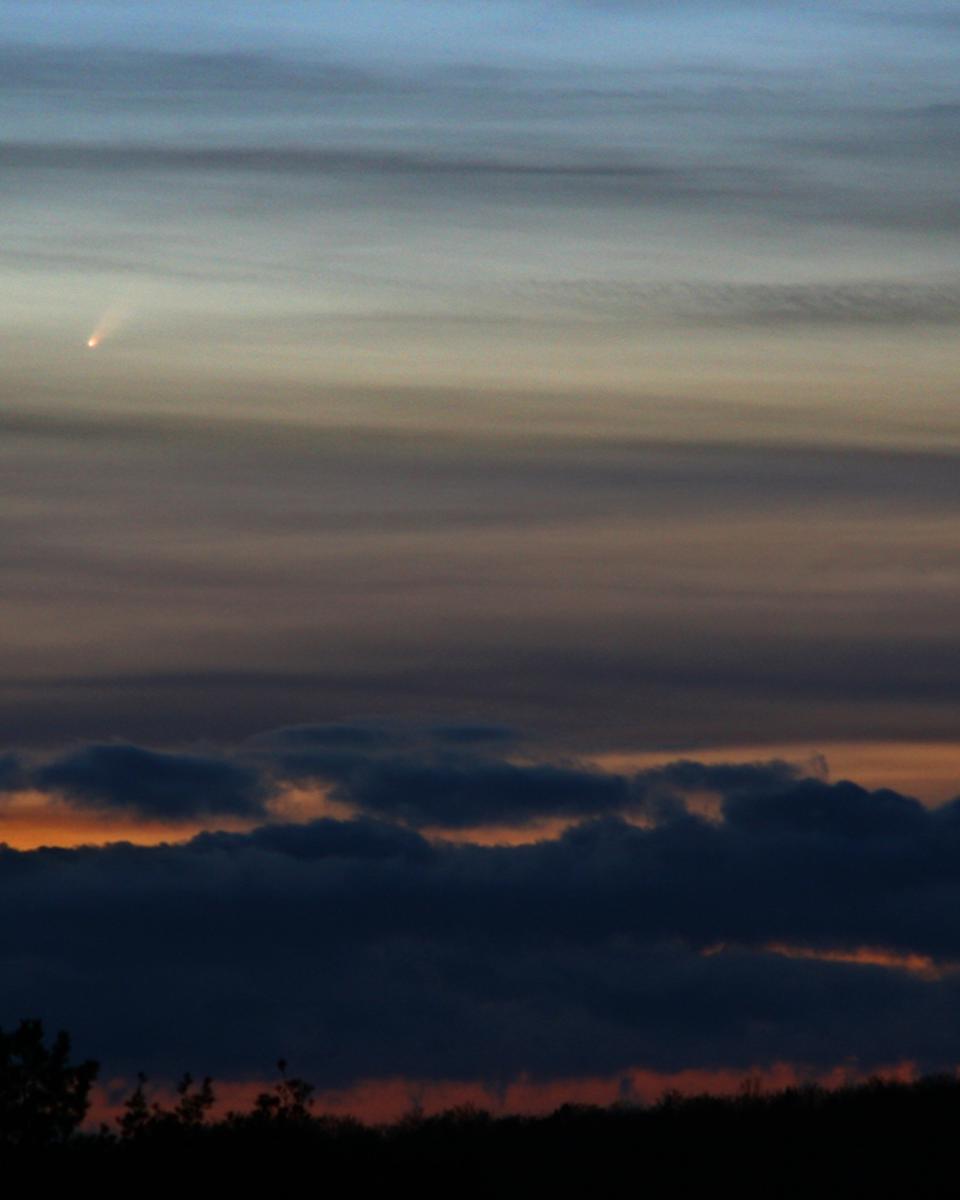
McNaught Now Brightest Comet in Decades
The brightest comet in decades is unexpectedly now visible . The most optimistic predictions have Comet McNaught (C/2006 P1) shortly becoming one of the brightest comets of the…
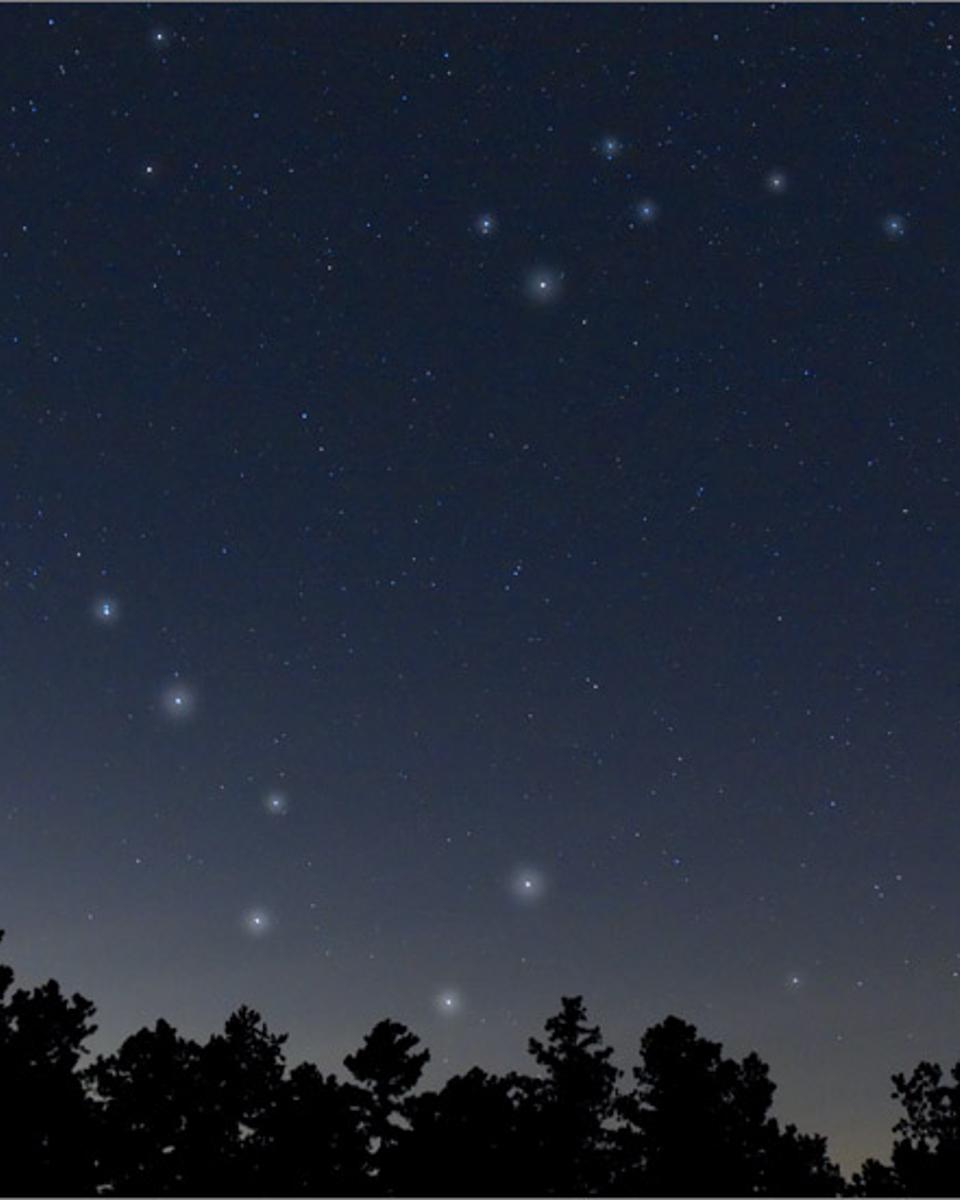
The Big Dipper
Do you see it? This common question frequently precedes the rediscovery of one of the most commonly recognized configurations of stars on the northern sky: the Big Dipper . This…
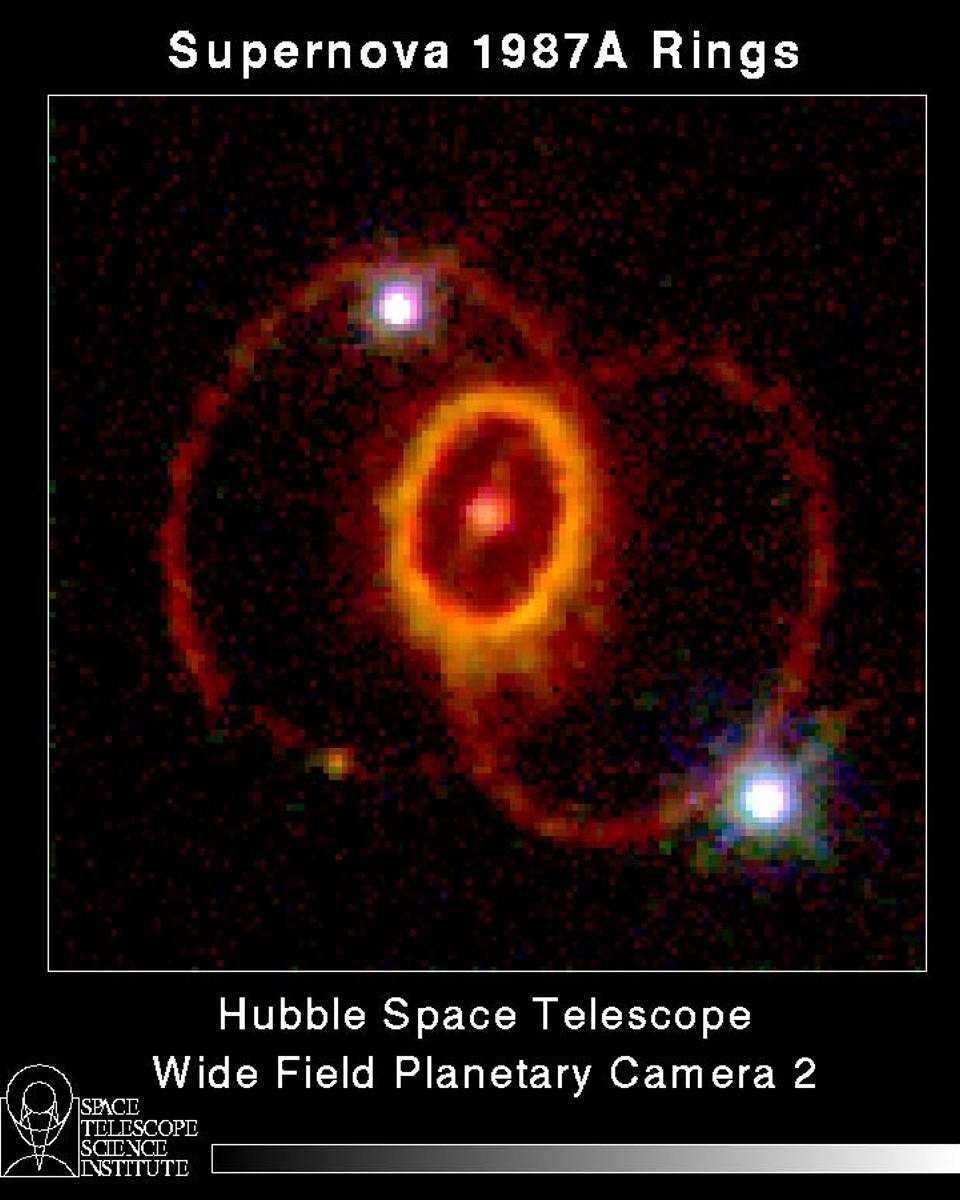
The Mysterious Rings of Supernova 1987A
What's causing those odd rings in supernova 1987A? In 1987, the brightest supernova in recent history occurred in the Large Magellanic Clouds . At the center of the picture is an…
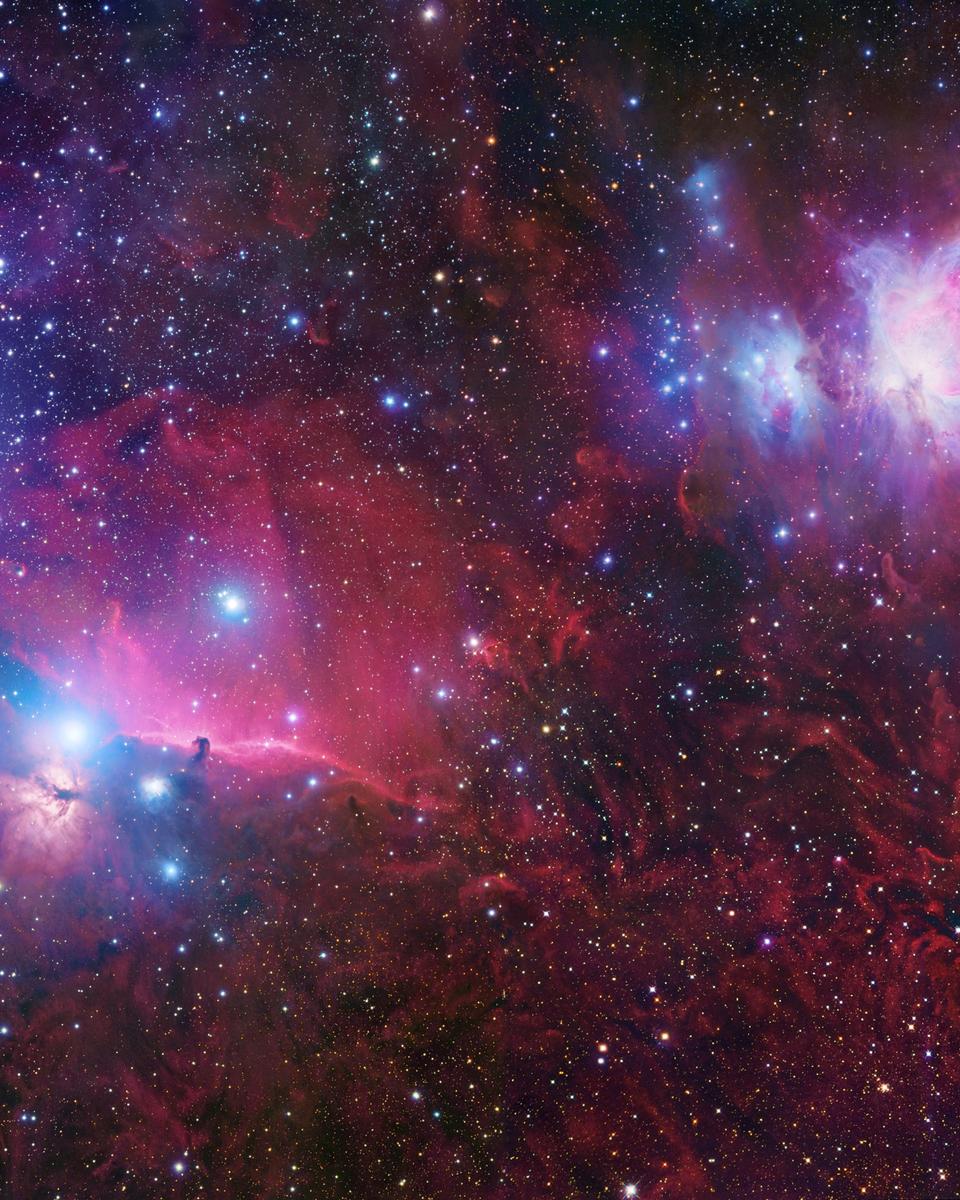
The Orion Deep Field
Adrift 1,500 light-years away in one of the night sky's most recognizable constellations , the glowing Orion Nebula and the dark Horsehead Nebula are contrasting cosmic vistas.…
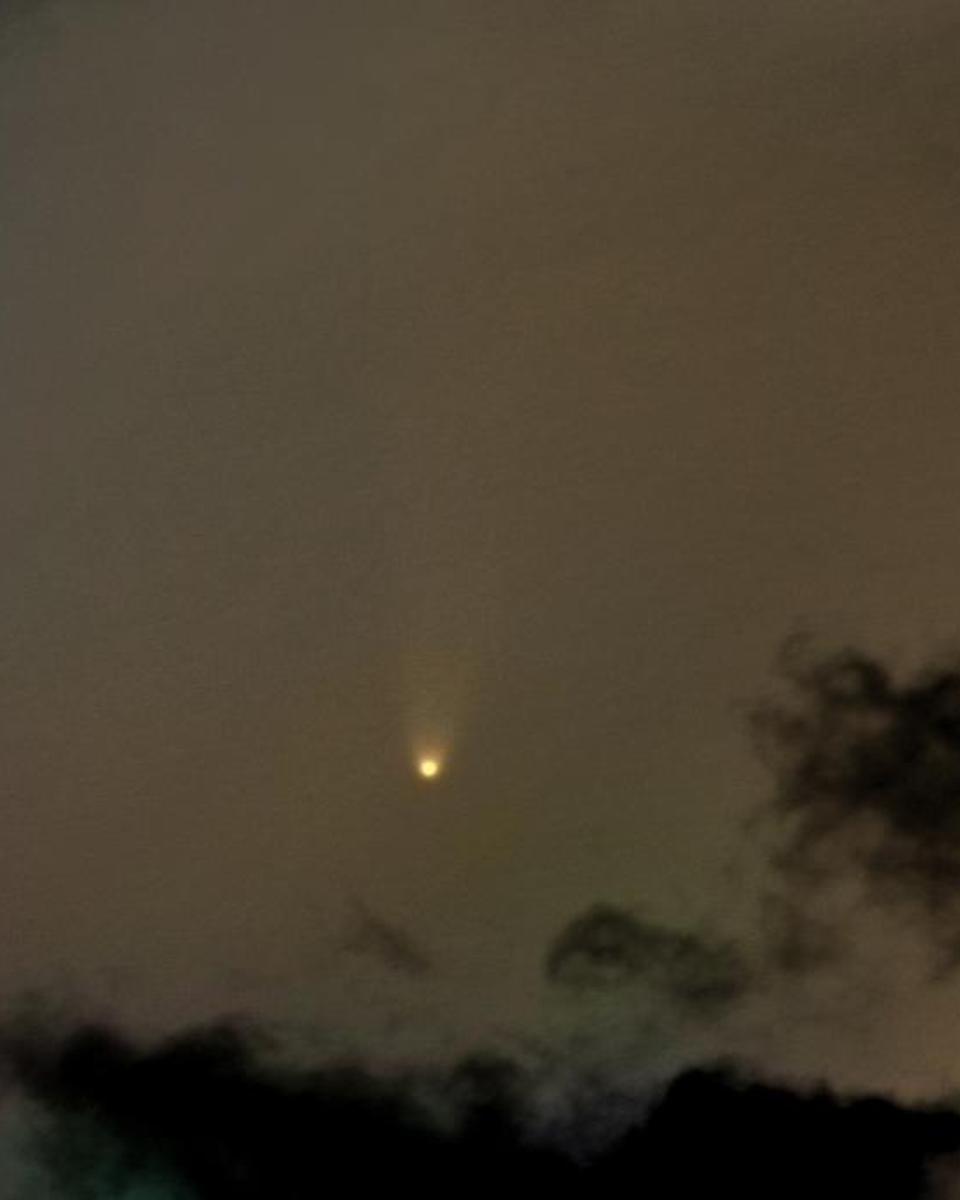
Comet McNaught Heads for the Sun
Early morning risers with a clear and unobstructed eastern horizon can enjoy the sight of Comet McNaught (C/2006 P1) in dawn skies over the next few days. Discovered in August by…
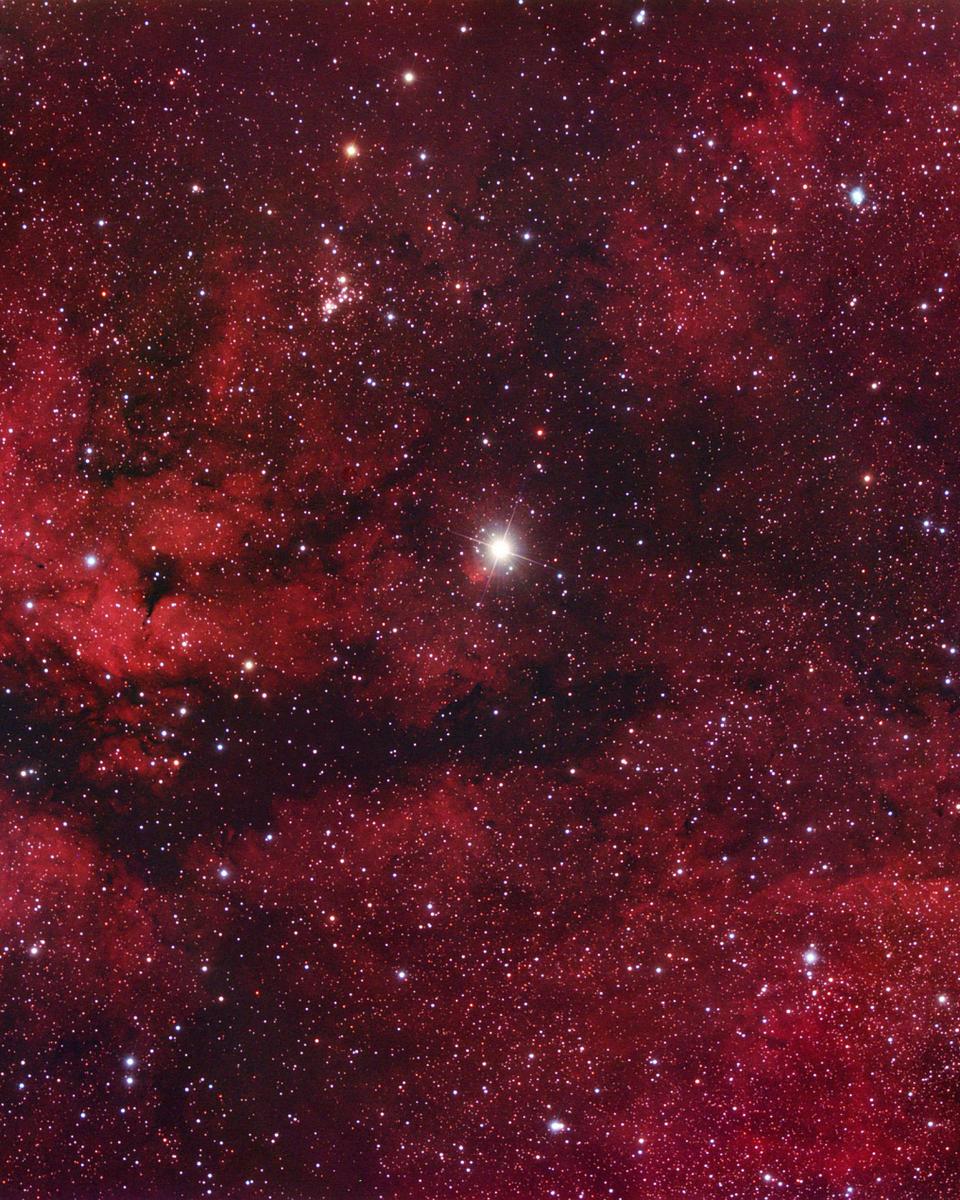
Central Cygnus
Supergiant star Gamma Cygni lies at the center of the Northern Cross, famous asterism in the constellation Cygnus the Swan . Known by the proper name Sadr , the bright star also…
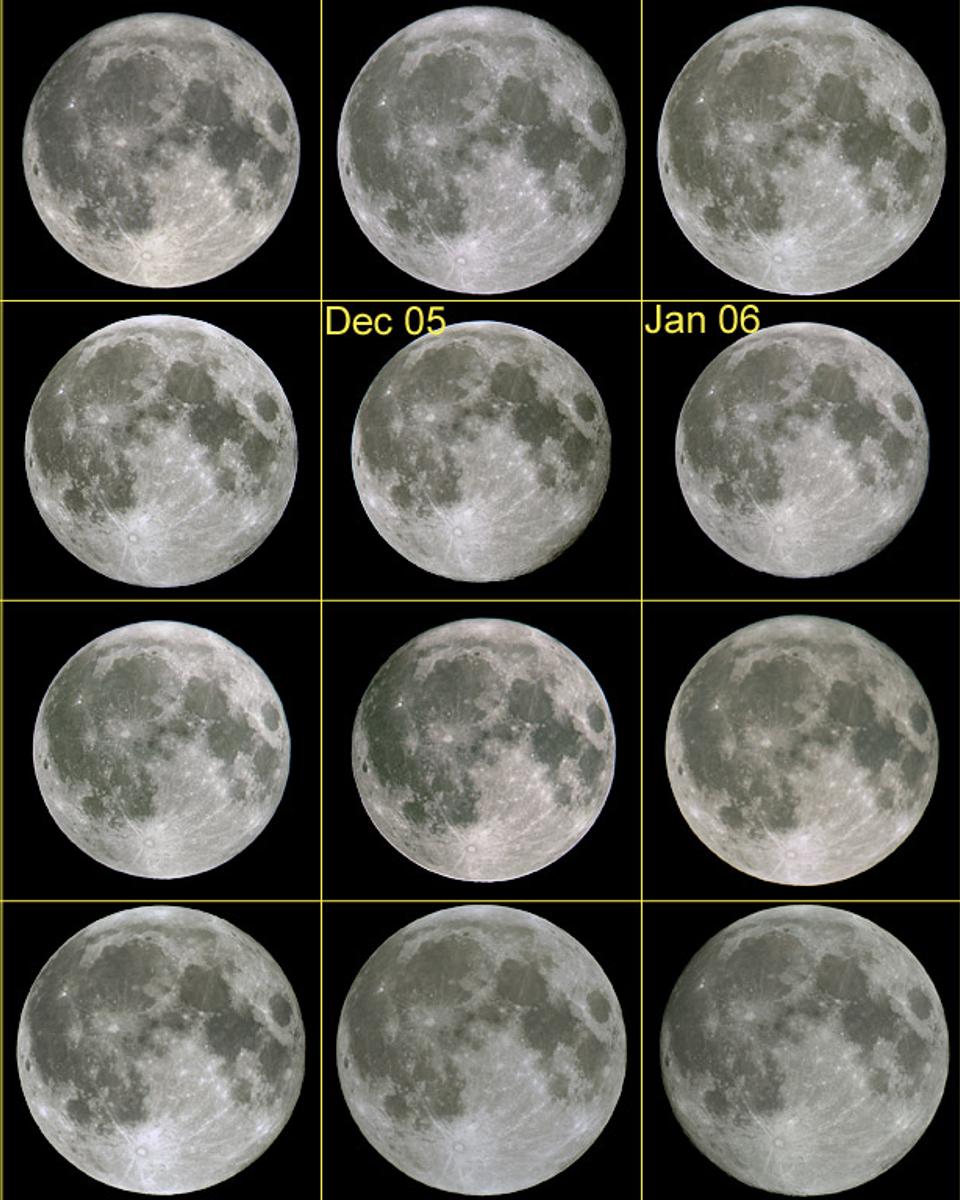
Twenty Full Moons
In celebration of tonight's Full Moon , the first of 2007, consider this grid of twenty Full Moons . From upper left to lower right, the images represent every lunation from May…
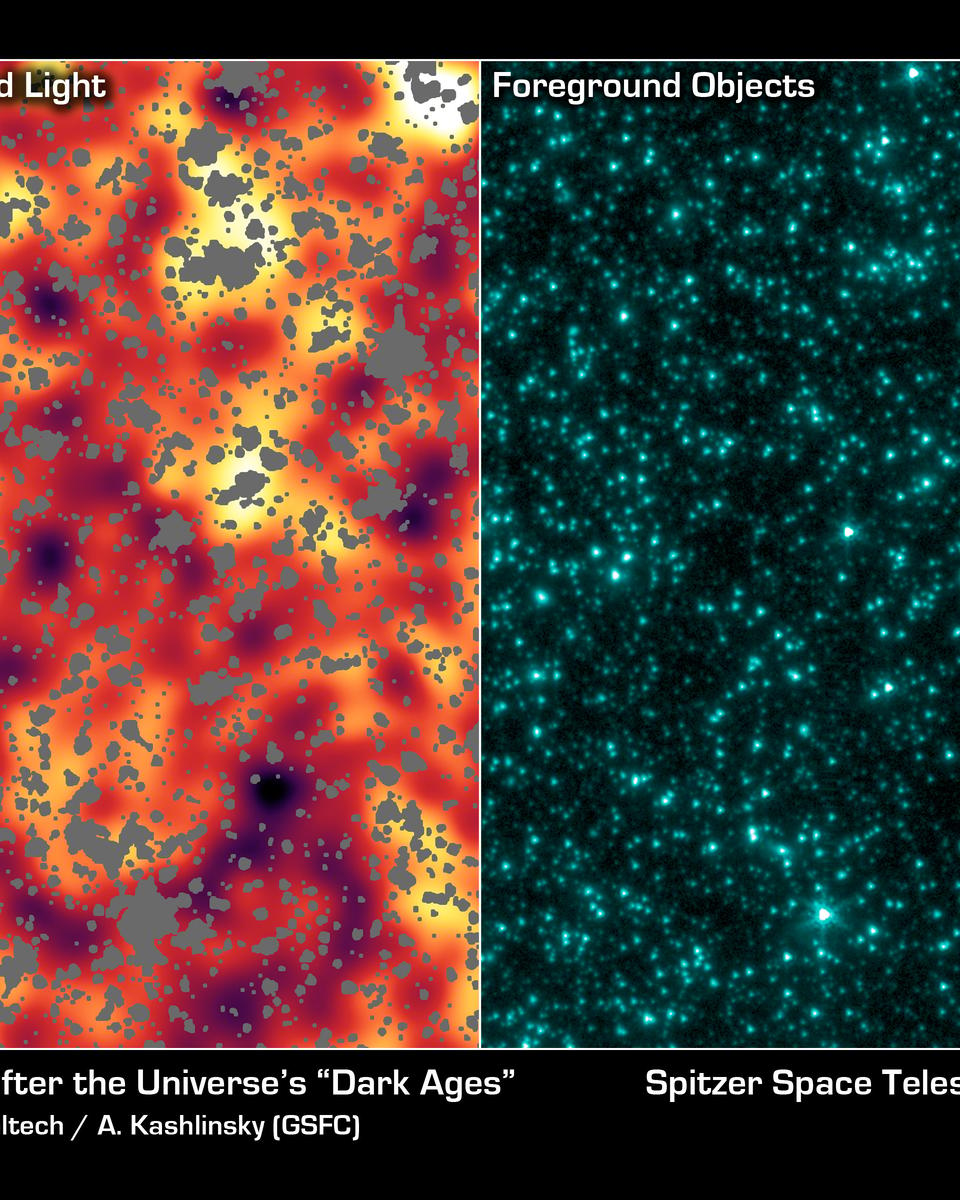
Light from the First Stars
What were the first stars like? No one is yet sure. Our Sun is not a first- generation star. It is not even second generation. The first stars to appear in the universe likely…
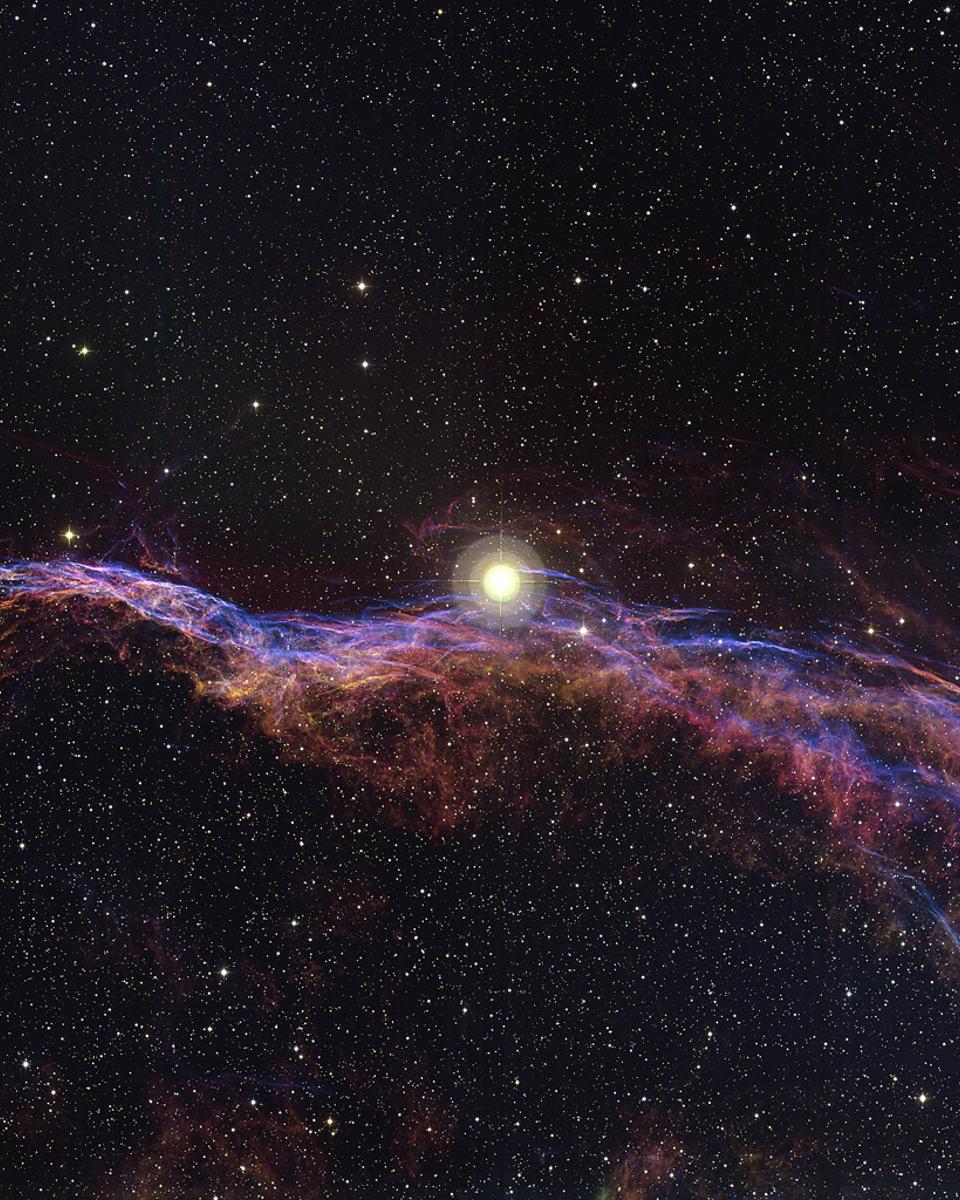
NGC 6960: The Witch's Broom Nebula
Ten thousand years ago, before the dawn of recorded human history , a new light must suddenly have appeared in the night sky and faded after a few weeks. Today we know this light…
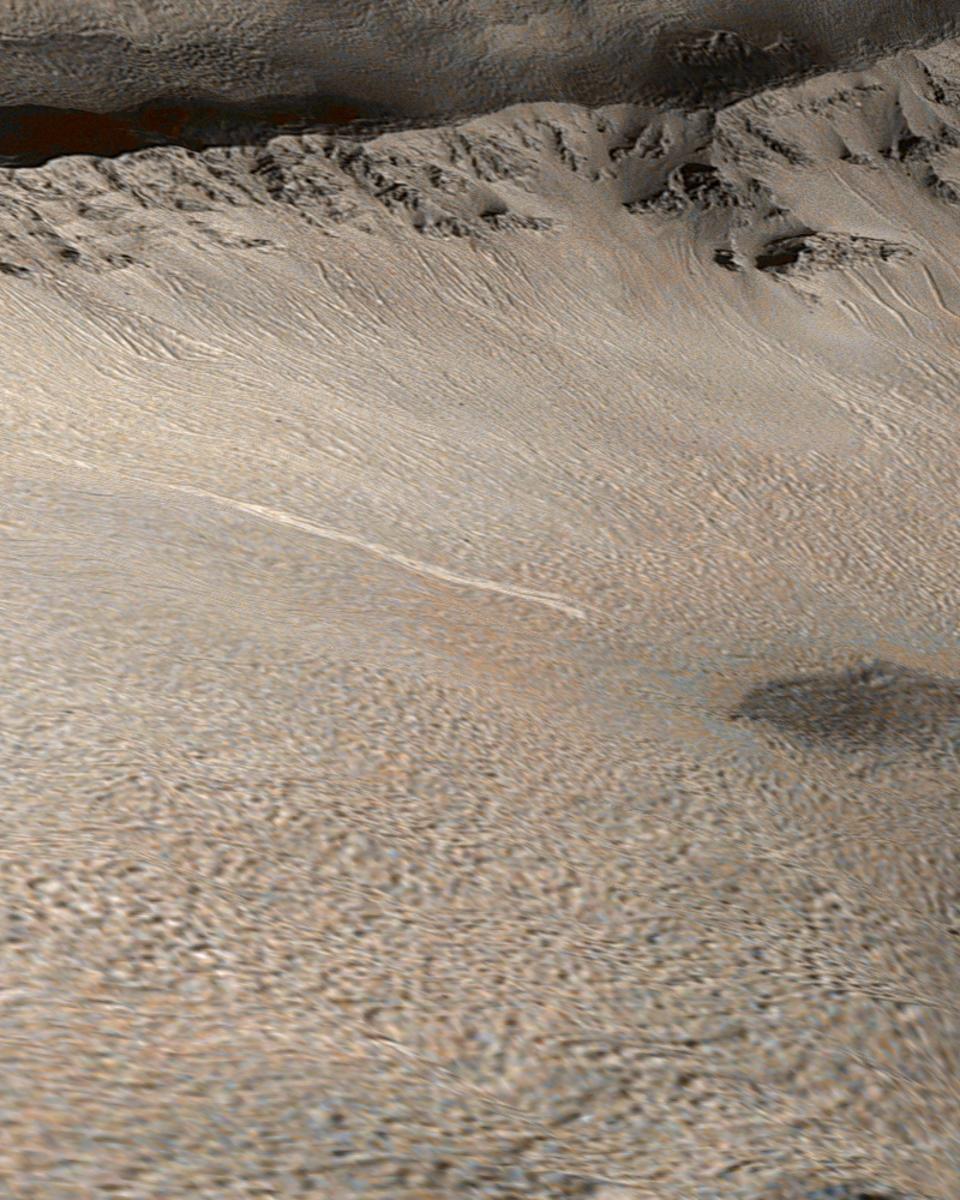
A Year of Extraterrestrial Fountains and Flows
The past year was extraordinary for the discovery of extraterrestrial fountains and flows -- some offering new potential in the search for liquid water and the origin of life…
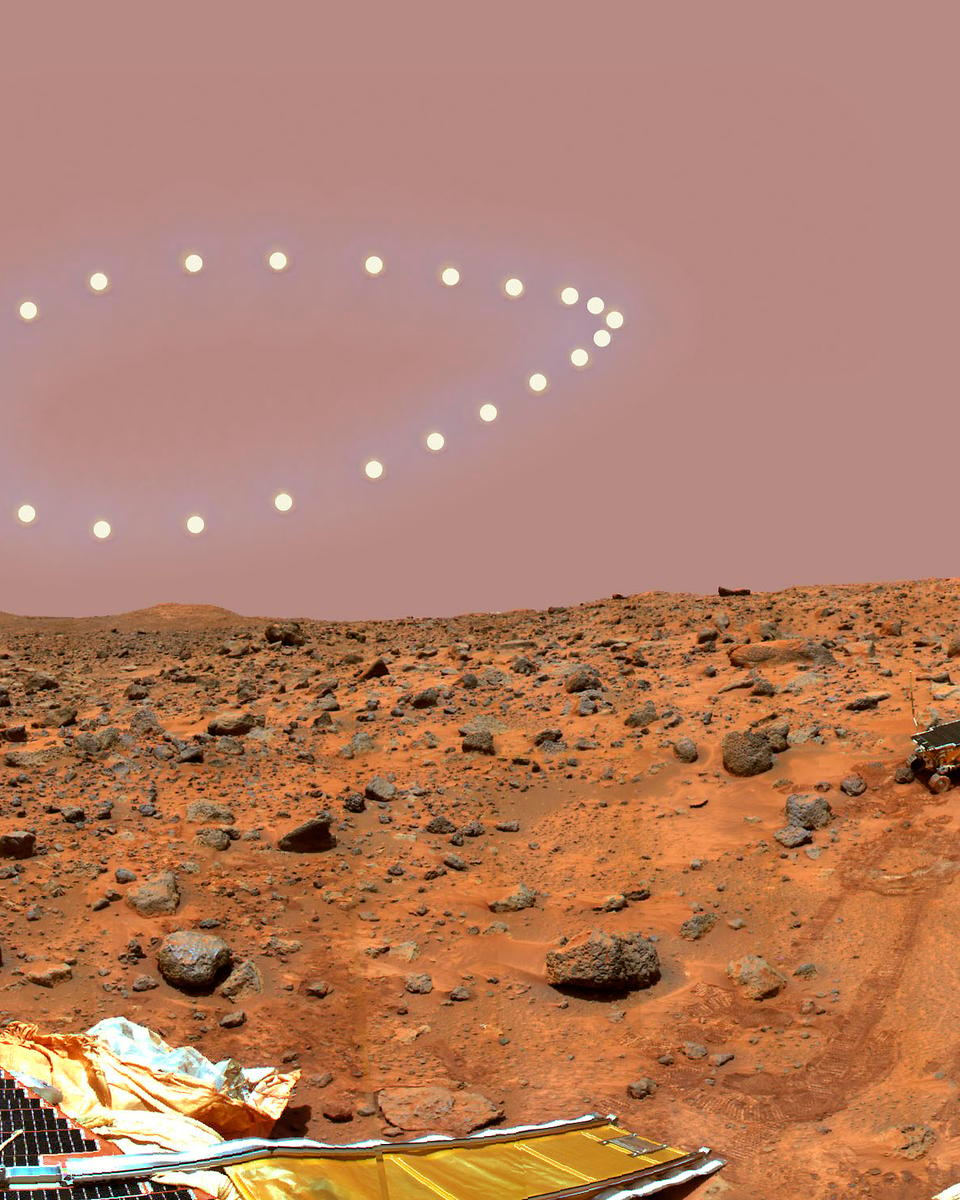
Martian Analemma
On planet Earth, an analemma is the figure-8 loop you get when you mark the position of the Sun at the same time each day throughout the year. But similarly marking the position…
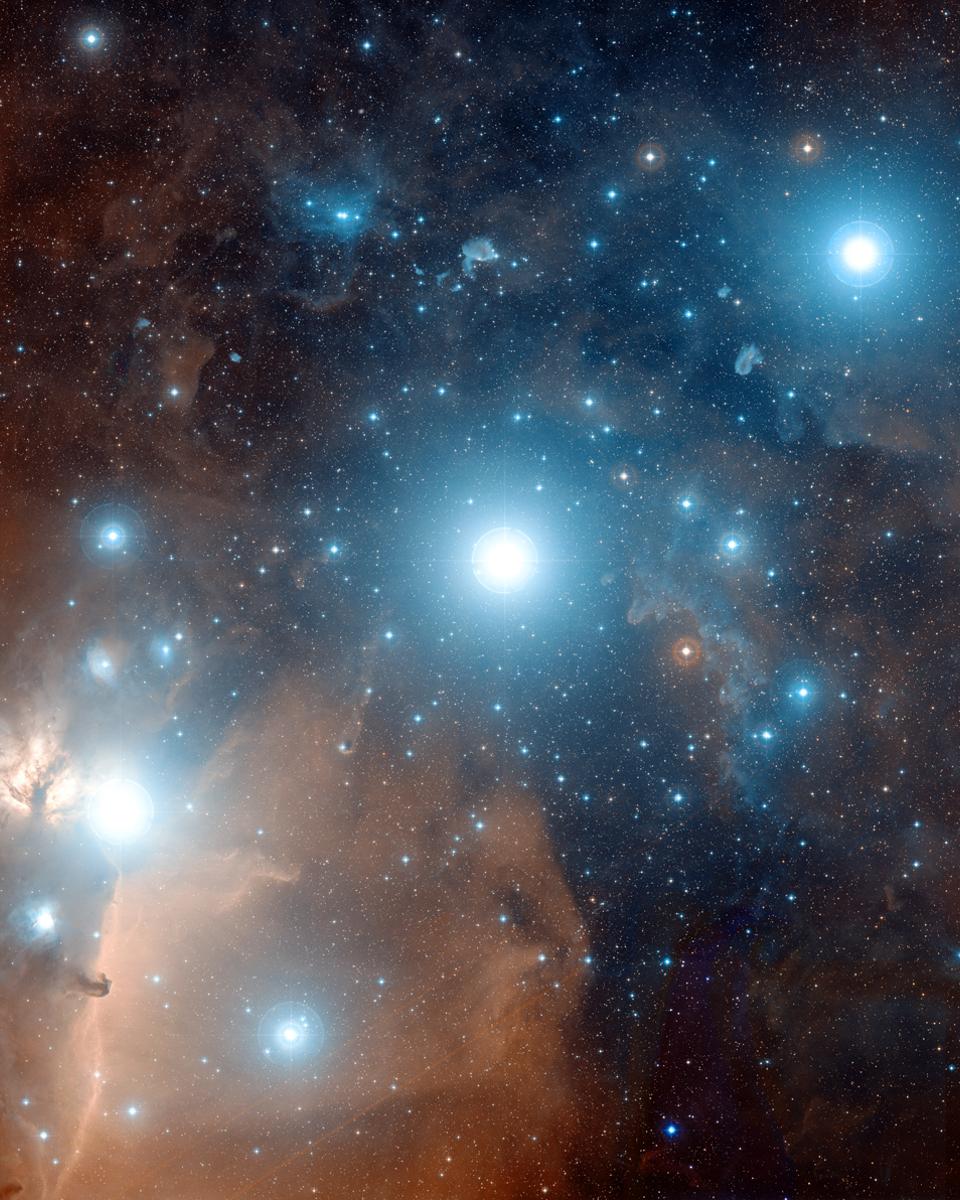
Alnitak, Alnilam, Mintaka
Alnitak , Alnilam , and Mintaka , are the bright bluish stars from east to west (left to right) along the diagonal in this gorgeous cosmic vista. Otherwise known as the Belt of…
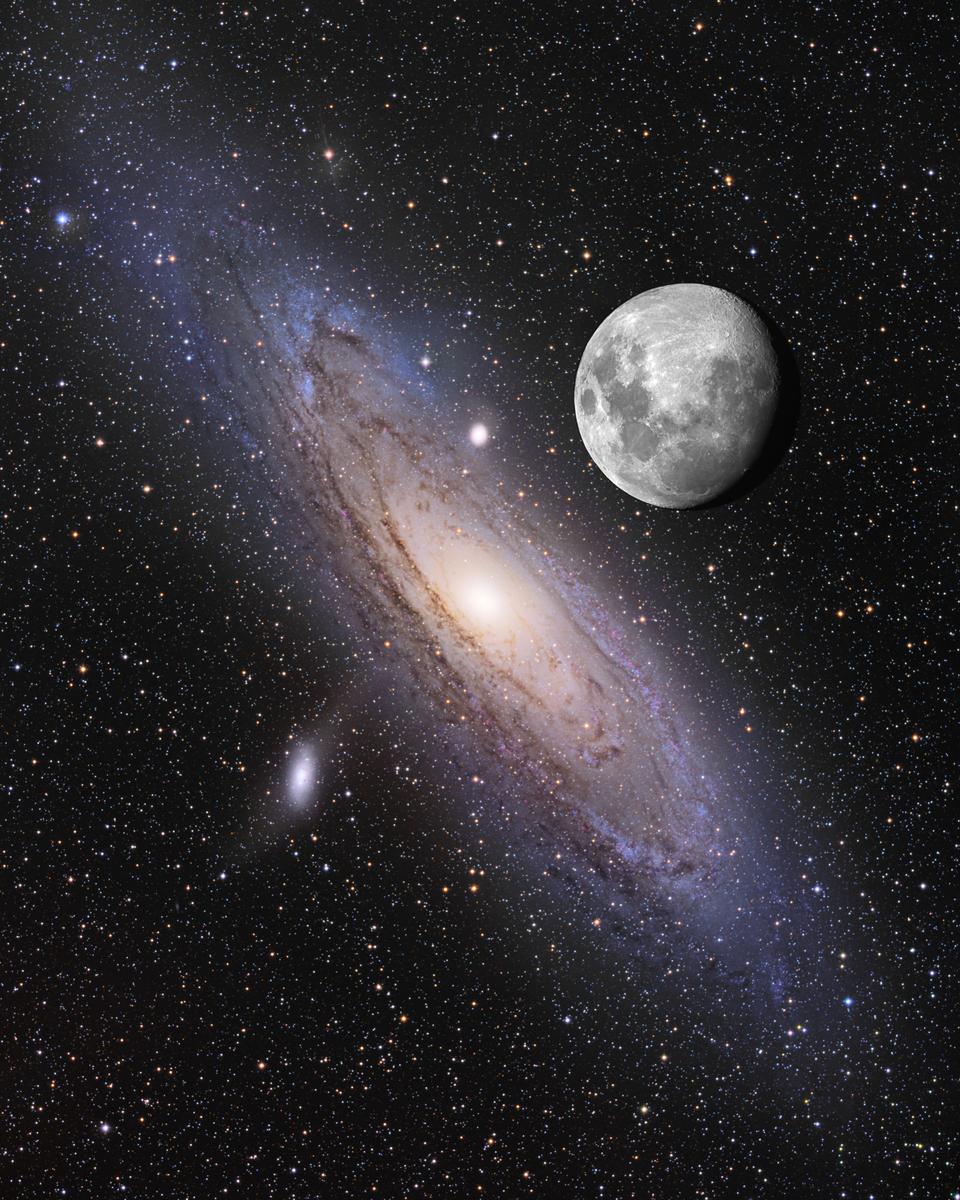
Moon Over Andromeda
The Great Spiral Galaxy in Andromeda (aka M31), a mere 2.5 million light-years distant , is the closest large spiral to our own Milky Way. Andromeda is visible to the unaided eye…
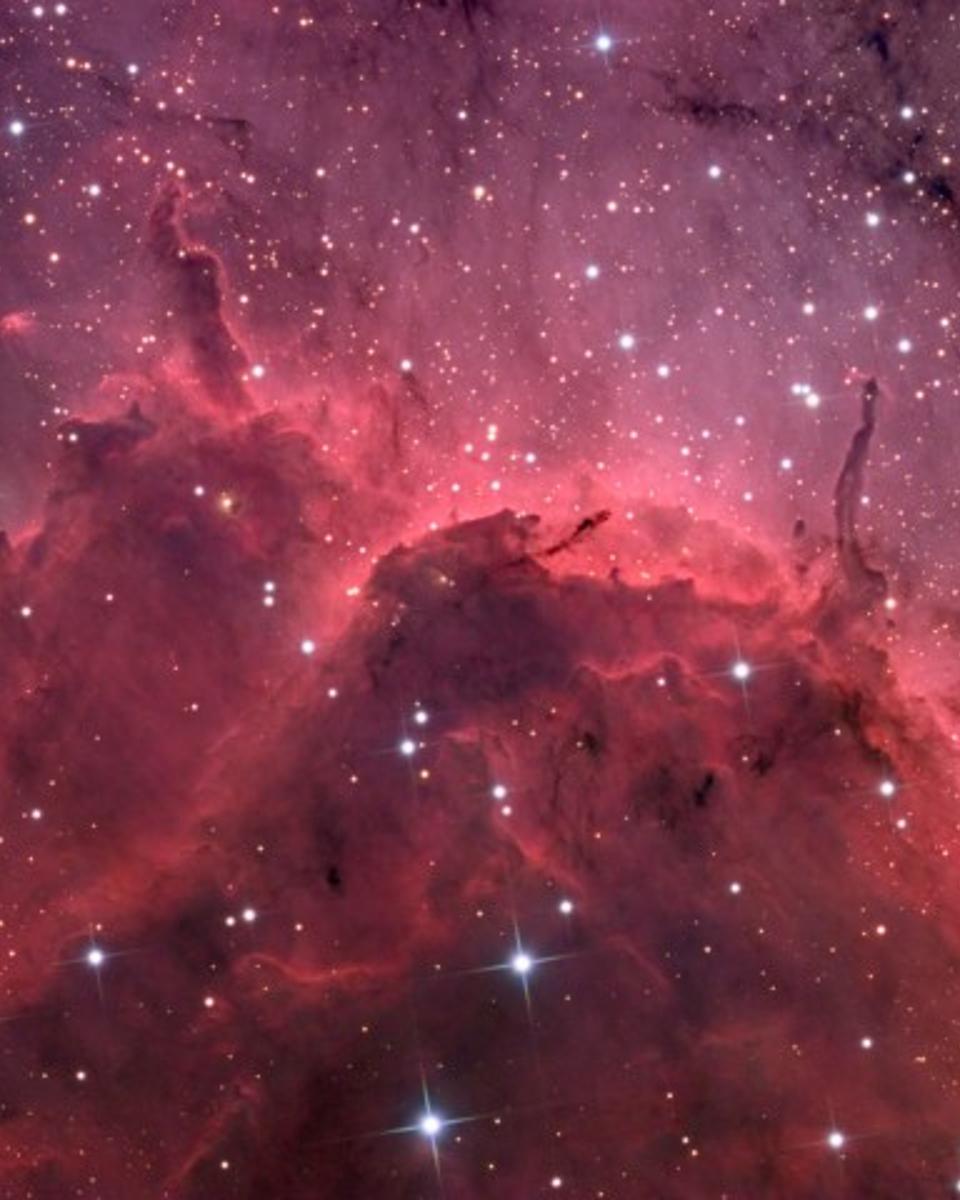
IC 5067: Emission Nebula Close-up
This amazing skyscape lies along a bright ridge of emission in IC 5067, also known as The Pelican Nebula . Appropriately, the Pelican Nebula itself is part of a much larger,…
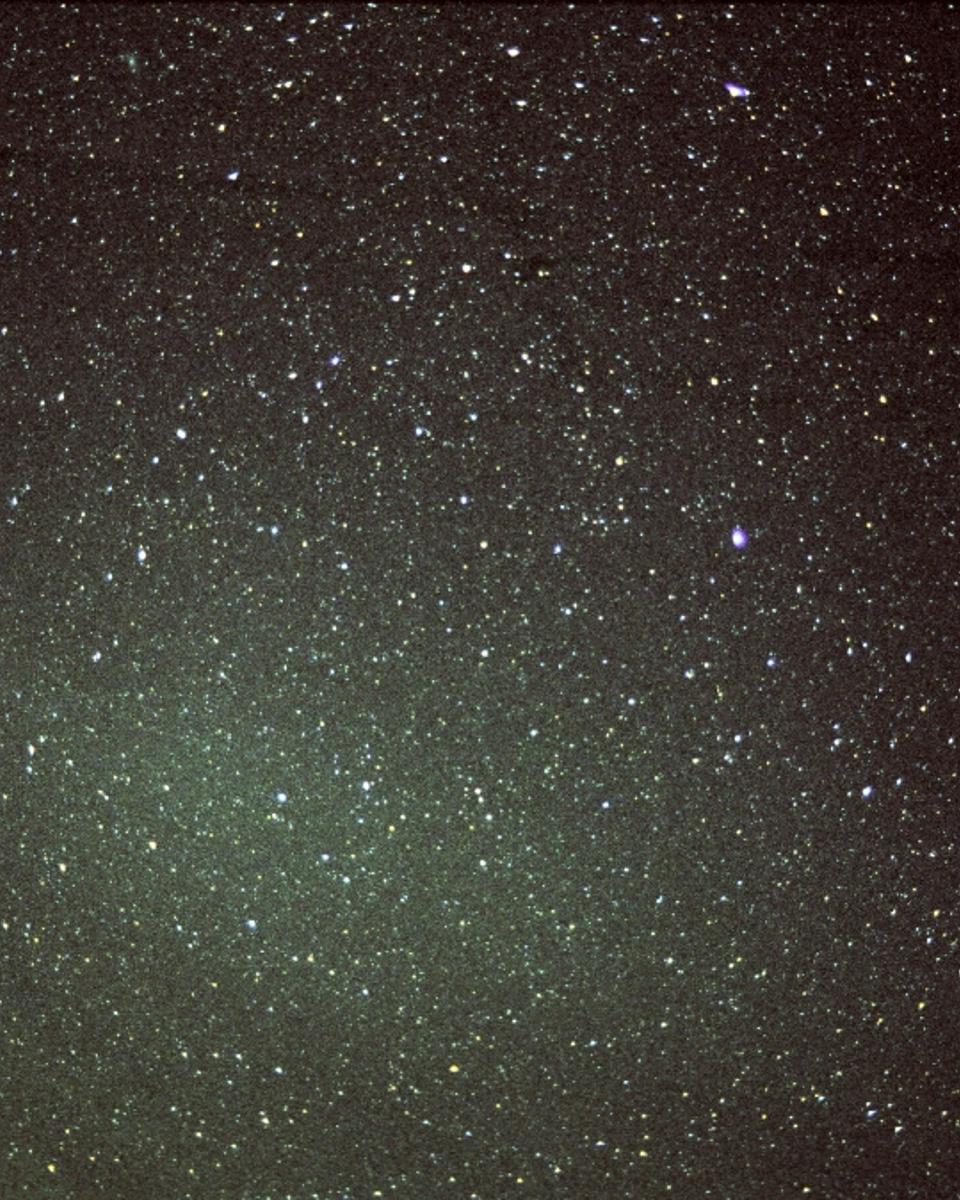
The Gegenschein
If you look carefully enough, you can even see the glow of the Sun in the opposite direction. At night this glow is known as the gegenschein (German for “counter glow”), and can…
Viewing discoveries from 18 January 2007 through 26 December 2006.