Browse NASA Astronomy Picture of the Day archive by date and media: Archive Discoveries
Browse the NASA APOD archive without needing the exact date first. Filter by media type and keep moving deeper into older images and videos.
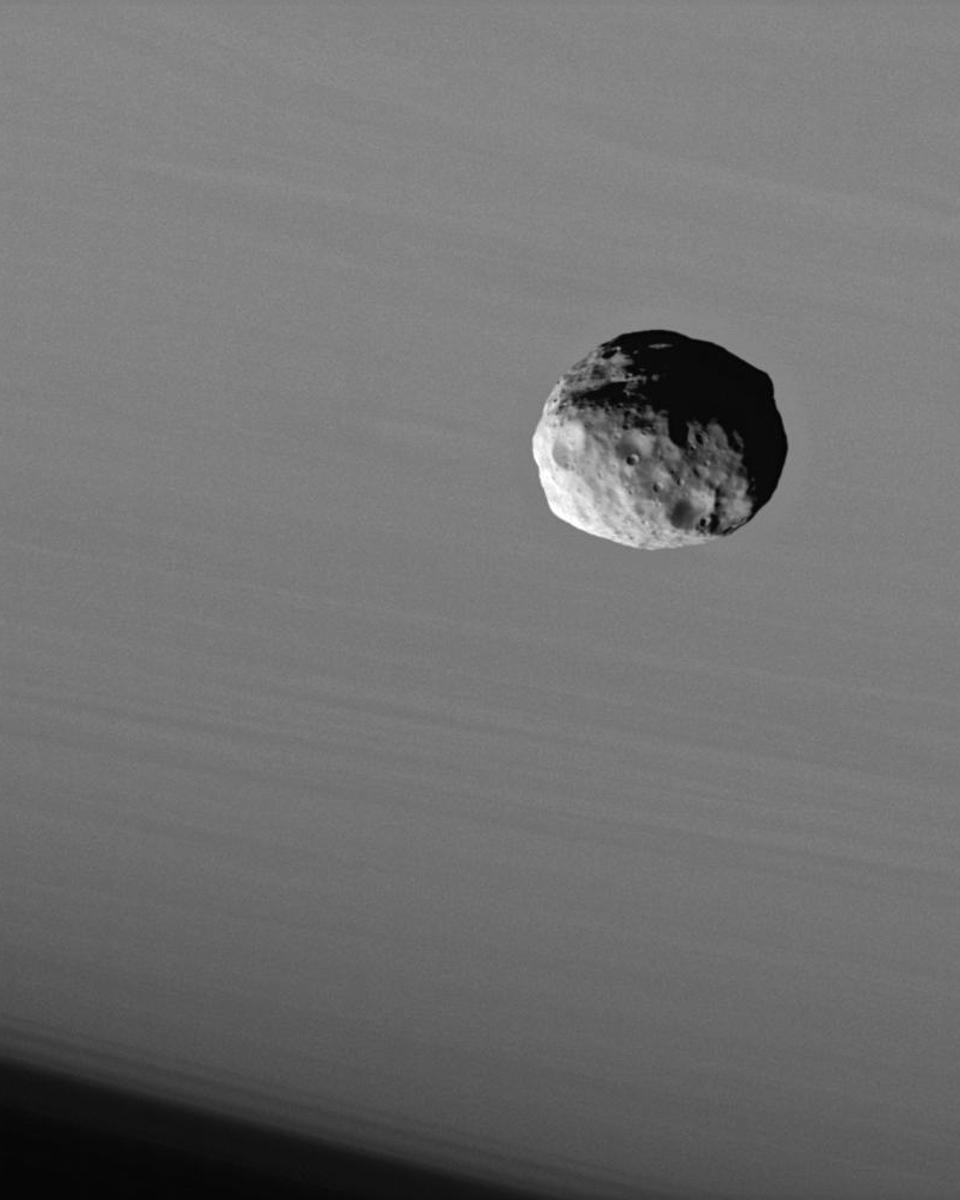
Janus: Potato Shaped Moon of Saturn
Janus is one of the stranger moons of Saturn. First, Janus travels in an unusual orbit around Saturn where it periodically trades places with its sister moon Epimetheus , which…
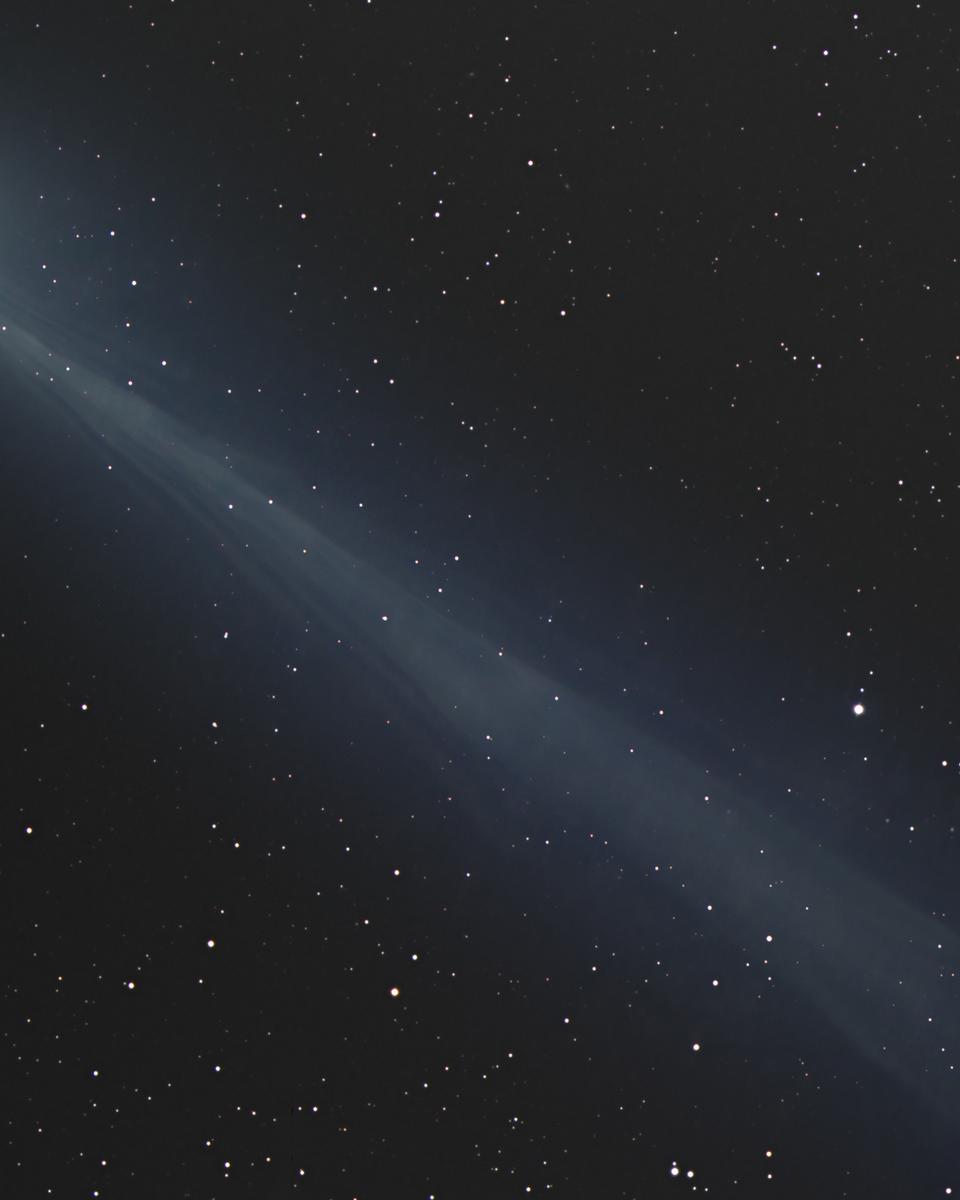
The Ghostly Tail of Comet SWAN
What causes the structure in Comet SWAN's tail? Comet SWAN , which unexpectedly flared up to naked-eye brightness last week, has been showing detail in its ion tail that might be…
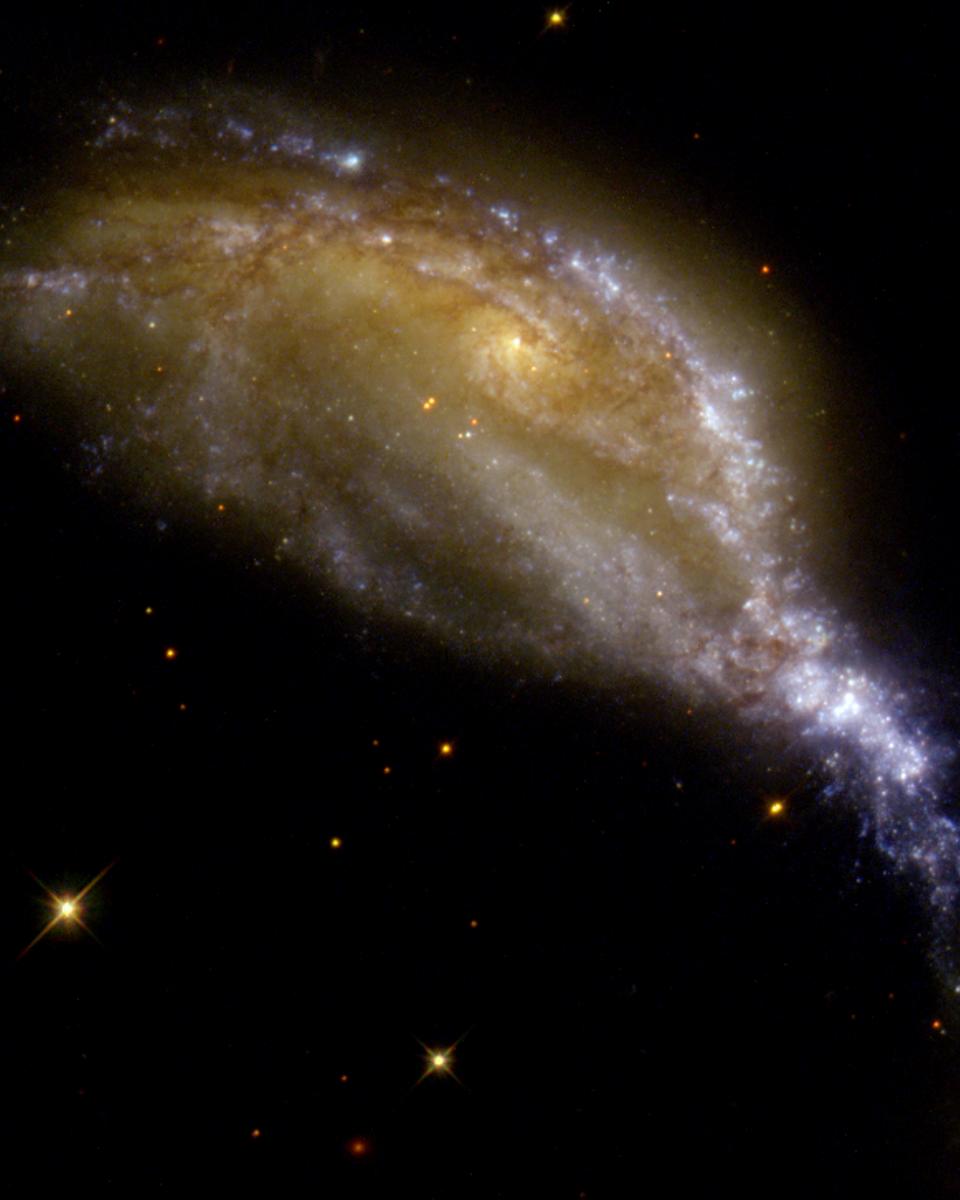
A Galaxy Collision in NGC 6745
Galaxies don't normally look like this. NGC 6745 actually shows the results of two galaxies that have been colliding for only hundreds of millions of years. Just off the above…
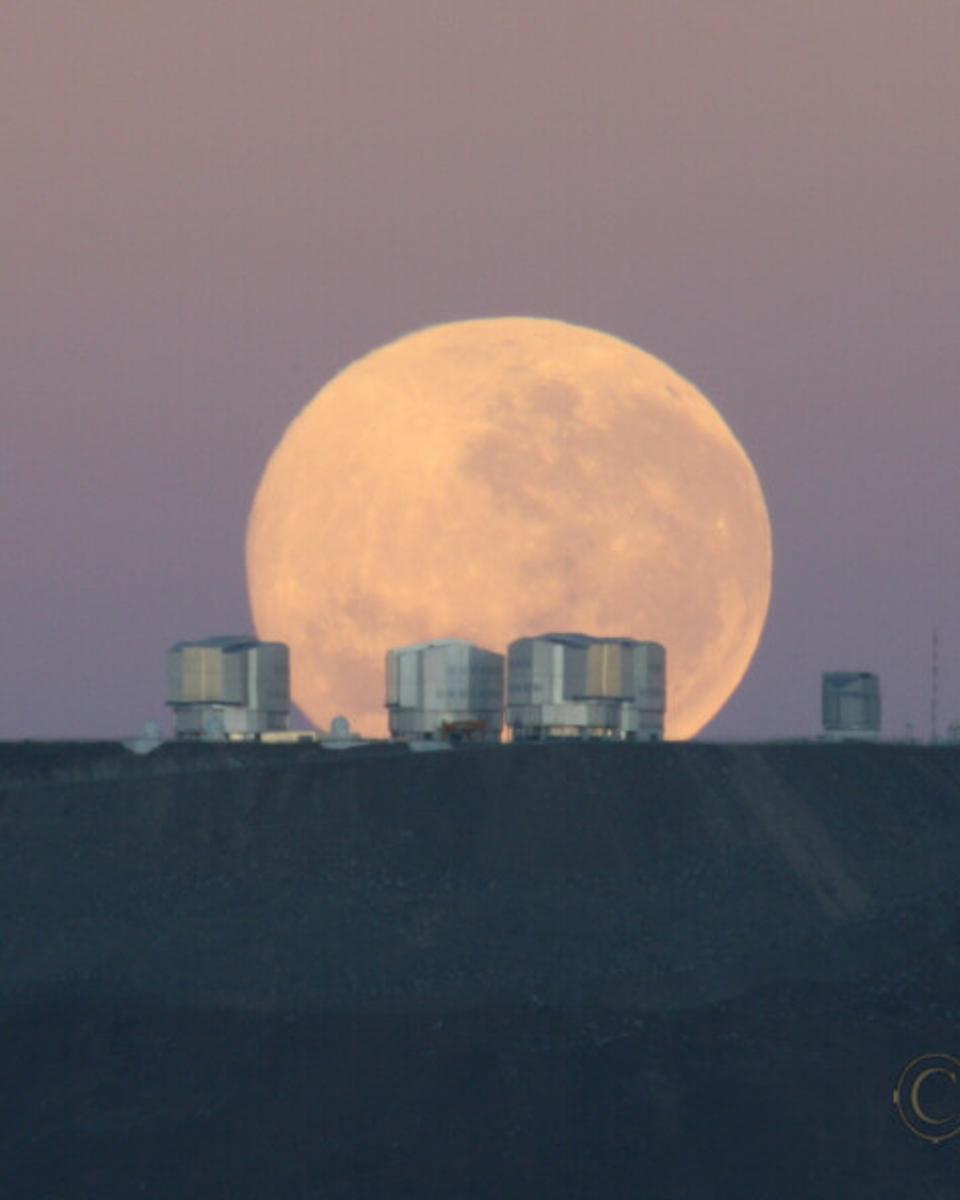
Paranal Moonset
Just before the rising Sun fully illuminated the 2,635 meter summit of Cerro Paranal in northern Chile, Gordon Gillet captured this stunning moonset. In the telephoto picture, a…
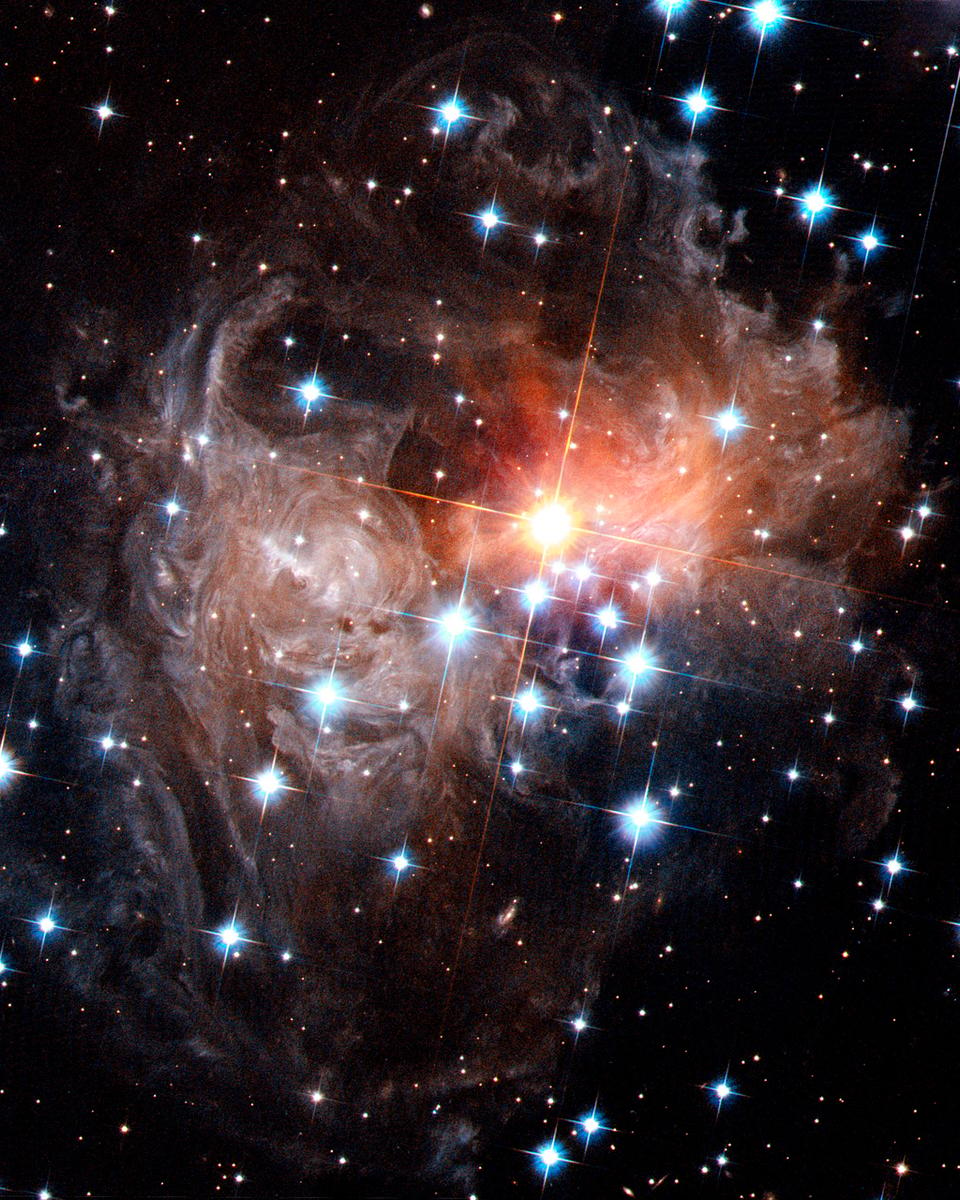
V838 Mon: Echoes from the Edge
Variable star V838 Monocerotis lies near the edge of our Milky Way Galaxy, about 20,000 light-years from the Sun. Still, ever since a sudden outburst was detected in January 2002,…
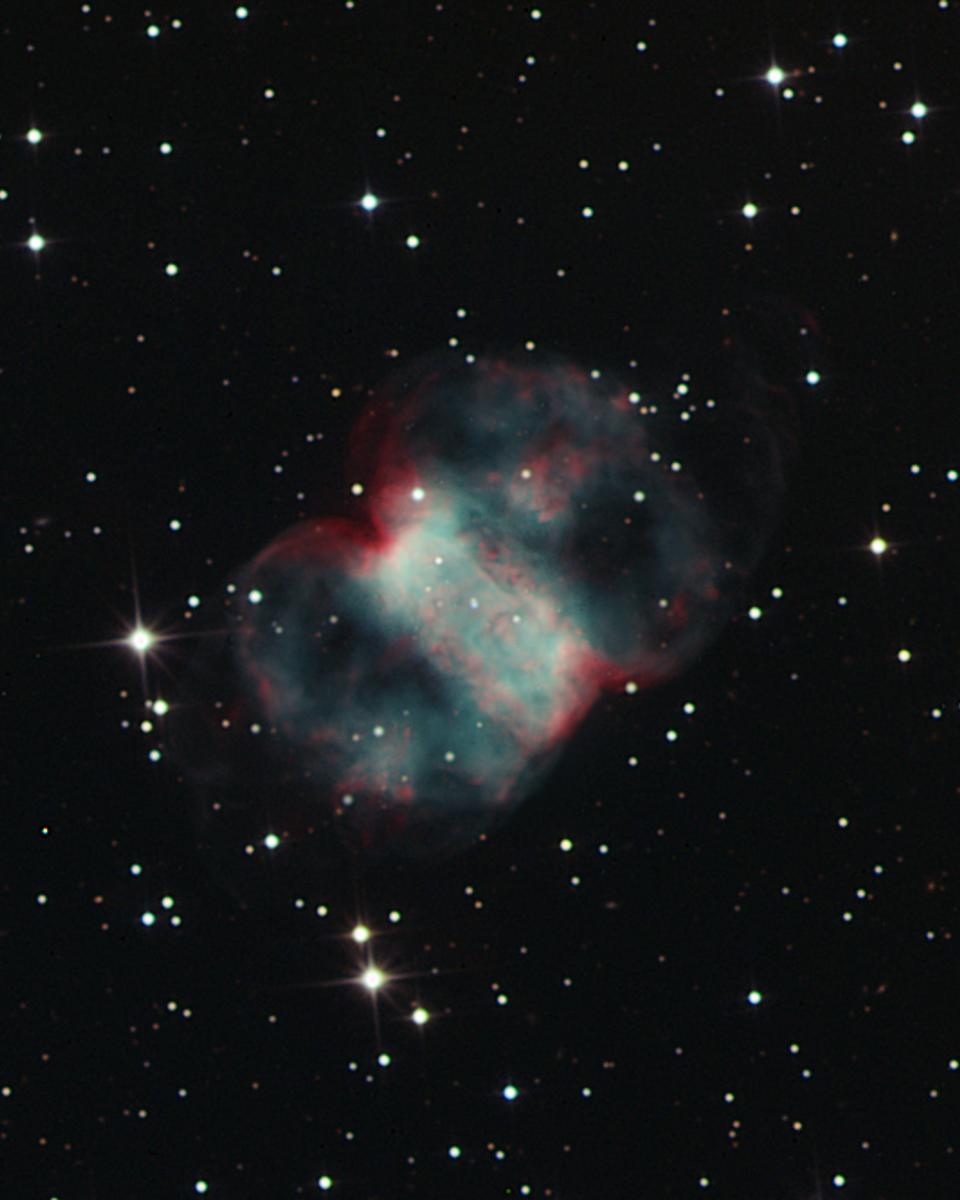
Messier 76
“Nebula at the right foot of Andromeda ... ” begins the description for the 76th object in Charles Messier's 18th century Catalog of Nebulae and Star Clusters . In fact, M76 is…
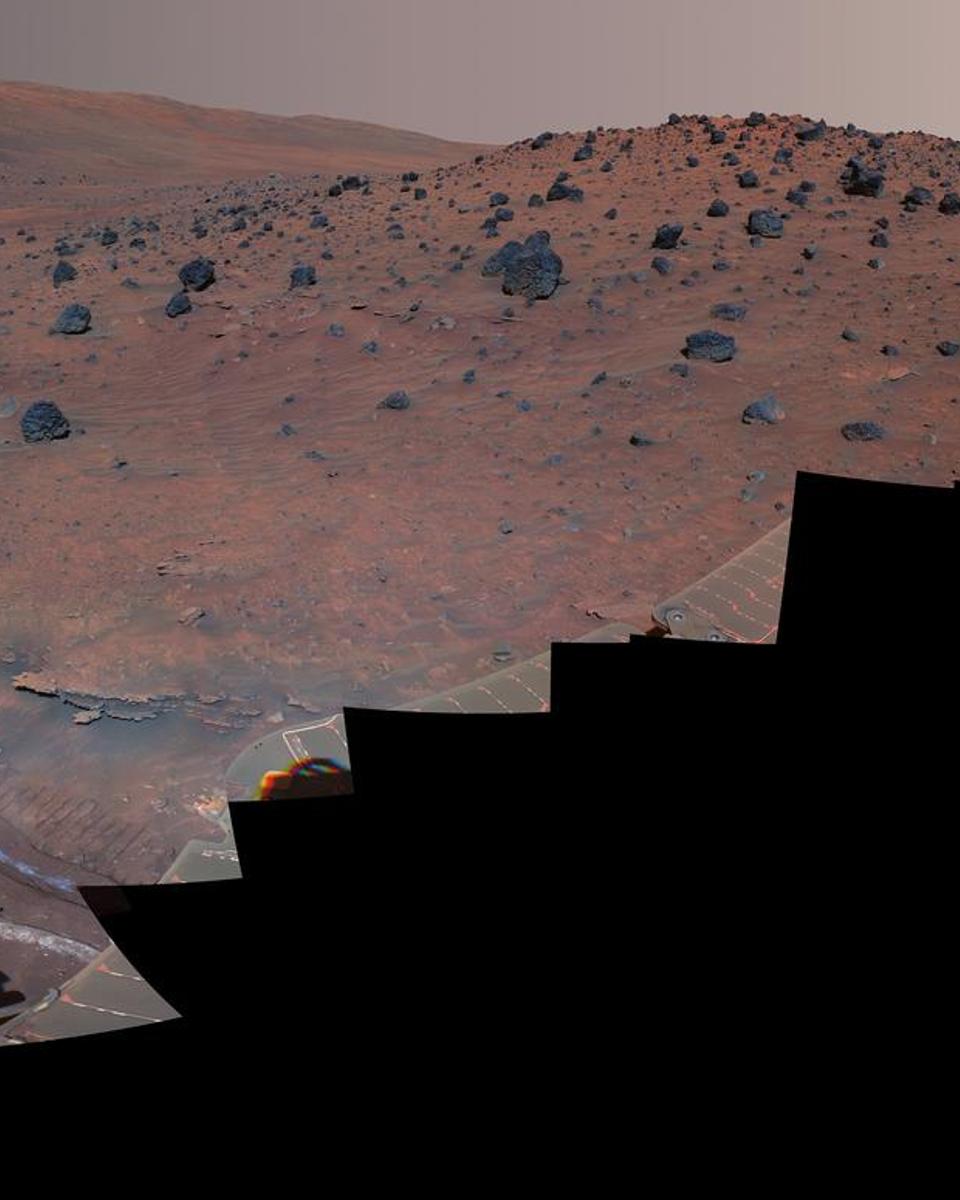
McMurdo Panorama from Mars
This was Spirit's view on Martian-day 1,000 of its 90-Martian-day mission. The robotic Spirit rover has stayed alive so long on Mars that it needed a place to wait out the cold…
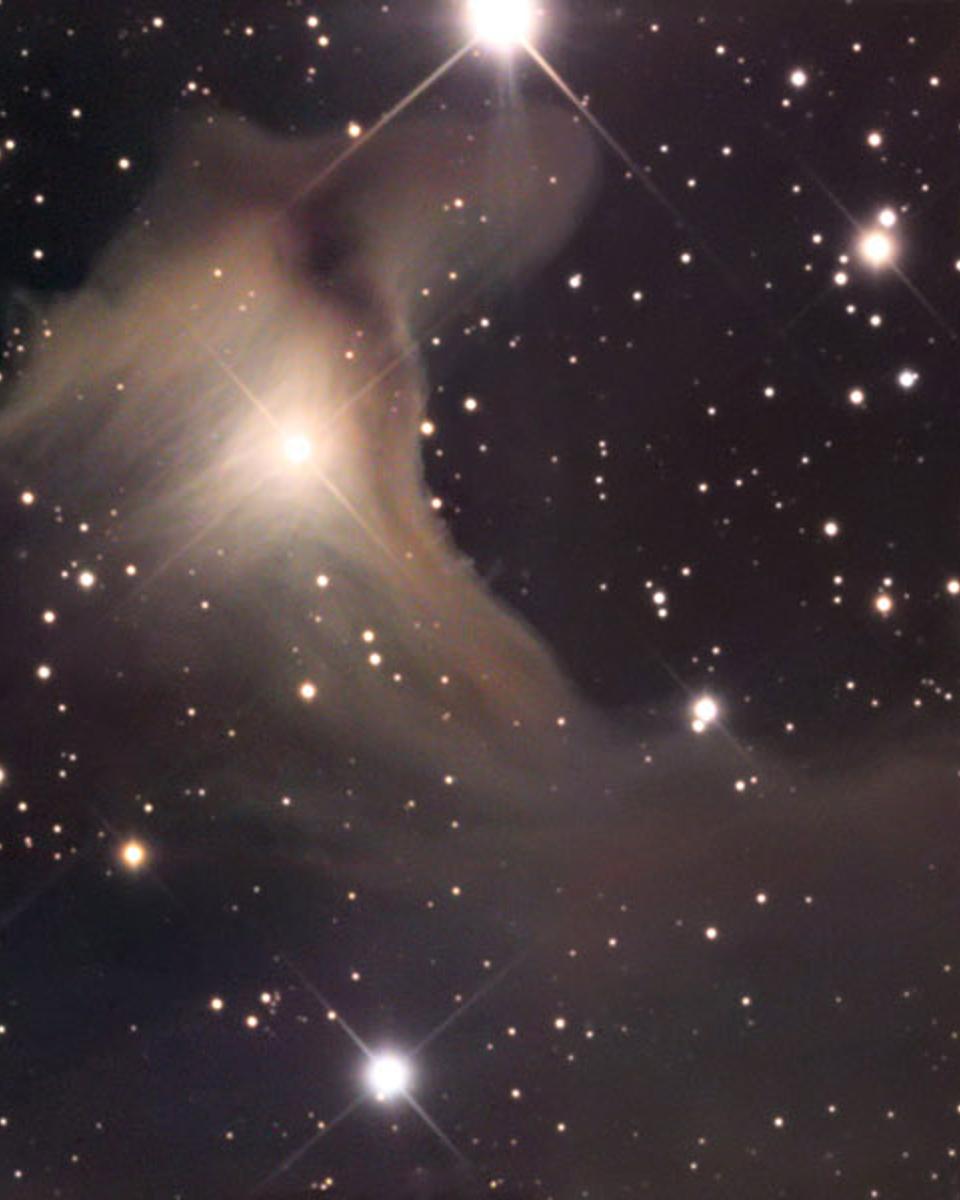
SH2 136: A Spooky Nebula
The dark nebula SH2-136 appears to be celebrating Halloween all of the time. The complex process of star formation create dust clouds of many shapes and sizes -- it is human…
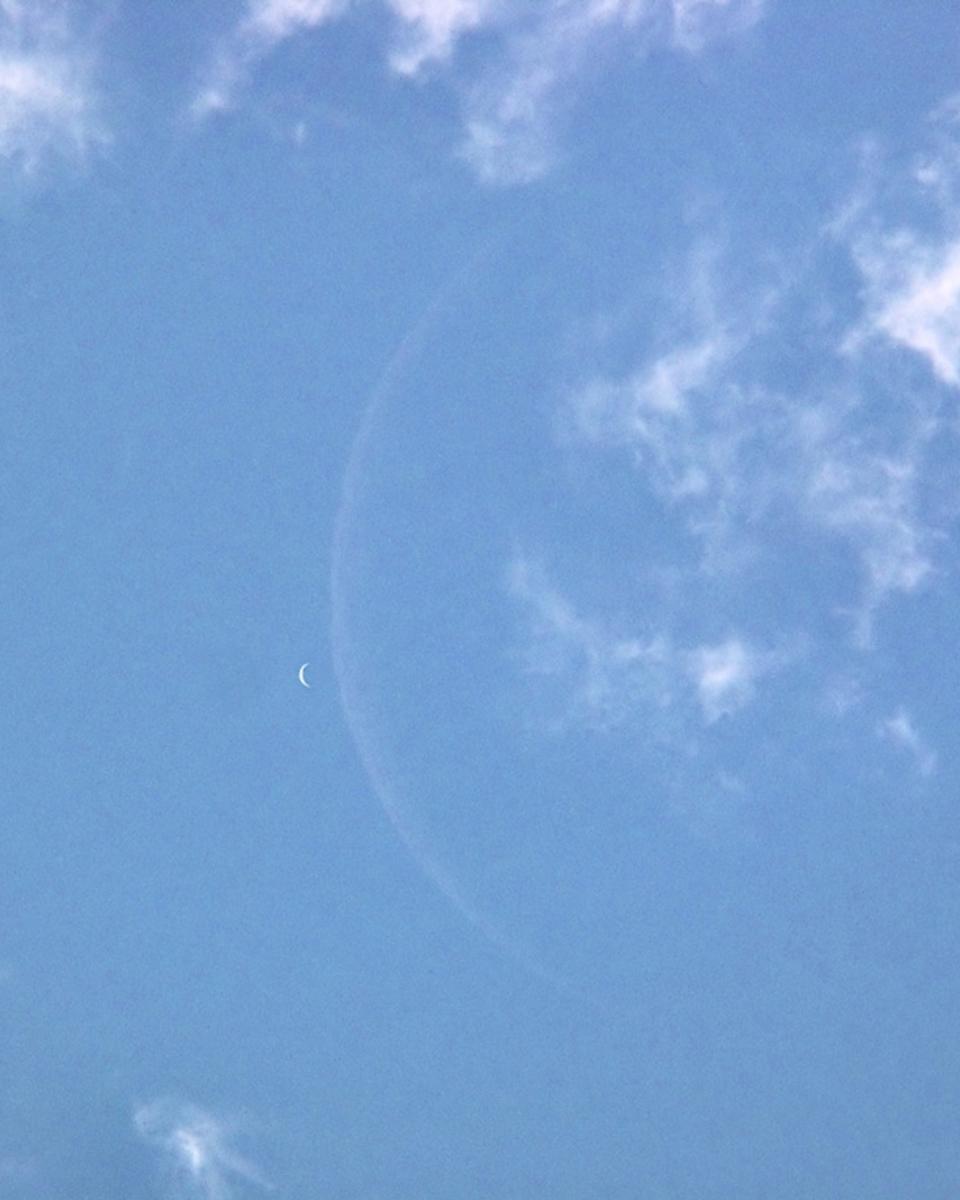
Crescent Venus and Moon
There's something behind these clouds. Those faint graceful arcs, upon inspection, are actually far, far in the distance. They are the Earth's Moon and the planet Venus . Both the…
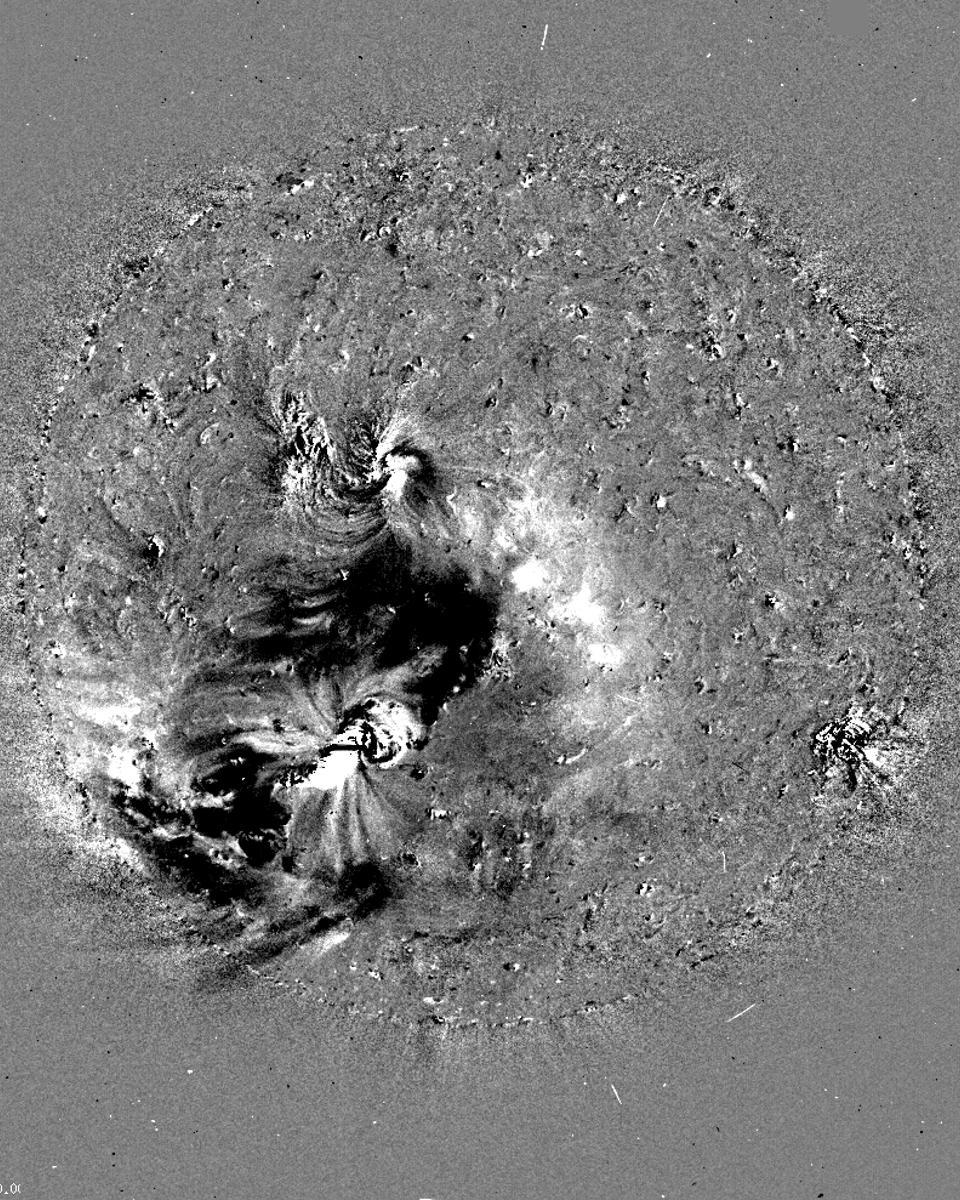
The Sun Puffs
Our Earth endures bursts of particles from the Sun. On 1997 April 7, at 10 am (EDT), ground monitors of the SOHO spacecraft , which continually monitors the Sun, noticed a weak…
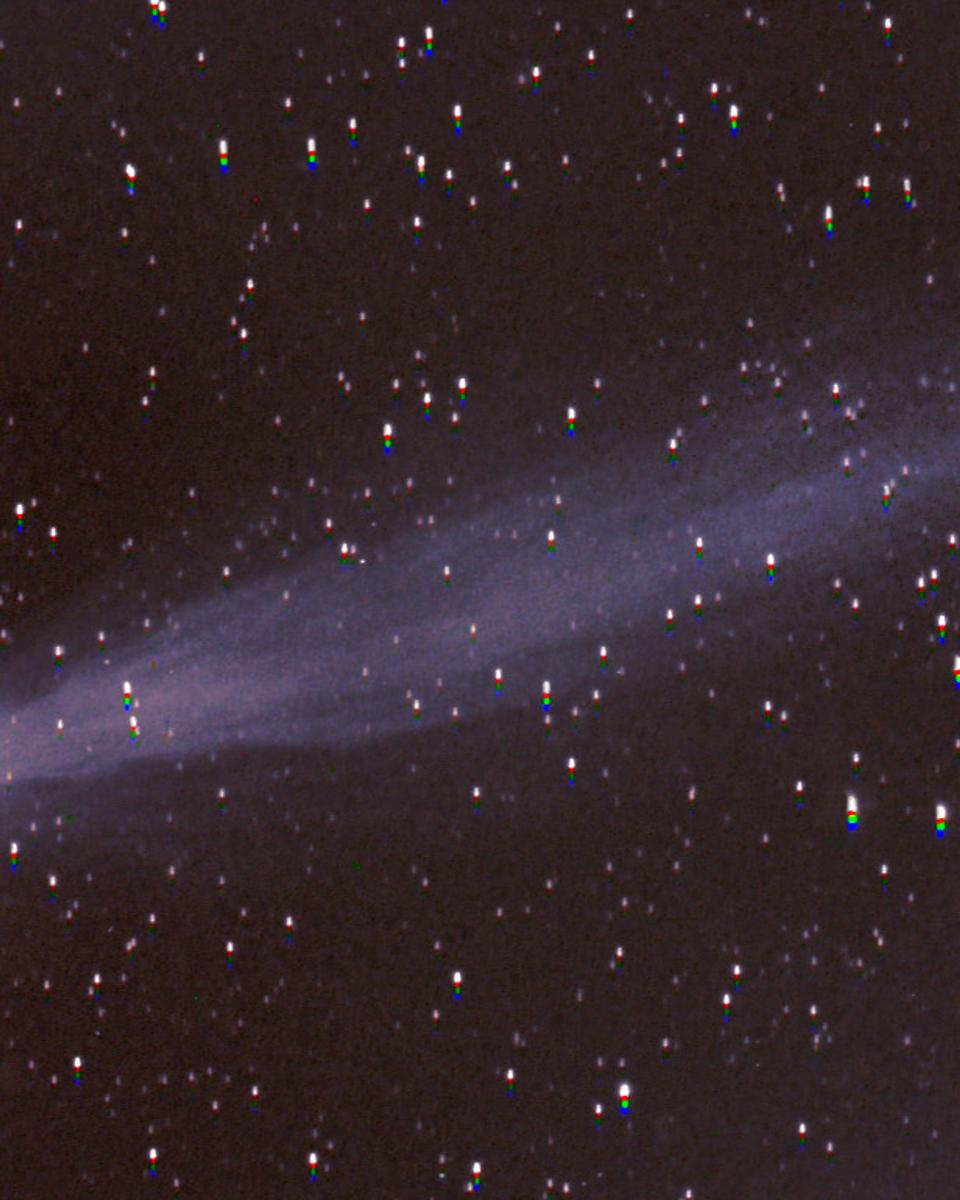
Comet SWAN Outburst
Near its closest approach to planet Earth, comet SWAN (C/2006 M4) brightened unexpectedly earlier this week , becoming visible to naked-eye observers under dark night skies.…
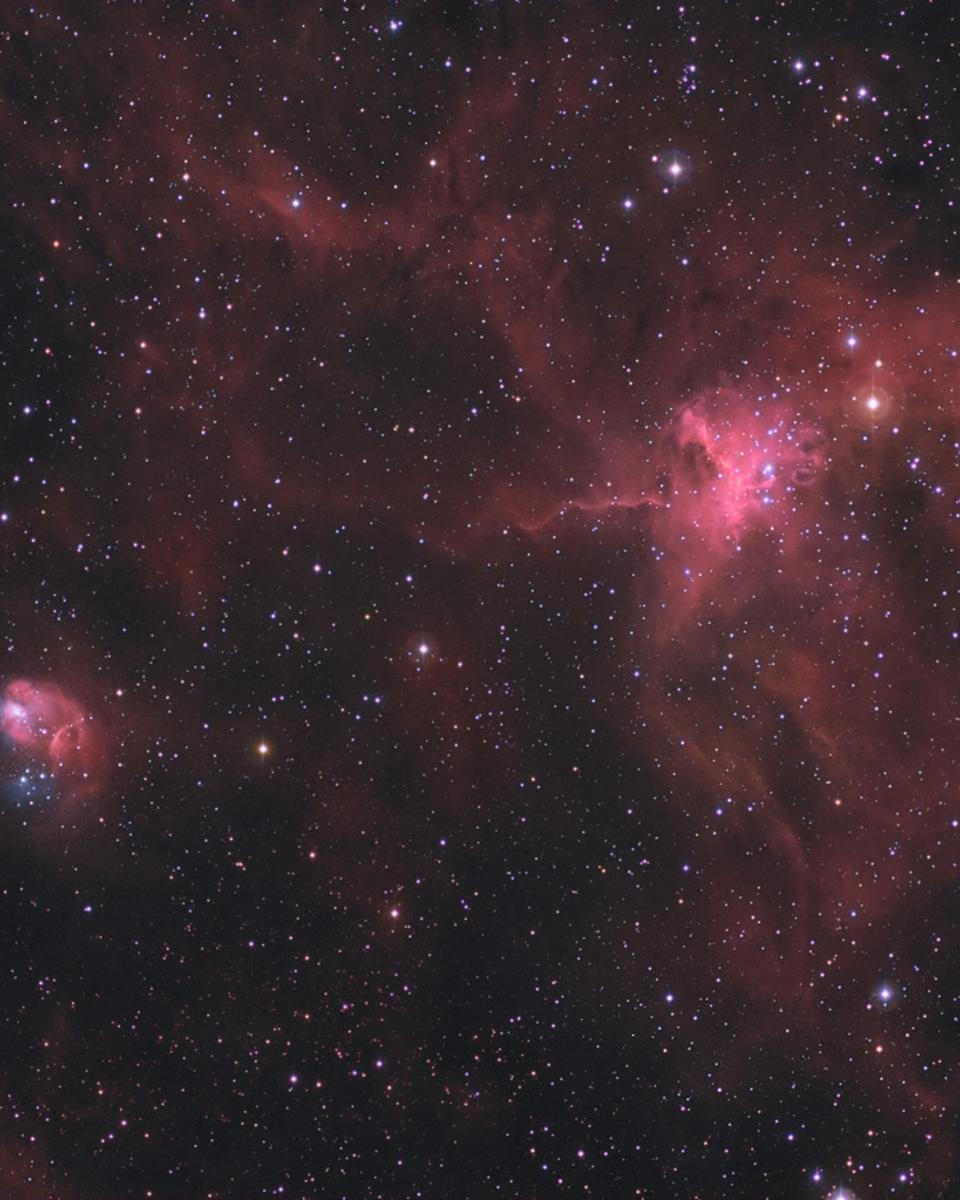
The Spider and The Fly
Star clusters and nebulae abound in the ancient northern constellation Auriga - a region that includes the interesting pair NGC 1931 (lower left) and IC 417. In this gorgeous…
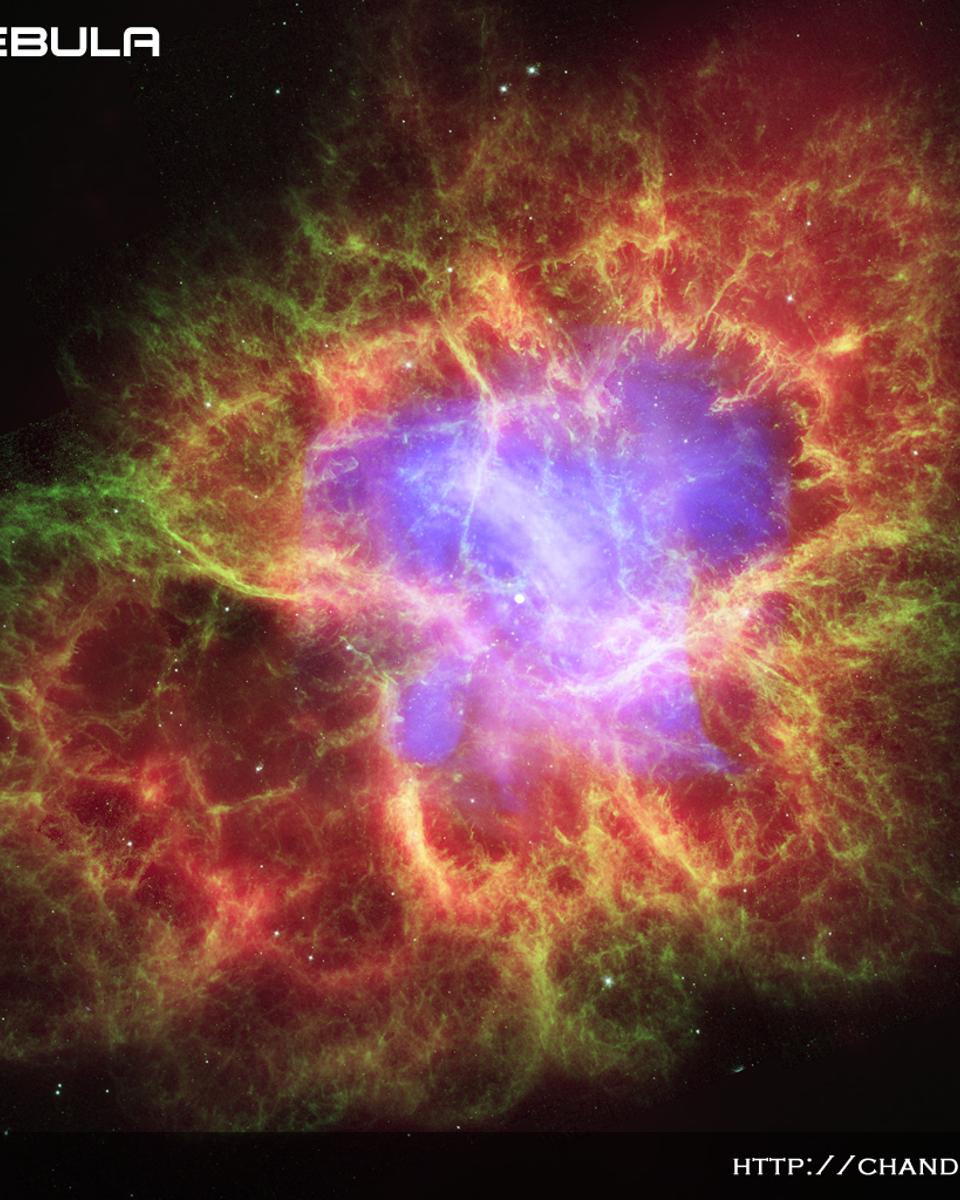
Composite Crab
The Crab Nebula is cataloged as M1, the first object on Charles Messier's famous list of things which are not comets. In fact, the Crab is now known to be a supernova remnant ,…
Help Search for Interstellar Dust
What caused that hole? The hole in question appears as a small dark circle on the far right. If the above image of aerogel seems dull and uninteresting, then welcome to one aspect…
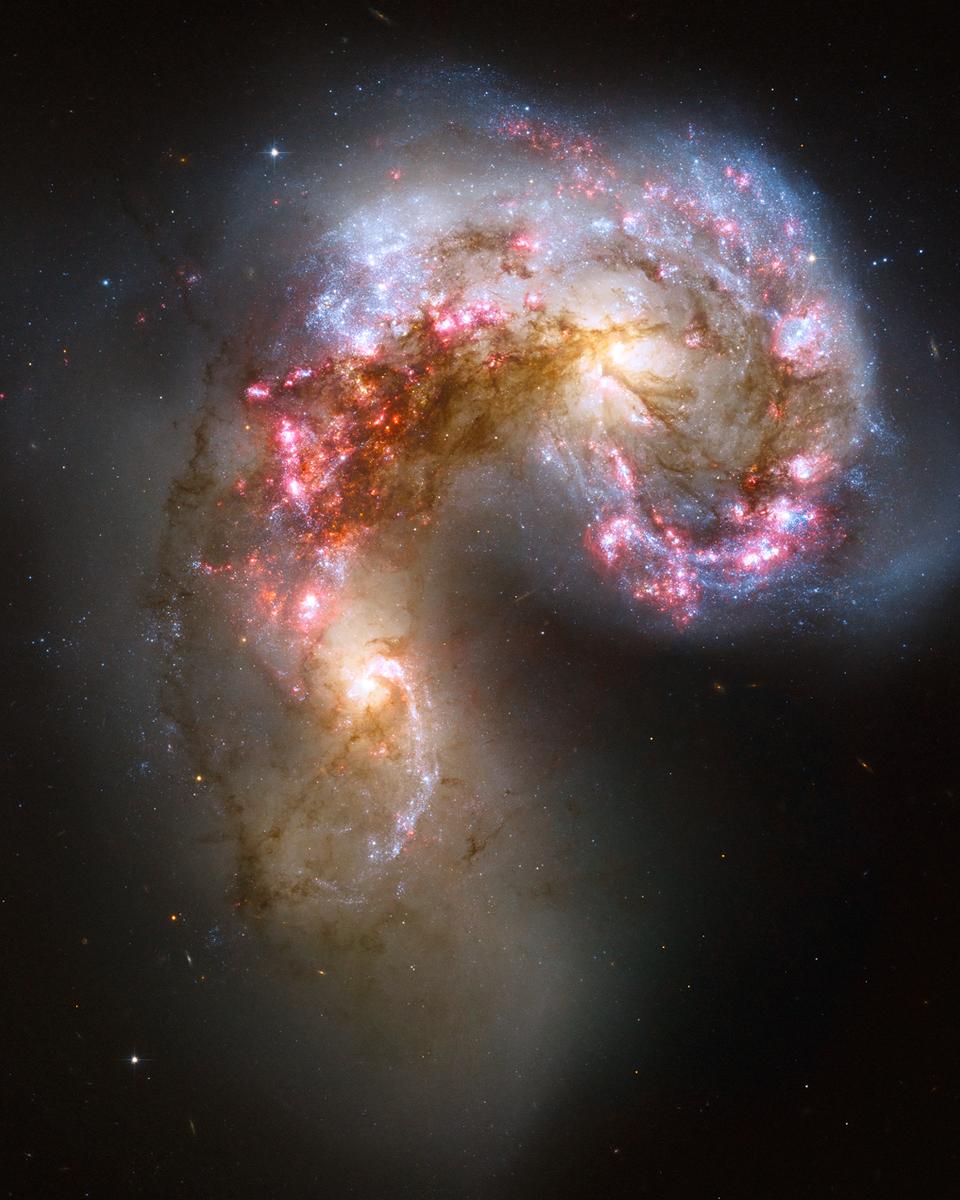
The Antennae Galaxies in Collision
Two galaxies are squaring off in Corvus and here are the latest pictures . When two galaxies collide , however, the stars that compose them usually do not. This is because…
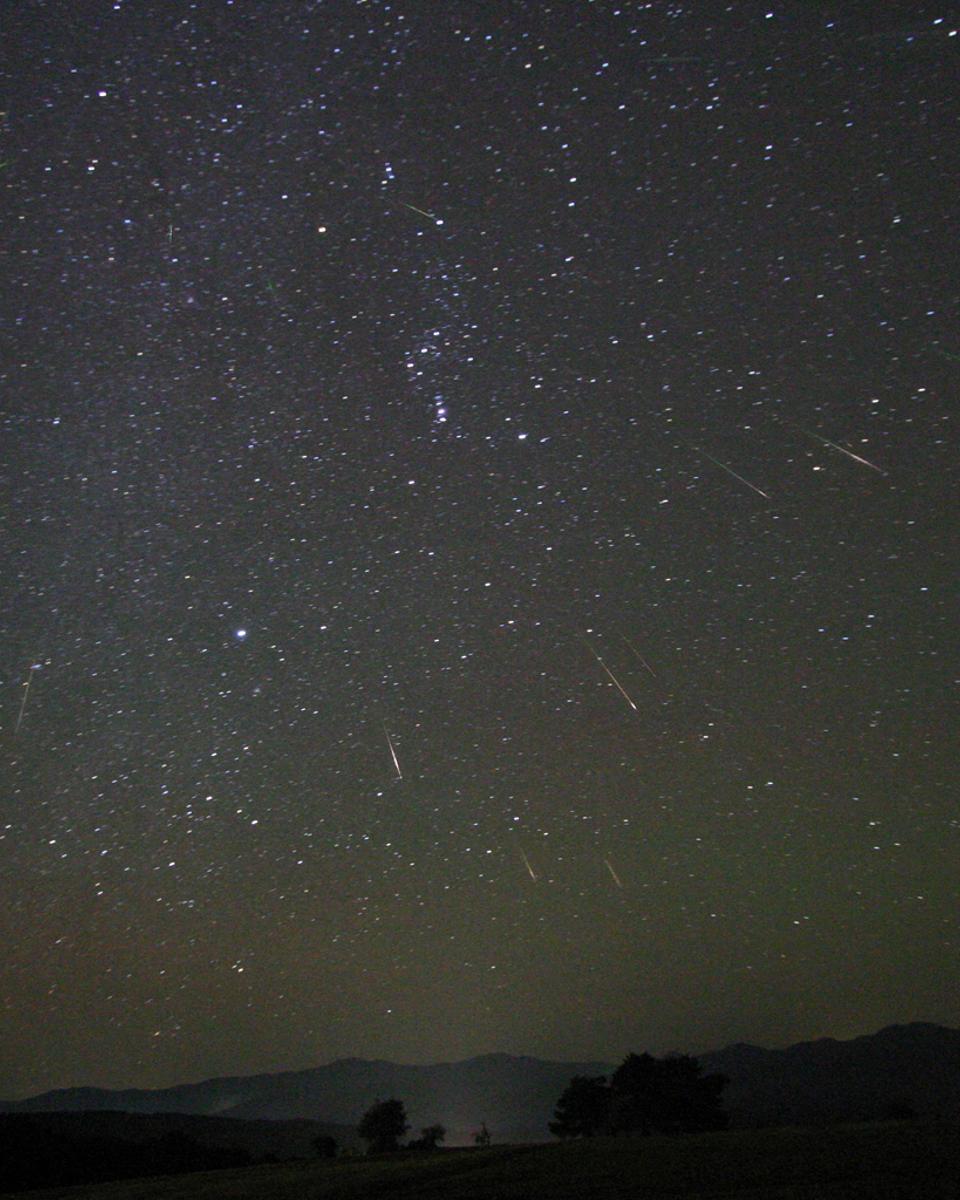
Orionid Meteors Over Turkey
Meteors have been flowing out from the constellation Orion. This was expected, as mid-October is the time of year for the Orionids Meteor Shower . Pictured above, over a dozen…
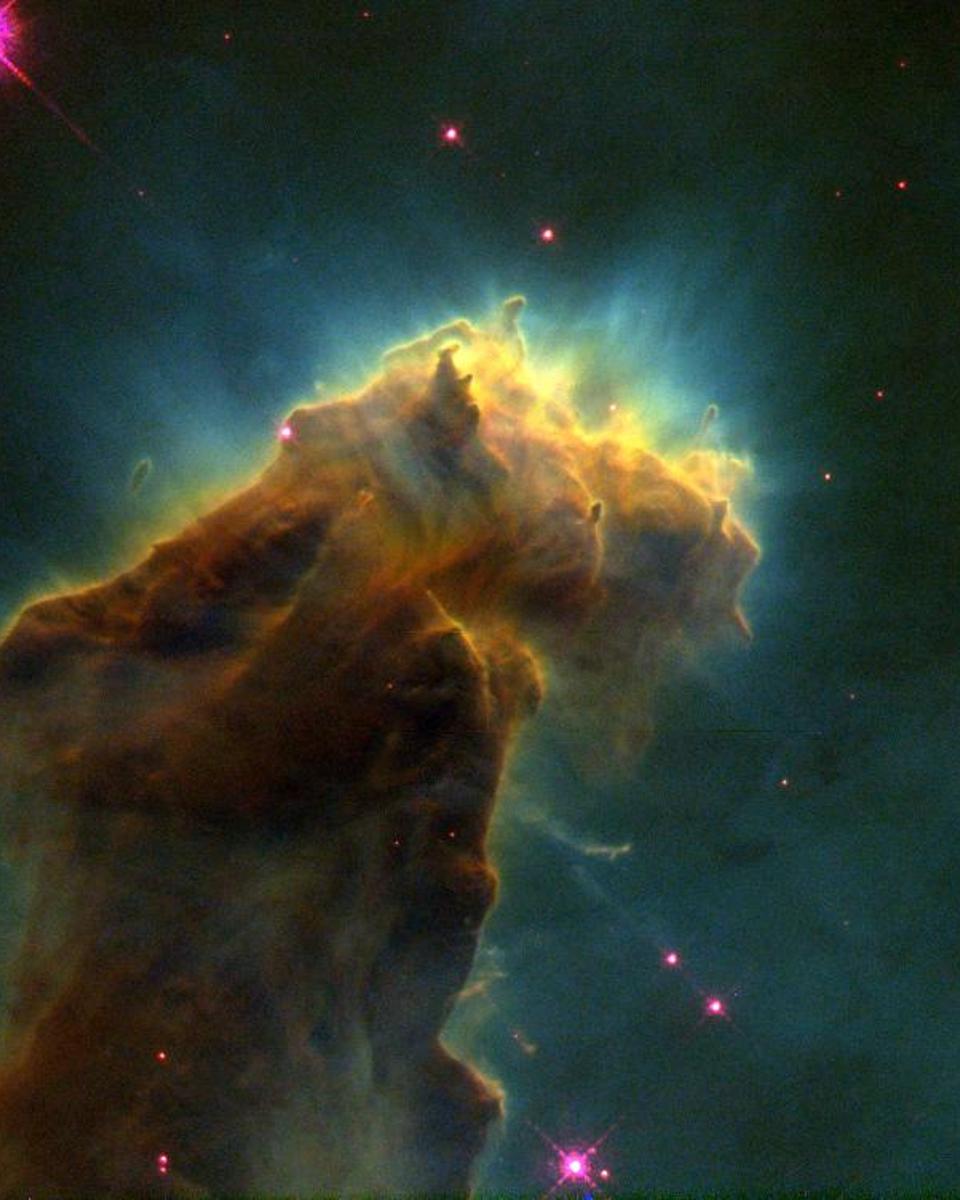
Star EGGs in the Eagle Nebula
Where do stars form? One place, star forming regions known as “EGGs”, are uncovered at the end of this giant pillar of gas and dust in the Eagle Nebula ( M 16). EGGs, short for…
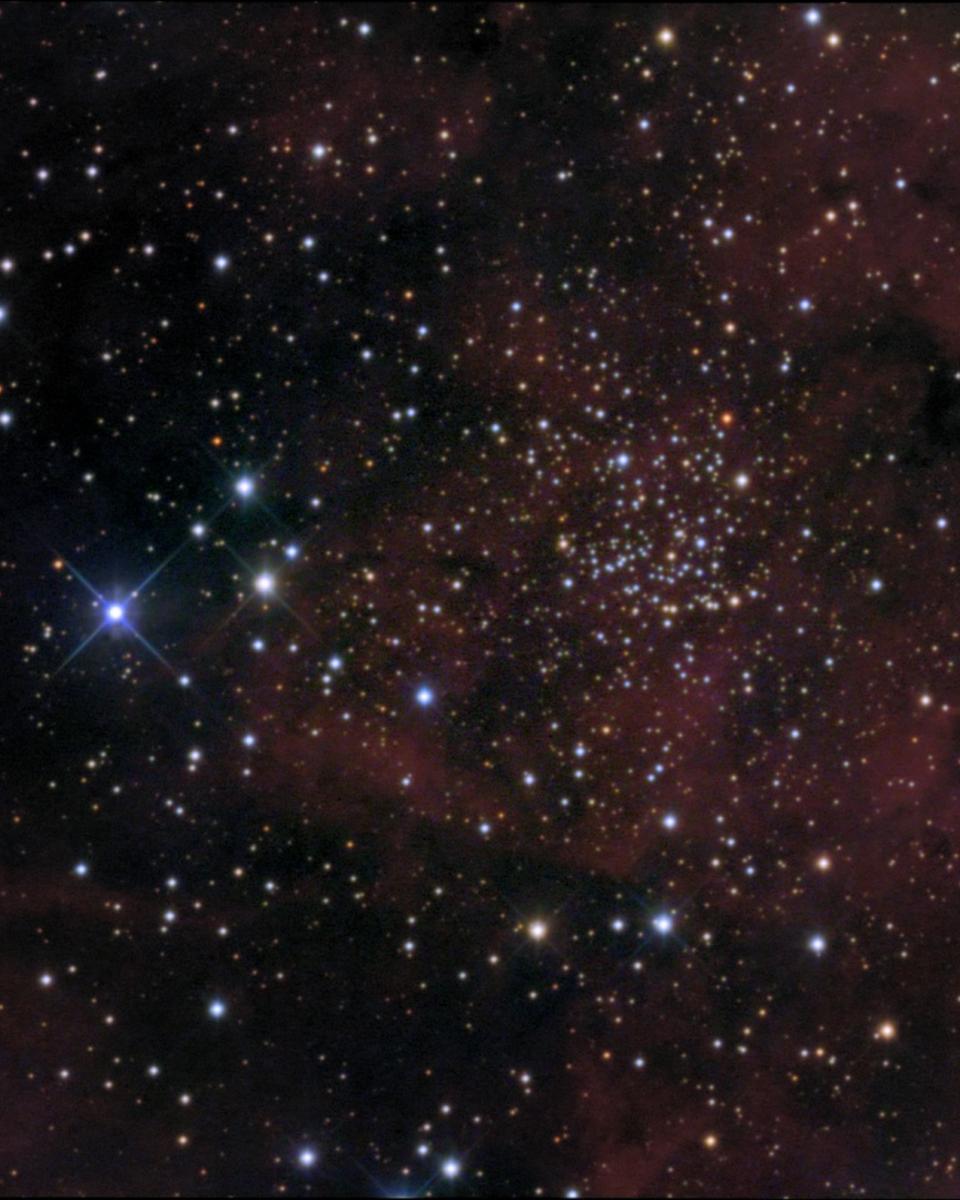
Tombaugh 4
Clyde Tombaugh discovered planet Pluto in 1930 while surveying the skies with the 13-inch Lawrence Lowell Telescope. But the skilled and careful astronomer also went on to…
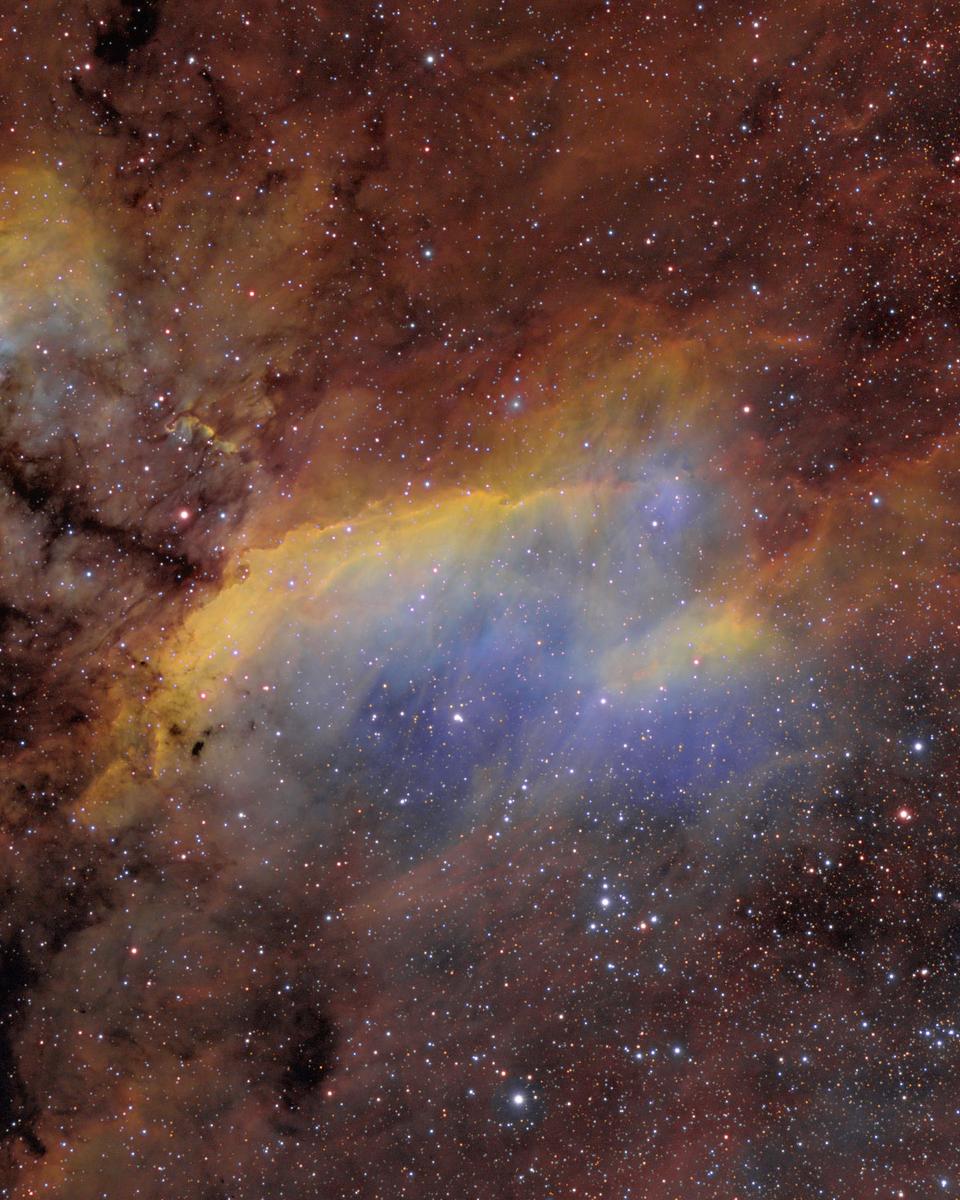
IC 4628: The Prawn Nebula
South of Antares , in the tail of the nebula-rich constellation Scorpius, lies emission nebula IC 4628 . Nearby hot, massive stars, millions of years young, radiate the nebula…
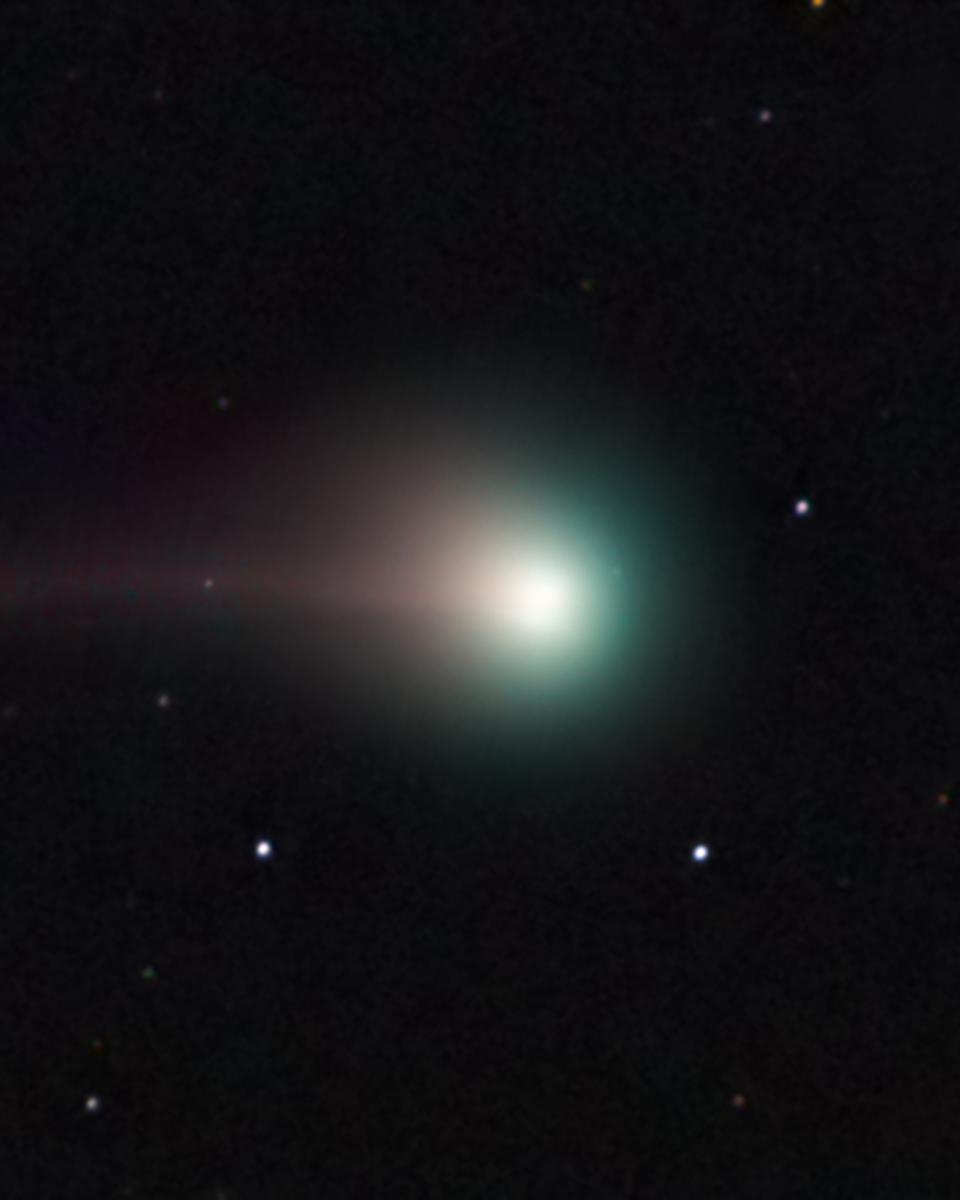
SWAN Meets Galaxy
This cosmic portrait recorded October 9th features the lovely blue-green coma of Comet SWAN posing with spiral galaxy NGC 5005 in the northern constellation Canes Venatici . At…
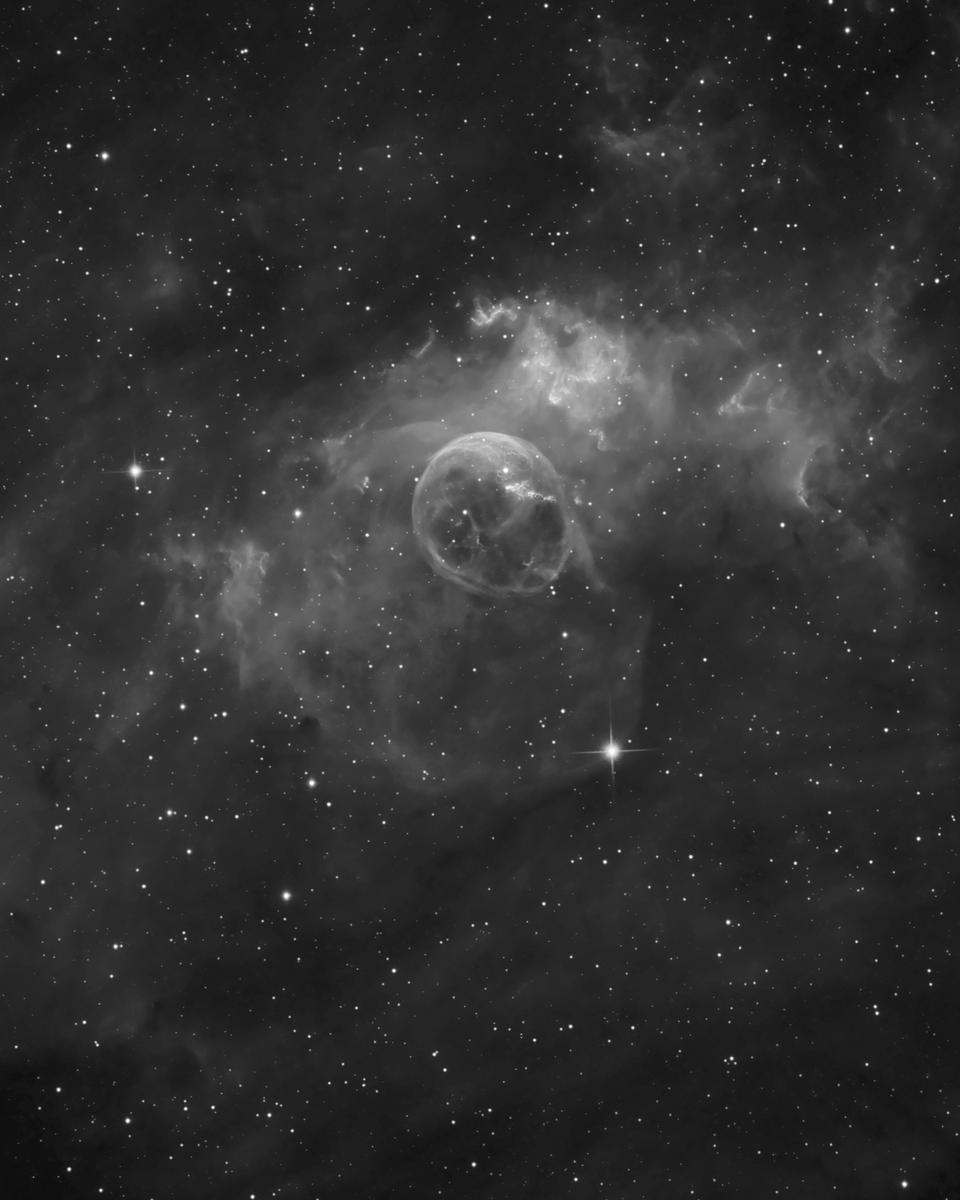
NGC 7635: The Bubble
What created this huge space bubble? Blown by the wind from a star, this tantalizing , ghostly apparition is cataloged as NGC 7635, but known simply as The Bubble Nebula .…
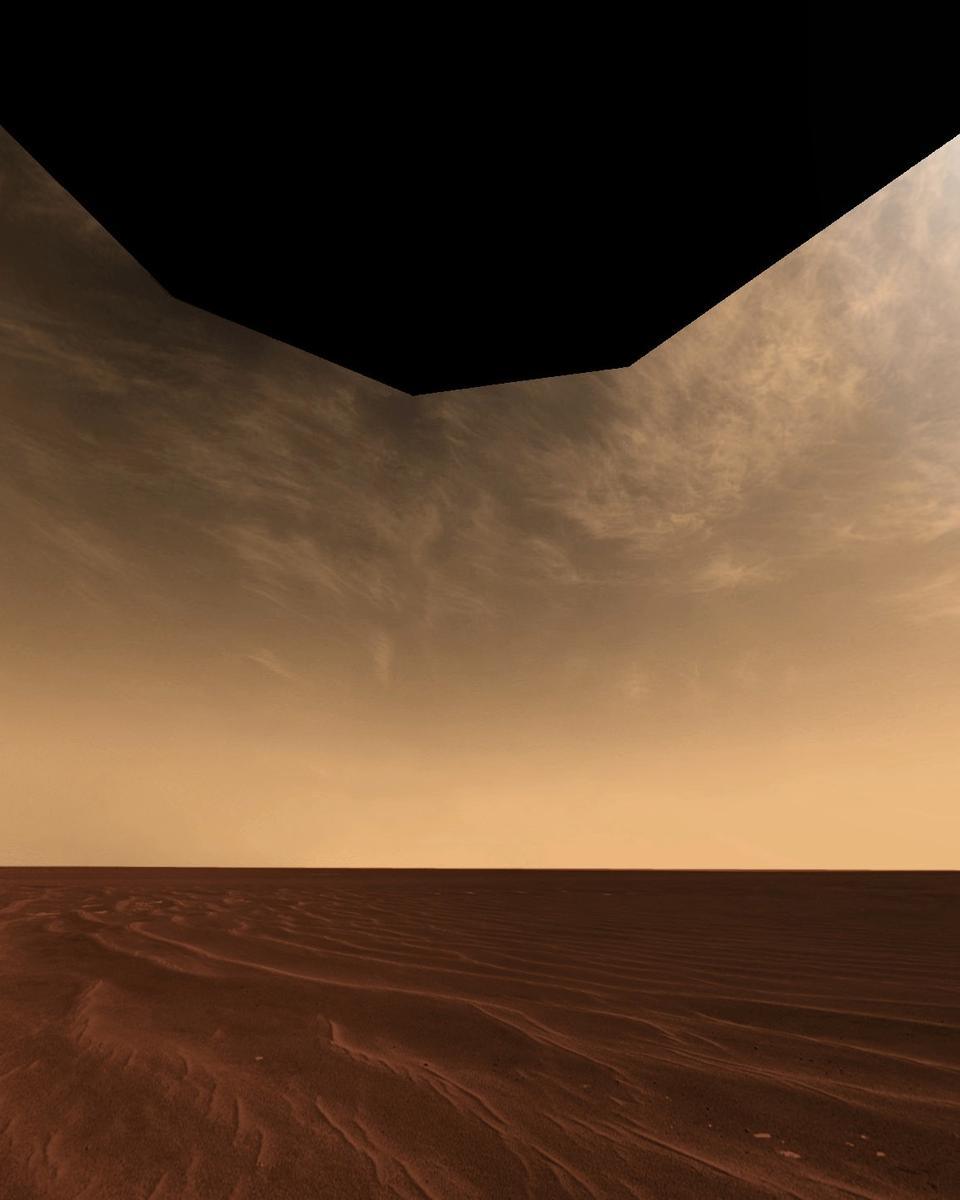
Clouds and Sand on the Horizon of Mars
If you could stand on Mars -- what might you see? Like the robotic Opportunity rover rolling across the red planet, you might well see vast plains of red sand , an orange tinted…
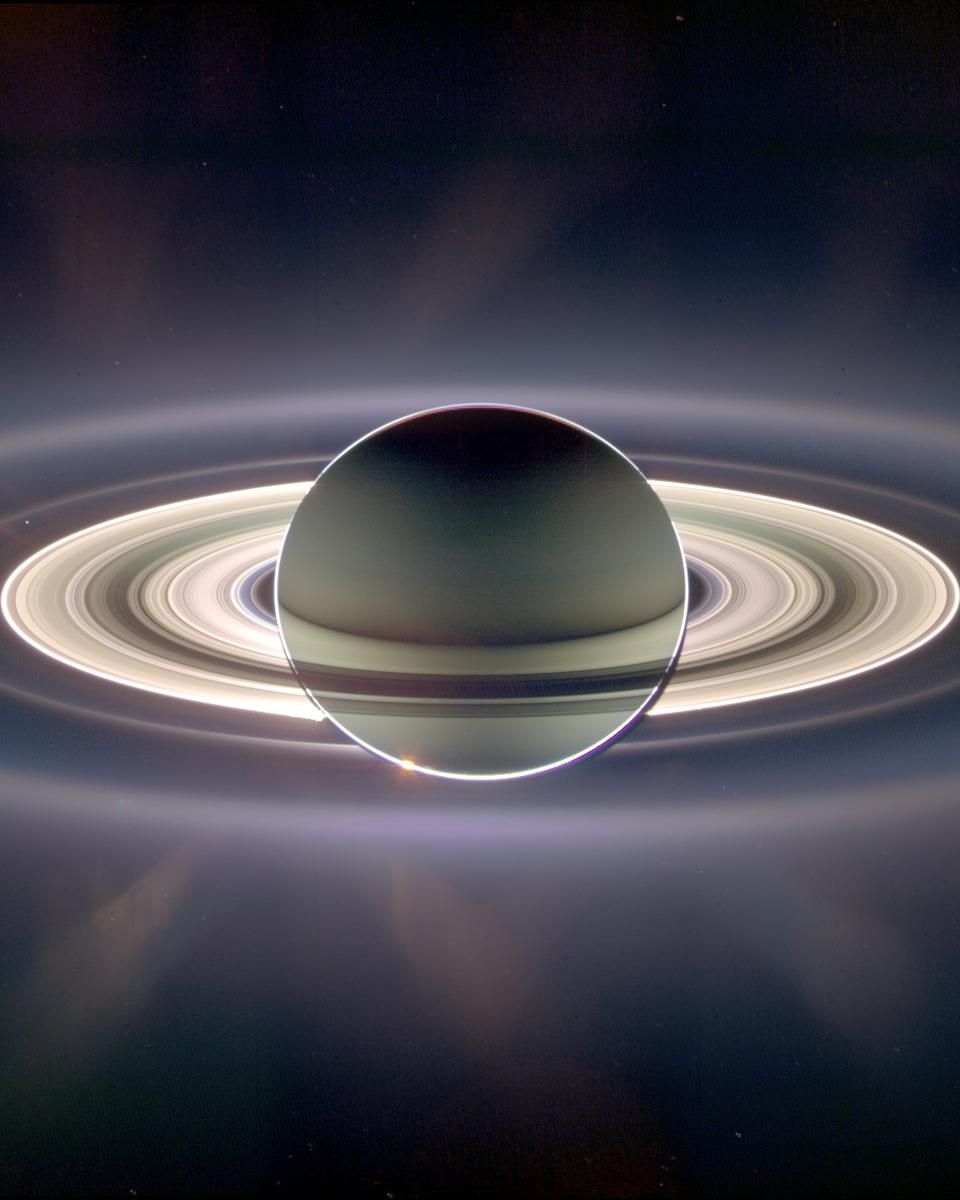
In the Shadow of Saturn
In the shadow of Saturn, unexpected wonders appear. The robotic Cassini spacecraft now orbiting Saturn recently drifted in giant planet's shadow for about 12 hours and looked back…
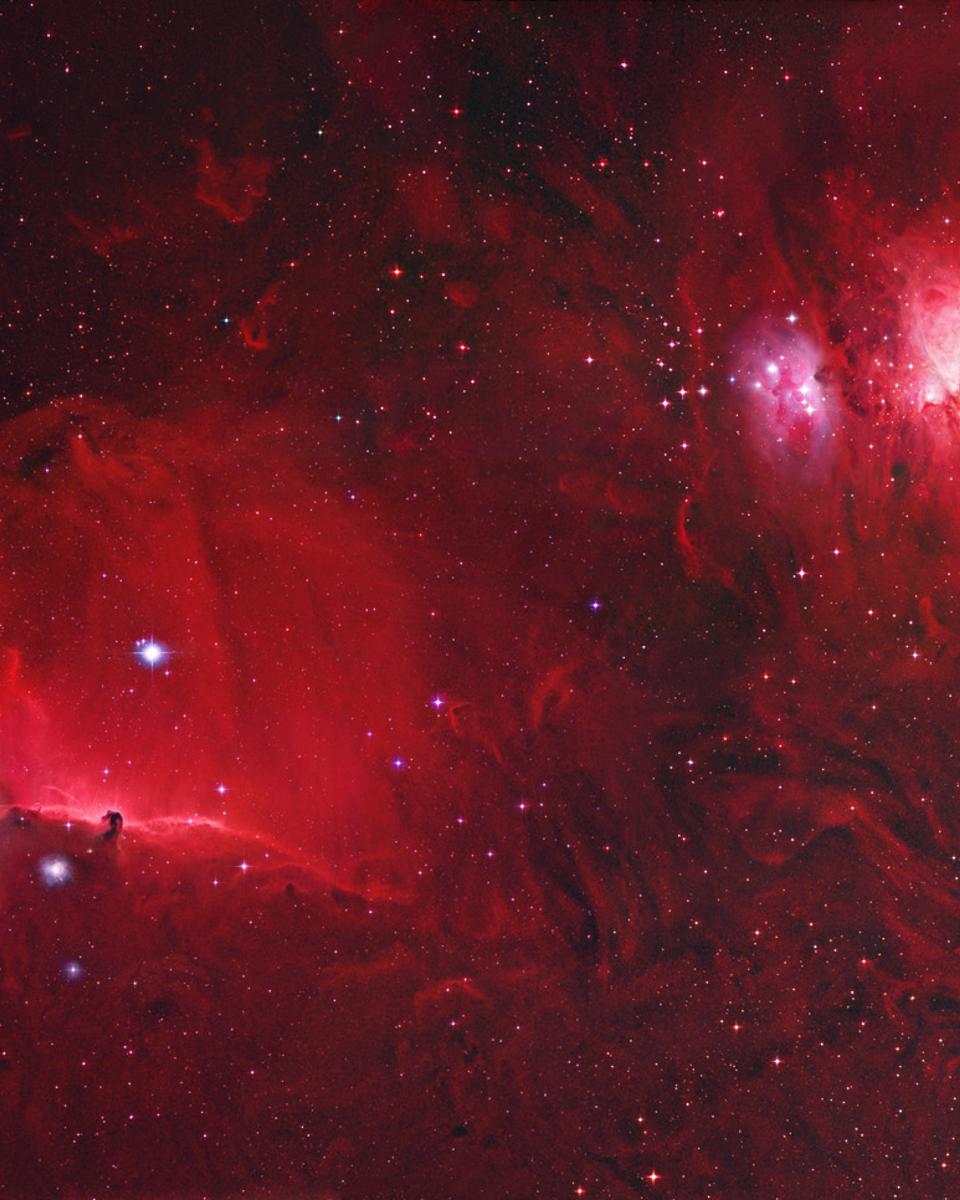
An Orion Deep Field
Adrift 1,500 light-years away in one of the night sky's most recognizable constellations , the glowing Orion Nebula and the dark Horsehead Nebula are contrasting cosmic vistas.…
Viewing discoveries from 7 November 2006 through 15 October 2006.