Browse NASA Astronomy Picture of the Day archive by date and media: Archive Discoveries
Browse the NASA APOD archive without needing the exact date first. Filter by media type and keep moving deeper into older images and videos.
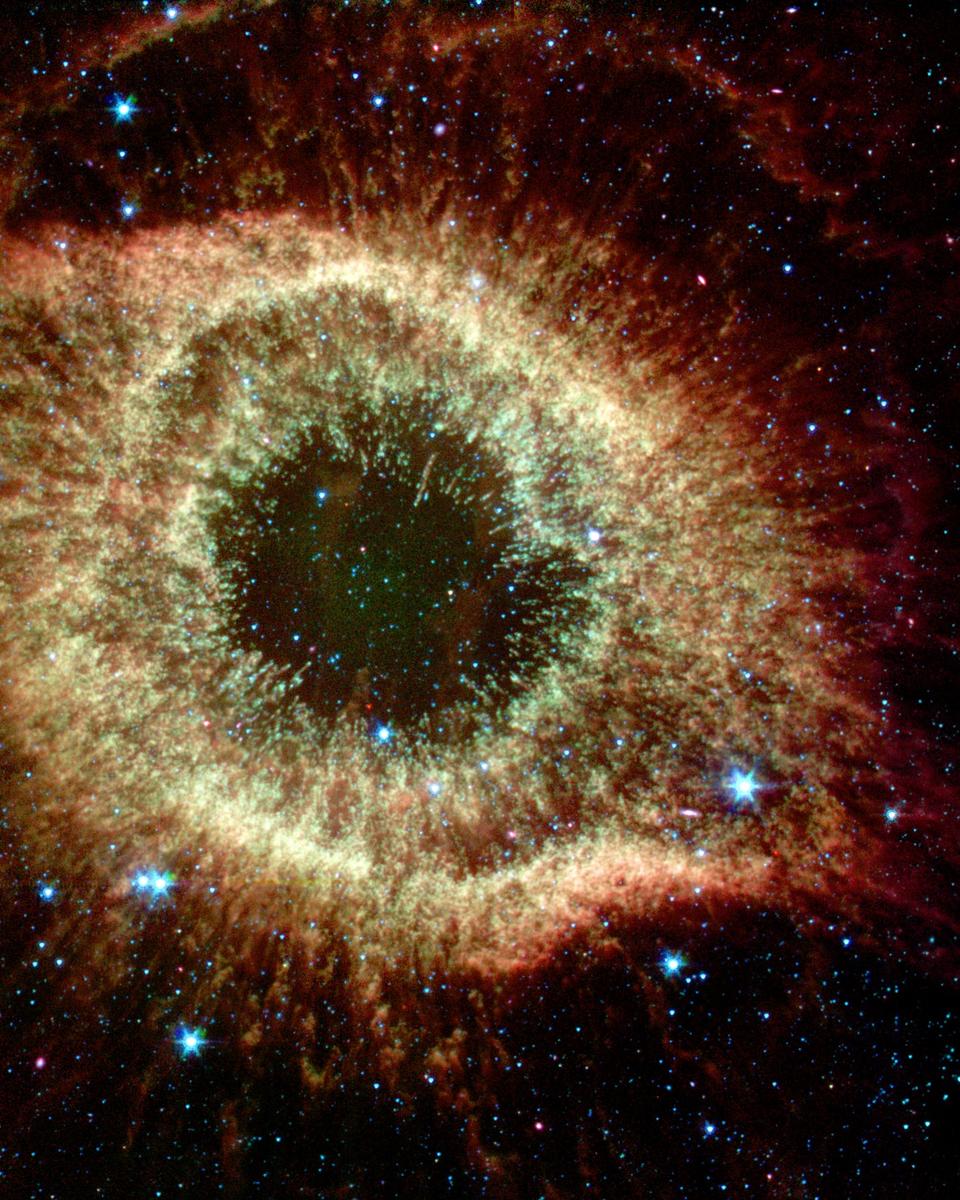
Infrared Helix
Over six hundred light years from Earth, in the constellation Aquarius , a sun-like star is dying. Its last few thousand years have produced the Helix Nebula (NGC 7293), a well…
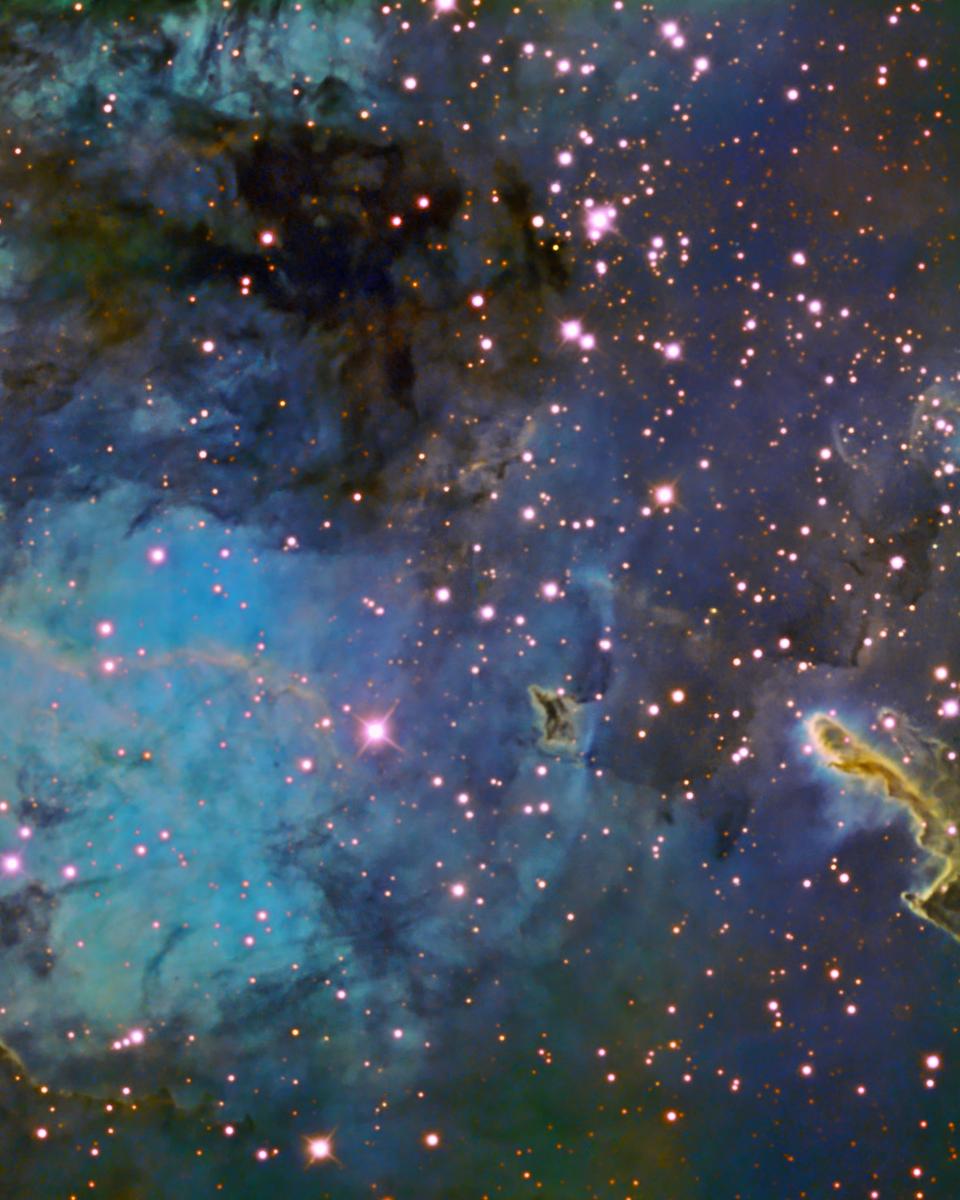
The Tadpoles of IC 410
This close-up view shows a portion of otherwise faint emission nebula IC 410 in striking false-colors. It also shows two remarkable denizens of the glowing gas cloud at the right…
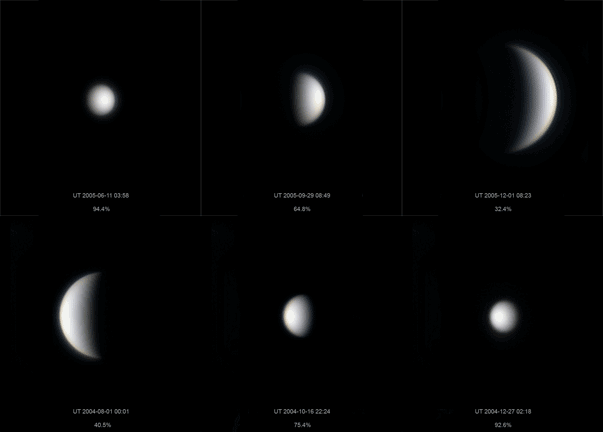
The Phases of Venus
Venus goes through phases. Just like our Moon , Venus can appear as full as a disk or as a thin as a crescent . Venus, frequently the brightest object in the post-sunset or…
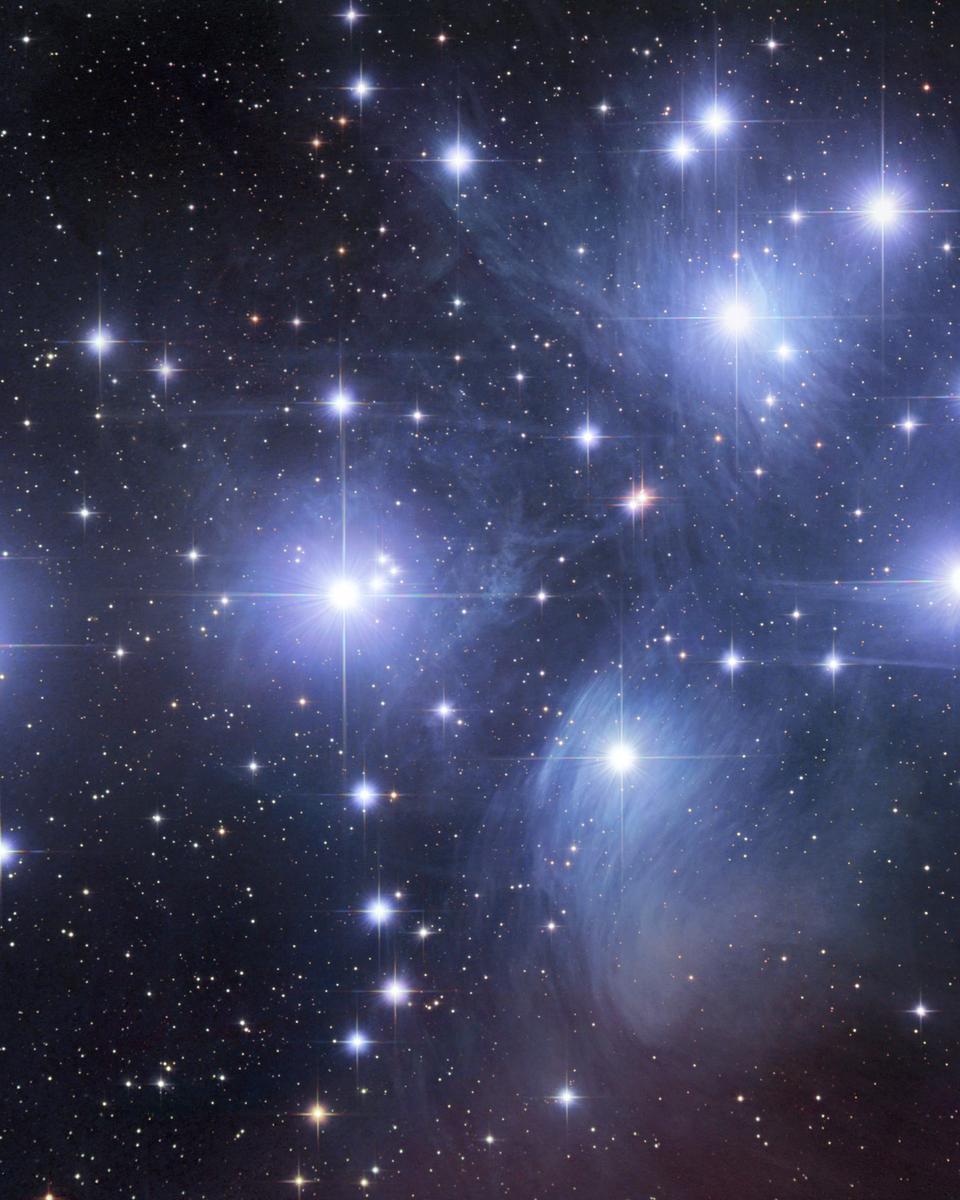
M45: The Pleiades Star Cluster
Perhaps the most famous star cluster on the sky, the Pleiades can be seen without binoculars from even the depths of a light-polluted city . Also known as the Seven Sisters and…
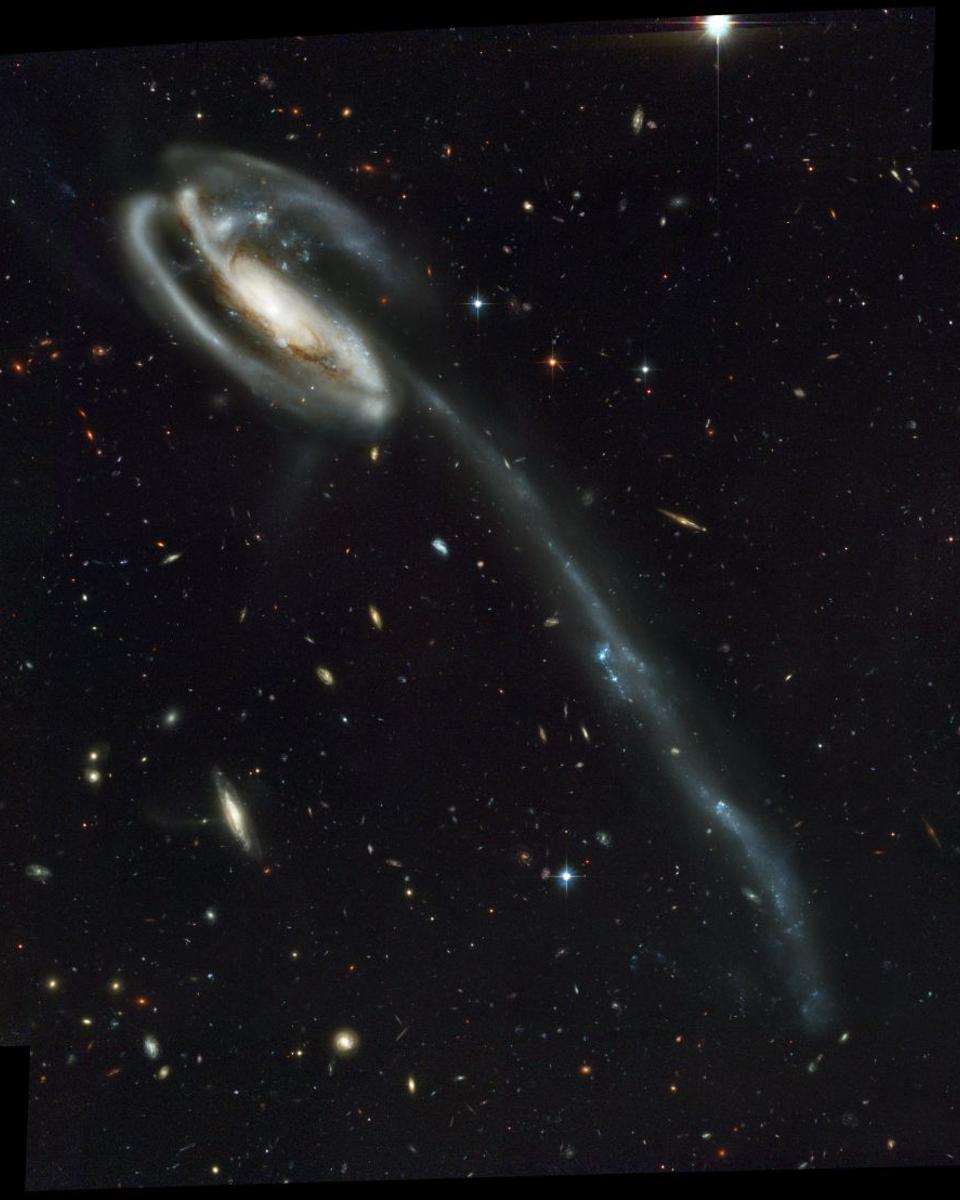
Arp 188 and the Tadpole's Tidal Tail
In this stunning vista recorded with the Hubble Space Telescope's Advanced Camera for Surveys , distant galaxies form a dramatic backdrop for disrupted spiral galaxy Arp 188, the…
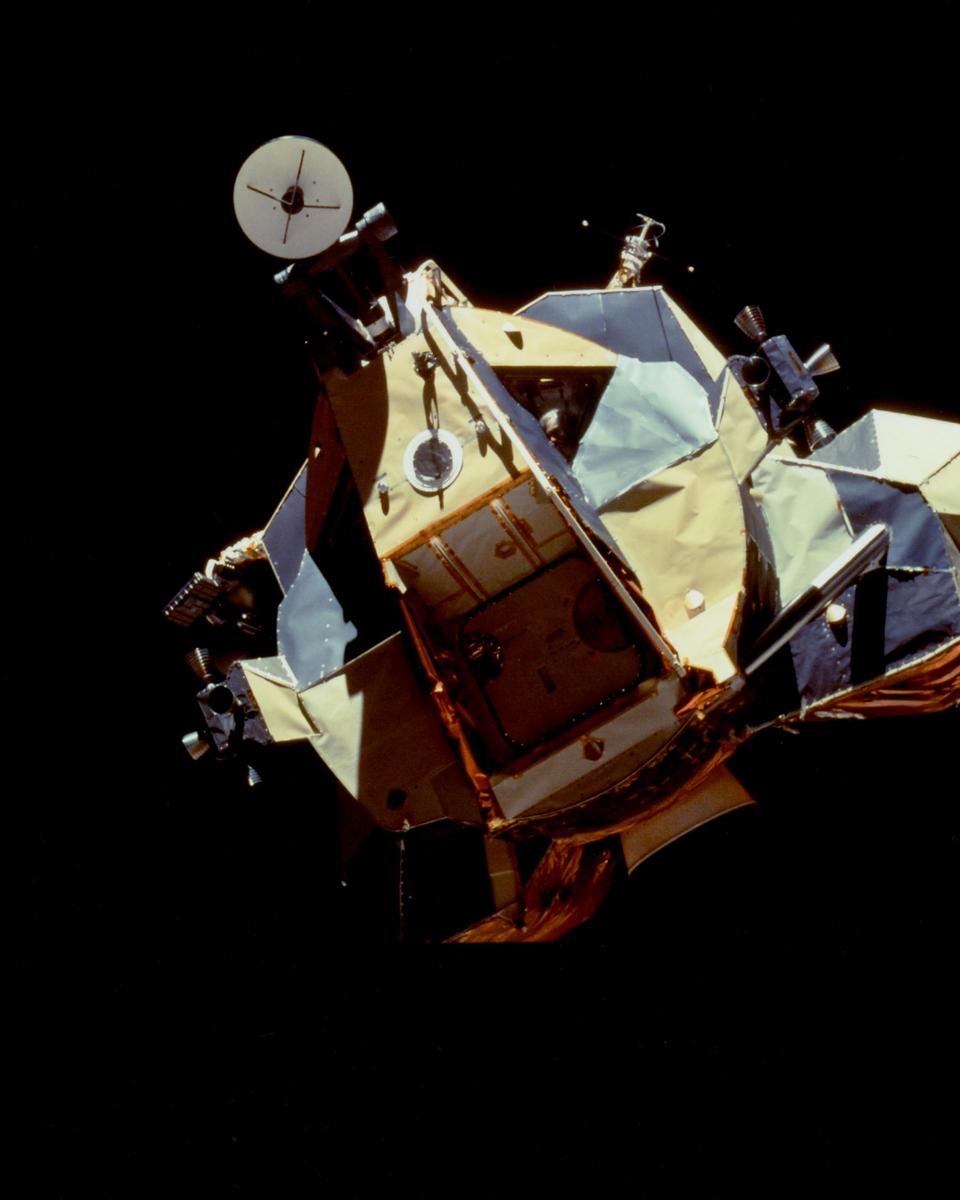
Apollo 17's Moonship
Awkward and angular looking, Apollo 17's lunar module Challenger was designed for flight in the vacuum of space. This picture from command module America , shows Challenger's…
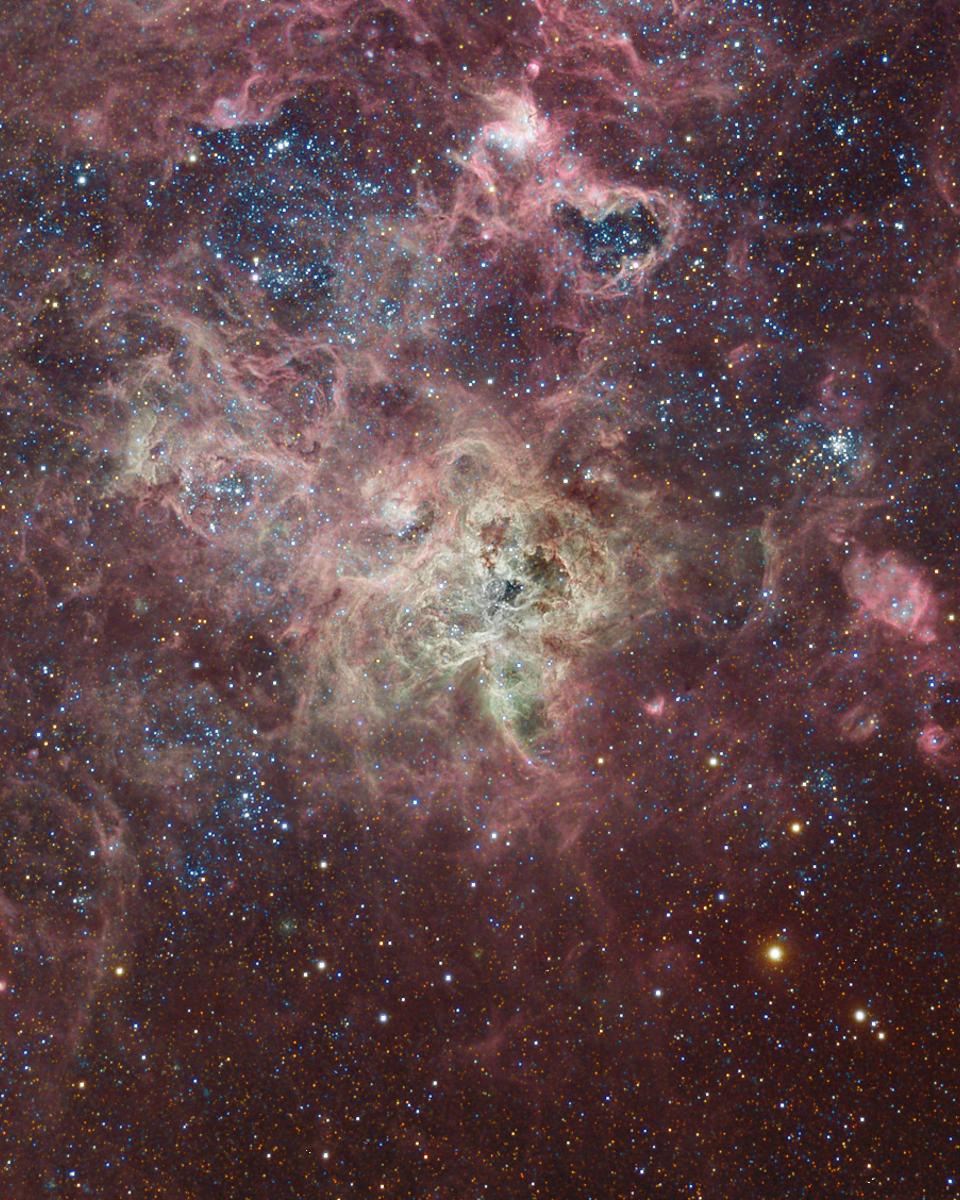
The Tarantula Nebula
First cataloged as a star, 30 Doradus is actually an immense star forming region in nearby galaxy The Large Magellanic Cloud . The region's spidery appearance is responsible for…
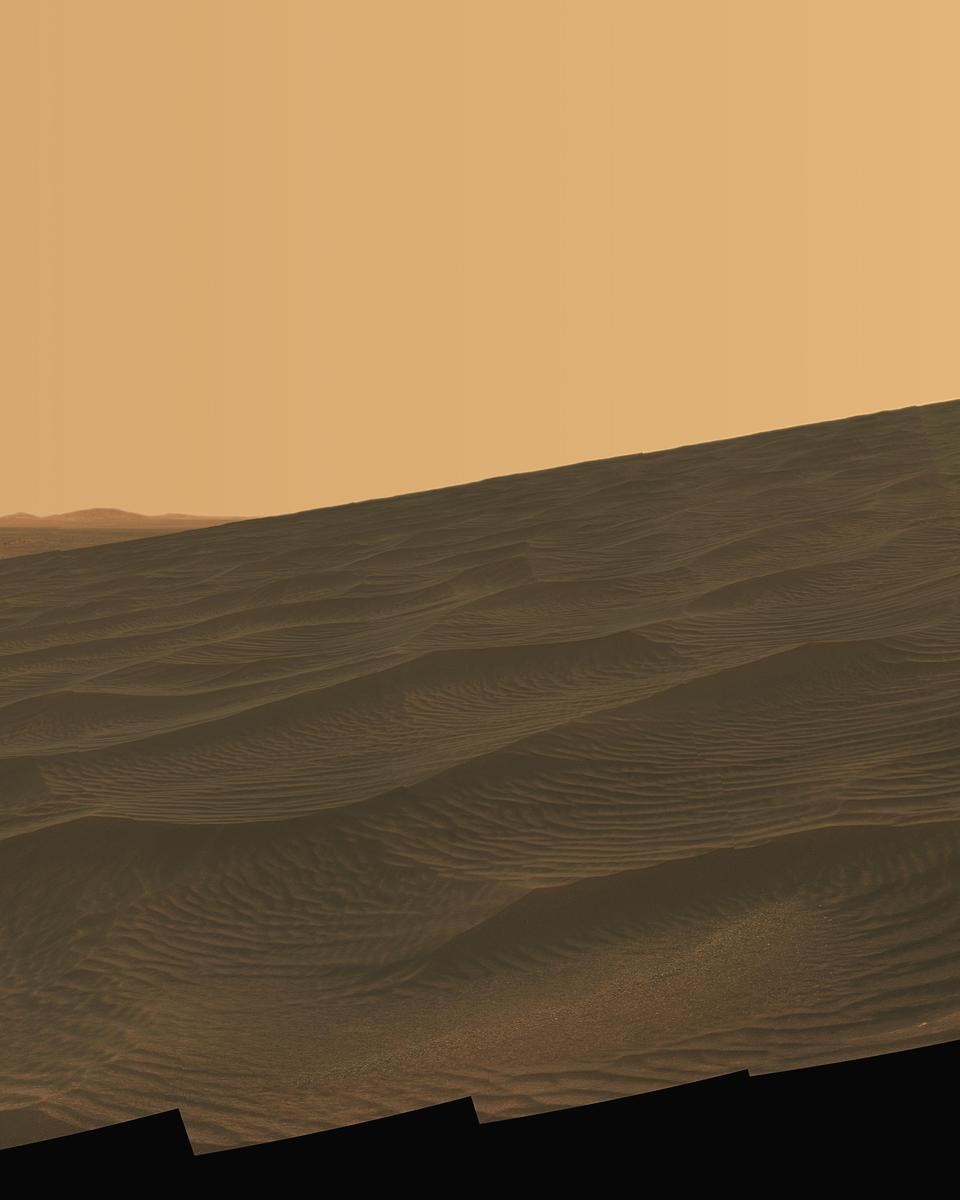
New Year Mars Panorama
According to an Earth-based calendar , the Spirit rover spent the first day of 2006 gathering data to complete this panoramic view from Gusev crater on Mars. That day corresponded…
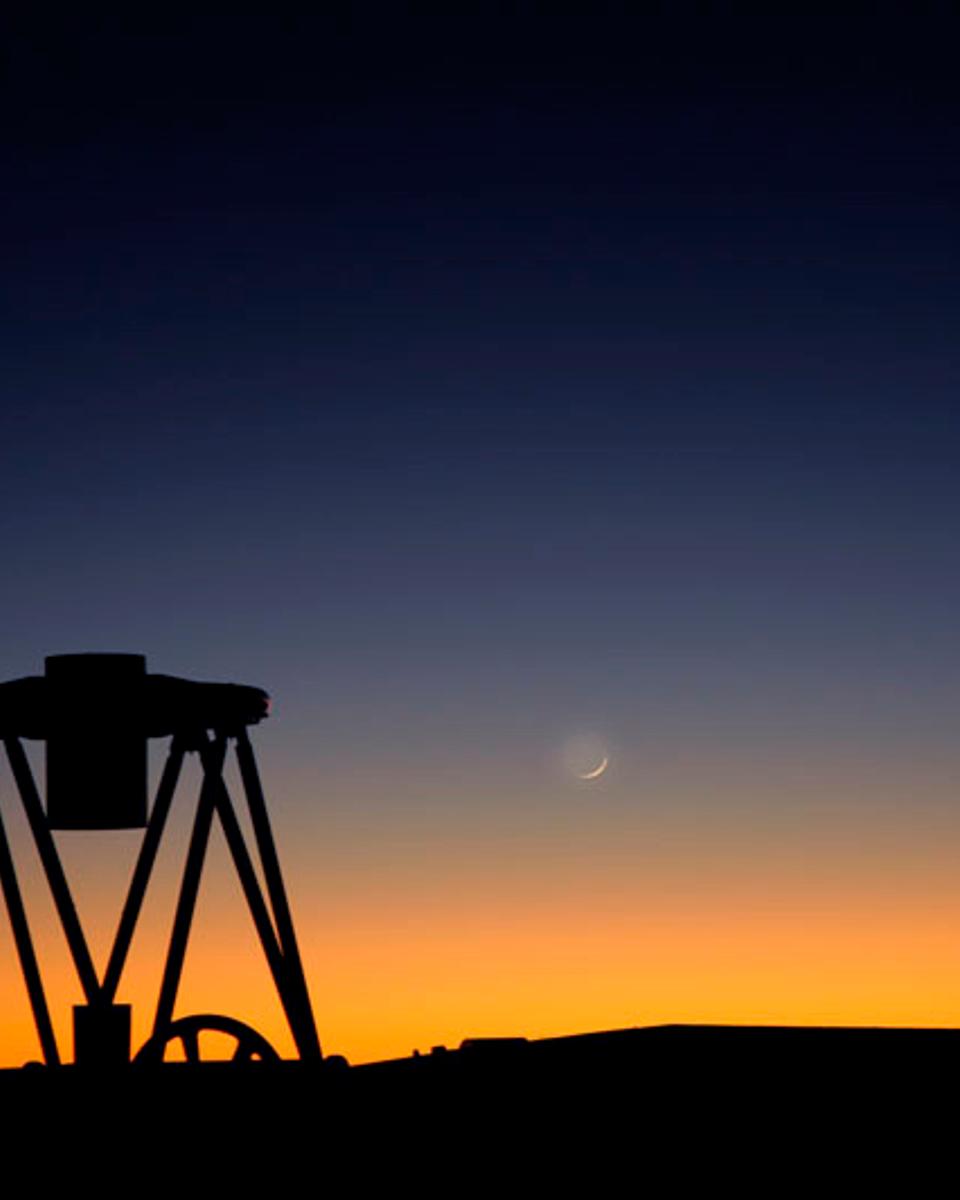
Hauoli Makahiki Hou
Fading sunlight , a young crescent Moon , and brilliant Venus shared the western sky in this view of 2005's final sunset from the top of Mount Haleakala , on Maui, Hawaii. Also…
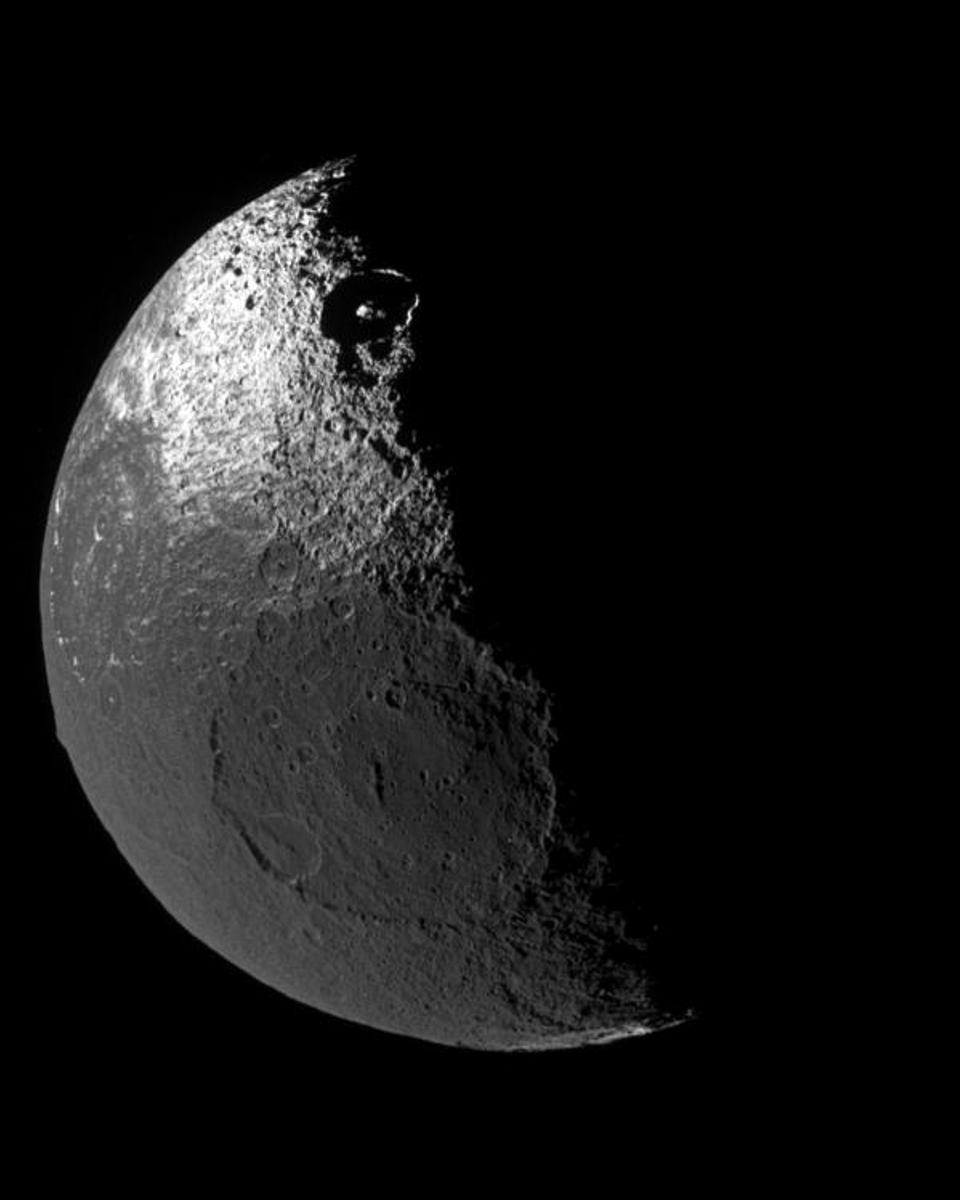
Dark Terrain on Saturn's Iapetus
Why are vast sections of Iapetus as dark as coal ? No one knows for sure. Iapetus, the third largest moon of Saturn , was inspected again as the Saturn-orbiting robot Cassini…
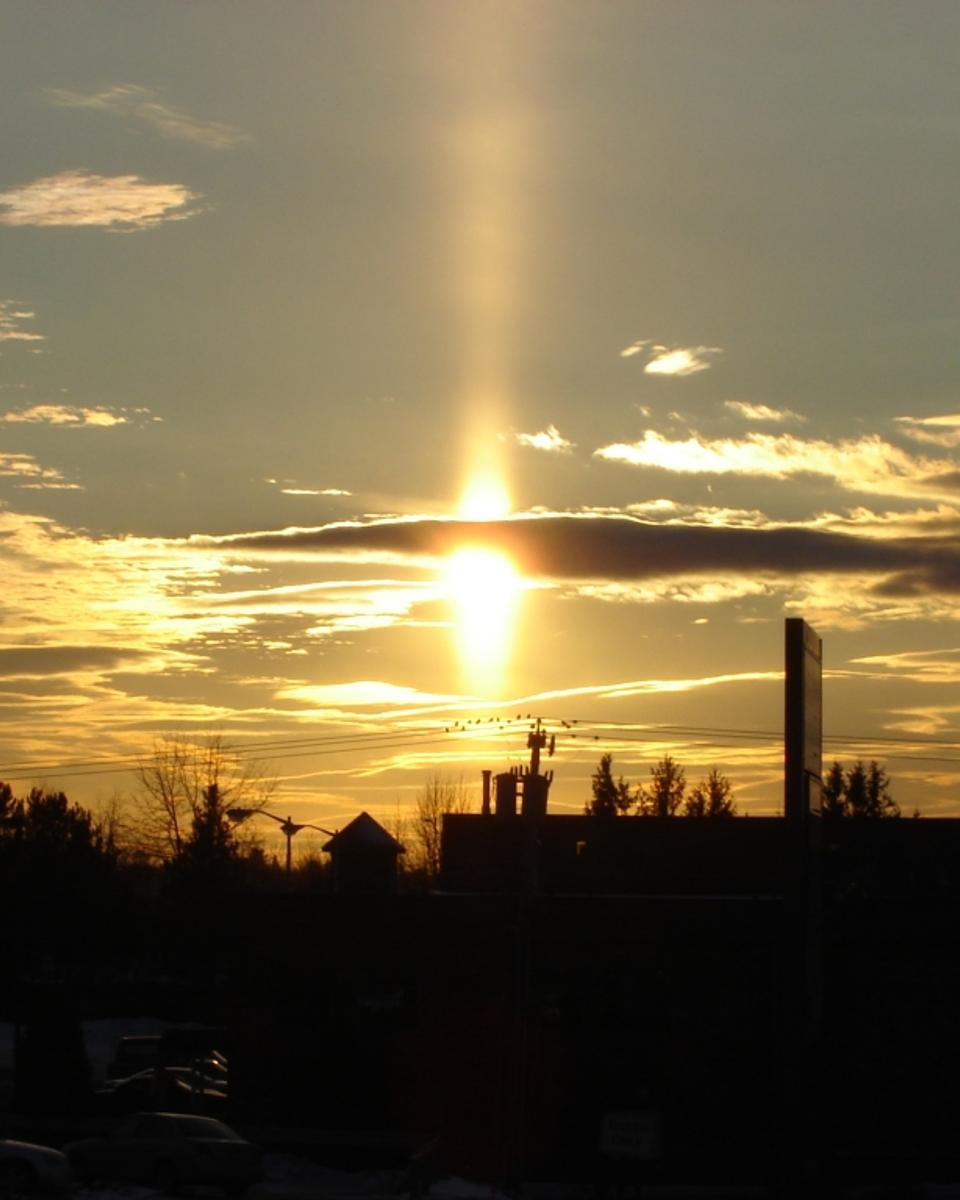
A Sun Pillar Over Maine
Have you ever seen a sun pillar ? When the air is cold and the Sun is rising or setting , falling ice crystals can reflect sunlight and create an unusual column of light. Ice…
The Largest Rock in the Solar System
There, that faint dot in the center - that's the largest rock known in our Solar System . It is larger than every known asteroid , moon , and comet nucleus . It is larger than any…
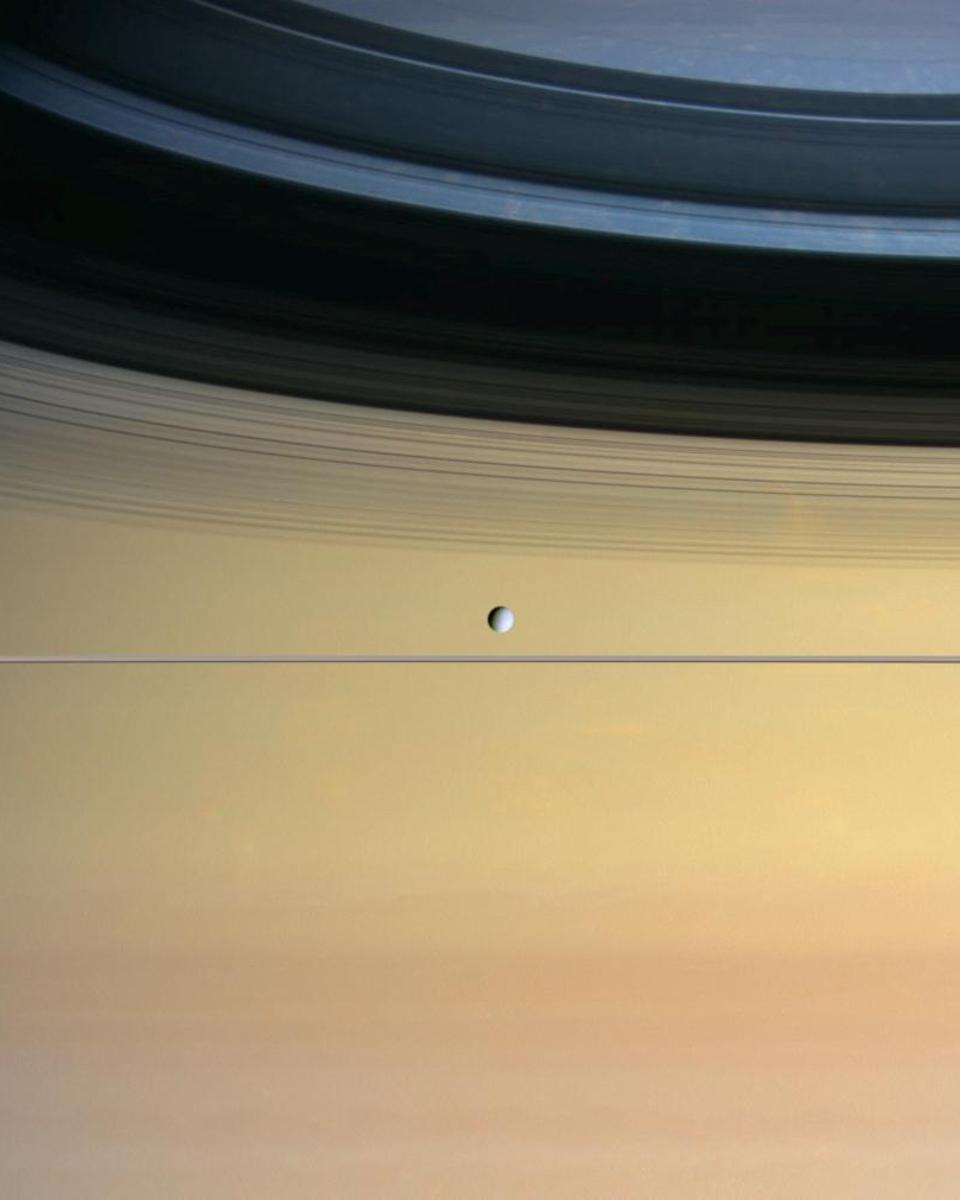
A Year at Saturn
Arriving at Saturn in July of 2004, the Cassini spacecraft has now spent a year and a half exploring the magnificent rings and moons of the distant gas giant. The year 2005 began…
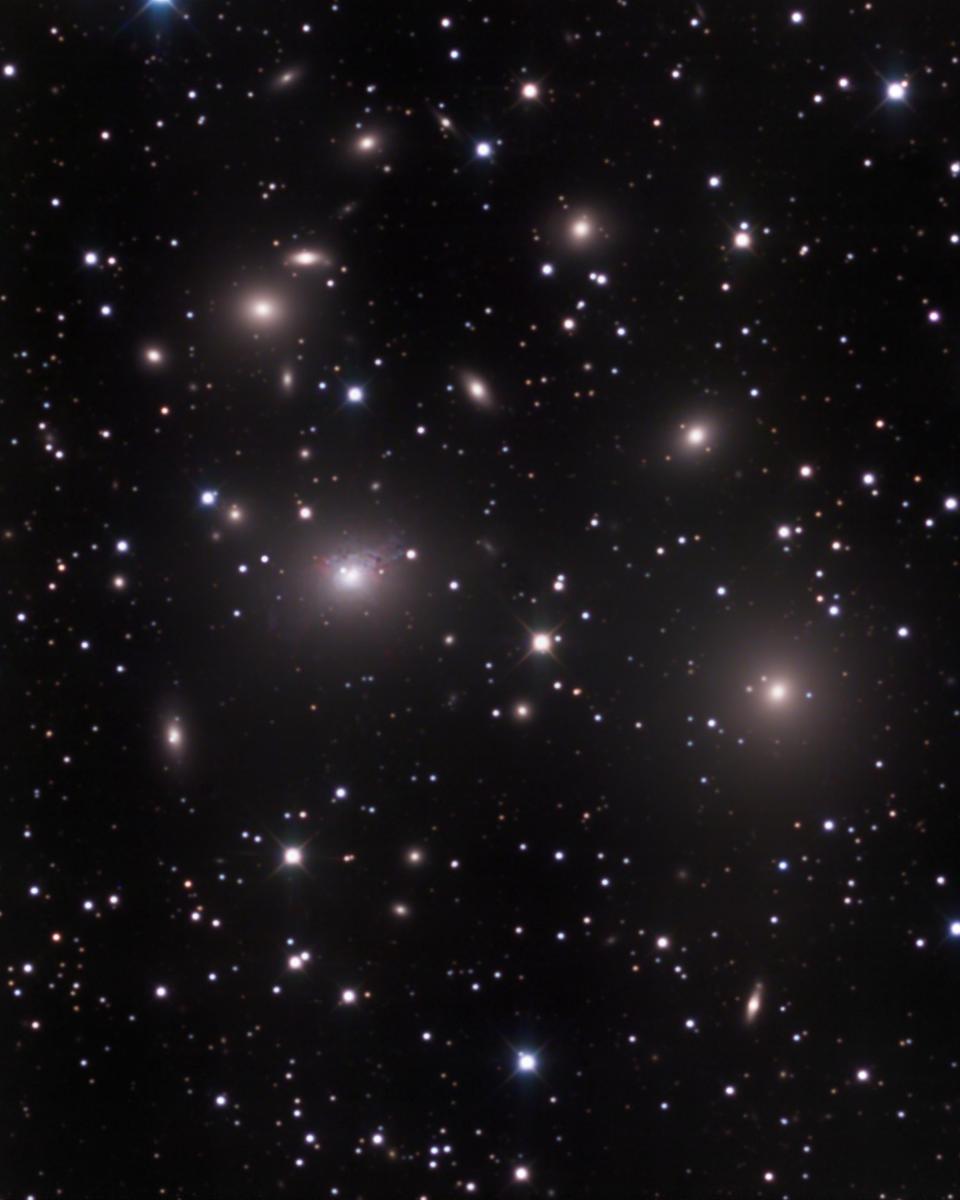
The Perseus Cluster of Galaxies
Here is one of the largest objects that anyone will ever see on the sky. Each of these fuzzy blobs is a galaxy, together making up the Perseus Cluster , one of the closest…
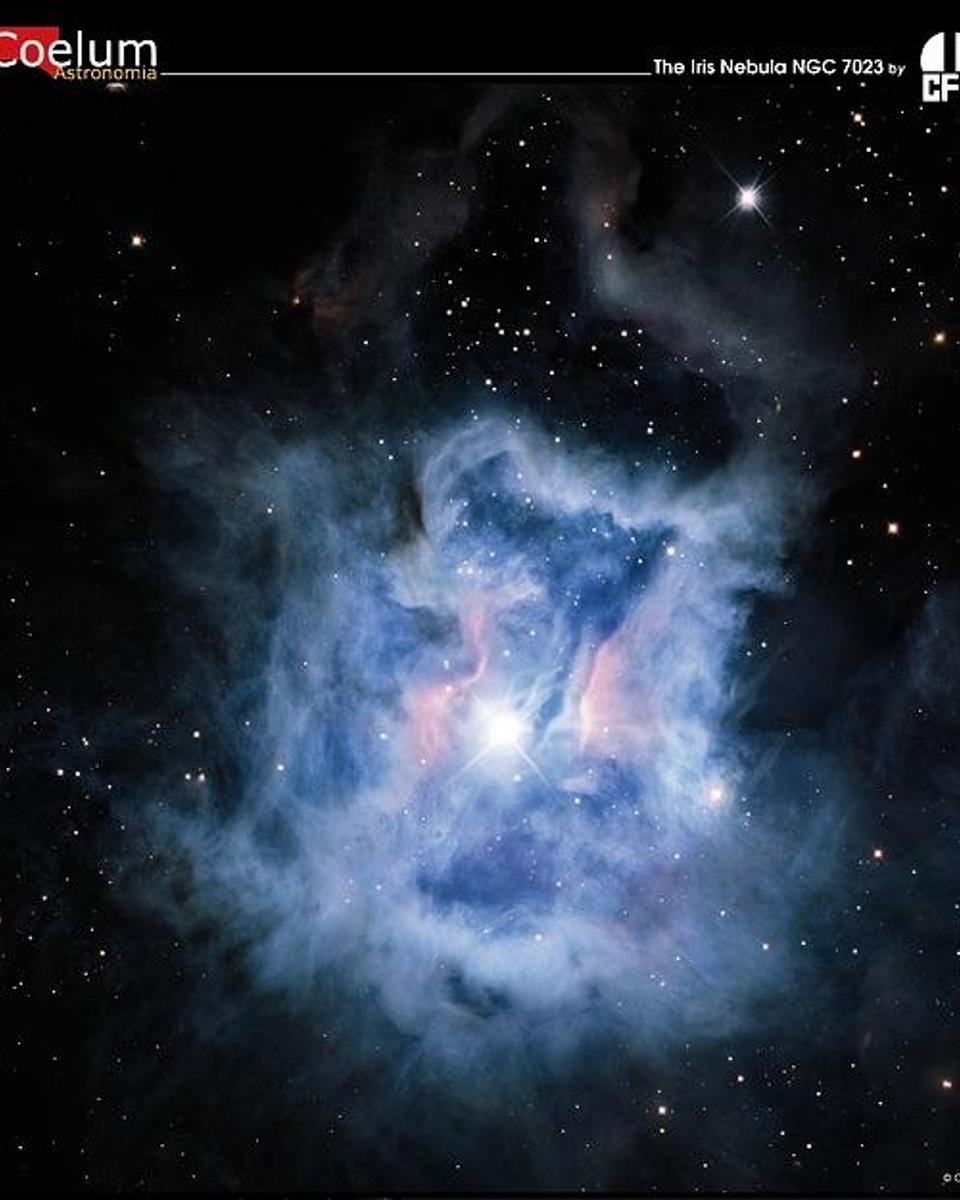
The Iris Nebula from CFHT
Like delicate cosmic petals, these clouds of interstellar dust and gas have blossomed 1,300 light-years away in the fertile star fields of the constellation Cepheus . Sometimes…
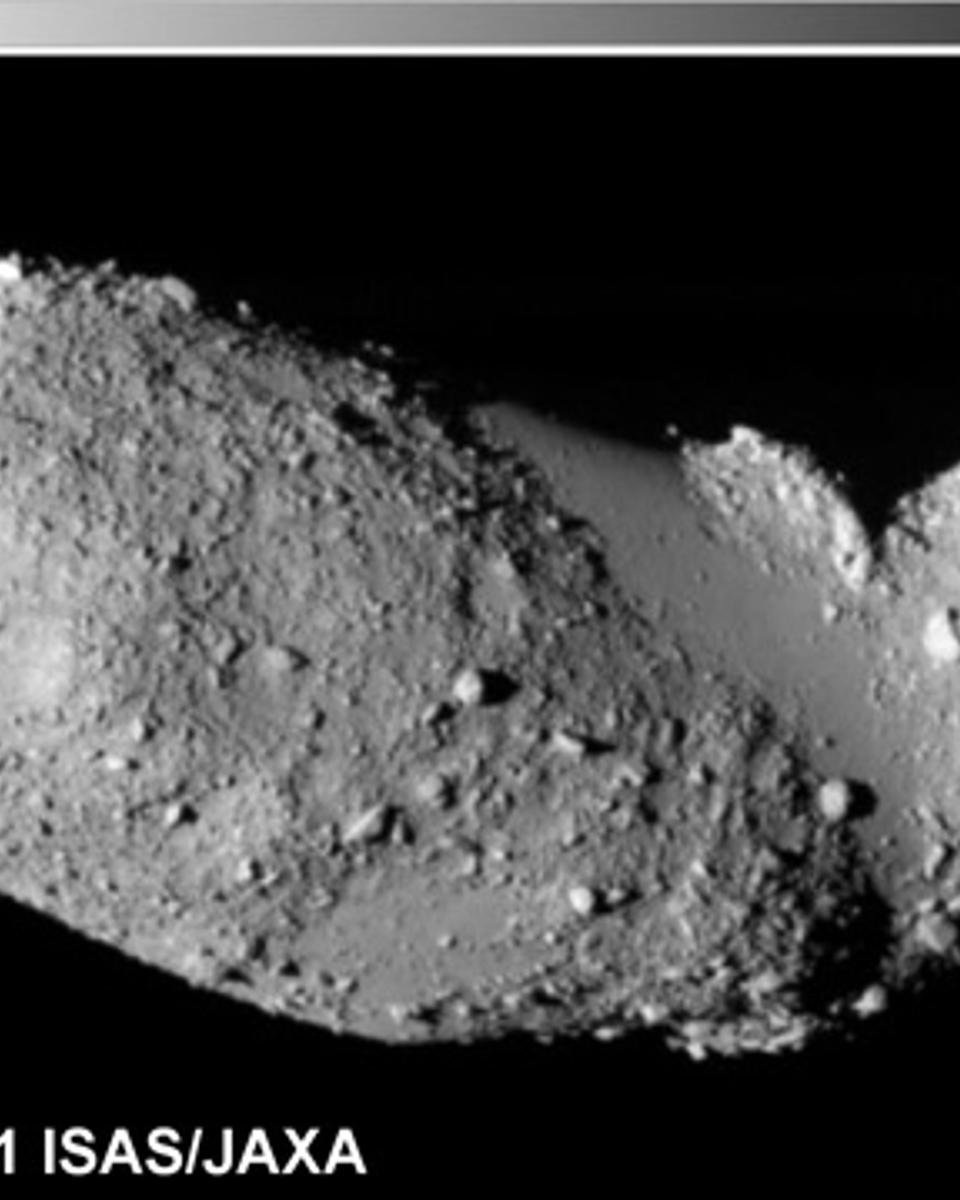
Smooth Sections on Asteroid Itokawa
Why are parts of this asteroid's surface so smooth? No one is yet sure, but it may have to do with the dynamics of an asteroid that is a loose pile of rubble rather than a solid…
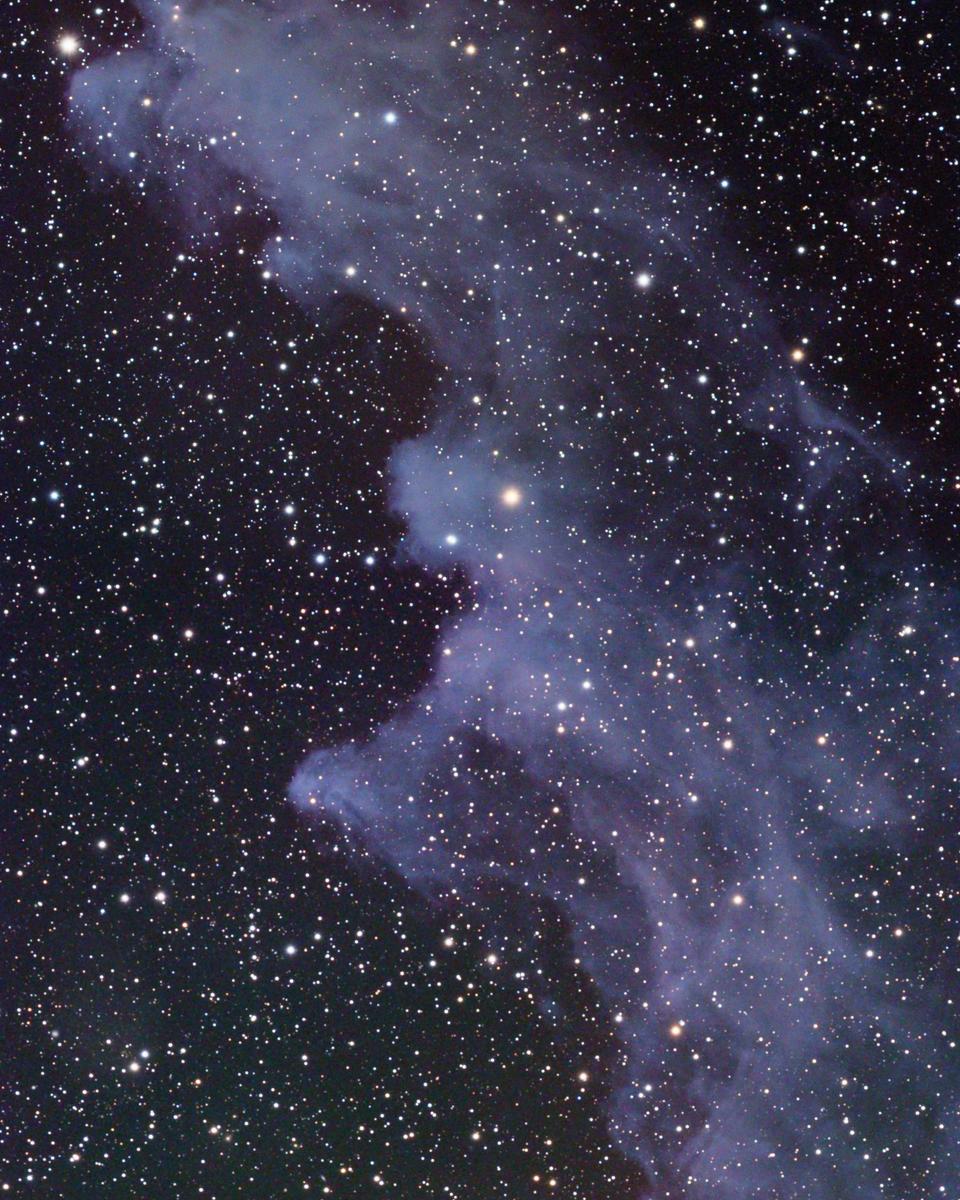
IC 2118: The Witch Head Nebula
Double, double toil and trouble; Fire burn, and cauldron bubble -- maybe Macbeth should have consulted the Witch Head Nebula. This suggestively shaped reflection nebula is…
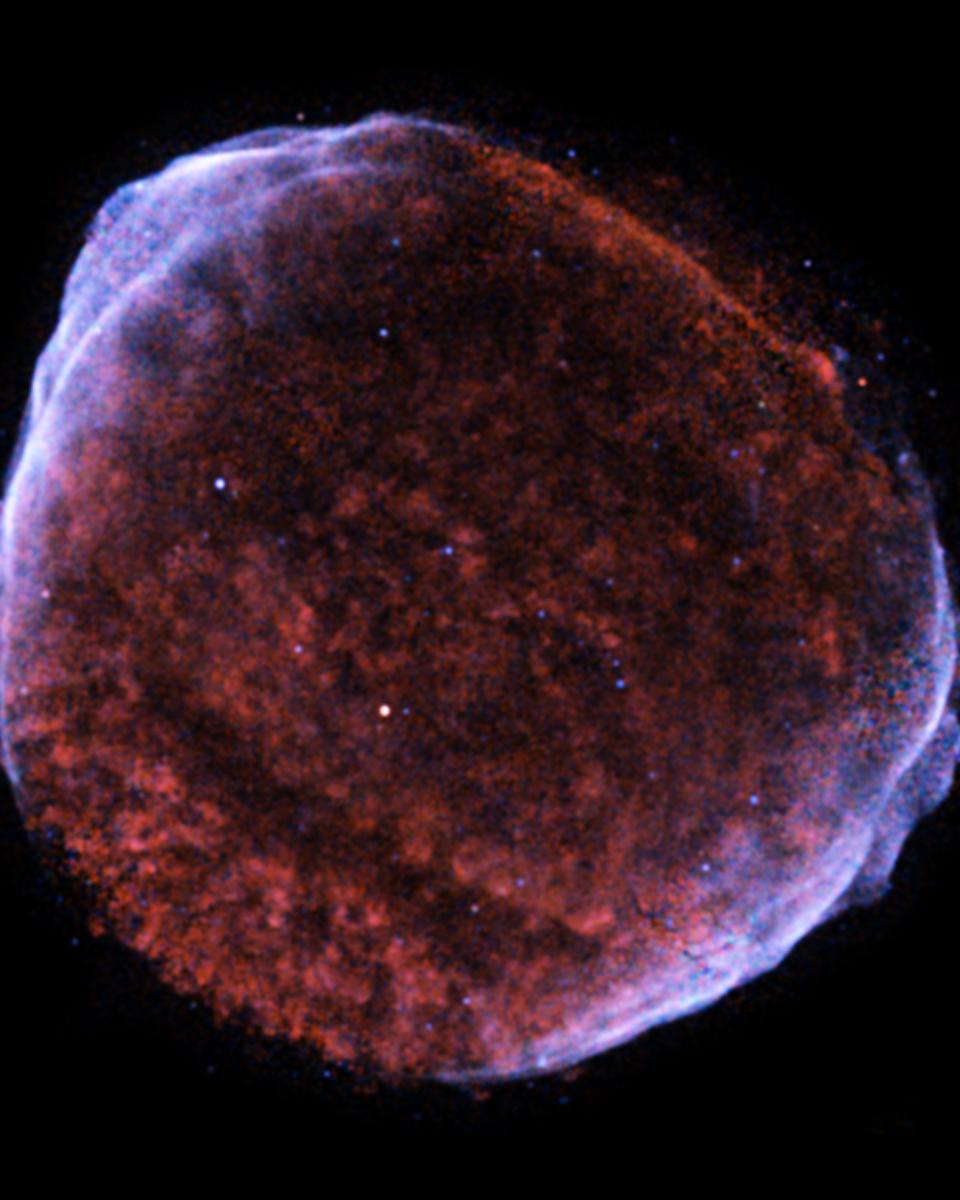
SN 1006: Supernova Remnant in X-Rays
This huge puff ball was once a star. One thousand years ago, in the year 1006 , a new star was recorded in the sky that today we know was really an existing star exploding. The…
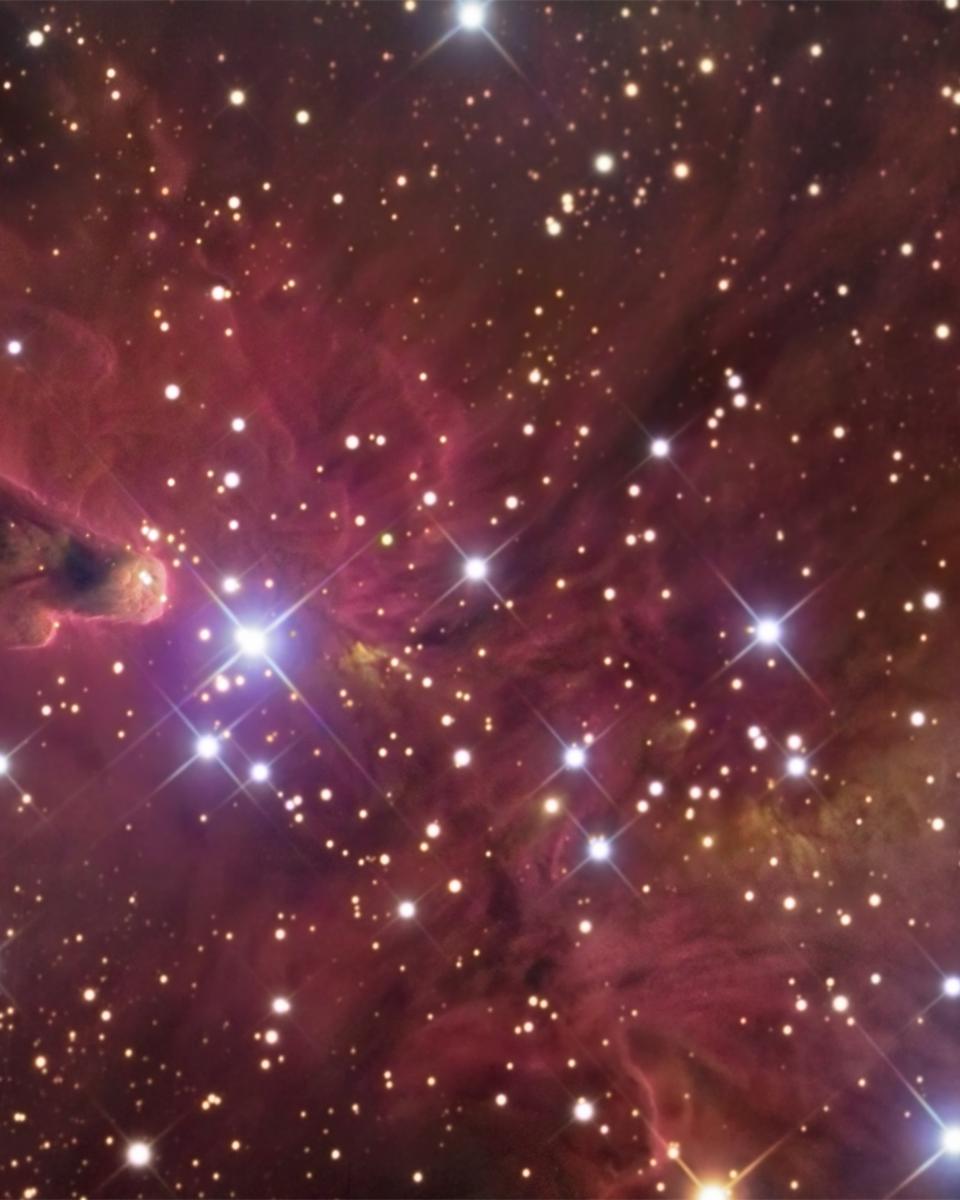
The Mysterious Cone Nebula
Sometimes the simplest shapes are the hardest to explain. For example, the origin of the mysterious cone-shaped region seen on the far left remains a mystery. The interstellar…
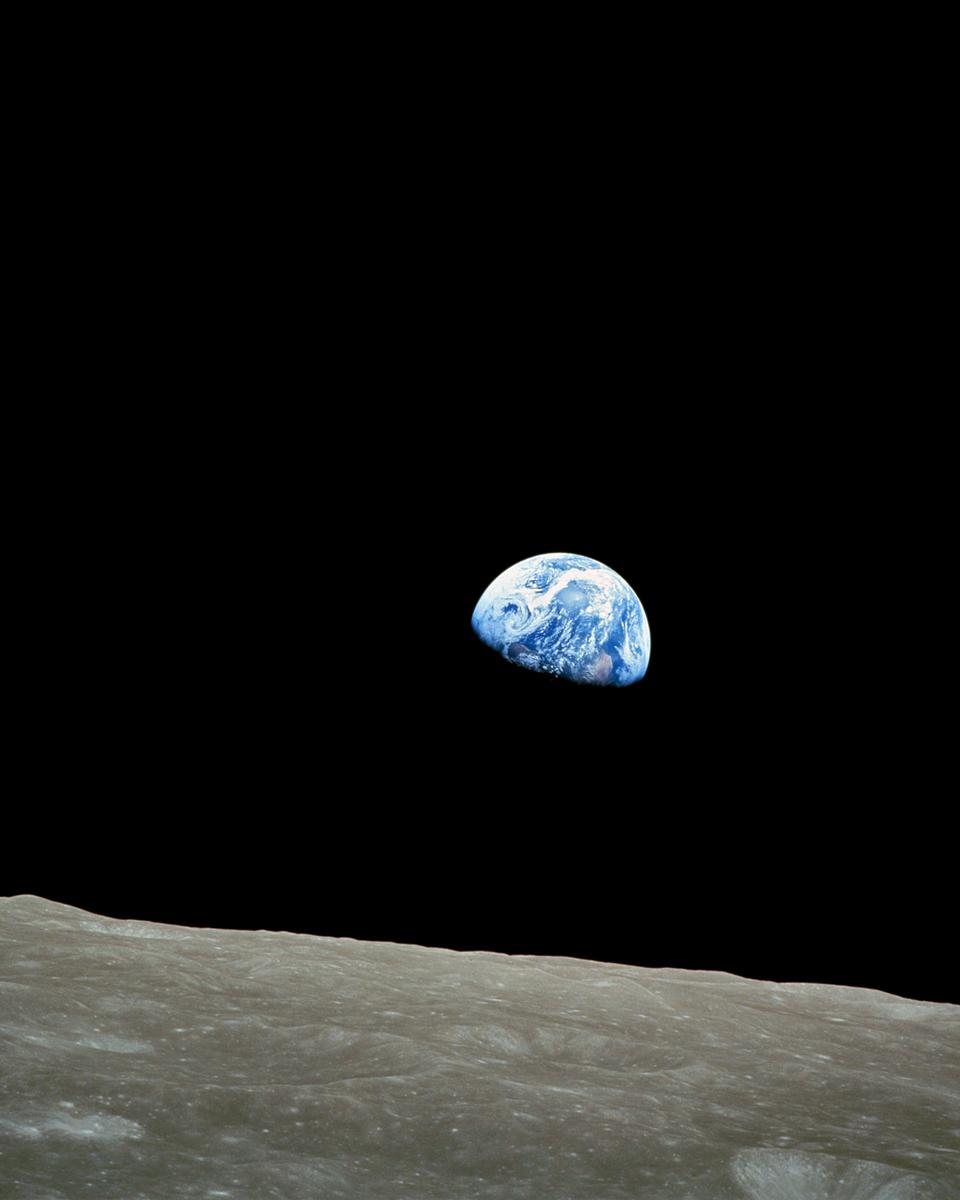
Earthrise
In December of 1968, the Apollo 8 crew flew from the Earth to the Moon and back again. Frank Borman , James Lovell , and William Anders were launched atop a Saturn V rocket on…
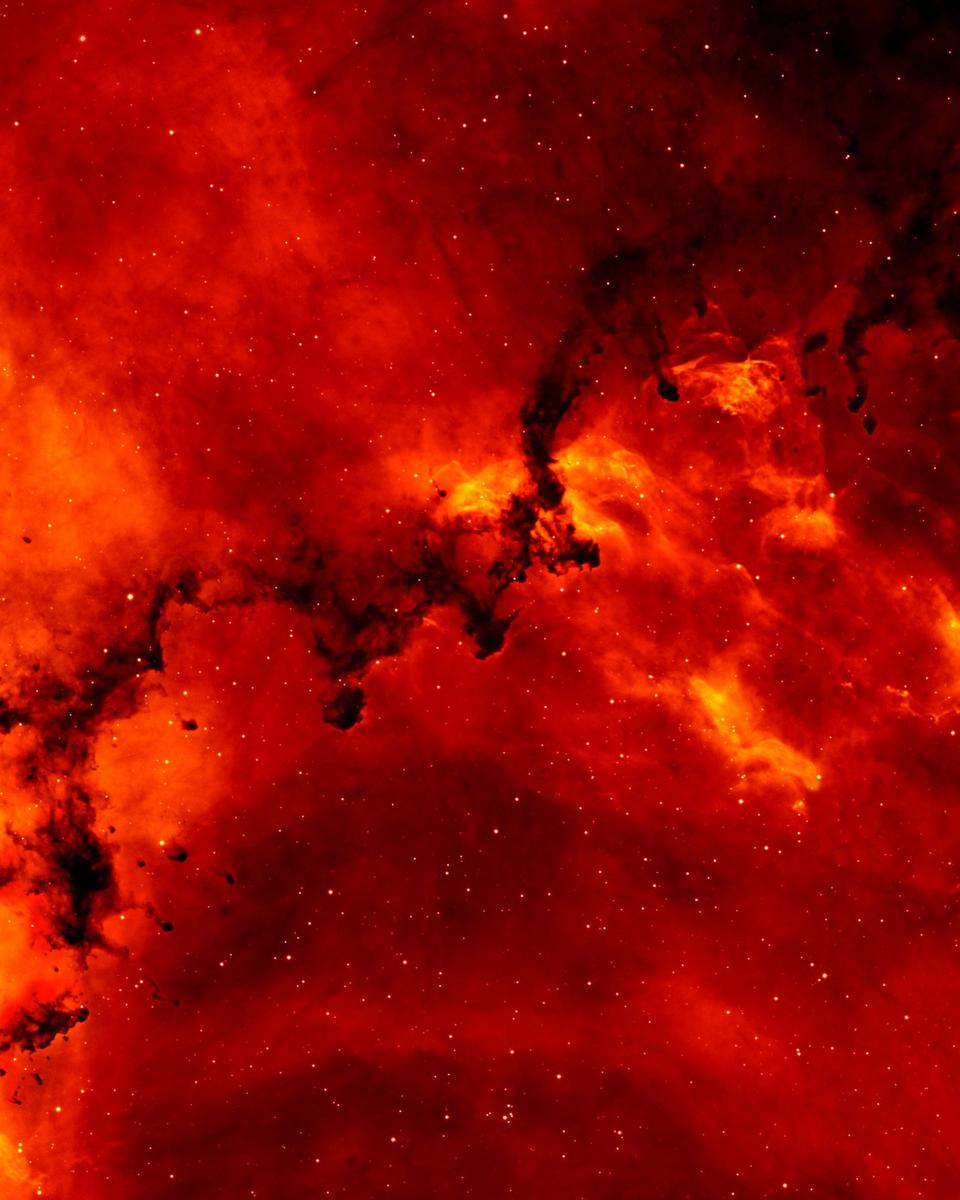
Hydrogen and Dust in the Rosette Nebula
At the edge of a large molecular cloud in Monoceros , some 3,000 light years away, dark filaments of dust are silhouetted by luminous hydrogen gas. The close up view of the…
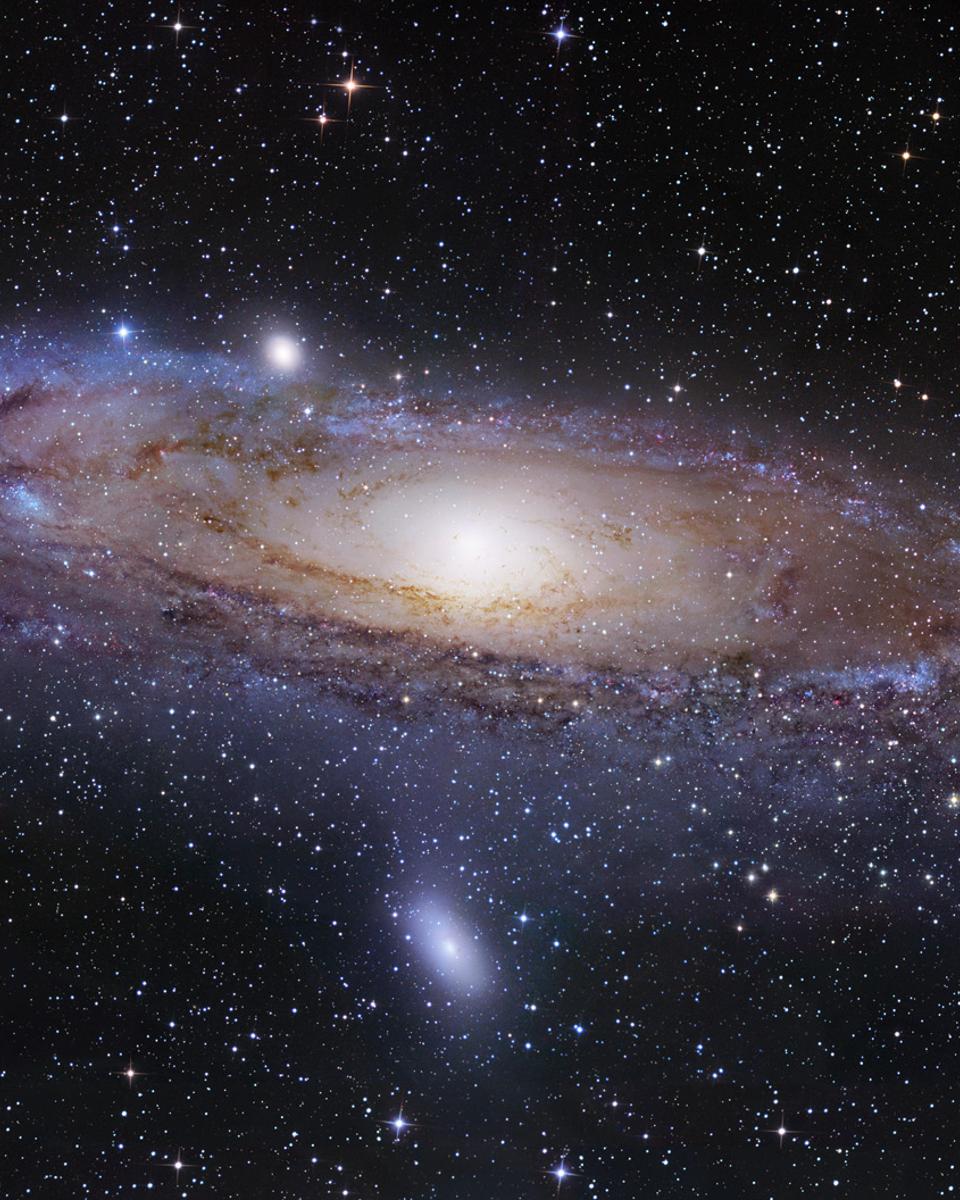
Andromeda Island Universe
The most distant object easily visible to the unaided eye is M31 , the great Andromeda Galaxy some two million light-years away. But without a telescope, even this immense spiral…
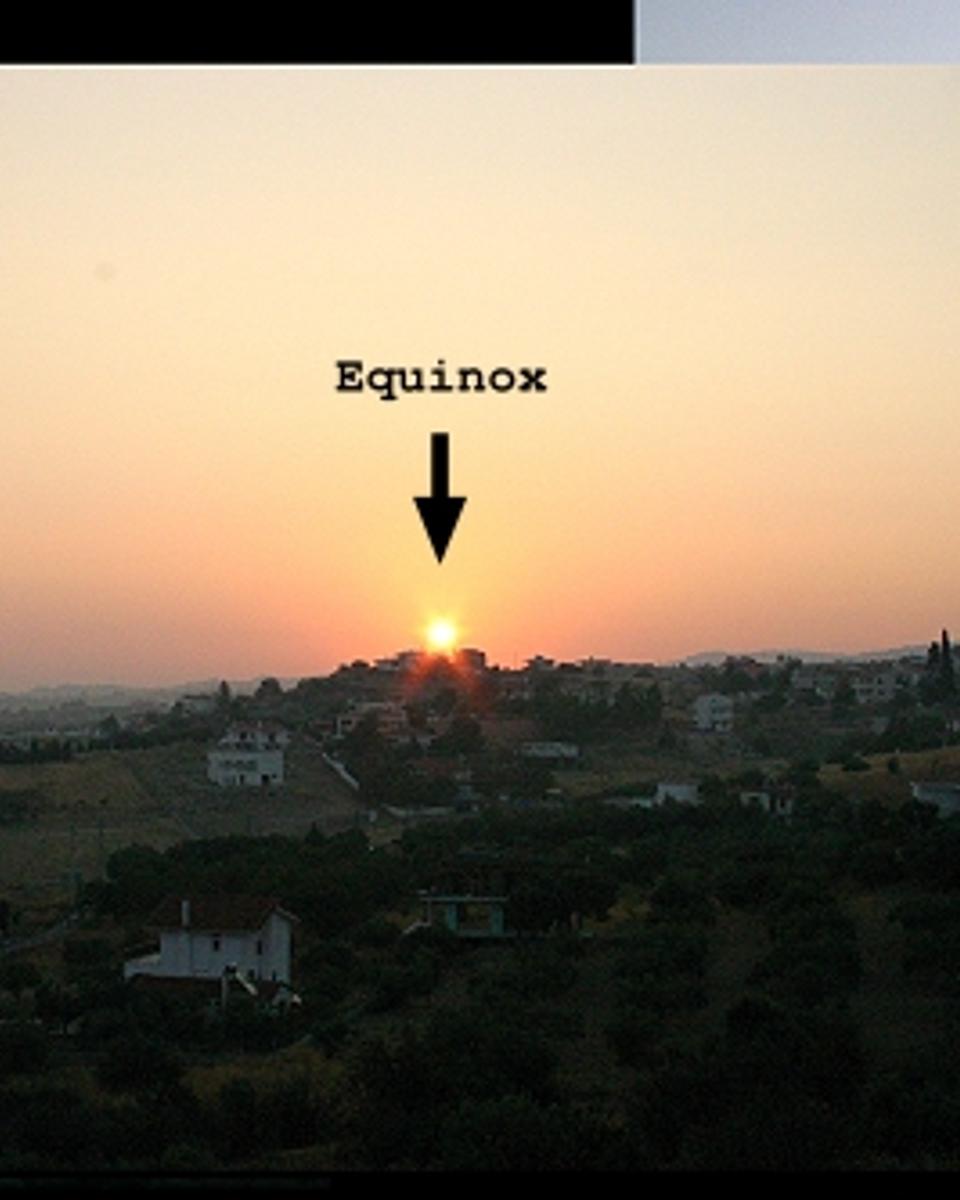
Sunrise by Season
Does the Sun always rise in the same direction? No. As the seasons change, the direction toward the rising Sun will change, too. The Sun will always rise and set furthest to the…
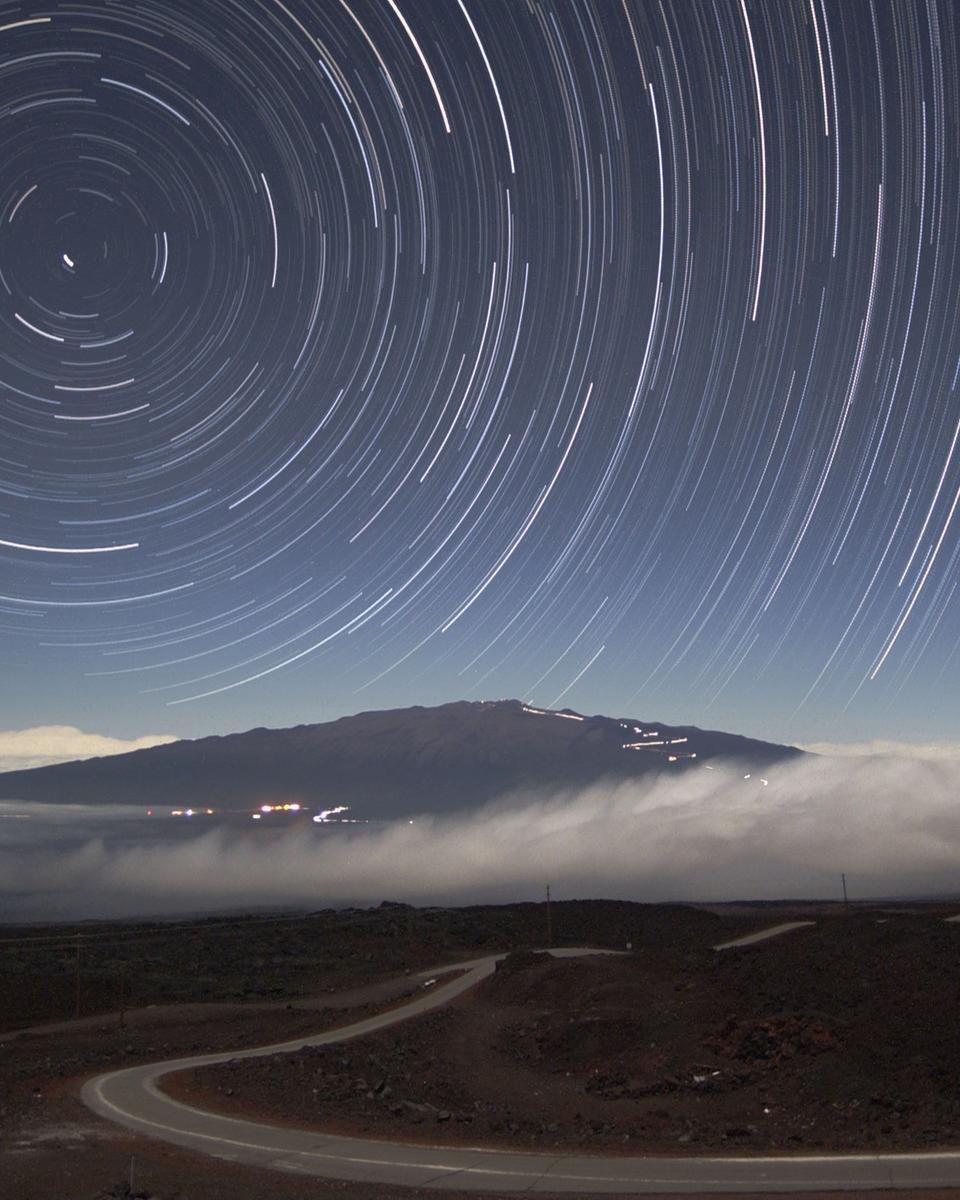
Star Trails Above Mauna Kea
Is there a road to the stars? Possibly there are many, but the physical road pictured above leads up to the top of a dormant volcano that is a premier spot on planet Earth for…
Viewing discoveries from 12 January 2006 through 20 December 2005.