Browse NASA Astronomy Picture of the Day archive by date and media: Archive Discoveries
Browse the NASA APOD archive without needing the exact date first. Filter by media type and keep moving deeper into older images and videos.
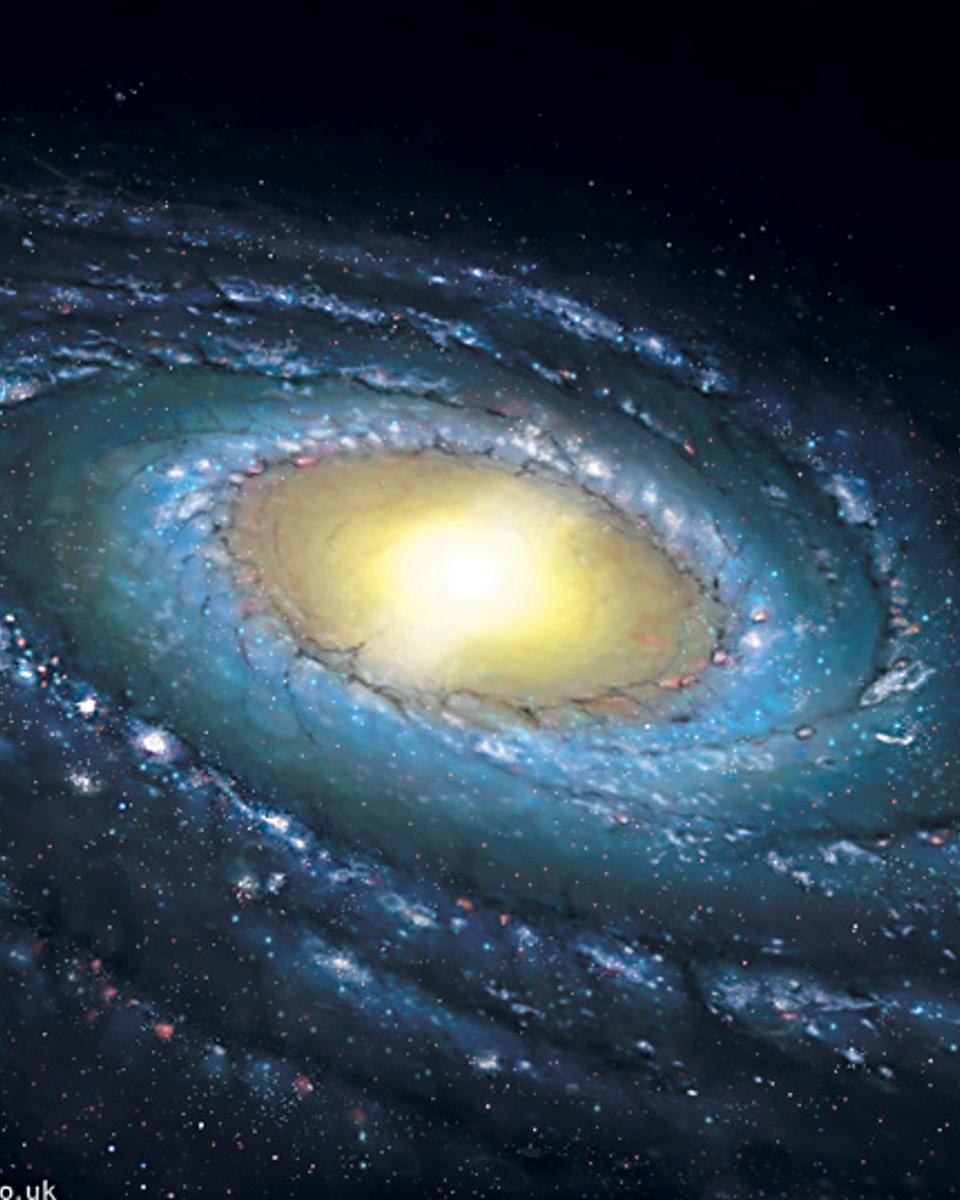
Milky Way Illustrated
What does our Milky Way Galaxy look like from afar? Since we are stuck inside, and since opaque dust truncates our view in visible light , nobody knows for sure. Drawn above ,…
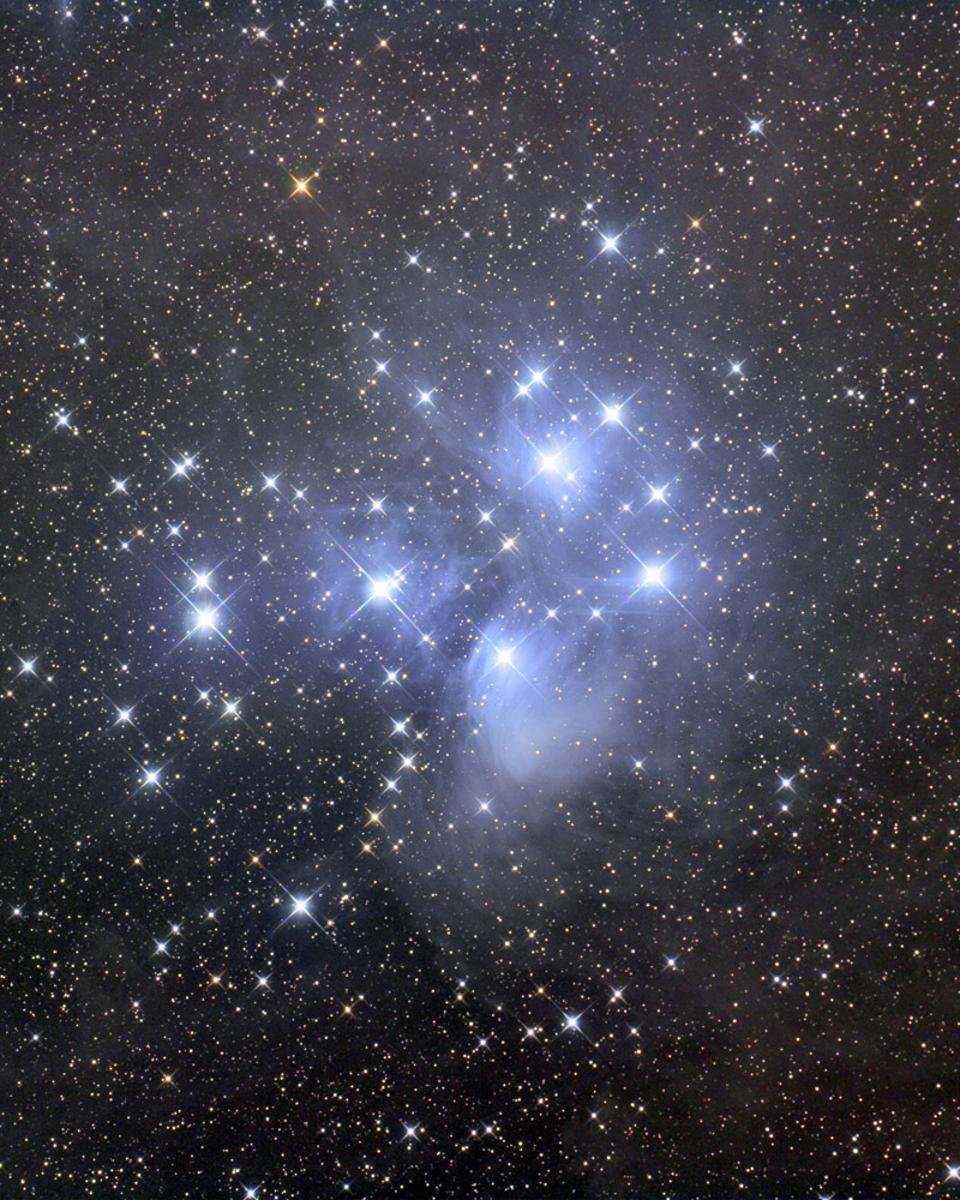
The Pleiades Star Cluster
Perhaps the most famous star cluster on the sky, the Pleiades can be seen without binoculars from even the depths of a light-polluted city . Also known as the Seven Sisters and…
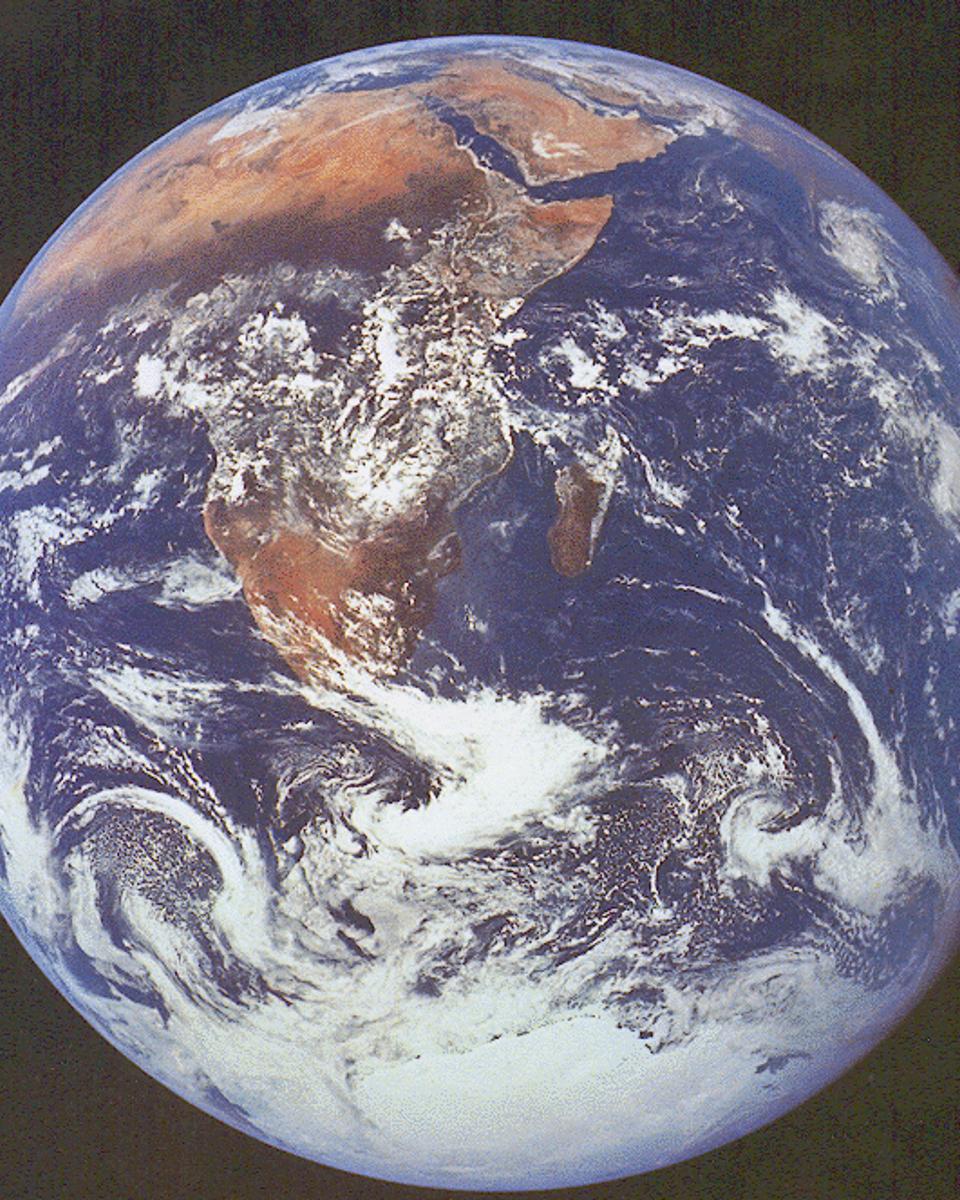
Welcome to Planet Earth
Welcome to Planet Earth , the third planet from a star named the Sun . The Earth is shaped like a sphere and composed mostly of rock . Over 70 percent of the Earth's surface is…
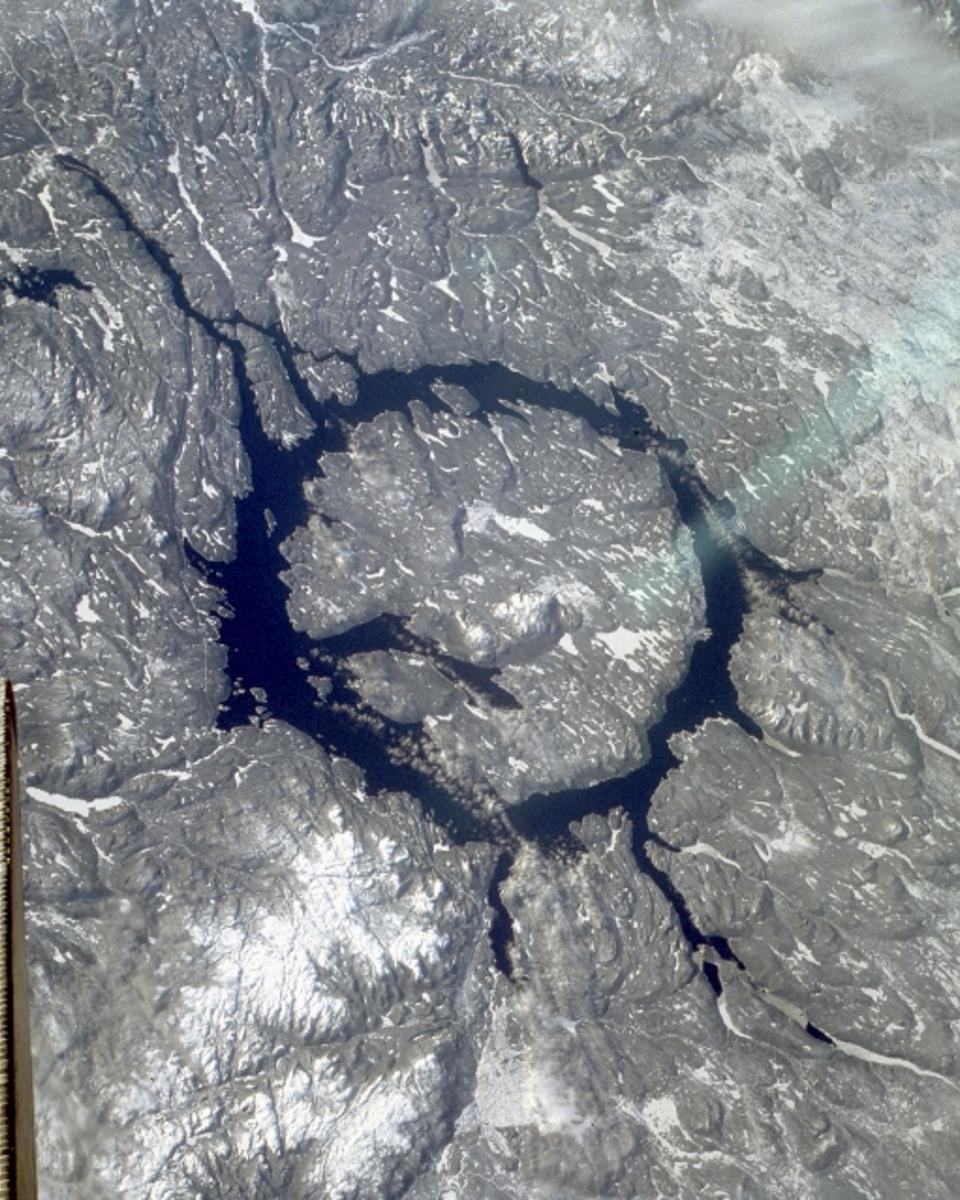
Manicouagan Impact Crater
Manicouagan Crater in northern Canada is one of the oldest impact craters known . Formed about 200 million years ago, the present day terrain supports a 70-kilometer diameter…
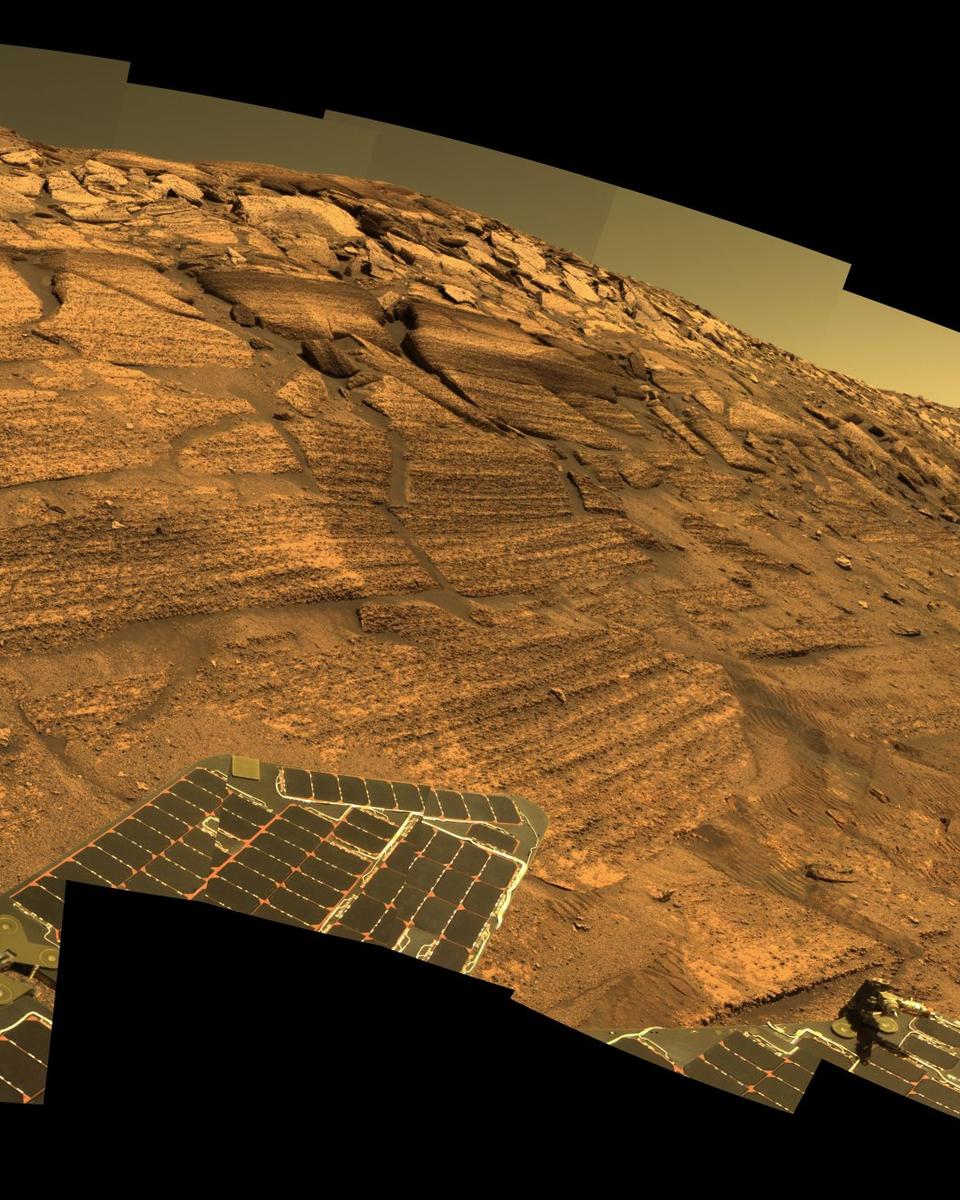
A Year of Mars Roving
Landing on Mars in January, NASA's twin rovers Spirit and Opportunity have now each spent over 330 sols roving the martian surface . Still healthy and well in to extended…
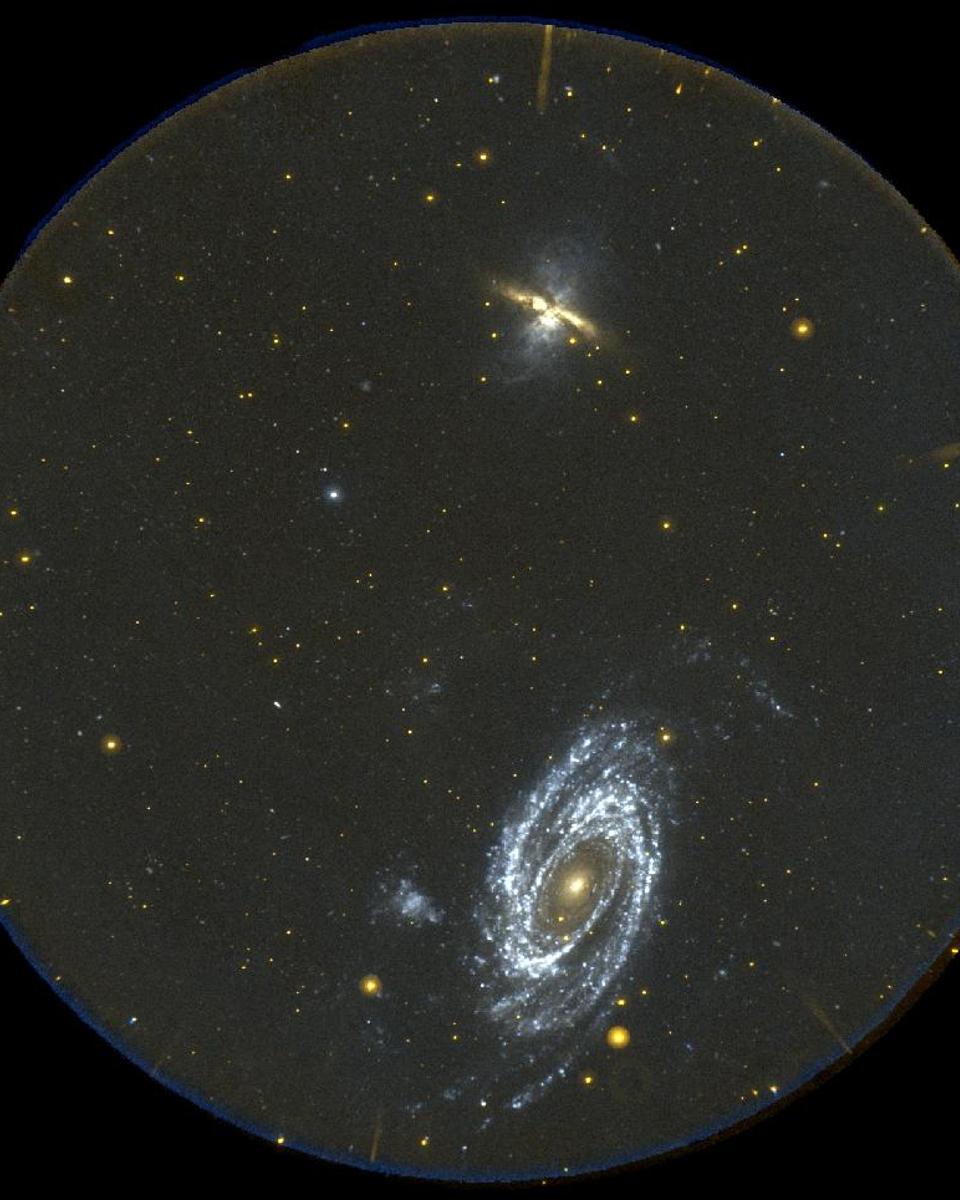
M81 and M82: GALEX Full Field
Intriguing galaxy pair M81 and M82 shine in this full-field view from the orbiting GALEX observatory. GALEX - the Galaxy Evolution Explorer - scans the cosmos in ultraviolet light…
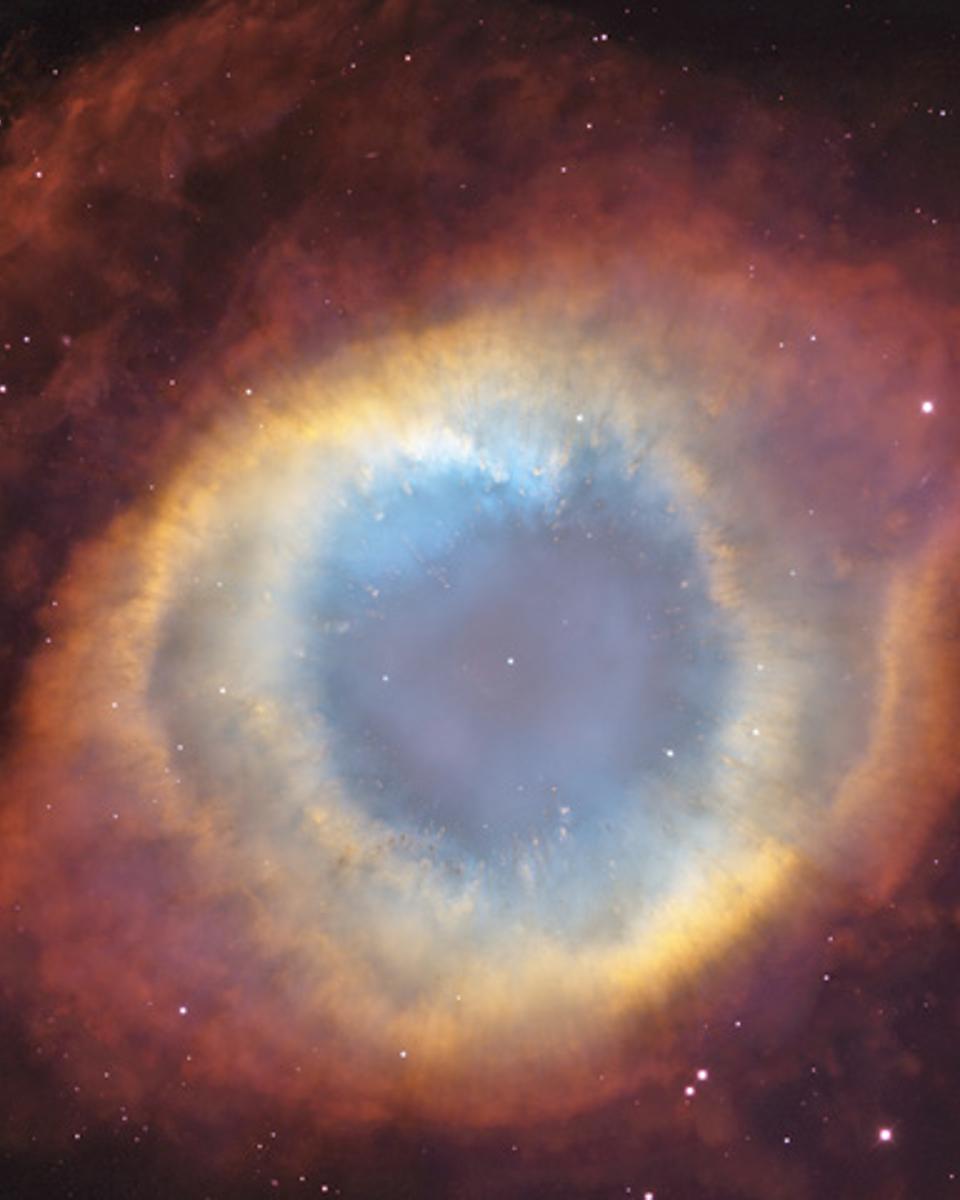
The Helix Nebula from Blanco and Hubble
How did a star create the Helix nebula? The shapes of planetary nebula like the Helix are important because they likely hold clues to how stars like the Sun end their lives.…
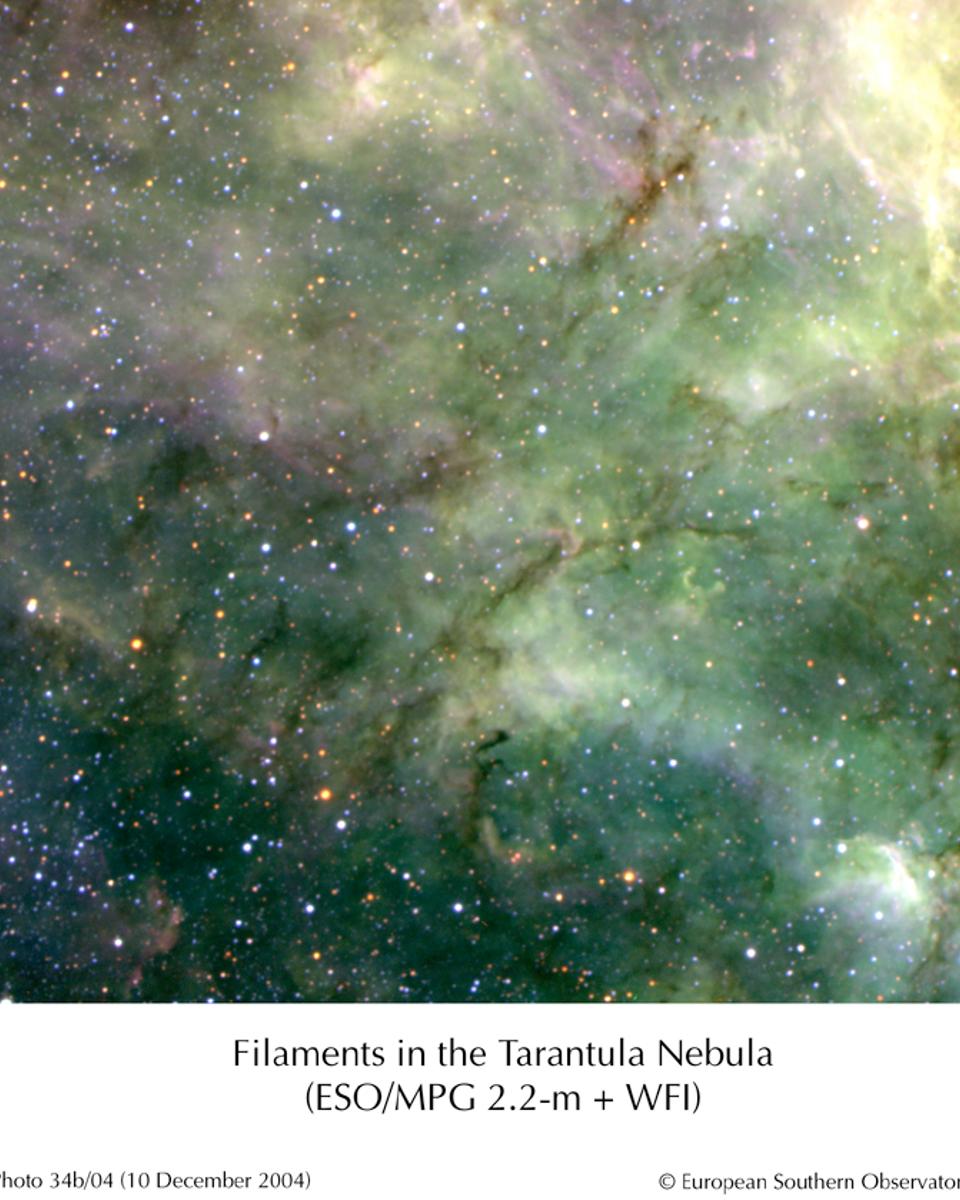
Tentacles of the Tarantula Nebula
The Tarantula Nebula is a giant emission nebula within our neighboring galaxy the Large Magellanic Cloud . Inside this cosmic arachnid lies a huge central young cluster of massive…
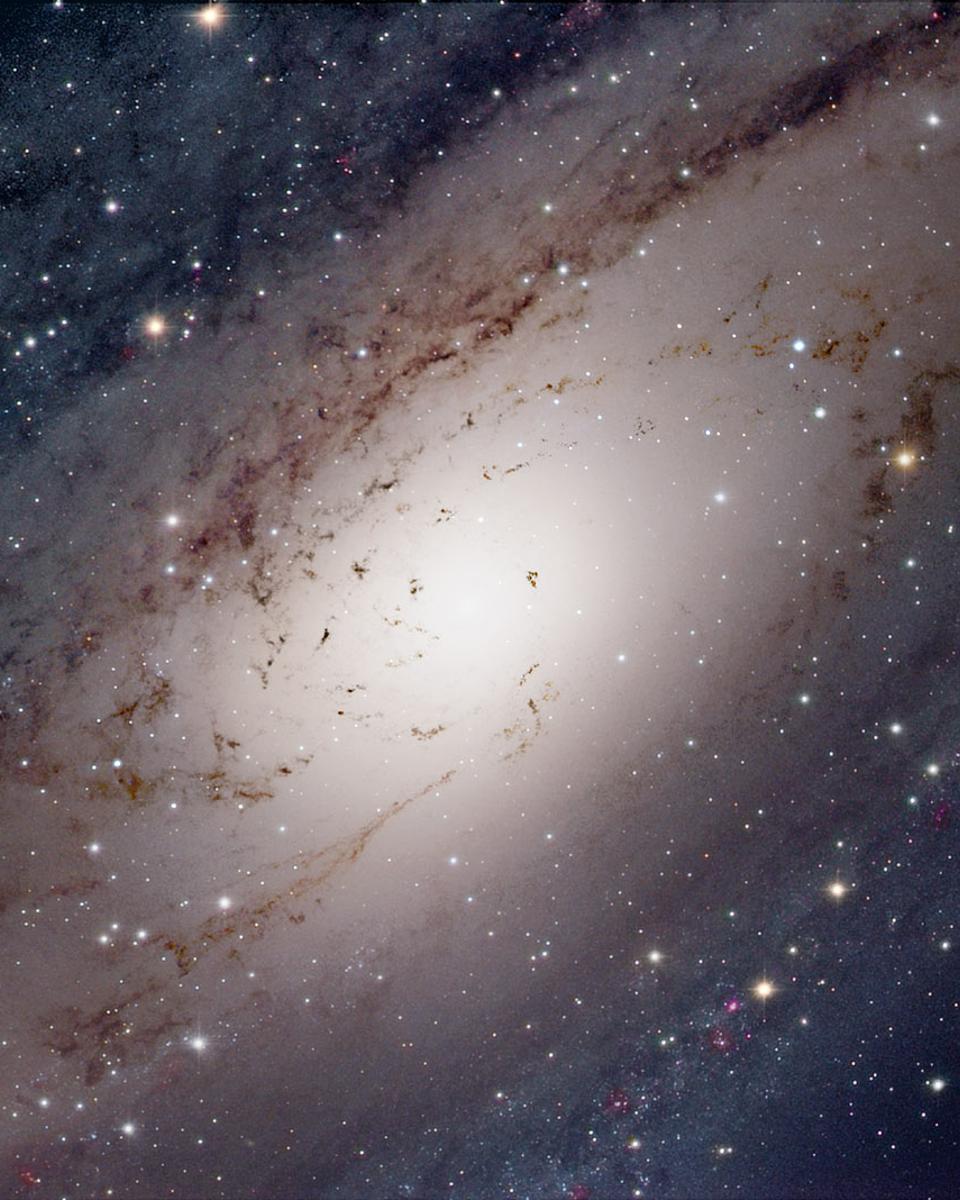
Andromeda's Core
The center of the Andromeda galaxy is beautiful but strange. Andromeda , indexed as M31, is so close to our own Milky Way Galaxy that it gives a unique perspective into galaxy…
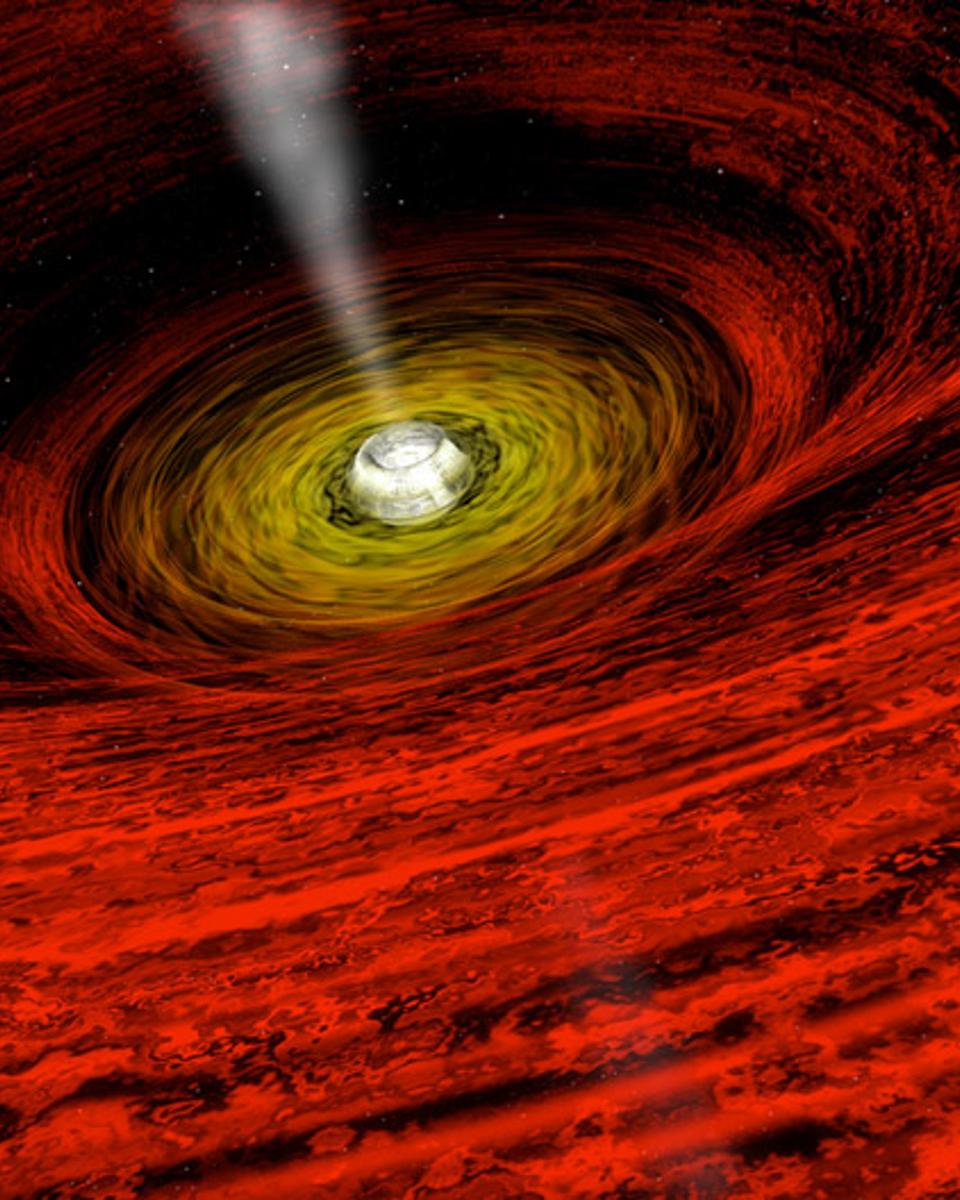
GRO J1655-40: Evidence for a Spinning Black Hole
In the center of a swirling whirlpool of hot gas is likely a beast that has never been seen directly: a black hole . Studies of the bright light emitted by the swirling gas…
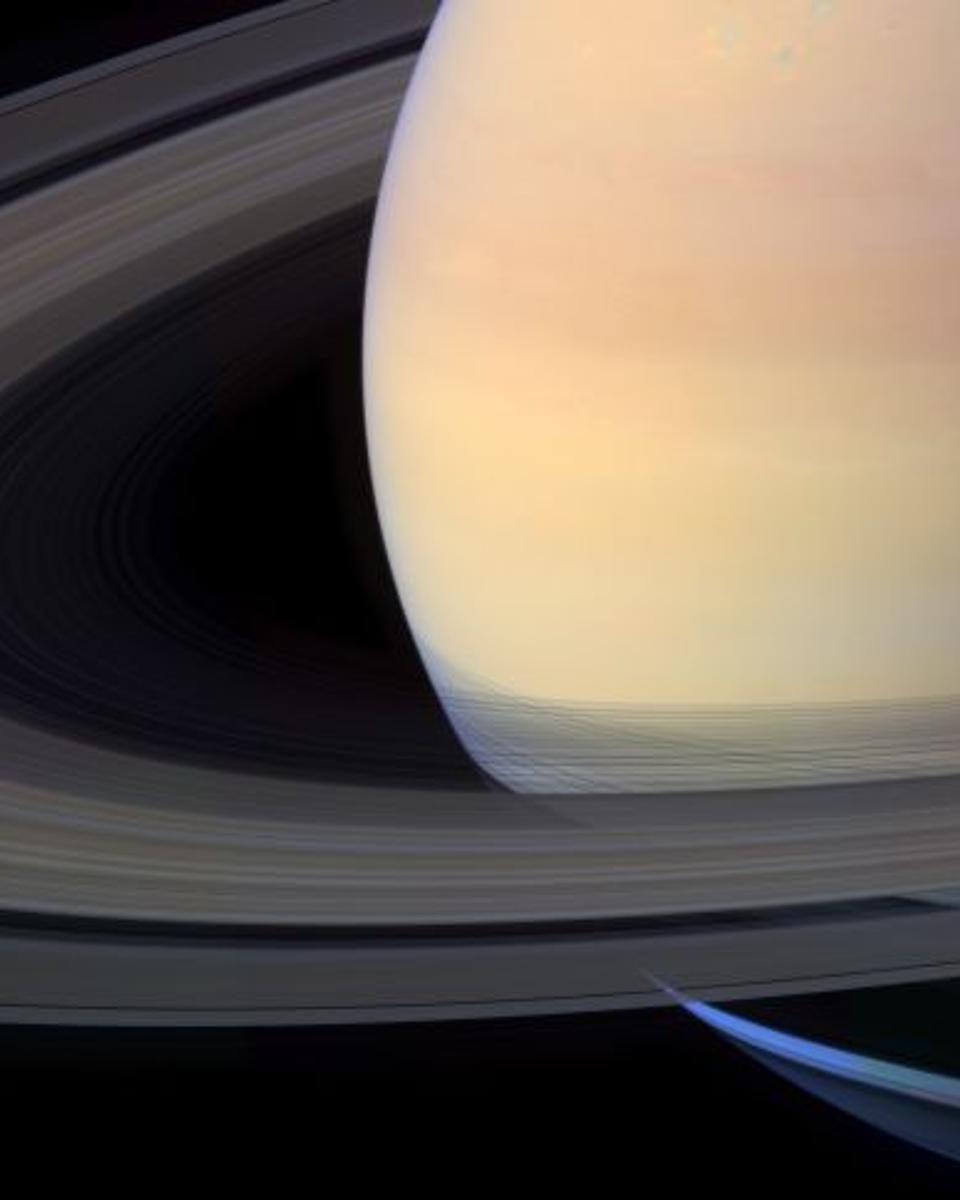
Big Beautiful Saturn
As a present to APOD readers, digital imager Mattias Malmer offers a very high resolution view of big beautiful Saturn. A labor of love, his full mosaic, composite image is…
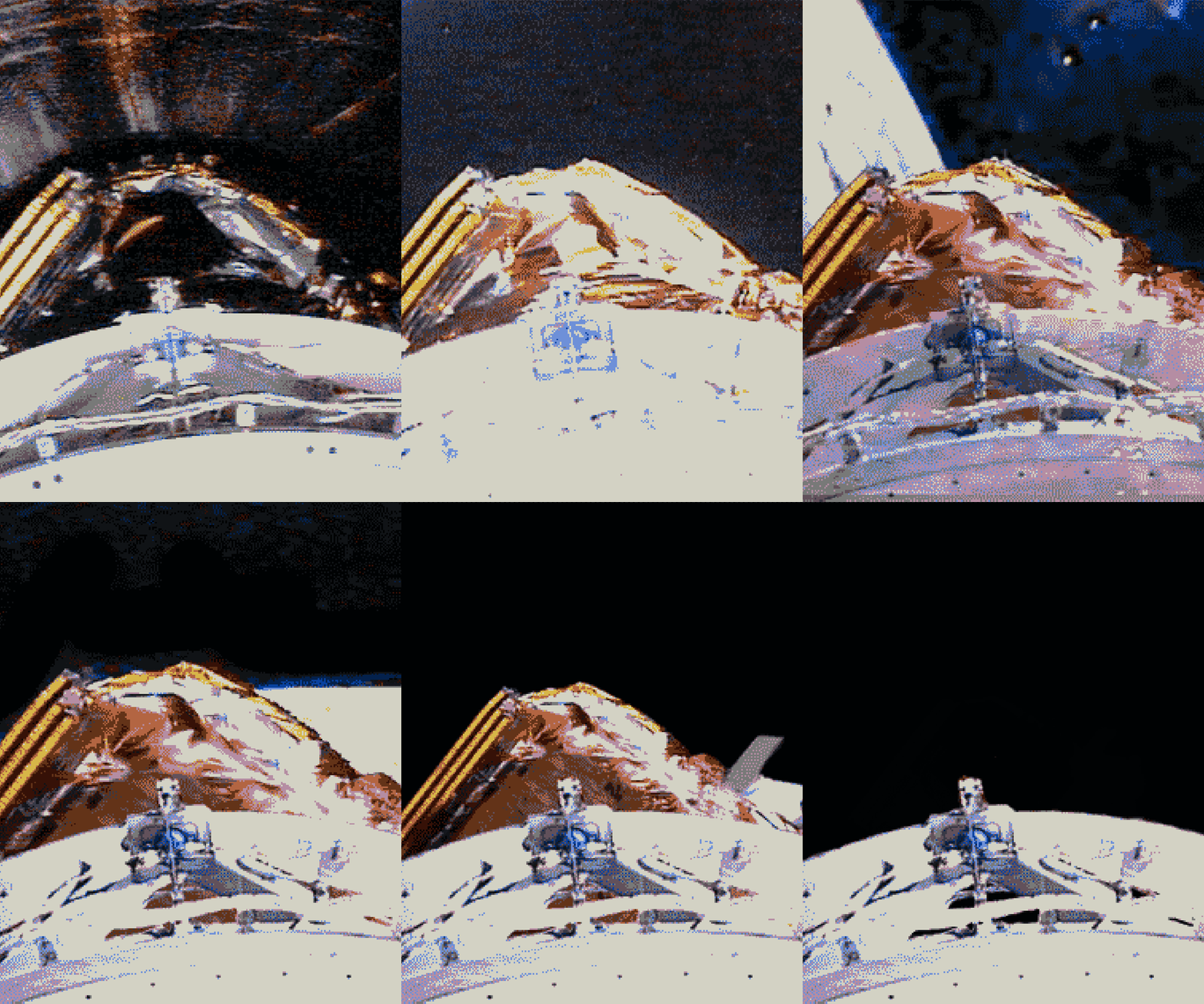
Swift RocketCam
A forward-facing RocketCam (TM) mounted inside the payload fairing of a Delta II rocket captured these dramatic video frames on November 20th -- as the Swift satellite observatory…
3C58: Pulsar Power
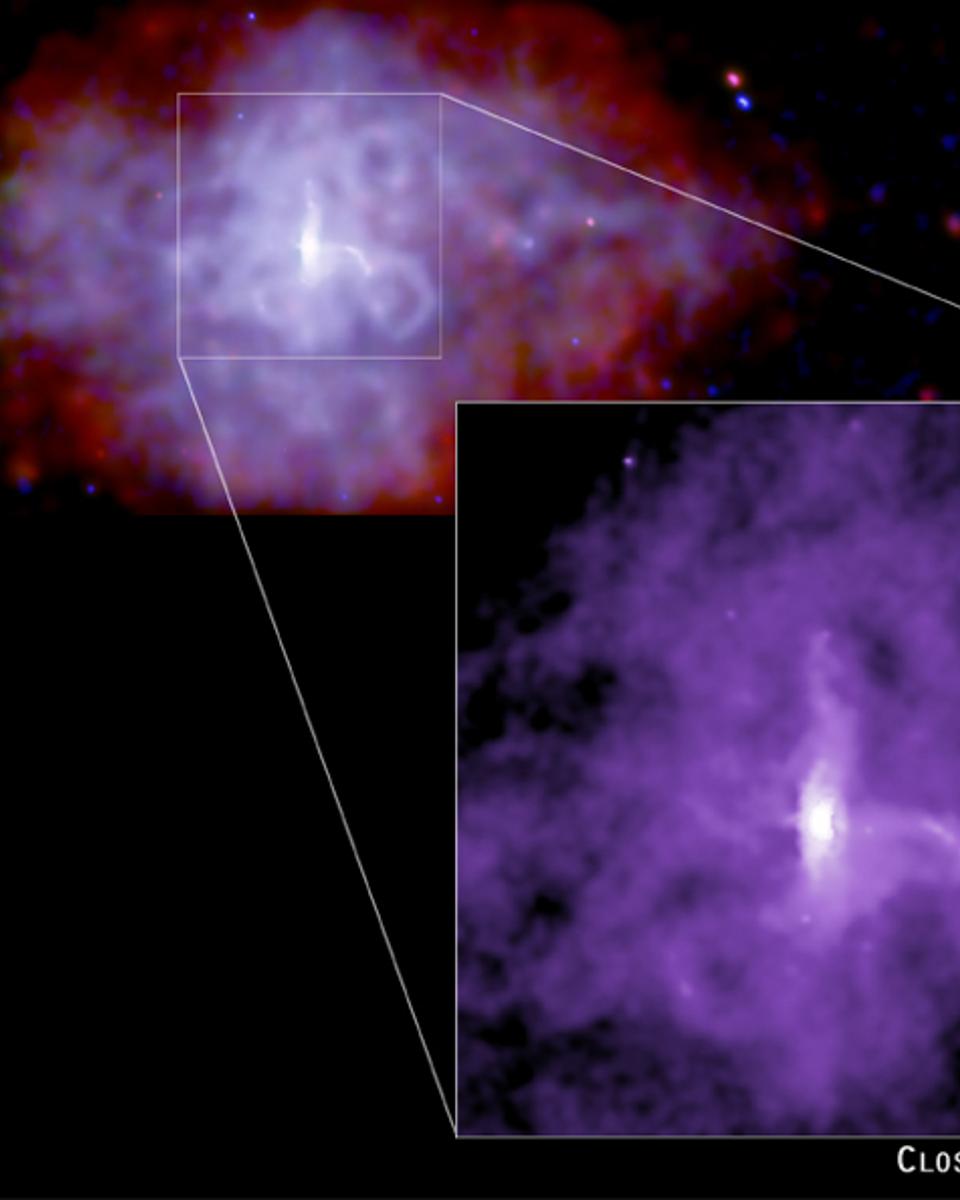
Light from a star that exploded some ten thousand light-years away first reached our fair planet in the year 1181. Now known as supernova remnant 3C58, the region seen in this…
Comet, Meteor, Nebula, Star
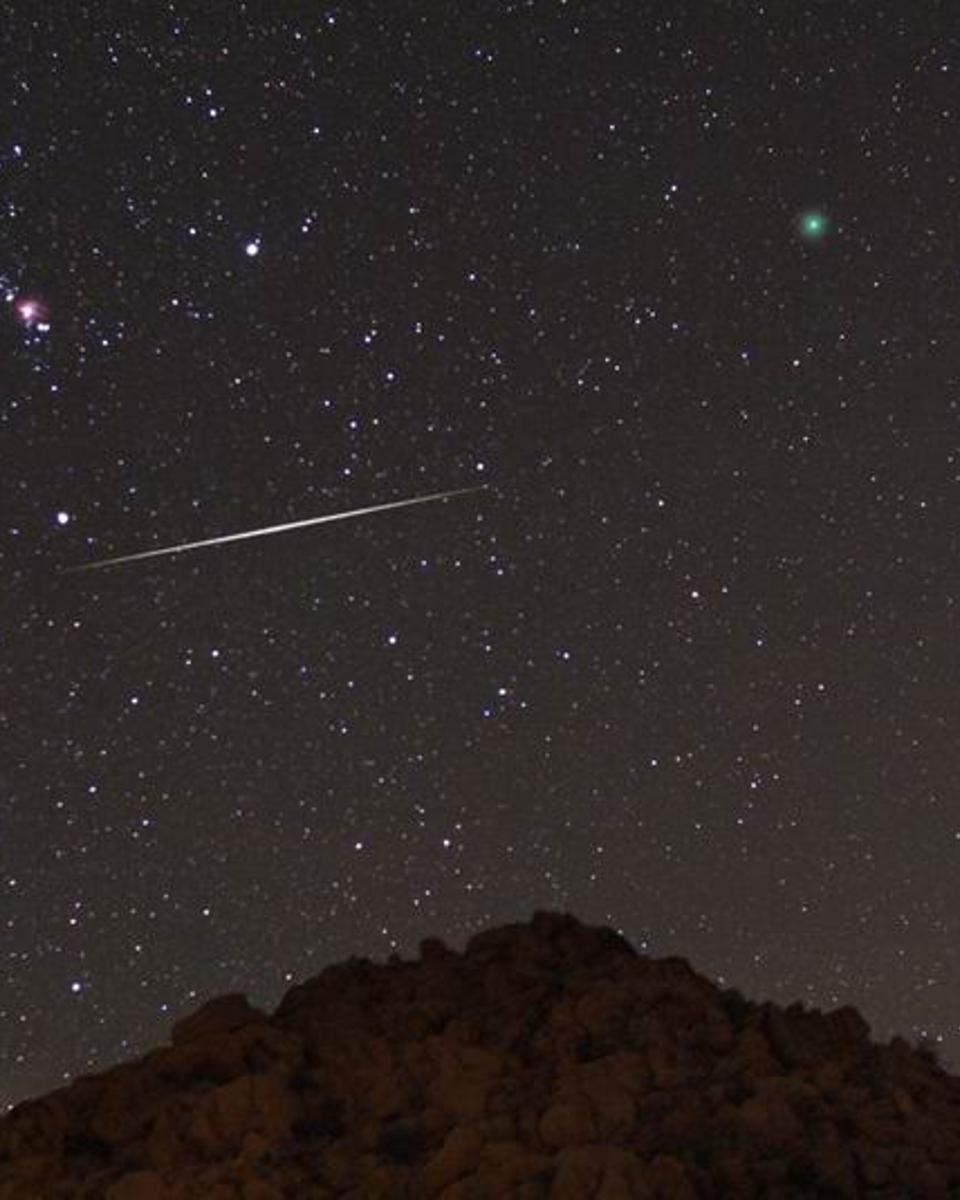
Several wonders of the late-year northern sky appeared together for a few fleeting moments on December 13. On the bottom left, just above the hill, is blue Sirius , the brightest…
Titan Disguised
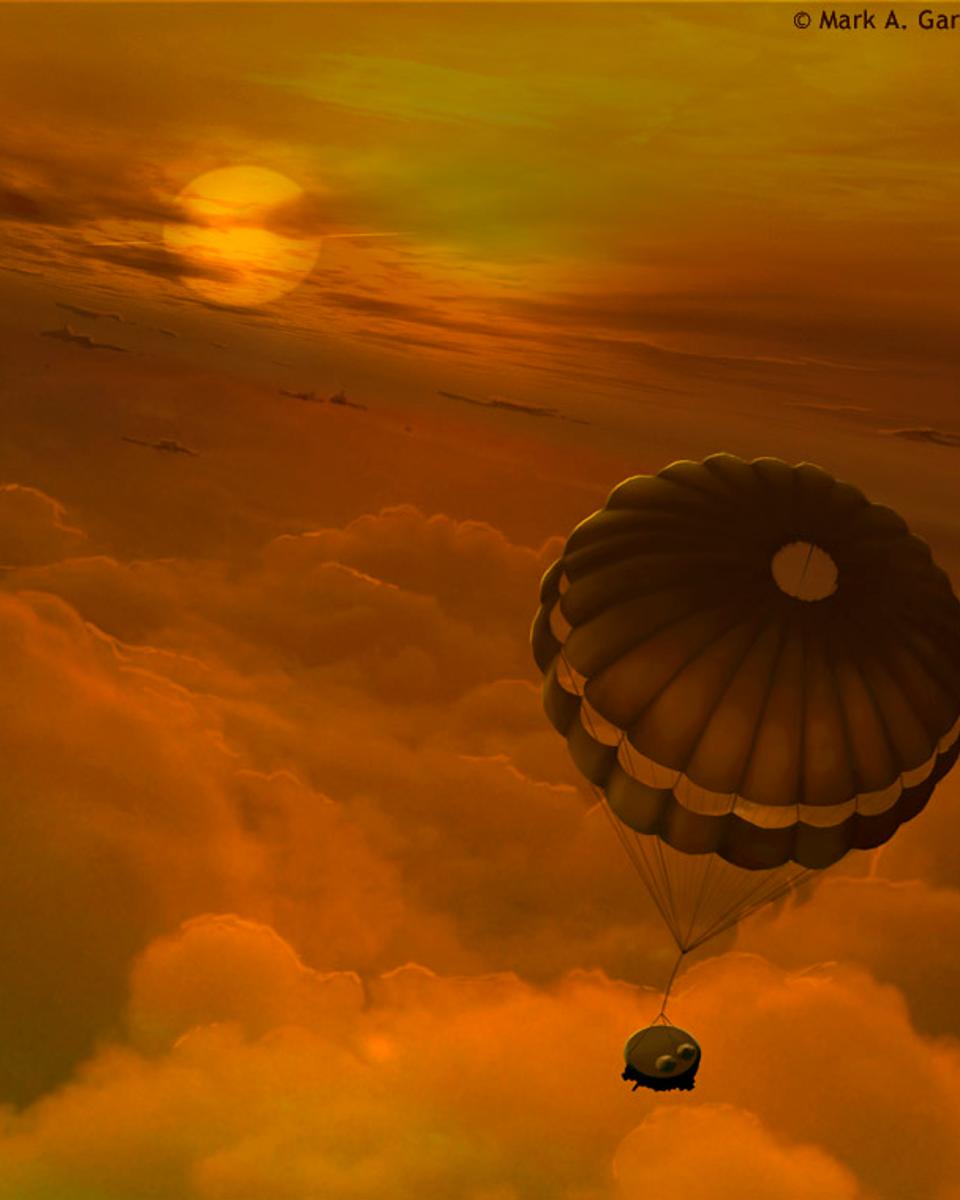
Will the Huygens probe land or splash down? In the next few days, the Cassini spacecraft currently orbiting Saturn will release a probe that will descend toward Saturn's largest…
Titan Surmised
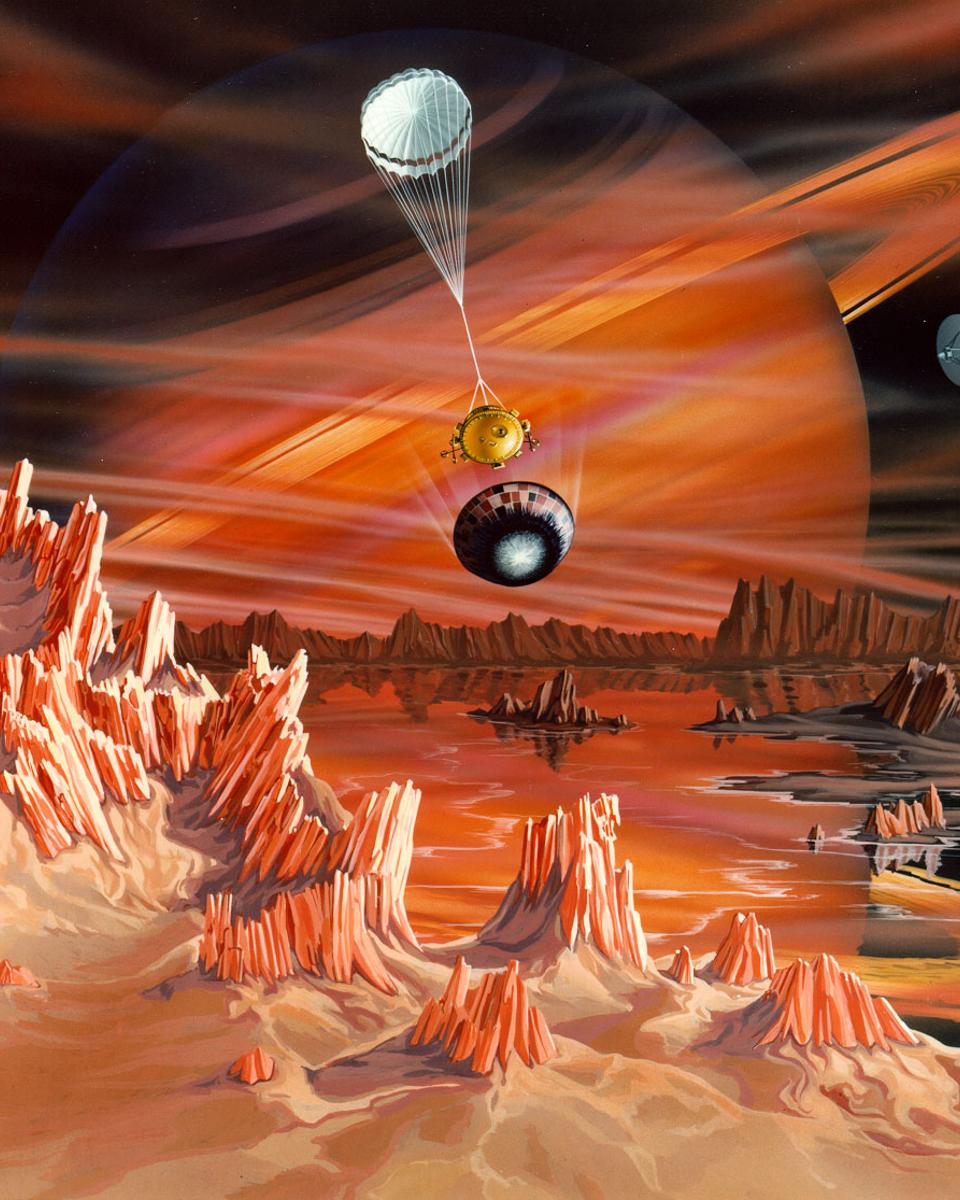
What does the surface of Titan look like? Thick clouds have always made Saturn's largest moon so mysterious that seemingly farfetched hypotheses like methane rain and lakes have…
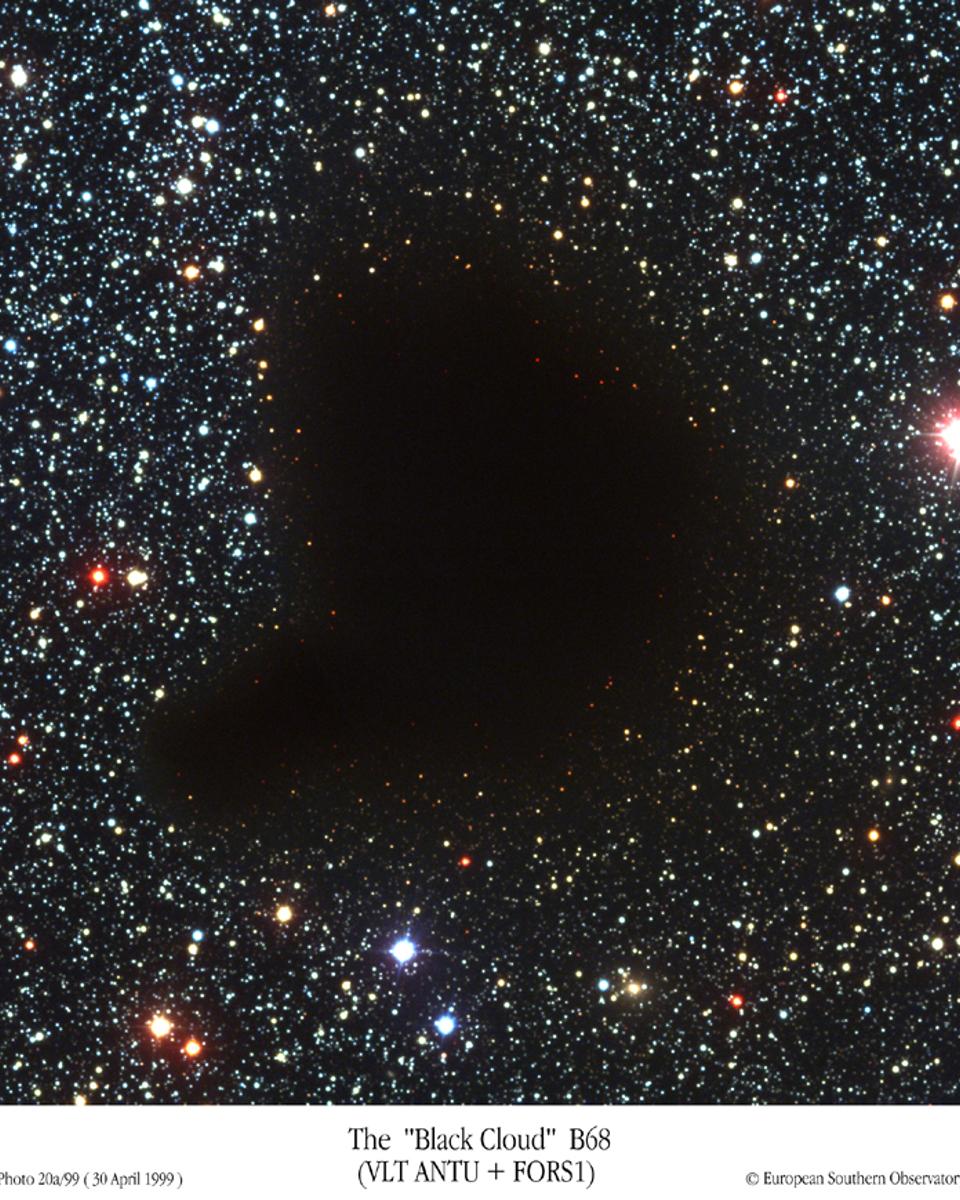
Molecular Cloud Barnard 68
Where did all the stars go? What used to be considered a hole in the sky is now known to astronomers as a dark molecular cloud . Here, a high concentration of dust and molecular…
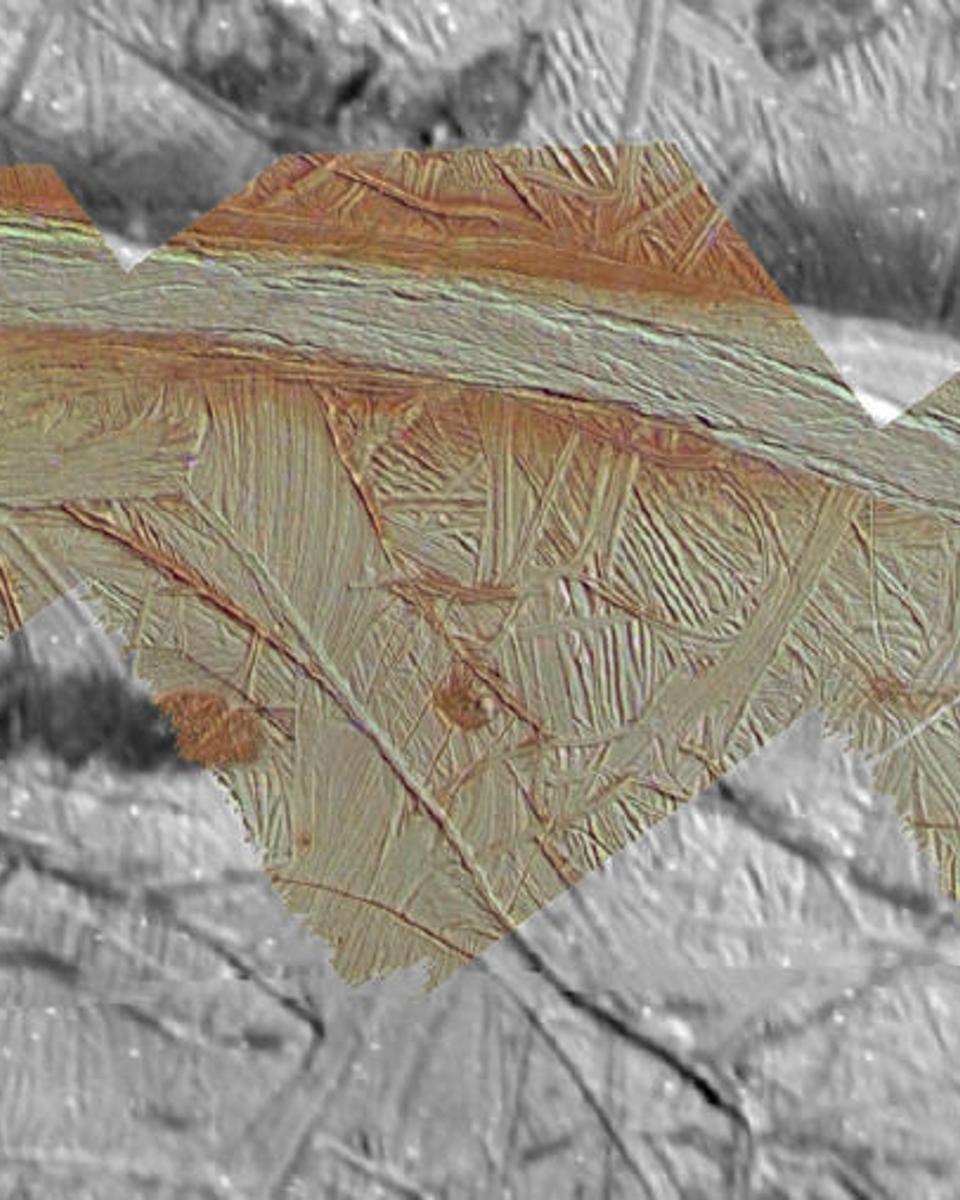
Europa: Ice Line
This bright white swath cutting across the surface of icy Jovian moon Europa is known as Agenor Linea . In all about 1000 kilometers long and 5 kilometers wide, only a section is…
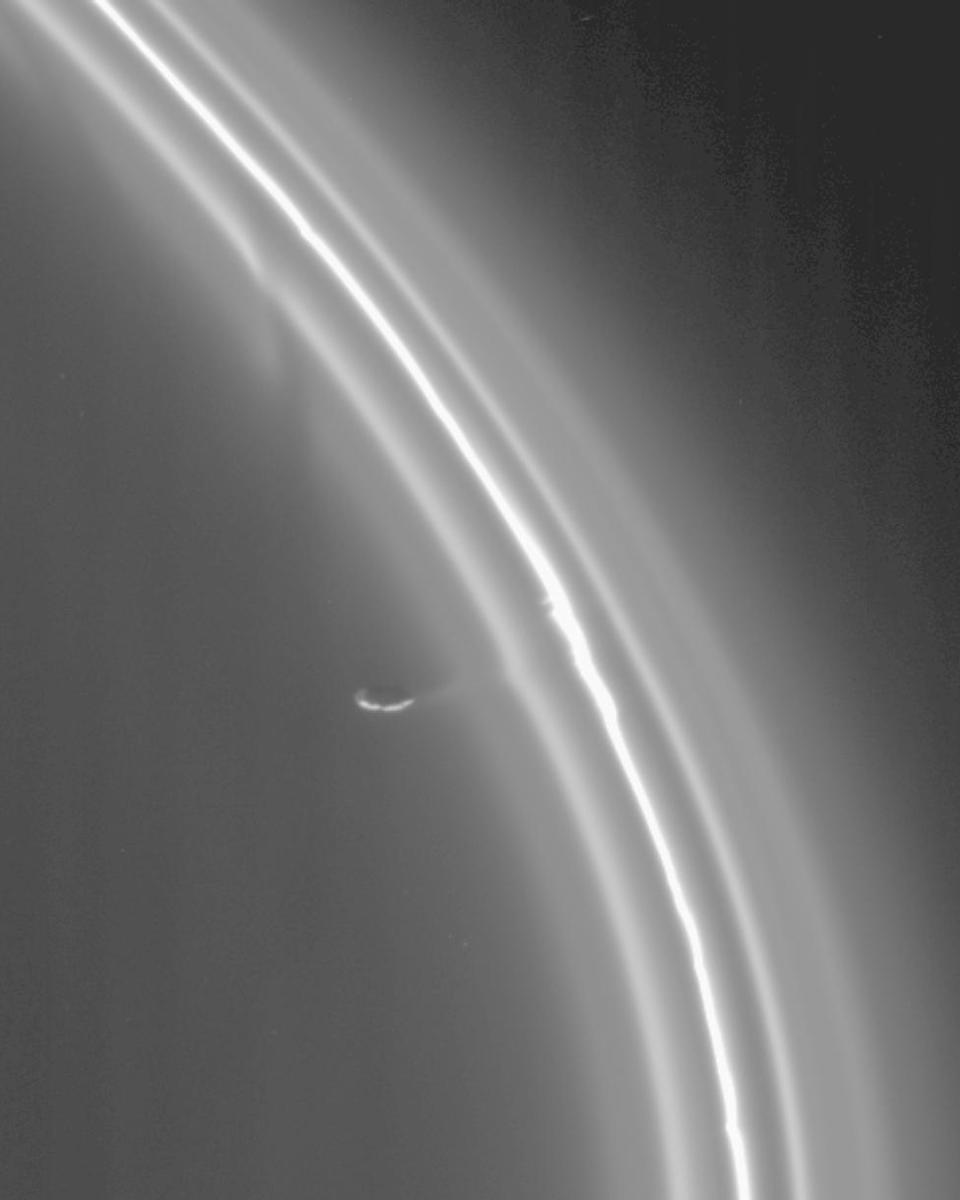
Prometheus and the Rings of Saturn
In Greek Mythology, Prometheus was known for stealing fire from the gods. Ironically, in a story for more modern times Prometheus may also become known for stealing, but this time…
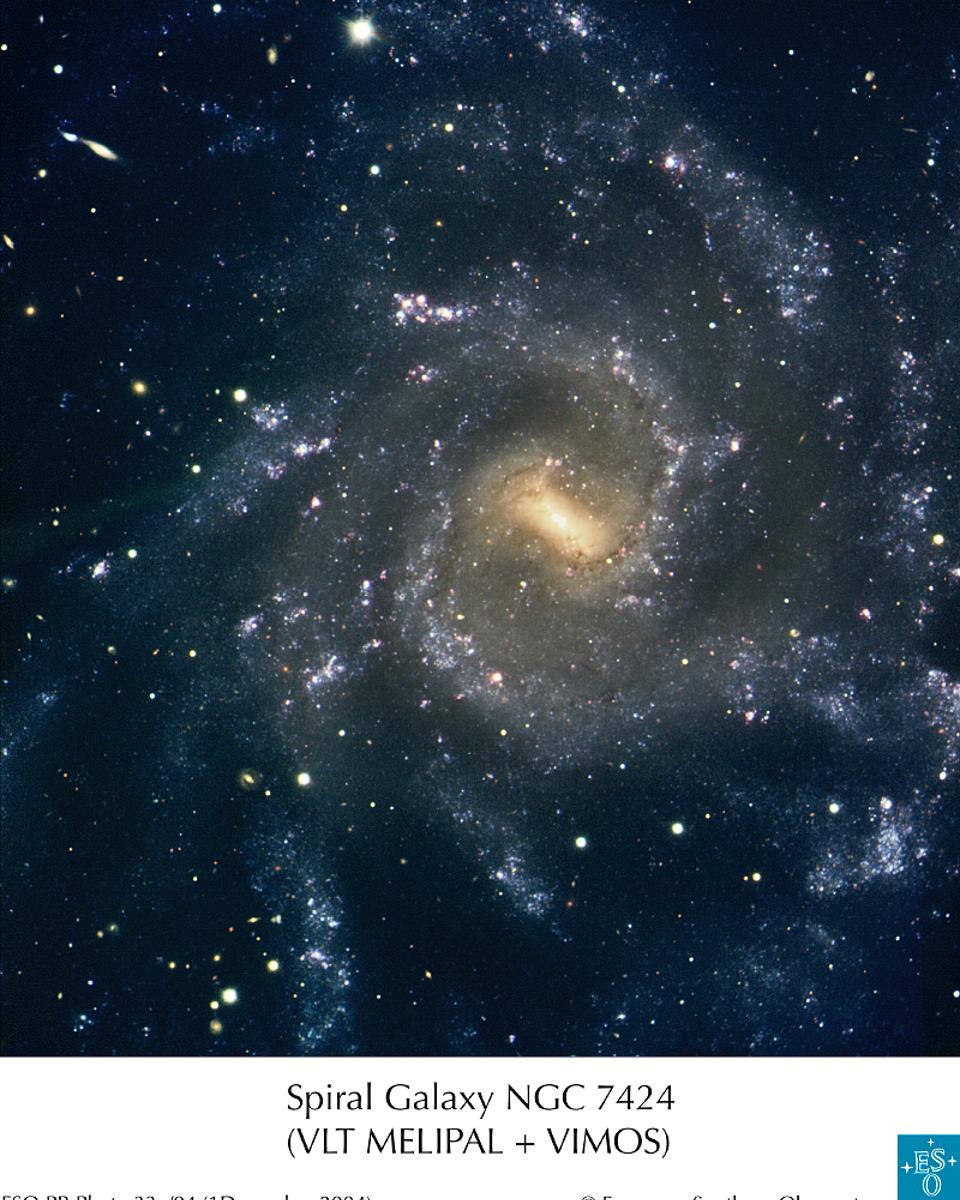
The Arms of NGC 7424
The grand , winding arms are almost mesmerizing in this face-on view of NGC 7424, a spiral galaxy with a prominent central bar . About 40 million light-years distant in the…
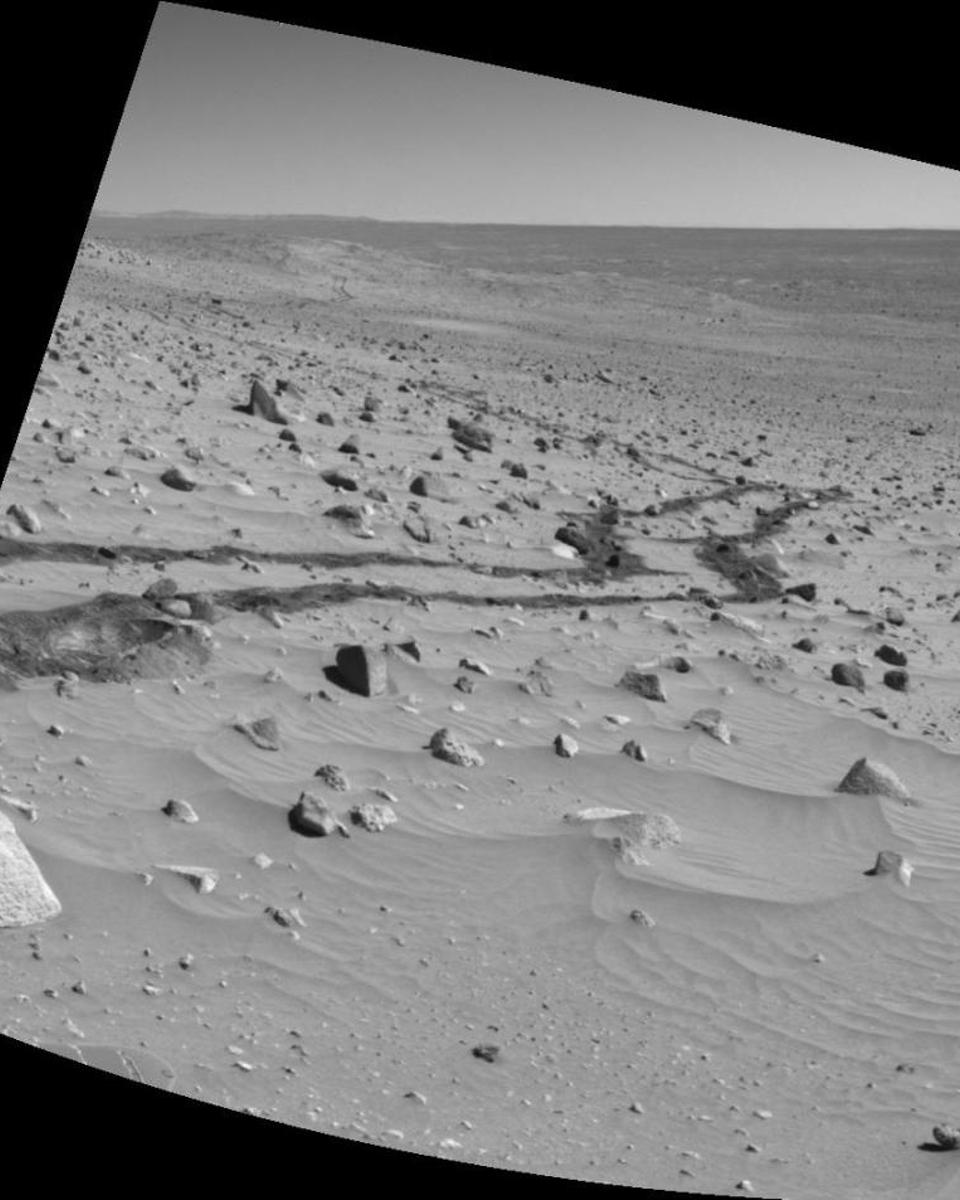
Looking Back Over Mars
Pictured above , the path of the robot rover Spirit on Mars can be traced far into the distance. Spirit has now crossed kilometers of plains covered with rocks and sand,…
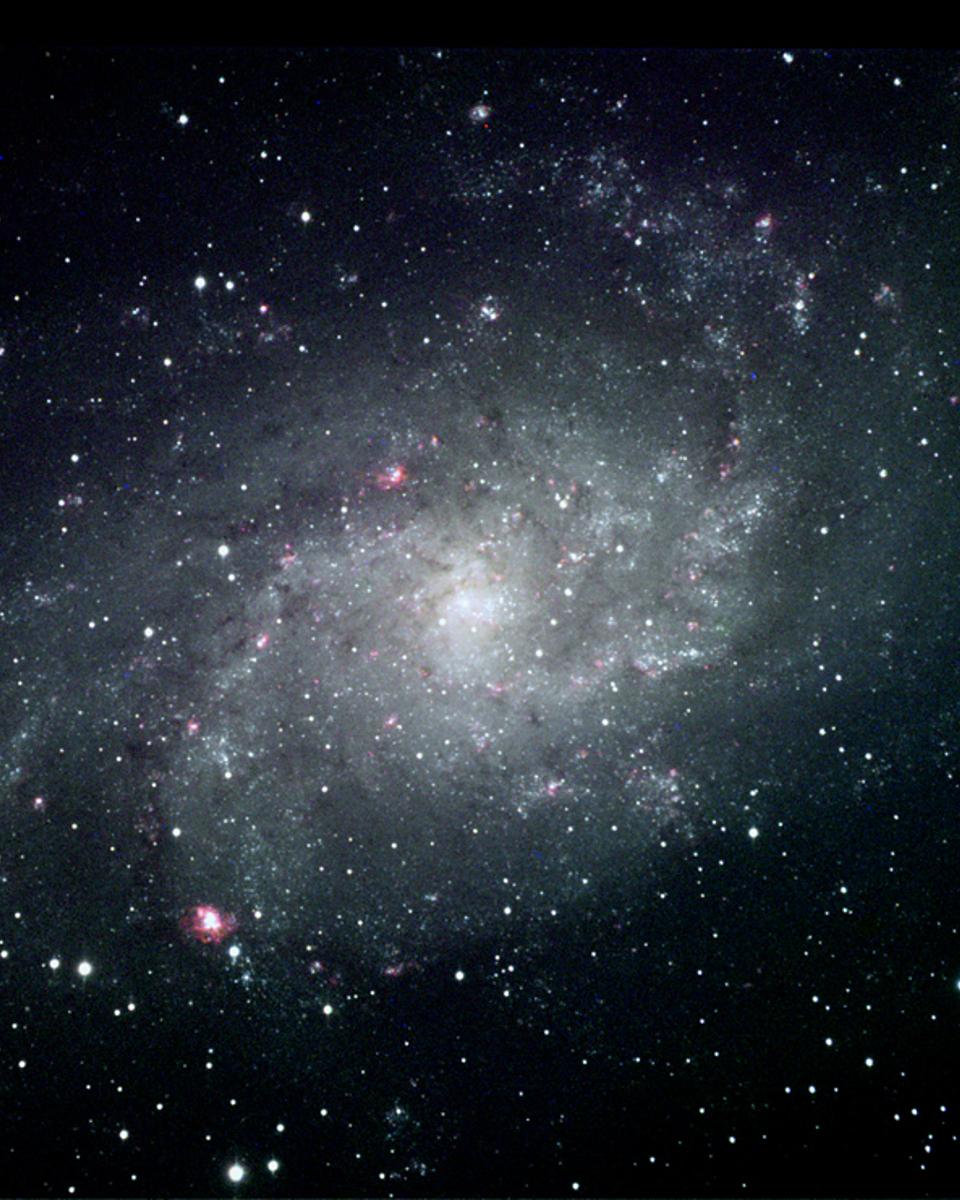
Nearby Spiral M33
Spiral galaxy M33 is a mid-sized member of our Local Group of Galaxies . M33 is also called the Triangulum Galaxy for the constellation in which it resides. About four times…
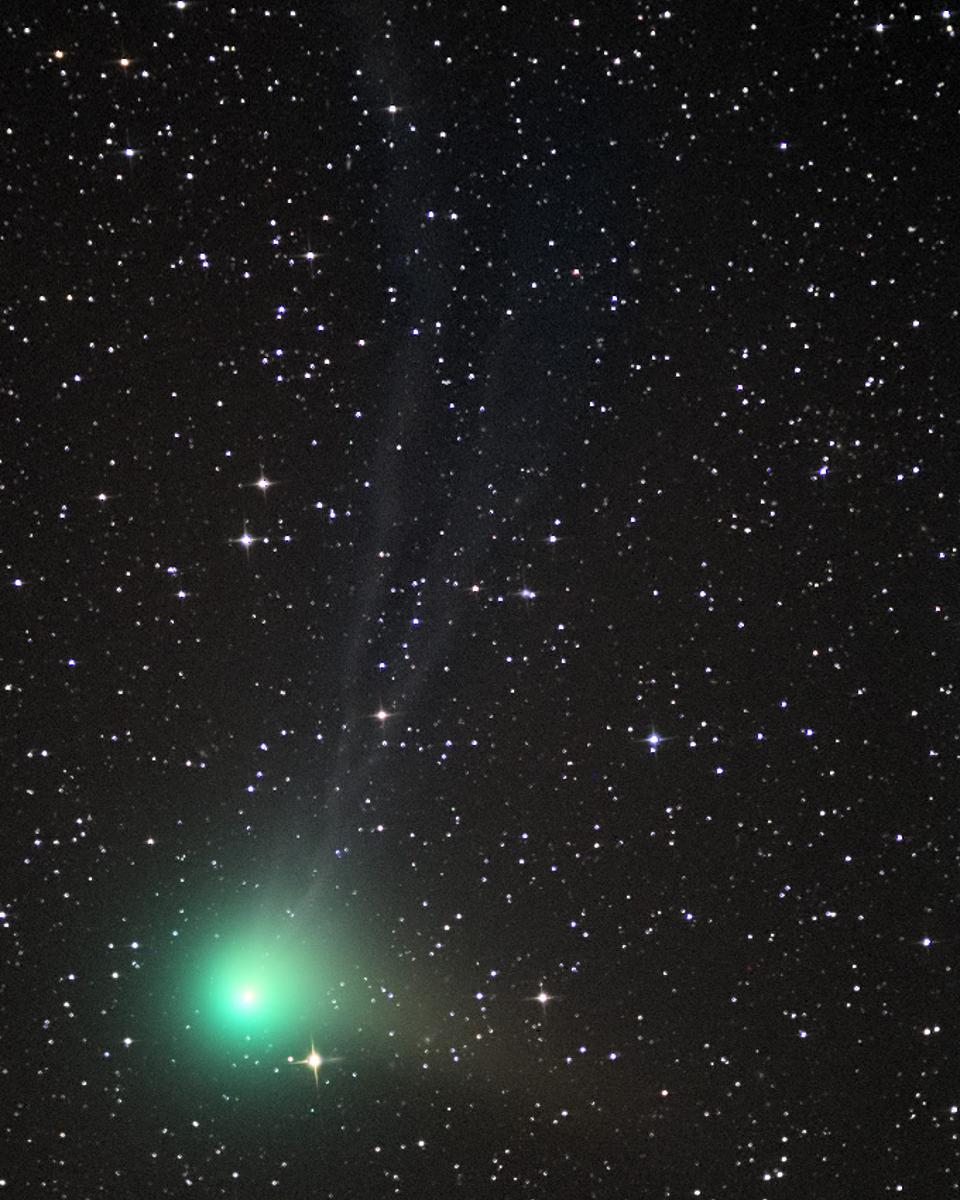
Announcing Comet Machholz
A comet discovered only this summer is brightening quickly and already visible to the unaided eye. Comet C/2004 Q2 (Machholz) is currently best visible in Earth's Southern…
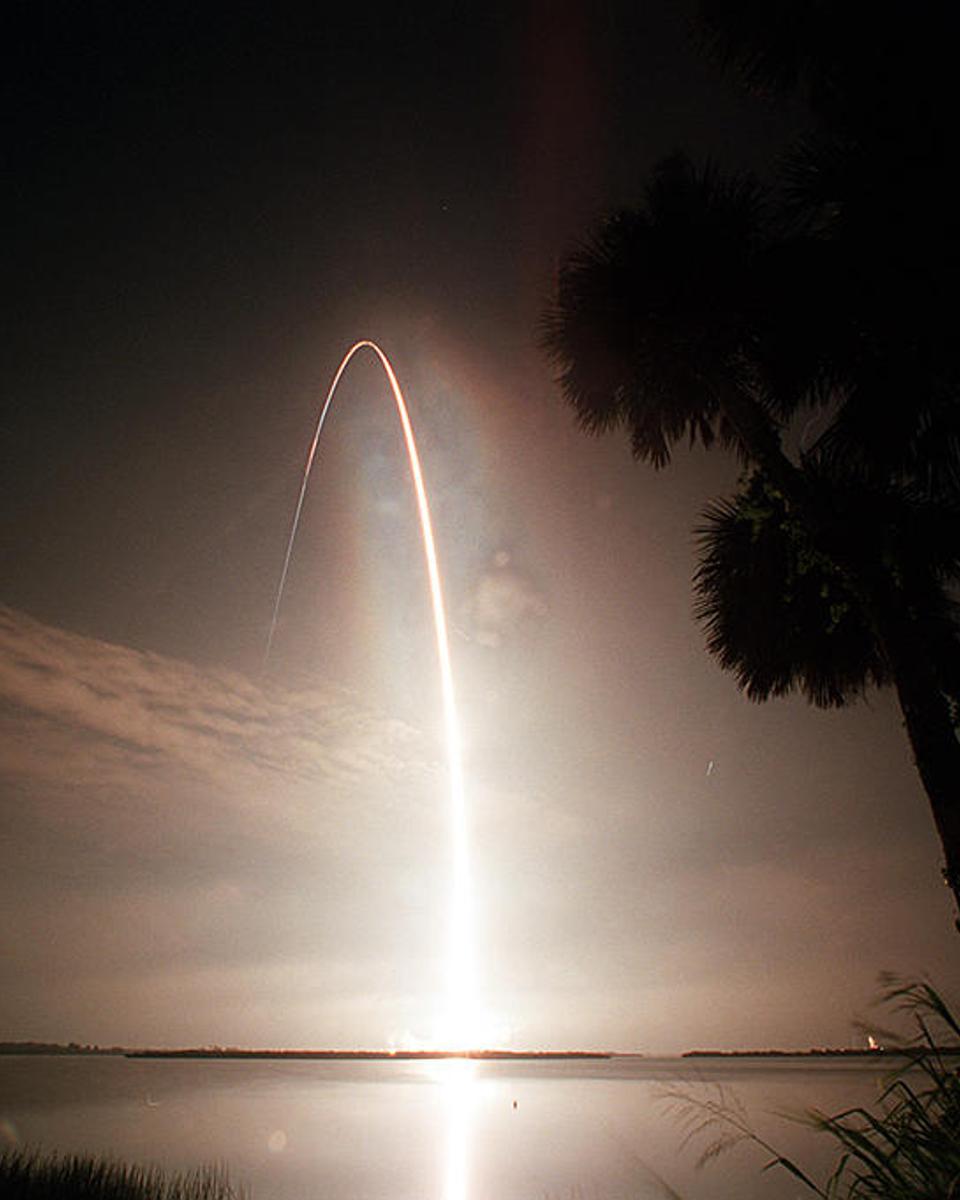
Atlantis to Orbit
Birds don't fly this high. Airplanes don't go this fast. The Statue of Liberty weighs less. No species other than human can even comprehend what is going on, nor could any human…
Viewing discoveries from 4 January 2005 through 12 December 2004.