Browse NASA Astronomy Picture of the Day archive by date and media: Archive Discoveries
Browse the NASA APOD archive without needing the exact date first. Filter by media type and keep moving deeper into older images and videos.

A Strange Streak Imaged in Australia
Meteor experts don't think it's a meteor . Atmospheric scientists don't think it's lightning . The photographer insists that the streak and flash on the above image has not been…
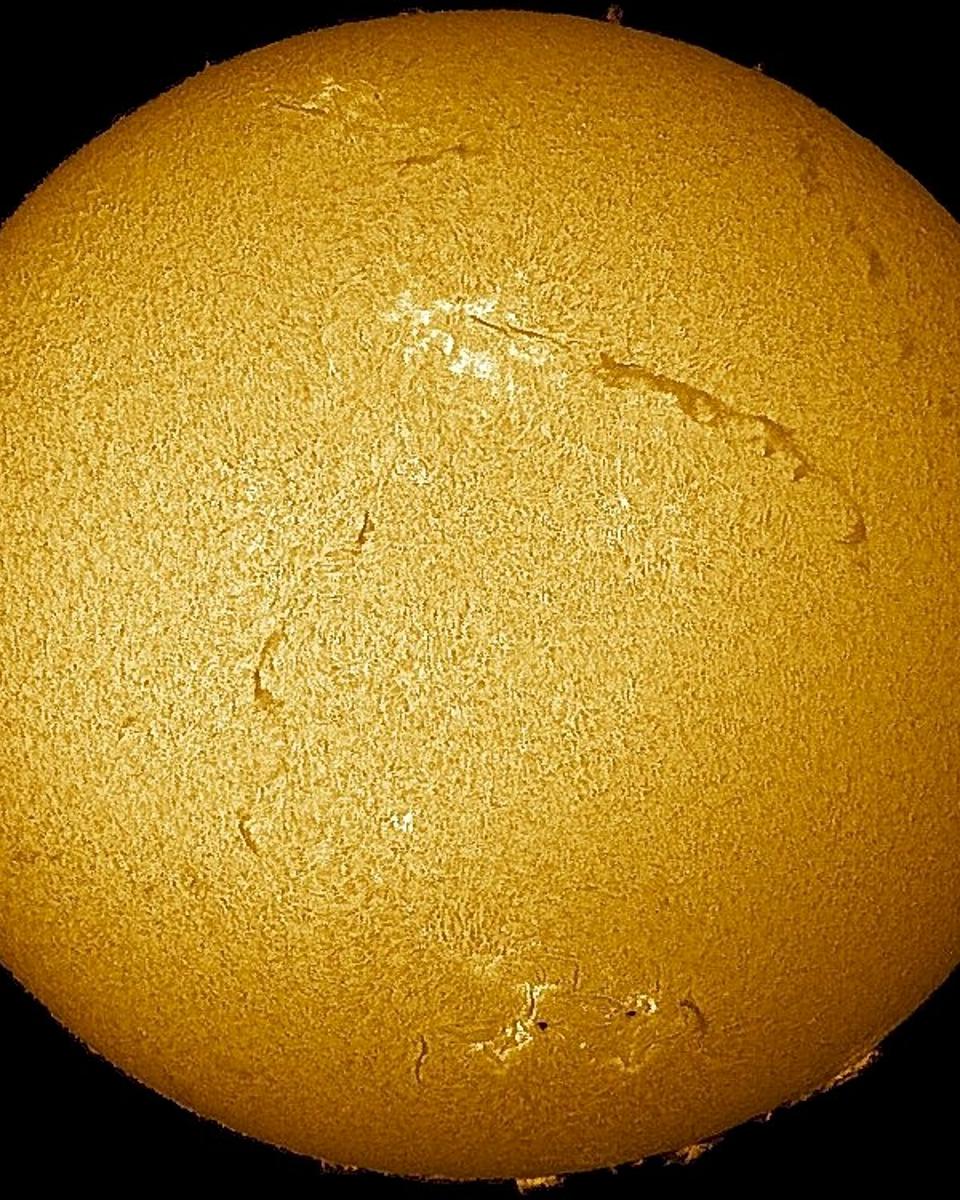
Filaments Across the Sun
Two unusually long filaments crossed part of the Sun last week. The filaments are actually relatively cool and dark prominences of solar plasma held up by the Sun's magnetic field…
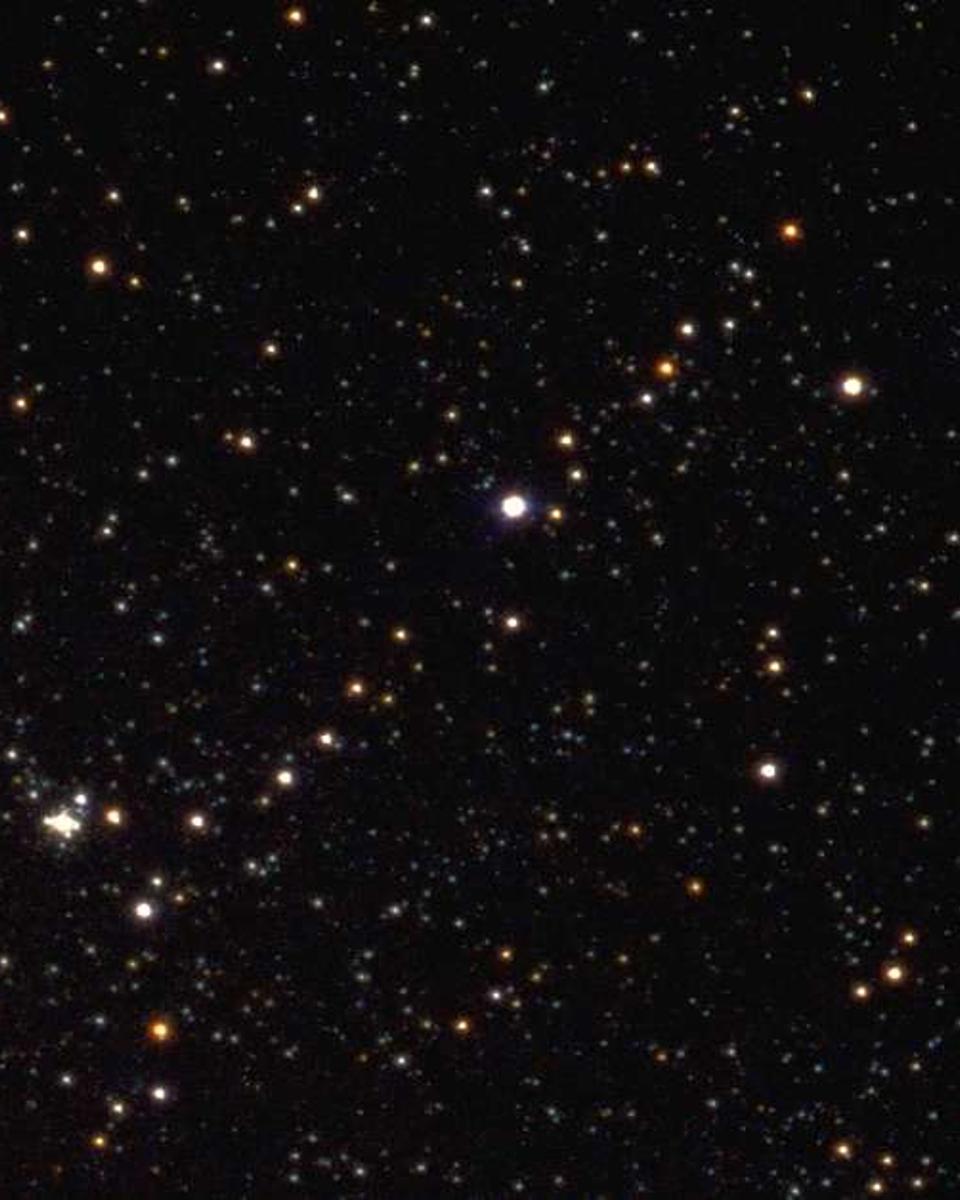
Kemble's Cascade
A picturesque chain of unrelated stars is visible with strong binoculars towards the constellation of Camelopardalis . Known as Kemble's Cascade , the asterism contains about 20…
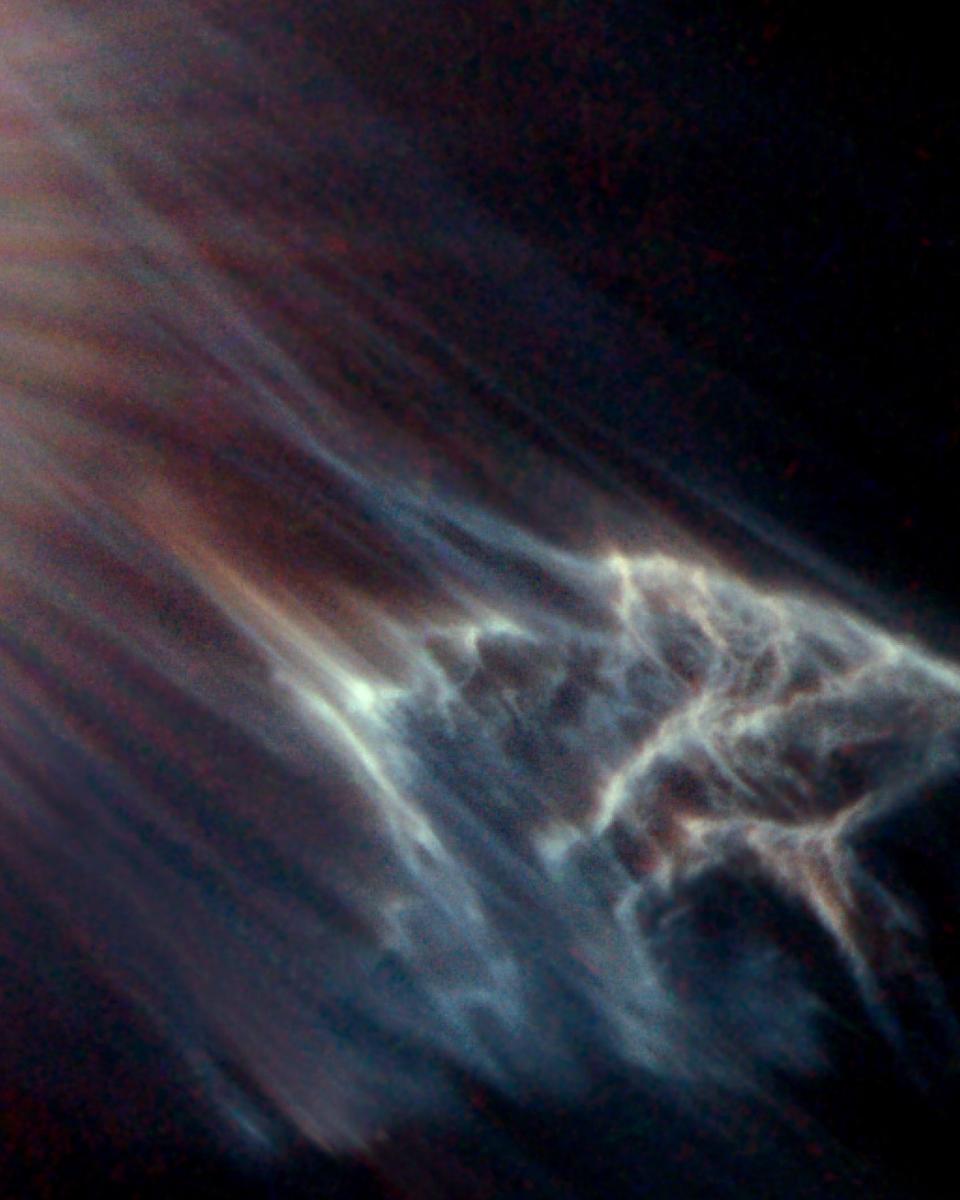
Reflecting Merope
In the well known Pleiades star cluster , a star's light is slowly destroying this wandering cloud of gas and dust . Above, the star Merope lies just off the upper left edge of…
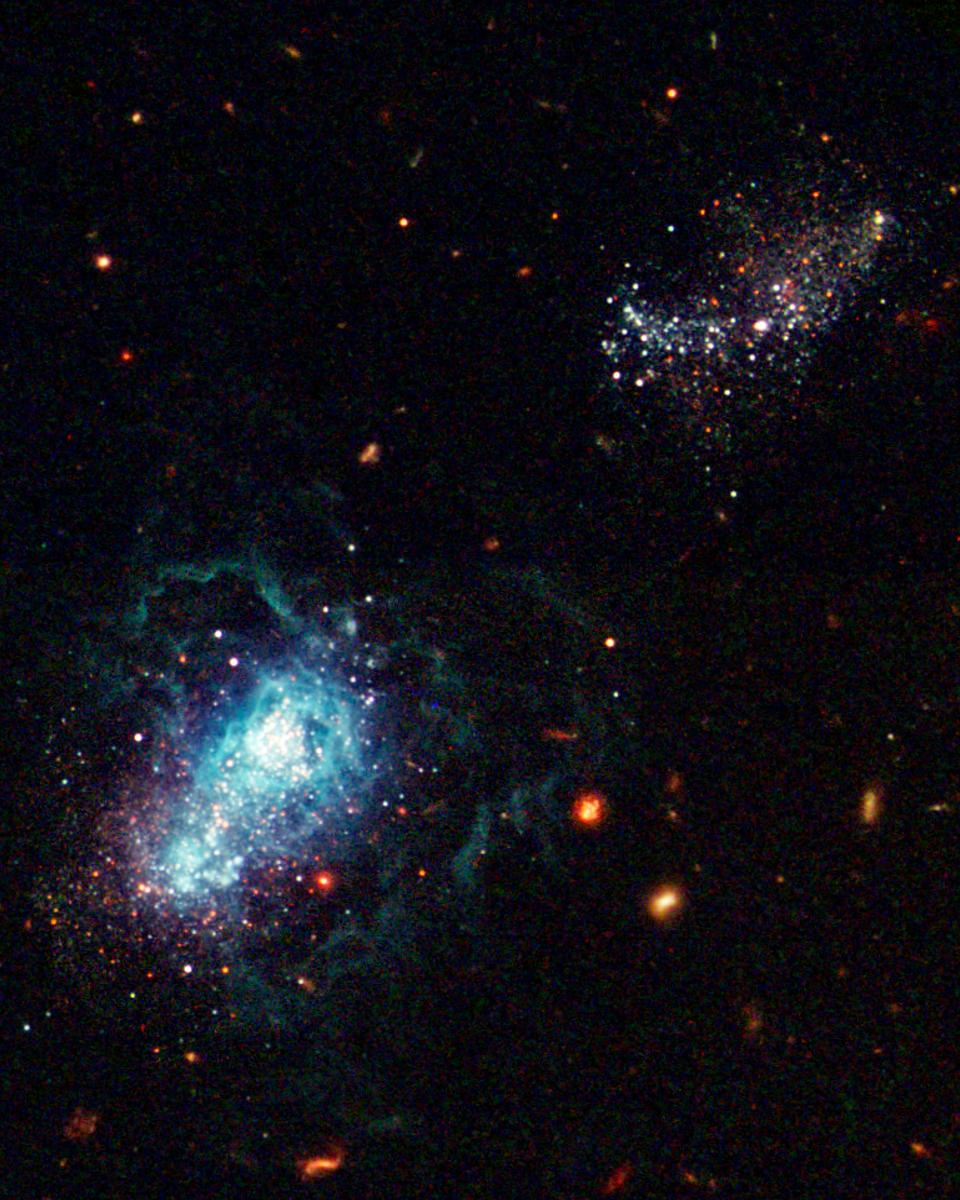
I Zwicky 18: Young Galaxy
The Milky Way is an ordinary 12 billion year old spiral galaxy, and even our middle-aged Sun is pushing 4.5 billion years. But all the stars in dwarf galaxy I Zwicky 18 are much…
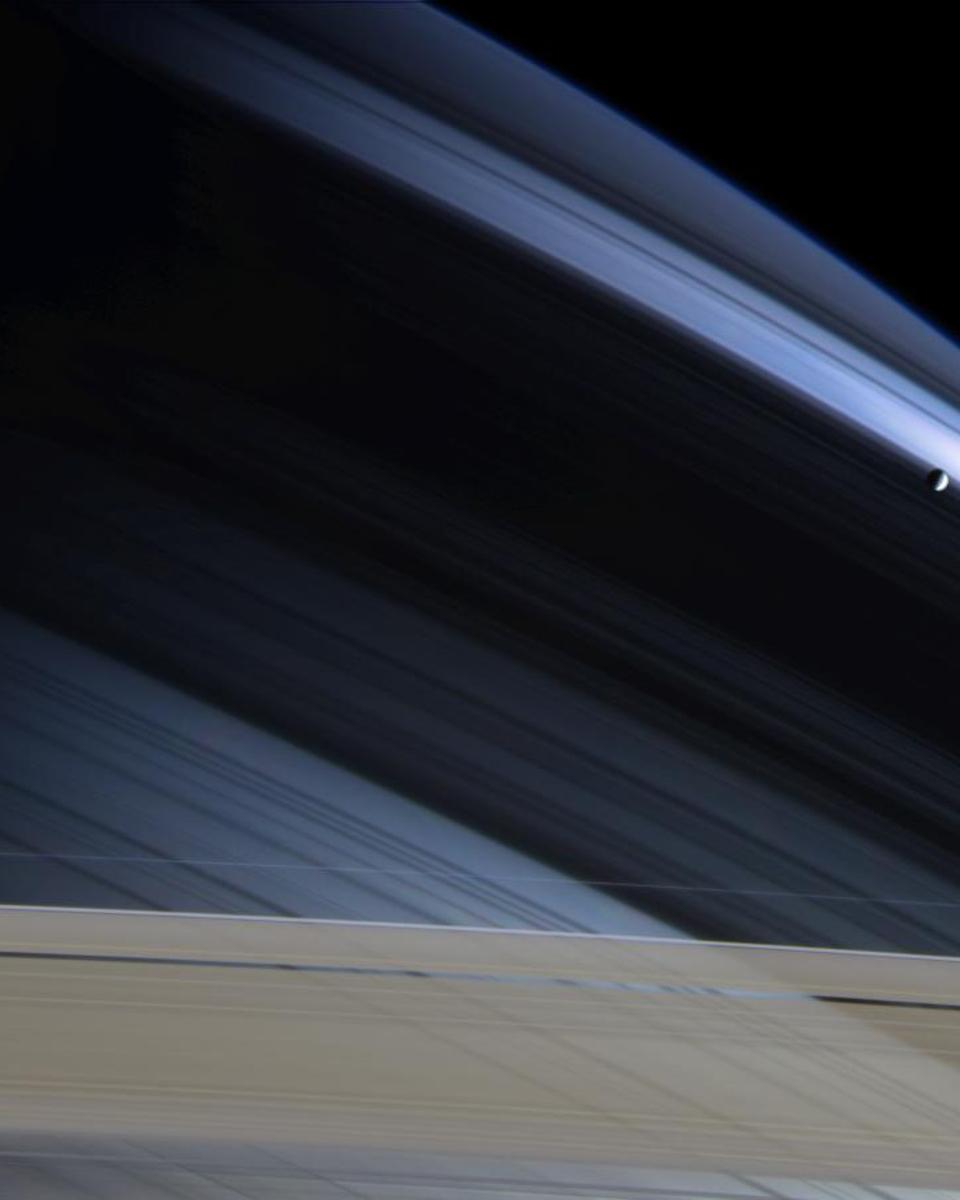
Mimas, Rings, and Shadows
Caught in sunlight, icy moon Mimas shines above a broad shadow across gas giant Saturn . In this remarkable image from the Cassini spacecraft, tiny Mimas is at the upper right.…
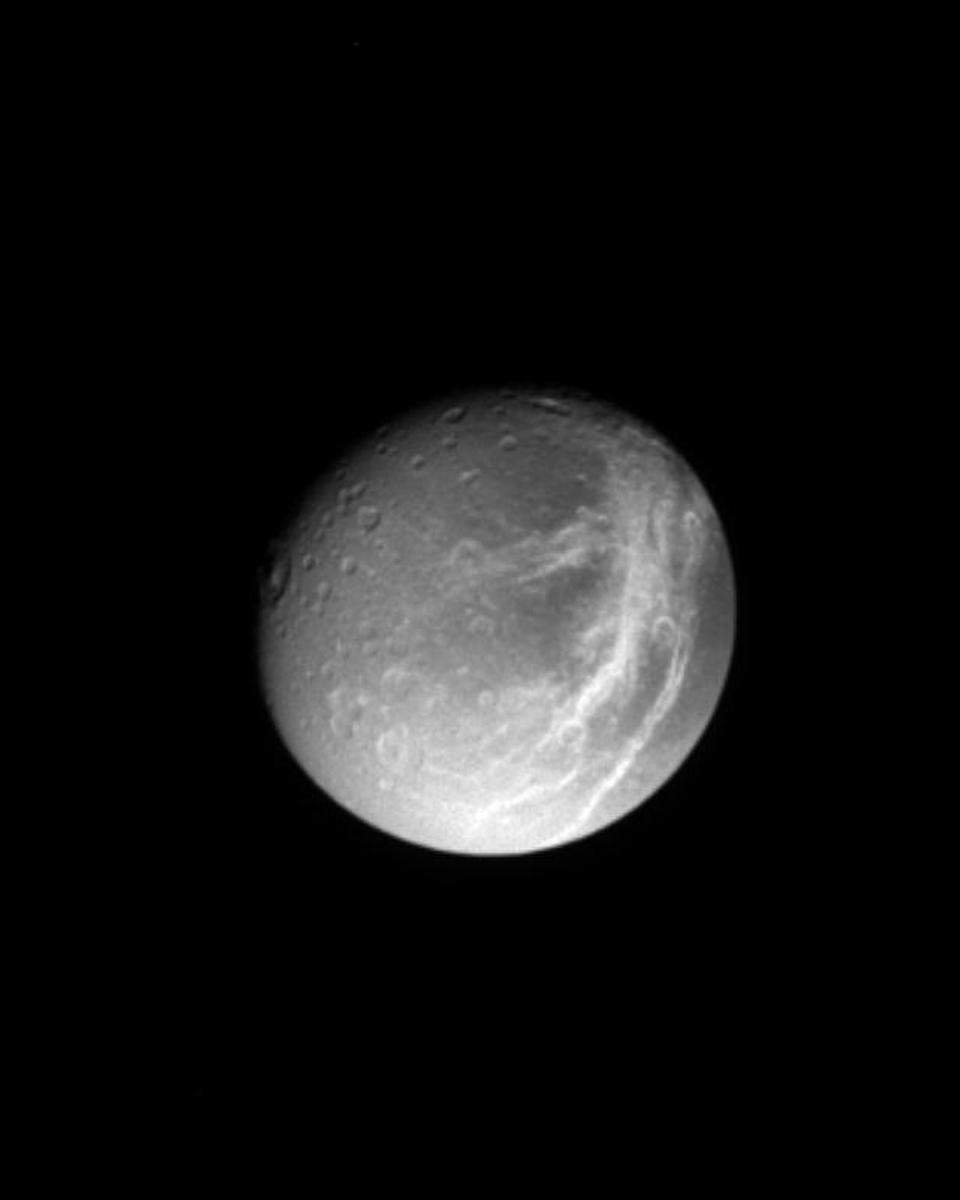
Saturn's Moon Dione from Cassini
What causes the bright streaks on Dione? Recent and likely future images of this unusual moon by the robot Cassini spacecraft now orbiting Saturn might help us find out. The above…
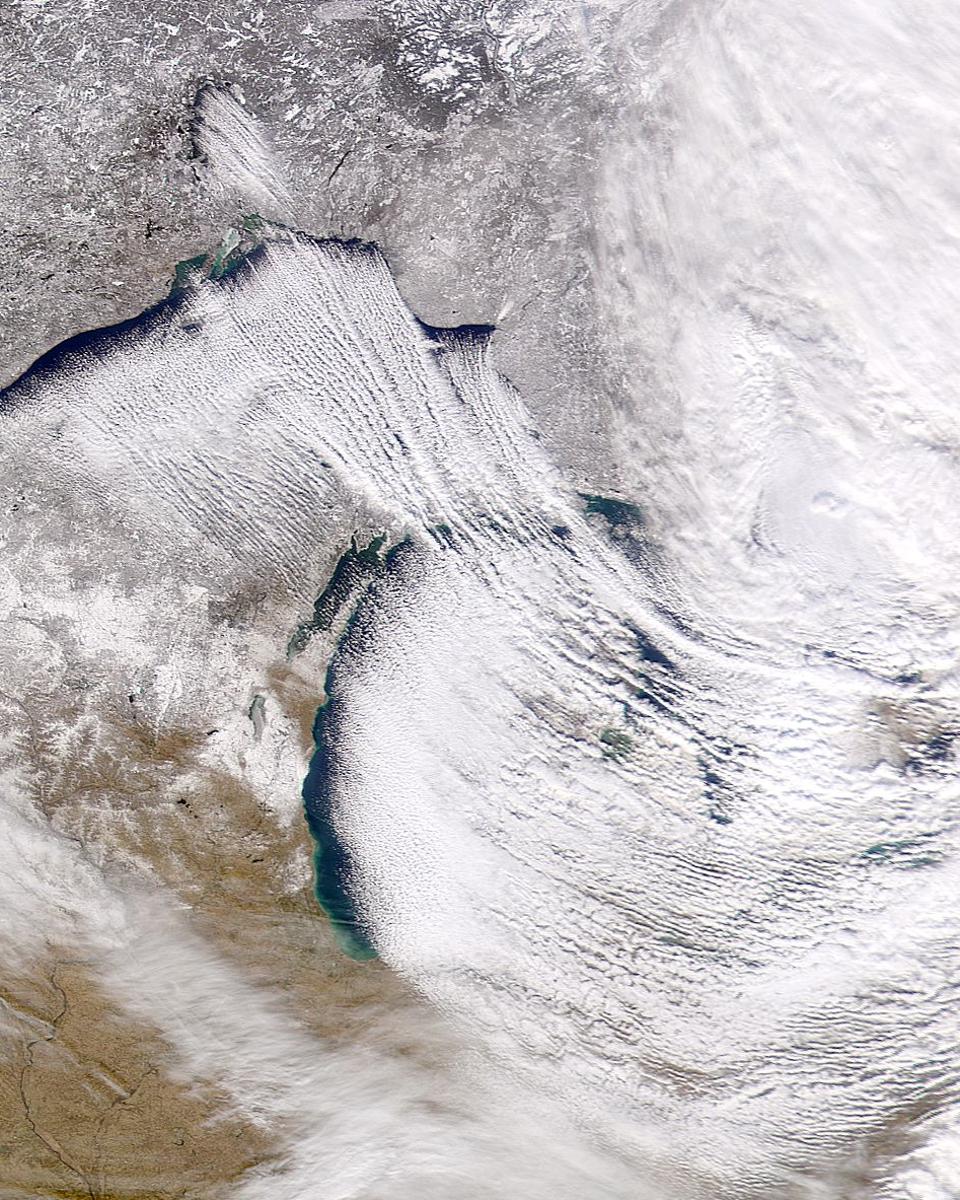
Lake Effect Snow on Earth
What are those strange clouds stretching out from these lakes? The clouds are caused by cold air moving over a warm water and result in bands of lake-effect snow . The rising…
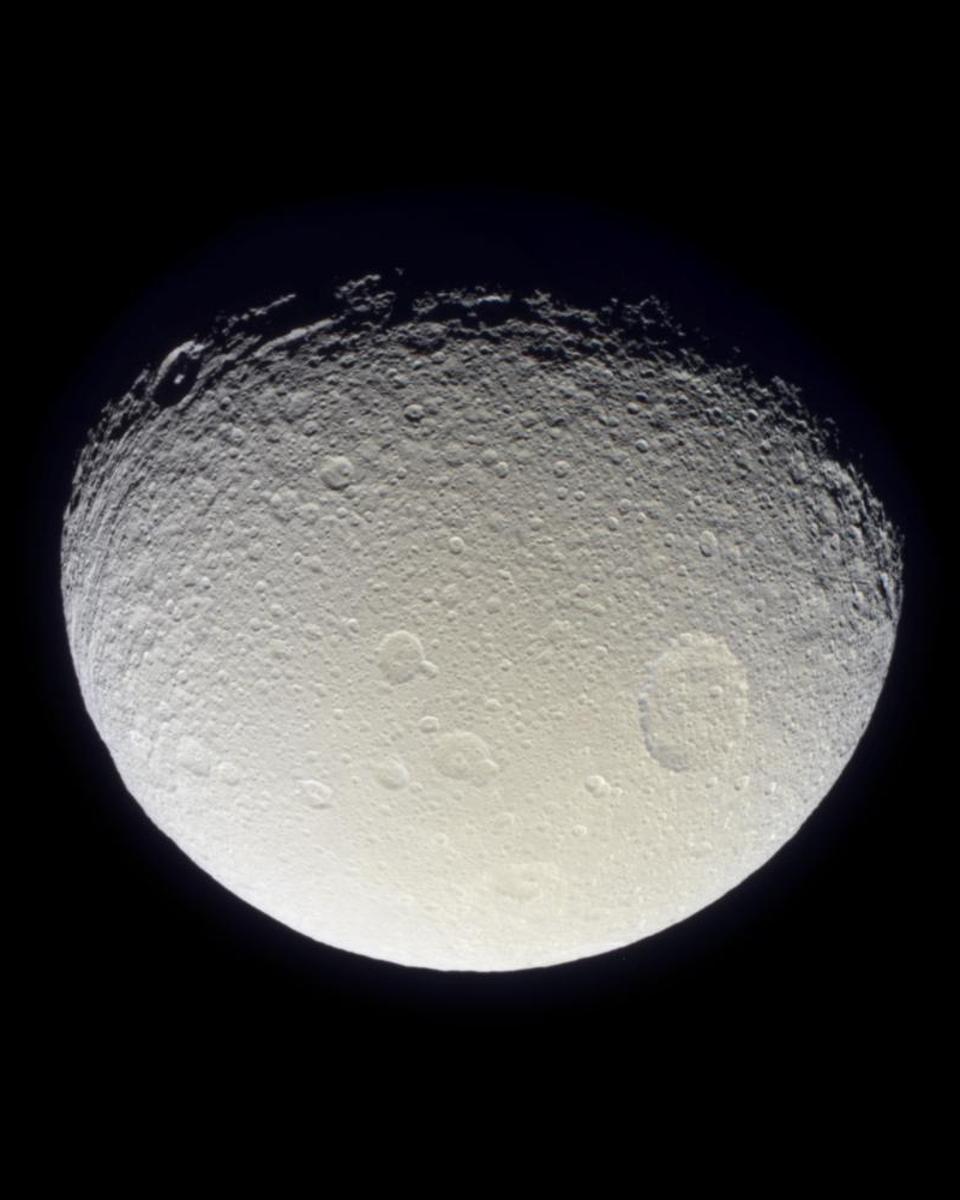
Saturn's Moon Tethys from Cassini
Tethys is one of the larger and closer moons of Saturn. The Cassini spacecraft now orbiting Saturn passed near the frozen moon at the end of October, capturing the most detailed…
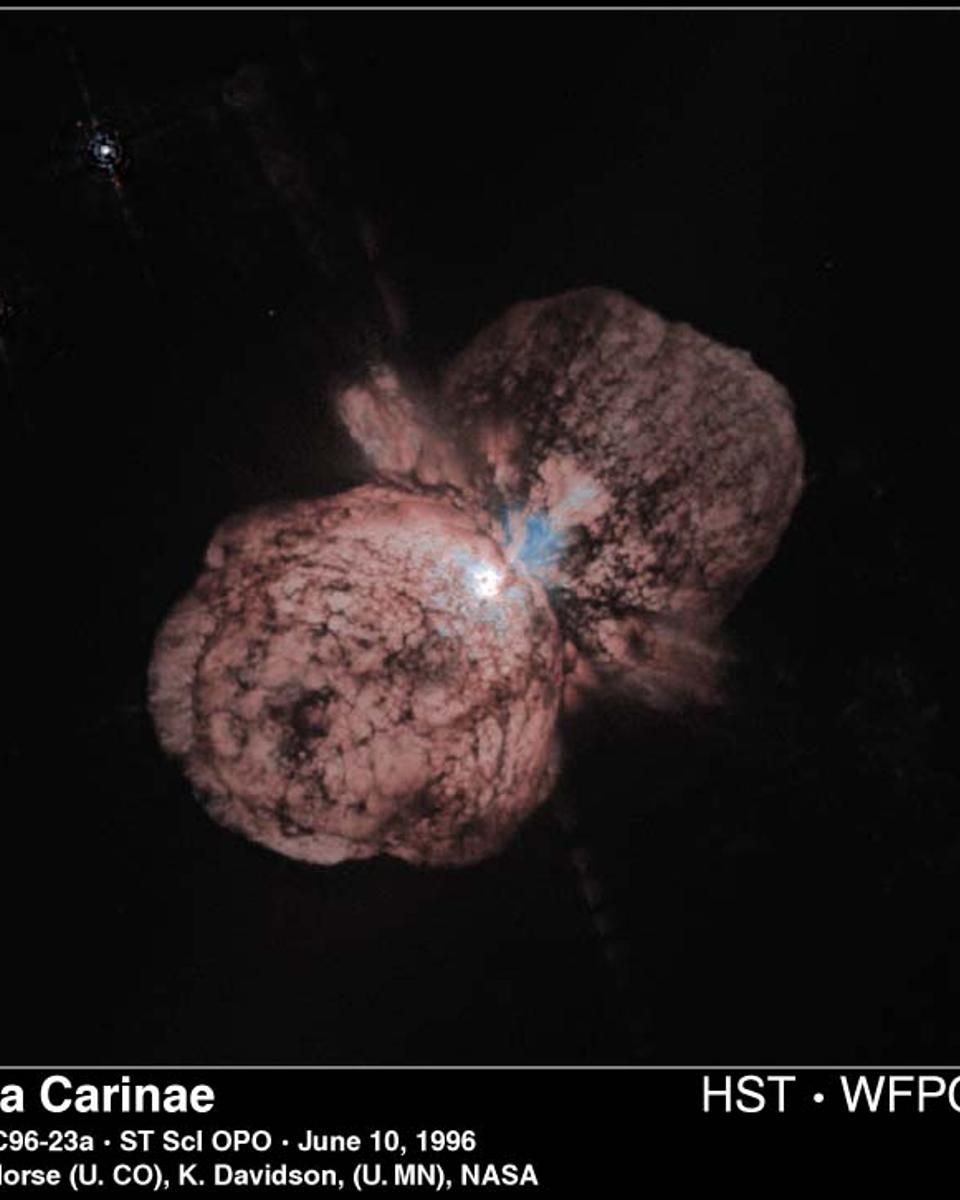
Doomed Star Eta Carinae
Eta Carinae may be about to explode. But no one knows when - it may be next year, it may be one million years from now. Eta Carinae 's mass - about 100 times greater than our Sun…
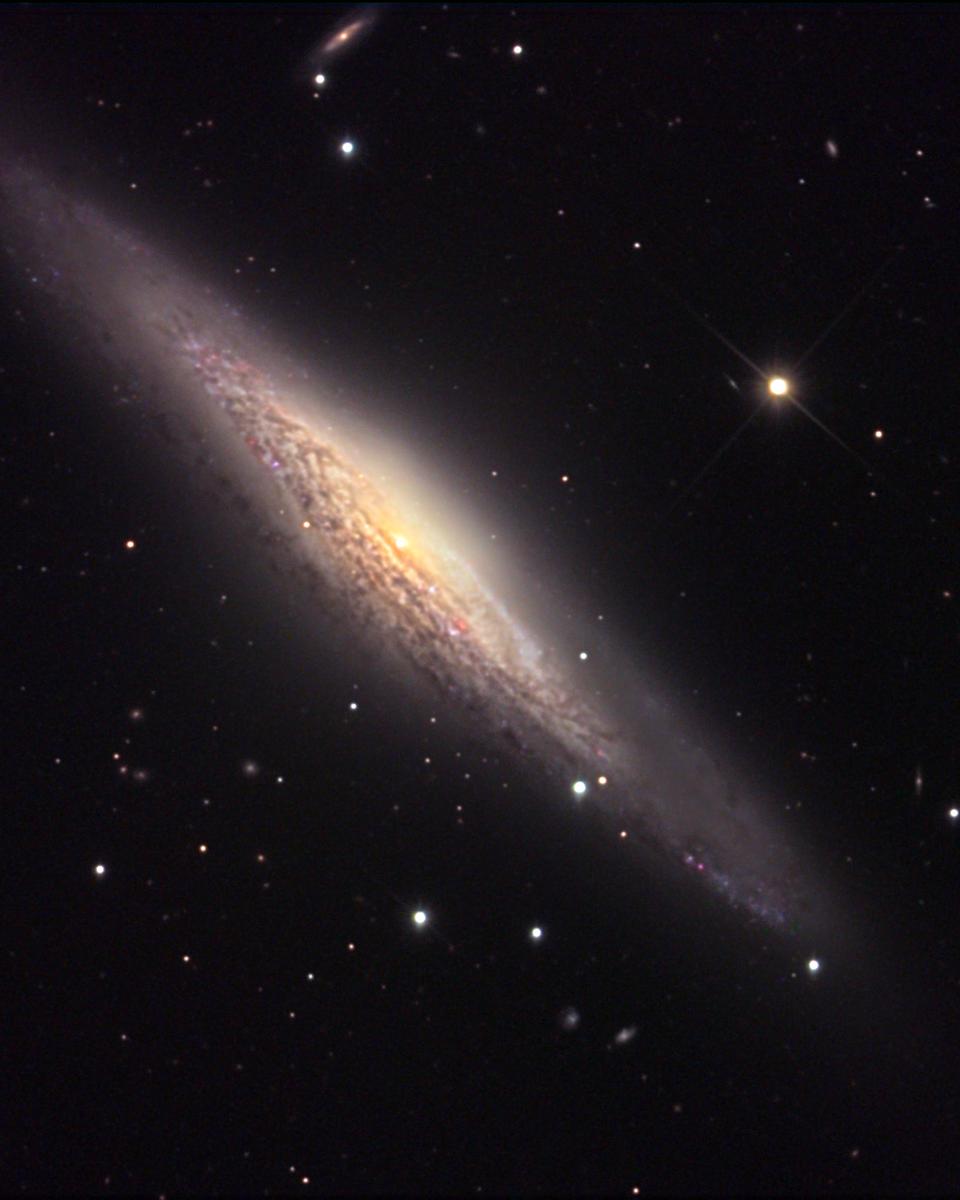
NGC 2683: Spiral Edge-On
This gorgeous island universe , cataloged as NGC 2683 , lies a mere 16 million light-years distant in the northern constellation Lynx . A spiral galaxy comparable to our own Milky…
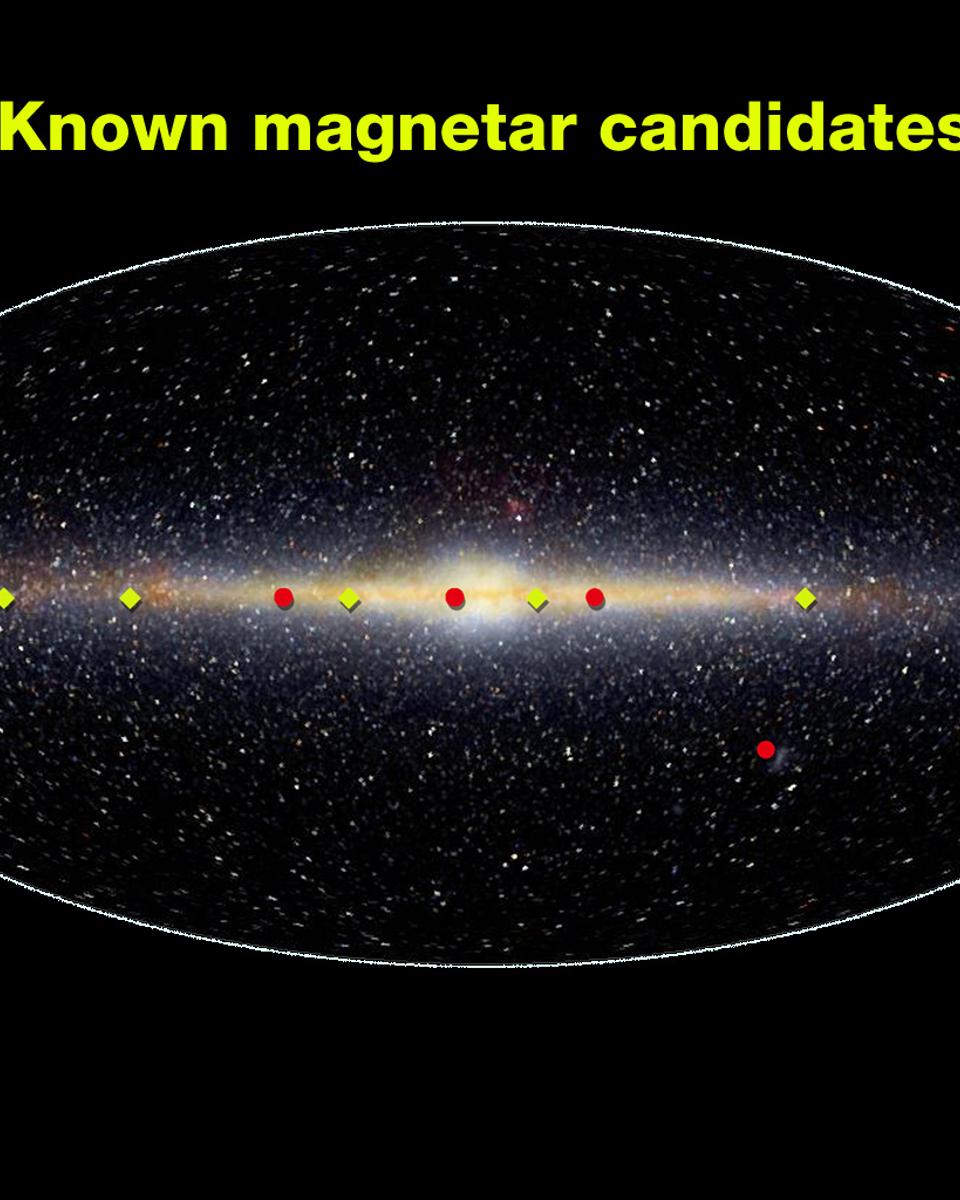
Magnetars In The Sky
Indicated on this infrared image of the galactic center region are positions of candidate magnetars -- believed to be the strongest magnets in the galaxy. Classified by observers…
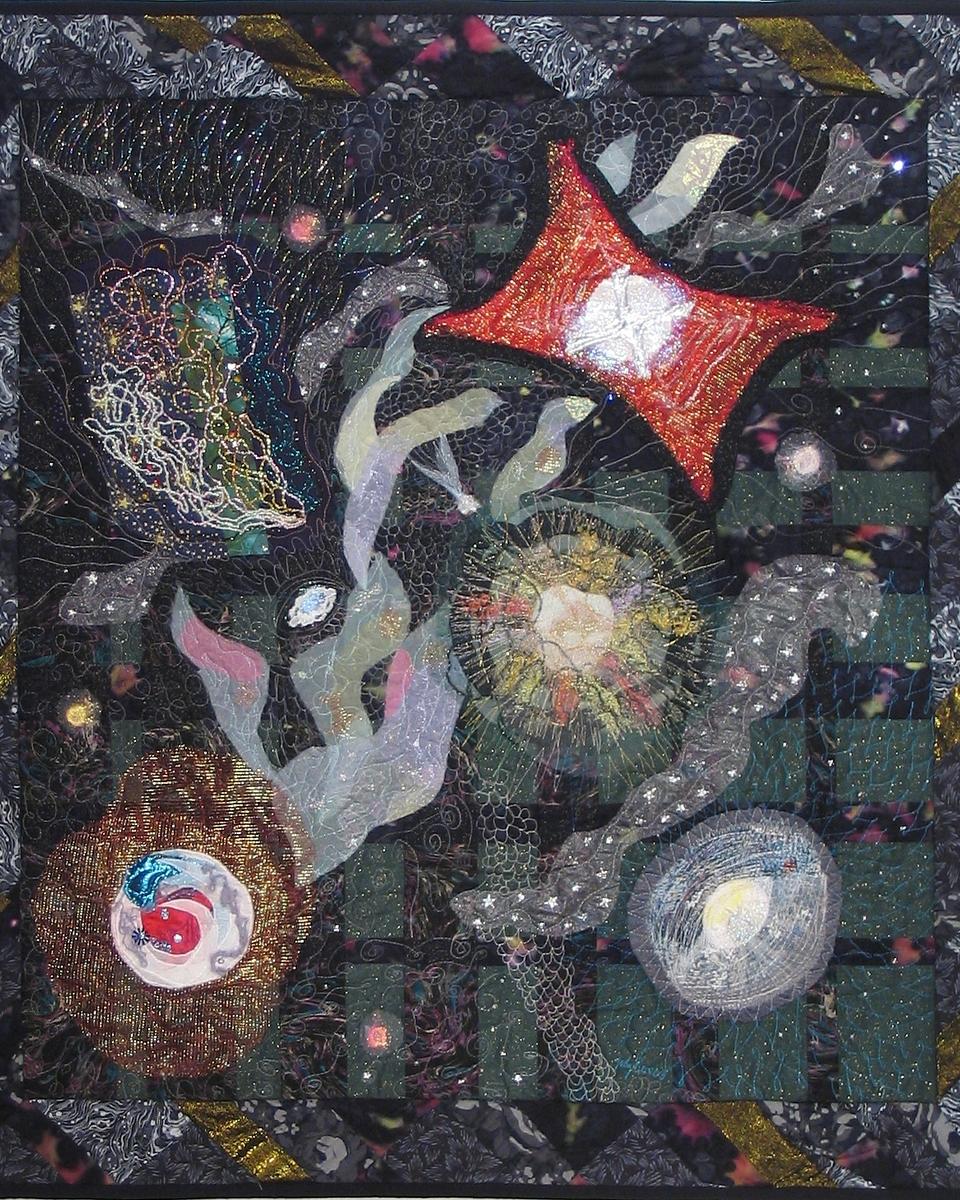
What the Hubble Saw
In this striking 41 inch by 38 inch quilt, astronomy enthusiast Judy Ross has interpreted some of the Hubble Space Telescope's best galactic and extragalactic vistas. Featured in…

A Radar View of Titan
Where are Titan's craters? Throughout our Solar System 's five billion-year history, dangerous rocks and chunks of ice have continually slammed into planets and moons - usually…
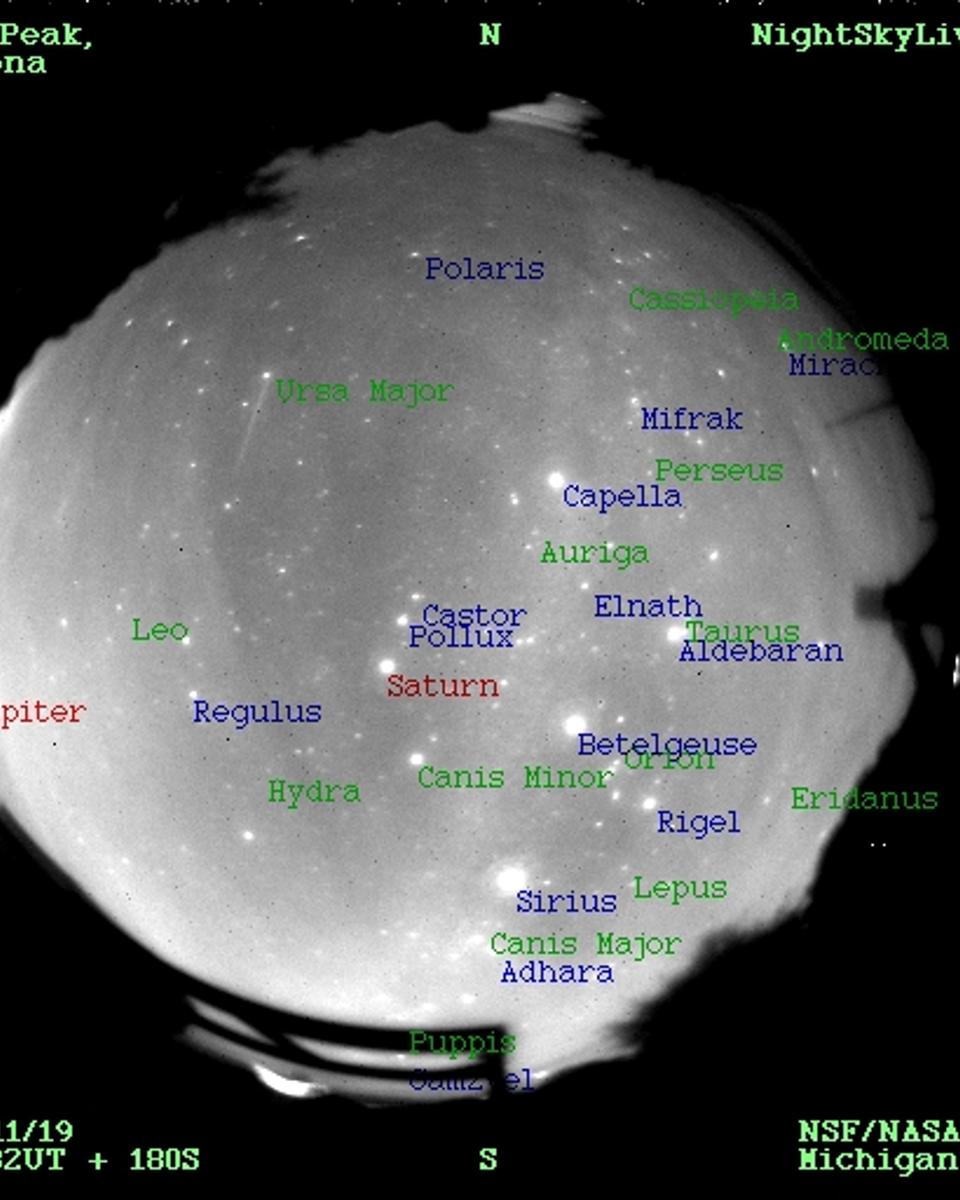
Leonid Meteors Streak
The 2004 Leonids meteor shower had its ups and downs. Although average rates were significantly less than many previous years, as expected, at least two unexpected “…
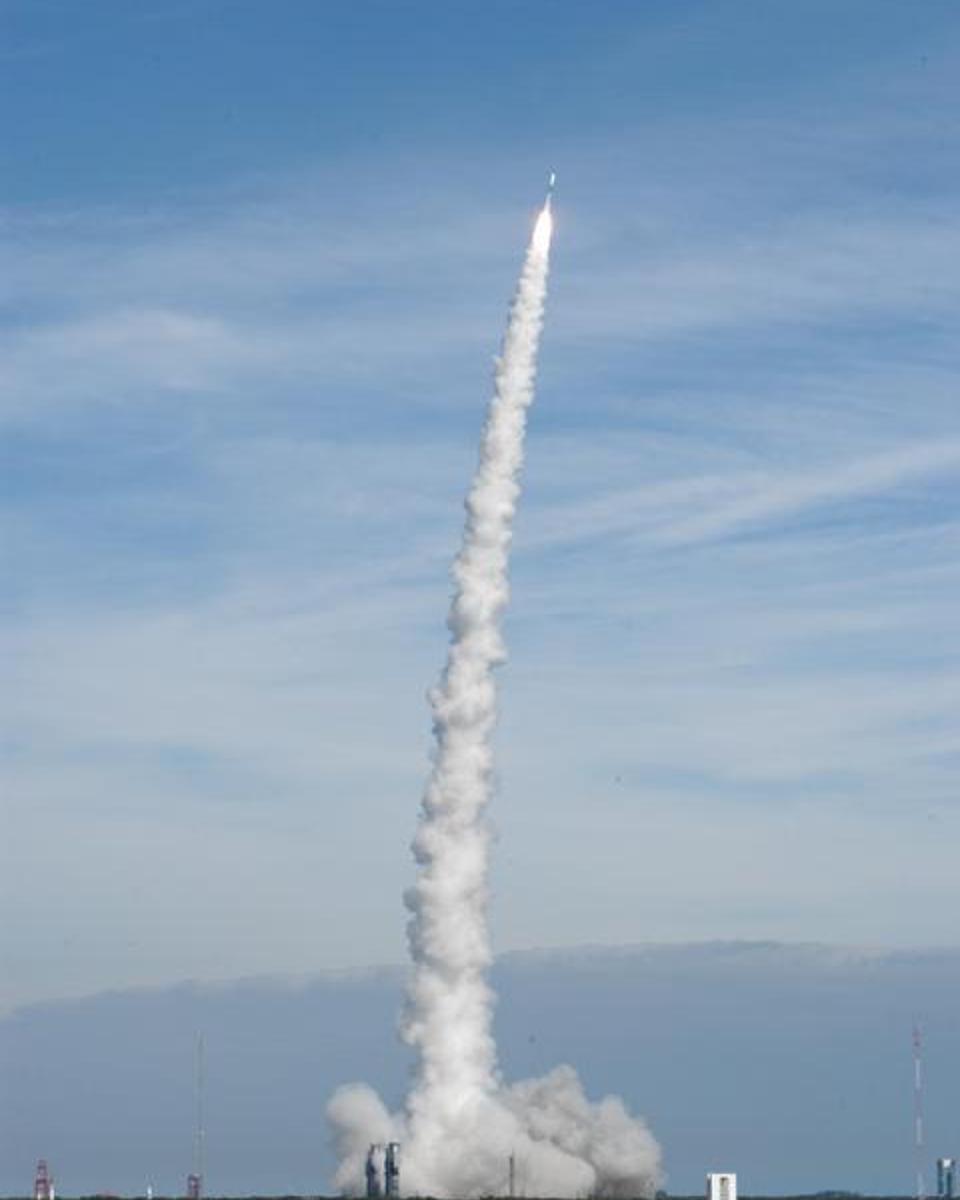
Swift Launches
Where do gamma ray bursts occur? To help find out, NASA launched the Swift satellite on Saturday, as pictured above . What Swift is designed to do better than any previous…
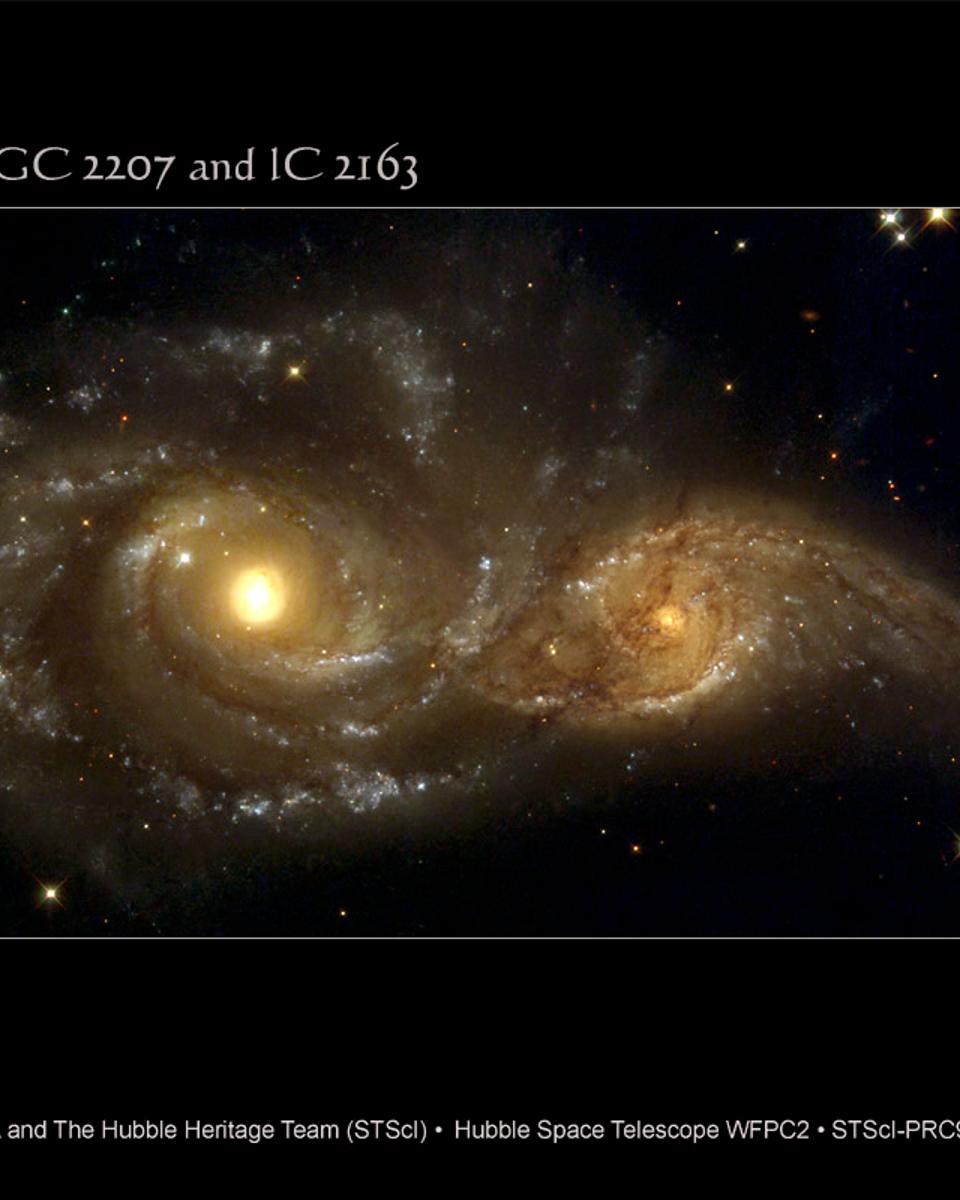
Spiral Galaxies in Collision
Billions of years from now, only one of these two galaxies will remain. Until then, spiral galaxies NGC 2207 and IC 2163 will slowly pull each other apart, creating tides of…
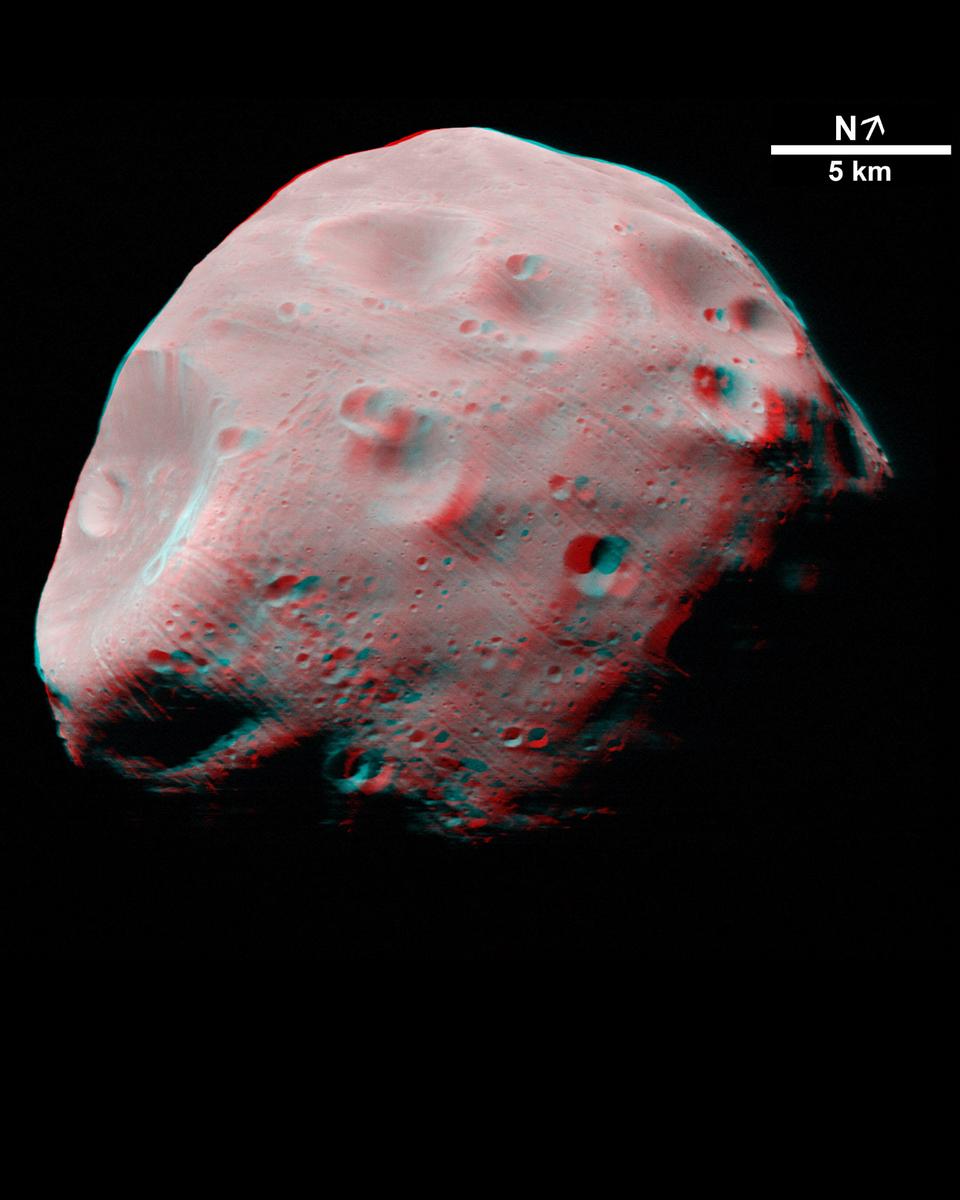
Stereo Phobos
Get out your red/blue glasses and float next to Phobos, grooved moon of Mars! Also featured in yesterday's episode , the image data from the Mars Express High Resolution Stereo…
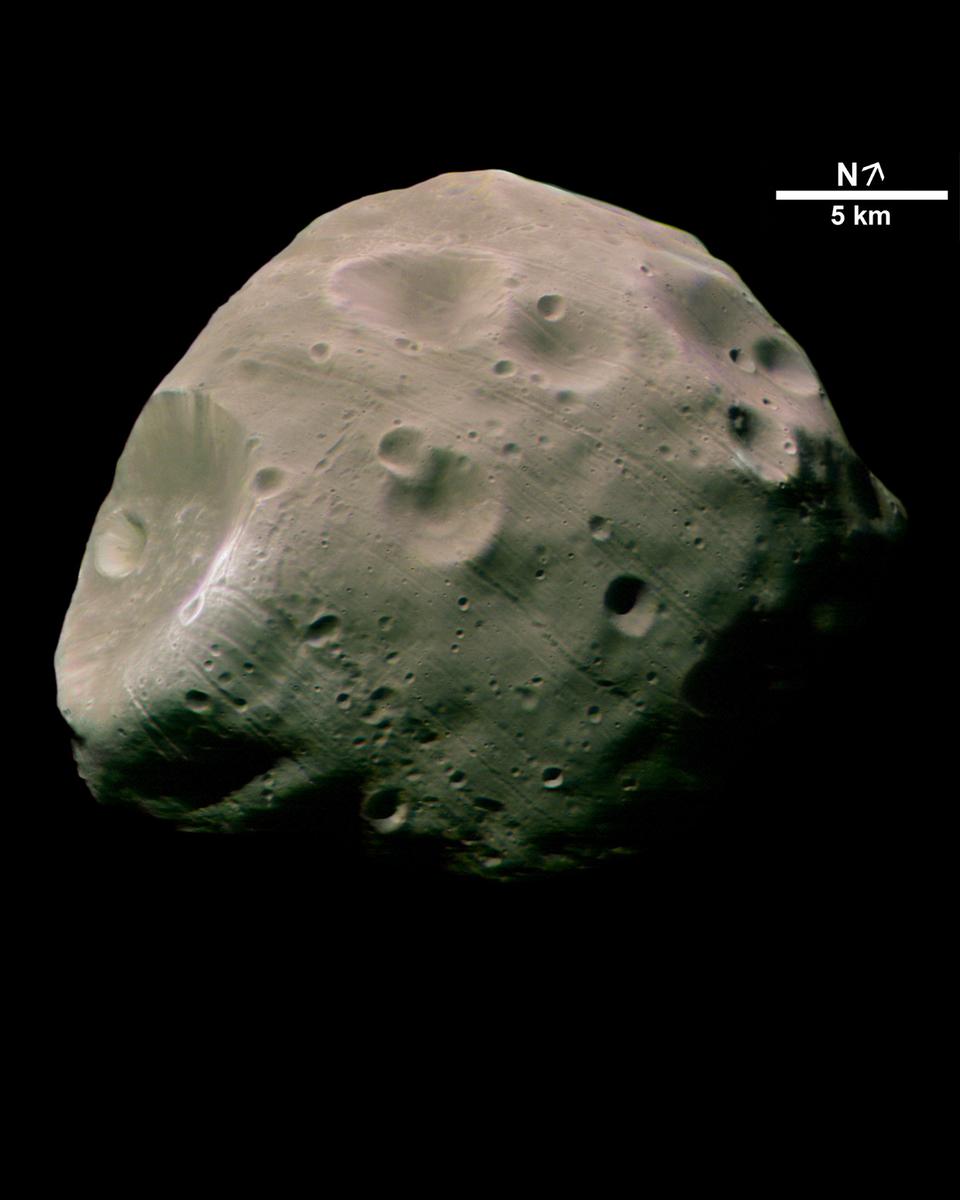
Phobos: Doomed Moon of Mars
This moon is doomed. Mars , the red planet named for the Roman god of war , has two tiny moons, Phobos and Deimos , whose names are derived from the Greek for Fear and Panic.…
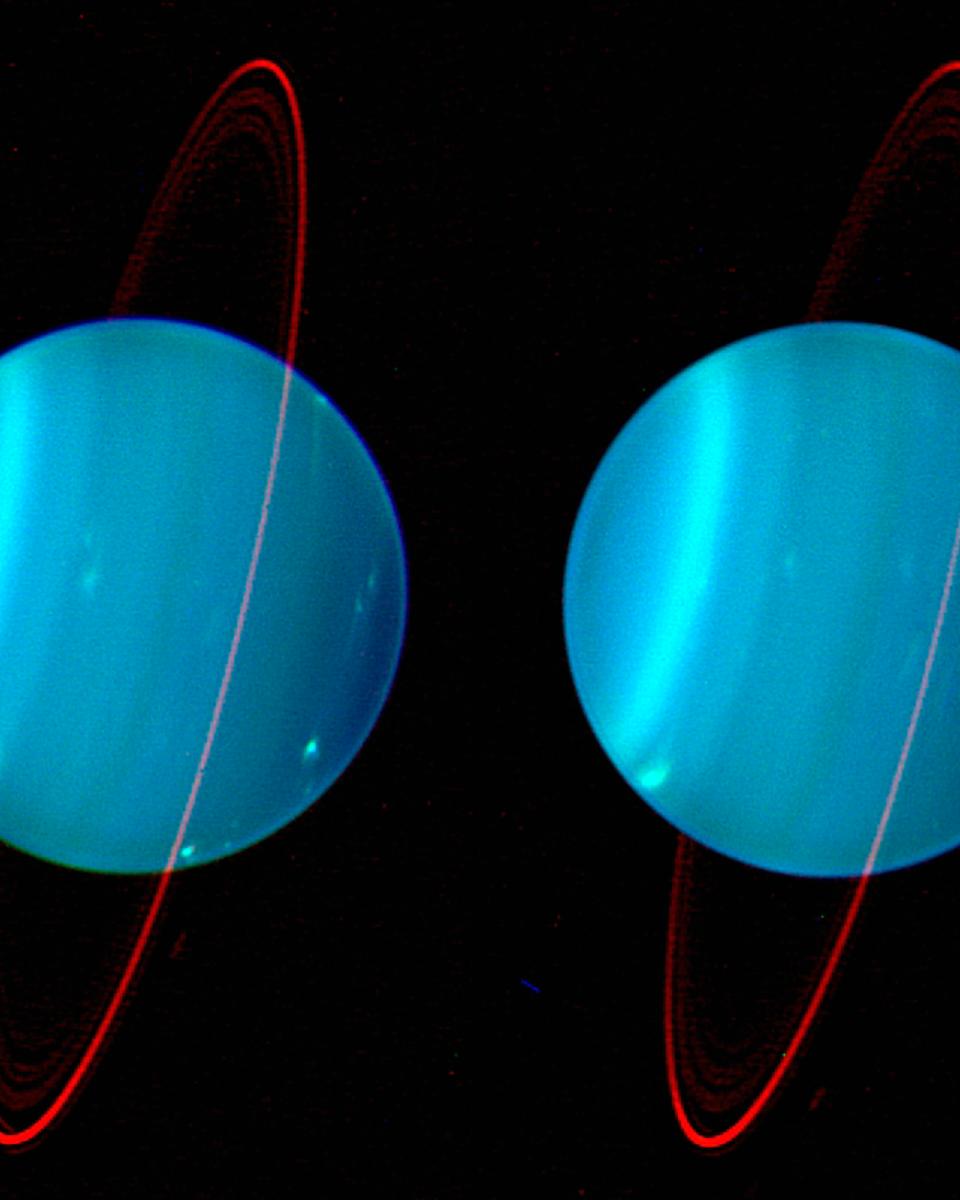
A Sharper View of a Tilted Planet
These sharp views of tilted gas giant Uranus show dramatic details of the planet's atmosphere and ring system . The remarkable ground-based images were made using a near-infrared…
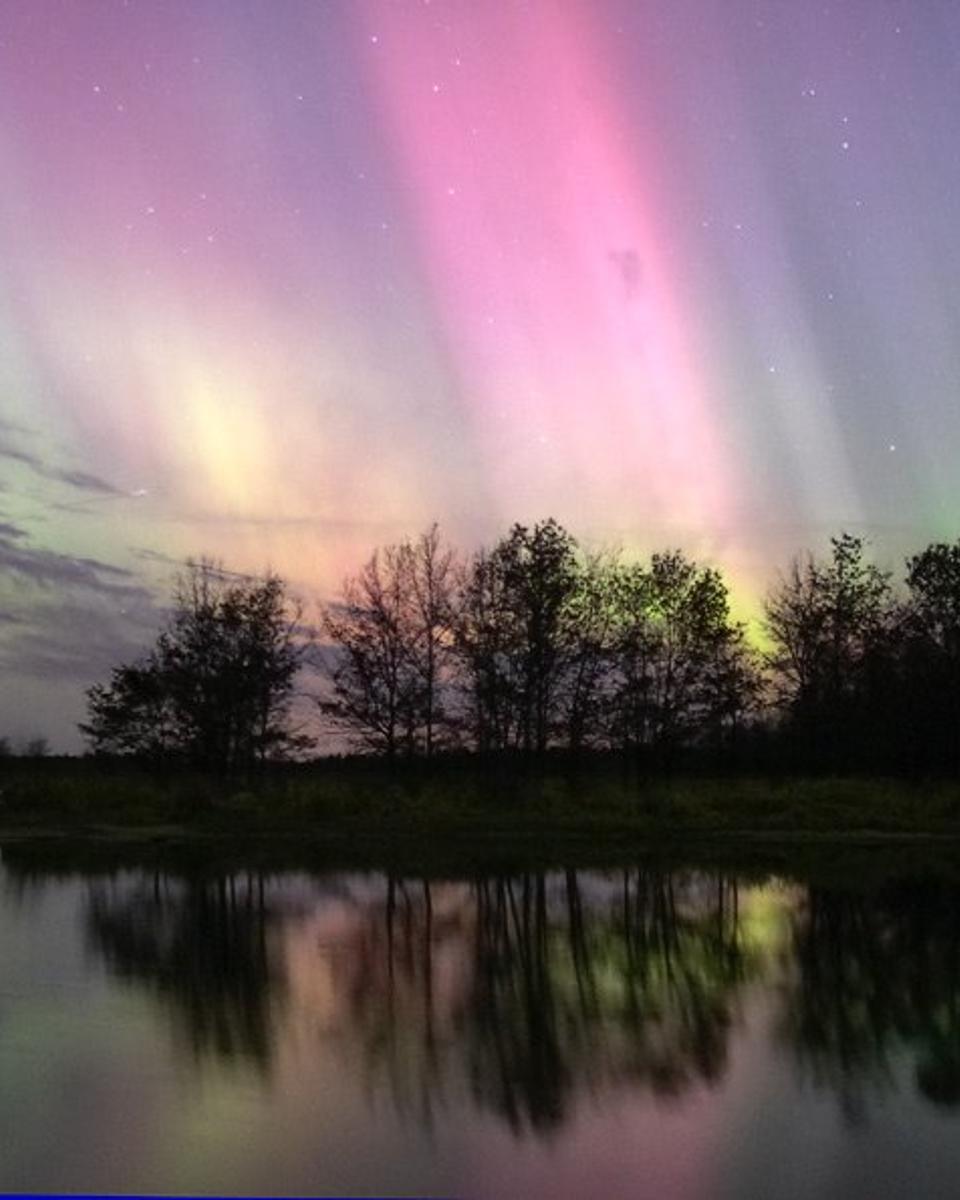
Aurora Over Wisconsin
The auroral displays of the past week are being reported as some of the most beautiful in memory . In particular, impressive auroral bands fanned out over much of eastern North…
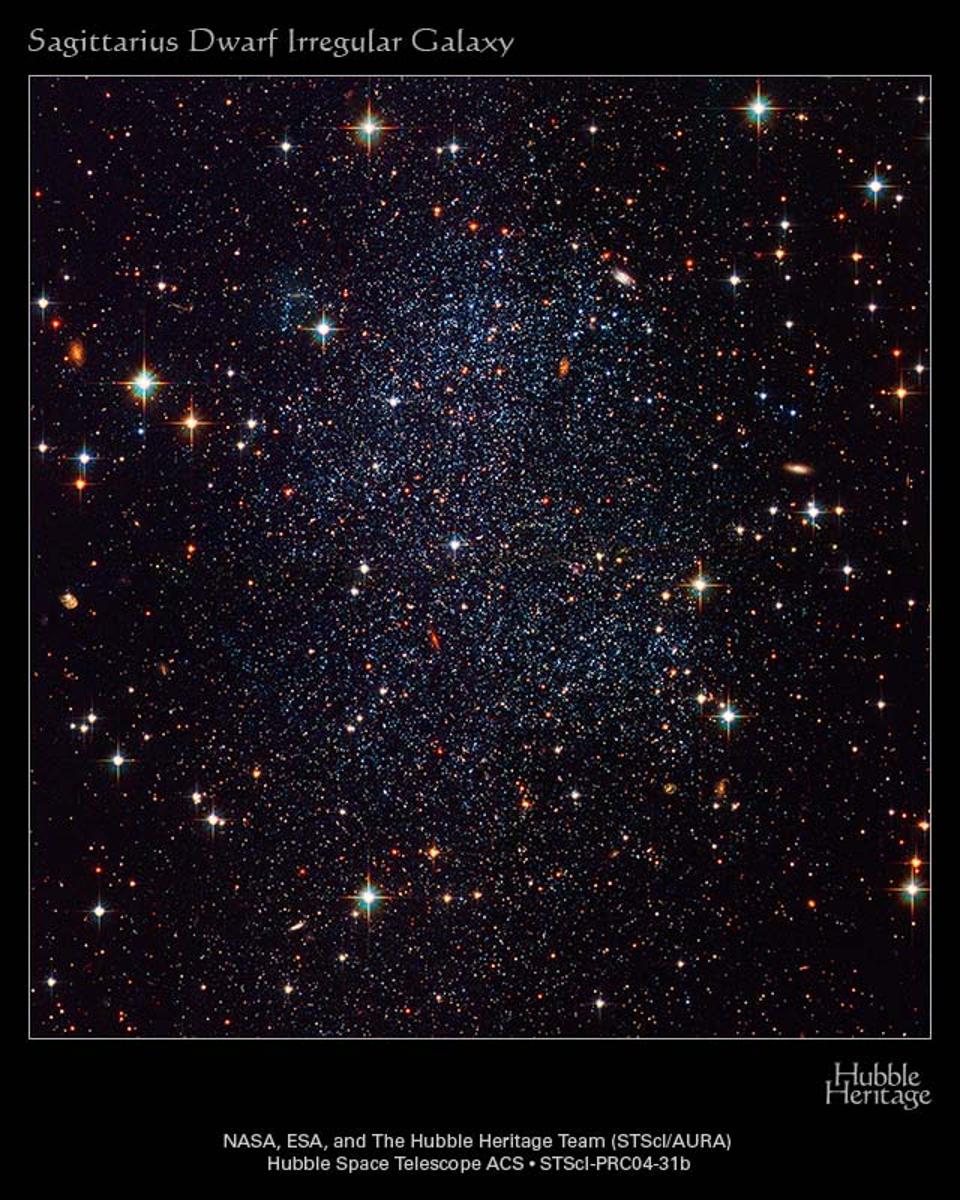
Sagittarius Dwarf Irregular Galaxy
How old is this galaxy? The nearby Local Group galaxy dubbed the Sagittarius Dwarf Irregular Galaxy (SagDIG) is not only very small but also has relatively few elements more…
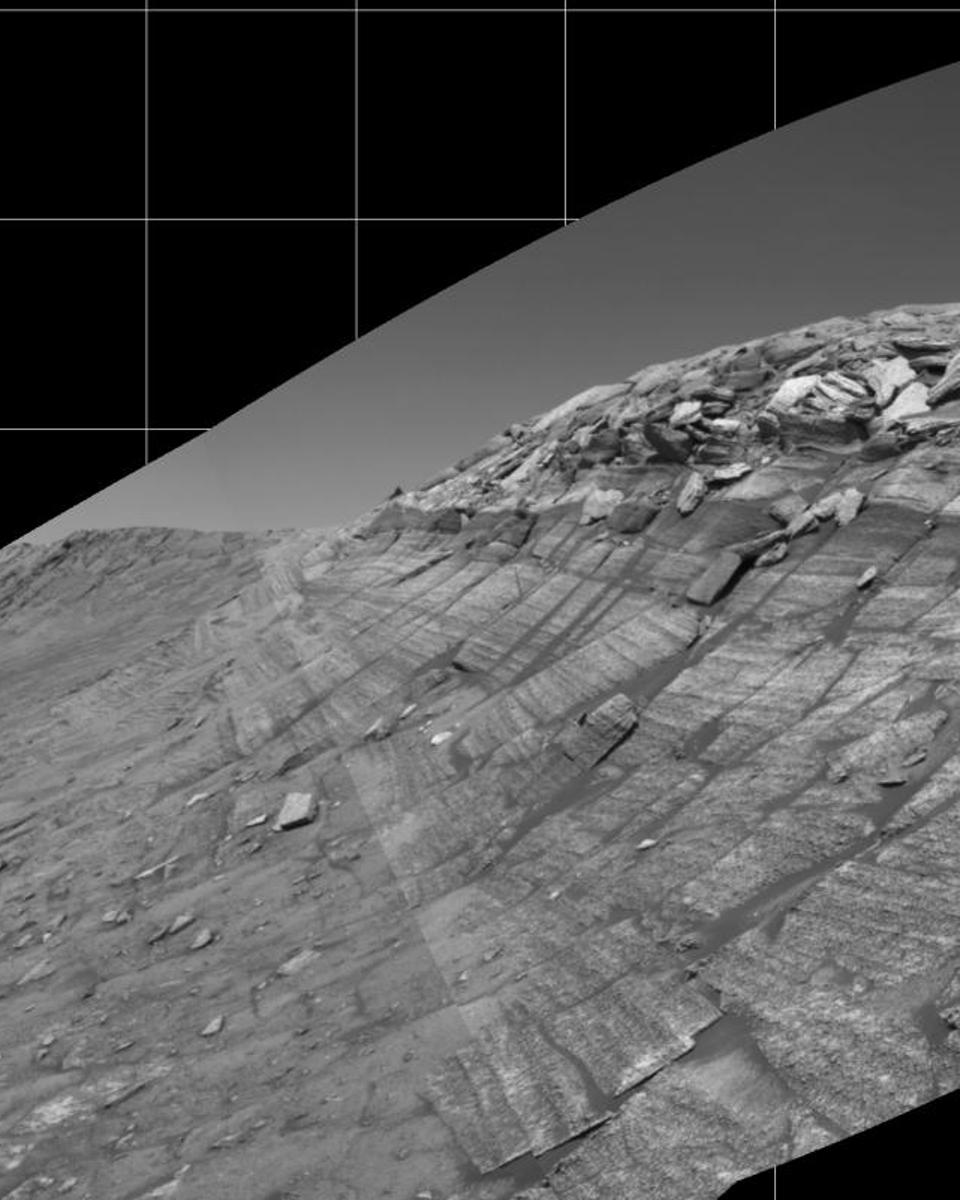
Burns Cliff on Mars
The majestic walls of Endurance Crater contain layers of clues about the ancient past of Mars . In fact, the deeper the layer, the older the clue. The particular crater wall…
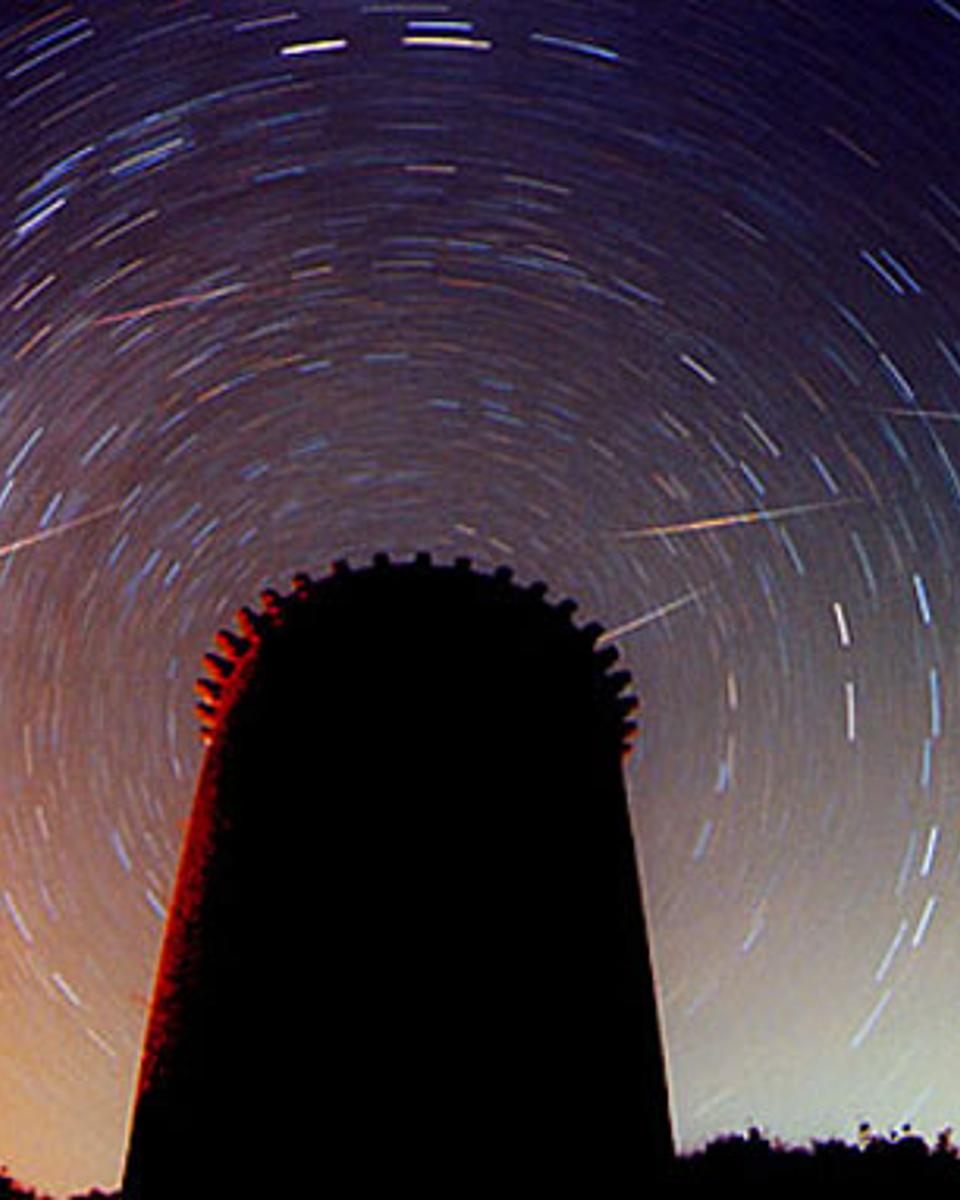
Leonids Above Torre de la Guaita
The 1999 Leonids Meteor Shower came to an impressive crescendo. Observers in Europe observed a sharp peak in the number of meteors visible around 0210 UTC during the early morning…
Viewing discoveries from 7 December 2004 through 14 November 2004.