Browse NASA Astronomy Picture of the Day archive by date and media: Archive Discoveries
Browse the NASA APOD archive without needing the exact date first. Filter by media type and keep moving deeper into older images and videos.
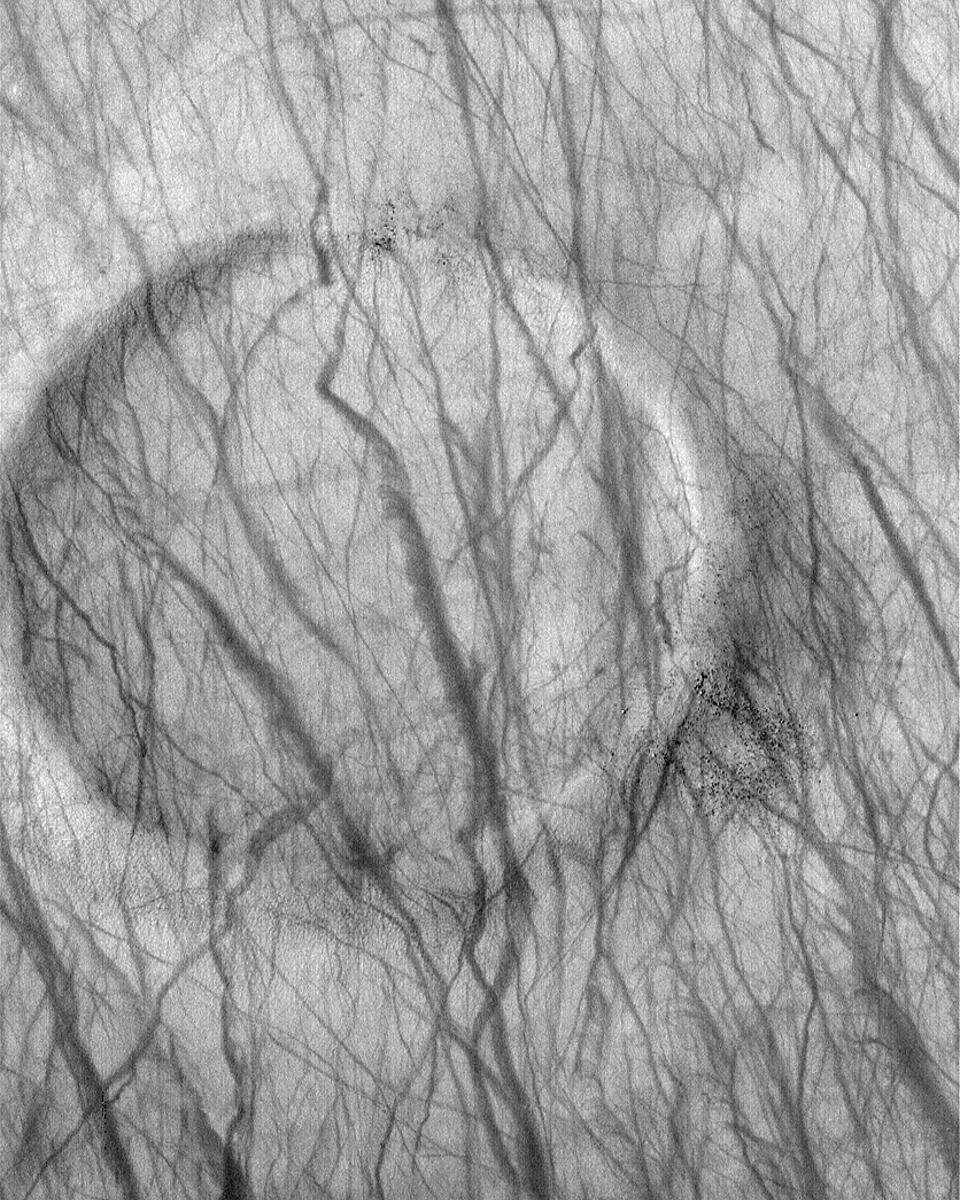
A Dust Devil Crater on Mars
What caused the streaks in this Martian crater? Since the above image shows streaks occurring both inside and outside the crater, they were surely created after the crater-causing…
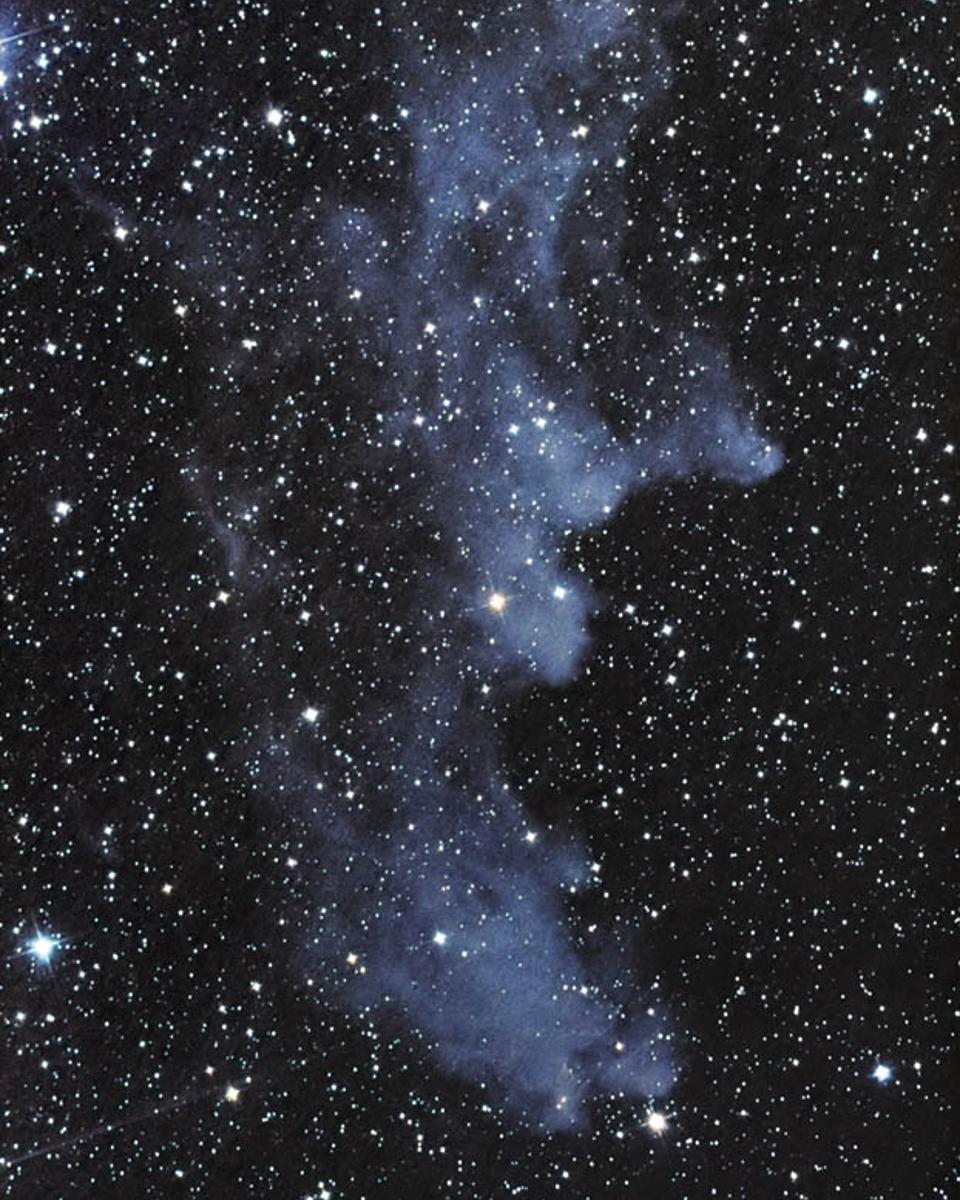
The Witch Head Nebula
Double, double toil and trouble; Fire burn, and cauldron bubble -- maybe Macbeth should have consulted the Witch Head Nebula. This suggestively shaped reflection nebula is…
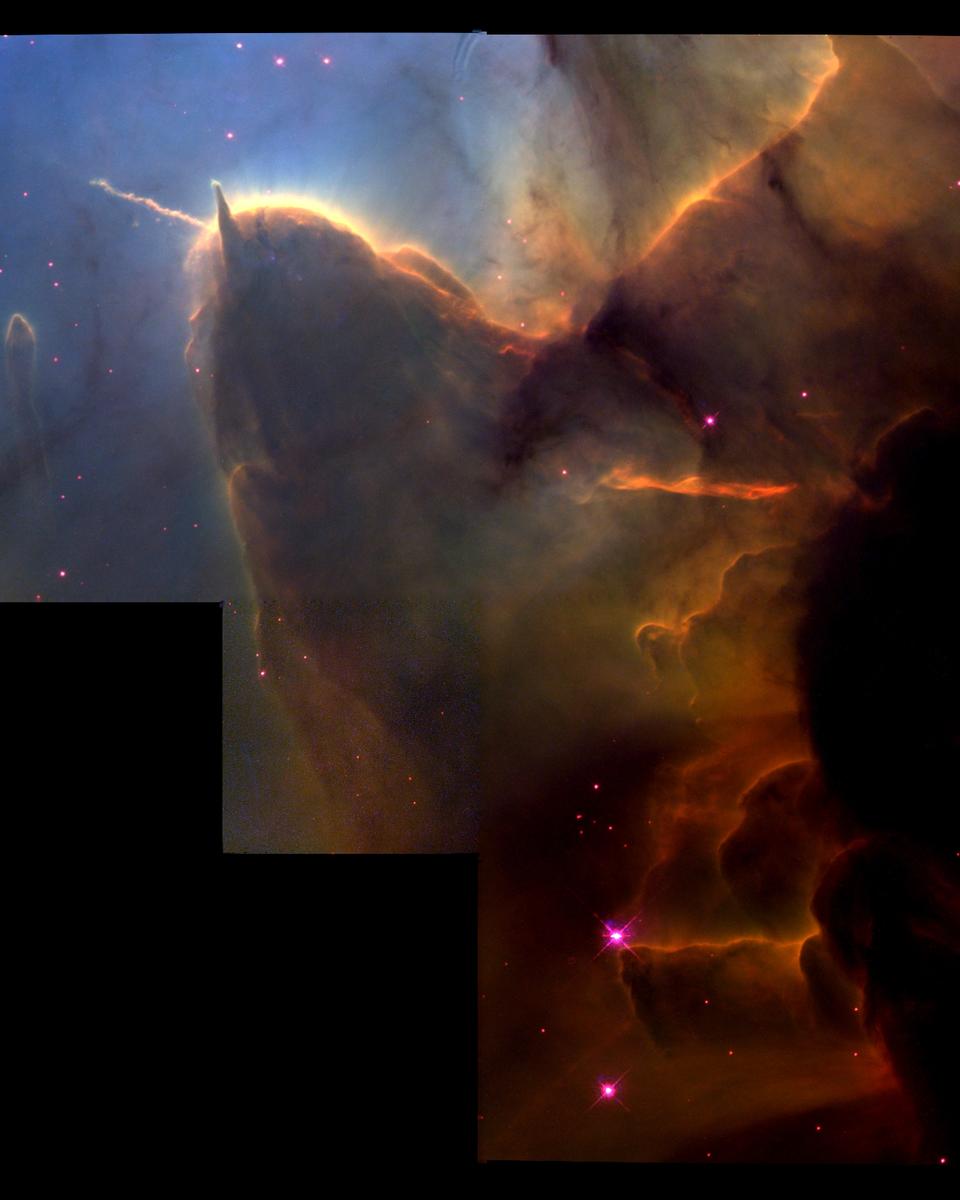
Trifid Pillars & Jets
Dust pillars are like interstellar mountains . They survive because they are more dense than their surroundings, but they are being slowly eroded away by a hostile environment.…
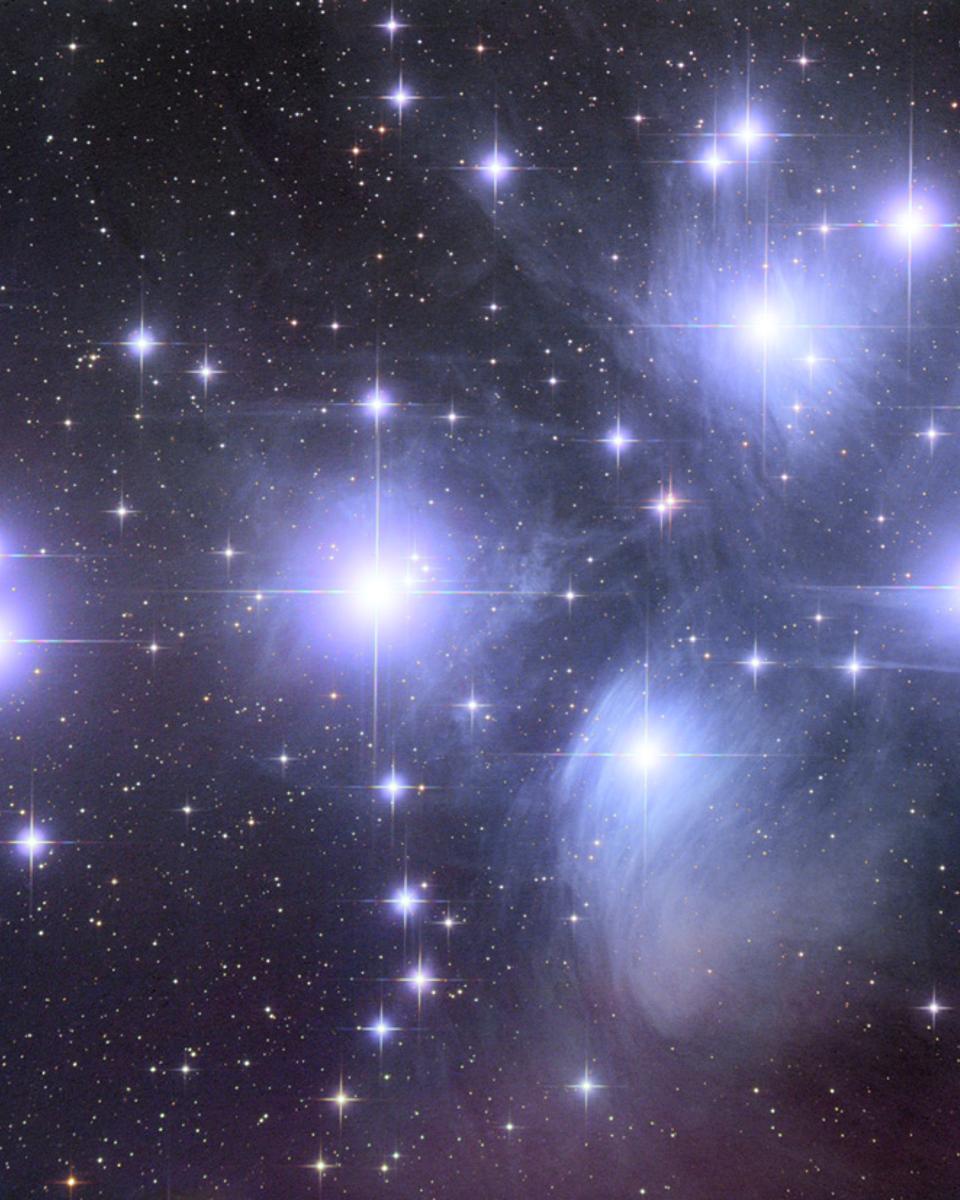
The Pleiades Star Cluster
Perhaps the most famous star cluster on the sky, the Pleiades can be seen without binoculars from even the depths of a light-polluted city . Also known as the Seven Sisters and…
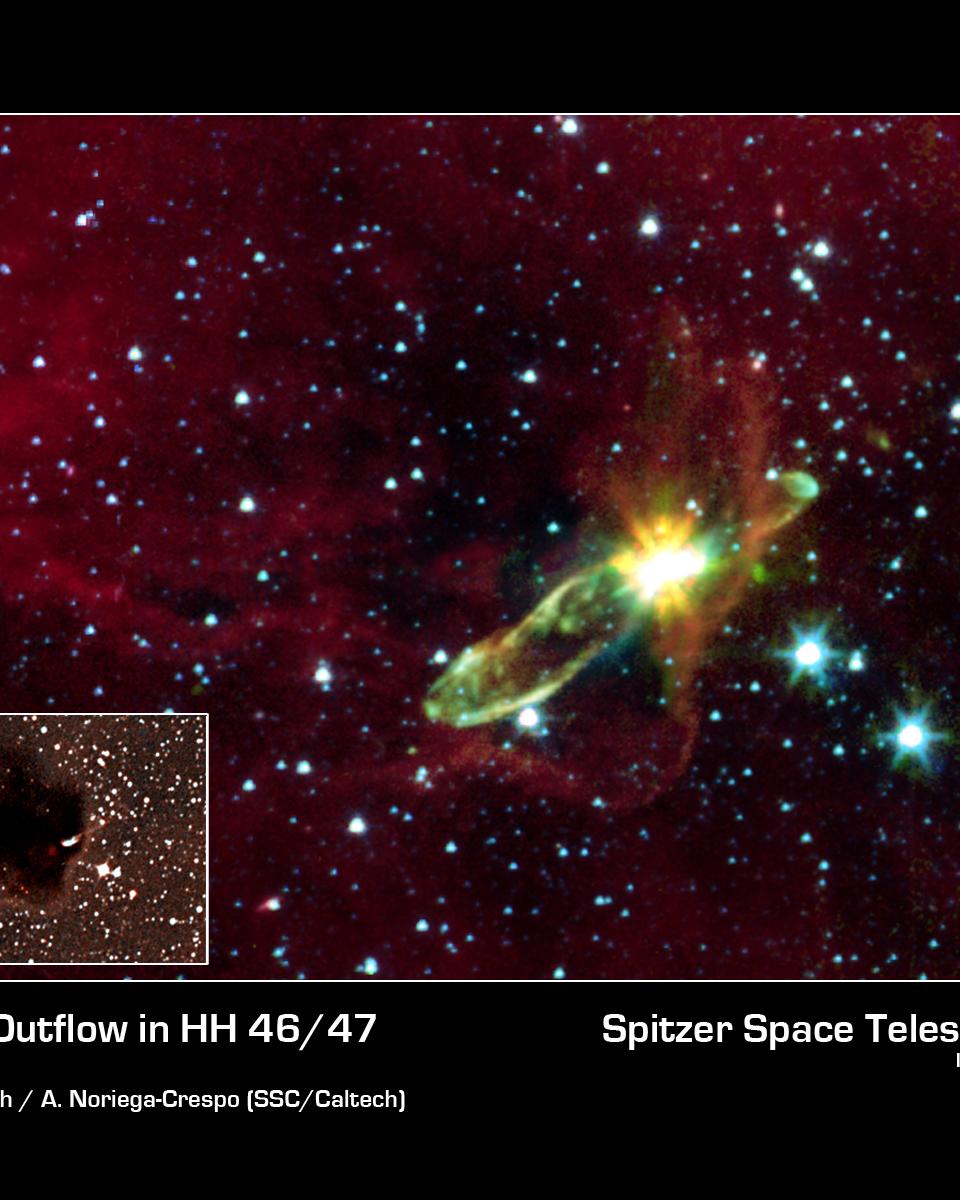
Young Star, Dark Cloud
High-speed outflows of molecular gas from a young stellar object glow in infrared light, revealing themselves in this recent false-color image from the Spitzer Space Telescope .…
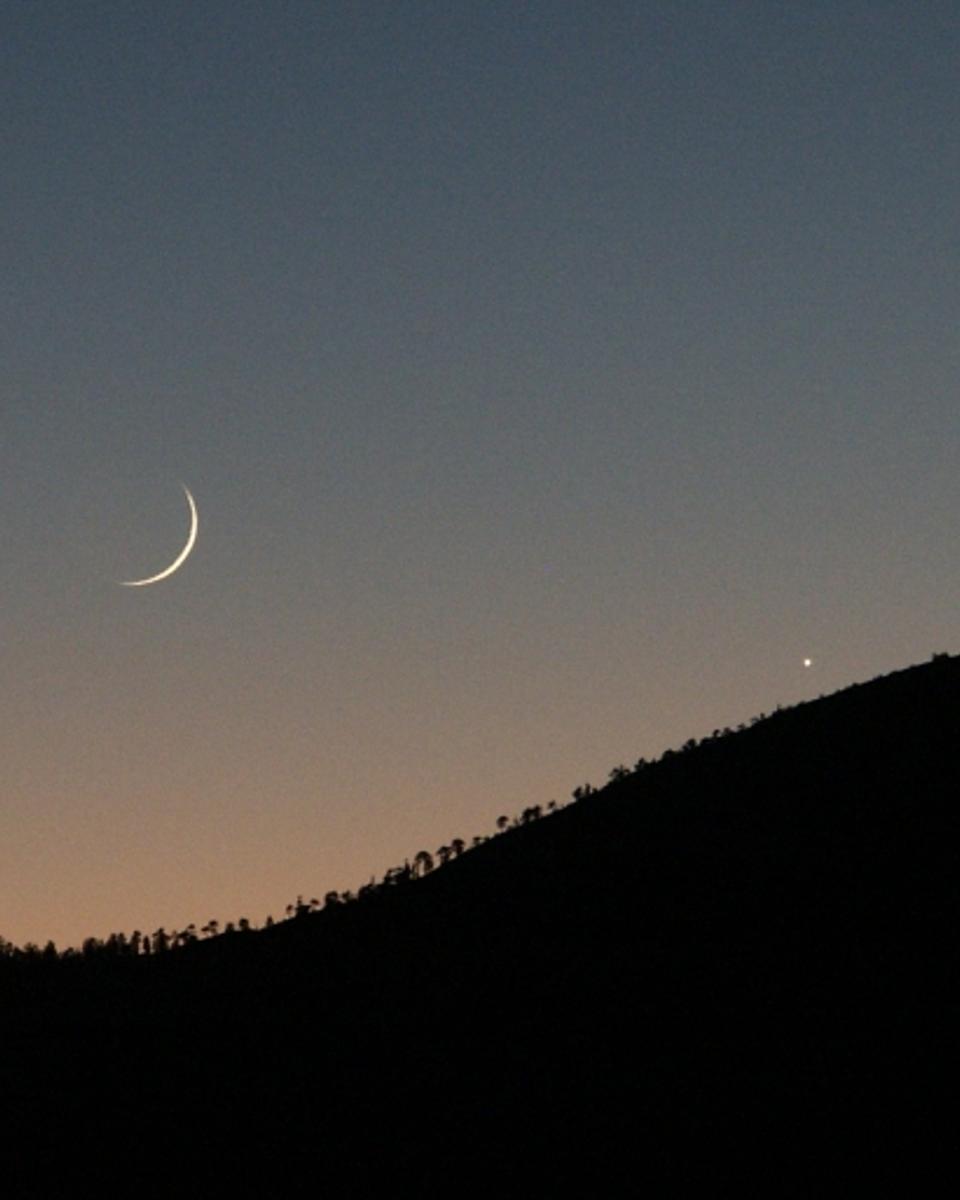
Venus and the 37 Hour Moon
At Table Mountain Observatory , near Wrightwood California, USA on October 26, wild fires were approaching from the east. But looking toward the west just after sunset ,…
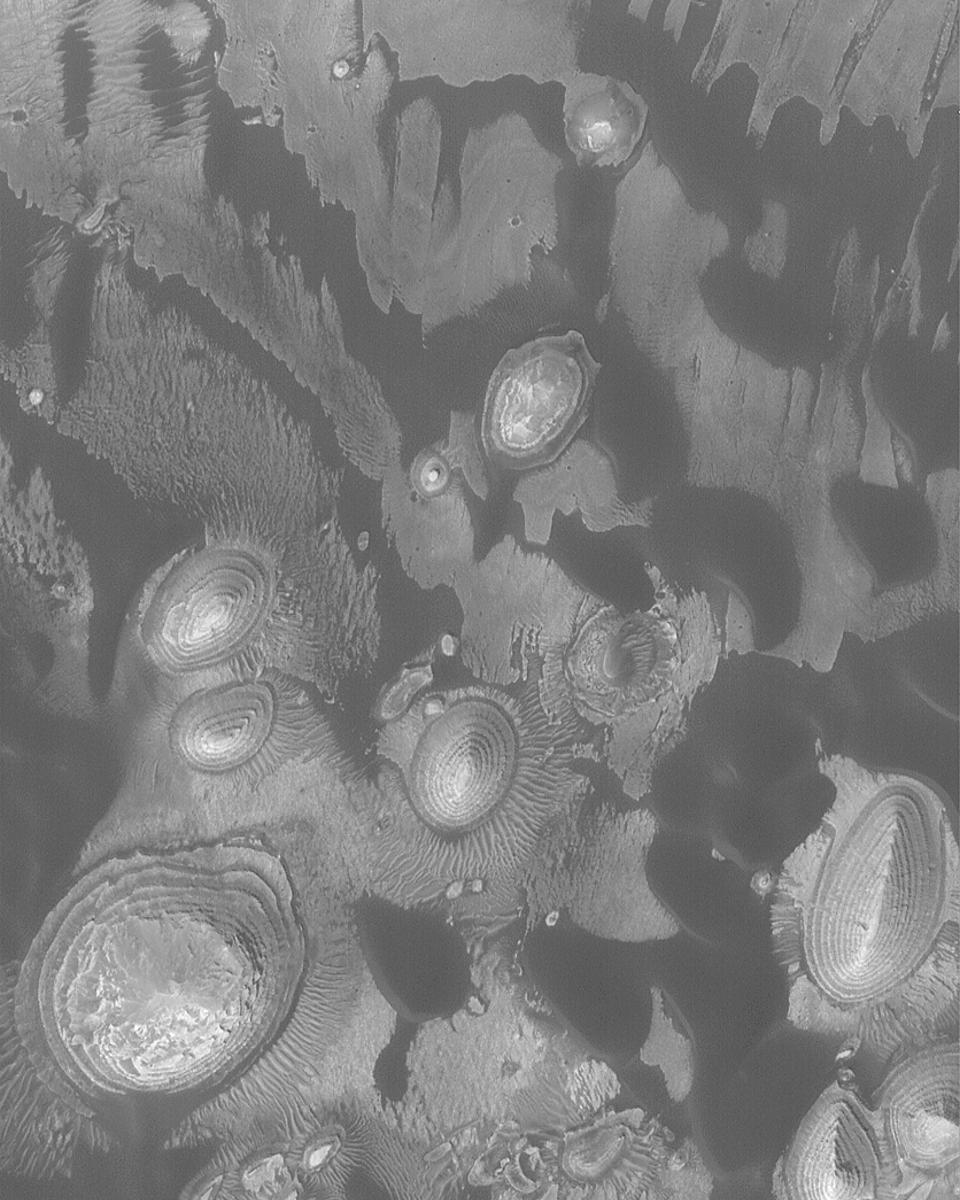
Layered Hills on Mars
Why are some hills on Mars so layered? The answer is still under investigation. Clearly, dark windblown sand surrounds outcropping of light sedimentary rock across the floor of…
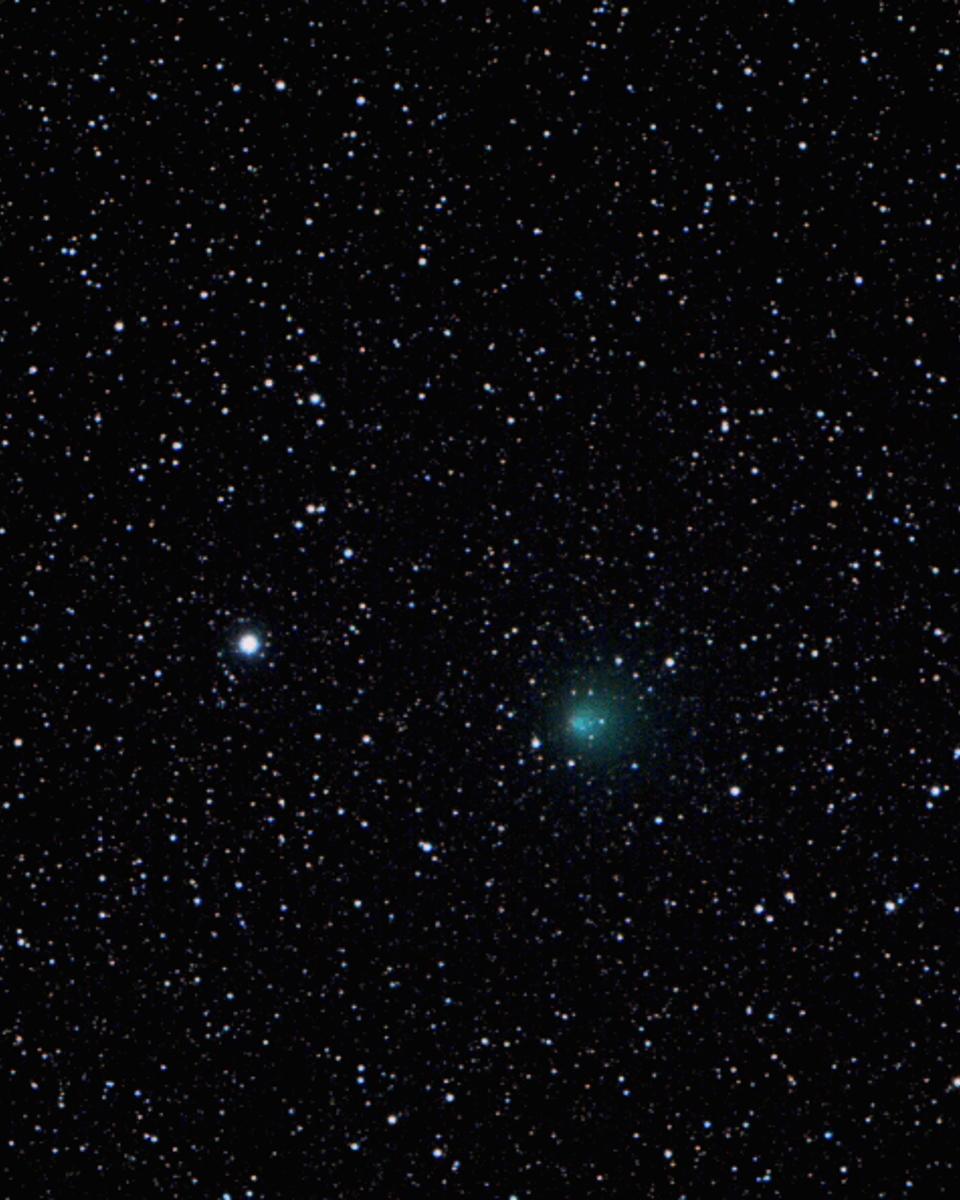
Comet Encke Returns
It's back. Every 3.3 years, Comet Encke swoops back into our inner Solar System . First officially discovered in 1786, Comet Encke is on its 59 th documented return, making it one…
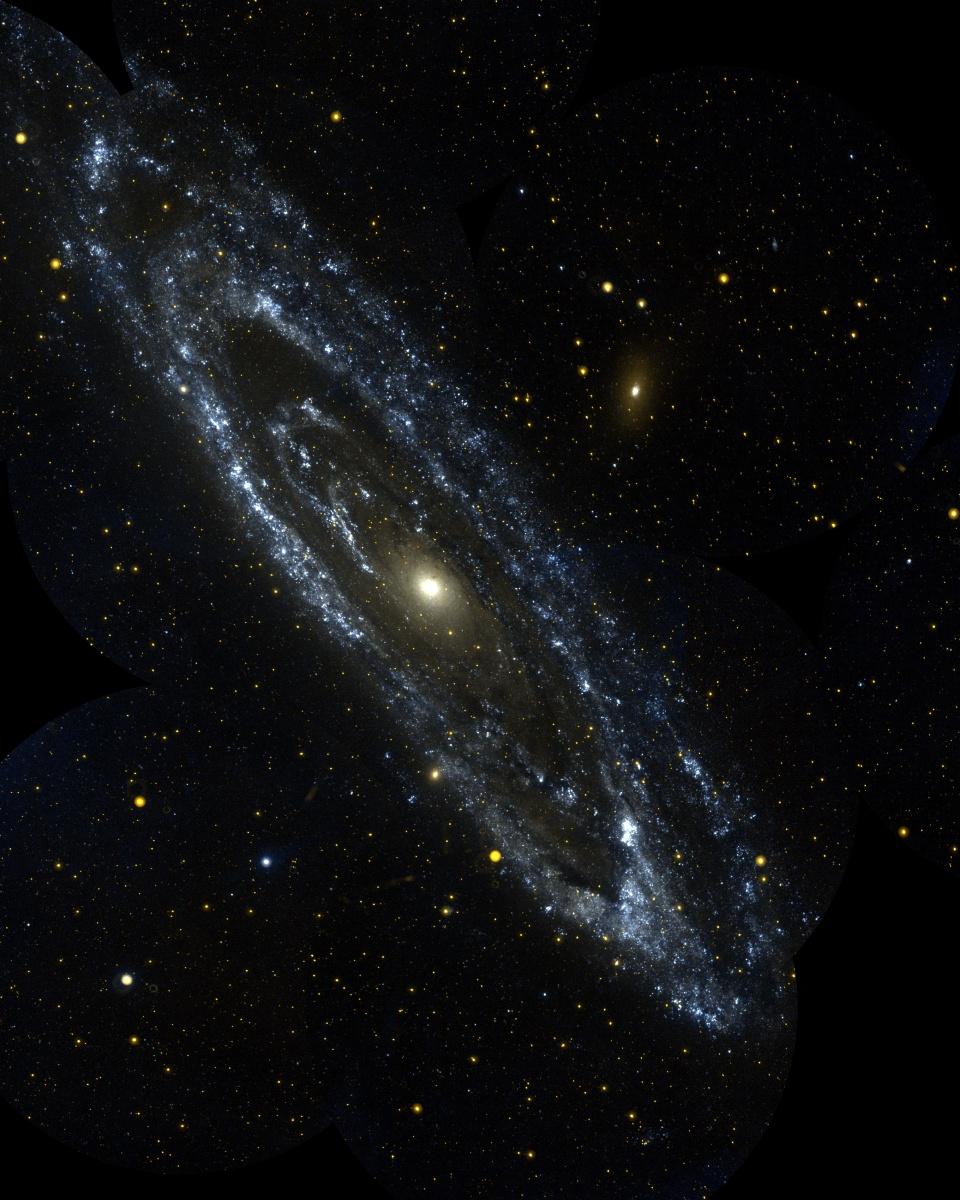
The Andromeda Galaxy from GALEX
Why does the Andromeda Galaxy have a giant ring? Viewed in ultraviolet light , the closest major galaxy to our Milky Way Galaxy looks more like a ring galaxy than a spiral . The…
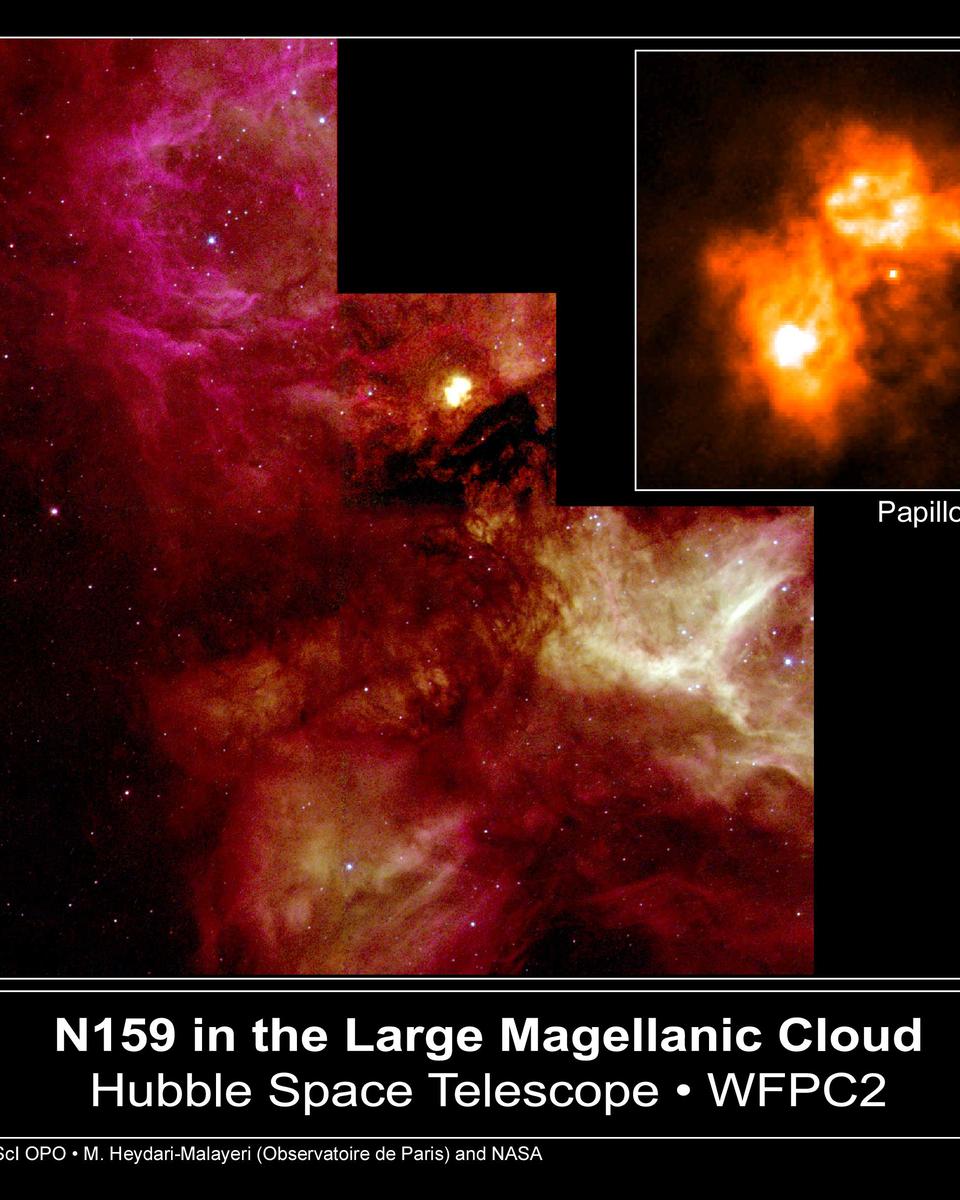
N159 and the Papillon Nebula
In a search for massive star s, the Hubble Space Telescope has peered into yet another spectacular region of star formation . This nebula, known as N159 , spans over 150…
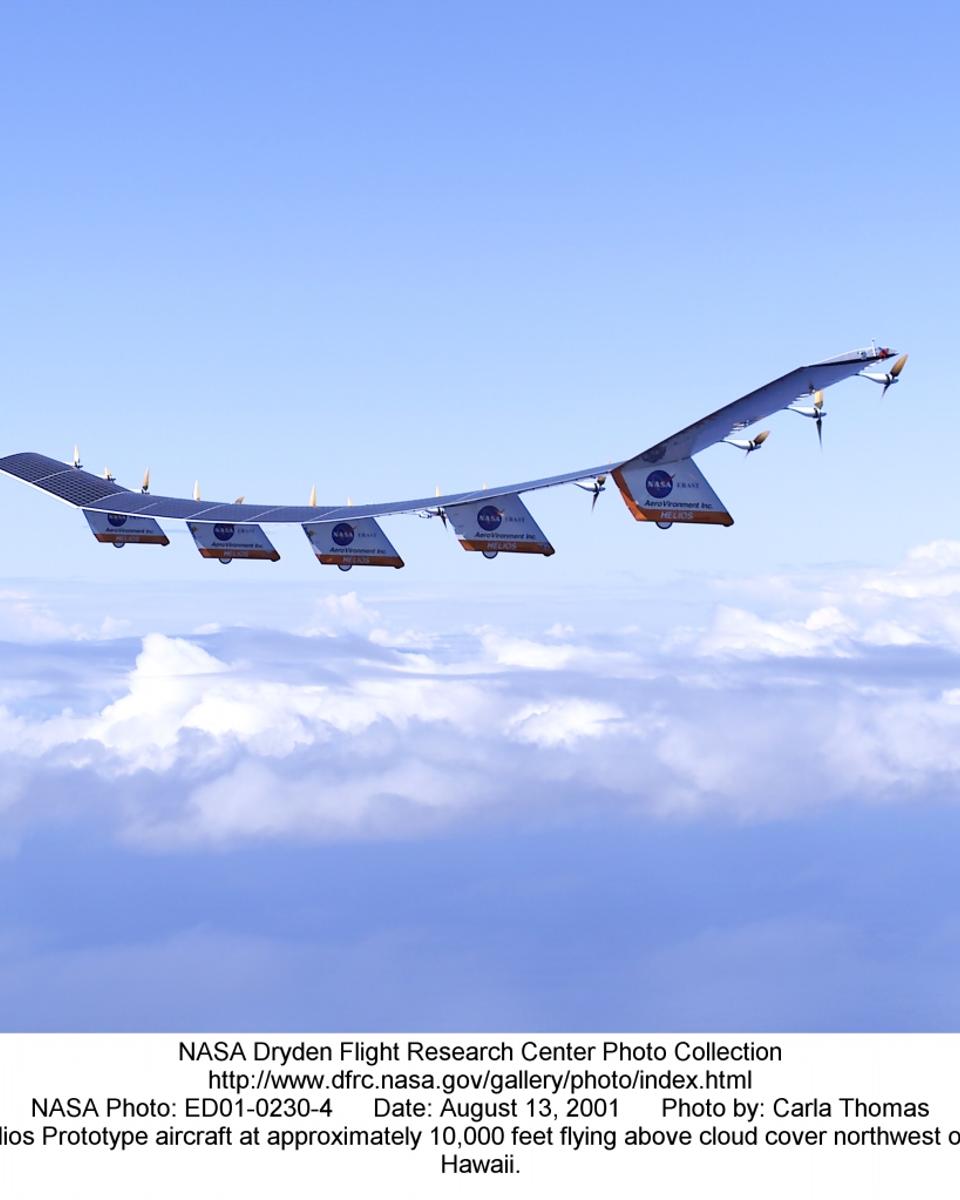
The Flight Of Helios
An example of solar-powered flight, NASA's Helios aircraft flew almost one hundred years after the Wright brothers' historic flight on December 17, 1903. Pictured here at 10,000…
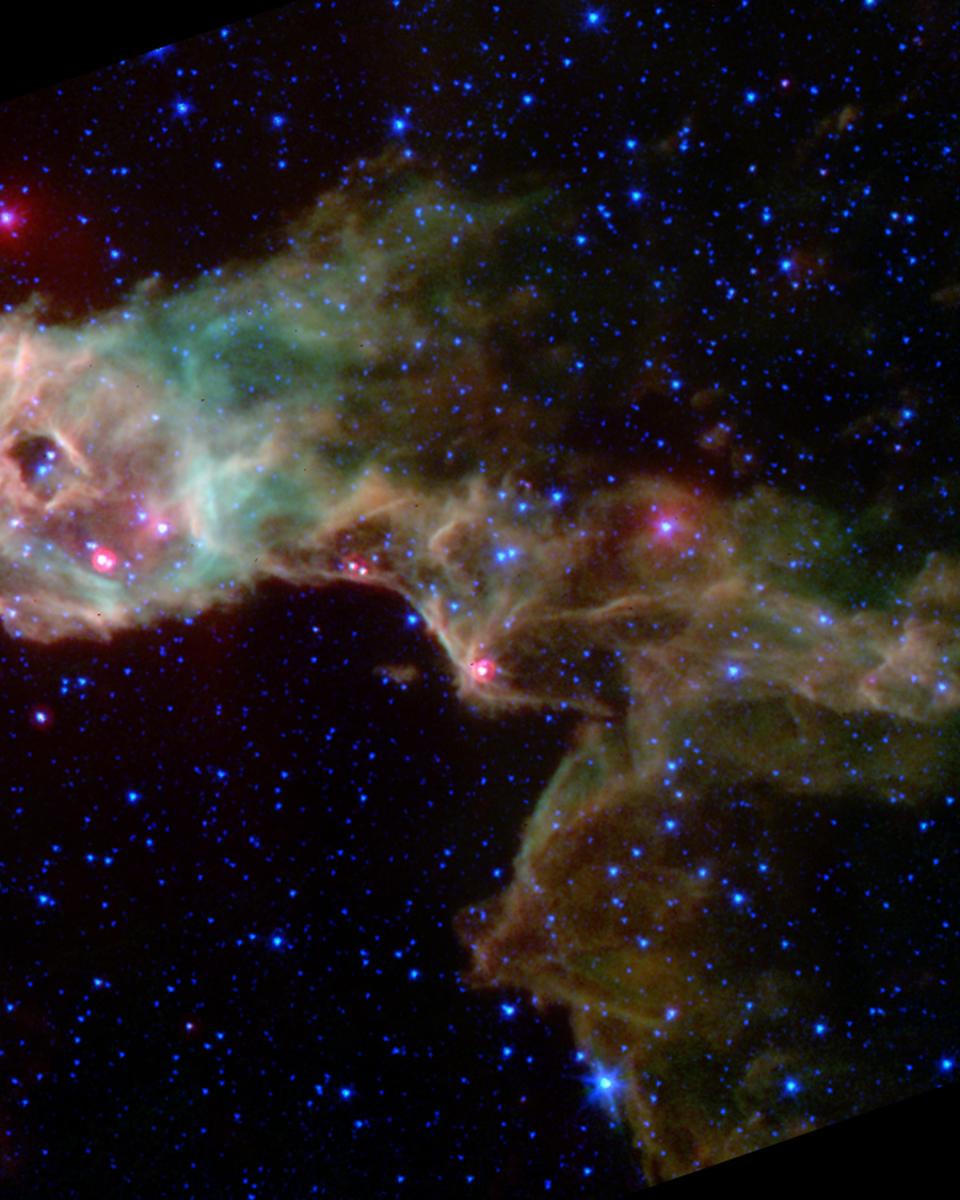
Inside the Elephant's Trunk
Spectacular first images from the newly christened Spitzer Space Telescope include this penetrating interior view of an otherwise opaque dark globule known as the Elephant's Trunk…
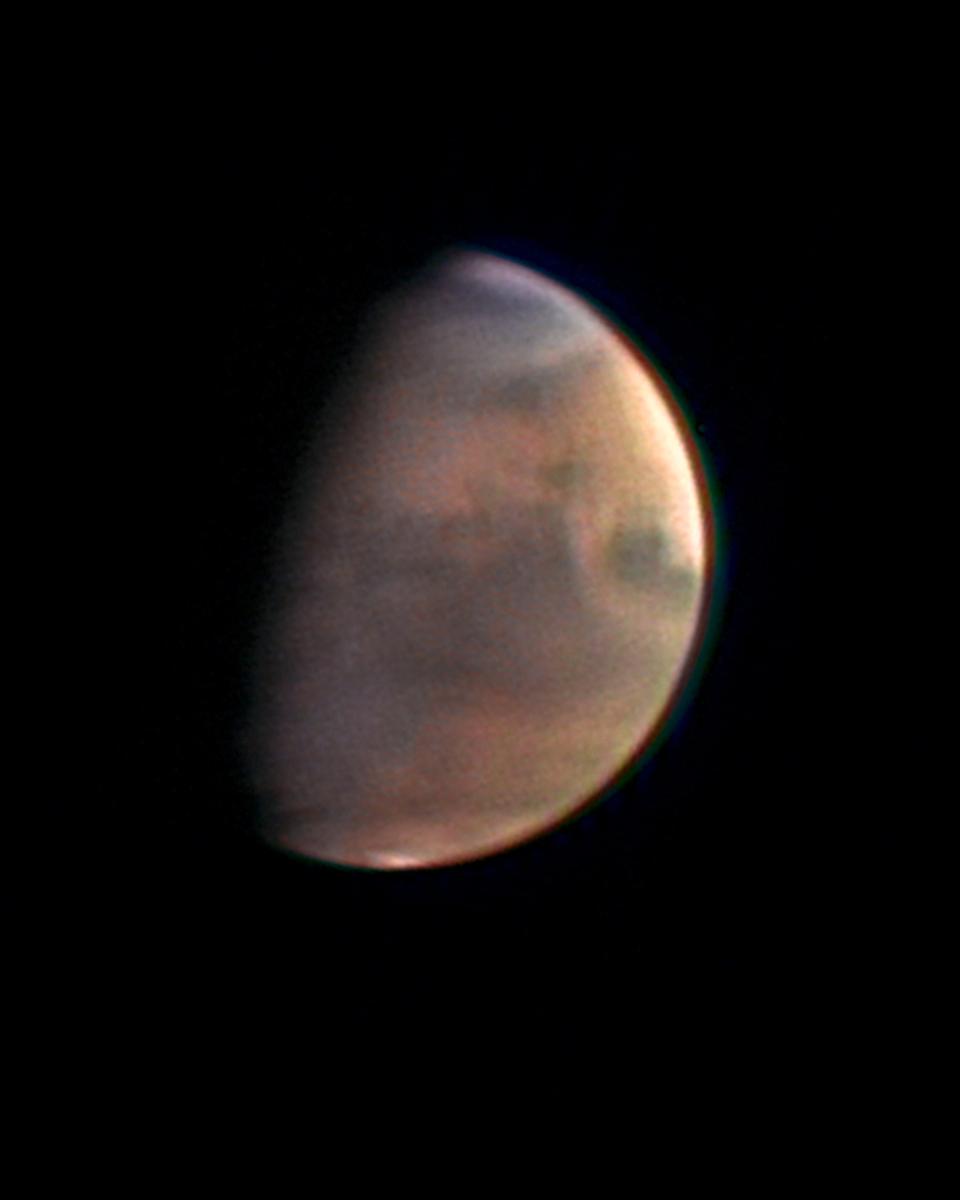
Express to Mars
Hurtling toward its destination, the high resolution camera on board ESA's Mars Express spacecraft recorded this tantalizing view of the Red Planet earlier this month on December…
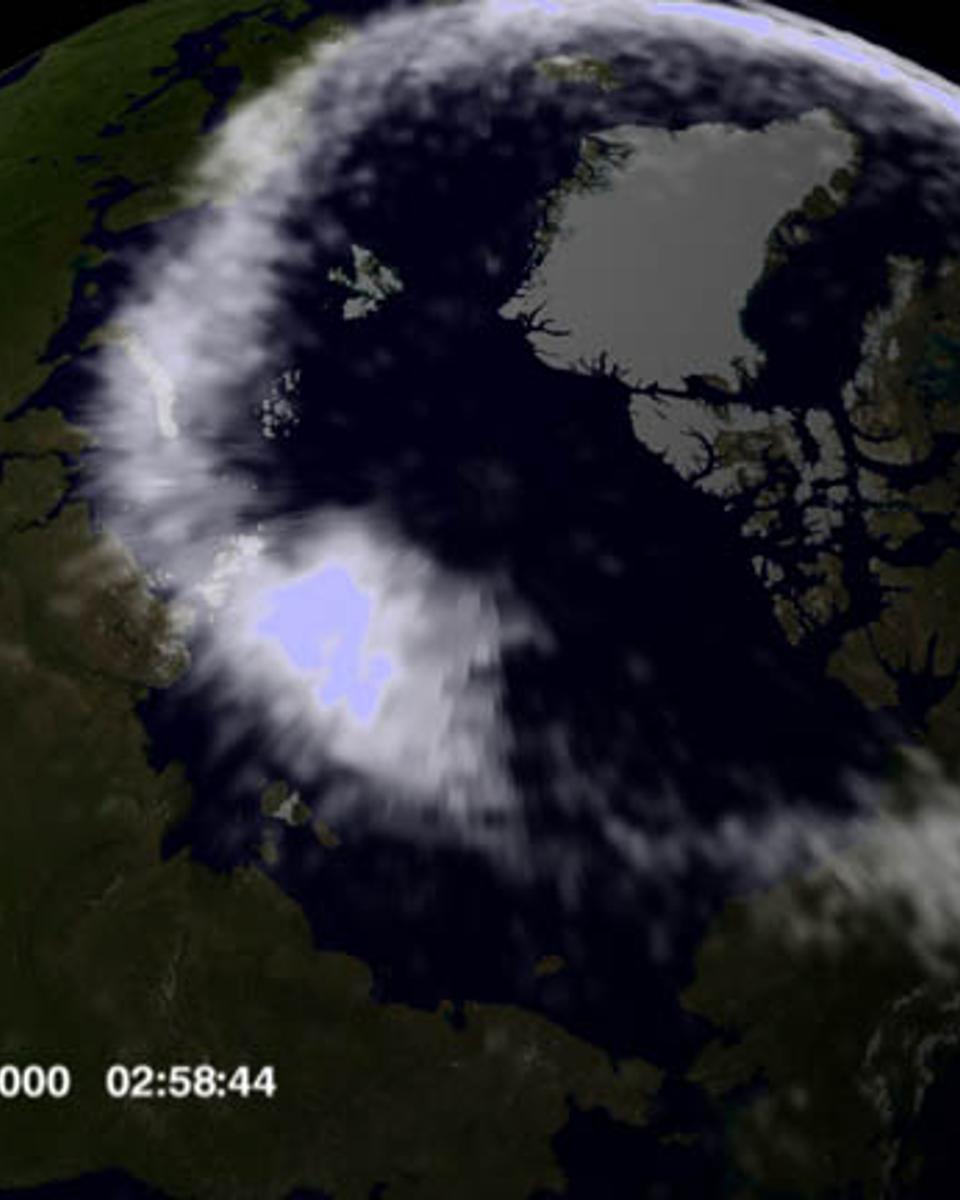
A Proton Aurora
What are auroras made out of? Triggered by solar activity, normal auroras are caused by collisions between fast-moving electrons and the oxygen and nitrogen in Earth's upper…
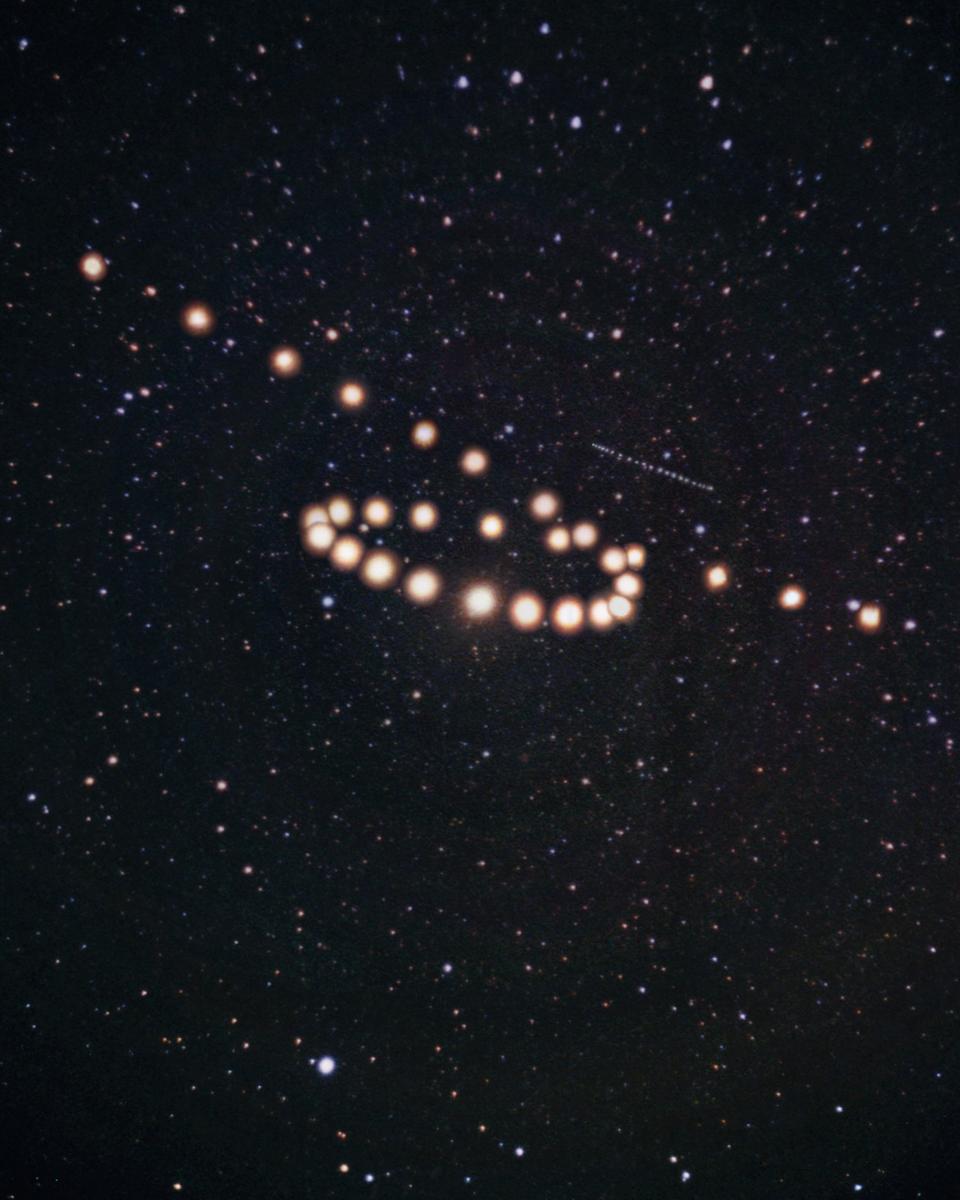
Retrograde Mars
Why would Mars appear to move backwards? Most of the time, the apparent motion of Mars in Earth's sky is in one direction, slow but steady in front of the far distant stars. About…
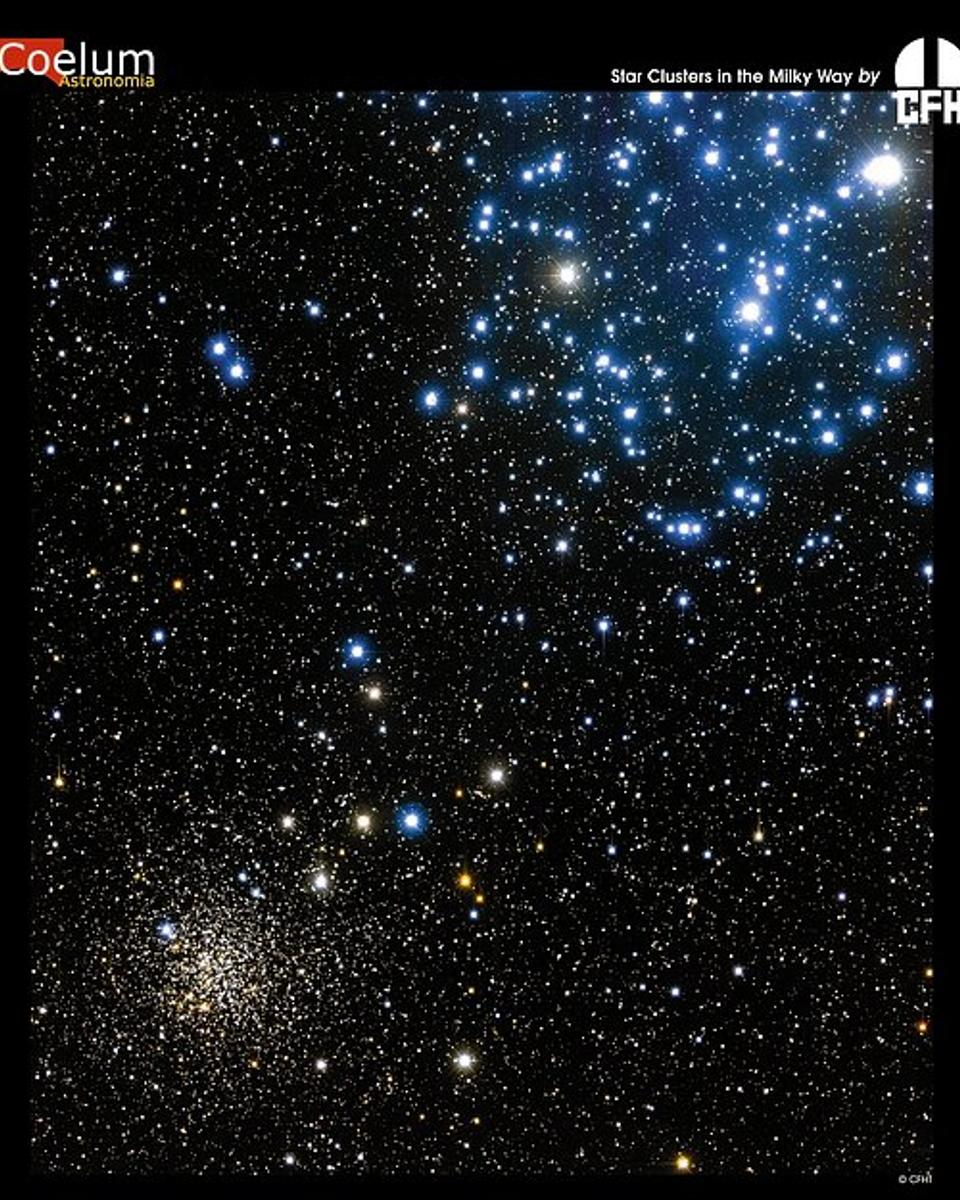
Open Star Clusters M35 and NGC 2158
Open clusters of stars can be near or far, young or old, and diffuse or compact. Open clusters may contain from 100 to 10,000 stars, all of which formed at nearly the same time.…
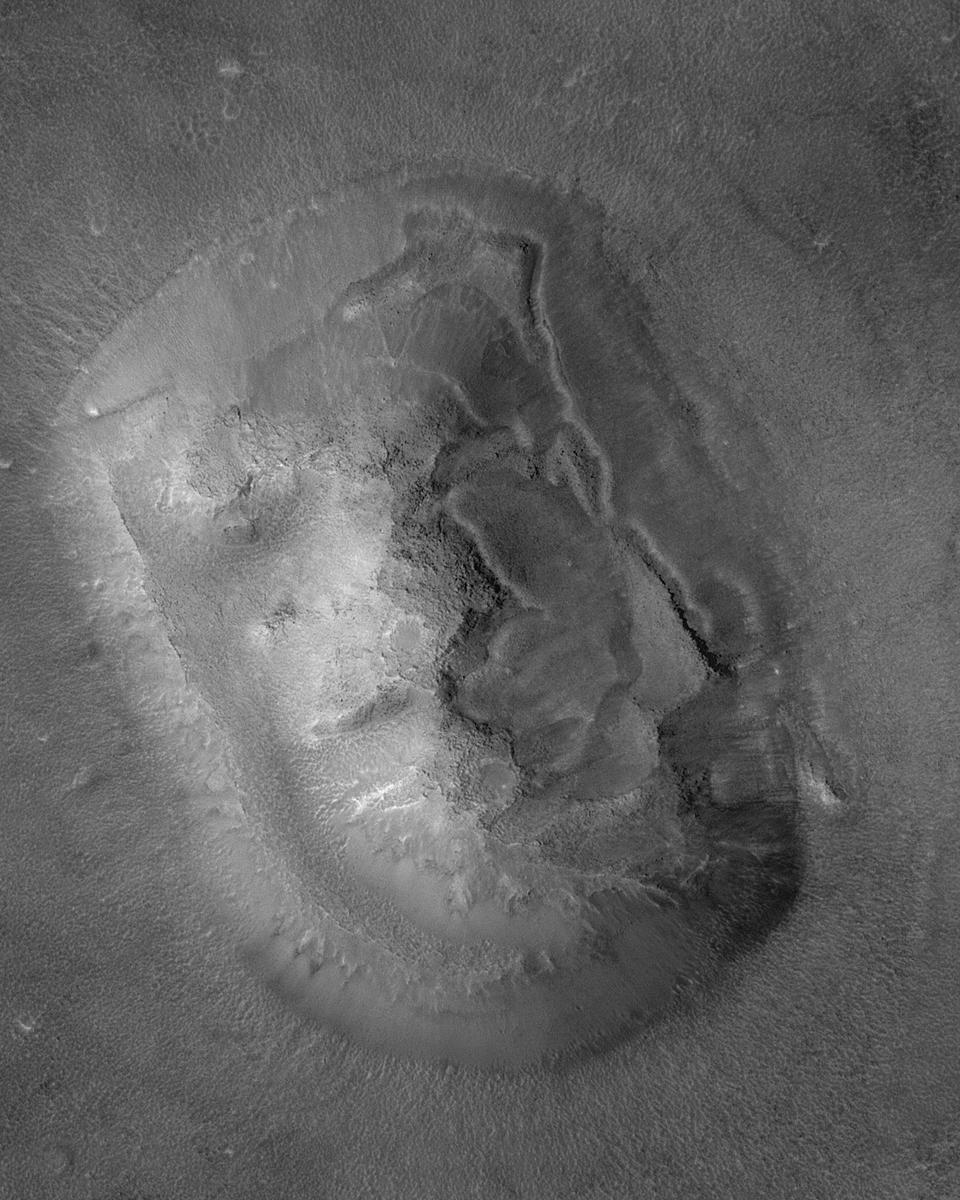
Close-up of the Face on Mars
Wouldn't it be fun if clouds were turtles ? Wouldn't it be fun if the laundry on the bedroom chair were a friendly monster ? Wouldn't it be fun if rock mesas on Mars were faces or…
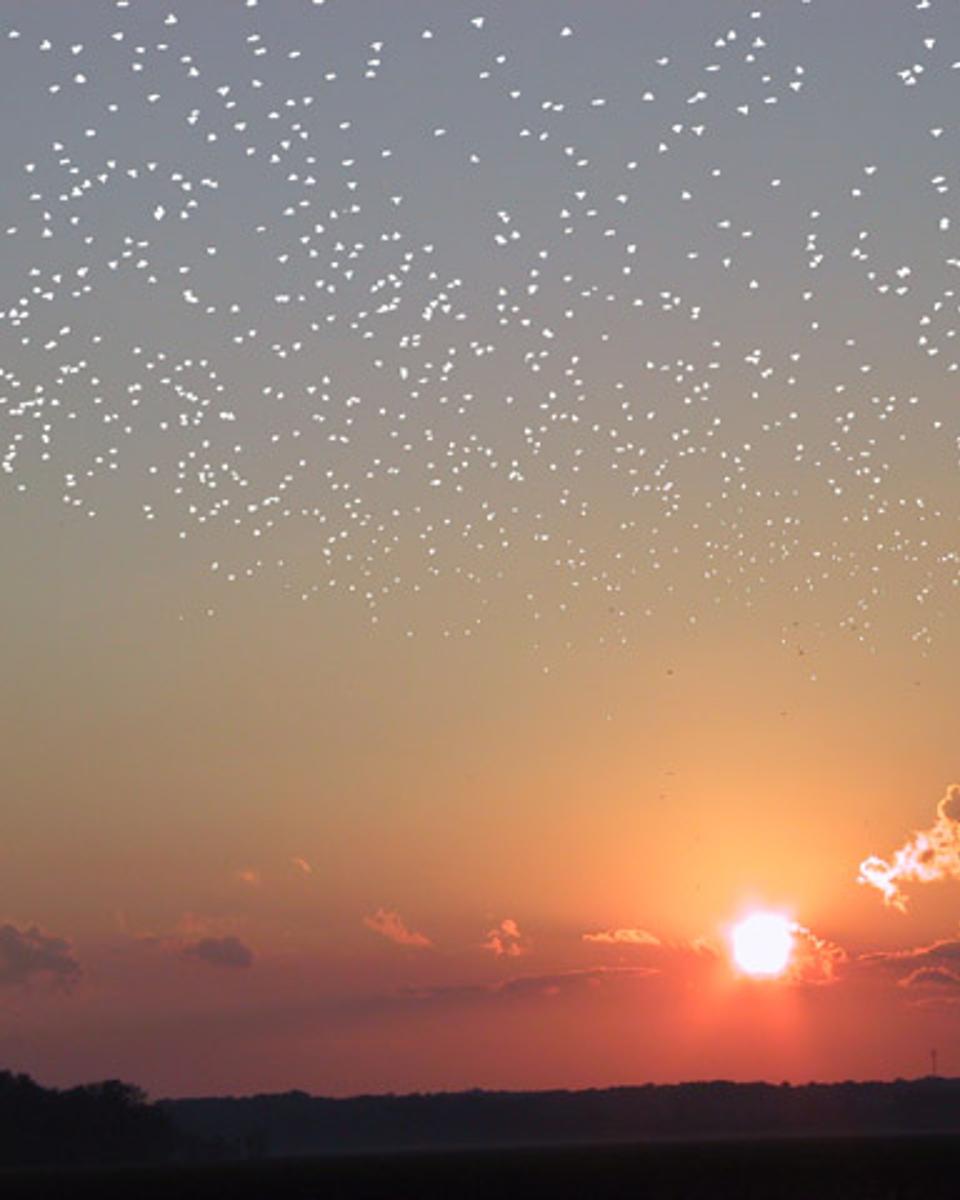
A Flock of Stars
Only a few stars can be found within ten light-years of our lonely Sun, situated near an outer spiral arm of the Milky Way galaxy. But if the Sun were found within one of our…
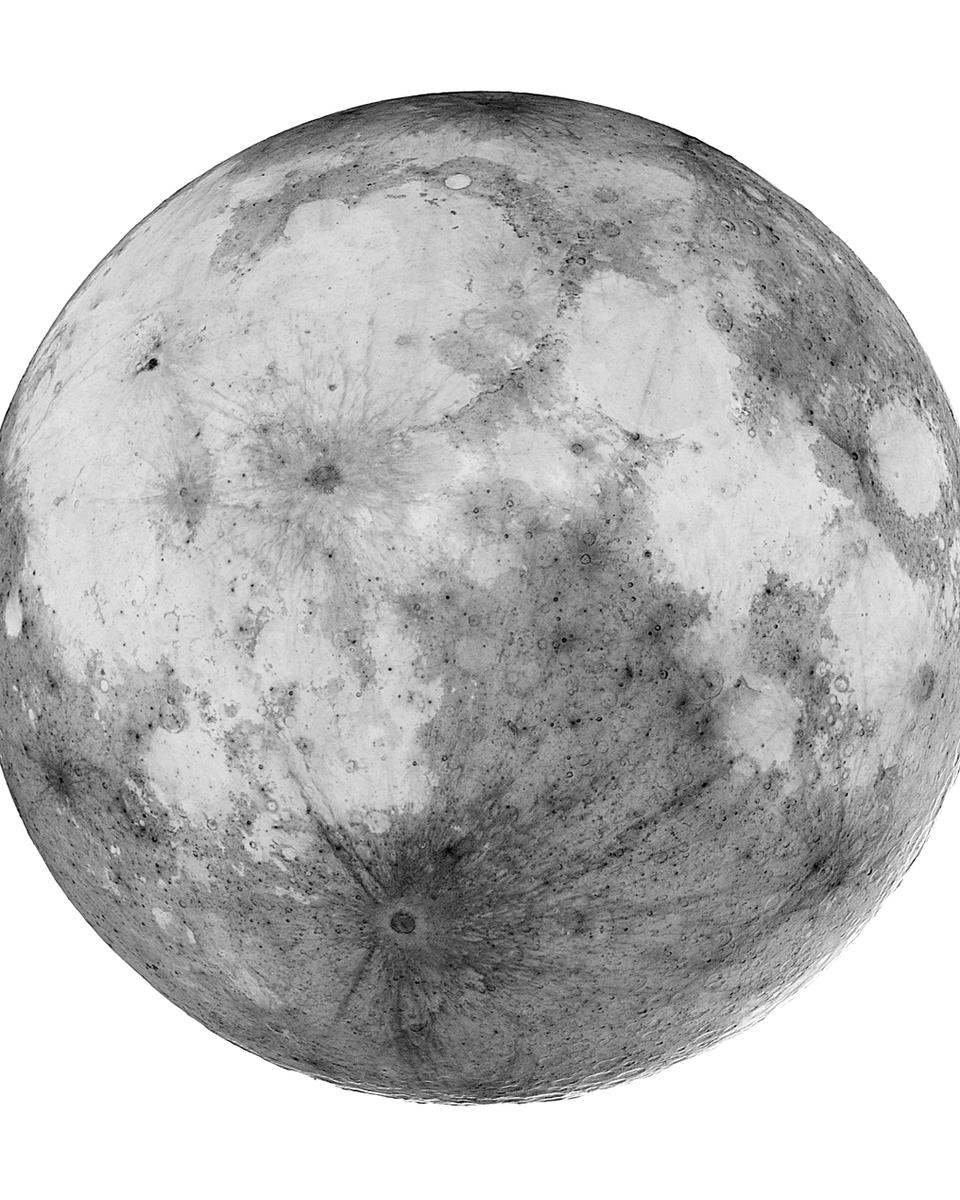
Full Moondark
The brilliant full Moon might not have looked quite like this to skygazers this week, but the image is a mosaic of 18 digital frames recorded on December 9th at 3:30 UT. At that…
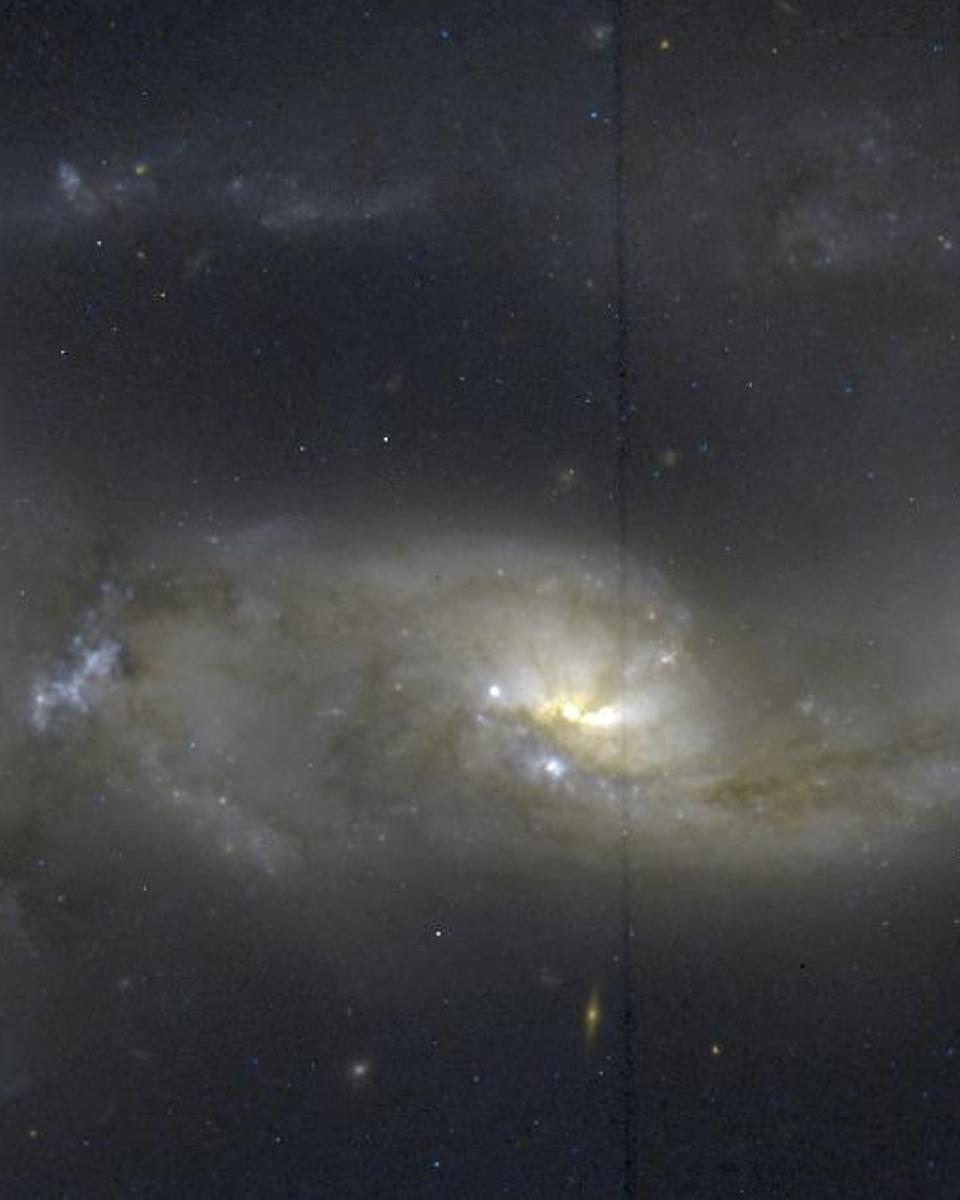
Arp 81: 100 Million Years Later
From planet Earth, we view this strongly interacting pair of galaxies , cataloged as Arp 81, as they were only about 100 million years after their mutual closest approach. The…
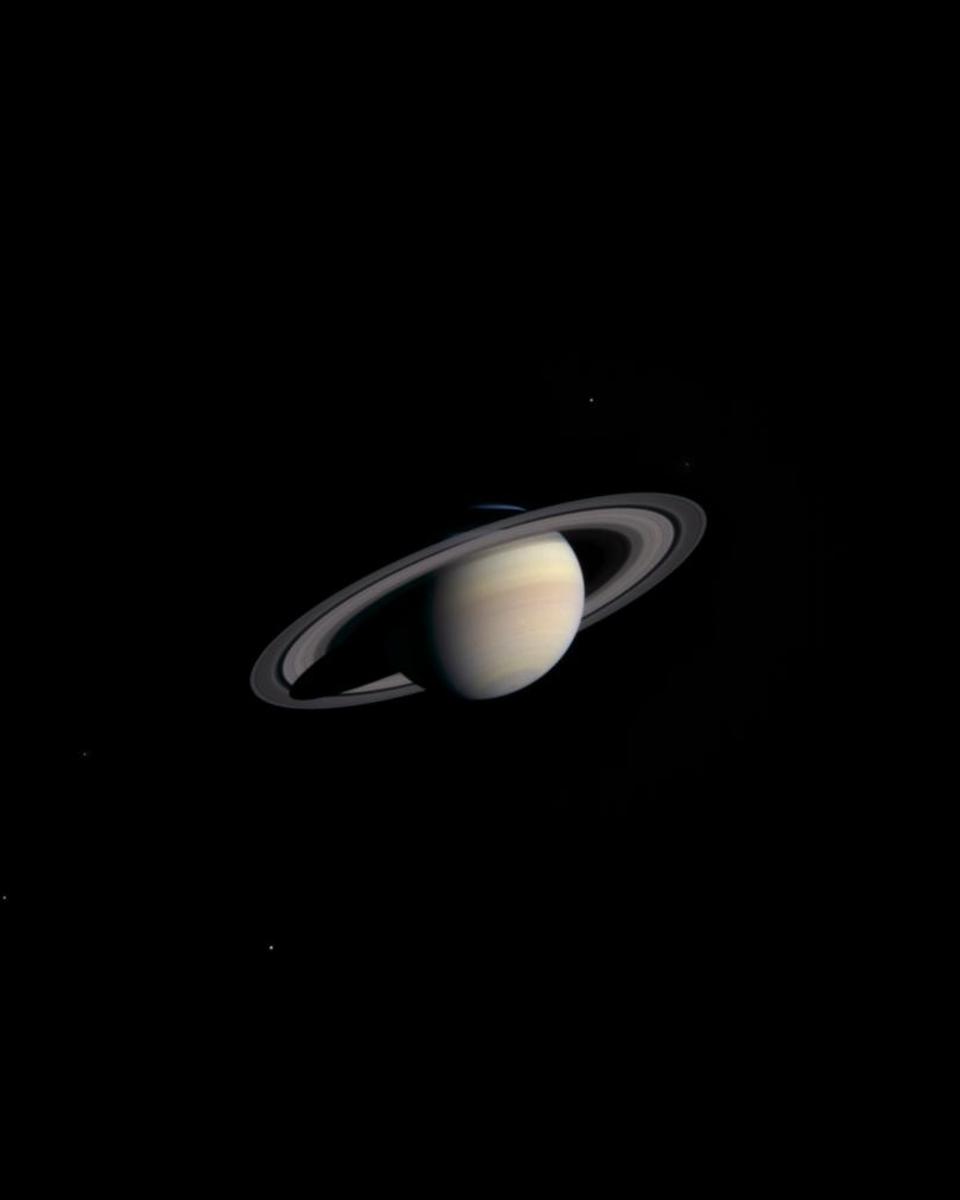
Cassini Approaches Saturn
Cassini, a robot spacecraft launched in 1997 by NASA , is close enough now to resolve many rings and moons of its destination planet: Saturn . The spacecraft has now closed to…
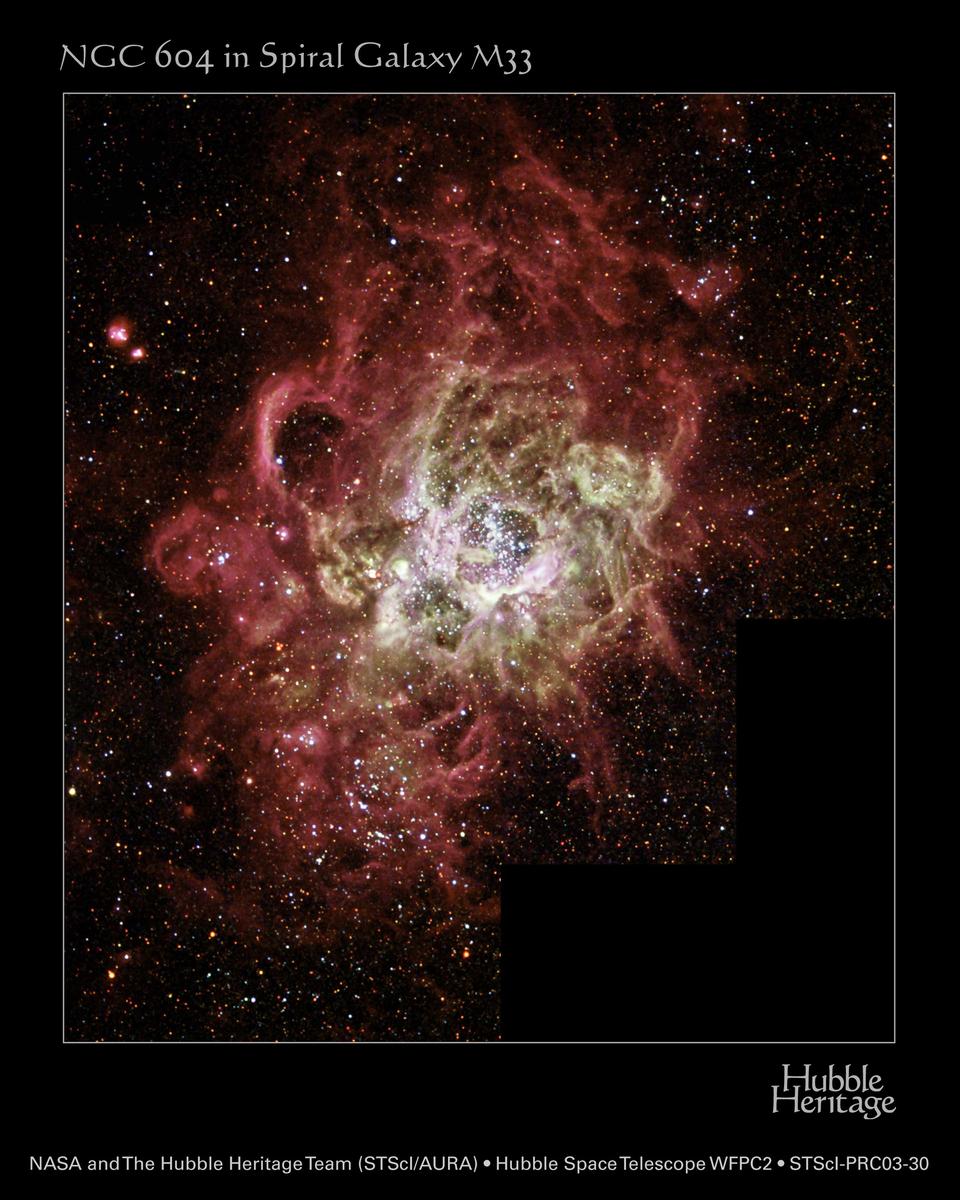
NGC 604: Giant Stellar Nursery
Stars are sometimes born in the midst of chaos. About 3 million years ago in the nearby galaxy M33 , a large cloud of gas spawned dense internal knots which gravitationally…
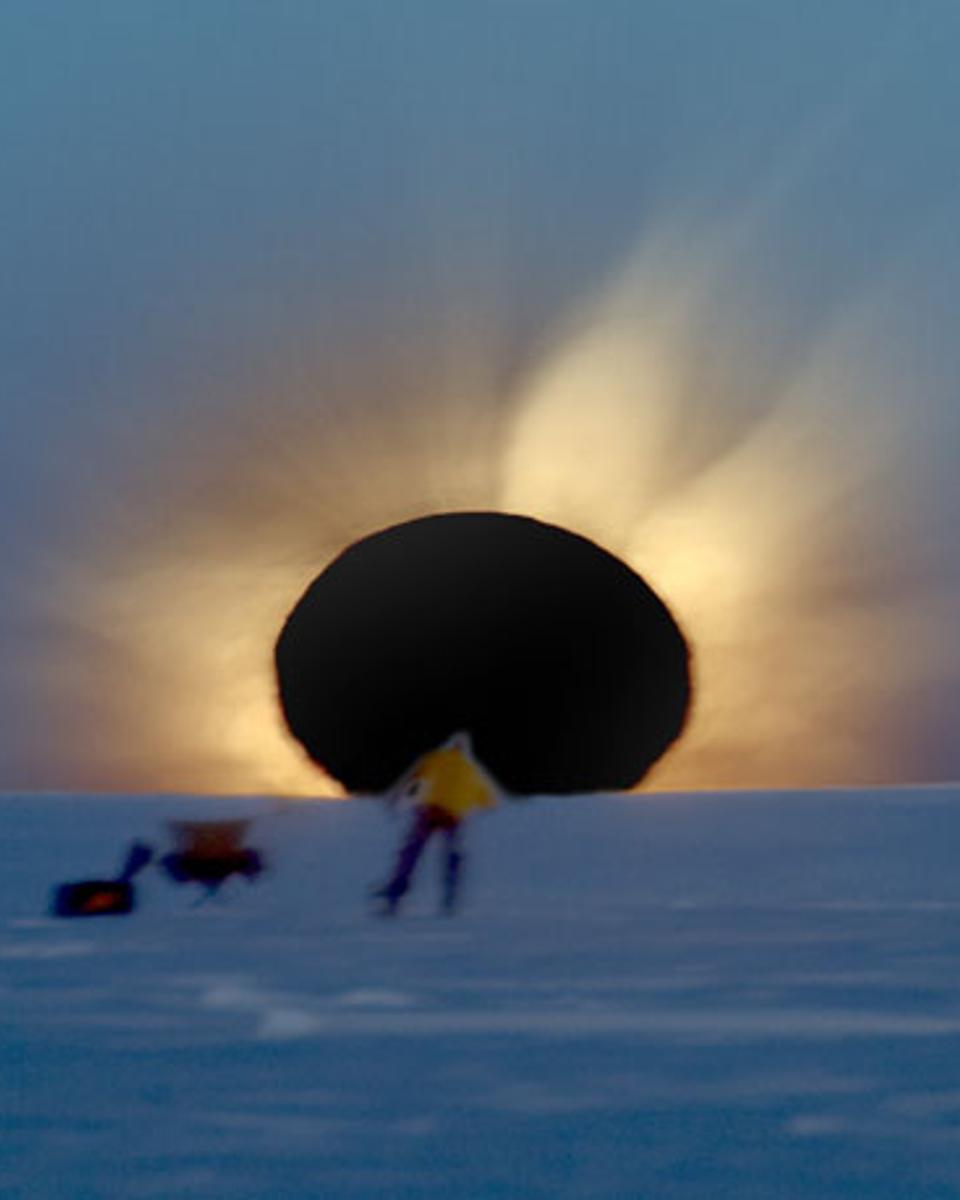
An Antarctic Total Solar Eclipse
The Sun, the Moon, and two photographers all lined up last month in Antarctica during an unusual total eclipse of the Sun. Even given the extreme location, a group of enthusiastic…
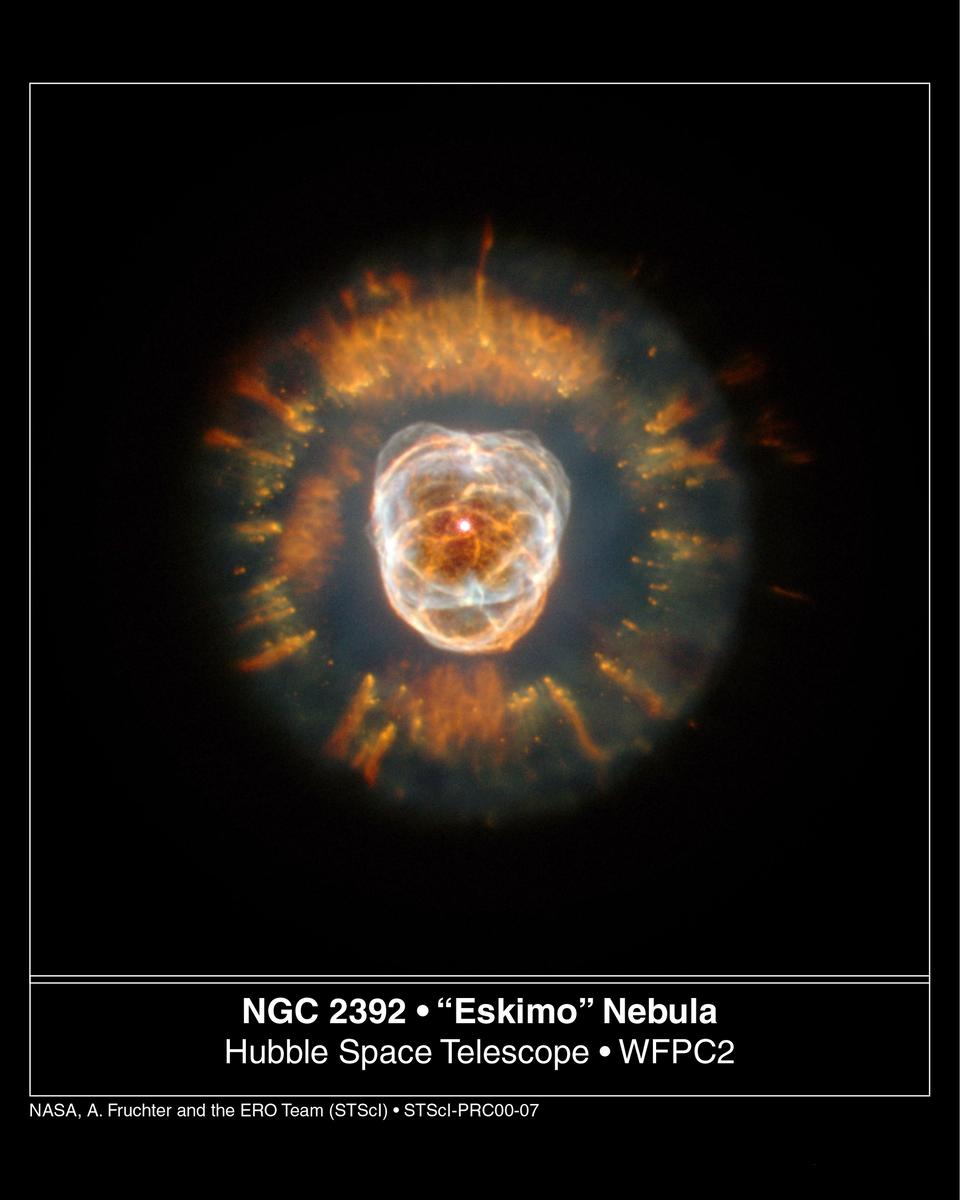
NGC 2392 Nebula from Hubble
In 1787, astronomer William Herschel discovered NGC 2392 . From the ground, NGC 2392 resembles a person's head surrounded by a parka hood. In 2000, the Hubble Space Telescope…
Viewing discoveries from 30 December 2003 through 7 December 2003.