Browse NASA Astronomy Picture of the Day archive by date and media: Archive Discoveries
Browse the NASA APOD archive without needing the exact date first. Filter by media type and keep moving deeper into older images and videos.
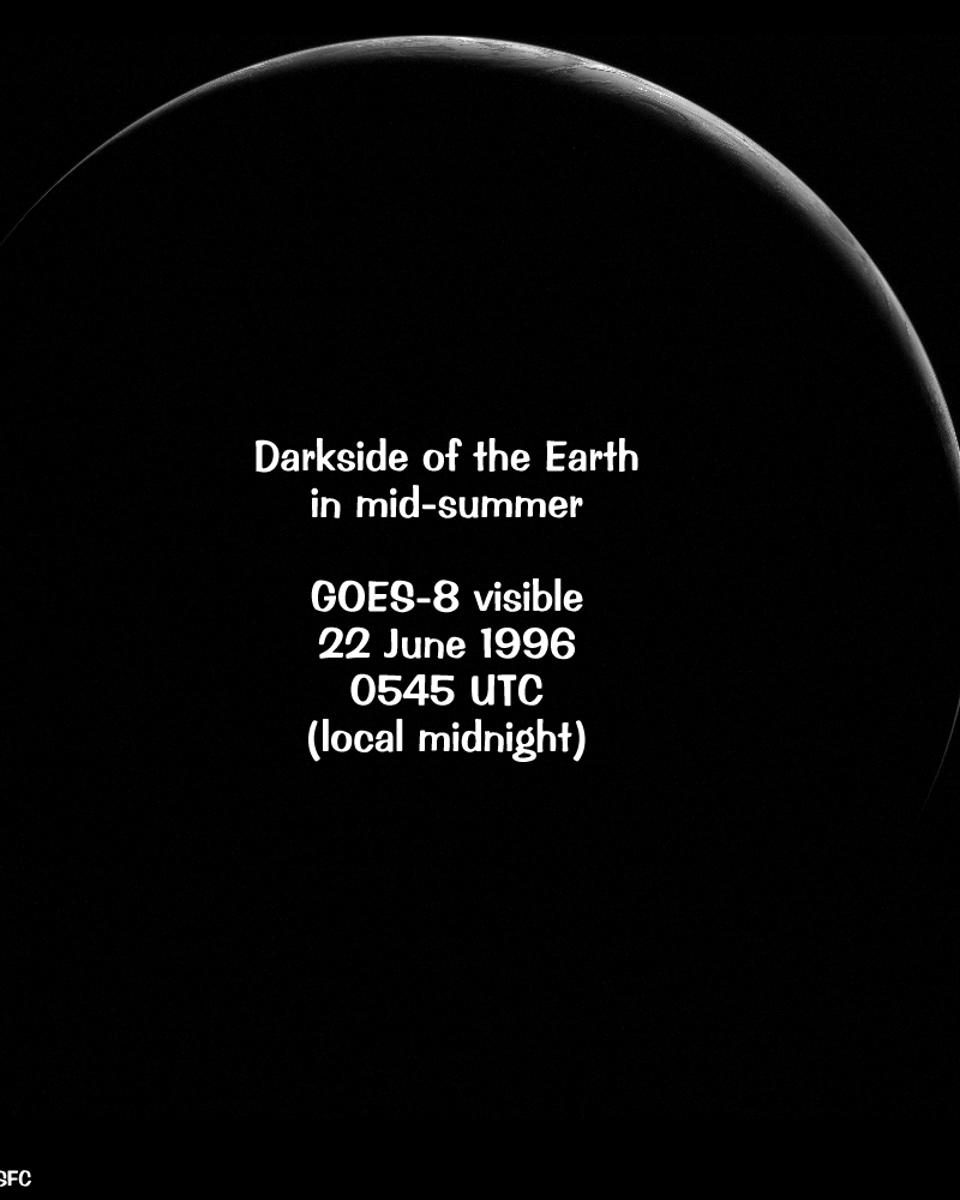
A Crescent Earth at Midnight
The Earth's northern hemisphere is outlined as a sunlit crescent in this dramatic view from orbit, recorded near local midnight by the G eostationary O perational E nvironmental S…
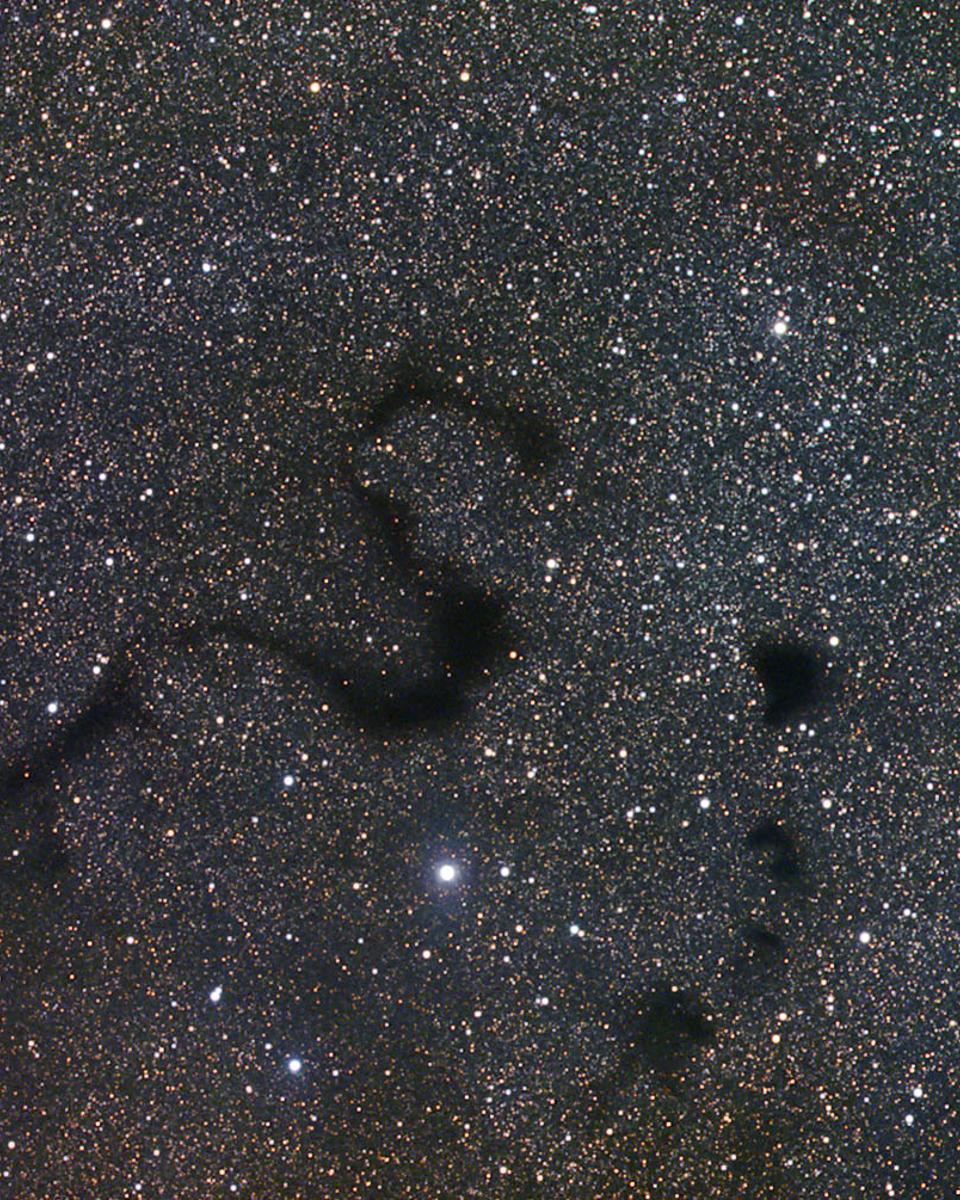
Snake in the Dark
Dark nebulae snake across a gorgeous expanse of stars in this wide-field view toward the pronounceable constellation Ophiucus and the center of our Milky Way Galaxy. In fact, the…
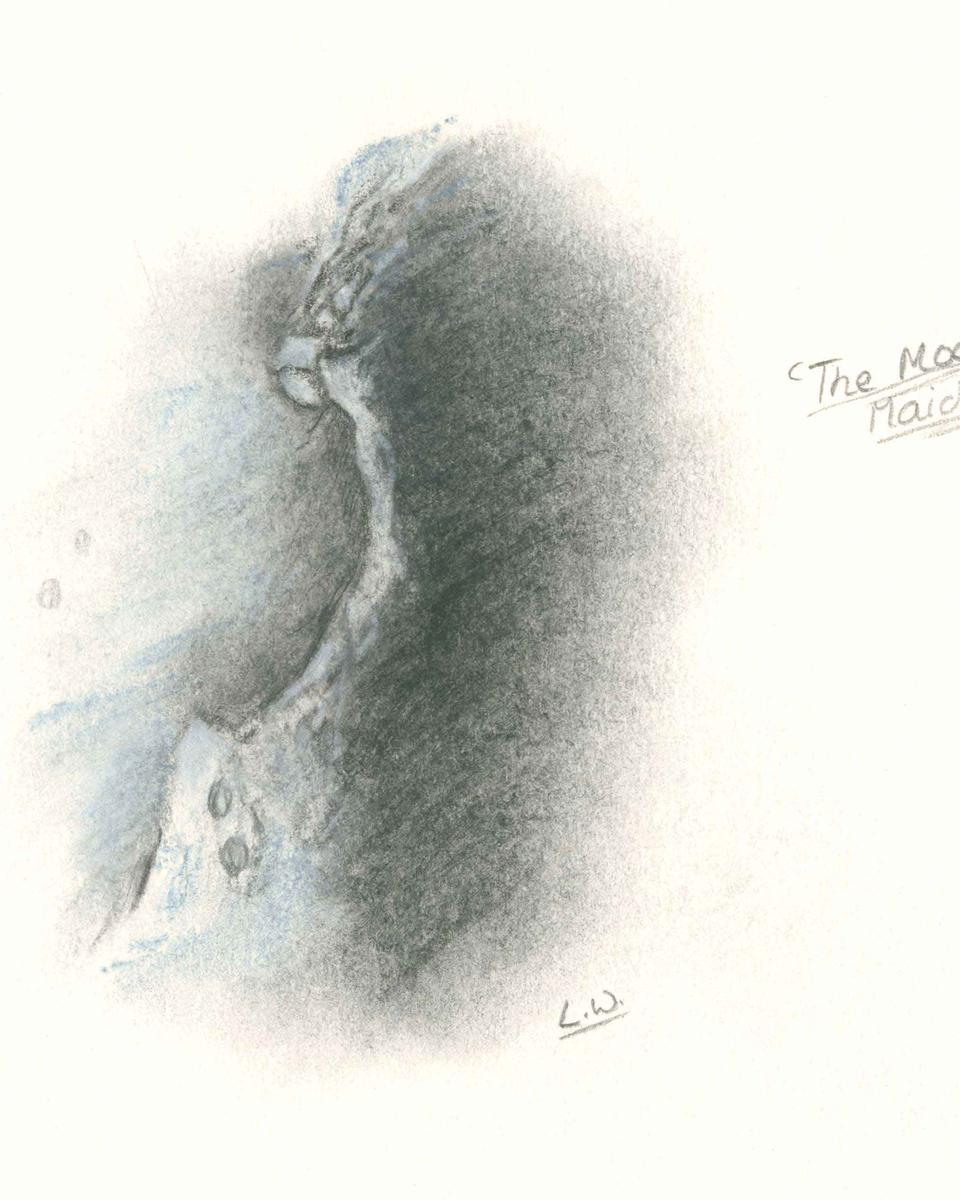
The Moon Maiden
Along the northwestern reaches of the lunar near side , the Sinus Iridum or Bay of Rainbows appropriately lies at the edge of the Moon's smooth, dark Sea of Rains (Mare Imbrium).…
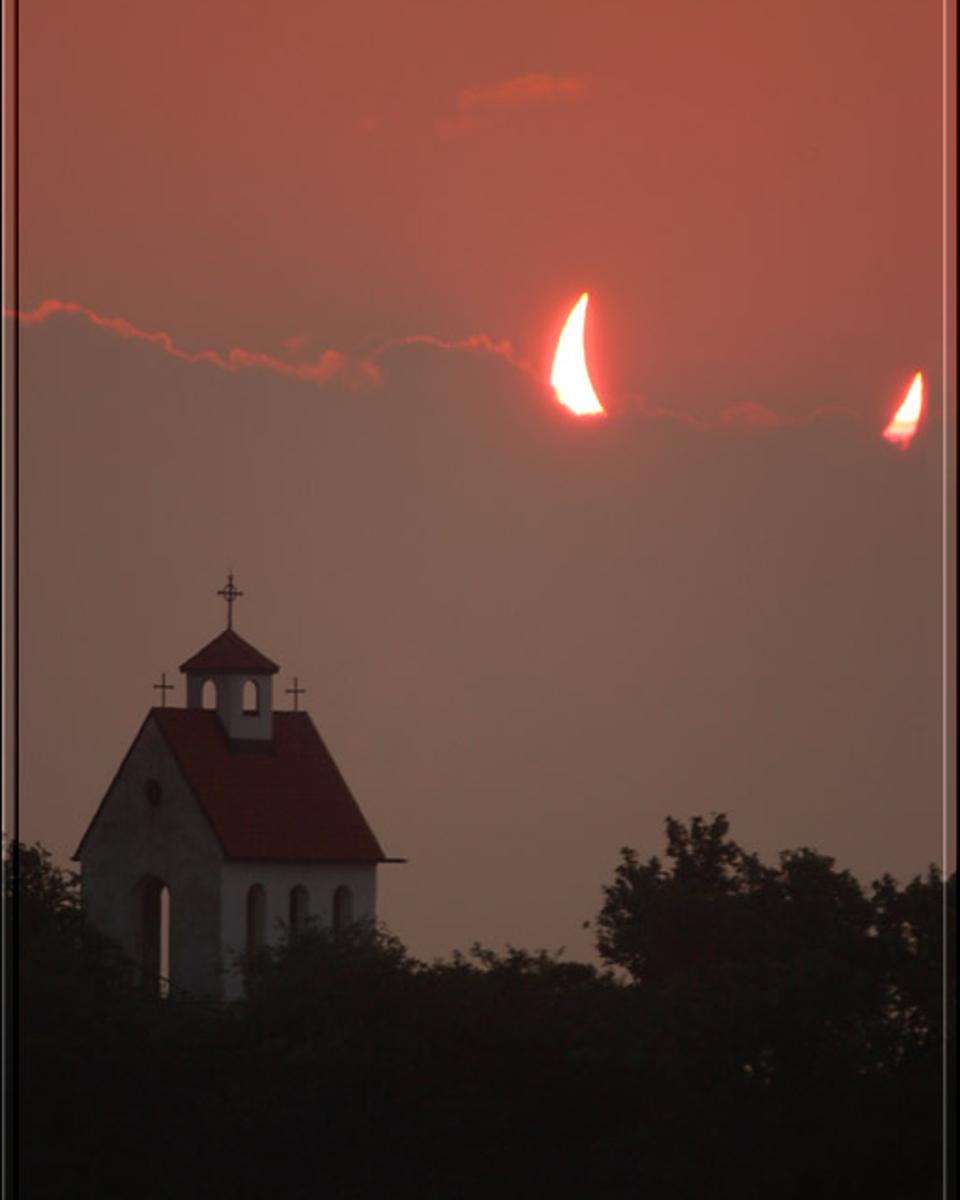
Clouds and the Moon Move to Block the Sun
High above a small church near Vienna, Austria , clouds and the Moon vied for position in front of the Sun. Such was the case on the ground late last month during a partial…
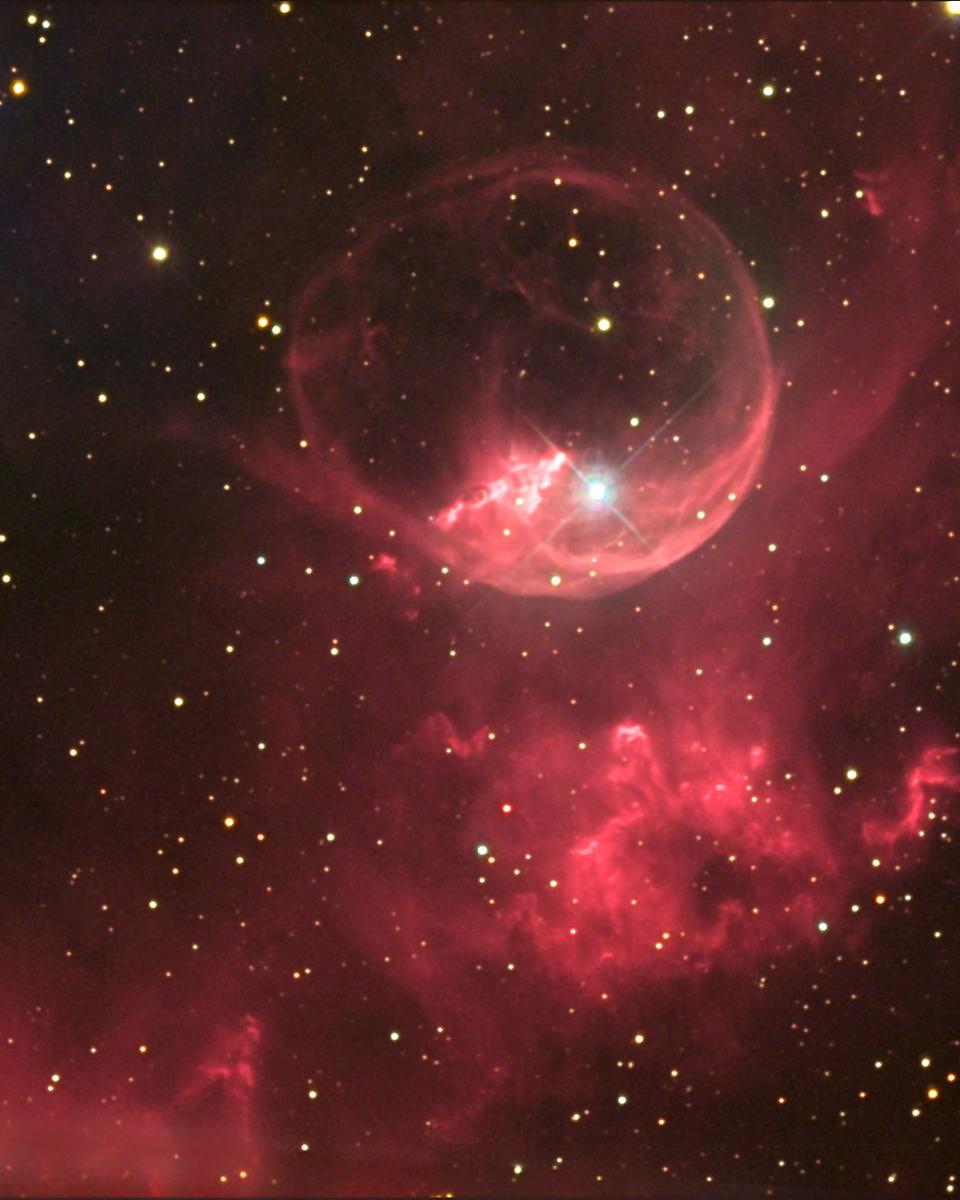
The Bubble Nebula from NOAO
It's the bubble versus the cloud. NGC 7635, the Bubble Nebula , is being pushed out by the stellar wind of massive central star BD+602522. Next door, though, lives a giant…
APOD Turns Eight
The first APOD appeared eight years ago today, on 1995 June 16. To date, we estimate that APOD has now served over 100 million space-related images. We again thank our readers and…
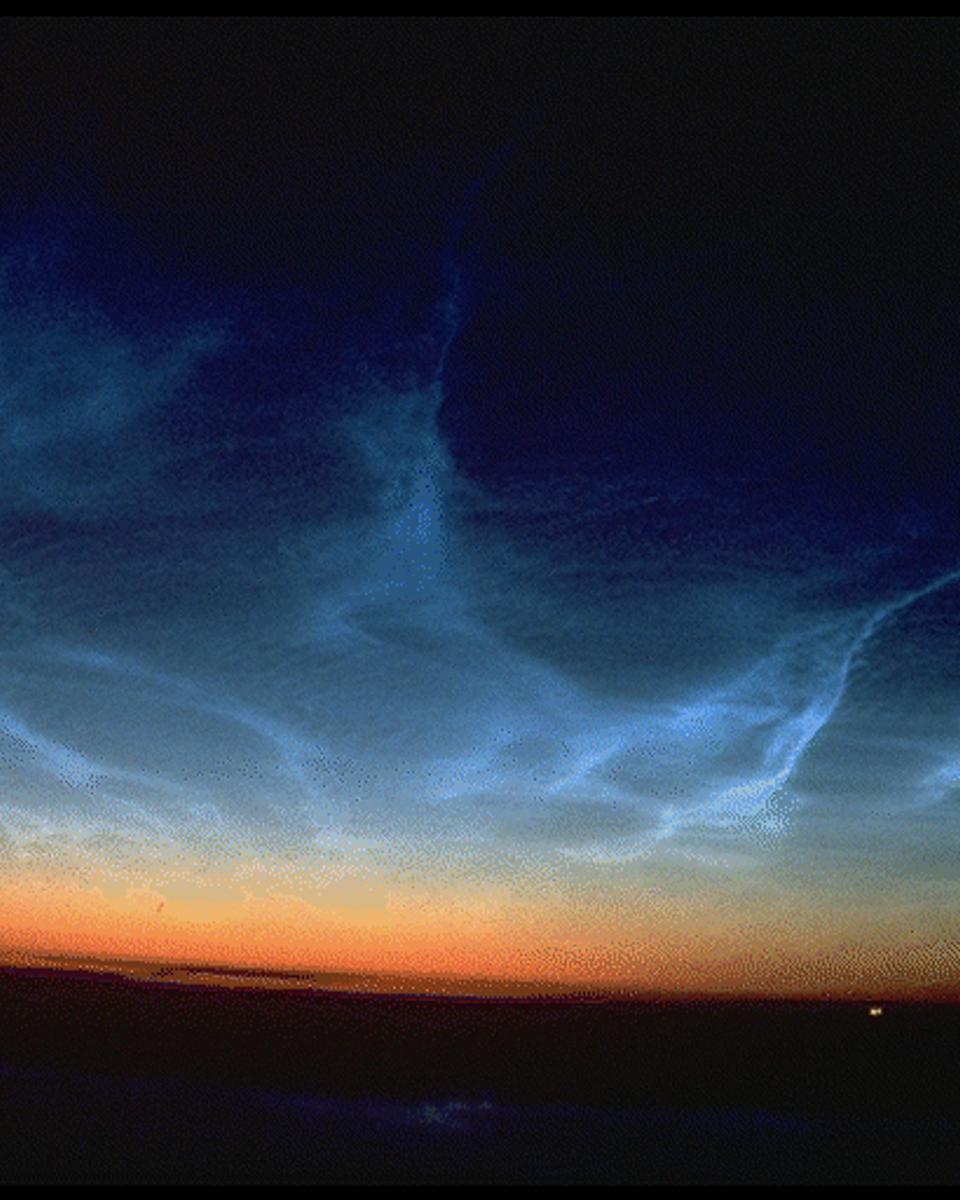
Noctilucent Clouds
Sometimes it's night on the ground but day in the air. As the Earth rotates to eclipse the Sun, sunset rises up from the ground. Therefore, at sunset on the ground, sunlight still…
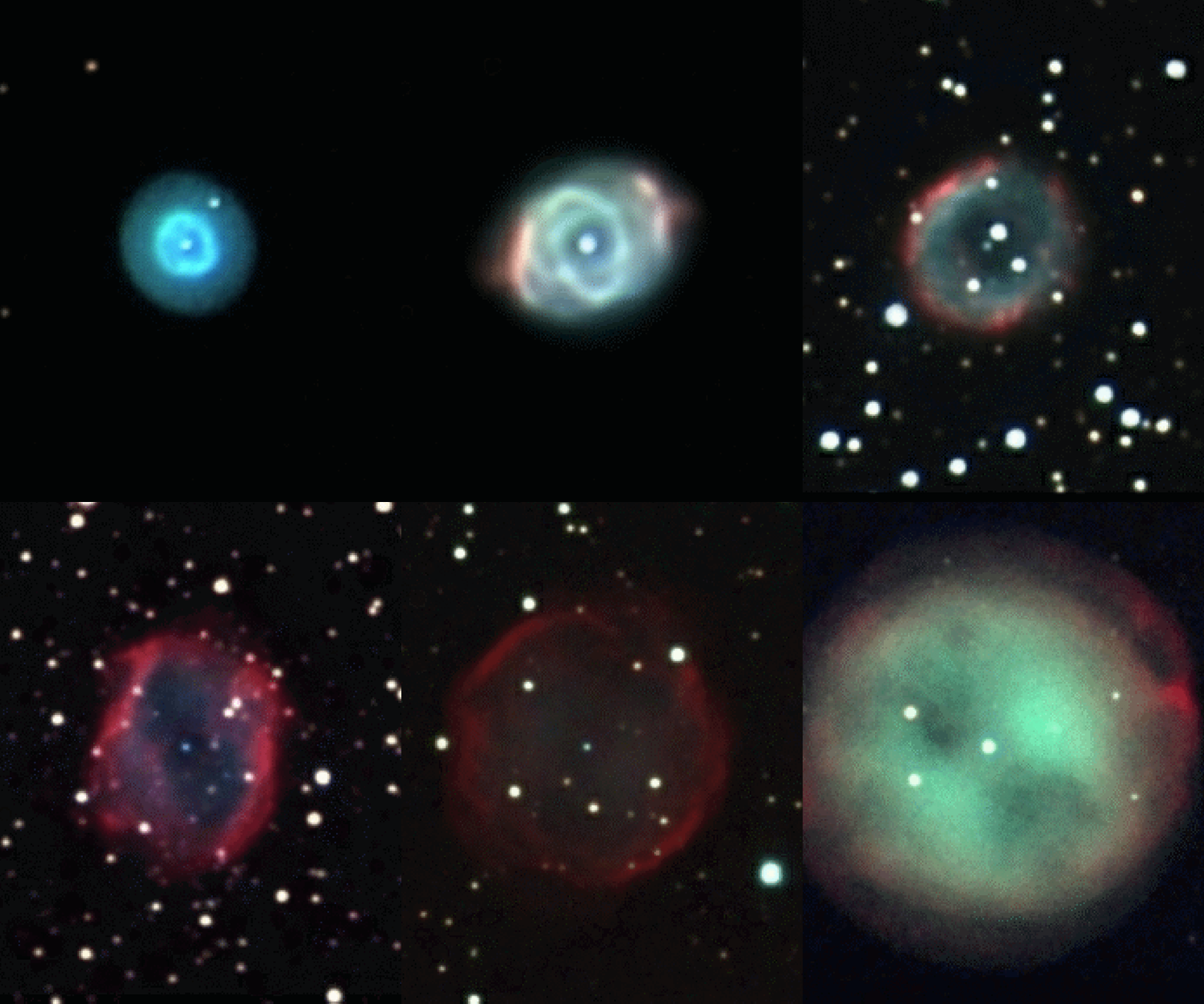
The Planetary Nebula Show
What do the Owl, the Cat's Eye, the Ghost of Jupiter, and Saturn have in common? They're all planetary nebulae of course, glowing gaseous shrouds shed by dying sun-like stars as…
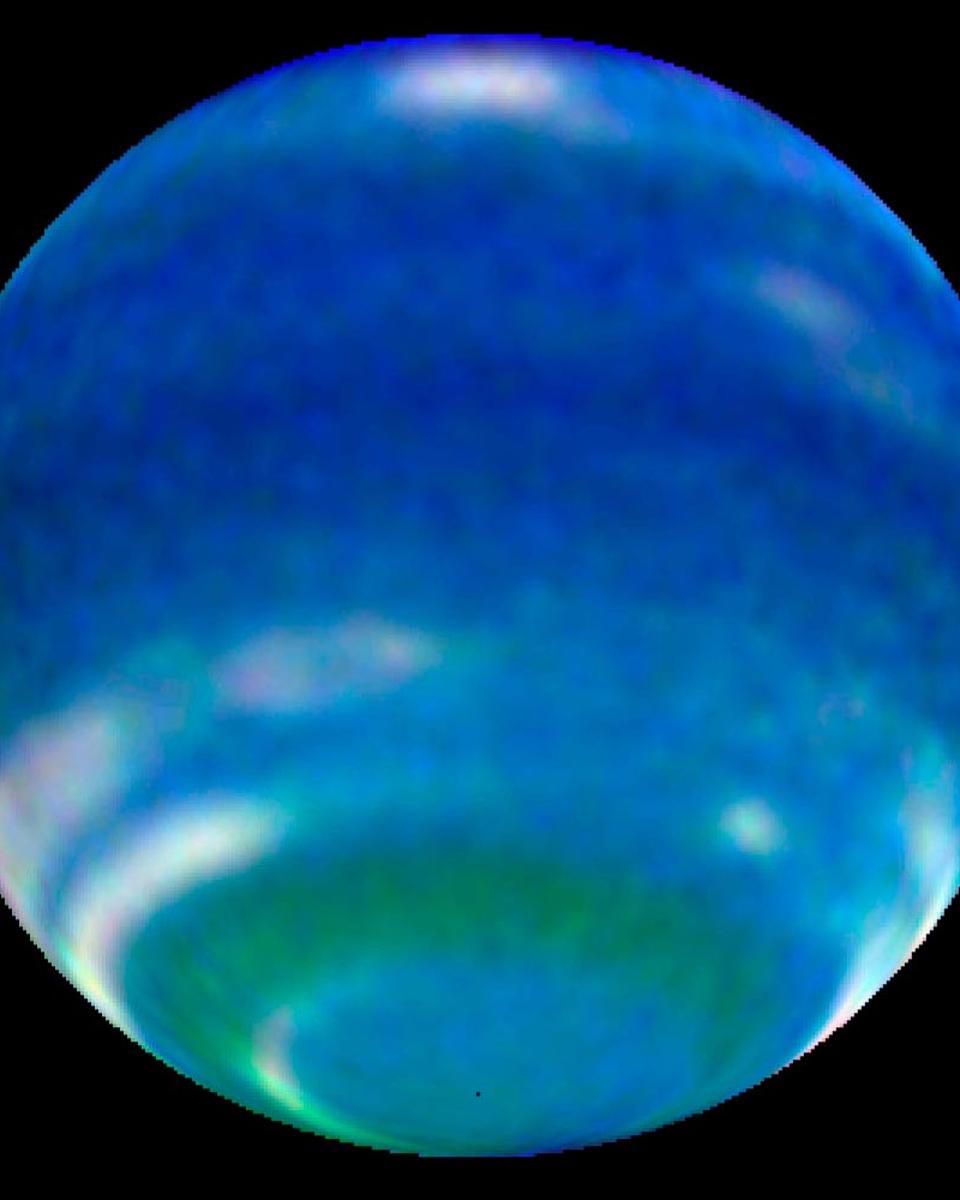
Neptune: Still Springtime After All These Years
In the 1960s spring came to the southern hemisphere of Neptune, the Solar System's outermost gas giant planet. Of course, since Neptune orbits the Sun once every 165 earth-years ,…
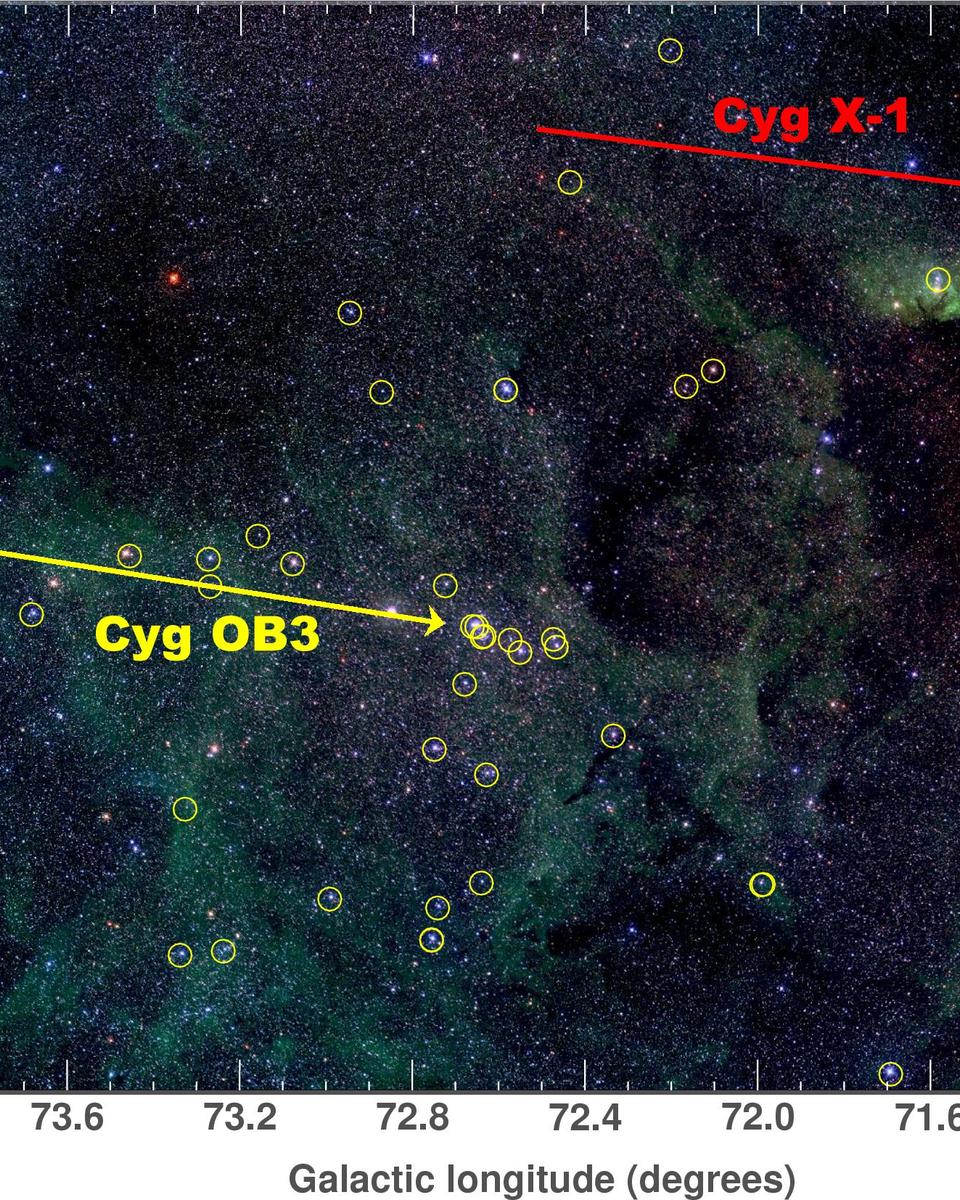
Cyg X-1: Can Black Holes Form in the Dark?
The formation of a black hole from the collapsing core of a massive star is thought to be heralded by a spectacular supernova explosion. Such an extremely energetic collapse is…
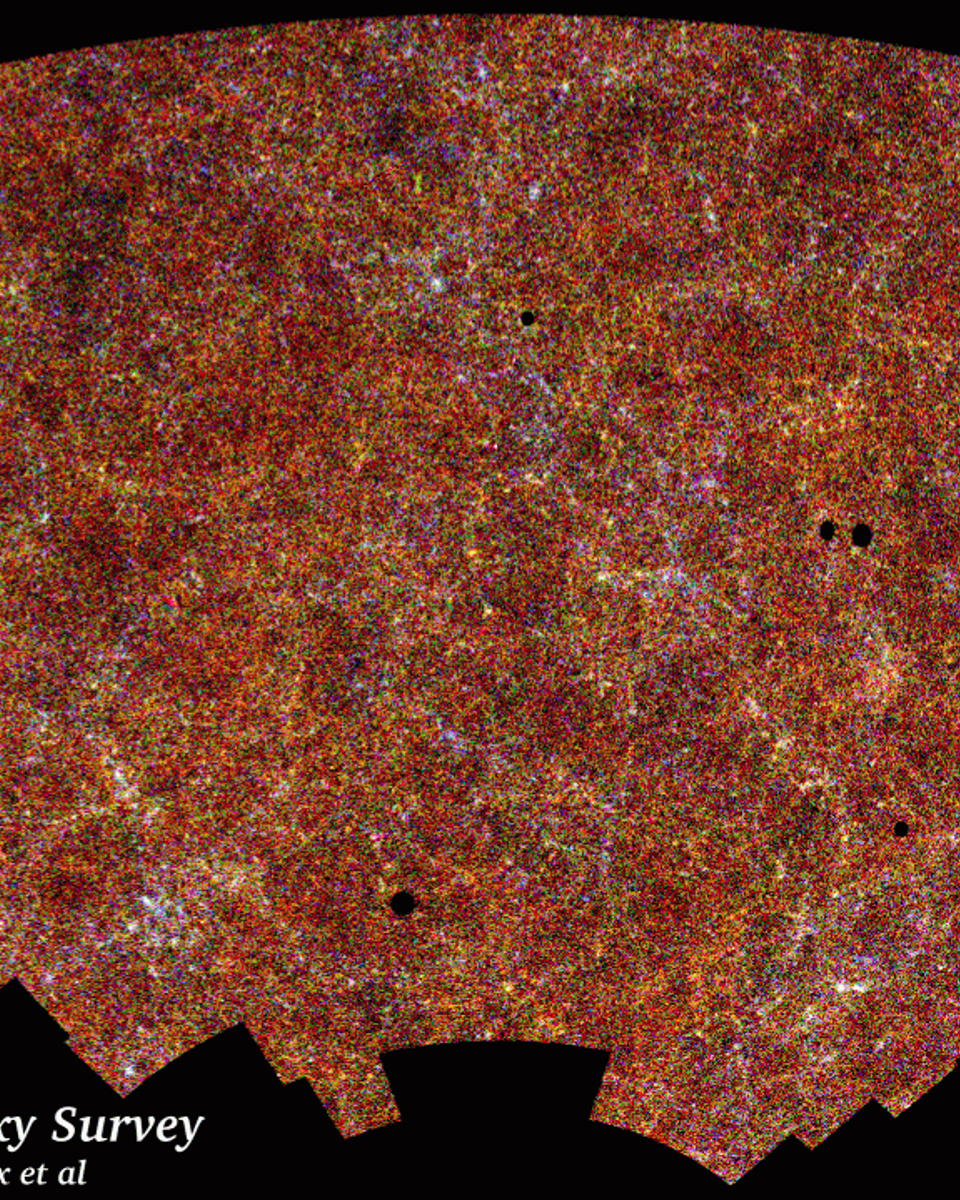
Two Million Galaxies
Our universe is filled with galaxies. Galaxies -- huge conglomerations of stars , gas , dust -- and mysterious dark matter are the basic building blocks of the large-scale…
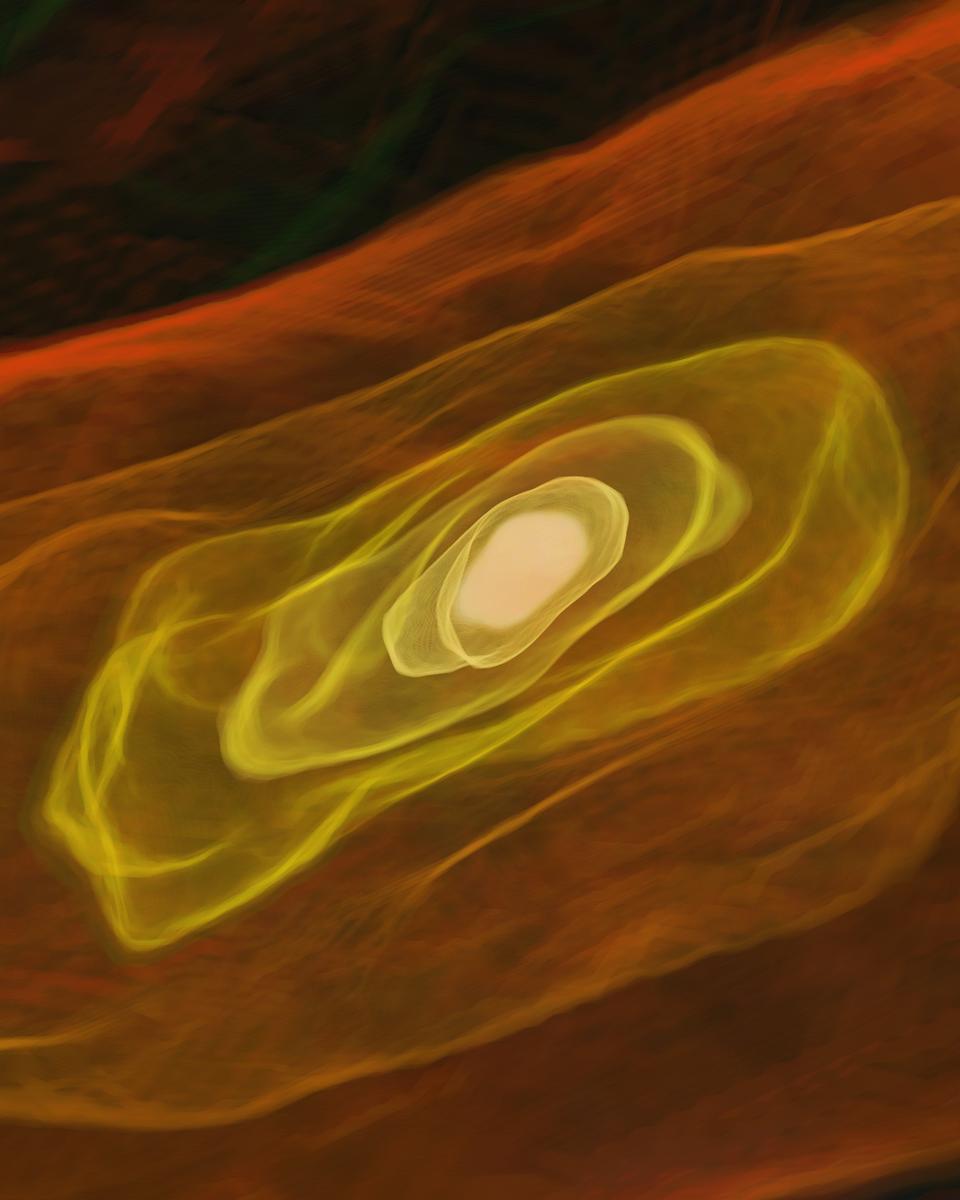
Zooming in on the First Stars
What became of the first stars? No known stars appear to be composed of truly primordial gas -- all of the stars around us have too many heavy elements. Our own Sun is thought to…
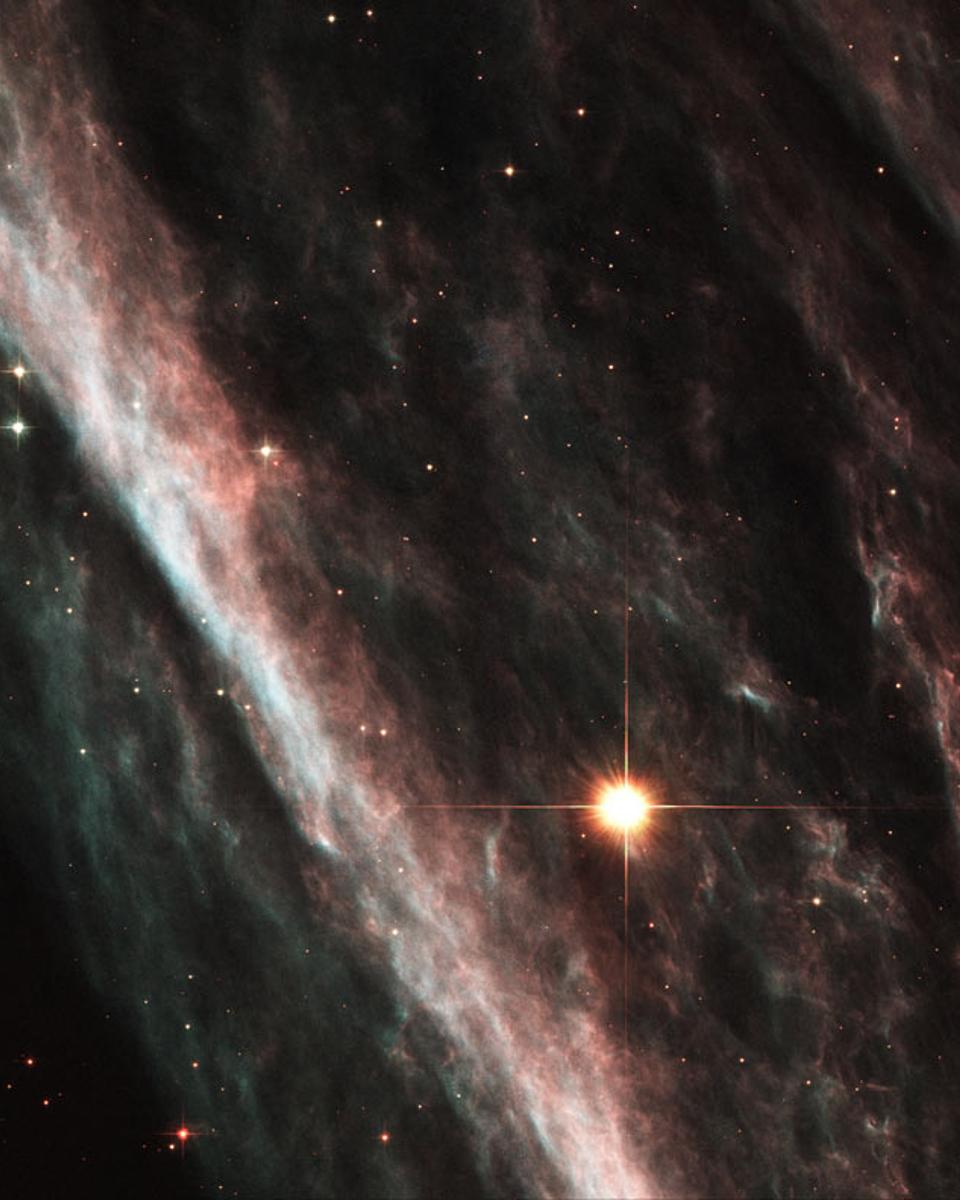
The Pencil Nebula Supernova Shockwave
At 500,000 kilometers per hour, a supernova shockwave plows through interstellar space. This shockwave is known as the Pencil Nebula , or NGC 2736, and is part of the Vela…
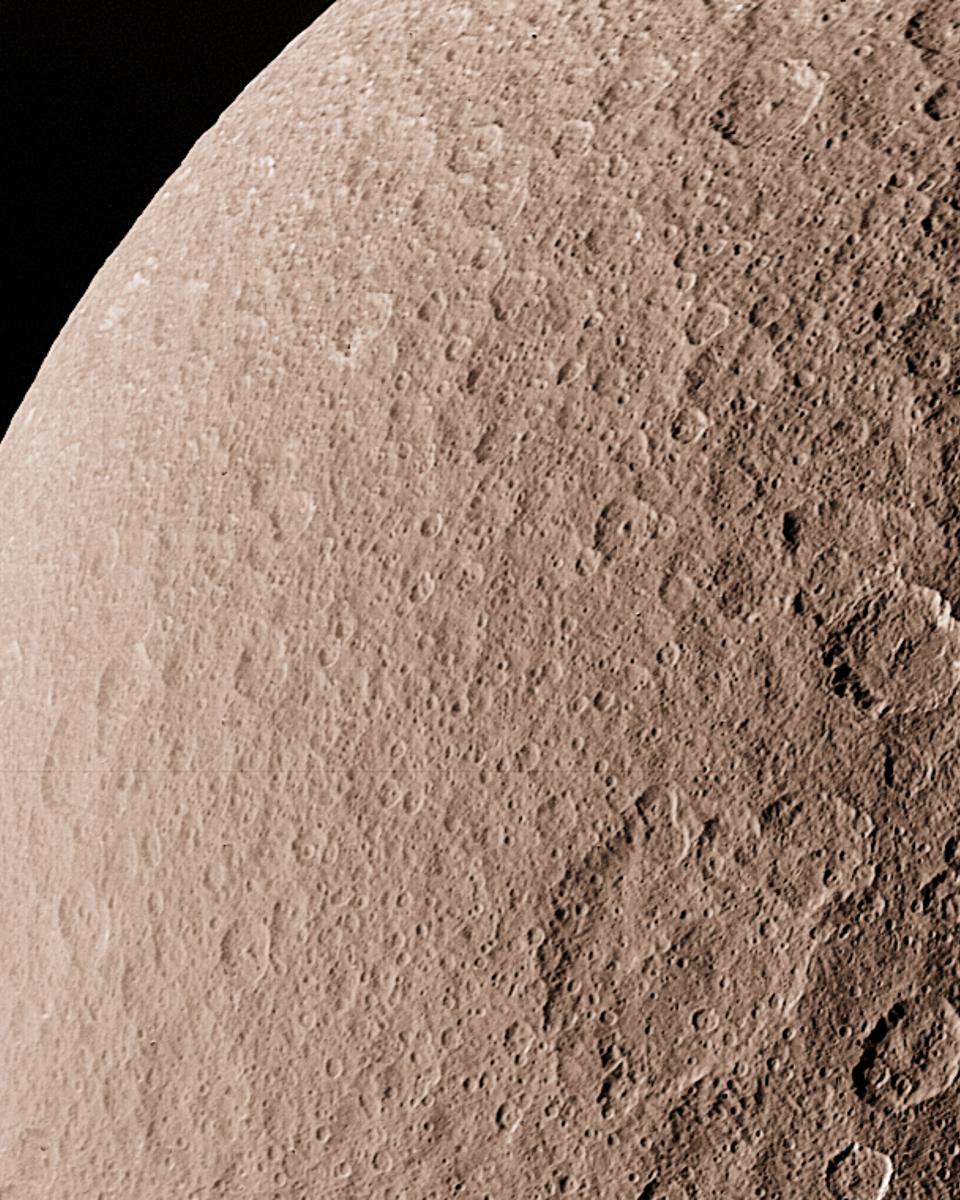
Rhea: Saturn's Second Largest Moon
Rhea is the second largest moon of Saturn , behind Titan , and the largest without an atmosphere. It is composed mostly of water ice, but has a small rocky core. Rhea 's rotation…
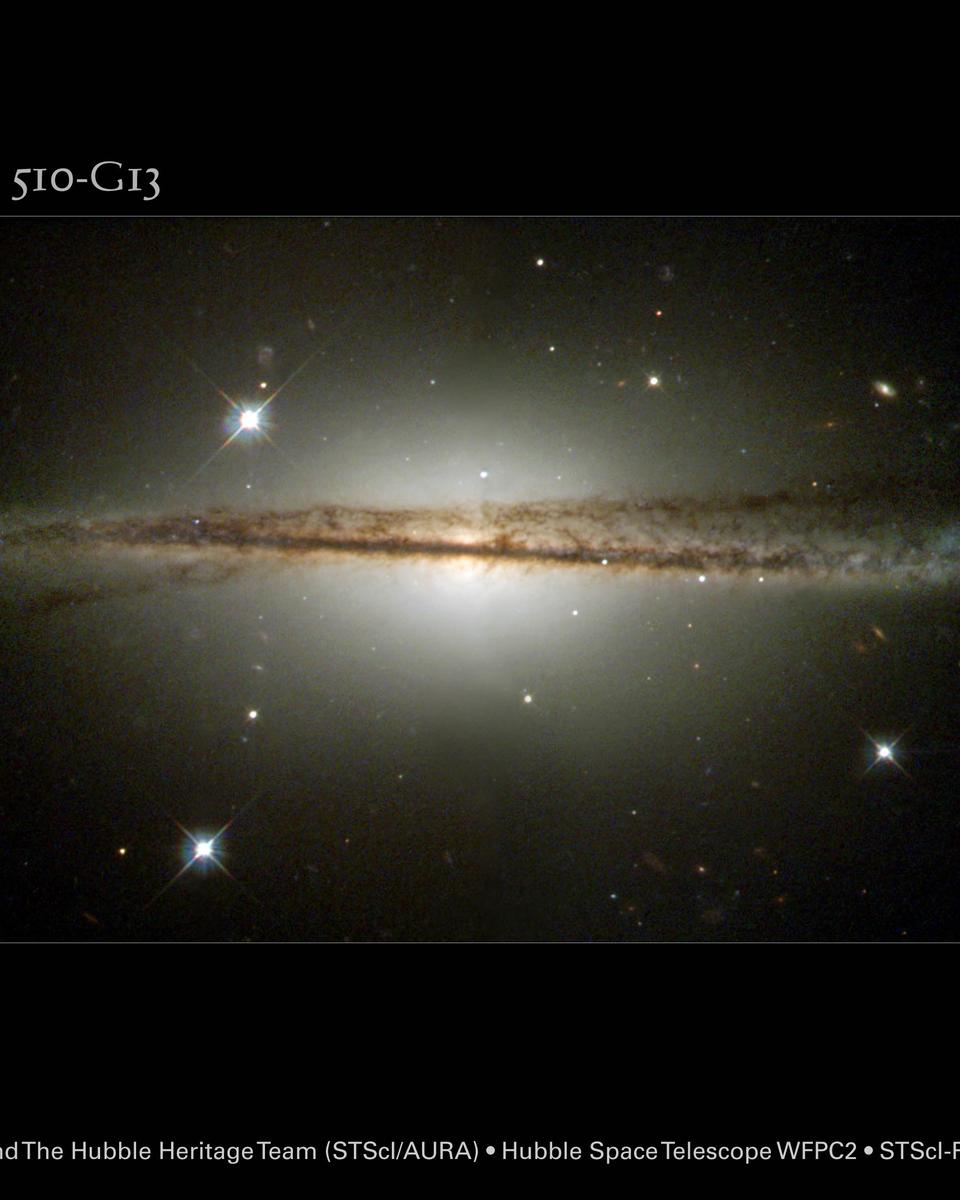
Warped Spiral Galaxy ESO 510-13
How did spiral galaxy ESO 510-13 get bent out of shape? The disks of many spirals are thin and flat , but not solid. Spiral disks are loose conglomerations of billions of stars…
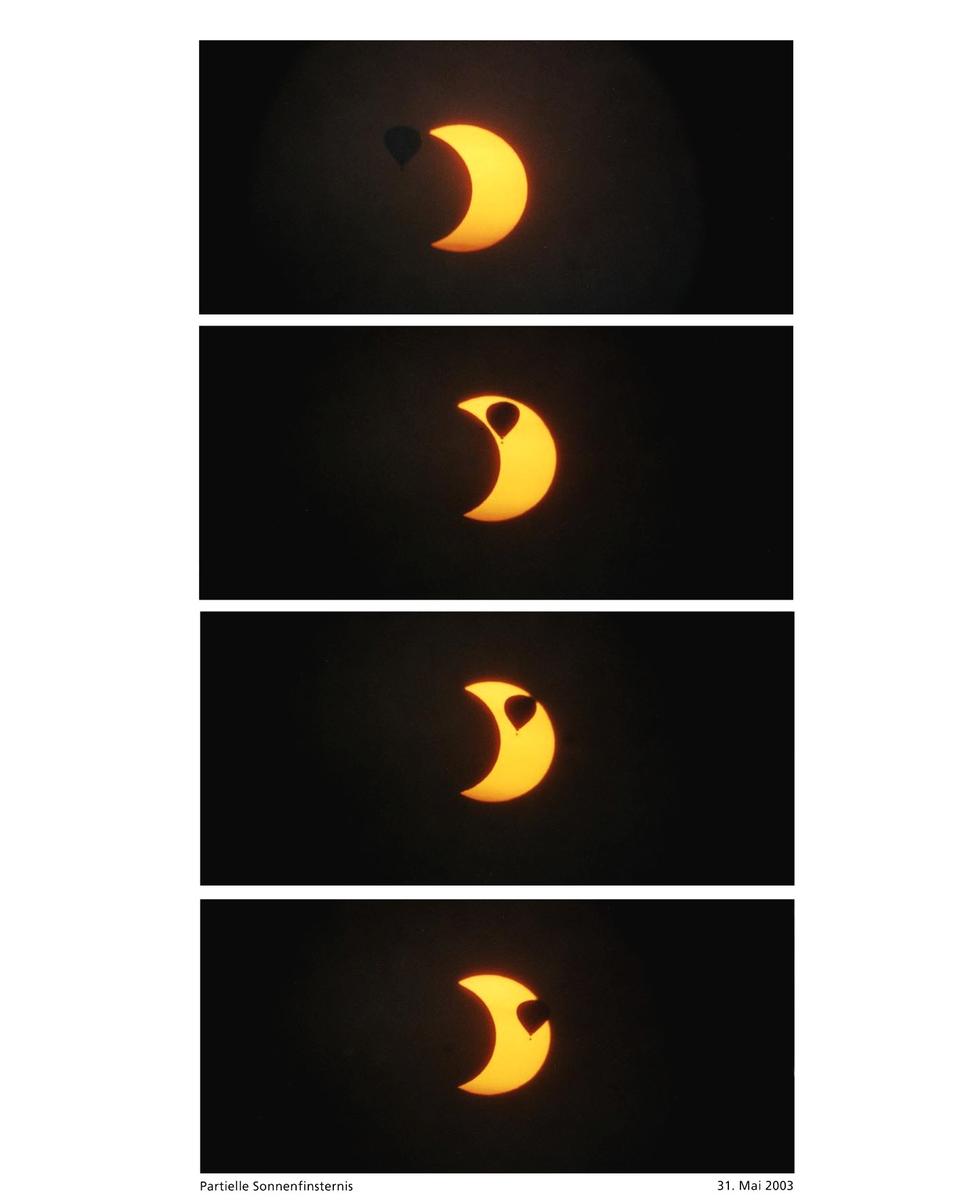
Sun, Moon, Hot Air Balloon
Anticipating the celestial shadow play of a solar eclipse, sky gazers across Germany watched the Sun rise on May 31. In Bonn , astrophotographer Thilo Kranz had set up his small…
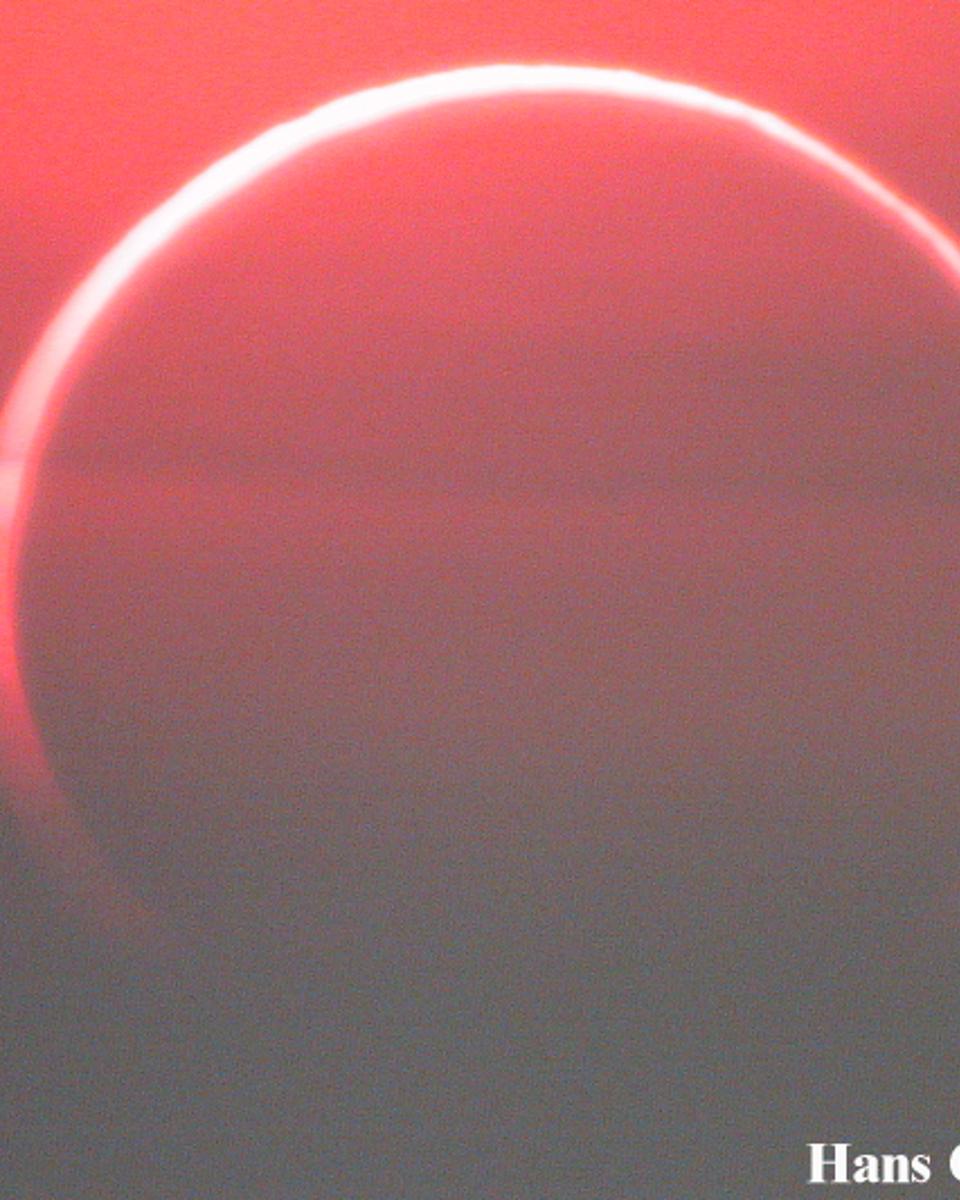
Ring of Fire from Cape Wrath
If the Moon's apparent diameter is not quite large enough to cover the Sun during a solar eclipse , an annular eclipse can be the result -- a spectacle of silhouetted Moon…
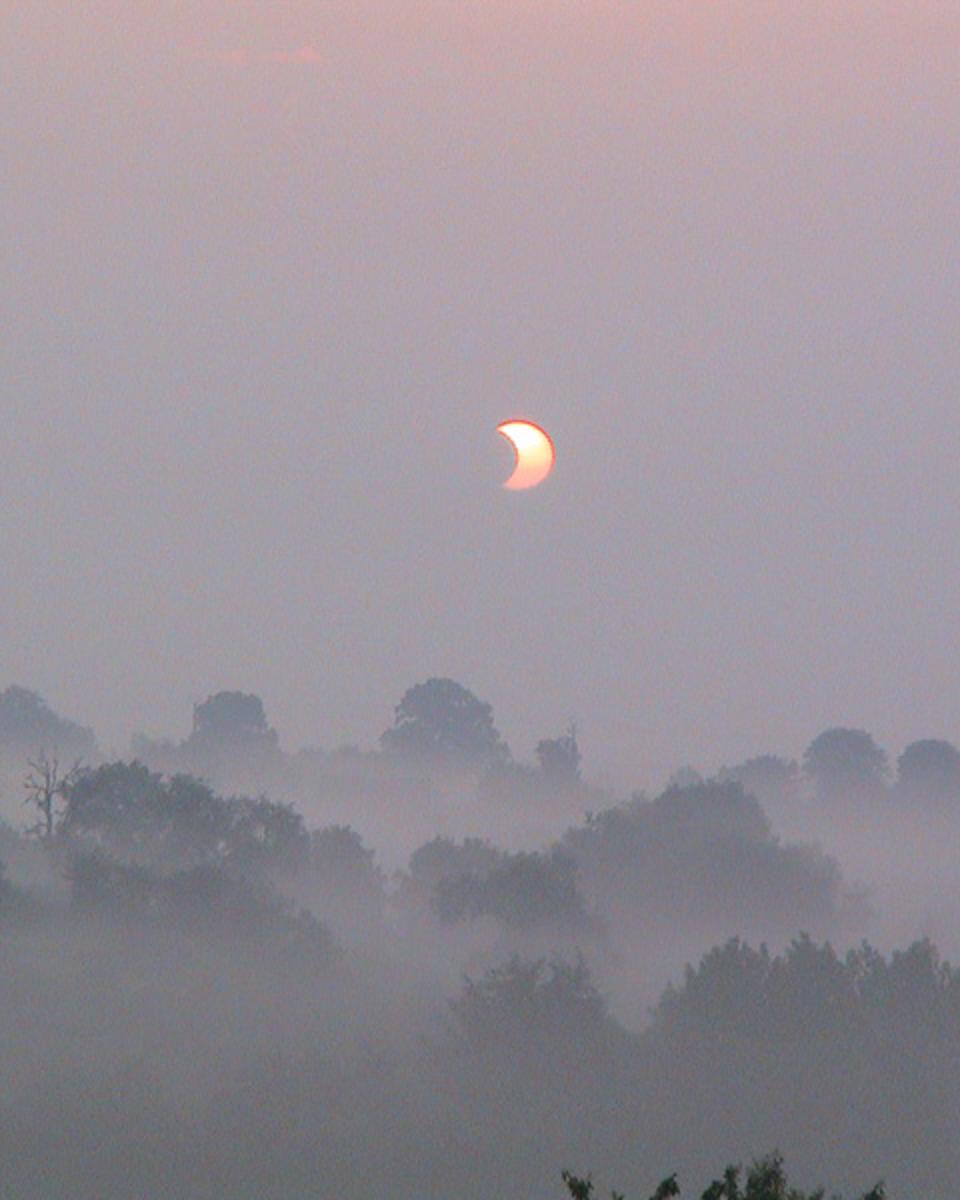
Eclipse in the Mist
The Sun and Moon rose together over much of Europe on the morning of May 31st with the first solar eclipse of 2003 already in progress. And while sightings of the full annular…
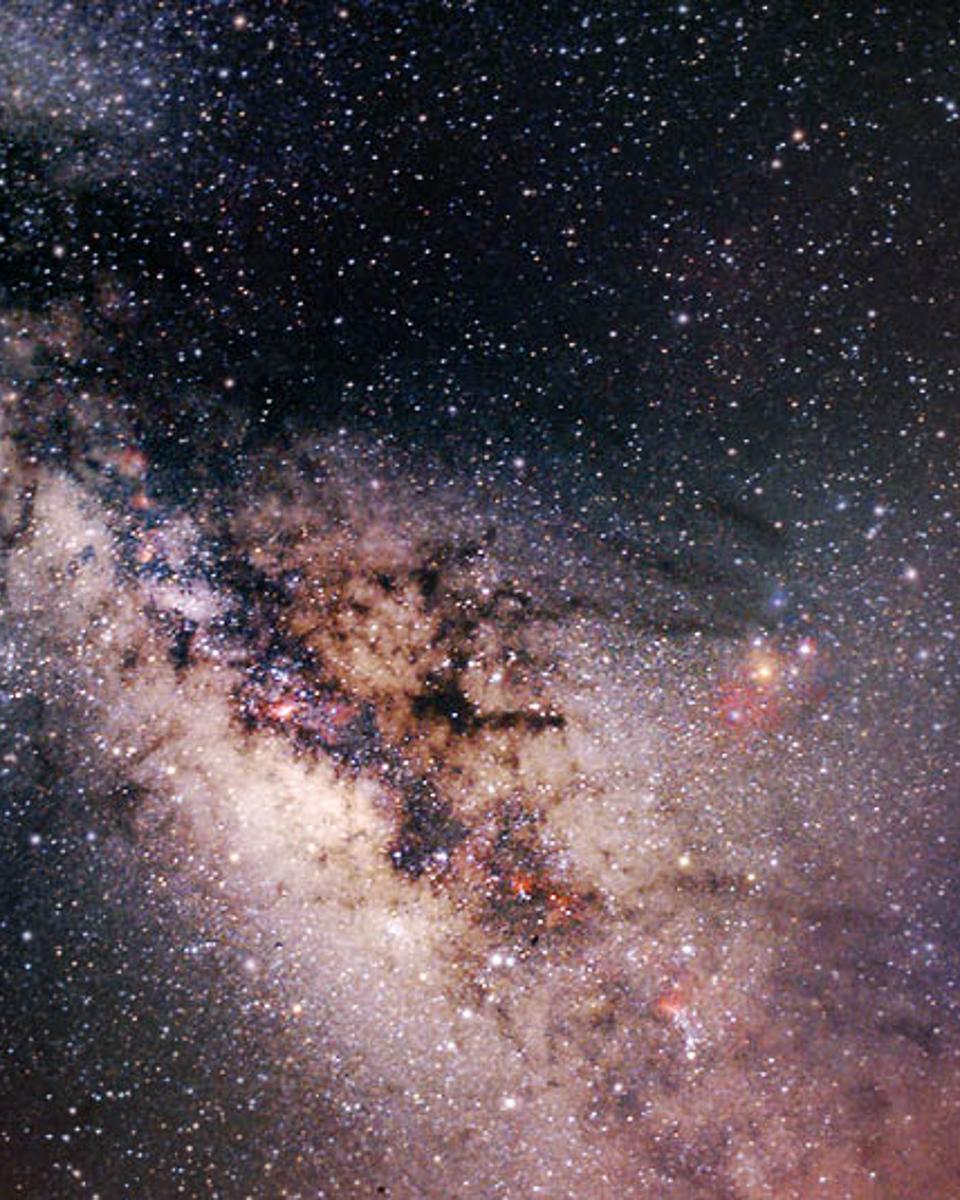
The Milky Way Behind an Eclipsed Moon
What's behind the Moon? Each month, our Moon passes in front of -- and outshines -- many an interesting star field. Exceptions occur during a new Moon and during a total eclipse .…
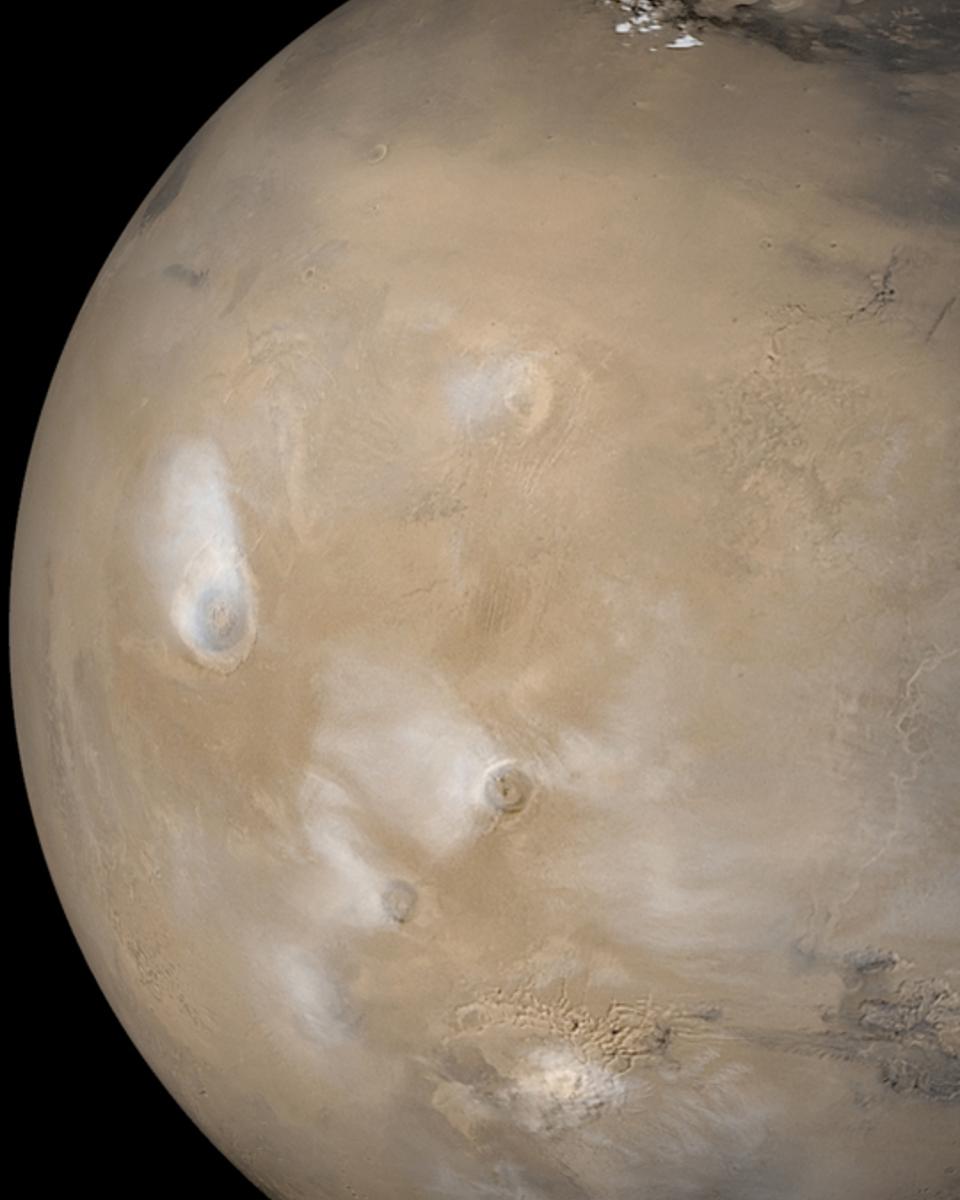
The Fogs of Mars
Fogs of clouds and dust covered parts of southern Mars during last Martian winter . Giant volcanoes , such as Ascraeus Mons , the central circular feature near the top of the…
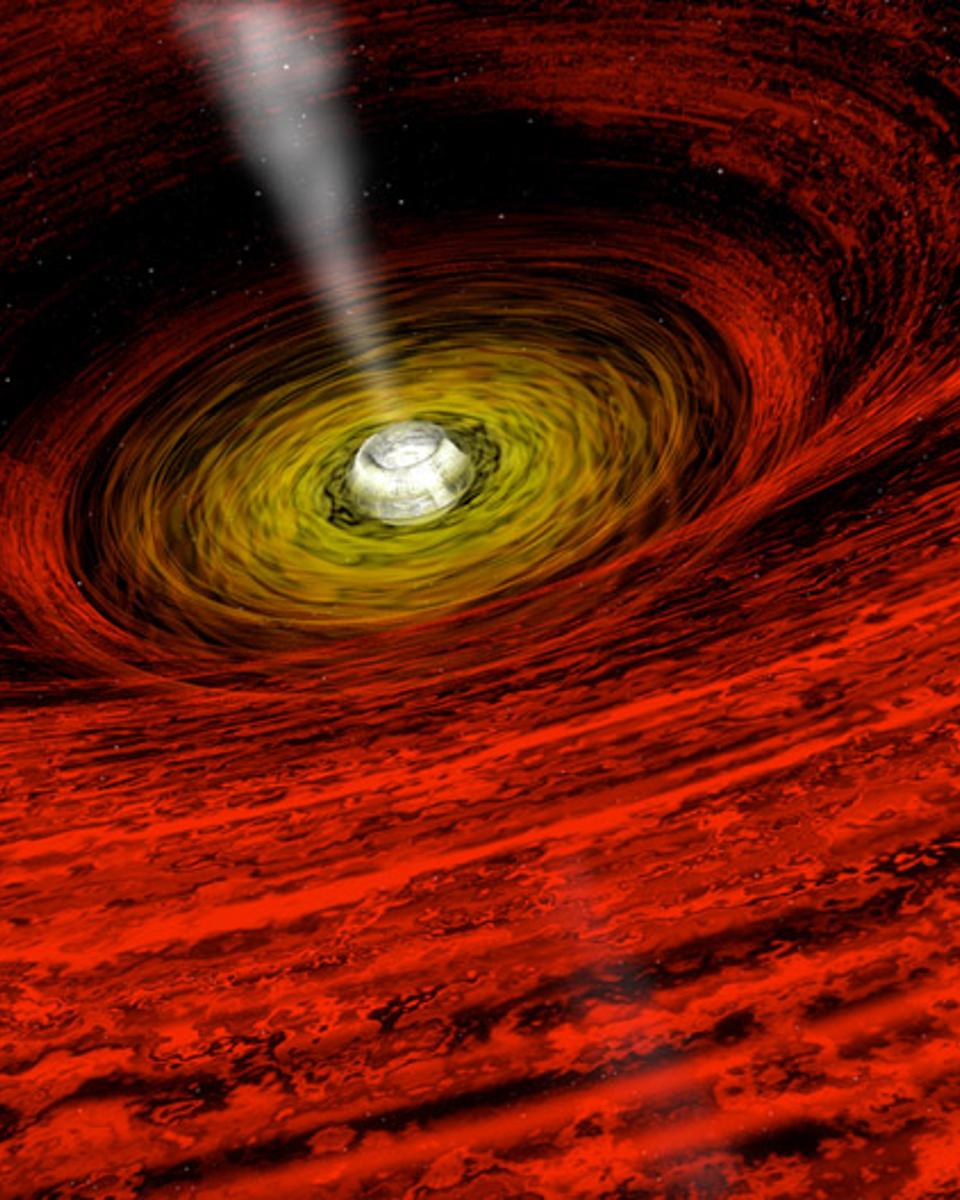
GRO J1655-40: Evidence for a Spinning Black Hole
In the center of a swirling whirlpool of hot gas is likely a beast that has never been seen directly: a black hole . Studies of the bright light emitted by the swirling gas…
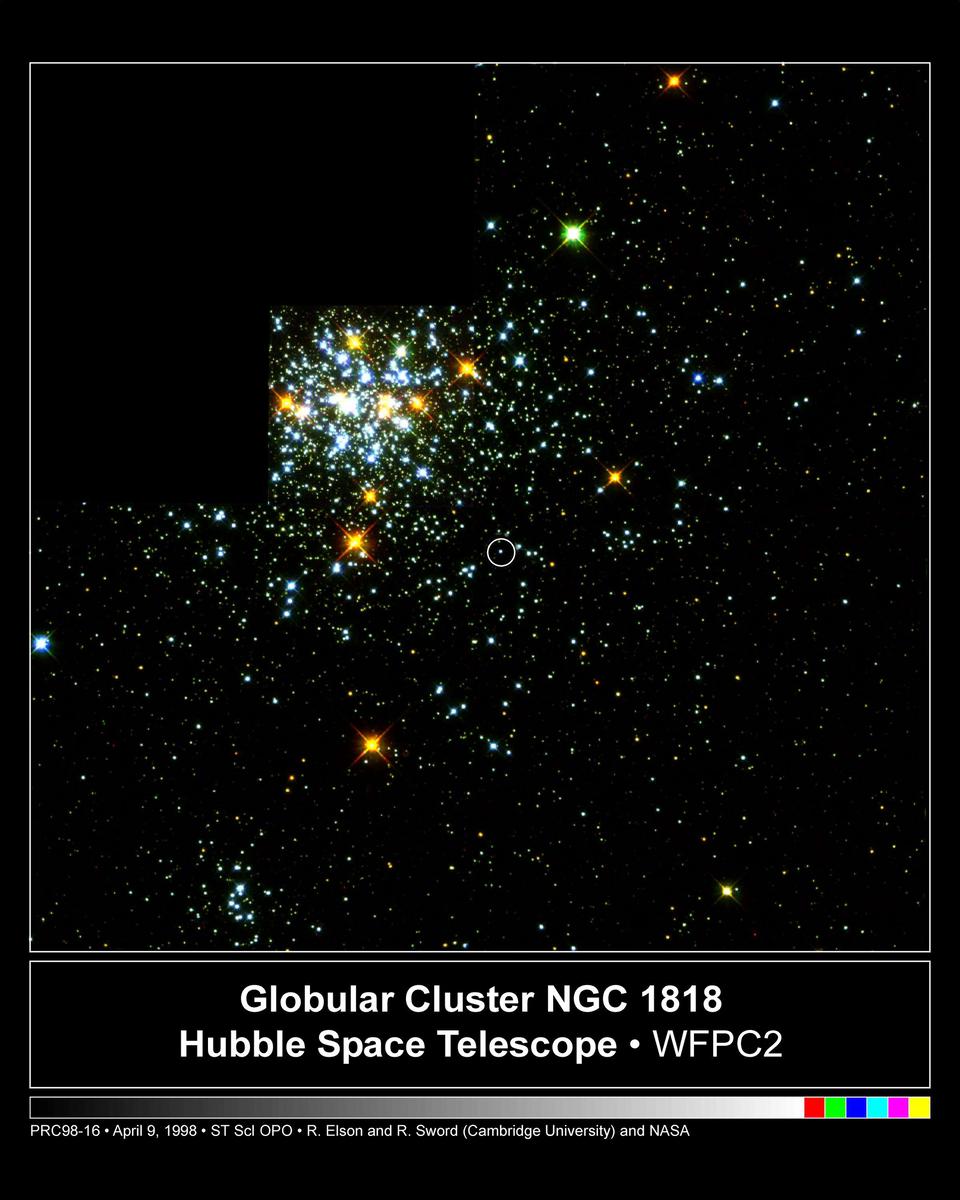
NGC 1818: Pick A Star
This is NGC 1818 , a youthful, glittering cluster of 20,000 stars residing in the Large Magellanic Cloud , 180,000 light-years away. Pick a star. Any star. Astronomers might pick…
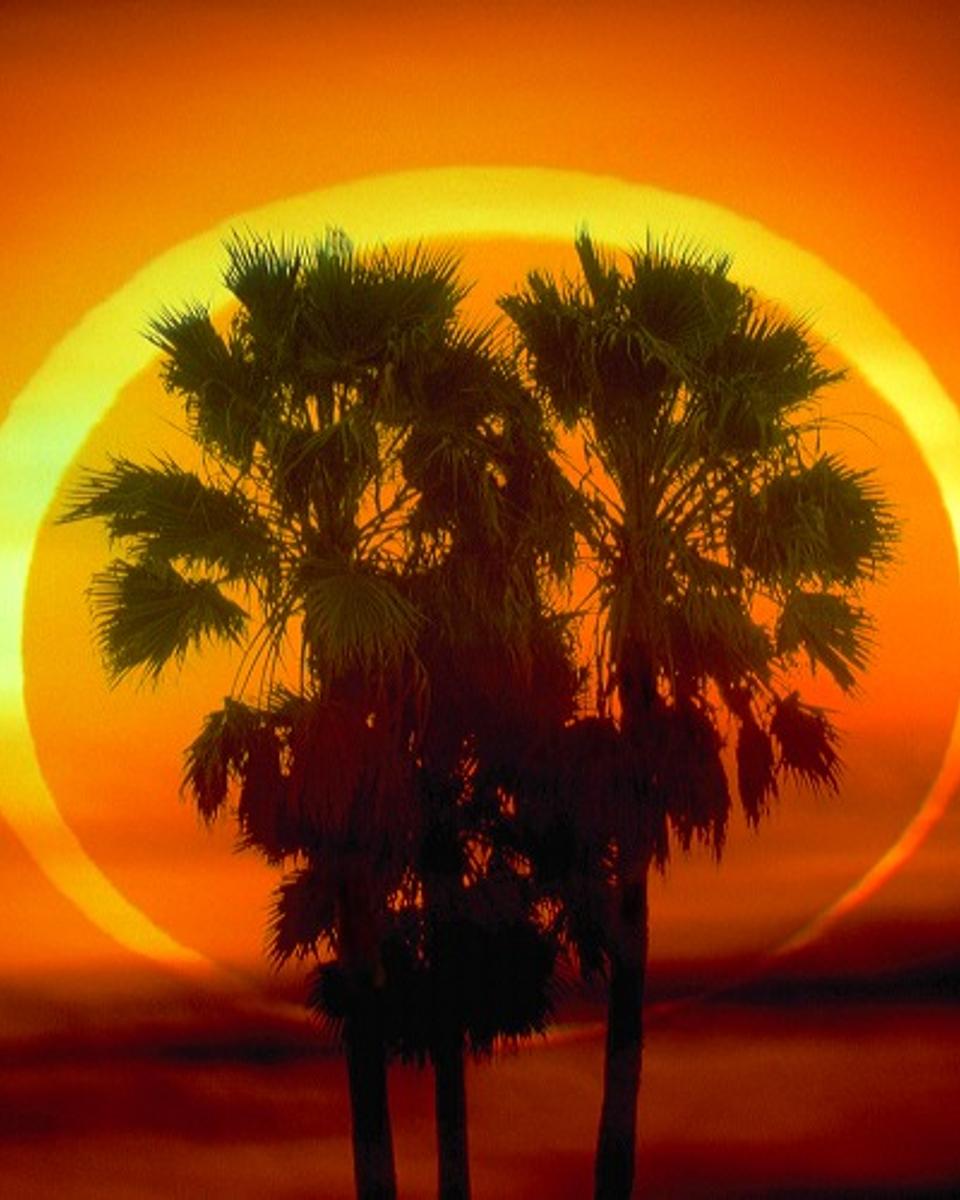
Ring of Fire Revisited
Early on Saturday , May 31 (UT) the new Moon will once again slide across the Sun's fiery disk, and once again an annular solar eclipse will be the result -- since the Moon's…
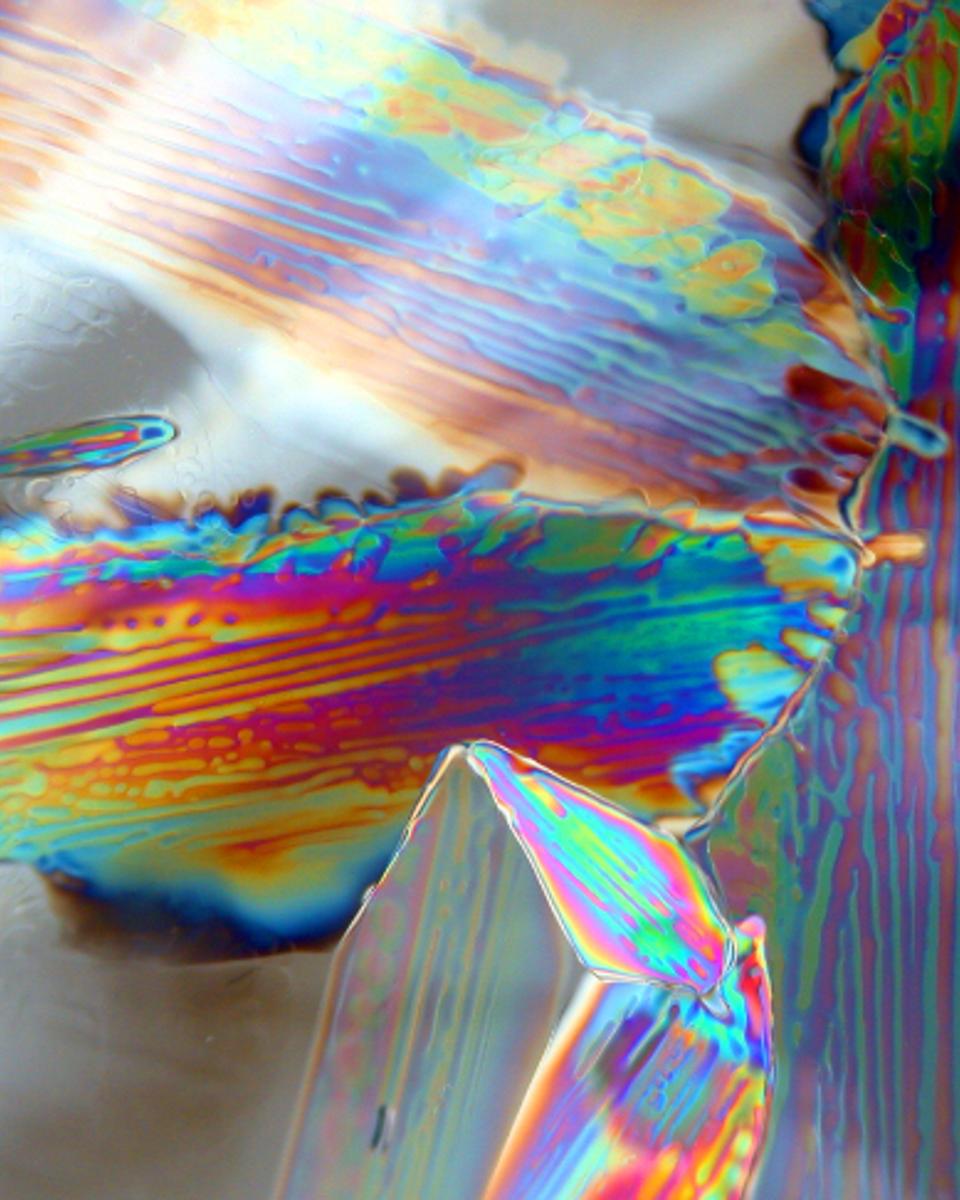
Frizion Illume
Scientific images of cosmic dust clouds or even frozen water can be esthetic too. In fact, this picture of thin layers of forming ice crystals uses a scientific understanding of…
Viewing discoveries from 21 June 2003 through 29 May 2003.