Browse NASA Astronomy Picture of the Day archive by date and media: Archive Discoveries
Browse the NASA APOD archive without needing the exact date first. Filter by media type and keep moving deeper into older images and videos.
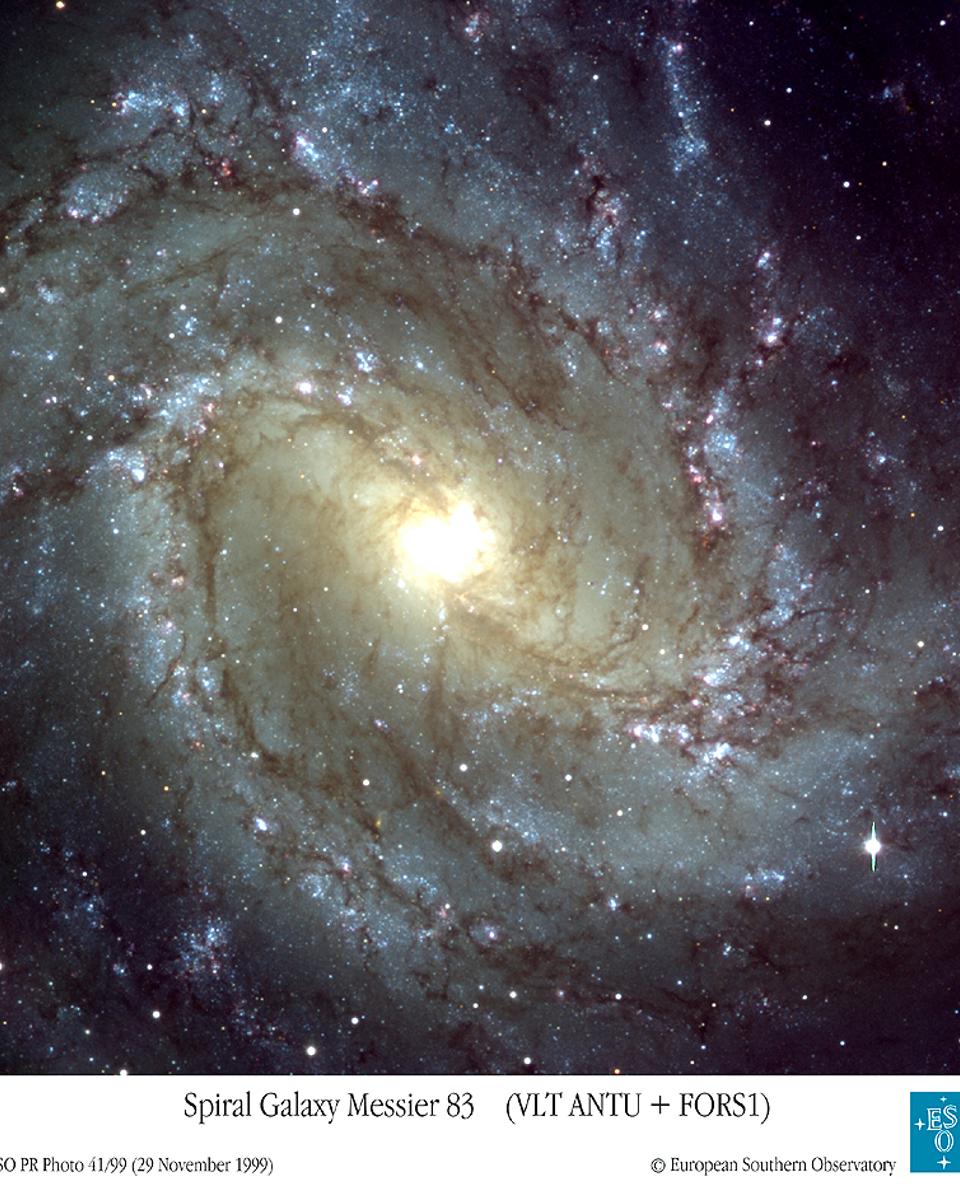
M83: The Southern Pinwheel Galaxy from VLT
M83 is one of the closest and brightest spiral galaxies on the sky. Visible with binoculars in the constellation of Hydra , majestic spiral arms have prompted its nickname as the…
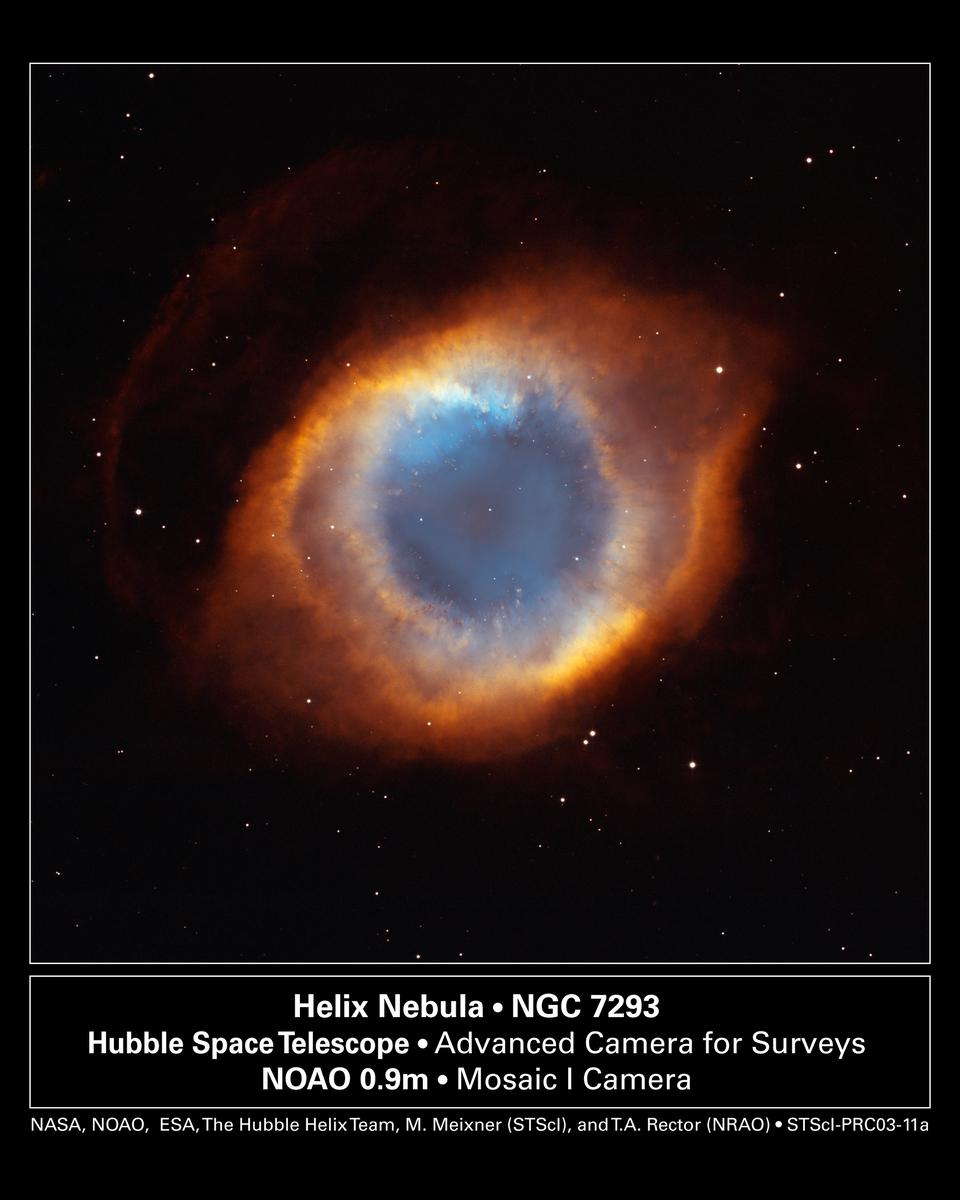
NGC 7293: The Helix Nebula
Will our Sun look like this one day? The Helix Nebula is the closest example of a planetary nebula created at the end of the life of a Sun-like star. The outer gasses of the star…
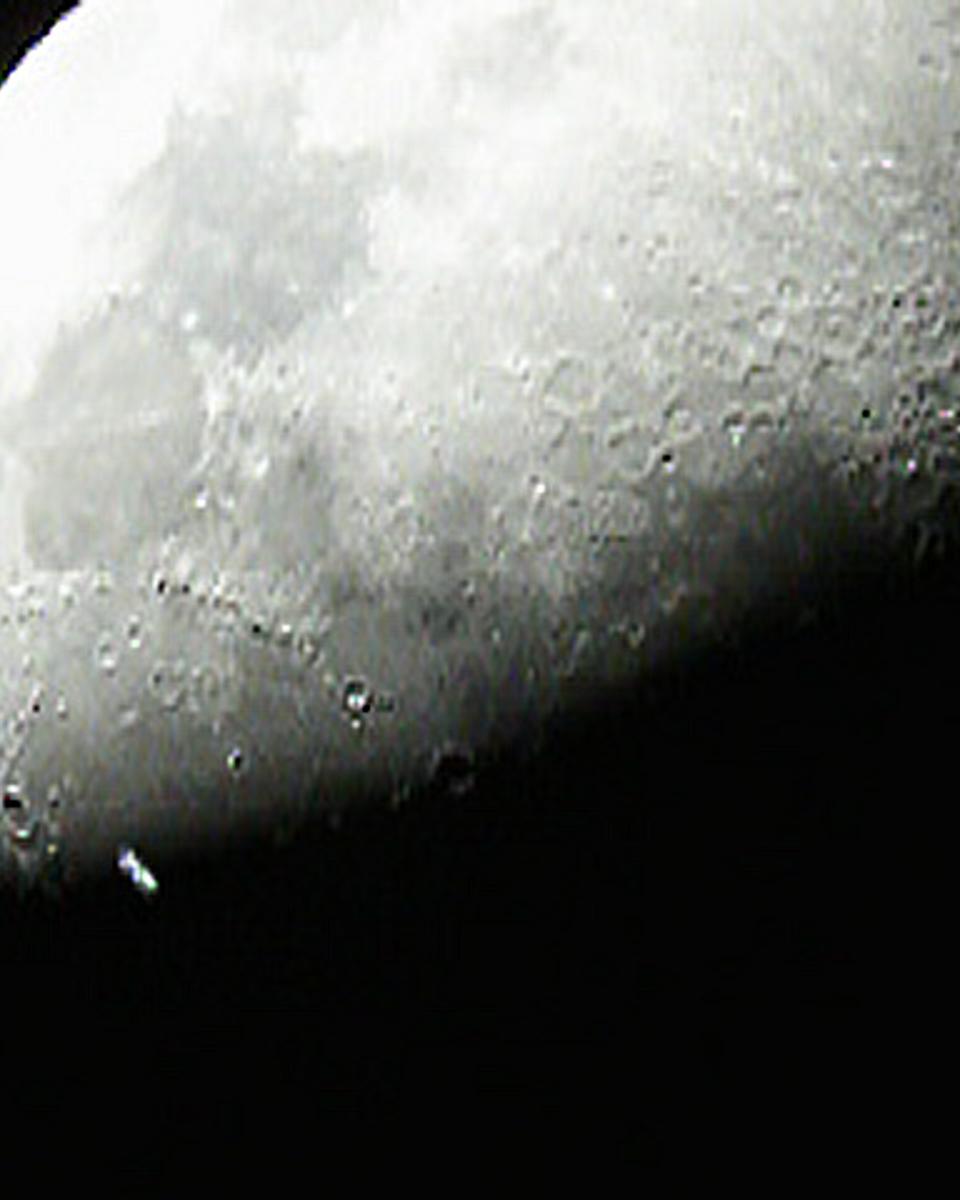
International Space Station in Transit
A stunning telescopic image of the International Space Station crossing in front of an eight day old Moon, this picture was captured on April 11th. But while Wednesday's leisurely…
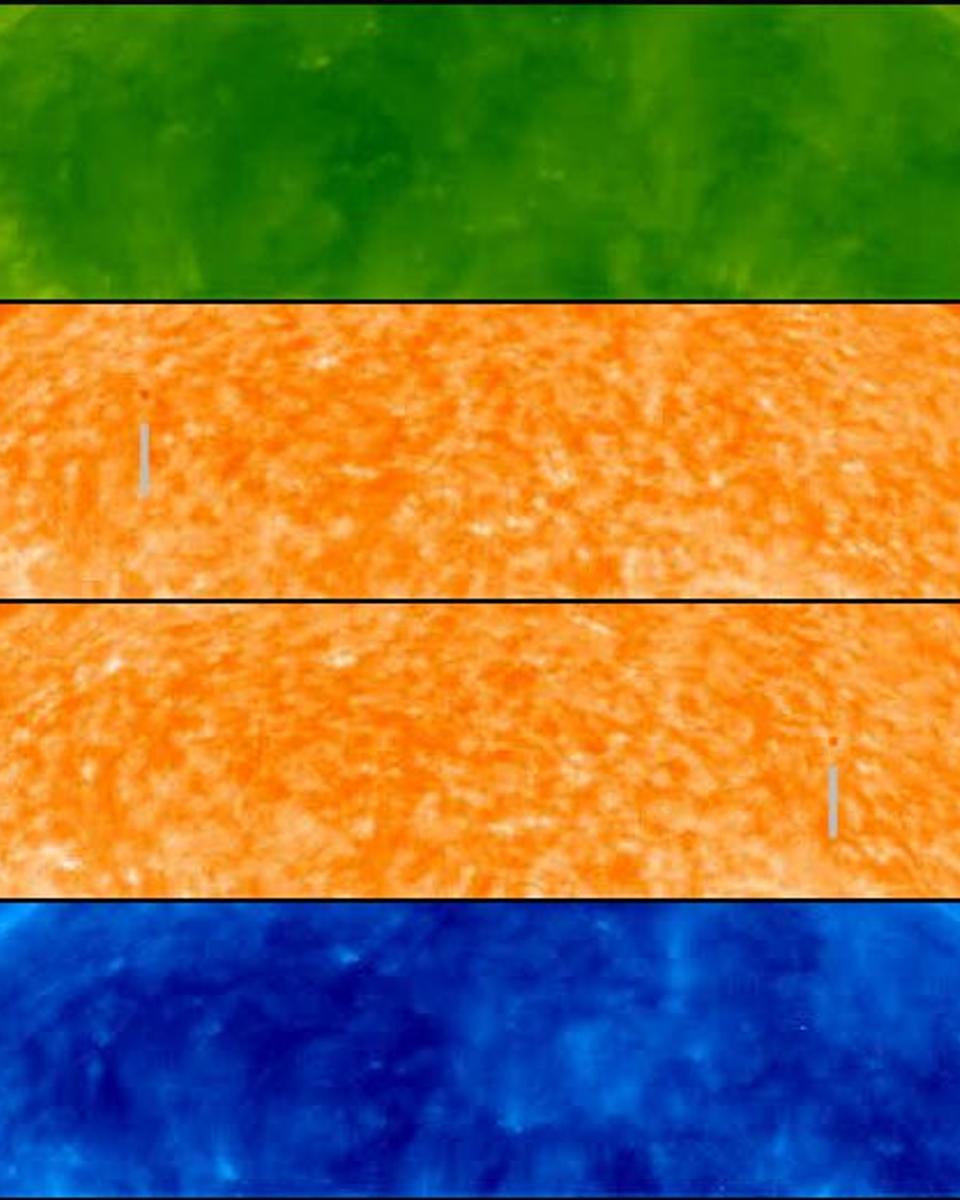
Mercury Spotting
Can you spot the planet? The diminutive disk of Mercury, the solar system's innermost planet, spent about five hours crossing in front of the enormous solar disk yesterday…
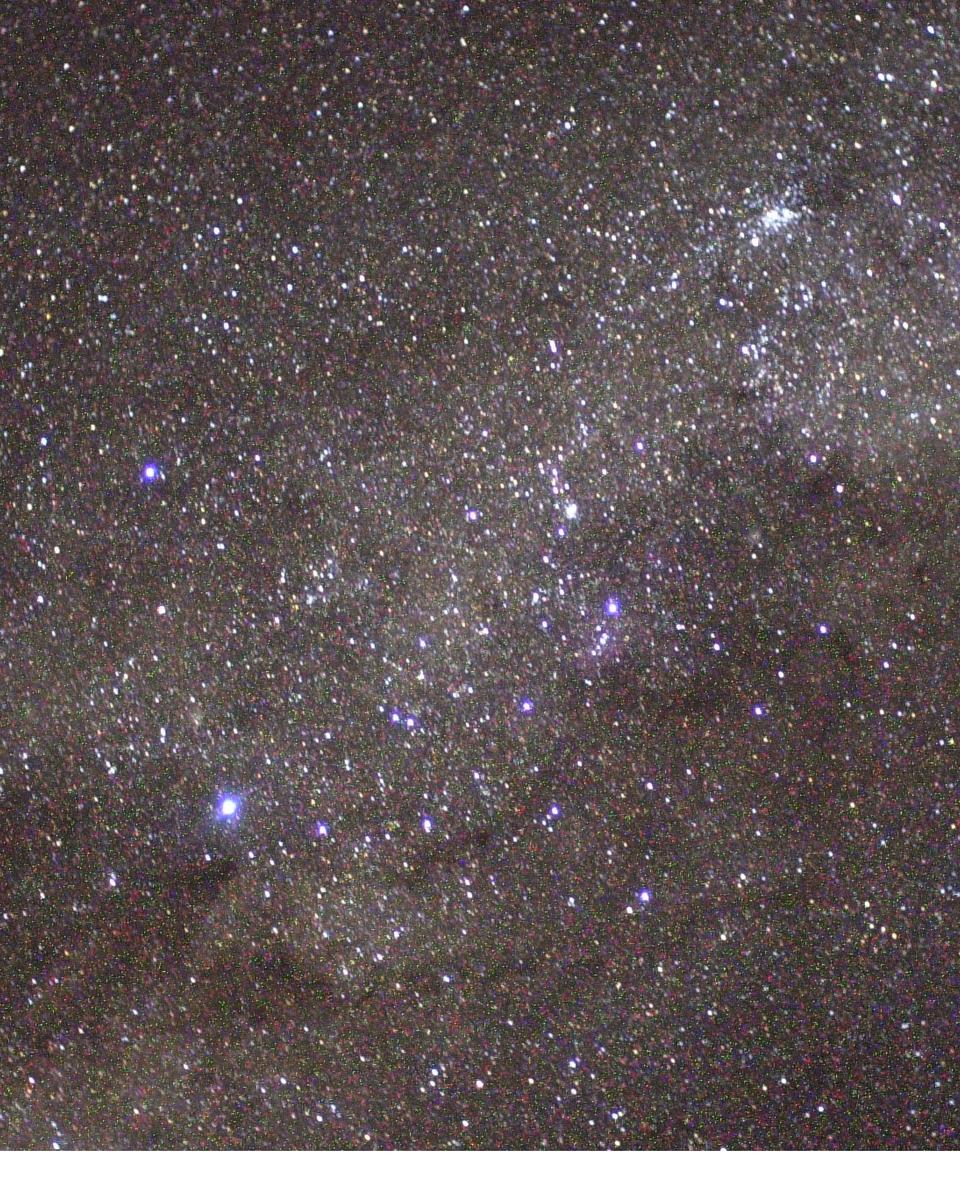
The Southern Sky from the International Space Station
Look up from Earth's South Pole , and this stellar starscape is what you might see. Alternatively, this patch of sky is also visible from many southern locations as well as the…

A Chicago Meteorite Fall
If you wait long enough, a piece of outer space itself will come right to you. As Colby Navarro worked innocently on the computer , a rock from space crashed through the roof,…
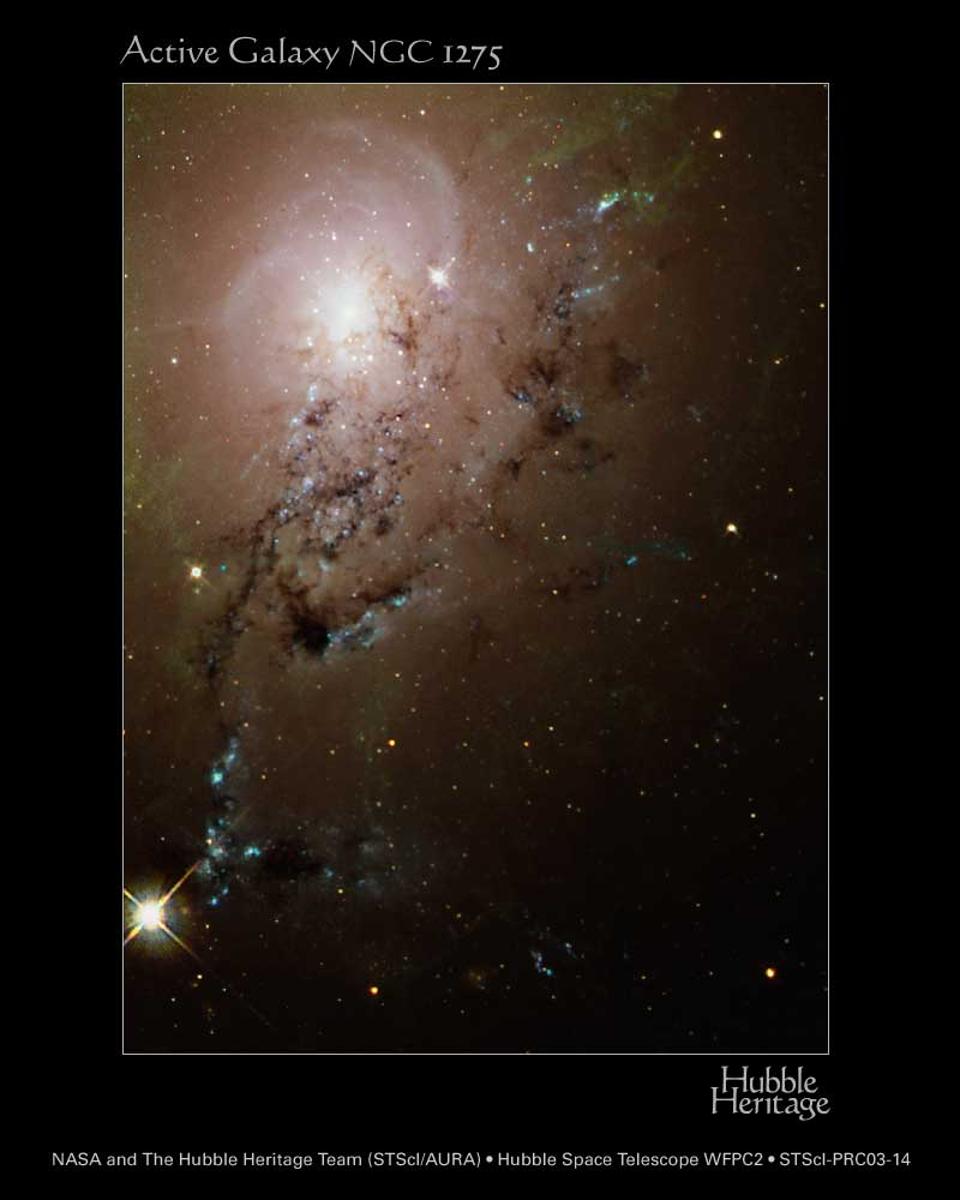
NGC 1275: A Galactic Collision
In NGC 1275, one galaxy is slicing through another. The disk of the dust y spiral galaxy near the image center is cutting through a large elliptical galaxy , visible predominantly…
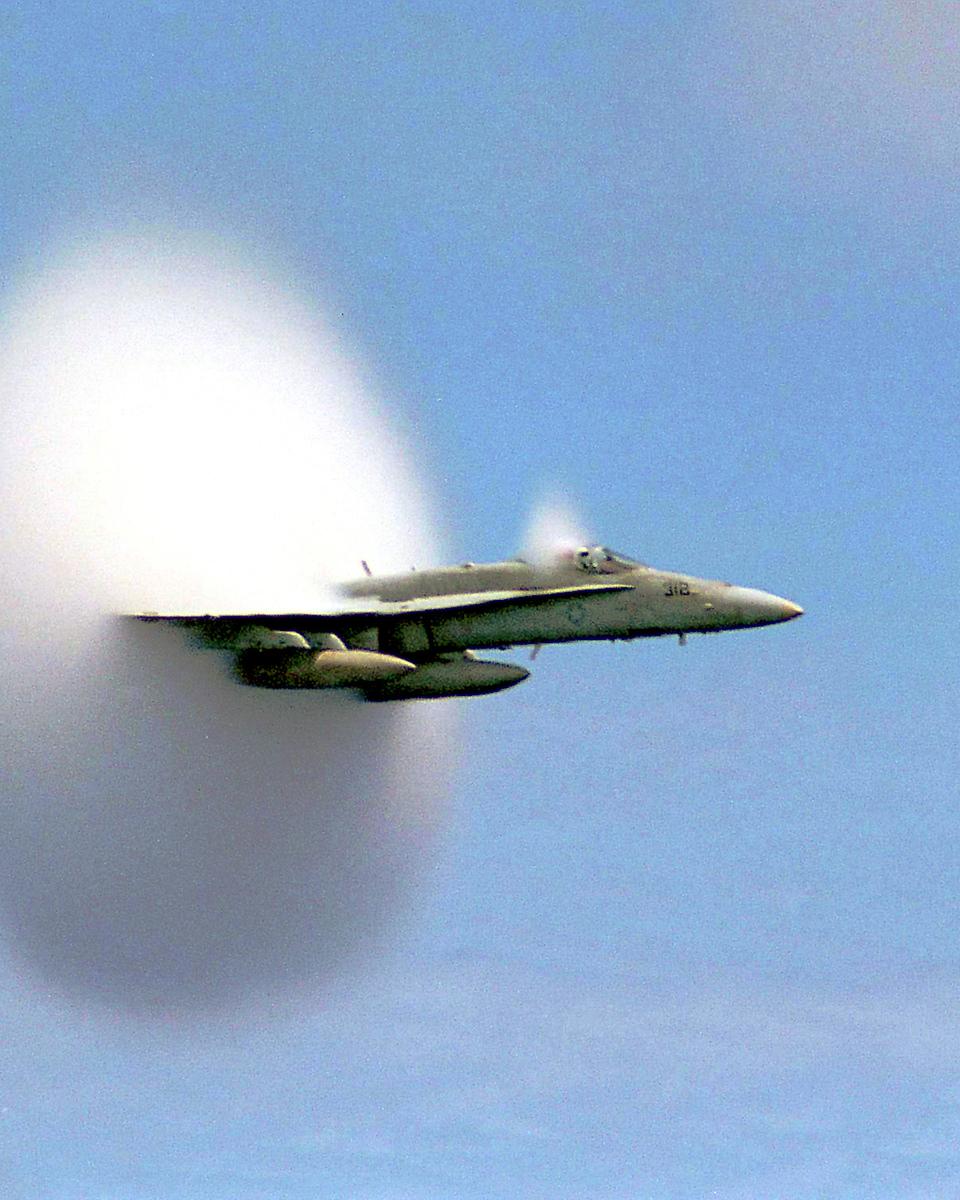
A Sonic Boom
Many people have heard a sonic boom, but few have seen one. When an airplane travels at a speed faster than sound, density waves of sound emitted by the plane cannot precede the…
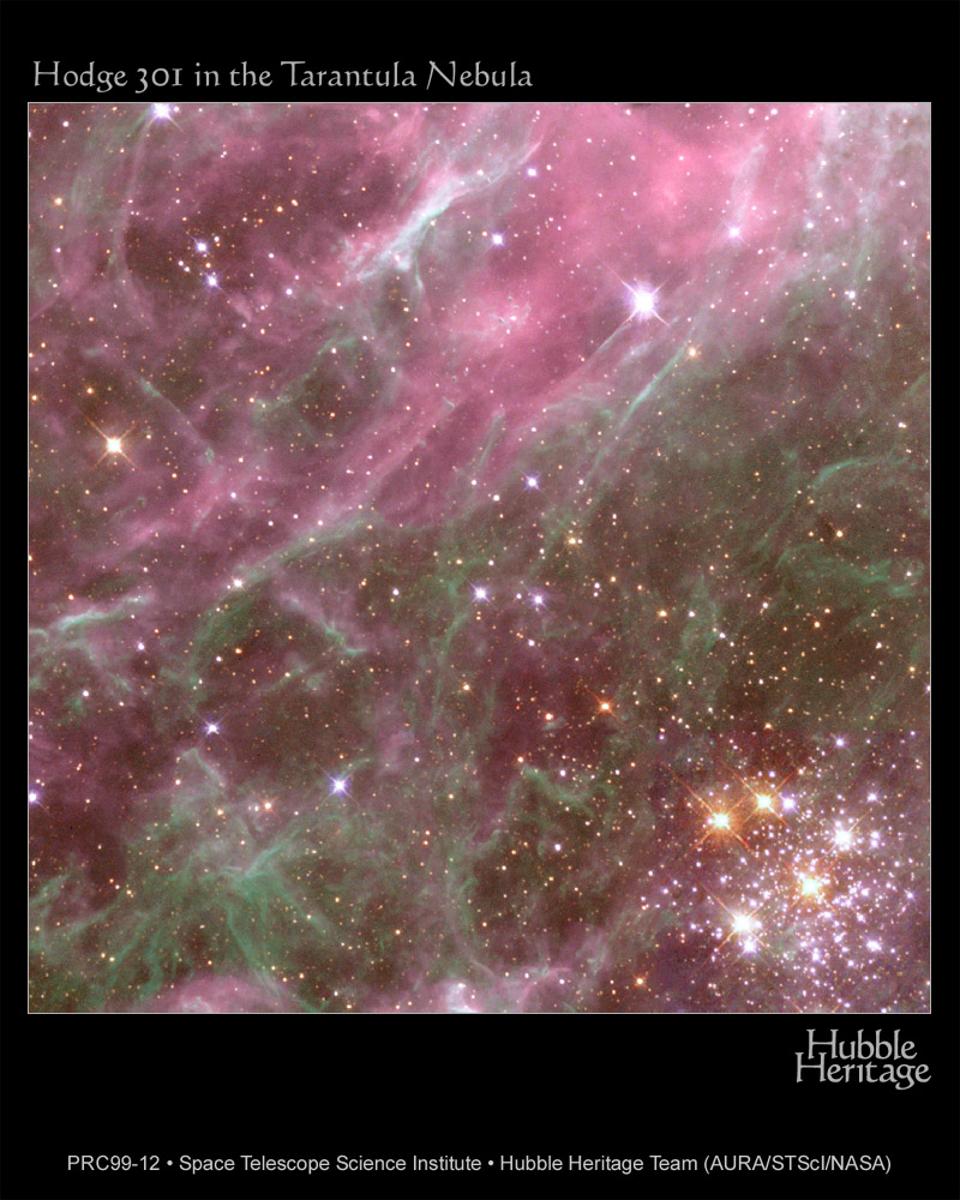
Denizen of the Tarantula Nebula
The star cluster at lower right, cataloged as Hodge 301 , is a denizen of the Tarantula Nebula . An evocative nebula in the southern sky, the sprawling cosmic Tarantula is an…
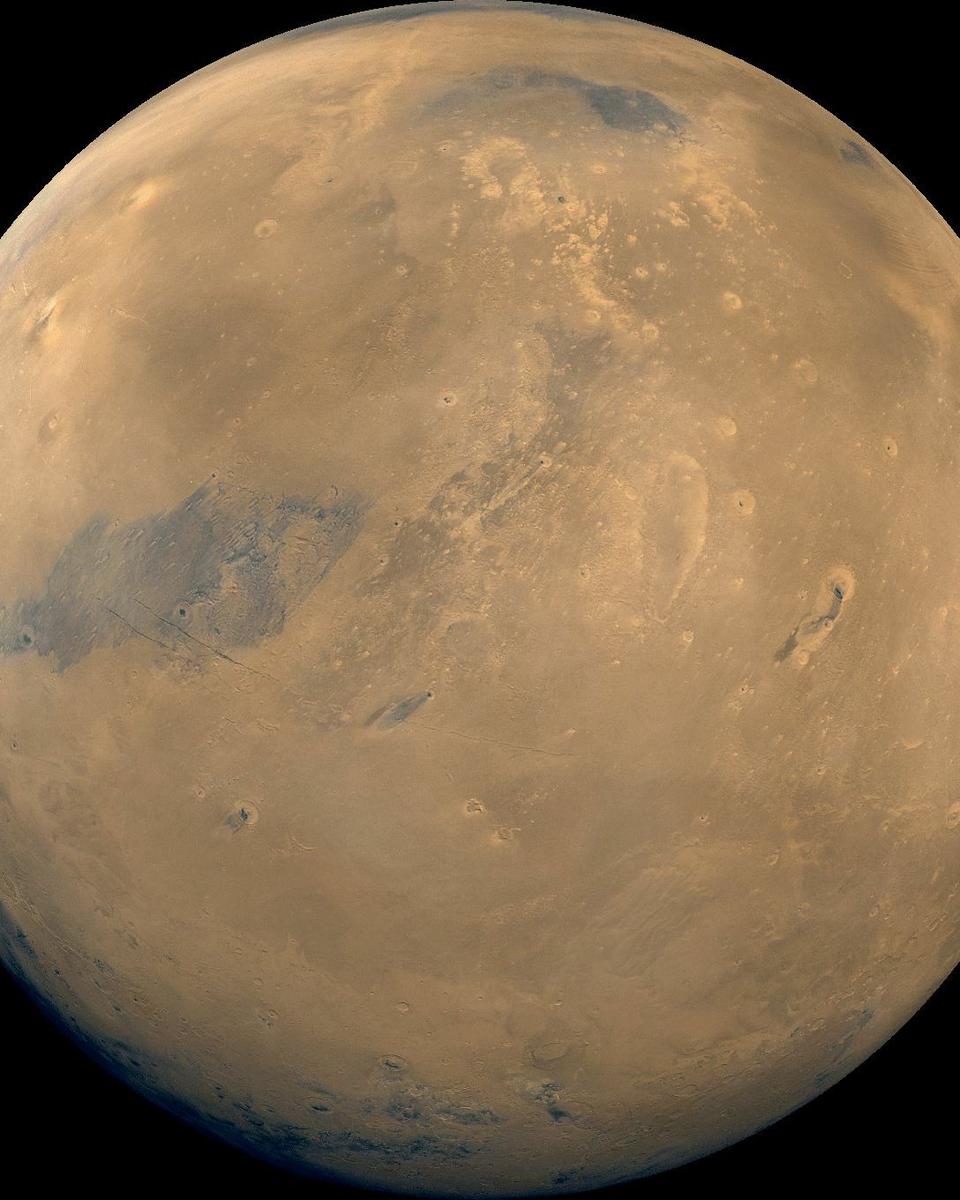
Five to Mars
Come December 2003 - January 2004, an armada of five new invaders from Earth should arrive on the shores of the Red Planet -- the Japanese ( ISAS ) Nozomi orbiter, the European…
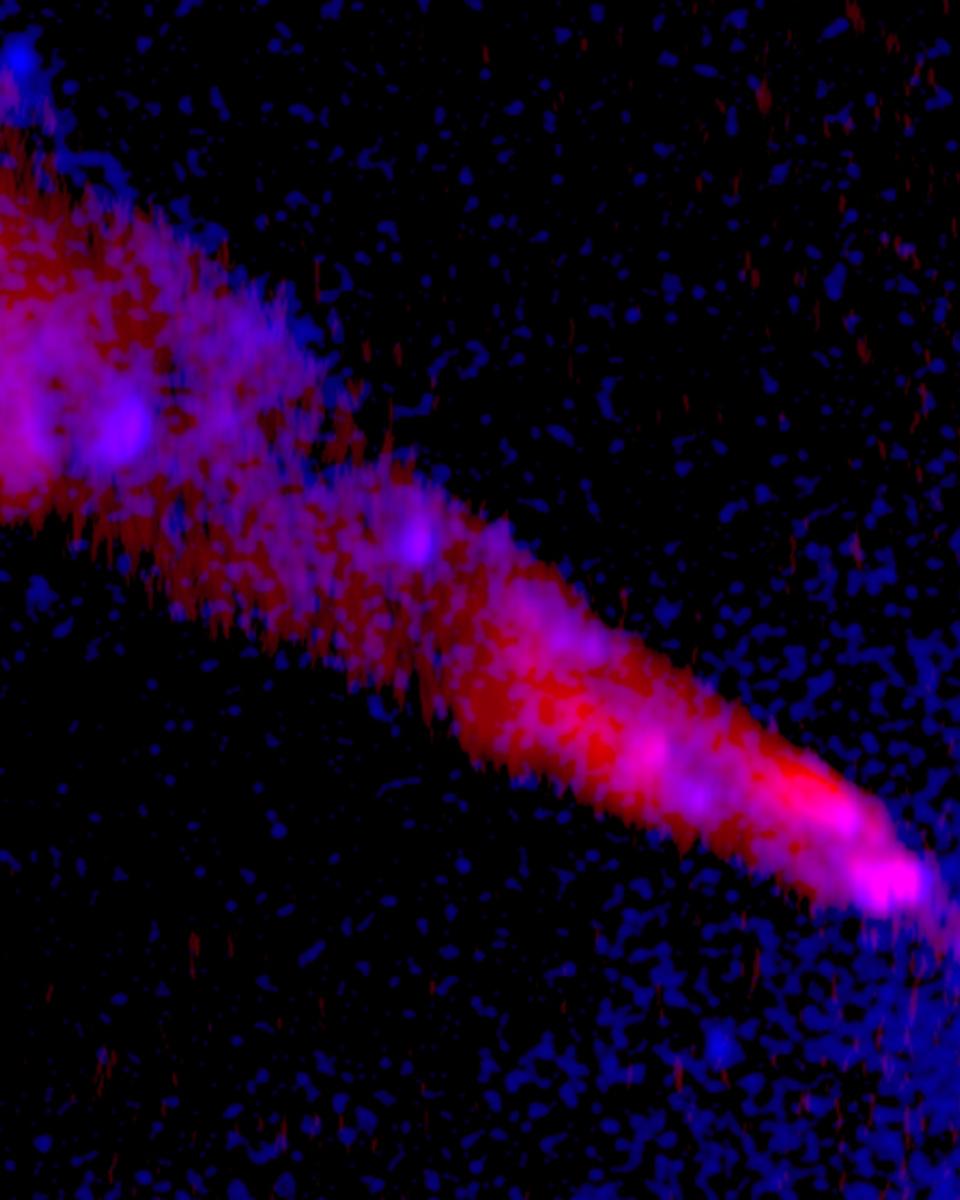
The Energetic Jet from Centaurus A
The center of well-studied active galaxy Centaurus A is hidden from the view of optical telescopes by a cosmic jumble of stars, gas, and dust. But both radio and x-ray telescopes…
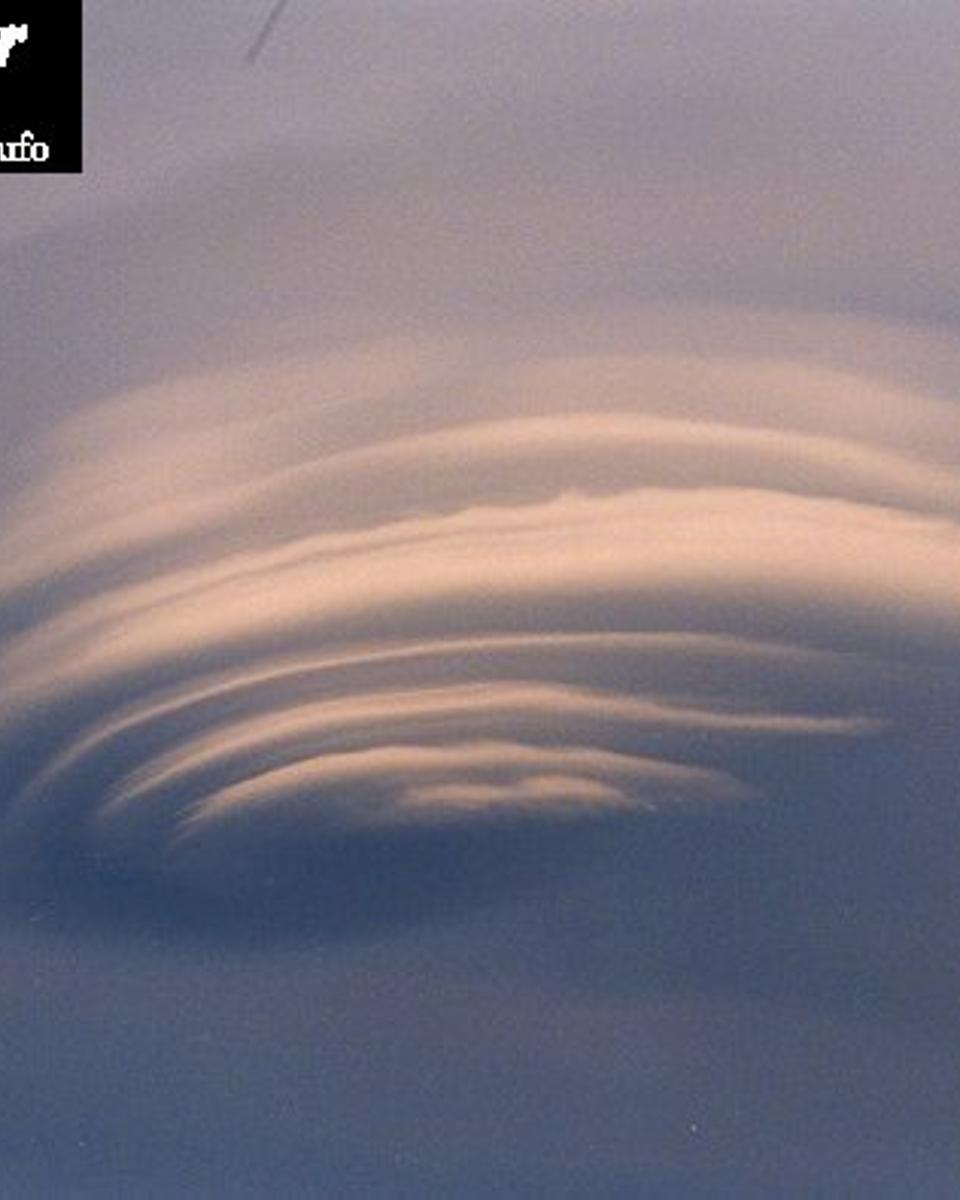
A Lenticular Cloud Over New Hampshire
Why does this cloud look so strange? Actually, pictured above are several clouds all stacked up into one striking lenticular cloud . Normally, air moves much more horizontally…
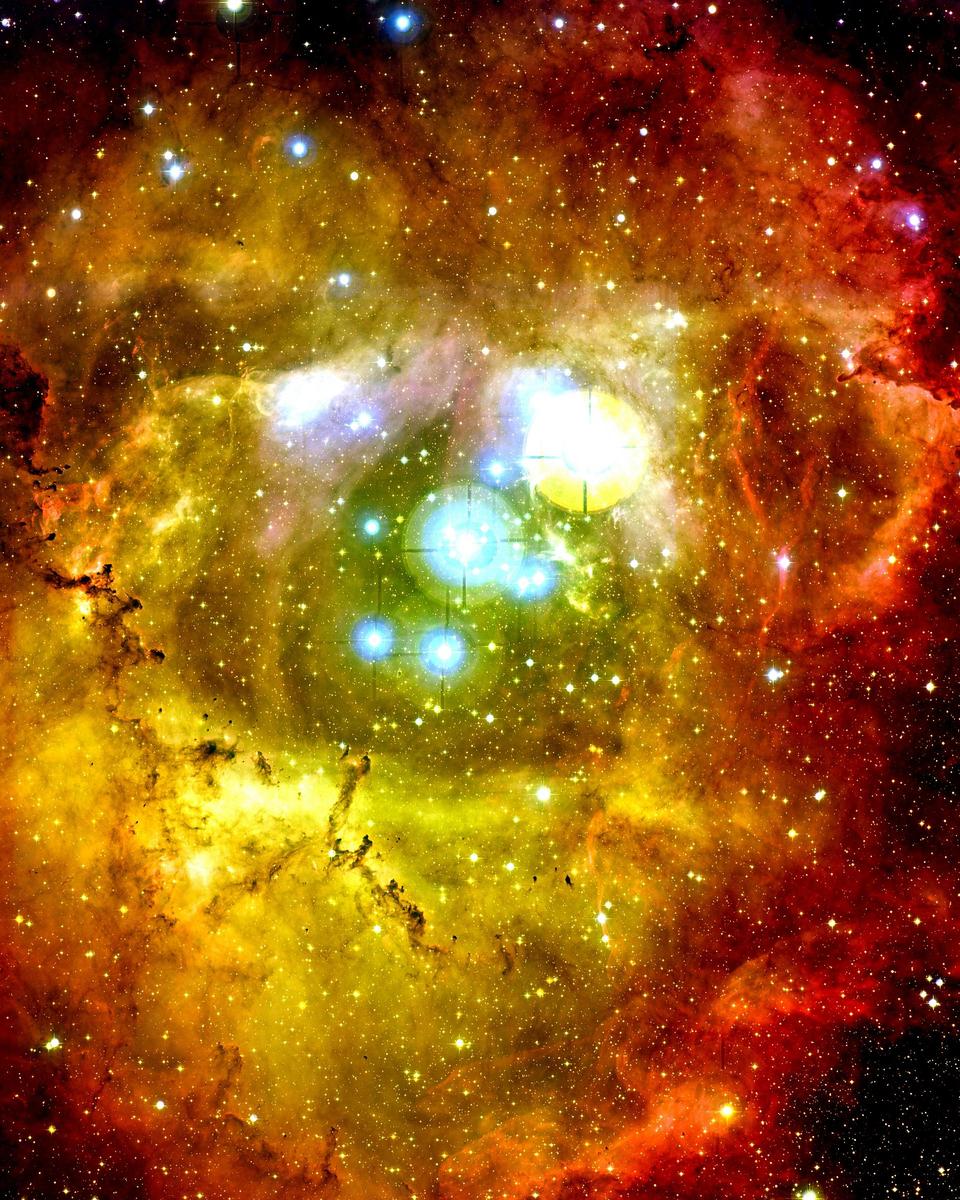
In the Center of the Rosette Nebula
In the heart of the Rosette Nebula lies a bright open cluster of stars that lights up the nebula. The stars of NGC 2244 formed from the surrounding gas only a few million years…

Rollout of a Soyuz TMA-2 Aboard an R7 Rocket
It takes a big rocket to go into space. Last weekend, this huge Russian rocket was launched toward Earth-orbiting International Space Station (ISS), carrying two astronauts who…
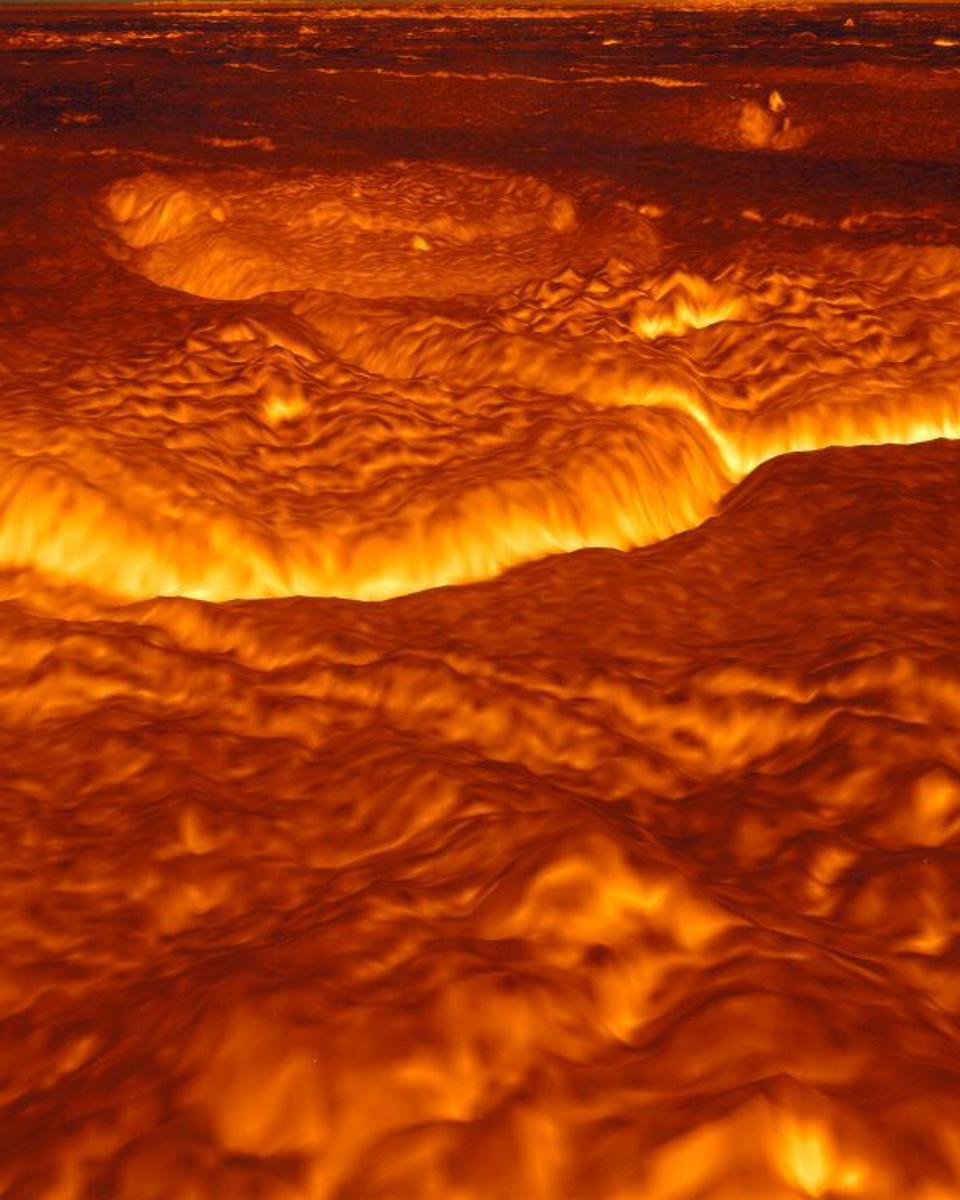
Venus' Once Molten Surface
If you could look at Venus with radar eyes - this is what you might see. This computer reconstruction of the surface of Venus was created from data from the Magellan spacecraft .…
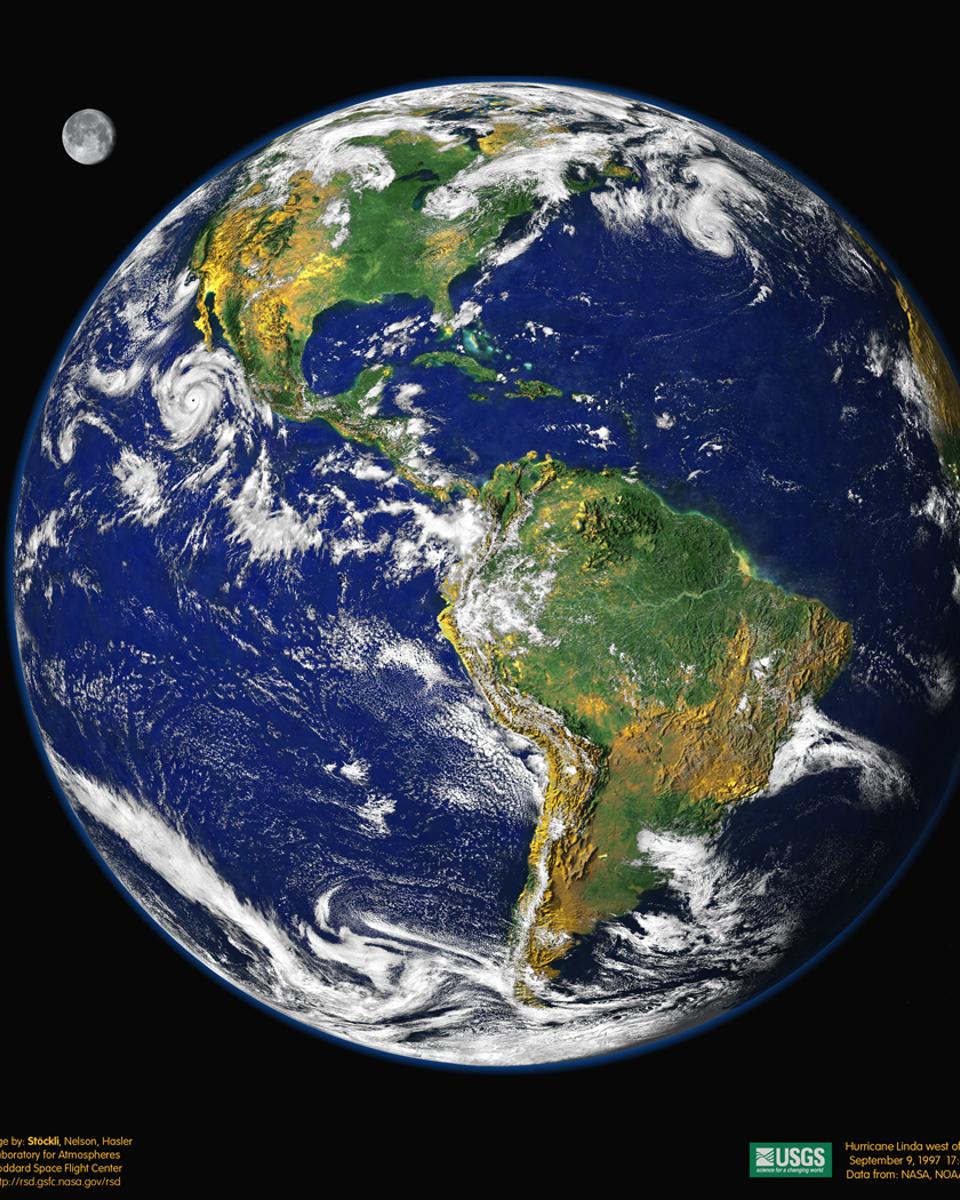
Big Blue Marble Earth
This reconstructed digital portrait of our planet is reminiscent of the Apollo-era pictures of the “big blue marble” Earth from space. To create it , researchers at Goddard Space…
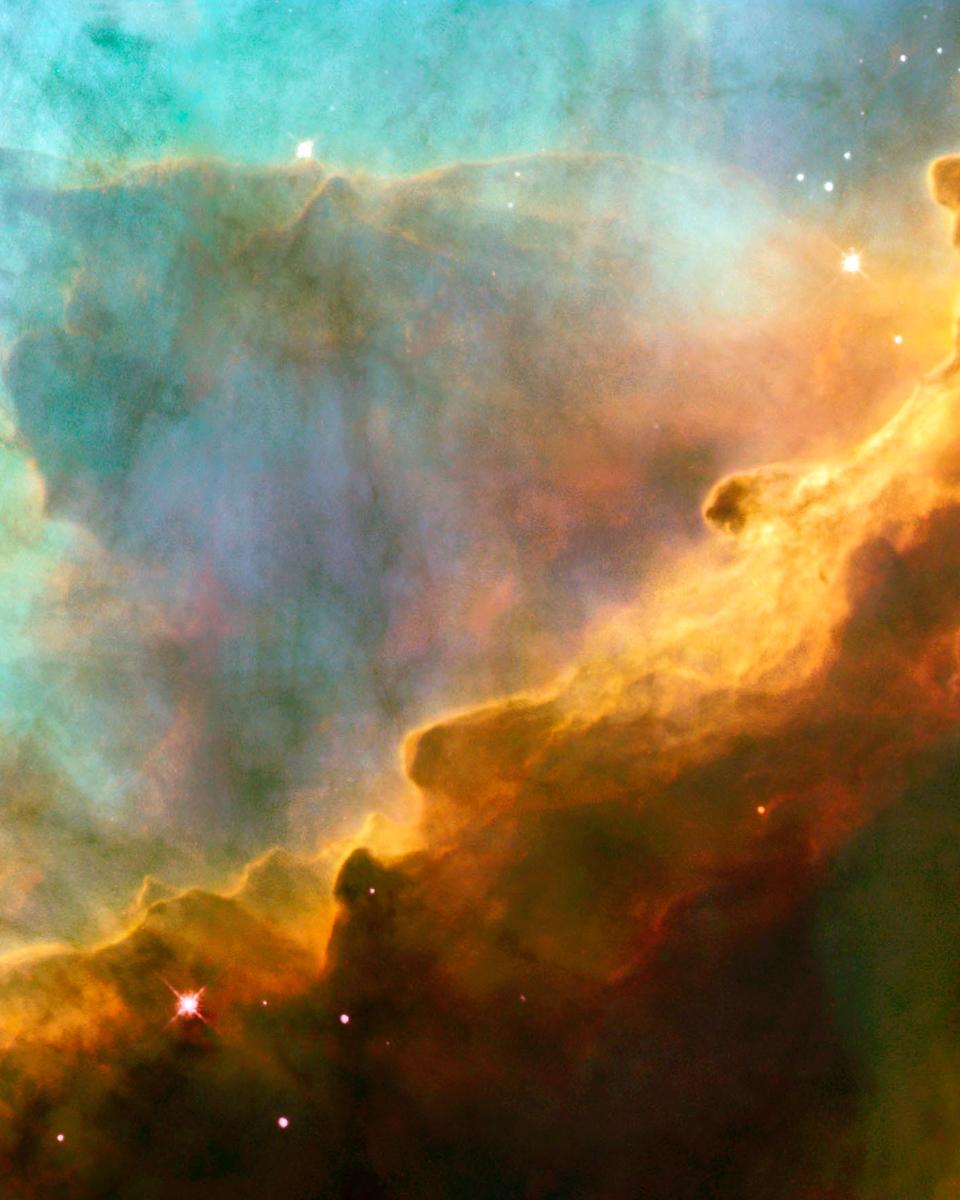
M17: A Hubble Close-Up
Sculpted by stellar winds and radiation, these fantastic, undulating shapes lie within the stellar nursery known as M17 , the Omega Nebula, some 5,500 light-years away in the…
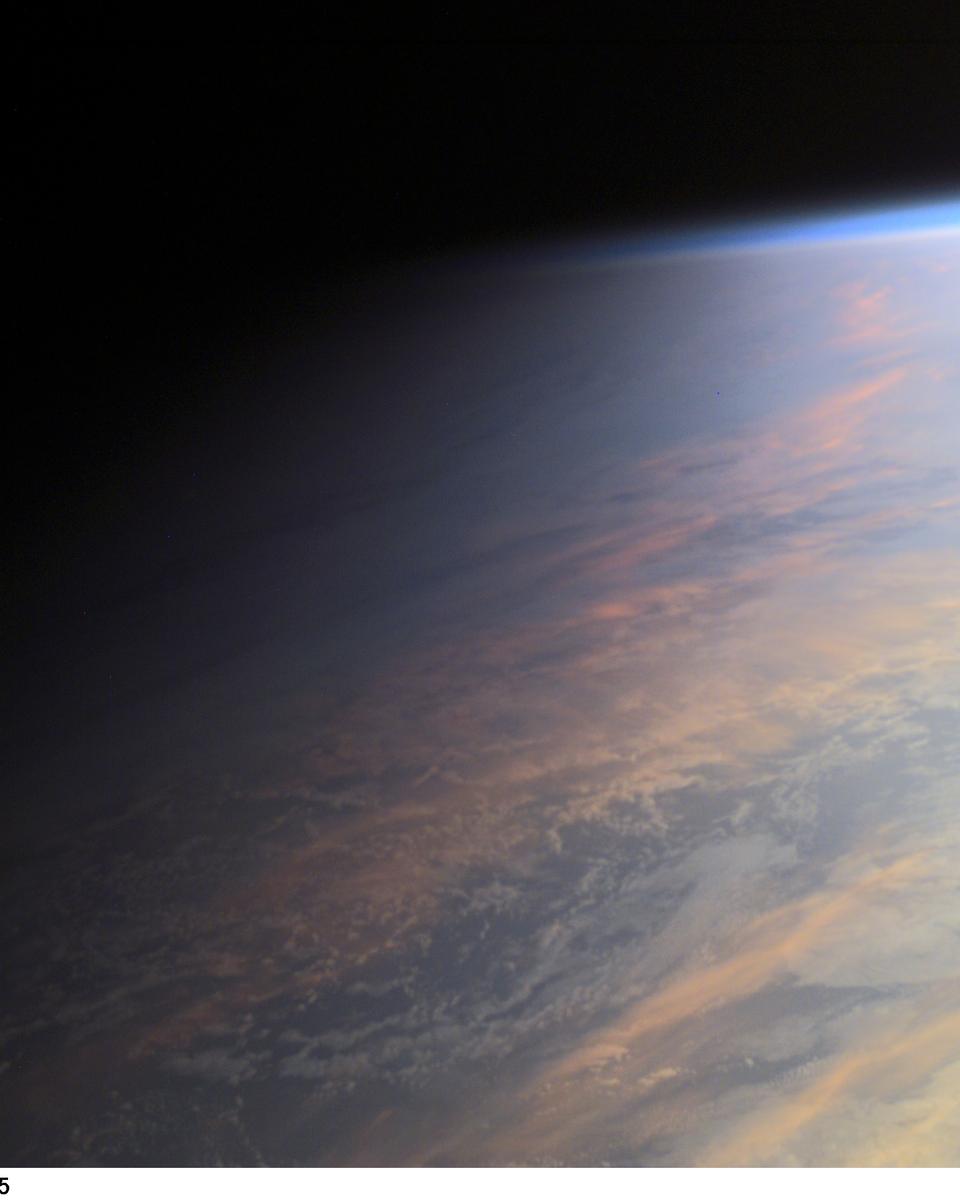
Earth at Twilight
No sudden, sharp boundary marks the passage of day into night in this gorgeous view of ocean and clouds over our fair planet Earth . Instead, the shadow line or terminator is…
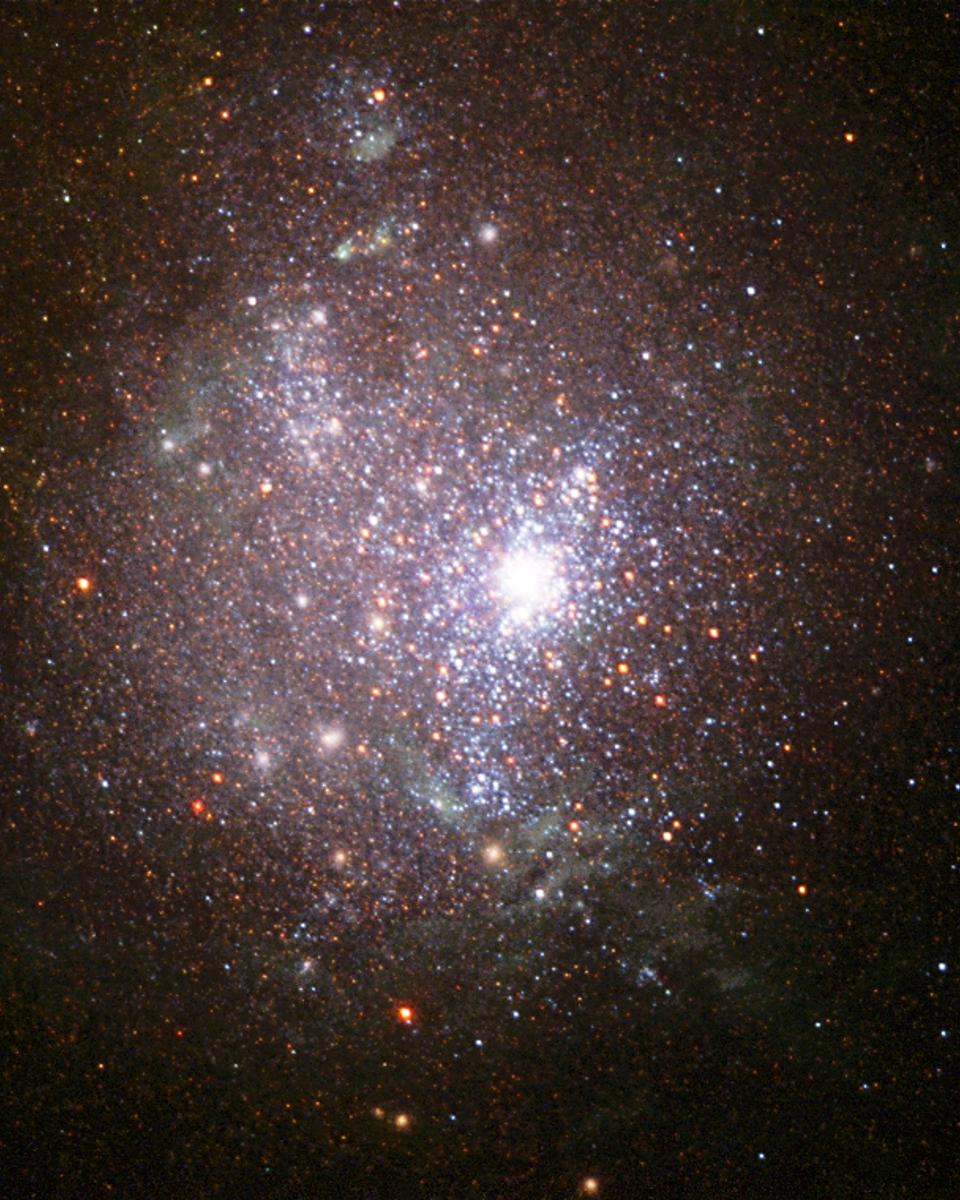
The Stars of NGC 1705
Some 2,000 light-years across, NGC 1705 is small as galaxies go, similar to our Milky Way's own satellite galaxies, the Magellanic Clouds . At a much larger distance of 17 million…
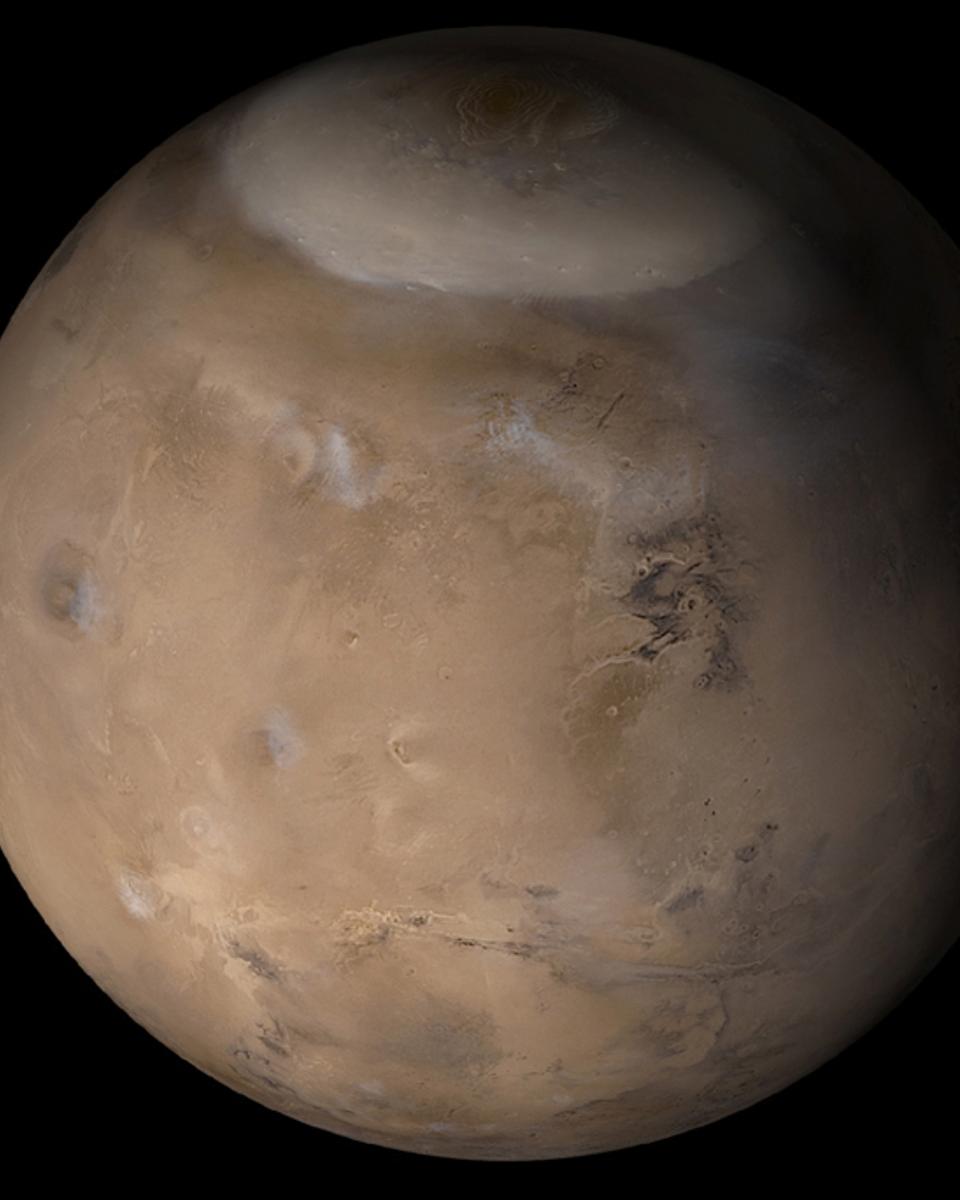
Springtime on Mars
Vast canyons, towering volcanoes, sprawling fields of ice, deep craters, and high clouds can all be seen in this image of the Solar System 's fourth planet: Mars . The orbiting…
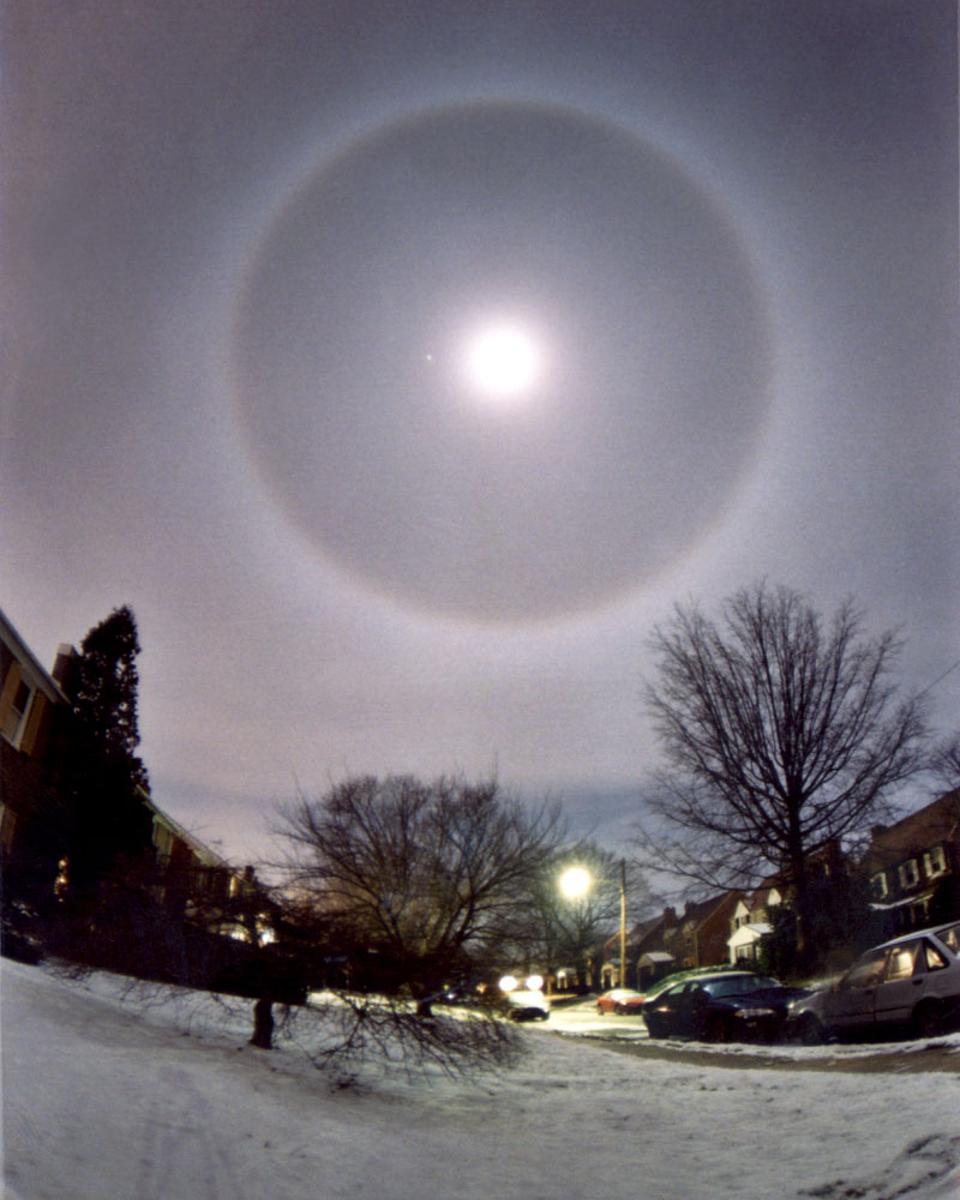
A Halo Around the Moon
Have you ever seen a halo around the Moon? This fairly common sight occurs when high thin clouds containing millions of tiny ice crystals cover much of the sky. Each ice crystal…
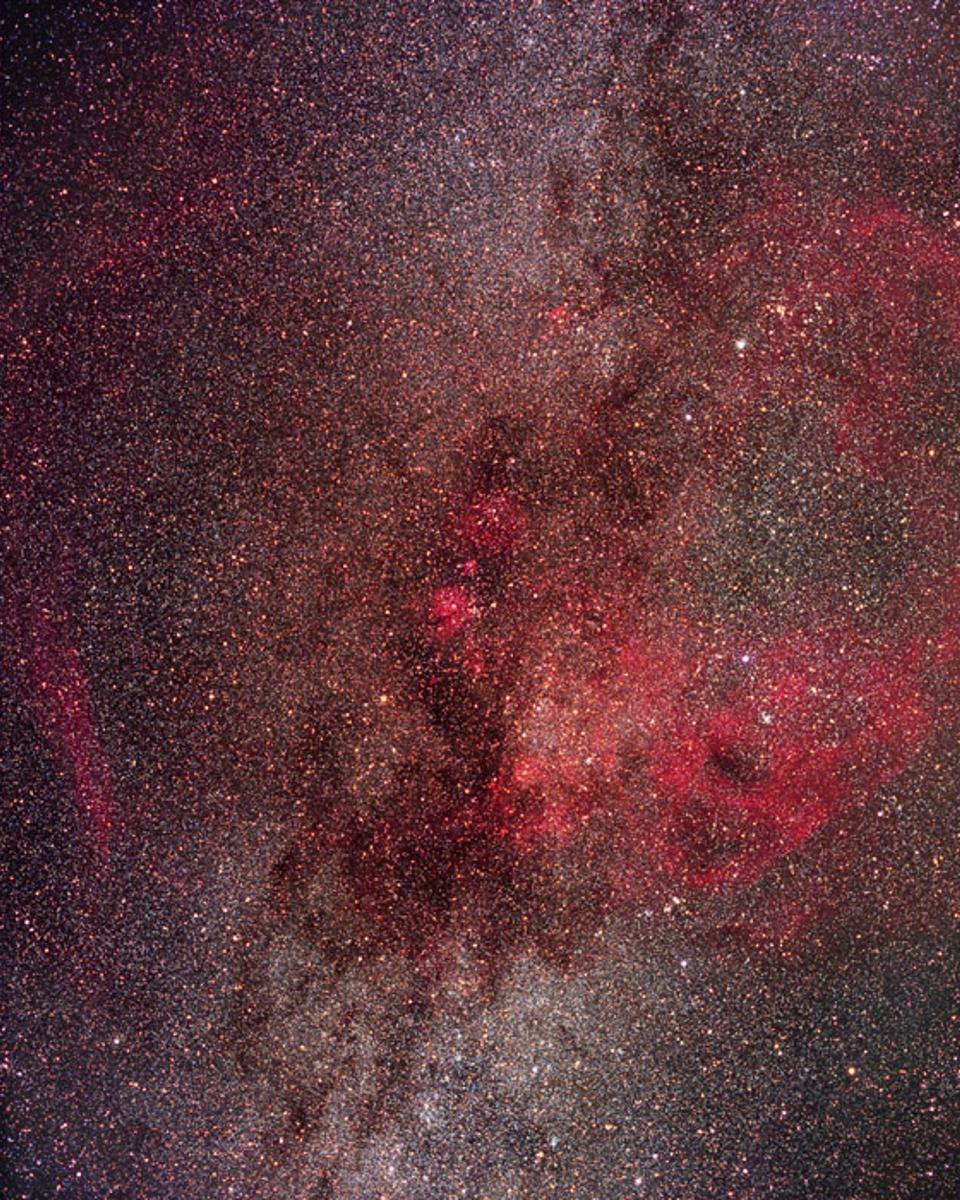
The Gum Nebula Supernova Remnant
Because the Gum Nebula is the closest supernova remnant , it is actually hard to see. Spanning 40 degrees across the sky, the nebula is so large and faint it is easily lost in the…
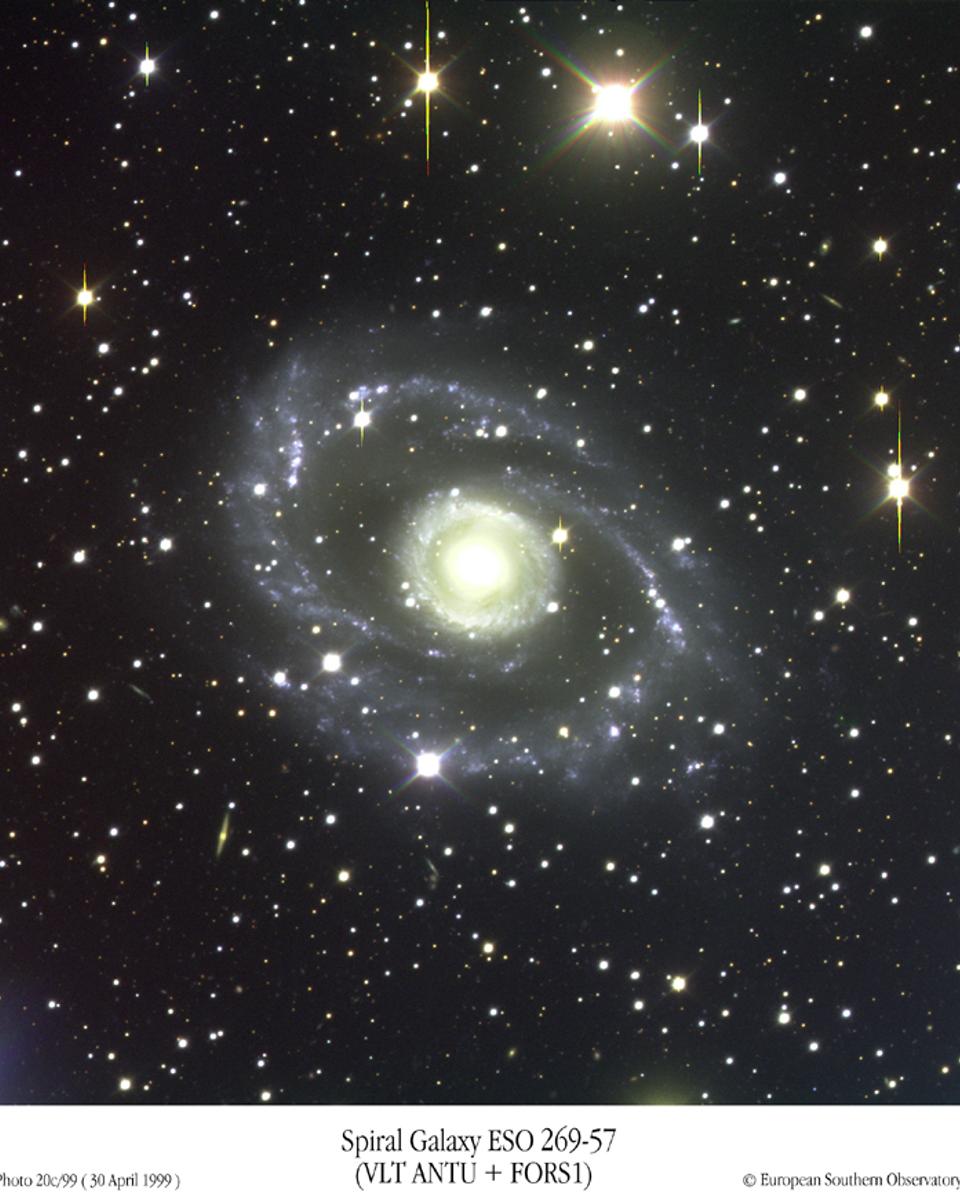
Spiral Galaxy In Centaurus
Centaurus , the Centaur, is one of the most striking constellations in the southern sky. The lovely Milky Way flows through this large constellation whose celestial wonders also…
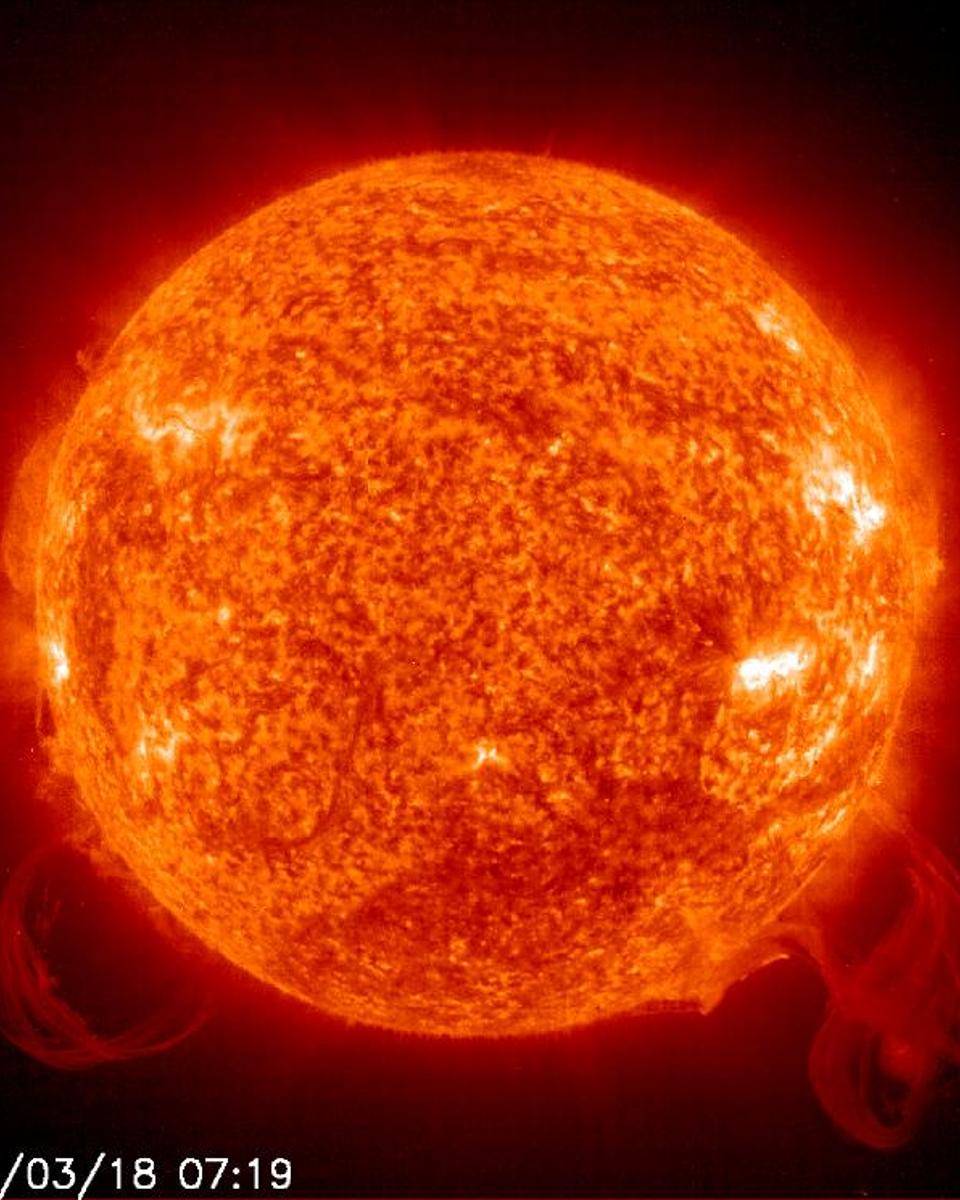
Double Eruptive Prominences
Lofted over the Sun on looping magnetic fields, large solar prominences are composed of relatively cool, dense plasma . When seen against the brilliant solar disk they appear as…
Viewing discoveries from 11 May 2003 through 18 April 2003.