Browse NASA Astronomy Picture of the Day archive by date and media: Archive Discoveries
Browse the NASA APOD archive without needing the exact date first. Filter by media type and keep moving deeper into older images and videos.
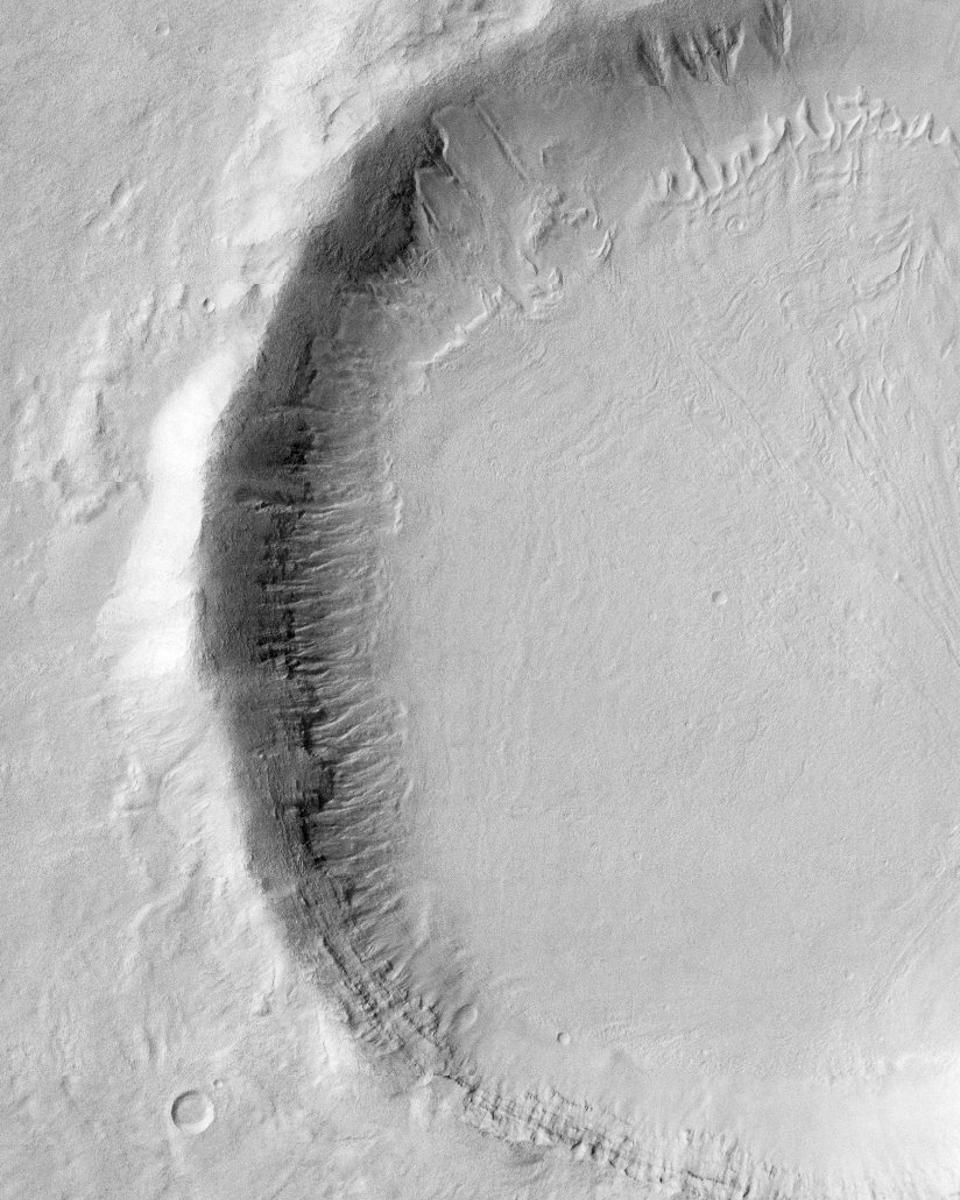
Melting Snow and the Gullies of Mars
Tantalizing images of gullies on Mars have offered striking evidence for recent flows of liquid water. But Mars is too cold and its atmosphere too thin for liquid water to exist…
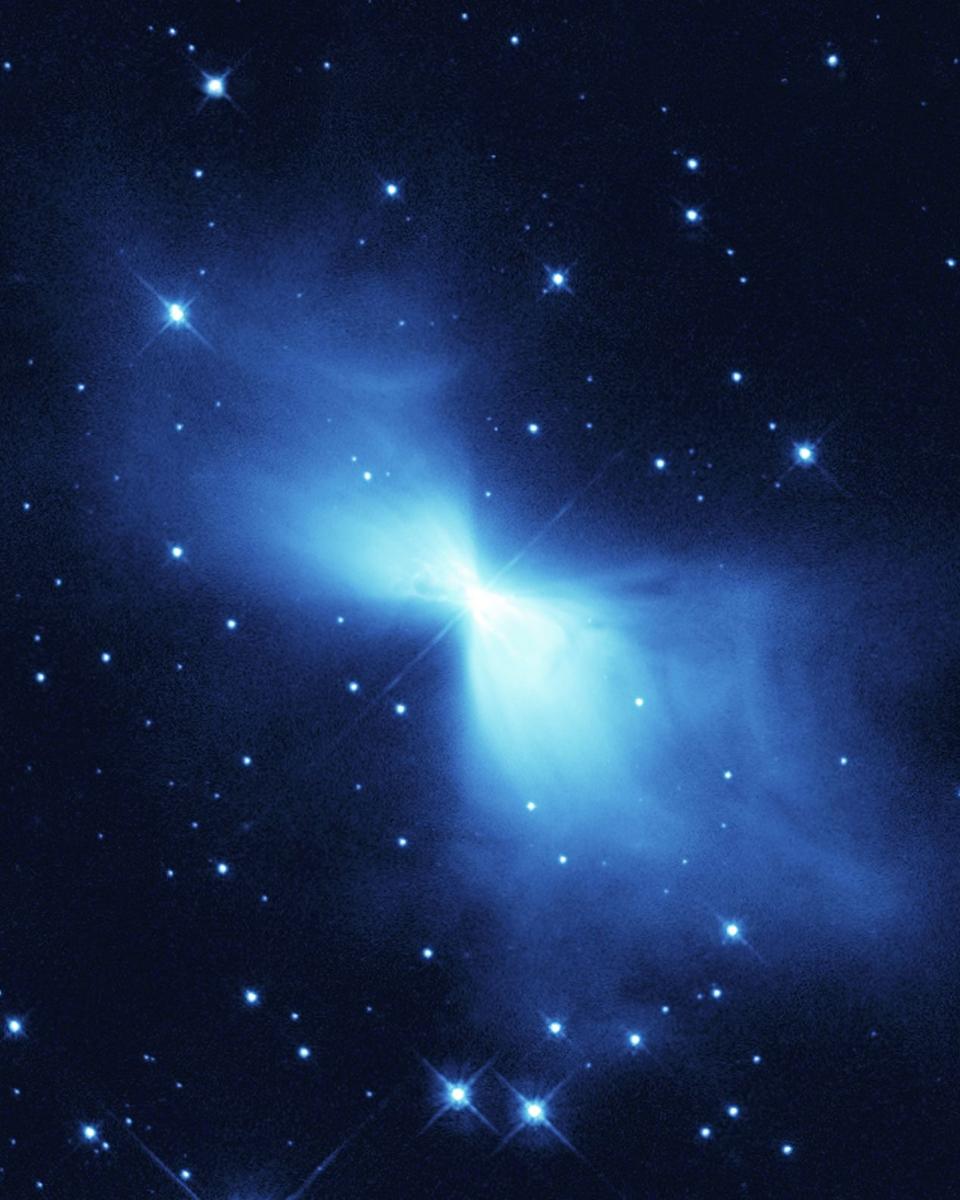
Cold Wind from the Boomerang Nebula
A cold wind blows from the central star of the Boomerang Nebula. Seen here in a detailed false-color image recorded in 1998 by the Hubble Space Telescope , the nebula lies about…
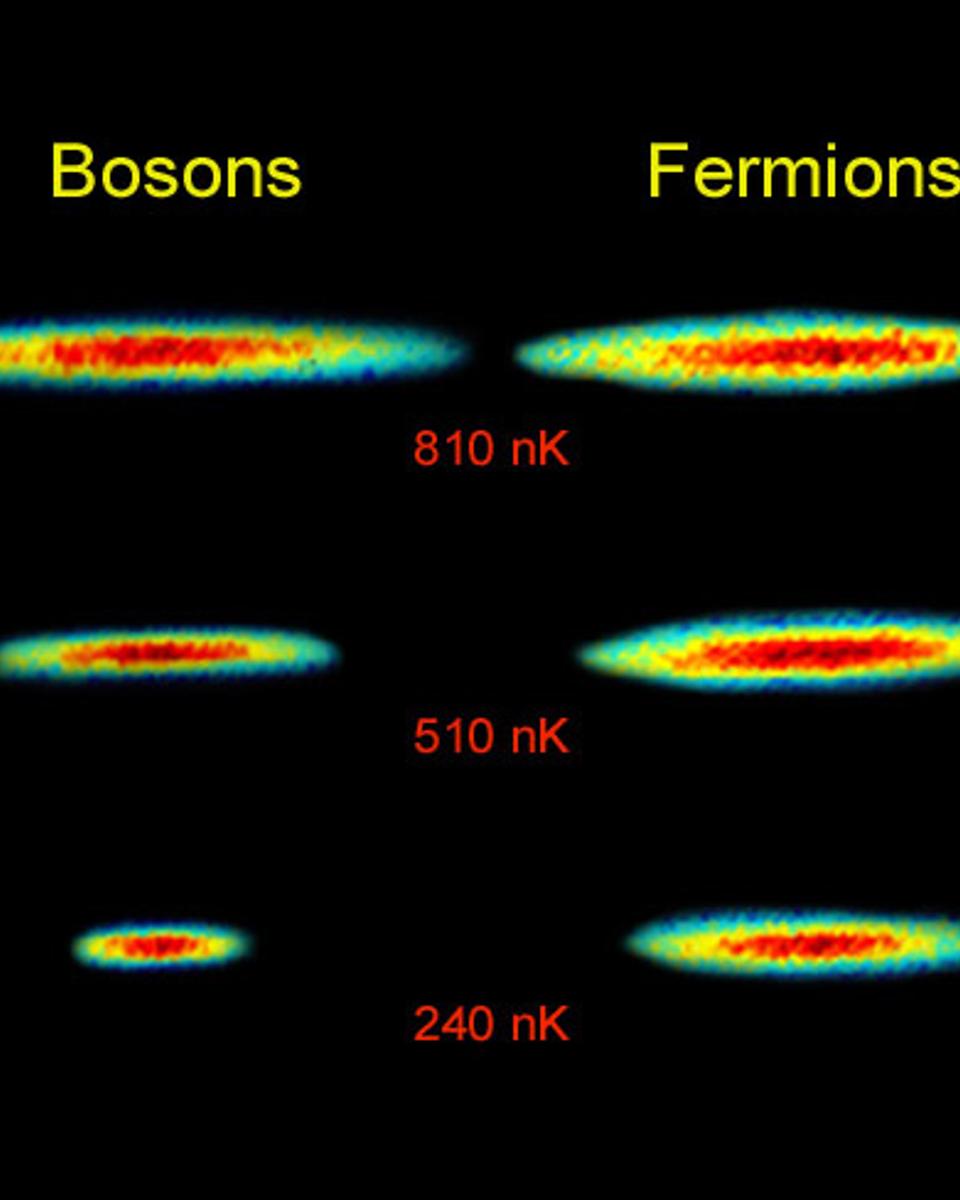
Pauli Exclusion Principle: Why You Don't Implode
Why doesn't matter just bunch up? The same principle that keeps neutron stars and white dwarf stars from imploding also keeps people from imploding and makes normal matter mostly…
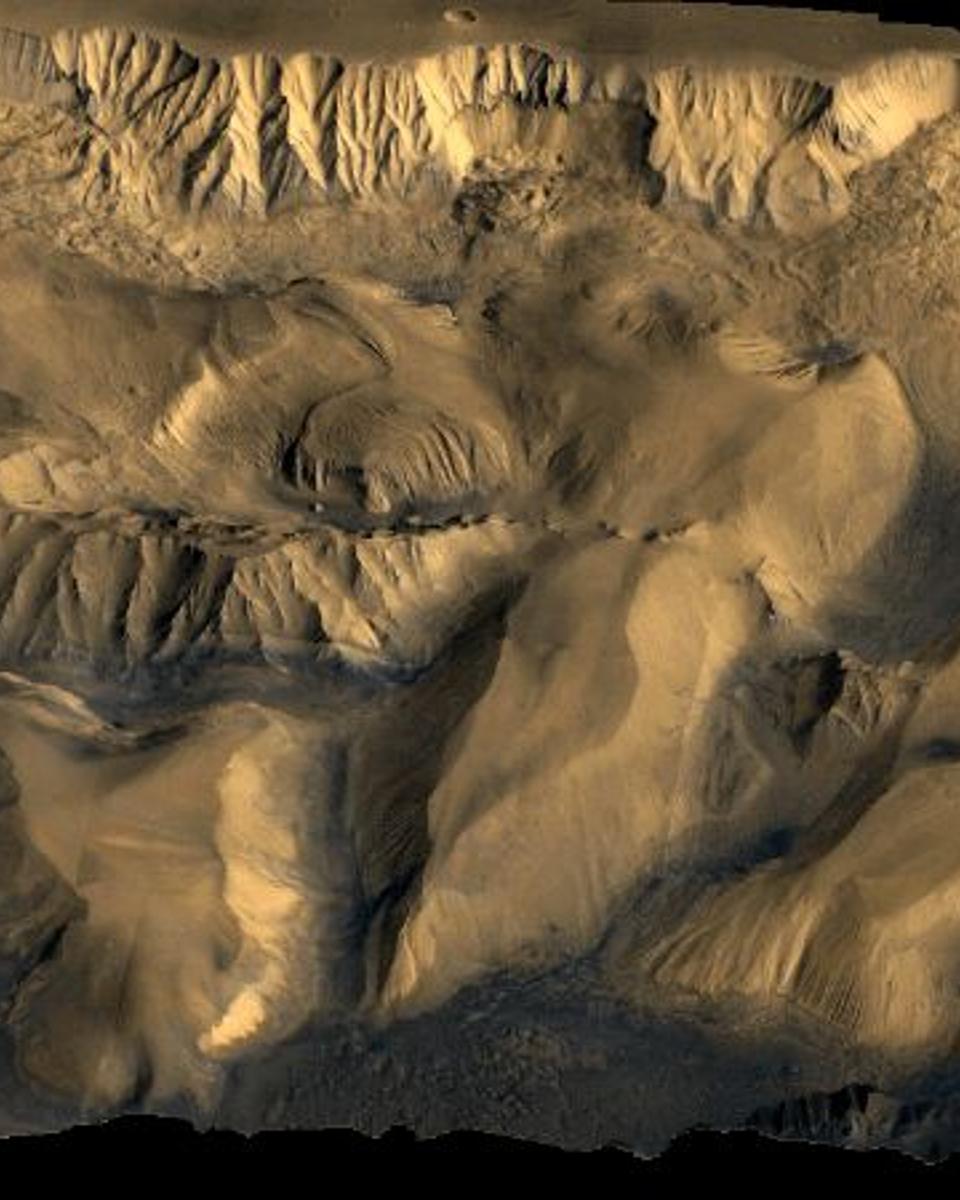
Candor and Ophir Chasmata
First imaged by the Mariner 9 spacecraft, Valles Marineris , the grand canyon of Mars, is a system of enormous depressions called chasmata that stretch some 4,000 kilometers along…
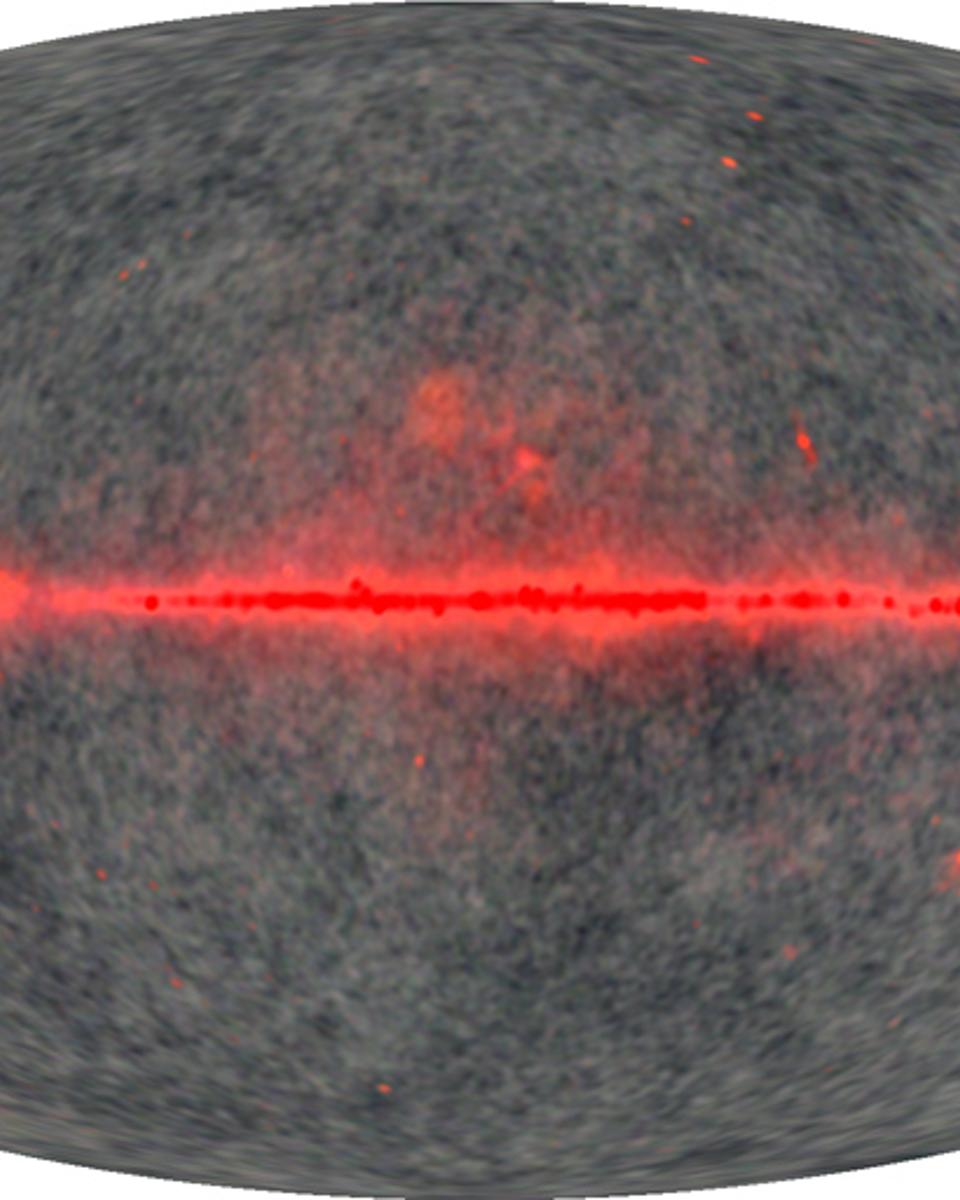
Universe Age from Microwave Background
The above sky map tells us the universe is 13.7 billion years old -- but how? At first look, one only sees the microwave glow of gas from our Milky Way Galaxy , coded red, and a…
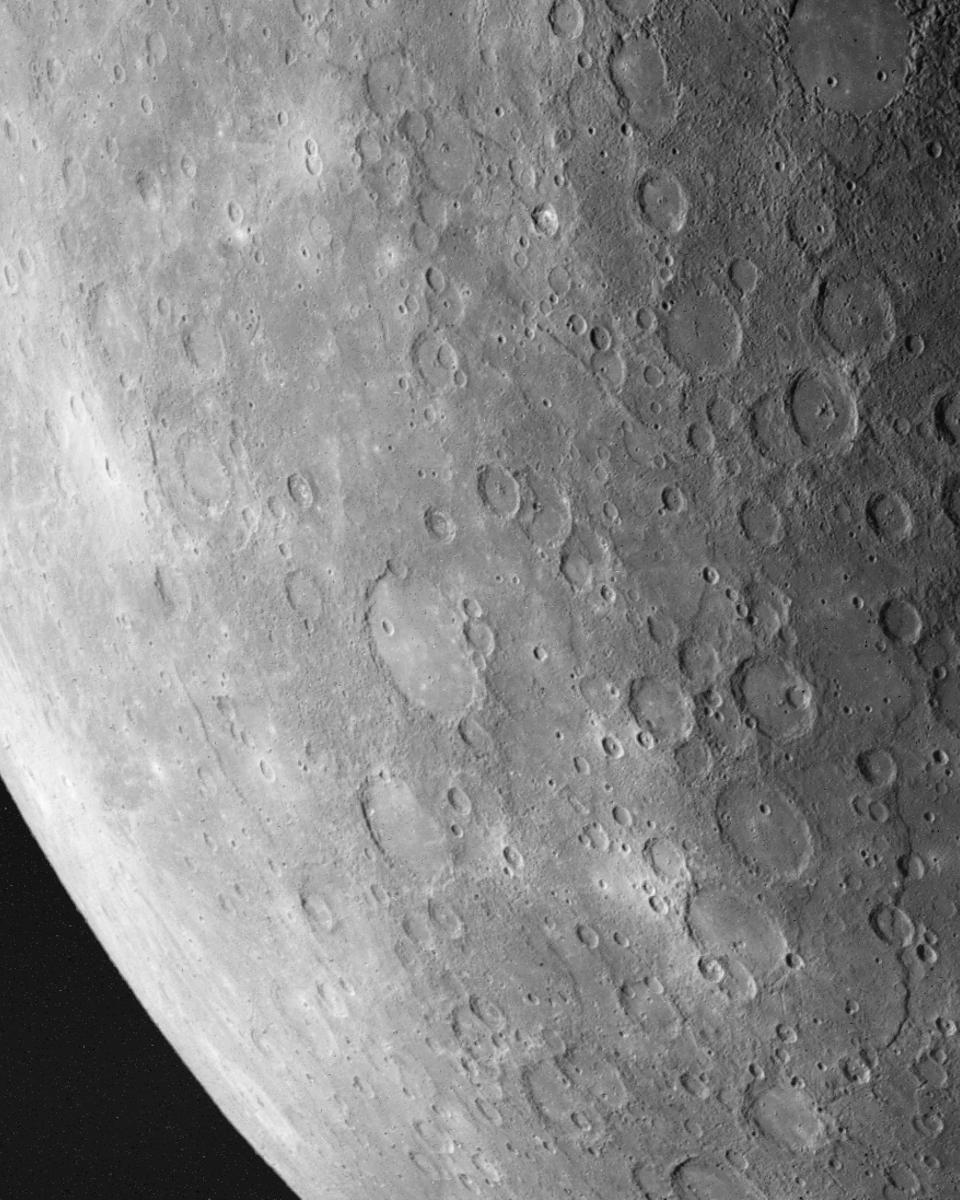
Southwest Mercury
The planet Mercury resembles a moon. Mercury 's old surface is heavily cratered like many moons. Mercury is larger than most moons but smaller than Jupiter 's moon Ganymede and…
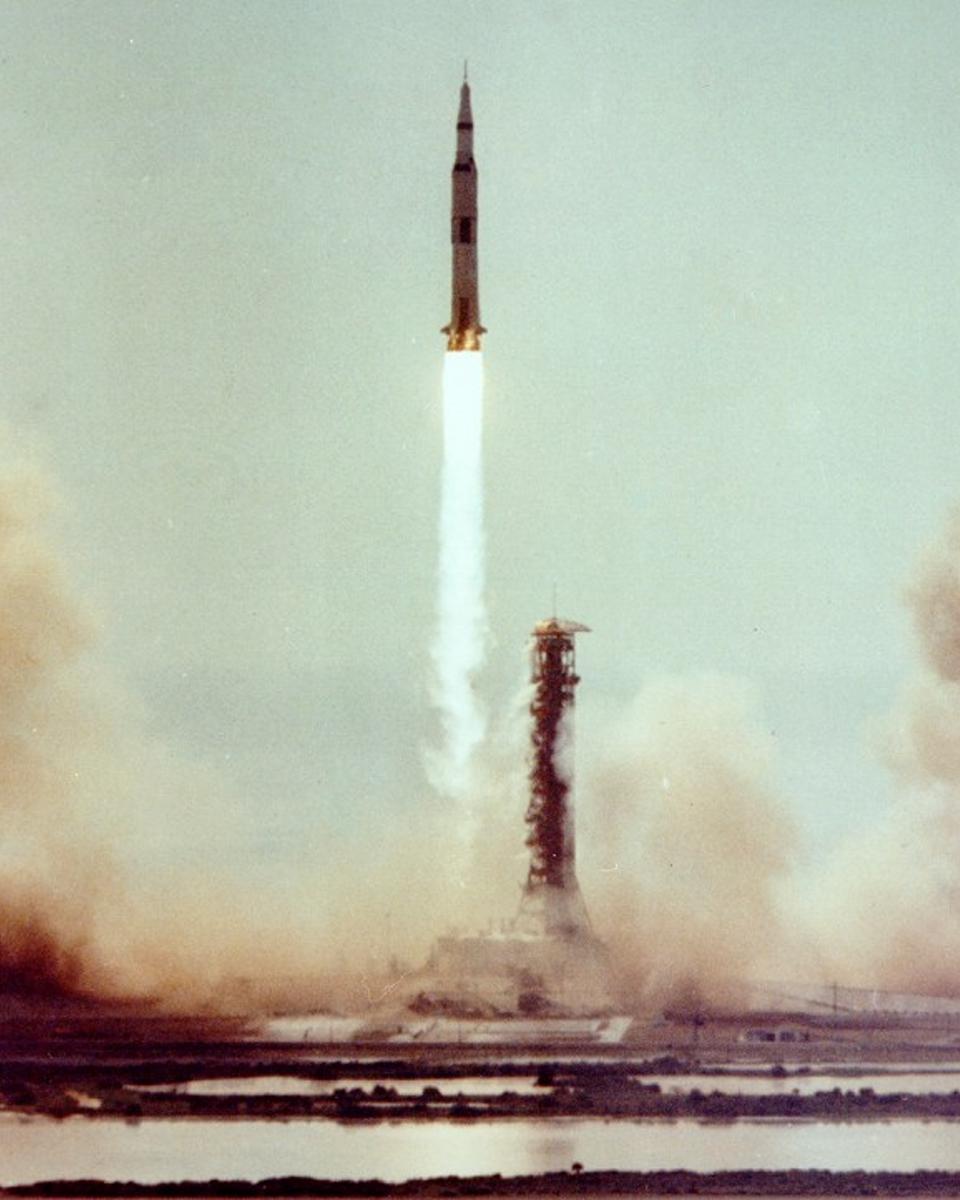
Happy Birthday Jules Verne
One hundred seventy-five years ago (on February 8th), Jules Verne was born in Nantes, France. Inspired by a lifelong fascination with machines, Verne wrote visionary works about…
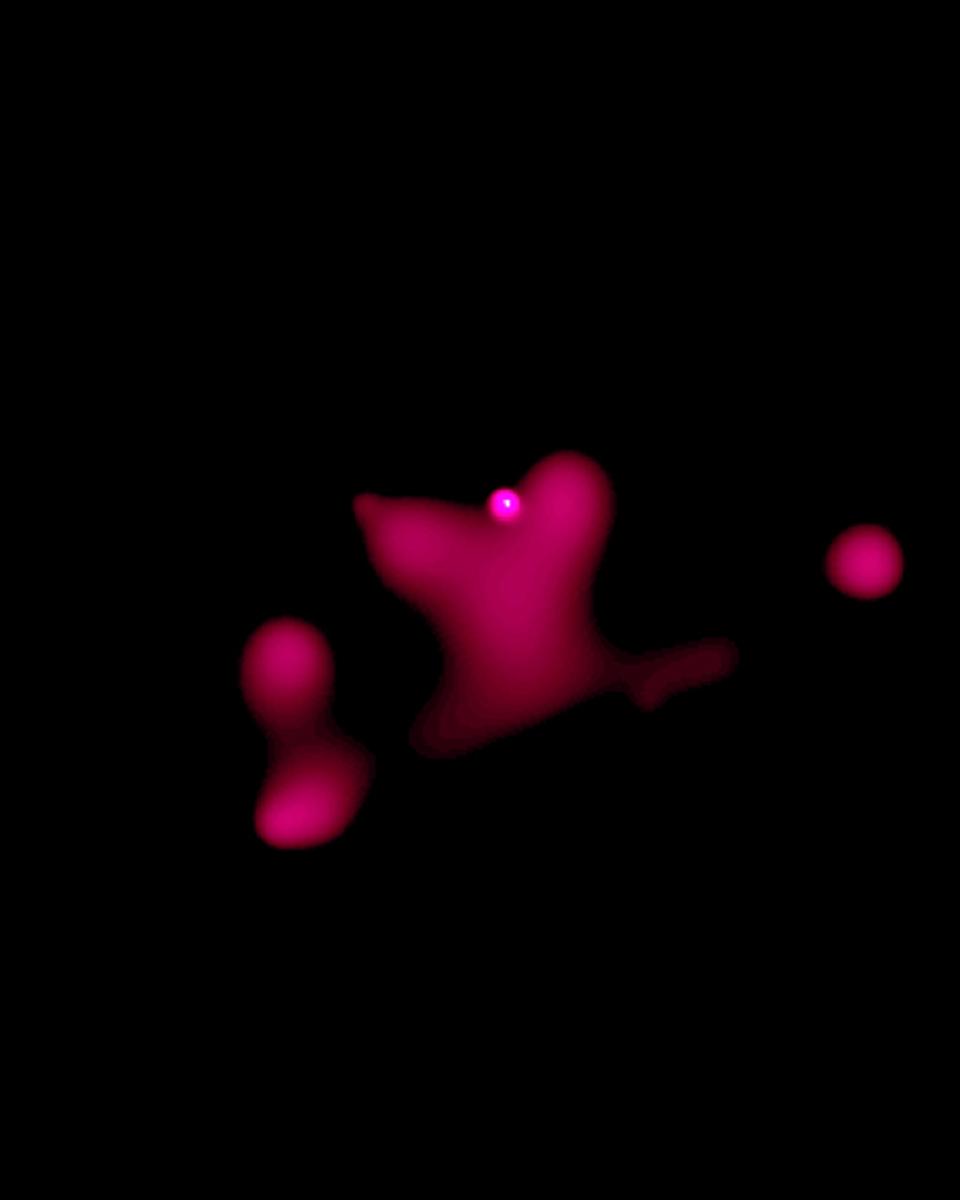
The Heart in NGC 346
Yes, it's Valentine's Day (!) and looking toward star cluster NGC 346 in our neighboring galaxy the Small Magellanic Cloud , astronomers have noted this heart-shaped cloud of hot,…
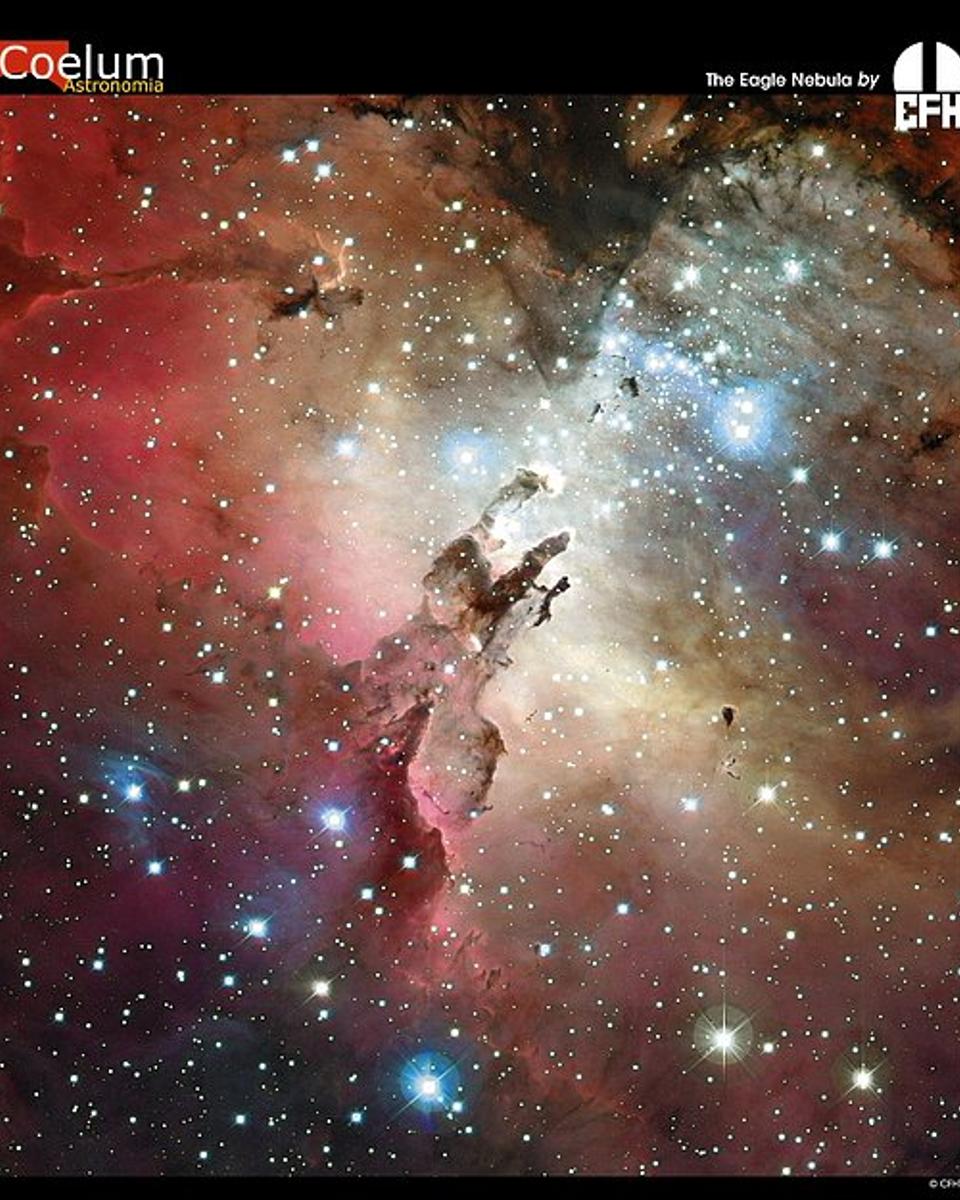
The Eagle Nebula from CFHT
Bright blue stars are still forming in the dark pillar s of the Eagle Nebula . Made famous by a picture from the Hubble Space Telescope in 1995, the Eagle Nebula shows the…
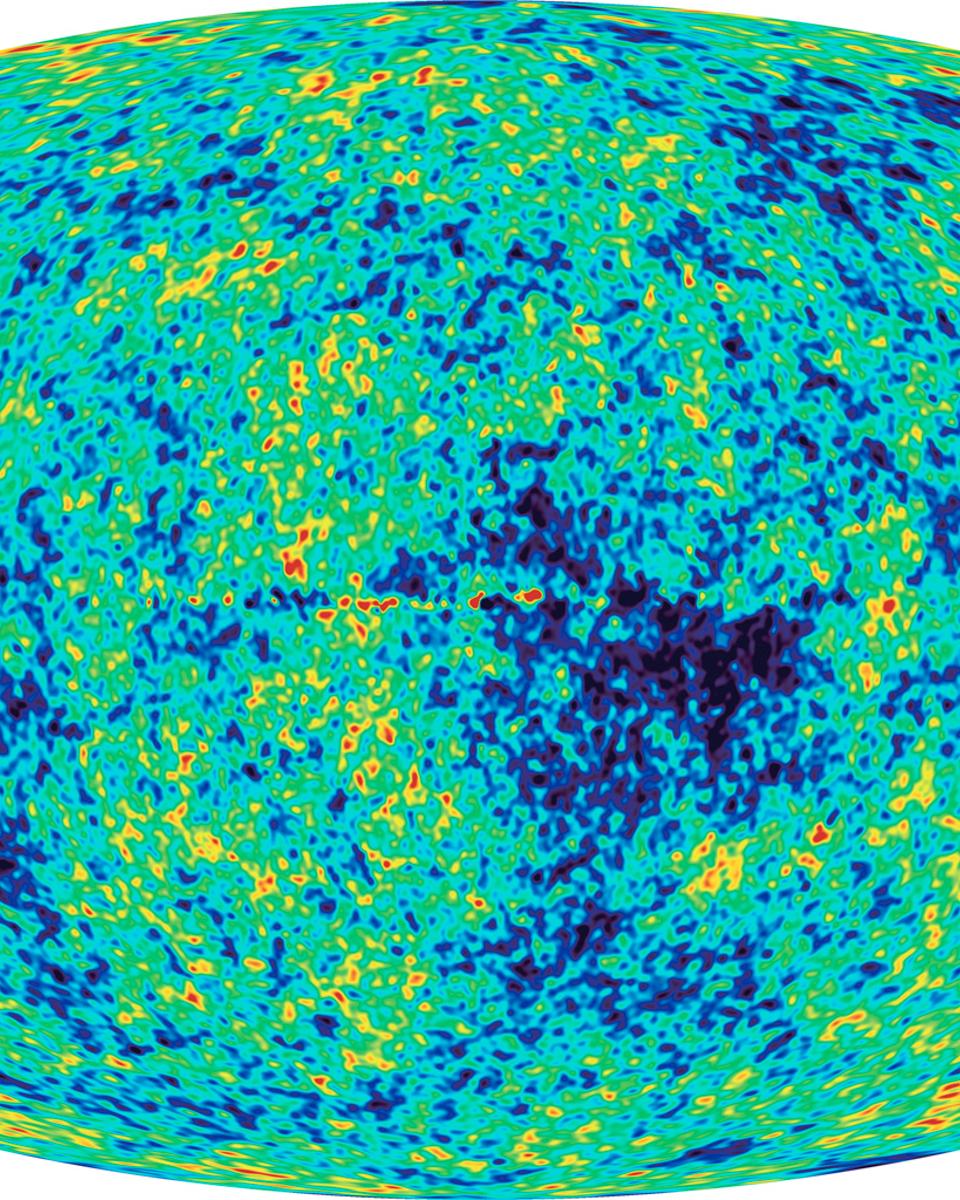
WMAP Resolves the Universe
Analyses of a new high-resolution map of microwave light emitted only 380,000 years after the Big Bang appear to define our universe more precisely than ever before. The eagerly…
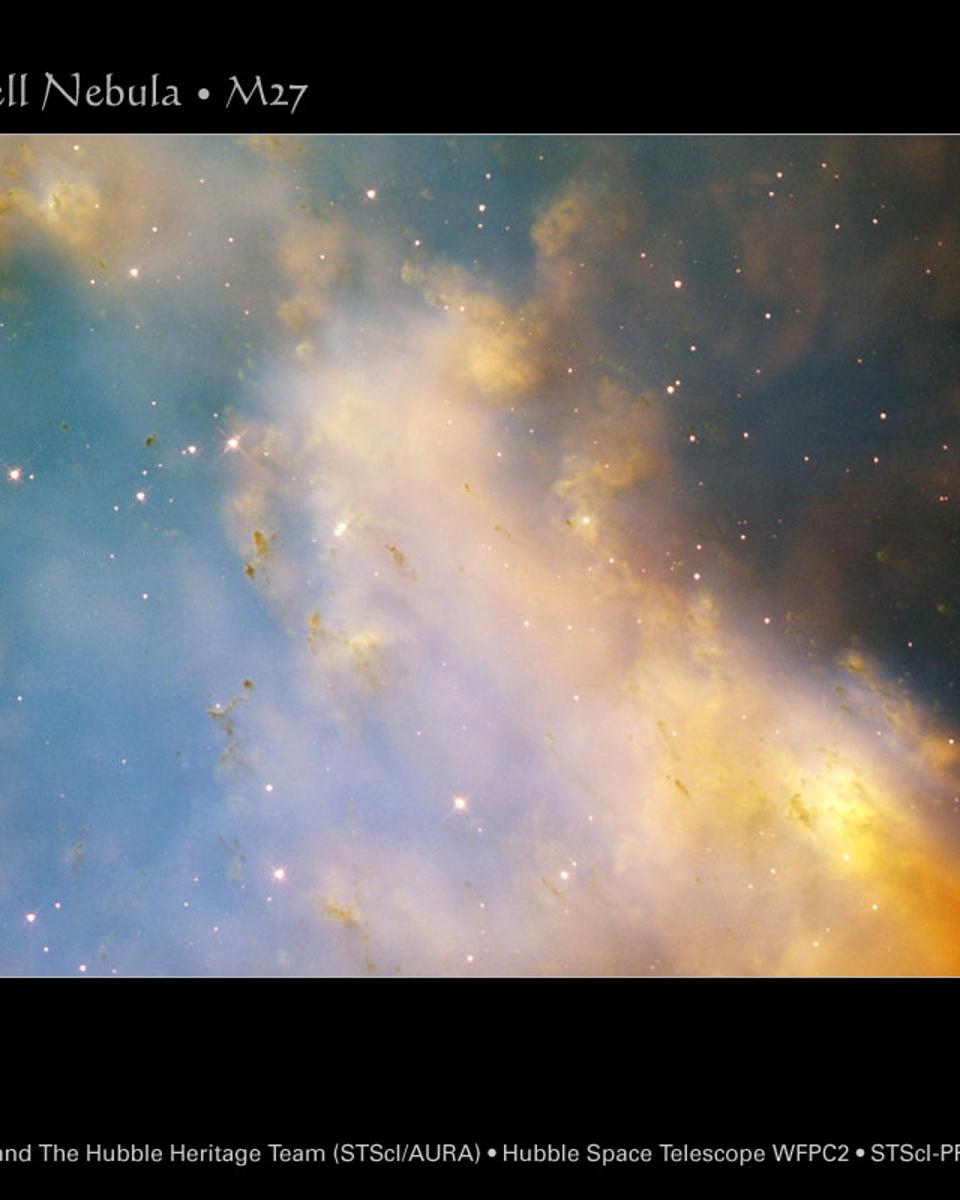
Dumbbell Nebula Close-Up from Hubble
What causes unusual knots of gas and dust in planetary nebulas ? Seen previously in the Ring Nebula , the Helix Nebula , and NGC 2392 , the knots' existence was not predicted…
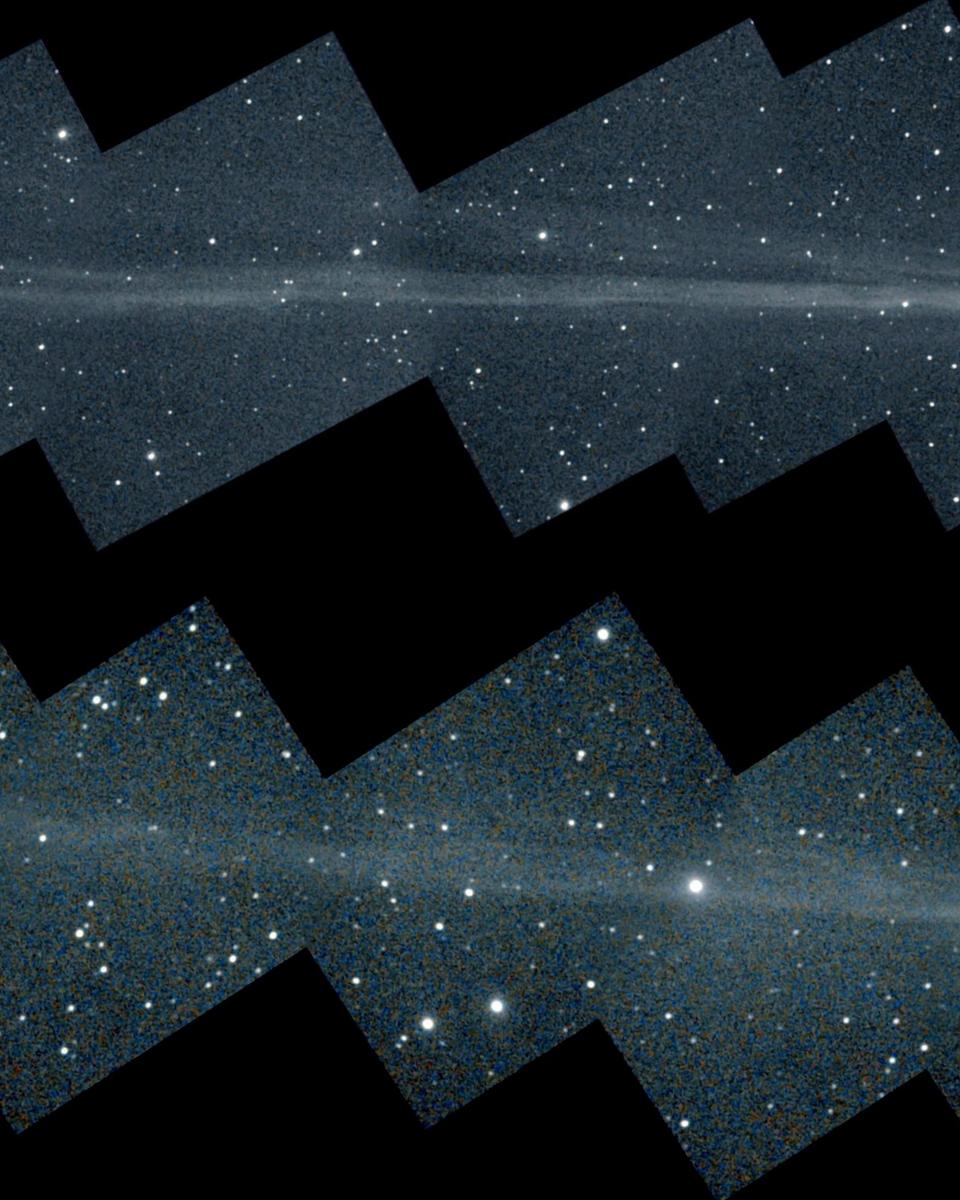
Comet NEAT Approaches the Sun
A comet may likely become visible to the unaided eye over the next few days above the horizon where the Sun has just set. Comet NEAT (C/ 2002 V1) , discovered last November, has…
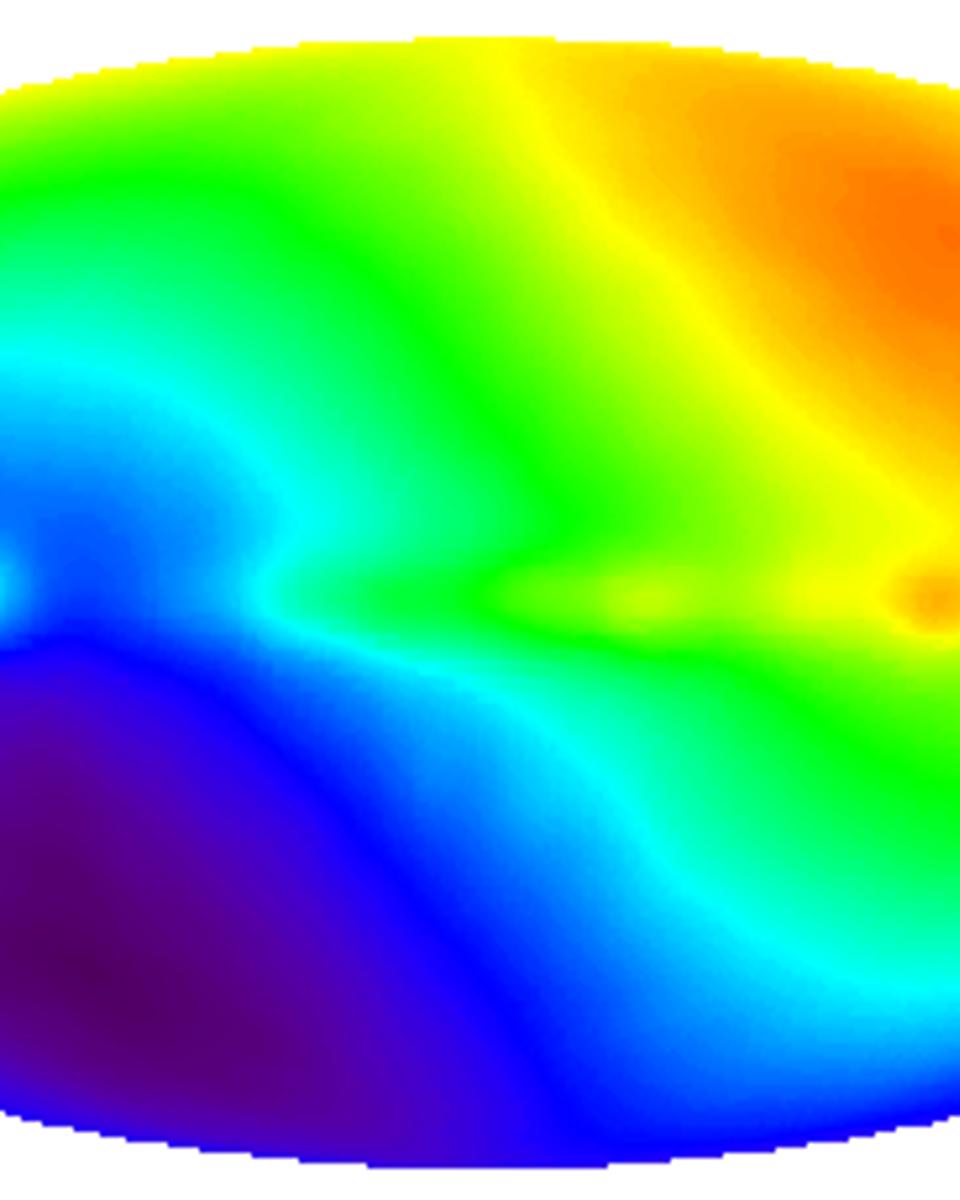
COBE Dipole: Speeding Through the Universe
Our Earth is not at rest. The Earth moves around the Sun . The Sun orbits the center of the Milky Way Galaxy . The Milky Way Galaxy orbits in the Local Group of Galaxies . The…
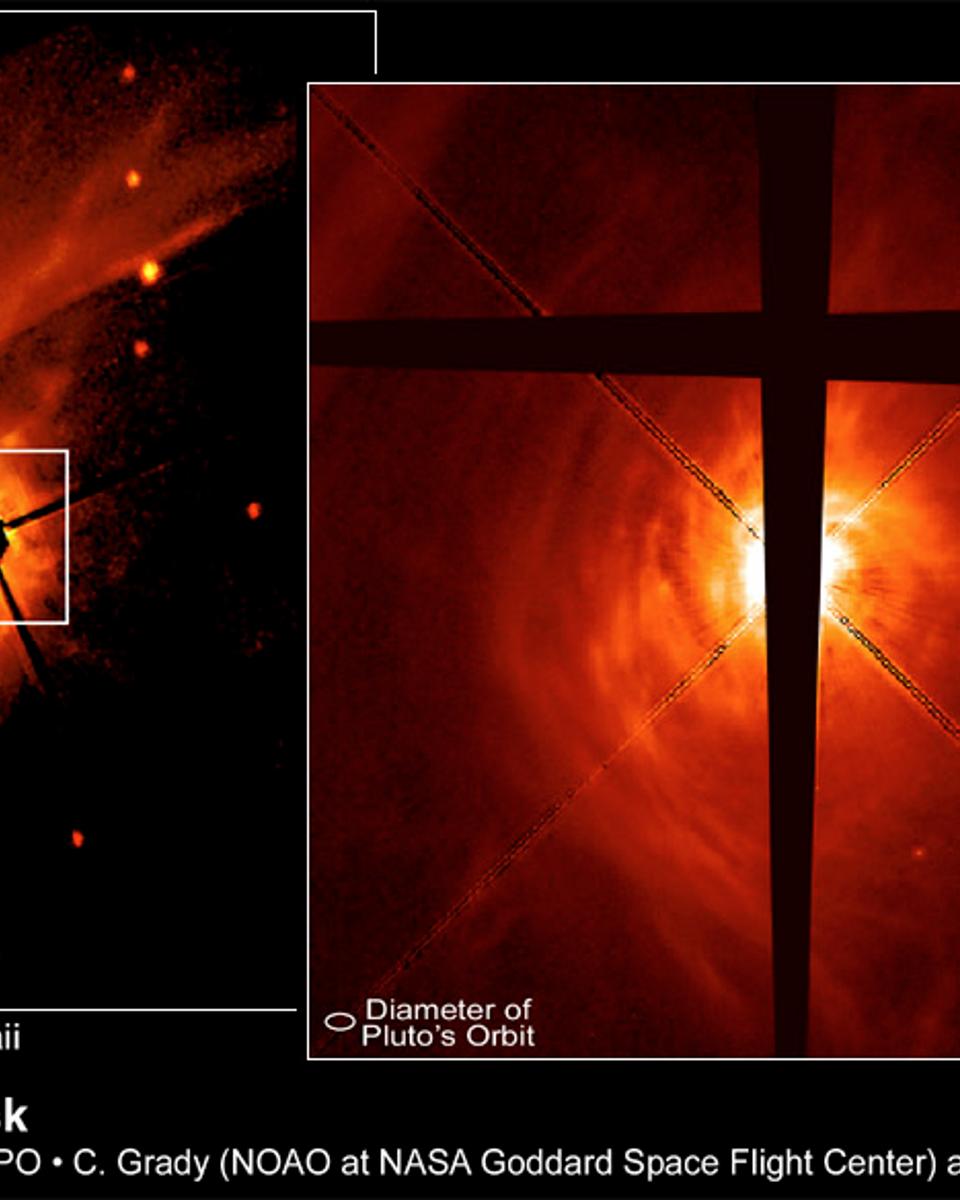
AB Aurigae: How To Make Planets
This enhanced Hubble Space Telescope image shows in remarkable detail the inner portion of the disk of dust and gas surrounding the star AB Aurigae. Knots of material, visible…
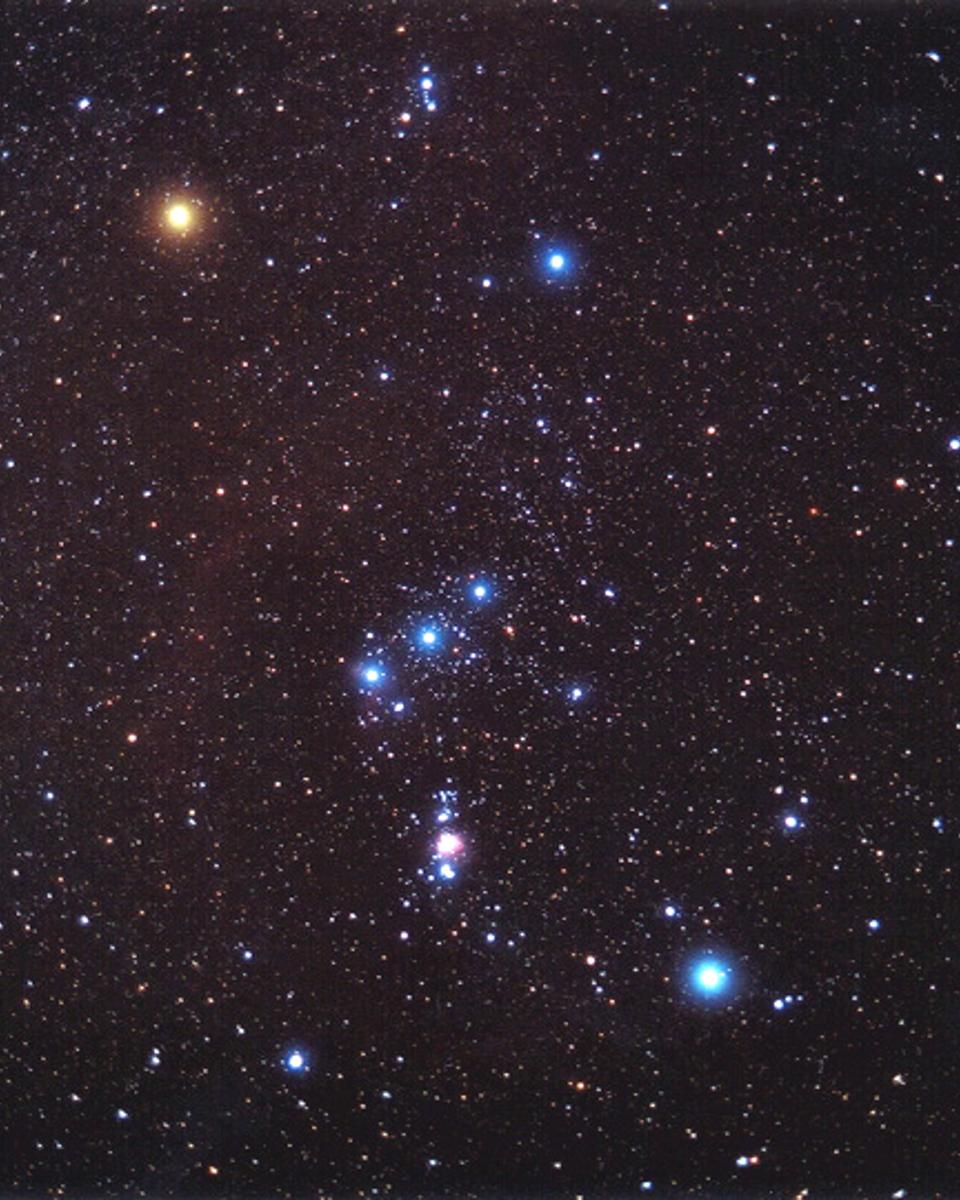
Orion on Film
Orion , the Hunter, is one of the most easily recognizable constellations in planet Earth's night sky . But Orion's stars and nebulae don't look quite as colorful to the eye as…
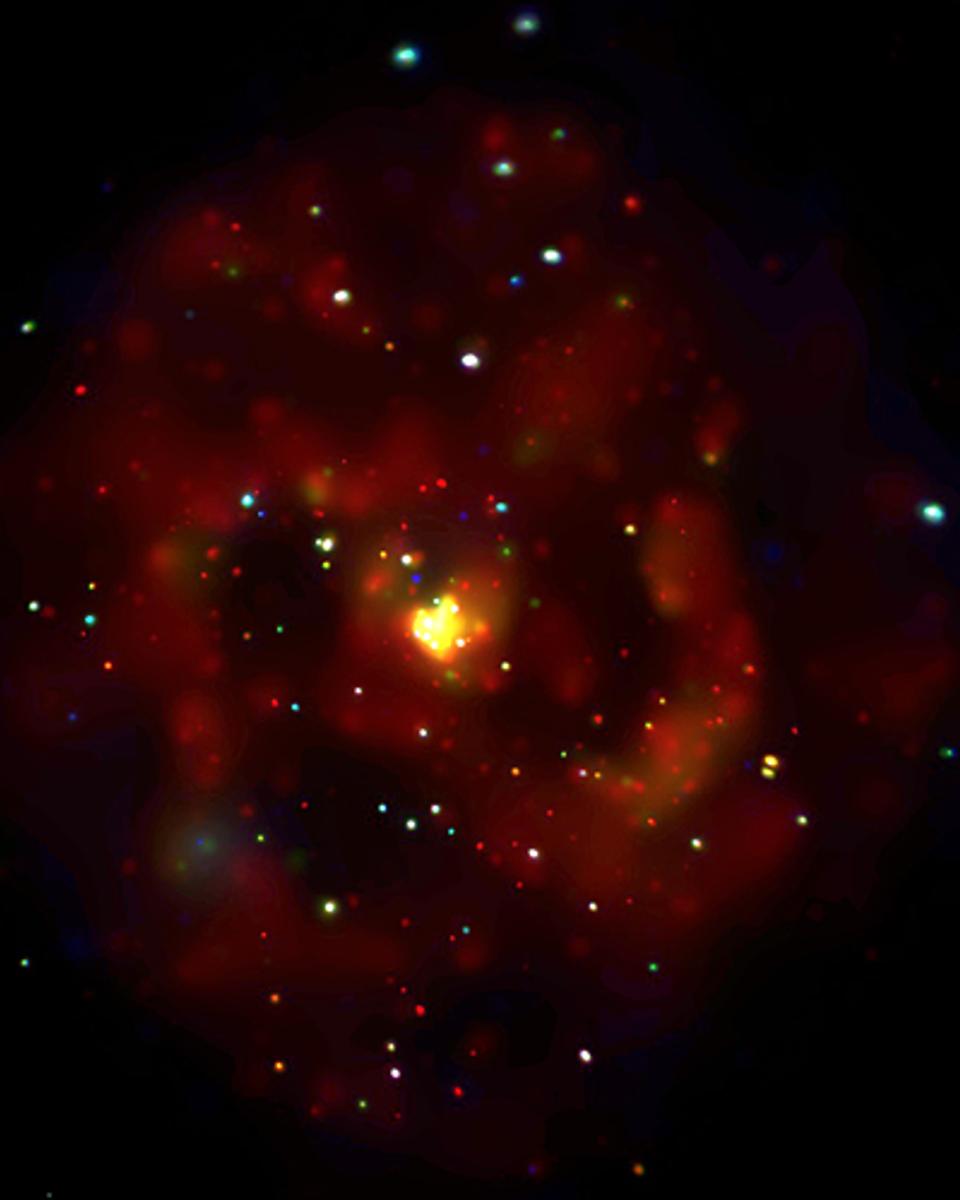
X-Rays from M83
Bright and beautiful spiral galaxy M83 lies a mere twelve million light-years from Earth, toward the headstrong constellation Hydra . Sweeping spiral arms, prominent in visible…
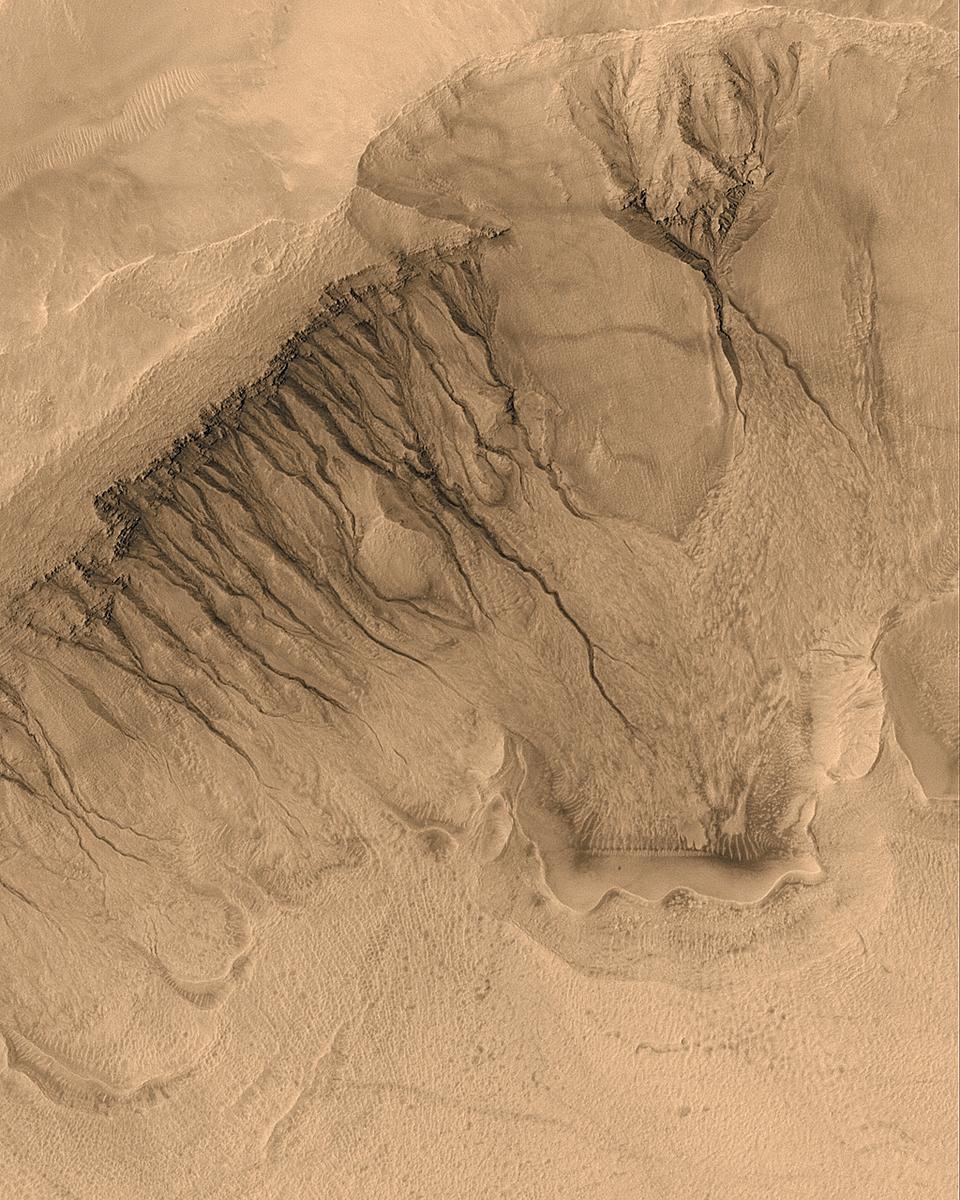
Unusual Gullies and Channels on Mars
What could have formed these unusual channels? Inside Newton Basin on Mars , numerous narrow channels run from the top down to the floor. The above picture covers a region…
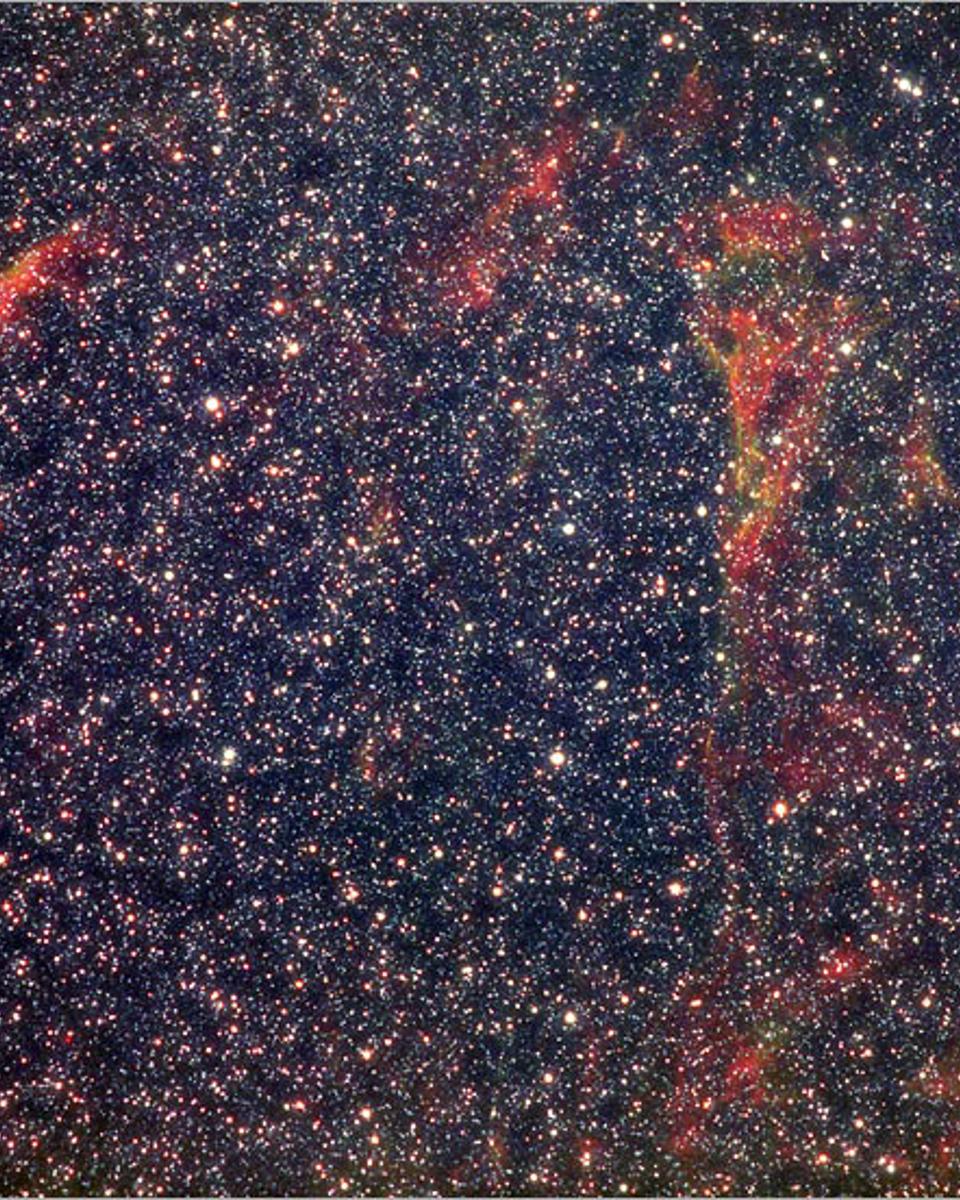
Wisps of the Veil Nebula
These wisps of gas are all that remain visible of a Milky Way star. Many thousands of years ago that star exploded in a supernova leaving the Veil Nebula , pictured above . At the…
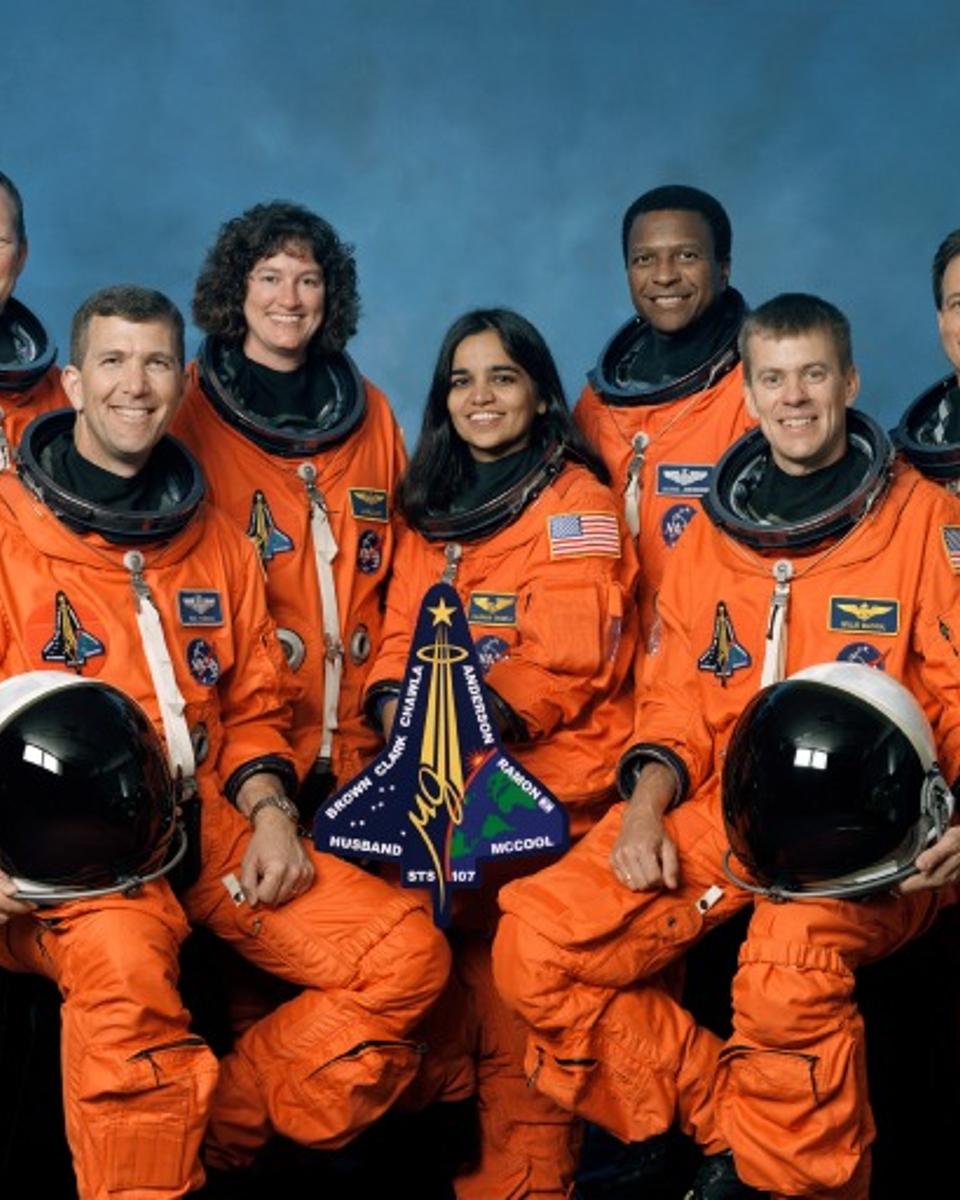
Space Shuttle and Crew Lost During Re-Entry
Saturday morning, the Space Shuttle Columbia broke up during re-entry. Pictured above is the seven-member crew that was lost. True space pioneers , they were, left to right, David…
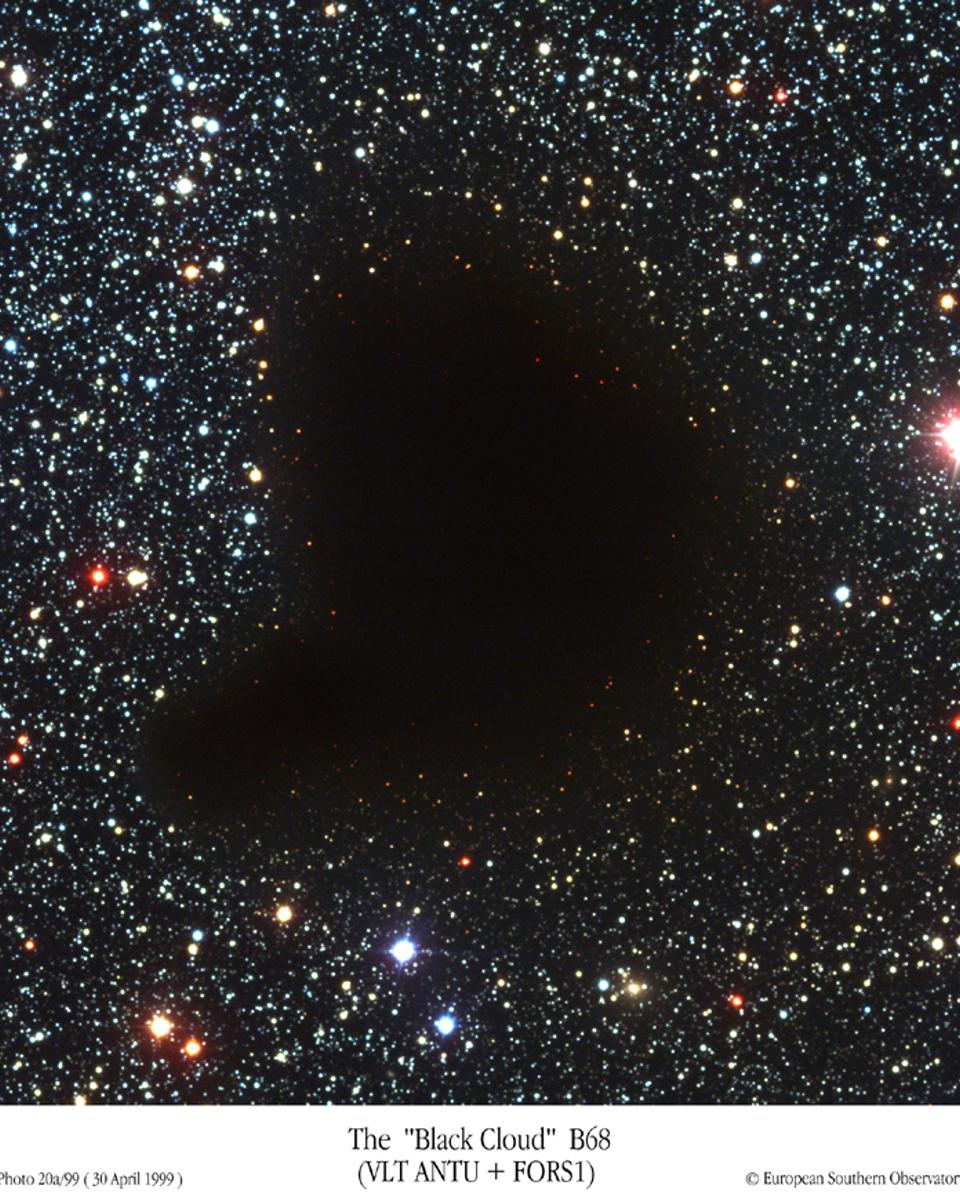
Molecular Cloud Barnard 68
Where did all the stars go? What used to be considered a hole in the sky is now known to astronomers as a dark molecular cloud . Here, a high concentration of dust and molecular…
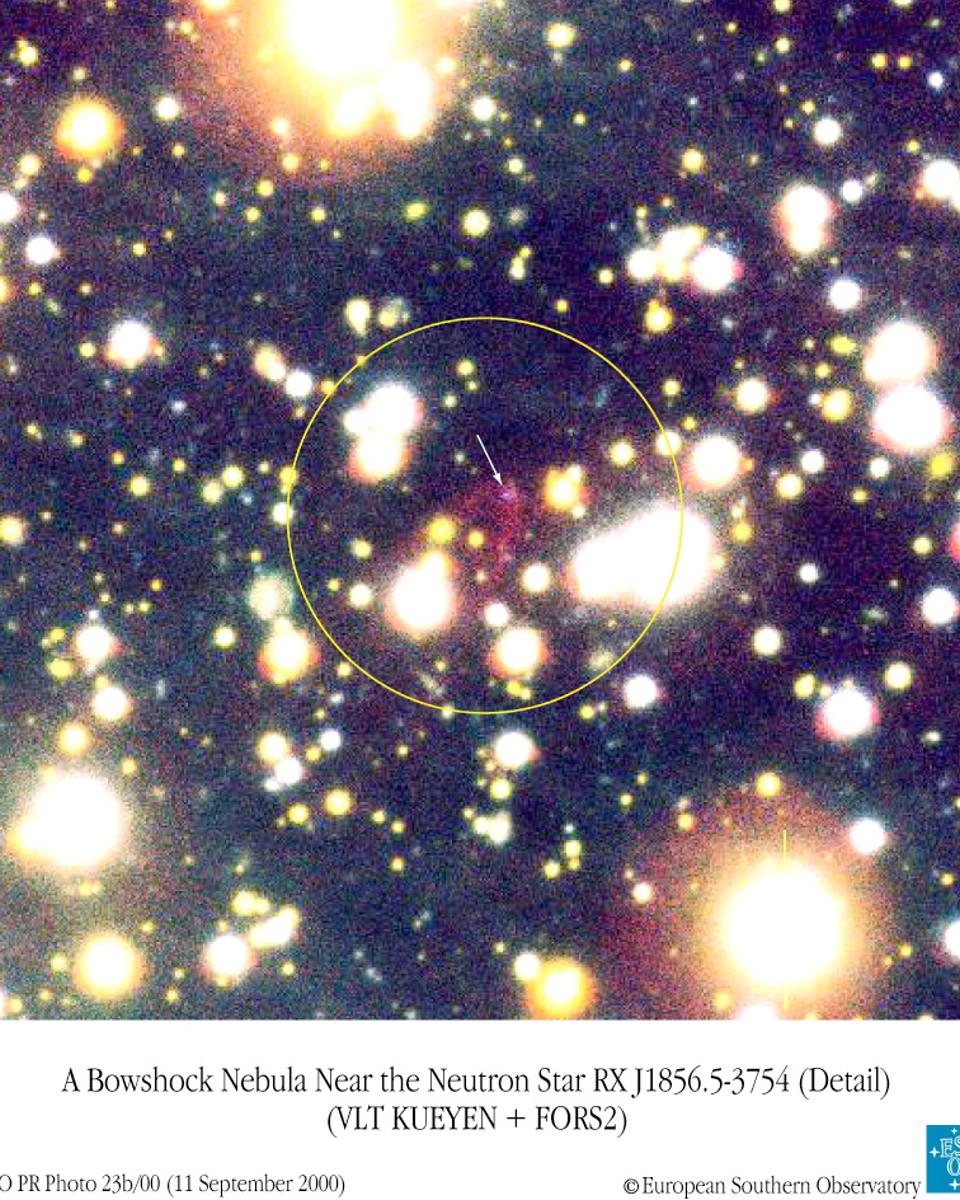
The Nebula And The Neutron Star
The lonely RX J1856.5-3754 was formed from the collapsed core of an exploding star. At a distance of 180 light-years it is the closest known neutron star. More massive than the…
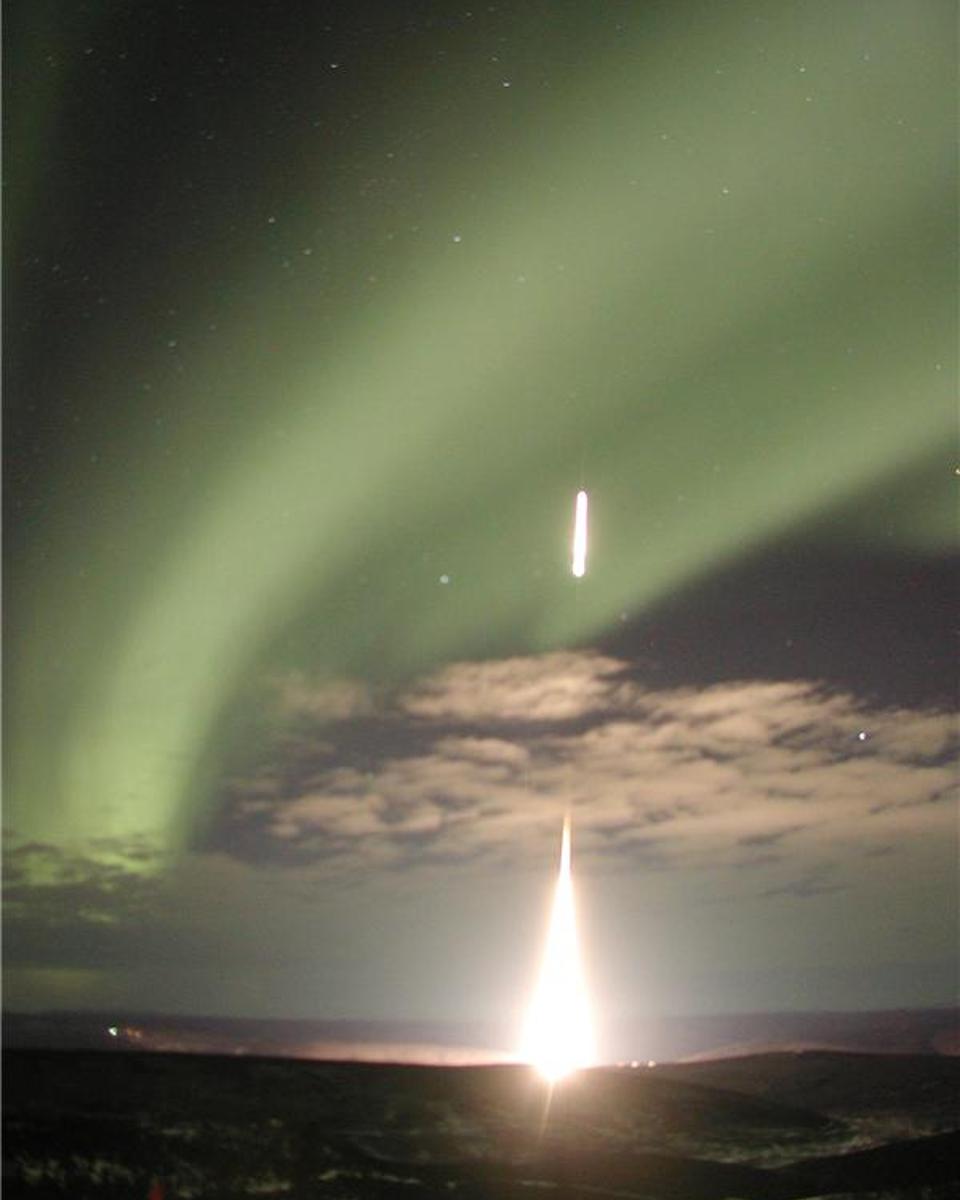
Auroral Rocket Launch
In this striking image, a rocket climbs skyward toward an expansive green auroral display in the first launch of 2003 from the University of Alaska's Poker Flat Research Range .…
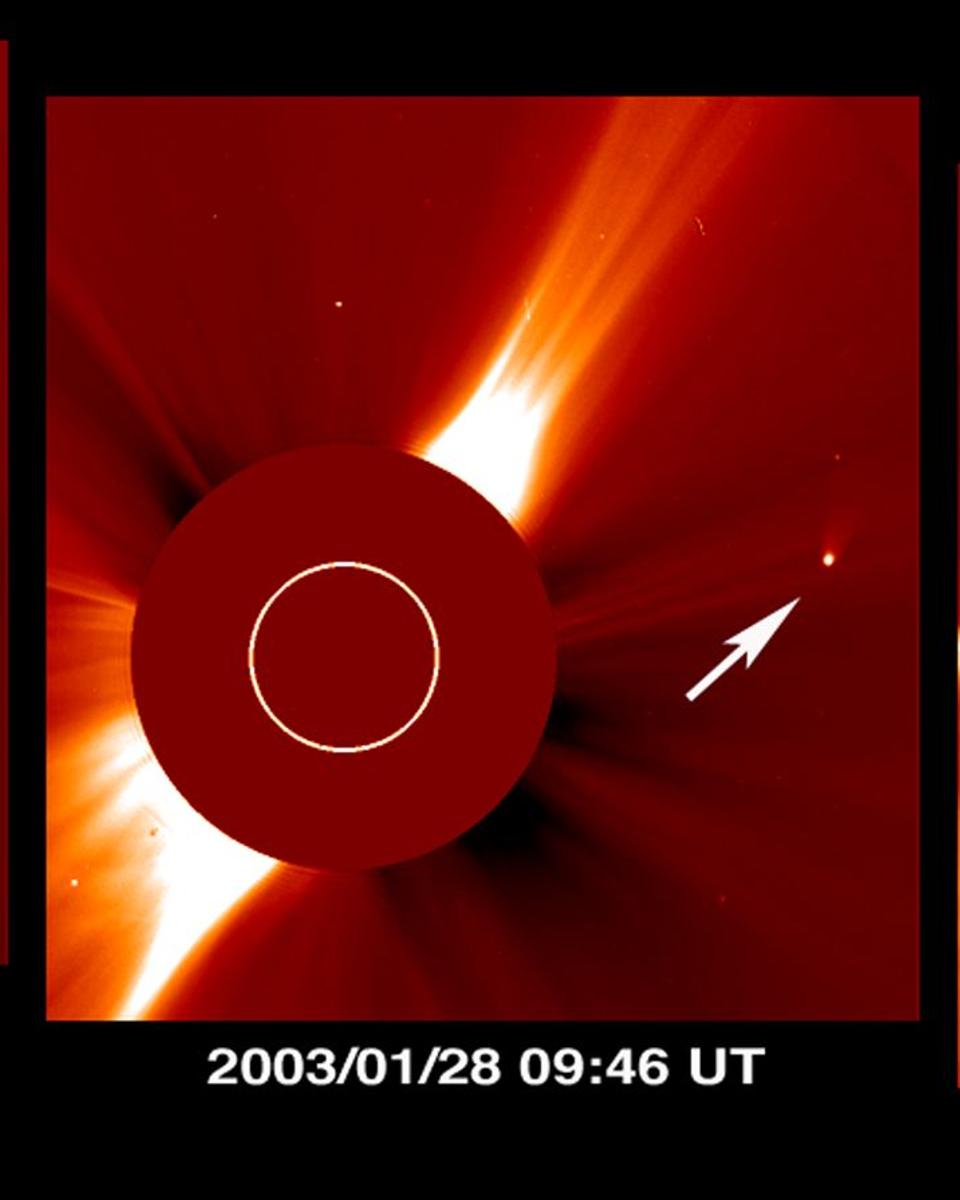
Comet Kudo-Fujikawa: Days in the Sun
Cruising through the inner Solar System, new Comet Kudo-Fujikawa reached perihelion, its closest approach to the Sun, yesterday, January 29. Passing within 28.4 million kilometers…
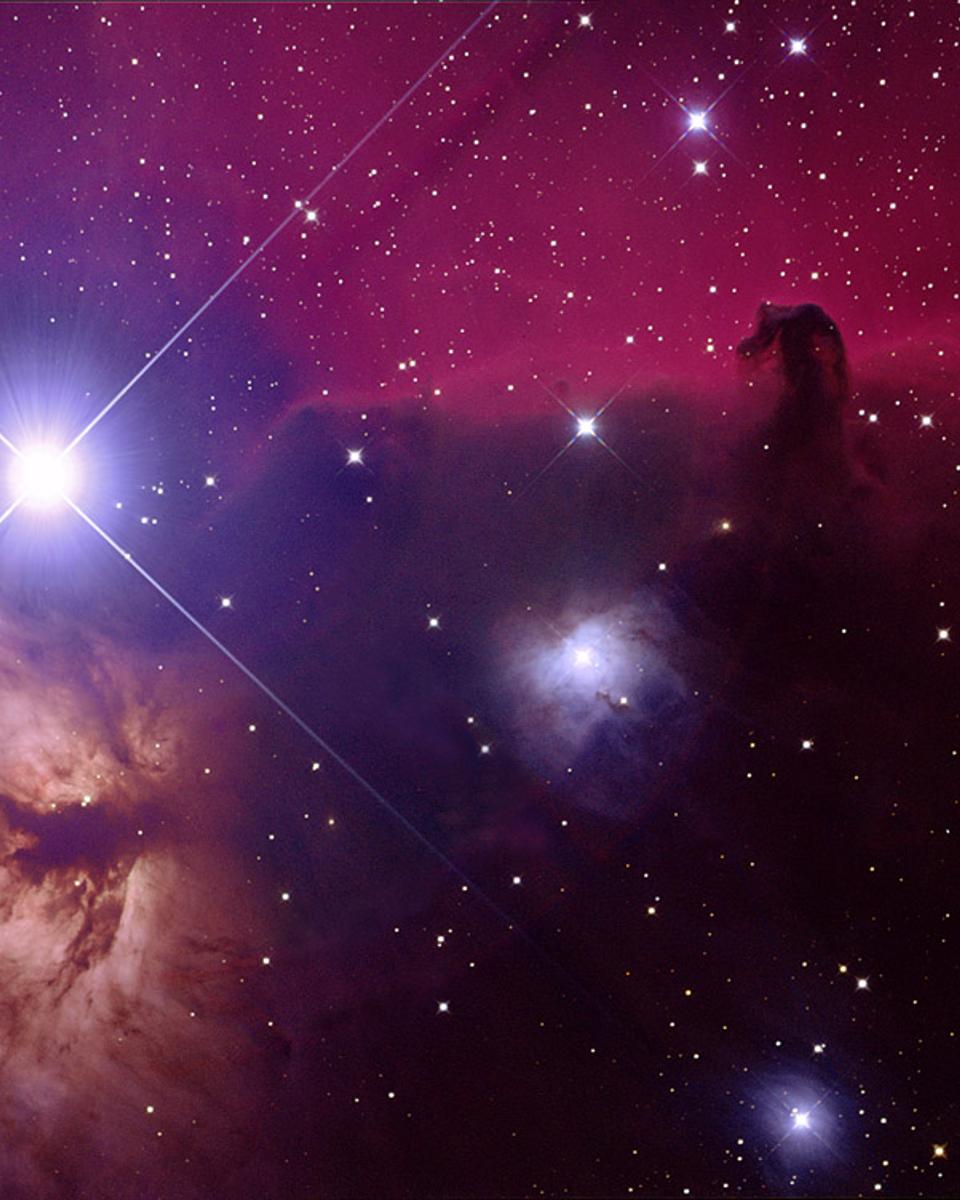
Orion's Horsehead Nebula
The Horsehead Nebula is one of the most famous nebulae on the sky. It is visible as the dark indentation to the red emission nebula seen above and to the right of center in the…
Viewing discoveries from 21 February 2003 through 29 January 2003.