Browse NASA Astronomy Picture of the Day archive by date and media: Archive Discoveries
Browse the NASA APOD archive without needing the exact date first. Filter by media type and keep moving deeper into older images and videos.
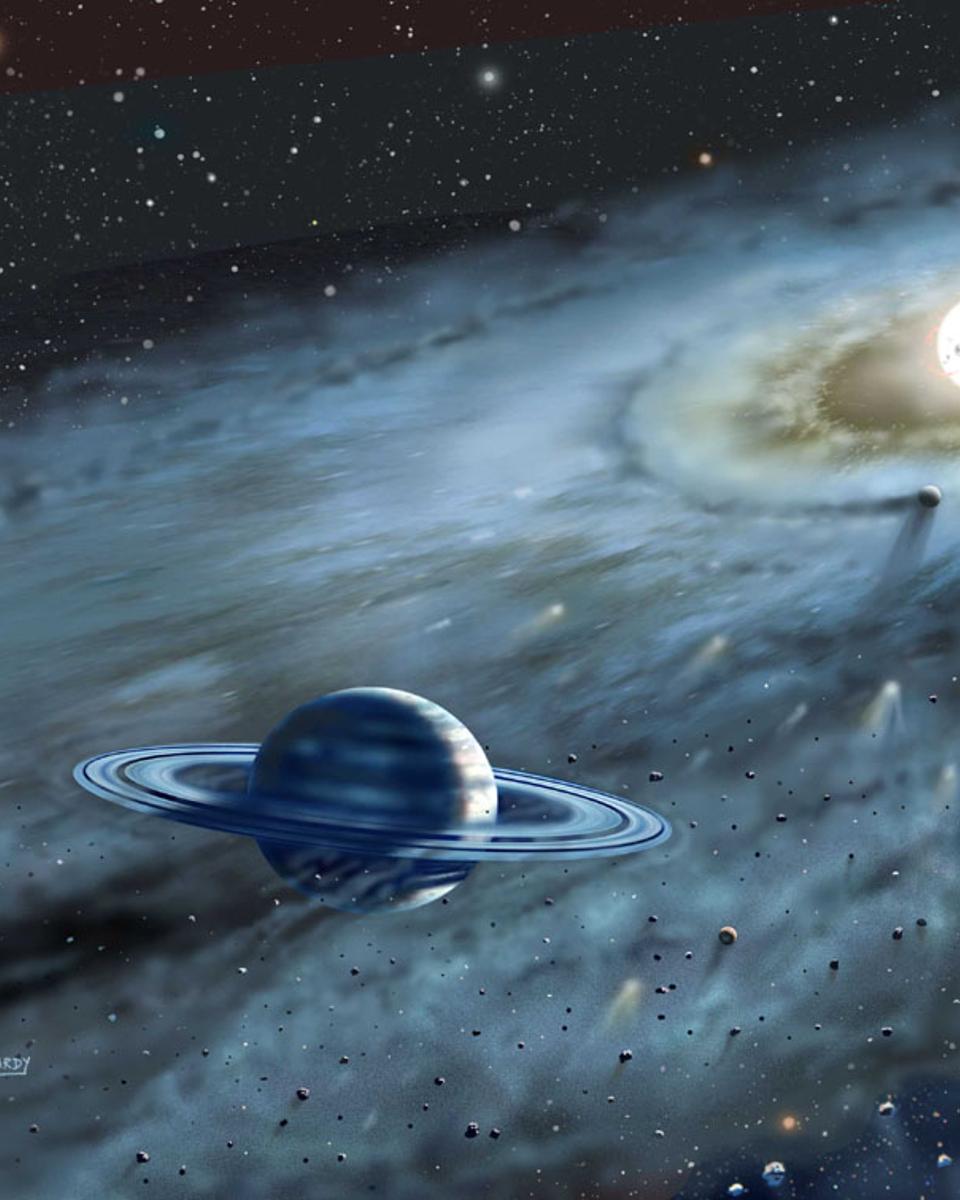
Fomalhaut Dust Disk Indicates Planets
One of the brightest stars on the sky likely has planets. Fomalhaut , actually the 17th brightest star in the night sky, is a mere 22 light-years away but only a fraction of the…
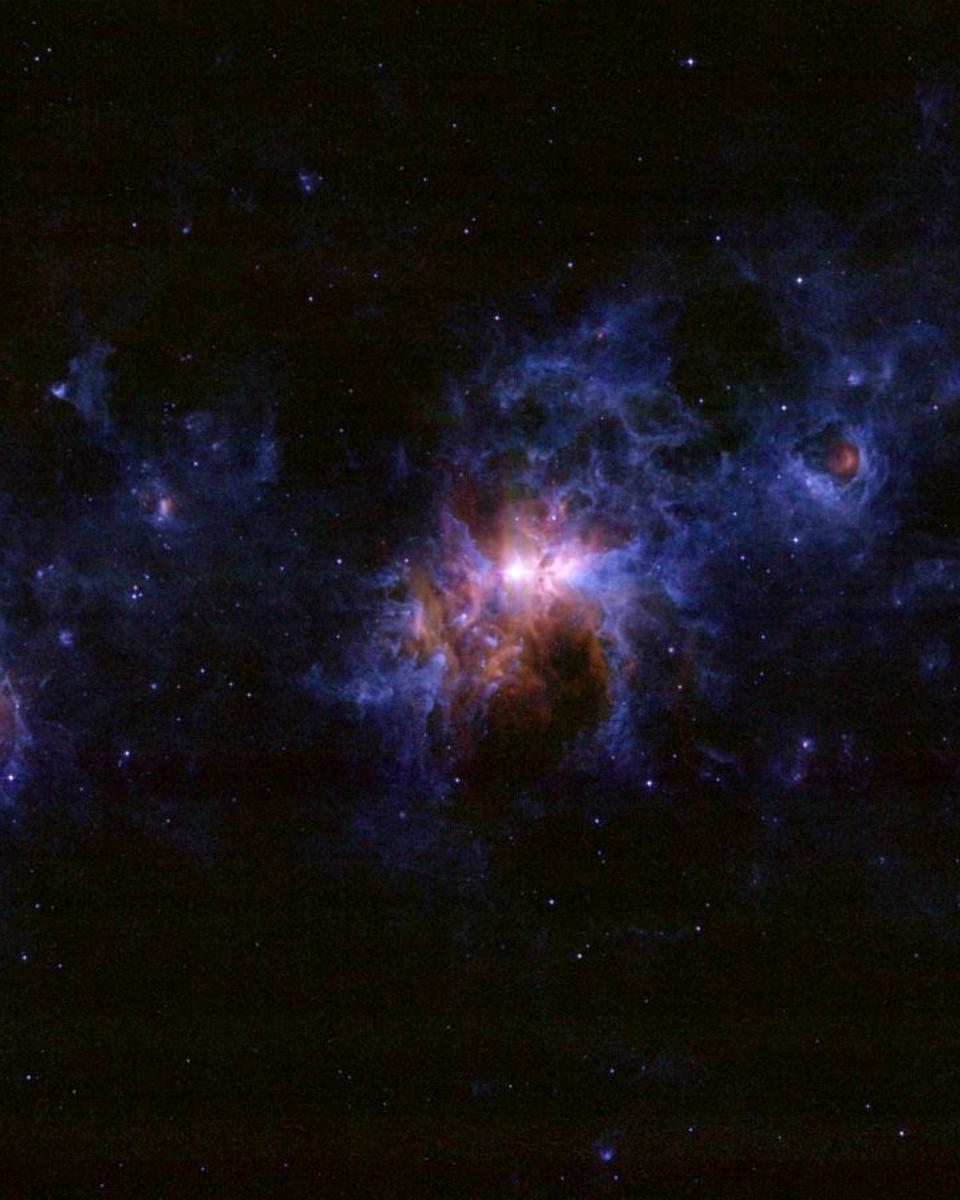
Dusty Environs of Eta Carinae
Eta Car is a massive star, but it's not as bright as it used to be. Now only easily visible in binoculars or a small telescope, Eta Carinae has a history of spectacular flaring…
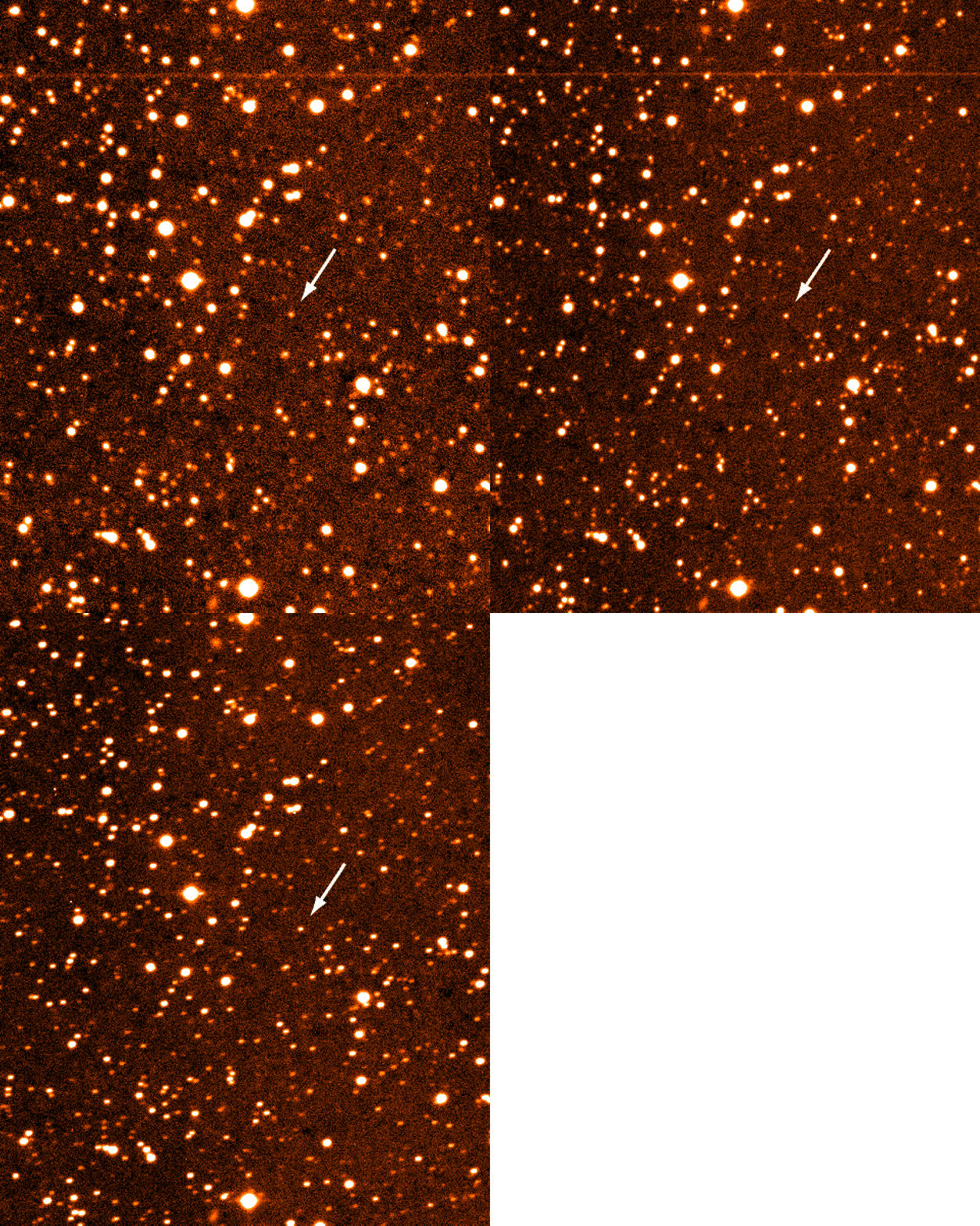
Quaoar: Large Asteroid in the Outer Solar System
Asteroids almost as large as planets are still being discovered in our own Solar System . Recently an asteroid more than half the size of Pluto was found orbiting at a distance…
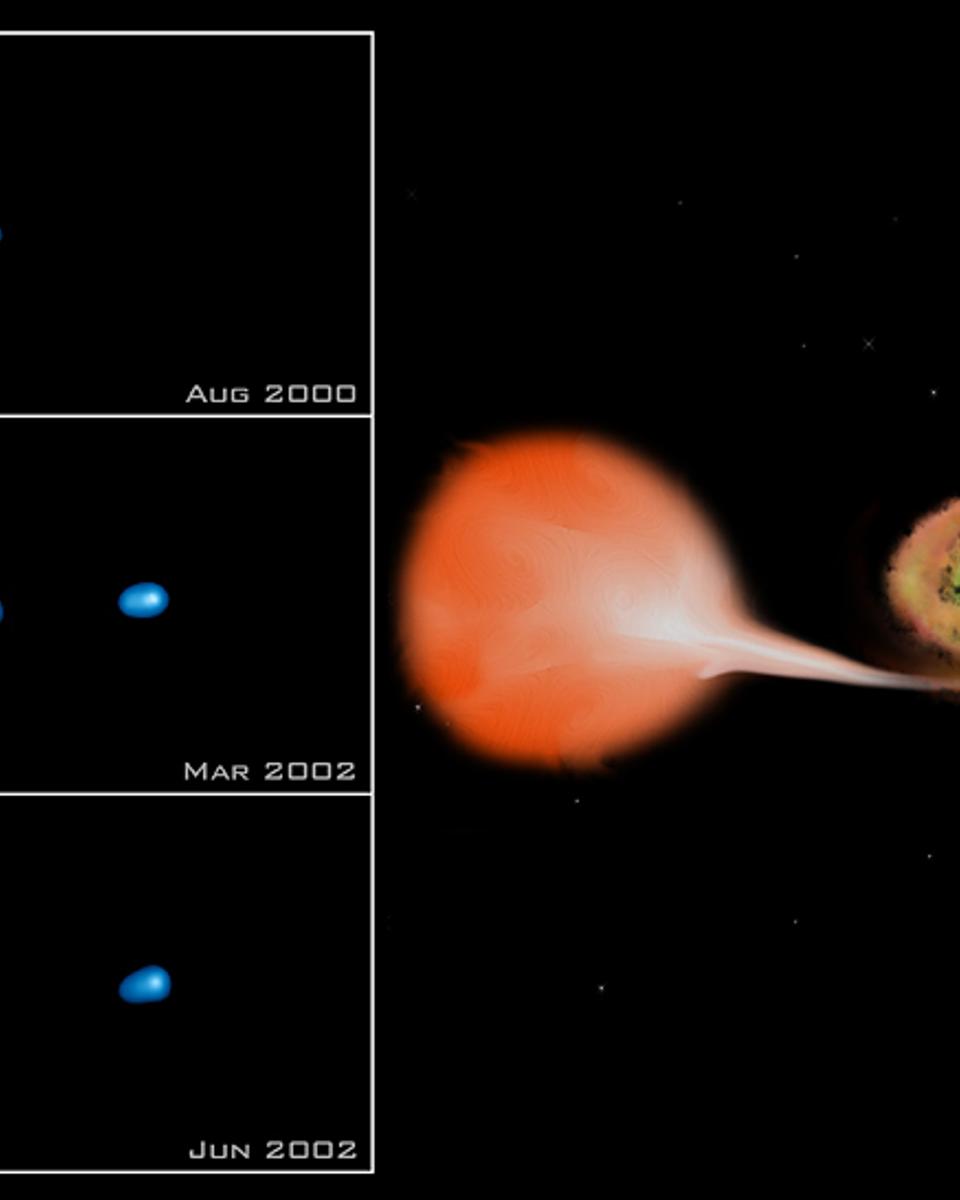
The X-Ray Jets of XTE J1550
The motion of ultra-fast jets shooting out from a candidate black hole star system have now been documented by observations from the orbiting Chandra X-ray Observatory . In 1998,…
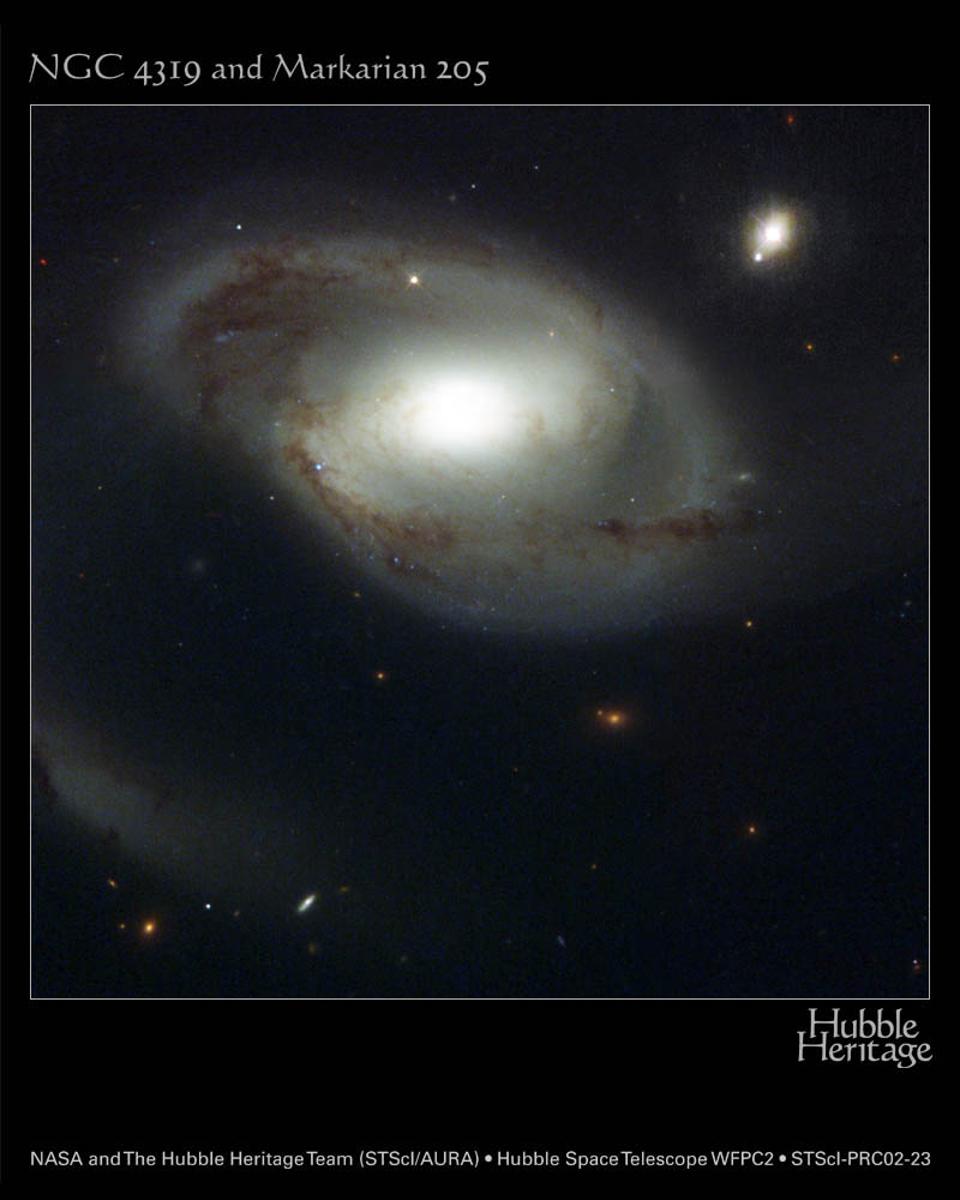
The Galaxy and the Quasar
Is the galaxy in the center connected to the quasar on the upper right? Disagreements about systems like this have raged for decades and have been used to challenge the…
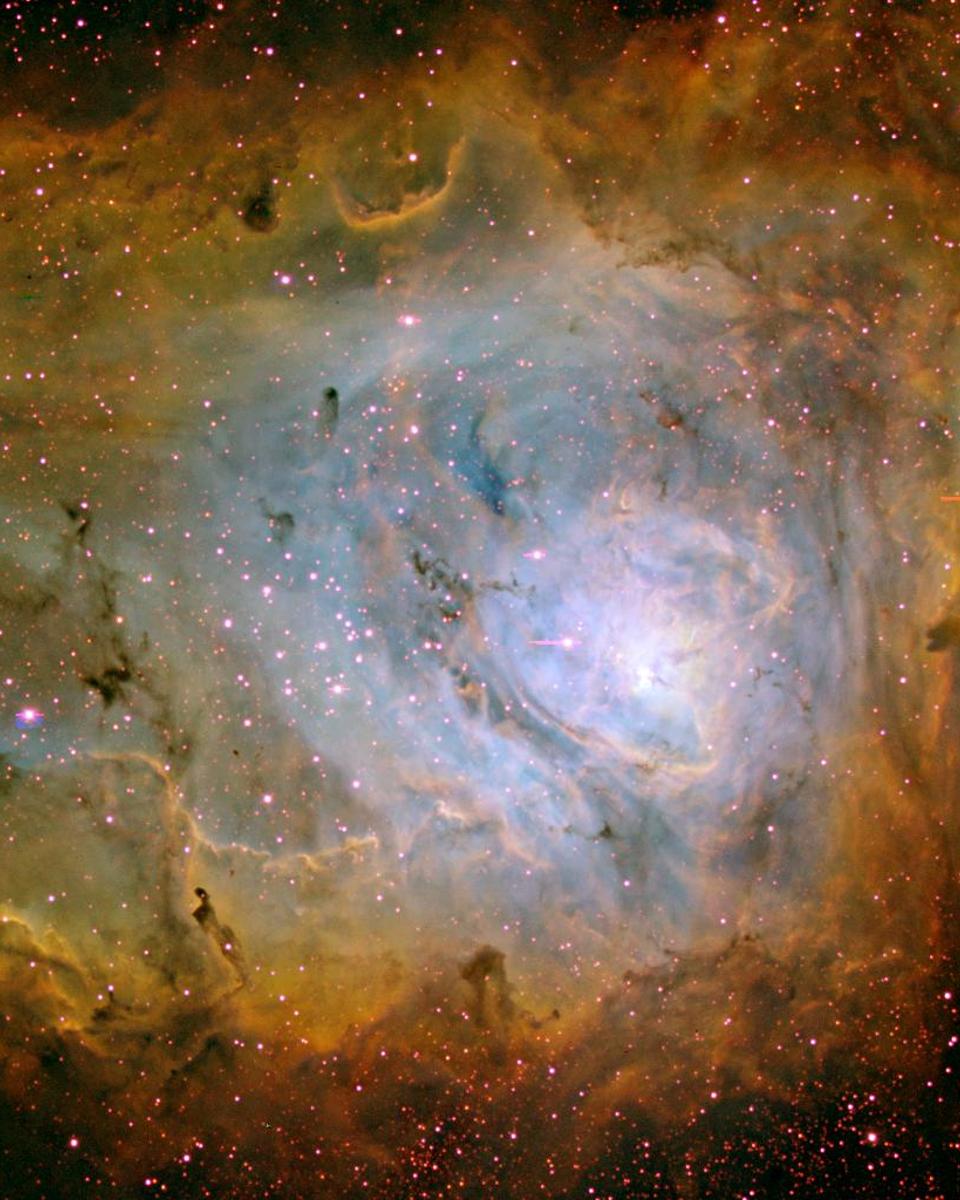
The Lagoon Nebula in Three Colors
The bright Lagoon Nebula is home to a diverse array of astronomical objects. Particularly interesting sources include a bright open cluster of stars and several energetic…
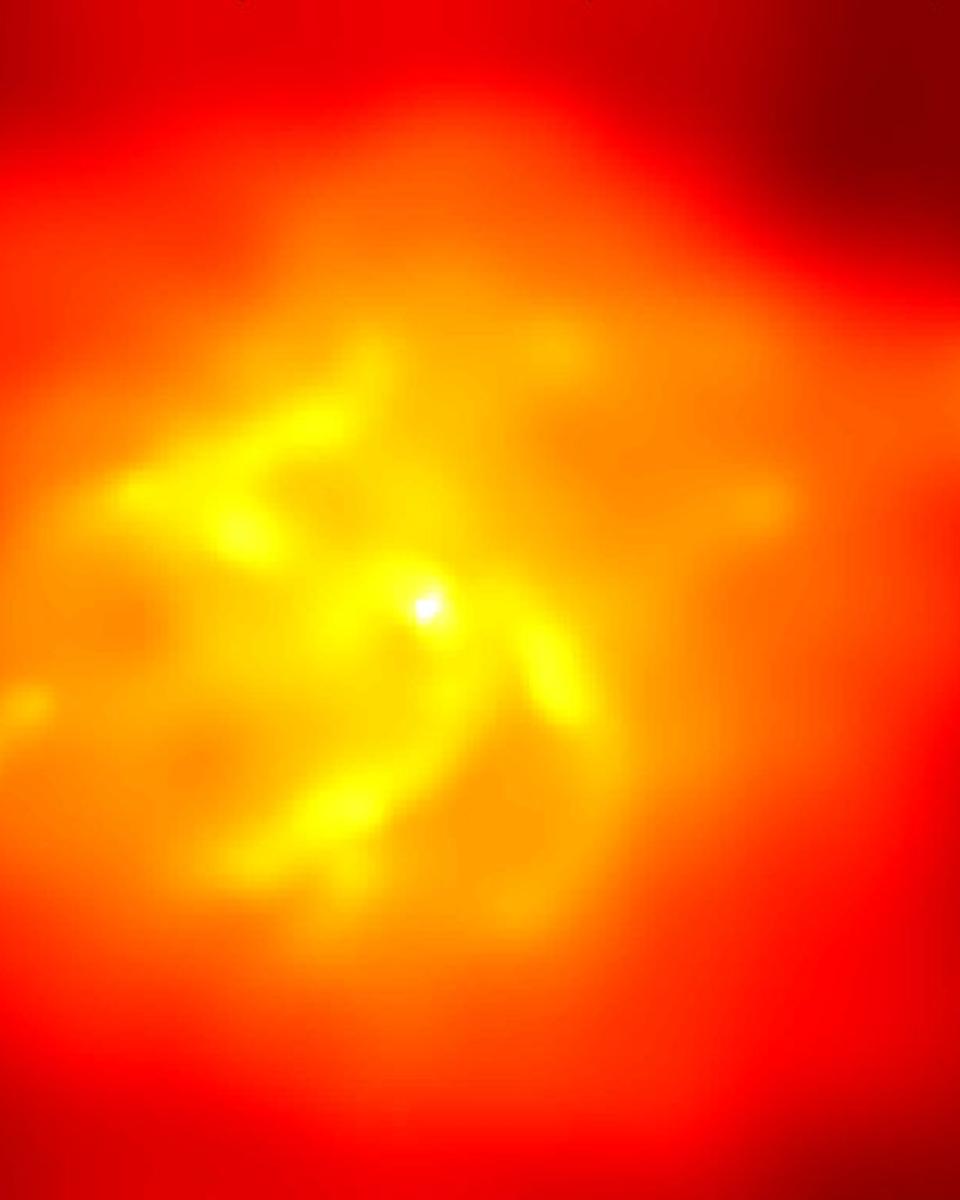
X-Ray Cygnus A
Amazingly detailed, this false-color x-ray image is centered on the galaxy Cygnus A. Recorded by the orbiting Chandra Observatory , Cygnus A is seen here as a spectacular high…
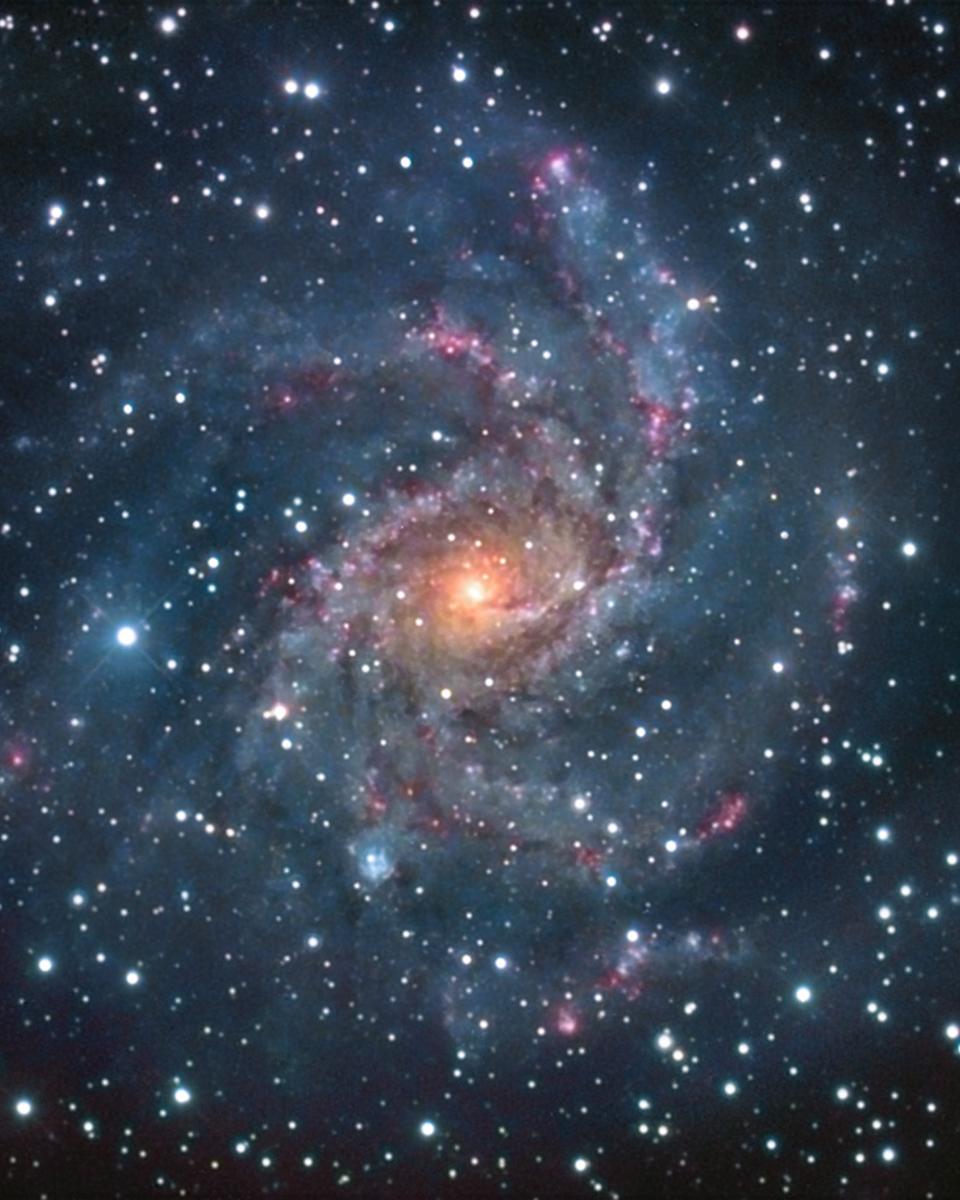
Facing NGC 6946
From our vantage point in the Milky Way Galaxy , we see NGC 6946 face on. The big beautiful spiral galaxy is located just 10 million light-years away, behind a veil of foreground…
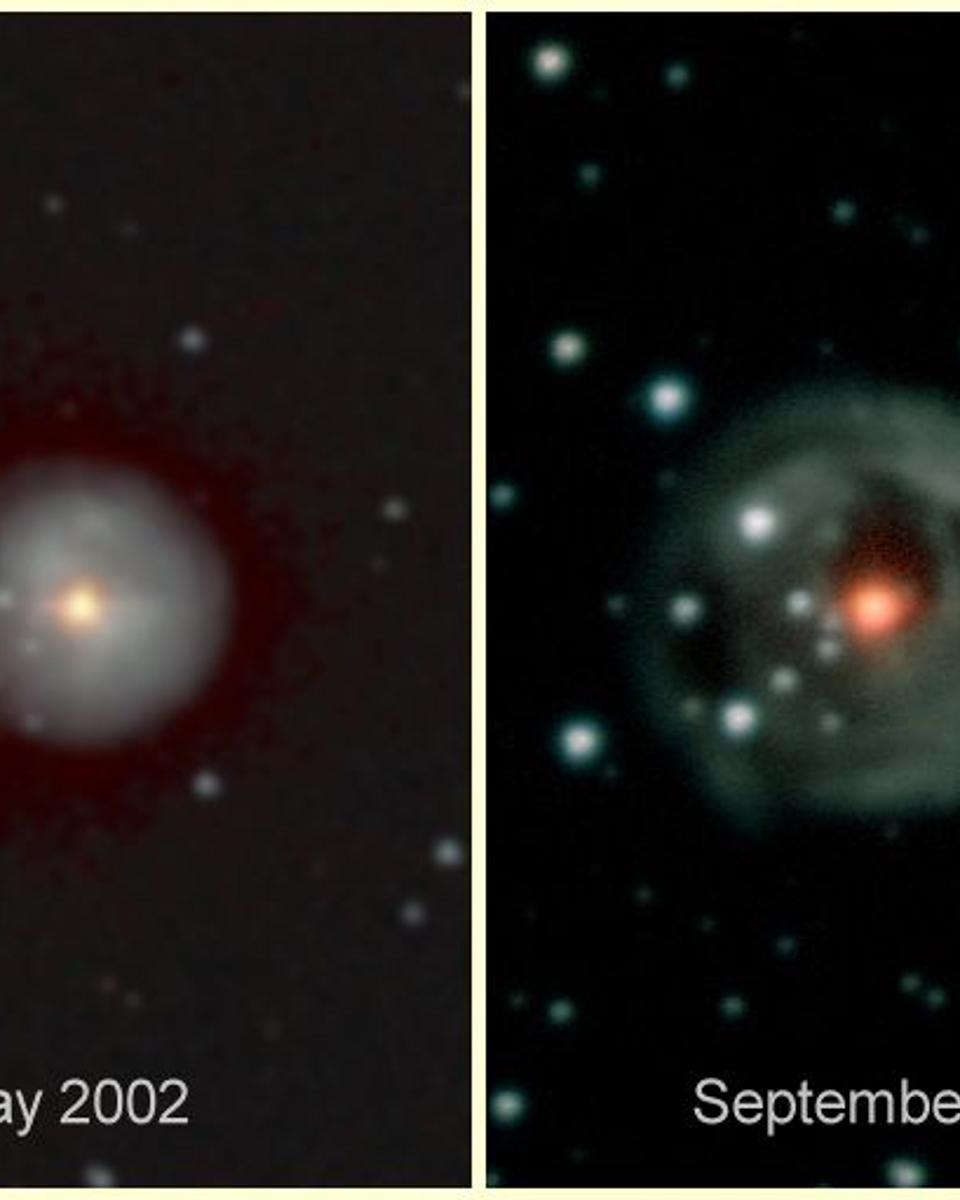
V838 Mon: Mystery Star
A leading candidate for the most mysterious star found in recent times is variable star V838 Monocerotis . At a distance of about 8,000 light-years, V838 Mon was discovered to be…
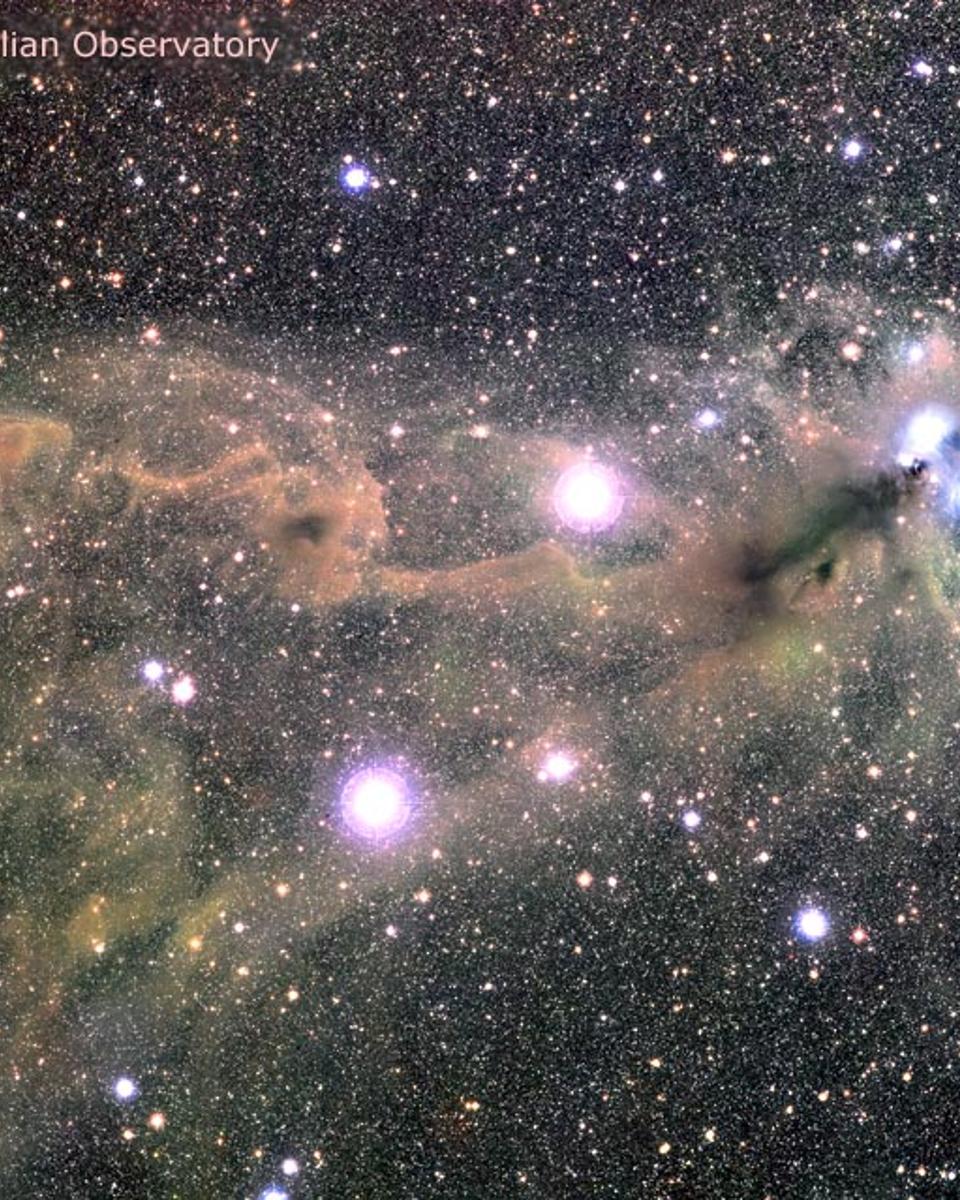
Star Clouds Toward the Southern Crown
The flowing trails of dust toward Corona Australis , the constellation of the Southern Crown , are visible here not because they glow , but because they absorb and reflect . The…
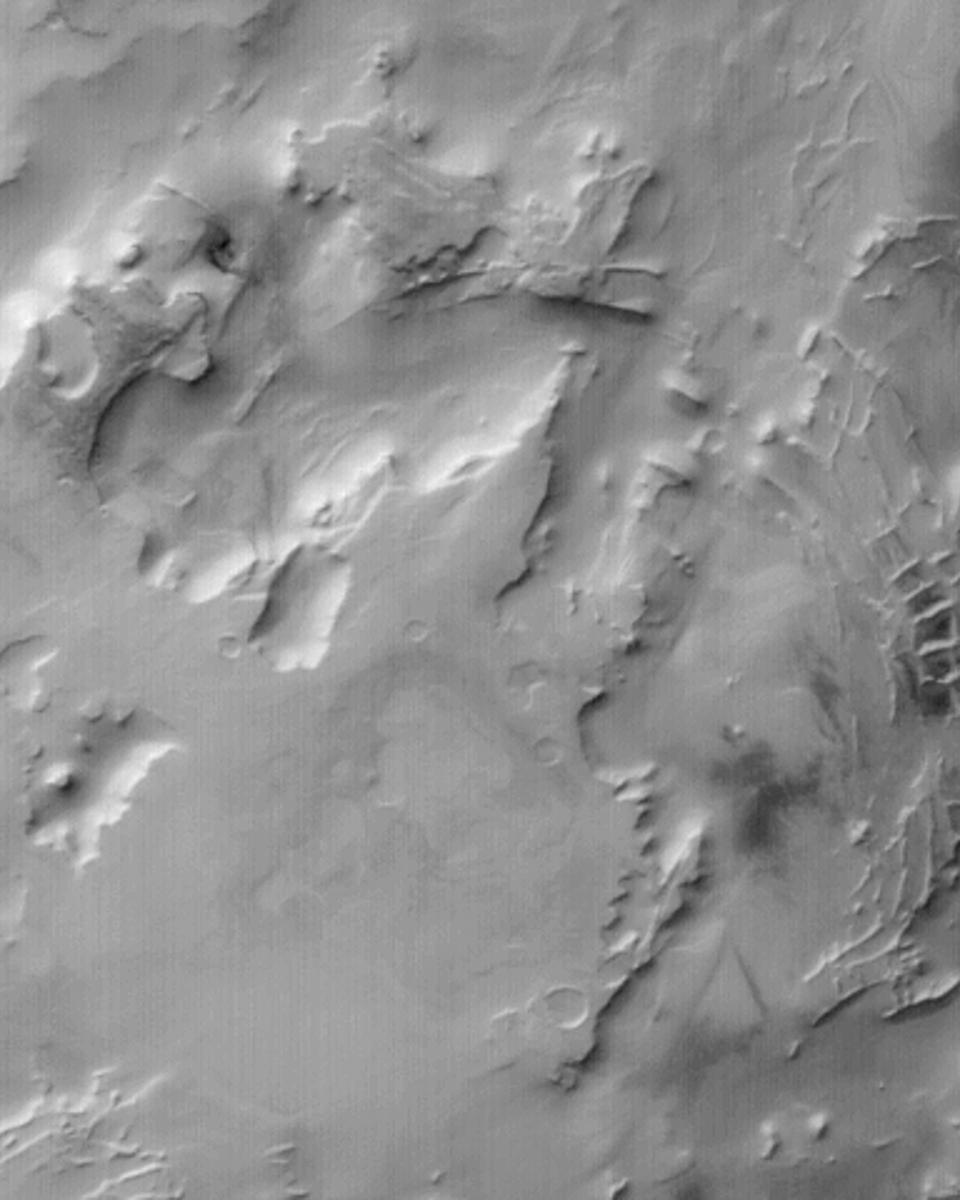
Rectangular Ridges on Mars
What could cause rectangular ridges on Mars? As data flows in from the two spacecraft currently orbiting Mars , surface structures are seen that are not immediately understood.…

D. rad Bacteria: Candidate Astronauts
These bacteria could survive on another planet. In an Earth lab, Deinococcus radiodurans (D. rad) survive extreme levels of radiation , extreme temperatures, dehydration , and…
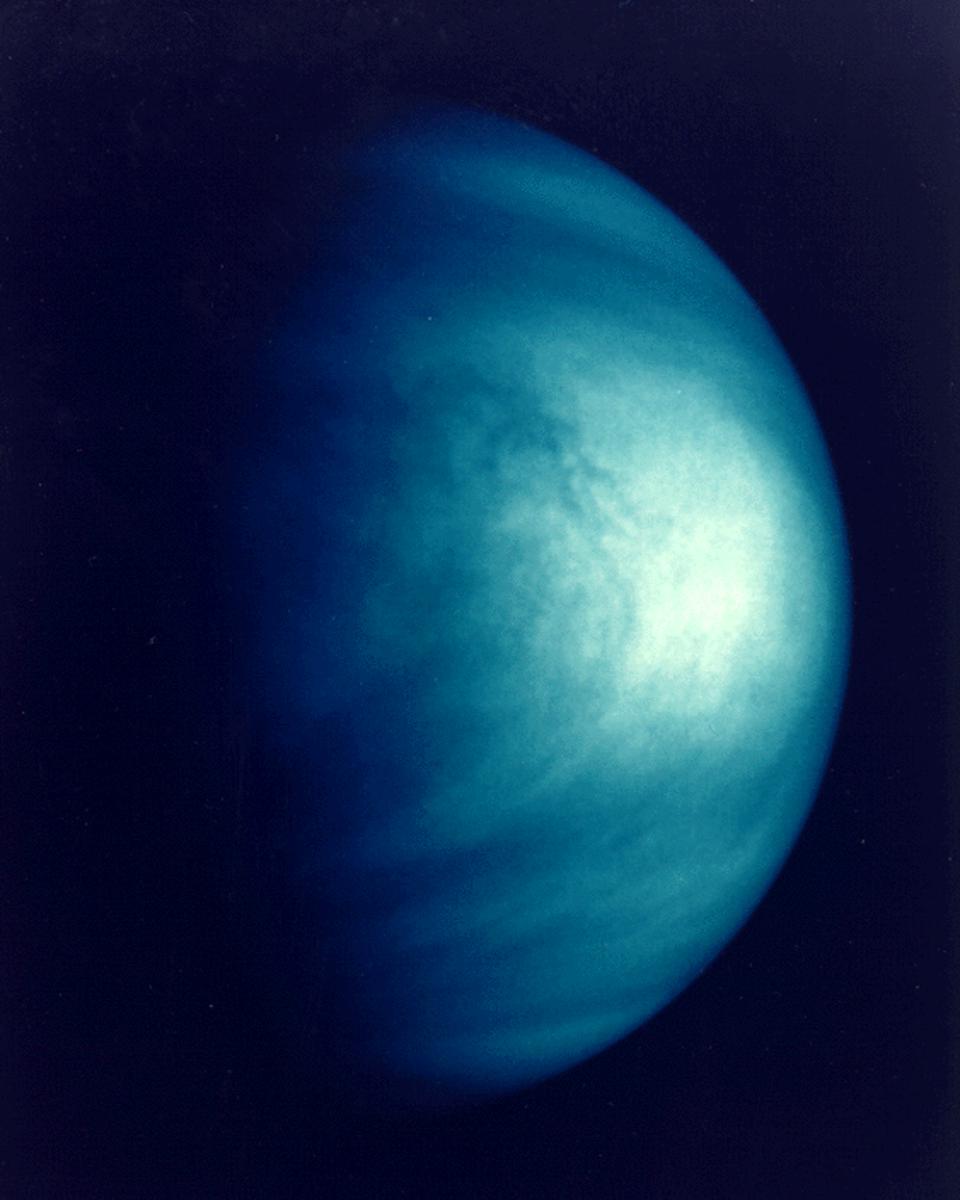
Venus: Just Passing By
Venus, the second closest planet to the Sun , is a popular way-point for spacecraft headed for the gas giant planets in the outer reaches of the solar system. Why visit Venus…
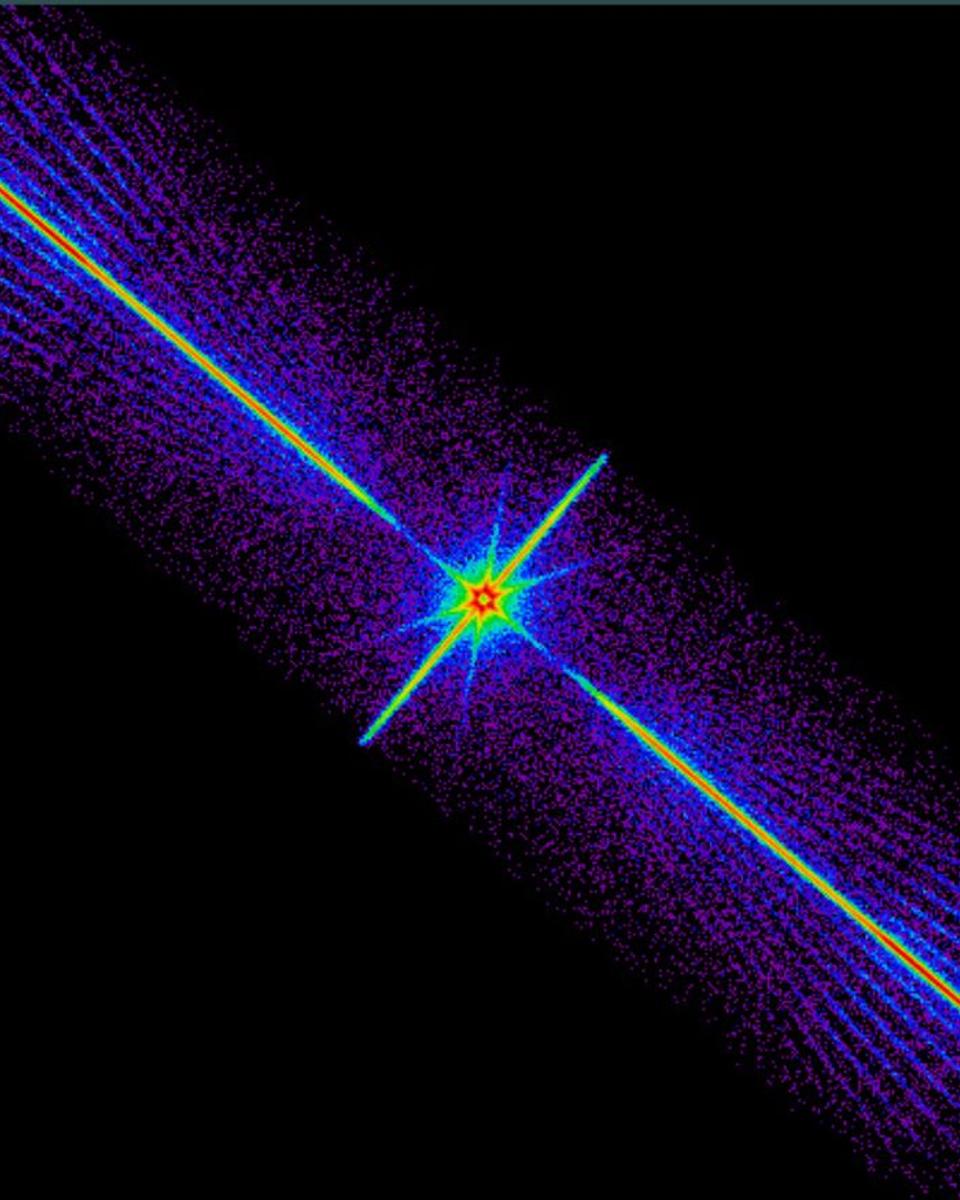
X-Ray Rainbows
A drop of water or prism of glass can spread out visible sunlight into a rainbow of colors . In order of increasing energy, the well known spectrum of colors in a rainbow runs…
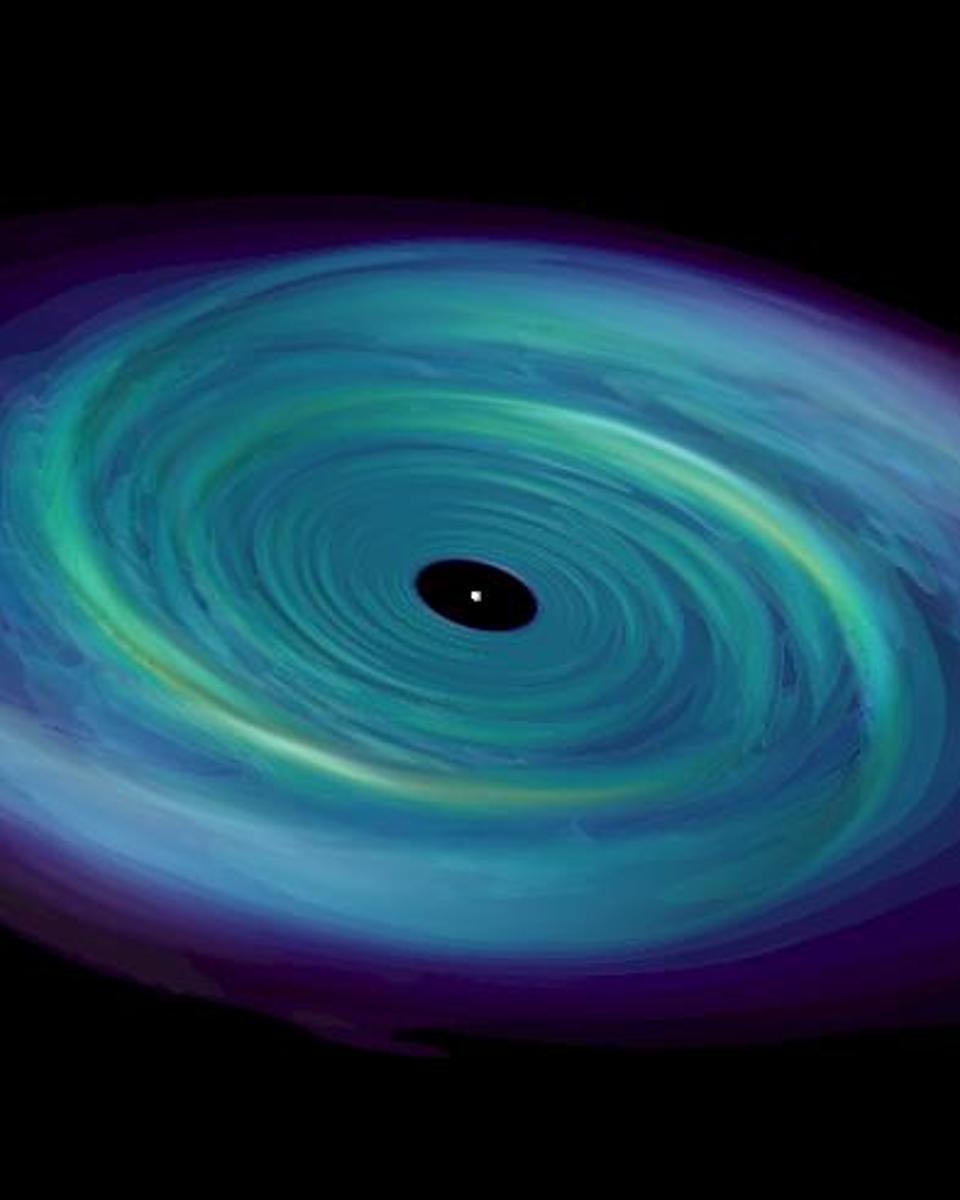
Accretion Disk Simulation
Don't be fooled by the familiar symmetry. The graceful spiral structure seen in this computer visualization does not portray winding spiral arms in a distant galaxy of stars .…
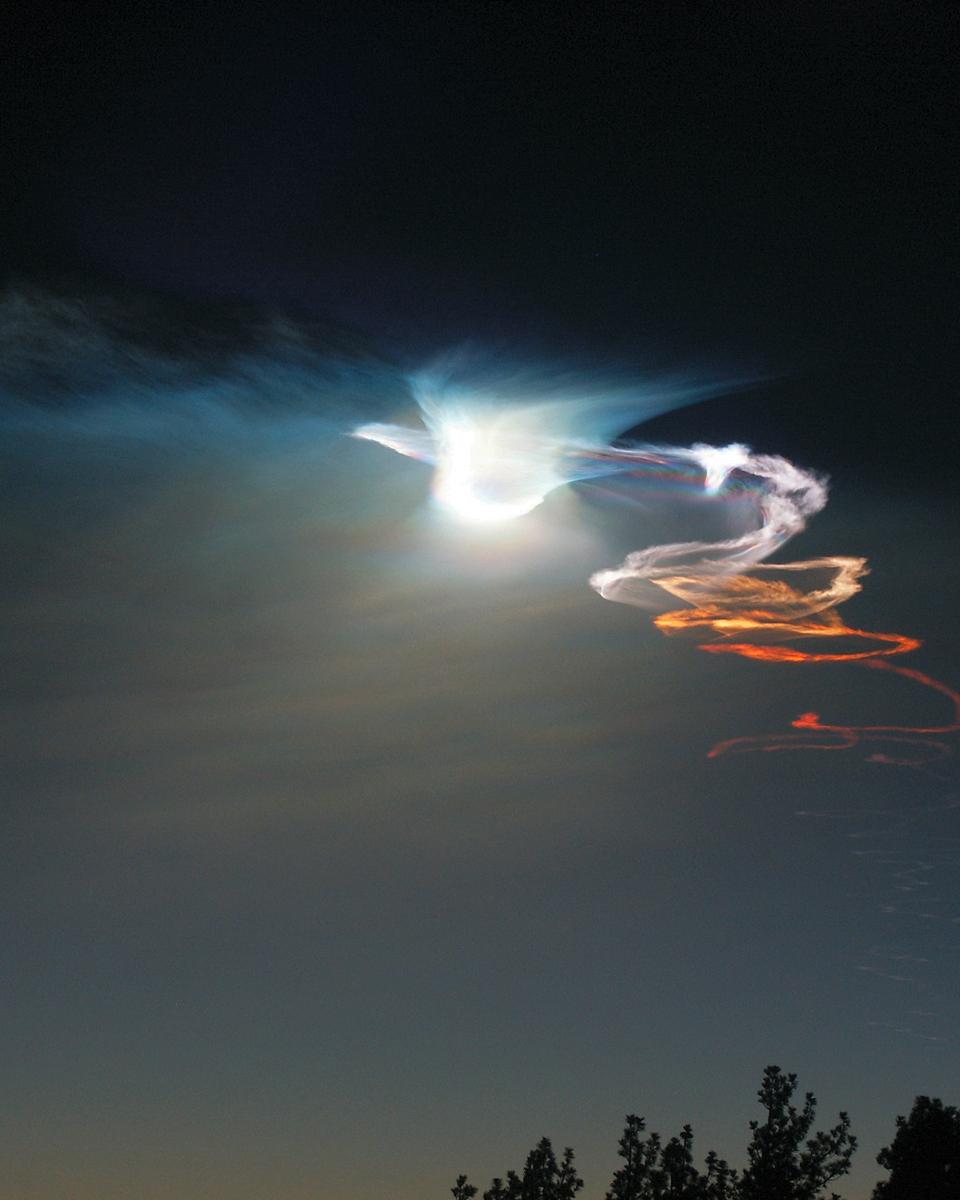
Rocket Trail at Sunset
Bright light from a setting Sun and pale glow from a rising Moon both contribute to this stunning picture of a rocket exhaust trail twisting and drifting in the evening sky.…
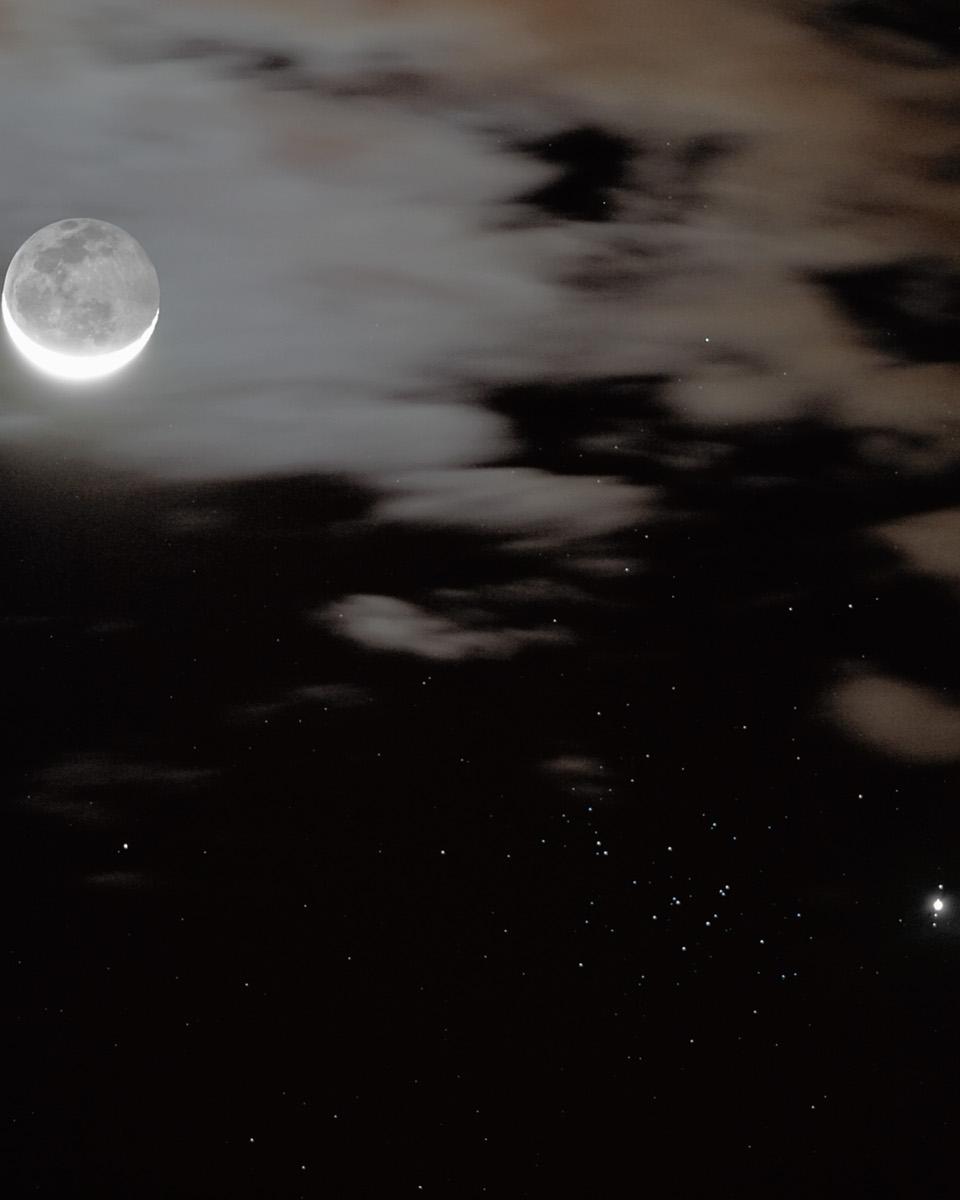
Jupiter, Moons and Bees
Rising before the Sun on September 4, Jupiter and an old cresent Moon gathered in the dim constellation of Cancer . Watching from a hillside near Austin, Texas, planet Earth ,…
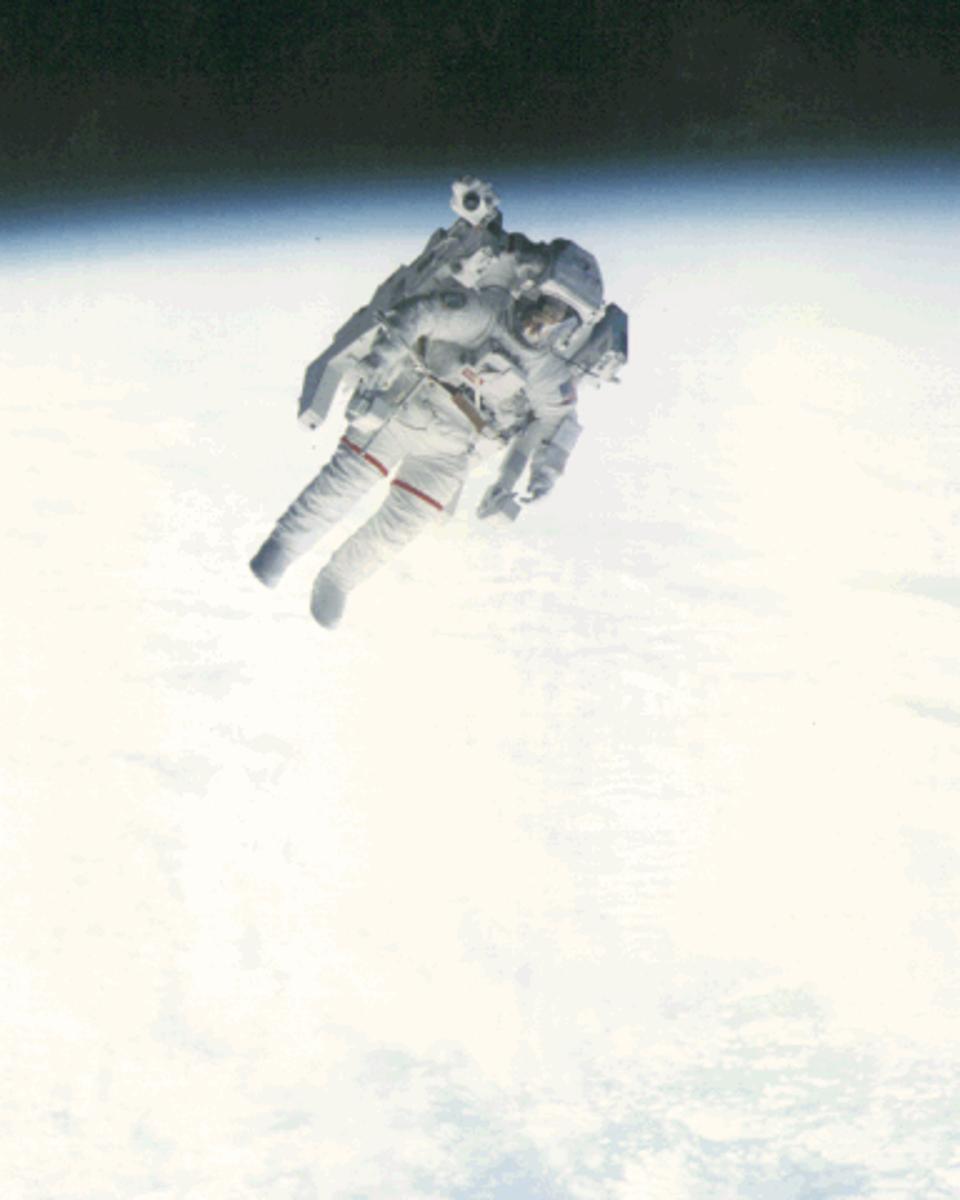
To Fly Free in Space
What would it be like to fly free over the seas and clouds of Earth? The first to experience such an “un tether ed space walk ” were NASA astronauts Bruce McCandless and Robert…
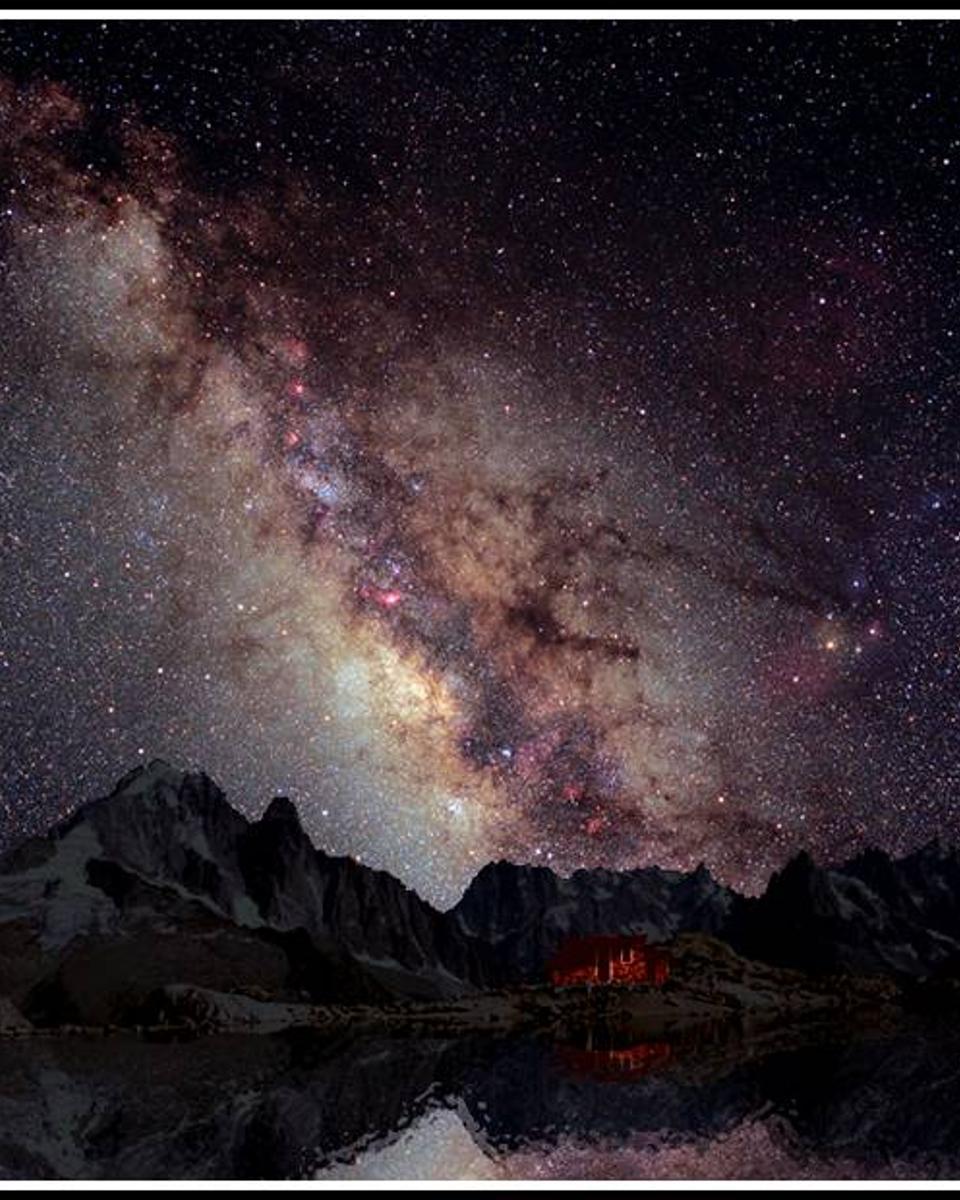
The Milky Way Over the French Alps
Have you ever seen the band of our Milky Way Galaxy ? Chances are you have never seen it like this -- nor could you. In a clear sky from a dark location at the right time, a faint…
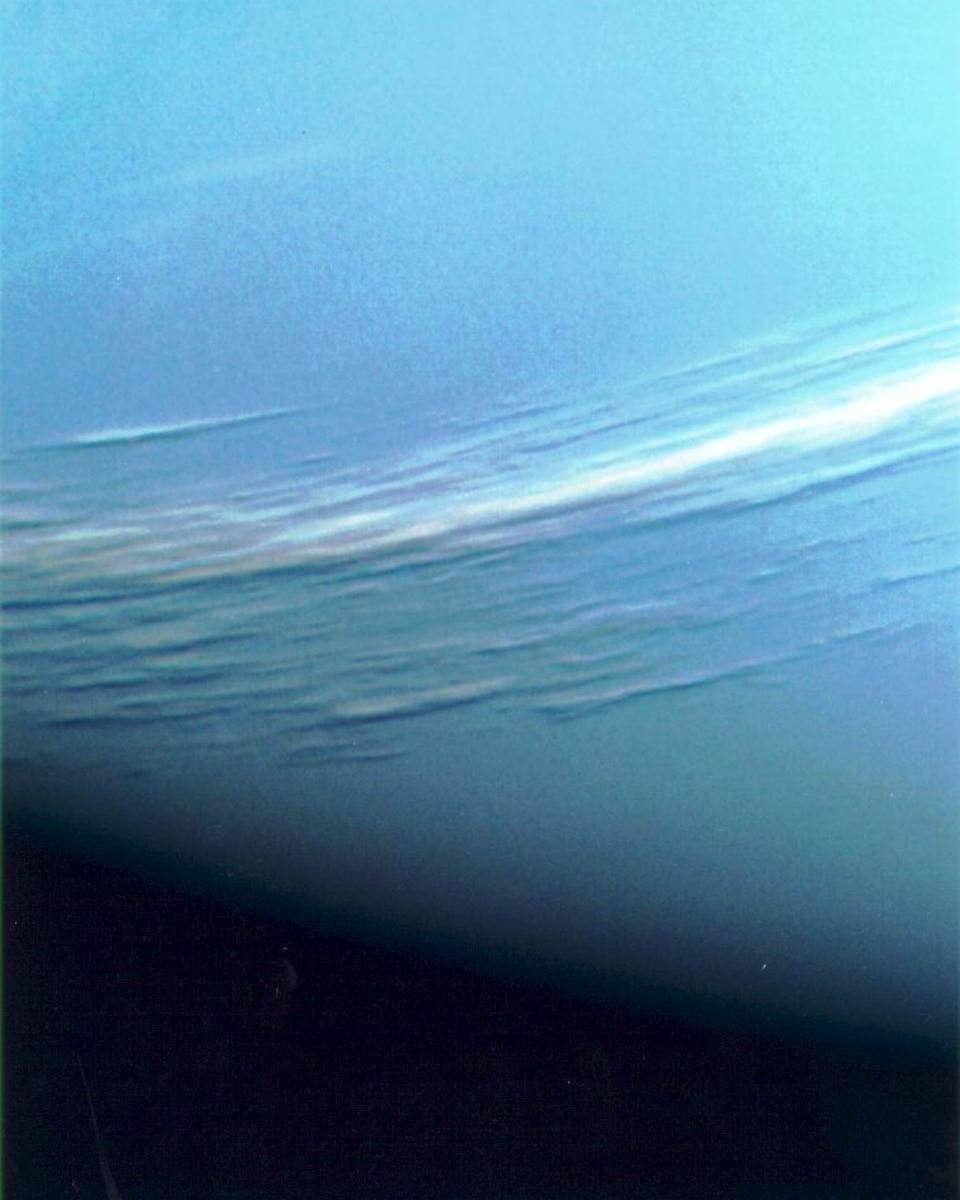
Two Hours Before Neptune
Two hours before closest approach to Neptune in 1989, the Voyager 2 robot spacecraft snapped this picture . Clearly visible for the first time were long light-colored cirrus -type…
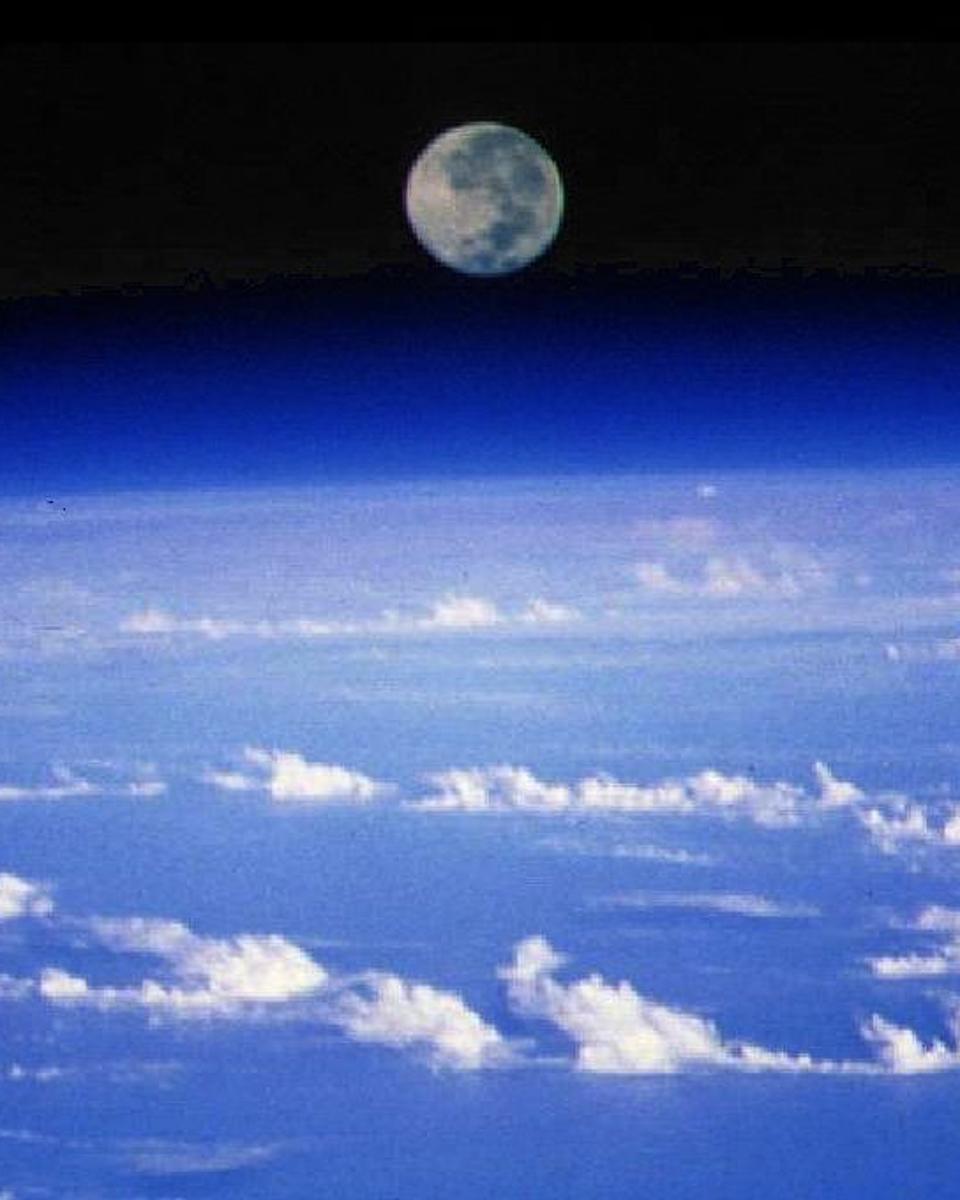
Moonset, Planet Earth
During the Astro-1 astronomy mission of December, 1990, Space Shuttle astronauts photographed this stunning view of the setting full moon poised above the Earth's limb. In the…
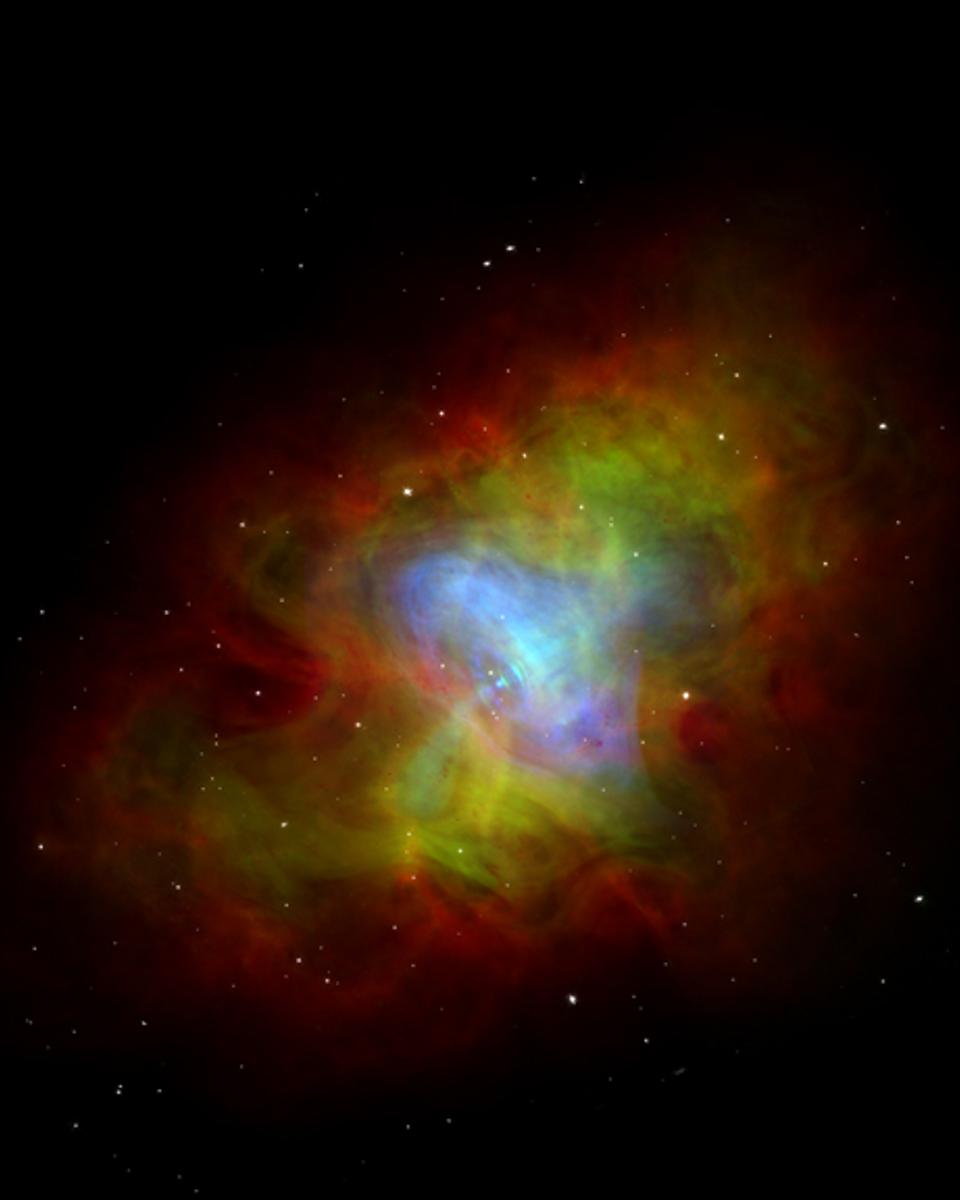
The Crab Nebula Pulsar Shrugs
How does a city-sized neutron star power the vast Crab Nebula ? The expulsion of wisps of hot gas at high speeds appears to be at least part of the answer. Yesterday time-lapse…
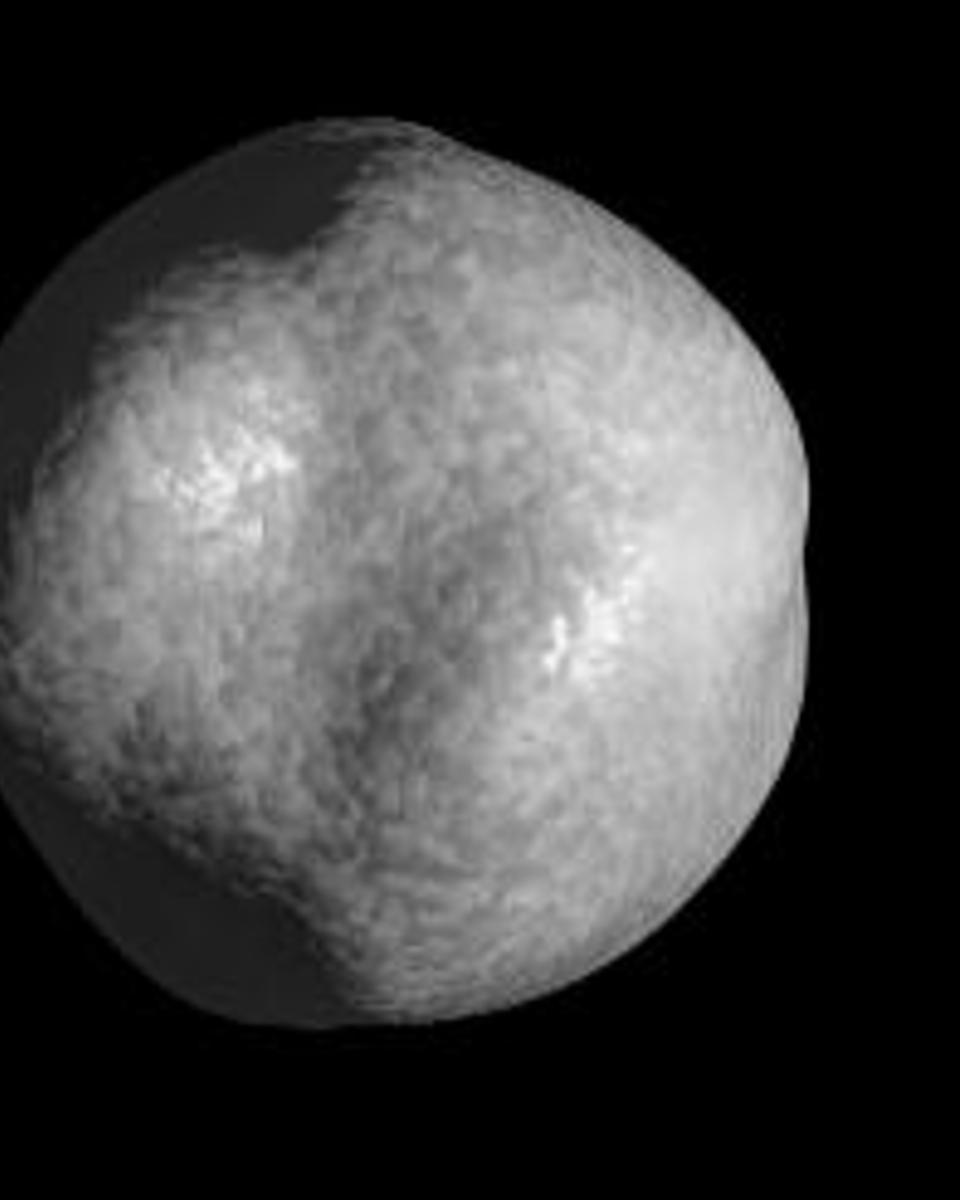
Asteroid 1998 KY26
A day is just under 11 minutes long on 1998 KY26 , a 30 meter wide, fast-spinning, water-rich asteroid. This computer simulated view of its lumpy surface has a resolution of about…
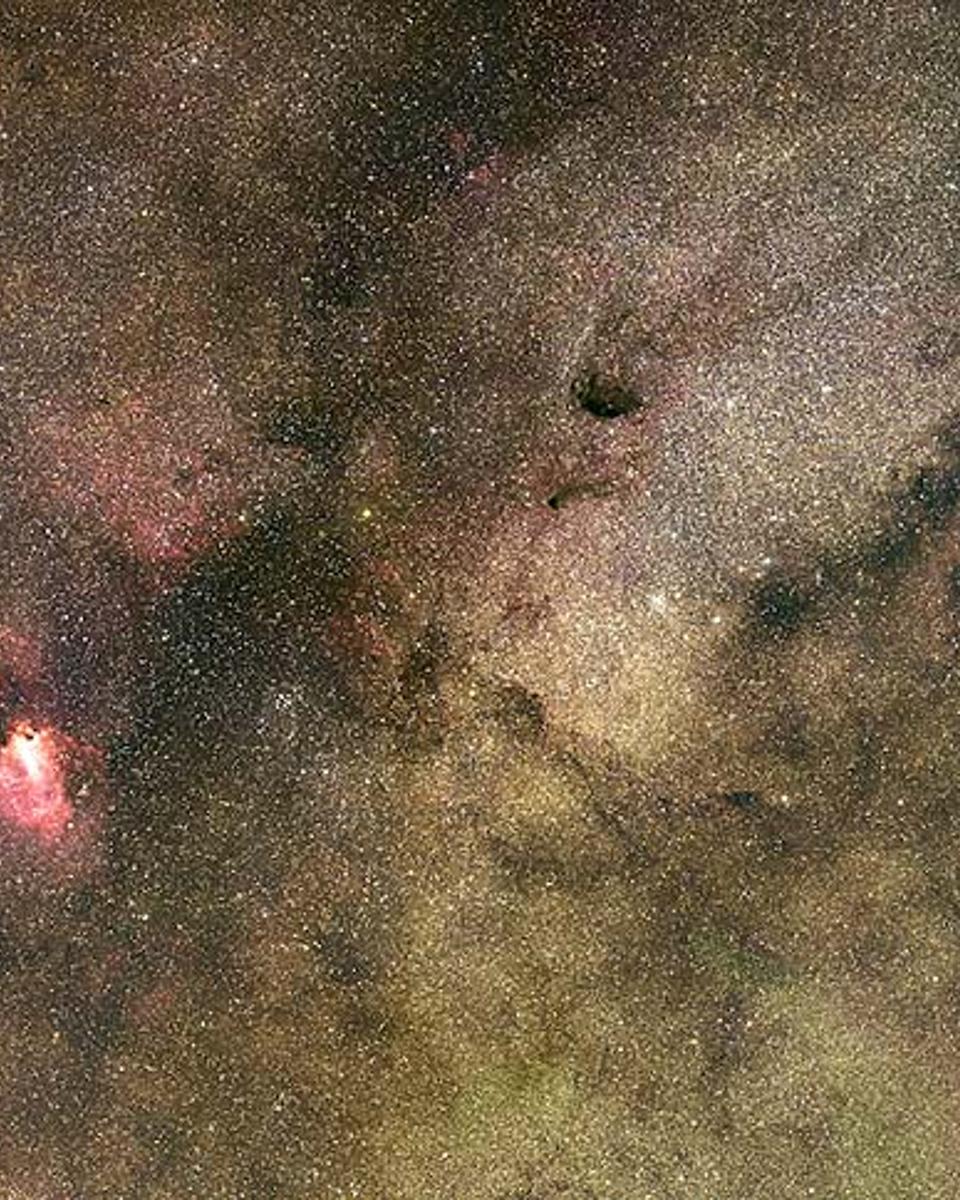
A Sagittarius Starscape
Many vast star fields in the plane of our Milky Way Galaxy are rich in clouds of stars, dust, and gas. First and foremost, visible in the above picture are millions of stars, many…
Viewing discoveries from 11 October 2002 through 18 September 2002.