Browse NASA Astronomy Picture of the Day archive by date and media: Archive Discoveries
Browse the NASA APOD archive without needing the exact date first. Filter by media type and keep moving deeper into older images and videos.
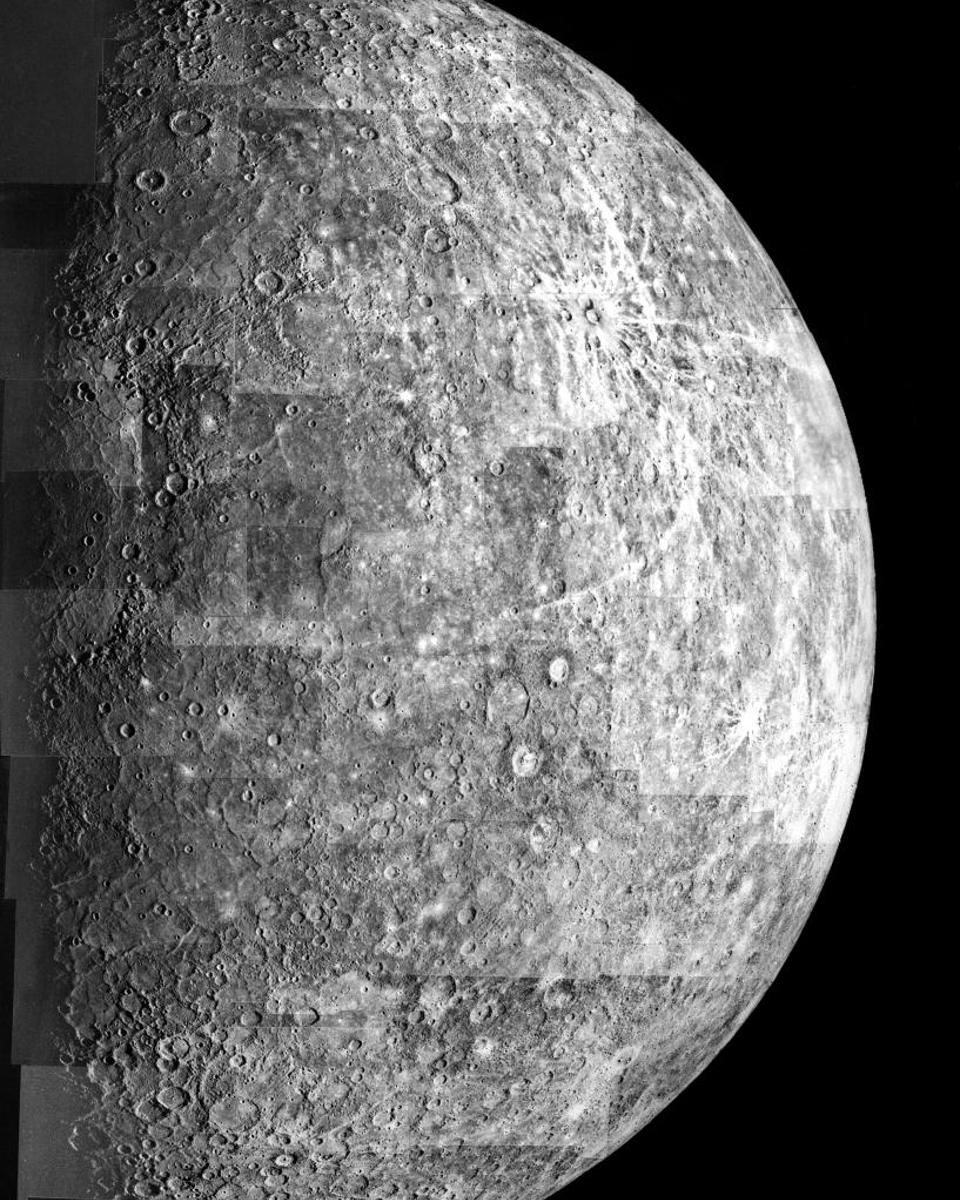
Outbound from Mercury
After just passing Mercury, the robot spacecraft Mariner 10 looked back. The above picture is what it saw. Mercury , the closest planet to the Sun , is heavily cratered much like…

Proxima Centauri: The Closest Star
What is the closest star to our Sun ? It is Proxima Centauri , the nearest member of the Alpha Centauri triple star system . Light takes only 4.22 years to reach us from Proxima…
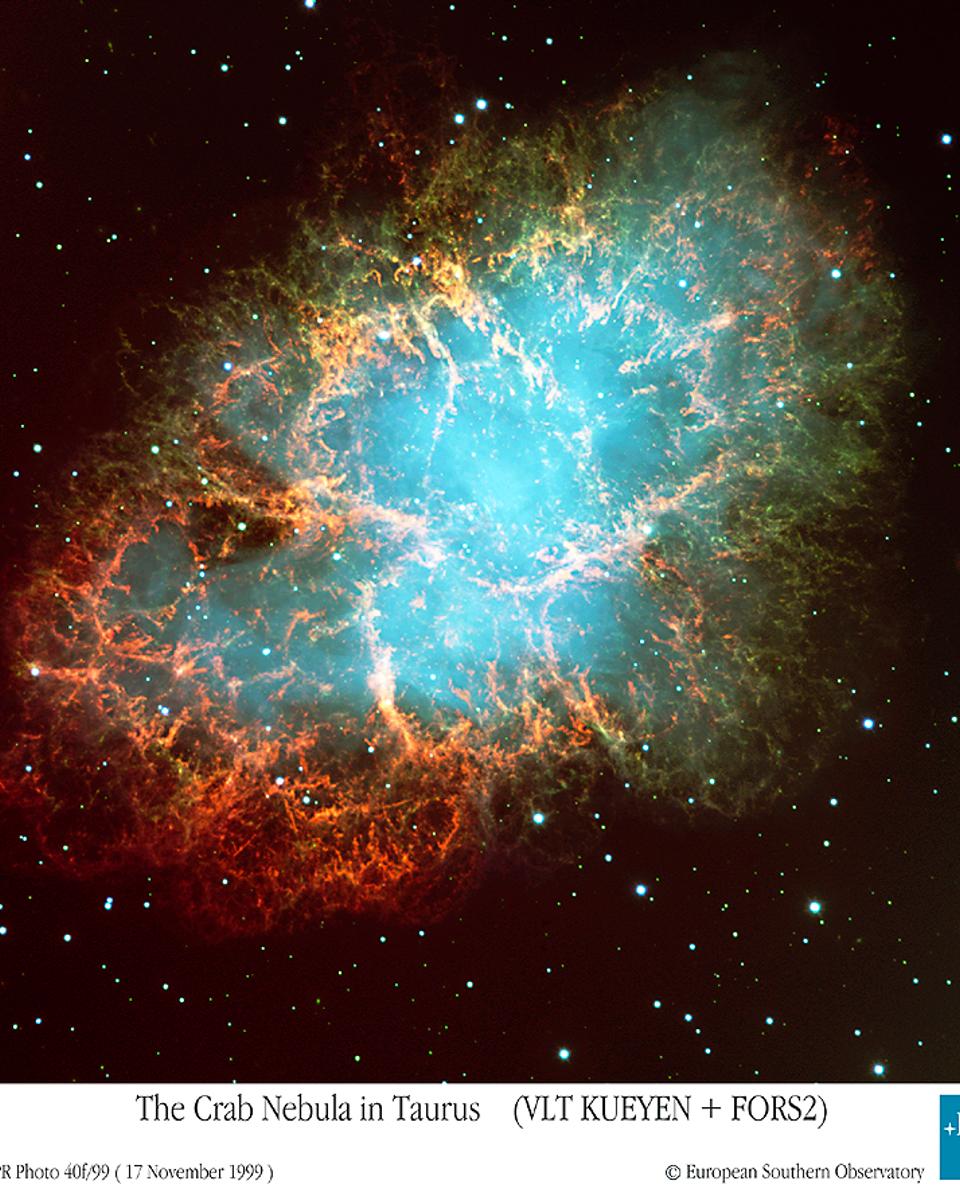
The Crab Nebula from VLT
The Crab Nebula , filled with mysterious filaments, is the result of a star that was seen to explode in 1054 AD . This spectacular supernova explosion was recorded by Chinese and…
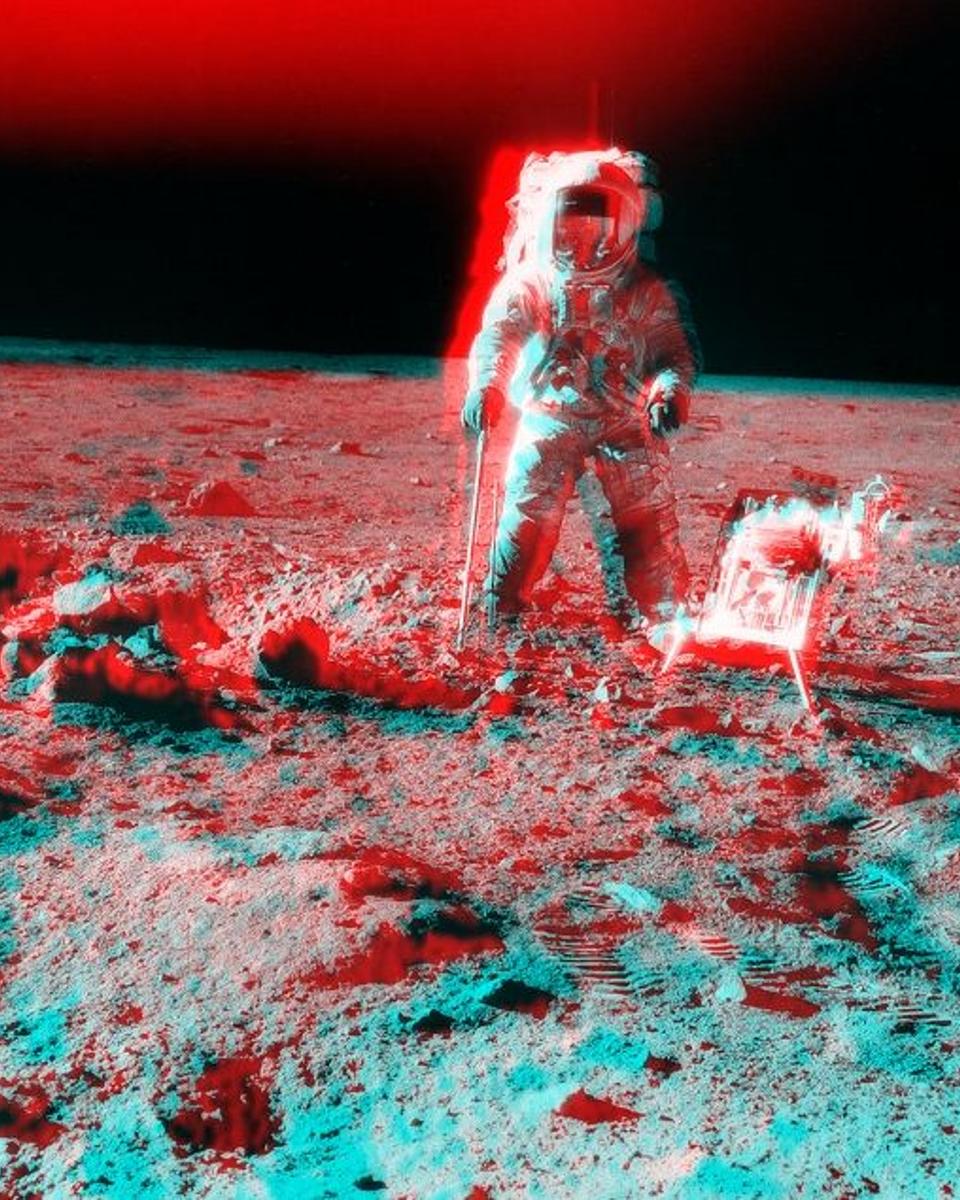
Apollo 12: Stereo View Near Surveyor Crater
This weekend's stereo picture finds Apollo 12 astronaut Pete Conrad standing on the lunar surface near the southern rim of Surveyor Crater in November of 1969. With red/blue…
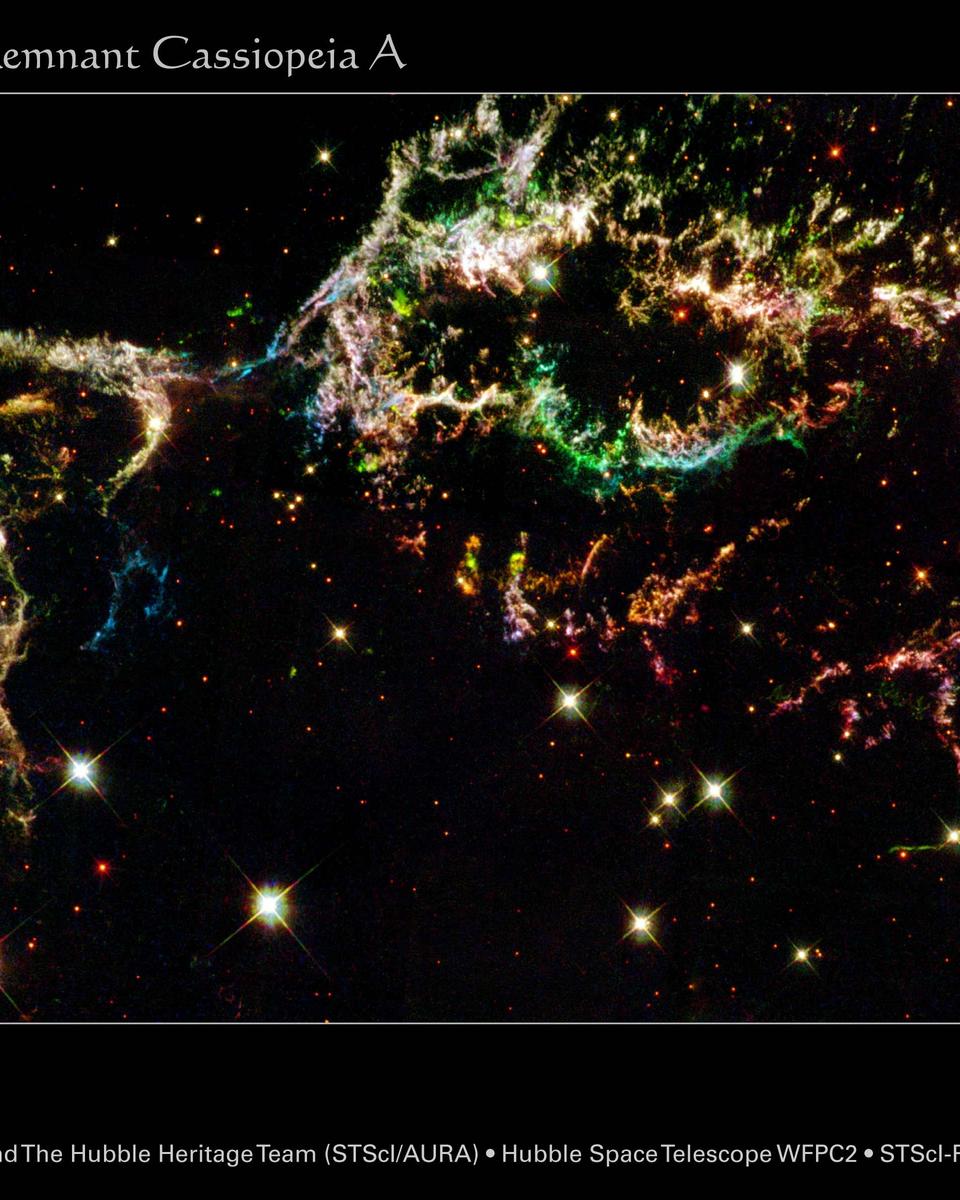
Recycling Cassiopeia A
For billions of years, massive stars in our Milky Way Galaxy have lived spectacular lives. Collapsing from vast cosmic clouds , their nuclear furnaces ignite and create heavy…
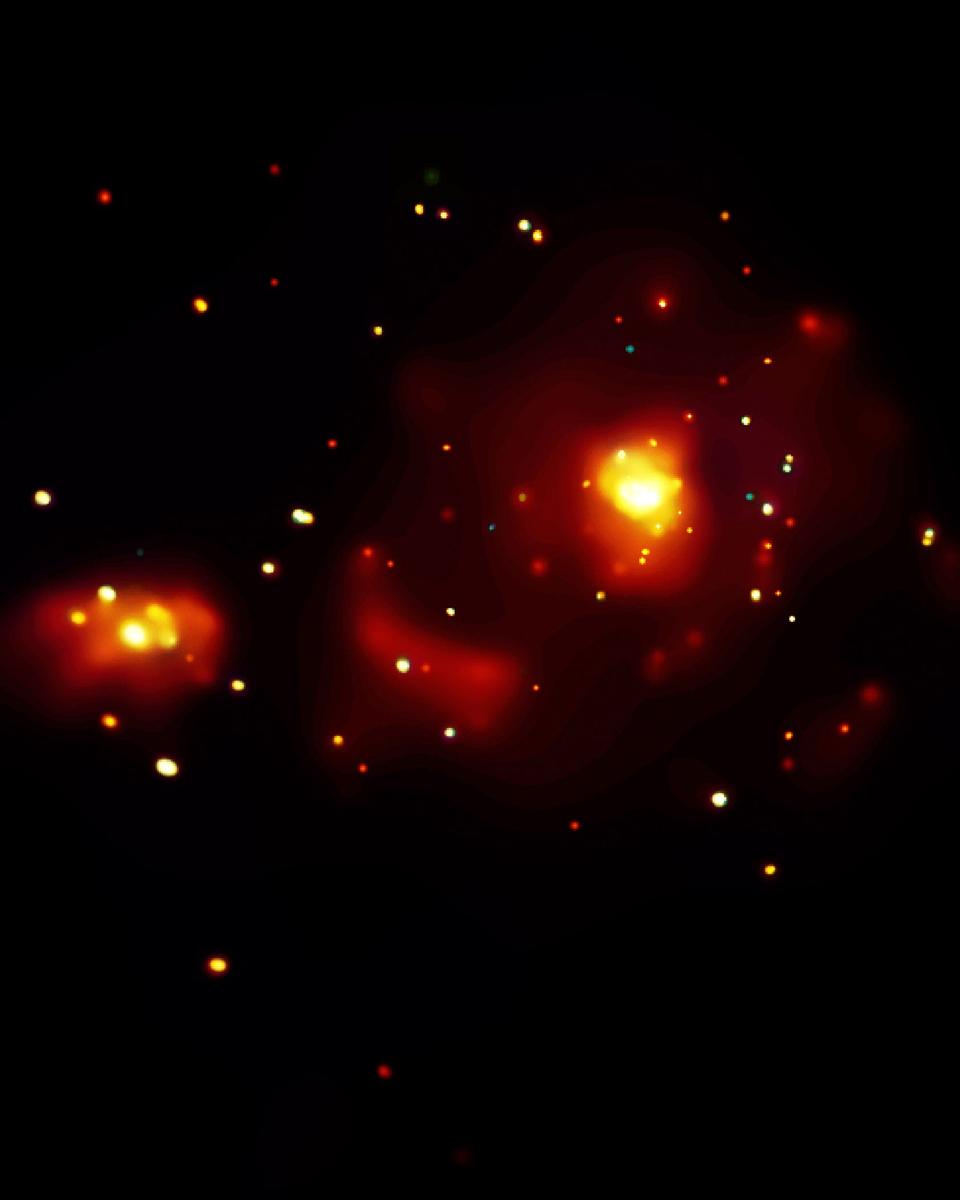
M51: X-Rays from the Whirlpool
Fresh from yesterday's episode , a popular pair of interacting galaxies known as the Whirlpool debut here beyond the realm of visible light -- imaged at high energies by the…
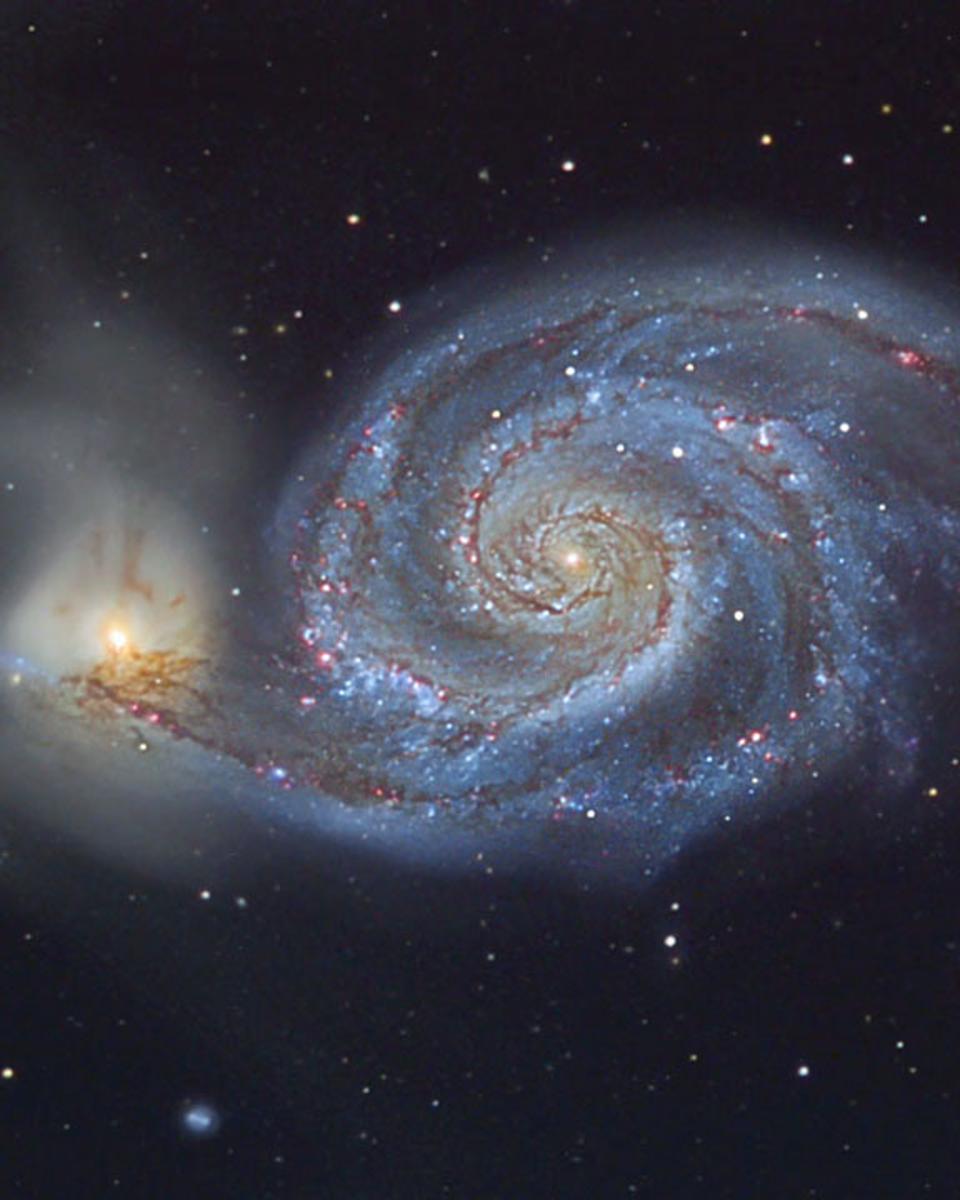
M51: Cosmic Whirlpool
Follow the handle of the Big Dipper away from the dipper's bowl, until you get to the handle's last bright star . Then, just slide your telescope a little south and west and…
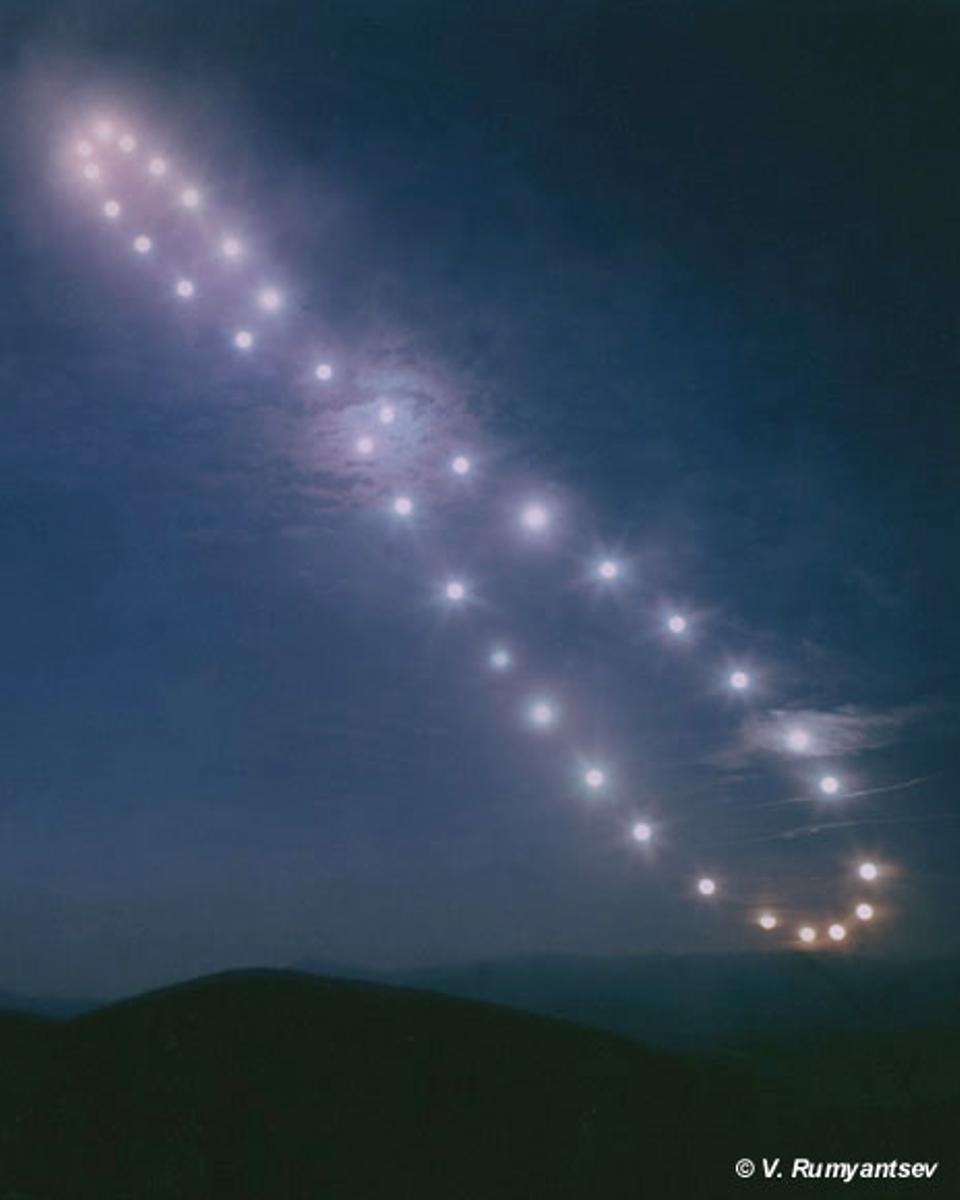
Analemma
If you took a picture of the Sun at the same time each day, would it remain in the same position? The answer is no, and the shape traced out by the Sun over the course of a year…
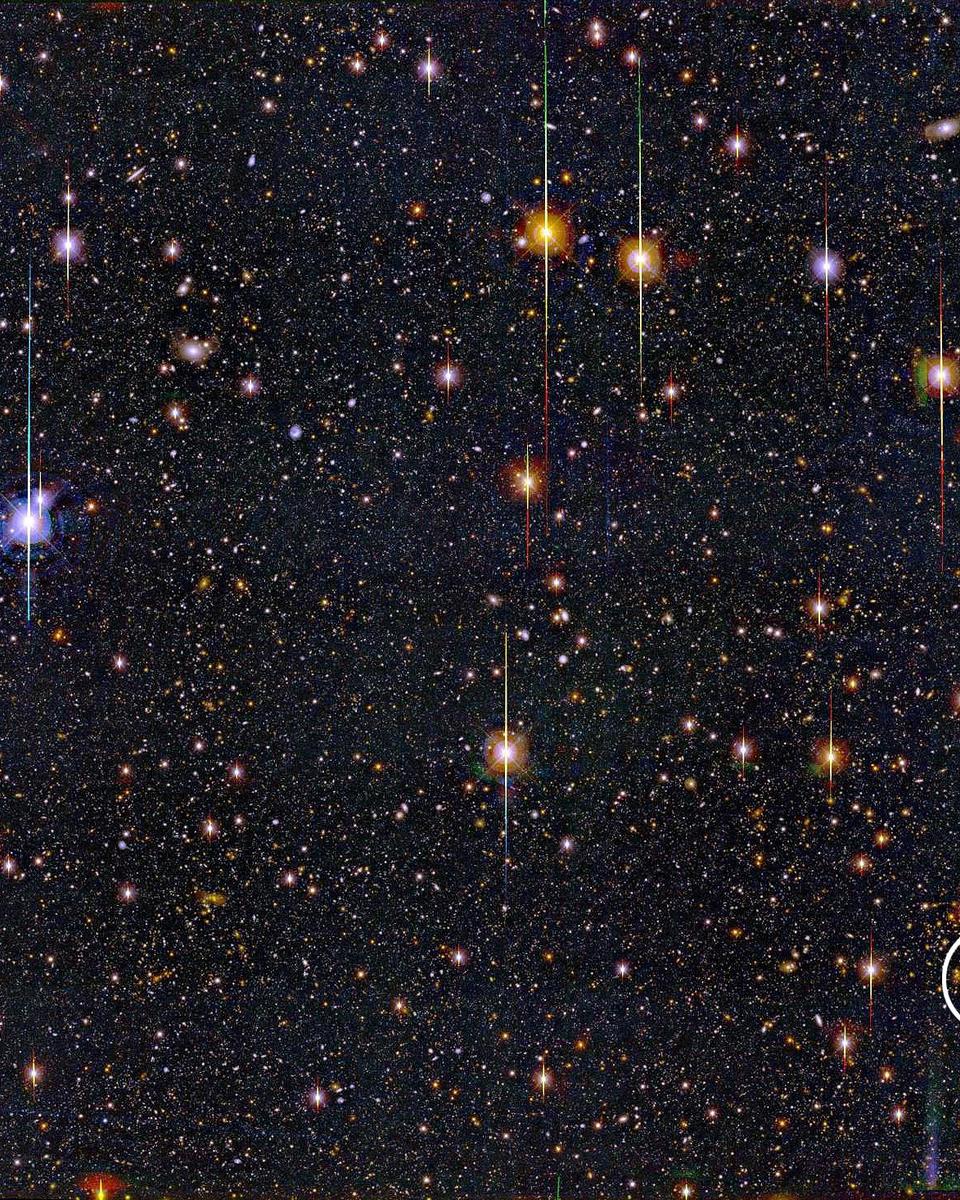
Weighing Empty Space
Sometimes staring into empty space is useful. Pictured above is a region of sky that was picked because it had, well, nothing: no bright stars , no bright galaxies , and no…
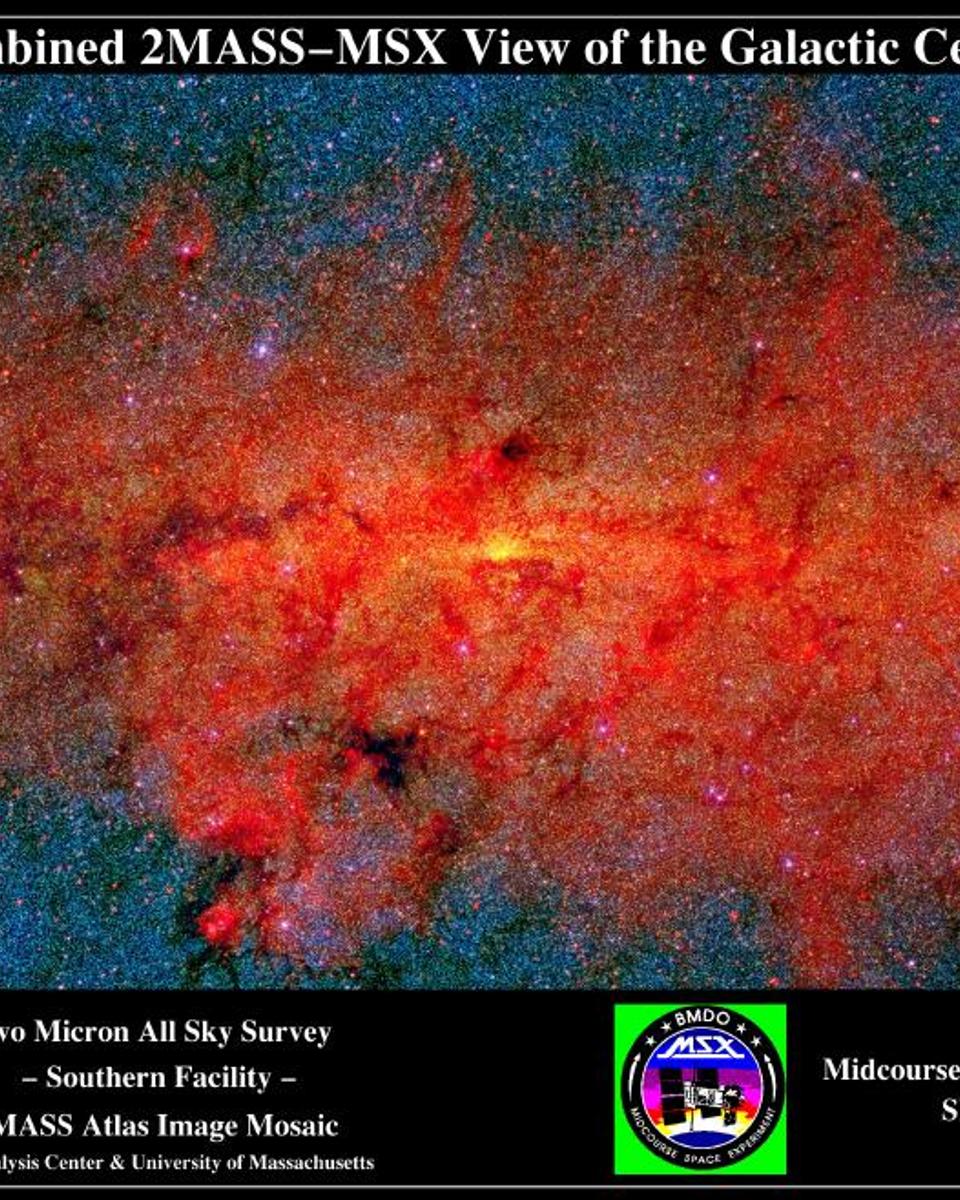
The Galactic Center Across the Infrared
The center of our Galaxy is obscured in visible light by dark dust that rotates with the stars in the Galactic Plane . In this century, however, sensors have been developed that…
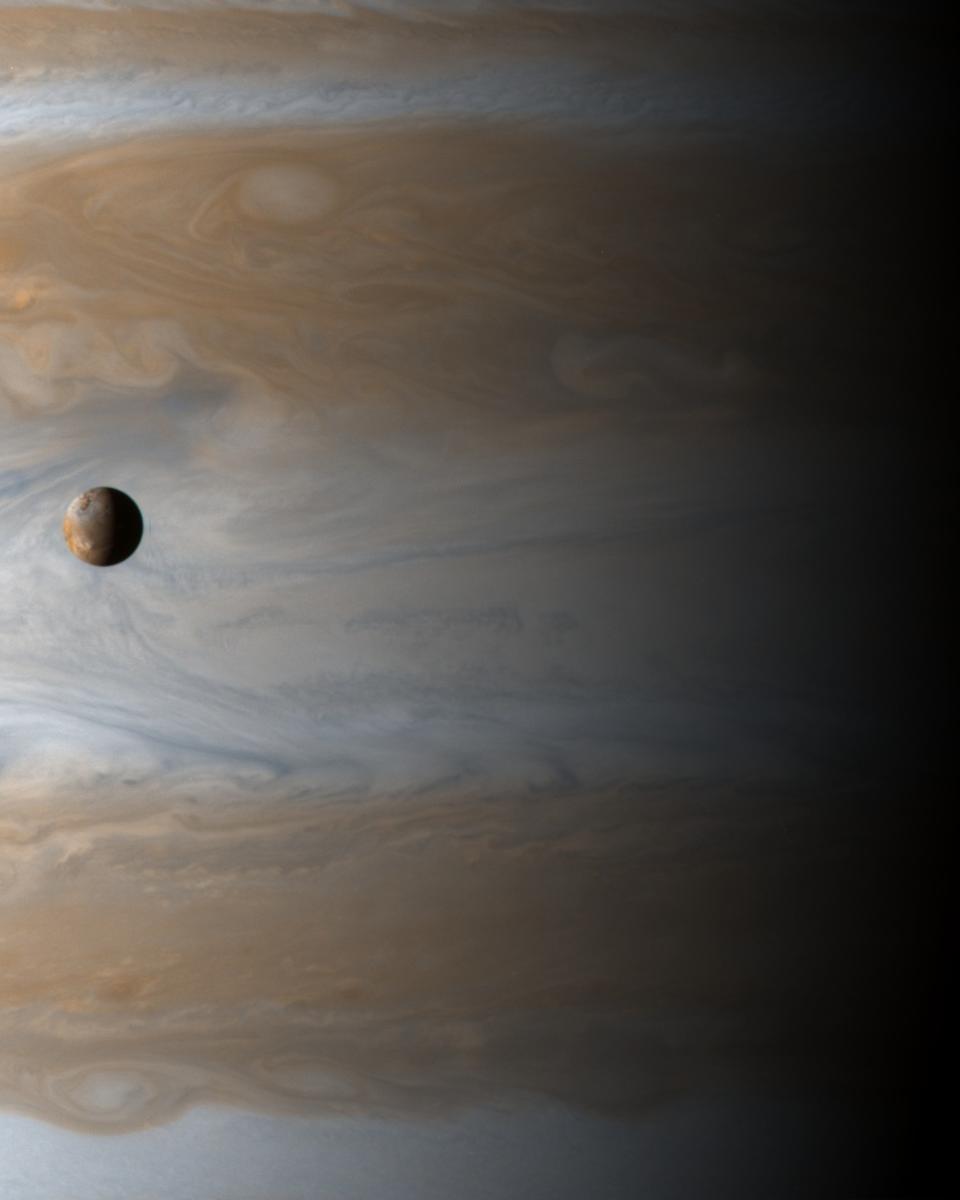
Io: Moon Over Jupiter
How big is the Jovian moon Io ? The most volcanic body in the Solar System, Io (usually pronounced “EYE-oh”) is 3,600 kilometers in diameter, about the size of planet Earth's…
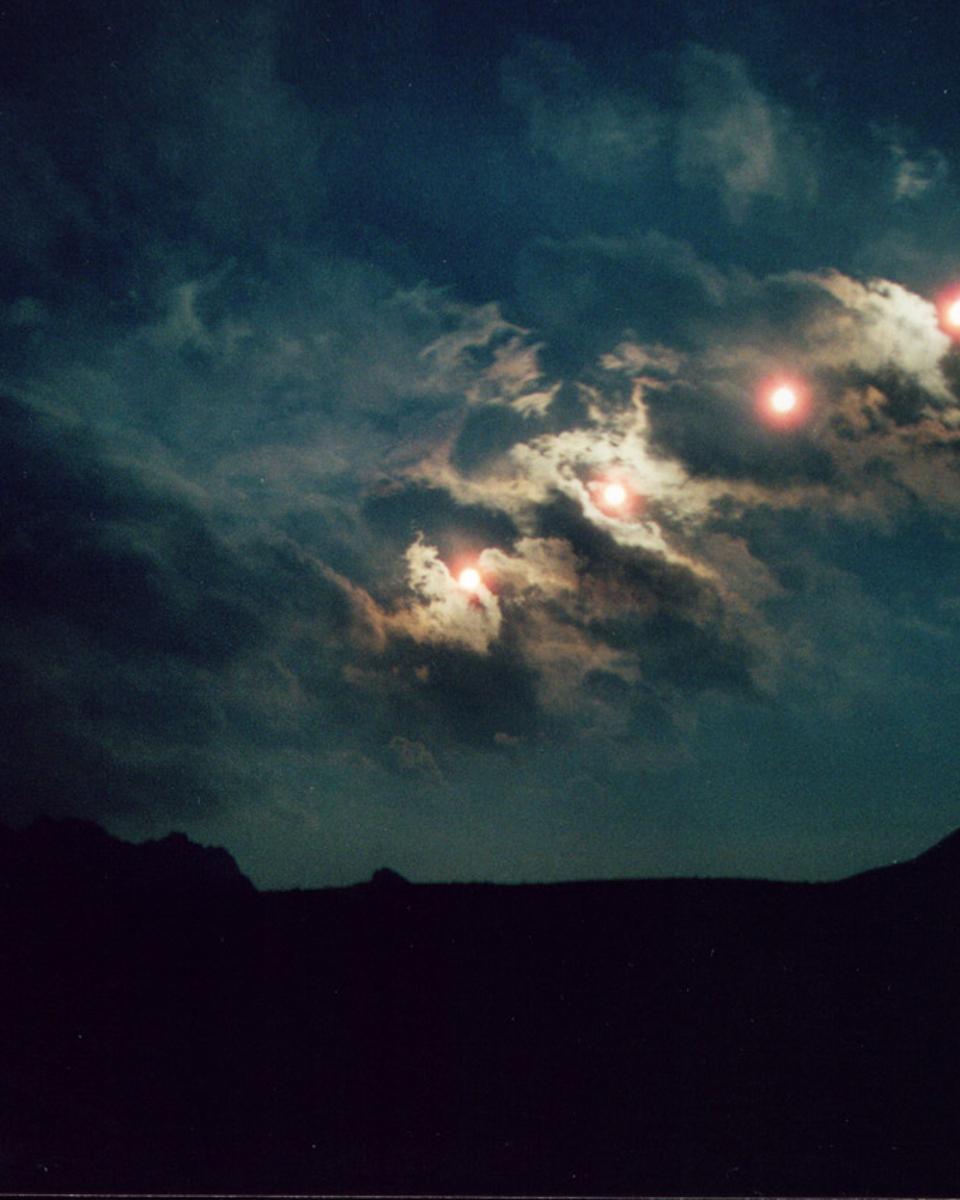
Many Moons
Whimsical and creative, this multiple exposure suggests that planet Earth's sky could be very dramatic indeed if it were graced by many moons . And in James Thurber's well-known…
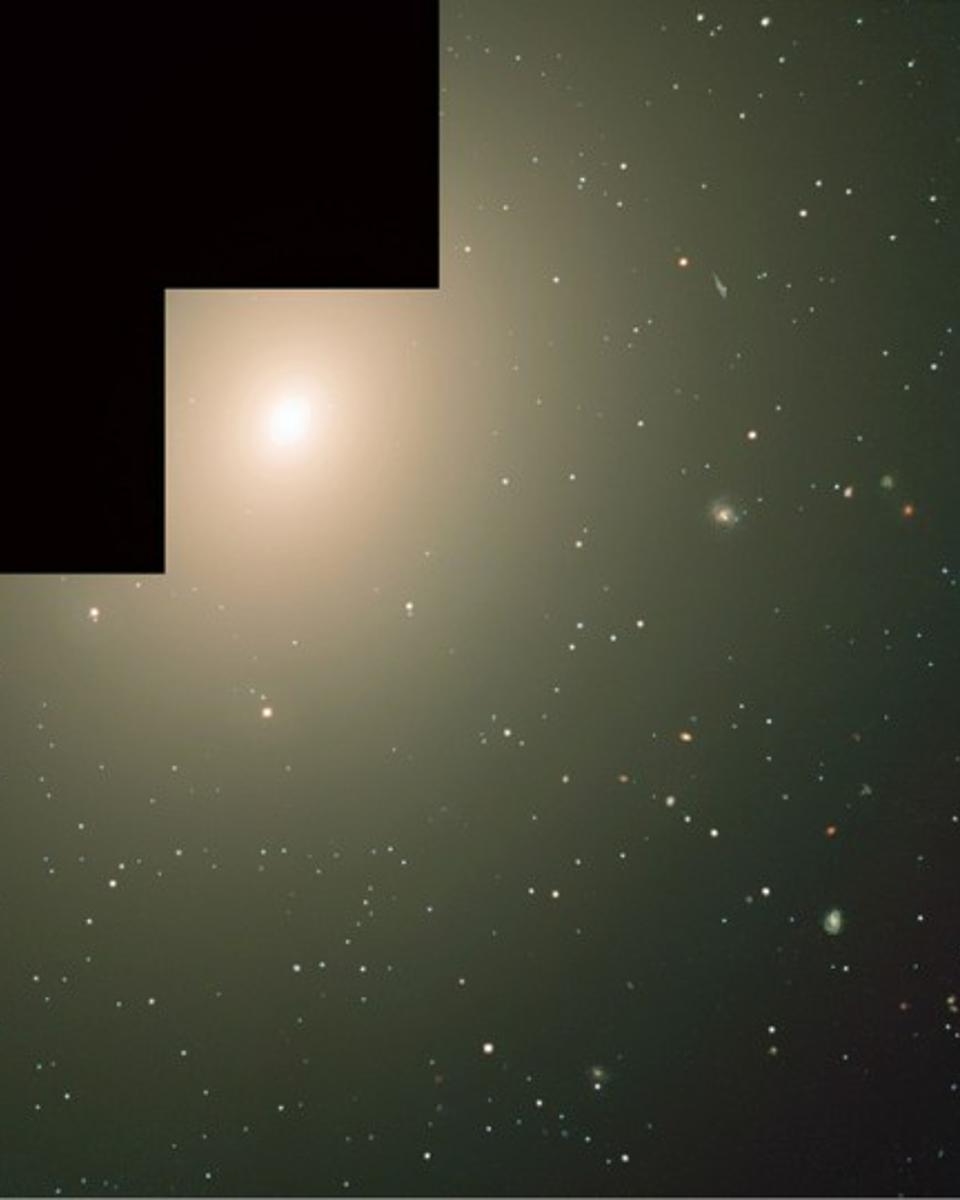
Young Star Clusters in an Old Galaxy
Elliptical galaxy NGC 4365 is old, probably about 12 billion years old. Like most elliptical galaxies , this galaxy was thought to be full of old stars too, its burst of star…
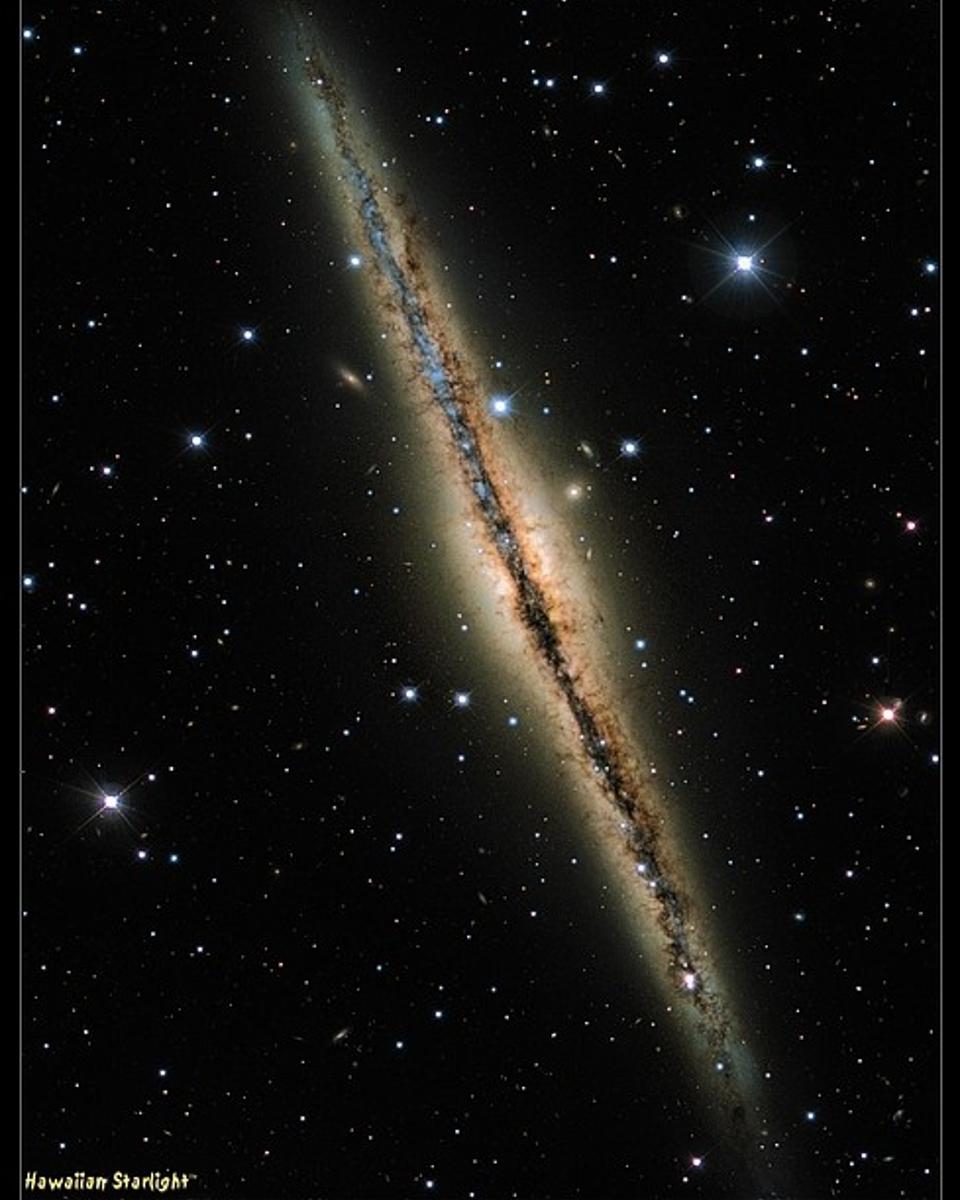
Interstellar Dust Bunnies of NGC 891
What is going on in NGC 891 ? This galaxy appeared previously to be very similar to our own Milky Way Galaxy : a spiral galaxy seen nearly edge-on. However, recent high-resolution…

The Average Color of the Universe
What color is the universe? More precisely, if the entire sky was smeared out, what color would the final mix be? This whimsical question came up when trying to determine what…
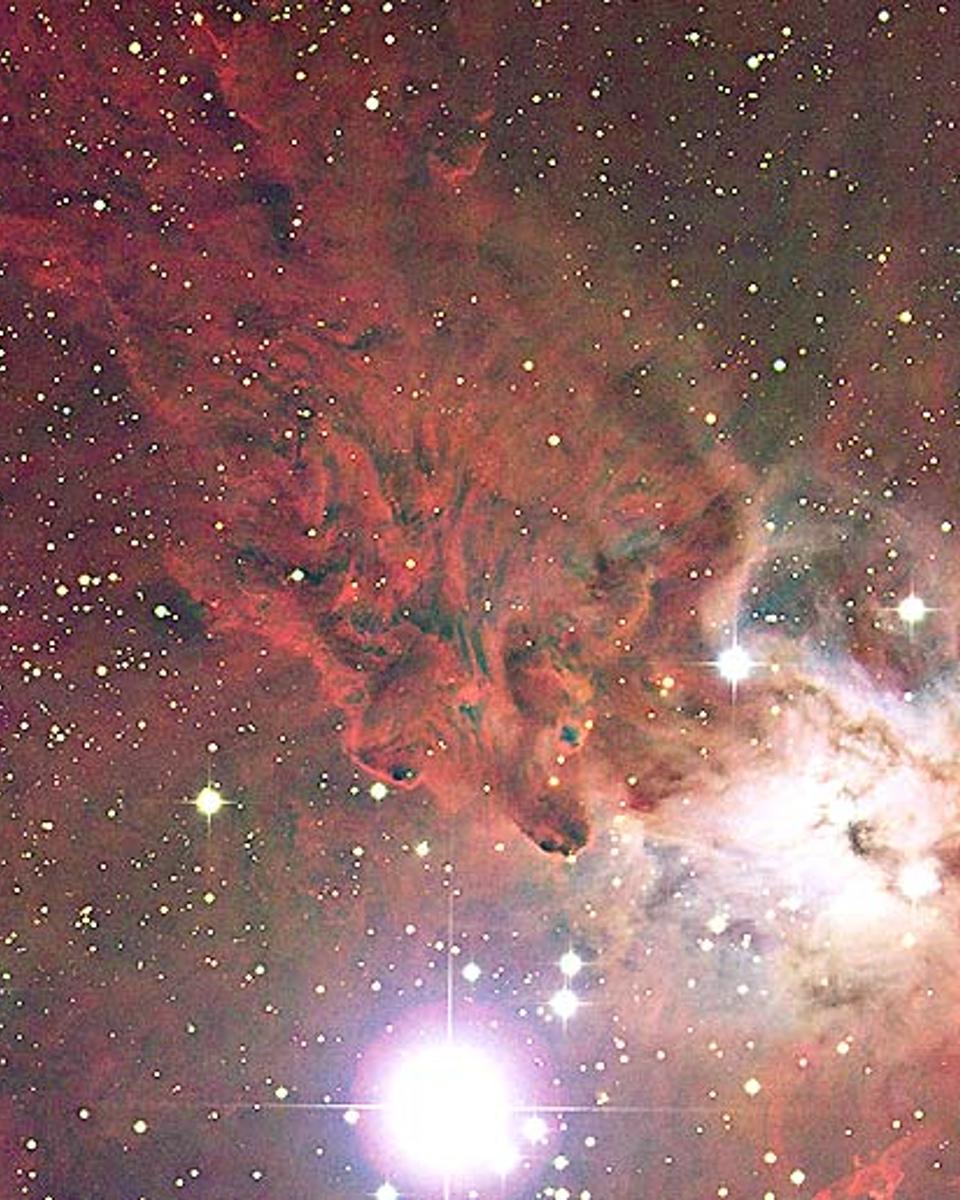
The Fox Fur Nebula
The nebula surrounding bright star S Mon is filled with dark dust and glowing gas. The strange shapes originate from fine interstellar dust reacting in complex ways with the…
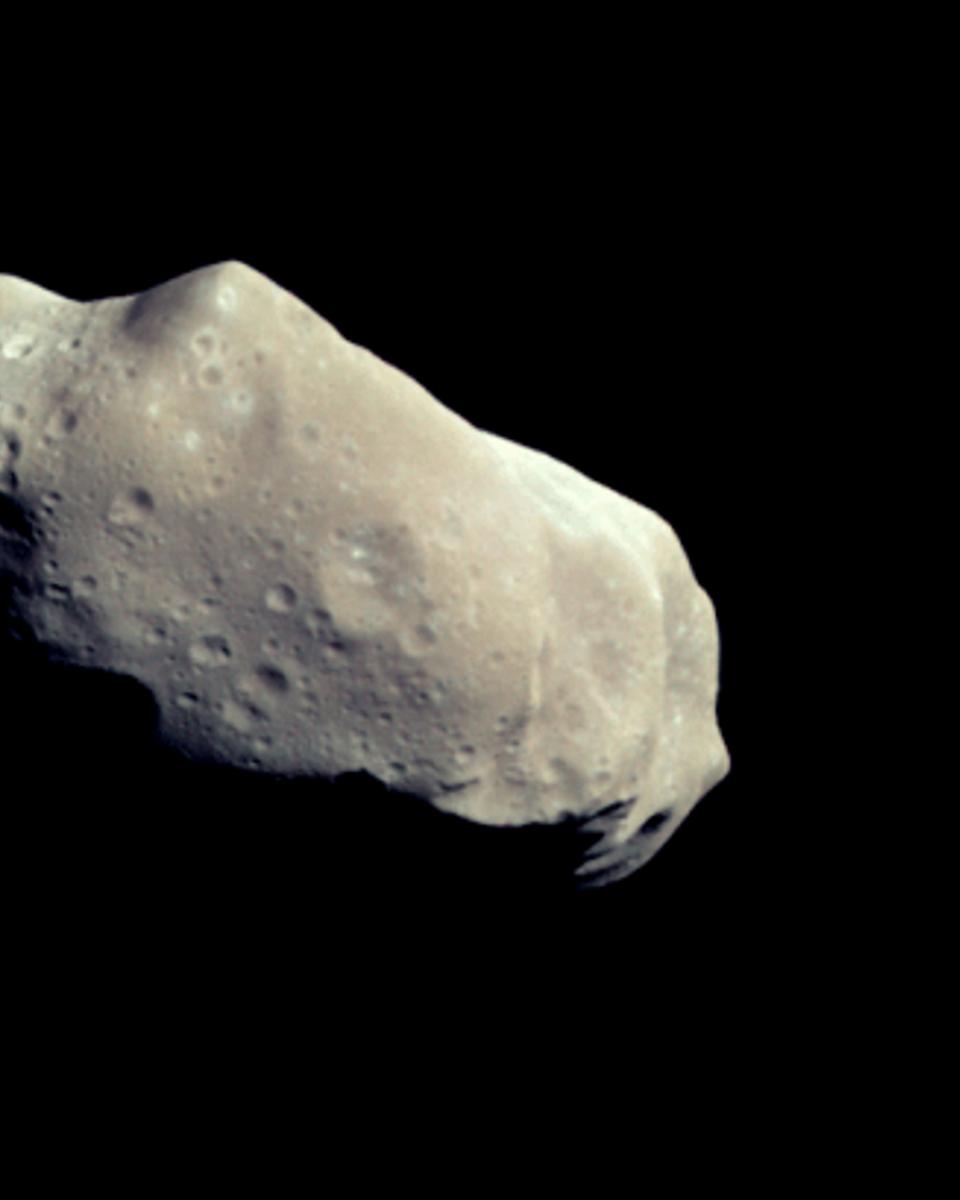
Ida and Dactyl: Asteroid and Moon
This asteroid has a moon ! The robot spacecraft Galileo currently exploring the Jovian system , encountered and photographed two asteroids during its long journey to Jupiter . The…
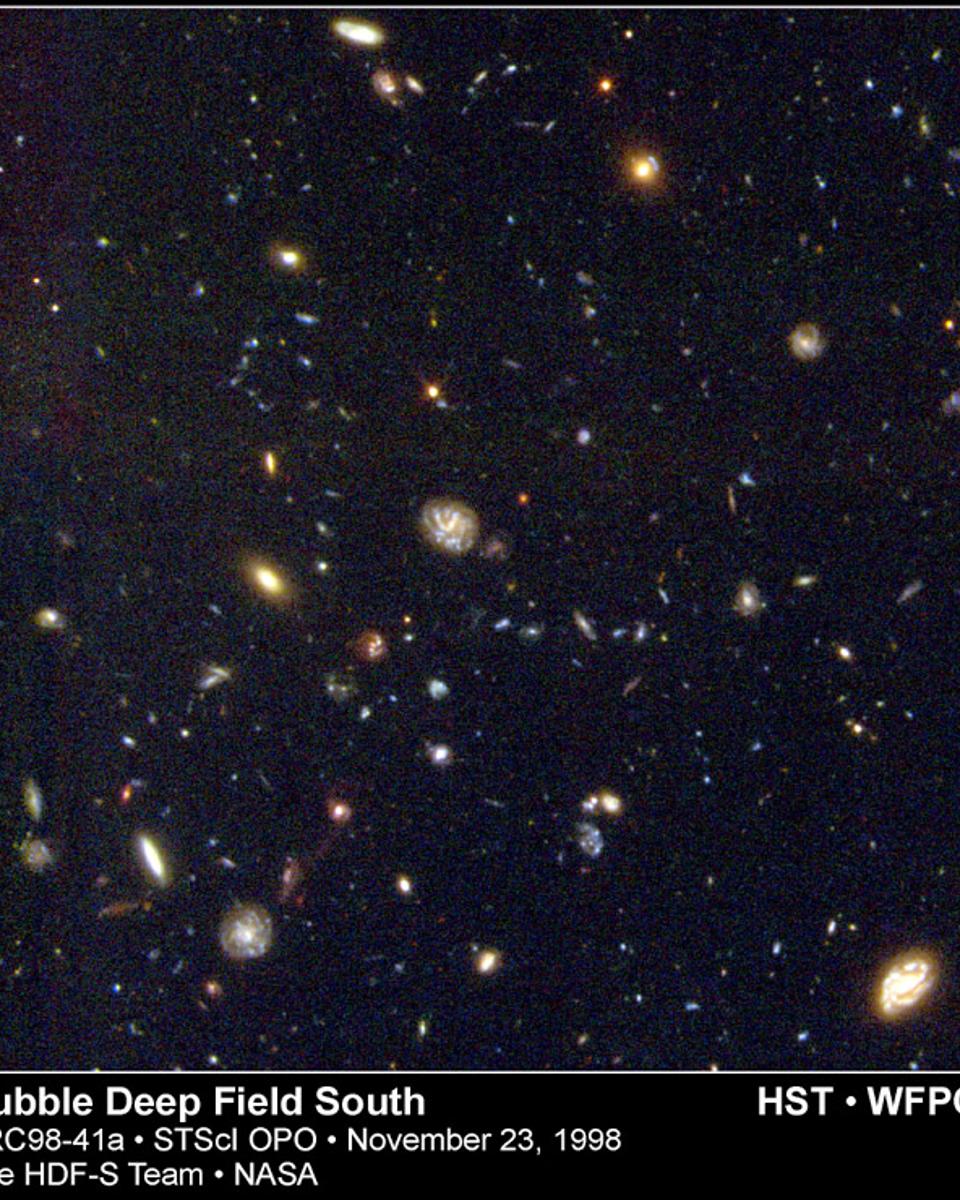
A Deep Field In The Southern Sky
This deep view of the cosmos is the sequel to the 1995 hit Hubble Space Telescope Deep Field . Billed as the Hubble Deep Field South , it was produced by pointing the space…
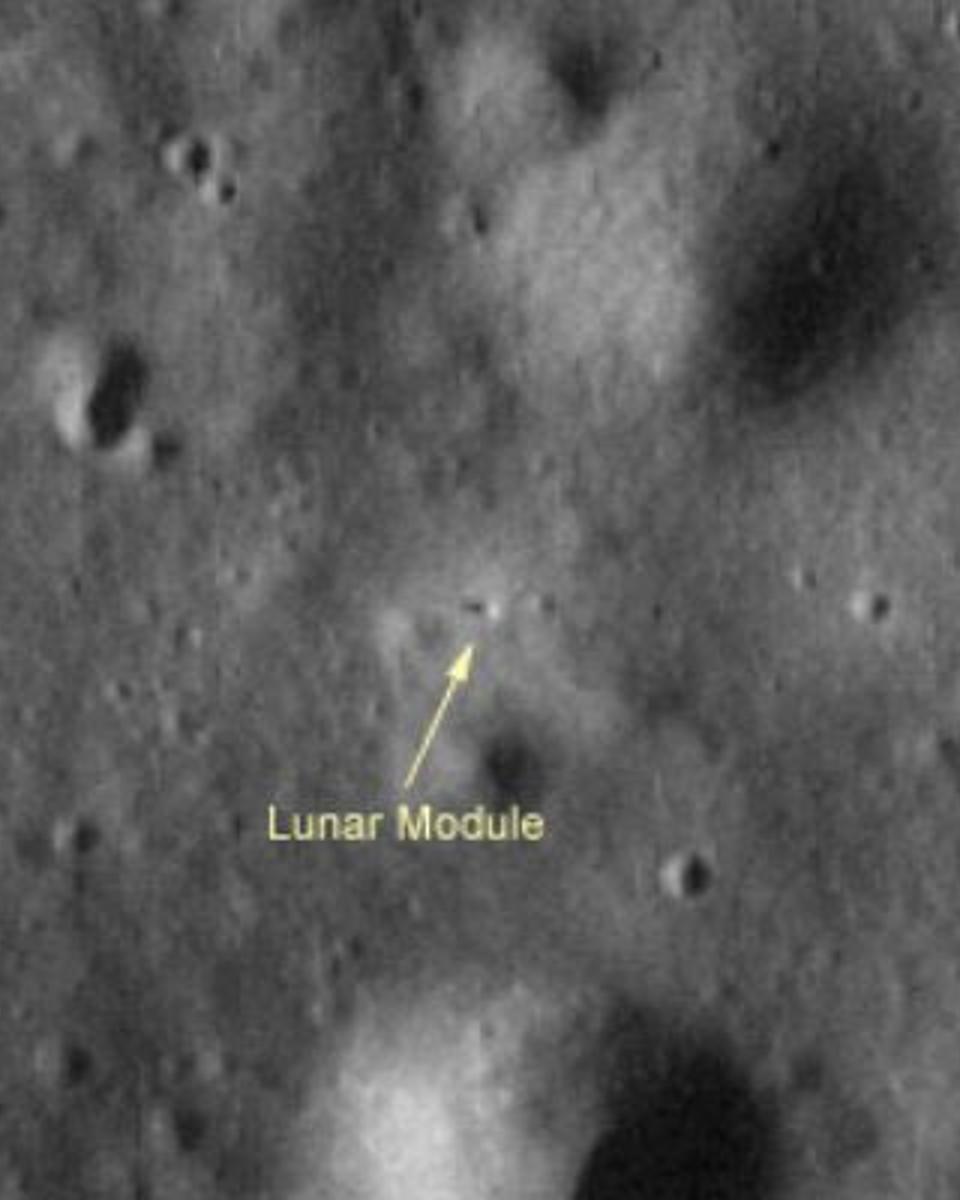
Lunar Module at Taurus-Littrow
Can the Hubble Space Telescope take a picture that shows the Apollo lunar modules on the Moon? With its 2.4 meter diameter mirror , the smallest object that the Hubble can resolve…
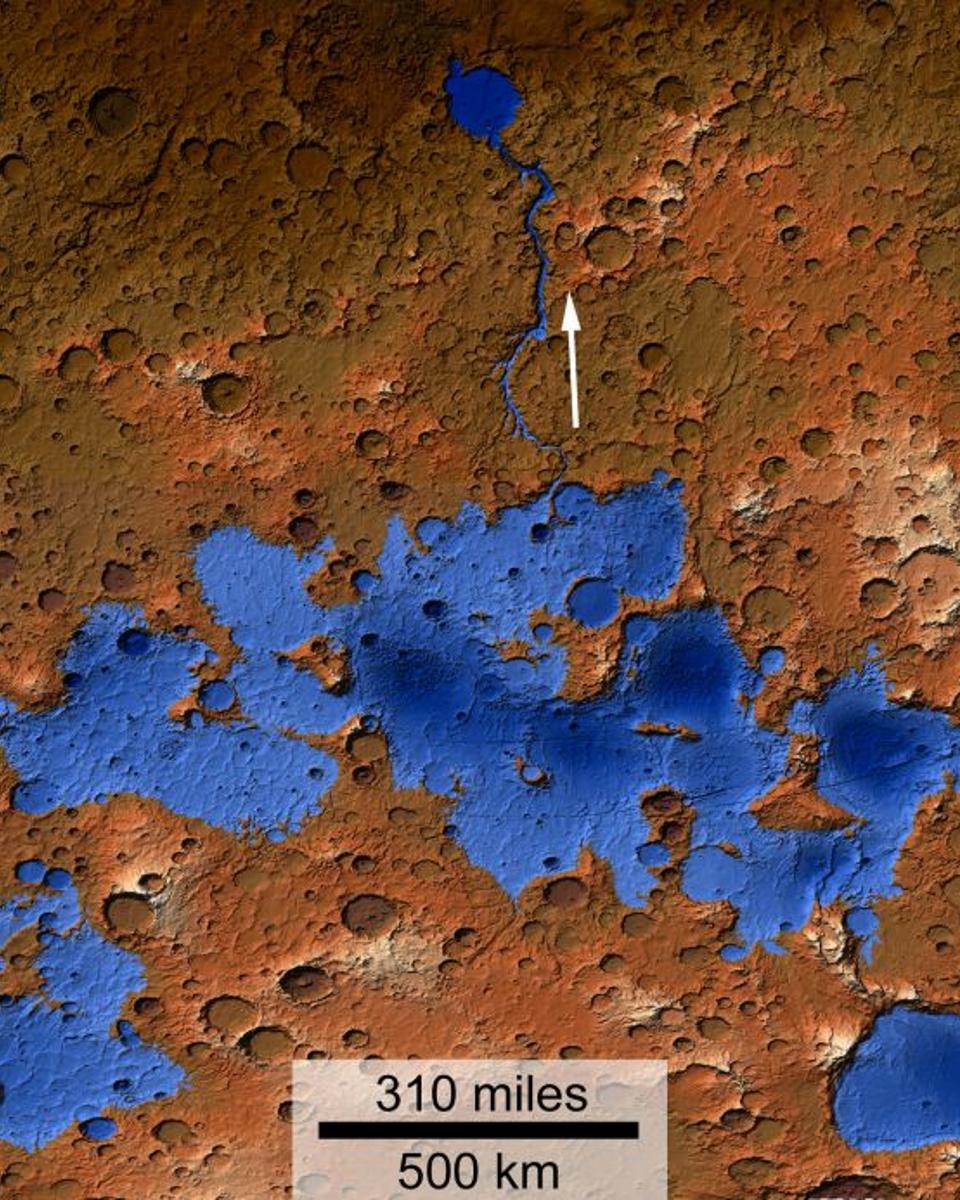
Carving Ma'adim Vallis
Just as erosion from the Colorado River carved the Grand Canyon on Earth, a river of flood water may have carved Ma'adim Vallis, one of the largest canyons on Mars . Researchers…
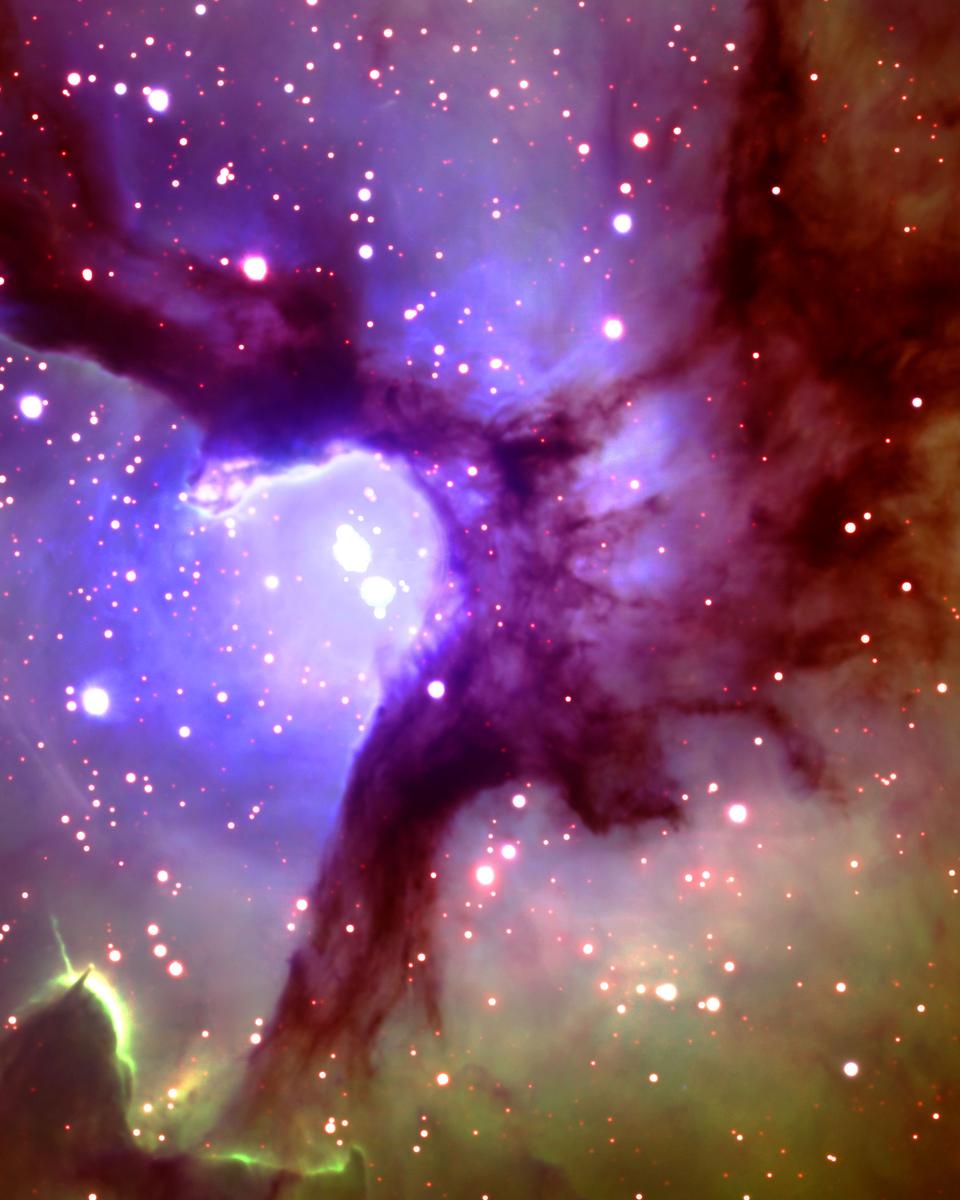
In the Center of the Trifid Nebula
Clouds of glowing gas mingle with lanes of dark dust in the Trifid Nebula , a star forming region toward the constellation of Sagittarius . In the center, the three huge dark dust…
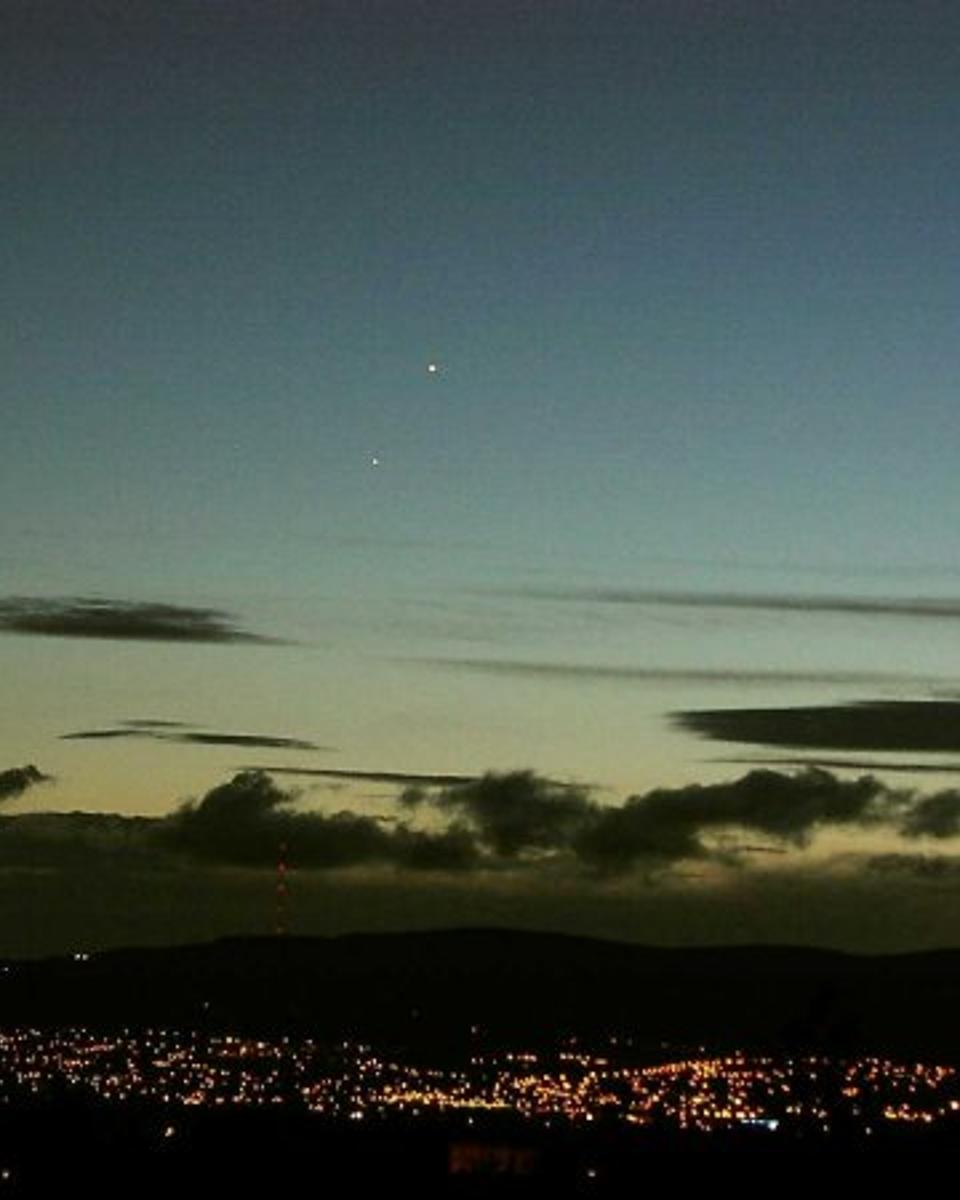
Venus and Jupiter Over Belfast
Venus and Jupiter appeared to glide right past each other earlier this month. In a slow day-by-day march, Jupiter sank into the sunset horizon while Venus remained high and…
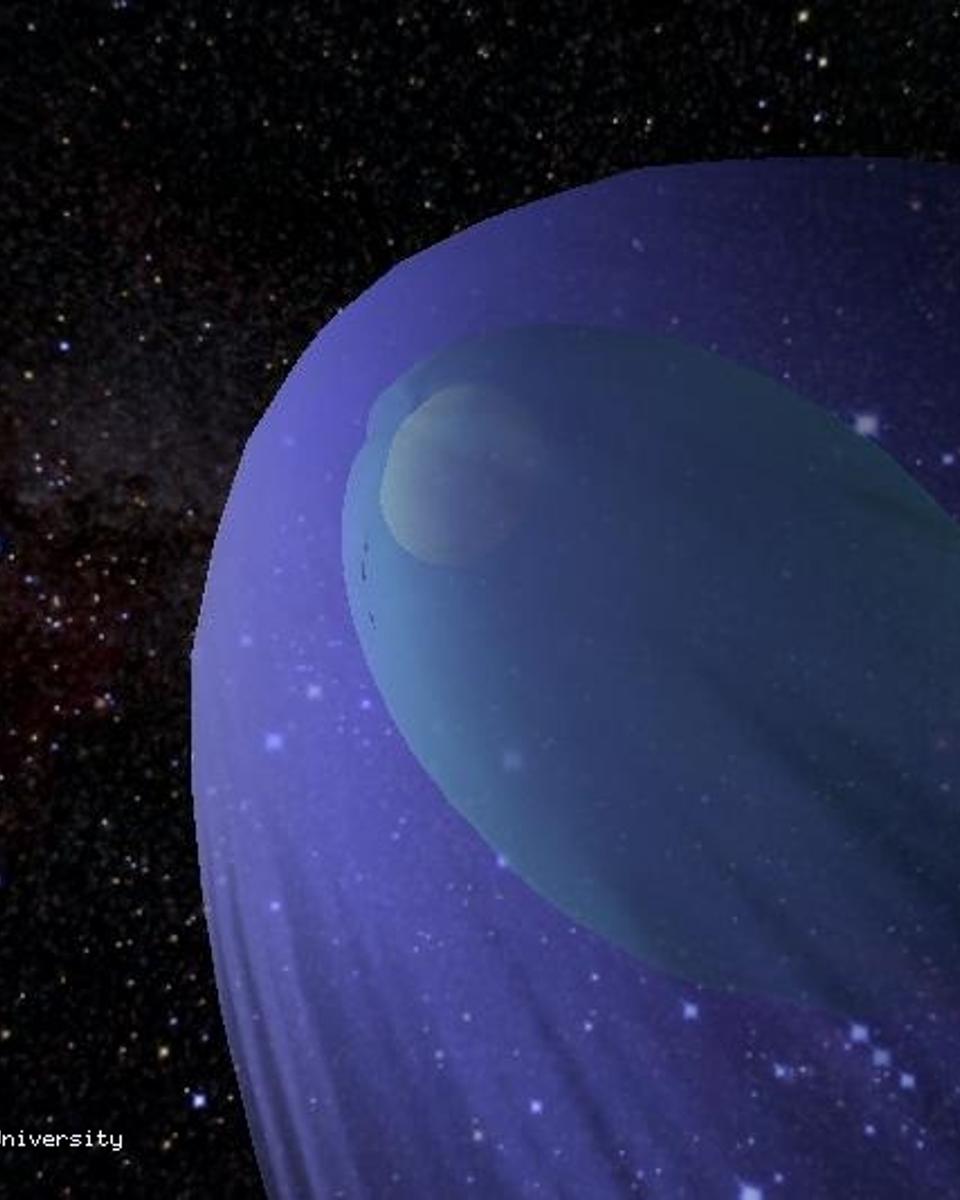
The Sun's Heliosphere & Heliopause
Where does the Sun's influence end? Nobody is sure. Out past the orbits of Neptune and Pluto extends a region named the heliosphere where the Sun's magnetic field and particles…
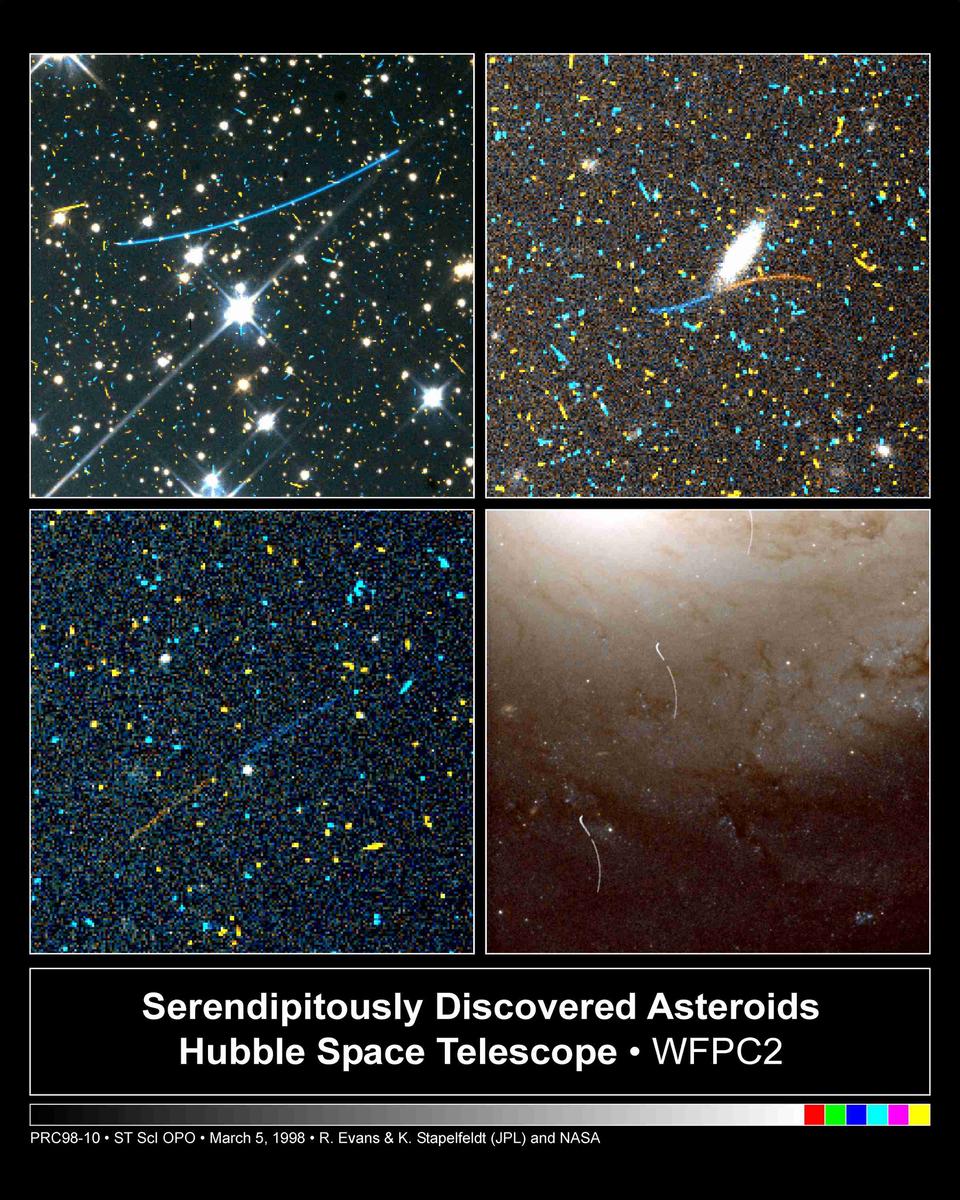
Asteroids in the Distance
Rocks from space hit Earth every day. The larger the rock, though, the less often Earth is struck. Many kilograms of space dust pitter to Earth daily. Larger bits appear initially…
Viewing discoveries from 16 July 2002 through 23 June 2002.