Browse NASA Astronomy Picture of the Day archive by date and media: Archive Discoveries
Browse the NASA APOD archive without needing the exact date first. Filter by media type and keep moving deeper into older images and videos.
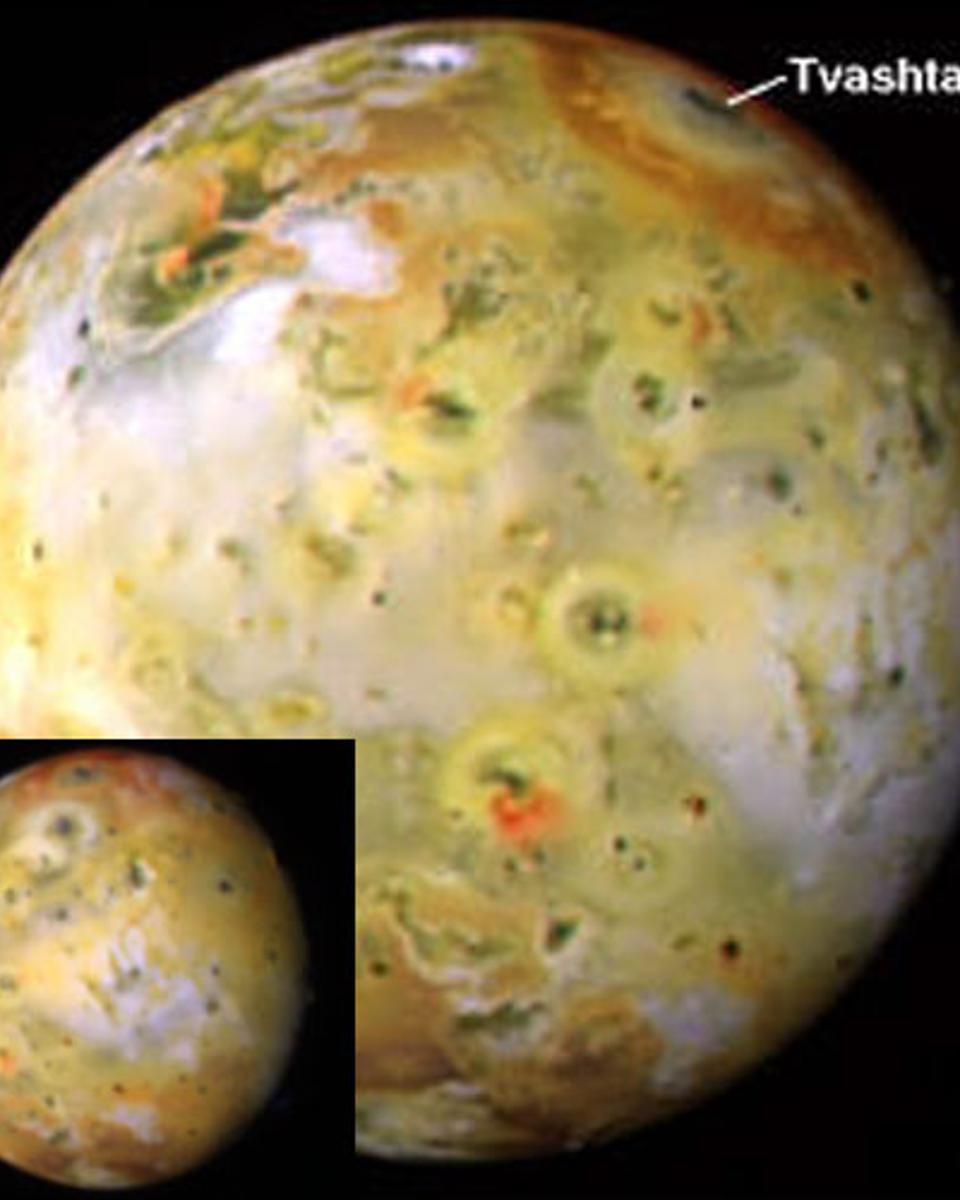
A Newly Active Volcano on Jupiter's Io
Would a volcano plume discovered in January above Jupiter's Moon Io still be active months later? To answer this question, the robot spacecraft Galileo currently in orbit around…
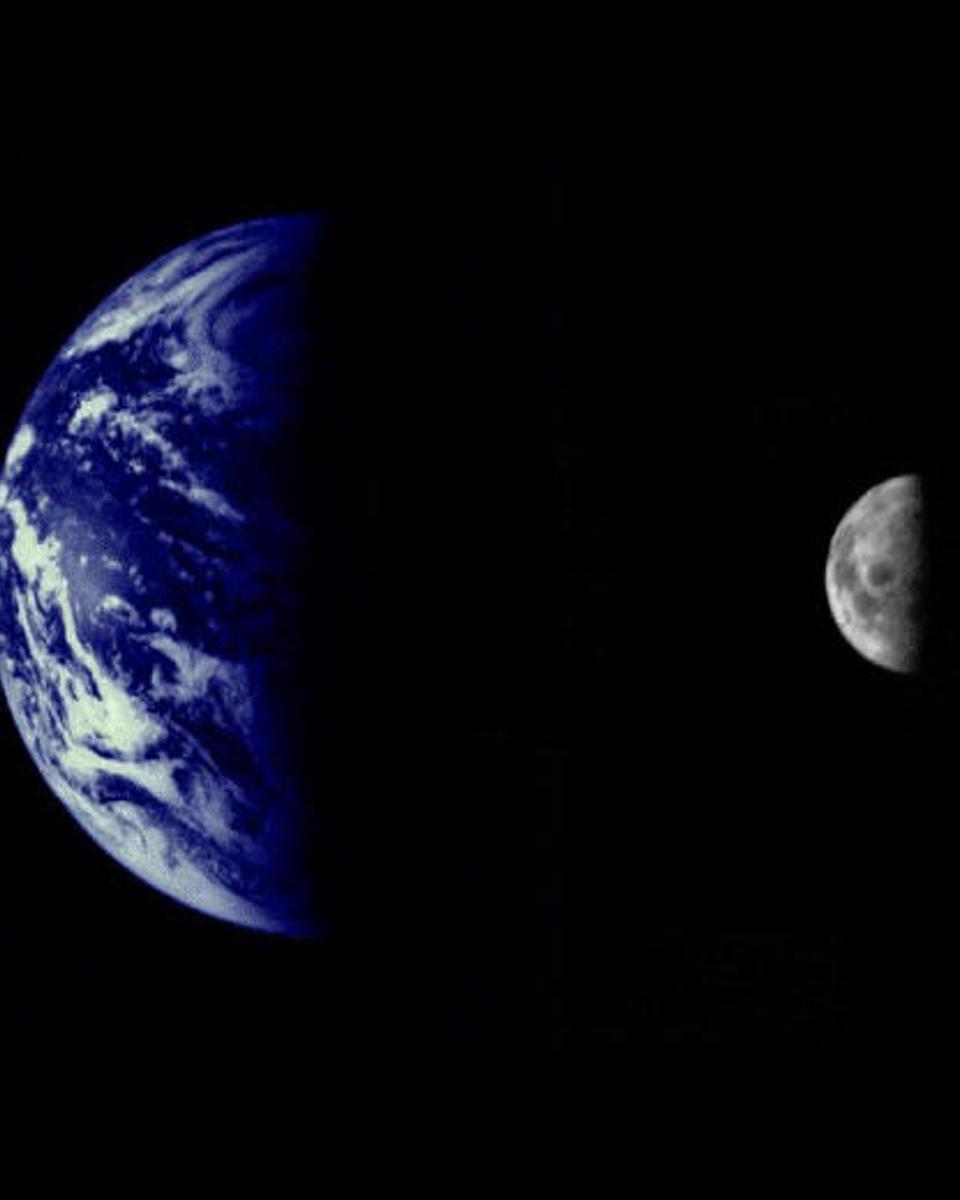
The Earth and Moon Planetary System
How similar in size are the Earth and the Moon ? A dramatic visual answer to this question is found by combining photographs taken by the Mariner 10 spacecraft that headed out…
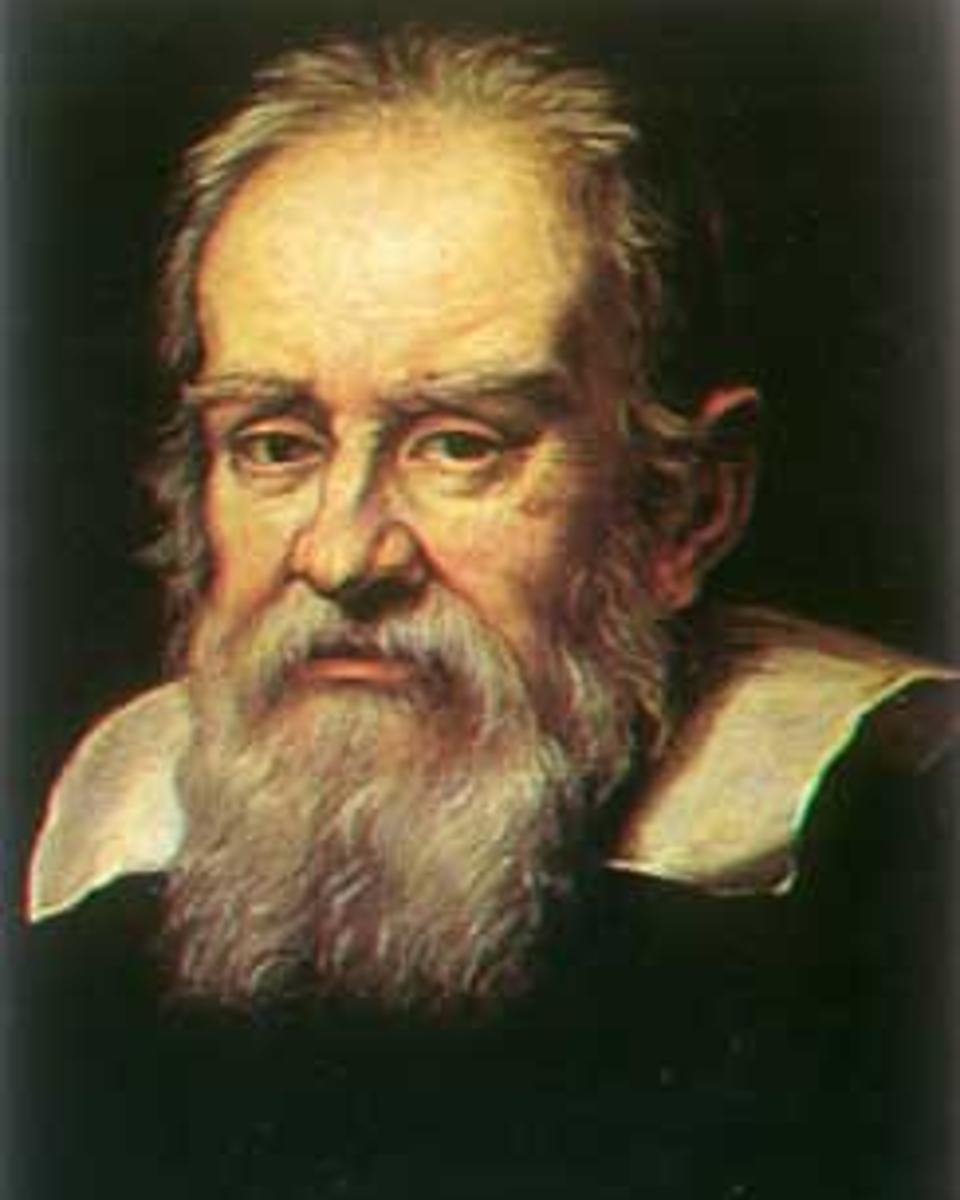
Galileo Demonstrates the Telescope
Galileo Galilei made a good discovery great. Upon hearing at age 40 that a Dutch optician had invented a glass that made distant objects appear larger, Galileo crafted his own…
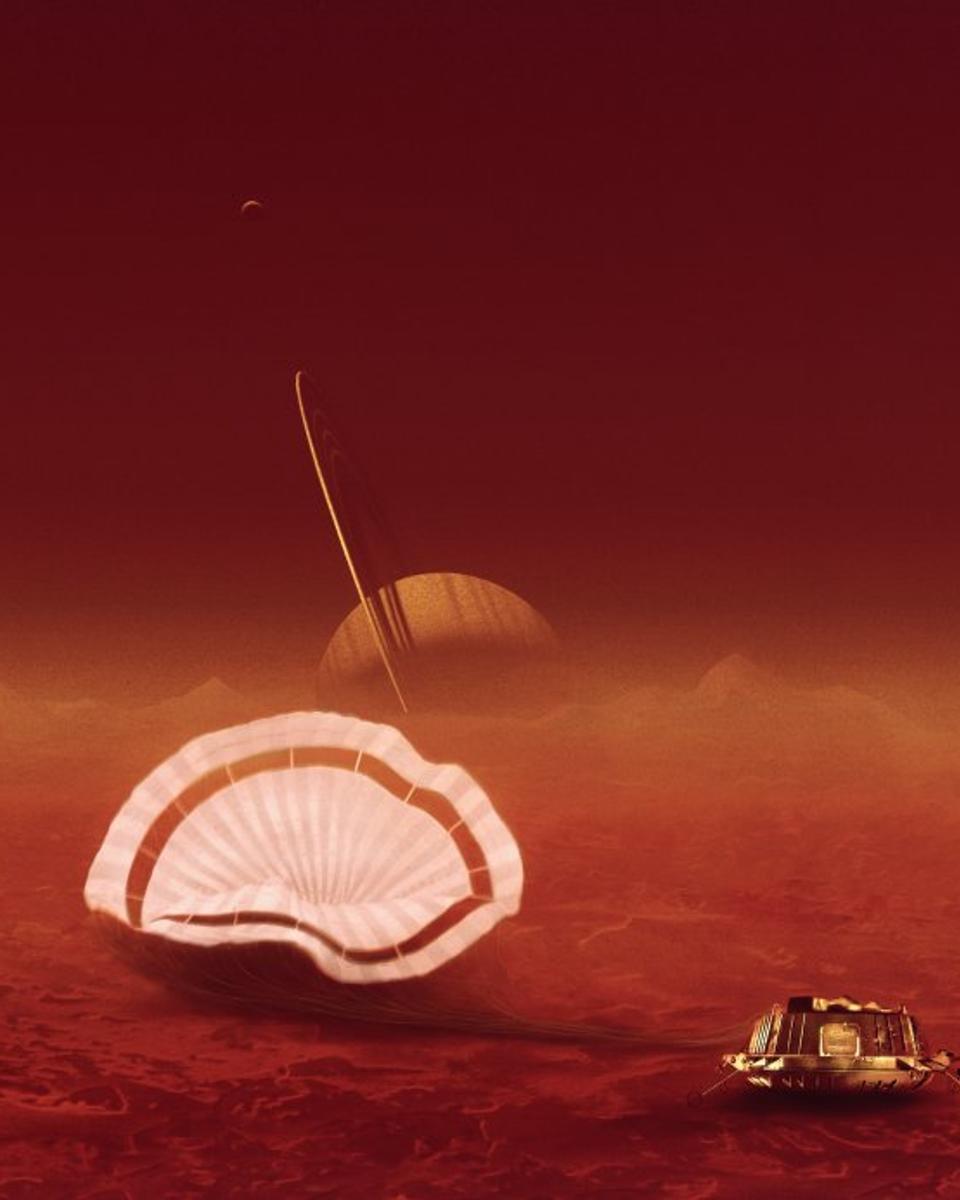
A Portrait of Saturn from Titan
This artistic portrait of Saturn depicts how it might look from Titan , Saturn's largest moon. In the foreground sits ESA's Huygens probe , which will be released by NASA's…
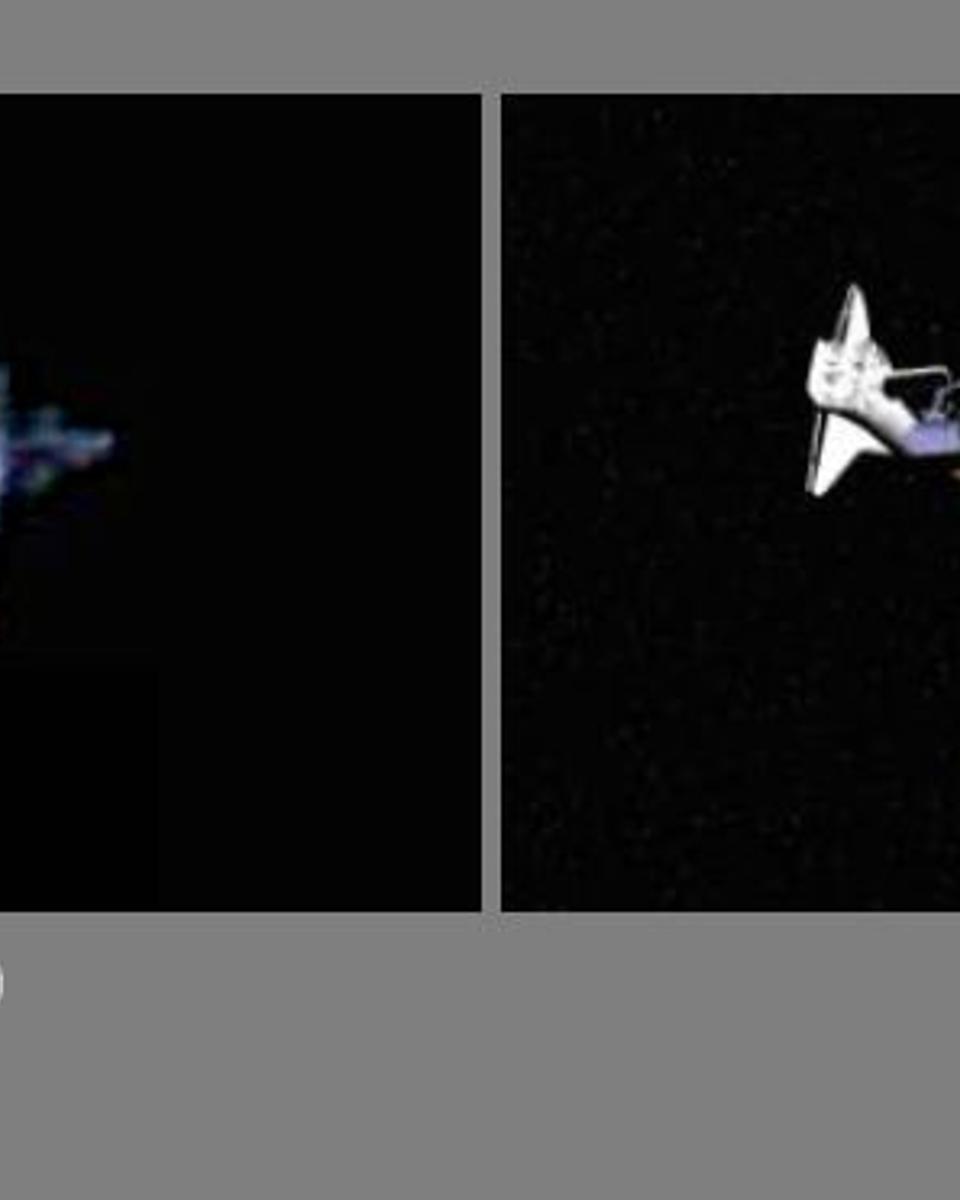
Space Station and Space Shuttle: Backyard View
Knowing when and where to look, many enthusiastic sky gazers have been able to spot the International Space Station (ISS) as a bright star streaking through the twilight. But with…
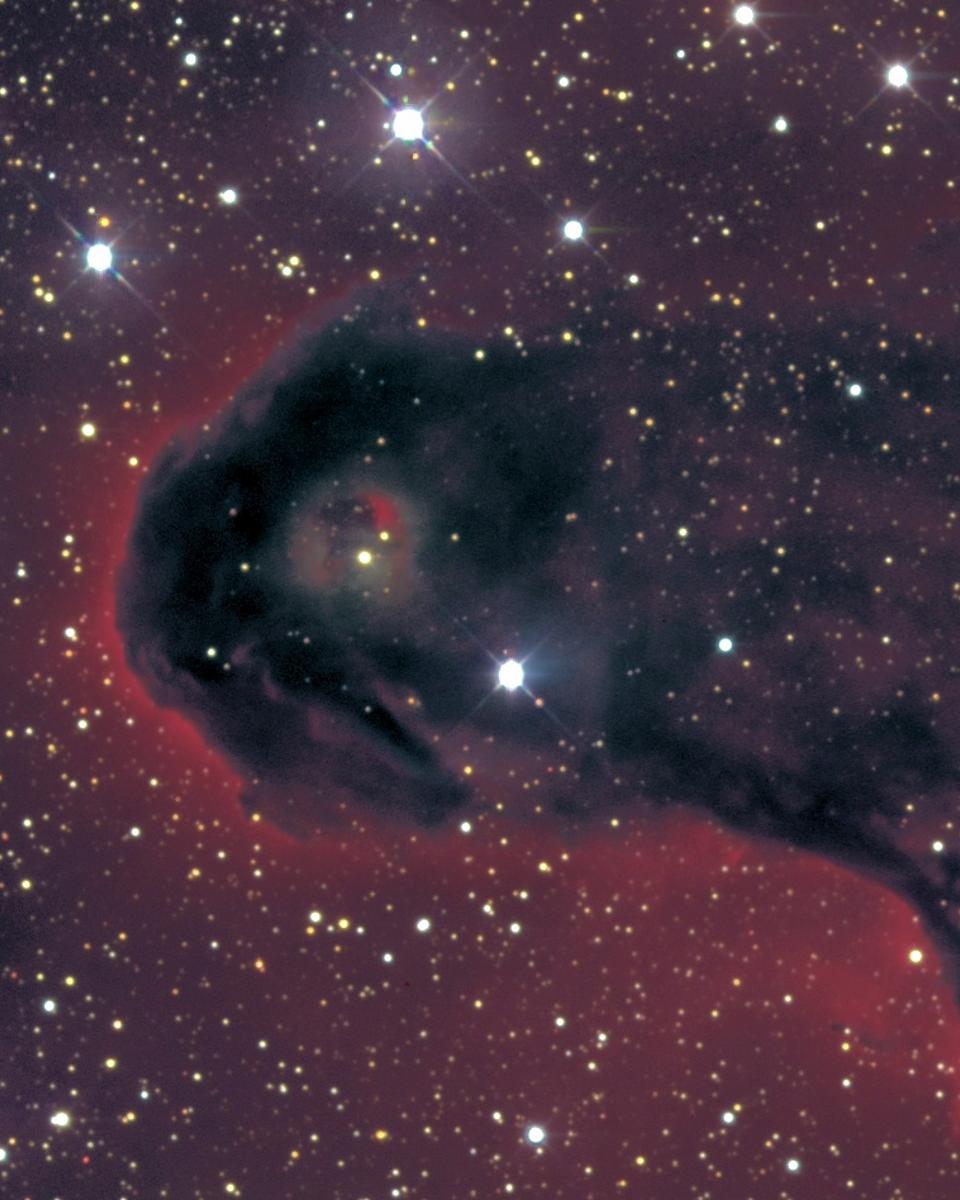
VDB 142 in Cepheus
A gorgeous collection of dust and gas nebulae in the Northern Milky Way graces the high and far off constellation of Cepheus. With colors based on astronomical filters, this close…
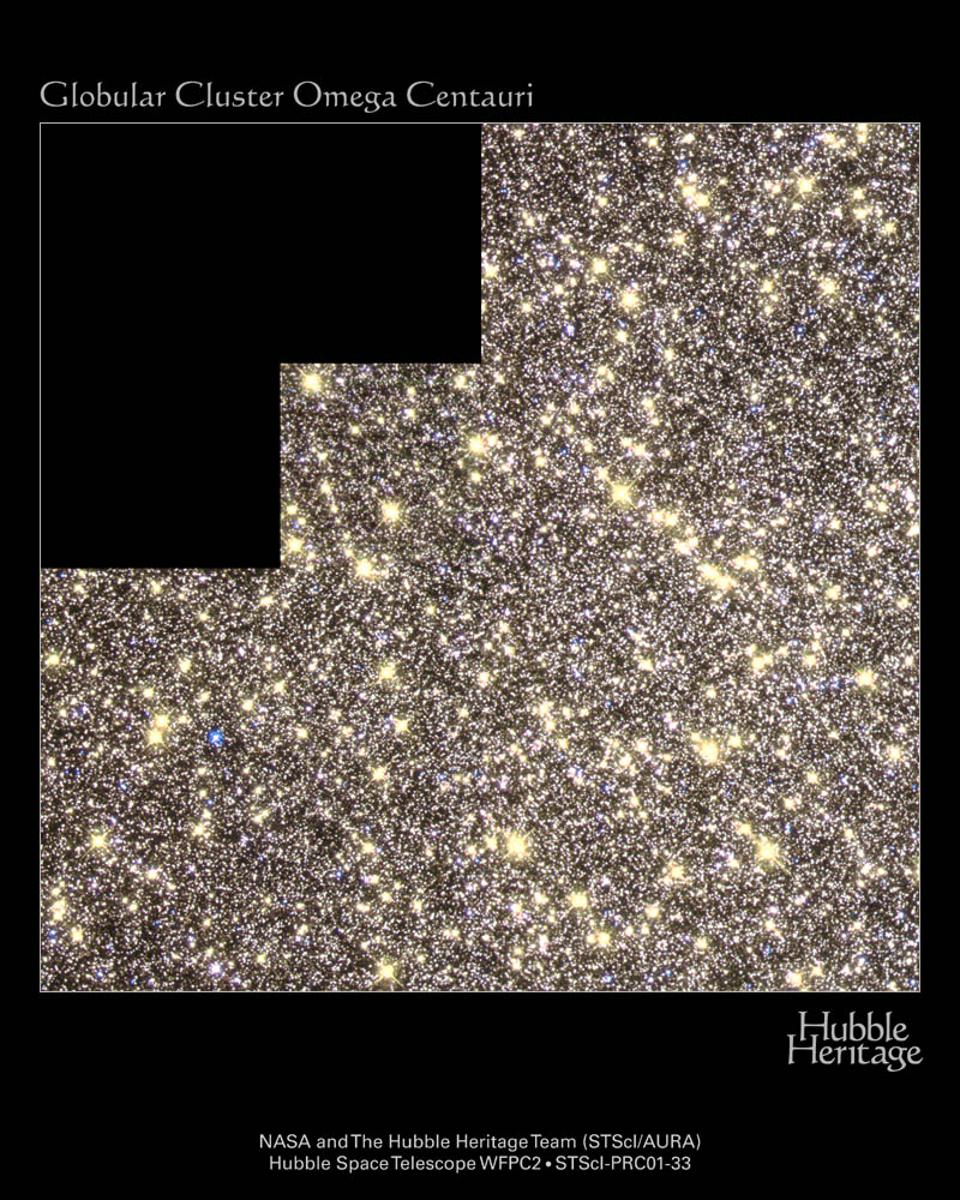
The Center of Globular Cluster Omega Centauri
What is left over after stars collide? To help answer this question, astronomers have been studying the center of the most massive ball of stars in our Milky Way Galaxy . In the…
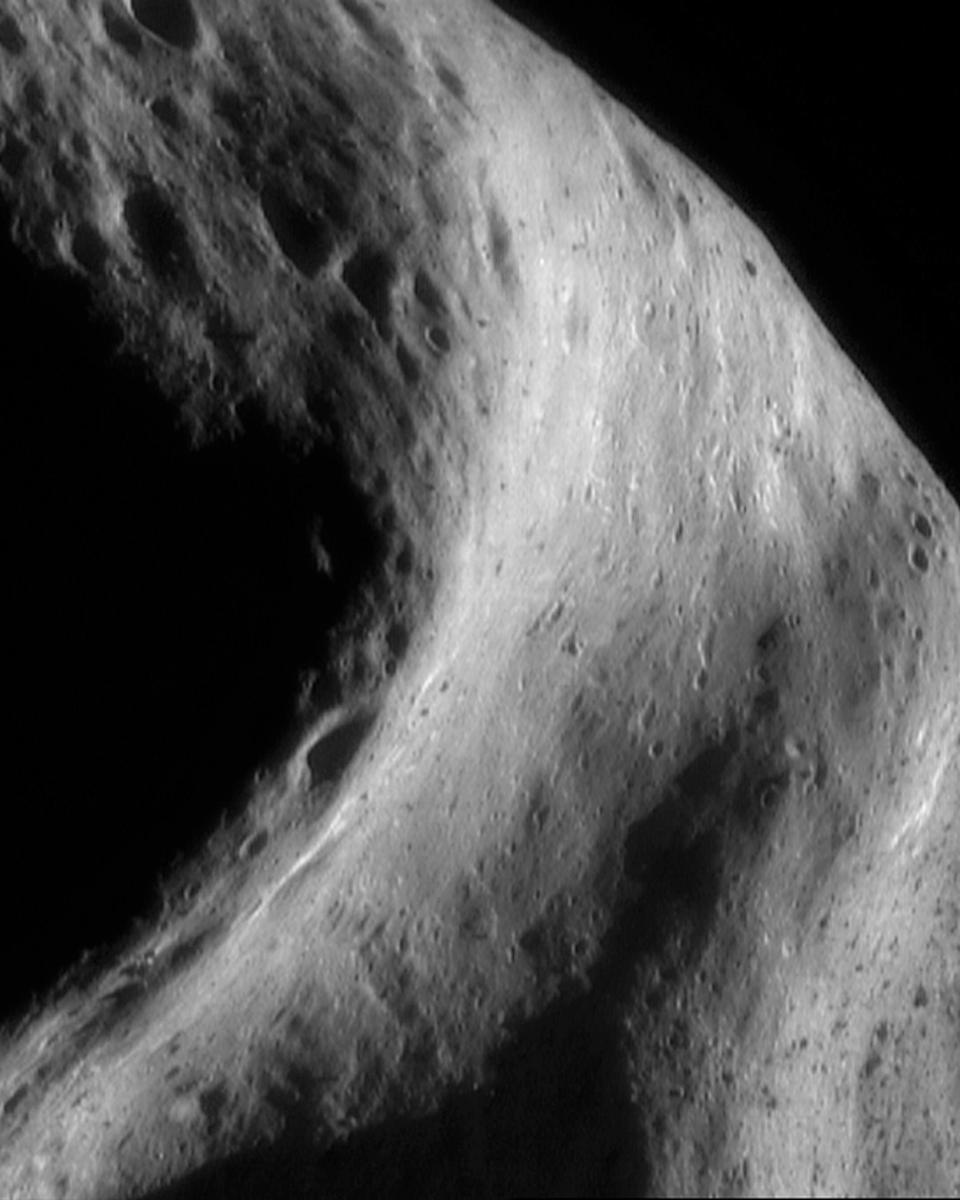
The Past of Asteroid Eros
How did large rocks come to be scattered on the surface of asteroid Eros? Eros stands out not only because of its proximity to Earth but also because it was visited recently by…
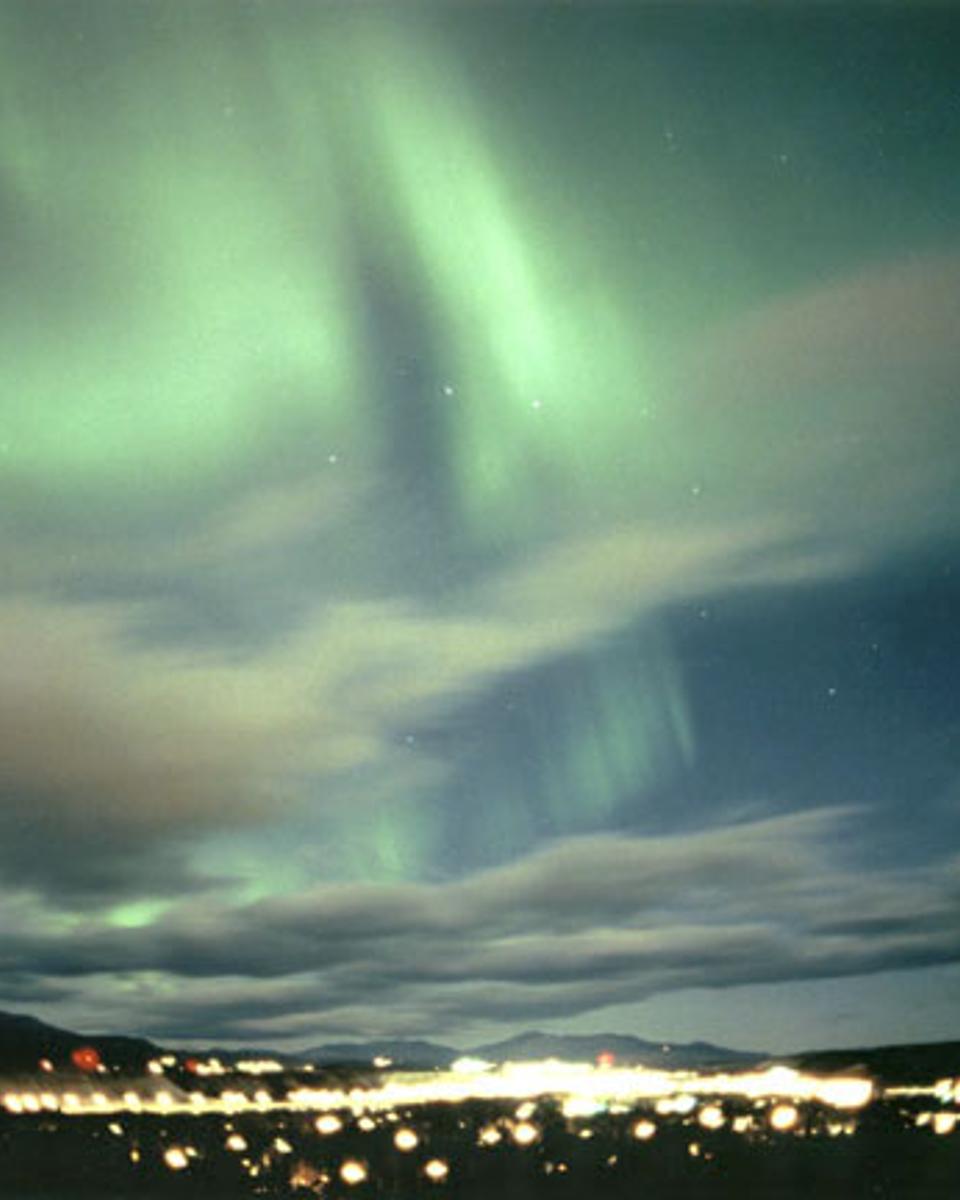
A Yukon Aurora
Last week was another good week for auroras . The story began about two weeks ago when two large Coronal Mass Ejections exploded off the Sun . Waves of elementary particles and…
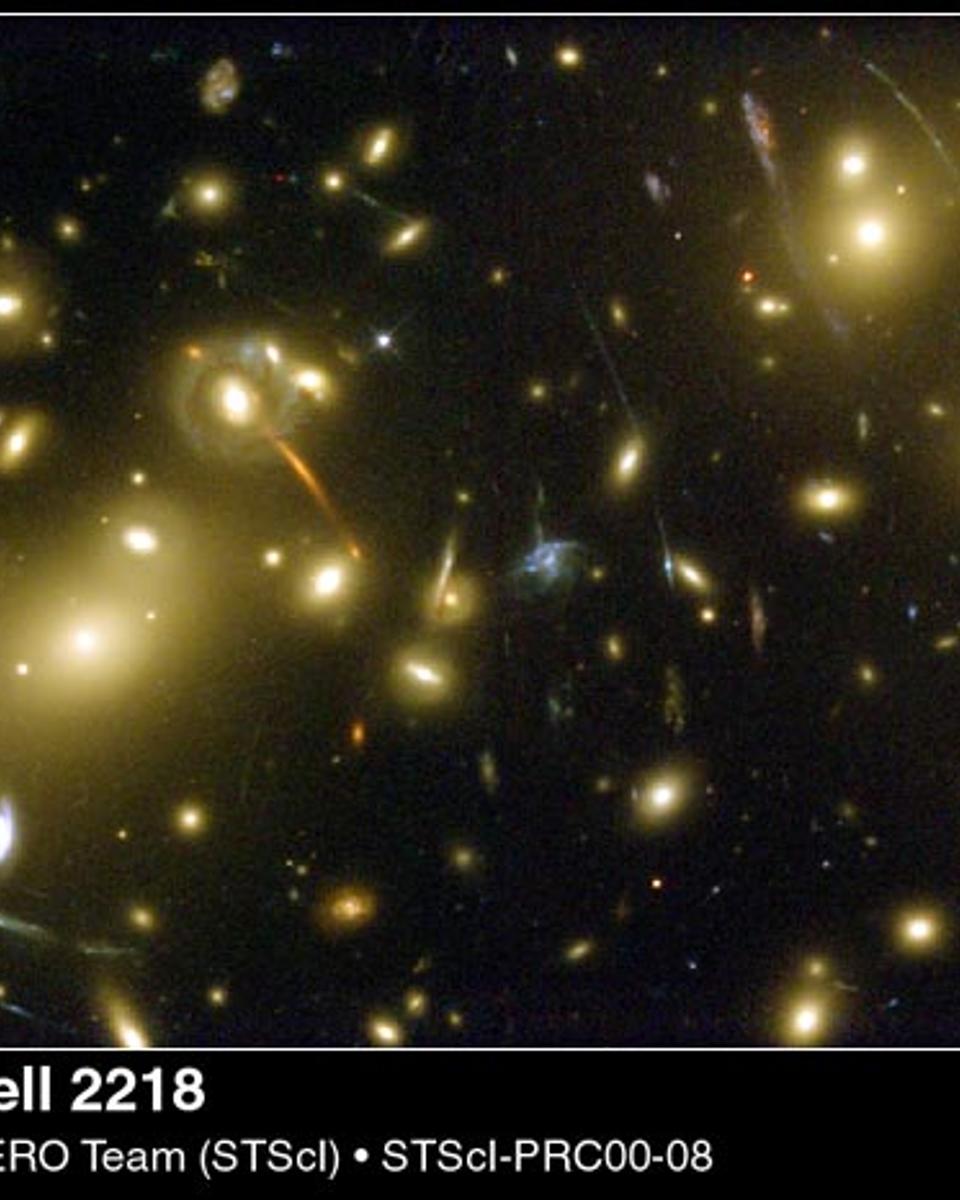
Abell 2218: A Galaxy Cluster Lens
Gravity can bend light, allowing huge clusters of galaxies to act as telescopes. Almost all of the bright objects in this released Hubble Space Telescope image are galaxies in the…
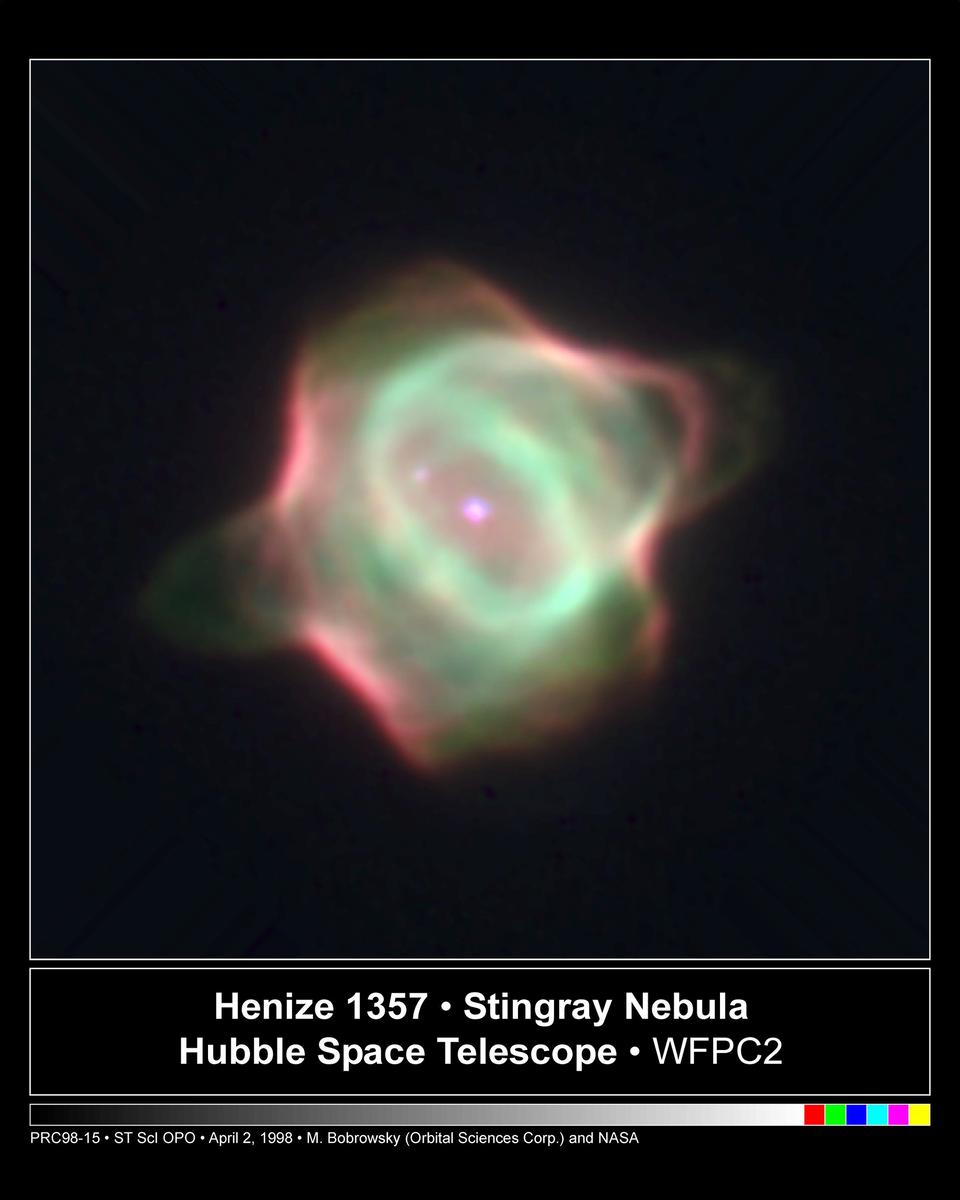
Hen 1357: New Born Nebula
This Hubble Space Telescope snapshot shows Hen-1357, the youngest known planetary nebula . Graceful, gentle curves and symmetry suggest its popular name - The Stingray Nebula .…
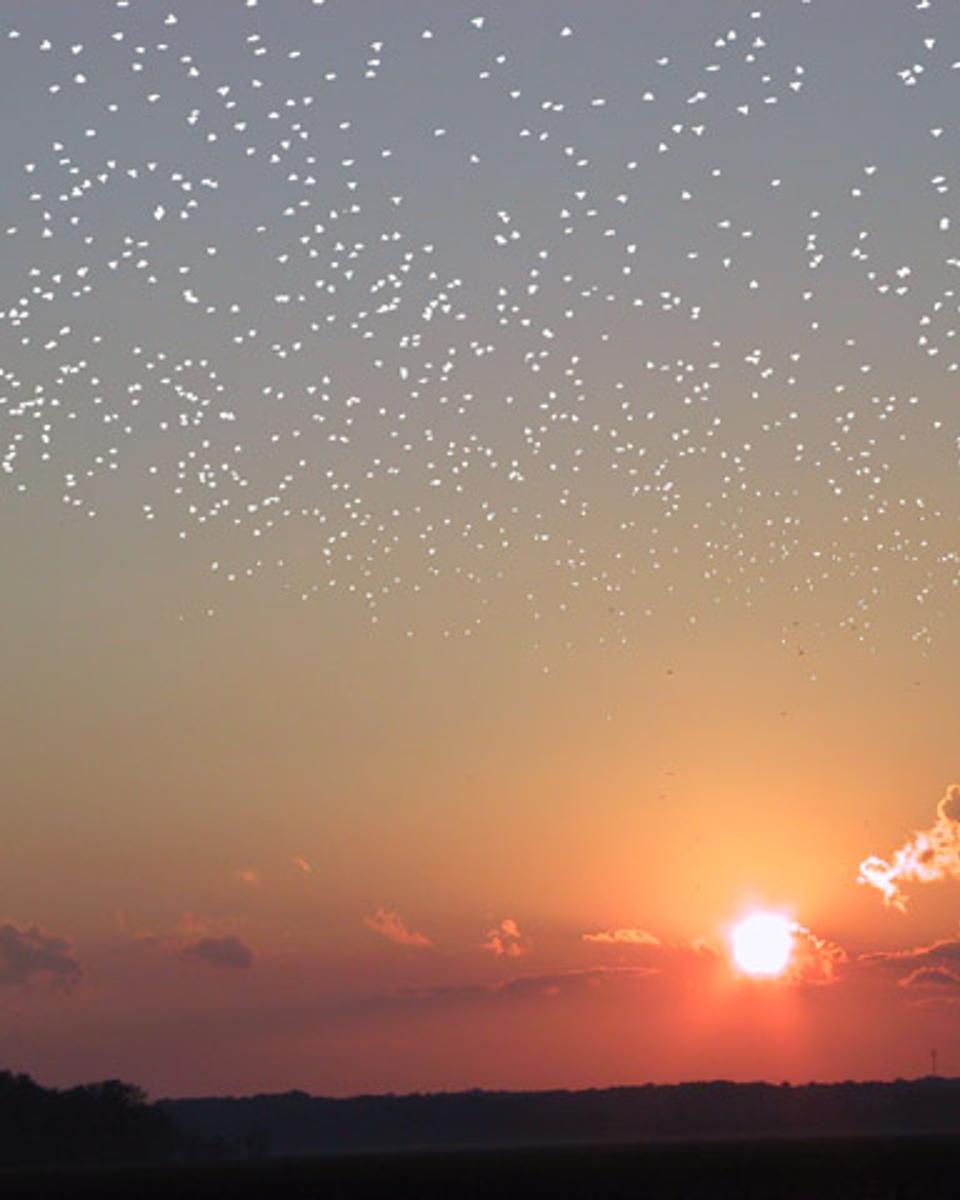
A Flock of Stars
Only a few stars can be found within ten light-years of our lonely Sun, situated near an outer spiral arm of the Milky Way galaxy. But if the Sun were found within one of our…
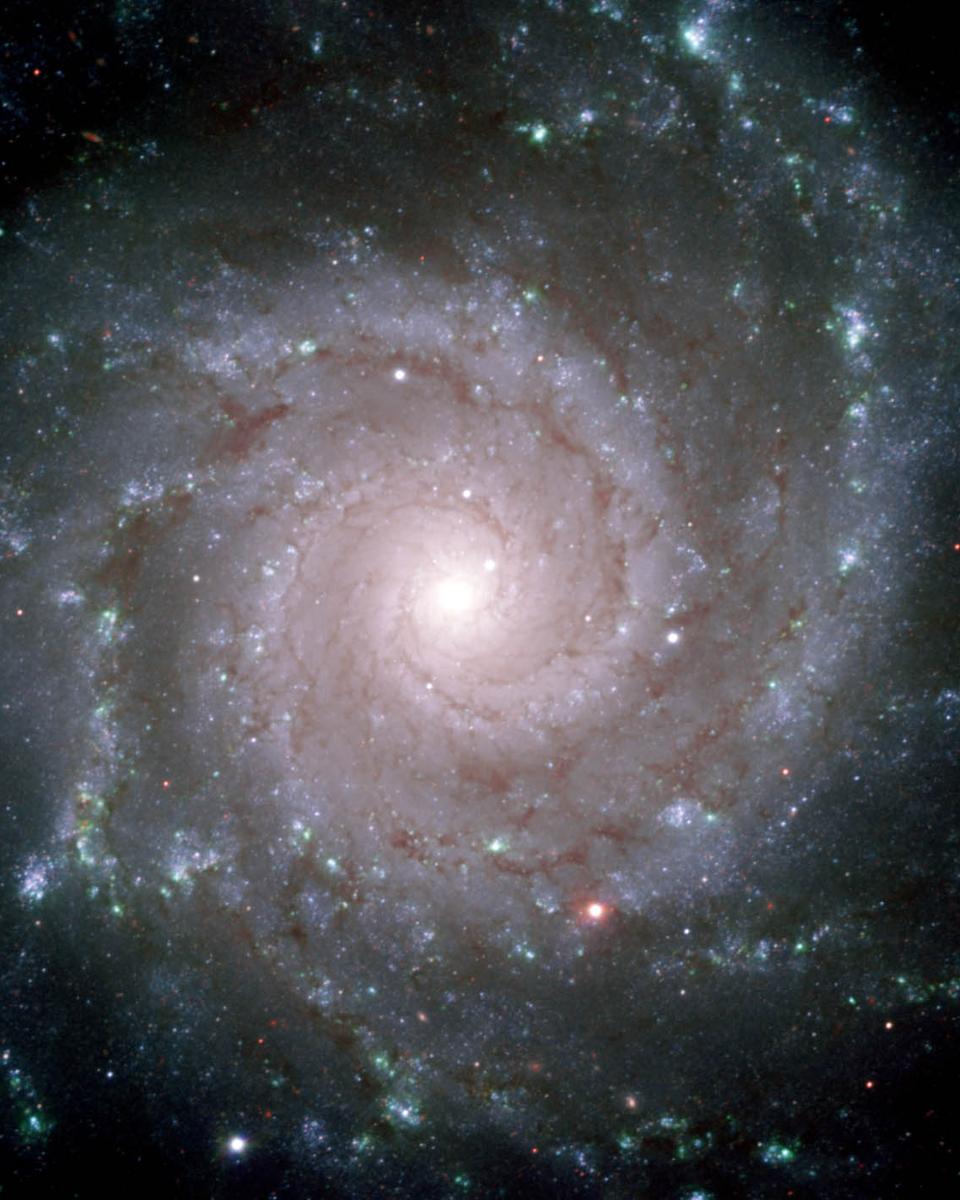
M74: The Perfect Spiral
If not perfect, then this spiral galaxy is at least one of the most photogenic. An island universe of about 100 billion stars, 30 million light-years away toward the constellation…
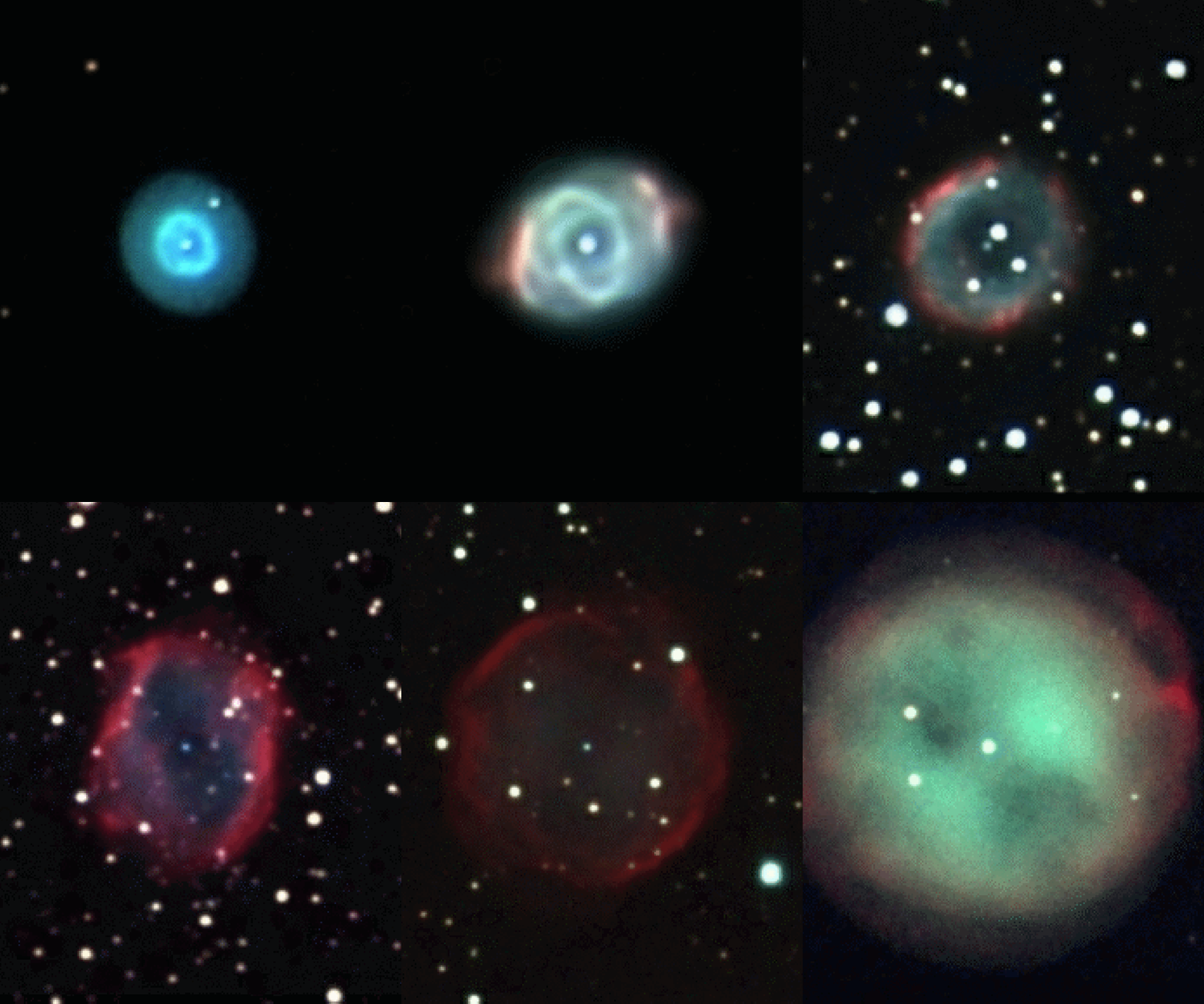
The Planetary Nebula Show
What do the Owl, the Cat's Eye, the Ghost of Jupiter, and Saturn have in common? They're all planetary nebulae of course(!), glowing gaseous shrouds shed by dying sun-like stars…
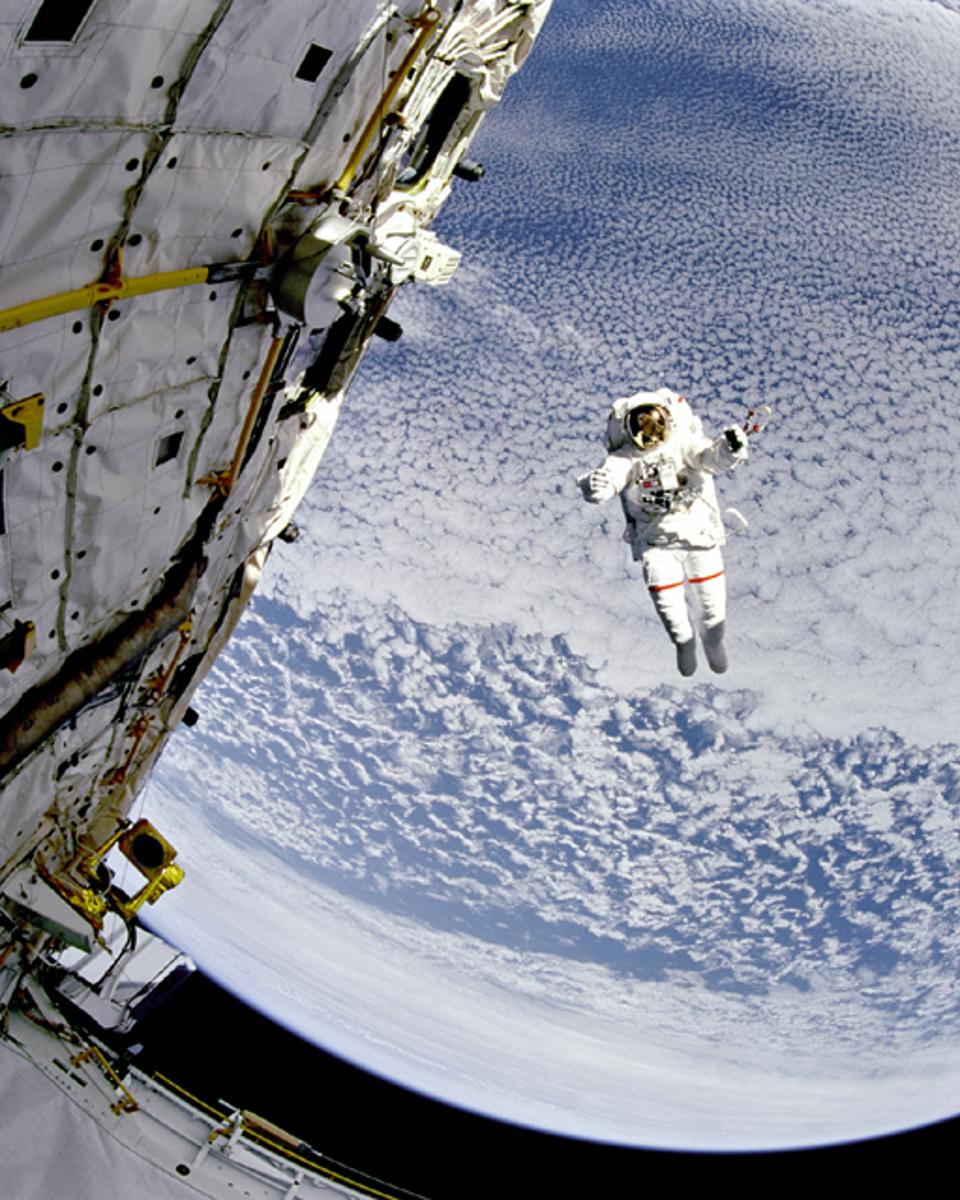
A Flying Astronaut Over Earth
What would it be like to fly free over the seas and clouds of Earth? In 1994 astronaut Mark Lee found out when he tested the Simplified Aid for EVA Rescue (SAFER) system for NASA…
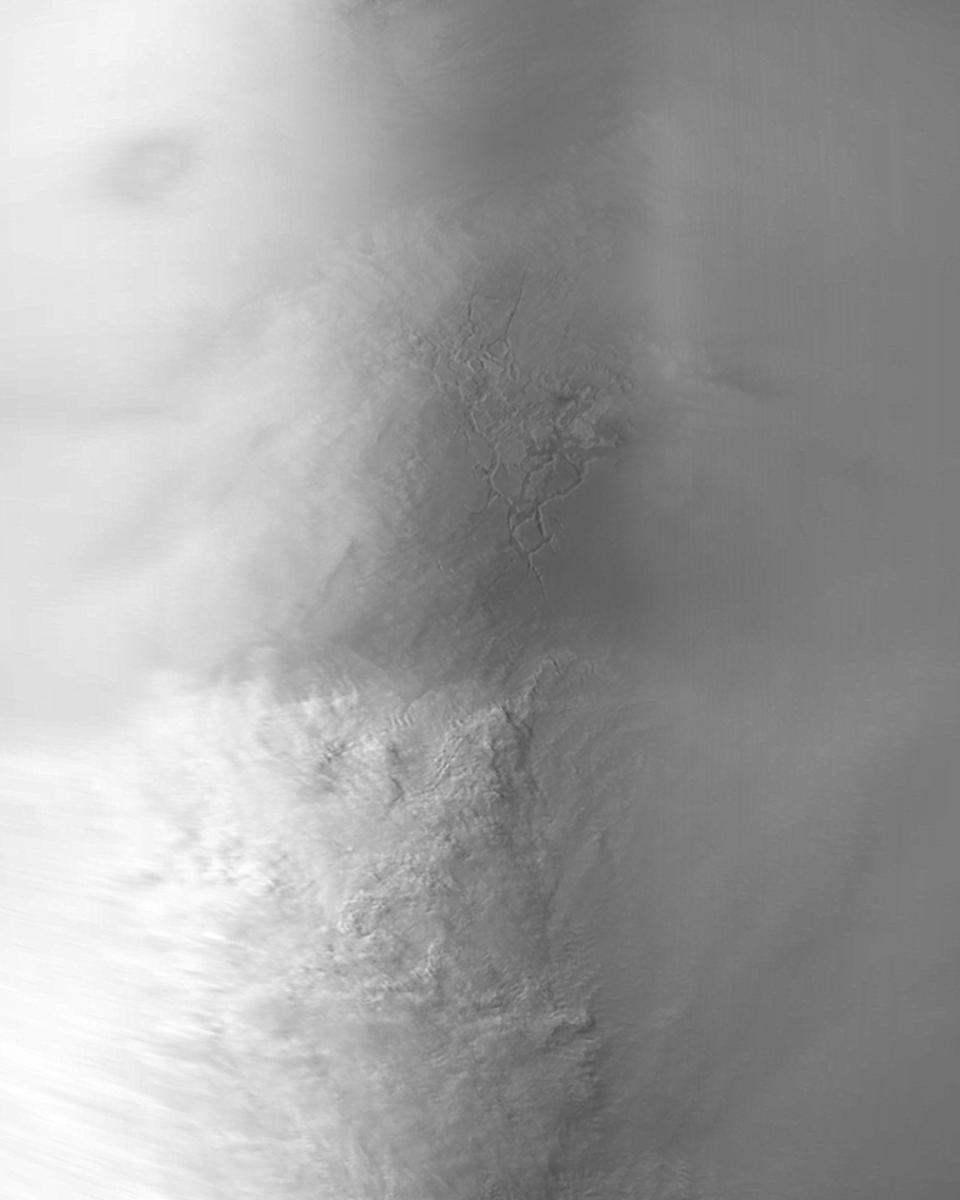
A Global Dust Storm on Mars
A dust storm on Mars can involve nearly the entire planet. As spring descended on the southern hemisphere of the red planet this June and July, a global dust storm raged. Pictured…
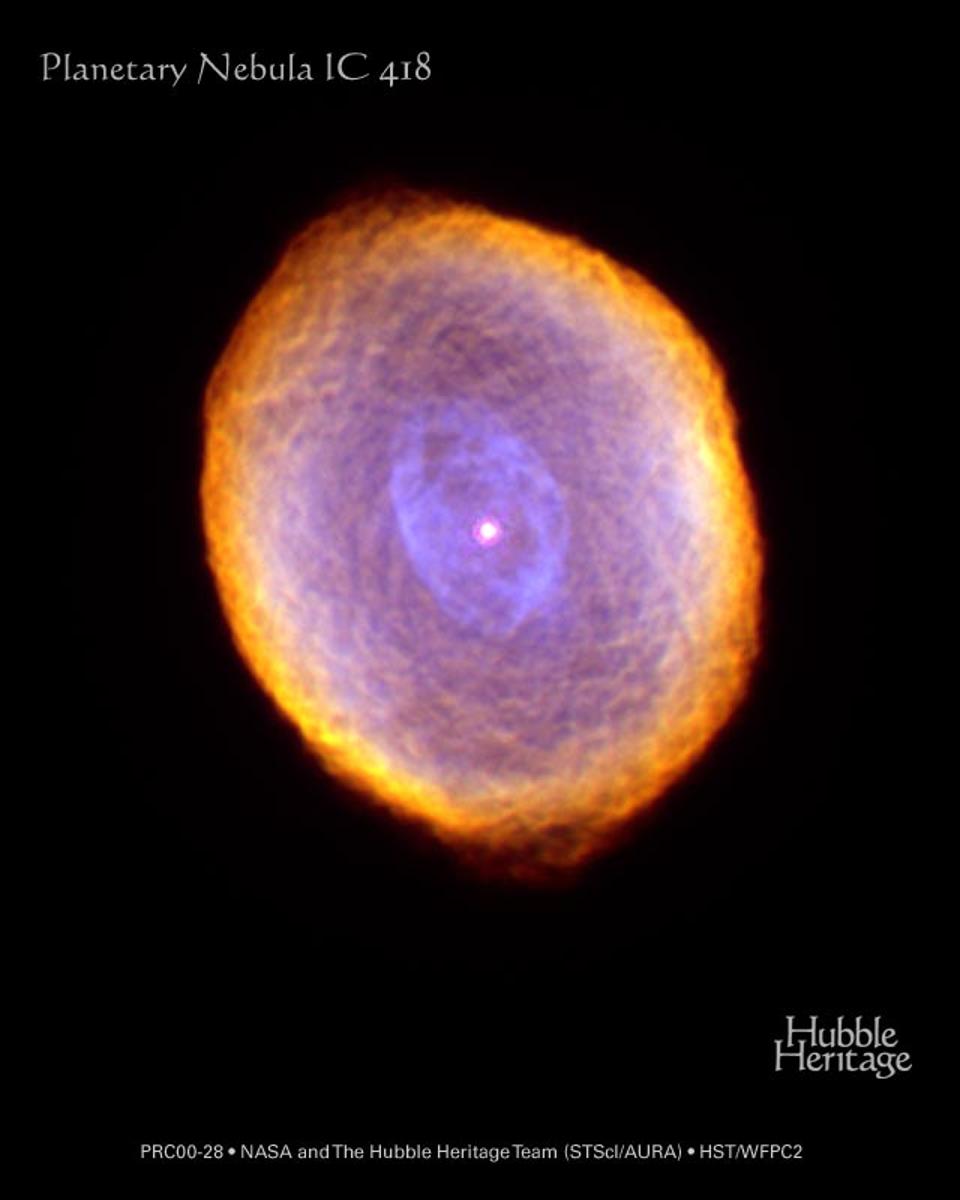
IC 418: The Spirograph Nebula
What is creating the strange texture of IC 418? Dubbed the Spirograph Nebula for its resemblance to drawings from a cyclical drawing tool , planetary nebula IC 418 shows patterns…
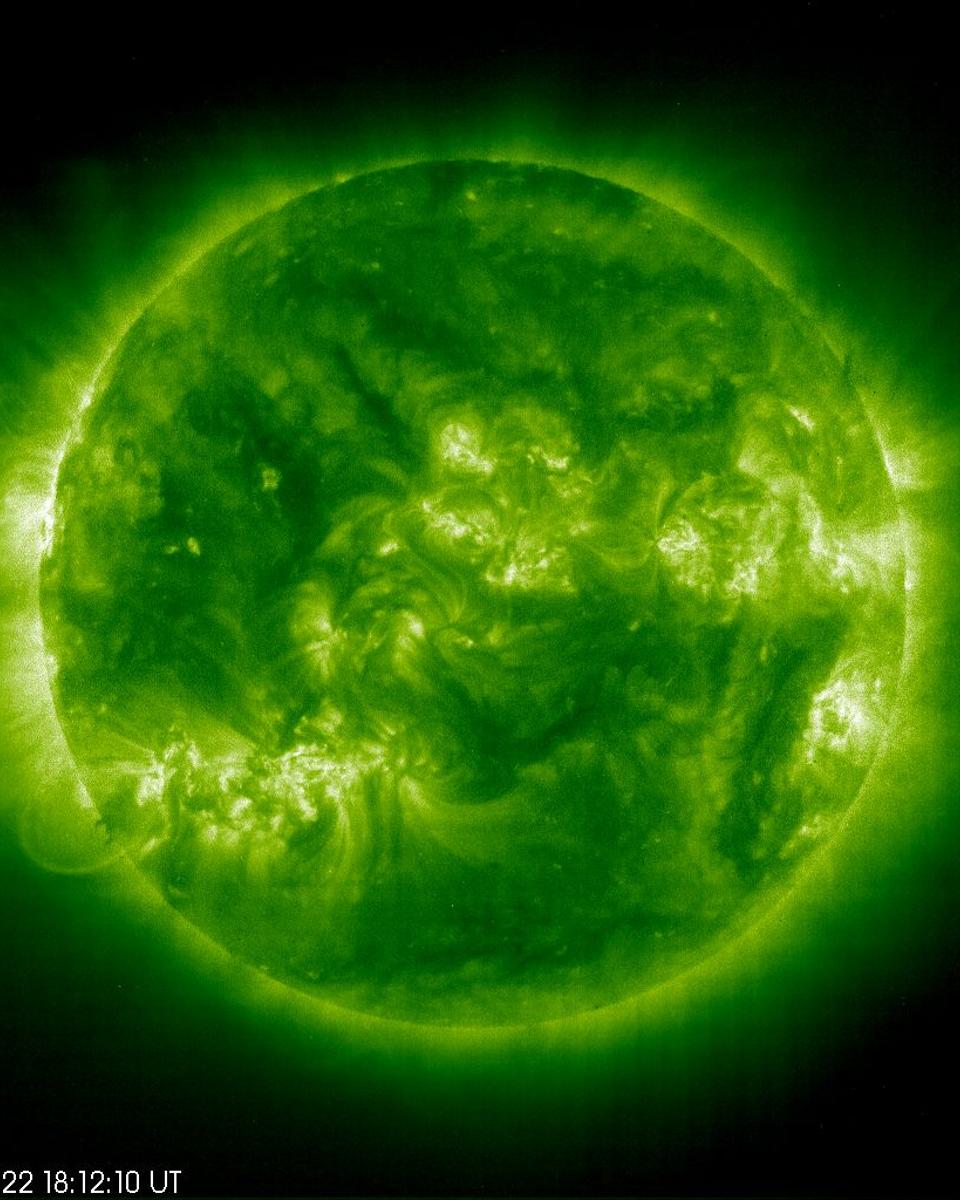
The Iron Sun
The ultraviolet light emitted by eleven times ionized iron at temperatures over 2 million degrees Farenheit was used to record the above picture of the Sun on September 22, the…
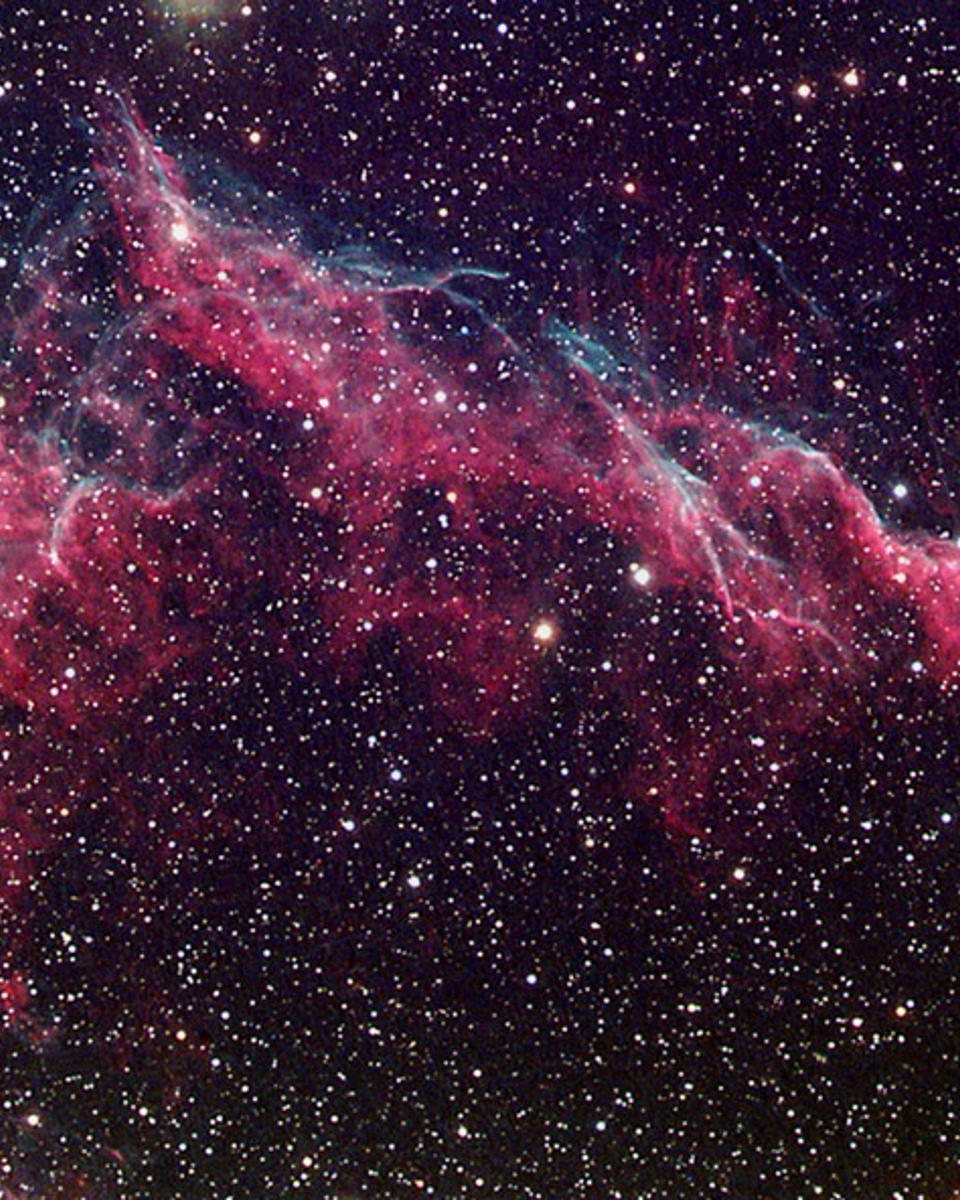
NGC 6992: A Glimpse of the Veil
After 5,000 years, the gorgeous Veil Nebula is still turning heads. Cataloged as NGC 6992, these glowing filaments of interstellar shocked gas are part of a larger spherical…
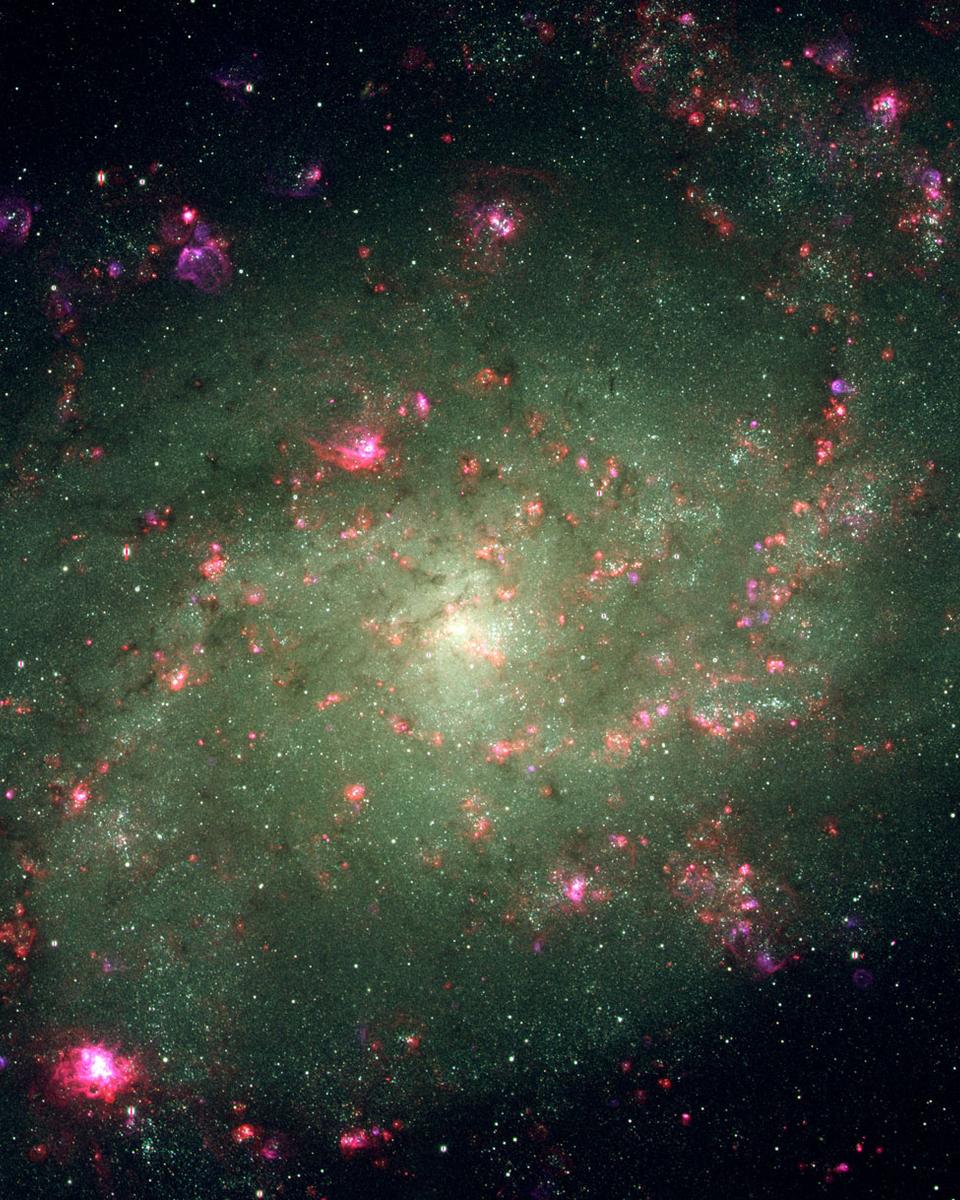
Elements of Nearby Spiral M33
Spiral galaxy M33 is a mid-sized member of our Local Group of Galaxies . M33 is also called the Triangulum Galaxy for the constellation in which it resides. About four times…
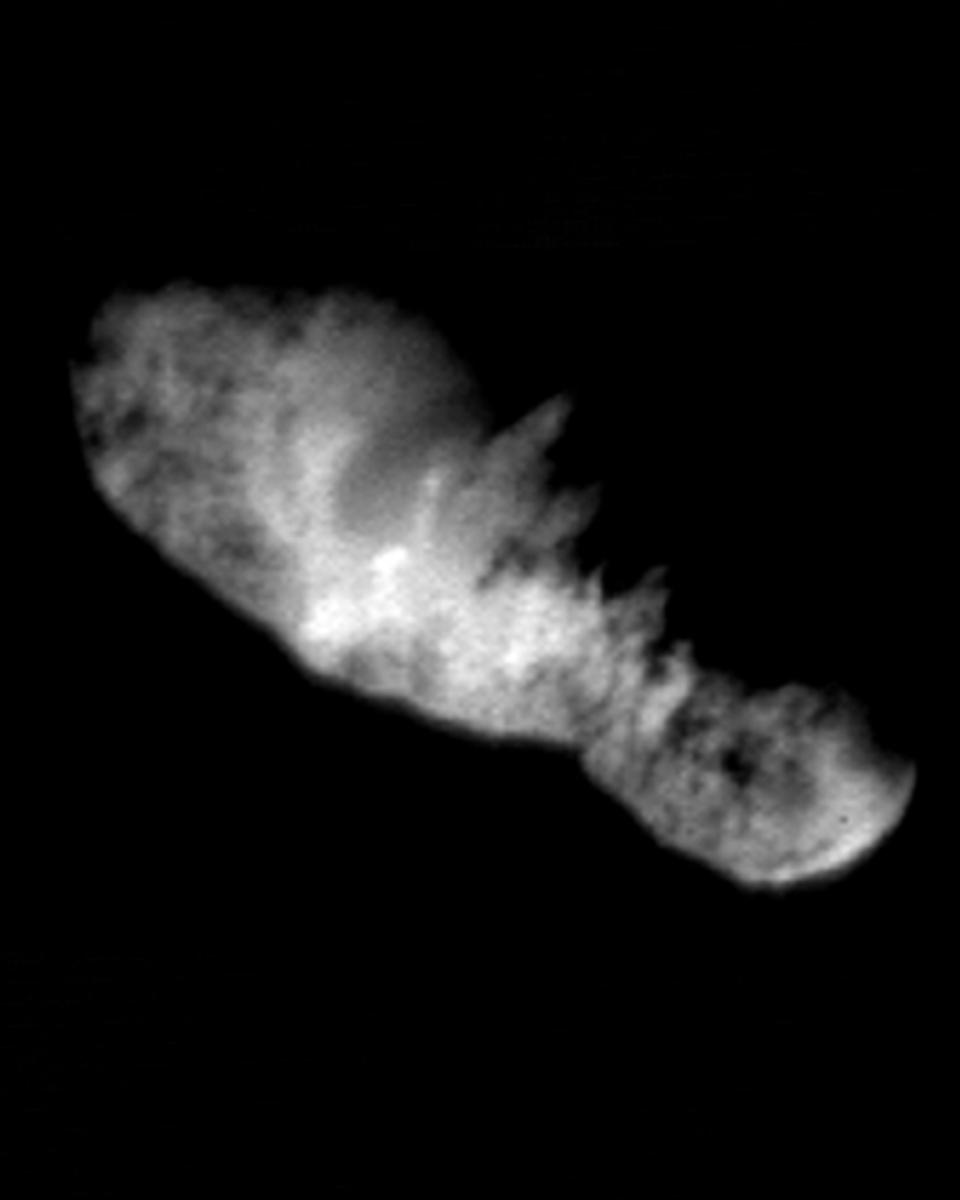
Comet Borrelly's Nucleus
What does a comet nucleus look like? To answer this question, NASA controllers drove an aging probe through the hostile environs of a distant comet, expecting that even if comet…
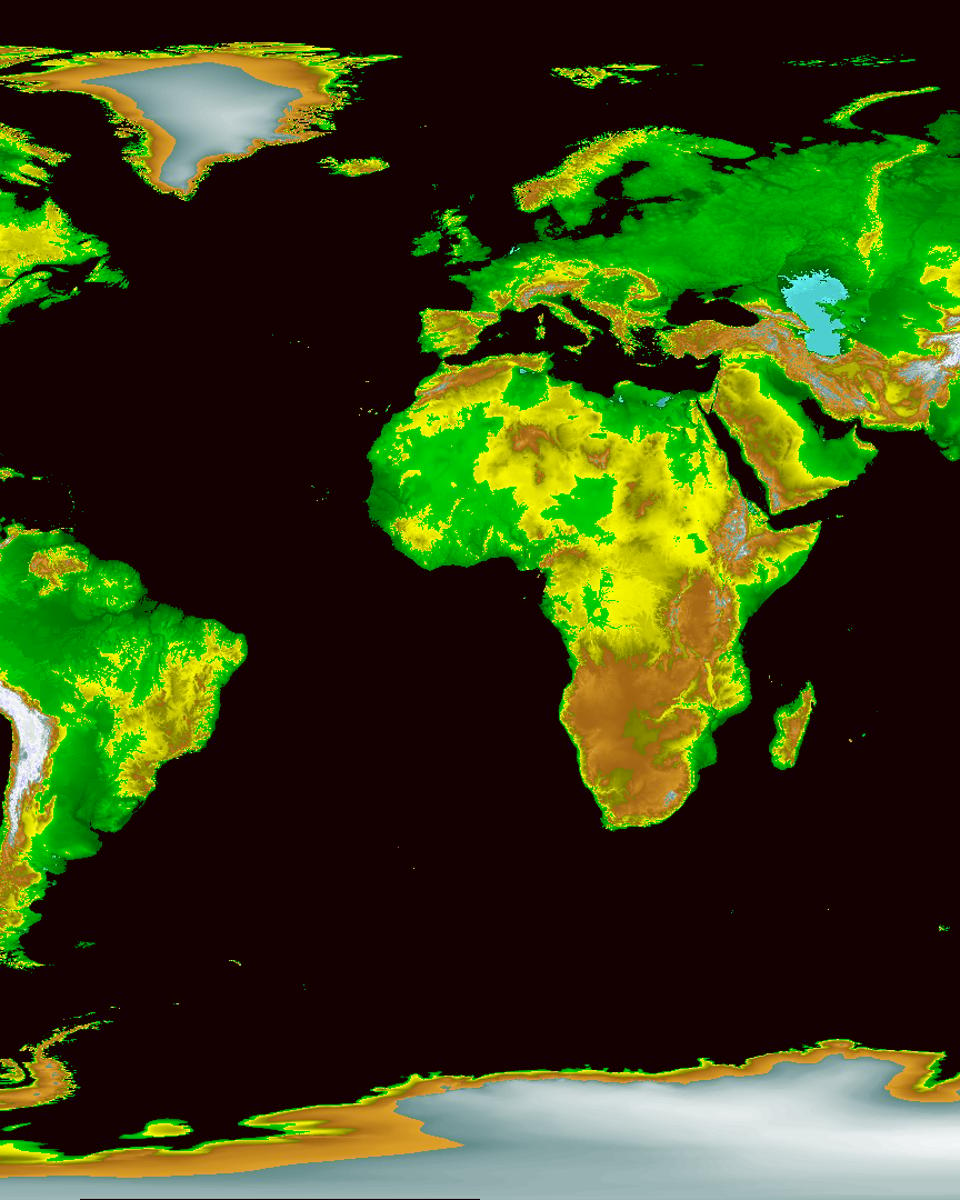
The Highs and Lows of Earth
What's up on planet Earth? A truly global answer has now been created by the Global Land One-km Base Elevation (GLOBE) Project. Pictured above is the best digital elevation map…
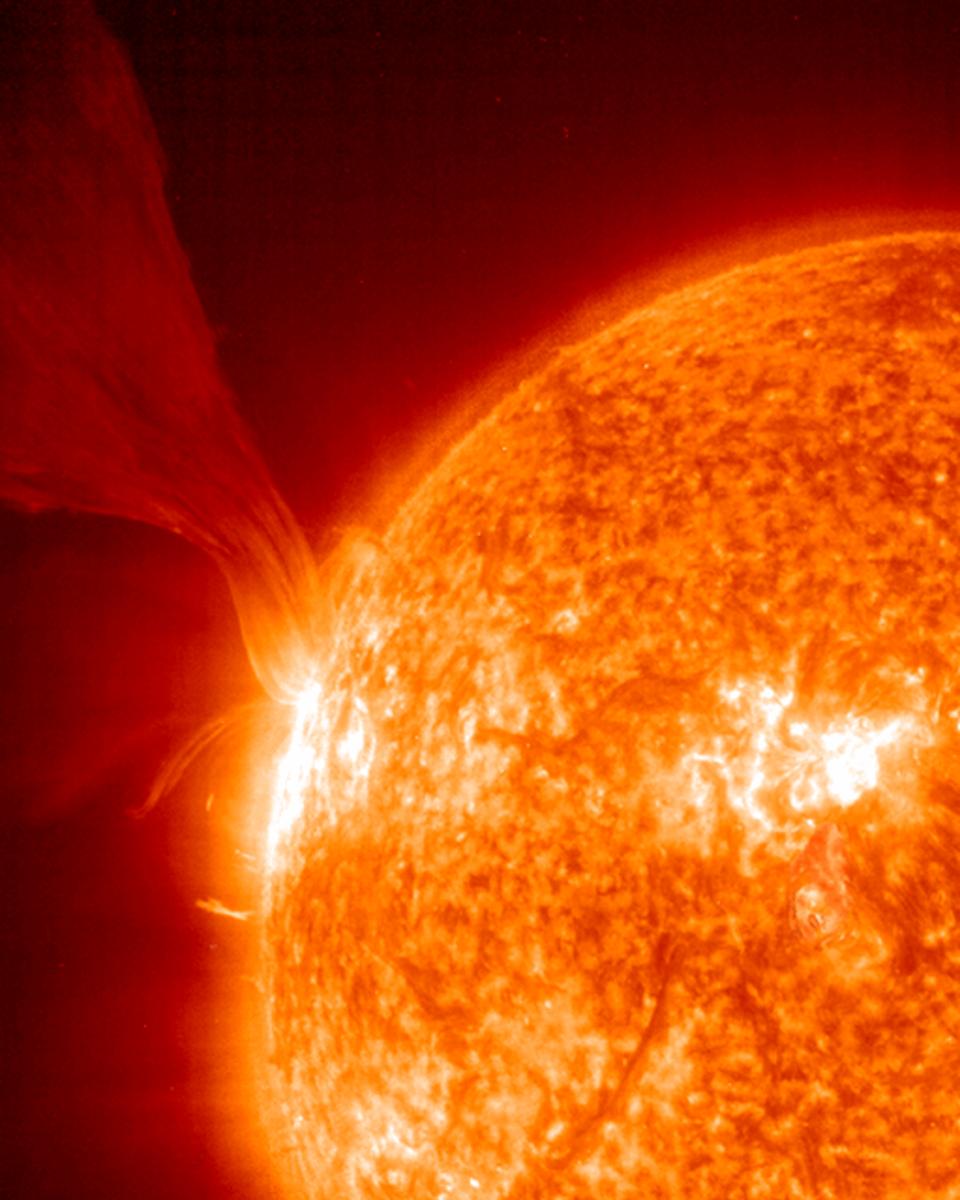
A Solar Prominence Erupts
Our Sun is still very active. Last year, our Sun went though Solar Maximum , the time in its 11-year cycle where the most sunspots and explosive activities occur. Sunspots , the…
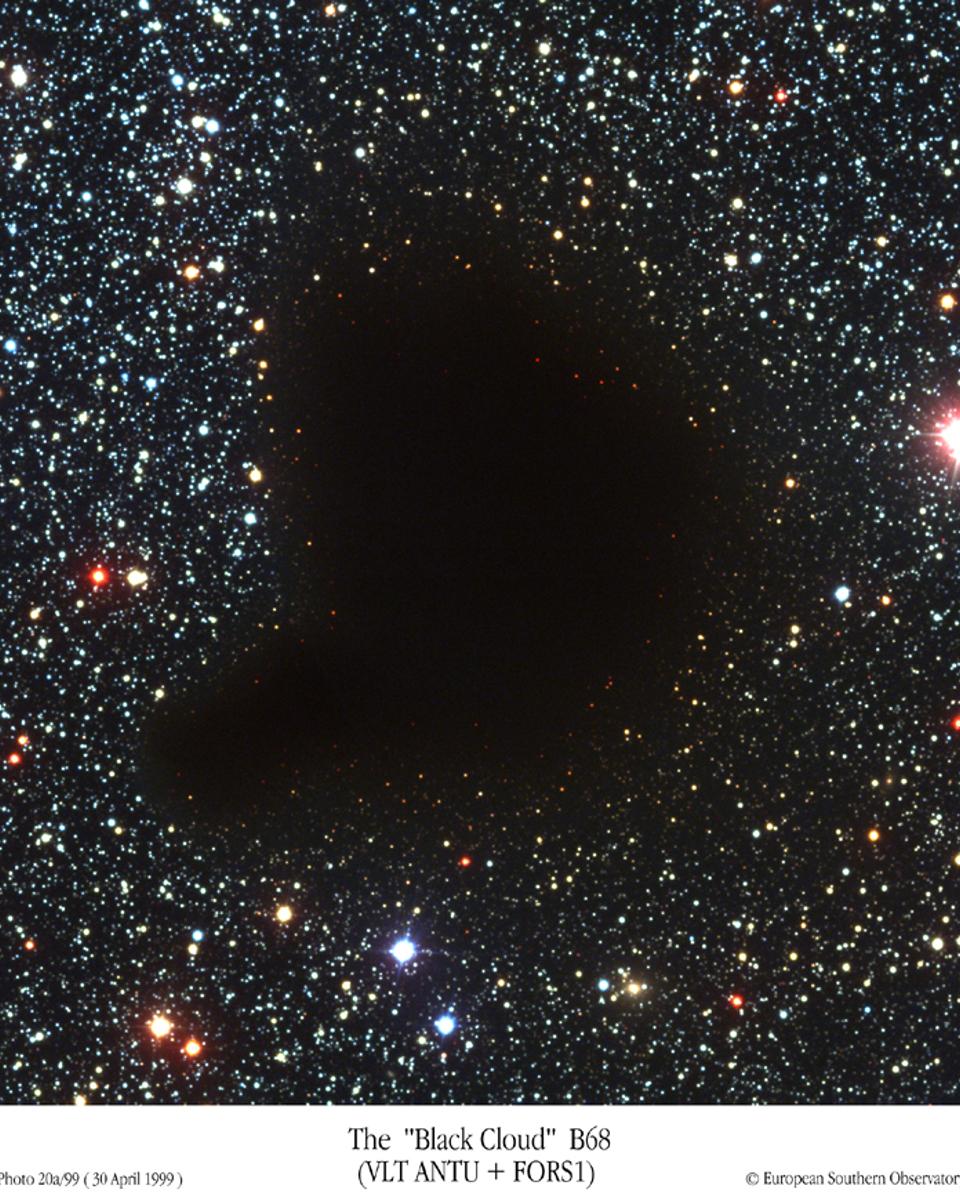
Molecular Cloud Barnard 68
Where did all the stars go? What used to be considered a hole in the sky is now known to astronomers as a dark molecular cloud . Here, a high concentration of dust and molecular…
Viewing discoveries from 16 October 2001 through 23 September 2001.