Browse NASA Astronomy Picture of the Day archive by date and media: Archive Discoveries
Browse the NASA APOD archive without needing the exact date first. Filter by media type and keep moving deeper into older images and videos.
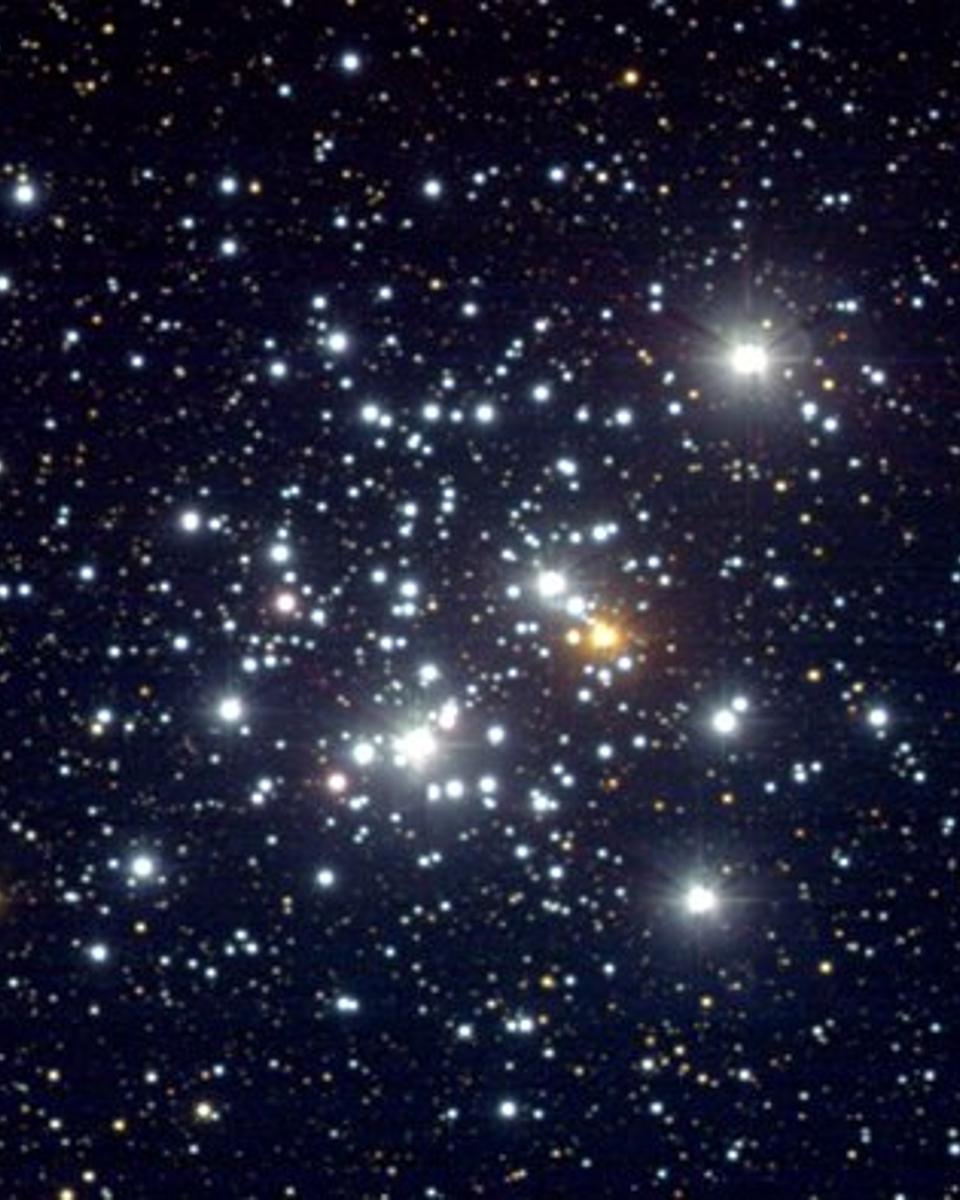
NGC 4755: A Jewel Box of Stars
The great variety of star colors in this open cluster underlies its name: The Jewel Box . One of the bright central stars is a red supergiant, in contrast to the many blue stars…
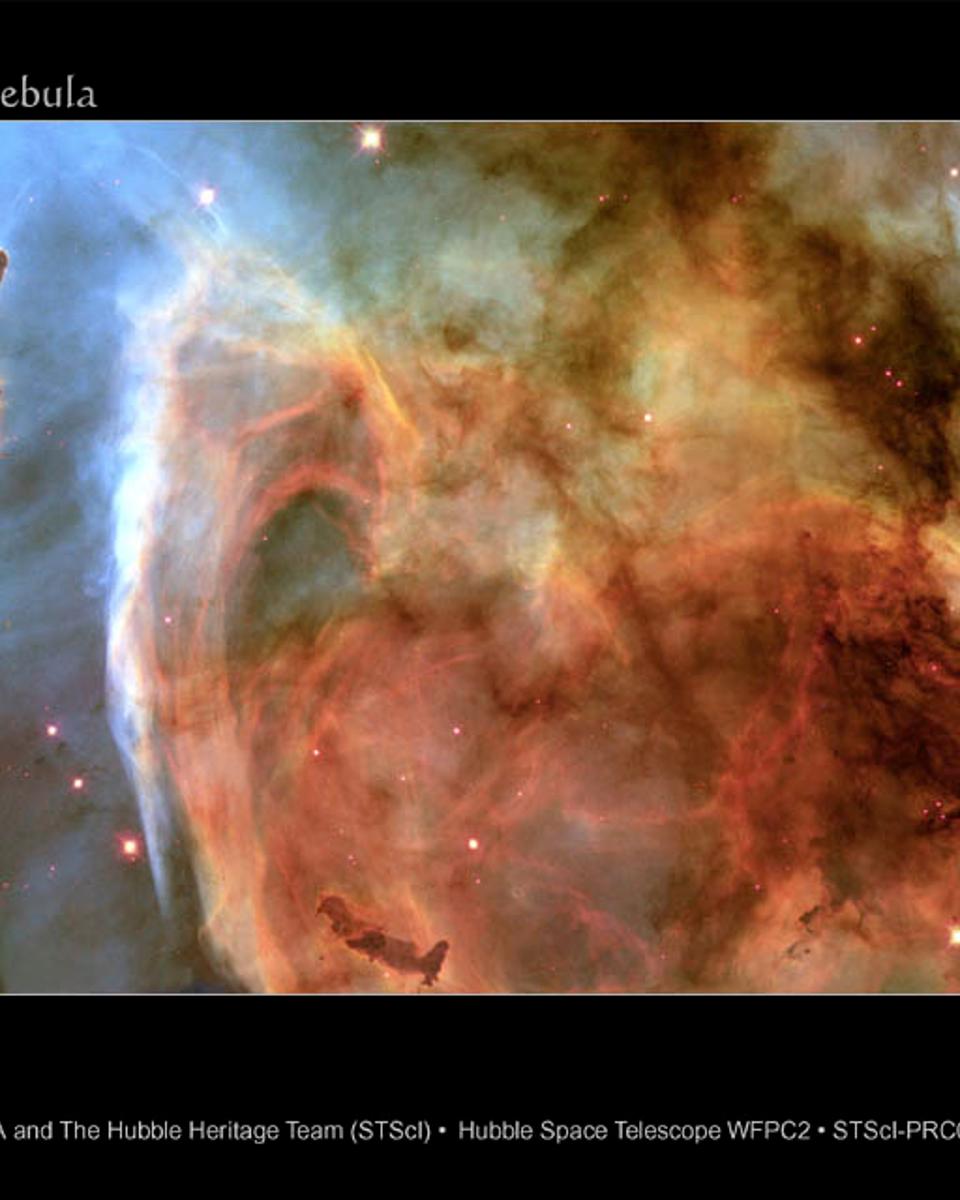
Colorful Clouds Of Carina
Tumultuous clouds of the Carina Nebula , 8000 light-years away, glow in planet Earth's southern sky . Striking and detailed, this close-up of a portion of the famous nebula is a…
APOD is Six Years Old Today
Welcome to the seventh year of Astronomy Picture of the Day (APOD). Editors Robert Nemiroff and Jerry Bonnell are extremely grateful for the continued large volume of gracious…
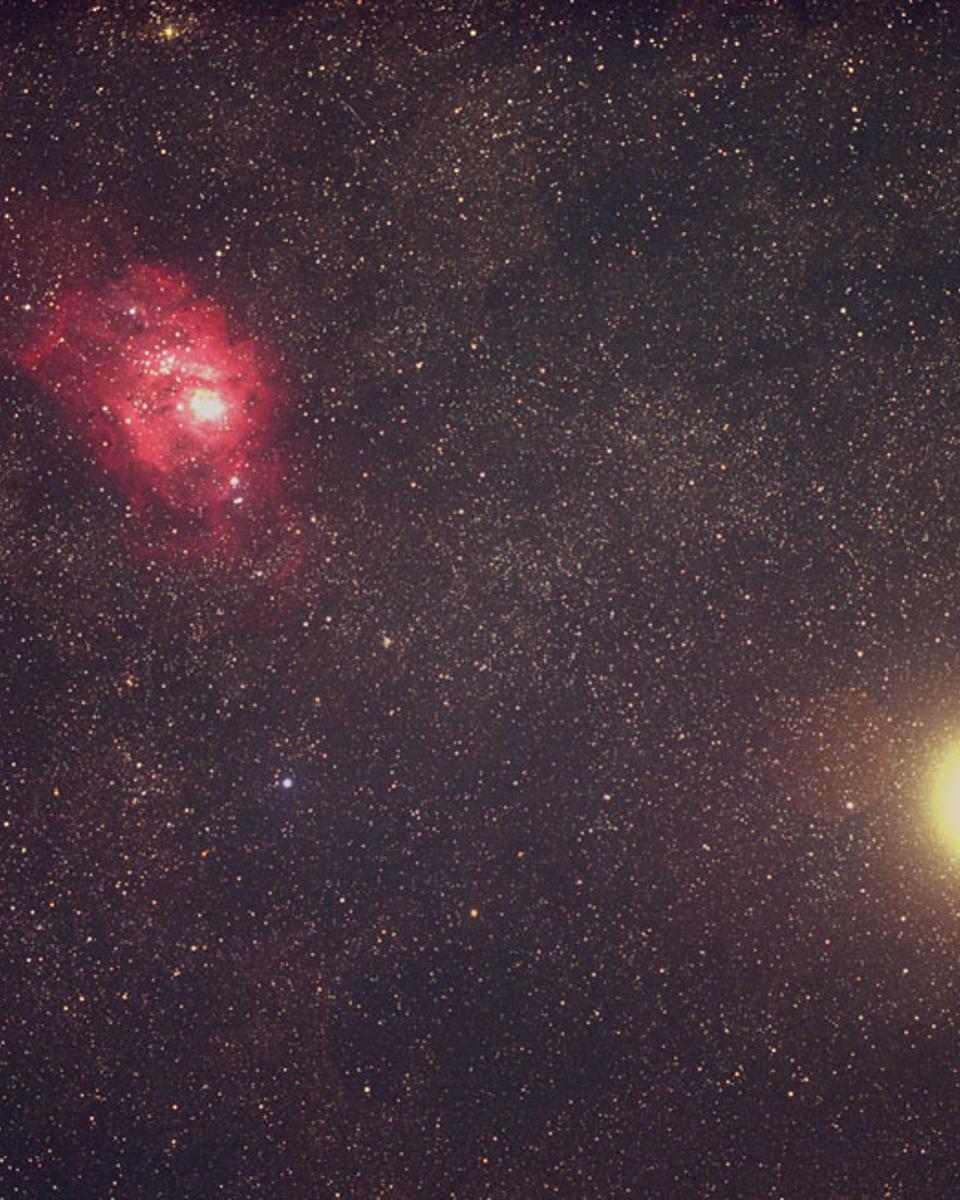
Messiers and Mars
A telescopic tour of the constellation Sagittarius offers the many bright clusters and nebulae of dimensioned space in a starscape surrounding the galactic center . This gorgeous…
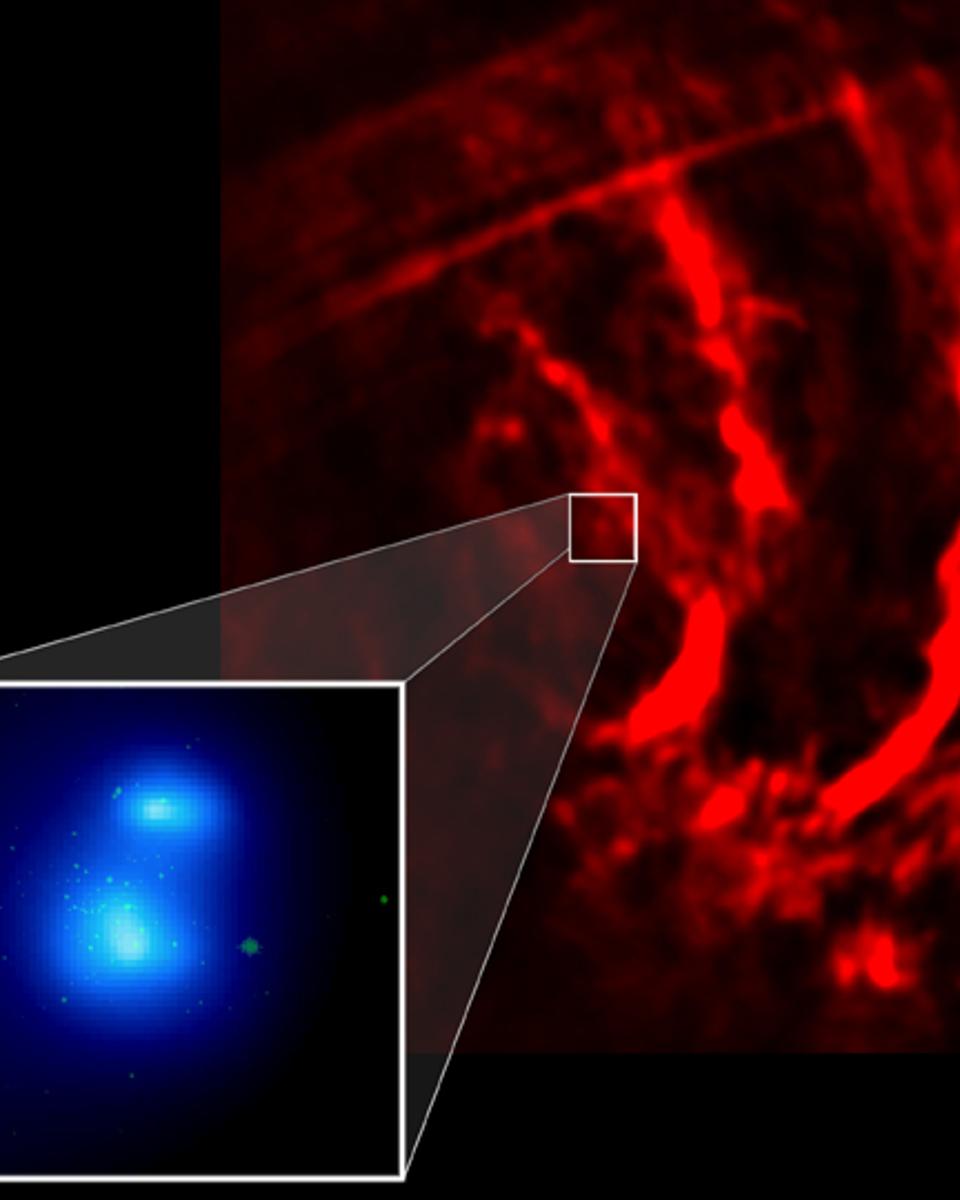
Around The Arches Cluster
The most compact cluster of stars known in our galaxy, the Arches cluster , boasts 100 or so massive, young stars contained within a diameter of one light-year. Seen toward the…
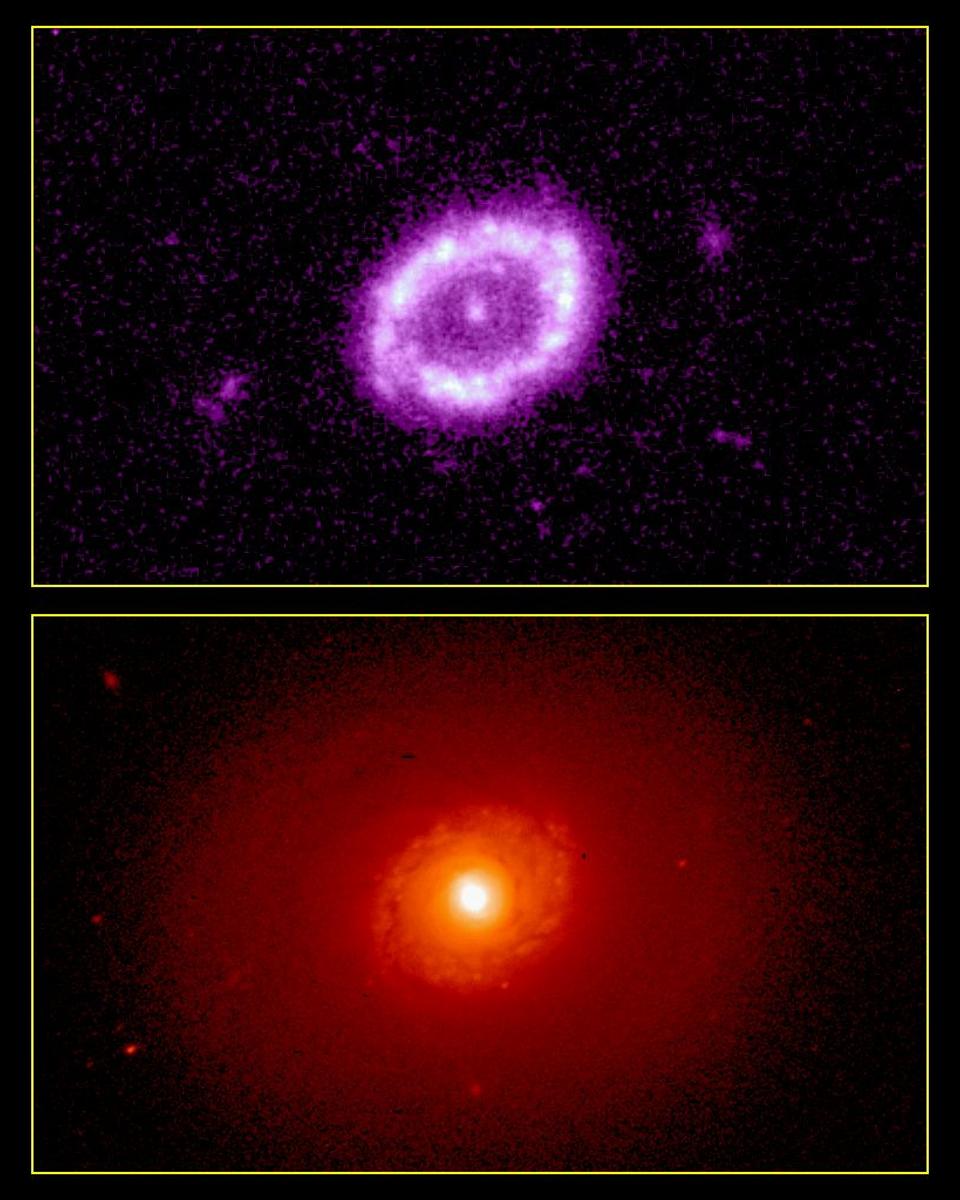
M94: Beyond the Blue
Today's galaxy, M94 (NGC 4736), lies 15 million light-years away in the constellation Canes Venatici . In the red light image (left), its very bright nucleus and tightly wound…
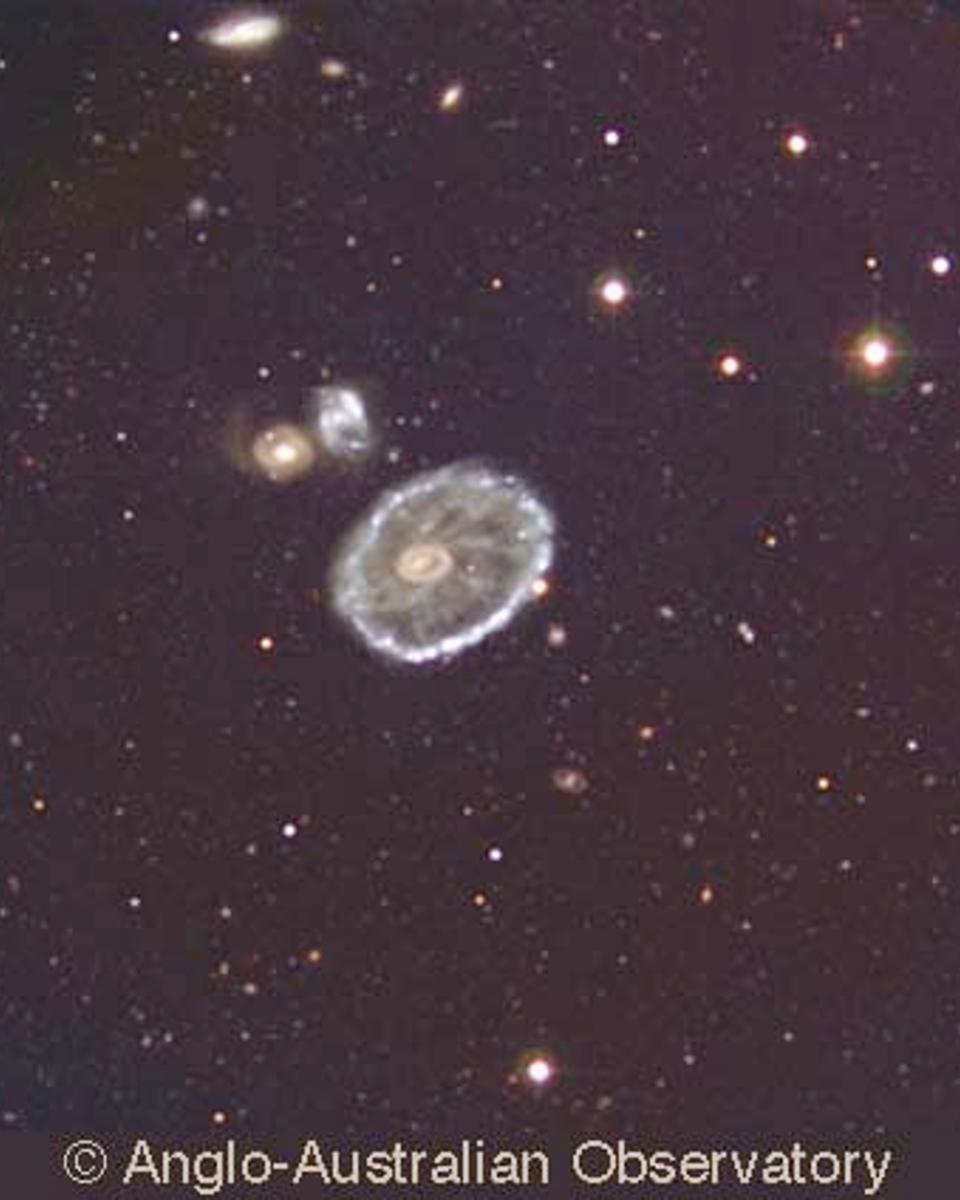
The Cartwheel Galaxy
By chance, a collision of two galaxies has created a surprisingly recognizable shape on a cosmic scale. The Cartwheel Galaxy is part of a group of galaxies about 500 million light…
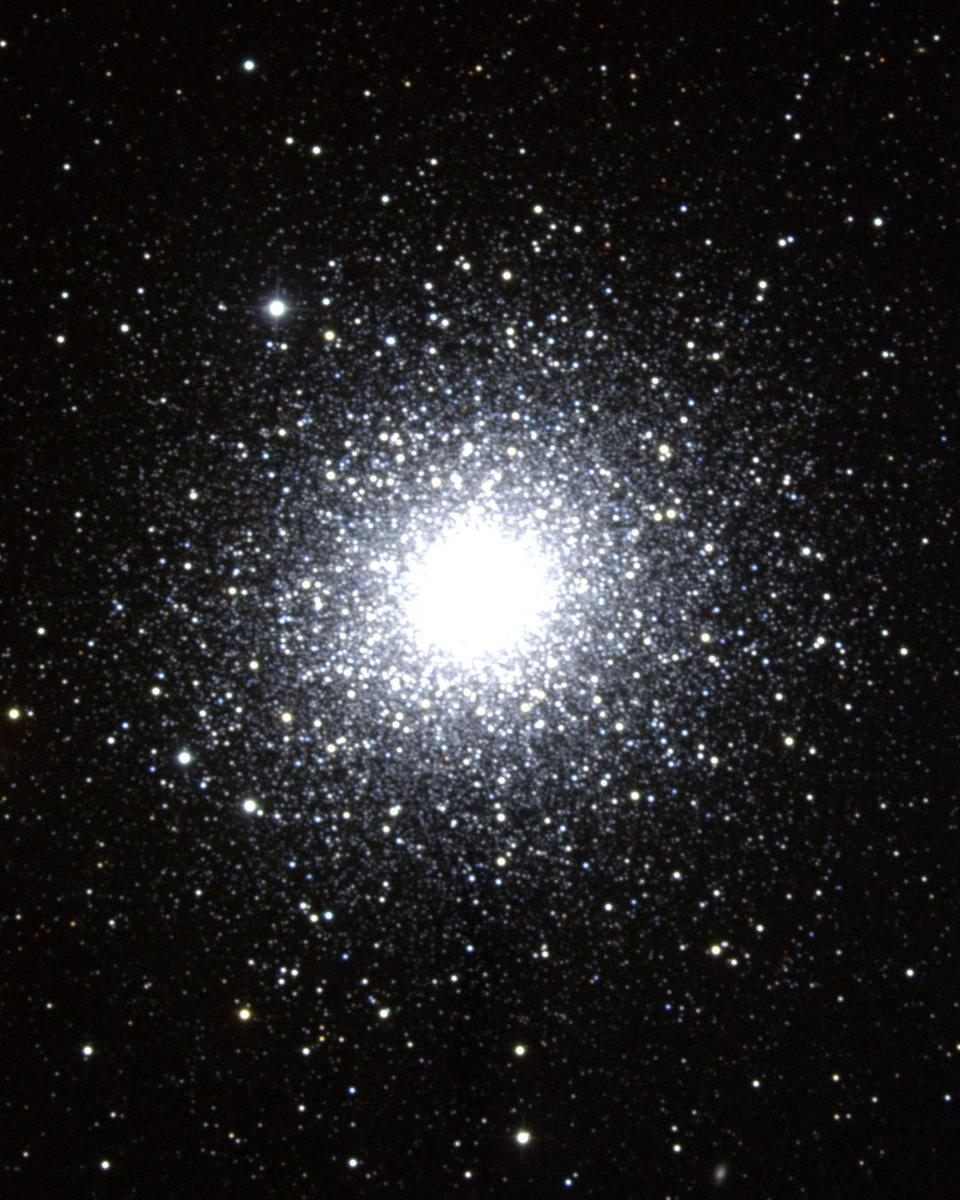
Globular Cluster M2
Beneath the south pole of our Milky Way Galaxy lies a ball of over 100,000 stars. M2, the second object on Charles Messier 's eighteenth century list of bright diffuse sky objects…
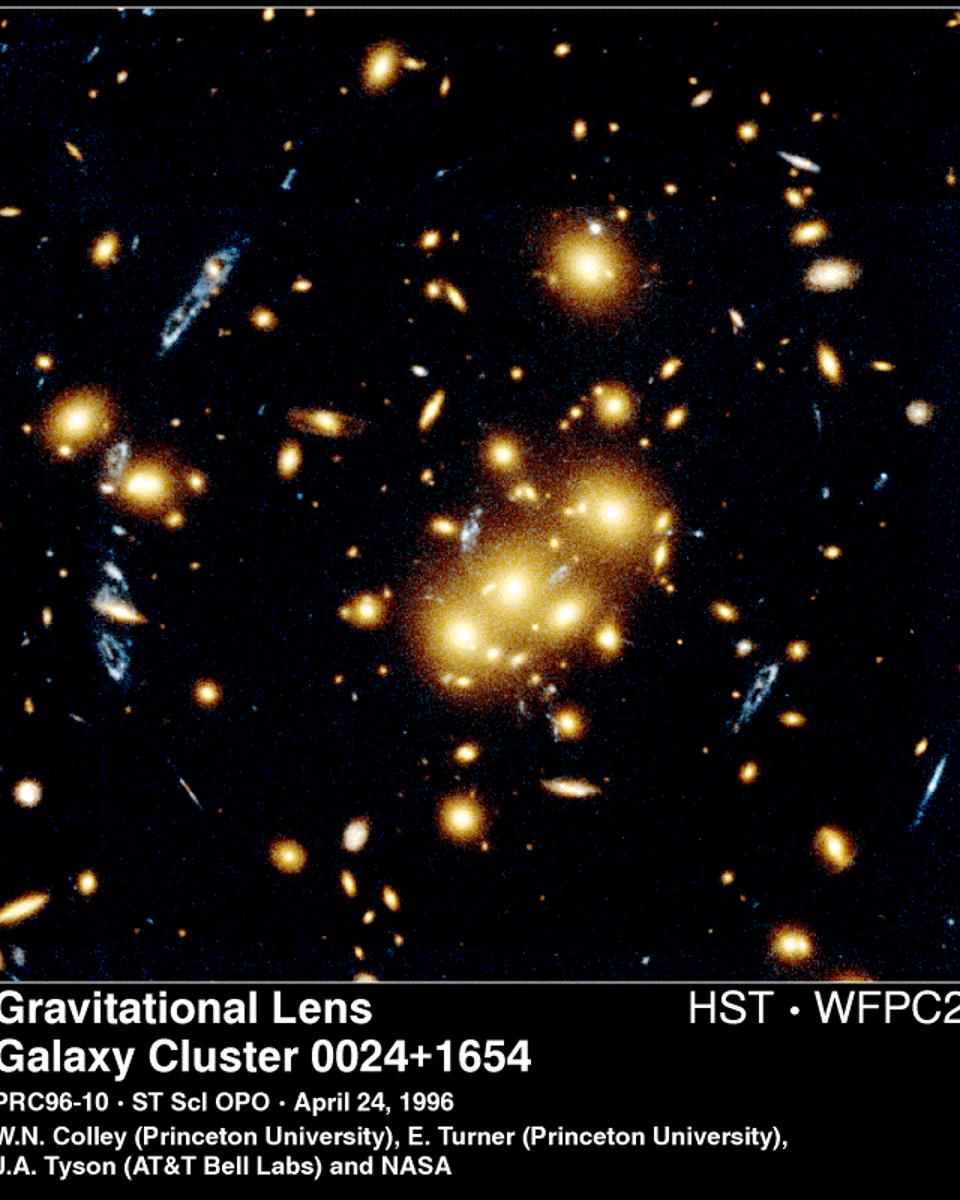
Giant Cluster Bends, Breaks Images
What are those strange blue objects? Many are images of a single, unusual, beaded, blue, ring-like galaxy which just happens to line-up behind a giant cluster of galaxies. Cluster…
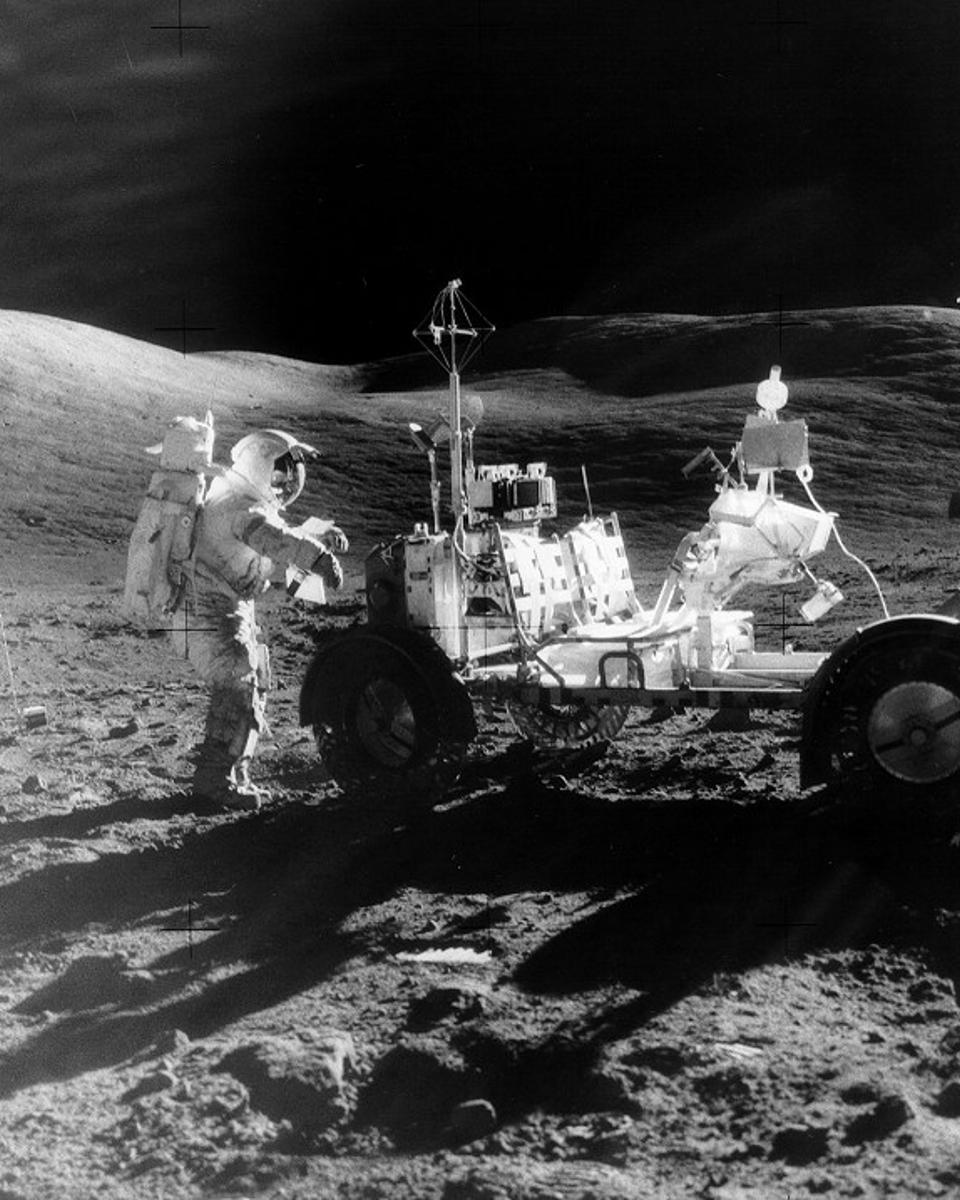
Apollo 17's Lunar Rover
In December of 1972, Apollo 17 astronauts Eugene Cernan and Harrison Schmitt spent about 75 hours exploring the Moon's Taurus-Littrow valley while colleague Ronald Evans orbited…
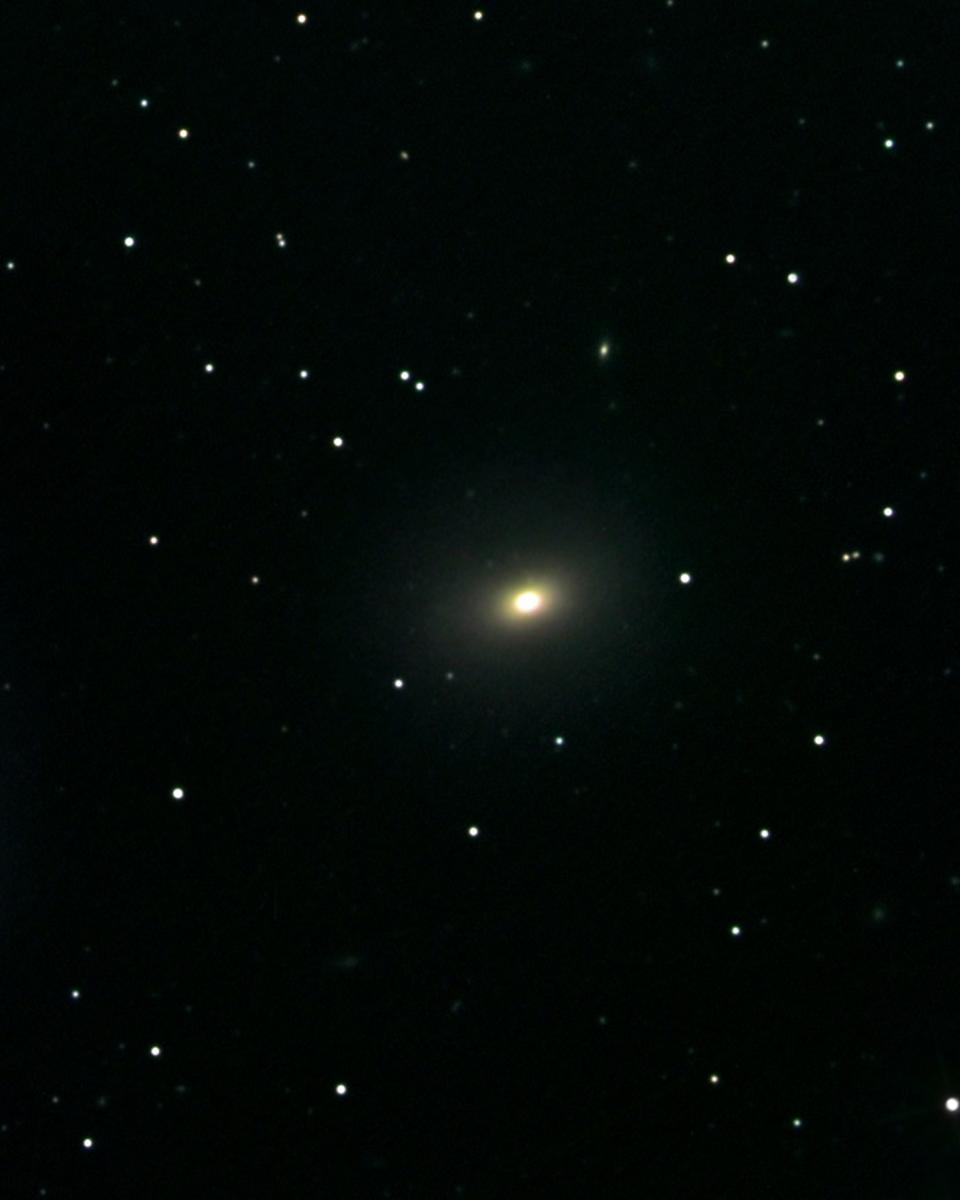
Three Galaxies in Draco
This intriguing trio of galaxies is sometimes called the NGC 5985/Draco Group and so (quite reasonably) is located in the northern constellation Draco . From left to right are…
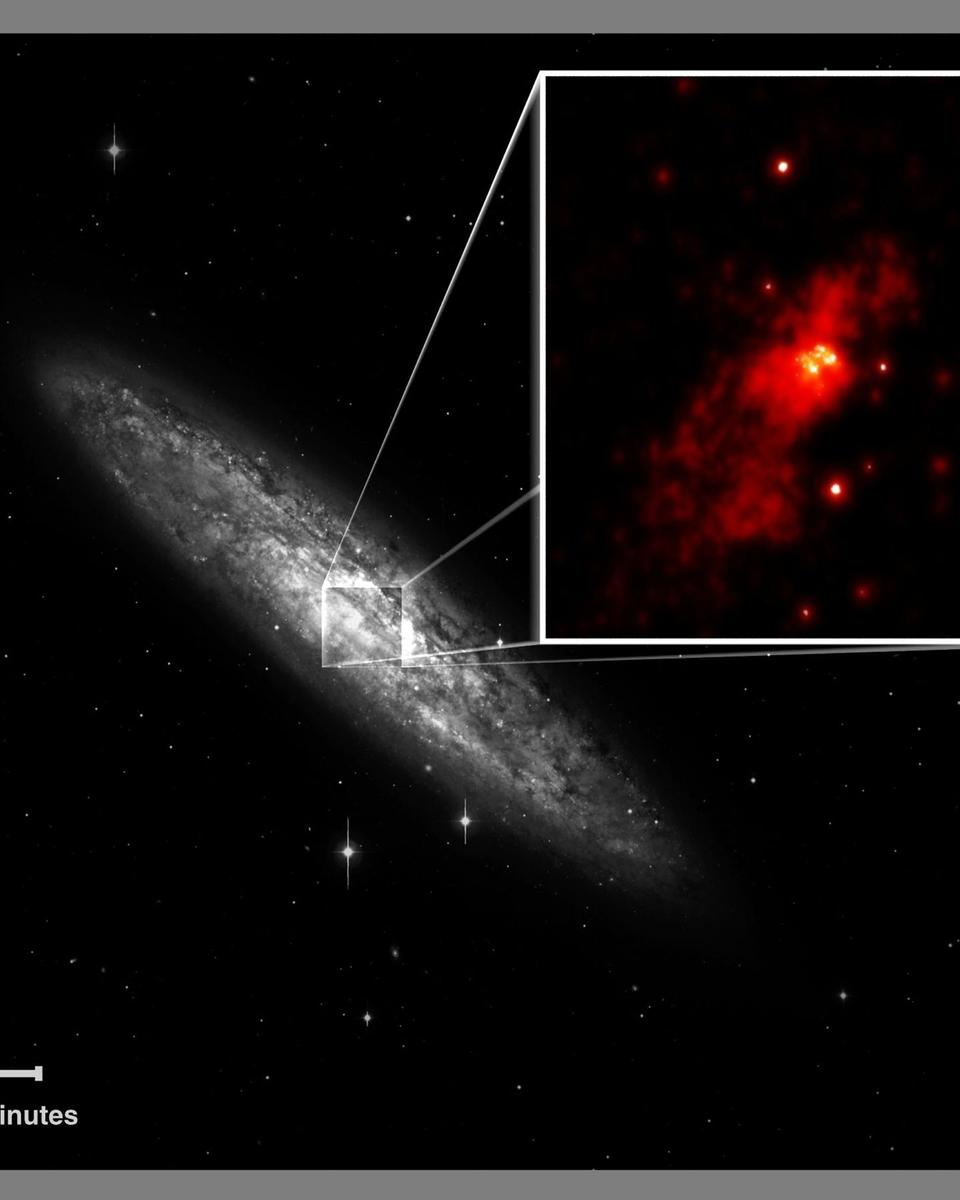
NGC 253: X-Ray Zoom
Astronomers now report that Chandra X-ray Observatory observations of galaxies known to be frantically forming stars show that these galaxies also contain luminous x-ray sources…
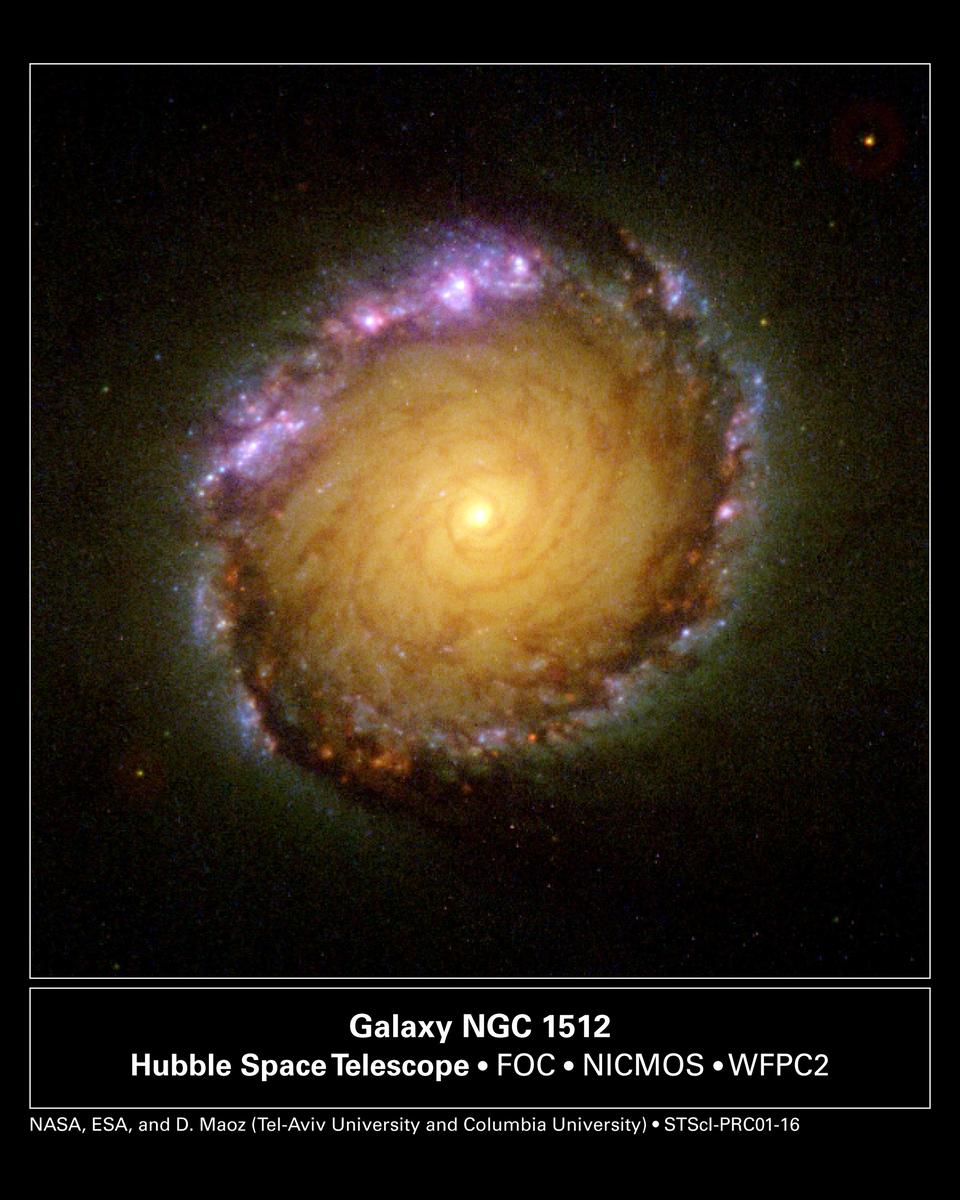
NGC 1512: A Panchromatic View
This spectacular color picture of the core of barred spiral galaxy NGC 1512 (bottom panel) is a composite of the seven Hubble Space Telescope images arrayed along the top. Each…
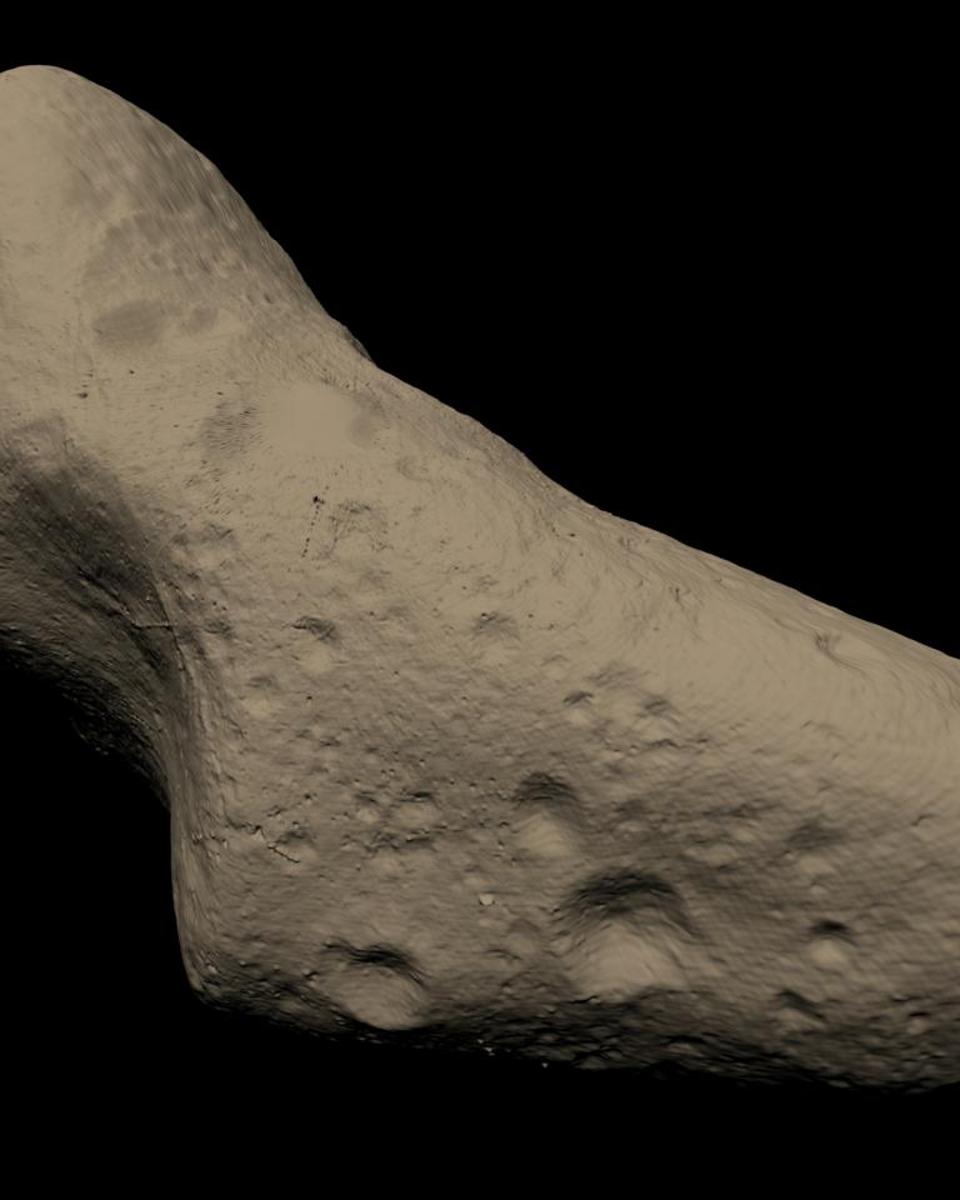
Asteroid Eros Reconstructed
Orbiting the Sun between Mars and Earth , asteroid 433 Eros was visited by the robot spacecraft NEAR-Shoemaker in 2000 February. High-resolution surface measurements made by NEAR…
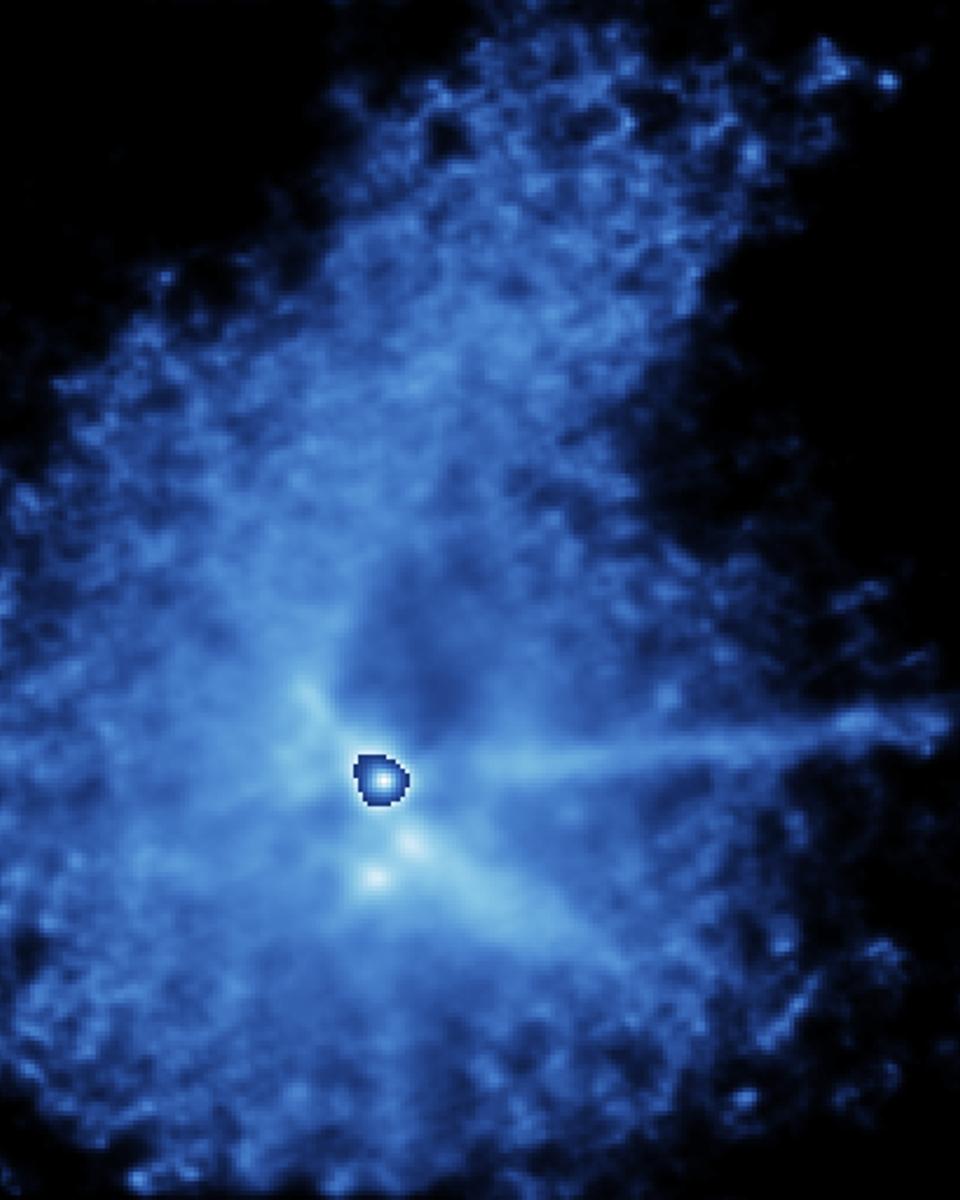
The T Tauri Star Forming System
What did the Sun look like before there were planets? A prototype laboratory for the formation of low mass stars like our Sun is the T Tauri system , one of the brighter star…
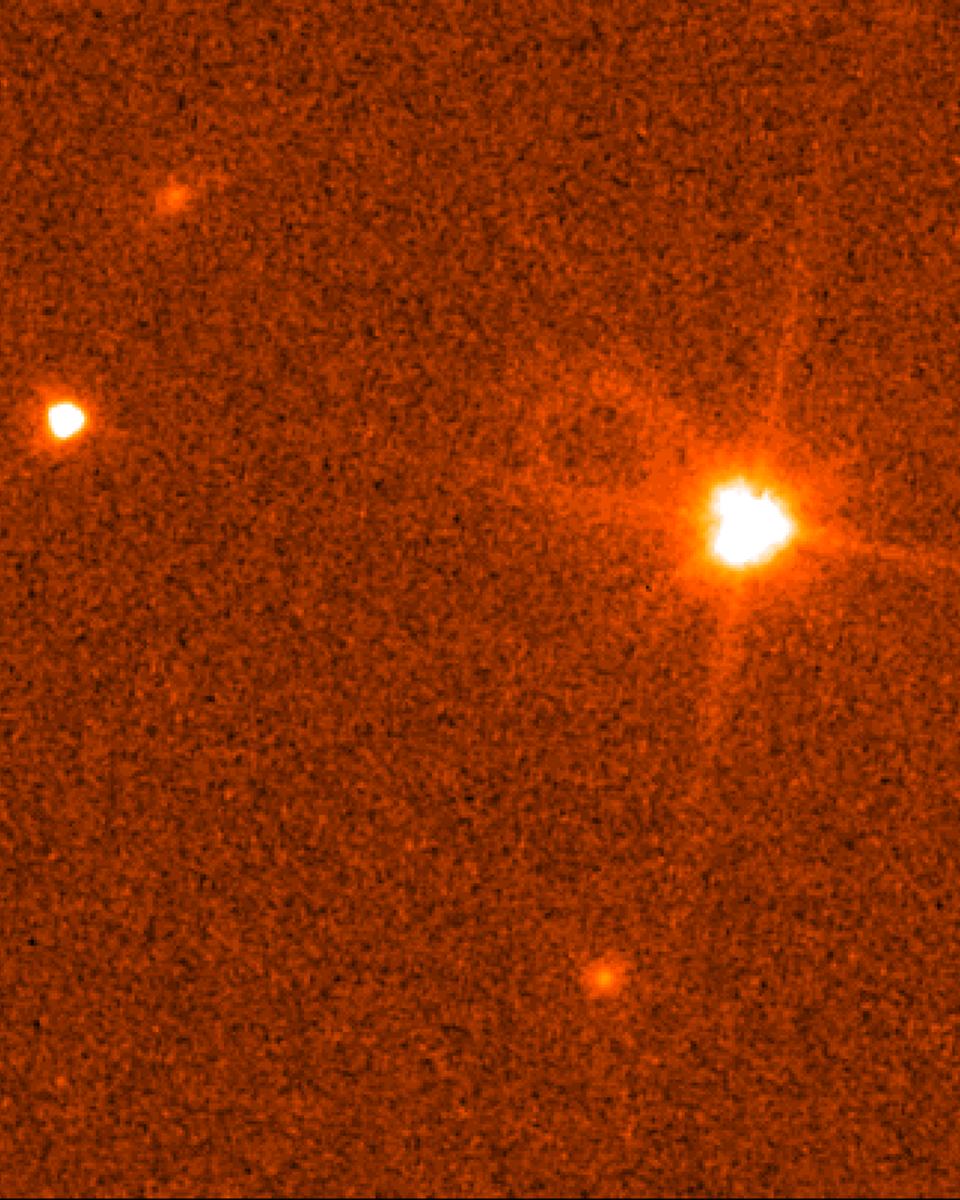
A GRB 000301C Symphony
Last March, telescopic instruments in Earth and space tracked a tremendous explosion that occurred across the universe. A nearly unprecedented symphony of international…
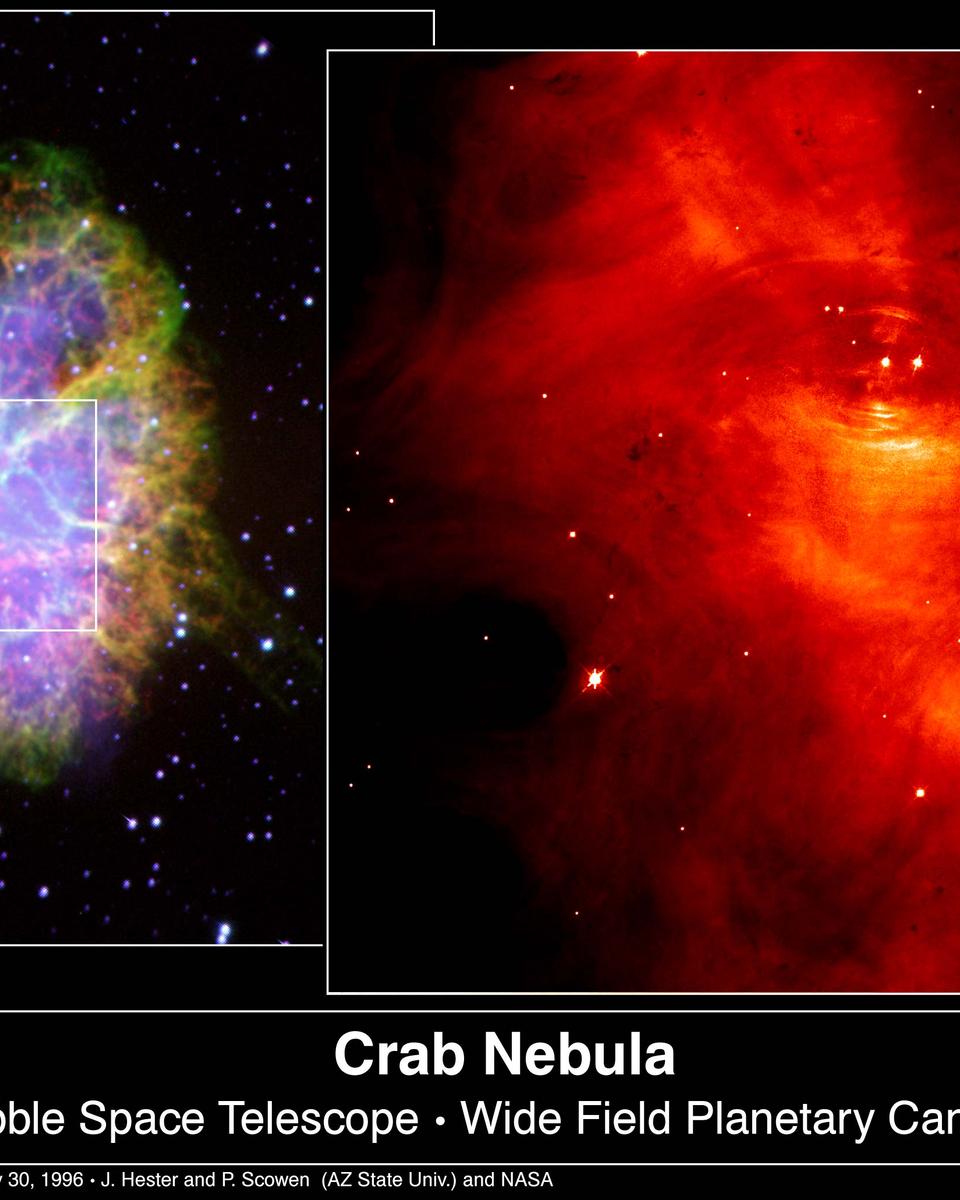
The Pulsar Powered Crab
In the Summer of 1054 A.D. Chinese astronomers reported that a star in the constellation of Taurus suddenly became as bright as the full Moon. Fading slowly, it remained visible…
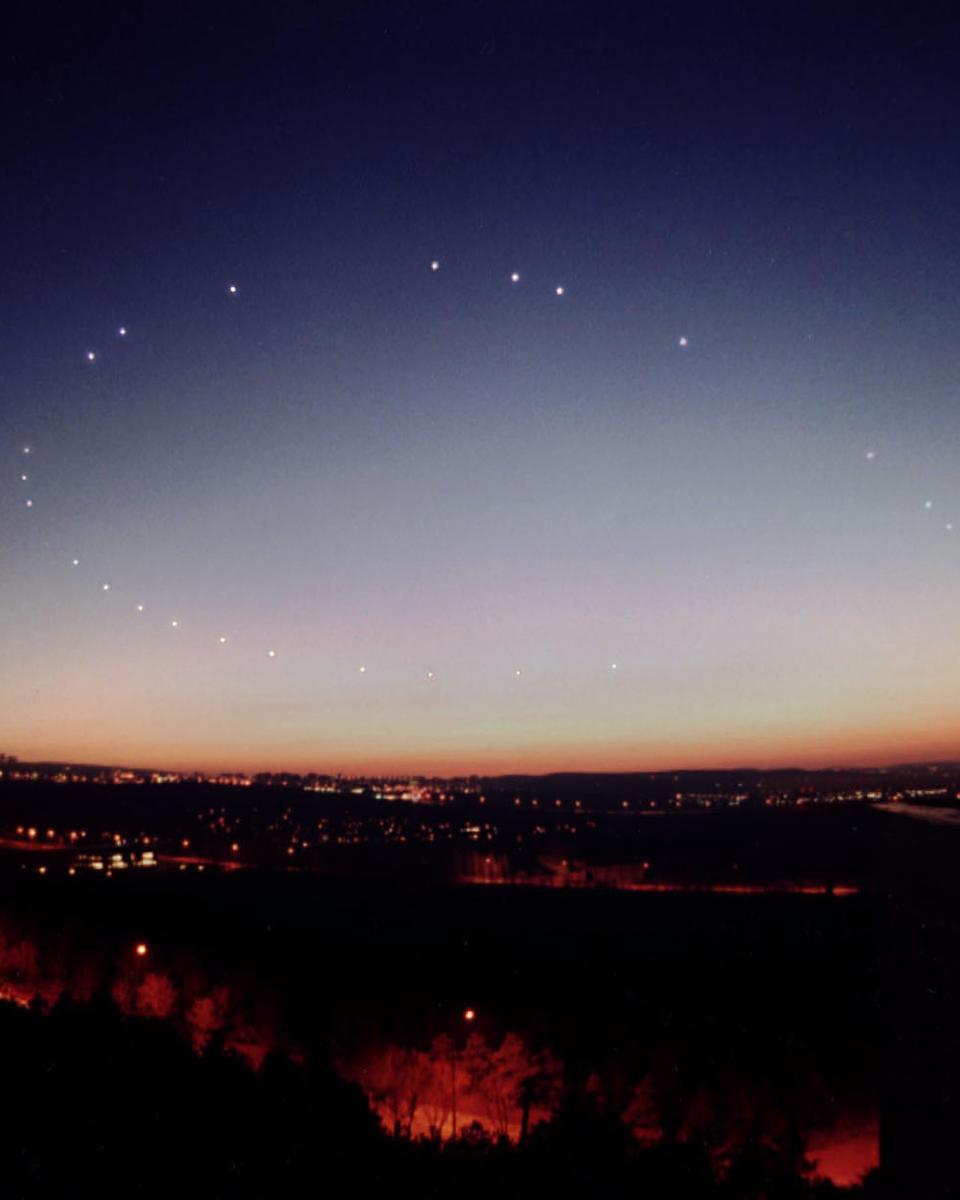
Venus' Evening Loop
From September 2000 through March 2001, astronomer Tunc Tezel patiently photographed the planet Venus on 25 different dates as it wandered through the evening twilight. The…
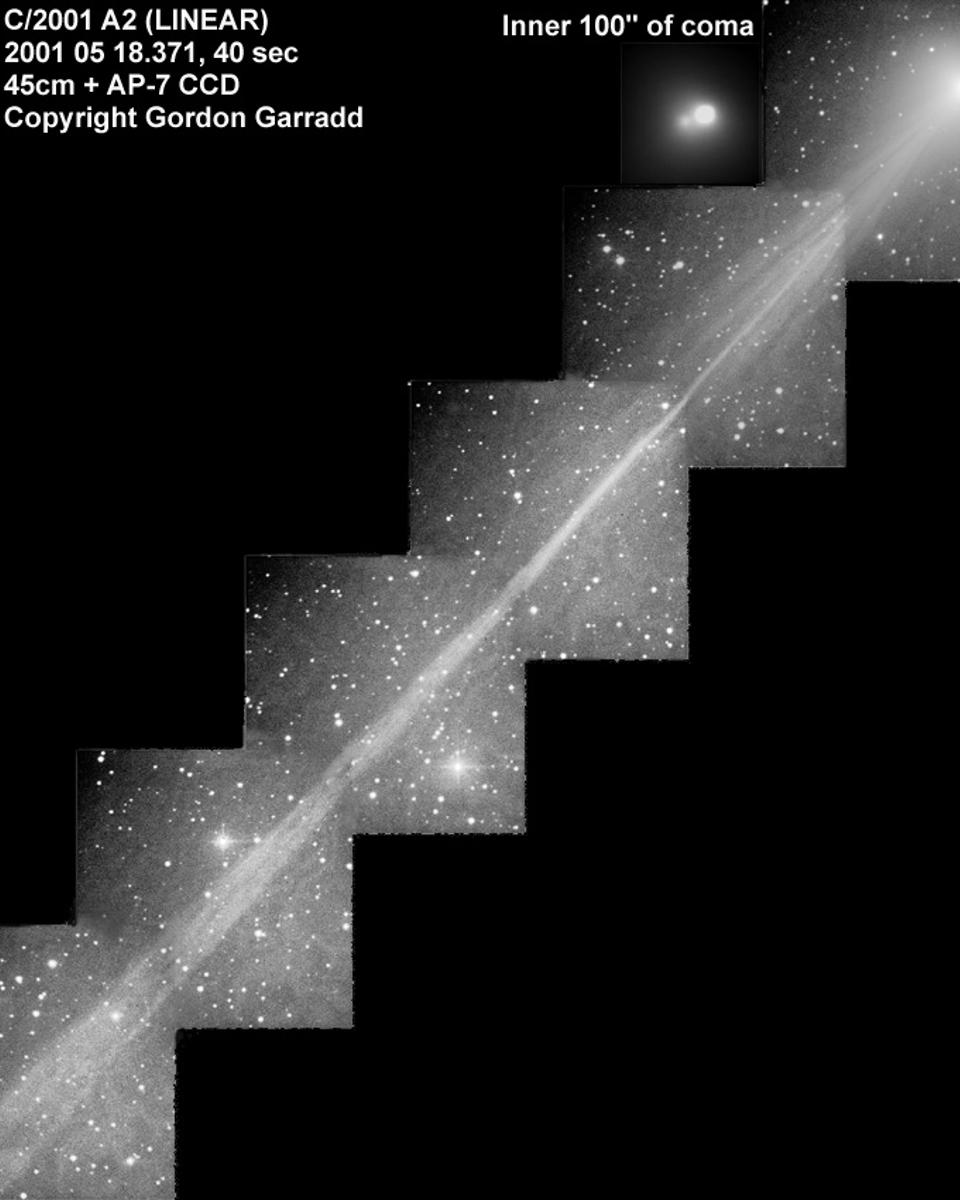
LINEAR's Tail and Two Nuclei
Arcing toward southern skies in late March, this faint comet LINEAR - the one officially designated C/2001 A2 (LINEAR) - brightened unexpectedly. The outburst, apparently due to…
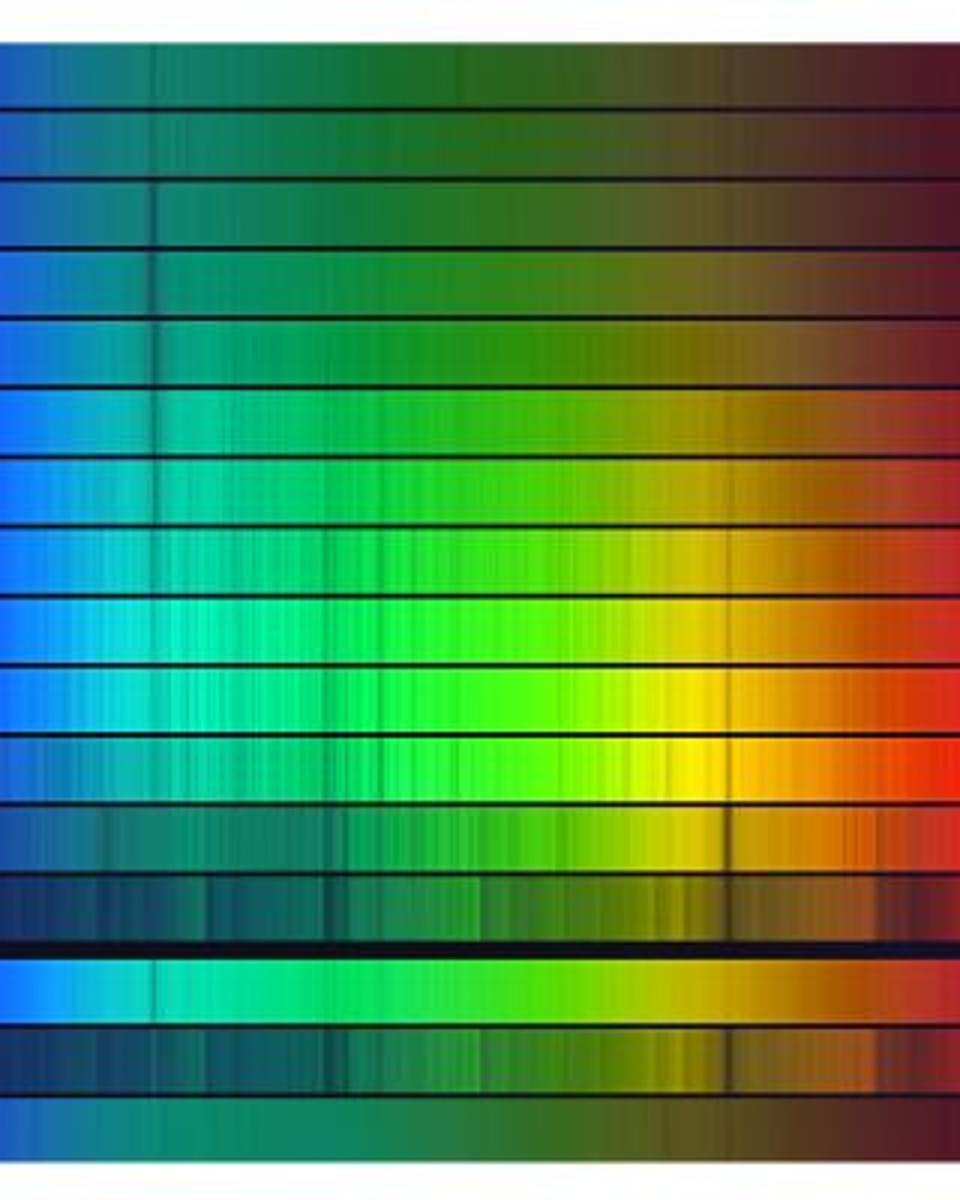
Stellar Spectral Types: OBAFGKM
Astronomers divide stars into different spectral types . First started in the 1800s, the spectral type was originally meant to classify the strength of hydrogen absorption lines .…
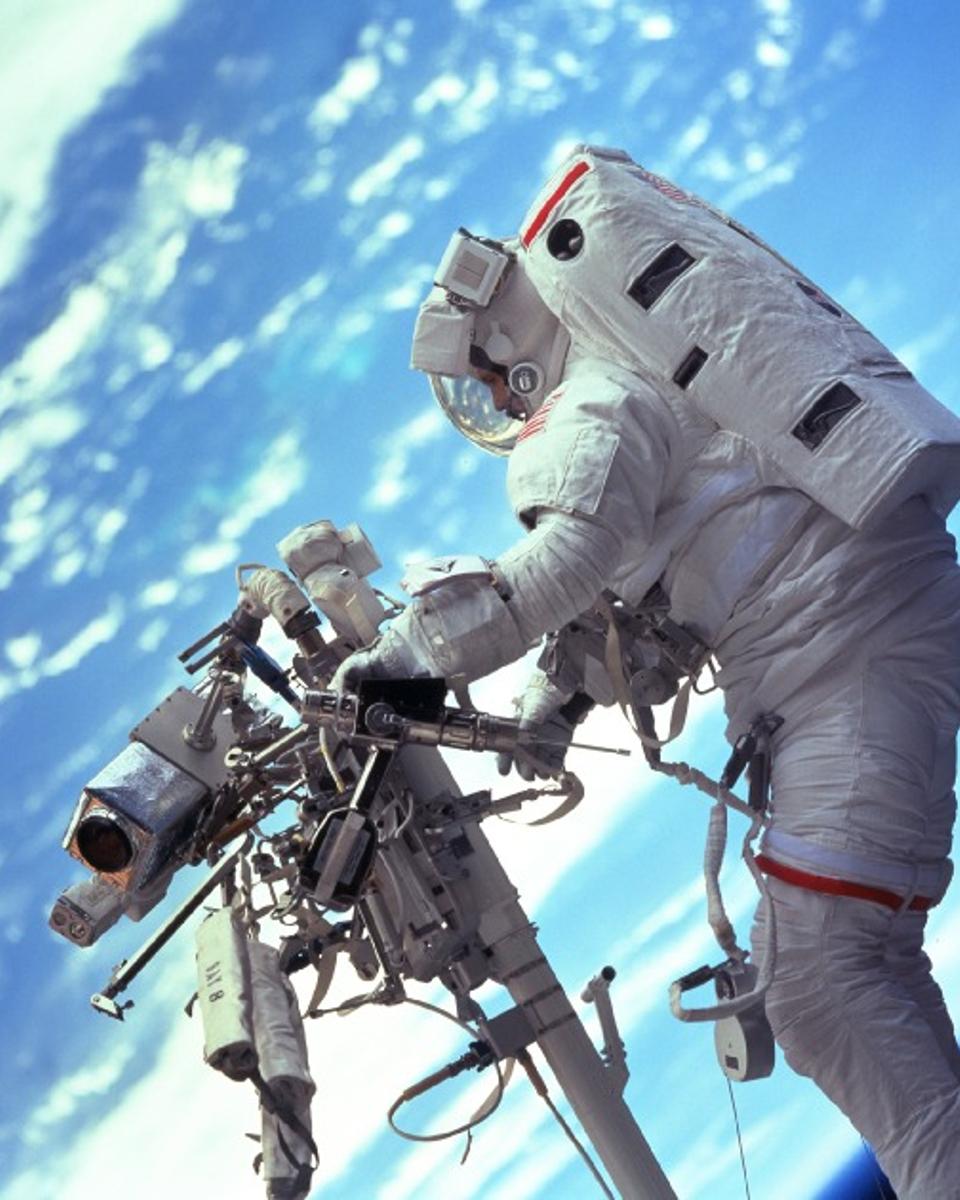
Working in Space
High above planet Earth, a human helps an ailing machine. The machine, in this potentially touching story, is the Hubble Space Telescope , which is not in the picture. The human…
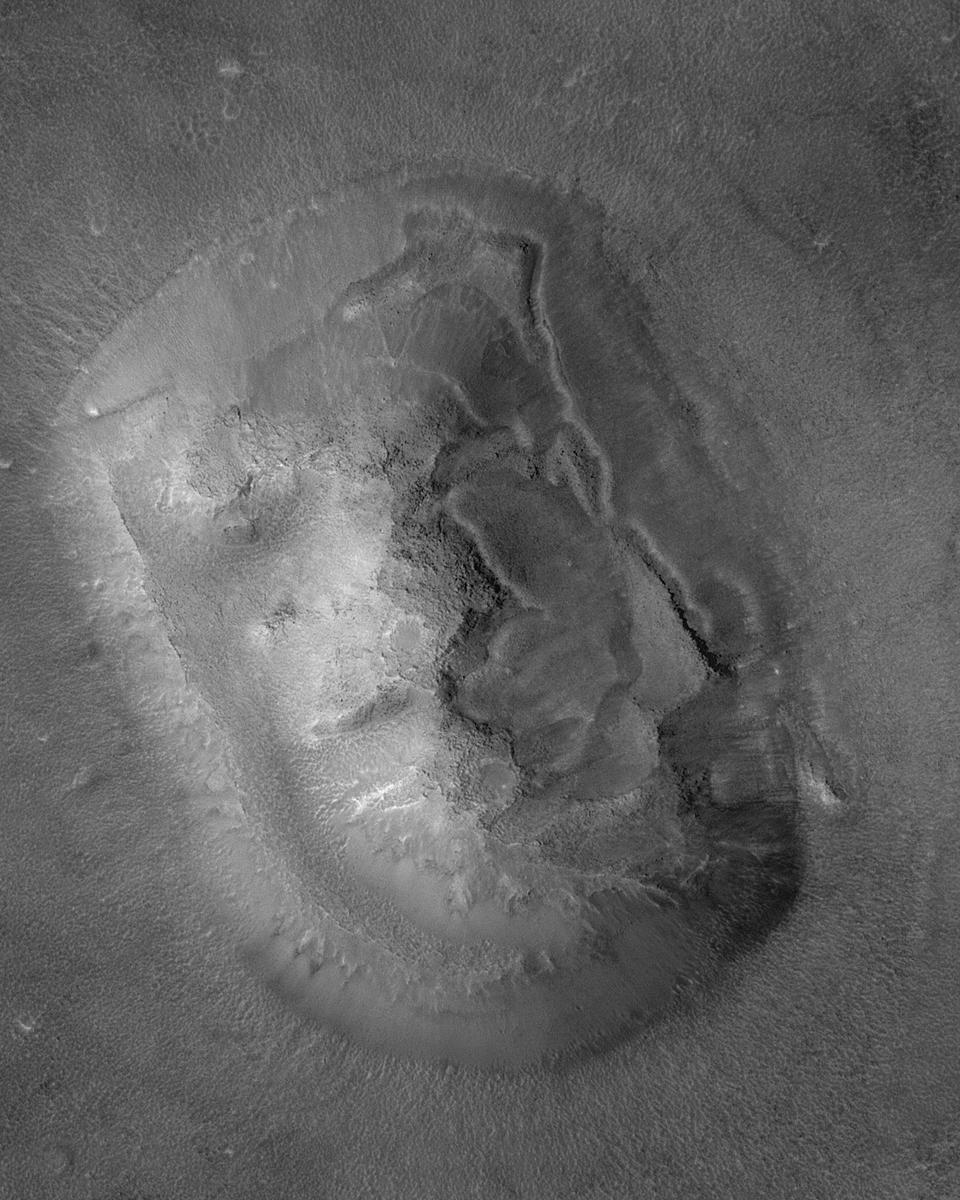
Close-up of the Face on Mars
Wouldn't it be fun if clouds were turtles ? Wouldn't it be fun if the laundry on the bedroom chair was a friendly monster ? Wouldn't it be fun if rock mesas on Mars were faces or…
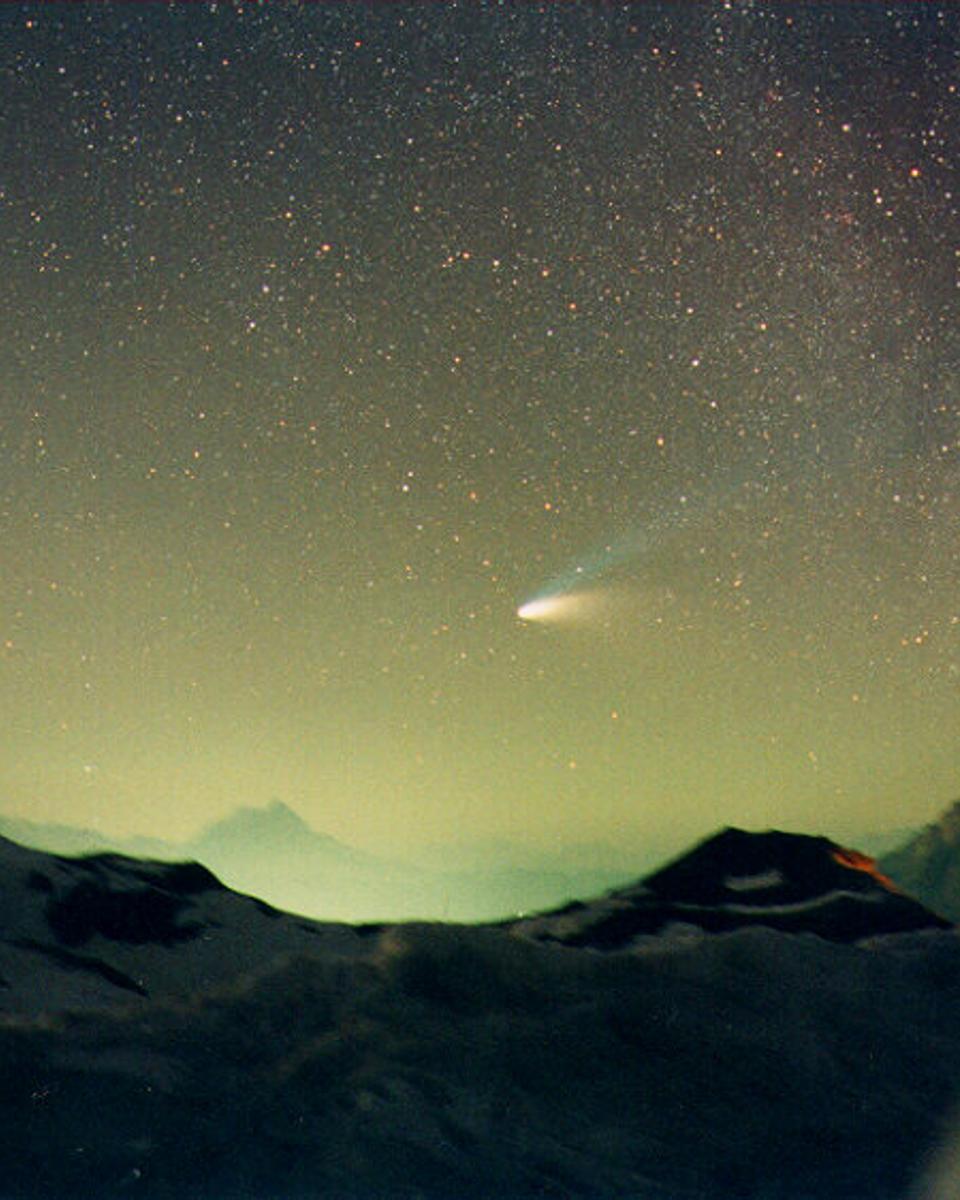
Comet Hale-Bopp Over Val Parola Pass
Comet Hale-Bopp became much brighter than any surrounding stars. It was seen even over bright city lights . Out away from city lights, however, it put on quite a spectacular show…
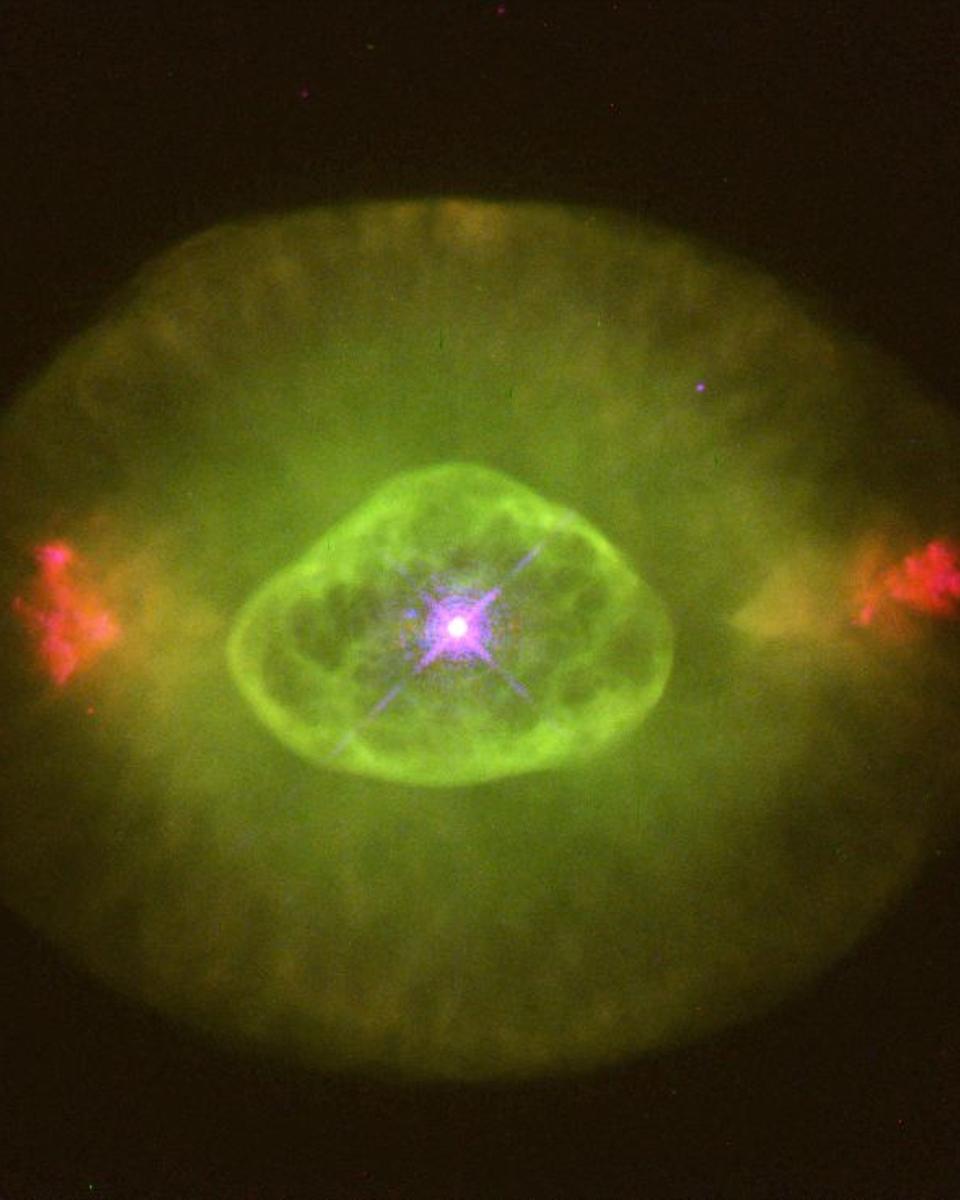
NGC 6826: The Blinking Eye
The colorful planetary nebula phase of a sun-like star's life is brief . Almost in the “blink of an eye” - cosmically speaking - the star's outer layers are cast off, forming an…
Viewing discoveries from 18 June 2001 through 26 May 2001.