Browse NASA Astronomy Picture of the Day archive by date and media: Archive Discoveries
Browse the NASA APOD archive without needing the exact date first. Filter by media type and keep moving deeper into older images and videos.
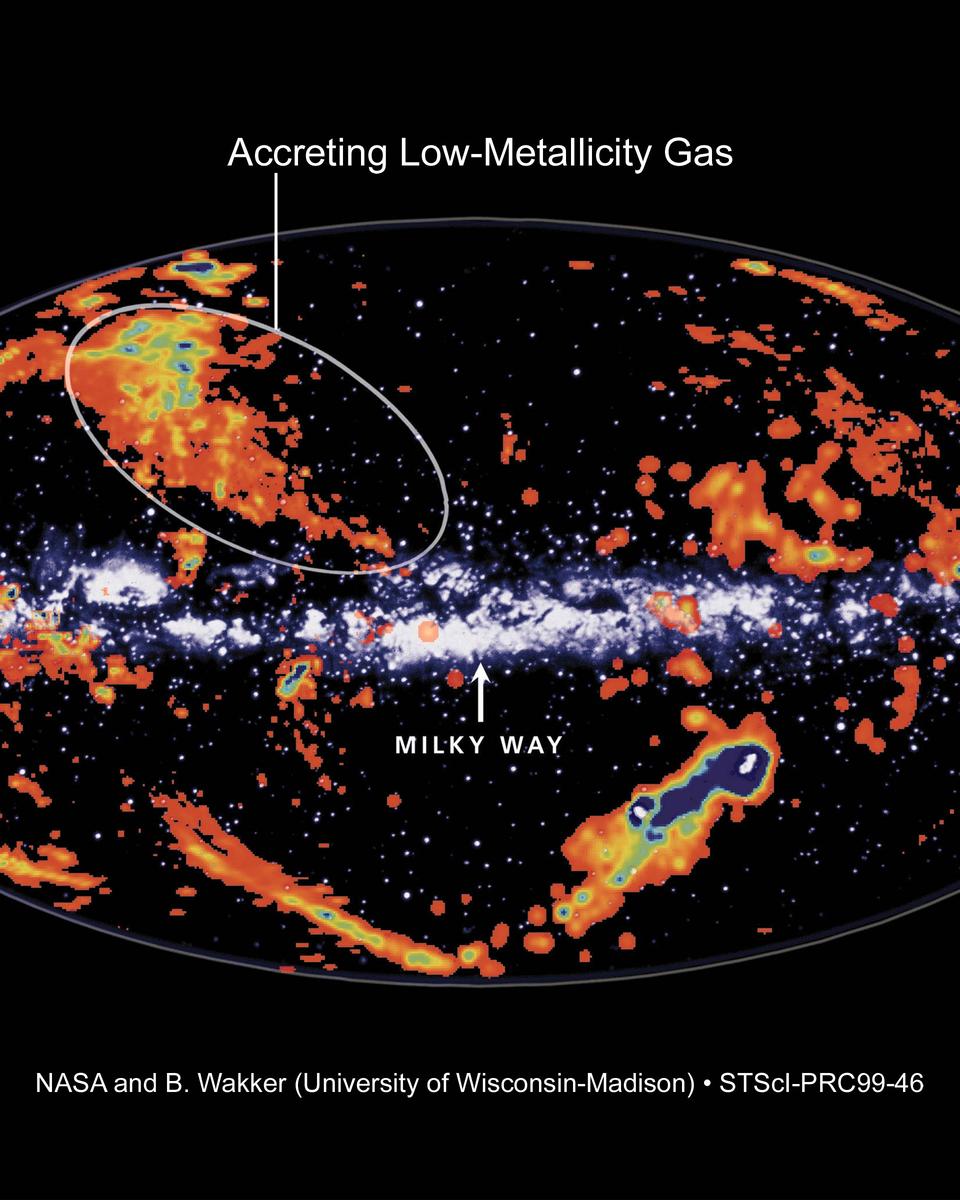
High Velocity Clouds and the Milky Way
Where are these gas clouds going so quickly? High velocity clouds (HVCs) of gas have been seen for decades but their origins and destinations have remained mysterious. Recent…
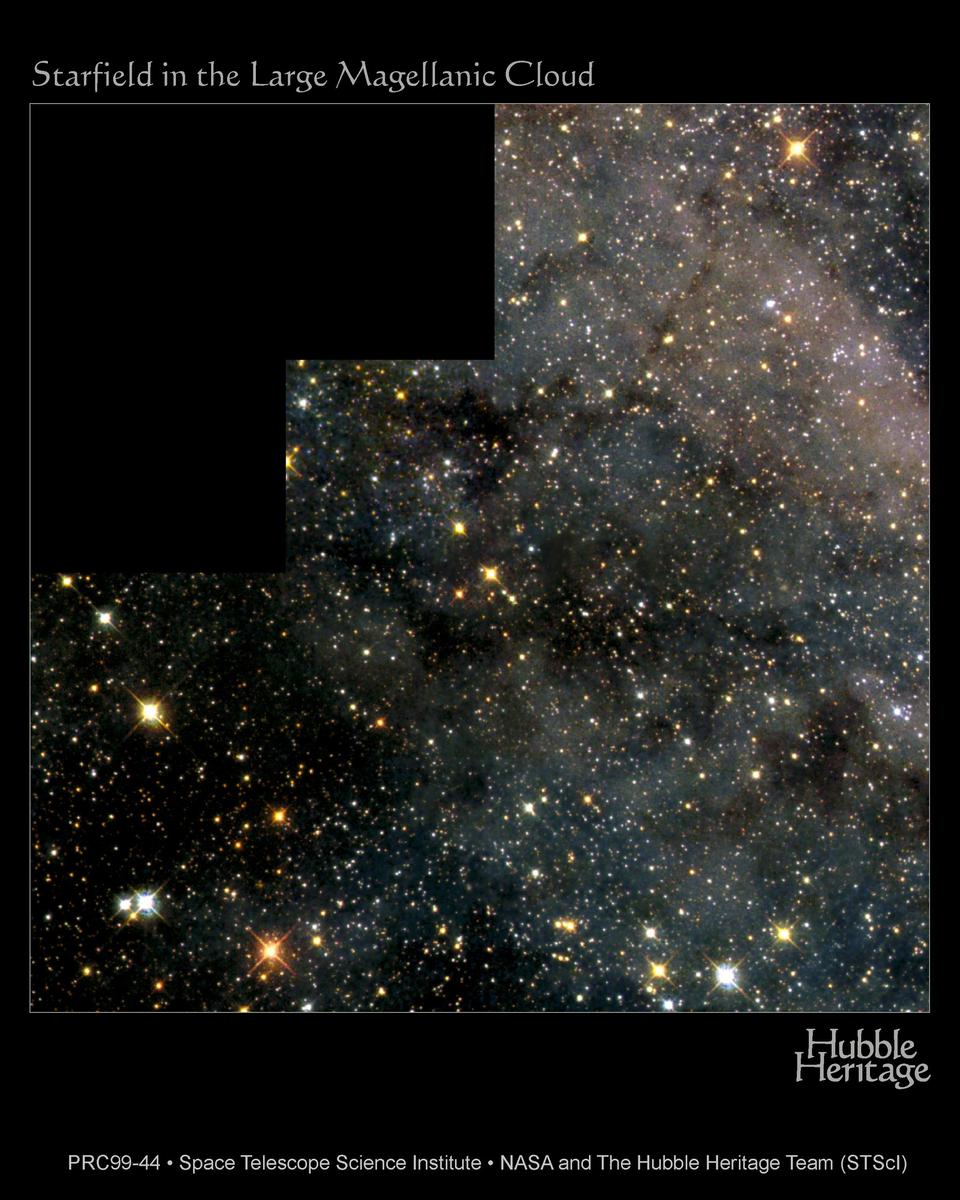
A Magellanic Starfield
Stars of many types and colors are visible in this Hubble Space Telescope vista of the Large Magellanic Cloud (LMC). Over 10,000 stars are visible -- the brightest of which are…
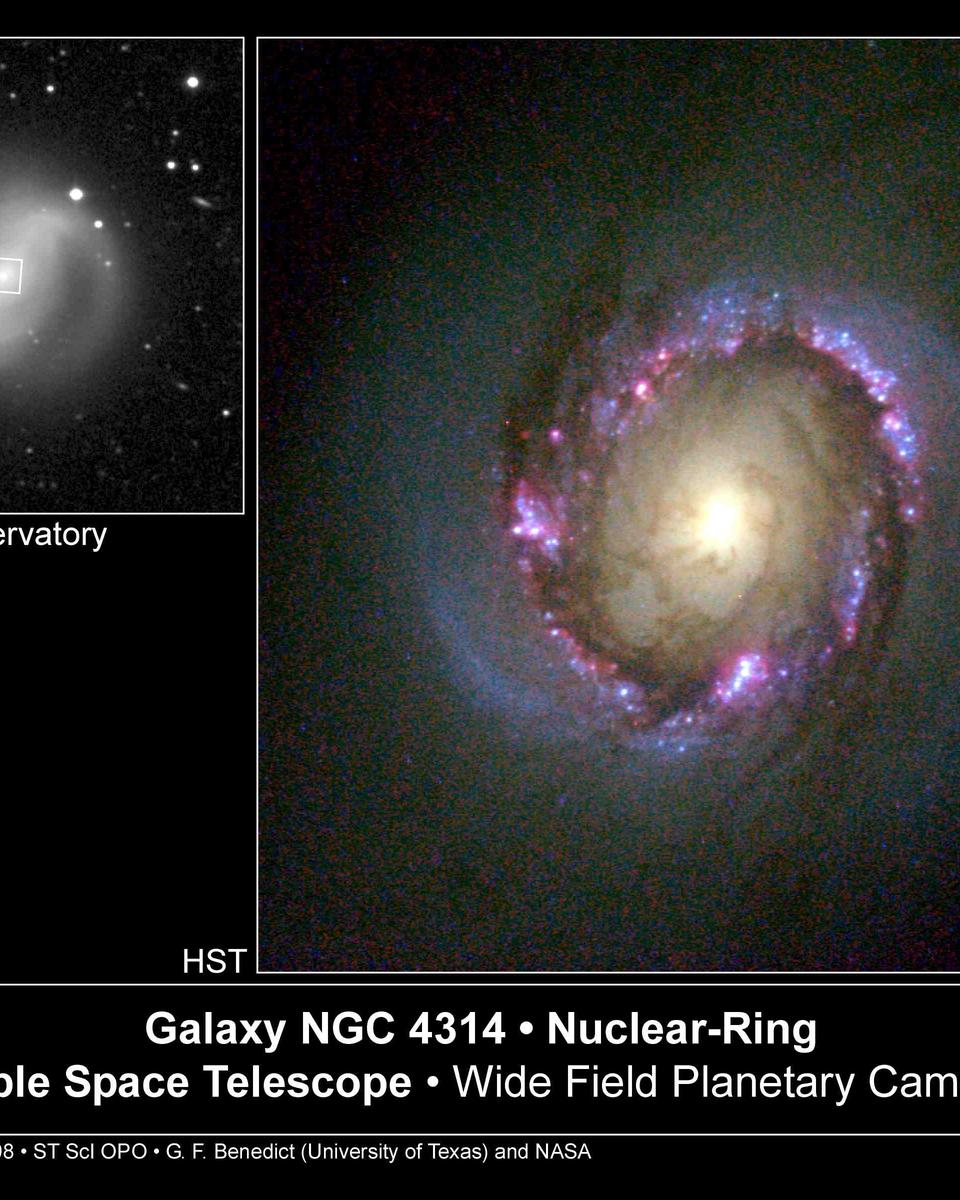
NGC 4314: A Nuclear Starburst Ring
Is this old galaxy up to new tricks? The barred spiral galaxy NGC 4314 is billions of years old, but its appearance has changed markedly over just the past few millions of years.…
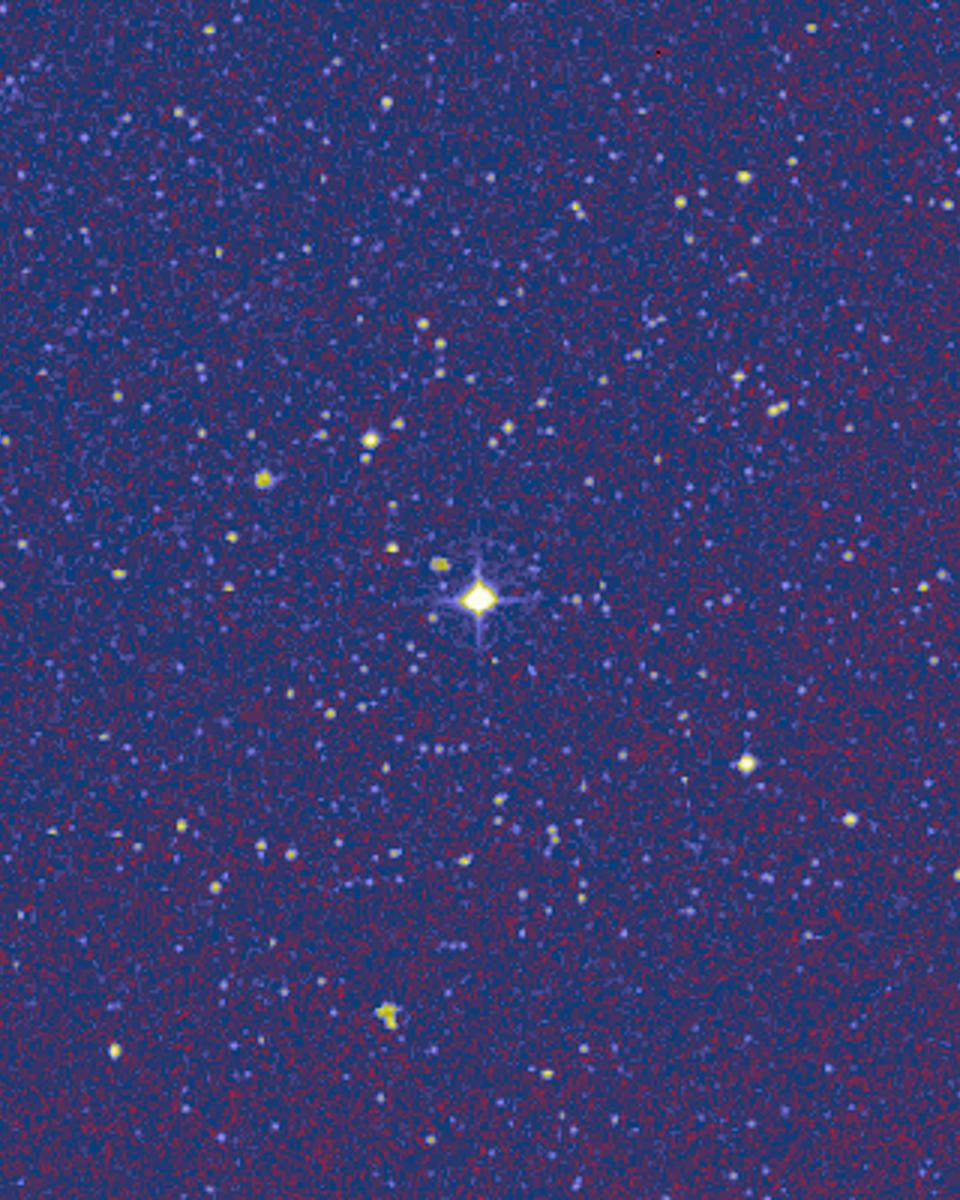
A Close Encounter Of The Stellar Kind
The unassuming star centered in this sky view will one day be our next door stellar neighbor . The faint 9th magnitude red dwarf , currently 63 light-years away in the…
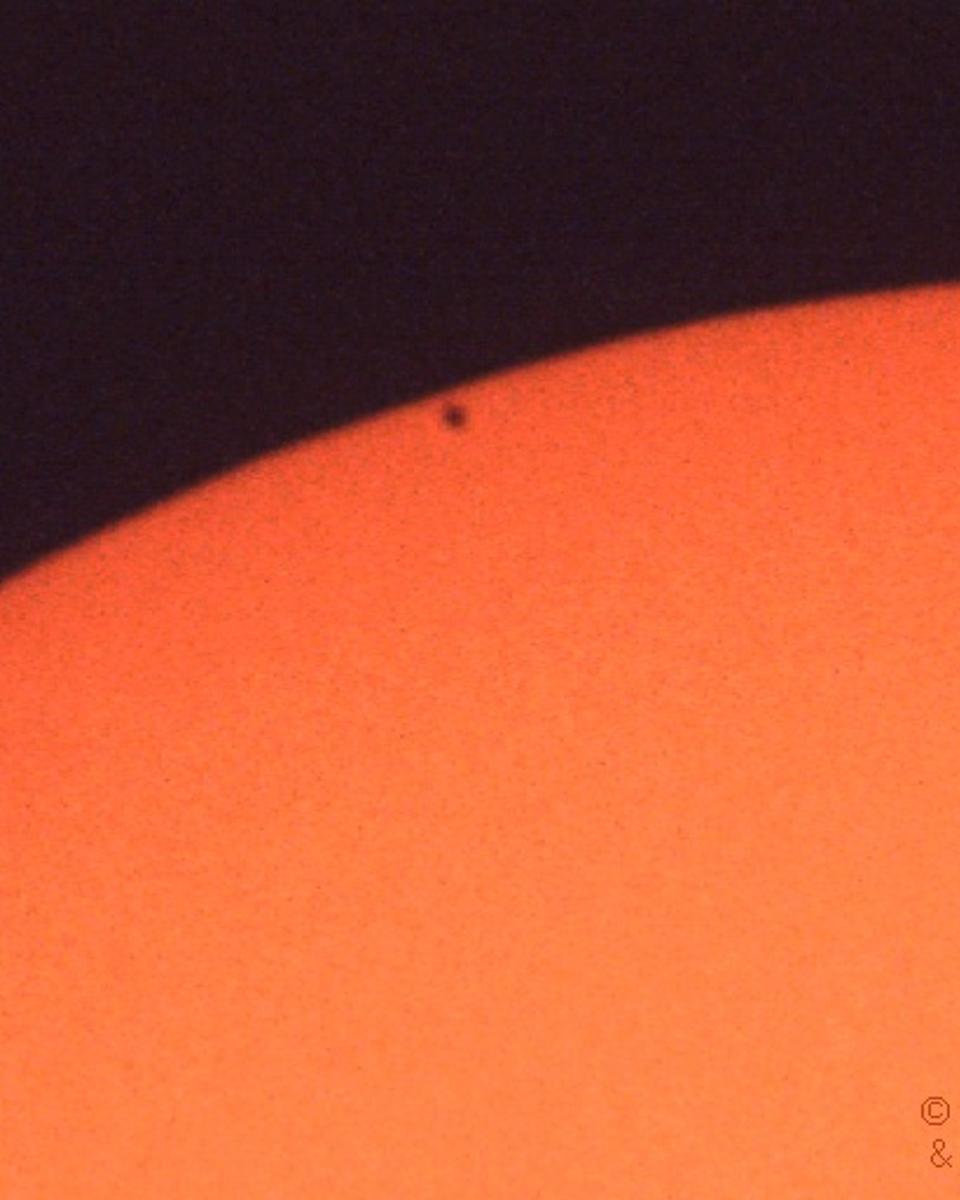
Spot The Planet
OK, it's a picture of the Sun (duh!), but can you spot the planet ? Of course, most of the spots you've spotted are sunspots, as large or larger than planet Earth itself. The…
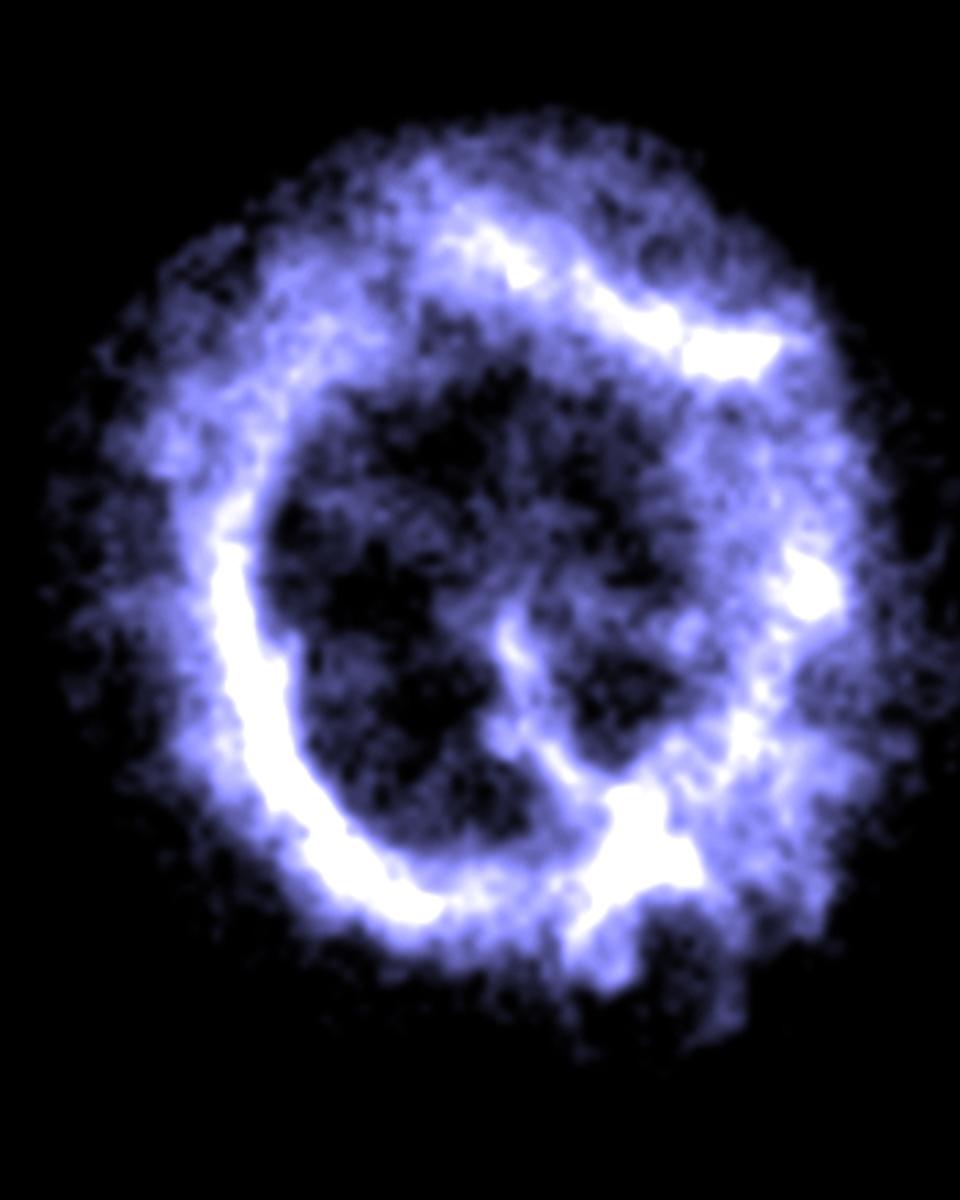
X-ray Hot Supernova Remnant in the SMC
The Q-shaped cloud seen in this false-color X-ray image from the orbiting Chandra Observatory is big ... about 40 light-years across. It's hot too, as its X-ray glow is produced…
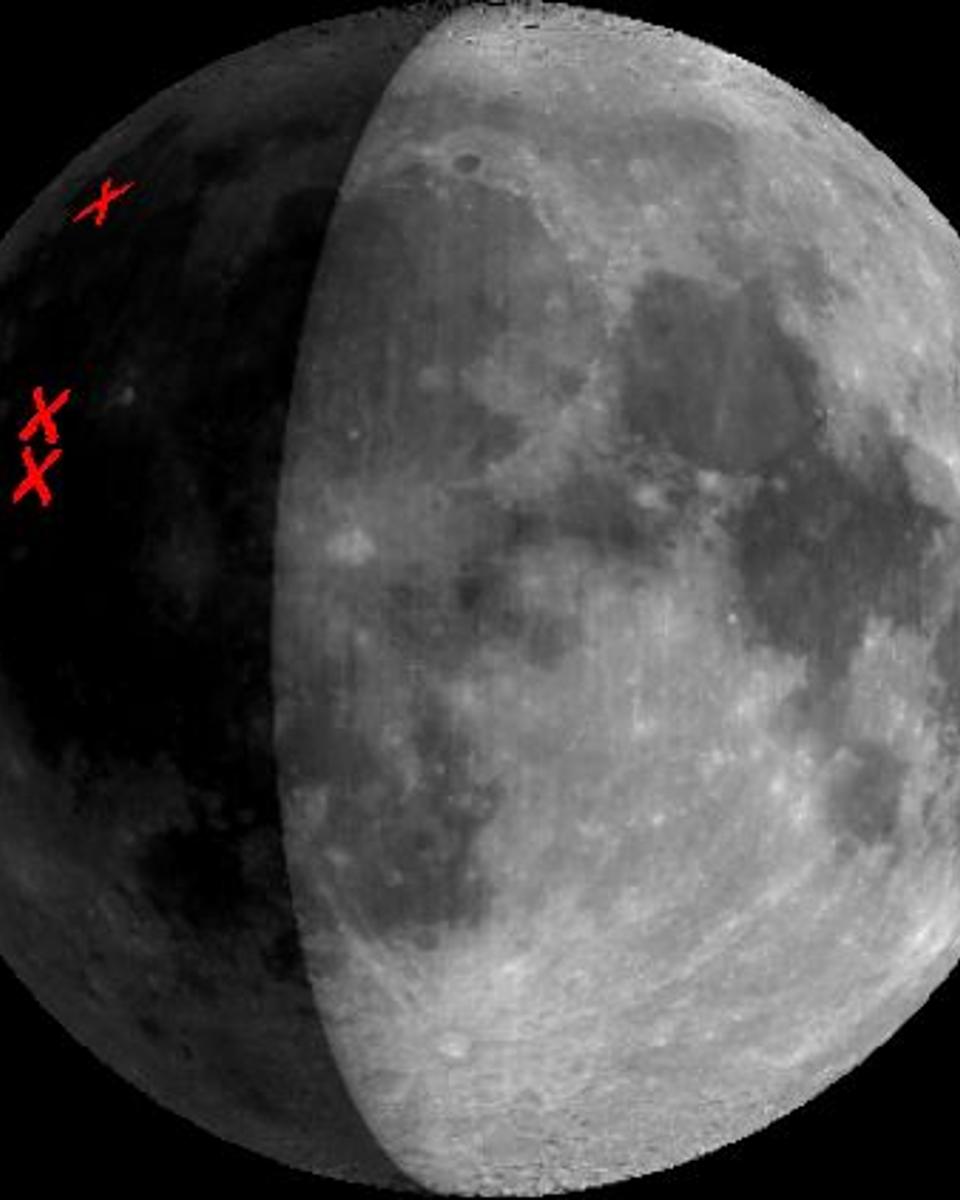
Moon Struck
Craters produced by ancient impacts on the airless Moon have long been a familiar sight . But now observers have seen elusive optical flashes on the lunar surface - likely the…
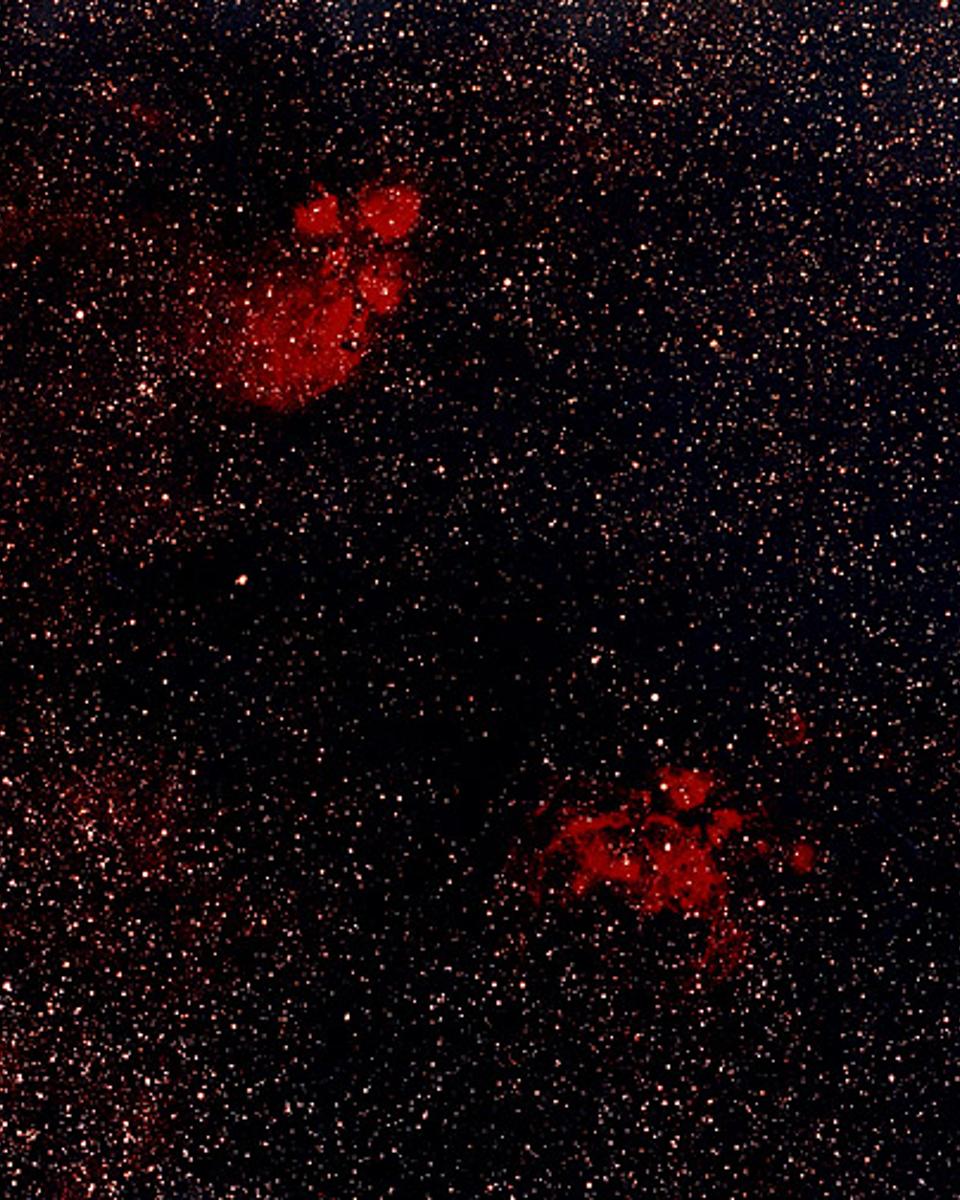
The Cat's Paw Nebula
As soon as we find out whose cat did this . . . Nebulae are as famous for being identified with familiar shapes as perhaps cats are for getting into trouble. No cat, though, could…
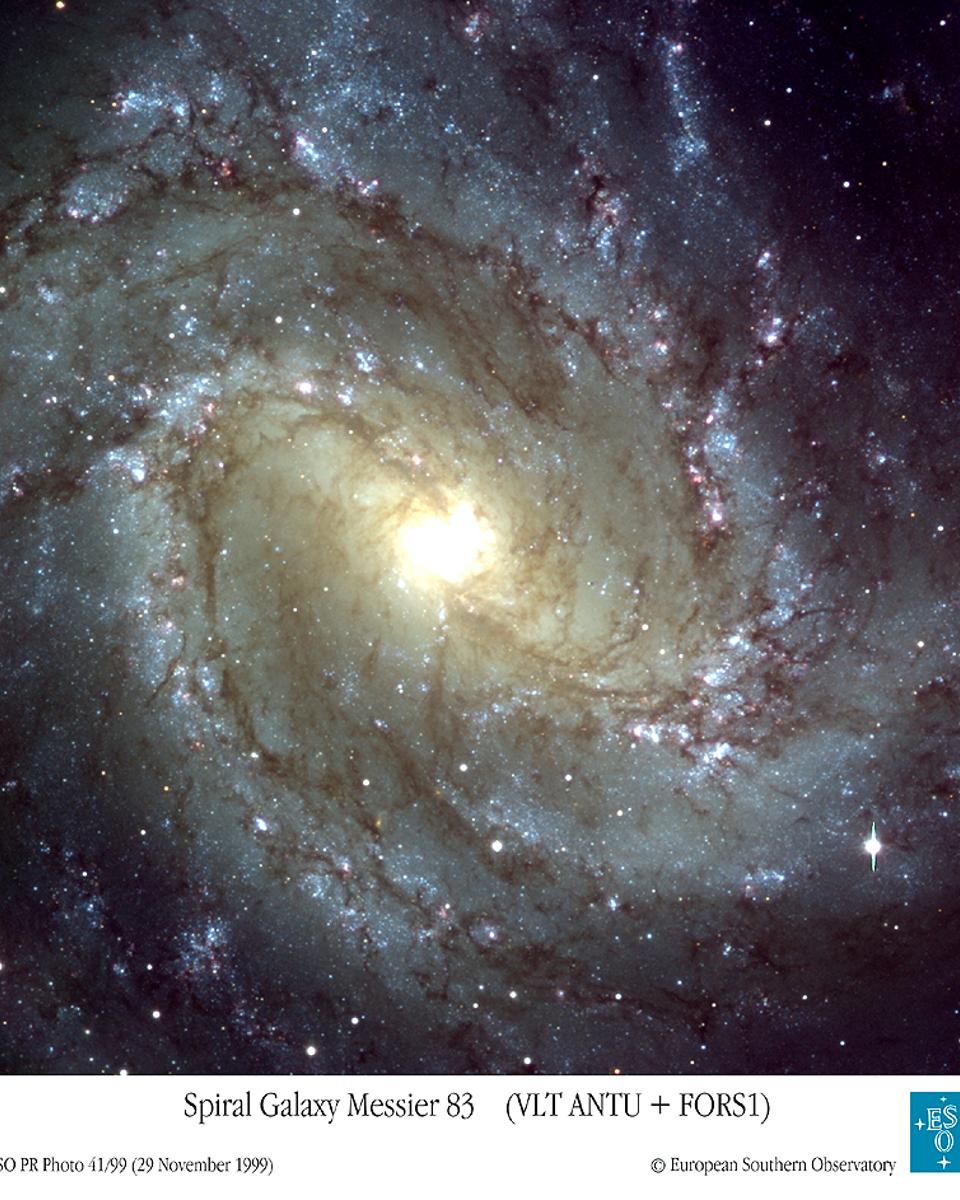
M83: The Southern Pinwheel Galaxy from VLT
M83 is one of the closest and brightest spiral galaxies on the sky. Visible with binoculars in the constellation of Hydra , majestic spiral arms have prompted its nickname as the…
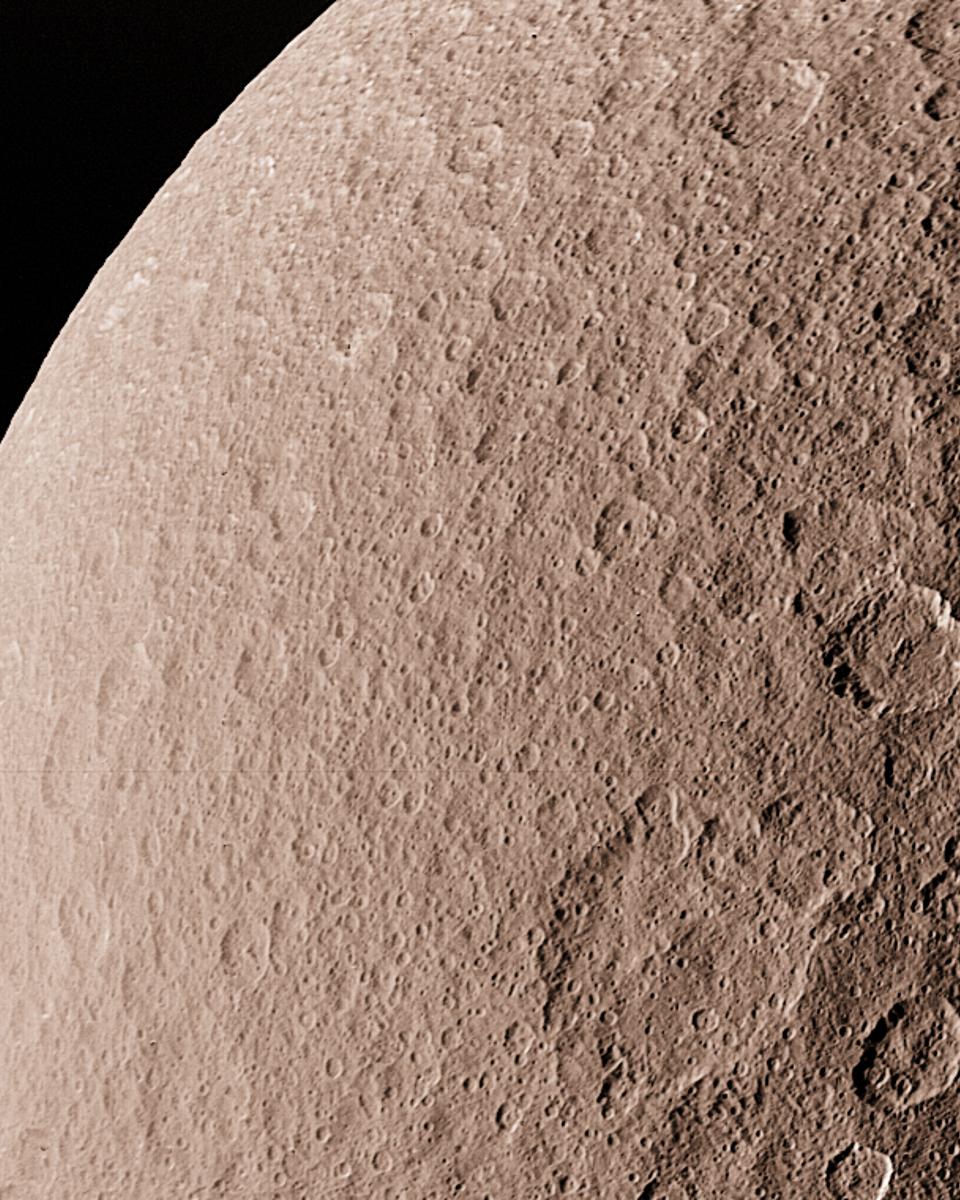
Rhea: Saturn's Second Largest Moon
Rhea is the second largest moon of Saturn , behind Titan , and the largest without an atmosphere. It is composed mostly of water ice, but has a small rocky core. Rhea 's rotation…
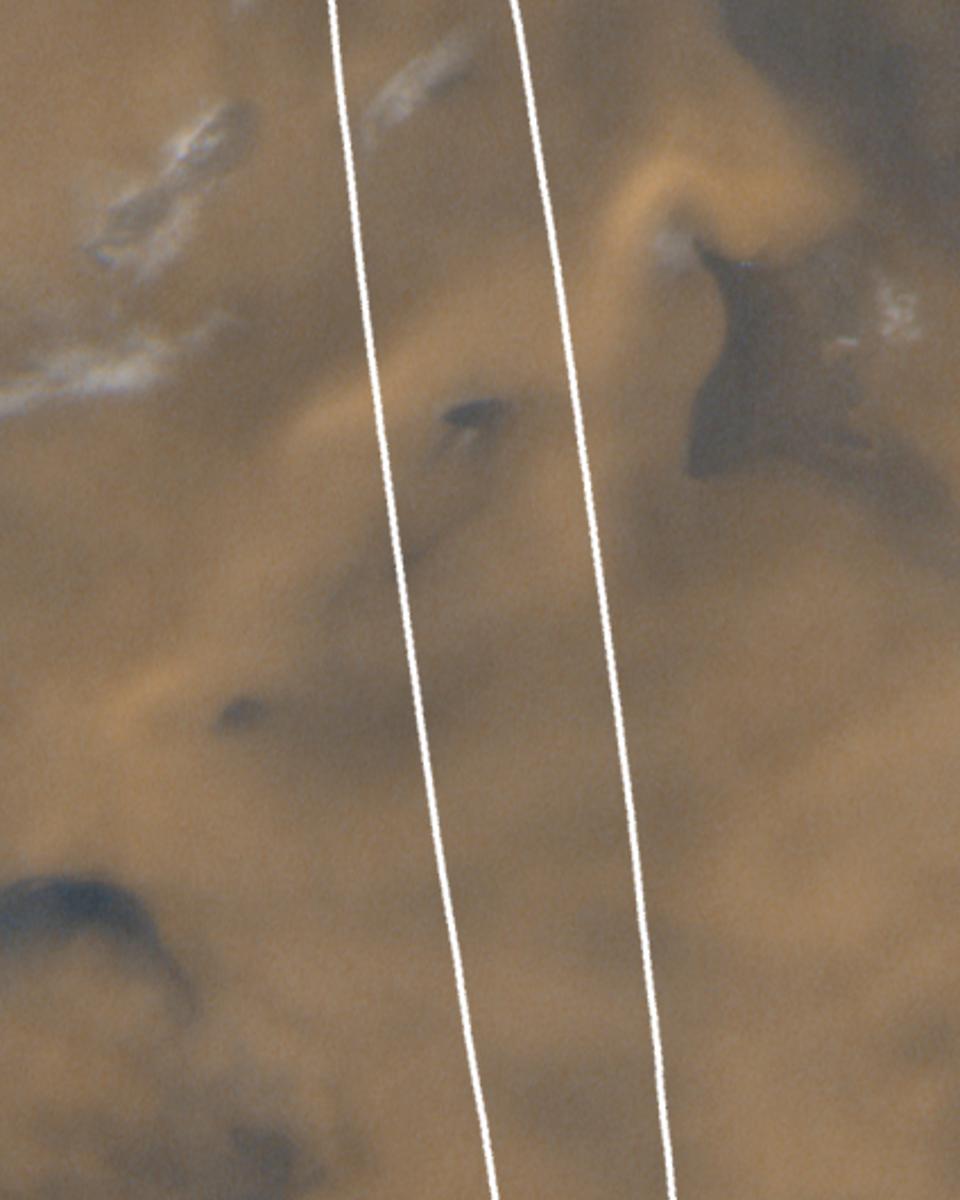
Mars Polar Lander Target Ellipse
South is up in this recent composite color picture of Mars Polar Lander's target region near the Martian South Pole taken on November 28. Imaged by the orbiting Mars Global…
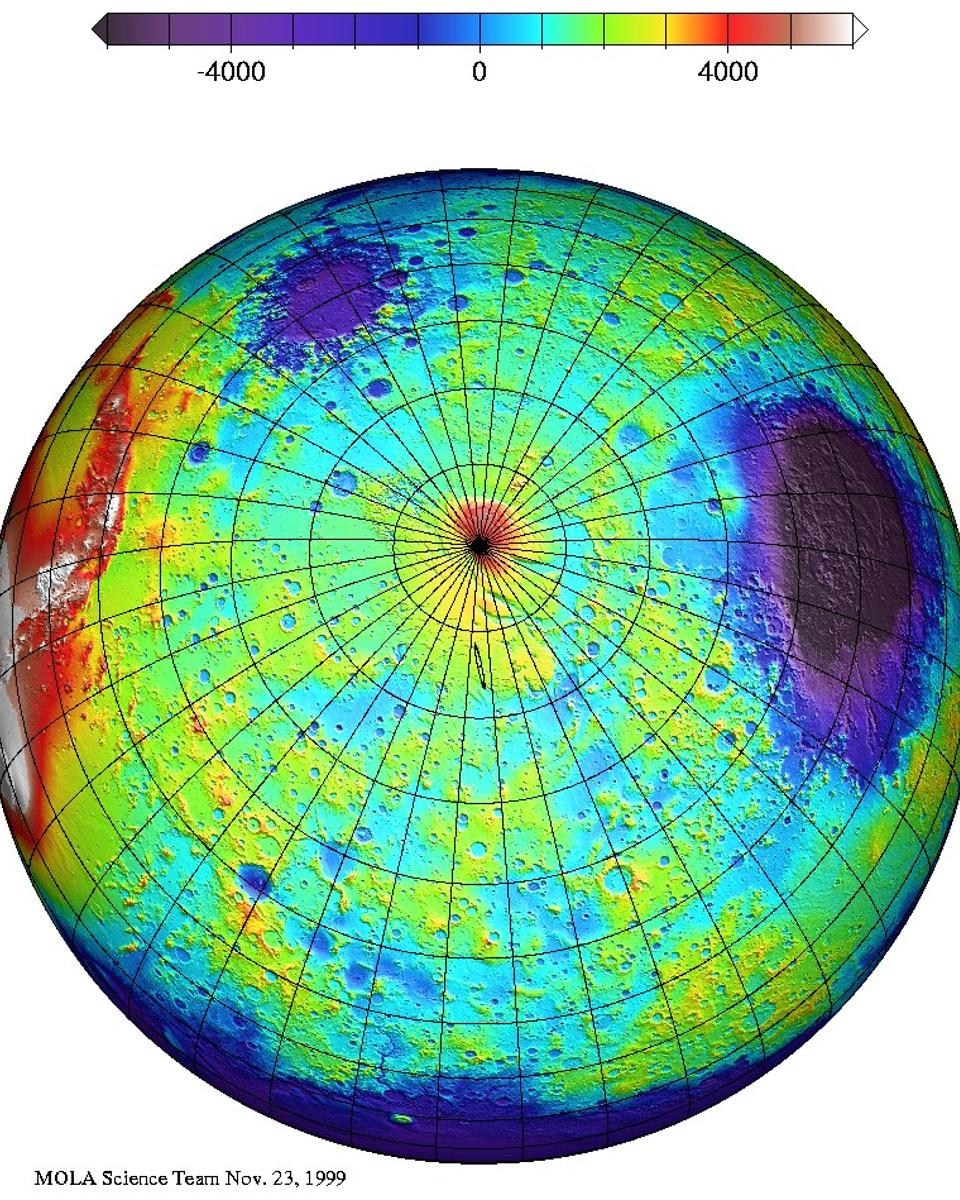
Southern Mars
This topographical map of the southern hemisphere of Mars was generated using data from the Mars Orbiter Laser Altimeter (MOLA). Flying on the Mars Global Surveyor spacecraft,…
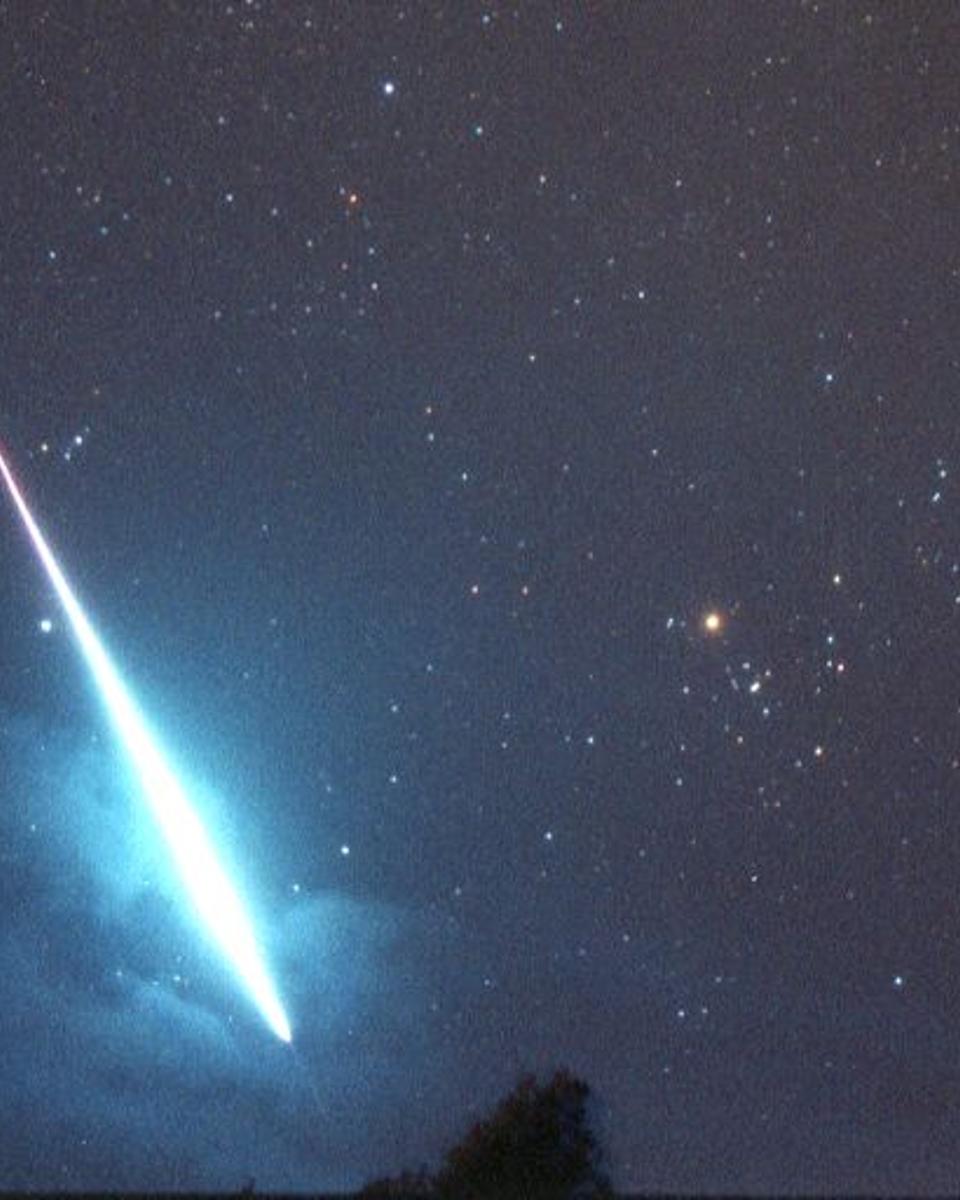
1999 Leonid Fireball
Most Leonid meteoroids, the bits of comet debris which produce the annual Leonid meteor shower , range from a mere millimeter to a centimeter in diameter. Yet these cosmic grains…
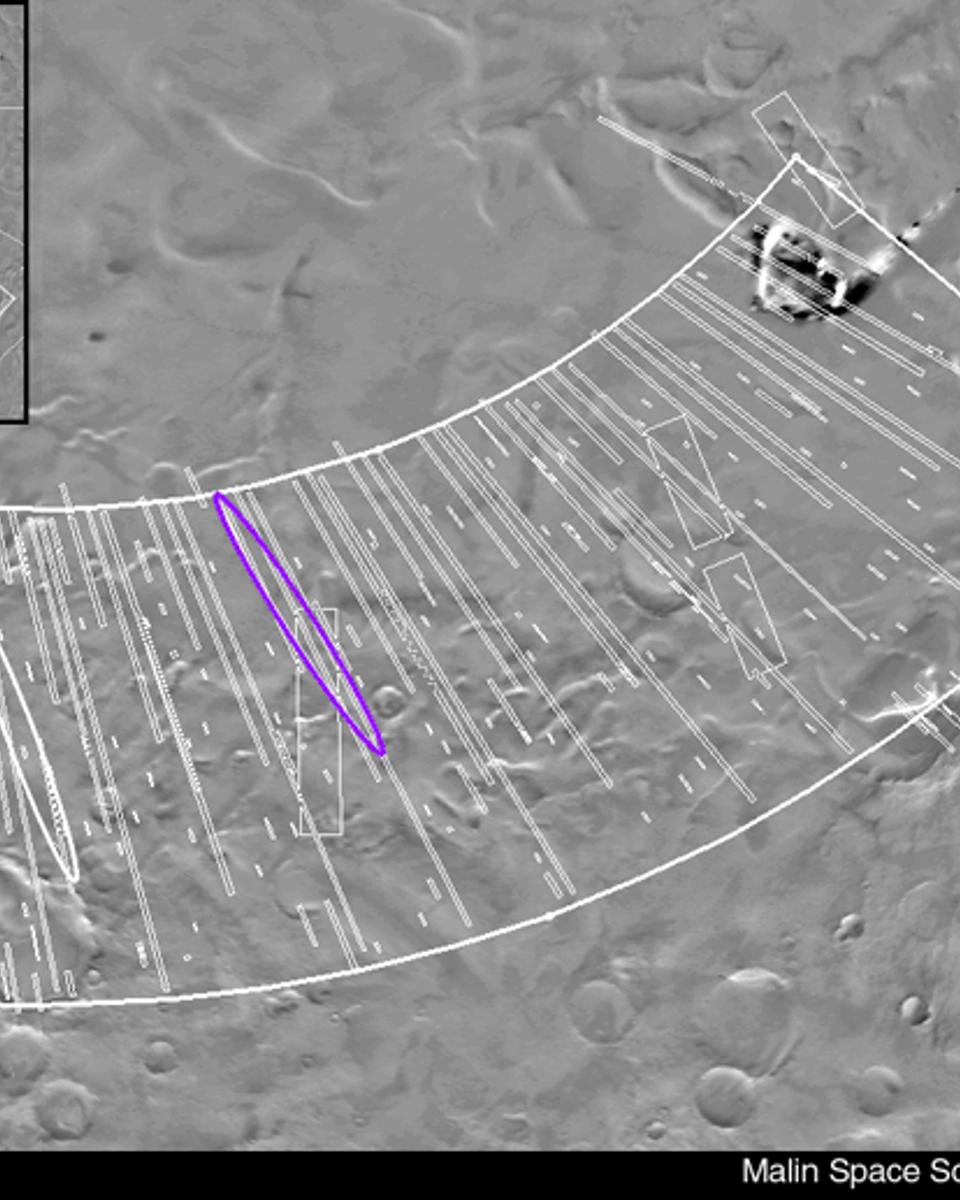
Landing At The Martian South Pole
The latest invader from Earth, the Mars Polar Lander (MPL) spacecraft, is scheduled to touch down on the Red Planet's surface on Friday, December 3rd . If all goes well the…
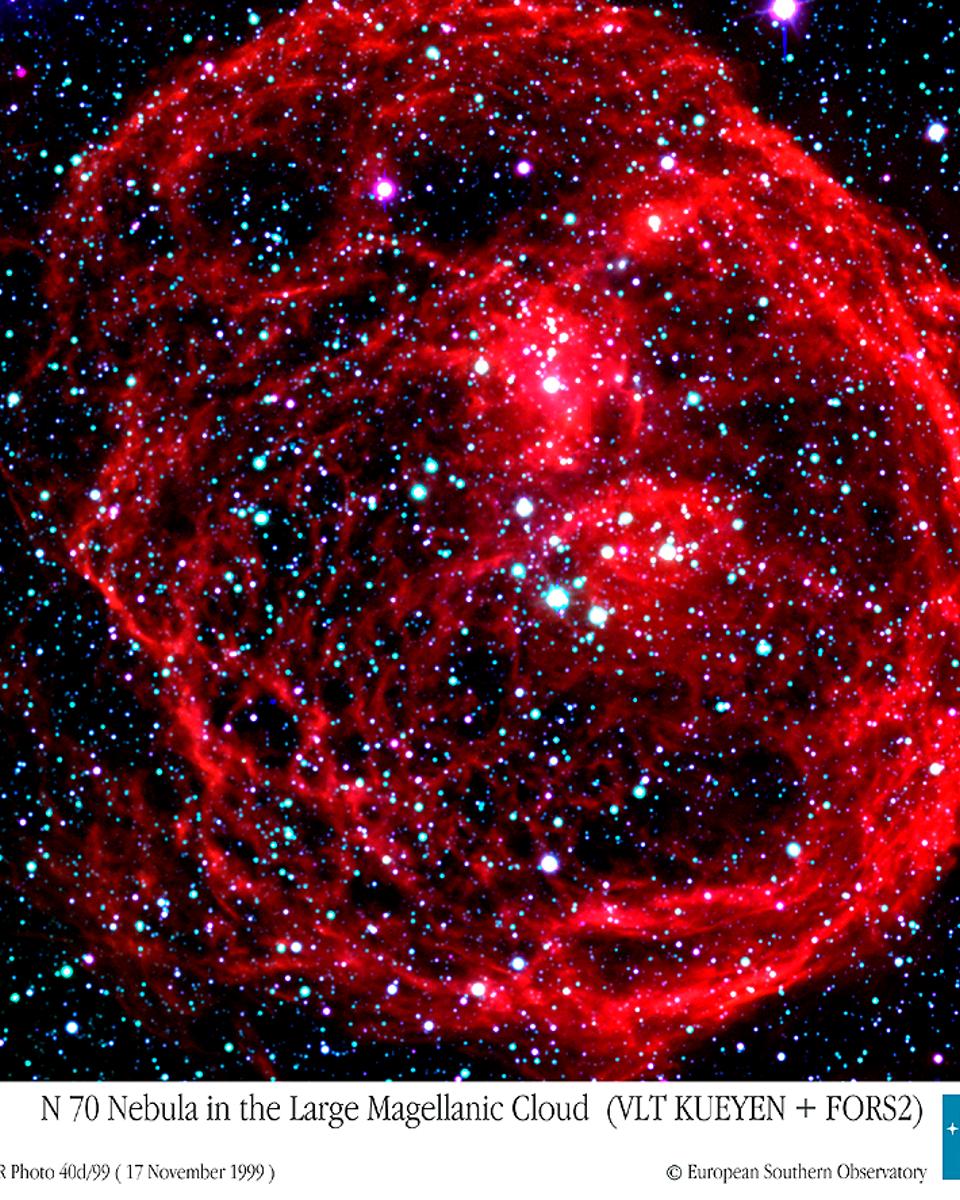
Henize 70: A SuperBubble In The LMC
Massive stars -- upwards of tens of times the mass of the Sun - profoundly affect their galactic environment. Churning and mixing the clouds of gas and dust between the stars,…
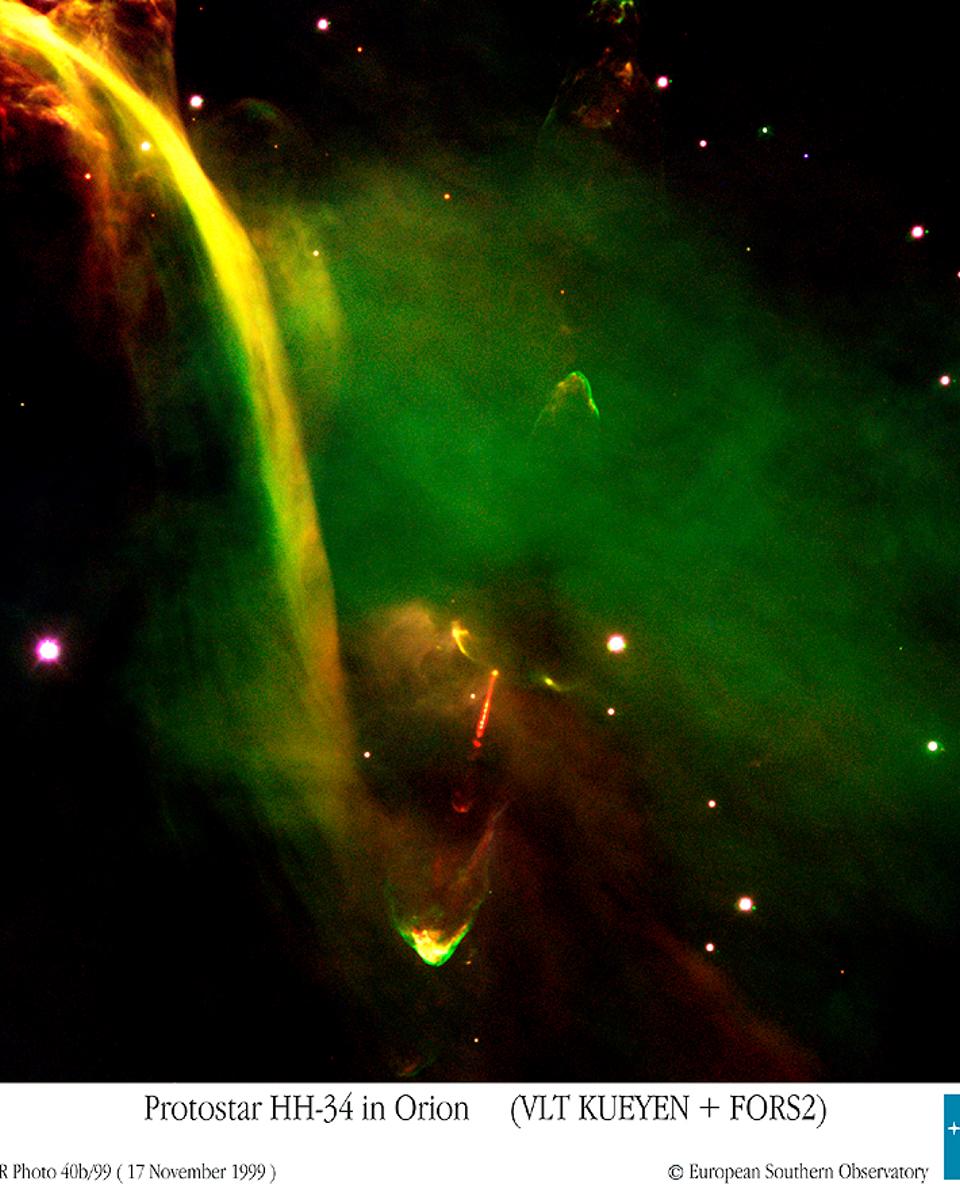
Arcs and Jets in Herbig-Haro 34
Some features of HH-34 are understood -- some are not. At the core of Herbig-Haro 34 lies a seemingly typical young star. This star, though, somehow ejects energetic “bullets” of…
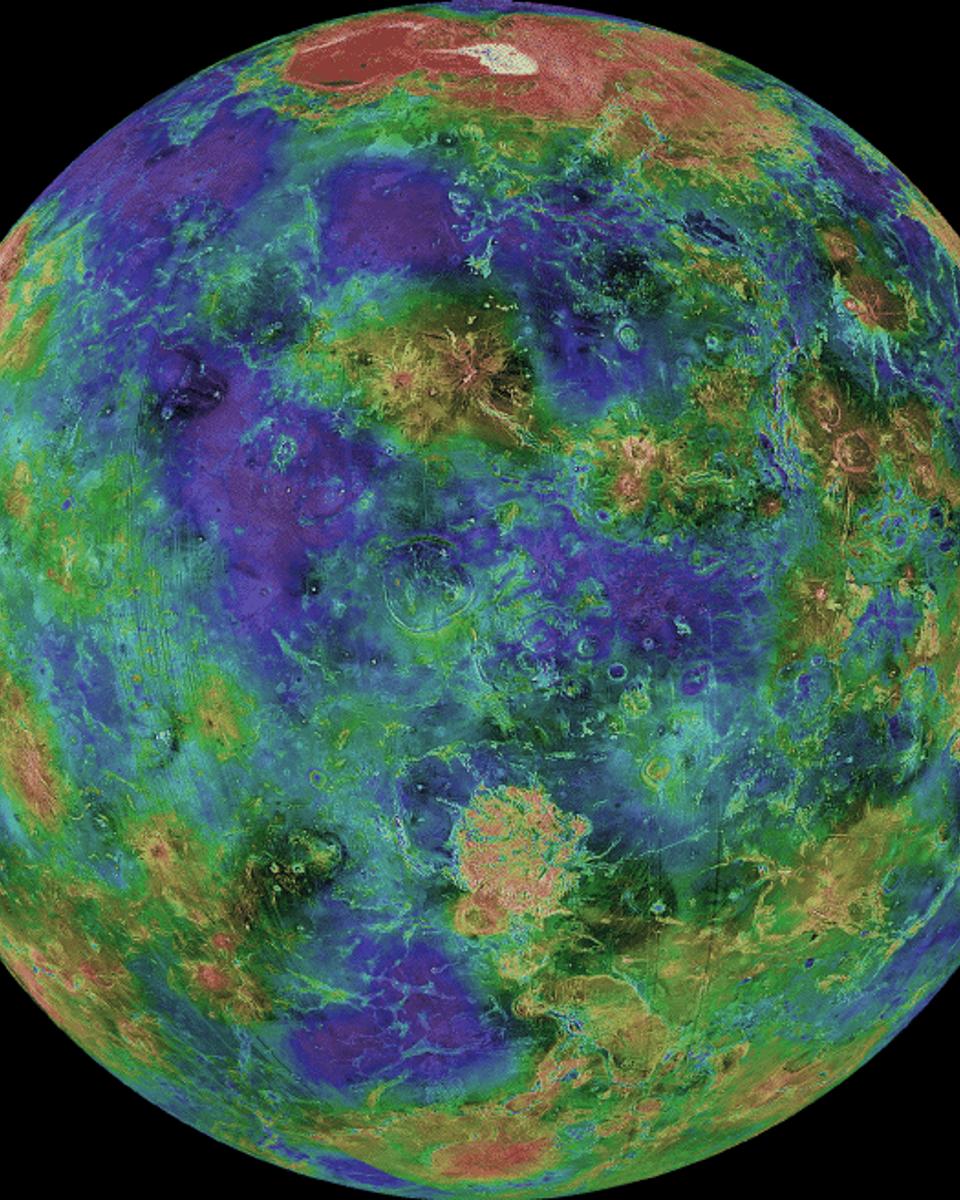
Beneath Venus' Clouds
If the thick clouds covering Venus were removed, how would the surface appear? Using an imaging radar technique, the Magellan spacecraft was able to lift the veil from the Face of…
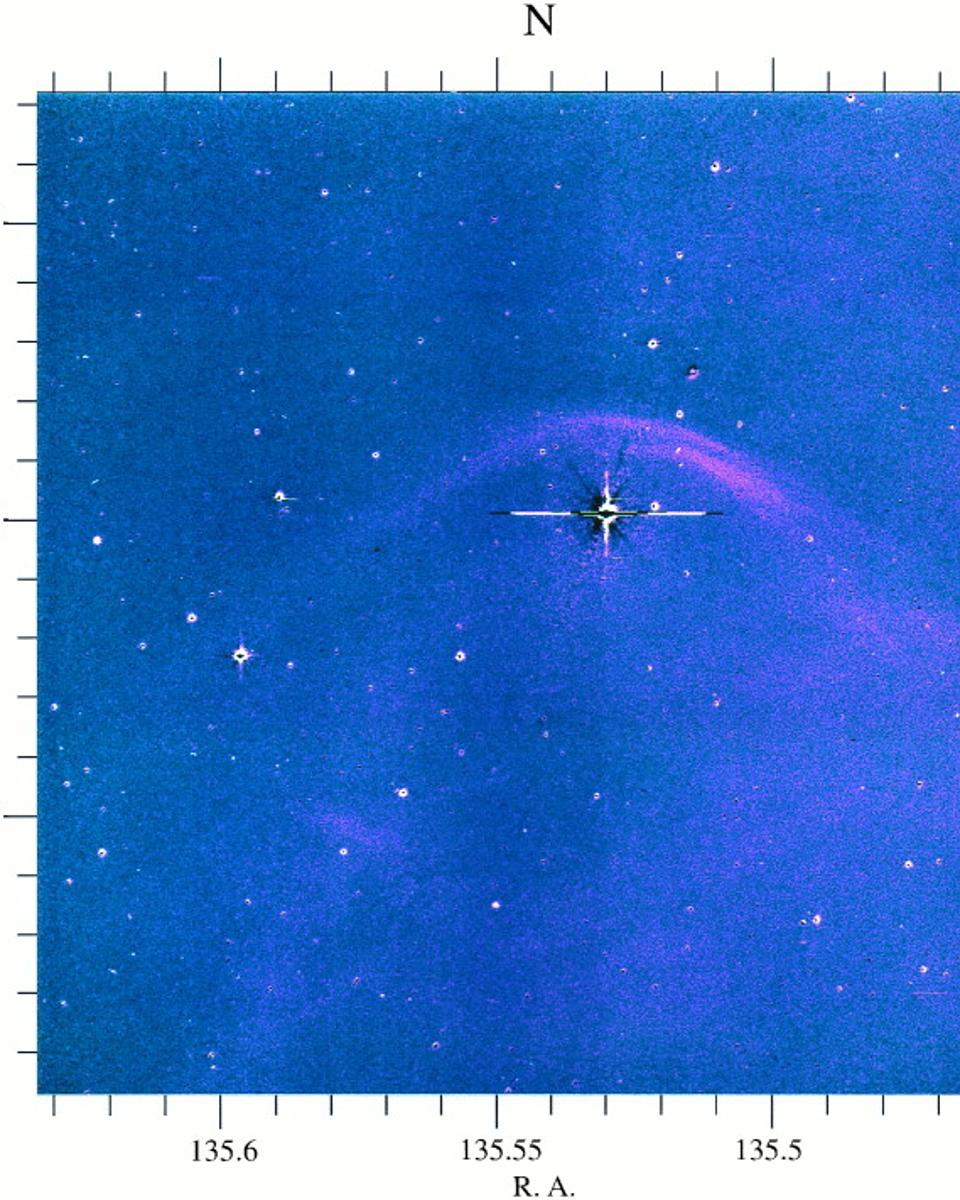
Runaway Star
Runaway stars are massive stars traveling rapidly through interstellar space. Like a ship plowing through the interstellar medium , runaway star HD 77581 has produced this…
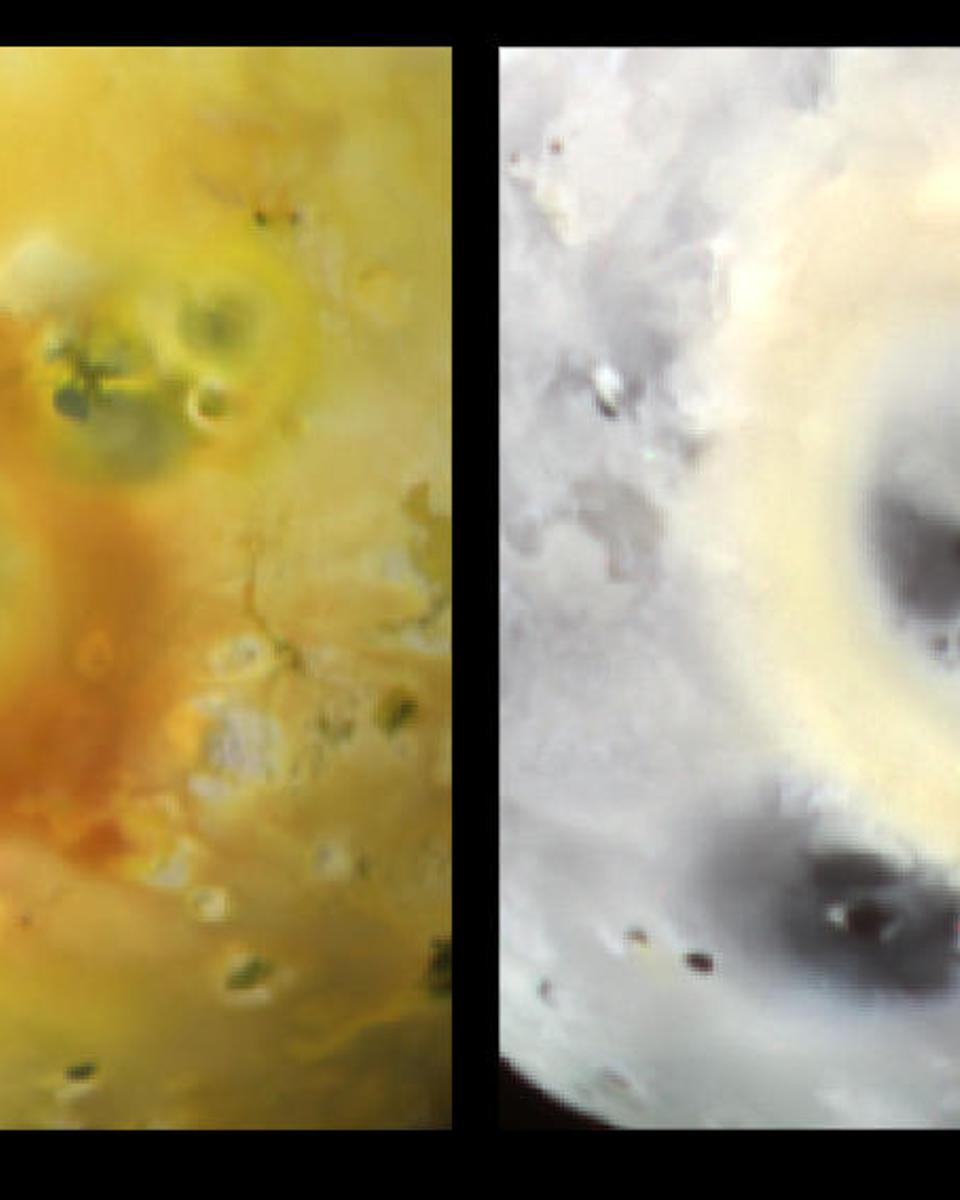
Io Volcano: Pele's Hot Lava
Glowing hot lava from the heart of Io's volcano Pele is visible in this false-color infrared composite image . It was recorded last month during the Galileo spacecraft's close…
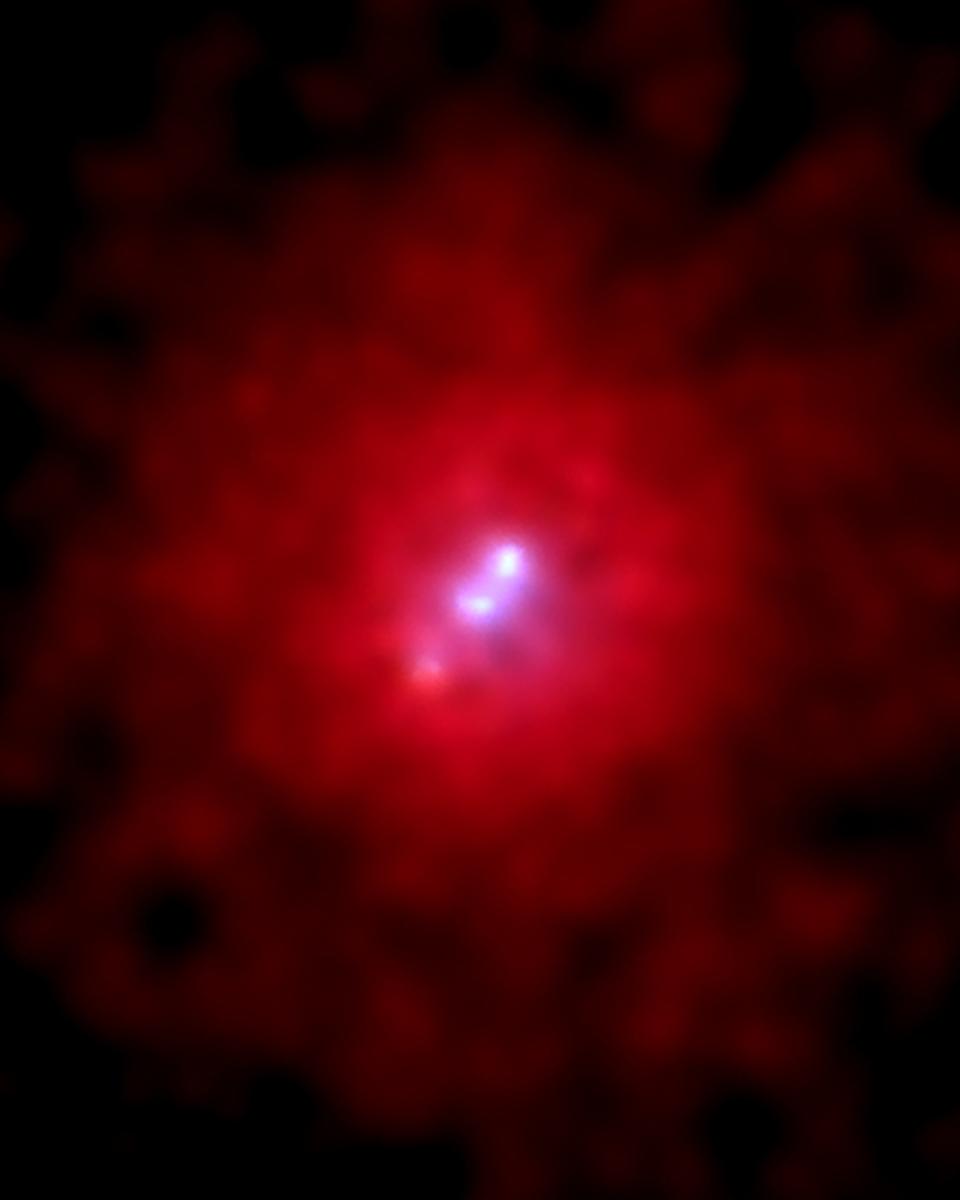
3C 295: X-rays From A Giant Galaxy
Did this galaxy eat too much? Five billion light-years away, the giant elliptical galaxy 3C295 is a prodigious source of energy at radio wavelengths . Bright knots of X-ray…
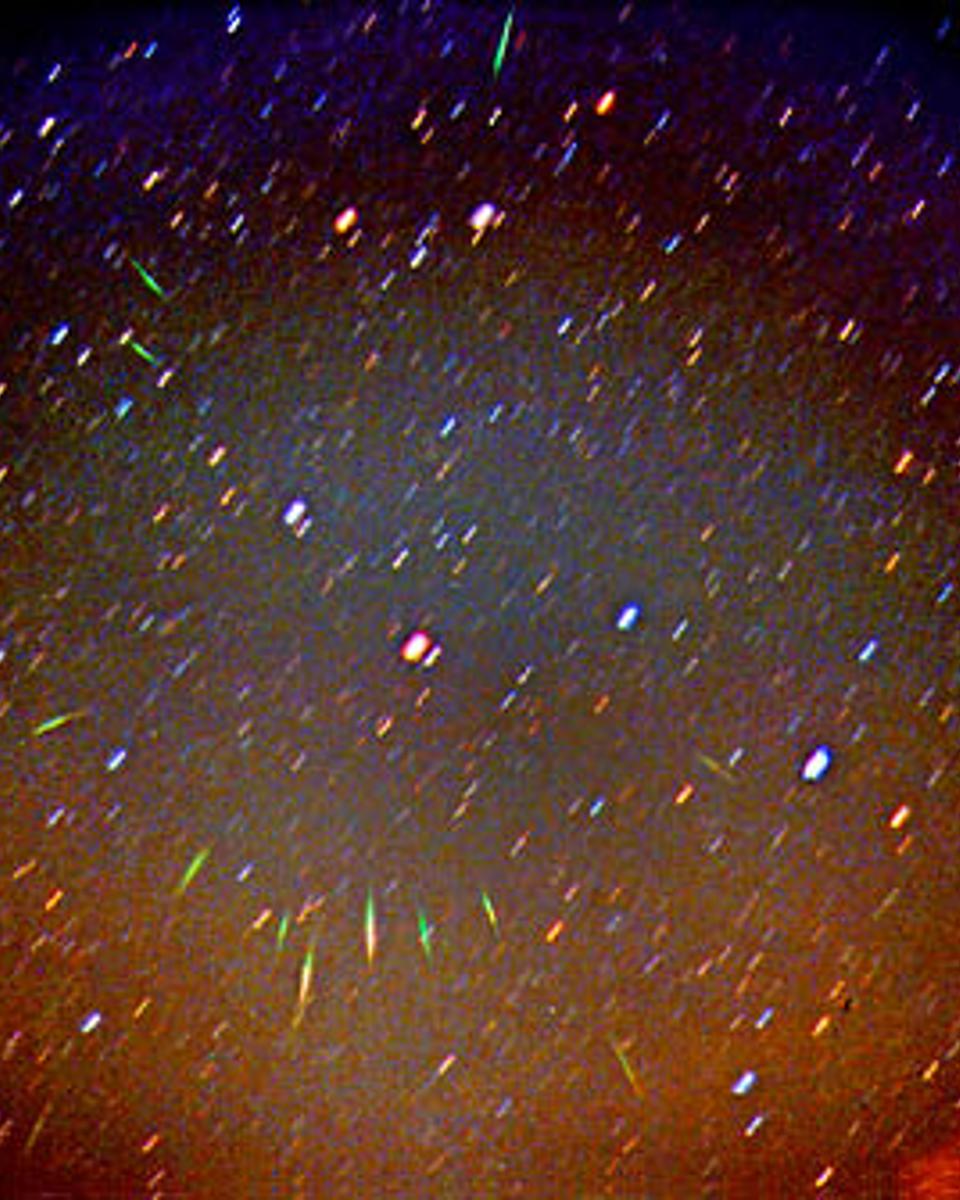
A Leonids Meteor Storm in 1999
The 1999 Leonids meteor shower was not equally good for everybody. Only observers in Europe and the Middle East with clear skies near 2 am (UTC) on 1999 November 18 saw rates…
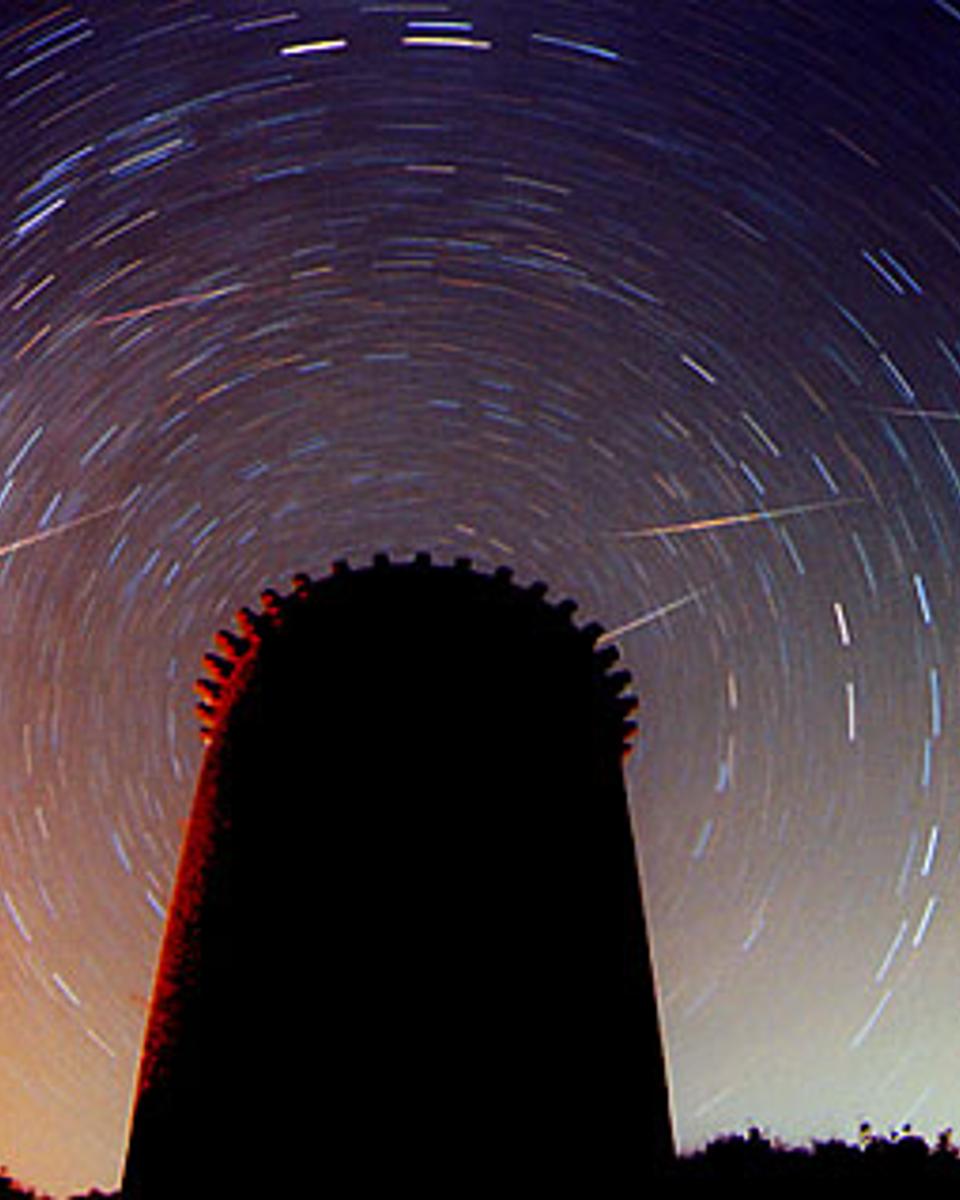
Leonids Above Torre de la Guaita
The 1999 Leonids Meteor Shower came to a tremendous crescendo. Observers in Europe observed a sharp peak in the number of meteors visible around 0210 UTC during the early morning…
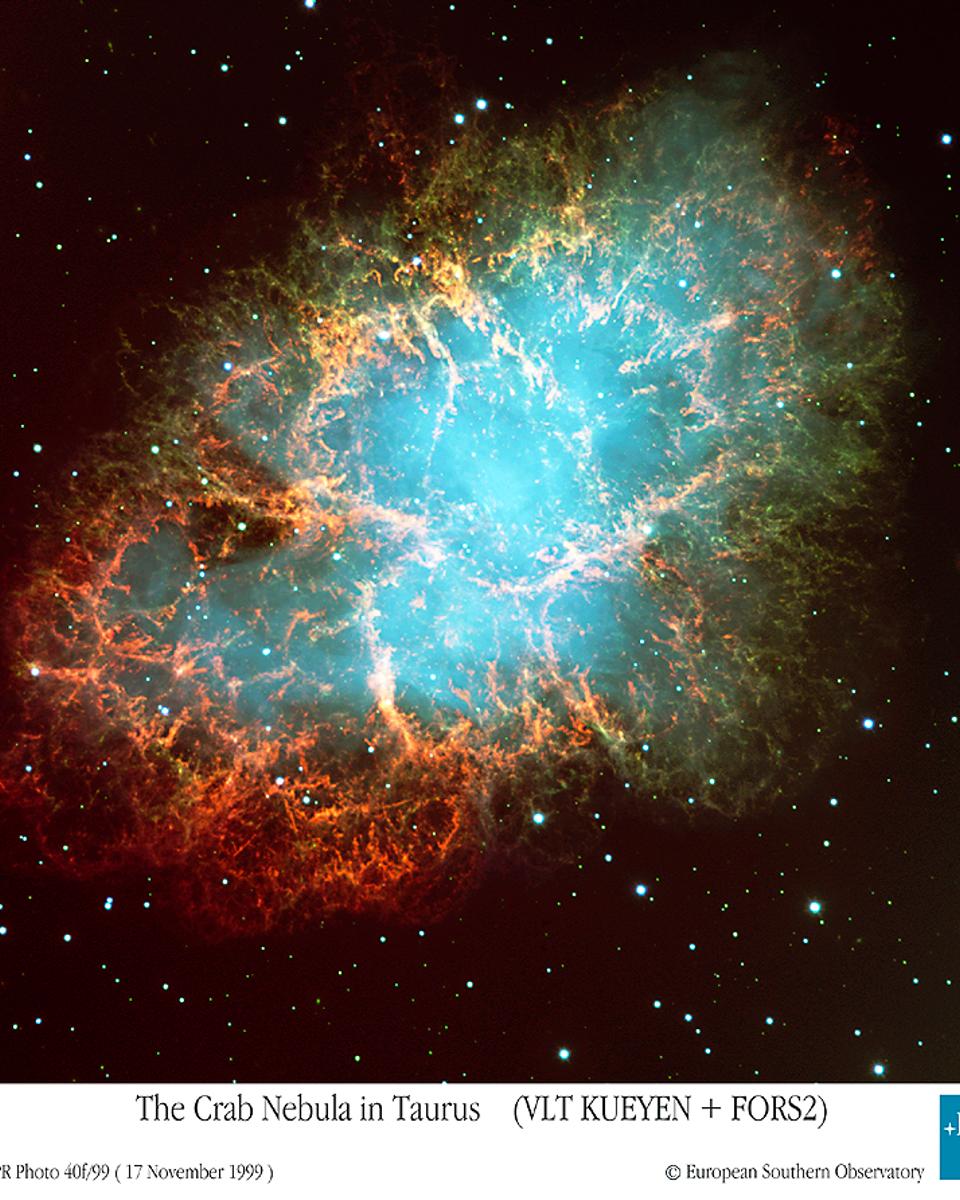
The Crab Nebula from VLT
The Crab Nebula , filled with mysterious filaments, is the result of a star that was seen to explode in 1054 AD . This spectacular supernova explosion was recorded by Chinese and…
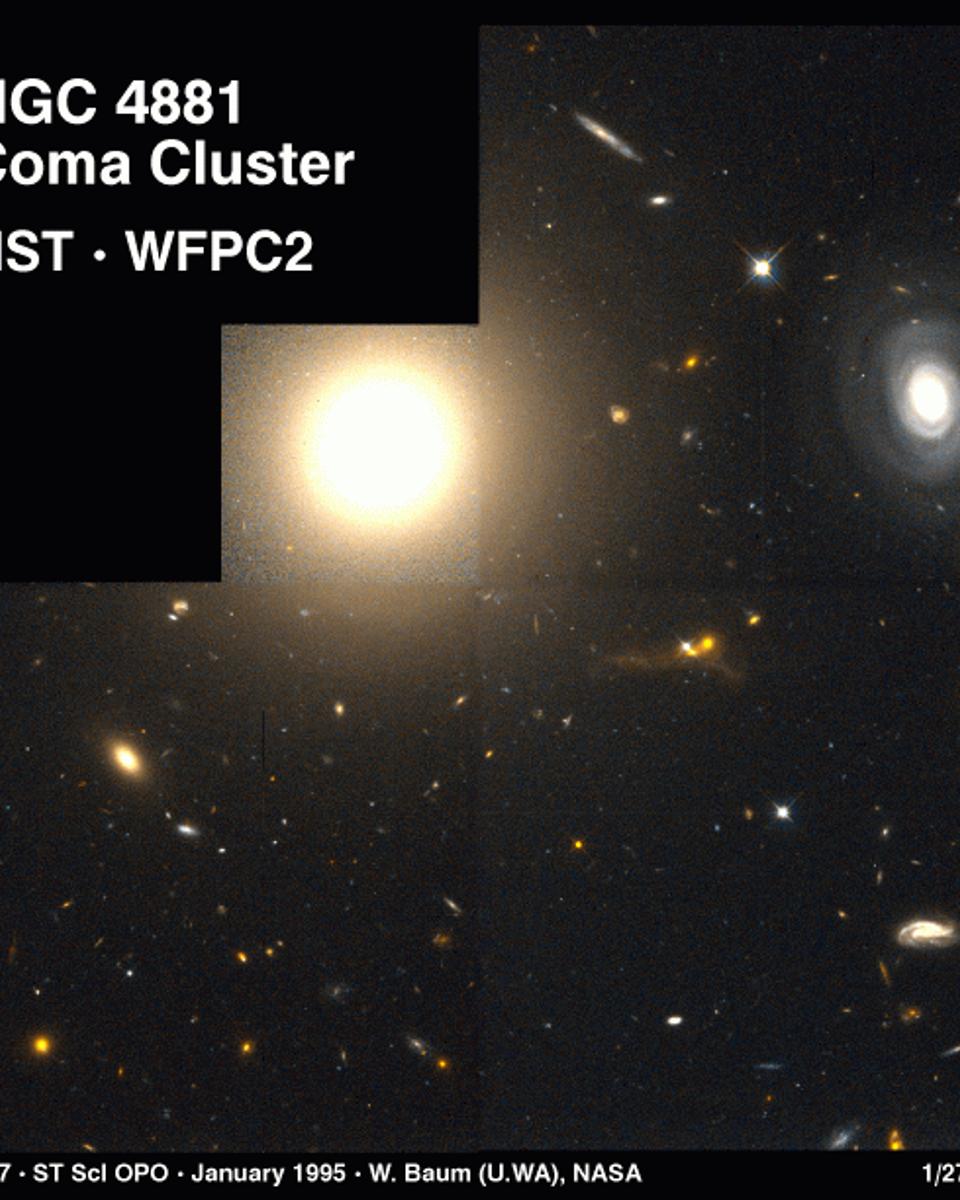
Elliptical Galaxy NGC 4881 in Coma
Elliptical galaxies are unlike spiral galaxies and hence unlike our own Milky Way Galaxy . The giant elliptical galaxy named NGC 4881 on the upper left lies at the edge of the…
Viewing discoveries from 14 December 1999 through 21 November 1999.