Browse NASA Astronomy Picture of the Day archive by date and media: Archive Discoveries
Browse the NASA APOD archive without needing the exact date first. Filter by media type and keep moving deeper into older images and videos.
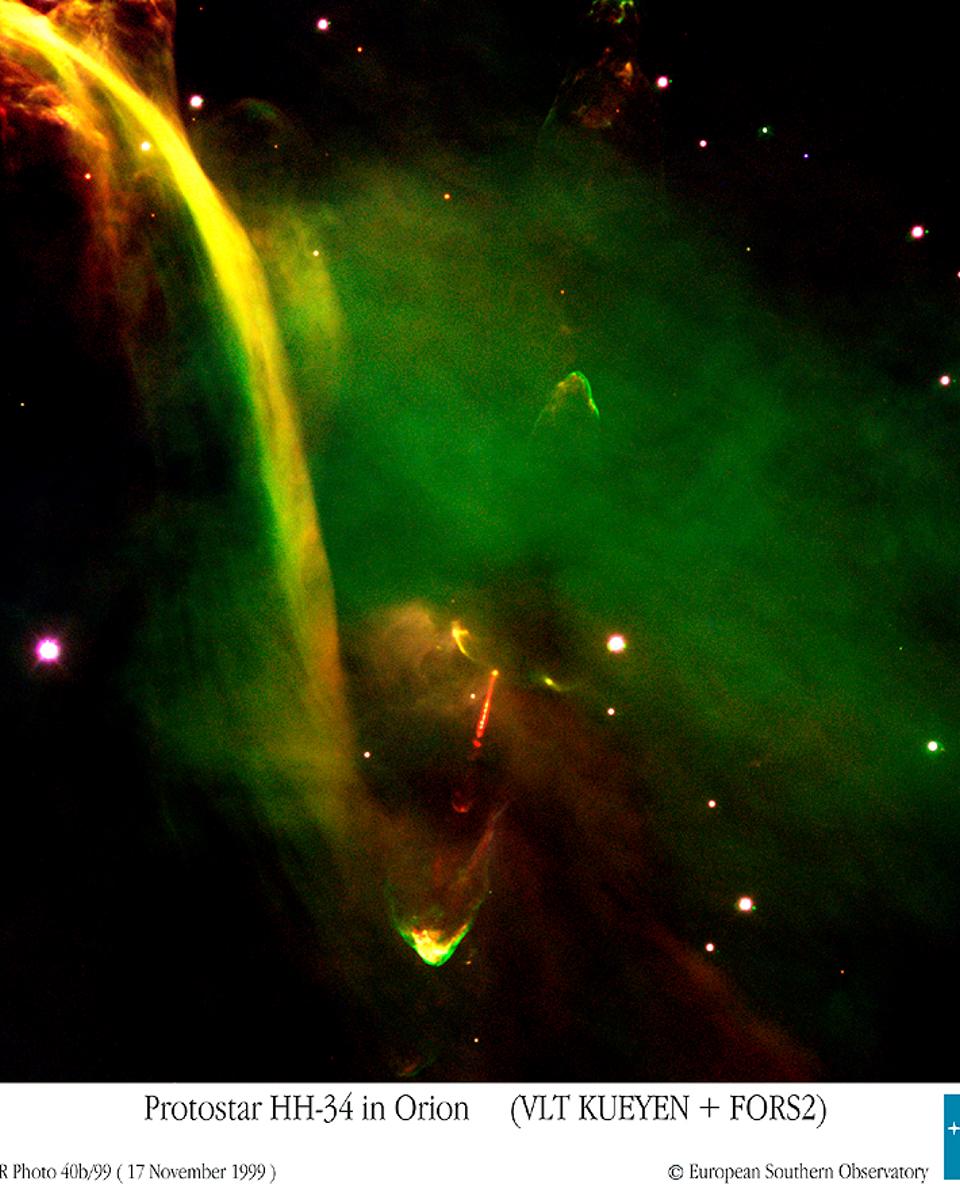
Arcs and Jets in Herbig-Haro 34
Some features of HH-34 are understood -- some are not. At the core of Herbig-Haro 34 lies a seemingly typical young star. This star, though, somehow ejects energetic “bullets” of…
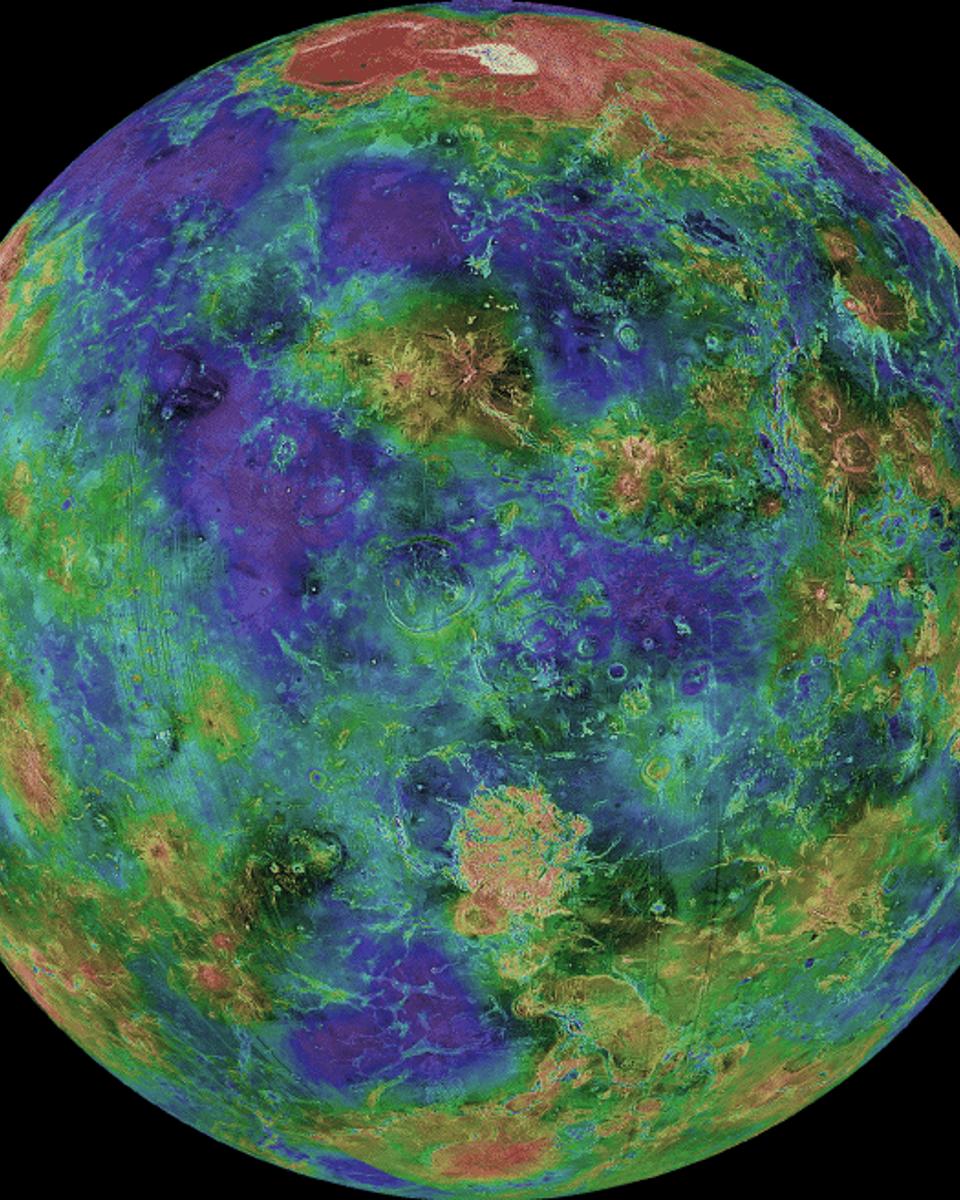
Beneath Venus' Clouds
If the thick clouds covering Venus were removed, how would the surface appear? Using an imaging radar technique, the Magellan spacecraft was able to lift the veil from the Face of…
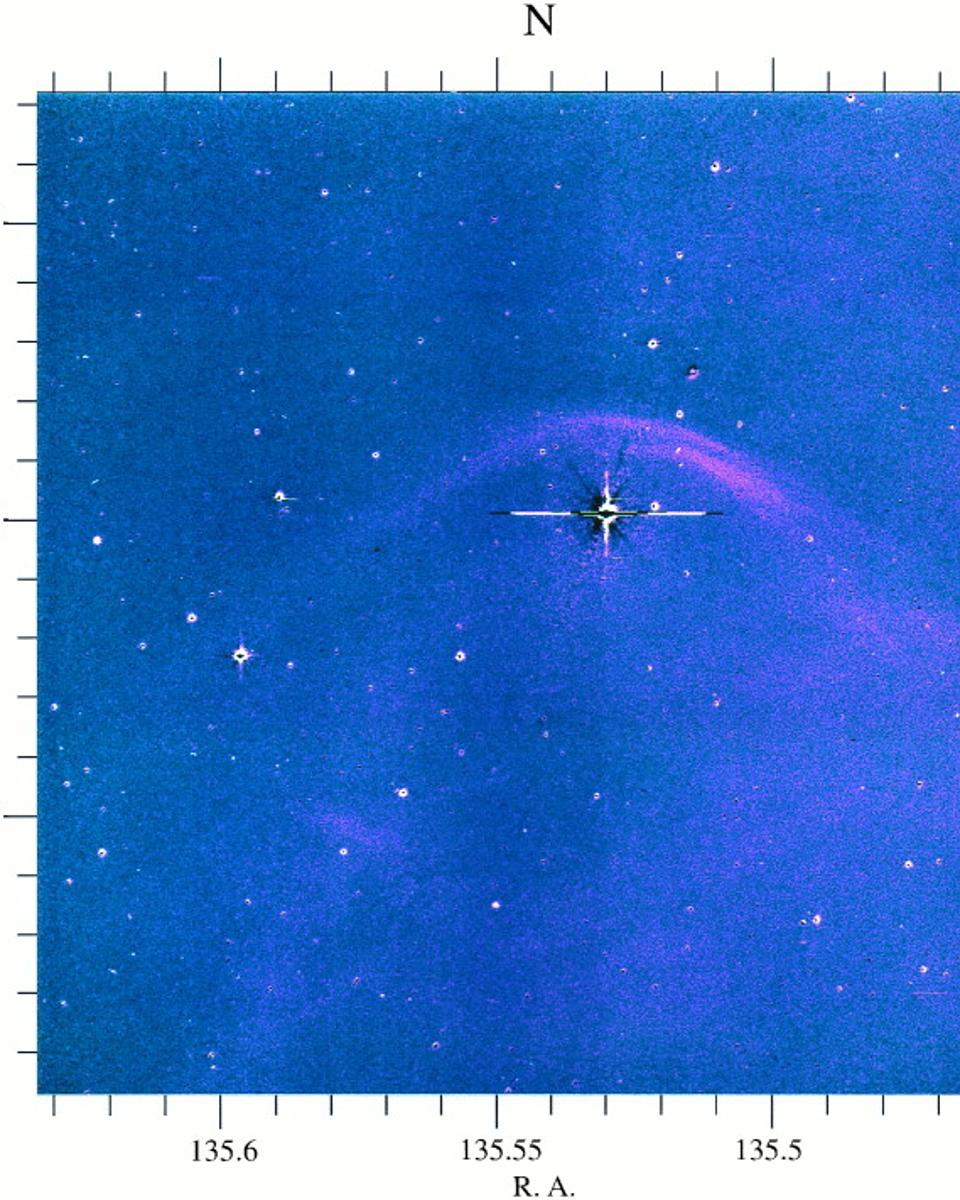
Runaway Star
Runaway stars are massive stars traveling rapidly through interstellar space. Like a ship plowing through the interstellar medium , runaway star HD 77581 has produced this…
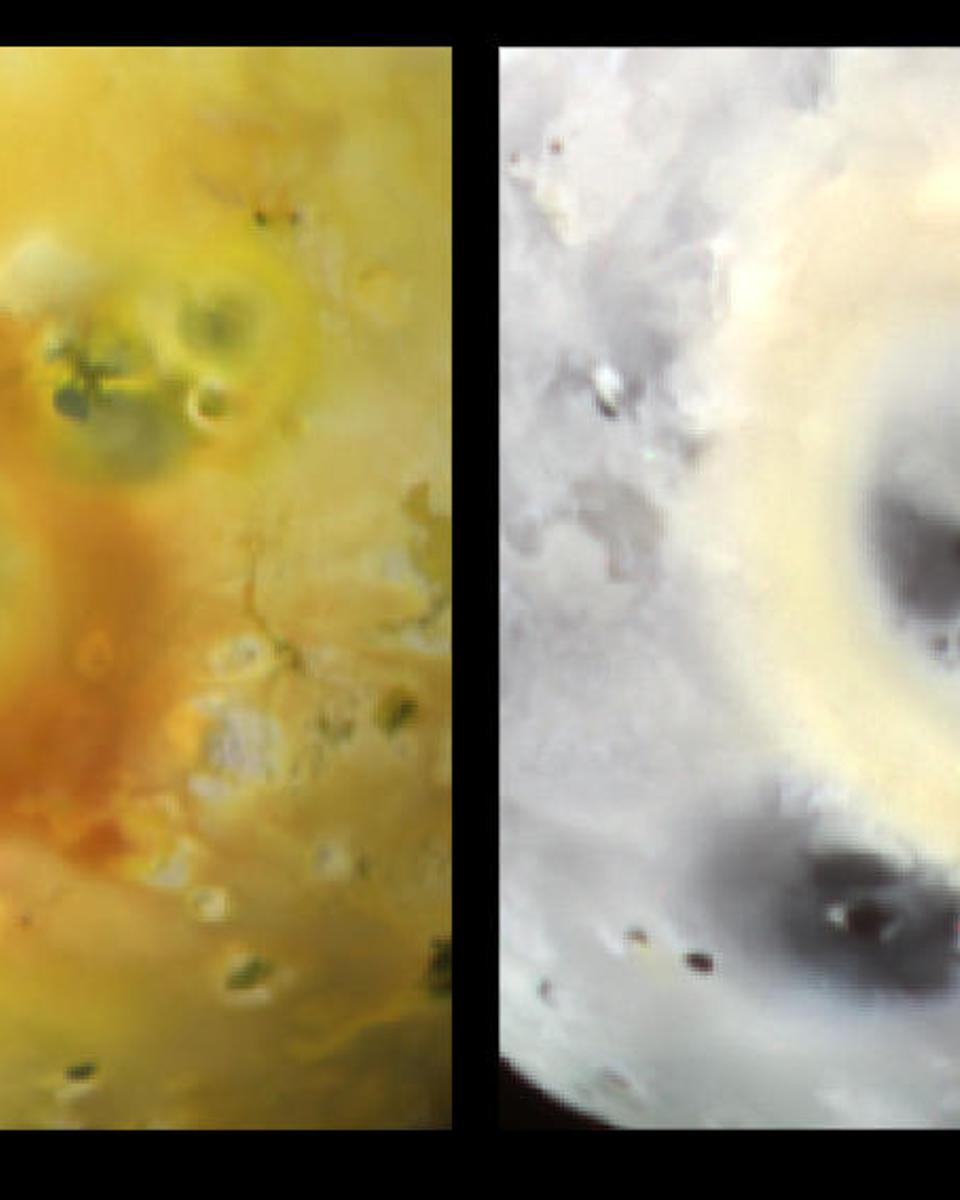
Io Volcano: Pele's Hot Lava
Glowing hot lava from the heart of Io's volcano Pele is visible in this false-color infrared composite image . It was recorded last month during the Galileo spacecraft's close…
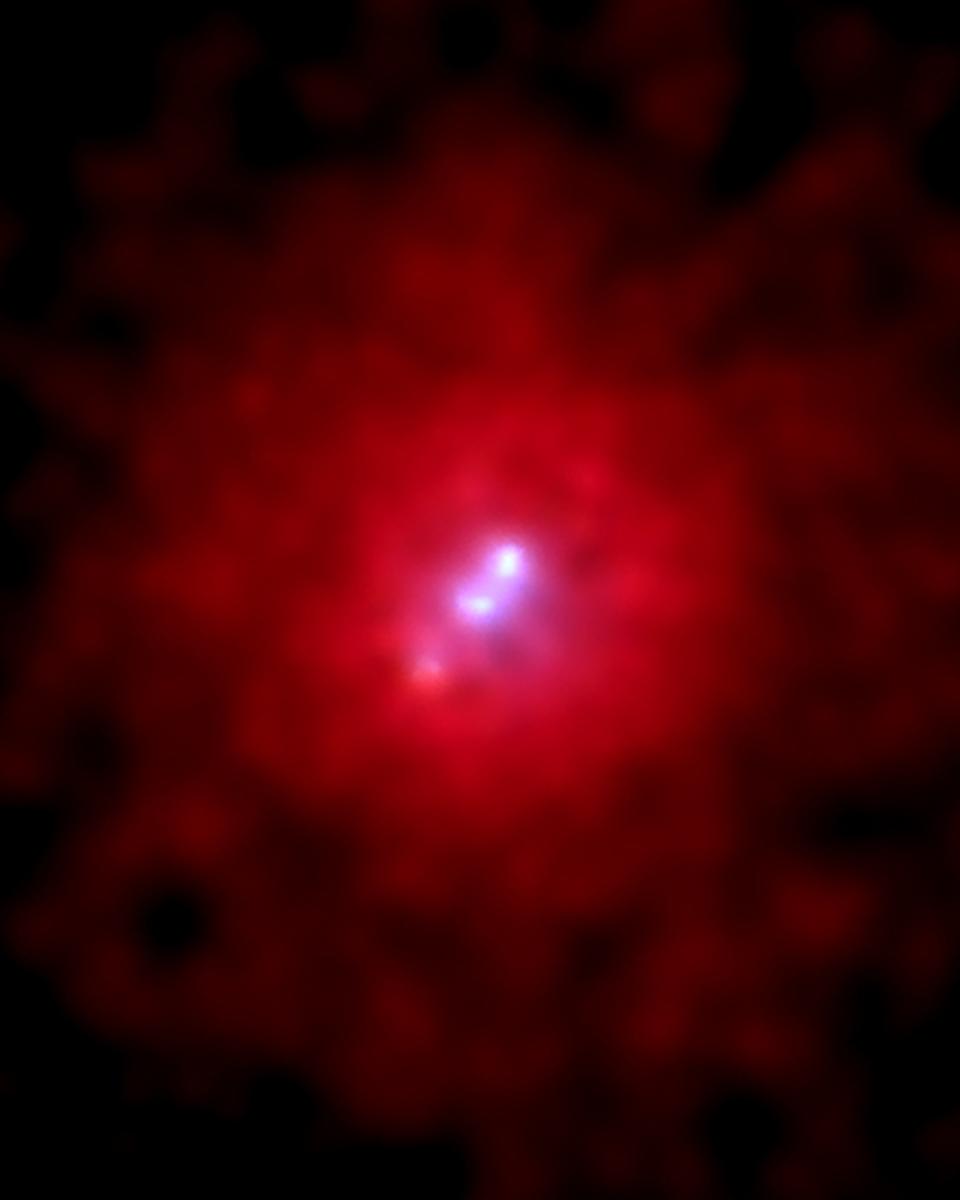
3C 295: X-rays From A Giant Galaxy
Did this galaxy eat too much? Five billion light-years away, the giant elliptical galaxy 3C295 is a prodigious source of energy at radio wavelengths . Bright knots of X-ray…
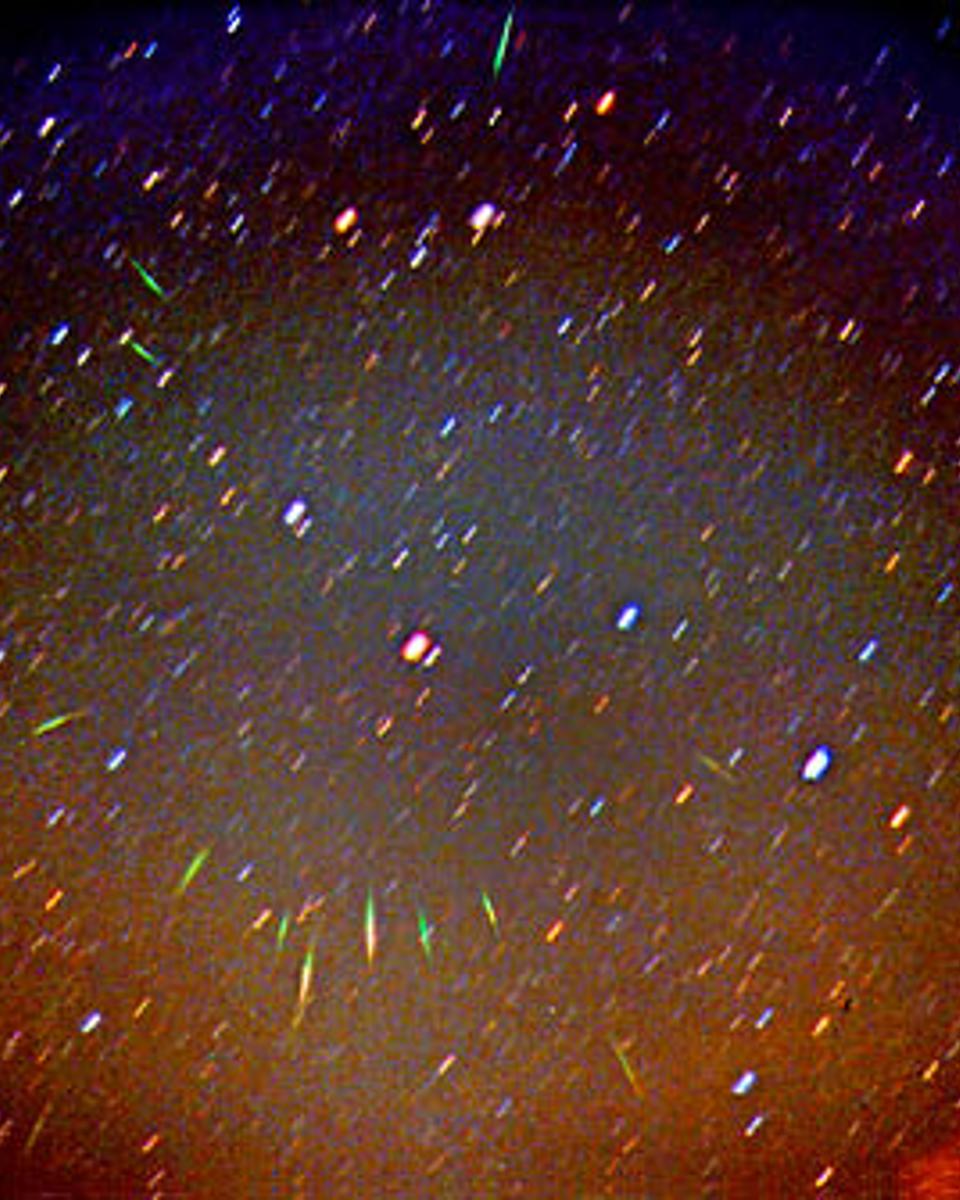
A Leonids Meteor Storm in 1999
The 1999 Leonids meteor shower was not equally good for everybody. Only observers in Europe and the Middle East with clear skies near 2 am (UTC) on 1999 November 18 saw rates…
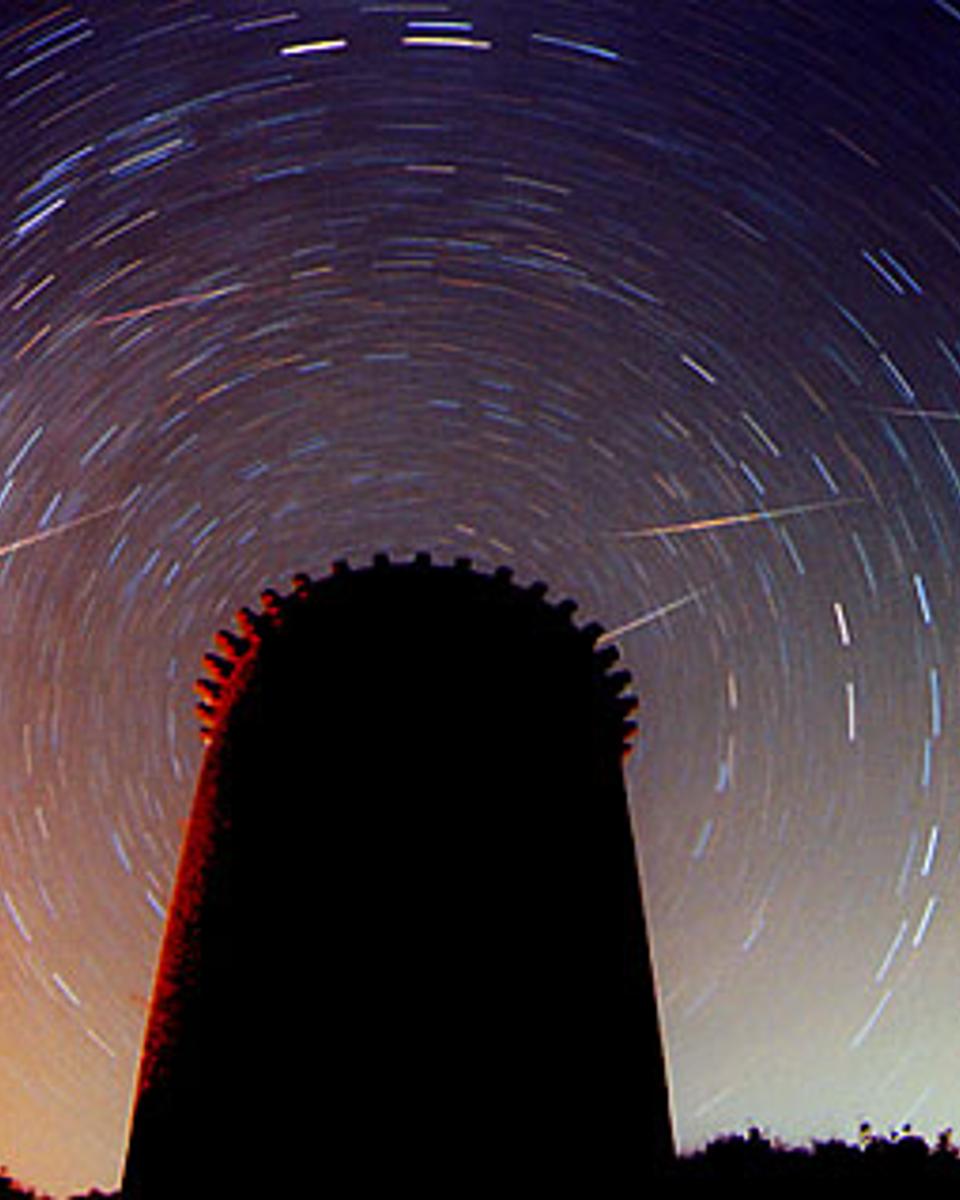
Leonids Above Torre de la Guaita
The 1999 Leonids Meteor Shower came to a tremendous crescendo. Observers in Europe observed a sharp peak in the number of meteors visible around 0210 UTC during the early morning…
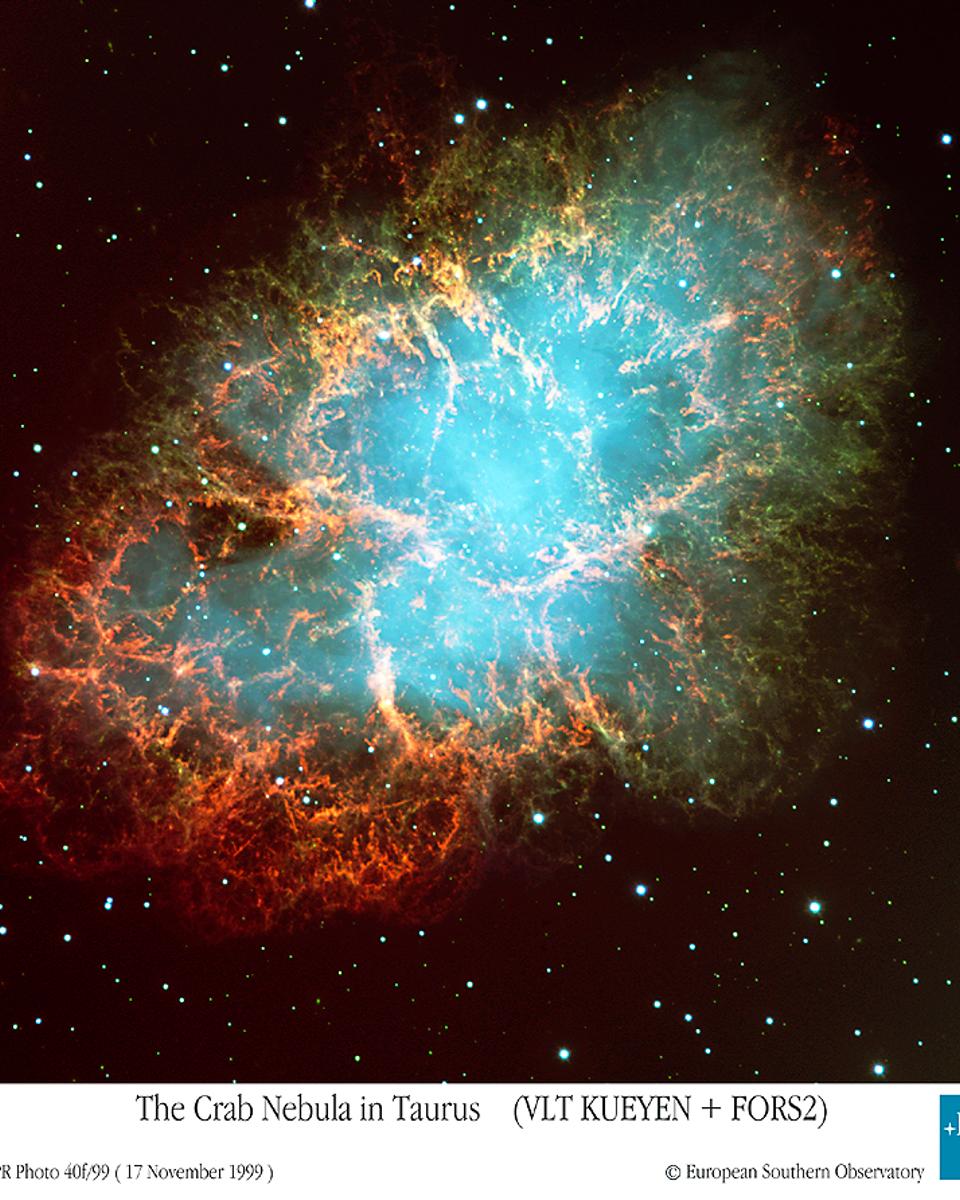
The Crab Nebula from VLT
The Crab Nebula , filled with mysterious filaments, is the result of a star that was seen to explode in 1054 AD . This spectacular supernova explosion was recorded by Chinese and…
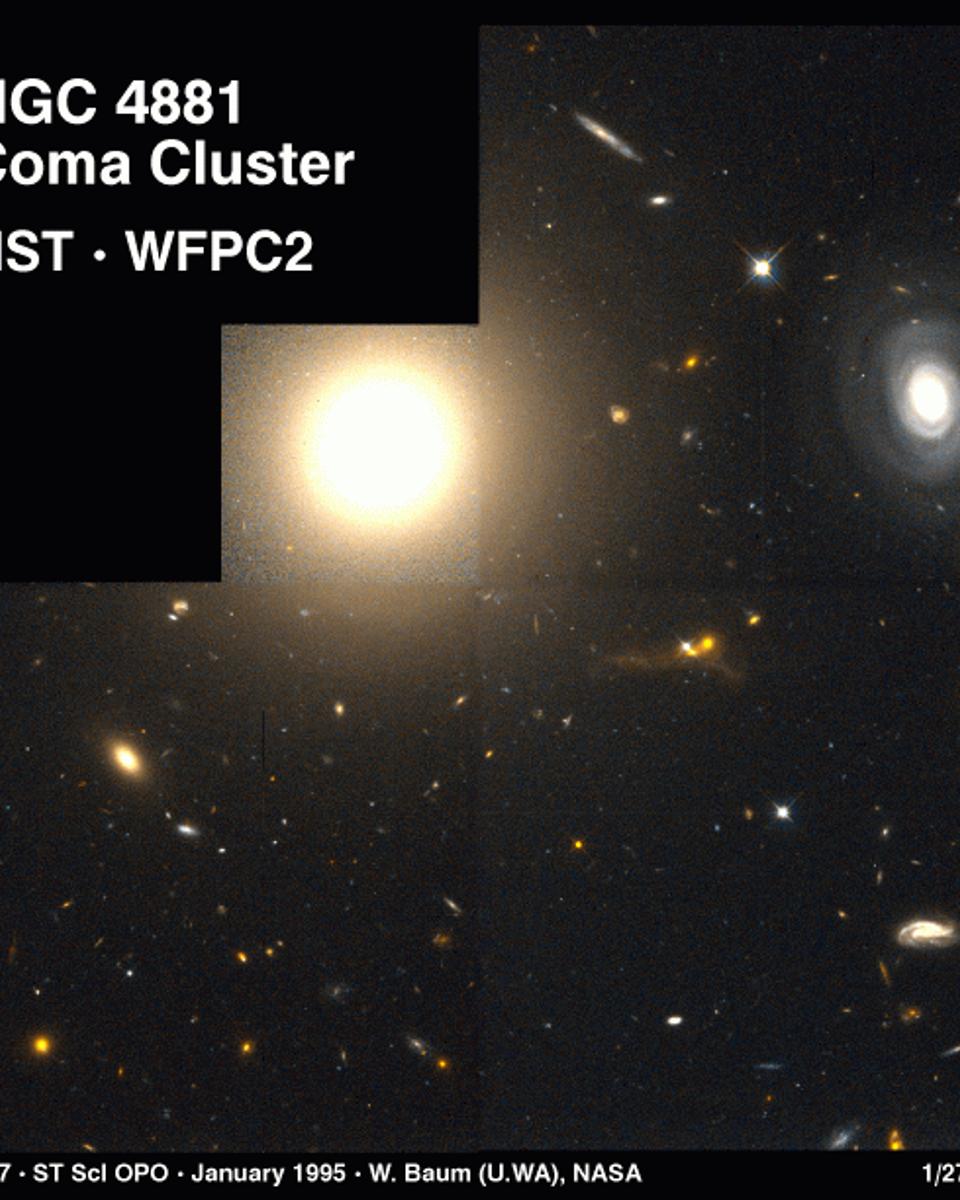
Elliptical Galaxy NGC 4881 in Coma
Elliptical galaxies are unlike spiral galaxies and hence unlike our own Milky Way Galaxy . The giant elliptical galaxy named NGC 4881 on the upper left lies at the edge of the…
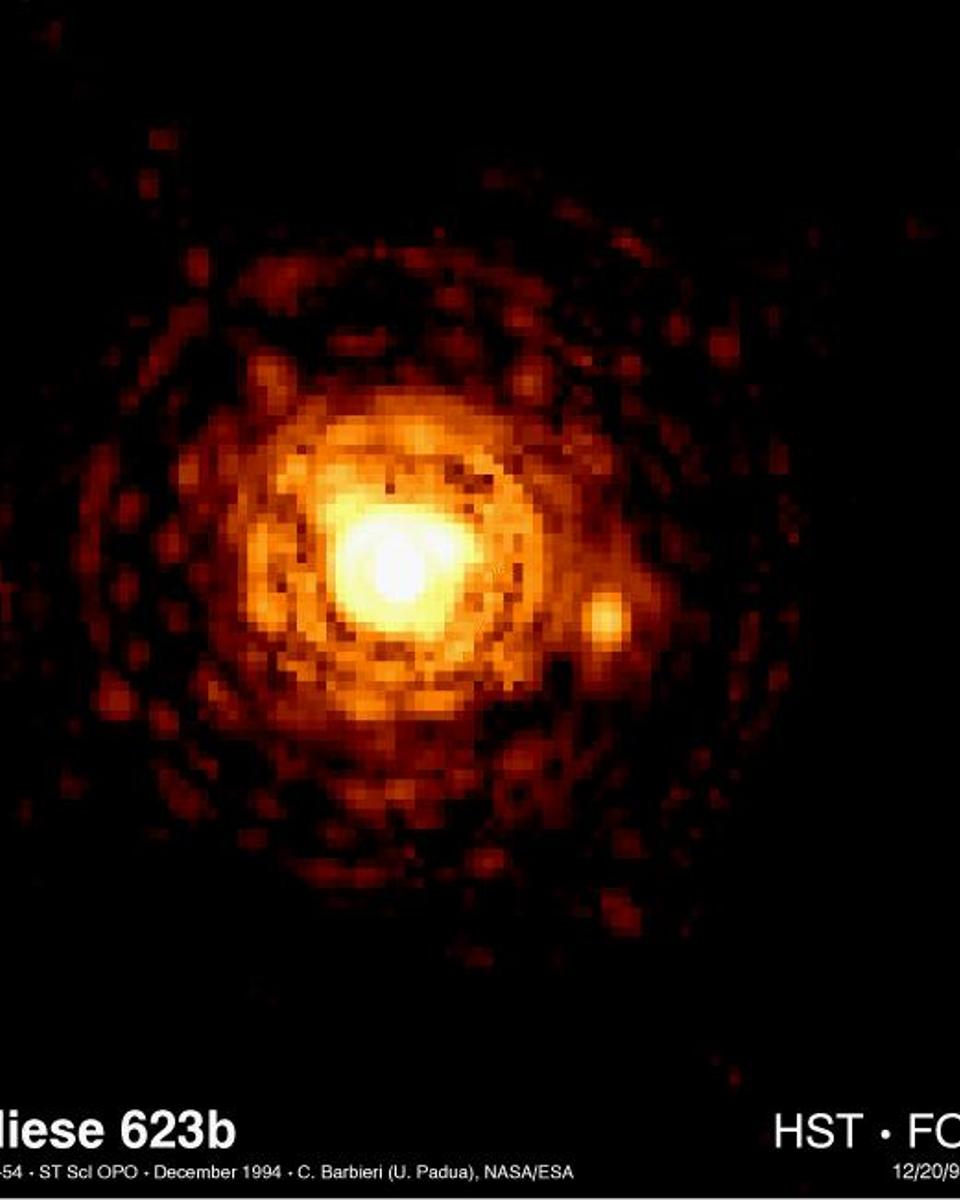
Small Star
A dim double star system cataloged as Gliese 623 lies 25 light-years from Earth, in the constellation of Hercules . The individual stars of this binary system were distinguished…
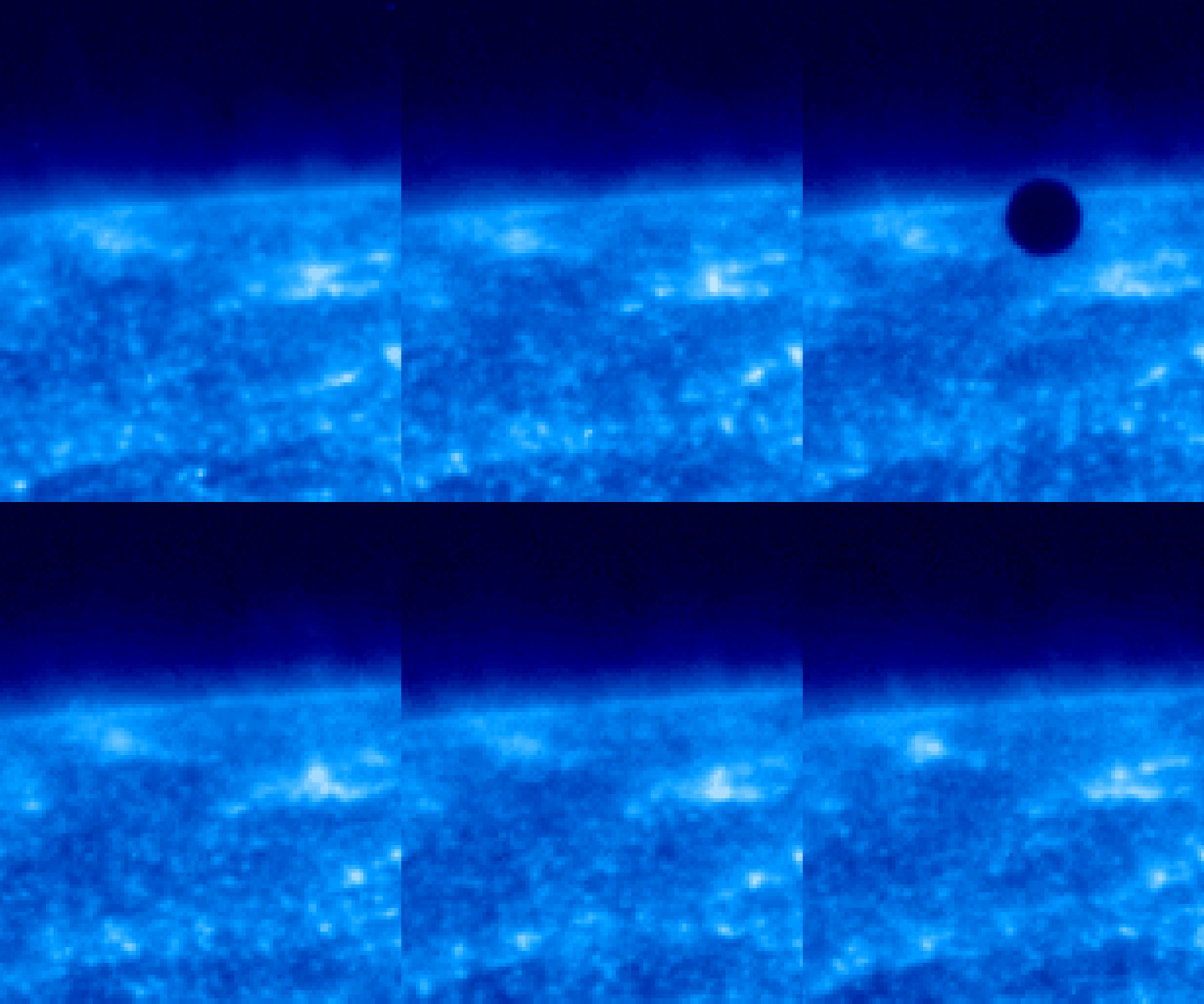
Mercury And The Sun
Just days before the peak of the Leonid meteor shower , skywatchers were offered another astronomical treat as planet Mercury crossed the face of the Sun on November 15. Viewed…
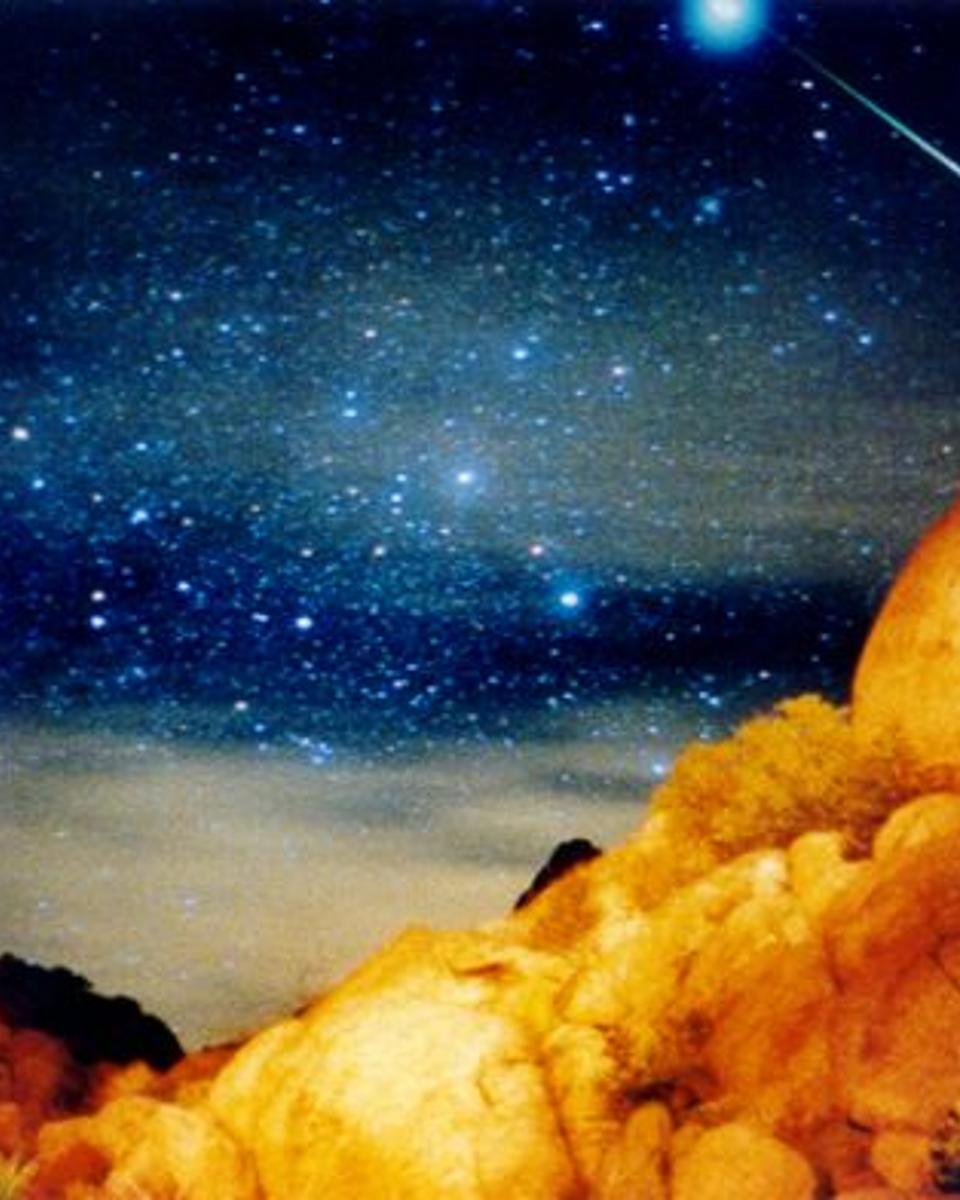
A Sirius Leonid Meteor
In the sky or on the web, did you watch this year's Leonid meteor shower? If you did, meteors flashing through the night sky should be a familiar sight. Recorded last year during…
A Leonid Meteor Explodes
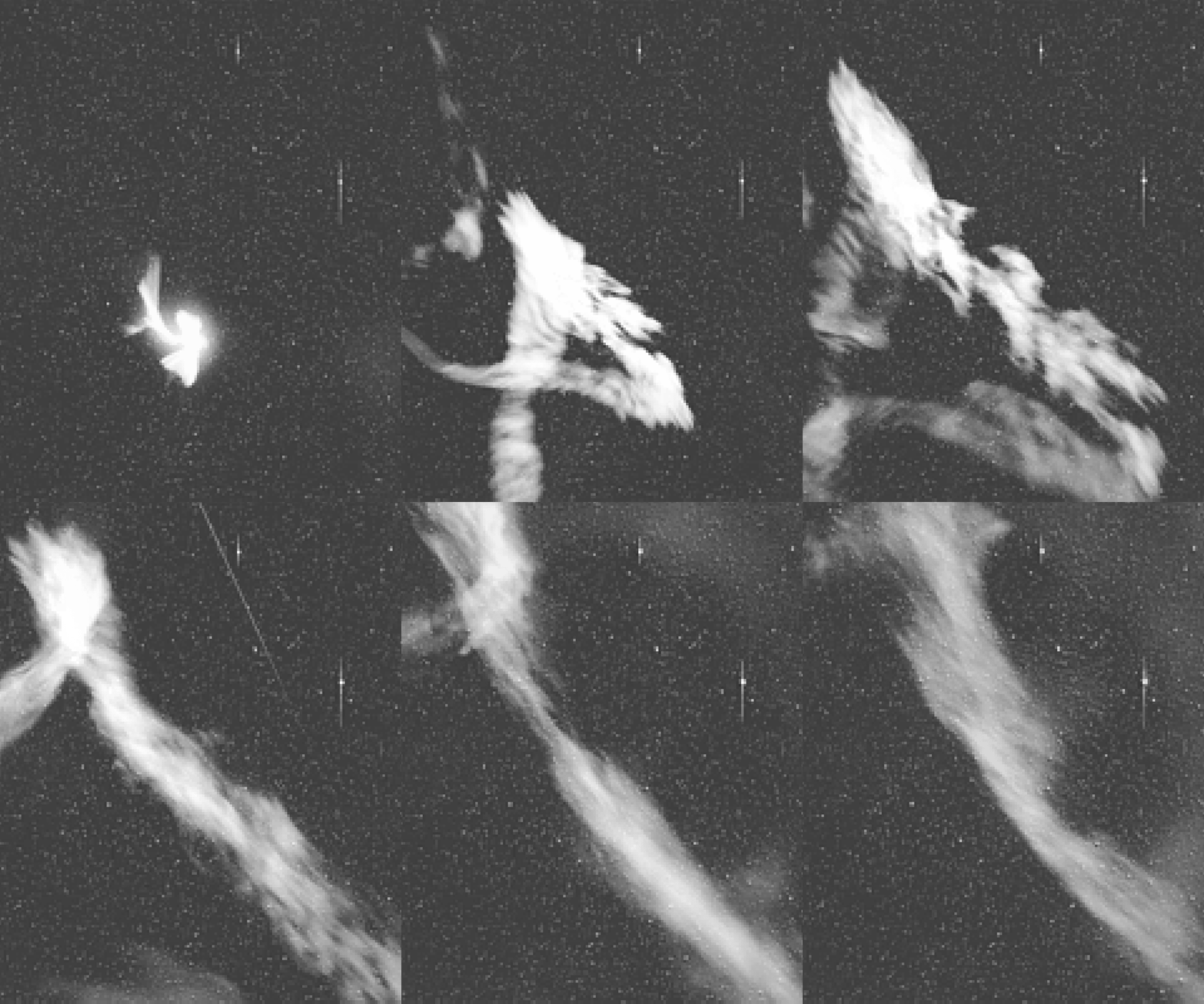
Tonight, a lucky few may see a meteor explode. Over the next 36 hours the Earth will pass unusually close to debris expelled from Comet Tempel-Tuttle , causing many sand-sized…
A RADARSAT Map of Antarctica
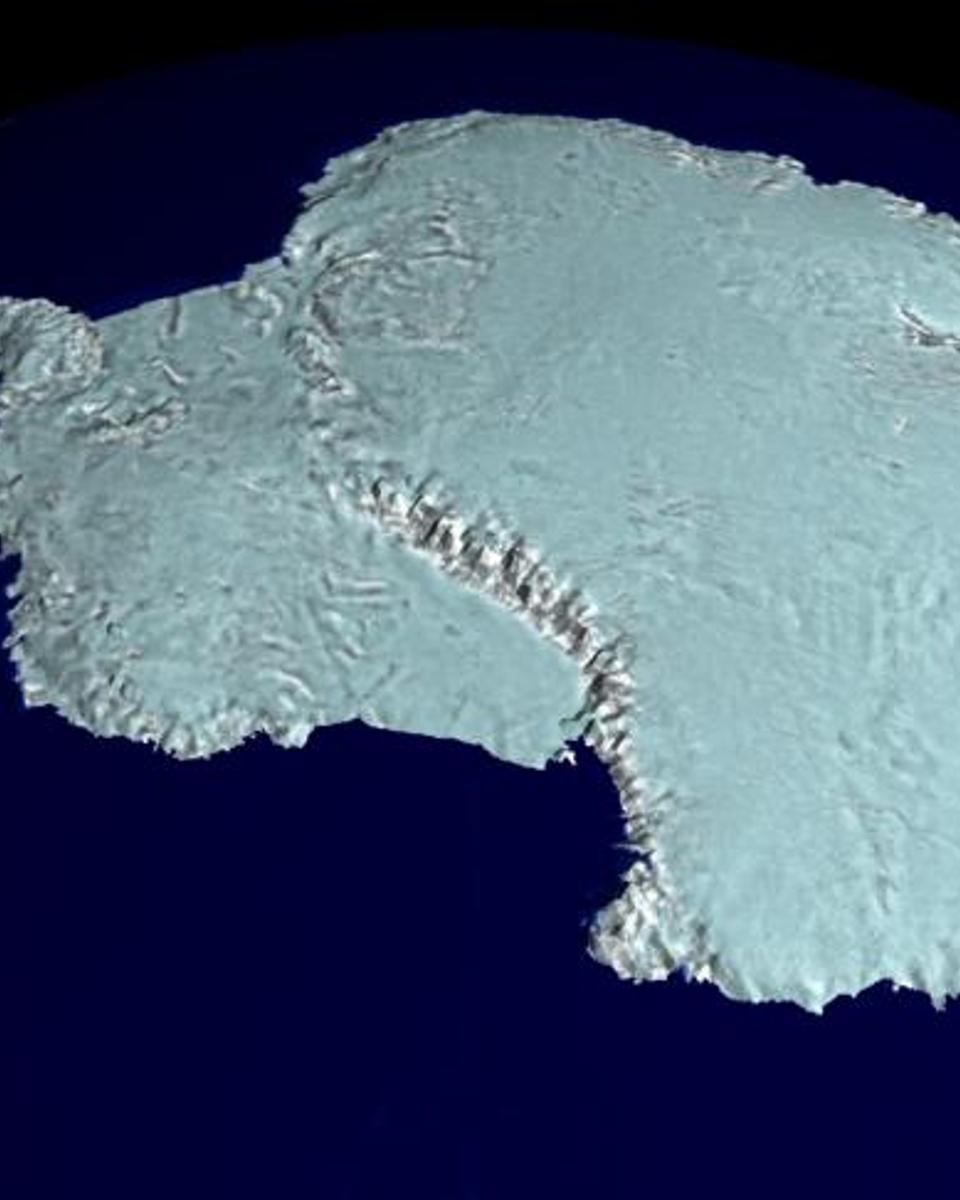
It's not easy to make a map of Antarctica . Earth's southern most continent is so cold and inhospitable that much of it remains unexplored . From space , though, it is possible to…
In the Shade of a Historic Planet
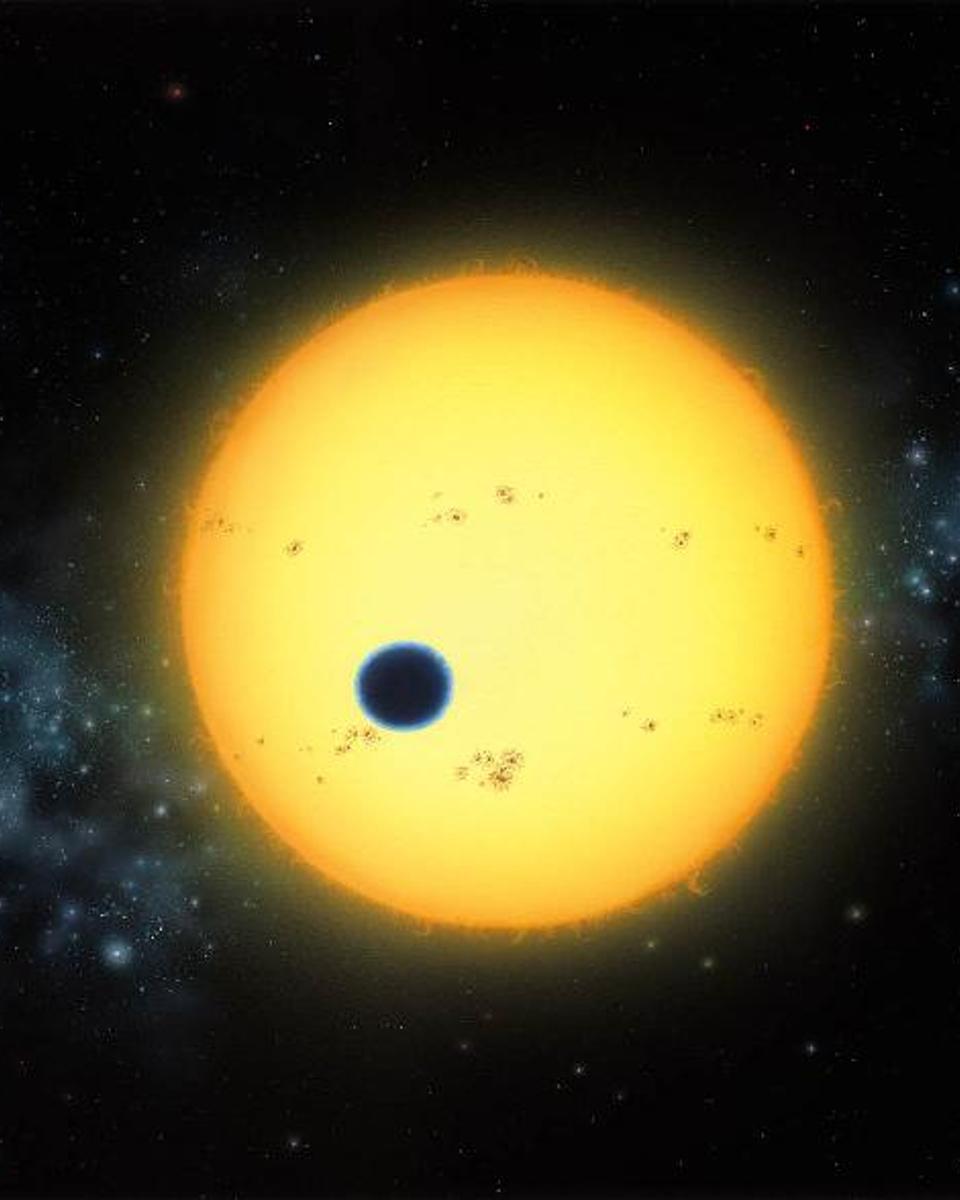
For the first time, astronomers have recovered independent evidence that distant planetary systems exist. Last Friday, a team led by G. W. Henry ( Tenn. State ) and G. Marcy ( UC…
M31: The Andromeda Galaxy
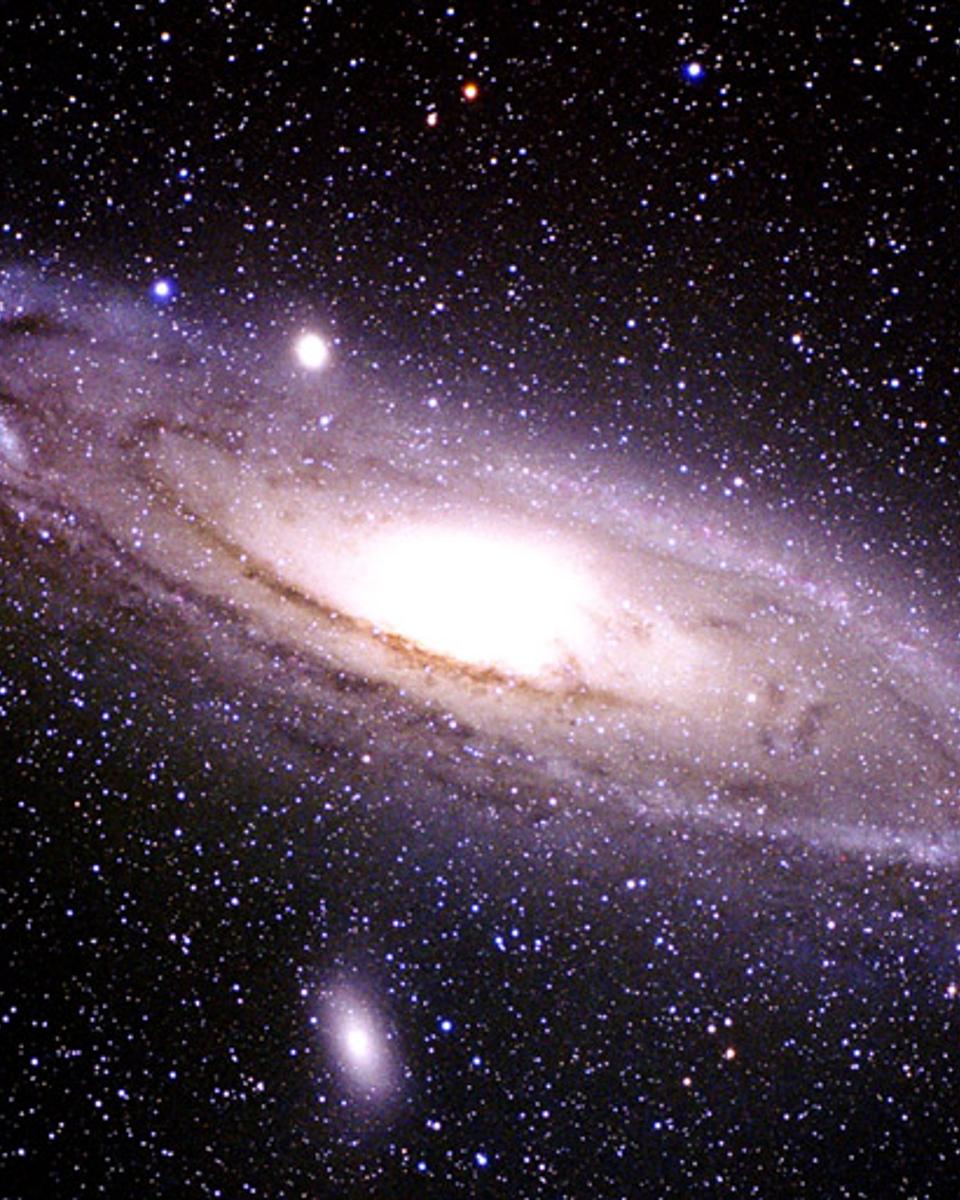
Andromeda is the nearest major galaxy to our own Milky Way Galaxy . Our Galaxy is thought to look much like Andromeda . Together these two galaxies dominate the Local Group of…
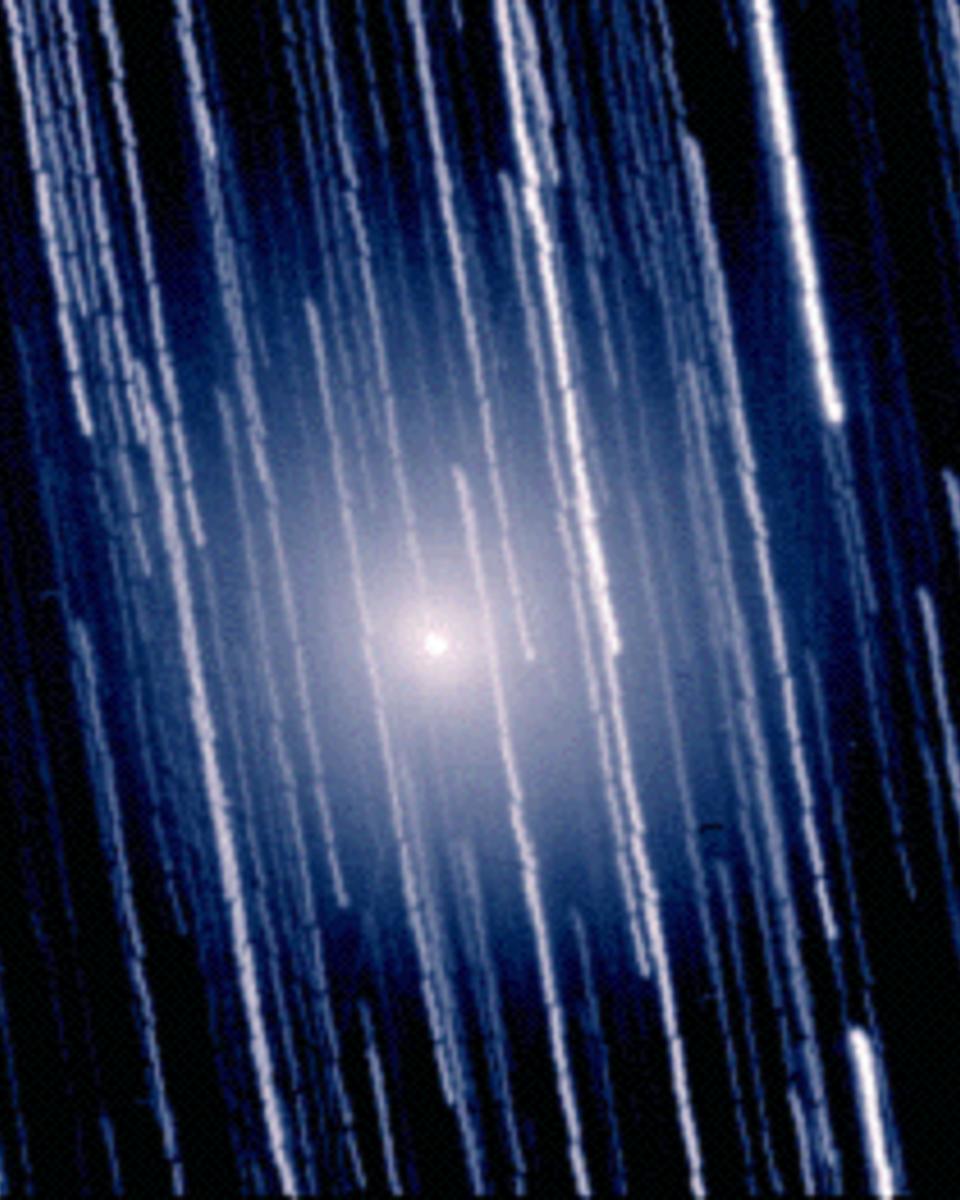
Tempel-Tuttle: The Leonid Comet
Star trails streak this composite time exposure of Comet Tempel-Tuttle recorded by T. Puckett on January 26, 1998. Then passing through the inner solar system on its 33 year orbit…
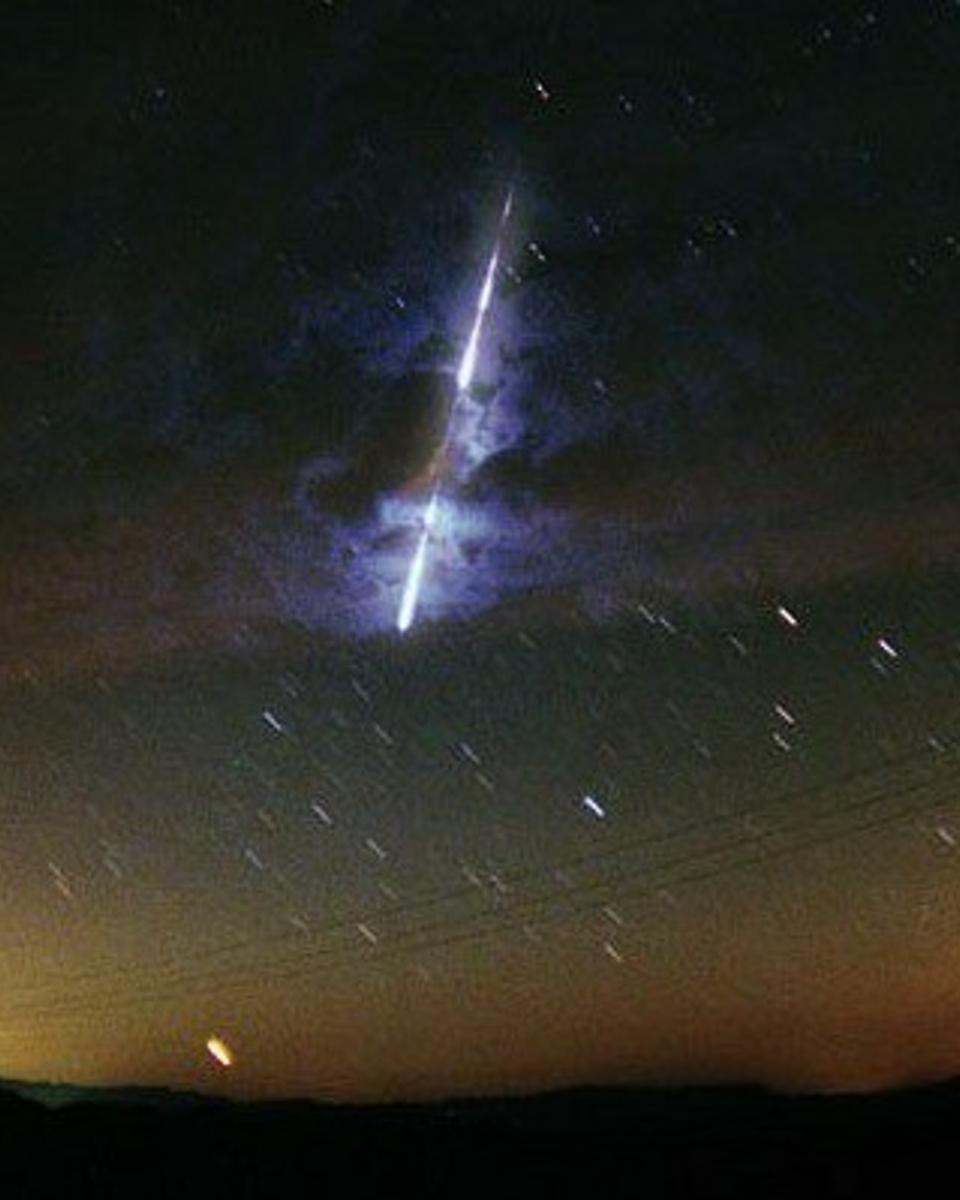
1998 Leonid Fireball
Will this be the year ? Last year's Leonid meteor shower did not produce the meteor storm many had hoped for. Still, it put on a dazzling show with many bright fireball meteors .…
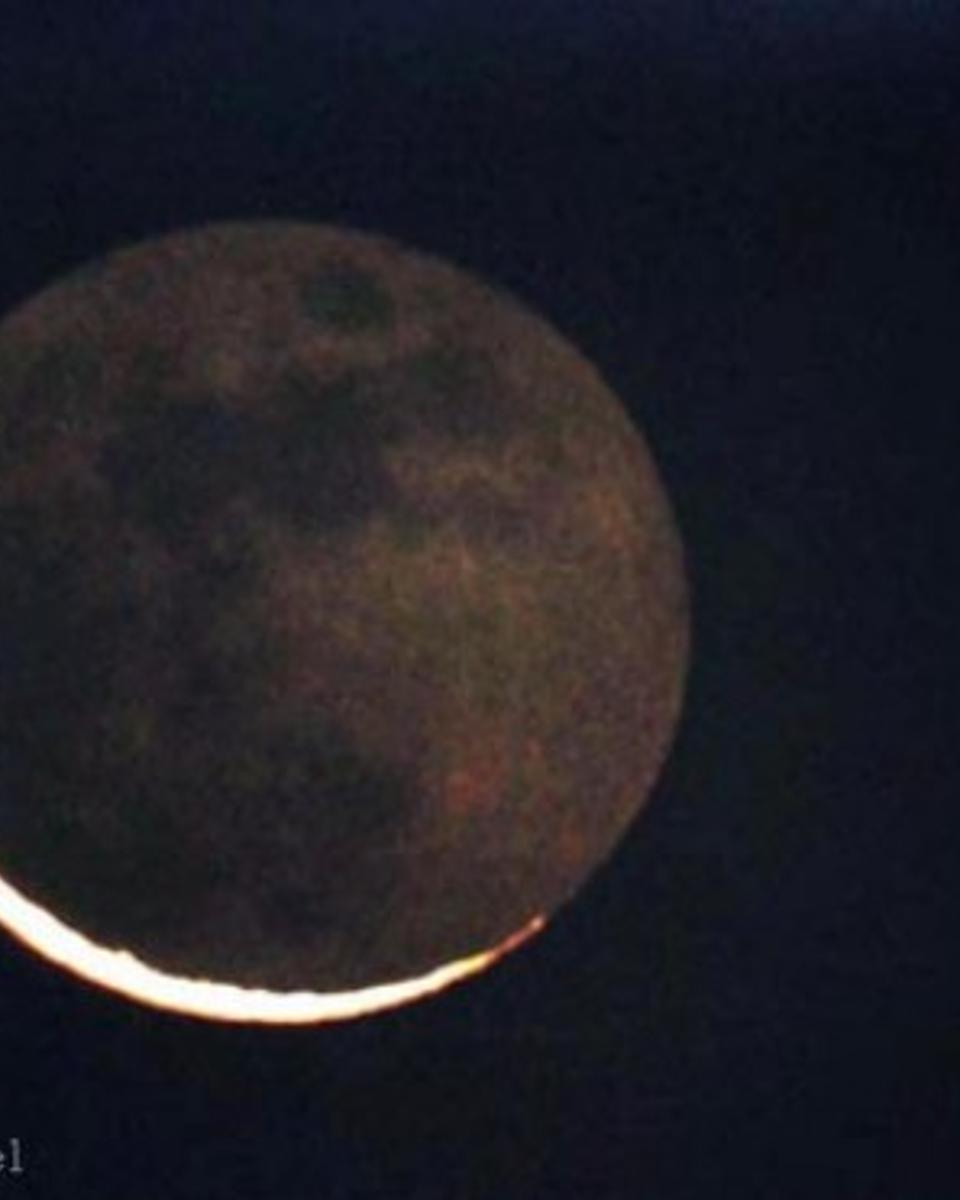
Mercury And The Moon
Mercury is the closest planet to the Sun and never moves far from our parent star in Earth's sky . Racing around its tight orbit, this well-done world is a little over 1/3 the…
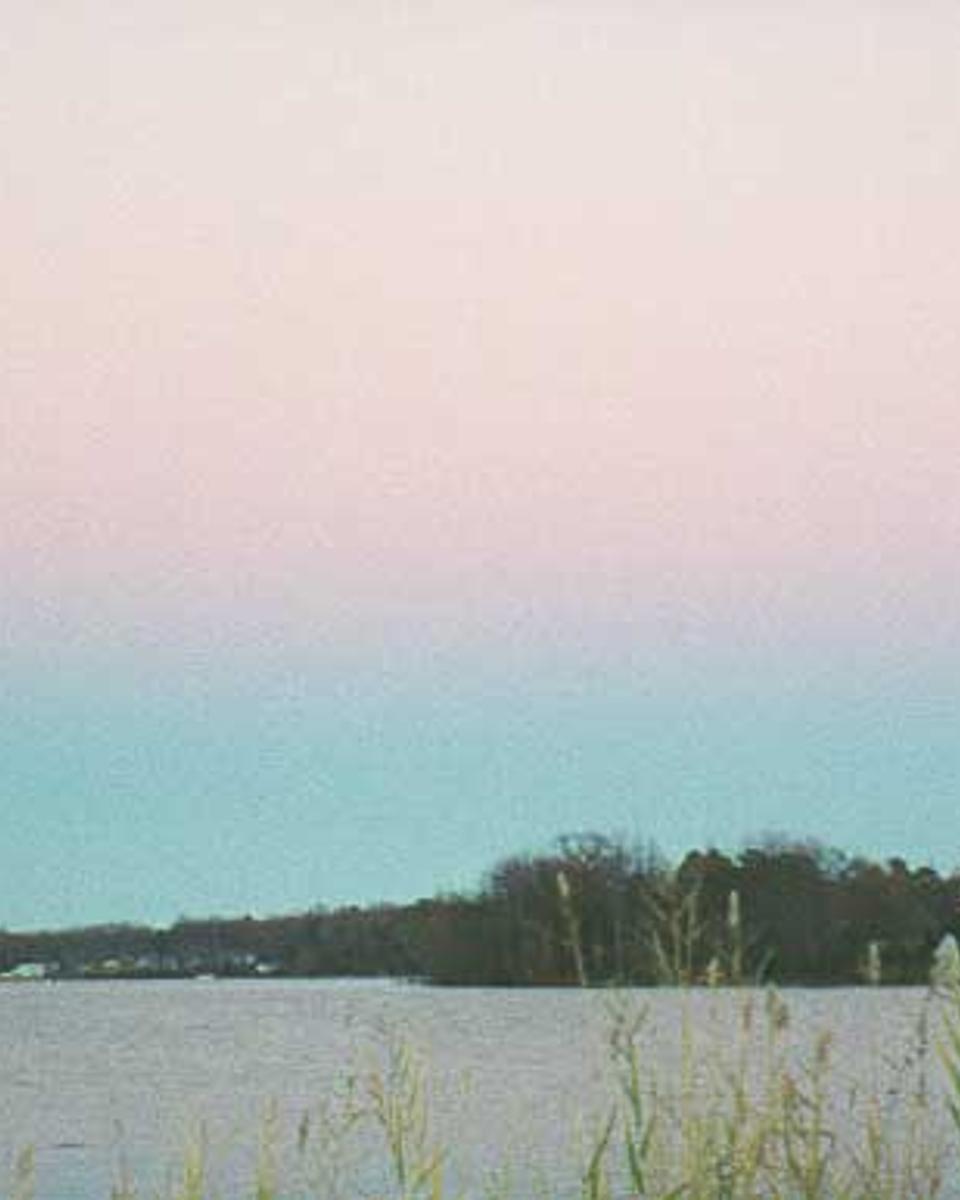
The Belt of Venus
Although you've surely seen it, you might not have noticed it. During a cloudless twilight , just before sunrise or after sunset , part of the atmosphere above the horizon appears…
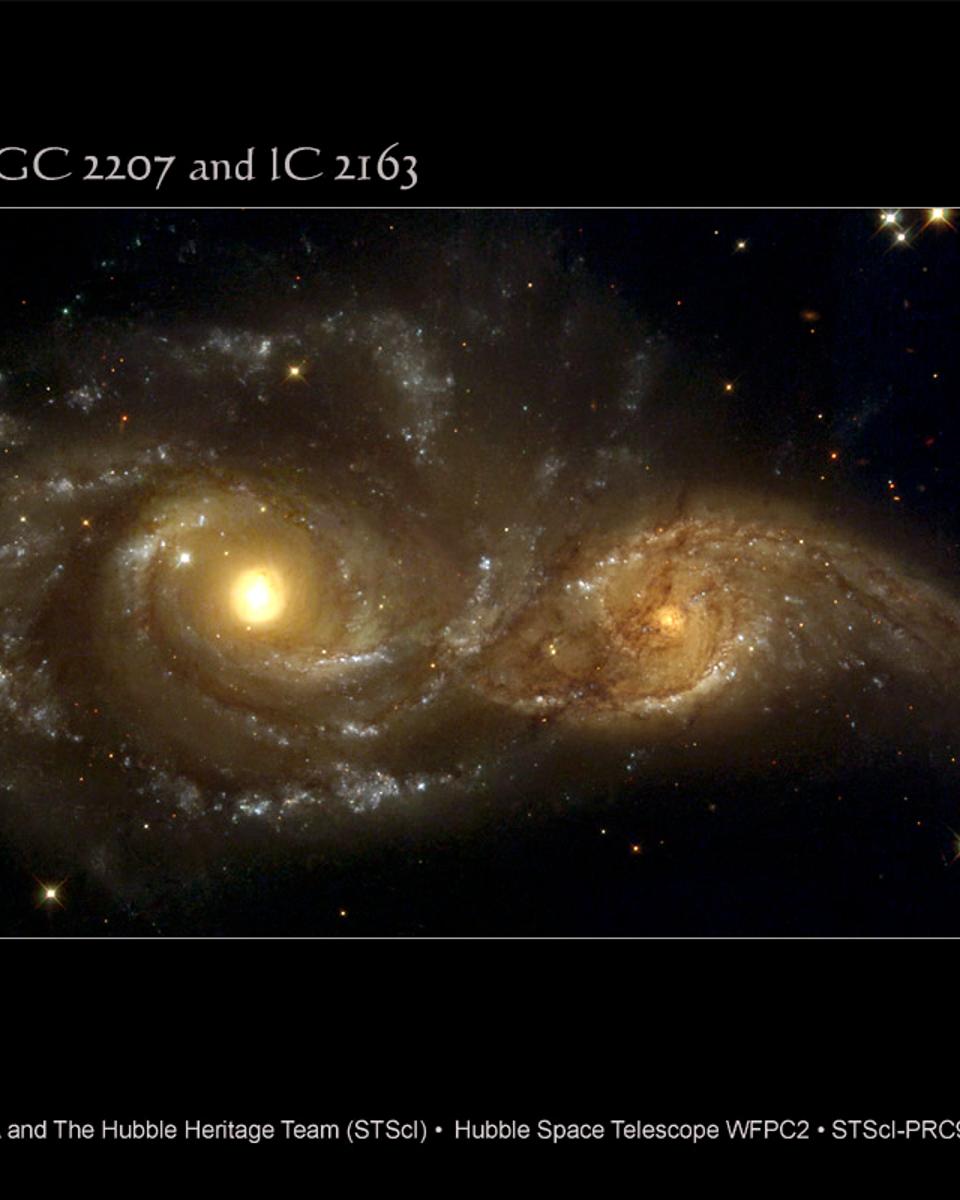
Spiral Galaxies in Collision
Billions of years from now, only one of these two galaxies will remain. Until then, spiral galaxies NGC 2207 and IC 2163 will slowly pull each other apart, creating tides of…

Lunation
Our Moon's appearance changes nightly. This slow-loading time-lapse sequence shows what our Moon looks like during a lunation , a complete lunar cycle. As the Moon orbits the…
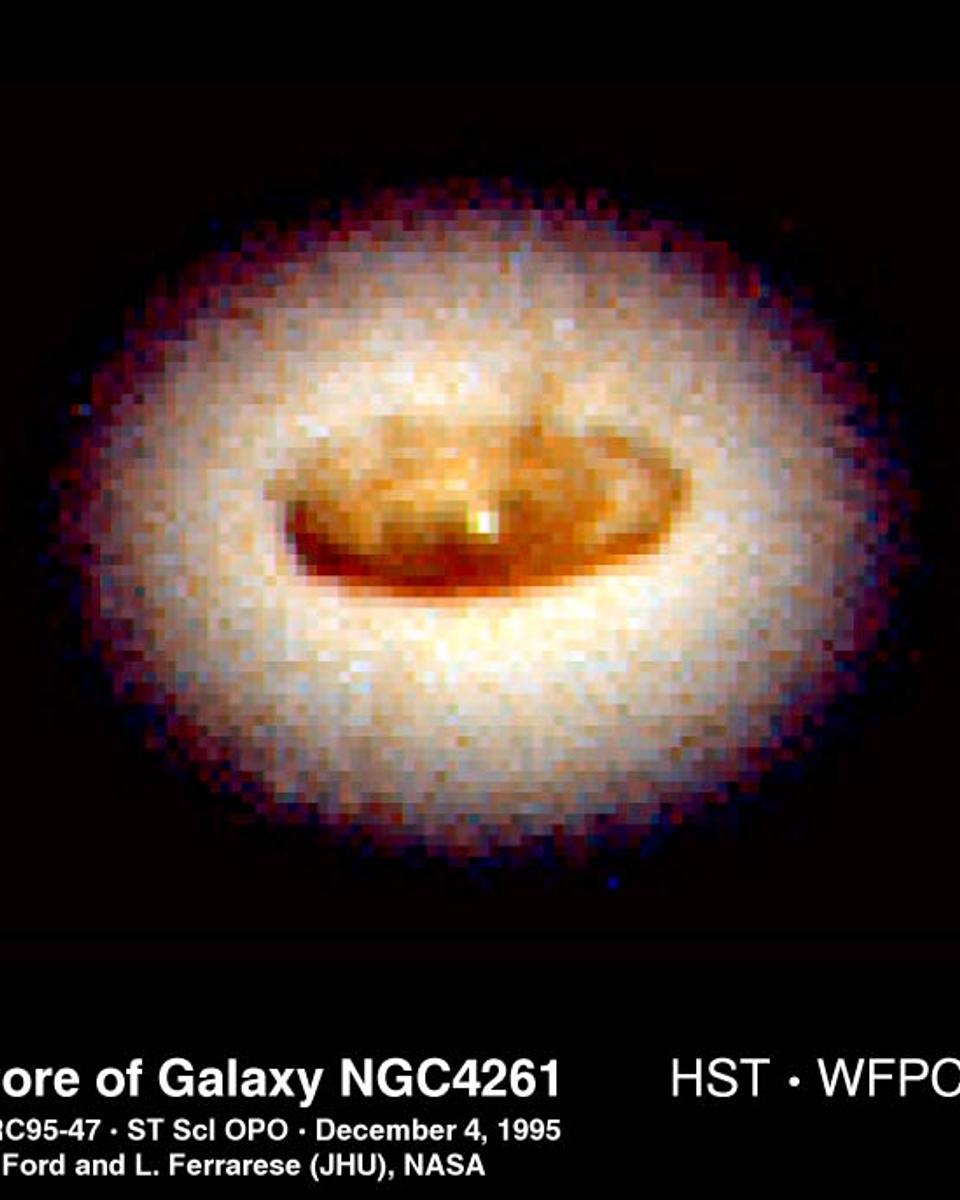
The Heart Of NGC 4261
Who knows what evil lurks in the hearts of galaxies? The Hubble knows. This Hubble Space Telescope picture of the center of the nearby elliptical galaxy NGC 4261 tells one…
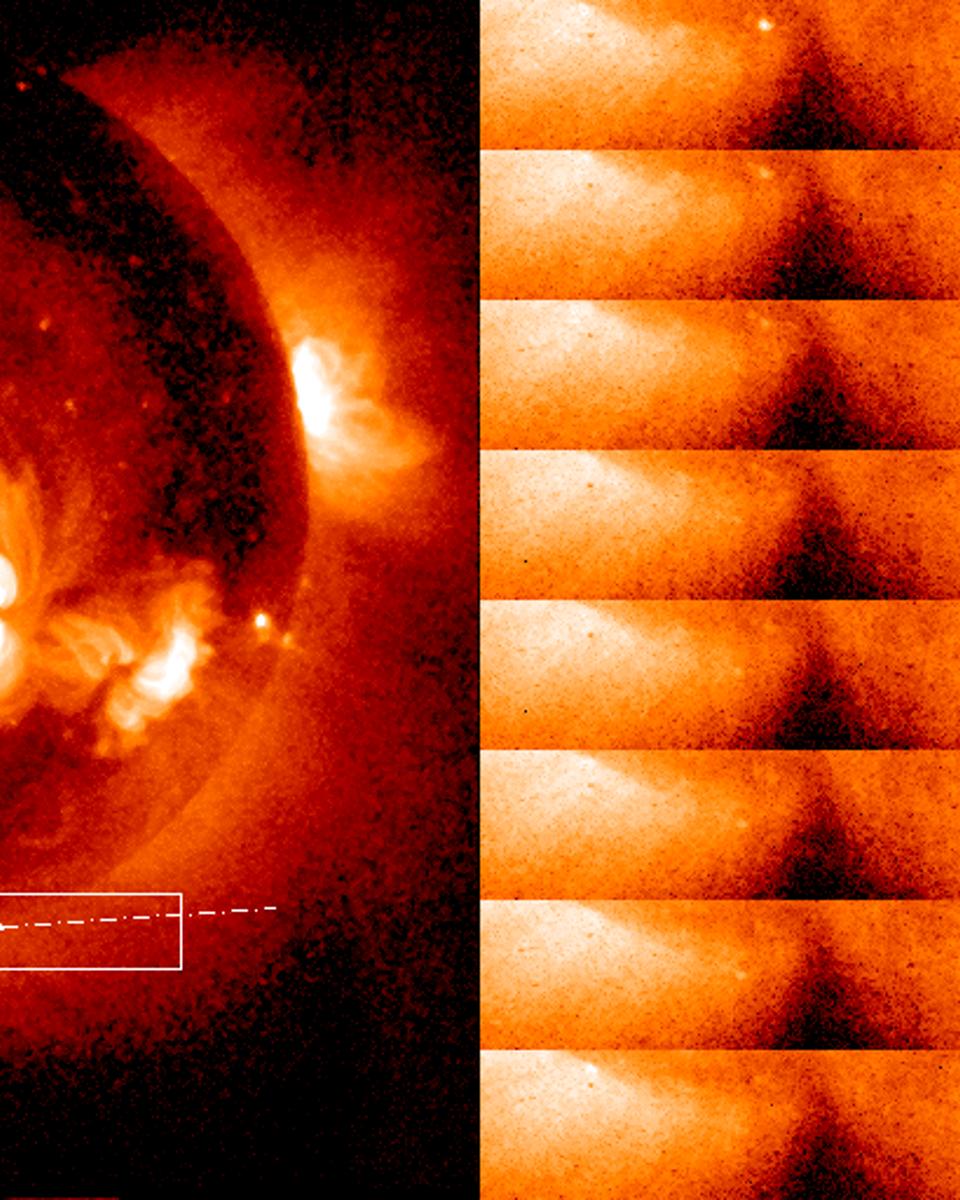
X-ray Transit of Mercury
This sequence of false color X-ray images captures a rare event - the passage or transit of planet Mercury in front of the Sun. Mercury's small disk is silhouetted against the…
Viewing discoveries from 29 November 1999 through 6 November 1999.