Browse NASA Astronomy Picture of the Day archive by date and media: Archive Discoveries
Browse the NASA APOD archive without needing the exact date first. Filter by media type and keep moving deeper into older images and videos.
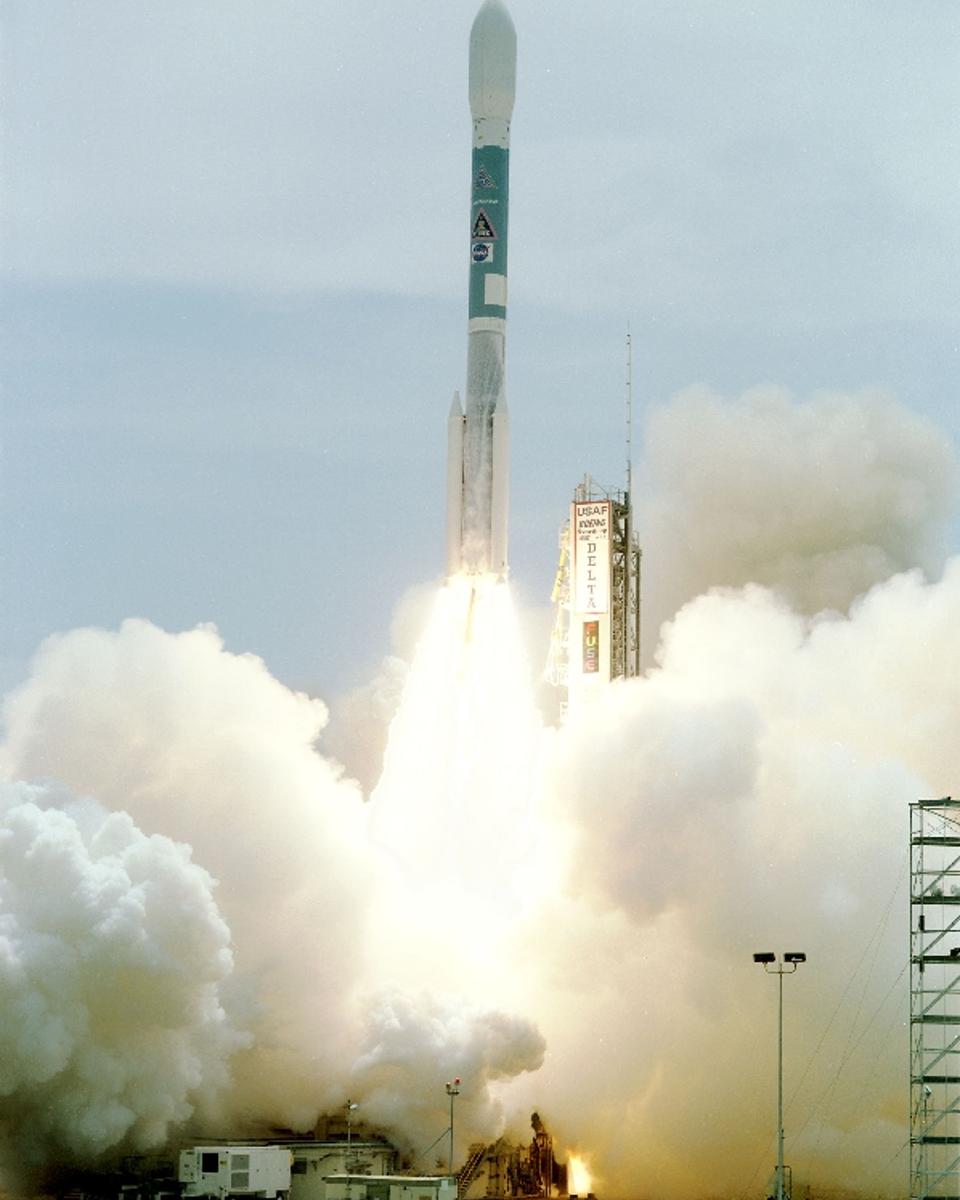
A Delta Rocket Launches
A Delta rocket is pictured launching NASA's FUSE satellite earlier this month. In use since 1960, Delta rockets have been launched successfully over 250 times . Scientific…
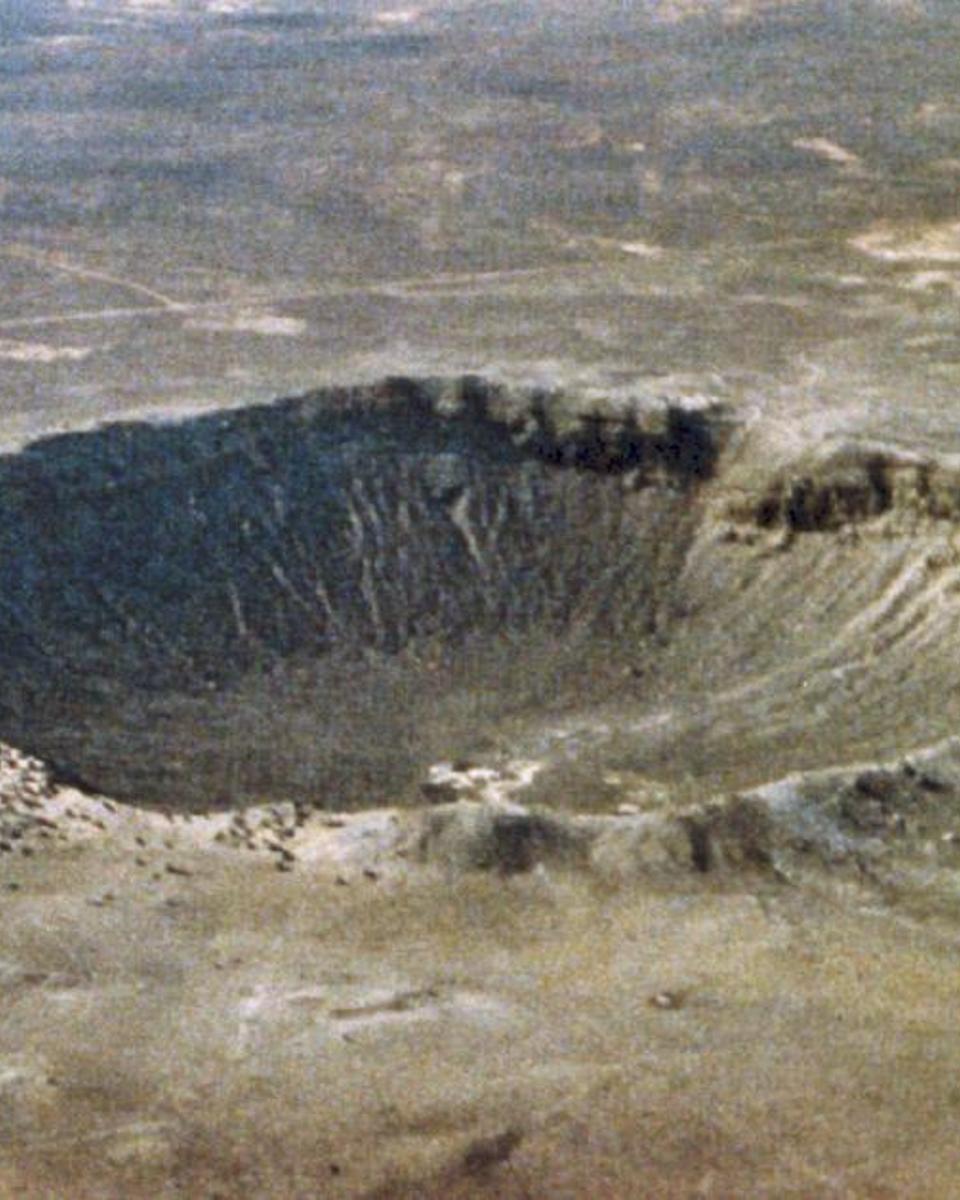
Barringer Crater on Earth
What happens when a meteor hits the ground? Usually nothing much, as most meteors are small, and indentations they make are soon eroded away. 49,000 years ago, however, a large…
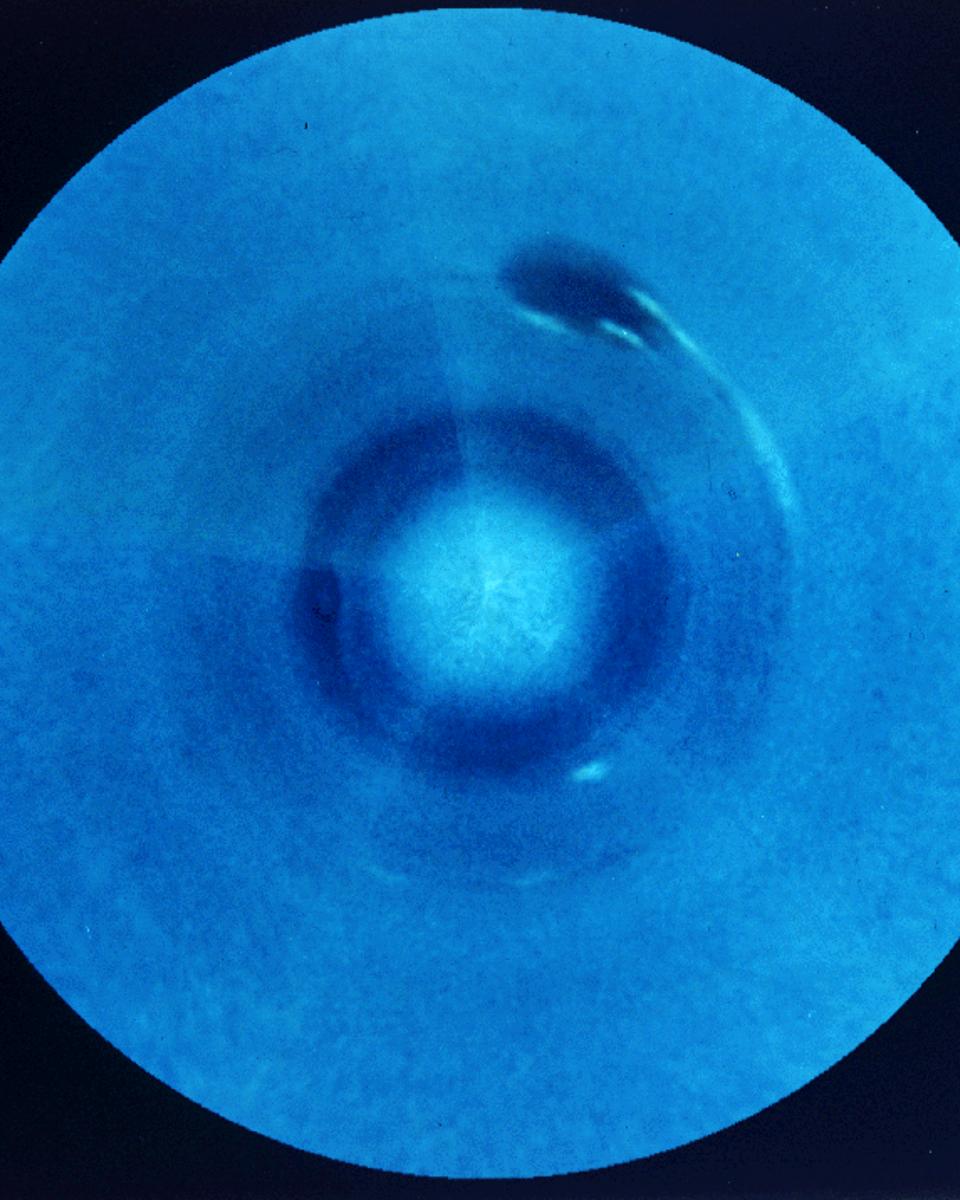
Southern Neptune
Neptune , the Solar System's outermost gas giant planet, is 30 times farther from the Sun than Earth. Twelve years after a 1977 launch , Voyager 2 flew by Neptune and found…
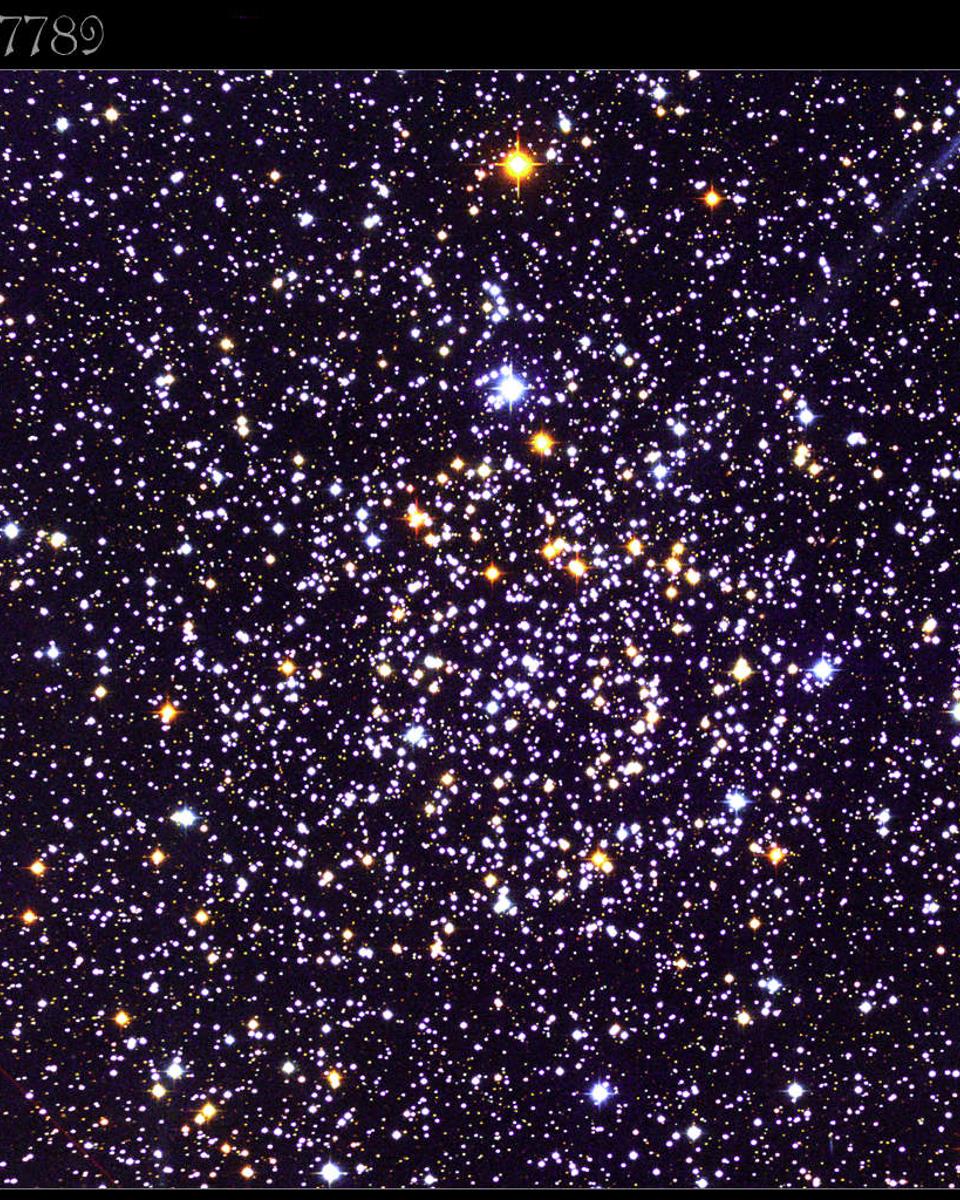
NGC 7789: Galactic Star Cluster
At 1.6 billion years old, this cluster of stars is beginning to show its age. NGC 7789 is an open or galactic star cluster about 8,000 light-years distant toward the constellation…
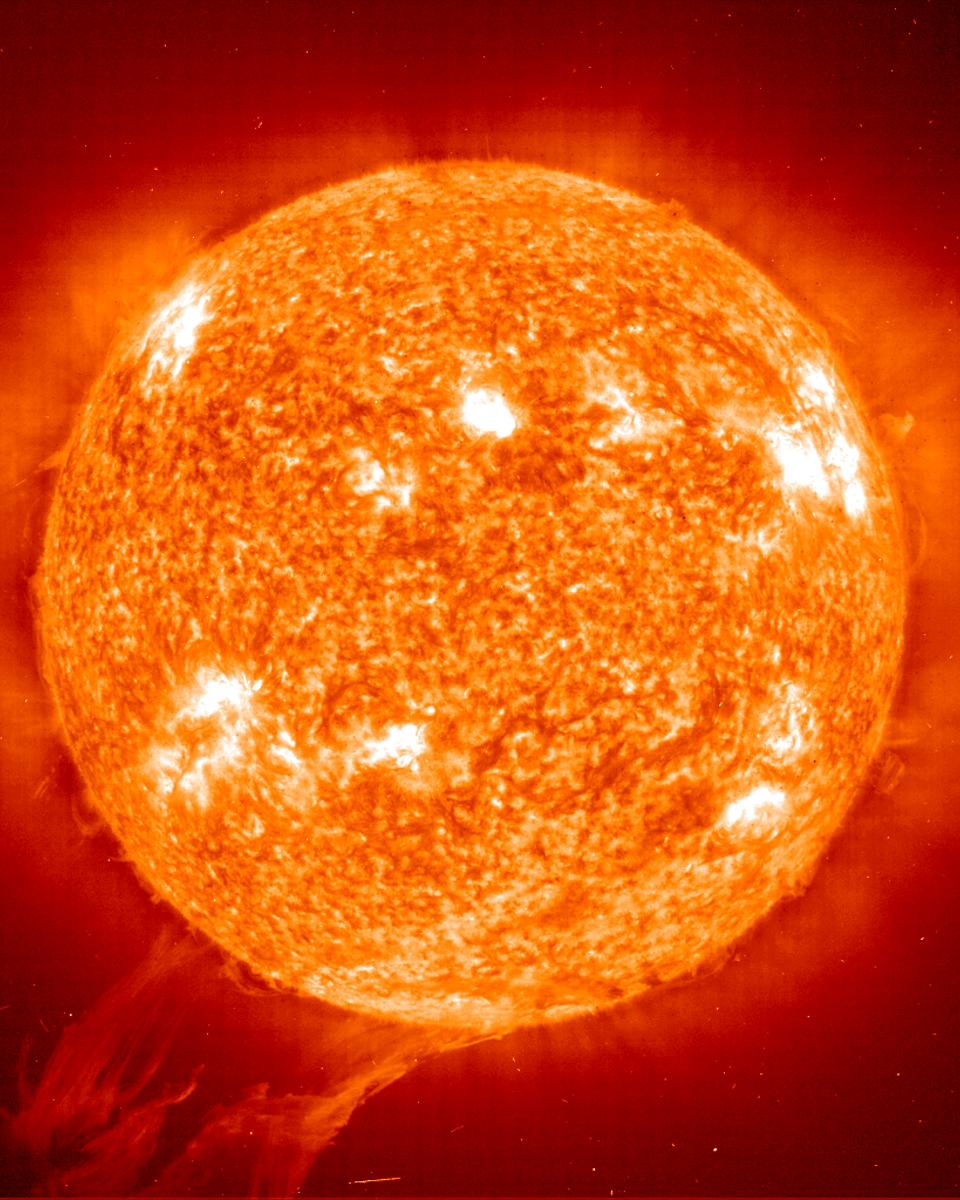
Eruptive Prominence
Activity on our parent star continues to increase as the sun approaches a maximum in its 11-year solar cycle , expected in the year 2000. On June 14 - only a week before the…
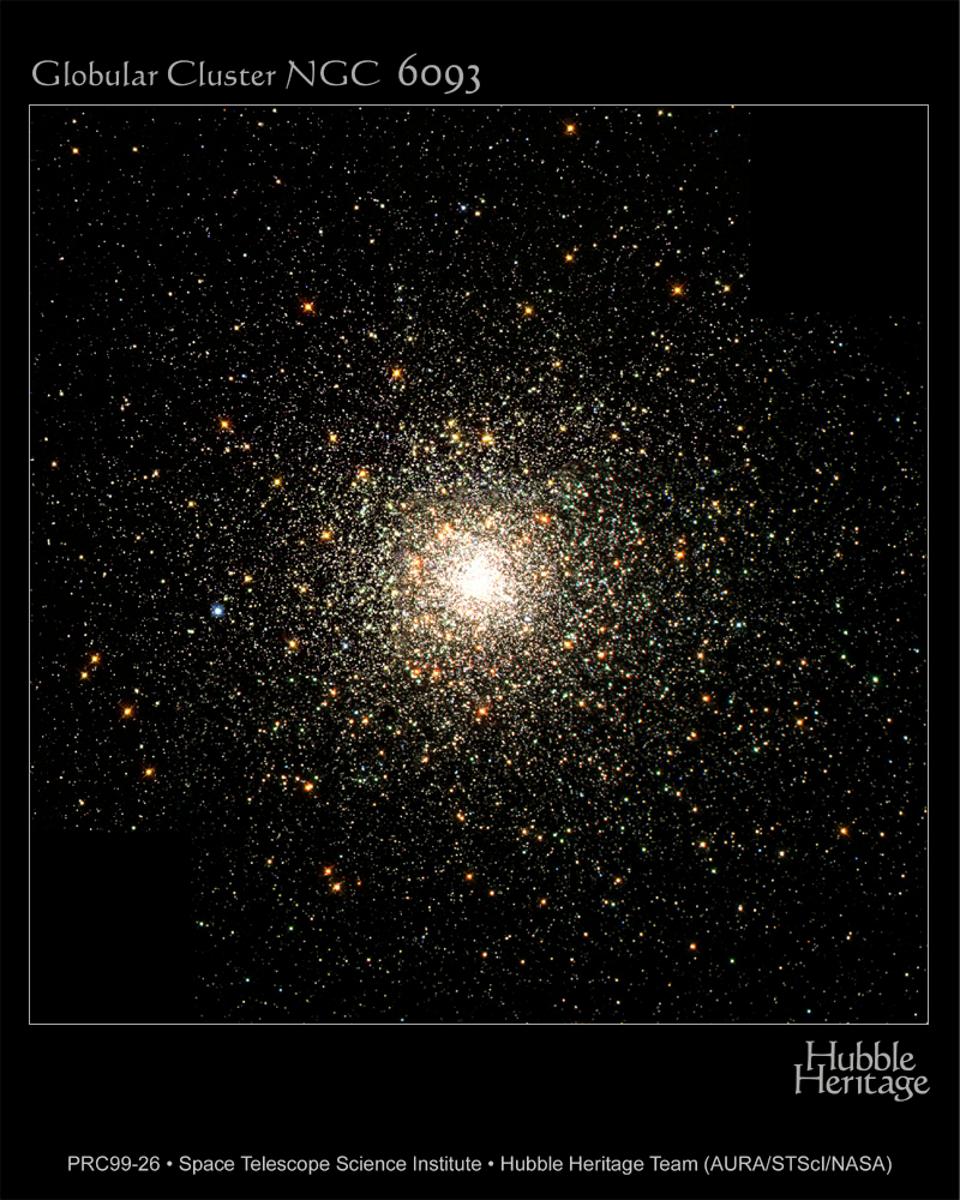
M80: A Dense Globular Cluster
If our Sun were part of M80, the night sky would glow like a jewel box of bright stars. M80 , also known as NGC 6093, is one of about 250 globular clusters that survive in our…
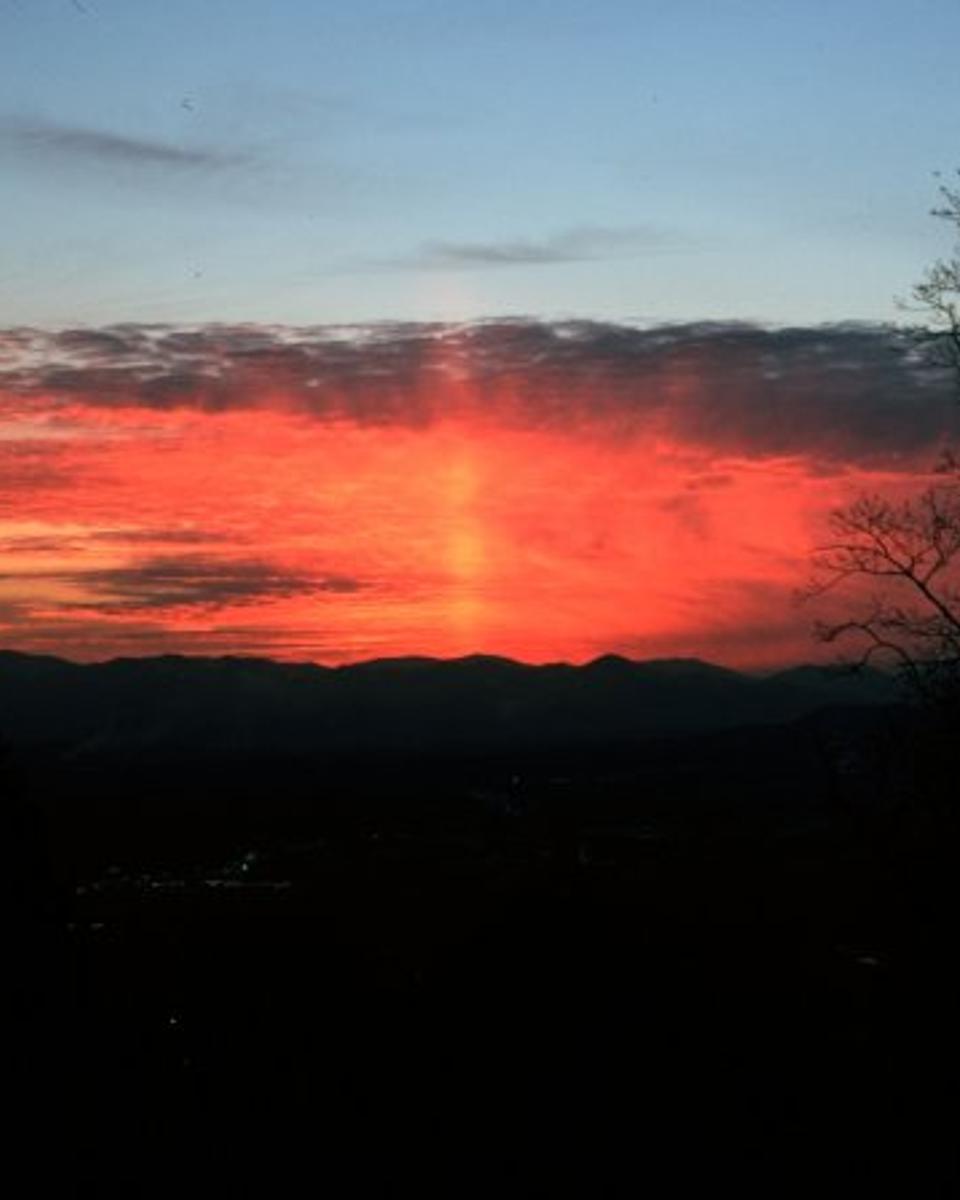
A Sun Pillar
Have you ever seen a sun pillar ? When the air is cold and the Sun is rising or setting , falling ice crystals can reflect sunlight and create an unusual column of light. Ice…
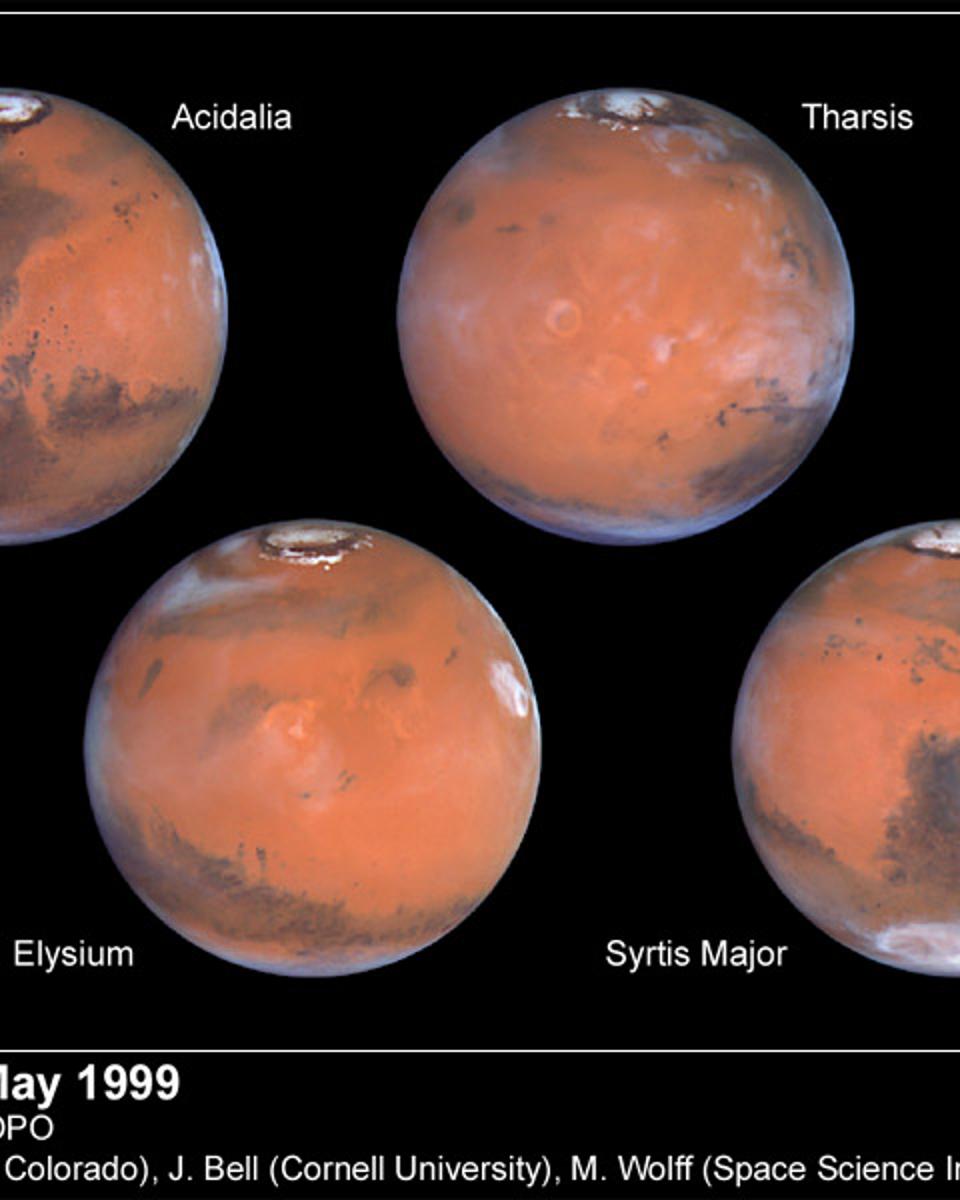
Four Faces of Mars
As Mars rotates, most of its surface becomes visible. During Earth 's recent pass between Mars and the Sun , the Hubble Space Telescope was able to capture the most detailed…
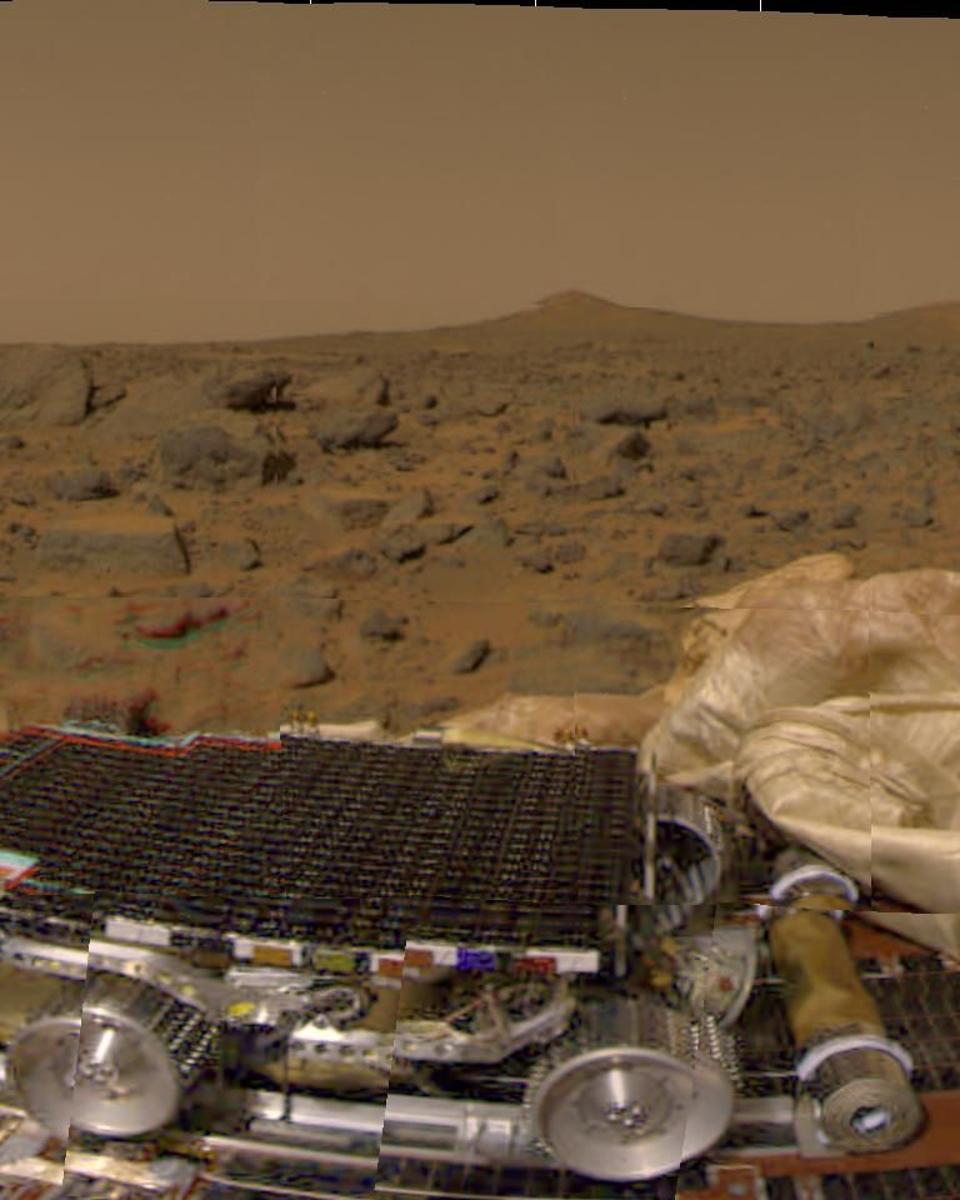
A Landing On Mars
On July 4th , 1997 - using its own array of fireworks, a parachute, and airbags - the Mars Pathfinder spacecraft successfully came to rest on the surface of Mars at 10:07 AM…
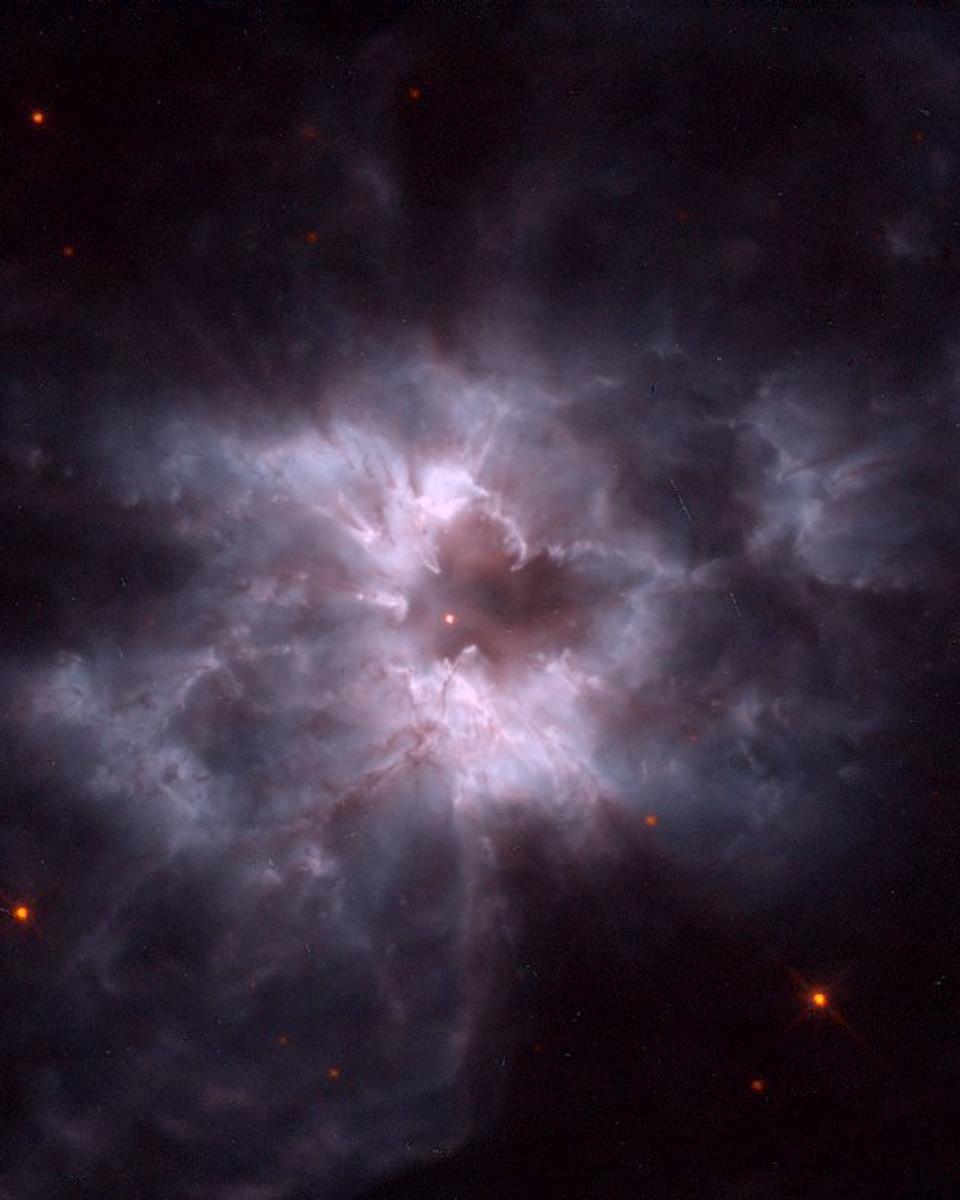
NGC 2440: Cocoon of a New White Dwarf
Like a butterfly , a white dwarf star begins its life by casting off a cocoon that enclosed its former self. In this analogy, however, the Sun would be a caterpillar and the…
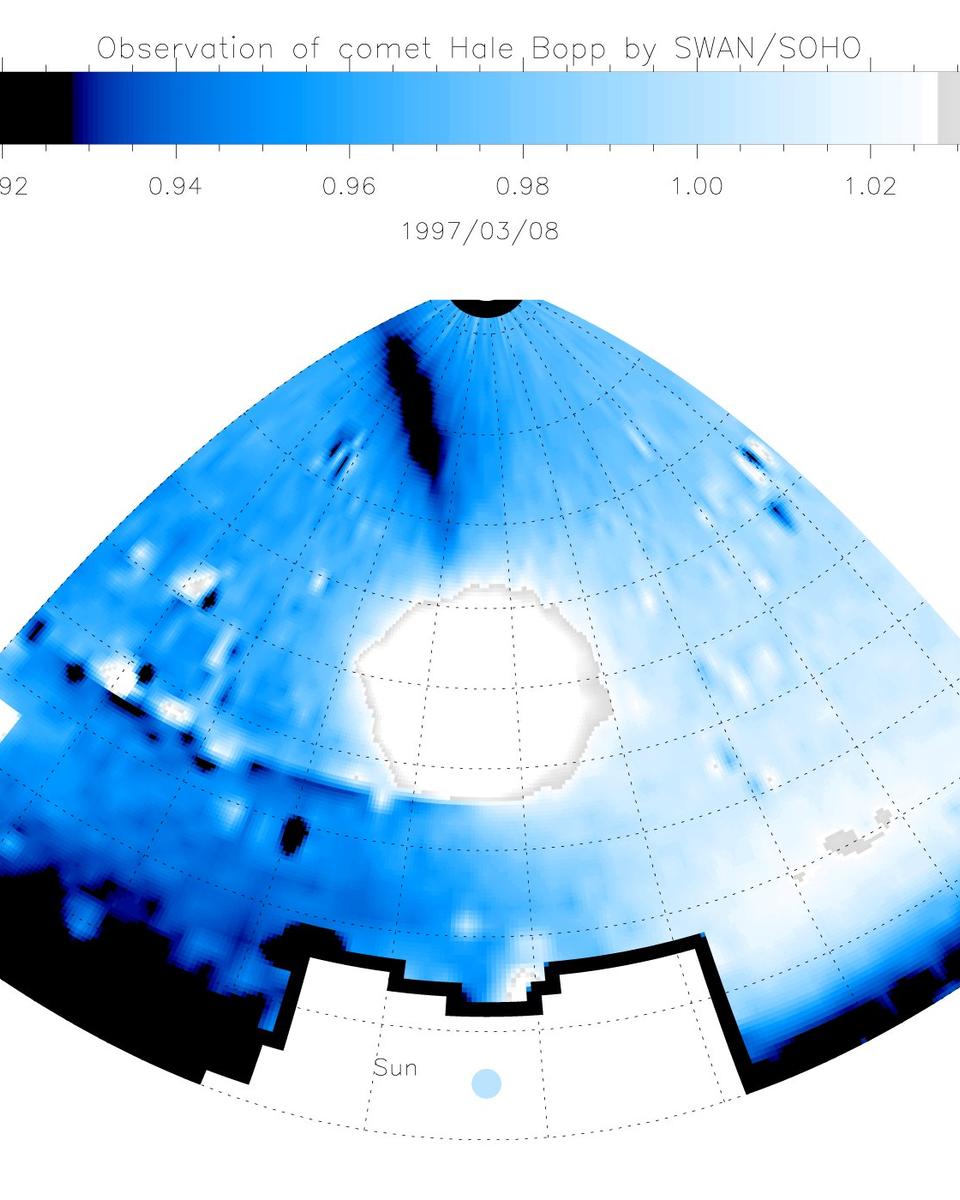
Shadow Of A Comet
Hale-Bopp , the Great Comet of 1997, may have been the most viewed comet in history - visible even from bright metropolitan skies. Astronomers are now reporting that this…
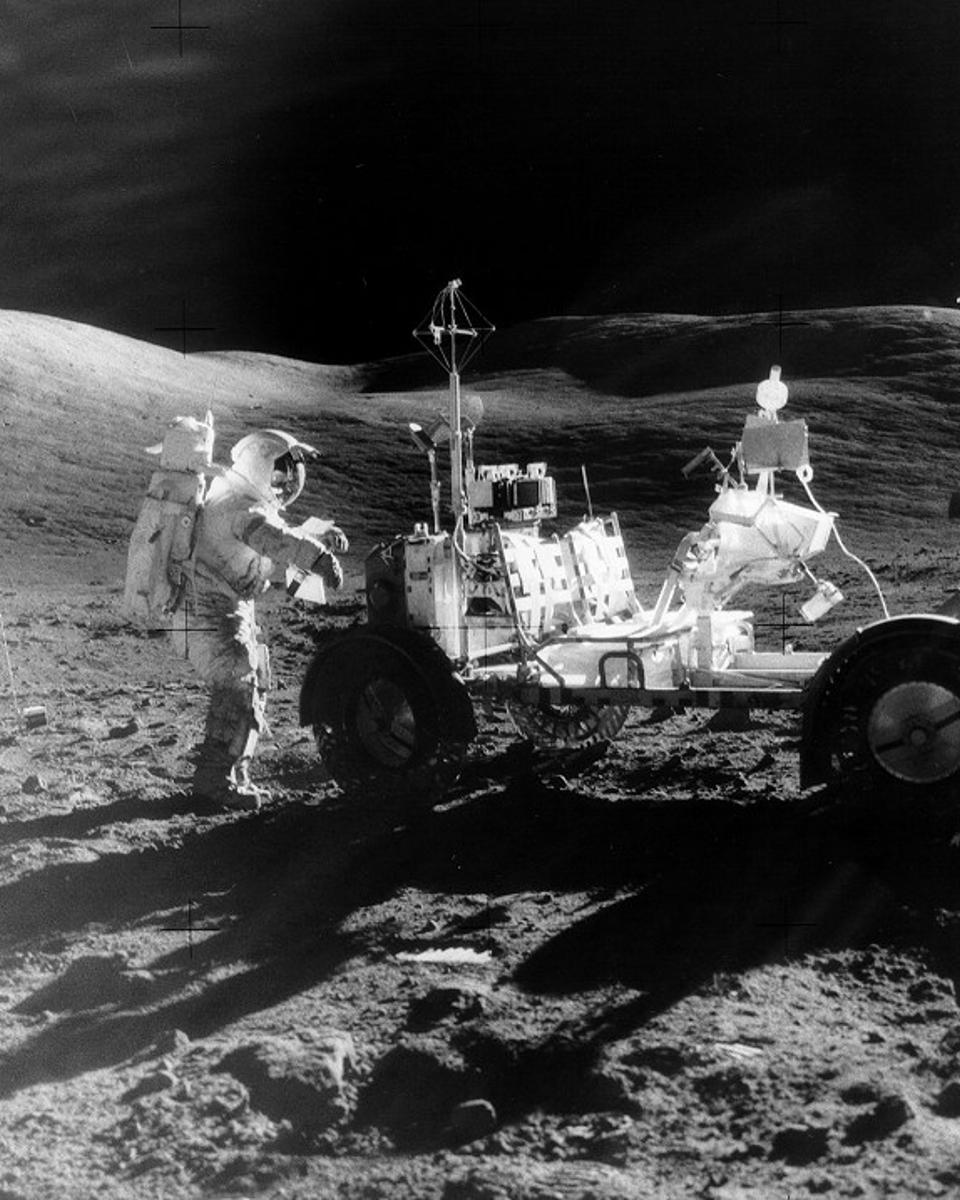
Apollo 17's Lunar Rover
In December of 1972, Apollo 17 astronauts Eugene Cernan and Harrison Schmitt spent about 75 hours exploring the Moon's Taurus-Littrow valley while colleague Ronald Evans orbited…
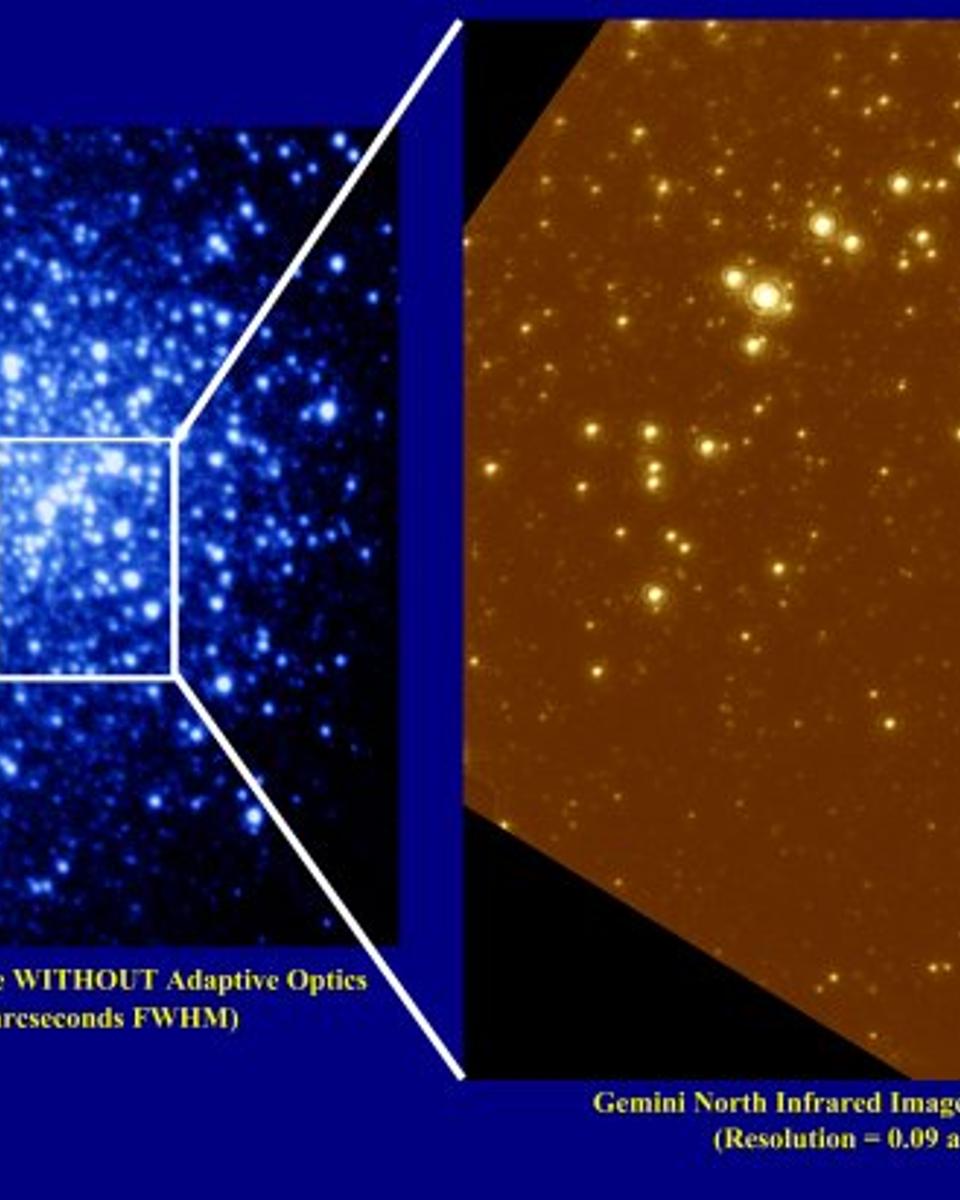
NGC 6934 from Gemini North
What's going on near the center of globular cluster NGC 6934? The blur caused by the Earth's atmosphere has prevented astronomers from discerning individual stars in this unusual…
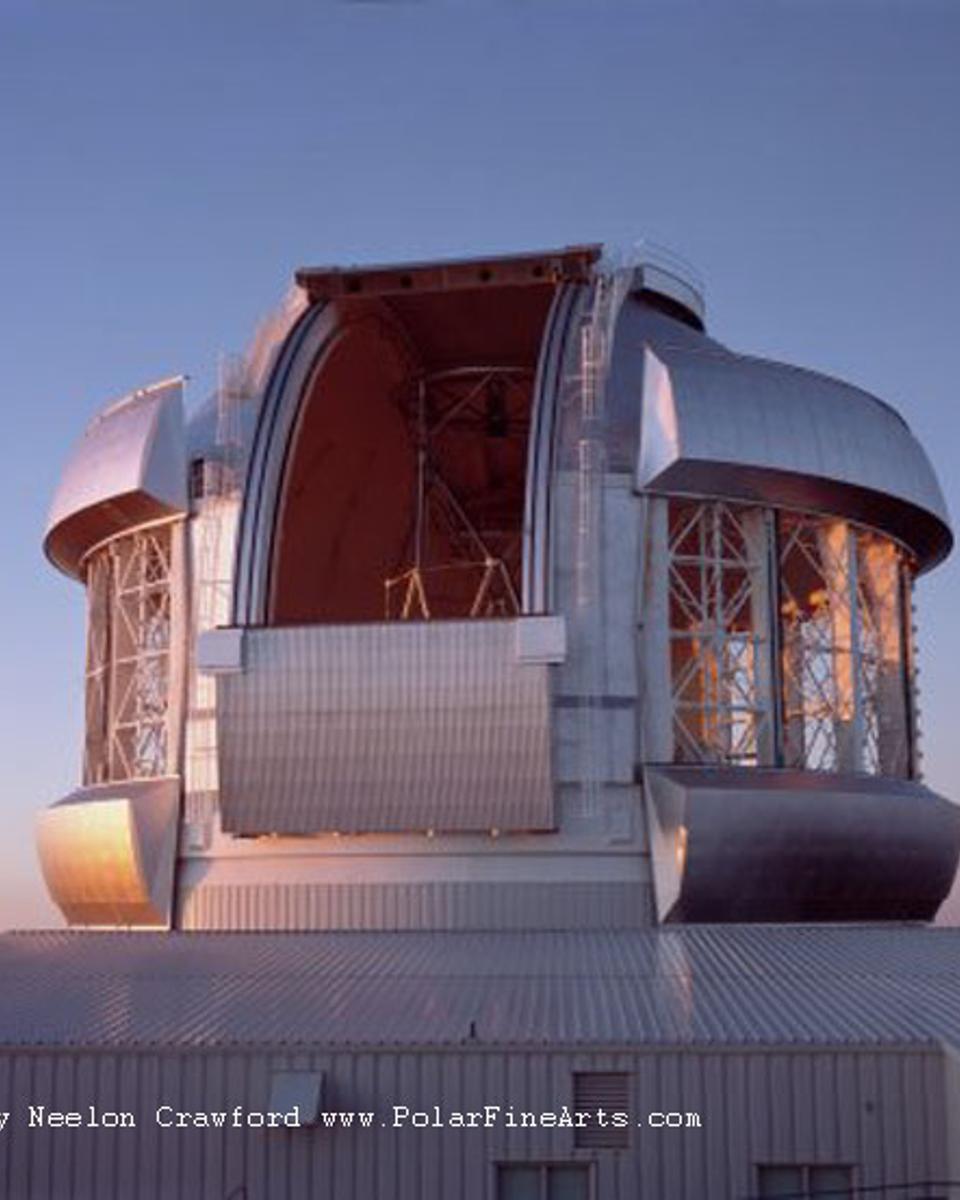
Gemini North Telescope Inaugurated
A new mammoth telescope has begun to inspect the northern sky. The 8-meter Gemini North telescope, pictured above , was dedicated last week in Hawaii, with images documenting its…
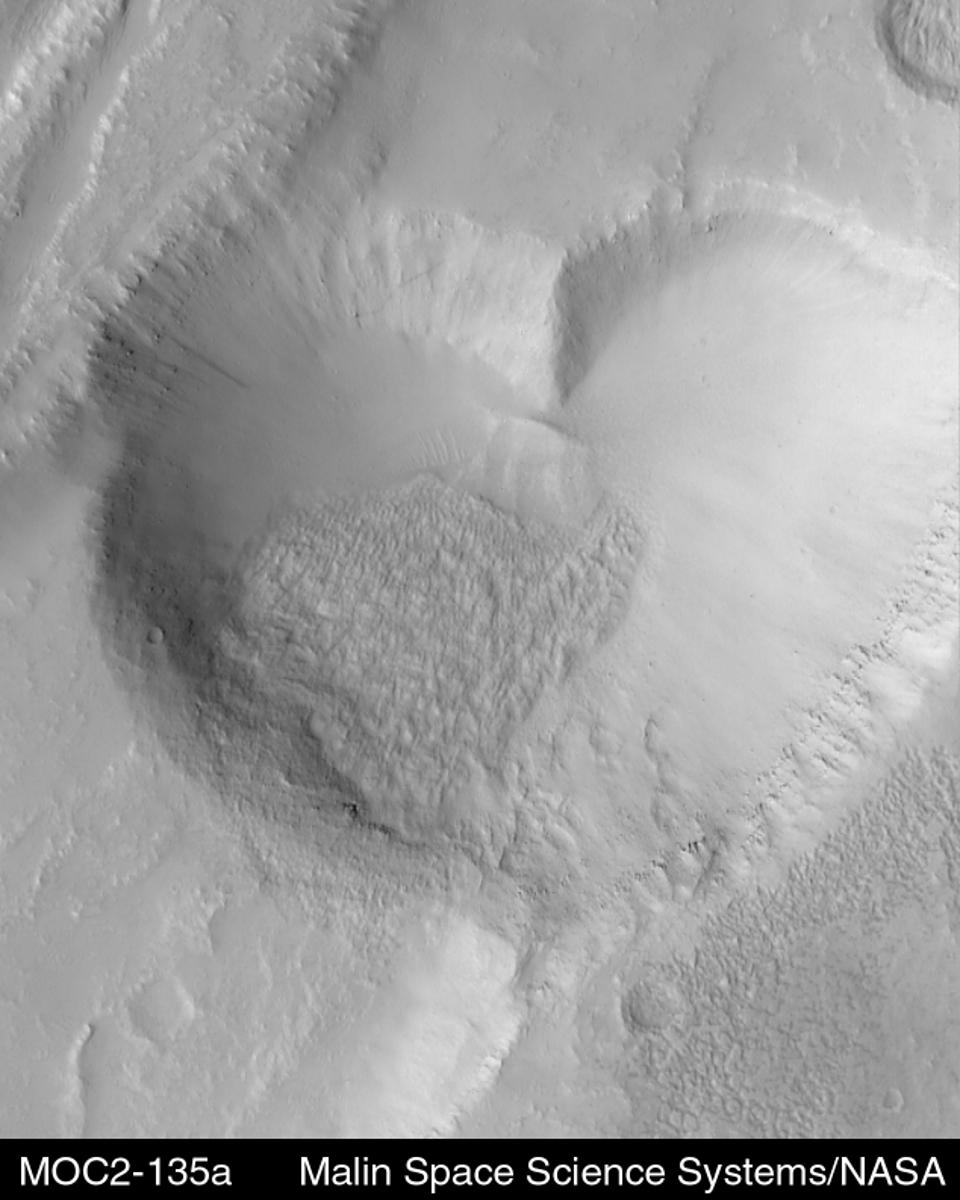
From Mars with Love
Are Martians trying to tell us something? An indentation has been recently photographed on Mars that resembles a heart, a common human symbol for love. Because intelligent…
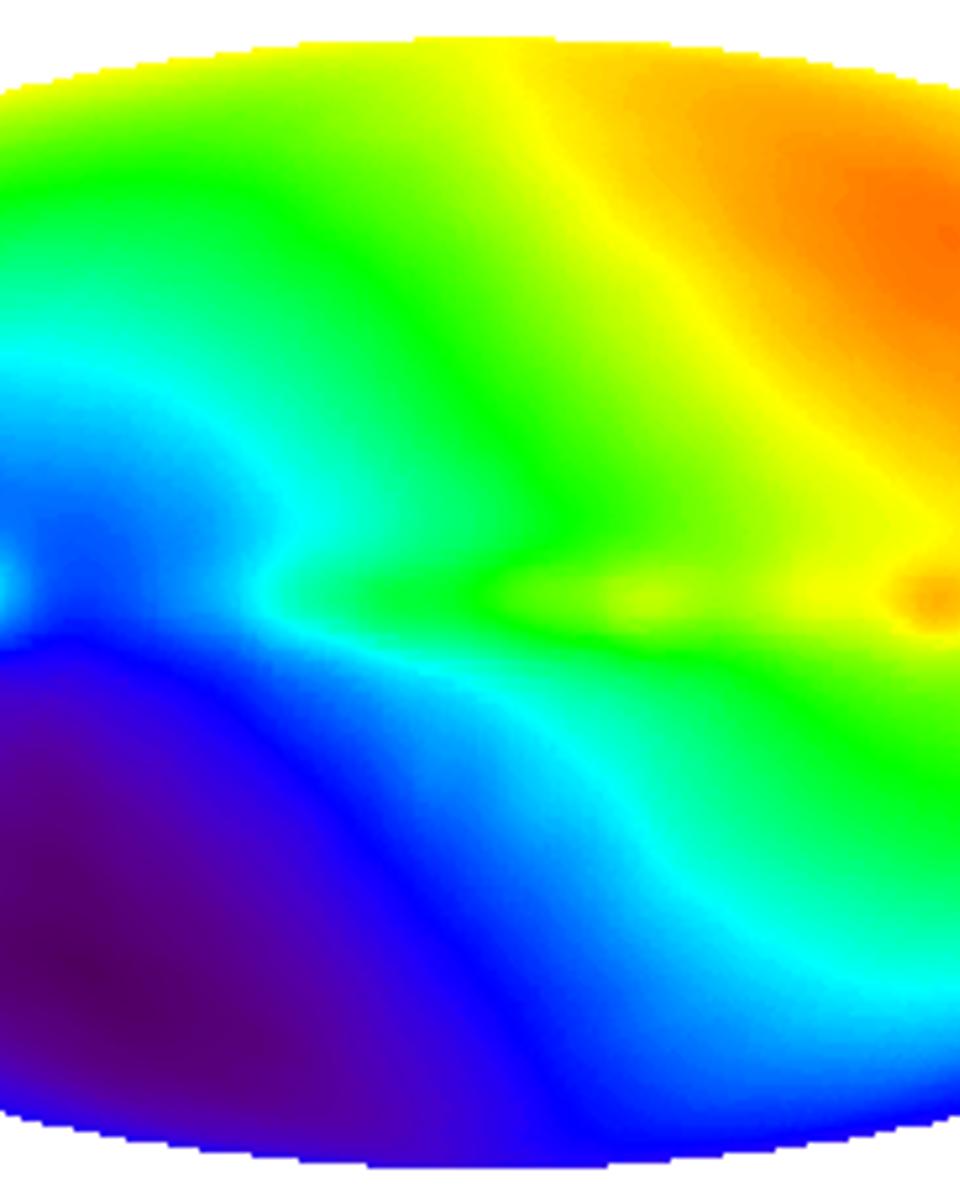
COBE Dipole: Speeding Through the Universe
Our Earth is not at rest. The Earth moves around the Sun . The Sun orbits the center of the Milky Way Galaxy . The Milky Way Galaxy orbits in the Local Group . The Local Group…
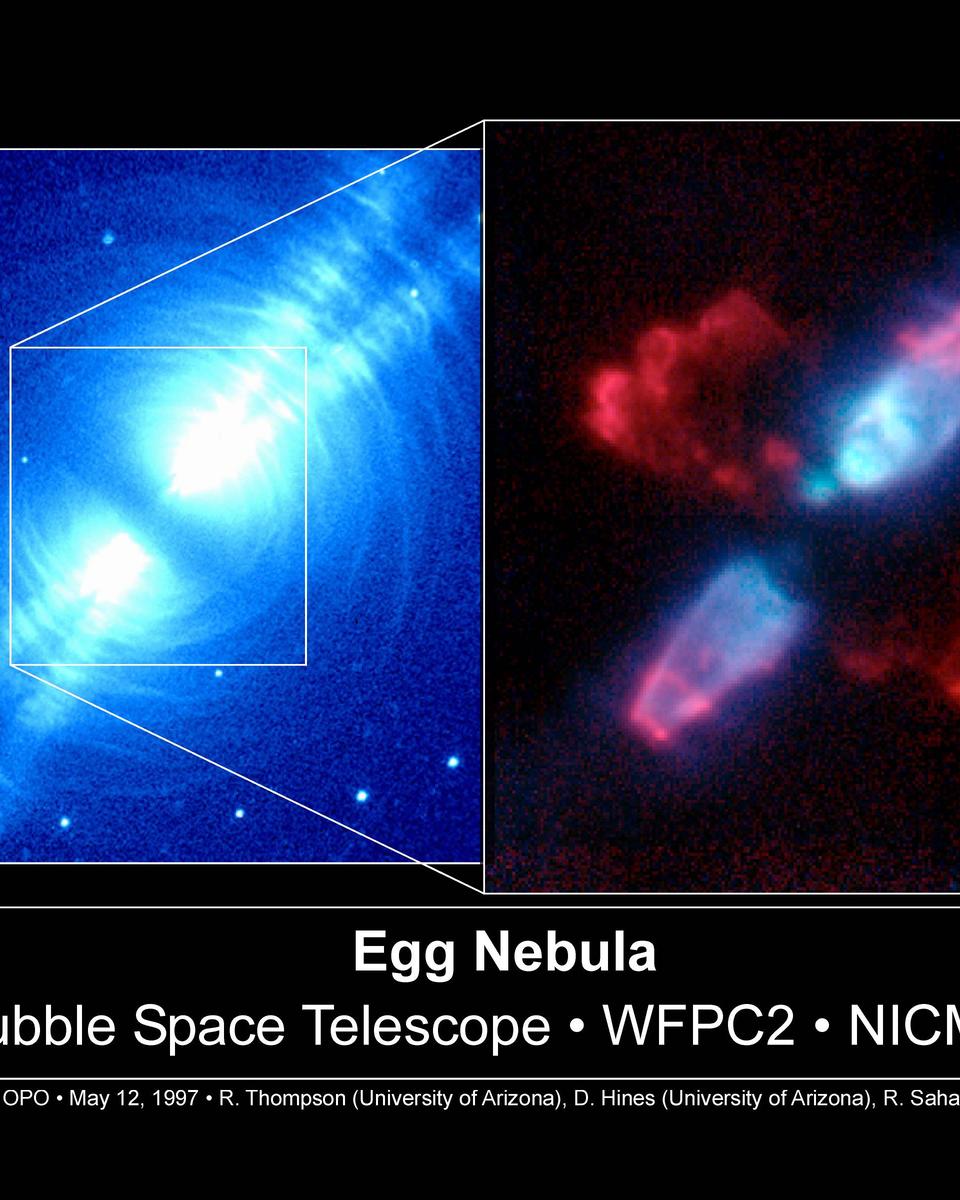
Shells in the Egg Nebula
The Egg Nebula is taking a beating. Like a baby chick pecking its way out of an egg, the star in the center of the Egg Nebula is casting away shells of gas and dust as it slowly…
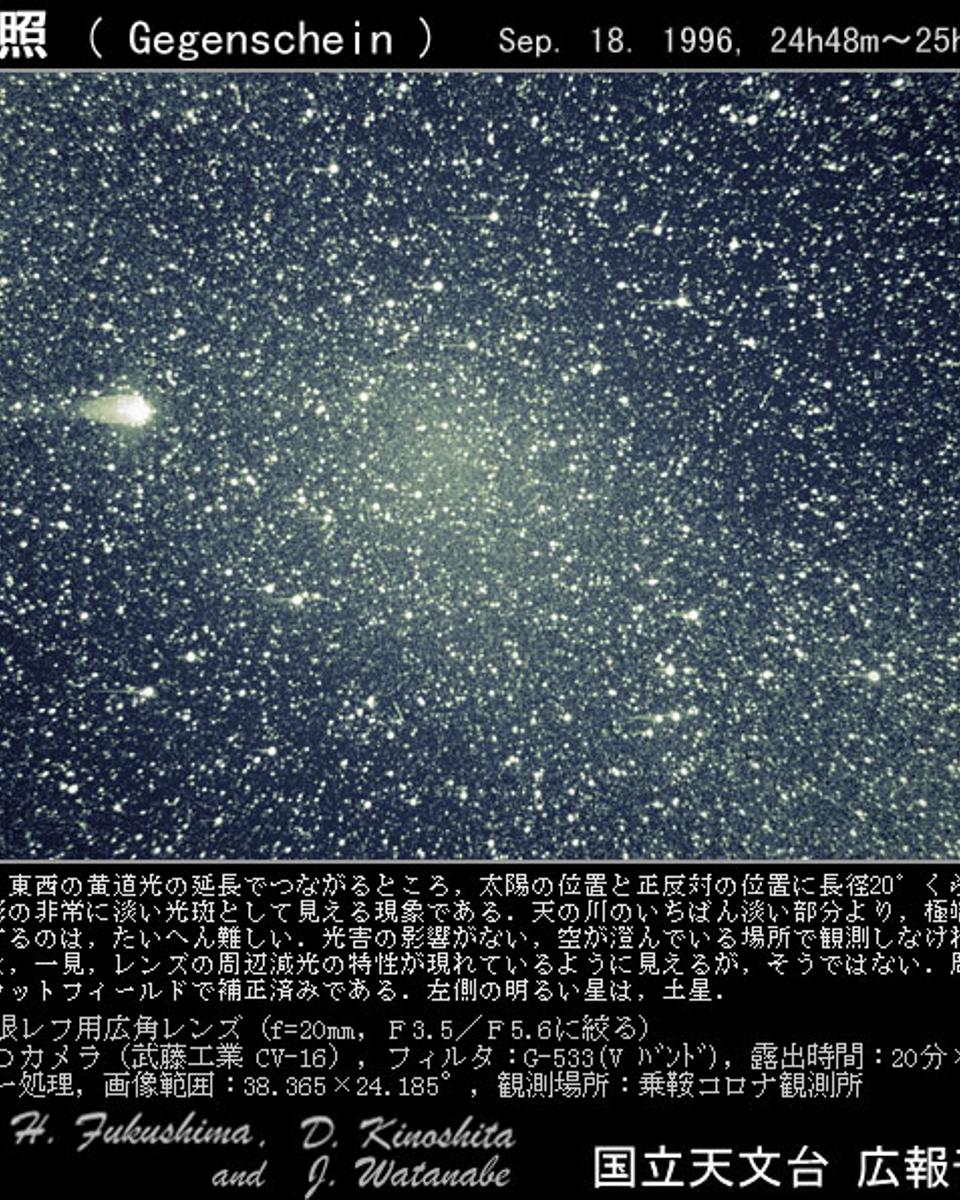
The Gegenschein
If you look carefully enough, you can even see the glow of the Sun in the opposite direction. At night this glow is known as the gegenschein (German for “counter glow”), and can…
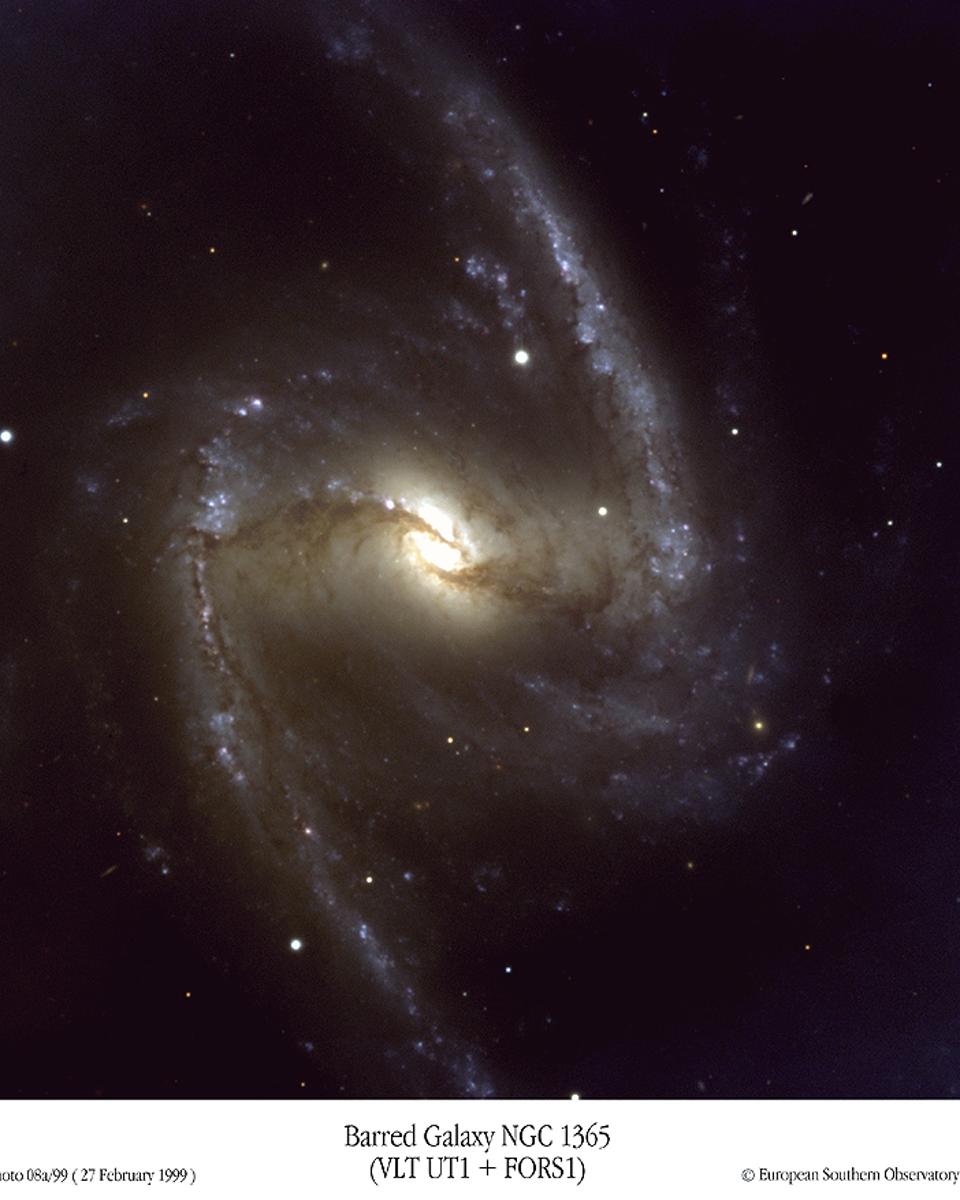
NGC 1365: A Nearby Barred Spiral Galaxy
Many spiral galaxies have bars across their centers. Even our own Milky Way Galaxy is thought to have a bar , but perhaps not so prominent as the one in NGC 1365, shown above .…
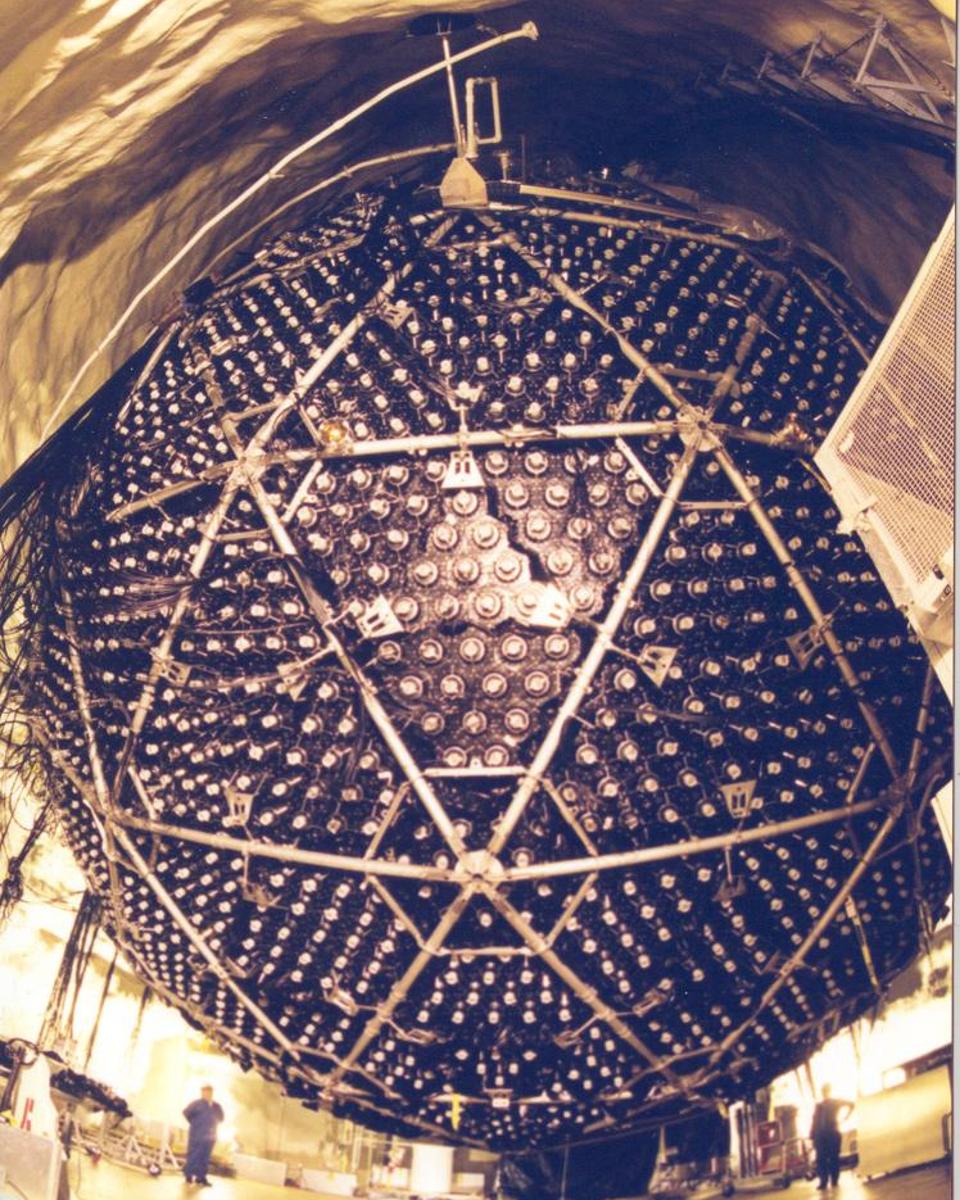
The Sudbury Neutrino Detector
Two thousand meters below the ground, a giant sphere has begun to detect nearly invisible particles. These particles, neutrinos , are extremely abundant in the universe but…
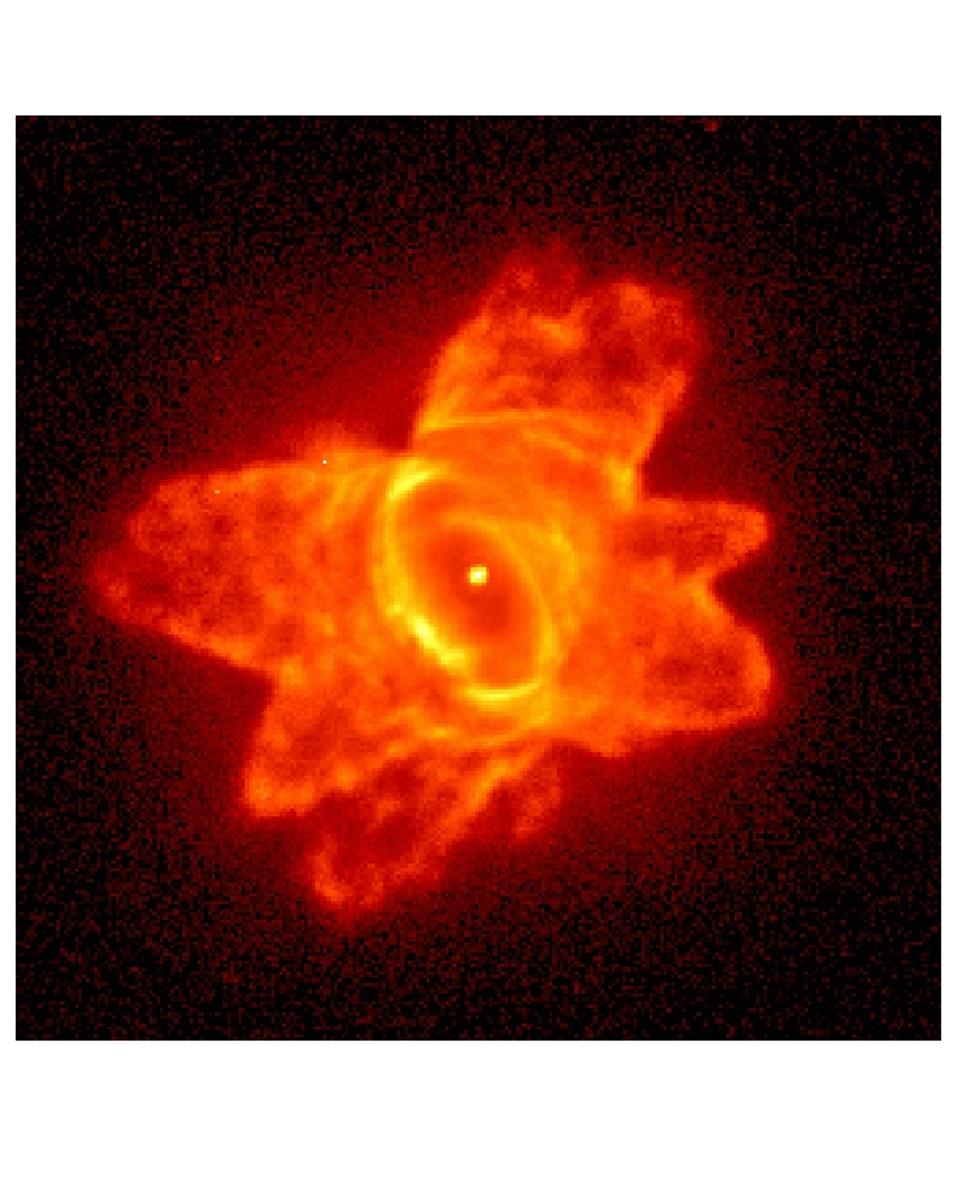
PKS285-02: A Young Planetary Nebula
How do planetary nebulae acquire their exquisite geometrical shapes ? To investigate this, astronomers used the Hubble Space Telescope to image several young planetary nebulae .…
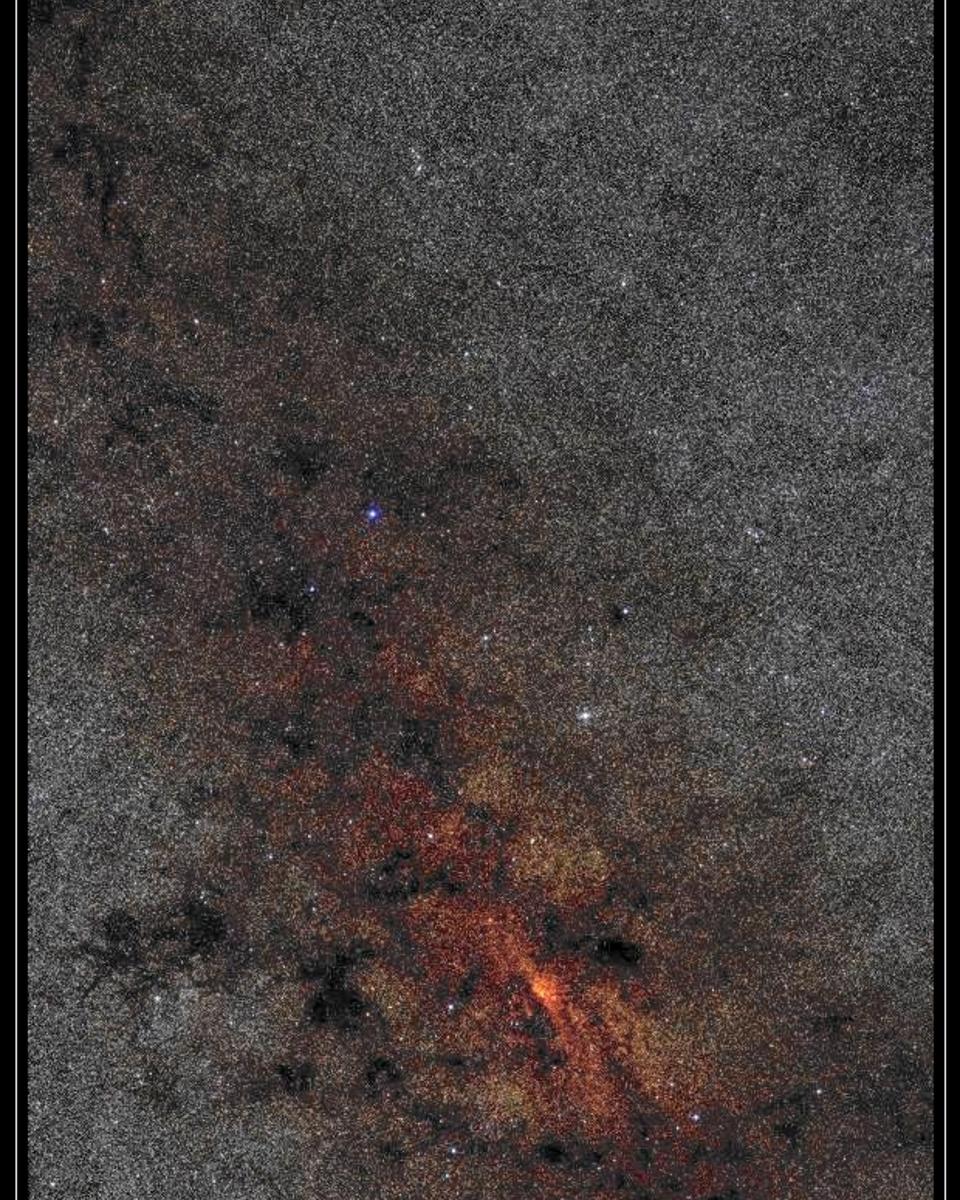
The Galactic Center in Infrared
The center of our Galaxy is a busy place. In visible light , much of the Galactic Center is obscured by opaque dust . In infrared light , however, dust glows more and obscures…
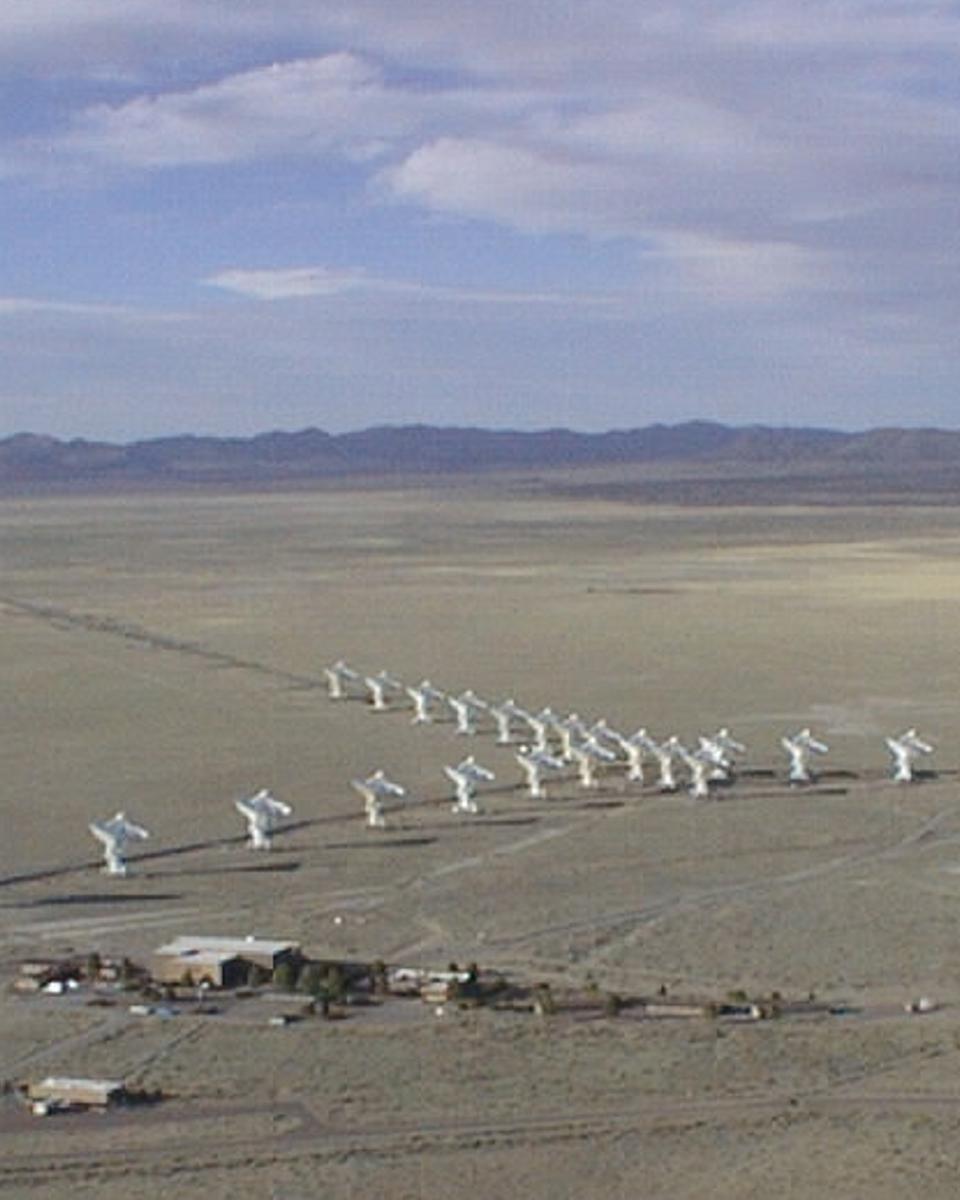
A Very Large Array of Radio Telescopes
Pictured above is one of the world's premiere radio astronomical observatories: The Very Large Array (VLA). Each antenna dish is as big as a house (25 meters across) and mounted…
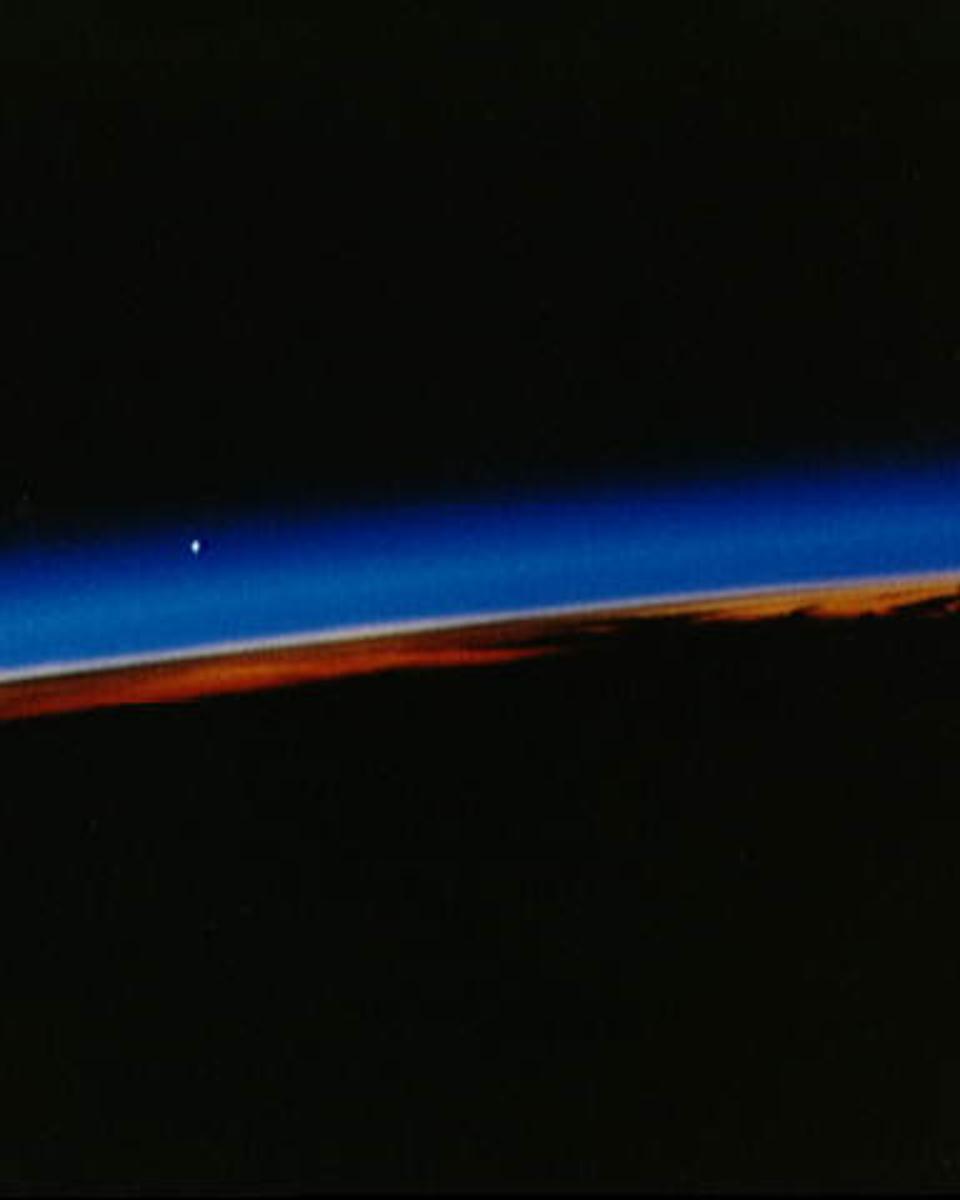
Venus on the Horizon
Venus can appear as a brilliant evening star. Besides the sun and moon, Venus is the brightest object visible in Earth's sky. Because it is closer to the sun than Earth, Venus…
Viewing discoveries from 12 July 1999 through 19 June 1999.