Browse NASA Astronomy Picture of the Day archive by date and media: Archive Discoveries
Browse the NASA APOD archive without needing the exact date first. Filter by media type and keep moving deeper into older images and videos.
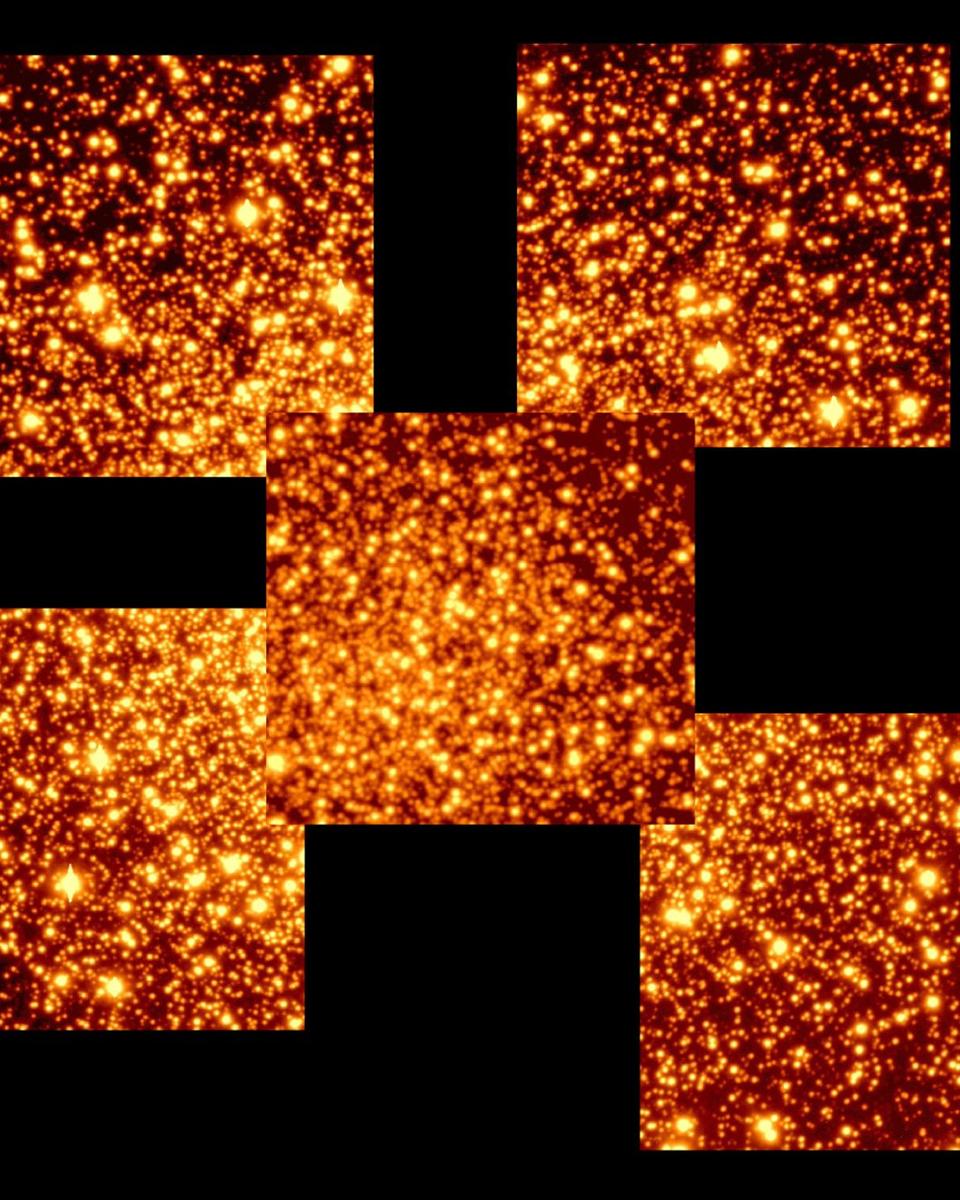
NGC 6712: Galactic Globular Cluster
Following orbits which loop high above the galactic plane , globular star clusters are probably 12 to 14 billion years old - truly ancient denizens of our Milky Way Galaxy. After…
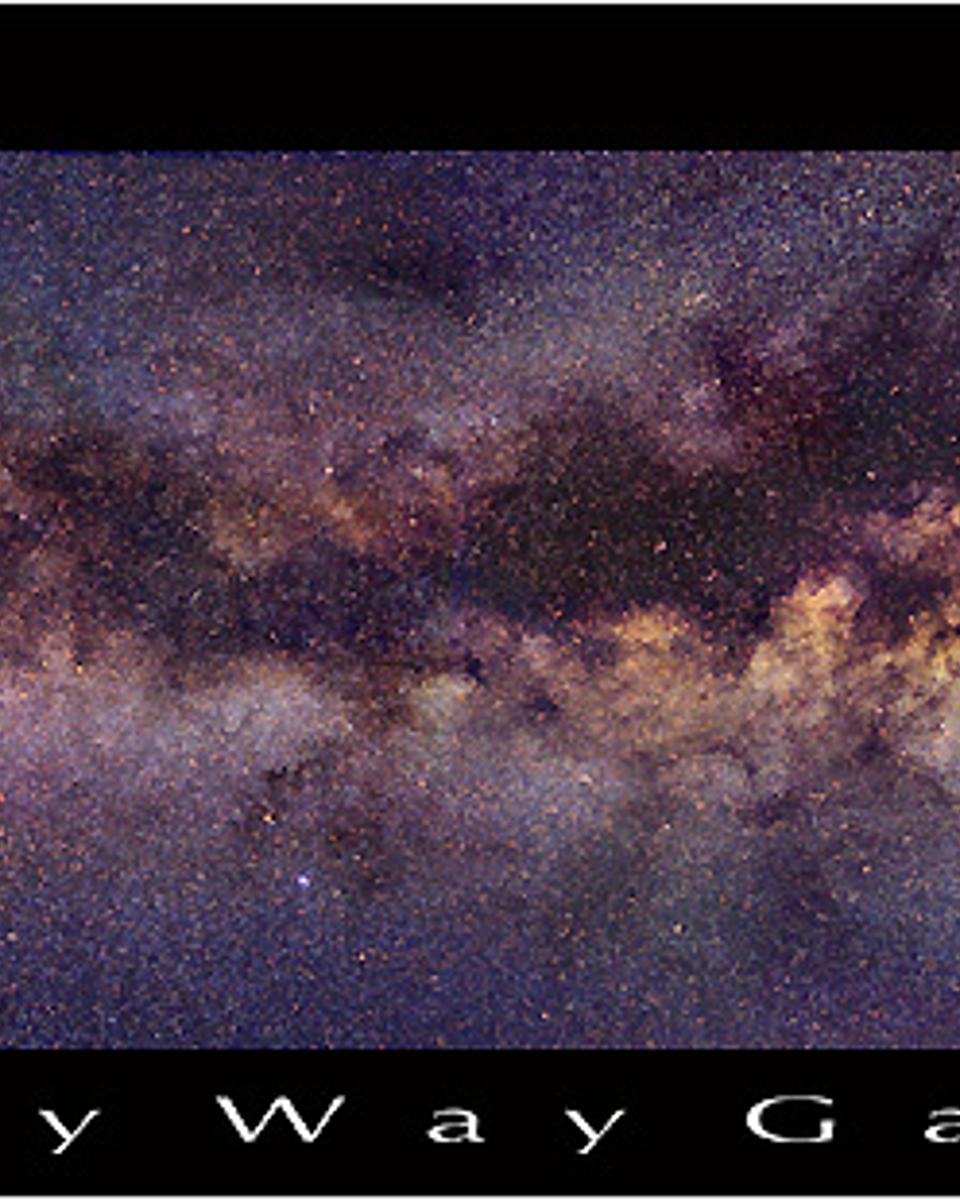
A Milky-Way Band
Most bright stars in our Milky Way Galaxy reside in a disk. Since our Sun also resides in this disk, these stars appear to us as a diffuse band that circles the sky. The above…
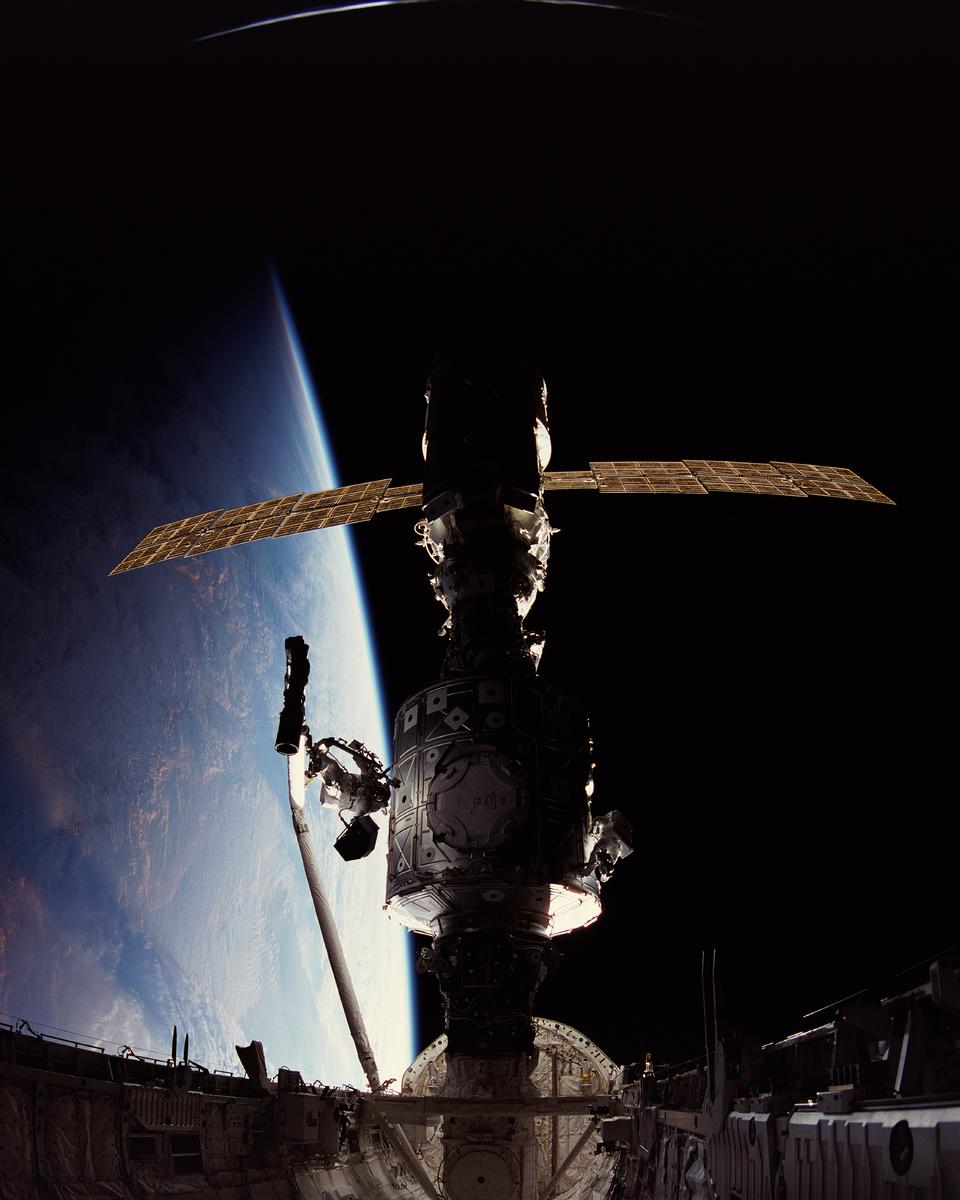
Construction of International Space Station Begins
Move over Mir , here comes the International Space Station . In December 1998, the crew of Space Shuttle Endeavour started construction by joining the U.S.-built Unity node with…
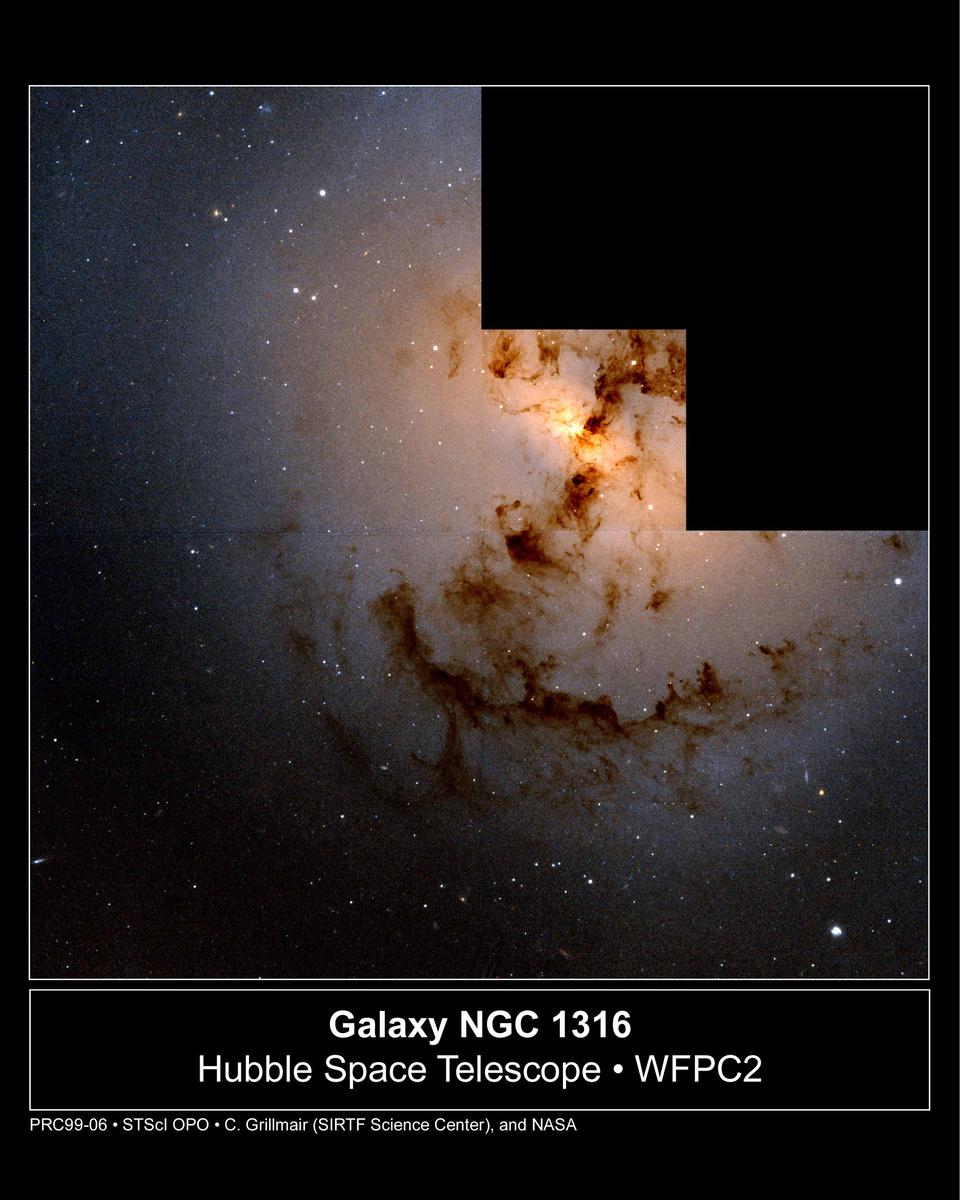
NGC 1316: After Galaxies Collide
Astronomers turn detectives when trying to figure out the cause of unusual sites like NGC 1316 . A preliminary inspection indicates that NGC 1316 is an enormous elliptical galaxy…
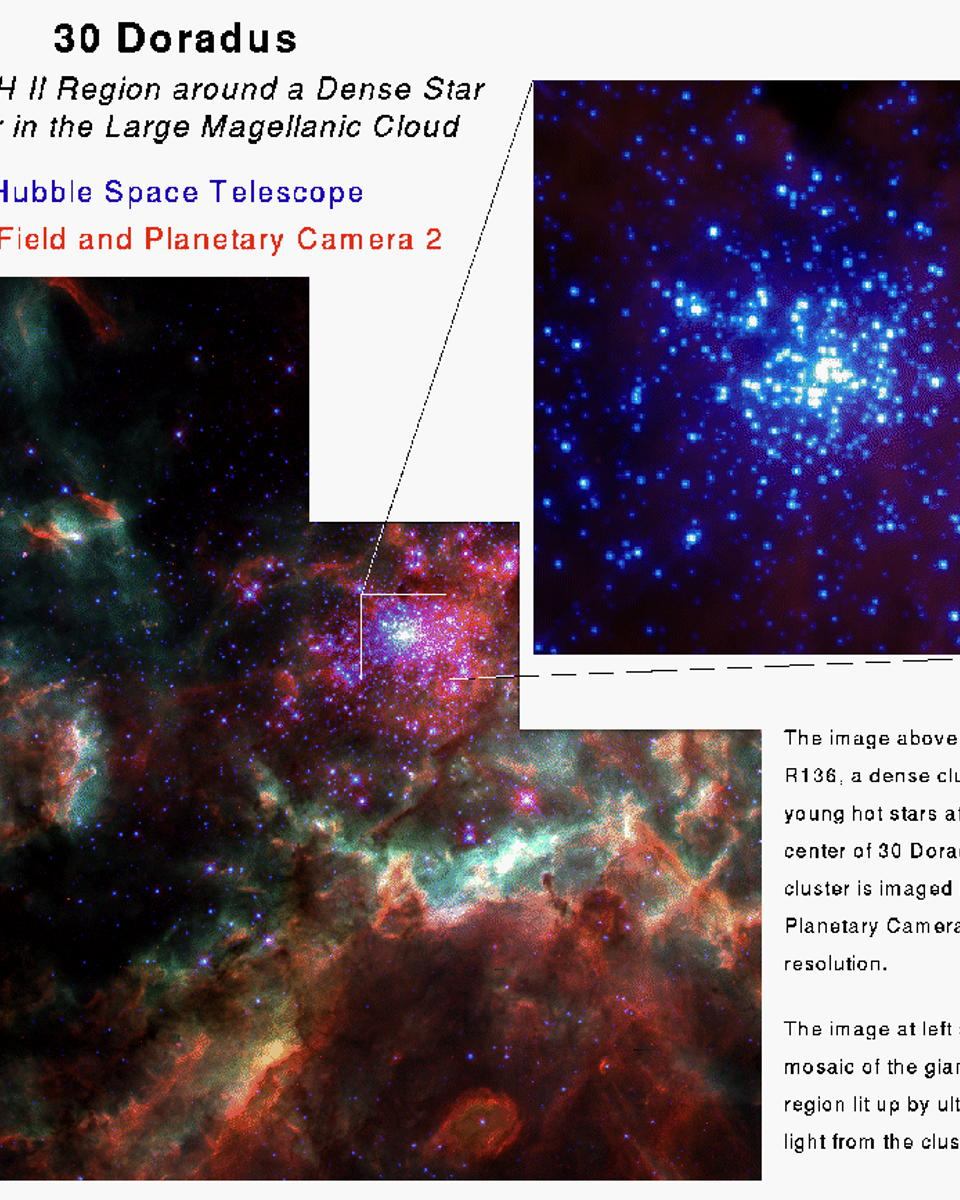
In the Center of 30 Doradus
In the center of 30 Doradus lies a huge cluster of the largest, hottest, most massive stars known. The center of this cluster, known as R136 , is boxed in the upper right portion…
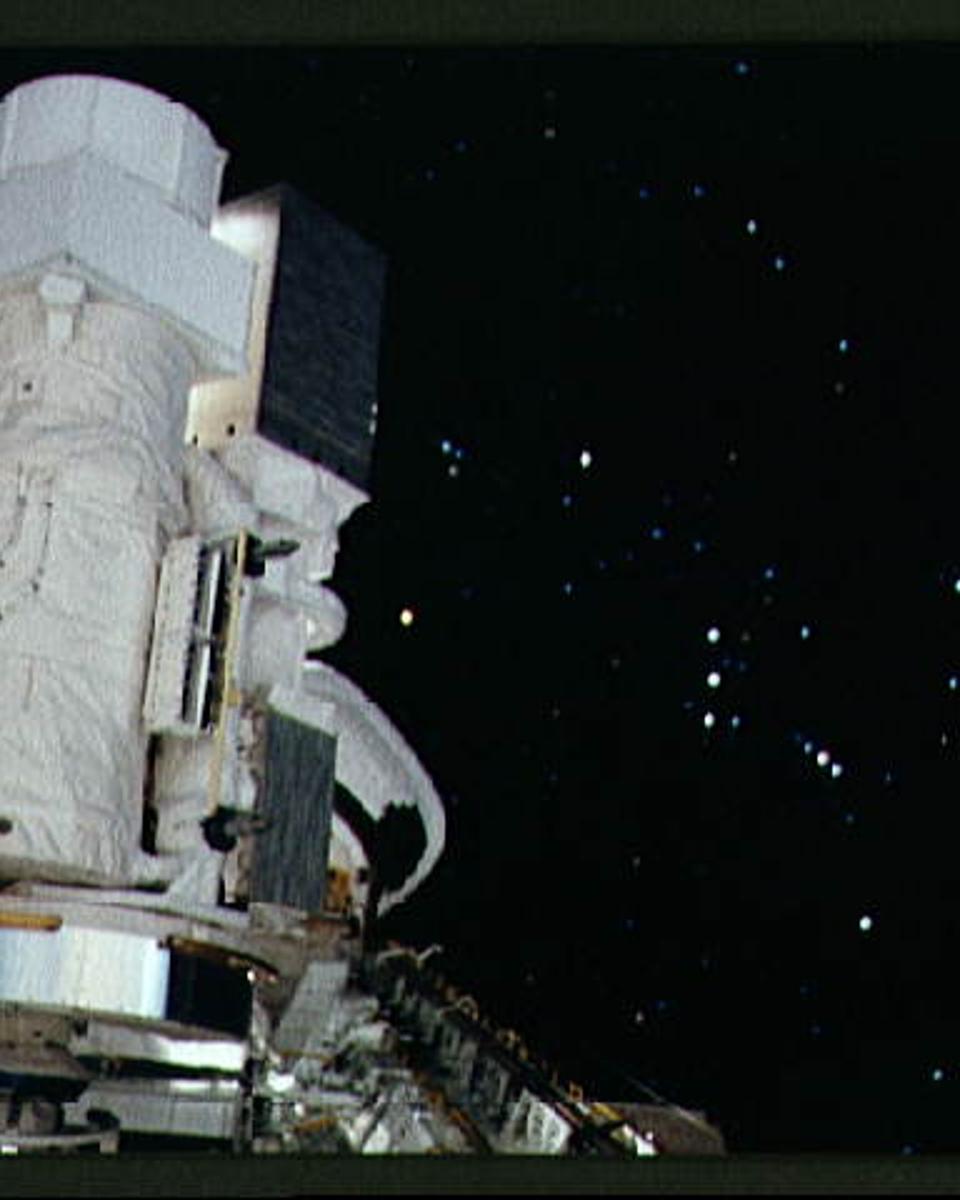
Astro 1 In Orbit
In December of 1990, the Space Shuttle Columbia carried an array of astronomical telescopes high above the Earth's obscuring atmosphere to observe the Universe at ultraviolet and…
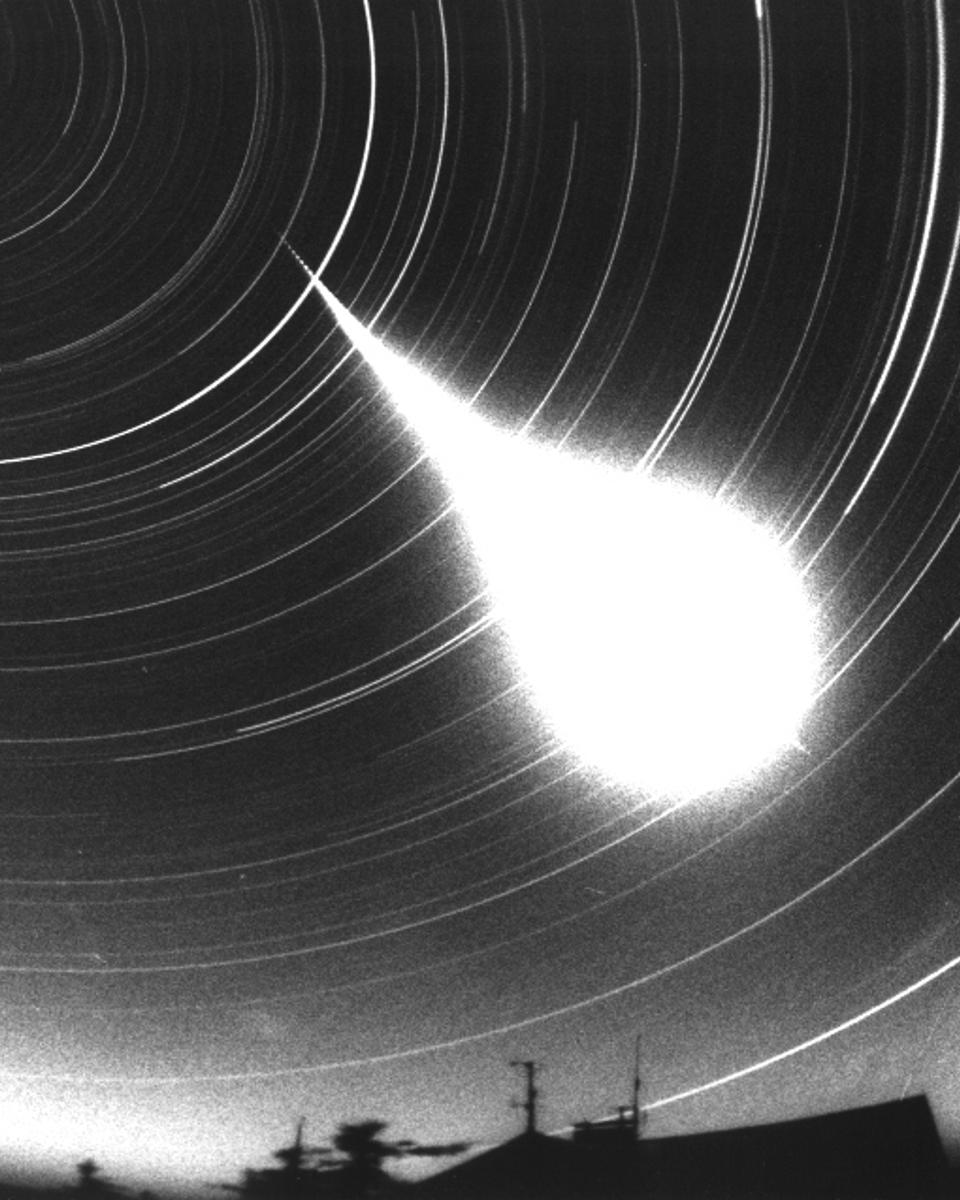
On The Trail Of A Fireball
This exceptionally bright fireball meteor trail was photographed with a fish-eye camera at a Czech Republic station of the European Fireball Network on January 21, 1999. Of the…
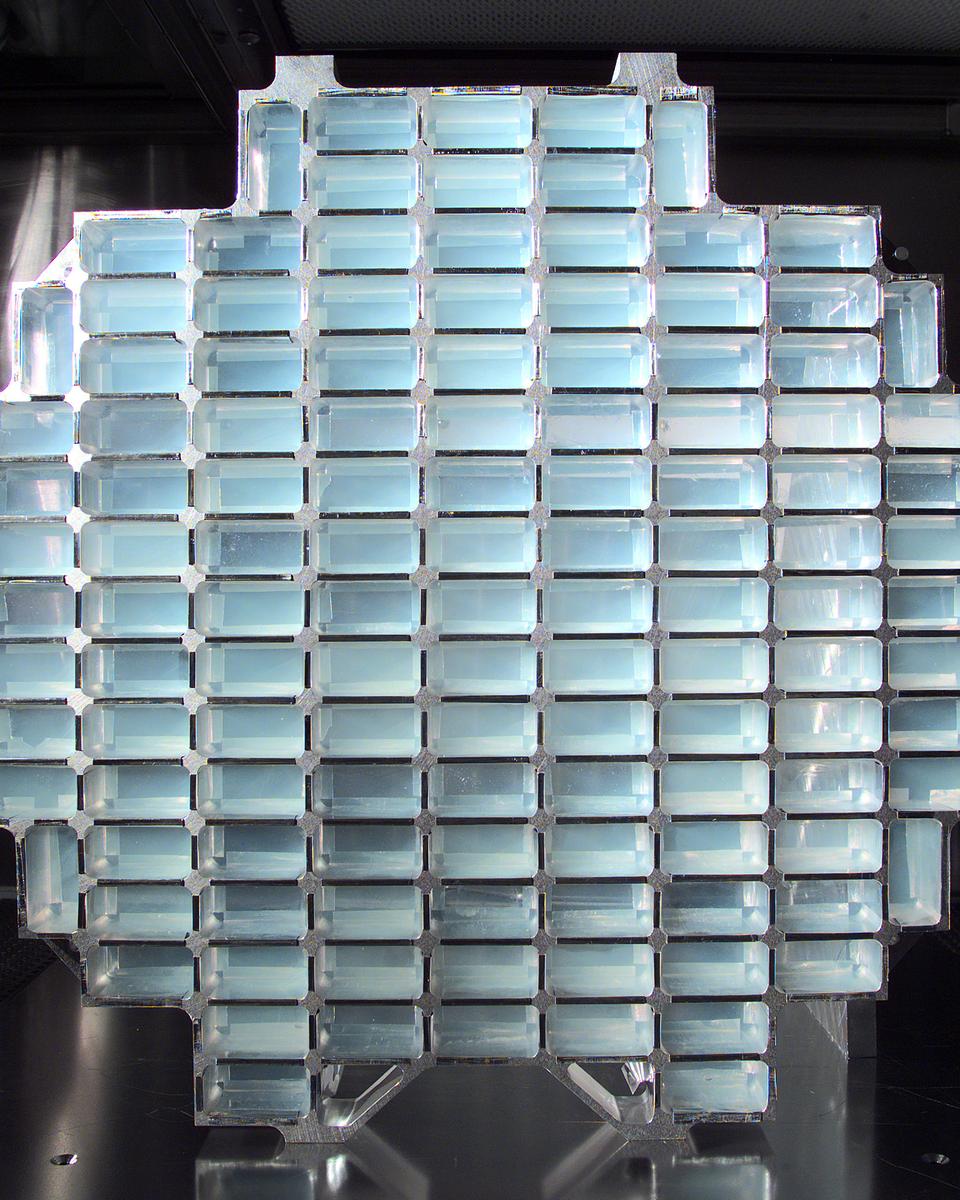
Aerogel For STARDUST
On February 7th, this honey comb of aluminum cells filled with aerogel was launched on the STARDUST mission to interplanetary space. STARDUST's goal is to capture dust from a…
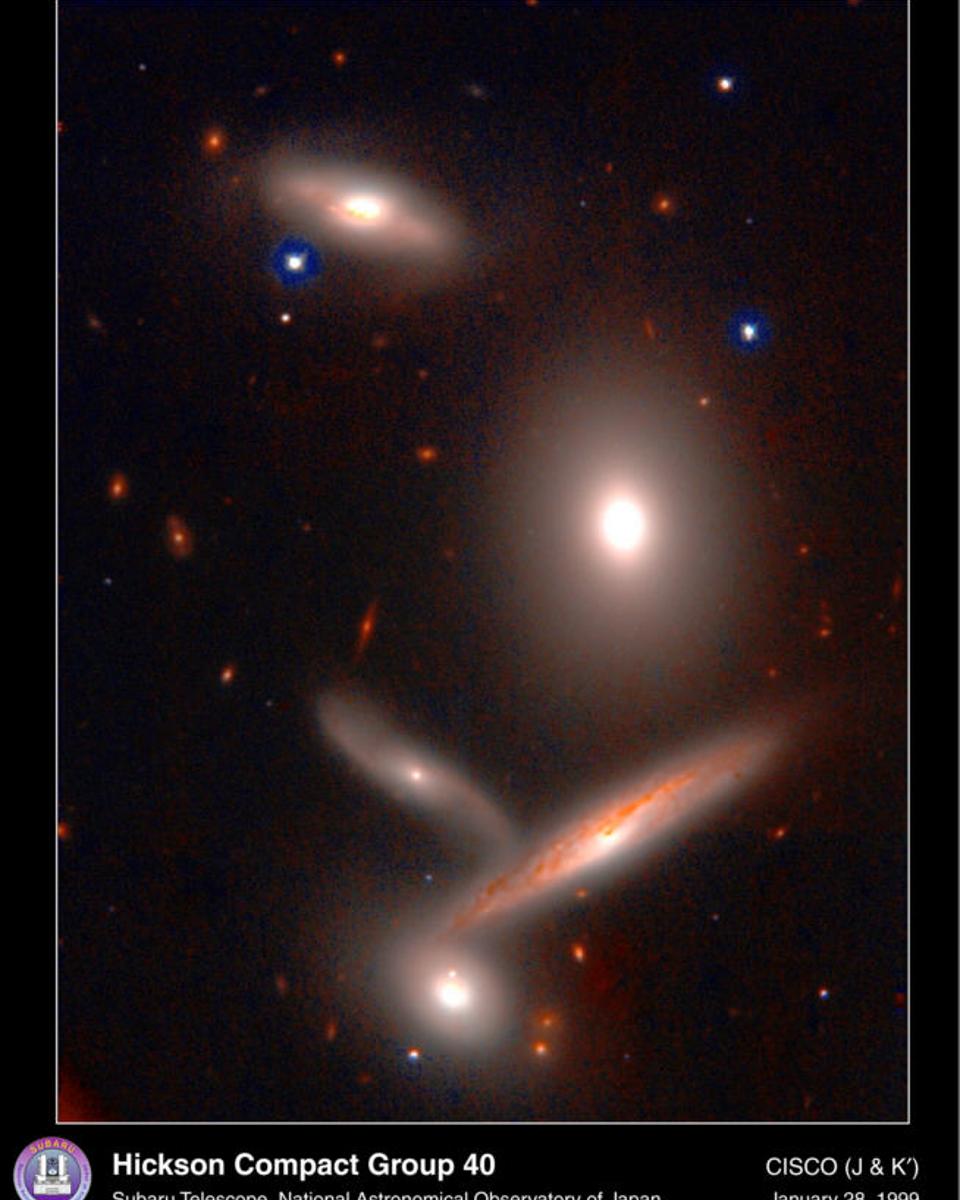
Hickson Compact Group 40
Galaxies , like stars, frequently form groups. A group of galaxies is a system containing more than two galaxies but less than the tens or hundreds typically found in a cluster of…
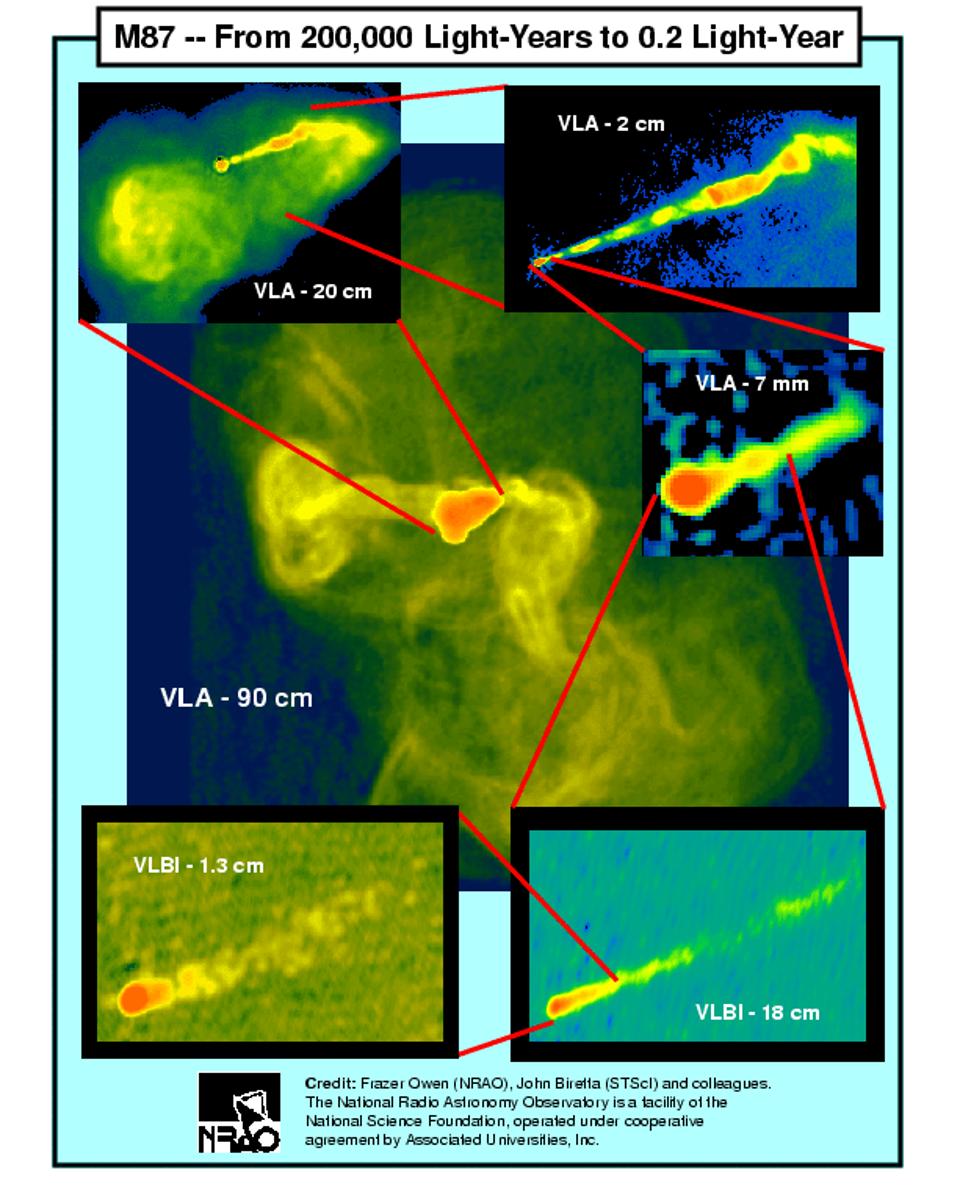
The Large and Small of M87
The small core of elliptical galaxy M87 appears to be energizing its whole galactic neighborhood. Recent images from the Very Large Array (VLA) of radio telescopes indicate that…
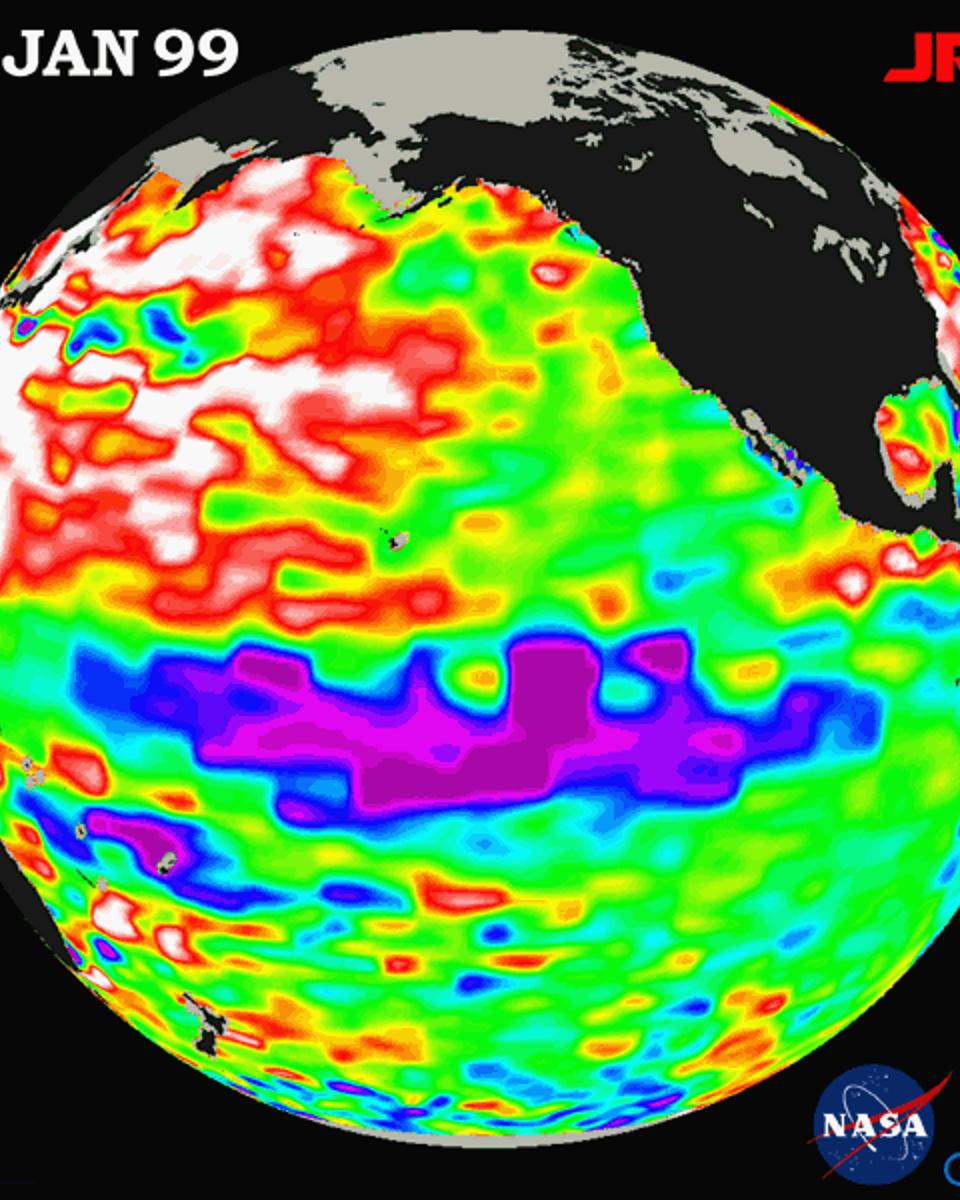
La Niña Earth
La Niña is a temporary climate change caused by unusually cold water in the central Pacific Ocean . Cold water topping an unusually low sea level is shown as purple in the above…
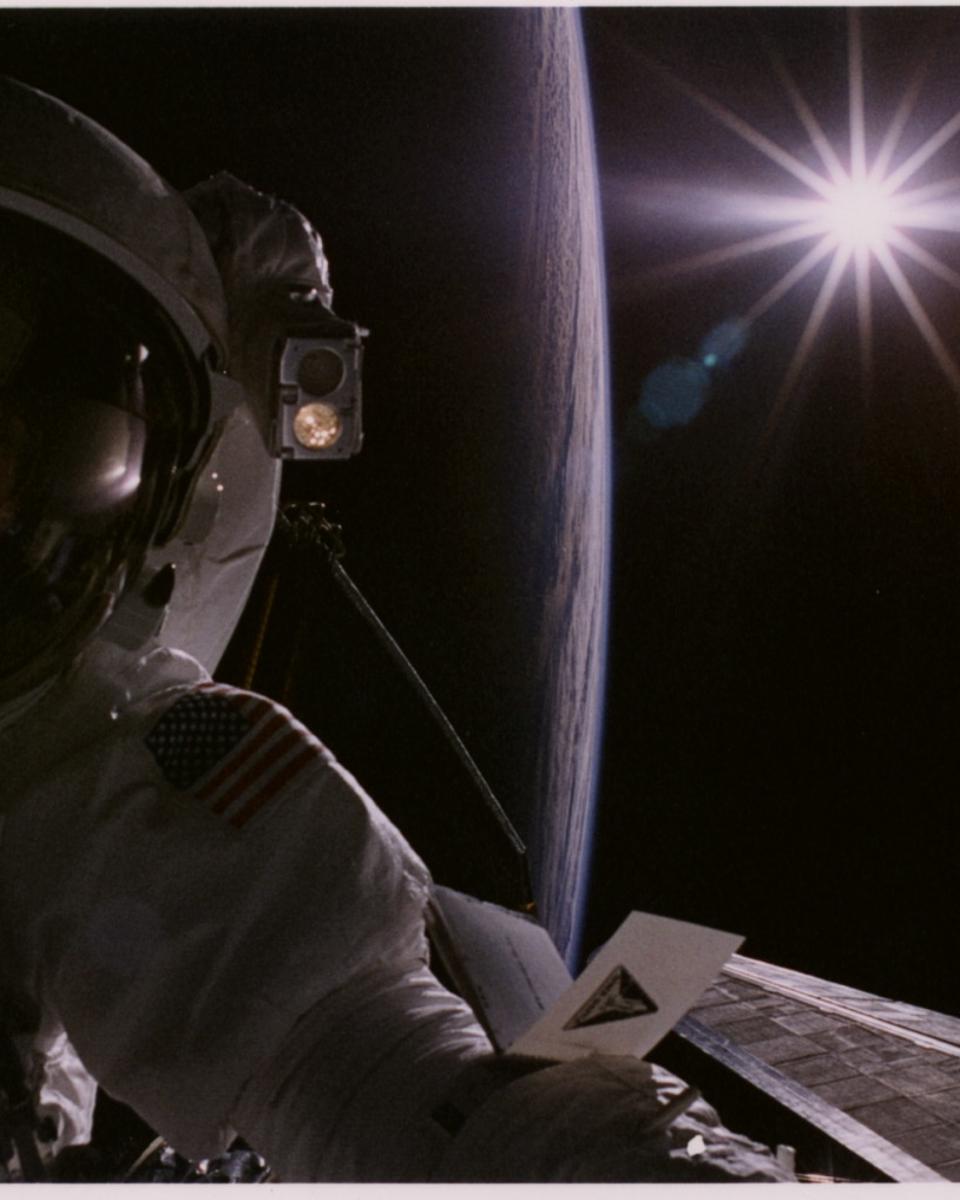
Dark Sky, Bright Sun
In low Earth orbit there is not enough atmosphere to diffuse and scatter sunlight, so shadows are black and the sky is dark - even when the Sun shines. The harsh lighting produced…

Pluto: The Frozen Planet
This portrait of Pluto and its companion Charon was taken by the Hubble Space Telescope in 1994. Pluto is usually the most distant planet from the Sun but because of its eccentric…
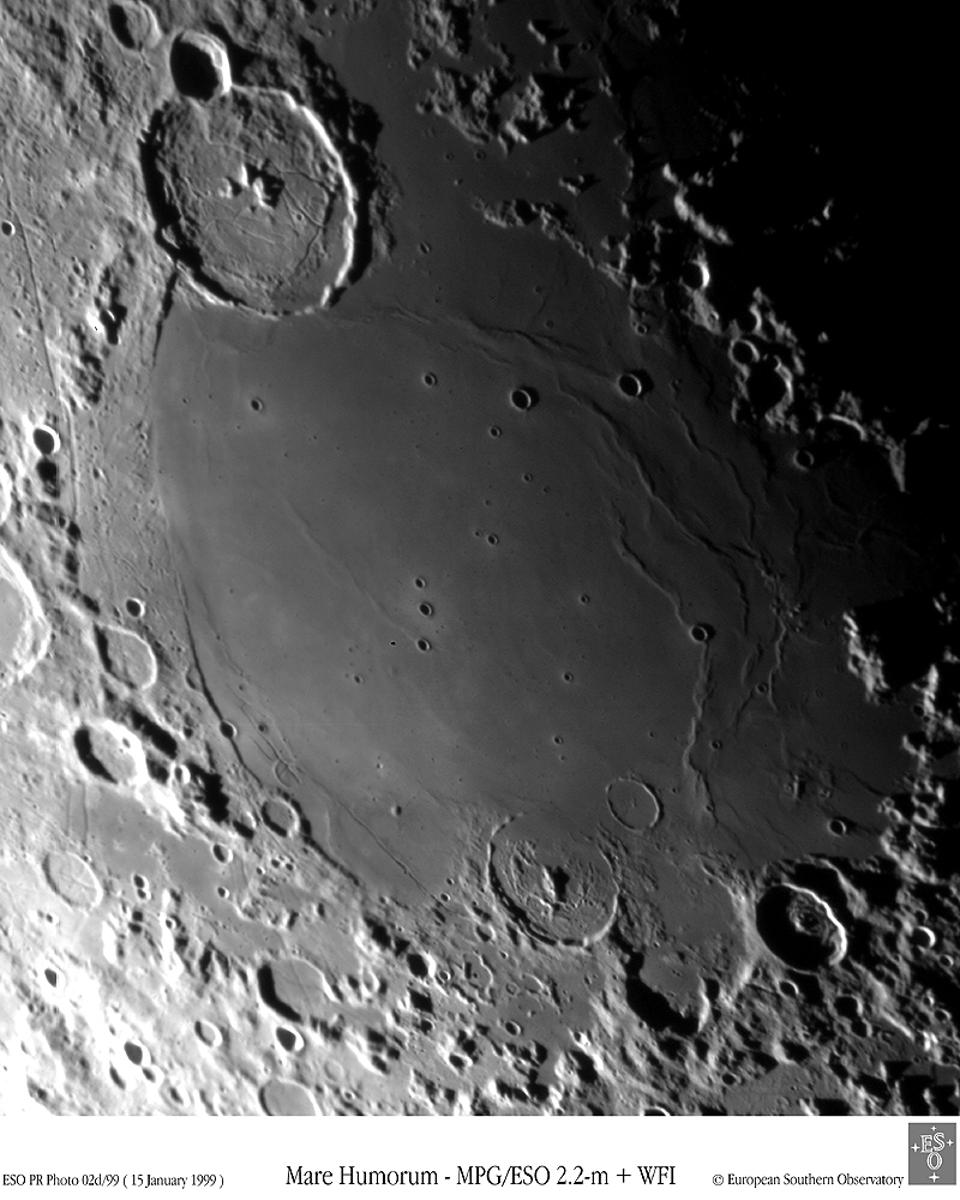
Lunar Close-Up
Late last month, NASA's Lunar Prospector spacecraft moved in for a closer look at the Moon . Now entering an extended mission phase, controllers have reduced the altitude of this…
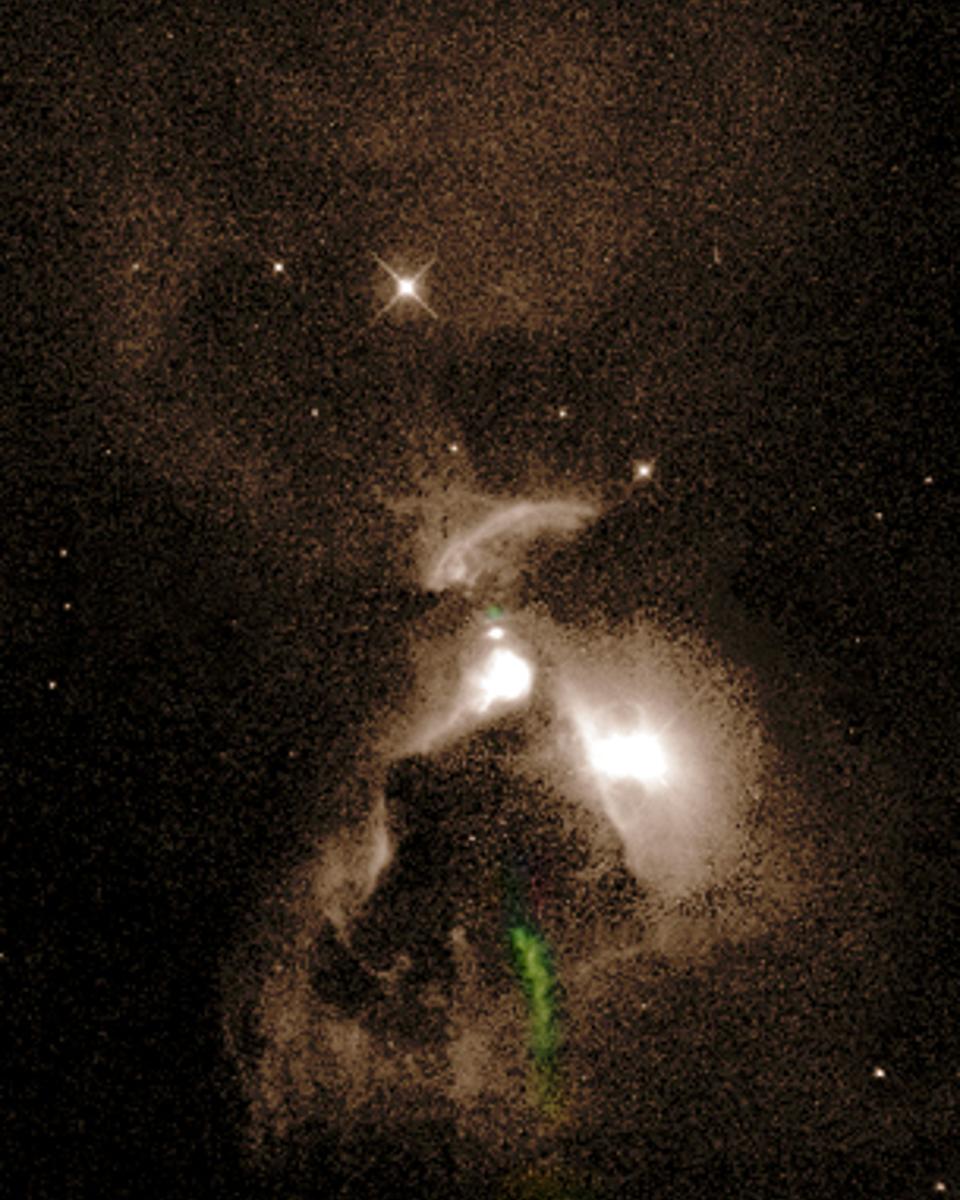
A Disk and Jet in Haro 6-5B
Planets condense from disks. Several new Hubble Space Telescope pictures of stars surrounded by disks were released earlier this week. Since the glare of the central star usually…
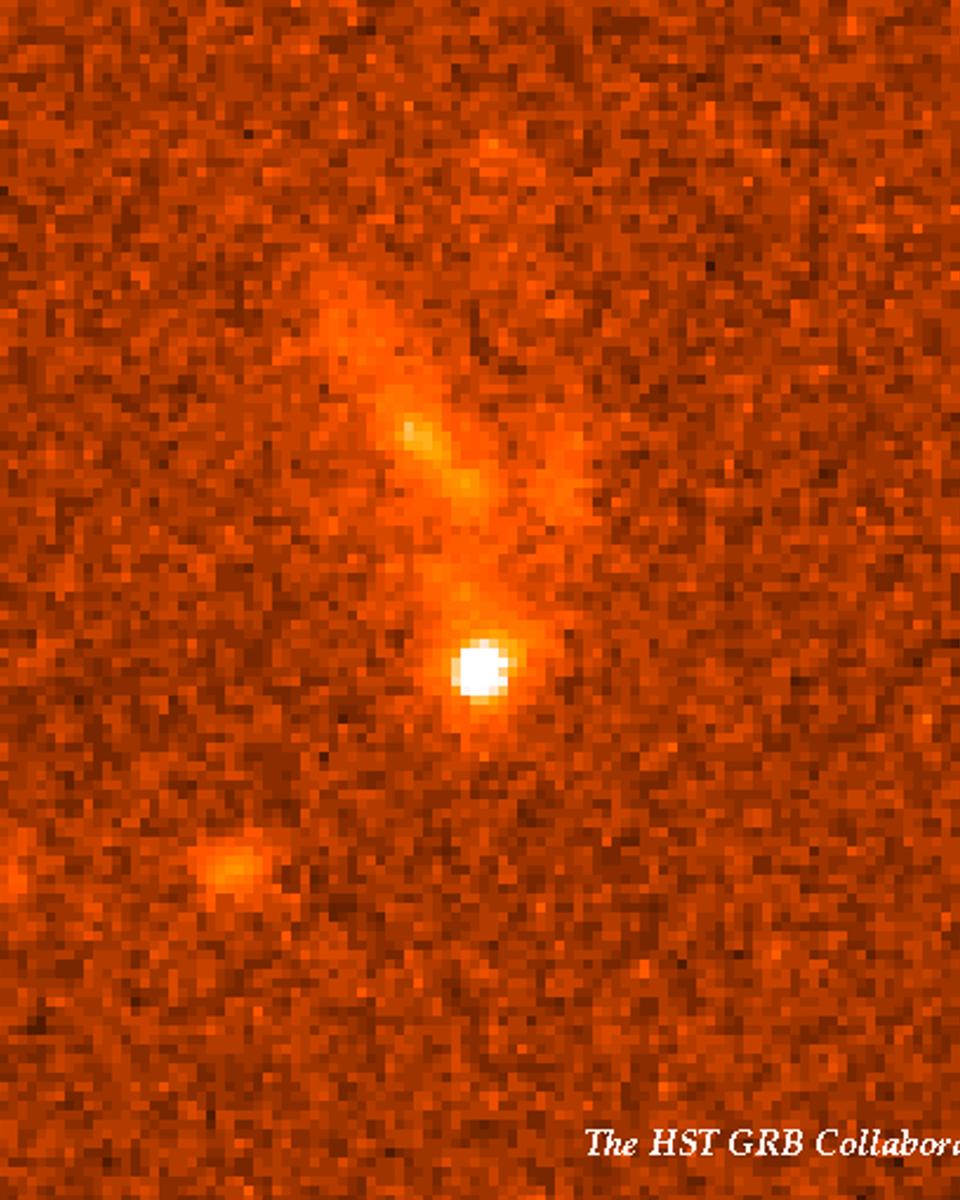
GRB 990123 Host Galaxy Imaged
Do the powerful explosions known as gamma-ray bursts (GRBs) originate in galaxies? This subject took on new light yesterday with the release of a Hubble Space Telescope image of…
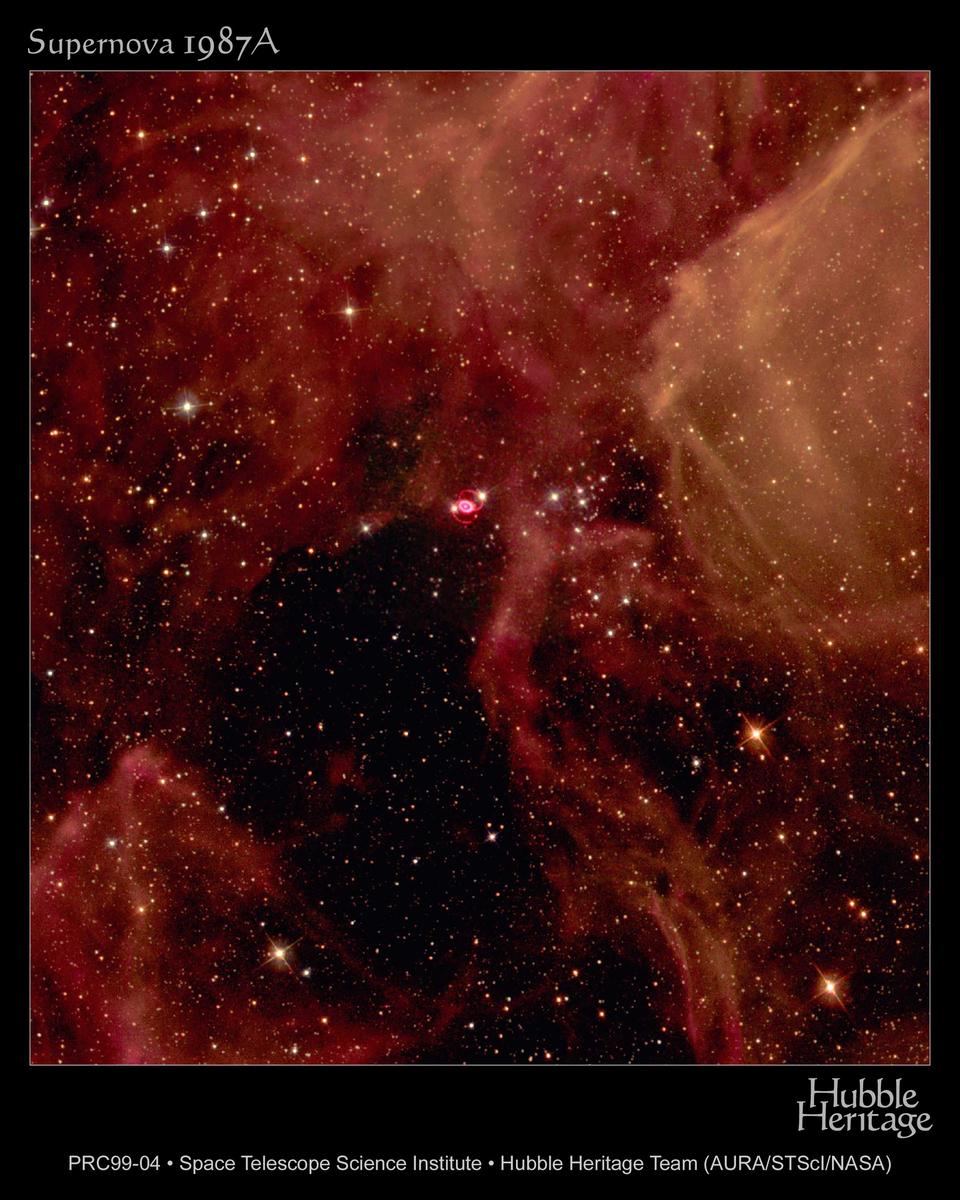
A Supernova Star-Field
Bright stars don't last forever. A bright star similar to others in this field exploded in a spectacular supernova that was witnessed on Earth in 1987 . The result is visible even…
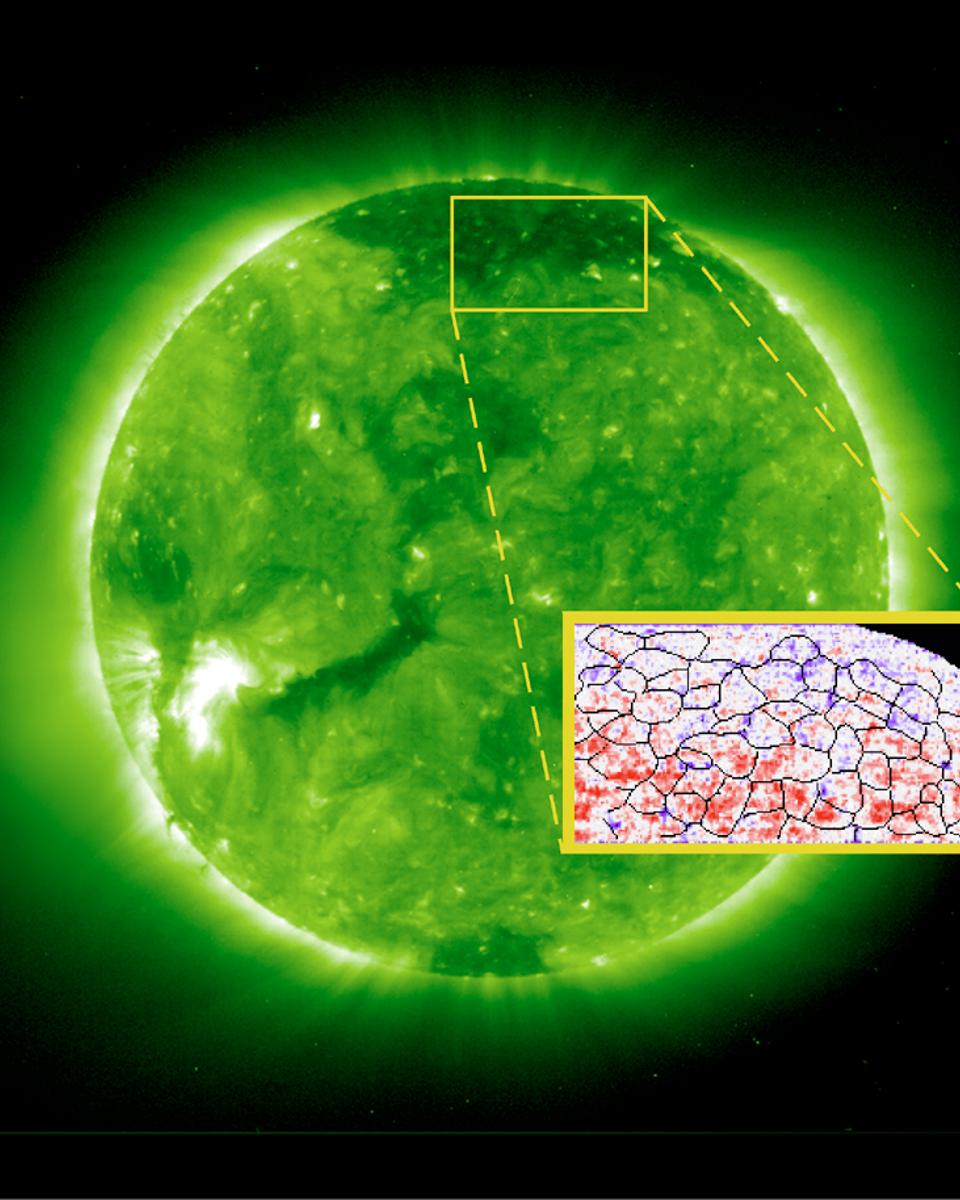
The Solar Wind Emerges
Winds of fast particles blow out from the Sun , but why ? Astronomers came a step closer to answering this question recently by making detailed observations of the high-speed wind…
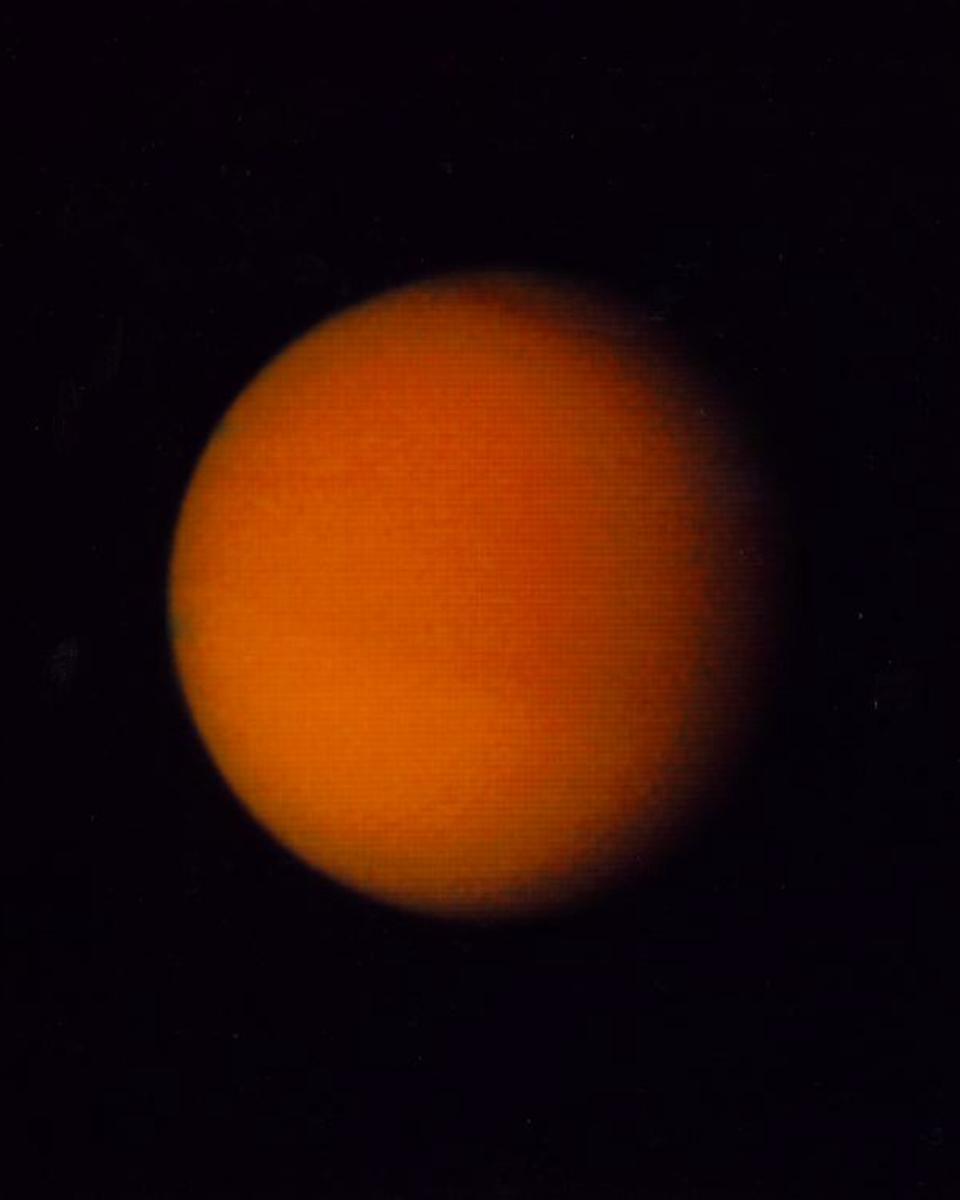
Titan: Saturn's Smog Moon
The largest moon of Saturn is a rare wonder. Titan is the only one of Saturn's moons with an atmosphere, and one of only two moons in the Solar System with this distinction…
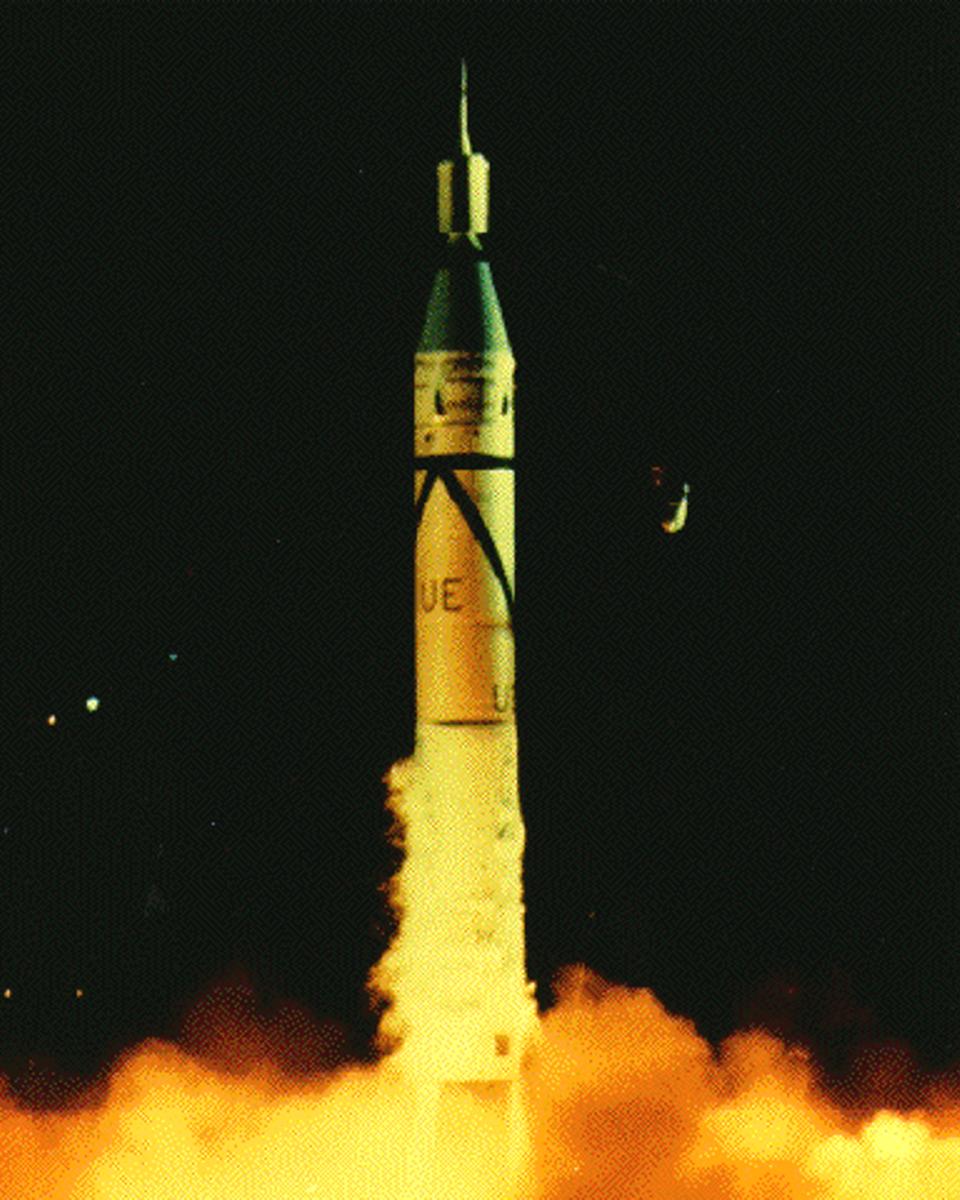
The First Explorer
The first US spacecraft was Explorer 1 . The cylindrical 30 pound satellite was launched (above) as the fourth stage of a Jupiter-C rocket (a modified US Army Redstone ballistic…
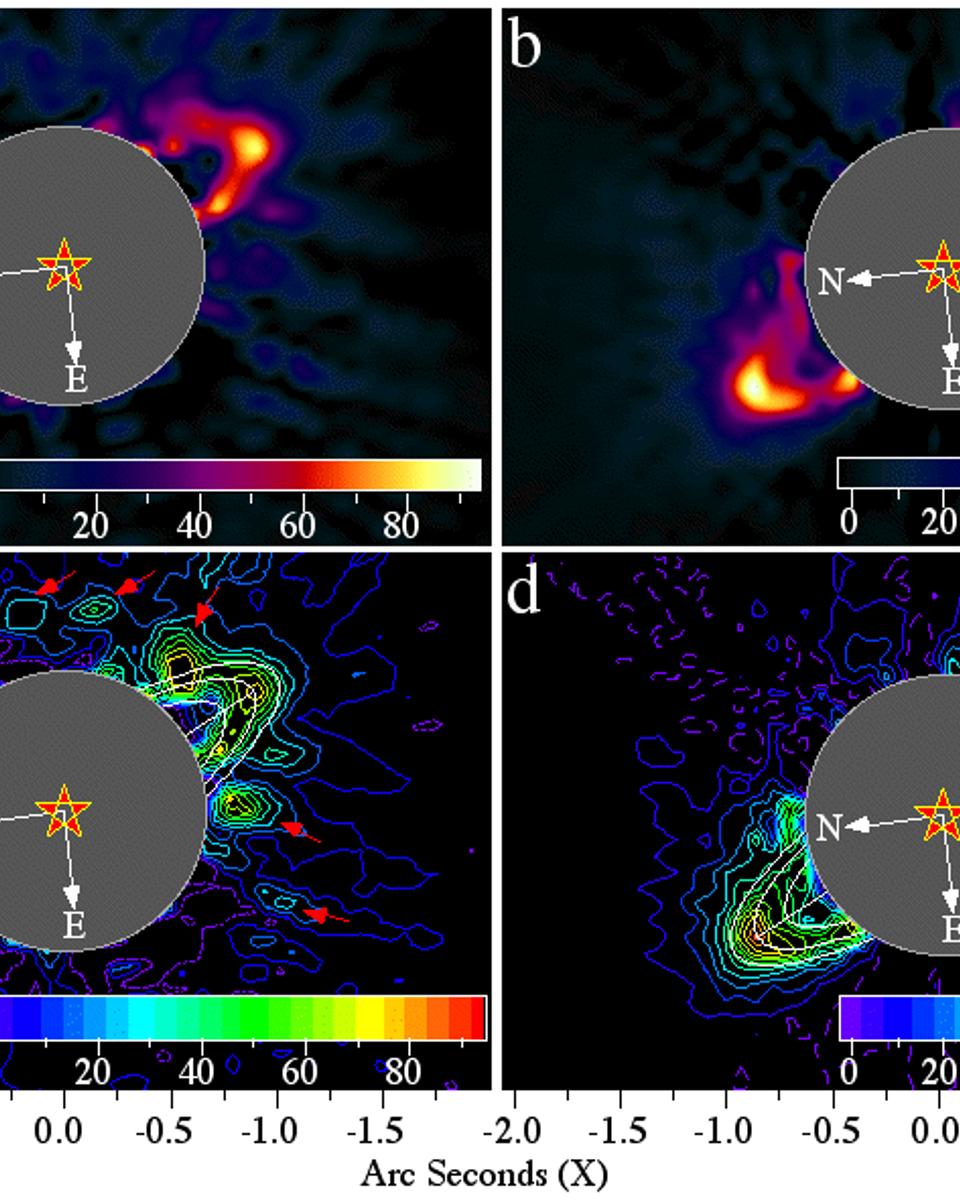
HR 4796A: Not Saturn
These are not false-color renderings of the latest observations of Saturn's magnificent rings . Instead, the panels show a strikingly similar system on a much larger scale - a…
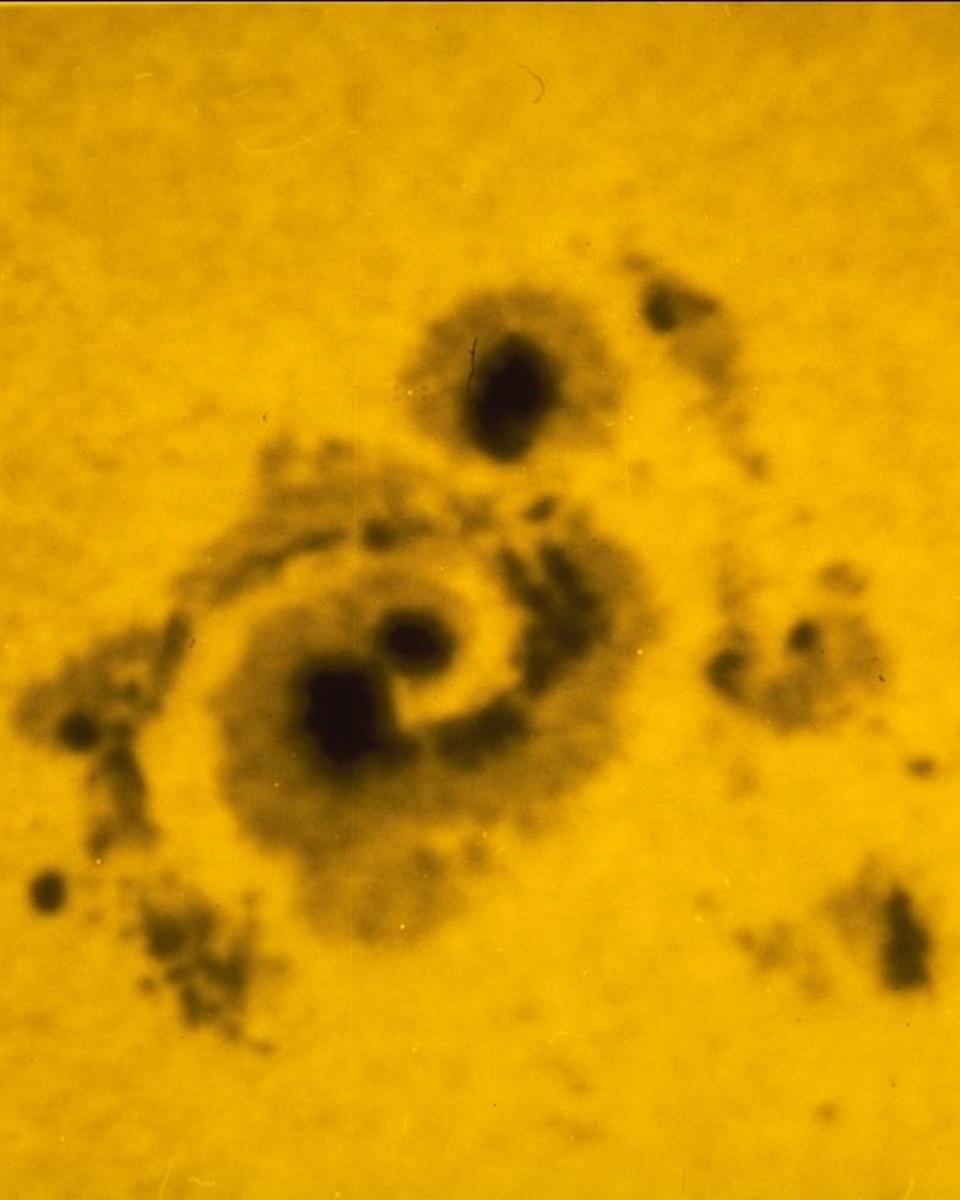
Spiral Sunspot
Spiral galaxies abound in the universe, but spiral sunspots are definitely an unusual twist. This distinctive spiral-shaped sunspot caught the attention of National Solar…
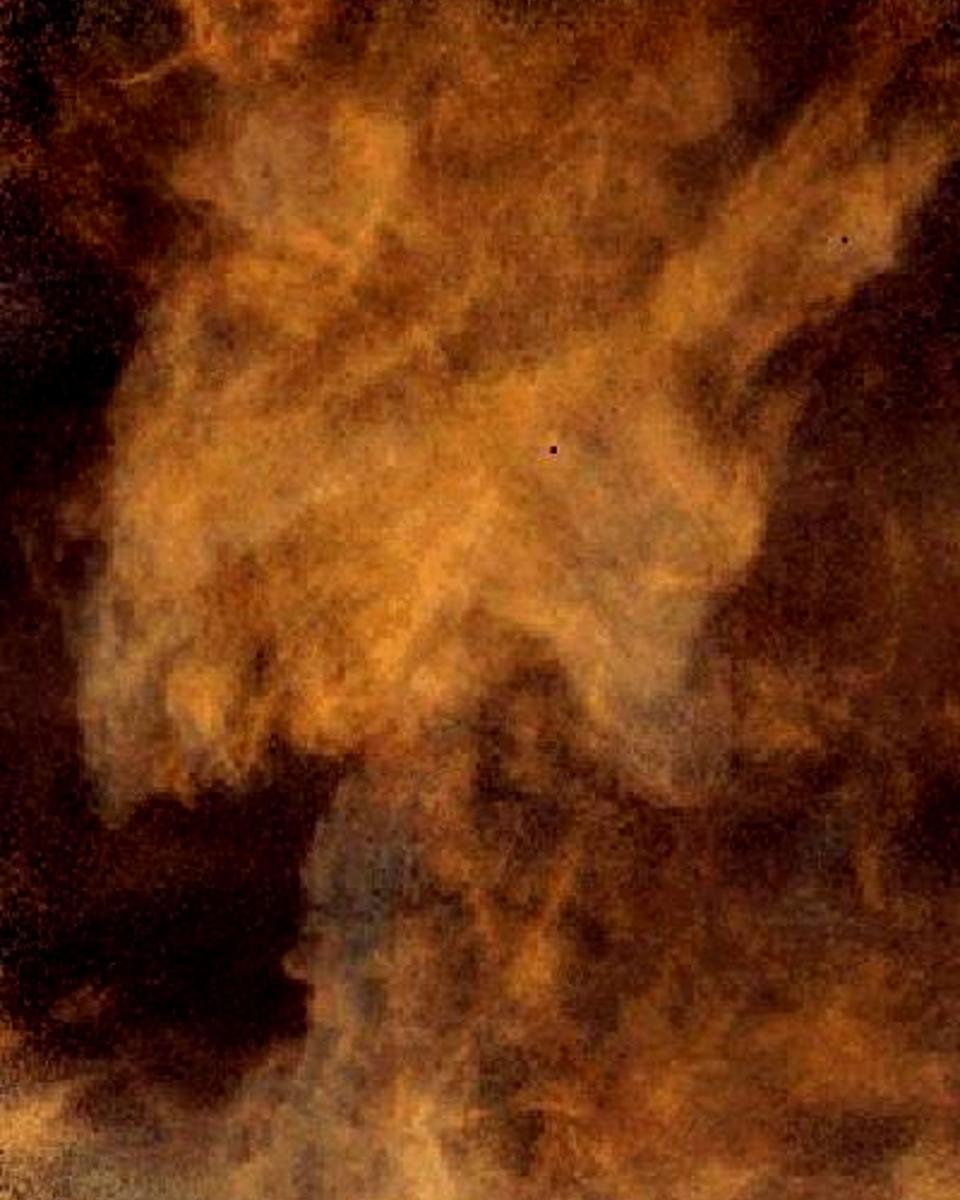
A Galactic Mushroom Cloud
Part of our Galaxy is exploding. Recent radio observations show new details of hot gas expanding rapidly from an energetic star-forming region in our Galactic disk out into our…
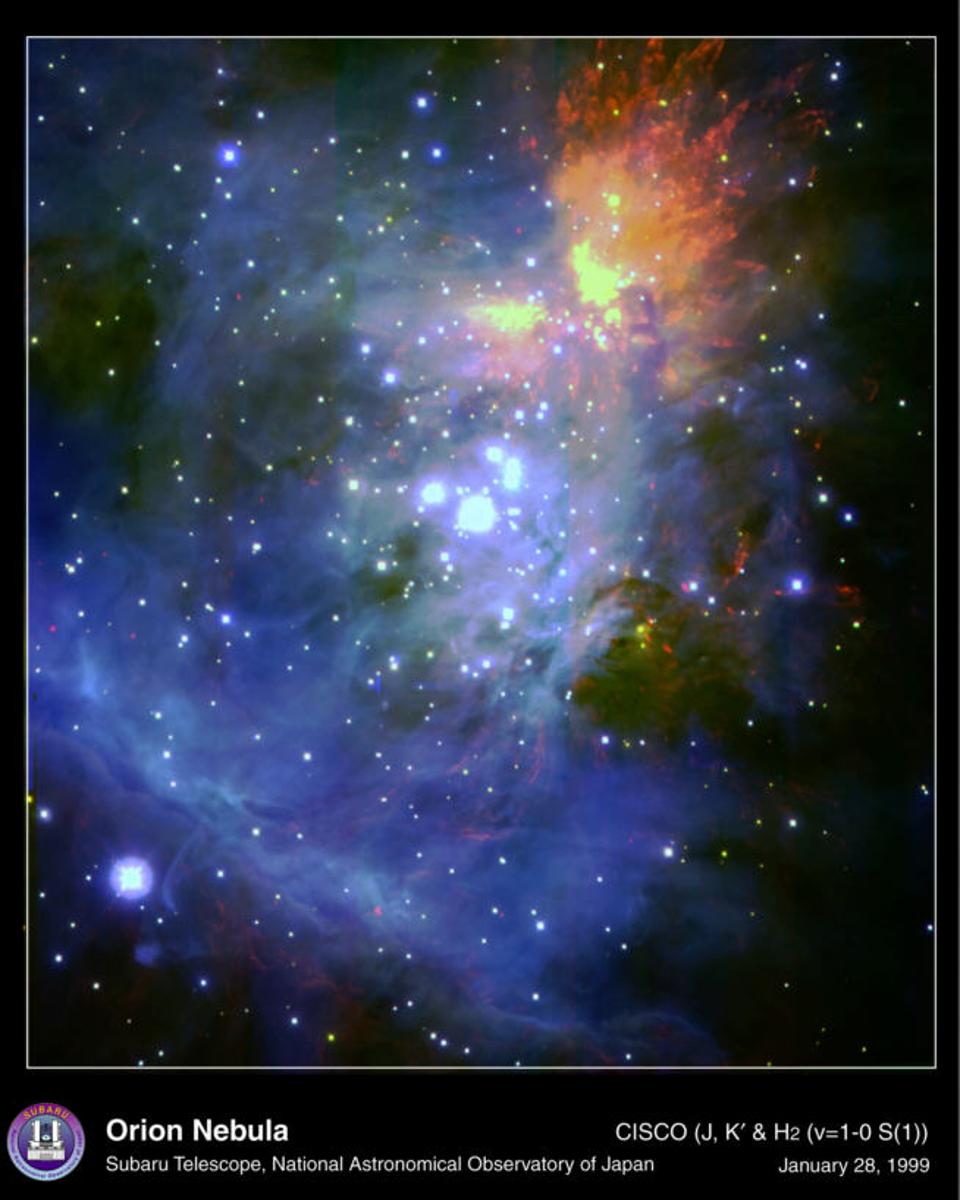
The Orion Nebula from Subaru
The Orion Nebula (M42) shows a host of treasures when viewed in infrared light. Some stars in the Trapezium , an open cluster of stars at the center, are only visible in infrared…
Viewing discoveries from 25 February 1999 through 2 February 1999.