Browse NASA Astronomy Picture of the Day archive by date and media: Archive Discoveries
Browse the NASA APOD archive without needing the exact date first. Filter by media type and keep moving deeper into older images and videos.
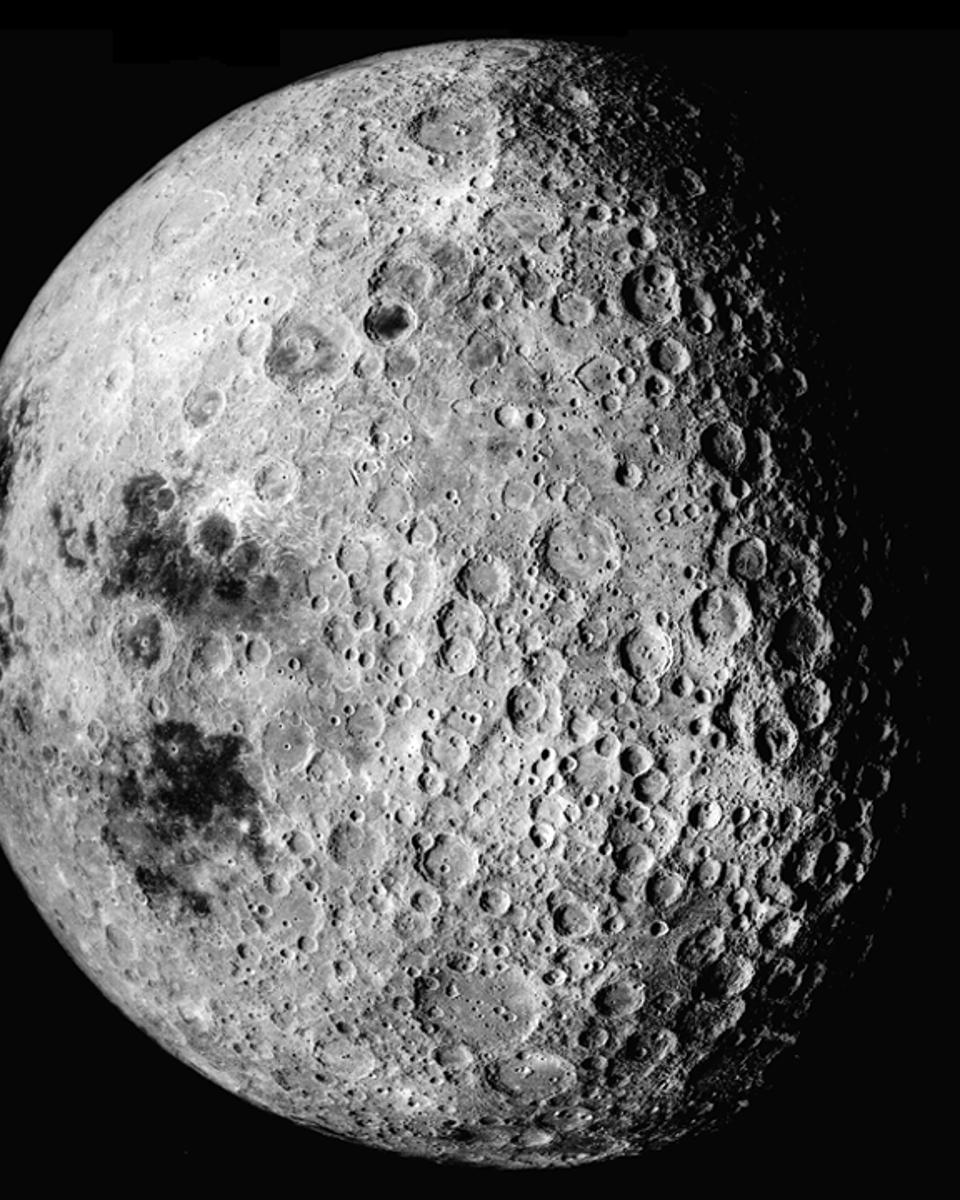
Far Side of the Moon
Locked in synchronous rotation, the Moon always presents its well-known near side to Earth. But from lunar orbit, Apollo astronauts also grew to know the Moon's far side. This…
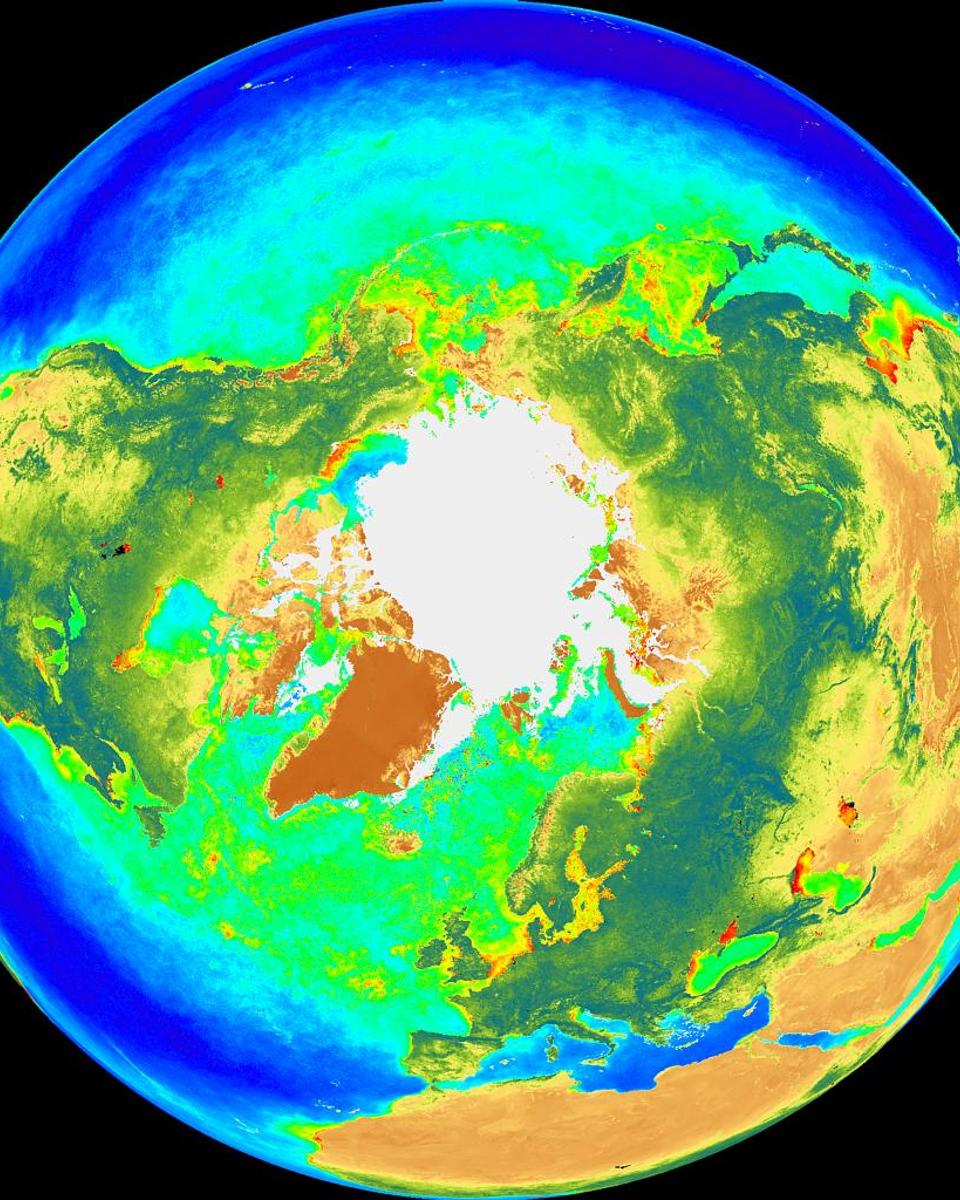
Ocean Planet Pole To Pole
The Sea-viewing Wide Field-of-view Sensor (SeaWiFS) instrument onboard the orbiting SeaStar spacecraft can map subtle differences in Earth's ocean color . These North (left) and…
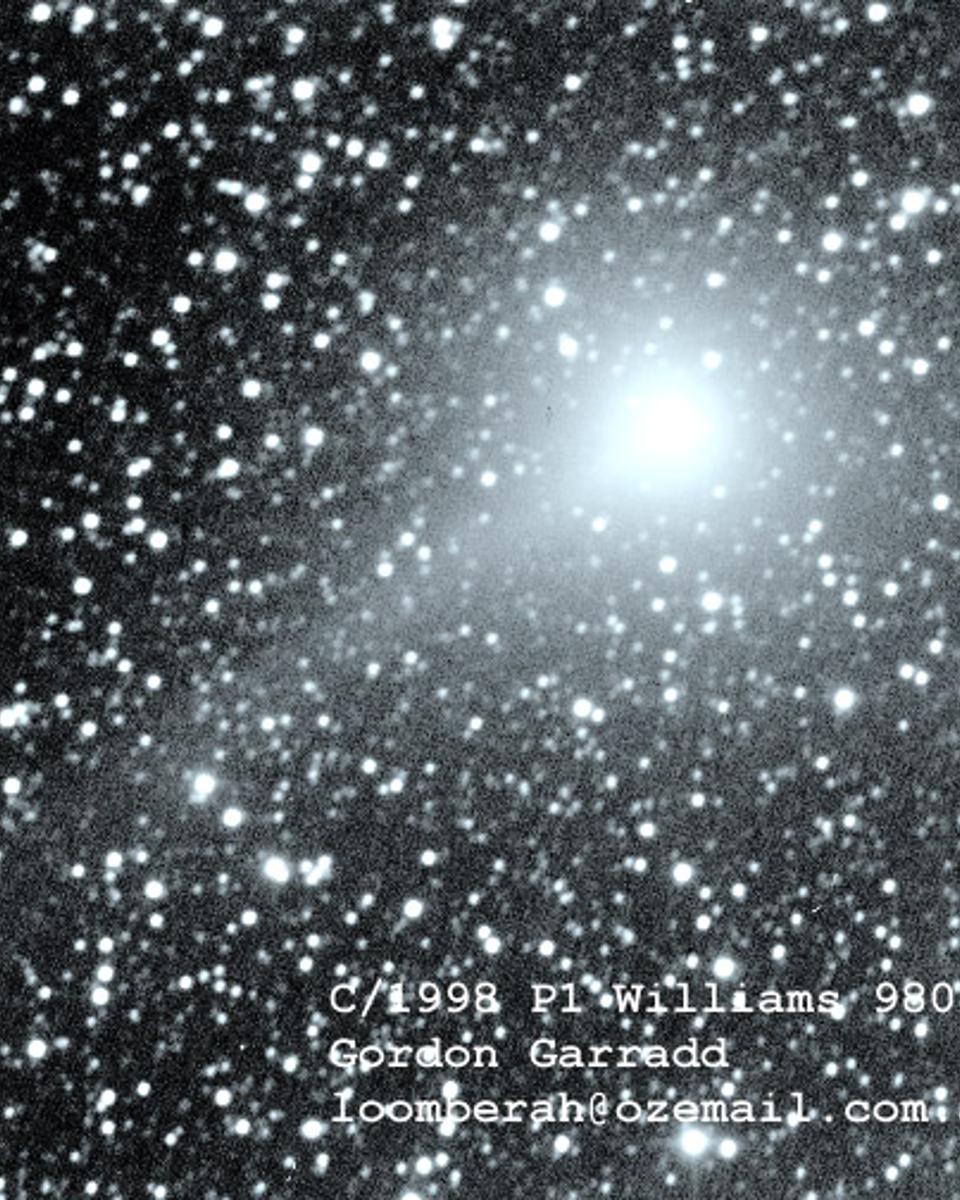
Comet Williams in 1998
The brightest comet in the sky right now is Comet Williams . Moving slowly though the constellation of Centaurus , Comet Williams, at magnitude 8, is visible to Southern…
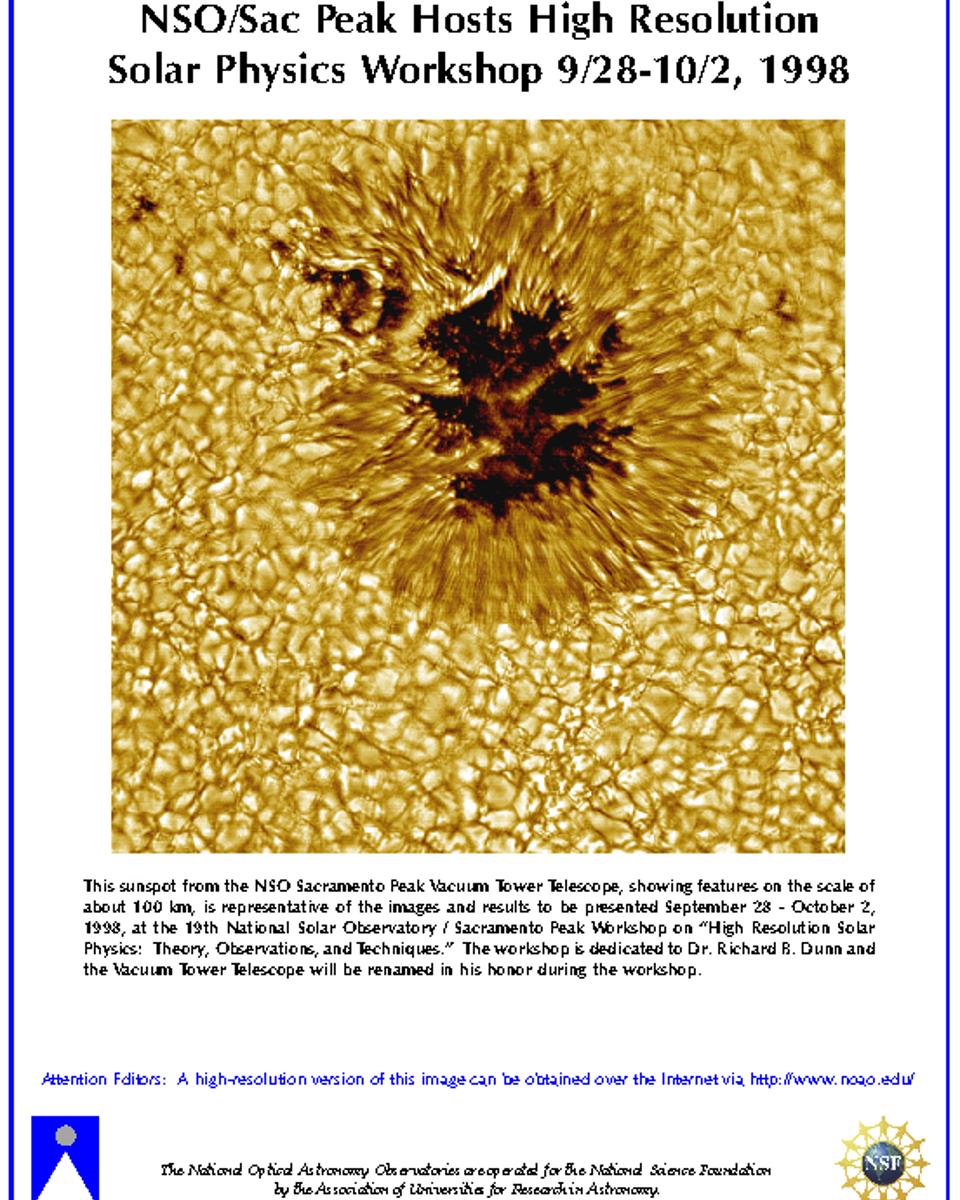
A Sunspot Up Close
Sometimes, small regions of the Sun appear unusually dark. Visible above is a close-up picture of a sunspot , a depression on the Sun's face that is slightly cooler and less…
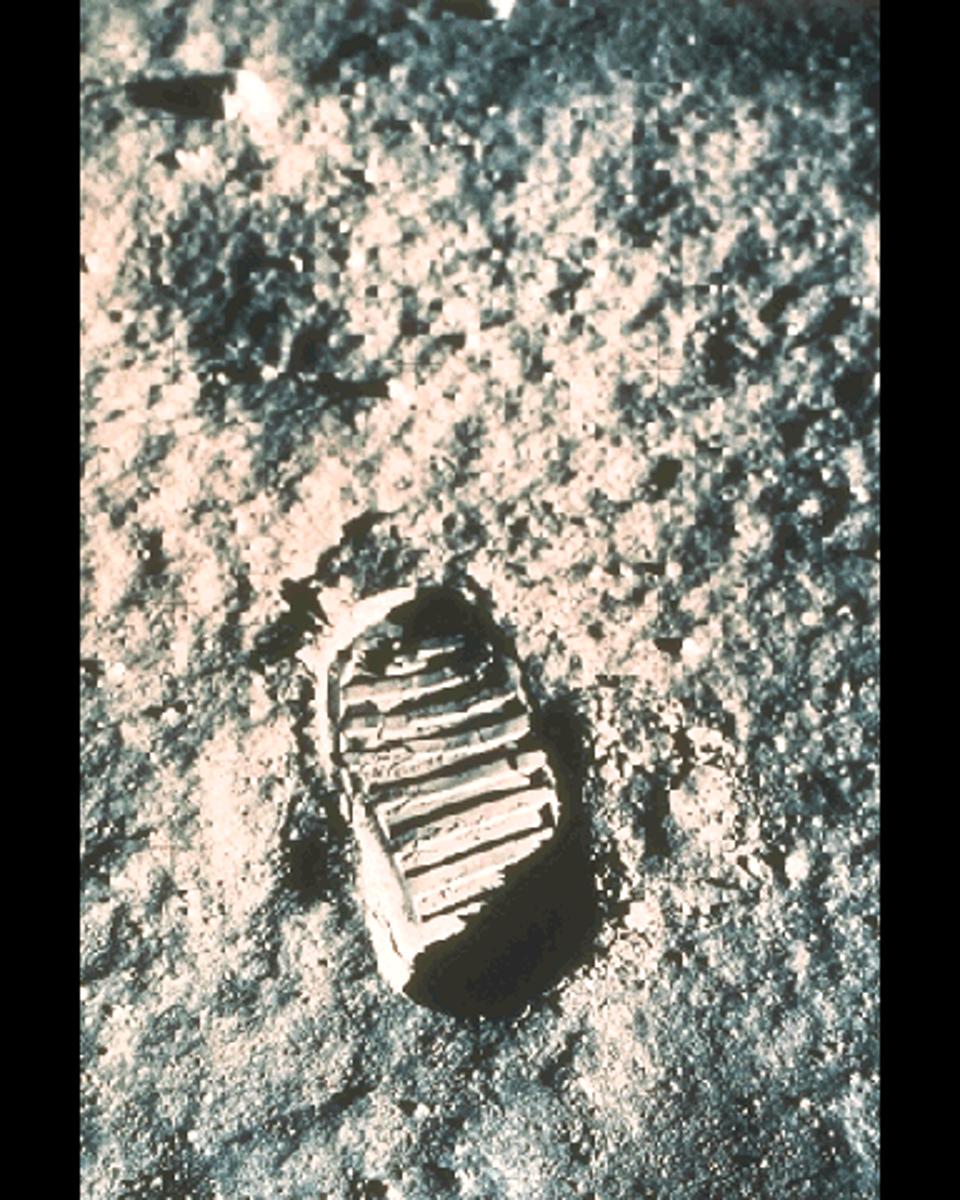
One Small Step
On July 20th, 1969, a human first set foot on the Moon . Pictured above is the first lunar footprint. The footprint and distinction of the first person to walk on the Moon belong…
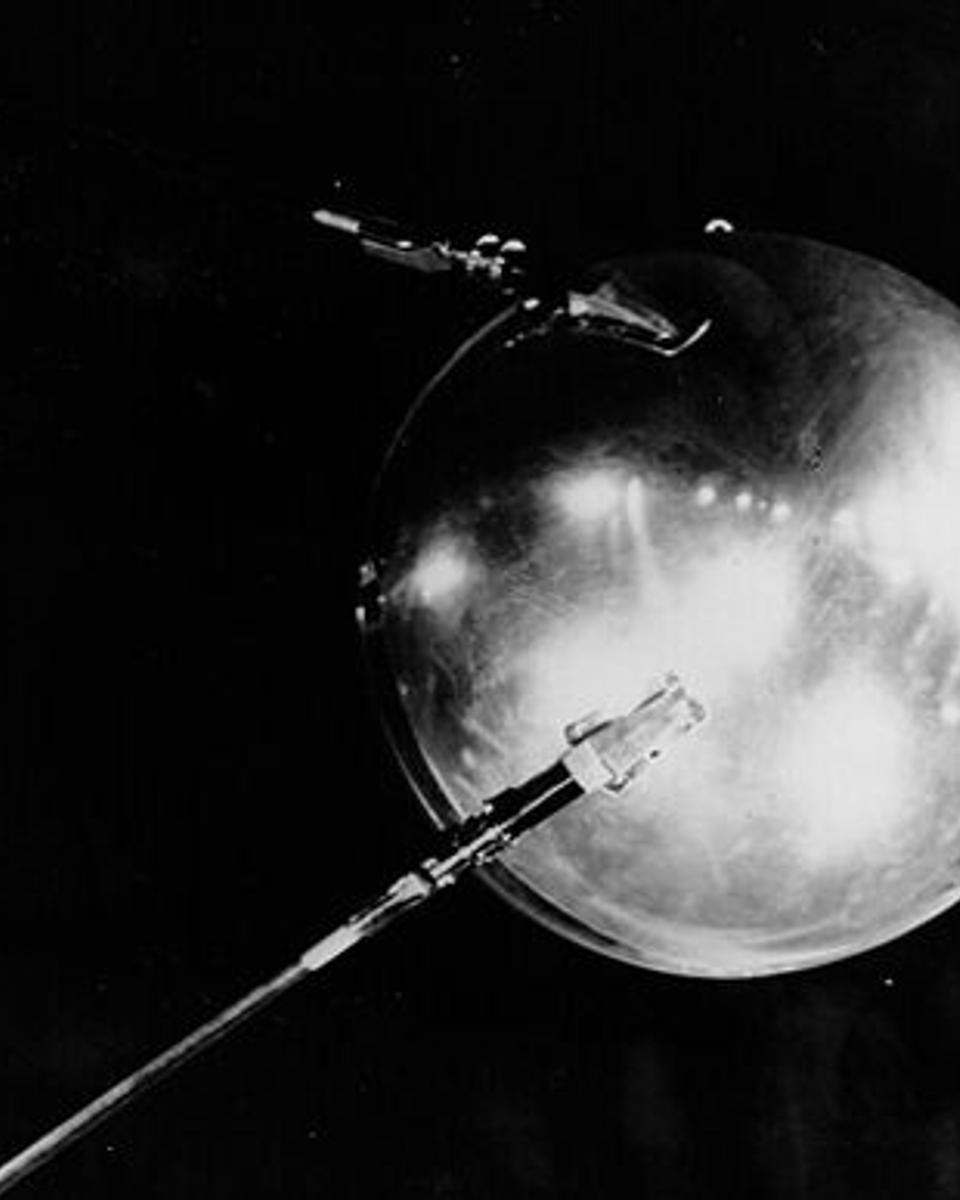
Sputnik: Traveling Companion
Sputnik means “traveling companion”. Despite the innocuous sounding name, the launch of the Earth's first “artificial moon”, Sputnik 1 , by the Soviets on October 4, 1957 shocked…
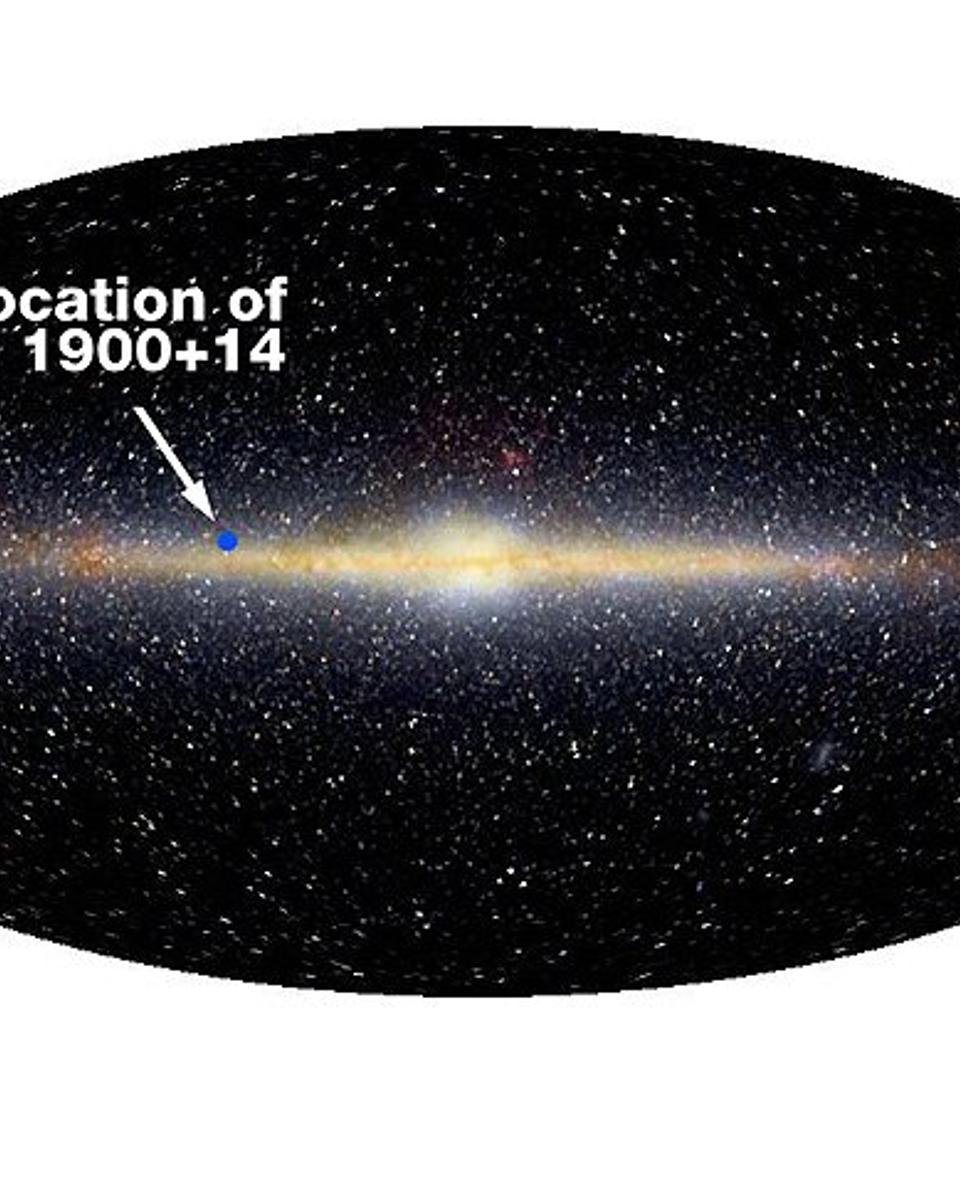
Magnetar In The Sky
Indicated on this infrared image of the galactic center region is the position of SGR 1900+14 - the strongest known magnet in the galaxy. SGR 1900+14 is believed to be a…
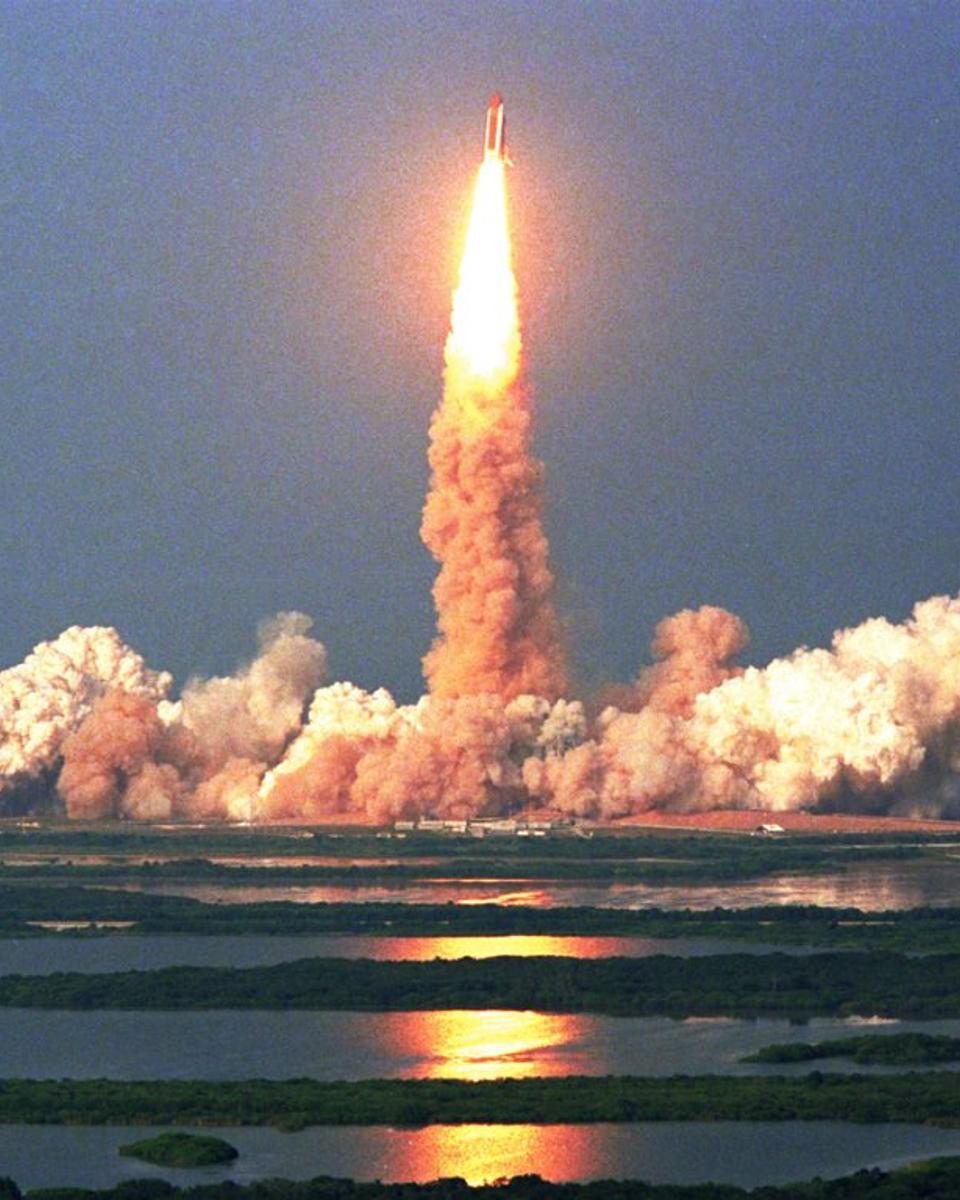
Happy 40th Birthday, NASA!
Happy Birthday, NASA ! The National Aeronautics and Space Administration officially began operations on October 1, 1958, absorbing its forerunner organization the National…
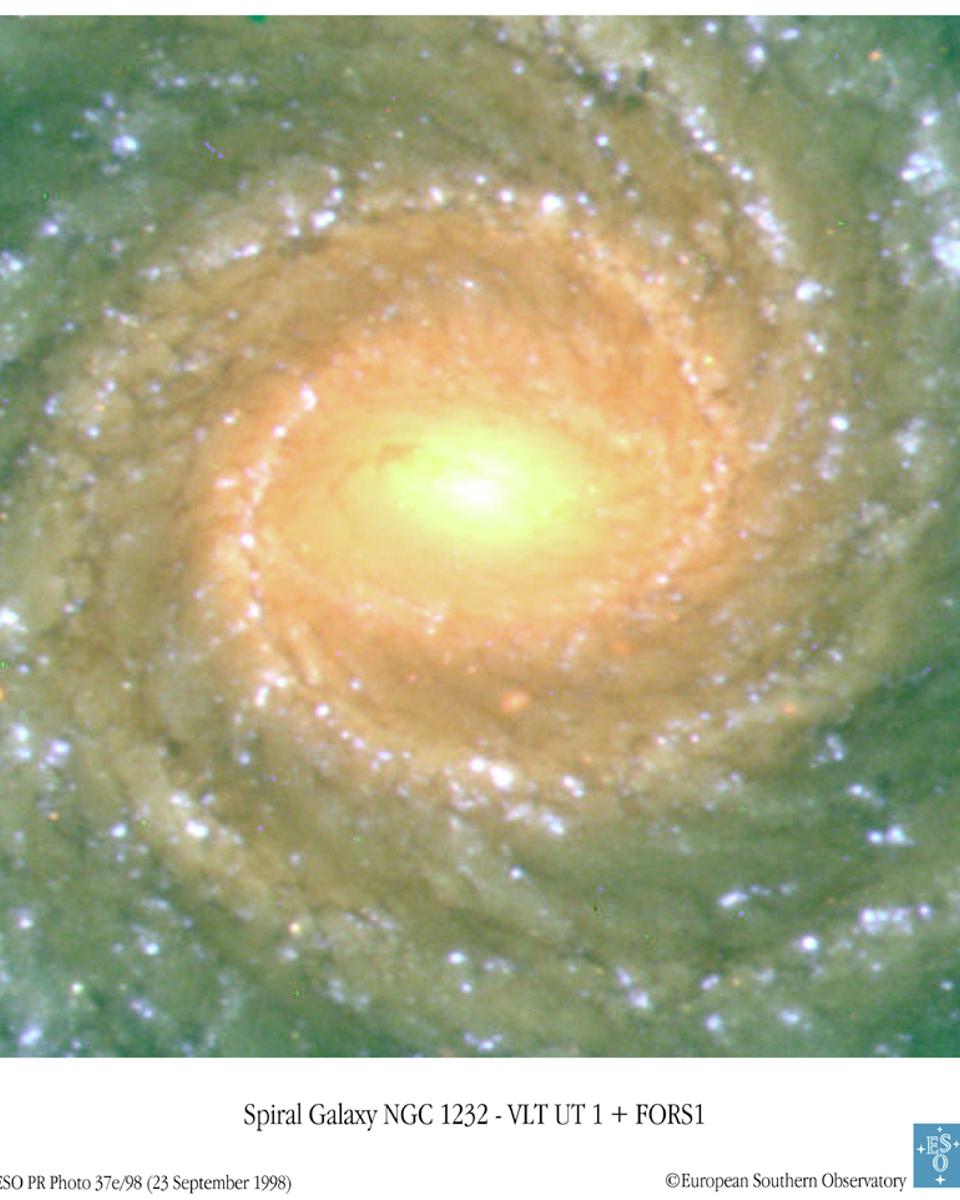
Spiral Galaxy NGC 1232
Galaxies are fascinating not only for what is visible, but for what is invisible. Grand spiral galaxy NGC 1232 , recently captured in detail by the new Very Large Telescope , is a…
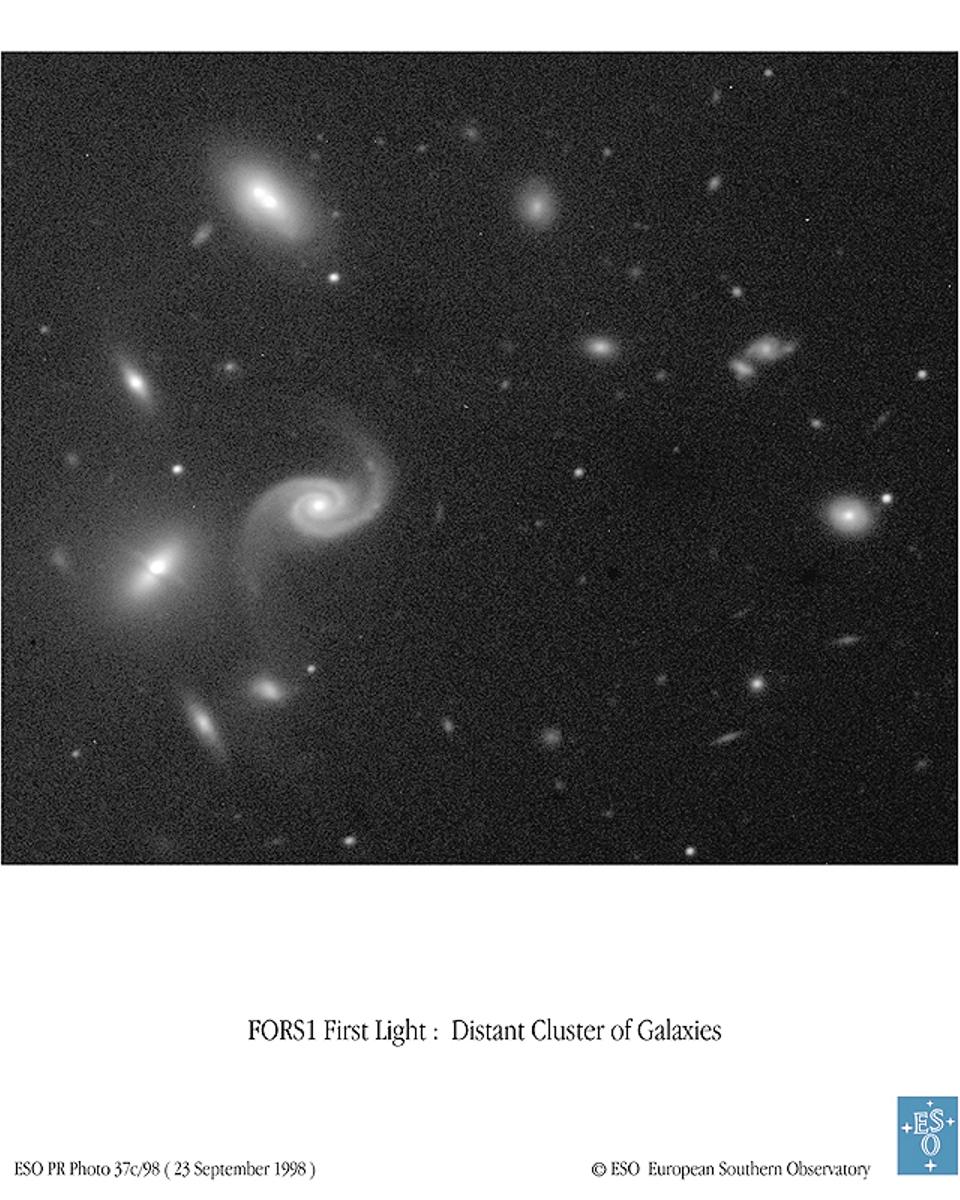
A Peculiar Cluster of Galaxies
Far across the universe, an unusual cluster of galaxies has been evolving. A diverse group of galaxies populate this cluster, including, on the left, an unusual galaxy showing an…
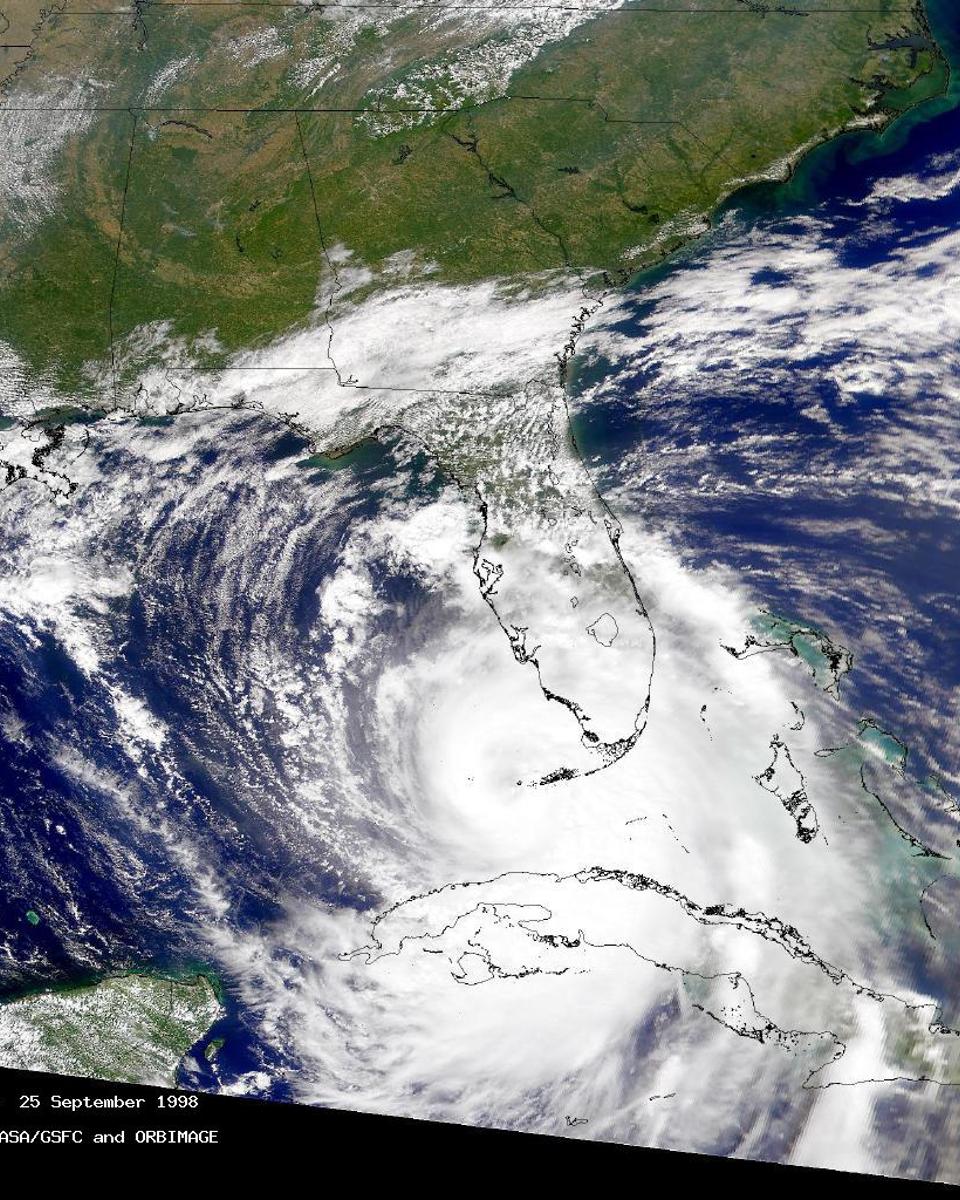
A Hurricane in the Gulf
Last Friday, Hurricane Georges was photographed from space entering the Gulf of Mexico . This immense storm system , larger than most states, is expected to make landfall today.…

Albert Einstein Describes Space and Time
Albert Einstein (1879-1955) is considered by many the greatest astrophysicist. He is pictured here in the Swiss Patent Office where he did much of his great work. Einstein 's many…
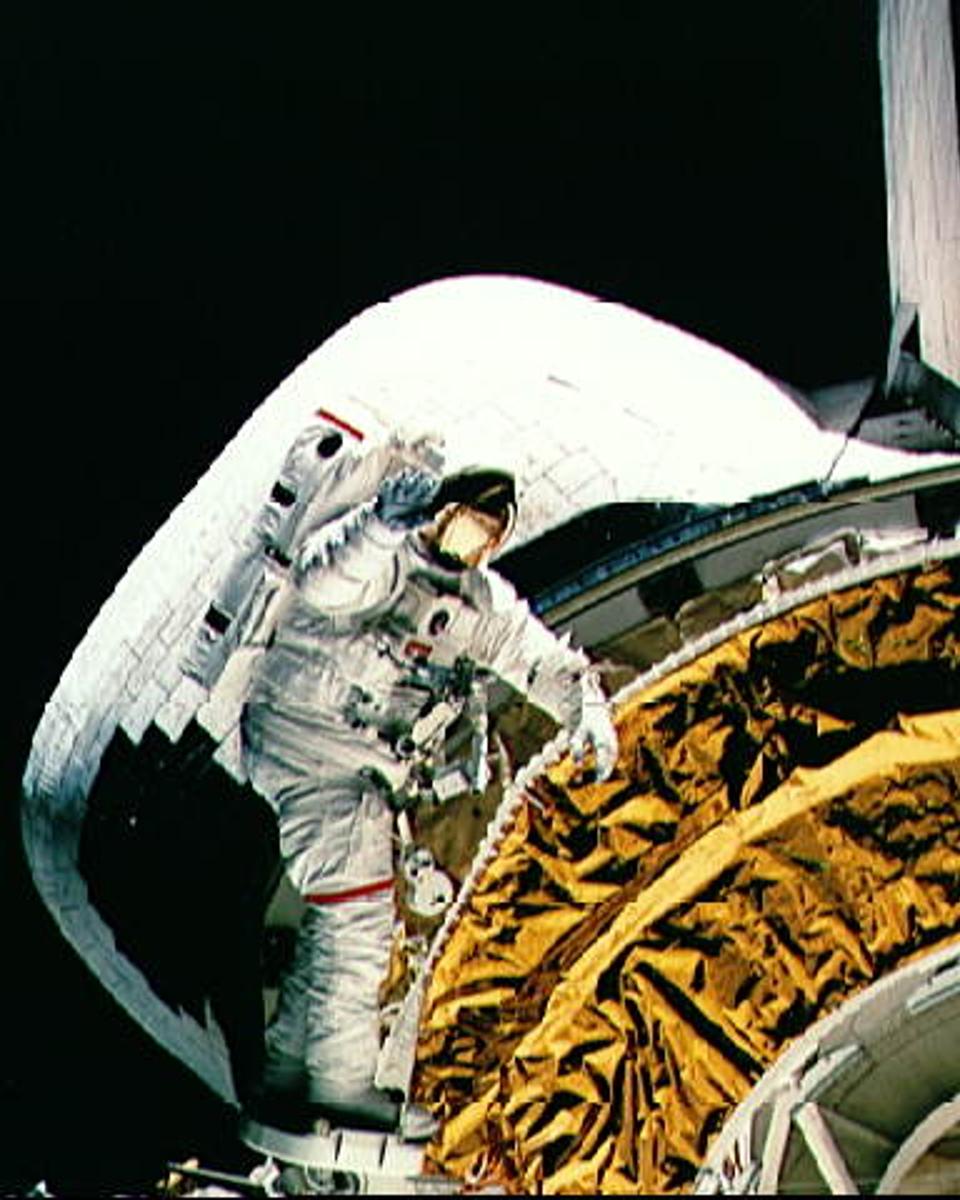
Space Walz
Astronaut Carl Walz waves at his colleagues from the aft end of the Space Shuttle Discovery's payload bay. During this 1993 spacewalk , Walz evaluated tools, tethers, and a foot…
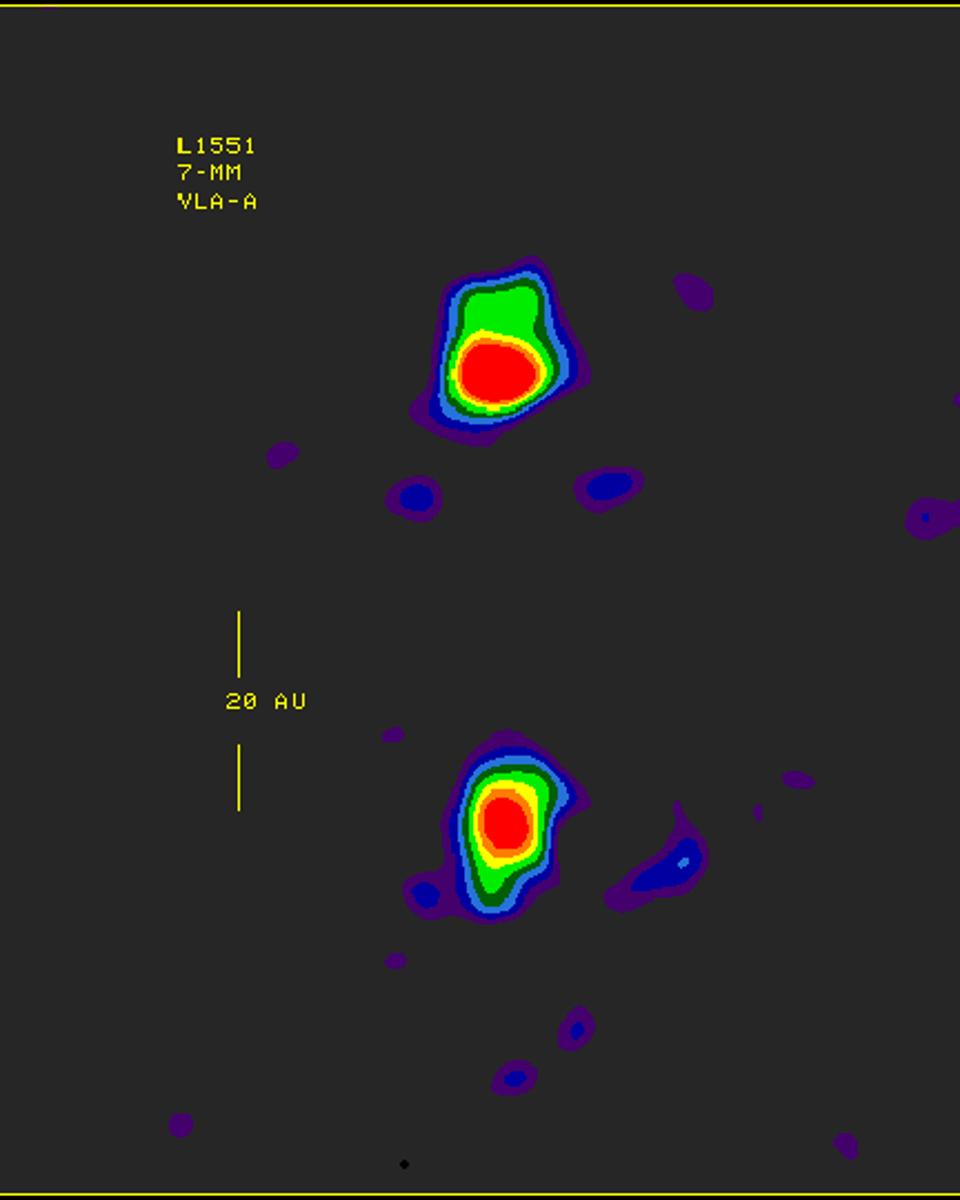
Twin Proto-Planetary Disks
Sun-like stars are forming - and probably planets too - hidden inside Lynds 1551, an interstellar cloud of molecular gas and dust in the constellation Taurus. Using new receivers,…
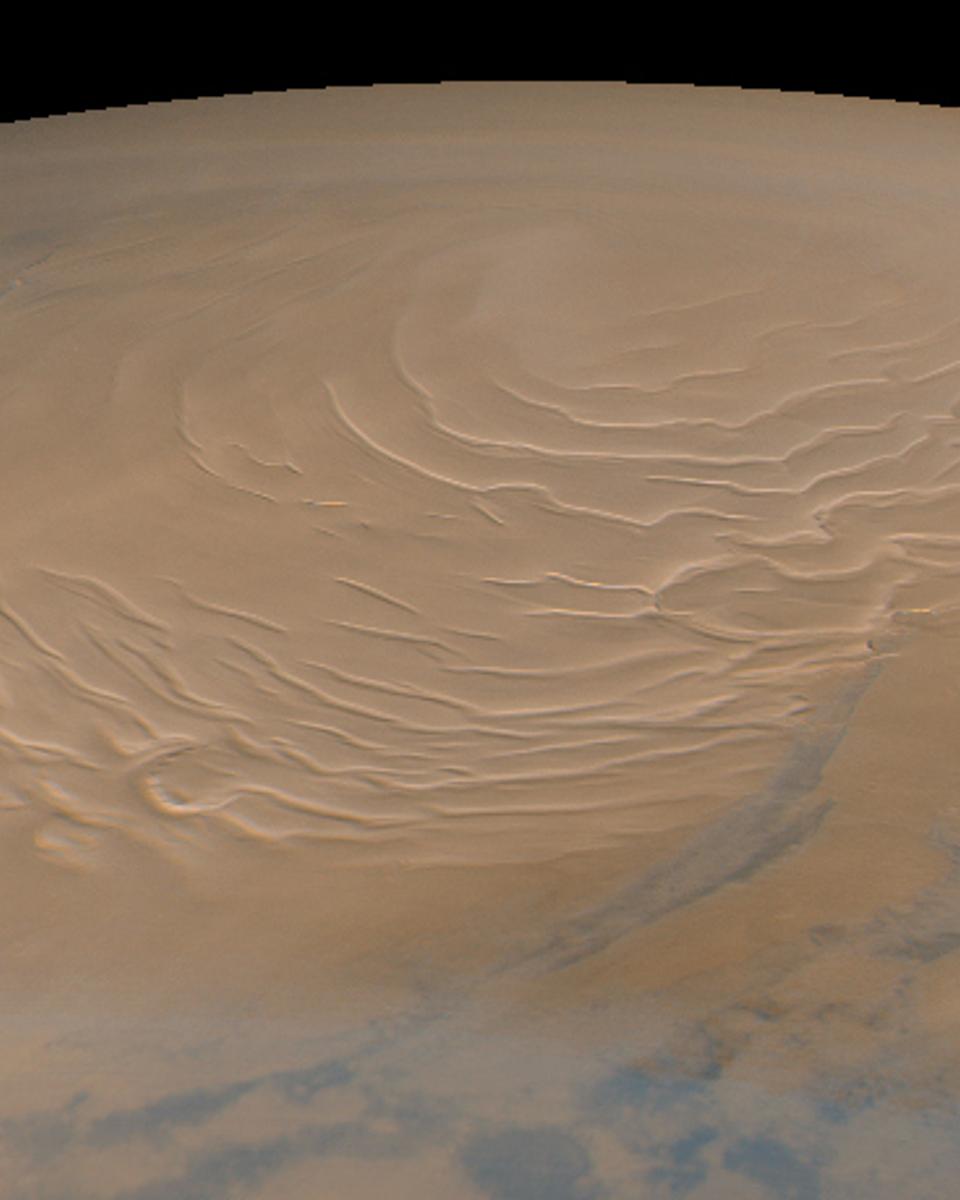
The North Pole Of Mars
The North Pole of Mars is capped by layers likely consisting of ice and dust deposited over millions of years. Imaged on September 12 - early Spring for Northern Mars - by the…
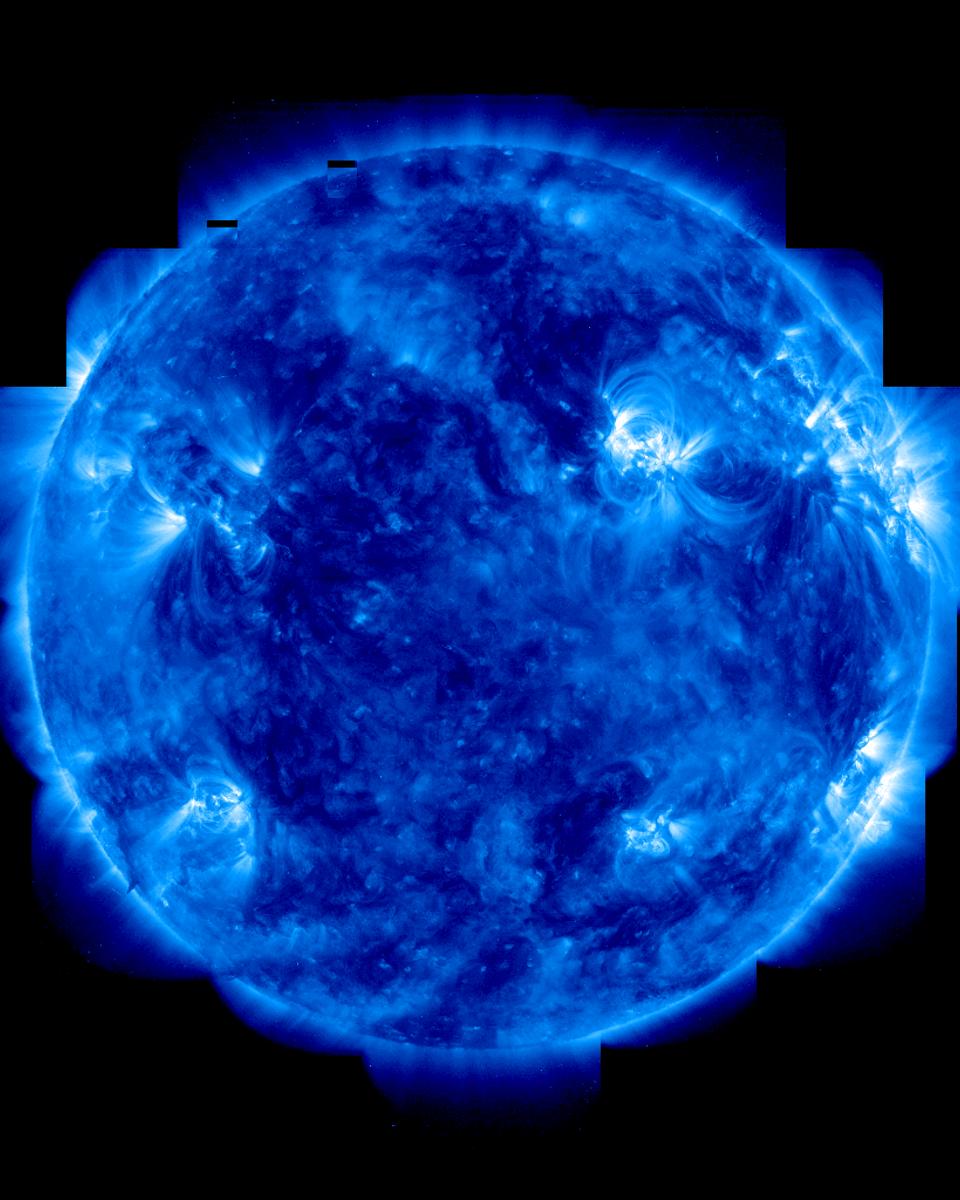
Autumn and the Active Sun
As the Sun heads South, crossing the celestial equator today at 1:37 a.m. Eastern Time, Autumn begins for Earth's Northern Hemisphere. This Autumnal Equinox finds an increasingly…
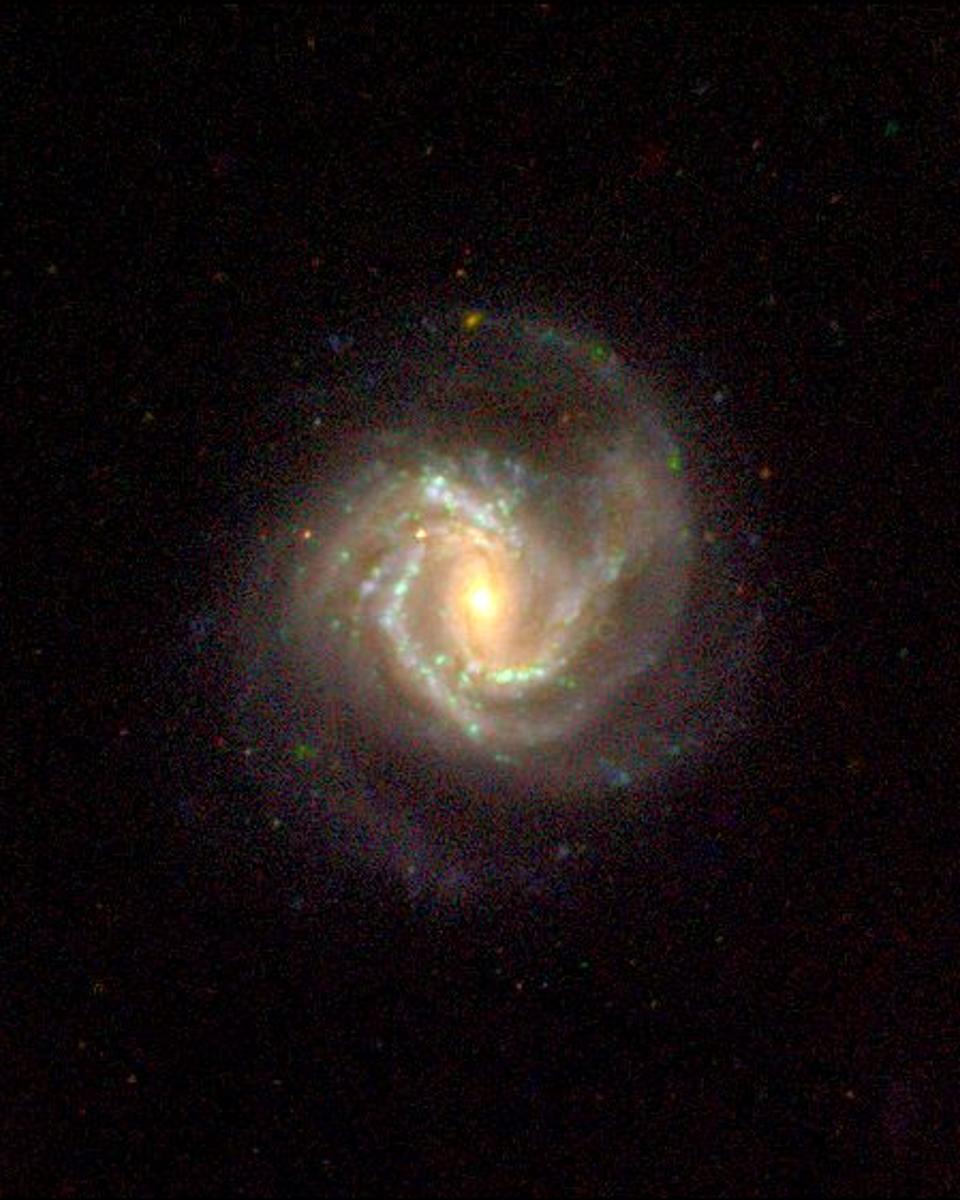
M61: Virgo Spiral Galaxy
M61 is a barred spiral galaxy located in the nearby Virgo Cluster of Galaxies . Visible in M61 are a host of features common to spiral galaxies : bright spiral arms , a central…
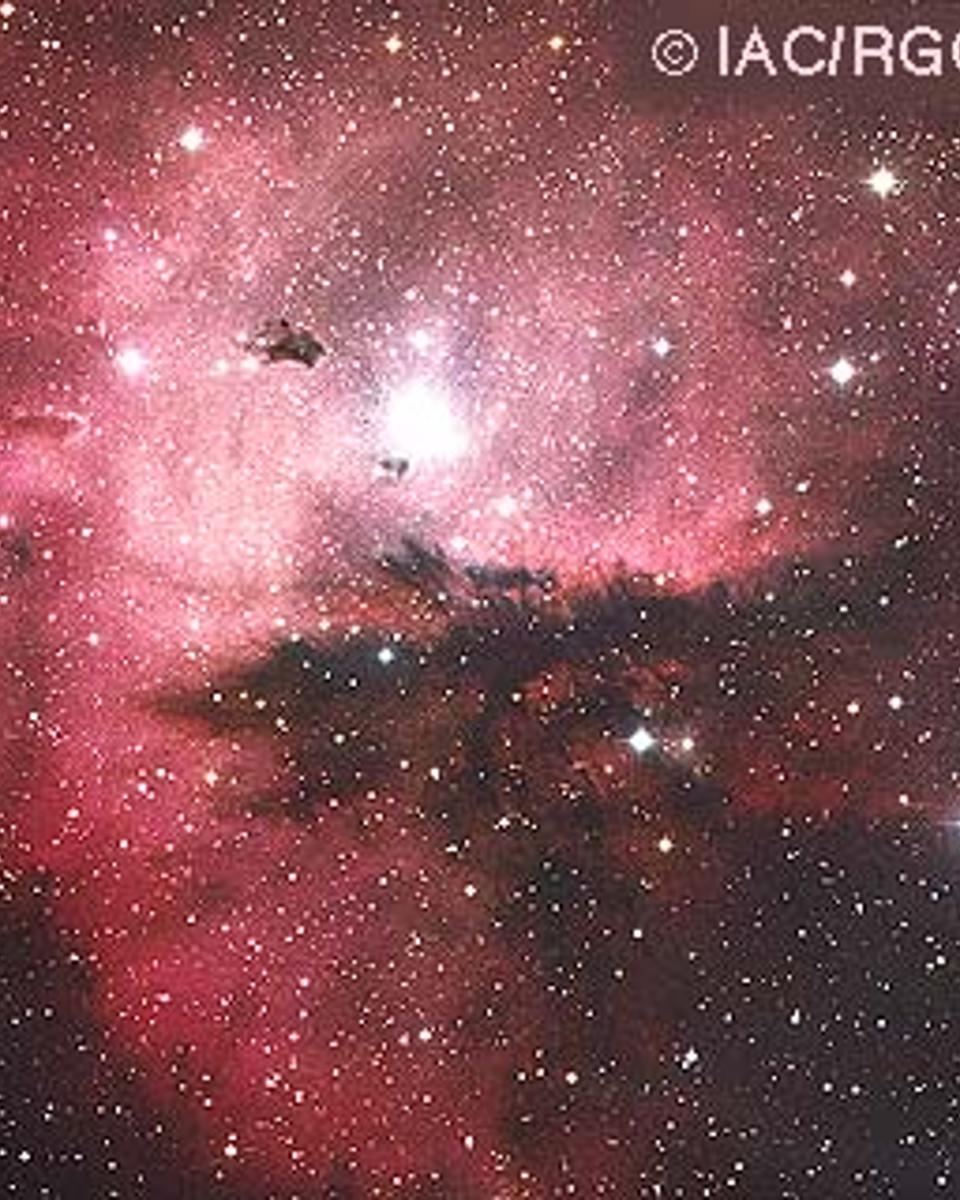
NGC 281: Cluster, Clouds, and Globules
NGC 281 is a busy workshop of star formation. Prominent features include a small open cluster of stars, a diffuse red-glowing emission nebula , large lanes of obscuring gas and…

Isaac Newton Explains the Solar System
Sir Isaac Newton changed the world. Born in 1643, Newton was only an above-average student. But he went home from Cambridge one summer in 1665, thought a lot about the physical…
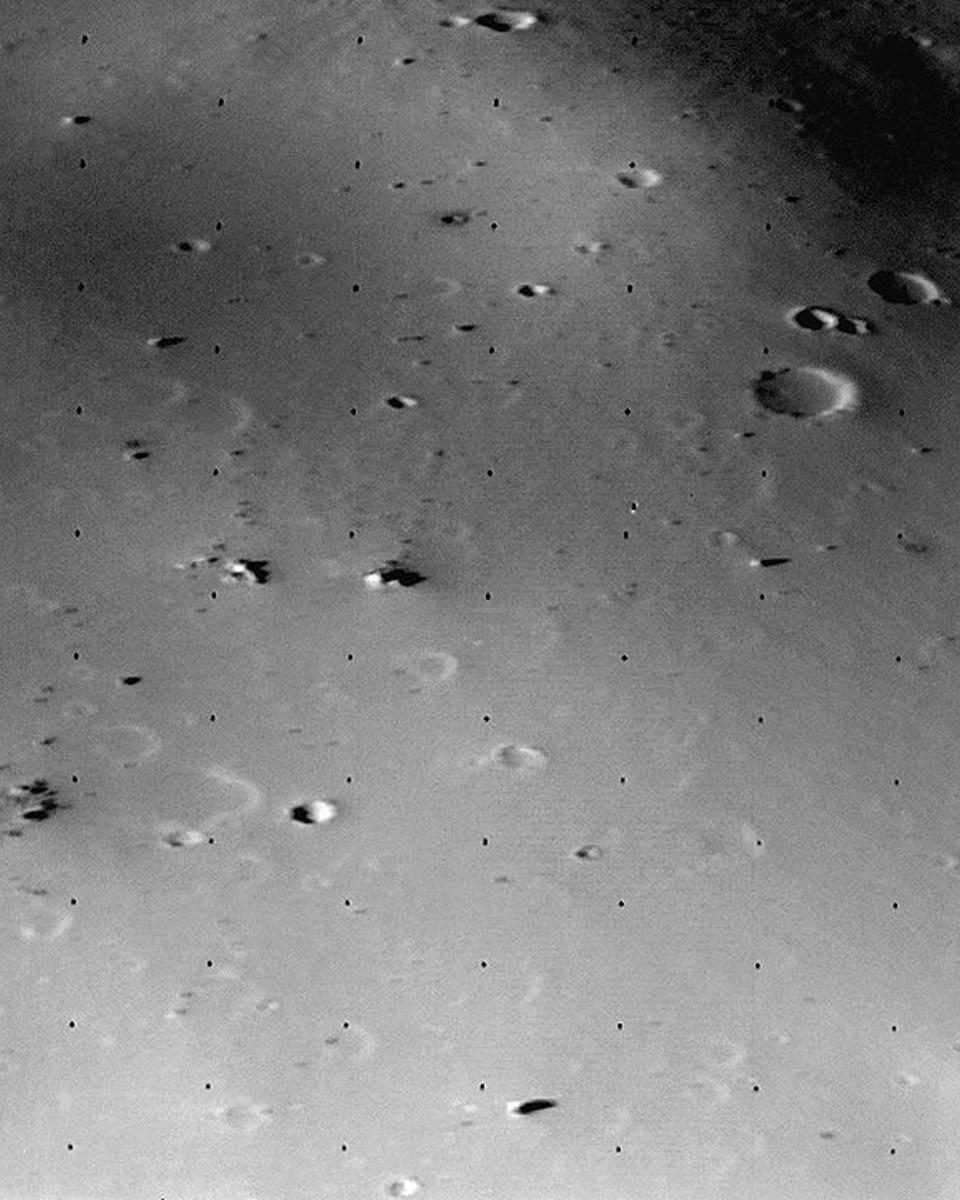
18 Miles From Deimos
Diminutive Deimos is the smallest of the two tiny Moons of Mars. Potato-shaped and barely 6 miles wide this asteroid-like body was visited by the Viking 2 orbiter in 1977. This…
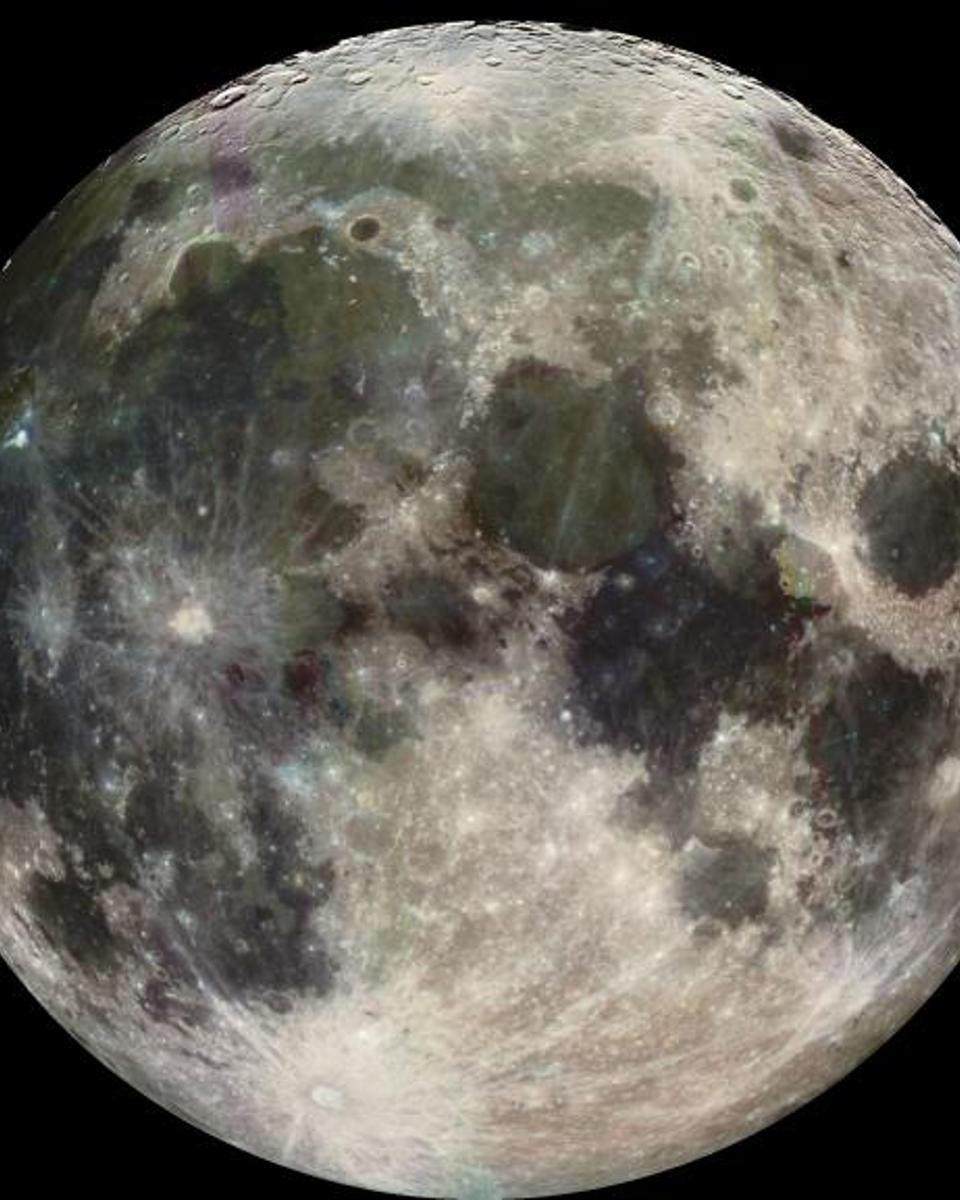
Lunar Prospects
Launched on January 6th , NASA's Lunar Prospector spacecraft has been exploring the Moon with instruments designed to sense global properties while orbiting pole-to-pole, 63 miles…

Radio, The Big Ear, And The Wow! Signal
Since the early days of radio and television we have been freely broadcasting signals into space. For some time now, we have been listening too . Ohio State University's radio…
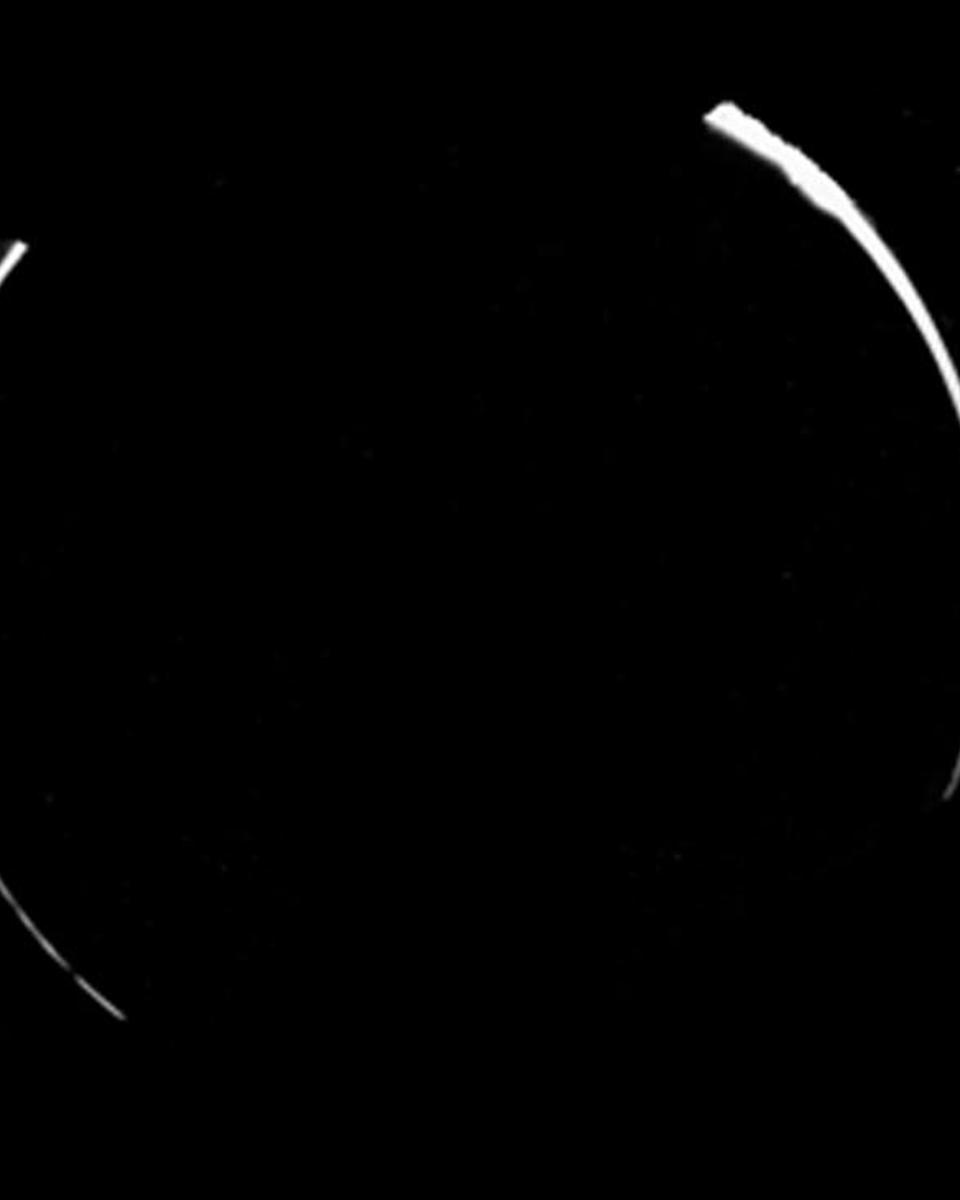
Jupiters Rings Revealed
Why does Jupiter have rings? Jupiter's rings were discovered in 1979 by the passing Voyager 1 spacecraft , but their origin has always been a mystery. Recent data from the Galileo…
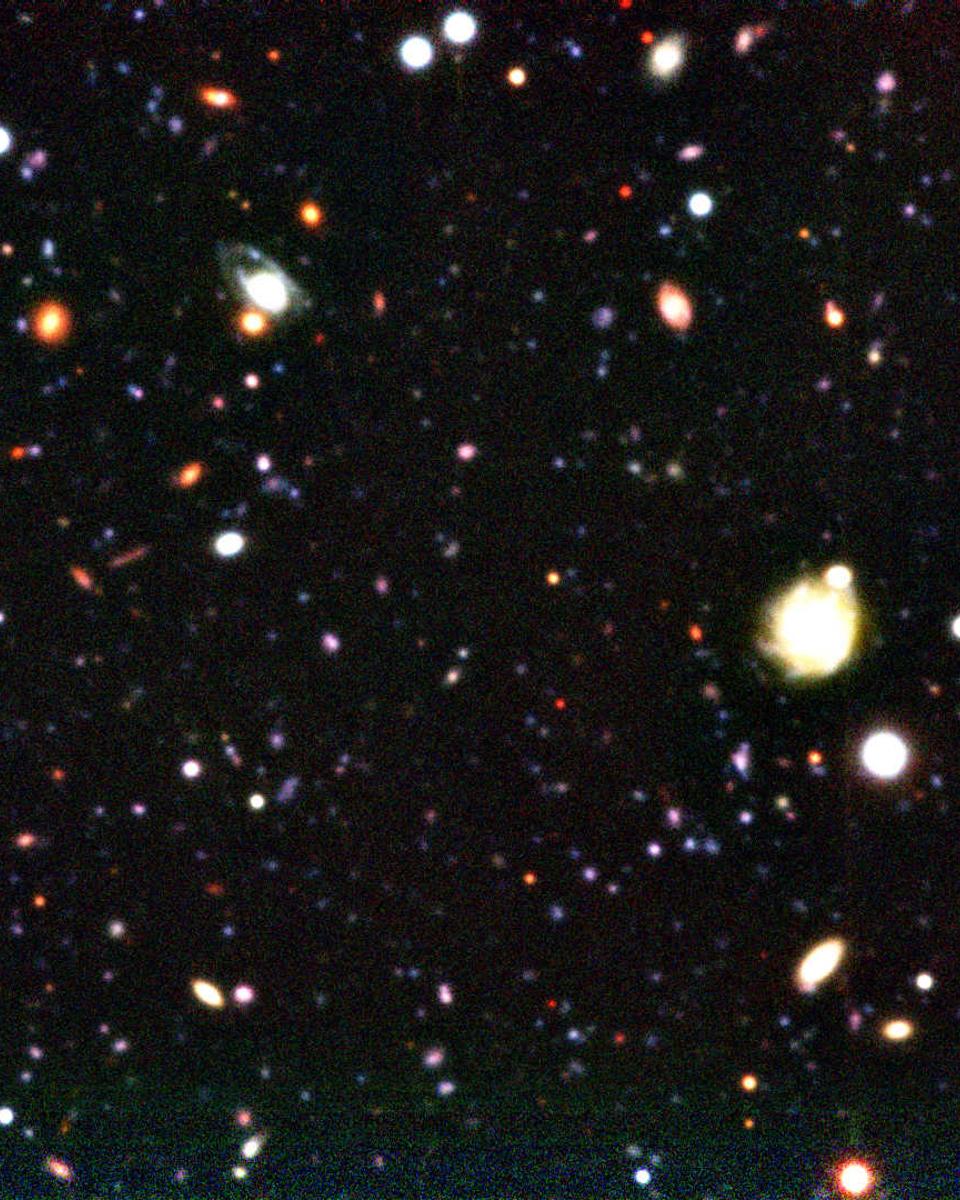
The NTT SUSI Deep Field
What happens if you point a large telescope at nothing? The above New Technology Telescope SUSI Deep Field photograph isolated a small patch of sky picked to contain no bright…
Viewing discoveries from 8 October 1998 through 15 September 1998.