Browse NASA Astronomy Picture of the Day archive by date and media: Archive Discoveries
Browse the NASA APOD archive without needing the exact date first. Filter by media type and keep moving deeper into older images and videos.
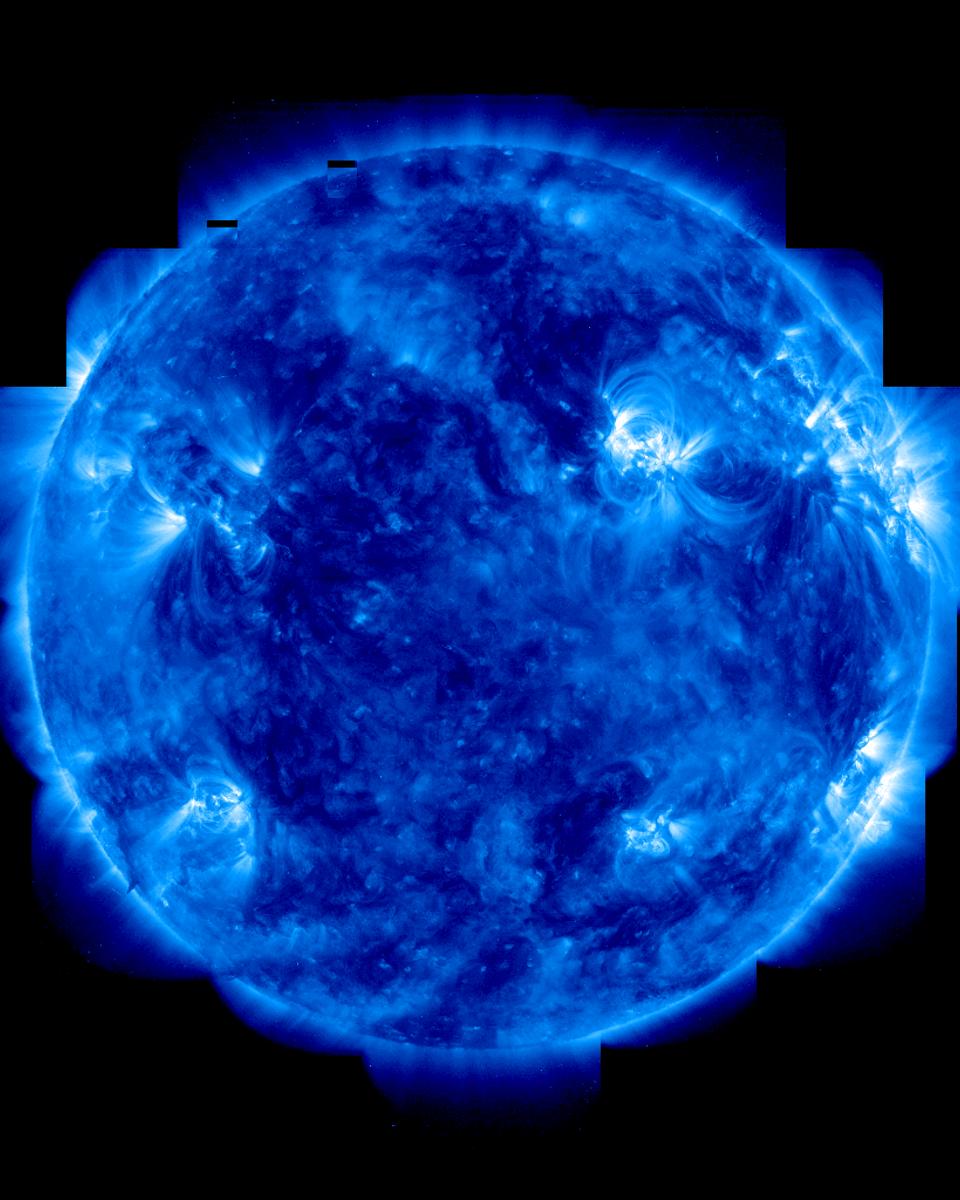
Autumn and the Active Sun
As the Sun heads South, crossing the celestial equator today at 1:37 a.m. Eastern Time, Autumn begins for Earth's Northern Hemisphere. This Autumnal Equinox finds an increasingly…
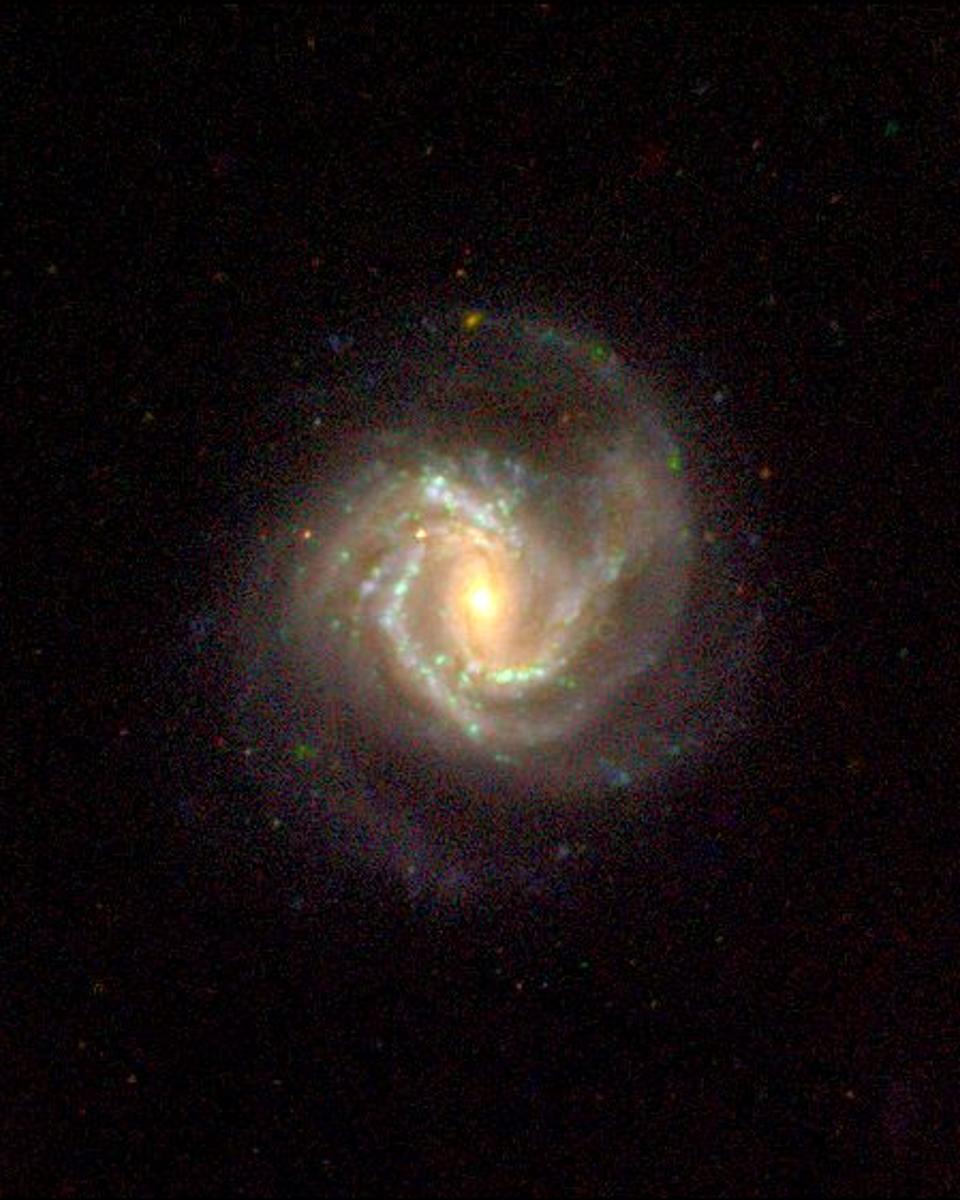
M61: Virgo Spiral Galaxy
M61 is a barred spiral galaxy located in the nearby Virgo Cluster of Galaxies . Visible in M61 are a host of features common to spiral galaxies : bright spiral arms , a central…
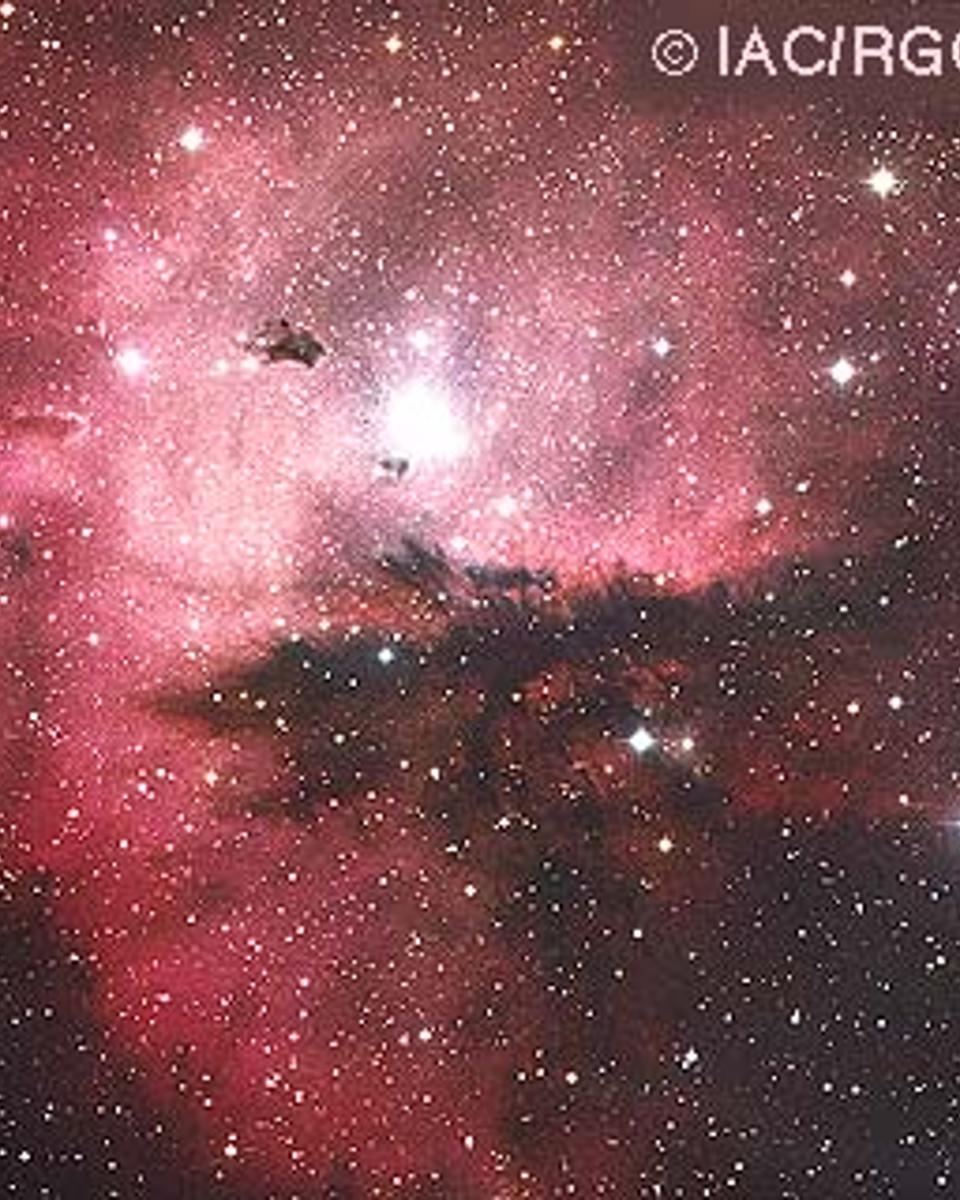
NGC 281: Cluster, Clouds, and Globules
NGC 281 is a busy workshop of star formation. Prominent features include a small open cluster of stars, a diffuse red-glowing emission nebula , large lanes of obscuring gas and…

Isaac Newton Explains the Solar System
Sir Isaac Newton changed the world. Born in 1643, Newton was only an above-average student. But he went home from Cambridge one summer in 1665, thought a lot about the physical…
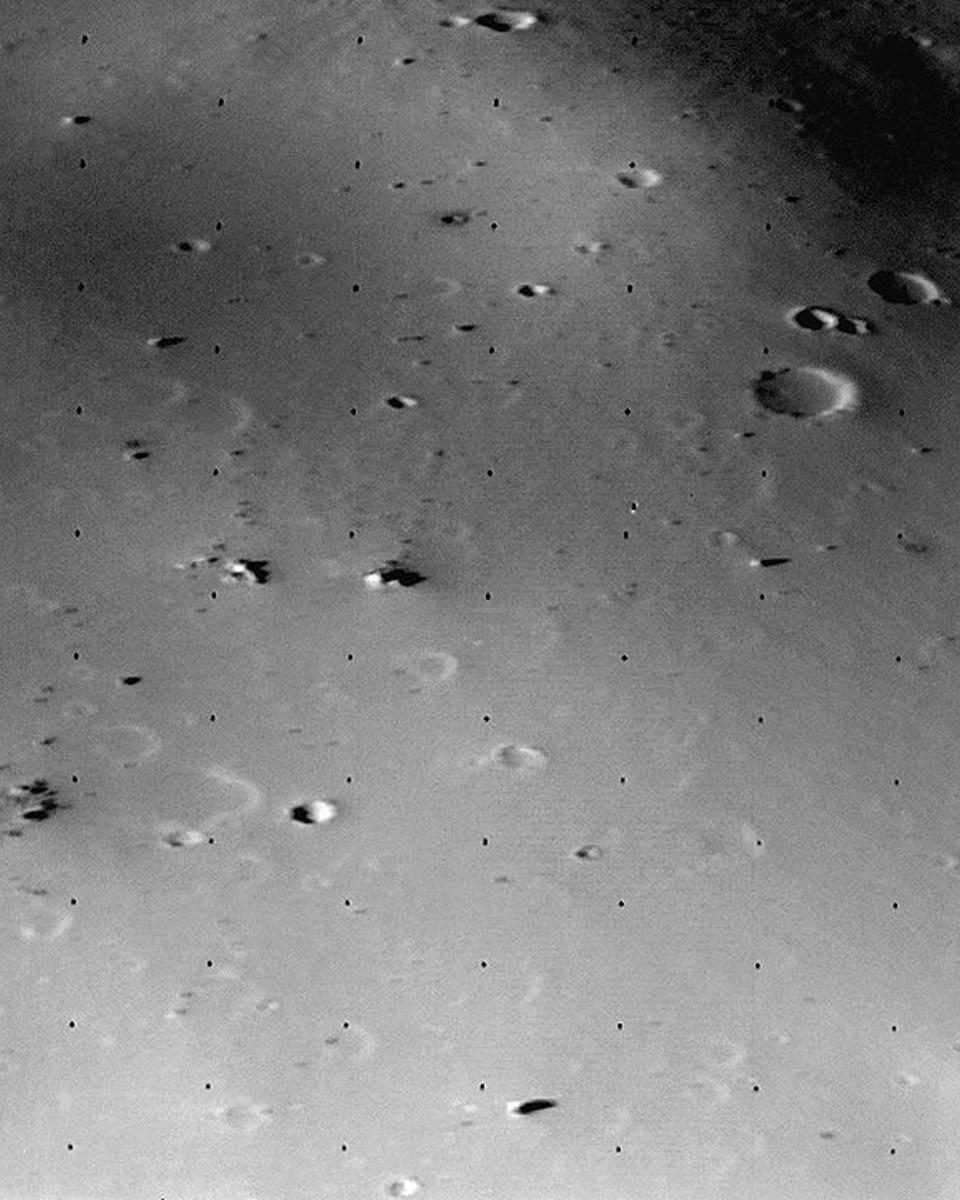
18 Miles From Deimos
Diminutive Deimos is the smallest of the two tiny Moons of Mars. Potato-shaped and barely 6 miles wide this asteroid-like body was visited by the Viking 2 orbiter in 1977. This…
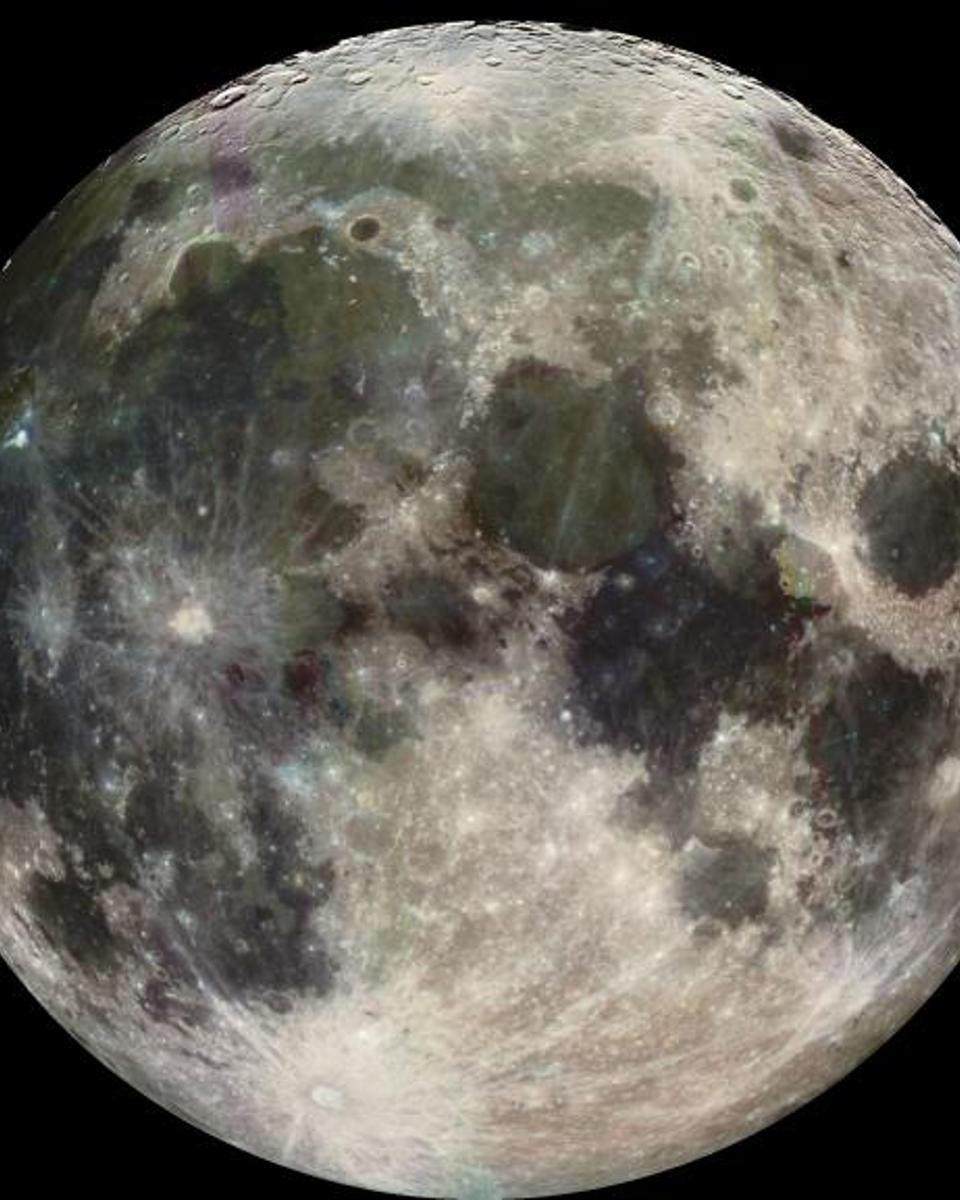
Lunar Prospects
Launched on January 6th , NASA's Lunar Prospector spacecraft has been exploring the Moon with instruments designed to sense global properties while orbiting pole-to-pole, 63 miles…

Radio, The Big Ear, And The Wow! Signal
Since the early days of radio and television we have been freely broadcasting signals into space. For some time now, we have been listening too . Ohio State University's radio…

Jupiters Rings Revealed
Why does Jupiter have rings? Jupiter's rings were discovered in 1979 by the passing Voyager 1 spacecraft , but their origin has always been a mystery. Recent data from the Galileo…
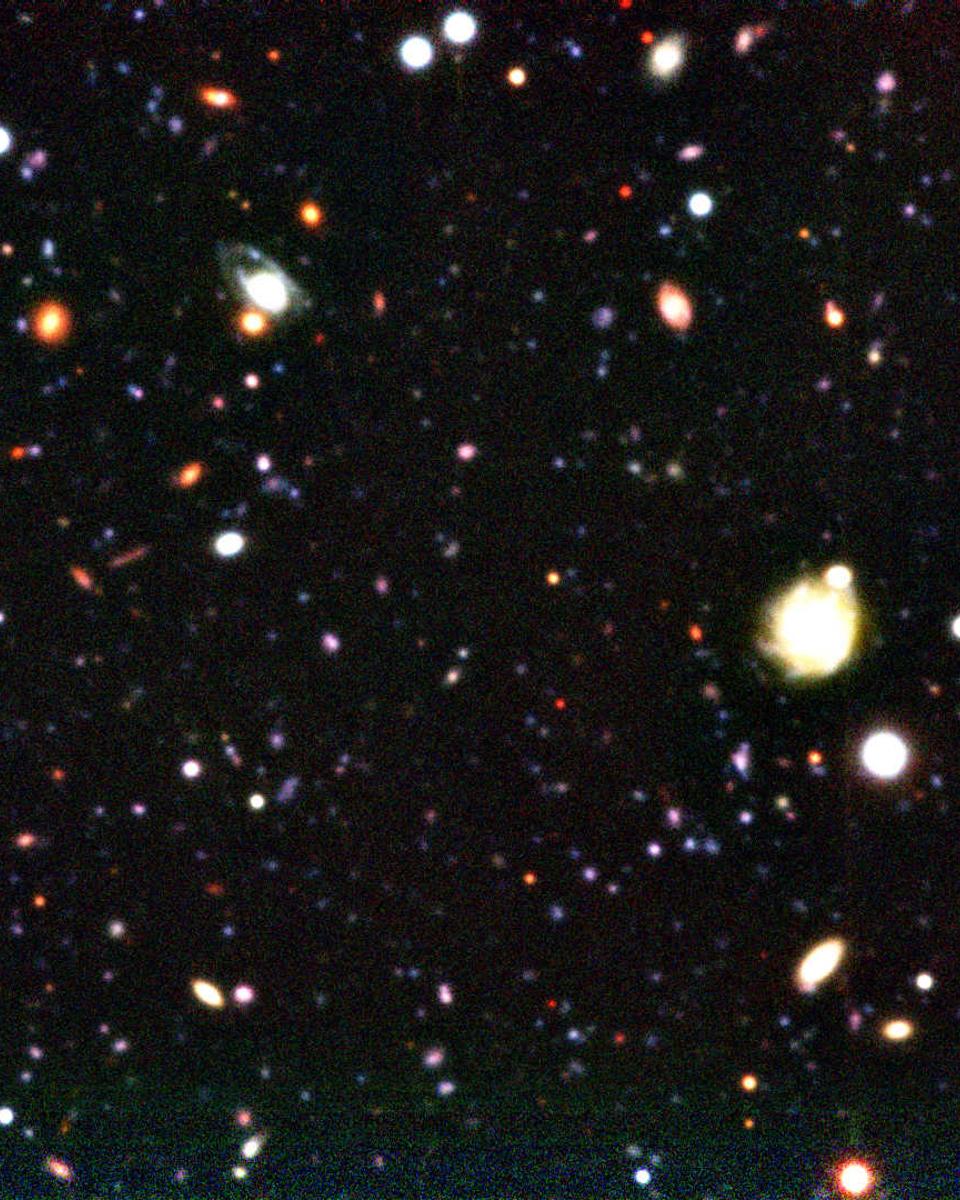
The NTT SUSI Deep Field
What happens if you point a large telescope at nothing? The above New Technology Telescope SUSI Deep Field photograph isolated a small patch of sky picked to contain no bright…
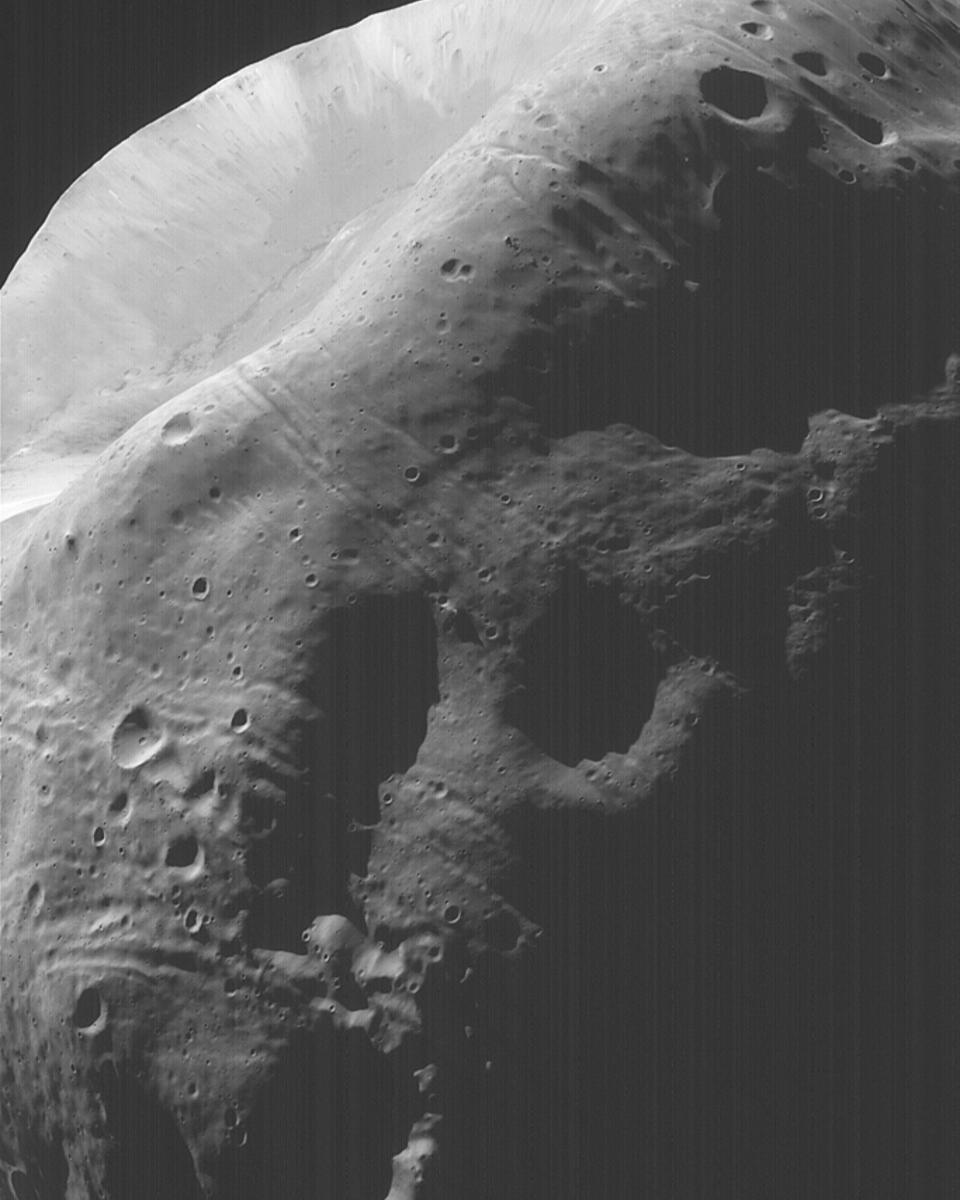
Dust Hip-Deep on Phobos
Landing on the Martian Moon Phobos might be harder than previously thought. The reason: Moon dust . Recent photographs of Phobos have indicated that a layer of fine powder…
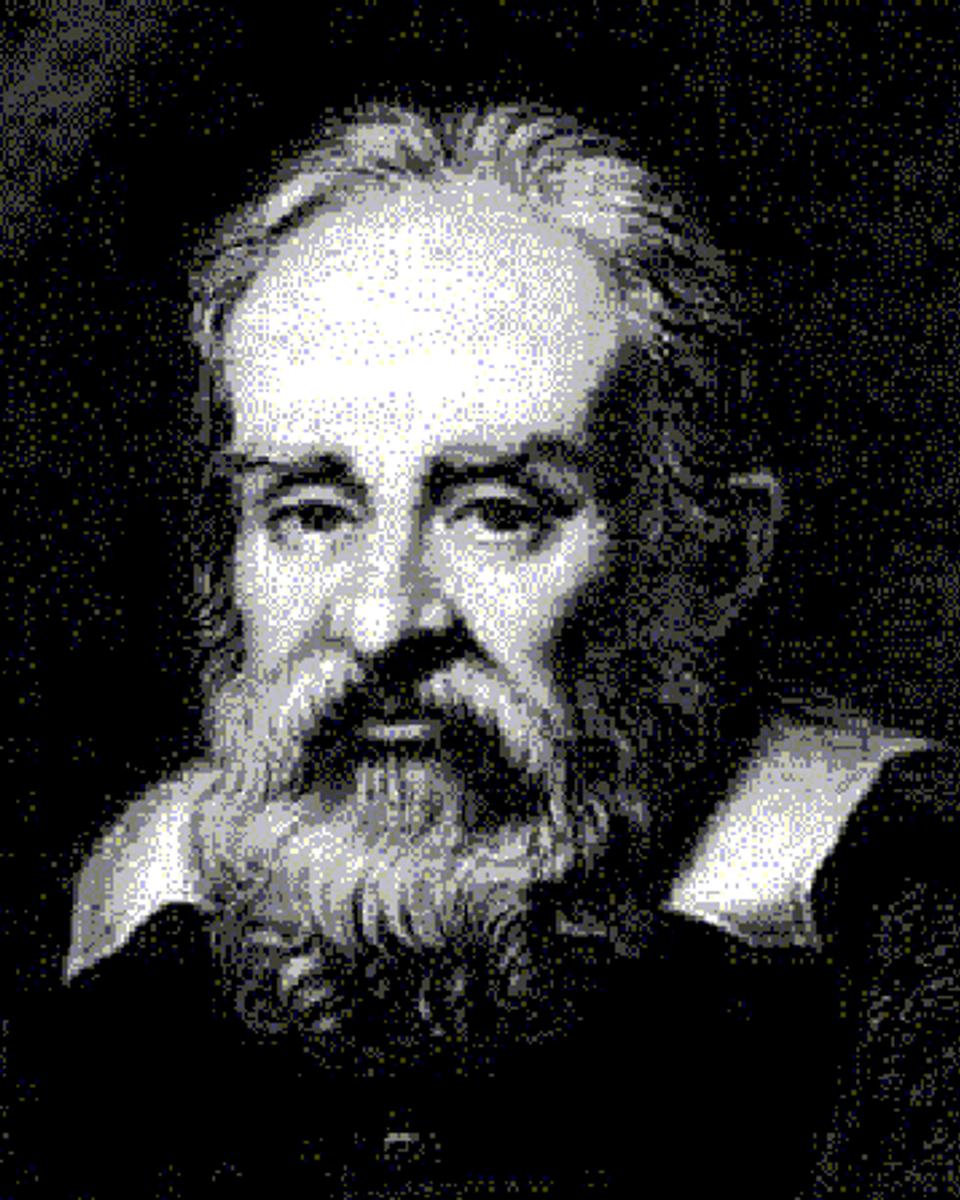
Galileo Demonstrates the Telescope
Galileo Galilei made a good discovery great. Upon hearing at age 40 that a Dutch optician had invented a glass that made distant objects appear larger, Galileo crafted his own…
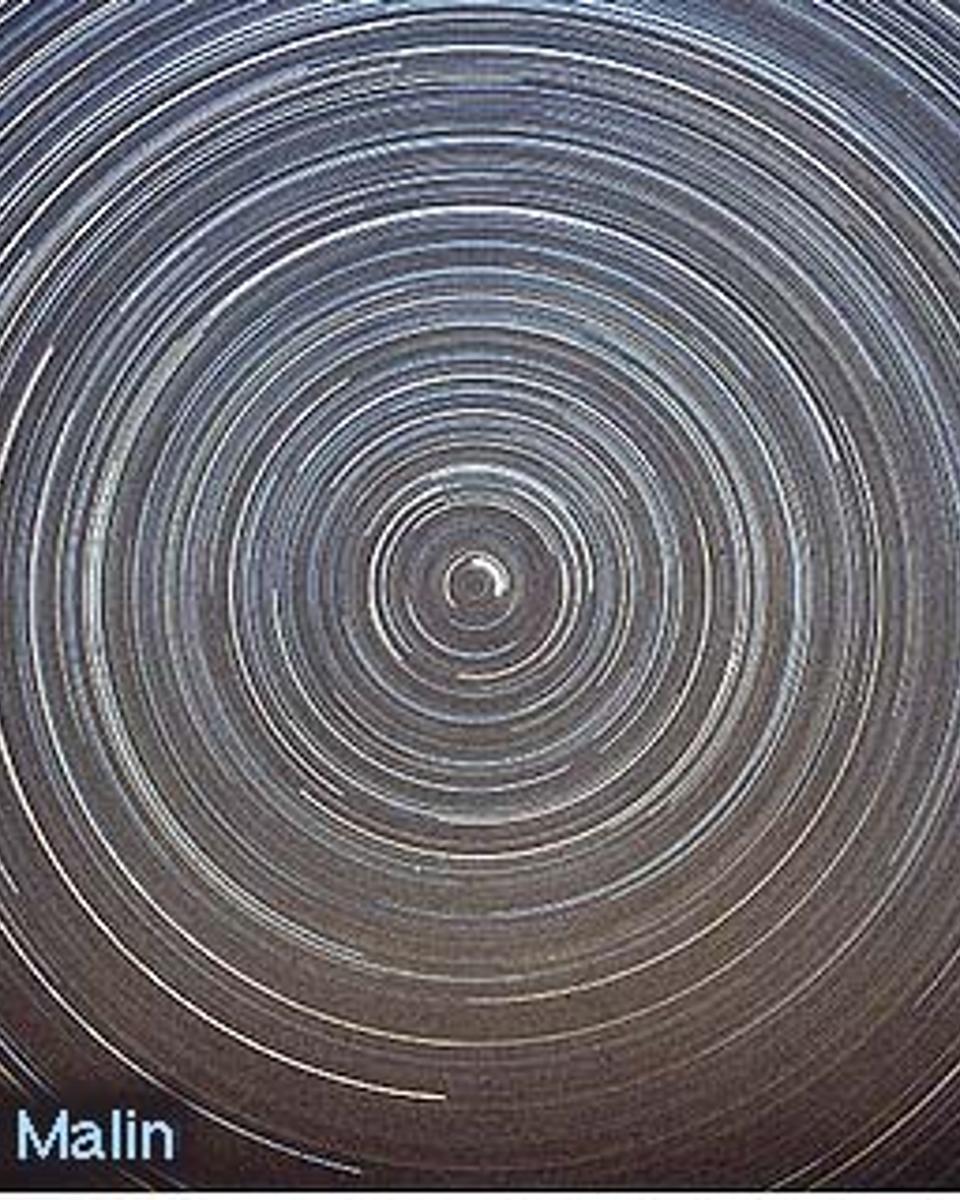
Star Trails in Northern Skies
As the Earth spins on its axis, the sky seems to rotate around us. This motion produces the beautiful concentric trails traced by the stars in this time exposure of the night sky.…
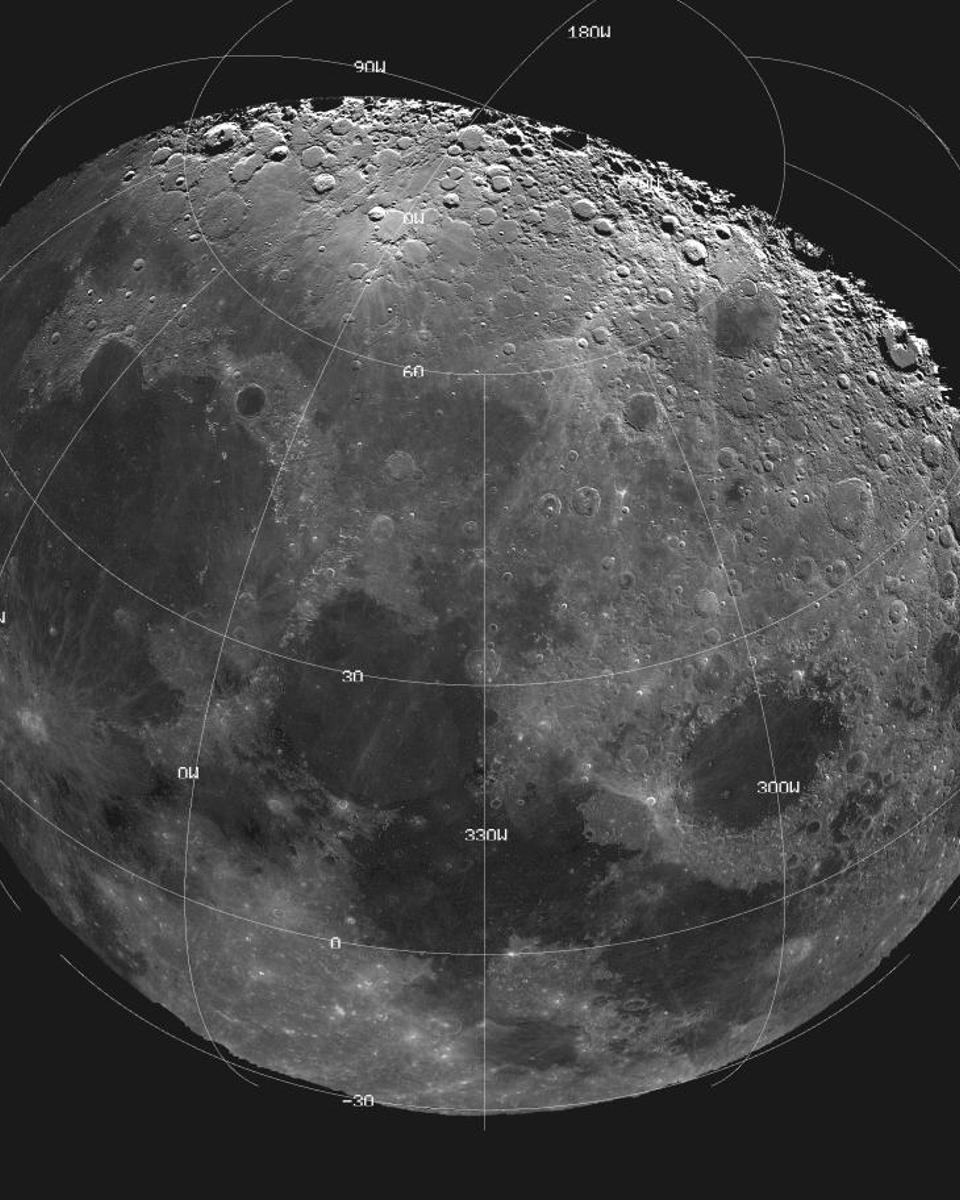
Help Map The Moon
You can help map the Moon . Early tomorrow morning (Saturday, September 12) the Moon will occult , or pass in front of, the bright star Aldebaran as viewed from some Southern and…
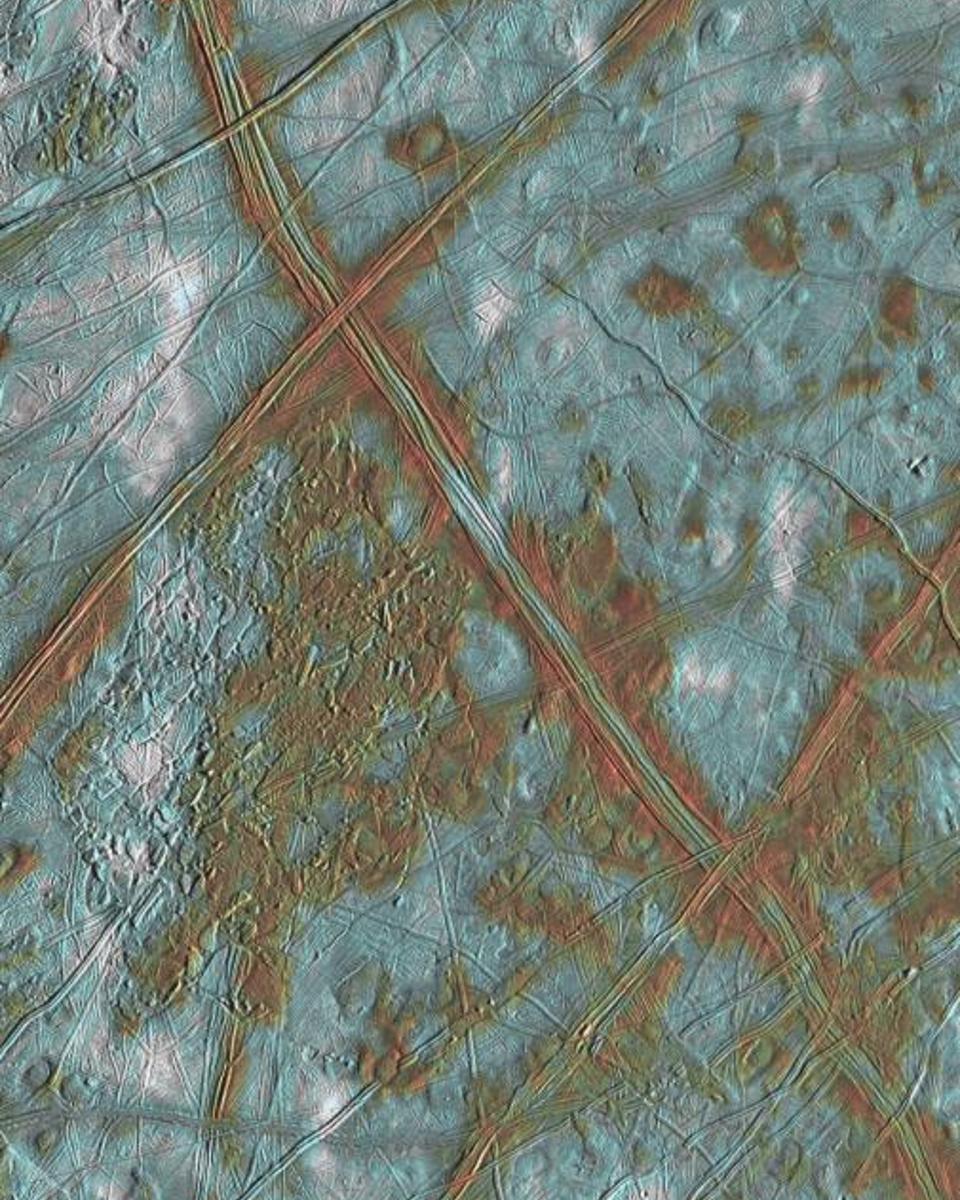
Europa: Ridges and Rafts on a Frozen Moon
The large Jovian moon Europa may harbor liquid water beneath its frozen crust . Controversy surrounding this idea has been recently fueled by dramatic images of Europa's surface…
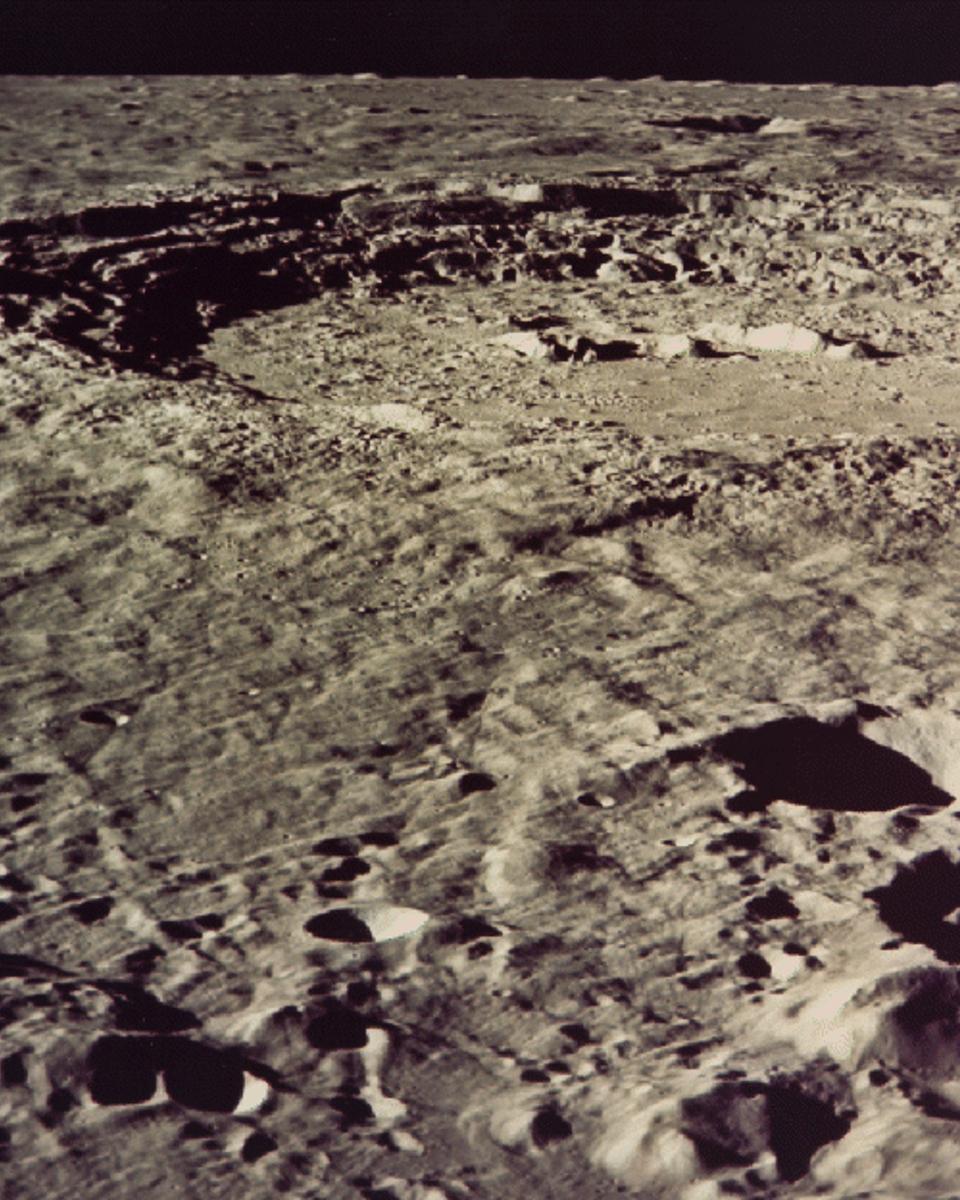
Crater Copernicus
One of the more prominent craters on the Moon is named Copernicus . Copernicus is a large young crater visible with binoculars slightly northwest of the center of the Moon's…
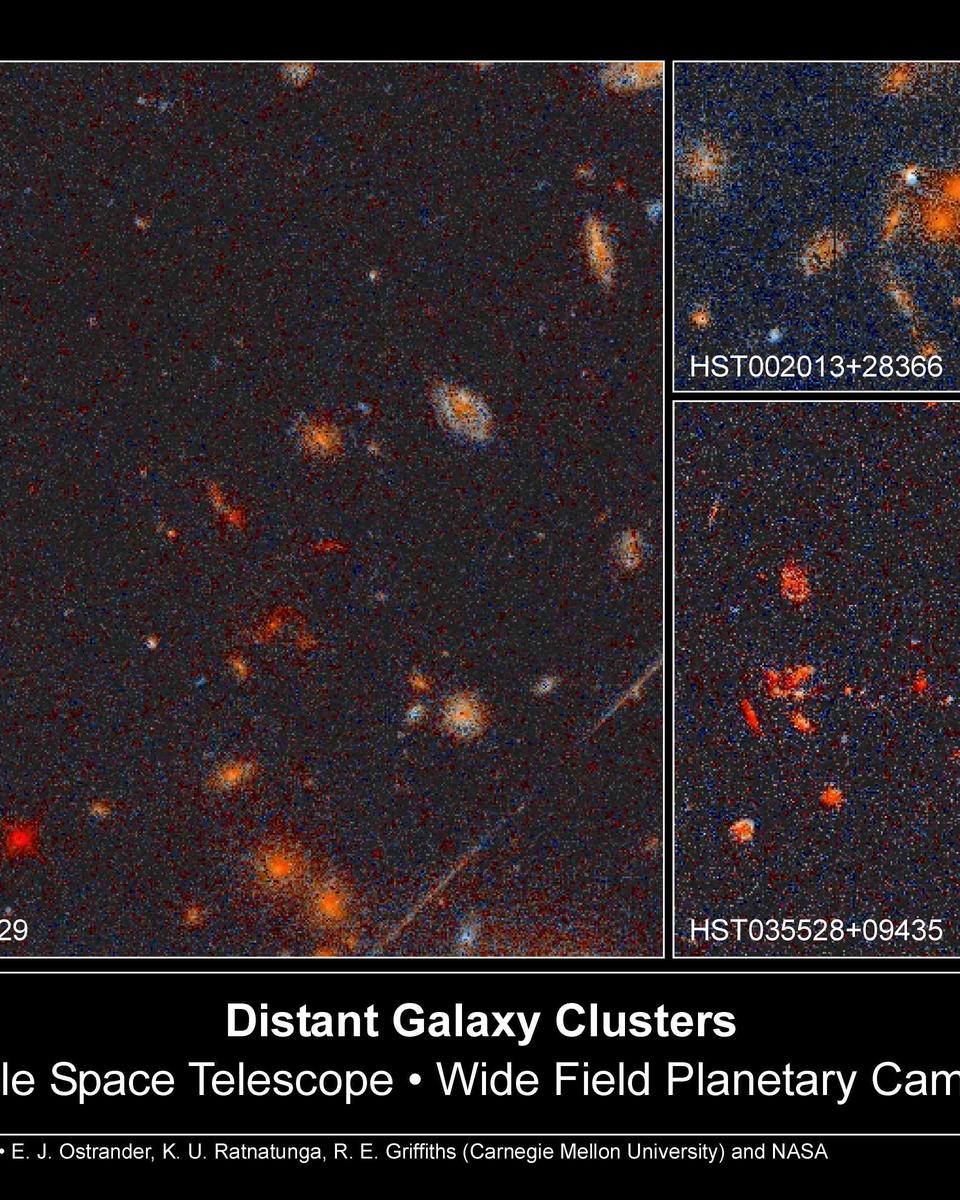
A Cluster Too Far
Why is this galaxy cluster so red? Nearby clusters have galaxies with colors that are much more yellow and blue. A leading explanation is that this cluster of galaxies lies so far…
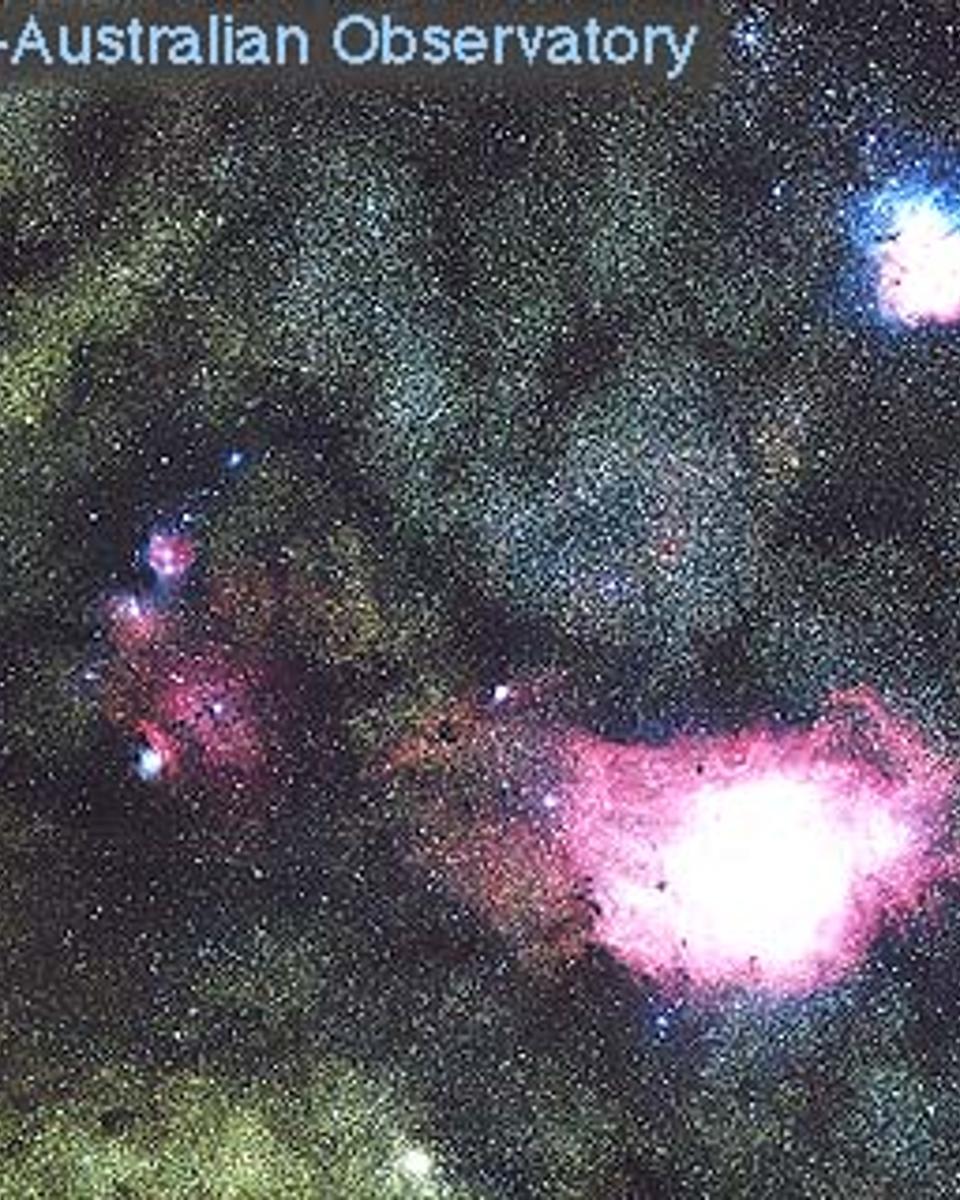
The Sky Towards Sagittarius
A variety of stars and nebulae can be found towards the constellation of Sagittarius . Dense fields of stars laced with dark lanes of dust crowd this region only a few degrees…
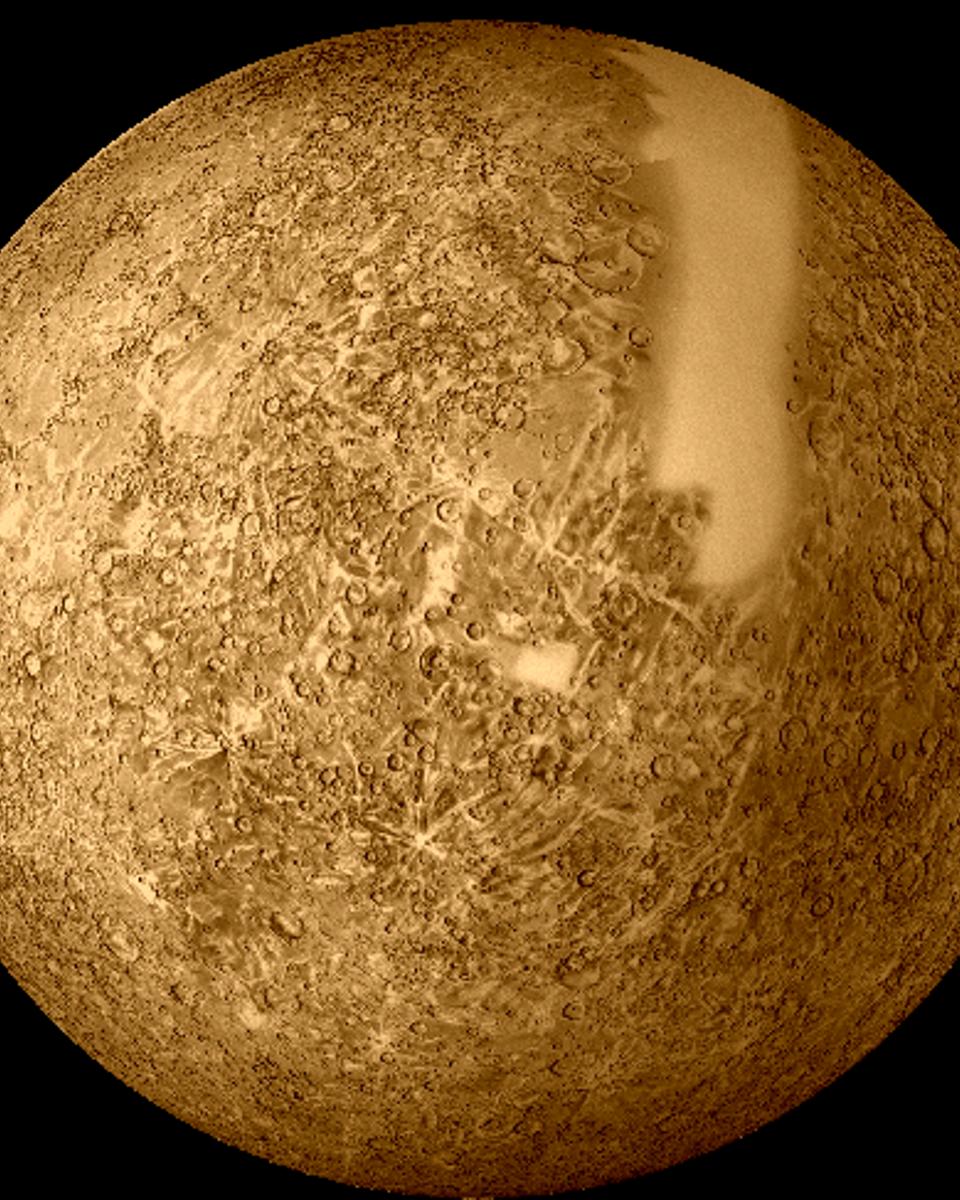
Mariner's Mercury
Mercury , the closest planet to the Sun, remains the most mysterious of the Solar System's inner planets. Hiding in the Sun's glare it is a difficult target for Earth bound…
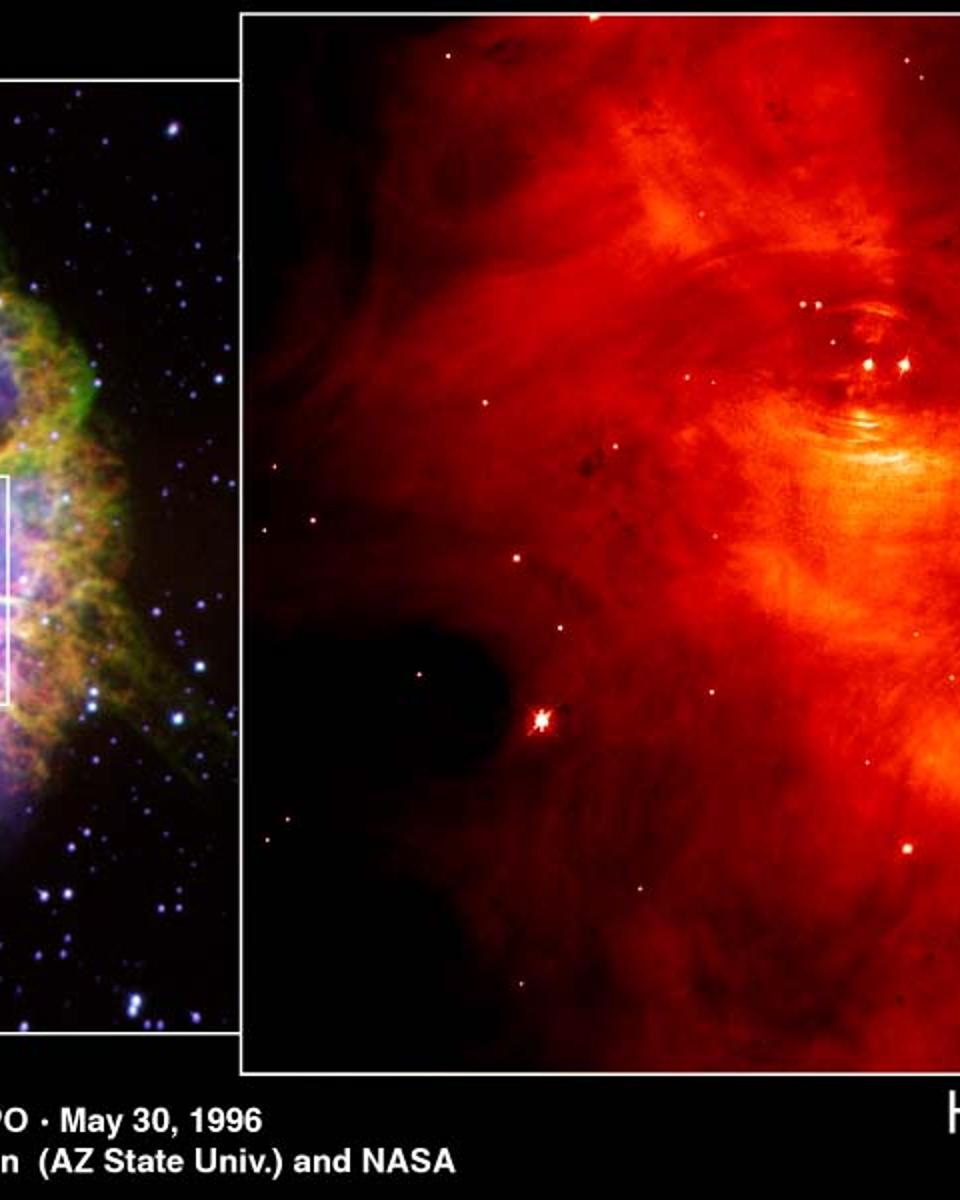
The Pulsar Powered Crab
In the Summer of 1054 A.D. Chinese astronomers reported that a star in the constellation of Taurus suddenly became as bright as the full Moon. Fading slowly, it remained visible…
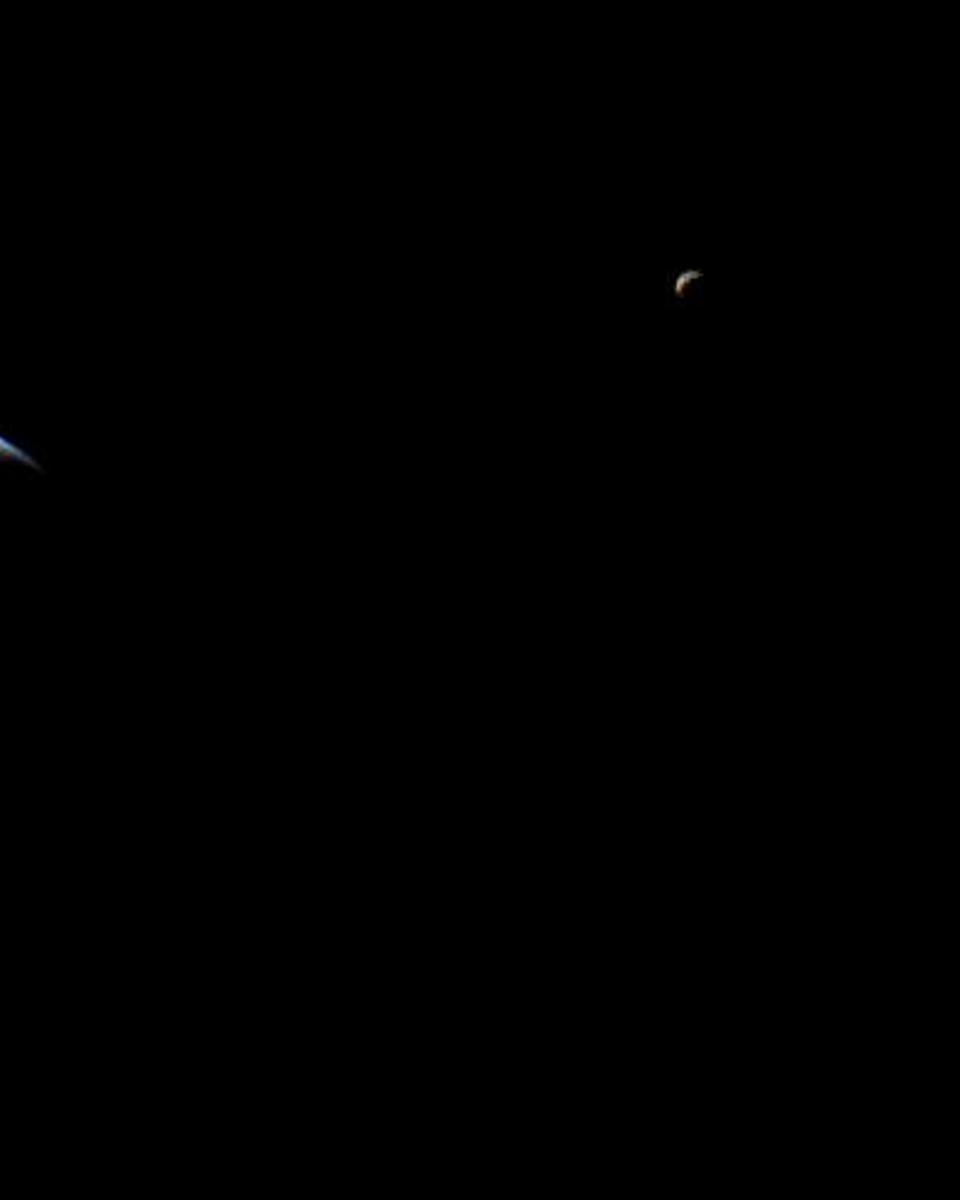
Nozomi: Earth and Moon
Japan launched its first mission to orbit Mars, Nozomi (Hope) , on July 3rd from the Kagoshima Space Center on the island of Kyushu . Nozomi's goal is to explore the Martian…
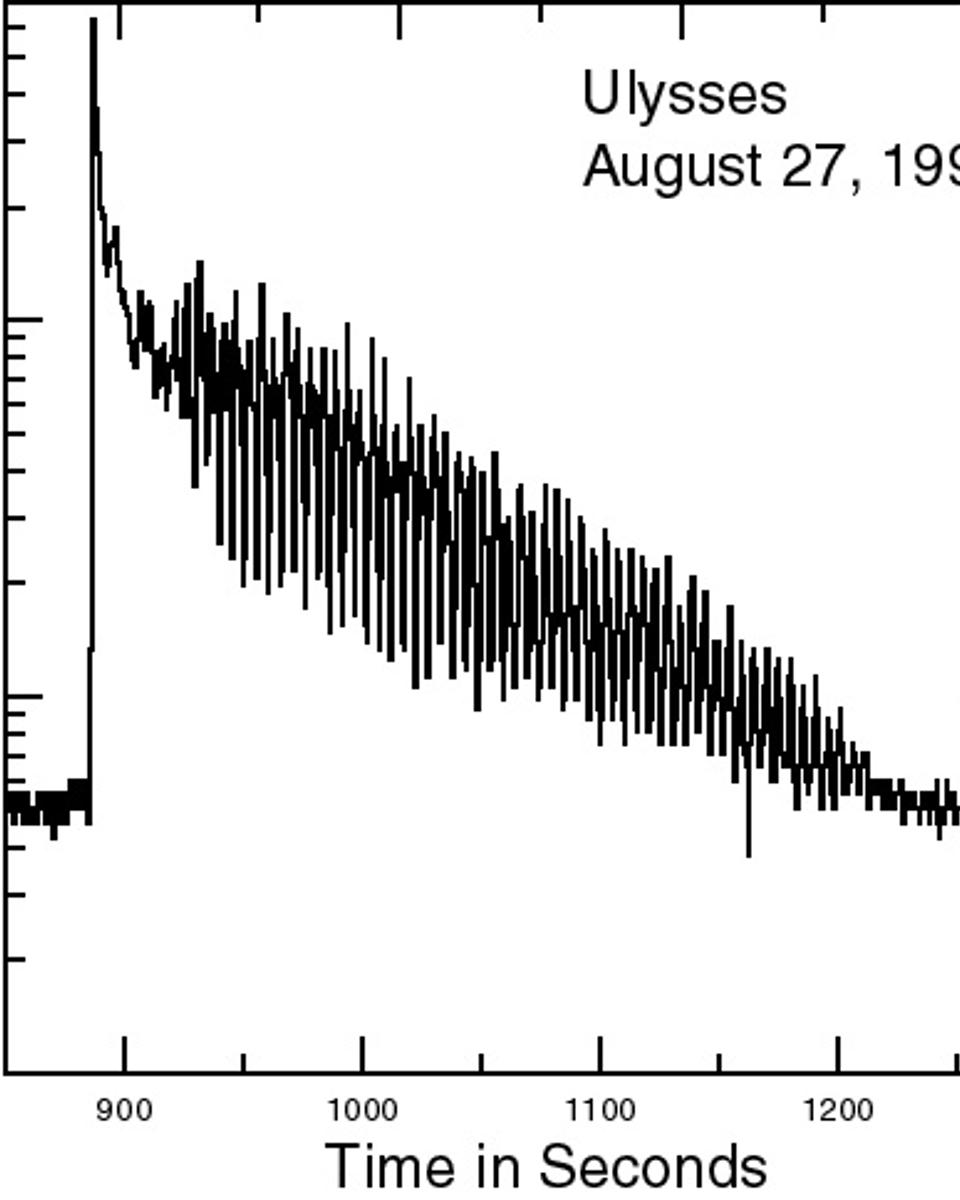
SGR 1900+14: Magnetar
On August 27th an intense flash of X-rays and gamma-rays swept through our Solar System. Five spacecraft of the Third InterPlanetary gamma-ray burst Network , Ulysses , WIND ,…
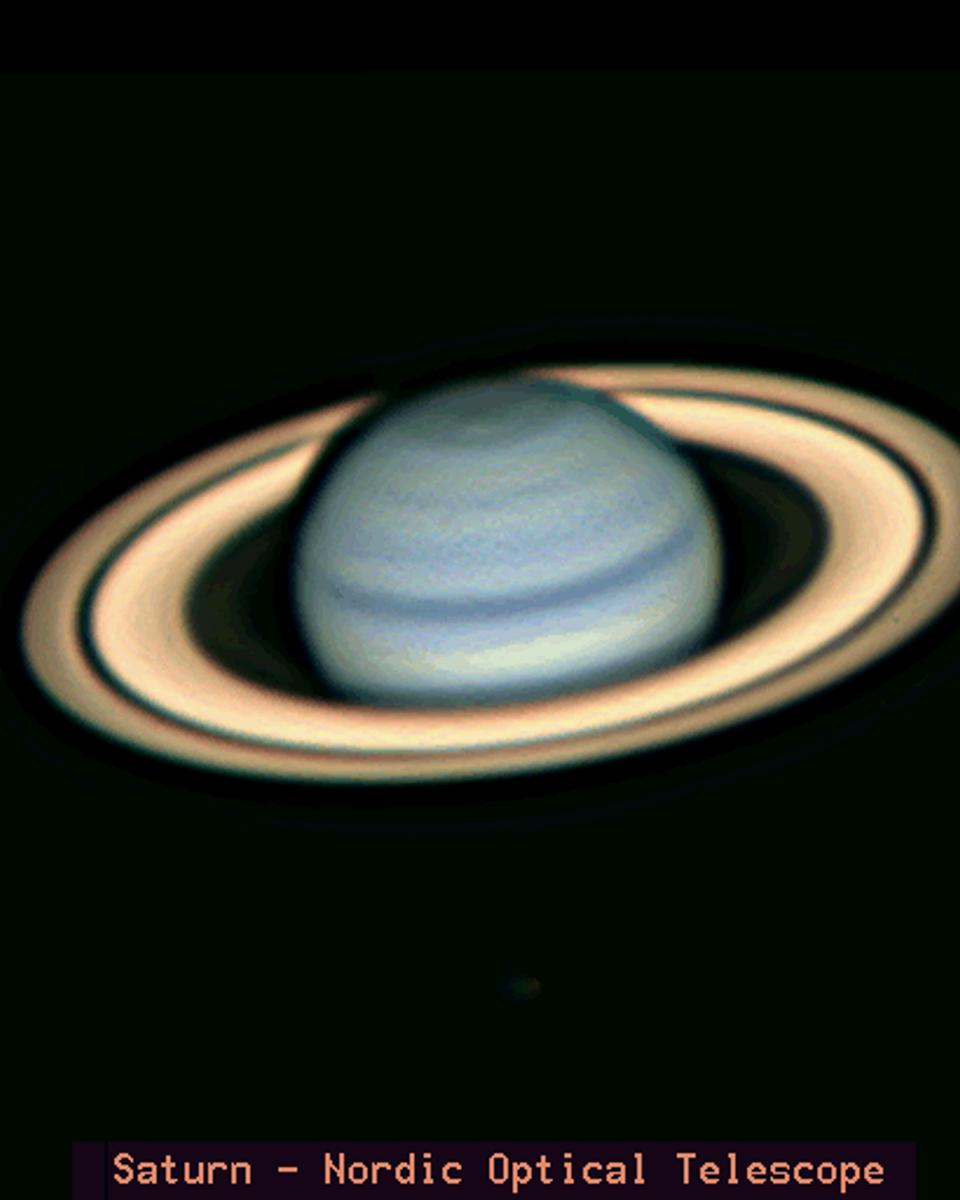
Saturn from Earth
Saturn is the second largest planet in our Solar System . Saturn has been easily visible in the sky since history has been recorded. Galileo used one of the first telescopes in…
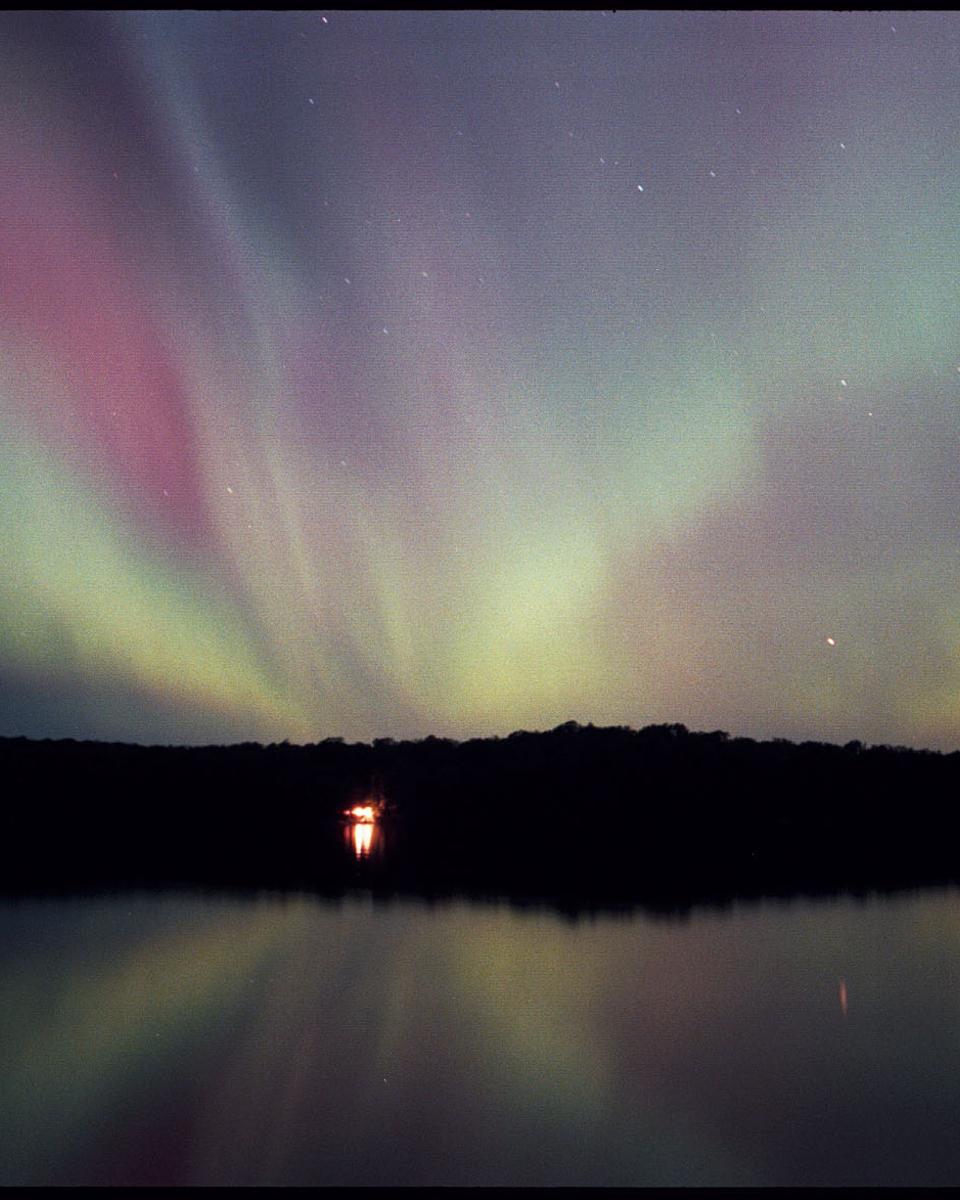
A Colorful Aurora
A solar storm overtook the Earth on August 26th. The Earth survived unscathed, as usual, although many northerners reported an impressive display of aurora . Many of these auroras…
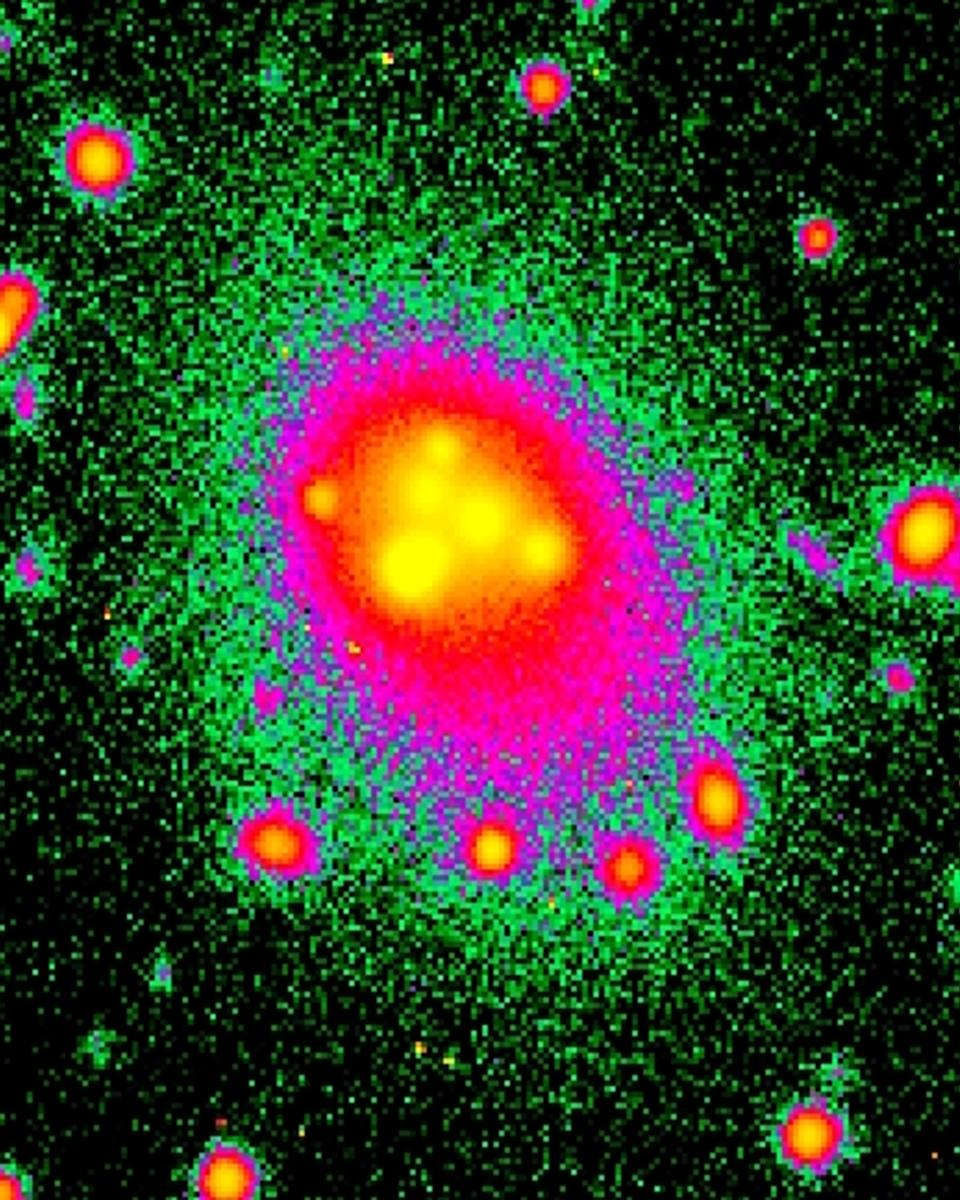
A3827: Galactic Cannibal
It was mealtime in galaxy cluster Abell 3827. The hungry cluster dominant galaxy in A 3827's center is seen being fed. Breakfast included five smaller galaxies unfortunate enough…
Viewing discoveries from 23 September 1998 through 31 August 1998.