Browse NASA Astronomy Picture of the Day archive by date and media: Archive Discoveries
Browse the NASA APOD archive without needing the exact date first. Filter by media type and keep moving deeper into older images and videos.
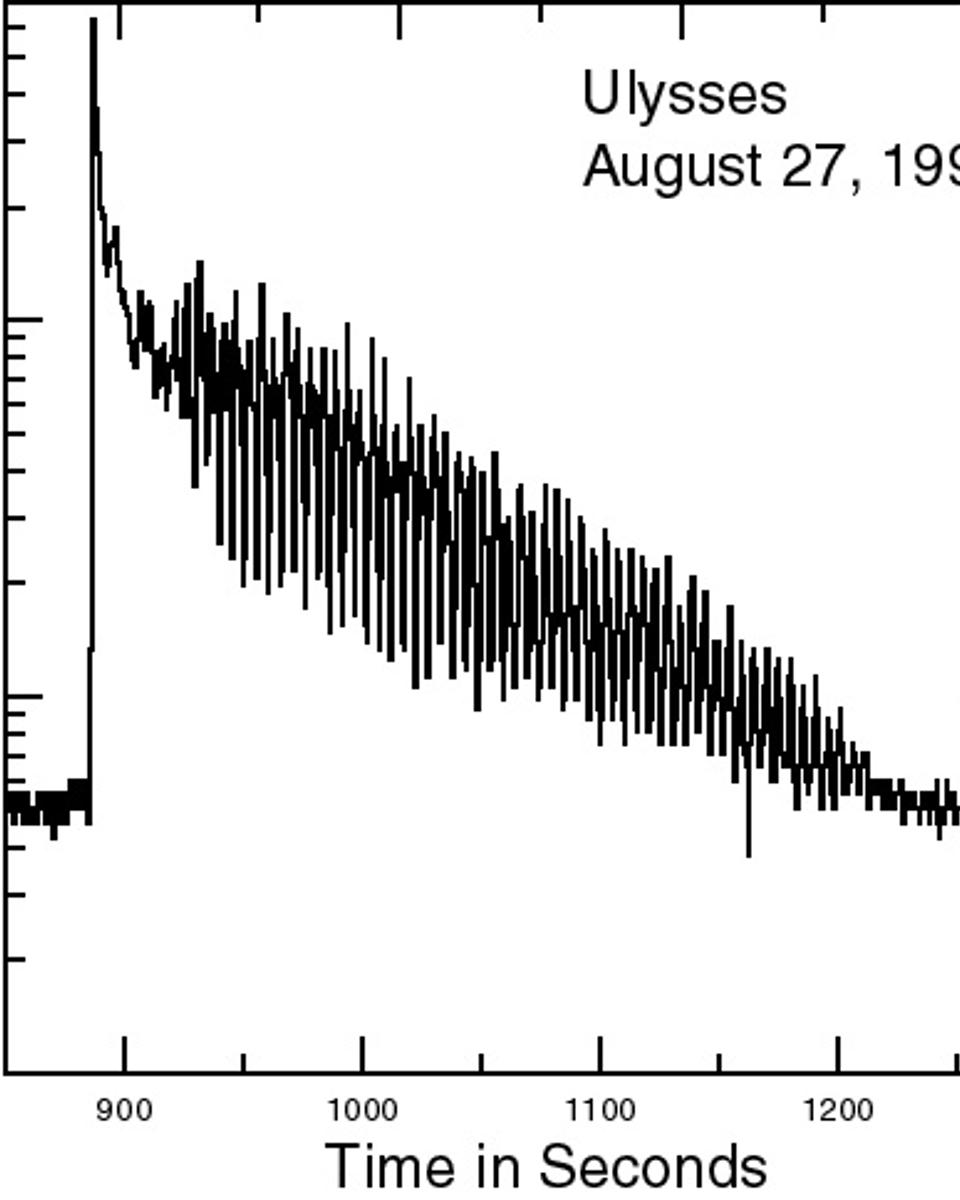
SGR 1900+14: Magnetar
On August 27th an intense flash of X-rays and gamma-rays swept through our Solar System. Five spacecraft of the Third InterPlanetary gamma-ray burst Network , Ulysses , WIND ,…
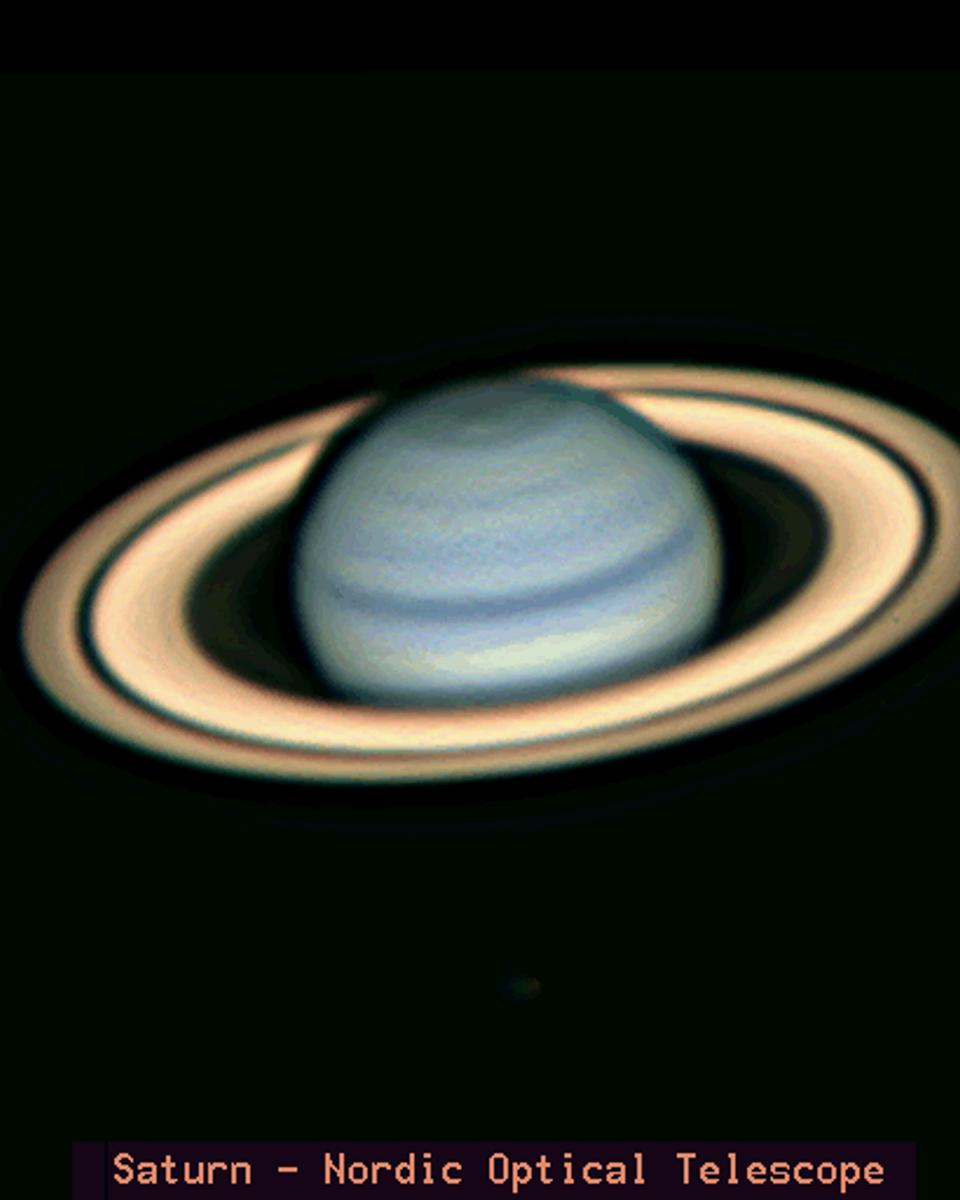
Saturn from Earth
Saturn is the second largest planet in our Solar System . Saturn has been easily visible in the sky since history has been recorded. Galileo used one of the first telescopes in…
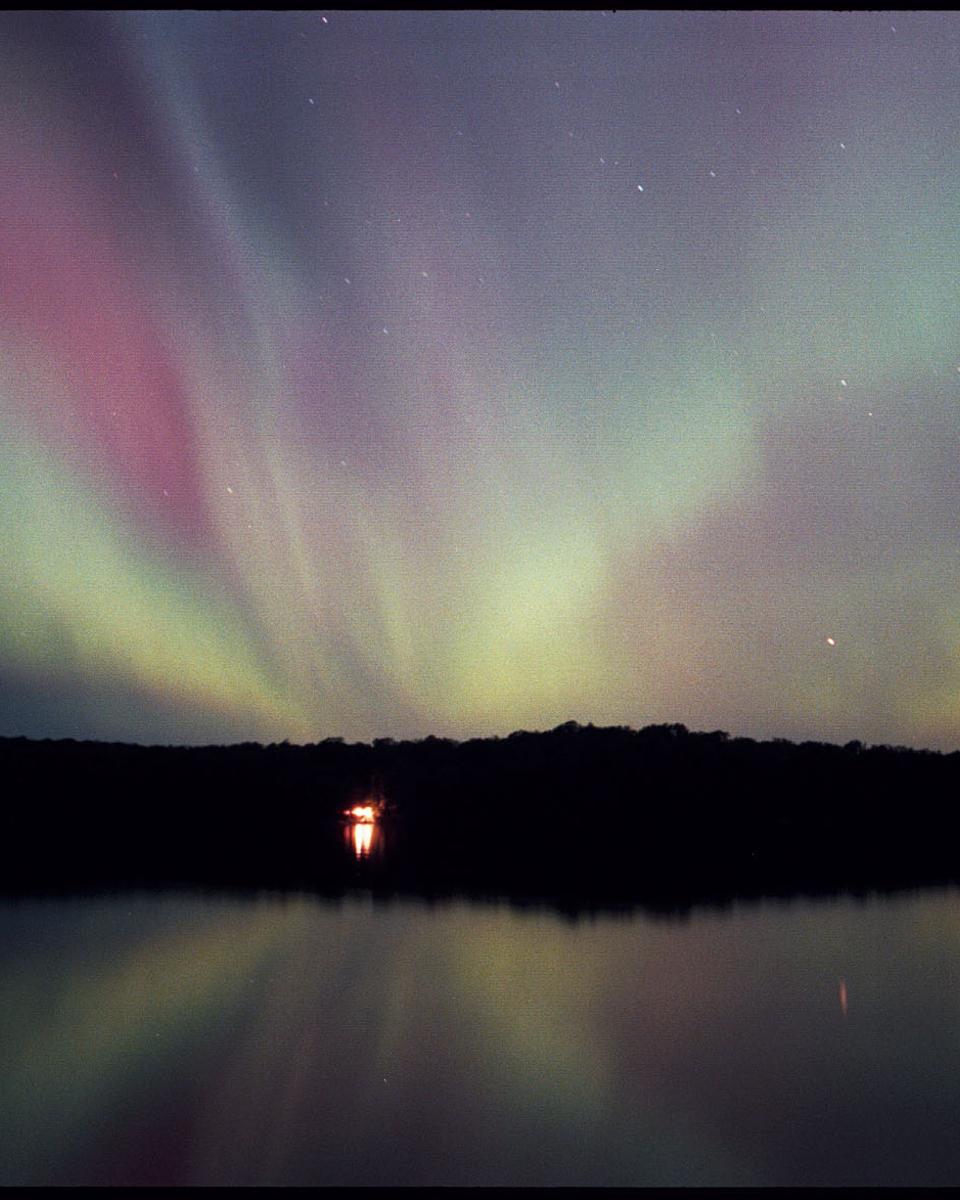
A Colorful Aurora
A solar storm overtook the Earth on August 26th. The Earth survived unscathed, as usual, although many northerners reported an impressive display of aurora . Many of these auroras…
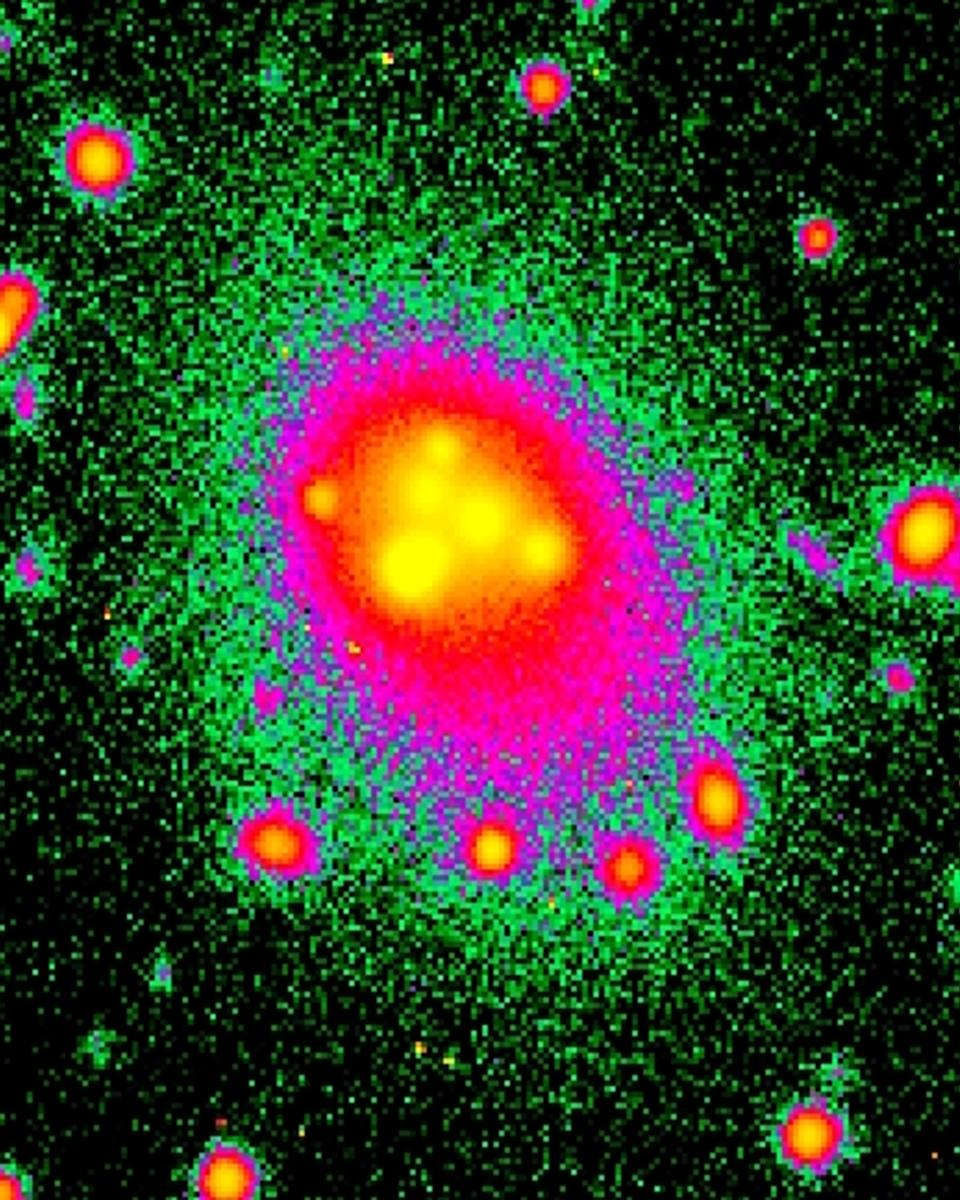
A3827: Galactic Cannibal
It was mealtime in galaxy cluster Abell 3827. The hungry cluster dominant galaxy in A 3827's center is seen being fed. Breakfast included five smaller galaxies unfortunate enough…
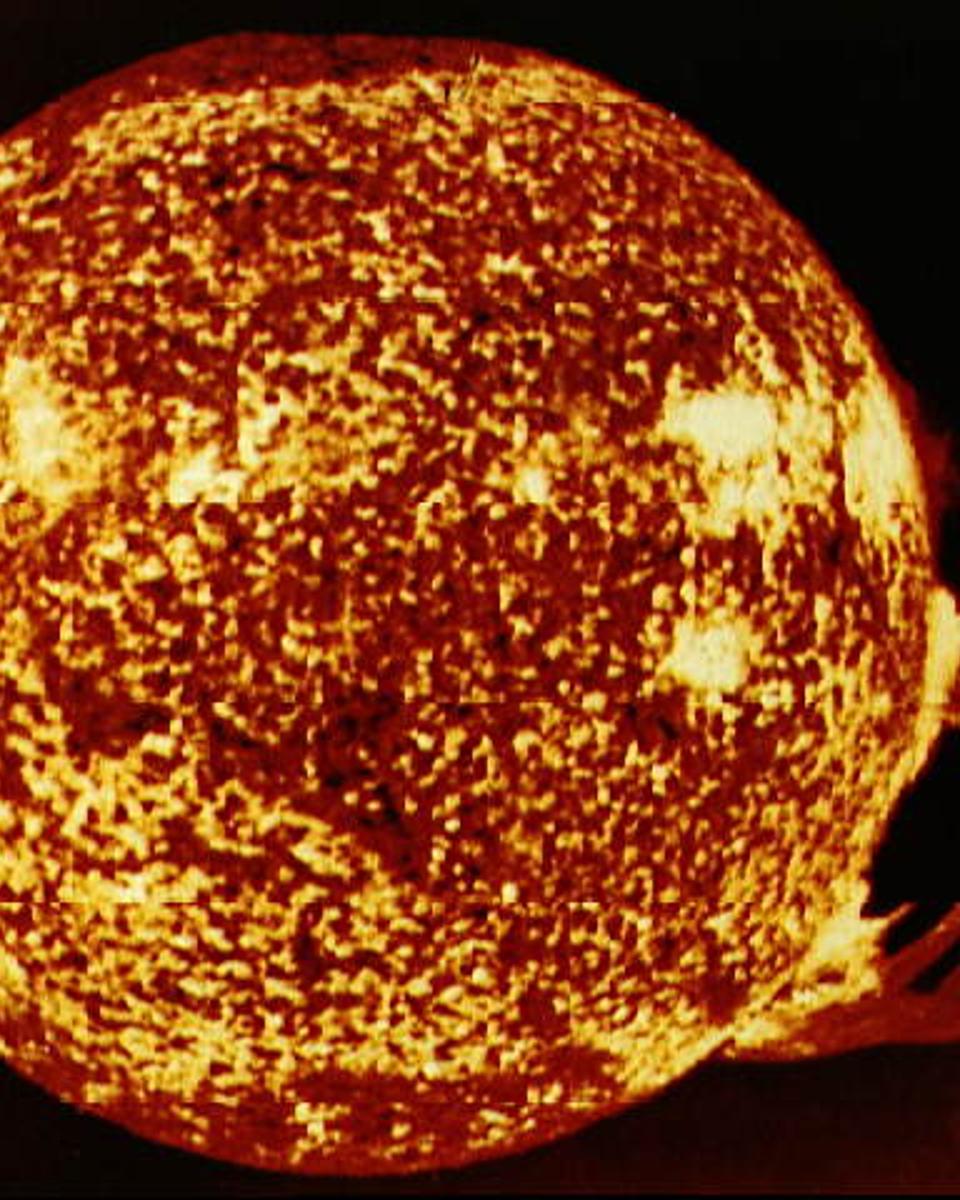
The Sun Erupts
The Sun is a seething ball of extremely hot gas. Above, the Sun was captured by Skylab in 1973 throwing off one the largest eruptive prominences in recorded history. The Sun has…
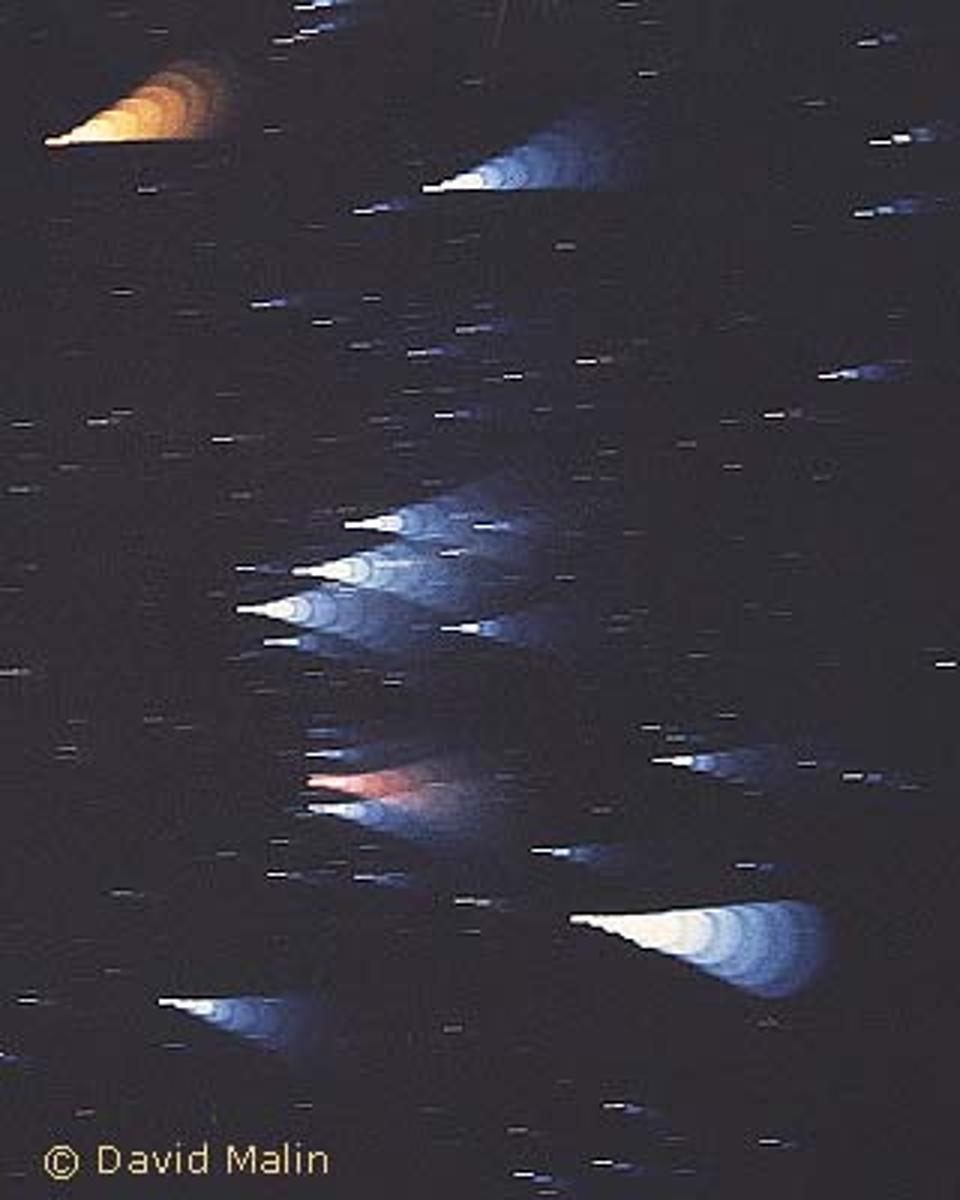
Orion Star Colours
What determines a star's colour? Its temperature . Red stars are cool, around 3,000 kelvins (K), while blue stars are hotter and can have temperatures over 30,000 K. Our own…
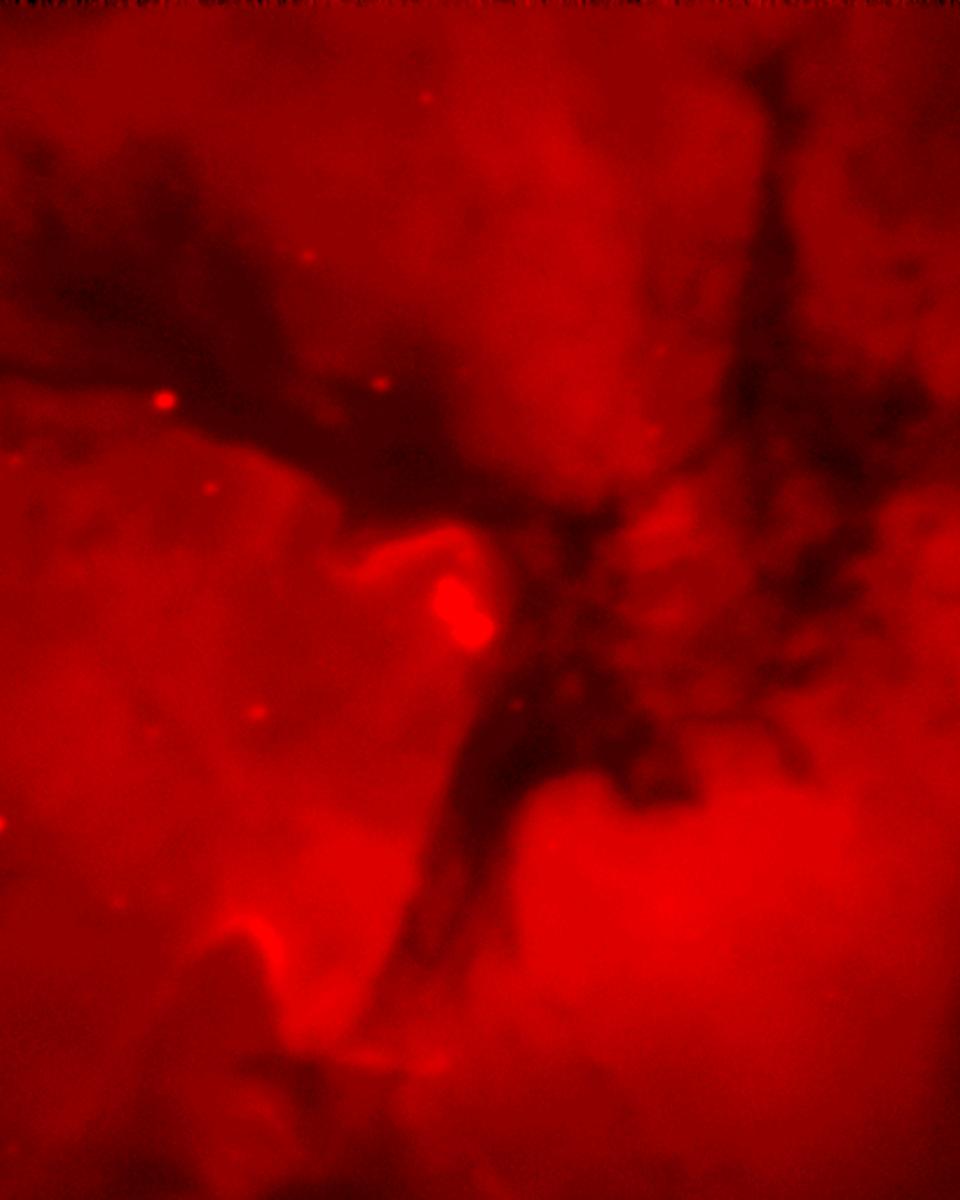
Hydrogen Trifid
Clouds of glowing hydrogen gas mingle with dark dust lanes in the Trifid Nebula , a star forming region in the constellation Sagittarius. In this and other similar emission…
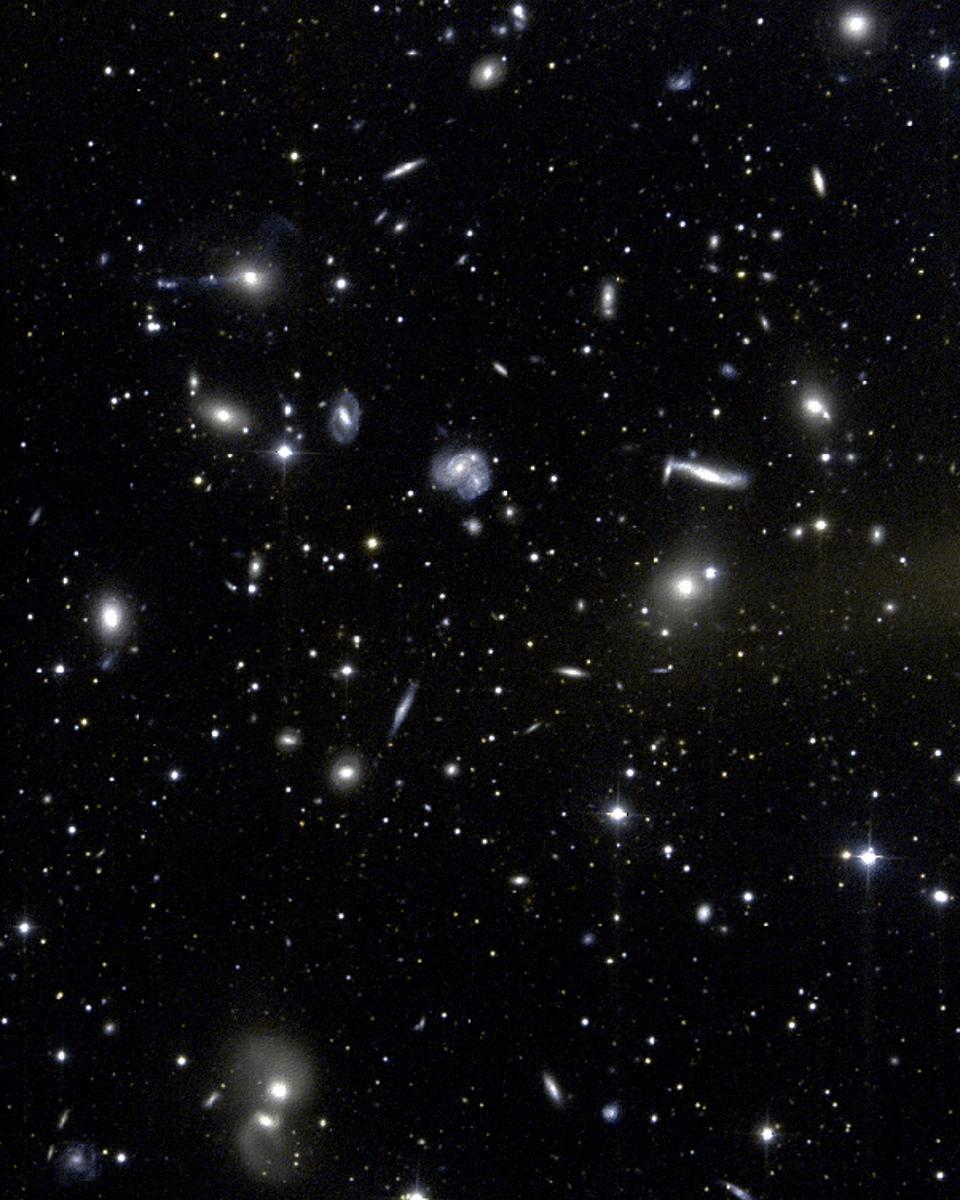
Hercules Galaxies
These are galaxies of the Hercules Cluster , an archipelago of “island universes” a mere 650 million light-years distant. This cluster is loaded with gas and dust rich, star…
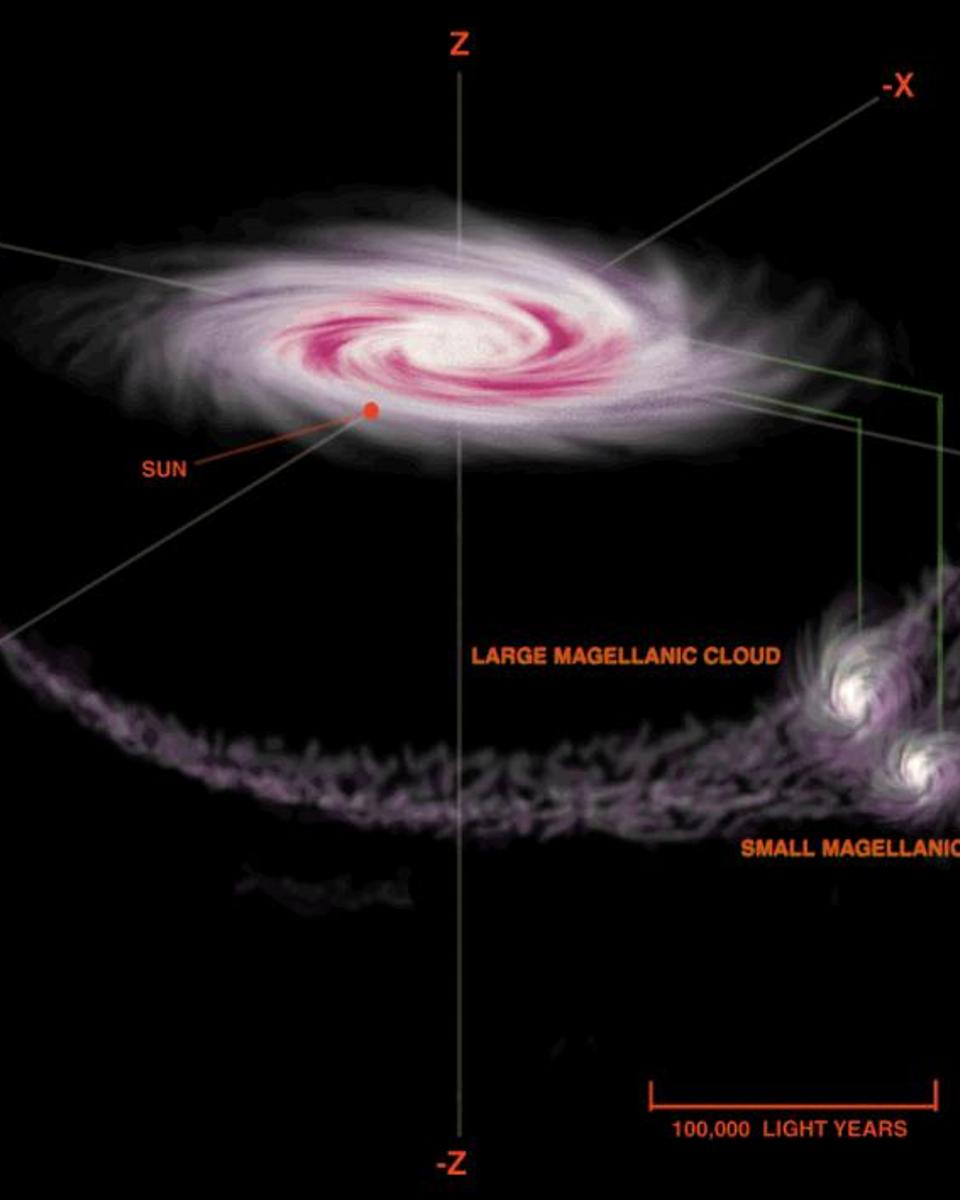
The Magellanic Stream
Spanning the sky behind the majestic Clouds of Magellan is an unusual stream of gas: the Magellanic Stream . The origin of this gas might hold a clue to origin and fate of our…
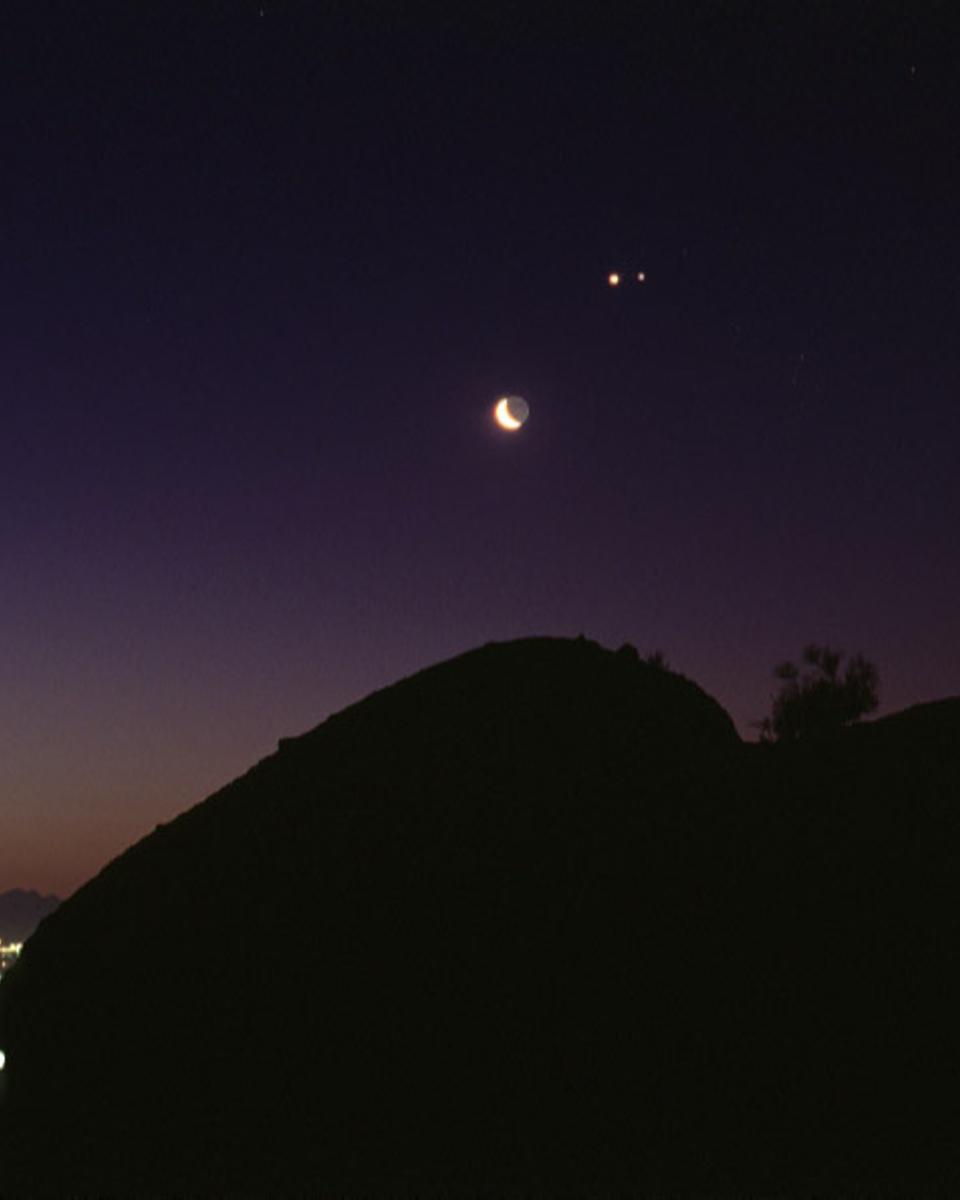
Moon, Venus, Jupiter, Phoenix
Before a relaxing sunrise, the sky begins to glow with unusual delights. Such was the view from Papago Park in Phoenix , Arizona this April. The glittering objects visible in this…
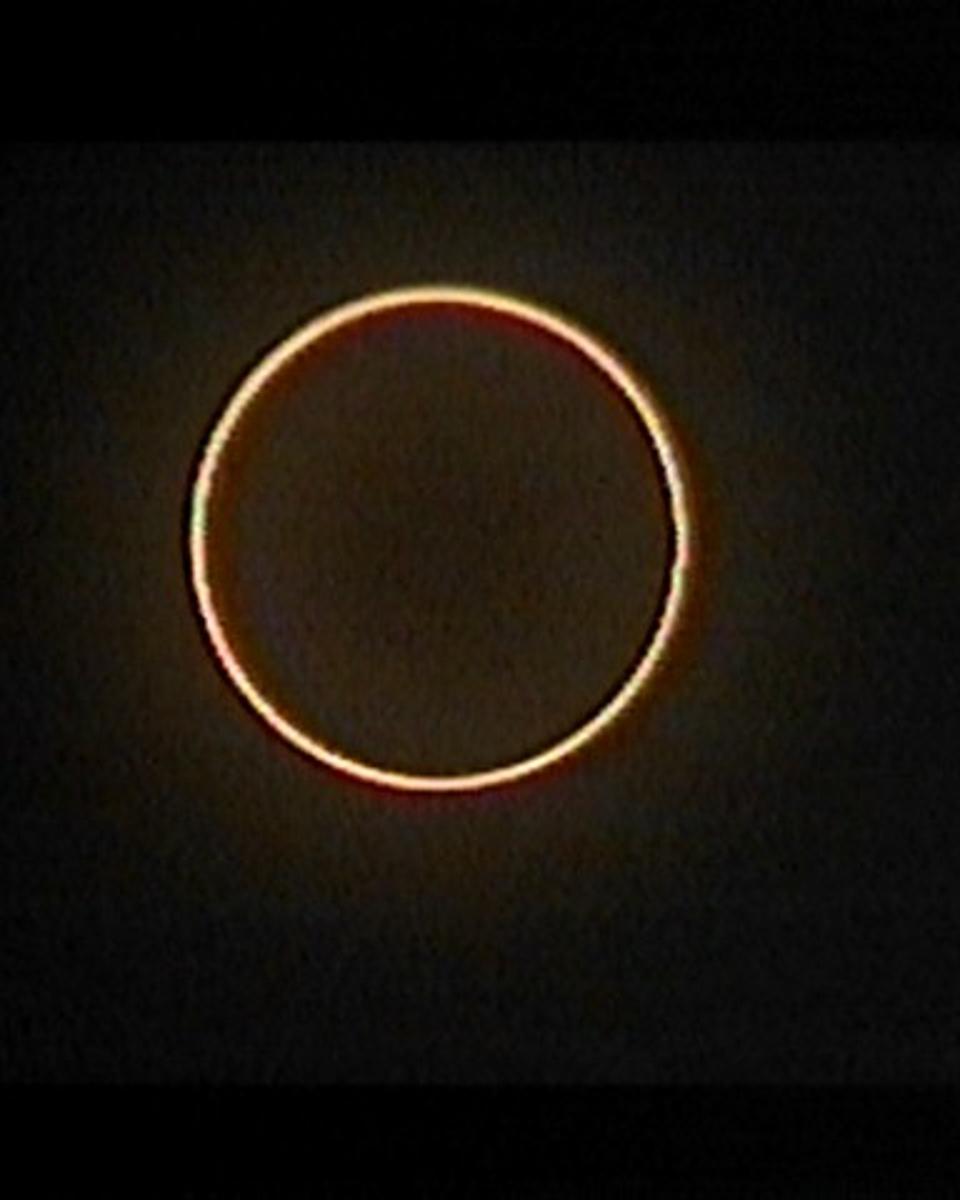
An Annular Eclipse of the Sun
An annular eclipse of the Sun was visible in parts of the Eastern Hemisphere on Saturday. The above picture was taken at that time by a video camera in Mersing on the East Coast…
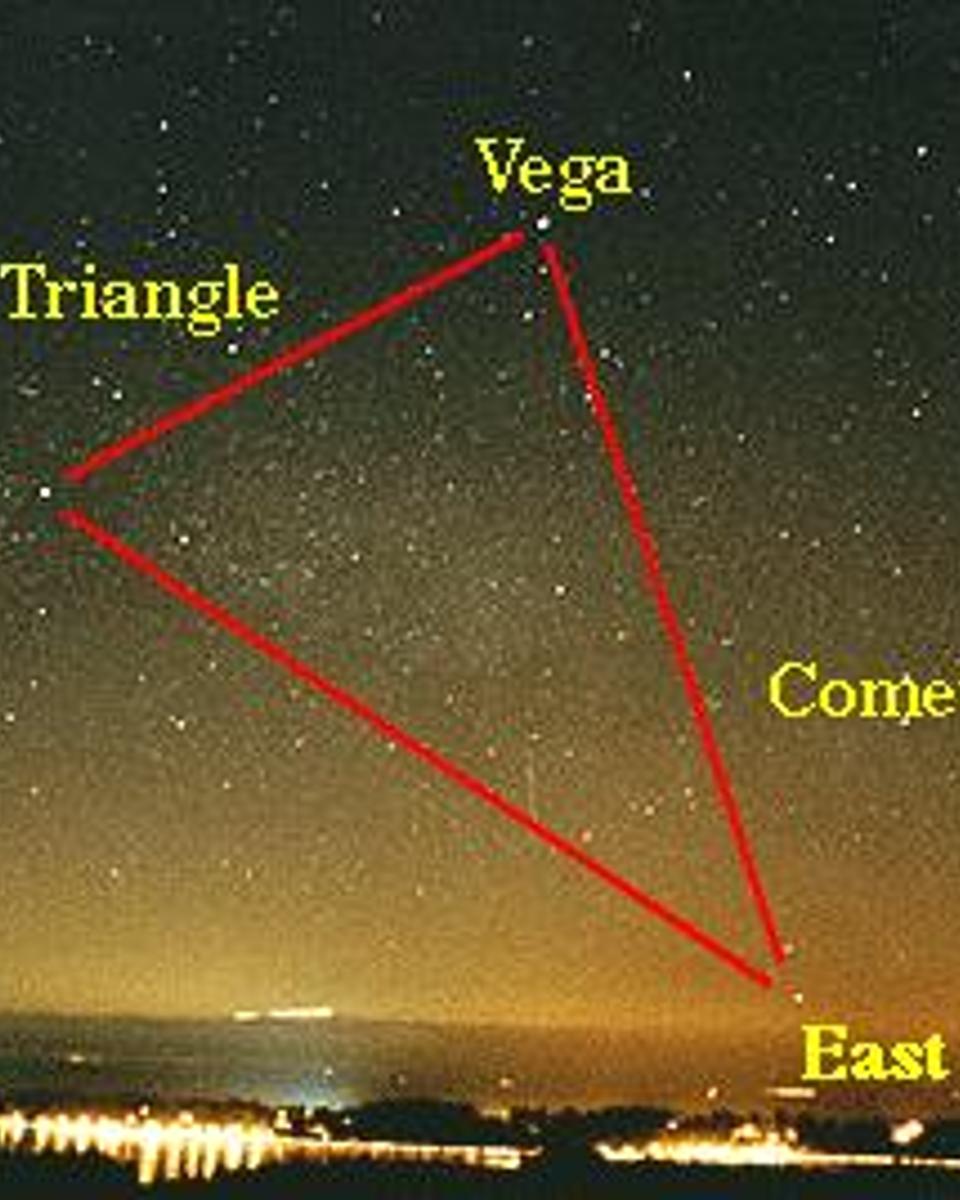
Vega
Vega is a bright blue star 25 light years away. Vega is the brightest star in the Summer Triangle , a group of stars easily visible summer evenings in the northern hemisphere. The…
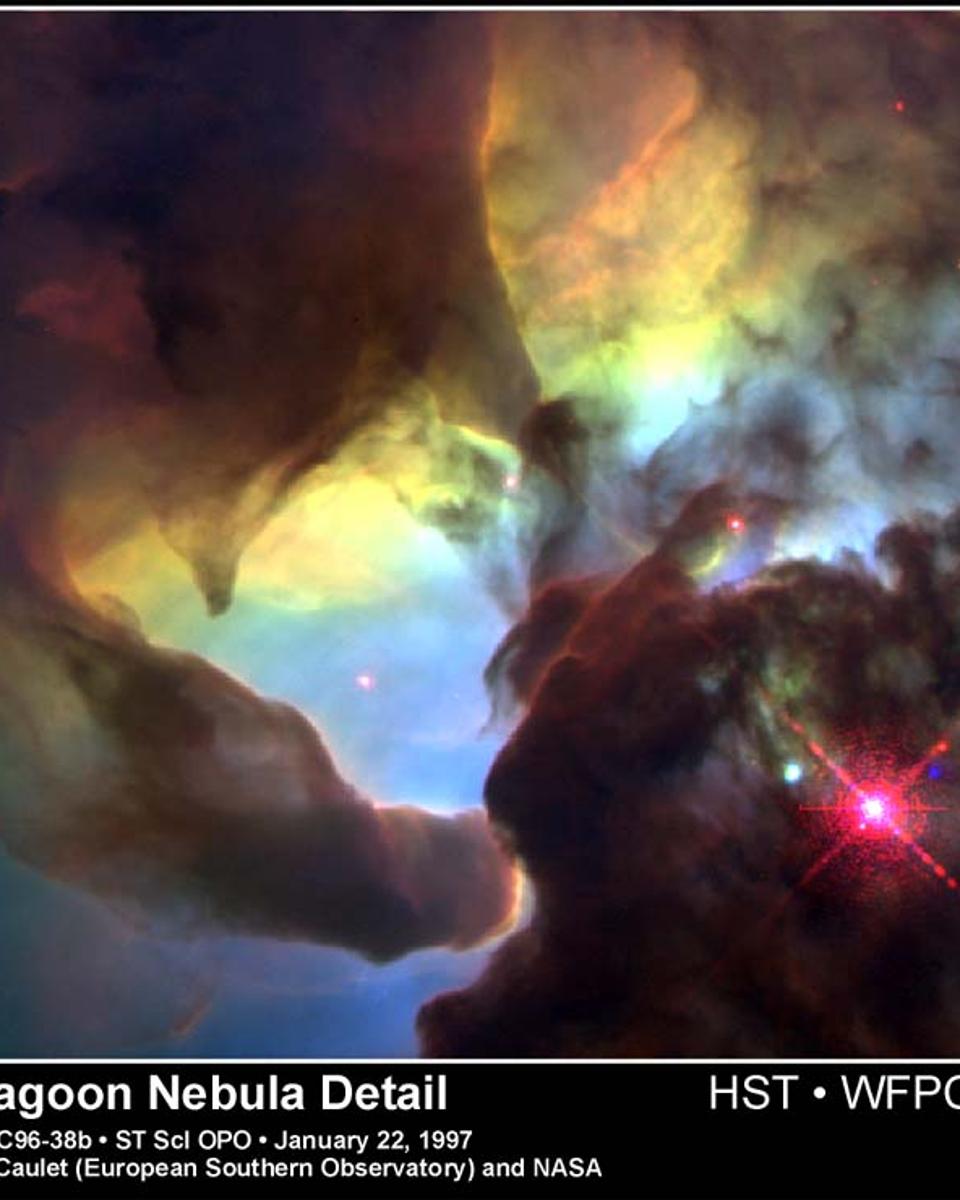
Twistin' by the Lagoon
The awesome spectacle of starbirth produces extreme stellar winds and intense energetic starlight -- bombarding dusty molecular clouds inside the Lagoon Nebula ( M8 ). At least…
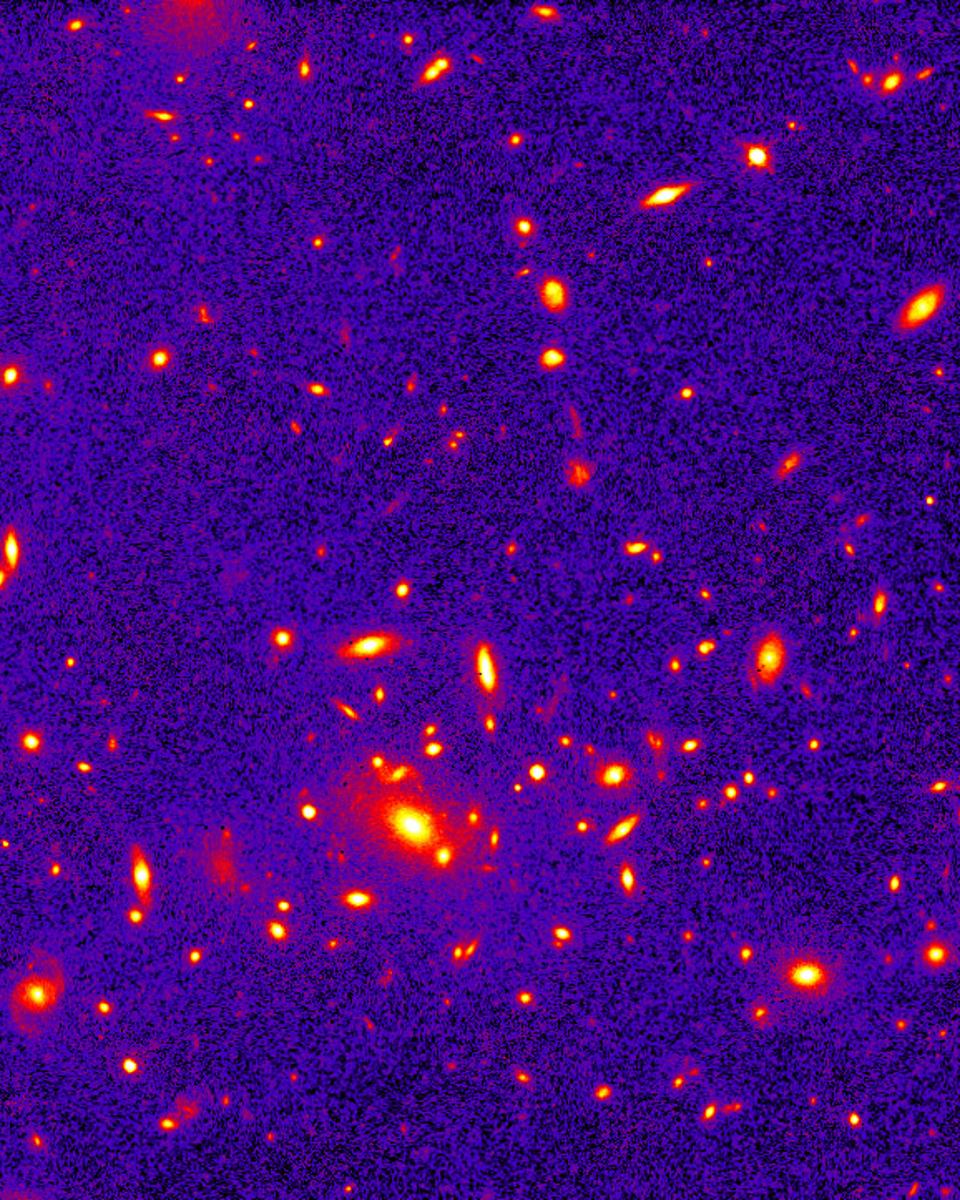
A Massive Cluster In A Young Universe
Conventional theories suggest that this cluster of galaxies should not exist . Each fuzzy spot in this false-color Hubble Space Telescope image of the central regions of a newly…
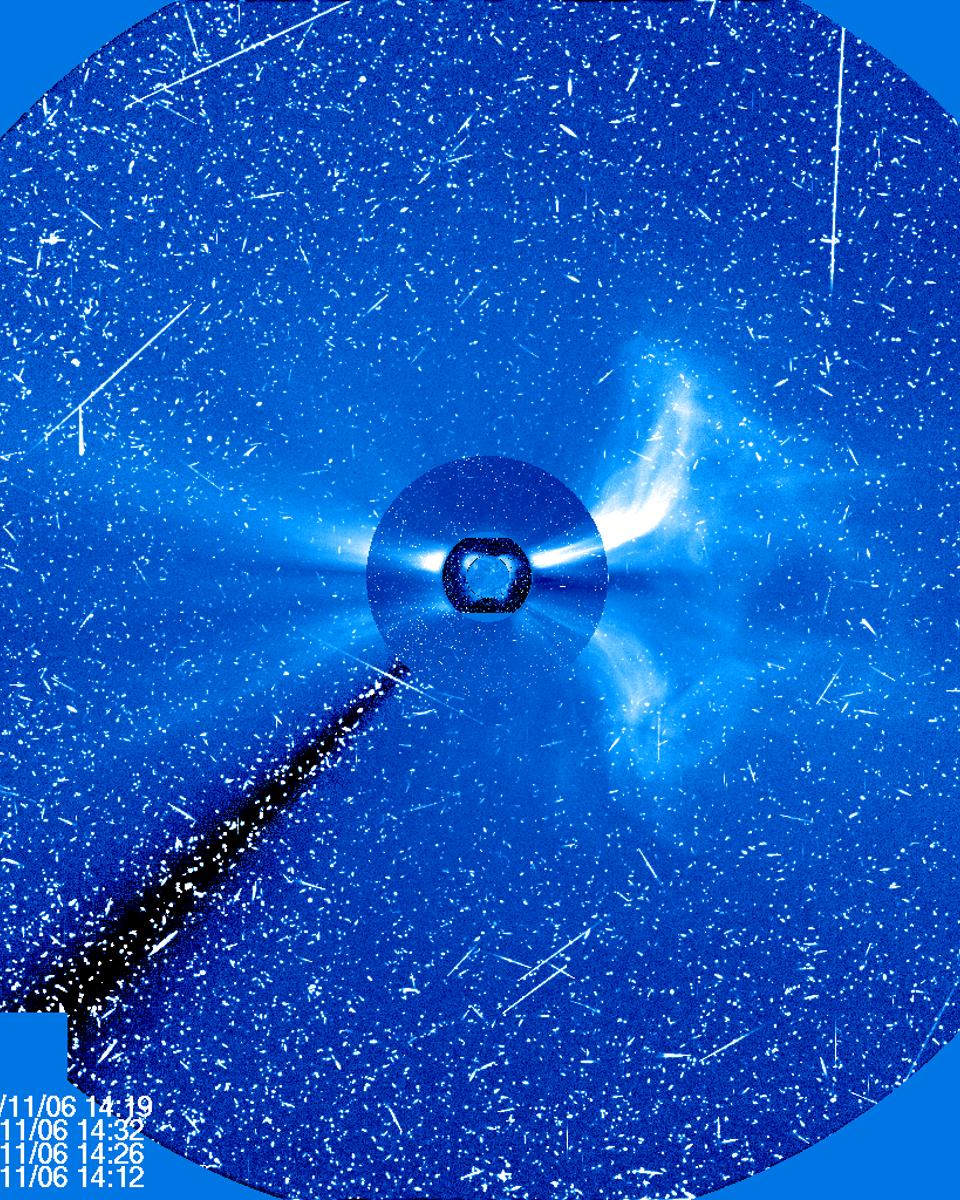
SOHO Composite: Coronal Mass Ejection
This complex composite image of an ominous and spectacular event - an expanding storm of energetic particles from the Sun - was constructed using data recorded by the SOHO…
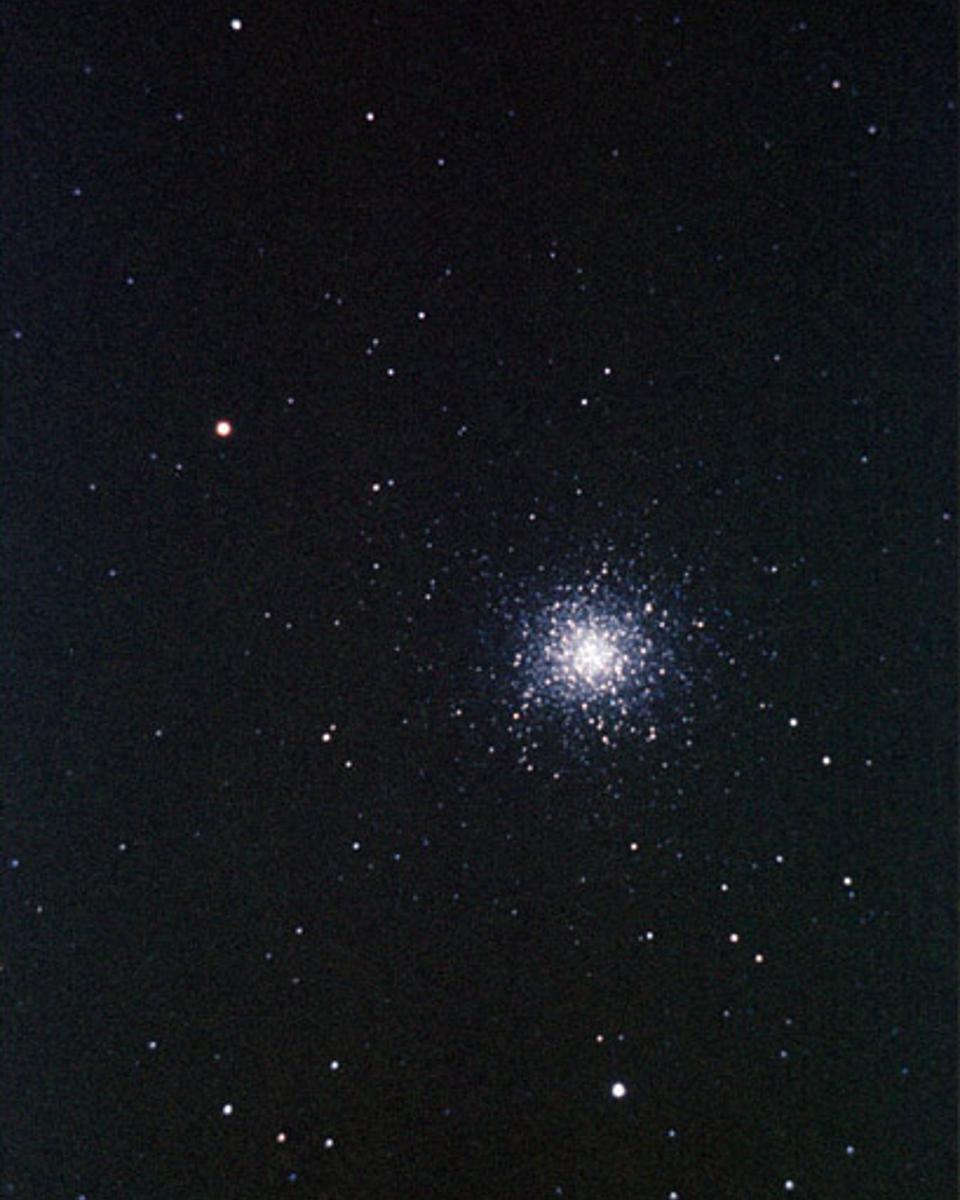
M13: The Great Globular Cluster in Hercules
M13 is one of the most prominent and best known globular clusters . Visible with binoculars in the constellation of Hercules , M13 is frequently one of the first steps beyond the…
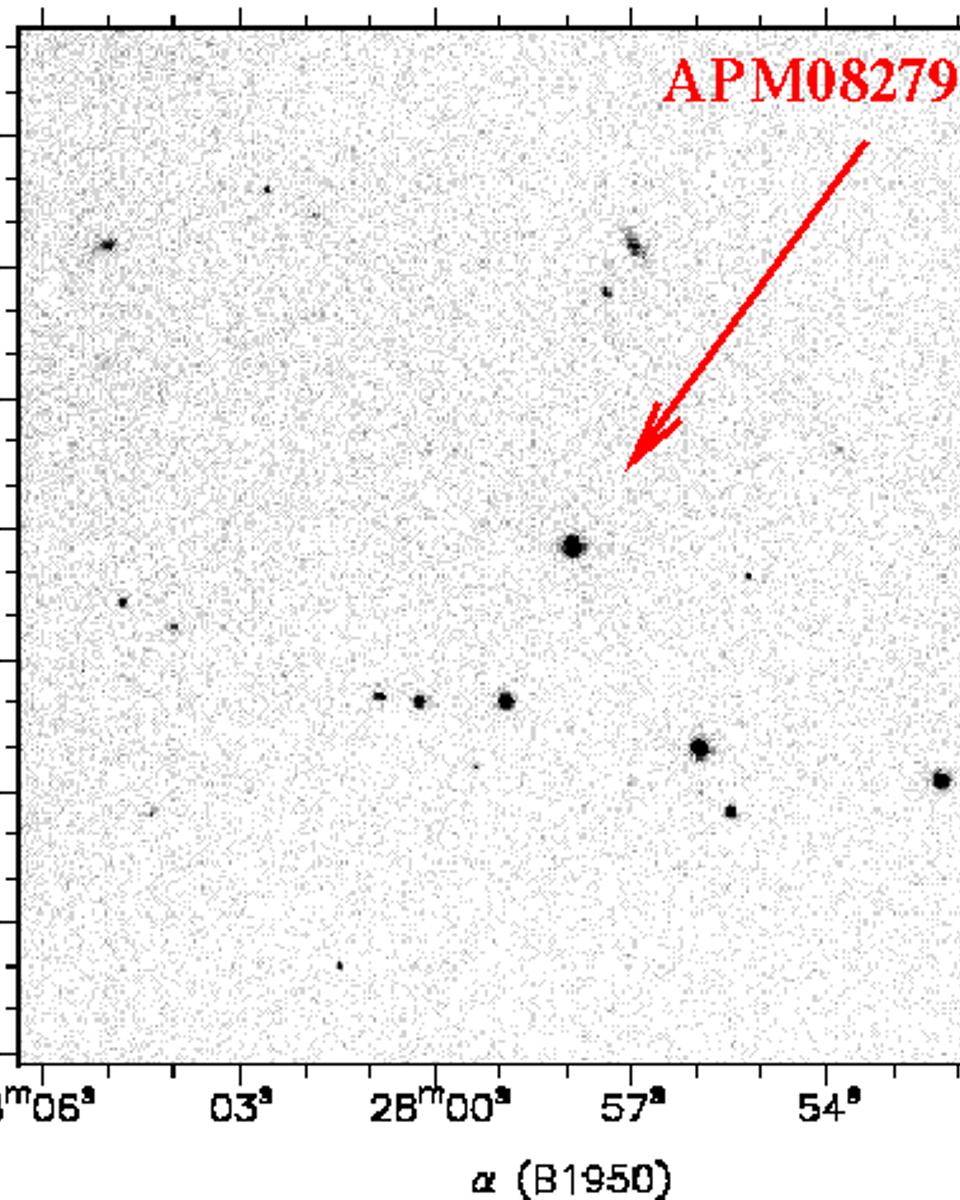
APM 08279+5255: The Brightest Object Yet Known
It shines with the brightness of 100 billion Suns. Is it a mirage? The recently discovered quasar labeled APM 08279+5255 has set a new record as being the brightest continuously…
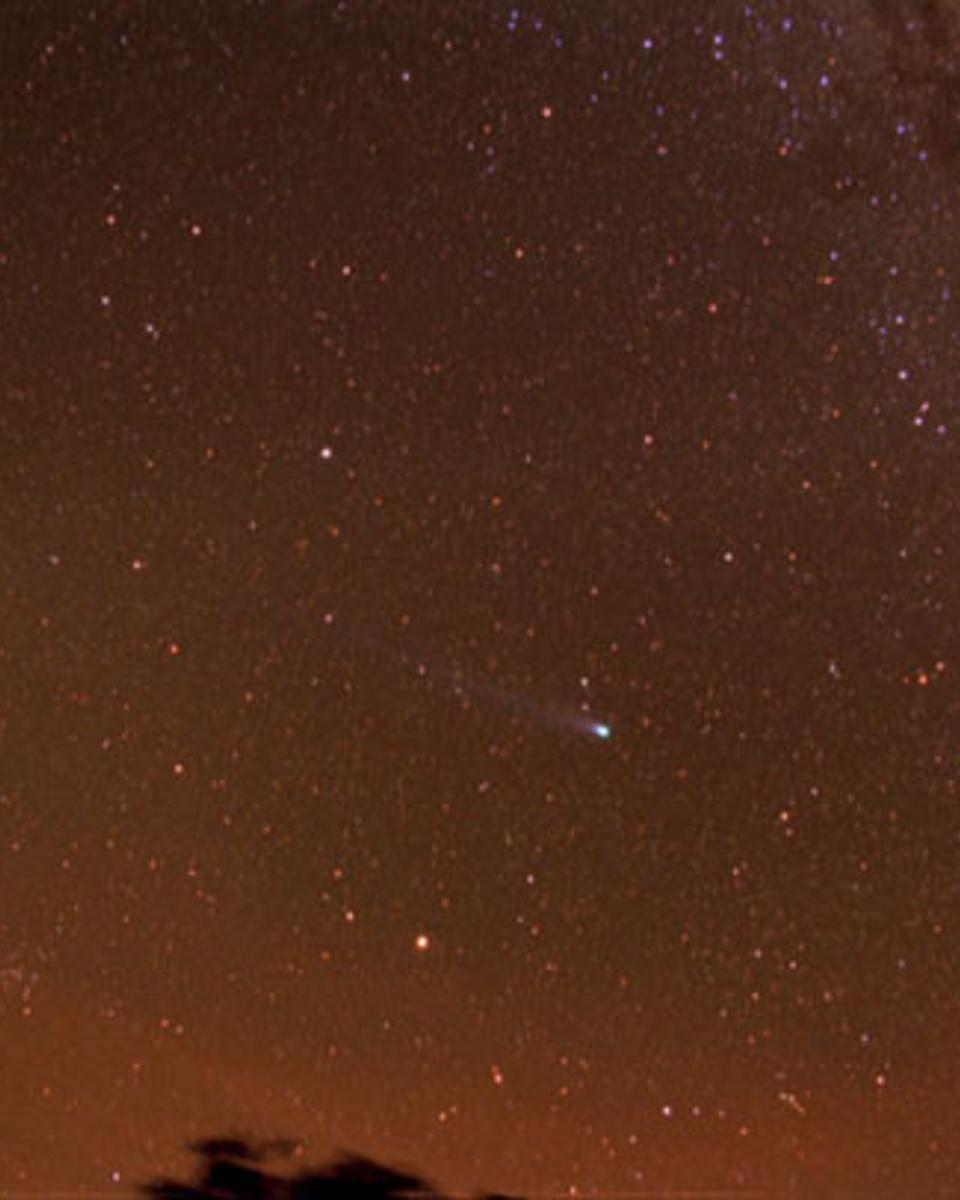
Comet Hyakutake and the Milky Way
Two years ago, the Great Comet of 1996 , Comet Hyakutake , inched across our northern sky during its long orbit around the Sun . Visible above as the bright spot with the faint…
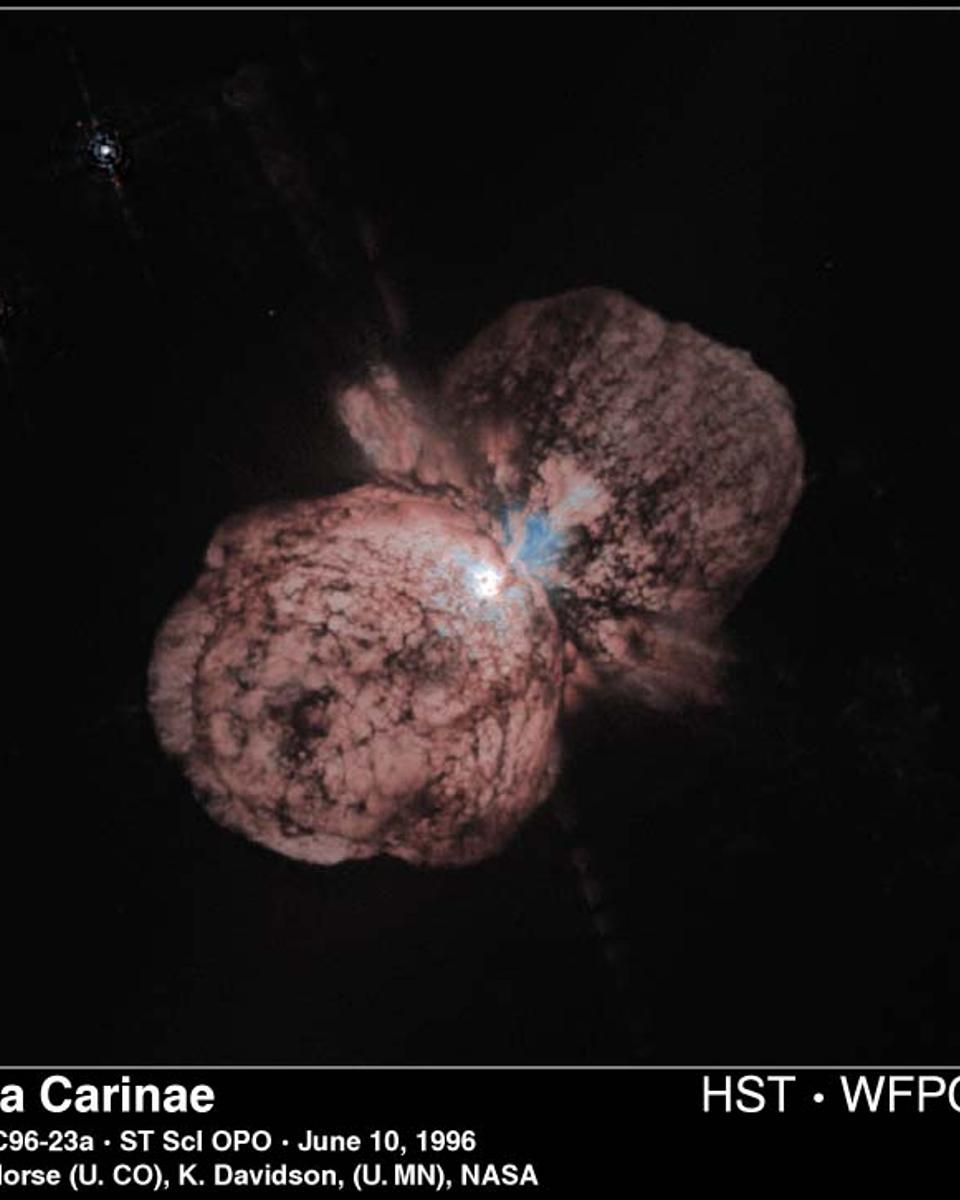
Doomed Star Eta Carinae
Eta Carinae may be about to explode. But no one knows when - it may be next year, it may be one million years from now. Eta Carinae 's mass - about 100 times greater than our Sun…
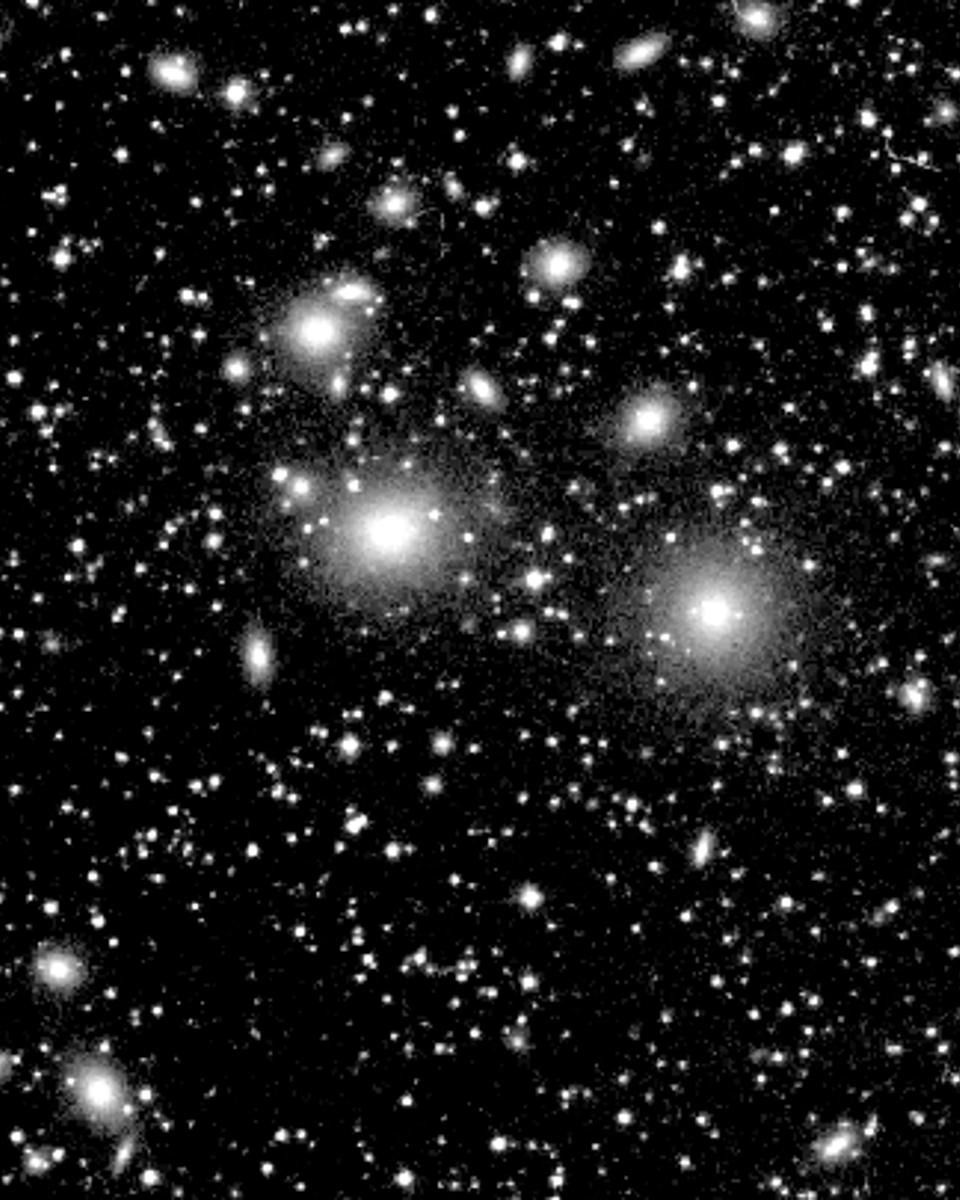
The Perseus Cluster of Galaxies
Here is one of the largest objects that anyone will ever see on the sky. Each of the fuzzy blobs in the above picture is a galaxy, together making up the Perseus Cluster, one of…
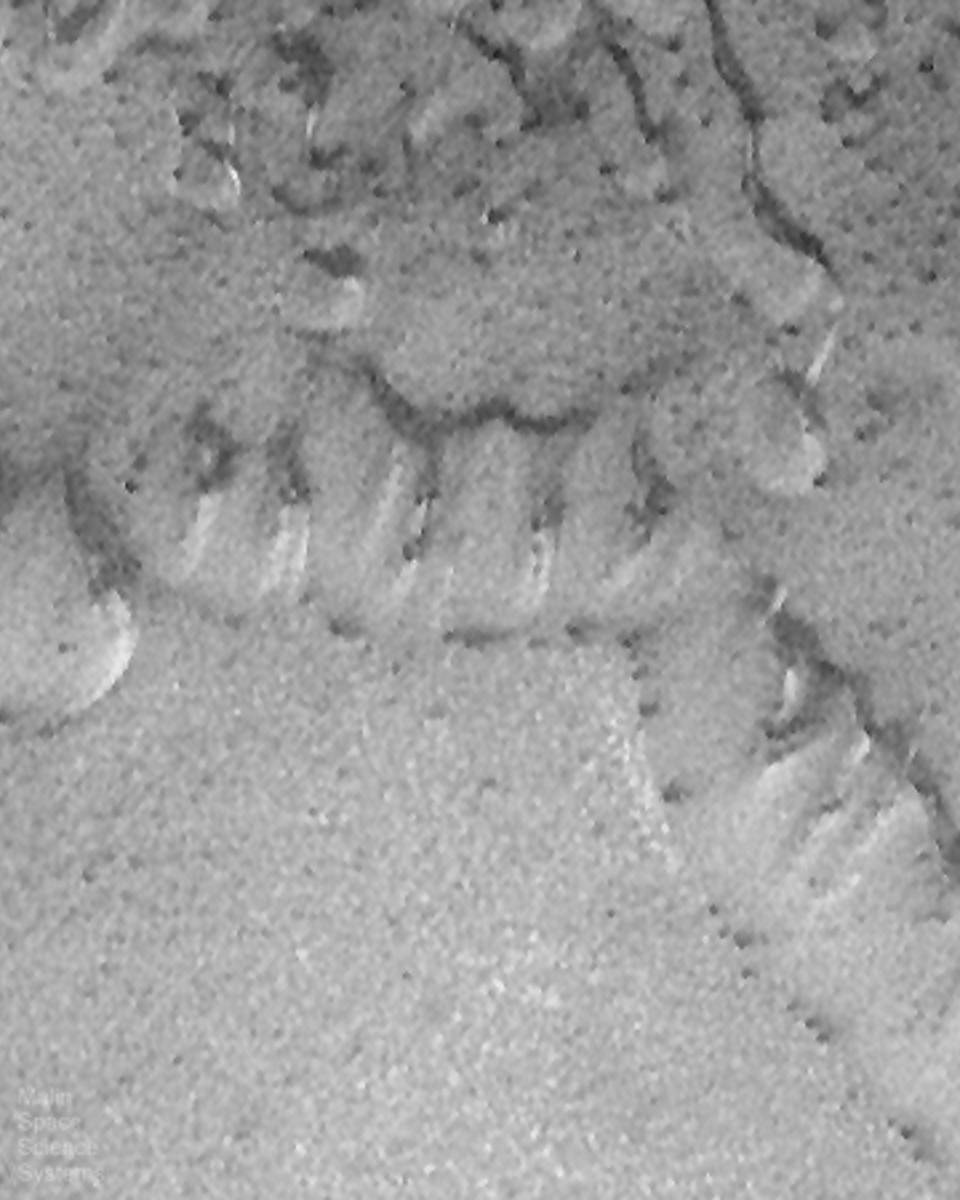
The Dunes Of Mars
The North Pole of Mars is ringed by a “sea of sand dunes”. For Mars' Northern Hemisphere, Spring began in mid July and increased sunlight is now shrinking the polar cap revealing…
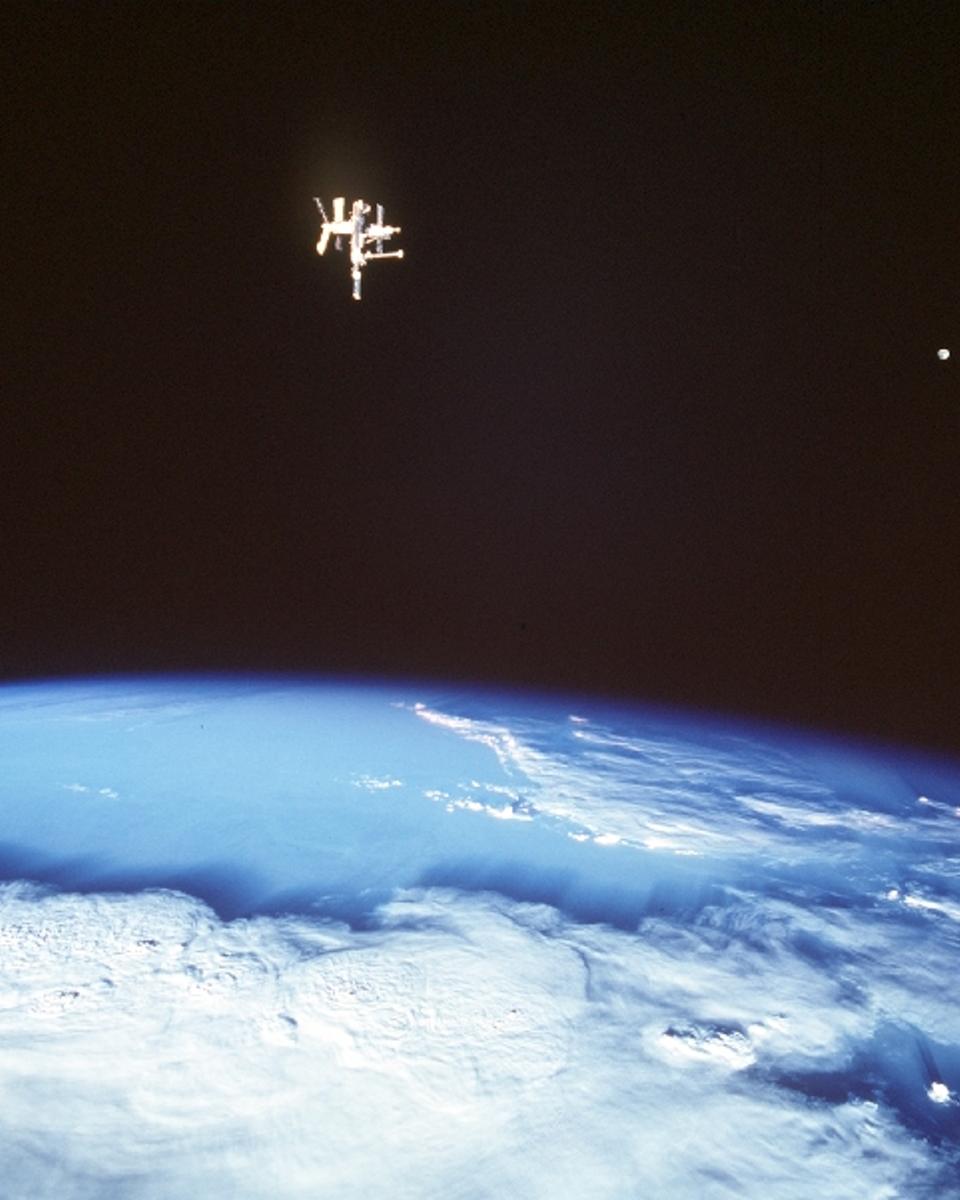
The Moons Of Earth
While orbiting the planet during their June 1998 mission , the crew of the Space Shuttle Discovery photographed this view of two moons of Earth. Thick storm clouds are visible in…

ERAST Pathfinder-Plus: Daedalus Defied
Daedalus warned Icarus that if he flew too high, the Sun would melt his wings. Apparently, nobody gave the ERAST Pathfinder-Plus aircraft a similar warning. Earlier this month,…
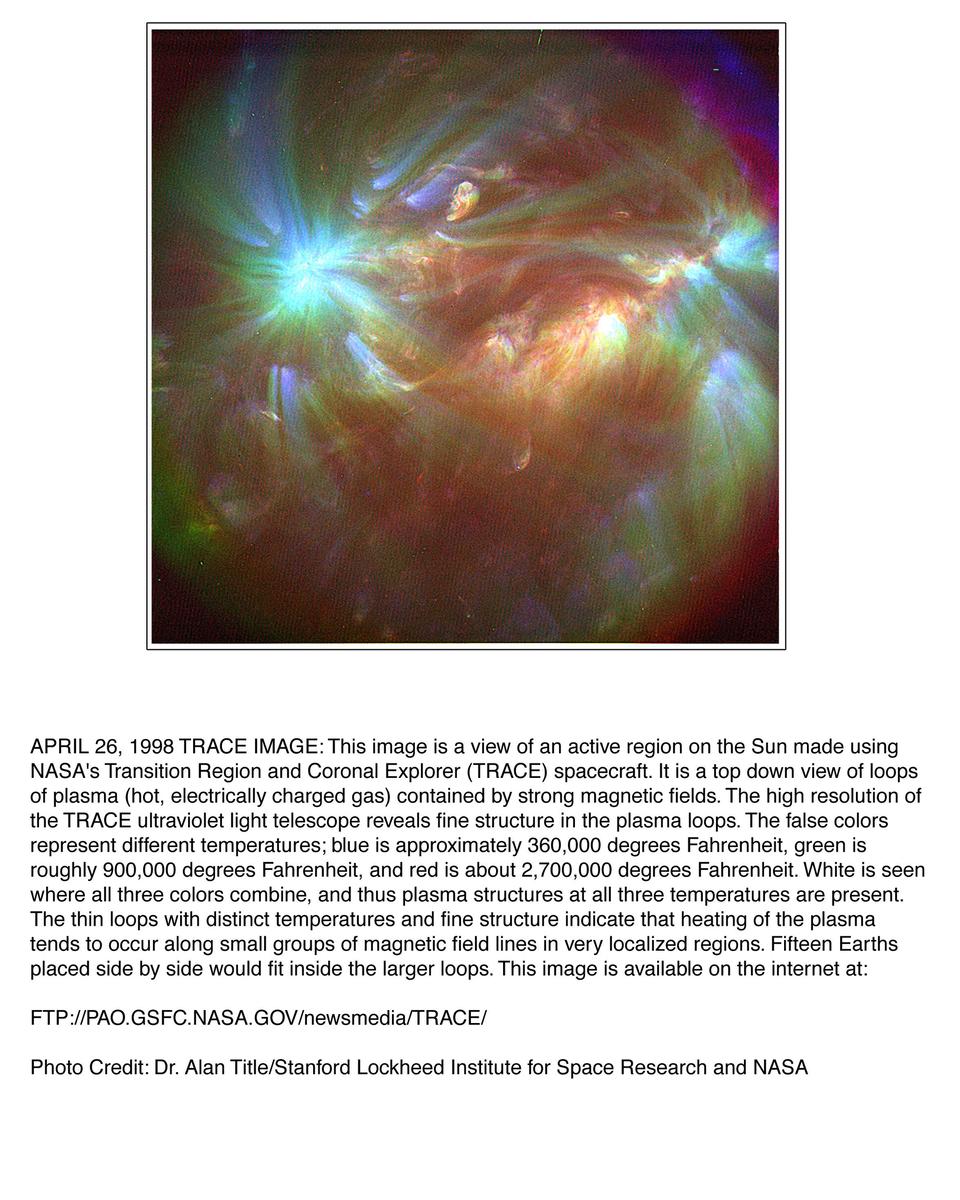
Sun Dance
Hot gas dances across the surface of the Sun in this picture from the orbiting TRACE satellite . The temperature of the gas is color coded so that blue represents hundreds of…
Viewing discoveries from 3 September 1998 through 11 August 1998.