Browse NASA Astronomy Picture of the Day archive by date and media: Archive Discoveries
Browse the NASA APOD archive without needing the exact date first. Filter by media type and keep moving deeper into older images and videos.
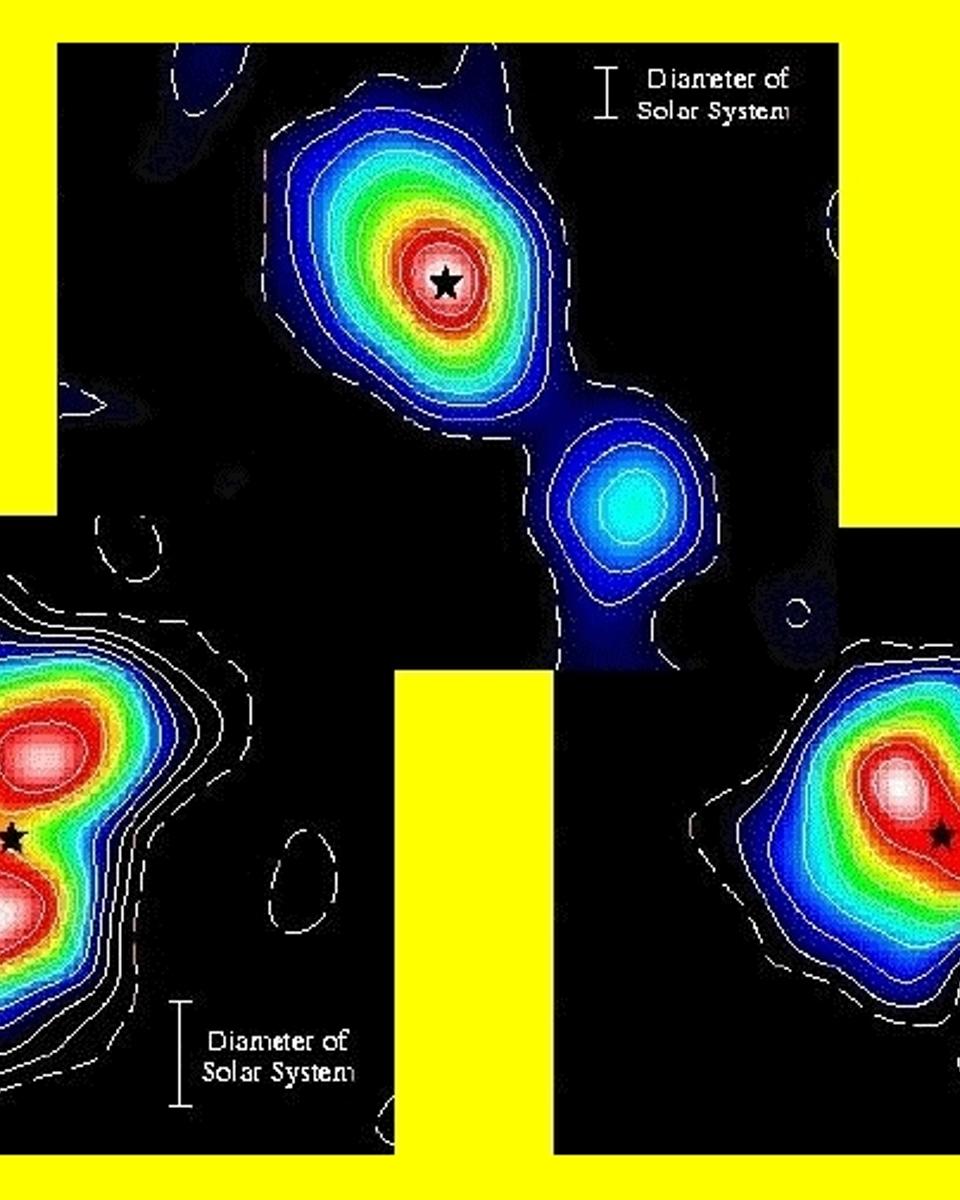
Three Dusty Stars
These separate radio images reveal three dusty debris disks surrounding three bright, young, nearby stars - evidence for solar systems in formation. From left to right are the…
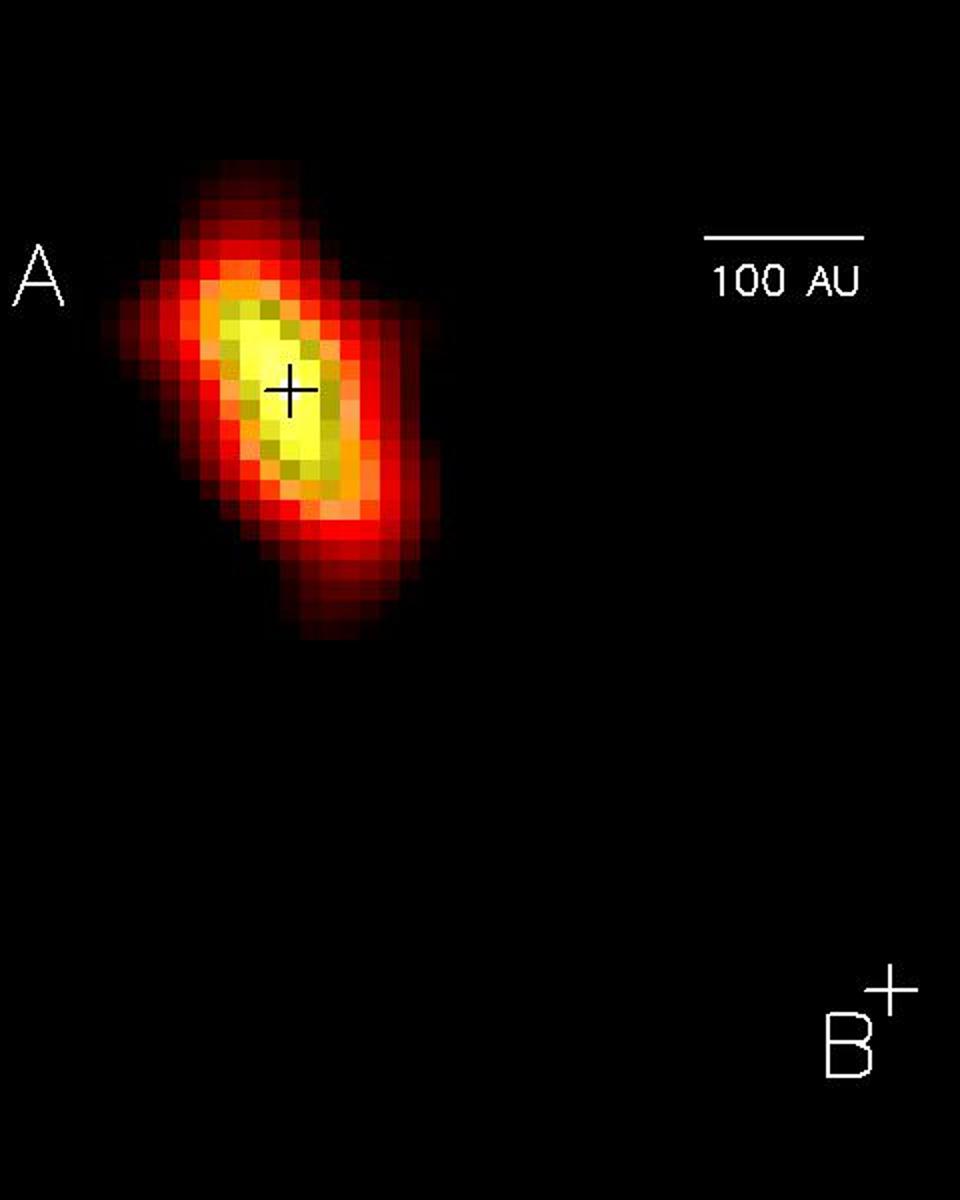
HR 4796A: A Recipe for Planets
Two hundred and twenty light years from Earth, planets are forming. Recent observations of the binary star system HR 4796 have shown that one of the stars is surrounded by a dusty…
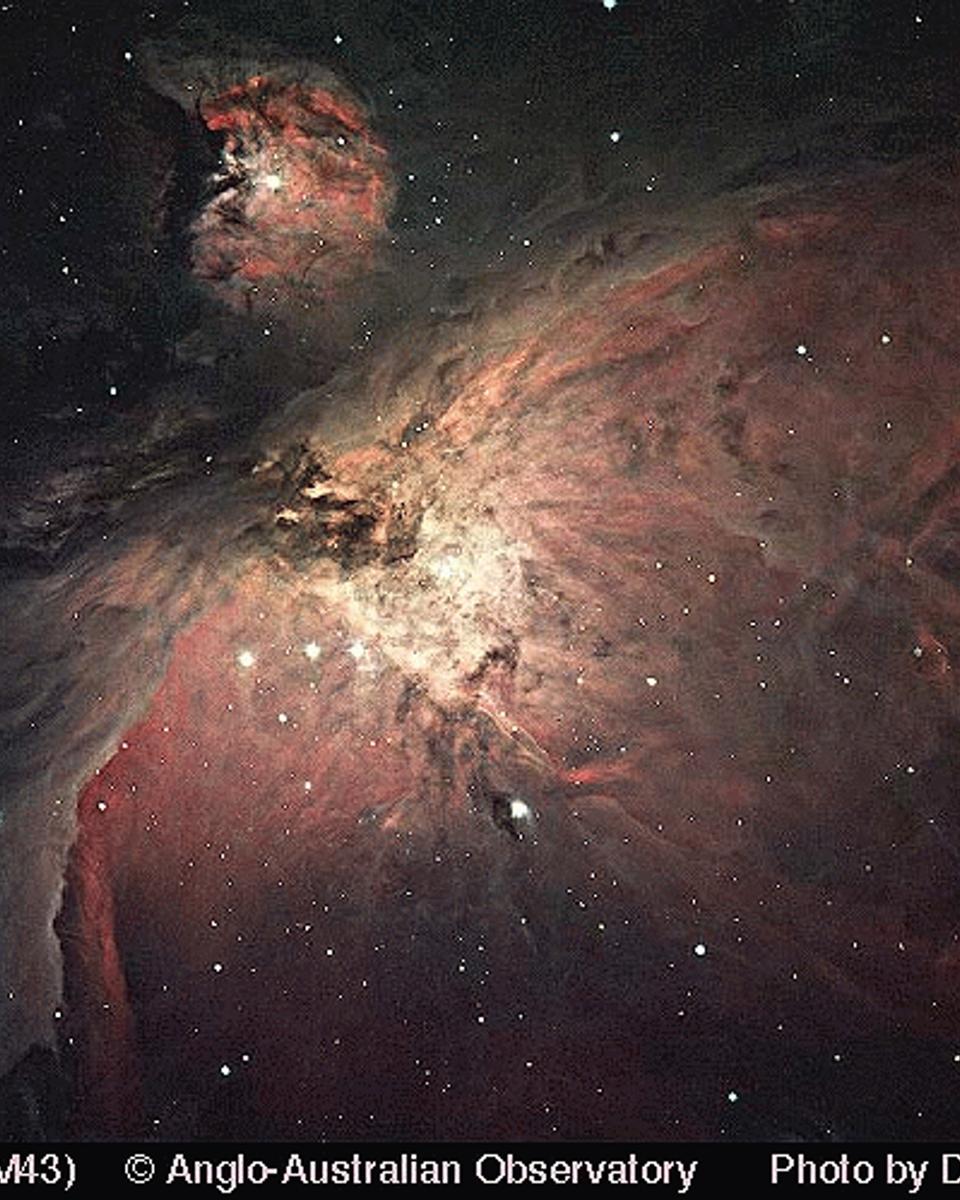
Water in Orion
Is Orion all wet? Recent observations have confirmed that water molecules now exist in the famous Orion Nebula , and are still forming. The Orion Nebula (M42, shown above) is…
Name This Satellite
Can you name this satellite? In December, NASA's third Great Observatory is planned for launch. The two NASA Great Observatories currently in orbit are the Hubble Space Telescope…
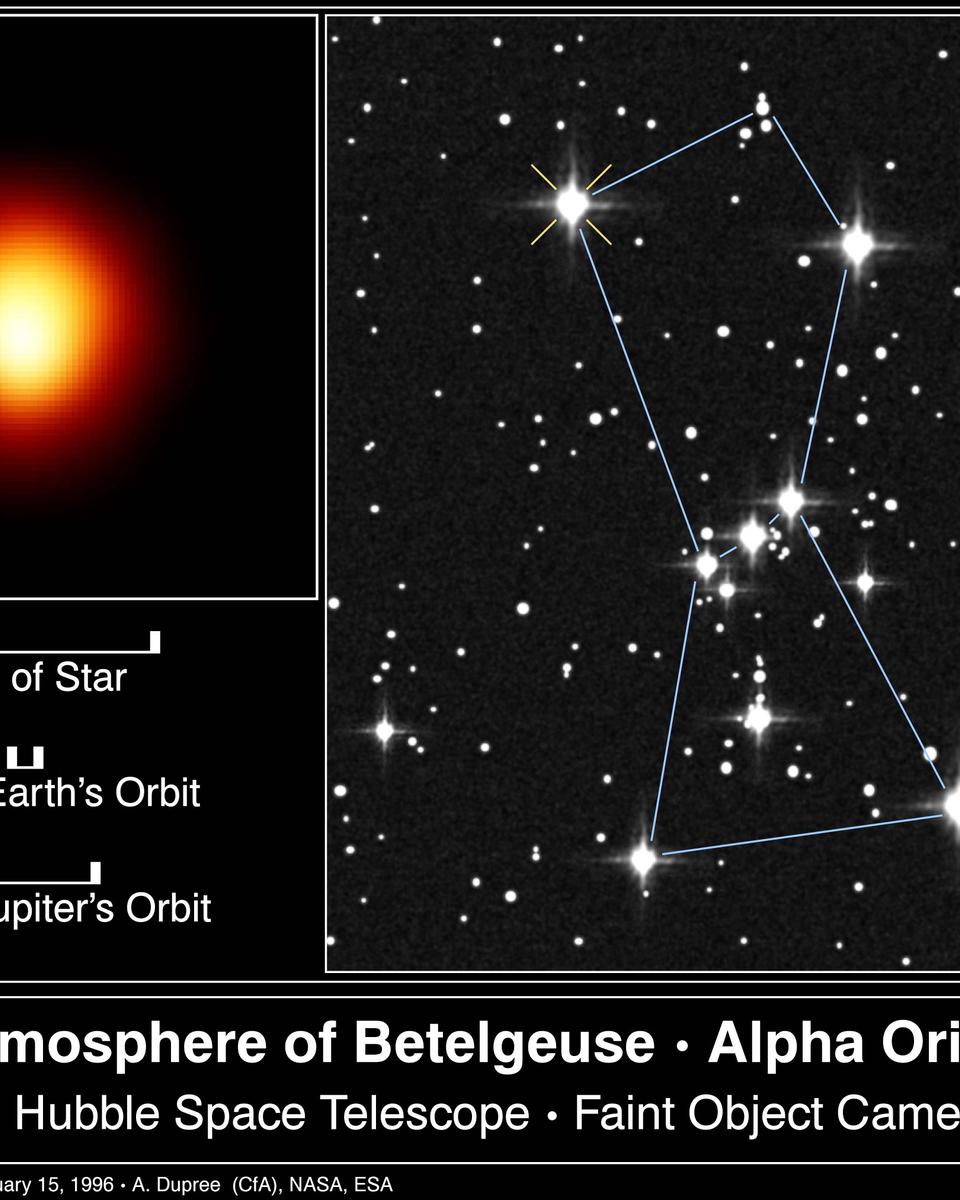
Betelgeuse
Here is the first direct picture of the surface of a star other than our Sun. Taken by the Hubble Space Telescope in 1995, the atmosphere of Betelgeuse reveals some unexpected…
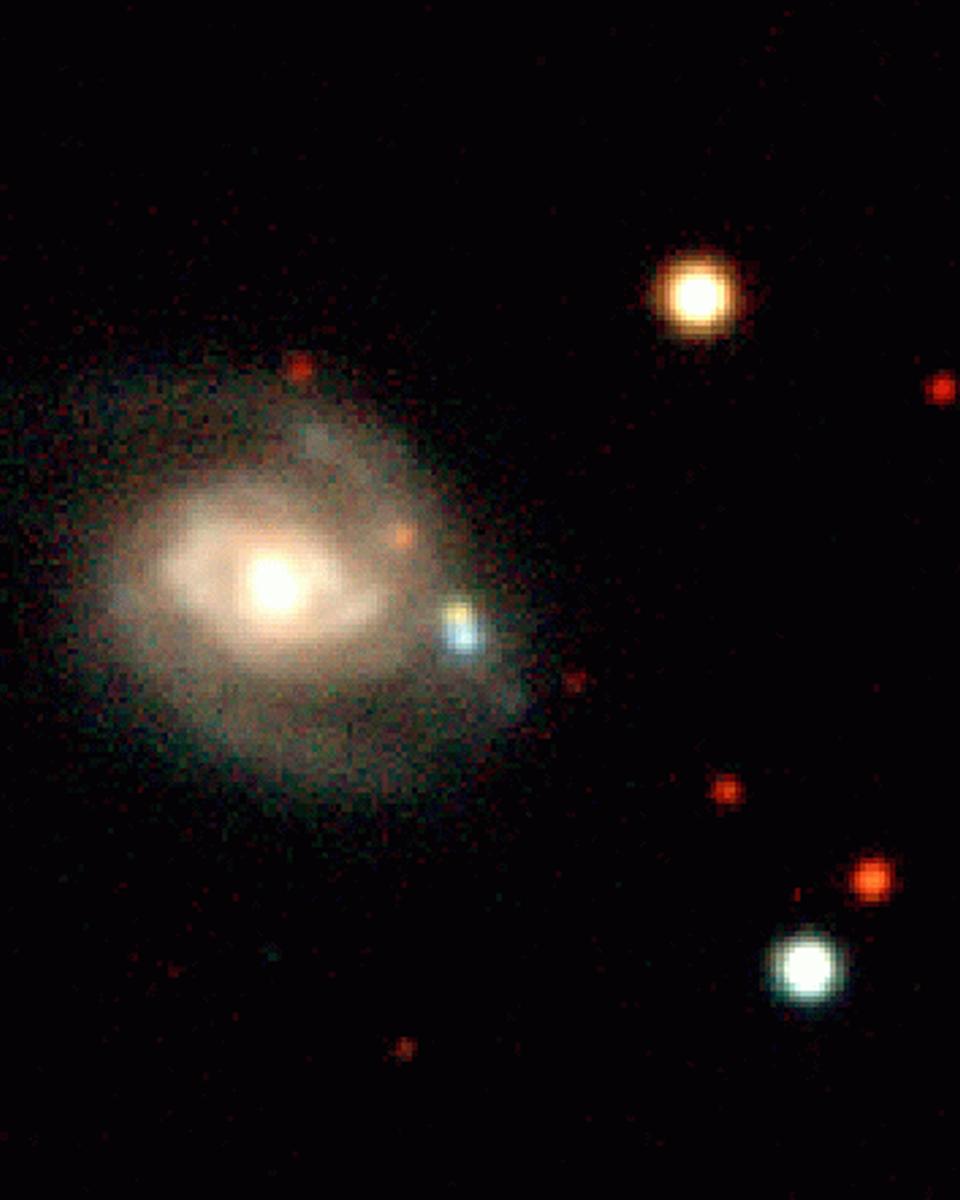
Star Wars in NGC 664
Long ago in a galaxy far, far away, locked in their final desperate struggle against the force of gravity ... two stars exploded! stellar explosions - Supernovae - are among the…
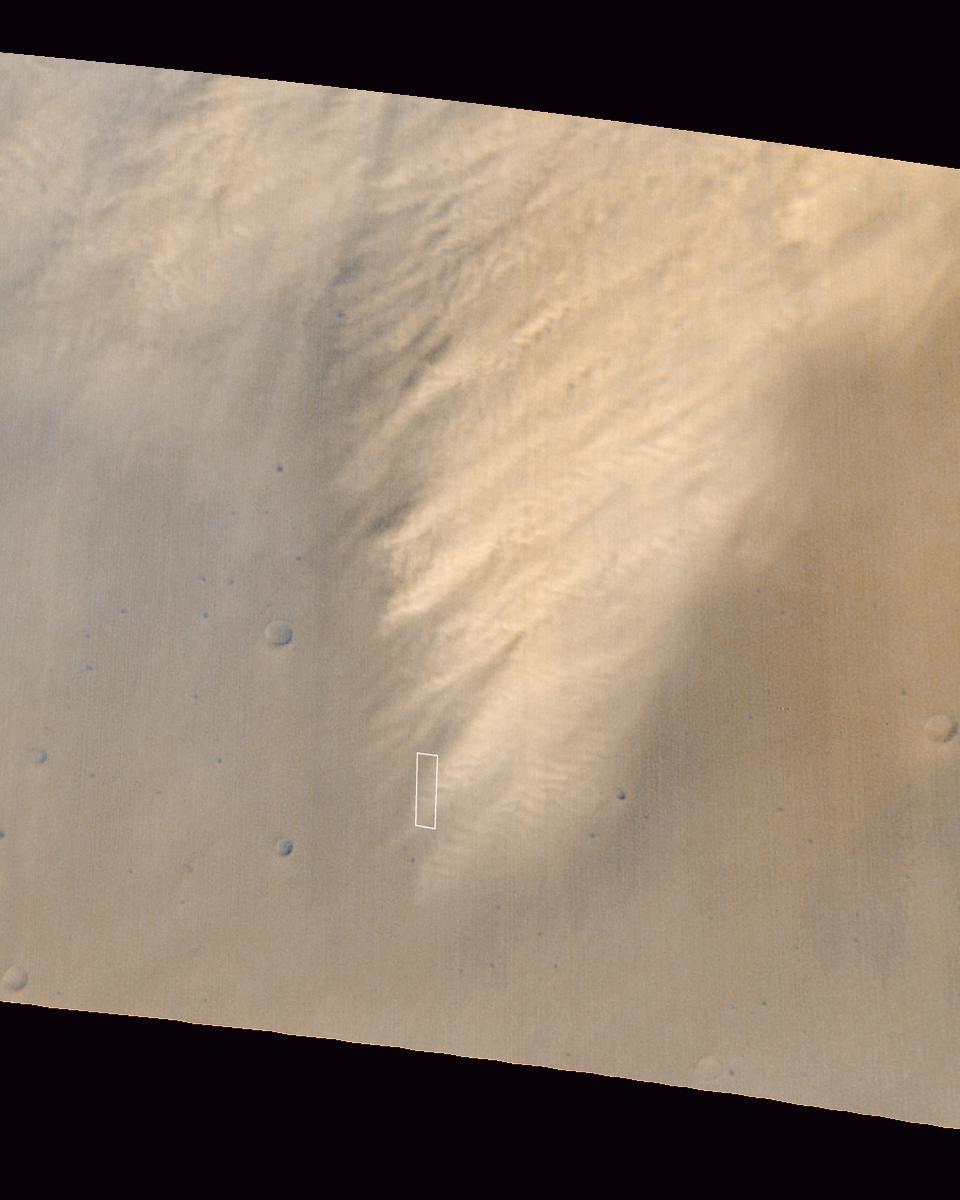
Mars: Looking For Viking
On July 20, 1976, the Viking 1 lander touched down on the Martian Chryse Planitia. Its exact landing site is somewhere in the white rectangle above. Unfortunately, this wide angle…
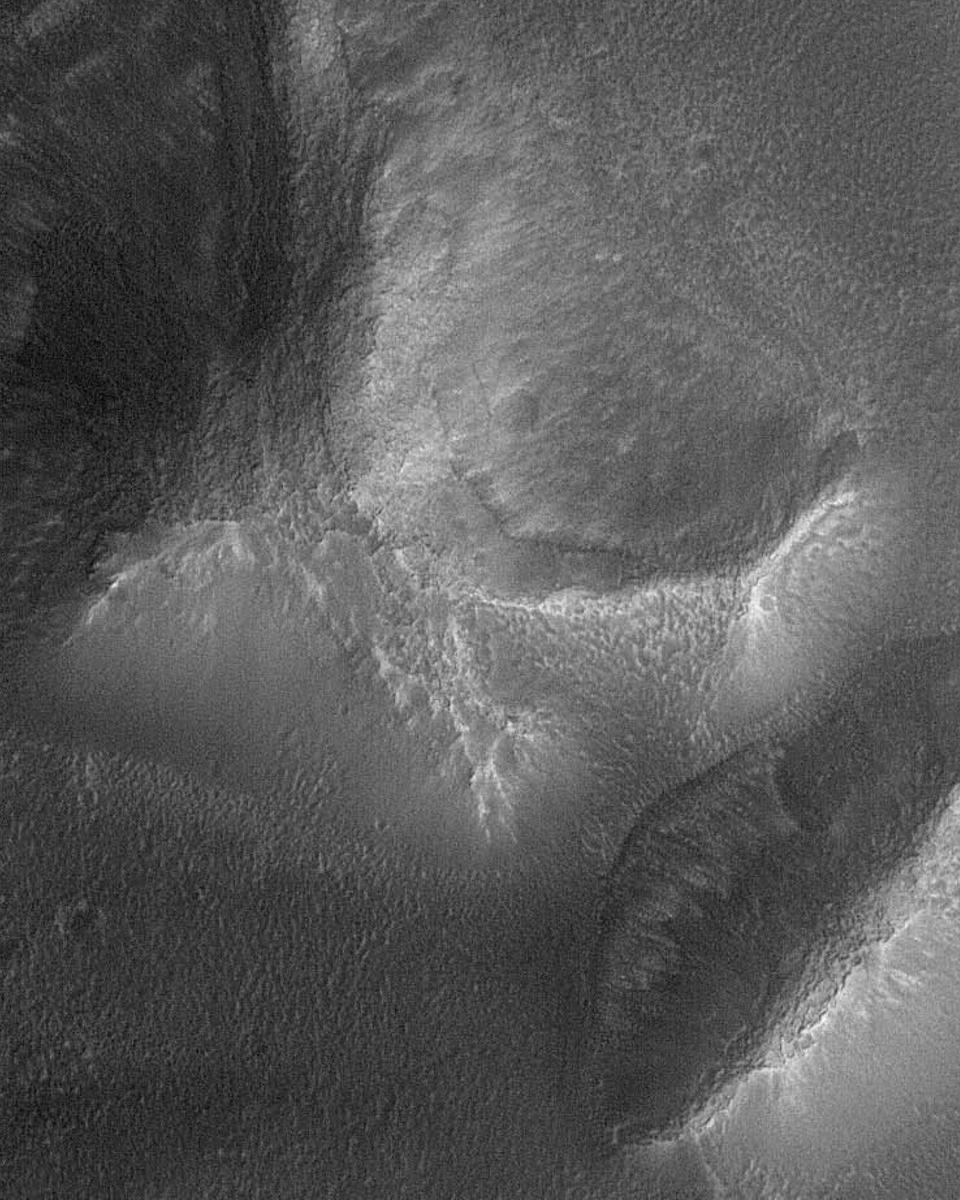
Mars: Cydonia Close-Up
The Mars Global Surveyor spacecraft has returned another close-up of the Cydonia region on Mars. Orbiting over clear Martian skies at a range of about 200 miles, the Mars Orbiter…
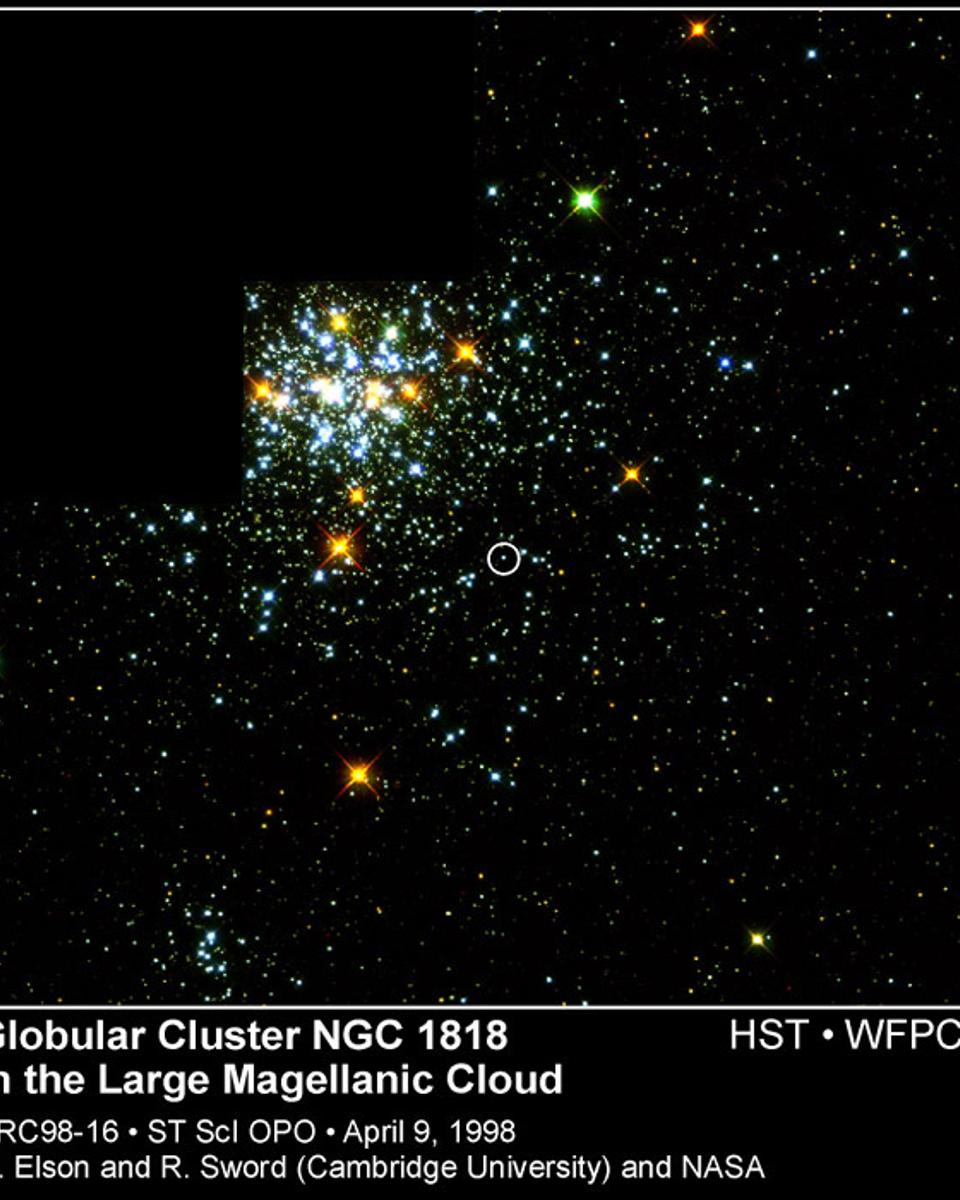
NGC 1818: Pick A Star
This is NGC 1818 , a youthful, glittering cluster of 20,000 stars residing in the Large Magellanic Cloud , 164,000 light-years away. Pick a star. Any star. Astronomers might pick…
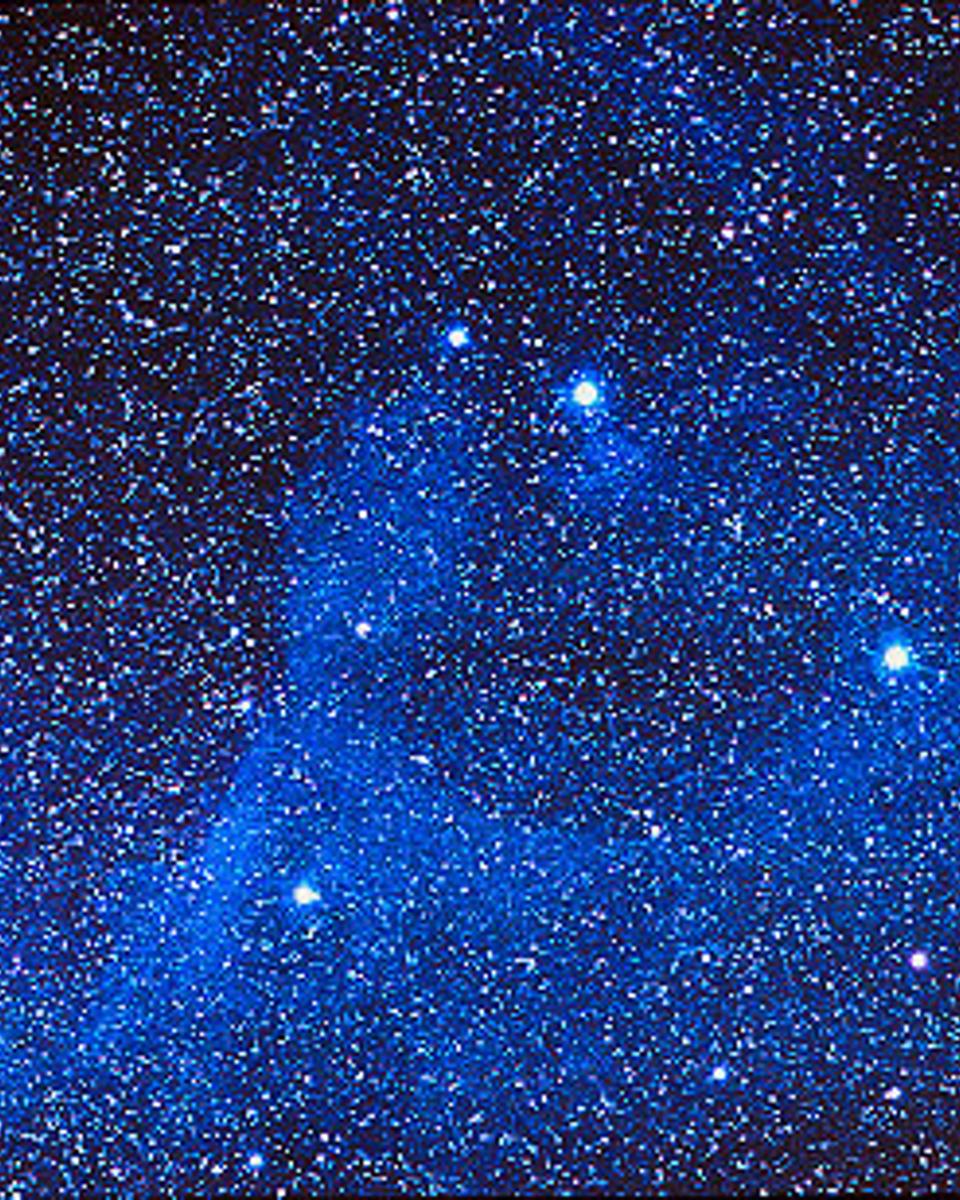
Starlight Reflections
Wisps of dust fill the space between the stars. This dust is usually invisible, subtly acting to dim the light of more distant stars. Sometimes this dust is thick and prominent as…
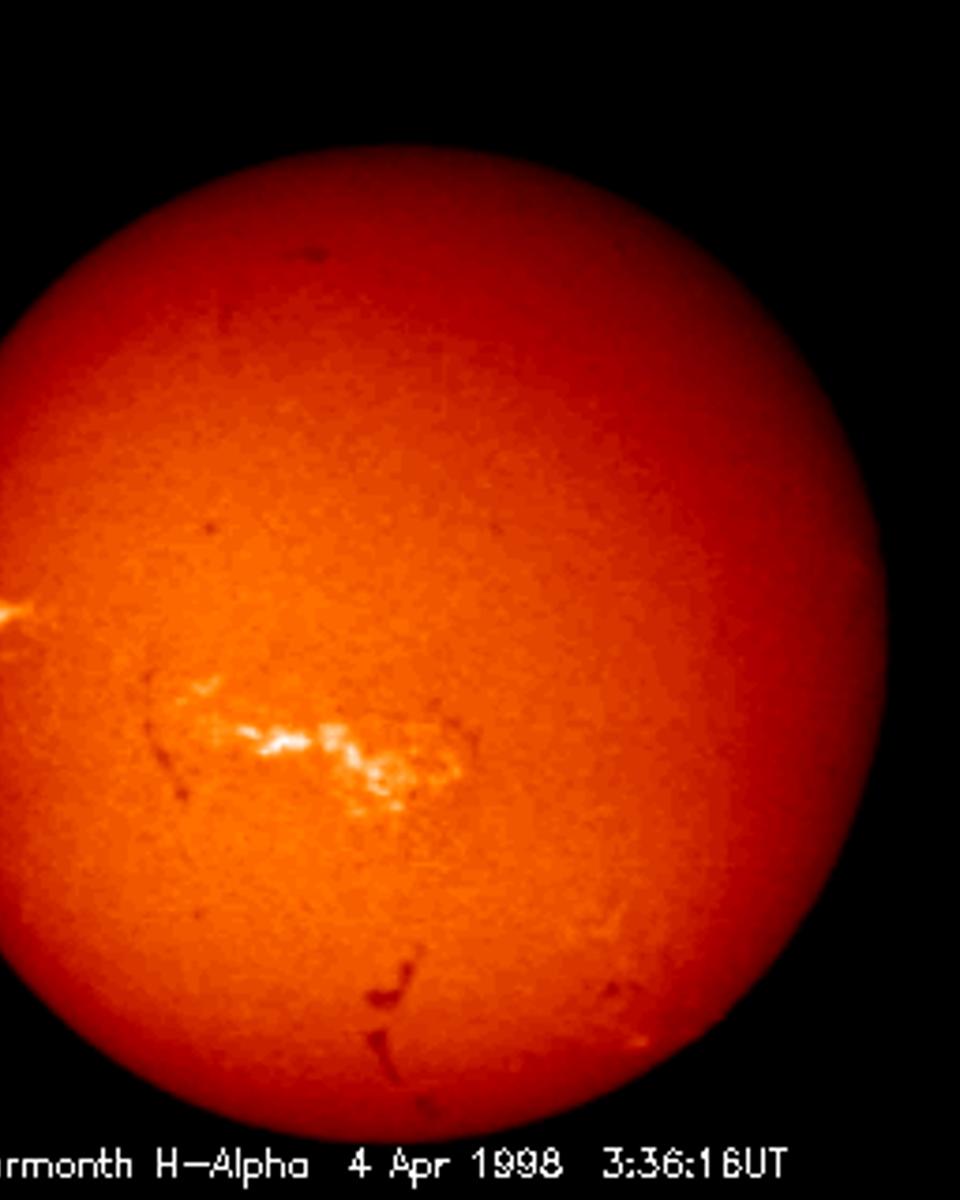
The Sun Changes
Our Sun changes every day. This recent picture was taken in a very specific red color called Hydrogen-Alpha . Dark spots that might appear on the image are usually sunspots , dark…
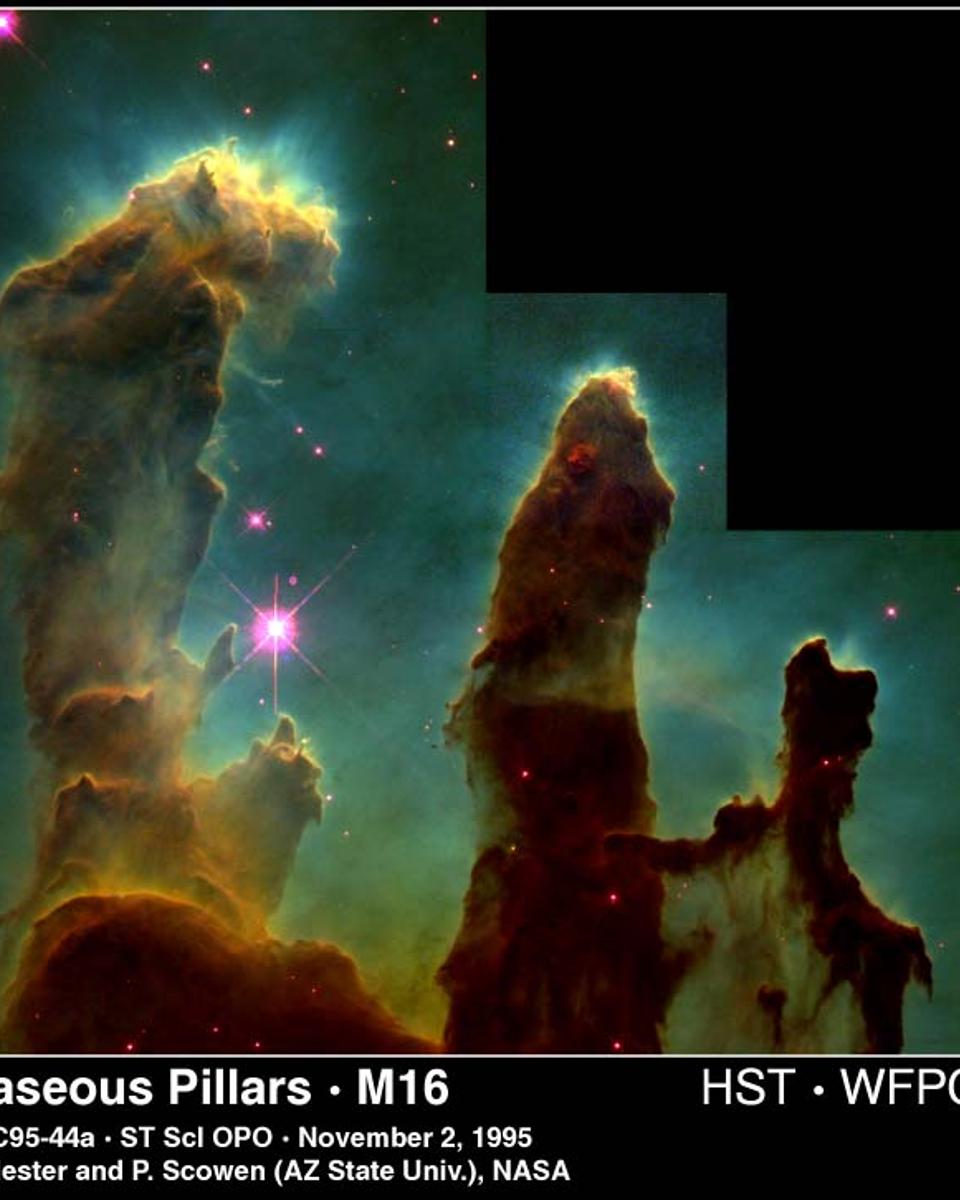
Stars from Eagle's EGGs
Newborn stars are forming in the Eagle Nebula. This image , taken with the Hubble Space Telescope in 1995, shows evaporating gaseous globules (EGGs) emerging from pillars of…
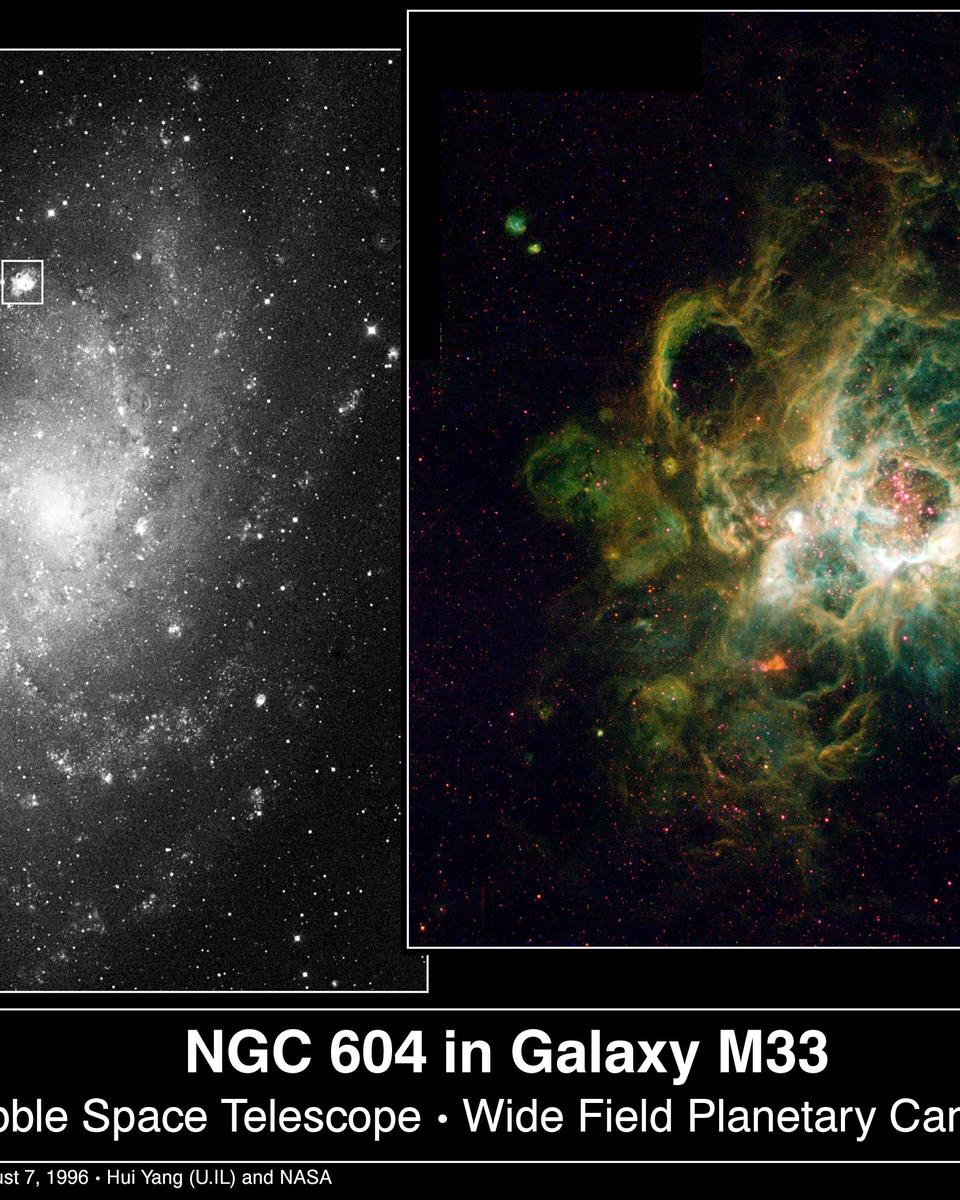
NGC 604: Giant Stellar Nursery
Scattered within this cavernous nebula , cataloged as NGC 604, are over 200 newly formed hot, massive, stars. At 1,500 light-years across, this expansive cloud of interstellar gas…
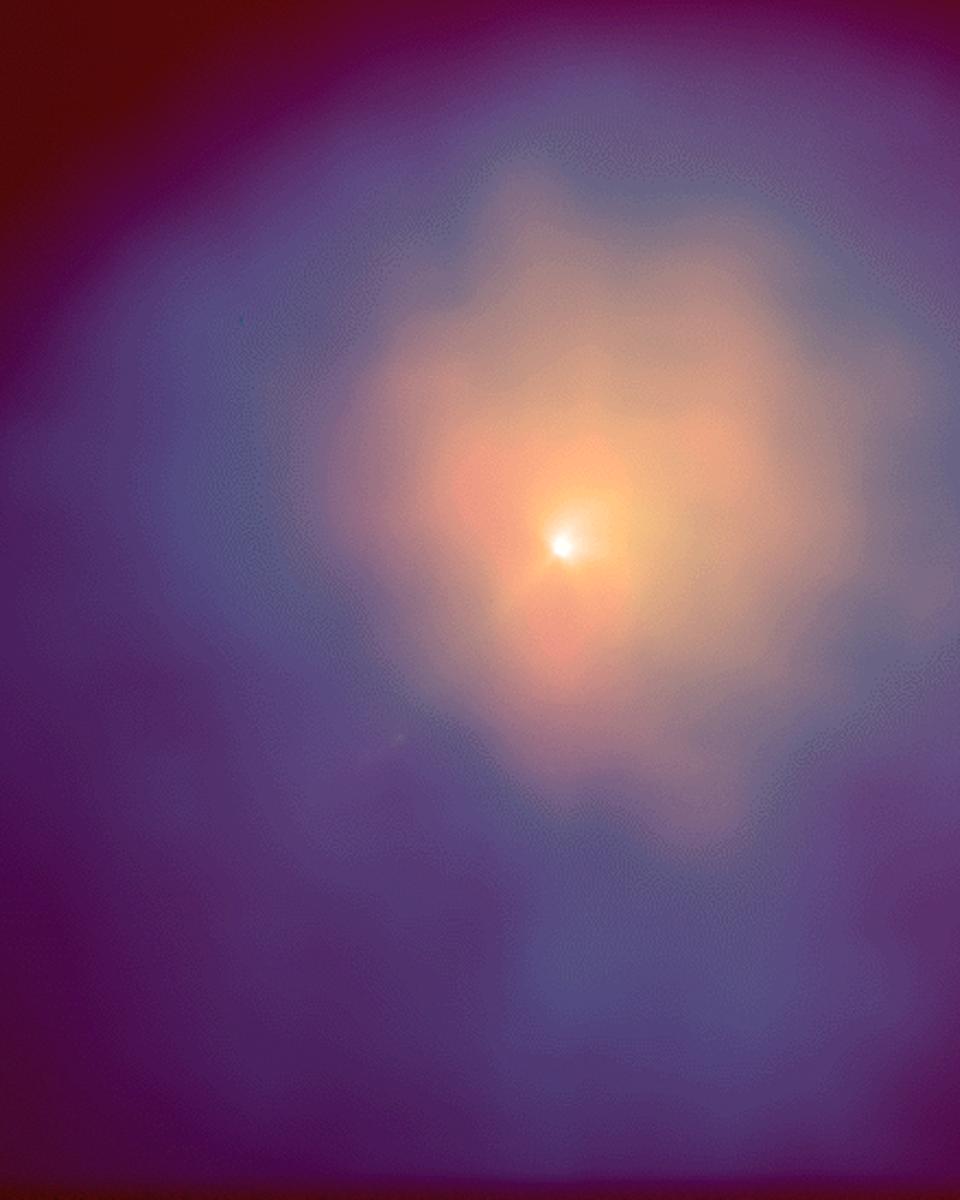
Hyakutake: Comet Atmosphere
The atmosphere of a comet comes and goes . Approaching the sun , it swells as material from the icy cometary nucleus is warmed and evaporated by increasing sunlight. Immense but…
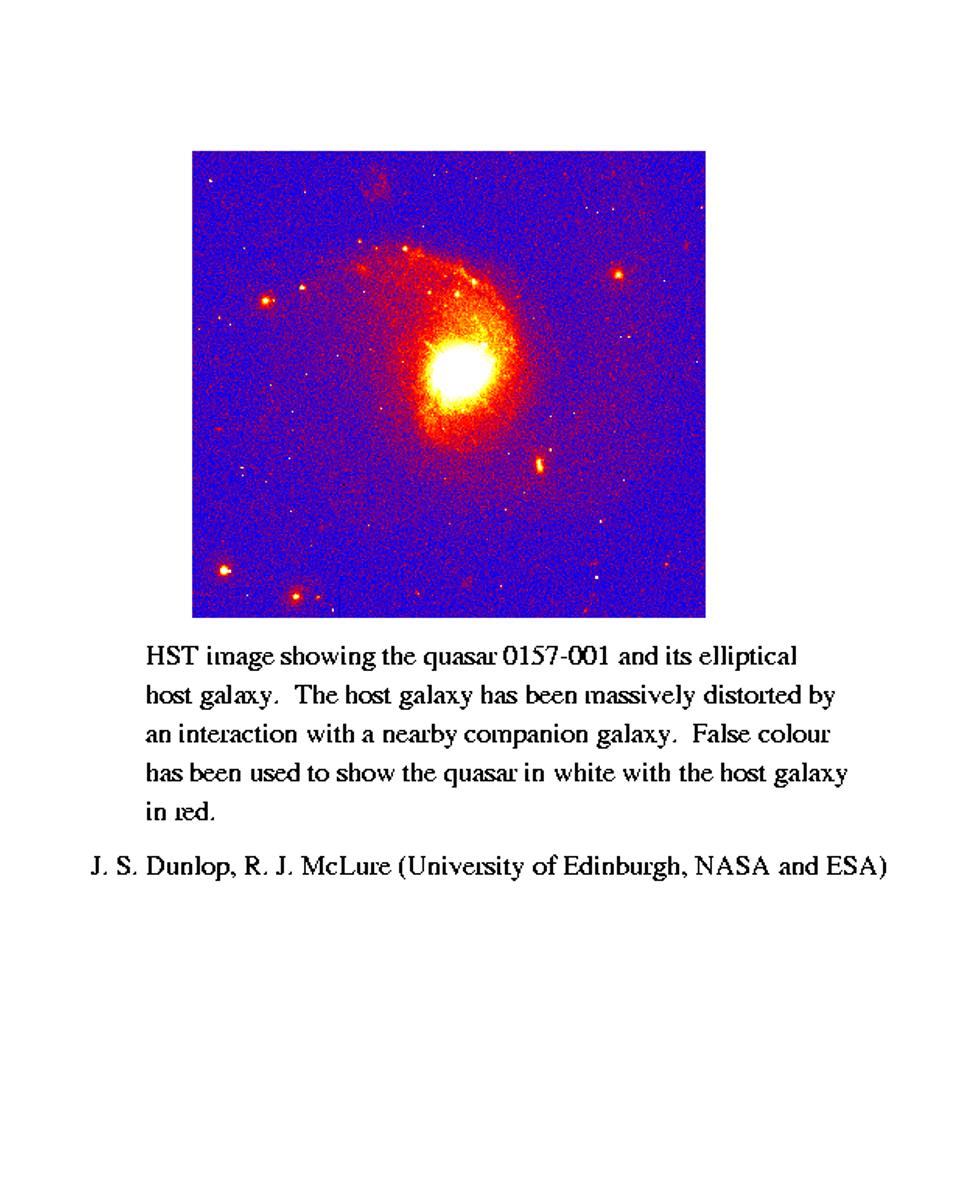
Quasar in an Elliptical Galaxy
Where do quasars live? Quasars are the brightest objects in the universe, so bright they can be seen from across the universe. Observations continue to show that most quasars are…
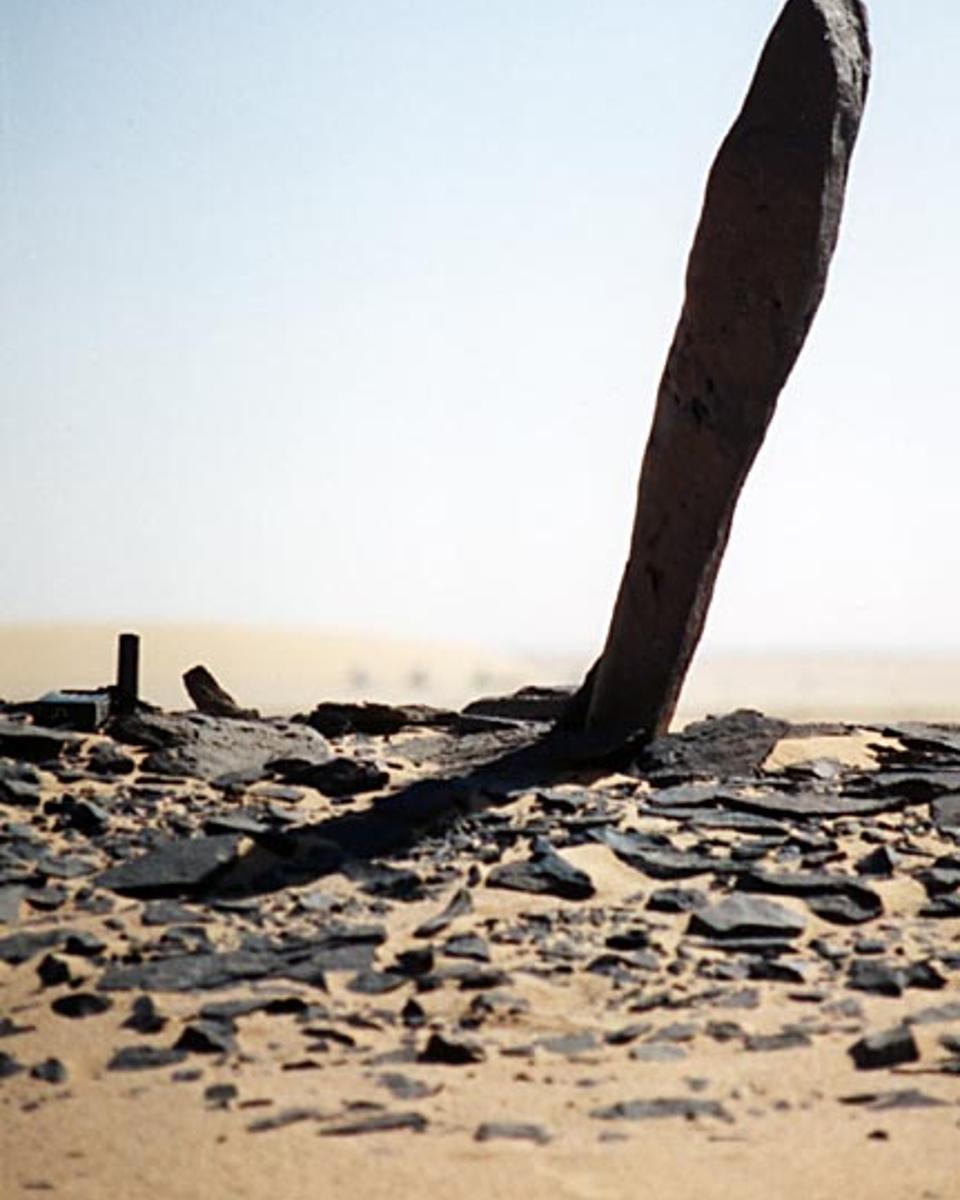
Nabta: Older than Stonehenge
In the Sahara Desert in Egypt lie the oldest known astronomically aligned stones in the world: Nabta . Over one thousand years before the creation of Stonehenge , local herders…
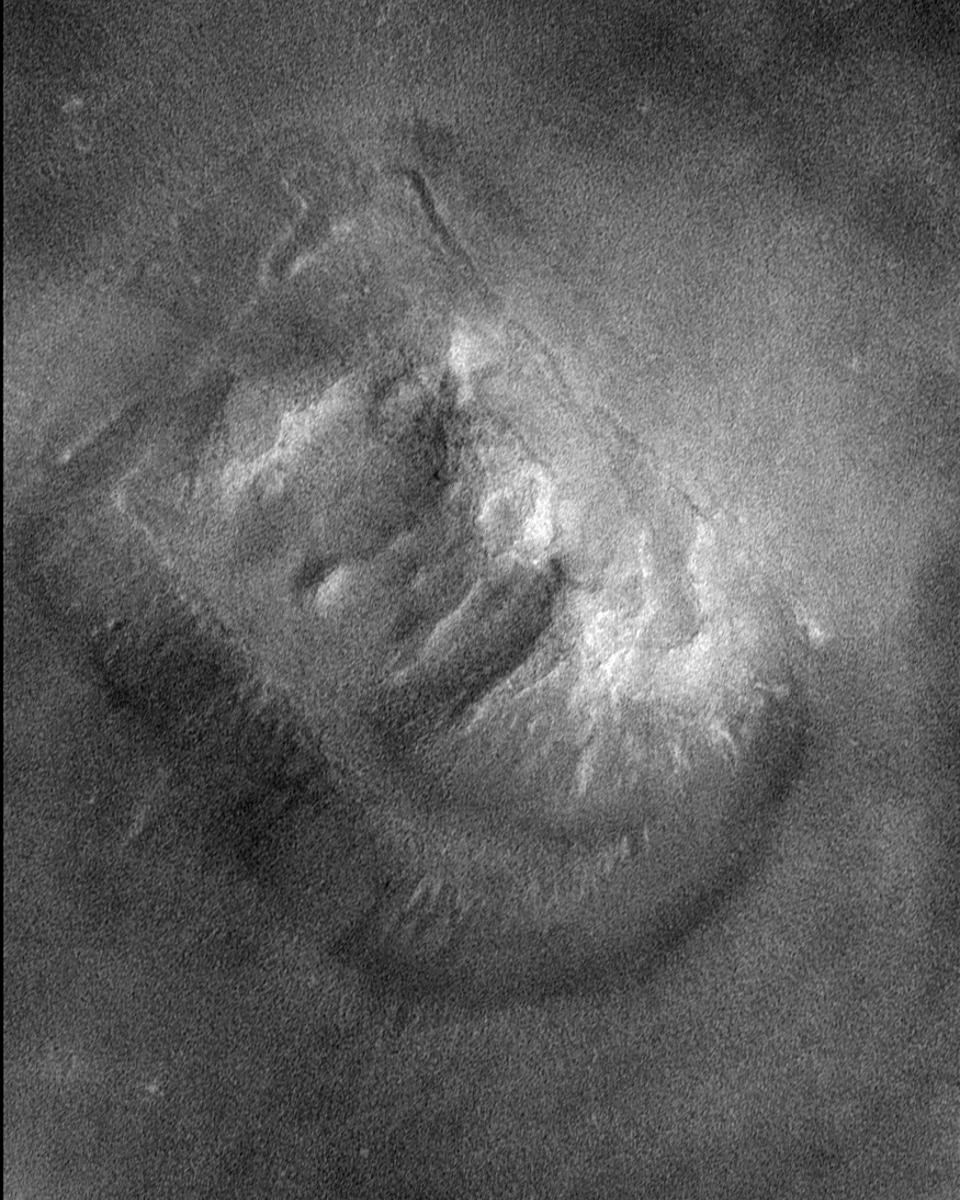
Return To Cydonia
Yesterday the Mars Global Surveyor project released a new close-up image of a portion of the Cydonia region on Mars. This cropped and processed version shows an area about 2 miles…
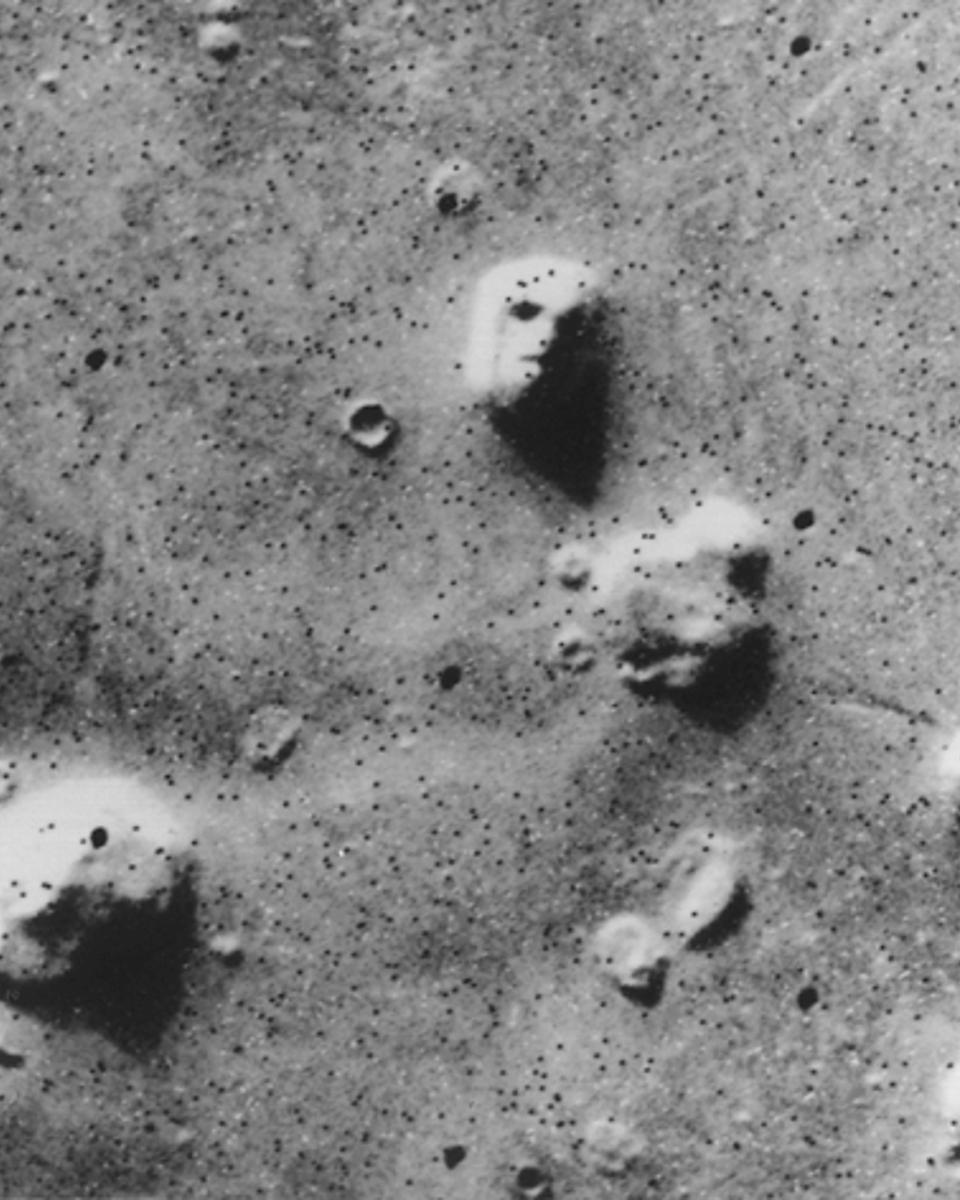
A Face On Mars
This image, showing what looks to be a human face (above center) and other features of the Cydonia region on the Martian surface , was produced using data from NASA's Viking 1…
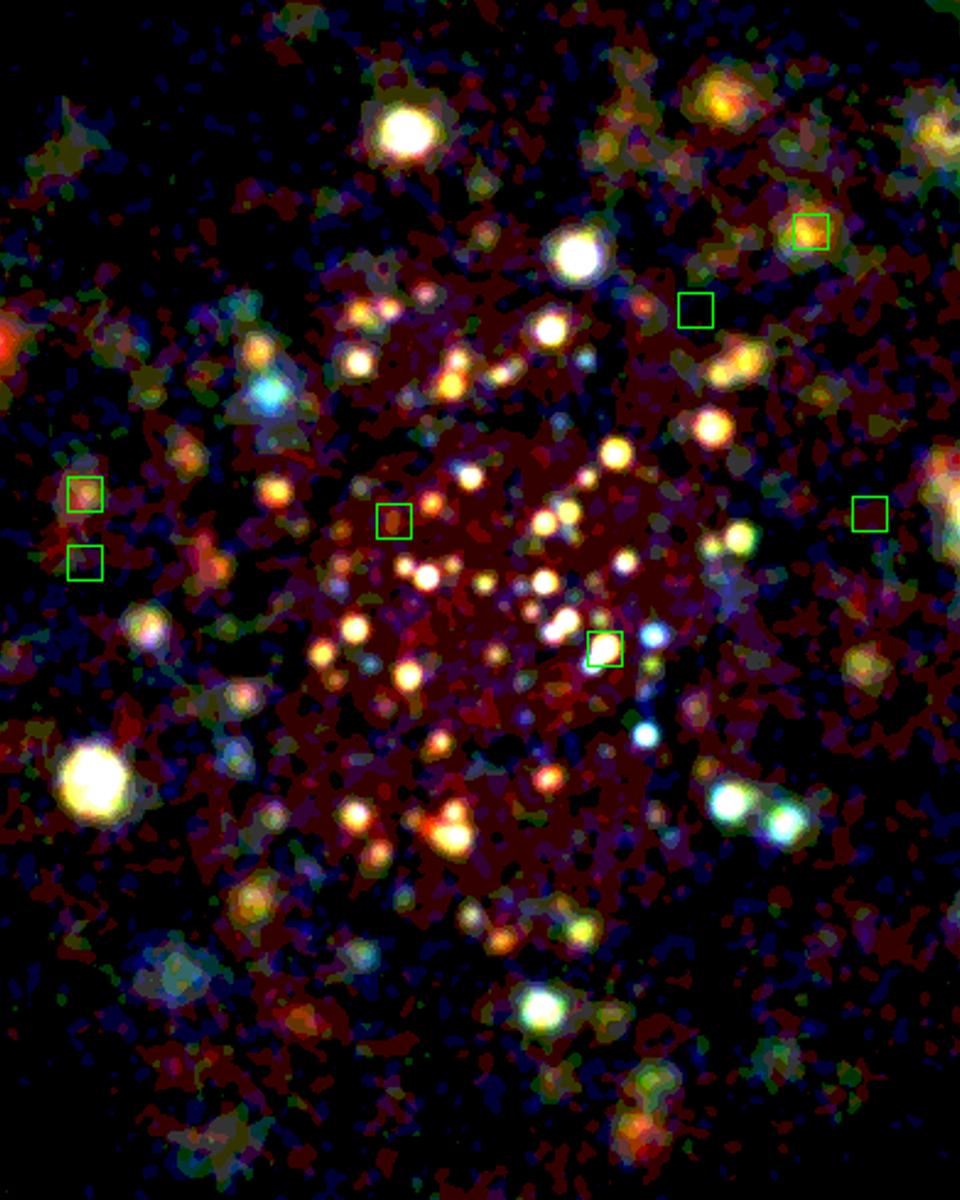
X-Ray Pleiades
The Pleiades star cluster is one of the jewels of the northern sky . To the unaided eye it appears as a lovely and tantalizing grouping of stars in the constellation of Taurus ,…
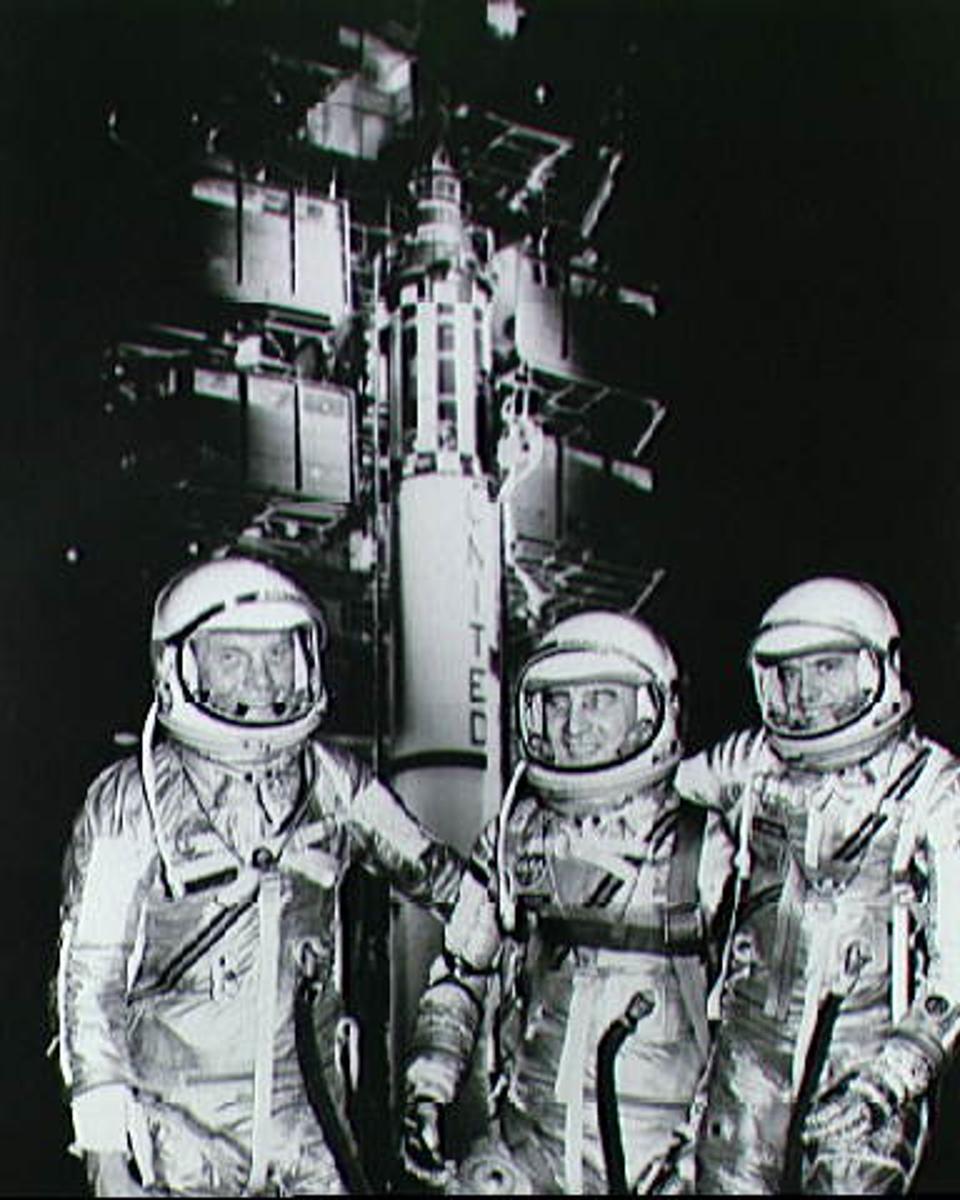
Mercury Astronauts and a Redstone
Space suited project Mercury astronauts John H. Glenn , Virgil I. Grissom , and Alan B. Shepard Jr. (left to right) are posing in front of a Redstone rocket in this vintage 1961…
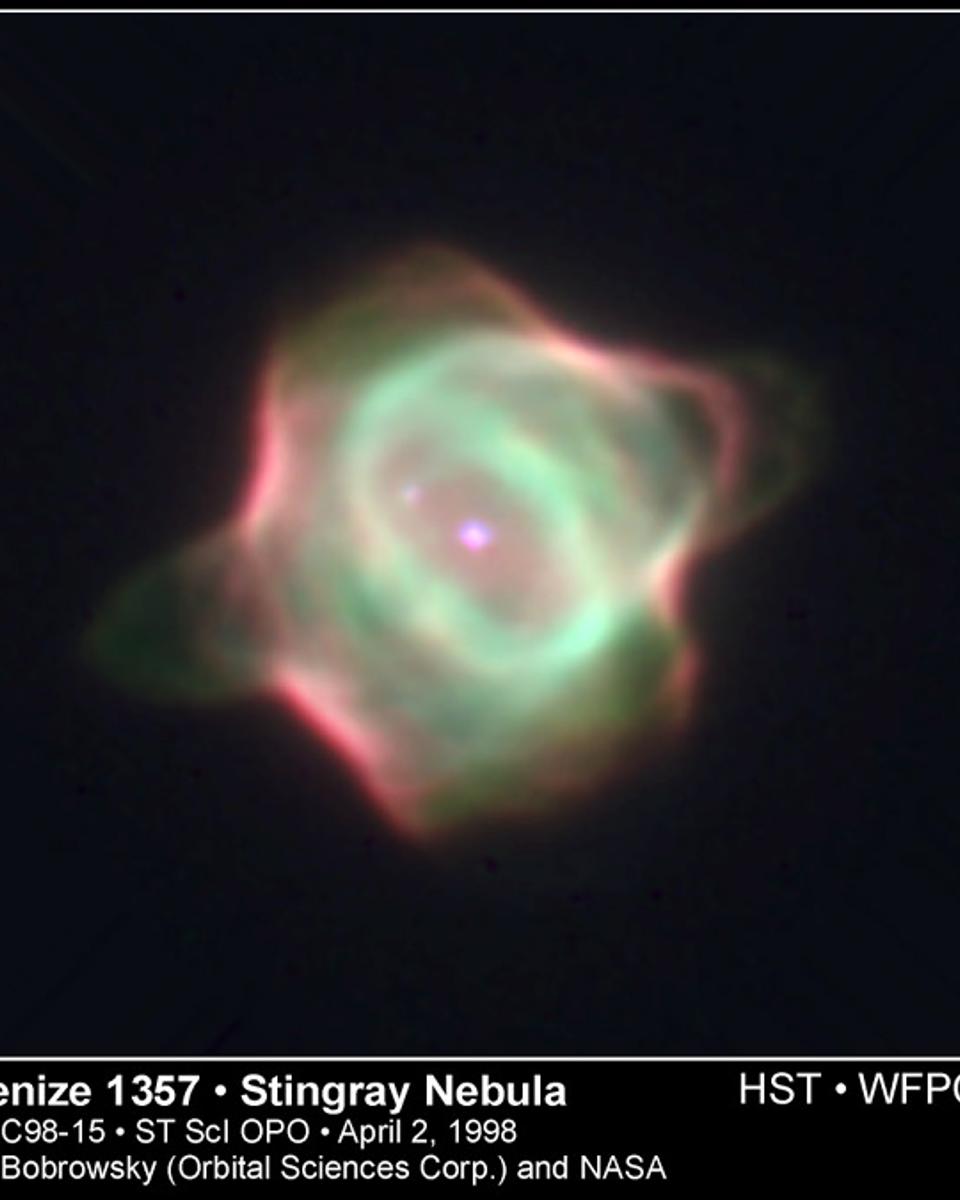
Hen-1357: New Born Nebula
This Hubble Space Telescope picture shows Hen-1357, the youngest known planetary nebula . Graceful, gentle curves and symmetry suggest its popular name - The Stingray Nebula .…
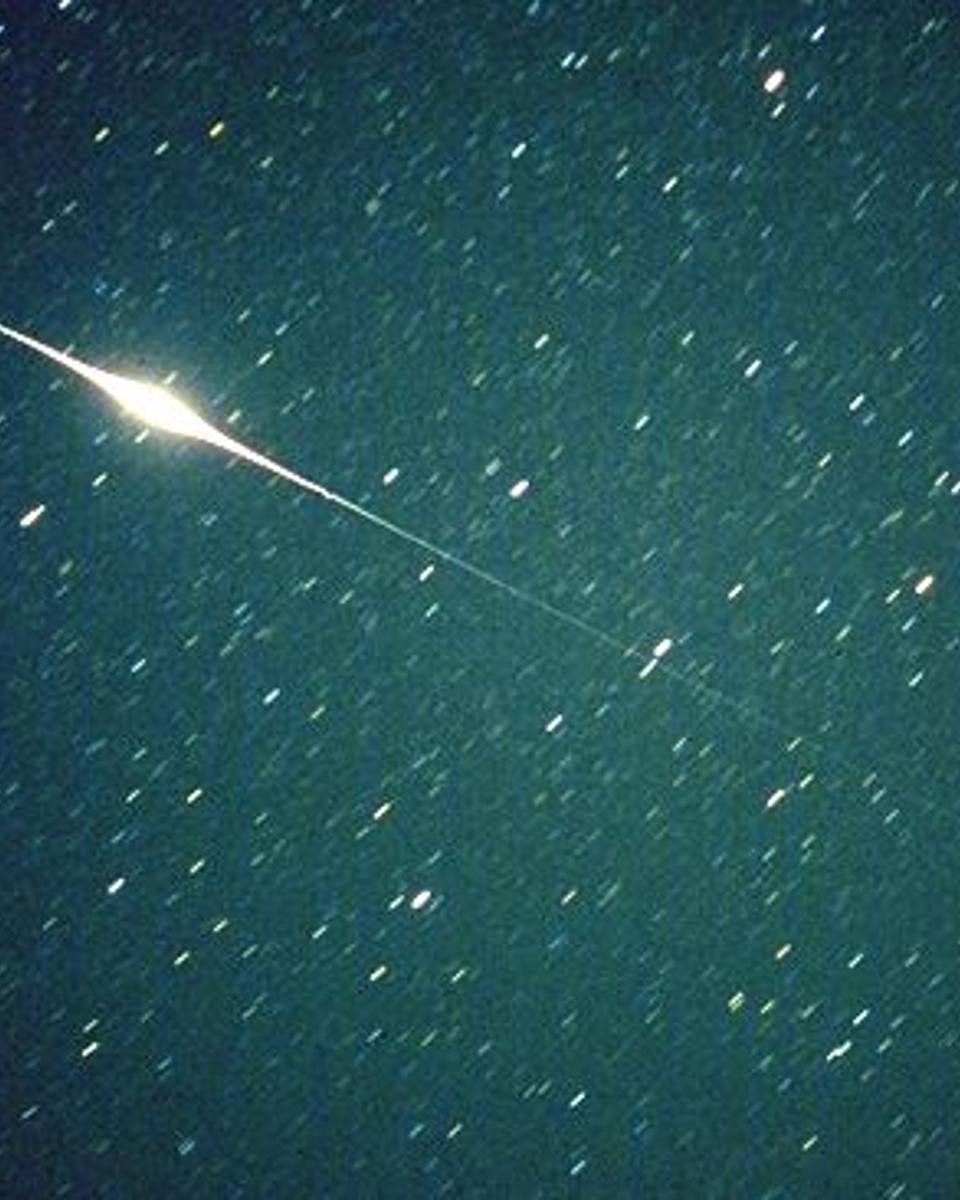
Iridium Flare
Have you seen an Iridium flare ? Satellites in low Earth orbit reflect sunlight and are often visible gliding across early evening and predawn skies. But sun glints from Iridium…
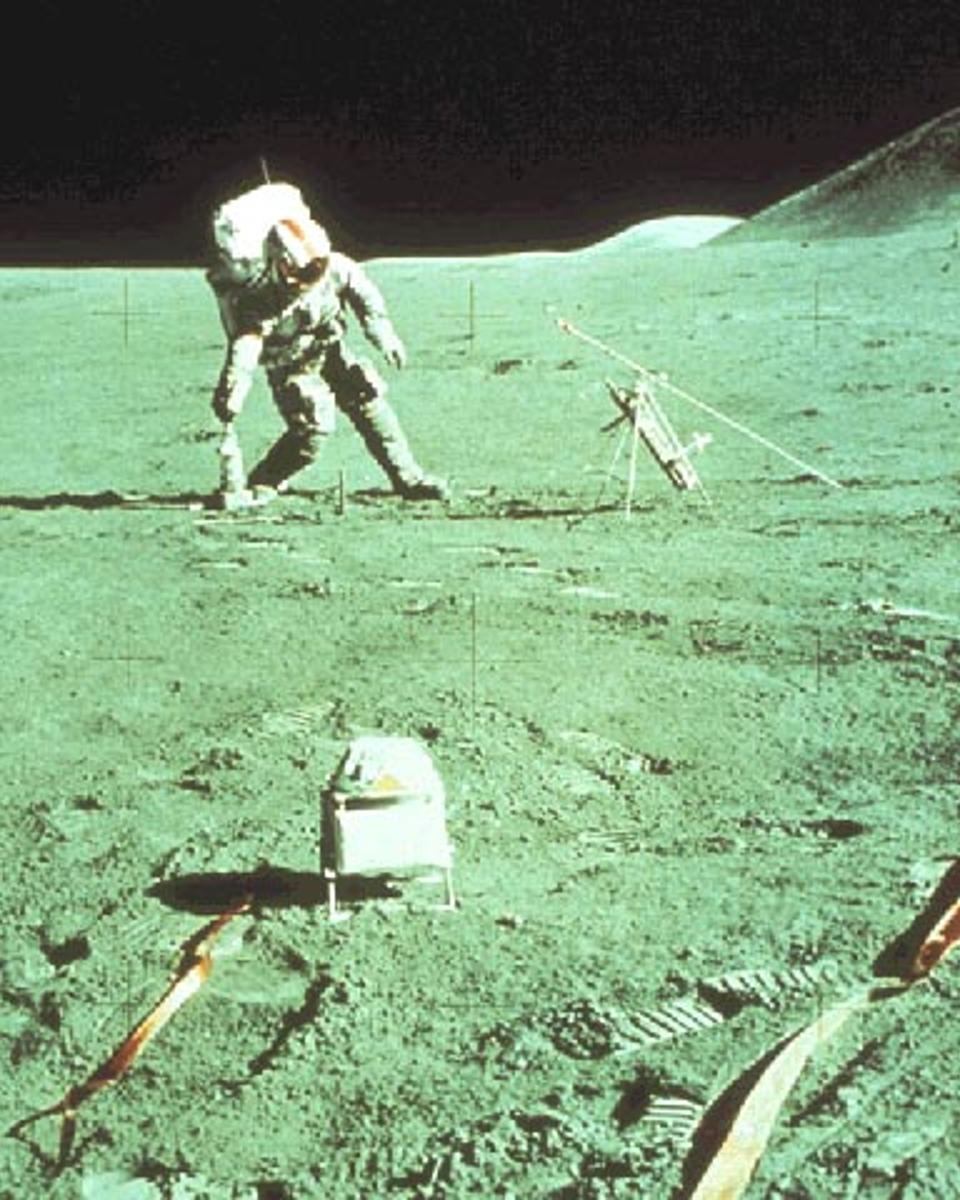
Astronaut Kicks Lunar Field Goal
Score three points for NASA. With time running out late in Apollo 15 's mission to the Moon in 1971, Astronaut David Scott prepared to “split the uprights” and bring about yet…
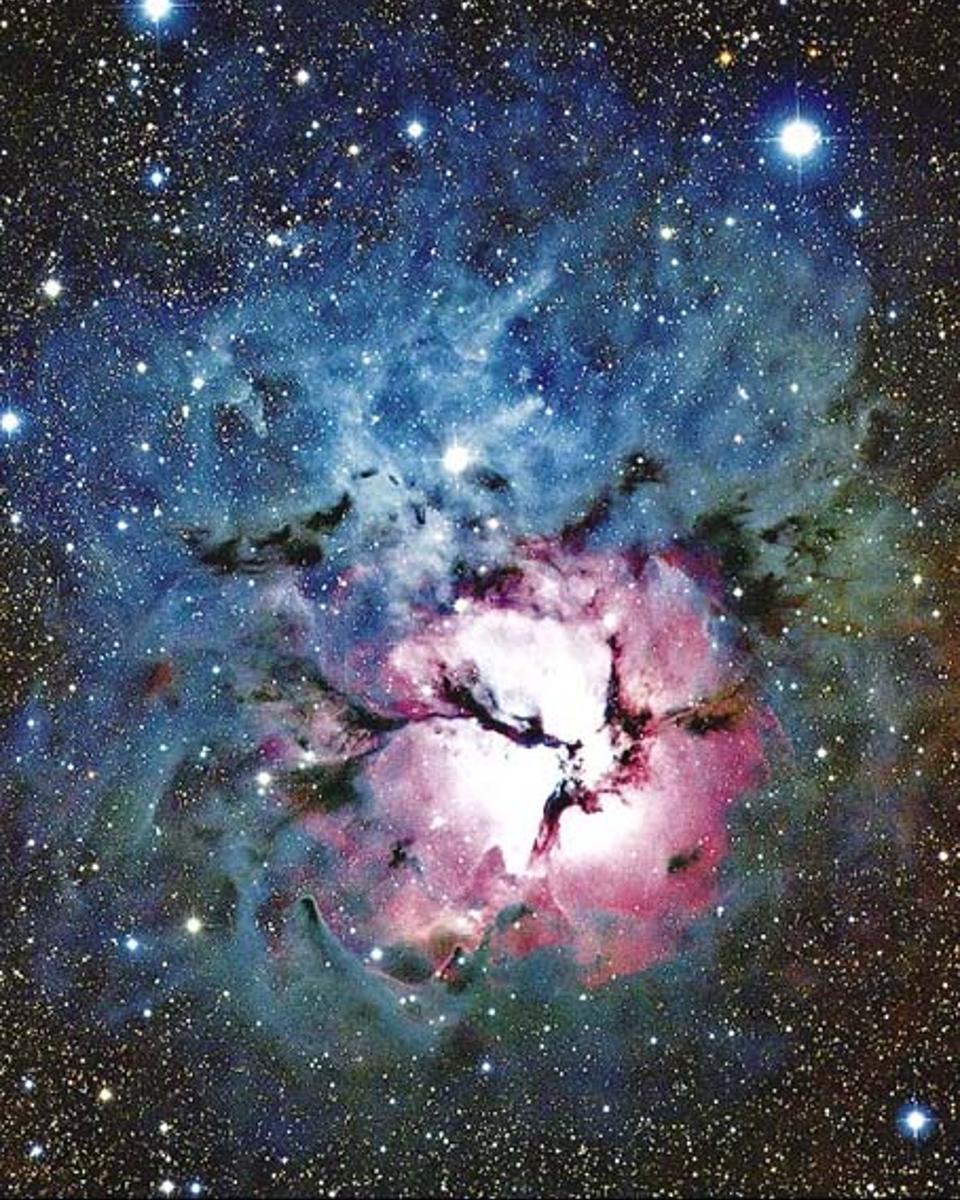
M20: The Trifid Nebula
Unspeakable beauty and unimaginable bedlam can be found together in the Trifid Nebula . Also known as M20, this photogenic nebula is visible with good binoculars in the…
Viewing discoveries from 23 April 1998 through 31 March 1998.