Browse NASA Astronomy Picture of the Day archive by date and media: Archive Discoveries
Browse the NASA APOD archive without needing the exact date first. Filter by media type and keep moving deeper into older images and videos.
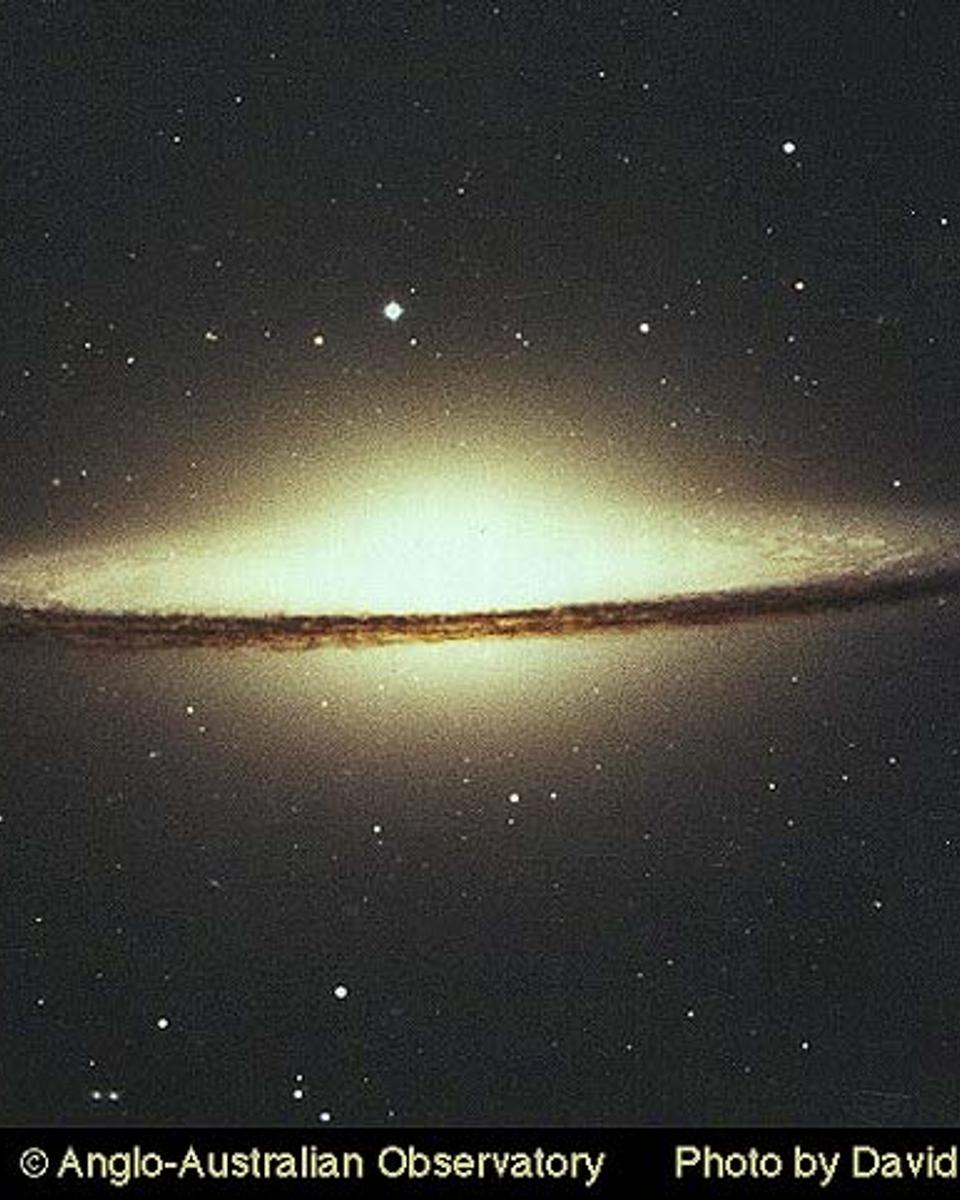
M104: The Sombrero Galaxy
What's going on in the center of this spiral galaxy ? Named the Sombrero Galaxy for its hat-like resemblance, M104 features a prominent dust lane and a bright halo of stars and…
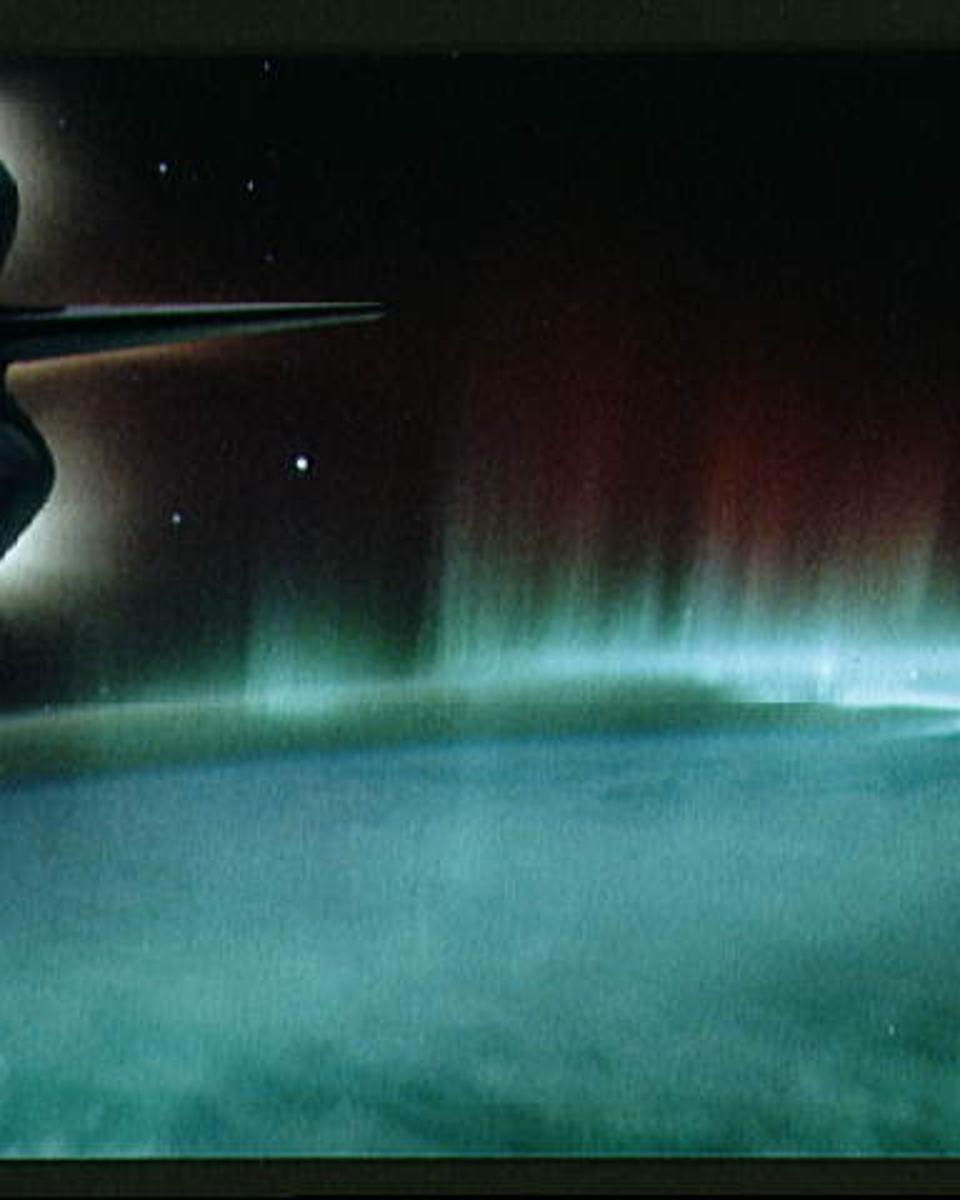
Southern Lights and Shuttle Glow
A background of distant stars, sinuous and spiky bands of Southern Lights (Aurora Australis) , and the faint glow of charged plasma ( ionized atomic gas ) surrounding the Space…
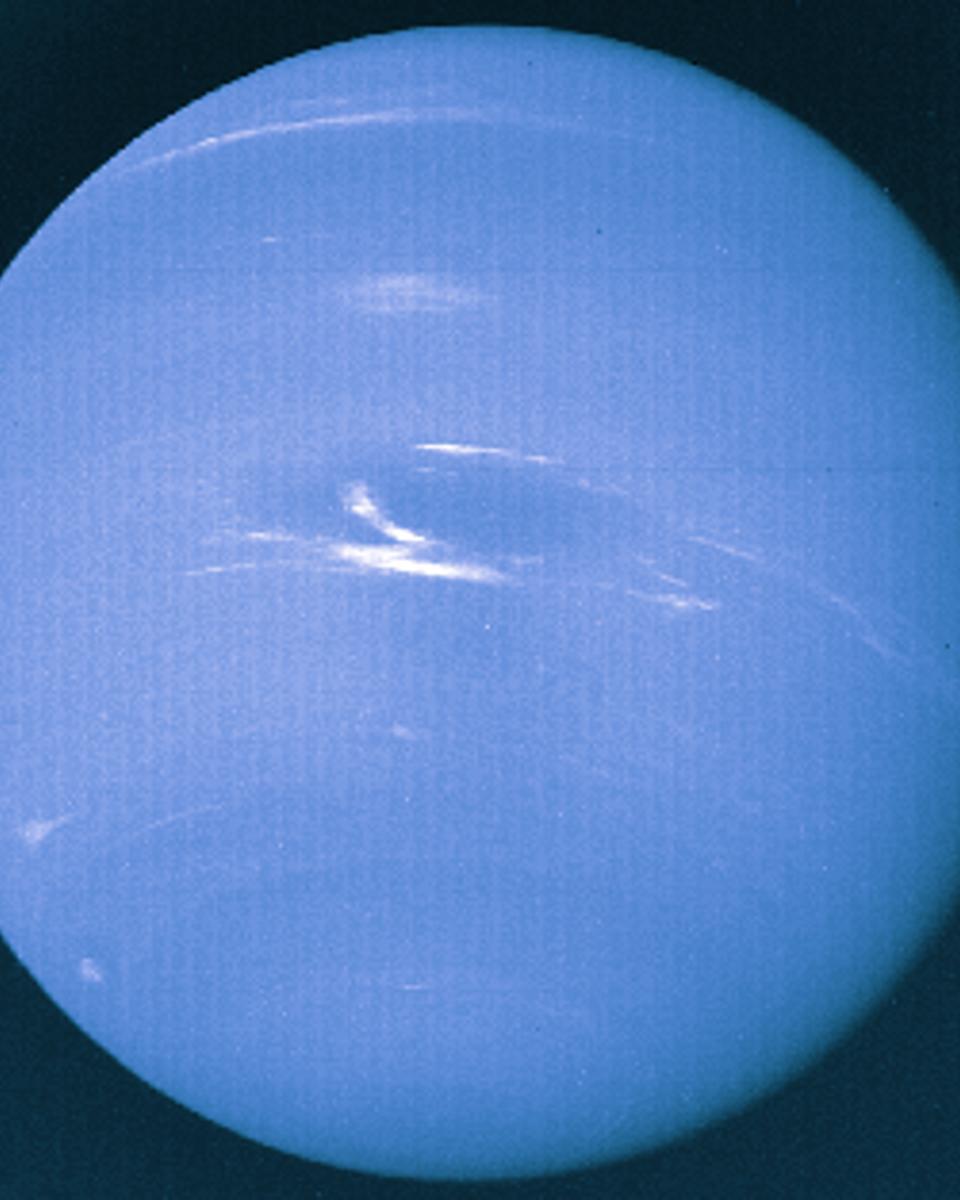
Neptune: Big Blue Giant
This picture was taken by the Voyager 2 spacecraft in 1989 - the only spacecraft ever to visit Neptune. Neptune will be the farthest planet from the Sun until 1999, when the…
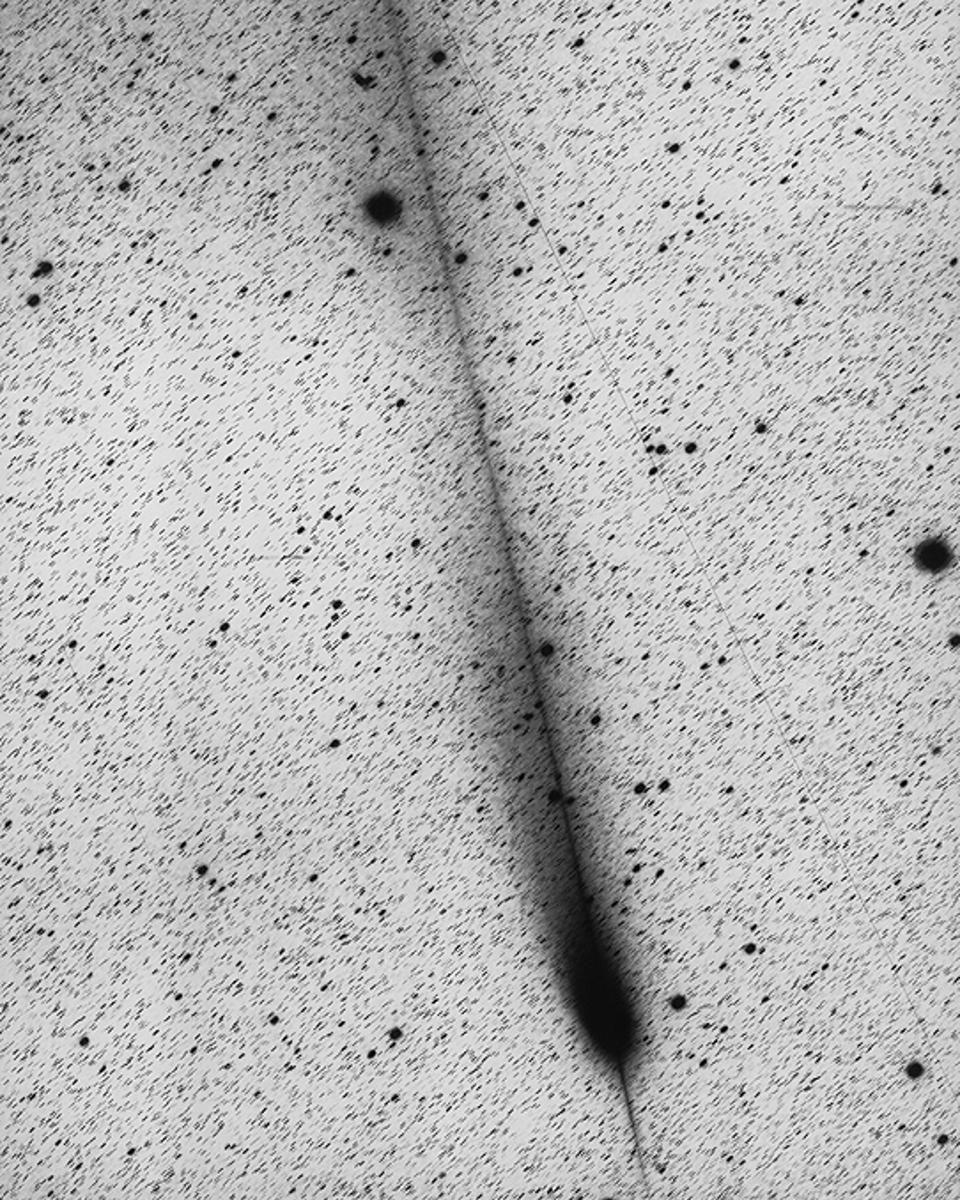
Hale-Bopp: A Continuing Tail
Where is Hale-Bopp now? The Great Comet of 1997 , one of the largest and most active comets ever, is outbound about 400 million miles from the sun. Too faint for viewing without…
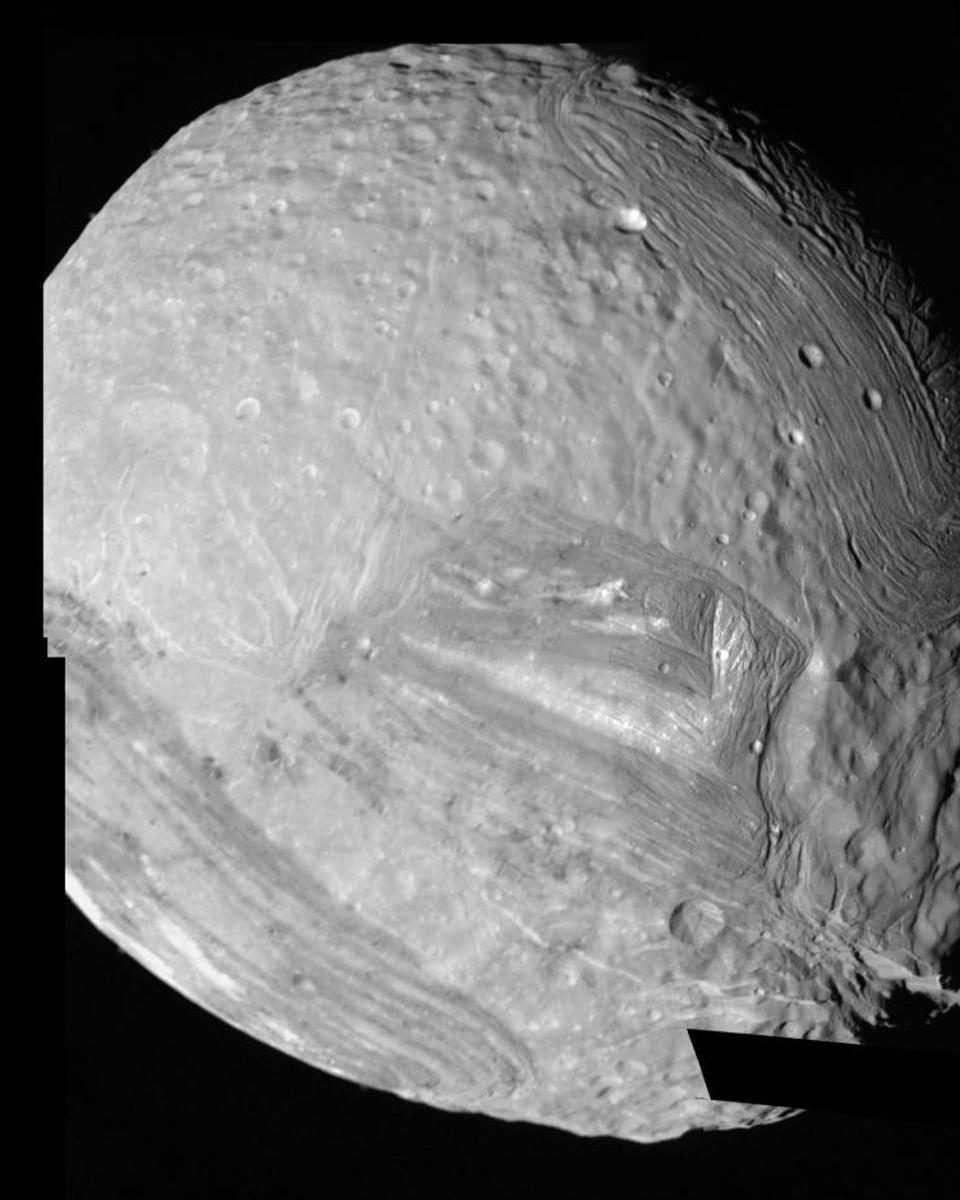
Miranda
Miranda is a bizarre world which surely had a tempest uous past. The innermost of the larger Uranian moons, Miranda is almost 300 miles in diameter and was discovered only 50…
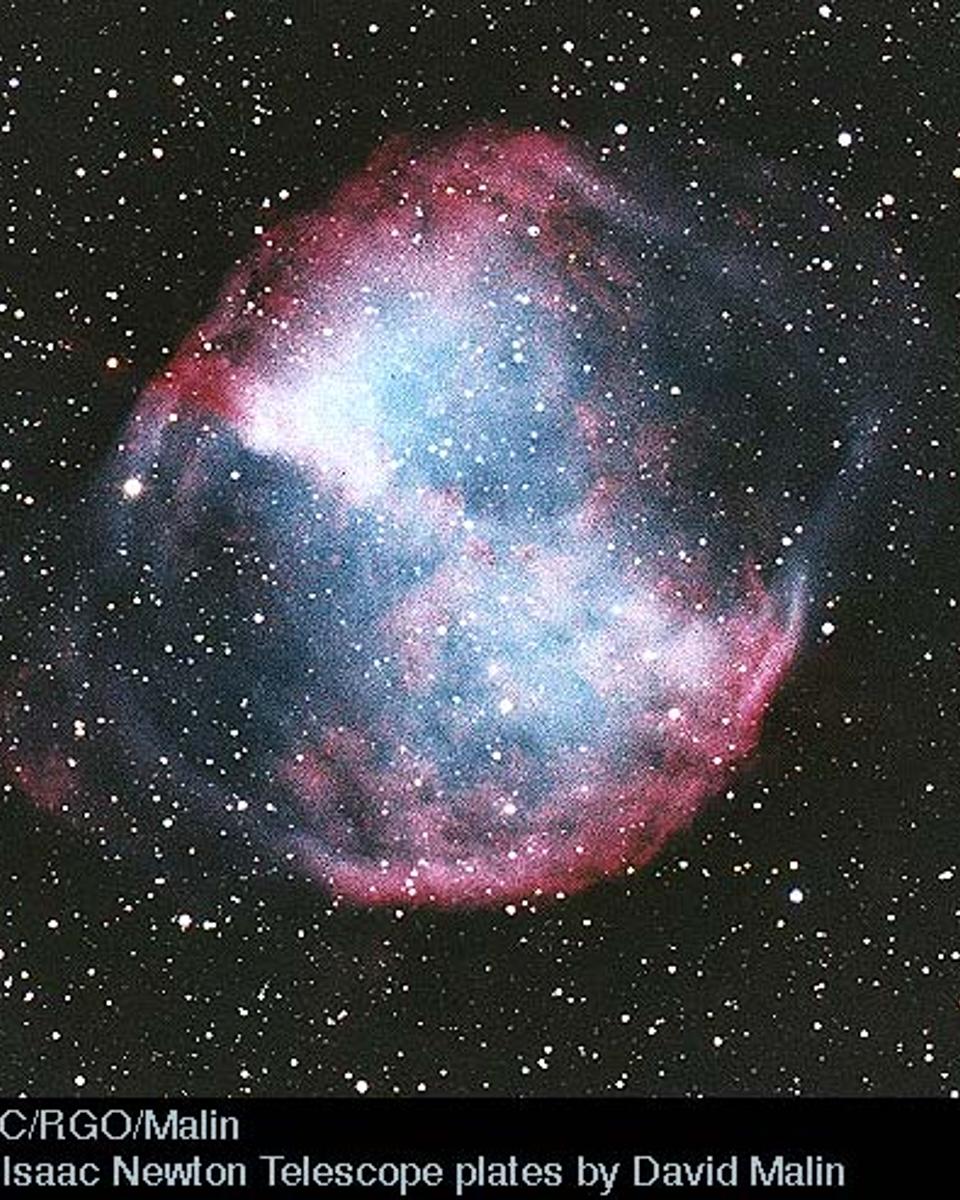
M27: The Dumbbell Nebula
The first hint of what will become of our Sun was discovered inadvertently in 1764. At that time, Charles Messier was compiling a list of “annoying” diffuse objects not to be…
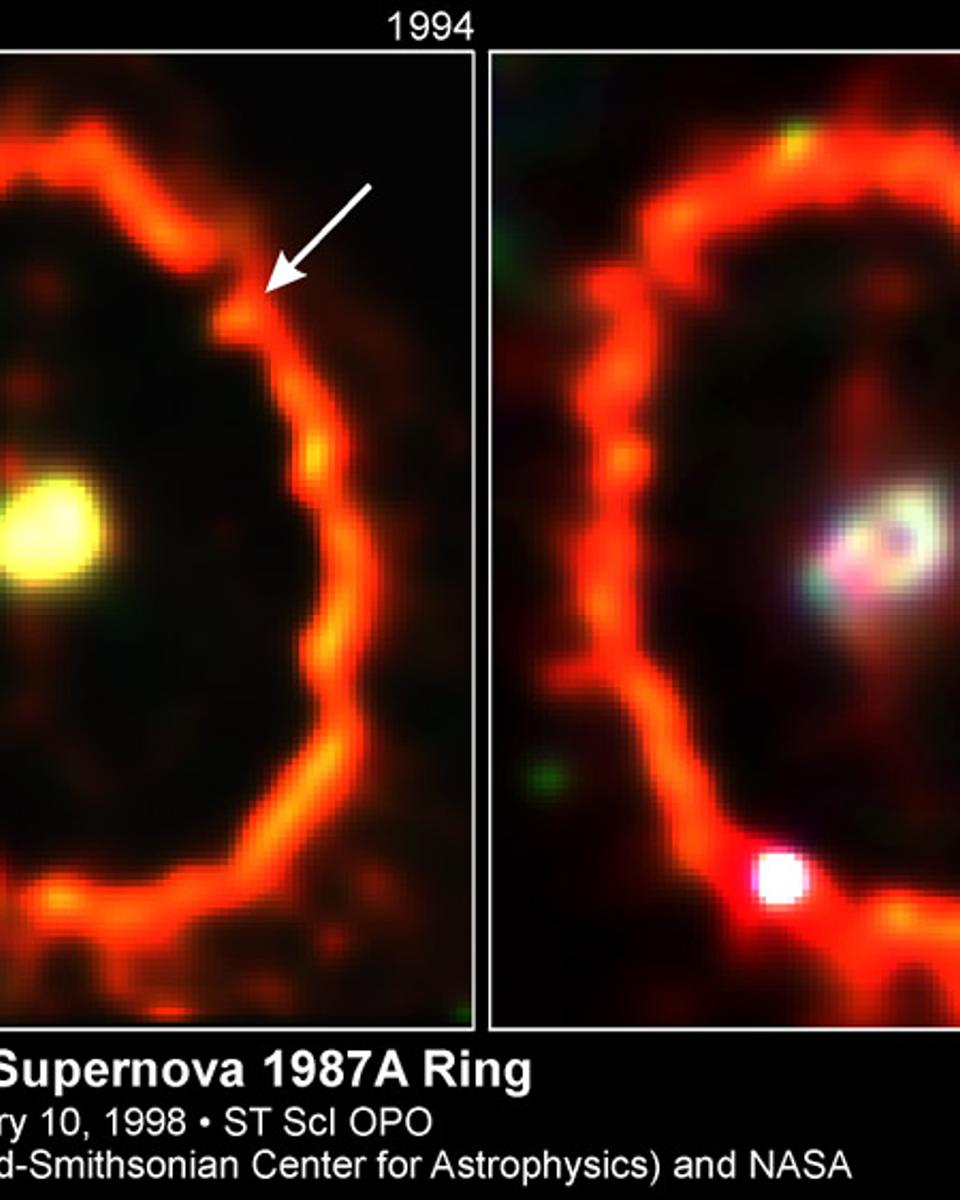
Shocked by Supernova 1987a
Eleven years ago the brightest supernova of modern times was recorded. Now the expanding debris from this tremendous stellar explosion is seen to be crashing into previously…
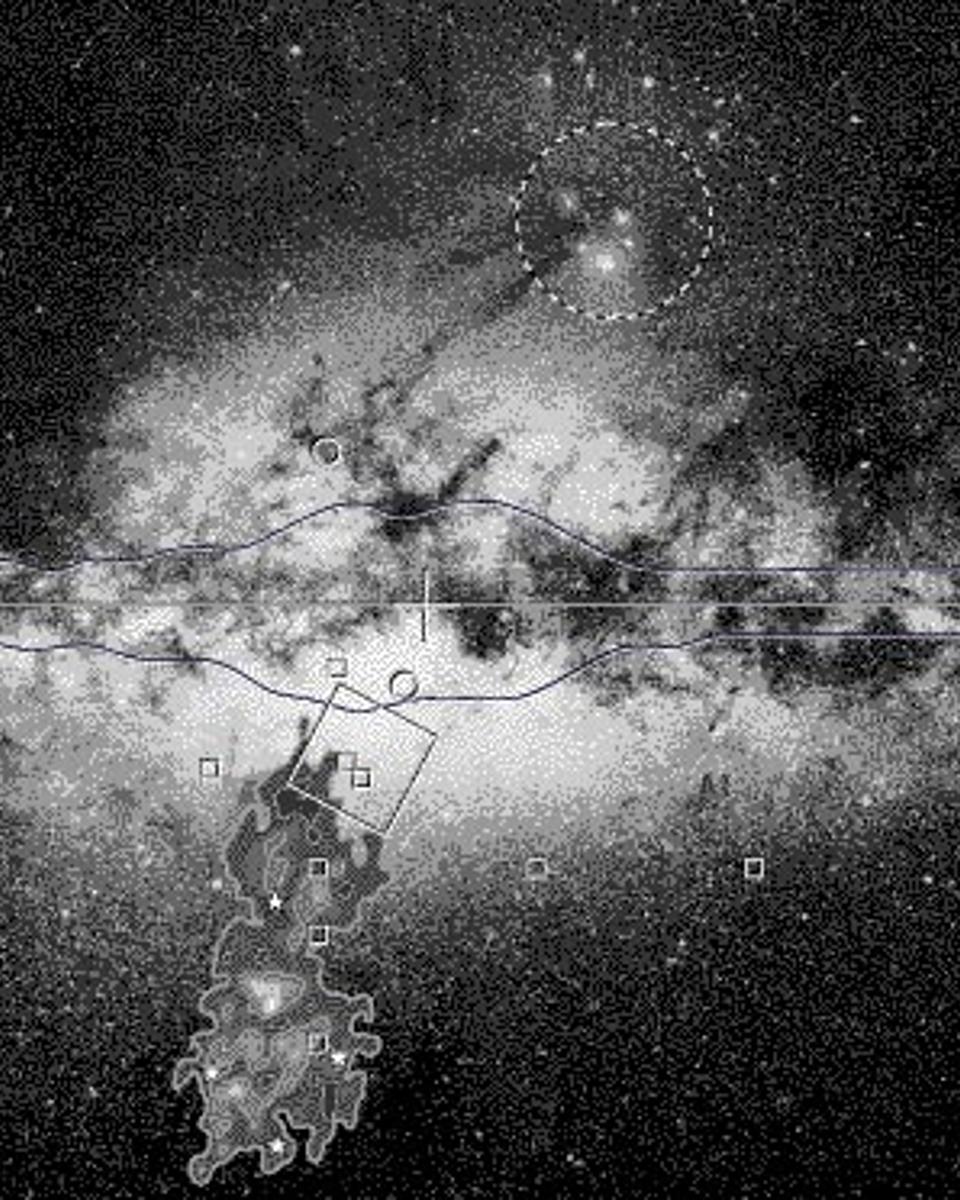
Sagittarius Dwarf to Collide with Milky Way
Our Galaxy is being invaded. Recent observations indicate that in the next 100 million years, the Sagittarius Dwarf galaxy will move though the disk of our own Milky Way Galaxy…
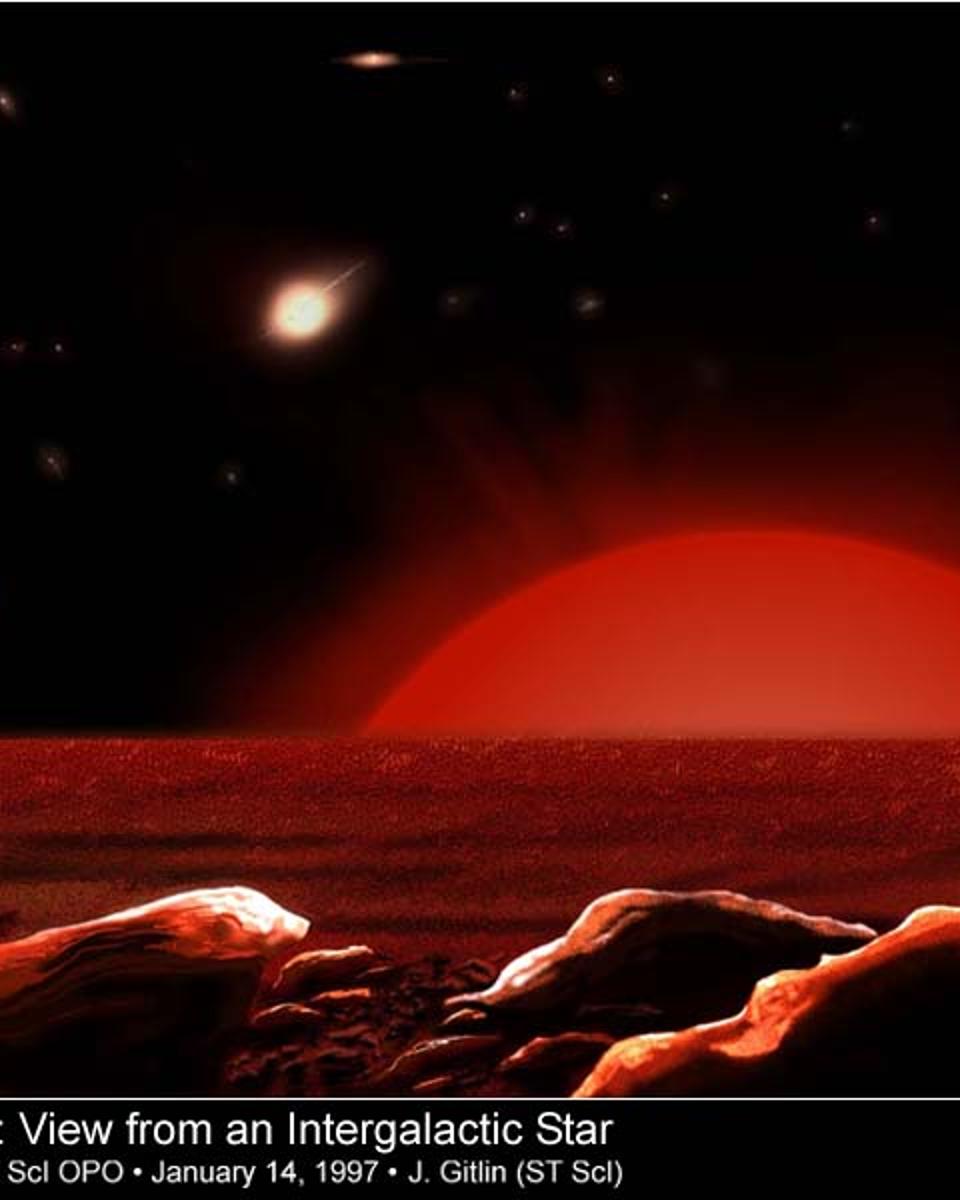
Stars Without Galaxies
Galaxies are made up of stars, but are all stars found within galaxies ? Using the Hubble Space Telescope, researchers exploring the Virgo Cluster of galaxies have now found about…
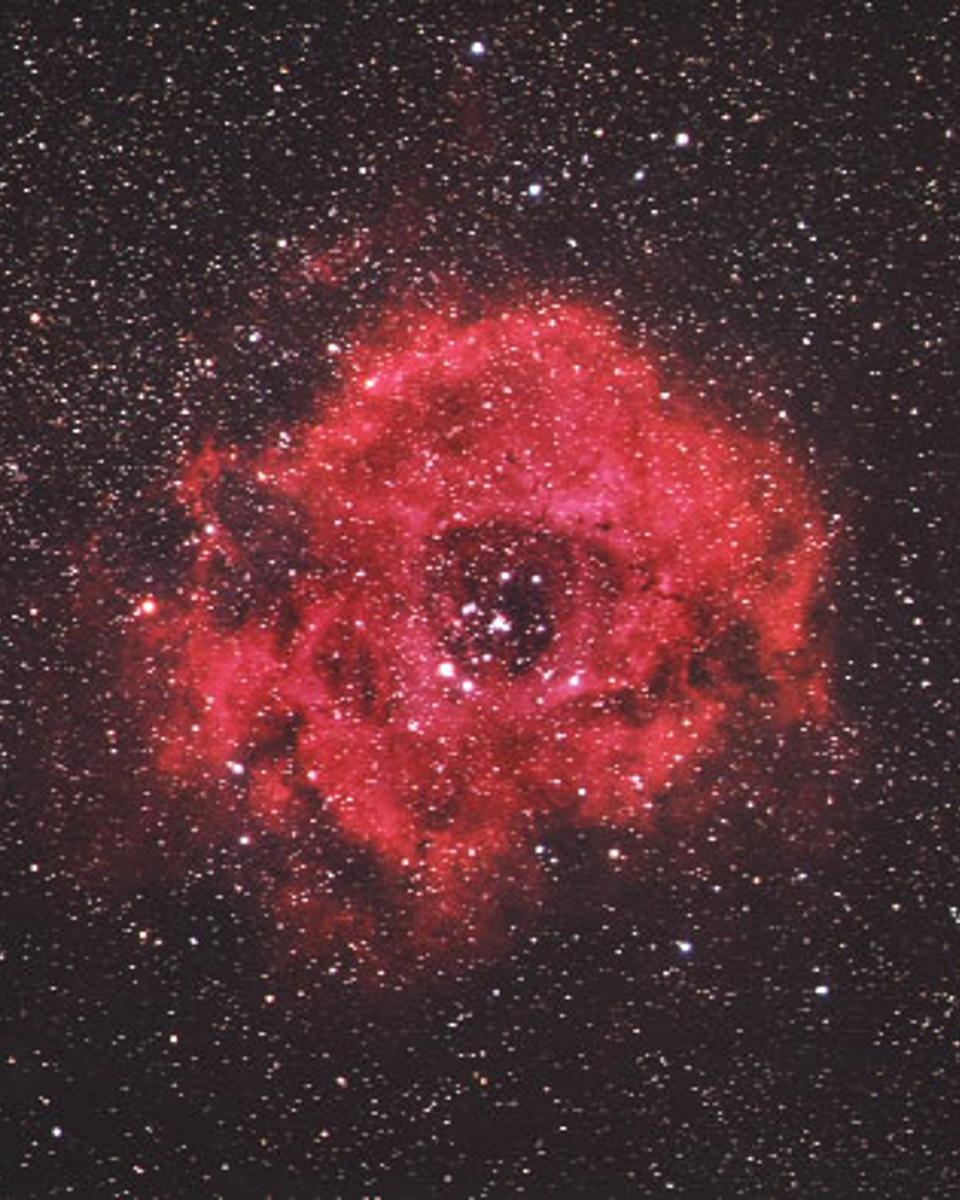
The Rosette Nebula
Would the Rosette Nebula by any other name look as sweet ? The bland New General Catalog designation of NGC 2237 doesn't appear to diminish the appearance of the this flowery…
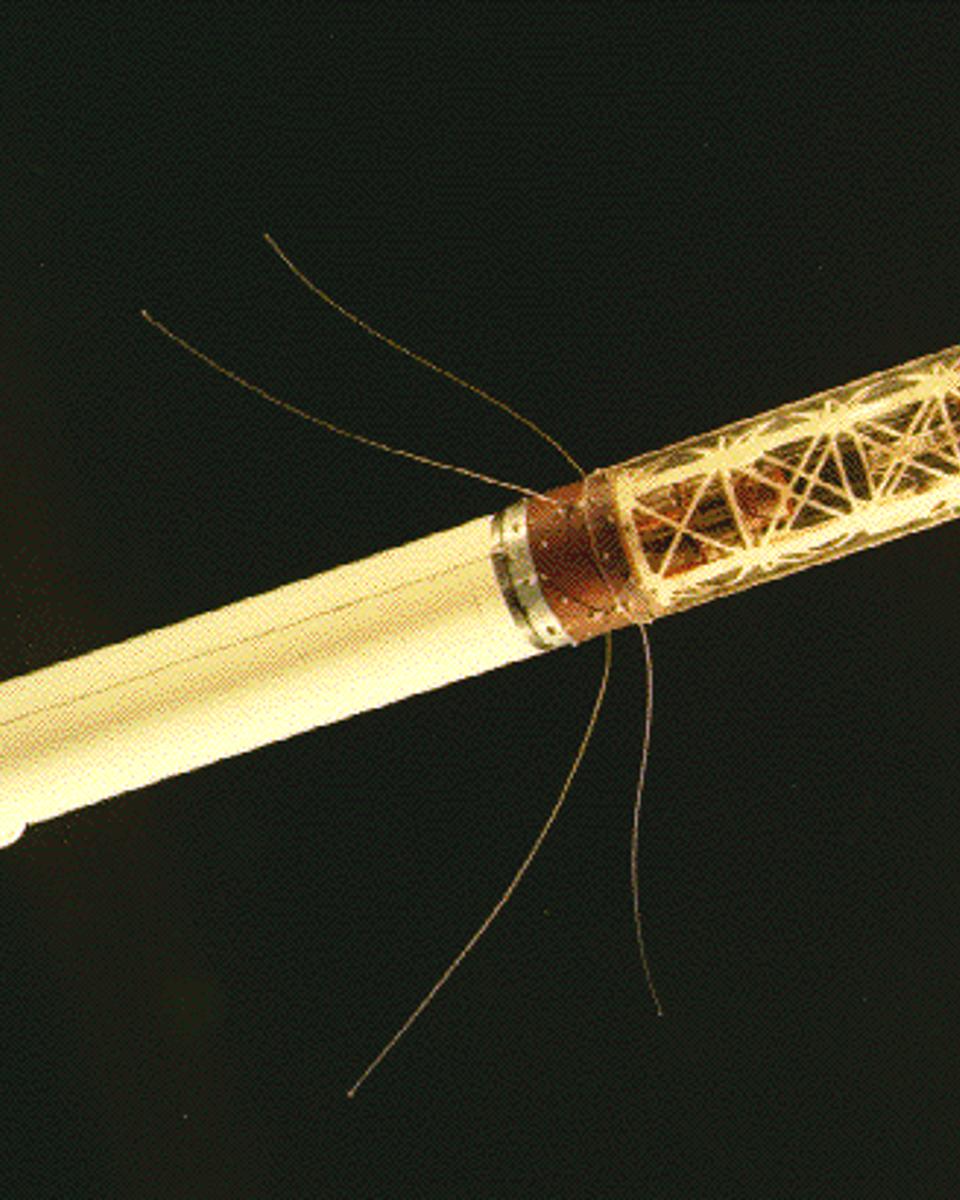
Explorer I
Inaugurating the era of space exploration for the US, the First Explorer was launched into Earth orbit forty years ago (February 1, 1958) by the Army Ballistic Missle Agency . The…
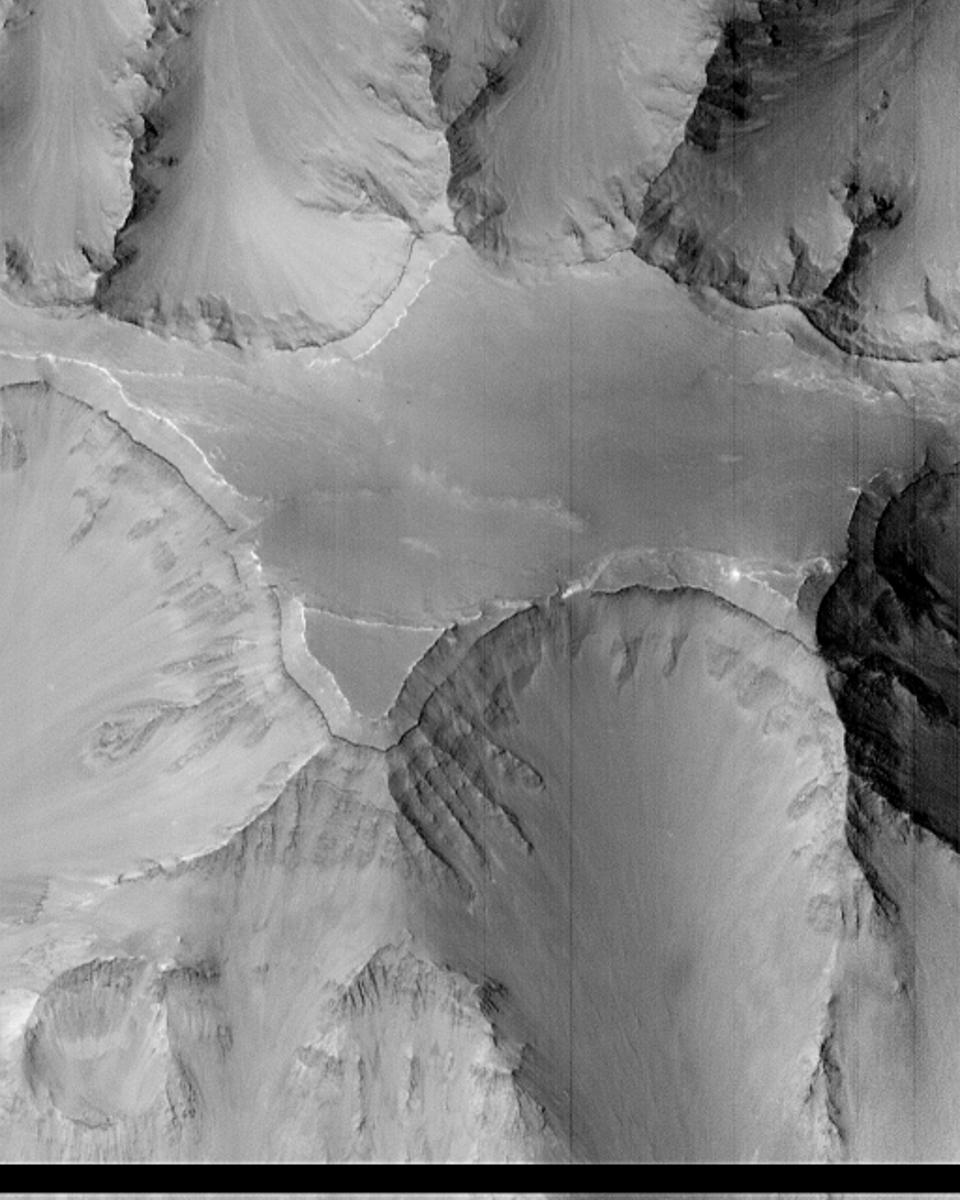
In A Grand Canyon On Mars
In a grand canyon on Mars , steep slopes fall away from a smooth plateau revealing striking layered rock formations. The canyon is part of the Valles Marineris , a 2,500 mile long…
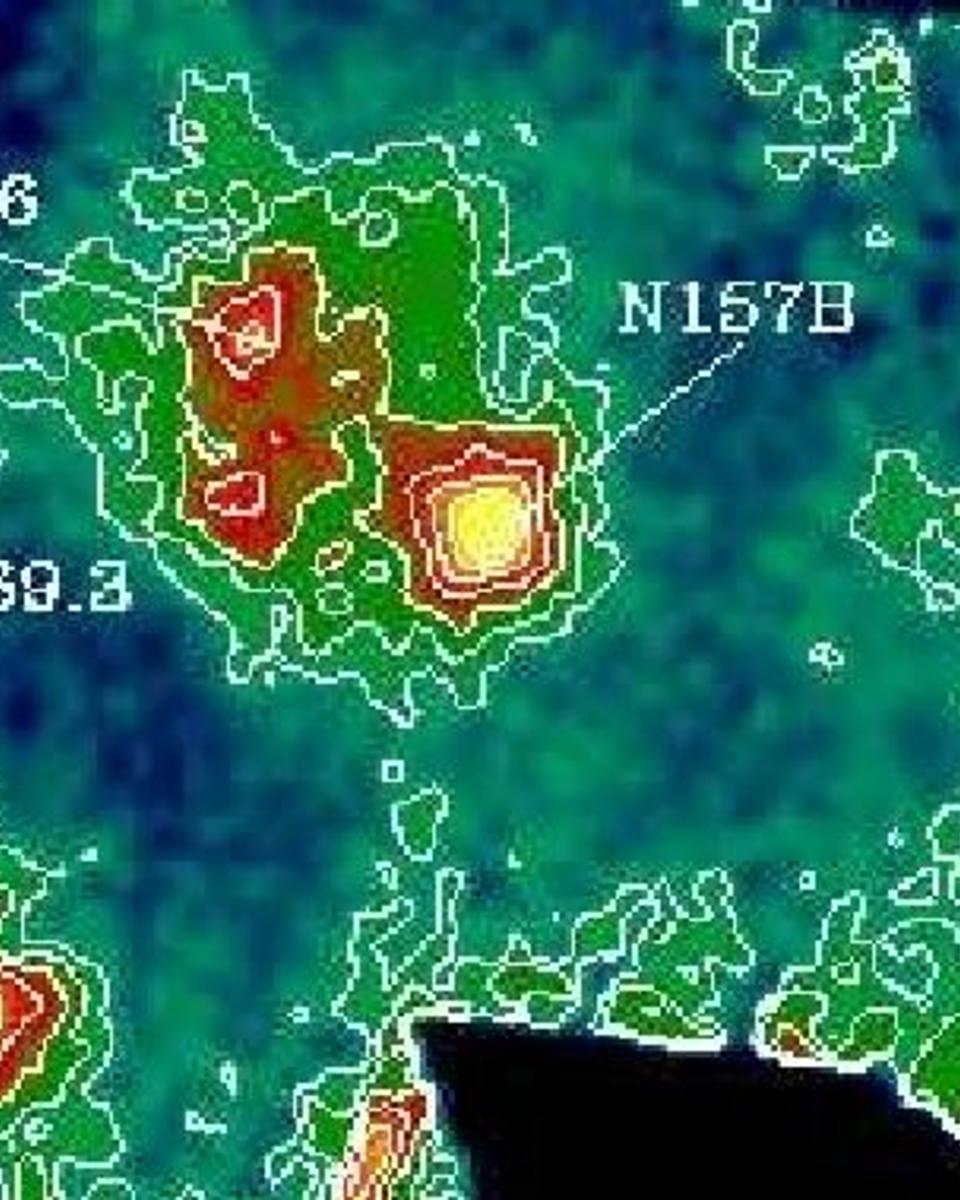
Ultra-Fast Pulsar
Pulsars are rotating neutron stars , born in the violent crucibles of supernova explosions . Like cosmic lighthouses , beams of radiation from surface hotspots sweep past our…
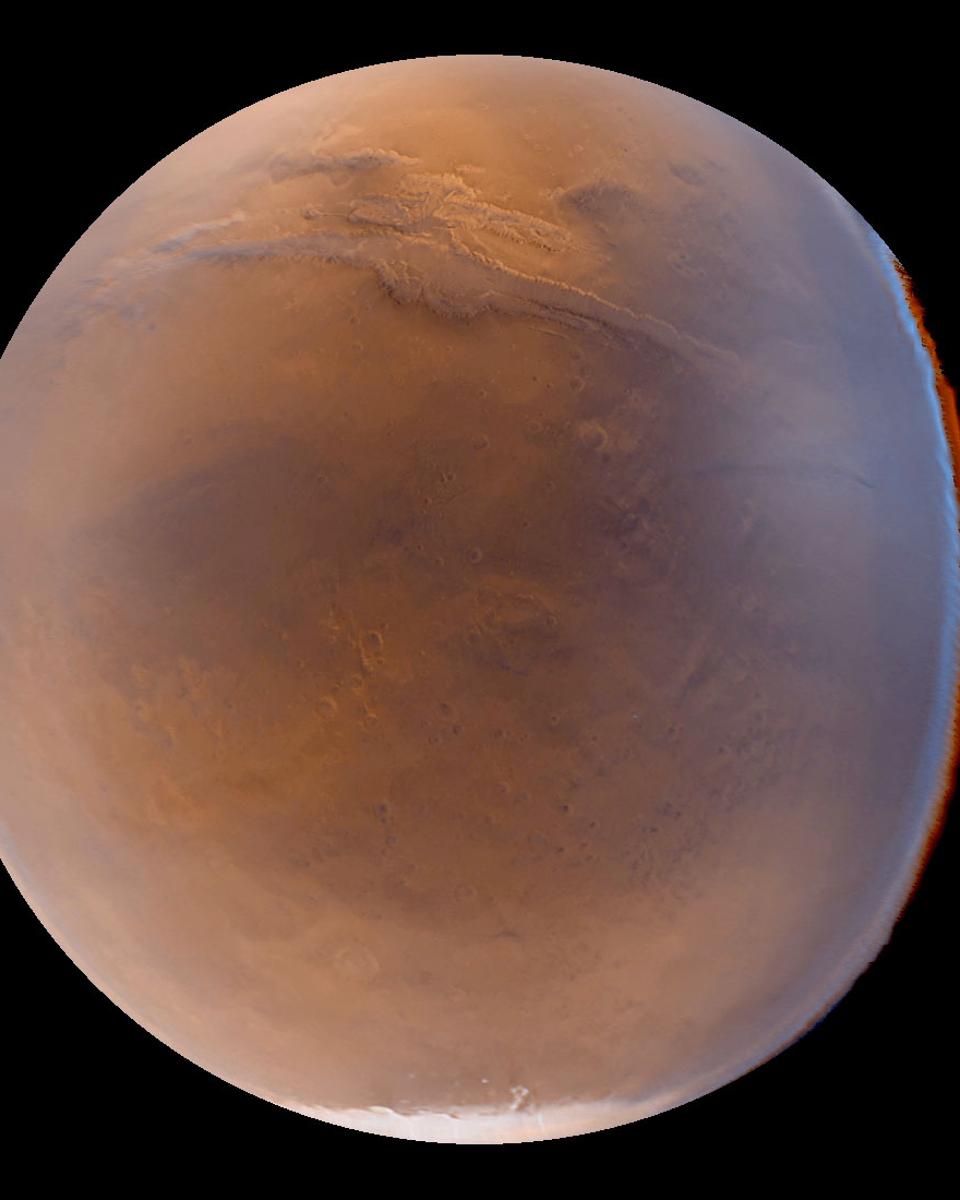
All of Mars
Mars Global Surveyor is photographing Mars . The robot spacecraft arrived last September and continues to use solar panel aerobraking to help maneuver it to a better orbit to…
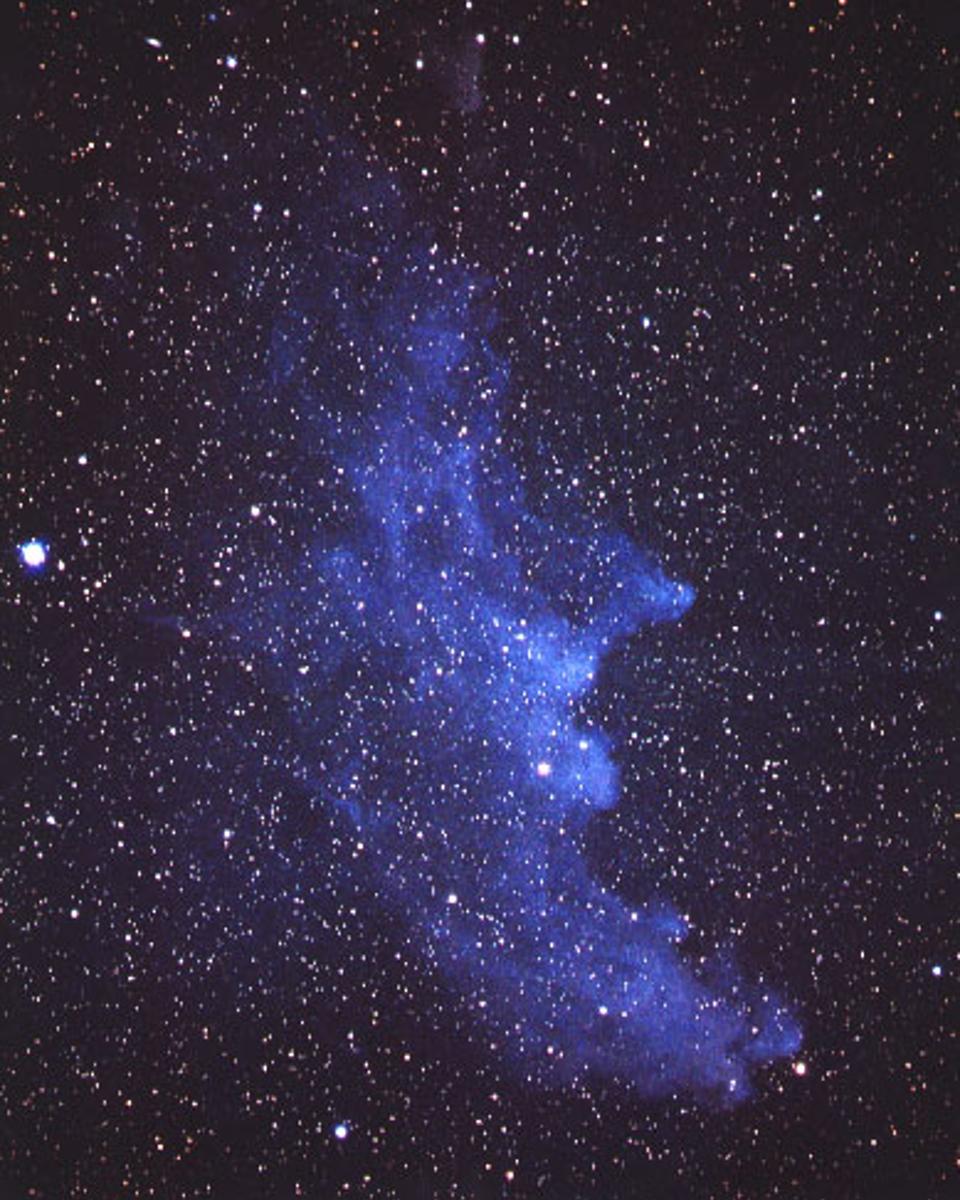
The Witch Head Nebula
Double, double toil and trouble; Fire burn, and cauldron bubble ... Maybe Macbeth should have consulted the Witch Head Nebula . This suggestively shaped reflection nebula is…
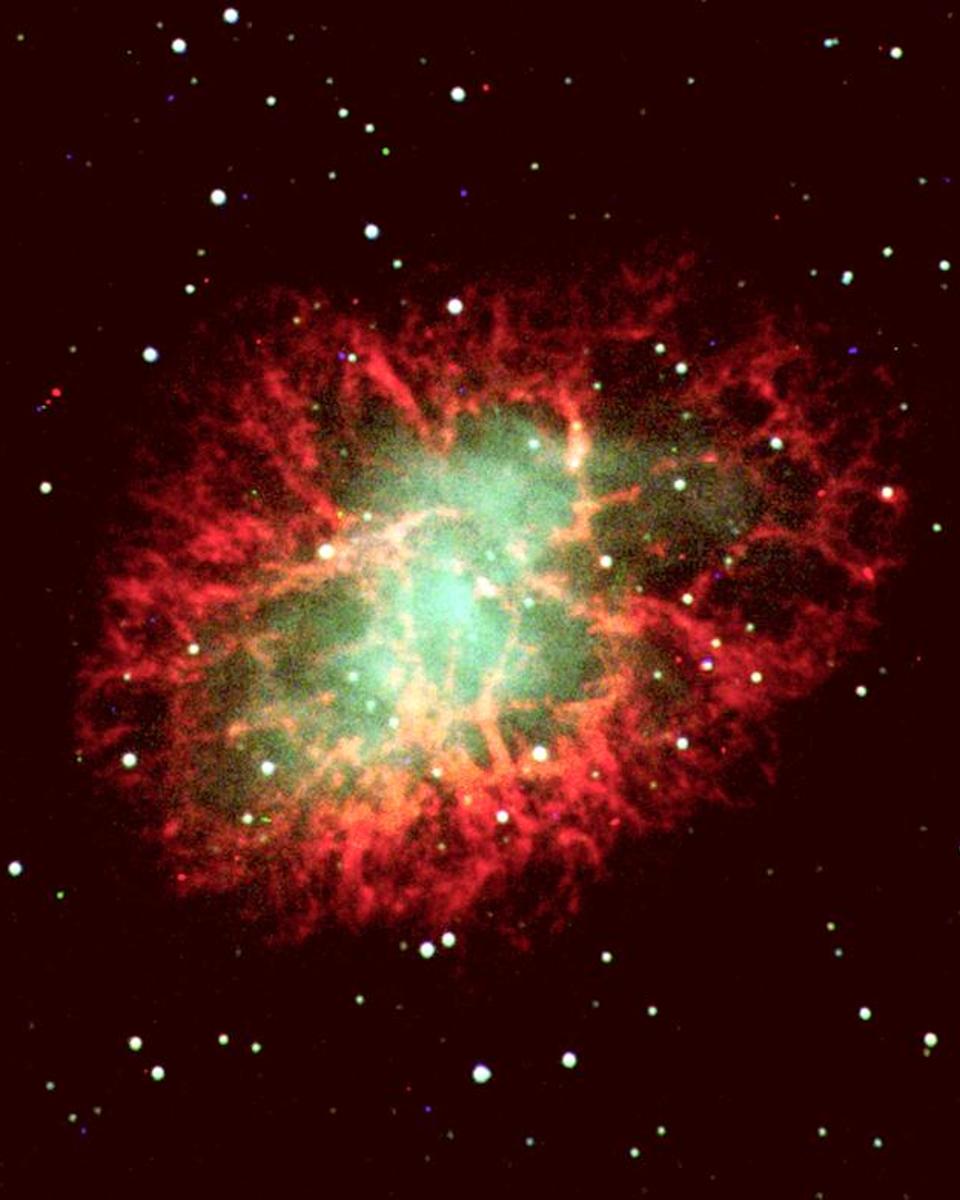
M1: Filaments of the Crab Nebula
The Crab Nebula , filled with mysterious filaments, is the result of a star that exploded in 1054 AD . This spectacular supernova explosion was recorded by Chinese and (quite…
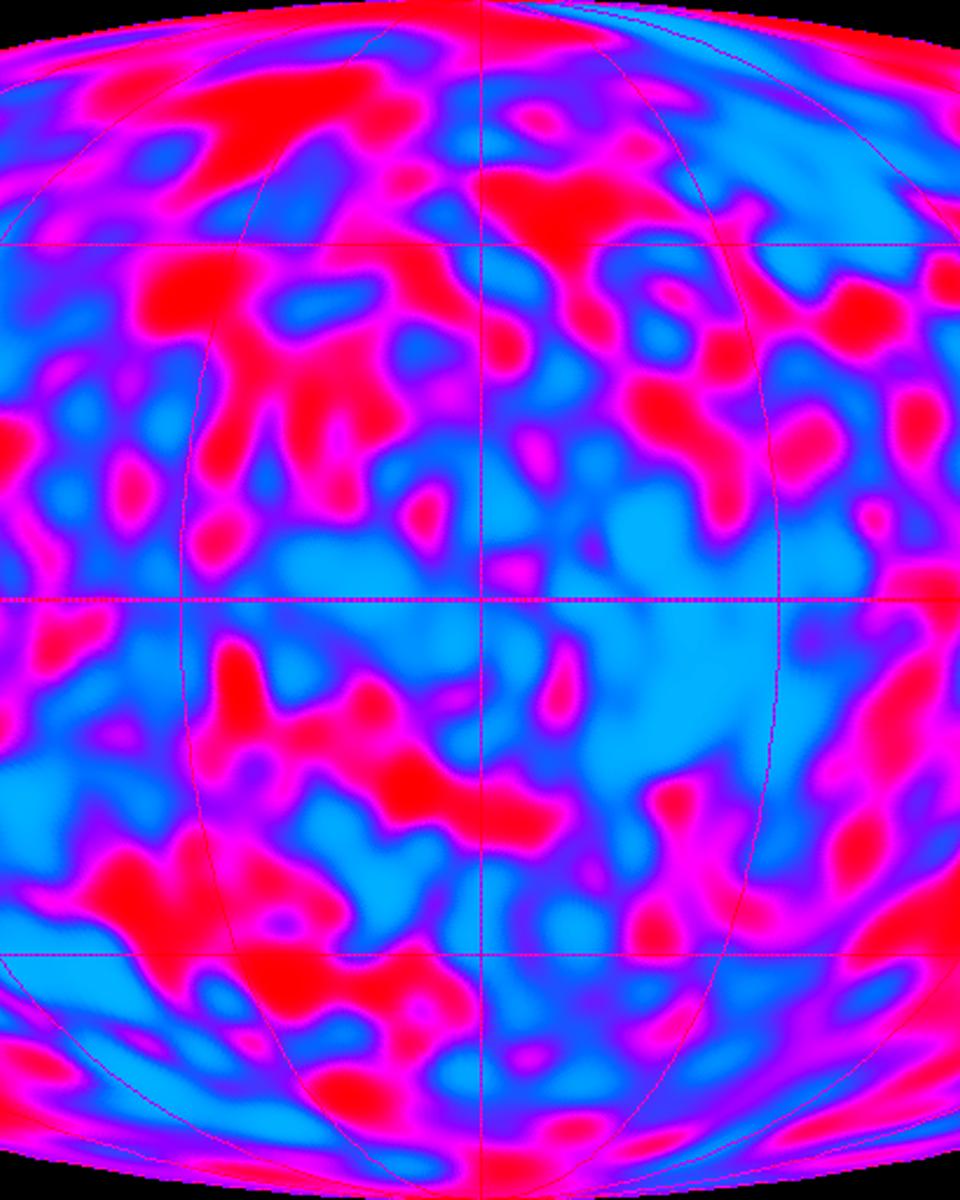
COBE Hotspots: The Oldest Structures Known
Above is a microwave image of the entire sky. The plane of our galaxy runs horizontally through the center. This historic all-sky map is based on the first two years of data from…
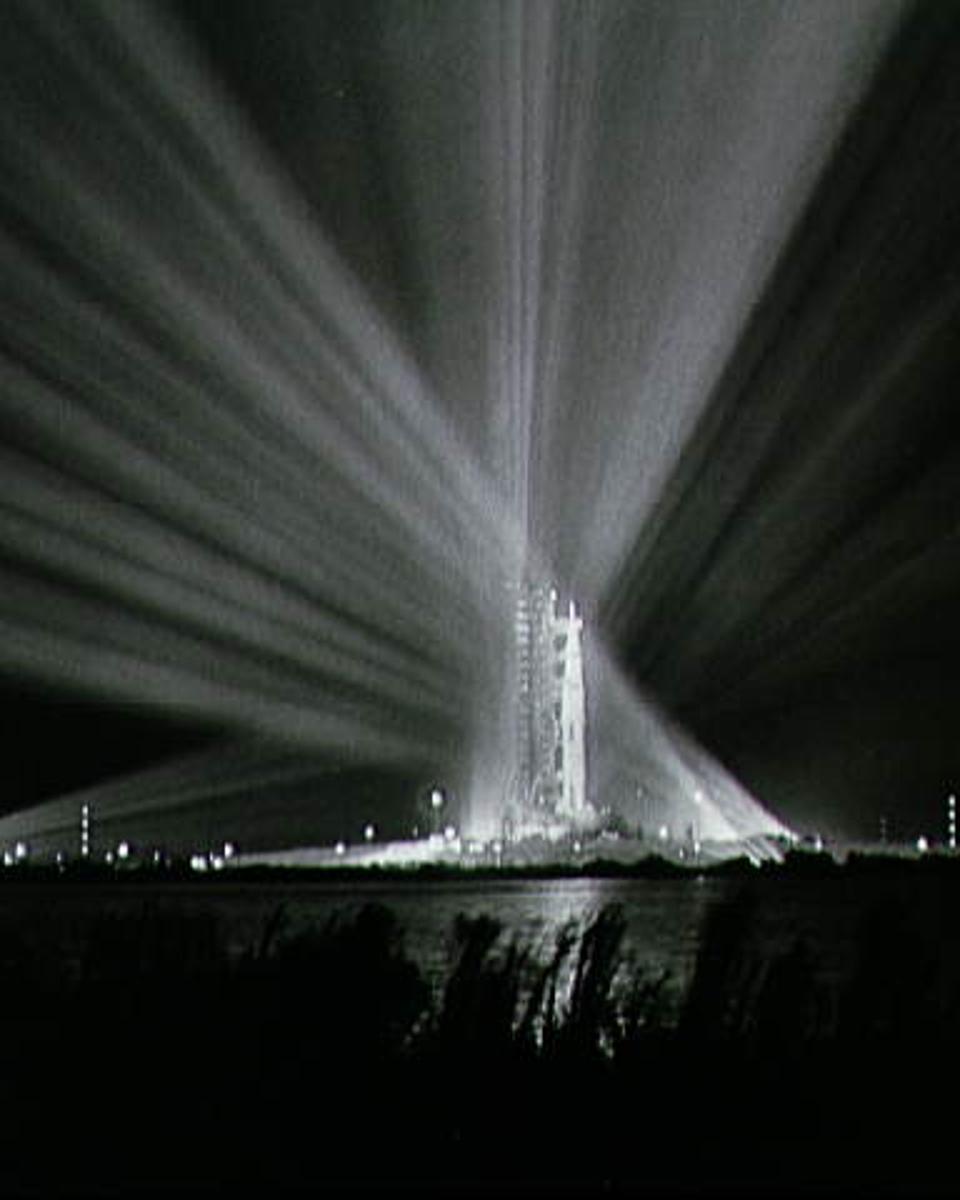
Happy Birthday Jules Verne
Sunday marks the 170th anniversary of the birth of Jules Verne (born in Nantes, France on the 8th of February, 1828). Inspired by a lifelong fascination with machines, Verne wrote…
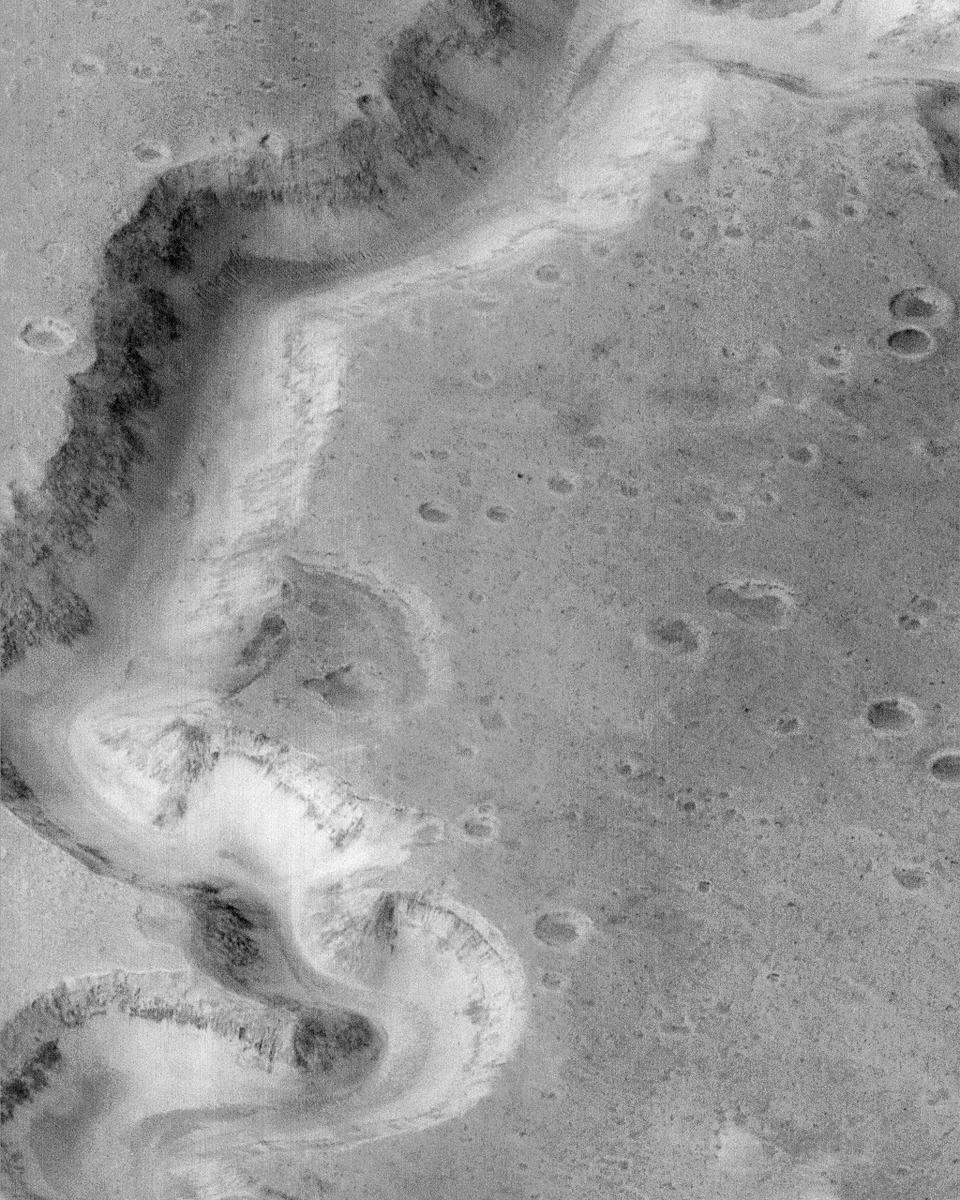
A Martian River Bed?
This canyon on the surface of Mars appears to have been carved by flowing water. Known as Nanedi Vallis, the terraces and channels visible within the canyon strongly suggest that…
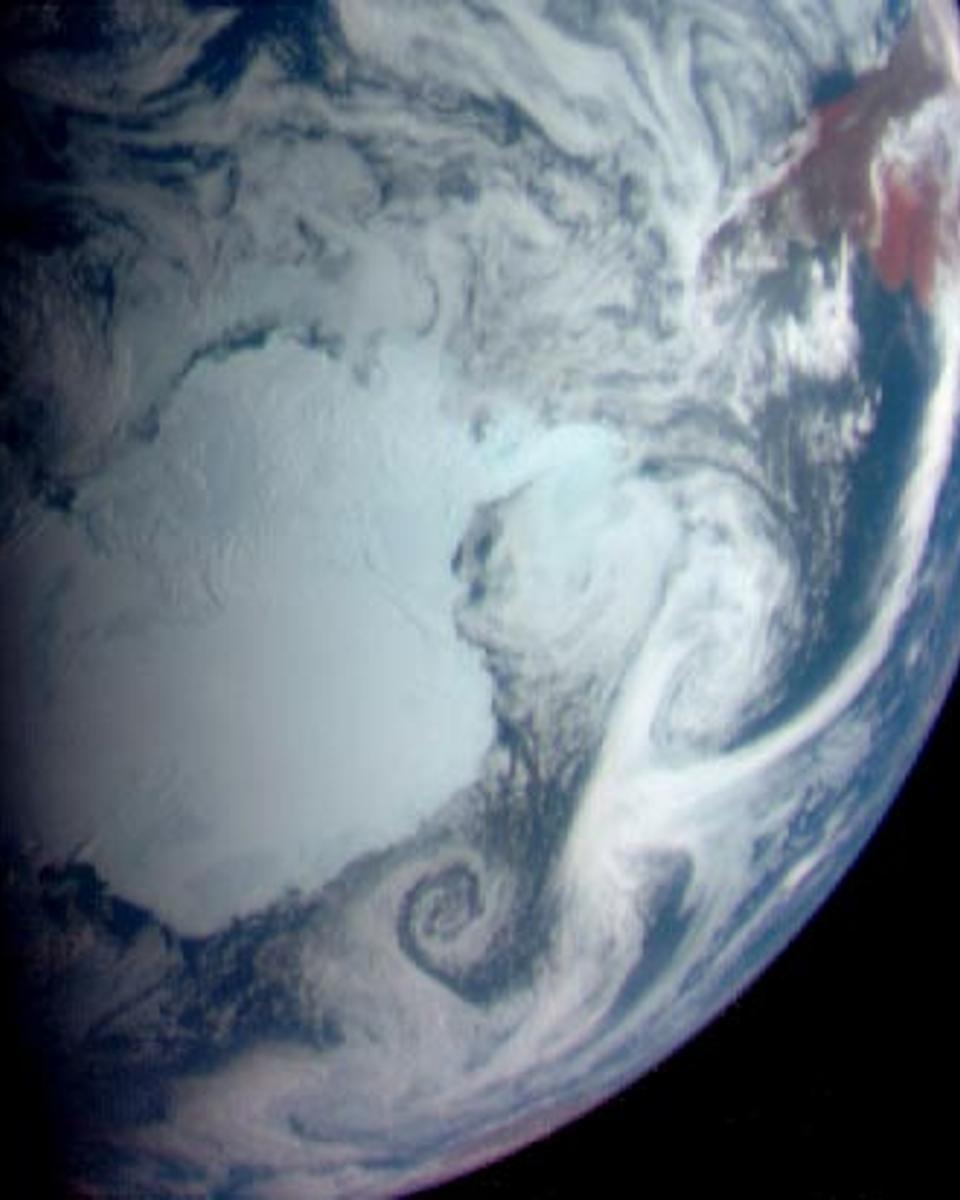
A Passing Spaceship Views Earth
This is how Earth appeared to the passing spacecraft NEAR. The Near Earth Asteroid Rendezvous (NEAR) spacecraft was launched from Florida, USA, planet Earth in 1996. After a quick…
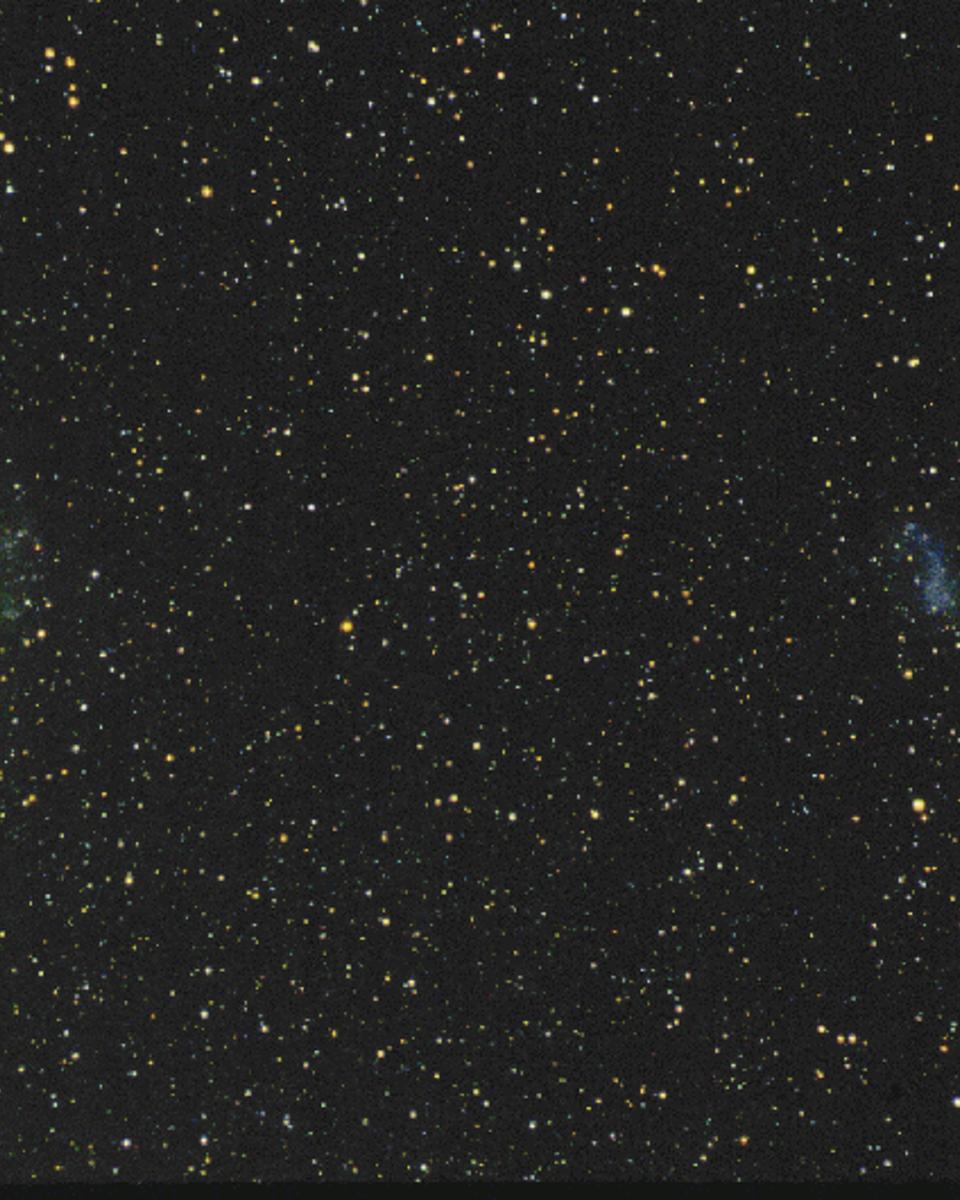
A Magellanic Mural
Two galaxies stand out to casual observers in Earth's Southern Hemisphere : the Large Magellanic Cloud (LMC) and the Small Magellanic Cloud (SMC). These irregular galaxies are two…
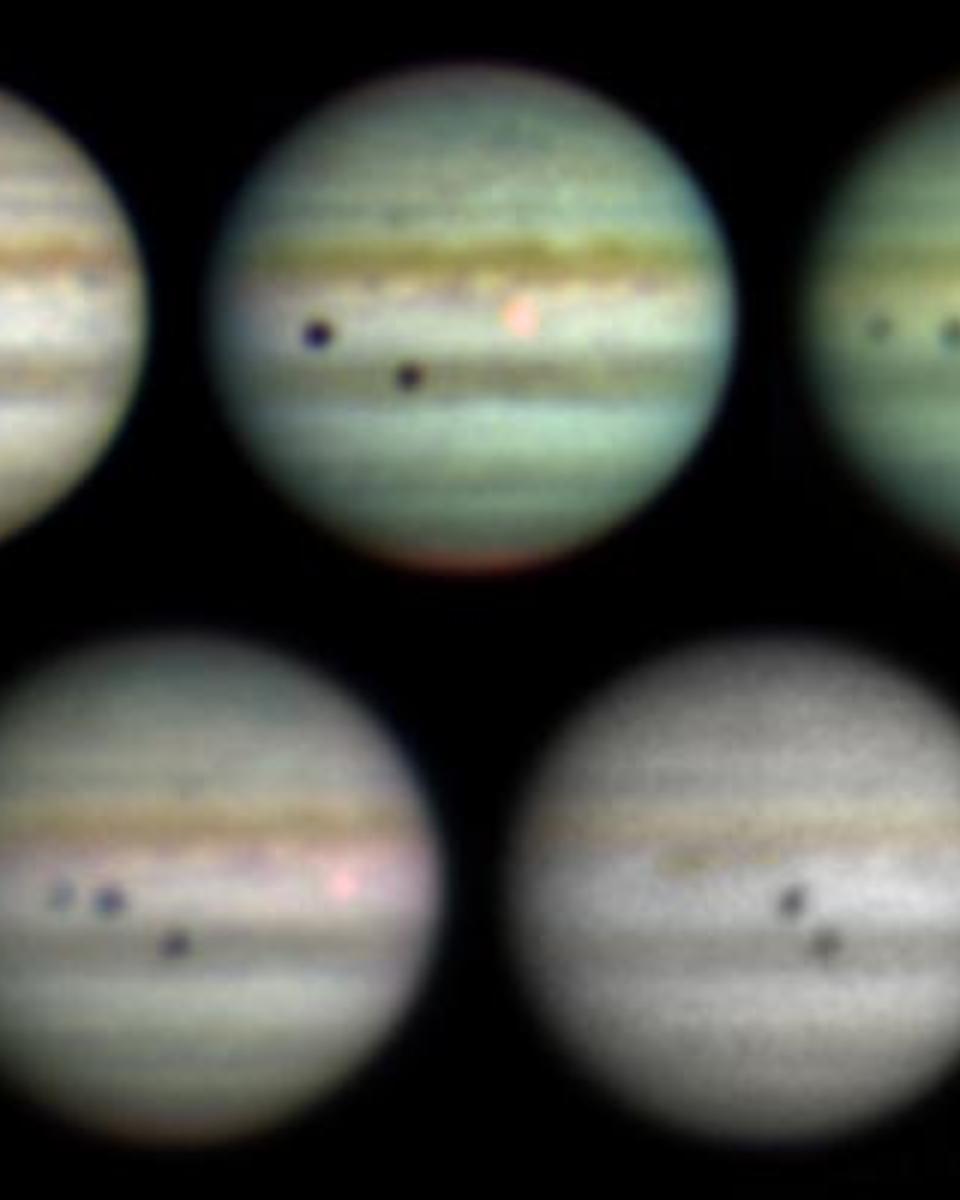
A Triple Eclipse on Jupiter
Part of Jupiter is missing. Actually, three parts appear to be missing. In reality though, the three dark spots seen in the above photograph are only shadows. The unusual…
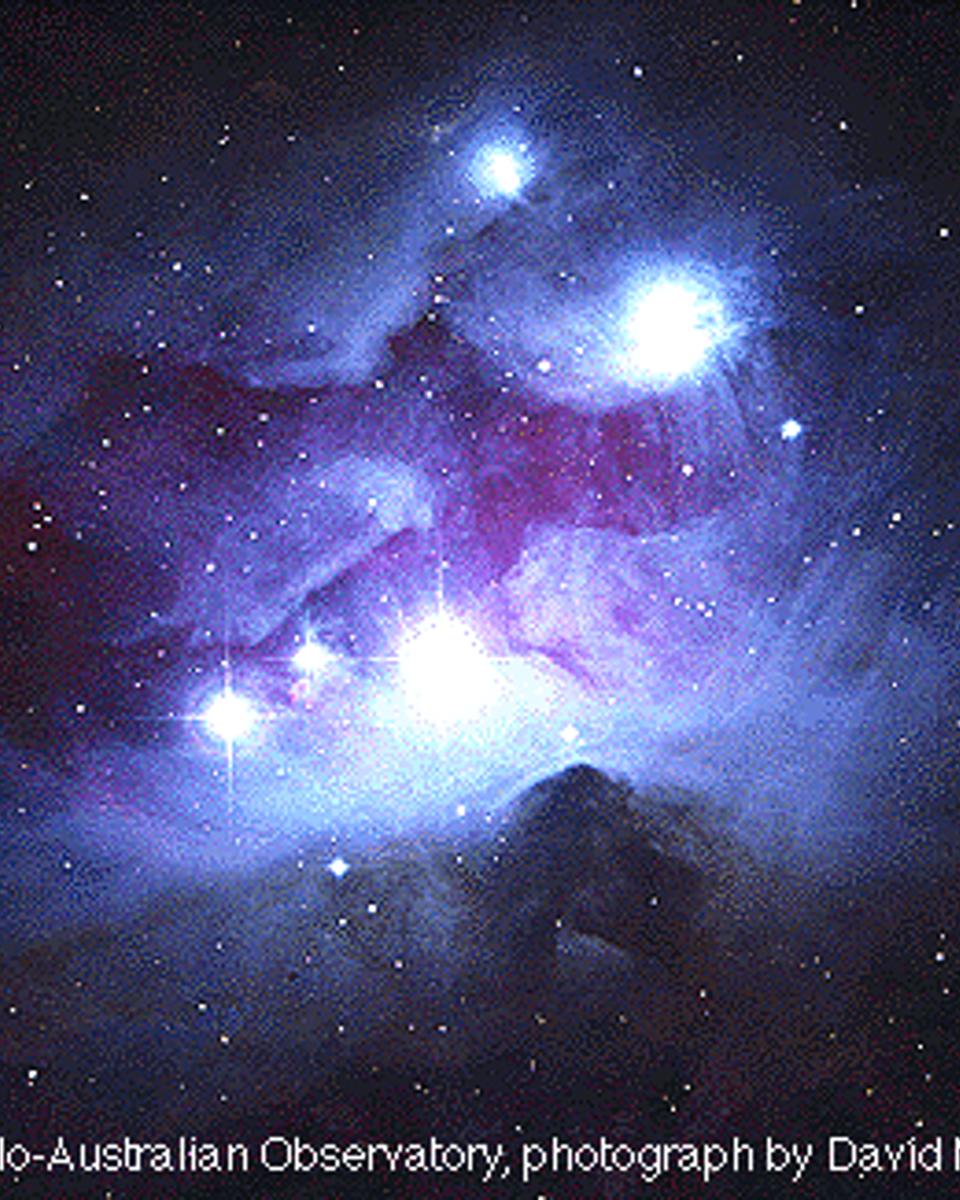
NGC 1977: Blue Reflection Nebula in Orion
The Orion Nebula is visible to the unaided eye as a fuzzy patch near the famous belt of three stars in the constellation Orion . The above picture captures a part of the Orion…
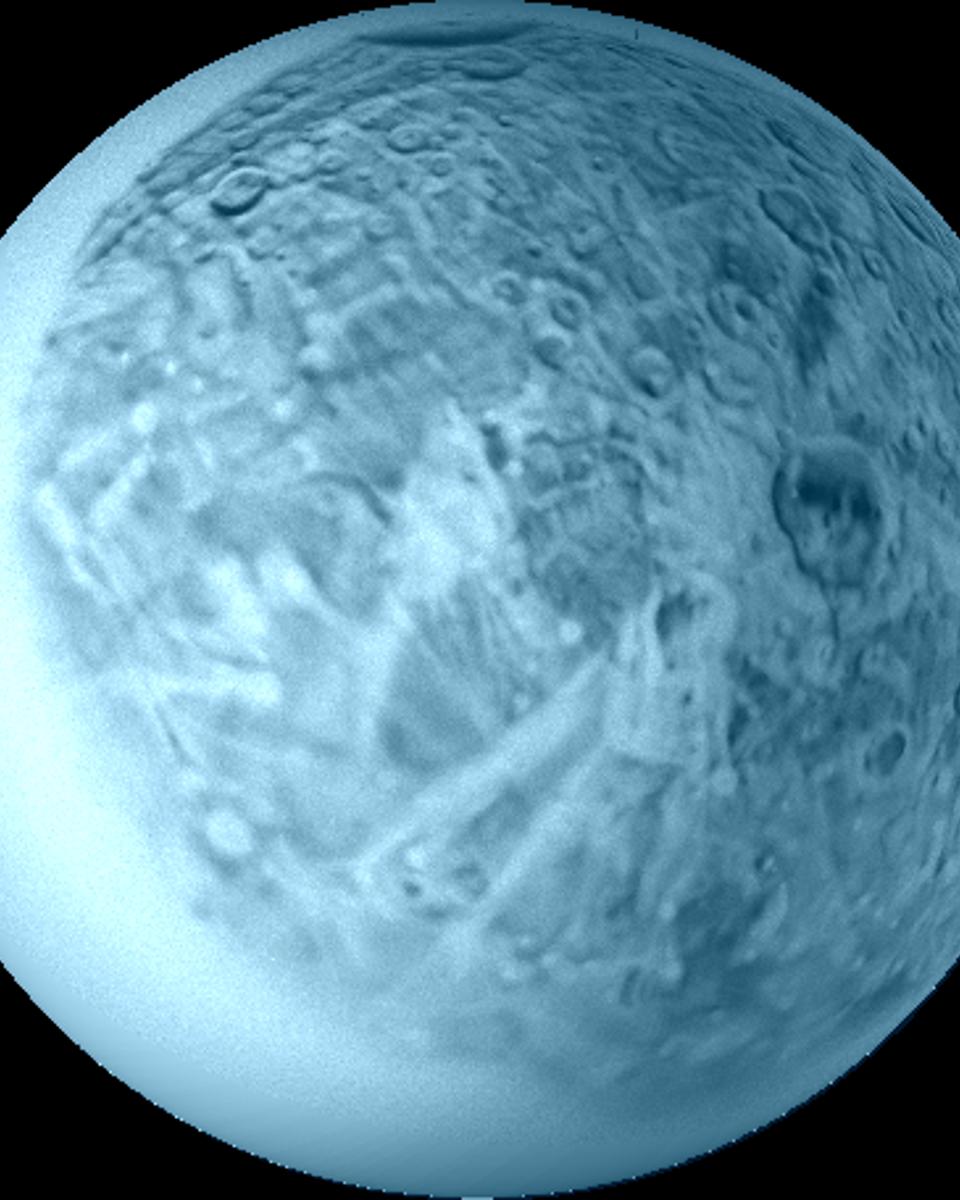
Hamlet of Oberon
What's in a name? Since 1919, the International Astronomical Union has been charged with the task of establishing “conventional” nomenclature for planets, satellites, and surface…
Viewing discoveries from 23 February 1998 through 31 January 1998.