Browse NASA Astronomy Picture of the Day archive by date and media: Archive Discoveries
Browse the NASA APOD archive without needing the exact date first. Filter by media type and keep moving deeper into older images and videos.
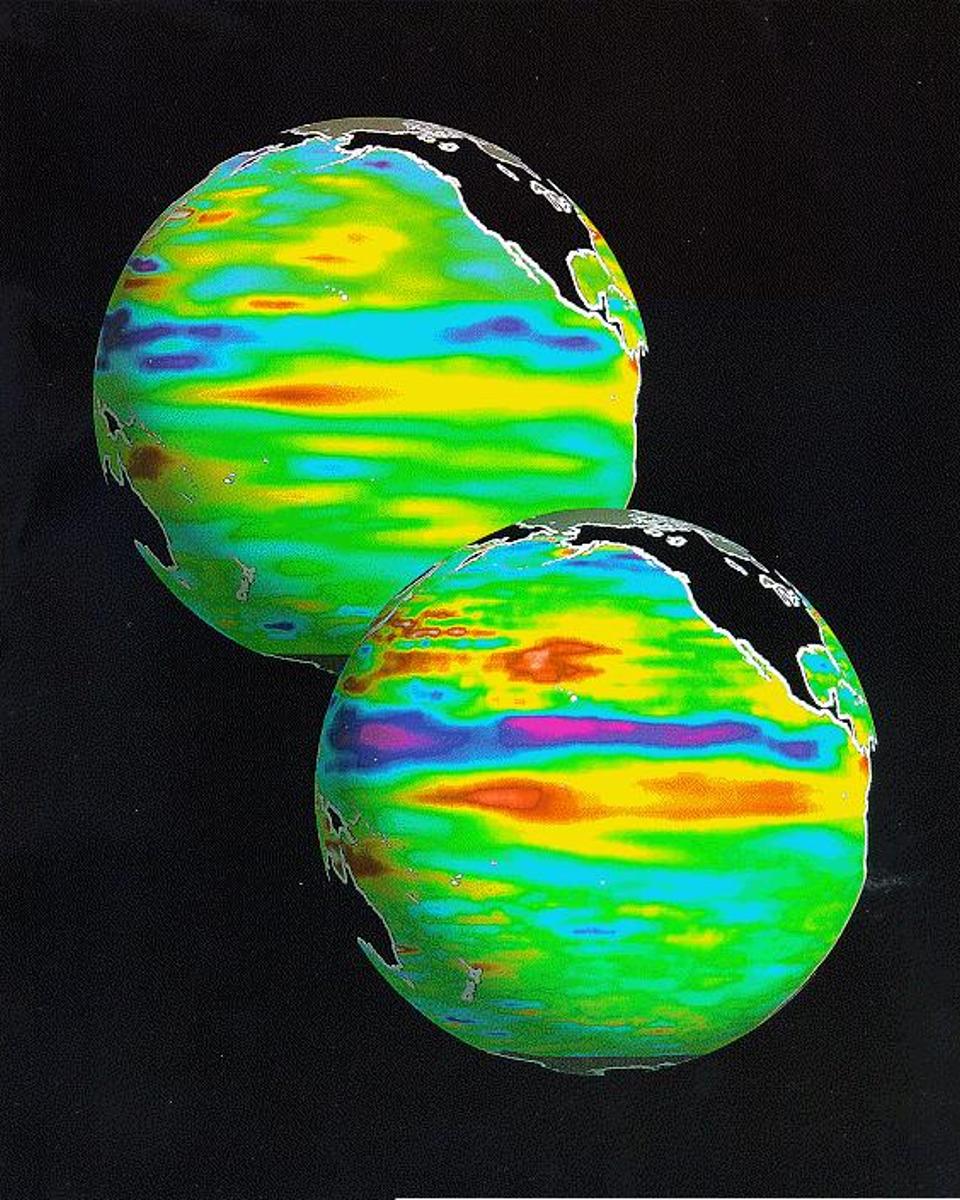
El Niño Water Rhythm
This year's El Niño is the strongest ever recorded. The large amount of warm water in the Pacific Ocean near the equator is causing unusual weather all over planet Earth . The…
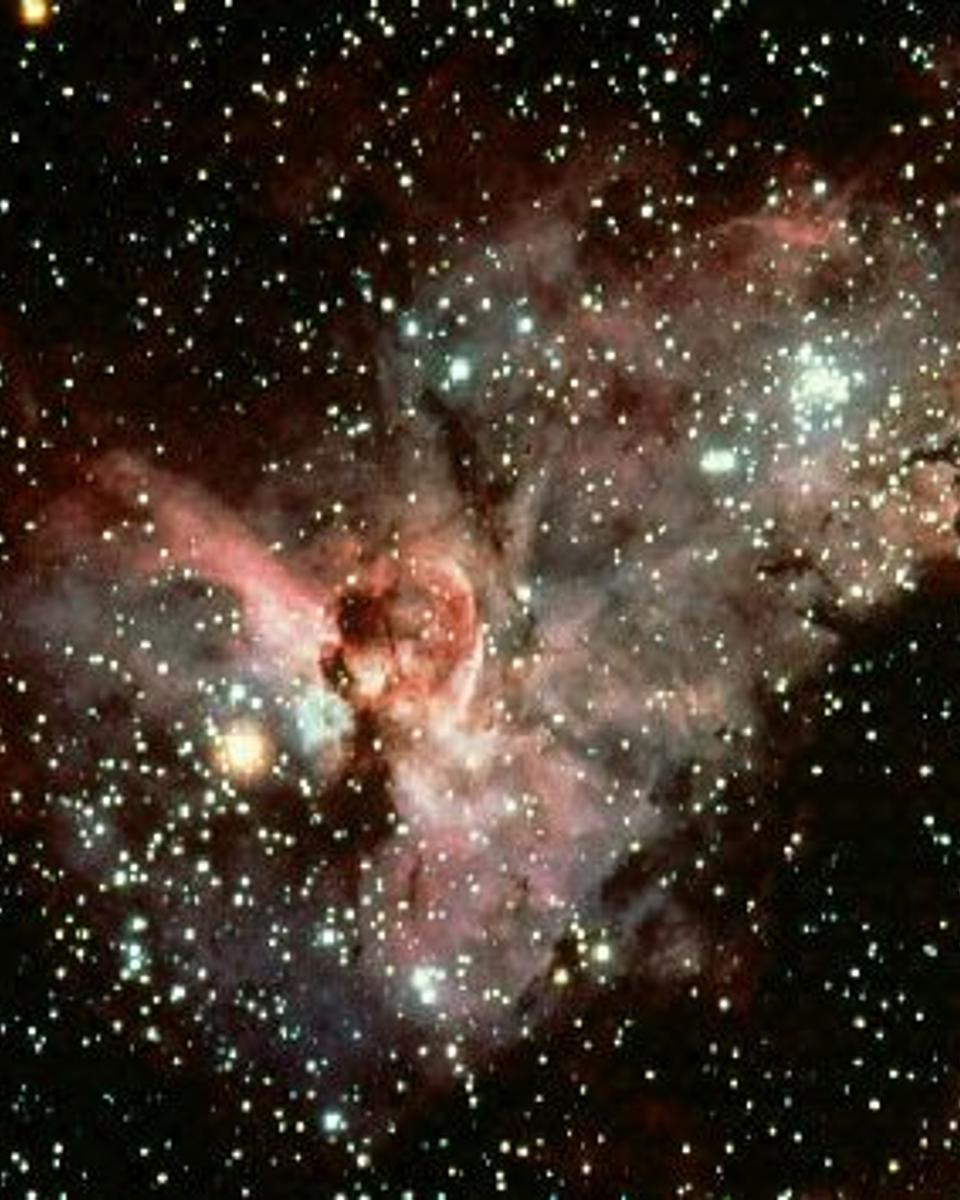
The Keyhole Nebula
The dark dusty Keyhole Nebula gets its name from its unusual shape. Officially designated NGC 3324, the Keyhole Nebula is a smaller region superposed on the larger Eta Carina…
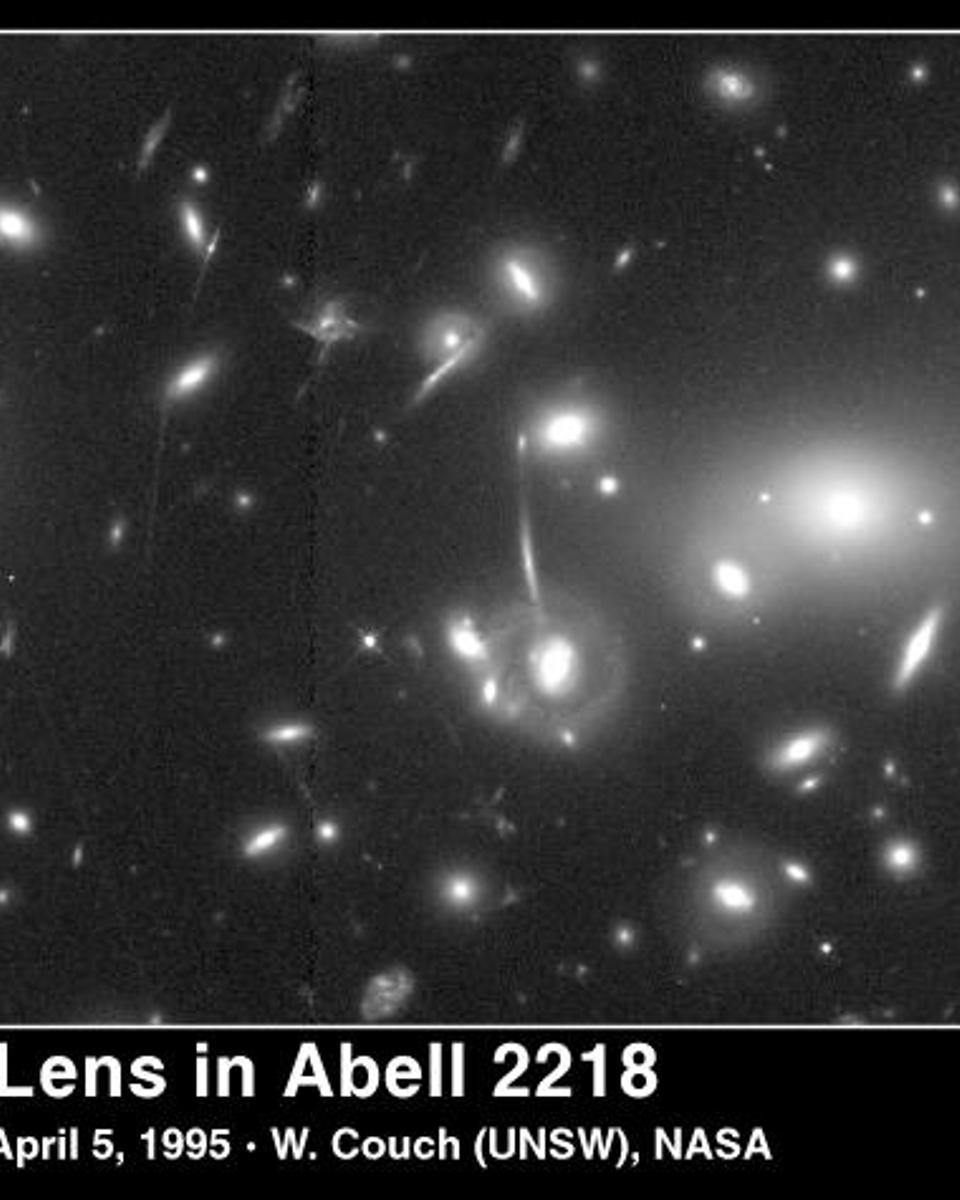
Abell 2218: A Galaxy Cluster Lens
Gravity can bend light . Almost all of the bright objects in this Hubble Space Telescope image are galaxies in the cluster known as Abell 2218. The cluster is so massive and so…
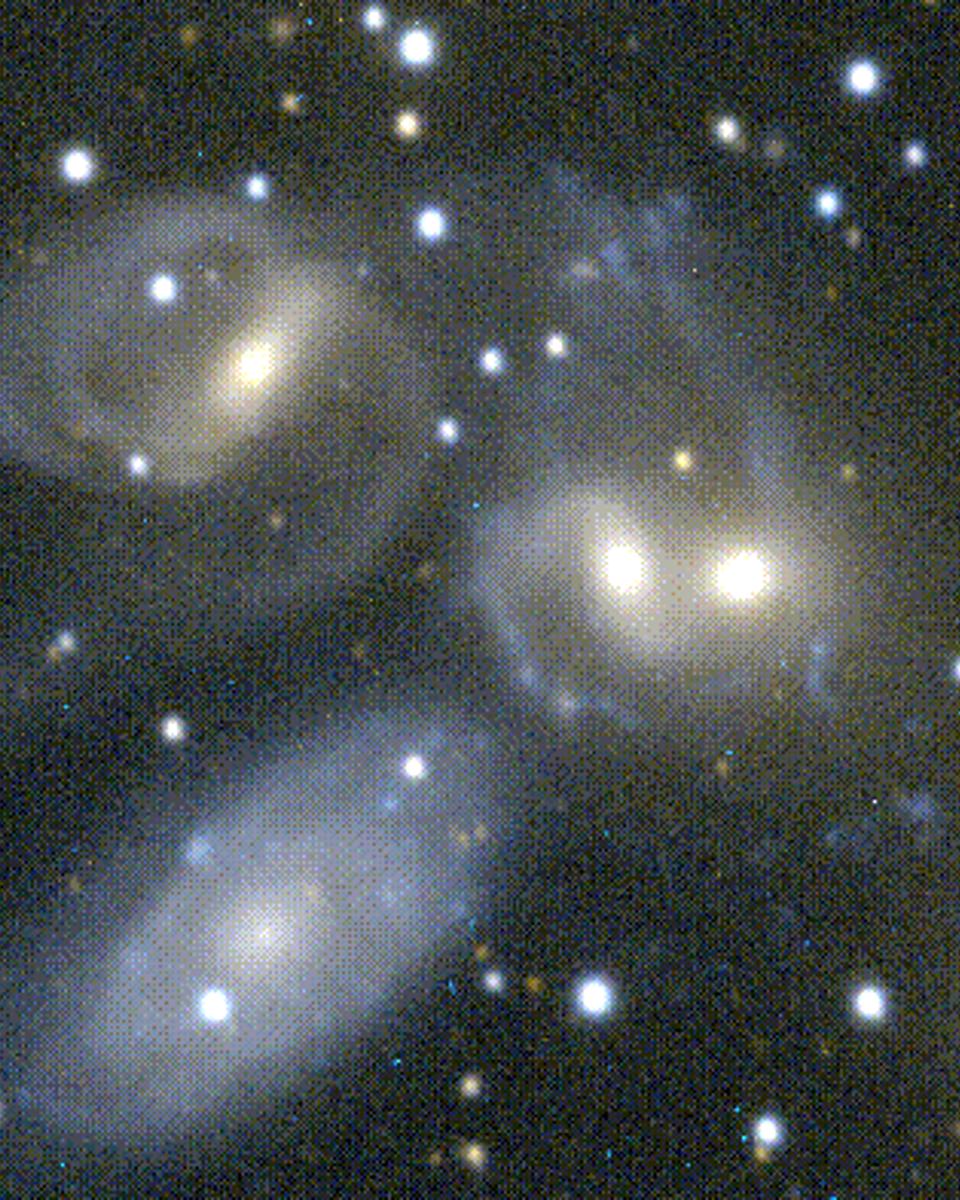
Disorder in Stephan's Quintet
What are five closely grouped galaxies doing in this image ? The grouping is commonly known as Stephan's Quintet. Four of the galaxies show essentially the same redshift…
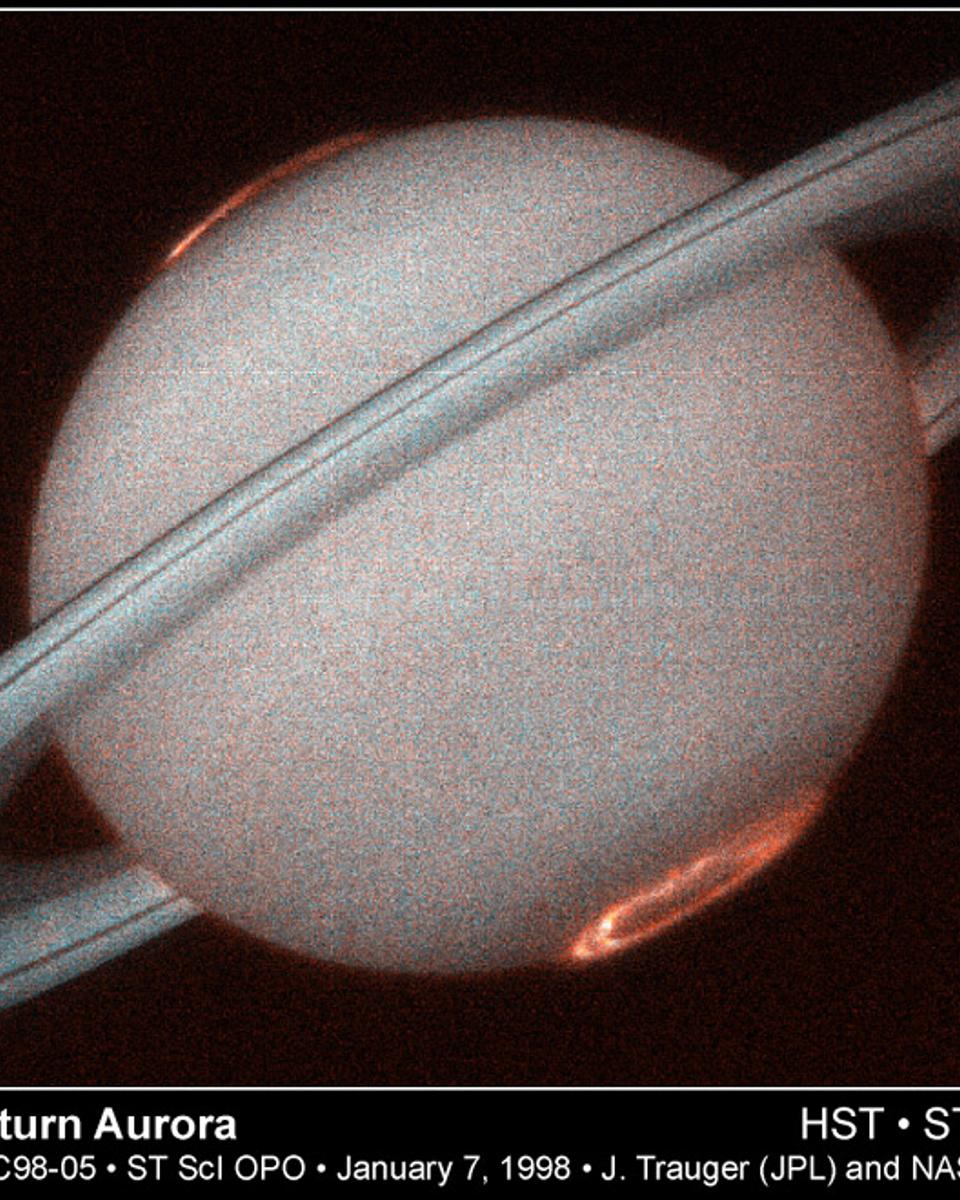
Saturnian Aurora
Girdling the second largest planet in the Solar System, Saturn's Rings are one of the most spectacular sights for earthbound telescopes. This recently released image , from the…
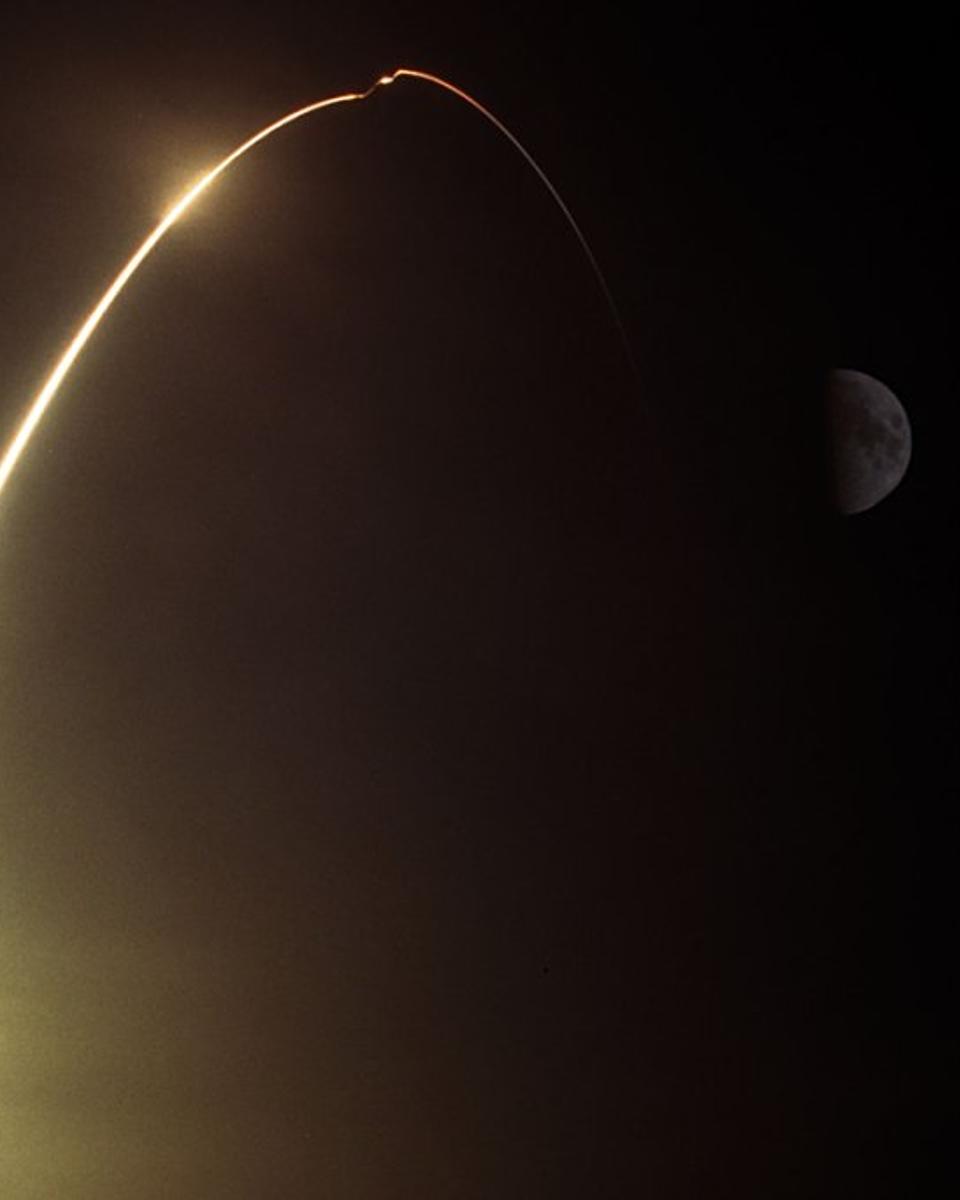
Destination: Moon
Tuesday, January 6, at 9:28 p.m. EST, NASA's Lunar Prospector spacecraft climbed into the sky above Cape Canaveral Air Station riding an Athena II rocket . Representing NASA's…
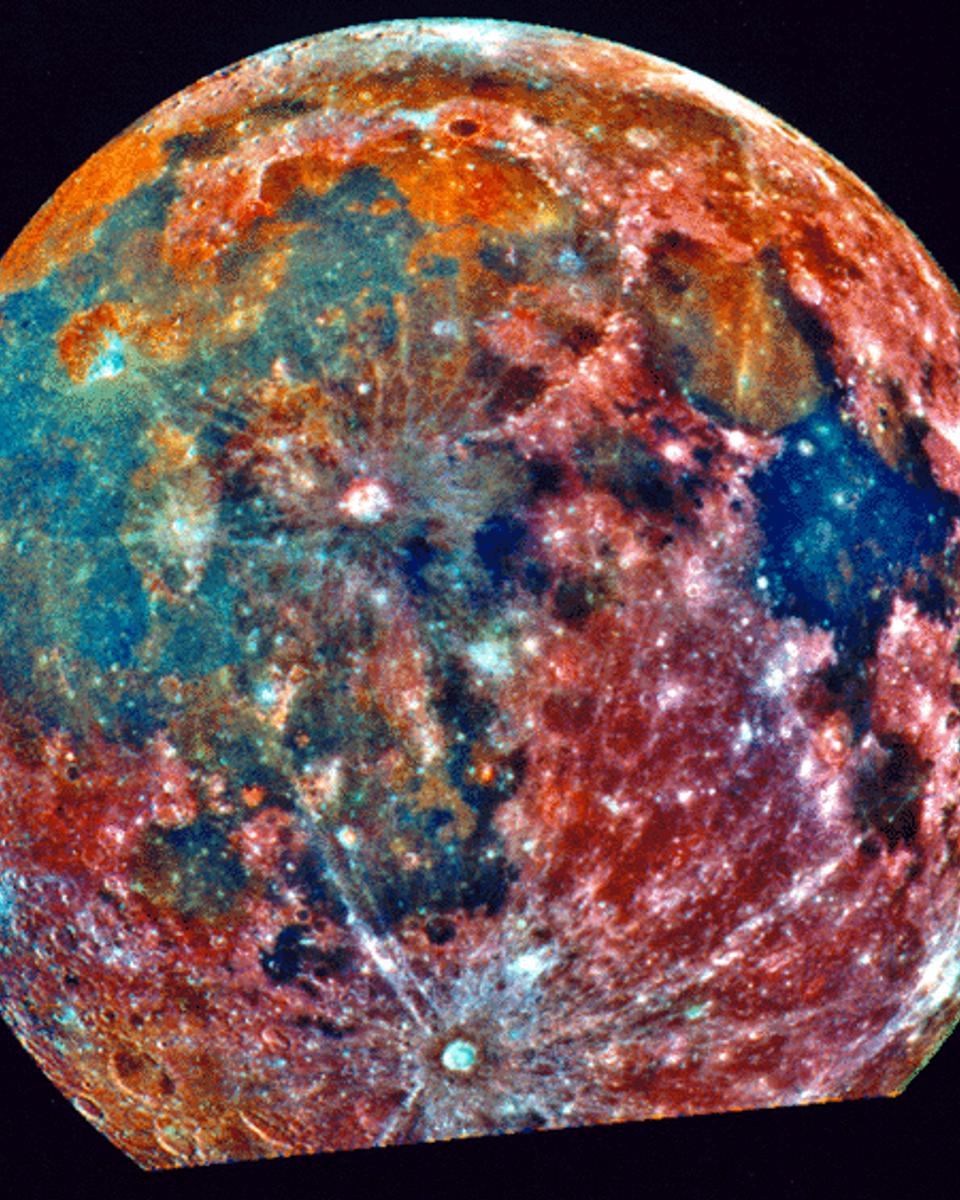
The Colorful Moon
Do you recognize the Earth's Moon when you see it ? The crazy, patchwork appearance of this false color image makes this nearly full view of our Moon's familiar nearside look very…
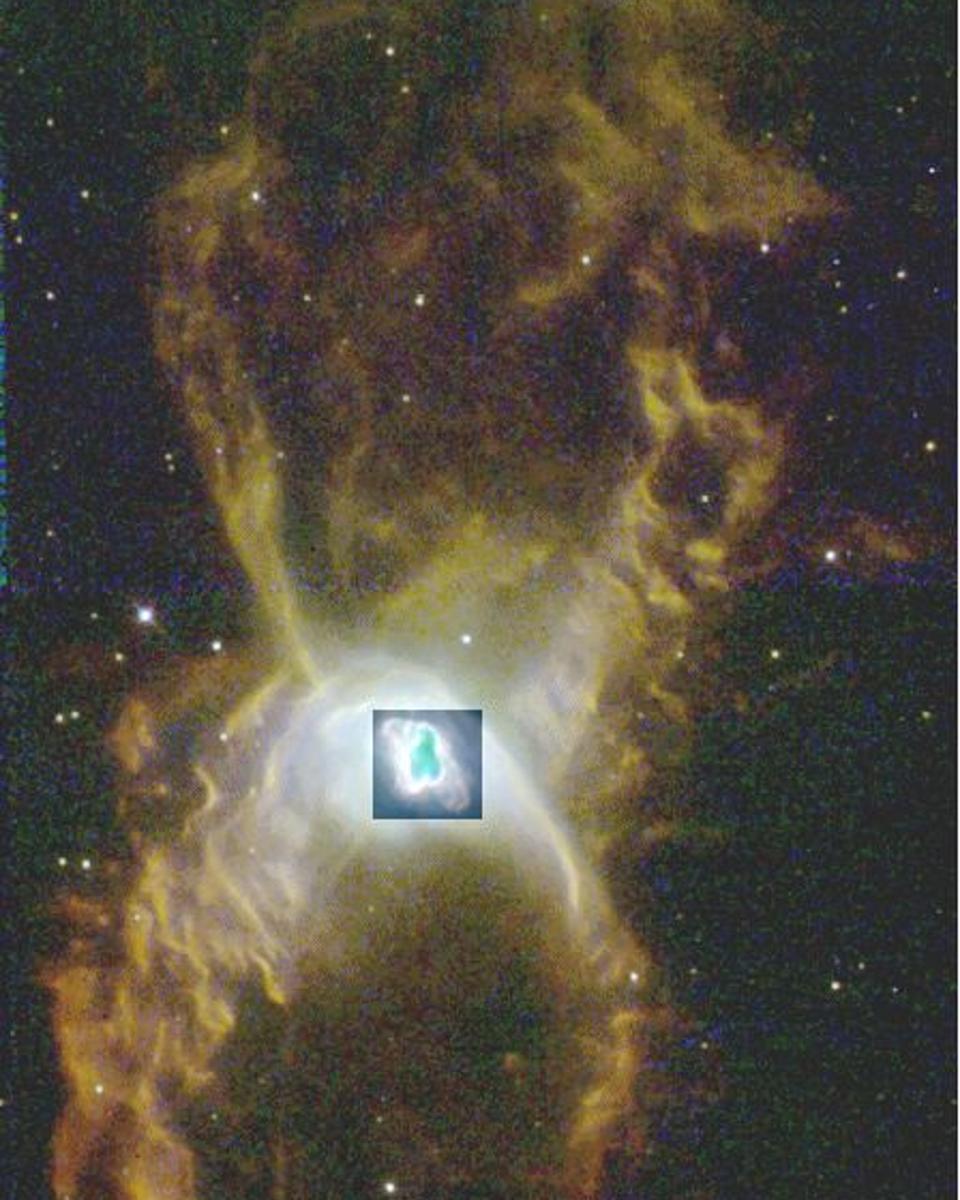
The Red Spider Planetary Nebula
Oh what a tangled web a planetary nebula can weave. The Red Spider Planetary Nebula shows the complex structure that can result when a normal star ejects its outer gases and…
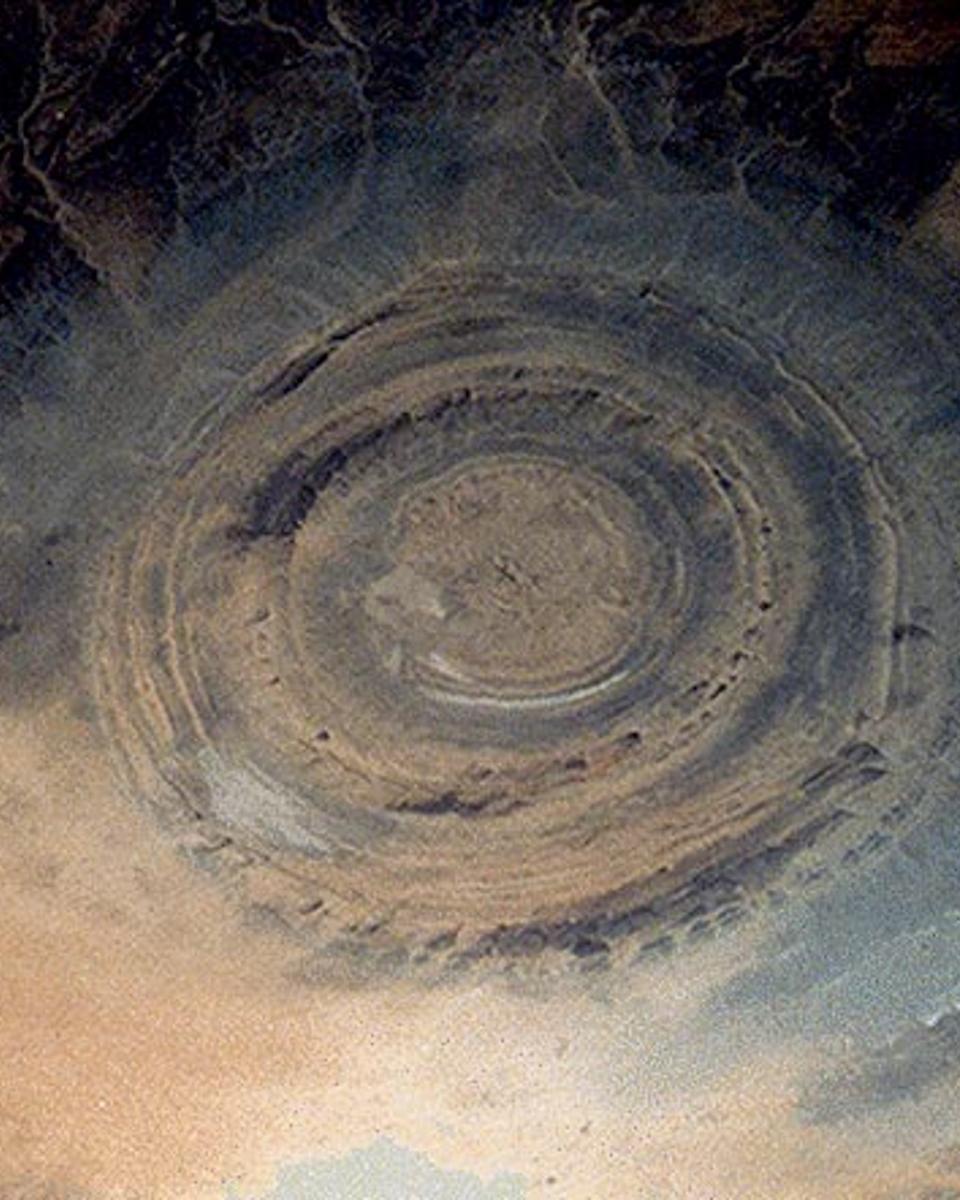
Earth's Richat Structure
What on Earth is that? The Richat Structure in the Sahara Desert of Mauritania is easily visible from space because it is nearly 50 kilometers across. Once thought to be an impact…
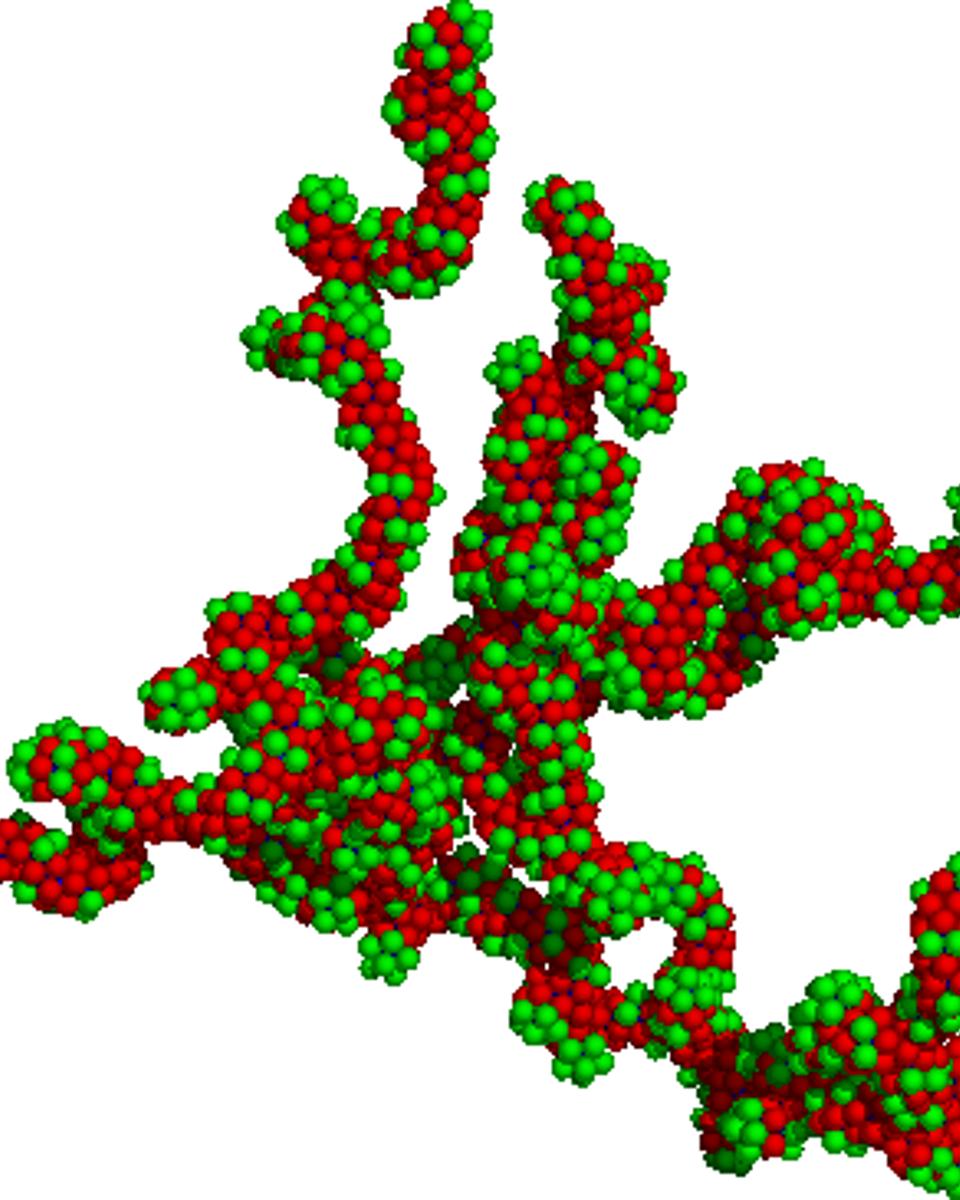
Fractal Interstellar Dust Up-Close
Our universe is a very dusty place. Dust usually shows its presence by blocking out light emitted from stars or nebulae behind it, sometimes creating the illusion of a horse's…
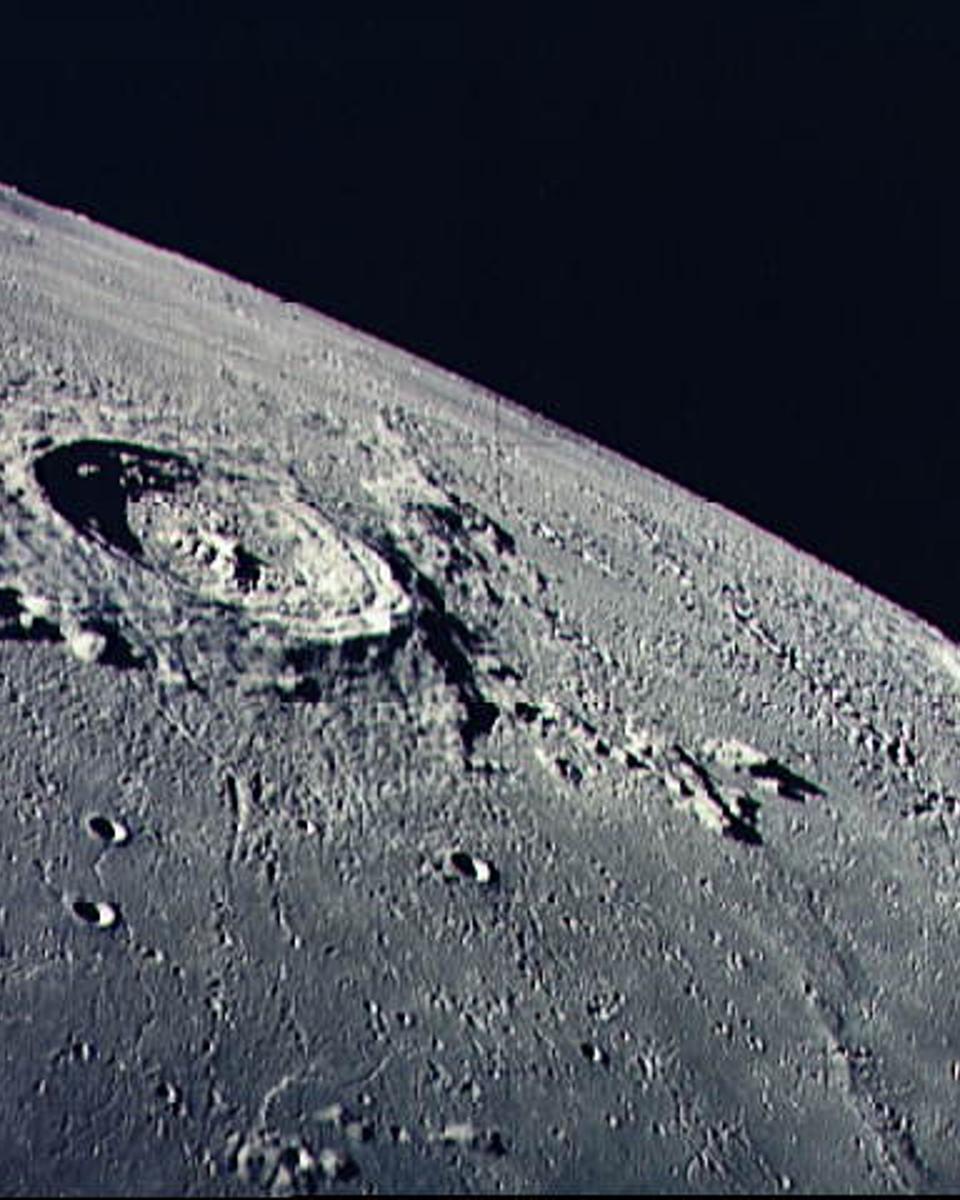
The Barren Moon
The above photo , taken as the Apollo 17 astronauts orbited the Moon in 1972, depicts the stark lunar surface around the Eratosthenes and Copernicus craters. Many similar images…
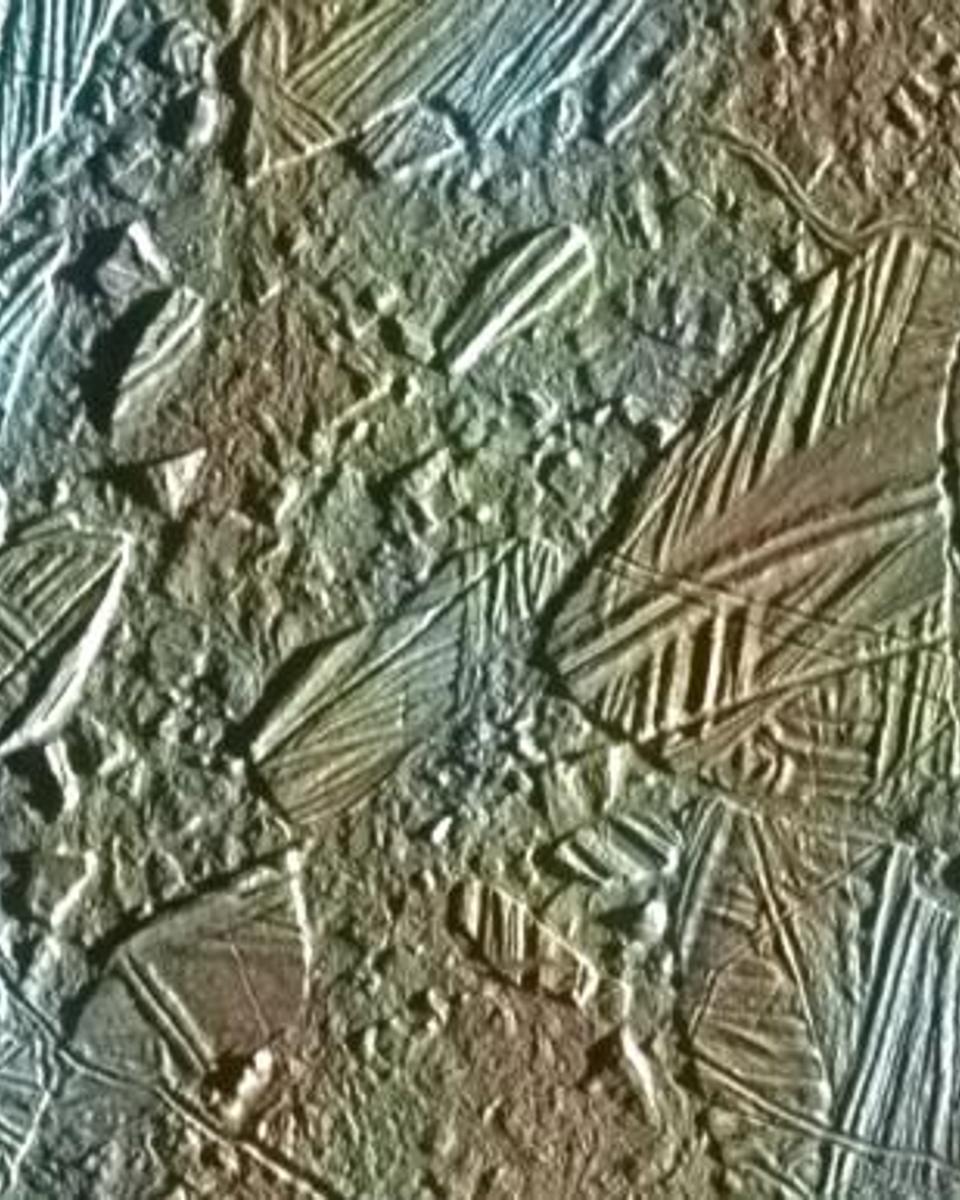
Europa's Disconnected Surface
Jupiter's moon Europa is so exciting that the Galileo spacecraft orbiting Jupiter has now embarked on an extended mission to study it. Oceans that might exist beneath Europa 's…
The Largest Rock Known
There, that faint dot in the center - that's the largest rock known. It is larger than every known asteroid , moon , and comet nucleus . It is larger than any other rocky planet .…
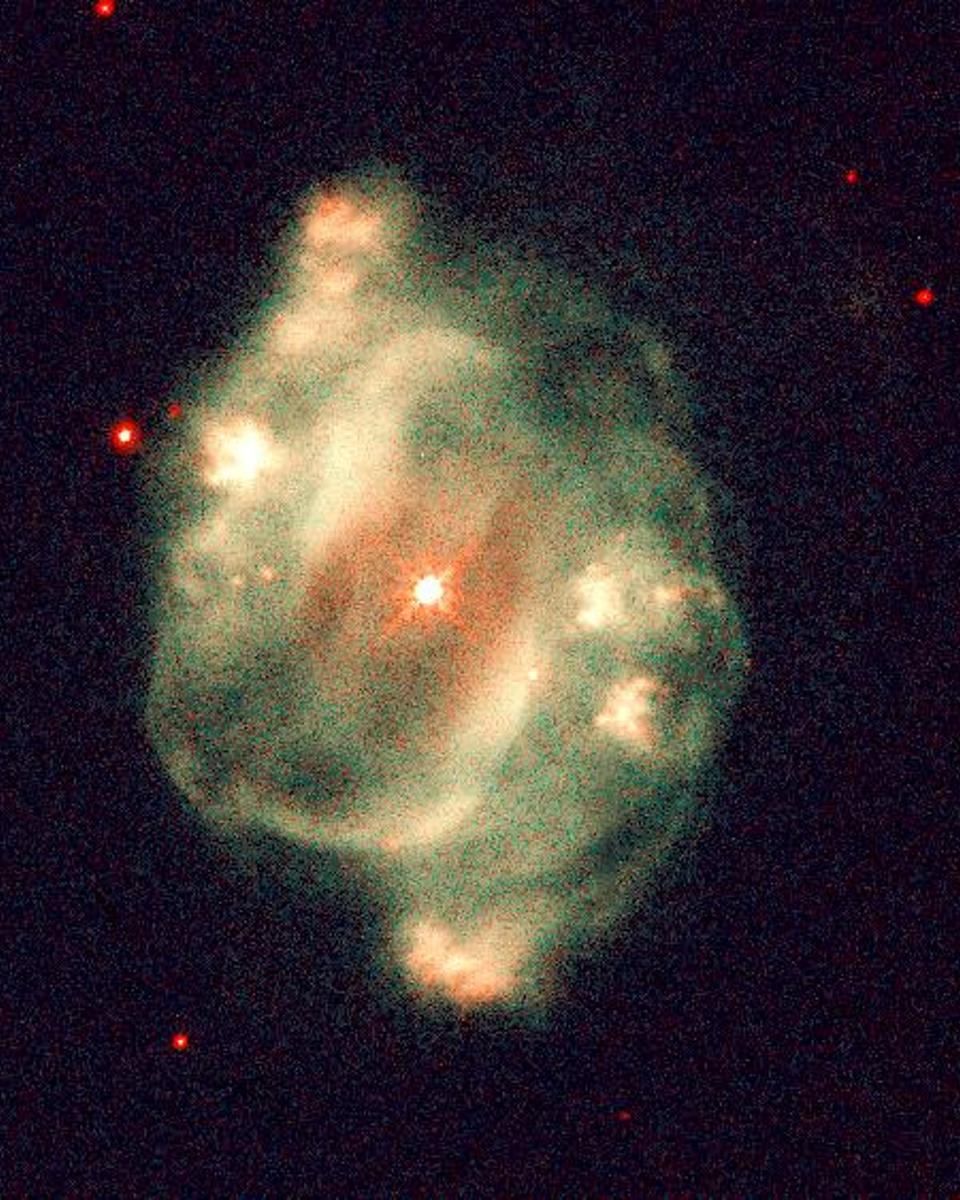
NGC 5307: A Symmetric Planetary Nebula
Some stellar nebulae are strangely symmetric. For example, every major blob of gas visible on the upper left of NGC 5307 appears to have a counterpart on the lower right. This…
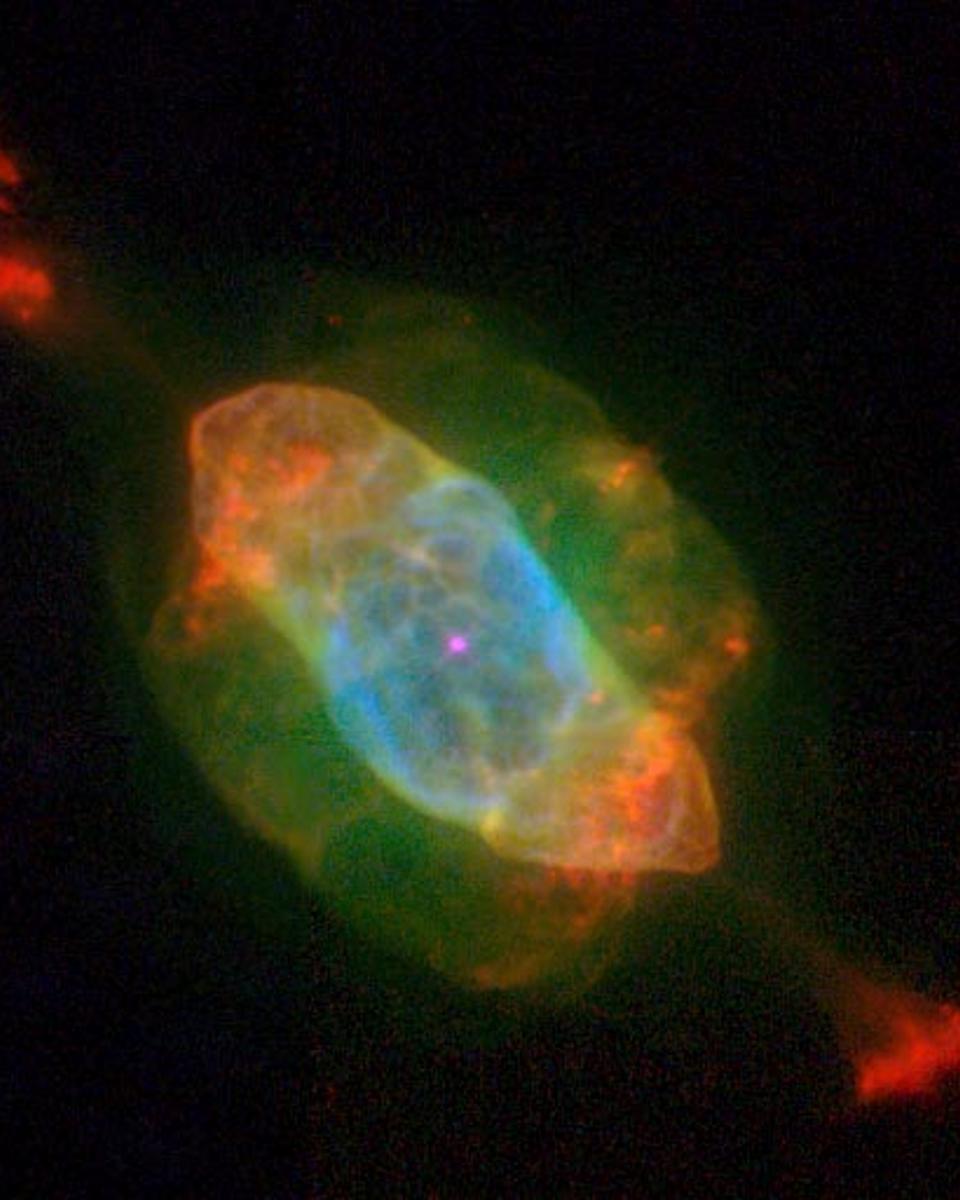
NGC 7009: The Saturn Nebula
The layers of the Saturn Nebula give a complex picture of how this planetary nebula was created. The above picture , taken in April 1996 and released last week, allows a better…
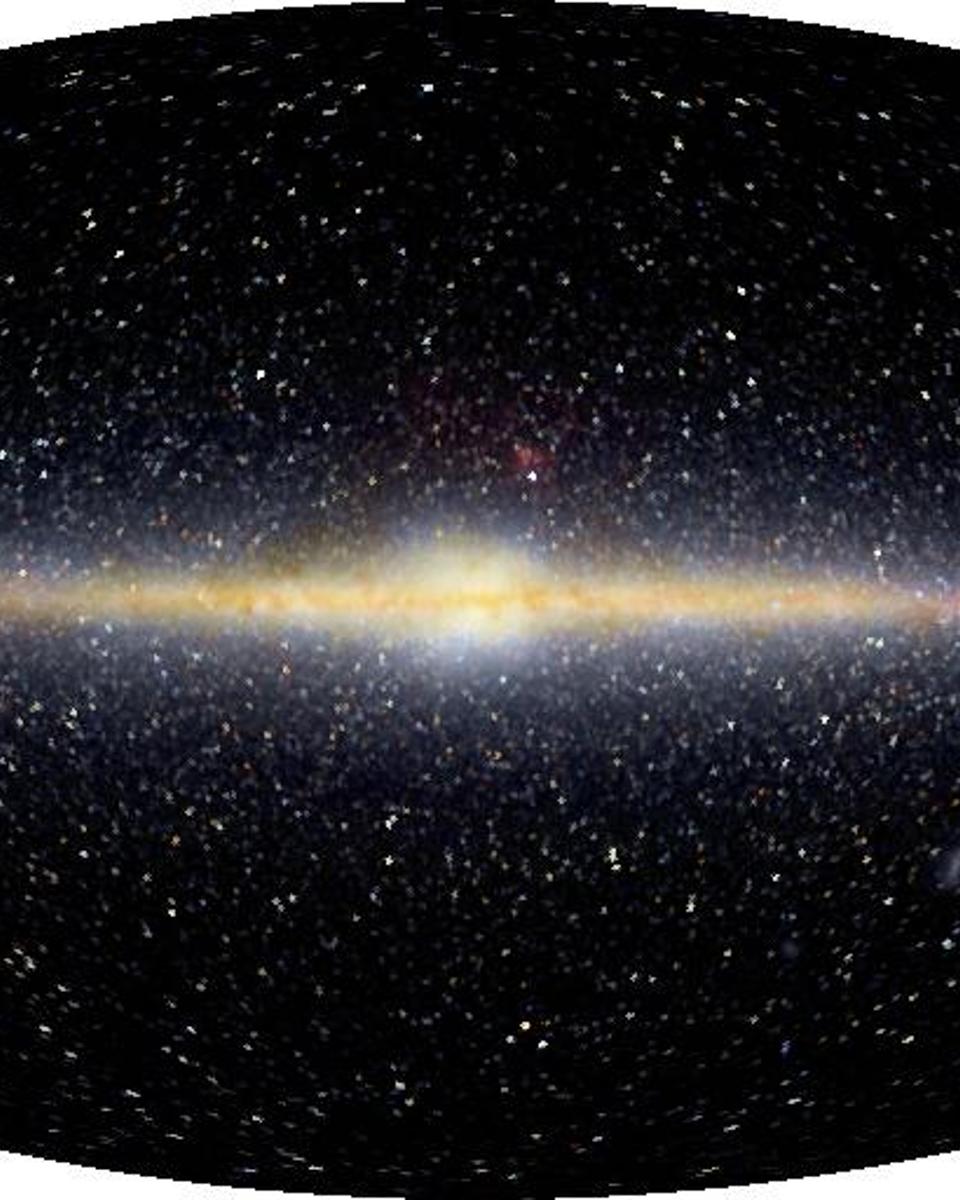
The Milky Way in Infrared
At night, from a dark location, part of the clear sky looks milky . This unusual swath of dim light is generally visible during any month and from any location. Until the…

Pluto: The Frozen Planet
The Hubble Space Telescope imaged Pluto and its moon Charon in 1994. Pluto is usually the most distant planet from the Sun but because of its elliptic orbit Pluto crossed inside…
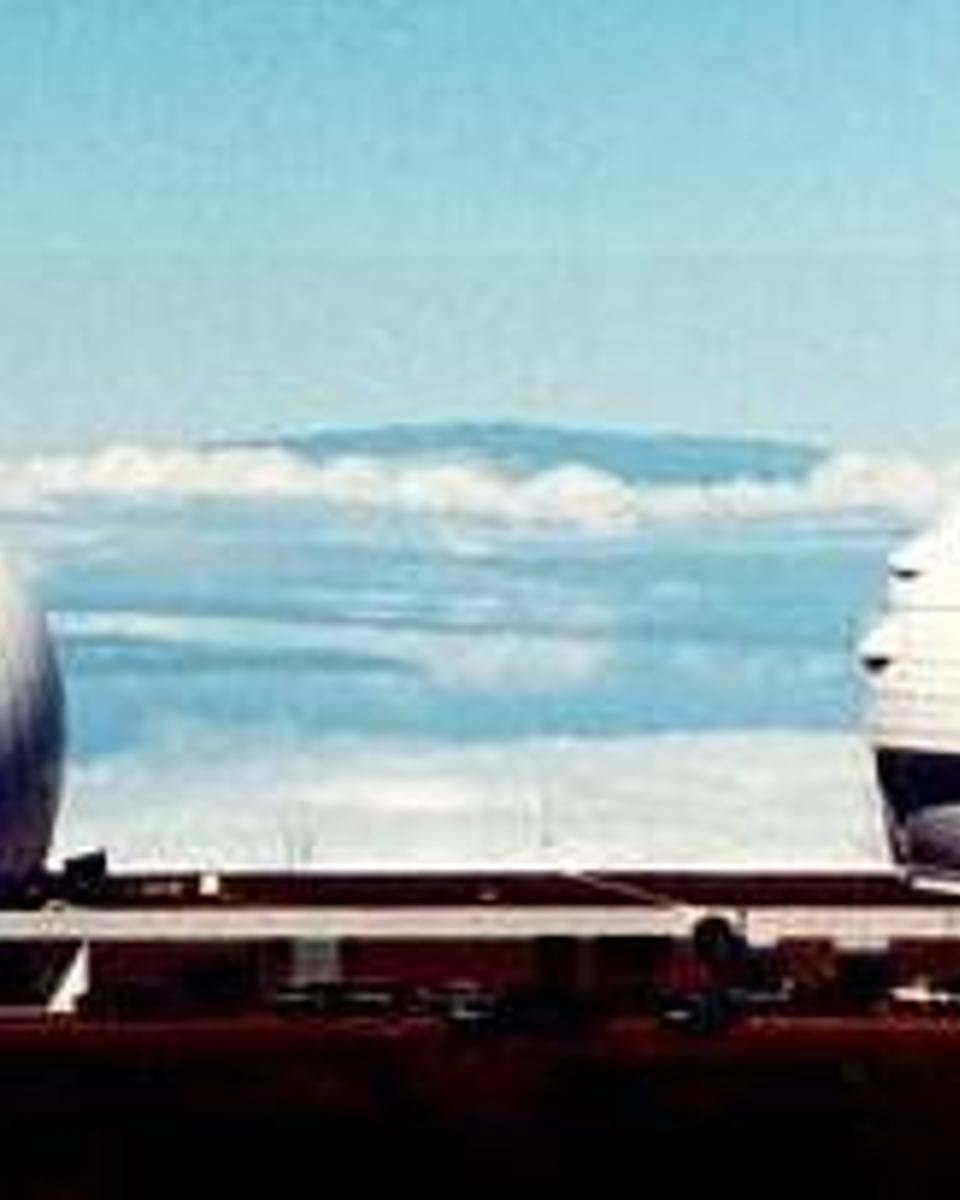
Keck: The Largest Optical Telescopes
In buildings eight stories tall rest mirrors ten meters across that are slowly allowing humanity to map the universe. Alone, each is the world's largest optical telescope : Keck .…
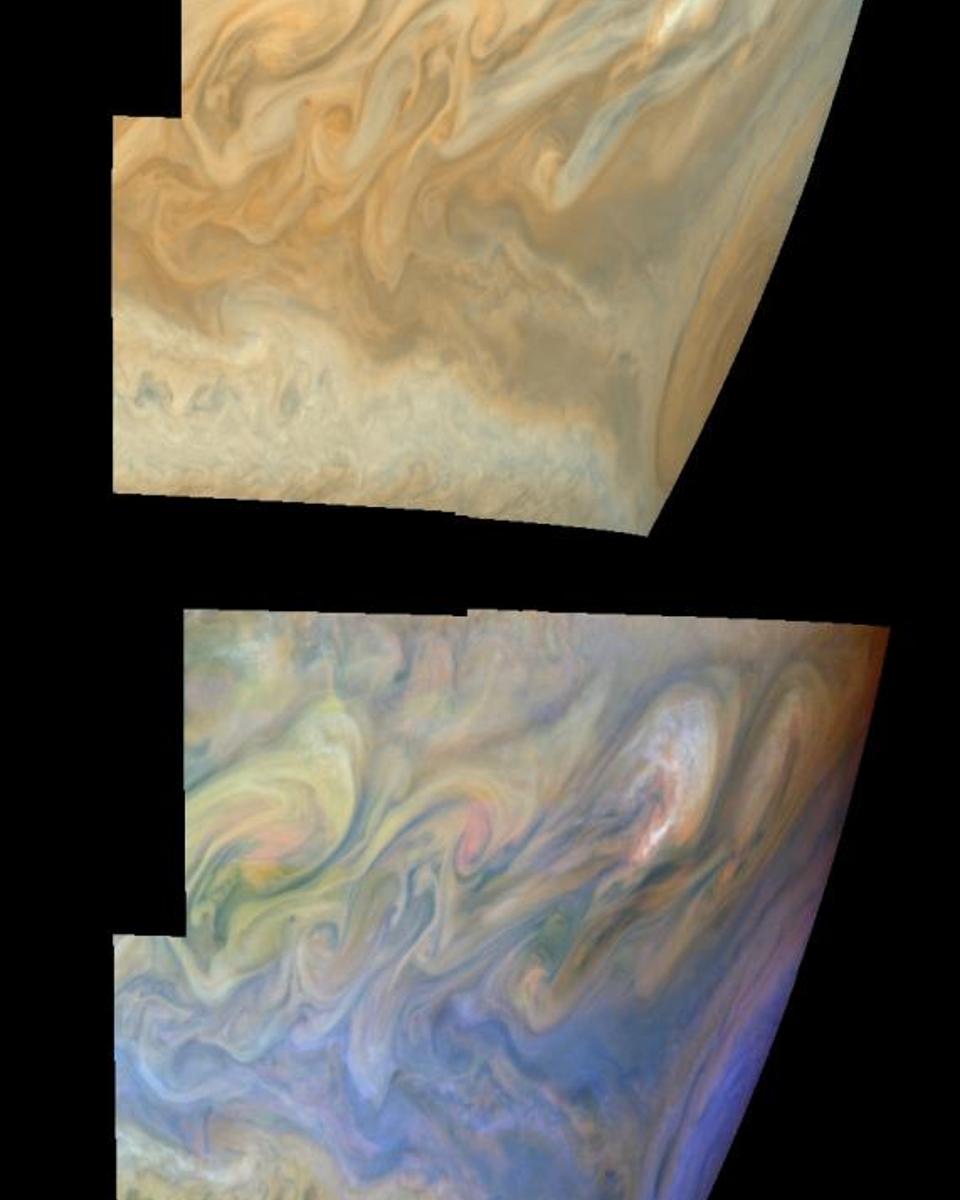
West Of The Great Red Spot
The turbulent region West of Jupiter's Great Red Spot is highlighted in this recent picture constructed from data recorded by the Galileo spacecraft. The image is color coded to…
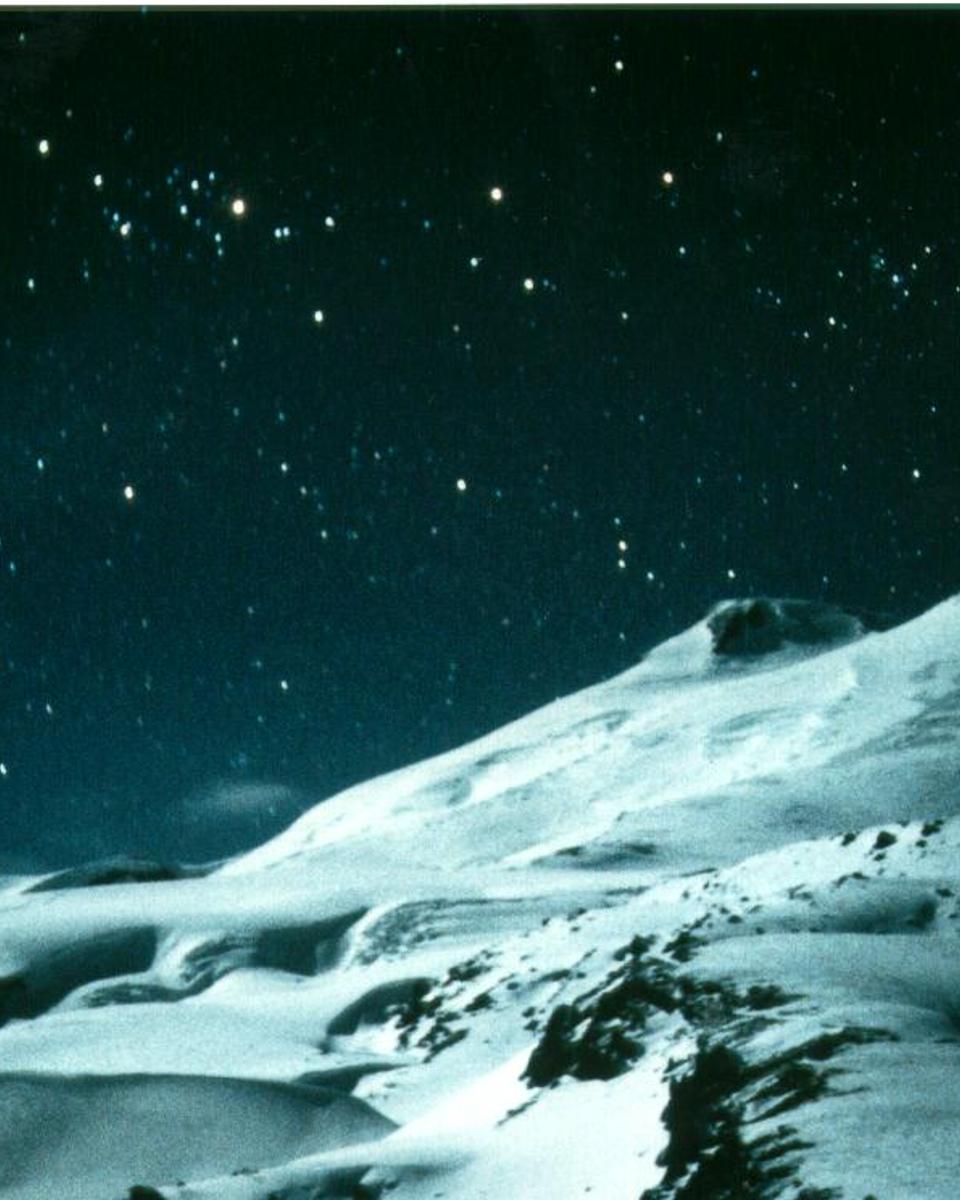
A Hale-Bopp Holiday
Seen from the Pik Terskol Observatory in the northern Caucasus mountains, comet Hale-Bopp and the bright stars of the constellation Perseus hang above the snowy, moon-lit…
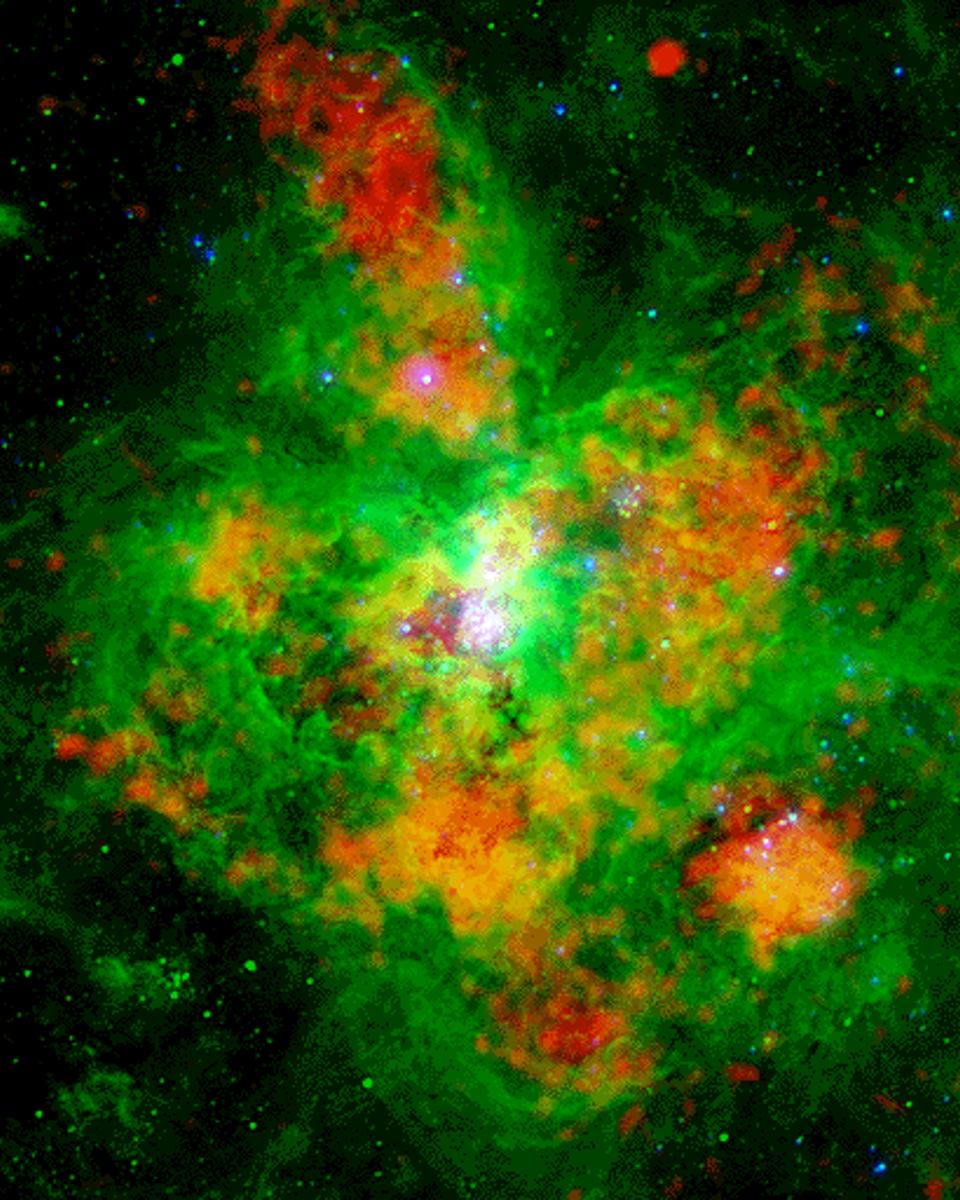
30 Doradus Across the Spectrum
30 Doradus is lit up like a Christmas tree. Shining in light across the electromagnetic spectrum , 30 Doradus glows because of all the energetic processes that go on there. A…
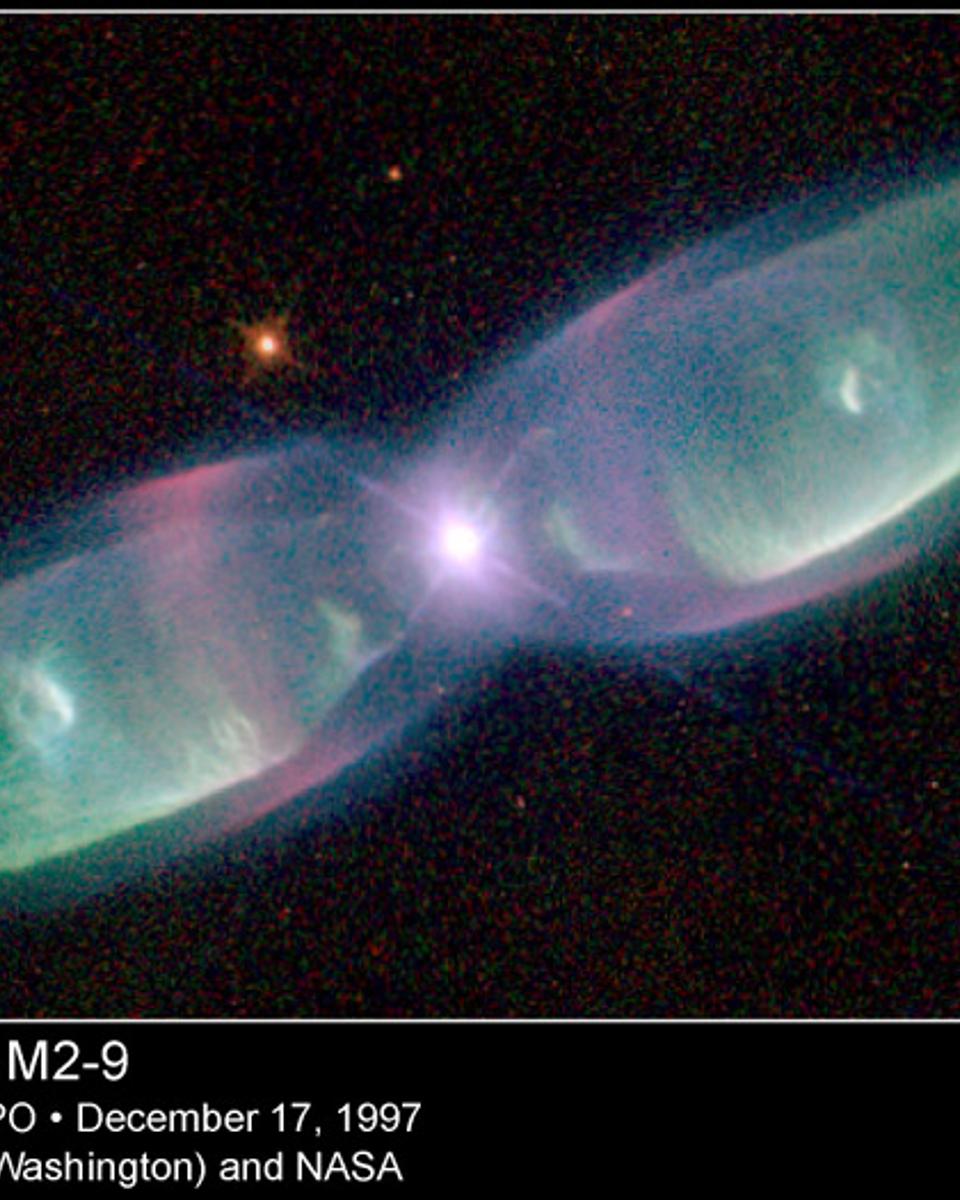
M2-9: Wings of a Butterfly Nebula
Are stars better appreciated for their art after they die? Actually, stars usually create their most artistic displays as they die. In the case of low-mass stars like our Sun and…

David N. Schramm 1945-1997
David N. Schramm effectively combined the very big with the very small. Among his many scientific achievements, Schramm and collaborators successfully used Big Bang cosmology to…
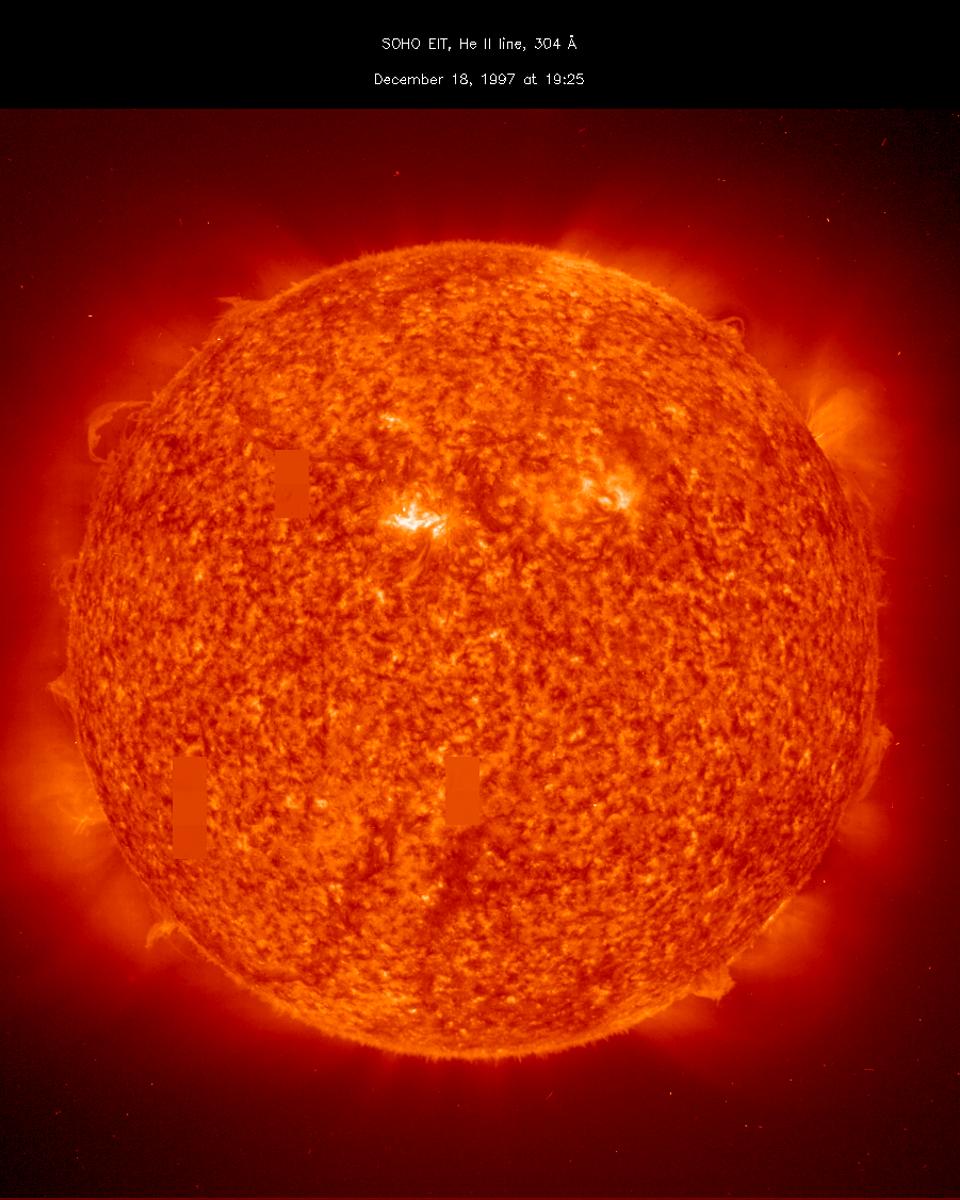
A Winter Solstice
Today is the Winter Solstice , the shortest day of the year in the Northern Hemisphere . The yearly cycle of Seasons on planet Earth once again finds the Sun at its lowest point…
Viewing discoveries from 13 January 1998 through 21 December 1997.