Browse NASA Astronomy Picture of the Day archive by date and media: Archive Discoveries
Browse the NASA APOD archive without needing the exact date first. Filter by media type and keep moving deeper into older images and videos.
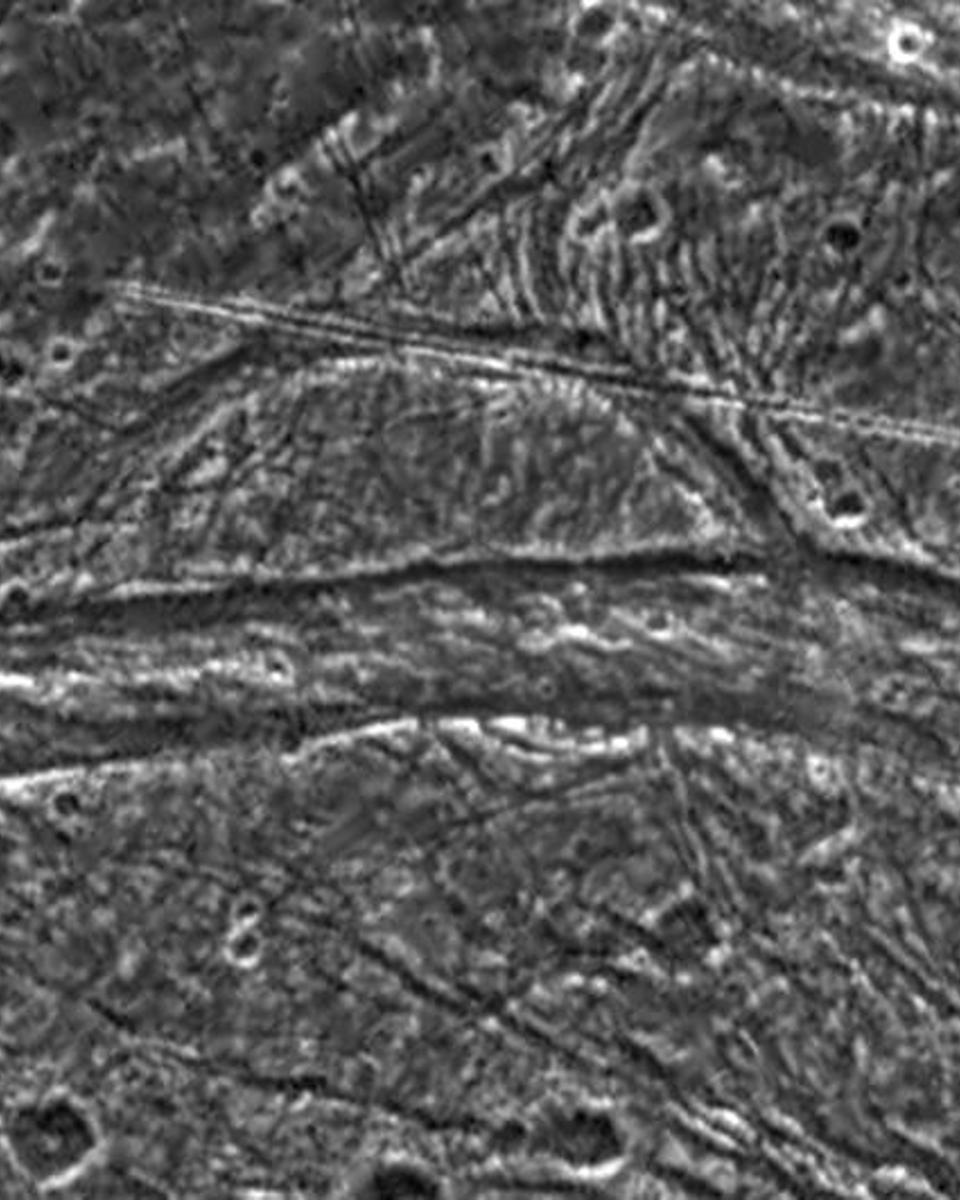
Mysterious Features on Ganymede
Where is the rest of the circle? Jupiter 's largest moon Ganymede has some truly unusual terrain, including the pictured half circle above cut by nearly parallel curves. Full…
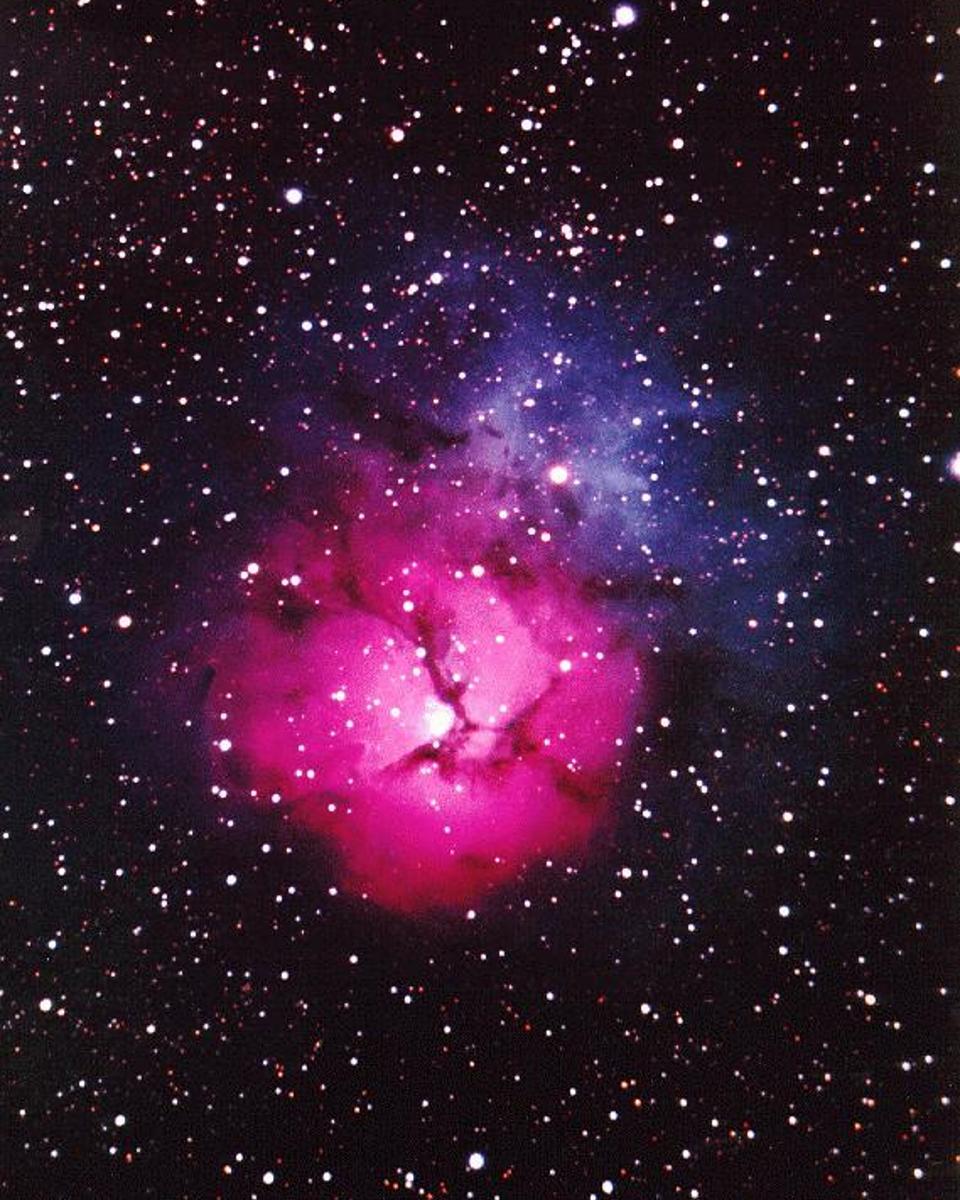
The Trifid Nebula in Red, White and Blue
Three dark dust lanes give the picturesque Trifid Nebula its name. The red and blue colors of the Trifid Nebula are present in different regions and are created by different…
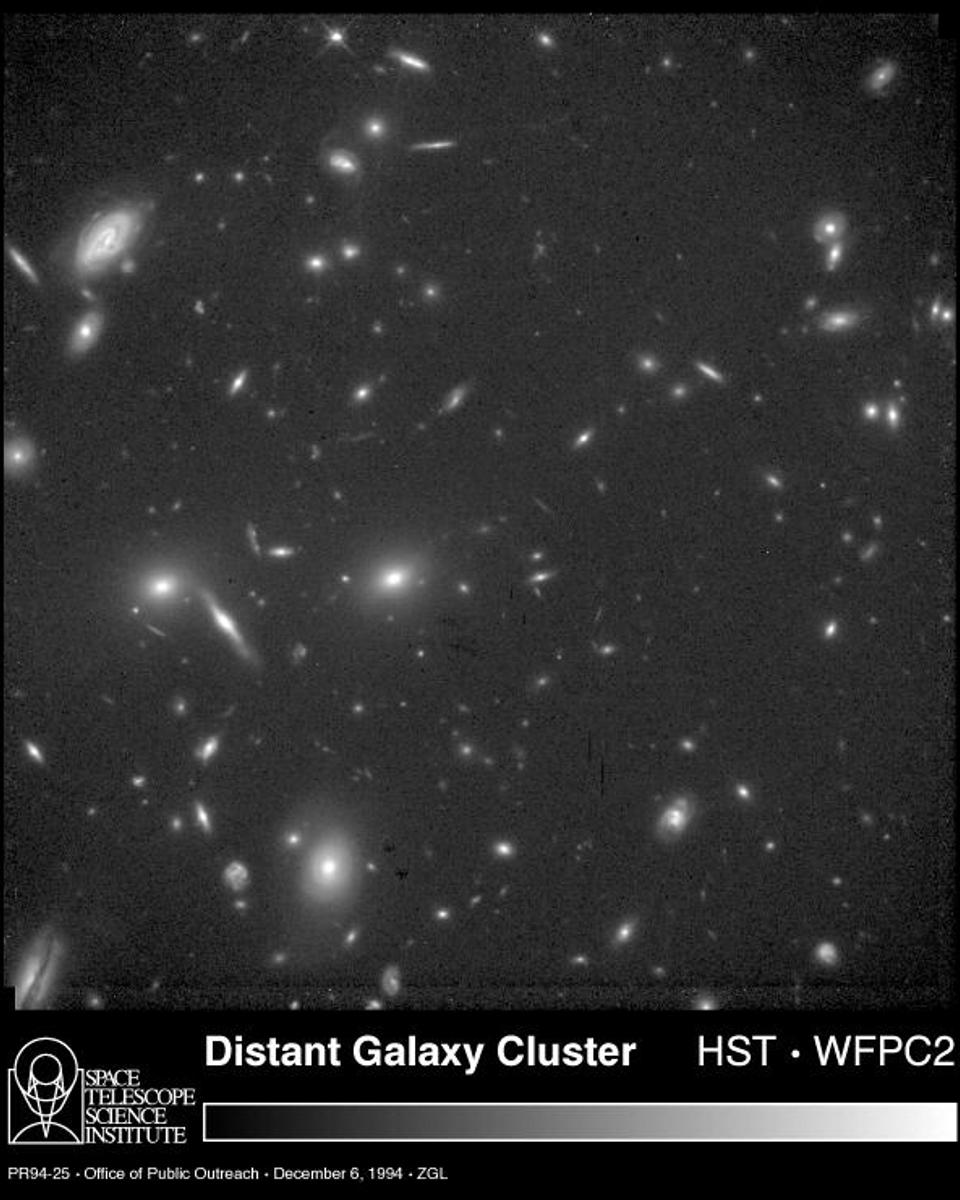
A Distant Cluster of Galaxies
In this 1994 Hubble Space Telescope photograph , every bright object is a galaxy . Oddly - most of them are spiral galaxies. This rich cluster of galaxies , named CL 0939+4713 ,…
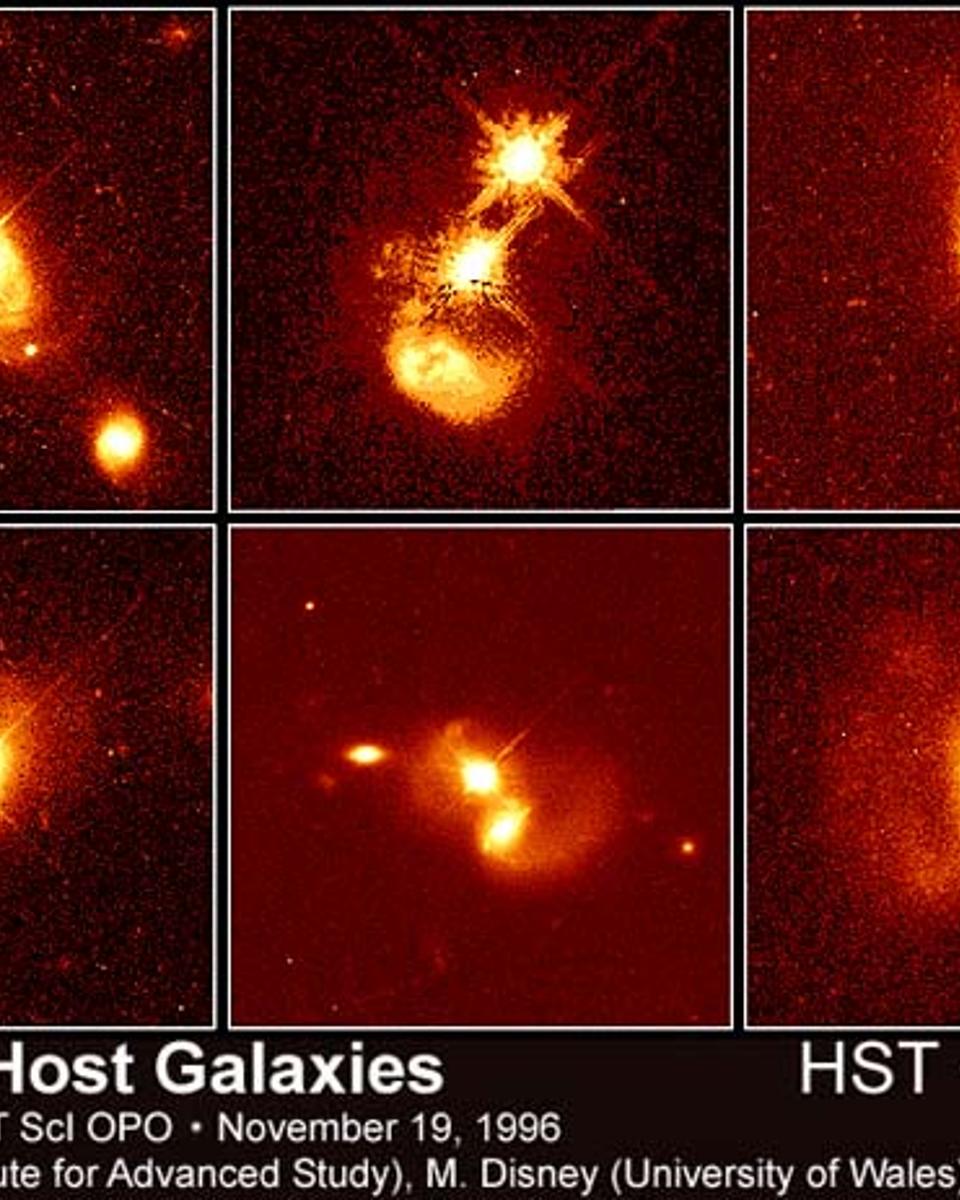
A Quasar Portrait Gallery
QUASARs (QUASi-stellAR objects) lie near the edge of the observable Universe . Discovered in 1963 , astronomers were astounded that such objects could be visible across billions…
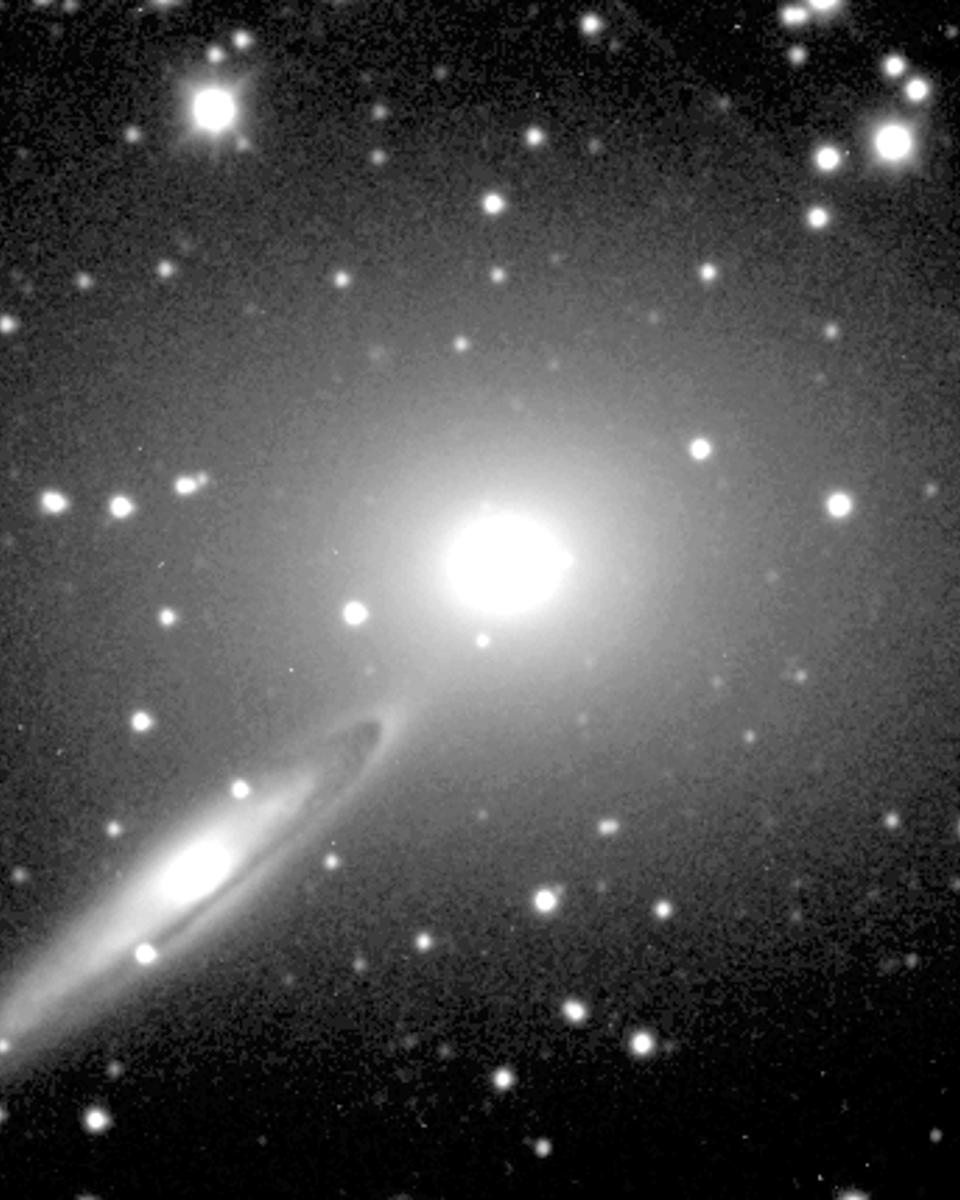
Seeing Through Galaxies
In this dramatic picture, spiral galaxy NGC 5091 appears in the foreground. Tilted nearly edge-on , the dust lanes between its spiral arms are clearly visible. The large…
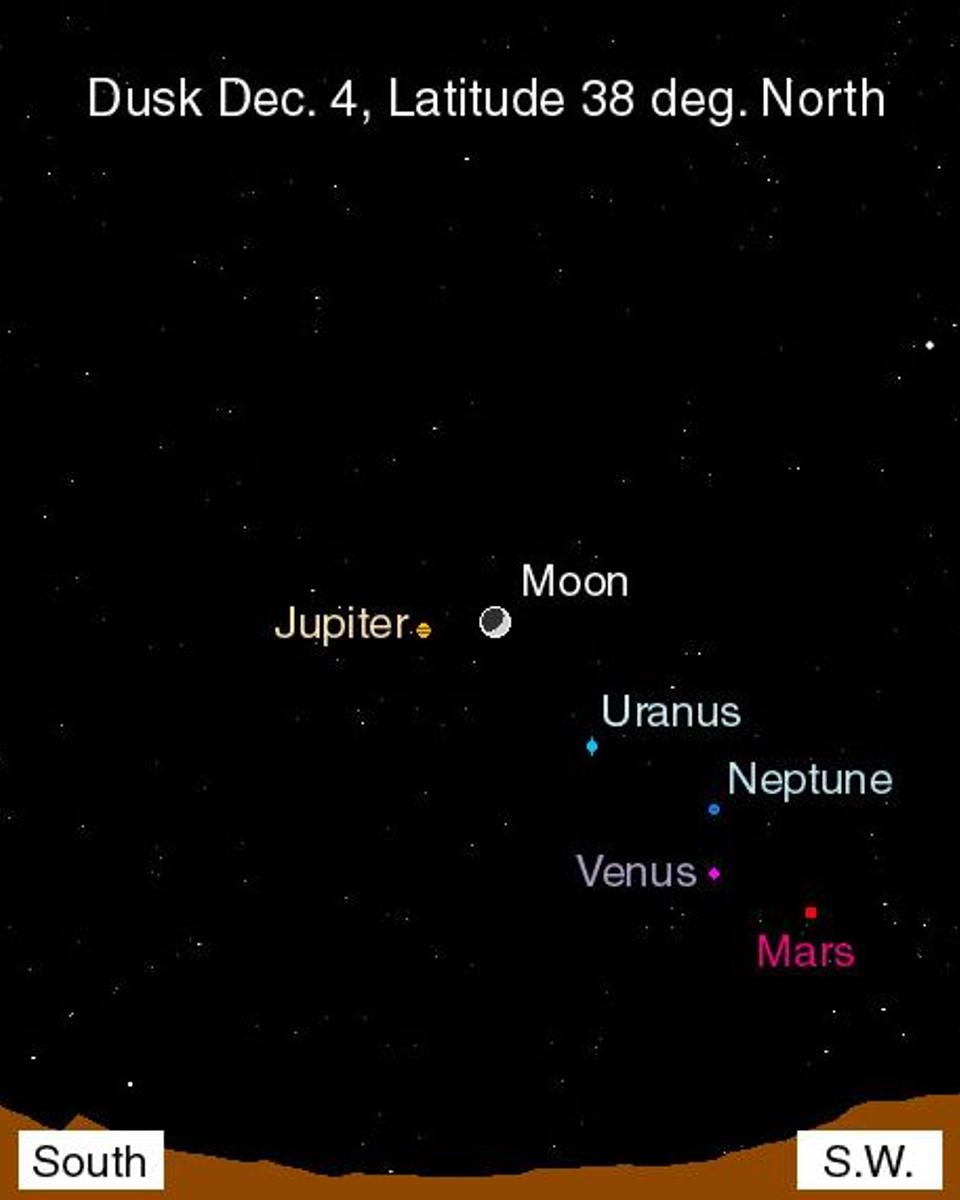
A Sky Full Of Planets
Look up tonight . Just after sunset, the crescent moon and all five “naked-eye” planets ( Mercury , Venus , Mars , Jupiter , and Saturn ) will be visible (depending on your…
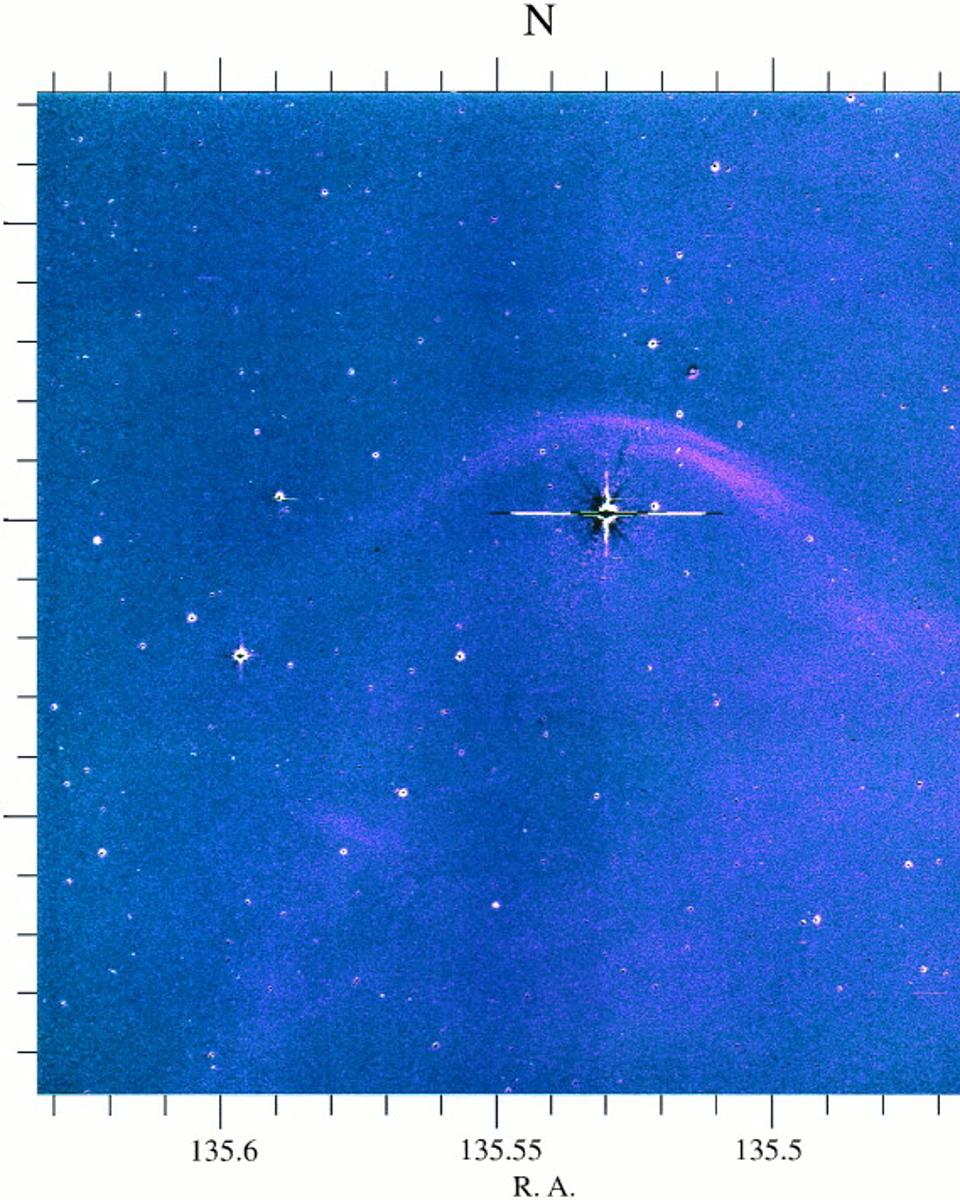
Runaway Star
Runaway stars are massive stars traveling rapidly through interstellar space. Like a ship plowing through the interstellar medium , runaway star HD 77581 has produced this…
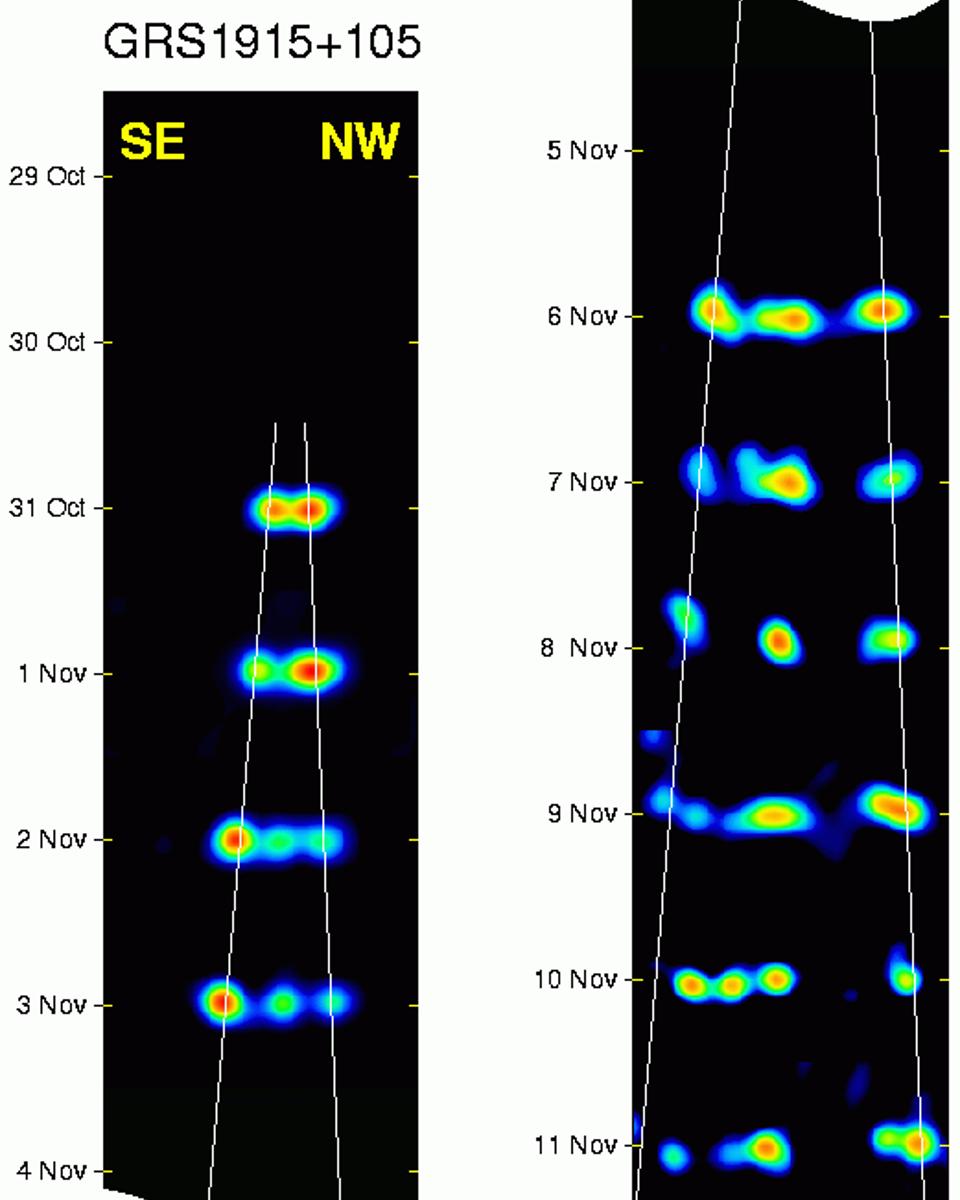
Micro-Quasar GRS1915 Puffs
On the far side of our Galaxy , gas clouds explode away from a small black hole . This might seem peculiar, as black holes are supposed to attract matter. But material falling…
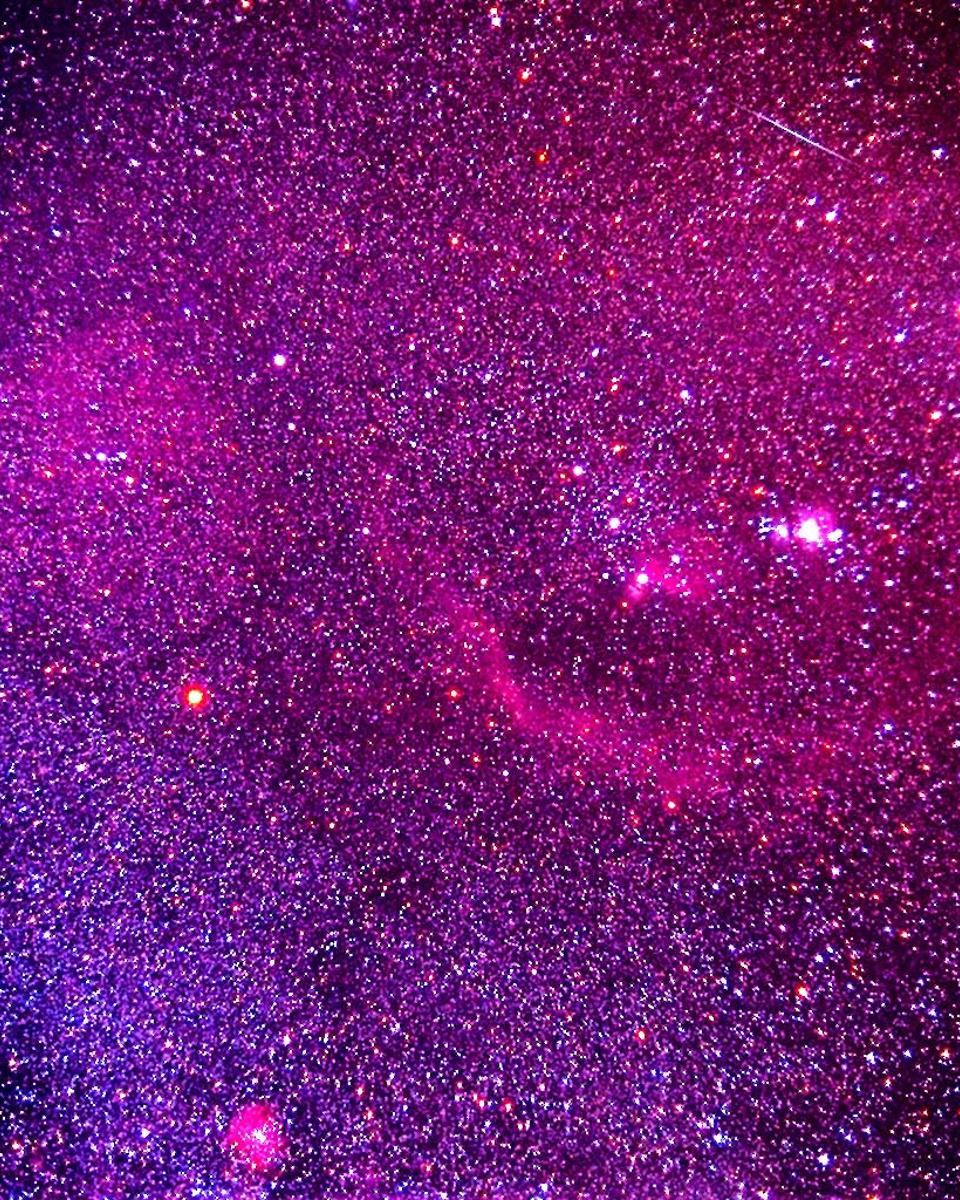
Orion: The Big Picture
Orion is big. Some of the stars that form the constellation of Orion are part of a giant gas cloud complex that stretches over 100 light years and appears more than 50 times the…
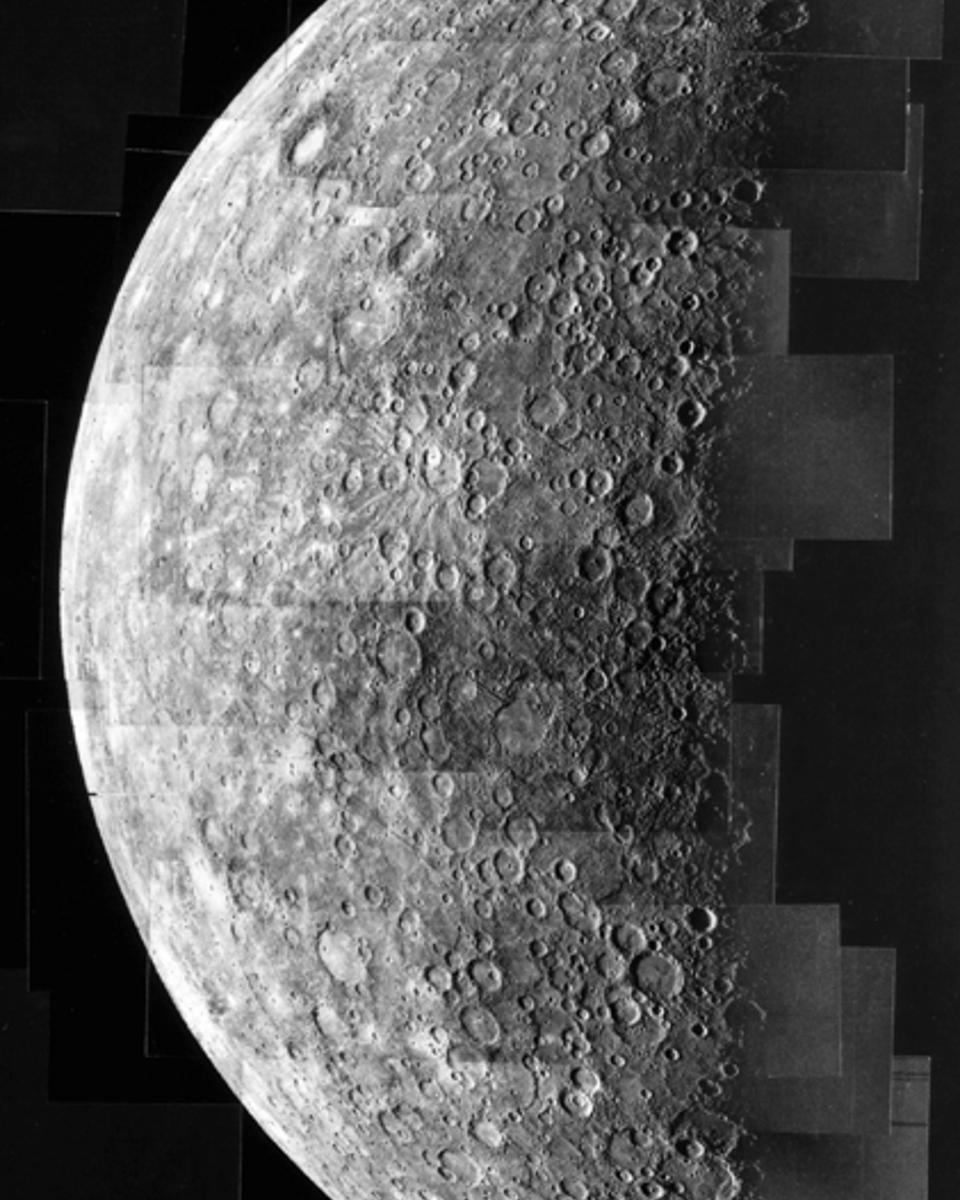
Mercury: A Cratered Inferno
Mercury's surface looks similar to our Moon's. Each is heavily cratered and made of rock. Mercury 's diameter is about 4800 km, while the Moon 's is slightly less at about 3500 km…
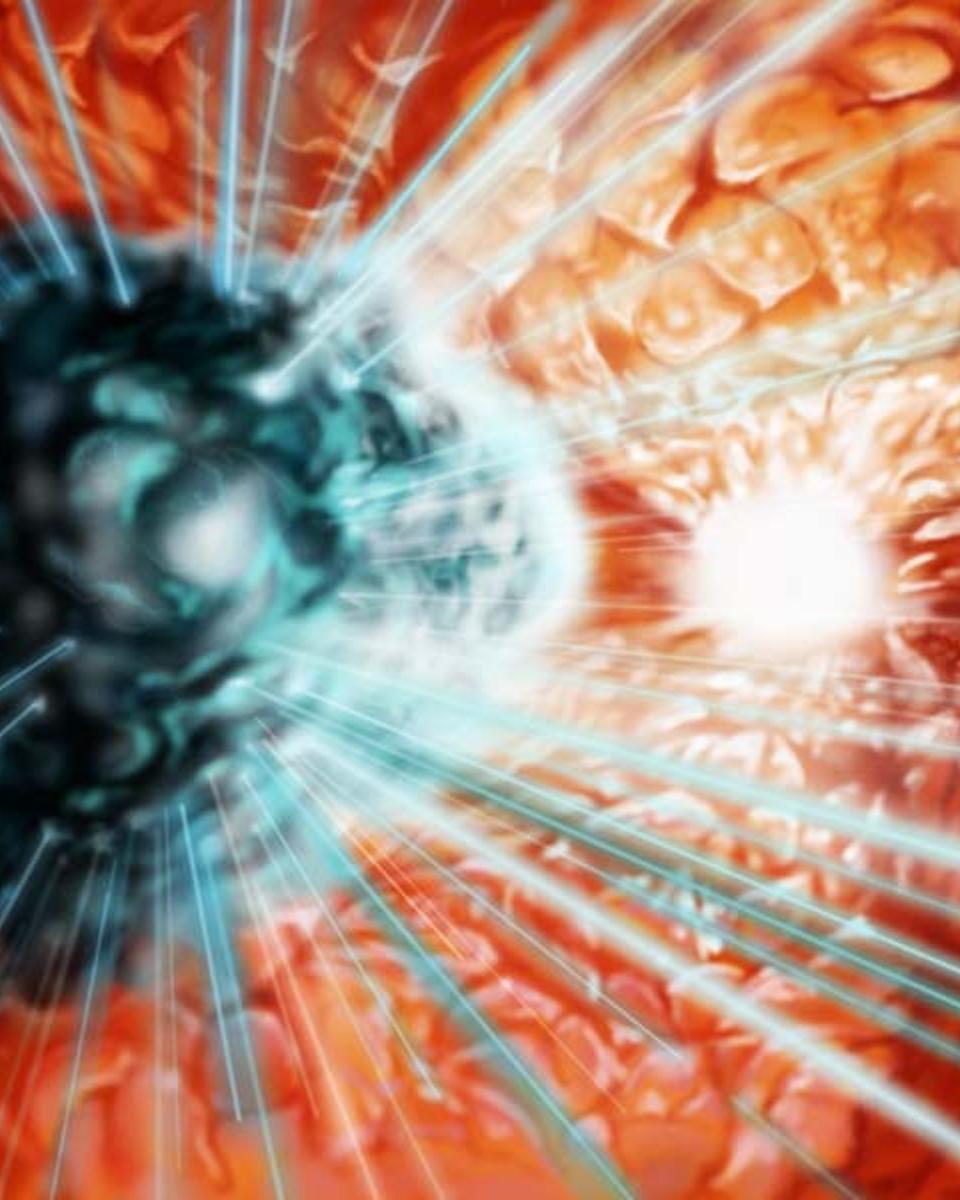
Lasers in Eta Carinae
Have you heard about the great LASER light show in the sky? A team led by K. Davidson ( U. Michigan ) and S. Johansson ( U. Lund ) discovered that the chaotically variable star…
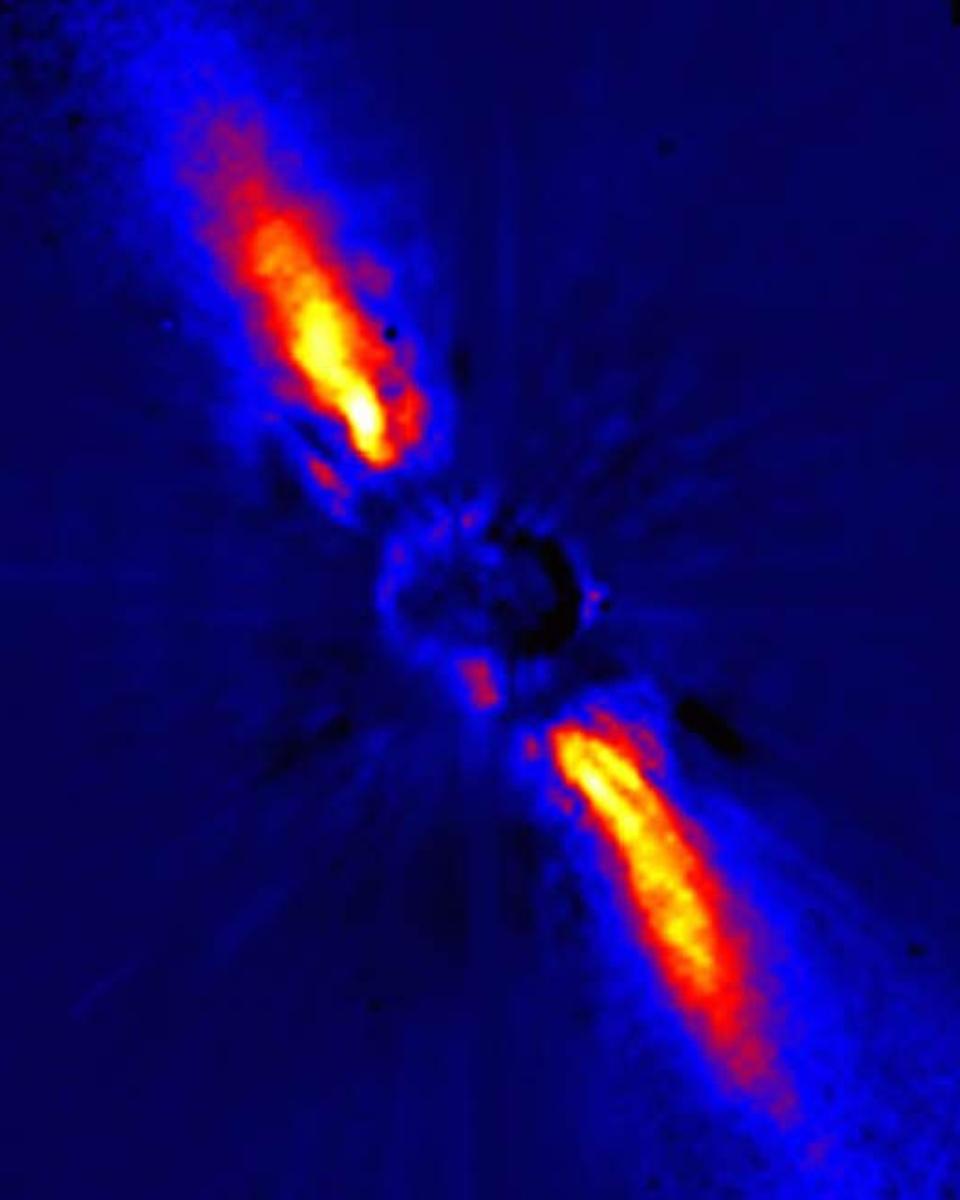
Beta Pictoris Revisited
In the early 1980s, Beta Pictoris became one of the most important stars in the sky. Satellite and ground-based telescopic observations revealed the presence of a surrounding…
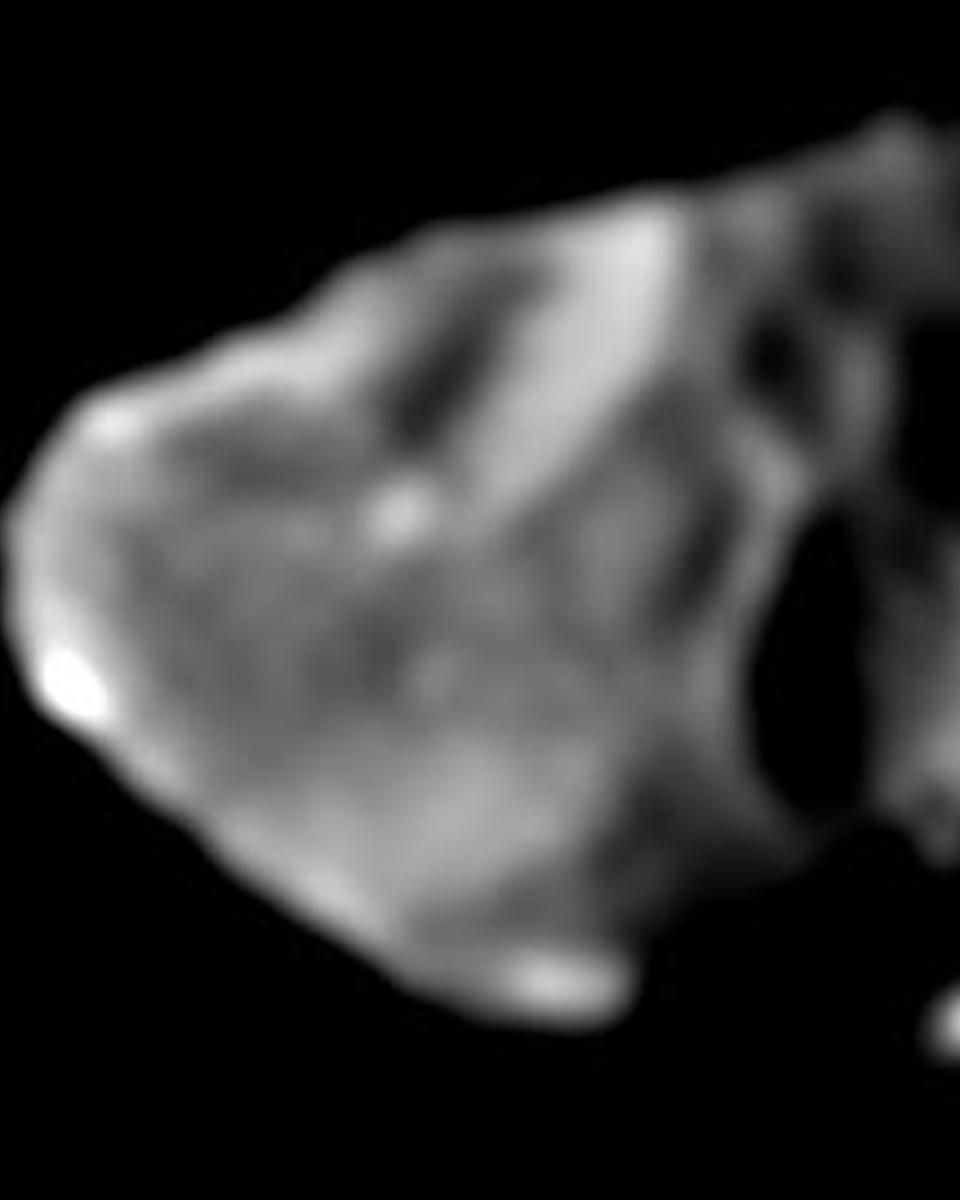
Jupiter's Inner Moons
The potato-shaped inner moons of Jupiter are lined-up in this mosaic “family portrait” of these tiny Jovian satellites. The individual images were recorded over the last year by…
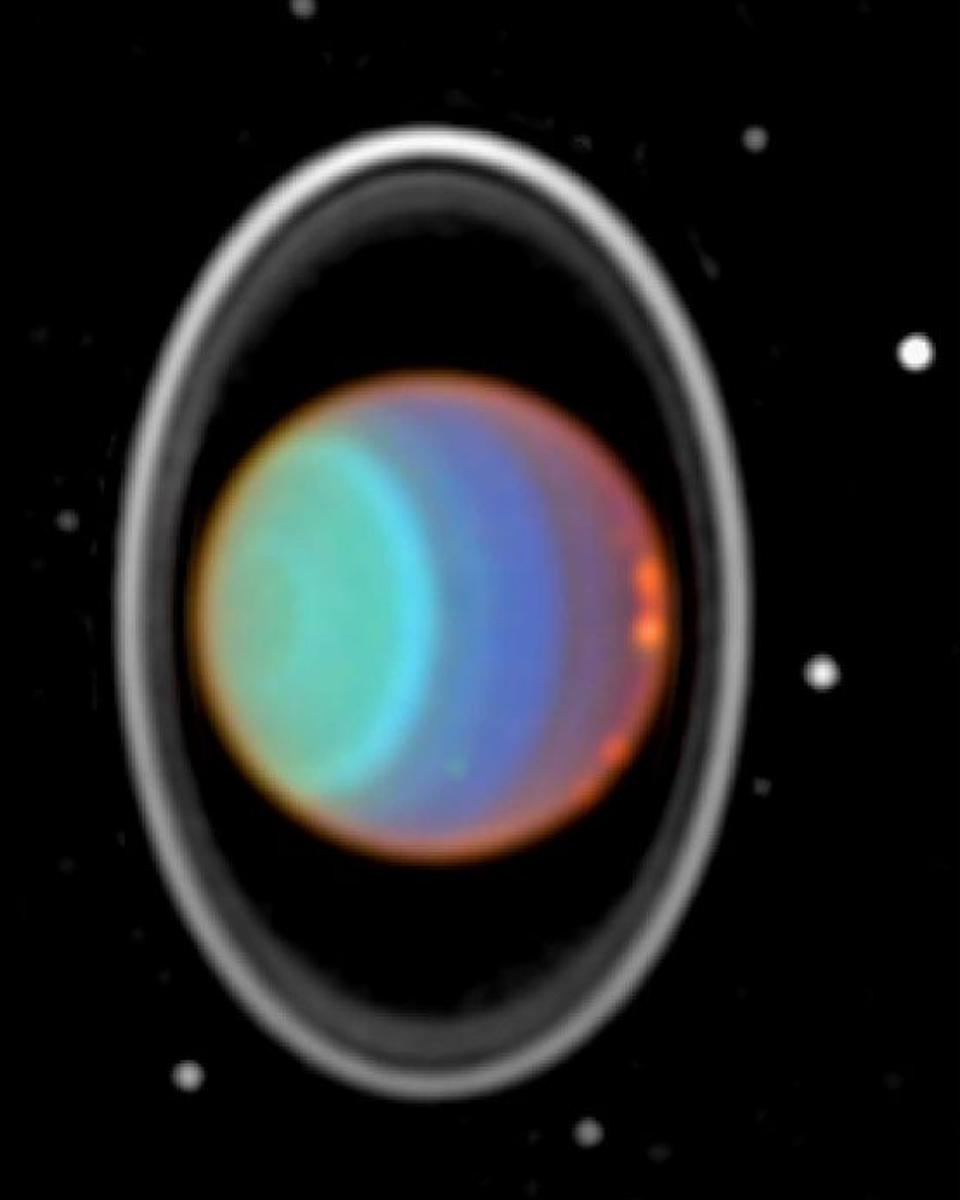
Uranian Moons, Rings, And Clouds
The giant planet Uranus is faint and featureless when viewed in visible light . But this pair of near-infrared mosaics from the Hubble Space Telescope's NICMOS camera reveals…
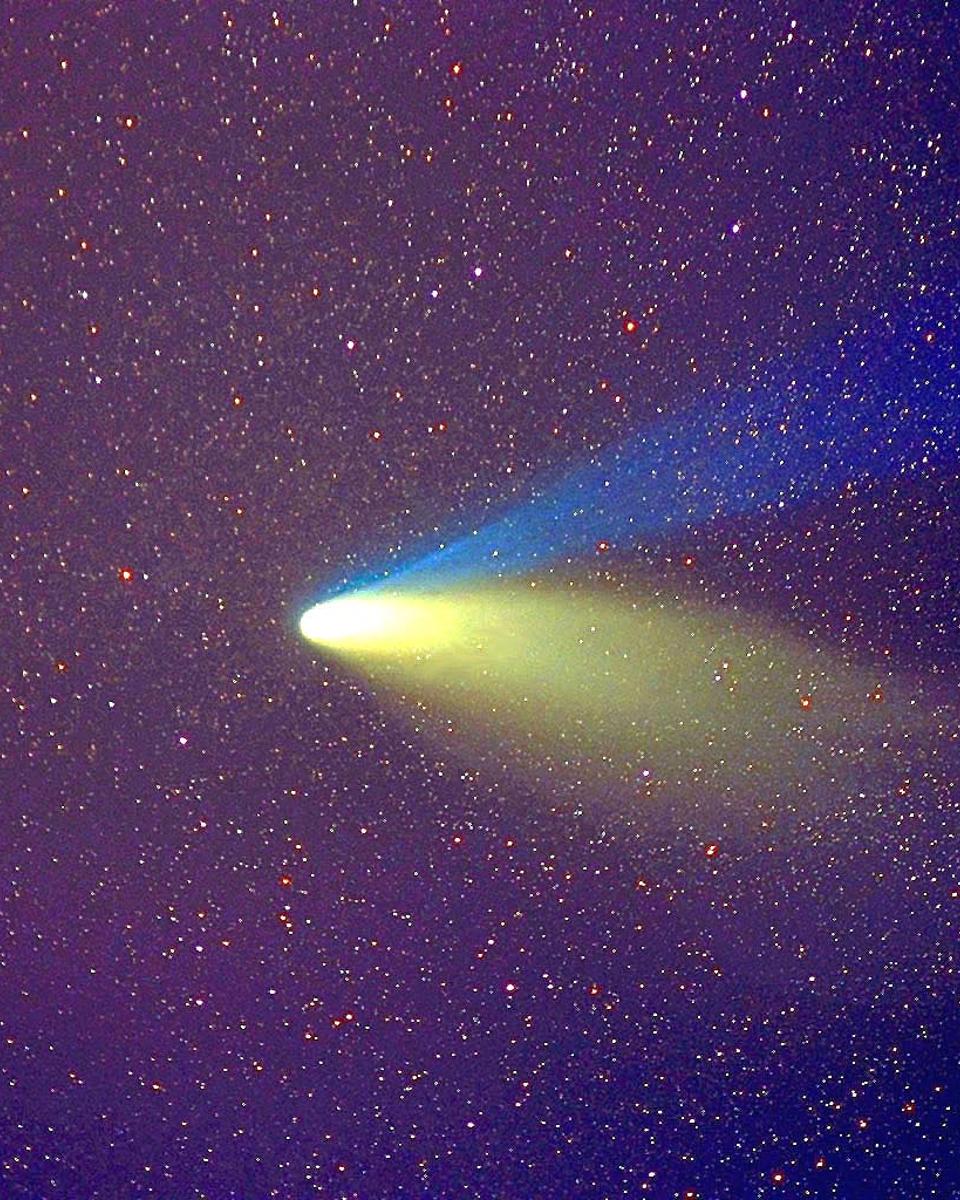
The Comet and the Galaxy
The Moon almost ruined this photograph. During late March and early April, Comet Hale-Bopp passed nearly in front of the Andromeda Galaxy . Here the Great Comet of 1997 and the…
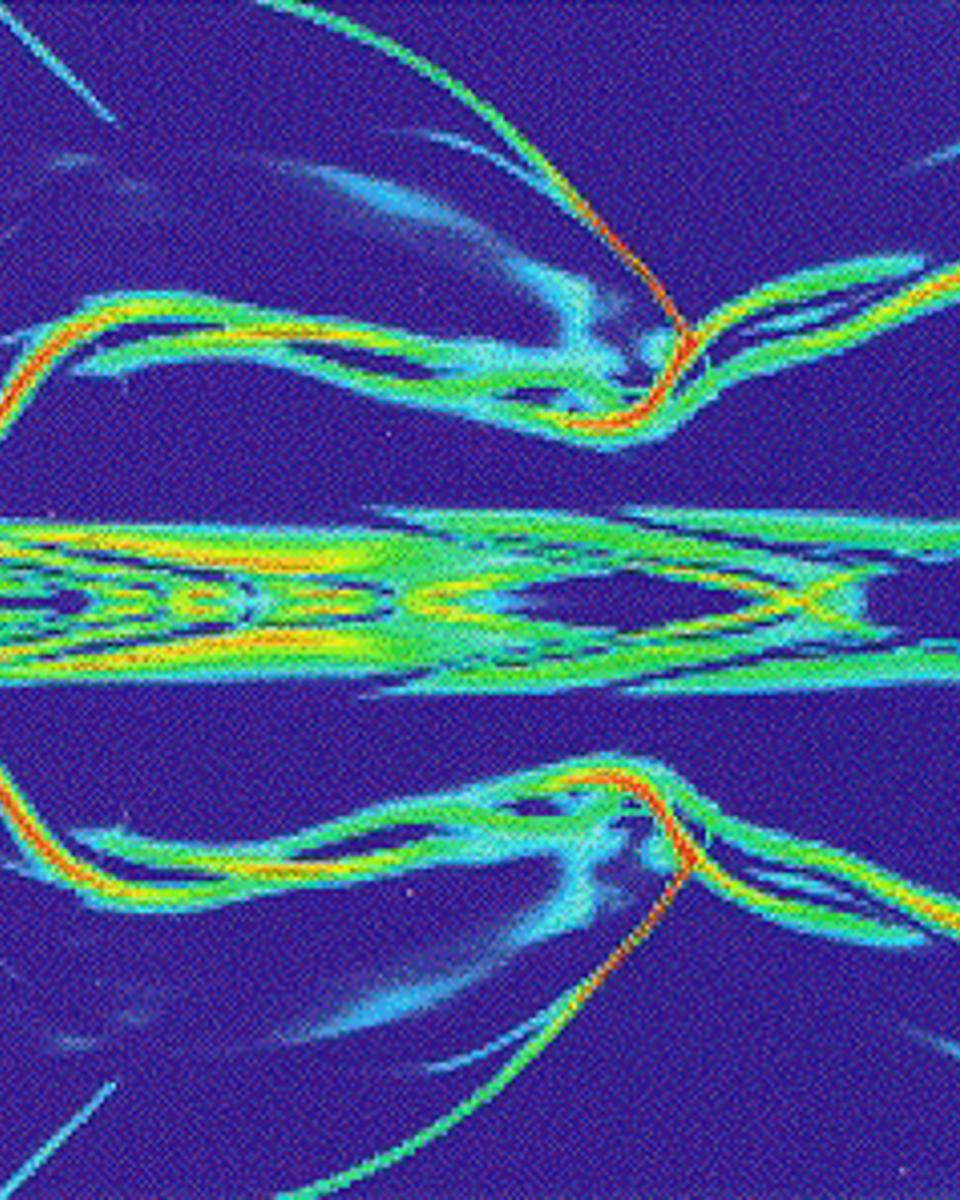
Jet Near Light Speed
Einstein 's Special Theory of Relativity says that nothing can travel faster than the speed of light. Jets of protons and electrons that shoot away from objects such as quasars…
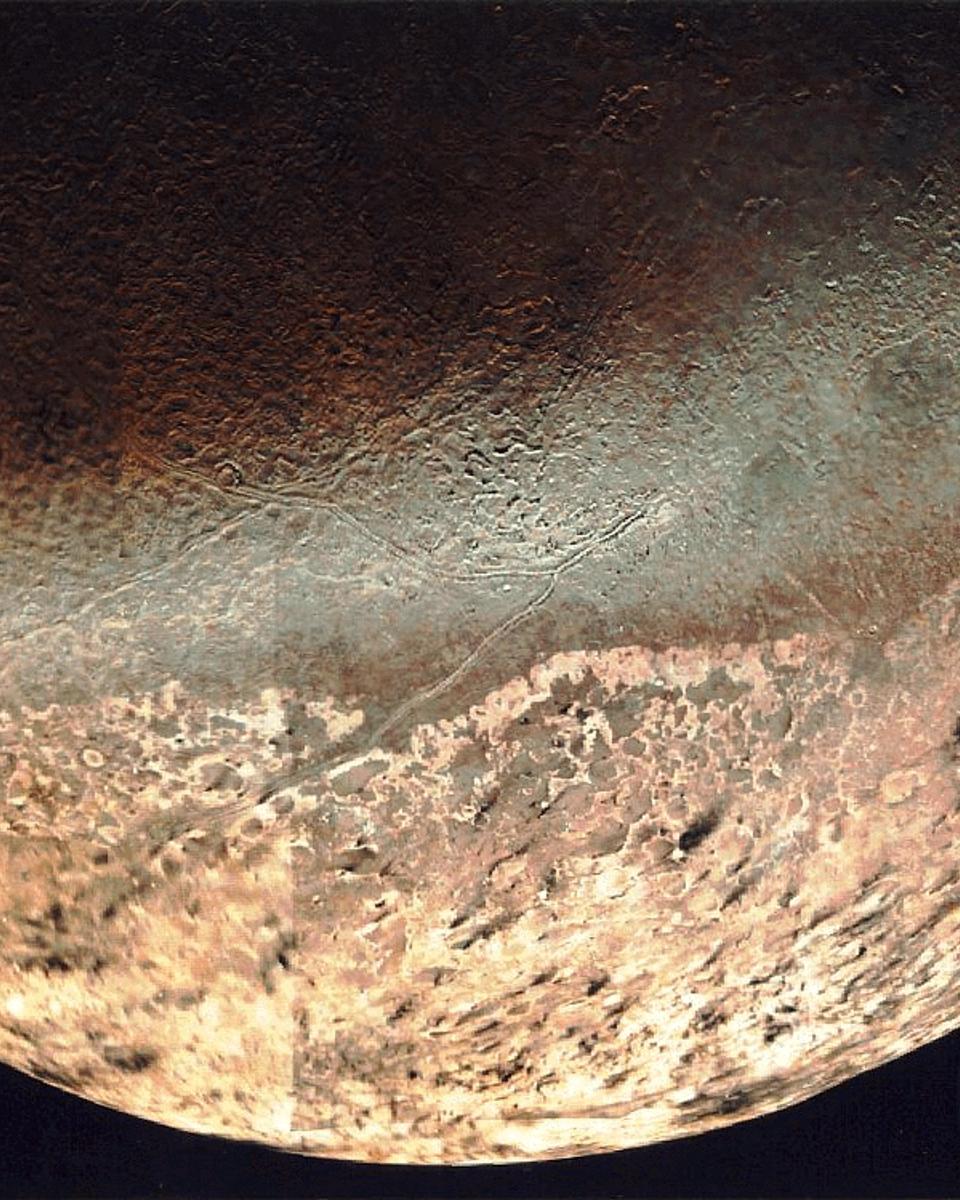
Triton: Neptune's Largest Moon
On October 10th, 1846, William Lassell was observing the newly discovered planet Neptune . He was attempting to confirm his observation, made just the previous week, that Neptune…
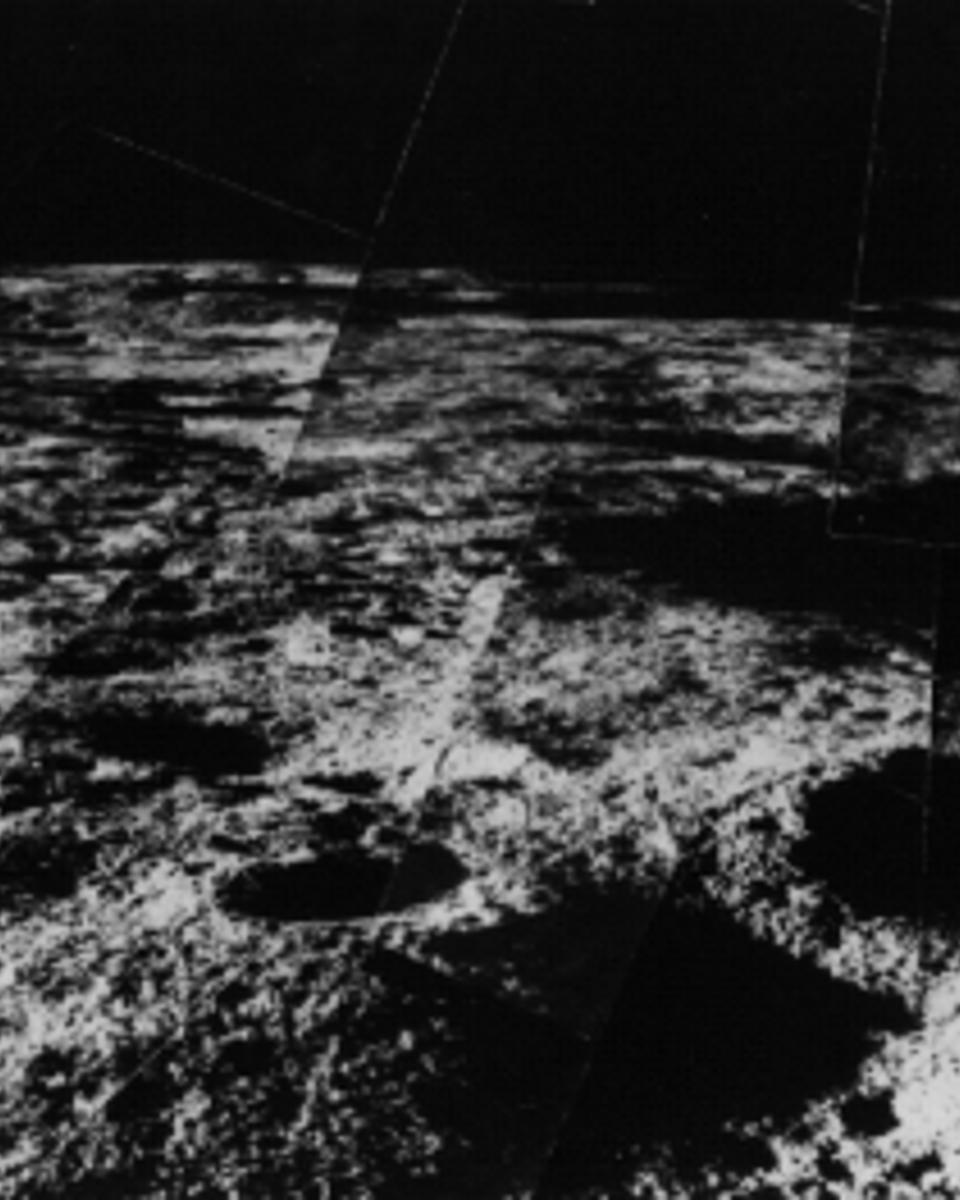
Surveyor Hops
This panorama of the cratered lunar surface was constructed from images returned by the US Surveyor 6 lander. Surveyor 6 was not the first spacecraft to accomplish a soft landing…
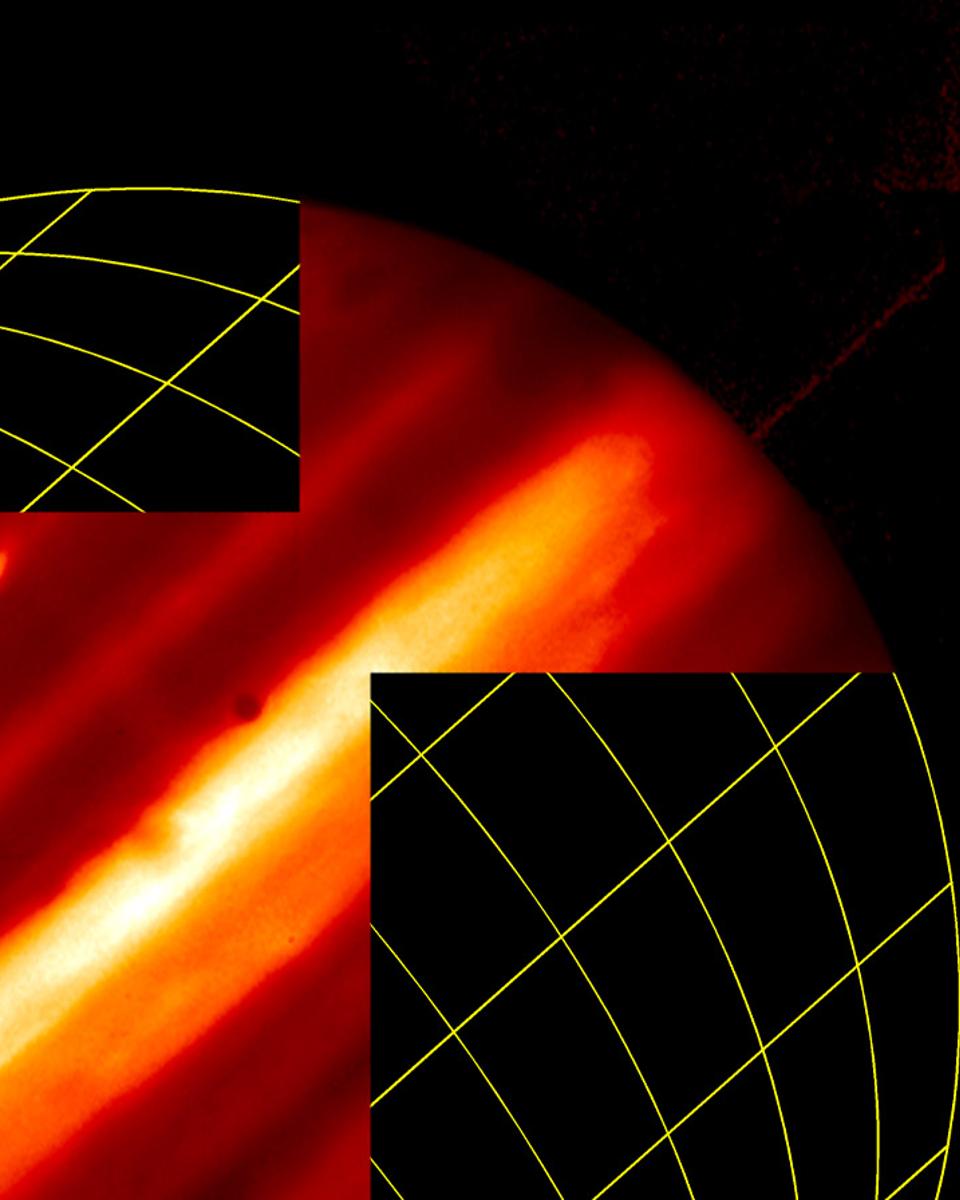
Jupiter: Moon, Ring, and Clouds
An inner moon, an edge-on, planet-girdling ring, and high altitude cloud bands are visible in this mosaic of infrared images of gas giant Jupiter . The moon Metis , 25 miles wide…
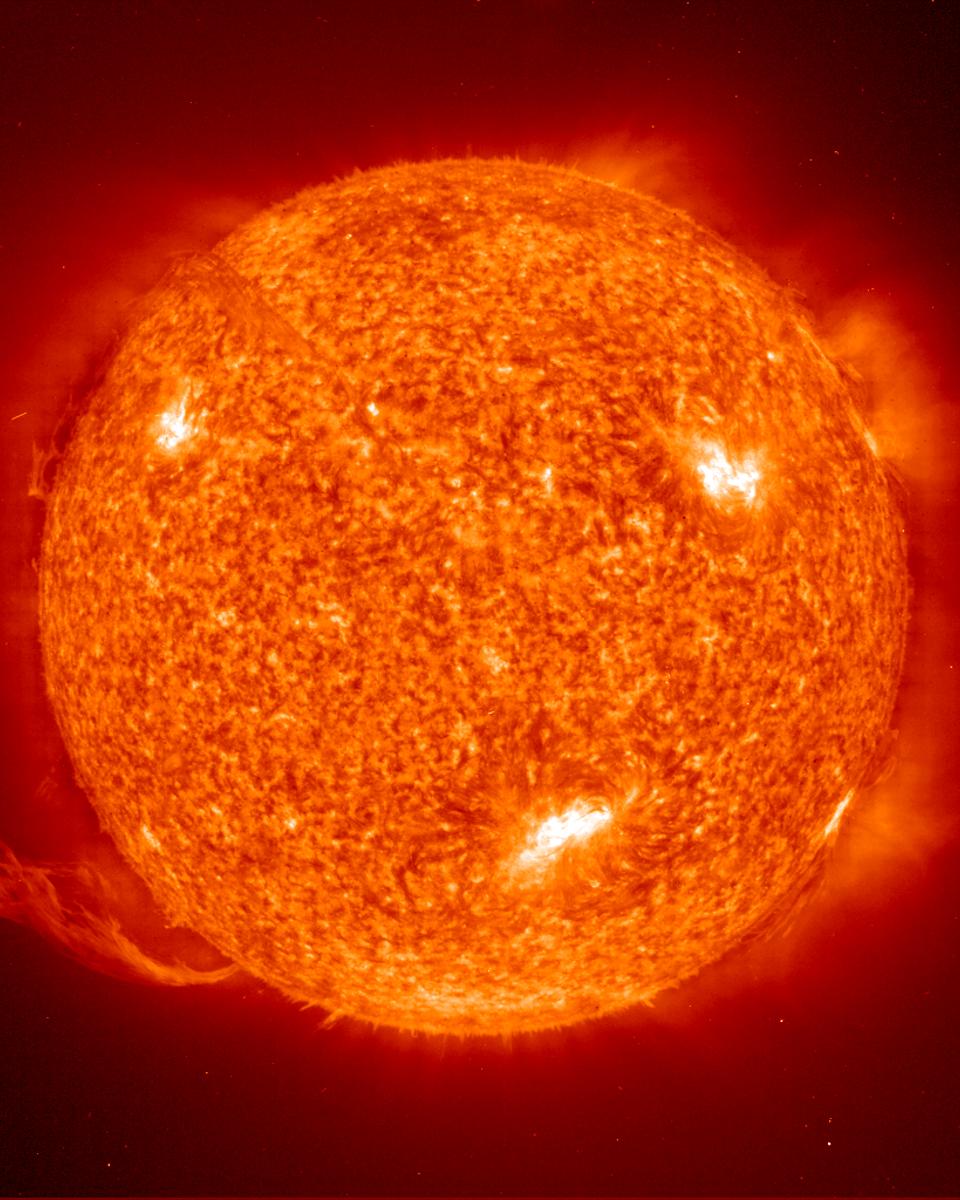
Escape From The Sun
Twisted magnetic fields arching from the solar surface can trap ionized gas, suspending it in huge looping structures. These majestic plasma arches are seen as prominences above…
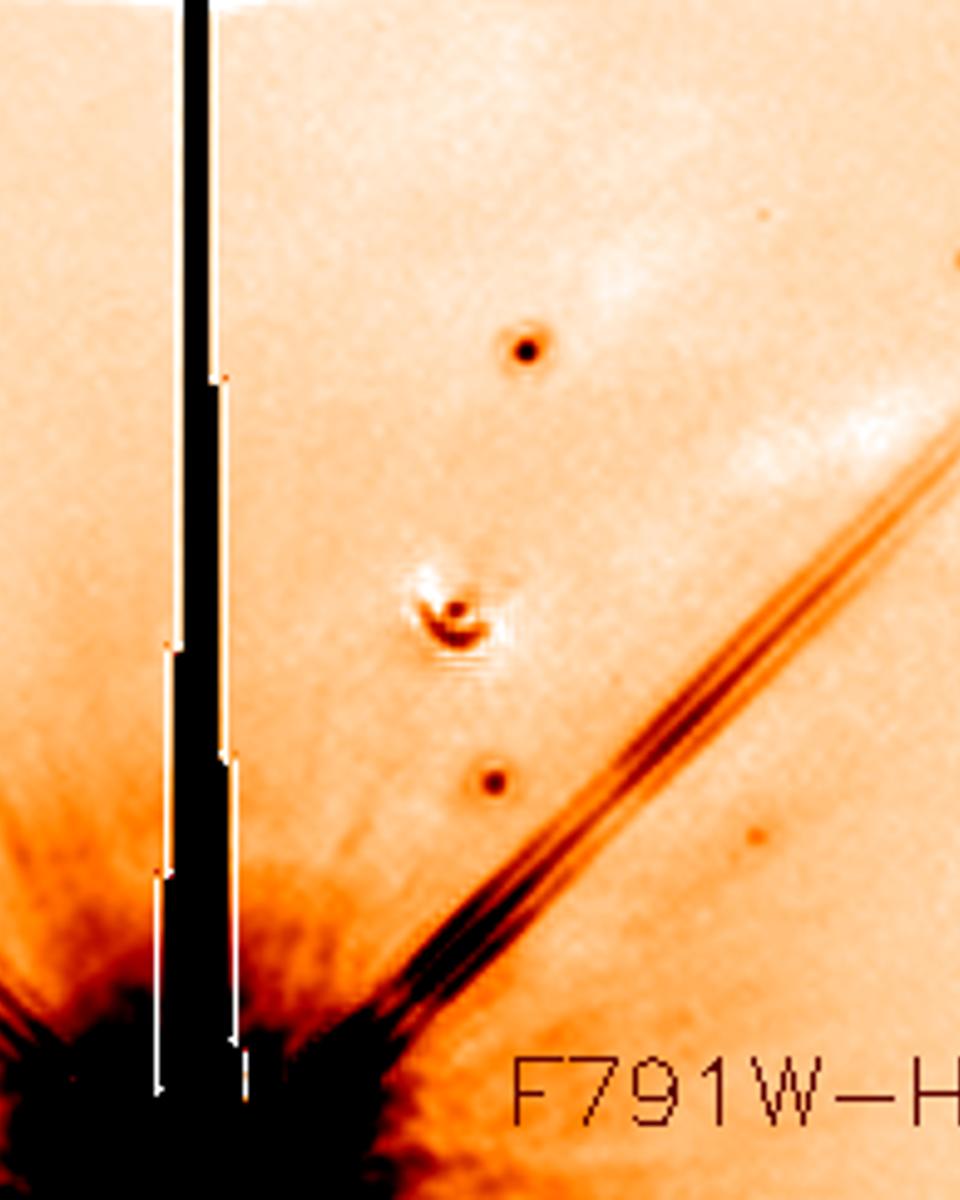
Diffraction Spikes: When Stars Look Like Crosses
Unusual appendages around bright stars are commonplace, but never seem to be mentioned. What are they? First, a telescope brings starlight falling over a large area to a small…
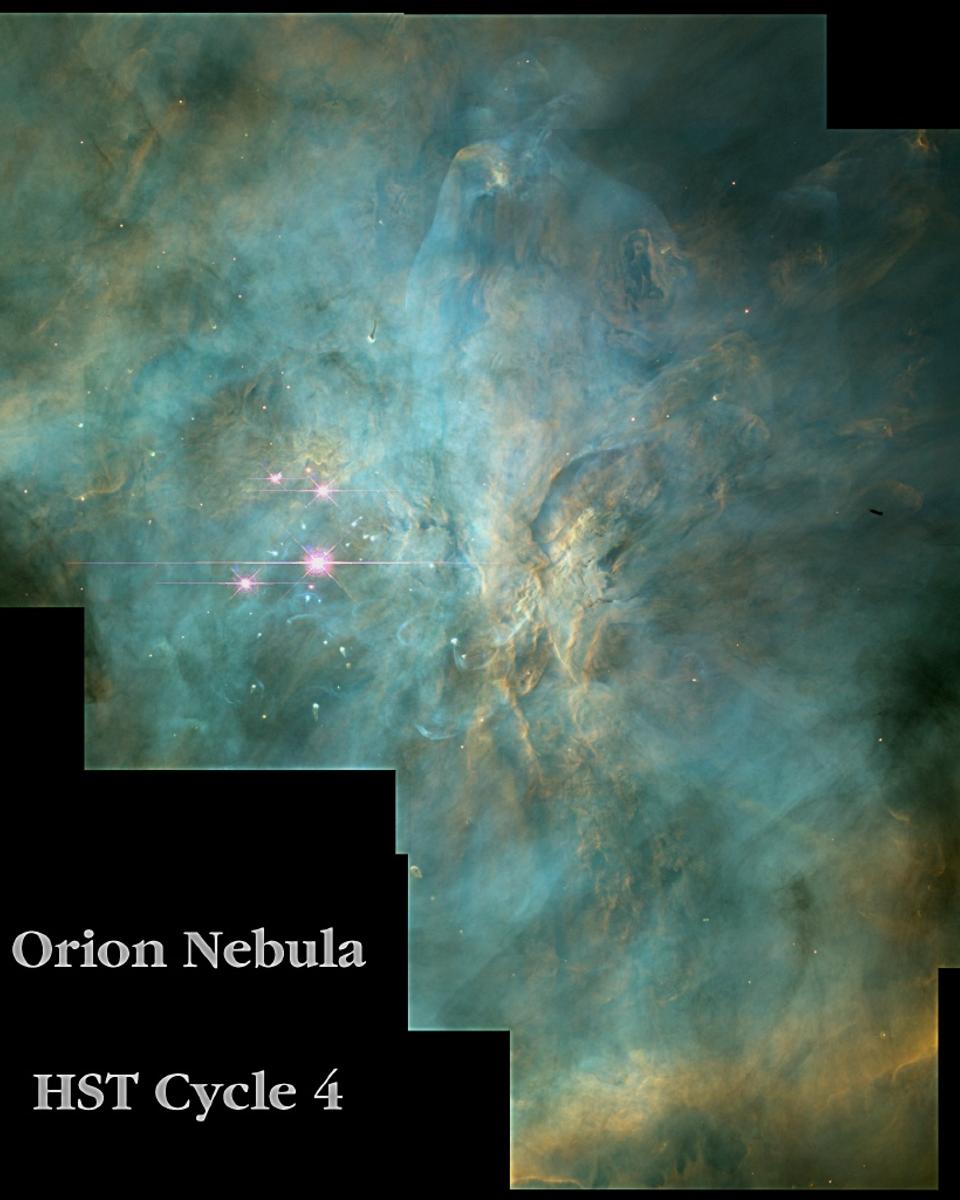
In the Center of the Trapezium
Start with the constellation of Orion. Below Orion 's belt is a fuzzy area known as the Great Nebula of Orion or M42. In this nebula is a bright star cluster known as the…
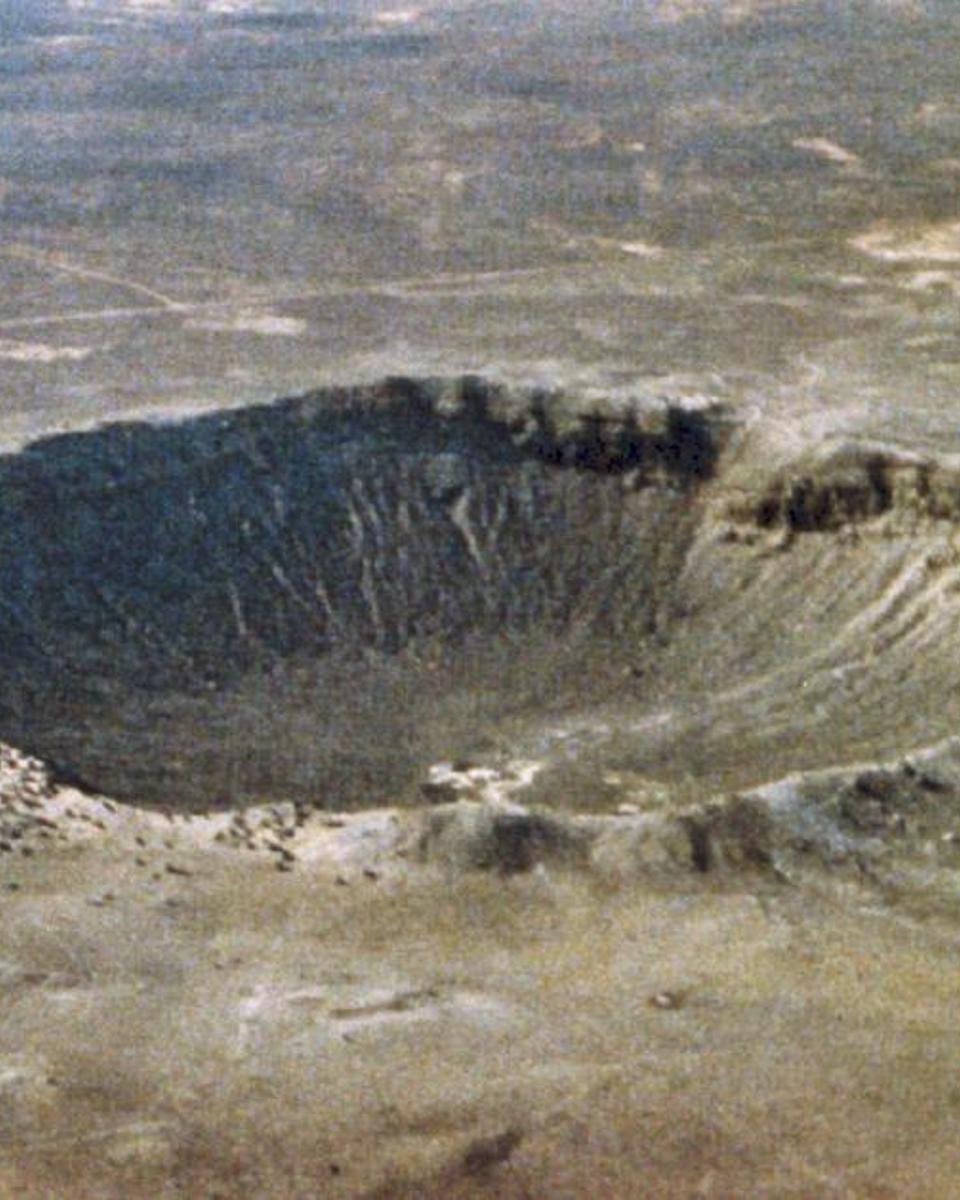
Barringer Crater on Earth
What happens when a meteor hits the ground? Usually nothing much, as most meteors are small, and indentations they make are soon eroded away. 49,000 years ago, however, a large…
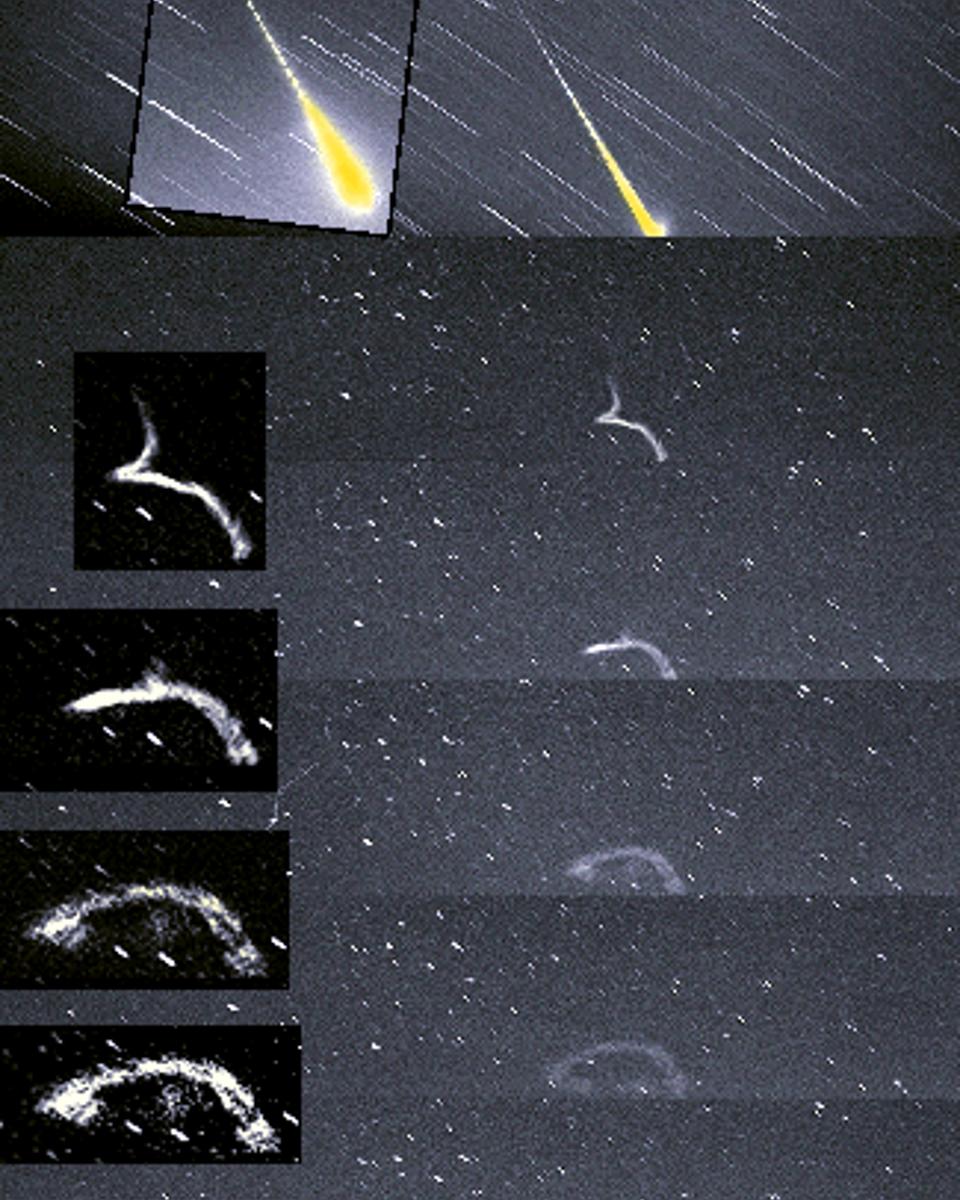
The Leonid Meteor Shower
The Leonid Meteor Shower will likely reach its peak in the early hours this Monday morning. Though the Moon will be bright, Leo , the shower's radiant point , will be well above…
Viewing discoveries from 9 December 1997 through 16 November 1997.